Tag: South Philadelphia

  • Inside Philly’s high-stakes charm campaign to lure the 2028 Democratic National Convention

    Inside Philly’s high-stakes charm campaign to lure the 2028 Democratic National Convention

    It was at the end of last year in the hazy stretch between Christmas and New Year’s when time doesn’t feel real, and some of Philly’s top Democrats were huddled around a secret proposal, racing to meet a deadline.

    The group — convened by Mayor Cherelle L. Parker, her aides, and some key Philadelphia boosters — was preparing a lengthy bid to bring the Democratic National Convention back to the city in either 2028 or 2032, a potential economic boon and a chance to show off in front of lawmakers, celebrities, and international media.

    The confidential proposal to the Democratic National Committee included everything from the city’s hotel space to police outfitting to nitty-gritty details about the electrical grid and voltage capacity at Xfinity Mobile Arena. SEPTA officials drafted a section about the public transportation Philadelphia could offer visitors, and tourism agencies chipped in with insights on hotels and restaurants.

    David L. Cohen, a longtime Democratic fundraiser and the president of the recently formed nonprofit host committee called Pick Pennsylvania, said that while the mayor led the effort, the bid also emphasized the “unity of the region and the commonwealth.”

    “She wanted it to be really clear this is more than a Philadelphia bid,” he said. “This is a unified Pennsylvania bid.”

    It appears the Democratic National Committee was impressed. On Monday, the DNC announced that it is considering five cities, including Philadelphia, to host the 2028 convention, where a Democratic presidential nominee will be coronated. The party is also looking closely at Atlanta, Denver, Chicago, and Boston to hold the early August event.

    What comes next is a campaign to lure the convention to Philly, complete with a carefully coordinated public relations effort and a significant fundraising push. Philadelphia’s host committee for 2016, the last time the city held a presidential nominating convention, raised more than $85 million.

    The DNC has asked host cities to raise $5 million before being selected. Philly’s fundraising, Cohen said, “will be substantially higher than that number.”
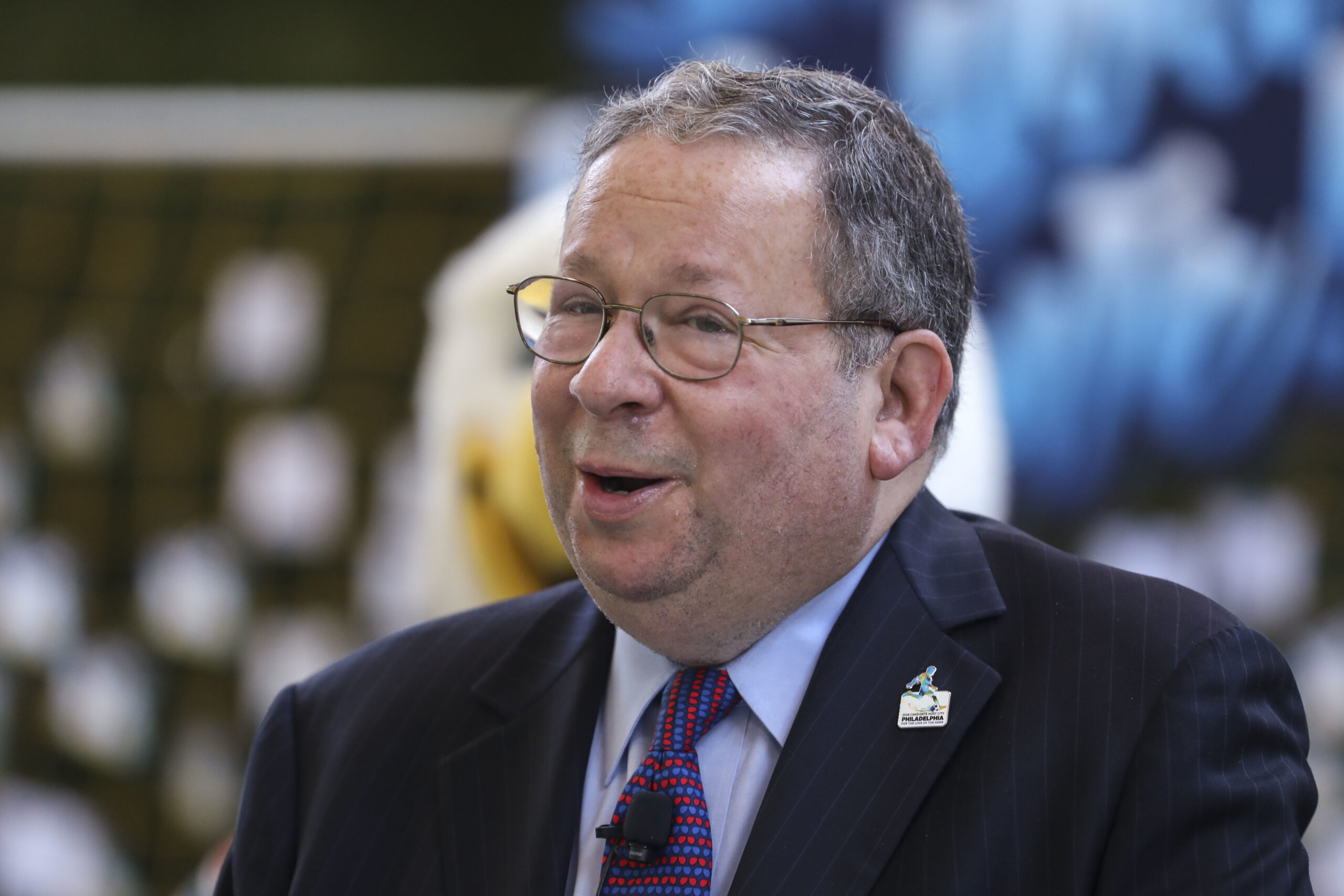
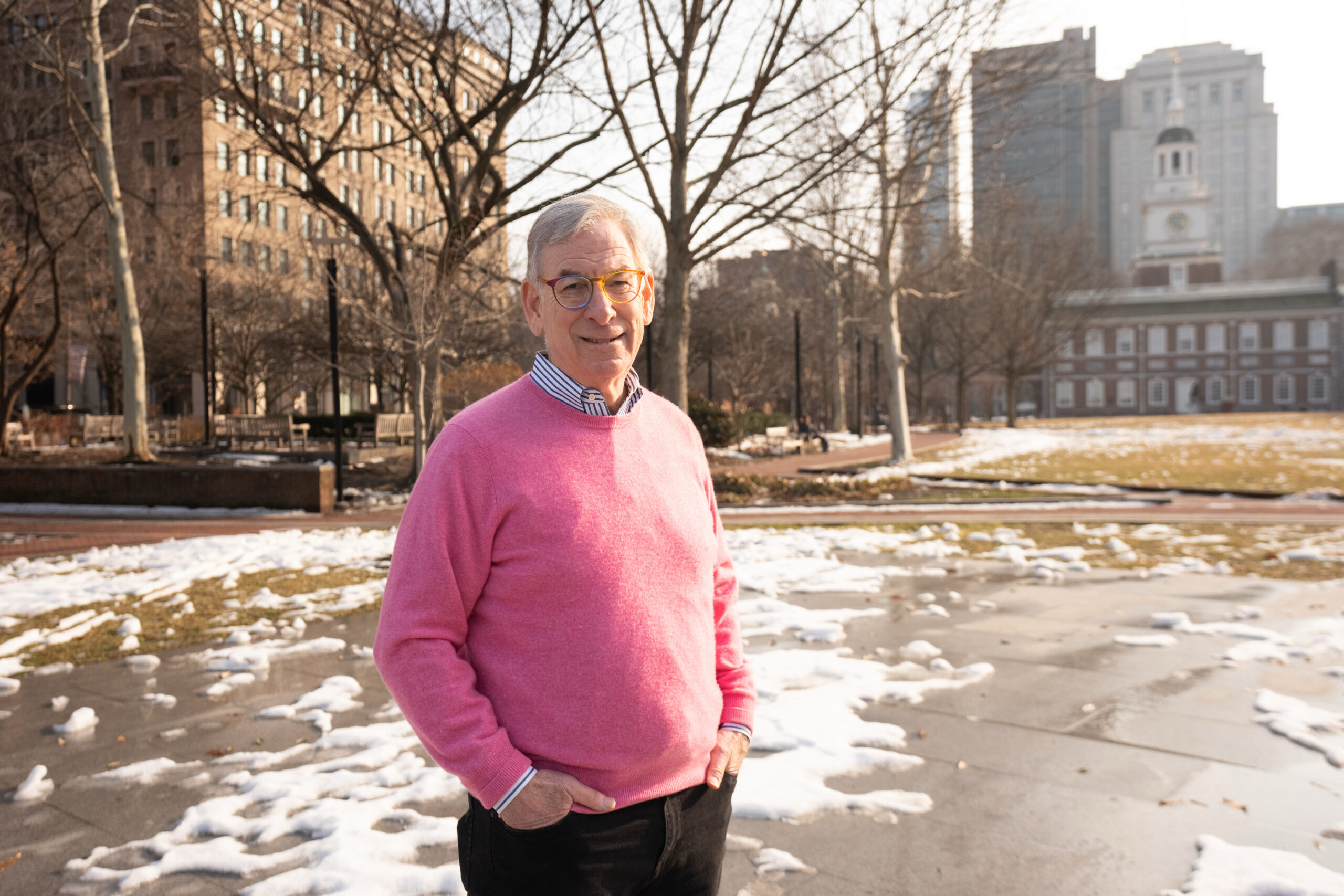
    In this 2021 file photo, David L. Cohen speaks as Philadelphia Soccer 2026, the city’s World Cup 2026 bid committee, launched an interactive exhibit at the Independence Visitors Center in Philadelphia. He is now heading an effort to bring the Democratic National Convention to Philadelphia.

    Cohen, a former Comcast executive and erstwhile chief of staff to former mayor Ed Rendell, is leading the effort alongside Daniel J. Hilferty, now the CEO of Comcast Spectacor.

    Hilferty and Cohen have worked together repeatedly over the last two decades to bring major events to Philadelphia, including a successful bid to become one of a handful of North American cities to host World Cup games this year.

    Also involved in coordinating the DNC proposal was Erin Wilson, a Philadelphia native who was a top aide to former Vice President Kamala Harris. She was the national political director for former President Joe Biden’s campaign and planned his 2021 inauguration.

    When the DNC comes to town

    DNC officials are expected to make a final decision on the 2028 site later this year. That call will likely be made by chair Ken Martin in consultation with top advisers and the committee’s Technical Advisory Group, which assesses logistics and operational matters.

    Philadelphia could also have an advocate in State Rep. Malcolm Kenyatta, who represents parts of North Philadelphia and is a DNC vice chair. He is known to have a close relationship with Martin.

    Committee officials and the advisory group will tour each of the five finalist cities for a yet-to-be-scheduled site visit this spring.

    If history is any indication, the city will roll out the red carpet. In 2014, when 18 members of the DNC came to Philly to check out the city ahead of the 2016 convention, the host committee spent six figures to charm them.

    The trip included a tour of Philly’s most popular sites, like Reading Terminal Market and the Philadelphia Museum of Art, as well as a swanky rooftop party and a breakfast at the Comcast Center. Predictably, cheesesteaks were also involved.

    “The site visits are as much about feel as they are about technical details,” Cohen said. “After site visits, the teams who are making choices leave here and they have their socks knocked off. They can’t believe how vibrant the city is.”
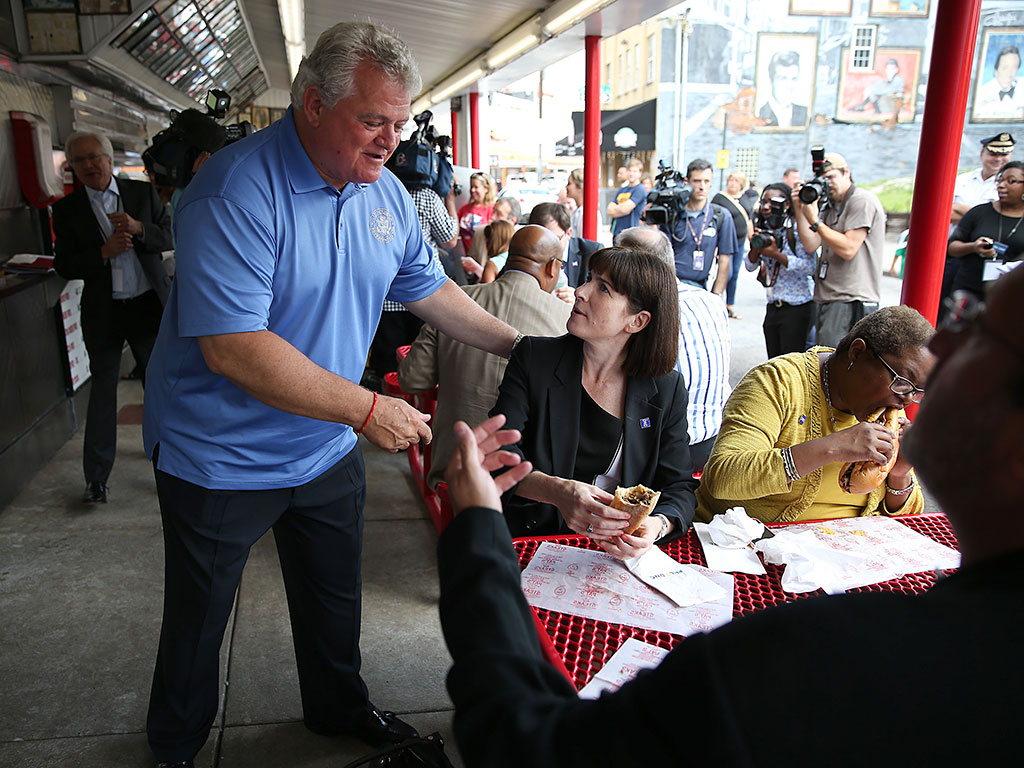
    In this 2014 file photo, Congressman Bob Brady, left, talks with DNC CEO Amy Dacey, center, as they have lunch at Pat’s Steaks in South Philadelphia.

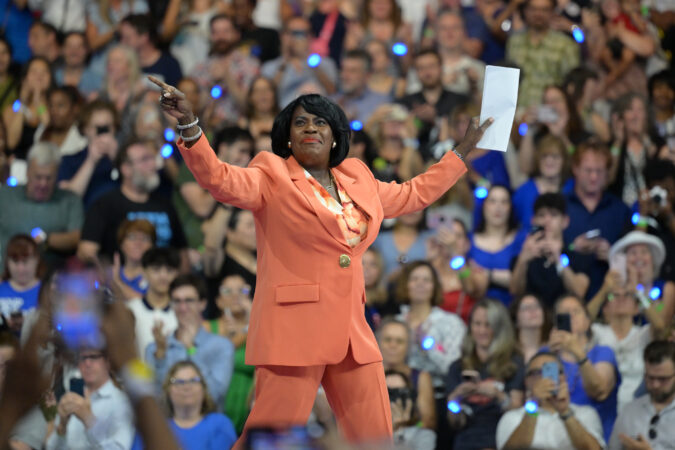
    Ryan Boyer, the head of the Philadelphia Building and Construction Trades Council and a close Parker ally, said one of Philadelphia’s best assets might be its mayor. Parker is an unabashed cheerleader for the city and is leading preparations for several major events this year, including World Cup games, the MLB All-Star Game, and the commemoration of America’s 250th anniversary.

    “She’s the most effective advocate for bringing people together,” Boyer said, “with just her level of passion, her love of the city, and her love of the job.”

    Cohen said he spoke to Parker last year about the potential to bid for the convention, and when she asked him to lead the host committee, he said yes because the city has “a serious chance.”

    “As a friend and longtime supporter of hers, if I didn’t think we had a legitimate shot, I would try to talk her out of it,” Cohen said. “If anything, I have poured gasoline on her flames of enthusiasm and said, ‘We should be all in for this.’

    ”I said, ‘Do what you do best,’” he added. “Get everyone excited about this.’”

    Gov. Josh Shapiro could also play a role in wooing the party. He is one of the most well-known Democratic governors in the country, and is seen by many as a contender for the 2028 Democratic nomination for president.

    That means there is a chance that Shapiro, who was raised in Montgomery County and whose family still lives there, could be nominated in what is essentially his hometown.
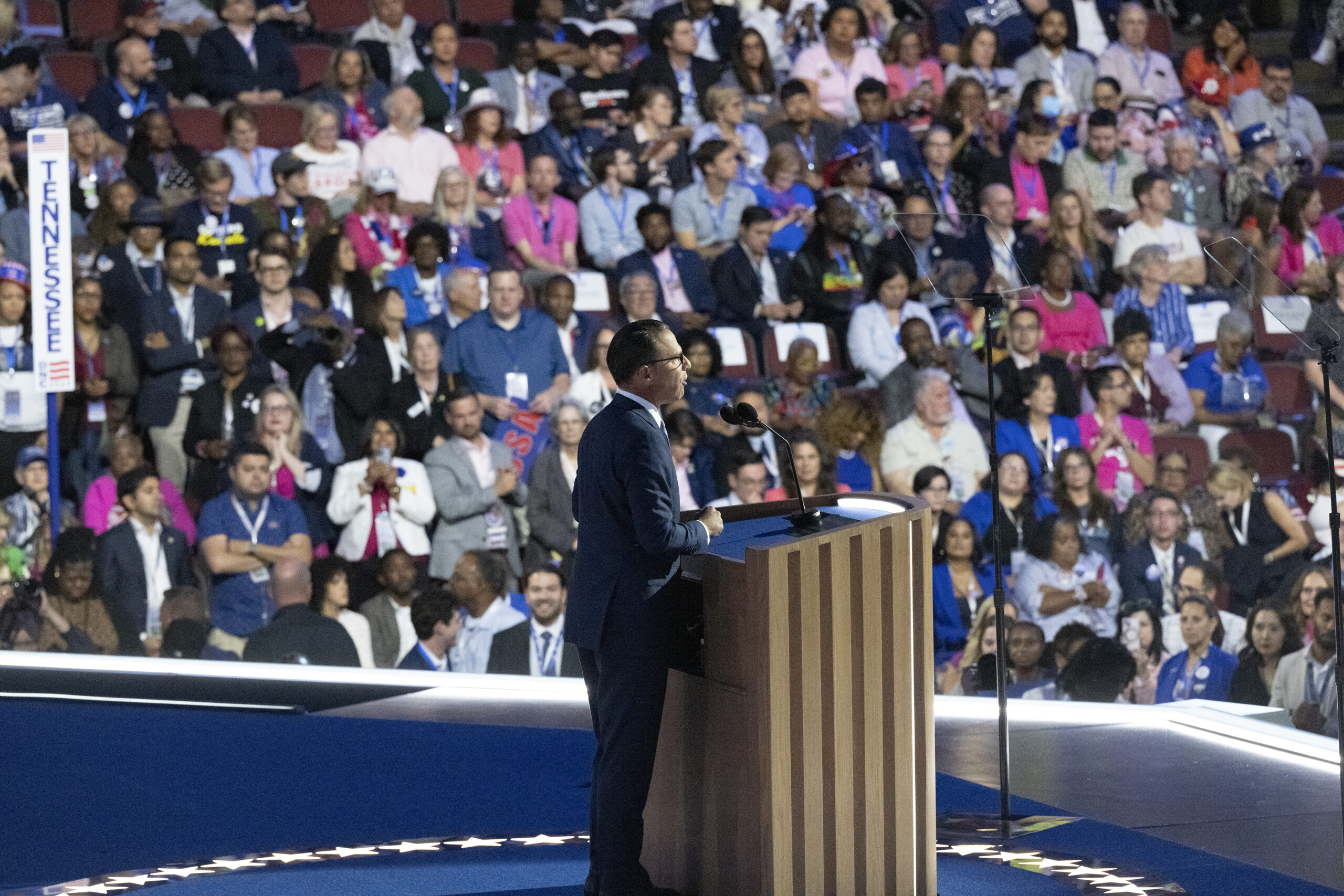
    Pennsylvania Gov. Josh Shapiro speaks during the Democratic National Convention Aug. 21, 2024, in Chicago.

    In a letter to Martin, Shapiro wrote that Philadelphia “would see substantial economic benefits” from hosting the convention and vowed that the state would be “prepared to ensure our infrastructure, public safety agencies, workforce, and business community are equipped to host thousands of delegates and attendees.”

    What’s next: a close look at security and logistics

    Behind the pomp of the DNC’s spring site visit will be a serious evaluation of security, transportation, hotels, and arena logistics.

    The DNC said in a statement Monday that it will value “new and innovative approaches” to hosting a large-scale event that is likely to bring thousands of tourists. In 2016, the convention drew more than 5,000 attendees and an additional 29,000 visitors — nearly 20,000 of whom were media members.

    Nominating conventions are typically designated as National Special Security Events, meaning the federal government leads security because the event is deemed at high risk for terrorism or other criminal activity. That means planners need to know specifics about law enforcement staffing, gear, and other capabilities.
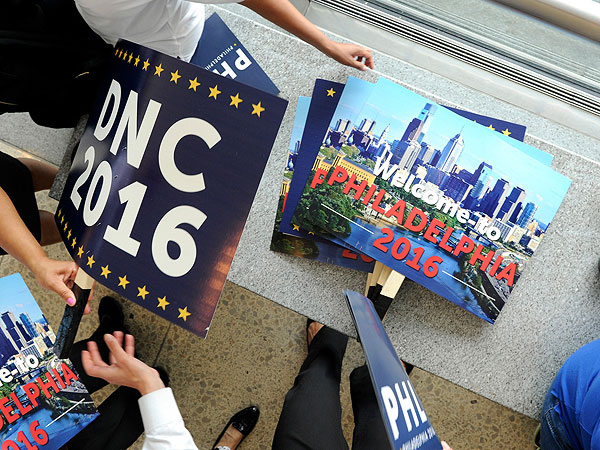
    Placards promoting Philadelphia as the host city of the Democratic National Convention in 2016, while the Democratic National Committee was touring the city in August.

    Support will also have to come from outside the city. During past conventions, federal law enforcement teamed up with Philadelphia police to secure the venue, and they were joined by officers from across the region.

    The DNC also said in its announcement Monday that the committee would prioritize “the importance of forging a strong partnership between the DNC and the host city, including its community, political, and business leaders.”

    To that end, the host committee and Parker asked elected officials and civic leaders from across the state to write letters of support that accompanied the city’s bid.

    Authors ranged from City Council President Kenyatta Johnson, whose district includes the South Philadelphia stadium complex, to labor leaders to Democrats from the Philadelphia collar counties.

    Montgomery County Commissioner Neil Makhija, who wrote a letter to the DNC boosting the bid, said it is important for the committee to see that local governments and law enforcement agencies outside the city are willing to offer support, because “pulling something like this off requires a lot of cooperation on many different fronts.”

    “A real concern now when you’re thinking about hosting a political convention is ‘How are we going to manage public safety and a threat environment?’” he said. “There are a number of reasons to point to our region and see a level of collaboration that inspires confidence.”
  • Philadelphia is on the short list to host the 2028 Democratic National Convention

    Philadelphia is on the short list to host the 2028 Democratic National Convention

    Philadelphia is one of five cities on a list of finalists to host the 2028 Democratic National Convention, a major gathering that could generate millions of dollars in economic impact for the city.

    Party officials are also considering Boston, Atlanta, Chicago, and Denver, the Democratic National Committee announced Monday.

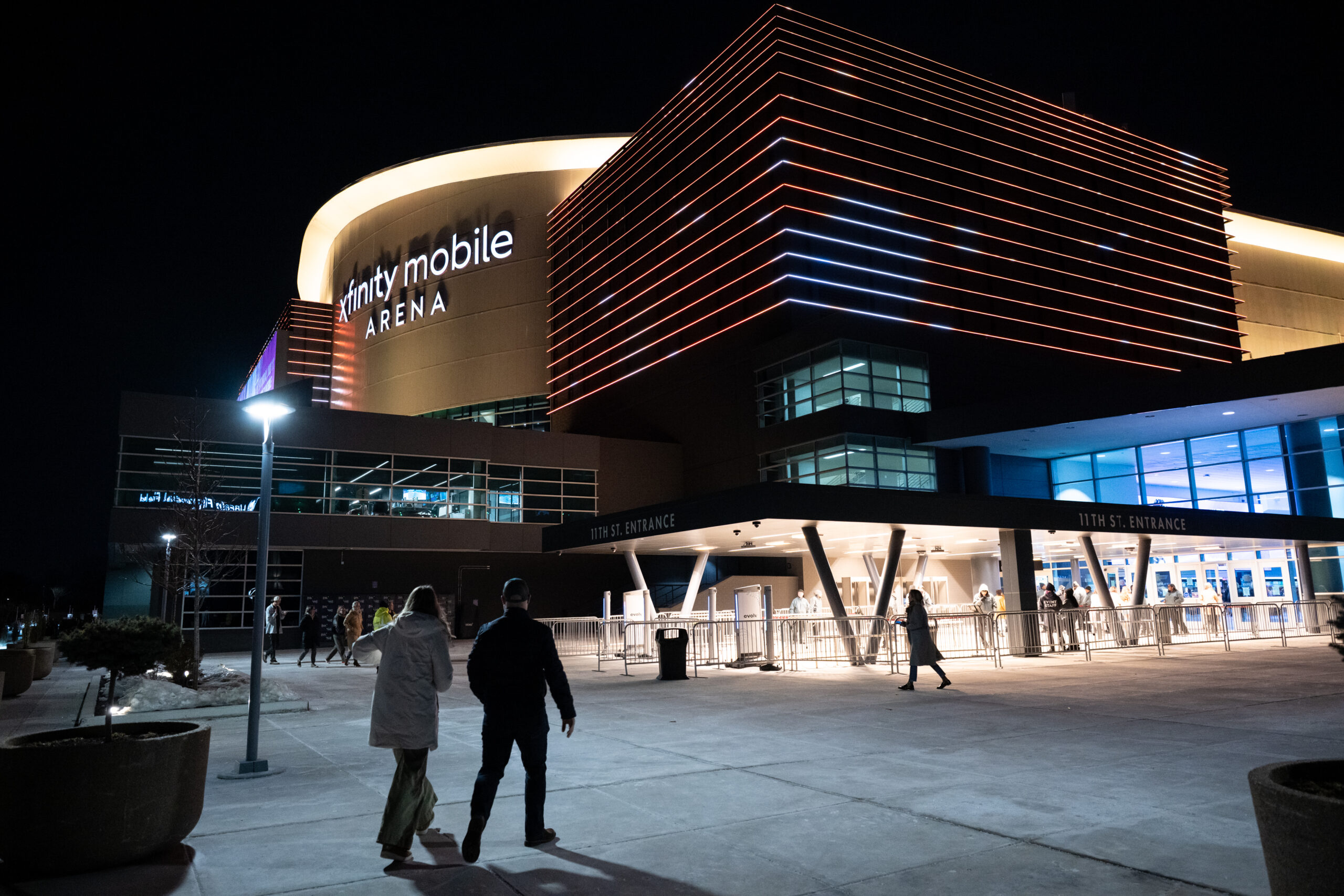
    The convention will be held from Aug. 7 to Aug. 10, 2028, according to the party. If Philadelphia is selected, the convention would likely be held at the Xfinity Mobile Arena at the South Philly stadium complex, the largest indoor event space in the city.

    DNC leaders and advisers are expected to make site visits this spring before selecting a host.

    The DNC said in its statement that, in picking a host city, party leaders will consider how each city uses “new and innovative approaches in response to the challenges and opportunities that arise from hosting an event of this magnitude.”

    The Republican Party’s 2028 convention will take place in Houston.

    Top Philadelphia Democrats and donors formed a host committee — called Pick Pennsylvania — in recent months and, in partnership with Democratic Mayor Cherelle L. Parker, submitted a bid to host the 2028 convention.

    In a statement, Parker said that Philadelphia’s selection as a finalist “reflects the strength of its proposal and the broad coalition of civic, business, labor, and community leaders committed to hosting a convention that is inclusive and memorable.”

    Parker, who is up for reelection next year, would no doubt play a major role in planning for an upcoming convention. So would Gov. Josh Shapiro, a Democrat currently running for reelection who is considered a contender for the 2028 presidential nomination.

    The president of the Philadelphia host committee is David L. Cohen, a prominent party stalwart, and the chair is Daniel J. Hilferty, the CEO of Comcast Spectacor, which owns the Xfinity Mobile Arena.

    Hilferty also led Philadelphia’s successful bid to host World Cup games this year.

    He said in a statement that “there is no city more excited, more invested and more prepared than Philadelphia to host the 2028 Democratic National Convention.”

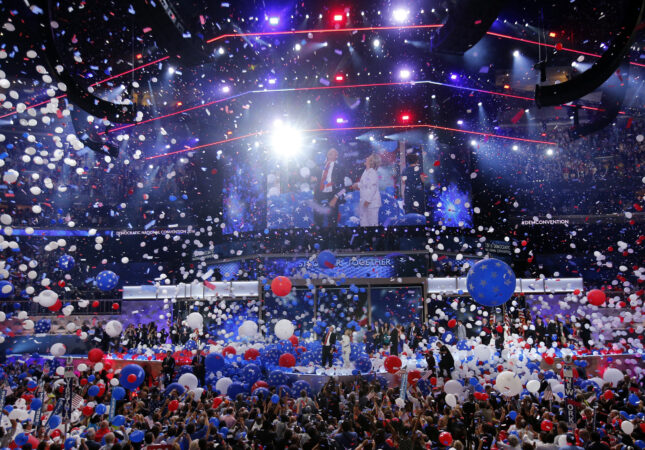
    Philadelphia — the largest city in a critical swing state — last hosted a presidential nominating convention in 2016 at the South Philly arena, then called the Wells Fargo Center. Democrats that year nominated former Secretary of State Hillary Clinton, who was later defeated by Republican Donald Trump.

    Before 2016, the city hosted major party conventions seven times, including the 2000 Republican National Convention. The GOP that year nominated then-Texas Gov. George W. Bush, who went on to serve two terms in the White House.

    Former U.S. Rep. Bob Brady, the chair of the Philadelphia Democratic City Committee, said Monday that he had spoken multiple times to DNC leaders about the prospect of the city hosting the 2028 convention.

    “We got a great reputation from the last convention we had,” Brady said. “Plus we’re going to show off the city very well this summer, which will really give us a good look.”

    The news that Philadelphia is again a finalist to host the DNC is a welcome development for the city’s tourism and hospitality industry, as party conventions draw thousands of visitors and can be a boon for spending in the city.

    The 2016 event generated $230.9 million in economic impact, according to the Philadelphia Convention and Visitors Bureau. Of that, about $132.9 million came from direct convention-related spending, and $11.1 million was generated by state and local taxes. That convention attracted more than 5,000 attendees and some 29,000 other visitors, leading to a record-breaking year for hotels in Center City, the bureau reported.

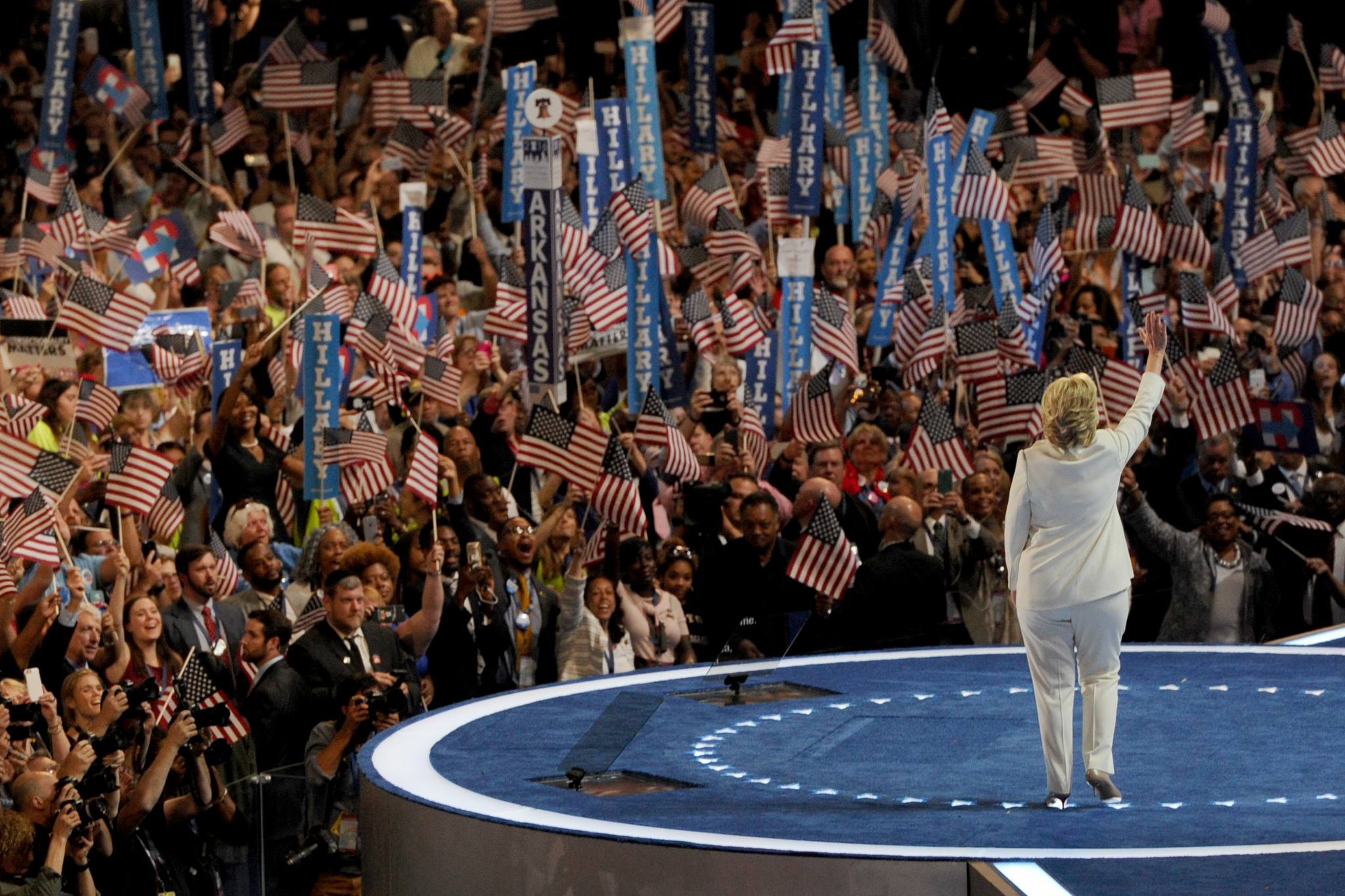
    In this July 28, 2016 file photo, then-Democratic presidential nominee Hillary Clinton walks on stage at the arena in South Philly to accept the nomination of her party on the final night of the DNC.

    If selected, Philadelphia may be uniquely positioned to host an influx of visitors.

    The city’s hotel supply has expanded since the last time it hosted a DNC — and there are more than 19,000 hotel rooms in the city, according to Visit Philadelphia. That’s an increase from about 16,000 available in 2016.

    The city has also invested millions of dollars on improvements to public spaces, transit hubs, and security ahead of several major events this year, including World Cup games, the MLB All-Star Game, and the commemoration of the 250th anniversary of America.

    Conventions are also major logistical undertakings. Attendees include high-profile politicians and celebrities, and protests often form outside the events. The federal government has over the last two decades designated both parties’ nominating conventions as National Special Security Events, meaning they are deemed at high risk for terrorism and require federally led security.

    In Chicago in 2024, the U.S. Secret Service led security planning alongside 16 other public safety entities, according to a local NBC affiliate. The law enforcement and security plan included designated protest zones, airspace monitoring, and traffic control.

    Host committees are also responsible for raising millions of dollars to pay for parties, transportation for delegates, construction and venue upgrades, as well as other logistical services such as consultants, accountants, and communications staff.

    In 2016, the Philadelphia host committee raised about $85 million — $10 million of which came from taxpayers in the form of a state grant. Other top contributions came from corporations, unions, and wealthy individual donors.

    The Chicago host committee two years ago raised about $97 million, according to the Chicago Sun-Times. The city’s tourism bureau estimated the 2024 convention generated $371.4 million in economic impact.

  • Choose transparency, deliberation, and investment over closure

    Choose transparency, deliberation, and investment over closure

    Superintendent Tony B. Watlington Sr. and the Philadelphia School District have proposed 18 school closures, six colocations, and a vague, insufficiently transparent plan to reconfigure grade levels across numerous other schools, citing the need for “more efficient use of all of our resources” to deliver high-quality academic and extracurricular programming districtwide.

    The Inquirer Editorial Board has endorsed the plan, pending adjustments to several sites, including Lankenau Environmental Science Magnet High School.

    The district is right to pursue a comprehensive facilities plan that addresses toxic building conditions, overcrowding, and underutilization. But it is going about it the wrong way. Facilities planning should be an annual, longitudinal process grounded in sustained community engagement, not a punctuated moment of 24 mass closures that disrupt neighborhoods and sidestep the thoughtful incorporation of public input that only time and intention can provide.

    Mistakes of 2013

    Without such care, the district will repeat the mistakes of the 2013 closures, which led to students disappearing from school rolls in September, overcrowded receiving schools, and the racialized erasure of neighborhood histories and place-based educational traditions.

    First, significant questions remain about implementation and transparency. Ten properties are slated to be “conveyed” to the city, reportedly tied to Mayor Cherelle L. Parker’s H.O.M.E. plan. Amid speculation about a 20-year tax abatement connected to redevelopment, it is unclear what mechanisms will ensure the benefits of these transfers accrue to the communities that have borne the brunt of closure, rather than to private developers. A two-decade tax abatement would symbolically and materially reinscribe the racialized disinvestment, neglect, and manufactured crisis that have too often paved the way for school closures in the first place.

    Second, the data used to inform the closures have been called into question by many, and do not take into account the nuance of mixing school populations via colocation. For example, parents at Childs Elementary have cited the district’s plan to colocate a new Academy at Palumbo based on a building capacity of 1,000. However, a significant portion of the building’s classrooms is dedicated to special-education students. A colocation would displace SPED students from these classrooms while reinforcing a bifurcated culture among the catchment-based middle school students and Palumbo students in an already rapidly gentrifying neighborhood of Point Breeze.

    Third, closure and conveyance to the city for resale do not guarantee public-serving outcomes. With my collaborators — Ariel Bierbaum, Amy Bach, and Elaine Simon — I have studied how thoughtful reuse, rooted in restoring community access and public control, can begin to repair the racially inequitable legacy of past closures.

    Yet, private redevelopment has repeatedly failed to stabilize these properties. Selling off public assets does not guarantee revitalization; it often perpetuates stagnation or displacement. Developers frequently “flip” former school buildings, speculating on value rather than advancing community use.

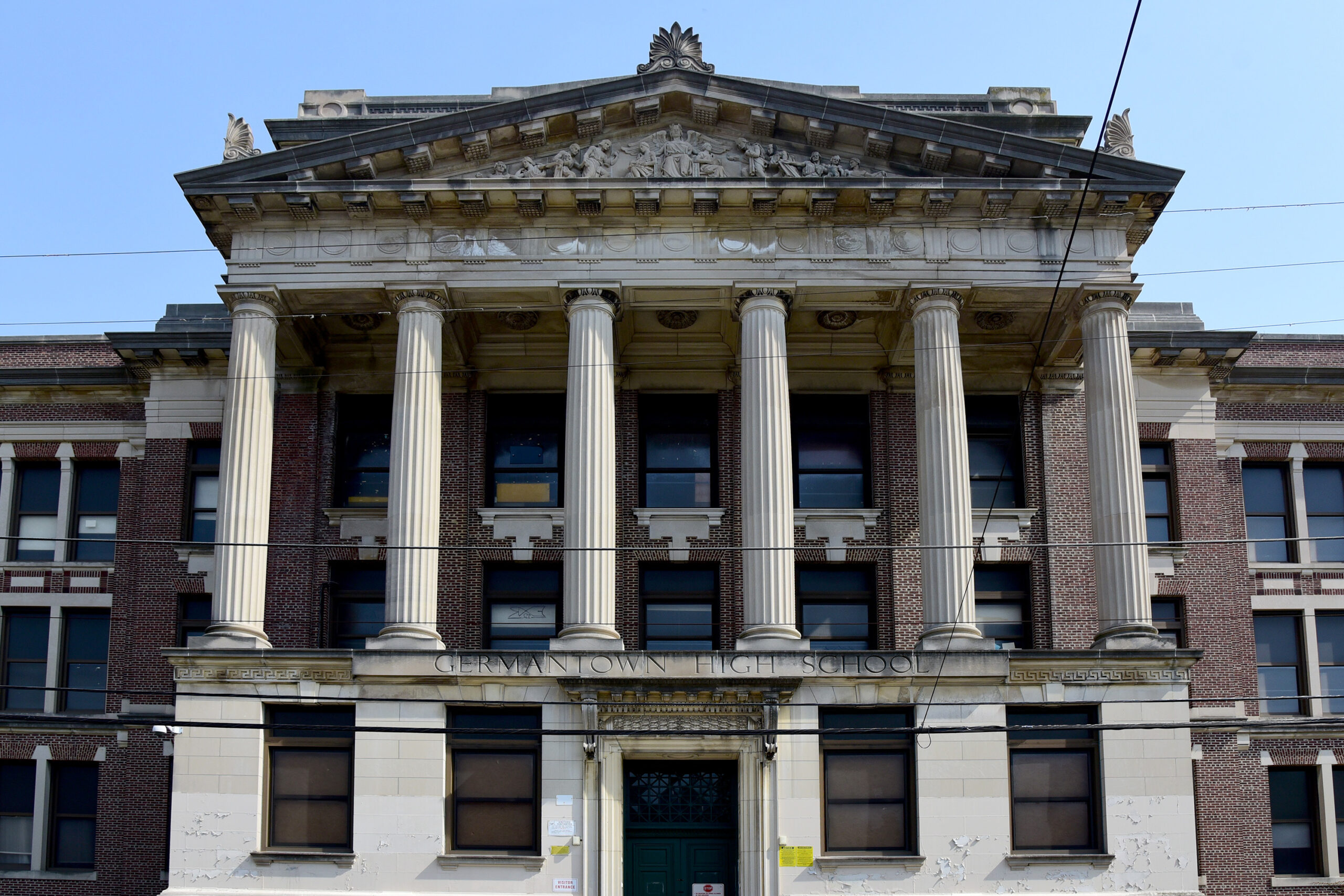
    After it closed in 2013, Germantown High School fell into decay and disrepair, a fate Julia McWilliams writes could be repeated.

    Take the former Germantown High School and Robert Fulton Elementary, for example. Concordia Group bought them in 2014, only to abandon its plans and resell the buildings three years later to local developer Jack Azran, whose opaque redevelopment has sparked concern.

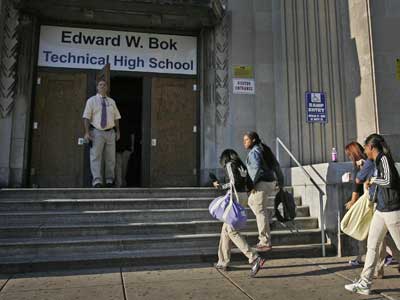
    Moreover, once schools are sold to private entities, they are effectively lost to some communities and public education forever. South Philadelphia’s experience is a cautionary tale. As nearby elementary schools became overcrowded following the 2013 closures, the former Edward W. Bok Technical High School, once a public citywide admissions school, was transformed into a workspace for small-business owners, artists, and nonprofit organizations, closing classrooms forever.

    This reuse no longer serves the same community of students and families as when it was a high school, and raises important questions: What does it mean for a community’s future when former schools become symbols of gentrification rather than centers of education? And what options remain when demographic shifts create new demand for neighborhood schools that no longer exist?

    Had Bok remained in public hands, it could have flexibly adapted to those needs. Instead, it serves a much different population: South Philadelphia working artists, small-business owners, and local refugee-serving nonprofits, but also patrons who can afford $14 cocktails.

    Slow down

    Rather than defaulting to closure, the Board of Education should consider how underenrolled buildings might be repurposed for public-serving uses that retain community control. Could redevelopment proceed gradually, with clear commitments that investments in existing buildings benefit both local families and those who have chosen these schools?

    Such an approach would require genuine public engagement and sustained dialogue. It would require slowing down and rejecting a disruptive, thinly deliberated plan shaped by speculative capital and instead committing to participatory, long-term facilities planning.

    The district and the city face a choice. They can repeat a cycle of disinvestment and dispossession, or they can chart a more deliberative, community-rooted path. The question is whether they have the will to do so.

    Julia McWilliams is the codirector of the Urban Studies Program at the University of Pennsylvania and a member of Stand Up for Philly Schools. She coauthored the forthcoming book, “Schools for Sale: Disinvestment, Dispossession, and School Building Reuse in Philadelphia,” from the University of Chicago Press.

  • Angelo’s Pizzeria to expand into Federal Donuts & Chicken’s South Philadelphia location

    Angelo’s Pizzeria to expand into Federal Donuts & Chicken’s South Philadelphia location

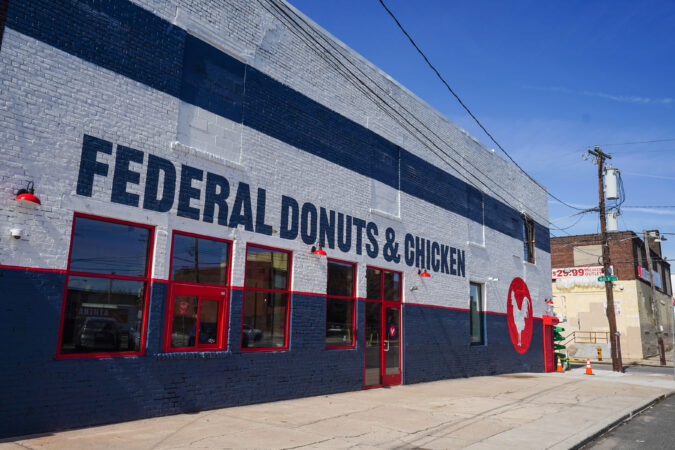
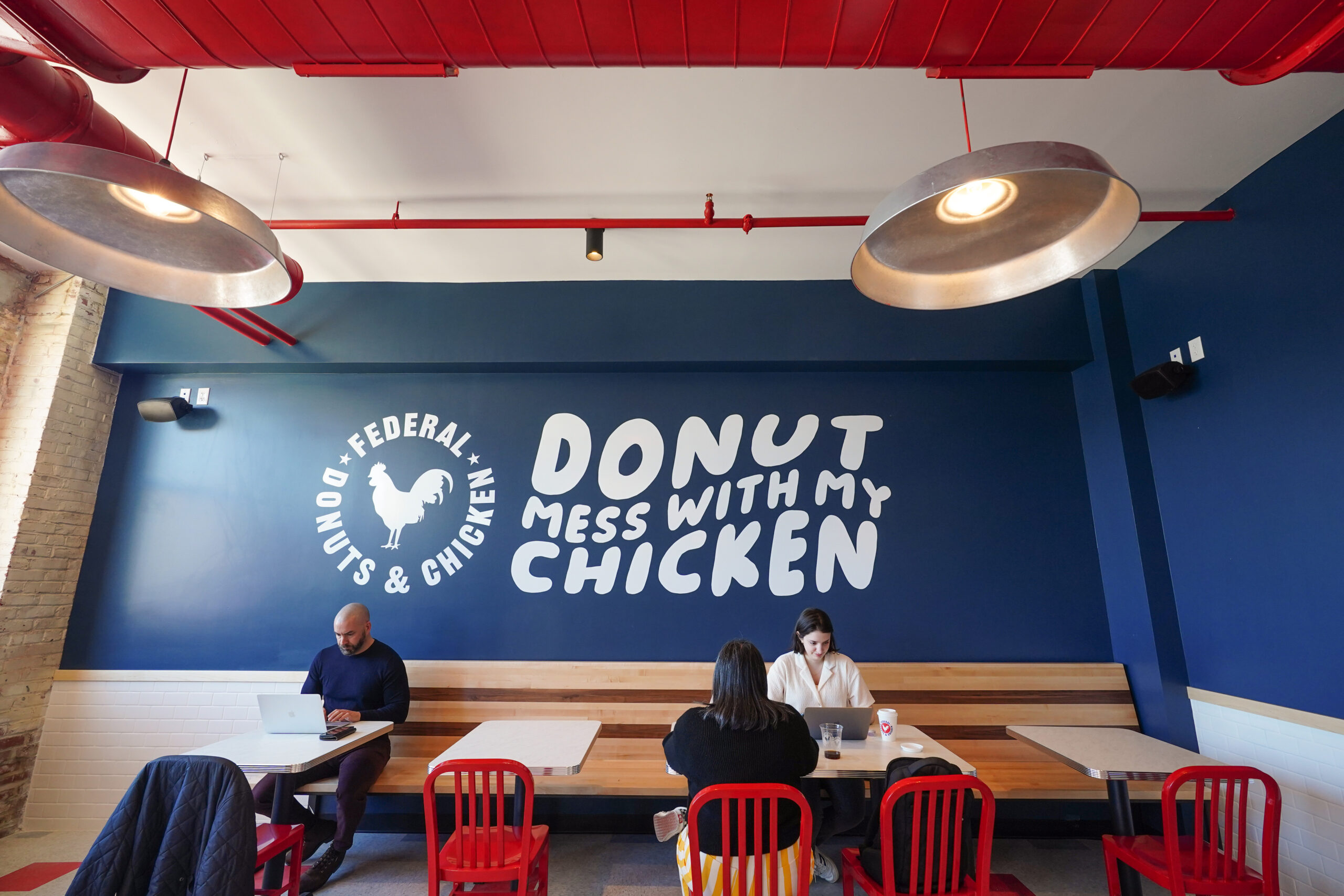
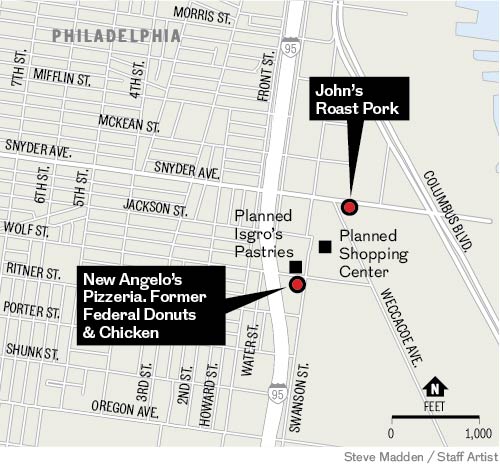
    Angelo’s Pizzeria, bursting at the seams at its flagship shop on Ninth Street near the Italian Market, will take over the South Philadelphia location of Federal Donuts & Chicken, converting the chain’s largest outpost into a production hub with delivery, takeout, and limited seating.

    The Federal Donuts location at Wolf and Swanson Streets, which opened in March 2024, closed Saturday. Its six employees have been offered jobs elsewhere in the company, cofounder Steve Cook said.

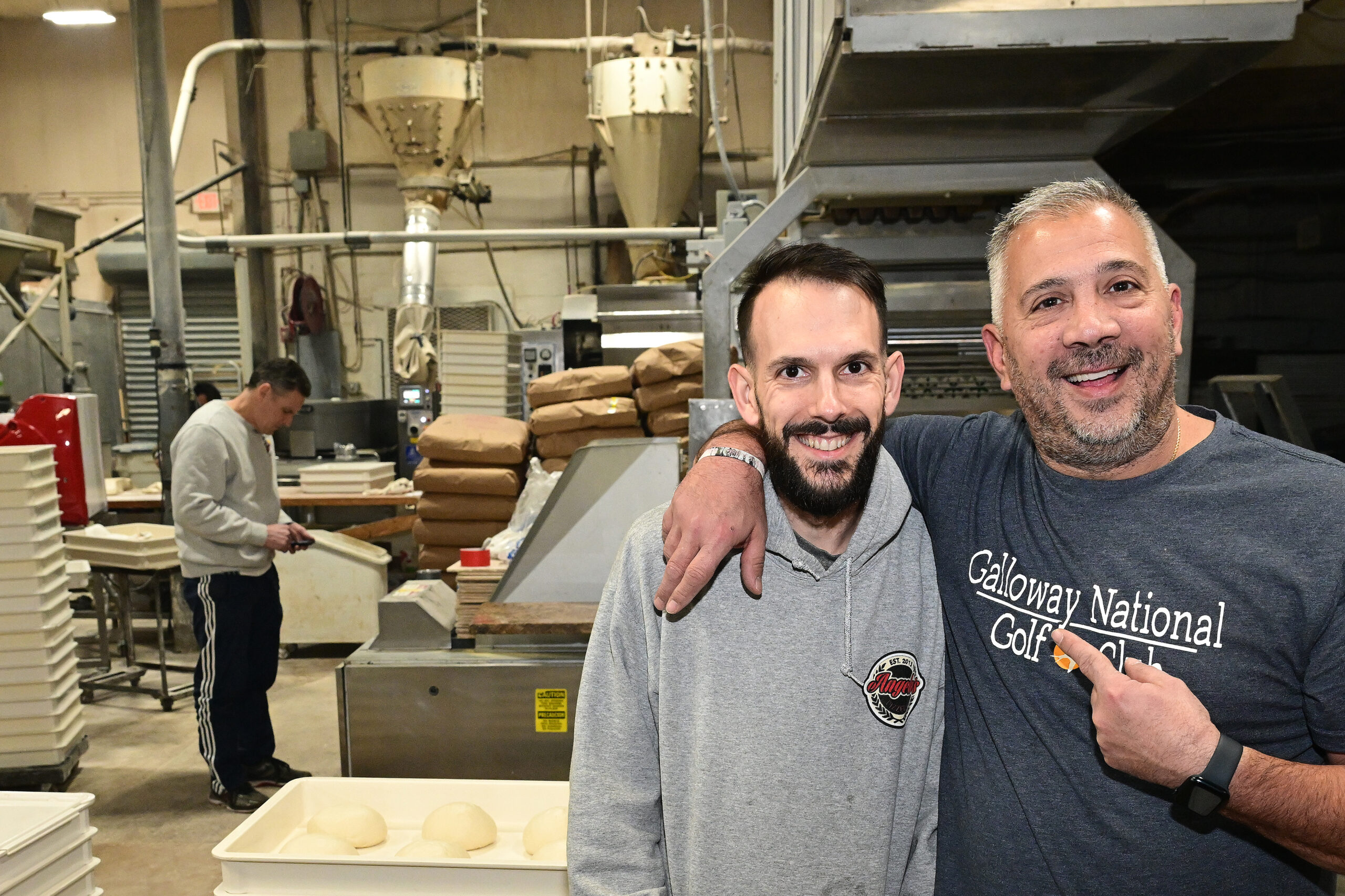
    Danny DiGiampietro of Angelo’s Pizzeria (right) with longtime business partner Jared Braunstein at Angelo’s Baking Co. in Conshohocken, Pa., in December 2024.

    Angelo’s owner Danny DiGiampietro told The Inquirer that the new location would solve key issues for the Michelin-honored pizza and sandwich business, whose house-baked rolls helped propel its popularity from its opening in 2019 after a move from Haddonfield.

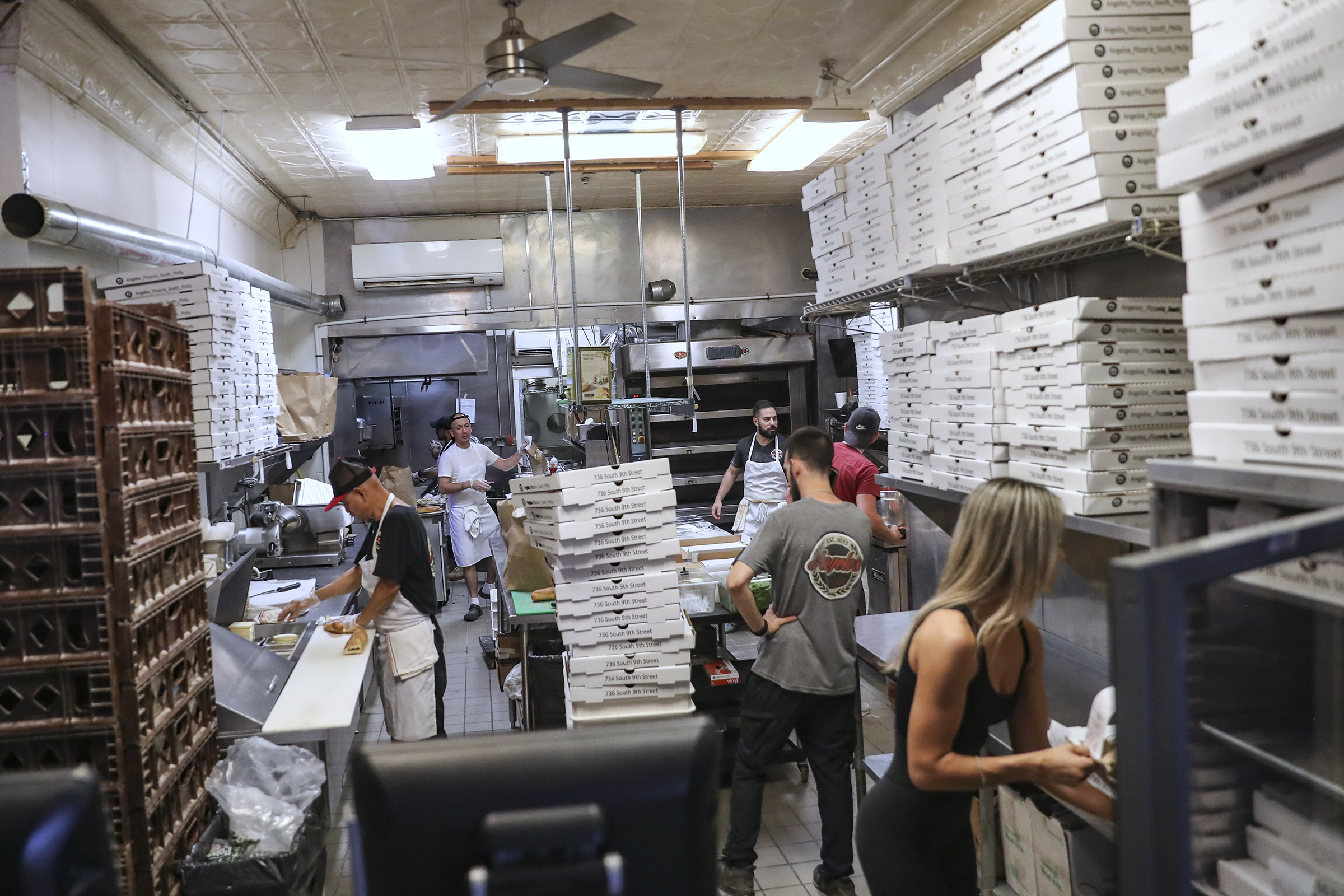
    First, it will take the pressure off of the takeout-only Ninth Street storefront, which draws long lines — as well as neighbor complaints. “Ninth Street isn’t going anywhere — we’re not touching that,” he said.

    Second, it will allow Angelo’s to move its third-party delivery out of North Philadelphia, where it launched in a ghost kitchen in October 2024. “We like working with them and it helped prove the concept,” he said of the kitchen, on Girard Avenue near 13th Street.

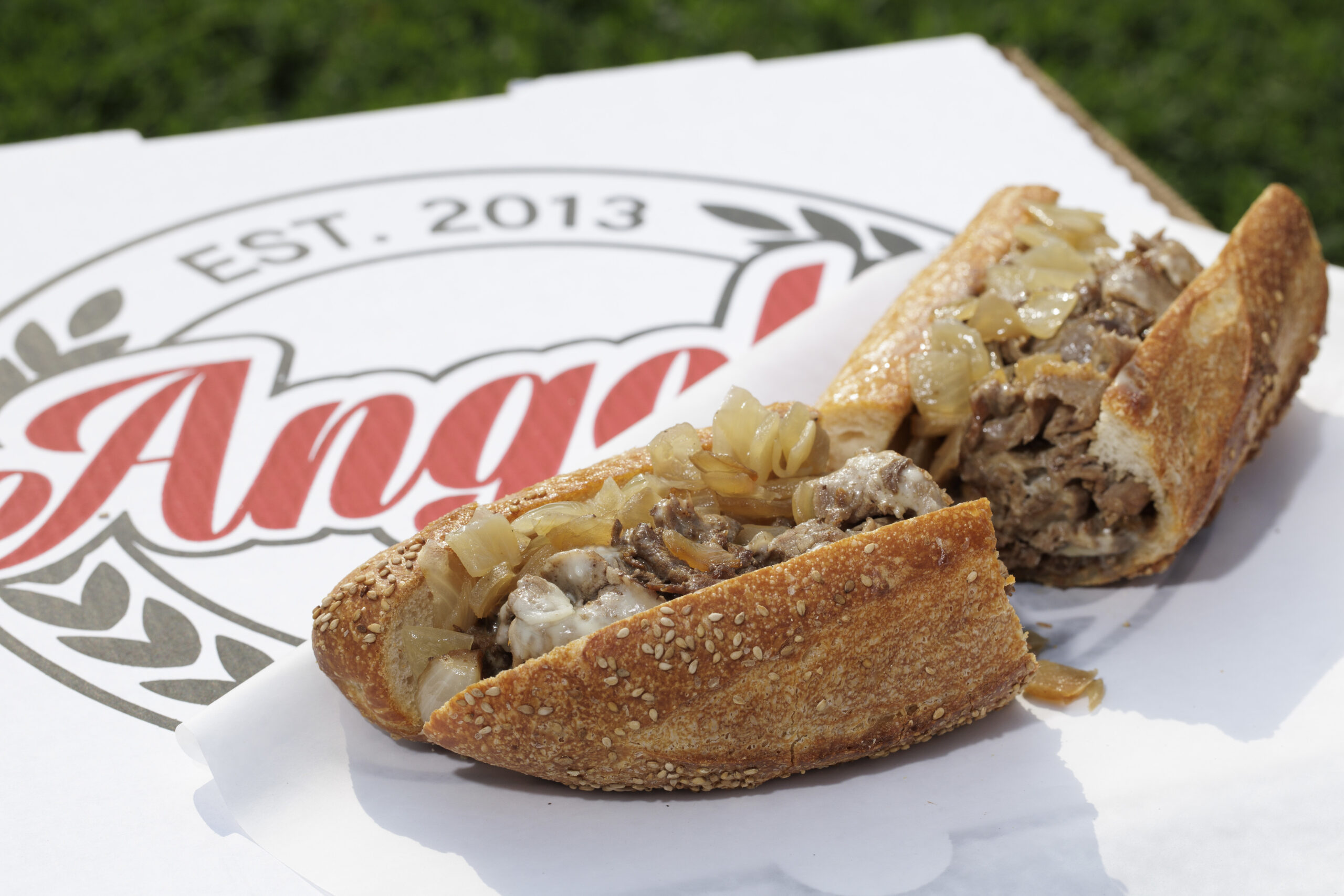
    A cheesesteak with onions and Cooper Sharp American from Angelo’s.

    Third, with a new kitchen five times the size of Ninth Street’s, “this will bring us back to doing what we used to do,” DiGiampietro said. “We made our bones with specialty sandwiches, like sausage scaloppine and 50 kinds of cutlets. When cheesesteaks and pizza took over, we had to take them off [the full-time menu]. Not knocking the cheesesteaks, but they’re boring. I want to get loose again.”

    He said Wolf Street would also serve as a commissary and operate seven days from early in the morning (with house-baked bagels) to late at night.

    DiGiampietro said the new building had been on his radar several years ago, before Federal Donuts signed on. “At the time, the build-out cost and the timeline — more than a year — just didn’t work for us,” he said. “The cloud kitchen was faster. But when this came back around, we moved on it fast.”

    Angelo’s Pizzeria on Ninth Street during the lunch rush on Aug. 31, 2022.

    Asked how many people will be employed at the new location, DiGiampietro replied: “I have no idea. I just come up with the ideas.” Jared Braunstein, his longtime business partner, added: “We’re reactionary here. We just figure it out.”

    For Federal Donuts, the Wolf Street closure reflects a broader shift in its operating model. Cook, fellow chef Michael Solomonov, and several friends launched the fried chicken/doughnuts/coffee brand in 2011 as a complement to CookNSolo’s award-winning restaurant, Zahav.

    After taking on outside investment in 2022, Federal Donuts began franchising and moving away from a centralized commissary approach.

    The Federal Donuts & Chicken location at Swanson and Wolf Streets just before its debut in March 2024.

    Wolf Street’s kitchen, at 5,000 square feet, was designed for high-volume production. But by the time it opened, that strategy had already evolved, Cook said. “We liked the retail opportunity there. We liked the development story there. But we’re still early on the retail side, and without the commissary to underwrite some of the overhead, it just didn’t really make sense.”

    The move fits into Angelo’s broader expansion pipeline.

    DiGiampietro, with partners, opened Uncle Gus’ Steaks in late 2024 inside Reading Terminal Market. He and the owners of the Wilmington restaurant Bardea opened Angelo’s cheesesteak stand last year in Wilmington’s DE.CO food hall. Actor Bradley Cooper, who walked into Ninth Street anonymously several years ago and bought a sandwich, is DiGiampietro’s business partner in a cheesesteak shop called Danny & Coop’s in Manhattan’s East Village.

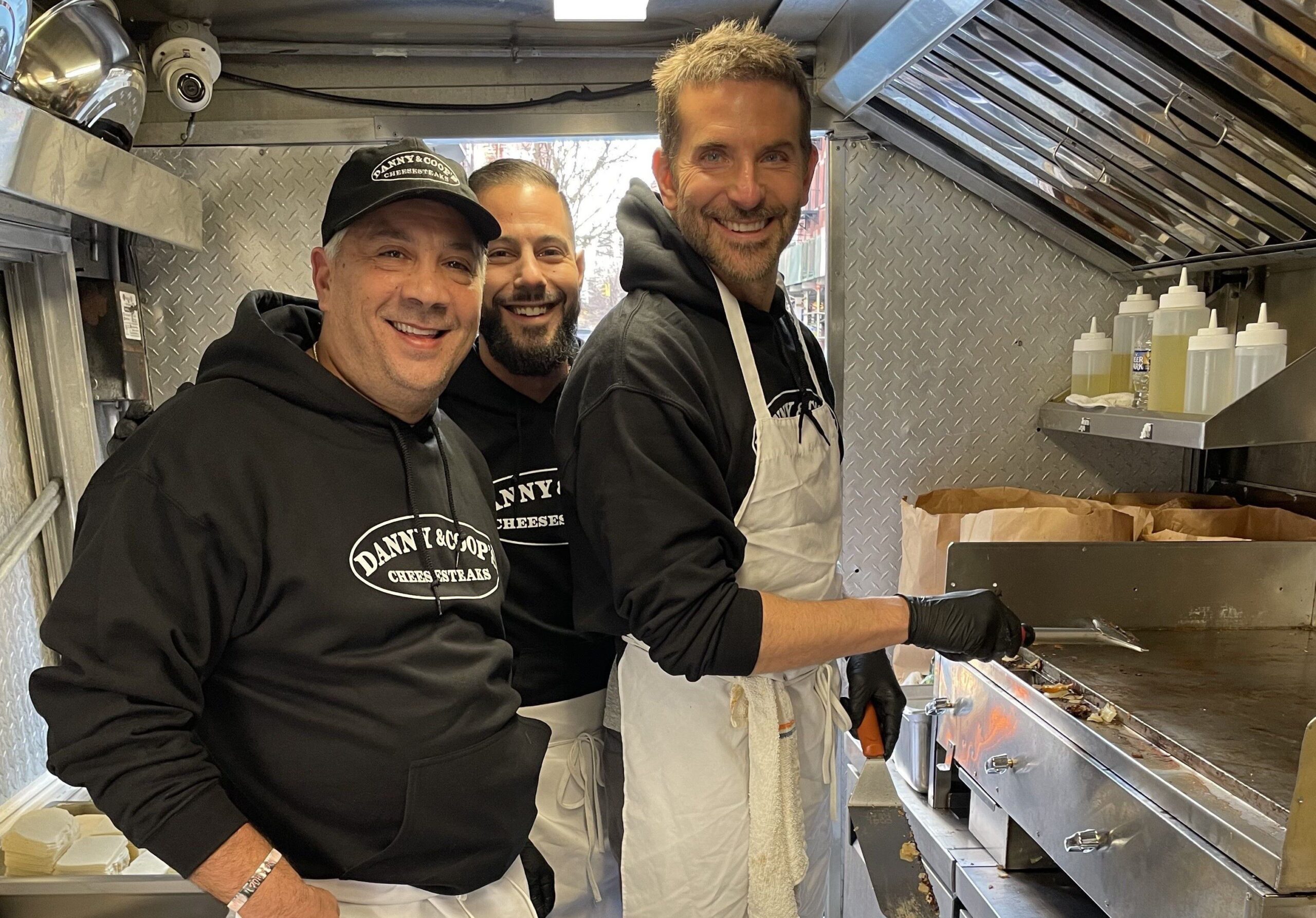
    Actor Bradley Cooper (right) and Angelo’s Pizzeria owner Danny DiGiampietro (left) work on the Danny & Coop’s cheesesteak truck, a precursor of their shop, with manager Seth Braunstein in New York in December 2023.

    A long-delayed bakery project in Conshohocken is nearing completion. DiGiampietro said progress has been slowed by the need to bring the older building — formerly Conshohocken Italian Bakery — up to current code.

    He said he hopes to open that retail bakery within a month.

    DiGiampietro said a South Jersey location, planned for the former Di’Nics in West Collingswood Heights, is at least six months from opening. Work is expected to begin soon.

    For now, DiGiampietro’s focus is on South Philadelphia, where the industrial-scale Wolf Street building offers room to grow without the constraints of a dense residential block.

    Angelo’s Pizzeria is setting up at Swanson and Wolf Streets.

    “It’s [in an] industrial [area], it makes sense operationally, and it gives us room to grow without bothering anyone nearby,” DiGiampietro said. “For us, it was a no-brainer.”

    The surrounding corridor — long defined by warehouses and light industry, as well as big-box stores along Columbus Boulevard and the landmark John’s Roast Pork — is also in flux. Across Wolf Street, Isgro’s Pastries is planning a second location — a large-scale bakery and cafe — to open this summer. Just north on Swanson Street, the six-acre former Inolex Chemical Co. site has been cleared for a retail development whose prospective tenants include Shake Shack, Raising Cane’s, and Lidl.

  • Aramark is out as food provider for new South Philly arena slated for 2030

    Aramark is out as food provider for new South Philly arena slated for 2030

    Aramark will not be the official food, beverage, and hospitality provider at the new South Philadelphia arena where the 76ers, Flyers, and the city’s new WNBA team are expected to play.

    Harris Blitzer Sports & Entertainment, which owns the Sixers, and Comcast Spectacor, which owns the Flyers and Xfinity Mobile Arena, announced that Levy Restaurants will take over food and beverage duties in the new arena, which is slated to open by 2030.

    “Very few cities are as devoted to their teams as Philadelphia, the loyalty and passion are part of the DNA that make the community so special. It’s both an honor and an invigorating opportunity to help amplify the best of Philadelphia,” Levy CEO Andy Lansing said in a statement.

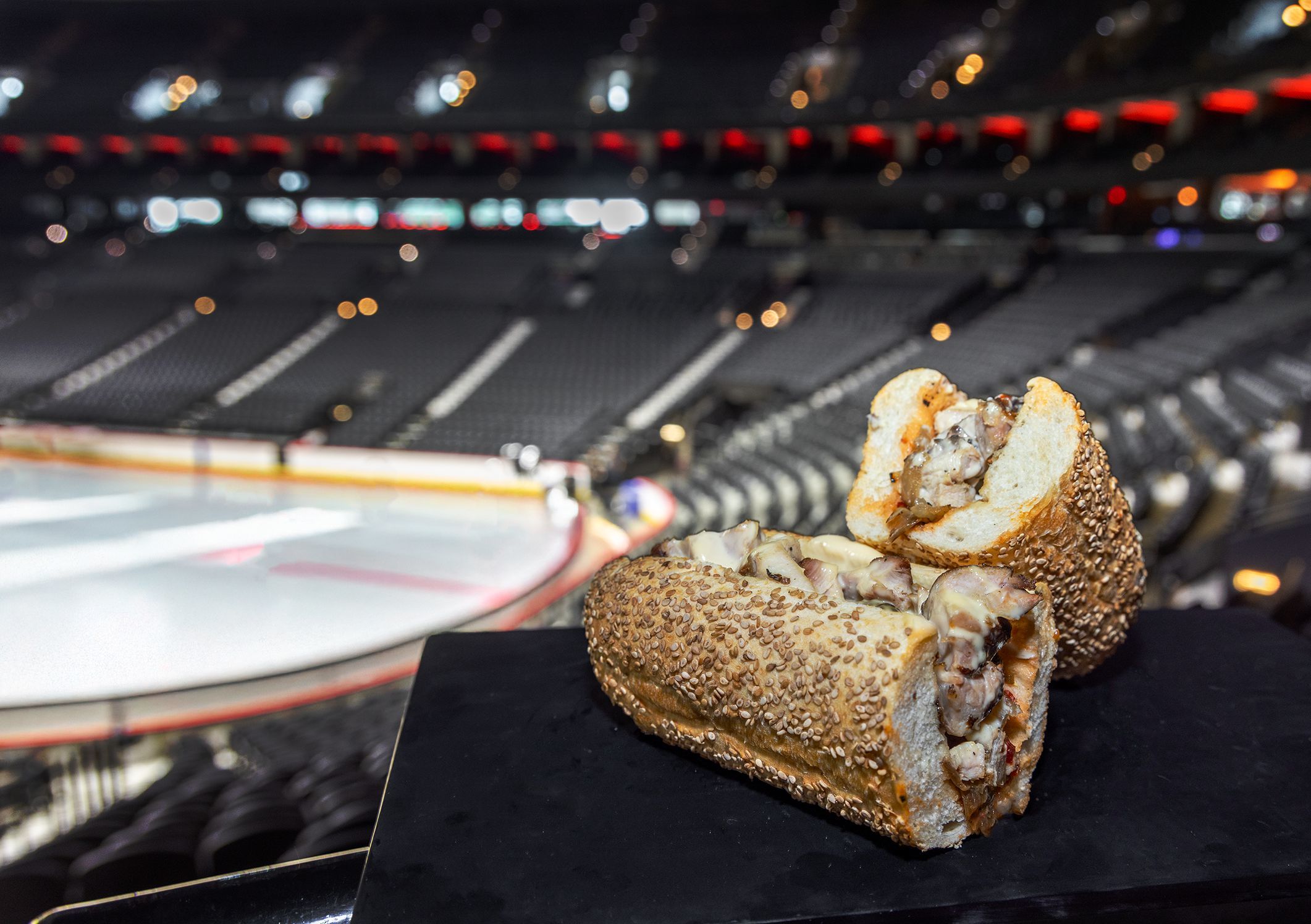
    Smoked chicken cheesesteak is on the 2025-26 menu at the Xfinity Mobile Arena.

    Aramark has overseen hospitality at the Sixers’ and Flyers’ arena since it opened in 1996. Lincoln Financial Field and Citizens Bank Park hospitality services are still operated by the Philadelphia-based food services provider.

    A spokesperson for the arena said that the decision to go with a new provider was not based on Aramark’s performance, but was the result of a standard pitch process.

    “We have a great relationship with our friends at Aramark,” Comcast Spectacor chairman and CEO Dan Hilferty told SportsBusinessJournal. “We have, on both sides, committed that while Xfinity Mobile Arena is still in operation, we’re going to deliver the best possible product.”

    Aramark will continue its tenure at Xfinity Mobile Arena until the new arena opens. The new arena was announced last year after plans to build a Center City arena for the Sixers were abandoned in favor of a new building at the South Philly sports complex.

    Xfinity Mobile Arena used to be known as the Wells Fargo Arena, from 2010 into August 2025.

    “Our team is fully committed to delivering memorable game day experiences, and we are grateful for the many decades spent fueling the passion and energy of the fans,” an Aramark spokesperson said in a statement.

    The hometown food service provider has come under fire in recent years over labor disputes with the thousands of people who work in the stadiums. Before Unite Here Local 274 won its latest contract, fewer than 100 workers represented by the union had year-round healthcare. The contract, signed last March, increased wages and brought hundreds of workers onto the union healthcare plan.

    Levy’s portfolio includes nearly half the NBA/NHL shared arenas, such as Los Angeles’ Crypto.com Arena, according to a Sixers spokesperson. Levy, which has headquarters in Chicago, also provides services for such large events as the Kentucky Derby and the Grammys.

  • Noel Mayo, groundbreaking Black industrial designer and college professor, has died at 88

    Noel Mayo, groundbreaking Black industrial designer and college professor, has died at 88

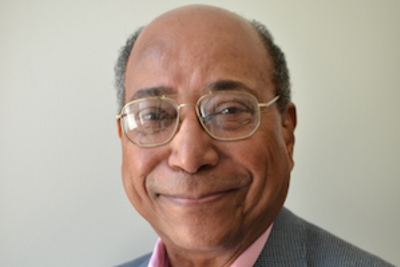
    Noel Mayo, 88, formerly of Philadelphia, widely recognized as the first Black owner of an American industrial design firm, first Black American college chair of an industrial design department, first Black industrial design graduate of Philadelphia College of Art, award-winning super mentor, and champion of professional diversity, equity, and inclusion, died Thursday, Jan. 29, of a probable heart attack at an assisted living center in Delaware County.

    Rejected for an industrial design job after college because he was Black, Professor Mayo went on to found Noel Mayo Associates Inc. in Philadelphia in 1964. He spent 11 years in the late 1970s and ’80s as a professor and first Black chair of the industrial design department at what became the now-defunct University of the Arts, and 27 years, from 1989 to 2016, as a governor-appointed eminent scholar in art and design technology at Ohio State University.

    “Dr. Mayo leaves behind a transformative legacy,” former colleagues at Ohio State said in a tribute, “whose impact shaped generations of students, elevated the field of design, and advanced diversity and inclusion across the profession.”

    As the trailblazing owner and president of Noel Mayo Associates for decades, he and his staff designed all kinds of products, interiors, exteriors, graphics, mobile exhibits, and signage systems for companies and private clients around the world. He worked with NASA, IBM, Black & Decker, Philadelphia International Airport, museums, government agencies, and public institutions.

    He collaborated with Lutron Electronics for 45 years and is named on hundreds of its design and utility patents. In 1984, he remodeled the mayor’s City Hall office after Wilson Goode replaced Bill Green. In 1988, he advised officials at the old Spectrum on the placement of a Julius Erving statue in South Philadelphia.

    He designed computer-driven telephones in the 1980s that could dial 96 phone numbers automatically and leave messages. “I realize how pressured this is,” he told the Daily News for a 1984 story about design and technology’s effect on modern life. “But people want it.”

    Professor Mayo was featured in a 1977 story by Inquirer design critic Ellen Kaye, and she praised the “visual fluidity” he created in a refurbished Bala Cynwyd high-rise condo. She wrote about his work again in 1978, and he said design “revolves around problem-solving from a logical point of view.”

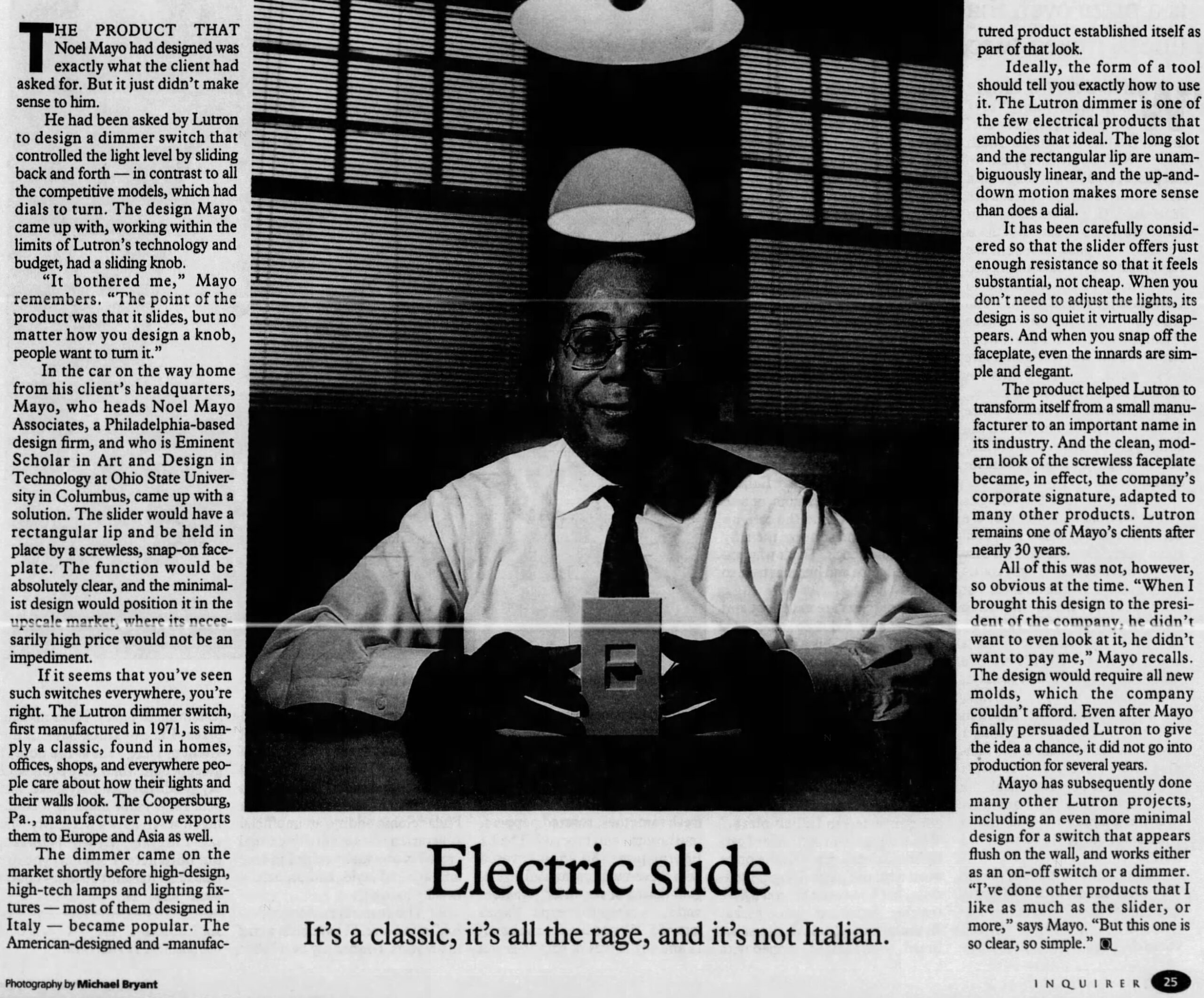
    In a 1995 story, Inquirer design critic Thomas Hine noted his commercial success with early light-dimmer switches and said it “helped Lutron to transform itself from a small manufacturer to an important name in its industry.” In a recent video interview, Professor Mayo said: “I see the problems as kind of opportunities that other people didn’t see. … So I look for opportunities for innovation.”

    Professor Mayo was featured in The Inquirer in 1995.

    As chair at Philadelphia College of Art and its successor, University of the Arts, he grew the industrial design department from the school’s ninth largest to its third largest. In online tributes, former students called him “a true icon” and “a doorway into a world of possibility, dignity, and community.”

    He told The Inquirer in 1978: “Something looks good when it looks rational. That is how I work myself, and that is what I try to teach my students.”

    At Ohio State, Professor Mayo taught product, interior, and graphic design courses, and researched accelerated learning processes using music, color, relaxation techniques, interactive computers, and video. Former colleagues there praised “his blend of rigor, generosity, calmness, and mentorship” in a tribute.

    Professor Mayo worked hard to recruit Black and other minority designers and students to his company and college courses. He created mentoring programs and developed an extensive network of minority business contacts.

    Professor Mayo designed this telephone.

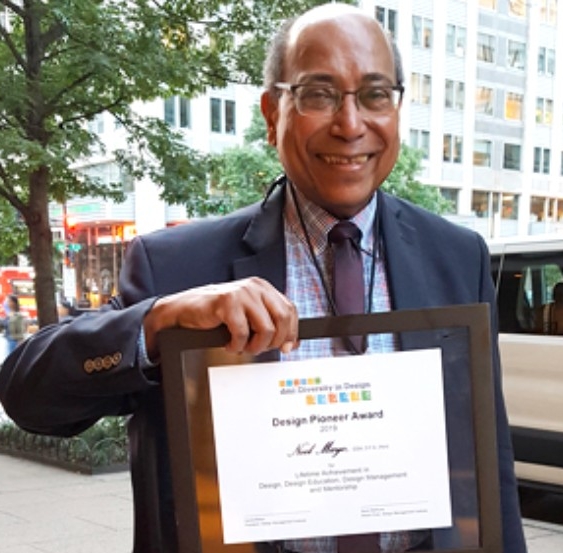
    “He did not treat diversity as a slogan,” a former colleague said in an online tribute. He earned lifetime achievement awards from the Industrial Designers Society of America in 2006 and the Design Management Institute in 2019. In 2021, Ohio State alumni created and funded the Mayo Mentoring Program.

    He was one-time president of the Philadelphia Economic Council and the Greater Philadelphia Community Development Corp. He wrote articles for many publications and served on boards at University of the Arts, the Society for Environmental Graphic Design, and other groups.

    He was a fellow of the Interior Design Council of Philadelphia, a juror for art and design competitions, and a member of the Philadelphia Art Commission. Asked to advise young designers in the recent video interview, he said: “Try to be as innovative as you can. … Ask questions. … Being open is critical.”

    Noel Mayo was born Dec. 30, 1937, in Orange, N.J. He attended a boarding school in Chester County and earned a bachelor’s degree in design in 1960 at what became Philadelphia College of Art and then University of the Arts.

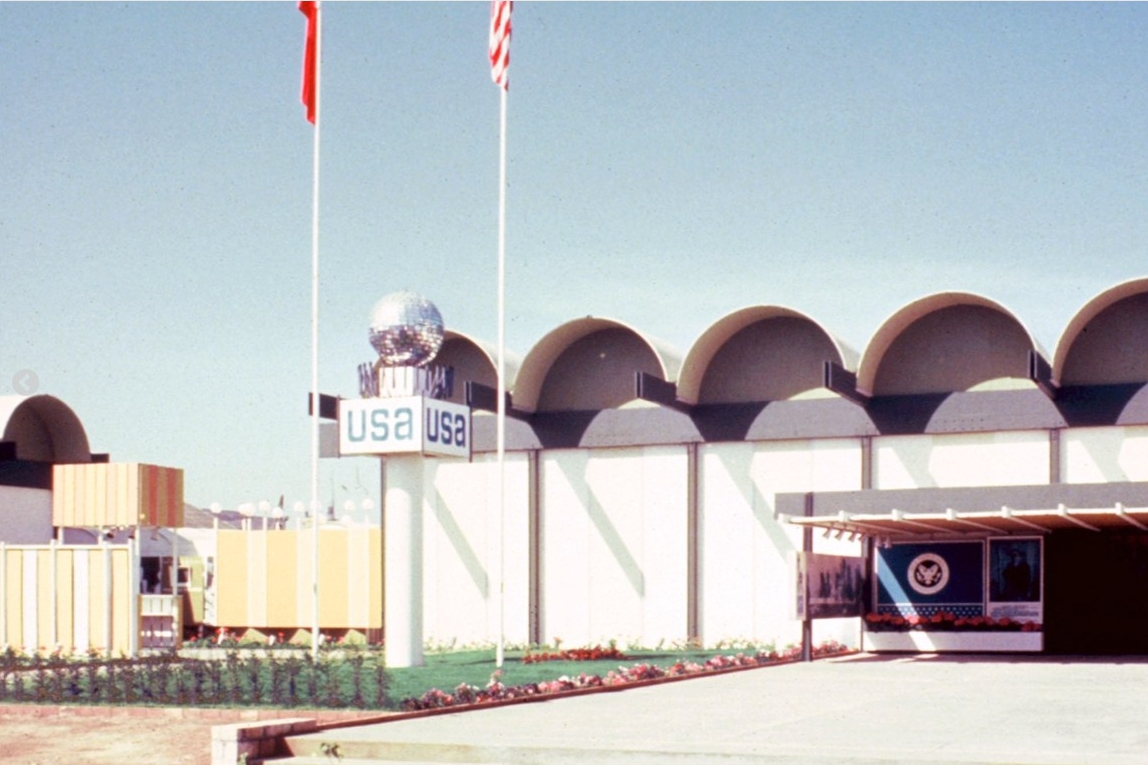
    Professor Mayo designed this exterior.

    He married, divorced, and later married Leslie Butler.

    Professor Mayo enjoyed roller skating, was good at darts, and earned an honorary doctorate from Massachusetts College of Art and Design.

    “He was easygoing with a great sense of humor,” said Virginia Gehshan, a design colleague and longtime friend. “He was really an amazing genius. He was ahead of his time.”

    In addition to his wife, Professor Mayo is survived by other relatives.

    A celebration of his life is to be held later.

    Professor Mayo received the Design Pioneer Award in 2019.
  • Two of 20 Philly schools slated for closure would be spared under a revised district plan

    Two of 20 Philly schools slated for closure would be spared under a revised district plan

    Two of the 20 Philadelphia schools originally targeted for closure under Superintendent Tony B. Watlington Sr.’s facilities plan have been spared and will remain open.

    Conwell Middle School in Kensington and Motivation High in Southwest Philadelphia will not close after all, Watlington announced at a charged school board meeting Thursday.

    As communities advocated to save their schools in the weeks since Watlington unveiled his plan, Conwell and Motivation, both magnet schools that accept students citywide, had powerful political allies. Several members of City Council opposed the Conwell closure, and Pennsylvania House Speaker Joanna McClinton (D., Philadelphia) spoke out against shutting down Motivation.

    Watlington said the change from 20 to 18 school closures was not because of politicians, though.

    “We pored through thousands of feedback loops from a number of Philadelphians, to include parents, students, grassroots organizations, and certainly elected officials,” the superintendent told reporters during a briefing this week. “We took all of that feedback together and, in tandem, we landed on these recommended changes, not reflecting one voice or sector more than the others.”

    Watlington’s $2.8 billion facilities plan, which now includes closing 18 schools, colocating six, and upgrading 159, is not yet final and continues to face strong opposition from affected school communities. He formally presented it to the school board Thursday, and the board is expected to vote in the coming weeks, though no date has been set. Schools would begin closing in 2027, and school building upgrades would take several years.

    Under the revisions Watlington presented Thursday:

    • Conwell would remain open and continue to be a magnet, but would also add a neighborhood admissions component. Students from nearby Elkin Elementary, a K-4, would move to Conwell beginning in fifth grade, and the school would still accept students from around the city.
    • Motivation would absorb students from Paul Robeson High, which is on the closure list. Robeson and Motivation are both citywide admissions schools, and Motivation would remain so under the plan. Robeson had previously been scheduled to move into Sayre, another citywide admissions school.
    • Lankenau High, the city’s environmental science magnet, had been targeted for closure and would have moved into Roxborough High. It would still close under the revised plan, but would instead move into Saul High School, the city’s agricultural science magnet. Both are in Roxborough.

    ‘Accelerating Opportunity’

    In his presentation to the board, Watlington called the 10-year plan “Accelerating Opportunity.”

    The proposed changes were spurred not by finances — though the district has 70,000 empty seats and has indicated it needs to shrink its footprint — but by a desire to accelerate progress, Watlington said.

    (function() {
    var l2 = function() {
    new pym.Parent(‘schools6’,
    ‘https://media.inquirer.com/storage/inquirer/projects/innovation/arcgis_iframe/schools6.html’);
    };
    if (typeof(pym) === ‘undefined’) {
    var h = document.getElementsByTagName(‘head’)[0],
    s = document.createElement(‘script’);
    s.type = ‘text/javascript’;
    s.src = ‘https://pym.nprapps.org/pym.v1.min.js’;
    s.onload = l2;
    h.appendChild(s);
    } else {
    l2();
    }
    })();

    The district is making gains in academics, attendance, and dropouts, but still, the superintendent said, “the majority of our young people still don’t perform at grade level of reading and math.”

    Philadelphia, Watlington told reporters, “must multiply that acceleration curve by five or 10. Because we can’t wait for generations to improve these outcomes and opportunities for all of our children. And we know that there’s a huge disparity based on where you live in Philadelphia.”

    The 159 modernization projects to upgrade schools range from new roofs and fresh paint in some buildings to larger projects, including a $58 million refresh at South Philadelphia High. The district released the full list of proposed modernization project details this week. But funding for them is not yet certain; the district plans to pay $1 billion of the $2.8 billion cost and hopes state and philanthropic funding will cover the rest.

    How did Conwell and Motivation get spared?

    Students, parents, and staff at each of the 20 schools proposed for closure have made cases for why Watlington should change his mind since their schools landed on the closure list last month.

    In Conwell’s case, Watlington told reporters the advocacy work of the “large, historic alumni base” of the magnet middle school helped move the needle.

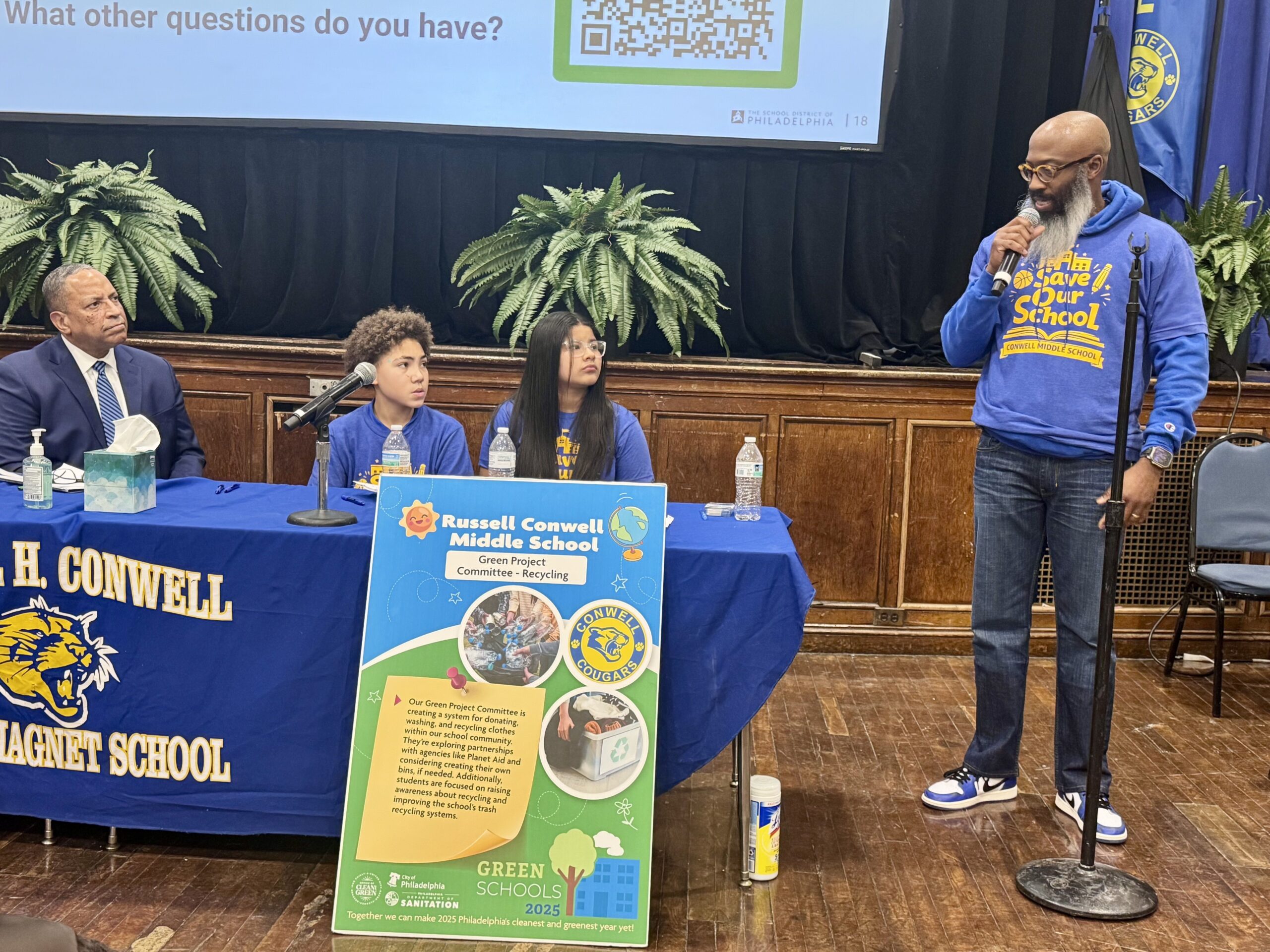
    Philadelphia School District Deputy Superintendent Oz Hill and student moderators listen to Andre Sanford-Adams, the school’s health and physical education teacher, speak about why he thinks it’s a mistake to close Conwell at a meeting at the school.

    So, too, did “significant feedback from individuals about a part of the city where individuals felt very strongly that we have to figure out how to invest more in.” Conwell supporters spoke out strongly against divesting from a school in Kensington, the center of the city’s opioid epidemic. Councilmember Quetcy Lozada, for example, said at a meeting at Conwell that “we are saying to these families, we are punishing them because as a city, we can’t respond to the public safety issues that we have on the outside, and that is just not fair.”

    Also, Watlington said, the distance between Conwell and the school its students would have been sent to — AMY at James Martin, more than two miles away in Fishtown — was significant.

    Instead, officials decided to build Conwell’s enrollment by routing students from Elkin. Elkin students now attend Stetson Middle School, which remains on the closure list.

    Conwell would remain a magnet school, open to students citywide only through the school selection process. Elkin students would be in separate classes, and Conwell would continue to offer accelerated classes to its magnet students.

    Closing Motivation would have left Southwest Philadelphia with no magnet school. Watlington said officials liked the idea of routing Robeson, a strong citywide school in West Philadelphia, to Motivation.

    “The building itself at Motivation is not at the bottom of the heap in terms of programmatic ratings,” the superintendent said. “The problem with Motivation is that we’ve lost enrollment.”

    Relocating Robeson inside Motivation solves “the number one problem we’re solving for, is how do we build our enrollments, address under- and overenrollment so we can push in more high-quality academic and extracurricular programs. Our community, quite frankly, made some suggestions that had merit.”

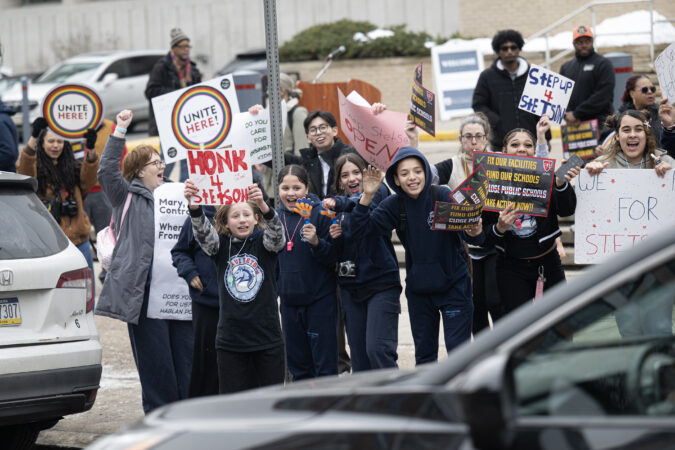
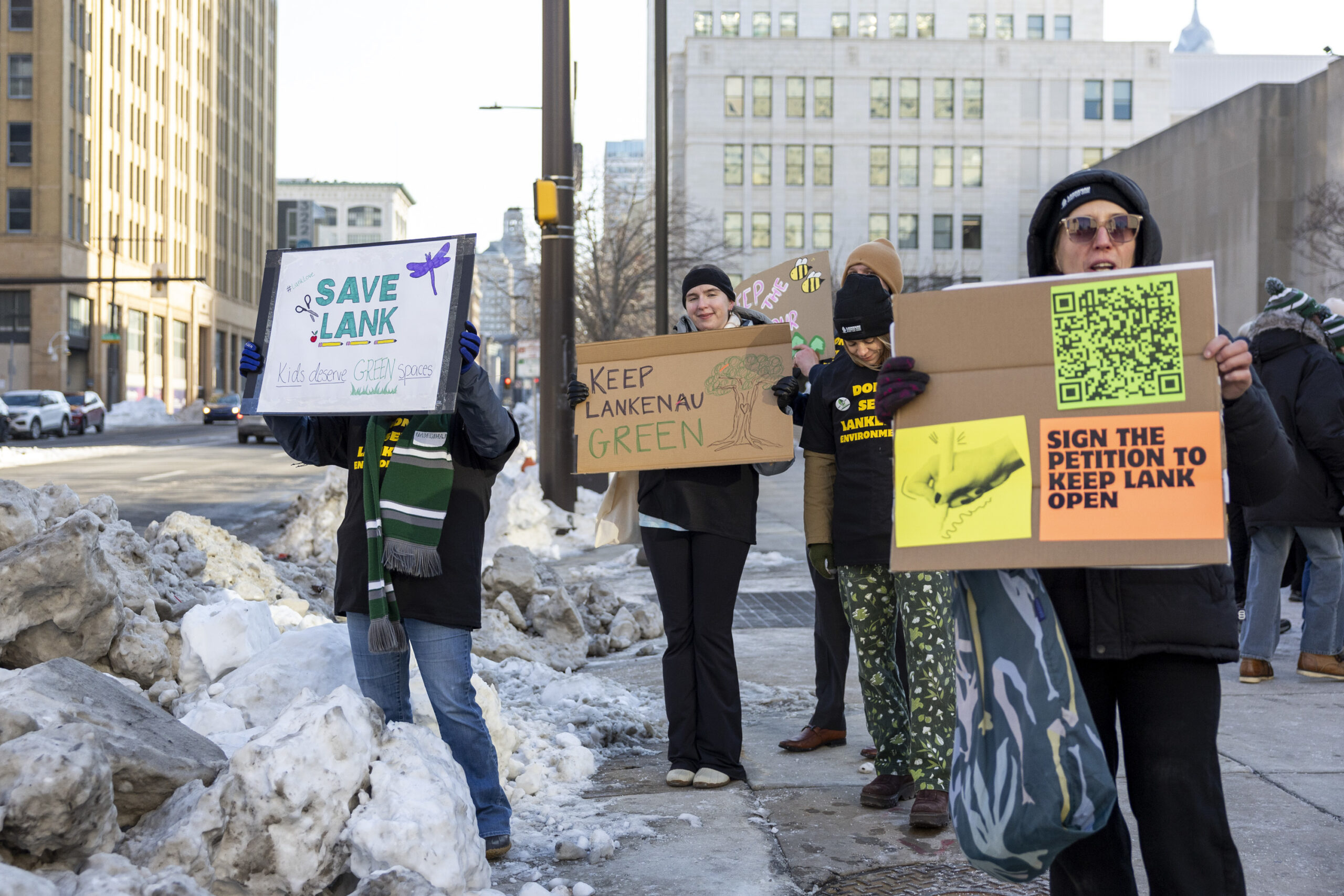
    Teachers, students and community members rally against closing Lankenau High School on North Broad Street outside the school board meeting last month.

    Disappointment for Lankenau and other schools

    The outcry around closing Lankenau was also significant; Watlington’s team did not retreat from a closure recommendation, but now wants to locate the school at Saul, another magnet with a complementary mission.

    Saul has room to accommodate Lankenau, Watlington said. But he said district lawyers are reviewing a recent revelation that the Lankenau site must be offered back to the Schuylkill Center for Environmental Education as a result of a 1973 deal. The district had proposed giving that school property to the city.

    “We have to do our due diligence, and those sometimes can be a bit complicated, but we’ll work through all of the details as appropriate,” he told reporters.

    The ball is in the school board’s court now. It has not set a date for a vote on the plan or said whether it will consider further public engagement.

    But, Watlington said, “we look forward to the board of education receiving these recommendations and doing some thoughtful digesting of these very well-thought-out recommendations that reflect our community at large’s feedback.”

  • The candidates vying to succeed Dwight Evans got a chance to ask each other questions. Things got tense.

    The candidates vying to succeed Dwight Evans got a chance to ask each other questions. Things got tense.

    With a crowded field of Democrats who largely agree on policy issues, it’s been difficult to differentiate the candidates in this year’s race for Philadelphia’s open congressional seat.

    But at a forum Monday night, the top candidates for the 3rd Congressional District, which is being vacated by retiring Democrat Dwight Evans, began to make clear where the battle lines are — by taking shots at one another.

    At the end of the event, the moderator, 21st Ward Leader Lou Agre, allowed the candidates to ask one another questions. Their choices offered hints as to which of their rivals the candidates view as most threatening.

    Dr. Ala Stanford, who appears to be the strongest candidate among the non-elected officials in the race, questioned the accomplishments of State Sen. Sharif Street, who is seen by many as a frontrunner after being endorsed by the Democratic City Committee and building trades unions.

    Street, in turn, fired a question about hate crime legislation at State Rep. Chris Rabb, a progressive who could counter Street’s hold on the Democratic establishment if he consolidates support from left-leaning organizations.

    Lastly, State Rep. Morgan Cephas came after Stanford, prompting a tense exchange about the physician’s government contracts.

    The 3rd District covers about half of Philadelphia and is, by some measures, the bluest seat in Congress. The Democratic primary is May 19.

    The forum was initially scheduled to be held in-person at the Polish Legion of American Veterans’ Adam Kowalski post in Roxborough, but it was moved to Zoom due to the blizzard on Sunday and Monday.

    Here are the issues the candidates debated Monday night.

    Stanford questions Street’s accomplishments

    Stanford, a pediatric surgeon, has been widely celebrated for founding the Black Doctors Consortium to help reach underserved communities during the COVID-19 pandemic.

    She began the candidate-on-candidate questioning on Monday by asking Street for instances in which his work has helped constituents in tangible ways, setting up a juxtaposition with her record.

    “In a time when the people are asking for new leadership, they’re asking for innovation, they’re asking for not the same politics as usual … can you tell the people a time when the seas were rough and you stepped up and delivered for them that they felt it?” Stanford asked, adding: “Can you share what you can do during the chaos that people can feel — and where was it during COVID?”

    Physician Ala Stanford (left) and State Sen. Sharif Street at a December forum hosted by the 9th Ward Democratic Committee.

    Street began by saying that, as the top Democrat on the Senate Banking & Insurance Committee in Harrisburg, he boosted Stanford’s work during the pandemic by pressuring insurance companies to reimburse her fledgling organization, which provided testing and vaccinations for thousands of Philadelphians in disadvantaged neighborhoods.

    “Independence Blue Cross was not moving forward with the reimbursement rates for the Black COVID Doctors Consortium,” Street said. “I spoke with you, and I helped, and I reached out to them to make sure that [the Medicaid plan] Keystone First would begin to pay the reimbursement in an immediate way.”

    He also said his office distributed food to constituents and helped process rent rebates during the pandemic.

    In the run-up to the 2020 election, Street, as chair of the Pennsylvania Democratic Party at the time, repeatedly fought in court against President Donald Trump’s campaign over election administration issues. In her question, Stanford asked Street to focus on what he delivered for his constituents — “not that you sued Donald Trump 20 times and won every time, because how do the people feel that?”

    But Street said those legal victories resulted in tangible results, as well.

    “Donald Trump wanted to challenge people’s ability to vote in some of the most vulnerable communities,” he said. “I went to court, I stopped him, and I made sure that they had the right to vote, and that was why we were able to pass the vote to remove him from office.”

    Street and Rabb clash over hate-crime legislation

    When it was his turn to pose a question, Street pressed Rabb on why the progressive was opposed to hate-crime legislation, an issue the two had sparred over at a forum last week.

    “You and I have worked to fight for regular folks, for disadvantaged people, for a long time. I was shocked that you … want to prevent hate-crimes legislation,” Street, a centrist Democrat, said to Rabb. “I’ve heard from so many trans women of color, who are most likely to be victims of hate crimes, and they don’t understand.”

    Rabb responded by saying that Street’s line of attack was “shameful and unnecessary.”

    “I know you want to win. I just thought you would do it with honor,” Rabb said. “I am an active member of the LGBTQ Equality Caucus. I am the father of a queer son. I represent an active queer community. … To use this as a political punching bag is just — man, it’s beneath you.”

    At the end of the forum, Street clarified that he has no doubts about Rabb’s commitment to the LGBTQ community.

    At a December candidates forum in Mount Airy, (from left) State Reps. Morgan Cephas and Chris Rabb and physician David Oxman.

    “I had a policy dispute about hate crimes,” Street said. “I did not mean to question your commitment to the trans community or to your kid.”

    The dust-up got in the way of a meaningful debate over hate-crime laws, which increase sentences for people convicted of crimes that prosecutors prove were motivated by prejudice against particular groups.

    Such laws are common across the country, but they have long faced criticism from the libertarian right, which fears that such regulations could be used to target citizens for political views. The laws have also faced pushback from some on the progressive left, who contend that they contribute to mass incarceration.

    “Politicians tout hate-crime laws as proof they care about the marginalized,” Rabb wrote in an op-ed for PennLive last fall. “In reality, the main outcome is more policing, more prosecution, and more incarceration.”

    Street said last week that people who oppose hate-crime laws on the “far left … don’t want to address the antisemitism on the left or the right.”

    Rabb has been the 3rd District candidate most critical of Israel’s war in Gaza. Street has also been critical of Israeli Prime Minister Benjamin Netanyahu’s handling of the war, but holds a more centrist view on the conflict in the Middle East.

    The Pennsylvania House in 2023 approved a bill to expand the state’s law that criminalizes ethnic intimidation to include sexual orientation and disability status. Rabb voted for the bill, which ultimately died in the Senate amid GOP opposition, but said he had “considerable reservations.”

    “We should collectively focus on structural violence and hatred that has been cultivated by the very institutions that have been asked to address this legislation,” Rabb said at the time.

    Cephas presses Stanford about her government contracts

    Cephas, who represents a West Philadelphia district and chairs the Philadelphia delegation to the state House, questioned how much money Stanford’s nonprofit organization has made from government contracting since the onset of the pandemic.

    “You oftentimes quote that you, as a private citizen, came in and saved Philadelphia from COVID, and, you know, there are a number of people on this [Zoom] call that stepped up during COVID,” Cephas said, noting that she worked with Stanford to set up clinics in her district during the pandemic.

    “We all did it in our own individual capacity, and we didn’t receive government contracts for it. … How much in government contracts did you receive during the COVID-19 period?”

    Stanford noted that she initially launched the Black Doctors Consortium with her own financial resources to serve neighborhoods that were not being reached by existing healthcare and government institutions. She said her first $1 million city grant for testing came months after she began her work.

    In 2020 and 2021, Stanford’s groups received $2.5 million in grants and contracts from the city, state, and federal governments, according to Stanford campaign manager Janée Taft-Mack. That money covered costs including supplies, staff, mobile medical units, personal protective equipment, and facility rentals, Taft-Mack said.

    Since then, Stanford has continued partnering with government agencies to address healthcare inequality. She has opened the Dr. Ala Stanford Center for Health Equity in Swampoodle and secured a $5.38 million contract for the Black Doctors Consortium to work at Riverview Wellness Village, the city-owned drug recovery home.

    The total amount Stanford and her organizations have received for work since 2021 was not immediately clear.

    Cheesesteaks, of course

    Dr. David Oxman, an intensive care physician at Jefferson University Hospital who lives in South Philadelphia, closed the open question session by asking his fellow candidates what cheese they order on their cheesesteaks.

    Philly’s most famous culinary offering has proven politically hazardous over the years, such as when John Kerry catastrophically asked for Swiss cheese while visiting Pat’s King of Steaks during the 2004 presidential election.

    This year’s congressional hopefuls were better prepared than the Massachusetts senator.

    Agre, the moderator whose ward includes much of Roxborough, interjected to insist that Dalessandro’s served up the best steak sandwiches in the city.

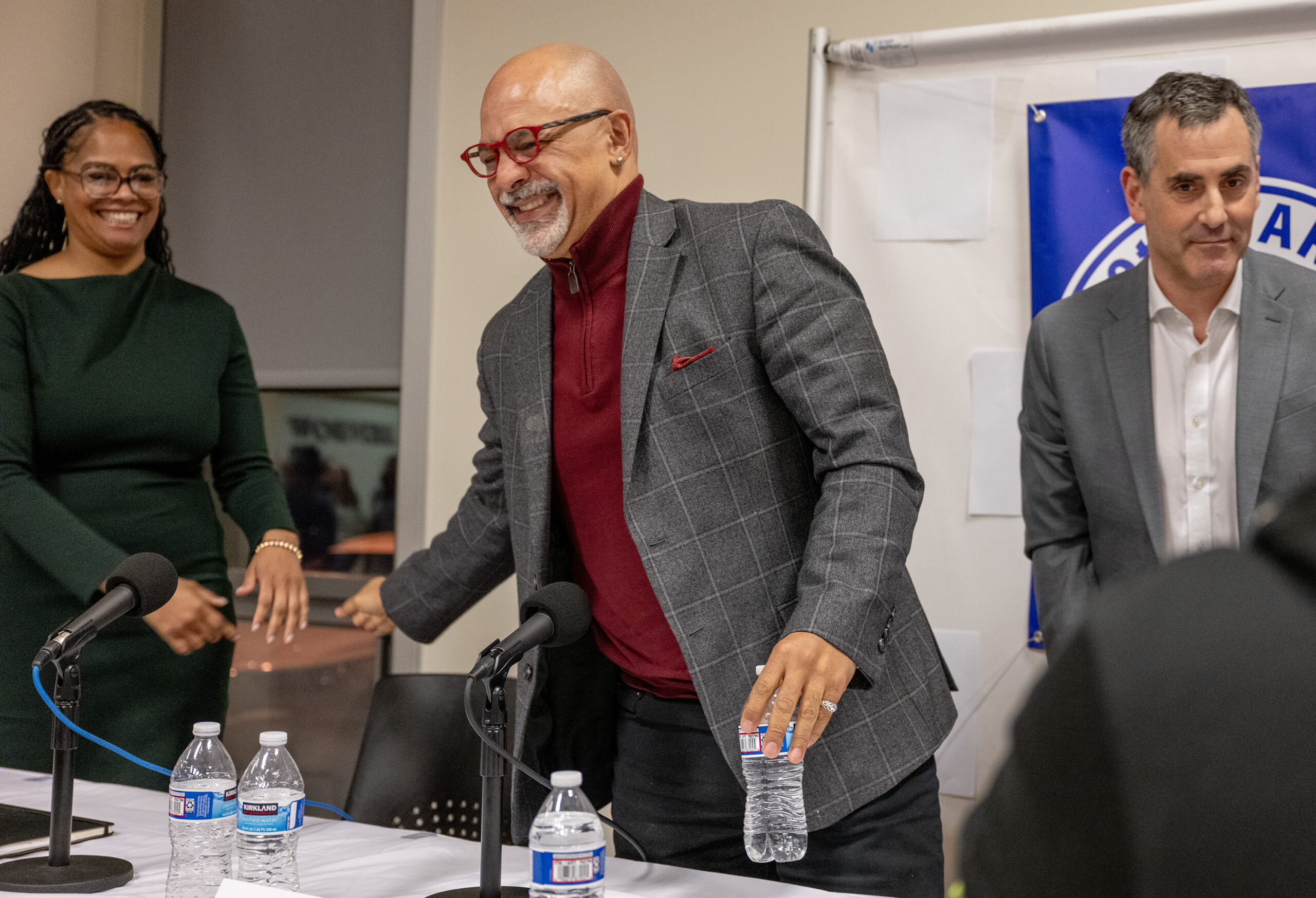
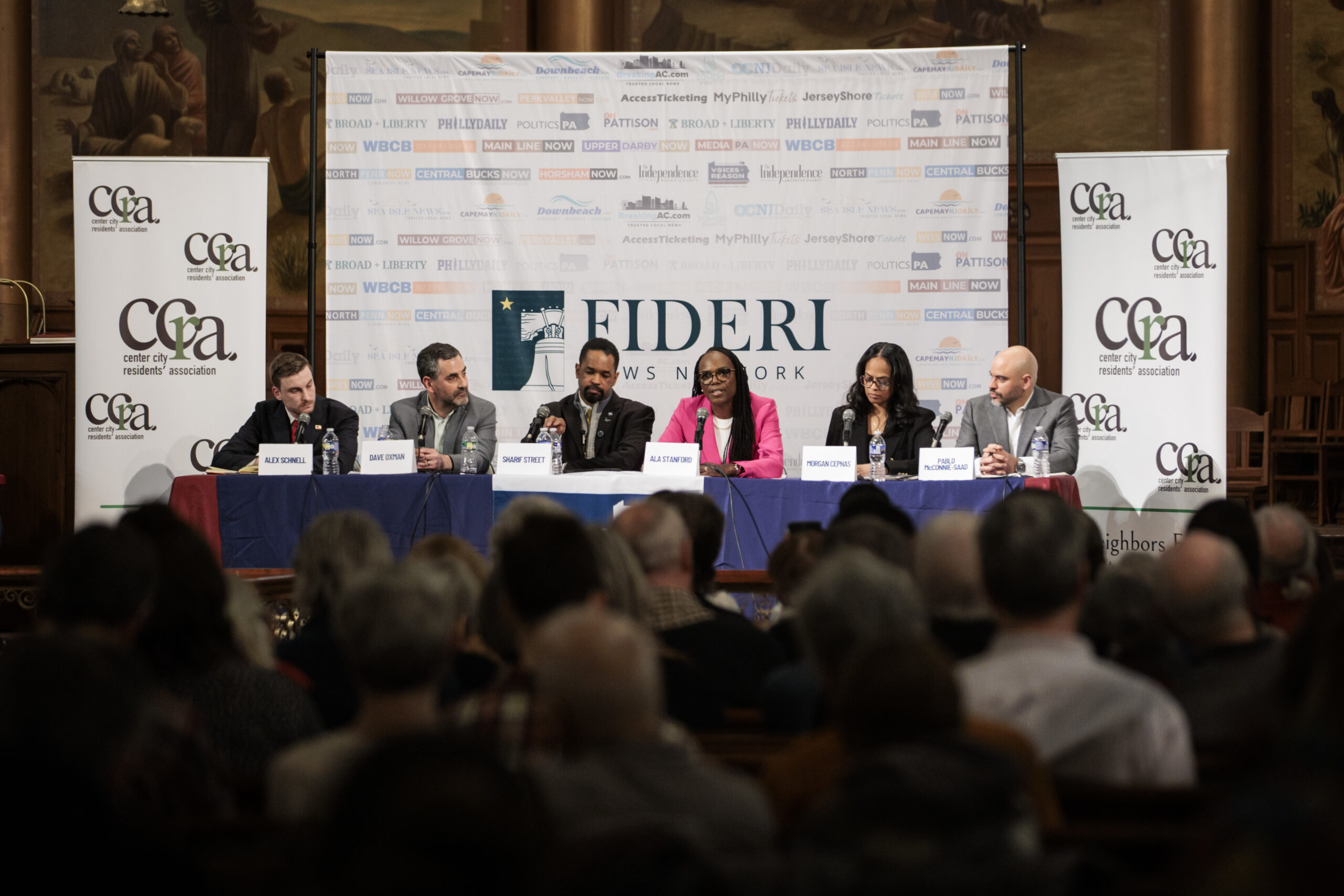
    At a candidate’s forum on Feb. 9 at the Church of the Holy Trinity, (left to right) Alex Schnell, physician Dave Oxman, State Sen. Sharif Street, physician Ala Stanford, State Rep. Morgan Cephas, and Pablo McConnie-Saad.

    Cephas said she orders Cooper Sharp at Angelo’s Pizzeria. Stanford’s go-to is American from Dalessandro’s. Street, a vegetarian, said he gets non-meat cheesesteaks from Hip City Veg and enjoys the cheese they use. (Mozzarella, per Hip City’s website.)

    And Rabb shouted out the cheesesteak egg rolls from Black Dragon, a West Philadelphia establishment offering a “unique fusion of Black American cuisine presented with the familiar aesthetics of classic Chinese American takeout,” according to its website.

    Still tense from the previous questions and perhaps a bit peckish, the candidates declined Agre’s offer to deliver closing remarks.

    Staff writers Max Marin and Ryan W. Briggs contributed to this article.

  • Philly’s school closure plan targets middle schools. Here’s why the district is moving away from them.

    Philly’s school closure plan targets middle schools. Here’s why the district is moving away from them.

    The Philadelphia School District is walking away from middle schools — mostly.

    Of the 20 schools Superintendent Tony B. Watlington Sr. has recommended to close, six are middle schools — AMY Northwest, Conwell, and Stetson in Kensington; Harding in Frankford; Tilden in Southwest Philadelphia; and Wagner in West Oak Lane.

    The district plans to expand elementary schools to take in those students in most cases, and Conwell, a magnet middle school, would send students to AMY at James Martin.

    “Our research does not say that traditional middle school children in Philadelphia perform better academically than K-8 students,” Watlington said when he rolled out his tentative plan in January. “Nationally, and in Philadelphia, there’s a mixed bag.”

    While the school district says the K-8 model reduces transitions for students and helps maximize resources, critics of the district’s plan say closing middle schools will uproot their children and abandon successful schools.

    Education experts, meanwhile, say instructing middle school-age students has long been a complex and controversial issue — and it’s a debate that Philadelphia district officials are reigniting with their sweeping facilities proposal.

    Among the top complaints from critics of the plan: The pivot isn’t absolute. Though many middle schools are disappearing, Philadelphia will still have 13 standalone middle schools and secondary-middle schools if those six close. And some will even grow.

    Middle-grades students from Masterman, the popular and elite city magnet, would take over the closing Laura Wheeler Waring school building in Spring Garden “to expand access” to Masterman, officials said.

    The district is also adding a new Academy at Palumbo Middle School to give students a feeder pattern into the South Philadelphia high school magnet. The new middle school will co-locate with Childs Elementary in Point Breeze.

    And in the Northeast, where schools are bursting at the seams, two standalone middle schools — Castor Gardens and Baldi — will be untouched. So will a handful of others, including Roberto Clemente in North Philadelphia, Feltonville School of Arts and Sciences, Grover Washington in Olney, AMY at James Martin in Fishtown, and MYA and Science Leadership Academy Middle School in West Philadelphia.

    Why is the district targeting middle schools?

    Though officials said the facilities plan is not driven by finances, it’s clear that the underfunded school system needs to shrink its footprint.

    With 70,000 empty seats citywide and an inequitable distribution of programs and opportunities, system officials say they need to make changes to do better for all kids.

    “We can more efficiently distribute our limited resources in a K-8 model by operating 13 grade spans as opposed to six,” Watlington told City Council at a hearing on March 17. “This is an efficiency issue.”

    At present, the district has 13 different grade spans throughout its schools — from a single K-2 to K-4s, K-5s, K-8s, 5-8s, 6-8s, and others. It is proposing shrinking, mostly, to six different grade bands, and emphasizing K-8 or 5-12 as preferred models.

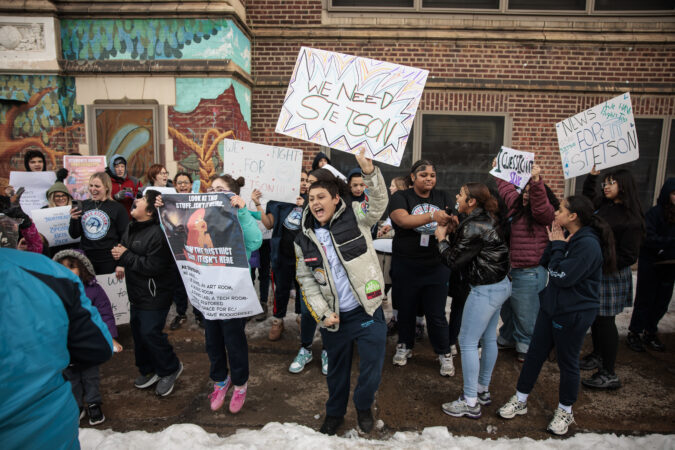
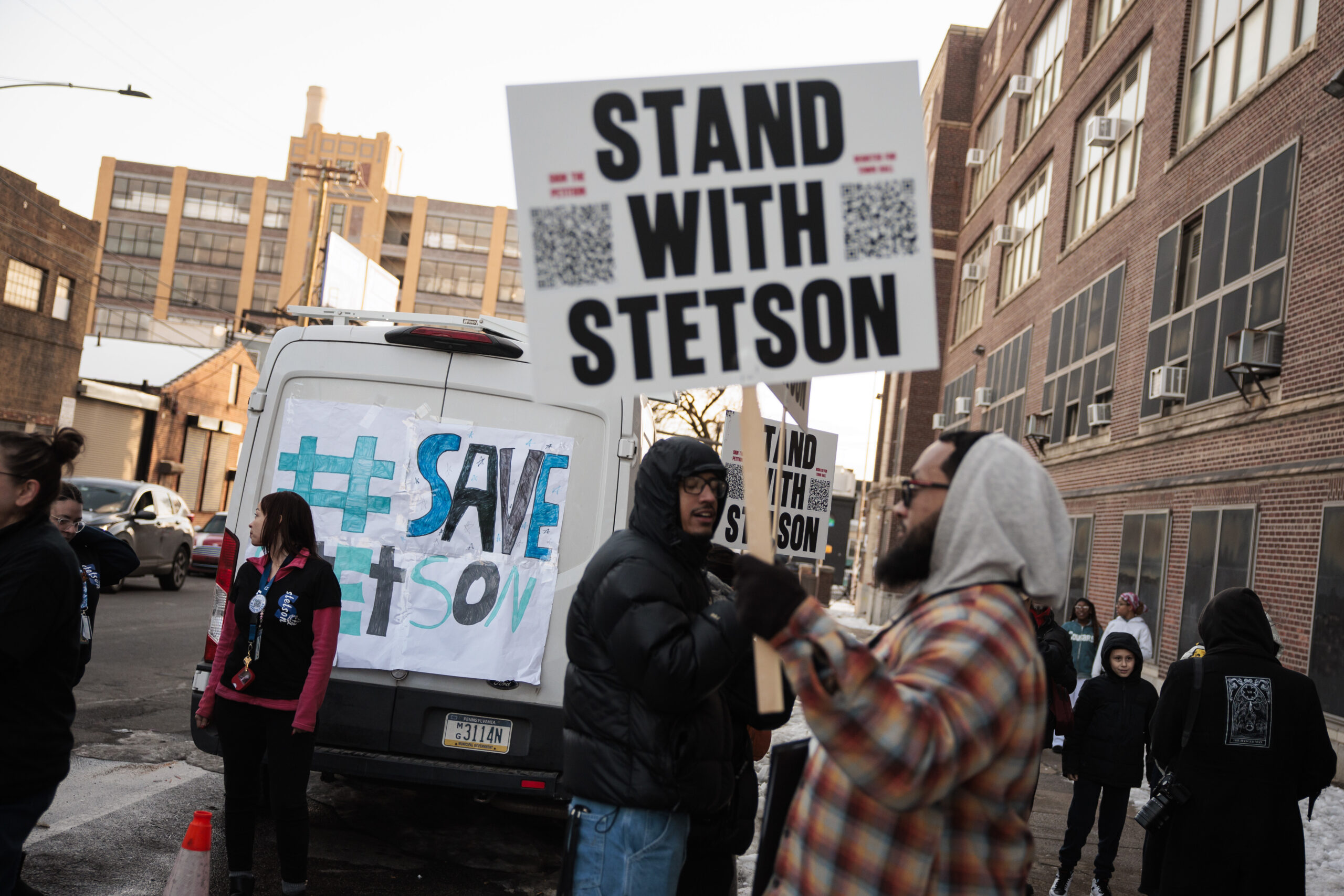
    Students, teachers, and supporters rally before a community meeting at John B. Stetson Middle School this month. It’s one of six middle schools that is slated for closure.

    Officials say they’re also relying on feedback received in surveys taken and meetings held prior to the plan’s release, despite critics’ worry that the feedback was crafted to give the district the answers it wanted.

    Hilderbrand Pelzer III, an associate superintendent, told a crowd of more than 100 people gathered at a Stetson Middle School meeting this month that in the surveys, families told the district they wanted to minimize transitions.

    “Think of safety in the sense that young people should remain in one place longer, pre-K to 8,” Pelzer said. “Hence why we want to recommend some of our K-4s, K-5 schools grow to K-8. Now that may not be the answer you want to hear, but the voices that have informed that have allowed us to make that a recommendation.”

    But critics of the district’s plan say they worry that the feedback was crafted to give the district the answers they wanted. And the audience at Stetson that day pushed back: Minimizing transitions is not what they want. They want their middle school to stay at their current school.

    “Why can’t you inform recommendations from people at Stetson?” one person shouted.

    The long and thorny history of middle schools

    Wrestling with where middle-grades learners should attend school is nothing new, said Penny Bishop, dean of Boston University’s Wheelock College of Education and Human Development.

    “We have been struggling to figure out how to provide appropriate schooling for this age group for well over a century,” Bishop said. “It’s a question with a long and thorny history” dating to the 1800s, she said, with much back and forth.

    Philadelphia School District Deputy Superintendent Oz Hill (left) and student moderators listen to Andre Sanford-Adams, Conwell Middle School’s health and physical education teacher, speak during a recent community meeting about why he thinks it’s a mistake to close Conwell.

    Many of Philadelphia’s middle schools began as junior highs. Middle schools as a concept first surfaced in the United States in the 1960s and took off in the 1980s as part of an explicit attempt to create schools “designed based on the developmental needs of this particular age group, as opposed to saying, they’re short high schoolers or they’re tall elementary students,” Bishop said.

    But tweens and early adolescents can be a tough age group to educate well, and middle schools got a bad rap among some, said Bishop. As school choice and shifting birth rates caused belt-tightening in some places, some districts began to shift grade configurations.

    Boston recently shut its last standalone middle school as that district contracted amid enrollment losses, for instance.

    Both Bishop and Katie Powell, director for middle level programs at the Association for Middle Level Education, said that research doesn’t support one kind of grade configuration or another.

    “What matters most for middle school-age students is that we understand that they are going to need a different experience than their elementary counterparts in a K-8 building, and having a defined middle school, even within that K-8 school — that’s what tends to be most successful,” Powell said.

    And, Bishop said, “a lot of this is tied up in the degree to which the leadership understands the developmental needs of the students.”

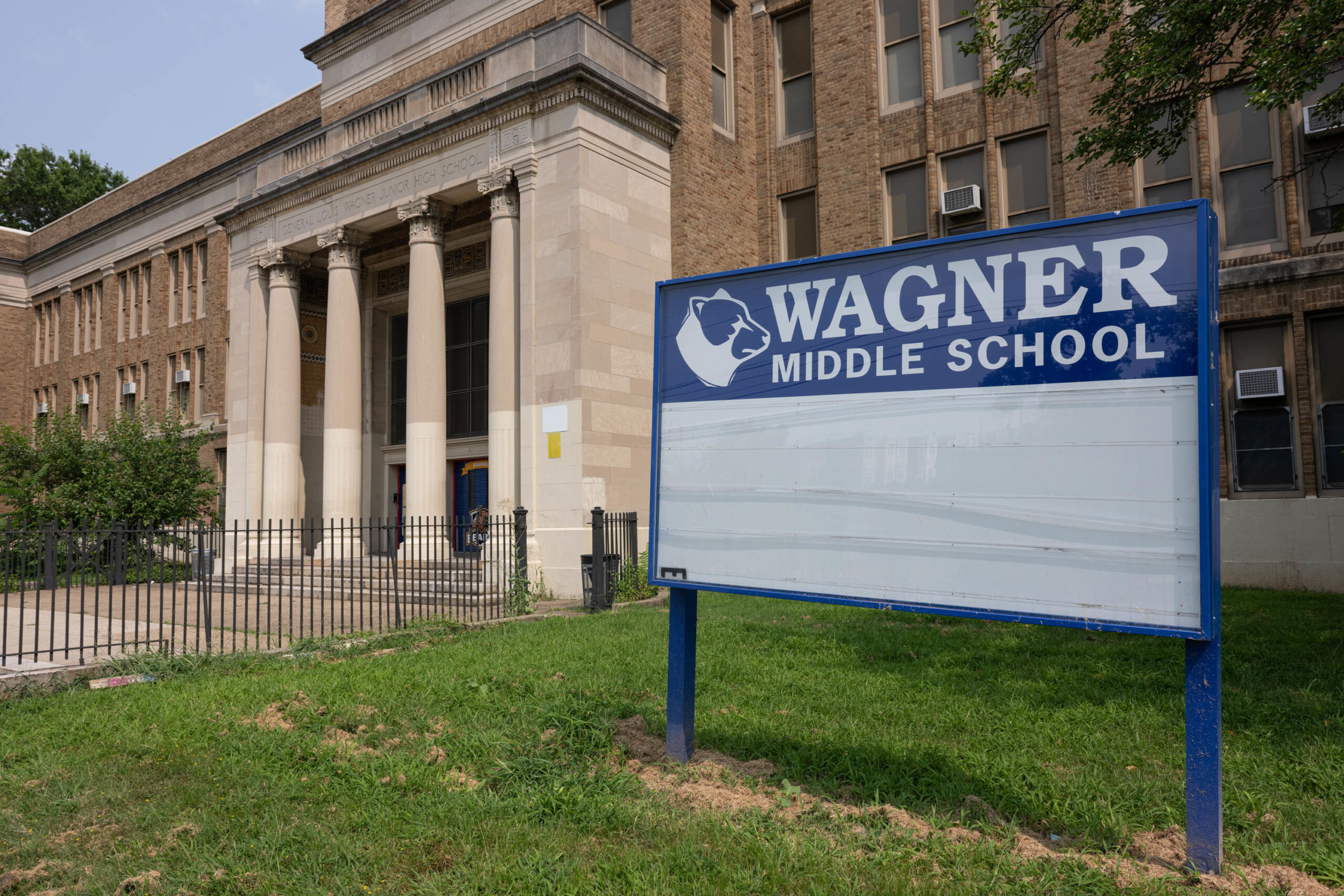
    At a recent meeting at slated-to-close Wagner Middle School, Kim Newman, another Philadelphia associate superintendent, vowed that the district will spend time and resources planning thoughtful transitions as grade configurations change.

    Adding middle grades to elementary schools hasn’t always been done well in the district, Newman said.

    “In the past, what we’ve done is said, ‘Let’s just add some furniture and books, great,’ grow a grade each year, and that’s really not what children need,” said Newman.

    She said she hopes receiving schools and closing middle schools will work together on what middle-grades learners need in the newly expanded elementary schools.

    Philly skepticism

    Claire Andrews has taught at Wagner Middle School for 40 years — years ago, it had 1,000 students, but today, fewer than 300 are enrolled.

    In the past, “we had opportunities for students, and as the years have gone on, they have just disappeared,” Andrews said. “Over the years, everything has just been pulled away.”

    Wagner Middle School is one of six middle schools that is facing potential closure in Philadelphia.

    Andrews, like others in the city, raised questions of equity.

    “Are they closing schools in the Northeast?” Andrews said.

    Councilmember Isaiah Thomas, chair of City Council’s education committee, highlighted Philadelphia’s complicated middle school position at a Council hearing last week.

    The district’s talking points around middle school sound good, he said. But he questioned decisions to expand middle grades at magnet schools, like Masterman and Carver High School of Engineering and Science, while closing a number of neighborhood middle schools.

    “I want us to have nuanced dialogue around where we are and what we need to do,” said Thomas, who has spoken out against closing Conwell, of which he’s an alumnus. “And I also recognize that there’s pushback on every decision you made. I understand that we have to make tough decisions somewhere else, there is no real facilities plan, and we do need a plan.

    But the reality is that we’re still not sending the right message to people, and I think our position around middle school is problematic.”

    Watlington stressed the research around middle schools and the surveys.

    The superintendent said the district is committed to modernizing and expanding receiving schools, where needed, and was not just focused on the Northeast.

    “We absolutely will not present a plan that just pushes resources in parts of the cities that’s growing fastest,” Watlington said. “I think this is as strategic a plan as we could create.”

  • A new streaming series tells the story of America through the lens of Philadelphia

    A new streaming series tells the story of America through the lens of Philadelphia

    By 2019, after a decade of producing dozens of documentaries about Philadelphia history, the filmmakers at History Making Productions realized they had more than just the story of a city.

    They had the story of America.

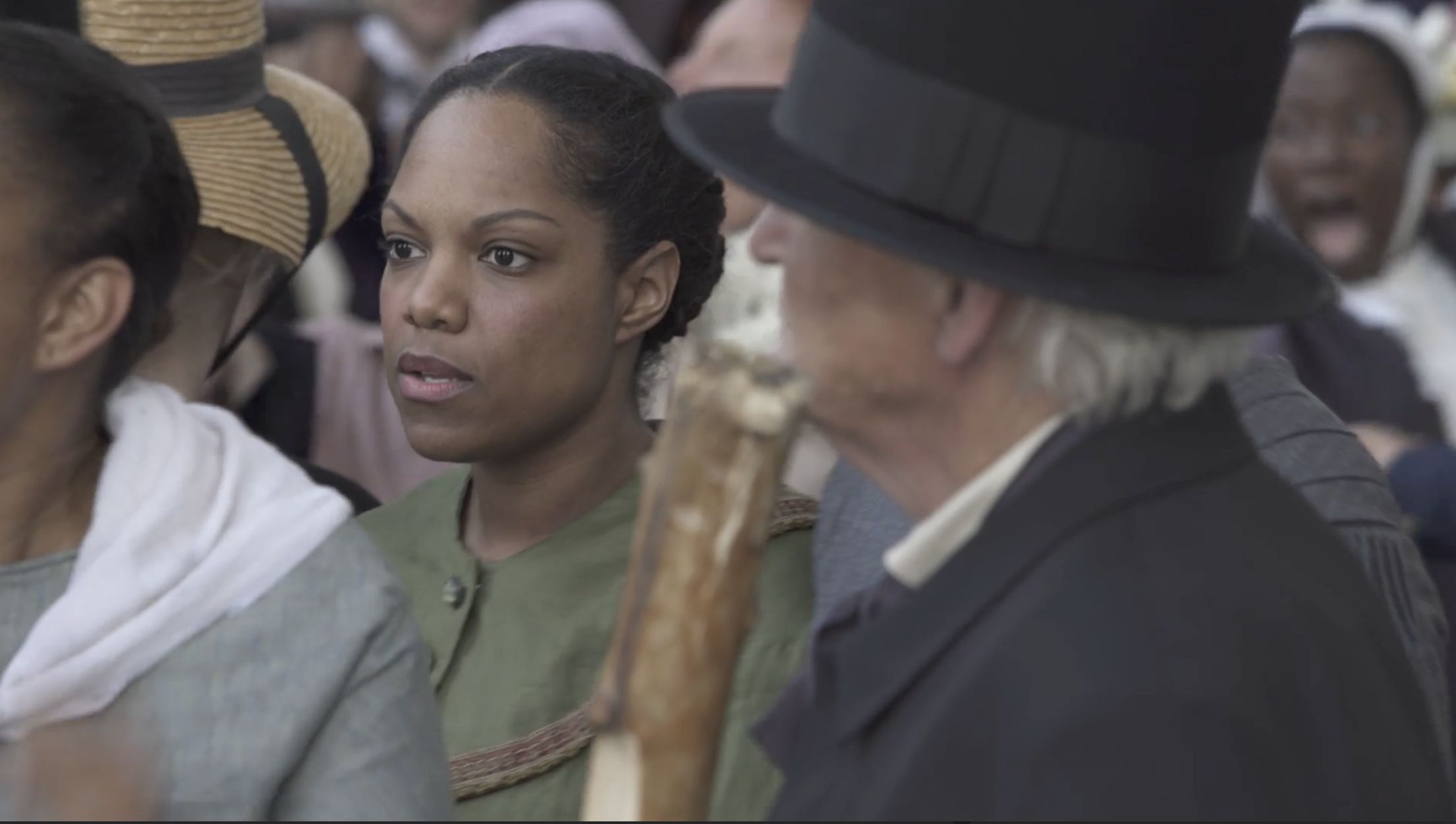
    On Friday, the studio released its epic, new telling of that 400-year-old story: In Pursuit: Philadelphia and the Making of America. Directed by documentary filmmaker Andrew Ferrett and written by author and historian Nathaniel Popkin — and mixing modern footage with historical recreation and more than 600 on-camera interviews — the 10-episode series explores the history of America through the lens of Philadelphia, its birthplace.

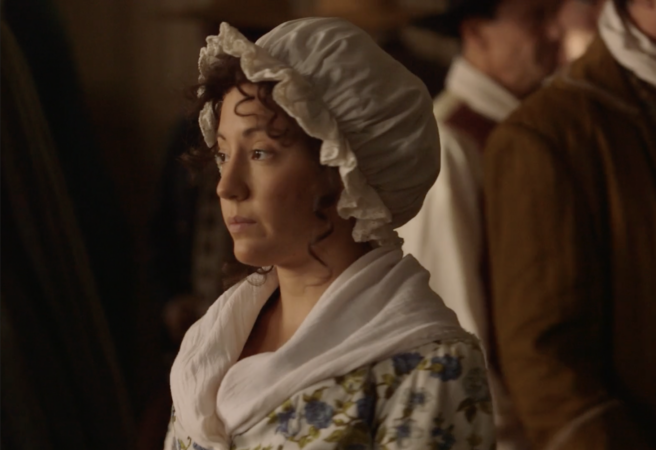
    Belinda Davis as Sarah Forten in “In Pursuit: Philadelphia and the Making of America.”

    Timed to coincide with the 250th anniversary of the Declaration of Independence in 2026, known as the Semiquincentennial, the series provocatively grapples with urgent questions, like how did the American experiment actually unfold? And how can it endure?

    “Philadelphia is not just the birthplace of American democracy — it has been its proving ground,” said Sam Katz, series creator, executive producer, and founder of History Making Productions. “This series looks honestly at how ideals were formed, challenged, expanded, and sometimes betrayed, and why that history matters so urgently.”

    ‘A national moment’

    Spanning 400 years of Philadelphia history, from its Indigenous roots to the MOVE Bombing the series is equal parts entertainment and civic project. Funded by Katz and philanthropies like Pew Center for Arts & Heritage, Penn Medicine, and Lindy Communities, the series premiered at the National Constitution Center on Thursday.

    Episode One is now streaming online. Katz and the filmmakers will host screenings and community conversations at Pennsbury Manor in Bucks County on Sunday, and another screening Feb. 26 at the Bok Building in South Philadelphia.

    Throughout 2026, as the city and country celebrate the national milestone, a citywide “In Pursuit of History Film Festival” will promote each new installment with monthly screenings and public events. 6abc will air monthly hourlong shows to highlight new episodes.

    Sam Katz at Independence Hall, in Philadelphia, Tuesday, Feb. 17, 2026.

    From the beginning, the project was meant to get people talking about the true meaning of the American experience, and those it has left behind.

    “We’re going to get partners all over the city, and we’re going to have screenings all over the place,” said Katz, the civic-leader-turned-producer. “We’re going to create opportunities for people to come and meet the filmmakers, or meet a historian or an artist, who will then lead a conversation. It really is an opportunity for Philadelphia to take stock of itself.”

    Popkin, who cofounded Hidden City Daily, said the project tells the story of events that shaped a city and a country founded on ideals not yet fully realized — and now as divided and tested as they’ve been in decades.

    “The timing is perfect,” he said. “I think a film can really launch a lot of conversations. This is a moment for us as a nation.”

    Fresh portals

    Ferrett, who grew up in Bucks County, and has been directing and producing films at History Making Productions for more than 15 years, said the project revealed itself.

    For earlier Philly projects — including The Great Experiment, an Emmy-award winning, 14-part docuseries spanning 500 years of Philly history, and Urban Trinity: The Story of Catholic Philadelphia — the filmmakers had amassed hundreds of unused hours of interviews with local and national historians, artists, and cultural leaders.

    Over the years, much of it had to be left on the cutting room floor, including magical moments that Ferrett said opened fresh portals to Philly history.

    “We talked to pretty much anyone you can imagine who was either involved with studying Philadelphia history, or in the case of 20th-century history, a lot of witnesses to it,” he said.

    Poet Ursula Rucker during filming of “In Pursuit: Philadelphia and the Making of America.” The new 10-part docuseries examines the history of America through the story of Philadelphia.

    Besides, he said, nowhere else could hold a better mirror to America than the place of its birth.

    “It really became obvious to us that what we have here is much more than a local history,” he said. “It’s a history of the whole United States because so many consequential moments that shaped the country’s history went through Philadelphia.”

    History that feels alive

    Setting out to tell the story anew, Katz raised money to shoot updated interviews and fresh historical recreations.

    Meanwhile, history did not slow down, from the COVID-19 pandemic, to the killing of George Floyd and the Black Lives Matter movements, to Trump, and immigration crackdowns.

    “We were asking how do we deal with history while all this is happening,” Katz said. “We were writing about it right now.”

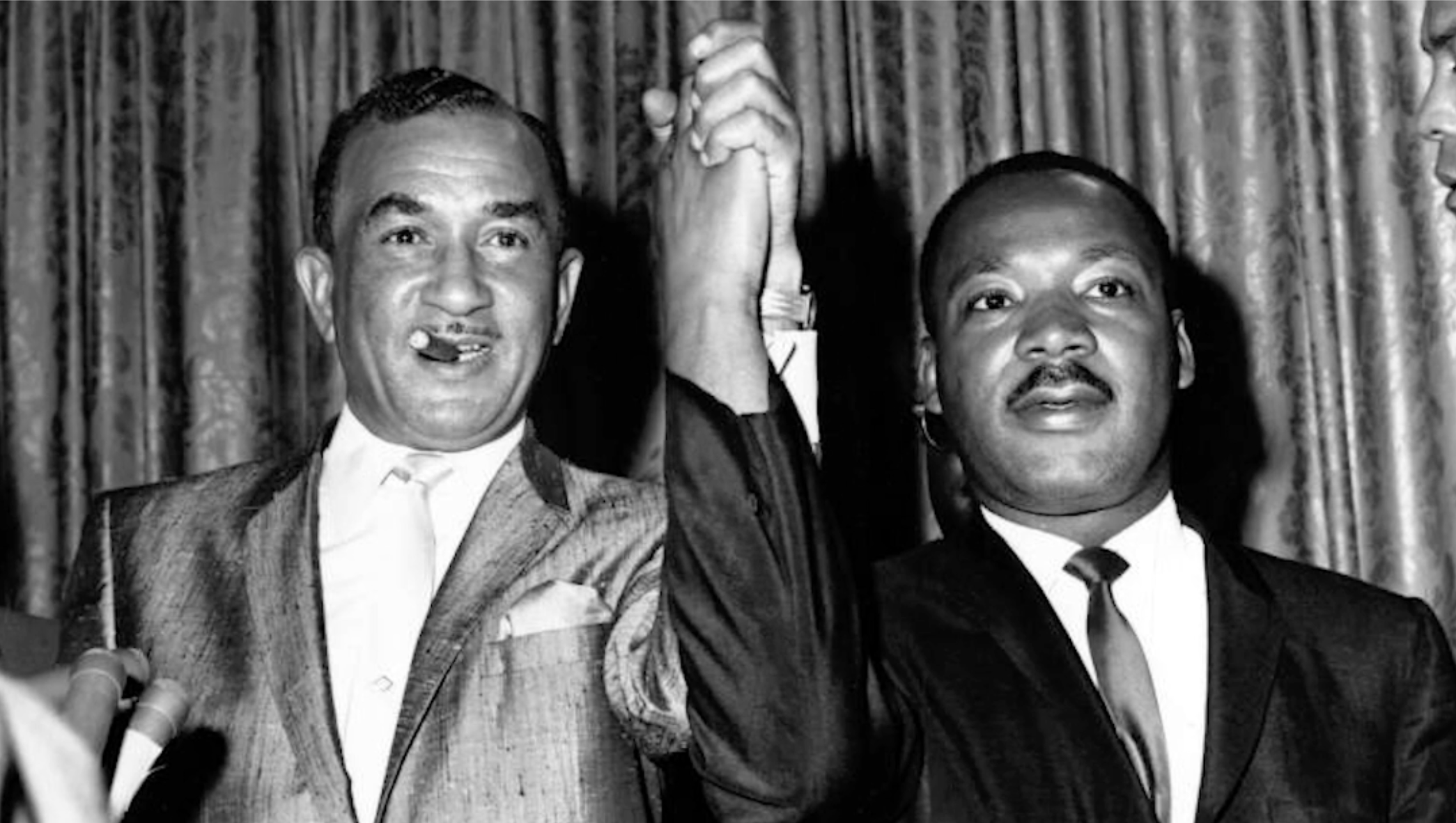
    Cecil B. Moore and Martin Luther King Jr. in footage from “In Pursuit: Philadelphia and the Making of America.”

    Narrated in a warm, resonant baritone by actor Michael Boatman, known for roles in shows Spin City and The Good Wife, In Pursuit is no dull, black-and-white history. The city feels alive, the stakes serious and undecided.

    Threading modern-day footage of bustling Philly streetscapes and soaring neighborhood shots with commentary and historical recreations imprints the series with a powerful immediacy.

    The story stretches far beyond 1776, though the dramatic details of that sweltering summer in Philadelphia are recounted in episode three in gripping scenes of refreshingly believable historical recreations.

    “We were able to shoot these lush and full reenactments,” said Ferrett, of all 10 episodes. “Sam was always like, ‘Where’s the dirt? I don’t want to see people with perfect teeth and smiling.’”

    The start

    Episode One, “Freedom (to 1700),” begins at the beginning, pulling no punches as it tells the story of the Lenape people, Philadelphia’s earliest Indigenous settlers — and of the generations of Dutch and other European colonists’ efforts to eradicate them through violence and disease.

    It surprises even in the telling of William Penn, recounting how the rebellious aristocrat’s nonconformist ways landed him in jail more than once, before he founded a City of Brotherly Love meant to be a better world, and a testing ground of the most advanced ideals in Europe.

    The episode also showcases what Ferrett describes as “deepeners,” when the story cuts away from the arc of history for moments of reflection from modern Philly voices.

    “We all feel it here … it’s all in our bloodstream,” poet Ursula Rucker says in the episode. “What does this city mean to me? Everything. Everything.”