Tag: Temple University

  • The state system that runs West Chester and 9 other Pa. colleges votes to raise tuition 4.3%

    The state system that runs West Chester and 9 other Pa. colleges votes to raise tuition 4.3%

    Students in the Pennsylvania State System of Higher Education will face a 4.3% tuition hike — the largest percentage increase in a decade — if the system does not get a boost in state funding.

    PASSHE’s board of governors voted unanimously Thursday on the plan, which would enact the tuition increase if the system does not receive a 5%, or $31 million, increase in its state appropriation, which currently stands at $625 million. Gov. Shapiro has proposed flat funding for the system, and budget negotiations are continuing.

    Tuition would rise to $8,338 annually, up $344 from $7,994.

    “We’re all disappointed to … have to make this motion,” board chair Cynthia Shapira said. “We hope we do get the increase.”

    The 10 universities in the system are Cheyney, West Chester, Commonwealth, East Stroudsburg, Indiana, Kutztown, Lock Haven, Millersville, Penn West, and Shippensburg. Collectively, they enrolled 83,005 students last academic year, when the system experienced its first enrollment increase in 15 years. About 90% of students are Pennsylvania residents.

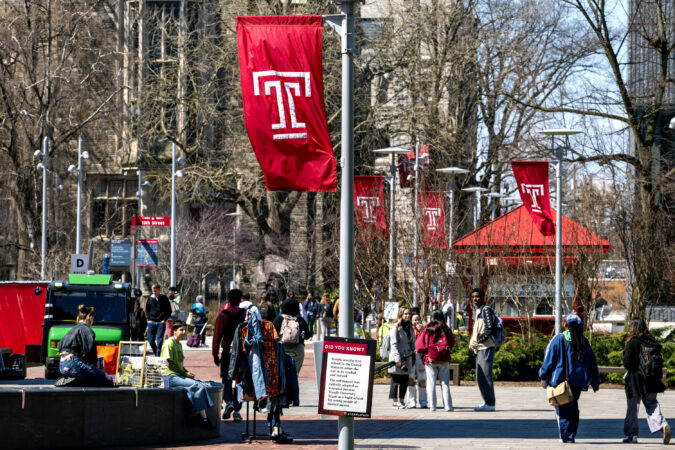
    The vote to increase tuition came one day after Temple University approved a budget that increased tuition an average of 3.4% for next year.

    Rutgers University also on Thursday voted to increase tuition 3% for in-state and out-of-state students, which the school touted as its lowest increase in four years. Tuition for a typical in-state, full-time arts and sciences undergraduate will increase on average $448 for the year, rising from $14,933 to $15,381, the school said. Meals and housing on average will rise 4%, from $15,332 to $15,945.

    Earlier this year, the University of Pennsylvania increased its total costs by 3.8% for 2026-27. Pennsylvania State University, which approves tuition increases a year in advance, hiked tuition 2% for in-state students at University Park for 2026-27 and froze it for those attending Commonwealth campuses.

    The resolution approved by the PASSHE board calls for the increase to be rolled back “if sufficient funding in state appropriation is received.”

    System chancellor Christopher Fiorentino said the tuition increase would cover the $31 million gap if the system does not get the increase. The board of governors took the same action last year and did not roll back a 3.6% tuition hike because the state held its funding flat.

    “We’re still really the most affordable four-year option that’s out there,” Fiorentino said in an interview before the meeting, comparing PASSHE schools to state-related universities like Temple and Penn State where tuition is more than twice that amount.

    Until 2025, the system had kept tuition at the same rate for seven years; if it had enacted inflationary increases, tuition would be $1,800 higher now, Fiorentino said. Preceding the freeze, tuition hikes were 2.5% in 2016-17, 3.5% in 2017-18, and 3% in 2018-19.

    Fiorentino said he continues to make the system’s case to legislators for more funding.

    “Our graduates earn 65% more over their careers than people without college degrees, which is about a million dollars in lifetime earnings,” he said. “Ninety percent of our students are from Pennsylvania, and 80% of them take their first job in Pennsylvania after they graduate. Investing in the PASSHE system … is truly an investment in the workforce of the Commonwealth of Pennsylvania.”

    System to launch new ‘last dollar’ scholarships

    The system also announced that beginning in fall 2027, it would provide “last dollar” scholarships to all Pennsylvania students who receive federal Pell and state Pennsylvania Higher Education Assistance Agency grants. For many students from the lowest-income families, the grants cover full tuition, but some families in the middle range who receive smaller amounts of aid are still on the hook for part of the cost, the chancellor said.

    “They’re the ones that tend to get caught in a bind, and they’re the ones that we’ve been worried about,” he said. “We’re going to cover the balance of their tuition” and make sure they are not affected by future tuition increases.

    Fiorentino said he hopes that donors will want to contribute to the effort so the level of aid can be expanded.

    The new scholarship program, called the PASSHE Pledge, will not cover room and board or fees.

    He did not have an estimate of how many students would qualify, but said system officials have been worried about losing them. And that would add to the enrollment decline at a time when the system, like other colleges, already is challenged by a shrinking pool of available high school students.

    “We’re hoping this is going to increase our enrollment numbers,” Fiorentino said.

    It is too early to predict fall enrollment, he said, but some of the system’s 10 universities are doing better with deposits than last year, some the same, and some a little worse.

    “We’re cautiously optimistic that we’re going to be stable,” he said.

    The system is partnering with community colleges to streamline the transfer process and concentrating on bringing students with some college credits and no degree back into the system, he said.

    “We will continue to work hard to maintain and grow our enrollments,” he said.
  • Temple University will lay off employees and raise tuition for the second consecutive year

    Temple University will lay off employees and raise tuition for the second consecutive year

    Temple University approved a $1.3 billion operating budget Wednesday that includes an average 3.4% tuition hike for both in-state and out-of-state students and plans for about 40 layoffs.

    Both the average tuition increase — which is for undergraduate and graduate students — and the number of layoffs are smaller than those implemented last year. The university raised tuition an average of 3.6% in 2025 and laid off 50 employees.

    The layoffs, which will occur this week, constitute less than 1% of the university’s workforce. Temple officials did not elaborate on who was affected or which positions but said jobs across the university from senior levels to the operational ranks were considered. An effort was made to limit the impact on “student-facing” roles, said chief strategy officer and former interim provost David Boardman.

    “The decision-making overwhelmingly was made at the local level, at the schools, colleges, and administrative units,” said Boardman, who is also dean of Temple’s College of Media and Communication.

    Fry said last month that layoffs were “inevitable” as the university works to close a projected $85 million budget deficit for 2026-27. Temple, along with many peer institutions, faces enrollment declines and financial pressures as the available pool of high school students drops, public attitudes toward higher education change, and the number of international students declines following changes in federal policy.

    The budget, approved without public discussion by the executive committee of Temple’s board of trustees, includes a projected deficit of $25.5 million.

    “We have met our savings target, which is obviously imperative,” Fry said in an interview after the board meeting.

    Fry had asked schools, colleges, and administrative units to cut a total of $60 million, a significant portion of which was accomplished through the elimination of 236 positions, he said. That is on top of 190 positions that were eliminated last year.

    More than 80% of the positions cut this year came through voluntary retirements, including a faculty program that netted more than 70 takers, as well as resignations and the elimination of vacant positions. Layoffs accounted for the rest.

    “Implementing these targeted budget reductions and undertaking other organizational realignments is a critical first step toward returning the university to a balanced budget over the next three years,” Fry said in a message to the campus community.

    The university is working under a new budget model that will “allow us to better align our resources with our strategic plan,” Fry said.

    While the majority of the $60 million reduction was due to the position eliminations, schools, colleges, and administrative units are implementing other efficiencies. Some of the colleges, for example, have reduced doctoral student admissions, Boardman said.

    The university’s 27% decline in domestic enrollment since 2017 and increased financial aid costs have been the most significant factors causing the school’s budget pressures, Fry said. The loss of students has amounted to an average of more than $200 million in lost revenue annually, according to an internal Temple report obtained by The Inquirer in April.

    That report said the school anticipated falling below an 80% retention rate this fall.

    Temple’s U.S. enrollment stood at 29,503 last fall; projections for this fall are not yet available.

    But Fry said in his campus message that the school has received a record number of deposits for first-year enrollment compared with last year and that deposits from transfer students are up over last year.

    The school also plans to roll out a new “first-year experience” program to help improve the school’s freshman-to-sophomore retention rate, which fell from a high of 90% about a decade ago to 82% last fall.

    Employees from student affairs, enrollment management, and academic affairs have worked on the redesign with support from the National Institute for Student Success diagnostic, Fry said.

    “The teams have taken a comprehensive look at how students transition to Temple and identified where we can better support their success,” he said. “This work has helped us identify barriers and create a more coordinated approach to orientation, advising, communication, and student support.”
    The efforts already are having an impact. Because of changes to orientation, 3,268 first-year students were registered for the fall as of July 5, compared with 560 students the same time last year, Fry said.

    With the tuition increase, the new base rate for full-time students from Pennsylvania will rise to $20,376 annually and to $36,600 for out-of-state students. (Excluding Temple’s Japan campuses, 62% of students are Pennsylvania residents.) While the average increase is 3.4%, percentage increases fluctuate across Temple’s schools and majors, from a low of 2.9% to a high of 3.9%.

    Tuition increases are typical; the University of Pennsylvania increased its total costs by 3.8% for 2026-27. Pennsylvania State University, which approves tuition increases a year in advance, hiked tuition 2% for in-state students at University Park for 2026-27 and froze it for those attending Commonwealth campuses.

    At Temple, fees will rise $42, or 3.9%, to $1,098 annually. And room and board will increase 4%. Students in a typical double-occupancy room at Johnson and Hardwick residence hall with 12 meals per week will pay $15,094 for the year.

    Temple said it also would increase its financial aid budget by nearly 7% over last year, to $196.1 million, to help students with need afford the university.

    “We know that financial barriers can impact our students and prevent them from persisting,” David Marino, interim chief operating officer, said in a statement. “This year’s historic investment in financial aid is an investment in the success of our students.”

  • Pa. residents stand to lose an average of $520 a month in Social Security benefits in six years unless Congress acts

    Pa. residents stand to lose an average of $520 a month in Social Security benefits in six years unless Congress acts

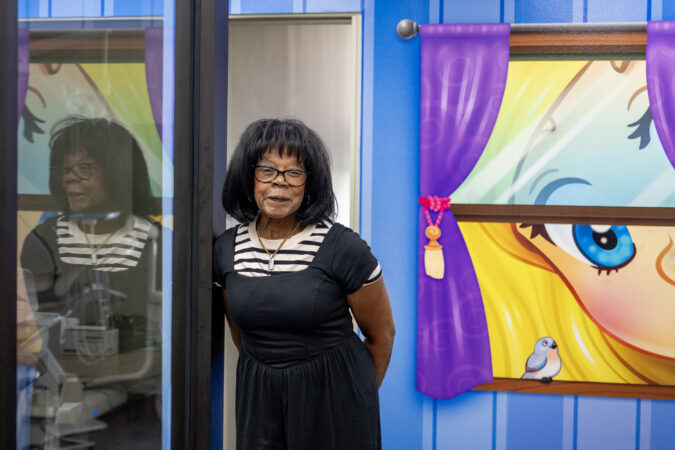
    For 30 years, Nettie King, 92, has relied on Social Security to survive.

    She and her former employers at the Oak Lane Diner near her home paid into Social Security through payroll taxes for years.

    While the storied institution closed in 2015, the Social Security benefit checks that King’s work generated have kept coming. “It’s been comfortable,” explained King, who said she was the diner’s first server of color in 1963.

    But now there’s a problem.

    King is among 68 million Americans facing possible reductions of 22% to their benefits by 2032 unless Congress acts, according to a new report by Social Security Administration (SSA) trustees released last month.

    Pennsylvania residents could lose an average of $520 each from their monthly Social Security checks, according to the Committee for a Responsible Federal Budget, a nonpartisan think tank. That would affect an estimated 255,000 Philadelphians receiving Social Security benefits, according to Olivia Mitchell, director of the Boettner Center on Pensions and Retirement Research at the Wharton School of the University of Pennsylvania.

    “Losing that much would be a disaster,” King said. “I pray the money doesn’t stop.”

    It won’t if Congress overcomes its partisan divide and creates a workable solution to make Social Security solvent, say advocates for the elderly — including AARP, whose senior vice president Bill Sweeney warned in a recent press call that “the longer they wait, the harder it gets.”

    Speaking for the Trump administration, Treasury Secretary Scott Bessent said in a statement, “We are working to preserve Social Security … and recognize that more work remains to secure benefits for future beneficiaries.”

    Someday soon

    Analysts have long predicted the Old Age and Survivors Insurance trust fund from which most retired Social Security claimants draw benefits could dissipate, said Temple University labor economist Samuel Solomon. But that was always regarded as a “someday” event.

    “Someday” may now be just six years away. “That’s a big deal,” Solomon said.

    The SSA wouldn’t stop paying benefits altogether, Mitchell said. Although the report predicts the fund’s reserves could be tapped out by 2032, “continuing payroll tax revenue [from people currently working] would cover about 78% of scheduled retirement benefits,” she added.

    At nearly $1.6 trillion annually, Social Security represents more than 20% of the U.S. budget and is the nation’s largest single expense, Solomon said.

    Various factors have combined recently to accelerate the fund’s potential depletion, according to the report submitted by SSA trustees, who include Bessent, as well as Health Secretary Robert F. Kennedy Jr.

    First, the fertility rate this year is going down faster than predicted: 1.75 children per woman vs. 1.9.

    Also, immigration is lower than estimated. That trend will continue as the government maintains restrictive immigration policies, experts say. It represents a potentially immense loss of revenue, according to Wharton research, which shows that “unauthorized immigrants” paid $24 billion in Social Security payroll taxes in 2024, despite being ineligible to collect any benefits.

    Both the slowed fertility and diminished immigration rates have lowered the anticipated number of workers and the payroll taxes they’d have contributed to Social Security, said Kathleen Romig, Social Security expert with the Center on Budget Priorities and Policies, a left-leaning research group.

    The final factor, the trustees report said, is that the One Big Beautiful Bill Act that decreased income tax rates has reduced revenue that would’ve flowed into the program.

    The SSA didn’t respond for requests to comment.

    The Social Security system had been strained long before the trustees report. The giant baby boomer generation has been retiring since around 2011, siphoning millions from the program, Solomon said.

    In 1950, when the first boomers were 4 years old, every 100 workers paid the Social Security benefits of 13 elderly people, Solomon said. Today, it’s 25 elderly people per 100 workers — “more responsibility on a single working person to support more retirees,” Solomon said.

    That worries Doris Kitt, 81, of Jenkintown, a Social Security benefits recipient who still works at a South Jersey pediatric dental practice.

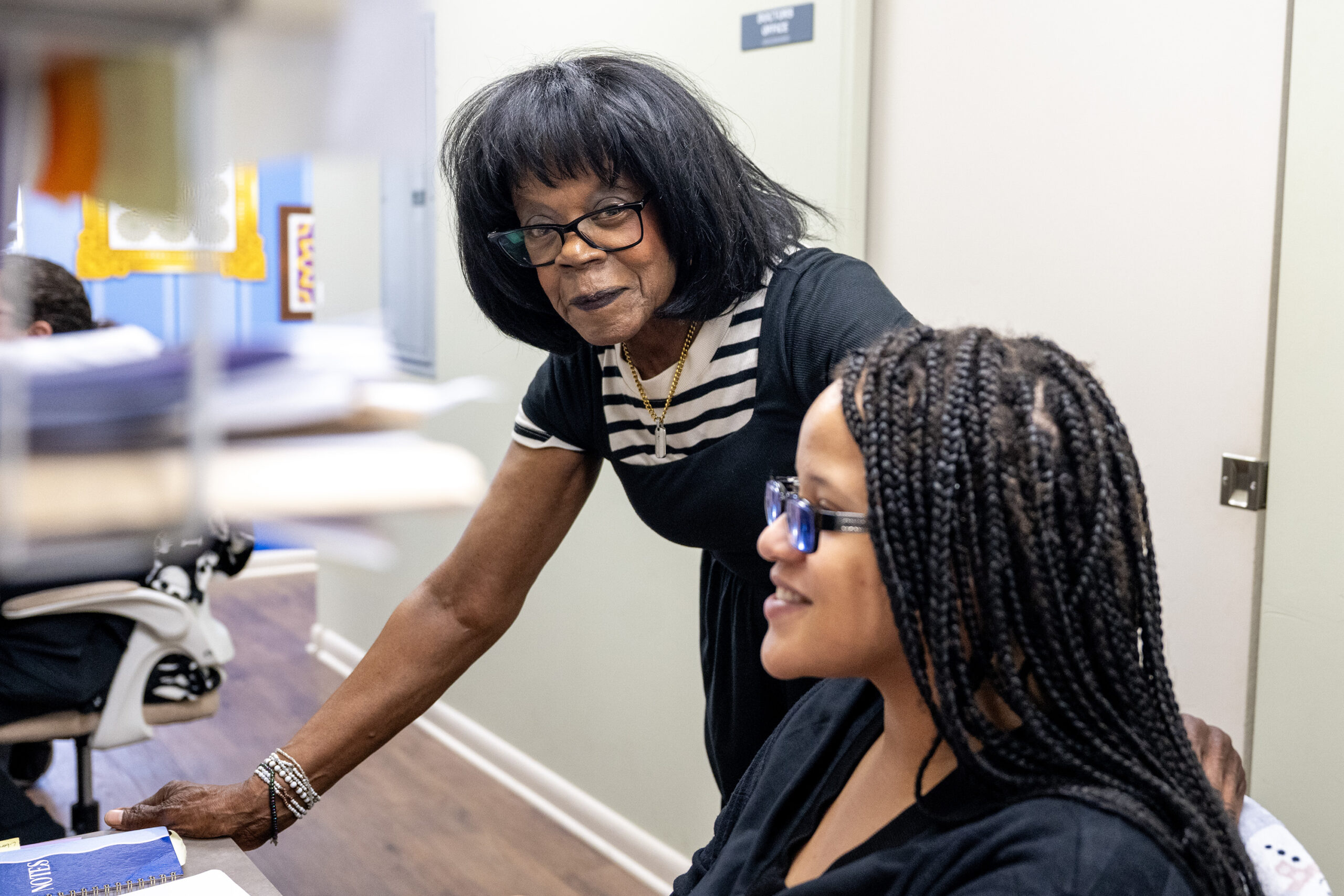
    Doris Kitt talks with coworker Asia Bagby. Kitt, who is 81, still works and also collects Social Security benefits.

    “Less Social Security when rent and food continue to cost more is a challenge,” Kitt said.

    ‘Give me what I’m due’

    Through the years, Republicans and Democrats have forwarded competing remedies for repairing Social Security.

    GOP suggestions include raising the retirement age to 70, and privatizing the system.

    Democrats call for raising payroll taxes and ending the payroll tax cap. (Currently, wages above $184,500 are not subject to Social Security taxes. Democrats would eliminate the cap so higher-income earners pay into the system on 100% of their earnings.)

    In a statement, U.S. Rep. Brendan Boyle, a Northeast Philadelphia Democrat running for reelection in November against Republican challenger Jessica Arriaga, said the trustees report makes it clear that “we must act to protect Social Security benefits for all generations.“

    He referenced a bill he introduced in May 2025 that would require Americans earning more than $400,000 to contribute a greater percentage of their wages to Social Security. It’s now before the House Ways and Means Committee.

    U.S. Rep. Lloyd Smucker, a Republican representing Lancaster County, also issued a statement, saying Social Security could be fixed by a “bipartisan fiscal commission” to “build consensus” and eliminate depletions of benefits. Smucker is being opposed by Democrat Nancy Mannion in his bid for reelection.

    “We must preserve the trust fund millions of Americans rely on and keep our promise to those who have been paying into the system their entire lives,” he said.
    That covenant must be honored, said Shirley Stringfield, 70, a retired city worker from Germantown.

    “I spent 55 years of my life paying into Social Security,” she said, “so I want them to give me my due. I expect to receive my benefits until I expire. I need every cent.”

  • Bill Wine, Emmy Award-winning film and TV critic, and longtime La Salle professor, has died at 81

    Bill Wine, Emmy Award-winning film and TV critic, and longtime La Salle professor, has died at 81

    Bill Wine, 81, of Philadelphia, three-time Mid-Atlantic Emmy Award-winning film and TV critic, retired tenured associate professor of TV and film at La Salle University, onetime freelance TV critic for the Daily News, freelance writer, playwright, and popular lecturer, died Sunday, June 14, of complications from Parkinson’s disease at his home in Chestnut Hill.

    The son of two part-time amateur actors and a lifelong devotee of theater, film, TV, writing, and teaching, Mr. Wine was a film critic for WTXF-TV, Channel 29, for 12 years and KYW radio for 17 years. Known for his pithy, witty, and often acerbic reviews, and a breezy conversational style of writing, he worked at Channel 29 from 1990 to 2002 and KYW from 2001 to 2018.

    “Bill Wine was a character out of a Neil Simon comedy, more Oscar than Felix,” said Carrie Rickey, former Inquirer movie critic. “You didn’t have to wait long for the punchline.”

    Mr. Wine’s film reviews on Channel 29 were often funny and entertaining.

    At Channel 29, Mr. Wine was nominated for eight regional Emmy Awards for commentary and writing, and won three. He appeared regularly on the station’s Ten O’Clock News, in primetime movie preview and review programs, and later on Mondays, Wednesdays, and Fridays on Good Day Philadelphia.

    By 1990, he had already written hundreds of freelance film reviews for the Daily News and Courier-Post, done radio reviews for WPEN, and taught a variety of classes about film and writing for a decade at La Salle. So, despite no previous TV experience, he was hired at Channel 29 over 60 other film critic applicants.

    “I had never been on TV, but I wasn’t nervous,” he told the Daily News in 2001, “because I had been standing in front of 100 students for 10 years.”

    Mr. Wine worked at at WTXF-TV, Channel 29, for 12 years.

    He started at KYW radio in 2001 and usually aired reviews and reports on Thursdays, Fridays, and Saturdays. Sometimes, he watched three movies in one day. He left Channel 29 in 2002 and KYW in 2018 only after both companies eliminated their local film critic position.

    “When I started [writing film reviews], it was before the internet,” he told The Inquirer in 2018. “A lot of people [now] feel like, ‘Who the heck is a movie critic to come on in a minute and to dismiss something that took hundreds of people and millions of dollars to create?’”

    In the 1970s and ‘80s, he wrote articles and reviewed films, TV shows, books, and plays for WPEN, The Inquirer, Courier-Post, Philadelphia Magazine, and other outlets. In 1975, he wrote dozens of freelance TV columns called “On the Air” for the Daily News.

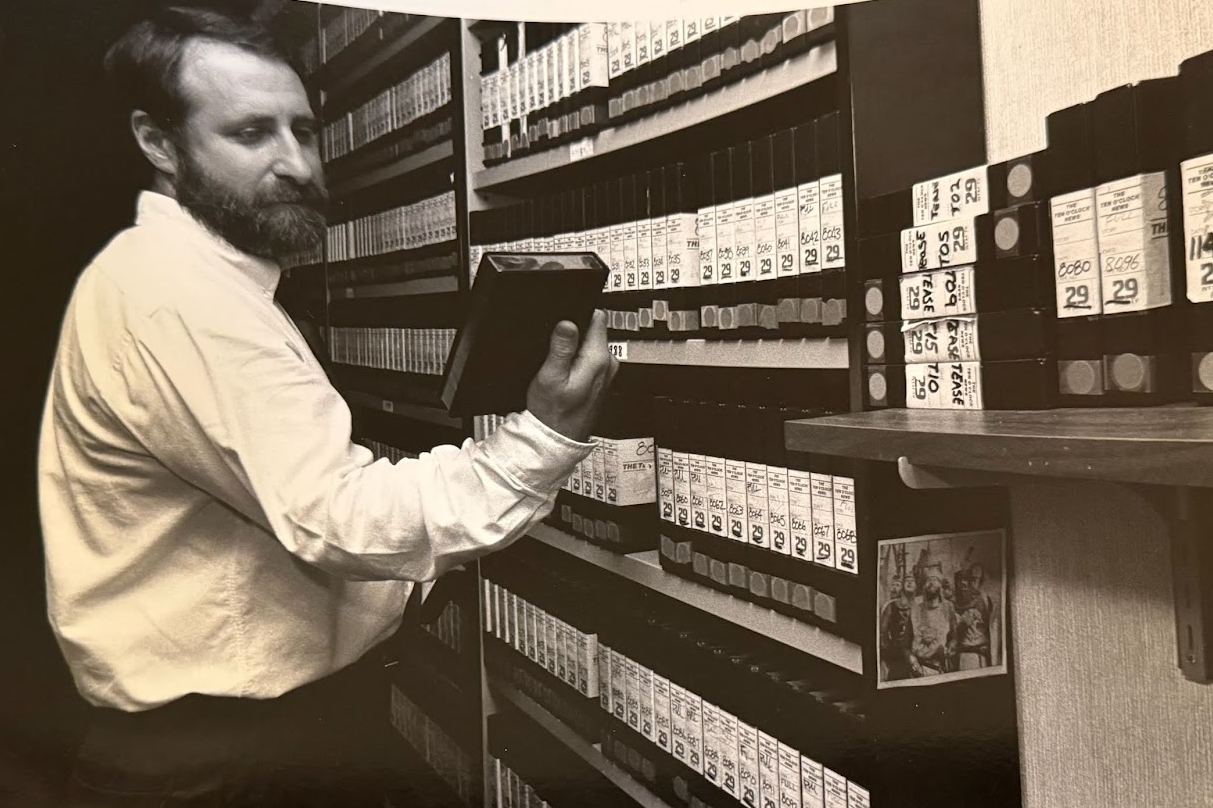
    Mr. Wine wrote dozens of columns as a freelance TV critic for the Daily News in 1975.

    He spent three years in California in the 1970s working on plays and film and TV scripts. He hobnobbed with famous writers, producers, and actors in Los Angeles, staged one of his own plays, and was a winning contestant on a new TV game show.

    He wrote 11 plays over the years, and several made it to the stage. “Now the people who disagree with my reviews can come and find out if I’m as dumb as they think I am,” he told The Inquirer in 2002.

    He aired reviews on WIP radio and lectured often at libraries, schools, community centers, theaters, and other venues about his favorite films, adapting books to film, and other topics. “He could be wickedly funny, especially when delivering a pan of a movie,” his family said in a tribute. “One of his favorite quotes was: ‘I had a bad seat. It was facing the screen.’”

    Mr. Wine was a prolific playwright who enjoyed table readings with family and friends.

    Mr. Wine earned a bachelor’s degree in math at Drexel University and a master’s degree in communications at Temple University. He helped design La Salle’s nascent Communication Department in the 1980s, and school officials called him one of their “Founding Fathers.” He also taught briefly at Drexel, and came close to earning a doctorate at Temple.

    In 2001, he was featured in a Daily News story about “celebrity professors” and said: “You have to remind yourself that this is television, not the classroom. You mention, say, ‘film noir’ on TV, and you get a memo.”

    William David Wine was born June 21, 1944, in Germantown. He grew up in West Oak Lane and Cherry Hill, attended Central High School, and graduated from the old Cherry Hill High School.

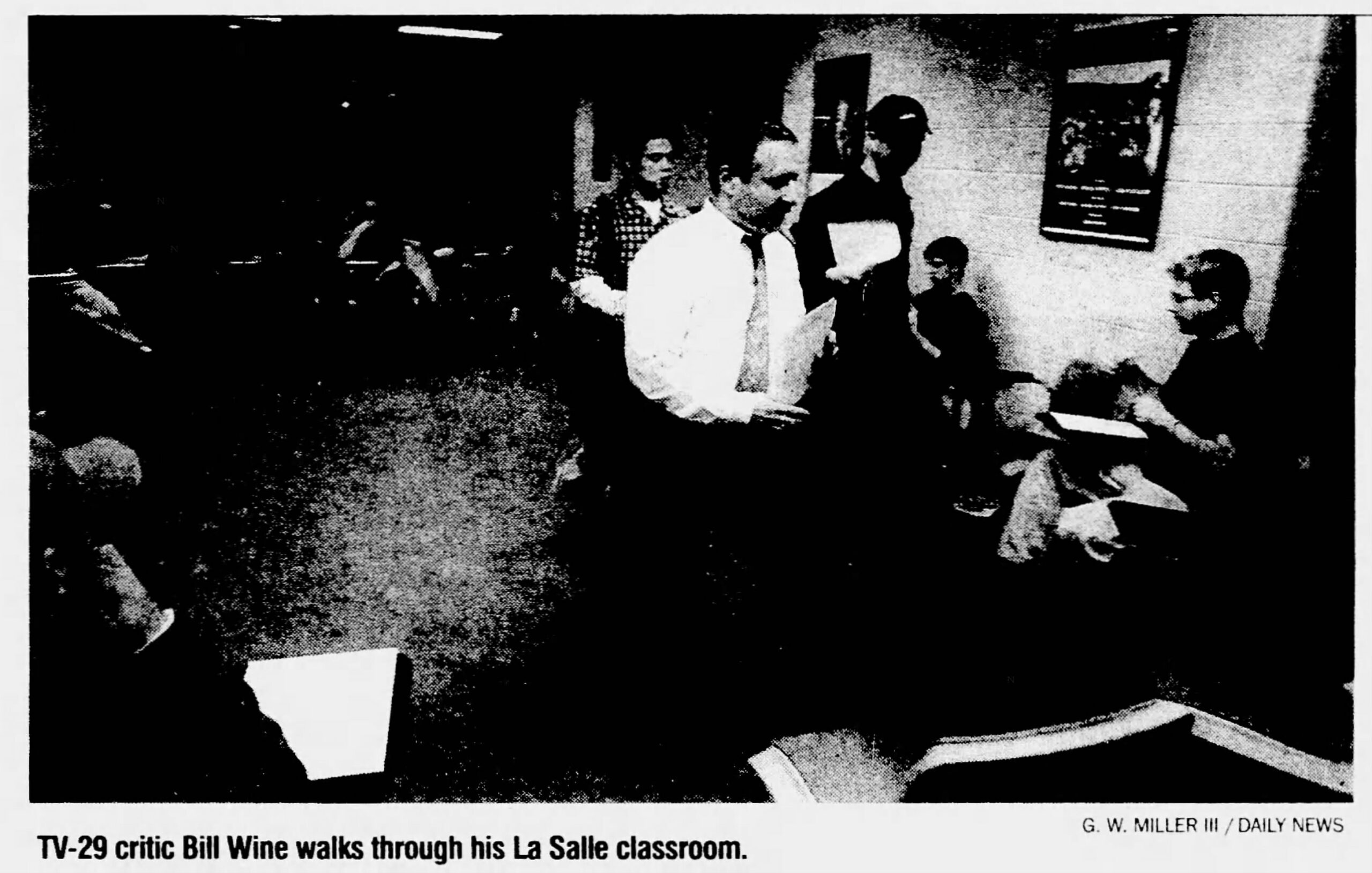
    A story and this photo of Mr. Wine about his time as a professor at La Salle appeared in the Daily News in 2001.

    As a boy, he devoured newspaper movie reviews and fell in love with film after seeing Alfred Hitchcock’s 1954 thriller Rear Window. He got positive reviews of his own freelance movie review when he was at Temple, and he knew then, he said later, that writing about movies was his creative niche.

    “The first time I saw my byline, I was hooked,” he told Drexel Magazine in 2016.

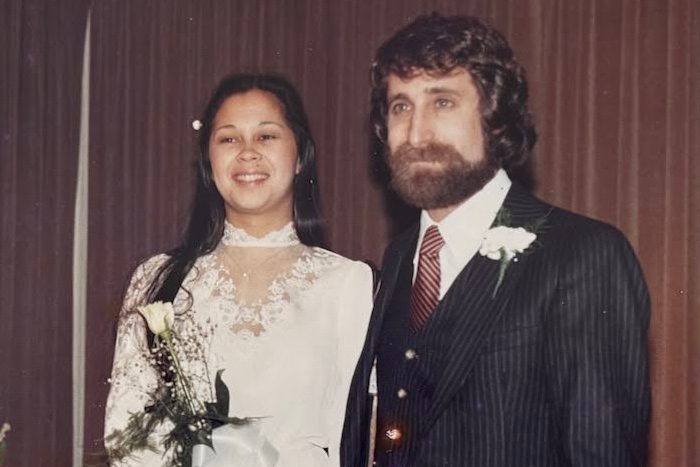
    He married Dina Lichtman, and they divorced later. He married Suzanne Monsalud in 1981, and they had daughters Simone and Paulina, and lived in Germantown, Wyncote, and Chestnut Hill.

    Mr. Wine and his wife, Suzanne, married in 1981.

    Together, Mr. Wine and his family traveled to Paris and London, and he and his wife honeymooned in Rio de Janeiro, Brazil. He doted on his daughters and sometimes took them to his La Salle classroom, the Channel 29 TV set, and movie screenings.

    Friends, former colleagues, and former students called him “a force of nature,” “smart and gifted,” and “a rare combination of kindness, professionalism, and humor.” His daughter Simone said: “His humor, warmth, and presence made life brighter.”

    Mr. Wine played tennis, third base on adult softball teams, and pickup basketball into his 70s. He followed the Phillies, 76ers, and Eagles closely, and hit tennis balls with Hall of Famer Rod Laver at a publicity event in Los Angeles.

    Mr. Wine and his family made memorable trips to Paris, London, and elsewhere.

    “He was a wonderful father and a dedicated teacher,” his wife said. “He was a real Philadelphian, and we complemented each other.”

    His daughter Paulina said: “Dad, I think you cracked the code. We’ll see you at the movies.”

    In addition to his wife and daughters, Mr. Wine is survived by three grandchildren, a sister, Marcia, and other relatives. A sister died earlier.

    A celebration of his life was held earlier.

    Donations in his name may be made to the Bill Wine Scriptwriting Award at La Salle University, 1900 W. Olney Ave., Philadelphia, Pa. 19141.

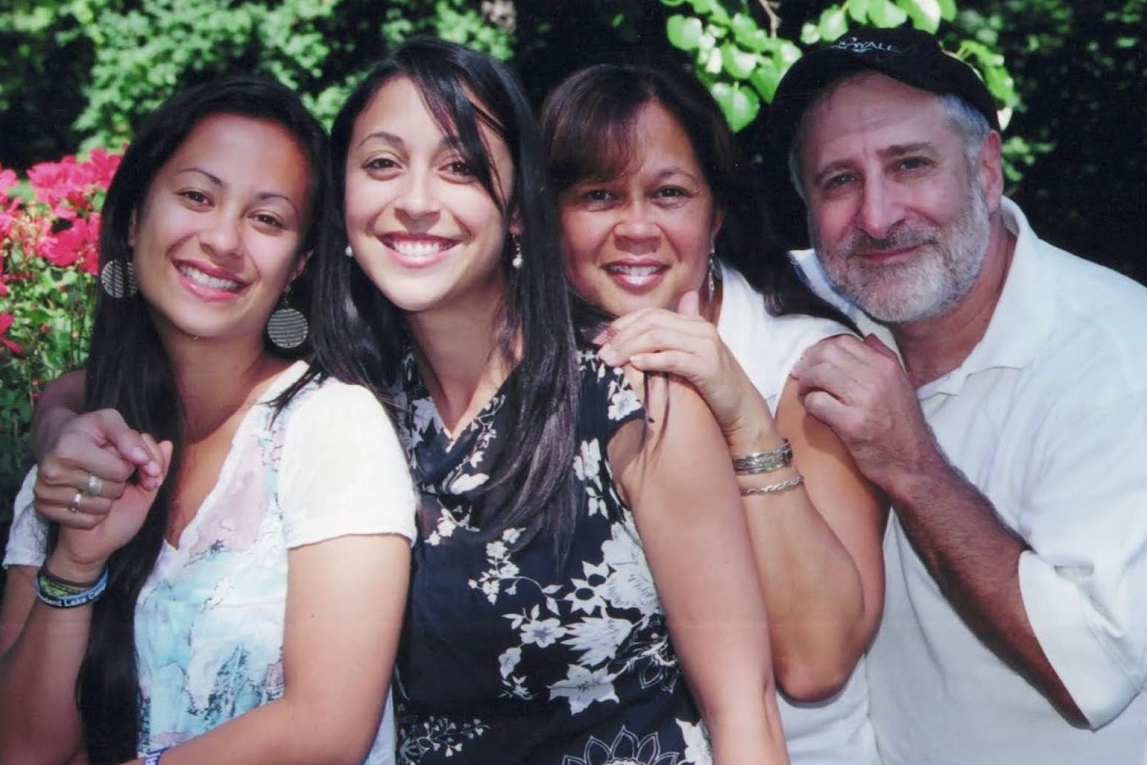
    Mr. Wine (second from left) enjoyed time with his family.
  • Temple Hospital asks public for help identifying patient

    Temple Hospital asks public for help identifying patient

    Editor’s note: The patient has been identified, Temple officials said Wednesday afternoon.

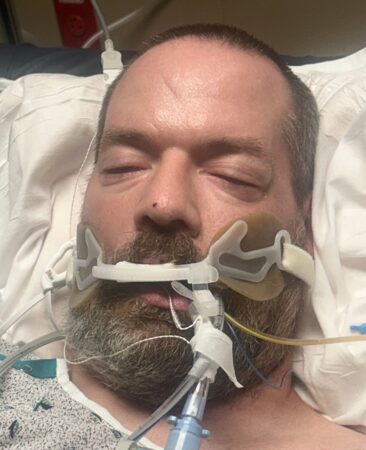
    Temple Health seeks help from the community identifying a patient at its main hospital in North Philadelphia.

    The health system on Wednesday released a photo of the patient, who appears to be in his 50s and was admitted to Temple University Hospital on June 8. It hopes to locate his friends and family.

    Anyone with information can call 215-707-2000.

  • Danny’s Guitar Shop, a destination for Main Line musicians, has closed after 17 years

    Danny’s Guitar Shop, a destination for Main Line musicians, has closed after 17 years

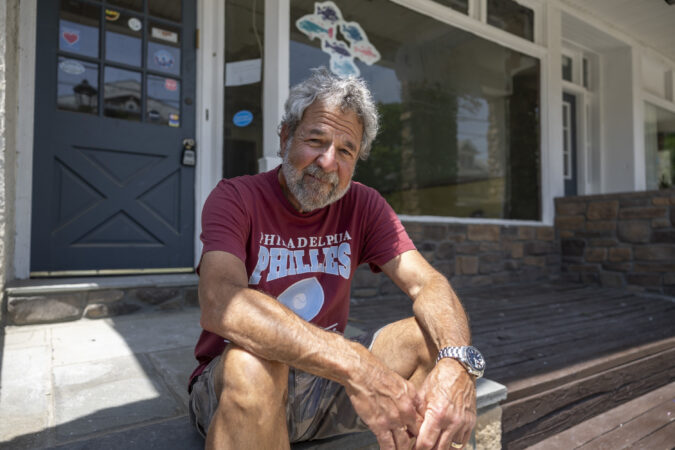
    Danny’s Guitar Shop, an independent guitar store and lesson center run by musician Dan Gold, closed its doors after 17 years in downtown Narberth.

    Over nearly two decades, Gold forged connections along the Main Line, sold guitars to celebrities, brought outdoor music to Narberth’s streets, and, briefly, starred in a TV show that drew on his talents as a self-proclaimed “kibitzer.”

    Gold, 72, said retirement was already on his mind when his landlord raised the rent beyond what Gold could pay. Danny’s officially closed at the end of May. As Gold prepares for the next chapter, which will be filled with swimming, traveling, and playing bass in Broken Arrow, his Neil Young cover band, he said his time in Narberth was “just perfect.”

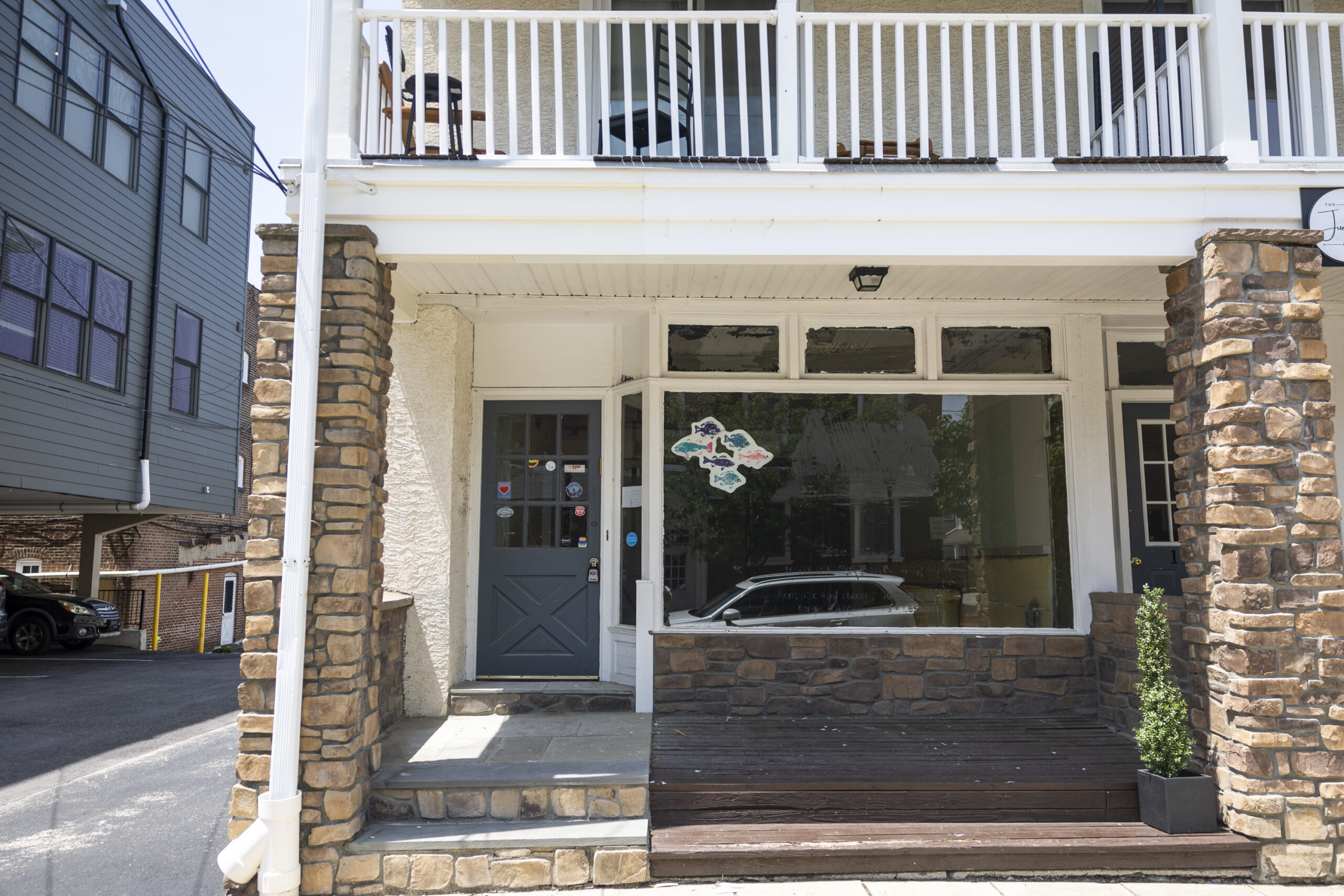
    The former storefront of Danny’s Guitar Shop in Narberth.

    Gold opened Danny’s Guitar Shop in June 2009, right as the country had begun to dig itself out of the Great Recession. Guitar store Medley Music of Bryn Mawr had closed the year prior, and Center City’s 8th Street Music had moved across the bridge to New Jersey, leaving a vacuum for guitar lovers in Philly’s western suburbs.

    Gold, a Newtown Square resident, grew up in Havertown and graduated from Haverford High School and Temple University. He started his career as a schoolteacher before taking a gig as a district sales manager for Fender Guitars, traveling across the region, from rural Pennsylvania to North Jersey, selling instruments and accoutrements.

    Though it was risky to open a brick-and-mortar store at the heels of the financial crisis, Gold was bullish on the prospect. His mentors told him that as long as he ran guitar lessons, he’d be able to pay the rent. Gold had always loved Narberth’s “very distinct, charming personality” and was smitten with the Forrest Avenue storefront right away, with its ample natural light and welcoming front porch.

    When Danny’s opened in 2009, the Main Line Times described it as having promptly “established itself as that rare kind of clubhouse — the kind where everybody’s allowed in.”

    Over the years, the storefront’s shaded porch became the site of dozens of guitar recitals and summer evening jam sessions. Narberth residents gathered outside of Danny’s to talk about the news and the neighborhood gossip, and Gold always had treats for local dogs. Gold helped bring live music to Narberth during First Fridays and the annual July Fourth celebration. Ahead of a recital last fall, Gold posted on Facebook: “Students playin’ on the porch this Sunday 3:00! Bring a chair and come hang out!”

    “Danny is loved around here and for good reason,” said Ed Ridgway, president of the Narberth Business Association, who took guitar lessons at Danny’s.

    Ridgway described Danny’s as resembling an “old-timey barbershop.” If you asked Ridgway to make a list of 10 things that define Narberth’s downtown, he said Danny‘s would be on the list.

    “He was just such a good presence in Narberth,” said Tracy Tumolo, owner of Narberth art and gift shop Sweet Mabel Store.

    “This place,” Gold said. “It just fit me like a glove.”

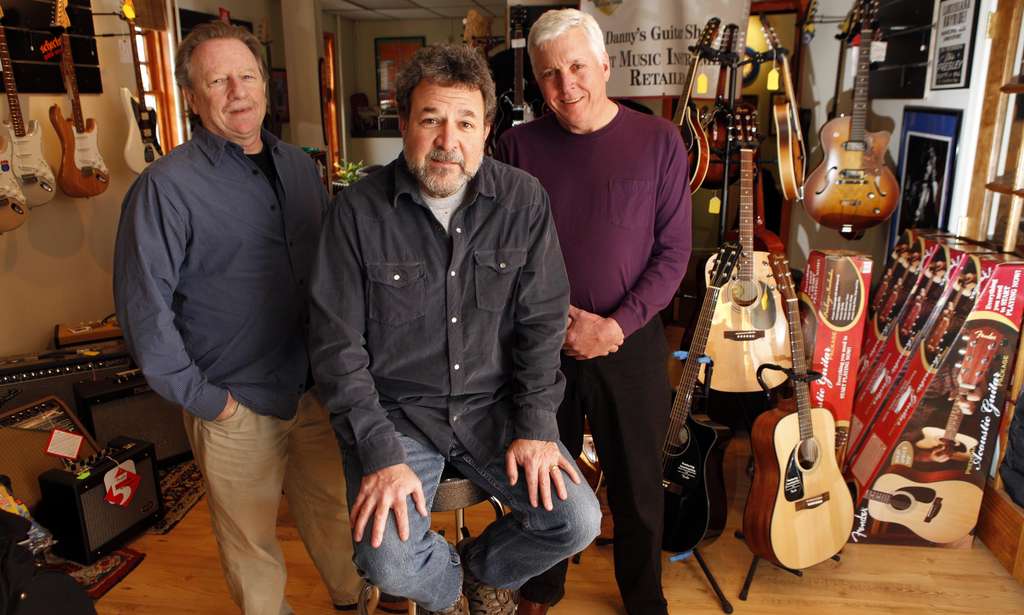
    Danny Gold (center) pictured at Danny’s Guitar Shop in Narberth in 2018 with partners Larry Freedman (left) and Ron Stanford.

    Every once in a while, a star or two would stop into Danny’s Guitar Shop while visiting the area or prepping for a show at Ardmore Music Hall. The Eagles’ Timothy B. Schmit bought a few guitars and gave Gold backstage passes when the band played Atlantic City. Wilco’s John Stirratt stopped by, as did Dweezil Zappa, Frank Zappa’s son. Tumolo said Gold always encouraged them to shop at Narberth’s other businesses.

    In 2014, Gold starred in a 13-episode series on WHYY-TV’s YArts cable channel, which aimed “to do for guitars what Anthony Bourdain has done” for international cuisine or ”Mike Rowe for the art of cleaning septic tanks,” according to an Inquirer story from the time. In the series, Gold explored the origins of Klezmer music, interviewed the scholar who wrote the definitive book on the history of the accordion, and spent quality time with electric guitar giant Paul Reed Smith.

    Lessons were the biggest part of Gold’s business model at Danny’s, as his mentors predicted. He did a large consignment and secondhand business, as well, as he was mostly selling to first-time and beginner players.

    “The lessons made me a destination store. It’s never like I carried away wheelbarrows full of money, but we were able to make a modest living and enjoy doing what we were doing,” Gold said.

    Like many brick-and-mortar merchants, Gold said it became more difficult over time to keep up with the ubiquitous online marketplace. Consumers can now buy any model of guitar, in any color, at any time. Music stores across the country have shuttered in recent years, pointing to online shopping as a factor in their decline.

    On one hand, Gold feels somewhat liberated from the day-to-day responsibilities of running his namesake storefront. On the other hand, there’s a lot he’ll miss — the people, the borough, watching the neighborhood kids grow up.

    At the end of the day, Gold said, “It’s been a great run.”

    This suburban content is produced with support from the Leslie Miller and Richard Worley Foundation and The Lenfest Institute for Journalism. Editorial content is created independently of the project donors. Gifts to support The Inquirer’s high-impact journalism can be made at inquirer.com/donate. A list of Lenfest Institute donors can be found at lenfestinstitute.org/supporters.

  • How Little Susie’s is building a pie business one crust at a time

    How Little Susie’s is building a pie business one crust at a time

    Daniel Martino didn’t set out to build an empire of pie shops. He just wanted somewhere to get coffee without leaving the neighborhood.

    When he bought his home in Port Richmond in 2013, the closest coffee shop was an hour round trip, he said. “Selfishly, I thought, I can put a little coffee shop here.”

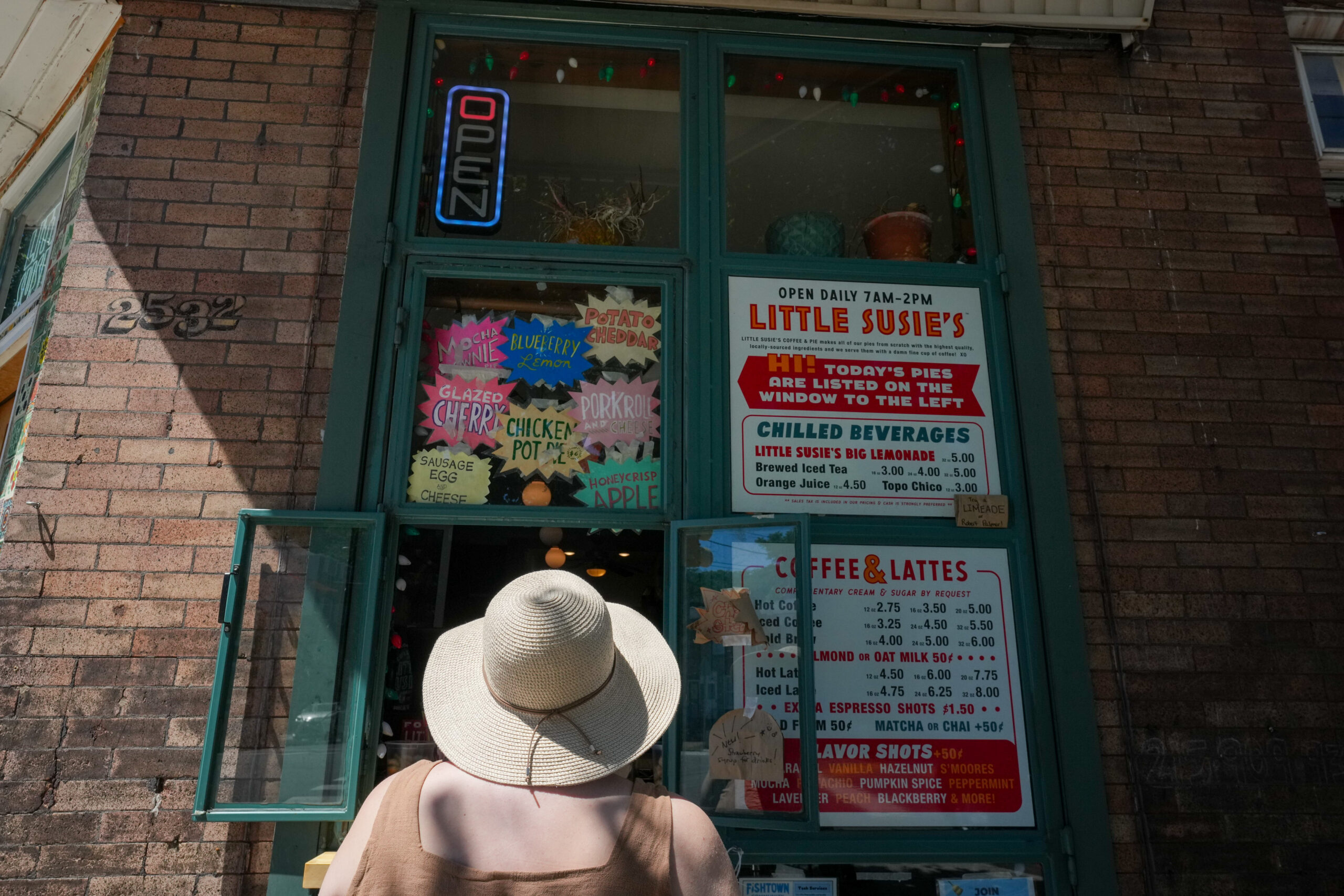
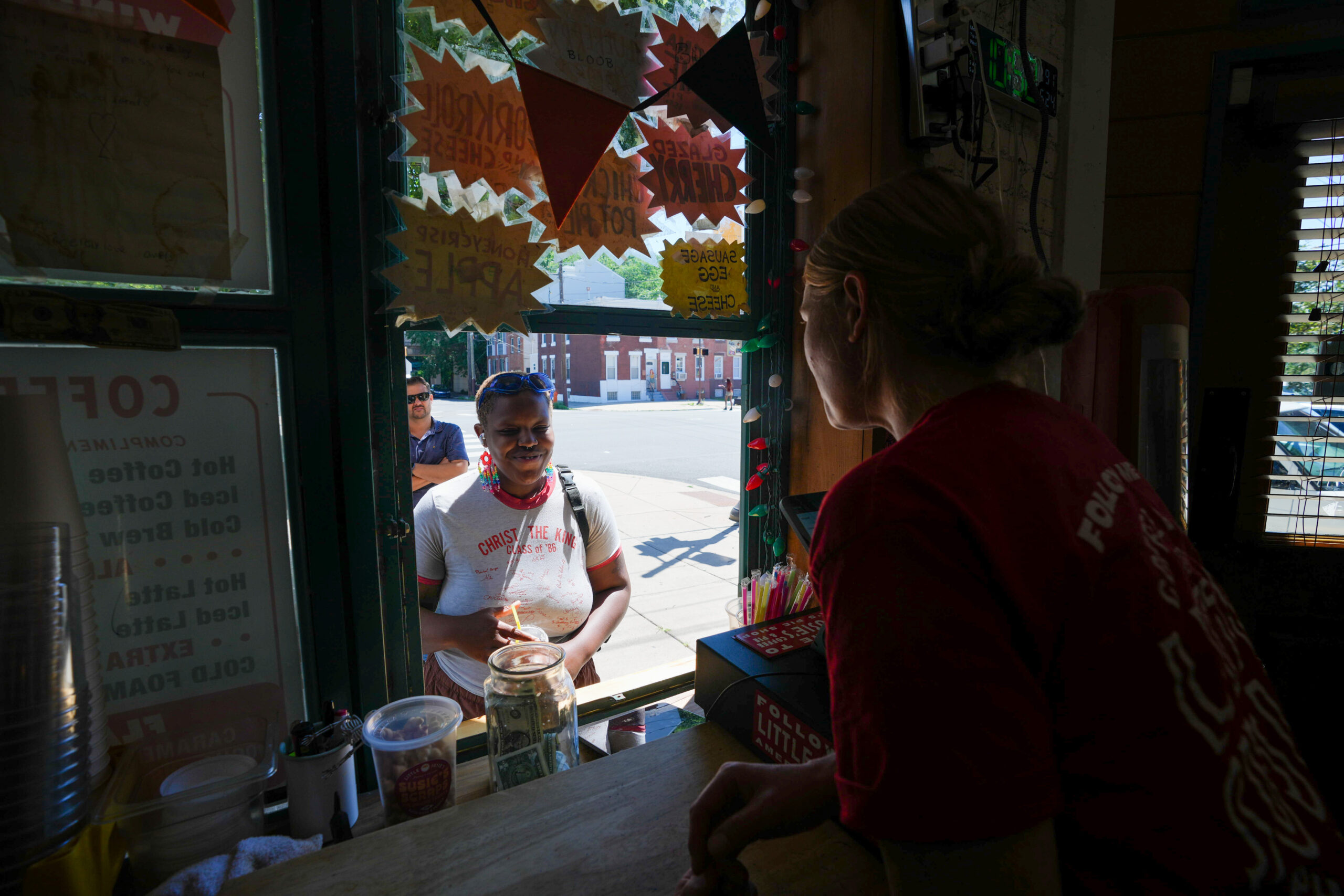
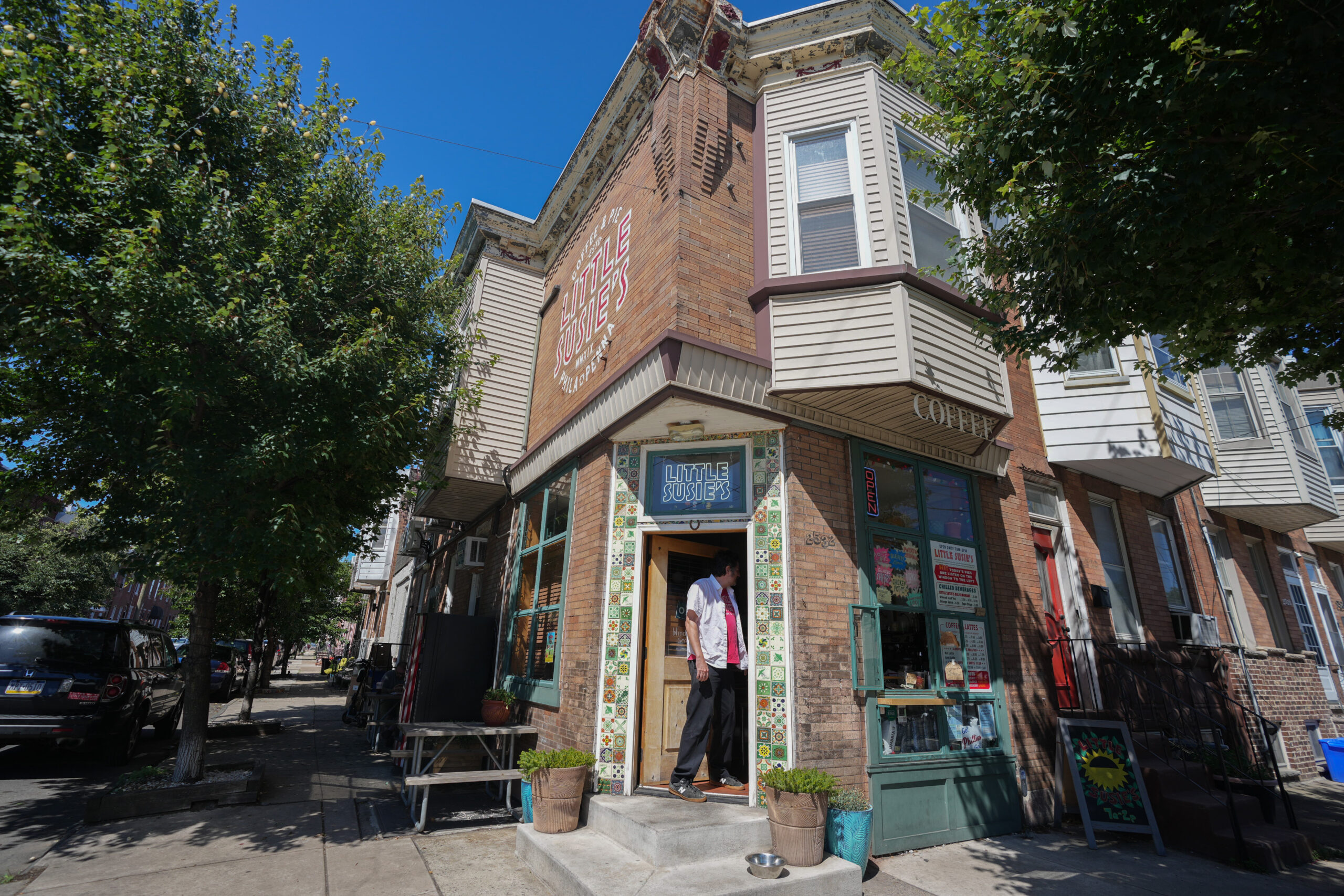
    The takeout window at Little Susie’s flagship location at 2532 E. Lehigh Ave.

    And what goes better with a cup of coffee than pie? He had a recipe he’d been baking for family get-togethers.

    Seven years after Martino opened Little Susie’s Coffee & Pie in the building next door to his house, his modest idea has grown into four Philadelphia locations, with a fifth expected to open Friday at the former Pop’s Bun Shop in Bella Vista, a franchise headed to Milwaukee, and plans for additional shops in Fairmount and Northern Liberties. All his stores run from takeout windows, requiring little more than coffee stations and electric ovens.

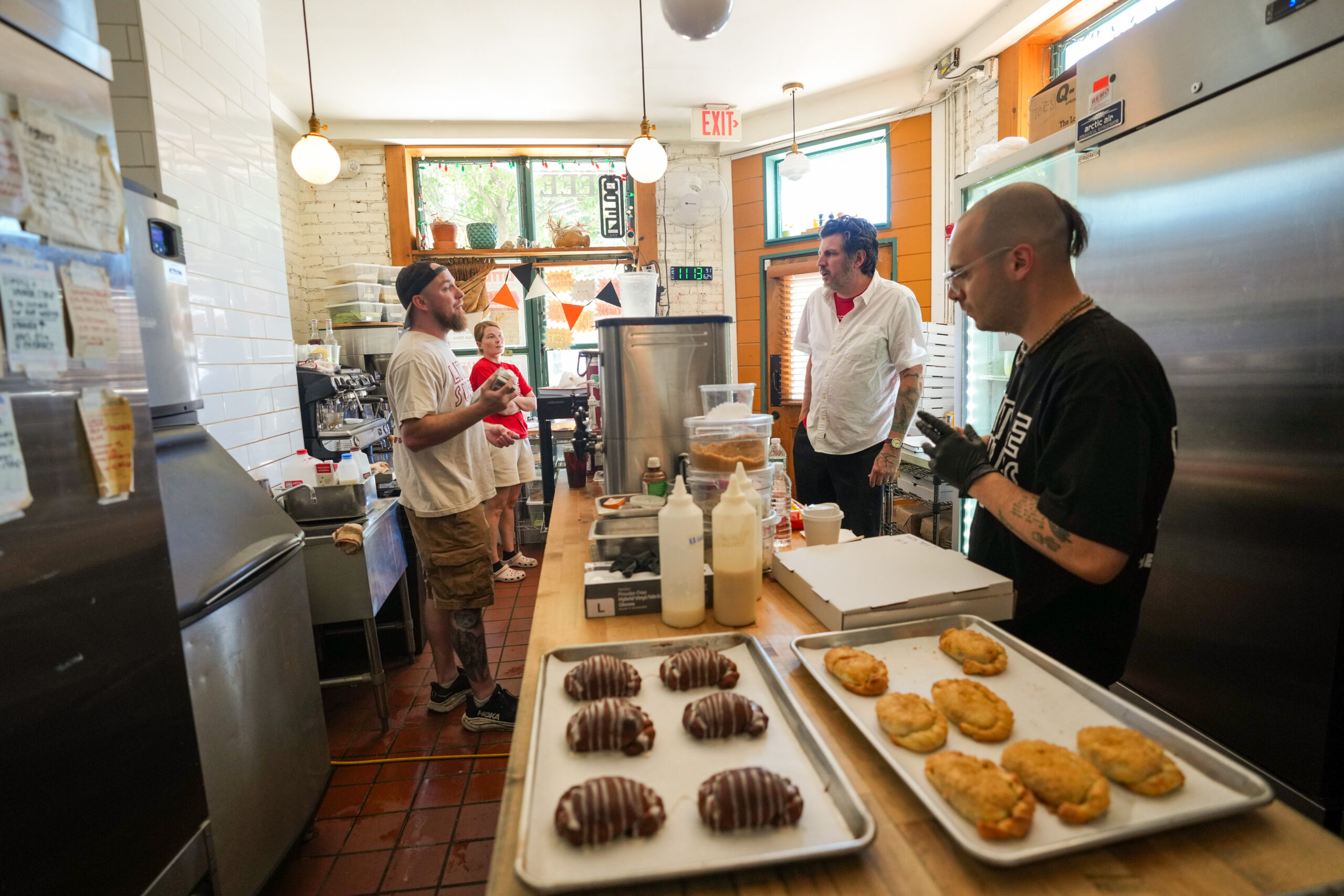
    Today, the company employs 28 people and turns out about 1,200 pies a day from a bakery occupying two cramped rooms in the corner rowhouse on Lehigh Avenue.

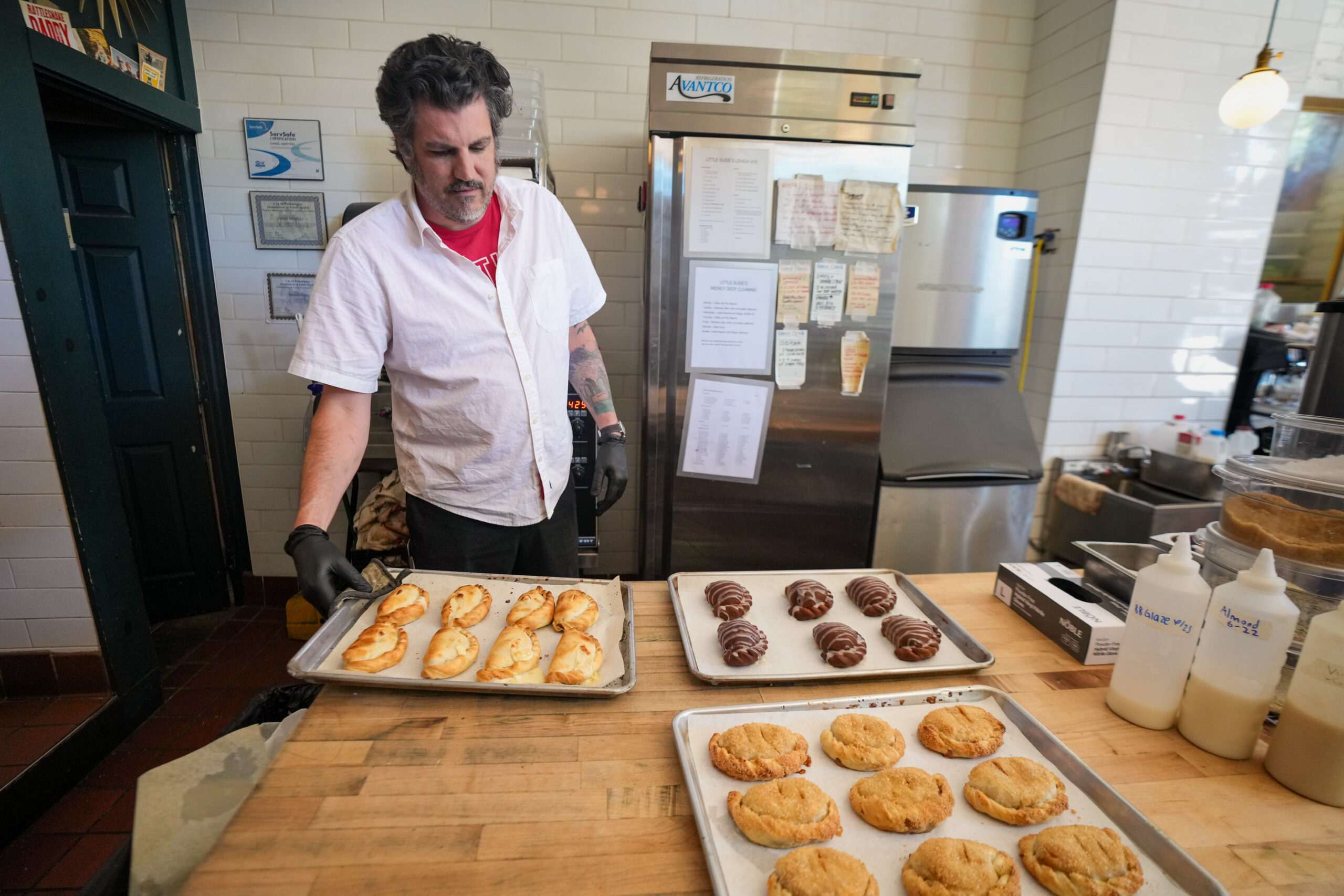
    Owner Daniel Martino with trays of pies at Little Susie’s.

    Martino, 46, who grew up in Northeast Philadelphia, has spent much of his working life around food. As a teenager, he worked at a swim club snack bar before taking a kitchen job at what is now Jefferson Torresdale Hospital.

    After studying film at Temple University, he joined Public House Investments, which ran City Tap House, as a DJ before becoming the hospitality company’s creative director, designing menus, logos, ads, and marketing material.

    When the property next door to his house became available, Martino said he used a home-equity line of credit to buy it before securing a Small Business Administration loan to renovate it.

    The takeout window at Little Susie’s. Hand-lettered signs advertise the specials.

    By the time Little Susie’s opened in December 2019, he said, “I had maxed out every credit card I had. I even had to go to the bank, hat in hand, and sign a signature loan for the last $10,000 just to get it open.”

    His shop offered a simple menu, little more than coffees and lattes and four kinds of pies. There was a counter for seating. The first day brought in about $180, and “it was the greatest day of my life,” Martino said.

    Then the pandemic arrived. When COVID-19 restrictions shut down indoor dining, Little Susie’s shifted to window service. Customers called in orders, paid over the phone, and picked up coffee and pies outside. Even after restrictions were lifted, the shop never reopened indoors.

    It wasn’t what Martino had imagined. His idea was ”Cheers with coffee — the neighbors and the mailman talking about the weather,” he said.

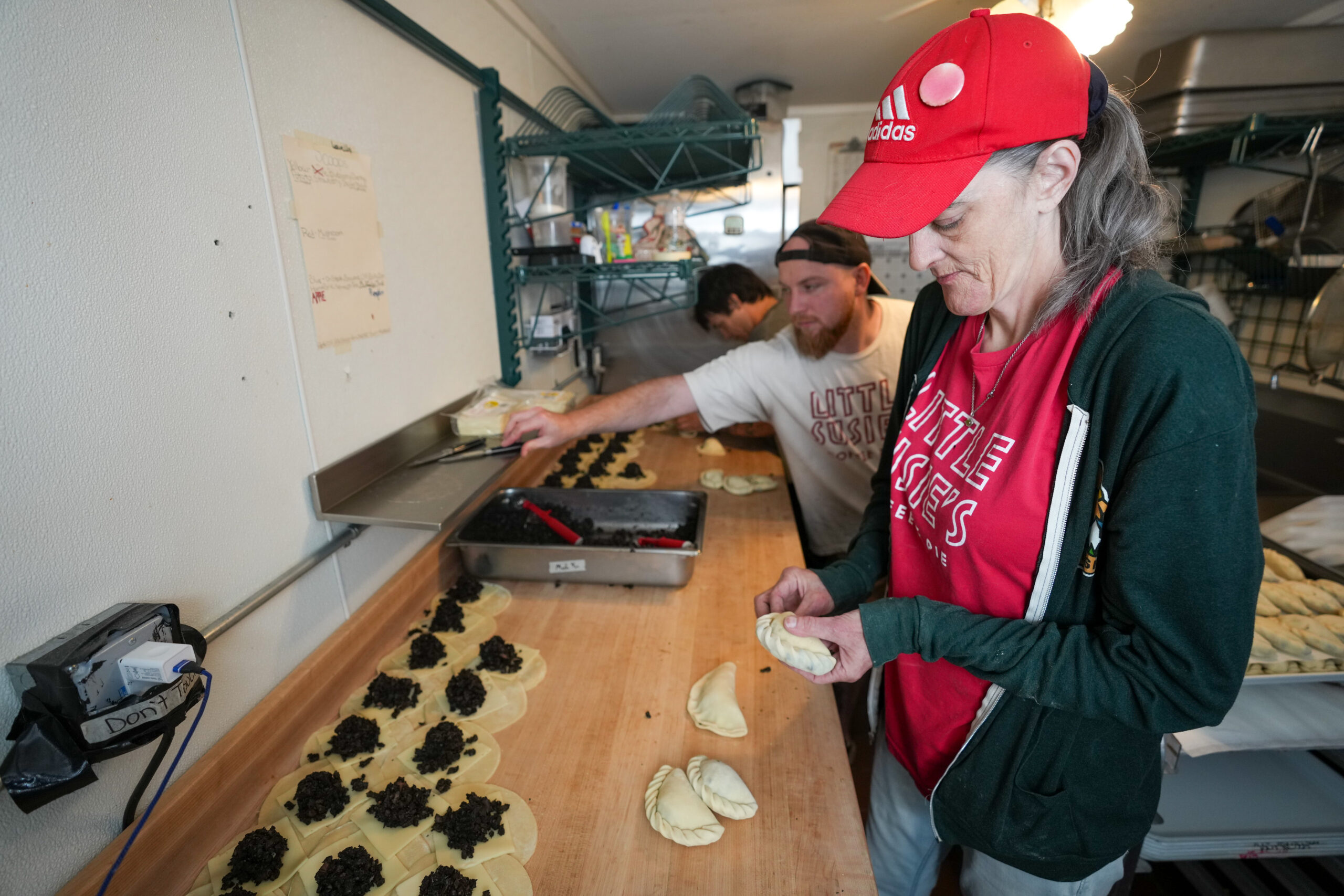
    Instead, customers embraced the walk-up model and the seating at a picnic table beneath a maple tree. The pies especially quickly caught on. The signature is the crust. Rather than trimming away the excess dough, workers twist it around each pie by hand, creating what Martino calls “a fluffiness that the fork doesn’t provide — that flaky tenderness you want in a pie crust. The twist is its own special treat in and of itself.”

    Owner Daniel Martino (rear, right) with staff and pies at Little Susie’s, set up in a rowhouse.

    The pies, which are baked and not fried, are made with a simple crust of flour, butter, sugar, and salt. It’s a 48-hour process. Dough is mixed at the company’s Kensington location, where a 20-quart mixer runs nearly all day. The dough rests for 24 hours before it is brought to Port Richmond, where it is sheeted, filled, twisted, frozen, and delivered to the other stores to be baked to order.

    Little Susie’s first menu included only blueberry, pork roll, apple, and mushroom Swiss fillings. Today, it offers about a dozen varieties, with eight available year-round and others rotating seasonally. “You can practically throw anything in this pie crust,” Martino said. “I haven’t been disappointed yet.”

    Pies at Little Susie’s.

    Pork roll remains the top seller, followed by apple, and a sausage, egg, and cheese breakfast pie encrusted with everything bagel seasoning. Seasonal flavors have included ham and Brie, chocolate-covered strawberry, and Cajun crab and corn. None are gluten-free because of the shop’s limitations, he said.
    Not every idea works. “We tried to make a cannoli pie, but the cream just melted right out,” he said.
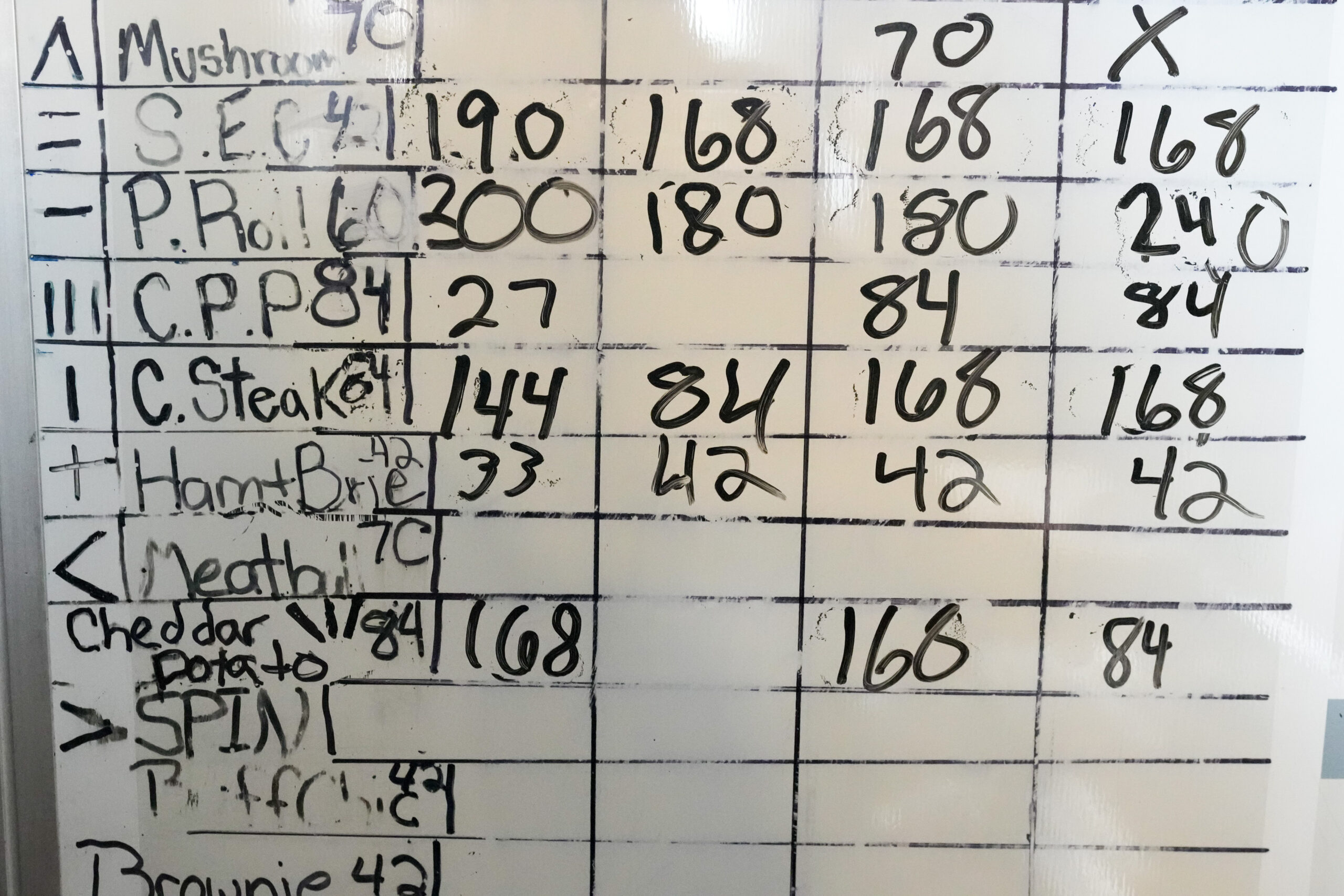
    Each shop sells 200 to 300 pies a day. The production kitchen now employs 11 bakers, who track production on a whiteboard nicknamed “the Pieble.” Each variety get its own knife mark on top; an inverted V, for example, denotes mushroom Swiss.

    The “Pieble” at Little Susie’s, the flagship pie takeout place located at 2532 E. Lehigh Ave., in Philadelphia, June 24, 2026.

    Lena Hurchick, who has worked at Little Susie’s for three years, said she enjoys “the competition of filling all the shops” and watching customers eat pies she helped make.

    “Susie” was the name of the dog that belonged to the former owner of the building. “When we had the community meeting here, I said, ‘I’m thinking Little Susie’s,’ and people started crying,” he said.
    Lena Hurchick crimps mushroom pies at Little Susie’s.

    Expansion has brought complications. A planned Fairmount location was nearly ready to open before the city determined that the property required zoning approval for food sales. “The city does not make it easy,” he said, adding that it will take months to get onto the zoning board’s calendar.

    Even so, he expects the company to keep growing. He has a handshake deal for a spot in Northern Liberties. Milwaukee is planned as the first franchise — operated by a friend — while Martino has begun thinking about a larger bakery in Philadelphia.

    “We’re basically bursting at the seams,” he said. “We’re probably going to need a 10,000-square-foot facility.”

    Owner Daniel Martino at Little Susie’s.

    He wants that growth to remain slow enough that the pies are still made fresh every day. “I don’t want to get too far away from making them every day, because then it just becomes some frozen-food empire,” he said.


    Little Susie’s Coffee & Pies’ locations are at 2532 E. Lehigh Ave. in Port Richmond, Second and Chestnut Streets in Old City, 1772 N. Front St. in Kensington, and 1754 S. Chadwick St. in Point Breeze. A fifth, at 800 S. Ninth St. in Bella Vista, is due to open Friday. Hours are 7 a.m. to 2 p.m. daily.

  • Layoffs are ‘inevitable’ at Temple as school looks to cut $60 million, president says

    Layoffs are ‘inevitable’ at Temple as school looks to cut $60 million, president says

    Temple University has asked its schools, colleges, and administrative units to cut a total of $60 million to help offset a projected deficit for 2026-27.

    President John Fry shared the plan in a message to the campus community Friday and said a reduction in employees is “inevitable.”

    The message did not reveal how many layoffs the university is considering as it attempts to close the $85 million projected gap. The board of trustees’ executive committee is scheduled to meet next week to consider the proposed budget. The university’s current budget is $1.3 billion, excluding the health system.

    “Unfortunately, some reduction in force is inevitable, given that nearly 70% of Temple’s operating budget is spent on compensation and benefits,” Fry said in the message. “It is my promise that any employee’s separation from the university will be handled equitably and compassionately.”

    He noted that a faculty retirement incentive program this year drew 77 takers — 3% of full-time faculty — and will lessen the need for layoffs. Those faculty are scheduled to leave by the end of this month and their departures ultimately will save $15 million annually. The elimination of vacant faculty and staff positions also has helped, he said.

    Fry did not detail the cuts that are planned but said that colleges, schools, and administrative units each received a budget reduction target.

    Units were asked to make a 5% cut last year, but this year there is a range of percentages among schools, colleges, and administrative units, a university spokesperson said. The spokesperson declined to say how many layoffs will occur.

    Some potential cuts that have stirred discussion include a reduction in adjunct professors and a pause in doctoral student admissions by some programs.

    Jeffrey Doshna, president of the Temple Association of University Professionals, said Fry’s message seemed to address some of the issues the union has been raising, but said more information is needed, including how many people will lose their jobs and from what areas.

    “Hopefully, they will continue to respond to what we are calling for,” he said, including greater transparency, participation in decision-making, and no job cuts.

    Temple has been trying to cope with lost revenue from a precipitous slide in enrollment and uncertainty around federal funding. Fry has been warning since early April that the university “must act decisively and with a sense of urgency” to address the projected deficit. An internal Temple report obtained by The Inquirer in April said layoffs were coming.

    Last July, Temple laid off 50 employees, less than 1% of its workforce.

    Fry reported to the board of trustees last week that this year’s fall enrollment looks promising, with deposits by first-year undergraduate and transfer students up over last year at the same time.

    He said in his campus message that making the $60 million in cuts is “an important first step toward returning the university to a balanced budget over the next three years.”

    Fry acknowledged that the budget reductions “can create uncertainty and anxiety.” But he said the administration has attempted to be transparent and has held meetings with faculty senate, deans, and schools, colleges, and administrative units.

    “Navigating through this stark financial reality is not easy,” Fry said. “I recognize the difficulty of this present moment. We will emerge from this process stronger and on a more sustainable path moving forward.”

  • Three men have been shot near Hunting Park Rec Center over the last month in what appear to be linked crimes, officials say

    Three men have been shot near Hunting Park Rec Center over the last month in what appear to be linked crimes, officials say

    Philadelphia police are investigating whether three men shot near the Hunting Park Recreation Center in the last month — two of them fatally and just six days apart — were targeted by the same gunman, according to law enforcement sources.

    The two men killed this month were found partially undressed and shot in the torso inside the large North Philadelphia park, said the sources, who spoke on the condition of anonymity to discuss an ongoing investigation. A third man was shot in late May and survived.

    Police believe the same person was involved in both killings, the sources said, and are looking into whether the men had met the suspect through a dating app.

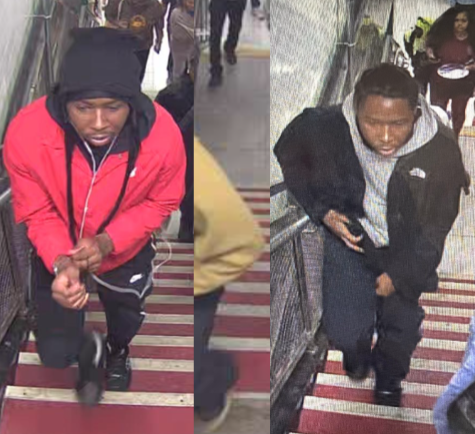
    Deputy Police Commissioner Frank Vanore said investigators have identified a person of interest interest in the case, a man in his late teens or early 20s, after capturing his image on surveillance footage as he entered and exited a Broad Street Line station.

    The man — whom investigators did not identify — is considered armed and dangerous, Vanore said at a news conference Monday.

    Philadelphia police said this man is a person of interest in the shooting deaths of two men near the Hunting Park Recreation Center in separate incidents within the last 10 days.

    “All three incidents are perpetrated very similarly, in the same geographic area,” he said. “We’re believing now that they’re all connected and being done by the same person.”

    On June 20, officers responded to the park, at 1101 W. Hunting Park Ave., shortly after 10 p.m. and found Martin Higgins, 45, on the bleachers of the baseball field, suffering from a gunshot wound to the torso. He died at the scene, police said.

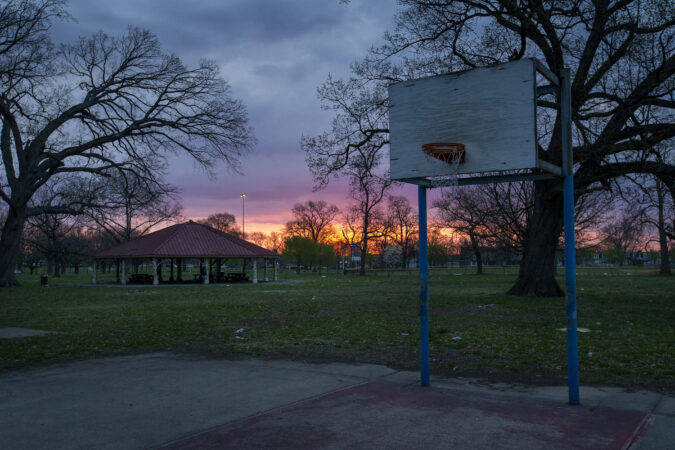
    Then, on June 26, police responded and found another man just before 11 p.m. suffering from multiple gunshot wounds near the basketball courts. Police have not yet identified the man but said he was 29-years-old.

    Police now believe a third shooting last month is linked to the gunman.

    In that May 29 incident, a 55-year-old man was shot in the elbow and torso in the park just before 10 p.m. The victim later told investigators that a man wearing all black who appeared to be in his 20s approached and told him that he was being robbed, according to Vanore.

    Vanore said investigators had yet to determine a motive tying the cases together, though they believe robbery is the motivation behind the shooting that was not fatal.

    Asked whether the victims had met the suspect on a dating app — a detail law enforcement sources said they are investigating — Vanore declined to comment, citing the ongoing investigation.

    “If that is [part of the case], that’s something we’ll have to develop moving forward,” he said. “But at this point we know that this individual appears to be preying on people.”

    Higgins’ relatives could not be immediately reached for comment Monday. An obituary shared online said he was a graduate of Temple University’s business school and worked as an inspector for the city’s Community Life Improvement Program.

    “Marty was known for his passion for clothing, style, and self-expression,” the obituary said. He had a “kind heart, generous spirit, and unwavering support for those he loved” and “was the person who showed up when someone needed him, always making time for family and friends no matter what was going on in his own life,” his family wrote.

    He was one of six children and was an uncle to many nieces and nephews.

    Meanwhile, as investigators continue to search for the gunman, they are asking anyone with information about the crimes to contact the homicide unit at 215-686-3334 or submitting an anonymous tip at 215-686-TIPS (8477).

  • Could bees help relieve stress? A Temple researcher thinks so.

    Could bees help relieve stress? A Temple researcher thinks so.

    Dozens of bees crawled along the frame in Frances Ratay’s hands as she looked down at the colony in awe.

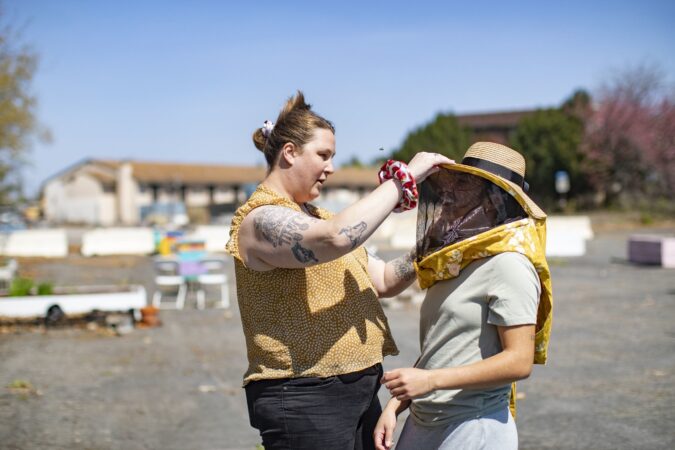
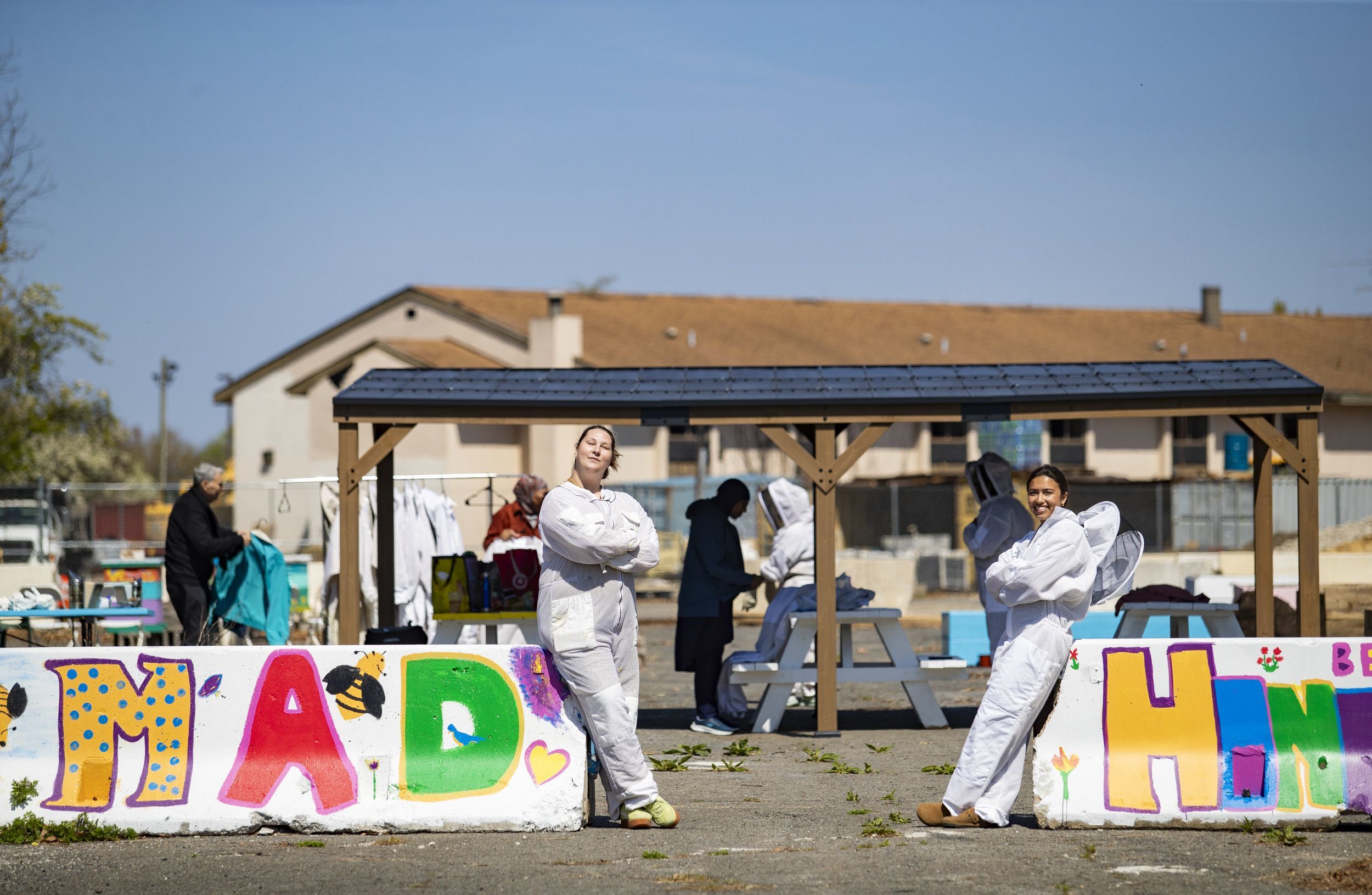
    The 70-year-old retiree from South Philadelphia ordinarily would avoid bees out of fear, but this spring she suited up for a study on therapeutic beekeeping at the Half Mad Honey apiary in the Navy Yard. Led by Temple University occupational therapy student Meghan Robertson, the project tested if beekeeping could improve mental health and well-being in older adults.

    Research has shown that exposure to nature can reduce stress and anxiety; however, less is known about the effects of beekeeping. Previous studies connecting the practice to improved well-being have been small and lacked quantitative data.

    Seeking to fill that gap, Robertson measured the mental health of 13 older adults (average age of 73) before and after a six-week beekeeping study. She found significant improvements in the average well-being, depression, and stress levels of the cohort immediately following the intervention.

    Her research is unpublished and has not yet been peer-reviewed. The limitations include the small sample size and lack of a control group or long-term data.

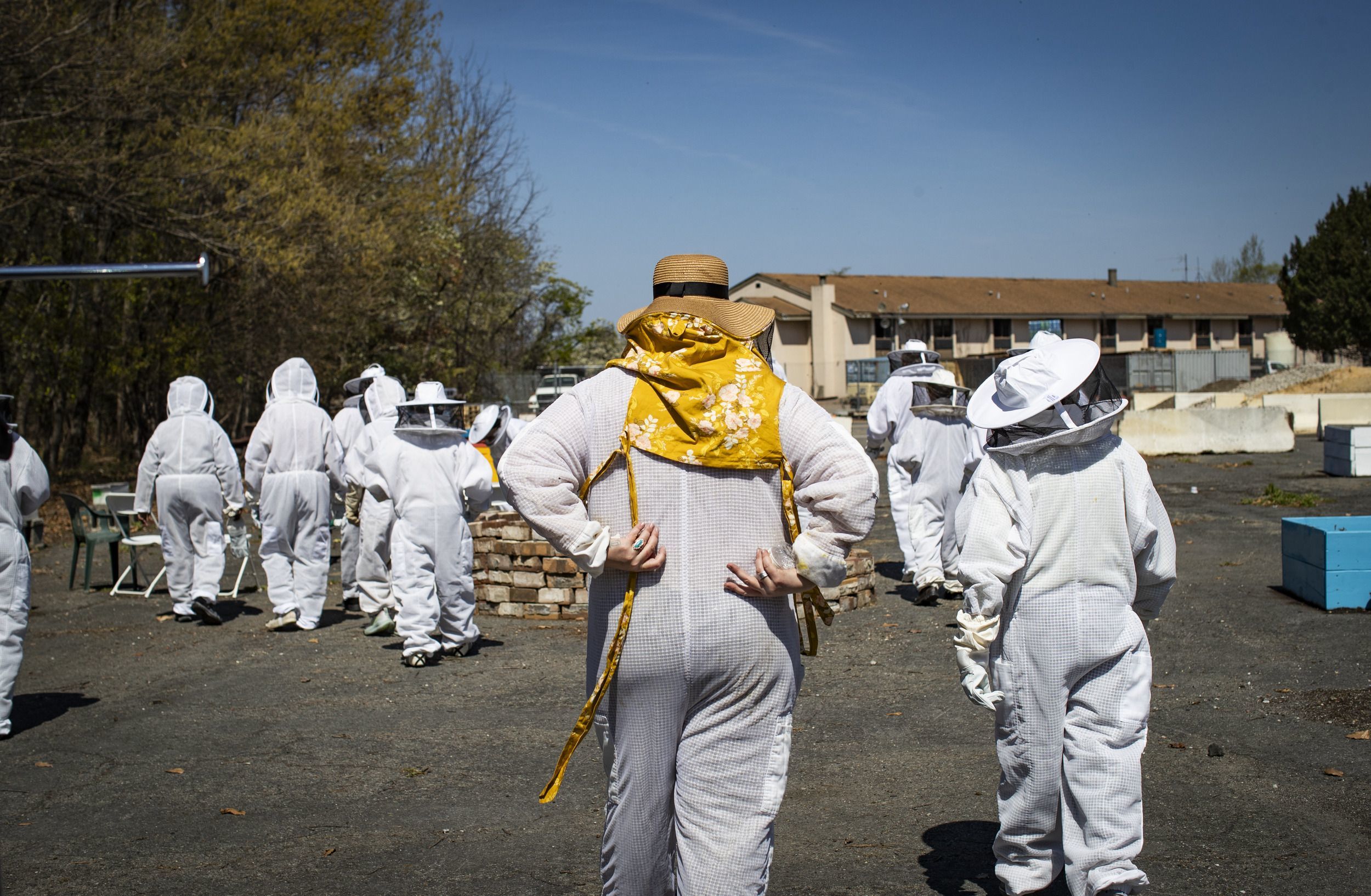
    The six sessions of the program taught participants about the structure of a beehive and the different roles in a colony.

    Ratay was among those who saw improvements in well-being, as her fear of bees transformed into a greater appreciation for nature.

    “It was really life-giving to me,” she said. “It makes me feel worthwhile.”

    Lessons from the bees

    Half Mad Honey founder Amelia Mraz started beekeeping as an undergraduate at Temple in 2016.

    At the time, she was at a low point in her own mental health, dealing with anxiety and depression. Beekeeping became a meditative practice.

    “Your worries just kind of melt away because you’re so immersed in the community of the bees,” Mraz said.

    She founded her Navy Yard-based apiary with the goal of bringing therapeutic experiences outside of the clinic into nature.

    Mraz offers beehive tours at Half Mad Honey that are designed to help participants practice stress reduction skills and mindfulness techniques.

    Partnering with Robertson for her research in senior citizens was a natural extension of that work.

    The study occurred at the Navy Yard-based Half Mad Honey.

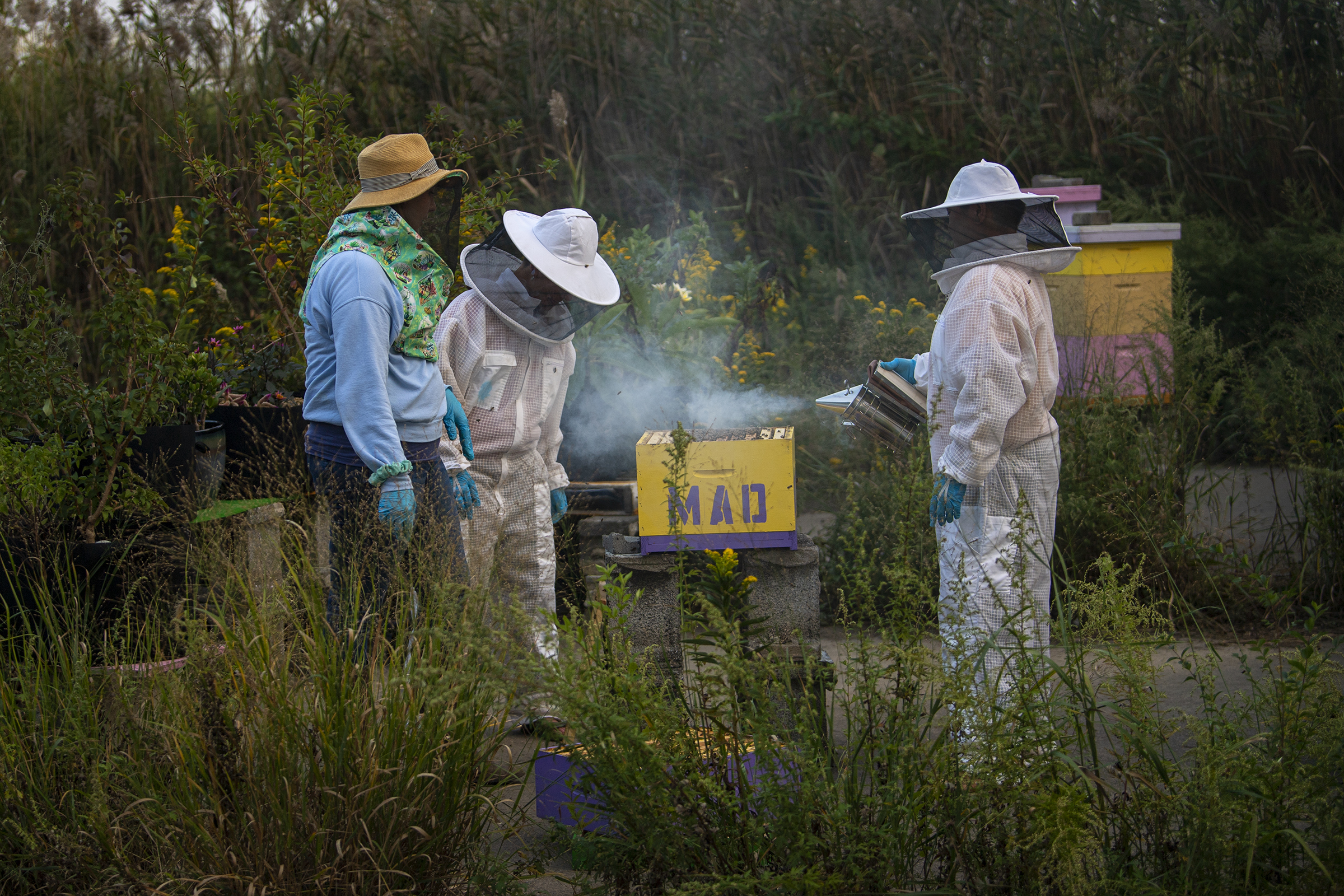
    Together, they designed six weekly sessions where participants learned about the structure of a beehive, painted boxes for the bees, opened the hives to identify different roles in the colony, and tasted the honey.

    “They saw bees being born, they saw bees coming back with pollen on their legs, they saw the queen,” Mraz said.

    Ratay, who retired from her career as a biology teacher last year, enjoyed learning about how bees work together to maintain the well-being of the hive.

    Witnessing their interdependent nature boosted her own self-worth and feeling of belonging.

    “It made me realize that no role is less important than another,” she said.

    Robertson chose to study older adults specifically because they’re at an increased risk of experiencing mental health challenges due to loneliness, retirement, and major life changes, she said.

    She assessed the participants’ well-being on a scale of 0 to 100 using the World Health Organization-Five Well-Being Index. The mean score increased from 66.15 before the program to 75.38 after.

    The participants’ average depression score improved from mild to normal, while their average stress score decreased from moderate to normal.

    The study included 13 older adults.

    Ratay said the experience touched on her spirit of adventure and reminded her it’s never too late to try new things. She’s since returned to Half Mad Honey to help Mraz with the hives.

    “It not only buoys you up and gives you confidence, but it allows you to tackle the next fear,” she said.

    A small step forward

    Robertson’s next step, having recently graduated from her occupational therapy program, is to finish writing a paper detailing the research.

    Meanwhile, Mraz aims to continue developing therapeutic beekeeping programming, with the goal of bringing it to mental health organizations and expanding it beyond six weeks.

    Though the data is still preliminary and too small in scale to generalize beyond the study participants, Mraz is excited to have more quantitative evidence behind the practice.

    “It’s really my personal mission to share the joy, the relaxation, and the lessons of pollinators with folks,” she said.

    Amelia Mraz (left), Amanda Geraci (center), and chef Natasha Pham are near their Half Mad Honey’s hives in Philadelphia. They use their beehives for mental health therapy.

    Another participant, Deborah Rosan, struggled to find purpose outside of the house since she stopped working as a schoolteacher two years ago.

    The 70-year-old from Ardmore had felt isolated and anxious adjusting to life outside the classroom.

    Participating in the program reminded her that, “with conscious effort, I really do not need to experience the feelings of being superfluous and sidelined in culture just because I’m older,” she said.