Amid a historic drop in violent crime, homicides have fallen to lows not seen in decades. But in what researchers say is an alarming trend, homicides related to domestic violence are on the rise.
There were 37 such killings in Philadelphia last year, up from 28 the previous year. And even as homicides have fallen sharply overall, domestic killings remain stubbornly intractable. In all, deaths related to domestic violence accounted for about one in six homicides in the city last year, records show.
To address that, the police department is adding specialized training for officers and others who deal with victims of such crimes and adding staff in its Office of Community Advocacy and Engagement. When the unit expands this spring, staffers will be trained to spot signs of domestic abuse and advocate for victims of intimate partner violence, among other crimes.
That work mirrors efforts in cities such as New York, which launched a new police unit last year dedicated to combating the surge in domestic violence as such crimes rise nationwide.
“The numbers are moving in the wrong direction,” said Marian Braccia, a professor at Temple University’s Beasley School of Law and a former prosecutor in the district attorney’s family violence and sexual assault unit. “It’s terrifying.”
In Philadelphia last year, the slaying of Kada Scott drew attention to the issue after The Inquirer reported that her accused killer, Keon King, had previously been accused of stalking and kidnapping another woman. But two criminal cases against him fell apart when the victim failed to appear in court and prosecutors withdrew the charges.
And last month, calls for awareness surrounding domestic violence were renewed when Yuan Yuan Lu, 28, was killed one day after reporting that her ex-boyfriend had sexually assaulted her in his Pennsport home. Police say 32-year-old Yujun Ren followed Lu to her Levittown home and shot her in the head, killing her.
According to prosecutors, Lu told police the day before she was killed that Ren carried a gun and she feared for her safety.
Philadelphia’s new unit would work to support victims in just such circumstances, officials said. The office launched last spring with 10 victim advocates with backgrounds in social work and behavioral health.
In March, those staffers will begin working with victims of sexual assault and domestic violence, said Ayanna Greene-Davis, executive director of the Office of Community Advocacy and Engagement.
And the unit will add 10 more members — sworn police officers with law enforcement experience — who will complete similar victim-oriented training, she said.
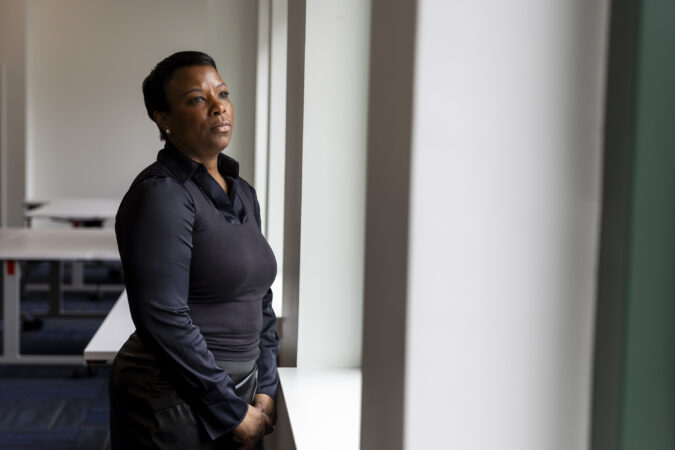
Ayanna Greene-Davis, 47, Executive Director for Office of Community Advocacy and Engagement, of Northwest Philadelphia, Pa., poses for a portrait at the Philadelphia Police Headquarters in Philadelphia, Pa., on Tuesday, Feb. 17, 2026. .
“We’re not going to take days and days and days” to respond to reports of domestic violence, Greene-Davis said. “In the past, that happened.”
Victims of such crimes will be able to call the office’s advocates to voice concerns about their cases as they are investigated, according to Greene-Davis. And advocates will be trained to connect them with resources such as domestic abuse shelters and provide information on ways to remove themselves from dangerous living situations.
The unit will also oversee a broader effort to train patrol officers throughout the department to better assess the dangers victims of domestic violence face and work to keep them safe.
“Every victim is going to be in a different stage, but we can talk to them,” Greene-Davis said. “We can provide a safety plan.”
“Why would you not want to study the thing that lets you study,” said Schechtman-Taylor, a senior from New York City. “The brain, that’s our entire world.”
Neuroscience has become the most popular major on the highly selective liberal arts campus on Philadelphia’s Main Line, counting nearby Bryn Mawr College students who also take classes at Haverford. And it’s only been around since 2021 when the two colleges — which have had a minor in the discipline since 2013 — decided to administer the joint major.
At Haverford, there were 24 majors the year it started; now there are 60. Bryn Mawr saw similar growth and currently has 49. Enrollment in Haverford’s neuroscience classes including both Bryn Mawr and Haverford students grew from 154 in 2014 to nearly 800 last fall.
“We knew that neuroscience was going to be popular, but we did not anticipate this growth,” said Helen White, Haverford’s provost, who noted the school recently hired another neuroscience professor to accommodate more students.
The major’s popularity is also growing at schools around the Philadelphia region — and across the country. Students and professors say neuroscience is popular because it’s interdisciplinary, involving psychology, biology, and chemistry, and can lead to a variety of careers. It can also be personal, because it involves studying diseases like Alzheimer’s and Parkinson’s, which have no cures, and the treatment of strokes and traumatic brain injuries.
“I would say about 90% of my students are coming into my lab because they have someone in their family with one of these diseases,” said Rob Fairman, a Haverford biology professor whose research focuses on neuroscience.
Haverford senior Alina Schechtman-Taylor, 21, of New York City, works as a teacher assistant in professor Laura Been’s lab.
A growing major
In 2008, 110 colleges nationally offered neuroscience majors; now, it’s about 330, said Raddy Ramos, associate professor in the Department of Biomedical Sciences at the New York Institute of Technology. Ramos, who coauthored studies on the topic, said there were more than 2,000 neuroscience graduates in 2008; in 2019, that number had grown to more than 7,200.
window.addEventListener(“message”,function(a){if(void 0!==a.data[“datawrapper-height”]){var e=document.querySelectorAll(“iframe”);for(var t in a.data[“datawrapper-height”])for(var r,i=0;r=e[i];i++)if(r.contentWindow===a.source){var d=a.data[“datawrapper-height”][t]+”px”;r.style.height=d}}});
Pennsylvania is a hot spot, with 36 colleges having programs in 2022-23, Ramos said — more than than any other state.
Drexel University, which has had a minor since 2015, launched its undergraduate major in neuroscience in 2024.
“We have seen a 45% increase in applications over the last two years,” a university spokesperson said.
Pennsylvania State University in November announced it was launching two new undergraduate majors in neuroscience, one offered by the biology department and the other by the biobehavioral health department.
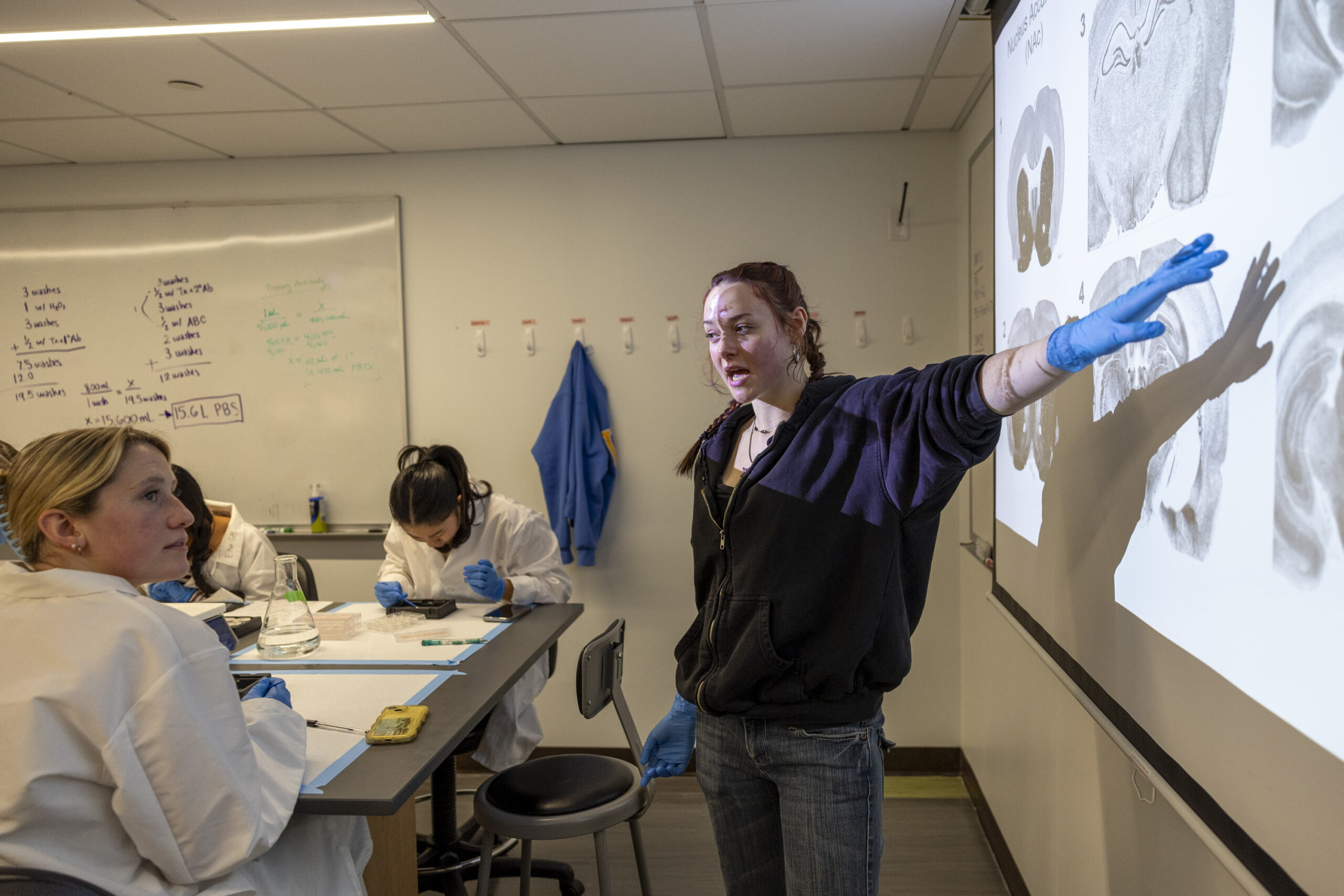
Students look for sections of rat brains that match the sections projected on the screen in a Haverford College lab.
Neuroscience has become especially popular among pre-med majors, school officials say. Otherpotential career paths include biotechnology, pharmacology, psychology, and neuroengineering, while somestudents go on to law school, business, or public policy.
“There’s a lot more awareness that mental health conditions are due to changes in the brain, and people want to understand that,” said Lisa Briand, associate professor and program director for Temple University’s neuroscience program.
At Temple, neuroscience has become the fourth largest of 30 majors in liberal arts, Briand said. The psychology department a few years ago changed its name to psychology and neuroscience, she said.
At the University of Pennsylvania a decade ago, 100 to 120 neuroscience majors graduated annually, said Lori Flanagan-Cato, associate professor of psychology and codirector of the undergraduate neuroscience program.
“Twice in the past 3 years we have had over 150,” she said.
Swarthmore College, a highly selective small liberal arts college, graduated 10 to 12 neuroscience majors a year about a decade ago, said Frank Durgin, professor of psychology who oversees the program.
“This year, we anticipate graduating 24 majors,” he said. “Next year, it’s 30.”
The college has added two professors in the last two years to accommodate growth, he said.
Why students study neuroscience
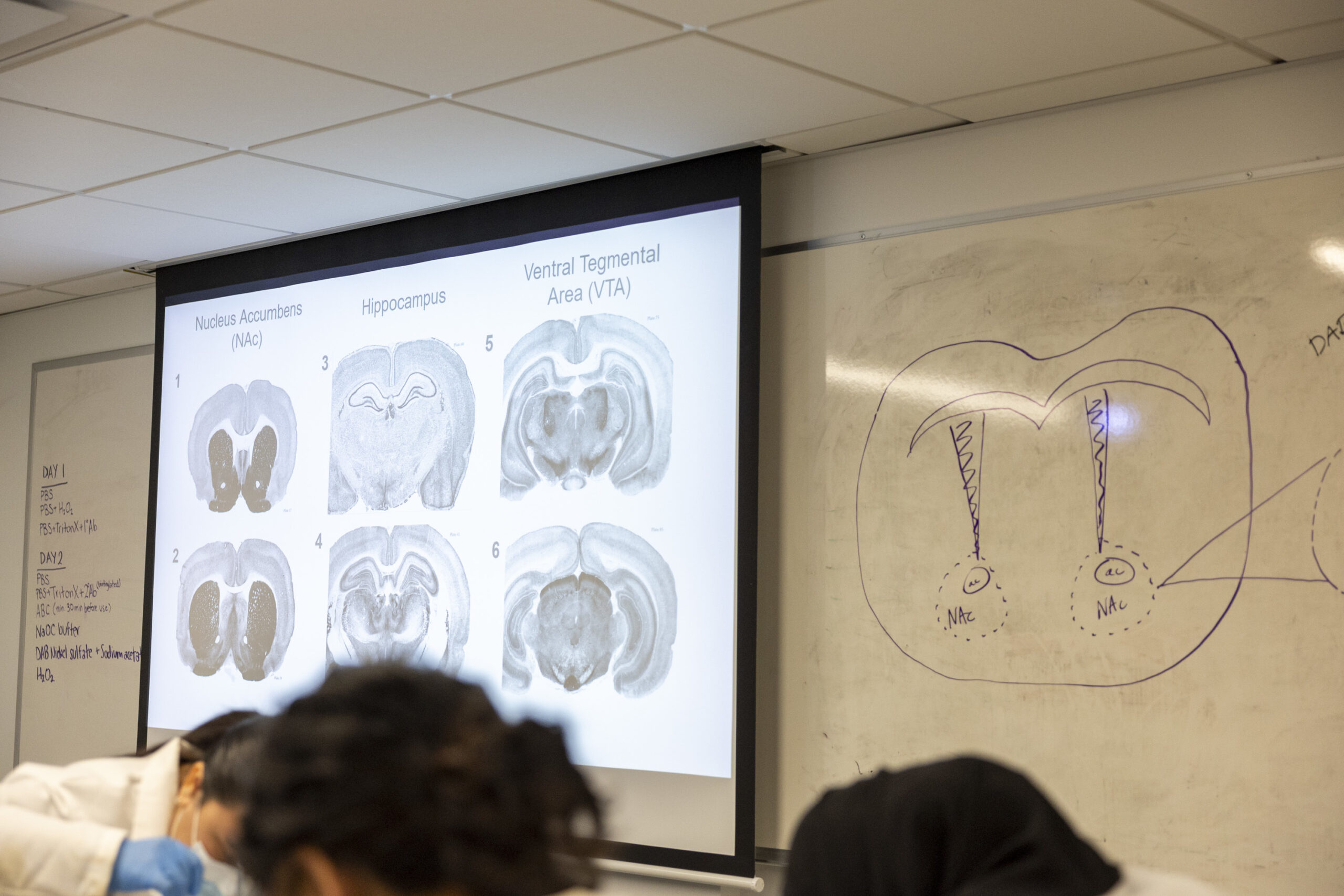
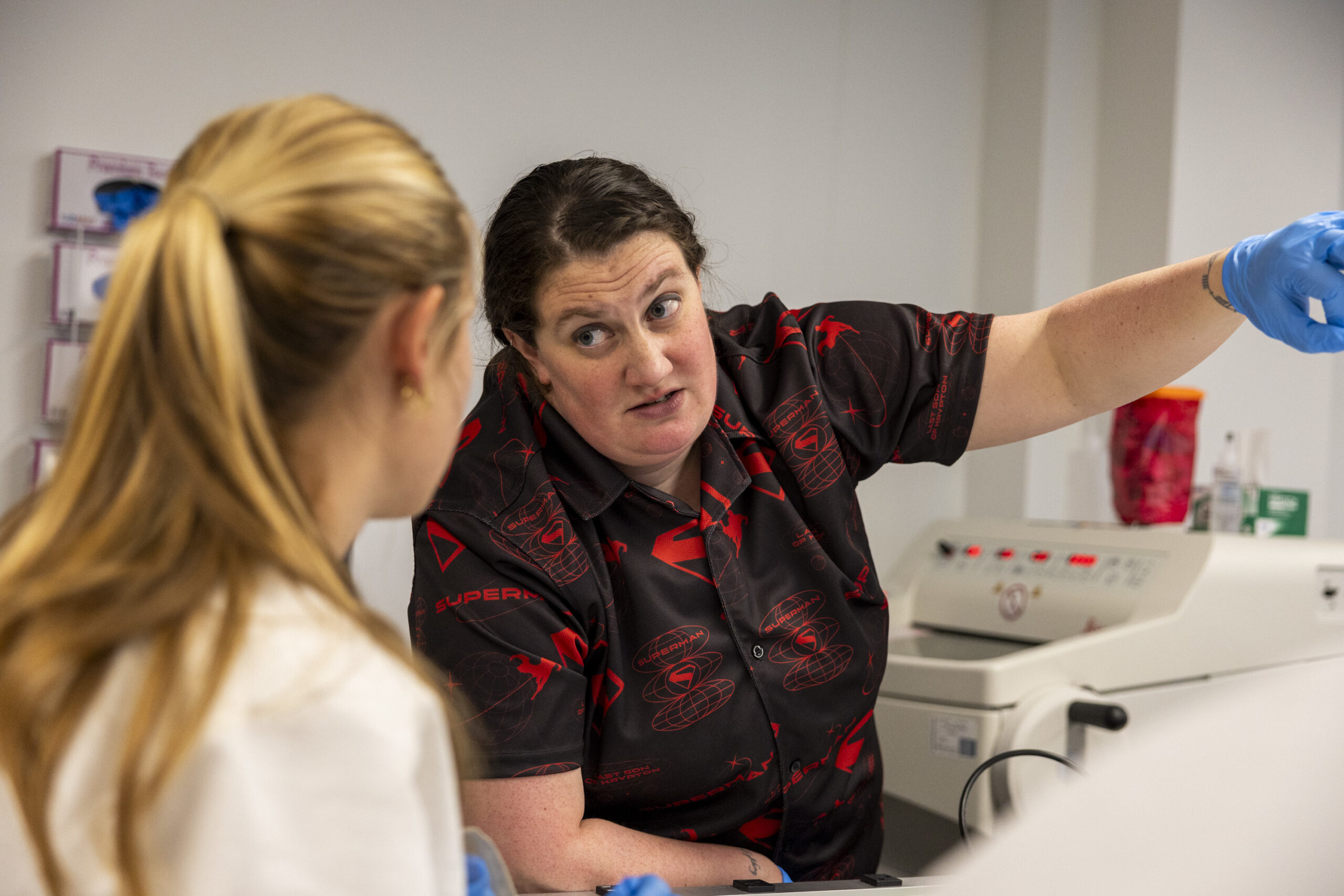
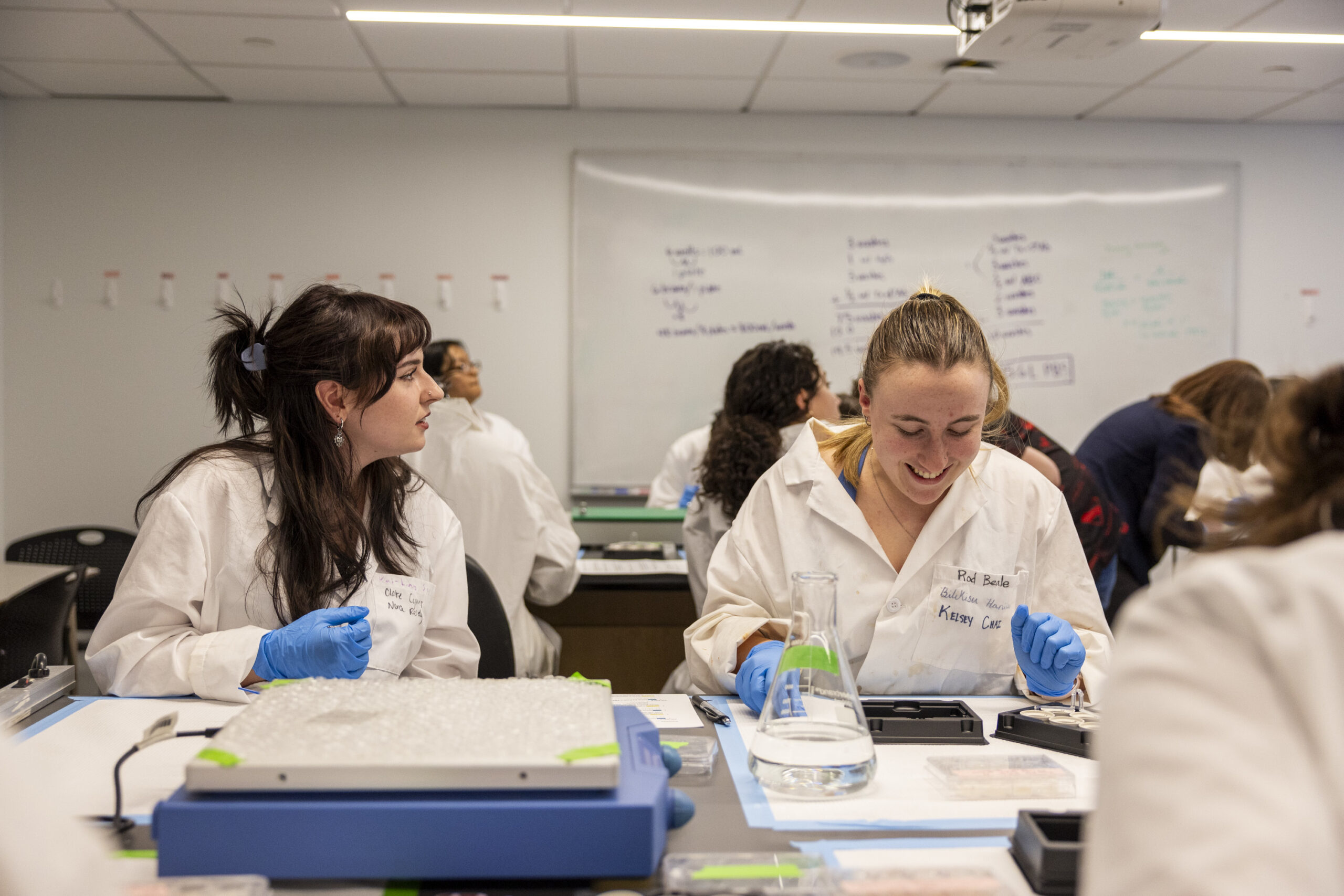
In a lab at Haverford one afternoon last month, 16 students in white lab coats poked with paintbrush tips at thin slices of rat brain in preservative fluid, preparing to stain them to look for which neurons were activated. Some of the rats received the drug Ritalin, commonly used for attention deficit disorder, while others did not. Students were trying to discern differences in their brains when they performed certain tasks, said Laura Been, associate professor of psychology and director of the bi-college neuroscience program.
A neuroscience student works with sections of rats’ brains in a lab at Haverford College.
“We can … try to learn something more about how this sort of drug treatment impacts the brain,” said Been, whose area of interest is behavioral neuroendocrinology, which looks at the relationship between hormones, the brain, and behavior.
Students in Been’s class had varied reasons for studying neuroscience.
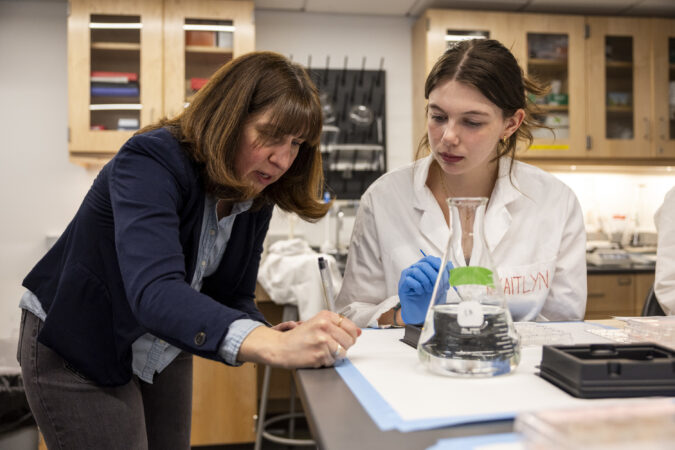
Emily Black, visiting assistant professor of neuroscience at Haverford College, helps Savannah Shaw, 22, of Downingtown, during neuroscience lab work. “I really like the variety of the classes we can take in the major,” said Shaw, a senior who plans to go to medical school, possibly to become a neurologist. “You can go more the psychology route or go more biology.”
Sophia Lipari, 21, a junior from Jacksonville, Fla., whose father is a reproductive endocrinologist, is interested in hormones and the field of fertility.
Riley Fass, 20, a junior from Claremont, Calif., wants to be a special-education teacher. She already sees the connection between neuroscience and her job as a teacher’s assistant at a school where children have traumatic brain injuries and cerebral palsy.
“The topics we discuss — an injury here will result in this — I can actually see it in my students,” she said.
Iris Goxhaj (left), 21, of Northeast Philadelphia, and Riley Fass, 20, of Claremont, Calif., work with sections of rats’ brains in a lab at Haverford College.
Deeya Abrol’s interest was stoked when she worked with a child on the autism spectrum as a swim instructor. Abrol, 22, a senior from Los Gatos, Calif., plans to go to medical school.
Schechtman-Taylor meanwhile wants to pursue biomedical engineering and specifically developing medicines for the treatment of neurodegenerative disorders.
“I want to work on the treatment side,” she said.
Fairman, the Haverford biology professor, said a recent graduate’s mother had died of Huntington’s disease, meaning she has a 50% chance of getting it, he said. She worked in his lab and wanted to be involved in hisresearchon protein clumping in the brain and its effect on diseases such as Parkinson’s and Alzheimer’s.
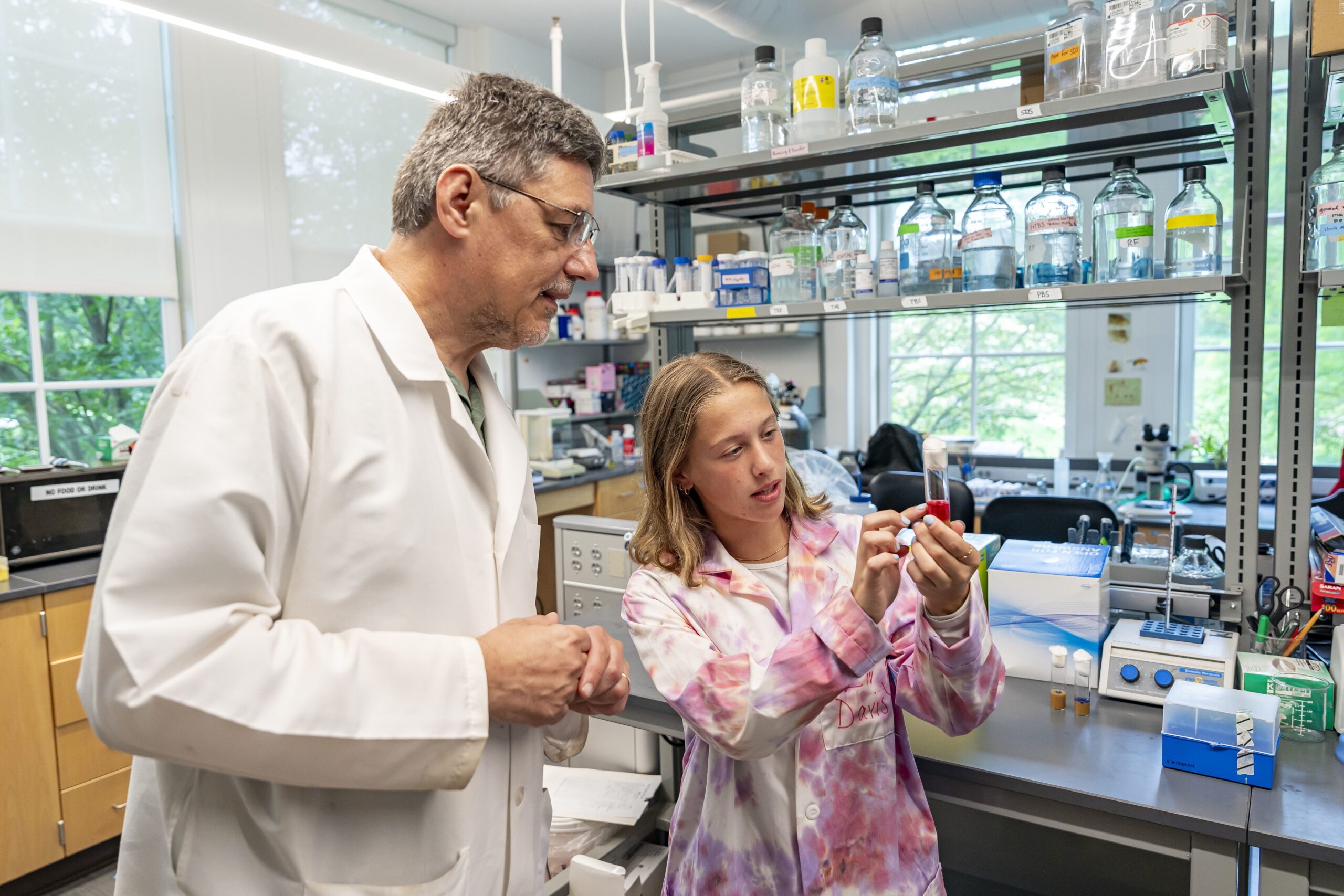
Rob Fairman, a professor of biology at Haverford College, and student Liv Davis are testing the effects of natural products on animal models with neurodegenerative diseases.
Junior Liv Davis, 21, wanted to help find a cure for Parkinson’s, which struck her grandmother in 2020.
“She’s had two falls in the last year and a half because it’s progressed pretty quickly,” said Davis, of Lanoka Harbor, N.J. “It’s hard to see someone you love so much live with it, but it makes it all the more rewarding to work toward fixing it.”
Davis, who has worked in Fairman’s lab since her freshman year, tried to get into an introduction to neuroscience class early on. But there wasn’t room. She ended up majoring in biology, which she thinks probably would have happened anyway.
About half the students working in Fairman’s lab are neuroscience majors, he said.
Davis is currently studying the effect of a chemical on sleeping fruit flies that have been genetically modified to carry the protein associated with Parkinson’s.
Last summer, she received an inaugural research fellowship funded by Shamir Khan, a Haverford alumnus and psychologist who was diagnosed with early-onset Parkinson’s.
Her grandmother was glad she could continue the research, said Davis, who plans to become a doctor.
“She always jokes with me,” Davis said. “‘Give me a spoonful of that chemical, whatever it is. If you need a test subject, you let me know.’”
For the third time in two decades, Philadelphia voters this May will have the opportunity to weigh in on a city rule requiring local elected officials to step down from their current jobs if they want to seek higher office.
Voters rejected City Council’s first two attempts to get rid of the resign-to-run rule, which requires a ballot measure because it is part of the city’s Home Rule Charter.
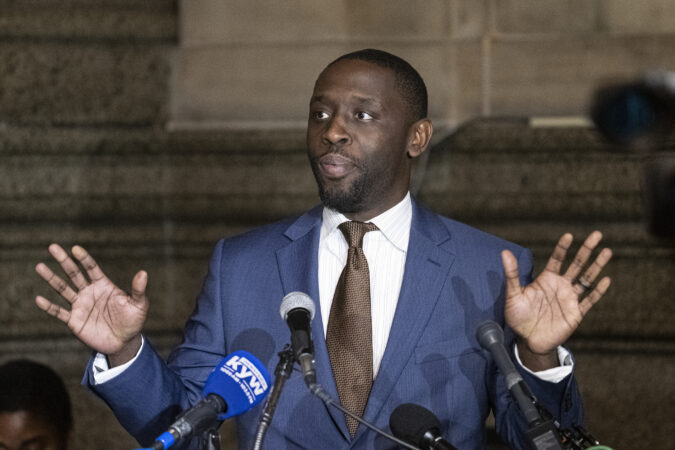
The latest proposal, which Council approved Thursday in a 15-1 vote, will go before the voters during the May 19 primary election. Councilmember Isaiah Thomas, who authored the measure, is hopeful it will be approved because his proposal is more limited than Council’s previous attempts.
“Reforming the resign-to-run rule for local elected officials is a critical first step towards ensuring Philadelphians have the best representation possible at all levels of government,” Thomas said in a statement.
Rather than eliminating the resign-to-run rule, Thomas’ proposal would amend it to allow all elected city officials except the mayor to run for state or federal offices without resigning. (Council members would still have to step down if they wanted to run for mayor, and mayors would still have to resign to seek any other office.)
What was this week’s highlight?
Why stop there? Councilmember Jeffery Young Jr. cast the only vote against Thomas’ proposal.
He said afterward that he believes a measure to alter the resign-to-run rule should be paired with another charter amendment: one that would impose term limits for Council members.
“I do believe that we should be limited as elected officials,” said Young, a first-term Council member representing North Philadelphia and parts of Center City. “I do think that as a public office, we shouldn’t do these jobs forever.”
Young’s position echoes that of the Committee of Seventy, Philadelphia’s business-backed good-government group. Committee of Seventy CEO Lauren Cristella told Council last year that pairing a resign-to-run change with term limits would provide “comprehensive, not piecemeal, reform.”
The group proposed limiting Council members to three four-year terms. Young said he is open to negotiating about what the right number of terms should be.
What else happened?
Never read the comments: Is serving on City Council a “real job”?
Not according to a recent Instagram comment from Young, whose taxpayer-funded salary is about $166,000 per year.
“Jay Young is a joke of a councilperson and I cannot wait till he’s replaced,” wrote Fisher, who posts about urbanism issues and has thousands of followers across his social media accounts.
Young replied: “me too so I can get a real job.”
After Council ended Thursday, Young said the comment was not an indication of his political future.
“I’m joking,” he told reporters. “The guy called me a joke, and I made a joke.”
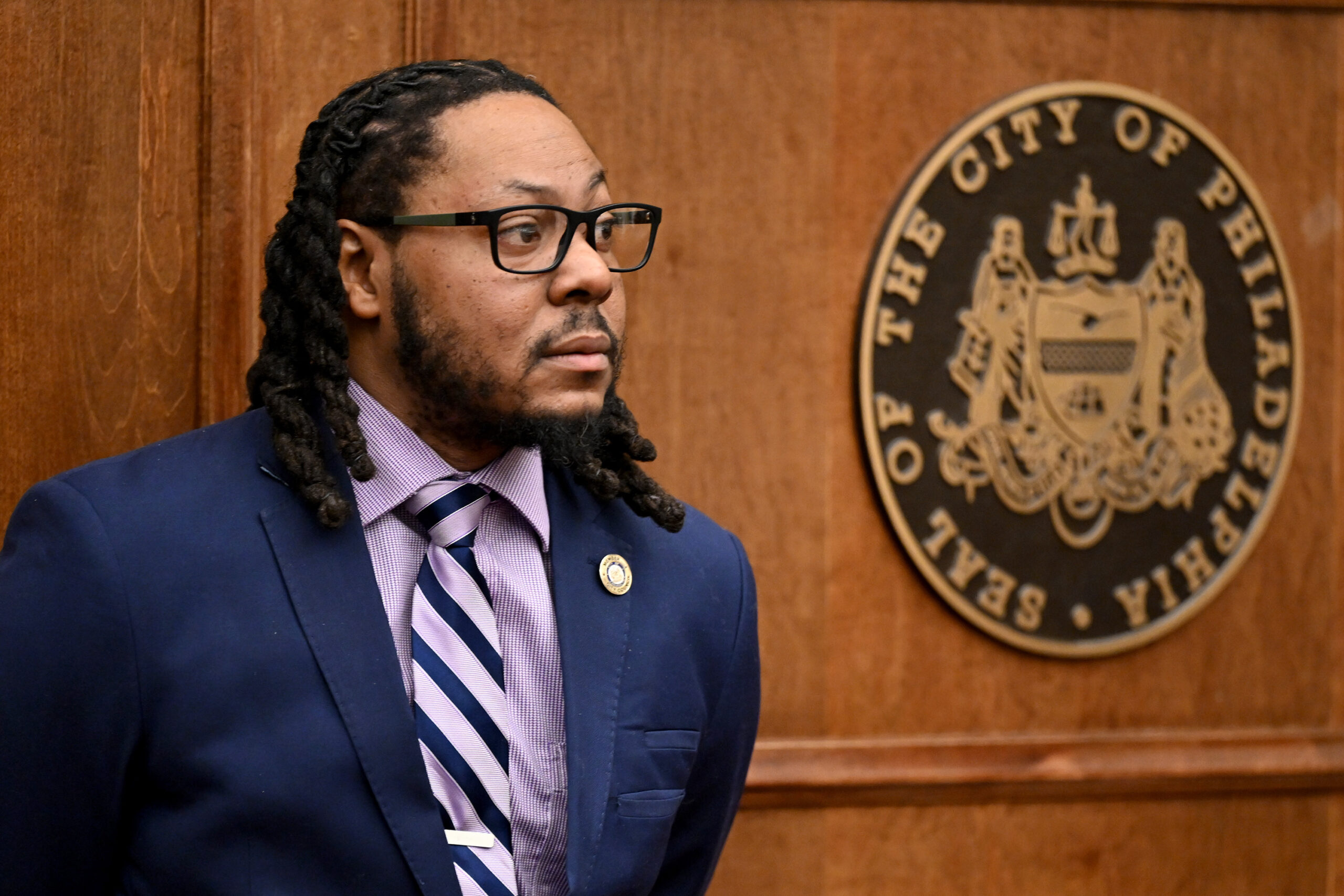
Councilmember Jeffery Young, Jr. in chambers as City Council meets Dec. 11, 2025.
The backstory: Young, who represents the North Philadelphia-based 5th District, had proposed a zoning bill to prevent the former Hahnemann University Hospital site on North Broad Street from being redeveloped into housing. Young said he was hoping to see the site return to being an employment hub.
But instead, his efforts to change the area’s zoning led to a rush of housing permit applications from developers hoping to beat him to the punch as his proposal made its way through the legislative process. He has since pressed pause on the bill, and The Inquirer video laid out how the saga had unfolded.
In a Council speech Thursday, Young appeared to walk back his comment, although he did not directly mention the episode.
“People say a lot of vile stuff about us. It seems like we’re not allowed to have a sense of humor about it,” Young said. “But I want my constituents to know that in the 5th Council District, we are fighting each and every day to improve their lives.”
The Instagram comment was not the first time Young has provided curious commentary about his political future.
Late last year, when The Inquirer asked if he planned to run for reelection in 2027, Young said: “It’s not up to me to make that decision. … It’s up to the people of the 5th District.”
Usually, the people’s will is discerned through elections. Young, who has already drawn a potential opponent in next year’s race, said he will instead take the pulse of the 5th District by reaching out to people before deciding whether to seek a second four-year term.
At the time, Young seemed to think being a member of Council was a real job.
“I like doing my job,” he said last year.
Quote of the day
Jerome Richardson, 21, a senior at Temple who is a native of St. Paul, has been charged along with journalist Don Lemon for an anti-ICE protest at a Minnesota church last month.
Temple student honored: Council on Thursday recognized Jerome Richardson, a Temple University senior who was arrested by federal authorities on charges connected to a January protest in his native St. Paul, Minn.
During the surge in immigration enforcement activities and civil unrest in the Twin Cities this winter, protesters interrupted a service at a church whose pastor is also a federal immigration officer.
The fallout from the demonstration led to the controversial arrest of former CNN anchor Don Lemon, who live-streamed the event and said he was covering it as a journalist. Richardson said in a video he assisted Lemon “by helping with logistics and connecting him with local contacts” and posted a text-message exchange in which Lemon said Richardson could “produce” for him.
Richardson turned himself in to federal authorities in Philadelphia earlier this month. His case is pending, along with those of Lemon and other defendants.
“Whenever journalists are under attack, we are all under attack,” Richardson said in a speech to Council.
Staff writers Anna Orso, Jake Blumgart, and Ryan W. Briggs contributed to this article.
Eleanor M. Kelley, 79, of Philadelphia, longtime French teacher at International Christian High School, onetime adjunct professor at Temple University, role model, mentor to many, and lifelong athlete, died Friday, Feb. 20, of complications from Parkinson’s disease at Rydal Park & Waters retirement community in Jenkintown.
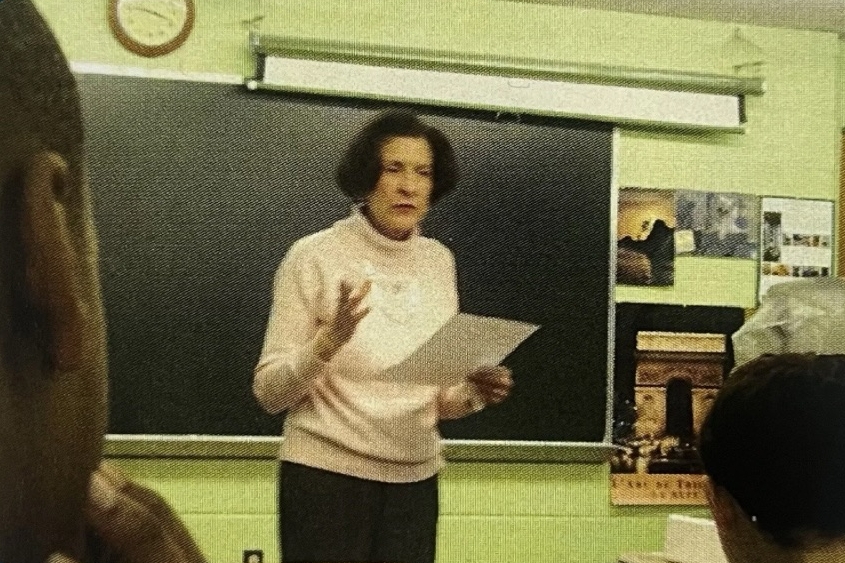
An honors graduate at Abraham Lincoln High School and twice at Temple, Mrs. Kelley was a compassionate, faith-driven intellectual who excelled at languages, teaching, and friendship. She taught French for two years as an adjunct professor at Temple and then for 48 years, from 1972 to 2020, at Cedar Grove Christian Academy and its successor, International Christian High School.
She worked with thousands of students from around the world at International Christian in Olney and chaperoned nine trips to Paris with her French classes. She connected with students, they said in online tributes, by smiling often and singing songs and quoting the Bible in French.
Former students called her “intellectually challenging” and “fiery when it came to teaching French.” They said: “You never gave up on us.”
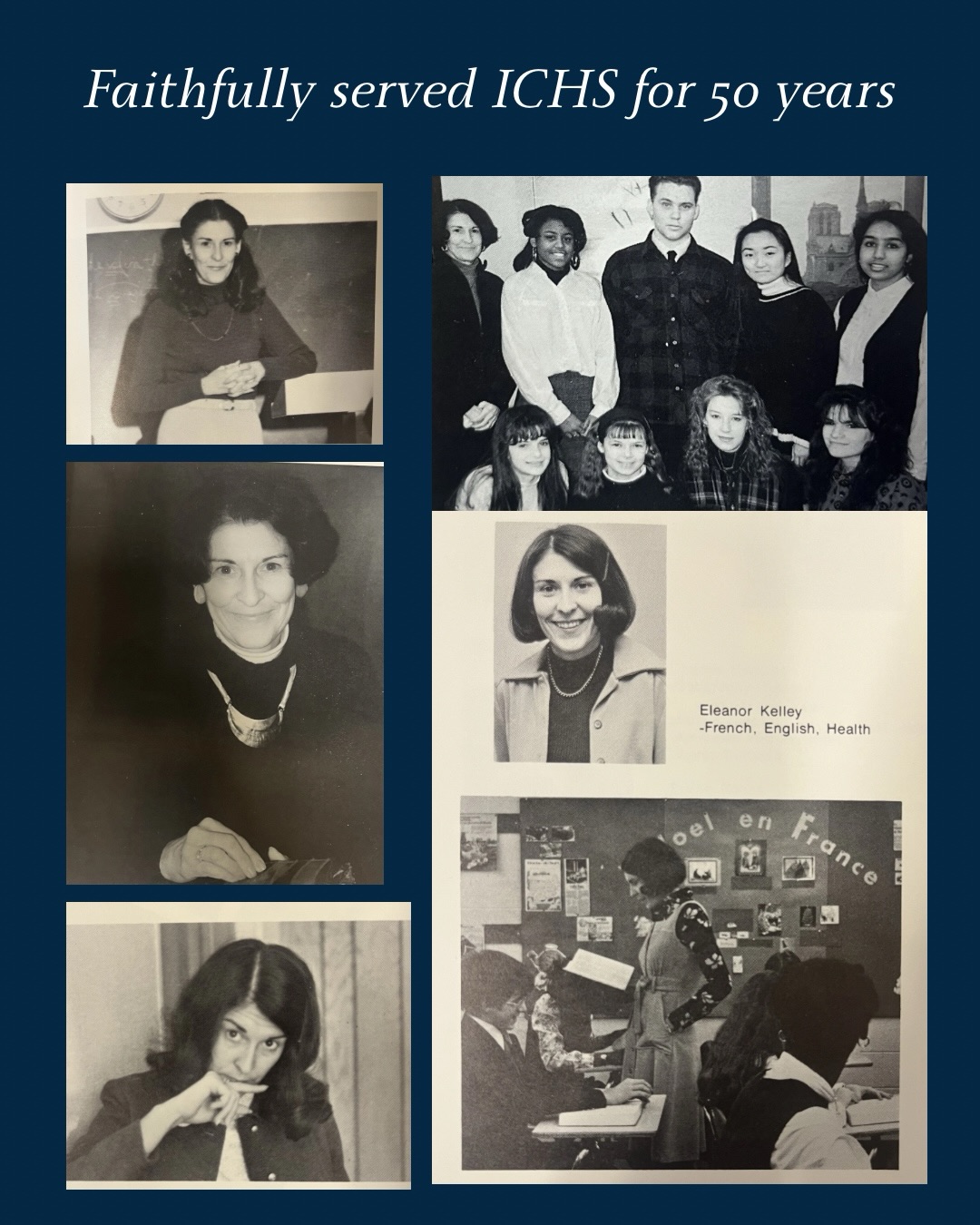
Mrs. Kelley was honored online by colleagues at International Christian High School.
Her achievements were recognized by educational organizations, and she told her husband, Bill: “I need to find new ways to challenge the students. I must avoid getting caught up in the routine of teaching.”
Nearly everyone called her Madame Kelley, and they dedicated three school yearbooks to her. Several of her online tributes were written in French. “Au revoir, Madame,” they said. “Merci.”
On Facebook, Benjamin Brittin, head administrator at International Christian, said: “Mrs. Kelley was a devoted co-worker, wise, fair-minded, loving, and faithful in her support of both students and colleagues.”
She also taught English and health, and was the school’s discipline administrator and director of the Honors Society. She served on school and church committees, and helped her husband coach the International Christian boys’ basketball team.
Mrs. Kelley played basketball and volleyball at Abraham Lincoln High School.
“She was one in a million,” a former school colleague said in a Facebook tribute. Another said: “I will never stop striving for the perfection you maintained with incredible grace.”
Mrs. Kelley played basketball and volleyball in high school, and later earned 10 medals and trophies at local running events. One time, her husband said, she slowed near the end of a race so a friend could pass her and win a medal.
She earned three awards for coaching the boys’ basketball team at International Christian, and she and her husband ran often in Wissahickon Valley Park and along Kelly Drive.
“Teaching was her passion, indeed a promissory gift to so many of her students,” her husband said. “She was a fisher of minds and souls who made ideas matter.”
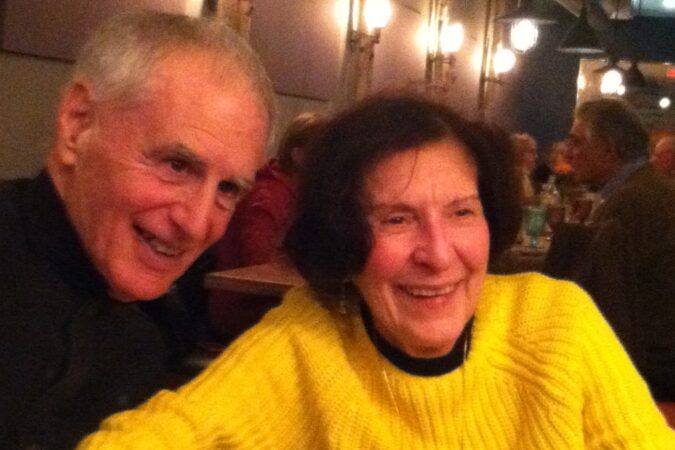
Mrs. Kelley and her husband, Bill, married in 1972.
Eleanor Mary Tolia was born Feb. 12, l947, in Philadelphia. She enjoyed family vacations in Atlantic City when she was young and graduated summa cum laude from Abraham Lincoln High.
She met Bill Kelley when both were students at Temple, and they married in 1972. He was on his way to basketball practice one afternoon when he saw her in her father’s diner, and he stopped in to meet her.
They lived in Roxborough, and he doted on her for more than five decades, including daily visits to her bedside over the last year. At Temple, she earned summa cum laude bachelor’s and master’s degrees in French.
Mrs. Kelley and her husband made memorable trips to Cape Cod Bay in Massachusetts and the Jersey Shore. She loved flowers and Italian food, adopted three stray cats, and framed and displayed all 54 of the poems her husband wrote for her every Christmas.
Mrs. Kelley “gifted me more of my humanity,” her husband said.
She usually mailed more than 125 Christmas cards and stayed in touch with former students who became old friends. She wrote letters to the editor of The Inquirer about local events, filled 30 albums with photos, and saved practically every note and letter she ever received.
Friends called her Ellie Kelley. “She showed more humanity than anyone I ever met,” her husband said. “She gifted me more of my humanity. She was my life. She was my hero.”
In addition to her husband, Mrs. Kelley is survived by a brother and other relatives.
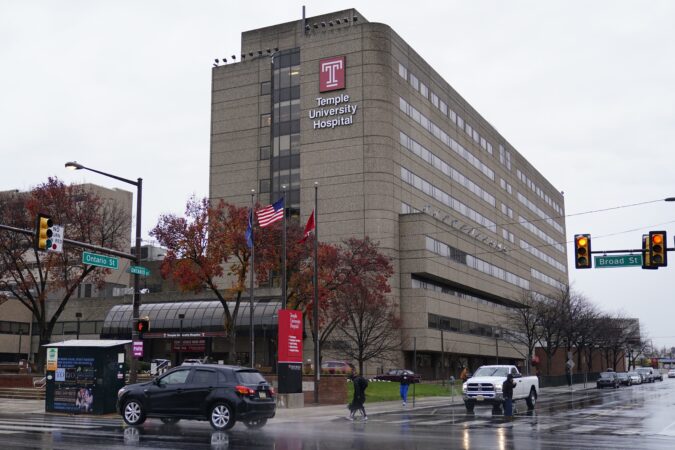
Temple University Health System had a $50.5 million operating loss in the six months that ended Dec. 31, the Philadelphia nonprofit told bond investors Monday. In the same period the year before, Temple reported a $13.5 million operating gain.
Here are some details on Temple results:
Revenue: Total revenue reached $1.64 billion, up 7.3% from the year before. Patient revenue rose 8% due mostly to increased outpatient revenue from Temple’s pharmacy business, infusions, and same-day surgeries. Two hits to revenue were a $14.3 million decrease in state funding and decline in the number of transplants, which bring in large amounts of revenue. Temple said it expects both of them to rebound in the remainer of fiscal 2026.
Expenses: Temple attributed some of its loss in the first six months of fiscal 2026 to $20 million in extra expenses associated with the opening of its new Woman & Families Hospital, a $7.2 million increase in medical liability expenses, and a $6.4 million increase in losses under its Medicaid contract with Health Partners Plans.
Notable: Despite its operating loss, even on a cash basis, Temple financial reserves increased to more than $1 billion as of Dec. 31. Most of the gain came from investments. The reserves equal the amount of money needed to keep the health system operating for 119 days if no more revenue came in. At the end of 2024, that figure was 113 days.
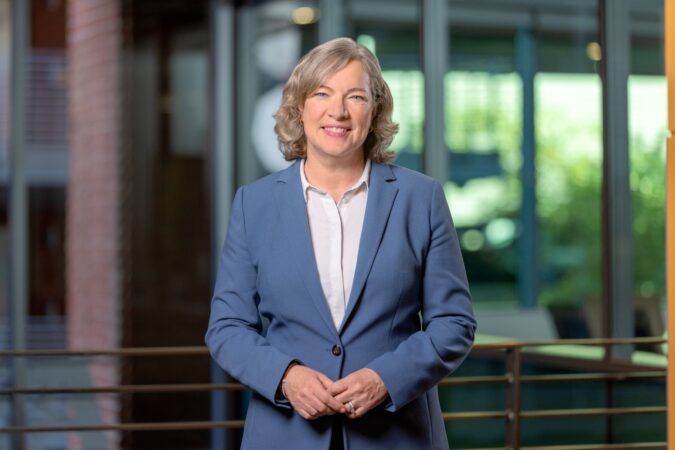
An Arizona State University vice provost and dean, who has degrees in mathematics and geography and has studied urban planning, will become Temple University’s next senior vice president and provost.
Elizabeth “Libby” A. Wentz, 62, an Ohio native with a doctorate from Pennsylvania State University, will step into her new role at Temple July 1, subject to approval by the board of trustees, the school announced Monday.
“My background in urban planning has kind of shaped who I am and shaped my thinking, and I just think that there’s so many great opportunities for recruiting students, for creating internships for students, for creating research experiences for students in an urban environment that the university’s rural counterparts don’t have in the same way,” Wentz said in an interview.
Wentz has overseen Arizona State’s Graduate College since 2020 and previously was dean of social sciences, which included geography and urban planning. She will replace David Boardman, who has been Temple’s interim provost since July when Gregory Mandel left the job. Boardman was not a candidate for the job and will continue his role as dean of the college of media and communication.
As Temple’s provost — essentially the university’s number two leader — she will oversee 17 schools and colleges, multiple campuses, and the school’s undergraduate, graduate, and professional programs.
She is the first provost in at least more than a decade to come from outside the university and was selected through a national search, chaired by a faculty member and a dean.
“Libby sort of stuck out for me after the hour I spent with her as being literally right on the same page relative to her ability to articulate the mission and the purpose of Temple and why that was so important,” Temple president John Fry said in an interview.
He was struck by her commitment to student success, he said. “She obviously had time to interact with students and, I think took like really special care and interest in our students,” he said.
And, Arizona State has grown tremendously in part because of its commitment to online programs, he said, which are a priority in Temple’s strategic plan. Temple has lost about a quarter of its enrollment over the last decade.
“We don’t have the kind of online enrollment that you would expect a place like Temple to have,” Fry said. “One of the things Libby and I did speak about was her familiarity with the ASU online infrastructure. She’s taught in it. She obviously has led parts of it.”
Temple remains amid searches for several other key positions, including chief operating officer and law and engineering school deans.
Wentz said she was attracted to Temple because she wanted to remain at an urban university and has long admired the work of Fry, who has had a longstanding relationship with Arizona State president Michael M. Crow. Temple a year ago became part of the University Innovation Alliance, a small nonprofit sponsored through Arizona State that is aimed at finding innovations to improve learning and increase college attendance, retention, and graduation rates ― especially for low-income students ― then scaling those innovations.
“They built a really strong rapport and have a very similar philosophy around higher education which also very much aligns with kind of my own interest and my own philosophy,” Wentz said.
Both Temple and Arizona State, which has its main campus in Tempe, are major research institutions; Arizona is much bigger with over 194,000 students, compared to Temple with more than 33,000, including its international campuses.
“Honestly the biggest difference [between the two] is the weather right now,” Wentz joked, noting that it was 81 and sunny in Tempe on Sunday as Philadelphia prepared for blizzard conditions.
Arizona State does not have a faculty union, so learning to work with Temple’s faculty union will be new.
“That’s going to be an exciting area for me to learn about,” she said.
Urban planning background
Fry has a reputation as an urban planner and in his prior leadership jobs at the University of Pennsylvania, Drexel, and Franklin and Marshall focused on development and improving the campuses and their neighborhoods. He has aspirations for Temple, too, including building an “innovation corridor” stretching from Temple’s recently acquired Terra Hall at Broad and Walnut Streets in Center City to the health campus, a little more than a mile north of main campus on Broad Street.
Wentz said she and Fry had not talked about urban planning, but that she looks forward to working on the university’s new strategic plan, which includes more green spaces, a new 1,000-bed residence hall, a STEM complex, and an emphasis on more attractive and defined entrances to its North Philadelphia main campus. The three pillars of the plan are student success, research in action, and place-based impact.
“Those are going to be some really exciting conversations that I look forward to having with John, as well as with the Temple planners to think about how do we make it a safe space for students and a great learning environment.” she said.
During a 2022 talk at Arizona State, Wentz discussed how urban planning figured into her work.
“Most of the work that I do applies to the urban environment and urban analytics, so trying to understand how it is that cities work and trying to make the physical urban environment a better place for people to live,” Wentz said during that talk.
Building trust and collaboration
In her new role at Temple, she said, early on she will focus on getting to know the community and the university’s financial model and make clear her commitment to shared governance and data-informed decision making.
Wentz, who grew up near Cleveland and got her bachelor’s in mathematics and master’s in geography at Ohio State University, spent the last 30 years at Arizona State. She became a professor there in 1997.
She helped the university launch its medical school and has grown graduate enrollment and graduate student funding.
Wentz said she prides herself on building a culture of trust and collaboration and has worked with the local community. She said she’s looking forward to doing the same at Temple.
She plans to come to Philadelphia in a couple weeks and look for a place to live, she said.
“I’m going to come after the snowstorm, I think, instead of before,” she said Sunday.
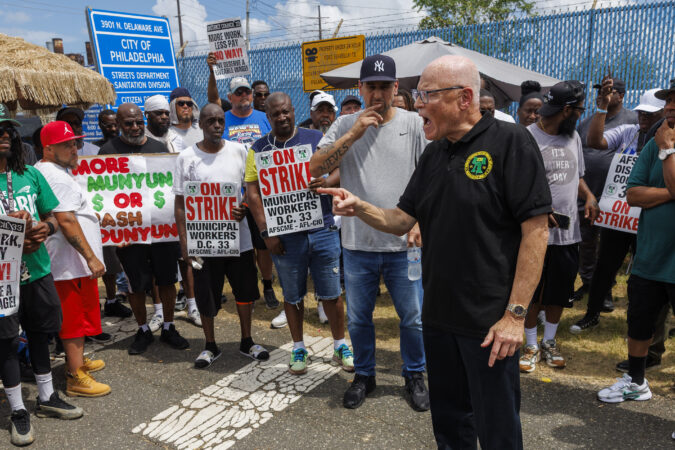
Following several years of major worker organizing efforts and high-profile strikes, 2025 brought a change in momentum for the labor movement. President Donald Trump’s administration sought to end federal workers’ union contracts and, through a firing, left the National Labor Relations Board without a quorum and unable to make decisions.
But the percentage of workers who are union members nationwide has stayed pretty steady in the last year, new data shows. And in Pennsylvania and New Jersey, union membership rates fell.
In 2025, 10% of the country’s total workforce was part of a union, compared to 9.9% in 2024, according to new data from the U.S. Bureau of Labor Statistics. It’s the first time since 2020 that the rate has inched up — albeit slightly — instead of down.
However, BLS noted, this year’s estimates are not fully comparable to past years because they are based on a BLS survey that is missing October figures due to the government being shut down in October and part of November.
In the past year, there have been “a lot of kind of anti-labor efforts coming out of the White House,” said Todd Vachon, assistant professor of labor studies and employment relations at Rutgers University.
Despite those efforts Vachon said, “labor has pretty much maintained the same at the national level. … The Trump attacks haven’t really had any effect yet, at least in the first year.”
window.addEventListener(“message”,function(a){if(void 0!==a.data[“datawrapper-height”]){var e=document.querySelectorAll(“iframe”);for(var t in a.data[“datawrapper-height”])for(var r,i=0;r=e[i];i++)if(r.contentWindow===a.source){var d=a.data[“datawrapper-height”][t]+”px”;r.style.height=d}}});
Union membership rates dropped to an all-time low nationwide in 2023 and remained pretty similar in 2024. During those years, roughly one in 10 U.S. workers was part of a union.
When BLS first started recording this data in 1983, about two in 10 U.S. workers were unionized. There were 17.7 million unionized workers in 1983 and 14.7 million last year.
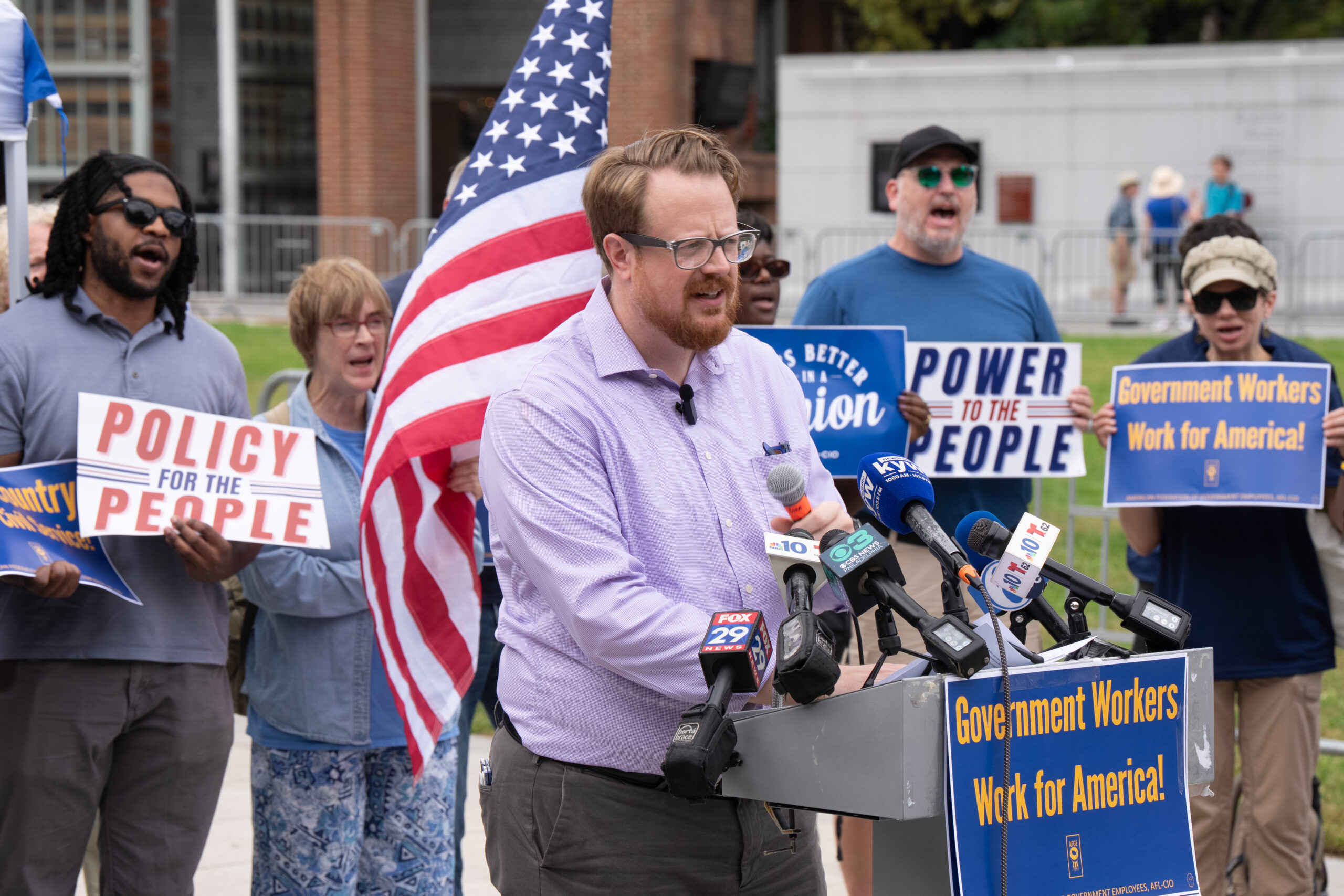
Danny Bauder, president of the Philadelphia Council AFL-CIO, speaks at an event supporting federal workers in October.
Unionizing in N.J. and Pa.
In New Jersey, 14.7% of workers were unionized last year, and in Pennsylvania, it was 10.9%.
In both states, that was a decline of around one percentage point from 2024, but BLS noted that state-level data “should be interpreted with caution,” due to the shutdown-related incomplete data.
window.addEventListener(“message”,function(a){if(void 0!==a.data[“datawrapper-height”]){var e=document.querySelectorAll(“iframe”);for(var t in a.data[“datawrapper-height”])for(var r,i=0;r=e[i];i++)if(r.contentWindow===a.source){var d=a.data[“datawrapper-height”][t]+”px”;r.style.height=d}}});
Some local labor action highlights from this past year include:
Whole Foods unionization: Workers at the Spring Garden location voted to form a union in January, becoming the first unionized Whole Foods staff. Whole Foods challenged the election, and the NLRB was without a quorum to decide the case last year.
Graduate student workers at the University of Pennsylvania reached a tentative agreement on a first contract this month after threatening to strike, nearly two years after unionizing.
Employees of several hotels went on strike in Octoberand November as their union, Unite Here Local 274, sought new contracts for roughly 1,000 members at eight Philadelphia hotels.
National Starbucks strike: Philadelphia Starbucks workers joined a nationwide strike in November amid contract negotiations. Some have returned to their jobs, but over 1,000 continued to strike as of early February.
New teacher contract: The Philadelphia Federation of Teachers got a new contract for 14,000 teachers, nurses, counselors, secretaries, and paraprofessionals, averting a strike.
Some 271,000 federal jobs were cut between January and November. Meanwhile, the union membership rate in the public sector increased by 0.7% nationally in the last year according to the new BLS data.
Vachon notes that the vast majority of public sector workers are at the municipal level, not federal.
“The hiring of police, and teachers, and sanitation workers across the thousands of cities around the U.S. more than compensated for [cuts at the federal level], because we see an increase in the public sector,” he said.
Trump also fired a member of the National Labor Relations Board (NLRB) early last year, which left it without a quorum to issue rulings. In some cases that can slow down the formation of a new union — at the Amazon-owned Whole Foods in Philadelphia, for example.
The number of union elections overseen by the NLRB declined last year and the overall number of workers involved in those elections dropped too, according to the nonpartisan Center for American Progress.
“A huge percentage of new union organizing is required every year just to maintain the same level of unionization, because of the churning and the growth of the overall labor force,” said Vachon. “If the labor force is not growing, then you can actually see increases in union density.”
And unions are being cautious of reaching out to the NLRB under the Trump administration, he notes.
“There’s a fear [that] if something gets sent up to the NLRB that the ruling is going to set a precedent that makes it even more difficult to organize,” said Vachon. “It’s kind of had a dampening effect in that way.”
MUNICH — When Russia invaded Ukraine on Feb. 24, 2022, no one imagined Moscow would be enmeshed in a quagmire four years later, having lost nearly 1.2 million killed, wounded, or missing soldiers to an army a fraction of its size.
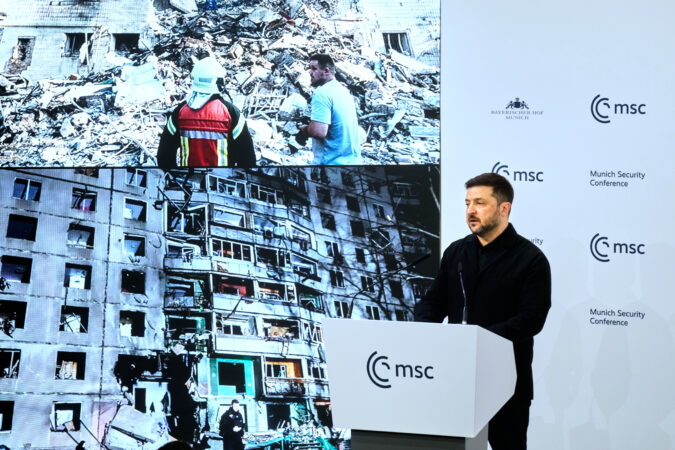
The price Ukraine has paid for its defiance was written on Volodymyr Zelensky’s face — weary, puffy, aged dramatically beyond his 48 years — as he took the stage at the Munich Security Conference last weekend.
“I want you to understand the real scale of these attacks on Ukraine,” he told an attentive audience, bluntly detailing the 6,000 attack drones, 150-plus missiles, and more than 5,000 multiton glide bombs Russia had dropped on civilian targets in January alone.
“Imagine this over your own city,” Zelensky demanded. “Shattered streets, destroyed homes, schools built underground, not a single power plant in the country that has not been damaged by Russian attacks.”
Yes, imagine those bombs dropping on Temple University and Jefferson Hospital, on apartment towers on Broad Street, and on William Penn atop City Hall. Imagine living under mounds of quilts in your home because power infrastructure had been deliberately destroyed.
And yet, as Zelensky made clear, Ukraine won’t surrender to Vladimir Putin — nor to Donald Trump.
Kyiv will not bow to shameful White House demands that it cede critical, fortified territory in the Donbas region to Russia, with no solid U.S. security guarantees to stop Putin from swallowing this gift and attacking again.
Based on Zelensky’s words, and what I heard from other European leaders, tech executives, Ukrainian military officers, poets, and tech innovators in Munich, here are my takeaways on what to expect in Ukraine as the fifth year of war begins.
Yuliia Dolotova, 37, uses foam rubber to insulate her children’s bed in her apartment during a power outage caused by Russia’s repeated air strikes on the country’s power grid, in Kyiv, Ukraine, Feb. 2.
No end in sight
The war will not end in 2026. Putin isn’t winning, and Ukraine is holding on. Kyiv’s current strategy — as its army eliminates more Russian troops each month than the number of fresh recruits Moscow can send to the battlefield — is to increase that kill ratio, and to batter Russia’s military and economy until the Kremlin is finally forced to negotiate seriously.
But U.S.-brokered peace talks, whose second round in Geneva broke up abruptly on Wednesday, are headed nowhere so long as Trump only pressures Ukraine.
Russia hasn’t changed its hard-line demands one iota, still demanding Ukraine slash the size of its army, get rid of Zelensky, and forgo Western security guarantees. In other words, commit suicide.
Equally absurd, as Zelensky pointedly noted, is that Putin has rejected any European participation in peace talks, with Trump’s acquiescence. Never mind that the European Union and member countries now pay 98% of the cost of military and economic aid to Kyiv, including payments to Washington for limited amounts of U.S. weapons. Meantime, Trump cut off 99% of U.S. aid to Kyiv in 2025.
“We don’t hear any compromises from Russia,” Zelensky said, citing Moscow’s “strange” demand that Kyiv hold elections amid Russian bombing — a demand that received buy-in from U.S. negotiators.
“Give us a two-month ceasefire before elections,” Zelensky proposed. “Or we can also give Russia a ceasefire if they will have [free] elections in Russia.”
The Munich audience cheered.
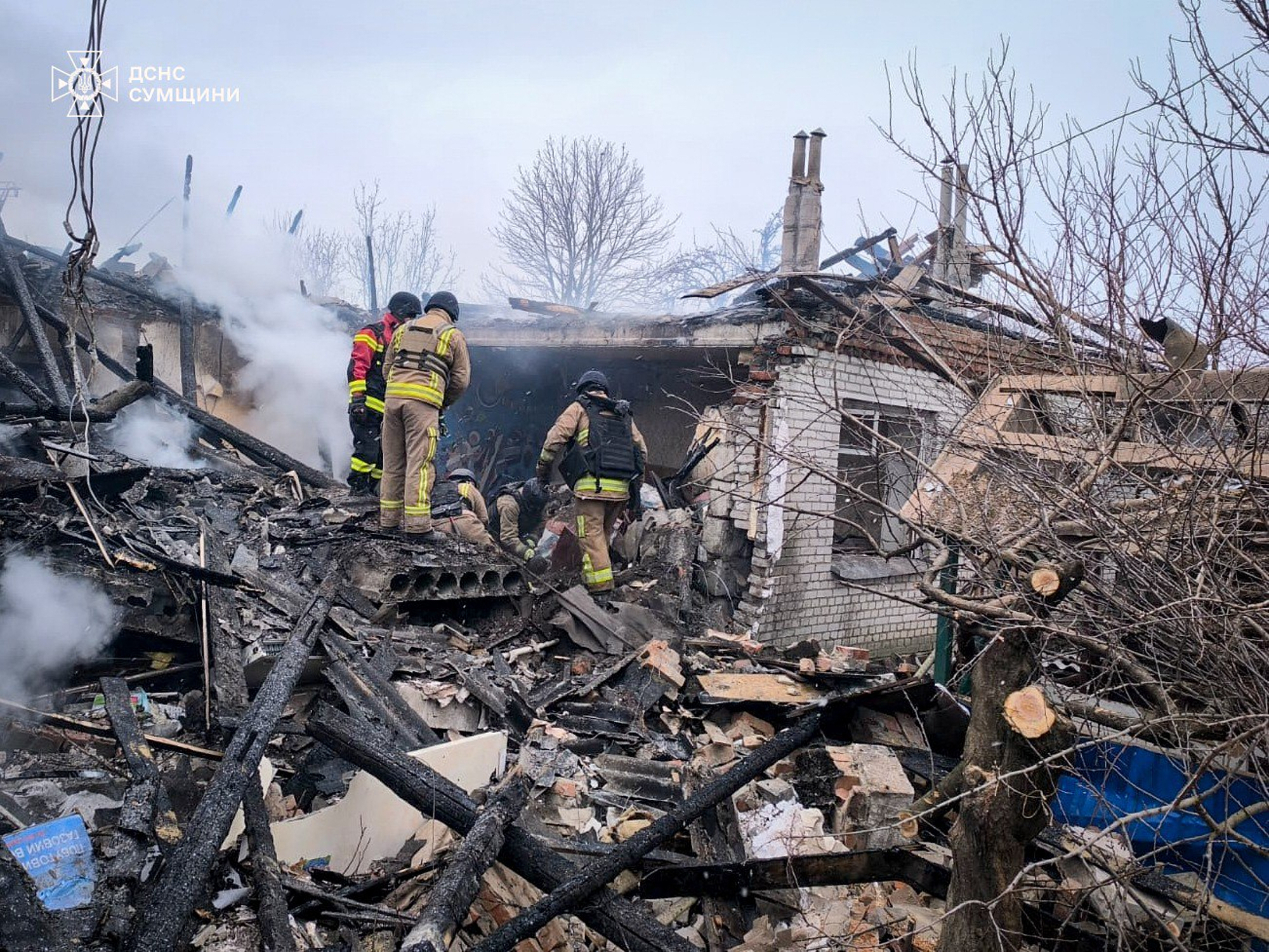
In this photo provided by the Ukrainian Emergency Service, firefighters put out the fire in private houses following a Russian air attack in Sumy region, Ukraine, Tuesday.
“Peace can only be built on real security guarantees,” Zelensky rightly insisted on stage, given that Putin has broken every previous accord Russia has made with independent Ukraine over the past three decades.
Since NATO membership is not on the table, Ukraine requires a legal commitment, not just verbal “assurances” that it will continue to receive European weapons and support for a strong army — along with expedited admission to the European Union. Kyiv also needs a firm U.S. commitment to back up European support before Ukraine makes any compromises on territory.
When I asked Ukrainian Foreign Minister Andrii Sybiha whether such security guarantees should include the presence of allied troops in Ukraine, he said sharply, “Boots on the ground are essential” in order to encourage investors in a postwar nation.
Yet, it is still unclear whether any European countries will agree to base military forces on Ukrainian soil, rather than just send “peace monitors.” Moreover, Russia rejects any security guarantees at all, and the White House still won’t spell out what kind of security backstop it will provide for the Europeans, and when.
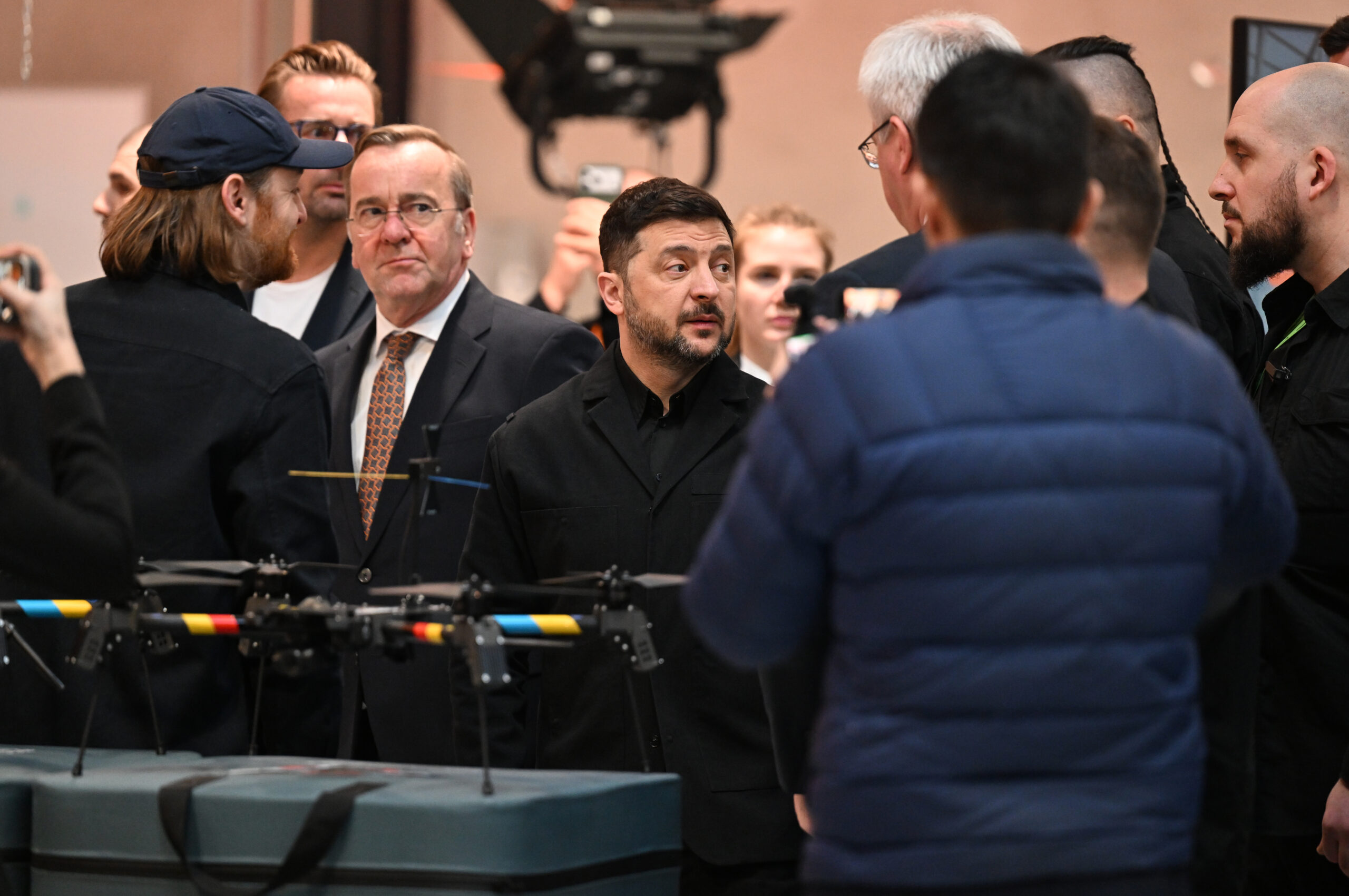
Ukrainian President Volodymyr Zelensky (right) and German Defense Minister Boris Pistorius visit a drone-producing company, Quantum Frontline Industries, near Munich, on Feb. 13.
High-tech weapons
Ukraine will press forward with its efforts to promote joint weapons production with European — and American — firms to advance its amazing innovations in unmanned drone warfare. This tech savvy has enabled Kyiv to push back against Russia’s superior number of troops and increasing number of drones. But Kyiv badly needs more long range missiles (way past time for Germany’s Taurus and U.S. Tomahawks) and more air defenses to take out Russian missiles.
Representatives of Ukrainian and European military production companies swarmed the sidelines of the conference. Ukrainian officers from specialized drone units displayed their products’ prowess on video screens at side conferences organized by Ukrainian companies and think tanks.
The annual Munich Ukraine lunch sponsored by the Victor Pinchuk Foundation included attendees such as former Google CEO Eric Schmidt, whose Swift Beat company is working with Ukrainian partners to produce hundreds of thousands of AI-enabled long-range drones and drone interceptors that are the new weapons of modern war.
Schmidt expressed the opinion heard throughout the conference: When it comes to these weapons, Ukraine “will be the primary producer for all Europe.”
Workers clean up damage at Darnytsia Thermal Power Plant after a Russian attack in Kyiv, Ukraine, Wednesday, Feb. 4, 2026.
The will to go on
The Ukrainian public is demonstrating amazing fortitude, despite the Russian onslaught, and despite Trump’s refusal to support a tough new secondary sanctions package on Russia that a bipartisan Senate majority has had ready for months.
Zelensky paid tribute to the thousands of energy workers, repair crews, and rescue teams who have been working around the clock to restore heat and electricity each time Russia hits another power plant.
“Ukraine still has power because of our people,” he said with emotion. “Many politicians could learn how to act immediately … from ordinary electricians.”
The conference recognized ordinary Ukrainians’ heroism by awarding its annual Ewald von Kleist Award to the people of Ukraine for their “unwavering determination to defend their freedom and all of Europe.” The award is named after the Munich conference’s founder — who participated in the failed 1944 German plot to assassinate Adolf Hitler — and honors outstanding contributions to international peace and conflict resolution.
What sticks in my mind are the words of Ukraine’s premier poet, songwriter, and novelist Serhiy Zhadan, whose Kharkiv home I visited early in the war, and who spoke to a rapt audience at a Munich cultural center about his beloved city. Kharkiv’s citizens, he said, “reject the Russian goal to make them despair of life.”
“There is still a huge cultural life in Kharkiv,” he said, “and people refuse to let themselves be scared. At every cultural event, money is collected for kids and soldiers. But the whole society is tired. We want to go back to a normalcy where kids can return to school.”
The world’s double standards are painful, he continued, citing the ban by the International Olympic Committee on participation by a Ukrainian athlete because he wanted to memorialize his fellow athletes killed by Russia by putting their pictures on his helmet. “This is not a local war,” Zhadan insisted, “this war is about us all.”
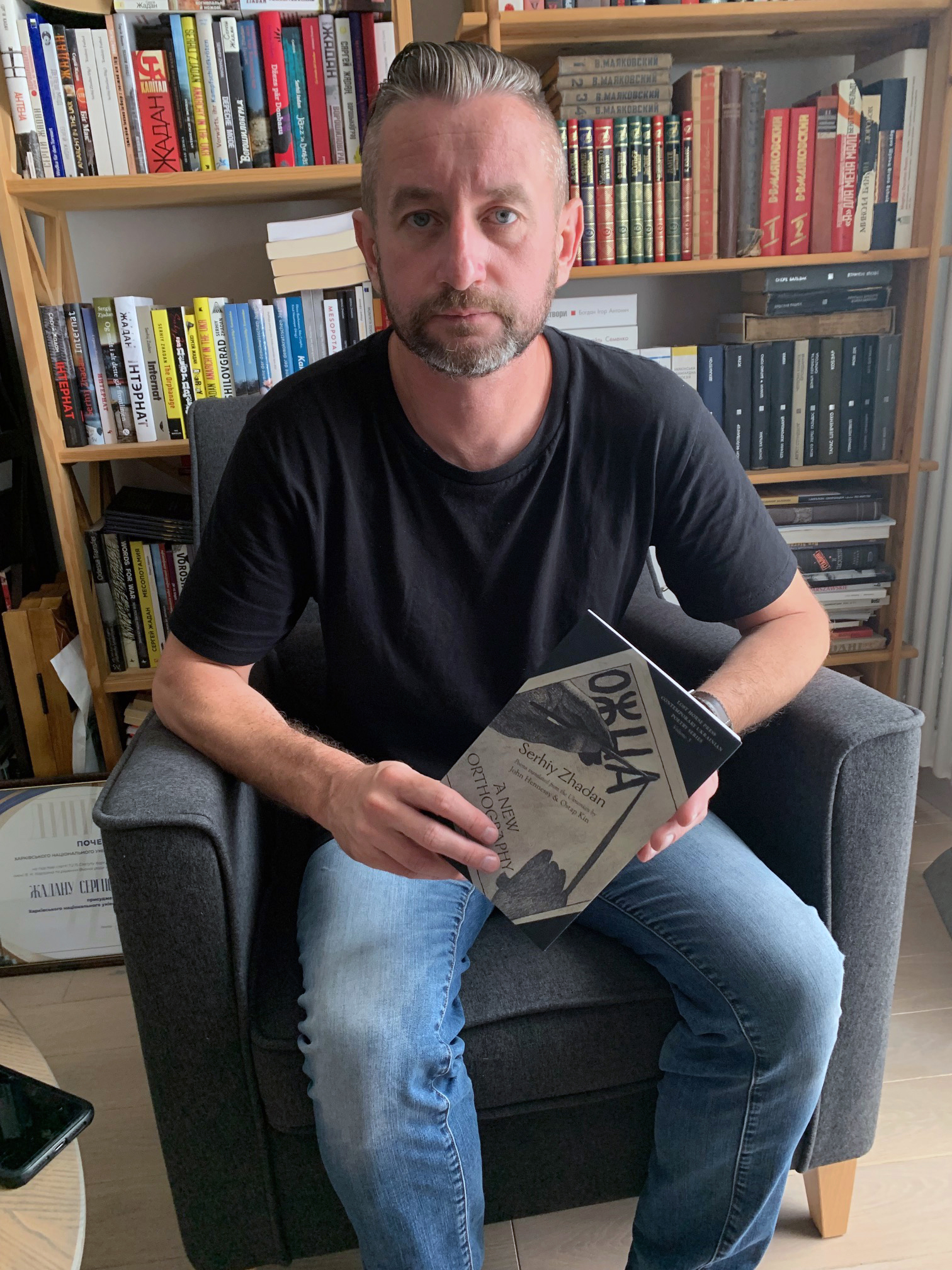
Serhiy Zhadan sits inside his home in Kharkiv, Ukraine, in 2022.
“We try to cling to the moments we live in, and not to think of the future,” he explained, in speaking of survival strategies. “If you think of the future, you become vulnerable. If you focus on the need to survive, you might get through.” Yet, he added, “We will enter the future from [this] darkness. This is part of our Ukrainian history. We will marvel at how beautiful the world will be if we only manage to endure this little bit of darkness.”
Zelensky translated Zhadan’s poetry into hard reality when he reminded a main stage audience that “Putin hopes to repeat 1938, when a previous Putin [Hitler] began dividing Europe.”
As Zelensky reminds us, it was a historic tragedy for Britain’s Neville Chamberlain to acquiesce to Hitler’s demand to seize part of Czechoslovakia. Far from bringing “peace in our time” Chamberlain’s blindness brought on World War II.
It is an error of far greater magnitude for Trump to press Zelensky to cave to Putin’s demand that he be handed key Ukrainian territory Russia hasn’t been able to conquer. Unlike Hitler in 1938, Putin has already begun his wider military attack on Europe.
Such signs of Trumpian weakness only encourage further Putin aggression as well as Xi Jinping’s plans to subdue Taiwan.
The ultimate message of Munich this year was that Europe needs to step up, and the White House needs to wake up and stop denying the importance of Ukraine. The Russia-China-North Korea axis is already feeding off of Trump’s misunderstanding of Putin in order to undermine U.S. power.
“Our world of drones is your world of drones,” Zelensky offered. “Our ability to stop [Russian] sabotage is yours. Please pay attention to Ukraine. If this [attention] had happened before this war started, the war would never have begun.”
The first sign of an American awakening will emerge if GOP members of the large bipartisan congressional delegation at Munich finally blast past Trump’s objections and bring a tough new package of secondary sanctions on Russian energy exports to a floor vote — soon.
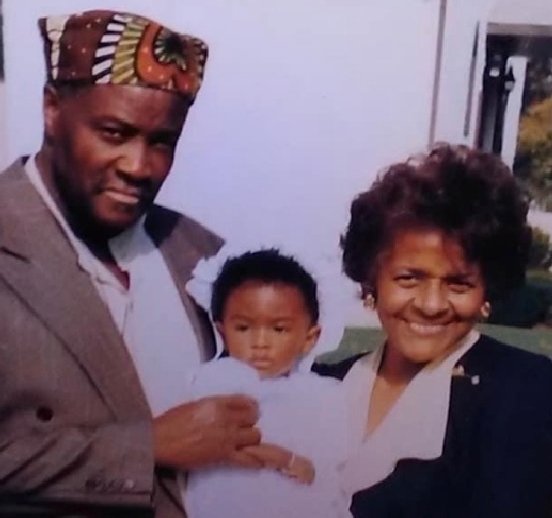
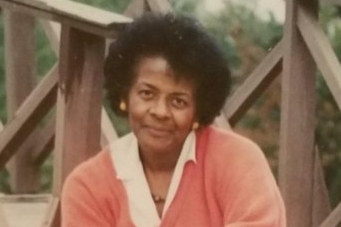
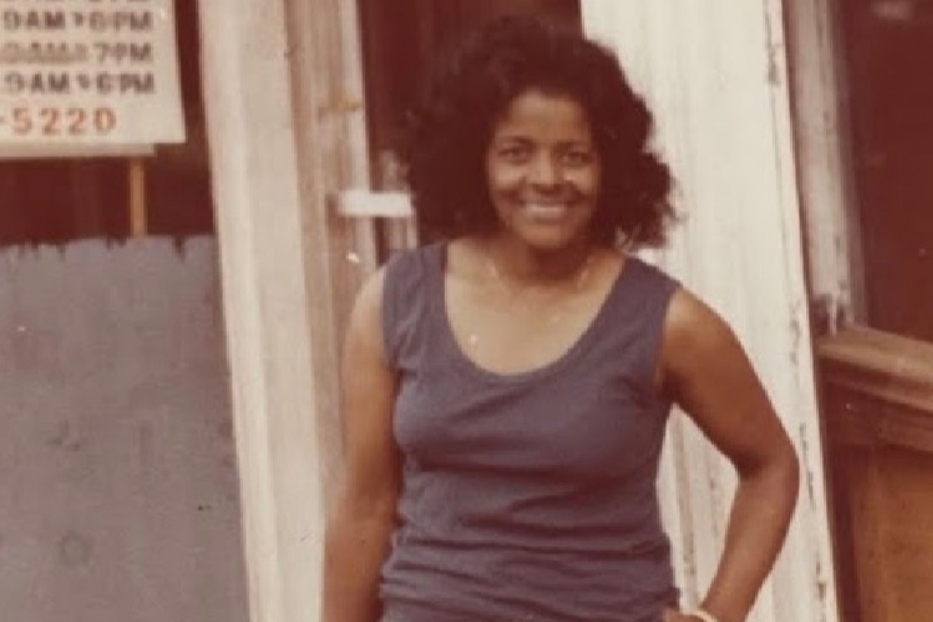
Mae Laster, 87, of Philadelphia, retired French, algebra, and photography teacher for the School District of Philadelphia, longtime president of Friends of Wynnefield Library, award-winning committee chair for the Philadelphia section of the National Council of Negro Women Inc., community center adviser, church trustee, volunteer, and undisputed Laster family Scrabble champion, died Friday, Jan. 2, of age-associated decline at Lankenau Medical Center.
Born in Philadelphia, Ms. Laster earned academic degrees at West Philadelphia High School and Temple University. She was a lifelong reader and stellar student, and she tutored her high school classmates in math and later taught elementary and middle school students for 30 years.
“She was a firm and no-nonsense kind of teacher,” a former student said in an online tribute. “But she was a lot of fun. As an adult, she always offered guidance and advice.”
Her daughter, Lorna Laster Jackson, said: “She had a passion for learning and sharing with others. She was always an advocate for children.”
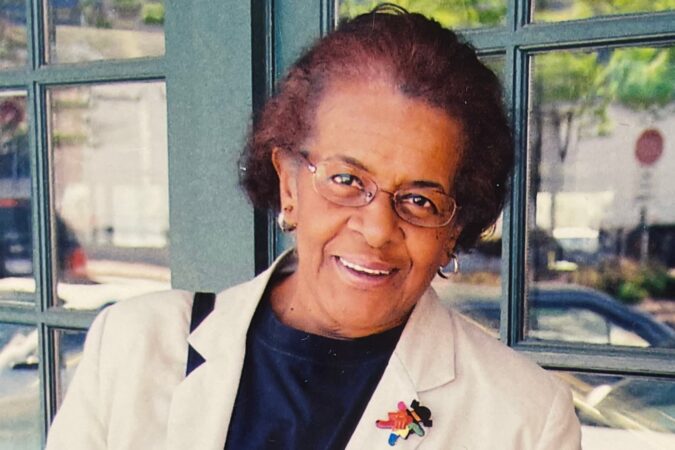
Ms. Laster chaired community service and Founder’s Day committees for the National Council of Negro Women Inc.
Ms. Laster served as president of Friends of Wynnefield Library for more than 20 years and was active at its many book readings, content discussions, concerts, and fundraisers. She earned several important financial grants for the library, and her personal collection of books at home numbered more than 1,000.
“She loved reading to our young patrons, especially during our Dr. Seuss birthday celebrations,” library colleagues said in a tribute.
She chaired community service and Founder’s Day celebration committees for the National Council of Negro Women and earned the local section’s achievement award in 1998. “Mae was a blessing to the Philadelphia section,” colleagues said in a tribute. “We will always remember her feisty way of asking questions and not easily put off.”
Ms. Laster was an advisory board member at the Leon H. Sullivan Community Development Center and a trustee at Zion Baptist Church. Colleagues at the community center called her “a very thoughtful and talented person.” They said: “She was always forthright and had a strong opinion.”
Ms. Laster (center) especially enjoyed reading to young people at the Wynnefield Library.
At church, she was a member of the New Day Bible Class and proofreader for the newsletter. She also volunteered with the Wynnefield Residents Association, the Girl Scouts, and the 4-H Club.
In a citation, City Council members praised her achievements regarding “education, community service, and all those whose lives were enriched by her wisdom, kindness, and unwavering faith.” In a resolution, members of the state Senate noted “her extraordinary life, her enduring contributions, and her lasting impact on education, community, and faith.”
Friends said in online tributes that she “had a great sense of humor” and was “the sweetest mom on the planet, who was always like a mom to me.” One friend called her “a community-minded leader who advocated tirelessly to preserve the quality of life in Wynnefield.”
At home, Ms. Laster studied the dictionary, knew words that nobody else did, and became the undisputed Scrabble champion of her family and friends. She was so good, her daughter said, that nobody volunteered to play against her. “It was humiliating,” her daughter said.
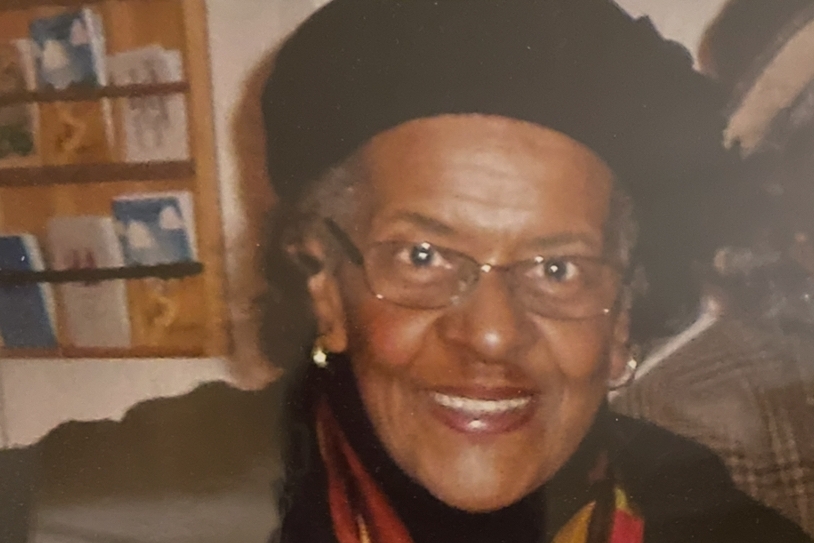
Ms. Laster was a lifelong advocate for children.
Mae R. Johnson was born June 5, 1938, in Philadelphia. She grew up in Winston-Salem, N.C., with her grandmother and returned to Philadelphia in the 1950s to live with her mother and begin high school.
She was an excellent student, especially good with words and numbers, and she graduated from West Philadelphia High in 1956 and earned a bachelor’s degree in early childhood education at Temple.
She met Francis Laster in the neighborhood, and they married, and had a daughter, Lorna, and sons Francis Jr., Charles, and Ahman. Her husband owned and operated the popular Rainbow Seafood Market, and they lived in West Philadelphia and Wynnefield. They divorced later. He died in 2020.
Ms. Laster enjoyed bowling, photography, and horticulture. She listened to jazz, classical, and gospel music. She collected butterflies and stamps.
Ms. Laster was “all about positive change,” her daughter said.
She shared recipes with friends and kept in touch through memorable phone calls. She helped organize high school reunions and appreciated the educational TV shows on the Public Broadcasting System.She retired from teaching about 20 years ago.
“She was all about positive change,” her daughter said. “She spoke from compassion and her truth. She did more good than she knew. She was dynamite.”
In addition to her children, Ms. Laster is survived by six grandchildren, three great-grandchildren, three great-great-grandchildren, a sister, and other relatives. A brother died earlier.
A celebration of her life was held earlier.
Donations in her name may be made to Friends of Wynnefield Library, Attn: Terri Jones, 5325 Overbrook Ave., Philadelphia, Pa. 19131.
Ms. Laster graduated from West Philadelphia High School in 1956 and earned a bachelor’s degree in early childhood education at Temple.
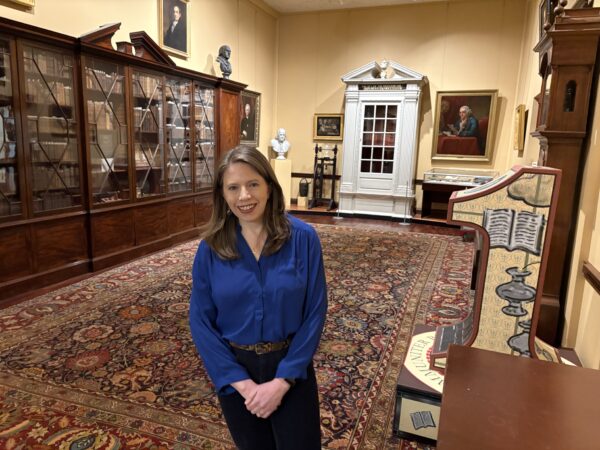
The Library Company of Philadelphia has lined up its next chief. Jessica Choppin Roney will take over the 295-year-old institution as soon as its merger with Temple University is approved by Philadelphia Orphans’ Court, leaders said this week.
Roney has existing ties to both Temple and the Library Company, as director of the program in early American economy and society at the Library Company and as an associate professor of history at Temple. She is also chair of the “integration council” that has been set up to help facilitate the amalgamation of the two groups.
“She’s been working very closely with us, so she was the obvious choice to take on the new role,” said current Library Company director John C. Van Horne, who will continue in his post until Roney takes over. Director and director-designate are already working together on the transition, he said.
Roney said this week that even with the merger, the Library Company’s mission won’t change.
“It continues to be a center of scholarly research and public-facing programming, so we’ve got work in history, in literature, science, and dance and music, and art, and on and on. That all continues and will grow and amplify with our relationship with Temple.”
The group, founded by Benjamin Franklin in 1731, owns more than 500,000 rare books, manuscripts, prints, photographs, works of art, ephemera, and other objects, mostly from the 17th through 19th centuries.
“It has always been America’s library, even before it was America,” Roney said.
The collection will continue to acquire new items, and will explore opportunities for Temple students to “make use of our collections in new ways,” she said.
Roney noted that even though the Library Company has often been powered by women — staff, trustees, shareholders, and donors — it has never had a woman at the helm.
“It’s exciting at a time of change that one of those changes is to have the first woman in charge,” she said.
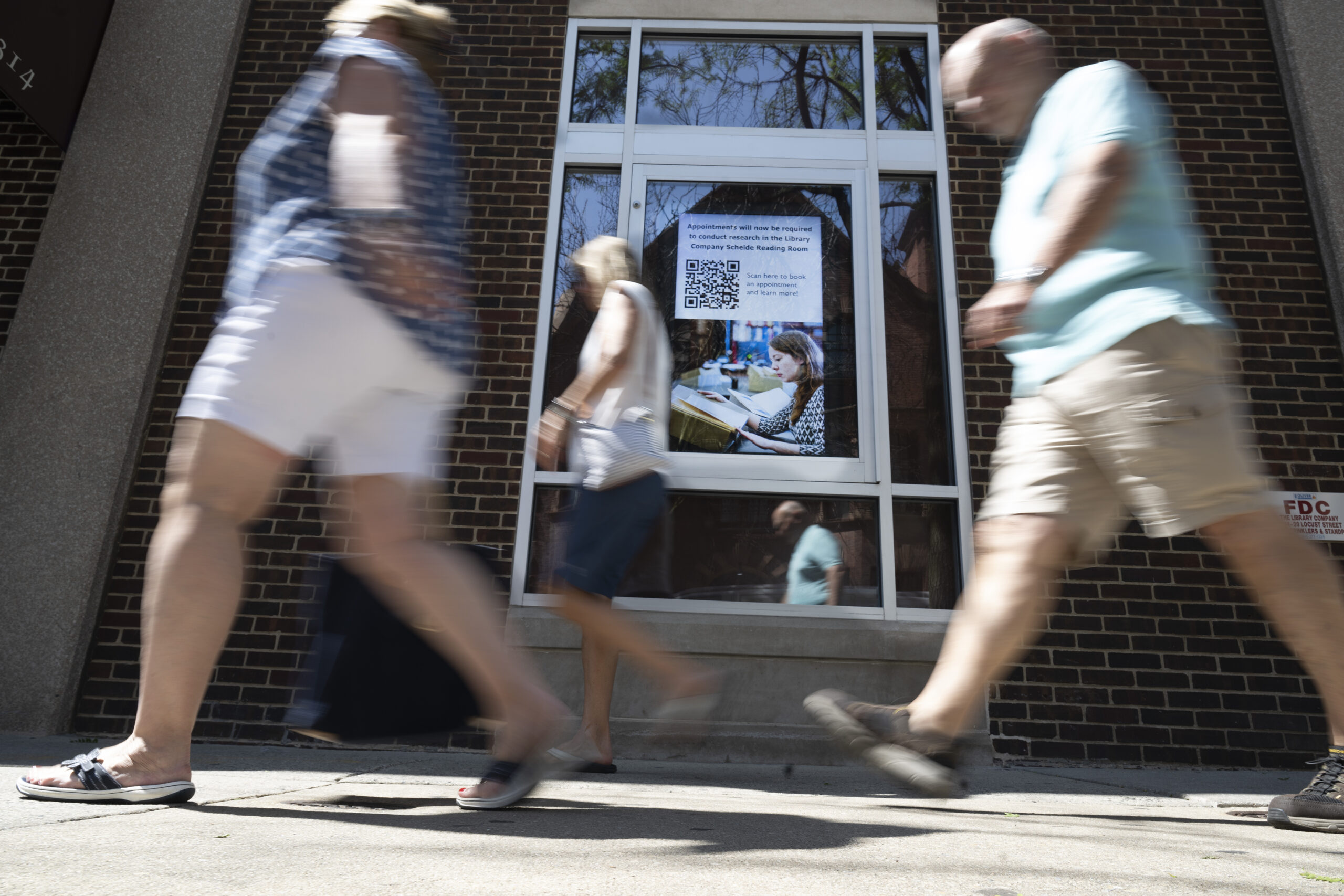
Pedestrians passing the Library Company of Philadelphia in Center City, June 25, 2025.
Facing a string of projected operating deficits, the library began to explore merger opportunities with other groups in 2024. Talks with Temple became public this past June. The boards of both organizations have approved the deal, and in December Library Company shareholders voted 174 to 33 in favor of the merger.
A potential Orphans’ Court approval — which could take weeks to years to receive, said Van Horne — would end nearly three centuries of independence for the library, whose home is on Locust Street just east of Broad, where it will remain.
Roney started as director-designate Jan. 9, and was approved for the post by the Library Company board on Jan. 22, a Temple spokesperson said. Her appointment, however, was not publicly announced until it was included in a newsletter from the group this week. Van Horne said she was chosen without a search, and no other candidates were considered.
“We thought it would be good initially since we’re just getting this relationship off the ground to have a Temple faculty person as the first director [of the merged organization], and it was fortuitous that the early Americanist at Temple was on our payroll,” said Van Horne. “She already had a foot in both camps.”
Roney, 47, earned a bachelor’s degree from Swarthmore College, a master’s from the College of William and Mary, and a Ph.D. from Johns Hopkins University. It was at the Library Company that she conducted research for her first book, Governed by a Spirit of Opposition: The Origins of American Political Practice in Colonial Philadelphia.
Van Horne was director of the Library Company from 1985 until 2014, and then returned in 2024 to help manage its financial difficulties. He has been a strong proponent of the merger, as he was for Roney’s appointment.
“She’s energetic, imaginative, and she has ideas about what we can do with Temple and others,” he said. “I’m very hopeful for the future. I think she’s going to be terrific, and I wasn’t so hopeful for the future a year ago.”