Colman Domingo will be presented with the President’s Award at the 57th NAACP Image Awards, on Saturday, Feb. 28.
The West Philly native and Temple alum is nominated for Image Awards for outstanding supporting actor in a comedy series and outstanding director in a comedy series, both for his work on Netflix’s The Four Seasons.
“Colman Domingo represents the power of creativity to bring people together and move culture forward,” BET president Louis Carr said in a statement earlier this week. “At BET our commitment has always been to community, culture, and connection. Colman’s impact reflects those values in action.”
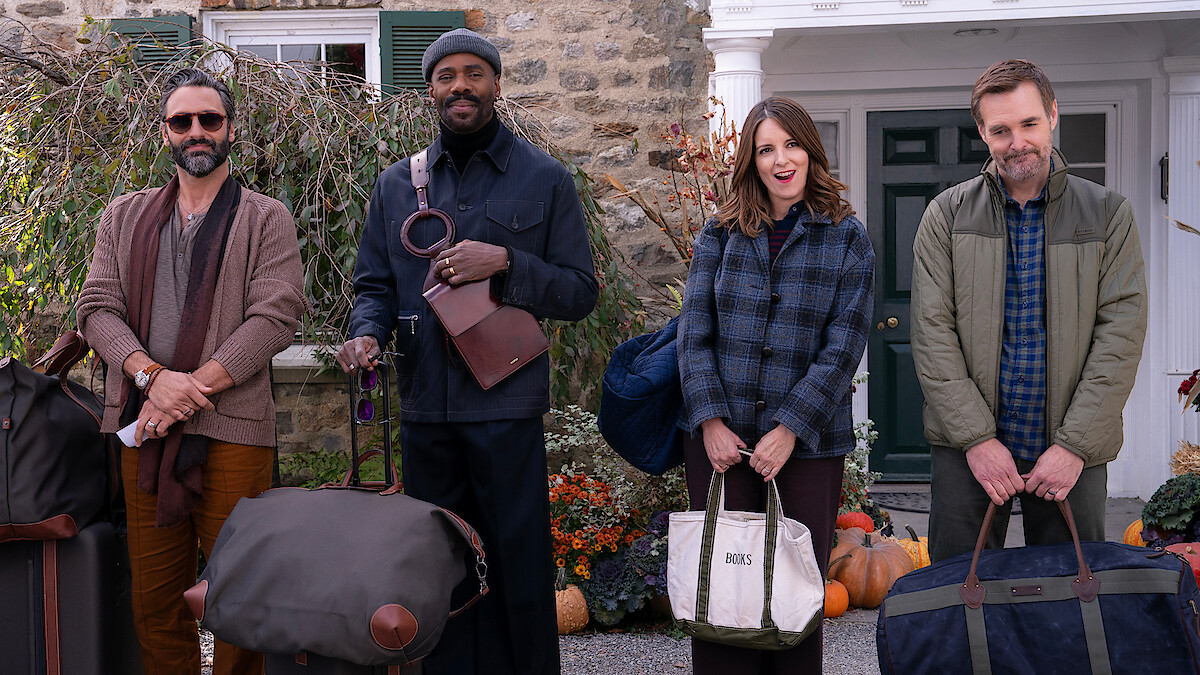
Marco Calvani, Colman Domingo, Tina Fey, and Will Forte in the 2025 comedy series “The Four Seasons.”
The NAACP President’s Award is presented for public service. Previous awardees include Dave Chappelle, Usher, Gabrielle Union-Wade, and LeBron James.
Domingo took home the NAACP Image Award for outstanding actor in 2024 for his work in Netflix’s Rustin and the trophy for outstanding supporting actor for The Color Purple.
In early February, Deadline reported the biopic that Domingo is working on about legendary singer Nat King Cole will be called Unforgettable. Domingo cowrote the script and will direct, produce, and star in the movie. The film will follow Cole’s success as a musician and quiet revolutionary navigating racial justice. It is set to begin filming at the end of the year.
Philadelphia is a happening place. No, I’m not referring to the winning sports teams or the great restaurants. I’m talking about the economy. For the first time in generations, Philadelphia’s economy is among the nation’s strongest.
Among the 25 largest metropolitan areas in the country with populations of more than 3 million, Philly enjoyed the strongest job growth last year. Soak that in for a second. Our hometown’s economy grew faster than those of high-flying cities such as Atlanta, Dallas, Denver, and Phoenix.
To be transparent, Philadelphia’s economy looks good, in part, because the nation’s economy is struggling to create jobs. Since so-called Liberation Day in April, when President Donald Trump announced massive tariffs on all our trading partners, many nervous businesses stopped hiring, and job growth has come to a standstill.
Some industries are actually suffering serious job losses, especially those on the front lines of the global trade war, including manufacturing, agriculture, transportation, and distribution. These are big industries in many parts of the South and Midwest, but not in Philadelphia.
Federal government jobs have also been hit hard by the Trump administration’s workforce cuts, which began soon after he took office a year ago. Of course, the broader Washington, D.C., area has struggled with these job losses. These positions were also important to many communities across the country, but less so in Philadelphia.
window.addEventListener(“message”,function(a){if(void 0!==a.data[“datawrapper-height”]){var e=document.querySelectorAll(“iframe”);for(var t in a.data[“datawrapper-height”])for(var r,i=0;r=e[i];i++)if(r.contentWindow===a.source){var d=a.data[“datawrapper-height”][t]+”px”;r.style.height=d}}});
Eds and meds
In fact, Philadelphia’s economy is fortunate to be powered by education and healthcare — eds and meds — the only industries consistently adding to payrolls nationwide. The largest employers in the region are world-class institutions of higher education and healthcare providers, including the University of Pennsylvania, Thomas Jefferson University, the Children’s Hospital of Philadelphia, and Temple University.
Employers in eds and meds are especially attractive, as demand for the services they provide is fueled by the insatiable need for highly educated workers in the age of artificial intelligence, and the inexorable aging of the population. Baby boomers have aged into their 60s and 70s and will require high-quality healthcare for years to come. And since healthcare is largely delivered in person, it is less vulnerable to losing jobs to AI.
These large institutions employ workers of all skill levels. There are highly trained physicians, nurses, and researchers, as well as middle-skilled technicians and administrators, and lesser-skilled maintenance workers. An entire economy can be built on eds and meds, and that’s Philadelphia.
The Philadelphia region also has the good fortune of being home to successful companies across a diverse range of industries. Examples include the media giant Comcast, the financial services powerhouse Vanguard, the global software company SAP, and the technology giant Siemens.
Cost of living
It isn’t cheap to live and work in Philadelphia, but it is highly affordable when compared to neighboring New York and D.C. For example, the typical-priced home in Philadelphia costs about $400,000, which is almost four times the typical household income. In D.C., houses typically cost close to $600,000, or 5.5 times income, and New York house prices exceed $1 million, or 10 times income.
I could go on, but I’m beginning to sound like a Chamber of Commerce, and Philadelphia certainly has big challenges. The nation’s universities and research centers are facing large budget cuts and heightened federal scrutiny. This is a huge shift from the financial largess from D.C. they’ve come to rely on.
Challenges and what’s ahead
Poverty and all the attendant social ills, like crime and drug use, are also long-standing problems in the city. Although the poverty rate has dipped a bit recently, close to one-fifth of the city’s residents live below the poverty line, a disturbing stat. Of the nation’s big cities, only Houston has a higher rate.
The high poverty rate is the result of a complicated brew of factors, but the severe shortage of rental housing for lower- and middle-income residents is one of them. Putting up more homes is a priority for the city’s mayor, and with good reason.
The city’s high wage tax remains a barrier to even stronger growth. It is encouraging that it has declined since peaking more than 40 years ago, but it remains prohibitively high, hindering the city’s efforts to attract workers back into its office towers. The lower-taxed suburban Pennsylvania counties are the key beneficiaries.
It won’t be easy for Philadelphia to consistently remain among the nation’s best-performing economies. We need to support our institutions of higher education and healthcare, work to address poverty, and make it more affordable to live and work here. If we do, we have a good chance of always being in the mix. Kind of like our Eagles.
Democratic Gov. Josh Shapiro is racking up contributions from out-of-state billionaires as well as thousands of individual donors across the country.
His likely Republican challenger, State Treasurer Stacy Garrity, meanwhile, is capturing small-donor donations from Pennsylvanians.
That’s according to an analysis of the latest campaign finance filings in the Pennsylvania governor’s contest, as a clearer picture of the race emerges nine months out from Election Day. Shapiro entered 2026 with $30 million on hand — money raised over several years as he has built a national profile — while Garrity raised $1.5 million in her first five months on the campaign trail as she tries to unseat the popular Democratic incumbent. Last year, Shapiro brought in $23.3 million.
Here are three takeaways from the first campaign finance filings in the race, tracking fundraising heading into 2026.
Almost all of Stacy Garrity’s contributors are from Pennsylvania, while 62% of Shapiro’s are in state
Nearly all of Garrity’s individual 1,155 contributors — more than 97% — live in Pennsylvania, and on average gave $889 each.
Shapiro — who has amassed a national following and is a rumored 2028 Democratic presidential contender — had a much further reach and attracted many more donors from around the country. He received contributions from 4,981 individual donors, 62% of whom are from Pennsylvania. The average individual donor to Shapiro contributed $3,461, a number buoyed by multiple six- and seven-figure contributions.
Shapiro received most of his remaining individual donations from California (7.1%), New York (6.3%), New Jersey (2.5%), Florida (2.5%), and Massachusetts (2.4%), according to an Inquirer analysis.
(The analysis includes only donors who contributed more than $50 in 2025. Campaigns are required to list only individual donors who contribute above that threshold.)
(function() { var l = function() { new pym.Parent( ‘shapiro-garrity3__graphic’, ‘https://media.inquirer.com/storage/inquirer/ai2html/shapiro-garrity3/index.html’); }; if(typeof(pym) === ‘undefined’) { var h = document.getElementsByTagName(‘head’)[0], s = document.createElement(‘script’); s.type = ‘text/javascript’; s.src = ‘https://pym.nprapps.org/pym.v1.min.js’; s.onload = l; h.appendChild(s); } else { l(); } })();
Shapiro’s broad donor base is a result of his status as a popular incumbent governor who is liked among people of both political parties, saidRobin Kolodny, a Temple University political science professor who focuses on campaign finance.
“These amounts that you’re seeing is a very strong signal that ‘This is our guy,’” Kolodny said. “That underscores he is a popular incumbent.”
Kolodny also noted that Shapiro’s state-level fundraising cannot be transferred to a federal political action committee should he decide to run in 2028.But his war chest shows his ability to raise money nationally and his popularity as the leader of the state, she added.
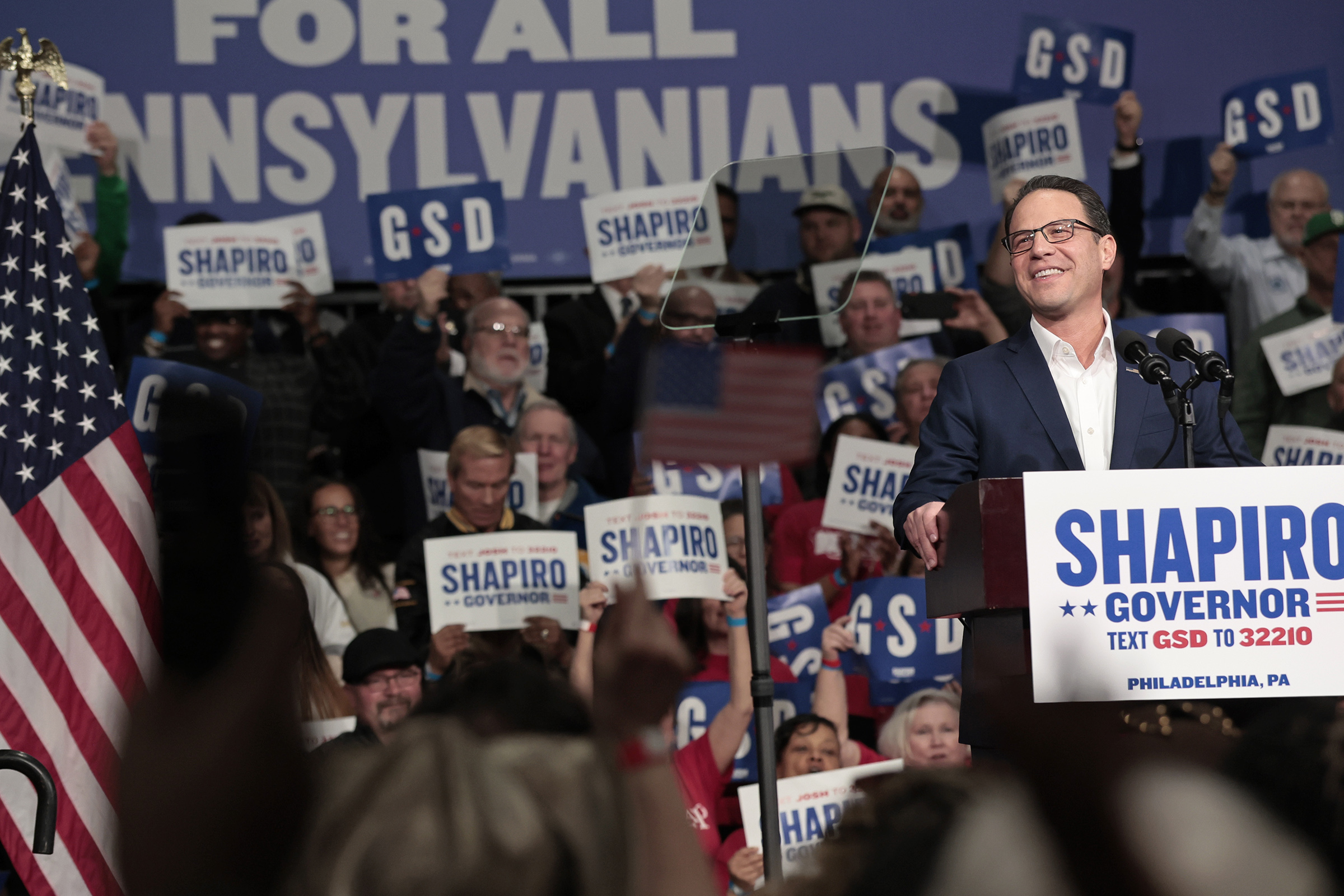
Governor Josh Shapiro during a reelection announcement event at the Alan Horwitz “Sixth Man” Center in Philadelphia on Thursday, Jan. 8, 2026.
Only a small percentage of the population contributes to political campaigns, Kolodny said. And sometimes, it’s the smallest contributions that pay off the most, she said. Small-dollar donations suggest grassroots support that can translate into a person assisting the campaign in additional ways to get out the vote, she said.
Both Shapiro and Garrity have received a significant number of small-dollar donations that illustrate some level of excitement in the race — though Shapiro’s more than 3,000 in-state donors outnumber Garrity’s total by nearly 3-1.
“Think of fundraising as not just a money grab, but also as a campaign strategy,” Kolodny said.
Since announcing his reelection campaign in January, Shapiro has run targeted social media ads and sent fundraising texts, asking for supporters to “chip in” $1 or $5. The strategy worked, bringing in $400,000 in the first two days after his announcement, with an average contribution of $41, according to Shapiro’s campaign. This funding is not reflected in his 2025 campaign finance report.
Most of Shapiro’s money came from out-of-state donors, including billionaire Mike Bloomberg and a George Soros PAC
While Shapiro garnered thousands of individual contributions from Pennsylvania in all 67 counties, according to his campaign, the latest filings show it was the big-money checks from out-of-state billionaires that ran up his total.
Approximately 64% of the $23.3 million Shapiro raised last year came from out-of-state donors.
And more than half — 57% — of Shapiro’s total raised came from six- or seven-figure contributions by powerful PACs or billionaire donors.
By contrast, only 31% of Garrity’s total fundraising came from six-figure contributions.
The biggest single contribution in the governor’s race came from billionaire and former New York City Mayor Michael Bloomberg, who gave Shapiro $2.5 million last year.
Shapiro also received $1 million from a political action committee led by billionaire Democratic supporter George Soros; and $500,000 from Kathryn and James Murdoch, from the powerful family of media mogul Rupert Murdoch.
Kolodny noted that big contributions from people like Bloomberg are a drop in the bucket of his total political or philanthropic spending.
window.addEventListener(“message”,function(a){if(void 0!==a.data[“datawrapper-height”]){var e=document.querySelectorAll(“iframe”);for(var t in a.data[“datawrapper-height”])for(var r,i=0;r=e[i];i++)if(r.contentWindow===a.source){var d=a.data[“datawrapper-height”][t]+”px”;r.style.height=d}}});
“This is not something extraordinary,” Kolodny said. “He’s got nothing but money.”
In Pennsylvania, Shapiro received notably high contributions from Philadelphia Phillies owner John Middleton, who gave $125,000, and Nemacolin Resort owner MaggieHardy, who gave $250,000, among others. He also received a number of five-figure contributions from private equity officials, venture capitalists, and industry executives in life sciences, construction, and more.
Garrity’ssingle biggest donation was $250,000 from University City Housing Co., a real estate firm providing housing near Drexel University and the University of Pennsylvania. Her largest contributions from individuals included $50,000 from her finance chair, Bob Asher of Asher Chocolates, and another $50,000 from Alfred Barbour, a retired executive from Concast Metal Products.
Garrity has served as Pennsylvania’s state treasurer since 2020 and has led the low-profile statewide office with little controversy. She did not join the race for governor until August and raised only a fraction of the funds Shapiro did in that same time. Meanwhile, Shapiro spent 2025 at the political forefront as a moderate Democrat trying to challenge President Donald Trump in a state that helped elect him. Shapiro also benefited from his national name recognition after he was considered for Vice President Kamala Harris’ running mate in 2024.
Shapiro has so far outraised Garrity 30-1, and top Pennsylvania Republicans have said they want to see Garrity fundraising more aggressively nationally.
Kolodny said Garrity’s low fundraising is a reflection of the state of the race: Republicans put up a weak candidate in 2022 against Shapiro during his first run for governor, and now many powerful donors want to keep the relationship they have formed with Shapiro over the last three years.
“That will reflect as a lack of enthusiasm for her,” Kolodny said. “Now she could turn that around, but from what I see, I don’t see her that much, only recently. She had the last six months; she could have done a lot more.”
Controversy over donations tied to associates of Jeffrey Epstein
Shapiro’s top contributions from individual donors also included a $500,000 check from Reid Hoffman, the Silicon Valley-based billionaire cofounder of LinkedIn. His name showed up thousands of times in the trove of documents recently released by the U.S. Department of Justice related to the investigation into financier and convicted sex offender Jeffrey Epstein.
Garrity has highlighted the donations Shapiro received from Hoffman, and has publicly called on Shapiro to return the tech billionaire’s campaign contributions from last year and prior years, totaling more than $2 million since 2021.
Hoffman has claimed he had only a fundraising relationship with Epstein, but publiclyadmitted he had visited his island. He has not been charged with wrongdoing.
A spokesperson for Shapiro said Garrity should “stop playing politics with the Epstein files.”
“Donald Trump is mentioned in the files over 5,000 times. Is she going to ask him to rescind his endorsement?” asked Manuel Bonder, Shapiro’s spokesperson.
Garrity has previously downplayed Trump’s appearance in the Epstein files, and argued that Democrats would have released them much sooner if there was clear evidence of Trump partaking in any inappropriate behavior.
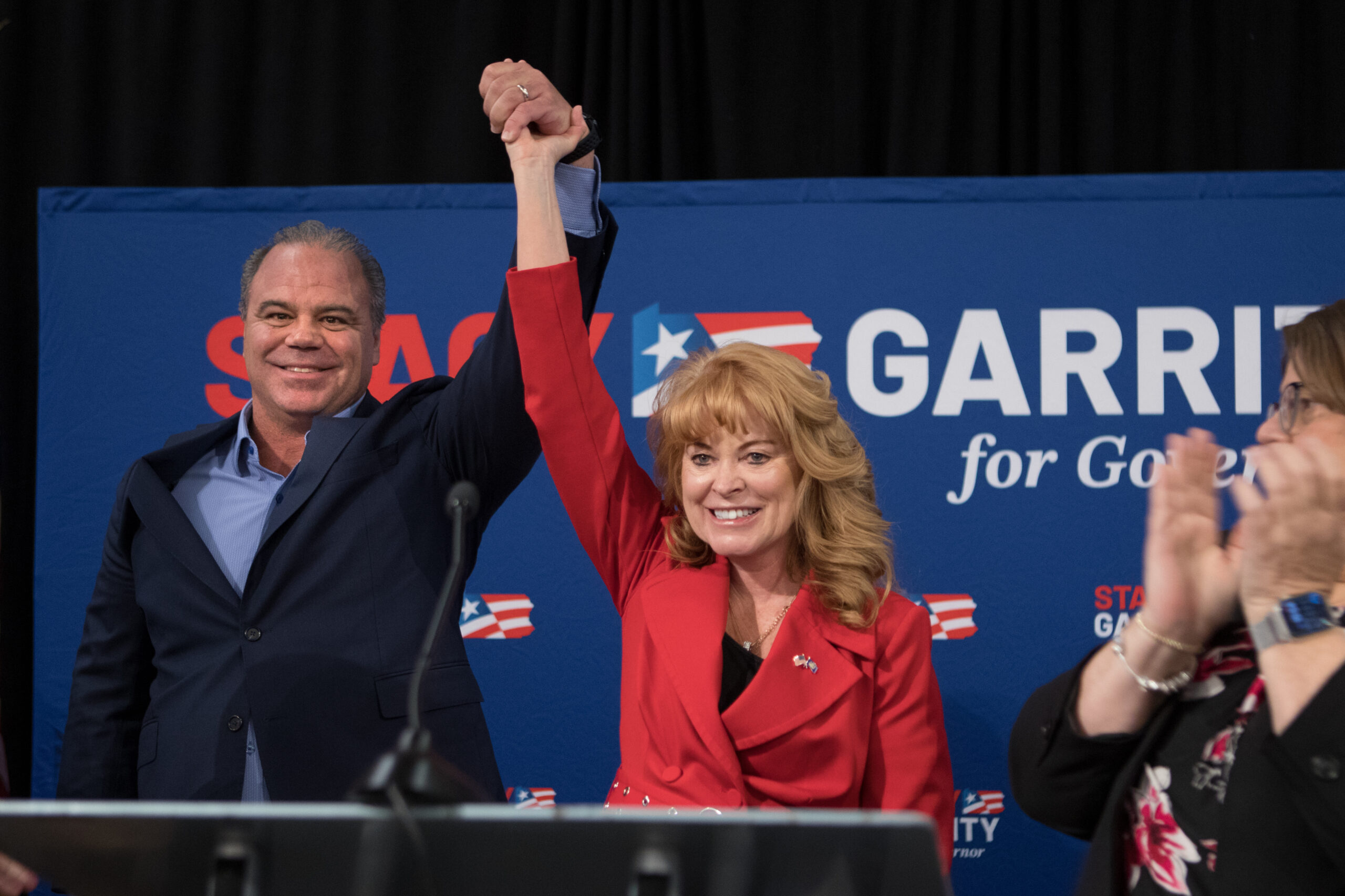
GOP candidate for Pennsylania Governor, Stacy Garrity and Jason Richey hold up their arms in Harrisburg, Pa., Saturday, February 7, 2026. The PA State Republican Committee endorsed the two in their quest for the governor’s mansion. (For the Inquirer/Kalim A. Bhatti)
If Shapiro were to return the funds from Hoffman, it would be bad for Garrity, Kolodny said, because she has made very few other political attacks against him.
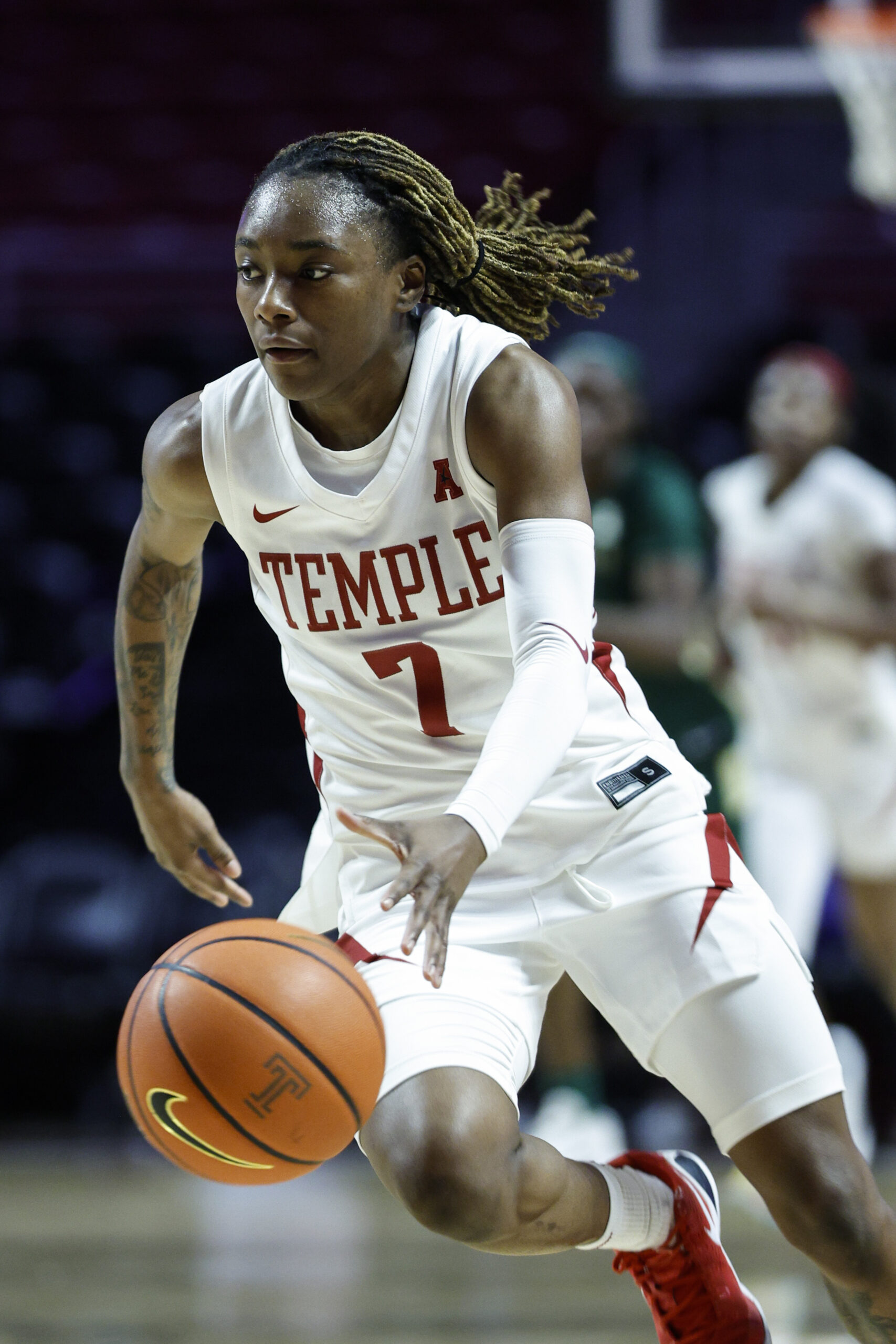
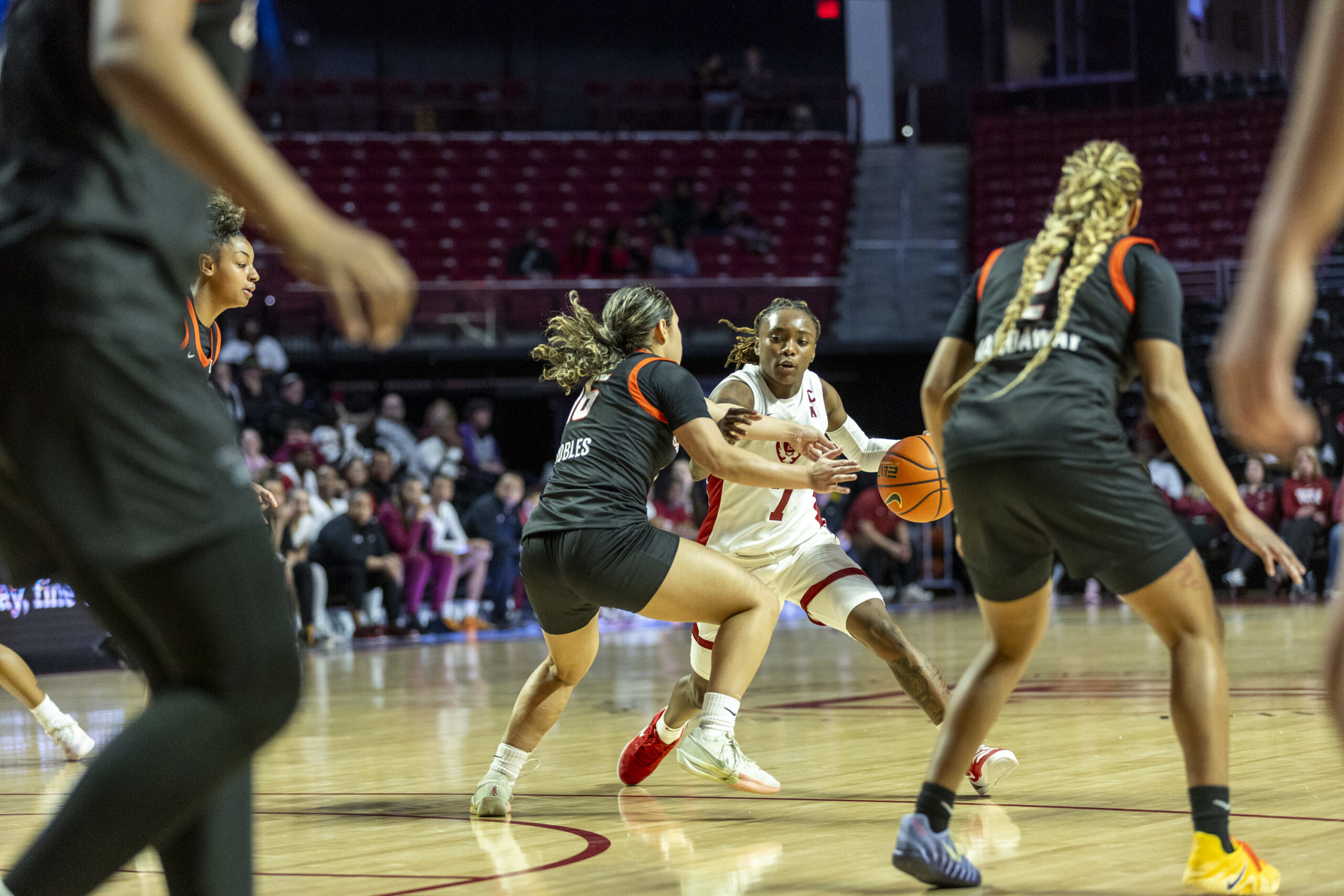
Temple guard Kaylah Turner describes her play as “KT ball,” which she says is scoring at all three levels and being a pest on defense.
However, the 5-foot-6 junior is constantly looking to improve, whether it’s becoming a better passer or grabbing more rebounds. Her drive has helped her blossom into one of the best players in the American Conference.
The Alabama A&M transfer and reigning American sixth player of the year leads the conference in scoring with 17.2 points per game. It’s been a difficult stretch for the Owls in conference play, and Turner has led Temple (10-13, 4-7) to three wins in its last seven games. She scored 12 points in Tuesday’s 52-43 loss against University of Texas San at Antonio.
“We just have to focus on the next game,” Turner said. “We can’t really draw on all the losses.”
Temple guard Kaylah Turner is averaging 17.2 points per game.
Turner had high expectations this season. She was named to the American’s preseason all-conference first team after a strong first season with the Owls, in which she averaged 9.9 points on 38.5% shooting off the bench. With the graduation of guards Tiarra East and Tarriyonna Gary, Turner moved into the starting lineup this season.
“First-team preseason was cool, but I think I should have been preseason player of the year,” Turner said. “So that’s on my mind, and that’s what’s motivated me every day to get better because I didn’t get my original goal, so I still have another couple of goals in mind. I’m just never satisfied.”
Moving into the starting lineup paired Turner with point guard Tristen Taylor, who led the American in assist-to-turnover ratio last season. Turner’s scoring prowess and Taylor’s facilitating has forged a formidable backcourt.
“We play very well together,” Taylor said. “I feel like we’re actually the best backcourt duo in the conference, and I’ll say that. But Kaylah comes in here and works hard every day. She is a great teammate, not just to me, but to everybody. She always brings energy, and I just feel like that flows onto the court when she goes out and plays.”
That energy has helped Turner lead the conference in scoring and shoot 41.6% on three-pointers, which is second in the conference..
However, when Temple lost four of its first five American contests, Turner was one of the players who couldn’t find her groove.
Turner shot below 40% in four of those five games. Before Temple’s game against South Florida on Jan. 20, the team held a meeting to go over everyone’s role on the floor. The Owls beat the Bulls, 86-83, and are 3-3 since the meeting. Turner has been one of the biggest beneficiaries of the refreshed role clarity.
Temple’s Kaylah Turner has surpassed 1,000 career points this season.
She had a 27-point outburst in Temple’s 67-65 overtime win over Tulane on Jan. 31 and came up with a steal and assisted forward Jaleesa Molina’s game-winning layup in the final seconds.
“We were just super locked in on that play,” Turner said. “I got the steal, but all my teammates were all talking at that time. So that’s why we got that steal and Jaleesa was able to get the bucket.”
Turner also eclipsed 1,000 career points after knocking down a three-pointer in the second quarter in the win over the Green Wave.
“It definitely means a lot,” Turner said. “I was definitely happy when I got it. Just seeing my success that I had at Alabama A&M, and then having the same thing here is just incredible, seeing my hard work pay off in that aspect.”
Despite having the best season of her career, Turner sees plenty of room for improvement. With Temple ninth in the 13-team American with seven games to play, Turner is looking to give the Owls momentum heading into the conference tournament.
“Looking at these games that we won recently, it was with the defense and 50/50 balls, intensity, urgency, all that type of stuff,” Turner said. “So we can make sure we really emphasize the little things. We can sit here and look at scout and run our plays, but what wins games is everything that’s not on the scout. Energy, talking, getting on the floor, that type of stuff. Just being consistent with our spicy defense, like Coach [Diane Richardson] always talks about.”
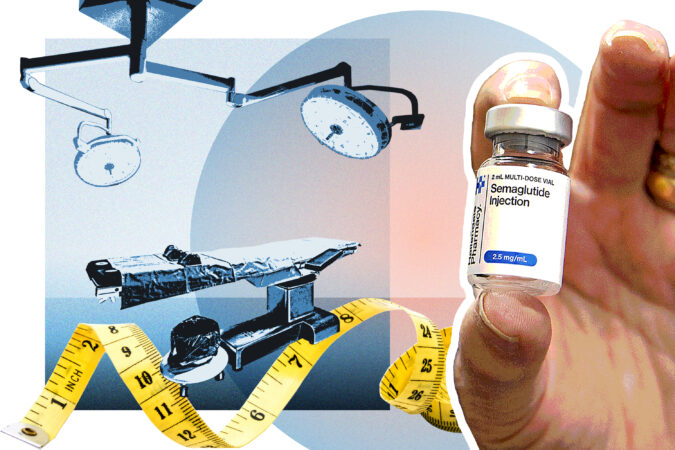
At Roxborough Memorial Hospital in Philadelphia, surgeon Piotr Krecioch has his hands full launching a program offering surgical interventions to treat obesity.
One in three Philadelphians are living with obesity, putting them at higher risk of chronic conditions like diabetes and heart disease, but these days fewer are seeking the bariatric surgical procedures long considered a leading medical treatment for the condition.
“I’m trying to start a bariatric program at probably the worst possible time you can ever imagine because everybody’s losing patients, and I don’t even have a patient to begin with,” Krecioch said.
Tower Health’s Reading Hospital recently closed its bariatric surgery program, and other local health systems have seen declines in weight-loss operations approach 50%.
Independence Blue Cross, the Philadelphia region’s largest insurer, said the number of bariatric surgeries it paid for dropped by half in the five years ended June 30.
Those shifts in the bariatric surgery landscape have followed the meteoric national rise in the use of GLP-1s and related drugs for weight loss.
So far, the drugs havebenefited patients by allowing them to avoid an invasive surgery.With bariatric surgery, people lose weight because the procedures restrict the amount of food a person can eat. Drugs in a class known asGLP-1s make people feel full longer.
For hospitals, the upheaval in treatment options cuts into a profitable business line and adds to the financial pressure health systems have been experiencing since the pandemic.
Despite the ever-increasing popularity of GLP-1s for weight loss like Novo Nordisk’s Ozempic and Wegovy and Eli Lilly’s Mounjaro and Zepbound, it’s too soon to write off bariatric surgery as an option, some doctors say.
Insurers are imposing limits on coverage because of the long-term cost of the drugs compared to surgery, and doctors are watching for side effects that may emerge as more people take the drugs for longer periods of time.
It’s not the first time a new technology has reduced surgical volumes.
Whenever a less-invasive treatment has come along, “surgical volumes always have taken a beating,” said Prashanth R. Ramachandra, a bariatric and general surgeon at Trinity Health Mid-Atlantic’s Mercy Fitzgerald Hospital. Declines in peptic ulcer and open heart surgeries are past examples of the phenomenon, he said.
Such industrywide moves away from profitable procedures can create financial challenges for individual clinics or independent hospitals, said Daniel Steingart, who leads the nonprofit healthcare practice at Moody’s, a major credit ratings agency.
“But I also see it as an opportunity, because there’s other patients out there, there’s other services that can be provided. This is a matter of the management team being nimble,” he said.
Sharp decline in bariatric surgeries
National data show a 38% decline in bariatric surgeries from the beginning of 2024 through September, according to data firm Strata Decision Technology. Comparable local data were not available.
A substantial portion of the drop is from patients who previously had bariatric surgery but regained weight, physicians say. In the past, they would have had a type of surgery called a revision. Now, those patients are more likely to start taking GLP-1s, local doctors said.
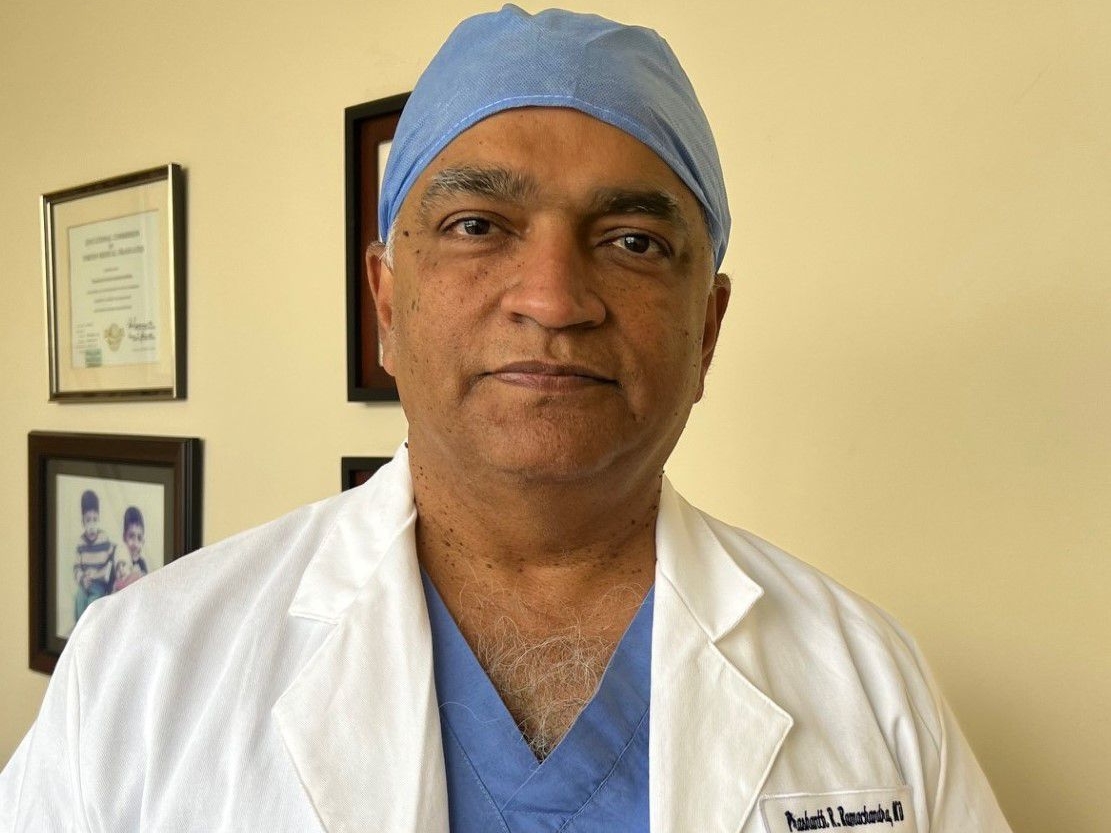
Prashanth R. Ramachandra is a general and bariatric surgeon at Trinity Health Mid-Atlantic’s Mercy Fitzgerald Hospital in Darby.
Only two Philadelphia-area health systems provided details on changes in bariatric surgery volumes in recent years as GLP-1s for weight loss took off.
At the University of Pennsylvania Health System’s three Philadelphia hospitals, the annual number of bariatric surgeries has fallen by more than half, from a peak of 850 three or four years ago to around 400 in the year that ended June 30, said Noel Williams, a physician who leads Penn’s bariatric surgery program.
At Mercy Fitzgerald in Darby, the number fell from an annual peak in the 220-230 range to about 125 last year, Ramachandra said.
The volume at Mercy Fitzgerald was likely buoyed by the closure of the bariatric surgery program at nearby Crozer-Chester Medical Centerin Upland.
Tower did not provide details on the Reading closure, which was part of cutbacks Tower announced in early November. The program closed last month after a 60-day notice tothe state health department.
Main Line Health, which only offers bariatric surgery at Bryn Mawr Hospital, said surgeries have declined, but provided no details.
Virtua Health did not provide comparable data but said that its Virtua Complete Weight Management Program, which opened in spring 2024 to expand into medication treatments, experienced a 35% increase in visits last year.
The number of bariatric procedures is also down at Temple University Health System, but patients with complex conditions and more severe obesity are still coming to Temple for surgery, said David Stein, who is surgeon-in-chief at Temple University Hospital.
To adapt to this rapid change in medicine, Temple is adopting a multidisciplinary approach to the disease, building on what is done in cancer care, Stein said.
Jefferson Health did not respond to requests for information about its bariatric surgery program.
How health systems are responding
While full-scale closures like Reading’s are unusual, cutbacks are occurring broadly.
When the bariatric surgeon at Penn Presbyterian Medical Center retired amid declining numbers of surgeries across the entire system, Penn did not replace him, Williams said.
Penn does the procedures locally at the Hospital of the University of Pennsylvania and at Pennsylvania Hospital.
“If the numbers were to continue the way they are now,” Williams said, “we may want to consolidate into one of our hospitals in the city.”
Outside of Philadelphia, Penn has bariatrics programs at Lancaster General Hospital and Penn Princeton Medical Center.
After Jefferson Health acquired Einstein Healthcare Network in late 2021, it consolidated bariatric procedures at Jefferson Abington Hospital, according an Inquirer analysis of inpatient data through 2024 from the Pennsylvania Health Cost Containment Council.
Jefferson did not respond to a request for information about the changes.
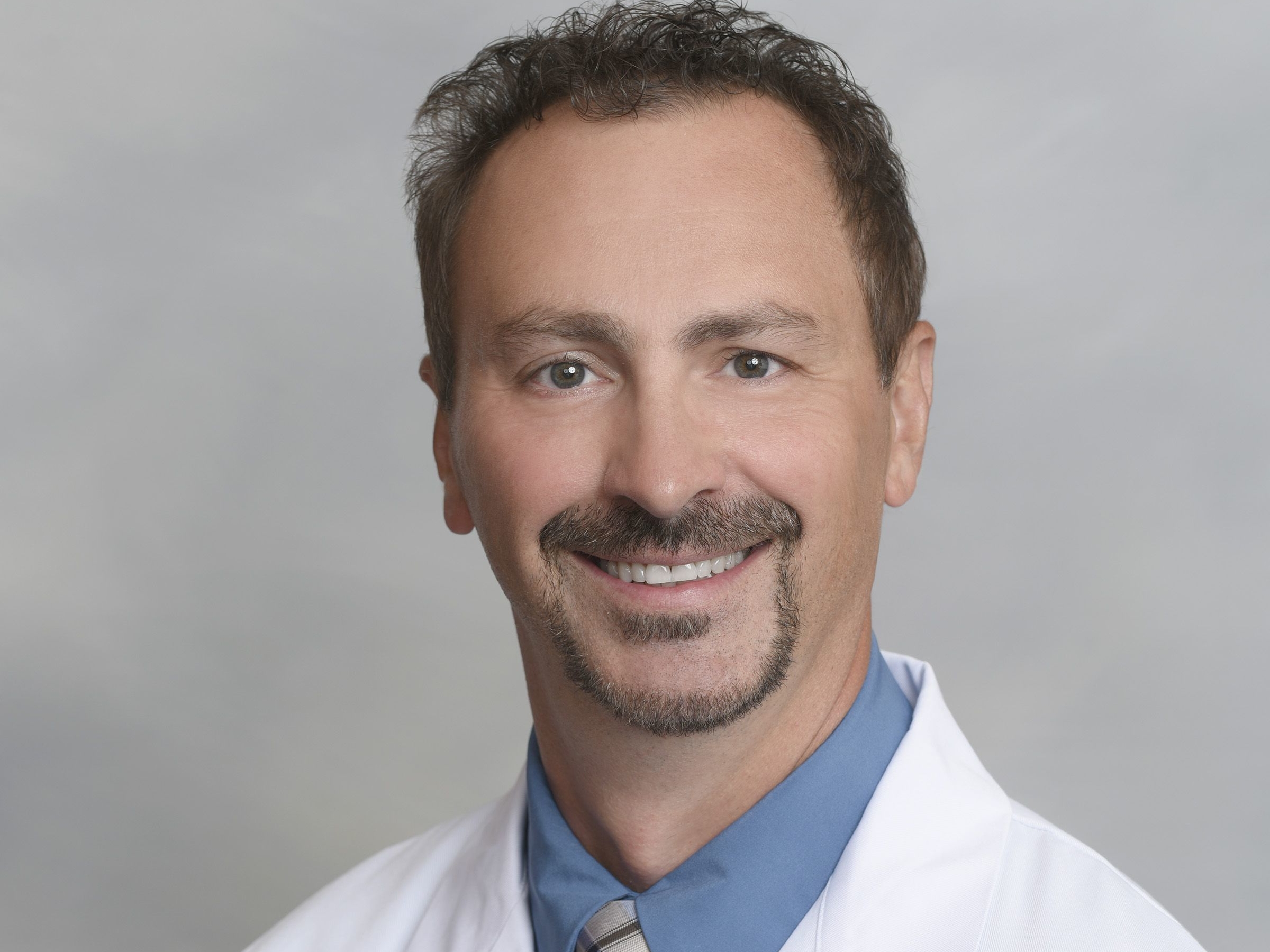
Piotr Krecioch is a bariatric and general surgeon at Roxborough Memorial Hospital in Philadelphia.
Not the end for bariatric surgery
GLP-1s don’t mean the end of bariatric surgery, even though the procedures are not likely to return to previous peaks, physicians said.
Some patients don’t respond to GLP-1s and others can’t tolerate them, which means they remain candidates for surgery, Williams said. Surgery is still recommended forpatients who are considered severely obese,with body-mass indexes over 50,he added.
Outcomes cannot yet be compared over the long-term. Ramachandra and other doctors are keeping their eye on the ratio of fat loss and muscle loss in patients taking GLP-1s compared to those who have bariatric surgery. Losing muscle can lead to falls and fractures.
A study published last month in the Journal of the American Medical Association found that bariatric surgery is associated with a favorable ratio of fat loss.
At Roxborough Memorial Hospital, Krecioch, who also works as a general surgeon, sounds optimisticas he works on his new program.He became a Roxborough employee in April 2024 after eight years at Mercy Fitzgerald, where he worked with Ramachandra.
Krecioch’s strategy for years has been to offer weight management services in addition to surgery. Patients come for a GLP-1, giving him a chance to build a long-term relationship.
“I have a feeling that these people are going to come back to my office,” he said. ”I’m gonna keep seeing them, and that they will actually convert to bariatric surgery at some point.”
Editor’s note: This article has been updated with information from Temple University Health System.
As Chris Scafario sees it, Philadelphia’s reputation as an “eds and meds” region, referring to its plethora of colleges and hospitals, could grow a third leg.
It could also become the defense industrial base region,said Scafario, CEO of the Delaware Valley Industrial Resource Center.
President DonaldTrump wants to increase defense spending, with $1.5 trillion proposed for 2027. This could mean more research and workforce development training opportunities — and local universities are positioned to take advantage of it, Scafario said.
Chris Scafario, CEO of the Delaware Valley Industrial Resource Center
“A lot of that investment is going to be targeted toward university and innovation-based relationships because they need help getting stuff done,” said Scafario, who is talking to local colleges to help get them ready to capitalize. “They need access to brilliant people, whether they’re faculty or the faculty’s work products, the students.”
The move comes as colleges face potential cuts in research funding under the Trump administration in other areas, such as the National Institutes of Health. Both Princeton University and the University of Pennsylvania in the last month announced cutbacks to cope with potential financial fallout from federal policies.
Scafario’s center, which is based at the Navy Yard and was founded in 1988, aims to foster economic development and local manufacturing.
The Philadelphia region has been involved in defense contracting on and off for years, with major hubs in naval and aerospace manufacturing, and local universities say they worked with the Department of Defense in the past. Rowan University in New Jersey says it has $70 million in defense-related research projects underway.
But Scafario sees the opportunity for major expansion.
Drexel University, Temple University, Penn, Rowan, and Villanova University, which is already a top producer of naval engineers, are among the schools that are “in a great spot to leverage the opportunities that are going to be coming through the defense industrial base,” Scafario said. “In the next year, people are going to start realizing that we are meds, eds, and a defense industrial base region. It’s going to bring a lot of investment, a lot of economic opportunities, and some really, really great employment opportunities in the region.”
The Philadelphia region could become a national anchor for shipbuilding or other maritime industrial-based activities, he said.
Scafario hopes to bring colleges together with other partners for more discussions in the spring when the timeline for those federal investments starts to become clearer, he said.
Amanda Page, Warfighter Technologies Liaison for the Delaware Valley Industrial Resource Center
Colleges could help with efforts to accelerate production capacity of naval ships and work on initiatives such as how to make submarines less traceable and more durable. Or they could help improve medical equipment and training for the battlefield. The treatment standard in the military used to be the “golden hour”; now it’s about “prolonged field care,” said Amanda Page, a retired active-duty Army medic who serves as warfighter technologies liaison for the center.
“Medical personnel need to be prepared mentally, physically, emotionally, and electronically to keep those patients for 96 hours,” Page said. “That’s going to require a ton of research and technology.”
Page was hired by the center in October to help build relationships between the center, the Department of Defense (which the Trump administration has rebranded the Department of War), local higher education systems, and the city.
“I’m super excited about what it will bring to the region and what the region can prove to the Department of War about its legitimacy,” she said, “as a manufacturing and technology powerhouse.”
Local colleges say they are reviewing potential collaborations.
“There are a lot of opportunities we are looking at,” said Aleister Saunders, Drexel’s executive vice provost for research and innovation, declining to provide specificsfor competitive reasons.
In addition to opportunities with the Navy and the Navy Yard, he noted major local companies involved with aerospace and aviation, including Lockheed Martin and Boeing. There are also opportunities around materials and textiles with the Philadelphia-based Defense Logistics Agency Troop Support, which provides many of the supplies to the military.
“Those are really valuable assets that we should find a way to leverage better than we are,” he said.
Key opportunities are available in advanced manufacturing and workforce development, he said.
“There could be folks who are already working in manufacturing who need [upgraded skills] in advanced manufacturing techniques,” he said.
Temple University president John Fry said increasing research opportunities and impact — the school’s research budget now exceeds $300 million — is a priority in the school’s strategic plan. Temple offers opportunities around medical manufacturing, healthcare, and health services, he said.
“The key to doing that is going to be partnerships,” he said.
Josh Gladden, Temple’s vice president for research, said he has met with folks from Scafario’s group and they are talking about some opportunities, but declined to discuss them because they are in early development.
He noted that the Navy is interested in working with Temple’s burn unit.
Temple has also been getting to know the workforce needs of businesses at the Navy Yard and looking at how to align its educational programs, Fry said.
“Those are relationships I would love to pursue,” he said. “Part of our mission is to develop the future workforce and grow the regional economy, and that’s one way of doing it.”
Rowan has been a longtime research partner with the U.S. military, said Mei Wei, the school’s vice chancellor for research.
“It’s encouraging to know there could be more funding available for research,” Wei said. “These projects give our undergraduate and graduate students the opportunities they need to develop their research skills with close guidance from our faculty and our external partners.”
Najee Williams, 27, is considered armed and dangerous, police said. Homicide investigators say Williams is connected to the fatal shootings of 20-year-old David Garcia-Morales in December and 25-year-old Aaron Whitfield in January.
Williams faces charges of murder, conspiracy, and related crimes. There is a $20,000 reward for information that leads to his arrest and conviction.
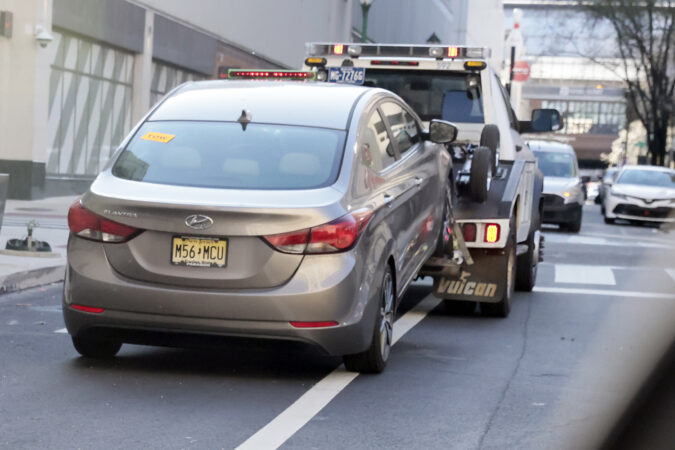
The killings of Garcia-Morales and Whitfield, who police say worked for the Jenkintown-based towing company 448 Towing and Recovery, rattled the city and put a focus on the competitive business of towing.
Williams is the owner and operator of N.K.W Towing and Recovery, of North Philadelphia, according to a police source who asked not to be identified to discuss an ongoing investigation.
A Facebook page for N.K.W features photos of car accidents and messages urging potential customers to call the company.
“INVOLVED IN A ACCIDENT OR SEE ONE CALL ME” one message says.
Another post from 2024 says: “Left the streets in a patty wagon, came back home and got right to it! Been home for 2 years now & as I sit here and think how bless I’m to have my freedom back.”
It was not immediately clear who made the post.
Staff Inspector Ernest Ransom, commanding officer of the homicide unit, said forensic evidence collected from a stolen Honda used in the shooting of Whitfield led investigators to Williams.
The department’s fugitive task force and U.S. Marshals are assisting in the search for Williams, whose last known whereabouts were in Montgomery County, authorities say.
On Dec. 22, police were called to 4200 Torresdale Avenue to find Garcia-Morales shot and injured inside a Ford F-450 towing vehicle. He was struck in the neck and thigh, and died four days later at Temple University Hospital.
The second shooting, which took place on Jan. 11 on the 2100 block of Knorr Street, left Whitfield dead at the scene after he was struck by gunfire in the head and body.
Whitfield had also been sitting in a tow truck, according to police. His 21-year-old girlfriend was shot in the leg and survived her injuries.
Philadelphia’s towing industry is competitive and drivers often traverse the city in search of car accidents, hoping to be the first to arrive at the scene.
That practice persists despite a city policy that requires police and dispatchers to cycle through a list of approved towing companies to contact when responding to accidents.
Competition at Philadelphia-area medical schools intensified in 2025, with programs seeing about 50 applicants for every open spot.
That’s the highest demand since 2022, with the number of applications bouncing back after a three-year decline, recently released data from the Association of American Medical Colleges(AAMC) shows.
The annual report offers a look at the composition of the nation’s future doctors through the demographics of the applicants and enrollees at M.D. degree-granting medical schools across the United States and Canada.
It showed increased class sizes and strong female enrollment across the Philadelphia area’s five M.D. degree-granting schools: University of Pennsylvania, Thomas Jefferson University, Temple University, Drexel University, and Cooper Medical School of Rowan University.
And the fraction of first-year medical students from Pennsylvania who identified as Black or African American, excluding the mixed-race student population, fell from 6.9% to 5.4% between 2023 and 2025.
The racial demographics of entering studentsare seeing increased scrutiny in light of the 2023 Supreme Court decision that effectively ended affirmative action, barring race from being used in higher education admissions.
The percentage of first-year medical students from Pennsylvania who are Black is lower this year than the national average. Pennsylvania also lags behind the national average for first-year enrollment of Hispanic or Latino medical students.
This data reflects the results of the application cycle that concluded last spring. Next year’s prospective medical school students are currently in the thick of admissions season, awaiting interviews and offers.
Here’s a look at the key trends we’re seeing:
Applications back up
Demand for spots at Philadelphia area-medical schools is back up after a three-year decline. There were nearly 5,000 more applications last cycle, a 9.3% increase, with all schools except Cooper seeing a boost.
Jefferson’s Sidney Kimmel Medical College helped drive growth the most, with a 16% increase in applications compared to the previous year.
window.addEventListener(“message”,function(a){if(void 0!==a.data[“datawrapper-height”]){var e=document.querySelectorAll(“iframe”);for(var t in a.data[“datawrapper-height”])for(var r,i=0;r=e[i];i++)if(r.contentWindow===a.source){var d=a.data[“datawrapper-height”][t]+”px”;r.style.height=d}}});
More medical students being trained
Orientation icebreakers might take a bit longer to get through at area-medical schools as first-year classes continue to get bigger.
In 2025, Philadelphia-area schools enrolled 1,089new medical students, compared to 991 in 2017. Drexel University College of Medicine contributed to half of that growth, adding 49 seats to its recent entering class compared to that of 2017.
Penn’s Perelman School of Medicine was the only school that did not increase its class size in 2025.
window.addEventListener(“message”,function(a){if(void 0!==a.data[“datawrapper-height”]){var e=document.querySelectorAll(“iframe”);for(var t in a.data[“datawrapper-height”])for(var r,i=0;r=e[i];i++)if(r.contentWindow===a.source){var d=a.data[“datawrapper-height”][t]+”px”;r.style.height=d}}});
Female enrollment remains strong
More female students have entered Philly-area medical schools over the last decade.
In 2025, 55.4% of first-year enrollees at Philly-area medical schools were female, compared to 47.7% in 2017.
Drexel saw the biggest rise, with 181 women entering in 2025, compared to 120 in 2017.
window.addEventListener(“message”,function(a){if(void 0!==a.data[“datawrapper-height”]){var e=document.querySelectorAll(“iframe”);for(var t in a.data[“datawrapper-height”])for(var r,i=0;r=e[i];i++)if(r.contentWindow===a.source){var d=a.data[“datawrapper-height”][t]+”px”;r.style.height=d}}});
A 21-year-old Temple University student was arrested Monday on charges that he conspired with nine other people, including journalist Don Lemon, to interfere with the First Amendment rights of worshipers during a Jan. 18 anti-ICE protest at a church in St. Paul, Minn.
Jerome Richardson, 21, a senior at Temple who is a native of St. Paul, turned himself in Monday morning to federal authorities in Philadelphia, according to a post on a GoFundMe page created to pay for his legal defense. A photo was posted showing Richardson entering the United States Custom House with several federal law enforcement officers apparently waiting for him at the entrance.
The arrests of Richardson and Ian Davis Austin, an Army veteran from Montgomery County, were announced at 9:10 a.m. on X by Attorney General Pam Bondi. Austin was arrested Friday.
“If you riot in a place of worship, we WILL find you,” Bondi wrote. “We have made two more arrests in connection with the coordinated attack on Cities Church in St. Paul, Minnesota: Ian Davis Austin and Jerome Deangelo Richardson.”
The arrest of Don Lemon was made public on Friday.
The protesters went to Cities Church because a pastor there is also a U.S. Immigration and Customs Enforcement official.
If you riot in a place of worship, we WILL find you.
We have made two more arrests in connection with the coordinated attack on Cities Church in St. Paul, Minnesota: Ian Davis Austin and Jerome Deangelo Richardson.
Lemon entered the church while livestreaming and said repeatedly: “I’m not here as an activist. I’m here as a journalist.” He described the scene before him, and interviewed churchgoers and demonstrators.
A magistrate judge had rejected prosecutors’ initial bid to charge the veteran journalist. Lemon was charged, as were Richardson and seven others, by grand jury indictment last Thursday.
The indictment described the protest as a “coordinated takeover-style attack” on the church that caused people to flee in fear. Protesters chanted “ICE out!” and “Hands up! Don’t shoot!” The indictment quotes Lemon, who in the moment described the scene as “traumatic and uncomfortable.”
Before his arrest, Richardson shared a video online in which he said he feared for his safety and needed help to pay legal bills.
Richardson said he assisted Lemon “by helping with logistics and connecting him with local contacts.”
“Don was reporting on the situation,” Richardson said, adding that he was proud to help.
“As a consequence of this support, I am now being targeted by Trump and the federal administration,” Richardson said, adding that he was proud of the other defendants in the case.
“This is the price of being unapologetic about humanity and love of Christ,” he said.
Richardson, who traced his activism to the murder of George Floyd in 2020, said he still hoped to complete his degree and graduate from Temple in May.
In a statement, Temple University said it was aware of media reports about the arrest of a student.
“We understand that the circumstances surrounding this matter are developing. Out of respect for the privacy of the student and the ongoing legal process, the University will not comment on the specifics,” the statement says.
“As we’ve shared previously, we deeply value the First Amendment, including the rights of free speech, a free press, and the freedom to exercise religion,” the statement says. “We encourage and educate our students to engage thoughtfully and lawfully to advocate for their beliefs and values, raise awareness and contribute to constructive dialogue.”
This article contains information from the Associated Press.
The resistance was born on a Friday morning at the Gen. George A. McCall School photocopy machine.
The copier spat the message out on yellow, purple, and orange paper — page after page amplifying the same sentiment scrawled on each in big black letters: Learn all history.
In the aftermath of the removal of the slavery exhibit at the President’s House Site on Jan. 22, fourth-grade social studies teacher Kaity Berlin wanted to convert her rage into something productive, she said. She quickly thought of the words on one of her shirts: “Teach all history.” So she gathered some teacher friends, took to the photocopier, and headed to Independence National Historical Park.
Berlin wasn’t the only one who saw the shallow silver frames at the President’s House as a void screaming to be filled.
The city asked a federal justice to order that no more exhibits be removed from the President’s House and that the exhibits that were already removed be kept safe. In a hearing Friday, judge Cynthia M. Rufe didn’t issue a ruling but asked the Trump administration attorney that the exhibits remain untouched so she can review them Monday.
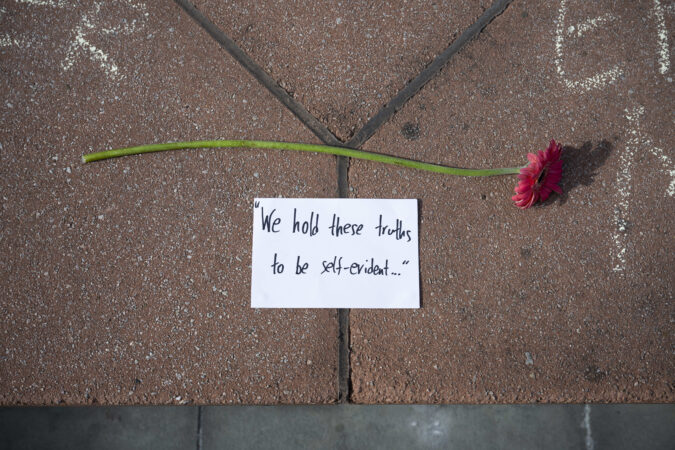
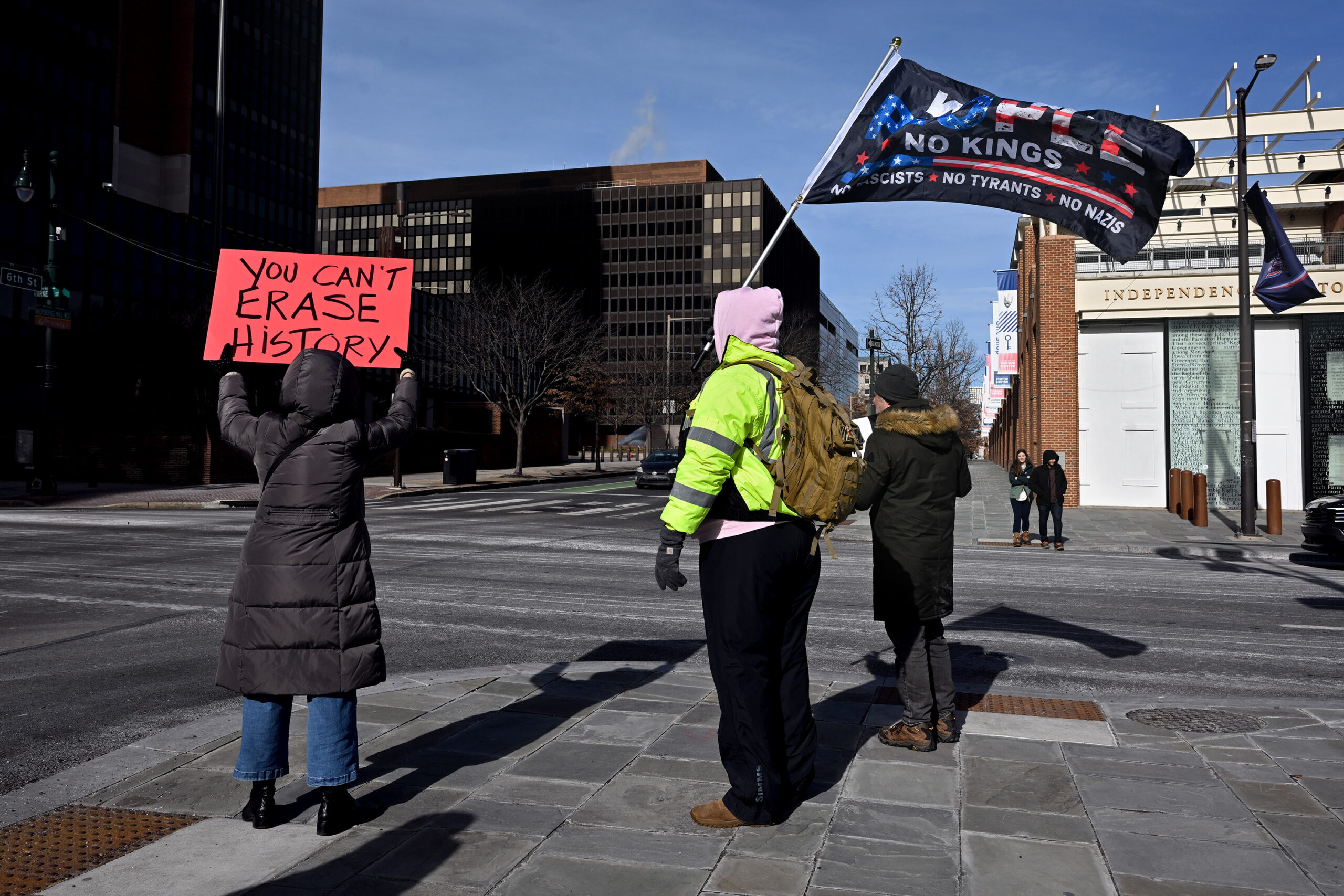
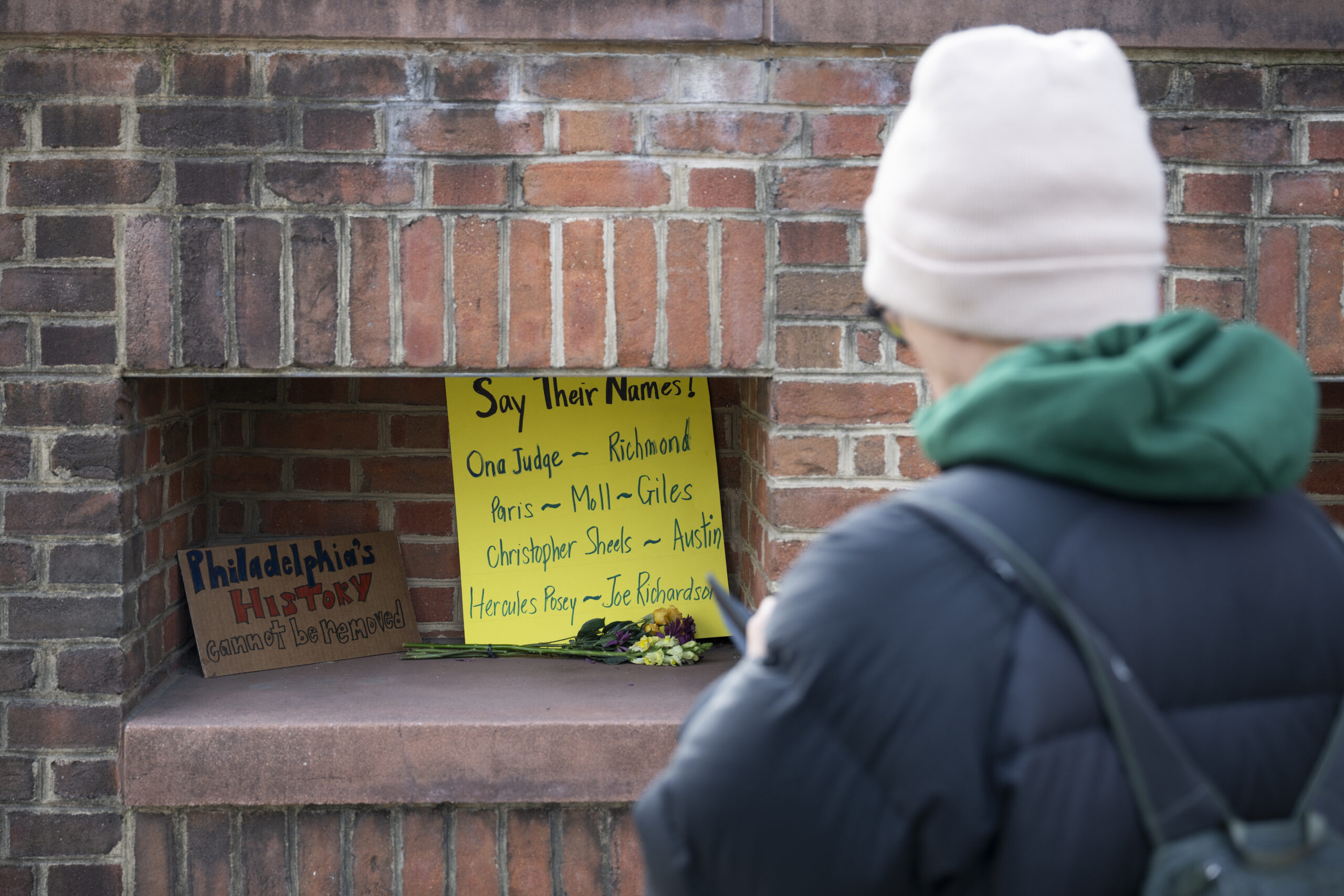
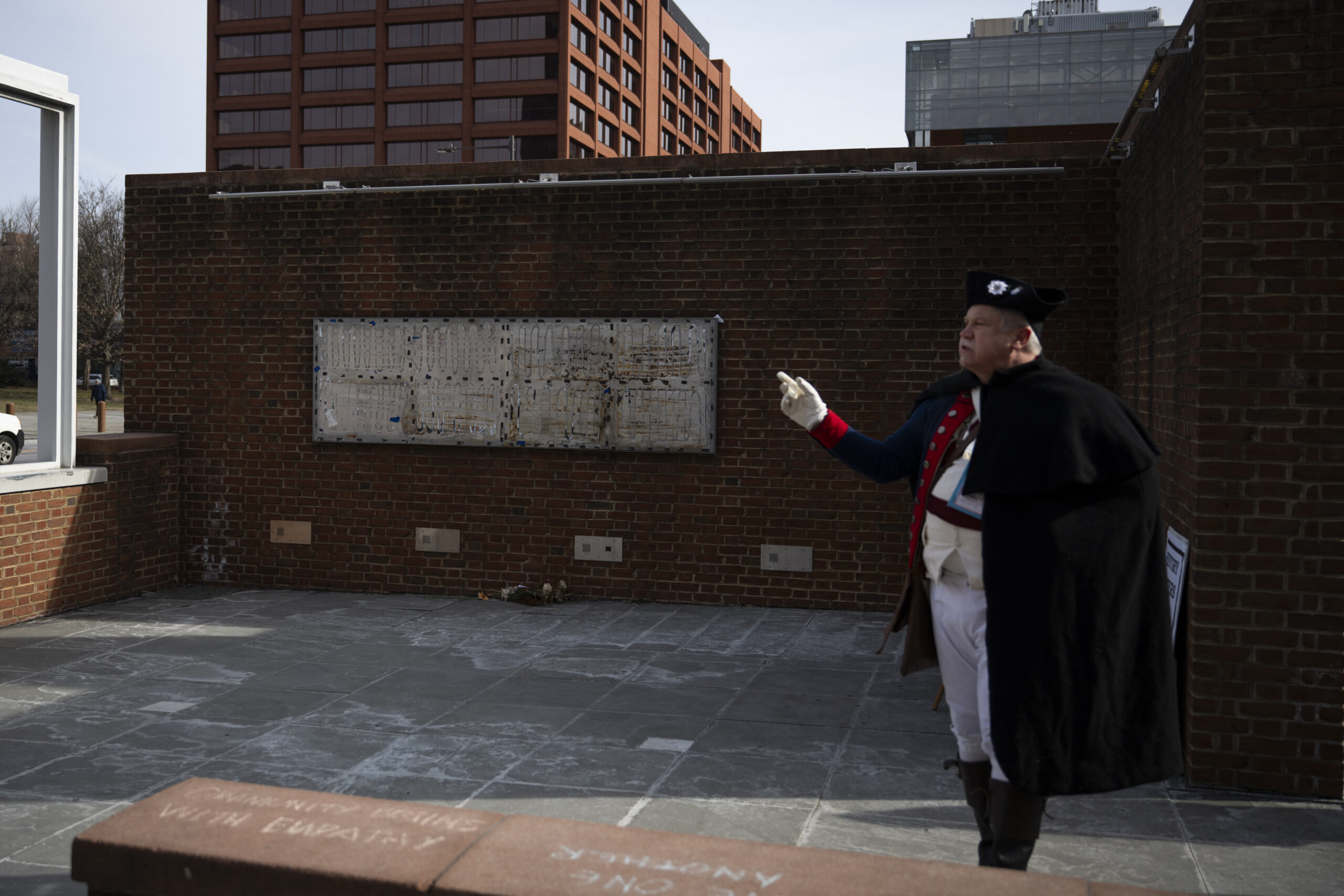
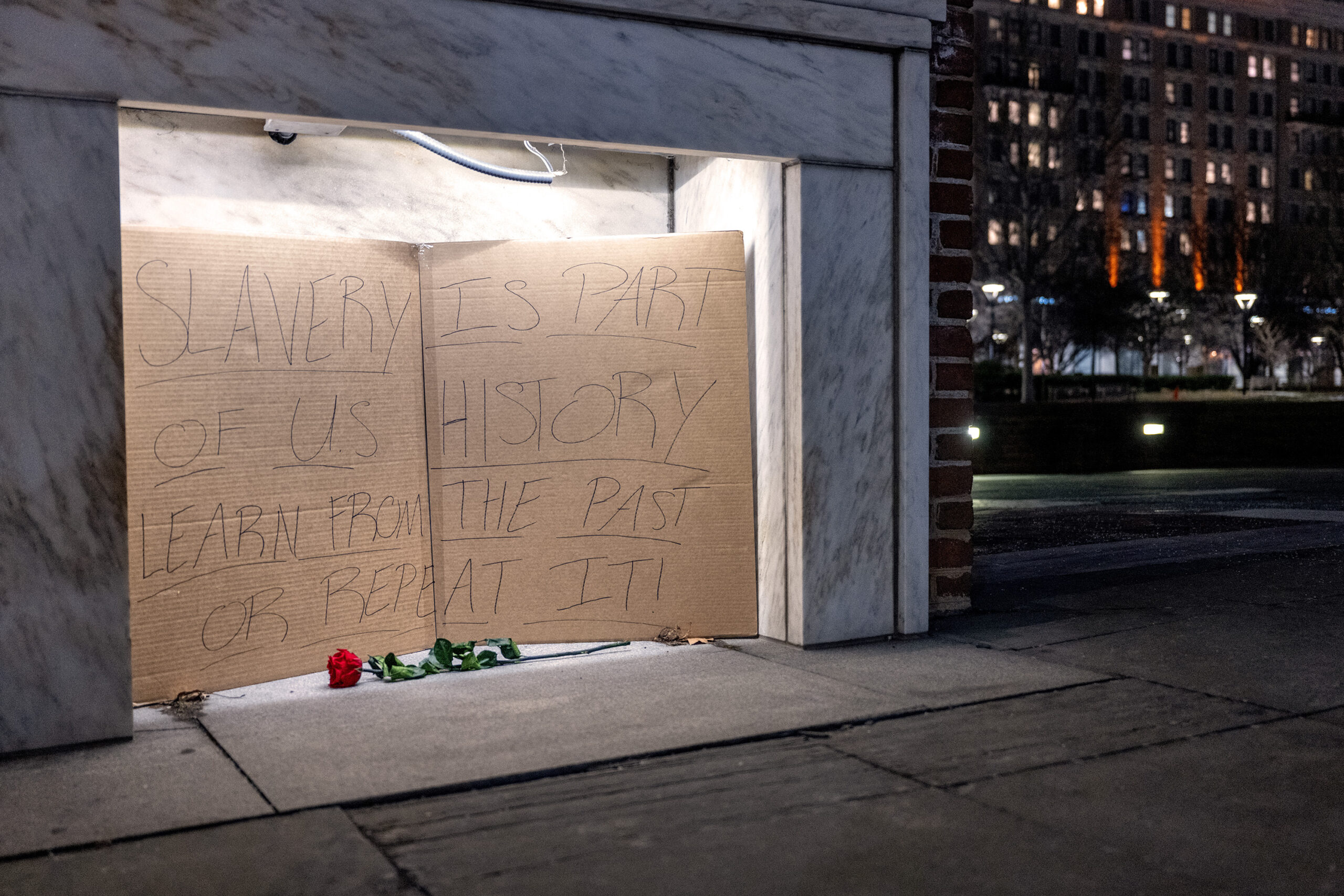
Over that first weekend colorful signs populated the walls, reenactors donned historic garb and positioned themselves along the red brick pillars with a flourish, some people held giant replica signs of the ones that were removed, and others laid flowers delicately across the facility.
To Berlin, whose school is a few blocks from the President’s House, posting the colorful signs was just a quick action she could take in her 45-minute prep period.
“It was just a cathartic way to be like ‘Ugh, this sucks,’” Berlin said.
But it soon became the first of numerous forms of activism and art that filled the space as more and more Philly-area residents yearned for a similar way to express their opposition to the removal of the plaques.
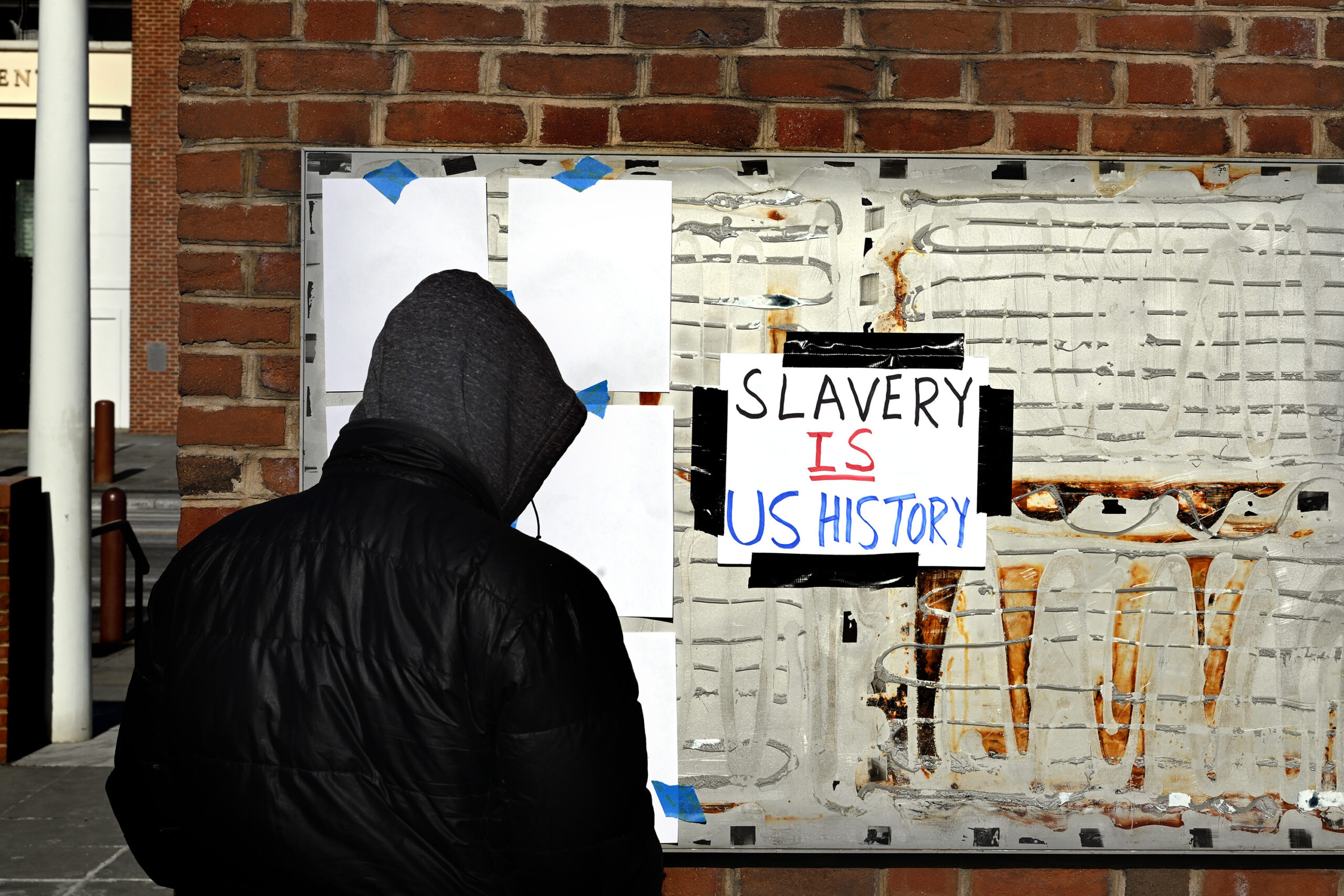
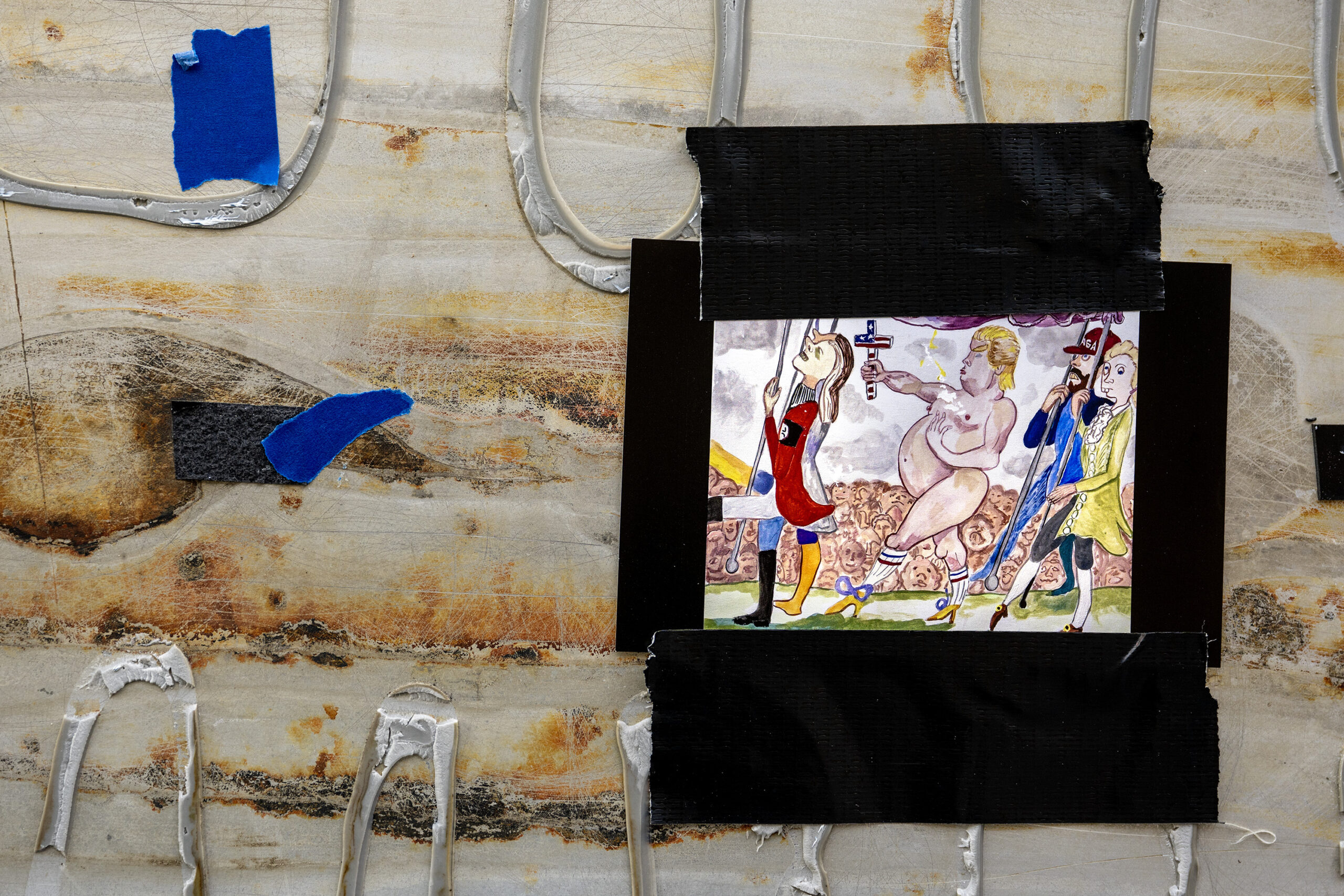
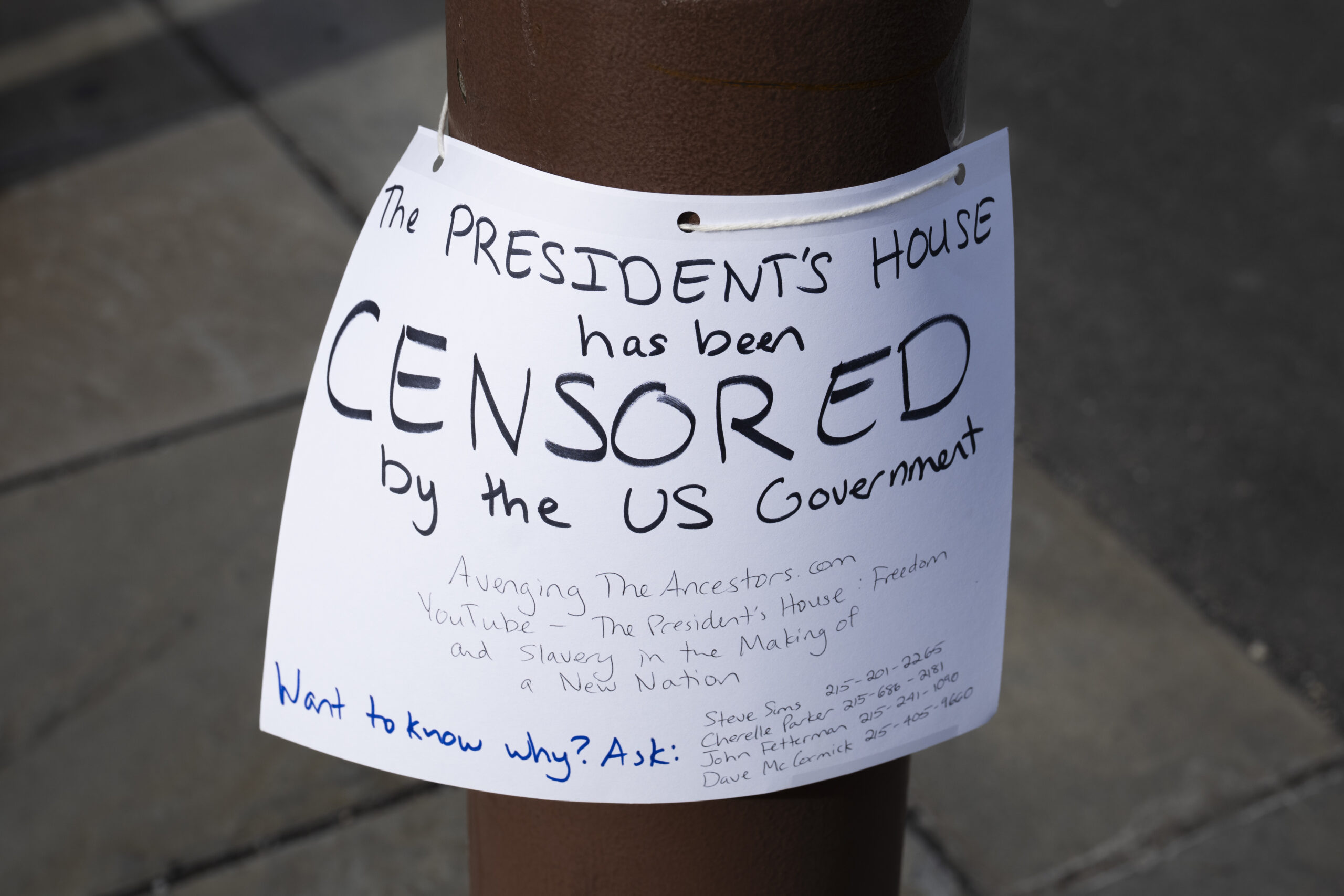
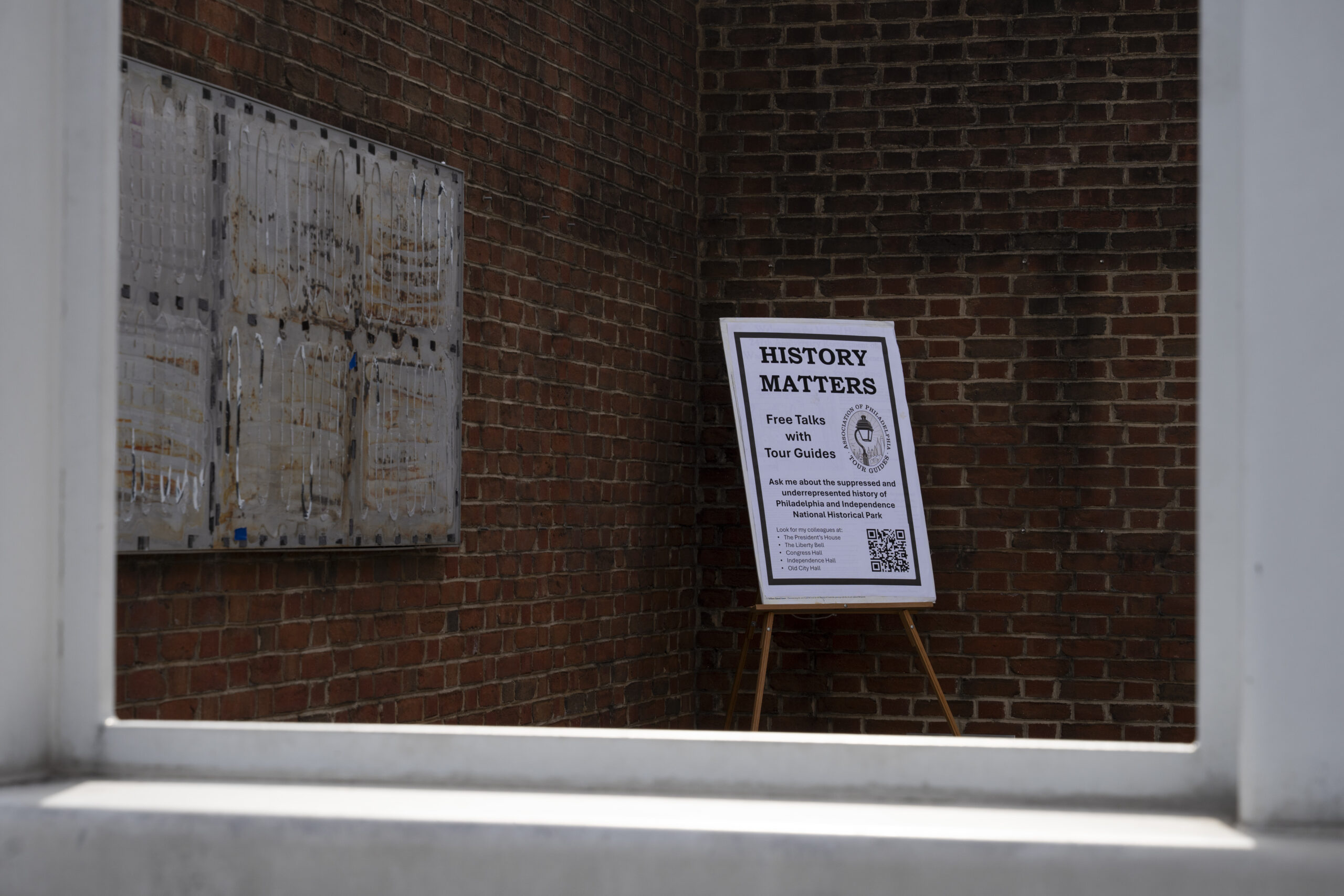
Media ranged from cardboard to poster board. Tools included Sharpies and pens. Many of the more informal signs were affixed with painter’s tape to nooks in the brick structure and empty metallic shells where the original signs hung. Some more official-looking signs included QR codes and printed messages balanced on easels. Others were replicas of the signs that were there made with assistance from professional printing services.
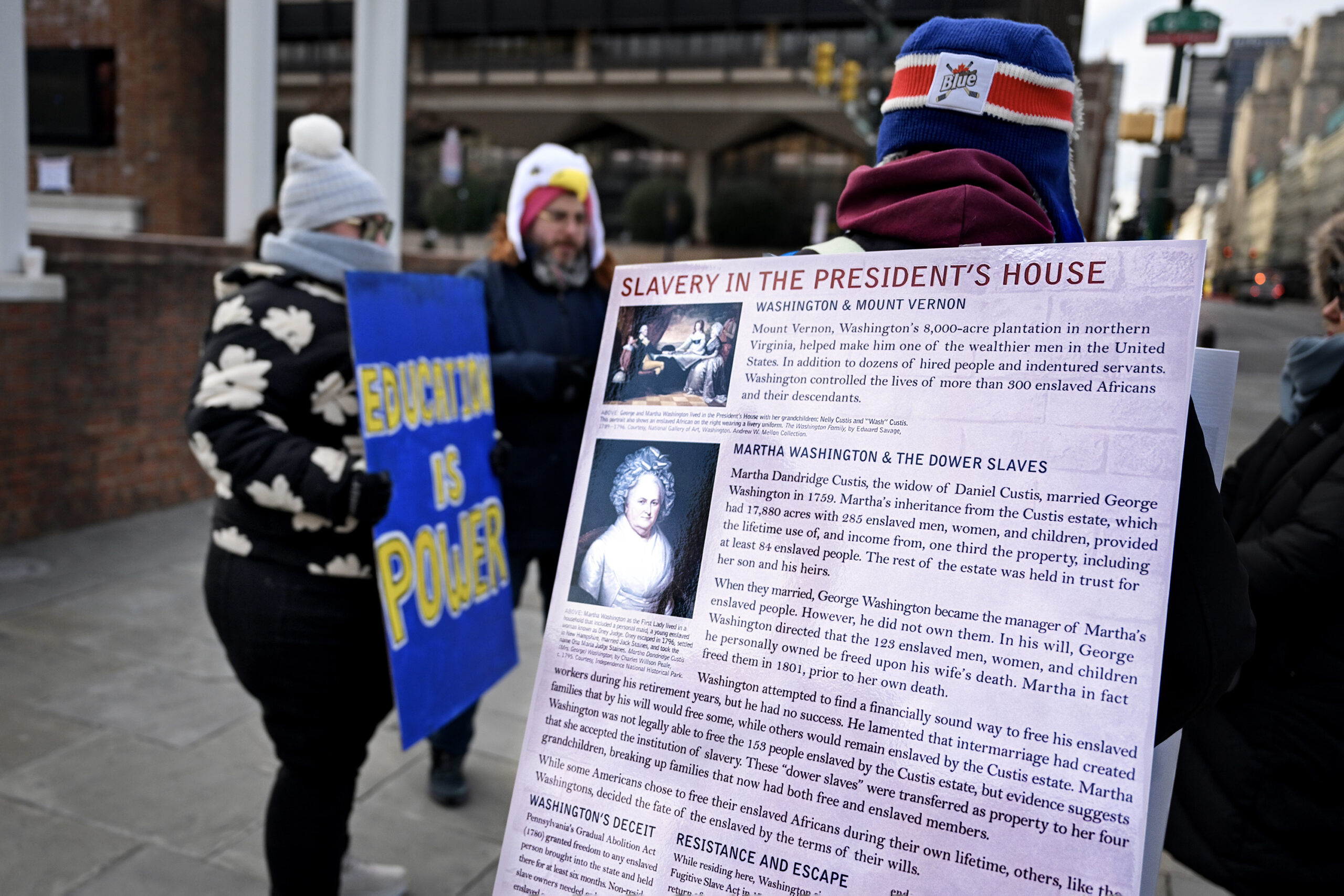
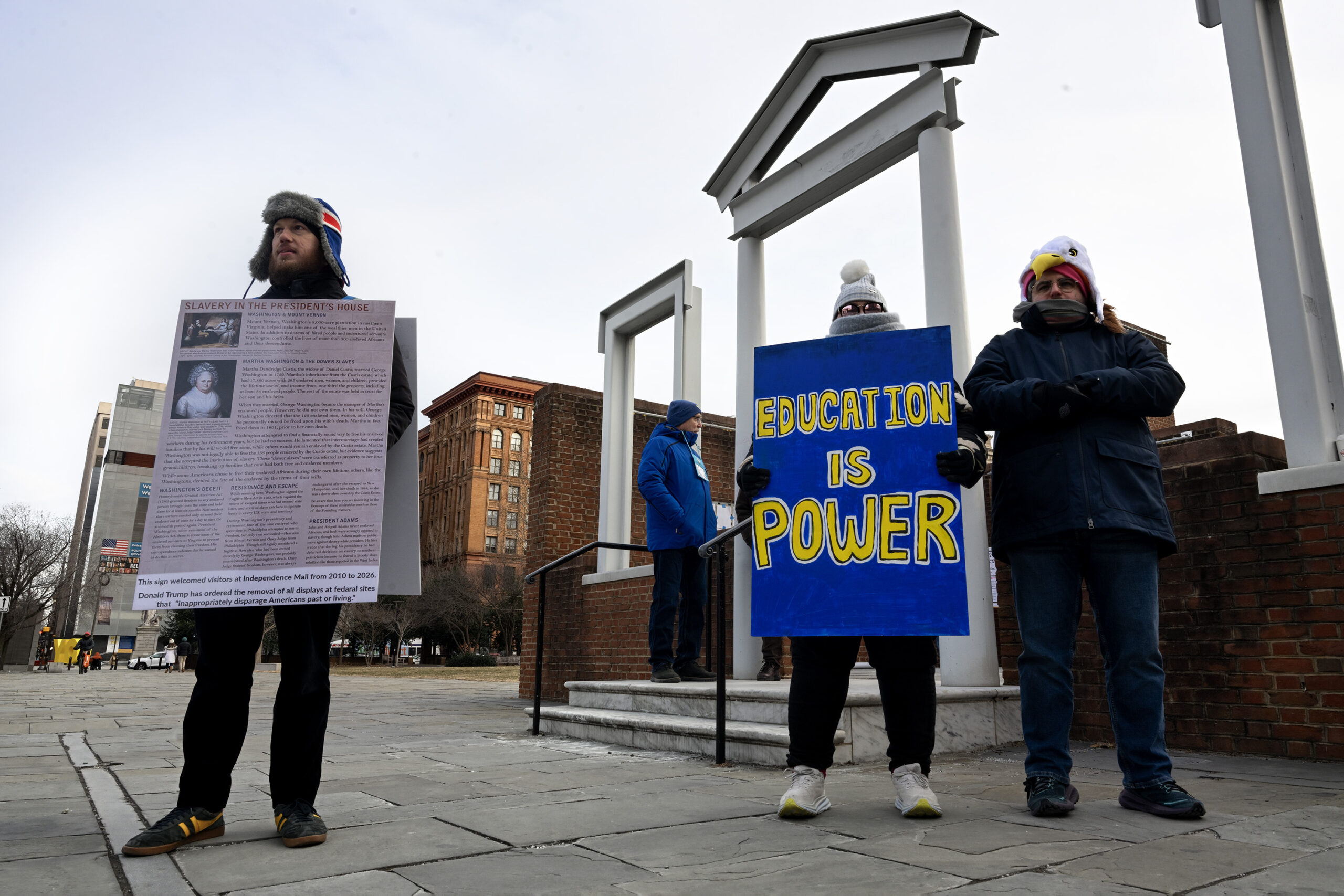
Ted Zellers, a property manager in North Philly, took a more full-body approach to his protest. He found a high-resolution image online of one of the removed signs, titled “Slavery in the President’s House,” got it printed twice, fashioned a sandwich board out of the posters, and became “a living sign,” he said.
It was an educational tool he could wield, but it doubled as a warning.
“I hope people will think about what other information is under threat of being disappeared,” Zellers said.
He expected to be the only person in the park with a sign, but was heartened to see a few dozen others there withstanding the 17-degree air interspersed with sharp winds slicing through the open air exhibit.
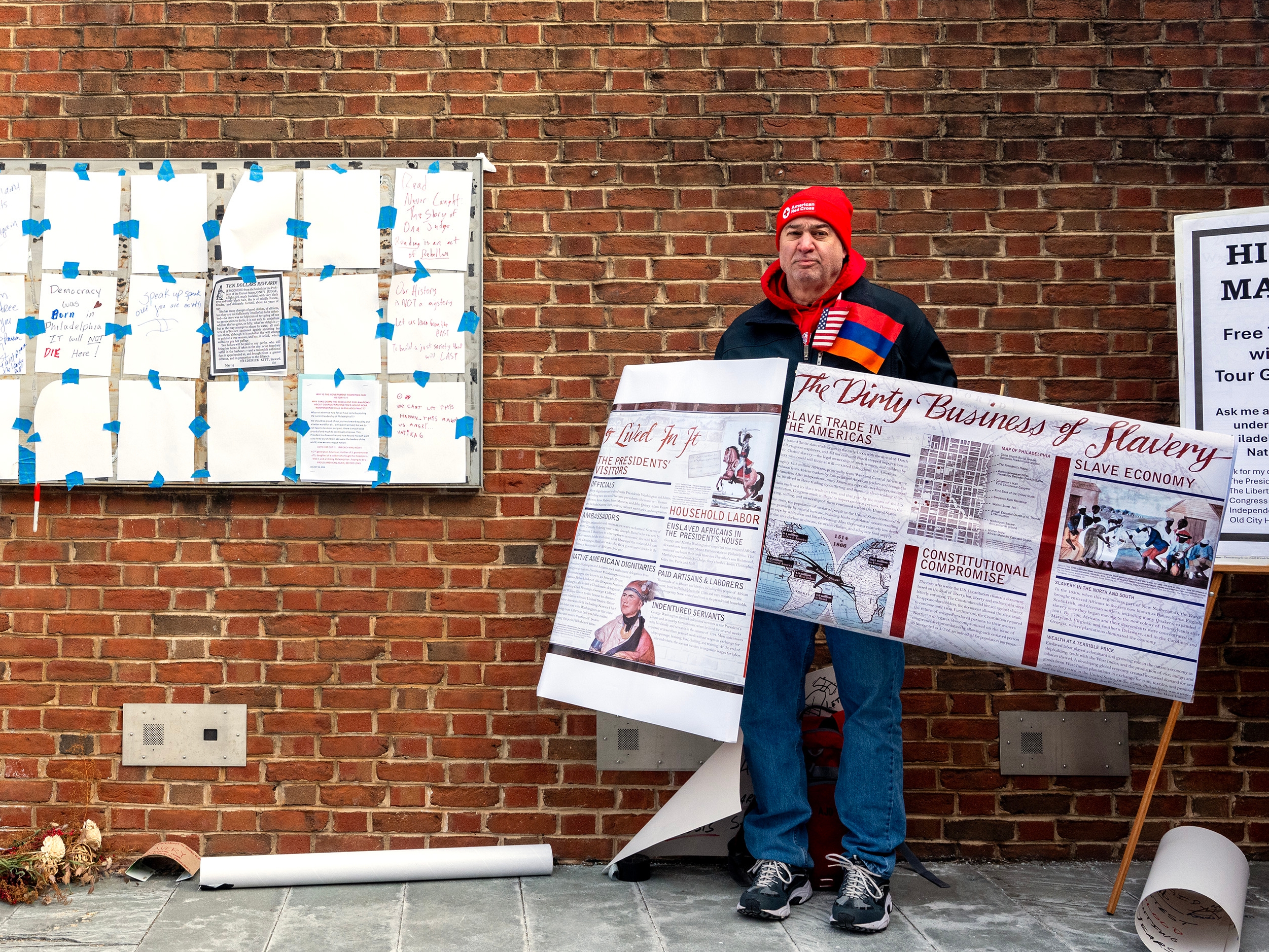
Albert DerMovsesian from Willow Grove, who came to the site equipped with one vertical sign detailing the labor that took place in the house and a horizontal one titled “The Dirty Business of Slavery,” found himself similarly pleased to see so many like-minded others around him.
In the park he saw little kids writing on pieces of paper pasted to the walls, a woman leaving a sign with the names of those enslaved at the site, and people adorning the structure with flowers.
“It reminded me that I wasn’t alone,” DerMovsesian said.
“We don’t need 350 million Malcolm X’s to make the country better,” Zellers said. “We just need a lot of regular people who recognize that they’re part of networks and who can take some action and amplify what’s going on, pass it onm and get other people engaged.”
The collage of images developed organically, but hearkened back to a long lineage of protest art that has become increasingly prevalent under the Trump administration, said Nicolo Gentile, an artist and adjunct faculty member at Temple University’s Tyler School of Art and Architecture.
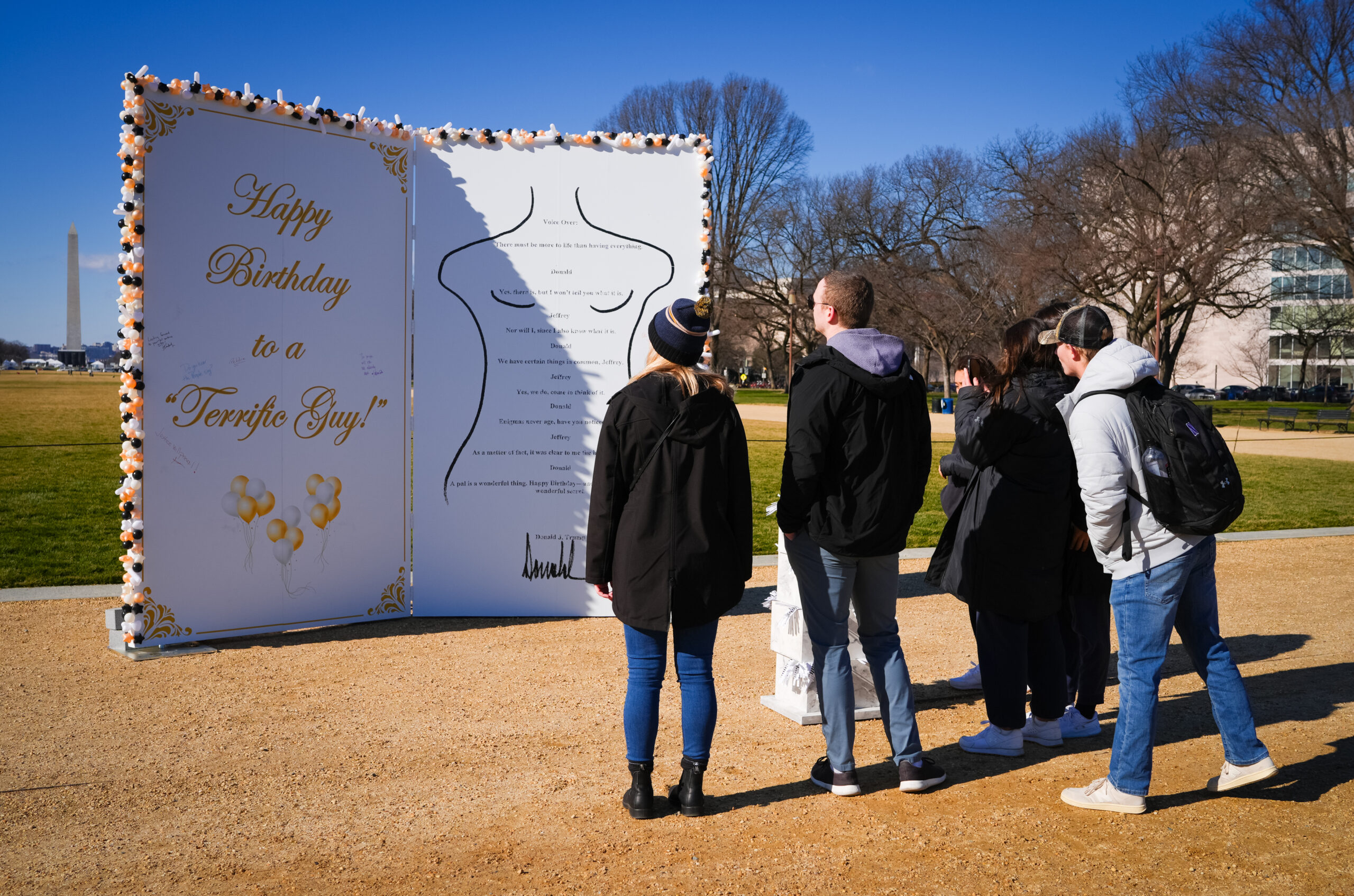
A new protest art installation referencing the Epstein files and President Donald Trump was installed on Third Street SW along the National Mall.
The assortment of papers reading “learn all history” gets its power from the relative anonymity of its author, Gentile said, as well as its use of repetition.
“It starts to create a texture of sound of a greater voice the way that the many voices of a chant during protest does,” he said.
While Berlin said she doesn’t see herself as an artist, she appreciates the punch of a stark and direct message through signage and art.
“I do love the impact of a good simple piece,” she said.
In some cases, political art can be used to “accelerate progress,” Gentile said, but sometimes its best use is halting regression and “to wedge our foot in the door as progress may seem to be closing.”
“This work seems to be the foot in the door,” he said.
People leave notes on the spaces at the President’s House site in Independence National Historical Park.Ted Zellers (right) wears a sandwich board with a replica of one of the removed slavery panels as people visit and protest at the President’s House site.Ted Zellers (left) wears a sandwich board with a replica of one of the removed slavery panels, joining Jenna and Gregory May (right) protesting at the President’s House. People leave notes and political satire cartoons in the spaces at the President’s House.People protest at the President’s House site.Al DerMovsesian holds replicas of some of the removed slavery panels as people visit the President’s House site.The President’s House in Independence National Historical Park.The President’s House in Independence National Historical Park.Michael Carver portrays Mordecai Sheftall as part of a “History Matters” guide at The President’s House.A sign was placed at the President’s House.A group of teacher taped posters along the now barren brick walls of the President’s House.A single rose and a handwritten cardboard sign (“Slavery is part of U.S. history learn from the past or repeat it”) are inside an empty hearth at the President’s House.