Tag: topic-link-auto

  • Pension advisers reach $30 million settlement over teachers’ complaint they invested poorly

    Pension advisers reach $30 million settlement over teachers’ complaint they invested poorly

    Three investment firms that advised Pennsylvania’s largest pension system have agreed to pay $30 million to settle legal claims alleging that their bad advice cost Pennsylvania teachers far more.

    The firms had pumped billions of dollars into often poor-performing “alternative” investments such as hedge funds, private equity, urban demolition sites, and an illegal Kurdistan pipeline.

    The investment firms are Chicago-based Aon Investments USA, West Conshohocken-based Hamilton Lane Inc., and Portfolio Advisors LLC, now part of FS Investments of Philadelphia. Lawyers for school staff had alleged that they helped the PSERS public school pension fund select hundreds of high-fee but collectively underperforming investments when they could have been making more owning U.S. stock-index funds, according to a complaint initially filed in 2021.

    PSERS’ performance was so weak in 2011-20 that the state’s “shared-risk” law, which requires teachers to pay more for their future pensions when investments perform poorly, kicked in for the first time.

    That law compelled 176,000 Pennsylvania school employees hired since 2011 to pay an extra $87 million in payroll-deduction surcharges from 2021 to 2024. The pensions are financed mostly by investment profits and state treasury payments, with a smaller portion from school staff’s standard payroll deductions of around 7.5%.

    Teachers and other school staff paid extra charges of 0.5% to 0.75%, averaging nearly $500 each over the three years, to help cover PSERS’ poor performance. They each will recover an average of around $112.

    “The lawsuit shined a light on the industry and will result in a significant recovery to these hardworking teachers. Our work on this case will result in better decision-making for this fund and other funds,” said Gerard Mantese, the teachers’ lead counsel along with John J. Conway and Gregory B. Heller.

    The lawyers will be paid $10 million from the settlement for their five years of work on the case.

    The former PSERS advisers had denied in a pre-settlement court filing “that their actions and/or inactions caused an increased contribution” from the teachers. They maintained they did the work, for which PSERS paid them millions, “fully and lawfully.”

    FS and Hamilton Lane officials agreed to settlements last fall. Checks began arriving at teachers’ homes in February.

    “We have consistently denied the assertions in this lawsuit” and “are glad to put the matter behind us” with a settlement that ends the claims, Hamilton Lane said in a statement. FS declined to comment.

    Aon, whose recent settlement is awaiting court approval, didn’t respond to queries.

    “Teachers across the state of Pennsylvania should be thrilled” — even if the checks, averaging enough to pay for a restaurant dinner for two, are mostly “symbolic,” said Kevin Steinke, the lead plaintiff in the teachers’ suit.

    Steinke teaches anthropology, sociology, and law at Springfield High School in Delaware County, and coaches middle-school track.

    “Anything that can be done to reassure younger teachers these days they are getting into a field where someone is looking out and caring for them is important,” he said. “There is still work to be done — in police pensions, in hospital pensions — but it’s a start.”
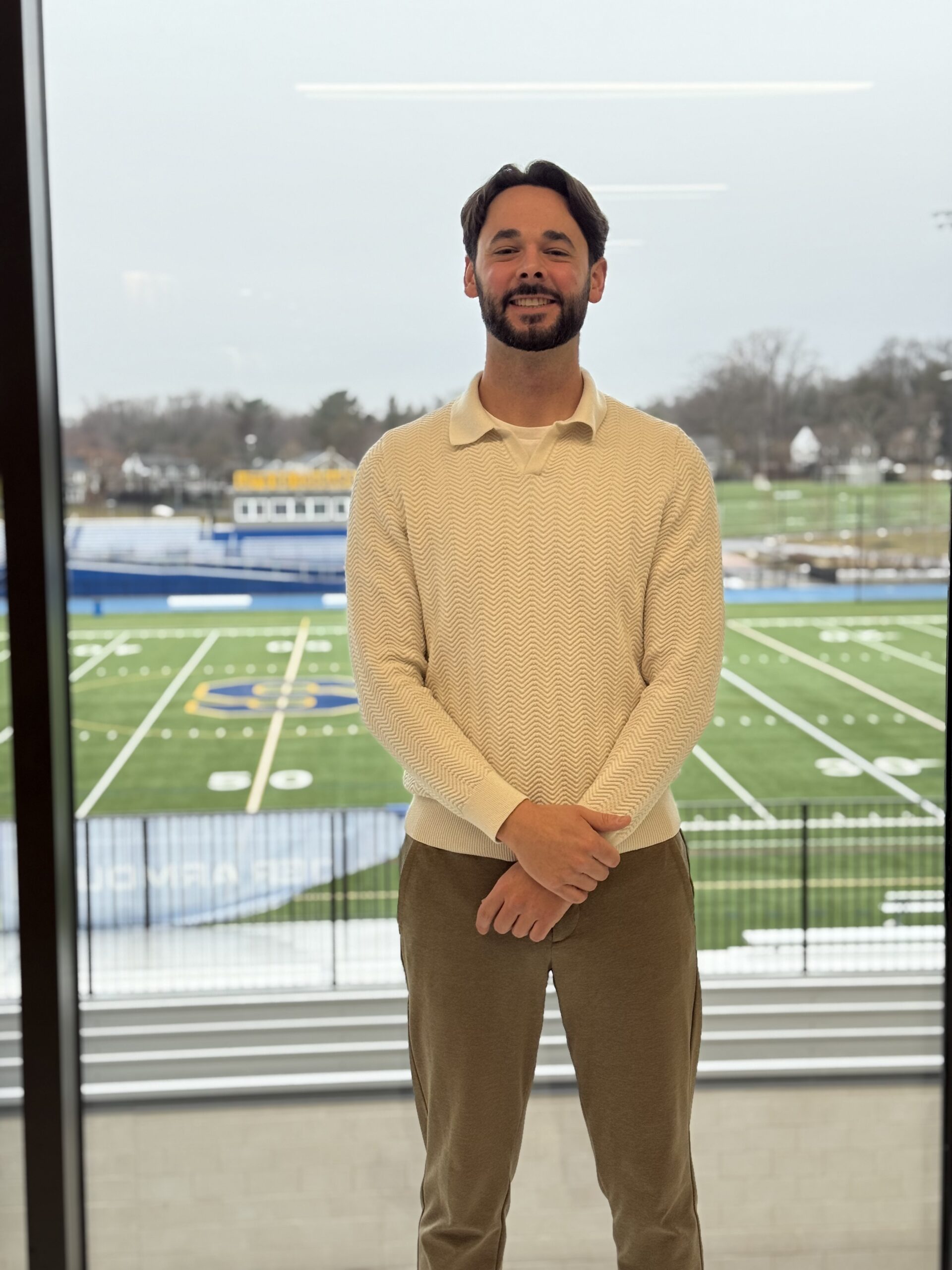
    Kevin Steinke at Springfield High School in Delaware County, where he teaches anthropology, law, and sociology.

    Steinke said he decided to sue after reading about PSERS’ unusual investments and weak returns in The Inquirer.

    He said he hasn’t discussed the lawsuit with leaders of the Pennsylvania State Education Association, the union representing staff at most suburban and upstate schools, including Springfield.

    Local union leaders held five seats on the 15-member PSERS board and regularly supported hiring high-fee private managers, even when state treasurer Stacy Garrity and her predecessor, Joe Torsella, warned that the high fees and low returns endangered the fund.

    Daniel Reyes, a language teacher at Roxborough High School in Philadelphia, is among the Pennsylvania teachers who sued advisers to the PSERS pension fund for making expensive but poor-performing investments.

    In 2021, The Inquirer reported two federal investigations of the fund. No one was charged, but top officials left PSERS, and trustees agreed to drop hedge funds, reduce private-equity investments, and sell unproductive investments such as a declining Florida mall.

    Performance improved and the surcharge was dropped in July 2024, though PSERS returns have continued to trail those of more mainstream investors like the Philadelphia city pension fund, which divested of most of its private assets years ago and has bet heavily on U.S. stocks, which have reached record levels in the long bull market.

    Steinke and a handful of other named plaintiffs who spent many hours reviewing the litigation and settlement as it progressed over five years will receive at least $10,000 each under terms of the settlement.

    Mantese said his fees would cover costs including expert witnesses, such as labor economist Teresa Ghillarducci and former Harvard endowment tech fund manager Marty Dirks, who confirmed PSERS’ poor performance. Their analyses, along with comments from officials of the three firms, were redacted from the public record at the parties’ request by Philadelphia Common Pleas Court Judge Nina W. Padilla, who oversaw the cases.

    A fourth adviser, Aksia LLC of New York, hasn’t settled and still faces a pending complaint.

    The lawsuit also cited public reports critical of PSERS and its advisers, including conclusions of the 2019 state pension study commission (PPMAIRC) report, which found that PSERS and the smaller Pennsylvania State Employees’ Retirement Fund owned far more private “alternative” fund investments, paid some of the highest investment fees to private managers, and posted some of the lowest returns, among state pension funds over the previous decade.

    PSERS hired hundreds of specialized U.S. and foreign firms recommended by staff and advisers. Bridgewater Associates, the world’s largest hedge fund manager, collected over $700 million in Pennsylvania pension management fees. By the late 2010s Bridgewater managed one-tenth of PSERS’ outside investments, far more than any other firm, before PSERS began canceling its contracts due to poor returns. Bridgewater’s former chief executive, David McCormick, now serves as one of Pennsylvania’s U.S. senators.

    The settlements include:

    • $15 million, paid by Aon, which served as PSERS’ general investment adviser, collecting $7.2 million in PSERS fees from 2010 until it was fired for poor results in 2023. Aon was hired to recommend how PSERS should invest its assets, which now total $80 billion. But in its “willful blindness,” Aon did “little or nothing to recommend that PSERS reduce the [proportion] of its risky and expensive alternative investments,” according to the complaint. Aon had previously paid PSERS $7 million to compensate for “miscalculation” that exaggerated PSERS’ performance for 2011-20 and $1.5 million to the SEC for failure to investigate “discrepancies” between PSERS’ annual reports and the unaudited data used to calculate long-term results.
    • $11.25 million to be paid by Portfolio Advisors, which Steinke and his fellow teachers accused of recommending “numerous investments that were inappropriately and unduly expensive.” The payment almost equals the $11.45 million that Portfolio Advisors collected from PSERS to advise on private investment purchases in 2010-17.
    • $4 million to be paid by Hamilton Lane, a publicly traded advisory firm that replaced Portfolio Advisors as PSERS’ private investment adviser from 2017 to 2023 and collected $10.2 million in PSERS fees over that period. “Hamilton Lane’s failure to keep a close eye on the private market returns” resulted in “excessive” fees — and the firm “took virtually no action” to secure lower fees, even though that’s one of the things it was hired to do, according to the complaint.

  • Chester County man arrested for allegedly assaulting child in Walmart

    Chester County man arrested for allegedly assaulting child in Walmart

    A Chester County man has been charged with unlawful contact with a child at a Walmart store in West Sadsbury Township, police said this week.

    Joseph Gerard Bouffard, a 26-year-old Glenmoore resident, was charged this week with a felony for sexual contact with a minor, along with three lesser charges. The incident occurred in January, police said.

    A Pennsylvania State Police trooper wrote in a complaint that around 11 a.m. on Jan. 24, a mother called to report that a stranger had inappropriately touched her 11-year-old daughter in the Walmart.

    An attorney representing Bouffard did not immediately return a message seeking comment.

    The child told police that the man had touched her while she was in the beverage aisle of the store, grabbing a drink her mother had asked her to get. The child said that she had noticed Bouffard earlier when he smiled at her in another aisle. After he touched her, she immediately ran to her mother. Bouffard left immediately after, police said.

    Security footage showed that Bouffard allegedly passed the victim several times in the store, looking at her repeatedly and walking close to her, police wrote in the complaint. The footage also showed Bouffard touching the child, police said.

    Bouffard had left the store before police arrived, and officers identified him using law enforcement resources and surveillance. Last week, police interviewed Bouffard, who matched the description the girl gave as well as the security footage. When asked by police if he intentionally touched the girl, Bouffard “nodded in the affirmative and agreed,” according to the affidavit.

    Bouffard was arraigned on Wednesday, and was released on $25,000 unsecured bail ahead of a preliminary hearing scheduled for March 16.

    This suburban content is produced with support from the Leslie Miller and Richard Worley Foundation and The Lenfest Institute for Journalism. Editorial content is created independently of the project donors. Gifts to support The Inquirer’s high-impact journalism can be made at inquirer.com/donate. A list of Lenfest Institute donors can be found at lenfestinstitute.org/supporters.

  • Joseph E. McGettigan III, longtime trial lawyer and celebrated former prosecutor, has died at 76

    Joseph E. McGettigan III, longtime trial lawyer and celebrated former prosecutor, has died at 76

    Joseph E. McGettigan III, 76, of Media, longtime trial lawyer and legal consultant, former Philadelphia assistant district attorney, former Pennsylvania chief deputy attorney general, former Delaware County first assistant district attorney, former assistant U.S. attorney in Philadelphia, former Philadelphia first assistant district attorney, and former Pennsylvania senior deputy attorney general, died Thursday, Dec. 31, of lung inflammation at Lankenau Medical Center.

    Born in West Philadelphia and a graduate of Temple University, Mr. McGettigan was a legal expert in sexual assault and murder cases. He litigated in hundreds of trials over more than three decades as a prosecutor for city, county, state, and federal governments, and won notable convictions in the murder case against multimillionaire philanthropist John E. du Pont in 1997 and the child sexual abuse case against then-Pennsylvania State University assistant football coach Jerry Sandusky in 2012.

    He was, then-Delaware County District Attorney Patrick L. Meehan said in 1998, like “a fascinating character in a crime novel.”

    He worked for four Philadelphia district attorneys over two stints in City Hall and spent a year in Iraq in 2008 and 2009 as a U.S. government resident legal adviser working to reestablish a criminal justice system after the fall of Saddam Hussein. For most of the last decade, he worked for the Philadelphia law firm of McAndrews Mehalick Connolly Hulse & Ryan P. C. “He was a wonderful guy, a faithful citizen, and an incredible lawyer,” Dennis McAndrews, founder of the firm, said in an online tribute.

    The grandson of a Philadelphia police officer and son of a lawyer, Mr. McGettigan prosecuted one of the first sex-abuse cases involving a priest from the Archdiocese of Philadelphia in 1985 and oversaw a state Senate absentee-ballot scam case in 1993. “I’m not shocked by much of human depravity,” he said in a 2018 video interview with lifelong friend Dom Irrera. “I’ve seen a fair amount of it.”

    In an online tribute, Judge Jack Stollsteimer of Delaware County Court called Mr. McGettigan a “legendary prosecutor, a larger-than-life personality, and an avenging hero to crime victims across our Commonwealth.” He was a favorite of the City Hall crowd, and colleagues called him “a true public servant,” “a great guy with a wonderful heart,” and “an extraordinary presence in the courtroom.”

    Mr. McGettigan (foreground) is shown in this courtroom sketch during the Jerry Sandusky trial in 2012.

    Even those with whom he clashed praised Mr. McGettigan. Thomas A. Bergstrom, the Philadelphia lawyer who represented du Pont, said in 2011: “He’s a formidable adversary … very principled. If Joe doesn’t agree with you, he’ll let you know. If he’s going to hit you, it will be a punch in the nose, not a stab in the back.”

    Witty and naturally engaging, Mr. McGettigan interrupted his legal career after the du Pont case to work briefly in Hollywood as a legal content adviser for the short-lived TV series Philly. The show starred Kim Delaney as a tough defense attorney in Philadelphia, and Mr. McGettigan played a police detective, not a prosecutor, in a courtroom scene in one episode in 2002.

    He also worked briefly as a consultant and manager for a private security company in Virginia, was a legal analyst for TV talk shows, and mentored other lawyers. He graduated summa cum laude with a bachelor’s degree in English literature from Temple and earned his law degree at the University of San Diego School of Law in 1982.

    Mr. McGettigan played basketball in high school, on Philly playgrounds, and later whenever he could. Longtime college basketball coach and lifelong friend Fran O’Hanlon called him “a great friend who would do anything for you.”

    His sister Mary said: “He was complex. He appeared often to be a hard-nose tough guy. But there was a soft side to him. He wanted to help people who were vulnerable.” His sister Patty said: “He left the world a better place.”

    Joseph Edward McGettigan III was born March 5, 1949. An altar boy at church, he grew up with six sisters and a brother, and he instigated many dinner-table debates with his siblings and parents about all kinds of subjects.

    “He kept us on our toes,” his sister Mary said. “He had a strong sense of justice, of doing the right thing.”

    Mr. McGettigan (second from right) liked nothing better than playing hoops with friends.

    He married Gay Warren, and they lived in Media and Naples, Fla. “Gay was Joe’s rock,” his sister Mary said. “He was devoted to her, and she to him.”

    Mr. McGettigan loved music, reading, and writing, and told Irrera in 2018 that his favorite authors were William Shakespeare and Joseph Conrad. He was fun and funny, his siblings said, a raconteur with a large personality.

    “Joe was an outlier in a family of bookish nerds,” his sister Jeanne said. “We followed his youthful adventures with great amusement and his later accomplishments with pride and respect. His generosity changed lives for the better.”

    Mr. McGettigan spent a year in Iraq helping local officials revive their justice system.

    One time, when they were young, his brother Michael tried to lie about losing Mr. McGettigan’s football. So Mr. McGettigan grilled him about the details and eventually extracted a confession.

    “I gave it all up,” Michael McGettigan said, “the first of many malefactors to find relief in telling the whole truth and nothing but to Joseph E. McGettigan III.”

    In addition to his wife and siblings, Mr. McGettigan is survived by his mother, Ruth, and other relatives. A sister died earlier.

    Mr. McGettigan (front right) always seemed to be surrounded by friends.

    Visitation with the family is to be from 10 to 10:45 a.m. Saturday, March 7, at St. Francis de Sales Church, 4625 Springfield Ave., Philadelphia, Pa. 19143. A Funeral Mass is to follow at 11 a.m.

    Donations in his name may be made to the Tunnel to Towers Foundation, 2361 Hylan Blvd., Staten Island, N.Y. 10306.

    “Everyone wanted to be Joe’s friend,” a colleague said in a tribute. 
  • Lawmakers honor Philly-born Palestinian American killed by Israeli settlers | City Council roundup

    Lawmakers honor Philly-born Palestinian American killed by Israeli settlers | City Council roundup

    City Council on Thursday formally honored a Philadelphia-born Palestinian American who was killed last month by Israeli settlers in the occupied West Bank.

    In a unanimous voice vote, Philadelphia lawmakers passed a resolution to celebrate the life of 19-year-old Nasrallah Abu Siyam, who was fatally shot during a violent clash in a village on Feb. 18, the beginning of the Muslim holy month of Ramadan.

    Members of Abu Siyam’s family appeared in Council chambers Thursday alongside representatives from the Council on American-Islamic Relations, who called for an independent U.S.-led investigation into the killing.

    “You don’t know what it means to live under occupation. You don’t know what these settlers are doing,” said Abdelhamid Siyam, Nasrallah Abu Siyam’s uncle. “When justice is attacked, silence is treason. … We should stand together and pressure all those elected officials to stand with justice.”

    City Councilmember Rue Landau, a Democrat who authored the honorary resolution in partnership with Councilmember Nicolas O’Rourke, said Thursday that other members of Abu Siyam’s family are trapped in the Middle East after flying there after his death.

    They are unable to travel home, she said, due to the ongoing war in Iran and restrictions on airspace.

    Landau also called on the U.S. State Department and the Department of Justice to “conduct a full investigation and pursue justice for Nasrallah.”

    “We demand accountability so that no other family here or abroad has to stand where this family stands now,” she said during a later event alongside Abu Siyam’s family.

    Thirty U.S. senators signed a letter to President Donald Trump’s administration Thursday calling for an independent investigation into Abu Siyam’s killing. Pennsylvania’s two senators, Republican Dave McCormick and Democrat John Fetterman, did not sign it.

    Here’s what else happened in Council on Thursday.

    What was the highlight?

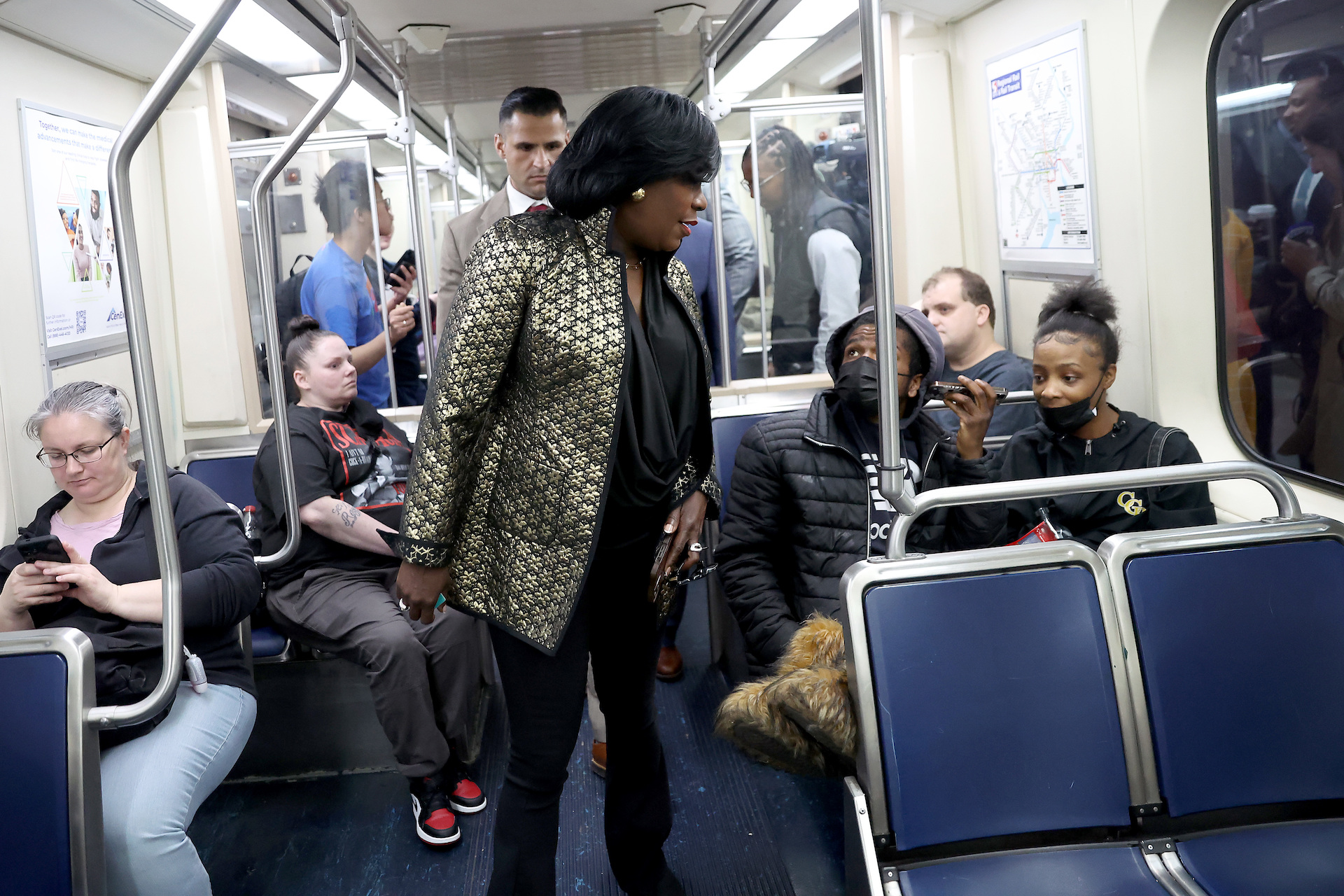
    Prioritizing transit-oriented development: Mayor Cherelle L. Parker’s administration is pushing Council to approve a package of legislation that makes it easier to build apartment buildings near SEPTA stations, measures that proponents see as a way to boost ridership and increase the city’s housing stock.

    Parker transmitted a package of zoning bills to Council on Thursday, but no member formally introduced it. Members said they saw the legislation for the first time on Wednesday and want more time to review it before introduction.

    Mayor Cherelle Parker (center) rides the SEPTA Market-Frankford Line to an event in the Kensington section of Philadelphia, Pa. on Thursday, April 11, 2024.

    The bills are aimed at advancing Parker’s goal to build, preserve, and repair 30,000 housing units.

    Most crucially, one bill expands an existing law that says properties within 500 feet of a Council-designated SEPTA station can receive benefits allowing developers to build more homes. Parker’s legislation increases the radius to 1,320 feet, or a quarter of a mile.

    What else happened?

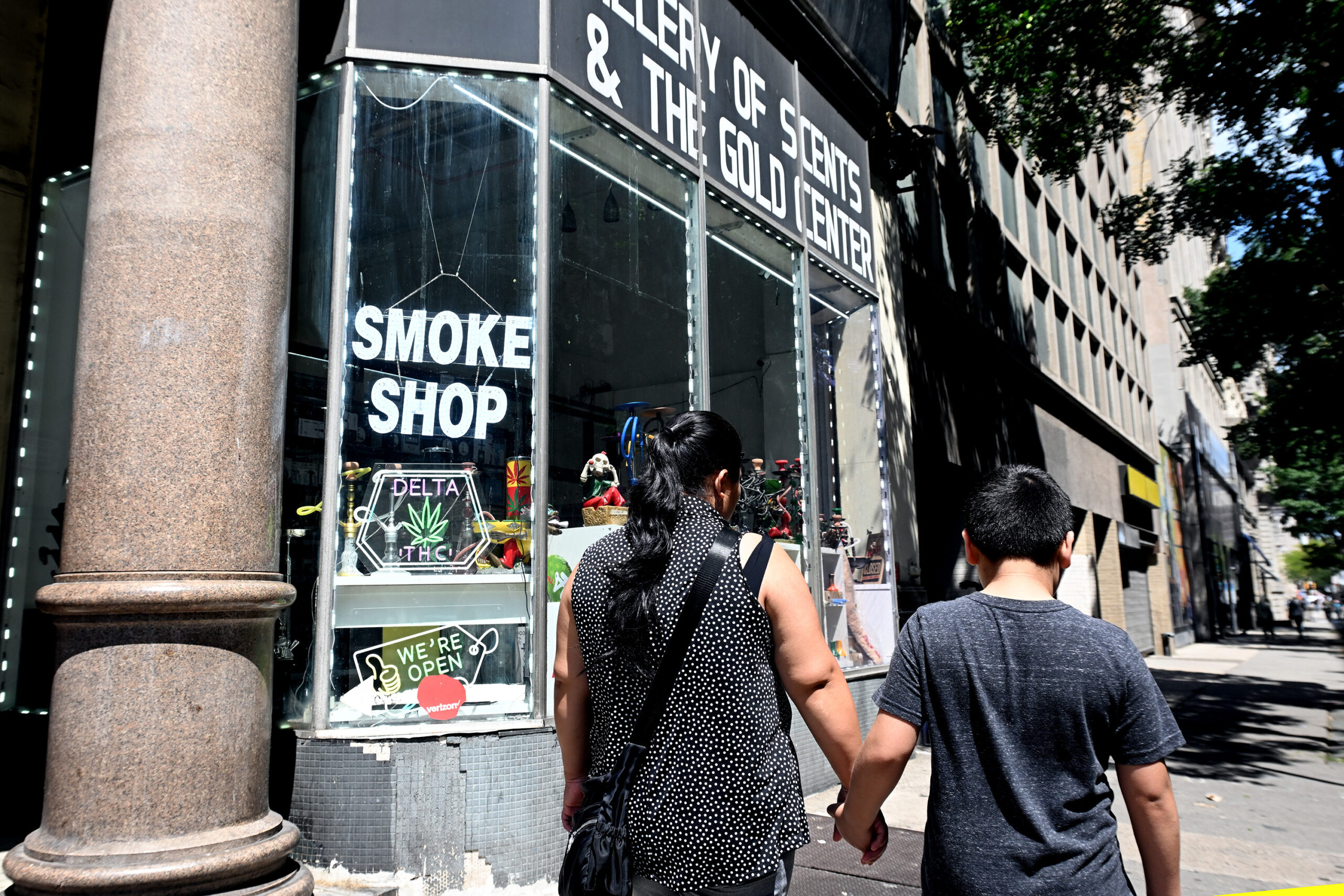
    Smoke-filled doom: Lawmakers continued their crusade against smoke shops and so-called nuisance businesses Thursday, with Councilmember Katherine Gilmore Richardson bringing legislation to hold commercial landlords accountable for renting to illegal smoke shops.

    The bill is a follow-up to a package of legislation lawmakers passed last year that makes it easier for the city to shut down stores that sell cannabis and tobacco products without permits.

    This file photo shows a city smoke shop exterior on the 1000 block of Chestnut Street in July. City Council has advanced several pieces of legislation aimed at curbing smoke shops.

    Gilmore Richardson introduced a second bill to establish a new license requirement for stores selling products like hemp-based THC and kratom. The ordinance would define the products as “intoxicating substances” and establish a 21-plus age minimum.

    What’s next?

    Block off your calendar: Next week will be a busy one. Parker is scheduled to deliver her annual budget address to Council on Thursday, when she will outline her vision for the coming year.

    The speech will kick off weeks of hearings before Council, when members will have the opportunity to question administration officials from every major department, as well as the leaders of other agencies that receive city dollars, including the city courts, the district attorney, and the Philadelphia School District.

    Quote of the week

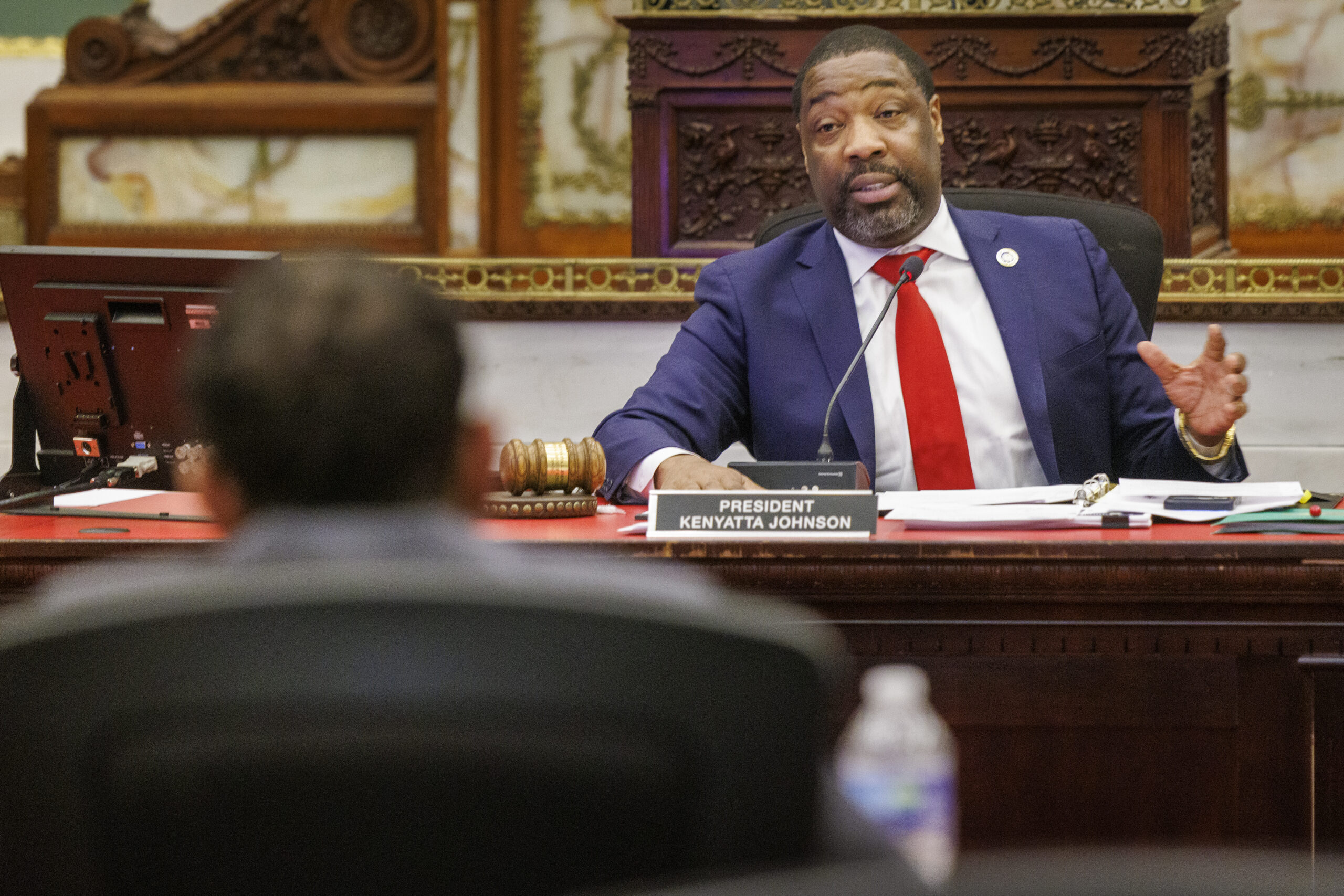
    Philadelphia City Council President Kenyatta Johnson questioning Dr. Tony Watlington, Superintendent of School District of Philadelphia, during a hearing with board members of School District of Philadelphia, Tuesday, Feb. 17, 2026.

    A little school district shade: That was Council President Kenyatta Johnson chiming in on an effort to rename a North Philadelphia street after the late Constance E. Clayton, Philadelphia’s first Black and female schools superintendent.

    Johnson slyly brought up his opposition to parts of the school district’s proposal to close 20 schools as part of its facilities master plan, prompting a wave of “oohs” in the chamber.

    Staff writers Jake Blumgart and Max Marin contributed to this article.

  • Philly Parks & Rec introduces summer camp lotto at five in-demand locations, causing headaches for some parents

    Philly Parks & Rec introduces summer camp lotto at five in-demand locations, causing headaches for some parents

    At some Philadelphia Parks and Recreation centers, a grim tradition has developed over the years amid the winter scramble to secure some sort of summer programming for kids: Parents wait in line hours before enrollment even begins to snag a first-come, first-served camp spot.

    This year, the city hopes to remedy that with the introduction of a lottery system at a handful of the most in-demand camps.

    “We’re just learning from past years, trying to be flexible and give parents more time to come in,” said Rob Jackson, the department’s deputy commissioner of programs.

    Yet some parents bemoaned what they described as a poorly communicated change, hearing about it a week before enrollment began with no explanation as to why, becoming just one more logistical quirk to navigate in the summer camp enrollment chaos.

    That’s because, as with daycare, snagging a spot in any daylong summer program can feel like building a plane midflight. Applying to multiple summer camps is a must, setting aside a pool of money for application fees is necessary, and, oh, you’ll likely have to make a quick decision on whether to accept a spot despite not having heard back from everyone.

    Even applying to the Philadelphia Parks and Recreation-run summer camps, one of the most affordable options in the city for kids ages 6 to 12, has its quirks. Because weekly rates start at $90, compared with the hundreds some other camps charge, spots in the department-run programs are some of the most coveted in the city.

    Some rec centers are so popular that parents have resorted to waiting in line for hours on enrollment day to secure a spot. It’s a system that the city has heard feels unfair to families that cannot afford to take a morning off from work to do that.

    In an attempt to make the registration process more equitable, the city rolled out a lottery system this week for potential first-time campers at some of the hardest-to-get-in sites: Fishtown, Northern Liberties, Shissler, Hancock, and Towey Recreation Centers. These sites are in the Fishtown, Northern Liberties, and South Kensington sections of the city.

    Jackson said the change was inspired by staff, who described coming into work with long lines of parents already formed. If a parent could not make it on that day, it was one less summer camp option. And because younger siblings were given priority in an attempt to keep siblings together, one family could take up multiple camp spots in one go. With the lottery system, younger siblings have the same odds as other new registrants. Jackson recognized that might mean multiple camp drop-offs for some families, but he said the change was to “accommodate as many families in the community as possible.”

    The lottery system has allowed sites like Hancock and Shissler to extend registration for new campers over the course of four days, giving all kids the same chance of snagging whatever few spots are available within the program as children age out or choose to go elsewhere.

    One Fishtown parent this week, who asked to remain anonymous so as not to hamper their kid’s chances of snagging a spot, described the change as poorly communicated. The parent was left deflated by submitting applications at various locations, paying $50 per application, unsure what the odds were for getting into any of these camps.

    Asked if the city has ever considered moving the applications online, Jackson said the city has not gotten to that point. So for now, the in-person site-by-site registration is the best the department can do for the more than 7,000 kids who attend camps across 120 to 130 host recreation centers.

    The city could not say just how many camp spots would be freeing up this year, as it depends on how many children from what are considered “returning families” claim spots.

    The summer childcare scramble

    Even if a child can secure a spot in a city-run summer camp, it does not fully solve summer childcare needs for families.

    The camps run for six weeks and have age restrictions. Parents often have to shell out hundreds more to fill in gaps in care.

    Other summer camp operators have issues of their own. This year, the Academy of Natural Sciences of Drexel University and the Penn Museum announced they will not host their popular summer camps, citing budget constraints.

    Dena Ferrara Driscoll, a mother of two who lives in South Philadelphia, has been a public advocate for more investment in summer camps and after-care programs. Her children attended city-run camps and now her son works at one in the summer.

    Driscoll was not surprised by the continued demand for camp spots. The programs are “affordable, safe, and deeply loved,” she said.

    “A lottery might change who gets a spot, but it doesn’t address the real issue: Families need more affordable camp options provided by the city, not just a new system to distribute the ones we already have,” she said.

  • Philly school officials want to close this Frankford middle and replace it with a K-8. Teachers worry programs will be lost.

    Philly school officials want to close this Frankford middle and replace it with a K-8. Teachers worry programs will be lost.

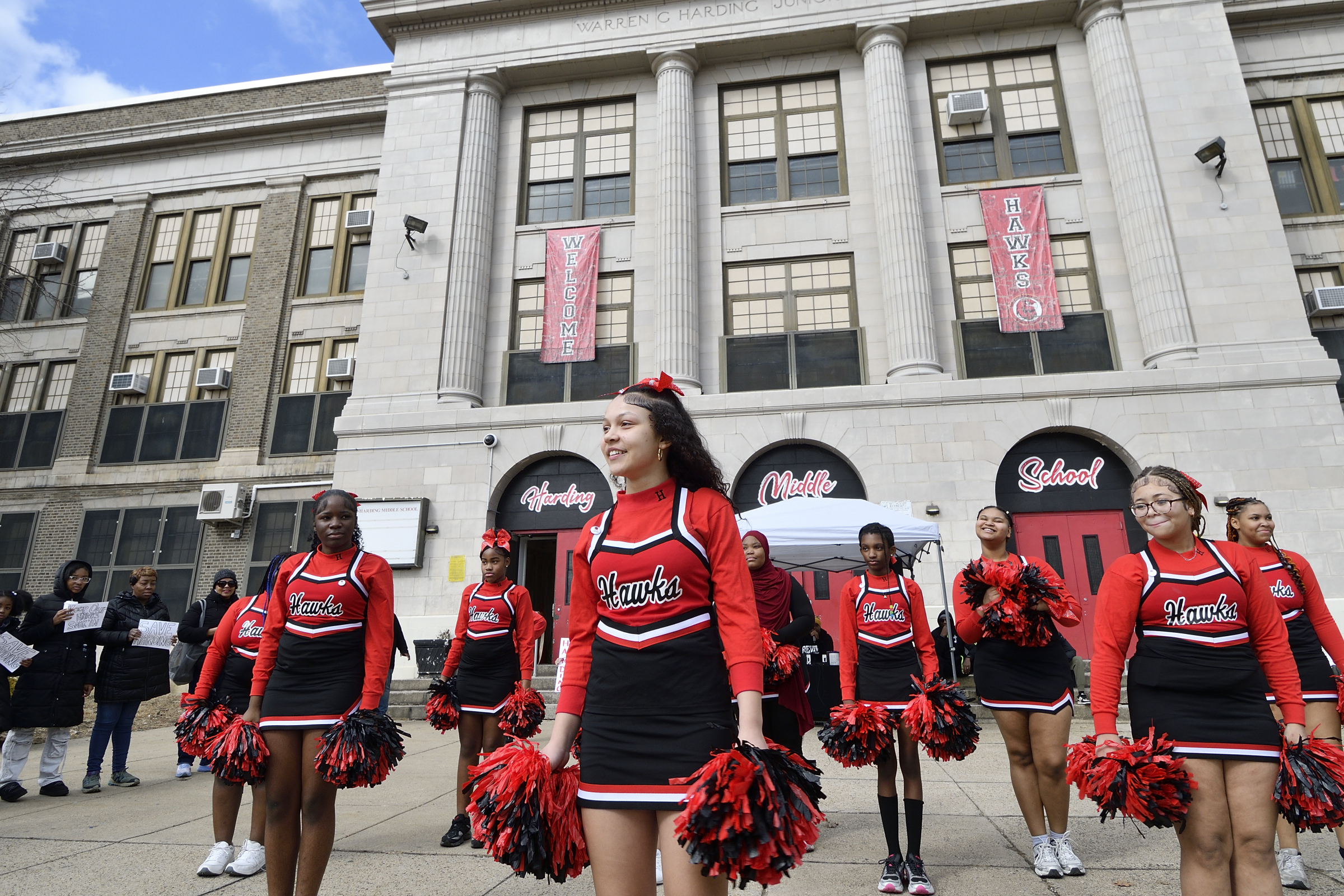
    From sports like soccer, football, and cheerleading to Model United Nations and unified programs for students with and without special needs, Harding Middle School’s offerings reflect its diverse enrollment.

    Of the Frankford school’s 570 students, more than 150 — nearly 27% — receive special-education services. About one quarter of students are English learners — with languages ranging from Spanish and Portuguese to Pashto and Ewe.

    Teachers say the school will not be able to offer the same depth of programming if the Philadelphia School District moves forward with a plan to close Harding, which serves grades six through eight. The district is proposing to move Sullivan Elementary School into the Harding building, and expand that school into a K-8 as part of a sweeping facilities plan.

    “We offer something for everybody,” said Beth Ann Dufner, a Harding teacher who coordinates the school’s English learner programs and has worked at Harding for six years.

    Because transitioning the building from a 6-8 school to a K-8 would mean fewer students per grade, Dufner said, she does not think the school’s programs for middle school kids could be replicated in the district’s plan — “not on a large scale like we have at Harding.” Teachers say students would have to travel to other schools to compete on some sports teams.

    Harding, which has capacity for 1,110 students, is one of five middle schools recommended for closure under the plan. In total, the district proposes to close 18 schools, pitching the plan as a better use of limited resources.

    Harding teachers disagree with the district’s shift away from standalone middle schools — saying that surveys did not give community members the option to voice support for the model.

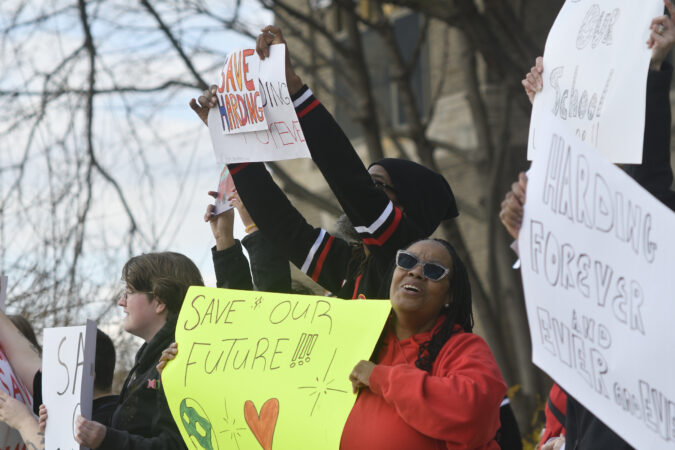
    Arianna DeJesus (front, center), 8th Grader and captain of the Harding Hawks cheerleading squad, during a rally in support of the middle school in the Frankford neighborhood last month.

    “I’ve never heard any parents we’ve had enrolled say, ‘We hate middle schools,’” said Jessica Peruso, an autistic support teacher at Harding. “That was a theme — but where did that come from?”

    A hub for special-education students

    Teachers also dispute the rationale for closing Harding specifically — questioning how the district scored Harding as “poor” for program alignment on a rubric for determining which schools to close.

    At one session, teachers were told the school did not have enough closet space, according to Dufner.

    “The things they said they based their score on — we have all of those things,” Dufner said, noting that Harding has two gyms, media and technology labs, and dedicated spaces for English learners and special-needs students.

    Like other teachers, Dufner faulted the district for Harding’s underenrollment, saying its decision to allow charter schools had drawn students away.

    But she also questioned whether Harding — which the district rated as only half utilized — was being penalized for its large population of students receiving special-education services. Autistic support classrooms, for instance, are required to have no more than eight students, far smaller than a standard class size.

    That “creates the appearance of underutilized space,” but it’s not, Dufner said.

    A district spokesperson said building utilization scores are not adjusted to account for smaller class sizes for special-needs students.

    The spokesperson, Monique Braxton, said numerous factors resulted in Harding scoring poorly on program alignment, from gym facilities in disrepair to lack of appropriate spaces for music and art classes.

    Harding serves as a hub for special-education students from a range of neighborhoods beyond the Harding catchment, teachers said. They described the school’s culture as particularly inclusive of kids with special needs.

    “That makes me the most nervous for closing,” said Peruso, who has taught at Harding since 2014 and was recently named the district’s Teacher of the Month. “I’m concerned about my kids. I’ve been teaching autistic support here forever. I don’t want them to get lost.”

    Under the district’s plan, Harding would have a phased closure, starting in the 2027-28 school year. Students previously assigned to Harding would instead attend Sullivan, John Marshall, Lawton, or Carnell schools. Meanwhile, the Harding building — rated by the district as in “unsatisfactory” condition — would receive upgrades before the expanded Sullivan school moves in.

    “You’re going to come here and fix the building for Sullivan students? Why aren’t the Harding students worth that investment?” Peruso said.

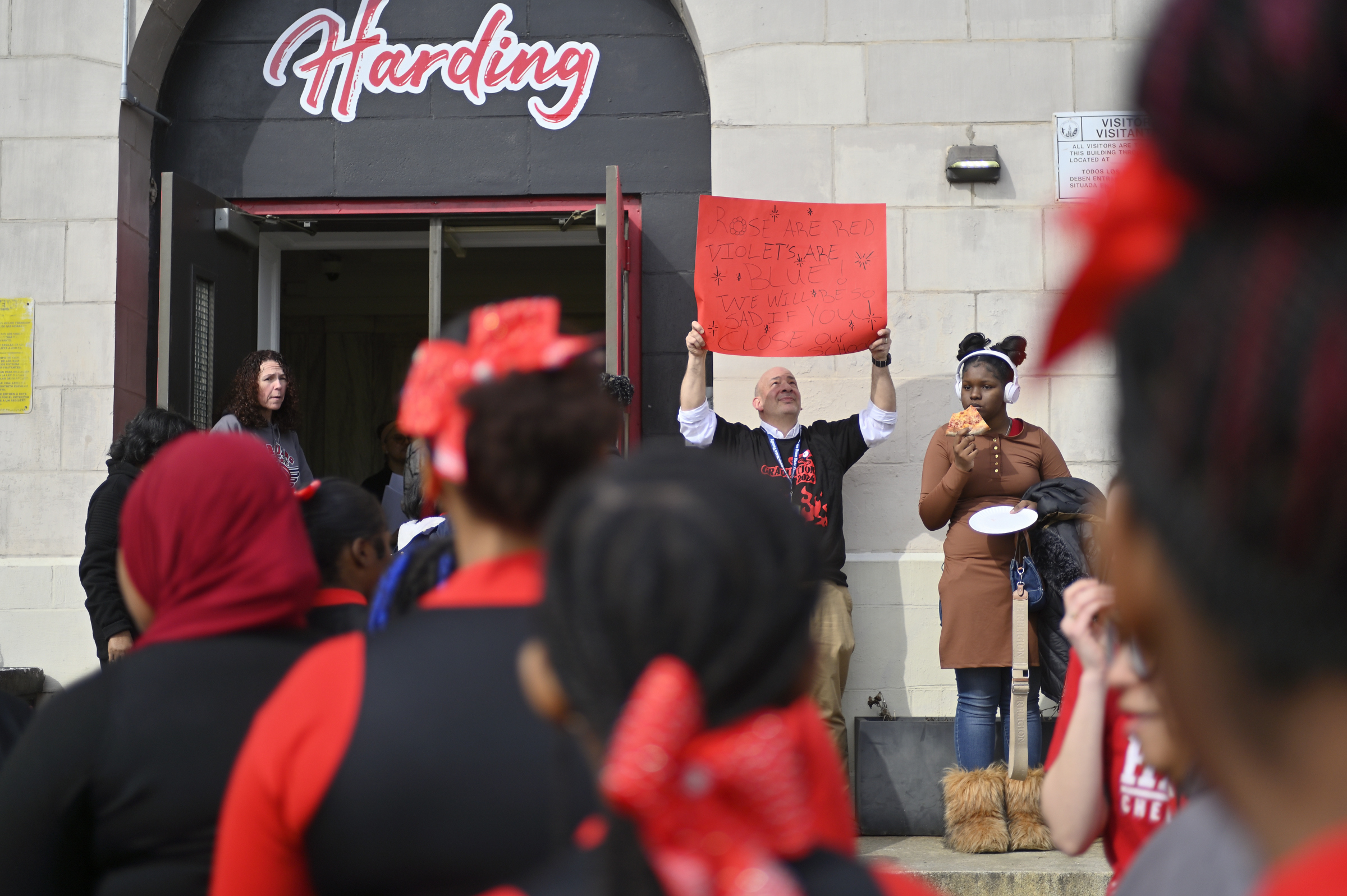
    Harding Middle School Principal Mary Sanchez stands at the front door as students, staff, community members, and elected officials rally to support the school last month in the Frankford neighborhood. It’s one of 18 the district has proposed closing.

    A ‘tight knit’ community

    While current students would not be affected by the closure, some have expressed dismay that they would not be able to return to the school and visit their teachers, said Amanda Chandler, who teaches English language arts at Harding.

    Chandler, who has taught at Harding for seven years, called it “very tight knit.” Every year, she said, former students have come back to see her or her colleagues.

    Compared with past teaching jobs, “I have never had kids more loyal to me, my well-being … than I have at Harding Middle School,” Chandler said.

    In letters shared by Peruso, several students said they wanted Harding to stay open because of its welcoming environment. “Everyone is united like a big family,” one sixth grader wrote. Another sixth grader said that teachers “let me know that I am safe and that everything will be okay.”

    Amarika Thomas, a paraprofessional at Harding who has lived in the community for 20 years, had been working in the school’s cafeteria when principal Mary Sanchez noticed her strong connections with students.

    Sanchez “pushed me to come out of the cafeteria,” said Thomas, who hopes to become a special-education teacher.

    While Thomas’ daughter attends a K-12 charter, she had hoped to possibly send her daughter to Harding for middle school, citing its array of activities.

    The district should invest in Harding, Thomas said: “Harding literally just needs a fighting chance.”

  • ICE can’t use Montgomery County’s property or resources in civil immigration operations under new resolution

    ICE can’t use Montgomery County’s property or resources in civil immigration operations under new resolution

    The Montgomery County commissioners further limited the county’s cooperation with ICE on Thursday when they passed a resolution restricting federal immigration enforcement from using county property or resources for noncriminal investigations.

    The measure approved by the Democratic-controlled board bars U.S. Customs and Immigration Enforcement from using county resources for various purposes, including as staging areas, processing locations, or operations bases related to civil immigration operations.

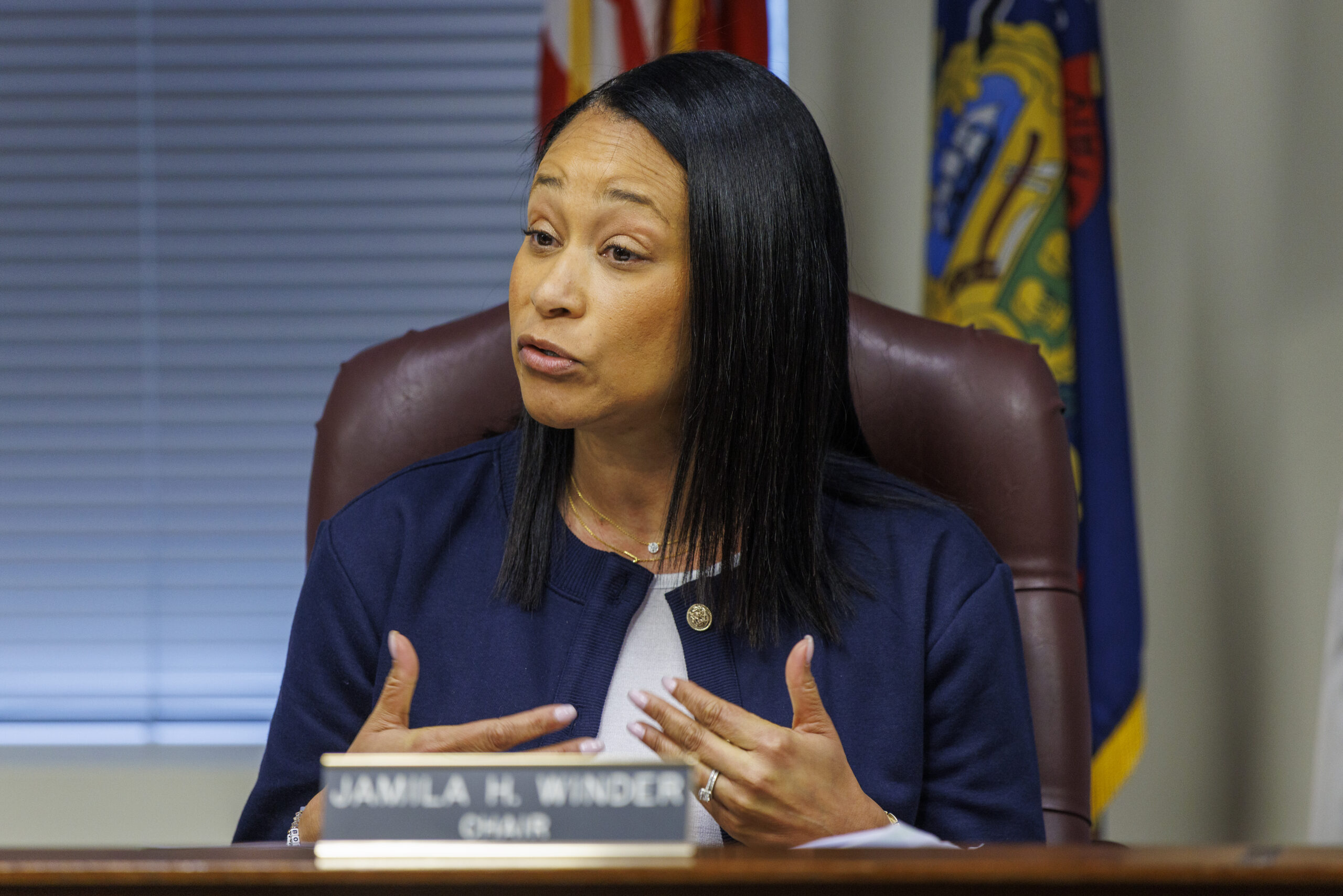
    “We’ve seen it elsewhere — the violence, the fear, the separation of families. We want to make sure that here in Montgomery County, we’re doing everything we can to make sure all of our residents can continue to access essential services and live their lives safely,” said Commissioner Jamila Winder, the Democrat who chairs the board.

    Jamila H. Winder, Chair, Montgomery County Commissioners on Thursday, March 5, 2026.

    The resolution comes as immigration stakeholders in the county have been pushing the commissioners to take further action to protect residents from ICE enforcement as President Donald Trump’s deportation agenda continues to escalate.

    Much of the tension occurred under the leadership of Kristi Noem, the Department of Homeland Security secretary whom Trump fired Thursday.

    Calls for action escalated nationally in January after federal agents killed U.S. citizens Renee Nicole Good and Alex Pretti in Minnesota. In Montgomery County, ICE has carried out numerous operations, especially in communities with high numbers of Latino residents, such as Norristown, the county seat.

    “Let me be clear: The county does not have authority over the federal government’s actions over civil immigration enforcement, and we still do not have the authority over the courts, other elected officials, municipalities, townships, or their law enforcement officers,” Winder said. “That remains unchanged, but what has changed is the environment we’re in.”

    The policy to block ICE from using county resources passed 2-1 with Commissioner Tom DiBello, the board’s sole Republican, voting no.

    The measure codifies that the county will not enter into a 287(g) agreement, which would allow ICE to use county resources, and that county employees will not comply in federal civil immigration operations without a judicial warrant or subpoena.

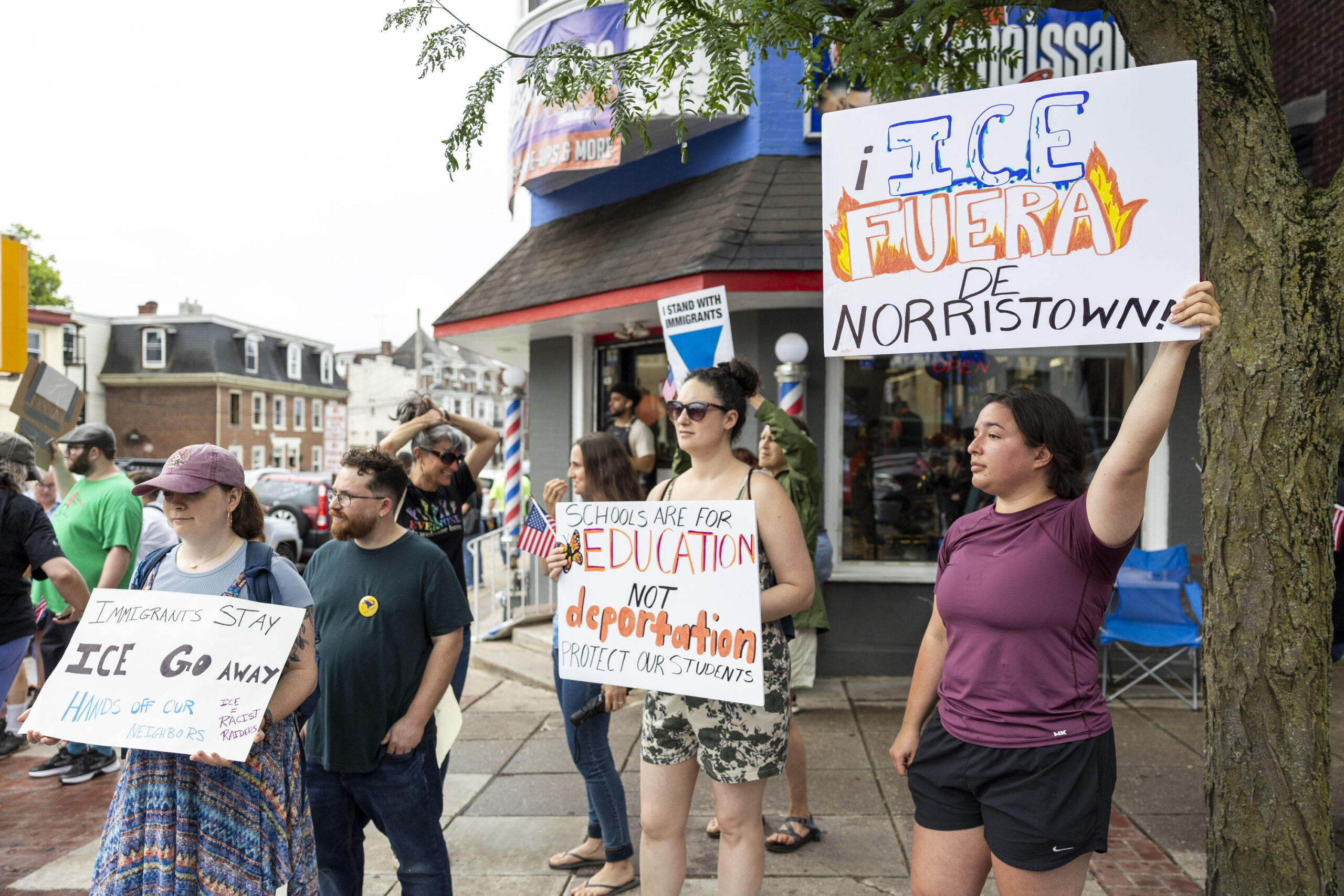
    Lydia Villalba, 27, of Souderton, Pa., (right), holds a sign saying “Ice Fuera De Norristown” meaning Ice out of Norristown, during a rally to support immigrants in Norristown, Pa., on Saturday, June 7, 2025.

    It does not prohibit ICE from purchasing warehouses for detention centers, as the agency has done in Berks and Schuylkill Counties.

    Democratic Gov. Josh Shapiro has blasted the warehouse purchases as being conducted in secret and promised to pursue avenues to block the plan from moving forward. Bucks County in February passed a unanimous resolution opposing any potential purchases there.

    Montgomery County’s resolution denying ICE access to its buildings and lands follows a national trend among Democratic-led jurisdictions. The move has both symbolic and practical impacts.

    First, it enables the county government to publicly make clear its opposition and noncooperation. And second, ICE can need big spaces to set up officers, cars, and equipment for operations; banning the use of potential staging areas can complicate the agency’s logistics.

    Montgomery County’s Department of Assets and Infrastructure will post signage on county-owned property noting that the area cannot be used for purposes not approved by the county, according to the resolution. Private property owners who wish to restrict civil immigration enforcement activity on their properties can request signs for free.

    Megan Alt, a spokesperson for the county, said the hope is that ICE will comply with county law. But if not, the county is prepared to handle violations as it would for any other instances of trespassing.

    Thomas DiBello, Commissioner, Montgomery County Commissioners on Thursday, March 5, 2026.

    DiBello, the lone GOP commissioner, said his opposition has “nothing to do with politics” and criticized the resolution’s references to ICE-related incidents that took place outside Montgomery County. He also said he was concerned that private property owners who do not post signs restricting ICE action on their properties will be targeted as a consequence.

    “What’s going to happen then? Is there doxing going to occur? Is there protests outside of businesses?” he asked.

    Commissioner Neil Makhija, the board’s vice chair, said the resolution “has nothing to with immigration policy,” but rather was about limiting cooperation with an agency that has used extreme tactics. He cited an ICE arrest last month in Lower Providence Township in which agents broke down a family’s front door.

    DiBello responded that Makhija was engaging in “political positioning.”

    In the Philadelphia region and elsewhere, ICE’s use of government property has long rankled immigration advocates, who say it amounts to cooperation on the part of local leaders.

    For instance, Philadelphia City Council is poised to consider a package of “ICE Out” legislation that would bar the agency from staging or conducting enforcement on property owned or controlled by the city — including garages, parking lots, vacant land, buses, playgrounds, and schools.

    Winder said Thursday that Montgomery County’s resolution is not some “newfound desire” to limit cooperation.

    “Yes, we have our political affiliations, but we also know the difference between right and wrong, good and evil,” she said.

  • Why France’s Provence region started ‘pinking’ its wine

    Why France’s Provence region started ‘pinking’ its wine

    As we enter the final days of the Philadelphia Flower Show, there’s no better time to break out the rosé. That’s because it’s the only wine category named for a flower, though indirectly.

    A rose is a rose in both English and French, but that same word is also the term used in French for the color “pink,” since that is the natural color of roses in the wild. When French winemakers describe pink wines (like this delicate beauty from Provence) as rosé, they are not referring to a particular grape, or even to a grape color. They are using their word for pink as a verb to convey that a wine that would normally have been made as a red wine, due to the dark purple color of its grapes, has instead been “pinked” in the winemaking process to yield a wine style that is much paler and lighter in weight.

    The Provence region was the first to begin deliberately “pinking” their wines back in the 16th century for reasons that make perfect sense in retrospect. This sun-bathed region of the south of France is too hot and sunny for growing healthy green grapes for white-winemaking, but is ideal for black grapes that don’t scorch as easily.

    The cuisine of Provence is famously dominated by seafood, tomatoes, and other vegetables, though, and this lighter Mediterranean fare is not a great match with big, heavy red wines. The elegant Provencal solution was to press their dark grapes immediately — to prevent the transfer of red wine color, flavor, and tannin into the juice — and then to ferment that pale pink juice slowly in their cool cellars as if it were a white wine.

    Today’s Provence rosés are always dry and pale, with a focus on refreshment over flavor intensity. They command higher prices than pink wines made elsewhere. The finest examples are more ethereal than ever, with a silky texture, as with this high-profile example from an estate owned by Brad Pitt. This wine’s subtlety and grace make its aromas difficult to describe — a seamless but understated mix of red apple, white tea, and fresh dragonfruit.

    Miraval Côtes de Provence Rosé

    Miraval Côtes de Provence rosé

    Provence, France; 13% ABV

    PLCB Item #100026467

    On sale for $19.99 through April 5 (regularly $21.99)

    Also available at: Moorestown Super Buy Rite in Moorestown ($18.99; moorestownbuyrite.com), Canal’s Liquors in Pennsauken ($19.91; canalsliquors.com), and Total Wine & More in Wilmington and Claymont, Del. ($21.99; totalwine.com)

  • Temple University and the Philadelphia Orchestra and Ensemble Arts have signed a deal for a new partnership

    Temple University and the Philadelphia Orchestra and Ensemble Arts have signed a deal for a new partnership

    Broadway stars and orchestral players might lead budding Philadelphia musical talent in master classes, and new college internships could open up at the city’s largest performing arts producer and presenter.

    As Temple University prepares to establish an outpost in Philadelphia’s major arts district, the school, and Philadelphia Orchestra and Ensemble Arts have signed a memorandum of understanding for a new partnership, formalizing a dream stage for joint activities already underway.

    The new arrangement is expected to benefit not only Temple University students, but also younger students of Temple Music Prep and the Philadelphia School District.

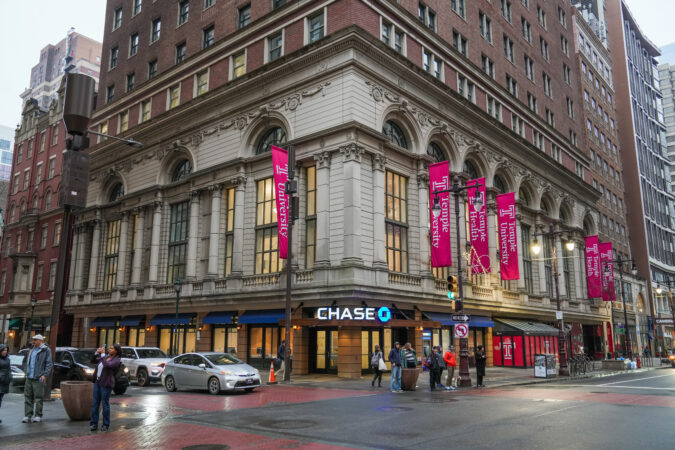
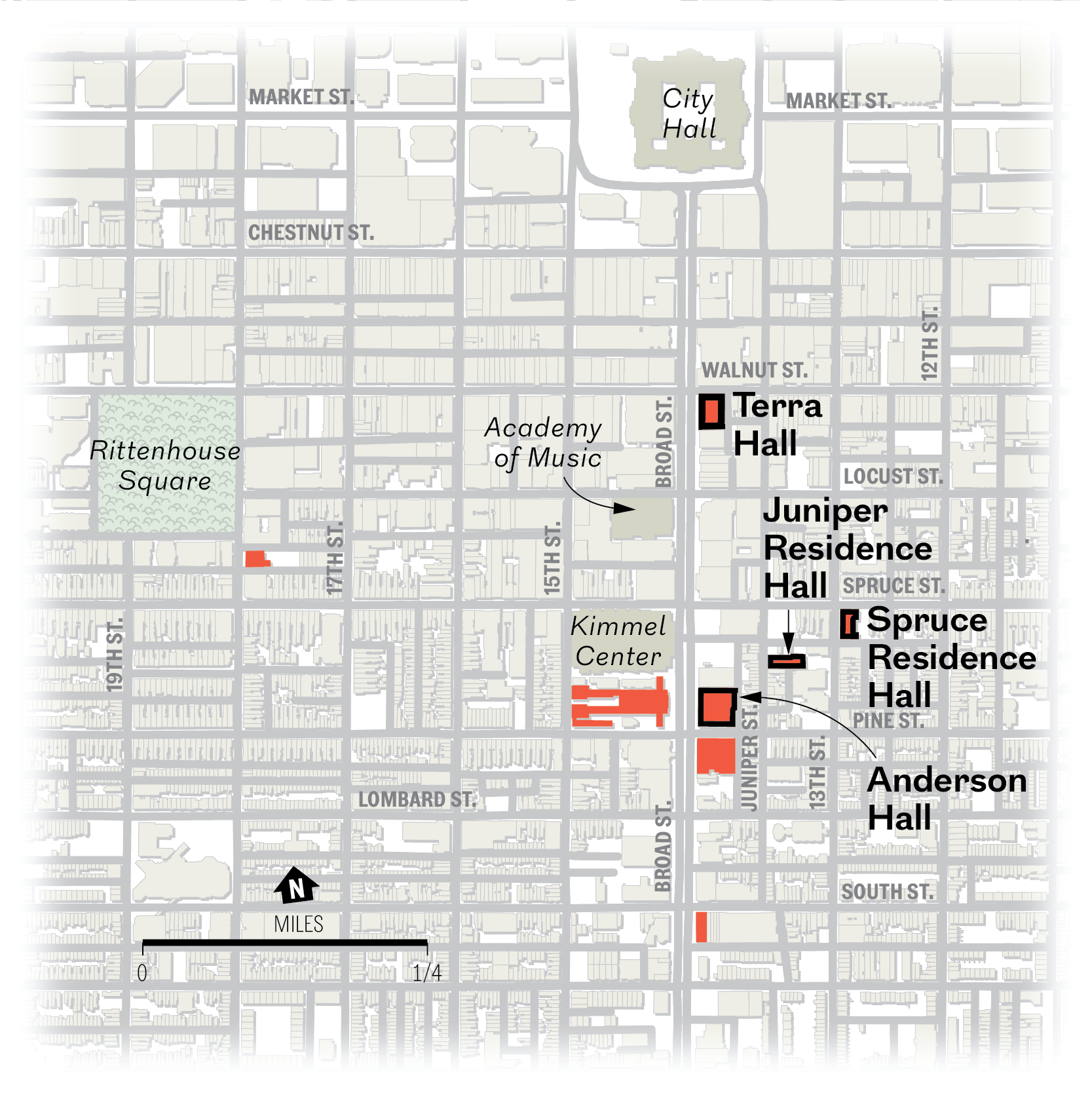
    Temple and the orchestra have long partnered on projects, but the university’s purchase of Terra Hall — near the orchestra and Kimmel Center — will allow a deeper level of involvement, leaders said.

    In the fall of 2027, for instance, about three dozen Philadelphia Orchestra current and retired musicians are expected to move their teaching studios from Temple’s main campus to Terra. Other collaborations are expected to take shape over the next year and half.

    “The gist of it is, Temple University and the Philadelphia Orchestra and Ensemble Arts are committed to working together to build a tangible partnership. It’s aspirational,” said POEA president and CEO Ryan Fleur of the memorandum of understanding, which was signed last month.

    “There’s a lot around the exchange of talent and supporting one another,” said Temple president John Fry.

    Terra Hall – shown here with other former University of the Arts buildings – is near the Academy of Music and Kimmel Center.

    For POEA, the partnership means it will no longer pursue the possibility of building an additional education wing at the Kimmel Center that had been in the early planning stages.

    “When I heard Temple was acquiring Terra Hall,” said Fleur, “the priority shifted from the idea of an education wing over the loading dock to how we could work with Temple to deploy the space in Terra Hall. Our greatest strength is not about building things, and if we unite in Terra Hall for the benefit of Philadelphia students, it’s a win for Philly.”

    An education annex at the Kimmel might have cost in the neighborhood of $100 million.

    “It was a large figure,” said Fleur. POEA is already in the process of raising hundreds of millions of dollars for a variety of needs from endowment to repairing and renovating its facilities, which include Marian Anderson Hall, the Academy of Music, and the Miller Theater.

    The Pennsylvania Academy of the Fine Arts on North Broad Street, where Temple University has established a presence in PAFA’s Hamilton building (on right).

    Temple has been establishing a series of partnerships south down Broad Street from its main North Philadelphia campus. It has leased space at the Pennsylvania Academy of the Fine Arts and is developing programs there, and is in the process of taking over the Library Company of Philadelphia, on Locust Street just east of Broad.

    It acquired Terra Hall in 2025 for $18 million after the abrupt bankruptcy and closing of the University of the Arts. Terra was already outfitted with practice rooms, a recording studio, performance space, a dance studio, and classrooms.

    Fry said that Temple is currently doing work on the Terra building, with particular attention to the foundation and elevators, and that the major part of renovations would be done by September 2027. But he said that some of the spaces will be usable this fall.

    Both POEA and Temple have existing relationships with the Philadelphia School District. Fleur said the next step is “uniting” the efforts among the three. Fry said Temple was in discussions with other arts organizations as potential partners in Terra Hall.

    “We want people to think of this as a public resource,” he said, “not a closed academic building just for Temple. Where Temple can play a role, we want to be a part of that.”

  • Three Villanova women’s basketball players earn Big East honors

    Three Villanova women’s basketball players earn Big East honors

    Three Villanova women’s basketball players received Big East honors on Thursday, including a most improved player of the year award.

    Sophomore guard Jasmine Bascoe was unanimously selected to the Big East All-Conference first-team for the second consecutive season. Bascoe averaged 18.7 points, 4 rebounds, and 5 assists in the regular season. She totaled a career-high 30 points against Fairfield on Nov. 5.

    Bascoe leads the Big East in points and assists per game.

    Jasmine Bascoe was named to the Big East All-Conference First Team for the second consecutive season.

    Junior forward Brynn McCurry was named Big East Most Improved Player of the Year after returning from an ACL tear that sidelined her for all of last season. McCurry was also named to the Big East All-Conference second-team after averaging 10.9 points, 5.5 rebounds, and 3.1 assists. She totaled four 20-point games and scored double digits in 10 of Villanova’s first 13 conference games this season.

    After only having two double-digit scoring performances before her injury, McCurry returned to total 17 this season. During her freshman season, she only averaged 2.7 points, 1.8 rebounds, and 11.6 minutes off the bench.

    McCurry leads the team in rebounding with 5.5 rebounds per game (159 total) and is second on the team in scoring behind Bascoe.

    Kennedy Henry, a Westtown graduate, was named to the conference’s All-Defensive team and unanimously voted to the All-Freshman team. She was a starter in all 27 games this season. The McDonald’s All-American nominee averaged 9.4 points and four rebounds during the regular season. She also led the team in steals (66) and was second in blocks (24) behind senior Denae Carter (34).

    Henry is currently tied for the most steals by a Wildcat in their freshman season. She is one steal shy of breaking the record.

    Villanova is the No. 2 seed in the Big East Tournament and will play the winner of No. 7 Providence and No. 10 DePaul in the quarterfinals on Saturday at the Mohegan Sun Arena.