Tag: topic-link-auto

  • Chris Rabb is trying to be the left’s standard-bearer as he runs for Congress. Will progressives rally around him?

    Chris Rabb is trying to be the left’s standard-bearer as he runs for Congress. Will progressives rally around him?

    In the most-watched race for Congress in Philadelphia in more than a decade, State Rep. Chris Rabb has cast himself as the unabashed anti-establishment leftist. He’s refusing donations from corporations, calls the war in Gaza a genocide, and wants to abolish U.S. Immigration and Customs Enforcement.

    But despite announcing his campaign more than six months ago, he had yet to amass support from much of the city’s progressive flank, leading observers to wonder if he would be able to tap into the movement’s network of donors and volunteers.

    It appears they’re coming around.

    Rabb this week has won an endorsement from One PA, a progressive political group that’s aligned with labor and most of the city’s left-leaning elected officials. That comes after the environmental justice group Sunrise Movement said it, too, would back Rabb.

    “This is a moment when democracy is at stake,” said Steve Paul, One PA’s executive director. “If there was any moment for the style of leadership that Chris [Rabb] brings to the table, it’s this moment.”

    Rabb said he’s “energized” by the endorsement and what it means for the campaign.

    “Our movement is growing every single day,” he said.

    The questions now are whether some of the city’s most prominent progressive elected officials will lend their endorsements to Rabb, and if deep-pocketed national organizations will spend money to back him.

    For example, Justice Democrats, a progressive political action committee, said it’s “very closely looking at this district.” And the Working Families Party, the labor-aligned third party that supports progressives across the nation, has endorsed candidates in four other congressional races with competitive primaries — but not yet in Philadelphia’s. The group previously spent millions to boost candidates in the region.

    Rabb, who hails from the voter-rich Northwest Philadelphia, is one of several likely front-runners seeking the Democratic nomination to represent the 3rd Congressional District, which encompasses about half of Philadelphia. U.S. Rep. Dwight Evans is retiring after holding the seat since 2016.

    Progressives and democratic socialists — energized by Mayor Zohran Mamdani’s win last year in New York City — see a major opportunity to install one of their own in the district, which is the most Democratic in the nation.
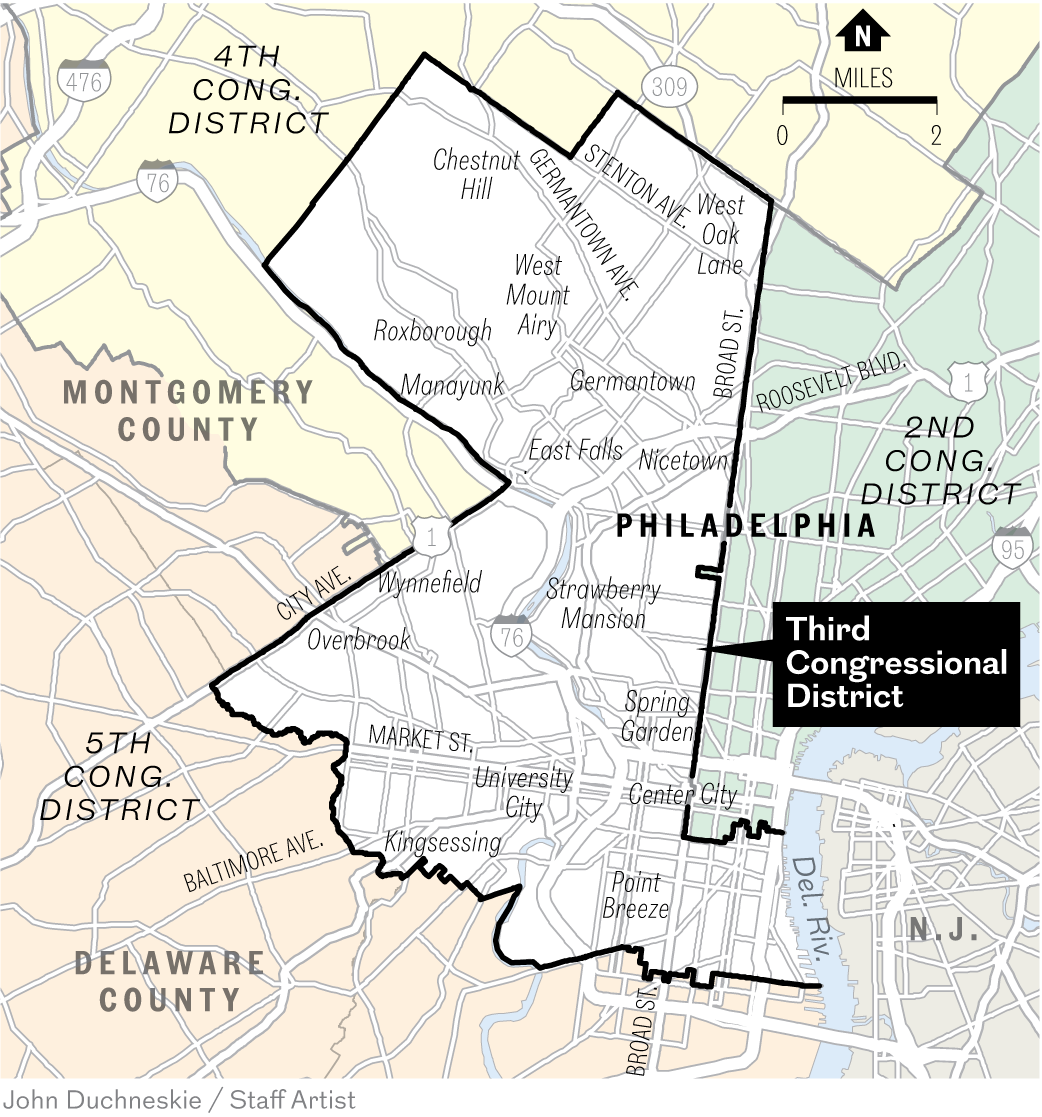
    Map of Pennsylvania’s 3rd Congressional District.

    The primary election — the marquee race in deep-blue Philadelphia — isn’t until May. But some on the left say the movement should have already coalesced around Rabb.

    “We will probably regret it in the end, because this is a seat we should win,” said one leader of a progressive organization in the city who requested anonymity to speak freely about the political dynamic.

    Rabb is seen as something of a lone operator with his own political apparatus. He didn’t come up through the newer progressive organizations that have run their own candidates for office in the city. Rather, he won a seat in the state House for the first time a decade ago when he toppled an establishment-backed Democrat.

    State Rep. Chris Rabb at a forum hosted by the 9th Ward Democratic Committee on Dec. 4, 2025. He is a Democratic candidate running to represent Philadelphia’s Third Congressional District.

    Some of the city’s progressive leaders say they expect to back Rabb but that they were waiting to see how the field shaped up.

    Last year, there were efforts to recruit other left-leaning candidates to run, including City Councilmember Kendra Brooks of the Working Families Party, and State Rep. Rick Krajewski, according to three sources with knowledge of the efforts who spoke on condition of anonymity to preserve relationships. Both decided against running.

    Brooks — who emerged as a face of the Working Families Party six years ago after she became the first third-party candidate to win a seat on Council in 100 years — is likely to back whomever the organization endorses. The group is still in the midst of its endorsement process.

    “We’re confident that we will land on a progressive who will fight for working people, not billionaire donors, big corporations, or special interests,” WFP spokesperson Nick Gavio said.

    Krajewski, who represents parts of West Philadelphia, has also not endorsed a candidate but he said he will. Rabb, according to Krajewski, has the qualities necessary to be a member of Congress during “a pivotal moment for our country.”

    “The question is: Do we allow the fascists and the ruling class to double down on this insanity that they’re pushing? Or do we use this opportunity to agitate and say a different world is possible?” Krajewski said. “That’s what I want from my member of Congress. Chris [Rabb] has demonstrated that he’s clear about that.”
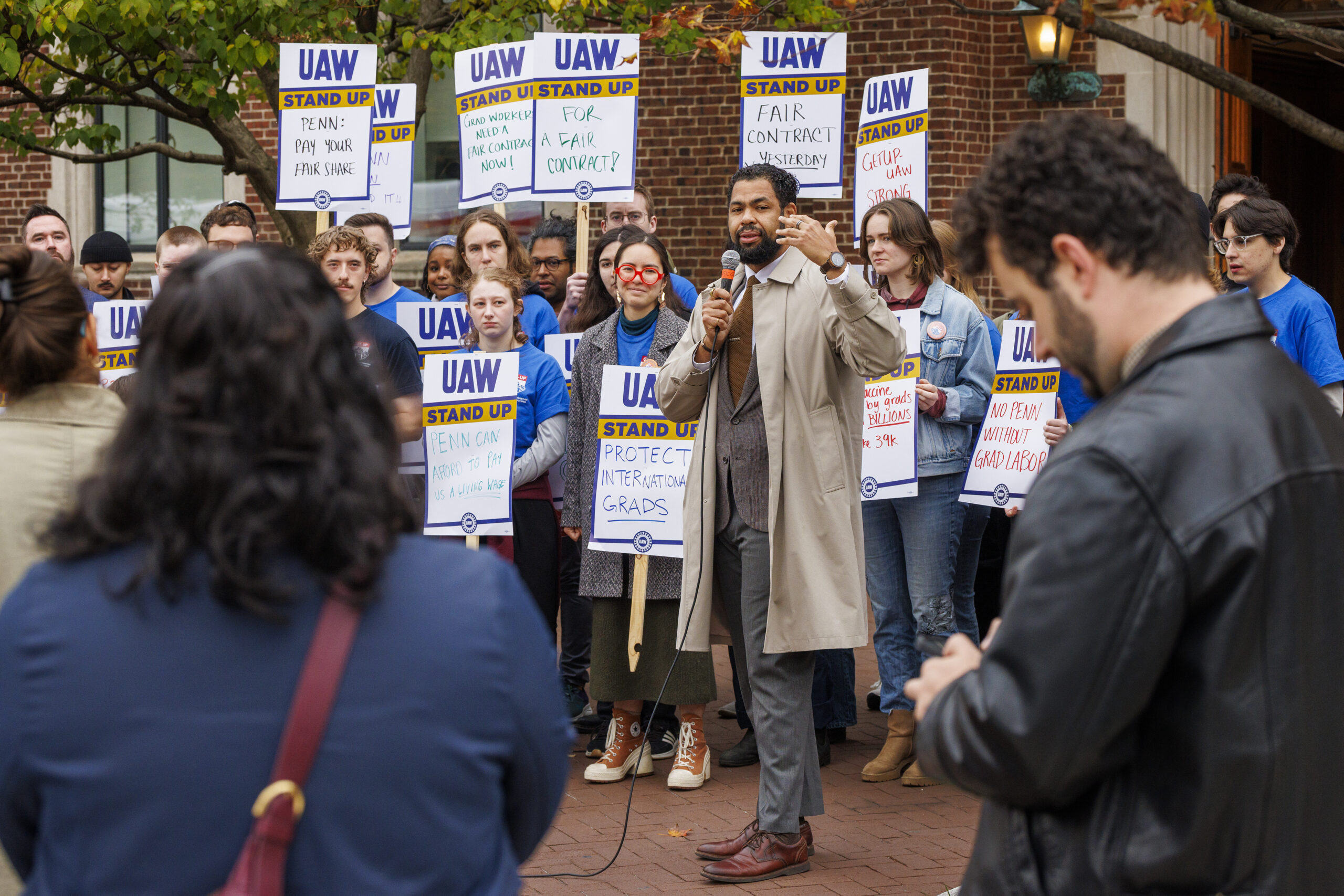
    Pennsylvania State Rep. Rick Krajewski making statements at a news conference and rally by University of Pennsylvania graduate students. Grad students held the event to call for a strike vote against the university at corner of South 34th and Walnut Streets on Nov. 3, 2025.

    Meanwhile, other candidates in the wide-open Democratic primary have tried to pick off progressive support.

    State Sen. Sharif Street, the former chair of the state Democratic Party, is seen as the establishment’s pick for the seat. But he also has alliances with some of the city’s most progressive leaders.

    That includes a decades-long relationship with Councilmember Rue Landau, who often votes with Council’s progressive bloc and is the first openly LGBTQ person ever elected to Council. Two sources familiar with Landau’s thinking said she is strongly considering endorsing Street.

    Street has also worked closely on criminal justice reform matters with District Attorney Larry Krasner, perhaps the city’s most prominent elected progressive. He inherited some of Krasner’s political staff to manage his campaign.

    However, several other candidates in the congressional race could be in the running for backing from Krasner, who recently won his third term in office in landslide fashion. Rabb, Street, and State Rep. Morgan Cephas previously endorsed Krasner for reelection.
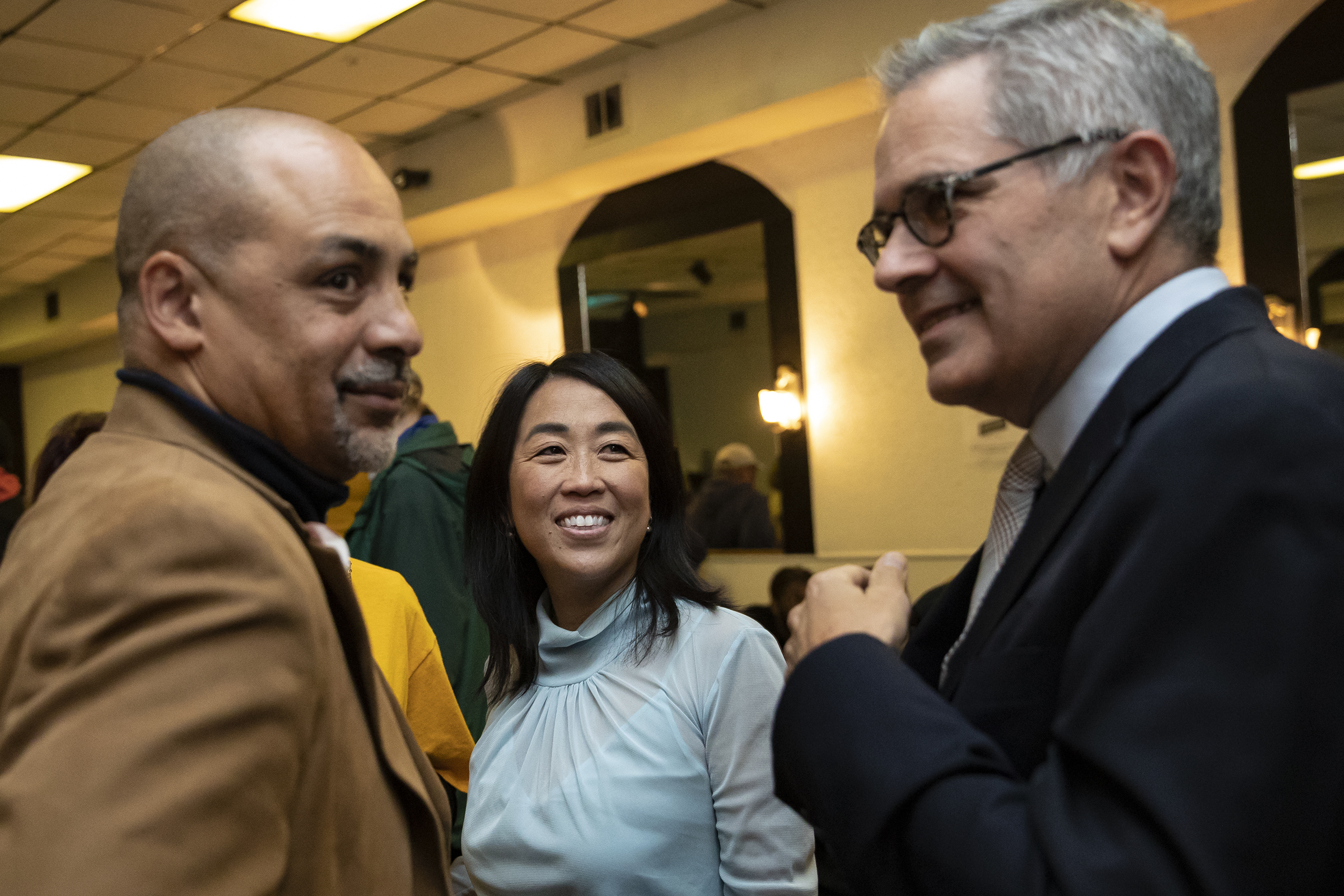
    State Rep. Chris Rabb (left), Helen Gym (center), and District Attorney Larry Krasner attend the election results watch party for Working Families Party candidates Kendra Brooks and Nicolas O’Rourke in North Philadelphia on Nov. 5, 2019.

    The crowded field may also mean that some elected officials choose not to get involved.

    State Rep. Tarik Khan, a Democrat and nurse practitioner who has been backed by progressive organizations, said he has relationships with several leading candidates. That includes his colleagues in Harrisburg, as well as Ala Stanford, a surgeon. She and Khan were both prominent vaccine advocates during the COVID-19 pandemic.

    “There’s a lot of good choices in this race,” Khan said. “I’m probably just going to let the process play out.”


  • Finding a trickle of hope for Pennsylvania’s streams in 2026

    Finding a trickle of hope for Pennsylvania’s streams in 2026

    The Delaware River, the Chesapeake Bay, and other flagship waterbodies make news headlines with stories of the long and costly struggles to restore their fish and other wildlife.

    But while these high-profile efforts grind on, the real story of the Delaware River’s health hits closer to home.

    Beneath the ice on small streams across Pennsylvania, thousands of species of fish, insects, snails, and mussels are waiting quiescently for spring, just as fishers, kayakers, and water lovers wait out the cold winter months, eager for spring.

    Poor report card

    Alarmingly, Pennsylvania’s recent river report card indicates that some of those streams are likely to wake up in the spring more degraded than last year. The tally of impaired streams and rivers in Pennsylvania grew by 852 miles since 2024 (longer than a round-trip drive from Philadelphia to Erie), while only 154 miles of streams (shorter than a round trip to Lancaster) were removed from that list.

    Overall, our rivers are worse off than they were two years ago, and 37% of the state’s waterways remain impaired. If there were a hospital for polluted streams, five patients would have entered for every one patient discharged. And the larger the river and the broader the watershed, the bigger the challenge of bringing back fish and wildlife.

    A boy fishes at Marsh Creek State Park in Chester County. Restoring Pennsylvania’s rivers and streams benefits fish and wildlife.

    While the report isn’t uplifting, we are fortunate that the state Department of Environmental Protection produces a thorough and transparent analysis of the facts on where and why improvement and degradation have occurred. The report shows us that the key to faster success is focusing efforts around small headwater streams.

    These streams, the ones our roads carry us over every day in our communities and that often go unnoticed, are where we find a trickle of hope: Watershed improvements lead to cleaner streams and healthier fish and wildlife populations. They are also the streams that can bring communities together to protect open space, strengthen zoning laws, and form partnerships to target local sources of pollution.

    Restoring health

    Usually, the science shows us that streams don’t need invasive repairs with backhoes and chain saws akin to a surgeon’s curette and bone saw; they need, like many people making New Year’s resolutions, to go on a diet — for streams, one that’s lower in pollution and higher in leaf litter.

    Practically, this means aggressive reduction and treatment of stormwater runoff, eliminating sewer overflows, upgrading sewage treatment, preserving and planting forests, restoring the healthy agricultural soils that benefit farmers, and reducing the use of chemicals on our own properties.

    We expect 2026 will bring news of the important progress being made to the Delaware River, as the Philadelphia Water Department will soon be required to meet new water quality standards. Cheer for the Delaware and other superstar rivers, but remember that progress starts at the source of pollution.

    Therefore, in 2026, we hope to see a new focus on clustering pollution reductions and protections in smaller watersheds, where measurable improvements in fish and wildlife communities are faster, cheaper, and easier to achieve. That will require more DEP staff to make those measurements, more engaged citizens to champion local actions, and more science to guide the rehabilitation of our streams and watersheds.

    Just as evidence-based medicine improves health outcomes and lowers costs, evidence-based restoration improves biological outcomes for our streams and rivers.

    The list of potential pollutants is long, so research is needed, now more than ever, on how to restore fish and wildlife at the lowest cost.

    Scott Ensign is the assistant director and a research scientist at Stroud Water Research Center. David Arscott is the executive director and a research scientist at the Stroud Center.

  • This Plain businessman started a computer service for the Amish. Does it do too much, or not enough?

    This Plain businessman started a computer service for the Amish. Does it do too much, or not enough?

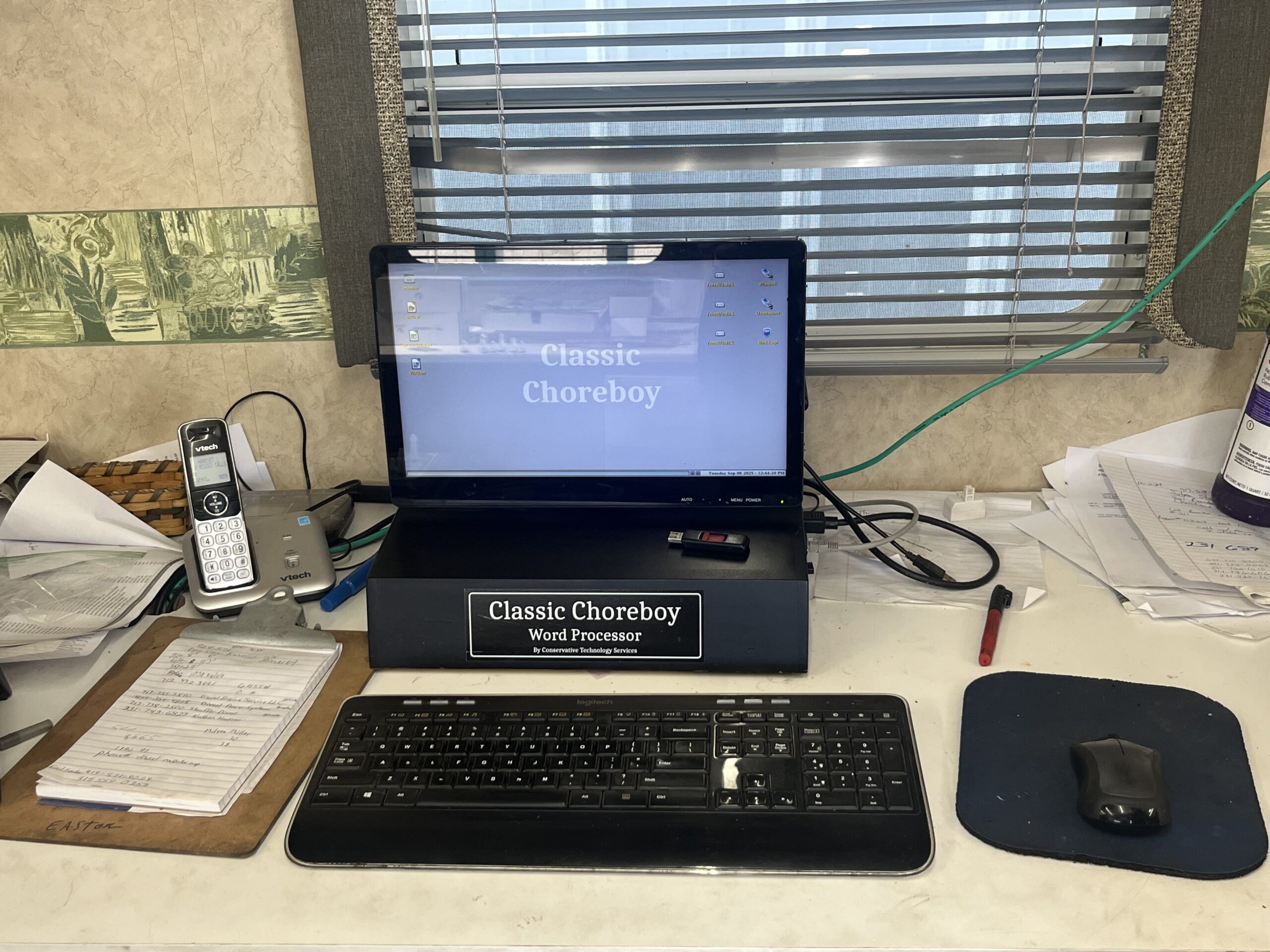
    From his machine shop among corn and bean fields on Kurtz Road near Ephrata, Lancaster County, Allen Hoover sells 1970s-style word-processing computers, upgraded to internet speeds, at the rate of more than one a day.

    For some, Hoover’s machine fits fast-changing business with timeless faith; others fear the computers have fed into a wave of covert internet use that threatens a formal split among his Amish customers.

    Since 2004 the machines, originally priced at $800 each, have been adopted by dozens of Plain religious communities to run local systems, with names like Classic, Chore Boy, and Steward, to accommodate and monitor members’ text notes and business records, without video, corporate media networks, or Apple and Google apps.

    A senior member of his Old Order Mennonite congregation and coauthor of a book on Plain responses to family abuse, Hoover agreed to talk to The Inquirer about Mennonite and Amish ideas and tools. The conversation has been edited for brevity and clarity.

    What are the tensions around computers in Plain communities?

    Our real goal is to live a separate life and not to be so influenced by popular society around us. If morality is decaying in the world, it becomes even more important for us to become a separate people. Well, that’s hard to do.

    Everything is tied together. Especially with the internet, and, smartphones. It gets harder and harder for us to be in business and to make a living without some way of being connected.

    One of Allen Hoover’s Chore Boy word-processor machines at his workshop in Ephrata, Lancaster County, September 2025.

    How are your machines different from normal computers?

    For our Plain people, we wanted it to be separate from the world. So it should have no connectivity. Not to the internet, email, or even fax. Just a stand-alone unit. And then of course no amusements of the world, no games, music, nothing like that. Just a business tool.

    Couldn’t you do that on a computer?

    Well, if it’s in my home, my children will find ways of doing things with it that I have no idea of. And also, if you look at 50 different personal computers in peoples’ homes, you will find 50 different systems. We wanted one like the old word processors, where every unit was exactly alike. No additional programs, no apps that you can put on to listen to music or whatever.

    The programs included are a word and a spreadsheet program. And a drawing program, and a computer-aided design program. We developed our own comprehensive business accounting system. With inventory control, invoicing, all that.

    We looked at the on-the-shelf programs. They are almost all internet-connected. There are a few that stand alone. But they were so clunky, made for a specific purpose, that they just didn’t fit the bill.

    How did you adapt the machines for Plain needs?

    We had a few meetings with interested businesspeople, to see what the need was. Probably made a mistake, we never asked the church for permission.

    And it took off. In the beginning, it was the only thing out there for the Plain people. Then other people started. This is about the only one that is still going — because of our stance of not making changes. We do upgrade it. It has much more power now. But we wanted to stay away from Windows or Mac.

    We ended up using Linux as the operating system. We used Open Office, we now use LibreOffice, another free program, more powerful, more useful. The computer-aided design program is called FreeCAD. There is also something similar to MapQuest, that helps you with planning and mapping trips.

    How many machines have you sold?

    I’m guessing 400 a year. So if we have been doing this for 20 years, there are a few thousand out there.

    How did the community react?

    It was mixed. In the beginning, it was a huge whoop of joy: Here is something we can use. Once a year there is an expo in Lancaster County, focused on the Plain people and Plain businesses. I got a booth and it was the star of the expo. People were lined up because it was the new thing.

    Some Plain communities reacted by banning them because it was coming too close to the computer world. And I understand that perfectly. No hard feelings about that.

    What happened more often was that communities started with it, but then became dissatisfied that we didn’t allow them to put more programs on. So they made their own and eventually drifted into the internet world.

    It has not made me a popular person. For the ones that feel we should not have gotten into computers at all, I am the bad boy. For the ones that feel we should have allowed more connections, I am the bad boy.

    We really don’t want our people working in General Motors, big factories, all day long. We fear that will influence us too much. And so, we want our own little businesses like mine, Allen Repair Service, we rebuild, repair, and resell woodworking machinery.

    And it’s getting harder [without internet]. This was a tool to allow us to stay in those businesses.

    What about smartphones?

    In Lancaster County, the Amish found loopholes, ways to have their cellphones, smartphones.

    The leadership are working through that right now, I’m pretty sure there is going to be a big split.

  • Letters to the Editor | Jan. 19, 2026

    Letters to the Editor | Jan. 19, 2026

    Blowing smoke

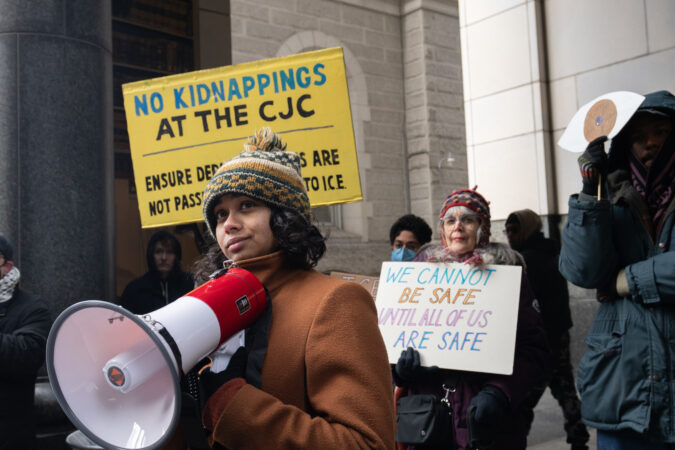
    U.S. Immigration and Customs Enforcement operations in and around our courthouse and city are a blatant abuse of power that undermines due process, destroys community trust, endangers public safety, and is morally abhorrent. If justice matters in Philadelphia, the courthouse must remain a sanctuary from civil immigration enforcement and not a place of fear and intimidation. Sheriff Rochelle Bilal has promised to protect Philadelphians from ICE’s tactics, yet her office claims it lacks the authority to shield people from civil immigration arrests at, or just outside, the courthouse. As the official responsible for courthouse security, the sheriff has both the tools and the obligation to make sure everyone can access justice without fear.

    ICE agents have exploited restricted entrances and carried out violent arrests right outside the courthouse doors. There are also reports of deputies sharing information about courtroom locations with ICE. These actions deter people from exercising their rights and erode trust in the courts. If deputies would intervene during an assault just outside, they must show the same commitment to protecting folks from ICE kidnappings. ICE has no legitimate place in our courts or anywhere in Philadelphia. We must ensure the courthouse remains a true place of justice, dignity, and safety for all, and we must all do what we can to protect our neighbors from this vicious ICE campaign.

    Carrie Rathmann, Philadelphia

    Shiny new thing

    The Inquirer’s Kristen A. Graham reports that Superintendent Tony B. Watlington Sr. has announced the (eventual) opening of two new schools in North Philadelphia based on Geoffrey Canada’s Harlem Children’s Zone. This announcement comes as Watlington plans to tell the public which district schools are about to be closed. Huge contradiction here with the impending school closures the public does not want, and a surprise declaration of two new schools to open. The part I find most offensive is Watlington saying: “We’re going to make sure the school is staffed with the very best, most effective principals … We’re going to ensure that these schools are staffed with the very best, most effective teachers.”

    Is he really saying current teachers, staff, and principals are not the best? What would happen if they had the resources to support their students as promised with the two new schools? Mayor Cherelle L. Parker promised year-round schools (as these new ones will be). I must ask: Why hasn’t she created them in already existing schools? Where is the funding coming from, and how long will it last? Who was included in creating this proposal for the new schools? Neither Parker nor Watlington is known for being transparent or engaging in genuine community involvement.

    Karel Kilimnik, Philadelphia

    Imperial march

    Donald Trump has been described as a narcissist, a racist, a despot, a bully, a convicted felon, a demagogue, an oligarch, an intimidator, and a liar. A new term has been added to the list: imperialist. What is the difference between Vladimir Putin’s invasion of Ukraine and Trump’s threat to invade Greenland? Trump can no longer broker a peace between Russia and the United States. He has lost all credibility. With his actions in Venezuela and threats against Colombia, Cuba, Iran, and especially Greenland, is his plan to destroy NATO and allow Putin to try to dominate Europe? Is he giving Xi Jinping the green light to invade Taiwan? Does Trump envision himself as the supreme ruler of the Western Hemisphere? These questions will have their answers in a short period of time. It took his administration one year to get to this point. What will the next three years bring?

    Richard Zanoni, Edgewater Park

    Masks off

    An American citizen named Renee Nicole Good was shot dead in Minneapolis in what Robert Reich called a “cold-blooded murder.” Her killing was carried out by masked men from a paramilitary organization that is running amok in the streets of America. The last paramilitary organization that ran amok in the United States under the protection of those in power was the Klan. The parallels are unmistakable. Both wear masks, or in the case of the Klan, a robe and hood. They kill innocent people because they are the “enemy within.”

    U.S. Immigration and Customs Enforcement is an official government organization, while the Klan operated with local and state governments’ blessing. Their violence is fueled by the unaccountability enabled by hiding their faces and the governmental protection racket that covers up their crimes. In the case of ICE, that racket is run by Donald Trump and Kristi Noem. Our nation brought the Klan under control. The first step in controlling ICE is to remove the masks by outlawing them. You can’t hold people accountable unless you know who they are. California passed a no-mask law for law enforcement officers. Pennsylvania must be next.

    Gary Goldman, Newtown

    Iranian strategy

    The recent CBS Evening News interview between anchor Tony Dokoupil and President Donald Trump, conducted on a noisy Ford factory floor, raised more questions than answers about the administration’s approach to Iran. When the president warned he was prepared to take “strong action” if Iran executes protesters, the exchange felt strained and unclear, with Dokoupil struggling to maintain control of the conversation. Although I now live in Florida, my expectations for CBS were shaped decades ago in Philadelphia, where I attended Father Judge and grew up watching the network with my family.

    During the Vietnam War, Walter Cronkite delivered the news with a steadiness and credibility that helped the country navigate one of its most divisive eras. When he ended each broadcast with “That’s the way it is,” we believed him. Today, many viewers watch CBS with a degree of cynicism, and the tone of this interview did little to restore confidence. Communities far from Washington feel the stakes. A TV report here warned that even a single miscalculation between the U.S. and Iran could trigger a wider conflict. A miscalculation is not a strategy. It is a small misunderstanding or hasty reaction that spirals into something no one intended. That’s the way it is.

    Tom Feaster, Tampa, Fla.

    Leaders, not rulers

    Donald Trump is the president and leader of the United States. He was not chosen to be the ruler or dictator of our country. A leader guides his followers on a path that is best for the group. Does anyone think bombing suspected drug boats and killing suspected drug runners, hijacking Venezuelan oil and taking over the country, trying to annex Greenland against the wishes of its people, killing American citizens during immigration raids, and gutting the Affordable Care Act is the right path for America? Many of these actions resemble those taken by Adolf Hitler, Josip Broz Tito, Josef Stalin, and other dictators. Do we want a leader like them?

    Can we stand by while being led by the likes of Pam Bondi, Kristi Noem, Pete Hegseth, and Robert F. Kennedy Jr. — all underqualified when compared with previous department heads? It’s time to practice the old axiom, “Lead effectively or step aside and let someone else lead.” But who are the followers who have the integrity and intestinal fortitude to speak up? It’s certainly not Republican legislators, who whisper only mild dissent, then cower to scrutiny for fear of losing their jobs. Some Democrats speak up, but their voice is not strong enough. We, the average American citizen, must speak up and be heard. A loud and determined voice must reach our leaders and say, “No! Enough! We will not follow you down this path.”

    Jim McGogney, Marlton

    Join the conversation: Send letters to letters@inquirer.com. Limit length to 150 words and include home address and day and evening phone number. Letters run in The Inquirer six days a week on the editorial pages and online.

  • Horoscopes: Monday, Jan. 26, 2026

    ARIES (March 21-April 19). Reinvention is available, and you’re willing to let go of the familiar. Even though certain beliefs about who you are feel safe — because they’re known — you’re brave enough to take a risk and let them go. You’re more than your role — more than your story.

    TAURUS (April 20-May 20). Your efforts to listen better give you a competitive edge. Most people don’t value the skill enough to be excellent at it. It takes a calm and open mind to settle into what’s being expressed. People notice and respect your talent.

    GEMINI (May 21-June 21). Finishing what you start is a declaration of your strength. Every completed project, big or small, builds momentum. Your credibility is increasing, and so is your confidence as you honor the commitments that honor you.

    CANCER (June 22-July 22). If you don’t know quite what you want, at least you know what you don’t want, which is the best place to start. All that you don’t want is negative space, and you’re the sculptor freeing the figure from everything that is not the figure.

    LEO (July 23-Aug. 22). What appears to be an ordinary encounter has more levels. Others are unstressed because they are naive to the stakes. You’re well aware. Because of your sensitivity, interactions require more of you, but they give you more, too.

    VIRGO (Aug. 23-Sept. 22). You will live as the philosopher Friedrich Nietzsche did, by the concept of amor fati, “a love of one’s fate.” Whatever destiny hands over, you’ll polish it until it gleams. You’ll be trusted with treasures of finance and heart.

    LIBRA (Sept. 23-Oct. 23). Any clothing can be attractive on a confident person. However, it’s difficult to feel confident if you don’t like what you’re wearing. Address issues of style. It’s a power move.

    SCORPIO (Oct. 24-Nov. 21). You see your loved ones clearly, including their flaws and past mistakes, and you stay loyal. Loyalty shows up as discretion (not broadcasting their failures) and as a conscious choice to emphasize their strengths when you stand by them.

    SAGITTARIUS (Nov. 22-Dec. 21). No one knows what they are doing today. It’s unclear where we’re headed. There’s a general sense of being uninformed; it’s the same for everyone. Dive in and do what you can with what you know, and you’ll soon know more.

    CAPRICORN (Dec. 22-Jan. 19). It’s easy to want something just because everyone seems to. But those wants, even when fulfilled, are somehow unfulfilling. That’s why you seek deeper knowledge. Ask your true wants to speak a little louder to you.

    AQUARIUS (Jan. 20-Feb. 18). A good lawyer does not present all the information he has about his client during the opening statement. And nor do you need to tell your whole story immediately. You already have the attention, so you can be deliberate with your pacing.

    PISCES (Feb. 19-March 20). A lot of simple improvements don’t happen because no one thinks to make them happen. But you’re always looking around for opportunities to help. You’ll see what needs fixing and move things in a better, brighter direction.

    TODAY’S BIRTHDAY (Jan. 26). Welcome to your Year of the Bold Declaration in which you simply say how it’s going to be and watch the world move to make it so. You’ve put the work in, been generous, taken the time to learn excellence, and now you ask the world to do its part. More highlights: exciting sites, tickets and venues, holding hands in solidarity and romance, and physical feats of health and vitality. Sagittarius and Virgo adore you. Your lucky numbers are: 19, 29, 42, 6 and 4.

  • Horoscopes: Monday, Jan. 19, 2026

    ARIES (March 21-April 19). There’s a problem to toy with — not a problem that’s urgent and needs solving, but one you can figure out in joy and playfulness. A relaxed state will do much of the work for you. So many solutions will come to you.

    TAURUS (April 20-May 20). You don’t romanticize less-than-ideal circumstances, nor do you let them define you. These conditions add dimension to your work, your purpose and your life. You’ll use all that happens like the artist you are.

    GEMINI (May 21-June 21). It’s a day to revisit the rituals that connect you to your values and remind you of who you are and where you come from. That might sound serious and effort-intensive, but it plays out simply: “I do this because it feels good, familiar or fun to me, and here’s why …”

    CANCER (June 22-July 22). You recognize quality quickly. You can point to the best things — the meat of an idea, the cute part of a story, the best characteristics of a person. Today, your instinct to find the best part saves time and elevates outcomes.

    LEO (July 23-Aug. 22). Your confidence isn’t about what you have. It’s about knowing you can make something of whatever comes. You trust in your powers of adaptation, which seem to braid together your creativity, resilience and emotional intelligence to orient you toward possibility.

    VIRGO (Aug. 23-Sept. 22). The sky is only blue a fraction of the time. Many carrots are not orange. Many radishes are not red. Not all blue whales are blue. Life comes to you vividly today because you have the open mind to see beyond color and into the possibility.

    LIBRA (Sept. 23-Oct. 23). You’re learning for the joy of it. The fact you stumble upon today becomes a bridge to something larger. Curiosity compounds. It’s all casual today, but just wait and see how quickly it grows into an immersive interest.

    SCORPIO (Oct. 24-Nov. 21). You embody a cheerful cleverness, like you just cracked a code, and you’ll apply some of this to your relationship with money. Today, you’re centered on value rather than price. Spending becomes intentional. What you choose supports your priorities.

    SAGITTARIUS (Nov. 22-Dec. 21). You’re in the mood to zoom out and ask a bigger and brighter question. Possibility feels generous today, not abstract. An invitation, an idea or a change of scenery remind you how many choices you really have, and that freedom fuels your optimism.

    CAPRICORN (Dec. 22-Jan. 19). Steady effort pays off in a satisfying way. You see how far you’ve come because something that once felt heavy now feels manageable. Your competence makes everything easier, and that ease frees you to think creatively about what comes next.

    AQUARIUS (Jan. 20-Feb. 18). You notice where you don’t quite fit, and instead of adjusting yourself, you adjust the situation. Innovation can happen through small tweaks and original angles — you prove that today. What seems unconventional at first proves effective and very much your style.

    PISCES (Feb. 19-March 20). A pause will be necessary to get perspective. If it feels luxurious, let it be. If it’s merely practical, that’s good, too. Just don’t let it feel indulgent because this is necessary. Moments of stillness sharpen judgment and soften interactions. You return refreshed and clear.

    TODAY’S BIRTHDAY (Jan. 19). This is your Year of Strategic Magic. You’ll wield charm. Your charisma will get you into rooms where decisions are made and you’ll be an important part of the verdict. Confidence radiates from the calm way you take on challenges. More highlights: Relationships deepen. Your political and emotional savvy grows. You’ll achieve academic or financial success. Pisces and Virgo adore you. Your lucky numbers are: 2, 14, 30, 1 and 37.

  • Dear Abby | Daughter is failing to be a good mother

    DEAR ABBY: I have three daughters with children of their own. Every year, we have a family vacation. My daughter “Monica’s” children, ages 8 and 9, whom I love and see regularly, behave badly. They cuss, yell at adults and show no respect whatsoever.

    We have brought this to Monica’s attention multiple times. She always reacts like we are wrong and says, “I’m not going to beat my kids.” At no time did we imply she should “beat” her kids, just give them a time-out or a scolding. If any of us tell them “Stop, please don’t do that,” they act like victims. It’s so bad that one of my other daughters told us as we were planning a vacation that she will not be going because of Monica’s kids’ behavior.

    Monica accuses us of not liking her kids and being mean. She goes to the school to argue with teachers and the principal if her kids tell her they didn’t get their way. I don’t know what her issue is. Her reasons sound like she is mentally ill. Anything you can recommend?

    — NOT ENABLING IN NEVADA

    DEAR NOT ENABLING: Monica is a terrible parent. A responsible mother would see that her children learn appropriate behavior before they get into serious trouble. Because you cannot help your daughter to see reality, I recommend you stop inviting Monica and her children on these vacations. Their behavior is unacceptable, and their cousins should not be further influenced by their bad example.

    ** ** **

    DEAR ABBY: I am a 70-year-old male caring for my 71-year-old wife. She has had health issues for more than 10 years. I own my own business and am the only employee, although my wife does help me with a portion of the business. Dealing with all her health issues, trying to run a business, trying to survive financially and navigating the world today is difficult.

    I am seeking resources or a support group in my area that works with people who care for their family members. We have been to counseling, which helped, but did not help me with all that I feel and have to do. I don’t think my wife could navigate this world on her own. Can you point me in the right direction?

    — RESPONSIBLE IN TEXAS

    DEAR RESPONSIBLE: You are carrying a heavy load. An organization called The Caregiver Action Network (formerly the National Family Caregivers Association) may be what you are seeking. Established in 1992, it works to improve the quality of life for tens of millions of family caregivers, providing education, peer support and resources to family caregivers across the country free of charge. For more information, go to caregiveraction.org or call 855-277-3640.

    ** ** **

    DEAR READERS: Today, we remember the birthday of Rev. Martin Luther King Jr. who in 1968 was martyred in the cause of civil rights. During a time of insanity, his was a voice of reason when he eloquently preached, “Love is the only force capable of transforming an enemy into a friend.”

  • In his new book, Gov. Josh Shapiro recalls an ‘offensive’ vetting process to be Kamala Harris’ running mate

    In his new book, Gov. Josh Shapiro recalls an ‘offensive’ vetting process to be Kamala Harris’ running mate

    Pennsylvania Gov. Josh Shapiro questioned whether he was being unfairly scrutinized as the only Jewish person being considered as a finalist to be Vice President Kamala Harris’ running mate — and briefly entertained his own run for the presidency — according to a copy of his upcoming book obtained by The Inquirer.

    In his memoir, Where We Keep the Light, set to debut on Jan. 27, Shapiro wrote that he underwent significant questioning by Harris’ vetting team ahead of the 2024 presidential election about his views on Israel, and his actions supporting the end of pro-Palestinian protests at the University of Pennsylvania — leading him to wonder whether the other contenders for the post had faced the same interrogation.

    Shapiro, a popular Democratic governor long rumored to have future presidential ambitions, even briefly entertained a run shortly after then-President Joe Biden unexpectedly dropped out of the race in July 2024, according to his book. The Abington Township resident is now seen as a top contender for the 2028 Democratic nomination as he seeks reelection in Pennsylvania this year.

    But before Shapiro ended up in the veepstakes for Harris’ running mate, he wrote in his book that there was a moment right after Biden dropped out of the race where he considered whether he should run for president.

    “Well, now what?” Shapiro wrote. “Maybe there would be a process the party would engage in to replace him? Did I want to be part of that?”

    He called his wife, Lori, who at the time was out of the country with their two younger kids. “I don’t think we are ready to do this,” Shapiro recalled his wife saying from a Walmart in Vancouver. “It’s not the right time for our family. And it’s not on our terms.”

    After that call, Shapiro wrote that he quickly decided he didn’t want to run and would back Harris, as Biden also endorsed her for the top of the ticket.

    Once the field cleared for Harris, Shapiro recalled seeing his face on TV as her potential running mate, before he was asked by her campaign manager to be formally vetted.

    In the days that followed, Shapiro contended with increasing national scrutiny as he emerged as a front-runner. Some pro-Palestinian protesters began calling Shapiro “Genocide Josh” online, he wrote. And top Democrats questioned whether a Jewish running mate would deter voters from supporting Harris, as Shapiro had been outspoken against some pro-Palestinian campus protests that year.

    What was unknown: Whether those same questions — and some even more extreme — were circulating within Harris’ camp, Shapiro wrote in his most detailed retelling of his experience vying for the vice presidency to date.

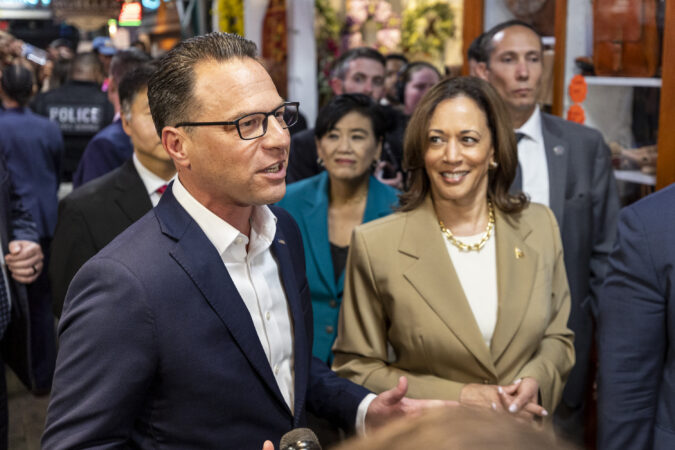
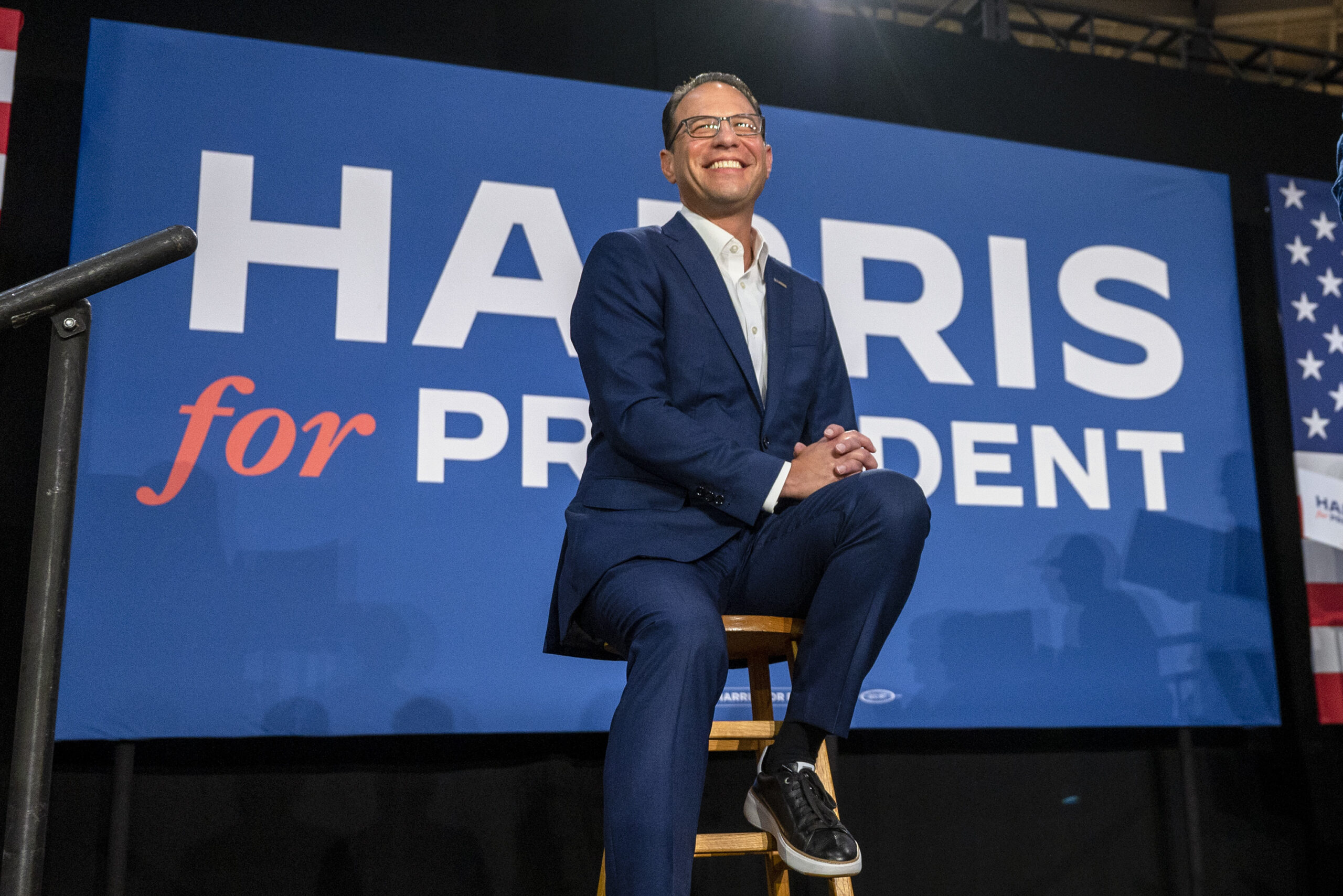
    Gov. Josh Shapiro at a rally for Vice President Kamala Harris at Wissahickon High School in Ambler on July 29, 2024.

    Just before he went to meet with Harris at the vice president’s residence in the summer of 2024, Shapiro received a call from Dana Remus, former White House counsel for Biden who was coleading the vetting process for Harris.

    “Have you ever been an agent of the Israeli government?” Remus asked, according to Shapiro’s memoir.

    “Had I been a double agent for Israel? Was she kidding?” Shapiro wrote in his 257-page book. “I told her how offensive the question was.”

    According to the memoir, Remus then asked if Shapiro had ever communicated with an undercover Israeli agent, which he shot back: “If they were undercover… how the hell would I know?”

    “Remus was just doing her job. I get it. But the fact that she asked, or was told to ask that question by someone else, said a lot about some of the people around the VP,” Shapiro wrote.

    In high school, Shapiro completed a program in Israel that included service projects on a farm, and at a fishery in a kibbutz, as well as at an Israeli army base, which he once described in his college student newspaper as “a past volunteer in the Israeli army.”

    Harris’ office could not be reached for comment Sunday evening. Remus also could not immediately be reached for comment Sunday.

    Shapiro, more broadly, recalled getting the feeling from Harris’ vetting team that she should pick Shapiro — a popular Democratic governor in a critical swing state — but that they had reservations about whether Shapiro’s views would mesh with Harris’.

    In one vetting session with U.S. Sen. Catherine Cortez Masto (D., Nev.), former Labor Secretary Marty Walsh, former associate Attorney General Tony West, and former senior Biden adviser Cedric Richmond, Shapiro wrote that he had been questioned “a lot” about Israel, including why he had been outspoken against the protests at Penn.

    “I wondered whether these questions were being posed to just me — the only Jewish guy in the running — or if everyone who had not held a federal office was being grilled about Israel in the same way,” he wrote. (Illinois Gov. JB Pritzker, who is Jewish, was also vetted to be Harris’ running mate. Harris’ husband, Doug Emhoff, is also Jewish.)

    In his book, Shapiro recalled the whirlwind two weeks as an awe-inspiring window into an opportunity — but ultimately it was one he knew he didn’t want.

    When Shapiro finally sat down with Harris in the dining room at the Naval Observatory, he said it became clear that she had a different vision for the vice presidency than what he wanted. He would work primarily with her staff and couldn’t say whether he would have access to her. In her own experience as vice president, she saw the job as mostly to make sure that you aren’t making any problems for the president, he wrote.

    Shapiro noted his own relationship with his No. 2, Lt. Gov. Austin Davis. The role in itself has few powers, but Shapiro views Davis as a governing partner and is one of few people who can walk into his office unannounced at any time, he wrote. He wanted the same relationship with Harris, he said, noting that he knew he would not be the decision-maker.

    “If we had door A and door B as options, and she was for door A and I was for door B, I just wanted to makes sure that I could make the case for door B,” Shapiro wrote.

    But Harris was “crystal clear” that that wasn’t the kind of president-vice president dynamic she envisioned, he said.

    In her own book released last year, 107 Days, Harris recalled the meeting differently. There, she wrote that Shapiro had “peppered” her with questions and “mused that he would want to be in the room for every decision.” His ambitions, she said, didn’t align with her view that a vice president should be a No. 2 and not a “copresident.”

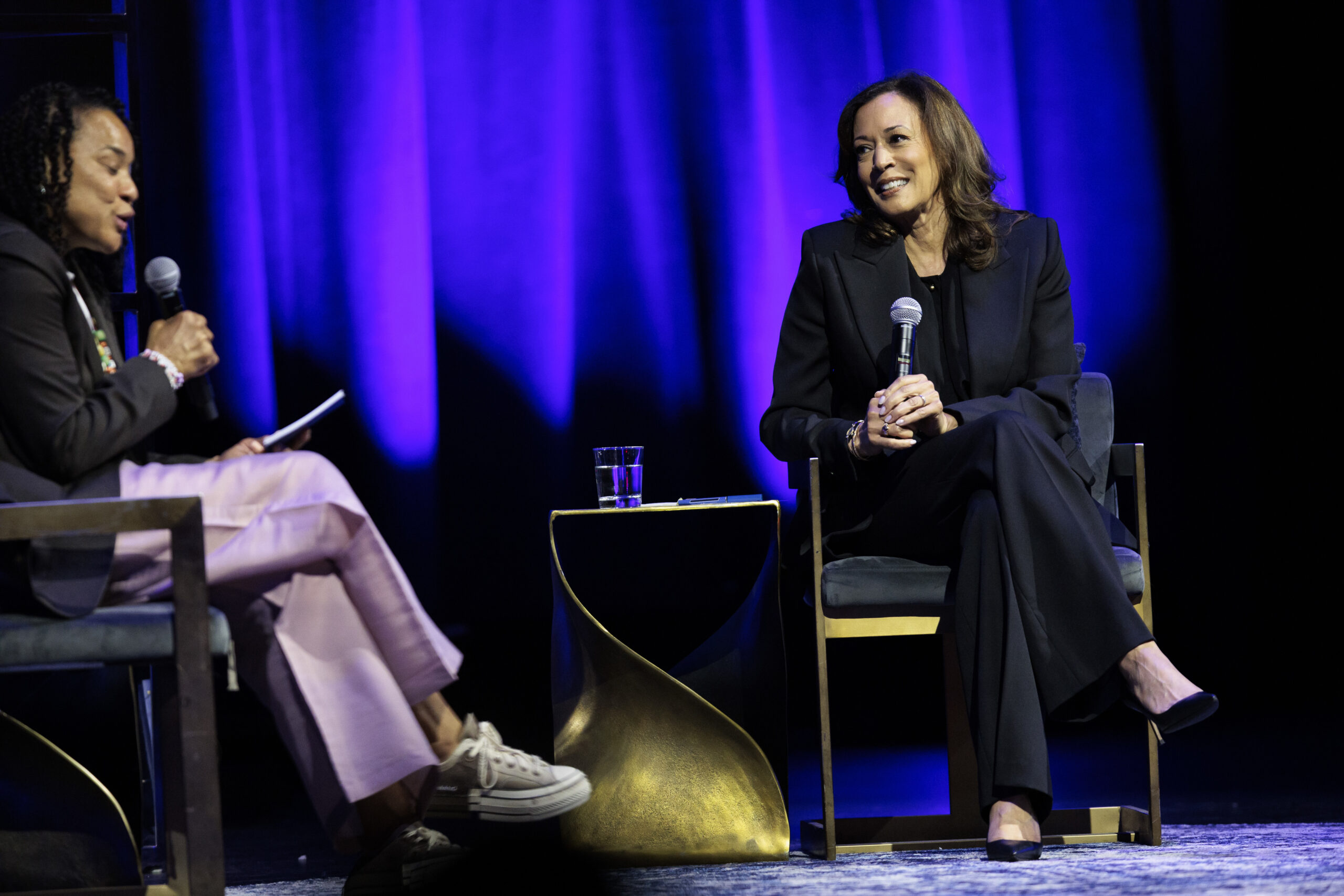
    Former Vice President Kamala Harris speaks with Dawn Staley (left), while promoting her new book “107 Days,” at the Met on Sept. 25 in Philadelphia. The event was held in partnership with Uncle Bobbie’s Coffee & Books.

    As Shapiro tells it, the friction with Harris’ team didn’t stop there.

    Shortly after meeting with Harris, Shapiro in his book recalled another unpleasant conversation with Remus, in which he wrote that she said she “could sense that I didn’t want to do this.”

    According to the book, Remus said it would be hard for Shapiro to move to Washington, it would be a strain financially for his family who “didn’t have a lot of money” by D.C. standards, and that Lori would need to get a whole new wardrobe and pay people to do her hair and makeup.

    It was then that he decided to leave the apartment where he had been asked to wait until Harris could come and talk to him again, he recalled.

    “These comments were unkind to me. They were nasty to Lori,” Shapiro wrote. “I hold no grudge against Remus, who I know was doing the job she had to do, but I needed to leave.”

    Shapiro went home, he said, and went over the day’s events with Lori at the edge of their bed.

    “On one hand, I was still tugged by the prestige of it all. It’s an honor. It’s a big title. But that’s never been enough for me,” he wrote. Still, he struggled with what it would mean to withdraw, concerned about not playing his part in a high-stakes election and letting his supporters down. Ultimately, he decided that it was not his race to win or lose, he wrote.

    “People were going to cast their votes for her, or they weren’t,” he added.

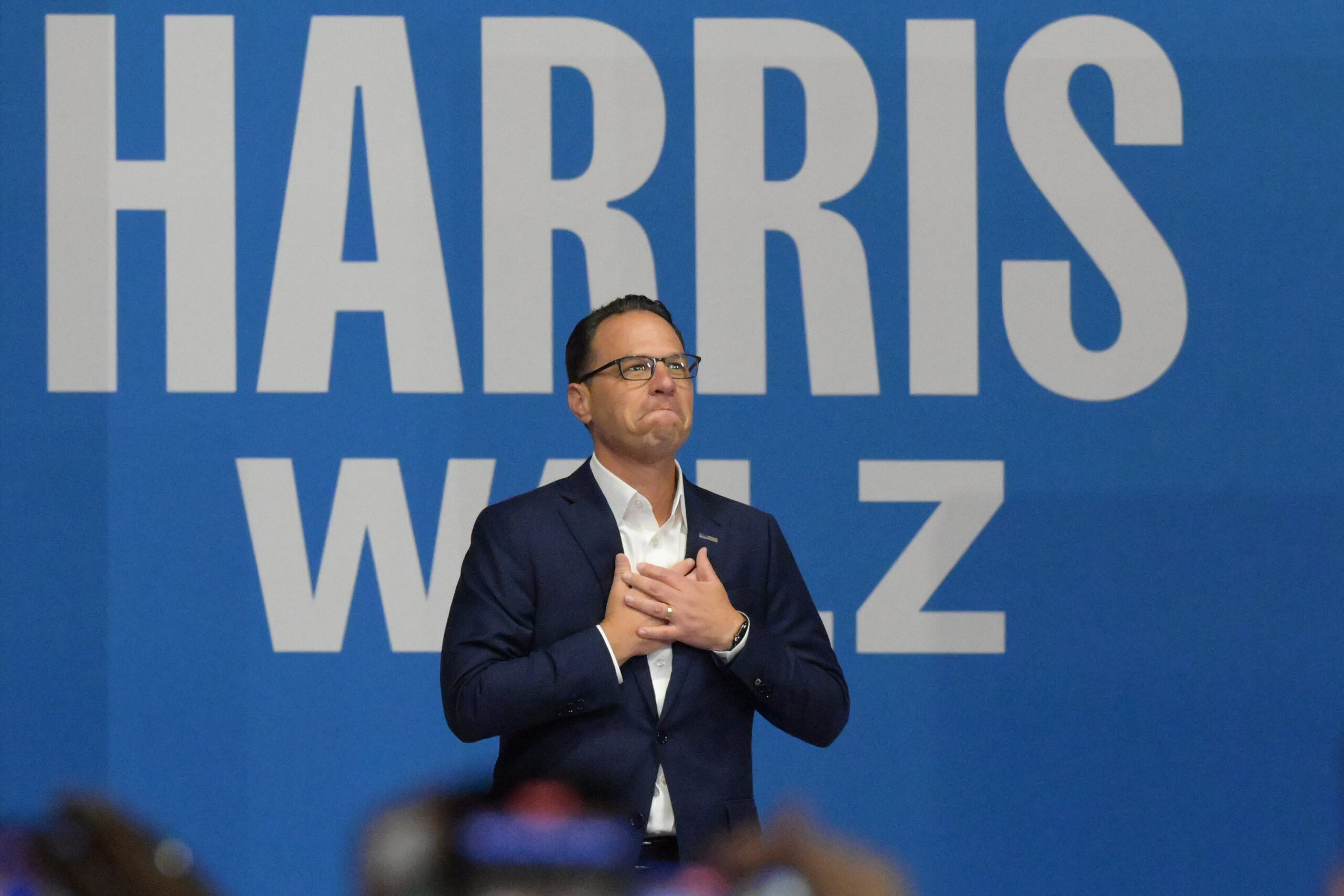
    Vice President Kamala Harris, Democratic nominee for president, and her running mate Minnesota Gov. Tim Walz, address a rally to kick off their campaign at the Liacouras Center in Philadelphia, Pa., on Tuesday, August 6, 2024.

    He decided that day he did not want the job, and toyed with the idea about publicly releasing a statement withdrawing himself from the running. He said he also tried to tell Harris he did not think it would be a good fit, but wasn’t able to reach her.

    Shortly thereafter, Harris announced that she had chosen Minnesota Gov. Tim Walz to be her running mate in an ultimately unsuccessful campaign against President Donald Trump. The two would debut their presidential ticket at a rally at the Liacouras Center in North Philadelphia. Shapiro wrote that he didn’t want to go.

    “I was wrung out. I just wanted to be home with my family, to take a walk with Lori, and just be,” he wrote.

    Gov. Josh Shapiro takes the stage ahead of Vice President Kamala Harris and Gov. Tim Walz at a rally in Philadelphia’s Liacouras Center on August 6, 2024.

    But when it was time for him to take the stage ahead of Walz and Harris, he was long-applauded by his home city and gave a speech “from my heart” about how he took pride in his faith and his support for Walz and Harris.

    Shapiro’s memoir will be released Jan. 27 and is a reflection on his decades as an elected official, including as Pennsylvania attorney general, as well as the firebombing of his home last year. He will tout the book in Philadelphia on Saturday at 3 p.m. at Parkway Central Library. He will also discuss the book at upcoming book tour stops in New York and Washington.

  • Season-low temperatures are coming to Philly Monday, after a snowy Sunday

    Season-low temperatures are coming to Philly Monday, after a snowy Sunday

    The Martin Luther King Jr. holiday on Monday will end with the coldest temperatures of the season so far, the National Weather Service has forecast, after a snowy weekend.

    The day was to start with overnight lows in the high teens and a wind chill that would feel like the low teens, said Paul Fitzsimmons, lead meteorologist with the weather service.

    “The roads could still be icy in spots and any slush is going to … freeze,” he said.

    Monday’s highs are forecast to stay in the low to mid-30s.

    “With wind, it’s going to feel more like the 20s, even at the warmest part of the day,” Fitzsimmons said.

    Temperatures are expected to dip into the mid-teens Monday night, which along with a breeze will feel like the mid- to high single digits, he said. In a word: bitter.

    Recent weather patterns have kept things cold.

    “Basically, we just have a pattern where there’s a persistent upper-level trough over the eastern part of North America, and that’s just a favorable pattern to get reoccurring incursions of this Arctic air,” Fitzsimmons said.

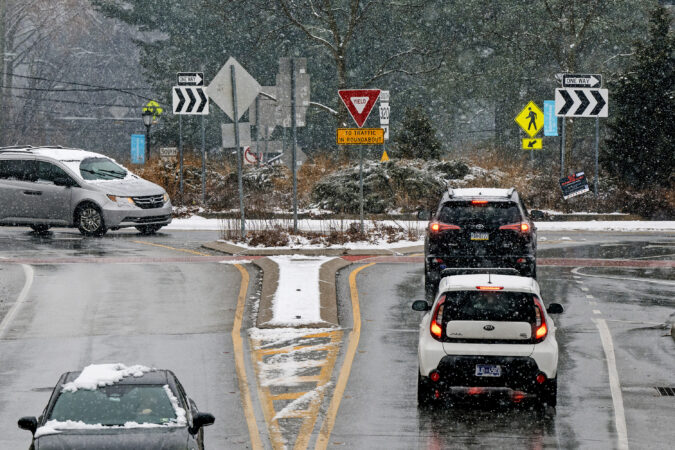
    Lou Kratz and his daughter Jules, 10, walk along Umoja Park in Swarthmore on Sunday, after the second snowfall of the weekend. Cleveland, their half sheepdog, half mutt rescue from Texas, is a “Christmas dog,” Jules said.

    Philadelphia saw less than an inch through Sunday afternoon but was forecast to finish the day with around 2 inches, according to the weather service. Some suburbs saw higher snowfall, with much of Bucks County seeing the highest totals, above 2 inches.

    Things won’t be getting better on Tuesday.

    In fact, the weather service forecast a Tuesday night low of 9 degrees. The good news: “There won’t be as much wind,” Fitzsimmons said. “So in terms of the actual real feel, it may not be quite as bad Wednesday morning.”

  • Jasmine Bascoe scores 22 as Villanova beats Butler

    Jasmine Bascoe scores 22 as Villanova beats Butler

    For sophomore guard Jasmine Bascoe, Villanova is “right where we want to be” after a 73-65 victory over Butler on Sunday at the Finneran Pavilion.

    Bascoe led the way with 22 points and added two rebounds and six assists as Villanova (15-4, 8-2 Big East) maintained its hold on second place in the conference.

    The Wildcats trailed by 33-31 at the half but used a productive third quarter to seal another Big East win. In their last outing, they were thumped, 99-50, at No. 1 UConn on Thursday.

    “We want to be trailing UConn in the Big East,” Bascoe said. “That’s a great spot for us going into the second half of the league [schedule], and then hopefully the Big East Tournament. … So it’s just continuing to push through.”

    Turning it around

    Heading into the game, Villanova coach Denise Dillon urged the team to come out stronger after halftime.

    Butler (8-11, 2-7) went on a 7-0 run in the final 1 minute, 13 seconds of the second quarter. The Bulldogs kept the game close in the first half with efficient shooting, going 60.9% from the field. Meanwhile, Villanova shot just 34.4% from the field and 16.7% from the three-point range in the half.

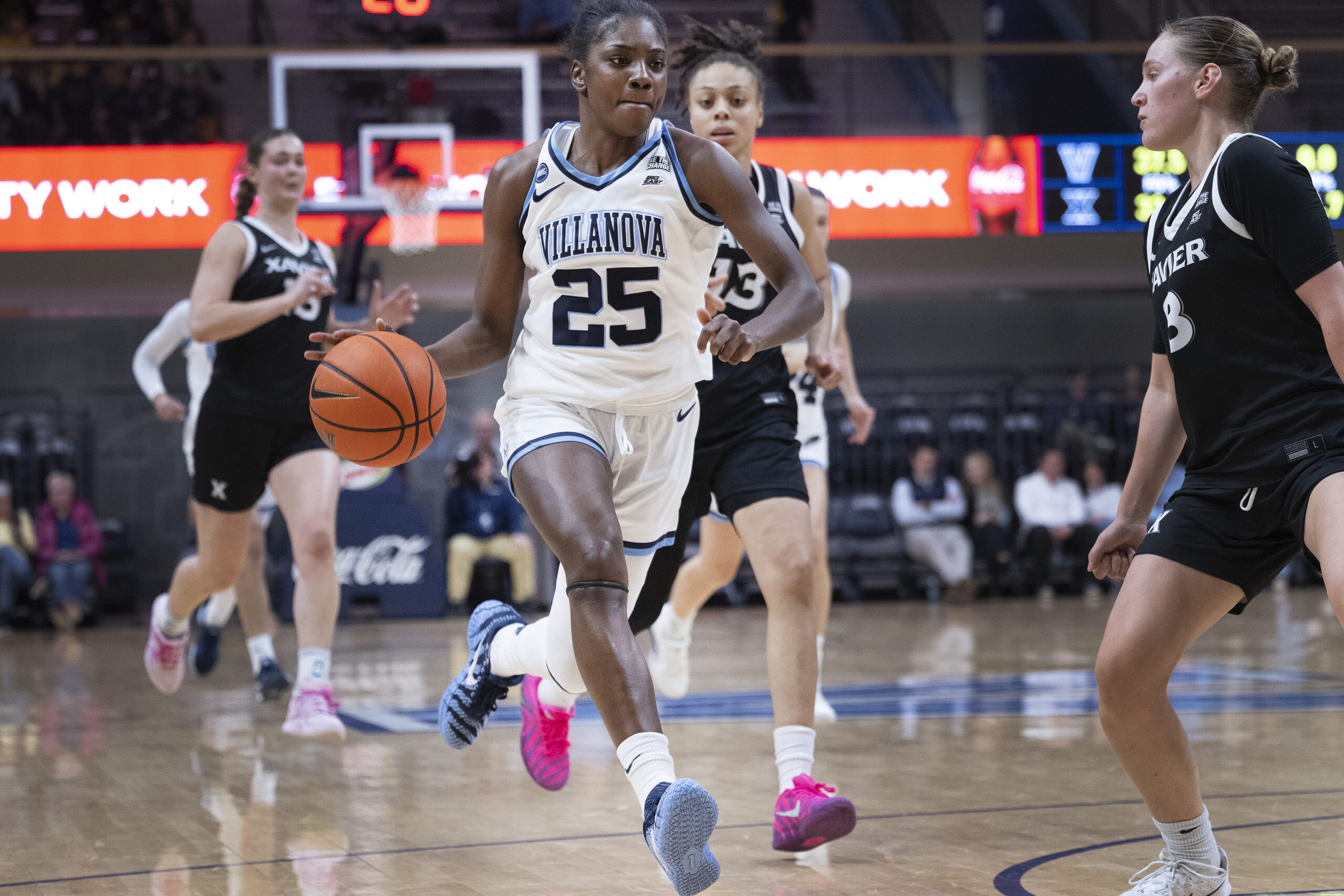
    Villanova’s Denae Carter in action against Xavier on Jan. 8.

    “[At halftime,] we just acknowledged that we weren’t playing like ourselves in the first half,” Bascoe said. “And to finish off the game right, we had to come out hard in the third quarter. So, you know, we drew up some plays, we intensified our defense, and then it kind of slowed down from there and we didn’t have to force any shots.”

    Carter has her moment

    Villanova opened the third quarter with a 7-0 run of its own. Bascoe sank a three-pointer and layup off a Butler turnover. Then, sophomore forward Dani Ceseretti assisted on a layup by junior forward Brynn McCurry.

    The Wildcats outscored the Bulldogs, 24-15, in the third quarter and led for the rest of the game.

    Graduate forward Denae Carter accounted for 11 of those points, shooting 5-for-7 from the field. She added six points in a scoring burst within the last 1:31 of the quarter.

    “This is [Carter’s] final run, and when she realizes it, it just fuels her,” Dillon said. “There’s nothing better for this group. You can even see it in the huddle, when all of a sudden she’s like, ‘I’m ready to go.’ … Denae is one of our top defenders, and when she’s disruptive, good things happen for us.”

    With less than four minutes left to play, Carter had to leave the court after she was struck in the face and Butler was charged with a flagrant foul. She finished the game with 15 points and four rebounds.

    Next up

    Villanova visits St. John’s (15-5, 5-4) on Saturday (2 p.m., FS1).