A man was stabbed several times on a SEPTA train in Center City early Friday evening, police said.
The stabbing occurred shortly before 5:25 p.m. and the victim was taken by SEPTA Transit Police from the 13th Street Station on the Market-Frankford Line to Thomas Jefferson University Hospital, police said.
“Two people were engaged in an argument that escalated into a fight and then a stabbing that left one of them in critical condition,” SEPTA spokesperson Andrew Busch said in an email.
The victim was stabbed in the neck, police said. No further information was available about him.
HARRISBURG — An unknown amount of mail from Pennsylvania state agencies to residents has gone undelivered, Gov. Josh Shapiro’s administration discovered this week.
The Pennsylvania Department of General Services said in a statement Friday that it has ended its contract with an unidentified vendor that pre-sorts state agency mail before delivering it to the U.S. Postal Service to be sent to residents around the state. The department discovered in the last 48 hours that the vendor “had been failing to deliver Commonwealth mail to constituents,” said Paul Vezzetti, a spokesperson for the department.
The state is still determining how much and what type of mail was not delivered to Pennsylvania’s residents. It was unclear Friday why the vendor failed to send the state’s mail, where the mail was located when it was not in the state’s possession,how long the mail went unsent, and how the failure was not identified sooner.
The unsent mail could prove to be a major headache for Shapiro’s administration, depending on the magnitude of the issue and which state communications were not delivered to residents.
After discovering the backlog, the Department of General Services rapidly hired a new vendor to sort and deliver the unsent mail “as quickly as possible,” Vezzetti said. The unsent mail has already been transferred to the new vendor and the state estimates that it will be mailed by early next week.
According to an emergency contract made public Friday, the state hired technology solutions company Pitney Bowes for $1 million, citing its preparedness to process and resume mail operations. If the services were not immediately restored, it “could result in missed deadlines, loss of services, delayed benefits, legal exposure, and operational disruptions for multiple agencies and constituents,” according to contract.
The unsent mail from unspecified state agencies could include critical communications relating to state services, such as health benefits or food assistance, among other potential communications. State agencies send communications by mail about an individual’s eligibility for services or benefits, renewals and appeals, and whether a person is due to appear at a hearing about that eligibility, and more.
Vezzetti declined on Friday to confirm which agencies were impacted by the stalled mail, or to name the vendor that had been fired.
Pennsylvania lawmakers last month ended a 135-day-long state budget impasse that required counties, schools and social service organizations to take out loans or limit their services during the protracted budget fight.
The state is now taking steps to “carefully assess and mitigate impacts” of the mail delay and adjust deadlines for impacted residents.
Staff writer Ximena Conde contributed to this article.
More than 130 drug cases were dismissed Friday — and hundreds more are expected to collapse in the coming months — after prosecutors said three Philadelphia narcotics officers repeatedly gave false testimony in court.
Common Pleas Court Judge Lillian Ransom vacated 134 cases during the first in a series of hearings that could see nearly a thousand criminal prosecutions collapse because the testimony of three officers on the Narcotics Strike Force has been deemed unreliable.
Philadelphia Police Officers Ricardo Rosa, Eugene Roher, and Jeffrey Holden were found to have repeatedly given false testimony against people suspected of selling drugs after lawyers with the Defender Association of Philadelphia recovered video footage that contradicted their statements, the district attorney’s office said.
The defenders said the officers regularly watched surveillance cameras to monitor suspects in drug investigations in real time, then didn’t disclose it to prosecutors or defense attorneys in court, officials said. The video footage later showed they also testified to things that never happened or that they could not have seen from where they were positioned, according to court filings.
Prosecutors later conceded that they could no longer vouch for the officers’ credibility and are expected to dismiss scores of cases built on their testimony.
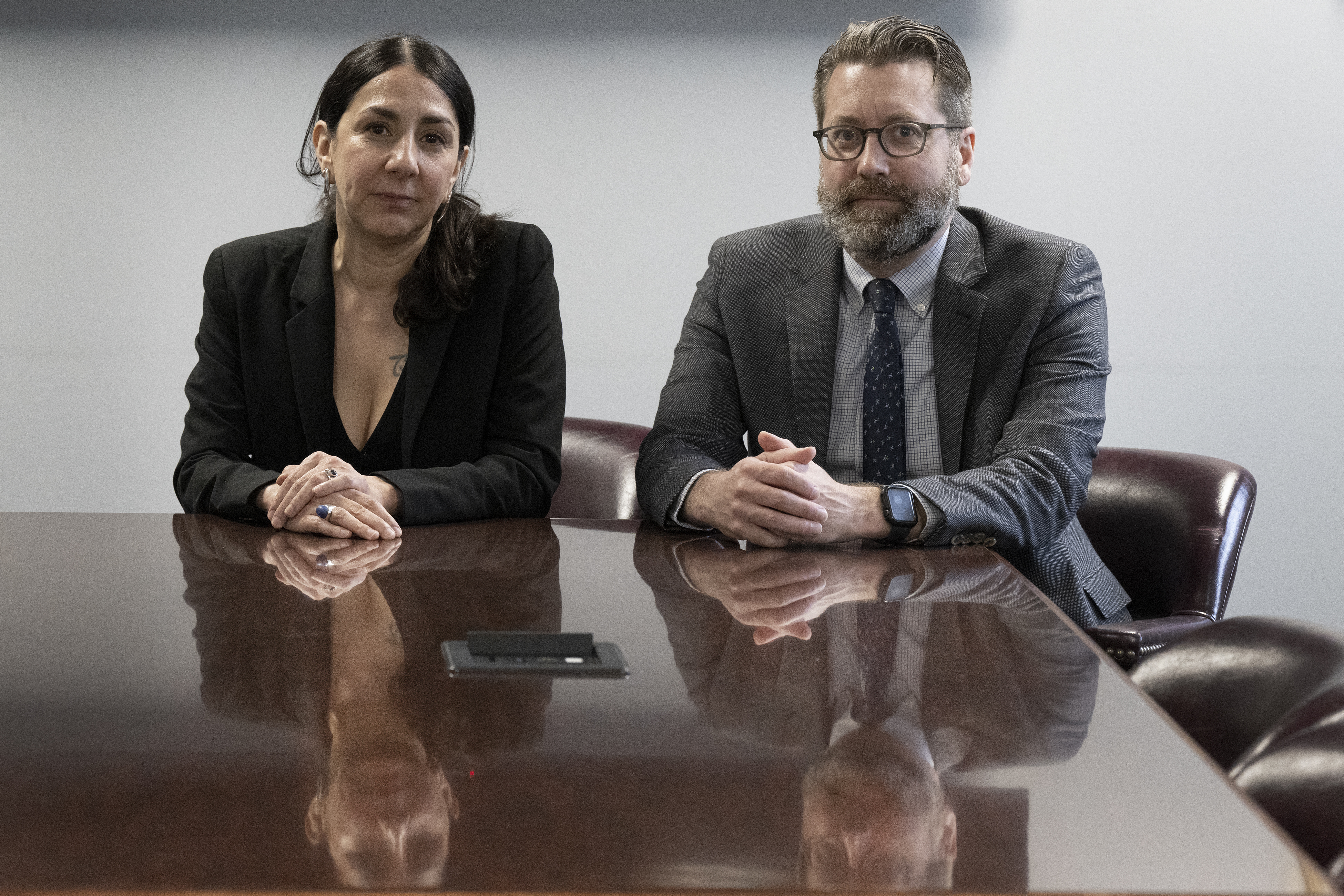
Michael Mellon and Paula Sen, of the Defender Association, began looking into whether officers on the narcotics squad were lying in court starting in 2019.
After a review of cases and convictions involving the officers’ testimony, lawyers for the defender association and prosecutors identified more than 900 cases and expect to ask the judge to dismiss them over the next year. It was not immediately clear how many people, if any, served time in jail, or are still in custody, as a result of the prosecutions that are now in question.
Holden, reached by phone Friday, said he was shocked to learn that his cases and testimony were under scrutiny, and said he had not been told of the move to end the cases at Friday’s hearing. He declined to comment further.
Rosa and Roher did not immediately respond to requests for comment. The officers remain assigned to their narcotics squads.
The district attorney’s office said it provided the police department’s internal affairs unit with details of the officers’ false statements in multiple cases last March.
Police Commissioner Kevin Bethel, in a statement, said the department takes “potential credibility issues with our officers extremely seriously.”
An internal affairs investigation into the matter was launched last March and remains ongoing, he said.
The department requested and reviewed cases flagged by prosecutors, he said, but “thus far we have not identified any evidence that would raise concerns of misconduct or criminal behavior on the part of those officers.”
He added: “We will, as always, take appropriate action if and when evidence supports such action, but we will not preemptively sideline officers absent some verified findings.”
Bethel said he learned of the plans to dismiss the cases on Thursday, and has asked prosecutors to provide additional information to assist with their review. He also said the police department has been working with the district attorney to develop a clearer protocol on how officers can use surveillance cameras during investigations.
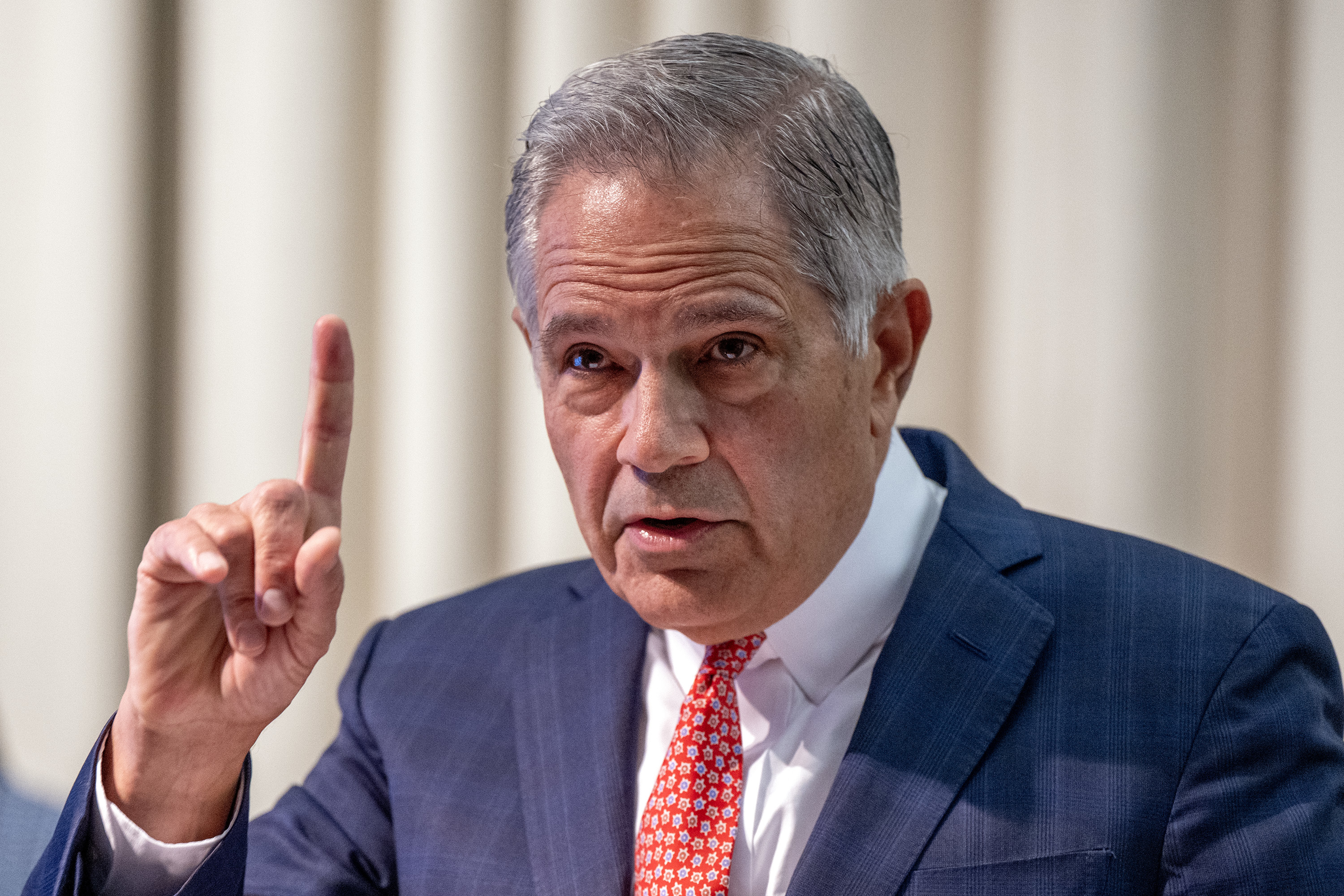
District Attorney Larry Krasner on Friday declined to say whether his office was investigating the officers’ conduct, but noted that “the statute of limitations for police officers in their capacity is much longer than the statue of limit for other offenses.”
“I have dealt extensively with Commissioner Bethel. I know he and the mayor are committed to rooting corruption, lying, stealing, and cheating out of the police department,” he said.
District Attorney Larry Krasner declined to say whether his office was investigating the officers’ conduct as criminal in nature.
‘They’re lying’
Assistant District Attorney David Napiorski, who reviewed the cases for the office, stopped short of accusing the officers of lying, but said “there’s enough of a pattern of inconsistencies across testimony that we can’t rely on them as critical witnesses in court.”
But Paula Sen and Michael Mellon of the Defenders’ Police Accountability Unit disagreed.
“It’s a fancy way of saying they’re lying,” said Sen, who has worked with Mellon to uncover the officers’ credibility issues since 2019.
The unfolding scrutiny is the latest in a series of large-scale conviction reversals in Philadelphia tied to misconduct in the narcotics unit. Over the past three decades, judges have thrown out thousands of drug cases after officers were found to have fabricated evidence, lied on the stand, or stolen money from dealers.
Bradley Bridge, a longtime public defender, was often the driving force behind those reviews and estimates he’s worked to overturn about 2,500 drug convictions since 1995.
In 2015, Bridge filed a petition to vacate more than 1,400 drug convictions tied to six ex-narcotics cops after they were charged with robbing and beating drug dealers, then altering police paperwork to cover their tracks. The officers were later acquitted by a jury and got their jobs back through arbitration, but more than 950 cases were thrown out after officials agreed they couldn’t trust their testimony.
Bridge, who returned from retirement to handle the cases tied to Rosa, Roher, and Holden, said, “Tragically, nothing is unique about this. It’s exactly the same problems that keep arising since 1995, including the lack of supervision and oversight of police officers on the street.”
A video camera used by Philadelphia police located at Somerset Street in Kensington.
Sen and Mellon said they first noticed a pattern of false testimony in 2019 after they reviewed surveillance footage that contradicted statements Rosa gave about drug cases. As time passed, they said, they continued to monitor his narcotics squad, and found inconsistencies with Holden and Roher’s testimony, too.
They said the officers used the city’s surveillance camera systems to monitor suspected drug activity in real time, but didn’t disclose it as part of their investigation — a violation of due process because the evidence wasn’t shared with defense attorneys.
In court, the officers denied using the cameras, Mellon said, and often said they witnessed hand-to-hand drug transactions that video later showed either never happened or that they could never have seen because the suspect was out of sight.
“They just straight up lied and invented acts of criminality,” Sen said.
‘Who are they gonna believe?’
In one case, Roher said he was seated in an unmarked police car when he saw Darrin Moss sell drugs to two people near Somerset and Helen Streets in Kensington in April 2022. He said he could see Moss inside the fenced lot retrieve drugs, then hand them to a buyer and accept money in return.
Prosecutors later said in court filings that video footage captured by a surveillance camera on the end of the block showed that one drug deal never happened, and the other supposed deal was behind a building and would have been impossible to see.
The charges against Moss were withdrawn.
When prosecutors learned of the discrepancies, they asked Roher to meet and discuss the case, but he failed to appear in court twice without explanation, they said in a court filing.
Prosecutors said this became a pattern — once the officers seemed to learn their testimony was under scrutiny, they stopped showing up to court.
Court filings identify at least nine cases in which the three officers allegedly gave false testimony. Napiorski, of the district attorney’s office, said prosecutors reviewed a few dozen videos from other cases that suggested a systemic pattern of false information in court.
Sen, of the defenders association, said it was troubling that the officers remained assigned to the narcotics squad and have been able to continue making arrests.
“How is the public supposed to have trust in a department that continues to employ people who have so clearly proved themselves to be liars, that has resulted in thousands of people being arrested and jailed?” she asked.
Most of the cases dismissed Friday were drug crimes that led to a sentence of probation, prosecutors said. Seven included a gun charge.
The drug charge against Ramoye Berry was among them.
Berry, 29, from North Philadelphia, said that in April 2023, he was standing on the 1300 block of West Boston Street talking to some friends when a group of officers tackled him and accused him of selling drugs.
When they searched his car, he said, they found a small amount of weed, but he wasn’t selling it. He was charged with possession with intent to sell drugs.
Berry couldn’t recall which officer testified against him in court, but he said he remembered telling his lawyer that the officer wasn’t telling the truth.
He said he pleaded guilty to drug possession and accepted a year of probation because he didn’t think he could prove his innocence, and the court dates were challenging to keep up with. It kept him from being able to get a job, he said.
When he learned on Friday that the officer had a history of giving false information and that his conviction would be vacated, he said he felt vindicated — but frustrated by the time and jobs he lost to the case.
“This is what I was saying from the beginning,” he said, shaking his head. “But who are they gonna believe? The cops, or me?”
WASHINGTON — There’s plenty of history of World Cup host teams getting easy groups. But the soccer gods definitely smiled on the U.S. men’s national team at Friday’s draw.
The Americans got Australia out of Pot 2, the second-toughest batch, instead of the stars and skills of Croatia, Morocco, or Colombia. In Pot 3, they got Paraguay, instead of Norway’s all-world striker Erling Haaland and playmaker Martin Ødegaard.
At that point in the glitzy stage show, with President Donald Trump leading the guest list at the Kennedy Center, the U.S. knew it would get a European playoff winner from Pot 4. But even then, they got lucky, landing the bracket of Turkey, Romania, Slovakia, and Kosovo, instead of the one led by Italy.
Then, as the dust settled and the watching world looked at the results, something else became clear. At least two of the three games will be rematches of recent U.S. games, and all three will be if Turkey wins that playoff.
Mauricio Pochettino (second from right) in the audience in the Kennedy Center’s historic Concert Hall.
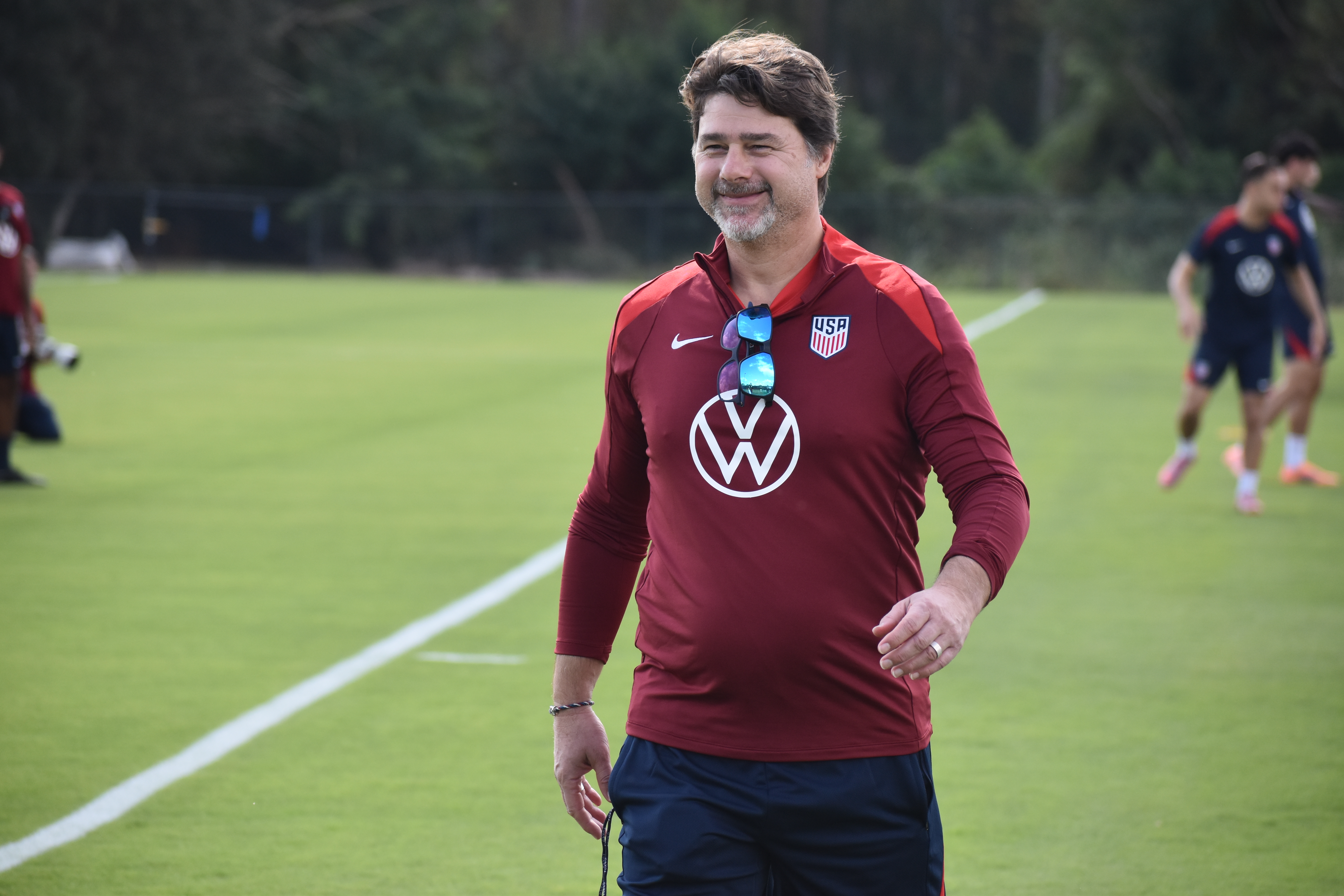
“It means less work,” U.S. manager Mauricio Pochettino said. “We can say we’ve already done the homework because it’s fresh when we played them … It’s still six months. We need to update everything — and we know them, but they know us.”
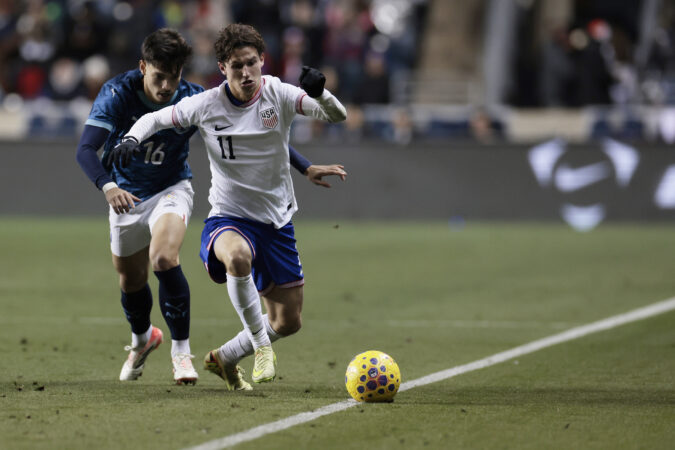
The Americans’ opening game will be against Paraguay on June 12, the second day of the tournament, in Inglewood, Calif. The teams met last month at Subaru Park in Chester, and the U.S. won, 2-1, with goals from Gio Reyna and Folarin Balogun.
“I know they’re a very difficult, very complex team, one that has found a way to build a solid foundation, a solid base,” Paraguay manager Gustavo Alfaro said. “And that helps us understand the things we need to improve.”
Seven days later, the U.S. will play Australia in Seattle, a game that should produce a thunderous atmosphere in one of America’s elite soccer cities. In October, the U.S. came from behind to beat a physical Socceroos squad, 2-1, with two goals from Haji Wright.
“We know what to expect — a top team, a top coach,” Australia manager Tony Popovic said. “It will be obviously different in a World Cup to a friendly, but that also excites us.”
Then it will be back to the LA area for the group stage finale, on June 25 against the playoff winner.
Turkey beat the U.S., 2-1 in June in East Hartford, Conn., but that U.S. squad was missing a lot of its stars — deliberately at that point, by Pochettino’s decision. Turkey’s squad was full-strength, including star playmakers Kenan Yıldız of Italy’s Juventus (where he’s teammates with Weston McKennie) and Arda Güler of Spain’s Real Madrid.
If Romania pulls off the upset in the playoff, memories will come back of the teams’ 1994 World Cup matchup at the Rose Bowl. Romania’s 1-0 win that day was the last of the teams’ four all-time meetings, with the first in 1991 the only U.S. win.
The Union’s Quinn Sullivan (left) made his senior U.S. debut in June’s game againt Turkey.
The U.S. has only played Slovakia once, a 1-0 Slovakia win in that country’s capital, Bratislava. The U.S. and Kosovo have never played.
The European playoffs are in March. Turkey hosts Romania, and Slovakia hosts Kosovo, and the latter game’s winner hosts the finale.
Pochettino wants his team to believe it can win the World Cup. His favorite slogan lately has been “Be realistic and do the impossible.”
It’s his job to present that message, even if “realistic” for everyone else is something else. That bears saying loudly because fans who only watch the U.S. men during World Cups might take Pochettino at his word.
Mauricio Pochettino at a U.S. team practice last month.
For them, and for the team’s devotees too, Tyler Adams’ words are worth heeding.
“Everyone’s going to want us to say winning it is obviously the goal,” the veteran U.S. midfielder and locker room leader said. “Our idea is to win — that’s the goal. But I think setting the benchmark of the furthest the U.S. team has gone is also realistic. So we want to go and make a run, but again, it’s a game by game mentality.”
The farthest the U.S. men have gone at a World Cup was nearly a century ago at the first edition, in 1930, when they finished third in a 12-team field. They have advanced from their group in five of the eight World Cups they have gone to in their modern era, which started in 1990; and their only ever knockout game win was in 2002, against next-door-neighbor Mexico half a world away in South Korea.
Reaching the semifinals this time would require three knockout-round wins: in the round of 32 in the first 48-team World Cup, the round of 16, and the quarterfinals. The conventional wisdom outside the program is, and likely will remain, that success will be reaching the quarterfinals.
The U.S. men haven’t won a World Cup knockout game since Landon Donovan (center) scored to help beat Mexico in the 2002 World Cup’s round of 16.
“We have to focus on ourselves — we have to worry about how we are and who we are and what we are and the connections and the aggressiveness and the intensity and the focus,” said centerback Tim Ream, Pochettino’s captain as the squad’s most experienced player. “At some point, you’re going to have to play the best some of the best teams. So do you play them in the group stage? Do you play with the knockouts? It doesn’t really matter, right?”
What’s certain is that no matter the opponents, the games matter more now, starting with March friendlies against Portugal and Belgium. Then the U.S. will play its send-off games amid training camp against Germany and a team to be announced.
As the nation starts to tune in, it will be up to Pochettino and his players to turn that pressure into a force that strengthens them, and potentially powers a history-making run on home soil.
“I think it’s good pressure,” Pochettino said. “The expectation is good, because it puts good stress in your body.”
It will only build up over the coming months.
U.S. men’s soccer team 2026 World Cup group schedule
June 12: vs. Paraguay in Inglewood, Calif.
June 19: vs. Australia in Seattle
June 25: vs. UEFA playoff winner in Inglewood, Calif.
window.addEventListener(“message”,function(a){if(void 0!==a.data[“datawrapper-height”]){var e=document.querySelectorAll(“iframe”);for(var t in a.data[“datawrapper-height”])for(var r,i=0;r=e[i];i++)if(r.contentWindow===a.source){var d=a.data[“datawrapper-height”][t]+”px”;r.style.height=d}}});
But in a rare interview with the Washington Post, published Thursday, Yass shared details on the key motivation behind his political spending: school vouchers, which supporters say will allow parents and students to choose their school. Yass’ unwavering support for vouchers and other school choice measures has led him to throw his dollars to Pennsylvania, other states, and to Trump, whose candidacy he once opposed.
And in 2026, he said he’ll continue to financially back pro-voucher candidates across the nation.
“I have come across what I think is a great way to relieve the suffering of tens of millions of kids,” Yass told The Washington Post. “To most people it’s like if you’re a libertarian billionaire, you must be Lex Luthor trying to do something nefarious. If I gave to a hospital, you wouldn’t be saying that.”
School vouchers, which are opposed by teacher unions and public school advocates, have been a high-profile issue in Pennsylvania’s state budget talks in years past, but they’ve failed to pass it. Yass poured money into that effort, but Democratic Gov. Josh Shapiro, who has embraced — though softened — his support for a voucher program, vetoed the measure from the state budget after it couldn’t pass a Democratic-controlled state House in 2023.
Yass told the Post that “It was a dramatic failure. We thought we had it.“
The billionaire saw better success in Texas where he contributed to help defeat anti-voucher Republicans in the primary, creating a more favorable atmosphere for passing the state’s $1 billion voucher program.
But these instances were hardly the beginning — or the end — of Yass’ involvement with politics. He gave $3.2 million in political contributions in Pennsylvania in 2018, and by last year, that had risen to $35 million, the Post reported.
Though now known as a major backer of GOP candidates, he has supported Democrats who he believes can help champion the school choice message. The first major beneficiary of Yass’ contributions was State. Sen. Anthony Williams (D., Philadelphia) who unsuccessfully ran for governor in 2010 and Philadelphia mayor in 2015.
And in 2007, Yass conversed with then-Sen. Barack Obama, who received a $2,300 donation from Yass for his 2008presidential campaign, the Post reported. Yass believed that Obama would support school choice if elected, but his administration ended up opposing voucher programs for children in the D.C. school system.
According to the Post, this may have been an indication to Yass that Democrats would not be an ally for the school choice cause.
His allegiance to school choice also appears to have made him switch his perspective of Trump from an opponent — who spent millions of dollars to back GOP primaryopponentsin 2024 — to a supporter.
The billionaire owed his change of thought on Trump to the president being “a true champion” of school choice, Yass told the post, crediting him for the passage of the Texas voucher bill and a new federal tax credit for donations to scholarship organizations.
His support for the president also coincides with Yass having business in front of the Trump administration. Yass’ trading firm is a top stakeholder in ByteDance, TikTok’s parent company. Trump is mulling the fate of the popular social media app in the United States and Yass could benefit from a deal supported by Trump to keep TikTok operational here.
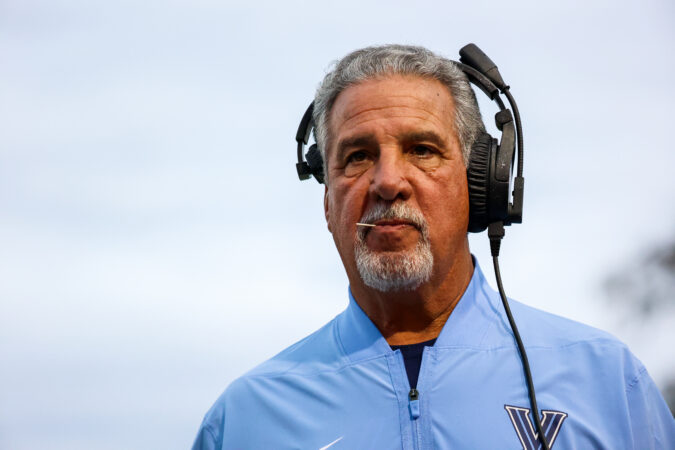
Mark Ferrante wore his usual visor with a smile, but his plastic toothpick, which normally sticks out of the side of his mouth at practices, was missing.
It was Wednesday morning, and the Villanova coach walked off the field at Villanova Stadium after wrapping practice in preparation for his team’s game against Lehigh in the second round of the FCS playoffs.
Despite the team’s inexperience after losing more than a dozen starters to graduation, Villanova demolished Harvard, 52-7, last weekend and has won nine straight. Ferrante said postgame that his players might lack experience, but they never lacked confidence.
Ferrante, in his ninth year at the helm, and the program is making its fifth FCS playoff appearance in the last six seasons and 17th all-time. Ferrante has been around the team since 1987 and watched former head coach Andy Talley build the program from the ground up. That paid off in 2009, when Villanova won its lone FCS championship.
In the last three seasons, Villanova has won its first FCS playoff game and then fallen short in the second round. Last season, Villanova traveled to San Antonio, Texas, to face sixth-seeded Incarnate Word in the second round. The Wildcats held Incarnate Word, which last season averaged 33.6 points per game, to 13, but still lost, 13-6.
Now, Villanova is back in the second round, and Ferrante is tasked with guiding his team over that hurdle on Saturday noon (ESPN+) in Bethlehem, Pa.
Villanova’s FBS game — against Penn State this season — and tough Coastal Athletic Association matchups helped prepare the team to play into December.
Wildcats running back Ja’briel Mace (4) carries the ball on Nov. 15.
“Sometimes it comes down to the health of the team,” Ferrante said. “If you look at last year against Incarnate Word, we’re playing a ton of freshmen [defensive backs] in that game by the time we got to that point of the season. So right now, we’re better than we were a year ago when it comes to the health of the team. I’m not looking to make excuses, because you have to go 1-0 each week. And this idea is to survive and advance.”
Villanova has lost starters intermittently because of injuries this year. Notably, standout running back David Avit has missed the last three games with a knee injury. Ja’briel Mace and Isaiah Ragland stepped up with no issue, both rushing for career highs during that stretch. Mace even broke the program’s 24-year-old single-game rushing record.
On defense, the team started the season without graduate linebacker Richie Kimmel and lost junior linebacker JR Strauss after the Penn State game.
During Villanova’s 2009 championship season, meanwhile, it lost one notable starter to an injury.
While injuries are uncontrollable, execution is not, Ferrante said.
“The bottom line is it has to come down to execution,” Ferrante said. “You have to go out and perform at a high level, regardless of who you’re playing, regardless of the weather conditions, regardless of the health of your team.”
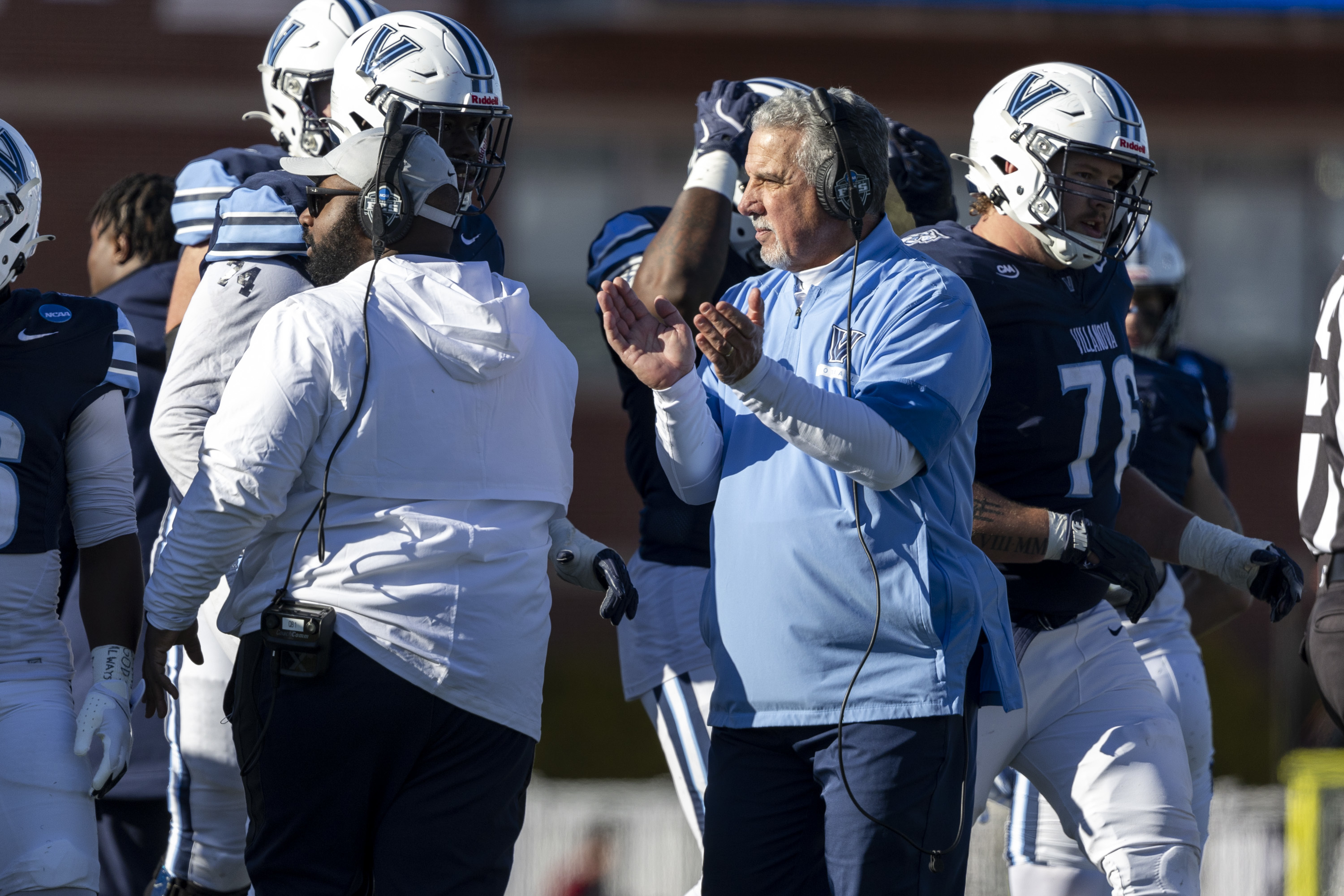
Villanova coach Mark Ferrante, applauding his team on Nov. 29.
Graduate linebacker Shane Hartzell has played in all of Villanova’s playoff games these past three seasons.
“The experience of Shane, I’m sure [the vets] talk to guys behind the scenes,” Ferrante said. “I think we have a good locker room right now. So I think there’s a lot of that going on that we really don’t even see as coaches, but it’s their practice habits that help as well. You have guys that just go out there and practice hard all the time, and that filters down into the young guys.
“So now you see some of our younger guys are having fairly good success. They see how practice is supposed to be, and then they follow suit, and then they end up becoming pretty good players.”
It has become a standard for Villanova to retain players for four years or more. Ten of Villanova’s starters last season were five-plus-year players.
“We just try to set a standard of being good students, good athletes, and good people,” Ferrante said. “Just work hard, be a good person, make good decisions, and good things will happen.
“That’s our approach when it comes to the classroom. That’s our approach when it comes to practice and playing. If you have a good locker room and you have a team that could lead themselves a little bit, there’s not a lot of drama.”
As college football coaches ride a merry-go-round of programs, Ferrante has not moved an inch from the Main Line, and that looks to be the case well into the future.
“If you love what you do, you love where you do it, and you love the people you do it with, that’s a win,” Ferrante said. “And that’s what this place has been for me.”
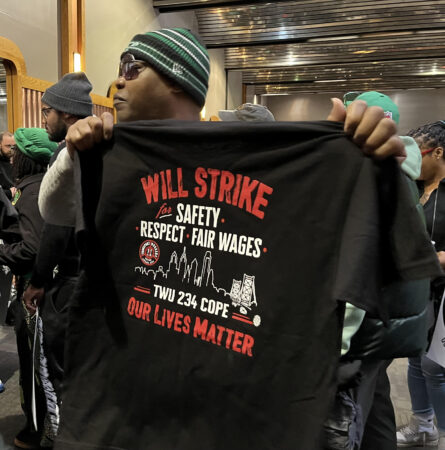
Transport Workers Union Local 234, SEPTA’s largest union, may soon strike, according to president Will Vera.
At a Friday afternoon news conference at TWU headquarters in Spring Garden, Vera said his “patience has run out,” and he said the union’s executive committee was meeting to decide when to call a strike.
“I’m tired of talking, and we’re going to start walking,” said Vera, who was elected president in October.
Local 234’s latest contract expired Nov. 7, and the 5,000-member local voted unanimously on Nov. 16 to authorize leaders to call a strike if needed during contract negotiations.
The union represents bus, subway, and trolley operators, mechanics, cashiers, maintenance people, and custodians, primarily in the city.
John Samuelsen, president of TWU International and former president of NYC’s local, joined Vera at the news conference.
“A strike is imminent,” Samuelsen said. “SEPTA is the most incompetent transit agency in the country … SEPTA is triggering a strike.”
In an email sent Friday evening, Samuelsen called on leaders and staff members of TWU locals to travel to Philadelphia to help Local 234 in the event of a strike.
Andrew Busch, spokesperson for SEPTA, said negotiations were “at an impasse,” noting that the negotiating committees met only twice this week. He said SEPTA’s leaders hoped TWU would “take us up on the offer to continue to talk so we can avoid a strike and the massive service disruption it would cause.” No meetings are scheduled for the weekend as of Friday evening.
Vera agreed there was room for the two groups to keep talking, if SEPTA provided “a fair and reasonable” contract proposal.
The union says it is looking for a two-year deal with raises and changes to what it views as onerous work rules, including the transit agency’s use of a third party that Vera said makes it hard for members to use their allotted sick time.
SEPTA officials have signaled they are open to a two-year deal as a step toward labor stability.
In recent weeks, TWU and SEPTA have been negotiating contributions to the union’s healthcare fund. Pensions have arisen as a sticking point.
Union sources told The Inquirer that TWU leaders are increasingly frustrated with the pace of negotiations.
Vera said the executive board meeting began at 4:30 p.m. on Friday. He hoped the board would reach a decision on when members would walk off the job.
TWU last went on strike in 2016. It lasted for six days and ended the day before the general election. Democrat Hillary Clinton’s presidential campaign was worried about voter turnout, and the city sought an injunction to end the strike. It proved unnecessary.
SEPTA’s financials
TWU’s contract negotiations are happening as SEPTA is emerging from what it has called the worst period of financial turmoil in its history.
Like many transit agencies, SEPTA was facing a recurring deficit due to inflation, fewer federal dollars, and flat state subsidies. It reported a $213 million recurring hole in its operating budget.
Following a prolonged and contentious debate over mass transit funding in the state budget, Gov. Josh Shapiro in September directed PennDot to allow SEPTA to tap $394 million in state money allocated for future capital projects to pay for two years of operating expenses.
And last month, he allocated $220 million to SEPTA, the second time in two years he’s flexed state dollars to support the financially beleaguered transit agency. While the $220 million is expected to go primarily toward capital expenses related to Regional Rail, the move helps SEPTA’s overall balance sheet.
What riders should know
SEPTA riders are no strangers to service disruptions.
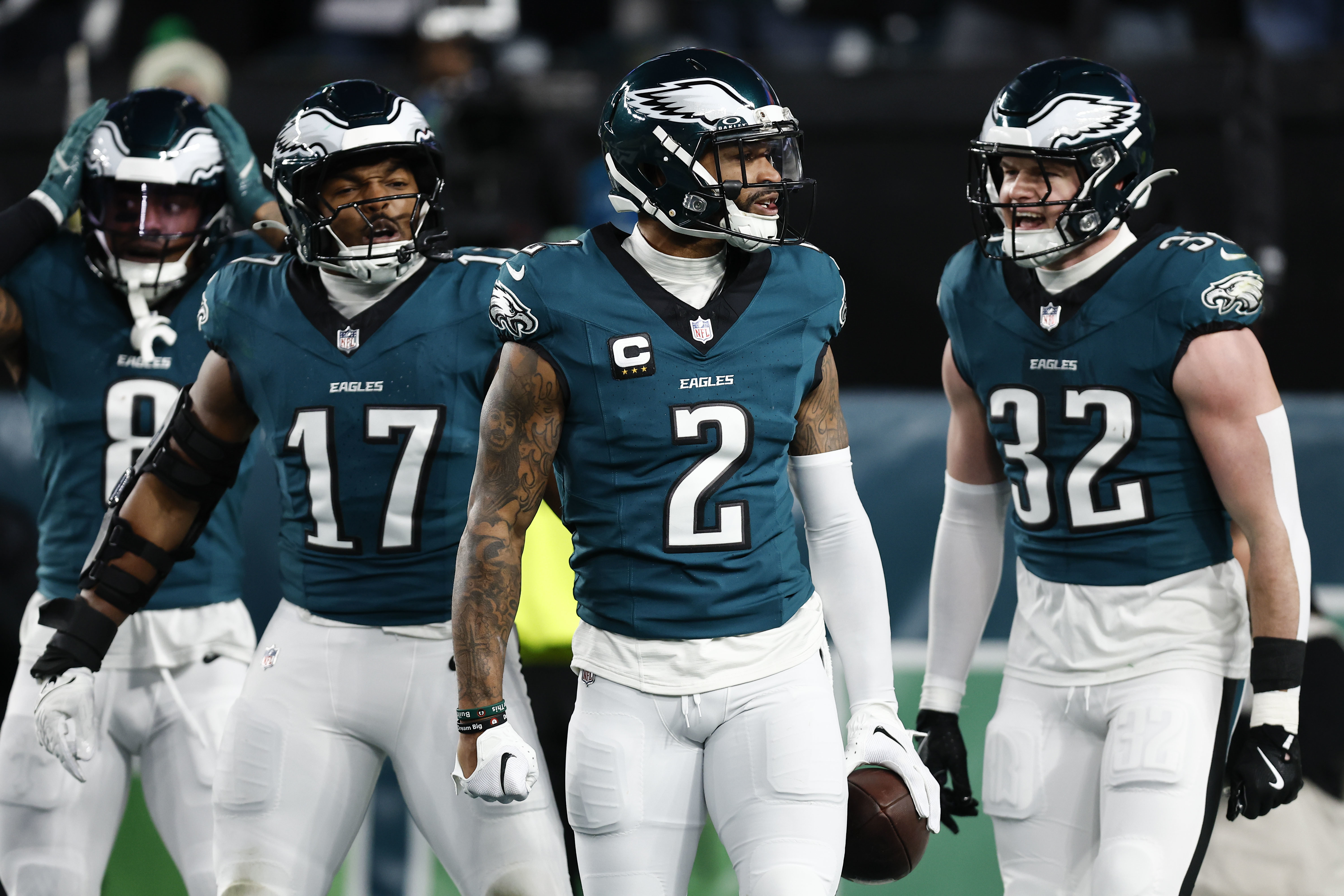
Darius Slay is apparently considering retiring from the NFL after he decided to not report to the Buffalo Bills, the claiming team he was awarded to after the Pittsburgh Steelers placed him on waivers.
But Philadelphia is Slay’s “second home,” he said, and the Eagles, according to NFL sources, also put a claim in for Slay, who was awarded to the Bills because they had higher priority in the NFL’s waiver order.
Acho asked Slay if he would have reported to the Eagles, had the team he spent five seasons and won a Super Bowl with in February been awarded his rights.
“I honestly don’t know, man,” Slay said before mentioning how he has enjoyed being home with his family in the days since his release from the Steelers, who made him a healthy scratch last week vs. the Bills.
“It just felt good to be there,” he said. “It would have been a hard time to think about it. But Philly is my second home. I don’t know how that would have hit, if that would have hit. But when I got home the other day, I’m like, ‘shoot this feel too good to be at the crib.’”
Slay also cited the inconvenience of moving to Buffalo and the city’s cold weather as reasons for not initially wanting to report to the AFC contender.
There is obvious mutual interest between the Eagles and Slay, should the cornerback decide he wants to continue playing. The Eagles haven’t shored up their second cornerback spot opposite Quinyon Mitchell after letting Slay walk in free agency. Slay looked more his age with the Steelers, who he signed with for one year and $10 million. But his familiarity with Vic Fangio’s scheme and the Eagles’ obvious concerns with their cornerback depth make it a fit.
Could Slay still end up with the Eagles?
It’s possible, but there are some mechanics involved that seem to make a reunion unlikely. The Bills placed Slay on the reserve/did not report list on Friday, removing him from their 53-man roster. They will retain his rights if he decides to continue his playing career. That is similar to how the Eagles handled cornerback Jaire Alexander after he decided to step away from football following his trade to the Eagles in November. They put Alexander on the reserve/retired list and retained his rights.
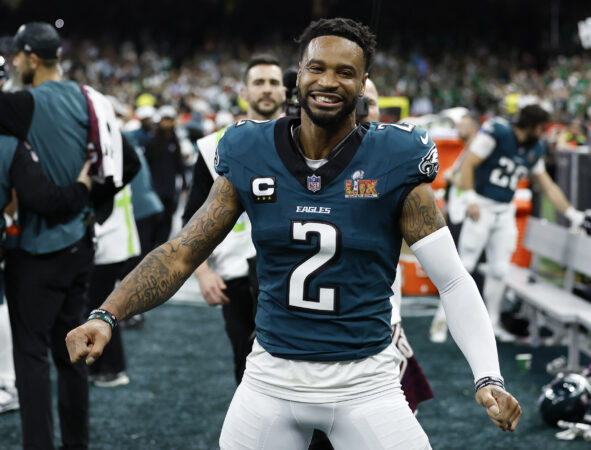
Eagles cornerback Darius Slay celebrates an interception in the 2025 playoffs.
The Bills could release Slay if he wants to continue playing, though there’s recent enough precedent under their current regime to suggest that they wouldn’t. Former NFL receiver Anquan Boldin decided to retire before the 2017 season began after signing with the Bills. He later asked the Bills to release him so he could play with another team, but Bills general manager Brandon Beane, then in his first season with Buffalo, declined that request.
It’s unclear if Slay would have to go back through waivers if the Bills released him.
It would seem unlikely, however, that Beane would release Slay to appease his desire to play for a potential Super Bowl opponent. The Eagles and Bills also play in Orchard Park, N.Y., on Dec. 28.
Inquirer staff writer Jeff McLane contributed reporting to this story.
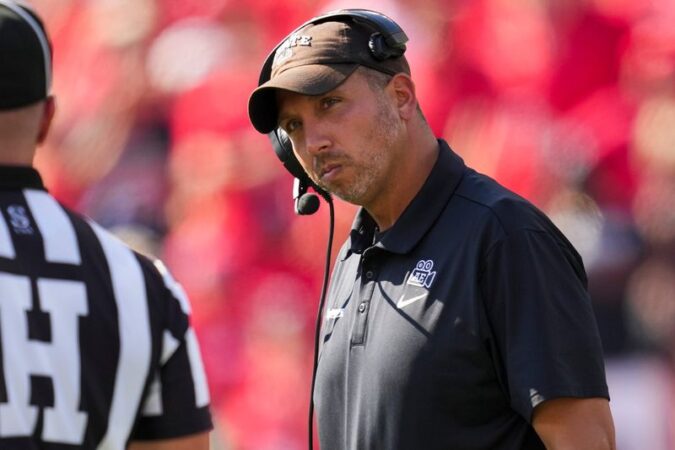
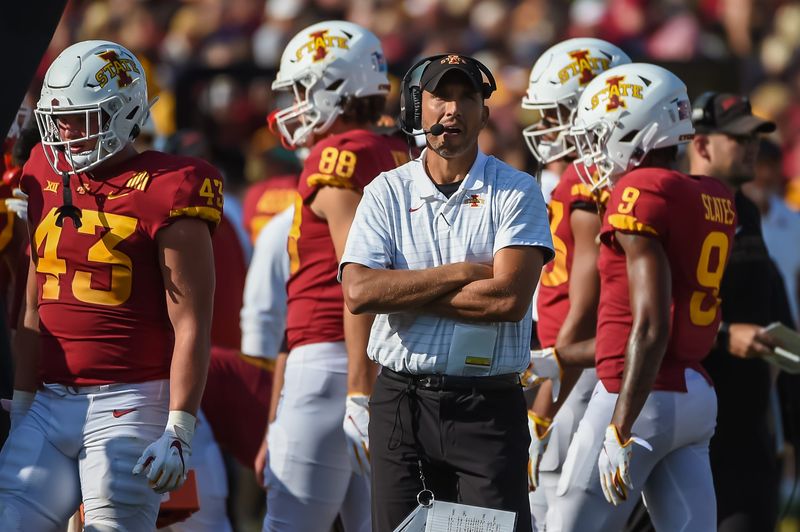
STATE COLLEGE, Pa. — Penn State is finalizing a deal to hire Matt Campbell as the 17th head football coach in program history, according to multiple reports on Friday.
Campbell, 46, has served as Iowa State’s head coach since 2016, where he won three Big 12 Coach of the Year awards and three bowl games. The Massillon, Ohio, native emerged as a candidate in recent days following Penn State’s reported whiff on BYU’s Kalani Sitake, among other candidates.
Here are five things to know about Penn State’s next head coach.
Campbell and Eagles head coach Sirianni were teammates and roommates at Mount Union in the early 2000s. Sirianni caught 13 touchdowns as a wide receiver while Campbell starred on the defensive line.
Both returned to the Purple Raiders’ staff to begin their coaching careers as assistants, Sirianni in 2004-05 and Campbell in 2005-06.
During Campbell’s tenure as Toledo’s head coach from 2012-15, the Rockets went 35-15, including two nine-win campaigns. Campbell won the MAC Coach of the Year in 2015 and went to three bowl games before departing for Iowa State.
In five of Campbell’s 10 seasons at Iowa State, the Cyclones won eight or more games, a mark the program had previously not reached since 2000. Iowa State won a program-record 11 games in 2024, and after eight wins in 2025, Campbell departs as the program’s all-time winningest coach (72 wins).
The Cyclones have made two Big 12 championship game appearances in their 30 years as a member of the conference. Both of those appearances came under Campbell.
Thank you, Matt Campbell. 🥺
• Most wins in Program History • First New Years Six Bowl Win • Best Single Season in ISU History • 16 Players to the NFL pic.twitter.com/GpauY8lBlI
The 6-foot-2 Campbell spent one year at Pittsburgh before transferring to Mount Union, where he played defensive end from 1999-2002. He was an All-American and a two-time conference defensive lineman of the year.
The Purple Raiders went 54-1 during Campbell’s four-year career. They won four conference titles and three NCAA Division III national championships. Campbell was inducted into the university’s Hall of Fame in 2018.
Matt Campbell uses the motto “recruit, retain, and develop.”
He can recruit
Campbell leaves Iowa State after signing 247Sports’ No. 50 recruiting class for 2026, the highest-ranked class of his tenure. All 22 players in the class are three-star recruits, according to 247Sports composite rankings.
Campbell’s recruiting motto is “recruit, retain, and develop.” The 46-year-old will likely bring that motto, and some of the players in his 2026 class, with him to Happy Valley as he stares down a roster overhaul in his first season as head coach.
Campbell and his wife, Erica, met in sixth grade, started dating in their senior year of high school, and later married. The couple has four children: Katie, Izzy, Rudy, and Rocco.
Campbell comes from a football family. His father, Rick, coached high school football at Massillon Jackson in Massillon, Ohio.
In Philadelphia, the city where the hepatitis B vaccine was discovered, experts sharply criticized a decision on Friday by the nation’s leading vaccine advisory panel to end a longstanding recommendation that all infants be immunized at birth against the serious liver disease.
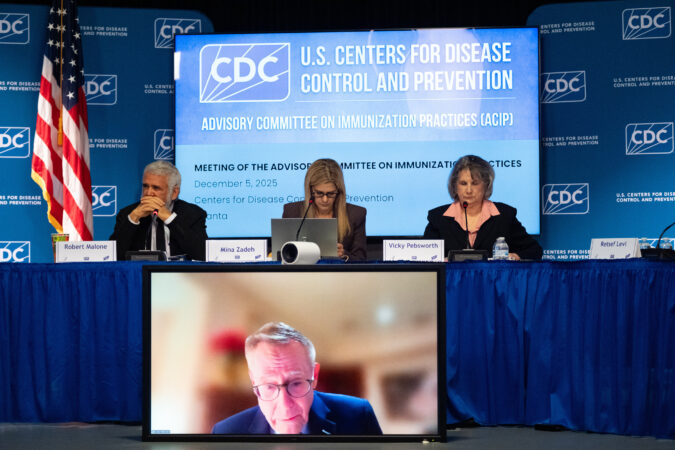
The Advisory Committee on Immunization Practices, a committee that makes recommendations to the Centers for Disease Control and Prevention on the vaccines that Americans should receive, voted 8-3 to change its guidance on when and to whom the hepatitis B vaccine should be administered.
National medical professional societies have opposed changes to the administration of a vaccine proven to be safe and effective, crediting it with all but eliminating the spread of the virus in young children.
The hepatitis B vaccine revisions underscored growing concern that the federal government’s vaccine guidance is no longer credible under President Donald Trump’s administration.
“Cases will go up,” said Sarah Long, an infectious disease pediatrician and a professor of pediatrics at Drexel University’s College of Medicine.
She called the vote “outrageous,” saying it’s much safer to ensure every child gets protection as soon as possible from a virus that can have lifelong effects, causing in some people cirrhosis and liver cancer.
“Why wouldn’t you want to apply a cancer-preventing vaccine to every potential susceptible child?” Long said.
Long is herself a former member of the committee of independent experts. Her term ended in July 2024, about a year before Health and Human Services Secretary Robert F. Kennedy Jr. fired all of ACIP’s 17 members and reappointed handpicked members that included some who, like Kennedy, have advocated against vaccines.
At meetings on Thursday and Friday, the committee reviewed a recommendation in place since 1991: that, shortly after birth, infants receive the first in a series of hepatitis B vaccinations.
ACIP will now recommend that infants receive a hepatitis B shot at birth only if their mother was not tested or tests positive for hepatitis B.
Parents can still decide with their doctors to give a dose at birth if the baby’s mother tests negative.
The committee recommended delaying the shot, recommending that babies should get their first hepatitis dose at “no earlier” than two months if they do not receive a birth dose.
Parents who test negative for the virus should discuss “vaccine benefits, vaccine risks, and infection risks” with their doctors to decide “when or if their child will begin the hepatitis B vaccine series,” HHS officials wrote in a statement.
Some committee members said most babies are not at high risk for infection and questioned whether there’s adequate research to support the shots for infants, The Associated Press reported. But two others said there was no evidence that birth doses harm babies. The CDC’s own website cites decades of studies showing few risks from the vaccine.
‘Why wait until two months?’
The decision makes little sense, said Paul Offit, a nationally renowned vaccine expert and physician who leads Children’s Hospital of Philadelphia’s Vaccine Education Center and has often clashed with Kennedy.
“I don’t think this RFK Jr.-appointed anti-vaccine group calling itself the ACIP understands critical aspects of this virus,” he said. “This vaccine is as safe at two months as it is at birth. Why wait until two months?”
It’s dangerous to wait to vaccinate babies against hepatitis B because the virus is highly contagious and can spread from a mother to a child at birth, and through actions as seemingly innocuous as sharing a toothbrush, a washcloth, or a razor.
Pennsylvania has seen a 95% reduction in acute hepatitis B cases since the birth dose was implemented, health officials said in a news release earlier this week, calling transmission to newborns, infants, and toddlers “nearly eliminated.”
Across the state, no mothers have passed the disease to their children at birth since 2019, and no cases have been detected in children under 4 since 2007.
State health officials had urged the committee to keep the birth dose recommendation.
Secretary of Health and Human Services Robert F. Kennedy Jr. at a November meeting of the Western Governors’ Association in Scottsdale, Ariz.
Public perceptions of the vaccine
Most Americans support hepatitis B vaccinations for newborns, a recent study from the University of Pennsylvania’s Annenberg Public Policy Center found.
The center surveyed 1,637 Americans last month, noting that the CDC recommended that all children be vaccinated for hepatitis B at birth, and three-fourths of respondents said they were very likely or somewhat likely to recommend the vaccine for a newborn in their household.
Though a majority of survey respondents across political parties said they were likely to recommend the vaccine, Republicans were least likely to recommend it.
About 40% of respondents correctly answered a question about the disease the hepatitis B vaccine prevents. One-third said they were not sure what disease it prevents.
Next steps
ACIP’s recommendations must be adopted by the CDC director. The White House fired former CDC director Susan Monarez this summer, in part because she had refused to unquestioningly sign off on ACIP recommendations.
In her place, the acting director, Jim O’Neill, will decide whether to adopt the new recommendations.
Pennsylvania and New Jersey are among the states that have moved this year to ensure residents can continue to access vaccines amid the reconstituted panel’s earlier controversial changes to the vaccine schedule.
In Pennsylvania, Gov. Josh Shapiro signed an executive order in October aimed at protecting access to vaccines. One of its directives asks the state Department of Insurance to require that insurance companies cover vaccines recommended by leading national medical associations, including the American Academy of Pediatrics, which continues to recommend hepatitis B vaccines at birth.
In a statement after Friday’s vote, Pennsylvania’s Secretary of Human Services, Val Arkoosh, urged doctors and parents to follow AAP recommendations when vaccinating infants.
And the state’s insurance commissioner, Michael Humphreys, said that insurers in the state will continue to cover the vaccine for newborns, “full stop.” He added insurers have already committed to covering birth doses through at least 2026, and that the department expects insurers to continue their coverage beyond that date.
In a post on X, the social media platform formerly known as Twitter, Shapiro criticized Friday’s decision as “threatening access to safe, effective Hepatitis B vaccines for newborns, putting them at risk of getting a serious infection with lifelong consequences.”
In New Jersey, insurance companies are expected to continue to cover all immunizations recommended by the state health department, which includes birth doses of the hepatitis B vaccine, the state Department of Banking and Insurance said in a statement after the committee’s vote.
The department’s commissioner, Justin Zimmerman, said the federal government is “taking actions that threaten the health of residents.”
CHOP’s Offit said he believed most doctors will continue to recommend the birth dose.
“Doctors will know this is a bad idea and will do what they’re always doing — recommend the birth dose,” he said.
But he and Drexel’s Long are among the experts increasingly concerned about the confusion ACIP’s decision could sow.
And the decision from one of the nation’s highest-profile public health authorities could push more people to forgo the vaccine, Offit said.
“I think people will feel empowered to say, ‘I don’t want this vaccine because ACIP said I don’t have to get it,” he said.