Tag: topic-link-auto

  • Philly expands outdoor dining and cracks down on ‘reservation scalpers’ ahead of expected 2026 tourism

    Philly expands outdoor dining and cracks down on ‘reservation scalpers’ ahead of expected 2026 tourism

    Philadelphia lawmakers on Thursday approved two changes to city law that are aimed at boosting business for restaurants and the hospitality sector ahead of an expected influx of tourists visiting the city next year.

    During its final meeting of the year, City Council voted to approve legislation to expand outdoor dining in the city by easing the permitting process in a handful of commercial corridors.

    Legislators also voted to ban so-called reservation scalpers, which are third-party businesses that allow people to secure tables and then resell them without authorization from the restaurant.

    Both measures passed Council unanimously and were championed by advocates for the restaurant industry, who lobbied lawmakers to ease burdens on the tourism and hospitality industry ahead of several large-scale events in the city next year, including celebrations for America’s Semiquincentennial, when Philadelphia is expected to host a flurry of visitors.

    They both now head to the desk of Mayor Cherelle L. Parker, who has never issued a veto.

    The outdoor dining legislation, authored by Councilmember Rue Landau, a Democrat who represents the city at-large, expands the number of so-called by-right zones, where businesses can have sidewalk cafes without having to obtain a special zoning ordinance.

    Currently, by-right areas are only in Center City and a few commercial corridors in other neighborhoods. Restaurants outside those areas must undertake a sometimes lengthy process to get permission to place tables and chairs outside.

    The expanded zones, which were chosen by individual Council members who represent the city’s 10 geographic districts, include corridors in Manayunk and on parts of Washington Avenue, Passyunk Avenue, and Point Breeze Avenue in South Philadelphia.

    The legislation also includes all of the West Philadelphia-based Third District, which is represented by Jamie Gauthier, the only Council member who chose to include her entire district in the expansion.

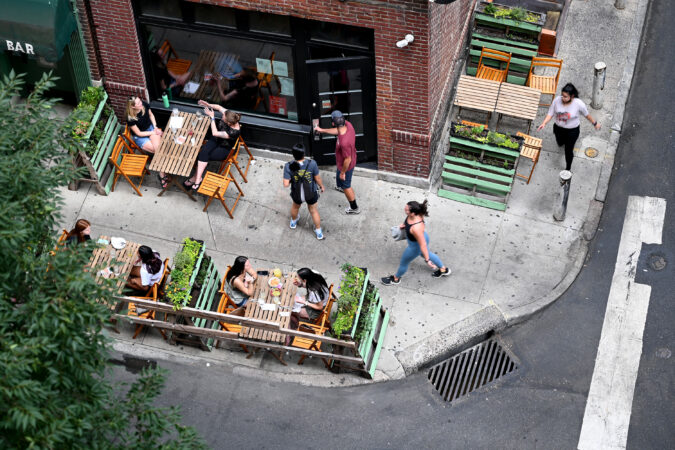
    The cafe area on the sidewalk outside of Gleaner’s Cafe in the 9th Street Market on Thursday, July 27, 2023.

    Nicholas Ducos, who owns Mural City Cellars in Fishtown, said he has been working for more than a year to get permission to place four picnic tables outside his winery. He said he has had to jump through hoops including working with multiple agencies, spending $1,500 to hire an architect, and even having to provide paperwork to the city on a CD-ROM.

    “There are a lot of difficult things about running a business in Philadelphia,” Ducos said. “This should not be one.”

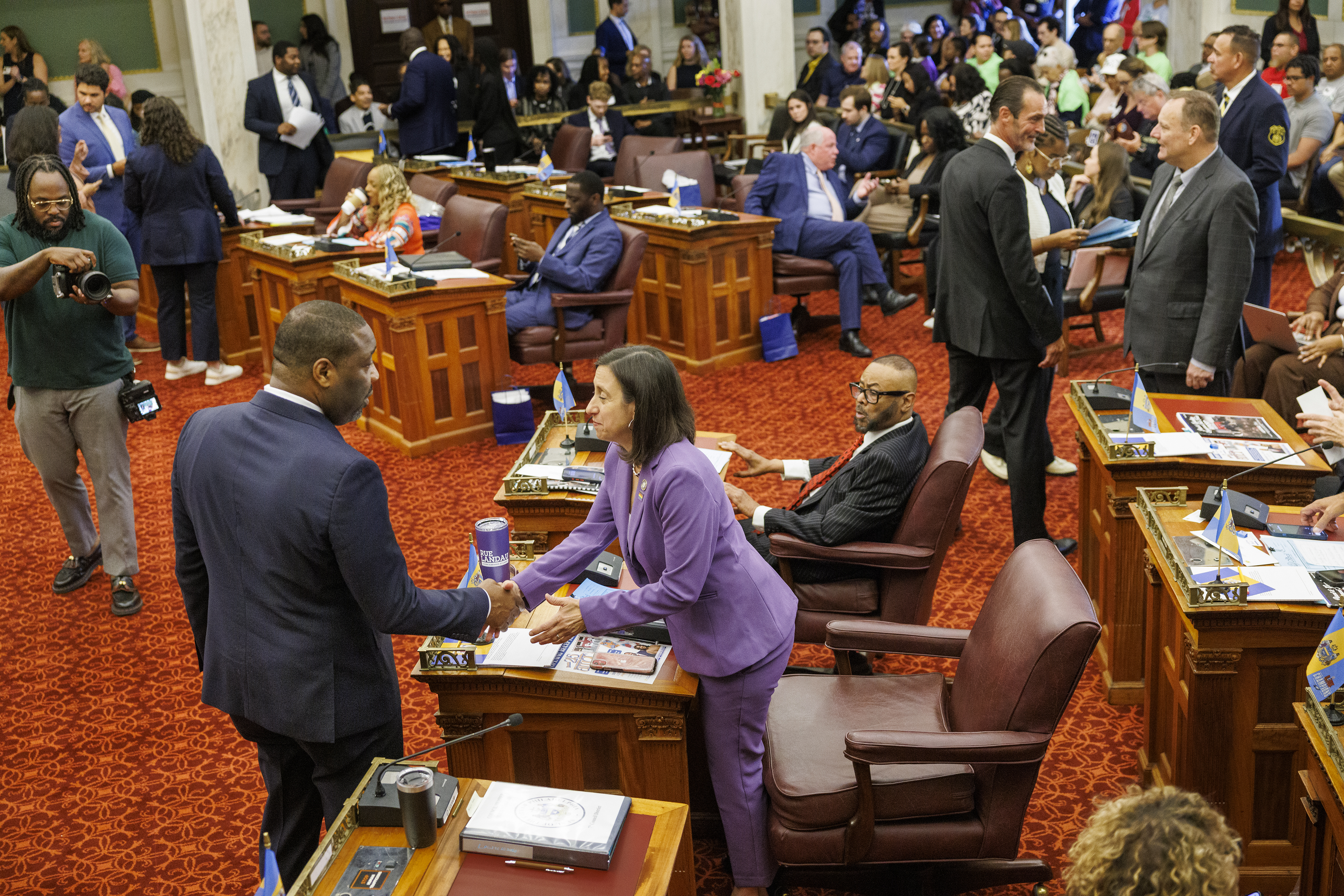
    At left is Philadelphia Council President Kenyatta Johnson greeting Rue Landau and other returning members of council on their first day of fall session, City Hall, Thursday, September 11, 2025.

    Council members also approved the reservation scalping legislation authored by Councilmember Isaiah Thomas, a Democrat who represents the city at-large. He has said the bill is modeled after a similar law in New York and is not aimed at popular apps and websites like OpenTable, Resy, and Tock that partner directly with restaurants.

    Instead, it is a crackdown on websites that don’t work with restaurants, such as AppointmentTrader.com, which provides a platform for people to sell reservations and tickets to events.

    Jonas Frey, the founder of AppointmentTrader.com, previously said the legislation needlessly targets his platform. He said his company put safeguards in place to prevent scalping, including shutting down accounts if more than half of their reservations go unsold.

    But Thomas has cast the website and similar platforms as “predatory” because restaurants can end up saddled with empty tables if the reservations do not resell.

    Zak Pyzik, senior director of public affairs at the Pennsylvania Restaurant and Lodging Association, said the legislation is an important safeguard for restaurants.

    “This bill provides clear, sensible protections that will keep restaurants in the driver’s seat,” he said, “and in control of their business and their technology services.”

  • Tennessee executes Harold Wayne Nichols by injection for killing college student in 1988

    Tennessee executes Harold Wayne Nichols by injection for killing college student in 1988

    NASHVILLE, Tenn. — Tennessee executed Harold Wayne Nichols by injection Thursday in Nashville for the 1988 rape and murder of Karen Pulley, a 20-year-old student at Chattanooga State University.

    Nichols, 64, had confessed to killing Pulley as well as raping several other women in the Chattanooga area. Although he expressed remorse at trial, he admitted he would have continued his violent behavior had he not been arrested. He was sentenced to death in 1990.

    “To the people I’ve harmed, I’m sorry,” Nichols said in his final statement. Before Nichols died, a spiritual adviser spoke to him and recited the Lord’s Prayer. They both became emotional and Nichols nodded as the adviser talked, witnesses said.

    Media witnesses reported that a sheet was pulled up to just above Nichols’ waist and he was strapped to a gurney with a long tube running to an IV insertion site on the inside of his elbow. There was a spot of blood near the injection site. At one point he took a very heavy breath and his whole torso rose. He then took a series of short, huffing breaths that witnesses said sounded like snorting or snoring. Nichols’ face turned red and he groaned. His breathing then appeared to slow, then stop, and his face became purple before he was pronounced dead, witnesses said.

    Nichols’ attorneys unsuccessfully sought to have his sentence commuted to life in prison, citing the fact that he took responsibility for his crimes and pleaded guilty. His clemency petition stated “he would be the first person to be executed for a crime he pleaded guilty to since Tennessee re-enacted the death penalty in 1978.”

    The U.S. Supreme Court declined to issue a stay of the execution on Thursday.

    In a recent interview, Pulley’s sister, Lisette Monroe, said the wait for Nichols’ execution has been “37 years of hell.” She described her sister as “gentle, sweet and innocent,” and said she hopes that after the execution she’ll be able to focus on the happy memories of Pulley instead of her murder.

    Jeff Monroe, Lisette Monroe’s husband and Pulley’s brother-in-law, said the family “was destroyed by evil” the night she was killed.

    “Taking a life is serious and we take no pleasure in it,” he said during a news conference following the execution. “However, the victims, and there were many, were carefully stalked and attacked. The crimes, and there were many, were deliberate, violent, and horrific.”

    Pulley, who was 20 when she was killed, had just finished Bible school and was attending college in Chattanooga to become a paralegal, Jeff Monroe said.

    “Karen was bubbly, happy, selfless, and looking forward to the life before her,” he said.

    Nichols has seen two previous execution dates come and go. The state earlier planned to execute him in August 2020, but Nichols was given a reprieve due to the COVID-19 pandemic. At that time, Nichols had selected to die in the electric chair — a choice allowed in Tennessee for inmates who were convicted of crimes before January 1999.

    Tennessee’s lethal injection protocol in 2020 used three different drugs in series, a process that inmates’ attorneys claimed was riddled with problems. Their concerns were shown to have merit in 2022, when Gov. Bill Lee paused executions, including a second execution date for Nichols. An independent review of the state’s lethal injection process found that none of the drugs prepared for the seven inmates executed in Tennessee since 2018 had been properly tested.

    The Tennessee Department of Correction issued a new execution protocol in last December that utilizes the single drug pentobarbital. Attorneys for several death row inmates have sued over the new rules, but a trial in that case is not scheduled until April. Nichols declined to chose an execution method this time, so his execution will be by injection by default.

    His attorney Stephen Ferrell explained in an email that “the Tennessee Department of Correction has not provided enough information about Tennessee’s lethal execution protocol for our client to make an informed decision about how the state will end his life.”

    Nichols’ attorneys on Monday won a court ruling granting access to records from two earlier executions using the new method, but the state has not yet released the records and says it will appeal. During Tennessee’s last execution in August, Byron Black said he was “hurting so bad” in his final moments. The state has offered no explanation for what might have caused the pain.

    Many states have had difficulty obtaining lethal injection drugs as anti-death penalty activists have put pressure on drug companies and other suppliers. Between the shortages and legal challenges over botched executions, some states have moved to alternative methods of execution including a firing squad in South Carolina and nitrogen gas in Alabama.

    Including Nichols, a total of 46 men have died by court-ordered execution this year in the U.S.

  • Wings’ clinic with Harlem Lacrosse gives middle schoolers an opportunity to learn from professionals

    Wings’ clinic with Harlem Lacrosse gives middle schoolers an opportunity to learn from professionals

    As Harlem Lacrosse Philadelphia wrapped up its clinic hosted by the Philadelphia Wings for middle school players on Wednesday, forward Eric Fannell wanted to end it on a high note. The session consisted of passing, fielding ground balls, and shooting drills led by Fannell and forward Brennan O’Neill.

    To end the day at the Phield House on Spring Garden Street, Fannell and O’Neill had the attendees line up to take shots in the corner of the net. Each player took turns trying to perfectly place their shot. Some failed while others succeeded.

    One middle schooler participating in the clinic made a shot that rang off the top left corner and echoed. The players swarmed their teammate as he yelled, “I’m the king.”

    “It was amazing to see the kids smile,” Fannell said. “​Amazing to see the teammates cheer for [each other]. At the end of the day, that’s what it’s about.”

    Harlem Lacrosse, a nonprofit organization that helps under-resourced communities, began in Harlem, N.Y., in 2011. It has since grown to 39 programs for middle and high schoolers, and has visited cities including Boston, Philadelphia, and Baltimore. Philadelphia gained a chapter in 2017.

    The Wings, Philly’s professional lacrosse team, partnered with Harlem Lacrosse three years ago. The partnership allows crossover clinics and gives Philly’s youth a chance to meet players at the pinnacle of the sport.

    “You can start [participating in] the program beginning in sixth grade,” said Anita Roberson, Harlem Lacrosse Philadelphia’s executive director. “So we have some kids here who have participated in sixth, seventh, and eighth [grade], but we also have some kids where this is one of their first experiences and are a brand new lacrosse player, and to meet a professional, someone who gets paid to play the game at that level, I think it’s pretty exciting.”

    Harlem Lacrosse middle schoolers were coached by two of the top players in the sport. Fannell and O’Neill also gave the players pointers. If a player did something well, they would congratulate him. If there was a mistake, they would correct it.

    Fannell signed with the Wings in the offseason after three seasons with the Halifax Thunderbirds. The 31-year-old wanted to give back to the community, so when the Wings asked if he was on board for the clinic, the answer was simple: yes.

    “The more they have fun, the more they’re going to pick their stick up at home,” Fannell said. “They’re going to go home and play wall ball, call their friends and play pass because they had fun.”

    The Harlem Lacrosse coaches also participated in the fun. During drills, some coaches would join in, passing and catching with the middle schoolers.

    The clinic was hosted ahead of the Wings’ home opener against the Colorado Mammoth at Xfinity Mobile Arena at 1 p.m. Saturday. Ahead of their matchup, the Wings will present Harlem Lacrosse with a $10,000 grant that will go toward the program. Philly’s Harlem Lacrosse program will be in attendance as Roberson and players accept the check on the field.

    With the funds, Roberson plans to continue to grow a program that has been on the rise in recent years. Harlem Lacrosse has an initiative to introduce Black youngsters to lacrosse.

    “I grew up in the Philadelphia area; I was one of a few Black students who was exposed to the sport,” Roberson said. “I went to school in a suburb that actually had it. Had I lived five minutes away across the street, I would not have ever had access to the sport. But the thing I think that was critical for me is that sports, in my own personal life, was a means of transformation.

    “So I think for kids that come from backgrounds that may not be considered traditional or just kids in general, because there’s a lot of threats and things that kids have to deal with these days, a sport can be just such a viable mechanism for them to find safety, both emotional and physical safety.”

  • Venezuelan Nobel laureate credits Trump for pressuring Maduro with ‘decisive’ actions

    Venezuelan Nobel laureate credits Trump for pressuring Maduro with ‘decisive’ actions

    CARACAS, Venezuela — Venezuelan opposition leader María Corina Machado said Thursday that “decisive” actions by the United States, including the seizure of an oil tanker, have left the repressive government of President Nicolás Maduro at its weakest point, and she vowed to return to the country to keep fighting for democracy.

    Machado’s statements to reporters came hours after she appeared in public for the first time in 11 months, following her arrival in Norway’s capital, Oslo, where her daughter received the Nobel Peace Prize award on her behalf on Wednesday.

    The actions of President Donald Trump “have been decisive to reach where we are now, where the regime is significantly weaker,” she said. “Because before, the regime thought it had impunity …. Now they start to understand that this is serious, and that the world is watching.”

    Machado sidestepped questions on whether a U.S. military intervention is necessary to remove Maduro from power. She told reporters that she would return to Venezuela “when we believe the security conditions are right, and it won’t depend on whether or not the regime leaves.”

    Machado arrived in Oslo hours after Wednesday’s prize ceremony and made her first public appearance early Thursday, emerging from a hotel balcony and waving to an emotional crowd of supporters. She had been in hiding since Jan. 9, when she was briefly detained after joining supporters during a protest in Caracas.

    Machado left Venezuela at a critical point in the country’s protracted crisis, with the Trump administration carrying out deadly military operations in the Caribbean and threatening repeatedly to strike Venezuelan soil. The White House has said the operations, which have killed more than 80 people, are meant to stop the flow of drugs into the U.S.

    But many, including analysts, U.S. members of Congress and Maduro himself, see the operations as an effort to end his hold on power. The opposition led by Machado has only added to this perception by reigniting its promise to soon govern the country.

    On Wednesday, President Donald Trump said the U.S. had seized an oil tanker off the coast of Venezuela. On Thursday, Machado called on governments to expand their support for Venezuela’s opposition beyond words.

    “We, the Venezuelan people that have tried every single, you know, institutional mean, ask support from the democratic nations in the world to cut those resources that come from illegal activities and support repressive approaches,” she said. “And that’s why we are certainly asking the world to act. It’s not a matter of statements, as you say, it’s a matter of action.”

    Machado, 58, was awarded the Nobel Peace Prize in October after mounting the most serious peaceful challenge in years to Maduro’s authoritarian government. Her daughter, Ana Corina Sosa, accepted the prize at a ceremony in Oslo.

    Machado was received Thursday by Norwegian Prime Minister Jonas Gahr Støre, who said that his country is ready to support a democratic Venezuela in “building new and sound institutions.”

    Asked whether the Venezuelan government might have known her whereabouts since January, Machado told reporters: “I don’t think they have known where I have been, and certainly they would have done everything to stop me from coming here.”

    She declined to give details of her journey from Venezuela to Norway. But she thanked “all those men and women that risked their lives so that I could be here today” and later acknowledged that the U.S. government helped her.

    Flight tracking data show that the plane Machado arrived on flew to Oslo from Bangor, Maine.

    Machado won an opposition primary election and intended to challenge Maduro in last year’s presidential election, but the government barred her from running for office. Retired diplomat Edmundo González took her place.

    The lead-up to the election on July 28, 2024, saw widespread repression, including disqualifications, arrests and human rights violations. That increased after the country’s National Electoral Council, which is stacked with Maduro loyalists, declared the incumbent the winner.

    González sought asylum in Spain last year after a Venezuelan court issued a warrant for his arrest.

    It’s unclear how Machado and González could return to Venezuela. An opposition plan to get González back before the Jan. 10 ceremony that gave Maduro another term didn’t materialize.

    Machado, alongside the Norwegian prime minister, said that “we decided to fight until the end and Venezuela will be free.” If Maduro’s government is still in place when she returns, she added, “I will be with my people and they will not know where I am. We have ways to do that and take care of us.”

  • Jake Elliott’s missed field goal proved critical, but the Eagles’ end-of-half conservatism has been a trend

    Jake Elliott’s missed field goal proved critical, but the Eagles’ end-of-half conservatism has been a trend

    Adoree’ Jackson’s interception of Justin Herbert with 10 seconds remaining in the second quarter Monday night was gift-wrapped thanks to Jaelan Phillips getting a hand on Herbert as he released the ball. But there was another present: Kimani Vidal’s 15-yard personal foul.

    It set the Eagles up on the Chargers’ 30-yard line. After a miserable half, they were in field goal range to at least cut Los Angeles’ 10-6 lead to 10-9. They had two timeouts to try to advance the ball and give Jake Elliott an even more manageable field goal.

    Instead, Jalen Hurts took a shotgun snap, looked only to his left, where three receivers were running routes near the sideline, and launched the ball intentionally out of bounds. Elliott trotted onto the field and missed from 48 yards out — just his second miss of the season on a field goal inside 50 yards, although he missed an extra point a week earlier.

    Any analysis of what went wrong could theoretically stop right there. SoFi Stadium is indoors, and Elliott knows it’s a kick he needed to make.

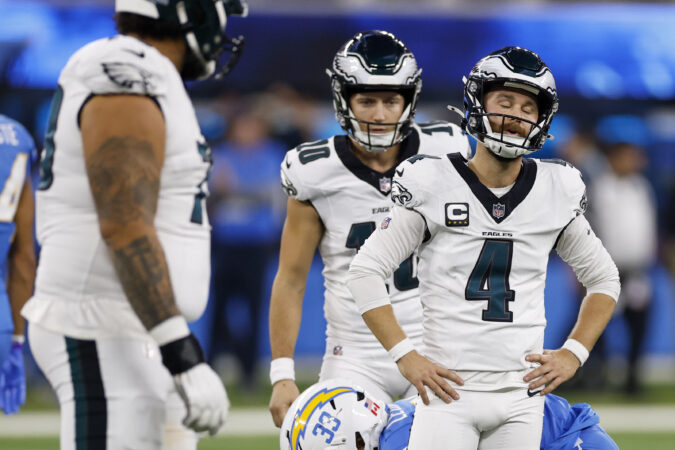
    “They need to stop,” Elliott said of his misses. “I feel like I’m striking the ball well. Last week, obviously, windy conditions. But no excuses here indoors. It’s frustrating.”

    Elliott was rightly frustrated with himself, but he had reason to be frustrated with his team for not making the kick any easier on him. The Eagles had two timeouts, but the play they called looked more like a time-waster than one with a real chance at advancing the football.

    Four of the five route-runners were near the sideline. The fifth, Jahan Dotson, wasn’t even to his break before Hurts fired the ball out of bounds.

    Here’s a screenshot of where the receivers were when Hurts released the ball:

    The play the Eagles ran before attempting a field goal before halftime Monday night. (Screenshot from NFL Pro film review.)

    It was a low-percentage play that the Chargers covered easily. Perhaps the Eagles were simply just comfortable with the distance for Elliott, who had already converted from 41 yards and 30 yards in the first half and entered Monday 9-for-10 on kicks inside 50 yards.

    But why, with two timeouts, was there not any effort to use the middle of the field to try to make the attempt a little bit easier for Elliott?

    “We’re trying to advance it,” Nick Sirianni said when he was asked Wednesday. “The way we tried to advance it was to the sideline, and it didn’t work. We have plays in our offense to be able to advance it, without getting too much [into it], in the middle, and then we have plays in our playbook that try to advance it on the sideline. We chose the one on the sideline and it didn’t work.”

    The three points would have been critical, but it’s not the only reason the Eagles lost. Still, the inability to get points before halftime when they are available has been an ongoing theme for the Eagles.

    On the year, the Eagles have started a possession inside 1 minute, 20 seconds on the clock before halftime eight times and have zero points to show for it from those scenarios. (They have started four possessions just before the two-minute warning and have come away with points on three.)

    Eagles coach Nick Sirianni has been conservative this year in late-half situations.

    Every situation and every game is different. The Eagles had two of them vs. Denver. The first possession came with 1:19 left and the ball on their own 11-yard line. They went three-and-out, but they forced a Broncos punt on the ensuing drive that gave them another possession starting at their own 5-yard line with only eight seconds left. Hurts took a knee. No harm, no foul there.

    But it’s worth exploring a few of these late-clock examples in which points were possible. In Week 3 vs. the Los Angeles Rams, the Eagles had a woeful first half of offense. But they got the ball on their own 35-yard line, trailing 19-7, with 10 seconds left on the clock and three timeouts. They opted to have Hurts kneel and go to halftime. They eventually won the game, but only because of two blocked field goals. Three points may have been critical.

    Against the Minnesota Vikings in Week 7, the Eagles got the ball back at their own 16-yard line with 59 seconds left and all three timeouts. To their credit, they came out firing. Hurts connected with DeVonta Smith on first down for 6 yards. Then, without huddling, the two hooked up again for a 16-yard gain to the Eagles’ 38-yard line. The Eagles took their first timeout with 34 seconds left.

    Hurts threw incomplete on the next play and was sacked on second down to bring up a third-and-13 from the Eagles’ 35-yard line. There were 23 seconds on the clock when Hurts was tackled, but Sirianni decided to let the clock expire rather than calling a timeout to run another play. The Eagles hit halftime with a 14-6 lead and kicked off to Minnesota to start the second half.

    “In that particular case, it was time to let that drive end and go to the locker room,” Sirianni said the next day, after the Eagles’ 28-22 victory. “Third-and-13 is not a guarantee. I believe in our team and believe in our guys at all costs, but you’ve also got to play smart.

    “Third-and-13 in that situation where you’re not in a guaranteed, ‘Hey I’m getting points if I convert this third-and-13.’ I’m still going to have work to do once I do get this third-and-13.’ The risks kind of outweigh the potential benefits from it. At that point, you don’t get it and then you have to punt.

    “Obviously, I wanted to go and get points, which is why you saw the drive go as it was, but once we did take the sack, we played that how I wanted to play that. I have no regrets there.”

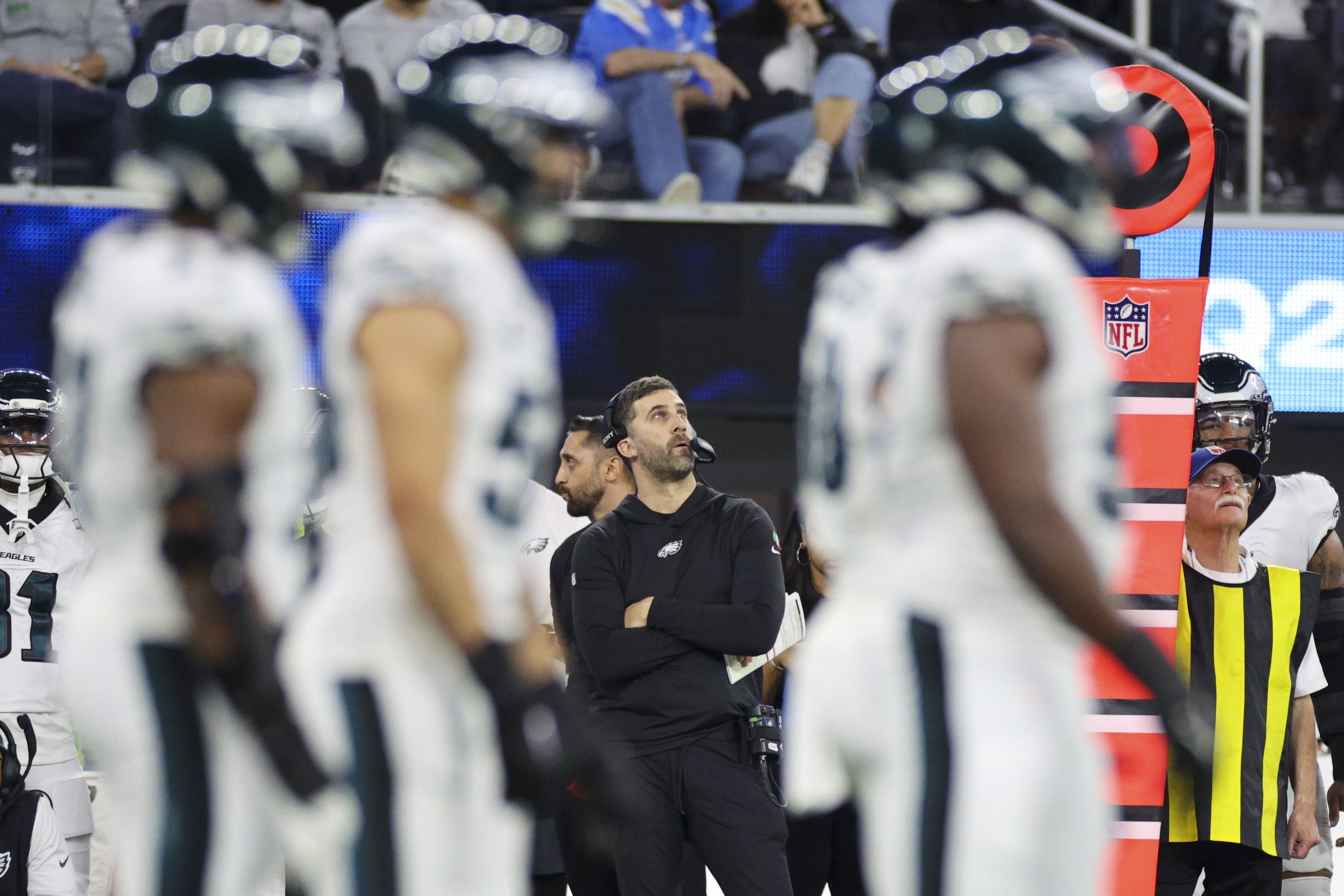
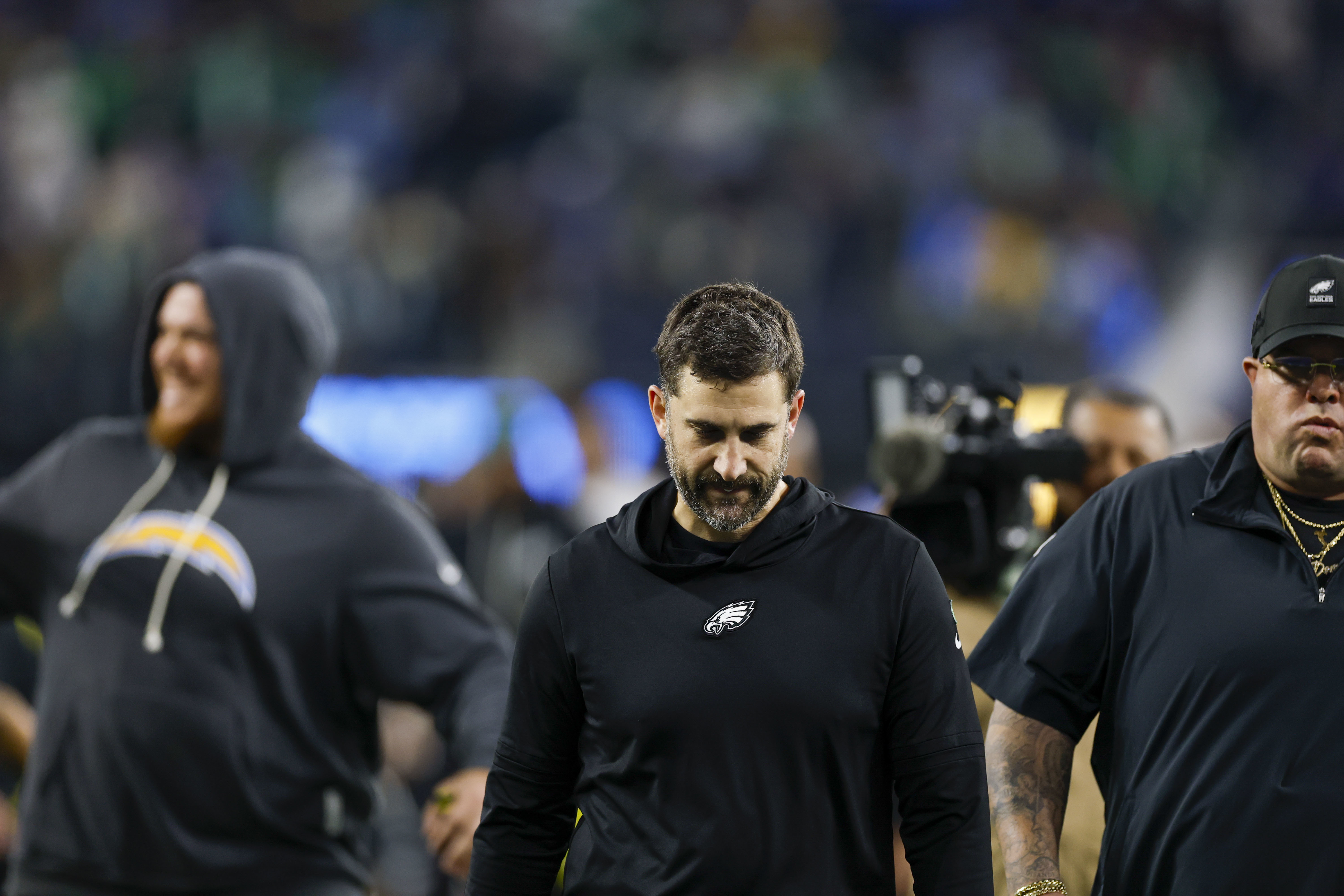
    Coach Nick Sirianni walks off after the Eagles lost in overtime to the Los Angeles Chargers.

    Sirianni is somewhat obsessed with situational football. He has studied end-of-half scenarios — not just his own, but other situations around the league. Each scenario in a given game has different context, including how the offense is playing at that time.

    The Eagles have pushed the envelope in these spots in the past, but they have gone conservative at times this year.

    Against Dallas in Week 12, the Eagles, leading 21-7, started a drive with two timeouts and 17 seconds left in the first half at their own 28-yard line. They called a handoff to Saquon Barkley that went for 1 yard and let the clock expire. Perhaps a chunk run would have resulted in a timeout and some aggression from the Eagles to try to score points, but how often have chunk runs been reliable? And if the point was to just get to halftime, why not just kneel?

    Points weren’t guaranteed, but they were possible.

    The Eagles, of course, lost that game by three. Just like they did Monday.

    Gameday Central: Raiders at Eagles
  • How a U.S. admiral decided to kill two boat strike survivors

    How a U.S. admiral decided to kill two boat strike survivors

    In the minutes after U.S. forces attacked a suspected drug smuggling boat near Trinidad, Adm. Frank M. Bradley, the commander overseeing the operation, faced a choice.

    A laser-guided bomb had killed nine of the 11 people on board, sunk the boat’s motor and capsized the vessel’s front end, according to people who have viewed or been briefed on a classified video of the operation. As smoke from the blast cleared, a live surveillance feed provided by a U.S. aircraft high overhead showed two men had survived and were attempting to flip the wreckage.

    Ahead of the Sept. 2 mission, Defense Secretary Pete Hegseth had given an order to U.S. forces to kill the passengers, sink the boat and destroy the drugs, three people familiar with the operation said. It appeared to Bradley that none of those objectives had been achieved, the admiral would later recount for lawmakers.

    The video feed showed that the two men were struggling to stay atop the flotsam, which people who’ve seen the footage described as roughly the size of a dining room table. Bradley turned to the military lawyer advising him and requested input, according to members of Congress who spoke with him privately last week and people later briefed on those conversations. Under the law of armed conflict, were the men now “shipwrecked” and therefore out of the fight, rendering them unlawful targets?

    The admiral decided that definition did not apply, these people said. Instead, what Bradley explained to lawmakers left some with the impression that there was a prevailing lack of certainty — about the existence of any drugs beneath the wreckage and whether the survivors had a means to call for help or intended to surrender — when he concluded that further action was warranted.

    He ordered a second strike, killing both men. Moments earlier, the video feed had shown them waving their arms and looking skyward, people who saw the footage said. It was unclear, they added, why they were doing so.

    The 30-plus minutes that elapsed between the first strike and the second has become the most consequential moment in Bradley’s three-decade military career — one that includes direct involvement in more than 1,000 lethal strikes governed by the law of armed conflict central to understanding the events of Sept. 2 and whether the strike survivors were lawful targets. The episode has put the admiral and his advisers under a spotlight alongside Hegseth, who has expressed support for Bradley while attempting to distance himself from the fallout.

    Bradley defended his actions when summoned to Capitol Hill last week, telling lawmakers he weighed the fate of the survivors with the understanding that the Trump administration has argued illicit drugs are weapons responsible for killing Americans, and that those who traffic them are not criminals but enemy combatants. U.S. intelligence, he said, showed that everyone on the boat was a “narco-terrorist,” consistent with the administration’s definition, which allowed for deadly force. His testimony provided lawmakers with the fullest account of the operation since the publication of a Washington Post report on Nov. 28 revealing Hegseth’s authorization ahead of the first attack to kill the entire crew and Bradley’s order of a second strike that killed the two survivors.

    Law of war experts and some lawmakers have challenged the admiral’s reasoning and cast doubt on the lawfulness of using the military to kill alleged criminals.

    The military lawyer who advised the admiral, whom The Post is not identifying because they serve in a secretive unit, explained to Bradley how the law of armed conflict defines “shipwrecked,” these people said. International law defines “shipwrecked” persons as those who “are in peril at sea” as a result of a mishap affecting their vessel “and who refrain from any act of hostility.” Combatants who are shipwrecked receive special protection because, unlike troops on land, they cannot take refuge, experts note.

    Bradley spent about eight hours meeting with more than a dozen lawmakers Dec. 4. Four people familiar with those sessions said that he affirmed having sought real-time legal advice, but that he did not say whether his military lawyer considered the survivors shipwrecked and out of the fight.

    There was dissent in the operations room over whether the survivors were viable targets after the first strike, according to two people. What the lawyer advised, though, and whether they rendered a definitive opinion remains unclear.

    A spokesperson for U.S. Special Operations Command, where Bradley is the top commander, declined to comment. The military attorney did not respond to requests for comment.

    Former military lawyers said that in such situations a commander’s top legal adviser would be expected to offer an assessment, but their role is only to advise, not to approve a strike.

    This report is based on the accounts of 10 people who either spoke directly with Bradley on Capitol Hill last week, were briefed on his conversations afterward or are otherwise familiar with the operation. Most spoke on the condition of anonymity because the matter is highly sensitive and Bradley’s communication with lawmakers occurred in classified settings.

    The chain of command

    Two Republican-led committees in Congress have opened inquiries into the Sept. 2 operation, though on Tuesday, Rep. Mike Rogers (R., Ala.), who heads the House Armed Services Committee, said that he was satisfied with the information he had received and planned to end his probe once other members of the panel are given an opportunity to see unedited video of the operation, as he has. A separate Senate inquiry continues.

    President Donald Trump appeared to support releasing video footage of the operation before abruptly backtracking this week and deferring to Hegseth on whether to do so. Hegseth has been noncommittal, saying the Pentagon is “reviewing” the footage to ensure it would not expose military secrets.

    Democrats have demanded fuller investigations and called on the administration to share more evidence with lawmakers. Sen. Mark Warner (D., Va.), the Senate Intelligence Committee’s senior Democrat, said after meeting with Hegseth and other officials Tuesday that he was seeking written documentation of the opinion rendered by Bradley’s military lawyer.

    The first strike Sept. 2 was carried out with a laser-guided GBU-69, according to people familiar with Bradley’s briefings. The munition exploded just above the crew, a setting designed to maximize the blast and the spread of shrapnel fragments. The follow-on strike was taken with a smaller AGM-176 Griffin missile, which killed the two men on impact, people familiar with the video footage said. U.S. forces then fired two additional Griffins at the wreckage to sink it.

    While Bradley made the decision to conduct the follow-on strike that killed the two survivors, Hegseth was the operation’s target engagement authority, meaning he authorized the use of force and ultimately was responsible for the strikes ordered, people familiar with the matter said.

    Hegseth has said that he watched live video of the initial attack but left for other meetings minutes later and was unaware initially that the first strike had left two men alive. It was a couple of hours, Hegseth has said, before he learned that Bradley ordered the second strike.

    Sean Parnell, a spokesman for Hegseth, said in a statement, “We are not going to second-guess a commander who did the right thing and was operating well within his legal authority.”

    Gen. Dan Caine, who as chairman of the Joint Chiefs of Staff is the military’s top officer, saw the full video of the Sept. 2 strike for the first time Dec. 4, when he joined Bradley’s meetings with lawmakers, two U.S. officials said. In a statement for this report, a spokesman for Caine said the chairman has “trust and confidence” in Bradley and military commanders “at every echelon.”

    The admiral’s defense

    The Sept. 2 operation was the first in what has become an extended campaign to target suspected drug runners in the waters around Latin America. In strikes on more than 20 boats, U.S. forces have killed nearly 90 people to date, according to public notices from the Trump administration.

    At the core of Bradley’s defense of the second strike, according to several people familiar with his conversations on Capitol Hill, was his assertion that the attack was not directed at the two survivors but at the boat wreckage and any cocaine it may have sheltered.

    The laws of war stipulate that military commanders must consider the collateral damage of a strike only if the action could pose a threat to civilians, said Geoffrey Corn, a retired Army lawyer. By labeling suspected drug smugglers as combatants in an armed conflict against Americans, as the Trump administration has done, the Defense Department can argue that the military did not need to consider the harm to survivors when striking again, Corn said.

    But many experts, Corn among them, dispute that the U.S. is in an “armed conflict” with cartel groups. Corn also noted that even if they are combatants, once shipwrecked, feasible measures must be taken to try to rescue them before attacking the target again, he said. “That to me is the most troubling aspect of the attack,” he said.

    Bradley’s contention that he was targeting the boat rather than the people, Corn said, fails to explain why the admiral deemed it necessary to launch the second strike rather than first trying to rescue the survivors.

    The admiral told lawmakers that intelligence gathered ahead of the operation indicated the boat being targeted was expected to transfer its cargo to another vessel while both were at sea. After the first strike, Bradley explained, he and his team were unable to rule out whether the men, who were shirtless, had a communications device either on their person or somewhere under the vessel’s wreckage that could have been used to call for help.

    U.S. forces did not intercept any communications from the two survivors after the first strike, Bradley told lawmakers.

    The admiral also theorized, multiple people said, that the two survivors could have drifted to shore or found a way to sail the wreckage to their intended rendezvous point. When the U.S. aircraft providing the live video feed scanned the surrounding area, it did not find another vessel coming to the boat’s aid. And the admiral conceded to some lawmakers that the survivors probably would not have been able to flip the wreckage, said one lawmaker and a U.S. official familiar with Bradley’s conversations.

    The doubts that have emerged

    Todd Huntley, a former director of the Navy’s international law office, which handles law of the sea matters, said in an interview with The Post that the legal definition for being shipwrecked does not require that people are drowning or wounded.

    “They just have to be in distress in water,” said Huntley, a former military lawyer who advised Special Operations forces.

    Huntley also said that the potential presence of a communications device should have been irrelevant. “You can’t kill somebody in the water merely because they have a radio,” he said. The prospect of a rendezvous with another vessel does not indicate an intent to engage in hostilities or prove the survivors posed a threat, he added. “That is such a far-out theory,” Huntley said.

    Trump and other Republicans have framed the administration’s counternarcotics campaign as a necessary measure to defend Americans from fentanyl, the leading cause of drug overdoses in the United States. But the Sept. 2 strike — and most of those that have followed — targeted a boat believed to be ferrying cocaine. Fentanyl smuggled into the U.S. mostly comes through border crossings.

    People familiar with Bradley’s account to lawmakers said that the cargo in this case was heading next to Suriname, a small country east of Venezuela, not the United States. As The Post and others have reported, most of the narcotics that move through the Caribbean are headed toward Europe and Western Africa rather than the U.S.

    “That further underscores that this boat was not a threat to the United States and not a lawful target,” Huntley said.

    While speaking with lawmakers, Bradley said he looked for signs the men were surrendering, such as waving a cloth or holding up their arms. The admiral noted that he saw no such gesture, and did not interpret their wave as a surrender, people familiar with his interviews said.

    To legal experts, Bradley’s assertion that he scanned for a sign of surrender reflected a foundational flaw with the Trump administration’s lethal force campaign: The laws of war weren’t written to address the behavior of criminal drug traffickers, they said.

    On Sept. 2, the 11 passengers on board the targeted boat were almost certainly unaware the Trump administration had declared “war” on them, people familiar with the operation said. It’s unclear whether the strike survivors even realized a U.S. military aircraft was responsible for the explosion that had occurred, these people familiar said, or whether they knew how to indicate surrender — or that surrender was even an option.

    In the weeks leading up to the attack, the Defense Department ran simulations that showed there was the potential for people to survive a first strike, three people familiar with the matter said. That did not appear to affect military planning for this operation. On the day of the attack, the U.S. military had no personnel or equipment on hand to rescue anyone.

  • MyPillow founder and Trump supporter Mike Lindell says he’s running for Minnesota governor in 2026

    MyPillow founder and Trump supporter Mike Lindell says he’s running for Minnesota governor in 2026

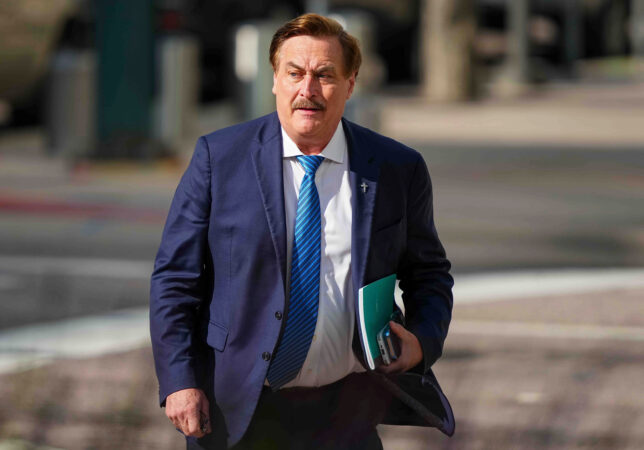
    SHAKOPEE, Minn. — Mike Lindell, the fervent supporter of President Donald Trump known to TV viewers as the “MyPillow Guy,” officially entered the race for Minnesota governor Thursday in hopes of winning the Republican nomination to challenge Democratic Gov. Tim Walz.

    “I’ll leave no town unturned in Minnesota,” Lindell told The Associated Press in an interview ahead of a news conference set for Thursday.

    He said he has a record of solving problems and personal experiences that will help businesses and fight addiction and homelessness as well as fraud in government programs. The fraud issue has particularly dogged Walz, who announced in September that he’s seeking a third term in the 2026 election.

    A TV pitchman and election denier

    Lindell, 64, founded his pillow company in Minnesota in 2009 and became its public face through infomercials that became ubiquitous on late-night television. But he and his company faced a string of legal and financial setbacks after he became a leading amplifier of Trump’s false claims that the 2020 election was stolen. He said he has overcome them.

    “Not only have I built businesses, you look at problem solution,” Lindell said in his trademark rapid-fire style. “I was able to make it through the biggest attack on a company, and a person, probably other than Donald Trump, in the history of our media … lawfare and everything.”

    While no Republican has won statewide office in Minnesota since 2006, the state’s voters have a history of making unconventional choices. They shocked the world by electing former professional wrestler Jesse Ventura as governor in 1998. And they picked a veteran TV pitchman in 1978 when they elected home improvement company owner Rudy Boschwitz as a U.S. senator.

    Lindell has frequently talked about how he overcame a crack cocaine addiction with a religious conversion in 2009 as MyPillow was getting going. His life took another turn in 2016 when he met the future president during Trump’s first campaign. He served as a warm-up speaker at dozens of Trump rallies and co-chaired Trump’s campaign in Minnesota.

    Trump’s endorsement could be the key to which of several candidates wins the GOP nomination to challenge Walz. But Lindell said he doesn’t know what Trump will do, even though they’re friends, and said his campaign isn’t contingent on the president’s support.

    His Lindell TV streaming platform was in the news in November when it became one of several conservative news outlets that became credentialed to cover the Pentagon after agreeing to a restrictive new press policy rejected by virtually all legacy media organizations.

    Lindell has weathered a series of storms

    Lindell’s outspoken support for Trump’s false claims that the 2020 election was stolen triggered a backlash as major retailers discontinued MyPillow products. By his own admission, revenue slumped and lines of credit dried up, costing him millions. Several vendors sued MyPillow over billing disputes. Fox News stopped running his commercials. Lawyers quit on him.

    Lindell has been sued twice for defamation over his claims that voting machines were manipulated to deprive Trump of a victory.

    A federal judge in Minnesota ruled in September that Lindell defamed Smartmatic with 51 false statements. But the judge deferred the question of whether Lindell acted with the “actual malice” that Smartmatic must prove to collect. Smartmatic says it’s seeking “nine-figure damages.”

    A Colorado jury in June found that Lindell defamed a former Dominion Voting Systems executive by calling him a traitor, and awarded $2.3 million in damages.

    But Lindell won a victory in July when a federal appeals court overturned a judge’s decision that affirmed a $5 million arbitration award to a software engineer who disputed data that Lindell claimed proved Chinese interference in the 2020 election. The engineer had accepted Lindell’s “Prove Mike Wrong Challenge,” which he launched as part of his 2021 “Cyber Symposium” in South Dakota, where he promised to expose election fraud.

    The campaign ahead

    Lindell said his crusade against electronic voting machines will just be part of his platform. While Minnesota uses paper ballots, it also uses electronic tabulators to count them. Lindell wants them hand-counted, even though many election officials say machine counting is more accurate.

    Some Republicans in the race include Minnesota House Speaker Lisa Demuth, of Cold Spring; Dr. Scott Jensen, a former state senator from Chaska who was the party’s 2022 candidate; State Rep. Kristin Robbins, of Maple Grove; defense lawyer and former federal prosecutor Chris Madel; and former executive Kendall Qualls.

    “These guys haven’t lived what I live,” Lindell said.

    Lindell wouldn’t commit to abiding by the Minnesota GOP endorsement and forgoing the primary if he loses it, expressing confidence that he’ll win. He also said he’ll rely on his supporters to finance his campaign because his own finances are drained. “I don’t have the money,” he acknowledged.

    But he added that ever since word got out last week that he had filed the paperwork to run, “I’ve had thousands upon thousands of people text and call, saying from all around the country … ‘Hey, I’ll donate.’”

  • Bancroft, a South Jersey provider of IDD services, hired Gregory Passanante as its next CEO

    Bancroft, a South Jersey provider of IDD services, hired Gregory Passanante as its next CEO

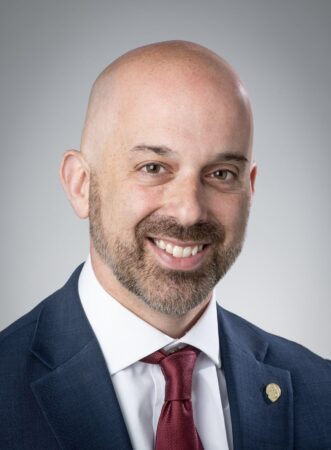
    Bancroft, a South Jersey nonprofit provider of services for people with intellectual and developmental disabilities, has hired Gregory Passanante to succeed Toni Pergolin as president and CEO.

    Passanante, who will be the 10th president in the organization’s 143-year history, is scheduled to start Jan. 7.

    Since 2023, Passanante has been northeast market administrator for Shriners Children’s Hospital Philadelphia. Before that, he was chief nursing officer at Wills Eye Hospital.

    Passanante will take over a Cherry-Hill-based organization that is in solid financial condition, especially compared to 2004 when Pergolin arrived as chief financial officer and had to worry about making payroll because the organization was so weak financially.

    In the 12 months that ended June 30, the nonprofit had operating income of $13 million on $284 million in revenue, according to its audited financial statement. Bancroft had 1,642 clients and employed 2,853 people on a full-time basis at the end of the fiscal year.

  • A Philly restaurant came clean about its Health Department shutdown. Was that the right call?

    A Philly restaurant came clean about its Health Department shutdown. Was that the right call?

    As the health inspector left Cafe Michelangelo in the Far Northeast last week, she affixed a “cease operations” sticker to the front door, ordering the restaurant to close for at least 48 hours.

    Co-owner Giuliano Verrecchia got an idea.

    He would come clean.

    Chastened by the report’s findings and mindful of his restaurant’s previous dodgy health inspections this year, Verrecchia decided to go public and explain all 16 violations, one by one.

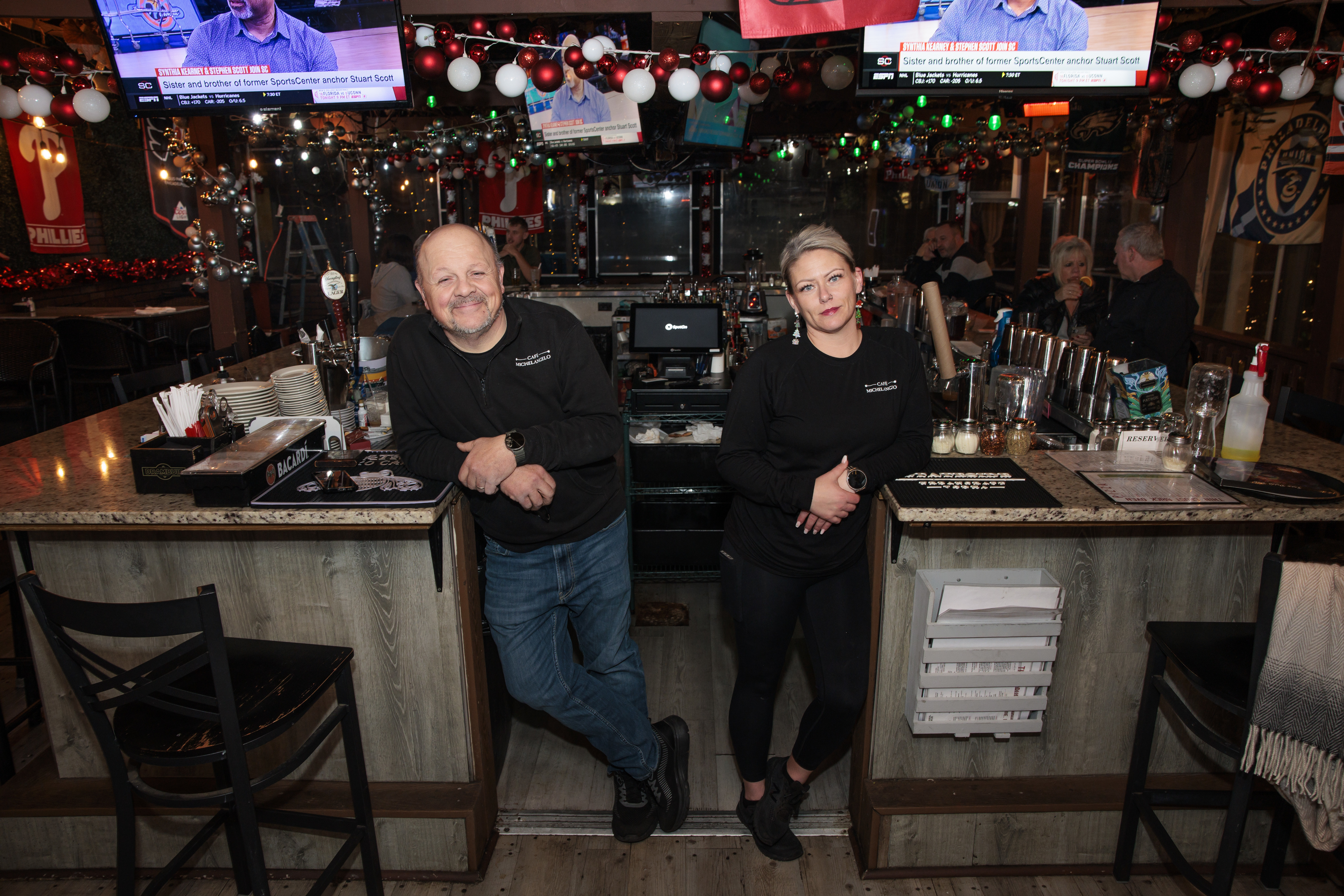
    Co-owner Giuliano Verrecchia and manager Danielle Runner at Cafe Michelangelo on Dec. 9, 2025.

    This would be a bold, uncommon strategy. Typically, as word of a shutdown spreads through social media, restaurateurs play defense while users pillory the establishment.

    “I wanted to put my side out there and be transparent,” Verrecchia said, adding that he considered some of the cited issues “a bit misleading.” He and his manager, Danielle Runner, printed out the inspection report, added commentary, and posted it to Michelangelo’s Facebook page on Dec. 4, the day after the shutdown.

    Addressed to “all of our amazing customers,” the post on Michelangelo’s profile paired the exact wording of the health report’s violations with Verrecchia’s own explanation (and redress or occasional rebuttal). He detailed 16 violations, including “peeling paint observed on walls in one of the women’s restroom areas” (“Bathrooms and storage areas were repainted yesterday,” he explained) and “ice build-up observed in the first-floor walk-in cooler unit” (“removed ice build-up,” he wrote).

    Reaction to the post was mostly positive. Customers replied with words of support. Some commenters — several of whom identified as food-service industry workers — downplayed the inspector’s finding, describing them as minor.

    (In a Facebook post earlier that day, the restaurant described the violations as “non-hazardous,” which was not entirely accurate.)

    On Friday, Dec. 5, Michelangelo passed its reinspection, paid a $315 fee, and prepared to reopen. Verrecchia held his breath. Would the public respect his attempt at transparency?

    A Northeast Philly staple

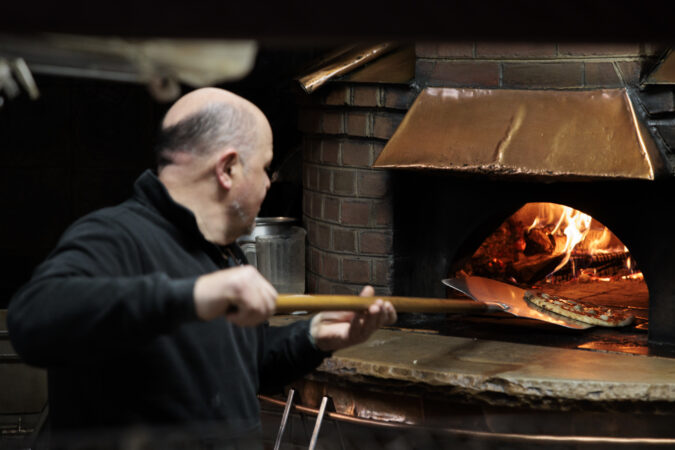
    In 1992, brothers Michael and Angelo DiSandro combined their names to open a family-friendly Italian restaurant, complete with bocce courts and room for 250 guests, in a Somerton strip center. By Northeast Philadelphia standards, Cafe Michelangelo was years ahead of its time, serving espresso and brick-oven pizza. Angelo DiSandro died in 2012, and Michael has stepped aside from the day-to-day operation.

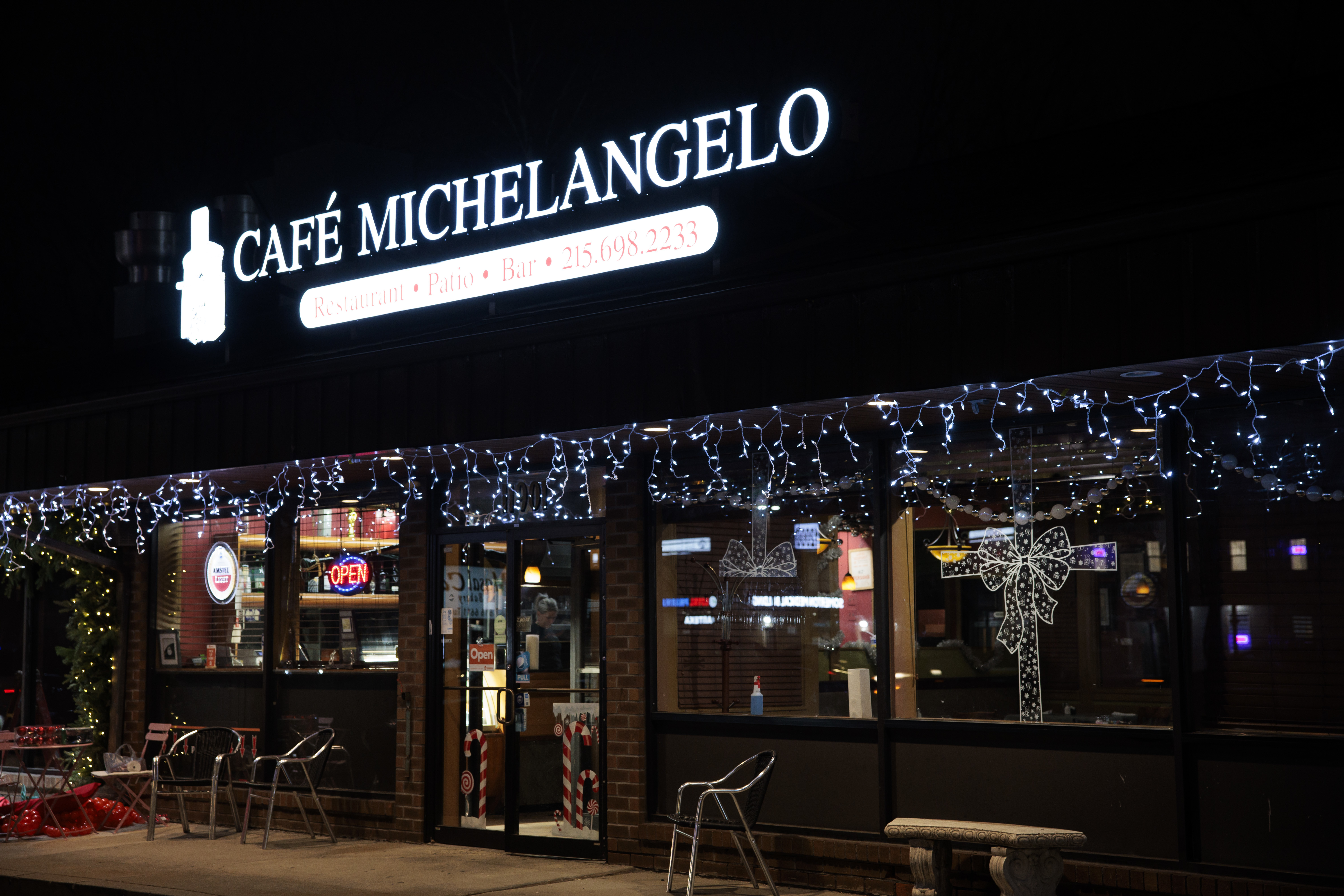
    Cafe Michelangelo, 11901 Bustleton Ave., on Dec. 9.

    Verrecchia, 56, a nephew, oversees the restaurant, which has a bar in a rear dining room as well as a newer second bar on a covered, heated patio. There’s live music at least three days a week. Michelangelo’s business, like that at many older restaurants, hasn’t been the same since the pandemic. Rising food prices and labor costs have cut margins, and competition has become keener. Customers can get a world of cuisine delivered via apps.

    To boost traffic, Verrecchia offers a $15 lunch buffet Tuesday to Friday with two pastas, two proteins, salads, and pizza. Over dinner, the calamari, the parm dishes, and pizzas still move, but he said his customers are cautious about spending. He still sells bigger-ticket items — steak, rack of lamb, whole fish — “but I’m not charging you $45,” Verrecchia said. “I’m charging you $37 and I’m not making money on it, but if you want a steak and the kid wants pizza? You got a home run.”

    The aftermath

    Michelangelo reopened the same day it passed its reinspection. The phone rang over the weekend. It was a group of teachers canceling their large annual party. Then another big order fell through.

    Neither cited a reason. Business was down about 25% on Friday, the restaurant’s first day back, and remained soft Saturday. There was a slight improvement Sunday. The restaurant is closed Mondays. Tuesday was slow again, which Verrecchia partly attributed to cold weather. He said it was too soon to tell what was driving this.

    Timeline of inspections

    In interviews, Verrecchia said he acknowledged that some of the inspector’s findings required attention, but added: “I don’t think those issues put customers in jeopardy.”

    Giuliano Verrecchia sauces a Margherita pizza at Cafe Michelangelo.

    “You as a layman read what they wrote and you get scared,” he said. “I wanted to explain what’s really meant.”

    He cited rules about labeling containers as an example. “If [the inspector comes in] at 11:30 [a.m.] and my guys are prepping, some things won’t have labels because they have to open them up,” he said.

    Verrecchia said he was cited for some issues that had been addressed previously, including cracked floors observed in the kitchen preparation area. “I had already fixed it and showed her,” he said. The report called out a chest freezer that was not commercial-grade. “I fixed that, too, but it still showed up again as if nothing had been done.”

    “She made some valid observations,” he said. “I’m not denying that. But the wording in those reports can sound scarier than it really is if people don’t understand the terminology.”

    But given its inspections in 2025, Cafe Michelangelo’s record showed mounting problems.

    This also was not the restaurant’s first involuntary closure. In February 2023, an inspector cited repeated violations, including improper food labeling, missing temperature controls, rodent activity, improper food storage, and sanitation problems such as grease on walls near the hood, food debris and mouse droppings in the basement, damaged flooring, and missing wall tiles. The restaurant also was cited for using plastic crates to elevate beverages in the takeout area.

    Cafe Michelangelo was allowed to reopen four days after that 2023 reinspection, and a follow-up two months later found no serious violations.

    At the next inspection, Feb. 27, 2025, four risk-factor violations were noted: missing handwashing supplies, a dirty ice machine, missing date-marking, and unlabeled chemicals. All were corrected on site.

    By Sept. 11, the violation count had risen to six and included flies throughout the facility, shellfish storage and record-keeping problems, and significant structural and equipment issues. The Health Department ordered a reinspection.

    On Oct. 29, many of the same issues appeared again as repeat violations, and a certified food-safety manager was not on-site at the start of the inspection.

    On Dec. 3, the inspector pointed out unsafe cooling of salads and onions, along with unresolved pest, handwashing, and facility problems — all what are deemed “imminent health hazards.” She also logged six risk-factor violations, which include any violation that increases the likelihood of foodborne illness; three of them were repeats. Two and a half hours after the inspector walked in, Michelangelo was shut down.

    Corrections and changes

    Verrecchia said the inspection issues were a wake-up call. He said he has tightened oversight throughout the restaurant, which employs about 30 people.

    “I’m on it every single night now,” he said. “I’m re-educating my team. I’ve got to be more diligent. If I [mess] up, I admit it. I [messed] up. I’m human.”

    He is now conducting mock inspections at the end of the day. “I walk through everything, write up what’s wrong, and then go over it with the staff in the morning,” he said.

    He also has begun purchasing new equipment, including wall-mounted metal shelving and fruit-fly traps where required.

    Verrecchia said he is standing by his decision to go public.

    “If I didn’t think it was right, I wouldn’t have done it,” he said. “I can’t afford to shut down again — and I’m not going to.”

  • ‘Tis the season for laser treatments

    ‘Tis the season for laser treatments

    After a summer under the sun, my patients’ skin is telling me the story of their beach days and backyard gatherings, especially for those who spend weekends at the Jersey Shore. What started as cute freckles in June now appear as stubborn brown spots; fine lines deepen; redness and rough texture emerge; and that “sun-kissed glow” begins to look more like early aging.

    In my dermatology clinic, I call the fall months our laser season.

    I tell patients that fall is the perfect time to reduce the harmful effects of summer sun and prepare their skin to look its best for the holidays and the year ahead. The cooler weather, shorter days, and slower pace create the perfect conditions for skin renewal, allowing us to repair damage and restore radiance.

    Why fall is the sweet spot for laser treatments

    Lasers and energy-based treatments are among the most effective tools for improving skin tone, pigmentation, texture, and fine lines — but timing is everything. After any laser or energy-based procedure, the skin becomes temporarily more sensitive to UV rays. That’s why fall is a sweet spot: the UV index drops, we spend more time indoors, and therefore recovery is easier and more comfortable.

    Cooler weather also makes it easier to protect healing skin with hats, scarves, and cozy layers which help shield it from the sun. The conditions will stay good all winter, but many of my patients prefer to start treatments now, giving their skin time to fully recover by the holidays.

    What can we address with lasers?

    Lasers and energy-based treatments can treat a variety of skin concerns:

    • Resurfacing lasers stimulate collagen production and improve fine lines, brown spots, acne scars, and uneven tone. They can also treat precancerous skin changes and help prevent the development of skin cancer.
    • Vascular lasers target redness, rosacea, and broken capillaries for a clearer complexion.
    • Pigment-specific lasers address brown spots, post-inflammatory hyperpigmentation, and unwanted tattoos.
    • Radiofrequency devices provide subtle skin tightening and enhance collagen production.

    Downtime can range from none at all to about a week, depending on the treatment. Most patients need a series of sessions to achieve their desired results.

    One of my patients, a 42-year-old marketing executive from the Philadelphia suburbs, came to see me after a summer filled with travel. “My freckles have gotten so dark, and my rosacea is flaring,” she said. “What can I do to make my skin look better?”

    We created a combination plan to target pigmentation, fine lines, and redness using both a fractional resurfacing laser and a vascular laser. The procedure took less than an hour, and after a week of mild downtime, her skin looked brighter, smoother, and more even.

    After a month, the collagen stimulation was starting to become noticeable and her skin appeared plumper, firmer, and healthier. She told me, “I feel like all that sun damage was aging me 10 years. Now I finally look like myself again.”

    Not just cosmetic

    Beyond cosmetic procedures, certain lasers can remove or treat precancerous lesions called actinic keratoses, which are rough, sun-damaged patches that sometimes progress to skin cancer if untreated.

    1. By gently removing these damaged cells and stimulating healthy new growth, laser resurfacing not only improves the skin’s appearance but also reduces future skin cancer risk.

    As a cosmetic dermatologist and Mohs surgeon, I approach each patient not only from the perspective of how they can look better, but also how we can enhance skin quality and skin health.

    Finding that intersection, where beauty meets prevention, is one of my favorite parts of practicing dermatology. Ultimately, healthy skin simply looks better: free of pigmentation, redness, fine lines, and rough texture.

    We’re now in the peak of what I call laser season, and my advice to patients is to seize the pause between the intensity of summer and the rush of the holidays to help their skin recover from UV exposure.

    Alternatives to lasers

    Of course, laser treatment isn’t for everyone. Lasers offer a safe, medical approach to address damage before it worsens, but some people can’t tolerate downtime associated with some lasers. Others are looking for a more affordable option, as lasers can range in cost from $450-1200 per session, depending on the laser and location, with multiple sessions typically recommended.

    Another powerful option is a regimen known as the “ABC’s plus sunscreen.” This means using products with vitamin A (a retinoid) to boost cell turnover and promote collagen production, vitamin B (niacinamide) to calm inflammation and support the skin barrier (and for some patients, an oral form may be appropriate after discussing with their dermatologist), and vitamin C to brighten and protect against environmental stress.

    Protection is always the best prevention. I consider daily sunscreen a nonnegotiable, even on cloudy days. I recommend a broad-spectrum sunscreen with SPF 30 or higher, and UPF clothing adds another reliable layer of protection. A consistent skincare routine can meaningfully prevent and even reverse signs of sun damage and skin aging, no lasers required.

    May Elgash is a board-certified dermatologist and Mohs surgeon practicing at the Jefferson Laser Surgery and Cosmetic Dermatology Center.