Tag: topic-link-auto

  • Paul Staico, owner of South Philly bar dedicated to Kansas City Chiefs, dies at 59

    Paul Staico, owner of South Philly bar dedicated to Kansas City Chiefs, dies at 59

    He became the bar’s owner before he could legally drink, taking it over at 16 years old when his dad died. The two-room corner bar with wood paneling and a jukebox soon became the place to watch the Kansas City Chiefs, a South Philadelphia haven to watch a Midwestern football team just a few blocks from where the Eagles play.

    But many of the people who packed Big Charlie’s Saloon every Sunday had a secret: They weren’t really all that crazy about the Chiefs.

    “I get heat for being a Chiefs fan,” said city councilman Jimmy Harrity, who does not miss a game at 11th and McKean Streets. “But I wasn’t a Chiefs fan. I’m a Paul Staico fan. If I could name three players, that’s a lot. I was there cheering for him. Some are there to watch the game. But for the most part, they were there for Paul.”

    Mr. Staico died suddenly Sunday morning, a few days after his bar stayed open on Thanksgiving night because the Chiefs were playing. He was 59.

    “It was sudden,” Harrity said. “Nobody saw it coming. He had no problems. No issues. The bar did well. I was with him the day before. I knew he wasn’t right, a little depressed. But I didn’t think it was like this. It was shocking to everyone. It’s so tragic. He didn’t deserve to go out like that. He protected people. He didn’t let bad eggs around.”

    Mr. Staico was born on March 10, 1966. He attended Bishop Neumann High School, boxed as a teenager, and stayed in shape as a bodybuilder. He looked like a linebacker but was as gentle as a kicker.

    Kansas City Chiefs fans, including Big Charlie’s Saloon owner Paul Staico (far right) celebrate their teams Super Bowl win at the bar in 2024.

    He became a Chiefs fan as a boy when his dad — Big Charlie — hit on a bet in 1970 for the Chiefs to win the Super Bowl. Big Charlie told his boy he would buy him a bike if the team in red won. The Chiefs won, giving Big Charlie’s boy a new ride and a new favorite team.

    The Chiefs fell off after that championship, but Mr. Staico remained loyal to his team. The South Philly Chiefs fan bought a satellite dish in 1986 to air games at Big Charlie’s, slowly converting his friends from the neighborhood like Anthony Mazzone to cheer for the red and gold instead of the Birds.

    The bar was dubbed “Arrowhead East” as Mr. Staico covered the walls in Chiefs memorabilia, turning the corner bar into a shrine for the team that helped him land that bike.

    Mr. Staico’s bar was packed shoulder-to-shoulder for big games (a back room is invite-only) and even shut down 11th Street a few times to watch the Chiefs outdoors on a projector screen.

    He paid a guy from the neighborhood to sweep the sidewalk every day and offered wisdom to anyone who sat at his bar.

    “We make people feel at home,” Mr. Staico said in an NFL Films feature about the bar. “It’s not like it’s just our thing. Everyone is invited.”

    Harrity moved into the neighborhood when he was 18, living in an apartment on Emily Street. He was an outsider — an Irish kid from Southwest Philly dating an Italian girl in deep South Philly — but Mr. Staico made him feel welcome. Harrity would walk his dog past Big Charlie’s and talk to Mr. Staico outside.

    “I didn’t drink. I was sober,” Harrity said. “The reason they have water in there is because I didn’t drink. He bought spring water so I’d have something to drink when I went in to watch the games. That’s the kind of guy he was. If you met him once, you were his best friend.”
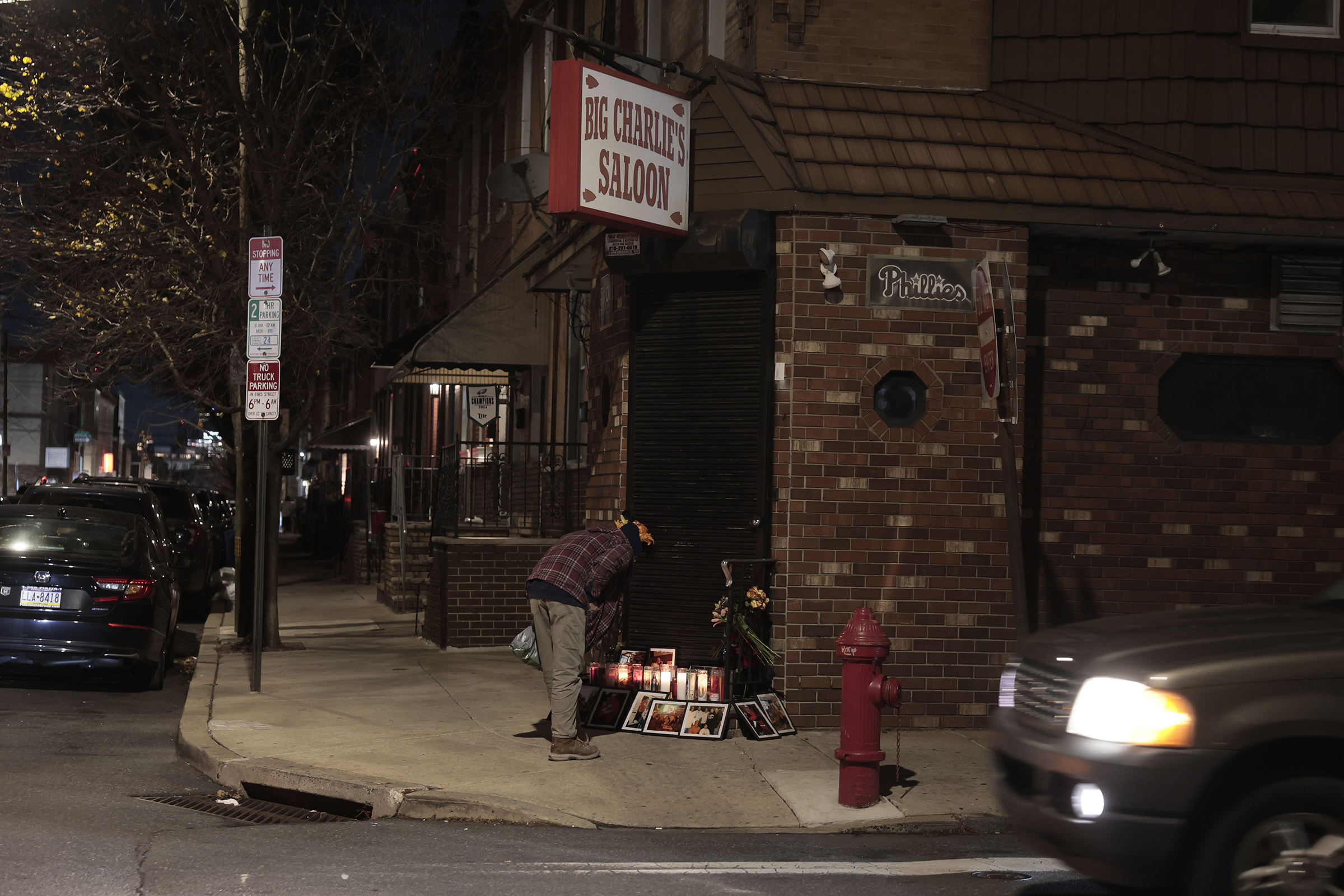
    A memorial appeared on the front step of Big Charlie’s Saloon, located at 1953 S. 11th St. in Philadelphia.

    The guys at Big Charlie’s root for the other Philly teams but not the Birds. They have Chiefs tattoos, Chiefs jerseys, and raised their children to be Chiefs fans.

    Charlie Staico’s winning bet spawned a generation of Chiefs fans. The allure of Big Charlie’s continued to grow, almost like a quirky roadside attraction. Is there really a spot in Eagles country devoted to a team from 1,100 miles away?

    NFL Films stopped by occasionally, TV news trucks pulled up whenever the Chiefs were gearing up for a Super Bowl run, and even some Chiefs players and coaches sat at the bar. The regulars made pilgrimages to Arrowhead Stadium and wore Big Charlie’s sweatshirts with pride. Mr. Staico’s South Philly bar was known as a place to watch the Chiefs, but the brick building was more than that to the people who filled it.

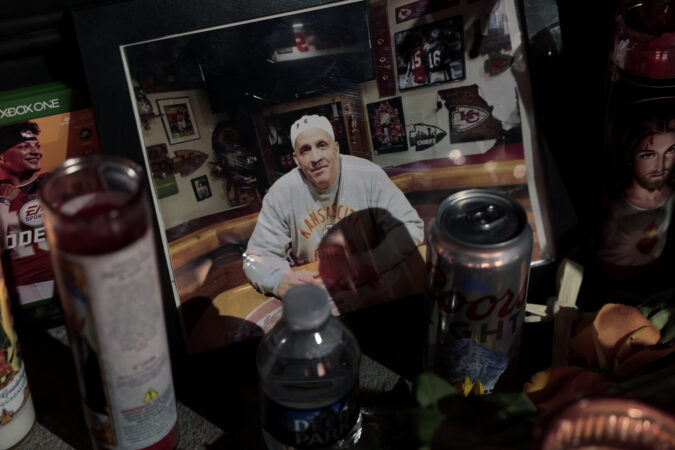
    Photos of Paul Staico are part of a memorial for the late owner of Big Charlie’s Saloon.

    “It started out with 10 of us in the back bar crying every game because the Chiefs stunk,” Harrity said. “Then it grew to 300, 400 people for the first game every year. That’s not because of the Chiefs. That’s because of Paul. He made you feel at home. He made you feel like part of the family. One time in there, and that was it. The kind of place where you walked in there, threw $20 down on the bar, bought a round, and didn’t pay for another drink all day. It was just a friendly place.”

    Mr. Staico is survived by his longtime girlfriend, Gloria Quinone; his sister, Linda Staico; and brother-in-law, Mark Mancini. A funeral service is planned for 11:30 a.m. Saturday at Epiphany of Our Lord Church at 11th and Jackson Streets.
  • Jordan Mailata named Eagles’ 2025 Walter Payton Man of the Year

    Jordan Mailata named Eagles’ 2025 Walter Payton Man of the Year

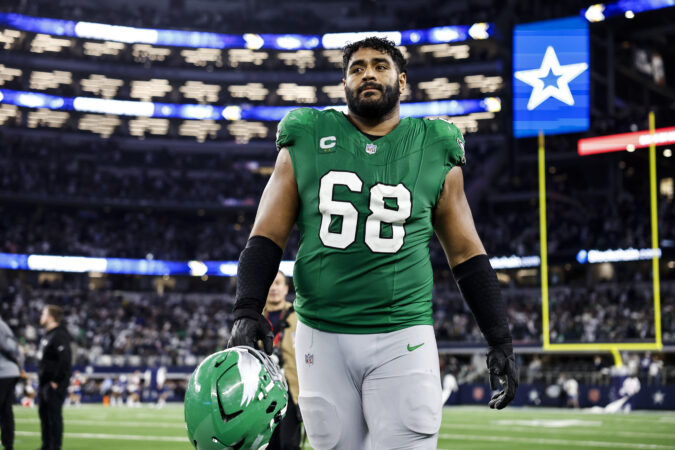
    Left tackle Jordan Mailata is the Eagles’ 2025 Walter Payton Man of the Year nominee, the team announced Thursday.

    The award recognizes players who excel on the field and make an impact off it. Mailata is one of 32 nominees (one from each team). The winner will be announced during the NFL Honors ceremony on Feb. 5 during Super Bowl week in the San Francisco area.

    Since the award was established in 1970, three Eagles have won it: Harold Carmichael in 1980, Troy Vincent in 2002, and Chris Long in 2018.

    “Jordan Mailata’s recognition as a Walter Payton NFL Man of the Year club winner is truly well deserved and speaks to his profound impact, both on and off the field,” Eagles owner Jeffrey Lurie said in a news release. “One of the highest honors bestowed upon players in the National Football League, this award celebrates those who proudly represent their teams with class and dignity — all in the name of the great Walter Payton. We congratulate Jordan and thank him for always being a person of high character who leads with kindness, compassion, and integrity.”

    The team also revealed how it informed Mailata of the honor earlier this week:

    Mailata is a converted rugby player from Australia who was a seventh-round pick by the Eagles in 2018 and has developed into a reliable long-term starter at left tackle. Besides his run of success on the field, Mailata, a second-team All-Pro selection in 2024, has been involved in multiple charitable endeavors. Mailata and his wife, Niki, were honored at the Philadelphia Children’s Alliance’s Bear Affair this year for their ongoing support.

    Mailata also supports the American Association for Cancer Research and has been involved in the Eagles Autism Foundation. Additionally, his “Jeff Stoutland University” vignette on Sunday Night Football that went viral in 2022 inspired the creation of an apparel line that has raised more than $200,000 for the foundation.

    Mailata also lent his singing chops to Christmas albums with Jason Kelce and Lane Johnson that have raised more than $10 million for local charities. Last year, the trio organized Operation Snowball, a project aimed at providing a gift to every student in the Philadelphia public school system thanks to funds raised by the singing group’s third album.

    The charitable beneficiary of each team’s WPMOY nominee will receive $40,000, and the nonprofit chosen by the national winner will receive $250,000. All donations are courtesy of the NFL Foundation and the Nationwide Foundation.

    Mailata will wear a Man of the Year decal on his helmet for the rest of the season.

  • A Montco man, jailed for killing his wife over their cat’s vet bills, was denied lifesaving care, suit says

    A Montco man, jailed for killing his wife over their cat’s vet bills, was denied lifesaving care, suit says

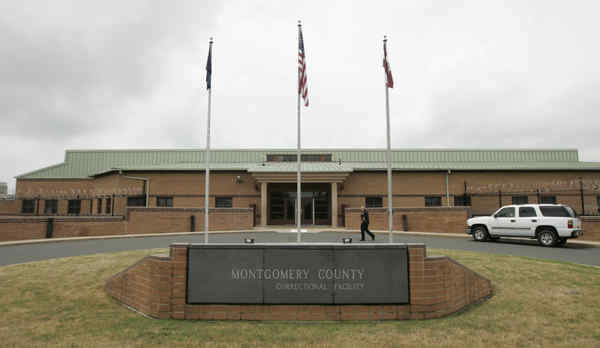
    The family of a Lower Pottsgrove Township man who was accused of beating his wife to death over the mounting cost of their cat’s veterinary care is suing Montgomery County and two medical companies, saying they denied him crucial healthcare while in the county jail, leading to his untimely death.

    Barton Seltmann, 84, died in April 2024 from urosepsis from “an undiagnosed and untreated urinary tract infection,” according to the wrongful-death lawsuit, which was filed last week in federal court in Philadelphia.

    A neck fracture that Seltmann sustained after falling in his jail cell also contributed to his death, the filing said.

    The suit names the county, as well as PrimeCare Medical and Creative Health Services, two companies contracted to provide medical care to inmates at the jail.

    Neither company responded to requests for comment. A spokesperson for the Montgomery County Board of Commissioners said the county does not comment on pending litigation.

    Seltmann was charged with murder and related crimes in November 2023 after, prosecutors said, he killed his wife, Margaret, during a dispute over the cost of their cat’s medical bills.

    In interviews after the incident, Seltmann, an Army veteran and former West Pottsgrove Township police officer, seemed to believe his wife was still alive, according to court filings. He did not grasp the reality of the incident and showed early signs of dementia.

    A month before his death, a Montgomery County judge dismissed the case against Seltmann, ruling that he was not fit to stand trial because his mental-health faculties and physical condition had deteriorated so significantly.

    But Patrick Duffy, the lawyer representing Seltmann’s children, wrote in the lawsuit that Seltmann’s marked decline in health came only while he was incarcerated.

    “Despite the obvious signs and symptoms indicating worsening progression of his condition, Mr. Seltmann was denied adequate medical care and intervention which allowed his condition … to develop into a state where it was irreversible and no further care could prevent his death,” Duffy said.

    The lawsuit asserts that jail staff did not allow Seltmann’s children to visit him due to the seriousness of the charges he faced at the time, which prevented his deteriorating health from being addressed sooner.

    Staff at the prison, including medical providers from PrimeCare and Creative Health Services, made a “calculated decision” to delay providing Seltmann with more intensive treatment in hopes he would soon be transferred to Norristown State Hospital, the suit contends.

    During intake at the jail, Seltmann appeared healthy, but by the end of his six weeks there, the lawsuit said, he was struggling to communicate, with “rambling and incoherent speech” and issues focusing.

    Seltmann developed a fungal rash on his groin and injuries to his feet and legs that later made it difficult for him to walk, causing him to fall and injure his head.

    In the suit, Duffy alleges that these issues were visible to, and known by, staff at the jail, but they refused to make a referral for him for outside care until his body temperature dropped to 86.5 degrees and he was retaining urine.

    When Seltmann was taken to Einstein Montgomery Hospital on Jan. 11, 2024, doctors found he had an acute neck fracture from his previous falls at the jail.

    He was later transferred to Jefferson Einstein Hospital in Olney, where he died months later.

  • Joel Embiid’s new Skechers, the brand’s first signature basketball shoe, have dropped: ‘It means a lot’

    Joel Embiid’s new Skechers, the brand’s first signature basketball shoe, have dropped: ‘It means a lot’

    After driving hours from Connecticut, 25-year-old Tristan Howard walked toward the back of Lapstone & Hammer with a large canvas covered in wrapping paper. He approached Sixers center Joel Embiid with the gift, and the former league MVP gladly accepted — opening the present on the spot.

    As the wrapping paper slowly fell to the floor, a painting of Embiid was revealed. The 7-foot center could be seen dunking on an opponent with one hand while holding his MVP trophy in the other, wearing sunglasses, sporting his Olympic gold medal — and of course, wearing his new Skechers shoe, the SKX JE1.

    “I know he’s a very powerful player,” Howard said. “So him dunking the ball is very important. And I know that he won a gold medal and was MVP. So, I wanted to incorporate that somehow. And then obviously the new shoe, I put that on him. I’m happy with how it came out.”

    Howard, who happens to be a New York sports fan, spent six hours the night before painting the gift for Embiid. It was one way the Sixers player was able to celebrate the launch of his latest sneaker and Skechers first-ever signature basketball shoe.

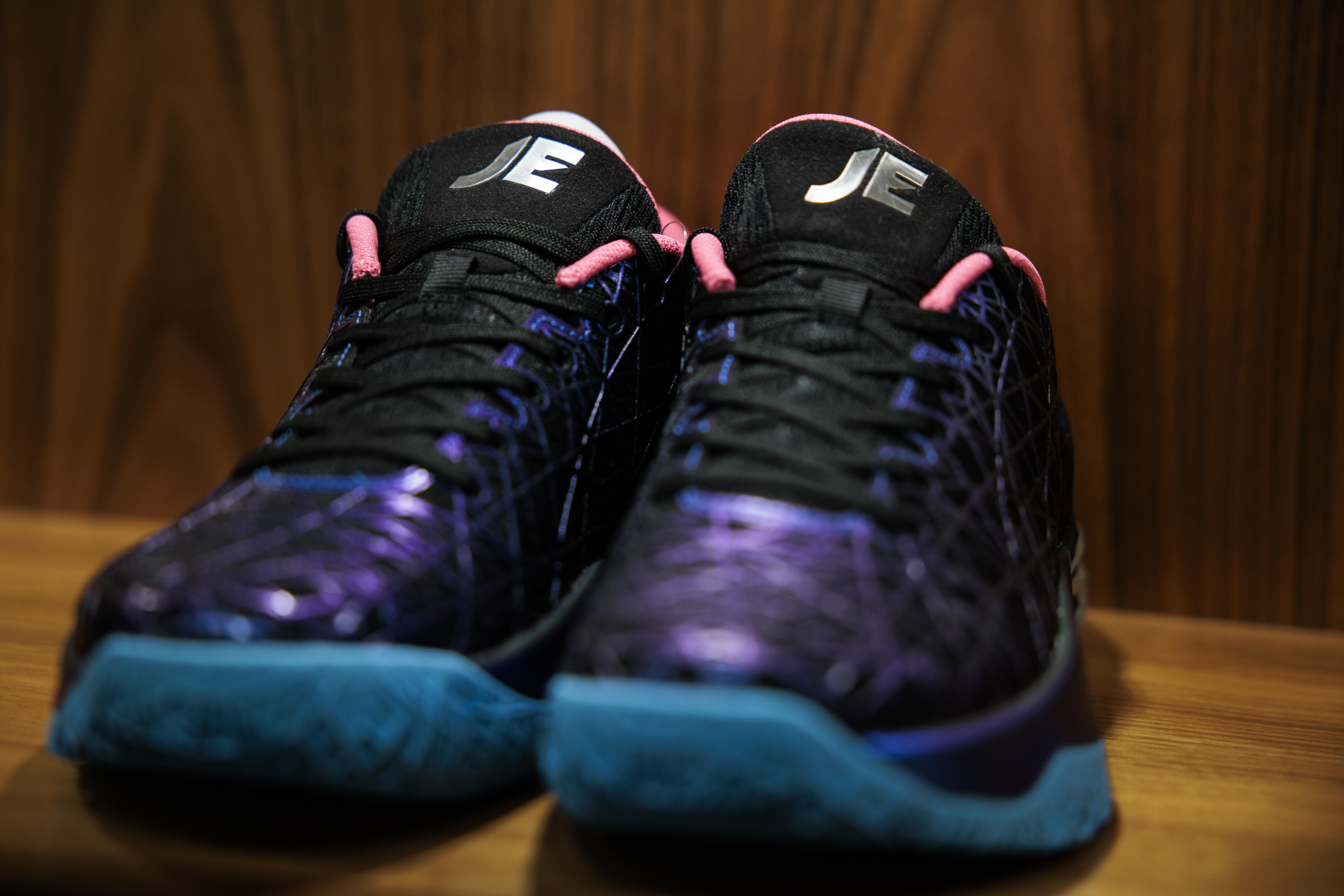
    Joel Embiid’s first signature shoe from Skechers, the SKX JE1, feature his initials on the tongue.

    “It means a lot [to have a signature shoe], especially when you look at where I come from, everything that I’ve been through, and what it took to get here,” Embiid said in a news release. “I always say, my life is a movie, everything happened so fast, one thing after another. Honestly, I wasn’t even supposed to be here. So, to be sitting here now, with my own shoe, it just shows that people believed in me. And that feels great. It’s truly amazing.”

    The shoe was released exclusively at Lapstone & Hammer on Saturday, just a day before Embiid debuted his new sneakers during the team’s loss to the Atlanta Hawks. Wednesday’s event gave fans another chance to purchase the shoes ahead of its global release on Thursday.

    And as a way to celebrate the release in the city, Embiid met with a number of those fans at the Center City store, signing sneakers and posing for photos. Sixers forward Jabari Walker, a fellow Skechers athlete, even made an appearance to show his support.

    “The message I want to send is that anything is possible,” Embiid added. “When you look at where I started, I wasn’t even supposed to play basketball — I was playing volleyball. And now, here I am. I’m just so thankful for all the opportunities I’ve had.

    “Like I said earlier, this shoe represents the belief that people had in me. It’s about showing that as long as you put the work in, you can achieve your goals — you can achieve anything you want. That’s what happened to me, and that’s what I want for others.”

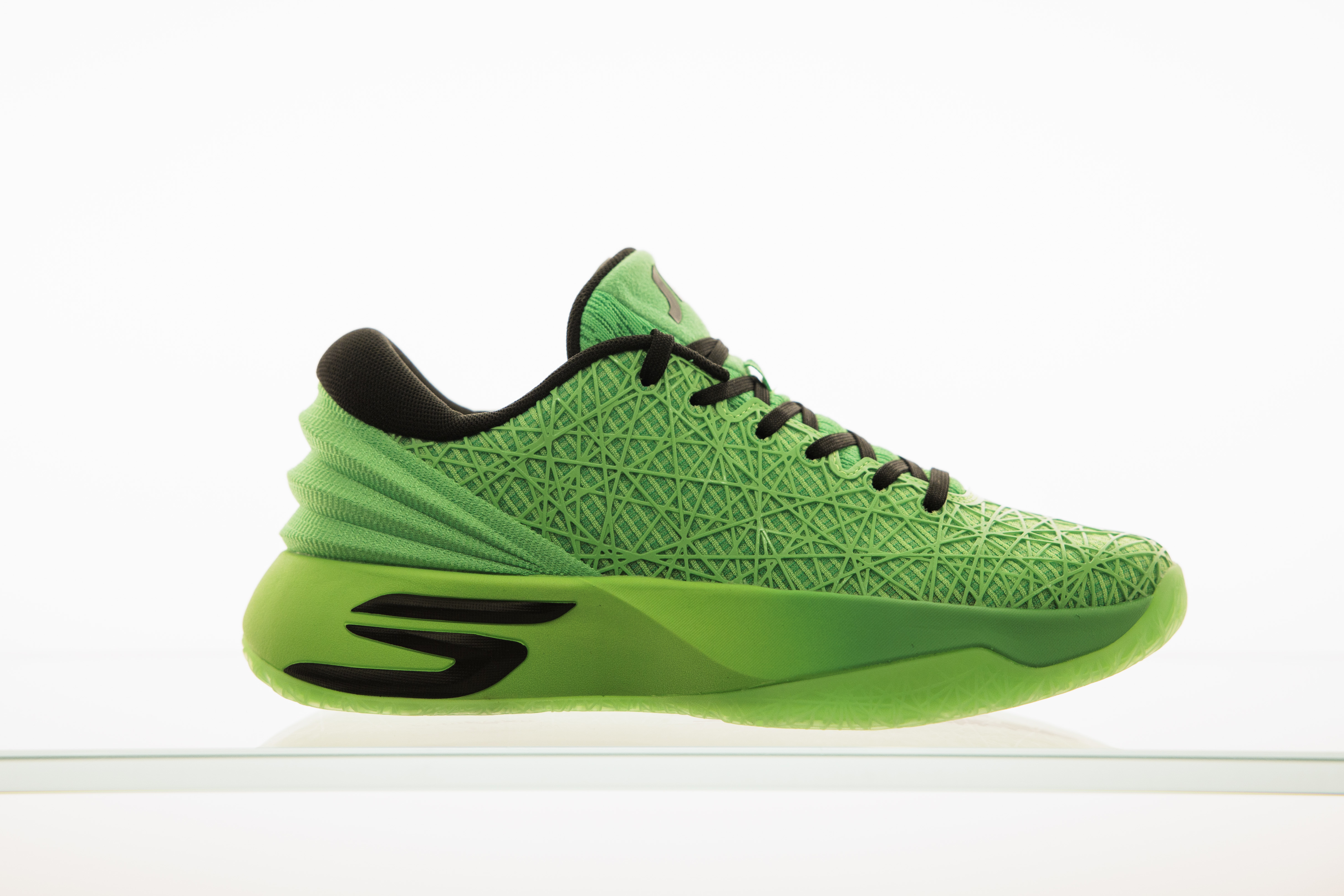
    A side view of the SKX JE1 shows the upper cage, as well as the three heel points that were a critical part of the shoe’s design.

    The design, according to Skechers, is inspired by Embiid’s non-traditional path to the NBA. It features an abstract multidirectional traction pattern with their signature Goodyear outsole and a mesh body with a 3D-printed silicon lockdown cage. The three heel points represent Embiid’s three keys of life: heritage, sports, and family.

    “I’ve been working with Skechers on fine-tuning every detail of the SKX JE1 and I’m excited to share it with the world,” Embiid said in the release. “Skechers strives for excellence in performance and comfort, so I couldn’t ask for a better partner in creating this signature shoe.”

    In addition to being on sale at Lapstone & Hammer, the SKX JE1s are now available at Skechers.com, select Skechers stores, and other specialty retailers. They retail for $130.

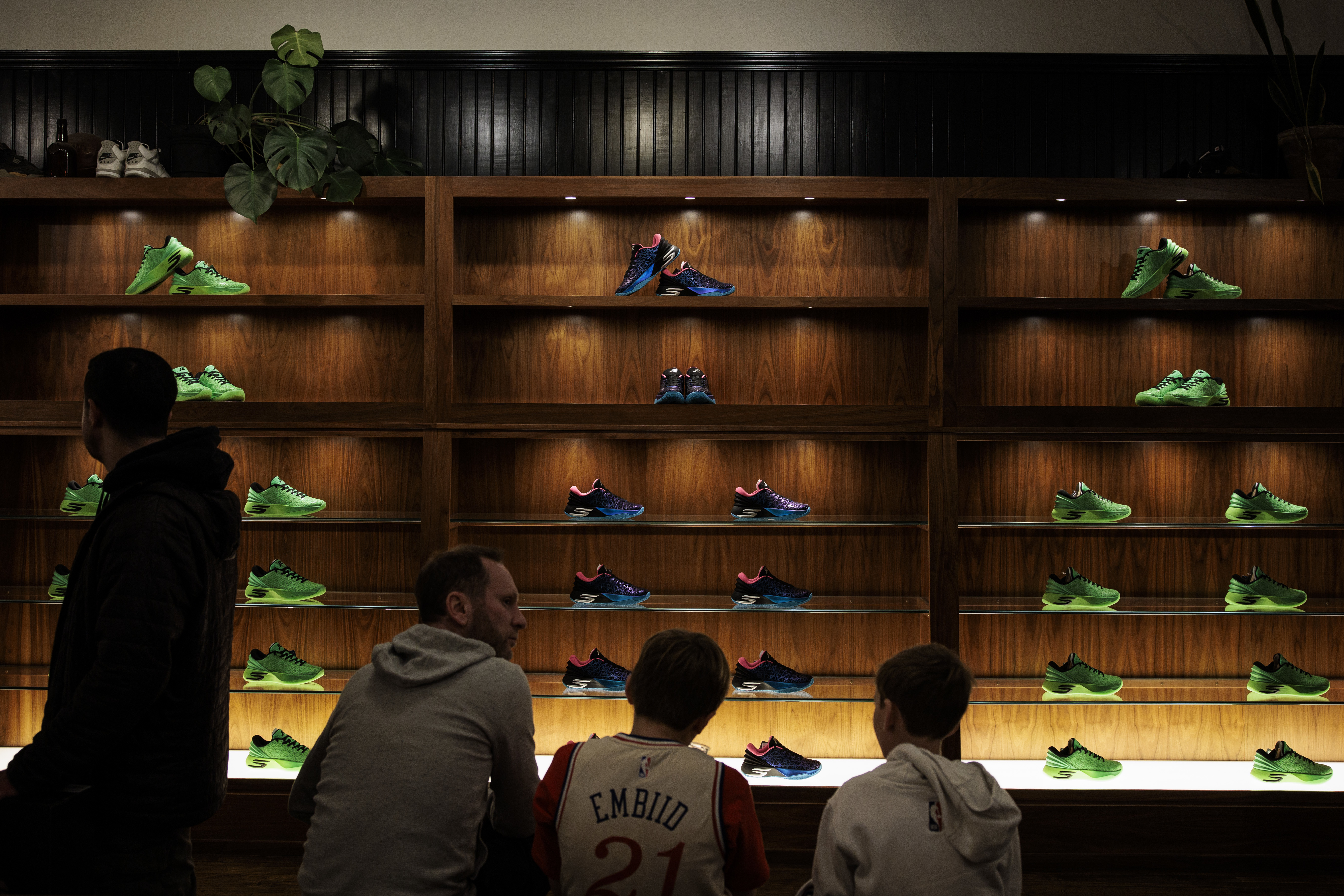
    Different designs of Joel Embiid’s SKX JE1 sneakers were on display during the release event at Lapstone & Hammer on Wednesday.
  • Brian Fitzpatrick has a plan to extend ACA subsidies and avoid premium hikes for millions. He’s ready for an uphill battle.

    Brian Fitzpatrick has a plan to extend ACA subsidies and avoid premium hikes for millions. He’s ready for an uphill battle.

    U.S. Rep. Brian Fitzpatrick plans to introduce a bipartisan bill as early as this week to extend Affordable Care Act subsidies after the prolonged, bitter shutdown battle this fall left the issue unresolved.

    Fitzpatrick, a Bucks County Republican, said on Wednesday the bill’s language is “pretty much buttoned up” and has the support of some moderate Republicans and some Democrats.

    He said the members of the bill’s working group have been in touch with the White House as they try to get a compromise deal through Congress before healthcare premiums spike when the subsidies expire at the end of the year.

    “We’re trying to get to 218 and to 60,” Fitzpatrick said in an interview Wednesday, referencing the minimum vote thresholds to pass the House and Senate. “Anything that’s not designed with that end goal in mind is a futile legislative exercise.”

    But Fitzpatrick was candid about the uphill climb to get the needed votes in both chambers weeks after the issue was at the center of the longest government shutdown in history.

    Some Republicans don’t want to extend the credits at all, while others want abortion restrictions included. Democrats, meanwhile, have argued for a clean extension of the existing program and opposed an income cap for the enhanced credit.

    “We’re trying our best to navigate all this, to figure out how we can do something. You know, nobody’s going to love it, but hopefully enough people are OK with it,” he said.

    The countdown to premium hikes is deeply concerning to millions of Americans already frustrated by affordability, opinion surveys show. And vulnerable Republican incumbents in Washington have stressed the need to find a solution with next year’s midterms looming. Fitzpatrick, who has represented Bucks County since 2017, could face a tight reelection campaign next year.

    So far, leadership has not engaged with Fitzpatrick on discussions over an ACA extension compromise, Fitzpatrick said. Republicans have not offered up a proposal, though Senate Majority Leader John Thune (R., S.D.) has promised a vote in the coming weeks. House Democrats have offered a three-year clean extension of the existing tax credits, and are just four votes away from a discharge petition to force a vote, but no Republicans, including Fitzpatrick, have joined them.

    Senate Democrats plan to propose a companion bill next week, Punchbowl News reported Wednesday.

    But neither Democratic plan looks poised to get the votes needed, making it more of a messaging exercise for the party. And House Speaker Mike Johnson (R., La.) is expected to release his own plan next week, Politico reported Thursday, but it’s unclear whether it will appeal to Democrats, whose support would be needed to pass in the Senate.

    “On the right, they think the majority of the GOP conference does not like the premium tax credit structure, and I think the leadership on the left wants to use it as a political issue,” Fitzpatrick said.

    That would mean the compromise bill’s only chance for a vote would be via a discharge petition, the tactic recently used to pass legislation to release the Jeffrey Epstein files after House leadership slow-walked the issue.

    Fitzpatrick said he would back a discharge petition on the ACA bill but would not be the one to put it forward.

    “I’ll support it,” Fitzpatrick said of an ACA discharge. “The question really is: Are 217 of my colleagues? Are they going to allow the perfect to be the enemy of the good? Are they willing to take 80% of something, or they’re going to get 100% of nothing? That’s really going to be the key, because, you know, so many people have so many ‘red lines.’”

    Fitzpatrick said he is already committed to using a discharge petition to force legislation on sanctions against Russia amid the war in Ukraine.

    What’s in the proposal?

    Under the ACA, people who earn less than 400% of the federal poverty level — about $60,000 — are eligible for tax credits on a sliding scale, based on their income, to help offset the monthly cost of an insurance premium.

    That tax credit is part of the law, and therefore not expiring. But what will expire is an expansion passed in 2021 when Congress increased financial assistance so that those buying coverage through an Obamacare marketplace do not pay more than 8.5% of their income.

    Fitzpatrick’s proposal, awaiting legislative counsel review, would provide a two-year extension of the expiring ACA subsidies, with a cap on those enhanced credits for earners who make 700% of the federal poverty level, about $225,000 for a family of four. Currently there is no income cap on the enhanced credit.

    The bill would also expand health savings accounts and crack down on pharmacy benefit managers.

    And to appease Republicans concerned about fraud in the program, Fitzpatrick’s bill would implement a $5 monthly fee for low-income enrollees, intended to prompt them to actively confirm their eligibility. There’s an option, requested by Democrats who oppose such a fee, to pay it in a one-time $60 sum to avoid losing coverage.

    “This is all like, give one to the left, give one to the right,” Fitzpatrick said.

    Not included in the bill are restrictions on abortion, something Fitzpatrick’s Republican colleagues had pushed for.

    “We kept that out. I don’t think it has any place in this bill,” Fitzpatrick said. “It would be a death knell to a lot of my colleagues on the left … and I don’t think abortion should be an issue here. This is about lowering healthcare costs for people who really need the assistance.”

    Staff writer Sarah Gantz contributed to this article.

  • Kevin Willard may soon have his Massimino moment at Villanova, but does this Big 5 format make sense for all?

    Kevin Willard may soon have his Massimino moment at Villanova, but does this Big 5 format make sense for all?

    In 1991, a Villanova coach whose team had risen to national prominence was vilified for killing the Big 5 when the association of Philadelphia’s Division I hoops programs moved away from its round-robin format to a scaled-down version.

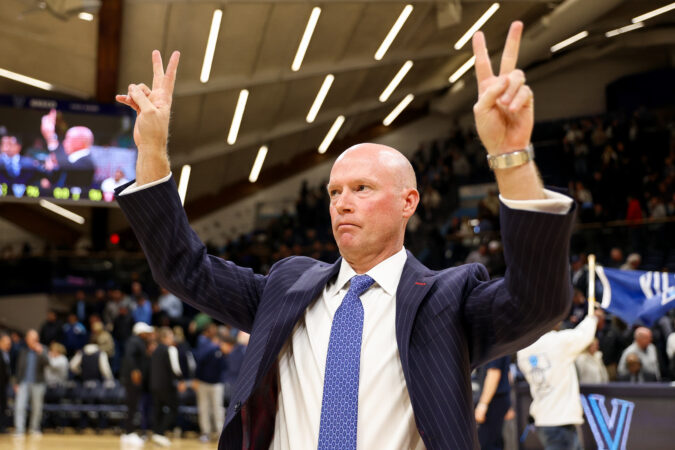
    Thirty-five years later, new Villanova coach Kevin Willard may soon face his Rollie Massimino moment.

    “It’s not going to go away,” Willard said of the Big 5 in an interview over the summer. “I think there’s ways to make things better.

    “I want to go through it and figure out what’s best for it.”

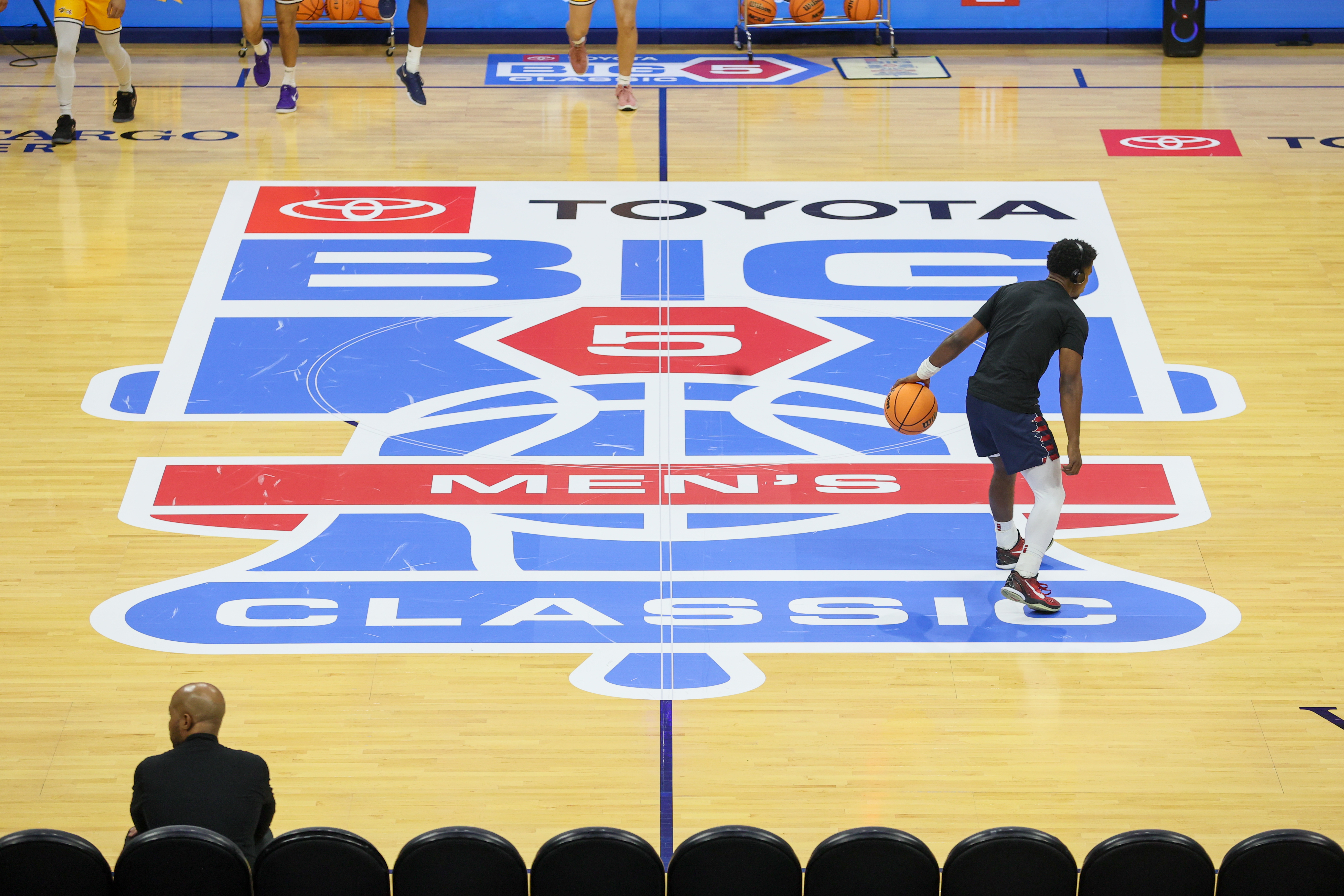
    On Saturday, Villanova will play for a Big 5 Classic championship vs. Penn. But what’s best for Villanova probably isn’t what’s best for the other five schools, and what’s best for Penn, St. Joseph’s, or Temple might not be what’s best for La Salle or Drexel.

    To be sure, the sport has changed greatly since 1991. The gap between Villanova and the other local programs has not just grown, it’s never been greater — with Jay Wright’s run of dominance and, more relevantly, the implementation of a payment structure in college sports. Villanova is the only Big 5 school in a power conference with a major television deal and probably can afford to spend more money on its men’s basketball roster than the other five Big 5 programs combined. It probably will be a 15-point favorite over Penn on Saturday in the title game.

    The money is at the heart of all of this. Forget your grandfather’s Big 5; this isn’t even your older brother’s Big 5. There are myriad reasons why the rivalries themselves aren’t the same, and they have been covered ad nauseam over the years: Young people don’t attend college basketball games the way they used to, the teams haven’t been very good, the transfer portal era has created a culture of mercenaries who travel from school to school year after year, and so on.

    Fran Dunphy, the man they call “Mr. Big 5,″ who still watches plenty of basketball in his retirement, had an entire row to himself at Glaser Arena for a large part of the La Salle home game vs. Villanova last month. The Palestra has been removed from the equation almost entirely. The Villanova-St. Joe’s rivalry won’t happen this season for the first time in nearly 30 years. All of that is to say things change and nothing lasts forever.

    But the financial component of it is why the current format of the Big 5 in its nascent stages — in which the six teams are divided into two rotating pods before playing two pool games to determine which teams match up in first-, third-, and fifth-place games during the Big 5 Classic tripleheader — seems unlikely to last very long.

    The House v. NCAA settlement that resulted in schools directly paying players has only increased the need for financial diligence.

    Players warm up before the start of the Big 5 Classic games on Dec. 7, 2024.

    Villanova has to be considering the merits of keeping together an aging tradition vs. the cost of doing so, and it shouldn’t be alone in its considerations.

    Instead of taking a bus ride to Olney to play at La Salle and winning by 15 in a sleepy building, wouldn’t Villanova have been better off having a home game, even if that means spending something like $100,000 to have a lesser opponent come to Finneran Pavilion? Maybe it’s not a buy-game and is instead another opportunity to host a team like Pittsburgh, which Villanova will do on Dec. 13.

    Regardless of the replacement opponent, the current format means Villanova could be missing out on essentially two home games. One is the automatic road game from the two pod-play contests, the other is the Big 5 Classic itself, which divvies the pot from ticket sales seven ways between the six schools and the building.

    That’s hundreds of thousands of dollars in revenue Villanova isn’t bringing in. Sure, your reaction to that can be “boo-hoo,” but that could be the salary of a rotational player floating away for the sake of nostalgia.

    “When you play 20 conference games, playing an [Atlantic 10] road game every year is really difficult,” Willard said in June. “You’re also taking away a home game when revenue has become extremely important.”

    Which brings us to the other element of this, and why Villanova isn’t alone, even if the Main Line school again will be vilified publicly for whatever happens next to the Big 5 (if its competition, for example, ends up being something like a one-day-only event with rotating matchups).

    Let’s take Drexel or La Salle, for example. What if instead of playing two of these three Big 5 games, those schools got $100,000 to fly to a high-major program? A few hundred thousand may be a rotational player at Villanova, but that’s a starter or two at either of the aforementioned schools.

    It may be reductive to view all of this through that lens, but that’s the reality for these schools. Money is all that matters, and the toothpaste is out of the tube in that regard. There will be no going back, which means traditions, even new takes on them, can’t last forever.

    The new Big 5 format breathed some life into one that was getting stale, but it was agreed upon before the House settlement. The six athletic directors soon will have to put their heads together and figure out the best path forward.

    “Scheduling is as important as anything in college sports,” Willard said. “Scheduling is everything.”

    Massimino felt something similar in the early ’90s, too. That much hasn’t changed, but the financial implications certainly have.

  • Penn State’s coaching search drags on. Who’s left?

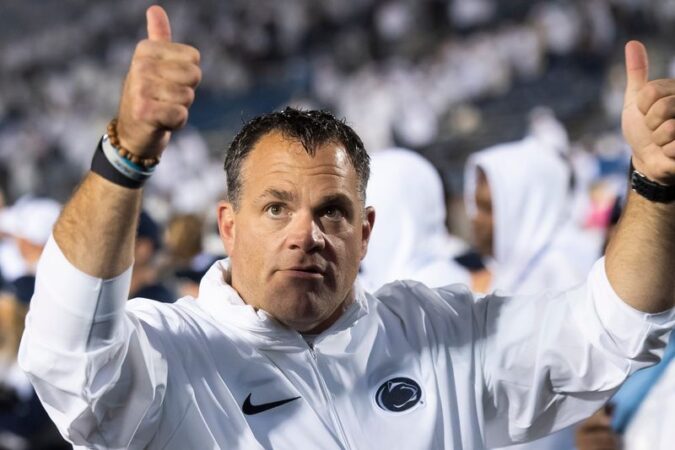
    Penn State’s coaching search drags on. Who’s left?

    Fifty-three days ago, Penn State decided it needed new blood and energy injected into the program after a 3-3 start in James Franklin’s 12th season at the helm.

    Fresh off a College Football Playoff semifinal appearance and a program-record 13 wins, Penn State had expectations to again compete for a title. To say the least, that did not happen, and Franklin was fired as a result.

    The mid-season timing was meant for Penn State to get an early start on the coaching search. Athletic director Pat Kraft was adamant on Oct. 13 that “a new leader can help us win a national championship.”

    Fifty-three days ago, and counting.

    By the time the calendar changes to December, most college football teams want to have their head coach in place, if they do decide to make a change. Consider this: Penn State had a coaching opening before LSU, Florida, Colorado State, and Auburn, and those programs all hired their next coach before the Nittany Lions. South Florida, Kentucky, and Michigan State all had coaching changes happen last weekend and each hired a new coach by Wednesday’s early signing day for the 2026 recruiting class.

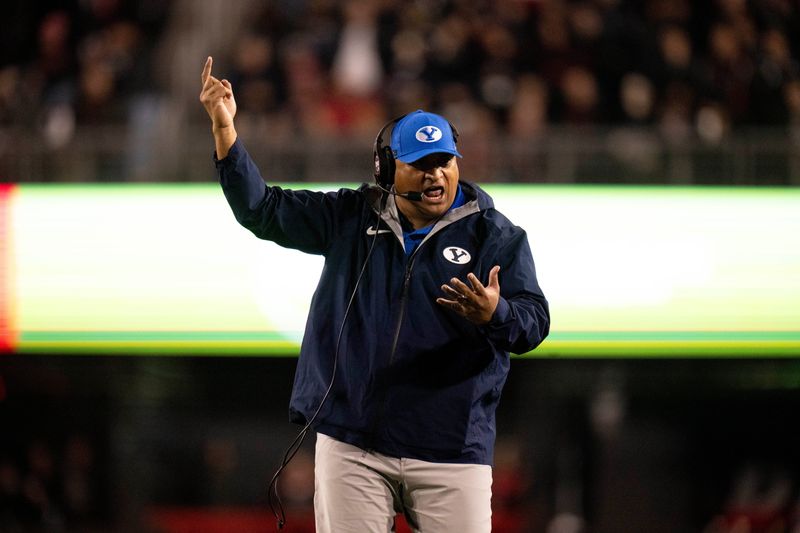
    BYU head coach Kalani Sitake was on Penn State’s radar before deciding to stay with the Cougars.

    Brigham Young’s Kalani Sitake emerged as a top candidate for the Penn State opening earlier this week before he decided to stay in Provo, Utah, and received a contract extension. Other candidates like Nebraska’s Matt Rhule, Georgia Tech’s Brent Key, Missouri’s Eli Drinkwitz, and Vanderbilt’s Clark Lea opted to sign extensions instead of jumping ship.

    There were opportunities to hire James Madison’s Bob Chesney (now heading to UCLA), a Kulpmont, Pa., native, and Ohio State offensive coordinator Brian Hartline (now heading to South Florida). Instead, the Nittany Lions chased after bigger targets, like Sitake, Texas A&M’s Mike Elko, and Alabama’s Kalen DeBoer to no avail. And Franklin not only got a new job at Virginia Tech, he took several former Penn State commits with him.

    Brian Daboll, the former New York Giants coach, is a candidate, per FootballScoop, but the coaching search has now passed early signing day, and Penn State has just two players committed to its 2026 recruiting class.

    The pool of candidates has shrunk considerably. The Nittany Lions’ current players and staff will have decisions to make in the coming week with a bowl game looming and the transfer portal opening next month. And at this point no matter who is hired, whether it’s Terry Smith getting an internal promotion or an outside candidate gets the job, the program will be relying heavily on the transfer portal.

    Villanova’s next test

    After dominating Harvard at home last weekend, Villanova travels to Lehigh (12-0) on Saturday (noon, ESPN+) for a spot in the FCS playoff quarterfinals.

    The Wildcats (10-2) will need to slow down Lehigh’s No. 4-ranked rushing attack (235.3 yards per game), which is led by running back Luke Yoder (110.8 yards per game). Quarterback Hayden Johnson also brings a dual-threat element to Lehigh’s offense, rushing for 426 yards and four rushing touchdowns in addition to his 18 passing touchdowns and 62.5% completion percentage.

    Lehigh’s pass rush is among the most prolific in the FCS. The defense has collected 40 sacks, the fourth most nationally. Lehigh also has the stingiest run defense in the FCS, allowing just 73.7 rushing yards per game, and is the No. 2 scoring defense (13.9 points allowed).

    Pat McQuaide will lead Villanova’s high-powered offense against Lehigh on Saturday.

    As opposed to last week, when the Wildcats dominated Harvard with 319 rushing yards, the offense will likely need to win this game on the arm of Pat McQuaide. He was efficient in last week’s win, throwing for 193 yards and three touchdowns. Lehigh ranks 50th in the FCS in passing yards allowed per game (207.9), so there should be opportunities for McQuaide to find playmakers Luke Colella and Lucas Kopecky downfield.

    The winner will face either Tarleton State or North Dakota next weekend.

    Can Eastern U keep going?

    Fresh off its first-ever postseason victory, Eastern University (10-1) will host Susquehanna University on Saturday (noon, ESPN+) in its first ever playoff home game for a spot in the Division III quarterfinals. Head coach Billy Crocker is a former Villanova and Connecticut defensive coordinator who has quickly built up Eastern’s football program in its fourth year of existence.

    The offense is led by quarterback Brett Nabb, who ranks ninth in D-III in rushing yards and is Eastern’s top ball carrier with 1,307 yards. He had four touchdowns in last week’s 28-24 win over Franklin & Marshall.

    Susquehanna ranks 23rd in rushing yards allowed per game (81.1 yards). The River Hawks have played two high-scoring playoff games in consecutive weeks with wins over Washington and Jefferson College and Christopher Newport University, surrendering 28 or more points in each game.

    If Eastern wants to slow down Susquehanna’s high-scoring offense, which ranks 16th in scoring (43.3 points), it starts with the passing offense, which averages 273.2 yards. Eastern’s pass defense has been solid, allowing 158.1 passing yards per game, and its defense ranks top 30 in points allowed (15.8 points) and top 15 in total defense (249.3).

    The winner will face either Salisbury or Johns Hopkins next weekend.

    The BIG number

    33: The number of recruits for Temple’s early signing day class, finalized on Wednesday, which was more than Villanova, Penn State, and Penn combined. That number was also the Owls’ largest in program history, and was ranked the top class in the American Athletic Conference, according to 247Sports.

    Indiana quarterback Fernando Mendoza (15) is expected to go early in next year’s NFL draft.

    Game of the week

    Big Ten championship: No. 1 Ohio State vs. No. 2 Indiana (8 p.m., Fox29)

    Though both teams are CFP bound no matter the result, the two top-ranked teams in college football will square off in Indianapolis on Saturday night. Heisman hopeful Fernando Mendoza, Indiana’s quarterback, is a projected top 10 pick in the 2026 draft class.

    Ohio State’s defense is loaded with talent, from linebackers Arvell Reese and Sonny Styles to safety Caleb Downs.

  • The days are getting darker. Pour a luxe white wine to cope.

    The days are getting darker. Pour a luxe white wine to cope.

    As the shortest day of the year grows near and night begins falling well before we pour dinnertime wine, the perfect season for savoring rich winter whites like this luxurious Sonoma chardonnay has arrived.

    The white wines we crave in warmer weather — pinot grigio, albariño, or sauvignon blanc — are almost always light in body, brisk in acidity, and typically fermented in inert steel tanks. This method is chosen to economize, of course, but has the added benefit of preserving the fresh-picked vibrancy of fruit that defines summer-weight styles.

    When it gets colder out in winter, our preferences move away from pure refreshment toward richness and the warmth that higher alcohol levels can provide, a seasonal shift that holds true even among those wine styles we serve chilled. Few wine grapes can do this gracefully, with chardonnay being the unrivaled queen of the winter whites.

    The time-honored method for enriching white wines is to ferment in barrels made of oak and to then allow the wine to continue resting there for months in contact with its yeast sediment. Not only does this process produce a plush and silky mouthfeel, but both the oak and the yeast sediments boost the wine’s flavor in complementary ways. The oak taste is most noticeable, evoking the toasted pecan and baking spice flavors we associate with cognac or bourbon, while yeast adds more subtle accents of buttered toast. When added to Chardonnay’s base flavors of golden apples and ripe pears, the effect is much like transforming fresh apples into a decadent spiced and caramelized apple cake.

    Ferrari-Carano has specialized in this rich style of chardonnay for decades and executes it brilliantly here, with an interesting twist. Where almost all of their competitors use 100% chardonnay grapes, their winemaker adds a tiny splash of fragrantly floral gewürztraminer to add flavor complexity, just as a mixologist might add a dash of orange bitters to round out their signature Manhattan.

    Ferrari-Carano Chardonnay

    Ferrari-Carano chardonnay

    Sonoma County, Calif., 14.5% ABV

    PLCB item #8704, on sale $22.09 through Jan. 4 (regularly $29.09)

    Also available at: Total Wine & More in Wilmington and Claymont, Del. ($17.99; totalwine.com), Moorestown Super Buy Rite in Moorestown ($17.99, moorestownbuyrite.com), and WineWorks in Marlton ($18.98; wineworksonline.com).

  • White is the 2026 Pantone Color of the Year. They say the choice isn’t political.

    White is the 2026 Pantone Color of the Year. They say the choice isn’t political.

    In a colorless move that, Pantone says, speaks to our collective longing for calmness, a clean slate, serenity, and focus, the New Jersey-based global color authority named Cloud Dancer — a billowy, balanced white — as its 2026 color of the year.

    The blank hue’s uncluttered vibe, Pantone says, plucks us out of the day-to-day crazy of our newsfeeds, AI-generated madness, and hustle culture.

    White, says Pantone Color Institute’s vice president Laurie Pressman, offers relief and respite. White noise silences the cacophony of worry rattling around in our overstimulated brains. The color gives us permission to think, refocus, and chart a new future.

    The pause between the doing, white is the be-ing.

    “White speaks to the value of measured consideration and quiet reflection,” Pressman said. “It represents a future free of toxicity and excess … contentment and peace, unity, and cohesiveness. It’s ethereal. White embraces the clouds.”

    Sweet dollops of whipped cream are white, meringue is white. Fluffy mashed potatoes are white, too.

    A fresh pair of Air Force 1s, patent leather go-go boots, a clean tee, a crisp button-up. A voluminous bridal gown. We ski in winter white.

    Mikado crop top with organza ball-gown skirt, limited edition ($1,150) at David’s Bridal, with pearl-drop earrings ($1,300) at Rosnov Jewelers. (Michael Bryant/Staff Photographer)

    White is fly.

    “In fashion and interior design, white is in our comfort zone,” said Leatrice Eiseman, executive director of the Pantone Color Institute. “It’s natural and organic. It’s about sustainability.”

    White is ethereal. She’s dreamy. She represents new beginnings. I’m overwhelmed, too. I would love to drop my precepts and jump into a world of my own making. Architectural white shirts and black pants are my grown woman fashion go-to.

    I get it.

    But y’all, white is the color of the year in 2026.

    As a Black woman living in Trump’s America, I can’t help but wonder if Pantone’s choice of Cloud Dancer was much more of a nefarious harbinger than they perhaps realized.

    No, I don’t think Pantone is low key promoting whiteness or advocating for a white savior.

    Cloud Dancer, the 2026 Color of the Year, is billowy like this curtain blowing in the wind.

    Rather, to me, Cloud Dancer is a subliminal acknowledgment of the power structure emerging in America, especially her politics. The Trump administration’s attacks on diversity, equity, and inclusion programs in universities and the federal government; its attempts to whitewash American history; its deportation of undocumented (and documented) brown immigrants; its adoption of white supremacist values: It all points to an America that values white lives more than others.

    Fashion and style always gives us clues to the future. So, I asked Pantone if they were tapping into something that perhaps they weren’t even aware of?

    “Absolutely not,” Pressman said, her tone pleading with me to stop with the correlation. “Pantone is not political.”

    Pantone is not political, true. But its trend forecasters keep their manicured fingers on the pulse. And in this moment I’m unable to ignore Ku Klux Klan robes are white, too.

    COY is always right

    Pantone’s Color of the Year is rooted in fashion. Its early picks – oceanic Cerulean in 2000; orange Tiger Lilly in 2004; and golden Mimosa in 2009 – influenced clothing, accessories, and makeup. As we moved deeper into the millennium, COY was the trendy choice for Kitchen Aids, accent walls, and Post-it notes.

    In the last decade, however, color of the year has come to define our collective moods more than just our fashion aspirations.

    It’s the aura hovering over the world, indicative not just of the life we have, but the one we want. The colors have become a peek into the energy of the feelings driving tomorrow’s zeitgeist.

    That became crystal clear in 2016, the first year Pantone chose two colors — a pink Rose Quartz and a baby blue Serenity. The dual hues were a nod to the emerging blurring of gender lines.

    In 2021, Pantone chose two colors again: Ultimate Gray and Illuminating Yellow.

    A year into the pandemic, we were emerging from a 2020 into a hopeful 2021, Pressman explained.

    The 2023 color, Viva Magenta, spoke to the vibrant post-pandemic life we craved.

    The Pantone Color of the Year is Cloud Dancer. The soft white represents a clean palette, a fresh start, shift and change.

    And its 2025 pick was Mocha Mousse, the color of espresso martinis, expensive wood, and me. It made such good sense in a year Black girl magic was at its peak.

    Things took a quick turn after. According to a New York Times study, 319,000 Black women have left both public and private sector jobs in 2025, the result of the Trump administration’s cost-cutting and DEI Initiatives.

    A clean slate

    A key reason why Pantone chose white is because, Pressman said, people are craving blank slates.

    “People have gotten to a point where they see what’s happening isn’t working for them anymore,” Pressman said. “They want something different, new, authentic.”

    Cloud Dancer hit that nail on the head.

    The Trump administration is dismantling the Department of Education, killing funding for the arts, scrubbing civil rights departments in federal agencies, and decimating medical research, replacing vaccine recommendations with unsubstantiated claims about Tylenol.

    Debris is seen at a largely demolished part of the East Wing of the White House, Thursday, Oct. 23, 2025, in Washington, before construction of a new ballroom. (AP Photo/Jacquelyn Martin)

    The violent crimes of Jan. 6 protesters have been pardoned. The president has ripped out the East Wing of the White House.

    All clean slates and new beginnings. But for who?

    Cloud Dancer, Eiseman said, is a throwback to classic fashion, citing Coco Chanel and Audrey Hepburn. Sure, fashion of the “Golden Era” was glamorous. These women were undeniably well-dressed, but it was also a time when white gloves and girdles were the norm, and equally glamorous Black women like 1940 Academy Award winner Hattie McDaniel was forced to sit in a segregated section during the Oscar ceremony because her white colleagues didn’t want to sit next to her.

    When the conversation turned to the yin (black) and yang (white) of fashion, I wondered aloud if, maybe this could have been a year when Pantone chose two colors: black and white. Perhaps this could signify harmony.

    Crickets.

    Pantone’s Color of the Year image of the Cloud Dancer.

    Later, I realized Pantone didn’t pick the cooperative vibe up, because it just wasn’t there.

    I’m not ready to wave the white flag yet. In the midst of all this, white remains a shade of hope, purity, and freedom. It’s the color of the Suffragist movement. Pantone’s is simply yet another canary in the coal mine which means I have a lot of work to do.

    I can’t afford to have my head in the clouds.

  • A classic South Philadelphia restaurant gets new life as an old-time nightclub

    A classic South Philadelphia restaurant gets new life as an old-time nightclub

    “Heaven … I’m in heaven … and my heart beats so that I can hardly speak.”

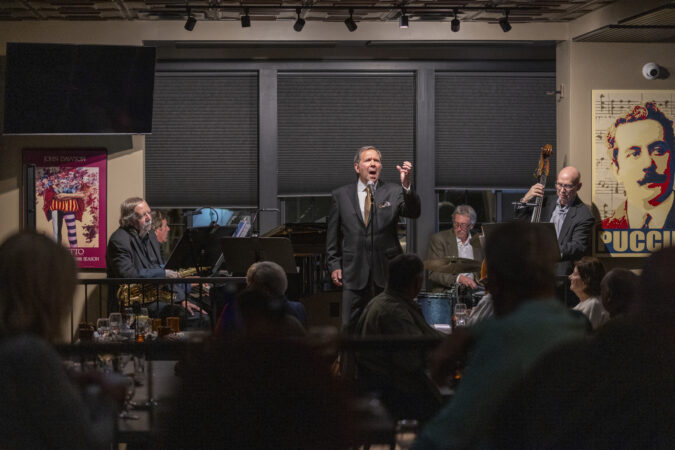
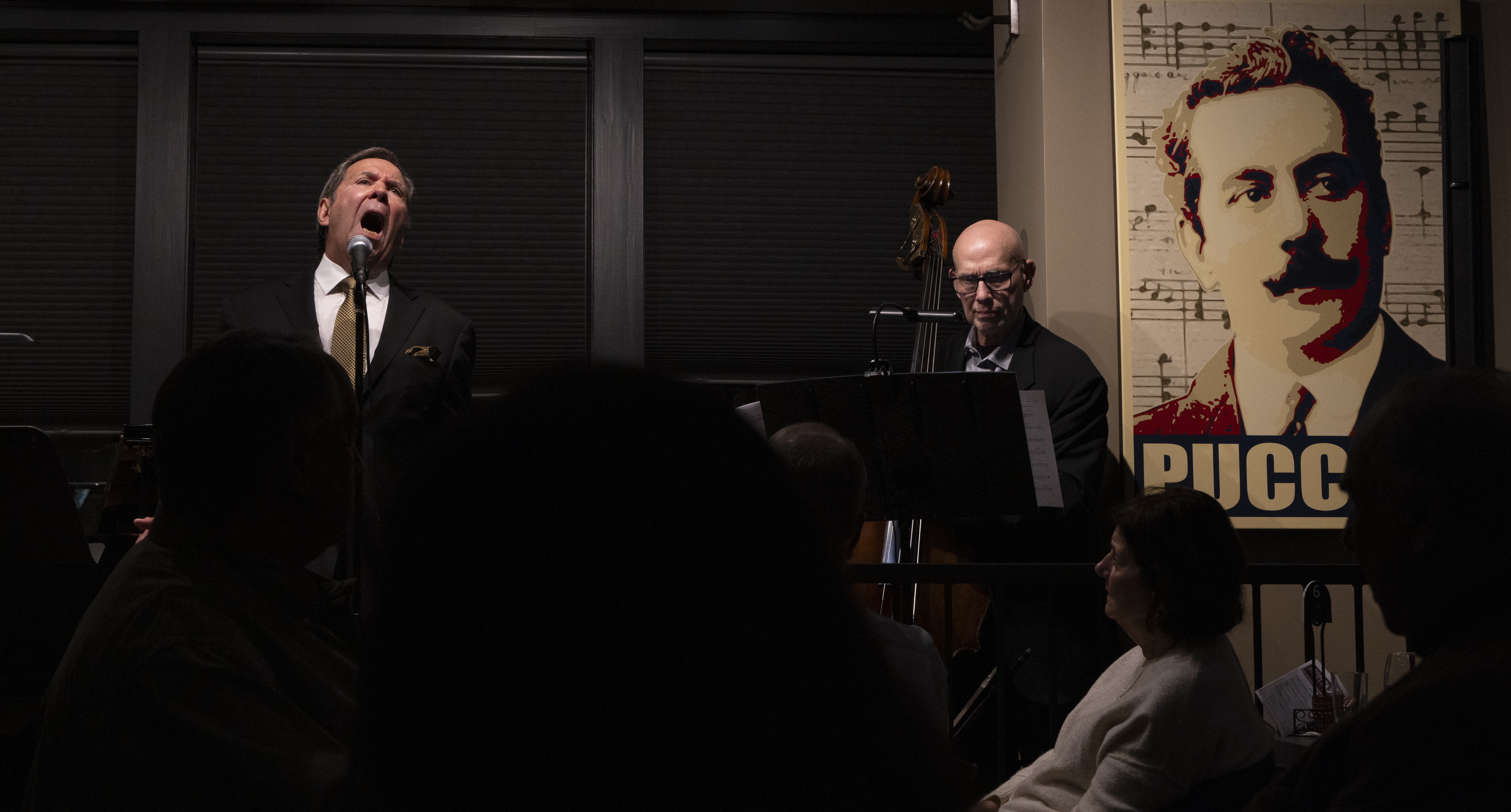
    Harry Barlo, in a crisply tailored black suit, bronze tie, and matching pocket square, bopped jauntily to the Fred Astaire standard, his quartet swinging effortlessly behind him, the crowd nodding and foot-tapping.

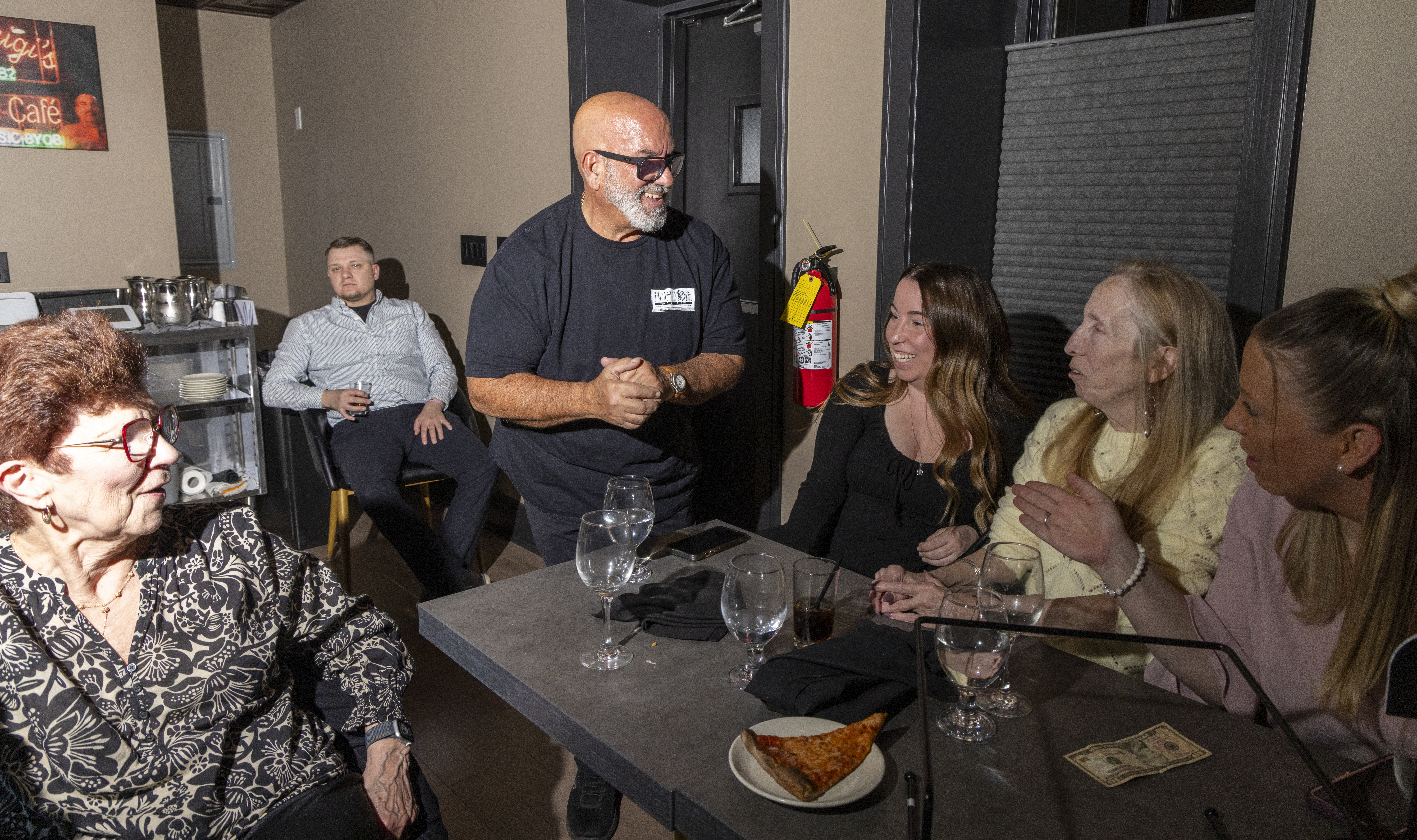
    High Note Caffe owner Franco Borda works the room during the Nov. 8 show.

    At that moment — for a moment, anyway — Franco Borda’s right knee quit acting up. Beaming from the back of his revived High Note Caffe in South Philadelphia, Borda took it all in: 64 people dressed up for a Saturday night out, sitting in his restaurant, eating his eggplant rollatini and his son Anthony’s pizza, enjoying live music.

    “You see this?” he said in amazement.

    Borda, 64, wants to create the sort of supper club that barely exists anymore — intimate, aimed at a boomer audience, with drinks and an informal menu.

    Harry Barlo hits a note at High Note Caffe.

    It’s an all-new act for the High Note — an update on Borda’s previous restaurants at 13th and Tasker over the last 35 years.

    Borda, who grew up three blocks away, has been singing opera all his life. In the days he ran Francoluigi’s with his former business partner, he would pop out from the stove to sing an aria, and he’d bring in other amateur singers. Sometimes, Phil Mancuso, who owned Mancuso’s cheese shop, and Frank Munafo, a nearby butcher, would show up, and they’d bill themselves as the Butcher, the Baker & the Cheesemaker.

    Over the years, however, Borda found that younger diners were less interested in opera overtaking their meals. He switched gears at High Note Caffe. Jazz stayed, but opera became occasional.

    In March 2020, when the pandemic shut down the High Note and other restaurants at the outset of the pandemic, Borda stepped back altogether. He hired an engineer and an architect, removed a wall, expanded the room, slid the kitchen back, and secured assembly and entertainment licenses.

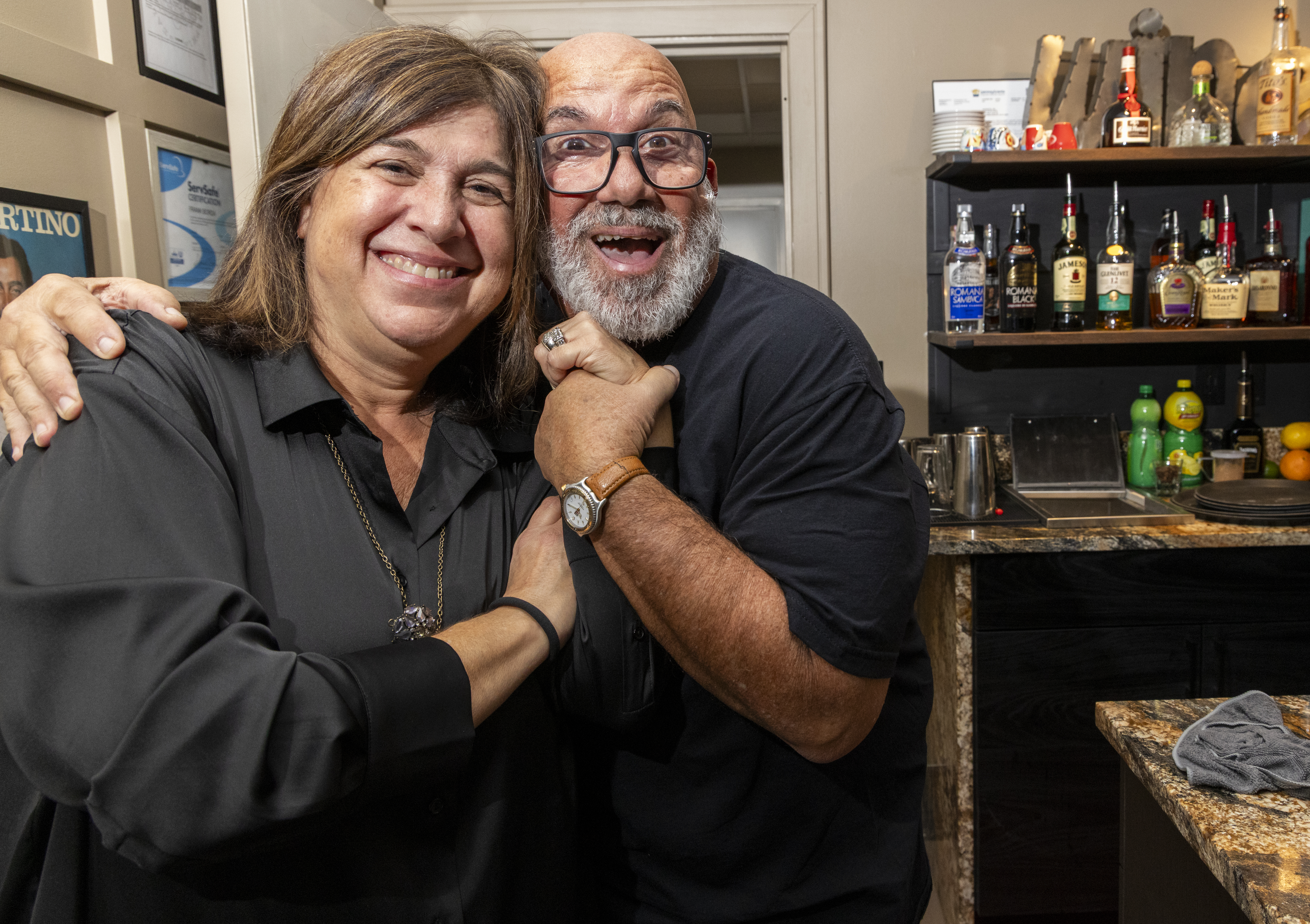
    Franco Borda embraces his wife, Teresa, to sing to her after the Harry Barlo show.

    His wife, Teresa, said she thought he was crazy. “You need knee surgery,” she reminded him.

    Borda countered: “I got 10 more years in the kitchen, you know, and I love it.”

    In 2022, Borda’s son Anthony — who started making pizzas with his pop while in kindergarten — opened Borda’s Italian Eats, a walk-up shop on the Tasker Street side of the property (now closed). That was a temporary setup until the rest of the place could be finished.

    Anthony Borda, son of High Note Caffe owner Franco Borda, with a pepperoni pizza and a white “Pavarotti” pizza (sliced tomato, broccoli rabe, and sharp provolone).

    “I really wanted to focus on the entertainment,” Franco Borda said. “We want to give people a place in South Philly where you can sit down and enjoy some jazz and eat a little bit and not get banged over.”

    Ticket prices vary but are reasonable. It’s $25 for the Dec. 12 show by the Jack Saint Clair Quartet. All told, you’re looking at a date night for just over $100, with a pizza ($20 or $25), a plate of mussels red ($18.95), $15 cocktails (White Russians! Sloe Gin Fizzes!), and a $7 tiramisu you should not miss.

    “I’m not doing this as a business,” Borda said.

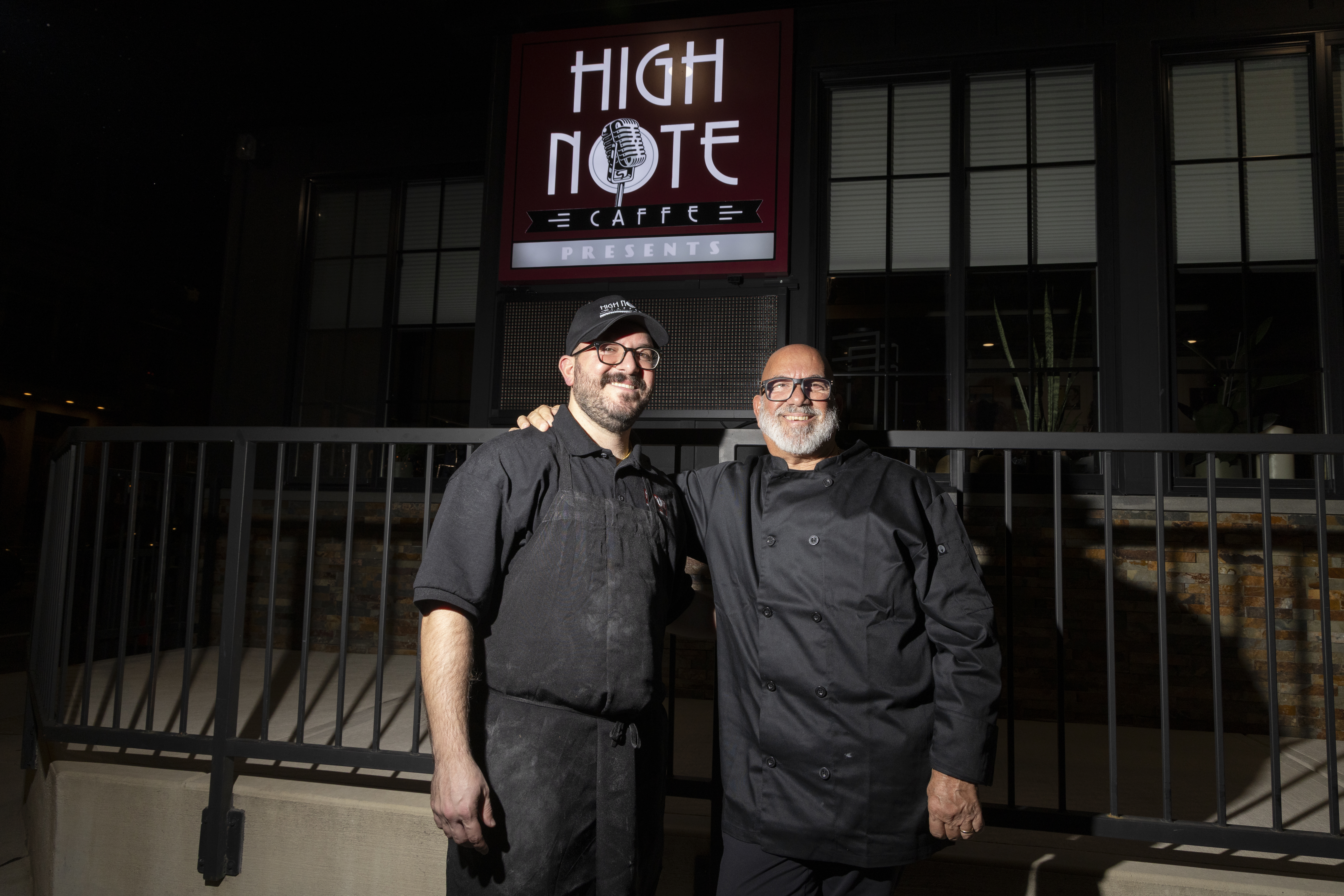
    Franco Borda (right) and his son, Anthony, outside High Note Caffe.

    That much is clear. For now, he is booking only about two shows a month, with tickets sold online and no walk-ins. After the Jack Saint Clair show, vibraphonist Tony Micelli will perform on Dec. 13. On Jan. 30, George Martorano — who served 32 years in federal prison for a drug conviction before his release in 2015 — will do a one-man show to talk about his time in custody.

    Borda said the idea is to not run a conventional restaurant again, rather to provide a venue to musicians who rarely get a platform.

    Eventually, when Borda’s knee gets straightened out, he said he wants to get himself back into vocal shape, get up on stage, and do some opera.

    For now, he said, “I want to find some tenors and sopranos who want to be exposed and come out and sing their [hearts out].”

    People like Harry Barlo.

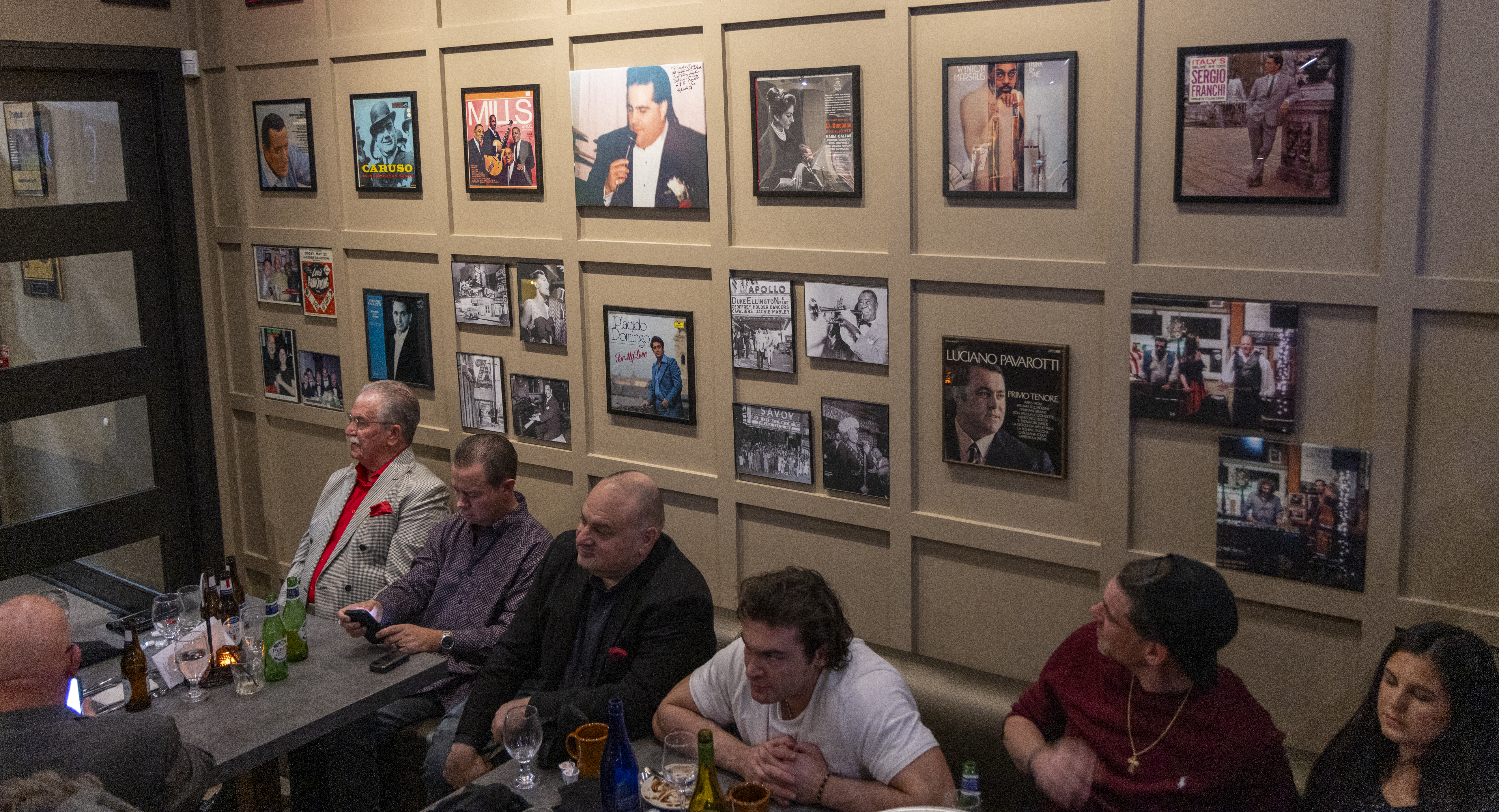
    Owner Franco Borda decoarated his new High Note Caffe with music photos and album covers.

    Barlo — born Harry Schmitt — spent 21 years on the Philadelphia police force before retiring in 1992. All the while, he sang in clubs. “I balanced show business and my other jobs because I had to eat,” he said.

    Twenty years ago, in his early 50s, he chased his dream and moved to Las Vegas, where he sang in a doo-wop group in casino lounges before switching to the Great American Songbook under the nom de croon Golden Voice Harry.

    “Las Vegas — that was the dream of a lifetime,” he said. ”Show business is a tough business. It only fed me for a while.” After returning to Philadelphia, he got into recording and, later, streaming, he said.

    Barlo said he had gigs lined up before COVID-19 dried up live music. Now a casino compliance representative with the Pennsylvania Gaming Control Commission, he said he thought his performing days were over. Then he heard from Benny Marcella, a friend of Borda’s.

    Part of the audience at Harry Barlo’s performance at High Note Caffe on Nov. 8.

    Barlo said he was initially unsure about playing at High Note. “Benny said, ‘Go down and look at the place.’ So I met Franco, we talked, and Franco said, ‘Why don’t you stand on the stage and see what you think.’ When I stood on that stage, he had me. That’s the perfect room for me. I like working in an intimate setting.” Marcella helped round up the musicians, and it was showtime.

    “Are the stars out tonight? I don’t know if it’s cloudy or bright. I only have eyes for you, dear…”

    Ken Moyer nailed his sax solo, backed by Bill Tesser on drums, Marty Mellinger on piano, and Steve Varner on bass. Barlo’s eyes swept the room. His kids were there, watching with their friends. “I first saw him perform when he sang to me for my 16th birthday,” said his stepdaughter Danielle DeAngelis. “And all these years later, it never gets old. He’s still amazing.” He dedicated “I’ve Gotta Be Me” to her.

    Harry Barlo’s stepdaughter Danielle DeAngelis smiles as Barlo dedicates “I’ve Gotta Be Me” to her at the High Note Caffe.

    Barlo, who is booked at the High Note for Valentine’s Day, said High Note reminded him of the rooms at the Sahara and the Stardust. “They were intimate lounges,” he said. “I’m an old-style guy — you get a lot of feedback from the audience when you’re close to them. A friend of mine who was there that night said, ‘Harry, you finally found your niche.’ He’s right. Franco’s got a great idea, and I hope it works.”