Tag: topic-link-auto

  • Top court orders disclosures in N.J. cops’ use of facial recognition technology

    Top court orders disclosures in N.J. cops’ use of facial recognition technology

    As police increasingly rely on a controversial investigative tool called facial recognition technology to identify crime suspects, New Jersey’s top court gave defense attorneys a win Wednesday, ordering prosecutors to more fully explain how they used the technology in a Jersey City murder case.

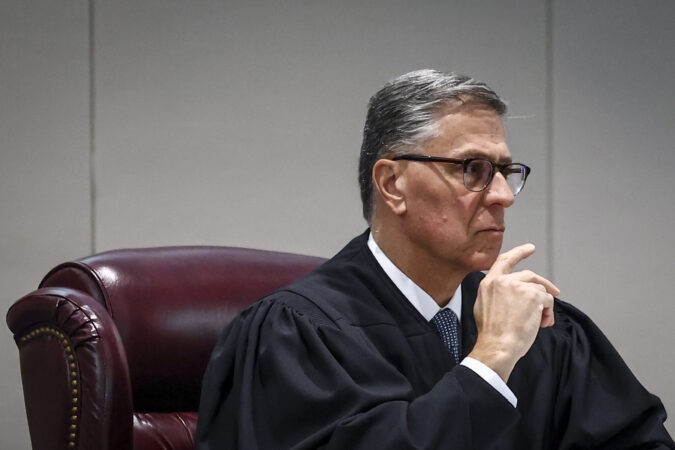
    New Jersey Supreme Court Justice Douglas Fasciale, in a unanimous ruling, wrote that prosecutors were wrong to deny Tybear Miles’ discovery demand for details on which facial recognition software investigators relied on to arrest him in the June 2021 shooting death of Ahmad McPherson and how exactly they used it.

    The technology is controversial because misidentifications have resulted in at least eight wrongful arrests nationally, with research showing it most often fails at identifying people of color, women, children, and elderly people. It also has gone largely unregulated both in New Jersey and nationally, alarming civil rights advocates.

    Wednesday’s ruling builds upon a 2023 state appellate decision that required prosecutors to hand over 13 items related to the facial recognition software police used to charge Francisco Arteaga in a West New York armed robbery case.

    Fasciale rejected any “mechanical application” of the Arteaga decision to other cases involving facial recognition technology, saying judges must decide such challenges based on case specifics.

    Still, he said, fairness demands that defendants be able to scrutinize which tools police used to criminally charge them, both to challenge the tools’ reliability and to determine how police identified them as a suspect, examine whether the investigation was thorough, and demonstrate the possibility of another culprit.

    “Although we reject a rigid checklist for [facial recognition technology] discovery, we note that such basic information will, in most cases, constitute the minimum necessary to safeguard a defendant’s right to a fair trial,” Fasciale wrote.

    Attorney Dillon Reisman, who had argued before the court on behalf of the ACLU of New Jersey, called the decision “a really big win against the use of secret, opaque technology by law enforcement.”

    “It’s a really positive sign that our court takes really seriously that new technologies are subject to constitutional safeguards,” Reisman said.

    Tamar Lerer, deputy of the New Jersey Office of the Public Defender’s forensic science unit, had argued the case in court, too, and also applauded the ruling.

    “Facial recognition technology may be novel, but the ability of people accused of crimes to find out how and why they were investigated is not,” Lerer said.

    In Miles’ case, none of the crime’s eyewitnesses identified him as the shooter or even placed him at the scene, according to the ruling.

    Instead, police identified him as a suspect after showing a confidential informant footage from surveillance cameras of six Black men seen nearby. That informant, who was not at the scene and did not see the slaying, identified Miles on the footage by his nickname (“Fat Daddy”) and Instagram handle, according to the ruling. Miles’ sister and ex-girlfriend also identified him as one of the men caught on camera.

    Police then ran two facial recognition technology searches using Miles’ Instagram profile picture, according to the ruling. One search returned 10 possible matches and listed Miles as the eighth-likeliest match, while another search also produced 10 possible matches, the first five of which pictured Miles, the decision says.

    After defense attorneys demanded more details about the facial recognition technology investigators used, a trial judge ordered prosecutors to turn over the same 13 items the appellate panel in Arteaga’s case specified. Prosecutors appealed, a state appellate court denied their motion, and the Supreme Court agreed to consider the case.

    Fasciale upheld most of the lower court’s rulings, ordering prosecutors to hand over “basic information,” including the name and manufacturer of the software police used to search for suspects and its performance metrics, including error rates. He also directed prosecutors to provide “straightforward items” related to how investigators used the technology, including the original photograph police used as the “probe photograph,” edited copies of that probe photograph, and the photographs the technology identified as matches.

    He reversed one particular part of the lower court’s rulings, though, rejecting the defense’s request for proprietary information, including the software’s source code. Miles’ attorneys had not proved a need for that information, Fasciale said. But if they do as the case progresses, the court can reconsider that request then, he added.

    Lerer cheered that part of the ruling, too, saying it recognizes that “commercial concerns must yield to constitutional rights.”

    Reisman noted that New Jersey still has not regulated facial recognition technology more than four years since the attorney general’s office solicited public input as a first step toward shaping statewide policy on its use by law enforcement.

    Former Attorney General Gurbir Grewal in 2020 barred agencies from using one specific facial recognition technology app, Clearview AI, but little is known about how many of the state’s 500-some law enforcement agencies use the technology and how.

    Dan Prochilo, a spokesperson for Attorney General Jen Davenport, called facial recognition technology “a valuable tool for investigating and solving crimes.”

    “We welcome today’s Supreme Court ruling, which thoughtfully accounts for constitutional rights while confirming that defendants are not automatically entitled to unnecessarily burdensome, proprietary information that would short-circuit vital, well-conducted investigations and prosecutions that make New Jerseyans safer every day,” Prochilo said.

    In Miles’ case, officers used a facial recognition system that is part of a multiagency initiative to crack down on illegal drugs in New Jersey and New York. That effort, known as a high intensity drug trafficking area task force, involves officers from federal, state, county, and local agencies in New Jersey and New York.

    Those multiple jurisdictions and diffused investigations have made it tough for people arrested through the task force’s efforts to understand how they became criminal defendants, Reisman said.

    “We still don’t even really know what government agency is ultimately responsible for the facial recognition system,” he said. “We don’t know anything about it, and because of that, we can’t even hold it accountable.”

    This story originally appeared on New Jersey Monitor.
  • Project HOME adds new beds for homeless patients leaving the hospital

    Project HOME adds new beds for homeless patients leaving the hospital

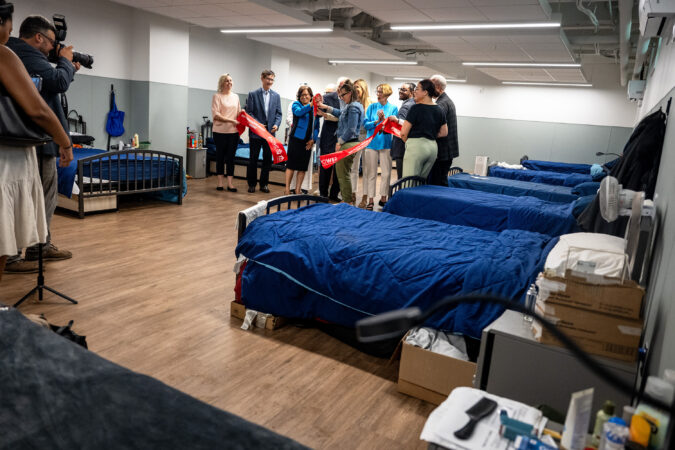
    Project HOME is adding 20 beds to a Hunting Park shelter to house hospital patients who have nowhere to go once they’re discharged.

    The new center, Hawthorne House Respite, expands the respite beds available at the housing nonprofit’s Sacred Heart Recovery Residence on Old York Road.

    Renovations to the building, a former nursing home for cancer patients run by Dominican nuns, added 20 beds in dormitory-style housing — 10 for men, 10 for women — and cost $3.4 million. Funds came in part from $2.3 million raised at the behest of Jon Bon Jovi, a longtime Project HOME collaborator, at the organization’s 35th anniversary gala in 2024.

    “We can’t stress enough how much housing is healthcare, and that respite beds at every level is so important as part of the ecosystem,” said Donna Bullock, Project HOME’s CEO, after a ribbon-cutting ceremony for the new beds Wednesday.

    “People need different levels of care for healing, different levels of housing for stability.”

    Sacred Heart, which also offers longer-term housing for people in recovery, already had 10 respite beds for residents.

    Now, providers can refer more patients directly from the hospital to Sacred Heart. The program is part of the Project HOME Collaborative, a partnership to address homelessness and substance use recovery with Jefferson Health, Penn Medicine, Temple Health, and Prevention Point.

    Project HOME officials say respite beds are in high demand and short supply across Philadelphia. Another respite program run by the Public Health Management Corporation in northwest Philadelphia offers 40 beds for patients with higher-level medical needs.

    “It’s not enough,” Bullock said.

    Gaps in the healthcare, shelter, and addiction treatment systems often make it difficult for homeless patients to heal after a hospital stay.

    Inpatient addiction rehabs and shelters often do not have the capacity to care for patients with ongoing medical needs, while hospitals cannot sustain long-term care for patients who have recovered enough to be discharged.

    “We know that recovery doesn’t stop when we discharge you and send you out into the community. Too often, individuals who are homeless face impossible challenges after they are discharged,” said Steve Carson, Temple Health’s senior vice president of population health.

    Patients placed in respite beds say such programs are crucial to their recovery and continued stability. Amber Moon arrived at Sacred Heart two years ago after she developed endocarditis from injection drug use, resulting in two heart surgeries.

    After months in the hospital, she was well enough to leave — but still needed support to heal. At Sacred Heart, staff arranged rides to doctors’ appointments and helped her navigate new medication regimens. Moon relished the opportunity to continue her recovery outside of a hospital room, surrounded by other residents who’d survived similar experiences.

    “I was happy that I was around other people — not just the girls that I was staying with, but staff that understood what I was going through,” she said. “They treat you with humanity, like a regular person.”

    Now a certified recovery specialist who helps other people with addiction navigate treatment, Moon is set to move into her own apartment soon.

    “I‘m very grateful to have met all the people I’ve met, and been through what I’ve been through, because now I’m able to help others who think that there’s no chance,” she said. “There always is.”

  • Dispute over nuclear inspections shows how U.S. and Iran are negotiating in public

    Dispute over nuclear inspections shows how U.S. and Iran are negotiating in public

    TOKYO — The head of the U.N.’s nuclear agency said Wednesday that Iranian nuclear enrichment sites would be visited by his inspectors as part of the interim U.S.-Iran deal to reach an end to the war. An Iranian diplomat instead insisted any such visit would only come after a final deal.

    The comments echoed contradictory remarks about nuclear inspections a day earlier from the U.S. and Iran. During the week since the two countries signed the deal, their leaders have repeatedly disagreed in public about what that document actually means.

    International Atomic Energy Agency head Rafael Mariano Grossi on Wednesday acknowledged the “war of words” over Iran’s nuclear program. But the dueling narratives are playing out on several fronts, including Israel’s war with Iranian-backed Hezbollah militants in Lebanon and how Tehran will spend billions of dollars once unfrozen.

    Through the signing of the memorandum of understanding, the U.S. and Iran agreed to a 60-day period to iron out these and other details. Until that happens — during private talks — leaders from both countries will also continue to negotiate in public, raising the risks of derailing the shaky ceasefire in the region.

    The fighting between Israel and Hezbollah, a threat to the U.S.-Iran diplomacy, flared on Wednesday. Israel launched an airstrike that killed two people in southern Lebanon, the country’s state-run news agency said. It was Israel’s first airstrike on Lebanon since the latest ceasefire took effect on Saturday. There was no immediate comment from the Israeli military on the strike.

    U.N.’s nuclear agency head says inspections will happen

    Since Israel launched a 12-day war on Iran in 2025, the IAEA has been blocked by Tehran from visiting enrichment sites. The Islamic Republic is believed to store enough highly enriched uranium to potentially build as many as 10 nuclear weapons, should it choose. Iran maintains that its program is peaceful, though it is the only country in the world to have uranium enriched up to 60% purity without a weapons program.

    Grossi’s remarks were the firmest yet from the United Nations agency, which is central to determining the status of Iran’s nuclear stockpile.

    “I can understand political statements, they are part of the reality, but the fundamental thing I would like to remind you and draw your attention to is that there has been a memorandum of understanding, signed by both presidents,” he said at the tsunami-hit Fukushima Daiichi nuclear power plant.

    The accord “says explicitly that the nuclear activities that are going to be carried out with regards to the nuclear material facilities will be supervised by the IAEA — in all letters,” he said.

    “Obviously, to do that, we will have to inspect,” Grossi said. ”Whether this happens the day after tomorrow or in one week or in 10 days, it’s important, but not essential. This is going to happen.”

    The deal calls for Iran’s uranium to be “downblended” from highly enriched levels.

    Kazem Gharibabadi, an Iranian deputy foreign minister, took a swipe at Grossi after his remarks, saying Tehran didn’t meet with him while in Switzerland.

    “These issues will be reviewed and decided only within the framework of a final agreement and as a result of practical action by the other side to end all sanctions and other measures.” Gharibabadi wrote on X.

    He added: “You cannot advance the ‘stir up and take over’ policy with media hype.”

    IAEA blocked from seeing bombed sites

    The IAEA has been allowed to visit other nuclear sites in Iran since the 2025 war. But without accessing the enrichment sites, the IAEA says it can’t verify the status of Iran’s stockpile. Both Iran and the IAEA say Tehran hasn’t been enriching uranium, but nonproliferation experts worry the Islamic Republic may be moving its stockpile.

    The U.S. and Iran agreed to the deal last week that calls for Tehran to dilute its stockpile of enriched uranium and waives U.S.-backed sanctions on Iranian oil.

    But the uneasy ceasefire already has been tested by Iran saying it closed the Strait of Hormuz again over fighting between Israel and the Iranian-backed militia Hezbollah in Lebanon.

    Israel’s defense minister said Wednesday the U.S. has not demanded that Israel withdraw from Lebanon. Israeli leader Benjamin Netanyahu later declared that “as long as I am Prime Minister, we will maintain the security zone in southern Lebanon.”

    Lebanese and Israeli officials are meeting this week in Washington as part of direct negotiations between the two countries, through which Lebanon hopes to reach a plan for Israeli withdrawal.

    Technical-level talks between the U.S. and Iran are expected to resume early next week in Switzerland, Pakistan’s Foreign Ministry said Wednesday. Pakistan has been a key mediator.

    U.S. has plan to oversee Iran’s frozen funds

    The interim deal also includes a pledge to unfreeze billions in Iranian assets. U.S. President Donald Trump wants that money to go toward buying American-grown crops, but Iranian officials say they should decide how its spent.

    U.S. Treasury Secretary Scott Bessent said his department would have people in Qatar to oversee what happens with the funds. He said in a CNBC interview that Iran would spend “a very large percent” of its released money on “U.S. foodstuffs and medicines.”

    “We will be recycling the money back into U.S. products,” Bessent said.

    Marco Rubio is in the Middle East

    Secretary of State Marco Rubio traveled in the Persian Gulf for a three-nation tour, starting with a meeting in Abu Dhabi with Emirati President Mohammed bin Zayed Al Nahyan, the State Department said Wednesday.

    “We’re not going to do anything that undermines the security of our allies,” Rubio later said while in Kuwait, where the Trump administration announced the limited reopening of the U.S. Embassy that was closed at the height of the Iran war.

    Before leaving for Bahrain, Rubio said ongoing negotiations include the creation of “hundreds of specific areas” where Lebanon’s military could secure its territory. He called the discussions part of the process and said it’s not going to “happen overnight.”

  • Exton Square Mall will close next week

    Exton Square Mall will close next week

    Chester County’s only enclosed mall will soon shut its doors for good.

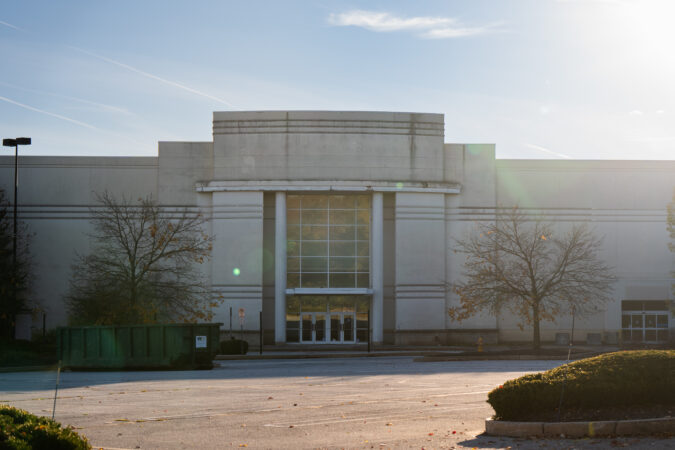
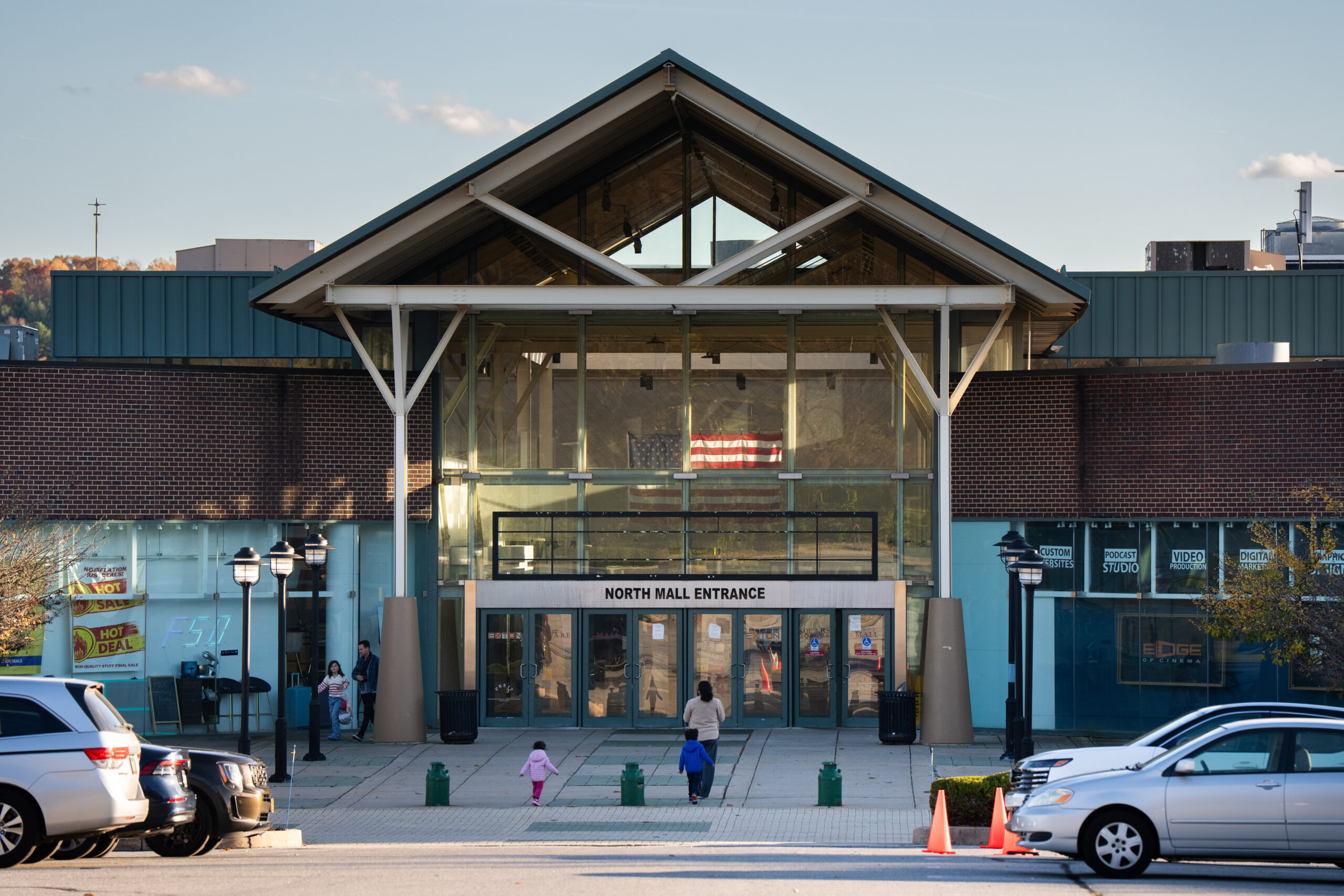
    After five decades as a retail hub, the nearly 1-million-square-foot Exton Square Mall is set to close Tuesday, June 30, according to mall owner Abrams Realty & Development. The Elkins Park-based company has been mired in a legal dispute with local officials over its redevelopment.

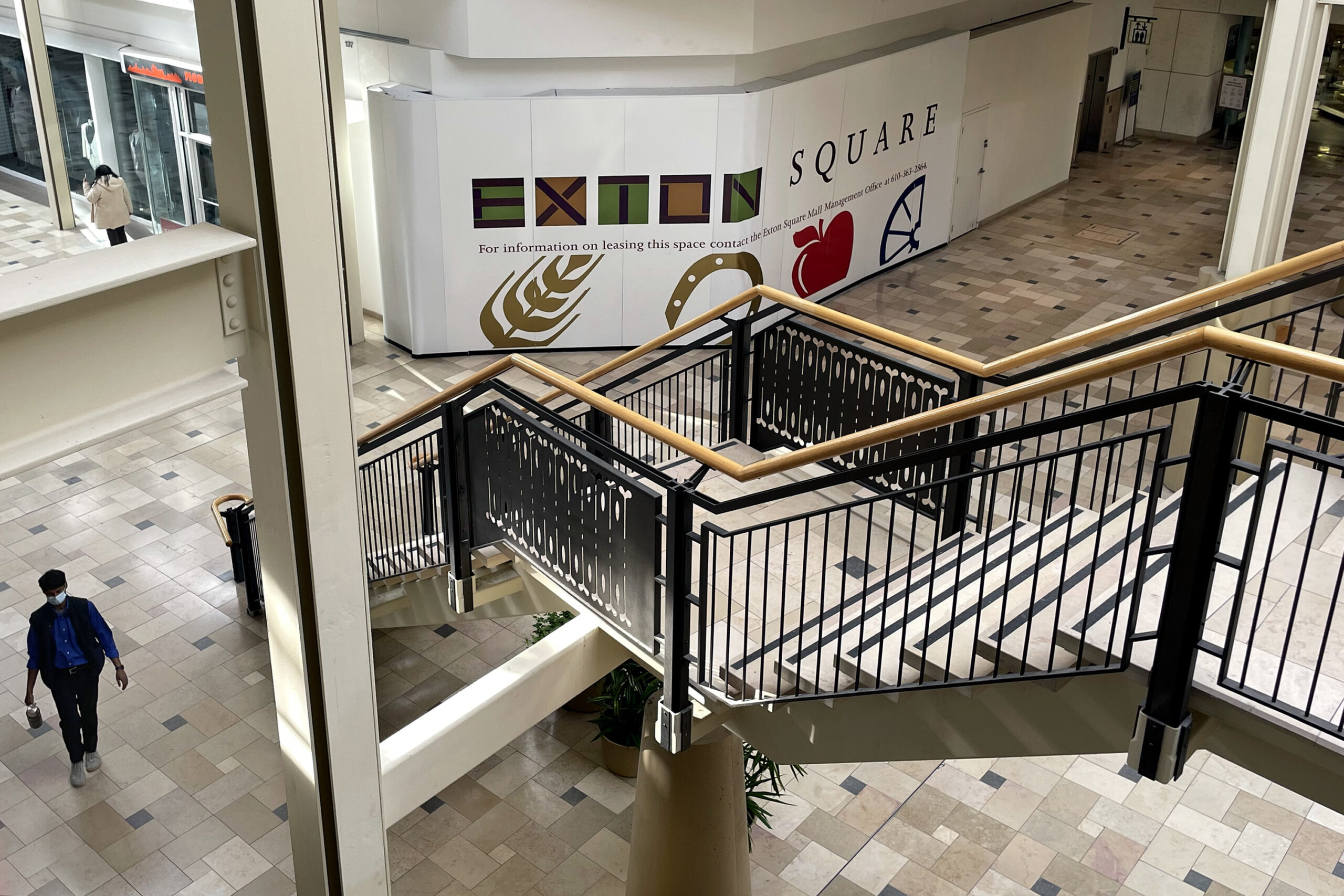
    Once a bustling destination that sparked a commercial boom in Exton, the complex has been languishing for years with a desolate interior and only a handful of stores.

    Peter Abrams said his firm had no choice but to shutter the mall.

    “Operating the interior of the property has become untenable due to deteriorating conditions and rising utility costs,” he said in a statement.

    A handful of shoppers walk into the Exton Square Mall in November.

    The Boscov’s, Main Line Health offices, and Round 1 entertainment venue will remain open.

    Brian Dunn, chair of the West Whiteland Township Board of Supervisors, declined to comment on the mall’s closure, citing the ongoing litigation.

    Abrams, who bought the mall from PREIT for more than $34 million, wants to transform the site into a mixed-use complex with hundreds of townhouses, rental apartments, a 55+ community, and a town center with shops, restaurants, medical offices, and green space.

    Last year, John Weller, West Whiteland’s director of planning and zoning, called the proposed redevelopment of the 75-acre site a “generation-defining project for the township.”

    This fall, despite the planning commission’s recommendation, Dunn and fellow Township Supervisor Rajesh Kumbhardare rejected Abrams’ proposal over sewer, traffic, and density concerns. Abrams then sued the supervisors in an attempt to reverse their decision, saying the plan meets the township’s zoning requirements.

    Litigation between Abrams and the supervisors was ongoing as of Wednesday, according to the company, which wants to complete the project by 2028.

    The Exton Square Mall opened in 1973 with more than 100 stores, including a Strawbridge & Clothier.

    The mall’s construction would prove a harbinger of Exton’s commercialization. “Developers seem bent on heaving this lazy rural area into the mainstream of metropolitan Philadelphia,” The Inquirer reported in 1973.

    In the 1990s, the Exton Bypass made the area easier to access from the city and other suburbs. And by the 2000s, more retail complexes, including the Main Street at Exton town center, had opened near Exton Square Mall, which also underwent an expansion.

    The Exton Square Mall is shown in 2022, when tenants were already starting to dwindle.

    The community has seen a subsequent rise in residential development, with millennials and baby boomers fueling demand for high-end, low-maintenance living. In the past five years, about 3,000 luxury apartments and townhouses have been built in the 13-square-mile township, supervisor Kumbhardare said this fall, and each new complex is at least 90% occupied.

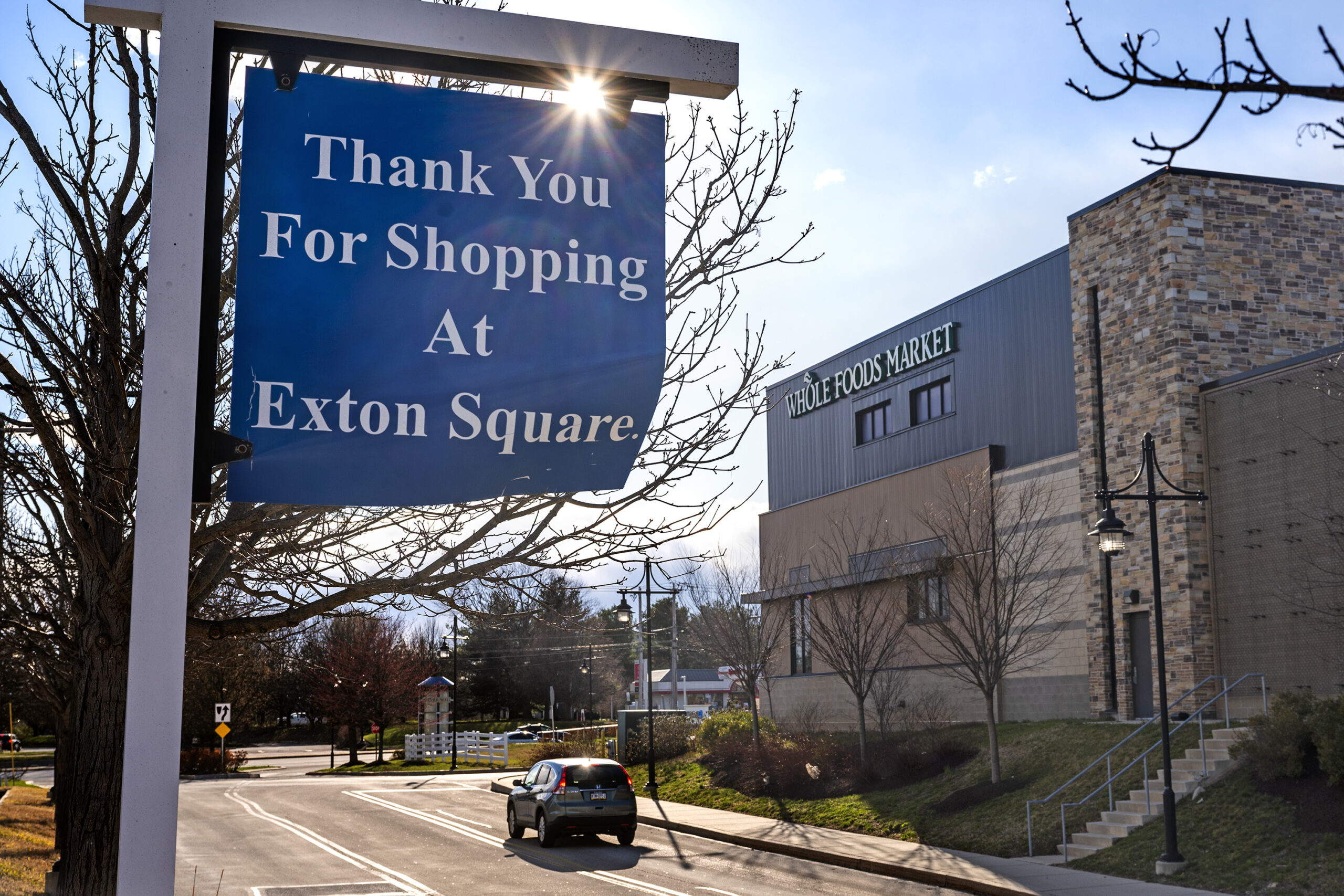
    The residential developments include the Point at Exton apartments, which were constructed on a four-acre parcel of former Exton Square Mall property. The complex is across the street from a Whole Foods that opened in the mall’s former Kmart in 2017.

    The Whole Foods at the Exton Square is shown in 2022.

    Abrams has said his proposed town center would connect to those apartments and the Whole Foods with pedestrian walkways.

    The developer plans to demolish the enclosed mall, one of several local shopping centers that has become the subject of sad social-media videos that mourn dead malls.

    On Tuesday, as word spread about the mall’s closing date, one user posted a video on Facebook with the caption: “It’s official. They’re tearing down the Exton Square Mall, and with it, my entire childhood.”

    “They can tear the building down, but they can’t take away the memories of buying graphic tees at Wet Seal and CD shopping at FYE. RIP.”

  • Former Hatboro daycare worker charged with assault for injuring a child with special needs, police say

    Former Hatboro daycare worker charged with assault for injuring a child with special needs, police say

    A former employee at a Hatboro daycare injured a child with special needs by slamming him, hard, into a chair and, later, onto the floor, Montgomery County prosecutors said Wednesday.

    Thomas Coleman, 42, of Holland, Bucks County, has been charged with endangering the welfare of a child and simple assault in connection with the March 23 incident involving a 4-year-old boy at KinderCare on Warminster Road.

    Coleman remained in custody Wednesday with bail set at $25,000. His attorney, Stephen Jones, did not return a request for comment.

    Coleman had been the subject of two previous investigations of his conduct toward children at KinderCare, according to the affidavit of probable cause for his arrest. Those incidents involved him “putting a kid down on a mat too hard and yelling at students,” the affidavit said.

    Administrators at KinderCare placed Coleman on leave after the earlier incidents, the affidavit said, but they allowed him to return to work after completing training.

    After the latest incident, however, he was fired, the affidavit said.

    KinderCare’s director, Ashley Ross, did not return a request for comment Wednesday.

    Hatboro police learned of the alleged assault when the boy’s parents contacted them in March, the affidavit said.

    The mother said another parent had seen Coleman pick up her son, who is autistic, by his arms and roughly place him in a chair, hitting the boy’s neck on the back of the chair, and then forcefully push the chair into a nearby desk, the affidavit said.

    The boy then got out of his seat and walked to a carpeted area of the room, according to the parent who witnessed the assault. Coleman, appearing frustrated, than grabbed the boy by his chin and slammed him down onto the floor, the parent said.

    When the boy’s mother picked him up from daycare, she said, she noticed scratches and marks on his neck. Coleman told her the injuries were self-inflicted but would not provide more details, the affidavit said.

    Later, the woman had her son examined by a chiropractor, who told her the boy’s hips were out of alignment.

    Coleman is scheduled to appear before a district judge for a preliminary hearing on July 2.

  • Abington is planning a new, multi-million-dollar library to replace its 1950s-era building

    Abington is planning a new, multi-million-dollar library to replace its 1950s-era building

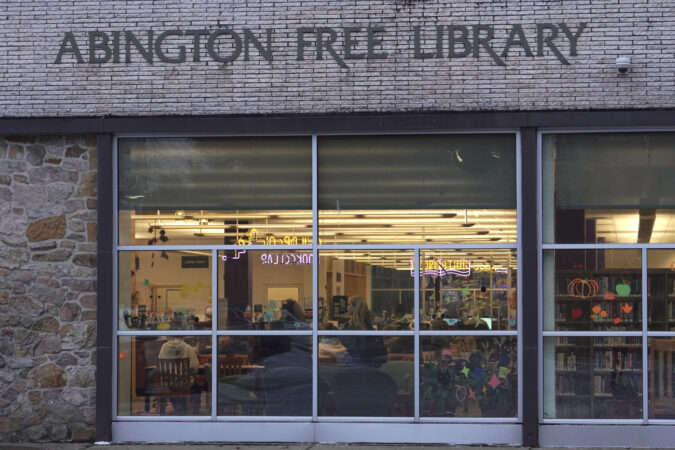
    Abington is planning to tear down and replace its flagship library building.

    The Pennsylvania Department of Education announced more than $11 million in grants in April for libraries across the state. Abington Township received $749,750 “to plan and design a library facility that is sustainable, accessible, efficient and tailored to the needs of the community.”

    Town officials are now hard at work doing just that, Abington Township Public Library executive director Elizabeth Fitzgerald said.

    The library has already put out a call for a fundraising consultant who will help raise the roughly $50 million total that township officials think they’ll need to replace the main library at 1030 Old York Road with something bigger. The consultant will be paid with private donations from the library’s endowment, Fitzgerald said.

    Officials hope some of that money will come from state and federal sources, too. Fitzgerald asked state Sen. Art Haywood about possible funding through the Pennsylvania’s Redevelopment Assistance Capital Program, according to minutes from the May library trustees meeting.

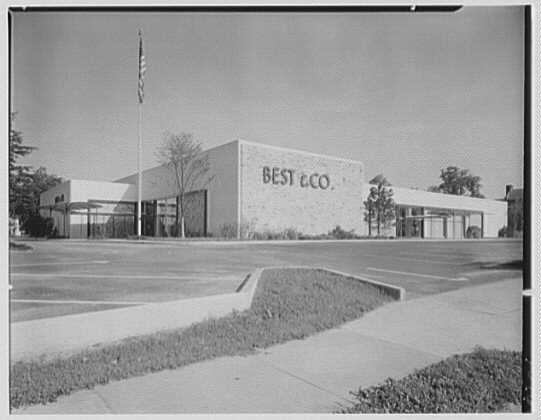
    The 1954 building was previously a Best and Co. department store. Abington took over the property in the mid-1970s.

    A 1957 image of the Best and Co. department store in Abington held at the Library of Congress.

    Maintaining the 72-year-old structure has “caused countless interruptions in services and building closures,” Fitzgerald wrote in a statement announcing the grant.

    And the community has now outgrown it, the library director said. Earlier this month, the library hosted author Pam Jenoff at a Penn State building down the road in order to fit some 125 attendees.

    In addition to author events, the library hosts activities for kids, an adult literacy program, and a “library of things“ ranging from birding backpacks to electricity usage monitors.

    Nearly 24,000 people attended over 800 library programs in 2025, Fitzgerald wrote in the grant announcement. “Abington Township needs a new, 21st century library building that can accommodate the needs of our community for generations to come.”

    Next steps include hiring an architectural engineering firm using the state grant money, Fitzgerald said. The town expects to demolish the current structure sometime after September 2027 and rebuild on the same land.

    In the meantime, officials will seek community input on the project “with surveys, focus groups, town halls, and one-on-one conversations,” Fitzgerald wrote.

    “The planning is not in my hands,” she said. “This is the community’s library.”

    This suburban content is produced with support from the Leslie Miller and Richard Worley Foundation and The Lenfest Institute for Journalism. Editorial content is created independently of the project donors. Gifts to support The Inquirer’s high-impact journalism can be made at inquirer.com/donate. A list of Lenfest Institute donors can be found at lenfestinstitute.org/supporters.

  • Inside Labaron Philon Jr.’s draft night and unexpected fall to the ‘perfect spot’ with the Sixers

    Inside Labaron Philon Jr.’s draft night and unexpected fall to the ‘perfect spot’ with the Sixers

    NEW YORK — Labaron Philon Jr., woke up before 7 a.m. Tuesday, and started playing music.

    Up first on his early-morning playlist was hip-hop artist Lucki. Then rapper NoCap, who also hails from Philon’s hometown of Mobile, Ala.

    “I was bouncing around,” Philon later recalled to The Inquirer. “ … I was just like, ‘Man, it’s really here.’”

    The NBA draft had finally arrived. Philon, the crafty guard from Alabama, had already delayed this life-changing basketball accomplishment by a year, after declaring for the 2025 draft and then taking his feedback from teams back to a second college season. Then, Philon sat in front of Barclays Center’s massive stage for longer than expected Tuesday, as a projected lottery pick who slipped past that portion of the first round.

    But though that final dose of anticipation created a “kind of long” draft day, landing with the Sixers with the 22nd overall pick was worth the wait.

    “Being able to hear your name is everything,” Philon said late Tuesday from a back-of-house area of Barclays Center. “But the fun stuff around the building — the media and the circus and stuff like that — I feel like it’s really fun to just be able to experience that, especially having two years in college.”

    Philon’s solo music session lasted for almost an hour, before an 8 a.m haircut. Then his family members — from parents, Alicia Robinson and Labaron Sr., to his siblings, to his grandmother and cousins and uncles whom Labaron had not seen much while traveling across NBA markets during the predraft process — joined him at that luxury Manhattan hotel for the draft prospects’ luncheon.

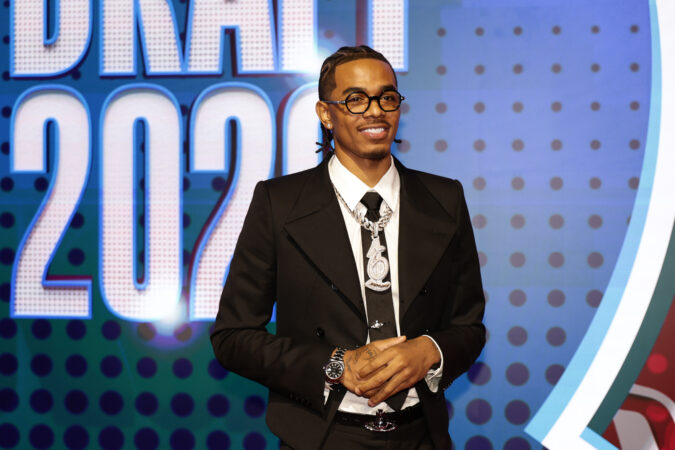
    He eventually changed into a black suit and black-rimmed glasses, and slipped on a diamond-encrusted “16” chain that NoCap had loaned him a couple of weeks ago for his big night. Upon arriving at the Brooklyn Nets’ home arena, Philon took in his surroundings.

    Alabama guard Labaron Philon Jr., left, took feedback from NBA executives and applied it to his sophomore season.

    As he watched peers go off the board before him for more than two hours, Philon kept his focus on “the main thing”: that his name would be called at some point. A television camera caught Philon nodding when the Sixers were on the clock at 22, his mind “immediately” wrapping around the play style and fit with fellow electric guards Tyrese Maxey and VJ Edgecombe. Extra serendipitous: The Sixers were one of Labaron’s brother’s favorite teams while they were growing up, another detail that put Philon at ease.

    “Really being confident in myself,” Philon said, “and being confident that they chose a great player.”

    When NBA commissioner Adam Silver called Philon’s name, tears visibly formed in his eyes as he rose from his seat. The hug from Mom — “she was really excited,” he said — is a moment he will never forget.

    He stepped up to the stage, grabbed a black Sixers hat, and shook Silver’s hand. Then he was whisked into a rapid-fire circuit of photos, interviews, and autograph signings. Maxey and Edgecombe FaceTimed in to say congratulations and welcome.

    “Perfect spot,” Philon told them. “Just patience.”

    It was past midnight when Philon finished his formal news conference, with stops still to go.

    He was looking forward to returning to the hotel, to celebrate with his fellow draftees and change into some comfortable clothes. Perhaps he would finally look at his phone, which had been constantly buzzing. Or just “lay down for a little bit.”

    “Being able to breathe, really,” Philon said.

    Tuesday had already become Wednesday. A long-yet-life-changing draft day, and night, and early morning, was reaching its end.

    But it was all worth the wait.

    “The whole week has been special for me and my family,” Philon said. “Being able to experience the beginnings of a new start.”

  • A former Delco woman tied to the Zizians extremist group has been charged with her parents’ killing

    A former Delco woman tied to the Zizians extremist group has been charged with her parents’ killing

    A former Delaware County woman tied to an extremist group known as the Zizians has been charged with killing her parents, execution-style, inside their Chester Heights home in December 2022.

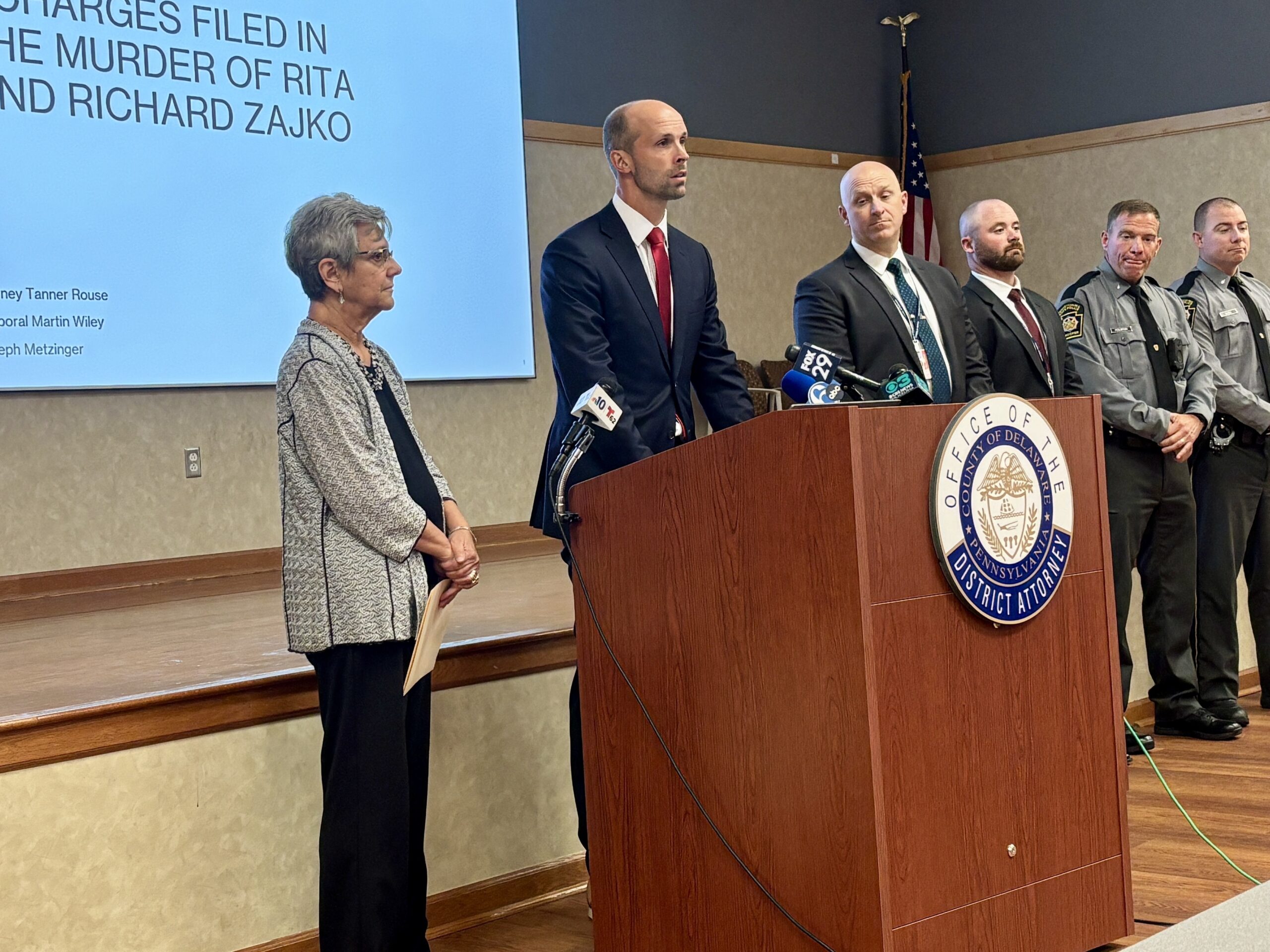
    Michelle Zajko, 33, has long been a person of interest in the slayings of her parents, Richard and Rita Zajko. After years of investigation, Delaware County District Attorney Tanner Rouse filed first-degree murder charges Wednesday and accused her of shooting the couple on her 30th birthday.

    New information obtained in the last few months, including ballistics evidence and an extensive download of text messages and other data from Zajko’s cell phone, allowed prosecutors to piece together the case against her, according to the affidavit of probable cause for her arrest.

    Rouse, in announcing the charges Wednesday, said he believes that while Zajko planned and carried out the killings, she likely did not act alone. The investigation is continuing, he said.

    Building the case against her, he said, took years of skilled and disciplined police work as investigators interviewed dozens of people and connected threads of information in several states.

    “I want to emphasize — I cannot stress this enough — this is just about as exhaustive of an investigation that I’ve been a part of in my 16 years as an attorney,” Rouse said. “We don’t have a smoking gun. It is piece after piece after piece of evidence that has been collected painstakingly over many years.”

    Investigators say Zajko, an alumna of Cardinal O’Hara High School and Cabrini University, drove to her childhood home on Highland Circle in Chester Heights with a plan to kill her parents. She shot them both in the head, leaving their bodies for police to find days later, after a concerned friend reported they had missed an appointment to care for Rita Zajko’s elderly mother.

    The motive for the killings remains unclear.

    Rita and Richard Zajko, seen here in a 1993 family portrait.

    Zajko told friends she had a difficult relationship with her mother, and accused her of years of emotional abuse. In online writings, Zajko said her mother criticized her constantly, arguing with her over religion and her desire to be vegan.

    That strained relationship was detailed in the final text messages Zajko sent her father days before authorities say she killed him, according to the affidavit.

    “Every time I interact with mom in a nonsuperficial way she spends the time insulting a life she knows nothing about, makes assumptions that imdoing nothing, etc,” Zajko wrote, the document said. “Its uncalled for. I don’t want to speak to someone who treats me like that.”

    But Rita Zajko, just nine hours before she was killed, attempted to reconcile with her daughter, sending her a happy birthday text and apologizing for whatever she had done to alienate her, according to the affidavit.

    On Wednesday, Rosanne Zajko, the wife of Richard Zajko’s brother, stood alongside the prosecutor as he announced the charges against her niece. Losing her brother- and sister-in-law, she said, was “like the lights going out of our lives.”

    “We don’t know yet if the trial will begin to heal the void in our lives and the ache in our hearts,” she said. “But we do know that the detectives, the DA’s office, and we, the family, have done everything possible to achieve justice for Rick and Rita.”

    Delaware County District Attorney Tanner Rouse announces murder charges Wednesday against Michelle Zajko. Zajko’s aunt, Rosanne (left) spoke briefly about the impact the killings has had on her family.

    Michelle Zajko, for her part, has said she had been unjustly accused.

    In a sprawling, handwritten letter sent to The Inquirer and other news outlets last year, Zajko insisted she did not kill her parents. Rosanne Zajko said Michelle Zajko told her at the couple’s funeral in January 2023 that she had not killed her parents, but said she knew who did. She would not name the killer, her aunt said.

    “I’m viscerally reminded of the witch hunts, of the Satanic Panic, of the mob that burned Joan of Arc at the stake, and of the mob that ripped apart Hippolyta,” Michelle Zajko said in the letter, written in a jail cell in Maryland, where she is awaiting trial on trespassing, gun, and drug charges. “The papers are lying. … I did not murder my parents.”

    Sources familiar with the investigation say it is possible that, as an only child, Zajko may have expected to inherit her parents’ substantial estate. The value of the estate has not been made public, but the sources, who spoke on the condition of anonymity to discuss an ongoing case, say it is worth several million dollars.

    A person close to Zajko said she had contacted an attorney in the weeks after her parents were killed to discuss how she could access her parents’ estate.

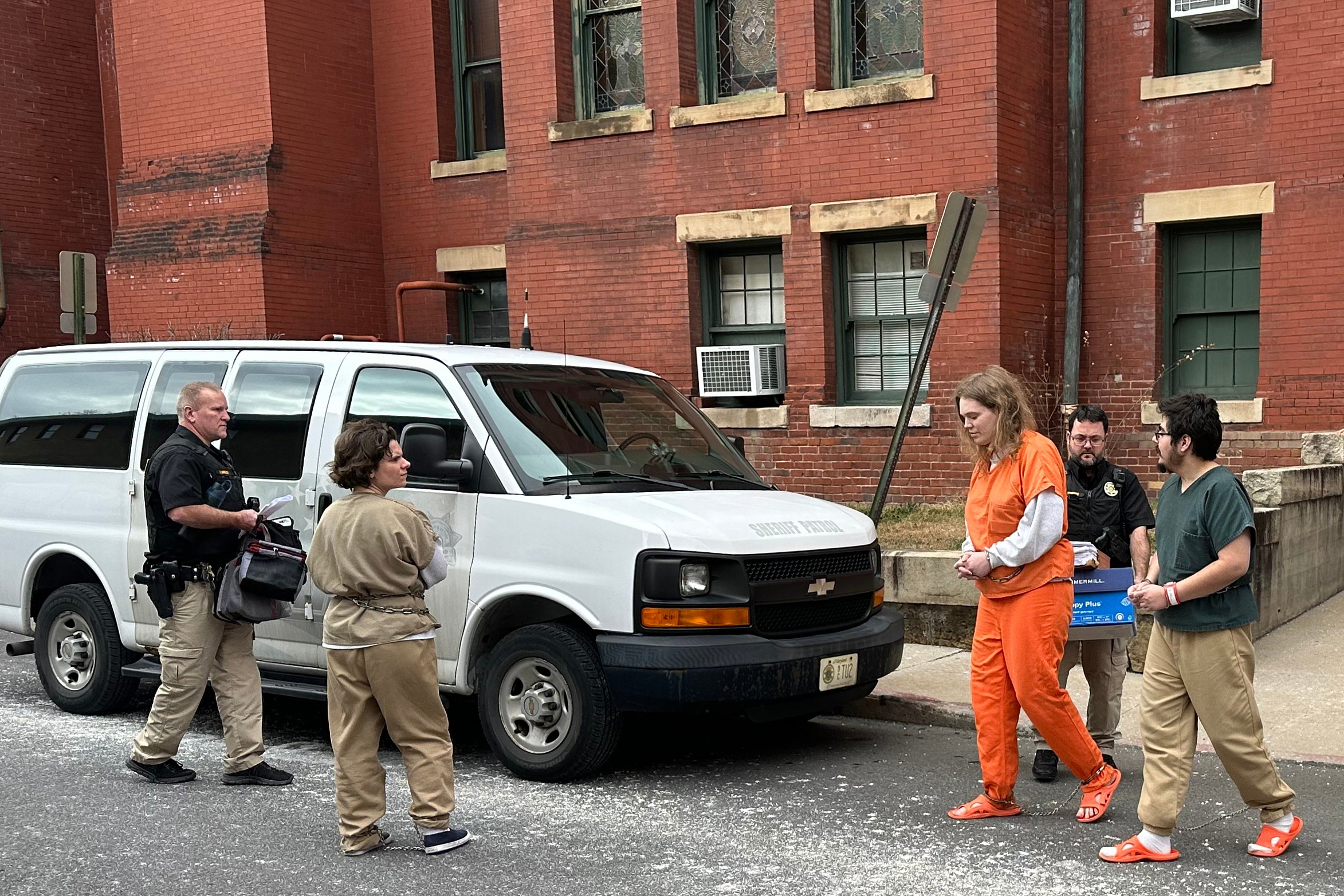
    Zajko remains in custody in western Maryland with two other members of the Zizians, including the cultlike group’s leader, Jack “Ziz” LaSota, who identifies as female.

    They were arrested in February 2025 while trying to illegally camp on a swath of private property in a secluded mountain town. Police said they were armed with multiple guns and carrying military tactical gear, as well as LSD.

    Zajko is also charged with illegally supplying the guns used by other members of the Zizians in a fatal shootout with a U.S. Border Patrol agent weeks before her arrest in Maryland.

    In her letter from jail, Zajko said she and her friends were innocent of all criminal charges they face. She said they were being targeted by other members of the Bay Area tech community seeking to discredit them.

    Members of the Zizians — a group whose philosophy encourages making decisions through reason and logic, rather than emotion — are connected to six killings across the country, authorities say. Prosecutors have denounced the group as extremists and accused them of using violence when their worldview is challenged.

    For years, the deaths of Richard and Rita Zajko remained the only ones tied to the Zizians that remained unsolved.

    Deputies escort Michelle Zajko, left, Daniel Blank, right, and Jack LaSota, in orange, from the Allegany County Courthouse in Cumberland, Md. in January.

    Almost immediately after the killings, investigators in Delaware County learned that Zajko had been at her parents’ home on the night they were shot — a neighbor’s Ring security camera recorded someone screaming “Mom!” shortly before police believe the fatal shots were fired.

    The couple were found in their daughter’s childhood bedroom, which had remained virtually unchanged since she had moved out of the house decades earlier, the affidavit said.

    The gun used to kill the couple was the same caliber as, and a similar model to, one Zajko had purchased in Vermont weeks earlier, investigators said. She was labeled a person of interest in the case as a consequence. But authorities said there was not enough evidence to prove she had committed the crime.

    That changed this week, prosecutors said.

    When investigators spoke with Zajko at her home in Vermont after her parents’ killings, she showed them a different type of ammunition from the kind found at the Chester Heights home, the affidavit said. However, while serving a subsequent search warrant there, detectives found cartridges that were an exact match — and that they said Zajko had hidden from them.

    Initially, forensic investigators said they were unable to determine if the shell casings found near Rita and Richard Zajko’s bodies had been fired from their daughter’s gun. But late last fall, other casings found near trees behind Michelle Zajko’s home in Vermont, which she had used for target practice, had been fired by the same gun that killed her parents, authorities said.

    Another crucial piece of evidence, investigators said, was a list found on Zajko’s cell phone titled “There are so many things we f— up” that detailed missteps, including not taking shell casings from the homicide scene, according to the affidavit.

    The murder charges mark an unexpected turn for Zajko, whom friends and loved ones described as an ambitious, accomplished young woman with a keen interest in science. In her early 20s, Zajko pursued a career in bioinformatics and conducted research at Children’s Hospital of Philadelphia with colleagues from the University of Pennsylvania.

    At the same time, Zajko became immersed in the Zizian movement through online message boards, and met some of the group’s members while interning with NASA in California.

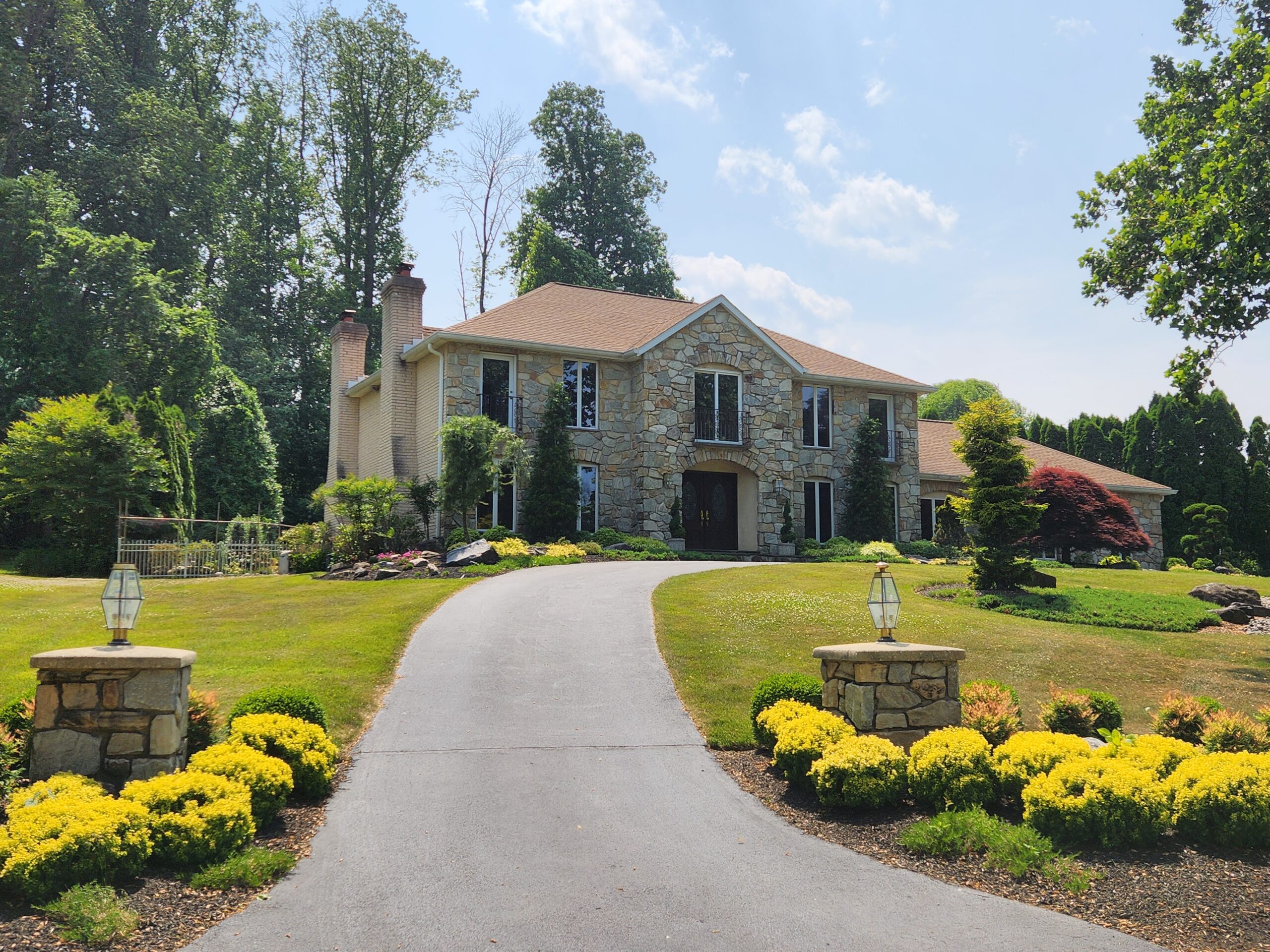
    The Chester Heights, Delaware County home where Richard and Rita Zajko were murdered on New Years Eve 2022.

    In 2021, partly in reaction to the COVID-19 pandemic, Zajko abandoned her scientific research and moved to rural Vermont, where she lived with other Zizians and grew close to LaSota, the group’s leader.

    Zajko, in her prison letter, said that she rejects the characterization of LaSota as her “leader” and that the group does not refer to themselves as Zizians. Instead, she said that she and LaSota are close friends, and that she loves LaSota “infinitely more than I could ever express.”

    Investigators now believe that Zajko, LaSota, and Daniel Blank, another Zizian, traveled to Chester Heights together on the day Zajko’s parents were killed, and intentionally left their cell phones in Vermont to prevent authorities from tracking their movements, according to the affidavit.

    The three made that trip a second time weeks later, in January 2023, so Zajko could attend her parents’ funeral in Marple Township. Pennsylvania State Police troopers investigating her parents’ killings briefly detained Zajko and Blank at a hotel where they were staying in Chester.

    LaSota, however, refused to answer the troopers’ questions, was charged with obstruction of justice, and remained in custody in Delaware County for months before being released on unsecured bail.

    LaSota did not show up for subsequent hearings, and a bench warrant for her arrest was still active when Maryland State Police took her into custody last year alongside Zajko and Blank.

    Their criminal trial on the trespassing, gun, and drug charges is scheduled to begin in October in Maryland.

    As Zajko awaits trial in both cases, Rouse, the prosecutor, said her crimes “go beyond comprehension and circumstance.”

    “This is a child who killed her parents, who walked into her childhood home, took her mother to her childhood playroom, and executed her,” Rouse said. “There aren’t words or emotions that can capture it.”

  • Forceful Pa. Supreme Court ruling constrains one of DA Larry Krasner’s signature initiatives

    Forceful Pa. Supreme Court ruling constrains one of DA Larry Krasner’s signature initiatives

    The Pennsylvania Supreme Court’s decision to limit Philadelphia prosecutors’ ability to seek to overturn old convictions not only took aim at one of District Attorney Larry Krasner’s defining initiatives — it altered the work of an office he will one day leave behind.

    The high court’s ruling adds an extraordinary new layer of oversight to an issue that helped make Krasner one of the nation’s most prominent progressive prosecutors: correcting what he has described as injustices of decades past.

    But the newly established changes to the appellate processes in Philadelphia will outlive Krasner’s tenure and reshape the way the office reviews post-conviction cases for years to come. It could not only apply to high-profile exonerations in murder convictions, but also extend to cases that even Krasner’s more conservative predecessors were eager to undo, like drug and gun convictions linked to corrupt cops.

    It also deepens a yearslong conflict between Krasner and his critics in the justice system. Several justices, in dissenting opinions, raised concerns that the change could inject politics into a high-stakes legal process.

    Since taking office in 2018, Krasner has made post-conviction review a centerpiece of his reform agenda. His office said it has overturned the wrongful convictions of 59 people — almost all of them Black men. It has also struck deals that allowed defendants to plead guilty to lesser charges in dozens of other cases in which prosecutors did not say those charged were innocent, but agreed their original trials were unfair, often because of prosecutorial or police misconduct.

    But the high court, in a forceful majority opinion written by Justice Kevin Dougherty, said Krasner’s prosecutors had misled judges in several of those cases, that the prosecutors were not acting as the necessary adversaries to test the cases’ merit, and that the courts could no longer trust his prosecutors’ word when deciding whether to overturn a conviction.

    Pennsylvania Supreme Court Justice Kevin Dougherty greets supporters during an election night party in November 2025.

    Moving forward, the justices ruled, if the district attorney’s office agrees to alter a sentence or overturn a past conviction, judges must ask the state attorney general’s office to review the case before proceeding. The ruling applies only to Philadelphia; prosecutors in every other Pennsylvania county can continue to evaluate cases on their own.

    Krasner declined to comment this week. While it was not immediately clear whether he had a legal path to challenge the ruling, he said in a video statement last week that it “undermines the value of a vote in Philadelphia.”

    He compared criticism of his post-conviction review efforts to attacks that have been leveled against other social and racial justice movements.

    “We know where we are in the fight,” he said, “and once we get past the fight, we all win.”

    But the Supreme Court’s ruling sharply curtails part of that effort, and it is expected to significantly reshape — and likely slow — one of the most consequential parts of Krasner’s agenda.

    It was “an extraordinary remedy for something the court thought was an extraordinary problem,” said Aaron Marcus, chief of the appeals division at the Defender Association of Philadelphia.

    But, he added, “the remedy might go beyond what was necessary in the court’s mind to address the problem in front of it.”

    While the decision gives the attorney general broader authority to intervene when city prosecutors support post-conviction relief, it remains unclear how often — or when in the process — it will weigh in.

    Brett Hambright, a spokesperson for the office of Attorney General Dave Sunday, a Republican, said in a statement this week that officials were still evaluating the order and its potential impact. Because of the many unknowns, he said, “it may be difficult to fully assess … until the process truly begins.”

    Still, on Wednesday, Sunday’s office filed a notice of intervention in a murder case that Philadelphia prosecutors helped overturn just last month — setting up a potential test case for the new legal landscape around the issue.

    Marcus, of the Defender Association, said the ruling could cause confusion — and delays — in cases that the conviction integrity unit does not typically handle, such as weapons and drug-possession cases, as well as more routine matters, like correcting prison sentences that had been miscalculated.

    “There’s already too few attorneys with too little time and insufficient resources,” he said.

    Marissa Boyers Bluestine, assistant director of the Quattrone Center for the Fair Administration of Justice at the University of Pennsylvania’s law school, said that because the courts did not set a timeline for how quickly the attorney general’s office must review each case, the added oversight could draw out an already yearslong appellate process filled with delays. And, she said, it could create “confusion on who exactly is representing the state.”

    “Now you have two entities who are potentially in opposition to each other,” she said. “It raises confusion and diminishes the real trust in the criminal legal system.”

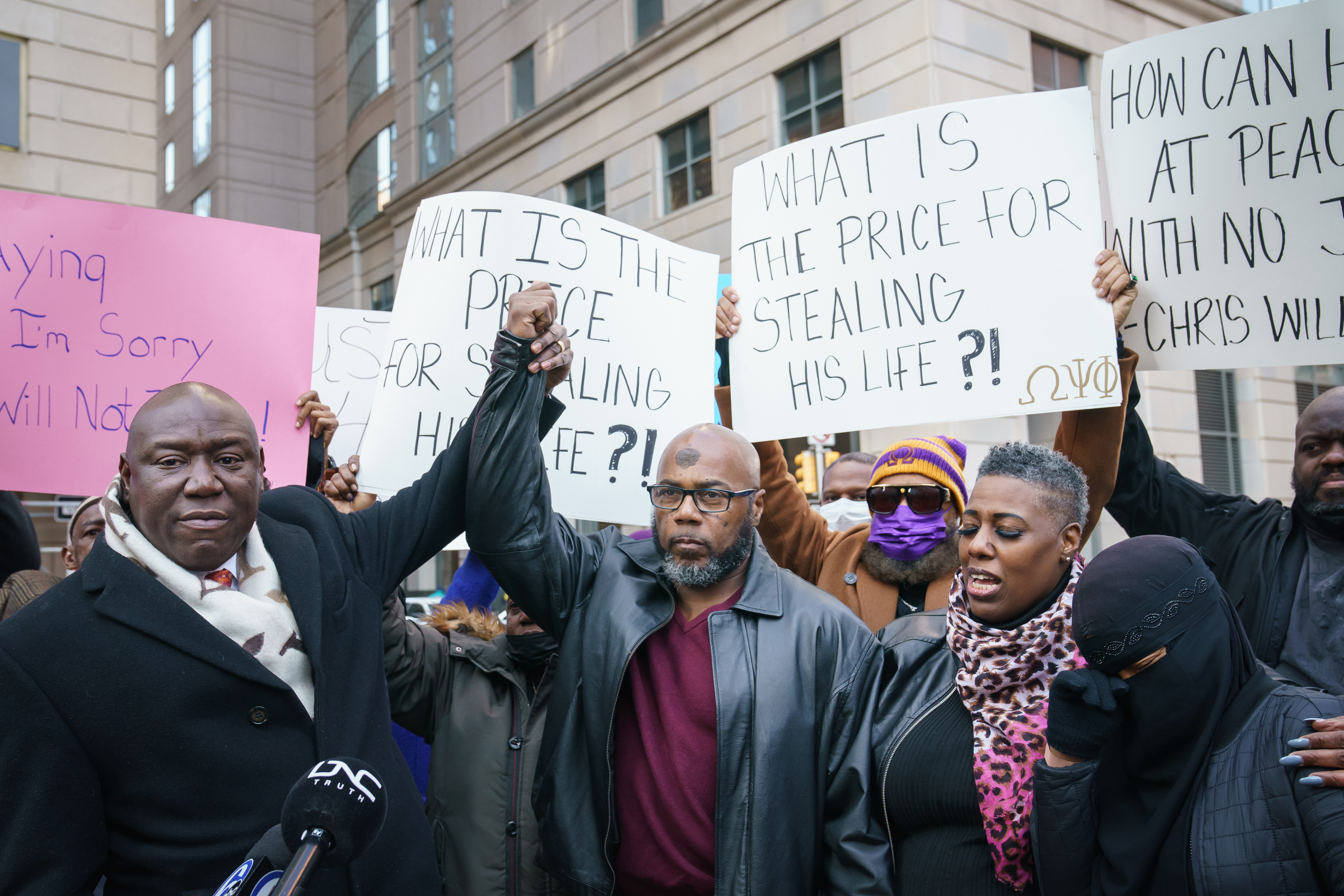
    Dozens of people have been released from prison in Philadelphia after prosecutors agreed their trials were unfair. In this 2021 photo, Christopher Williams, center, gathered outside the Criminal Justice Center to announce a lawsuit against the city of Philadelphia, police and prosecutors. Williams was exonerated and released from prison in February 2021 after more than 25 years on death row.

    Several defense lawyers who handle post-conviction cases were similarly concerned about the unknowns of the ruling — and said the majority opinion did not address the decades of problematic police and prosecutorial behavior that led to this moment.

    Michael Wiseman said Krasner’s office has opposed most of his clients’ petitions over the years. Like other district attorneys before him, Krasner is not perfect, Wiseman said, but the high court “is vexing in its willingness to ignore all the times when Krasner’s office got it right.”

    At the same time, he said, “It is similarly vexing for not recognizing the imperfections of past administrations, who, unlike Krasner, defended every conviction without regard to innocence or unconstitutional convictions.”

    Adding to the complexity of the issue, some justices believed the majority’s decision could threaten to reignite long-running feuds between Krasner and prosecutors he has clashed with in the past.

    In one of his first actions after taking office in 2018, Krasner fired dozens of veteran prosecutors, effectively describing them as unfit to serve in a reform-oriented administration. Some who were ousted then went on to work in the state attorney general’s office, and Krasner, in a remark that was widely criticized, jokingly referred to that office as “Paraguay,” a South American country where Nazis fled after World War II.

    Justice Christine Donohue warned in a dissenting opinion that the majority’s ruling could threaten to inject personal disputes between rival lawyers into a process that is supposed to be unbiased. In addition, she said, giving the attorney general’s office authority in those cases could give some state prosecutors a role in defending convictions they helped obtain when they worked for the city.

    “This is in stark contrast to acting as a friend of the court,” she said.

    Ben Lerner, a former Philadelphia Common Pleas Court judge and former chief defender, said Krasner deserves credit for creating a meaningful system to revisit convictions — something he said previous administrations largely failed to do.

    But state and federal courts have repeatedly raised concerns about the office’s methods, he said, including allegations that prosecutors excluded investigating officers and former trial attorneys from parts of the review process, and focused disproportionate attention on cases tied to prosecutors Krasner had clashed with during his years as a defense lawyer.

    “In my view, it’s a shame,” he said, “because this was basically a very important thing that he was doing that previous district attorneys had had no interest in doing.”

  • The biggest America 250 events from now through July 4

    The biggest America 250 events from now through July 4

    There’s a reason the Wall Street Journal (and Travel + Leisure, CNN, the New York Times, National Geographic, the BBC, and others) tapped Philadelphia as a top place to visit in 2026.

    The city has already been a hive of activity this summer — and it’s about to get even busier as the city gears up for America’s 250th birthday.

    There’s a packed calendar of events between now and Independence Day, and countless ways to get in on the celebration.

    From soccer to ballet, art to history, the region’s upcoming events calendar has something for everyone.

    ArtPhilly’s What Now

    This inaugural citywide arts festival has been running strong since late-May, but the coming weeks offer a deep slate of programming ahead of the July 4 weekend.

    Launched to “foreground our city’s artists as interpreters of this complex moment in American history,” the multidisciplinary festival includes puppetry, dance, music, books, film, and more through July 2.

    The lead-up to Independence Day features multiple exhibitions and events, many of them free, making it an affordable way to celebrate the nation’s milestone birthday.

    For a full schedule, check out ArtPhilly.org.

    🕒 Various dates and times, 💵 Prices vary, 📍 Various locations, 🌐 artphilly.org

    A view of the new conservatory (background) in October 2024 at Longwood Gardens, Kennett Square, Pa.

    Masterworks 3: Made in America

    The Brandywine Valley Symphony will perform “Masterworks 3: Made in America” in the open-air venue at Longwood Gardens. Before the concert, organizers for Dare to Declare will attempt the region’s largest public reading of the Declaration of Independence.

    🕒 June 25, 7 p.m., 💵 $20-$65, 📍 1001 Longwood Road, Kennett Square, PA 19348, 🌐 bvsymphony.org

    Independence Week Events at the National Constitution Center

    Play trivia, test your knowledge against a historian, and attend a town hall on the “shared principles at the heart of the American idea.” It’s all free and part of the weeklong lead-up to July 4, when the National Constitution Center celebrates America’s 250th birthday.

    🕒 June 29-July 4, times vary, 💵 Free, 📍 525 Arch St., Philadelphia, PA 19106, 🌐 constitutioncenter.org

    Gospel on Independence

    Headlined by 20-time Grammy winner Kirk Franklin, this two-hour gospel music celebration features a choir of more than 250 voices against the backdrop of Independence Hall. Seating is first-come, first-served.

    🕒 June 28, 7 p.m., 💵 Free, 📍 599 Market St., Philadelphia, PA 19106, 🌐 july4thphilly.com.

    A worker prepares to raise the head of a fire-breathing dragon lantern in preparation for the Philadelphia Chinese Lantern Festival at Franklin Square this year.

    Chinese Lantern Festival in Franklin Square

    The festival is back with a special nod to the global events arriving in Philadelphia this summer. Handmade sculptures take over Franklin Square, with nightly performances held on three stages: face-changing, table foot-juggling, and head-balancing.

    🕒 Open daily between now and Aug. 2, 💵 Adults $28-$32, with discounts for children and seniors, 📍 200 N. Sixth St., Philadelphia, PA 19106, 🌐 phillychineselanternfestival.com

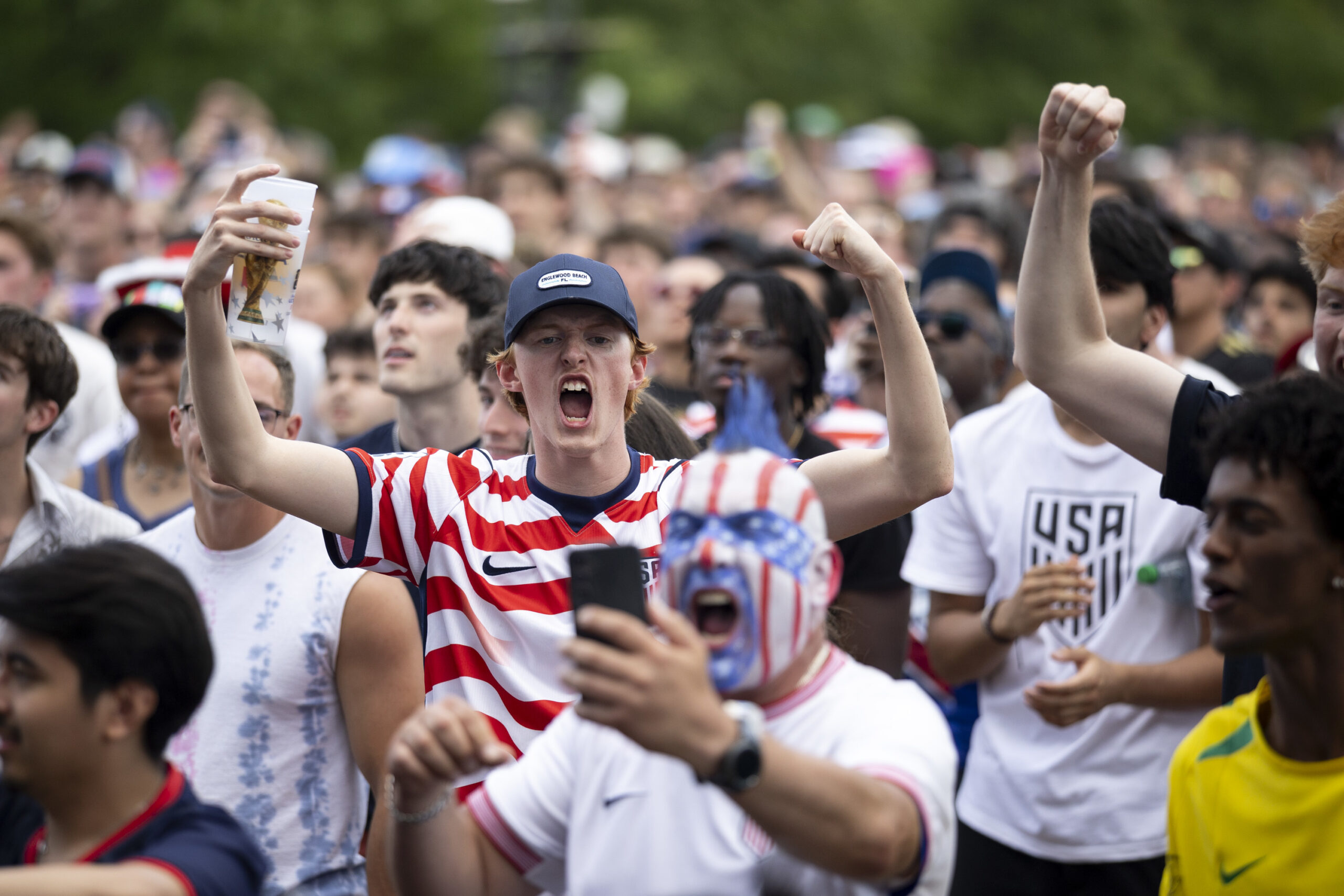
    Cam Gorman, 23, of Gilbertsville, Pa., cheering with Philly Sports Guy at the FIFA Fan Festival at Lemon Hill, as USA beats Australia on June 19.

    FIFA World Cup ’26 and FIFA Fan Festival

    With the U.S. team still battling for a title, what better way to celebrate the lead-up to 250th birthday than by cheering on the team in the World Cup?

    The tournament, with several matches hosted in Philadelphia, has transformed the city into a summer-long party. Much of the action centers on the Fan Festival at Lemon Hill, where visitors can enjoy music, food, drinks, and watch parties. Admission is free, though preregistration is required.

    Two Round of 16 matches are scheduled for July 4, at 1 p.m. and 5 p.m., though the participating teams have yet to be determined. The 5 p.m. game will be played at Lincoln Financial Field.

    🕒 Various dates and times, 💵 Free (registration required), 📍 Lemon Hill Park, 1 Lemon Hill Drive, Philadelphia, PA 19130, 🌐 phillyfwc26.com.

    Welcome America, including the Red, White & Blue To-Do

    Philadelphia’s Historic District goes all out with a full day of events welcoming visitors to America’s “most historic square mile.” Highlights include a giant human Liberty Bell, plus a block party and street music festival featuring more than two dozen acts. At 7 p.m., Queen Latifah performs with the Army Field Band and Soldiers’ Chorus on Independence Mall. A 13-minute drone show follows later that evening.

    🕒 July 2, 7 a.m. to 9 p.m., 💵 Free, 📍 Philadelphia’s Historic District, 🌐 july4thphilly.com

    Dan St. Mary poses for a portrait with his bubble dispenser during the Salute to Independence Parade on July 4, 2025, in Center City.

    Salute to Independence Semiquincentennial Parade

    This year’s parade features an extended route, along with 50 marching bands, 19 floats, and tributes to all 50 states and U.S. territories. The event begins at 5th and Chestnut Streets and winds through Center City before ending near Broad and Chestnut Streets. Feel like skipping the crowds? Catch it live on NBC 10.

    🕒 July 3, noon to 4 p.m., 💵 Free, 📍 Independence Hall to Benjamin Franklin Parkway, 🌐 july4thphilly.com

    Pops on Independence

    The Philly Pops are joined by Broadway legend Idina Menzel for a two-hour concert on the eve of Independence Day. A pre-show block party featuring food trucks and giveaways begins at 5 p.m. Seating is first-come, first-served.

    🕒 July 3, 7 p.m., 💵 Free, 📍 599 Market St., Philadelphia, PA 19106, 🌐 july4thphilly.com

    Musket firing will be a part of the Independence Day Celebration at Valley Forge National Historical Park.

    Valley Forge National Historical Park’s 50th Birthday

    Valley Forge marks 50 years as a national historical park with three days of commemorative programming, including Revolutionary War reenactors, musket firings, and artillery demonstrations.

    SEPTA Bus 125 will get you to the park, and a park shuttle runs throughout the celebration from July 3-5. Plus, there are bike rentals on-site. All events are free to attend, and you can find a complete schedule of the weekend’s events at the National Park Service website.

    🕒 July 3-5, 9 a.m. to 5 p.m. daily, 💵 Free, 📍 North Outer Line Drive in Valley Forge National Historical Park, 🌐 nps.gov.

    Independence Weekend at the Schwenkfelder Library & Heritage Center

    A three-day slate of activities begins July 3 with extended First Friday hours at the Heritage Center and an evening car show at the East Greenville Fire Co. The next day features a parade, a reading of the Declaration of Independence, performances by the Brandywine Colonials Fife and Drum Corps and the Red Hill Band, followed by fireworks. On July 5, the Heritage Center hosts a free family-friendly event from noon to 4 p.m. with exhibits and refreshments.

    🕒 July 3-5, times vary, 💵 Free, 📍 Various locations, 🌐 schwenkfelder.org.

    Celebration of Freedom Ceremony

    In addition to musical performances from Yolanda Adams and DJ Diamond Kuts, a collection of speakers — including Philly Mayor Cherelle L. Parker — are slated to reflect on the nation’s history on the morning of its 250th birthday.

    🕒 10 a.m. to 11 a.m., July 4, 💵 Free, 📍 599 Market St., Philadelphia, PA 19106, 🌐 visitphilly.com

    Betsy Ross House Patriotic Pet Parade

    The courtyard of the Betsy Ross House will be filled with animals on the morning of July 4, during the annual patriotic pet parade and costume contest. Pets will be judged in five categories — Most Patriotic, Best Betsy Ross Influence, Best Duo with Owner, Best Non-Canine, and Best in Show — so make sure they arrive dressed to impress.

    🕒 10:30 a.m., July 4, 💵 Free (pet registration required), 📍 239 Arch St., Philadelphia, PA 19106, 🌐 historicphiladelphia.org

    Christina Aguilera, pictured here in 2016 in Morocco, is one of several musicians performing at this year’s One Philly: Unity Concert for America on July 4.

    One Philly: Unity Concert for America

    This July 4 star-studded concert on the Benjamin Franklin Parkway features Christina Aguilera, The Roots, Jill Scott, Meek Mill, Will Smith, DJ Jazzy Jeff, Seal, and others.. Comedian Wanda Sykes serves as host. Doors open at 3 p.m., and performances begin at 5 p.m.

    🕒 5 p.m. to midnight, July 4, 💵 Free, 📍 Benjamin Franklin Parkway, 🌐 visitphilly.com.