Tag: topic-link-auto

  • A historic Philly mansion up for sale comes with an unusual easement: Revolutionary War battle reenactments on the front lawn

    A historic Philly mansion up for sale comes with an unusual easement: Revolutionary War battle reenactments on the front lawn

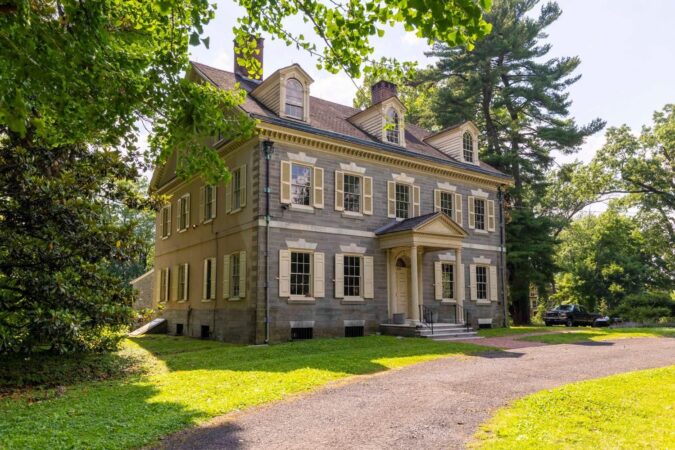
    Built at the end of the 18th century on the site of a major Revolutionary War battle in Philadelphia, Upsala mansion was listed on the National Register of Historic Places in 1972.

    This week, it was listed somewhere else: Zillow.

    The early Federal-style estate nestled on the border of Germantown and Mount Airy is listed at $995,000 and comes with nine bedrooms, 10 fireplaces, 15 parking spaces, and a 70-page easement agreement with a peculiar caveat — once a year, the owner must permit “a re-enactment of portions of the Battle of Germantown” on their front lawn.

    “The battle reenactment is actually written into the deed. That is something any future owner of the property would be obligated to allow to happen,” said current owner Alex Aberle, who’s also a real estate agent and the property’s listing agent.

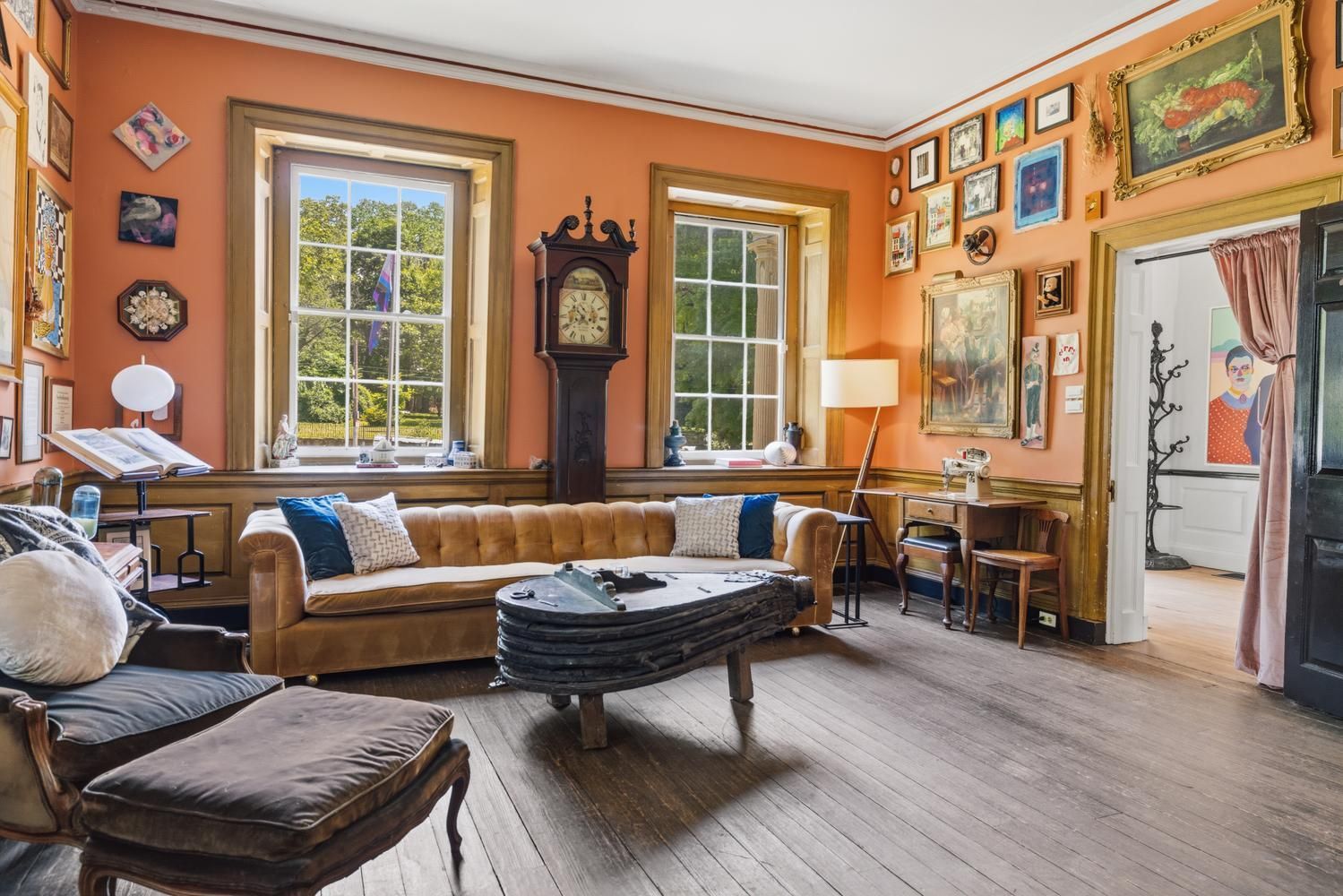
    A living room in Upsala mansion, an early Federal-style building on the 6400 block of Germantown Avenue.

    The easement was put in place by the National Trust for Historic Preservation when Aberle and his ex purchased the mansion on the 6400 block of Germantown Avenue in 2017 and became Upsala’s first private owners since it was converted into a historic house museum in the 1940s.

    As part of the Revolutionary Germantown Festival — which commemorates the 1777 Battle of Germantown — battle reenactments were held for decades on the lawns of Upsala and Cliveden, a National Historic Trust site and mansion across the street from Upsala.

    Though the mansion was built in 1798, two decades after the battle that sought to liberate Philadelphia from British control, the property served as the staging ground for the Continental Army during the Revolutionary War fight.

    Aberle said he loved having the reenactments in his front yard, but Cliveden and the sites of Historic Germantown, which host the festival, haven’t held a reenactment there since 2019.

    Carolyn Wallace, education director at Cliveden, said prior to the pandemic, organizers were reevaluating tactical demonstrations as part of the October festival in light of ongoing gun violence in the U.S. In 2020, organizers underwent a community engagement project called “Considering Re-enactments,” which sought to answer the question: “Is this still the best way to tell stories of the American Revolution?”

    “We found it was a mixed bag so we shifted more towards living history,” she said. “We still have military personnel (reenactors), but we have not done tactical demonstrations in a number of years, though I can’t say we won’t do them again.”

    And if they do, the easement still stands.

    “That runs with the land — for me and for everyone else for years to come, and hopefully, forever,” Aberle said.

    Built for John Johnson III, a fourth-generation descendent of the Janesen family, who were early Germantown settlers, Upsala stayed in the family until the 1940s, when it was seized due to financial issues.

    Preservationists worked to save the property from demolition and from the mid-1940s until the early 2000s, it was a historic house museum before it was closed due to dwindling attendance and revenue.

    The National Trust for Historic Preservation became Upsala’s owner in 2005 and Cliveden Inc., a co-stewardship organization of the National Trust, became its steward. After years of public engagement to find a new steward or use for Upsala, they put the 2.45-acre property up for sale in 2016.

    Aberle and his ex, Violette Levy, beat out eight other offers by purchasing it for $550,000 cash — $51,000 more than the asking price.

    They spent years doing extensive renovations like putting in central air, replacing the boiler, fixing the plumbing, and decorating.

    “When we bought it, the walls were mostly varying shades of yellow and cream and now there’s no yellow left, I’m happy to report,” Aberle said.

    They documented their journey on Instagram, where followers left comments about the memories they’d made at Upsala — from attending weddings there to attending a concert by the Hooters in the 1980s organized by one of the estate’s caretakers.

    “I loved hearing all those stories because that’s the kind of thing you don’t see in books,” Aberle said. “It’s super special because it only comes organically.”

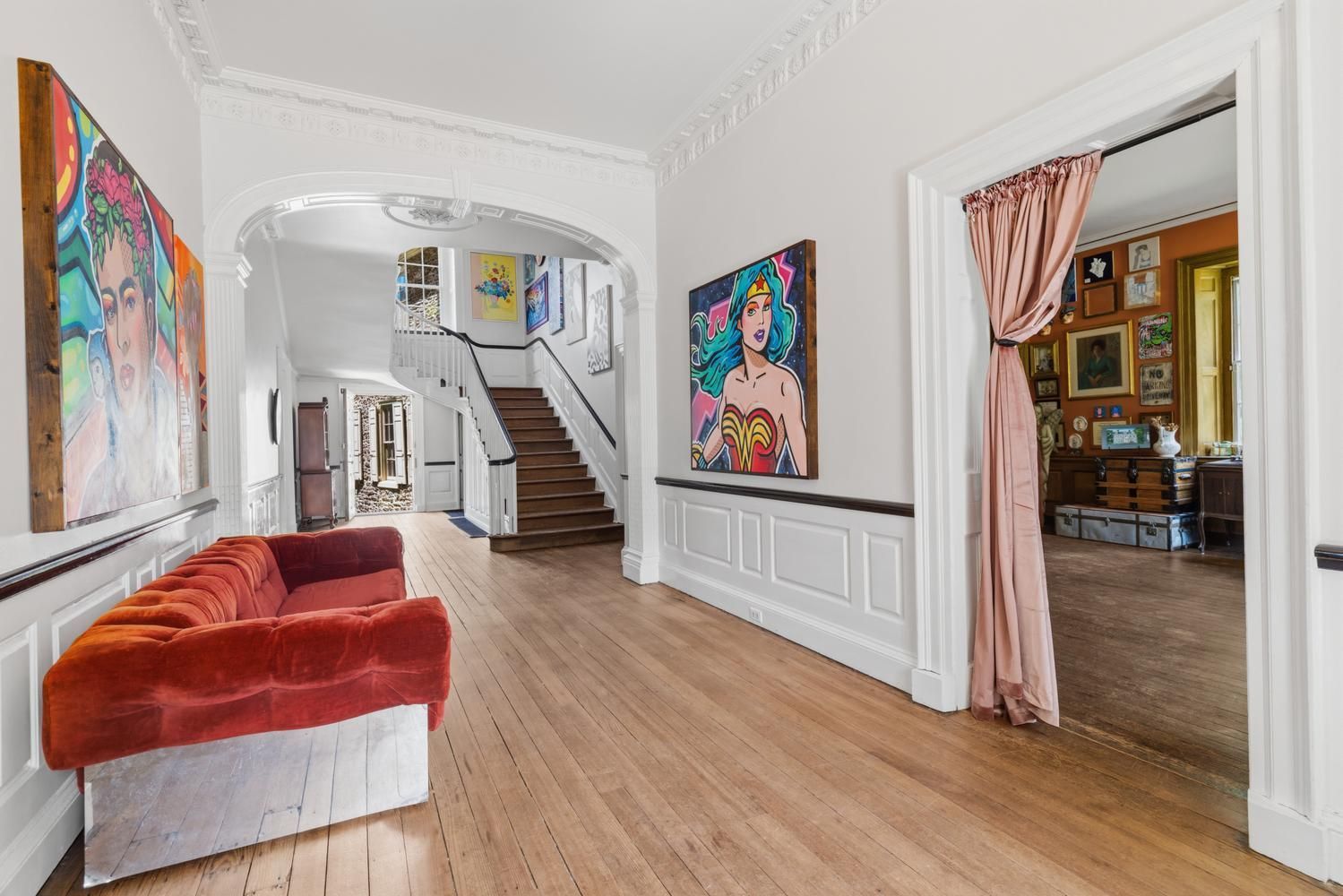
    View of a hallway inside of Upsala mansion.

    Aberle said he never had any intention of selling Upsala, but when his relationship with Levy ended and he became the sole owner of the home, it didn’t “really make sense to stay there as just one.”

    “It’s definitely a family house and that was always sort of my dream for the house,” he said.

    Aberle estimated that a little more than half of the mansion has been renovated. The back part of the house, where he’d planned to fix up the kitchen and put in a mother-in-law suite, is still in need of work, he said.

    “My relationship didn’t last quite as long as my project did so the space is ready for someone else to come in and finish it for their family,” he said.

    But another aspect of Aberle’s life did blossom because of Upsala. When he and his ex bought the mansion, it was listed by Louise D’Alessandro, a founding partner of Elfant Wissahickon Realtors. They invited her and others from the company to the first reenactment on Upsala’s front lawn after they took ownership of the property and within a year, Aberle left the real estate company where he worked and went to work for Elfant Wissahickon, where he remains.

    Aberle said he’s fallen in love with the Germantown and Mount Airy neighborhoods and is only moving just around the corner from Upsala, so he plans to make himself available for any questions from future potential owners.

    “The easement is really not as scary as the 70-page document might lead you to believe. I do mean it from the bottom of my heart. I spent nine years dealing with this document and working with this trust … and my plan is to make myself completely available to facilitate transition,” he said.

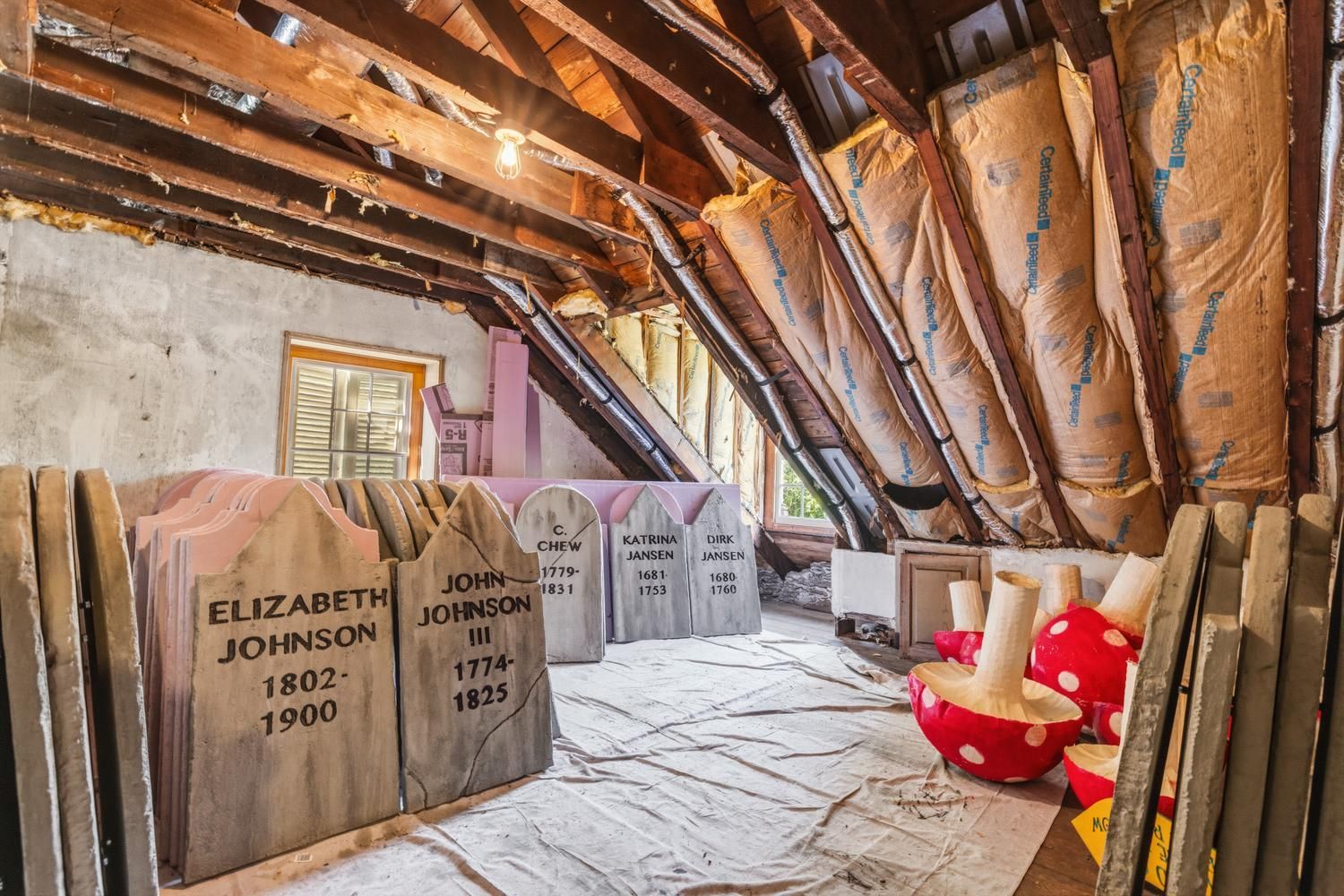
    Halloween decorations, including tombstones that have the names and dates of people who once lived in or near Upsala, are stored in the attic of the property and will be sold with it.

    And if you’re wondering about the listing photo that shows an attic room filled with tombstones and giant mushrooms, not to worry, those are Halloween decorations. The mushrooms are from an Alice and Wonderland-themed Halloween they did one year and the gravestones have historically-accurate names and dates on them of people who lived and died in and around Upsala.

    “We set those up for a few years and added more folks each year,” Aberle said of the tombstones. “I’m leaving them in hopes someone else will carry on the tradition.”

    He’s excited to see who will become Upsala’s next owner and what they will do with the historic property.

    “I think the most important thing, for me, is it’s someone who will love this place as much as I do and have the desire to take care of it and love it,” Aberle said. “That’s what it deserves.”


    For more information on Upsala, including the entire easement agreement, visit upsalamansion.com.

  • Body recovered of swimmer who disappeared in water along Ocean City

    Body recovered of swimmer who disappeared in water along Ocean City

    The body of a swimmer who went missing last month in the water along Ocean City has been recovered near Sea Isle City, police said Tuesday.

    The man, described as a 20-year-old from Exton who was a student at Hofstra University, according to 6ABC, disappeared late in the afternoon on May 18 near the 10th Street Beach.

    On Friday, a body was recovered about 10 miles away and later identified as the missing swimmer, police said.

    The man was not publicly identified and the Ocean City Police Department said the family has asked for privacy.

    <iframe src="https://www.facebook.com/plugins/post.php?href=https%3A%2F%2Fwww.facebook.com%2Focnjpolice%2Fposts%2Fpfbid02mAmNNdQ5cYKXueAAfXig2ecsFecPKQHX7HTKgWyH9tDzUprxuygHn2FoBJtsStXul&show_text=true&width=500" width="500" height="199" style="border:none;overflow:hidden" scrolling="no" frameborder="0" allowfullscreen="true" allow="autoplay; clipboard-write; encrypted-media; picture-in-picture; web-share"></iframe>
  • A new warehouse is proposed for a quiet street in Northeast Philadelphia

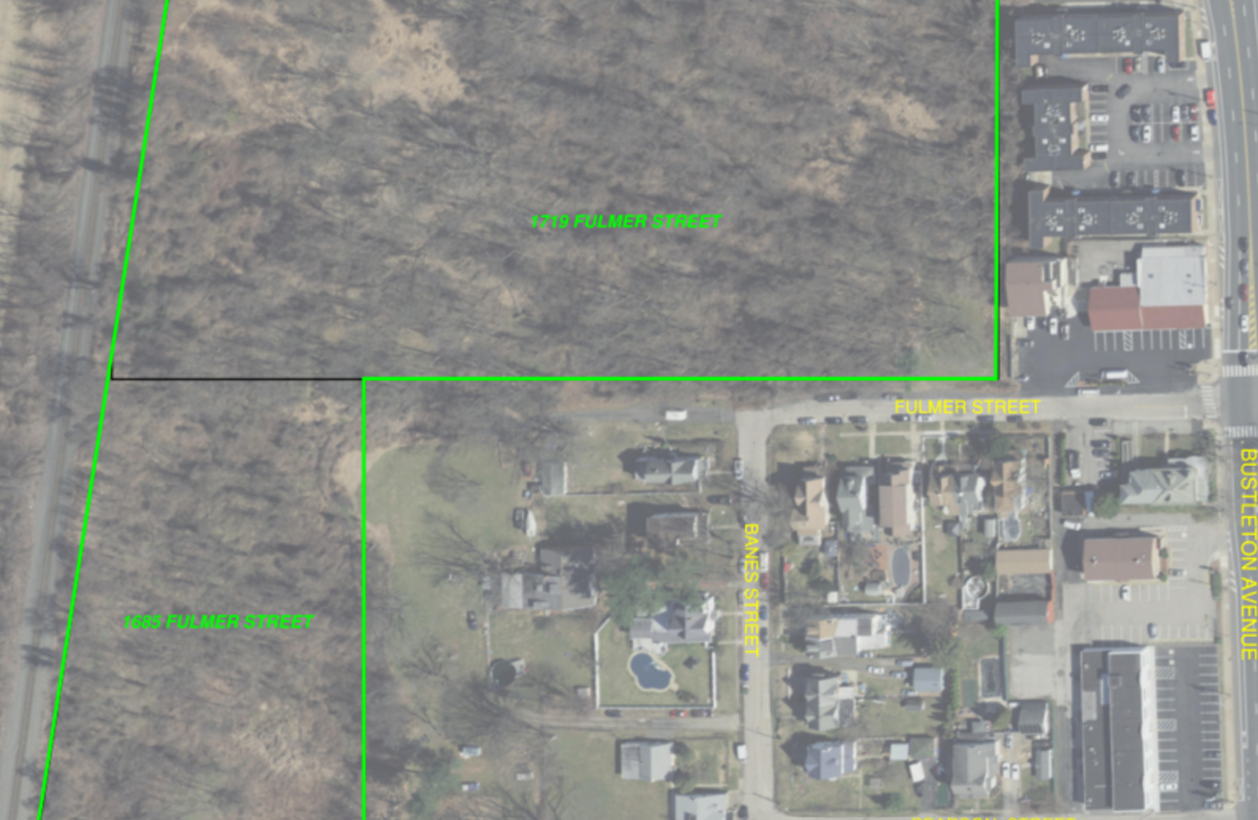
    Northeast Philadelphia’s Bustleton neighborhood is getting a new warehouse at 1685 and 1719 Fulmer St., a wooded area that was previously the site of a townhouse proposal.

    The over 123,000-square-foot warehouse proposal comes from Georgia-based developer Stonemont Financial Group and the global asset manager Nuveen.

    The 50-foot-tall warehouse would be built on land zoned for industrial uses, so it does not require zoning approvals. It is subject to community feedback only because it is large enough to trigger consideration by the city’s advisory-only Civic Design Review committee.

    In January, the Fulmer Street property was purchased for $2.75 million by a limited liability company associated with Nuveen’s industrial investment team in Dallas.

    The lot was sold by an LLC associated with Warminster-based County Builders, a suburban developer that hoped to build 60 townhouses or 48 duplexes on the wooded site.

    “I’m disappointed the residential developer decided not to go forward with this project,” said Jack O’Hara, president of the Greater Bustleton Civic League, who planned to support County Builders’ plans at the city’s Zoning Board of Adjustment. “The community greatly prefers residential over additional industrial.”

    An aerial view of the Fulmer Street site, which is heavily wooded.

    But while County Builders’ project had been embraced by the Greater Bustleton Civic League, a group of neighbors who live close to the site fiercely opposed the residential project during tense community meetings.

    “A small group of immediate neighbors were vocally opposed to basically any development, but they were especially opposed to the residential development,” O’Hara said. “And their comeback [to the residential builders] was we’ll take industrial. So, that’s what we’re left with.”

    When presenting the proposal to the Greater Bustleton Civic League, the warehouse developers told residents that they do not yet have a tenant for the proposed building but are marketing the location.

    The architect for the 1685 and 1719 Fulmer St. warehouse development is Ware Malcomb, a national design firm. A request for comment from the project’s zoning attorney was not returned.

    Recent years have seen a burst of new warehouse projects in Northeast Philadelphia, which contains large tracts of developable land. Much of that property has been zoned industrial and saw little interest from builders for decades.

    But as the recent surge in e-commerce and other kinds of new, nonmanufacturing industrial uses have grown, more of these properties have been seeing increased interest from developers.

    This story has been updated to correct the last name of the president of the Greater Bustleton Civic League. He is Jack O’Hara.

  • How the Marquis de Lafayette became a surprising selfie favorite with visitors at the French National Archives

    How the Marquis de Lafayette became a surprising selfie favorite with visitors at the French National Archives

    PARIS, FRANCE — On a recent sunny May morning, Parisian middle schoolers had found a curious selfie point. Not a tourist landmark, not a kitschy backdrop, and not a mirror booth.

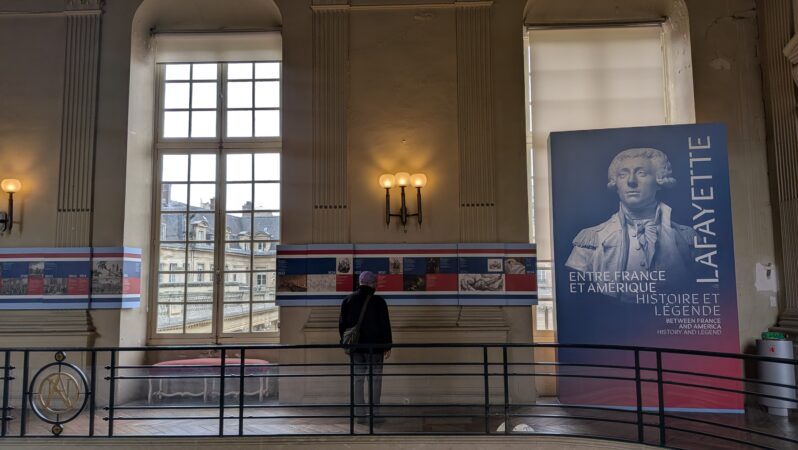
    It was the long rococo staircase of the 14th-century Hôtel de Soubise, which houses the Museum of the National Archives of France, plastered with the face of Marquis de Lafayette, the French military officer who died in 1834.

    “This has become a selfie hot spot somehow,” said Alexandra Hauchecorne, the museum’s technical director of the “Lafayette, between France and America: History and Legend” show.

    The Hôtel de Soubise’s rococo staircase, with likeness of the Marquis de Lafayette, has become a selfie hot spot at the Musée des Archives Nationales in Paris.

    Lafayette — both before and after Lin-Manuel Miranda’s Hamilton — is a celebrated hero in America. Textbooks record that he was only 19 when he came to America in 1777 to join the Continental Army under George Washington. He fought for American independence, participated in the Battle of Brandywine and the Siege of Yorktown, faced the harsh winter of Valley Forge, convinced the French King Louis XVI to send more troops, and developed a deep relationship with Washington — so much so that Lafayette named his only son, George Washington.

    And of course, Lafayette has also become the de-facto author of the catchphrase “Immigrants… We get the job done” by way of Daveed Diggs playing him in Miranda’s immensely popular musical, a phrase splashed on countless tote bags and in hashtags.

    In France, however, “Lafayette was not regarded the same way as he is here,” said Olga Anna Duhl, professor of French and comparative literature at Easton, Pa.’s Lafayette College and one of the exhibition’s curators.

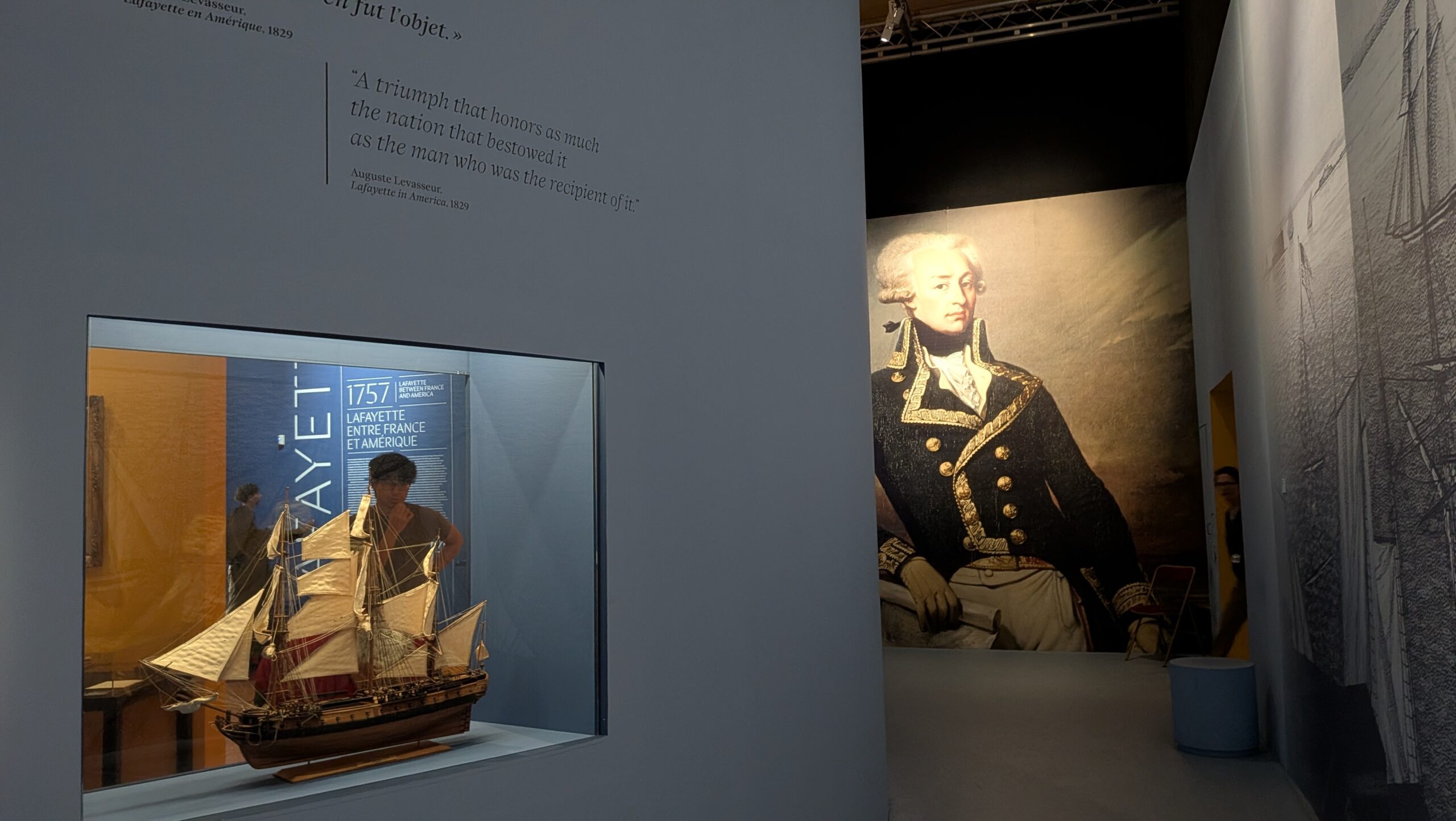
    The yellow room of the ongoing “Lafayette, between France and America: History and Legend” at the Musée des Archives Nationales in Paris. The exhibit focuses on Lafayette’s participation in the American Continental Army.

    His involvement in the French Revolution and desire to have France be a constitutional monarchy, as opposed to a republic like America, made him a target of criticism from both the left and right of the French political system. He was perceived as a traitor and eventually forced to flee the country. Lafayette was imprisoned first by the Austrians and then by the Prussians, who (ironically) considered him a rebel.

    With it being the American Semiquincentennial, Duhl “thought that it would be wonderful” to have an exhibition in Paris and “educate the French people, and any person who comes to visit” about Lafayette.

    In France, she said, “you study history, then you go into his life, and especially his American side. But you know very little about his French contribution, which is very paradoxical.”

    The red room of the ongoing “Lafayette, between France and America: History and Legend” at Paris’ Musée des Archives Nationales focuses on Lafayette’s participation in the American and French revolutions.

    The exhibition encompasses five rooms color coded to fit the years of Lafayette’s life — yellow, the color of the Continental Army uniform, to tell the story of Lafayette’s years in America; red denoting the American Revolution; green to denote Lafayette’s years in semiretirement in France, gardening and practicing agriculture and often experimenting with seeds from America; a light blue to mark Lafayette’s triumphant return to America in 1824; and a darker blue to denote monarchy and Lafayette’s last years, which he spent backing King Louis Philippe I and supporting other revolutions.

    The red room — the most interesting one — builds up Lafayette as the American hero he became. Among other artifacts, it includes a letter Ben Franklin wrote to him on behalf of the Philadelphia Philanthropic Society in 1788.

    The green room of the ongoing “Lafayette, between France and America: History and Legend” at Paris’ Musée des Archives Nationales focuses on Lafayette’s years of semi-retirement spent gardening in Château de Chavaniac.

    “Most of our Legislators have already abolished the Slave Trade,” it reads, “…But from the influence of narrow prejudices and jealousies there is too much reason to apprehend that nothing effectual will be done in this business until France concurs in it, of which we cannot but entertain the most pleasing expectation.”

    Franklin enclosed copies of the U.S. Constitution for Lafayette’s perusal, only six months after Franklin, whose health was failing, had James Wilson read aloud his closing speech at the Constitutional Convention.

    A letter Lafayette wrote to George Washington on March 17, 1790, is on display, too. Along with the letter, Lafayette sent his mentor the key to “that fortress of despotism” that was the Bastille. Thomas Paine, who carried this extraordinary gift, said, “That the principles of America opened the Bastille is not to be doubted, and therefore the Key comes to the right place.”

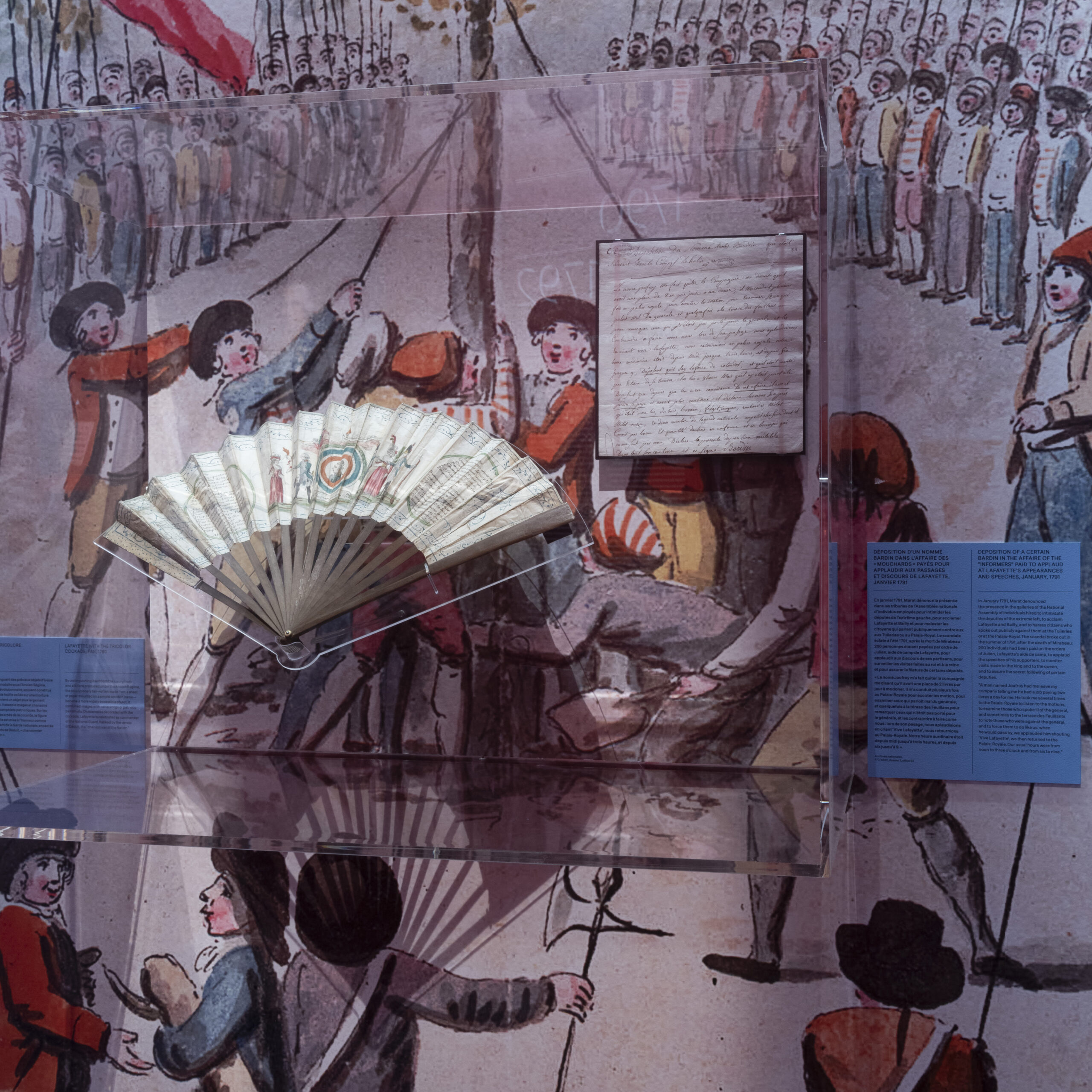
    Paper fans carrying Lafayette’s name were popular among his followers. Lafayette was a canny self-promoter who hired publicists to defend his image.

    Also on display are lampoons and letters that speak to the immense distrust both the aristocrats and democrats had of Lafayette.

    “If this is the eldest child of Liberty, he is murdering his mother,” a letter reads. “Lafayette treated as he deserves by democrats and aristocrats,” reads a lampoon showing the French lieutenant général being hung by a noose by two men on his either side.

    Lafayette, on his part, was a canny self-promoter. He hired several publicists to defend his public image and recruited people to clap at his speeches. In what would be classified as merch today, his face adorned fans, buttons, and commemorative plates.

    On display in the light blue room, marking his triumphant return to America in 1824, are several objects — pitchers, tea sets, baby shoes, shoeshine brushes — all emblazoned with his face and name.

    Produced in a factory in Burslem, Staffordshire, a tea service set in blue and white earthenware shows the Marquis de Lafayette sitting by Benjamin Franklin’s grave. This imaginary scene appeared on plates and other items manufactured to commemorate Lafayette’s return to the U.S. in 1824. From the “Lafayette, between France and America: History and Legend” at the Musée des Archives Nationales, Paris.

    As Lafayette’s reputation in France remained checkered at best, many of these branded memorabilia were found in homes in Philadelphia, a prominent stop in Lafayette’s “Farewell Tour” of the Union’s 24 states. An invitation to the Lafayette Ball held in Philadelphia in 1824 hangs on the wall.

    Much of the artifacts come from the collection of Lafayette College, the only college in the U.S. named after him. More streets and public places in the U.S. are named after Lafayette than any other foreigner. In Paris, about six hours away from Chateau Lafayette where he lived, only Rue La Fayette, one of the city’s longest streets, bears his name.

    That and a glitzy shopping mall with 10 floors, best known for its rooftop views of the city.

    “Lafayette is very well known [in France] but not as a historical figure,” said Duhl. “And one of the educational aims of this exhibition is to educate people about this compelling figure … so that the new generation can really develop an idea about who Lafayette really was, because he has disappeared basically from manuals.”

    The “Lafayette, between France and America: History and Legend” exhibit at Paris’ Musée des Archives Nationales seeks to educate French visitors about the historical importance of Marquis de Lafayette.

    On a weekday morning, there was a mix of visitors to the exhibition that, Hauchecorne said, was a rare bilingual event at the Archives. Parisians and school children have been visiting, as have Americans on vacation, to know more about the man who has been shown rapping lines that are becoming of his high self-esteem: “No one has more resilience or matches my practical, tactical brilliance!”

    Even though previous exhibitions have not had much materials translated into English, the Archives, which houses records dating back to the 1st millennium, has had Americans dropping in before.

    Most notably: Tom Cruise performing a motorcycle stunt as Ethan Hunt in Mission: Impossible — Fallout (2018).


    “Lafayette, between France and America: History and Legend” runs through July 14 at Musée des Archives Nationales, 60, rue des Francs-Bourgeois, 75003 Paris. archives-nationales.culture.gouv.fr

  • American Swedish Historical Museum aims to tackle $2.8 million in improvements as it turns 100

    American Swedish Historical Museum aims to tackle $2.8 million in improvements as it turns 100

    The American Swedish Historical Museum in South Philadelphia’s FDR Park could be getting some exterior upgrades, including a new auxiliary building for storage, for its 100th anniversary.

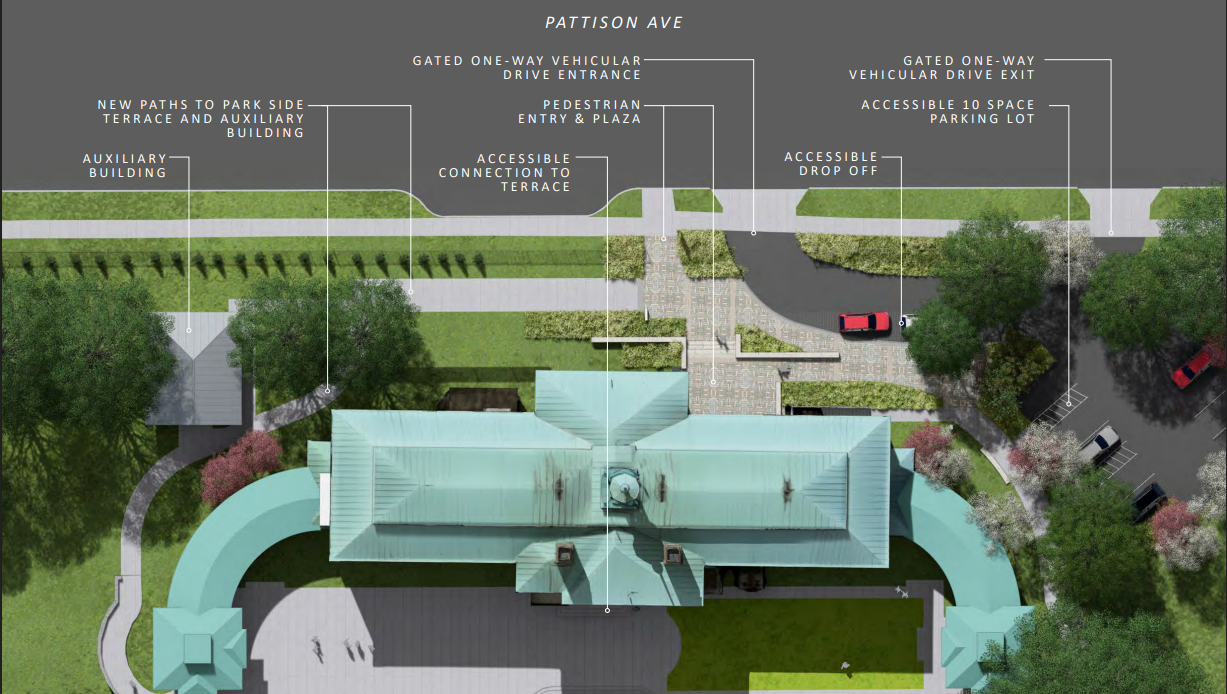
    Museum staff appeared Tuesday before one of the Philadelphia Historical Commission’s advisory committees seeking input and support for a new ADA ramp, parking area, plaza, pedestrian paths, and lighting for the grounds of the property, as well as the additional building.

    The nonprofit’s board has chosen to focus on projects that provide equitable and safe access to the building for its centennial, said Tracey Beck, the executive director of the museum, the oldest Swedish museum in the nation.

    “We do serve a lot of families with small children and senior citizens, and therefore things like the 25 steps leading up to our front door create a real barrier for a lot of people,” Beck told members of the architectural committee that met Tuesday.

    The museum sits on the northern edge of the park, facing Pattison Avenue, which is an advantage but comes with some logistical hurdles, including park parking that can be easily gobbled up during 5Ks and other events hosted at FDR.

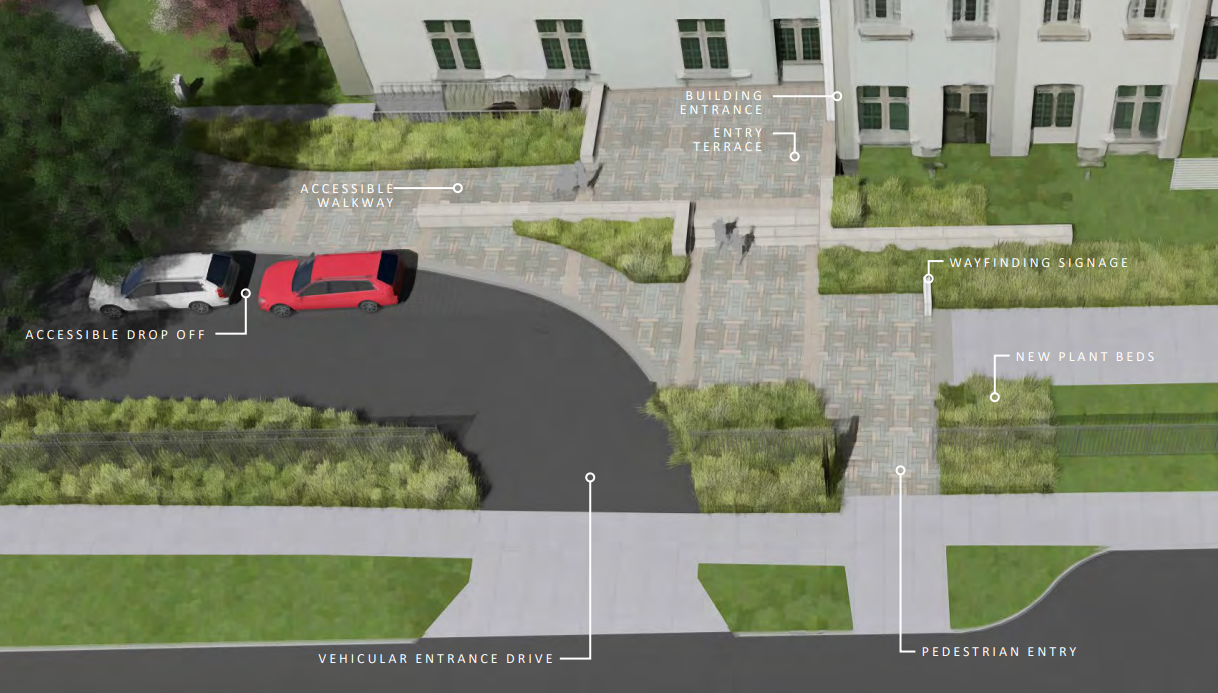
    The small 10-spot parking area that would be located on the Pattison Avenue side of the building would ensure the museum would always have parking available, no matter what is going on in the rest of the park, said Brittany Scherer with Studio Sustena, the design lead on the project. A one-way vehicular entrance drive illustrated in plans submitted to the committee also aims to create an accessible drop-off. New plantings would make the street-facing side of the building more inviting to those driving by.

    The building is already accessible, with two handicap parking spaces and an elevator installed in the early aughts, Beck told The Inquirer. Still, she said, the pandemic highlighted the need for better connectivity between the museum’s indoor and outdoor spaces during events.

    The new ADA ramp would be located on the side of the building that faces the park, which serves as the main entrance, creating a connection between the museum’s interior and its terrace, where events are held. The addition would save visitors with limited mobility from having to navigate half the building’s footprint in order to reach the existing ramp.

    Proposed Pattison Ave. improvements, including a new driveway for accessible drop-off.

    Other improvements are more practical. The lighting aims to make the museum more visible to passersby and drivers at night, while the added building would store large and heavy items, such as tables and chairs for outdoor programming.

    Members of the advisory committee were largely receptive to the improvements, unanimously approving all but two that required tweaks — the auxiliary building and the ramps — for design reasons.

    Committee members raised concerns over placement of the added storage building and how close it would be to the museum. They also thought the design was too eye-catching, possibly leading people to believe it was a welcome center or bathrooms.

    Aerial view of proposed changes to the American Swedish Historical Museum.

    “I want it to disappear a little more,” said committee member Justin Detwiler.

    Another member disagreed with the use of acrylic panels meant to provide more protection for children along the proposed ADA ramp. Committee members worried that panels would scratch and become unsightly in the future, suggesting a simple ramp or other changes to eliminate the need for panels.

    Those tweaks should be simple enough to incorporate in time for a July 10 meeting of the full commission, Beck said.

    Because the museum is still in the early stages of fundraising and awaiting conceptual approval, there is no firm timeline for the projects, budgeted to run about $2.8 million.

    The museum’s proposed improvements come as the rest of the park continues a $250 million, once-in-a-generation overhaul.

  • Nearly 26,000 square feet of downtown Bryn Mawr is for sale

    Nearly 26,000 square feet of downtown Bryn Mawr is for sale

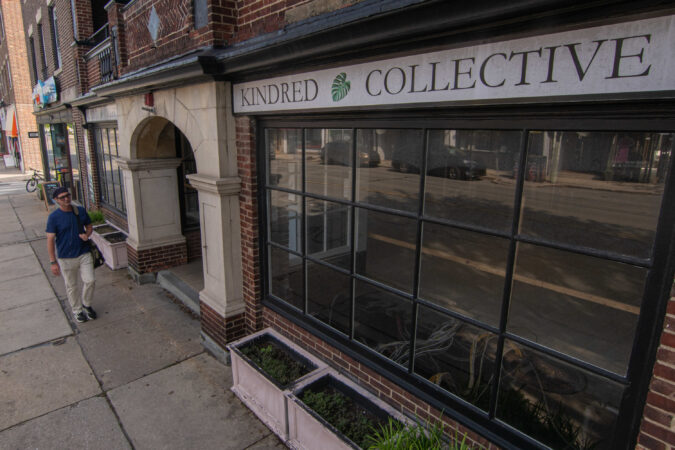
    Five buildings in downtown Bryn Mawr, including the storefronts of Carina Sorella, Jeni’s Splendid Ice Creams, and the Buttery Bryn Mawr, are up for sale.

    The Bryn Mawr Collection, a nearly 26,000-square-foot portfolio that includes residential, retail, medical, and office space, was recently listed by real estate firm CBRE. The properties are owned by Main Line-based real estate developer Tim Rubin and are located in the heart of Bryn Mawr at 834-40 W. Lancaster Ave. and 860-66 W. Lancaster Ave.

    CBRE’s Chris Munley said the properties could sell for around $12 million.

    Rubin is a Narberth native who has owned the properties for almost 20 years. With the sale, he is hoping to recycle capital and make a similar investment somewhere else, Munley said.

    The Bryn Mawr Collection is “extremely rare, irreplaceable ‘Main Street’ real estate, providing a once-in-a-lifetime opportunity to break into a high barrier to entry market,” according to the listing. The portfolio is a stone’s throw from the Bryn Mawr SEPTA station and down the road from Villanova University, making it well positioned in one of the region’s most “affluent, educated, and densely populated suburban communities,” the listing reads.

    The properties are currently home to TCO Fly Shop, the Buttery, Jeni’s Splendid Ice Creams, and Carina Sorella, as well as apartments and offices.

    Beloved tenants such as Carina Sorella and The Buttery, which opened last week, aren’t going anywhere, Munley said. The successful businesses are “one of the reasons this is attractive” for potential buyers, and they have long-term leases that would extend beyond the sale of the properties.

    The properties are in their second week on the market, and Munley said the level of interest has been “eye-opening.” In addition to local players looking to expand their portfolio on the Main Line, Munley said he has seen interest from investors that usually focus on larger markets like New York, San Francisco, and Los Angeles.

    This suburban content is produced with support from the Leslie Miller and Richard Worley Foundation and The Lenfest Institute for Journalism. Editorial content is created independently of the project donors. Gifts to support The Inquirer’s high-impact journalism can be made at inquirer.com/donate. A list of Lenfest Institute donors can be found at lenfestinstitute.org/supporters.

  • Medicare’s AI push snarls patients and doctors in errors and delays

    Medicare’s AI push snarls patients and doctors in errors and delays

    Bill Curry, 65, raises cattle on the same land in rural Oklahoma once owned by his father and generations before him. Each quarter, for several years, he has made the 2½-hour drive to Oklahoma City for an epidural in his spine to treat his back pain.

    But this year, because of a new Medicare program, Curry has traveled a little more often.

    In February, during one trip, he was told unexpectedly that he needed preapproval for the procedure. Then he went again a month or so later to get the injection, for a total of 10 hours on the road. His clinic wanted him to come in a third time, which they had never asked of him before. That appointment was “just to fill out a piece of paper to tell them how you feel again,” Curry said, so he hasn’t gone.

    In January, Oklahoma became one of six states to begin a pilot program testing the use of pre-approvals in traditional Medicare, the federal health insurance program for people 65 and older or with disabilities. Medicare had previously eschewed the practice — also known as prior authorization — which requires patients or someone on their medical team to seek insurance approval before proceeding with certain procedures, tests, and prescriptions.

    Epidurals like Curry’s are among 13 medical services subject to the new program because the Trump administration says they’re prone to fraud or misuse. Powered by artificial intelligence, the program — called the Wasteful and Inappropriate Service Reduction Model, or WISeR — is intended to save the federal government money and protect patients from potentially unsafe or unneeded care.

    Yet early reviews from Oklahoma and the other pilot states — Arizona, New Jersey, Ohio, Texas, and Washington — suggest WISeR’s rollout has not been smooth. Patients, doctors, and other healthcare professionals who spoke with KFF Health News say the effort has created confusion, errors, long wait times, and stress. Some described the rollout as “horrendous” and say people enrolled in Medicare in the pilot states are now getting ensnared in the same red tape as those with private insurance.

    One key concern is that it all happened too hastily. WISeR was announced in June 2025 and launched in mid-January.

    That was “quicker than normal” for the federal government, said Todd Baker, who recently stepped down as CEO of the Ohio State Medical Association. Doctors “just sort of had to figure it out,” added Jeb Shepard, director of policy at the Washington State Medical Association.

    Government contractors have also acknowledged the rapid pace. “We’ve had an aggressive rollout from the time of being notified to going live,” said Jeremy Friese, CEO of Humata Health, the vendor for Oklahoma. Tech executives servicing other states have said they were still adding features to their products in the spring.

    Abe Sutton, director of the Center for Medicare and Medicaid Innovation, which is administering the program, didn’t comment on the rollout schedule. But he said in a statement that the goal of these reforms is to ensure that prior authorization is efficient, fast, and streamlined.

    “The model aims to reduce inappropriate care without delaying appropriate care,” he said.

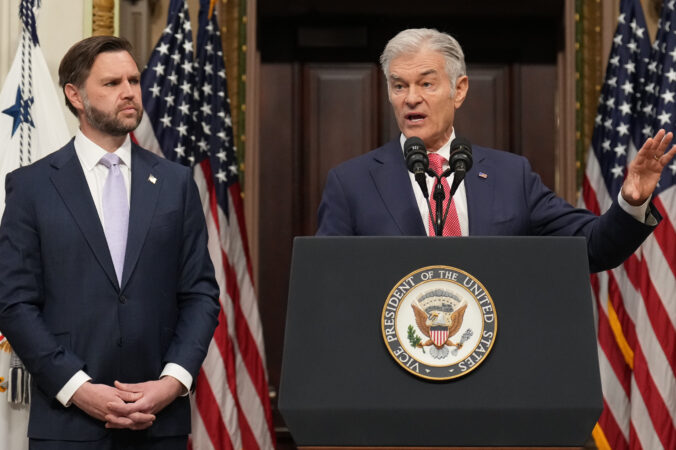
    Mehmet Oz, the leader of the Centers for Medicare & Medicaid Services, told NewsNation in December that they were “rolling out some prior authorization on abused practices.”

    “The purpose of these is not to deny care,” Oz continued. “It’s to make sure you get the care you need and deserve, not the care some unscrupulous doctor wants to use on you.”

    Medicare has struggled in recent years with suspected fraud associated with particular services. The Department of Health and Human Services’ inspector general warned in September that the program’s spending on skin substitutes, for example, had surged nearly 700% over two years, raising “major concerns about fraud, waste, and abuse.” Skin substitutes are among the 13 therapies currently subject to review under WISeR.

    The program also imposes prior authorization requirements for kyphoplasty, a surgery for spinal fractures, which a report by the Medicare Payment Advisory Commission flagged as overused.

    Sutton acknowledged, however, that “the percentage of providers committing waste, fraud, and abuse is small.”

    Consumers and clinicians largely detest prior authorization. Even as federal health officials test the process for Medicare, the Trump administration is trying to scale it back for those with private insurance. According to a KFF poll conducted in January, 69% of insured adults consider prior authorization a burden for care.

    Through WISeR, doctors and their staff log in to online portals to submit medical records that justify the procedures. Using artificial intelligence, the systems quickly approve applications that meet the program’s criteria, Friese, Humata’s chief executive, told KFF Health News. He said there is an “immediate yes” in 88% of cases for which clinical data supports an approval.

    CMS has touted the process as one in which decisions are returned within 72 hours. After that, clinicians receive a “universal tracking number,” which allows them to schedule the procedure and get paid. In practice, however, participants say the process is anything but easy.

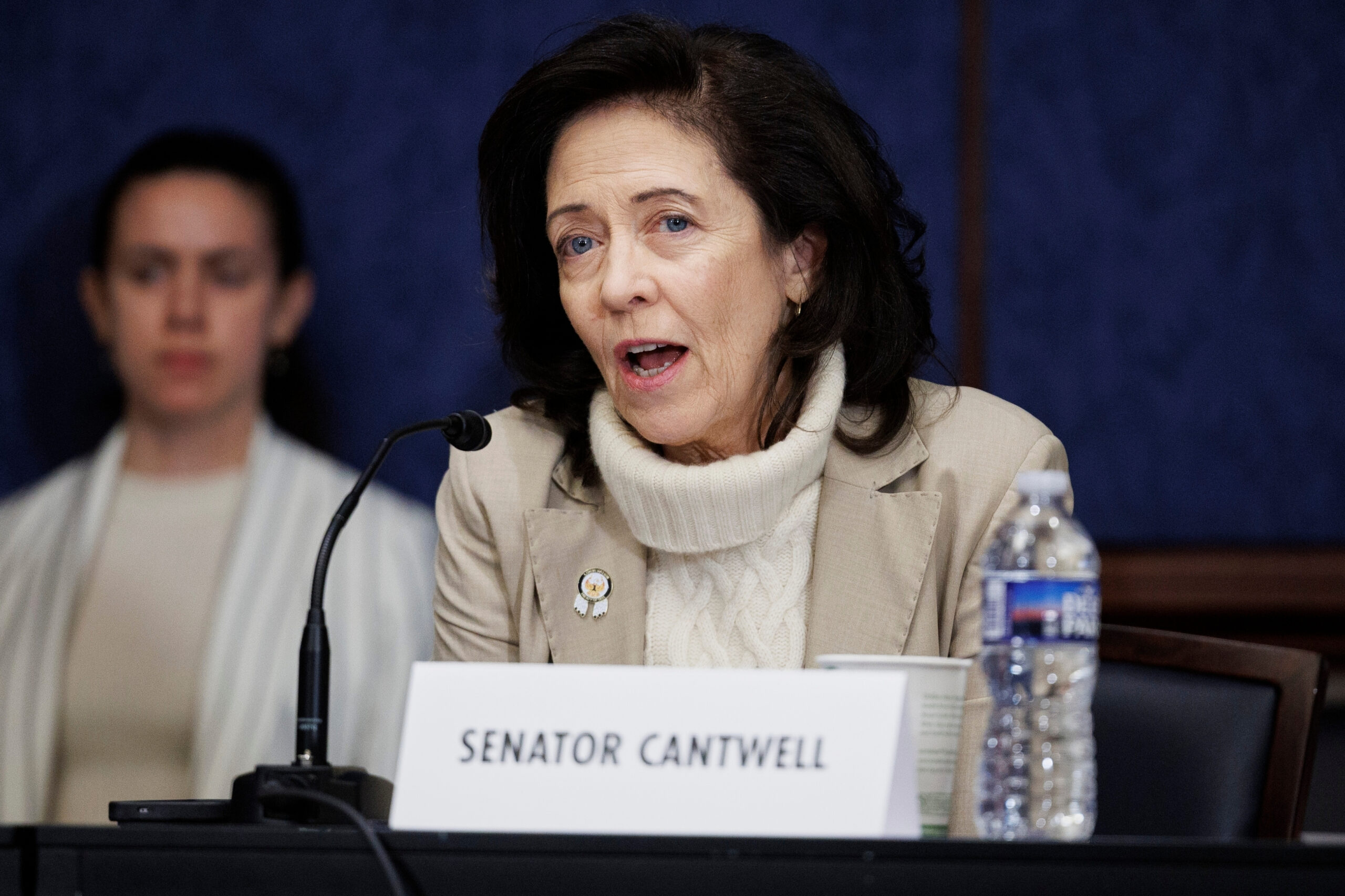
    The University of Washington’s medical system alone had nearly 100 patients waiting earlier this year for epidural injections due to WISeR-related delays, according to an April report from the office of U.S. Sen. Maria Cantwell (D-Wash.) that drew on hospital association data. “Now, patients are subject to delays or denials which did not exist prior to the WISeR Model,” the report said.

    FILE – Sen. Maria Cantwell, D-Wash., speaks on Capitol Hill in February. (AP Photo/Tom Brenner, File)

    Curry, the Oklahoma cattle farmer, said he might go to Kansas for future treatments to avoid the approval process. Dorota Gribbin, a New Jersey-based physical medicine and rehabilitation physician, said that by the time authorization came for one of her patients who needed a back pain procedure, the patient had gone to the hospital for more expensive care.

    Jennifer Valle, a precertification and insurance supervisor at Clinical Radiology of Oklahoma, said when it comes to kyphoplasties, there has been a lot of “nitpicking” from reviewers. Other times, information her practice provides to CMS gets overlooked, she said, and reviewers ask for imaging that’s already in the file.

    Claims with no problems are supposed to be paid within 15 days, said James Webb, a musculoskeletal radiologist in Tulsa, Okla., who has also been frustrated by the prior approval and reimbursement process for kyphoplasties. “Six- to eight-week delays is what we’ve been seeing,” he said.

    “It’s been horrendous,” said Jerry Sobel, a Phoenix-area pain management doctor. “Right from the beginning, there seemed to be no organization.” Sobel said that as of May, he hadn’t gotten paid by Medicare for nine epidurals.

    “We continuously monitor operations and work closely with stakeholders to address questions and improve the provider experience,” said Sundar Subramanian, the CEO of Zyter, which has the contract for Arizona.

    During an April webinar, another Zyter executive acknowledged a large backlog in payments stretching to January. Those backlogs “are currently being resolved,” Medicare’s Sutton said, without providing further detail.

    When asked about other issues — including what doctors suspect are AI-driven errors — Medicare’s Sutton said the agency appreciates “feedback on provider experience.” It will be used “to help providers better understand WISeR processes,” he said.

    Although CMS vendors say humans make the final decisions on approvals, doctors and their staffs believe artificial intelligence is playing a large role in the process and that denials are sometimes the result of AI hallucinations that garble or make up information.

    One Arizona doctor, who wasn’t authorized by his practice to speak, recalled a denial saying his patient wasn’t eligible for procedures in the thoracic region, or midback. The patient needed an injection to the neck. Webb, the Oklahoma radiologist, documented four times that a patient lacked numbness, and yet his WISeR application was still denied, citing numbness, which, in the reviewer’s interpretation, would rule out the spinal surgery procedure.

    Friese, Humata’s CEO, said he hasn’t heard about any AI hallucinations.

    The process is also raising government costs. With more rejections, more appeals are being filed with Medicare’s administrative contractors. The government pays the contractors to handle the appeals, and Medicare’s Sutton acknowledged that the agency has “accounted for potential changes in the volume of Medicare appeals because of the WISeR program and its associated costs.”

    Eighty-four percent of commercial insurers already use AI tools, according to a survey released in 2025 by the National Association of Insurance Commissioners, though they have consistently said AI isn’t used to deny prior authorization requests.

    Its use in Medicare risks introducing friction and frustration into the program — and piling costs onto its beneficiaries. Prior authorization saves money for insurers partly by making patients pay a price in wait times and inconvenience, said Miranda Yaver, a University of Pittsburgh health policy researcher studying the technique.

    “People will end up getting ensnared in a lot of red tape, having to be on hold, and getting rerouted,” she said. She often wonders whether prior authorization simply shifts costs to patients and doctors, rather than saving them.

    Some doctors involved in Medicare’s prior authorization experiment believe it will inevitably expand beyond a few services officials in Washington consider fraud-prone.

    “Everybody knows that if this pilot project works, it will be prior auth for basically all procedures,” said Mary Clarke, a family practice physician in Stillwater, Okla. “If they can show that they can save money, then that’s going to be extrapolated and rolled out to other procedures and multiple other things in other states.”

    When asked whether CMS is considering expansion of its prior authorization pilot, Sutton said in his statement that there are “currently no changes” considered for the list of services subject to the WISeR program, “but CMS continues to assess whether any changes are warranted.”

    KFF Health News Southern correspondent Lauren Sausser contributed to this report.

    KFF Health News is a national newsroom that produces in-depth journalism about health issues and is one of the core operating programs at KFF — the independent source for health policy research, polling, and journalism.

  • Josh Shapiro is most popular politician among Philadelphia residents — by a long shot

    Josh Shapiro is most popular politician among Philadelphia residents — by a long shot

    Gov. Josh Shapiro is by far the most popular political figure among Philadelphia residents, a boost as he looks toward November and beyond.

    In a new Suffolk University/Philadelphia Inquirer CityView poll, 62% of Philadelphians have a favorable opinion of Shapiro, double digits above any other political figure included in the survey.

    Not only did the Democratic incumbent running for reelection win over three-quarters of his own party’s voters in the blue stronghold, he also got positive reviews from almost half the city’s independents and more than one-third of Republicans.

    “He has strong bona fides within his own party, 76% favorable and 11% unfavorable, but he’s also at least somewhat competitive among independents and even some Republicans, so that’s an amazing profile for a candidate who’s an incumbent these days,” said David Paleologos, the polling director at Suffolk.

    Just 16% of residents have an unfavorable view of Shapiro, and only 8% have never heard of the one-term governor, who was on former Vice President Kamala Harris’ short list of potential running mates in 2024.

    (function(){function e(){window.addEventListener(`message`,function(e){if(e.data[`datawrapper-height`]!==void 0){var t=document.querySelectorAll(`iframe`);for(var n in e.data[`datawrapper-height`])for(var r=0,i;i=t[r];r++)if(i.contentWindow===e.source){var a=e.data[`datawrapper-height`][n]+`px`;i.style.height=a}}})}e()})();

    The poll of 500 residents in the city, which was conducted by phone from June 16 to 20, had a margin of error of 4.4 percentage points. Pollsters reached residents in all 66 wards in the city.

    Shapiro clobbers his Republican opponent, Treasurer Stacy Garrity, whom just 9% of the poll’s respondents view favorably.

    That’s not unexpected in a city where Democrats outnumber Republicans 6-1. But it’s Garrity’s lack of name recognition that plays a larger role. A whopping 61% of those surveyed had never heard of Garrity, a glaring figure less than five months until the November election.

    Although the state GOP coalesced around her last year and she faced no challengers for her primary nomination this year, only 26% of Republicans had even heard of Garrity.

    (function(){function e(){window.addEventListener(`message`,function(e){if(e.data[`datawrapper-height`]!==void 0){var t=document.querySelectorAll(`iframe`);for(var n in e.data[`datawrapper-height`])for(var r=0,i;i=t[r];r++)if(i.contentWindow===e.source){var a=e.data[`datawrapper-height`][n]+`px`;i.style.height=a}}})}e()})();

    “She’s kind of a blank slate, and that works to the challenger’s advantage, but if you’re Stacy Garrity you want to start defining yourself quickly before someone else does,” Paleologos said.

    Shapiro can drive up his statewide total if voters in Philadelphia, an overwhelming Democratic electorate, turn out in large numbers — though that has been less reliable in recent years.

    His broad favorability could also help him stretch his bank account further. Shapiro, who hails from nearby Montgomery County, has spent the least amount of money so far in the Philadelphia television market and the most in Pittsburgh, which could show his campaign knows where he is already strong.

    Fetterman is far less popular in Philly, particularly among young voters

    Shapiro’s popularity in the city stands in stark contrast with the state’s other top Democrat: U.S. Sen. John Fetterman.

    In the swing state’s most Democratic city, the one-term senator is faring poorly.

    Less than one-quarter, 24%, of Philly residents have a favorable opinion of Fetterman, compared with 43% with an unfavorable view. The numbers are even worse within his own party, with just 17% of Democrats holding a favorable view of the senator, who has often feuded with progressives and repeatedly crossed party lines to cast key votes in support of President Donald Trump’s nominees.

    His numbers are particularly sour among voters ages 18 to 24 and 25 to 34.

    (function(){function e(){window.addEventListener(`message`,function(e){if(e.data[`datawrapper-height`]!==void 0){var t=document.querySelectorAll(`iframe`);for(var n in e.data[`datawrapper-height`])for(var r=0,i;i=t[r];r++)if(i.contentWindow===e.source){var a=e.data[`datawrapper-height`][n]+`px`;i.style.height=a}}})}e()})();

    A strong majority of Republican voters, 60%, view him favorably in the poll, but the Pennsylvania Democrat has repeatedly insisted he has no interest in switching parties heading into 2028, when he is likely to face a primary challenge if he runs for another term.

    While slightly more Philadelphians have a favorable view of Fetterman than his GOP colleague, U.S. Sen. Dave McCormick, a greater share of Philly voters have an unfavorable view of the Democrat.

    McCormick earned 17% favorable views compared with 25% unfavorable views, while the rest had not heard of the freshman senator or were undecided.

    But the least popular politician in Philly was Trump, who had just 12% favorability in the city.

    Ninety-two percent of Democrats view Trump unfavorably, and 31% of Philadelphia Republicans do, too. The poll also found that nearly 70% of Philly voters had grown less confident in American democracy under Trump’s presidency.

    Trump made inroads in the deep-blue city in 2024, but Harris still won Philadelphia handily with 78% of the vote.

    The president is a frequent target of Shapiro, who has blamed Trump’s tariffs and other policies for exacerbating the cost of living.

    Taking on Trump may be boosting Shapiro’s popularity as he pursues reelection. His numbers show opportunity as he continues building a national profile, likely with ambitions for higher office. In a city where voters favor liberal and left-leaning candidates, Paleologos said, the polling results could be somewhat extrapolated to a national Democratic primary for president in 2028.

    What Shapiro has going in his favor is high popularity among women, with 69% viewing him favorably. That is good news for the governor, since women consistently make up a large proportion of Democratic primary voters, according to exit surveys.

    “In a Democratic primary, you really want to be strong among women, and he is,” Paleologos said. “If 60% of women are voting a Democratic primary, that really plays to his strength.”

    He also ranks in the 70s for favorability among people ages 45 to 74.

    “Those are people who are bill payers, they’re raising children, they’re taking care of sick parents, they’re very stretched in terms of economics. Just terrific numbers,” Paleologos said.

    Shapiro’s favorability is far above that of other Democratic politicians in the city, including Mayor Cherelle L. Parker and State Rep. Chris Rabb, who won last month’s competitive primary to represent the 3rd Congressional District, which stretches from Northwest Philly to parts of South Philly.

    A majority of respondents had not heard of Rabb despite his recent win. But 26% of respondents said they had a favorable view of the progressive lawmaker, compared with only 7% with an unfavorable view.

    The mayor was viewed favorably by nearly 44% of respondents, compared with nearly 35% who viewed her unfavorably — a net positive rating but a much closer split than Shapiro.

    “There are there are pockets of strength that make her electorally strong, but I wouldn’t call it broad-based,” Paleologos said of Parker.

  • Philly police union defends questionable expenses, blaming city ‘ineptitude’ for delayed funeral payouts for officers killed in the line of duty

    Philly police union defends questionable expenses, blaming city ‘ineptitude’ for delayed funeral payouts for officers killed in the line of duty

    Philadelphia’s police union issued a statement criticizing city officials for failing to promptly reimburse expenses incurred for officers who died in the line of duty, and disputed the city’s claim that it did not use tax dollars to cover a roughly $11,500 funeral luncheon, which included a 94% “gratuity.”

    The Fraternal Order of Police Lodge 5’s statement, which was posted on Facebook last week and emailed to its members, followed an Inquirer investigation that found the union has for years billed the city following an officer’s death for expenses that are unrelated to funeral home and cemetery costs.

    “The problem has always been and continues to be the city of Philadelphia’s ineptitude to pay bills in a timely fashion,” the FOP wrote. “Which leads to the survivors’ families having to make large financial decisions for funerals, services, luncheons, transportation, cemeteries, funeral attire, and cremations within days of suffering a traumatic life-changing event.”

    Since 2014, the city has contributed up to $75,000 in tax dollars for each line-of-duty death, up from $15,000. The FOP’s contract with the city calls for the union to be reimbursed for “reasonable and necessary funeral expenses.” But there is no further explanation of what would qualify, and The Inquirer found the union has asked the city to pay tens of thousands of dollars for everything from bar and restaurant tabs to socks and underwear.

    The FOP has also billed the city for at least eight events at its own bar, 7C Lounge, located inside its sprawling headquarters in Northeast Philadelphia. One of those events was a luncheon in May 2020 for Cpl. James O’Connor IV, a 23-year veteran and married father of two, who had been shot and killed in March of that year.

    His funeral had to be postponed for eight weeks due to the COVID-19 pandemic and only a limited number of people, all in masks, were permitted inside the church.

    Pallbearers carry the body of slain Philadelphia Police Cpl. James O’Connor IV outside Our Lady of Calvary on May 8, 2020. O’Connor was killed in the line of duty.

    Even though the city had restricted bars and restaurants to takeout and delivery service, the FOP held a 2½-hour lunch for O’Connor at its own bar.

    Records show the FOP billed the city for $5,700 worth of bottled beer, an open bar, and food for 160 people. The union added a $5,375 gratuity.

    Sharolyn L. Murphy, the city’s risk manager and deputy finance director, wrote in an email to The Inquirer that the city did not reimburse the FOP for the O’Connor luncheon.

    The FOP statement claims otherwise. The union wrote that it provided the city with comprehensive documentation and was fully reimbursed.

    The FOP statement also says that the $5,375 was not all a gratuity — which is how it is listed on the bill — but just $925 for a tip while the rest was payment for kitchen and catering workers, bartenders, servers, and managers.

    “This was the only way to add the payroll and gratuity expense to the catering invoice,” the FOP wrote. “This was all documented and explained in timestamped email records and provided to the city which is why they approved the reimbursement.”

    The FOP attached to its statement copies of six emails listing the amounts paid to the staffers, all of whose names are redacted. Names of the senders and recipients are also redacted, except for then-FOP president John McNesby’s.

    The emails were not included in the Right-to-Know records The Inquirer received from the city. The city did not respond to questions about whether the risk management team had gotten them and, if so, why they were not among the documents previously provided to the newspaper.

    But Murphy on Tuesday e-mailed The Inquirer a breakdown of the items the city denied from a $32,600 reimbursement request, including the cost of the O’Connor luncheon, as well as liquor bills totaling $800 and $50 in miscellaneous beverages.

    “The city provides expeditious payment of funeral expenses to support families of those who made the ultimate sacrifice to service to Philadelphia,” Murphy wrote in an e-mailed response to The Inquirer. “At the same time, the city has a responsibility to ensure that taxpayer funds are spent appropriately.”

    Current FOP president Roosevelt Poplar and McNesby, who served as the union’s president for 16 years before stepping down in 2023, did not respond to multiple requests for comment before The Inquirer published its investigation. In its June 13 statement, the FOP called The Inquirer’s investigation a “hatchet job hit piece.”

    The Inquirer’s examination of the funeral expenses underscored questions about the FOP’s nonprofit Charitable Foundation, commonly known as the Survivors’ Fund, which raises money to pay for funerals and support the families of officers who were killed or seriously injured in the line of duty.

    A 2025 Inquirer investigation found that the FOP reported spending hundreds of thousands of dollars on “funerals and special events” in years when no officers died in the line of duty, and that its expenditures and cash donations had been loosely documented and were difficult to track.

    The Inquirer sought further clarity by filing Right-to-Know requests with the city for more than 1,000 pages of invoices, bills, emails, and other public records concerning 17 police line-of-duty deaths since 2014. Eight of the deaths were attributed to COVID.

    The FOP publicly criticized The Inquirer’s records request.

    Included in the documents were FOP submissions of receipts from businesses such as Target, Home Depot, Walmart, Acme, 7-Eleven, and CVS that include no explanation as to why they were funeral expenses. The union has also forwarded statements of corporate credit cards requesting reimbursement for restaurants and beer stores.

    Some reimbursement requests lacked receipts or itemized breakdowns, and at least two were for cash. The FOP did not address the cash requests in its statement.

    The Inquirer found that the city has covered the bulk of the FOP’s requests, although in almost all cases, the documents do not point to which specific reimbursements were approved or denied. An FOP request for $1,870 to cover two bar tabs and pipes and drums after a dinner is the only explicit denial in the records.

    The FOP wrote in its statement that its “finance office and accounting firm have comprehensive, accurate, and detailed records for all financial transactions for our multiple accounts. There are no missing or incomplete records.”

  • When storms hit the France-Iraq game in Philly, a French radio station stayed on air from under a tarp

    When storms hit the France-Iraq game in Philly, a French radio station stayed on air from under a tarp

    Everyone knew that there was a risk of thunderstorms in Philadelphia on Monday, and Mother Nature delivered on cue.

    But while the players could go to the locker rooms and the fans could go to the concourses, broadcasters calling the action couldn’t just go off air. Even worse, the TV and radio areas are in the upper-deck stands, part of extra media seating FIFA always builds at World Cups. So there was no cover overhead when it was only raining.

    While FIFA put plastic covers on the tables, that wasn’t enough to protect all the expensive equipment and the people using it. So the team at France Info, one of the many French radio stations broadcasting the game, had to get creative.

    Virginie Lorda, the crew’s technician, found a hardware store a few blocks from their hotel in Center City, and bought a tarpaulin and some ropes to tie it onto the table. Then when the rain started falling, the tarp came out.

    Broadcaster Julien Froment documented it all on his social media feeds, adding to the spectacle of a night with a two-hour delay in the game. The next morning, he talked with The Inquirer about it as the crew headed back to France’s base camp in Boston.

    “I have to give the credit to Virginie,” Froment said. “She had the idea to set this up, a little bit at the last minute, to protect us. … It was a mix of French and American expertise.”

    Summers can get very hot in France — the country recorded its hottest day ever on Tuesday, and highs are expected to top 100 degrees multiple times this week. But the sky doesn’t explode like it does here, even if that feels normal to Americans.

    “You all are used to this,” Froment said. “For us Europeans, to have to deal with a thunderstorm, it’s a bit new. This one was a grand premiere.”

    It’s worth noting that when Philadelphia hosted the Club World Cup last year, the city got pretty lucky. There were big storms on nongame days, and multiple games in other cities got hit. But no action here got delayed or postponed.

    France superstar Kylian Mbappé getting drenched by the storm that arrived in South Philadelphia late in the first half of Monday’s game.

    So maybe we were due, and unfortunately it happened during an especially star-studded game. France’s Kylian Mbappé scored two of Les Bleus’ goals in the 3-0 win, including a viral sensation of a hit for the opener, and reigning world player of the year Ousmane Dembélé capped things off with his first World Cup tally.

    To the city’s credit, the stands were almost totally full when the game resumed. No one went home even with the long delay, wanting to make the most of a rare chance to see these players in person.

    Though it’s unusual for American stadiums to have media seating in the middle of the stands, it’s the norm in Europe and elsewhere. There aren’t broadcast booths the way there are at American football, baseball, and soccer stadiums.

    The locations of the “media tribune,” to use the world’s game’s phrase, can vary. At Chelsea’s famed Stamford Bridge in London, you can almost touch the team benches. At Lyon’s modern Groupama Stadium in France, which hosted the 2019 women’s World Cup final, you’re up in the heavens.

    But no matter the distance from the field, there’s almost always a roof over the stands in some form.

    “We’re in the open air to capture the atmosphere — it’s the tradition,” Froment said. “We’re used to being outside. But the big difference between European and American stadiums is we aren’t protected here. There’s no roof, there’s nothing to protect us from the elements.”

    That is especially the case at the stadiums Froment’s crew has been to so far in New England and the Meadowlands. France isn’t playing at the indoor venues in Atlanta, Houston, or Dallas; or in Seattle or Los Angeles, where the stadiums are open-air but the stands are covered.

    But Froment has enjoyed the experience overall, marveling at America’s modern stadiums that are palatial compared to European soccer cathedrals with decades of history but fewer amenities.

    “Here, you get the feeling that everything is almost at extremes,” he said. “The stadiums are huge, built specifically for the fans. I’m kind of shocked by how many snack bars and concession stands there are. … It really represents a different kind of consumerism — a different sports culture — compared to what we’re used to in Europe.”

    They’re also a lot bigger than most stadiums in France. The biggest, the Stade de France in suburban Paris, seats 80,000; the second, Marseille’s Vélodrome, seats just over 67,000; and the venues in Lyon and Lille are the only others nationwide over 50,000.

    Asked his opinion of Lincoln Financial Field, Froment called it “the best stadium I’ve been to at this World Cup,” helped by location, architecture, and the vibe of the broader Sports Complex.

    “It’s a little different,” he said. “At MetLife Stadium [in North Jersey], it doesn’t have personality. It feels like it could be any stadium in the world. In Philadelphia, you feel like there’s a story there.”

    (We couldn’t help responding that he’s far from alone in those opinions.)

    A view of the stands at the start of the Ivory Coast-Ecuador game, which like all of Philadelphia’s World Cup games so far drew a full house.

    He had some time to explore as well. There were a few trips to Reading Terminal Market, and walks to the Liberty Bell and the Rocky Steps — documenting France fans’ night-before pep rally at the latter.

    It’s playing the hits, sure. But it’s also a reminder of how warm a welcome Philadelphia has put on for its international guests this summer, and that Center City being easy to walk around is another of its great assets.

    There might be a second chance to welcome France, too, if Les Bleus win their group and the round of 32 game afterward.

    “I find the city really nice,” Froment said. “It’s less oppressive than New York. You can breathe more easily.”