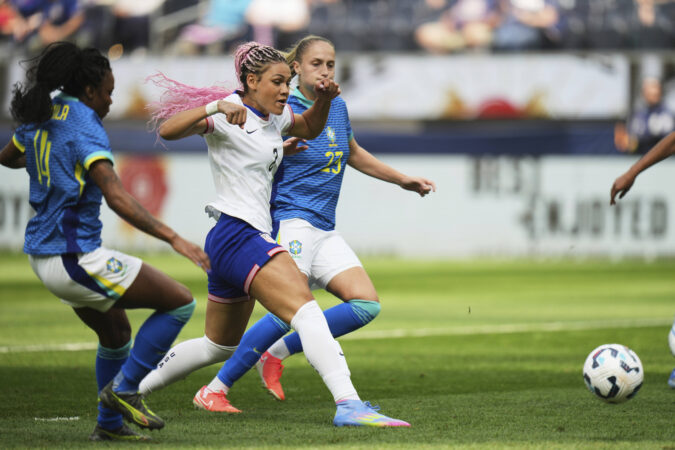
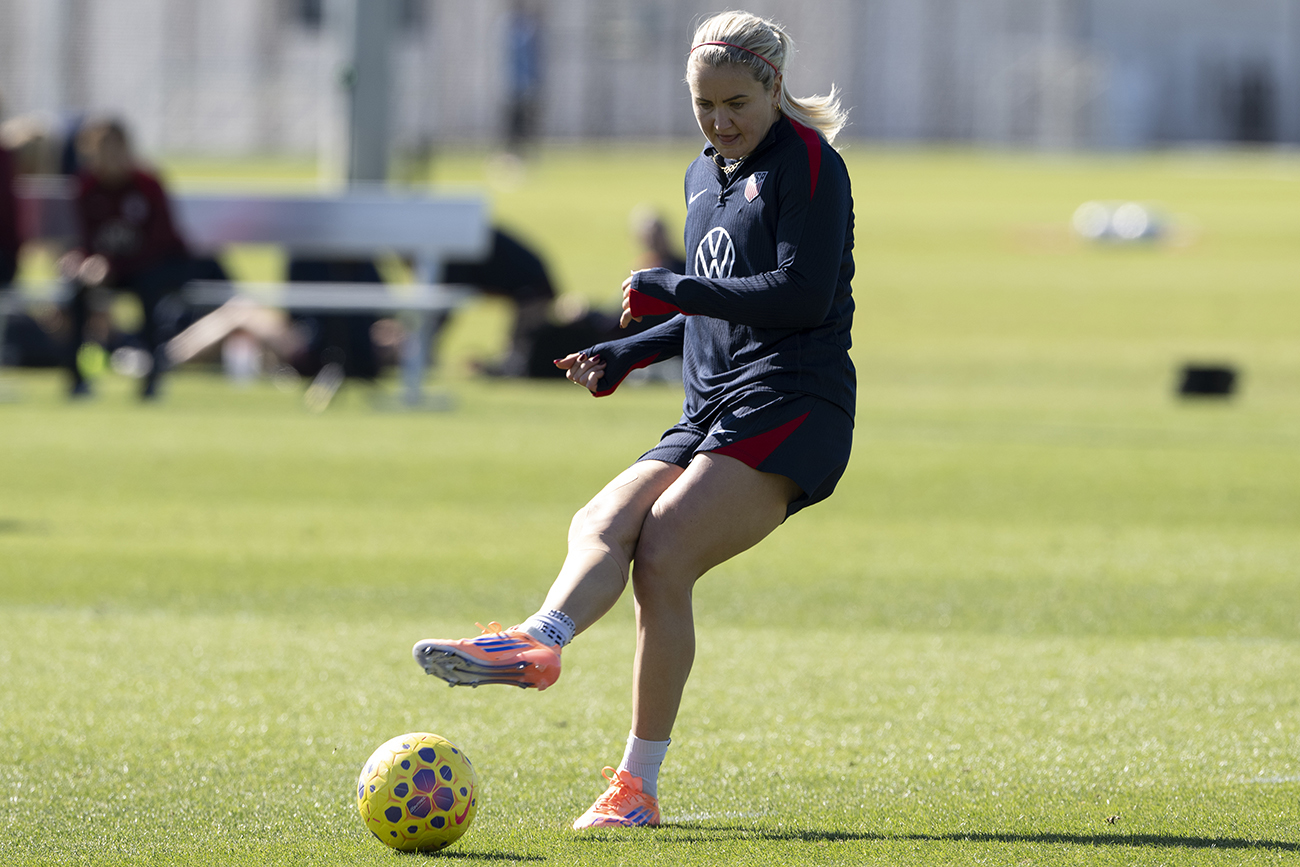
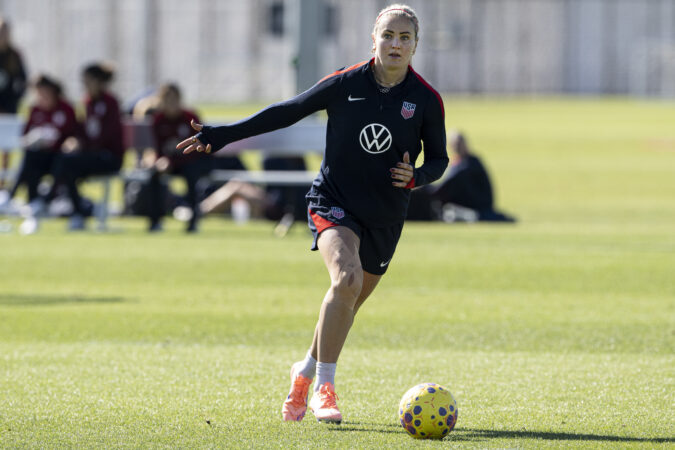
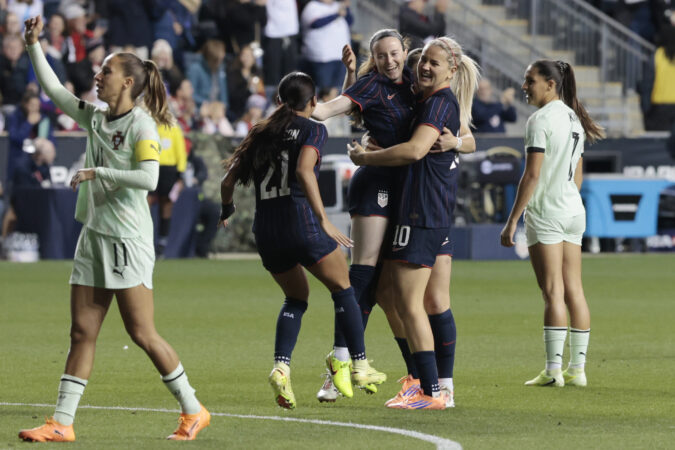
The theory after the U.S. women’s soccer team’s January camp was that the SheBelieves Cup in March would be the first big step toward World Cup qualifying in the fall.
Tuesday’s announcement of the tournament roster signaled that the step might not be as big as believed.
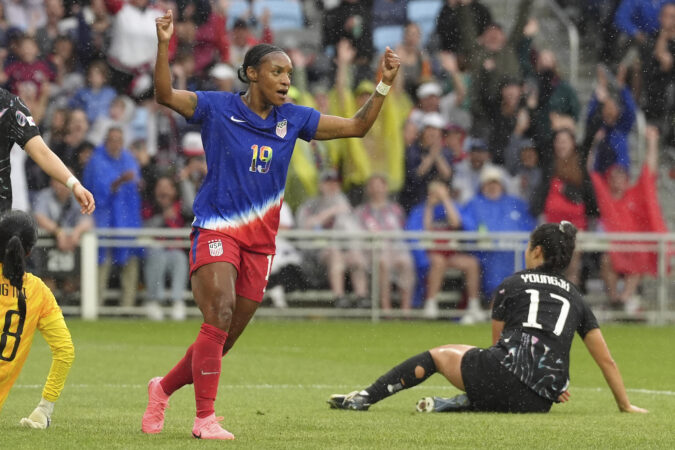
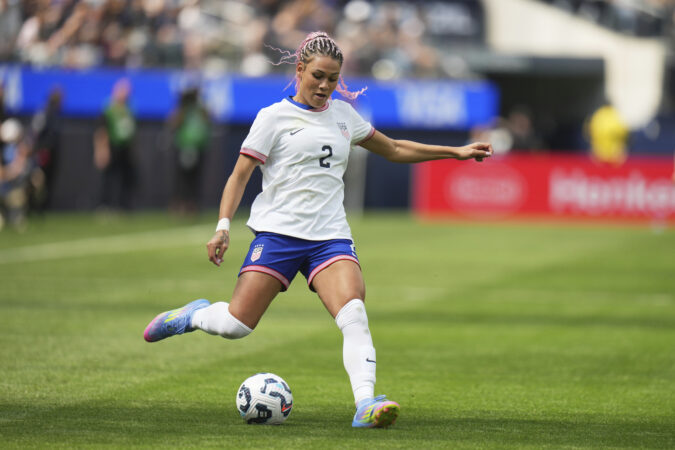
The 26-player squad doesn’t lack for marquee names. Naomi Girma, Sam Coffey, Lily Yohannes, Rose Lavelle, Trinity Rodman, and Alyssa Thompson are among them. But just as significant are two names not on the squad.
Sophia Wilson is back from maternity leave and participating in the Portland Thorns’ preseason camp out west. Catarina Macario hasn’t played since December for the U.S. or her English club, Chelsea, but there’s been a lot of chatter that a reported heel injury isn’t the only reason. She turned down a new contract offer in London and could be headed to the NWSL’s San Diego Wave.
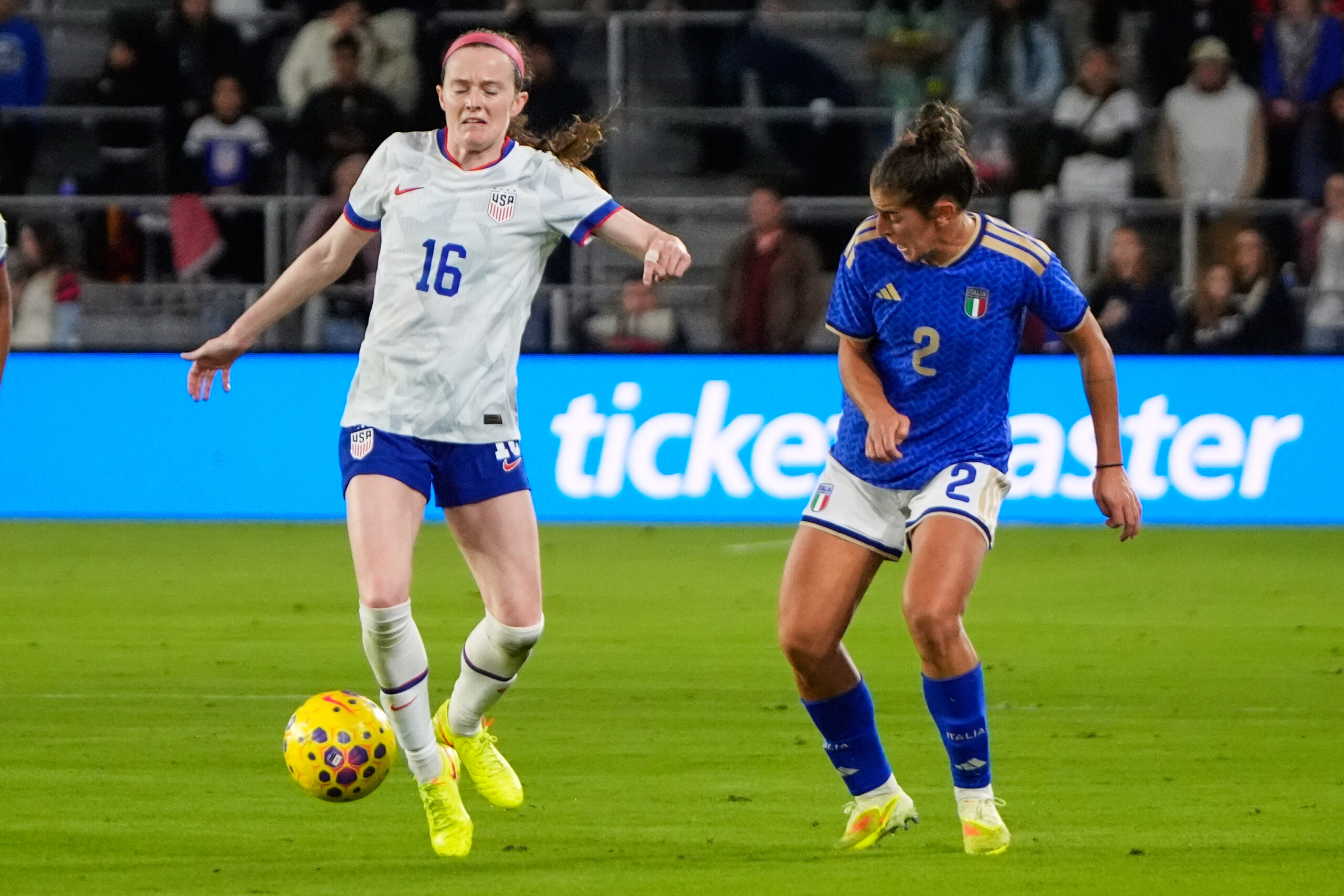
Catarina Macario (right) likely is leaving Chelsea after three years at the London club.
U.S. manager Emma Hayes has made it clear that she won’t call in players who haven’t been playing for their clubs lately. That makes sense. Still, Monday’s news raised some eyebrows. Hayes was not surprised to be asked about the two stars and said she would have called in both, were they healthy.
“‘Soph’ and I spoke, and she’s just not ready,” she said, noting that the Thorns didn’t deem her fit yet either. “The return to play protocol, it’s just not given her enough time, I think, for her to be in the place that she wanted to be in. So it’s right that she’s not part of this squad, however much I want her to be.”
The manager described Macario as “getting closer and closer [to returning] every day” and said she didn’t know when the forward will return to club action.
“She’s not available for selection yet at Chelsea. ”I don’t know when that is going to come — I don’t know if it’s a week, two, three weeks away.”
The situation is different with two other major absentees. Mallory Swanson, the third member of the “Triple Espresso” forward line, is also a new mother and hasn’t returned to work with the Chicago Stars. Centerback Tierna Davidson has resumed training with Gotham FC after a torn ACL last year — “we’ve missed her,” Hayes said — but isn’t yet in game shape.
“A player coming back from injury, you have to give them the time to be able to find their best version of themselves,” Hayes said. “I expect Tierna, when she is cleared to play for Gotham, to be competing, to come back into this side as soon as she, ideally, starts competing for Gotham on a regular basis. But most importantly, when her body is ready.”
As for players who are on the 26-woman squad, the battle to be the new starting goalkeeper is one of the biggest stories. Phallon Tullis-Joyce, Claudia Dickey, and Mandy McGlynn are the three on this squad as the competition continues.
Tullis-Joyce has the most club pedigree at Manchester United, at least for now. But she hasn’t always looked the part in a U.S. jersey. Dickey, of the Seattle Reign, has looked sharper in starting five of the last seven U.S. games, though Tullis-Joyce missed December’s games with an injury and January’s as they weren’t in a FIFA window.
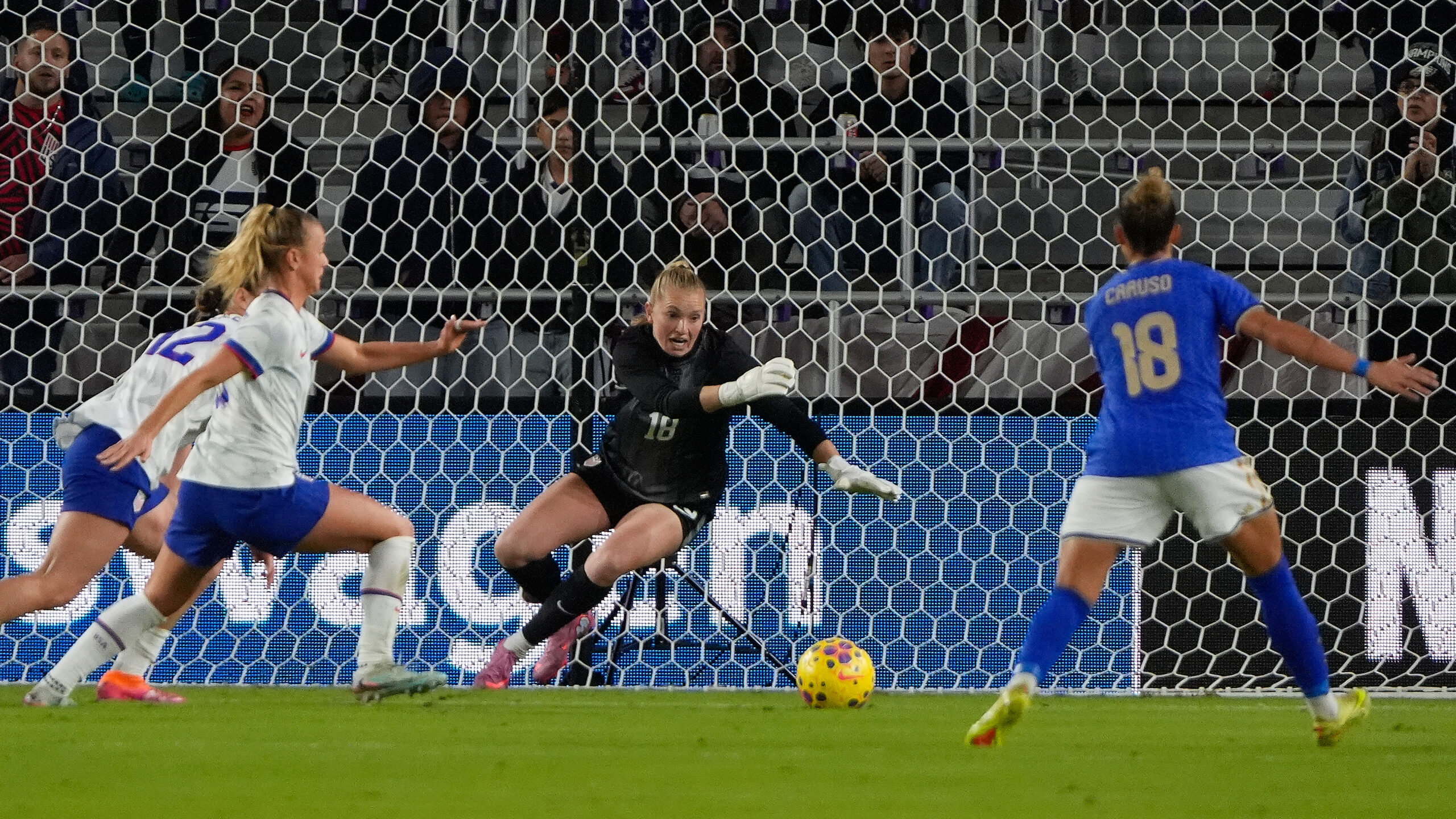
Phallon Tullis-Joyce hasn’t played for the U.S. since the Americans lost to Portugal in October at Subaru Park.
“I’ve been really happy with Claudia Dickey and Mandy McGlynn from [the] last camp,” Hayes said. “With Phallon, we didn’t get the chance to select her because she was injured in the back end of November, December, so I’m looking forward to having Phallon back with the group. And, for now, I’m happy with this group.”
The U.S. will play Argentina, Canada, and Colombia in this year’s tournament, on March 1, 4, and 7, respectively. Sports Illustrated Stadium in Harrison, N.J., will host the last day’s doubleheader, Argentina-Canada and U.S.-Colombia. As ever, a sellout crowd will be expected, with a few Philadelphia accents in the stands from fans making the trip north.
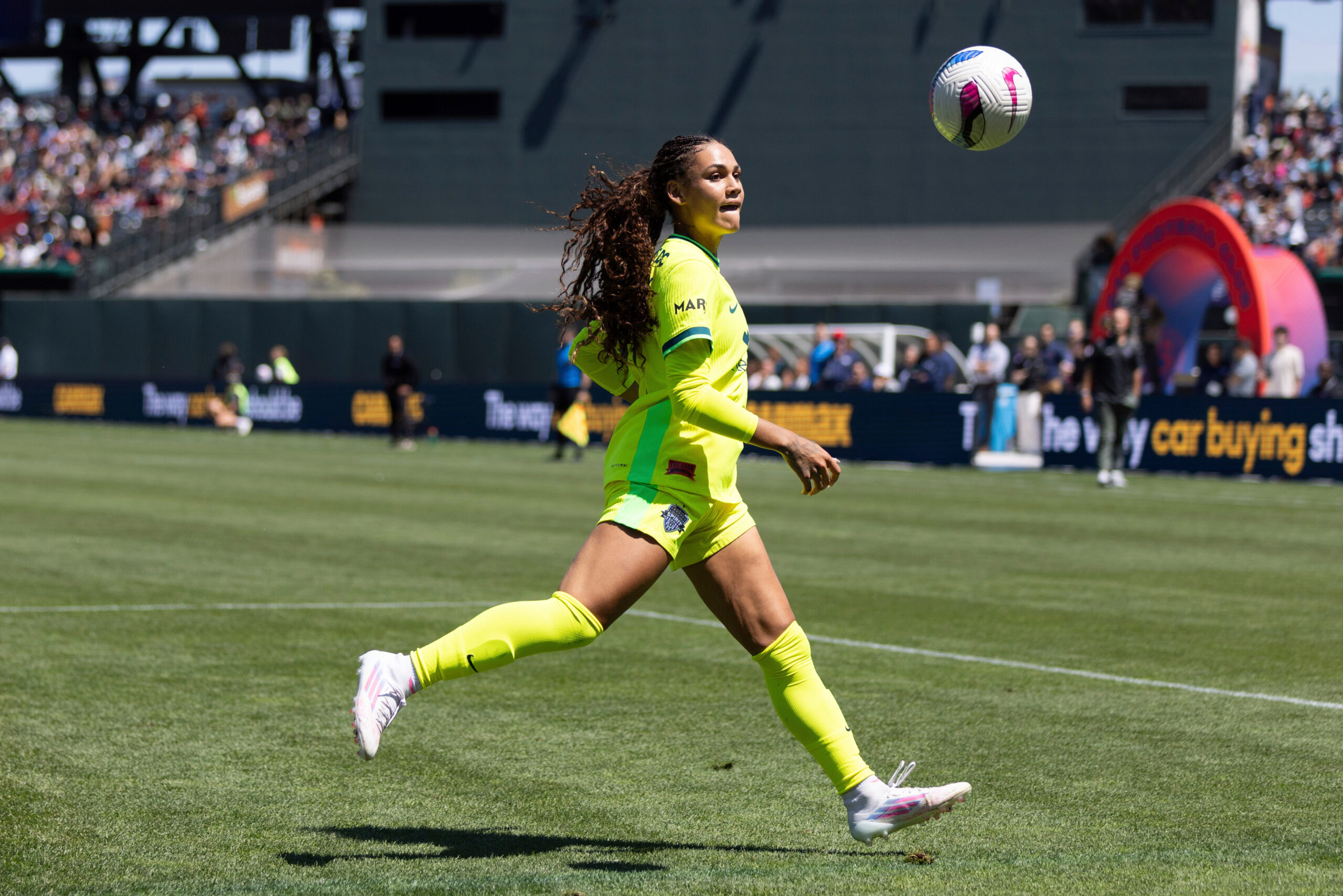
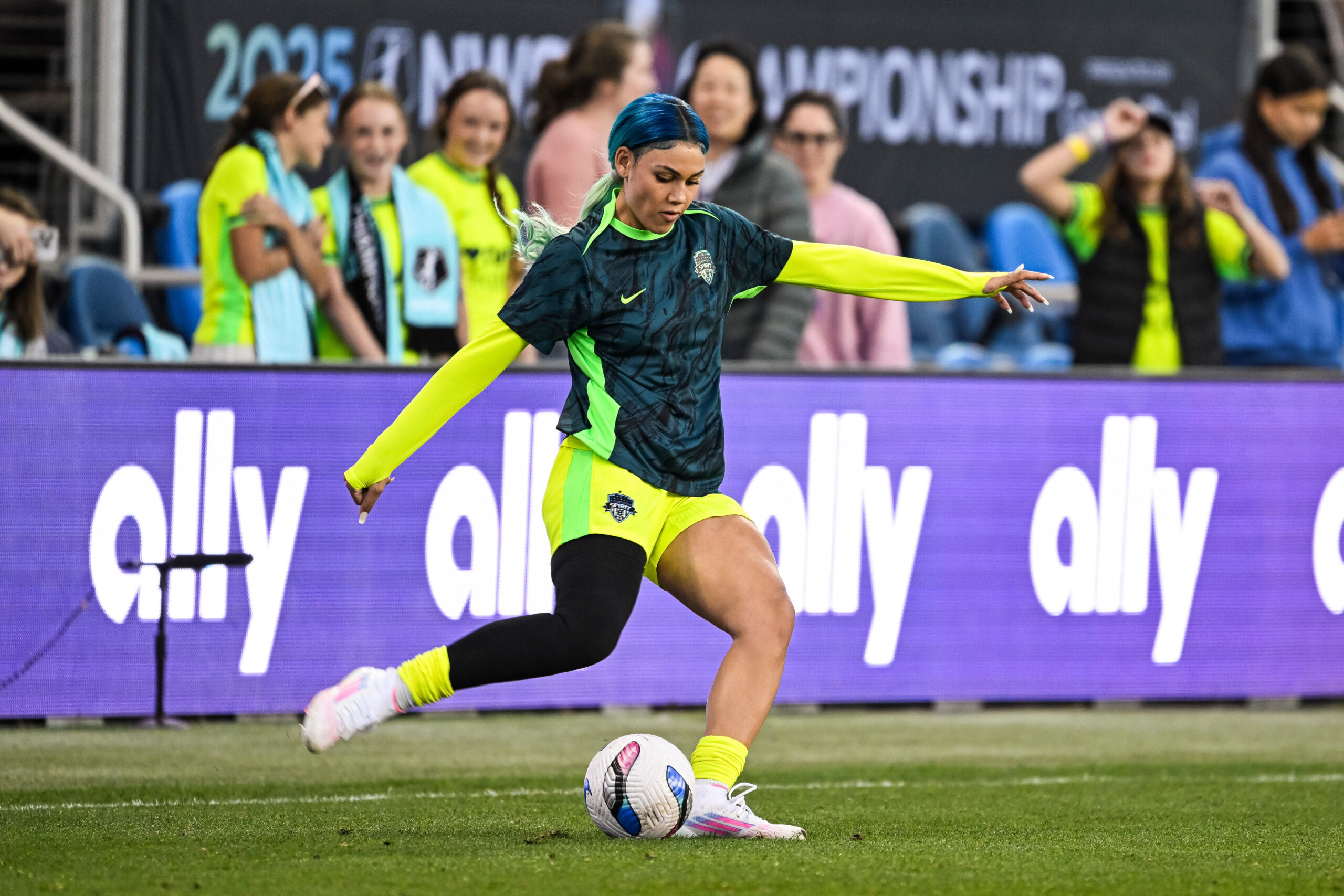
Six days later, the NWSL season will kick off in Washington with Rodman’s Spirit hosting Wilson’s Thorns. That will be Rodman’s first game since signing her big new contract in D.C. The potential for Wilson to return to action that night will make it an even bigger occasion.
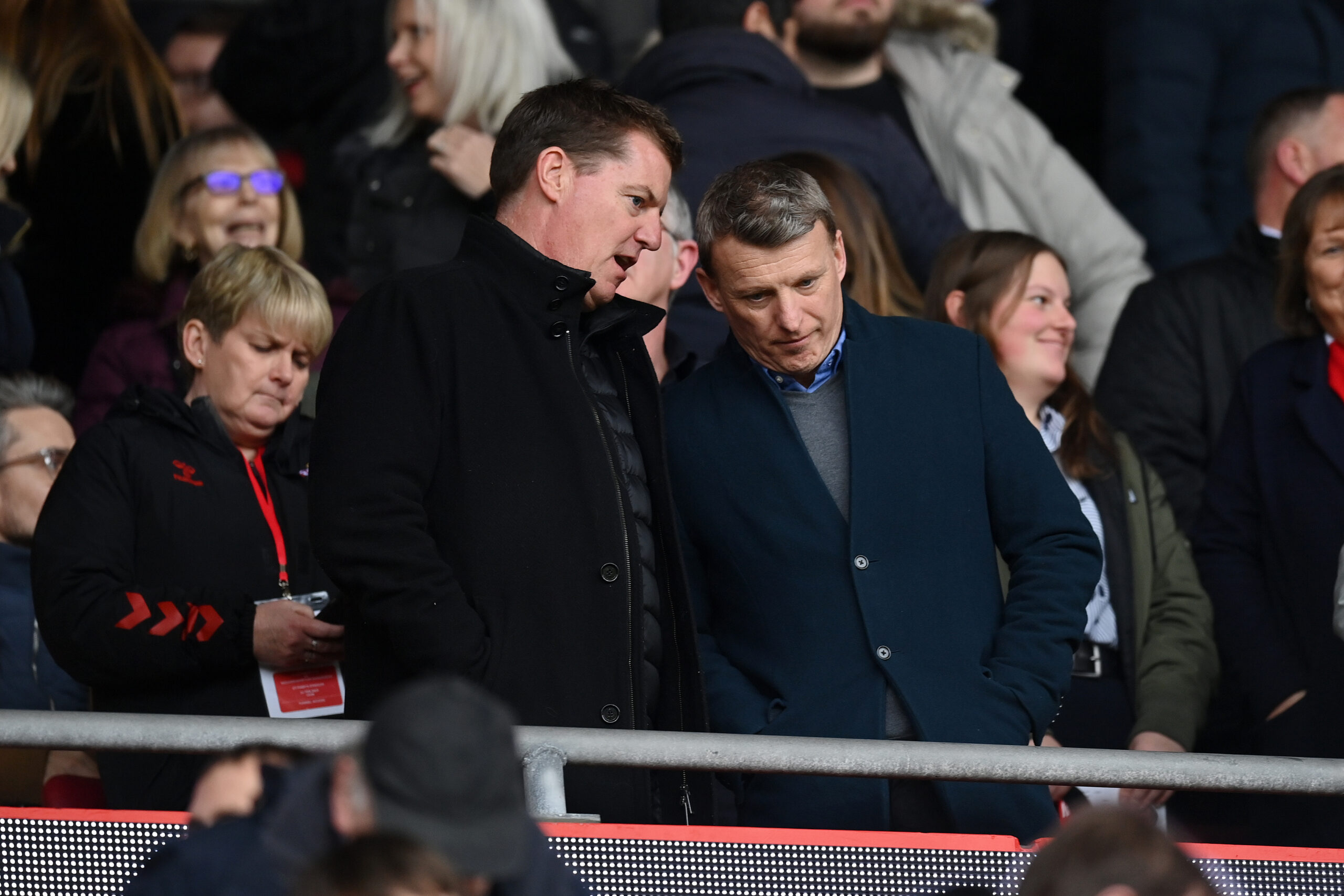
U.S. Soccer Federation sporting director Matt Crocker didn’t invent his slogan of choice, but that’s no reason not to use it.
“If we do what we’ve always done, we will get what we’ve always got,” he said in a seminar at the United Soccer Coaches Convention last month. He said it at another event in December, too, and has no doubt said it many other times in his tenure so far.
The message might even be getting through, helped by Mauricio Pochettino and Emma Hayes’ big-ticket successes lately with the senior national teams. But the people Crocker really needs to reach don’t work for his employer. In fact, they’ve historically worked against it.
America’s youth soccer industrial complex — a phrase whose accuracy is confirmed at every convention — doesn’t like being told what to do by the sport’s governing body, or by anyone else. Many coaches and administrators have long cared more about winning games, making money, and keeping their jobs than about big-picture player development.
Youth soccer tournaments rake in big bucks for organizers and are part of an overall machine that prioritizes winning over development in the American soccer landscape.
For as much as Crocker is judged on the senior national teams’ successes, he is also measured on that big picture. And while he’s happy to let the men, the women, and the youth game do some things differently, he knows how he wants to steer the freighter carrying them all.
His map is the “U.S. Way” program scheduled to roll out this year. It includes some medicine for the youth game to consume, and Crocker is trying to serve it with quite a bit of sugar.
“We understand this is not U.S. Soccer standing here going, ‘You must do this, you must do that,’” he said. “It’s us better understanding your environments. It’s us better collaborating and working with you and giving you the resources — for free — to be able to tap into some of the things that might help you as a coach, that might help you as a club.”
Free sugar certainly tastes good, right?
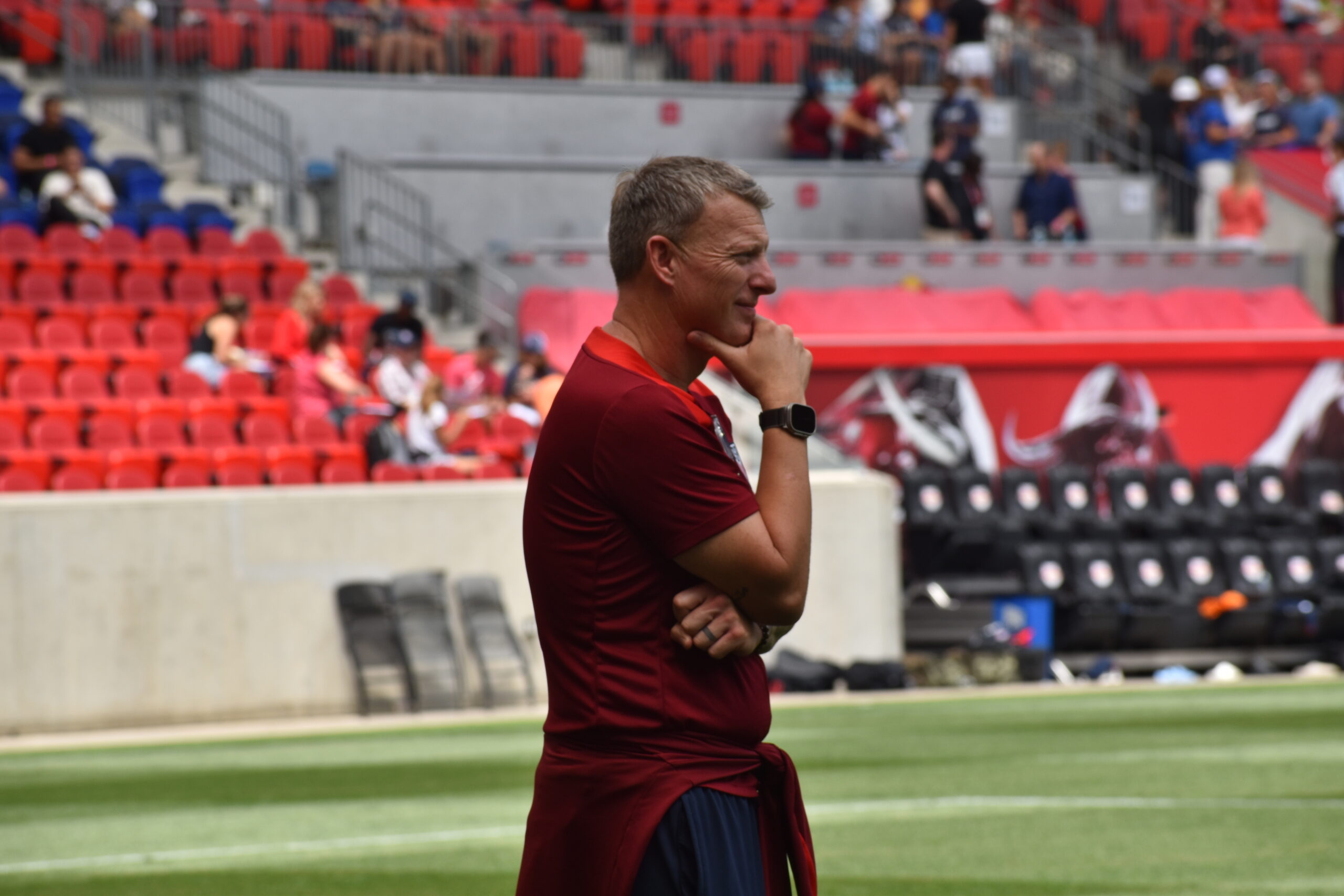
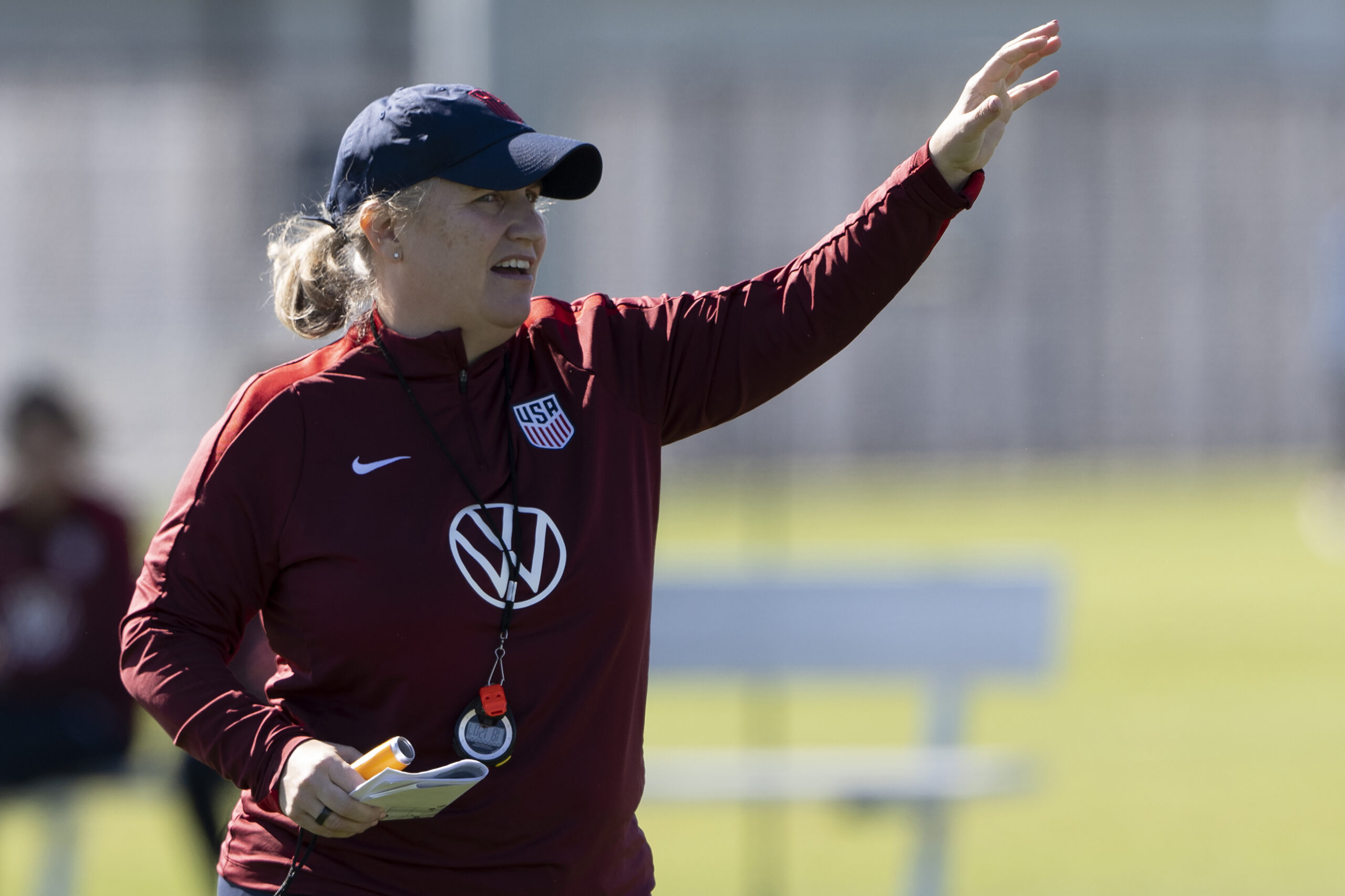
Matt Crocker on the sidelines at a U.S. women’s team practice in 2024.
Crocker’s case is helped by some medicine that U.S. Soccer has taken over the years. Before MLS teams built out their youth academy pipelines (which the NWSL hasn’t even started yet), the governing body ran a residency program for elite teenage boys in Bradenton, Fla., from 1999 to 2017.
From 2007 to 2020, there was also the U.S. Soccer Development Academy league for elite youth clubs. It had strict and often controversial rules for participation.
Both entities are not missed these days, and that proves an important point. Player development is supposed to be the job of clubs, not national federations.
‘The cherry on top’
Even though Crocker has pushed the governing body to fund full-scale youth national teams at every needed age (under-14, 15, 16, 17, 18, 19, 20, and 23, boys and girls), they’re all still meant to be finishing schools. Clubs develop players, then the national teams pick from them.
U.S. legends Landon Donovan (left) and DaMarcus Beasley (right) played in U.S. Soccer’s former academy in Bradenton, Fla.
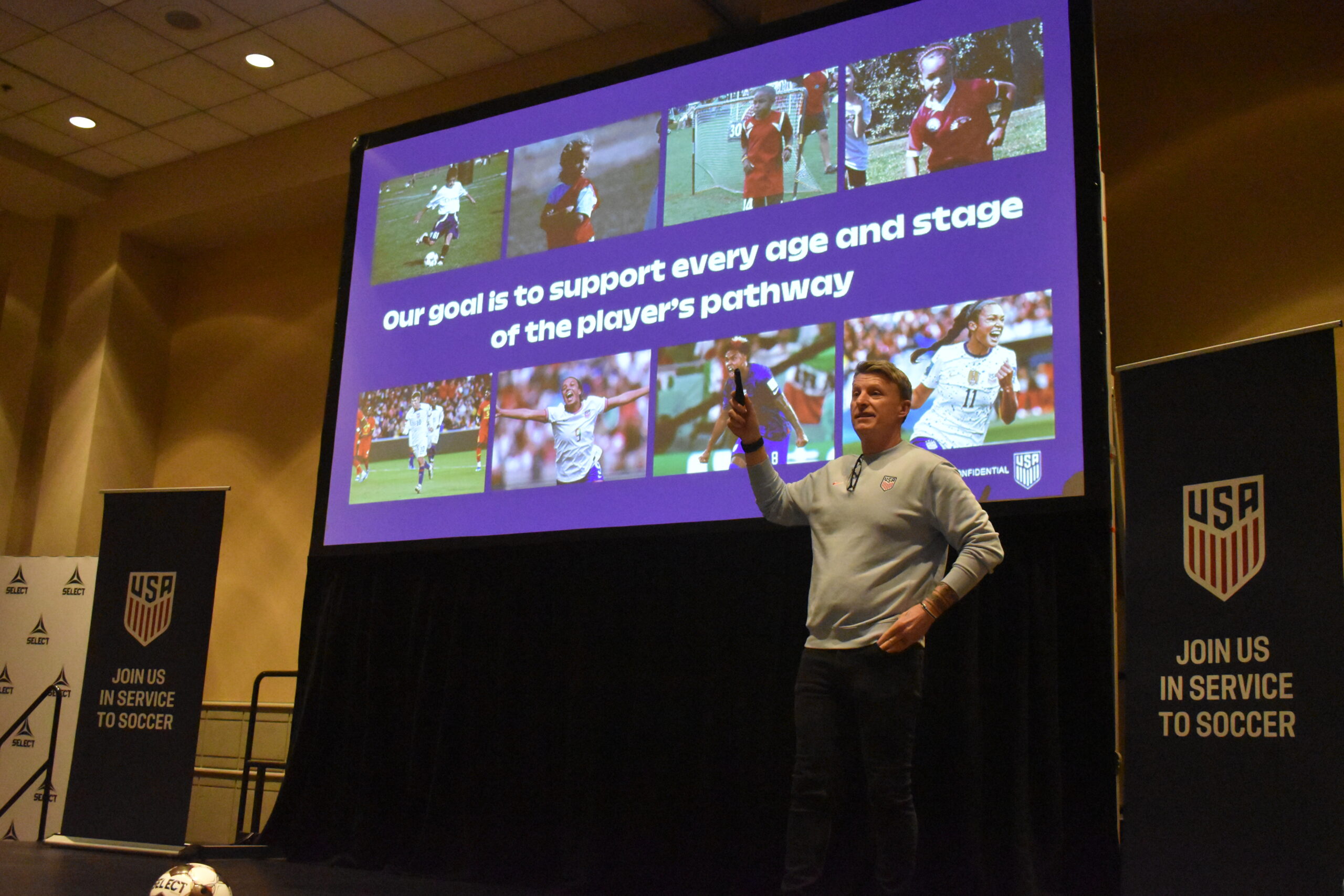
“Without you guys in this room, we all fail,” Crocker said to a room that housed coaches, administrators, and more across American youth soccer. “We can put all our resources into the national teams, but unless we’re improving the quality of the child or young player coming into the system, it doesn’t matter. We just get the opportunity to sprinkle the cherry on the top, and we get 60 days [a year] if we’re lucky.”
Club teams, he continued, “get all that time with the players. You have the opportunity to really kick on player development.”
Some of his remarks went into the weeds, but it’s necessary to understand how player development in soccer works around the world, and how different it is from basketball, football, and baseball.
“When we talk about our international players or the international players that exist in this country, even at that level, 85% of player development happens in club [soccer] — and it starts when they’re 4 ,” Crocker said. “It’s not like as if, as soon as they go to the so-called pro club, whether that be MLS or NWSL, then all of a sudden, when they become a professional player, that’s when they develop. Development happens from the first touch point, the very first touch point at the grassroots.”
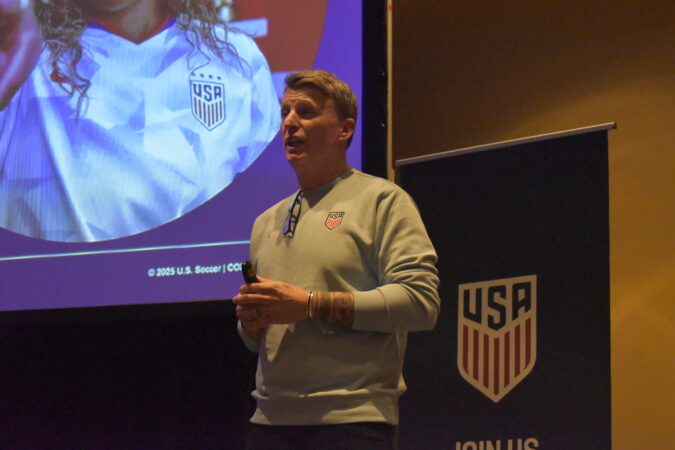
Matt Crocker on stage at this year’s Coaches’ Convention at the Pennsylvania Convention Center.
The crowd in attendance for Crocker’s remarks wasn’t very big, and he noticed from the stage.
“Either the presentation went really well last year, and everybody got all the content that they needed, so [they] didn’t decide to come back, or the presentation wasn’t good enough,” he said of his well-attended speech at last year’s convention.
When Crocker talked about how “there’s a lot of infighting, a lot of players going from one club to another, a lot of teams not playing each other and going further afield” — all of which are true — there was no applause, laughter, or groaning.
“That team can’t play that team, and they go all the way past them and jump on a plane and spend hundreds of dollars to go and play [another] team, because that league fell out with that league,” he said at another point. “Just crazy. This is about children. This is about the best opportunities for children.”
About 10 minutes in, Crocker got ready to slip in the medicine. But first, he offered a little more sugar.
Meanwhile, the crowd for Matt Crocker isn’t great.
But those who are here have just heard him give a lot of praise to the culture of the Union’s academy, which he visited yesterday:
“I think I opened last year with the same thing, which is player development happens in your clubs and your environment,” he said. “And our job in U.S. Soccer is to recognize that, celebrate it, and support you in doing the best jobs you can in really really challenging difficult situations.”
Then he went for it.
“Basically, our job is to define as the federation, as hopefully the leaders in soccer, to be able to give you guys clear guidance over: we believe youth development needs to look like this in the future,” he said. “And these are the things that we believe you could do to support a better quality of child, of player, achieving a better experience within the game in the future. So, us as a governing body finally putting the stake in the ground and going, ‘This is what we believe in.’”
He offered a little more sugar just to make sure it went down.
“Our job is not to tell you,” he said. “Our job is to show you these things can work and hopefully positively influence you to want to come and be part of the things that we’re talking about.”
A few minutes later, he went back to the medicine — this time, with something he knew is close to sacrilege in some parts of youth soccer.
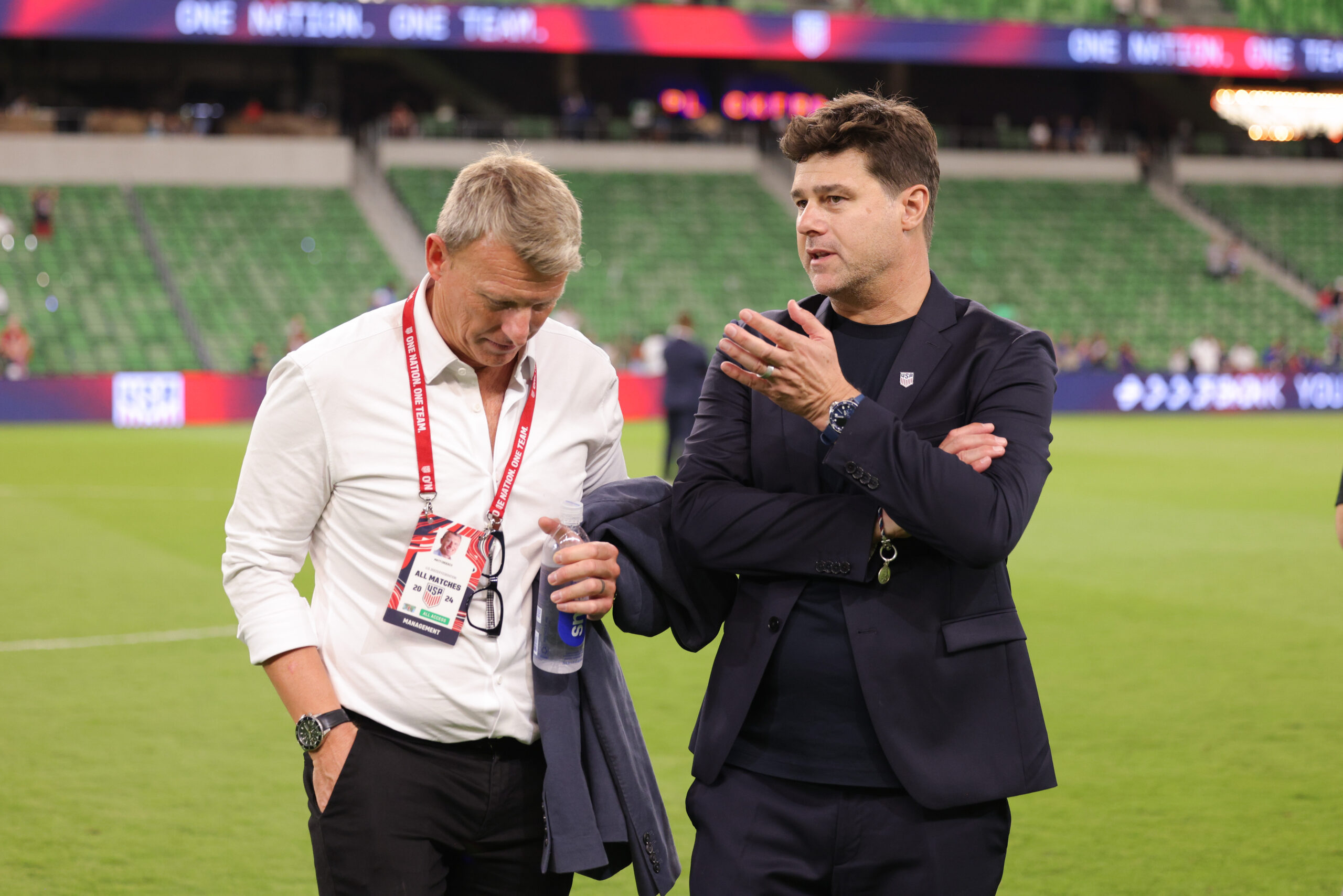
Matt Crocker (left) in a conversation with U.S. men’s national team manager Mauricio Pochettino.
“Our job as U.S. Soccer is to educate clubs, coaches, parents on when you are looking for your team next year, don’t automatically bring up the league table of winners and go, ‘I want my son to go there or daughter to go there because they must be the best club,’” he said. “That might not be the right environment for them. We need to start to make sure that we promote and value clubs that do great player development.”
The day before Crocker spoke, he visited the Union’s facilities in Chester. It wasn’t his first time there, but it was his best chance yet to actually see the whole place, from the youth academy on up. He raved about it, just as Pochettino did when he came to town and counted the Union alumni on his squad.
“You see the culture that exists in that building,” Crocker said. “You see the kids smiling, and they’re in education — this is not even when they’re on the field to play. The education and the soccer go hand in glove, and it’s really just a great environment to see.”
WSFS Bank Sportsplex in Chester is the site of the Union’s entire operation from its youth academy to senior team.
Crocker tied all of this together with slides showing how many players in the world’s top 250 and 1,000, based on club success, come from various countries. He hired sports consulting firm Twenty First Group to crunch the numbers for him, and the result was clear.
In women’s soccer, it’s seven or more in the top 250. From 2016-25, the U.S. averaged 80 players at that level, by far the most; and only England had a higher major-tournament winning percentage. In the top 1,000 players, the U.S. had 180, almost 20% of the total.
Those teams, the data said, usually win at least 50% of their games in major tournaments, a benchmark “associated with consistently reaching the quarterfinals or later.”
But reduce to the top 50 players, and the U.S.’ portion has gone down lately.
“There’s this chasing pack now who are doing more youth development than they’ve ever done before,” Crocker said. “So the challenge in the women’s game is how do we maintain our top 180, but how do we get more players in that top 50?”
The U.S. women’s soccer team has long had a much bigger player pipeline than the rest of the world, but that’s starting to change.
In men’s soccer, the success benchmark hits when a nation has four players in the top 250, or 15 in the top 1000. In the same 2016-25 time period, the U.S.’ average was zero in the top 250 and 5.8 in the top 1,000.
“Any team can win at any moment,” Crocker said. “But what we’re talking about is consistent, sustained success over many, many years … Clearly this picture doesn’t put us in that situation.”
His goal is to get to 15 in the top 1,000, the men’s benchmark for a 50% win rate. And he returned to the top 250 to push home the final message.
It’s no surprise that the top five teams over the 10 years surveyed are Spain, France, Brazil, England, and Germany. But England was far off the pace at the start of the period: 15 players in the top 250 compared to Spain’s 49. Since then, they’ve steadily risen from 18 in 2018 to a table-topping 30. Spain is now second with 26.
The Twenty First Group researchers don’t think it’s a coincidence that England has reached two European Championship finals and a World Cup semifinal in that time.
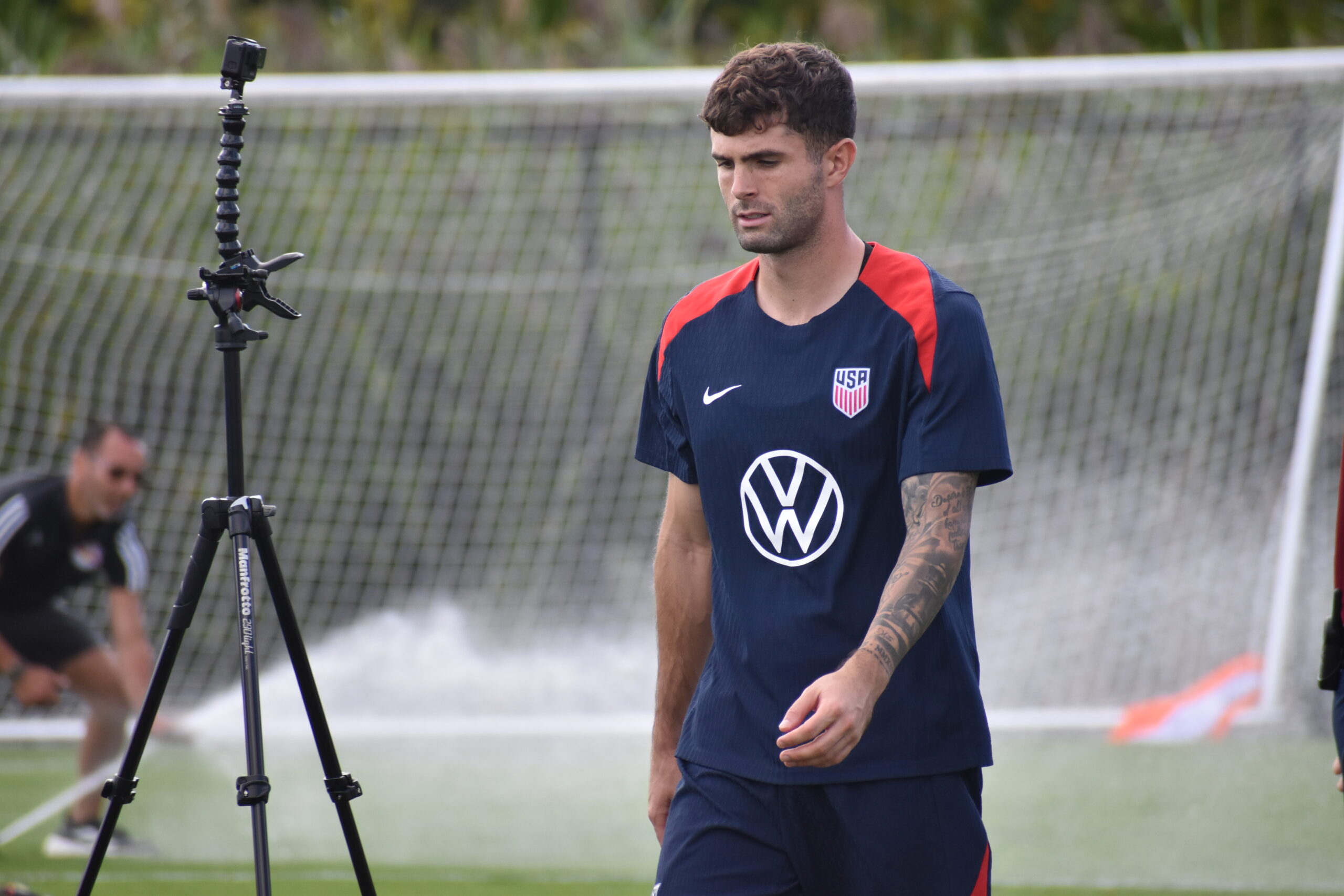
Christian Pulisic is one of the few American men’s soccer players who is considered truly world-class.
And was it a coincidence that Crocker was the technical director of England’s Football Association from 2013-20, launching the “England DNA” program for the nation’s youth national teams along the way?
As he told The Inquirer in December, scaling that program up to a country the size of the United States — in both population and geography — is a gigantic task. But he knows where he wants to get to, and his U.S. Soccer colleagues used the rest of the convention to start to lay out the specifics.
“Currently, we have a landscape where it’s totally, I think, not ungoverned, but there’s not consistent standards across the whole country or best practices,” Crocker said. “We want to come to you, we want to be clear and concise about: if you want to be a club and you want to operate in this landscape, this is what best practice looks like. And we want to work with you to get to those best practice outcomes, and we are not going to to accept lower standards.”
The sugar tasted good. So will the right people take the rest of the medicine?
Matt Crocker (right) worked at England’s Football Association, and at the club level with Southampton.
“This is not going to be an inspector coming in with a clipboard telling you all the things you’re doing wrong,” Crocker said. “This is U.S. Soccer going [for] health checks coming into your environments: where are you, what do you need, this is what good looks like, this is where you are. How do we work together to solve these things?”
By the end of the seminar, the crowd hadn’t revolted yet. It remained small, but greeted the end of Crocker’s prepared remarks with applause.
“You’ll walk away from here today, and you’ll either say that was great, or that was whatever,” he said.
PARIS — United States international Crystal Dunn has retired from professional soccer after a decorated playing career to spend more time with her family.
The 33-year-old New York native helped the U.S. win the 2019 women’s World Cup and the gold medal at the Paris Olympics.
“This decision has not come easily, but I am at peace and deeply fulfilled with all that I have accomplished,” she wrote in an Instagram post Thursday. “I’ve achieved nearly everything I dreamed of in this sport and gave all I had to give.
“I’m ready to embrace the life that awaits me on the other side. I look forward to spending more time with my family and being a more present mom.”
Dunn was under contract with Paris Saint-Germain, which said Thursday that both sides agreed to end their collaboration. A versatile player who contributed from multiple positions, Dunn joined PSG in January 2025 after leaving Gotham FC of the NWSL. She made nine appearances for PSG, scoring two goals and providing two assists.
Dunn appeared in 160 games for the United States, scoring 25 goals.
“As one of the first Black stars of the U.S. women’s national team, especially as a field player, Dunn has long been a role model to many young players of color across the country who aspired to reach the highest levels of the game,” the U.S. Soccer Federation said in its announcement about Dunn’s retirement.
“Dunn’s career will be remembered for her versatility, her tremendous one-on-one defending, her ability to perform far above her size (5-foot-1), her popularity among her teammates, her ability to inspire generations of U.S. Women’s National Team players and for a heck of a lot of winning.”
Before Gotham, Dunn played for the Portland Thorns and took most of 2022 off for the birth of her son, Marcel. She also had stints with the North Carolina Courage, Chelsea, and the Washington Spirit.
Though Trinity Rodman’s contract saga has at last been resolved with her re-signing, the controversy over the NWSL’s High Impact Player rule likely won’t die down soon.
It remains the subject of a grievance by the NWSL Players Association, which claims the rule should have been collectively bargained; and it remains unpopular with many fans, for a variety of reasons.
The league’s commissioner, Jessica Berman, does not mind being the main target of that ire.
“I very much stand behind the decision and the process,” she told The Inquirer in an interview on Friday. “We intentionally negotiated for the right to do exactly what we did, which is to develop a specific rule for a specific classification of players which there is a reduced salary cap charge, so long as we consult in good faith with the Players’ Association. And I want to reinforce that’s exactly what we did in this context.”
The NWSLPA disagreed.
NWSL Players Association Statement on League’s Unilateral Implementation of the High Impact Player Rule:
“At no point in time in CBA negotiations or any time prior to the end of 2025 did [the] NWSL articulate a plan to impose a separate pot of funds with a new cap and eligibility criteria that were unrelated to roster classifications by any name,” NWSLPA executive director Meghann Burke told The Inquirer via email. “We disagree with NWSL’s representation that it consulted with the NWSLPA.”
Burke claimed that the first “written communication” she got on the proposal came on Dec. 11, and the union registered its objections after multiple board meetings in the ensuing days. The league announced the rule on Dec. 23, and said it will take effect on July 1.
Washington Spirit superstar Trinity Rodman’s threat to leave the NWSL in free agency sparked the league to adopt the High Impact Player rule.
Berman acknowledged the grievance in saying that “as in all labor relations in professional sports and otherwise, the union and the league can disagree,” and the league will follow the established procedures for resolving disputes.
“We are very confident in our position,” she said. “We have been contemplating different iterations of a potential rule or policy like this for a long time, and for that reason, we negotiated into the CBA the specific right to move forward with this if and when we believed it was appropriate.”
If there’s enough money going around to give each of the 15 clubs $1 million from the HIP pot, why not just raise the salary cap by the same amount?
“At some point, the board and NWSL are going to have to realize that increasing the cap — while retaining it — is in their own best interests,” said Burke, whose union has been loudly calling to raise the cap. “Until then, we stand ready to enforce the terms that were negotiated.”
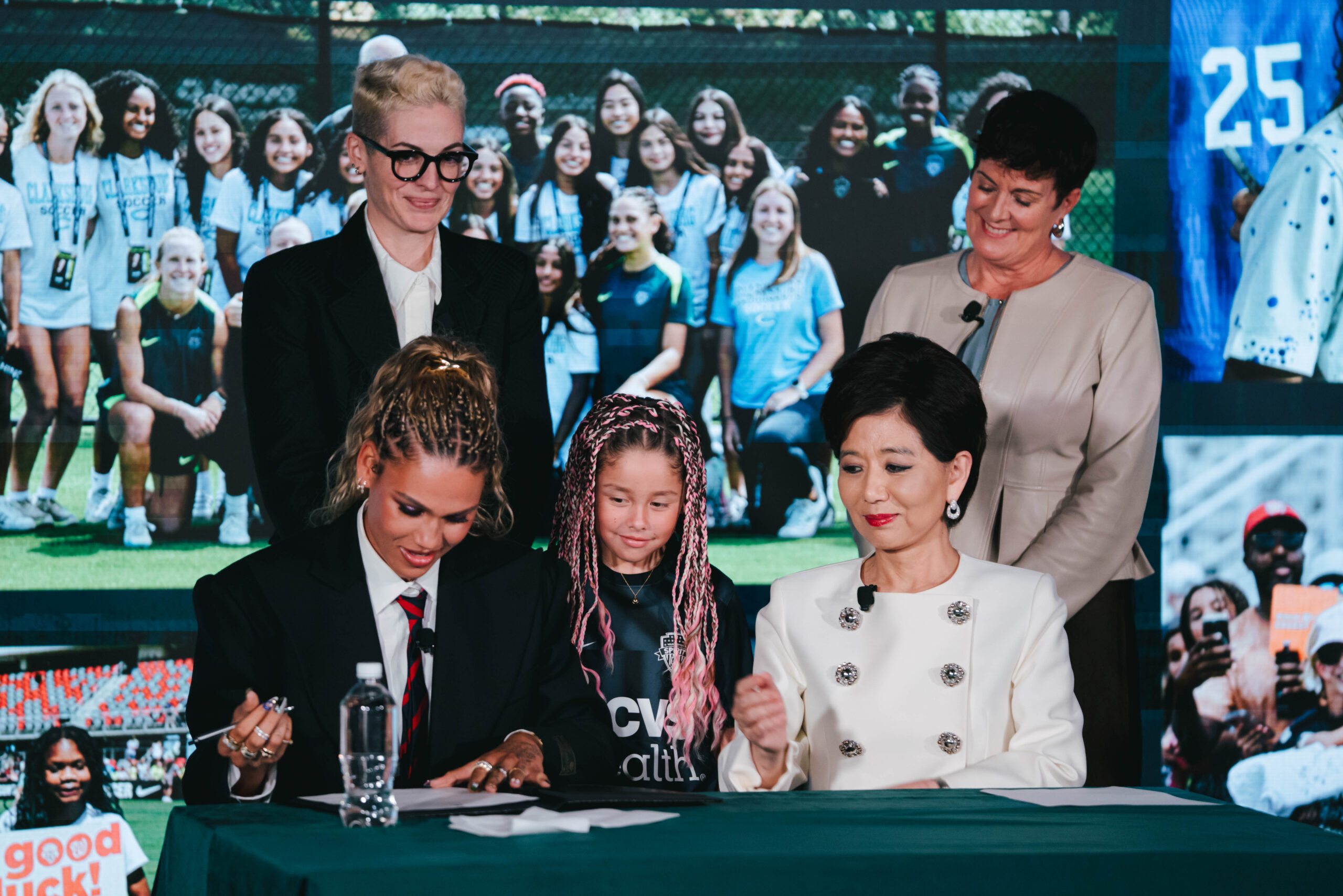
Trinity Rodman (bottom left) signing her new contract on Thursday.
Berman started the league’s case by bringing vice president of player affairs, Stephanie Lee on the call to give more context.
Lee, who previously worked in the front offices of Gotham FC, the Utah Royals, and the Seattle Reign, noted that a player who gets HIP money must have a salary cap charge of at least 12% of the teamwide base cap, which for this year is $3.5 million.
Teams also can’t get cap relief from the rule unless they hit the cap in the first place. Up to that point, the player’s salary is charged to the regular payroll.
“As they roster build throughout the year and through [transfer] windows and different transactions, there’s flexibility there to how they designate players and take advantage of that HIP [money],” Lee said. “It’s not something that they have to decide at the beginning of executing a player’s contract.”
A league spokesperson added that teams can retroactively apply the money to a player when they hit the cap by signing other players, so they can go over the cap to keep everyone they want to.
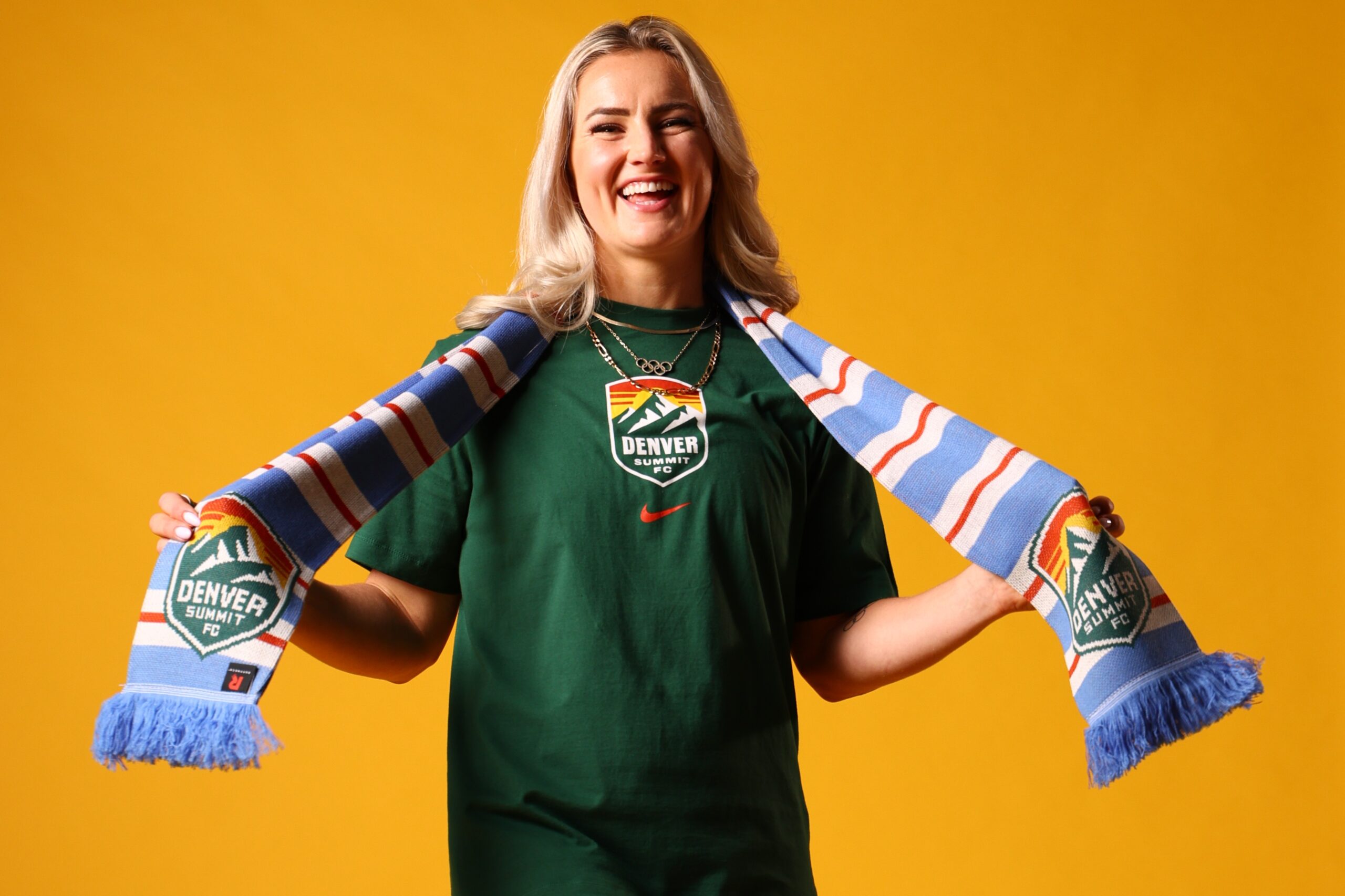
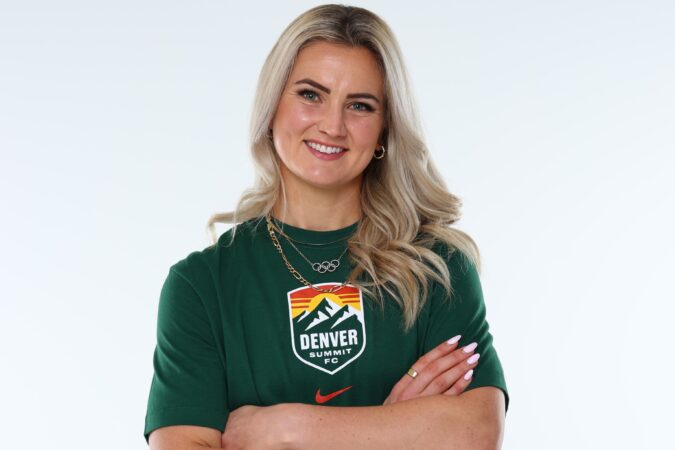
U.S. women’s national team captain Lindsey Heaps is expected to be paid through the HIP rule when she joins her hometown Denver Summit in the summer.
Why limit who can get the money?
Then there are the criteria the league laid down to limit which players are “high impact,” from media and marketing rankings to U.S. national team playing time. This also is widely unpopular.
But there’s also a question at a higher level: Why have criteria in the first place? Why not let teams spend the money on whoever they want, as MLS now does with its Designated Player rule, and let teams potentially make mistakes?
“It is the league’s, and in this case our — my — responsibility to be responsible stewards of capital in service of growing the business,” she said. “In this circumstance where we have unlocked the ability for our clubs to spend an incremental $115 million [combined through 2030], it is our job to make sure that it is going to have a relationship to growing our revenue. That growth in revenue will also feed the revenue-sharing mechanism that was negotiated into our most recent CBA, which means that we are incentively aligned with our players to grow this business.”
U.S. veteran Crystal Dunn (right) is one of the most notable players who is not eligible for HIP money.
Burke strongly disagreed.
“Nothing in the CBA,” she wrote, “permits [the] NWSL to create an additional pot of funds (with an entirely new and separate cap) which only some players are eligible for based on ill-conceived criteria unilaterally determined by NWSL, including and especially when those criteria violate the non-discrimination clause in our CBA.”
Does Berman see a day when the league would loosen the reins?
“In the most general sense, we will always analyze the health of our business and the health of the game in the NWSL,” Berman said. “If we believe that there are business reasons for us to modify our rules, we will.”
Jaedyn Shaw (left) is another notable American who isn’t currently eligible for HIP status.
She stood firm again in saying “we feel like we’ve enabled our clubs to invest significantly.” And as she chose her words, she made it clear that the league will push those clubs to invest in specific ways.
“This particular mechanism, that was very prescriptive in what it was developed to address, is important in that it is supposed to help us to target top players,” she said. “Which, as you’ve heard me say many times, is in service of us being the best league in the world. In order for us to be the best league in the world, we need to compete for the best players, and we want this policy to guide the behavior of our clubs so that they can compete financially to attract and retain top players.”
It’s no secret that there’s a fair amount of variance in how much money NWSL teams have in the bank. Nor is it a secret that Washington Spirit owner Michele Kang sits at the higher end of the scale. She had long been ready to spend big on Rodman, and Rodman’s agent has said the three-year deal is worth over $2 million per season.
But when Kang first put a contract proposal on the table, Berman vetoed it for violating the league’s salary rules. A source with knowledge of the offer told The Inquirer that the Spirit would not have been able to pay Rodman and also meet the league requirement of a 20-player roster, even if all the others were on the league’s minimum salary.
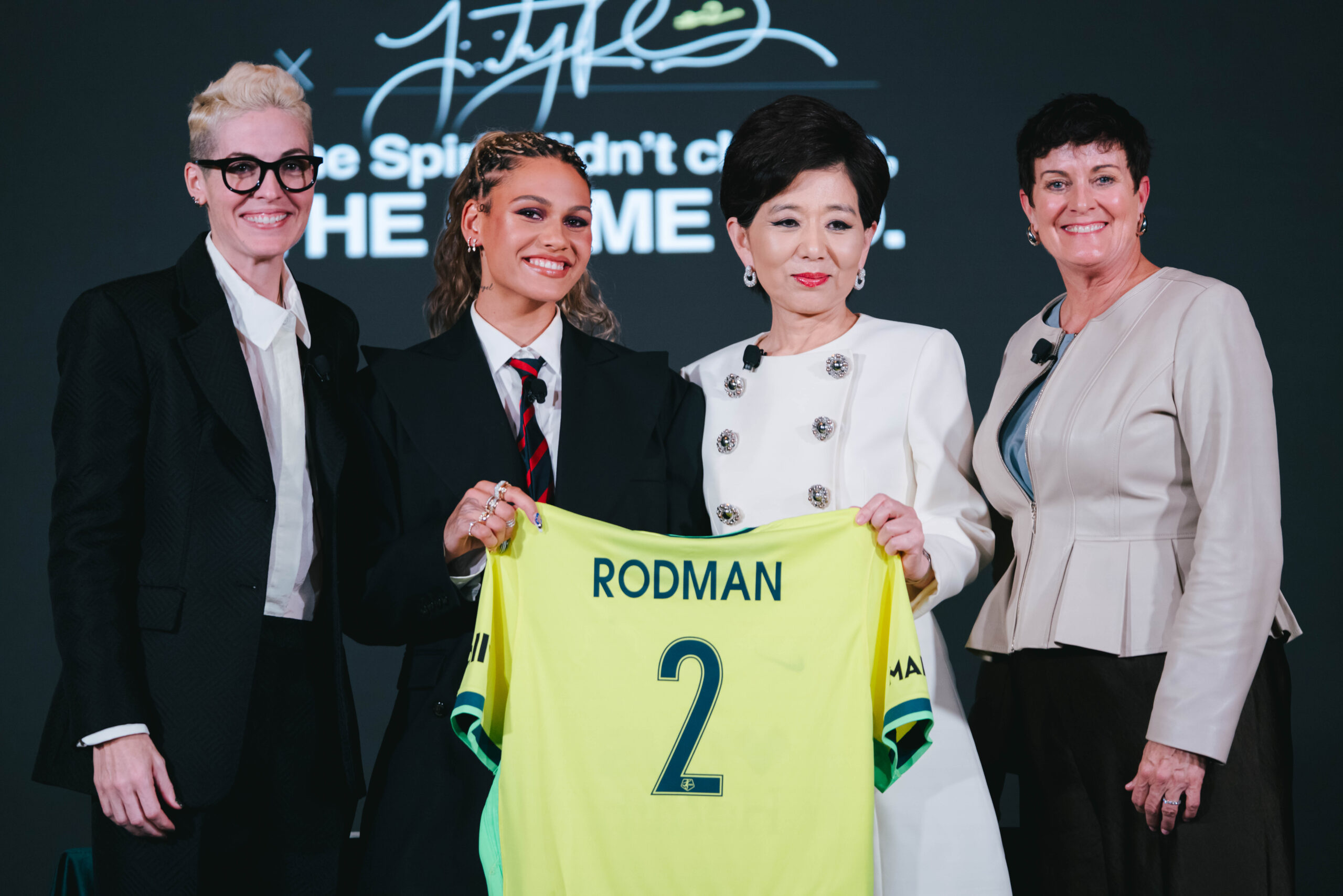
Michele Kang (second from right) with, from right to left, Trinity Rodman, Spirit president of soccer operations Haley Carter, and CEO Kim Stone.
That has led some outsiders to wonder how much resistance there was elsewhere in the league to raising the cap and whether the HIP rule might have been an easier sell. A two-thirds majority of team owners is required to pass a vote.
“It is in our best judgment that the HIP rule is the most strategic mechanism for us to advance the business,” Berman said.
“A rule that has been adopted with such a singular focus on generating revenue is not even about soccer, building a competitive roster to win NWSL games, or meeting a team’s performance needs,” she said, “which are obvious functions of a team when they are constructing a roster.”
Catarina Macario might be the next U.S. star to get HIP money, as there’s speculation she might come to the NWSL in the summer.
Another milestone in all this is expected to arrive when the current European season ends in the summer. There’s been much speculation that U.S. national team star Catarina Macario could come home from England’s Chelsea, and Spanish superpower Barcelona reportedly has nine players on expiring contracts — including stars who’ve fueled the club’s three Champions League titles in the last six years.
Will the NWSL be willing to hit the gas pedal to bring them over?
“We developed this rule very intentionally to put our clubs in a position to compete financially with top clubs around the world for top players, and we believe it will put us in a position to do that effectively,” Berman said. “Without naming specific clubs or naming specific players, it is our expectation that when we look back on this, we will have a list of players that we’ve been able to attract and retain by virtue of enacting this rule.”
Forward Trinity Rodman has agreed to a three-year contract to remain with the Washington Spirit, ending months of speculation about the Olympic gold medalist’s future in the National Women’s Soccer League.
“I think I’ve always had a vision and an idea of what I wanted my legacy to be,” Rodman said at an event announcing her new deal on Thursday in Los Angeles. “And for me, we’re doing that and I’m so grateful for that.”
The speculation over Rodman’s future with the Spirit spurred criticism of the NWSL salary cap and whether it hampered the league from attracting and maintaining top players.
The 23-year-old Rodman became a free agent at the end of last season after five years with the Spirit. One of the biggest stars in the NWSL, keeping her in the league was considered vitally important as other U.S. national team stars, including Naomi Girma and Alyssa Thompson, opted to play in Europe.
Rodman, who won a gold medal with the United States at the Paris Olympics, had been drawing interest from European teams that don’t have a salary cap.
“I can’t think of the Washington Spirit without her,” Spirit owner Michele Kang said. “And I hope she can’t think about her career without the Washington Spirit. So this is really monumental and it was really important, not only for the Spirit, especially for our fans who expect to see her. They come to Audi Field and that’s where Rowdy Audi clearly came out.”
Rodman said she always wanted to stay with the Spirit
“Making my decision, the one question I was asked was: ‘Do you feel like you’re finished with the Spirit? Can you say that and feel confident leaving?’” she said. “I didn’t even need half a second, and I was like, ’No, I’m not. I don’t feel ready to make a different decision. That’s just, again, getting drafted here and developing and maturing and learning – and failing – at the Spirit, in D.C., it’s become so much of my legacy and my story. But on top of that, I still feel like there’s so much more I have to give and so much more that I want to do.”
The Spirit and Rodman had previously struck a multi-year deal that both parties maintained was in compliance with the salary cap, but it was rejected by the league because it went against the spirit of the rules.
The National Women’s Soccer League Players Association filed a grievance claiming that the NWSL’s rejection of the contract violated Rodman’s free agency rights and violated the collective bargaining agreement.
To address the salary cap issue, the NWSL in late December adopted a “High Impact Player” mechanism that allowed teams to spend up to $1 million over the cap to sign players that meet certain criteria. Those included metrics like national team minutes, inclusion among the 30 candidates for the Ballon d’Or or player rankings by outlets like the Guardian or ESPN.
The NWSLPA filed a grievance over the rule, claiming it violated the collective bargaining agreement and federal labor law because player compensation must be negotiated. The NWSLPA maintains the league had no authority to “unilaterally create a new pay structure.”
Spirit President of Soccer Operations Haley Carter said the High Impact Player rule figured into the contract Rodman ultimately agreed to. Carter also said the grievances would not alter Rodman’s deal.
Rodman is currently with the national team in their annual January training camp in Carson, California. The team plays a match there against Paraguay on Saturday and then plays Chile on Tuesday in Santa Barbara.
Rodman has 47 appearances and 11 goals with the national team, more than any other player on the latest roster. She played in one U.S. match last year, a 2-0 victory over Brazil in April, because of injuries.
Washington Spirit president of soccer operations Haley Carter knows better than anyone that Trinity Rodman’s future is the biggest story in the women’s game right now.
Carter also is sworn to secrecy over the superstar’s contract talks, a fact she reiterated as she spoke Thursday at the United Soccer Coaches Convention here at the Pennsylvania Convention Center. But that did not stop her from talking about Rodman in other ways, including her impact on the NWSL and the sport as a whole.
Carter saw The Inquirer’s recent feature on U.S. captain Lindsey Heaps, which made the point that only five teams in Europe are at a truly high enough level to be worth it for the top American talent: England’s Arsenal, Chelsea, and Manchester City, France’s OL Lyonnes, and Spain’s Barcelona. All but Barcelona have top U.S. players, with City signing Penn State product Sam Coffey this week.
A veteran of two NWSL teams’ front offices, two national team coaching staffs, and the Houston Dash bench as a player, Carter agreed with the point. Many other teams in Europe are trying to raise their games, but none has reached the level of those five yet.
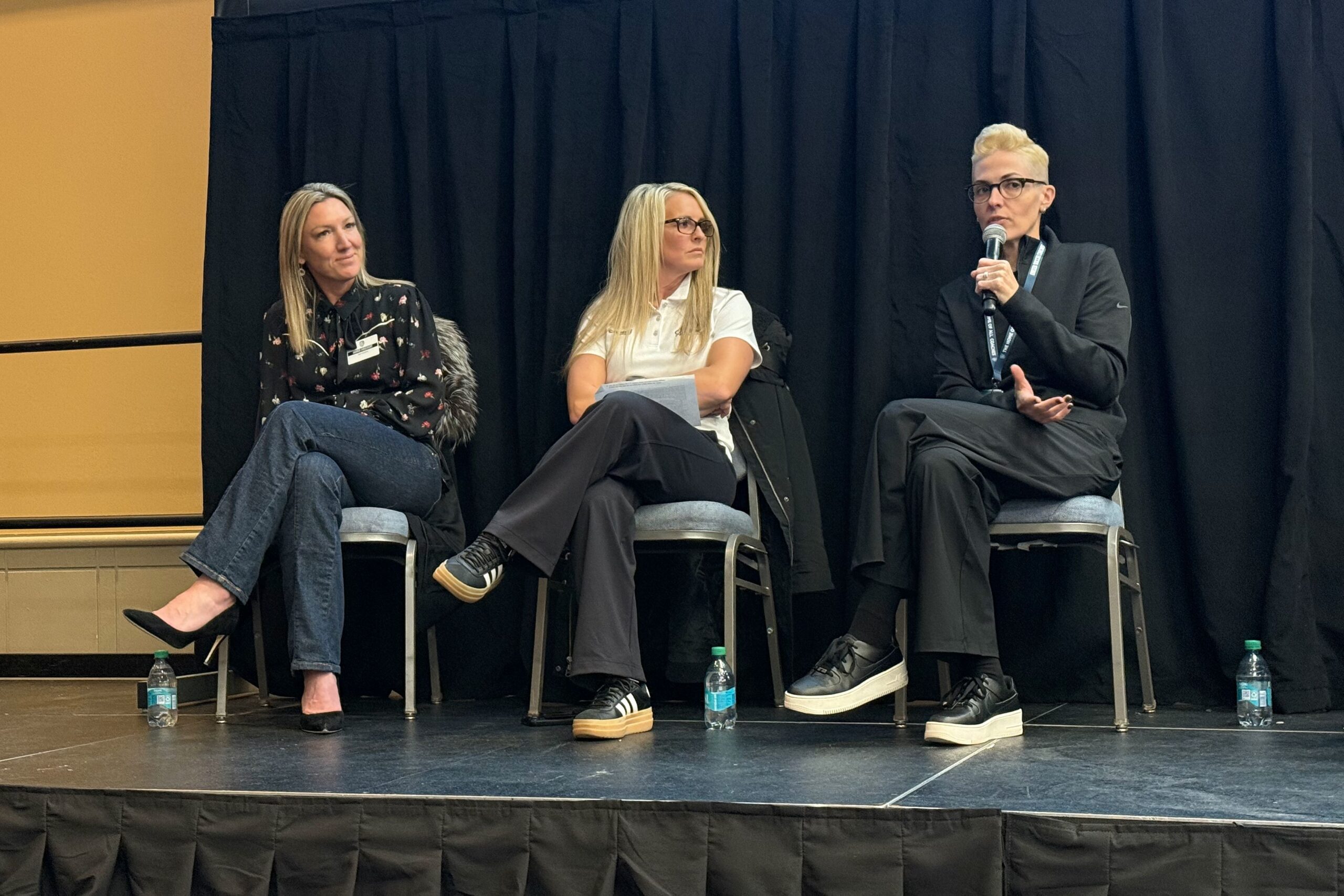
Haley Carter (right) speaking on a panel at the United Soccer Coaches convention on Thursday with USL Super League president Amanda Vandervort (left) and Women’s Premier Soccer League commissioner Kendra Halterman (center).
Does that matter when trying to sign not just Rodman, but other players from around the world?
“We’re not necessarily competing with leagues, per se, for U.S. talent — we are competing with very specific clubs, and we have to be cognizant of that” Carter told The Inquirer. “That being said, though, more teams and more leagues are starting to make major investments. So the number of teams that we’re competing with is going to grow every year, right?”
Indeed it is, and many have said the NWSL should compete accordingly. Raising the salary cap by $1-2 million this winter would be the fastest way to do it, and far less controversial than the league’s High Impact Player status that is set to take effect in July.
The NWSL Players Association formally filed a grievance against that on Wednesday, six weeks after filing a grievance over commissioner Jessica Berman’s veto of a contract that Spirit owner Michele Kang offered Rodman.
Washington Spirit owner Michele Kang already offered a contract to superstar Trinity Rodman, but it was vetoed by NWSL commissioner Jessica Berman.
It is widely understood that Rodman wants to stay in Washington but wants a deal that will pay her what she’s worth. Kang, who also owns OL Lyonnes and England’s London City Lionesses, is clearly ready to offer it.
Rodman isn’t just a star in the U.S.
For now, everyone else is stuck waiting. But that did not stop Carter from offering a few words in a seminar Thursday that will raise the heat a bit.
“The reasoning behind having a salary cap is to have competitive parity,” she said. “And I think you hear the phrase ‘best league in the world’ thrown around a lot about the NWSL, but the reality is we are the most competitive league in the world; we are not the best league in the world. I wouldn’t even know how you would measure that.”
There surely are ways, whether subjective or statistical. The former would include the endorsements international players make when they come over here, such as one Gotham FC and Spain striker Esther González gave to Sports Illustrated last year.
“Every match you play in, you have to prepare like it is a final,” she said. “There are a lot of international players who are at the top of their game and want to play in the NWSL, and there’s a reason for that.”
Esther González (right) on the ball for Gotham FC during last year’s NWSL championship game.
Carter said that point “still resonates with players. Players want to play in a league where every match is a meaningful match.”
But some of her other remarks, on the business side of the game, might have framed Rodman’s importance even more strongly.
“How can we tap into that international fan base and find a way to monetize that?” Carter said. “If you look at Trinity Rodman for instance — Trinity Rodman’s kit sells like crazy in the U.K. How can we do that for more of our athletes? How do we create that buzz and excitement?”
Rodman’s jersey sells plenty well in the U.S. too, whether it’s her Spirit one or her U.S. national team one. Just the potential of her presence at Washington’s Audi Field on a game day helped the Spirit draw an average attendance of 15,259 last year, third-best of the NWSL’s 14 teams.
“One of the reasons I came to the Washington Spirit was because of the work that Michele Kang has done specifically to make the Spirit a cultural icon within that city,” said Carter, who took the job in early December.
She tied that to the Spirit’s grassroots work in Washington as much as anything else, but specter of Rodman still hung over the moment for many people in the room.
A milestone of a different kind will come later this month when FIFA stages its inaugural Women’s Champions Cup in London. In the semifinals, Gotham will play Brazil’s Corinthians, and Arsenal will play Morocco’s AS FAR — all winners of their respective continental championships.
Those games will be single moments among many, but they’ll still be a measuring stick.
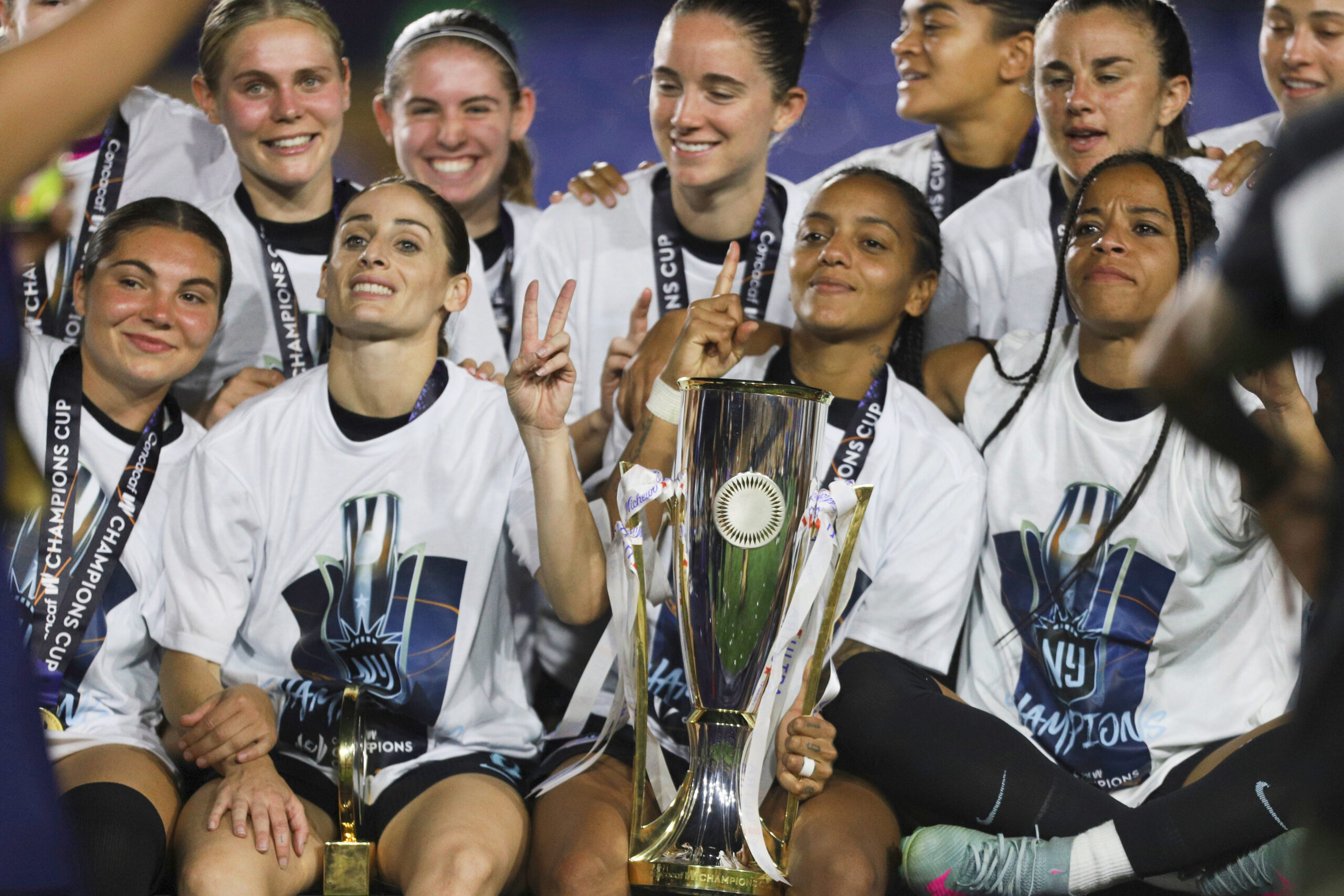
Gotham FC won last season’s Concacaf women’s Champions Cup to qualify for FIFA’s inaugural global tournament.
“It may not necessarily reflect whether your league is the best league in the world, but it gives a good opportunity for us to put our best teams against other best teams,” Carter said.
It might also make a point about another measuring stick that gets attention: player rankings by the international media. This year’s edition strongly favored European players, partially because some major U.S. players have been out of action — Rodman and Rose Lavelle with injuries, Sophia Wilson and Mallory Swanson while pregnant.
But beyond that, many voters are based in Europe, so they might favor players whom they see more. And now the rankings have even more significance because the NWSL is using them to judge players’ eligibility for HIP status.
“I always take those player ratings with a bit of a grain of salt,” Carter said, and wondered aloud why the players should care about things “that in the big scheme of things are very subjective, anyhow.”
But there is a reason, she admitted: “Now you look at the HIP criteria, and so much of the HIP criteria is based on these ranking and ratings.”
U.S. women’s soccer team captain Lindsey Heaps will join NWSL expansion team Denver Summit in June, ending a four-year tenure at France’s OL Lyonnes to move to her hometown’s new club.
The move had been speculated about on both sides of the Atlantic for some time, but was not finalized until now. Heaps will depart OL at the end of the ongoing European season, in which she will almost certainly win a fourth French league title and could add a second Champions League crown.
From the moment the Denver team was announced last January, the Golden, Colo., native knew she wanted to play there someday.
“One thing I wanted to do was kind of take the Denver aspect out of it, and really look at it from a football perspective — what the ownership was doing and what we were trying to create here at Denver Summit,” Heaps said Monday. “As hard as it was to to take the Denver and the home aspect out, it was something that was very intriguing to me. And it aligned with everything that I wanted to do, and I wanted it to be the right move for my career.”
Once Heaps was satisfied with that, the emotional part was easy. Along with being closer to her husband, San Diego FC sporting director Tyler Heaps, she’ll get to play in front of her parents, the rest of her family, and many friends in Denver far more often than she can now.
“It was amazing once it finally became real,” she said. “The feeling of going and being able to play in my home state, and for such an incredible community, and also a club that just wants to do things in the right way — I’m very, very thankful and I’m just excited to get going.”
She later added: “Knowing that I could play in my home state with my family and friends close by, obviously closer to my husband as well, it is really hard to pass up that opportunity with everything being said.”
‘Always seek a new challenge’
She previously played in the NWSL from 2016 to 2021 with the Portland Thorns, after starting her career with Paris Saint-Germain in 2012 — famously becoming the first major American women’s soccer prospect to spurn college as a teen.
Lindsey Heaps, a native of suburban Denver, will come home to join Denver Summit FC.
Heaps won the 2017 NWSL championship and two regular-season titles with the Thorns, and with the U.S. won the 2019 World Cup and 2024 Olympics. Her 170 U.S. caps rank 19th all-time, tied with Carla Overbeck.
The timing of the announcement will be noted by fans who have a close eye on the battle between the NWSL and European clubs for U.S. stars. Sam Coffey still seems to be on the cusp of moving to Manchester City, and the former Penn State star was at the team’s home game Sunday.
Trinity Rodman’s future, meanwhile, remains undecided. The NWSL’s “High Impact Player” (HIP) provision designed to keep her in the league remains contentious, and the NWSL Players Association wants to take the league to arbitration over it.
It was no surprise that the subject came up again Monday.
Trinity Rodman’s uncertain future is the biggest story in the women’s soccer world right now.
“I think the most important thing I want to put out there is, with other national team players, younger players, my message is always: one, you want to do the right thing for you,” Heaps said. “But also, that you should always seek a new challenge. I always give the advice that I think it is so special to go play in a different environment, in a different culture.”
She also applied the principle to players from European nations who’ve come to the NWSL, such as the San Diego Wave’s French veterans Kenza Dali and Delphine Cascarino. Heaps has played with both over the years.
“I think it is so special to see how they’re thriving and doing so well,” she said.
The HIP controversy
Heaps qualifies for HIP status, which means she can be paid beyond the league’s salary limits. Denver GM Curt Johnson said the team had wanted to sign Heaps no matter what and for some time, but will use the status on Heaps’ contract if it stays in place.
Lindsey Heaps at work with the U.S. women’s national team when it came to Chester in October.
“This was something that predated the HIP rule,” he said. “Our intention was to sign Lindsey, then the HIP rule came along.”
The rule doesn’t take effect until July 1, which puts teams in the awkward position of having to sign contracts now that are backloaded to incorporate the status — while also waiting to see how the arbitration plays out.
Each team will have a pot of $1 million to spend beyond the salary cap on players who qualify. There is no limit on how many players per team can be given the status, but there is a natural limit on how many ways it makes sense to divide the cash.
“When a player is assigned the HIP category, the salary cap charge is in the salary cap, and then there’s a pool of money outside the salary cap, is how it works,” Johnson said. “But we’re moving forward with the assumption that this will fall in the HIP category, and hopefully we’re moving on to finding our next player that fits that category.”
He deferred the rest to the league. A spokesperson there confirmed how Johnson described things, and declined further comment.
Although some of Lindsey Heaps’ games in Europe aren’t easy for American fans to watch, the chances that do come along show why she’s so comfortable there.
The 31-year-old midfielder plays for her club, France’s OL Lyonnes, as more of a facilitator than the do-it-all general she’s often been cast as with the United States — not just by fans, but by coaches over the years.
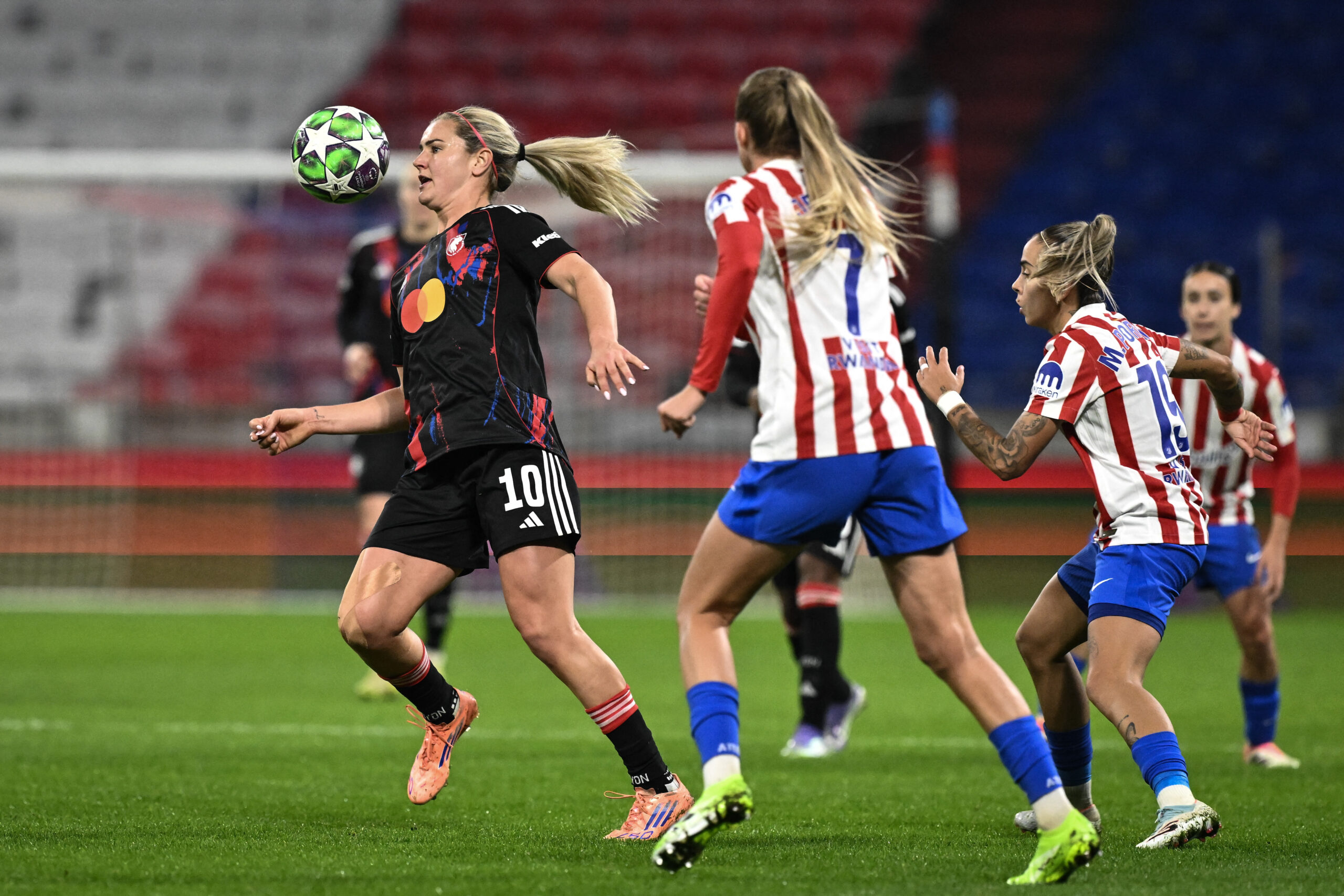
It’s easy to focus on Heaps not scoring, especially given that she started her career as a forward before moving into midfield. But her last game for OL, against Spain’s Atlético Madrid in the Champions League, showed a different side of Heaps.
She completed 42 of 44 passes that night, continuing a pace of a 90% pass completion rate in Champions League games this season, and had eight defensive recoveries. The players around her did most of the creating, especially midfielder Melchie Dumornay and wingers Tabitha Chawinga and Kadidiatou Diani.
Any team would dream of having OL’s squad of superstars. The club was the standard-bearer in Europe long before American businesswoman Michelle Kang bought it in 2023 (she also owns the NWSL’s Washington Spirit and England’s London City Lionesses), and it has remained at that level.
No team in France comes close to OL’s 18 league titles, all won in the last 19 years — as in, every season except one. Nor is any team in Europe close to OL’s eight Champions League triumphs from 2011-22, even though Barcelona is the continent’s top team right now.
Heaps has three league winners’ medals and one from the European Cup, and could add to both totals this season. OL is running away with the French league, and earned a round-of-16 bye in the Champions League thanks to an unbeaten group stage run.
“It’s unbelievable, I think this year especially,” she told The Inquirer. “New coach, new culture a bit, standards, competitiveness. The training is unbelievable in everything that we’re doing, and obviously you see it on the pitch as well. But we take each game at a time, and we just keep rolling.”
Lindsey Heaps (left) on the ball during last month’s OL Lyonnes-Atlético Madrid game in the UEFA women’s Champions League.
A high value on high standards
That new coach is a familiar name: Jonatan Giráldez, who joined OL from the Washington Spirit in the summer. It was a controversial move, since Kang was accused of taking from one of her teams to boost another.
But that claim is above Heaps’ pay grade.
“Honestly, I think I speak for everyone on the team: he is such a quality coach,” Heaps said. “You just learn so much, and even for me, I want to continue learning, or looking at the game in a different way, or tactical adjustments, or things like that. … He wants us to win so badly, and he wants us to do so well as players, and he cares about us — he cares about how we do and how we perform, but also us as people.”
“A very, very important player,” he said of Heaps. “Her role on the field is beyond the tactical, because she’s able to understand a lot of situations on the field — when the team has the ball, when the team doesn’t have the ball. … I’m very happy to have her in the team.”
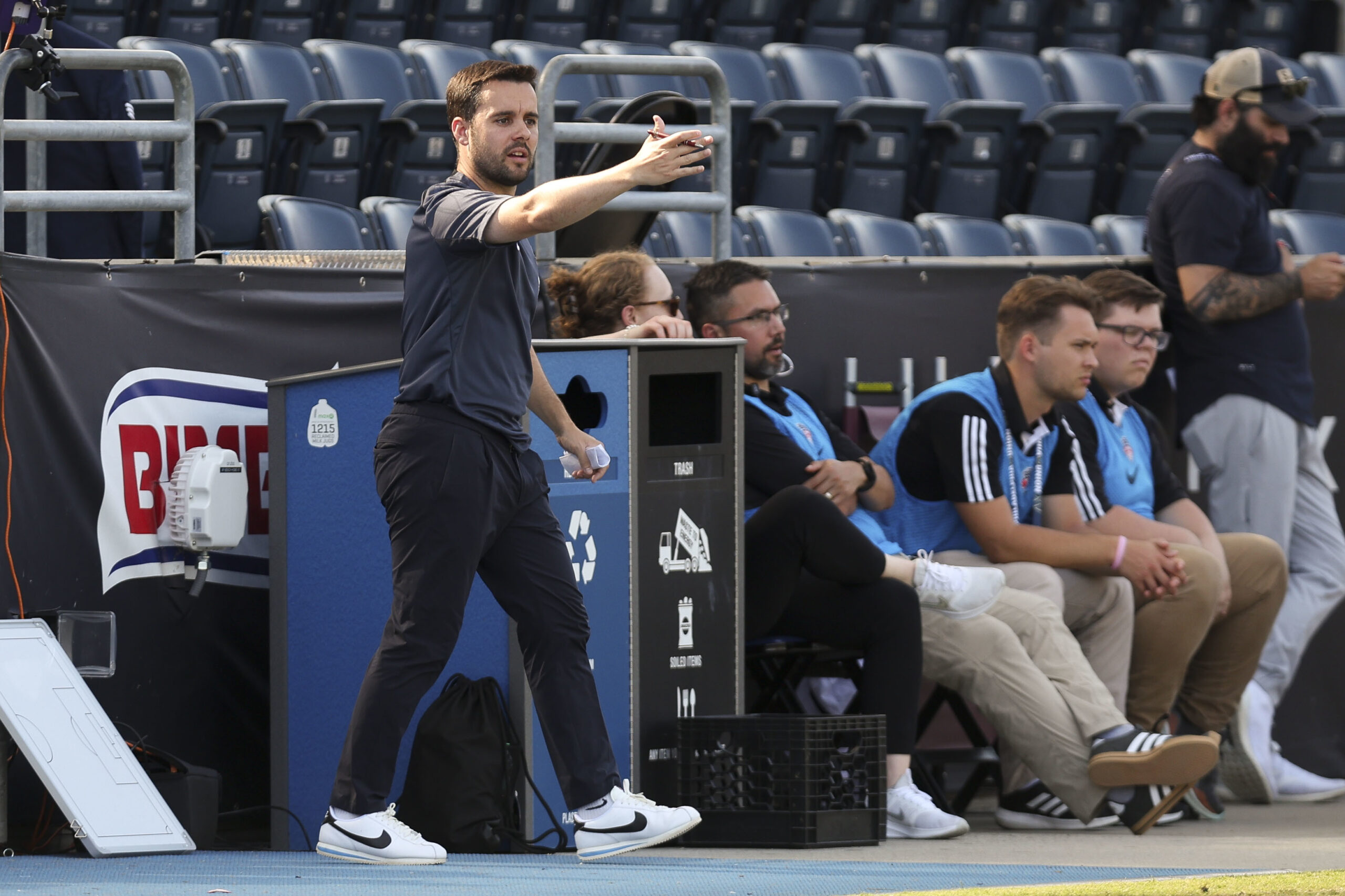
Jonatan Giráldez on the sideline at Subaru Park when the Washington Spirit played a game there in 2024.
Heaps mentioned the team’s “training environment” a few times in the interview, praising the high standards there. That counts for a lot, especially among U.S. national team stalwarts.
For lack of a better way to put it, the top American players have long relished getting their butts kicked on a daily basis, whether by the NWSL’s competitive balance or the famed ferocity of U.S. practices.
Heaps is the latest in a lineage from Mia Hamm through Abby Wambach, Heather O’Reilly, Julie Ertz, and Carli Lloyd, all of whom spoke just as bluntly (and sometimes more so). Now Heaps wants to pass it on to a new era.
She gets to do that in Lyon, not just with the national team. The club’s squad includes 22-year-old American midfielder Korbin Shrader and 18-year-old Lily Yohannes, the latter of whom is starting to meet the hype as a generational talent.
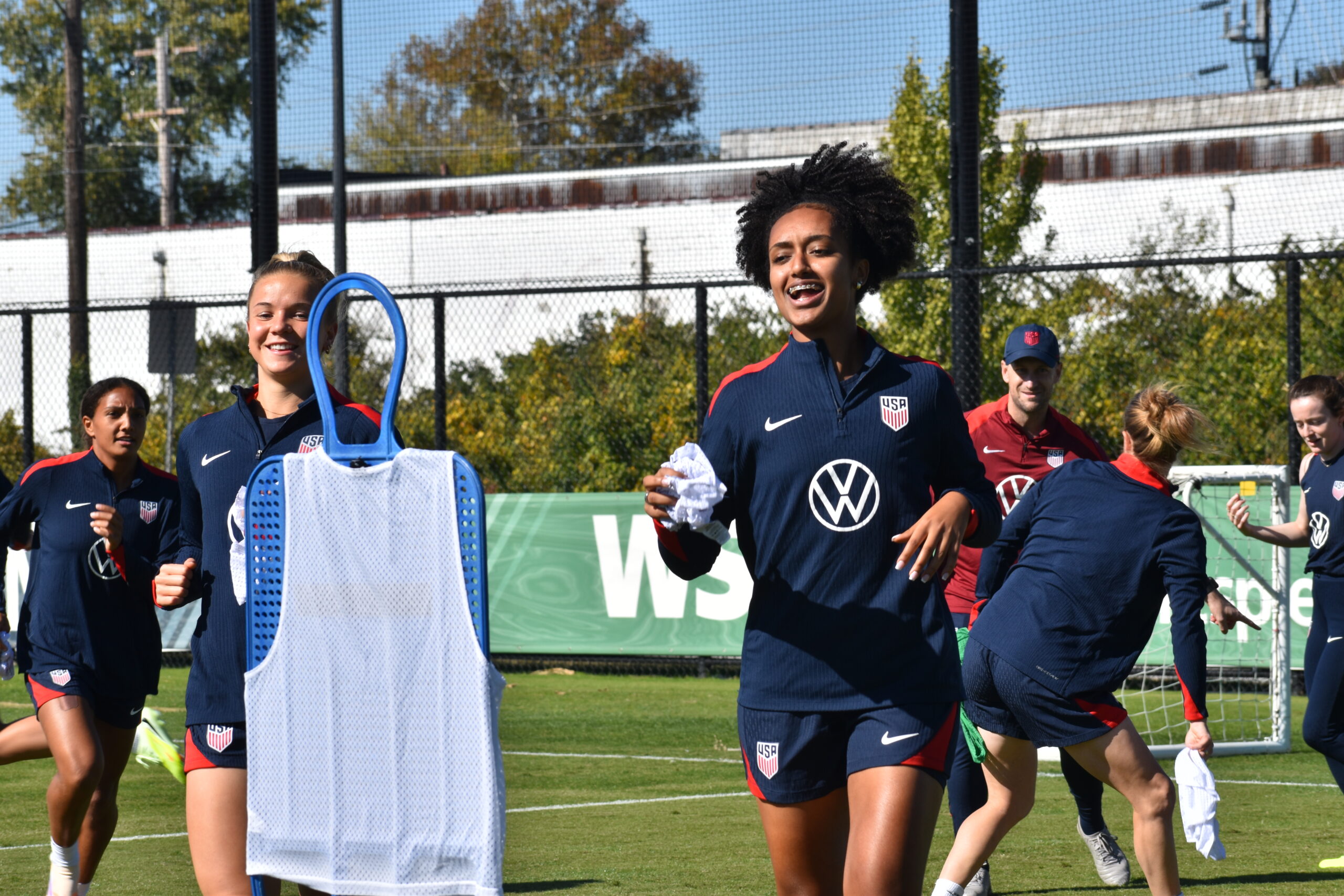
Lily Yohannes (center) at work with the U.S. women’s soccer team in Chester in October.
‘The best midfielder in the world soon’
Unfortunately, Yohannes hasn’t gotten to play much in the Champions League this season. She didn’t play at all against Atlético Madrid, where the tactical matchup would have been a great lesson.
Heaps also wanted that, but she preached patience.
“We all need to remember that she’s 18 years old,” she said. “At the end of the day, she needs to keep doing her thing, because she’s been playing so well — she’s been playing well with the national team, she’s training well here. And like I said before, it is just such a competitive environment.”
But Heaps is not immune to the buzz around Yohannes, and didn’t mind indulging in some.
“I know these games mean a lot for her, but her ceiling is so, so high,” she said. “I just said to her that no matter what, in a few years from now, you’re going to remember games like this that maybe you don’t come into. But you’re going to be a starting player and a non-stop player, and I believe the best midfielder in the world soon to come.”
Yohannes has played her entire career in Europe, and Heaps has played eight of her 14 professional years there. The American contingent across the Atlantic keeps growing, with Penn State product Sam Coffey soon to join it at England’s Manchester City.
Will playing overseas fit other Americans as well as it does Heaps? The question is always on the table, but it’s in bright lights above Trinity Rodman’s head right now. Her standoff with the NWSL over getting paid what she’s worth — with Kang on her side, trying to structure a contract within the league’s salary rules — has naturally led to European suitors chasing her.
It might also reveal a truth that Europe’s chattering class doesn’t like admitting. Very few European clubs are truly at a high enough level to be right for elite U.S. talents.
Lyon is one for sure, but there would be an even bigger uproar if Rodman moves there. Barcelona is another, but the Spanish giants don’t sign Americans. Manchester City, Arsenal, and Chelsea measure up in England, but Chelsea’s roster looks too loaded to have room for Rodman right now.
Trinity Rodman’s uncertain future is the biggest story in the women’s soccer world right now.
‘Do what’s best for her’
Beyond them? Paris Saint-Germain was in that class, but has fallen hard this year. Germany’s Wolfsburg is far from its past glories, and Bayern Munich still has a ways to rise. Real Madrid and Manchester United have stars, but their ownerships aren’t trusted to build truly top programs.
The highest tier is really just the first five clubs you read above, and that’s not much.
Then add in Rodman’s huge commercial impact, which would be diminished going abroad — less so in England, but still notably.
Many clubs outside England also have poor attendances. OL averages just over 5,000 in a 59,000-seat stadium despite all its stars. PSG plays almost all its French league games at a 1,500-seat field within the bigger club’s practice facilities, far out in the Paris suburbs. Both are a far cry from the 15,259 that Washington averaged this year, or the even bigger crowds in Los Angeles and Portland.
Not for nothing, then, did U.S. legend Tobin Heath — who played for PSG, Manchester United and Arsenal amid many years in American leagues — recently say Rodman should stay in the NWSL.
Tobin heath during her playing days with Manchester United in 2020.
“I advise a lot on players going or staying, and 95% of the time, I will usually say go,” she said in an interview on fellow former superstar Megan Rapinoe’s podcast. “I think that her game will be 1000% louder here. I think she can be the face of the league.”
At the time Heaps was asked, the NWSL was still putting together its new High Impact Player rule. She had heard about it, but the details hadn’t all been published yet — including the controversial rules on how players qualify. So Heaps chose her words carefully, but she had plenty of them.
“I don’t think it’s a bad idea,” she said, tying in what she has seen over the years from MLS’s Designated Player rule. (Her husband Tyler is San Diego FC’s sporting director.). “If you want some of the best players in the world to come and play in the NWSL, some things do have to change. … We want to continue growing the league. So, what’s the best way of doing that? We’ve got to get the best players there.”
It was also easy to think Rodman’s situation would be settled by now. Heaps wondered if it might not just come down to salary, but she encouraged Rodman to do what she feels is right.
“Trinity needs to do what’s best for her,” Heaps said. “The money is kind of on the side of it — obviously, that’s a big thing for us professionals. But Trinity, she’s going to make the decision that’s best for her, and I think that’s the most important.”
Though the U.S. men’s soccer team will command the lion’s share of the spotlight this year, the women’s team isn’t scaling anything back.
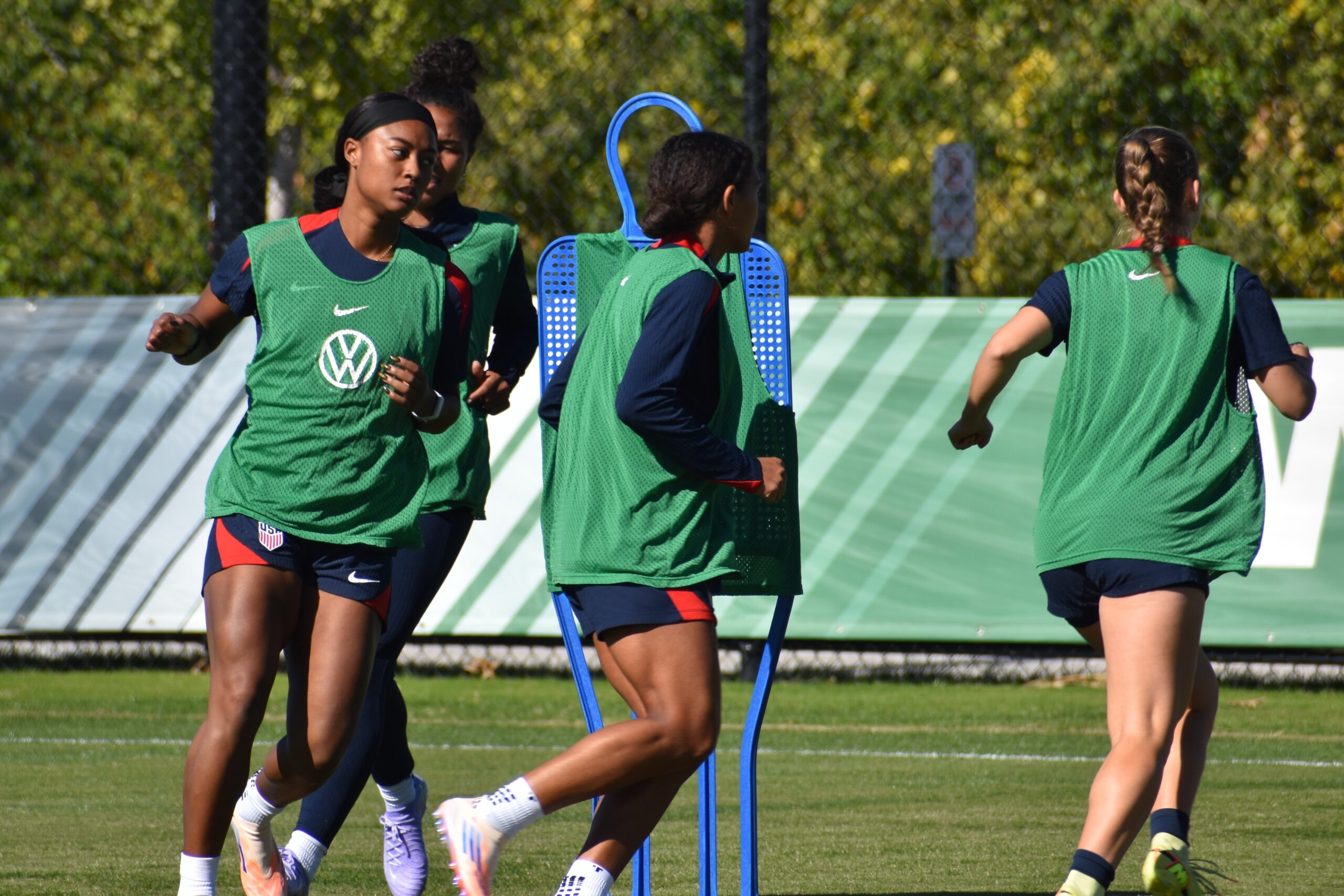
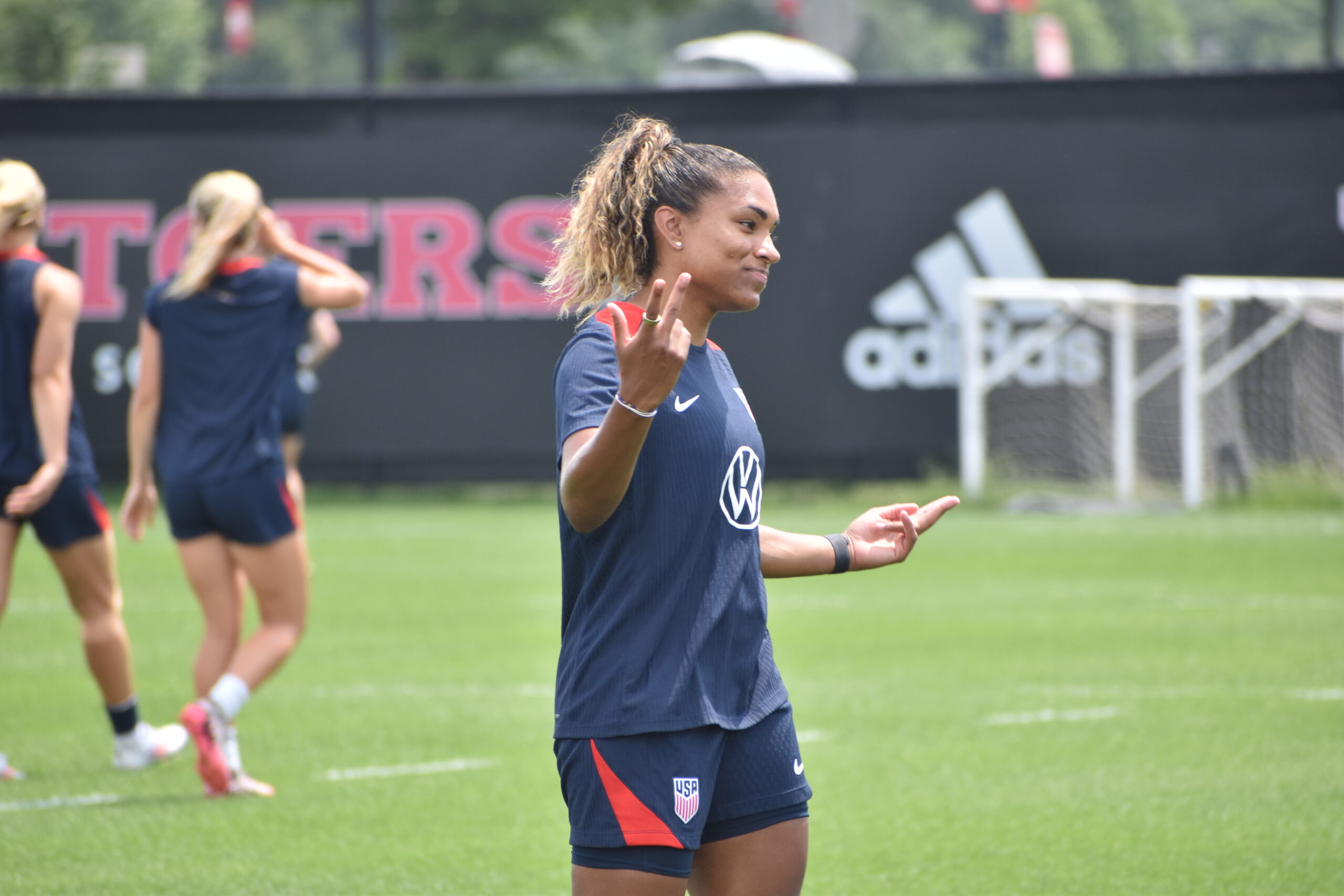
That starts Jan. 17, when Emma Hayes gathers 26 players for the program’s annual winter training camp in suburban Los Angeles. It will kick off the 41st year of the women’s team’s existence, and will include games against Paraguay on Jan. 24 in Carson, Calif., and Jan. 27 against Chile in Santa Barbara, Calif.
Because the camp takes place outside of official national team windows, all 26 players will come from the NWSL. And because Gotham FC is playing in FIFA’s inaugural Women’s Champions Cup in London at the end of the month, the club’s many national team stars — such as Rose Lavelle, Emily Sonnett, and Jaedyn Shaw — were not called up.
They’re in Europe already, training for a few weeks in Marbella, Spain, before heading north to England. (In fact, they’re at the same complex where the Union will be for part of their preseason camp later this month.)
Rose Lavelle (left) and Gotham’s other U.S. national team stars are preparing for FIFA’s Women’s Champions Cup tournament.
That said, Hayes’ squad has a few veterans and many newcomers, which is no surprise. January camps outside of World Cup years often are that way.
But one name stands out: Trinity Rodman. It’s her first national team call-up since April because of injuries, and she will arrive as a free agent — officially “unattached” on the U.S. roster — since her Washington Spirit contract expired at the end of December.
Rodman’s future is by far the biggest story in the women’s soccer world right now. All signs are she’d like to stay in Washington, but she’d also like to be paid what she’s worth — and she’s worth a lot.
NWSL commissioner Jessica Berman said at the league’s championship game in November, when Washington lost to Gotham, that “we want Trinity in our league, and we will fight for her.”
NWSL commissioner Jessica Berman
Spirit owner Michele Kang also has shown she wants to keep Rodman in town. Kang put together a back-loaded contract offer that would fit within NWSL salary rules by cashing in on the next cycle of broadcast rights. But Berman vetoed it, with Bloomberg reporting in early December that she said it “violated the spirit of the rules.”
This sparked an enormous outcry from fans, media, and the players’ union. The union filed a grievance claiming the decision violated “at least five different sections” of the collective bargaining agreement, according to The Athletic.
The league soon retreated some — but only some. It proposed a new “High Impact Player” status that would allow teams to pay stars up to $1 million beyond the salary cap, and in early December, the league’s board of governors approved the change.
It quickly emerged that the new rule was not so simple, and that blew up in the NWSL’s face. Unlike Major League Soccer’s Designated Player rule, the NWSL’s version put restrictions on what kinds of players can earn the status.
Michele Kang seems to be trying to keep Trinity Rodman in Washington, and Rodman seems to want to stay there.
They included being ranked in voting for honors bestowed by the media, including France Football’s Ballon d’Or top 30, the Guardian’s top 100, and ESPN’s top 40.
Many women’s soccer journalists have no interest in having influence over players’ salaries like that. It also matters that those rankings’ voting pools skew heavily toward Europe, including journalists, coaches, and former players.
This promptly was called out by one American soccer industry veteran for having “outsourced the valuation of players for an American soccer league to European media.”
The league also counts SportsPro Media’s “Top 150 Most Marketable Athletes.” That promptly was bashed by fans as being even more subjective than journalists’ opinions. (It also drew attention that in the league’s press release, this item was first on the list of criteria.)
Trinity Rodman has become one of the NWSL’s biggest stars.
Another metric on the list is being in the “top 11 minutes played for the USWNT” over the last two years for field players, or No. 1 in minutes for goalkeepers. This puts players’ eligibility for a big paycheck in Hayes’ hands, with her starting lineup and substitution choices.
Hayes was asked Thursday what she thinks of having that power.
“Nothing will change with me and the way that I’m doing things, regardless of any ruling that’s put in place,” she said. “To be honest with you, it’s probably going to be a little bit longer until they resolve what that criteria is — whether it ends up being that or something else, you’d have to ask them. But from my perspective, nothing changes with regards to how I will operate.”
Hayes also said she “didn’t know” the rule was coming before it was announced, and that she found out about it from the national team’s longtime PR chief, Aaron Heifetz.
U.S. women’s soccer team manager Emma Hayes
The NWSL Players Association has continued to oppose the rule, and said Wednesday that it is preparing to take the league to arbitration. The league claimed it has the right to impose the rule without collective bargaining and said it consulted the union on the rule. The union disagrees on both counts.
“A league that truly believes in the value of its players would not be afraid to bargain over it,” the NWSLPA said in a statement when the rule was announced.
It would prefer that the league just raise the cap by $1 million for this year. ESPN reported that the league’s base salary cap for this year is $3.5 million “before additions for revenue sharing.”
How many of the league’s 16 teams would favor that isn’t known, nor is it known what the vote of clubs would have to be to make that happen.
Trinity Rodman at last year’s NWSL championship game, which the Washington Spirit lost to Gotham FC.
What is known is that Rodman will report to national team camp without a club affiliation, and it isn’t clear where she’ll end up. Many European clubs reportedly have expressed interest, although the list with the roster room and the quality Rodman deserves is pretty short.
The other big absence from this squad is midfielder Sam Coffey. The reason for that was revealed a few hours after the roster was announced: The Guardian reported that she is in “advanced talks” to join England’s Manchester City, and that the deal is “close to completion.”
Manchester City leads the Women’s Super League standings and is seeking its first title since 2016 after many runner-up finishes. Second-place Chelsea has Catarina Macario, Naomi Girma, and Alyssa Thompson, and third-place Arsenal has Emily Fox.
Defenders (8): Jordyn Bugg (Seattle Reign), Avery Patterson (Houston Dash), Izzy Rodriguez (Kansas City Current), Tara Rudd* (Washington Spirit), Emily Sams (Orlando Pride), Gisele Thompson (Angel City), Kennedy Wesley (San Diego Wave), Kate Wiesner (Washington Spirit)
Midfielders (8): Croix Bethune (Washington Spirit), Hal Hershfelt (Washington Spirit), Claire Hutton (Kansas City Current), Riley Jackson (North Carolina Courage), Lo’eau LaBonta (Kansas City Current), Sally Menti (Seattle Reign), Sam Meza (Seattle Reign), Olivia Moultrie (Portland Thorns)
Forwards (7): Maddie Dahlien (Seattle Reign), Jameese Joseph (Chicago Stars), Trinity Rodman (unattached), Yazmeen Ryan (Houston Dash), Emma Sears (Racing Louisville), Ally Sentnor (Kansas City Current), Reilyn Turner (Portland Thorns)
* — The former Tara McKeown got married a few weeks ago.
USWNT schedule
Jan. 24: Vs. Paraguay in Carson, Calif., 5:30 p.m. (TNT, truTV, Universo, HBO Max, Peacock)
Jan. 27: Vs. Chile in Santa Barbara, Calif., 10 p.m. (TBS, Universo, HBO Max, Peacock)
March 1: Vs. Argentina in Nashville, 5 p.m. (TNT, truTV, Universo, HBO Max, Peacock)
March 4: Vs. Canada in Columbus, Ohio, 6:45 p.m. (TNT, truTV, Universo, HBO Max, Peacock)
March 7: Vs. Colombia in Harrison, N.J., 12:30 p.m. (TBS, truTV, Telemundo 62, Universo, HBO Max, Peacock)
Local fans have become used to traveling up to northern New Jersey to watch the U.S. women’s soccer team, and in a few months, they’ll get to do it again.
The Americans will play Colombia on March 7 at Sports Illustrated Stadium in Harrison as part of the annual SheBelieves Cup tournament. Canada and Argentina are the other teams in this year’s field, and they’ll play at 12:30 p.m. before the U.S.-Colombia game at 3:30 p.m.
It will be the last day of the round-robin, with Nashville hosting the opening doubleheader on March 1 and Columbus, Ohio, hosting the middle games on March 4. The day also will feature the retirement tribute for U.S. legend Tobin Heath, a North Jersey native who earned first-ballot induction into this year’s National Soccer Hall of Fame class.
The U.S. women have played nine times at the 25,000-seat venue formerly known as Red Bull Arena. Their last seven games there have drawn sellout crowds.
Tobin Heath playing in Philadelphia in 2019. She won two World Cups, two Olympic gold medals, and two NWSL championships in her career.
Unfortunately, the U.S. kickoff time means that fans here who also follow the Union will have to choose between going north and going down to Chester for the Union’s 7:30 p.m. game against the San Jose Earthquakes.
In theory, they could try to race out of Harrison to get on the New Jersey Turnpike, but traffic up there is almost certain to make that impossible.
As for the teams in the SheBelieves field, Canada is the best of them on paper at No. 10 in FIFA’s global rankings. But the Canucks have lost five straight games, a streak that started with a 3-0 rout by the U.S. in June. Since then, they have faced Switzerland, the Netherlands, and Japan twice.
Colombia is the most intriguing team of the bunch. Las Cafeteras are ranked No. 20, but have three superstars in their attack: the Washington Spirit’s Leicy Santos, Real Madrid’s Linda Caicedo, and Chelsea’s Mayra Ramírez. Colombia made the final of last year’s Copa América and lost on penalty kicks to Brazil after a wild 4-4 tie.
U.S. Soccer tends to put the best game for the U.S. on the tournament’s last day, so it says something that Colombia got the honor this time.
Argentina is ranked No. 30, and finished third at last year’s Copa. Forward Paulina Gramaglia used to play for the Houston Dash, and is now with Spain’s Tenerife.
These games will be the first of a year that builds up to Concacaf’s women’s championship in November. The tournament will serve as qualifying for the 2027 World Cup and 2028 Olympics, though the U.S. doesn’t have to worry about the latter as the host.
“These are three teams that will likely be in the World Cup in 2027 and of course we’ll likely see Canada in World Cup qualifying at the end of the year, so when focusing on our continued preparations and growth as a team, the SheBelieves Cup is of great value,” U.S. manager Emma Hayes said in a statement. “Each team brings different strengths and will challenge us to find success in all parts of the field, which is exactly what we need as we continue our process to build toward the big events on the horizon.”
Ticket presales for U.S. Soccer members start on Thursday, and the general public sale starts on Monday.
U.S. manager Emma Hayes overseeing a practice in Chester in October.
SheBelieves Cup schedule
Sunday, March 1: Canada vs. Colombia (2 p.m., truTV and Universo) and United States vs. Argentina (5 p.m., TNT, truTV, Universo) in Nashville.
Wednesday, March 4: Argentina vs. Colombia (3:30 p.m., truTV and Universo) and United States vs. Canada (6:45 p.m., TNT, truTV, Universo) in Columbus, Ohio
Saturday, March 7: Canada vs. Argentina, 12:30 p.m. (truTV, Universo) and United States vs. Colombia (3:30 p.m., TBS, truTV, Telemundo 62, Universo) in Harrison, N.J.
All games also are available via online streaming on HBO Max in English and Peacock in Spanish.