Tag: UniversalPremium

  • Dave Dombrowski says ‘we’re content’ despite big-name free agents still available. ‘Not elite’ offseason continues for Phillies.

    Dave Dombrowski says ‘we’re content’ despite big-name free agents still available. ‘Not elite’ offseason continues for Phillies.

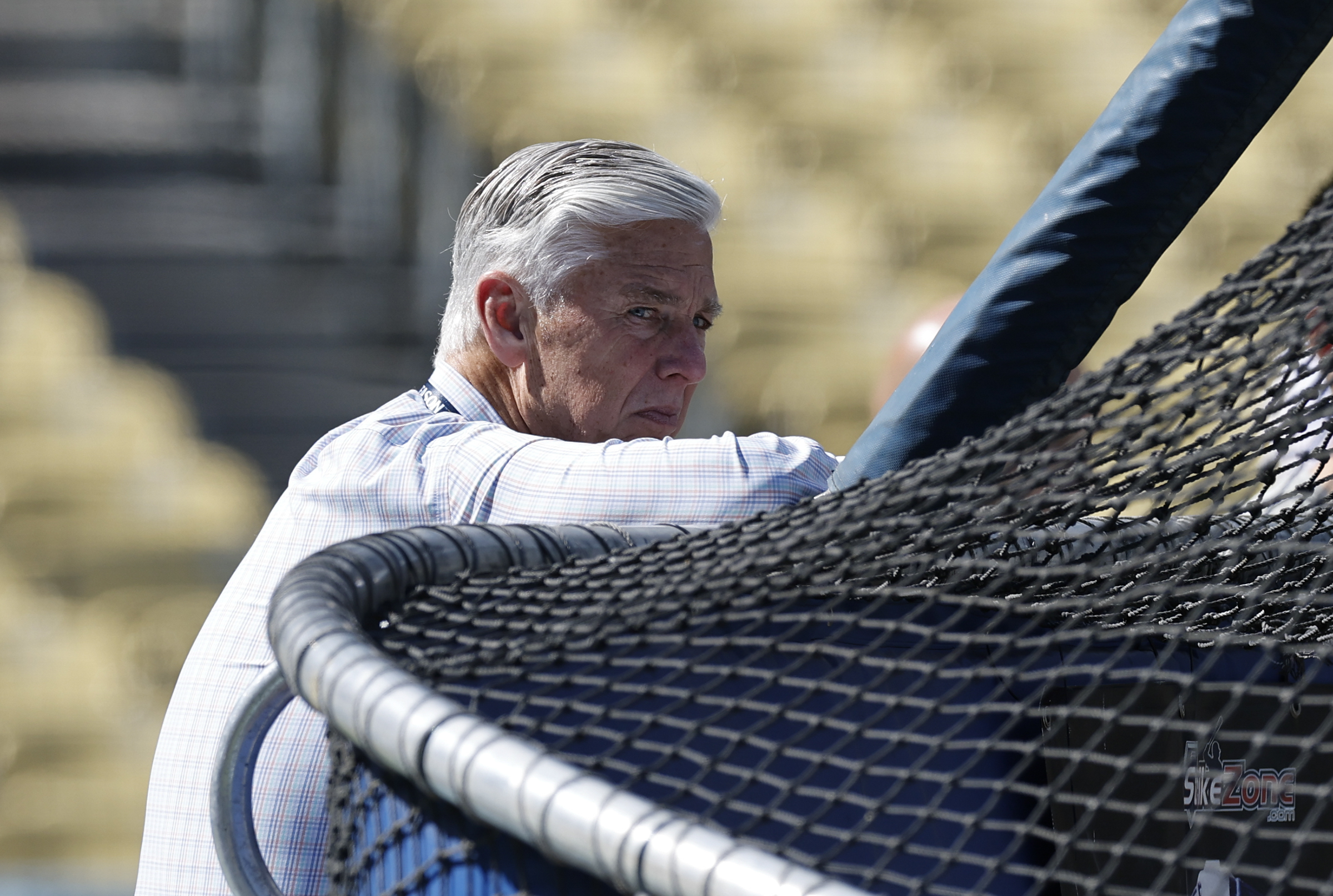
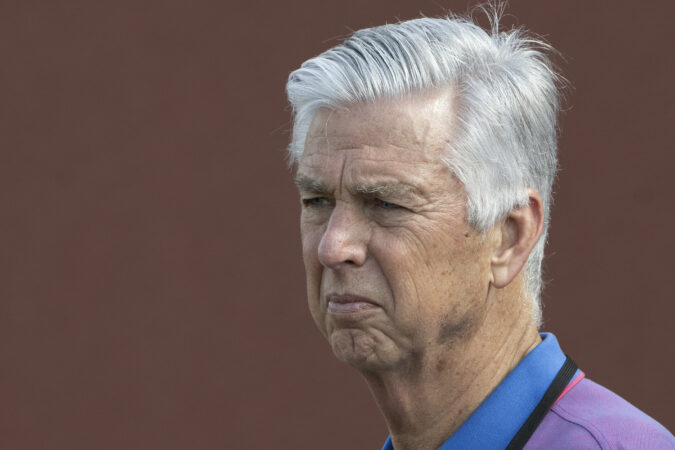
    In October, in his season-ending news conference following a third consecutive playoff collapse, Phillies president Dave Dombrowski observed, correctly if not wisely, that Bryce Harper did not “have an elite season like he did in the past.”

    Harper took offense. Phillies fans generally sided with Harper, who, on the day after Christmas, posted a video of himself on TikTok taking swings in a batting cage wearing a sweatshirt that said, “NOT ELITE.”

    On Tuesday, in a hot-stove news conference after whiffing on top-level free agent Bo Bichette and instead re-signing J.T. Realmuto, Dombrowski observed, correctly if not wisely, “I think we’re content where we are at this point.”

    This time, every Phillies fan took offense.

    For days, the Phillies had the baseball world on their side. From Thursday at about 4 p.m. until midday Friday, they believed they’d come to a verbal agreement to land Bichette for seven years and $200 million. After Bichette backed out and signed with the New York Mets, the sports world sympathized with Dombrowski, who, in the middle of that same Zoom news conference Tuesday, said:

    “It’s a gut punch. You feel it. You are very upset.” Another top Phillies official said he was “furious.” They were justified, and baseball commiserated.

    But then, with free agents like Cody Bellinger and Framber Valdez still available, Dombrowski dropped “content” … and, well, Phillies nation, still stinging from playoff disasters, was not pleased.

    With one simple sentence, Dombrowski and the Phillies went from being the victims of Bichette’s treachery to being the club that sat on its hands while its chief rivals, the Los Angeles Dodgers and Mets, spent ever more lavishly to pursue winning.

    That’s mostly true. Still, context is important.

    First, as it regards trade targets, Dombrowski can’t say he’s pursuing another team’s player. That’s tampering. Second, tipping his hand regarding any remaining free agents would be poor strategy. Third, he said, “I think.” The phone could ring at any time, be it a general manager proposing a trade or an agent proposing a deal.

    Still, what Dombrowski said imparts a certain finality.

    Or, if you’re a hopeful fan, a certain fatalism.

    Which is fair.
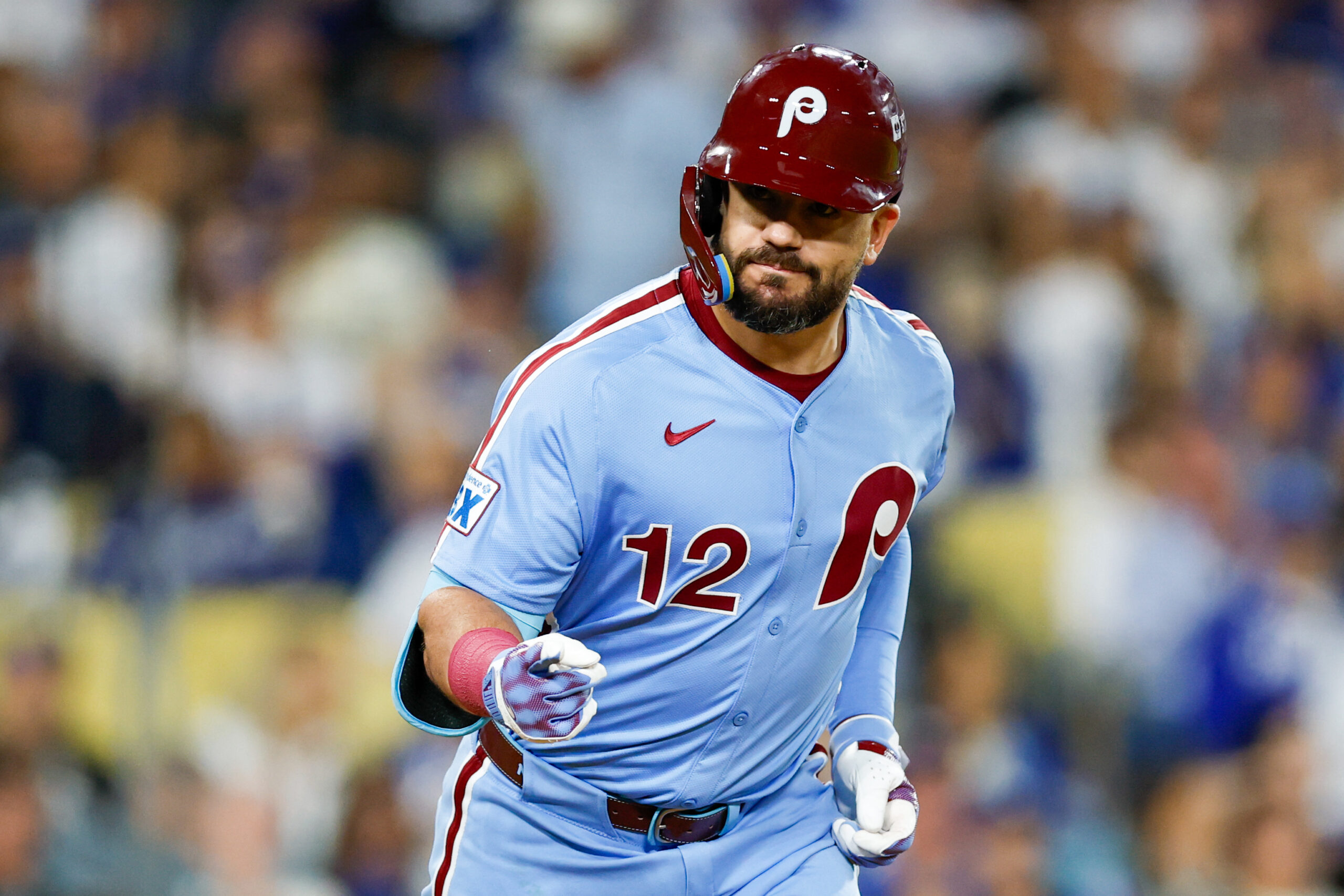
    The Phillies brought back Kyle Schwarber with a five-year, $150 million contract, their biggest move of the offseason to date.

    Dombrowski noted that the Phillies spent money and made moves to remain competitive. Kyle Schwarber re-signed for five years and $150 million, Realmuto re-signed for three years and $45 million, and reliever Brad Keller (Brad Keller?) signed for two years and $22 million. They also traded reliever Matt Strahm for reliever Jonathan Bowlan (Jonathan Bowlan?).

    But are they, as a whole, better?

    No.

    By no stretch of the imagination are they better than they were this time last year, when Zack Wheeler was healthy and Ranger Suárez was on the team.

    And no, they’re not better than they were after they lost Game 4 of the NLDS, when they had Suárez and center fielder Harrison Bader.

    They’re not better. They’re different, but not better.

    They will gamble on outfielder Adolis García, whom they gave a one-year, $10 million deal in the hopes that, at 33, he will improve his .675 OPS and 44 home runs over the last two seasons. Those numbers are chillingly similar to those of the player he will replace, Nick Castellanos, who is one year older (he will be 34 in March), and managed an OPS of .719 and 40 homers in the same time span.

    They will gamble that speedy rookie Justin Crawford can handle center field after acknowledging last year that Crawford might be better served playing in left. They will gamble that hard-throwing rookie Andrew Painter will relocate the command he lost in the minors in 2025 after elbow surgery in 2023 cost him two full seasons.

    Prospects don’t necessarily make teams better; several studies reveal that more than half of the top 100 bust, and of the other half, only a handful make a significant impact. That’s fine. Unless you’re the Dodgers, with their unlimited budget, homegrown talent is the most efficient method to fill the roster.

    The Phillies’ bullpen might be the one unit that is better than it was at the beginning and end of 2025. José Alvarado, who lost time to a PED suspension and an injury, will be back, paired with 100-mph closer Jhoan Duran, Dombrowski’s best deadline addition in years.

    But the Phillies’ starters? Hardly.

    Wheeler is the best Phillies pitcher since Steve Carlton. Since 2021, Suárez ranks seventh in Wins Above Replacement, at 17.7, ahead of Gerrit Cole and Valdez, but still almost 10 behind Wheeler, the leader. Wheeler and Suárez will be replaced by Painter and Taijuan Walker.

    The lineup won’t be better, just older. The principals — Realmuto, Trea Turner, Schwarber, and Harper — will all be at least 33 by the end of the season. Thirtysomethings seldom improve with age. They just age.

    Would Bichette have made the Phillies elite? No. Not elite like the Dodgers, who signed Kyle Tucker to a four-year, $240 million deal. That deal is what spurred Bichette to back out of his agreement with the Phillies, who, in turn, refused to even consider the opt-out years the Mets gave Bichette — a structure that puts all the risk on the team and none on the player. Dombrowski did the right thing, even if he said the wrong thing.

    Bichette wouldn’t have made the Phillies elite. But he would have made the Phillies better, and he’d have made Dombrowski’s offseason “elite.”

    Instead, Dombrowski is “content.”
  • Lehigh Valley Health Network will go out of network for UnitedHealthcare’s Medicare Advantage plans Monday

    Jefferson Health’s Lehigh Valley Health Network will go out of network Monday for members of UnitedHealthcare’s Medicare Advantage plans.

    That means about more than 20,000 people who get care at LVHN facilities could experience disruptions in their care. Two years of negotiations failed to result in a new contract, Jefferson said in a statement Wednesday.

    Jefferson also said that United reduced payments to LVHN by nearly 40% since 2021, reducing the nonprofit health system’s revenue by more than $100 million over four years.

    “When an insurer stops paying agreed‑upon rates and refuses to negotiate, patient access is put at risk. Jefferson and LVHN will not stand by while an insurer prioritizes its own margins over fair contracts and sustainable care,” said Jeffrey Price, a Jefferson senior vice president involved in managed care and payer relations.

    LVHN patients who have UnitedHealthcare plans through their employers will remain in-network at the nonprofit system through most of April 25, Jefferson said.

    United said that negotiations continue on those contracts, but noted that LVHN wanted a 20% price increase in the first year.

    The dispute does not affect Philadelphia-area Jefferson patients with insurance from UnitedHealthcare, the nation’s largest health insurer.

    Jefferson first warned in October that its LVHN facilities would start going out of network this month.

    At the time, United suggested that Jefferson’s announcement during the Medicare Advantage annual enrollment period was a negotiating tactic designed to put pressure on United.

    United said Wednesday that its “top priority is providing people continued access to the care they need through our broad network of providers who collaborate with us to provide quality, affordable care.”

    The company noted that it recently signed a multiyear contract with LVHN’s biggest competitor, St. Luke’s University Health Network. That contract covers employer-sponsored plans as well as Medicare and Medicaid plans.

    By going out of network with United Medicare Advantage plans, LVHN joins other well-known systems to have done so in the last year. They include Johns Hopkins Medicine and Mayo Clinic.

    Last March, Jefferson went out of network with Cigna Health for a few weeks during a similar impasse in negotiations. Jefferson and Cigna quickly reached a deal after the termination.

  • The argument for Brian Daboll — and Zac Robinson (and even Matt Nagy) — as Eagles’ next play-caller

    The argument for Brian Daboll — and Zac Robinson (and even Matt Nagy) — as Eagles’ next play-caller

    An observation about the Eagles’ offensive coaching staff: 2025 was the first year Jalen Hurts wasn’t surrounded by former quarterbacks.

    It’s something the Eagles should keep in mind, especially if Brian Daboll and Mike McDaniel both land head coaching jobs … or if they both opt for one of the other 73 coordinator positions currently open across the league. (ESPN reported Tuesday night that McDaniel is expected to be hired as the Los Angeles Chargers’ offensive coordinator.) Shane Steichen and Kellen Moore were both Division I starters in college. They both had assistants who were NFL backups. Under both, Hurts finished with a passer rating above 100 and went to a Super Bowl.

    Correlation doesn’t equal causation. Nor should it equal a strike against Daboll or McDaniel as the Eagles look to hire an offensive coordinator who can revitalize their stagnant scheme. Neither man came up as a quarterback. Daboll played safety at Rochester. McDaniel was a wide receiver (at Yale), just like Kyle Shanahan and Sean McVay and Josh McDaniels and Joe Brady (and Nick Sirianni and Kevin Patullo). Andy Reid was an offensive lineman. Bright offensive minds come in all shapes and sizes.

    But I’m not necessarily talking about scheme here. I’m talking about the other important parts of coaching: teaching, explaining, understanding, conveying. McVay and Shanahan are outliers, given their upbringing, which was so rich it barely needs introduction. (McVay, the grandson of 49ers executive John McVay, was once hired by Mike Shanahan, Kyle’s father.) Otherwise, it’s only natural that former quarterbacks would have an edge in understanding how a current quarterback sees the field. Ben Johnson, Liam Coen, Kevin O’Connell, Sean Payton … all former quarterbacks.

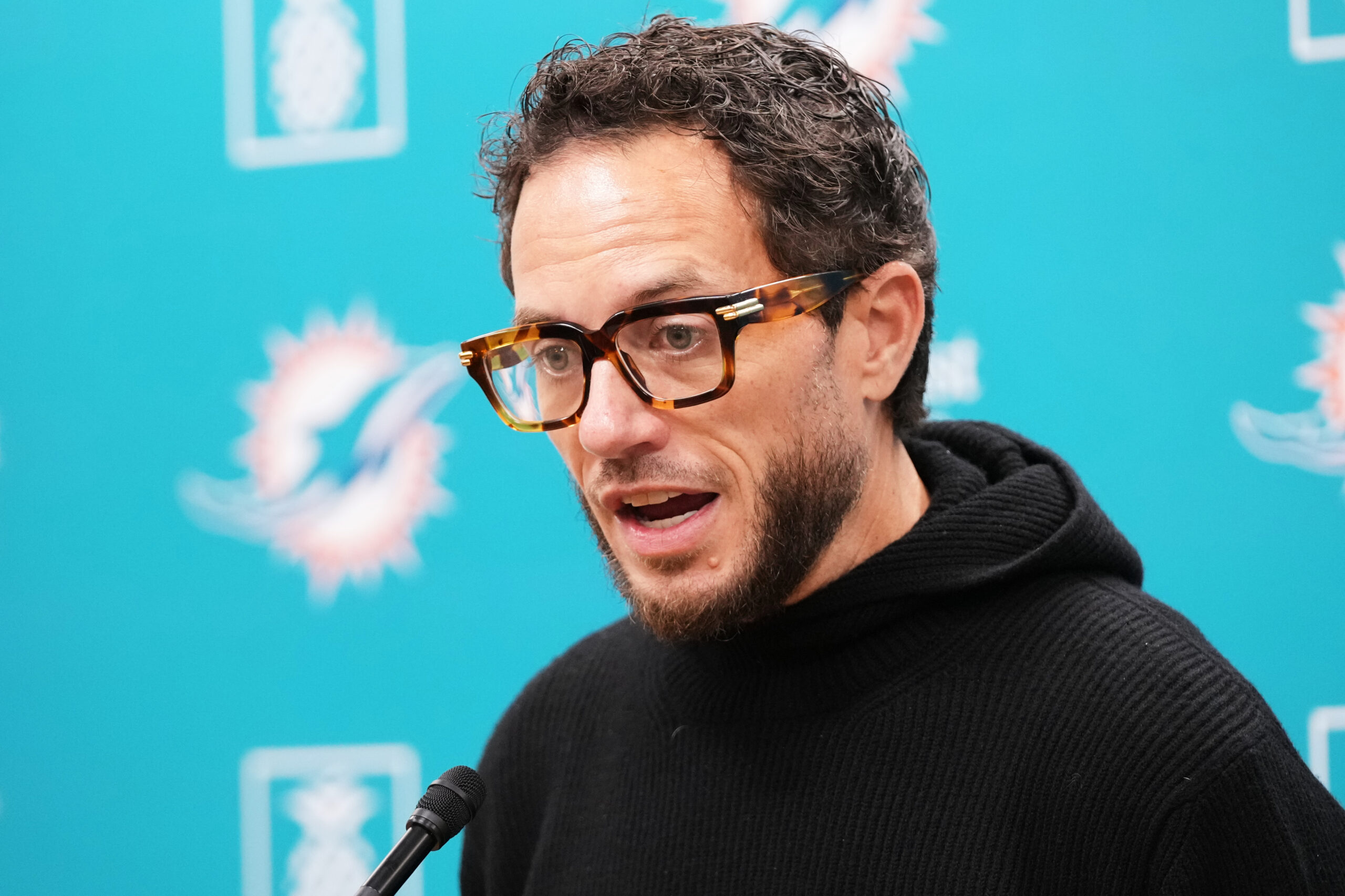
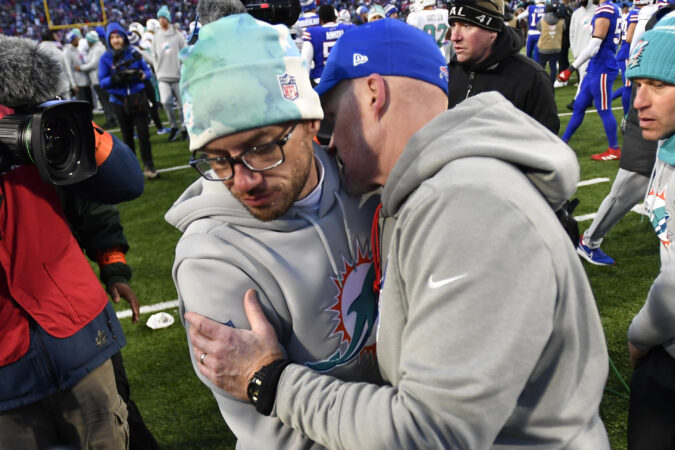
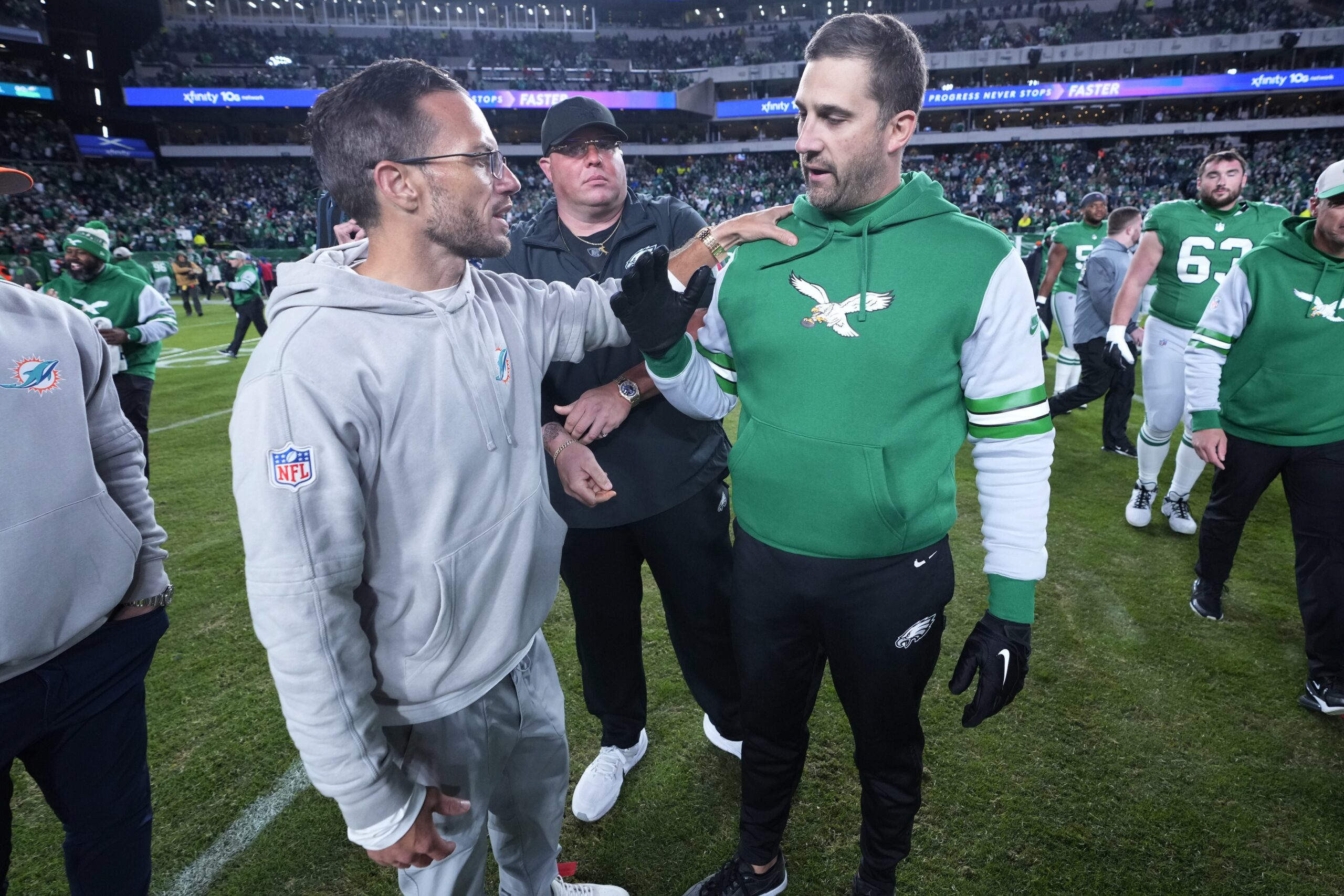
    Former Dolphins coach Mike McDaniel is a candidate for the Eagles’ job at offensive coordinator, although they have not spoken to him yet.

    Again, nothing against the wide receivers (or safeties). McDaniel is clearly the guy every team should have at the top of its list for lead play-calling duties. He went 31-24 with Tua Tagovailoa as his starting quarterback. Nobody schemes the running game better. The Eagles have yet to corral him for an interview, and maybe they won’t. But only because he has better opportunities.

    As for Daboll, he would be an easy choice to snicker at. Hard Knocks did him no favors. But the former New York Giants head coach would make a lot of sense. He is still well-regarded in Buffalo, where he oversaw Josh Allen’s transformation from a raw, erratic bust-in-waiting to one of the most singularly impactful quarterbacks in the game. He also could be around for a while if he misses out on a head coaching gig in the current cycle.

    Both Daboll and McDaniel bring with them the kind of experience that the Eagles lacked in 2023 and 2025 with first-time play-callers Patullo and Brian Johnson (the latter a former quarterback). The biggest weakness of this year’s coaching staff wasn’t just a lack of experience on Patullo’s part: It was a lack of experience behind him, particularly at the game’s most important position.

    Eagles quarterbacks coach Scot Loeffler never took a snap in his four years at Michigan during the mid-’90s. Passing game coordinator Parks Frazier attempted 127 passes at Murray State. Quality control coach Montgomery VanGorder attempted 275 at Youngstown State. Combined, that’s a grand total of two seasons of lower-level collegiate starting experience and zero snaps at the FBS level.

    Compare that to Hurts’ support system in the halcyon days of 2022.

    Steichen played four years at UNLV (465 pass attempts). Johnson played four years at Utah (1,017 pass attempts). Alex Tanney spent nine years as an NFL backup after starring at Monmouth.

    Two years later, the Eagles turned their offense over to Moore, a former Heisman Trophy finalist who starred at Boise State. Quarterbacks coach Doug Nussmeier spent five years as an NFL backup after winning the Walter Payton Award, as the most outstanding offensive player in what was then known as Division 1-AA, at Idaho.

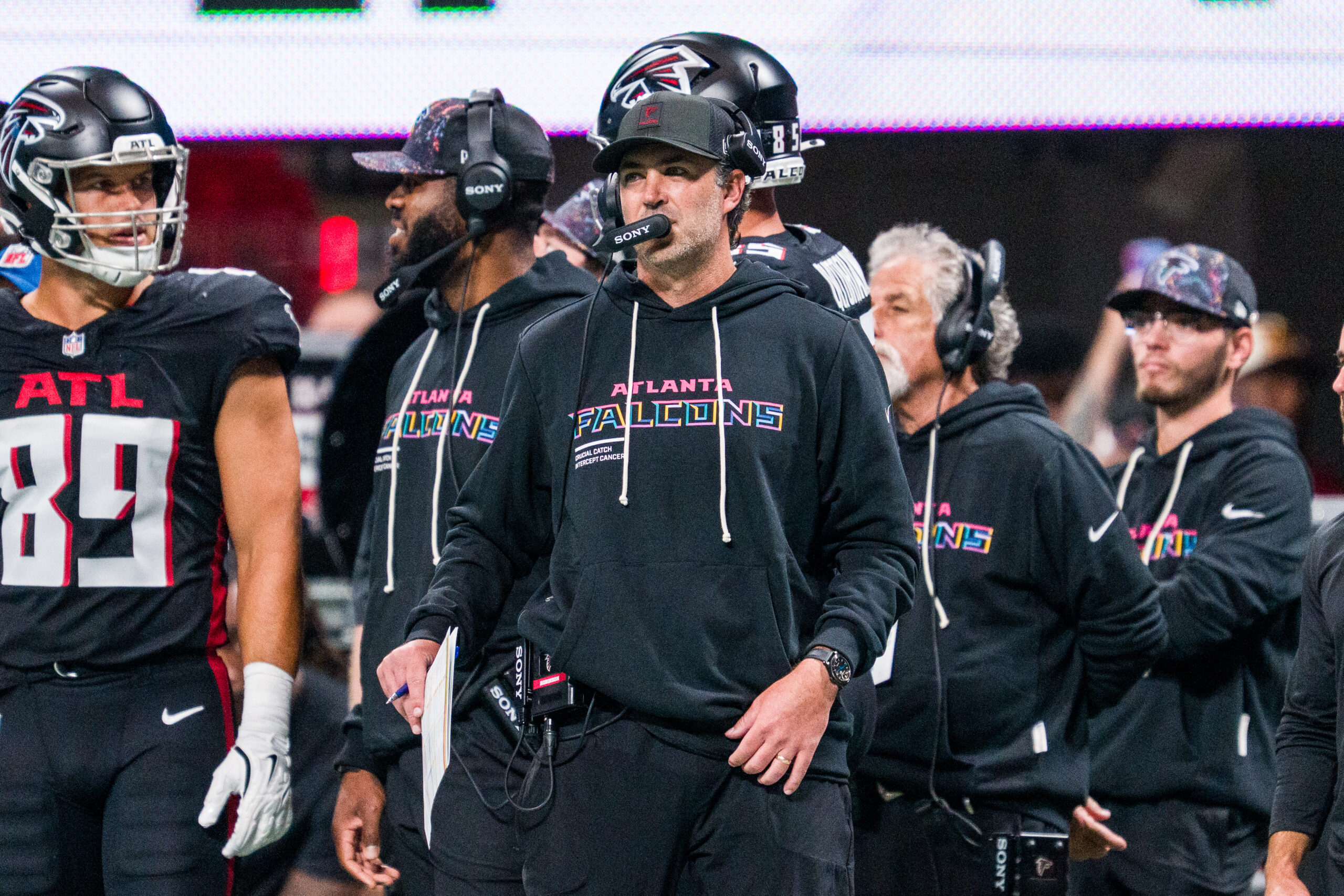
    Former Falcons offensive coordinator Zac Robinson is expected to have several offers.

    The Eagles were behind the eight ball when Moore left to become the New Orleans Saints’ head coach and took Nussmeier with him as his offensive coordinator. Thanks to their Super Bowl run, Sirianni and Howie Roseman had a thin market in which to find their replacements. The same thing happened on the defensive side of the ball post-2022 when Jonathan Gannon left for Arizona. Underlying the cliché and mythical Super Bowl curse are some very real variables.

    This time around, the world is the Eagles’ oyster. They’ve already interviewed Mike Kafka and Zac Robinson, both former NFL draft picks at quarterback. Neither has the sort of profile that fans are coveting, but Robinson in particular has an intriguing background. The Atlanta Falcons played some surprisingly competent football this season, scoring 24-plus points in nine games, two more than the Eagles. They finished ahead of the Eagles in yards per play and net yards per pass attempt in each of the last two seasons that Robinson spent as offensive coordinator after his stint on the staff of kingmaker McVay.

    Robinson will presumably have multiple offers. There are plenty of intriguing situations out there: the Chargers under Jim Harbaugh and with Justin Herbert unless McDaniel has already taken that job, the Baltimore Ravens with Lamar Jackson, the Tampa Bay Bucs with Baker Mayfield and a deep offensive depth chart. Never before has the NFL seen this level of upheaval in a single offseason. Half of the league has an opening at offensive coordinator.

    Which makes Matt Nagy a guy the Eagles should talk to.

    He certainly wouldn’t win the headline battle. But he’s a former quarterback (Delaware) with plenty of experience who got a bit of a bum rap during his four-year stint as head coach of the Chicago Bears. Nagy went 25-13 in the 38 games that Mitch Trubisky started for him. That looks even more impressive in hindsight than it did at the time.

    Whomever the Eagles hire, their top priority should be bolstering the experience of the staff beneath him. Coaching can overcome personnel issues only to a certain extent. But Hurts isn’t going anywhere, and we’ve seen way more out of him than we saw in 2025. The right guy for the job isn’t just a great schemer. He is a communicator and an edifier, and he’ll know how to build a support system that is heavy on both traits.

  • Villanova freshman Acaden Lewis is often praised for using his ‘off’ right hand. He’s actually right-handed.

    Villanova freshman Acaden Lewis is often praised for using his ‘off’ right hand. He’s actually right-handed.

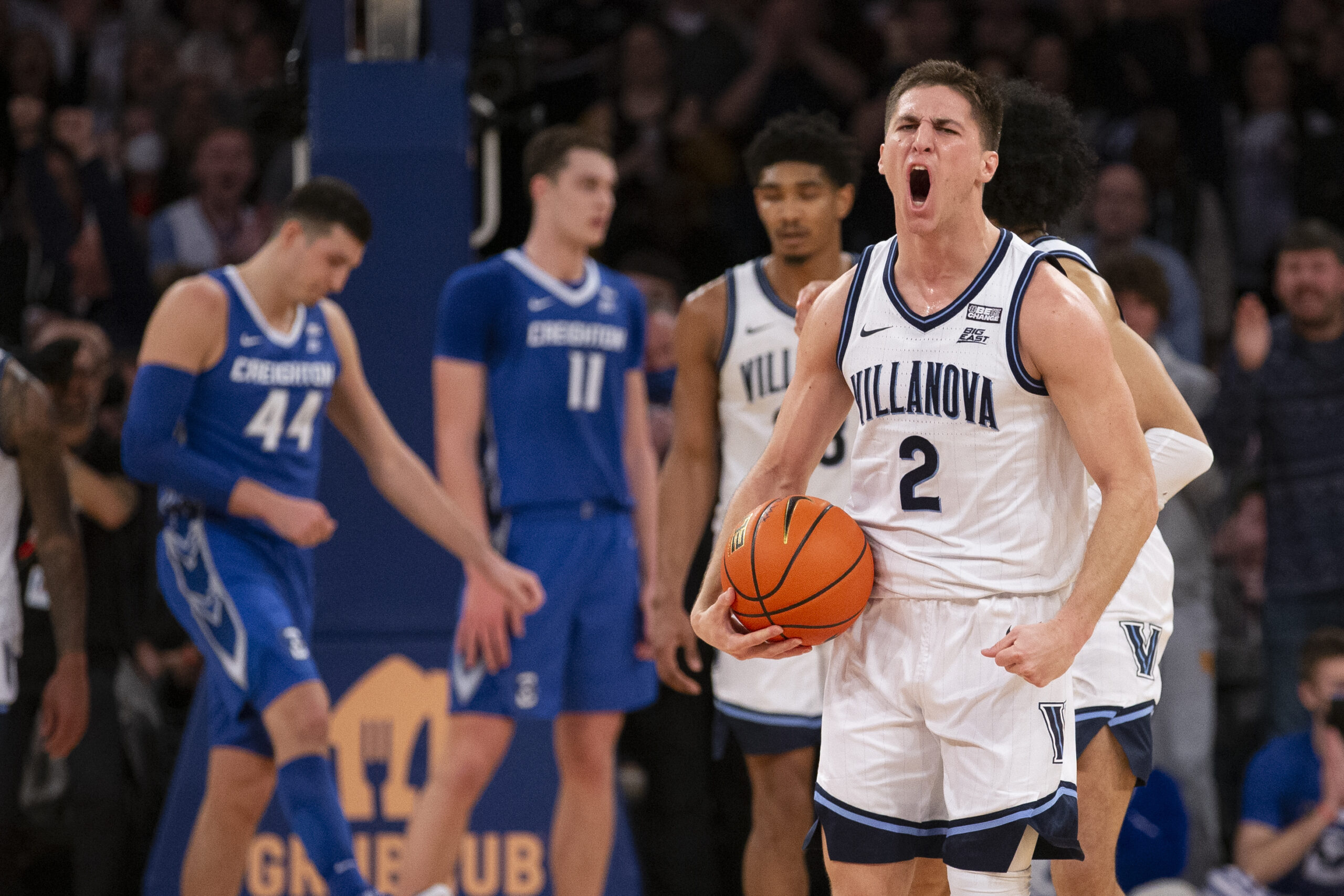
    Because Acaden Lewis shoots a basketball left-handed, it is natural for observers to admire the way the freshman Villanova point guard uses his right hand.

    The admirers often wear headsets and announce games on television.

    There goes Lewis, using his other hand.

    Look at that, with the off hand.

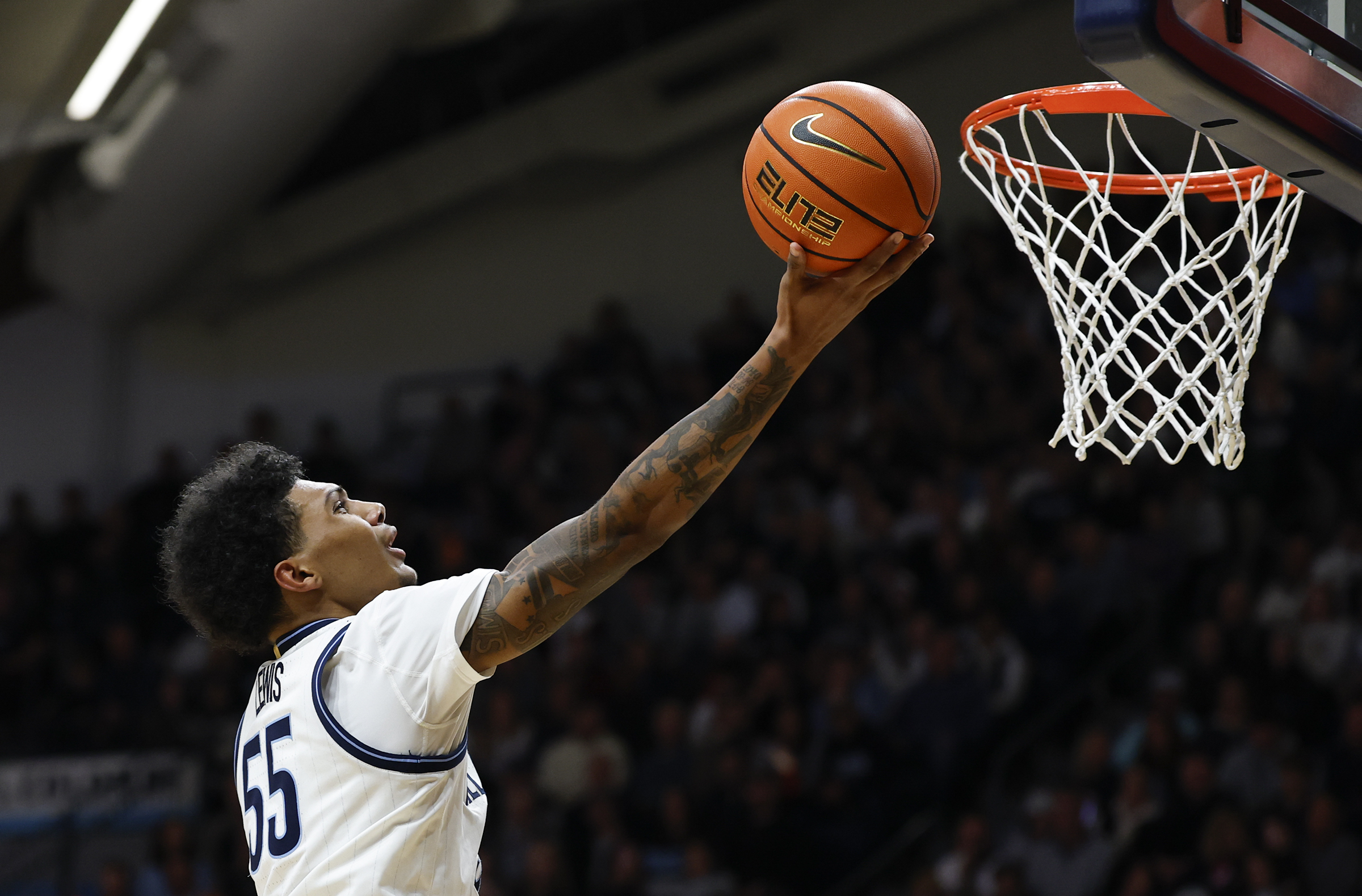
    For most players, passing the ball with their nonshooting hand, dribbling to their nonshooting hand’s side, and using their nonshooting hand to finish a layup or floater takes a lot of practice. The movements can be unnatural.

    To be sure, Lewis has worked hard to sculpt a skill set that has allowed him to play right away and be the lead guard on what looks like an NCAA Tournament-bound Villanova team.

    But he isn’t left-handed.

    “I can’t do anything with my left hand,” Lewis said by phone this week as he forked noodles into his mouth using his right hand following a post-practice film session. “I can’t palm a ball. I can’t write. I can’t eat.”

    Acaden Lewis is averaging 12.1 points, 5.3 assists, and 3.4 rebounds for the Wildcats.

    How did a right-handed kid growing up in the nation’s capital learn to play basketball left-handed?

    “I actually have no clue,” Lewis said. “I think I just shot with my left hand when I started hooping.”

    Whatever works. And it’s working. Entering Wednesday night’s game vs. Georgetown, Lewis is at 12.1 points, 5.3 assists, 3.4 rebounds, and 1.9 steals per game.

    His ability to use both hands is all over that stat line.

    “I think he has so much confidence in the fact that he can go both ways, and it’s not like you can shade him one way or send him to his weak hand,” Villanova coach Kevin Willard said.

    Willard first recruited Lewis out of high school when he was the coach at Maryland, but Lewis initially committed to Kentucky. It wasn’t until April, a few months before summer workouts, that Lewis withdrew his commitment from Kentucky and was back on the market. Villanova needed a point guard.

    During the recruiting process, Lewis told Willard and his staff that he actually was a righty.

    “I thought he was full of s—,” Willard said. “Because he was doing everything with his left.”

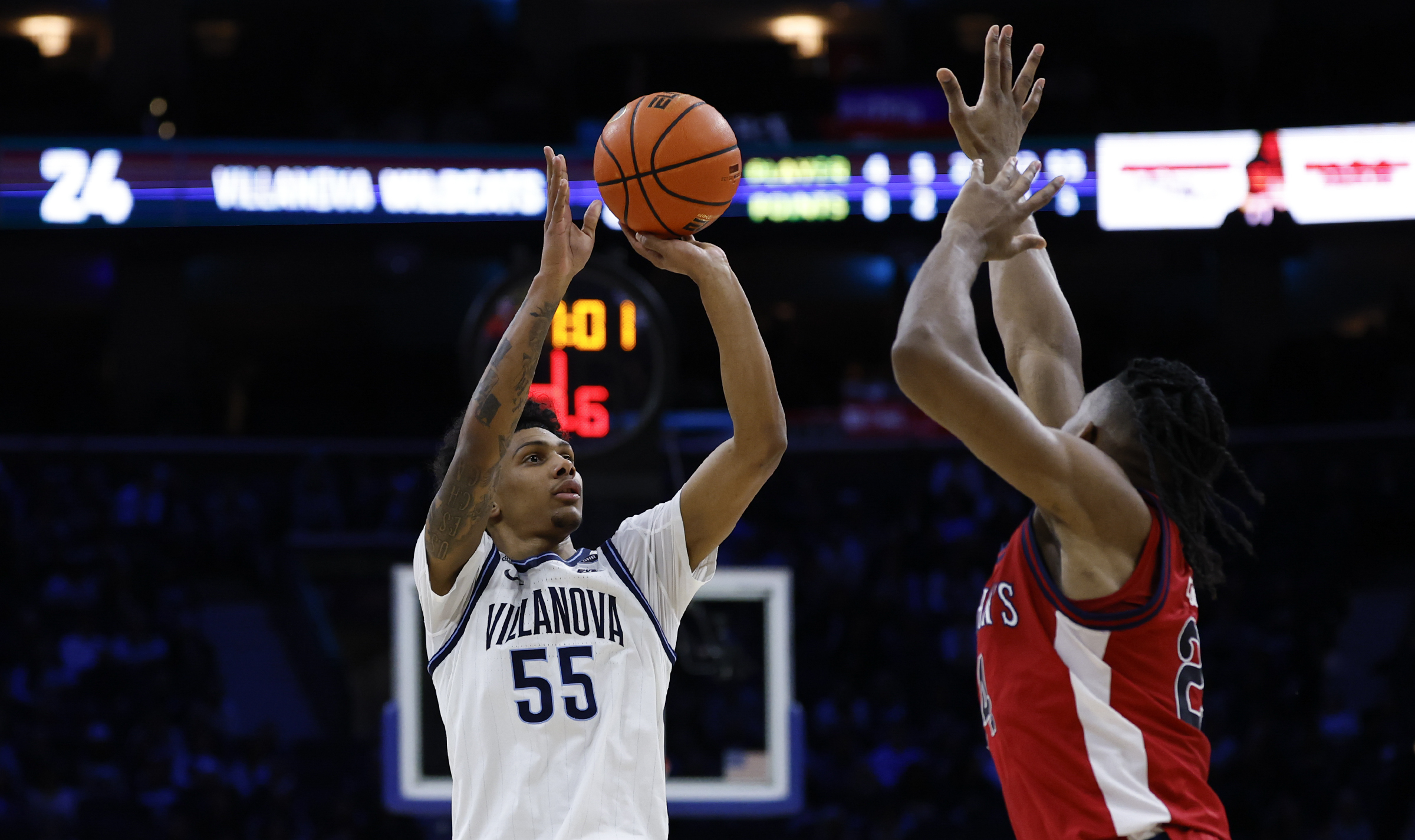
    Villanova guard Acaden Lewis lays up the basketball against Duquesne on Nov. 15.

    Willard noticed Lewis was good going both ways when he watched him, but it took floater drills during preseason practices for the coach to finally become a believer. Lewis was better with his right.

    “I was like, ‘Jeez, he must be right-handed,’” Willard said.

    Then, in October, during the installation of Villanova’s pick-and-roll defense, Willard noticed Lewis’ ability to run offense and pass effectively using his right hand. For most players, Willard said, there’s a “dramatic difference” when running an offense to their supposed weak side. With Lewis, it’s a strength.

    “We actually run some plays where he’s passing with his right hand because he can do it,” Willard said. “We don’t have to switch sides of the floor because he’s lefty. He gives me flexibility in the fact that we can run certain plays on the same side of the floor.”

    Lewis, who has been named Big East freshman of the week four times, agreed with Willard that passing might be the most critical component of him being ambidextrous.

    “I think that’s the best thing I actually do with both hands,” Lewis said. “Either that or finishing. I think the passing ability is really dynamic. I can do all types of passing with both hands, so it’s never like I have to come across my body or have to make awkward movements to throw passes. It makes a lot of things comfortable for me.

    “It’s a little unorthodox, and it’s kind of hard to guard.”

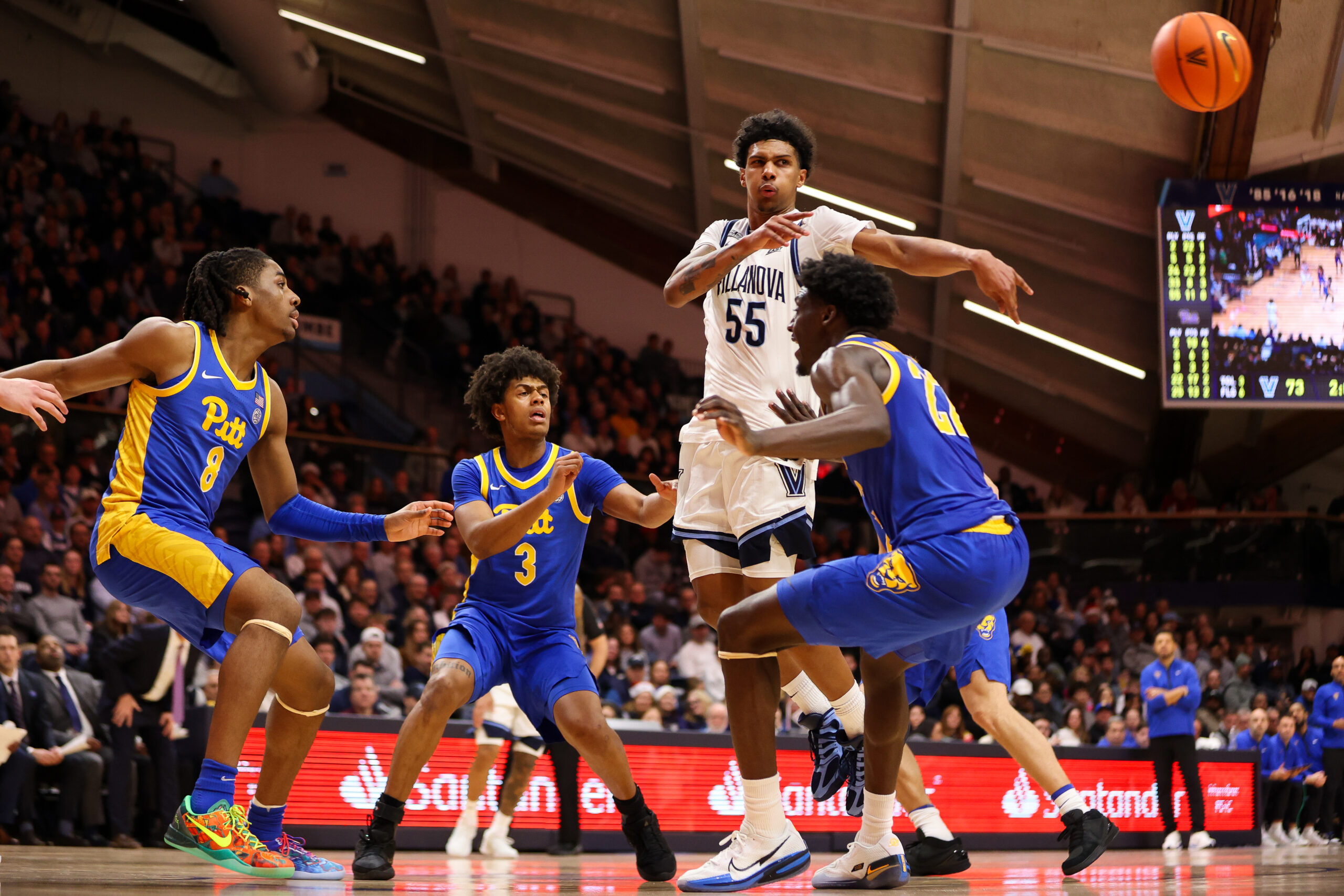
    Acaden Lewis firing a pass to his left during Villanova’s win against Pittsburgh on Dec. 13.

    There is, however, no advantage to being strong with both hands on the defensive end, Willard said.

    “I wish it did [help him],” Willard said jokingly. “I think he wishes it did, too.”

    Lewis credited his knack for the ball as the reason he is averaging nearly two steals through his first 18 college games. But while Lewis is fourth in the Big East in steals, his defense and inexperience have landed him on the bench a few times this season, including for all but 19 seconds of the final 11-plus minutes of Saturday’s loss to St. John’s.

    Lewis, Willard said, takes to coaching. He was similarly benched during the second half of a season-opening loss to BYU and responded well.

    “I think one of the biggest things about a leader is, he admits when he [messes] up,” Willard said. “He owns it. I think other guys have really bought in to the fact that here’s a young guy that’s getting yelled at by the coach because he’s the point guard, but he’s the man taking it.”

    Having two dominant hands and arms on the basketball court has been key for Lewis during his first season, but beyond that, Willard said Lewis’ commitment to learning and studying has enabled him to play well right away. That part he expected. Eric Singletary, Lewis’ coach at Sidwell Friends School in Washington, which previously fed Villanova stars like Josh Hart and Saddiq Bey, raved about the student of basketball Willard was getting.

    What Willard didn’t know until Lewis got on campus was that Lewis is a “monster competitor,” the coach said.

    “I just never knew how much of a competitor, how much he wanted to win, and how much he wants to be good. I don’t think you ever really find that out until you start coaching a kid. He’s blown me away with how much of a competitor he is.”

    That, and the right-handed floaters.

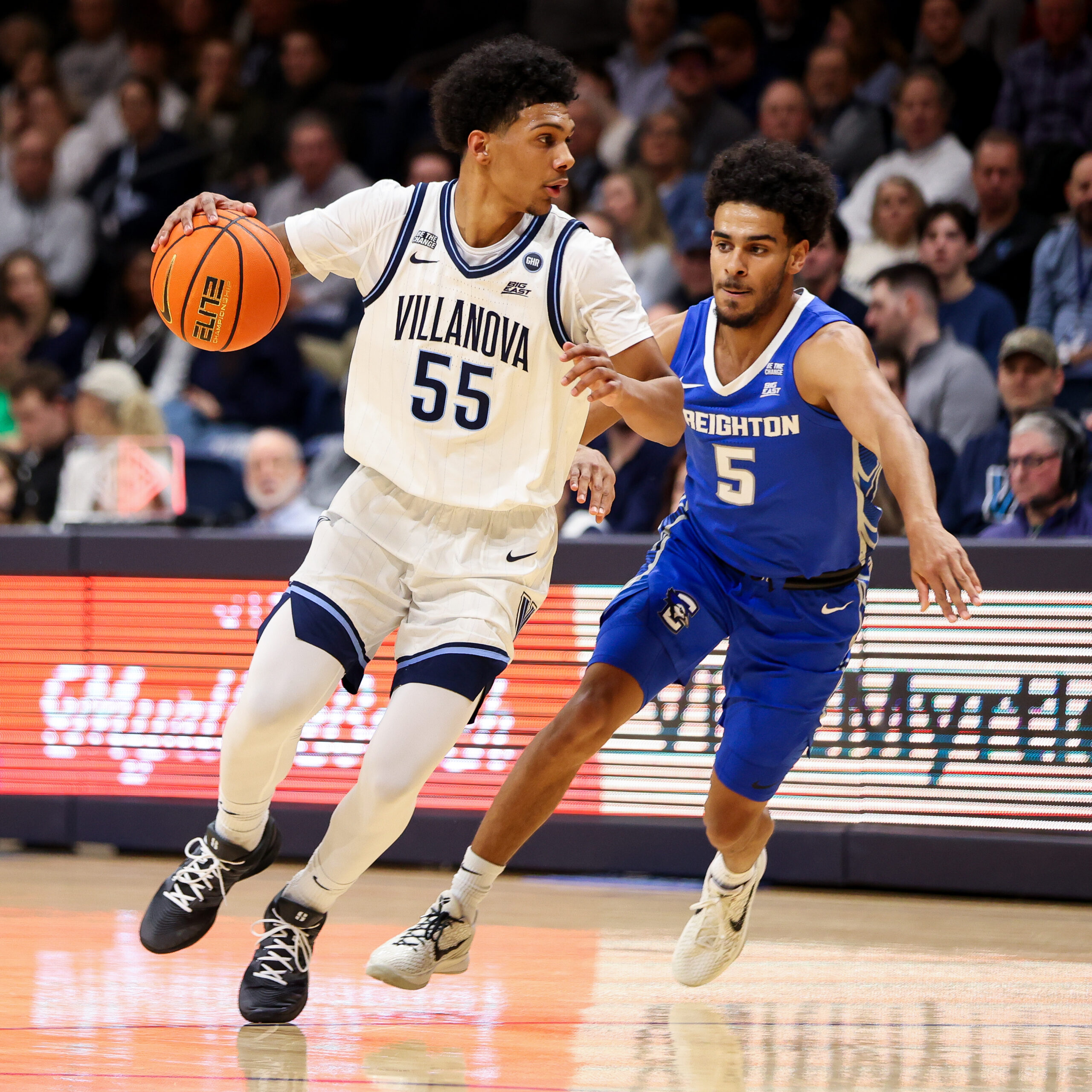
    Acaden Lewis dribbles with his right hand as Creighton’s Nik Graves pursues him on Jan. 7.

    Those, and Lewis’ ballhandling skills, were developed during early-morning training sessions that started when Lewis was a freshman in high school. While Lewis is right-handed, he spent his youth mostly using his left on the court. His trainer, Kevin “Uncle Skoob” Kuteyi, would pick Lewis up full-court during 6 a.m. workouts and force the teen to beat the pressure, often dribbling to his right, and finish at the rim, again mostly with his right hand.

    It came naturally, thanks to Lewis’ right hand being his dominant hand.

    “Everything about me in basketball is left-handed, I would say,” Lewis said. “But I’m right-handed, so I’m ambidextrous, basically. It’s weird.”

    Weird, even ambiguous.

    Does Lewis consider himself right-handed, left-handed, or ambidextrous?

    “I’m a right-handed person who is left-handed when I hoop,” he said. “That’s how I would put it.”

  • The Phillies were ‘very close’ to getting Bo Bichette and ended up with J.T. Realmuto. Here’s how it happened.

    The Phillies were ‘very close’ to getting Bo Bichette and ended up with J.T. Realmuto. Here’s how it happened.

    Late Thursday, within the hallways of One Citizens Bank Way, Phillies officials believed they were close to signing Bo Bichette.

    How close?

    “We were very close to having a deal done,” president of baseball operations Dave Dombrowski said Tuesday without divulging details. “We thought it was going to happen.”

    Bichette, through his agent, informed the Phillies that he would sign if they met his seven-year, $200 million asking price, two major league sources confirmed. The team agreed. All that was left, according to a source with knowledge of the situation, was “crossing the T’s and dotting the I’s” on the Phillies’ offer to the star infielder.

    That process was underway Friday when Bichette changed course, agreeing shortly before noon to a shorter-term (three years), higher-salary ($42 million per year) contract with two opt-outs from the Mets, who lost in their attempt to sign free-agent outfielder Kyle Tucker.

    Most Phillies officials found out about it like the public did — through reports in the media.

    “It’s a gut punch,” Dombrowski said. “I mean, you feel it.”

    Bichette didn’t give the Phillies the chance to outbid New York. Even so, they wouldn’t have sprung for the fourth-highest annual salary in the sport or included opt-out provisions.

    And that’s how the Phillies and J.T. Realmuto found their way back to each other.

    OK, so it lacks the romance of other free-agent courtships. And it made for a potentially awkward news conference Tuesday to announce the catcher’s new three-year, $45 million contract.

    Because the Phillies “almost certainly” were going to sign Bichette or Realmuto, not both, a major league source said. And if things had gone as they anticipated Thursday night, their longtime iron-man catcher would be meeting the media from a different city this week.

    Yet here were Realmuto and Dombrowski, narrowly spared from divorce, trying to avoid sounding like staying together was more than a consolation prize for either side.

    “Things got a little hairy there at the end, but I’m glad we’re back here,” Realmuto said. “This is where we wanted to be the whole time.”

    Said Dombrowski: “We always wanted to bring J.T. back. That was always a priority for us. They knew it. We also knew that he wanted to come back. Just there was a disagreement as far as dollars were concerned.”

    Indeed, Realmuto made a catcher-record $23.1 million per year since 2021. At age 35, amid a three-year decline at the plate, he conceded he would have to take a pay cut.

    But Realmuto also believed a team should pay a premium for his strengths behind the plate, notably game-calling and handling a pitching staff, among the last intangibles that can’t be measured by metrics. The Phillies appreciate his skills in those areas, but valued it differently.

    “We couldn’t bridge that gap,” Dombrowski said.

    It led the Phillies to Bichette, with whom they met over a Zoom call on Jan. 12. The positional fit didn’t seem obvious earlier in the offseason. Bichette has only ever played shortstop. But as talks with Realmuto stalled, the Phillies began thinking about improving the roster in other ways.

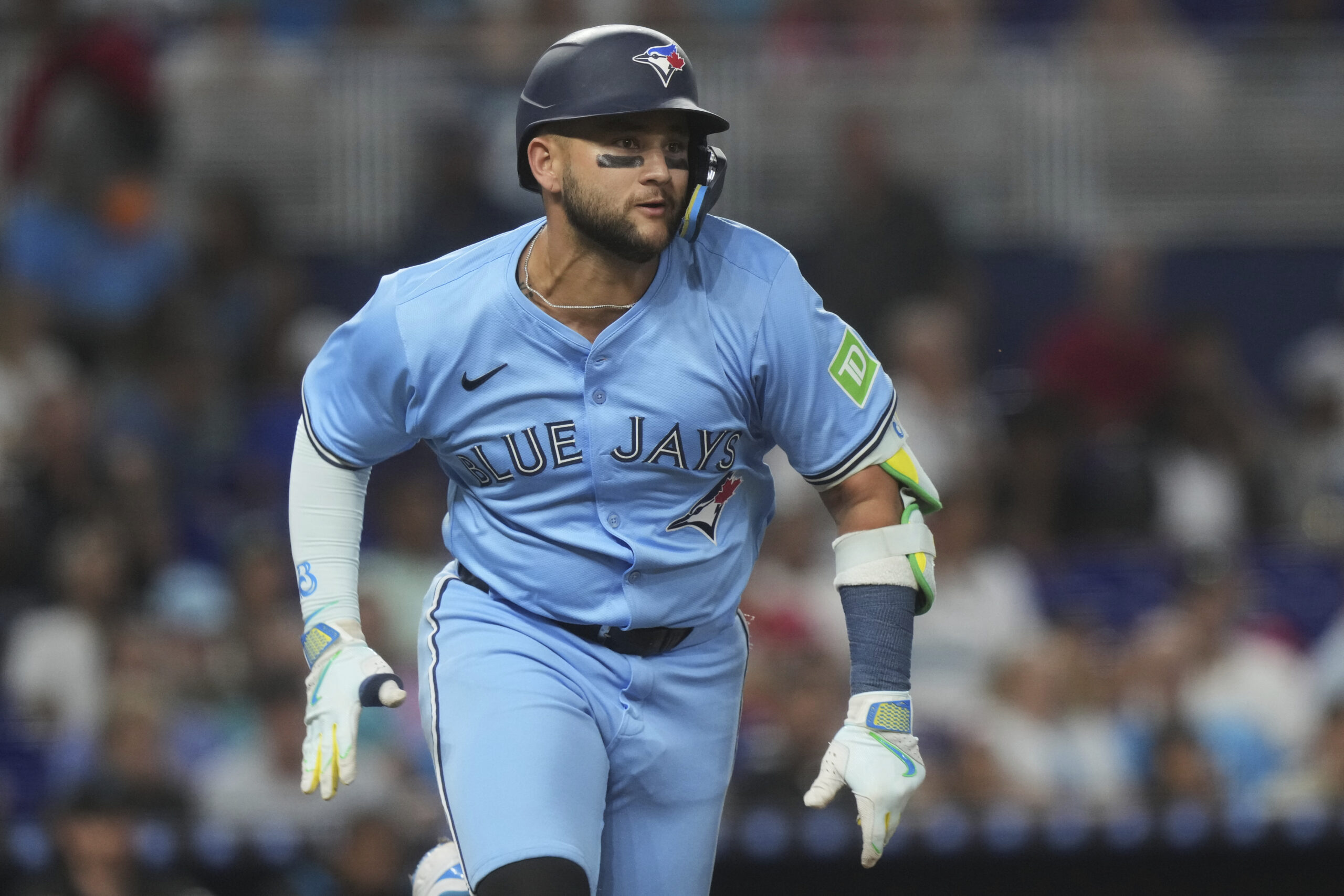
    A shortstop with the Blue Jays, Bo Bichette would have played third base with the Phillies.

    The Phillies would have played Bichette at third base and displaced Alec Bohm, who likely would’ve been traded. And Bichette was open to switching positions. The Zoom meeting went well enough that Dombrowski called Realmuto’s agent to inform him the Phillies might be going in another direction. Things began to get more serious.

    Or did they? Given how it all turned out, did Bichette use the Phillies as a stalking horse to get the deal he wanted from the Mets?

    “I can’t [say that] because you never know 100% what’s going on from their perspective,” Dombrowski said. “I do think he was sincere about thinking about coming to Philadelphia. Yes, I do. I think he was. We were at the numbers that they really asked us to match. [The Mets] jumped in at the last minute and made him a short-term offer that was very appealing to him.”

    Some within the Phillies’ front office were furious. But Dombrowski said Bichette’s camp didn’t renege on a deal or negotiate out of bounds because the sides never reached the point of signing a “memo of understanding,” a document that would have preceded a completed deal.

    “It wasn’t that we weren’t moving toward that direction,” Dombrowski said. “I did think that we were going to get there based upon our conversations. But we did not get to that point, so I can’t say that I ever thought we had it done.”

    The Phillies thought their willingness to stretch the term of the contract to seven years with more guaranteed money would be an advantage over the Mets (or potentially the Dodgers if they hadn’t signed Tucker). It’s a tactic they used to help land other marquee free agents: Bryce Harper (13 years), Trea Turner (11 years), and Aaron Nola (seven years).

    Instead, the Phillies missed out on a coveted free agent, a rarity since they signed Harper in 2019. They pivoted back to Realmuto within an hour of Bichette’s agreement with the Mets — “It was very quickly,” Dombrowski said — and bumped up their offer. They aren’t considering a run at any other big-ticket free agents, including Cody Bellinger.

    Phillies president of baseball operations Dave Dombrowski said he was “upset” after finding out Bo Bichette picked the Mets, “but you have to pick yourself up and shake it off.”

    They might actually be better off with Realmuto at the controls of the pitching staff than with Bichette’s right-handed bat in the lineup. Pitching, after all, remains the strength of the roster, and Zack Wheeler, Cristopher Sánchez, and others swear by Realmuto’s guidance.

    Still, four days after Bichette slipped through the Phillies’ fingers, it was impossible to not hear the disappointment in Dombrowski’s voice.

    “That day you are very … upset, I guess is the way to say it,” he said. “But you have to pick yourself up and shake it off. Because you can’t just wallow in what took place. So, after a day of feeling that way, or a time period, you need to move forward. That’s how you handle it.

    “We did rebound in the sense that we signed J.T. right away. We’re very fortunate he didn’t sign somewhere else.”

    In time, maybe it will start to feel more like it.

  • The NBA journey of former Villanova star Collin Gillespie seems unlikely to everyone — except him

    The NBA journey of former Villanova star Collin Gillespie seems unlikely to everyone — except him

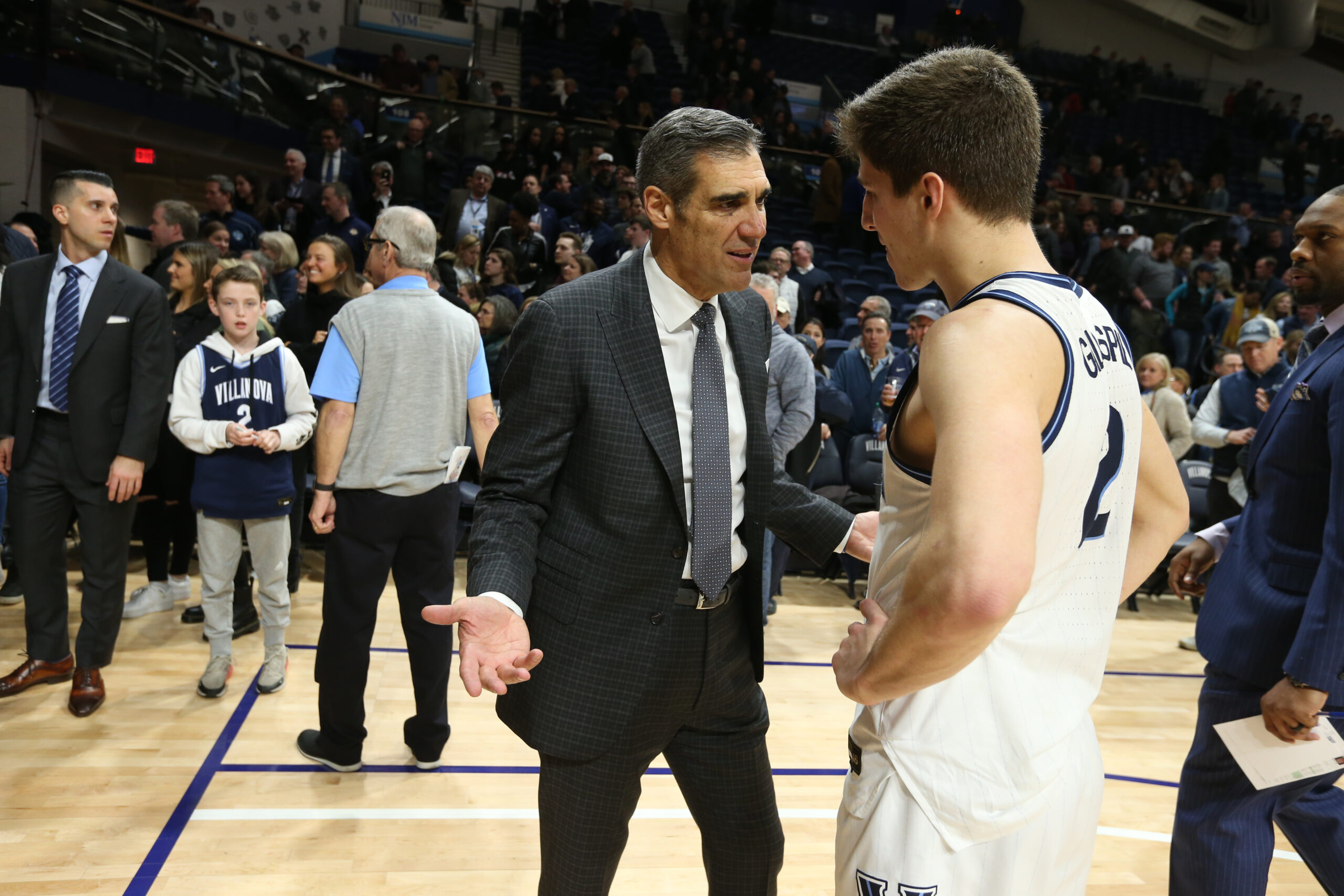
    Jay Wright saw enough of Collin Gillespie a few nights before to invite him to Villanova on a Monday in January 2017 and offer him a scholarship. But this was hardly a courtship. Wright told Gillespie that he would redshirt his freshman season, maybe play as a junior, and then have a complementary role as a fifth-year senior.

    “I thought he would get his master’s degree and be a great coach one day,” Wright said. “I was thinking ‘I would love to have this guy on my staff.’”

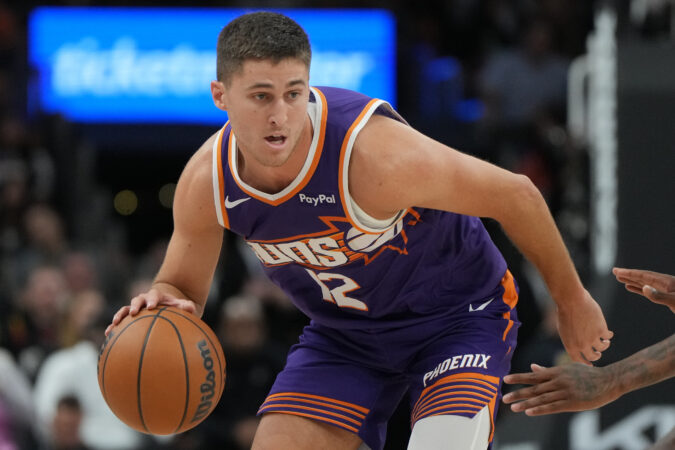
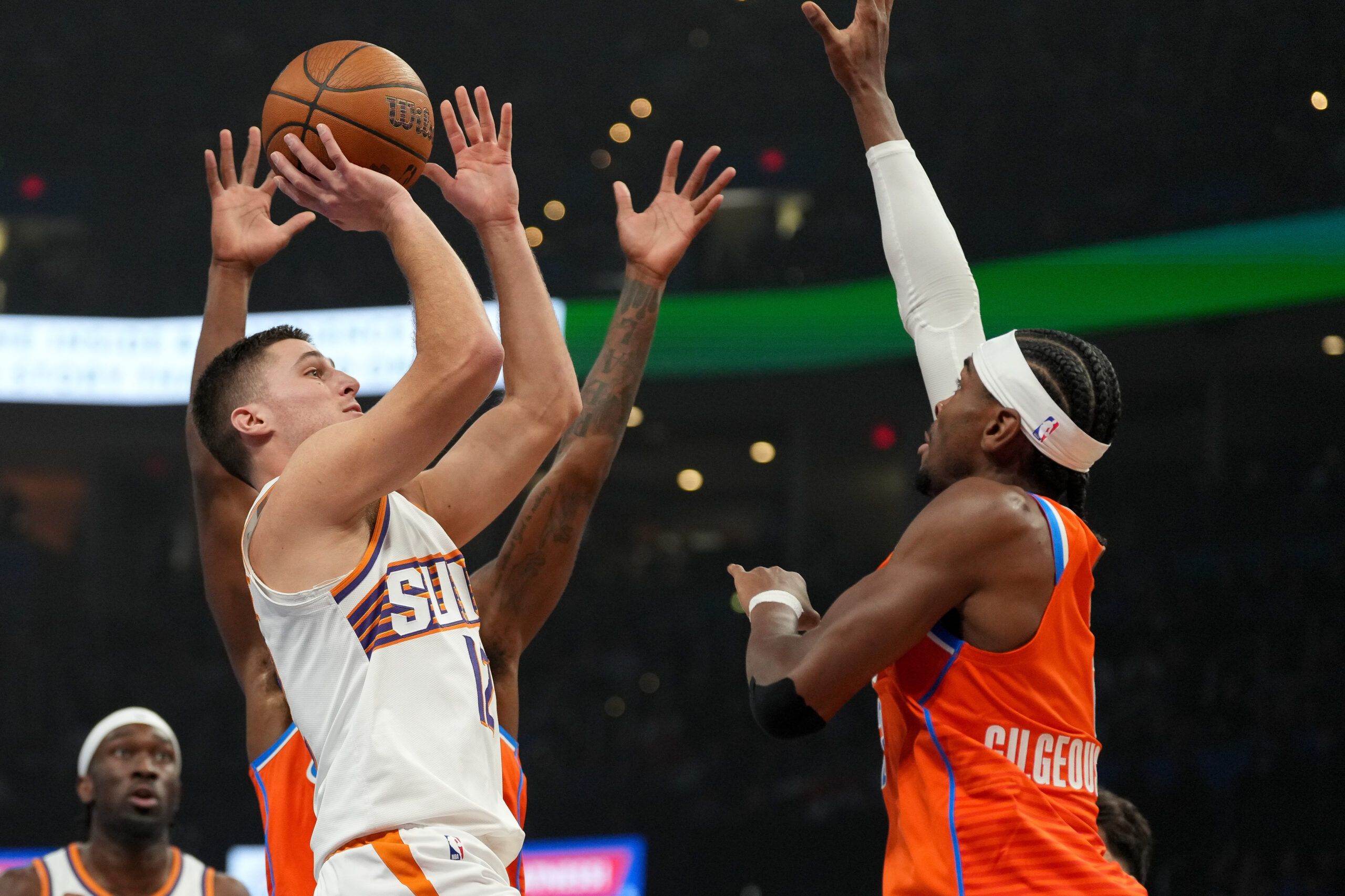
    Gillespie — who has molded himself into an NBA starter with the Phoenix Suns after going undrafted in 2022 — nodded along. He didn’t have a Division I scholarship before his senior year at Archbishop Wood and declined to visit Division II schools because he believed bigger programs would eventually see what he already knew: He could play. Redshirt? OK. Bench player? Sure. Coach? Yes, sir.

    “I didn’t really believe him,” said Gillespie, who will play against the 76ers on Tuesday night. “I believed in myself. I was just like, ‘Whatever he says, I’ll take it and then prove him wrong.’”

    There was Gillespie 15 months later on the court for Wright in the national championship game, taking a charge against Michigan and looking the part. In his fifth year, the kid who had to wait for college scholarships was named the nation’s top point guard in 2022. He went undrafted that June but landed a non-guaranteed contract in July with the Denver Nuggets. He was on track.

    Three weeks later, Gillespie suffered a broken right leg while playing in a pickup game at Villanova.

    His NBA career — the one that is now flourishing — seemed unlikely then to nearly everyone except the guy who nodded along that day in Wright’s office.

    “Everyone has their own journey,” Gillespie, 26, said. “Everyone runs their own race. You just have to stick to what you do, put your head down, and work hard. Don’t compare yourself to anyone else. If you work hard enough, you can probably achieve anything you want to.”

    Collin Gillespie (right) became much more than a fifth-year senior role player first envisioned by Villanova coach Jay Wright.

    G League to the league

    Andre Miller often learned via text messages which players would be flying nearly three hours from Denver to join his G League team that night. He coached the Grand Rapids Gold, the Nuggets’ minor-league affiliate in Michigan that played 1,100 miles from Denver. Those morning flights gave Gillespie a chance to get on the court.

    “It wasn’t a good recipe for these guys to be successful, but when he did show up, he didn’t want to come out of the game,” said Miller, who played three of his 17 NBA seasons with the Sixers. “We knew we had to leave him out there because he didn’t have an opportunity with the other team and he took great advantage of it.”

    Gillespie feared that the Nuggets would void his contract after he suffered that injury playing at Villanova. That’s the first thing he said to his father, who was in the gym when it happened. But they didn’t. They kept him around that first season while he rehabbed and then split his time the next season between Denver and Grand Rapids.

    “There was no ego,” Miller said. “One thing that’s tough to deal with is when your career is in the hands of other people. Some people felt like he wasn’t an NBA player and some people felt like he was an NBA player. The one thing that stood out about him to me is that he’s a competitor. He’s a dog. He’s a guy who enjoys playing basketball. He’s a leader. He plays with a chip on his shoulder.

    “I wish I could have coached him more in the G League, but he was an NBA player. I knew that from the first time I saw him on the court with the G League players. I was like, ‘He probably won’t be here much.’”

    Gillespie signed before last season with the Suns, again splitting time between the NBA and the G League. The 6-foot-1 guard earned a full-time role this season, starting for the Suns and fitting in with pesky defense and a three-point shot. Just like college, it took time before Gillespie’s game was appreciated.

    “You just don’t see it initially. He doesn’t wow you,” Wright said. “But when you see him play over time and you realize this guy is getting to the rim and finishing, he’s elevating on his jumper and shooting over bigger guys, and he’s not getting backed down. You almost need to have time to believe what you’re watching.”

    Collin Gillespie is shooting 41.4% from three-point range for the Suns.

    Gillespie entered Monday’s game against Brooklyn averaging 13.2 points, 4.9 assists, and shooting 41.4% from three-point range. He hit a game-winner at the buzzer in November, regularly finds ways to create his own shot, and has proved that his game fits in the NBA.

    Kevin Durant called him “a dog” and Anthony Edwards said after a loss to the Suns last season that “No. 12 is pretty good at basketball.” Two NBA superstars could see what Gillespie always believed: He belongs.

    “He has more heart than talent,” said his father, Jim. “The kid just doesn’t want to lose. When he sets his mind to something, he just does it. And ultimately, he’s a winner. Wherever he’s gone, he’s won. At every level.”

    Jay Wright says Collin Gillespie came to Villanova with a “killer mentality and stone face that we try to teach.”

    Change of plans

    Gillespie was in the stands for a Villanova game as a senior in high school, seated behind the La Salle bench at the Palestra. The Explorers invited him and Gillespie thought a scholarship offer was near.

    “But they never offered,” Jim Gillespie said.

    Gillespie eventually landed smaller Division I offers as a senior, but he was hopeful a Big 5 school would have a spot for him. None of them did until January when Villanova assistant Ashley Howard urged Wright to watch Gillespie play a game against five-star recruit Quade Green’s Neumann Goretti squad at Archbishop Ryan.

    The Northeast Philly gym was packed and the coach couldn’t stay long as he was being hounded. Howard called Wright while he was driving home and told the coach that one kid scored 42 and the other kid scored 31. Wright figured the 42 points belonged to Green, who was already committed to Kentucky. It was Gillespie, the assistant said. Wright was sold.

    “Nothing was spectacular, and he’s not bringing any attention to himself,” Wright said. “He just makes the right plays.”

    Wright called Gillespie’s father and told him he needed his son at Villanova on Monday. The coach gave Gillespie his pitch that day without any guarantees.

    “We left and we were like, ‘What are you going to do?’” his mother, Therese, said. “He said, ‘I’m going to play out my senior [year].’ I said, ‘Collin, it’s Jay Wright.’ He said, ‘Mom, I know what I’m doing.’”

    Gillespie committed a week later, simply deciding after a game at Bonner-Prendergast that he had enough of the recruiting trail. He was headed to ’Nova and told a Wood coach without first running it by his parents. Gillespie knew what he was doing.

    “He always said, ‘I’ll bet on myself,’” Jim Gillespie said. “He put the work in and the effort in and that’s what he’s always done.”

    It took Gillespie just a few weeks to force Wright to rethink the plan that he would redshirt. Every day in practice that June he went up against Jalen Brunson and held his own.

    Collin Gillespie (left) got to play in practice against future NBA players Donte DiVincenzo (center) and Jalen Brunson (right) at Villanova.

    “He came in with that killer mentality and stone face that we try to teach,” Wright said. “But he came in with that. Then he spent every day with Jalen Brunson and it just became reinforced. It was so obvious. The coaching staff, behind closed doors, was going, ‘This kid is going against Brunson every day. He’s pretty good.’”

    Gillespie suffered a minor injury that month and Wright checked with athletic trainer Jeff Pierce to see how the freshman was feeling. He was fine, the trainer said.

    “The trainer said, ‘You’re not redshirting this kid,’” Wright said. “I said, ‘Is it that obvious?’ He said ‘Yeah, everyone knows.’ Yeah, it was.”

    The guy who nodded along in Wright’s office proved that he belonged. Now, he’s doing it again in the NBA.

    “It’s the way I was raised and where I come from,” said Gillespie, who grew up in Pine Valley before moving to Huntington Valley. “My brother is a year older, so I always played a year up. I had to play against older guys and was always smaller. I always had to prove myself and had a chip on my shoulder. My parents always believed in me and my family always believed in me and taught me to believe in myself.”

  • Black and low-income patients face disparities in access to genetic testing, Penn study finds

    Black and low-income patients face disparities in access to genetic testing, Penn study finds

    At Penn Medicine’s clinic where adults receive genetic counseling and testing, about 9% of patients are Black.

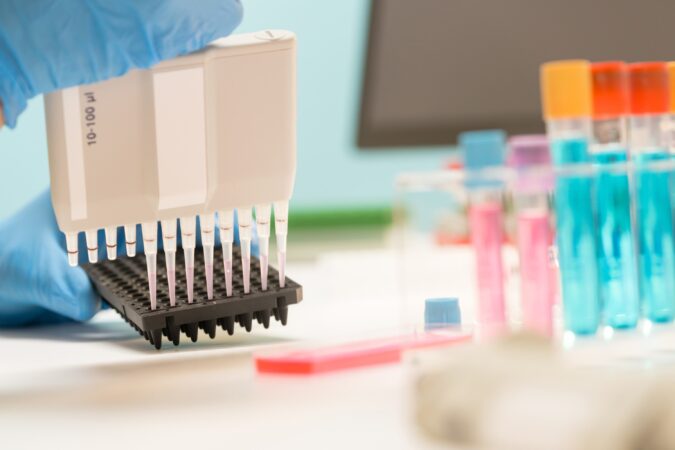
    By contrast, one in four patients at the cardiology and endocrinology clinics located in the same facility in West Philadelphia are Black, while nearly 40% of city residents are. Those from low-income neighborhoods are also less likely to be seen at the genetics clinic, yet more likely to have positive results when tested, a recent Penn study found.

    These findings line up with what Theodore Drivas, a clinical geneticist and the study’s senior author, had long suspected about the impact of racial disparities based on his own experience seeing patients at Penn’s clinic.

    The study, published this month in the American Journal of Human Genetics, found that Black patients were also less likely to be represented at adult genetics clinics at Mass General Brigham, a Harvard-affiliated health system in Massachusetts.

    There’s no biological reason why rates of testing should differ, Drivas said. The overall rate of genetic disease should be similar regardless of race, even though certain diseases are more prevalent in some populations.

    “Genetic disease doesn’t favor one group or another,” he said.

    That means if one group isn’t getting tested as much, they’re probably missing out on key diagnoses.

    Racial disparities are an ongoing concern in medicine and have been attributed to a wide range of causes, including socioeconomic factors, unequal access to care, implicit bias, and medical mistrust due to historic injustices.

    In a study published last August, Drivas’ team found that the chances of a genetic condition being caught varied widely by race. Among patients admitted to intensive care units across the Penn health system, 63% of white patients knew about their genetic condition, compared to only 22.7% of Black patients.

    To address these disparities, Drivas is calling for changes to how the medical field approaches genetic testing, such as by integrating testing into standard protocols and improving national guidelines.

    “It’s not just a Penn problem or a Harvard problem. It’s a genetics problem in general,” Drivas said.

    Diving into the disparities

    Drivas’ team analyzed data from 14,669 patients who showed up at adult genetics clinics at Penn and Mass General Brigham between 2016 and 2021. The findings are limited to the two major academic centers on the East Coast, which tend to see sicker patients compared to community medical centers.

    Black patients were 58% less likely to be seen at Penn’s genetics clinic than would be expected based on the overall University of Pennsylvania Health System patient population.

    At Mass General Brigham, Black patients were 55% less likely than would be expected based on that system’s population.

    Some literature has suggested that Black patients and others from minority groups are less likely to agree to genetic testing because of an inherent distrust in the medical system due to historic injustices. “But we don’t see that in our data,” Drivas said.

    Once evaluated at Penn’s clinic, Black patients were 35% more likely to have testing ordered than white individuals.

    His team also found disparities affecting lower-income individuals. Each $10,000 increase in the median household income of a person’s neighborhood was associated with a 2% to 5% higher likelihood of evaluation at a genetics clinic.

    Meanwhile, patients from neighborhoods with lower median socioeconomic status were more likely to get positive results from testing than those from wealthier neighborhoods.

    “We’re relatively over-testing the people from higher socioeconomic brackets and under-testing the people from lower socioeconomic brackets,” Drivas said.

    The solution is not to stop testing the wealthier people, he clarified, but to improve access to testing for others.

    Undoing disparities

    People who want to get a genetic diagnosis often have to go to major medical centers.

    The University of Pennsylvania health system comprises seven hospitals across Pennsylvania and New Jersey. Its Perelman Center for Advanced Medicine, adjacent to the Hospital of the University of Pennsylvania in West Philadelphia, is the only one that has an adult genetics clinic.

    Drivas has many patients who drive two or three hours to be seen for genetic testing.

    The current wait time at his clinic is around three or four months, which he said is “pretty good” compared to others.

    He thinks part of the solution to reducing disparities requires expanding the size and diversity of the genetics workforce so more patients can be seen.

    Geneticists also need to better educate doctors in other fields about when to refer patients, he said. Creating better guidelines would help.

    Notably, Black patients in the study were more likely to be evaluated than white individuals for genetic risk factors of cancer — an area where there are clear clinical practice guidelines recommending genetic testing.

    They need to come up with similar guidelines for other conditions, such as cardiovascular and kidney diseases, he said.

    Another idea he had was to make genetic testing more integrated into standard care in the hospital.

    His earlier study found a surprising number of adults in ICUs at Penn had undiagnosed genetic conditions. Such testing is now widely available and often costs as little as a few hundred dollars.

    “It costs money, but I think there are cost savings and life-saving interventions that can come from it,” Drivas said.

  • Fran Dunphy speaks for the first time about how the NCAA point-shaving scandal touched La Salle

    Fran Dunphy speaks for the first time about how the NCAA point-shaving scandal touched La Salle

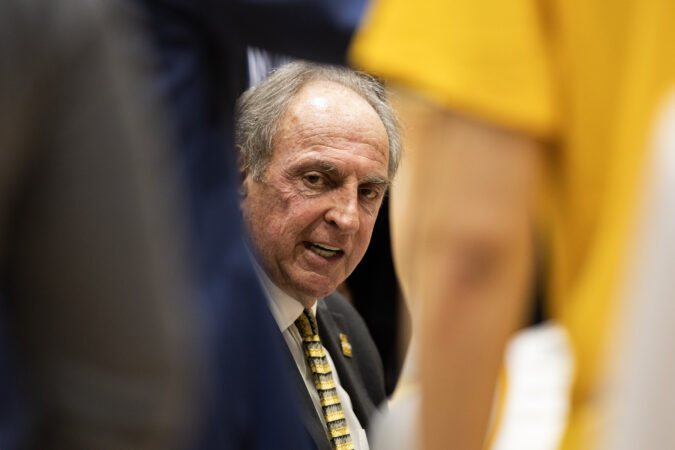
    Fran Dunphy sat at a long table inside La Salle University’s athletic center early Monday afternoon, his body turned toward a wide window on the other end of a conference room, as if the difficult discussion topic pained him and he was trying to shield himself from the hurt.

    A 70-page federal indictment had dropped Thursday accusing more than 39 college basketball players of fixing games and shaving points during the 2023-24 and 2024-25 seasons. Dunphy had read in disbelief as La Salle was mentioned more than once. One of his team’s games was the target of an alleged fix, and one of his former players, Mac Etienne, appeared in the indictment 28 times for shaving points at DePaul University in ’23-24, the season before he came to La Salle. Etienne reportedly reached a plea agreement with prosecutors on Dec. 8.

    La Salle released a statement Thursday noting that no one now connected to the university was charged and that the school would cooperate with any investigation. No one has accused the university’s administrators or coaches of any wrongdoing, and everyone who knows Dunphy knows that his integrity is beyond reproach. Still, there’s no getting around the disturbing implication of the La Salle-related details within the indictment.

    Two of the alleged fixers, Jalen Smith and Antonio Blakeney, “attempted to recruit” La Salle players to shave points in a Feb. 21, 2024, game against St. Bonaventure. The Bonnies were favored in the game’s first-half spread by 5.5 points, and the fixers “placed wagers with various sportsbooks totaling at least $247,000 on St. Bonaventure to cover” that spread. The Explorers led, 36-28, at halftime and won, 72-59.

    “We did our job that day,” Dunphy, who retired from coaching after last season, said in his first public comments since the indictment’s release. “I felt good about that — that there was nothing there, that we had won the game. I truly liked coaching those guys on that team. That was a good win for us.”

    But the fact that the bets failed and the fixers lost doesn’t answer an unsettling question: Why would the defendants have wagered nearly a quarter of a million dollars on a middling Atlantic 10 game if they didn’t already have reason to believe they’d win the bet — if they didn’t think they had someone inside working to help them?

    “I couldn’t tell you,” Dunphy said. “Again, I didn’t go down that path even a little bit. I just thought about my team, the fact that we had played fairly well that day, and I was just surprised and disappointed that anybody even thought we were involved in any of that. That was my disappointment.”

    Has he been thinking about that team, that season, and asking himself if such a scenario — one or more of his players shaving points — was possible?

    “Well, we were about a .500 team,” he said. “It wasn’t like we were superstars. But we had a good group of guys who wanted to work their ass off. That’s how I looked at it. Did I go back to the guys who played a lot of minutes? Yeah. That wasn’t their M.O. That would have been really surprising to me if any of those guys thought that [shaving points] would be something beneficial to them or anybody. …

    “Just surprise, disappointment, a bit shocking. Just, how did this happen? Where do we go with it?”

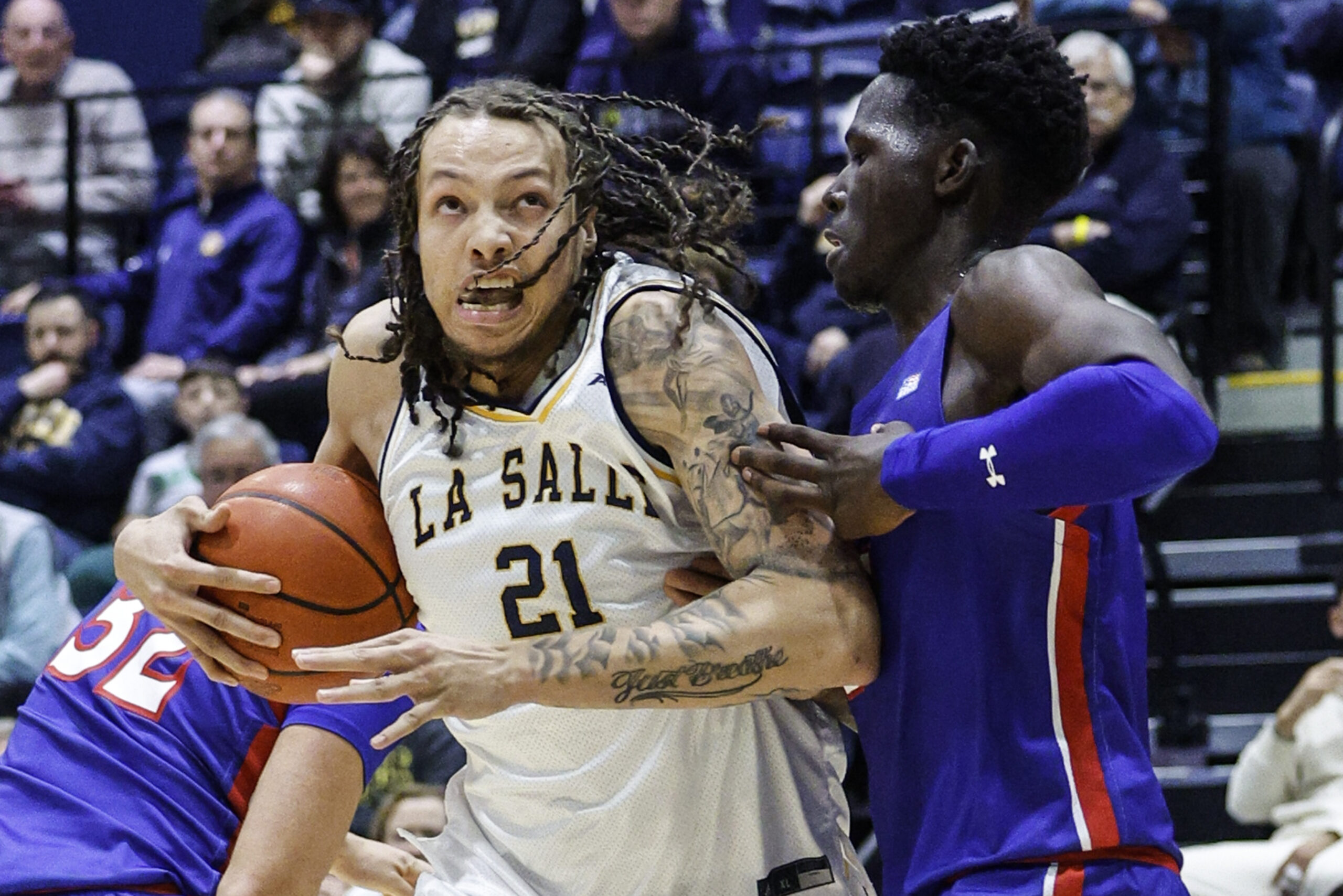
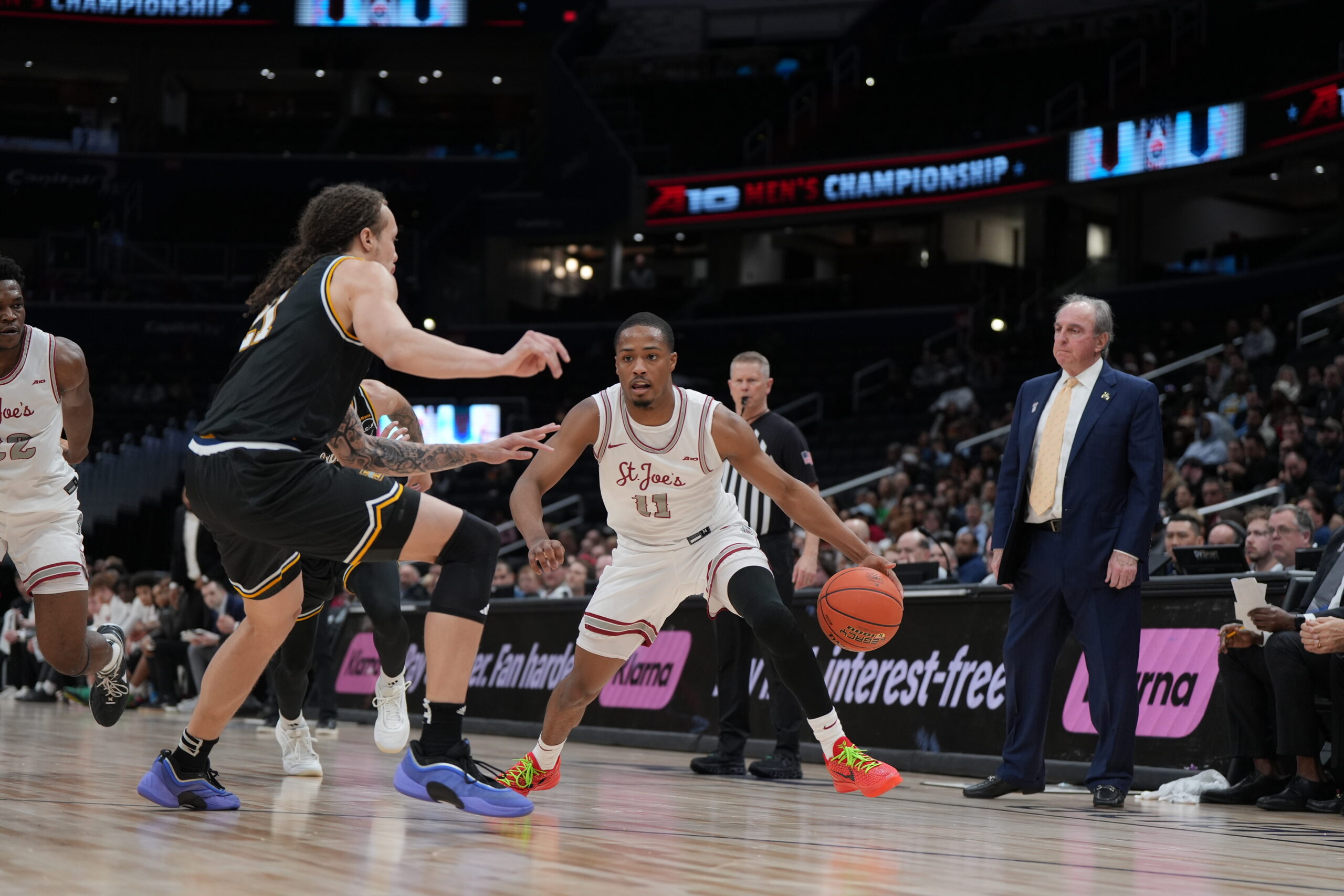
    Mac Etienne (21), who began his career at UCLA before transferring to DePaul and then to La Salle, reached a plea agreement with prosecutors on Dec. 8.

    As of Monday afternoon, he had neither rewatched the St. Bonaventure game nor reviewed the box score for anything curious or alarming. He hadn’t thought about the incident in those terms, he said, and perhaps he could not bring himself to think about it that way. How many times had he watched one of his players make a silly, stupid mistake during a game, and how many times had he yelled, What the hell are you doing? “I didn’t think twice about it,” he said. Was he supposed to have considered that a player screwing up like that was doing it on purpose, that the kid was on the take?

    Hell, in the Explorers’ 81-74 victory last March over St. Joseph’s, in the final win of Dunphy’s career in his final home game, Etienne had scored 13 points and grabbed 11 rebounds in 36 minutes. “Just a phenomenal game for us, and he was very much a part of it,” Dunphy said. “He was a very interesting guy to coach. Talented. A worker. And he seemed to care very much about his teammates. … He never complained about minutes or any of that.” But now Dunphy was remembering Etienne’s recruitment, the coaxing it took to get him to transfer from DePaul to La Salle, with the hindsight that Etienne had thrown games before he ever showed up and settled in at 20th and Olney. Now Dunphy was searching for signs and tells in retrospect.

    “You’re running through every guy who’s hitting the portal,” he said. “‘What do we need? This guy, does anybody know him?’ Some of the staff members knew him, knew about him.

    “Years ago, the portal wasn’t like it is. You’d recruit a kid in his sophomore, his junior year. You’d get to him. You’d get to know the parents, get to know his coaches. The coaches tell you what the kid is like, some of the idiosyncrasies. We don’t study that much anymore. There’s not as much vetting in today’s world. But that’s the way it is. It’s a challenge, and you try to meet that challenge.”

    Fran Dunphy (right) described Mac Etienne (defending St. Joseph’s guard Xzayvier Brown on March 13) as “a worker” in the time he coached him.

    College basketball has had plenty of point-shaving scandals throughout its past, of course; one of the biggest, in 1961, involved St. Joe’s. But it’s so easy now for gamblers to contact players and for anyone to place a bet — just a few taps and swipes on a smartphone — that even if law enforcement authorities keep catching the fixers, the credibility of college basketball and sports overall still will be in peril. The more arrests, the less the public will trust what it sees on the field and the court. The corruption can appear total and endless, yet so many stay strangely silent about it.

    Look around. Listen. Who are the giants of college basketball, the big-name coaches, who are speaking out about this scandal, who are sounding bells and alarms about the sanctity of their sport? “Nobody ever talked about this among my fellow coaches. Nobody,” Dunphy said. “It’s just not something that you talk about because you don’t believe it’s happening. You hear these stories that tell you it is, but you just say to yourself, ‘I don’t know how this could happen.’”

    The rot may have spread to his program, and Fran Dunphy doesn’t have to be the loudest voice calling for everyone to open their eyes, including his own. He just had to do what he did Monday. He just had to be one of the first.

  • Sean McDermott’s firing could make Eagles’ pursuit of Mike McDaniel, Brian Daboll for OC much harder

    Sean McDermott’s firing could make Eagles’ pursuit of Mike McDaniel, Brian Daboll for OC much harder

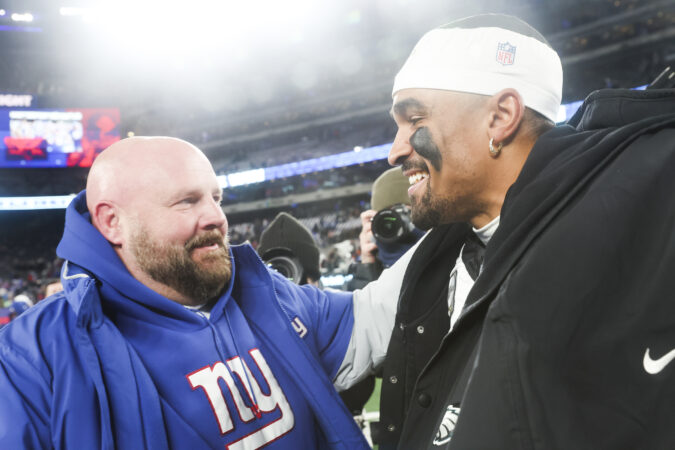
    In the past week, the Eagles have made it known to sources around the league that hiring former Miami Dolphins head coach Mike McDaniel as their new offensive coordinator is their No. 1 offseason priority. That includes fired New York Giants coach Brian Daboll, who is expected to interview for the position this week. Virtually no amount of money, literally no amount of autonomy, and no fear of conflict would deter the team from signing McDaniel, a respected offensive innovator.

    McDaniel and Eagles defensive coordinator Vic Fangio endured a rocky year together in 2023, when Fangio worked for McDaniel as his defensive coordinator in Miami, and their split, while couched as a mutual parting of the ways, was not without acrimony.

    At any rate, league sources indicate that even though Fangio’s work the last two seasons has been integral and possibly unmatched around the league, if the Eagles were somehow able to hire McDaniel, they would not be deterred by any possible discomfort from Fangio.

    Of course, the actual hiring of McDaniel in Philadelphia would be an unexpected coup for the Birds. Right now, he’s a hotter commodity than Venezuelan oil.

    He got even hotter Monday morning.

    The Bills fired head coach Sean McDermott on Monday. McDaniel is sure to be a candidate for that job. So will Daboll, who worked with superstar quarterback Josh Allen as the Bills’ offensive coordinator from 2018-21. And McDermott immediately becomes the top head coaching candidate in the league.

    There’s also a chance McDermott blocks McDaniel from a head coaching position, which pushes him back into the OC market, to the Eagles’ benefit.

    The merry-go-round ever swirls.

    Stay tuned.

    One thing is certain: McDermott’s firing immediately makes the Eagles’ quest for their top two candidates much less likely to succeed.

    McDaniel already has interviewed for head coaching vacancies in Tennessee, Baltimore, and Cleveland, was scheduled to interview in Las Vegas on Monday, and is expected to be interviewed a second time by the Browns this week. He interviewed with Atlanta, too, but the Falcons have already hired Kevin Stefanski, whom the Browns just fired.

    A report last week indicated that McDaniel would consider taking one of the premier offensive coordinator positions in favor of a bad situation as a head coach.

    To that end, McDaniel has interviewed with the Detroit Lions and Tampa Bay Buccaneers. The former is reportedly closing in on a deal with Arizona’s Drew Petzing. The latter offers a head coach in Todd Bowles whose future beyond next season is unsure, and the Bucs are as fervent pursuers of McDaniel as the Eagles.

    After he leaves Las Vegas — or, if he leaves Las Vegas, which owns the No. 1 overall pick and would be an enticing rebuild — McDaniel is expected to interview for the Los Angeles Chargers’ vacant OC job. There, McDaniel would coach Justin Herbert, who, like Lamar Jackson in Baltimore and Allen in Buffalo, is a more enticing option than the QBs on the other teams.

    And yes, that includes Jalen Hurts.

    However, in Philadelphia, McDaniel would have the best offensive roster of any of the other stops. That is, unless you believe: right tackle Lane Johnson is too old, left guard Landon Dickerson never will be healthy, Hurts will never develop past his current skill set, and A.J. Brown and Saquon Barkley, both 28, have lost a step.

    Nick Sirianni (right) and the Eagles reportedly have not yet convinced Mike McDaniel to interview for the offensive coordinator position.

    League sources say the Eagles have not yet convinced McDaniel to interview, which offers a glimpse into how he considers the Philly job. That said, don’t expect money to be an obstacle. Sources say that, for McDaniel, the position could be worth as much as the $6 million annual salary the Raiders gave Chip Kelly, who then was fired just 11 games into 2025, his first of three seasons under contract. At the end of the season head coach Pete Carroll also was fired, which created the current vacancy.

    The Eagles have already interviewed former Falcons OC Zac Robinson, Indianapolis Colts OC Jim Bob Cooter (who does not call plays and therefore can leave), and former Eagles backup QB Mike Kafka, who was Daboll’s offensive coordinator with the Giants. They are expected to interview fired Bucs OC Josh Grizzard on Monday, and have expressed interest in Dolphins passing game coordinator Bobby Slowik, fired Washington Commanders OC Kliff Kingsbury, and former Ole Miss OC Charlie Weis Jr., who was scheduled to follow Lane Kiffin to LSU.

    They’re wise to cast their net wide, because, as of Monday morning, it looked like no amount of money or power will be enough to land their two biggest fish.

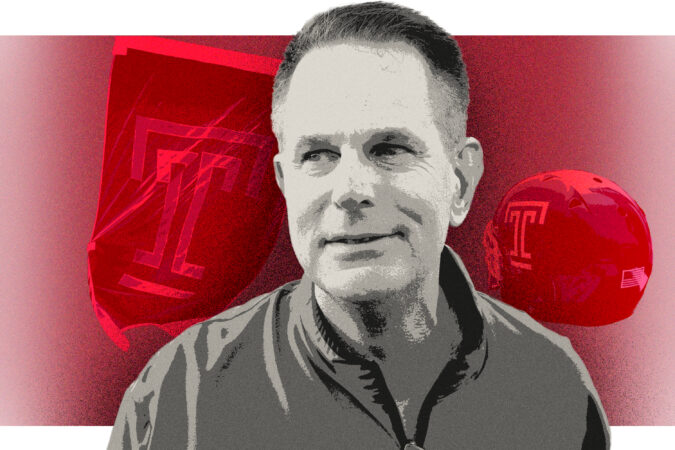
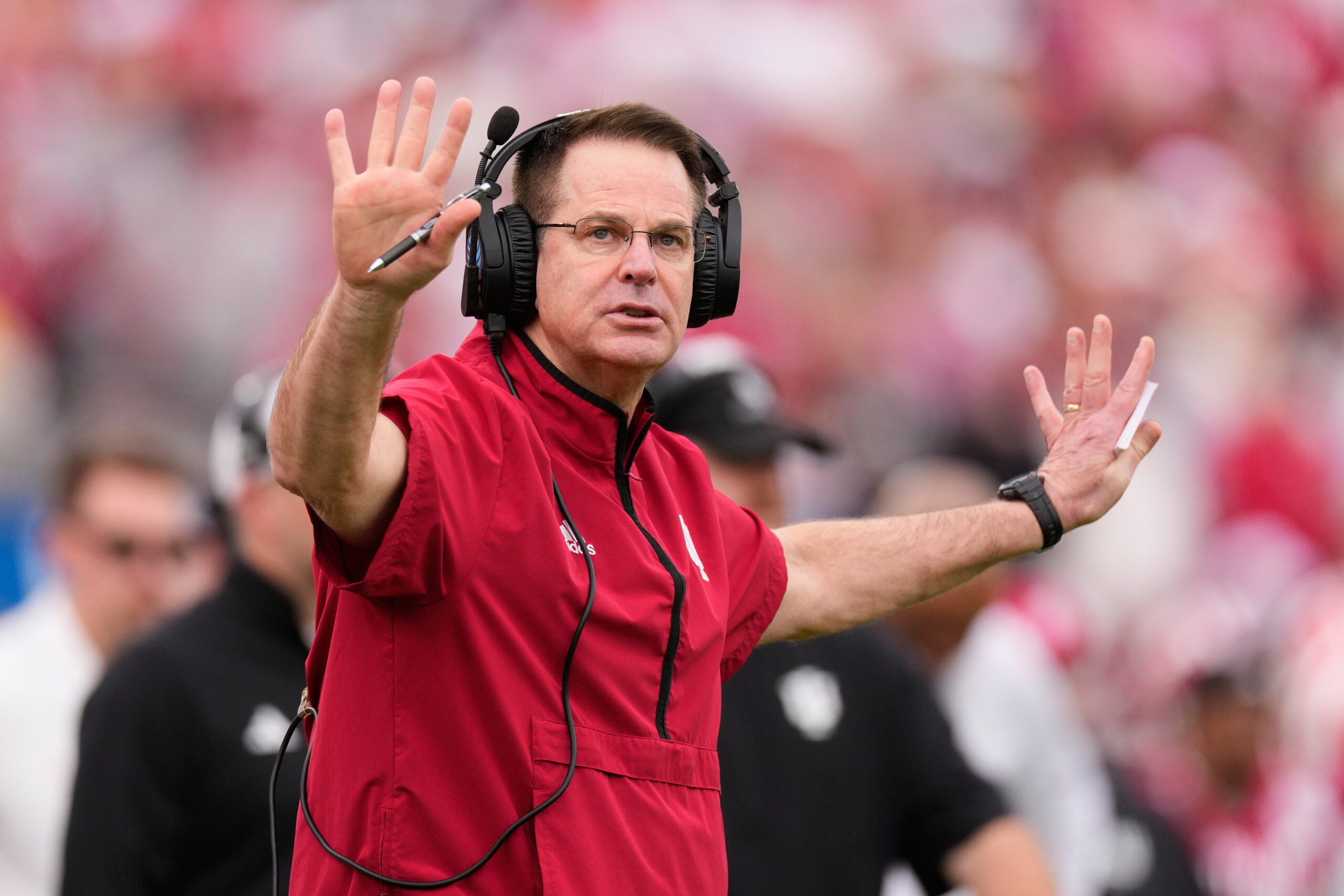
  • Curt Cignetti’s path to the CFP national championship included a stop at Temple and lessons from John Chaney

    Curt Cignetti’s path to the CFP national championship included a stop at Temple and lessons from John Chaney

    With a wad of chewing tobacco in his mouth, Curt Cignetti instructed the Temple quarterback to pause the VCR and stop the game tape from rolling. Cignetti, the Owls QB coach in the early 1990s, told the quarterback to hit rewind when he wanted to see something again.

    The path to Monday night’s College Football Playoff national championship has taken Curt Cignetti, 64, all across college football. He worked his way from stops at schools like Indiana University of Pennsylvania and James Madison before becoming the head coach at Indiana, where he authored perhaps the most stunning turnaround in the history of the sport over the last two seasons.

    That winding path came through North Philadelphia for four seasons as he was on Temple’s staff from 1989-92. He was young but he was intense, especially if you arrived late to that cramped office in McGonigle Hall, where a spittoon was always on the desk.

    Curt Cignetti has led Indiana to one of the most stunning turnarounds in the history of the sport.

    “We had some guys who came in like 15 minutes late and he was freaking hot,” said Matt Baker, Temple’s quarterback when Cignetti arrived.

    The Owls practiced on a piece of AstroTurf surrounded by North Philadelphia rowhouses and played Saturdays at an often-empty Veterans Stadium. Cignetti’s office did not have enough chairs for his quarterbacks — “Two of us were laying on the floor,” Dennis Decker said — and the TV didn’t even have a remote. He was a long way from college football glory.

    “The only thing D1 about it was that we were playing D1 opponents,” said former offensive coordinator Don Dobes.

    A basketball school

    The Owls have had more gambling probes in the last 10 seasons than March Madness wins, but Temple was very much a basketball school when Cignetti arrived on North Broad Street in 1989.

    Cignetti was just 28 when he came to Temple on the staff of Jerry Berndt, who was a Hall of Fame coach at Penn in the early 1980s before spending three seasons at Rice. Berndt was winless in his last season at Rice before replacing future Super Bowl champion Bruce Arians, who was fired after the Owls went 7-15 in his final two seasons while basketball dominated the landscape.

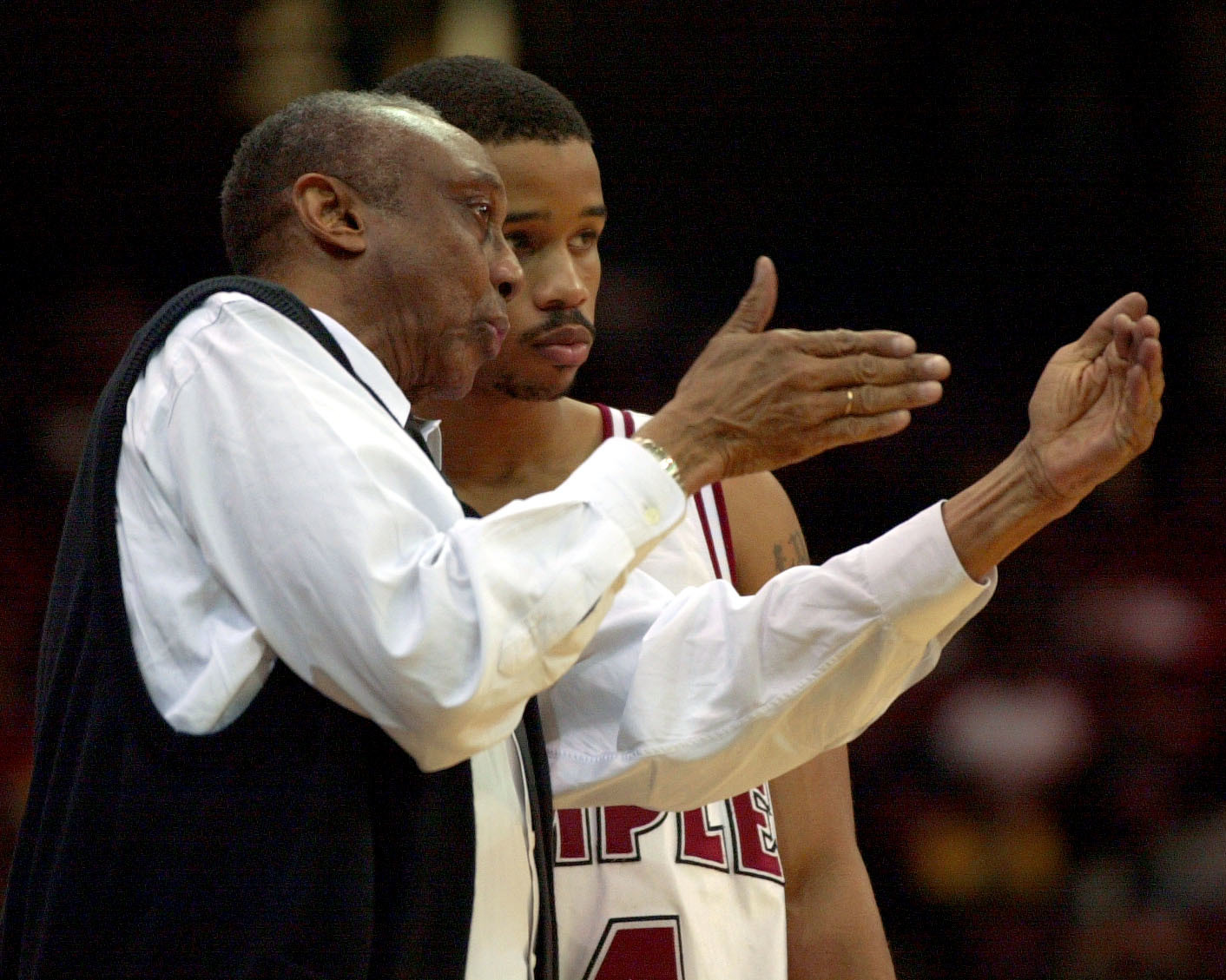
    Temple coach John Chaney was at the peak of his coaching career when Cignetti joined Temple football’s staff. Cignetti and other coaches used to watch Chaney’s morning practices to gain “wisdom.”

    John Chaney was at his peak, and the Owls were ranked No. 1 during the 1988 season. Cignetti and the other football coaches often started their mornings watching Chaney run practice before sunrise.

    “We’d get some wisdom before we went out there and practiced in the afternoon,” said Dobes. “You want to talk about a great teacher, a great motivator, the ability to impress upon people the importance of teamwork, and sacrifice, and character. That was John Chaney.”

    Perhaps coaching football at a school where hoops was king was a precursor for what Cignetti did at Indiana, where he made a basketball-crazed campus fall in love with a sport that was often just an excuse to tailgate. The Hoosiers had the worst winning percentage in college football history before they hired Cignetti in November 2023. He took the microphone a few days later at a Hoosiers basketball game and boldly trashed IU’s rivals.

    “He had a lot of [guts] saying that,” Baker said. “He’s the same guy now that he was back then.”

    Cignetti retooled the Hoosiers through the transfer portal and reached the College Football Playoff last year in his first season. This year, the Hoosiers are 15-0 with a Heisman Trophy-winning quarterback in Fernando Mendoza, and enter Monday’s title game against Miami as favorites despite not having any five-star recruits. Cignetti was asked in December 2023 how he planned to sell his vision.

    “It’s pretty simple,” the coach said. “I win. Google me.”

    That was the coach the Temple guys remembered, a straight shooter who tended to be a tad quirky.

    “I remember him questioning me after I threw a touchdown pass against Wisconsin,” Baker said. “He’s like, ‘Why’d you throw that?’ I said, ‘What? What do you mean?’ He said, ‘Did you see that?’ I said, ‘Yeah, in the pre-snap I saw he couldn’t cover [George] Deveney. He had a linebacker on him.’ He said, ‘Come on, Matt.’ I’m like, ‘What?’ It was just crazy things like that. We did a lot of good things.”

    The same guy

    The Owls won one game in Berndt’s first season before winning seven games in 1990 and gaining admission into the Big East. It was a win for a program that qualified for a bowl game that season but didn’t get picked because another school pledged to buy more tickets to the game.

    The success was short-lived. The Owls missed out on local recruits — Dobes said he thought they had an in with Roman Catholic’s Marvin Harrison before he picked Syracuse — and announced their arrival to the Big East by winning three games in their first two seasons. The coaches knew the walls were closing in when they read the newspapers on the way to the airport in November 1992 for a game at No. 1 Miami.

    “The headlines said ‘Berndt is burnt’,” Dobes said.

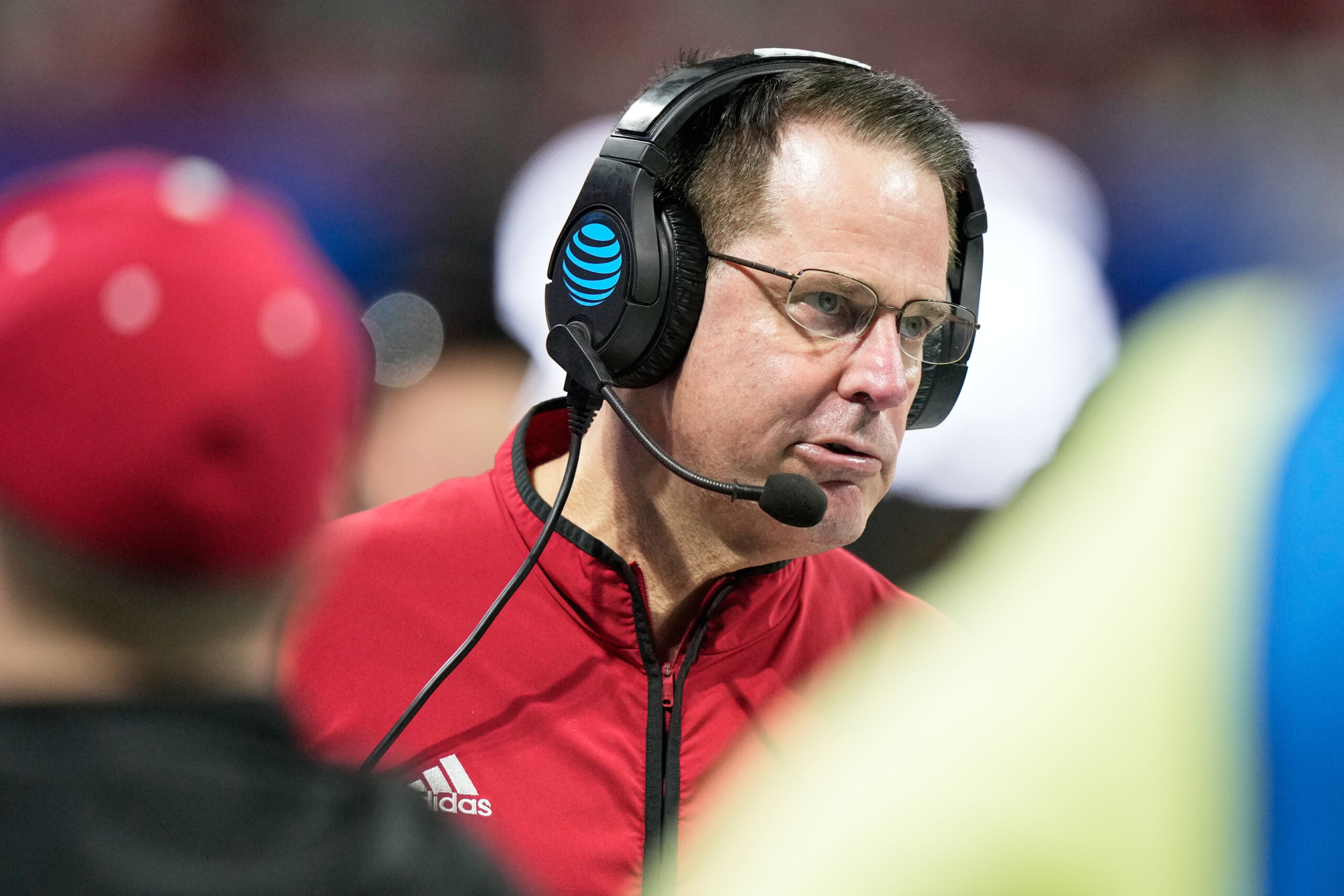
    Curt Cignetti coached all over in different roles, including head-coaching stints at IUP, Elon, and James Madison.

    The Owls lost that game by 48 points, and when they arrived back in Philly, the coaches were informed that their season finale, just a few days away, would be their last game. They ended the 1992 season by dropping 10 straight.

    “We were all in scramble mode at that point,” Dobes said.

    Cignetti, then just 31 years old, spent the next 14 seasons as an assistant at Pittsburgh and North Carolina State before spending four seasons under Nick Saban at Alabama. He often credits his time with Saban for his success. His first head-coaching gig was at Indiana University of Pennsylvania, the school an hour east of Pittsburgh, where his father had been the head coach from 1986 to 2005. Cignetti moved from IUP to Elon before landing at James Madison, where he reached the FCS national championship game and helped the Dukes transition to the FBS before being hired by the other Indiana University.

    “There’s so many good coaches like him out there who never get a chance,” Dobes said. “He got a chance and made it happen.”

    And there he was on New Year’s Day, beating Alabama by 35 points in the Rose Bowl. Decker, a teacher at Ridley High, told one of his coworkers that Cignetti was his coach 35 years ago. They couldn’t believe it. A few days later, the teacher’s old coach beat Oregon by 34 points to reach the national championship game. He’s the same guy, Decker said. Now, he has a remote control.

    “Whoever was the low man on the totem pole had to stand up there and hit rewind, pause, play,” Decker said. “He was intense, but as a quarterback, you want that. You can’t be passive as a quarterback. He got his point across. He knew how to get his point across in the way he spoke to you. What that does is push yourself to bring the best out of you. You’re not going to be as successful as he is by being quiet and behind the scenes.”