Tag: Weekend Reads

  • Holiday lessons about ‘patriotic values’ from Folarin Balogun, Pope Leo XIV, and JD Vance

    Holiday lessons about ‘patriotic values’ from Folarin Balogun, Pope Leo XIV, and JD Vance

    I never thought I’d be writing a column that led off with an analysis of soccer.

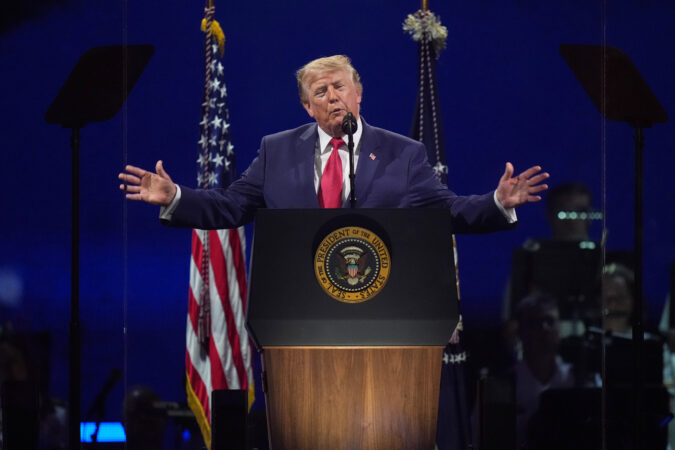
    I’d planned to write about the lessons our nation’s 250th birthday party provided for Americans about the real meaning of “patriotic values.” But as it turns out, an examination of the scandal that ensued after President Donald Trump’s shameful World Cup intervention provides the perfect example of what those values are and what they are not.

    Before getting to the game, it’s important to revisit what Thomas Jefferson meant in 1776 when he wrote in the Declaration of Independence that the Creator had endowed all men equally with “the right to life, liberty and the pursuit of happiness.” Although honored in the breach when it came to slavery and women’s rights, these ideals have been the goal toward which America has gradually, but consistently, aspired — until now.

    Many probably assume that “pursuit of happiness” means material success or personal pleasure. But for the Founding Fathers, educated in the philosophy of ancient Greece and Rome, the phrase reflected the classical emphasis on civic duty and character development. In other words, the concept of patriotism was tied to the pursuit of an honorable and civic-minded life.

    Now back to soccer.

    Until the July Fourth weekend, the World Cup matches had provided a brilliant exhibition of the best of America, with cities across the land and fans in every stadium effusively welcoming teams of every race and color. In an incredible burst of U.S. soft power, the global image of Trump’s America as overtly racist, corrupt, and violent gave way before the warmth of ordinary Americans.

    But Trump could not refrain from popping that wonderful bubble. After America’s star striker, Folarin Balogun, received a red penalty card during the team’s 2-0 win over Bosnia and Herzegovina — which would force him to sit out a critical match against Belgium — POTUS phoned FIFA’s president, Gianni Infantino.

    A Trump sycophant who had previously awarded him FIFA’s first medal of peace, Infantino gave the president what he wanted: a reversal of a red card ban during a World Cup game (for the first time since 1962).

    In one move — based on his philosophy that only winners count — Trump cast a pall over the World Cup. He reversed all the goodwill the matches had generated for America at a time when his erratic behavior had sunk global attitudes toward the U.S. to astonishing new lows.

    Yes, Balogun’s violation was accidental, and the red card undeserved, but how many times have we all witnessed wrong calls by referees or umpires that drove us insane? However, under FIFA rules, there is no appeal after a game is over. Imagine if every world leader copied Trump’s utter disdain for rules in sports as well as domestic and international laws, a disdain which is already causing global chaos.

    On Monday, the U.S. team lost 4-1 to Belgium. But Trump’s interference made that defeat more painful by precipitating a wave of global scorn that poured down on an undeserving team. Nor has Trump had one word of praise for this terrific team after their loss.

    However, the lesson from Trump’s soccer debacle is not all negative. Americans should take pride in the achievements of the U.S. team and be inspired by the overall atmosphere of the games before Trump’s ugly intervention.

    And the country should unite in praise for the patriotic virtue displayed by Balogun.

    A day after receiving his red card, the star striker told an interviewer: “It’s been surreal, to be honest. But for me, I think it was just important to stay calm. I never want to react out of anger and out of emotion.

    “There’s still lots of people we’re inspiring, little kids, boys and girls who are watching, and we have to show them the correct way to handle things, even when you think it’s unjust.”

    What a hero! And what an example of patriotic virtue by someone who, under Trump’s attack on birthright citizenship, wouldn’t even qualify to play for Team USA, being born in Brooklyn to Nigerian parents visiting from London.

    Furthermore, the president’s negative example over the holiday — turning the Semiquincentennial into a celebration of himself, even as news broke of the incredible billions POTUS and his family have raked in off his presidency, and even as he upped his efforts to rig the midterm elections — should goad us all to revisit the meaning of “pursuit of happiness” in civic terms.

    Two critiques of Trump over the weekend — one indirect, one powerfully direct — can serve as further inspiration.

    The first comes from Pope Leo XIV, in his powerful livestreamed speech on July 3 at Philadelphia’s National Constitution Center while accepting the prestigious Liberty Medal. “The principles that inspired America’s founders,” he said, “brought them together in … a common dream. Unity lent strength to that dream … E pluribus unum — out of many, one. In order for a nation to flourish, it must be truly united, not by goals bound to momentary endeavors, but by ideals that do not fade with the passing of time.”

    These words need to be taken to heart, to my thinking, especially by progressive Democrats. Their anger is understandable, but in the final instance, they must work together with all those who appreciate the need to curb Trump’s desecration of the founders’ values. That includes all Democrats as well as independents and moderate Republicans who appreciate the need for checks and balances on presidential power.

    As Benjamin Franklin famously said at the signing of the declaration, “We must all hang together, or assuredly we will all hang separately.”

    And finally, some inspiring words from Vice President JD Vance, written in 2016 for the Atlantic before he turned against the values of the founders, and republished by the site on July 4.

    The title of the essay: “Opioid of the Masses.”

    “What Trump offers is an easy escape from the pain,” he wrote. “To every complex problem, he promises a simple solution. He never offers details for how these plans will work, because he can’t. Trump’s promises are the needle in America’s collective vein.

    “The great tragedy is that many of the problems Trump identifies are real … Yet so long as people rely on that quick high … the nation delays a necessary reckoning. There is no self-reflection in the midst of a false euphoria.

    “Trump is cultural heroin. He makes some feel better for a bit. But he cannot fix what ails them, and one day they’ll realize it. And then, perhaps the nation will trade the quick high of ‘Make America Great Again’ for real medicine.”

    In memory of the Founding Fathers, who pursued their principles when the struggle seemed impossible, let us hope such a realization starts this fall.
  • Rite Aid is gone. Its shells remain, with some becoming gyms and car washes.

    Rite Aid is gone. Its shells remain, with some becoming gyms and car washes.

    It’s been almost a year since the last Philly-area Rite Aids closed their doors for good after years of financial trouble.

    But the pharmacy chain’s distinct facade still dots the landscape — in suburban shopping centers, on the corners of congested intersections, sometimes even smack dab in the middle of city blocks.

    Some of these buildings are still vacant, surrounded by overgrown grass and empty parking lots. Others are getting new life as dollar stores, medical clinics, daycares, Spirit Halloweens, and a Rally House sports retailer.

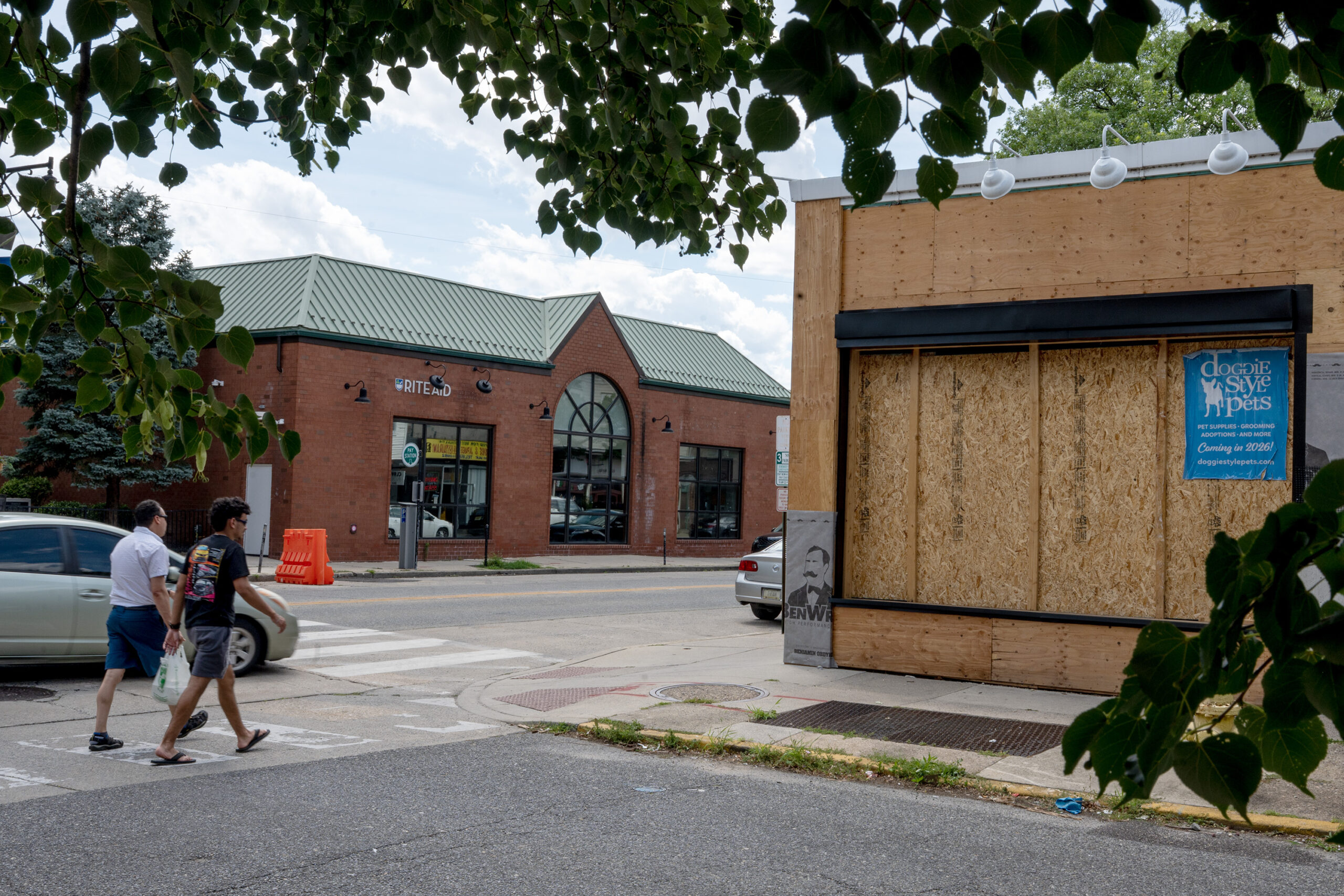
    A former Rite Aid (left, rear) and former Wawa (right) sat empty in Collingswood in June.

    The 8,000- to 16,000-square-foot shells are ideal for only so many tenants, real estate experts have said, and it is not unusual for these kinds of properties to take several months or more to lease.

    Here is a look at what’s happening at a few local zombie Rite Aids:

    South Jersey Rite Aids are becoming fitness centers

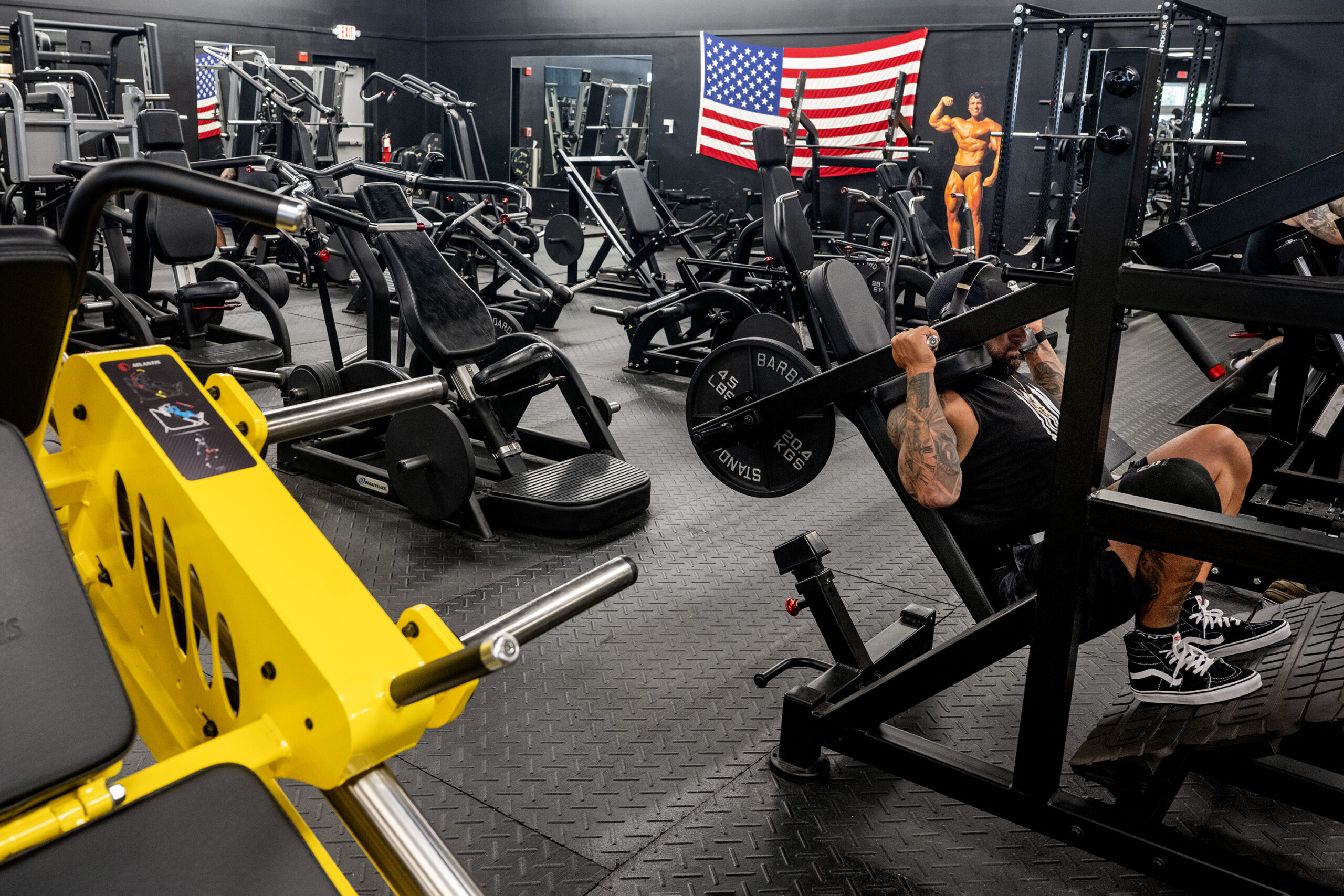
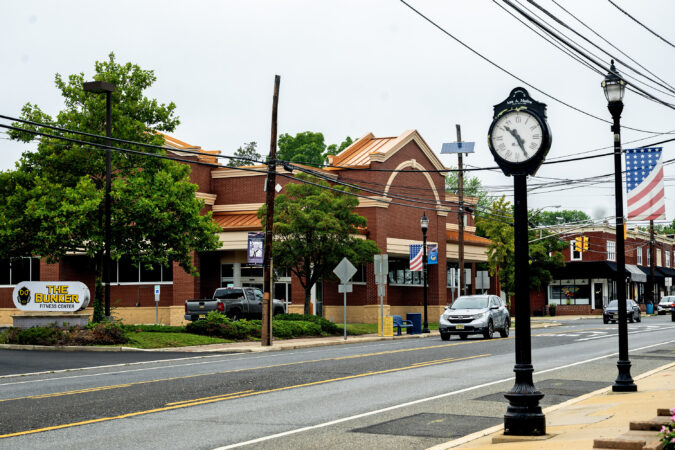
    A former Rite Aid in Blackwood, Camden County, has been a gym for more than a year, and its owners soon plan to open a second location at another old Rite Aid in Cherry Hill.

    Nick Bennett, CEO of the Bunker Fitness Center, said the owner of the Blackwood Rite Aid building approached him after seeing the gym’s content on TikTok. At the time, Bennett said, the gym was outgrowing its 3,000-square-foot space in Franklinville, Gloucester County.

    When he went to see the 13,000-square-foot former Rite Aid in Blackwood, he said, it had already been demolished inside.

    “It was just wide open,” Bennett said. “That floor plan works for our business model because gyms are open. You don’t really need to put up walls.”

    Steve Cristelli works out at the Bunker Fitness Center in Blackwood.

    Another plus, he said: Pharmacies have rows of refrigerators, which require electrical outlets, and the Bunker crew could use those outlets to plug in workout equipment.

    The old Rite Aid on Black Horse Pike needed “very little” work, just paint and rubber floors, Bennett said, and was easily transformed into the exercise and recovery space he had envisioned. The gym opened in 2025.

    “We’re smashing it,” Bennett said, with thousands of members who pay between $49 and $59 a month for the 24/7 gym, which has cardio and strength machines, weights, a sauna, and a cold plunge. He declined to provide specific sales or membership figures for competitive reasons.

    The Bunker Fitness Center operates inside a former Rite Aid in Blackwood.

    But Bennett said the business is doing so well that it is expanding into another former Rite Aid, 12 miles away in Cherry Hill with franchisee Jack Prendergast.

    That 10,000-square-foot pharmacy shell at Brace and Kresson Roads closed more recently and needs a bit more work inside, Bennett said. When they signed the lease, he said, it “looked like a Rite Aid.”

    Bennett said he and Prendergast are demolishing the interior, aiming for a September opening.

    In Delco, a Rite Aid could become a township’s first car wash

    The former Rite Aid in Newtown Square may get new life as a car wash.

    The store at West Chester Pike and St. Alban’s Circle closed last year. In February El Car Wash, a Florida-based chain looking to expand into Pennsylvania, New Jersey, and Maryland, applied to open there, said Newtown Township Solicitor Rich Sokorai.

    On its website, El Car Wash lists several other Philly-area locations as “coming soon,” including Cherry Hill, Drexel Hill, Feasterville, and Maple Shade.

    The Newtown Square Rite Aid operated a drive-through, Sokorai said, and drive-throughs are permitted in that commercial zone. After a June meeting, the township zoning hearing board is considering whether to permit the car wash, with a decision expected in the coming weeks.

    A Rite Aid with a “store closing” sign last summer.

    If approved, it would be the only car wash in Newtown Township, the solicitor said.

    Residents of the neighborhood behind the old Rite Aid have expressed concerns to local officials, Sokorai said, “because they fear traffic.”

    Others have said they are looking forward to a new business moving into the vacant space on a prime corner, Sokorai said. Even before the Rite Aid closed last summer, its shelves were often empty, the solicitor said, and “it was dying a slow death.”

    Temple University buys another old Rite Aid

    Temple “T” flags fly on North Broad Street.

    Temple University recently bought a second former Rite Aid on North Broad Street.

    The school recently closed on the old Rite Aid building on the 2100 block of North Broad for $9.25 million, according to spokesperson Stephen Orbanek. He said ArchWell Health, which operates a primary-care clinic for seniors there, will remain the tenant.

    “This property’s location, directly across the street from James S. White Residence Hall, supports the priorities of our campus safety and physical environment plan,” Orbanek said.

    This latest Rite Aid acquisition comes two years after Temple bought a Rite Aid and its surrounding shopping center near Temple University Hospital for $8.2 million. The Rite Aid is being converted into Temple Health neurology offices.

    The moves are part of a broader expansion of the university’s footprint on Broad Street, which includes the January acquisition of a vacant property at the site of a former McDonald’s for $8 million.

    Editor’s Note: This story has been updated to indicate that Temple Health plans to open neurology offices at the previously acquired Rite Aid building.

  • Property values in Kensington went up more than any other Philly neighborhood this year

    Property values in Kensington went up more than any other Philly neighborhood this year

    The biggest jump in Philadelphia’s property assessments this year occurred in Kensington, a measure that means many homeowners in the long-struggling neighborhood are likely to see higher taxes amid a concerted effort by the city to clean up the area.

    That is according to an Inquirer analysis of recently released property assessments of single-family homes, which found that, citywide, there was a 3% median change in valuations from the 2025 tax year, the last time there was a mass reassessment.

    That increase is far more modest than the widespread jump in valuations that homeowners saw two years ago, which captured multiple years of real estate growth and the volatile post-pandemic market.

    What remains the same: who will be most affected.

    The Inquirer’s analysis of this year’s property assessment data shows that low-income neighborhoods near gentrifying areas saw the sharpest jumps in valuations compared with the rest of the city.

    The four areas that saw the largest percentage increases in median assessments — Kensington, Mantua, Grays Ferry, and Kingsessing — all border more gentrified neighborhoods like Fishtown, University City, and Point Breeze. The results of the analysis are a further sign that market pressures in higher-income areas are pushing into pockets of the city that have long been primarily home to Black and brown working-class residents.

    Of the eight neighborhoods that saw the largest increases between the 2025 and 2027 tax years, five have median annual household incomes around $40,000 or less, according to an analysis of U.S. Census data. The federal poverty level is $33,000 for a family of four.

    (function(){function e(){window.addEventListener(`message`,function(e){if(e.data[`datawrapper-height`]!==void 0){var t=document.querySelectorAll(`iframe`);for(var n in e.data[`datawrapper-height`])for(var r=0,i;i=t[r];r++)if(i.contentWindow===e.source){var a=e.data[`datawrapper-height`][n]+`px`;i.style.height=a}}})}e()})();

    In a statement, officials with Mayor Cherelle L. Parker’s administration noted that many homeowners in those five neighborhoods are benefiting from a popular city tax break. The city said that the median 2027 value in those five neighborhoods is $123,600, so for many homeowners in those areas, the median taxable assessed value is just $23,600.

    That is because of the homestead exemption, a tax break for homeowners who live in their house as their primary residence that exempts the first $100,000 in home value from property taxes. Homeowners must sign up to be included in the free program.

    At least 60% of homeowners in those neighborhoods have signed up for property tax relief programs, according to the city.

    James Aros Jr., the chief assessor of the Philadelphia Office of Property Assessment, and Revenue Commissioner Kathleen McColgan said enrollment rates in property tax relief, including the homestead exemption and multiple tax freeze programs, are “encouraging.”

    They said the city will “build on this progress through extensive targeted outreach, community partnerships, and efforts to make enrollment as simple and accessible as possible.”

    The current property tax rate is 1.3998% of assessed value, which has not changed for nearly a decade. The revenue is split between the city and the Philadelphia School District.

    Rising home values in Kensington

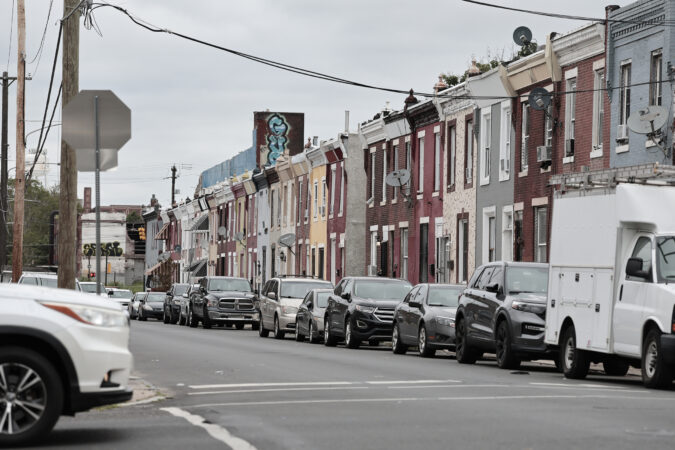
    Citywide, the steepest increase in valuations was in Kensington, where the median property value jumped 15.3%, from $115,700 in the 2025 tax year to $133,400 now. That median increase would translate to a roughly $250 annual property tax hike.

    That comes after Parker’s administration in 2024 launched a multipronged effort to address the long-entrenched open-air drug market in Kensington, which is the epicenter of the city’s opioid crisis and a site of sprawling homelessness.

    While the administration has increased law enforcement’s staffing in the neighborhood and scaled up programs for people who are in addiction, Kensington has also for years seen creeping gentrification from Fishtown to its southeast.

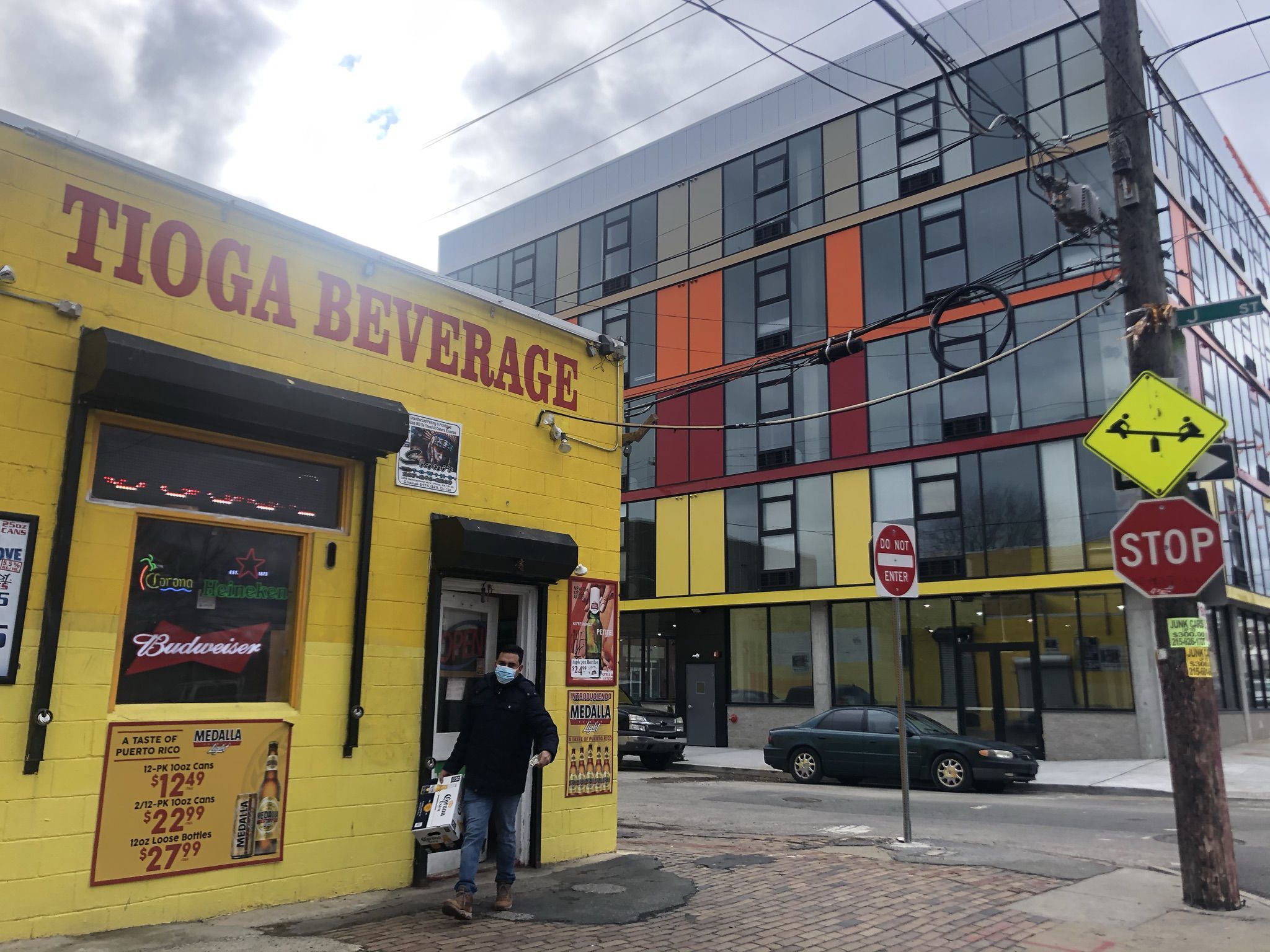
    In this 2021 file photo, a glass building at J and Tioga sits near a beer store in Kensington.

    Some neighborhood leaders have watched with anxiety as luxury housing developers and out-of-town investors gobbled up properties in the neighborhood, fearing that poorer residents and middle-class homebuyers may be priced out.

    City Councilmember Quetcy Lozada, a Democrat who represents the 7th Council District, which includes parts of Kensington, said she knew speculators from outside the area would want to make it “the next gentrified neighborhood” once the city changed its strategy to more aggressively clean up trash and improve public safety.

    But Lozada said there are not enough programs specific to Kensington aimed at preventing displacement as a result of rising property values, especially as the city is investing millions of dollars a year to improve the neighborhood. She said her office is exploring additional tax relief measures.

    “I’m going to do whatever I have to do to make sure that residents who have lived in that community can stay there, can raise their families there,” Lozada said. “We have witnessed what has happened on the southern end of the district, where there has been rapid gentrification.”

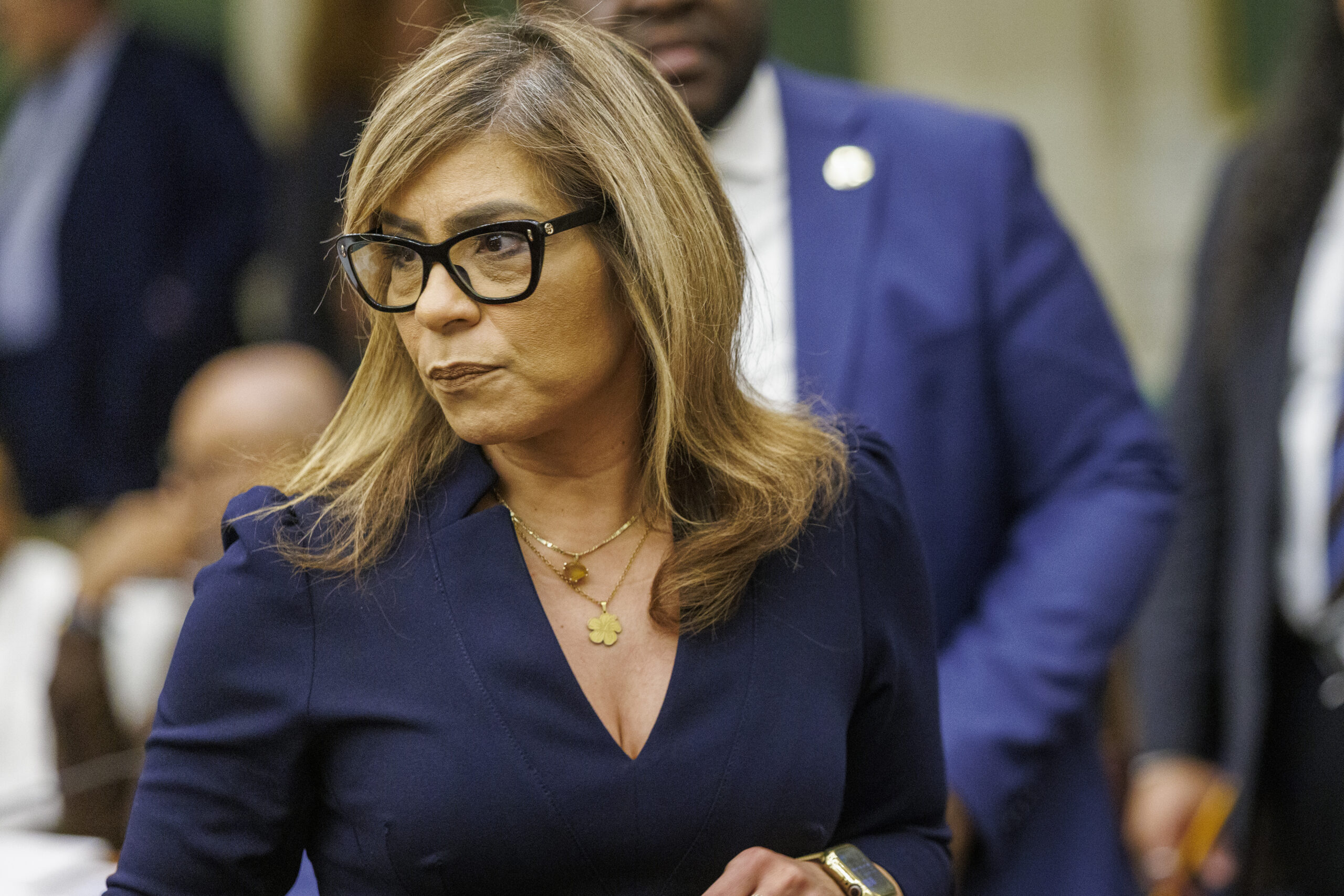
    In this March file photo, City Councilmember Quetcy Lozada stands in Council chambers during Mayor Cherelle L. Parker’s budget address.

    Lozada also said rising property values in Kensington are part of why she has been “so careful with projects presented to me” and has prioritized what she sees as equitable development in the neighborhood — at times to the chagrin of developers who think she has been too restrictive.

    “I’m all about people making a return,” she said, “but you can’t continue to do it on the backs of poor people.”

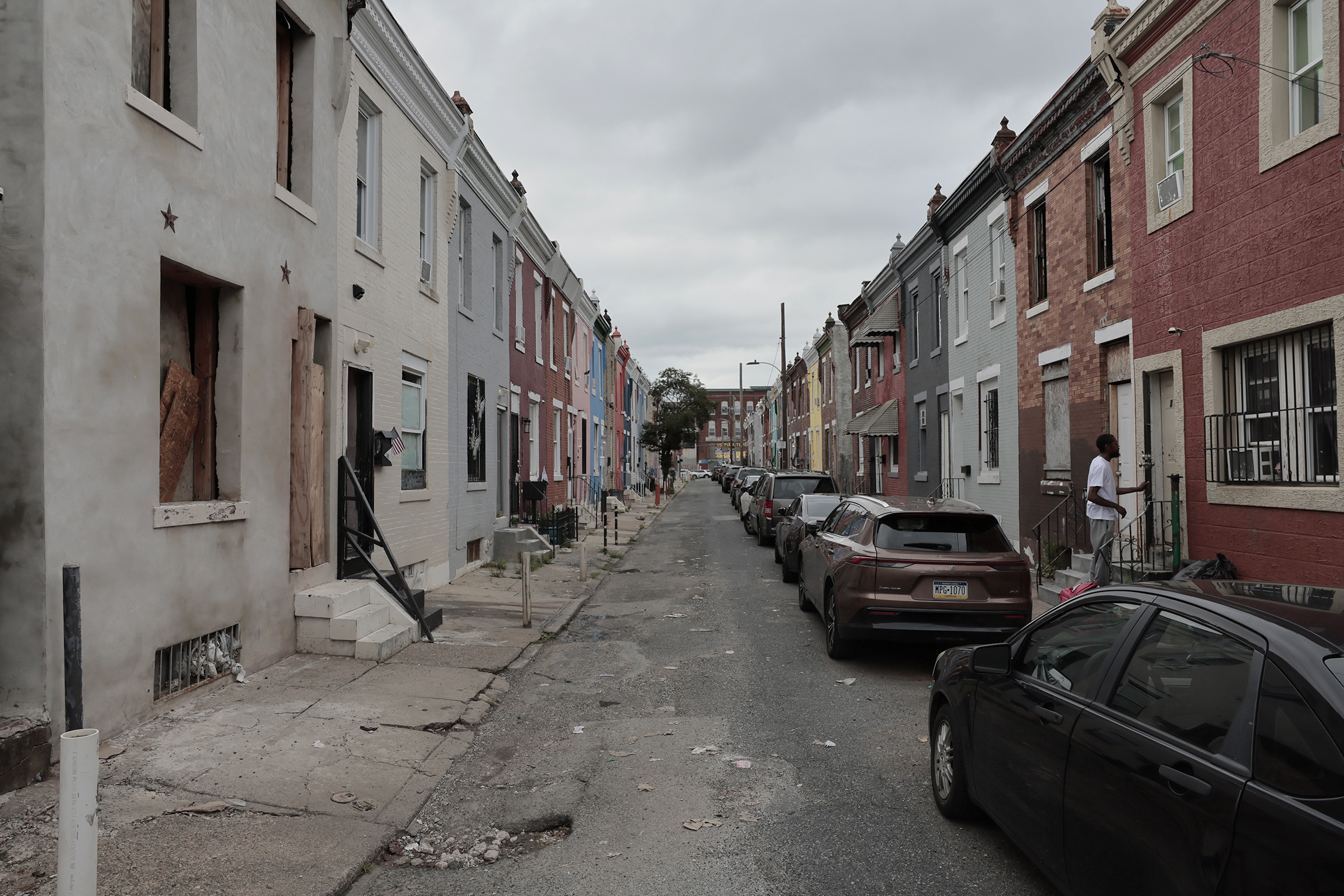
    The 3100 block of Arbor Street in Philadelphia on Tuesday, July 7, 2026.

    Continuing change in pockets of West Philly

    There were also significant property value increases in parts of West Philadelphia.

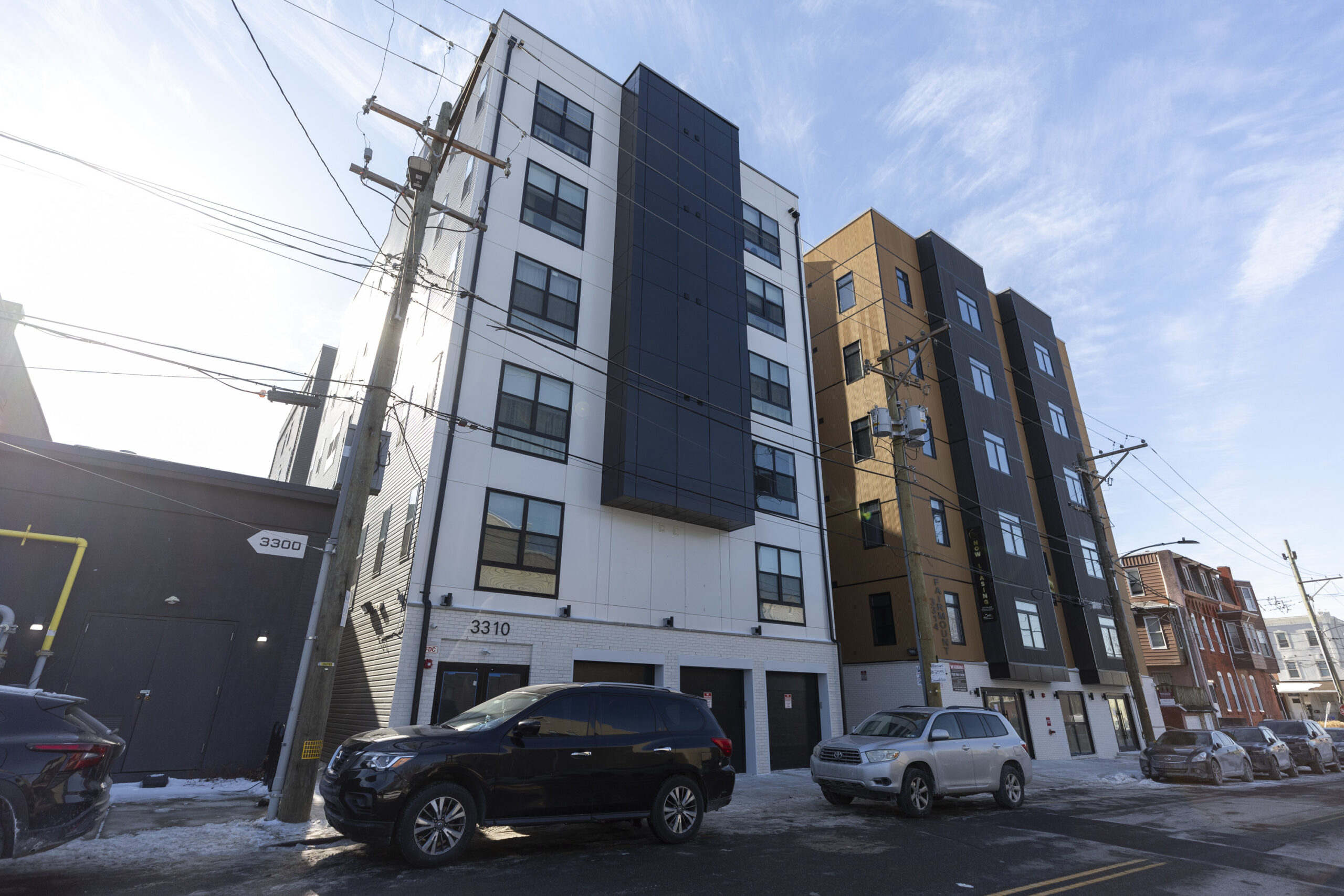
    The median increase in Mantua, the neighborhood north of University City, was the second highest in the city, at 15%, according to The Inquirer’s analysis. The median increase was 12% in Kingsessing, the neighborhood south of University City that in 2025 saw the largest jump of any neighborhood in Philadelphia.

    Newly developed buildings along Fairmount Avenue in the neighborhood of Mantua in Philadelphia, Pa., on Thursday, Jan. 23, 2025.

    Councilmember Jamie Gauthier, a Democrat who represents West Philadelphia and has made preventing displacement a key initiative, said that there has long been racial bias in the city’s property assessments and that the city must “get serious” about protecting low-income homeowners by revamping its system.

    “There has to be a higher level of urgency in making sure that the city doesn’t have a hand in pushing out all of these homeowners that make Philadelphia what it is,” Gauthier said. “It’s unconscionable for us to destabilize our neighborhoods and the longtime homeowners who live there because we didn’t take enough care to make sure that our process was fair and equitable.”

    For too long, she said, city officials have said they intended to examine the property assessment practices and identify improvements. In 2024, Parker convened a task force to study the process.

    Aros told Council in April that the task force’s report was “being finalized.” He said OPA would look to implement recommendations from the report, including conducting more regular reassessments and improving property-level data such as property condition.

    The city is also planning to hire an outside consultant to examine its mass appraisal practices, according to city records. The analyst will be responsible for drafting a report by the end of this year.

    Deputy creative director John Duchneskie contributed to this article.

  • Mayor Parker’s office declined to say if the city will be refunded for Christina Aguilera’s canceled July 4th concert set

    Mayor Parker’s office declined to say if the city will be refunded for Christina Aguilera’s canceled July 4th concert set

    Mayor Cherelle L. Parker’s office on Tuesday declined to say whether the city will save money after pop star Christina Aguilera, who was scheduled to headline the city’s free July Fourth concert, ended up not taking the stage Saturday due to the weather delays that pushed much of the concert and the subsequent fireworks display into the early morning hours of Sunday.

    Parker spokesperson Joe Grace said the city had “no comment as yet” on whether the city would be refunded in light of the change in plans triggered by Saturday’s severe thunderstorms.

    Aguilera was the only artist who ended up skipping their set, and Grace emphasized Parker’s role in ensuring the rest of the performers returned to the Benjamin Franklin Parkway to restart the show around midnight after it was suspended about 9 p.m.

    “We’re focused on the performers who did return and put on a tremendous show once the storms subsided,” Grace said in a statement, noting that the Roots, Kathy Sledge, State Property, Meek Mill, Will Smith, and DJ Jazzy Jeff all performed after the concert restarted. “In the evening, those artists came back, at the request of [concert producer] ESM and Mayor Parker — and put on a great concert. … All the evening artists credited the mayor with bringing them back to perform.”

    The decision to restart the concert pushed the fireworks display to about 2:30 a.m. Sunday.

    “After the storms passed, there were a lot of people who could have called it a night,” Parker said in a statement Tuesday. “Instead, we made one more call. The Roots and the other artists, including Will Smith returned. Thousands of people returned. Our city employees never stopped working. Our first responders stayed at their posts. Together, we finished what we started. That’s who Philadelphia is.”

    Smith, in an Instagram post on Monday, said he returned to the Parkway to perform in the Independence Day concert after midnight after receiving a personal call from Parker.

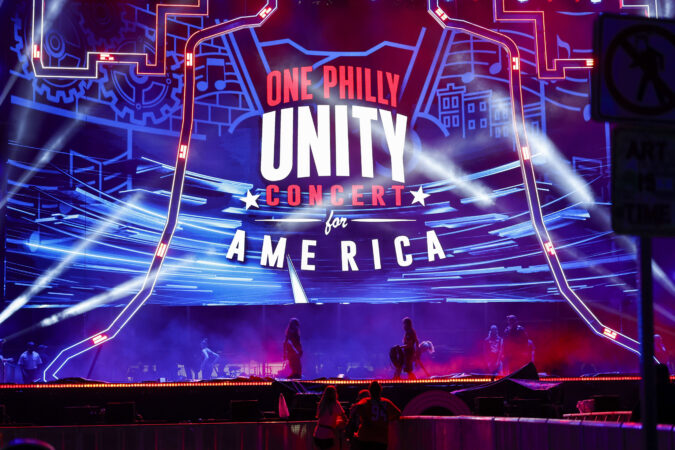
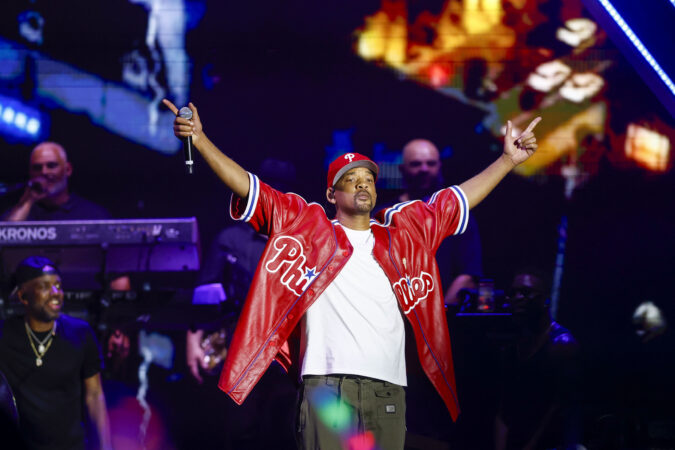
    Will Smith and DJ Jazzy Jeff (left) perform at One Philly: Unity Concert for America on the Benjamin Franklin Parkway Sunday, July 5, 2026, in Philadelphia.

    Parker’s administration this year agreed to pay $15.5 million to ESM Productions, a for-profit Philadelphia-based company known for putting on major events on the Parkway, to organize the show. The city paid ESM at least $10 million prior to July Fourth, but it is unclear if any money was paid out to performers in advance of the show.

    The annual concert was previously managed by the nonprofit Welcome America, a public-private partnership organized by the city in the 1990s, and cost taxpayers far less.

    The last July Fourth concert cost Welcome America about $3 million to produce, according to a person with knowledge of the event who was not permitted to discuss details about its costs. Welcome America’s entire budget for 2024 — its salaries and office expenses, a concert that featured Kesha and Ne-Yo, and several smaller events it organizes — totaled about $6.6 million, about $5.3 million of which came from government grants, according to the group’s most recent federal nonprofit disclosure.

    It is unclear how much Aguilera was supposed to be paid for her performance this year.

    ESM’s original $10 million contract with the city, which was obtained by The Inquirer, included a nearly $3.4 million budget for “talent.”

    The contract between the city administration and ESM did not include a breakdown on how much each artist would be paid, and it did not include details related to artists’ pay in the event of canceled performances.

    The city also signed a $5.5 million contract amendment with ESM that did not include budget details.

    ESM Productions declined to comment.

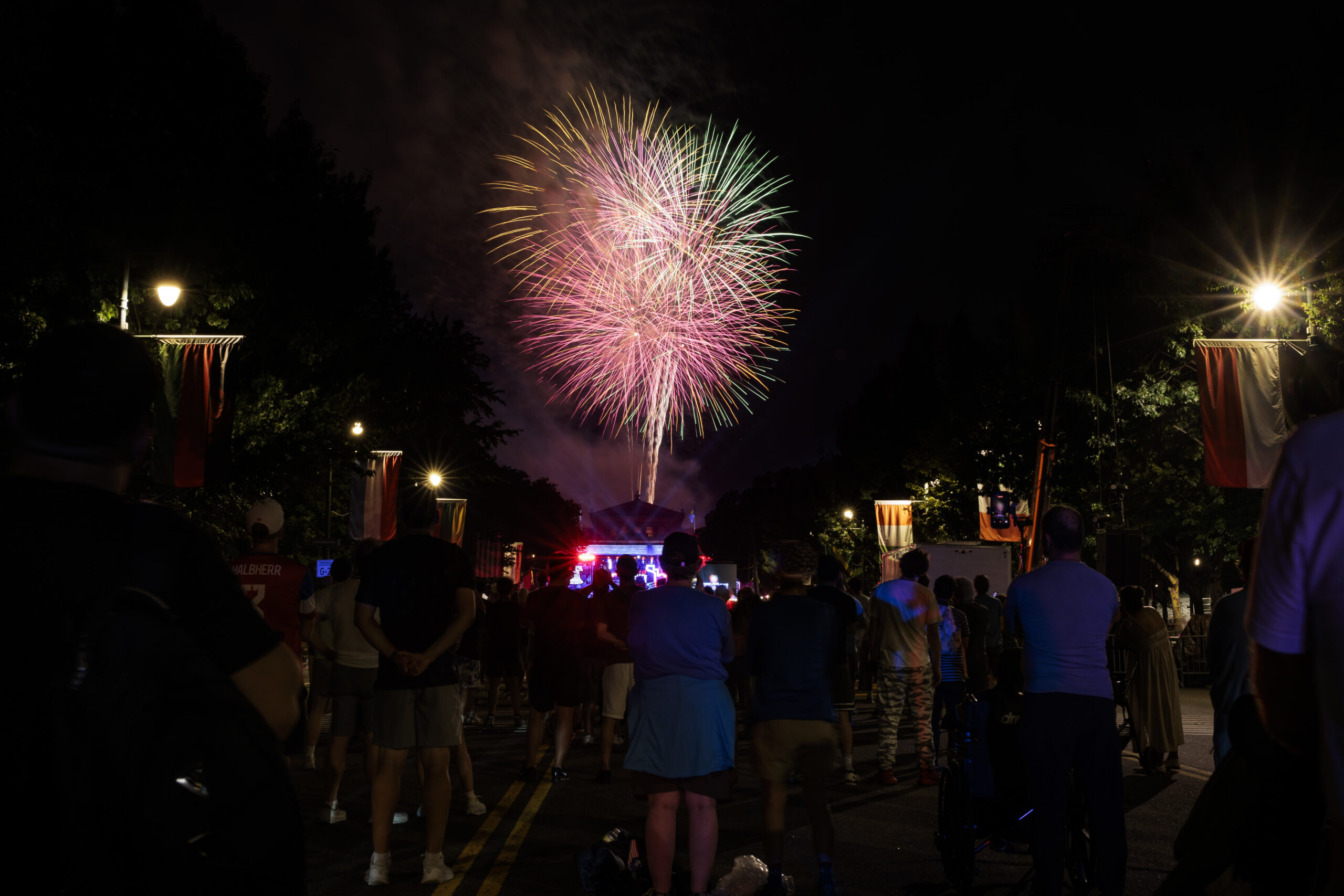
    Fireworks fill the sky at the One Philly: Unity Concert for America on the Benjamin Franklin Parkway on Sunday, July 5, 2026 in Philadelphia.

    United Talent Agency, which represents Aguilera, did not return a request for comment. The pop star on Sunday posted videos from her rehearsals prior to the show on social media.

    “Philly, we had such a special 4th of July show planned for you!! 😭😫☔️🌧️,” Aguilera wrote on Instagram. “We poured so much heart and soul into this one, but safety always comes first—and sadly, the storm meant we couldn’t give you the show we worked so hard to bring to life 💔 Thank you to everyone who came out, and to my team for all the hard work that went into building this show… I hope to be back to Philly soon! xxxx.”

    The city’s payments to ESM are only part of the taxpayer costs for putting on the annual concert. The city also increases hours for city workers such as sanitation workers and police officers to put on the event.

    Grace on Tuesday declined to share the total cost of the concert, and reiterated Parker’s previous promise to lay out all expenses related to it at a future date.

    “As we’ve said previously, we will account for all expenses associated with the concert, along with producing an analysis of economic benefits accruing to the city, and release a report at a later time,” he said. “We want the report to be comprehensive.”

  • A W hotel building contractor is hit with another court judgment, this time for $42.4 million

    A W hotel building contractor is hit with another court judgment, this time for $42.4 million

    One of the largest building contractors in the United States has been hit by another multimillion judgment as a result of the dispute over the W and Element hotels in Center City.

    Philadelphia Common Pleas Judge James Crumlish III ordered California-based Tutor Perini Building Corp. to pay $42.4 million in damages to the subcontractor retained to install the building’s exterior, the Chicago-based Ventana DBS LLC.

    “Throughout the project, Ventana was forced to navigate numerous obstructions and obstacles, stemming from Tutor Perini’s pervasive material breaches of contract,” Crumlish’s ruling read last week.

    That judgment comes on top of a $174.7 million judgment Crumlish issued earlier this year for 2,797 days of construction delays to the 51-story building, to be paid to Philadelphia-based Chestlen Development LP.

    A Tutor Perini spokesperson said in April that the firm disagreed with the decision and intended to appeal it.

    The contractor declined to comment on the new developments.

    “This ruling is an important affirmation of the facts and of the principles that govern successful project delivery,” said Bob Clark, executive chairman of Clayco, a real estate development company that is Ventana’s parent company.

    “We are pleased that the Court awarded Ventana $42 million in damages and recognized that Tutor Perini failed to properly coordinate its subcontractors while acting in bad faith by concealing its knowledge of significant concrete defects,” said Clark.

    The judgment is the latest in the fallout from a construction project that Crumlish has said in an earlier ruling went “off the rails” because of Tutor Perini. Five years after the W hotel opened, the litigation is ongoing.

    Tutor Perini was in court again Tuesday for the start of a new trial, this time for the judge to assess how much a concrete subcontractor, Thomas P. Carney Inc. Construction, owes Tutor for botching the job.

    The proceeding had a tense opening as attorneys for Tutor Perini and Carney spent the morning arguing over motions.

    Crumlish, who has previously chastised the parties for their animosity and turning the litigation into a “challenging behemoth,” expressed frustrations at times and ordered everyone to stop talking.

    “I’m getting cranky, I will admit it,” the judge said at one point.

    Disruptive and costly delays

    Tutor Perini retained Ventana in 2015 for $14 million to assist in the design and installation of the building’ exterior and window-wall systems for floors nine to 50.

    But when Ventana moved to install the hotel’s wall-window systems, they immediately noticed a “big problem,” according to the judge’s October memo. In many places, the concrete was not level or did not meet the elevation requirements in the design.

    Tutor Perini denied there was a problem, while quietly attempting to grind the edges of the concrete slabs to address the issue.

    By failing to supervise the concrete pours, Crumlish wrote in the recent ruling, Tutor Perini caused the “inefficient, obstructed, and impaired installation” of the window-wall systems.

    “Ventana repeatedly encountered disruptive and costly delays due to Tutor’s lack of coordination while attempting to install its window wall systems,” the judge’s memo said.

    Tutor Perini, for example, didn’t clear debris left by other subcontractors, the judge said, to allow the Ventana team to transport the window-wall components.

    And while Tutor’s consultants confirmed the problem was the concrete pour, the company rejected Ventana’s delay notices and stopped paying the contractor.

    Crumlish ordered Tutor to pay Ventana the $7.5 million unpaid subcontractor balance, $7.3 million in labor inefficiency costs, and $2.4 million unpaid change order requests, and $18 million in other costs.

    The company is also on the hook for $7.1 million in attorney’s fees, expert witness fees, and litigation costs, bringing the total judgment to $42.4 million.

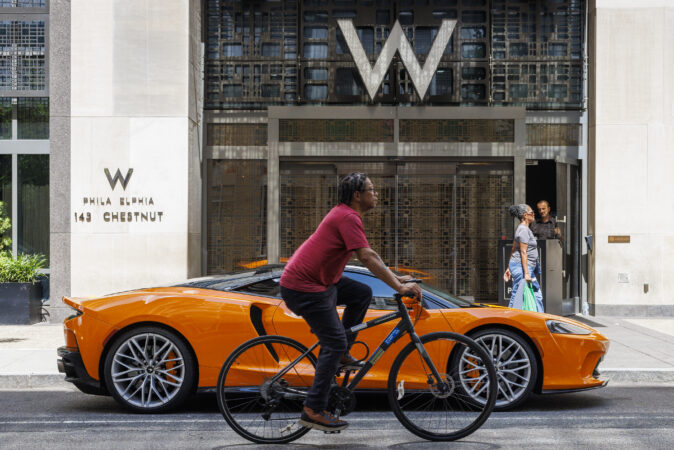
    The W hotel opened in 2021 at 15th and Chestnut Streets, three years after its intended opening date, and it still cannot be fully occupied because some window vents are inoperable.

    The project was developed by Brook Lenfest, son of former Inquirer owner H.F. “Gerry” Lenfest, whose foundation continues to own the newspaper.

    Editor’s note: This article has been updated with a statement from the subcontractor Ventana’s parent company.

  • Trump-promoted Freedom Fuel gas stations are opening around Philly. Here’s what we know.

    Trump-promoted Freedom Fuel gas stations are opening around Philly. Here’s what we know.

    Philadelphia-area drivers can now fill up their tanks with less-expensive gasoline promoted by President Donald Trump’s administration, but details on the entire enterprise remain scarce.

    The White House on Tuesday announced the opening of the first Freedom Fuel gas station in Upper Dublin Township, at a former Sunoco station.

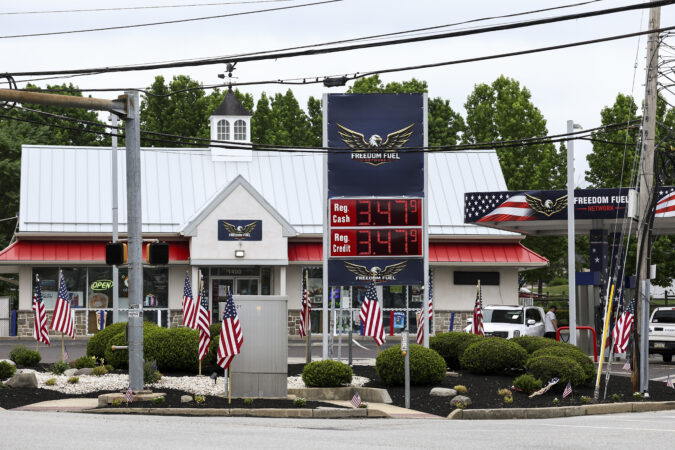
    In the undated video, drivers happily filled their tanks for $3.47 a gallon, which the White House said was to honor “our 47th President.” That’s cheaper than the least-expensive gas at nearby stations, according to prices posted by GasBuddy.

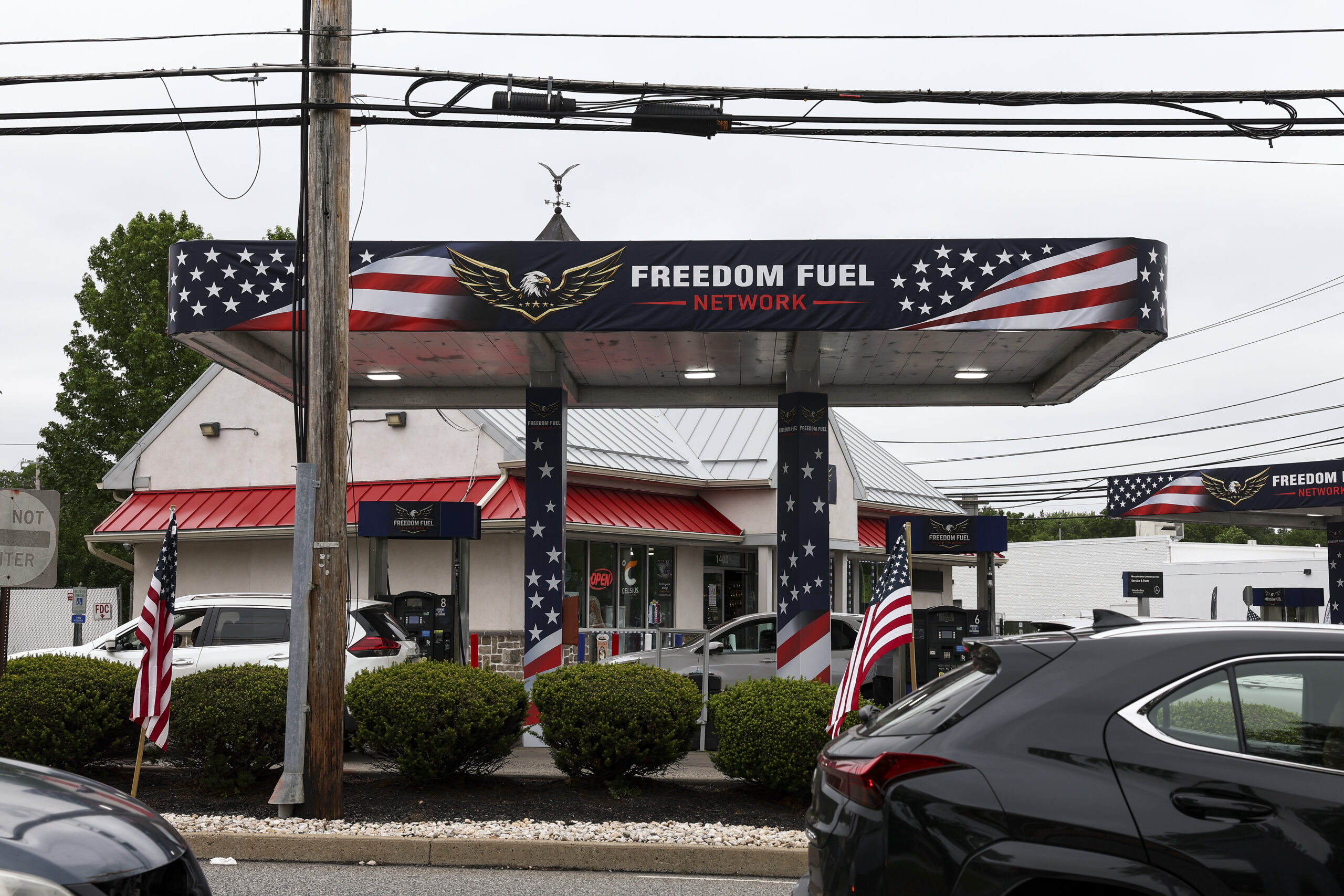
    The Freedom Fuel station in Dresher is near a McDonald’s and across the street from a shopping plaza. But what sets it apart from other nearby gas stations is the assortment of American flags planted across its footprint — and the cheaper gas.

    While a nearby Citgo station, about five minutes away, prices regular gas at $3.79 a gallon, and a Gulf offers it at $3.85, Freedom Fuel offers it at $3.47 a gallon.

    For many patrons stopping by Tuesday afternoon, the branding was new — and secondary to savings.

    The Freedom Fuel Network gas station at 1400 Dreshertown Road in Dresher.

    Jessiah Brice, 25, said the Freedom Fuel station was convenient because it is near her job. She had noticed the new branding after the July Fourth holiday and had no idea what it was about, but she welcomed the idea regardless of the affiliation with Trump.

    “Gas should be cheaper,” she said. “My only issue is: How is it $3.47 here and $5 by me?”

    Another gas buyer, who declined to give her name out of privacy concerns, said she had heard of Trump’s efforts to bring cheaper gas to people but had not connected it to her local gas station.

    “What’s not to love?” said another patron, before driving away with a full tank.

    Seyer Hamidi, 36, stumbled upon the station after picking up his car, which he likes to fill up with premium gas, from the mechanic. He, too, welcomed the idea.

    “Gas is going to be high whether you’re a Republican or Democrat,” the Republican said, noting the cheaper gas was a step in the right direction.

    A lot remains unclear, including the names of the participating businesses and how they are able to sell gasoline cheaper than nearby competitors.

    A White House spokesperson confirmed that a website for the Freedom Fuel Network, which showed 25 locations across the Philadelphia region and South Jersey, was accurate. The White House did not confirm that all 25 locations are open and did not provide information about the company.

    The list includes stations in Elmwood Park, Bustleton, and Hunting Park, but it was unclear if every location on the Freedom Fuel website was open.

    A White House spokesperson said the Freedom Fuel Network was a private company and not a government program, adding that the company was not purchasing gasoline at a discount and that the administration has not provided funding. The spokesperson said the business was simply making gas more affordable for drivers in Pennsylvania and New Jersey but did not elaborate.

    The company behind the Freedom Fuel Network did not respond to a request for comment.

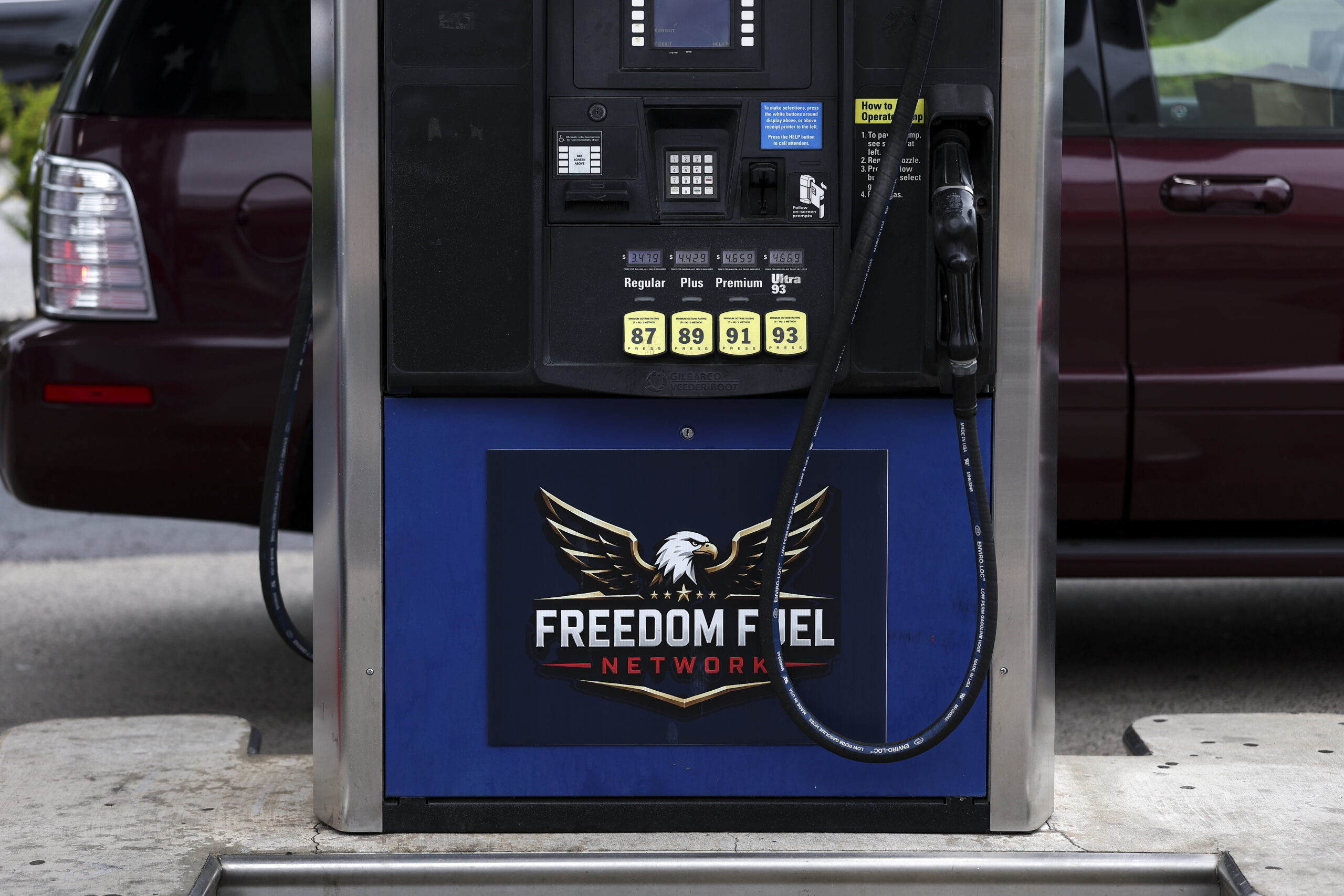
    The fuel pumps at the Freedom Fuel Network gas station at 1400 Dreshertown Road in Dresher.

    Beyond that, not much information was available beyond the White House social media post and a statement made by Trump, who wrote on his Truth Social account last week that a “very smart retailer” located throughout the Northeast was “stepping up” to offer a discount at the pump.

    Patrick De Haan, head of petroleum analysis at GasBuddy, crunched the numbers and said there was no profitable way for Freedom Fuel stations to sell gas so cheaply.

    “Stations selling at this price, it’s not sustainable,” De Haan said. “Generally, when losses happen, somebody’s got to pay for it.”

    De Haan had no insight on who owns the stations or what deals they might have made to purchase gas, but did confirm many of the stations exist in GasBuddy’s database, though the names were “vastly different.”

    Gas prices have been dropping in recent weeks after peaking in May. Prices soared after the United States attacked Iran and the Strait of Hormuz — a key shipping lane — was shut down.

    The average cost of a gallon of gas in Philadelphia on Tuesday was $3.95, according to AAA. That was up nearly 20% from this time last year, when the cost of a gallon of gas averaged $3.31.

  • CDC, Pa. health officials tracking an intestinal parasite that causes ‘explosive’ bowel movements

    CDC, Pa. health officials tracking an intestinal parasite that causes ‘explosive’ bowel movements

    State and local health officials are tracking dozens of cases of an illness caused by an intestinal parasite with symptoms including “explosive” bowel movements.

    Cyclosporiasis, caused by the parasite Cyclospora caytanensis, spreads through contaminated food and water.

    Pennsylvania had recorded 28 cases this year as of last week, including 14 in Southeastern Pennsylvania. The state identified 40 cases in 2025.

    People sometimes contract cyclosporiasis when traveling in tropical or subtropical regions of the world where Cyclospora is endemic, but outbreaks also occur in the United States.

    Cases of cyclosporiasis can occur any time of year but tend to rise in the spring and summer months.

    Nationwide, the Centers for Disease Control and Prevention’s website says it has tracked 145 cases in 17 states between May 1 and June 16, including between 1 and 10 people sickened in both Pennsylvania and New Jersey during that time. All those cases were acquired in the United States.

    The agency is also tracking an additional 45 cases reported in people who contracted the parasite while traveling outside the country.

    Nationwide, 23 people have been hospitalized for cyclosporiasis since May 1.

    The CDC warned that the true number of cyclosporiasis cases is likely higher, as some people recover without seeing a doctor or getting tested.

    The disease infects the small intestine and causes frequent, watery diarrhea, including “sometimes explosive” bowel movements, the CDC said.

    It is not typically life-threatening, state health officials said, but can last more than a month if not treated.

    The CDC said it is working with state and local health departments around the country to learn how cyclosporiasis cases have spread, but there is no evidence that the 145 cases reported since May are linked.

    “Investigations to identify potential clusters and potential sources of illness are ongoing,” the agency said.

    Pennsylvanians experiencing symptoms of cyclosporiasis should call their doctors, state health officials said.

    Unlike most states, Pennsylvania health providers are not required to report cyclosporiasis cases to health authorities, but the state health department still collects reports on confirmed cases and notifies federal health officials weekly.

  • Will Smith was ready to go home on July 4 night. Then he got a call from ‘Mrs. Mayor.’

    Will Smith was ready to go home on July 4 night. Then he got a call from ‘Mrs. Mayor.’

    Will Smith was ready to go home.

    On Saturday night, a violent storm seemed to spell the end of Philadelphia’s music and fireworks celebration of America’s 250th birthday on the Ben Franklin Parkway. The West Philly rapper and actor was back at his hotel, with his scheduled reunion with his musical partner DJ Jazzy Jeff seemingly called off.

    Then he got a phone call from “Mrs. Mayor.”

    “The mayor called and asked would we go on at midnight,” Smith said in a video posted on his Instagram account on Monday, referring to Cherelle L. Parker, whom he referred to as “Mrs. Mayor” on stage when he finally got to perform at the One Philly: Unity Concert for America.

    Of course he would go on at midnight, backed by The Roots, in a special occasion hometown show. It didn’t matter that the weather wound up delaying it from July 4 to the wee hours of July 5.

    “This is me,” he said, making a face, as if that would even be a question. “This is me!”

    Smith’s Instagram recap of his Independence Day weekend adventures included a clip from his show-closing set — which actually began after 2 a.m. — featuring a shot of the mayor rapping along to the line in The Fresh Prince of Bel Air theme song about being “West Philadelphia, born and raised.”

    During the show, which turned out to be the climactic set of the night since scheduled headliner Christina Aguilera did not perform, Smith got specific about his origins. He also spoke of the history he shares with his musical partner, whose given name is Jeffrey Townes, and Roots drummer Ahmir “Questlove’ Thompson.

    “Fifty-ninth and Woodcrest,” he said, while parading around the stage in a red Phillies cap and jersey. “I was born and raised at 59th and Woodcrest. DJ Jazzy Jeff, 57th and Rodman. Quest, 52nd and Osage.

    “And only a couple thousand yards from here, the dream of this country was born. From the City of Brotherly Love and Sisterly Affection, we sent our message out to the entire world.”

    Along with a closing performance of “Summertime,” the 1991 DJ Jazzy Jeff & the Fresh Prince hit and Philly seasonal anthem, the show also included a display of Townes demonstrating his unparalleled turntable skills.

    While Townes dazzled, Smith played air DJ, and Questlove sat on his drum throne capturing the moment on his phone, seemingly in awe. Watch that clip below.

    On Instagram, Smith also posted a photo from rehearsals with The Roots, with Townes wearing a “Respect the Architects” T-shirt.

    And the rapper and star of Ali also shared a clip of his visit to the steps of the Philadelphia Museum of Art to see the newly installed statue of Philly heavy weight champion boxer Joe Frazier.

    “Philly LEGEND ‘Smokin’ Joe Frazier right HERE!” he posted. “You kids have no CLUE about that left hook.”

  • A union fight inside Philly DA Larry Krasner’s office may test his pro-labor reputation

    A union fight inside Philly DA Larry Krasner’s office may test his pro-labor reputation

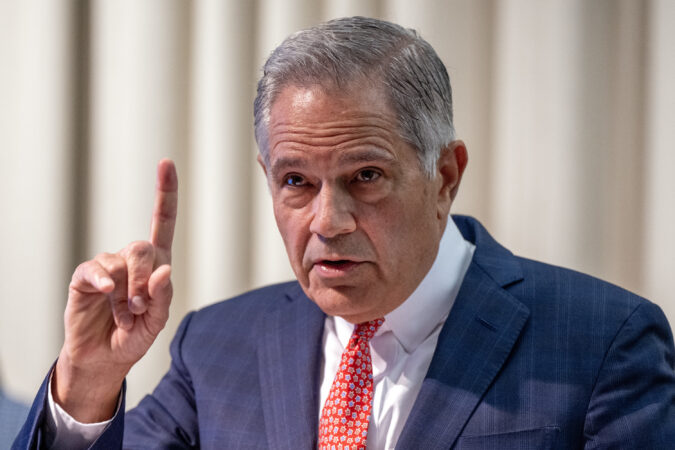
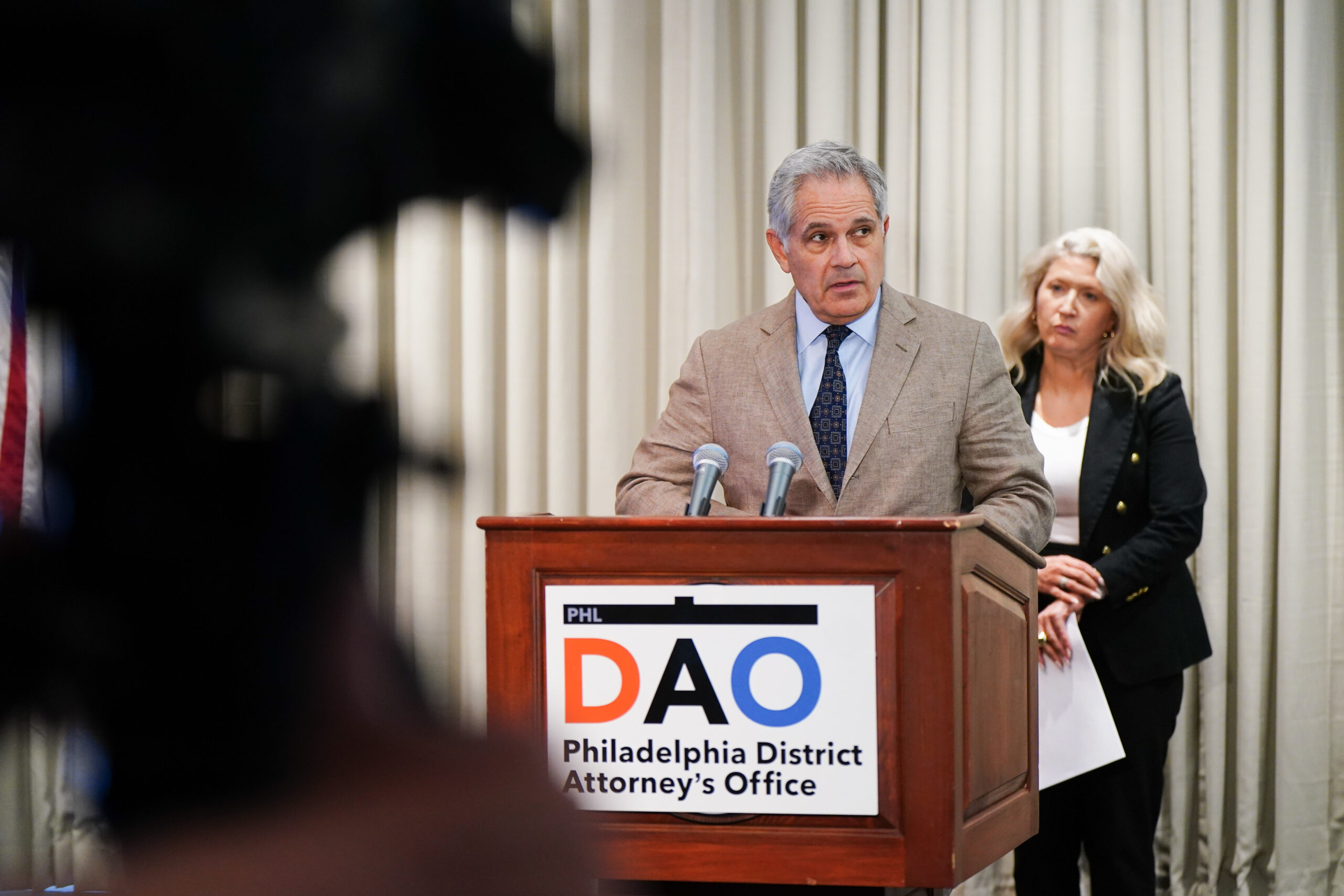
    Philadelphia District Attorney Larry Krasner has long said he’s a friend to organized labor. As prosecutors in his office are gearing up for an election to authorize their union, Krasner has said their efforts could ensure his own legacy, because “whatever person might take my seat later cannot easily undo what we have done.”

    But not everyone in his office is feeling the support.

    More than 100 lower-level employees in the District Attorney’s Office, including paralegals and victim and witness coordinators, are separately trying to secure their own union — and some say they’re meeting resistance.

    Several workers said that Krasner’s administration has put up roadblocks and taken positions that they see as at odds with his public image as a leader of the city’s progressive movement.

    Five paralegals and coordinators, all of whom spoke to The Inquirer on the condition of anonymity to avoid retribution before a union is in place, said the unionization process has left them disappointed with Krasner.

    “He was elected in large part because of a number of very important pro-labor organizations in Philadelphia,” said one employee. “If the DA just came out and publicly supported it, that’s what I would expect from the most progressive DA in America.”

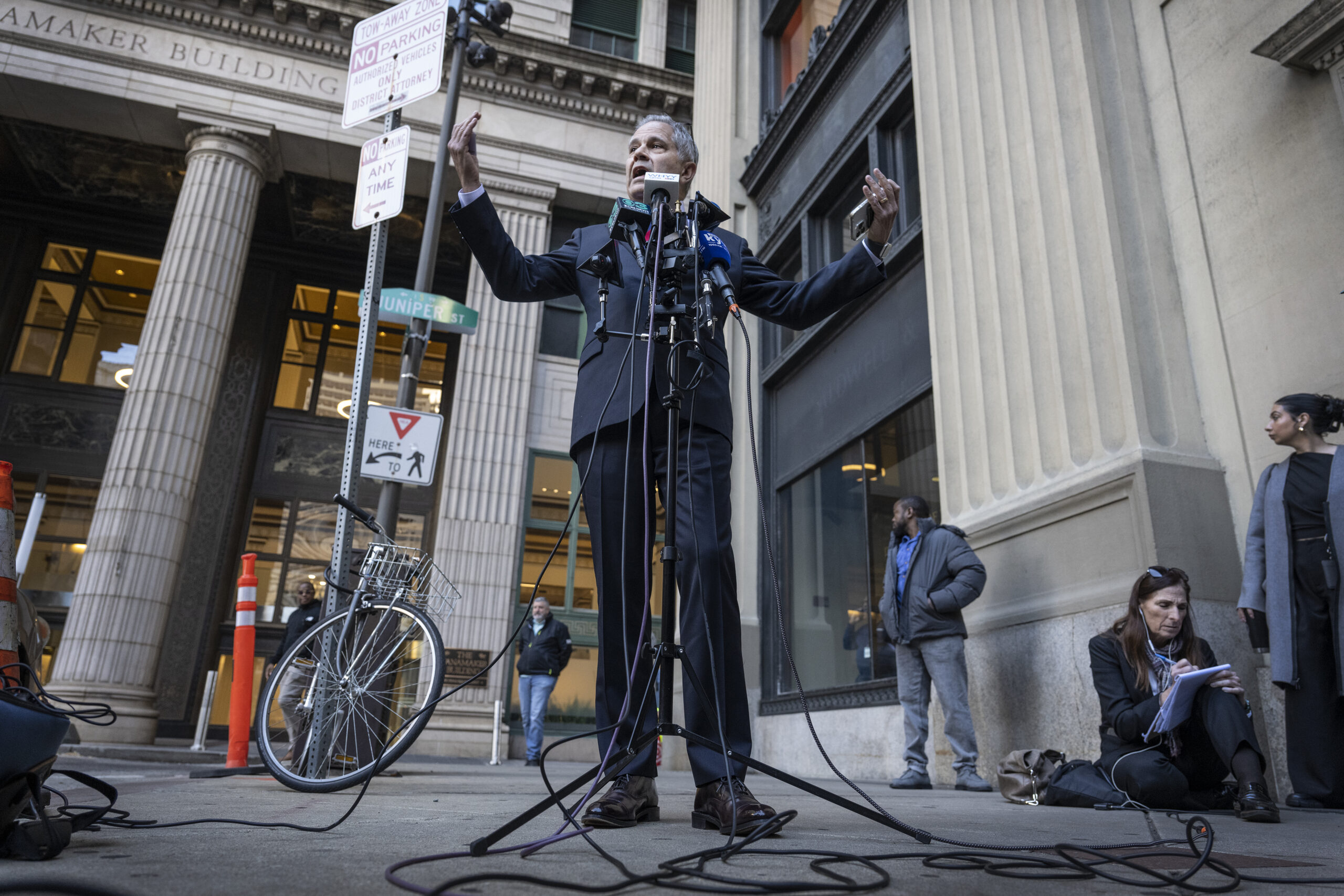
    District Attorney Larry Krasner speaks during a press conference about a homicide in May.

    And meanwhile, the lower-level employees say there’s been a separate Wild West-style standoff between two unions, which are both vying to represent them.

    Krasner said in an interview on Monday that he supports his employees’ right to organize a union through a “properly conducted free, fair, and final election.”

    “I will support them 100% in whatever decision they make to form or not to form a union, and whatever union they choose if they do form one,” he said.

    Still, it all could become a political flashpoint for Krasner, a third-term progressive Democrat whose name has been floated by some in the city’s political class as a potential candidate for higher office. He has not ruled out running next year, when Mayor Cherelle L. Parker, a more centrist Democrat, will be up for reelection.

    While Krasner has positioned himself as supportive of organized labor, his relationship with some leaders of the city’s politically powerful unions has been strained. He’s received steadfast support from the unions that tend to align with left-leaning politicians, but clashed with others, including the leaders of the building trades unions that last year backed his challenger.

    Krasner last month publicly criticized Parker for not acquiescing to his office’s requests for additional funding, to which Parker countered that his funding has increased every year since she became mayor. He said this week that he believes the unionization effort among his employees is the result of his office being underfunded during Parker’s administration.

    Paralegals and victim and witness coordinators said that they have explored unionization to improve wages. Several staffers described living paycheck-to-paycheck and holding second jobs to meet expenses.

    The starting annual salary for paralegals, who assist attorneys with legal research and drafting documents, and for coordinators, who shepherd victims and witnesses through the court process, is $46,000.

    Several employees also said they’re seeking union representation to improve their workplace culture. Two said the expectations of them change frequently, and that responsibilities often expand with little warning.

    But the road to get there, they said, has not been smooth.

    To unionize, the lower-level employees partnered last year with organizers at the United Steelworkers Local 286. The union represents workers in a diverse range of industries, including school bus drivers, pharmaceutical packaging plant workers, and some clerks in the city’s court system.

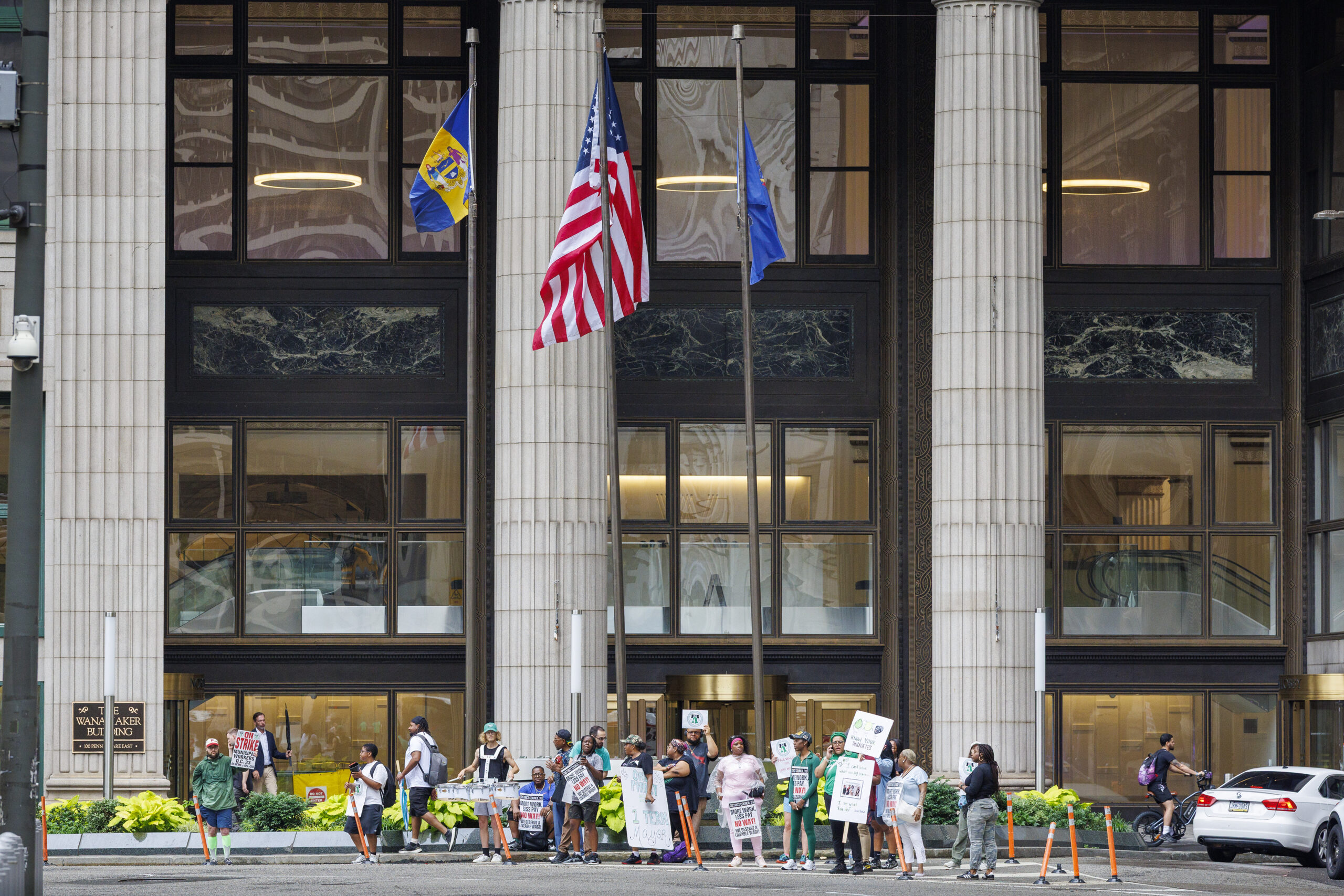
    Picketers employed in the District Attorney’s Office picket outside during the AFSCME District Council 33 strike on Wednesday, July 2, 2025. DC 33 already employs some workers in the DAO.

    Carlo Simone Jr., the union’s president and business manager, said his local has been seen by some city employees in recent years as “an alternative” to the American Federation of State, County and Municipal Employees District Council 33 and District Council 47.

    Those two much larger unions represent thousands of city employees, with DC 33 largely representing blue-collar workers and DC 47 working primarily with white-collar staff.

    The prosecutors in Krasner’s office will be represented by DC 47 if their election is successful. But several of the lower-level workers in the District Attorney’s Office had preexisting relationships with USW and said that they thought the steelworkers’ union would be the best fit to represent them.

    In December, USW filed a petition with the Pennsylvania Labor Relations Board, asking the state to authorize an election that would lead to them representing the paralegals.

    But DC 33 had other plans. In February, DC 33 filed paperwork with the state and argued that the paralegals instead belong in their municipal workers’ union, setting up a power struggle with the steelworkers.

    The PLRB agreed with DC 33.

    Last month, the board issued a preliminary ruling that said DC 33 is the appropriate union to organize the workers. The board reasoned that, under longstanding precedent, DC 33 is responsible for representing “nonprofessional” employees — or those that don’t require advanced professional education — who are designated as members of the civil service.

    The vast majority of city employees are members of the civil service, which is the city’s merit-oriented system for hiring and promotion. It is intended to separate municipal employment from political considerations.

    But for decades, most employees in the District Attorney’s Office have been exempt from the designation. Under the Philadelphia Home Rule Charter, employees are civil service unless they are specifically exempted. Assistant district attorneys and some investigators in the DA’s office are exempt, but there is no carve-out for paralegals or victim and witness coordinators.

    The lower-level employees who spoke to The Inquirer said they want their jobs to be classified as civil service, because the designation would require job descriptions and afford them protections against arbitrary discipline.

    But Krasner’s office last month filed paperwork opposing the PLRB ruling, saying that lower-level workers in his office have not been designated as civil service for decades and that the labor board doesn’t have the authority to reclassify them.

    Krasner called the PLRB’s decision a “rogue finding that was illegal.”

    “This is a law enforcement agency. We have to follow the law,” he said. “If there’s going to be civil service, it will be because our workers’ rights are protected because they decide it’s beneficial to them and because legal processes are followed.”

    In this November file photo, District Attorney Larry Krasner speaks to reporters during a news conference outside the District Attorney’s Office after he won reelection.

    But employees said they saw Krasner’s opposition as a slight.

    “He is not pushing for us,“ one employee said, ”and in fact is making this process way longer than it should have been.”

    The PLRB has yet to issue a final ruling, and it’s unclear when one may come. A spokesperson declined to comment. DC 33 also declined to comment.

    If the PLRB’s ruling stands, paralegals and victim and witness coordinators would be represented by DC 33, and it’s not clear if they’d have the ability to pursue organizing with another union.

    Simone, of the steelworkers’ group, said that USW is encouraging employees in the DA’s office to “stay the course,” even if they ultimately join a different union.

    “It might not be as soon as they want it,” he said, “but they will be OK.”

  • We can thank the Afro Sheen founder for  ‘The Sound of Philadelphia’

    We can thank the Afro Sheen founder for ‘The Sound of Philadelphia’

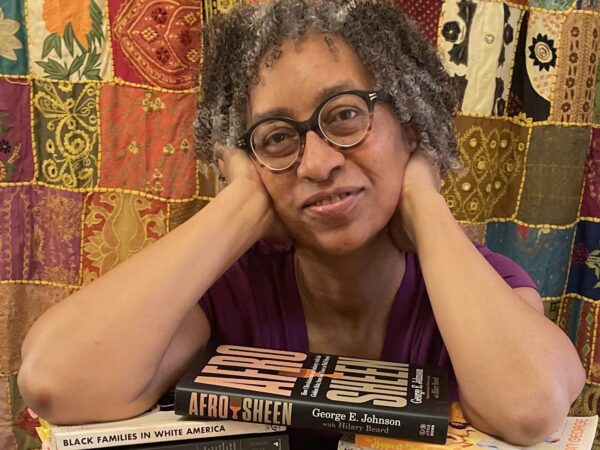
    Like many Black children growing up in the ‘70s and ‘80s, Mount Airy author Hilary Beard had fond memories of Afros and Soul Train dancers.

    “I was a little Black girl with braids who sat between my mother’s knees every day as she combed my hair and oiled my scalp with Ultra Sheen,” Beard recalled in a recent video chat. “When I was in the seventh grade and cut my hair into an Afro, I used Afro Sheen. I grew up watching Soul Train. I lived in a world created by this man.”

    It wasn’t until 40 years later that she realized these hallmarks of Black culture had a common author, George E. Johnson, the father of modern Black hair care.

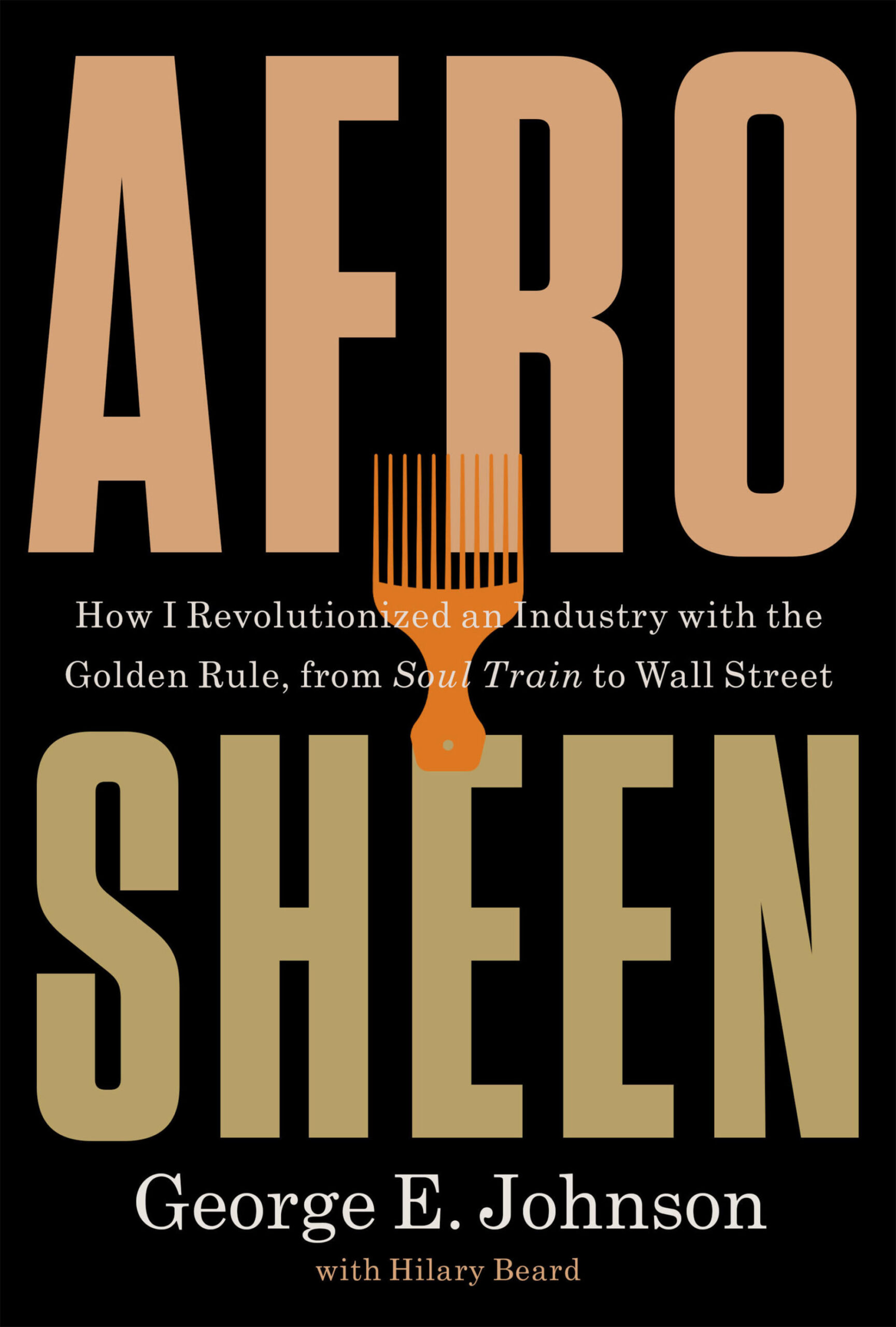
    Three years ago, Beard teamed up with a then 94-year-old Johnson to cowrite his memoir. She combined her warm memories of plaits, kinky blowouts, Black power picks, and the Soul Train Line with more than 2,000 pages of interviews to write Afro Sheen: How I Revolutionized an Industry with the Golden Rule, from Soul Train to Wall Street, a 320-page story of entrepreneurship, civil rights, and Black culture, spanning nearly a century.

    “Mr. Johnson’s story sweeps through the Cotton South, the Great Migration, the Jim Crow North, the Jim Crow South, World War II, and the civil rights of the 1950s and 1960s,” Beard said. “And it’s told through the perspective of an African American man. We know many of these stories have not been told, they have also been actively suppressed.”

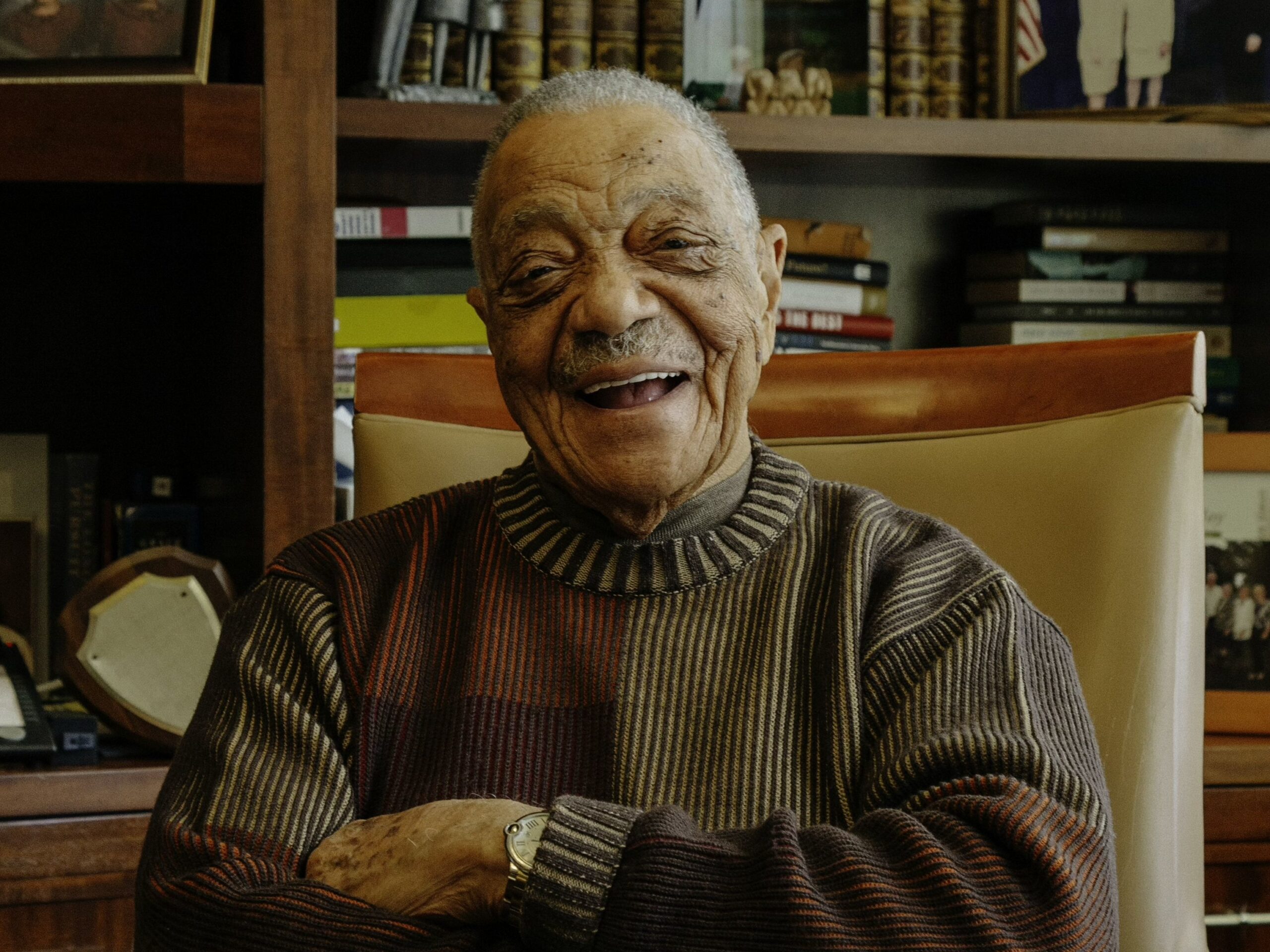
    George Johnson, founder of Afro Sheen, in his Chicago study. Johnson is the founder of the first Black company to go public. He also funded the early episodes of Soul Train, for which the Sound of Philadelphia, Gamble & Huff, wrote the soundtrack.

    Johnson’s story begins in 1927 Richton, Miss., on a small sharecropping farm. His mother, Priscilla, left his father in 1929, and moved Johnson and his two brothers to Chicago’s South Side. In his early 20s, he worked as a production chemist at the Black-owned cosmetics company Fuller Products, owned by S.B. Fuller, the richest Black man in America at the time.

    In the early to mid-20th century, many Black people’s grooming habits included straightening their hair to assimilate, often affording them better jobs in mainstream America. The hair straightening concoctions — a mix of potatoes, lye, and eggs — separated, were messy to apply, and burned.

    While working at Fuller Products, Johnson developed Ultra Wave Hair Culture, a creamy emulsified product barbers applied to clients’ hair, giving them the slicked back look popularized in the 1940s by Little Richard, Nat King Cole, and Sammy Davis Jr.

    Ultra Wave Hair Culture marked Johnson Products Co.’s debut. In the next decade, JPC introduced Ultra Sheen Cream Satin Press, which hairdressers applied to Black women’s hair before pressing it straight with a hot comb; and Ultra Sheen Relaxer, a lye-based hair straightener for Black women. The “Black is Beautiful” movement birthed Afro Sheen, a spray that left Afros voluminous and glossy.

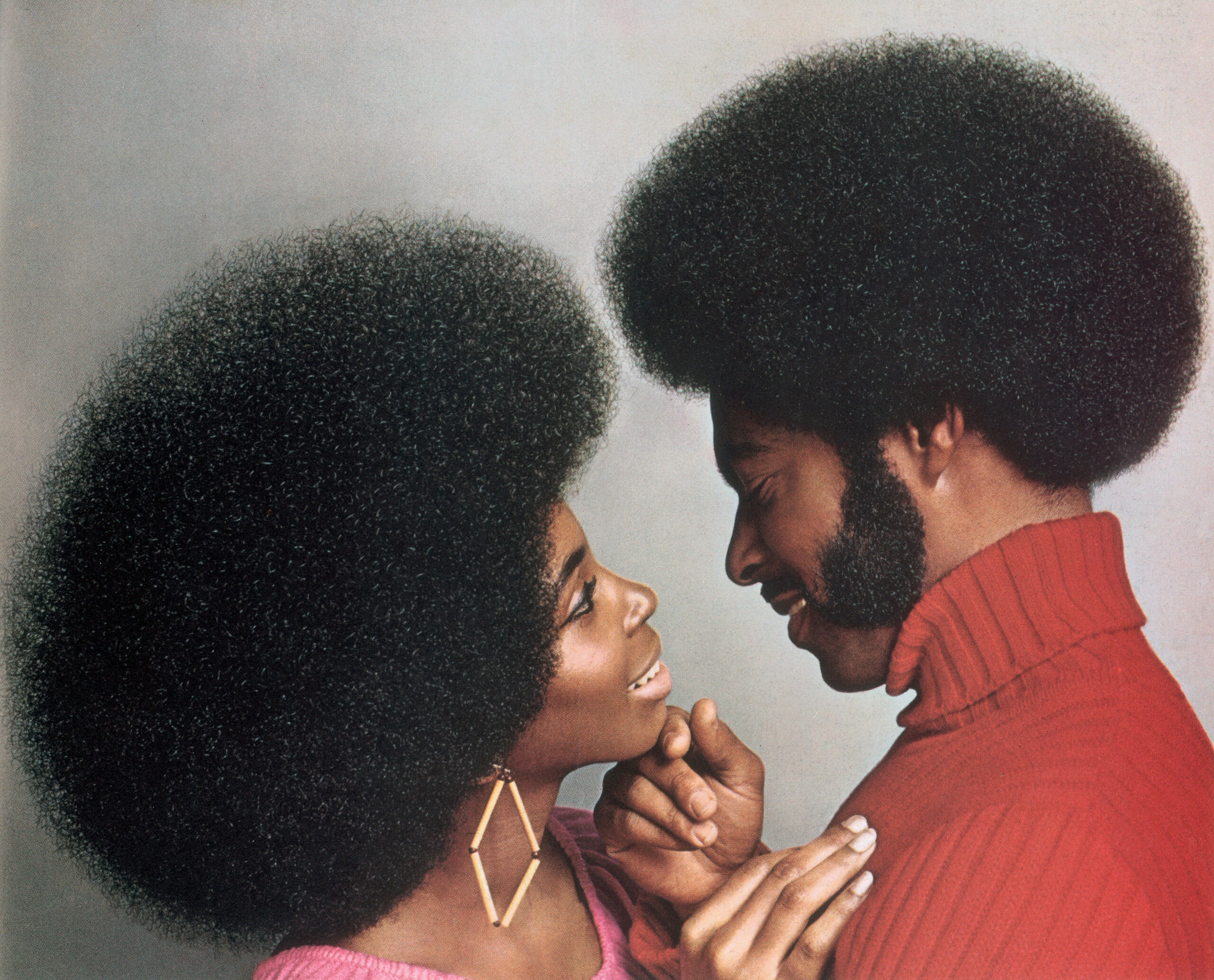
    “A Natural Explosion! Afro Sheen® Blowout Creme Relaxer 1973/2007” from the series “Unbranded: Reflections in Black by Corporate America” by Hank Willis Thomas. MUST CREDIT: Rubell Museum

    “The thing that moved my products forward was innovation,” said Johnson, who, at 97, still sounds like a salesman talking to potential customers. “We created something like a new mousetrap, it had never been done before.”

    In 1971 — with sales of $12.1 million, or $94 million in today’s dollars — JPC became the first Black-owned company to be publicly traded on the American Stock Exchange, now known as the New York Stock Exchange. Although at the time it was a major achievement, Johnson said that with hindsight, he realized it was a big misstep as he was forced to answer to a board that didn’t understand the Black community.

    Creating his lane

    Johnson — not to be confused with John H. Johnson, founder of Ebony and Jet magazines — built his empire when banks did not loan money to Black startups, and groceries and drugstores did not stock Black hair care products, let alone place them on endcaps. Johnson remembers struggling to build his business when there were no federal laws to protect him from discrimination. He built his own manufacturing facility and created networks to distribute and advertise his products, and was among the first to sell Black hair care products in mainstream retail outlets.

    To see companies like Target and Walmart — which up until recently had a stellar reputation of stocking Black hair care by Black-owned companies — cower under the Trump administration and roll back DEI initiatives is not only disheartening, but it also signals going back to a time when disenfranchisement of minority- and women-owned businesses was standard operating procedure. This reality, Beard says, makes Johnson’s story particularly timely, serving as a road map with young entrepreneurs of color.

    “There is a widespread movement to make programs, books, and context that remind us of the bigotry in our nation’s history illegal,” Beard said. “Mr. Johnson is a witness to the overt racism many Americans would like to sweep under the rug. The irony is the very history they don’t want us to know is the reality they are attempting to create.”

    JPC was among the first companies to advertise products to Black consumers using images of Black professionals — like doctors, lawyers, and teachers — instead of subservient characters like Aunt Jemima and Uncle Ben.

    Johnson created Soul Train with Don Cornelius in 1971 so his advertising dollars could reach Black consumers directly. Soul Train — the hippest trip in America — was modeled after Dick Clark’s American Bandstand, and featured R&B acts, creating the community that bought Afro and Ultra Sheen products. In 1974, Kenny Gamble and Leon Huff wrote Soul Train’s iconic theme song, “T.S.O.P. — The Sound of Philadelphia,” performed by Philadelphia International Records’ The Three Degrees. Soul Train laid the cultural groundwork for MTV and Black Entertainment Television, and “T.S.O.P.” was the first TV theme song to reach No. 1 on the Billboard Hot 100. JPC’s profits nearly tripled to $37 million a year by 1975.

    “That was tremendous growth,” Johnson said. “And in 1980, I gave Don my share with the stipulation he keep one minute of advertising time a show to JPC.”

    Living history

    Johnson never planned to write a book.

    “I certainly wouldn’t have waited until I was 94 to do this,” he said. “But I had an epiphany, a real experience and I clearly heard five words, ‘You must tell your story.‘”

    Johnson is married to Madeline Murphy Rabb, the mother of Pennsylvania state Rep. Chris Rabb, a friend of Beard’s. Chris Rabb reached out to Beard, the author of 19 books including memoirs she cowrote with actors and husband-wife team Angela Bassett and Courtney B. Vance, as well as Philadelphia high school baseball phenomenon Mo’ne Davis, in 2021.

    Afro Sheen: How I Revolutionized an Industry with the Golden Rule, from Soul Train to Wall Street by George E. Johnson, written with Mount Airy-based author, Hilary Beard.

    Beard read 16 books about Black hair care culture and Chicago history. The two-year-long writing process became emotional, especially when Johnson recalled his infidelity and losing his first manufacturing facility to fire.

    “When Mr. Johnson contacted me, I thought of the African proverb: when an elder dies, a library burns down,” Beard said. “So, I dropped everything to capture this piece of living history on the page.”