Barry Leonard, 87, formerly of Philadelphia, celebrated crimper, longtime innovative owner of the Barry Leonard Crimper & Spa in Center City, unisex beauty salon groundbreaker, fashion and marketing trendsetter, haircutting mentor, and Army veteran, died Sunday, Oct. 12, at his home in Hallandale Beach, Fla. The cause of his death has not been disclosed.
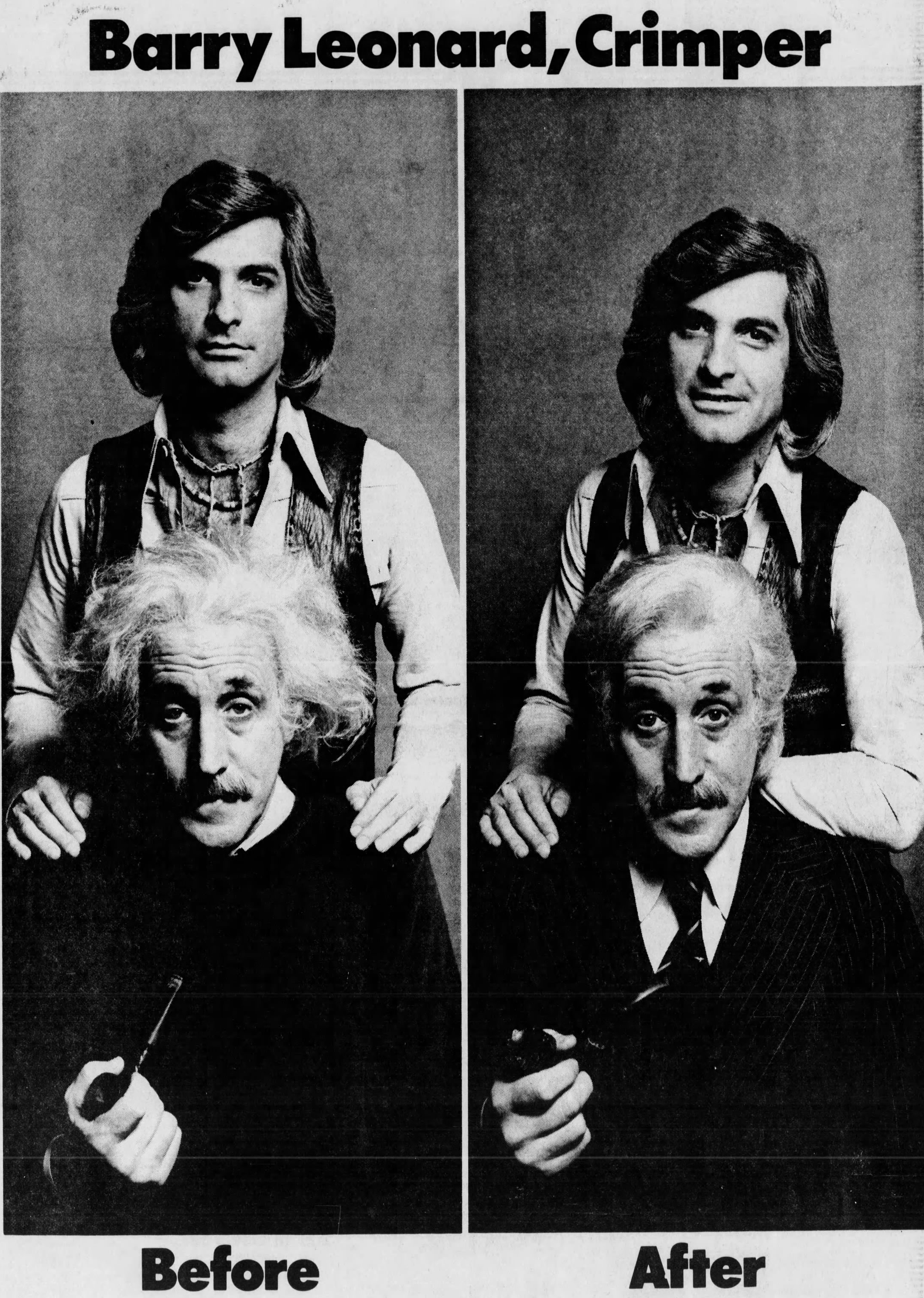
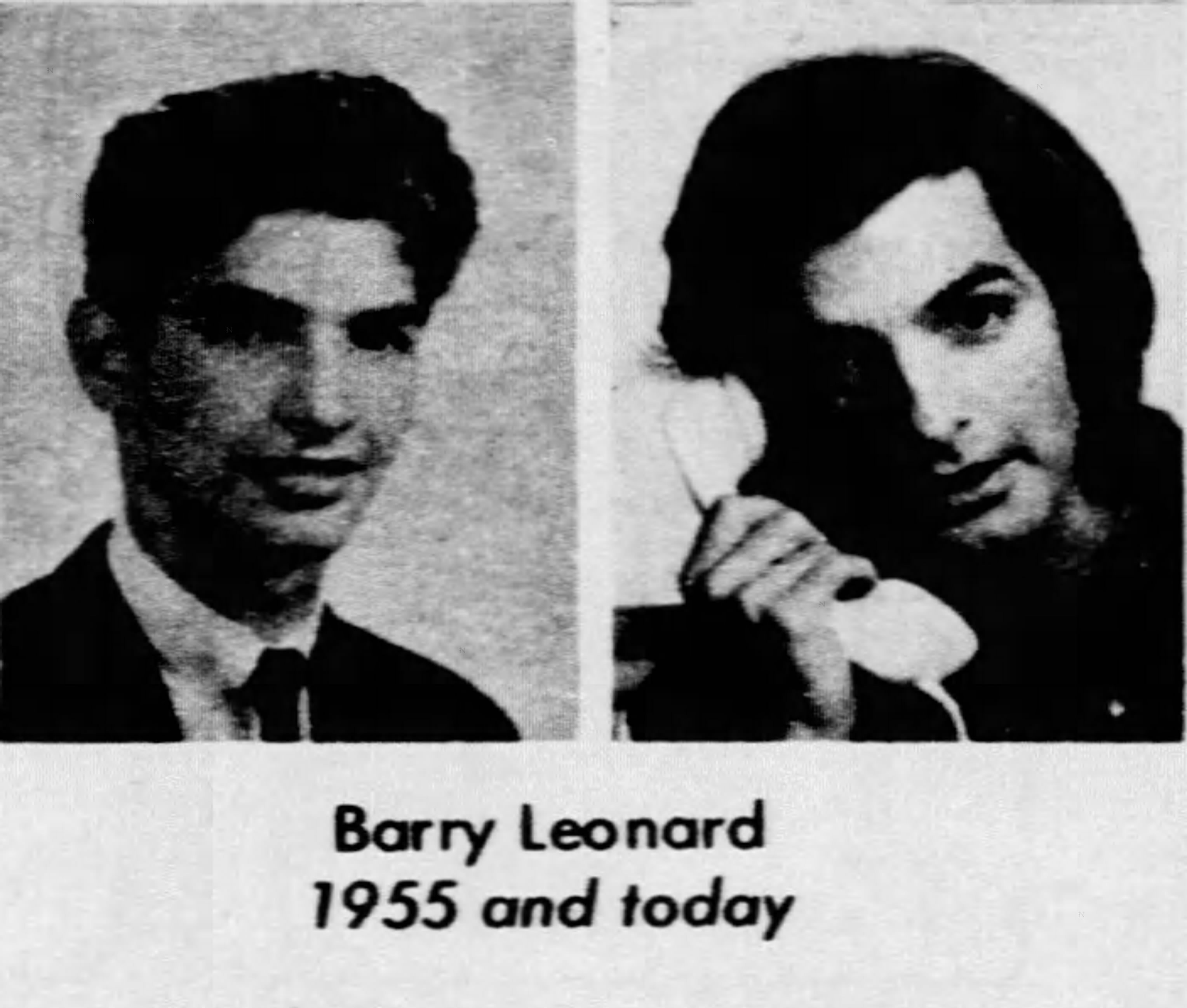
Born in Philadelphia to a family of hairstylists, Mr. Leonard swept the floor at his father’s beauty salon in West Philadelphia as a boy and, in 1955, became the first male to graduate from the beauty culture curriculum at Murrell Dobbins Career and Technical Education High School. He went on to help rewrite state statutes to allow unisex beauty salons in the 1970s, wow the marketing world with innovative ads that featured Fidel Castro, Albert Einstein, Santa Claus, and the Wolfman, and own high-end shops in the old Marriott Hotel on City Avenue and then on Chestnut Street for 43 years.
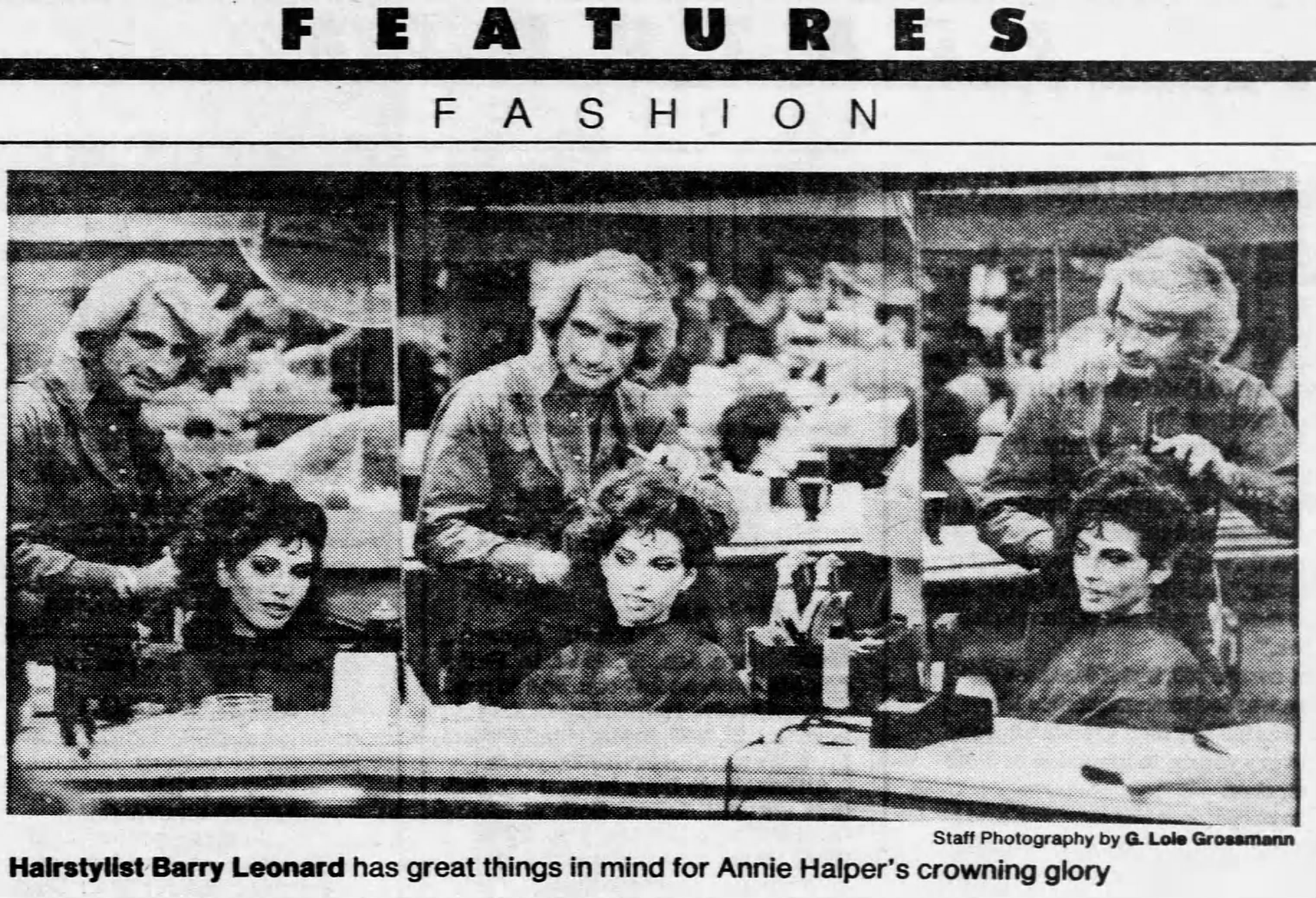
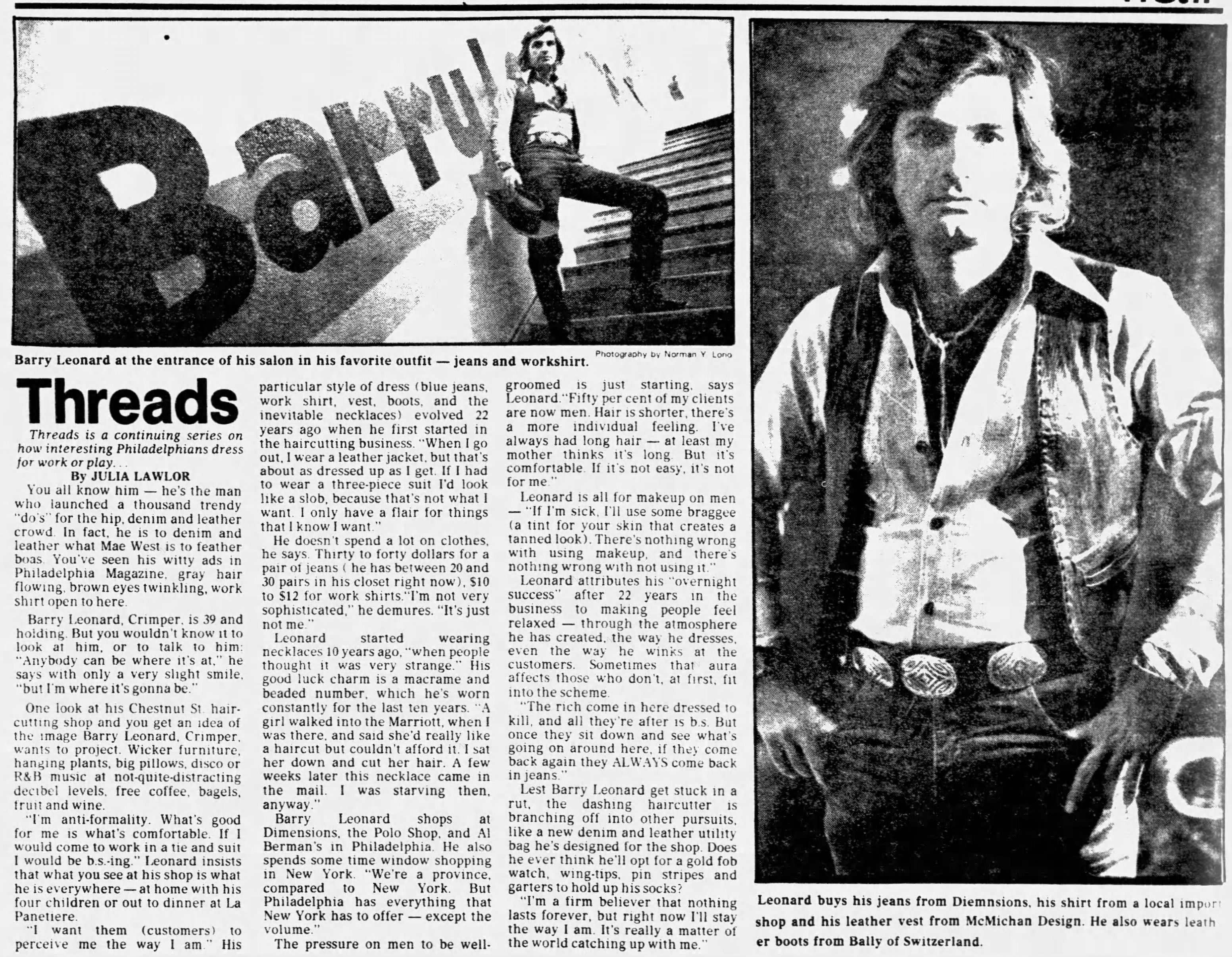
A proponent of what he called “natural haircutting,” Barry Leonard, Crimper, counted politicians, musicians, actors, and other celebrities as well as local residents as his regulars, and most of them were fine with waiting months for an appointment. He moved his bustling salon from the Marriott to 1527 Chestnut St. in 1972, relocated to 1822 Chestnut in 1995, and retired to Florida in 2005.
In the early 1970s, he saw that men appreciated hair care, too, and he successfully challenged an old state law that required separate locations for male and female haircuts. So unisex salons became common in the 1980s and ’90s.
“Hair,” he told The Inquirer in 1973, “is the only part of the body that can be changed readily and allows the individual to play his role as he feels it at that particular moment — protest, freakiness, sensuality, anything.”
His New Age salon featured wicker furniture, hanging plants, big pillows, Japanese koi, and free coffee, fruit, and wine. He charged $12.50 per cut in 1973 and $25 in 1991. Sometimes, he booked 75 heads a day, his wife, Annie, said.
Most often, he consulted with customers before the cut, assigned the job to an assistant stylist, and checked back when the work was done. Over his career, he told his wife, he likely attended to more than 1 million customers. In 1991, he told The Inquirer: “My general philosophy is to make people happy.”
He also created and distributed do-it-yourself manuals for those who couldn’t get appointments and introduced computerized styling technology in the 1980s so clients could design their own cuts on video screens. “I’m a firm believer that nothing lasts forever,” he told the Daily News in 1977. “But right now, I’ll stay the way I am. It’s really a matter of the world catching up with me.”
He was featured often in The Inquirer, Daily News, Philadelphia Magazine, Philadelphia Business Journal, and other publications, and writers dubbed him the “top hair gun” in Philadelphia, “the dashing haircutter,” and “Philadelphia’s leading proponent of hair as art.” He dabbled in selling franchises, endorsed a new Japanese hair-straightening process, and hosted runway-style hair shows and crimper workshops.
Women told him his beauty advice changed their lives. Men said his haircuts improved their sex lives. “I was the image changer,” he told The Inquirer in 2002.
In the late 1960s, Mr. Leonard gave local advertising whiz Elliott Curson a haircut, and Curson, delighted with the result, suggested rebranding Mr. Leonard as “a crimper,” British slang for hairdresser. What followed was a hugely successful ad campaign and a friendship that lasted more than 50 years.
One of their first ads featured the phrase: “When I come out of Barry Leonard’s, I won’t look like my mother.” Curson said: “He had that look, the outfit, and the vision that worked so well.”
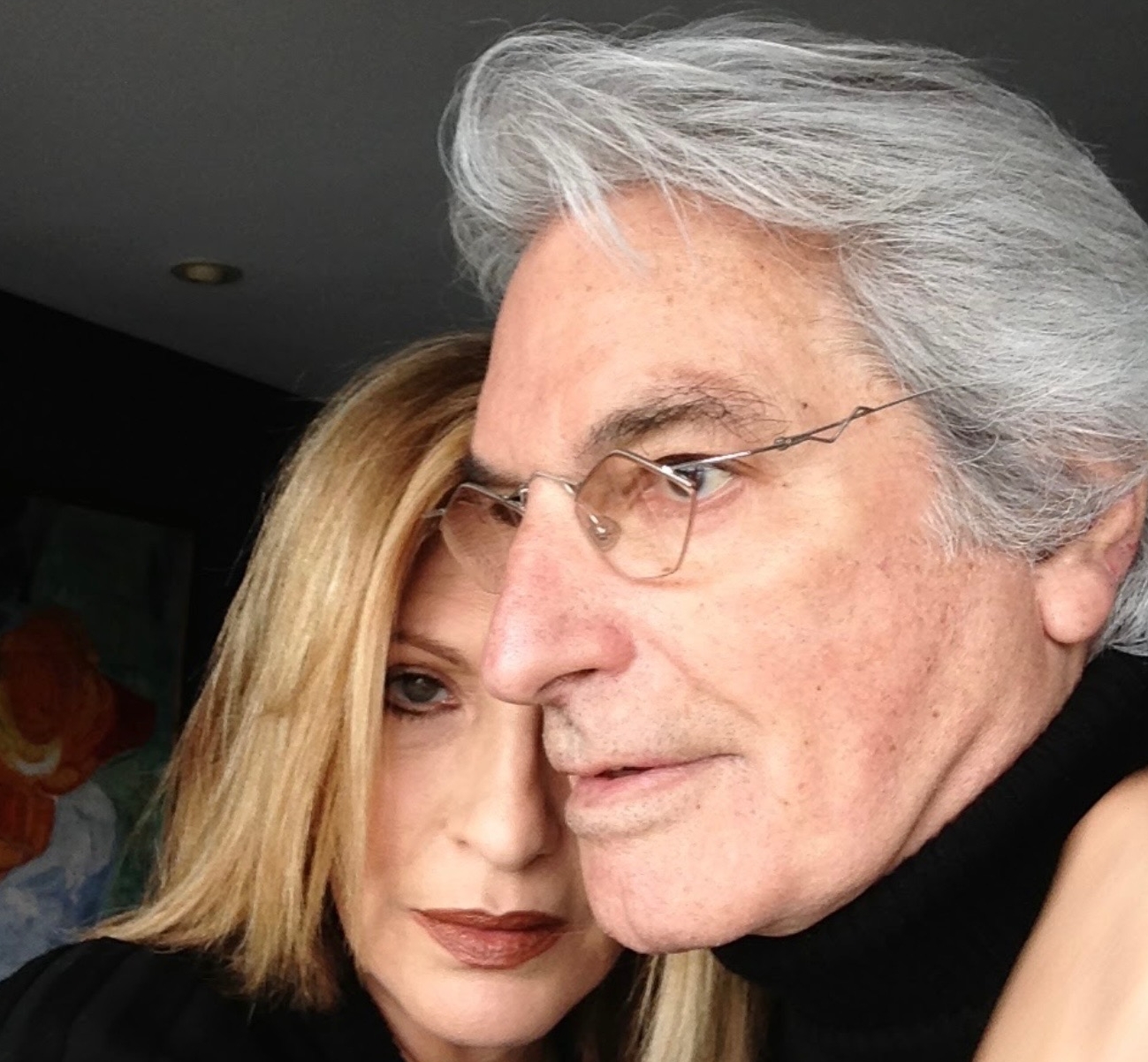
Mr. Leonard liked to wear a work shirt, vest, blue jeans, boots, designer glasses, and turquoise jewelry to work. His own hair flowed down to his shoulders when he was young. He told the Daily News in 1977: “Anybody can be where it’s at. But I’m where it’s going to be.”
He was a member of Intercoiffure America and participated in its competitive showings in New York and elsewhere. He was included in a display called “Movers and Shakers” at the now-closed Philadelphia History Museum.
“He would meet you once and have an impact on the rest of your life,” his wife said. “Everybody loved him. He was passionate and compassionate.”
Barry Leonard was born Jan. 27, 1938, in Philadelphia. He grew up in Wynnefield and Bala Cynwyd, and served in the Army’s 101st Airborne Division for two years after high school.
He wore a traditional tie and jacket, and cut hair with his father and in a few local shops before opening his place at the Marriott in 1962. He also spent some time working in London and first heard the word crimper there.
He married Charlene Brooks, and they had daughters Karen, Susan, and Elizabeth and a son, Brett. After a divorce, he met Annie Halpern at a party in 1983. They went to a Neil Diamond concert on their first date in 1984, married in 1986, and moved from Center City to Florida in 2005.
Mr. Leonard was an avid boxing fan, and he knew his way around the popular Blue Horizon venue on Broad Street. He had a summer home in Longport, N.J., and enjoyed time at Gulfstream Park racetrack in Florida.
He was spiritual and loquacious, his wife said. He had favorite witty quips, and his family and friends refer to them as “Barryisms.”
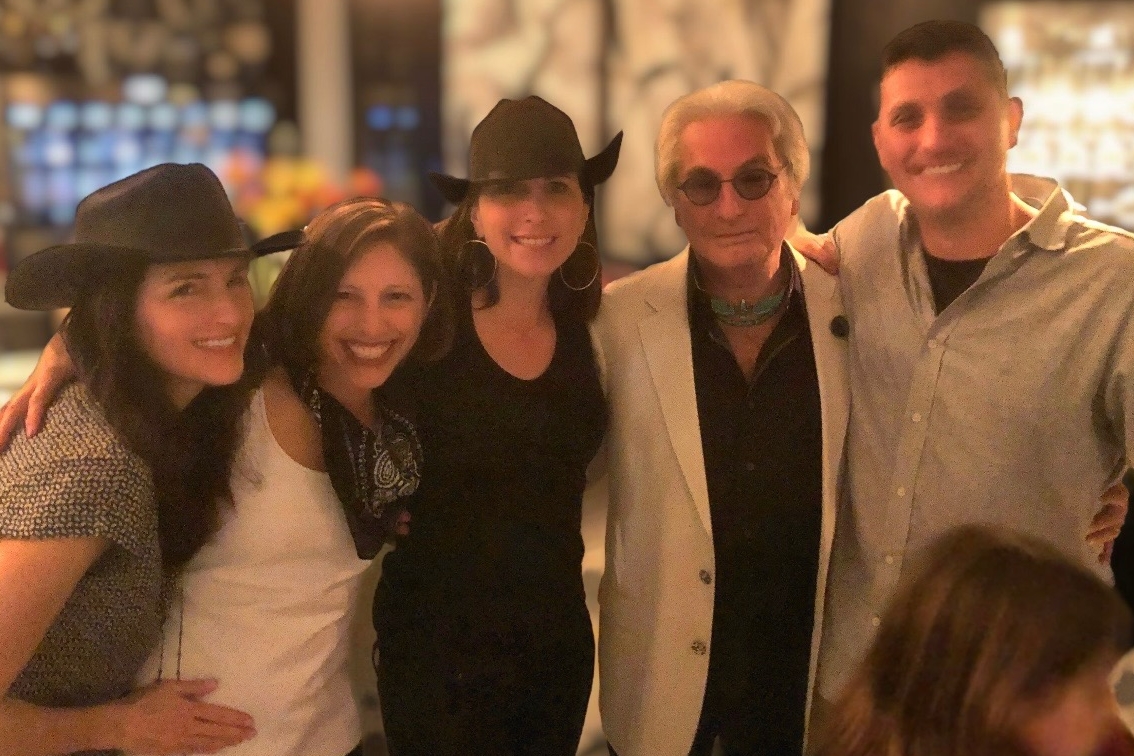
He attended all kinds of galas and benefits, and doted on his children. “He gave me my first shag” haircut, a longtime friend said on Facebook. Another friend said her neighbor cut her hair once. “The results were not good,” she said. “Barry fixed me.”
They called him “one of a kind,” “truly the best around,” and a “mentor and a friend.” His wife said: “He was the love of my life.”
In addition to his wife, children, and former wife, Mr. Leonard is survived by eight grandchildren and other relatives. A brother died earlier.
A celebration of his life is to be at 11 a.m. Saturday, Dec. 6, at Gulfstream Park, Third Floor, Flamingo Room, 901 S. Federal Highway, Hallandale Beach, Fla. 33009. RSVP to blcrimper@aol.com.