MUNICH — When Russia invaded Ukraine on Feb. 24, 2022, no one imagined Moscow would be enmeshed in a quagmire four years later, having lost nearly 1.2 million killed, wounded, or missing soldiers to an army a fraction of its size.
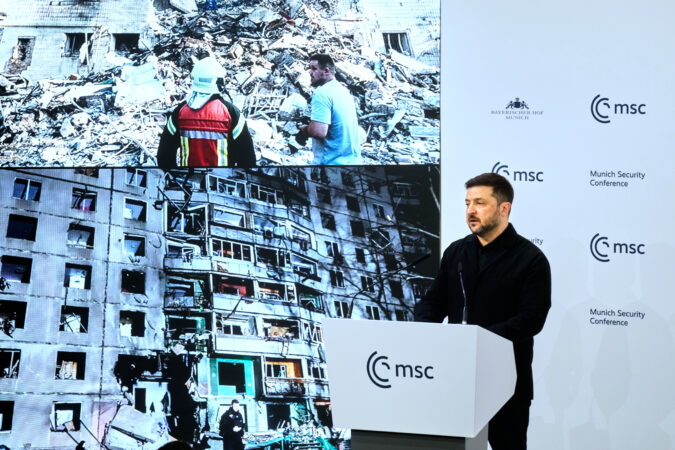
The price Ukraine has paid for its defiance was written on Volodymyr Zelensky’s face — weary, puffy, aged dramatically beyond his 48 years — as he took the stage at the Munich Security Conference last weekend.
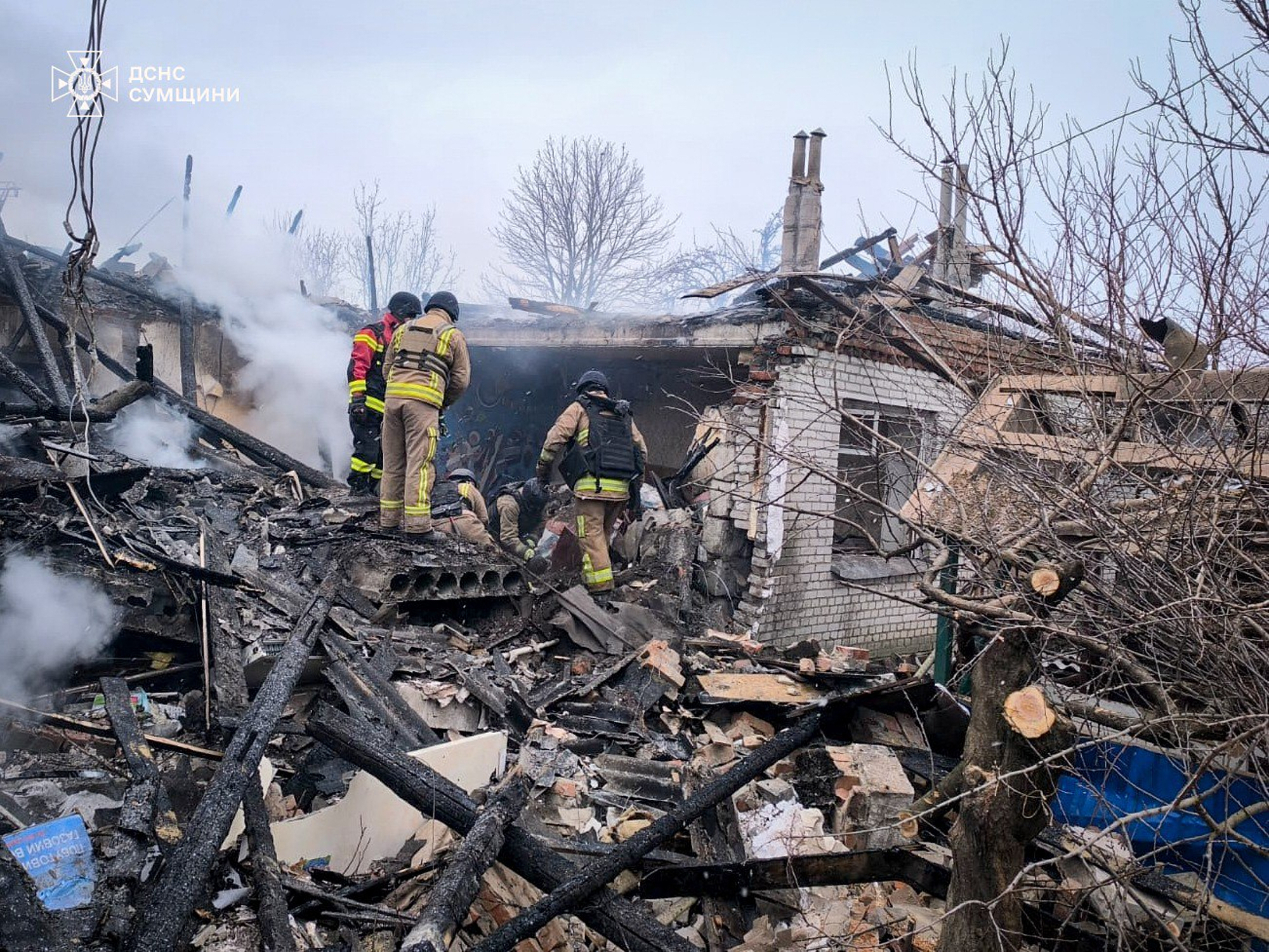
“I want you to understand the real scale of these attacks on Ukraine,” he told an attentive audience, bluntly detailing the 6,000 attack drones, 150-plus missiles, and more than 5,000 multiton glide bombs Russia had dropped on civilian targets in January alone.
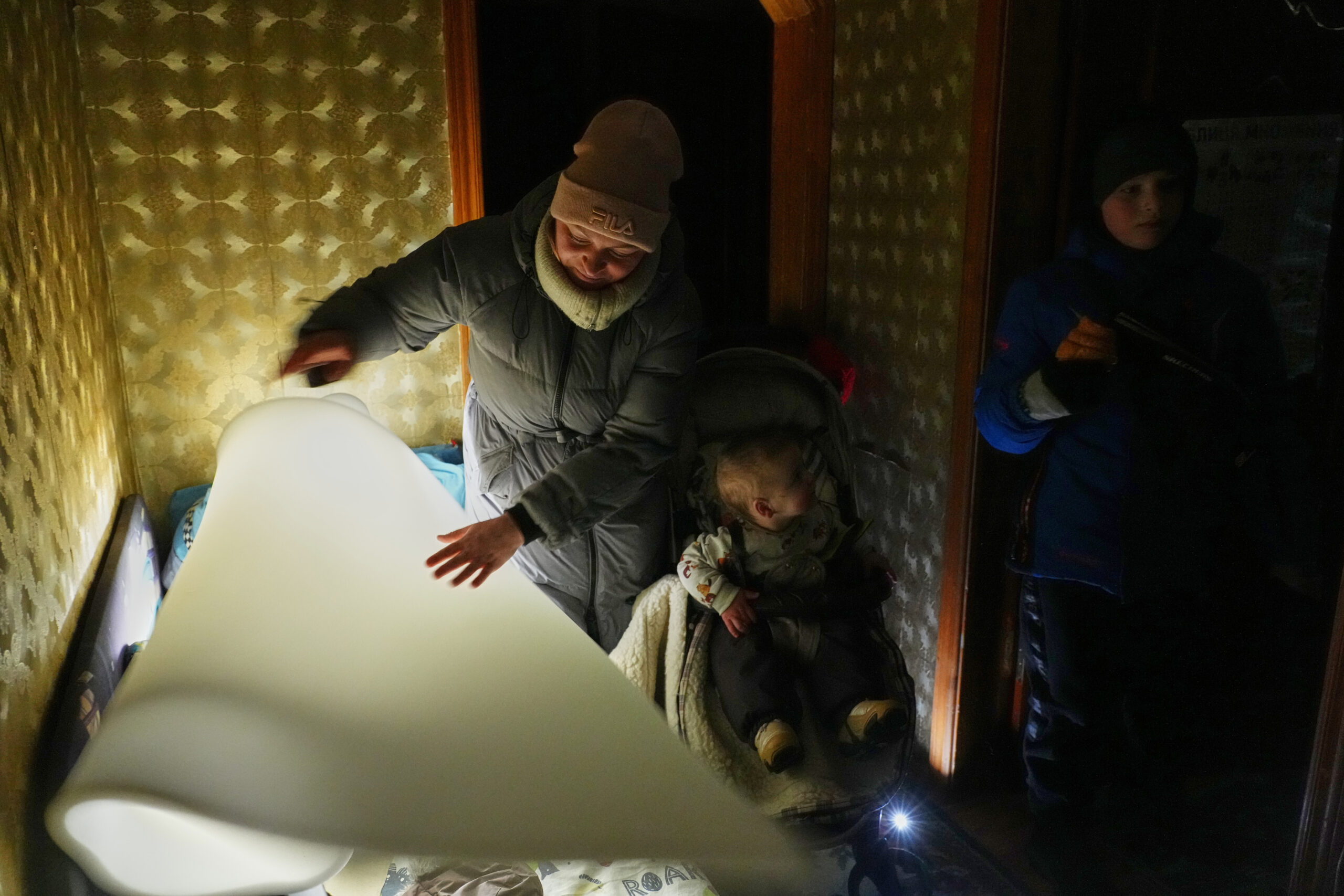
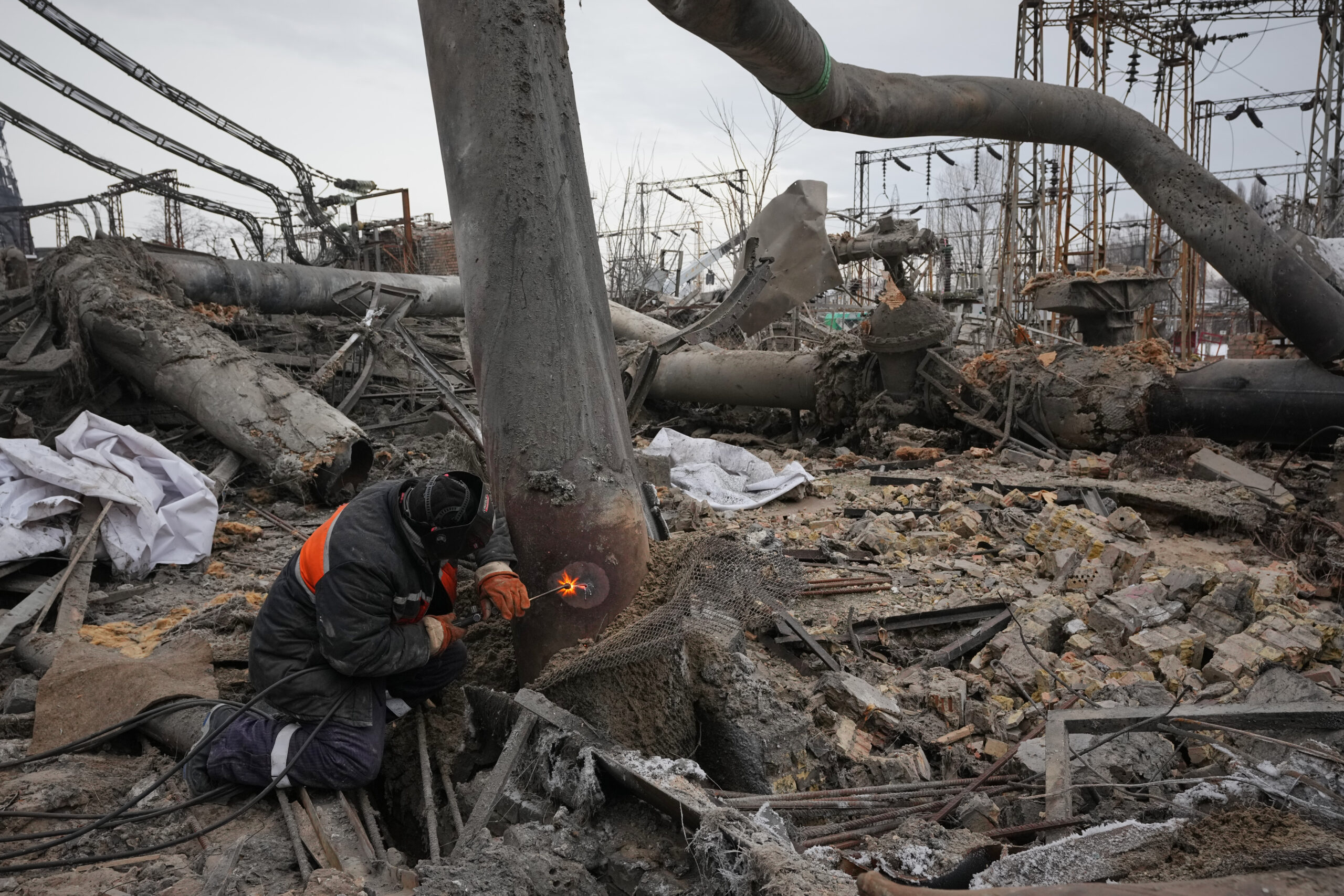
“Imagine this over your own city,” Zelensky demanded. “Shattered streets, destroyed homes, schools built underground, not a single power plant in the country that has not been damaged by Russian attacks.”
Yes, imagine those bombs dropping on Temple University and Jefferson Hospital, on apartment towers on Broad Street, and on William Penn atop City Hall. Imagine living under mounds of quilts in your home because power infrastructure had been deliberately destroyed.
And yet, as Zelensky made clear, Ukraine won’t surrender to Vladimir Putin — nor to Donald Trump.
Kyiv will not bow to shameful White House demands that it cede critical, fortified territory in the Donbas region to Russia, with no solid U.S. security guarantees to stop Putin from swallowing this gift and attacking again.
Based on Zelensky’s words, and what I heard from other European leaders, tech executives, Ukrainian military officers, poets, and tech innovators in Munich, here are my takeaways on what to expect in Ukraine as the fifth year of war begins.
No end in sight
The war will not end in 2026. Putin isn’t winning, and Ukraine is holding on. Kyiv’s current strategy — as its army eliminates more Russian troops each month than the number of fresh recruits Moscow can send to the battlefield — is to increase that kill ratio, and to batter Russia’s military and economy until the Kremlin is finally forced to negotiate seriously.
But U.S.-brokered peace talks, whose second round in Geneva broke up abruptly on Wednesday, are headed nowhere so long as Trump only pressures Ukraine.
Russia hasn’t changed its hard-line demands one iota, still demanding Ukraine slash the size of its army, get rid of Zelensky, and forgo Western security guarantees. In other words, commit suicide.
Equally absurd, as Zelensky pointedly noted, is that Putin has rejected any European participation in peace talks, with Trump’s acquiescence. Never mind that the European Union and member countries now pay 98% of the cost of military and economic aid to Kyiv, including payments to Washington for limited amounts of U.S. weapons. Meantime, Trump cut off 99% of U.S. aid to Kyiv in 2025.
“We don’t hear any compromises from Russia,” Zelensky said, citing Moscow’s “strange” demand that Kyiv hold elections amid Russian bombing — a demand that received buy-in from U.S. negotiators.
“Give us a two-month ceasefire before elections,” Zelensky proposed. “Or we can also give Russia a ceasefire if they will have [free] elections in Russia.”
The Munich audience cheered.
“Peace can only be built on real security guarantees,” Zelensky rightly insisted on stage, given that Putin has broken every previous accord Russia has made with independent Ukraine over the past three decades.
Since NATO membership is not on the table, Ukraine requires a legal commitment, not just verbal “assurances” that it will continue to receive European weapons and support for a strong army — along with expedited admission to the European Union. Kyiv also needs a firm U.S. commitment to back up European support before Ukraine makes any compromises on territory.
When I asked Ukrainian Foreign Minister Andrii Sybiha whether such security guarantees should include the presence of allied troops in Ukraine, he said sharply, “Boots on the ground are essential” in order to encourage investors in a postwar nation.
Yet, it is still unclear whether any European countries will agree to base military forces on Ukrainian soil, rather than just send “peace monitors.” Moreover, Russia rejects any security guarantees at all, and the White House still won’t spell out what kind of security backstop it will provide for the Europeans, and when.
High-tech weapons
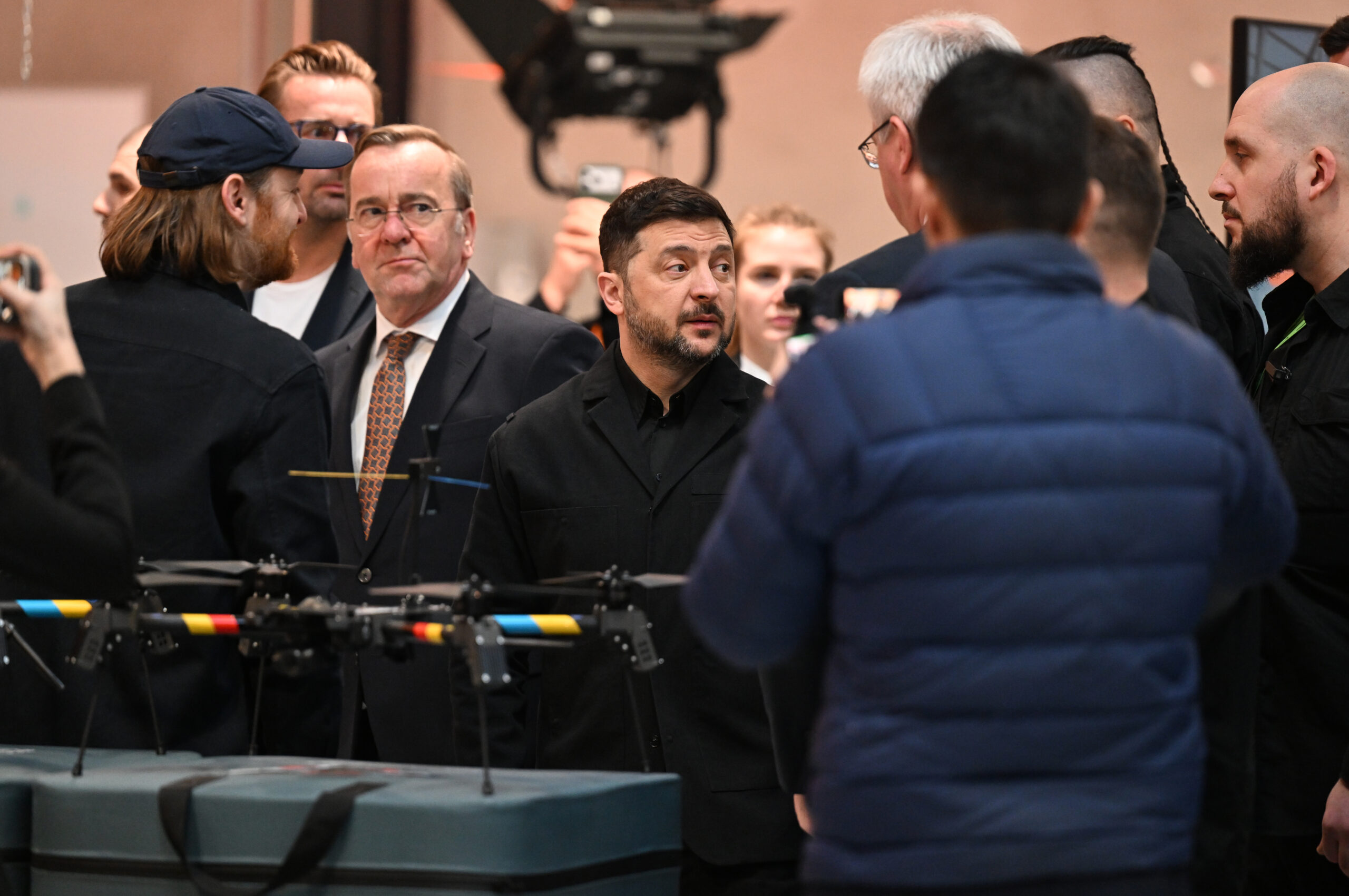
Ukraine will press forward with its efforts to promote joint weapons production with European — and American — firms to advance its amazing innovations in unmanned drone warfare. This tech savvy has enabled Kyiv to push back against Russia’s superior number of troops and increasing number of drones. But Kyiv badly needs more long range missiles (way past time for Germany’s Taurus and U.S. Tomahawks) and more air defenses to take out Russian missiles.
Representatives of Ukrainian and European military production companies swarmed the sidelines of the conference. Ukrainian officers from specialized drone units displayed their products’ prowess on video screens at side conferences organized by Ukrainian companies and think tanks.
The annual Munich Ukraine lunch sponsored by the Victor Pinchuk Foundation included attendees such as former Google CEO Eric Schmidt, whose Swift Beat company is working with Ukrainian partners to produce hundreds of thousands of AI-enabled long-range drones and drone interceptors that are the new weapons of modern war.
Schmidt expressed the opinion heard throughout the conference: When it comes to these weapons, Ukraine “will be the primary producer for all Europe.”
The will to go on
The Ukrainian public is demonstrating amazing fortitude, despite the Russian onslaught, and despite Trump’s refusal to support a tough new secondary sanctions package on Russia that a bipartisan Senate majority has had ready for months.
Zelensky paid tribute to the thousands of energy workers, repair crews, and rescue teams who have been working around the clock to restore heat and electricity each time Russia hits another power plant.
“Ukraine still has power because of our people,” he said with emotion. “Many politicians could learn how to act immediately … from ordinary electricians.”
The conference recognized ordinary Ukrainians’ heroism by awarding its annual Ewald von Kleist Award to the people of Ukraine for their “unwavering determination to defend their freedom and all of Europe.” The award is named after the Munich conference’s founder — who participated in the failed 1944 German plot to assassinate Adolf Hitler — and honors outstanding contributions to international peace and conflict resolution.
What sticks in my mind are the words of Ukraine’s premier poet, songwriter, and novelist Serhiy Zhadan, whose Kharkiv home I visited early in the war, and who spoke to a rapt audience at a Munich cultural center about his beloved city. Kharkiv’s citizens, he said, “reject the Russian goal to make them despair of life.”
“There is still a huge cultural life in Kharkiv,” he said, “and people refuse to let themselves be scared. At every cultural event, money is collected for kids and soldiers. But the whole society is tired. We want to go back to a normalcy where kids can return to school.”
The world’s double standards are painful, he continued, citing the ban by the International Olympic Committee on participation by a Ukrainian athlete because he wanted to memorialize his fellow athletes killed by Russia by putting their pictures on his helmet. “This is not a local war,” Zhadan insisted, “this war is about us all.”
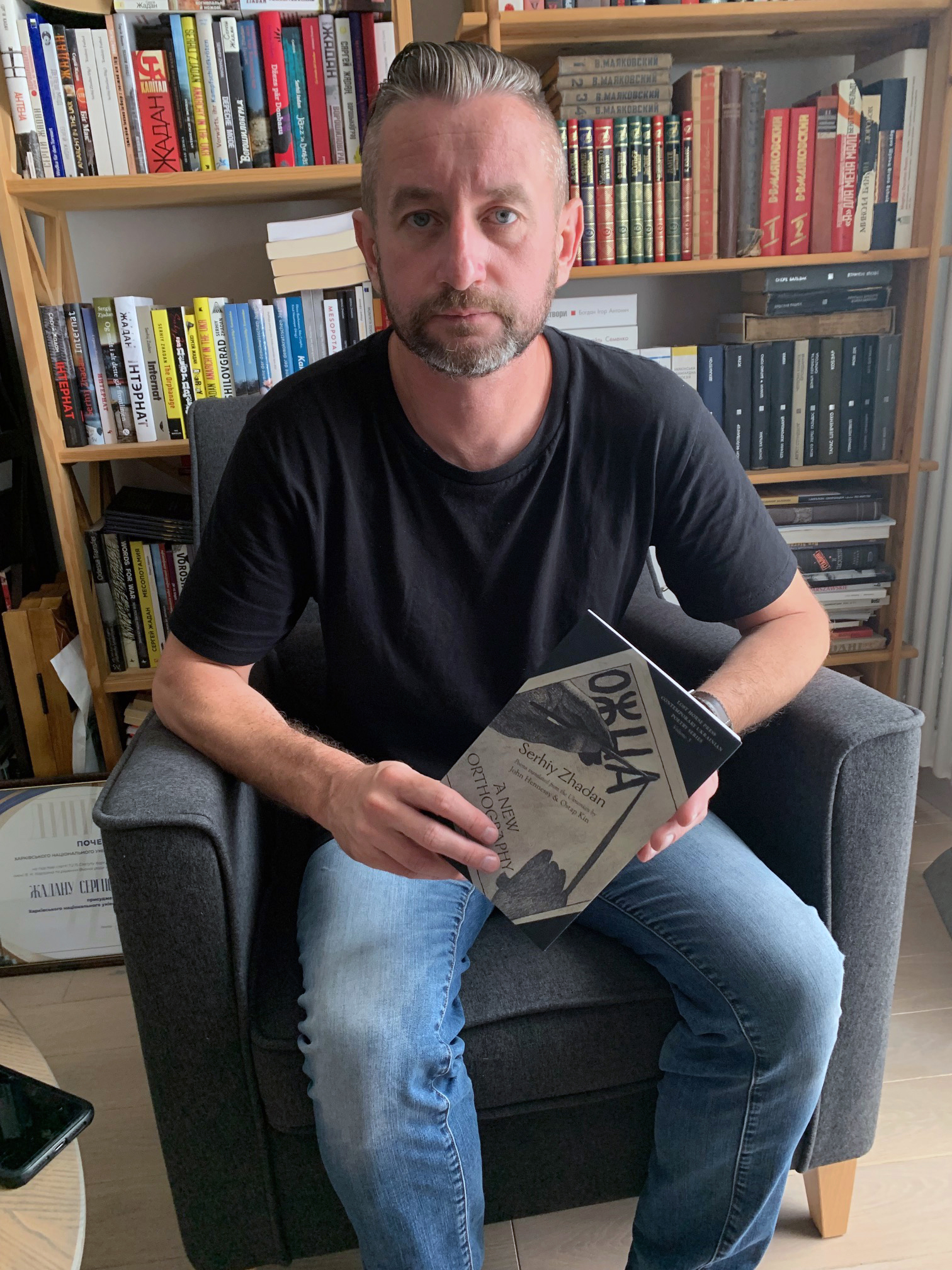
“We try to cling to the moments we live in, and not to think of the future,” he explained, in speaking of survival strategies. “If you think of the future, you become vulnerable. If you focus on the need to survive, you might get through.” Yet, he added, “We will enter the future from [this] darkness. This is part of our Ukrainian history. We will marvel at how beautiful the world will be if we only manage to endure this little bit of darkness.”
Zelensky translated Zhadan’s poetry into hard reality when he reminded a main stage audience that “Putin hopes to repeat 1938, when a previous Putin [Hitler] began dividing Europe.”
As Zelensky reminds us, it was a historic tragedy for Britain’s Neville Chamberlain to acquiesce to Hitler’s demand to seize part of Czechoslovakia. Far from bringing “peace in our time” Chamberlain’s blindness brought on World War II.
It is an error of far greater magnitude for Trump to press Zelensky to cave to Putin’s demand that he be handed key Ukrainian territory Russia hasn’t been able to conquer. Unlike Hitler in 1938, Putin has already begun his wider military attack on Europe.
Such signs of Trumpian weakness only encourage further Putin aggression as well as Xi Jinping’s plans to subdue Taiwan.
The ultimate message of Munich this year was that Europe needs to step up, and the White House needs to wake up and stop denying the importance of Ukraine. The Russia-China-North Korea axis is already feeding off of Trump’s misunderstanding of Putin in order to undermine U.S. power.
“Our world of drones is your world of drones,” Zelensky offered. “Our ability to stop [Russian] sabotage is yours. Please pay attention to Ukraine. If this [attention] had happened before this war started, the war would never have begun.”
The first sign of an American awakening will emerge if GOP members of the large bipartisan congressional delegation at Munich finally blast past Trump’s objections and bring a tough new package of secondary sanctions on Russian energy exports to a floor vote — soon.
Leave a Reply