Author: Erin McCarthy

  • Inside the chaotic, magical world of a Philly-area Santa at Christmastime

    Inside the chaotic, magical world of a Philly-area Santa at Christmastime

    “Santa Kringle” is always dashing away somewhere.

    In the early morning, when creatures are just starting to stir, he is an Uber driver, taking people to the airport or their offices in a red Kia with “ON COMET” emblazoned on the license plate. And during business hours on weekdays, he sits at a desk coordinating ads for Comcast.

    But on nights and weekends, he dons the red suit and transforms.

    In November and December, Kringle’s calendar is booked solid with photo sessions, home visits, fundraisers, and appearances. He shows up at tree lightings, breakfasts, weddings, and other events across the region, from Doylestown to Media. Each week, as many as 8,000 children and adults tell him their wishes, he said.
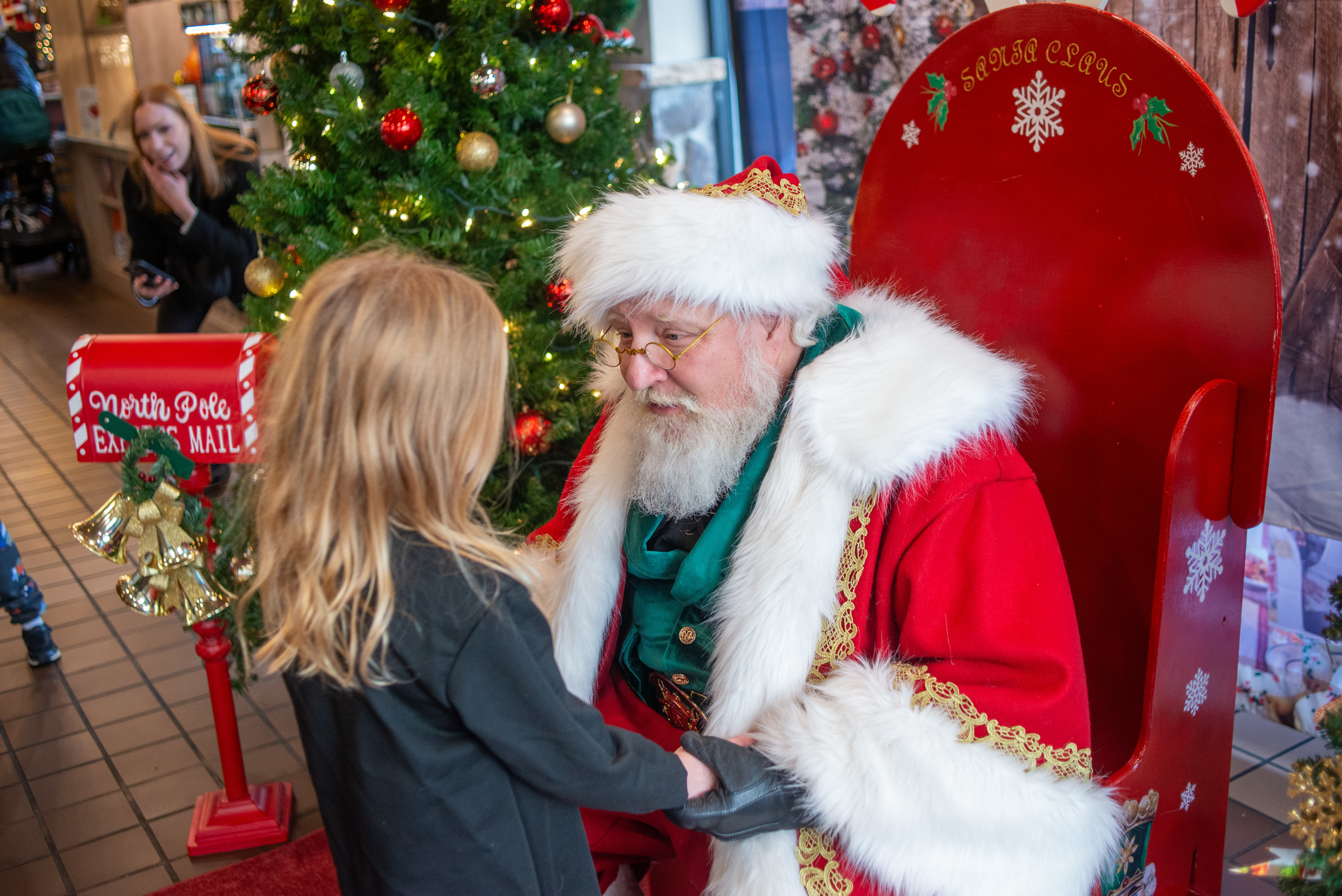
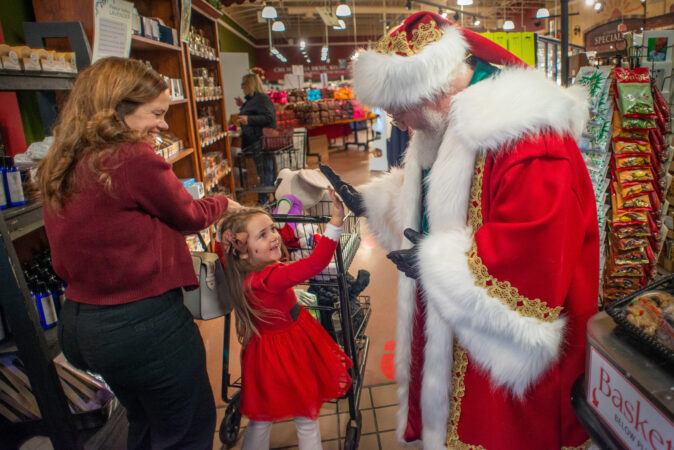
    Frank Naimoli, aka “Santa Kringle,” greets Miranda Patton, 5, of Doylestown during his recent visit to Altomonte’s Market in Doylestown.

    The grueling schedule is worthwhile, he said, but not because of a big payout.

    “I will never run it like a business,” said Kringle, also known as Frank Naimoli, 58, of Glenolden. “I literally have charged as little as two cookies for a visit. I’ll never get rich or buy a car off of being Santa. … It’s just something I love doing.”

    Professional Santas make about $60 an hour on average, according to the employment platform ZipRecruiter.

    The pay can vary by event and by performer. Some charge between $250 and $500 an hour, according to several Philly-area Santas.

    Others often play the role for free.
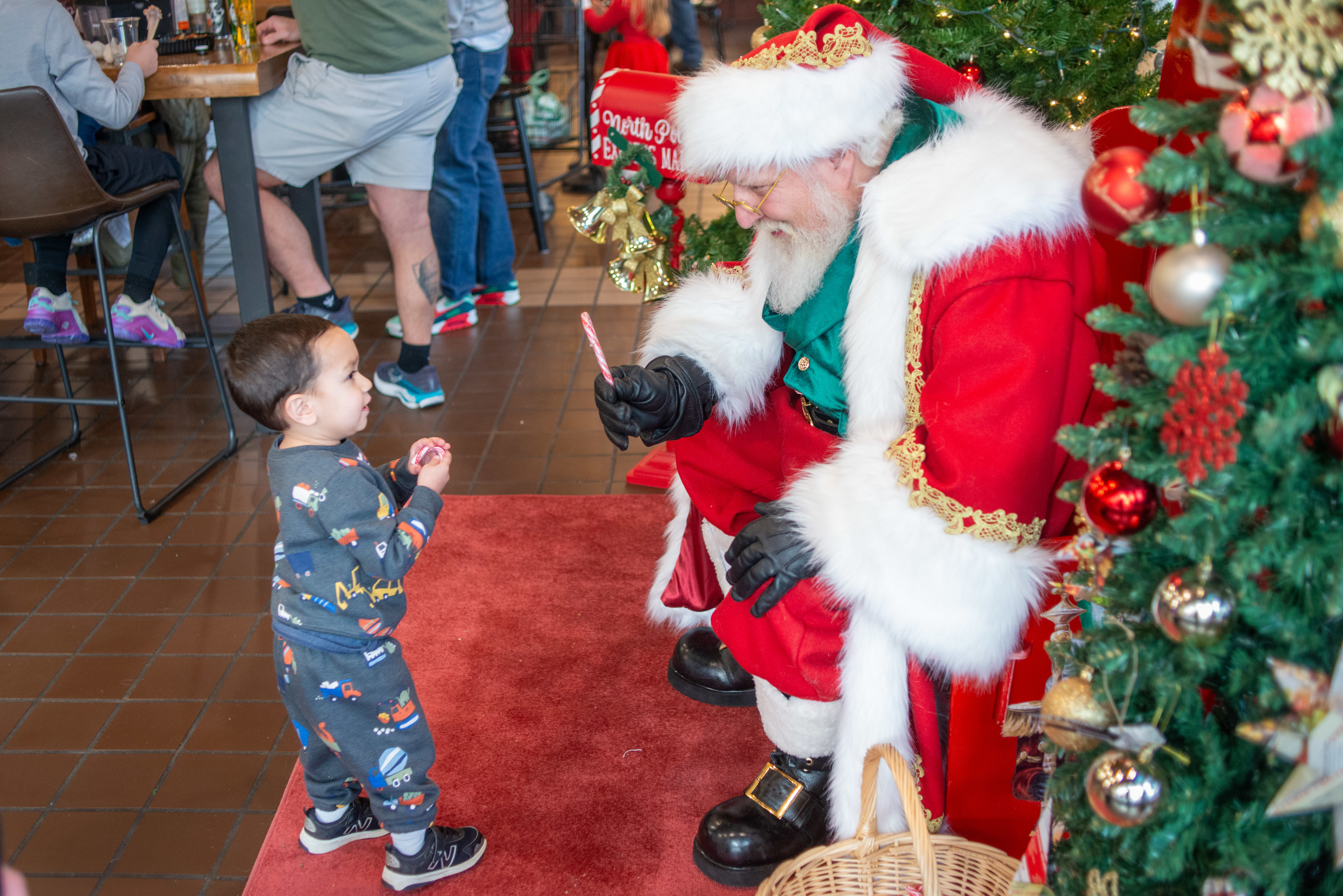
    Kiam Patel, 2, is given a candy cane by Frank Naimoli, aka “Santa Kringle,” at Altomonte’s Market in Doylestown.

    No matter the pay, being Santa is a grind, with perhaps hundreds of visits packed into a short peak season.

    Many Santas schedule all this merriment around full-time careers — Philly Santas work day jobs as corporate professionals, small-business owners, and commercial truck drivers. Their vacation days, much like their natural-grown beards, are carefully kept for the holiday season. And come December, as the Santa grind takes over, they sacrifice time with their own families and operate on little sleep.

    By Christmas Eve, “I am exhausted,” said Naimoli, who’s in his 23rd Santa season. “Nine times out of 10, I fall asleep in the suit.”

    Keeping the holiday magic alive
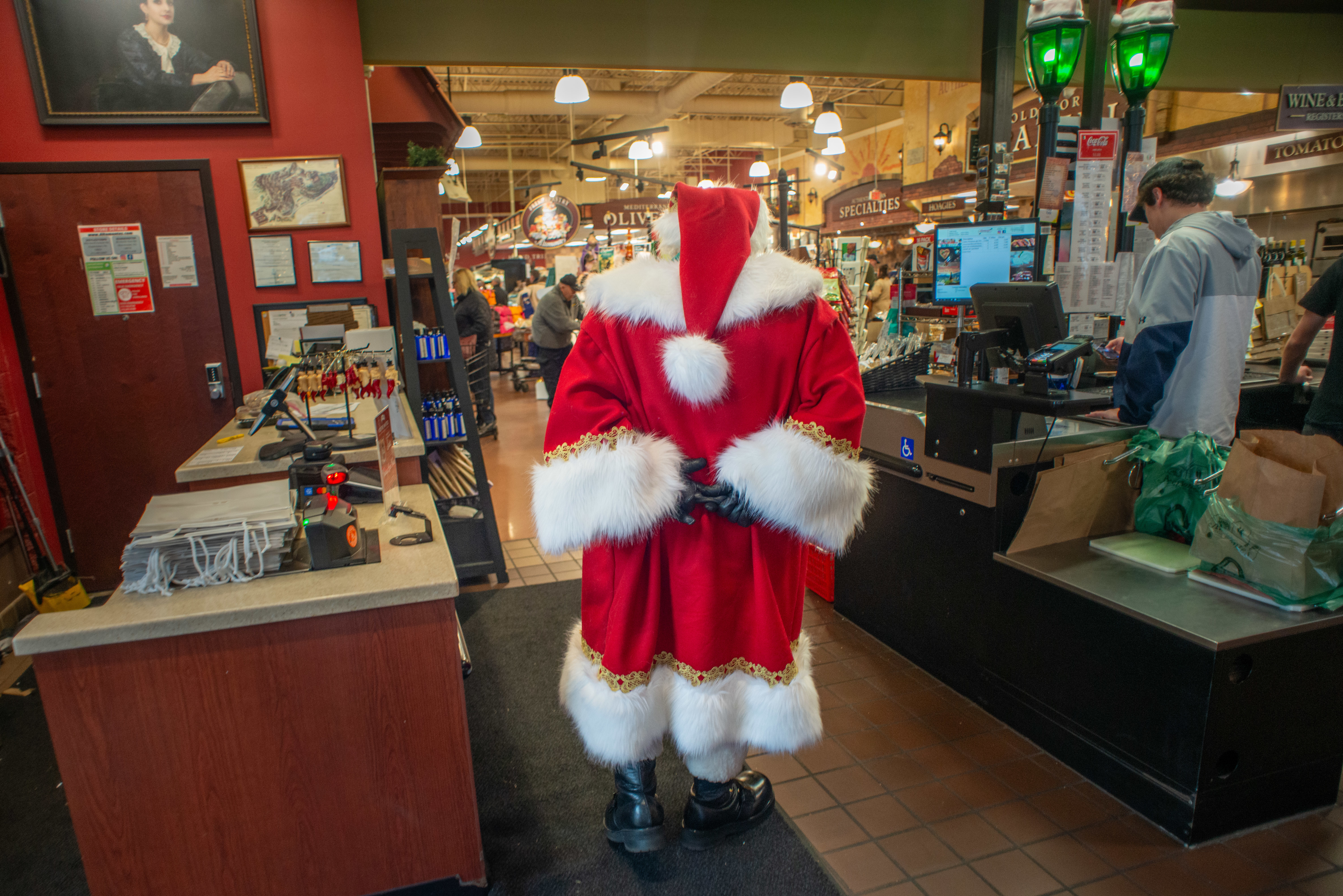
    Frank Naimoli, aka “Santa Kringle,” greets children and adults during a recent visit to Altomonte’s Market in Doylestown.

    Several local Santas said they’re in the industry for the magic, not the money.

    “There is not that much money there,” said Paul Bradley, or “Santa Paul,” of Mantua, Gloucester County, who retired from a factory job a decade ago.

    “The hugs you get from the little kids, or to have a 5-year-old child run to you and [yell] ‘Santa!’” it melts my heart,” said Bradley, 71. “That’s why I do it.”

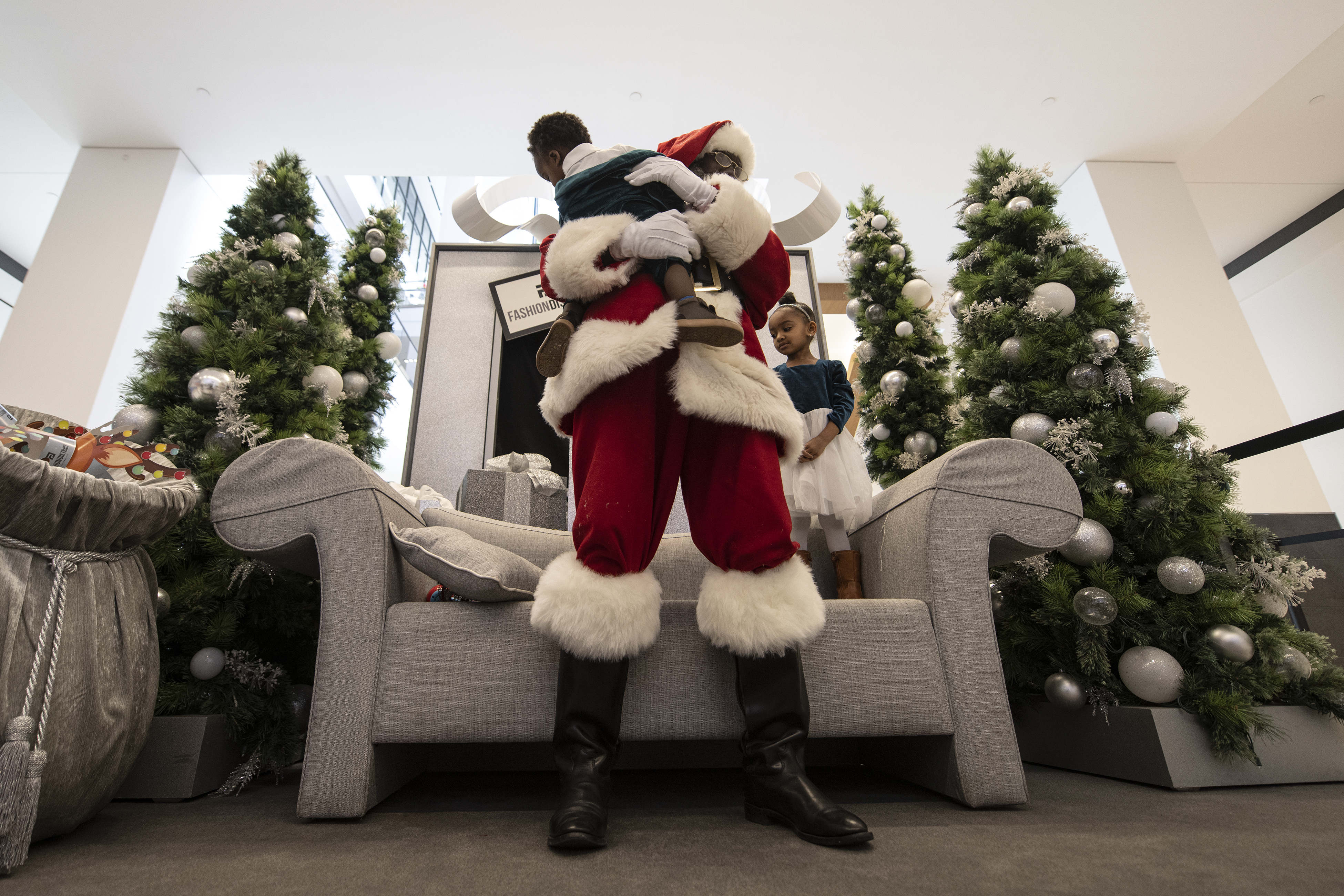
    Dennis Daniels as New Age Santa stands outside the Comcast Center on Dec. 12.

    Dennis Daniels, 66, of North Jersey, called being Santa “a very comfortable and lucrative profession.” The former educator, also a ventriloquist, markets his entertainment services under the company name Mr. D & Friends. When he wears the red suit, he’s “New Age Santa.” (Don’t call him by his other name if you see him out in public, he insists.)

    His Santa persona is “simply the traditional Santa,” he said, “but I look a little bit different.”

    “My skin happens to be brown, and I’m also not rocking the belly,” explained Daniels, who has been a Santa for more than 30 years.

    (From left) Amora Williams, Yanae Petty, and Dennis Daniels, aka “New Age Santa,” at the Comcast Center on Dec. 12.

    This year, “New Age Santa” has booked appearances at the Comcast Center and Newark Liberty International Airport, and he usually books several sessions at photo studios. Sometimes he makes up to $800 for two hours of Santa work. Other times, he shows up as Santa for free.

    Daniels wants to keep doing this work as long as he can, he said, to be a Santa for all children. I didn’t see Santas that looked like me when I was a child,” he noted.
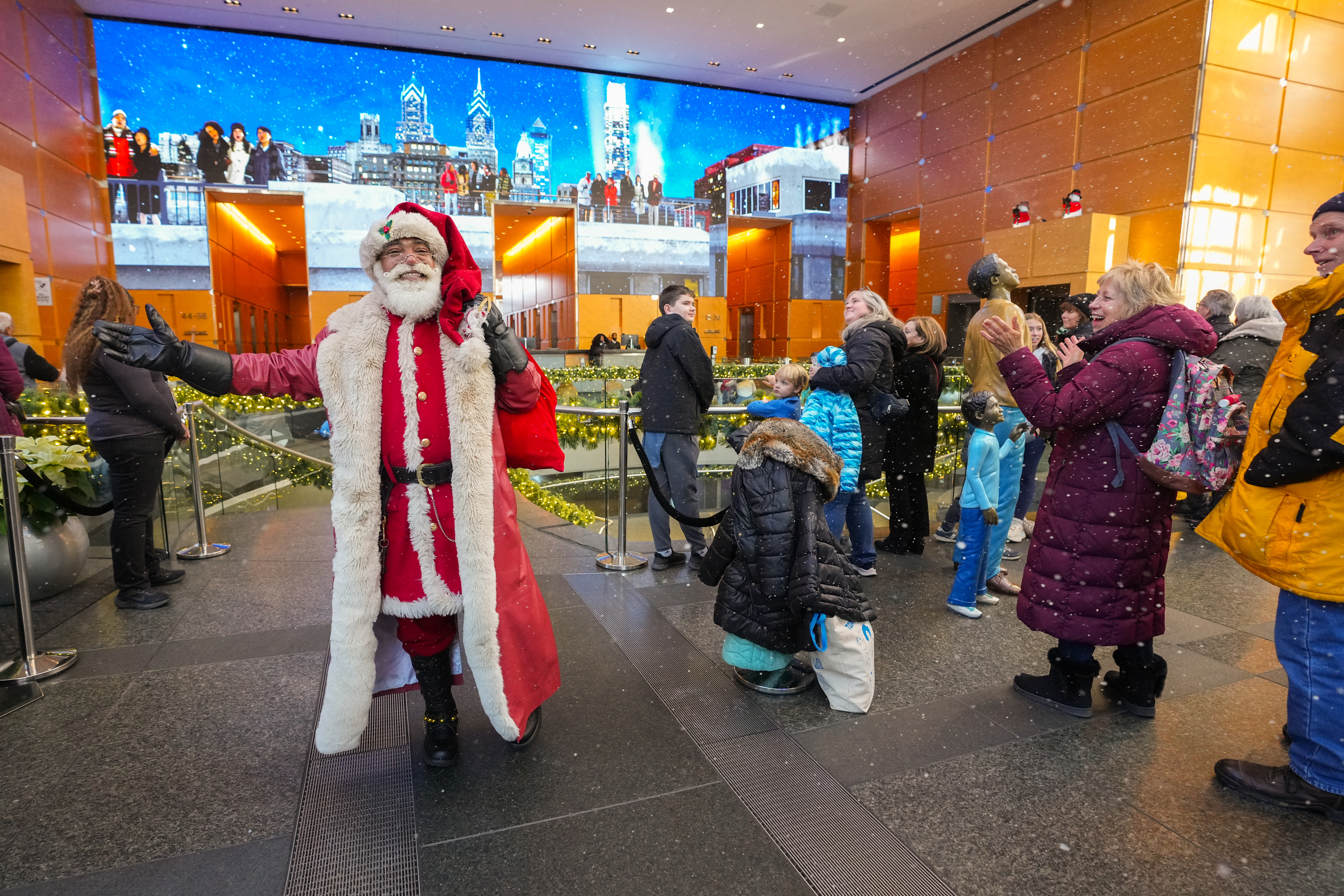
    Dennis Daniels, aka “New Age Santa,” greets smiling people at the Comcast Center on Dec. 12.

    Feeling Christmas joy in return

    After decades of bringing holiday spirit to countless families, one Bucks County Santa recently felt the magic come back to him.

    When Scott Diethorne’s Fairless Hills home burned down in late October, his family lost everything, including his 12 Santa suits, which cost nearly $3,000 apiece.

    Fans of “Santa Scott” quickly came together to help, raising $100,000 through a GoFundMe and finding the family a nearby rental home. Fellow Santas donated four suits, and Diethorne bought two more to get him through the season.
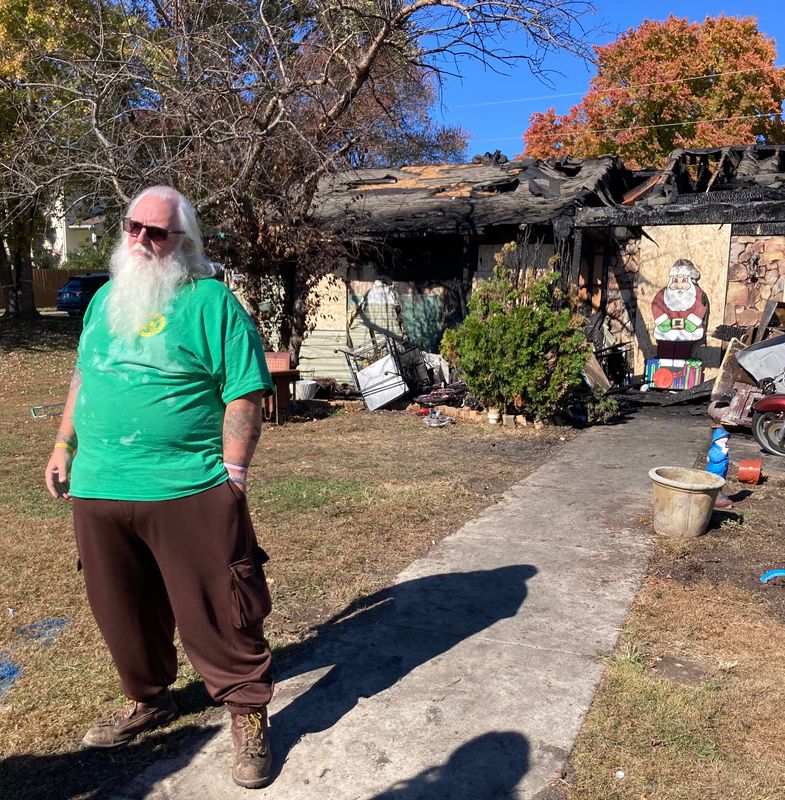
    Scott Diethorne outside the charred remains of his Fairless Hills home in late October.

    “Without the community, I’d be devastated,” said Diethorne, 58, who has been Santa for more than 35 years. “I don’t know what I would have done.”

    Their generosity saved Diethorne’s Santa career this season, allowing him to continue spreading cheer while putting in 50-hour weeks driving a six-wheeler box truck throughout the Northeast and Mid-Atlantic.

    “My wife and kids don’t really see me from the middle of October until January,” said Diethorne, a father of nine grown children. He makes regular Santa appearances at the Fairless Hills Garden Center, as well as schools and daycares.

    Diethorne, a former mall Santa, has been freelance for years, ever since he was instructed to tone it down at the Oxford Valley Mall in 2017. That year, he was told he could no longer flash his signature “Naughty” and “Nice” arm tattoos, welcome all animals in for photos, or strike funny poses as requested by visitors.

    Some malls are strict with the Santa business, Diethorne said, imposing rules and time limits for each visit. The other local Santas said they’ve seen this too.

    Now that he is his own boss, “I don’t care how long the line is,” Diethorne said. “I’m listening to that kid. That’s what it’s about.”

    Why these Santas spread the cheer
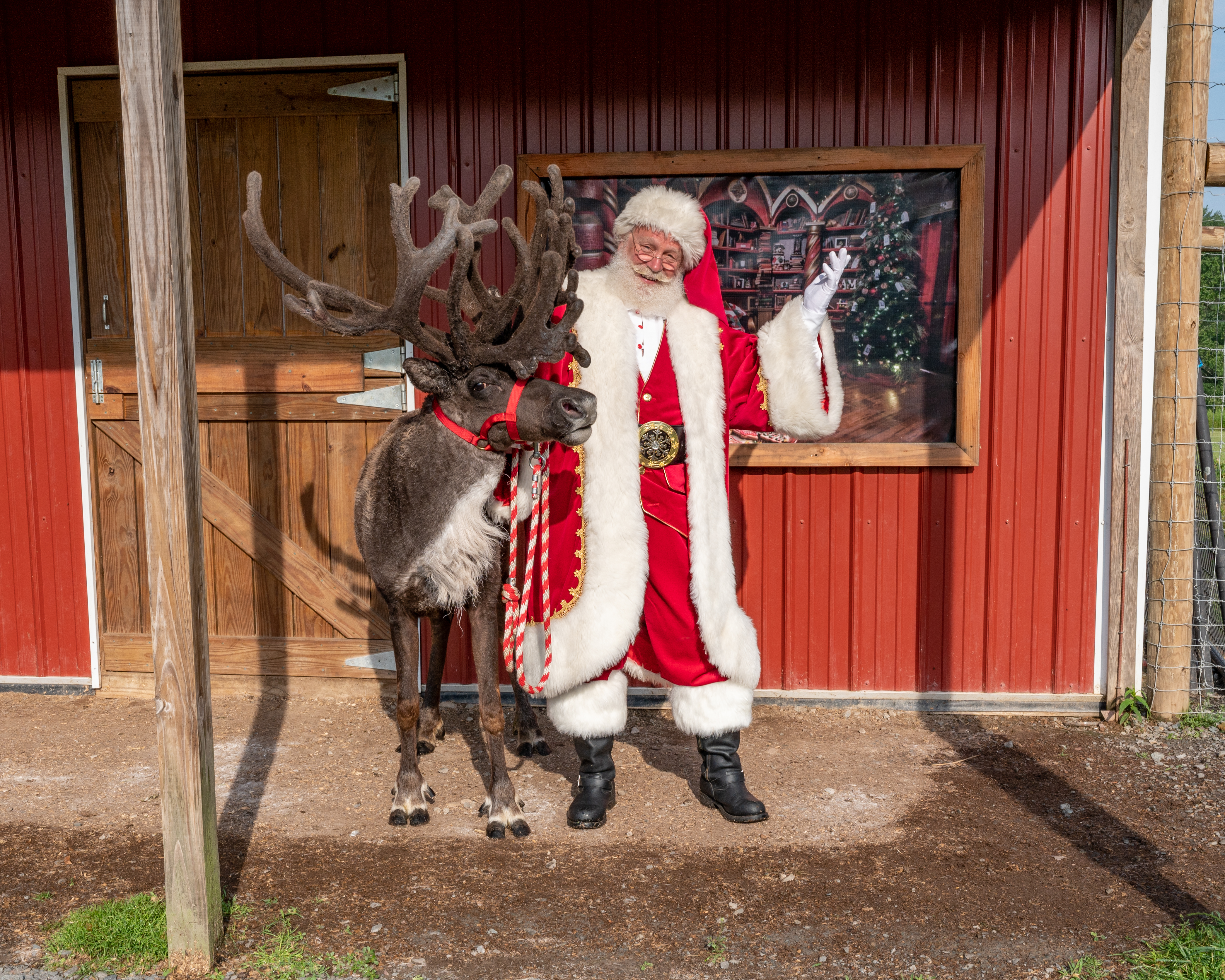
    Santa Paul, aka Paul Bradley, poses with his reindeer.

    Every Santa has their own reasons for donning the suit.

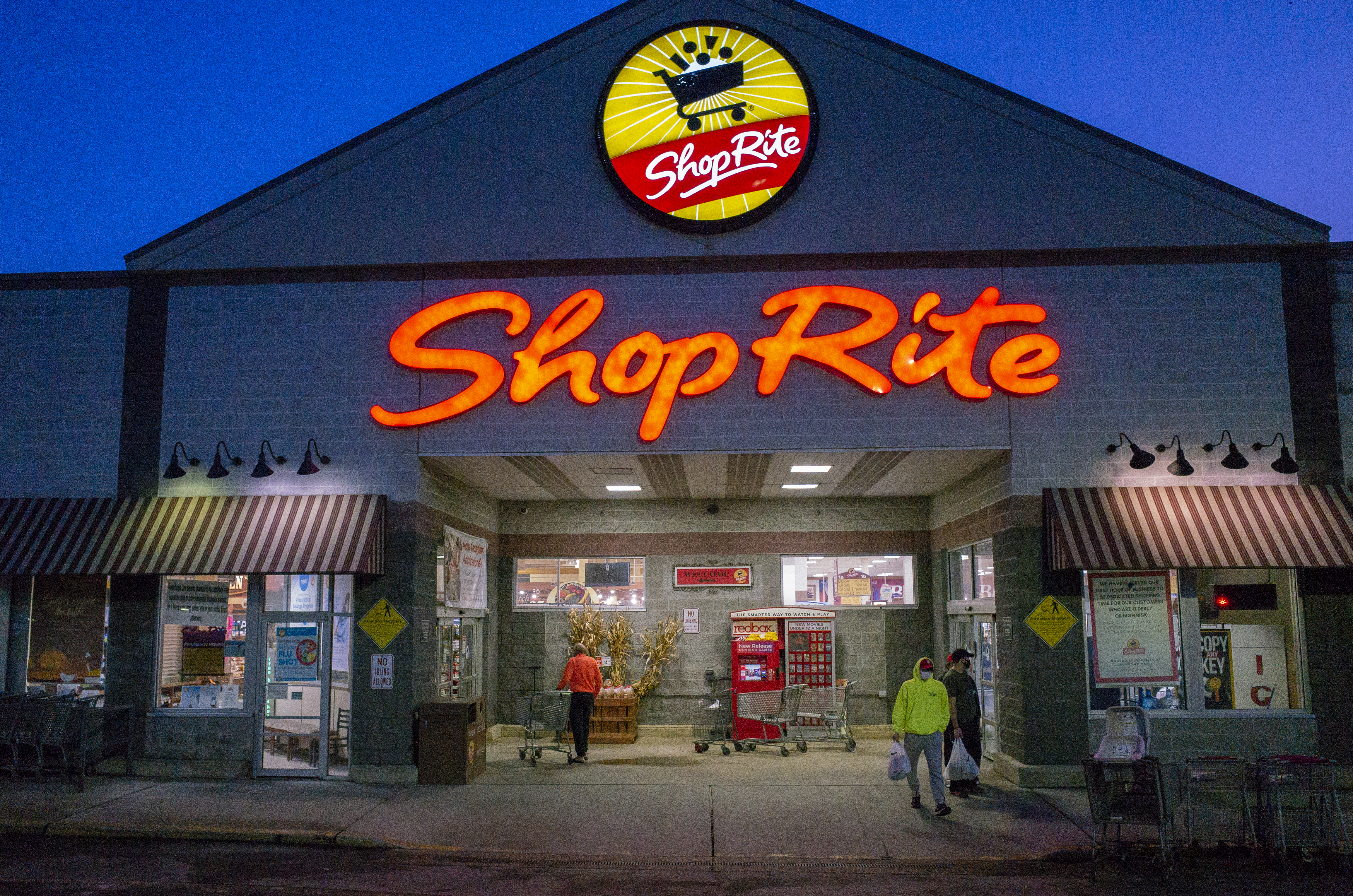
    For Diethorne and Bradley, it was a single comment. Upon his retirement, Bradley shared a passing thought aloud: Maybe he’d take up being Santa in his new free time. Diethorne, meanwhile, was told he’d make a good Mr. Claus by a mall Santa he met in passing at a local ShopRite.

    Naimoli, who was inducted into the International Santa Claus Hall of Fame last year, parlayed his performance skills as a professional wrestler into embodying the big guy.

    Frank Naimoli, aka “Santa Kringle,” poses with a smiling child at a recent visit to Altomonte’s Market in Doylestown.

    For Daniels, the New Age Santa, the spirit of Santa came at an unexpected time. While going through a divorce in the early 1990s, he found a Santa suit he’d never seen before among boxes he was moving out of storage. To this day, Daniels isn’t sure how the outfit ended up there, he said, but it was just the right size.

    Lilly Retz hugs Dennis Daniels, or New Age Santa, during a visit to the Comcast Center.

    So in 1994, with his newfound suit in hand, Daniels became Santa at the Elks Lodge in Red Bank, a role from which his uncle had recently retired.

    “I became Santa then,” Daniels said, “and I’ve not looked back.”

    While November and December are the busiest times, some Santas stretch their season for belated holiday parties, or they reappear midsummer for “Christmas in July” events.
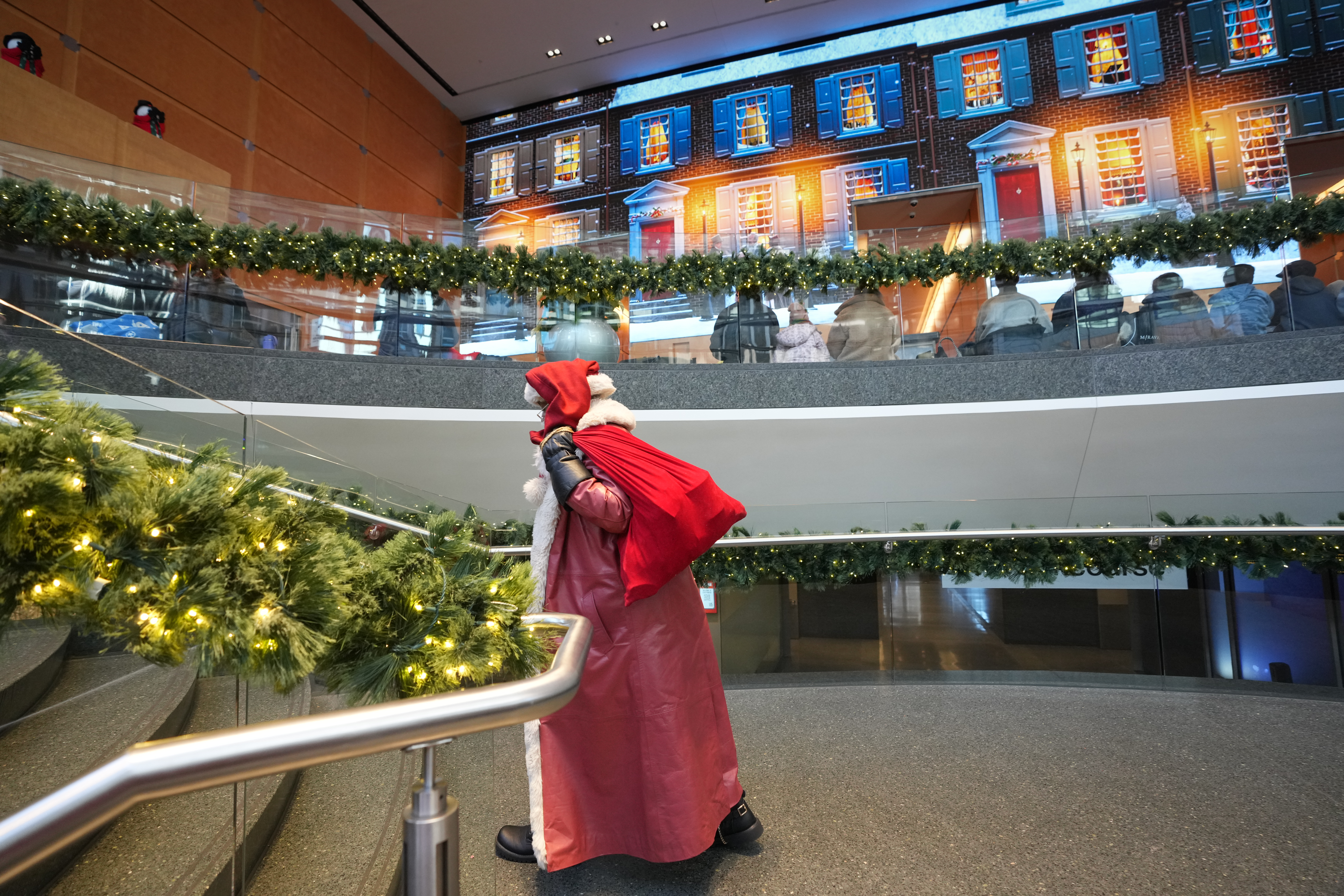
    Dennis Daniels, or “New Age Santa,” departs with his bag from the concourse at the Comcast Center.

    But the season’s end still brings a certain sadness, Daniels said, a “Santa depression,” because “for two months you’ve been a rock star.”

    “Everywhere you go, people yell and scream: ‘Santa!’ They run over. They want to take pictures with you,“ Daniels said. “And then, on Dec. 26, you become yesterday’s news. We’re only human.”
  • Happy Bear Coffee, with Carlino’s bites, coming to Philly’s Navy Yard

    Happy Bear Coffee, with Carlino’s bites, coming to Philly’s Navy Yard

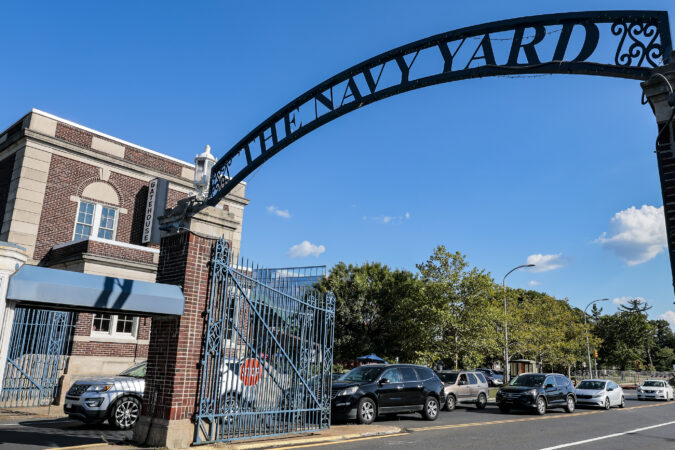
    The Navy Yard is getting a coffee shop and wine bar as part of its redevelopment.

    Happy Bear Coffee Company is set to open its first physical location at the former military base early next year, the homegrown roasters and Navy Yard developers Ensemble/Mosaic announced this week.

    Executives at Happy Bear, which has sold coffee online for the past two years, said they recently signed a lease for a 3,000-square-foot space on the ground floor of 1201 Normandy Place, a mixed-use lab building optimized for life-science tenants, including those who do gene and cell therapy research and development.

    The Happy Bear cafe is set to serve coffee, wine, and grab-and-go food, including sandwiches, breakfast items, soups, salads, flatbreads, and tomato pie made in partnership with Carlino’s, the Ardmore-based specialty-food purveyor.

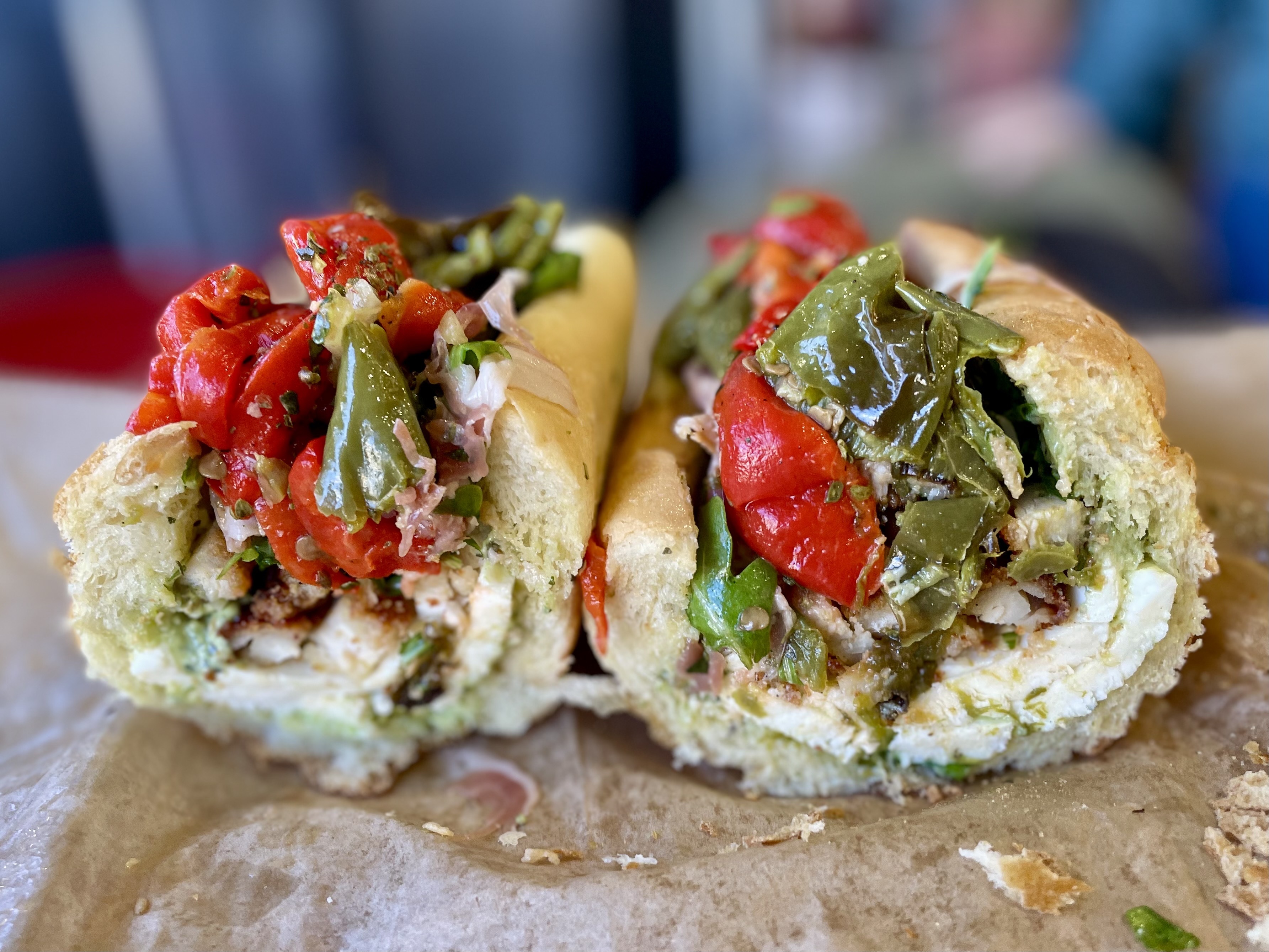
    A Saquon hoagie special at Carlino’s Market in Ardmore. The specialty-food purveyor’s food will be available at the the Happy Bear Coffee Company’s first physical store at the Navy Yard.

    The cafe will have indoor and outdoor seating overlooking the five-acre Central Green Park, and provide “a versatile setting for morning coffee, a quick lunch, or an evening glass of wine,” according to the news release.

    “We wanted to create a place that feels like a daily ritual and a small retreat all in one,” Happy Bear cofounder Dan Kredensor said in a statement.

    “With Carlino’s expertise as one of our culinary partners, we’re building a cafe that brings together wonderful specialty coffee, great flavors, and a welcoming atmosphere, right in the heart of the Navy Yard’s most exciting new district.”

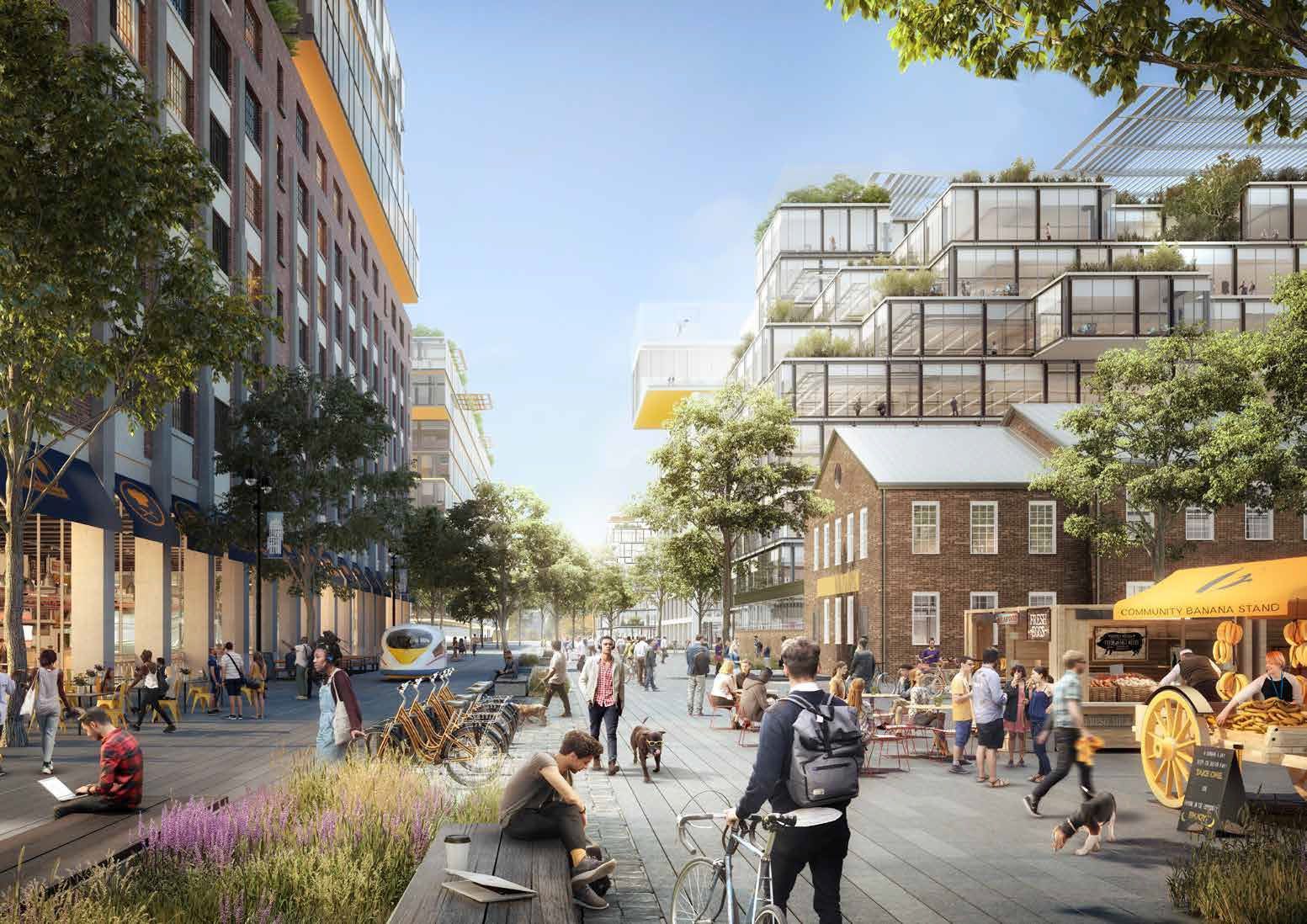
    An artist’s rendering shows an aerial view of the proposed development plan for the Navy Yard.

    Ensemble Real Estate Investments, of California, and Philly’s Mosaic Development Partners were selected in 2020 to lead an estimated $2.5 billion redevelopment of 109 acres of the former base.

    Construction of 1201 Normandy was part of Ensemble/Mosaic’s first phase of redevelopment, which was estimated to cost $400 million.

    “Happy Bear represents the type of dynamic, community-focused retail that will define the Navy Yard as it enters its next phase of growth,” said Nelson Way, vice president of leasing and development for Ensemble.

    Happy Bear was founded by longtime friends Kredensor and Frank Orman, who bonded by exploring Philly’s coffee shops during their college years.

    The pair’s first cafe will be near a 12-acre section of the Navy Yard that’s being called the Historic Core District, combining historic buildings with new construction.

    An artist’s rendering of PIDC’s vision for the Navy Yard Historic District Core district, which would combine historic buildings and new construction.

    In the same area, developers have built more than 600 apartments in a mixed-use community called AVE Navy Yard, which is expected to open next year.

    The Philadelphia Industrial Development Corporation (PIDC), an independent nonprofit, manages the Navy Yard on the city’s behalf. It has owned the 1,200-acre site since the U.S. Defense Department decommissioned it as a military base in 2000.

    The Navy Yard is home to 150 companies that employ 16,000 people, according to its online directory. Its tenants include Urban Outfitters, which is headquartered at the site, and Jefferson Health.

    The property also has a Courtyard Marriott, several daytime food options, and a full-service restaurant called the Gatehouse.

    Navy Yard stakeholders want the campus to eventually have nearly 4,000 new apartments; 235,000 square feet of retail; and more than 4.2 million square-feet of office, research and development, and manufacturing space, according to its 2022 redevelopment plan. Developers also want to bring another hotel to the site.

  • Rally House plans to open its first Center City store

    Rally House plans to open its first Center City store

    It’s your city. It’s your (Ritten)house. It’s your Rally House.

    The sports apparel store with the earworm of a jingle plans to open its first Center City location in a former Rite Aid near Rittenhouse Square.

    The Kansas-based chain has asked the city’s art commission for approval to put up signage outside the nearly 13,000-foot storefront at 17th and Chestnut Streets, according to its application, which is set to be reviewed at a Wednesday meeting. Rally House spokespeople did not return requests for comment Tuesday.

    The company’s application was first reported Monday by the Philadelphia Business Journal.

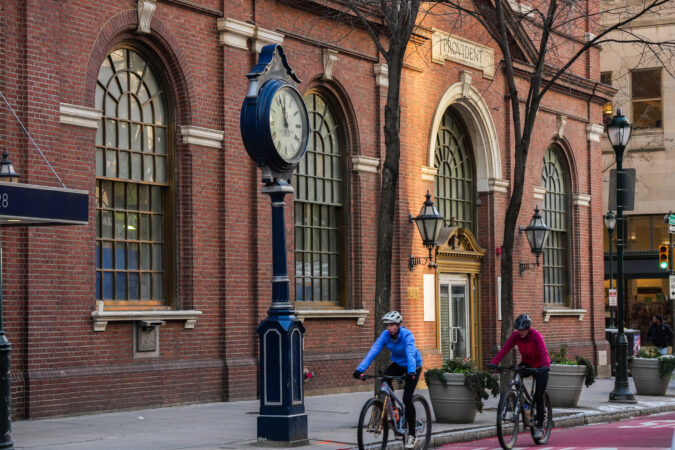
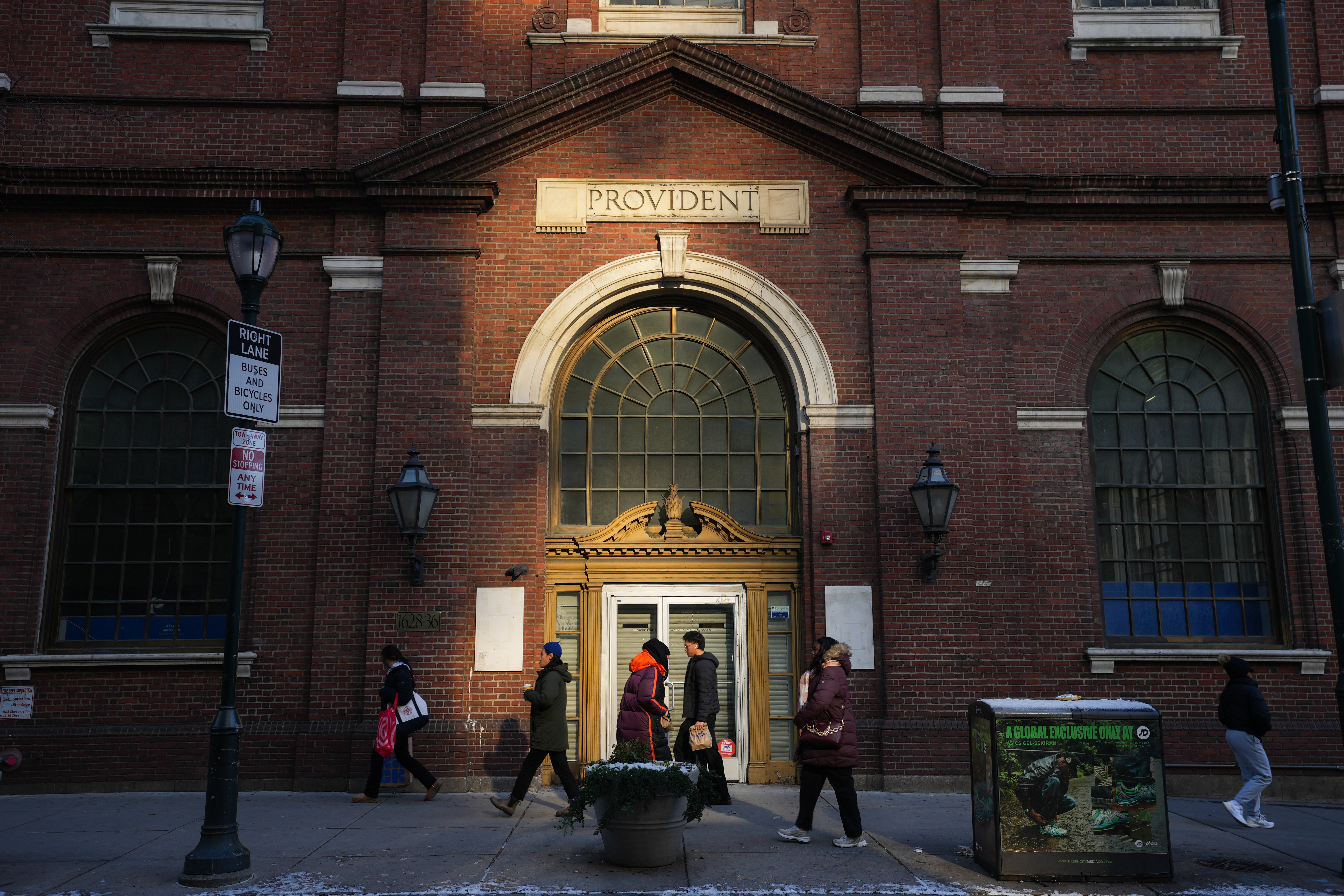
    The storefront is situated in the historic Provident Trust Co. building, the upper floors of which are home to the Club Quarters Hotel.

    The ground-floor retail space was occupied by a Rite Aid until January 2024, when the Chestnut Street store became yet another casualty of the Philly-based chain’s financial struggles. Rite Aid closed all its stores over the summer amid its second bankruptcy in less than two years.

    Since the Rittenhouse Rite Aid closed, Spirit Halloween has occupied the storefront in the months leading up to Halloween.

    Since Rite Aid closed two years ago, the ground-floor retail space in the Provident Trust Co. building has been occupied seasonally by Spirit Halloween, but is otherwise vacant.

    The building is owned by a partnership registered to Philadelphia-based developer Neal Rodin, according to property records. Rodin did not return requests for comment Tuesday.

    Rally House already has about two dozen locations in the Philadelphia region, but the vast majority of them are in the suburbs. It has three city locations — on Temple’s campus, in West Philadelphia near Drexel and Penn, and in Roxborough.

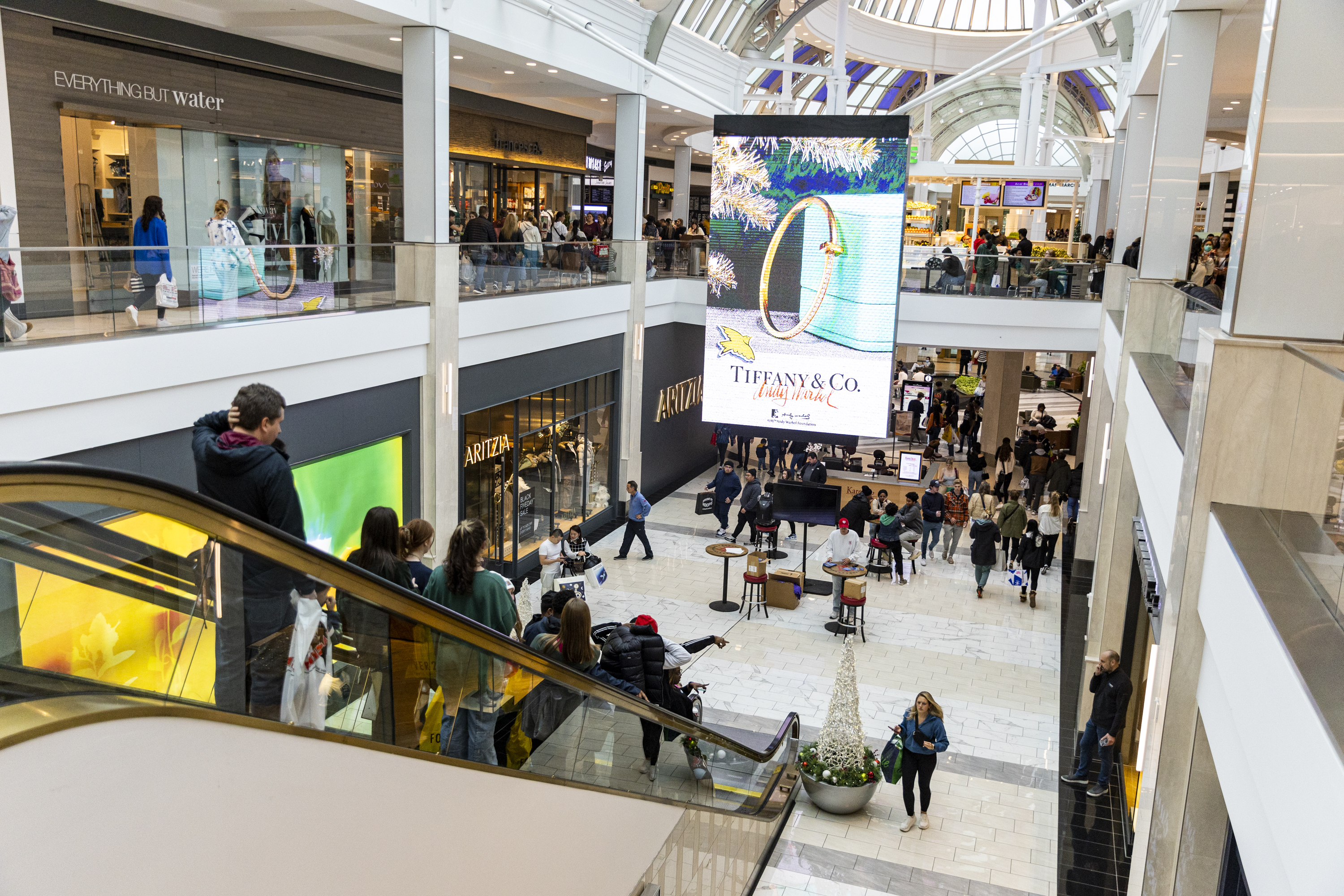
    If Rally House opens at 17th and Chestnut, it would bring continued momentum to the retail corridor around Rittenhouse Square, which has recently welcomed a slew of new businesses, including the luxury women’s fashion company Aritzia and North America’s first Nike Jordan World of Flight store.

    It would also mark the latest example of how zombie Rite Aids can be resurrected.

    Over the past three years, more than 170 Rite Aids have shuttered across the Philadelphia region, with dozens of stores closing even before the chain announced it was going out of business.

    Like the Rittenhouse space, former Rite Aids are often 8,000 to 16,000 square feet, which is not ideal for many potential tenants, experts say. But some of these pharmacy shells have found new life as small grocers, discount stores, and medical offices.

    Soon, sports apparel store may be added to that list.

  • How Pennsylvanians really feel about AI data centers, according to a new survey

    How Pennsylvanians really feel about AI data centers, according to a new survey

    Data center opponents outnumber supporters in Southeast Pennsylvania, according to a recent survey from Real Clear Politics and Emerson College.

    Overall, however, the poll found that Pennsylvanians have mixed opinions on artificial intelligence and the data centers that power AI tools.

    Several such centers have recently been proposed in the Philadelphia area, and some of them have been met with neighborhood pushback.

    Amazon is building a 2-million-square-foot data center in Falls Township, Bucks County. A 1.3-million-square-foot data center is proposed at the former Pennhurst State School and Hospital in East Vincent Township, Chester County. And near Conshohocken, plans for a 2-million-square-foot data center had to be withdrawn over legal issues, but can be resubmitted at any time.

    More than 150 data centers already exist in Pennsylvania and New Jersey, according to Data Center Map, which tracks the facilities nationwide, but not all of them fuel AI.

    According to the new survey, 38% of all Pennsylvanians support data centers being built in the Commonwealth, while 35% oppose, and 27% are neutral or have no opinion. But when asked about data centers being built in their area, residents’ opposition grows: 34% support, 42% oppose, and 24% are neutral or have no opinion about centers being built in or near their communities.

    And opposition to close-to-home data center construction is among the strongest in the southeast part of Pennsylvania, second only to opposition in the northeast, a hot spot for data center construction. In Southeast Pennsylvania, 45% of respondents strongly or somewhat oppose data centers, while 54% strongly or somewhat oppose them in the northeast.

    Among Pennsylvanians’ worries about data centers, 70% are concerned about the amount of water data centers use, and 71% are concerned about the amount of electricity data centers use.

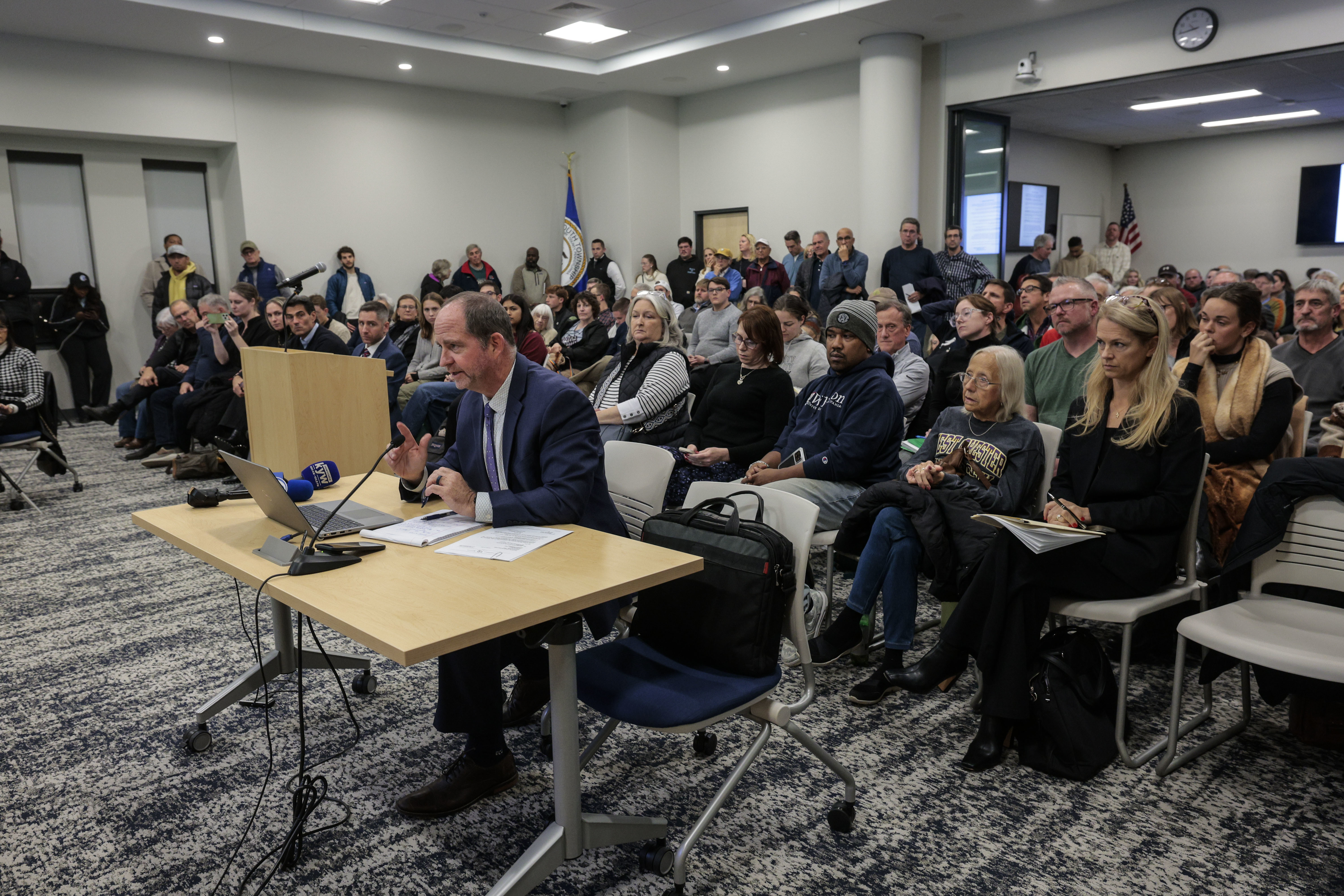
    Edmund J. Campbell, attorney for developer Brian O’Neill, spoke to the Plymouth Township zoning board in November before abruptly withdrawing the application for a Conshohocken-area data center over legal issues. Residents, some of whom had rallied against the proposal, packed the room.

    Seventy percent of Pennsylvanians strongly or somewhat support requiring data centers to provide their own energy generation, rather than get electricity from the grid.

    When it comes to AI more broadly, just over half of Pennsylvanians told pollsters they believe AI will decrease the number of available jobs in their industry, while 16% said they think it will increase the number of jobs (29% said they thought it would have no impact).

    Nearly twice as many residents think AI will have a net negative impact on the economy compared to how many think it will have a positive impact (48% said negative, 25% said positive). When respondents were asked about the environment, the results were similar (46% vs. 21%).

    The survey of 2,000 Pennsylvania adults was conducted online and via text between Nov. 19 and 23.

  • This Gilded Age estate and wedding venue in Montco is adding a boutique event space and distillery

    This Gilded Age estate and wedding venue in Montco is adding a boutique event space and distillery

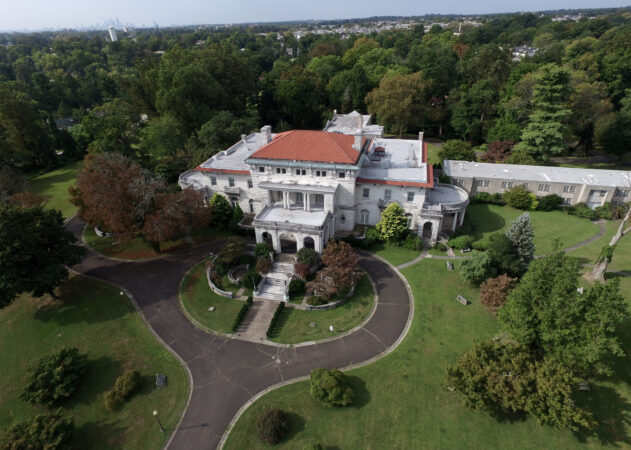
    The Elkins Estate, which already hosts weddings in its main mansion, is set to add a boutique event space and a distillery in the new year.

    In the fall, the Tudor-style Chelten House will open for smaller gatherings of 100 or fewer people, and include 16 guest rooms, said Jeanne Cretella, cofounder of By Landmark hospitality.

    Elsewhere on the 42 acres, a distillery called Morgan Stillhouse is set to open by the summer in the grounds’ former stables, Cretella said. Managed by spirits writer and researcher Carlo DeVito, the distillery plans to produce vodka, gin, and whiskey, which customers can try at an on-site tasting room. It will debut with its rollout of Stork Club Vodka, reviving the brand associated with the storied New York nightclub.

    “We’re really looking forward to our next phase,” Cretella said, noting that the Chelten House “will be the perfect setting for those much more intimate events, whether it’s seminars or retreats or business meetings.”

    In 2019, Jeanne and Frank Cretella’s company, By Landmark, bought the sprawling Cheltenham property for $6.5 million from the Dominican Sisters of St. Catherine de Ricci, who had used the grounds for religious retreats. At the time, the couple said they intended to spend $20 million to restore six historic buildings on the site.

    A couple walks through a room in the Elstowe Manor at Elkins Estate.

    By Landmark’s final investment numbers were not available Friday, according to a spokesperson, as renovations are ongoing.

    The Cretellas initially envisioned a luxury boutique hotel with more than 100 guest rooms, a spa, a restaurant, and other amenities. At one point, they even considered installing a heliport on the site.

    Then the pandemic happened, Jeanne Cretella recalled Friday.

    Despite the challenges of that time, “we are so proud that we were able to open up Elstowe Manor,” the estate’s 70,000-square-foot centerpiece that required extensive plumbing, electrical, heating, and ADA upgrades to be brought up to code, Cretella said.

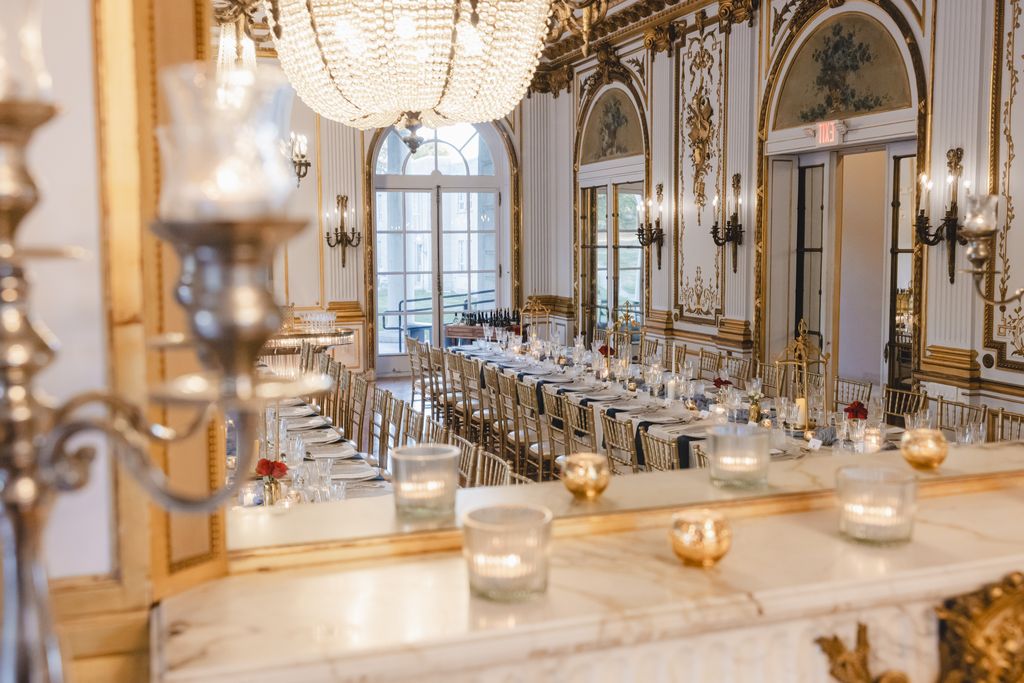
    A room at the Elkins Estate’s Elstowe Manor, its main mansion, set up for a wedding reception.

    “We made the decision after COVID that it would be best … to have the rooms only open to event guests,” she said.

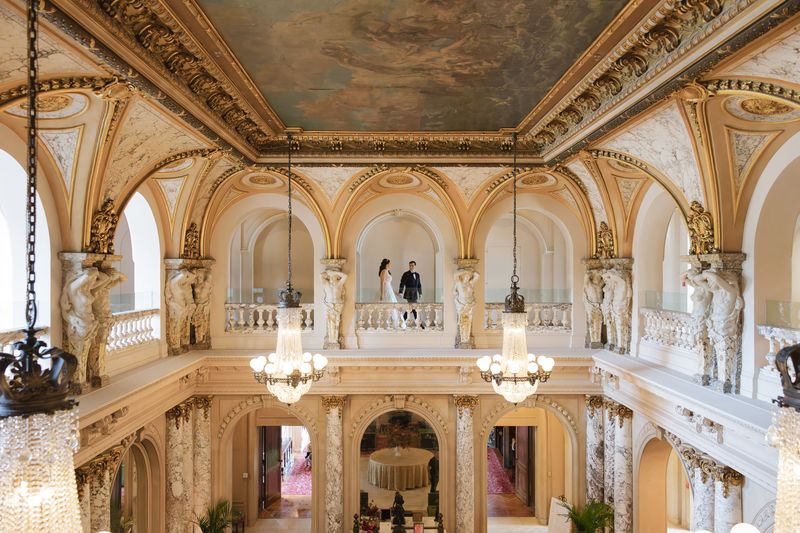
    With 50-foot frescoed ceilings and a grand ballroom with a glass skylight, Elstowe Manor can host 300-person events and includes 69 guest rooms.

    More than 100 weddings and events have been held at the manor in the past two years (The venue also hosted weddings in the early 2010s when it was briefly owned by a nonprofit that went bankrupt).

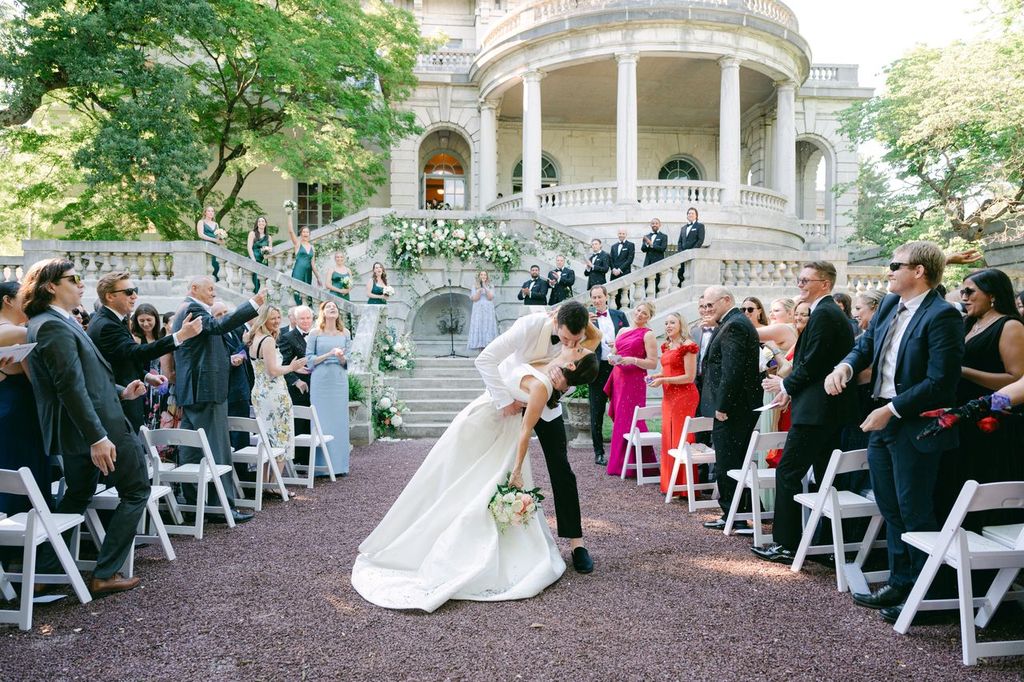
    A couple kisses during their wedding ceremony outside the Elkins Estate’s Elstowe Manor.

    At the estate these days, couples and their guests feel like they “are somewhere really special, and have the ability to really enjoy utilizing the estate for the whole weekend,” Cretella said.

    With its more intimate setting, the Chelten House is meant to complement the Elstowe Manor, Cretella said. The home features Italian Renaissance Revival designs, with terracotta roof tiles, large arched windows, wood-paneled rooms, and marble fireplaces.

    While each part of the property is set apart and has its own entrance, Cretella said she foresees the Chelten House being busy during the week (when most corporate retreats occur) and the Elstowe Manor bustling with wedding festivities on the weekends.

    Some larger weddings may use both the manor and the Chelten House for their events and accommodations, she said.

    Cretella said they don’t foresee adding more amenities to the property in the near future.

    “The original plan to have a restaurant was definitely in conjunction with having a hotel that was open to the public,” not just event guests, she said. So “opening up a restaurant is not on the horizon.”

    But, she added, “we won’t say never.”

    For now, Cretella said they are focused on their events, including opportunities to welcome the public onto the historic site.

    Earlier this year, the estate opened a podcast recording studio and demonstration kitchen, which Cretella said they hope local school students can use. They are also looking to bring professional actors and creators into the space.

    In November, By Landmark opened the estate up for paid public tours. A tour in early January, which costs $30 a person, is already sold out.

    Cretella said the estate plans to host a Valentine’s Day dinner, open to the public, with an optional overnight stay after the meal.

    For the Chelten House, booking for small private events will open in the new year, Cretella said.

    Based in North Jersey, By Landmark operates nearly 30 venues in Pennsylvania and New Jersey. They include the Hotel du Village and the Logan Inn in New Hope.

    In the late 1800s, the Elkins Estate was built as a countryside retreat for railroad magnate William Lukens Elkins, who is credited with helping to form what would eventually become SEPTA and the Philadelphia Gas Works.

  • Philly porch pirates are particularly active in December. How to keep your packages safe.

    Philly porch pirates are particularly active in December. How to keep your packages safe.

    As boxes of holiday gifts pile up on your stoop, beware: Porch pirates continue to strike in Philadelphia.

    Reports of package theft from January through November of this year are up 6% compared to last year, according to The Inquirer’s analysis of Philadelphia Police Department data.

    And if the past two years are any indication, porch pirates will be particularly active this month.

    In neighborhoods across the city, residents have shared their frustration over repeated thefts. Katie Byrne said she’s had more a dozen packages swiped from out front of her Fishtown home. Often, she said, “before I even get the notification it got delivered.” This year, she said she and a neighbor have teamed up to grab each other’s packages when the other isn’t home.

    Porch pirates strike in the suburbs, too. Exasperated consumers have vented about package thefts to their neighborhood Facebook groups in Brookhaven, Cheltenham, Conshohocken, Croydon, Lower Merion, Levittown, Media, West Chester, Quakertown, and even down the Shore.

    Last holiday season in Newtown Square, Katy Retzbach said $150 in Christmas gifts were stolen from under her family’s mailbox in broad daylight.

    Nationwide, at least 58 million packages were stolen last year, amounting to $16 billion in financial losses, according to a recent report from the U.S. Postal Service Office of the Inspector General. Most stolen packages are between $50 and $200 in value.

    What Philly’s package theft data shows

    window.addEventListener(“message”,function(a){if(void 0!==a.data[“datawrapper-height”]){var e=document.querySelectorAll(“iframe”);for(var t in a.data[“datawrapper-height”])for(var r,i=0;r=e[i];i++)if(r.contentWindow===a.source){var d=a.data[“datawrapper-height”][t]+”px”;r.style.height=d}}});

    It’s difficult to determine how many package thefts will occur in Philadelphia before the year’s end, as reports of the crime spike each December. And some of these incidents go unreported to the police.

    In 2023 and 2024, package-theft reports in December accounted for nearly 14% of the annual total on average, according to the analysis of police data.

    If 2025 were to follow that pattern, Philadelphia would log around 450 reported package thefts this month — slightly more than last year but less than 2023 — and would end the year with a total of 3,300 reports, more than the city recorded each of the past two years.

    The total number of reported package thefts declined by 1.2% between 2023 and 2024, according to the analysis. However, the number of thefts reported in December increased over the same period.

    How to protect against porch piracy

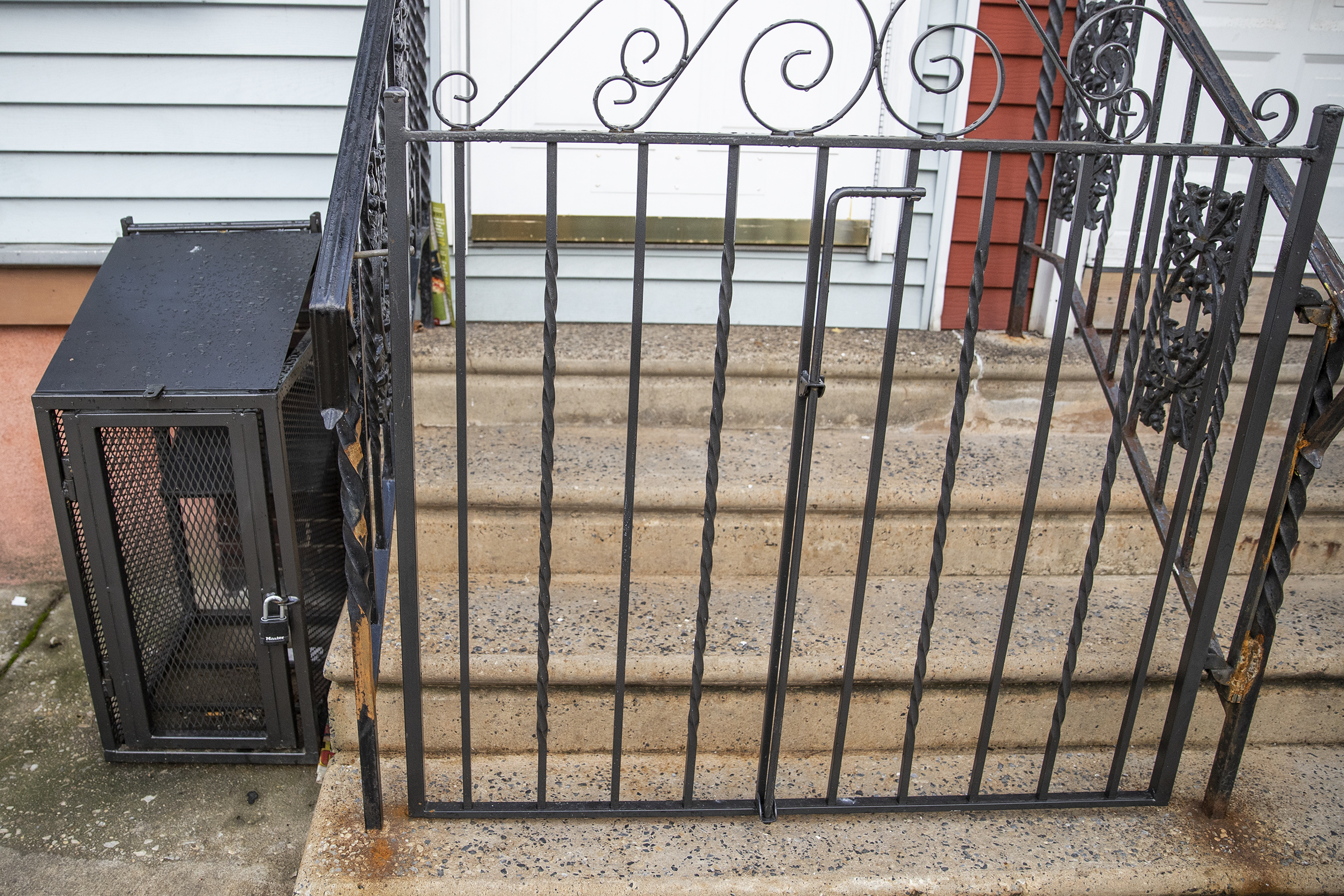
    Some people find or erect secure places to have their packages delivered. A metal cage for packages is shown here in this 2019 file photo.

    There’s no surefire way to prevent porch piracy.

    But police departments and carriers like USPS, FedEx, and UPS provide the following tips to reduce your chances of falling victim — or to get your money back if your package is stolen:

    • Leave drop-off instructions: Log into your online account with the package carrier and ask that they leave deliveries in a less visible location, such as behind a planter, in a shed, or at a side door. Or ask that they require a signature for drop-off. This requires that delivery people read the instructions, which some Philadelphians have found is not always the case.
    • Redirect the delivery: You can also go online and redirect deliveries to locations such as your office, the home of a friend who doesn’t experience package theft, or a secure physical mailbox, such as a FedEx, UPS, or Amazon Locker pickup location. If you aren’t going to be home for a day, you can also request a hold on packages until you return, or have a neighbor or friend pick them up.
    • Use security cameras: Cameras can alert you that someone is outside and allow you to grab a package immediately if you’re at home. If a delivery is stolen, the footage can help police find the porch pirate. (If they’re charged and convicted in New Jersey, they could even go to prison.)
    • Report theft: After confirming that the package was in fact delivered, file a police report. Then, contact the seller, shipping company, and, if all else fails, your credit card company to see if they cover package theft.
  • FIFA World Cup could bring 17,000 Airbnb guests to the Philly region

    FIFA World Cup could bring 17,000 Airbnb guests to the Philly region

    Airbnb expects to host 17,000 guests at its short-term rentals across the Philadelphia region when the FIFA World Cup comes to town next summer.

    That’s according to a new report done by Deloitte at Airbnb’s behest and released last week. Airbnb guests are expected to spend about $52 million on average during their stays in the Philly region, and about $14 million of that total will be spent on the rentals.

    Over the course of the six matches in June and July, Airbnb hosts are expected to rake in about $1,900 on average, totaling about $8 million in earnings for all area hosts, according to the report.

    Officials from Philadelphia Soccer 2026 have estimated that the World Cup will bring 500,000 visitors to the region. Airbnb’s report estimates that 149,000 of them will require overnight accommodations.

    Each Airbnb guest is expected to spend about $109 a night on average on the rentals, as well as another $301 a night on food, entertainment, and other expenses, according to the company’s report.

    Airbnb guests will have a total impact of about $167 million, including direct and indirect spending, the report projected, and that activity is expected to spur additional spending in the city over the following five years.

    Some experts, however, caution that the long-term economic impacts of one-off sporting events tend to be overestimated, saying they usually lead to only temporary boosts to local economies.

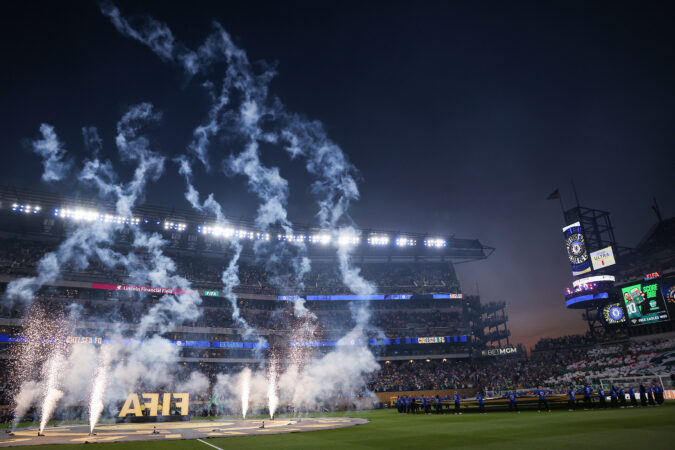
    Six World Cup matches are set to take place at Lincoln Financial Field between mid-June and July 4, 2026. The full schedule of events was announced Saturday, and powerhouses Brazil and France will be among the teams playing in Philadelphia. Fans can enter a lottery to purchase tickets, which will be subject to dynamic pricing that fluctuates depending on demand.

    After the games were announced, some people went online to secure their short-term rentals. All host cities saw a 33% spike in new bookings last weekend, according to AirDNA, a site that analyzes data on short-term rentals. In Philadelphia, occupancy across all game days has reached 20%, a year and a half ahead of the event.

    The World Cup will coincide with Philadelphia’s celebration of the United States’ 250th birthday.

    Airbnb has more than 8,300 listings in the Philadelphia region, which brings in $29.4 million in annual revenue, according to AirDNA.

    In 2023, Airbnbs in the city became more strictly regulated, with hosts now required to have permits and licensing.

  • Longtime Philly grocer Jeff Brown buys his fourth ShopRite-anchored complex for $30.8 million

    Longtime Philly grocer Jeff Brown buys his fourth ShopRite-anchored complex for $30.8 million

    Jeff Brown, the fourth-generation Philly grocer, has added another ShopRite shopping center to his real estate portfolio.

    The Brown family, which operates a dozen local ShopRites, recently purchased the Shoppes at Wissinoming for $30.8 million, according to JLL real estate, which represented the seller. The nearly 98,000-square-foot complex in Northeast Philadelphia is anchored by one of Brown’s ShopRites.

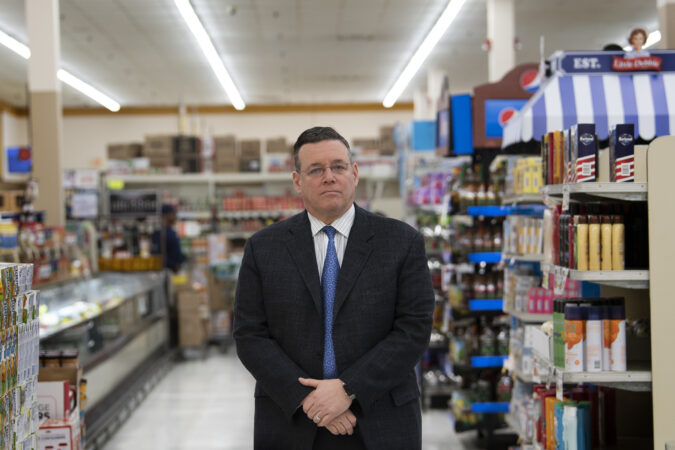
    “We think it’s important to own the real estate where our supermarkets are located, so we can ensure the long-term healthy food access for the local community and the overall sustainability of our stores,” Brown, executive chairman of Brown’s Super Stores, said in a statement. “We are excited to add the Shoppes at Wissinoming shopping center to our real estate properties.”

    Brown said he owns the shopping centers surrounding his ShopRites in Cheltenham, Brooklawn, and Roxborough.

    The ShopRite in Roxborough, pictured in 2020, is run by Jeff Brown and located in a complex owned by the longtime grocer.

    The family also runs ShopRites in Eastwick, Nicetown, Parkside, Port Richmond, South Philadelphia, Bensalem, Fairless Hills, and Mullica Hill..

    The ShopRite at the Shoppes at Wissinoming opened in 2018, and was acquired by Brown earlier this year. The grocery store anchors the center, occupying about 68,000 square feet.

    The complex is 98% occupied, according to JLL. Other tenants include Wawa, Popeyes, and AT&T.

    “The transaction reflects broader trends in the retail investment market, where investors continue to prioritize grocery-anchored properties with proven tenant performance,” said Jim Galbally, JLL senior managing director. “Shoppes at Wissinoming has an ideal combination of dominant grocery anchor, diverse tenant mix, and strategic location within one of Philadelphia’s most densely populated submarkets.”

    Brown and his wife, Sandra, have been running grocery stores for nearly four decades. Over the years, the family has received national attention for opening stores in underserved neighborhoods, hiring people who were formerly incarcerated, and partnering with Black-owned businesses.

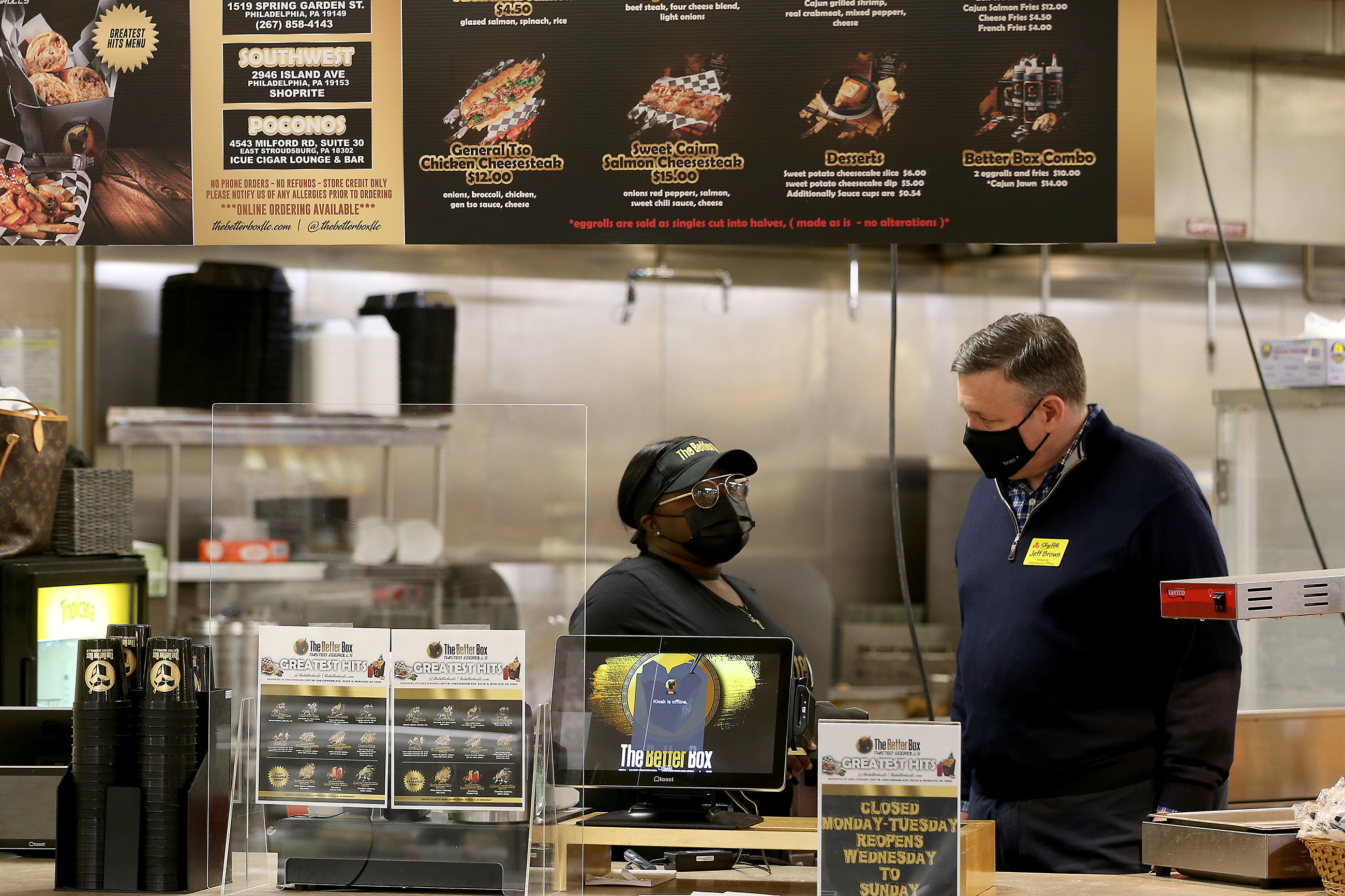
    Better Box owner Tamekah Bost (left) talks with ShopRite owner Jeff Brown at the Cheltenham ShopRite in 2021. Brown has brought local restaurateurs into his stores.

    An outspoken critic of former Mayor Jim Kenney’s soda tax, Brown ran an unsuccessful campaign for mayor in 2023. During his run, the city’s Board of Ethics accused Brown of campaign-finance violations, over which Brown later sued. The lawsuit was dismissed last year by a Philadelphia Common Pleas Court judge. During Brown’s campaign, The Inquirer also reported that his grocery stores had received $1.5 million from a nonprofit he founded.

    After Brown lost to now-Mayor Cherelle L. Parker in the Democratic primary, his grocery chain went on to further expand its holdings, making a substantial investment in DiBruno Brothers in 2024.

    Brown’s Super Stores is headquartered in Gloucester County and also runs the Fresh Grocer stores near City Avenue and in Wyncote.

  • How these Philly-area consumers are spending $150 on all their holiday gifts

    How these Philly-area consumers are spending $150 on all their holiday gifts

    Kacii Hamer has no financial stress this holiday season.

    In past years, “holidays were always ‘give, give, give,’ and that’s what I always felt like I had to do,” said Hamer, a 33-year-old pre-K teacher and wedding photographer. Back then, “I couldn’t imagine thrifting gifts or DIYing gifts. You have that fear of ‘Oh my god, are these people going to judge me?’ or ‘Is this good enough?’”

    This year, however, Hamer is celebrating “Thriftmas,” a social-media trend where participants buy many of their holiday gifts secondhand.

    Between a family Pollyanna, a gift for her boyfriend, and a present for her goddaughter, she plans to spend no more than $150 total. For her goddaughter, she is sanding and repainting a $14 rocking horse that she got at the 2nd Ave. Thrift store in South Philadelphia.

    The thrift-focused holiday season will mark a fitting end to what Hamer calls her first “hardcore” low-buy year, one during which she cut out most nonessential spending.

    Hamer, who splits her time between the Philadelphia region and Scranton, was one of several low- and no-buyers whom The Inquirer talked with in April.

    The frugal challenge took off this year amid broader economic pressures, including continued inflation. Philly-area participants said they were trying to save money, pay off debt, reduce waste, and, in some cases, stop patronizing large retailers that don’t align with their values.

    Now as the holidays approach, some low- and no-buyers are making exceptions for gifts, or using some of their recent savings to fund their festivities.

    Others, however, are standing firm in their low-spending habits. They’re setting budgets, trimming their gift-recipient lists, or shopping secondhand.

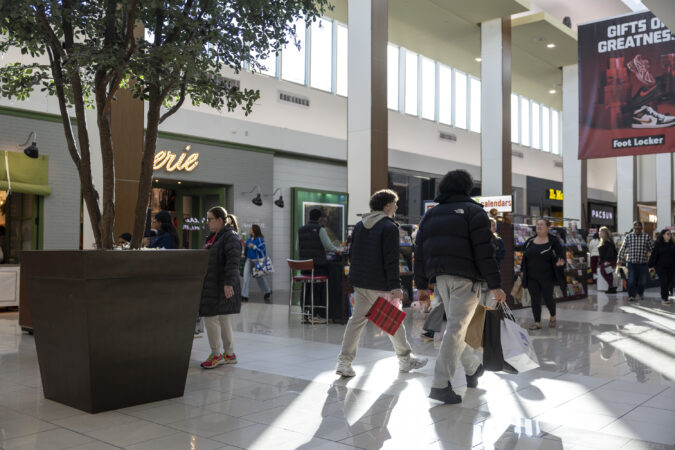
    Shoppers descend on the King of Prussia Mall on Black Friday in this 2022 file photo.

    This time of year, some local low-buyers said, it requires extra strength to resist consumerist pressures and go against the norm. Each U.S. adult is expected to spend about $628 on average on holiday gifts this year, according to the National Retail Federation, which anticipates overall holiday spending will surpass $1 trillion for the first time ever.

    At the same time, others say economic uncertainty has made for easier conversations about gifting.

    “I’m not under pressure to spend, and I think this year it’s actually easier to [cut back on gifts] than in years past,” said Mylena Sutton, 48, of Voorhees. “A lot of my friends are sensitive to what’s happening in the economy … you don’t have to explain.”

    Parents buying less for Christmas

    Some Philly-area parents have found that Santa can be thrifty, too.

    Heather Fertig, 38, of Fishtown, said about 80% of her toddler’s Christmas gifts will be secondhand. They’ll include a marble run, which she bought this week from a local thrift store, and a wooden train table, for which she remains on the hunt.

    Thanks to secondhand stores, Facebook marketplace, and neighborhood parent groups, Fertig, a stay-at-home mom, said she and her husband will likely spend about $150 in all.

    Her motivation is as much environmental as it is financial.

    After having her son, she realized, “Wow, there is so much waste,” Fertig said. “I kind of felt, previous to that, that there was a stigma around getting things secondhand.”

    But “it was never there,” she added. “It was this made-up thing that everything had to be brand-new to you.”

    Santa James Claus greets children at the Fashion District in this 2022 file photo. Some local parents have found Santa can cut back on spending, too.

    For young children, whose interests change so quickly, it makes even more sense to buy items secondhand, Fertig said. On Christmas morning, her 2-year-old doesn’t know the difference.

    “He’s just as happy as if I bought it straight from Walmart,” she said.

    In Montgomery County, Jenna Harris-Mosley said she takes a combo approach to gift-giving for her 5-year-old daughter, whose birthday is on New Year’s Eve.

    The 41-year-old bought some smaller, new gifts, including Shrek snow globes and Squishmallow stuffed toys, throughout the year to spread out spending.

    She plans to get other items secondhand, including one or two American Girl dolls for $20-$30 each. And she will set aside some money for experiences, such as an upcoming day trip to New York City for tea at the American Girl store — with the new-to-her doll, of course.

    Harris-Mosley said she took an especially intentional approach to spending this year after getting laid off from her job in tech sales in October. It has helped that she had already bought many of her daughter’s Christmas and birthday gifts when she found deals earlier in the year, she said.

    “I have things hidden in every corner of my house,” she said. And as for grown-ups “I don’t stress myself about holiday gifts,” figuring most adults in her life have the things they need — and can buy things they don’t.

    In Port Richmond, Rachel Dwyer is making homemade felt ornaments for the adults on her list, and getting two books for each child. The 34-year-old nanny has learned that too many toys and trinkets can be overwhelming for kids and parents.

    “It’s just a lot of clutter,” she said, “and a lot of junk.”

    People walk through the Shops at Liberty Place in this 2021 file photo.

    How to spend less on holiday gifts

    Seasoned low-buyers say it’s hard to cut back on spending. But once you get over the initial hurdle, they say, it’s freeing.

    “Push through the fear,” Hamer said. “It feels nice going into the holidays with such a positive attitude.”

    In South Jersey, Sutton has never been a big holiday gift-giver, saying she prefers to buy loved ones presents intentionally throughout the year.

    If others feel overwhelmed by their holiday gifts-to-buy list, she recommends they ask themselves: “Do you do these things because they have value for you? Or do you do these things because they are expected?”

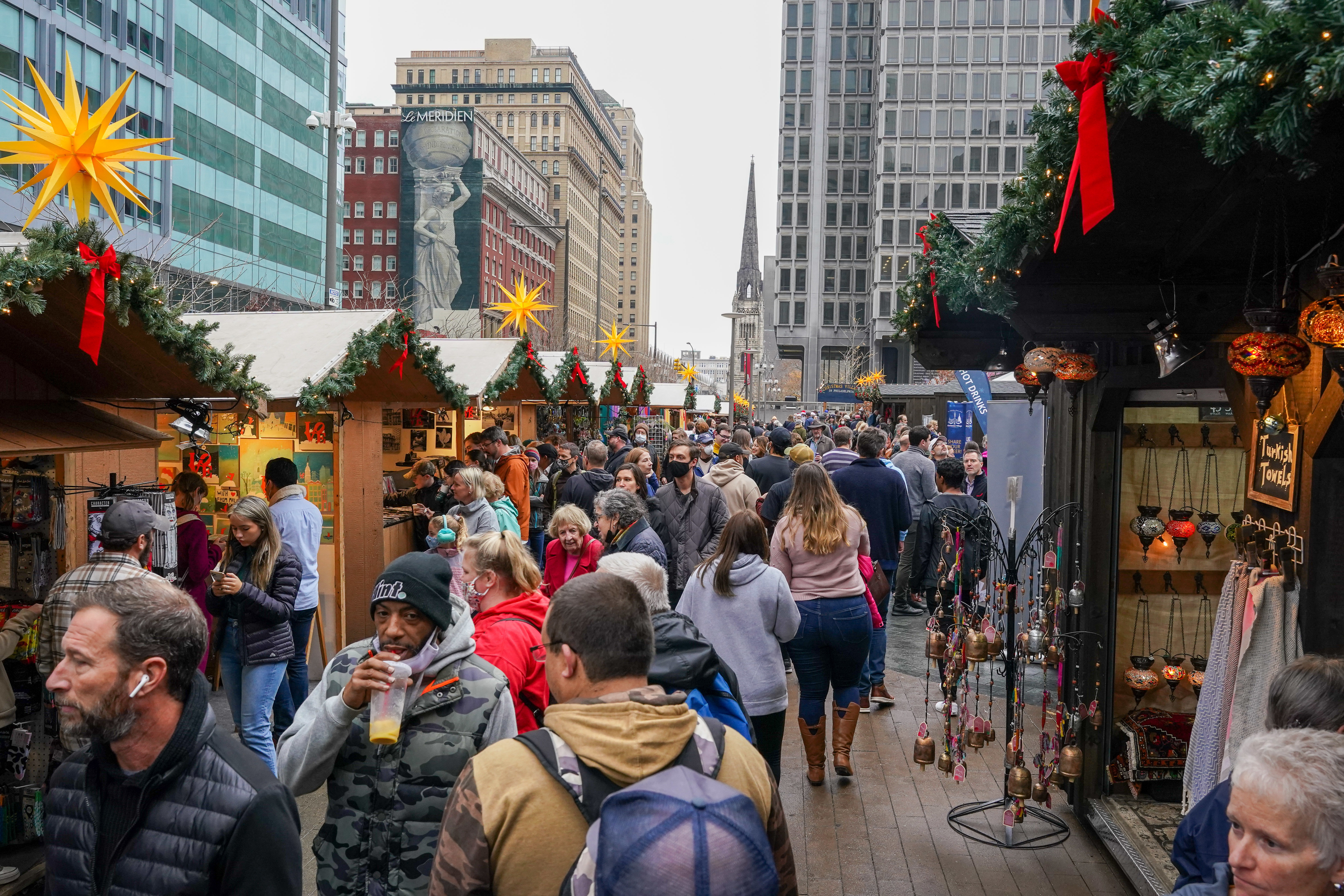
    People browse the Christmas Village at LOVE Park in this 2021 file photo.

    “Be brazen about it,” said Sutton, a consultant and leadership coach. That might mean telling people: “If you only get me a gift because you expect an exchange, don’t buy me one.”

    “People who have stayed away from thrifting should get back into it,” said Jen Benner, 34, of Conshohocken. “The thrift stores are jam-packed with very good stuff.”

    If you aren’t sure about buying secondhand, “start small. Start with a child’s gift or a truck or a train or something little,” Fertig said. “Work your way up to bigger items.”

    Benner, a real estate agent, keeps a running list on her phone of gift ideas that her loved ones mention throughout the year. This can save time and anxiety around the holidays, and reduce the urge to overspend.

    Remember, too, that the most meaningful gifts can be among the least expensive, Dwyer said. She recommends personalized, handmade gifts or framed photos, as well as gifts of time or skills, such as a babysitting session, a home-cooked meal, or a family-photo session.

  • Philly’s Logan Circle set to have new sidewalks, ADA ramps, and a restored fountain this spring

    Philly’s Logan Circle set to have new sidewalks, ADA ramps, and a restored fountain this spring

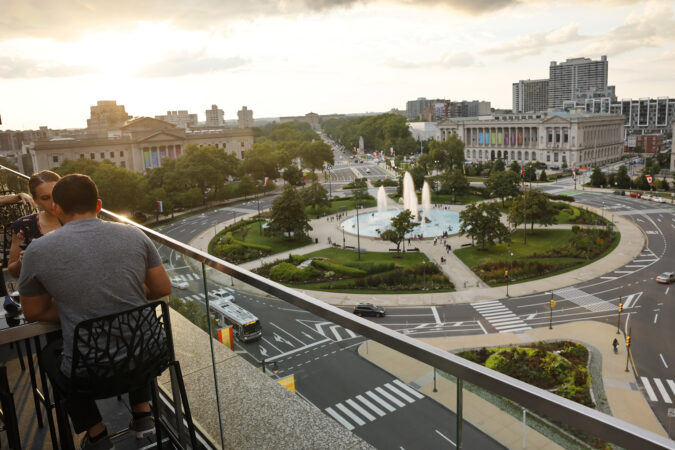
    Drivers in Philadelphia’s Logan Square neighborhood should expect new delays as the city continues to prepare for America’s 250th birthday next summer.

    Construction is set to cause lane closures in both directions on weekdays from Dec. 1 until May 19, Pennsylvania Department of Transportation officials said in a statement.

    During this time, workers will be reconstructing Logan Circle’s 15-foot-wide outer sidewalk, as well as eight ADA curb ramps, according to the city.

    “This project will improve the safety and accessibility for Logan Square residents and the increased number of visitors during 2026 events,” city officials said Saturday.

    Drivers won’t be able to use the interior lane around Logan Circle, the left inbound lane on the Benjamin Franklin Parkway, and the left lane on 19th Street north of the circle, according to the city.

    The work is set to occur between 7 a.m. and 3:30 p.m. on weekdays, according to PennDot, and will be weather dependent.

    “Motorists are advised to allow extra time when traveling through the work area because backups and delays will occur,” PennDot officials said.

    During construction, pedestrians will also be unable to use the sidewalk around the circle or access Swann Memorial Fountain at its center, according to the city.

    The beloved 101-year-old fountain hasn’t been fully operational since 2023 due to vandalism. Philadelphia Parks and Recreation Commissioner Susan Slawson said in September that the city is making repairs, with plans to have the fountain completely restored by May 2026.