Author: Ariana Perez-Castells

  • Graduate student workers at Penn reach a tentative agreement, avoiding a strike

    Graduate student workers at Penn reach a tentative agreement, avoiding a strike

    Penn’s graduate student workers have reached a tentative agreement on a first union contract, averting a strike.

    The two-year tentative agreement includes increases to wages among other benefits.

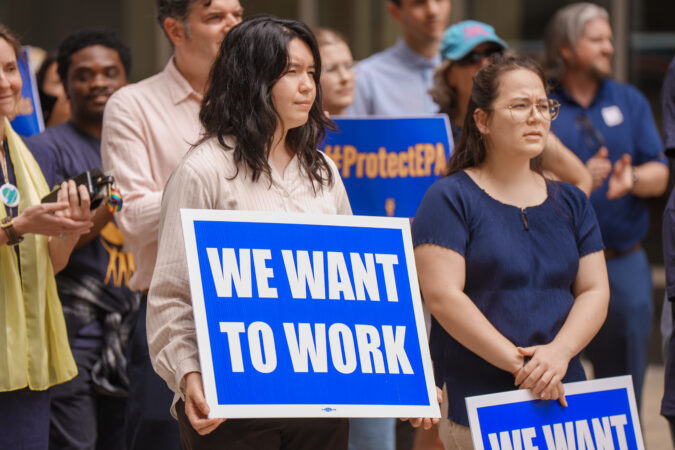
    “I am so proud of what we were able to accomplish with this contract,” Clara Abbott, a Ph.D. candidate in literary studies and member of the bargaining committee said in a statement. “We won a historic contract that enshrines gains for grad workers.”

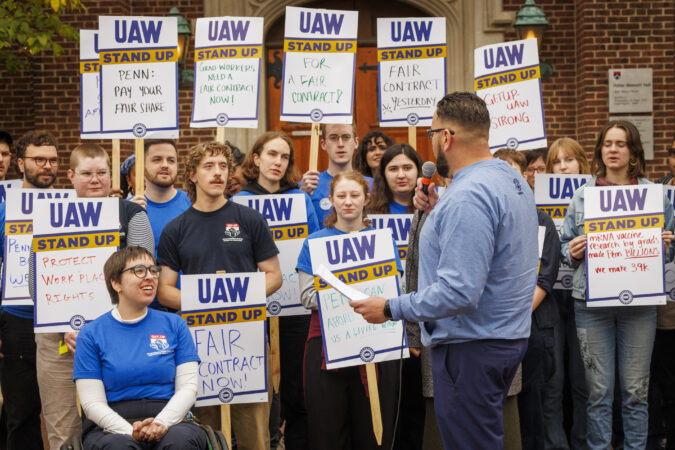
    Research and teaching assistants at the university voted to unionize in 2024. The union, which represents about 3,400 graduate student workers, is known as Graduate Employees Together-University of Pennsylvania (GET-UP) and is part of the United Auto Workers (UAW). The union has been negotiating with the university since October 2024 for a first contract.

    In November, the union’s bargaining members voted to authorize a strike, if called for by the union. In January, they set a strike deadline, announcing that they would walk off the job on Feb. 17 if they had not reached a deal.

    A deal was announced in the early morning hours Tuesday.

    While tentative agreements had been reached on a number of issues, some remained without consensus ahead of the final bargaining session on Monday before the strike deadline. Those sticking points included wages, healthcare, and discounts on SEPTA passes.

    “We are pleased to announce that a tentative agreement has been reached between Penn and GETUP-UAW,” a university spokesperson said in a statement. “Penn has a long-standing commitment to its graduate students and value their contributions to Penn’s important missions. We are grateful to all the members of the Penn community who helped us achieve this tentative agreement.”

    A date to vote on the ratification of the tentative agreement has not yet been announced.

    The deal comes as earlier this month Pennsylvania state senators and representatives and Philadelphia City Council members addressed letters to the university’s president and provost, urging them to come to an agreement with the student workers and avoid a strike.

    “A strike at the University of Pennsylvania would seriously disrupt life for the tens of thousands of Philadelphians who are students, employees, and patients at Penn,” the letter signed by City Council members reads. “As such, we strongly urge the Penn administration to avert a strike by coming to a fair agreement that meets the needs of graduate student employees prior to February 17th.”

    What’s in the tentative deal?

    Monday’s bargaining session brought tentative agreements on sticking points that included wages and healthcare coverage.

    If ratified, the tentative deal would provide graduate student workers with an annual minimum wage of $49,000, which the union has said is a 22% increase over the previous standard. For those paid on an hourly basis, the minimum hourly rate would be $25. Those rates would go into effect in April and a 3% increase would be provided in July 2027.

    The deal would also create a fund with $200,000 annually from which graduate student workers could seek reimbursements to cover up to 50% of their dependent’s health insurance premiums.

    Ahead of the Monday bargaining session, other tentative agreements had come together around leave. The university agreed to give six weeks of paid medical leave, as well as eight weeks of paid parental leave.

    The university and the union had also recently reached a tentative agreement that would create an annual $50,000 fund to help international graduate student workers with expenses associated with reinstating or extending visas.

    What would have happened in the event of a strike?

    Graduate student workers in the bargaining group teach and conduct research at the university.

    Classes, research, and other academic activities would have continued during a strike, according to the university spokesperson. Penn published guidance on how to continue this work in the event of a work stoppage or other disruption.

    Striking graduate student workers would not have been paid throughout a work stoppage, but would have continued to be covered by their health insurance for the time being, according to a university statement.

    If others employed at the university who are not in the bargaining group chose to join the work stoppage, they would not have been paid and could have faced consequences “up to and including separation from that position, depending on the circumstances of the refusal to work,” according to a university statement.

    Ahead of the tentative agreement on Monday, hundreds signed a pledge indicating that they are employed at Penn and would not do the work of those on strike or assign it to others in the event of a work stoppage.

    In recent years, a wave of labor actions has taken place across Penn and other local campuses. Temple University graduate workers went on strike for 42 days in 2023 during contract negotiations. Rutgers University educators, researchers, and clinicians walked off the job for a week that same year.

    At Penn, the largest employer in Philadelphia, a wave of student-worker organizing in recent years has included resident assistants, graduate students, postdocs, and research associates, as well as training physicians in the University of Pennsylvania Health System.
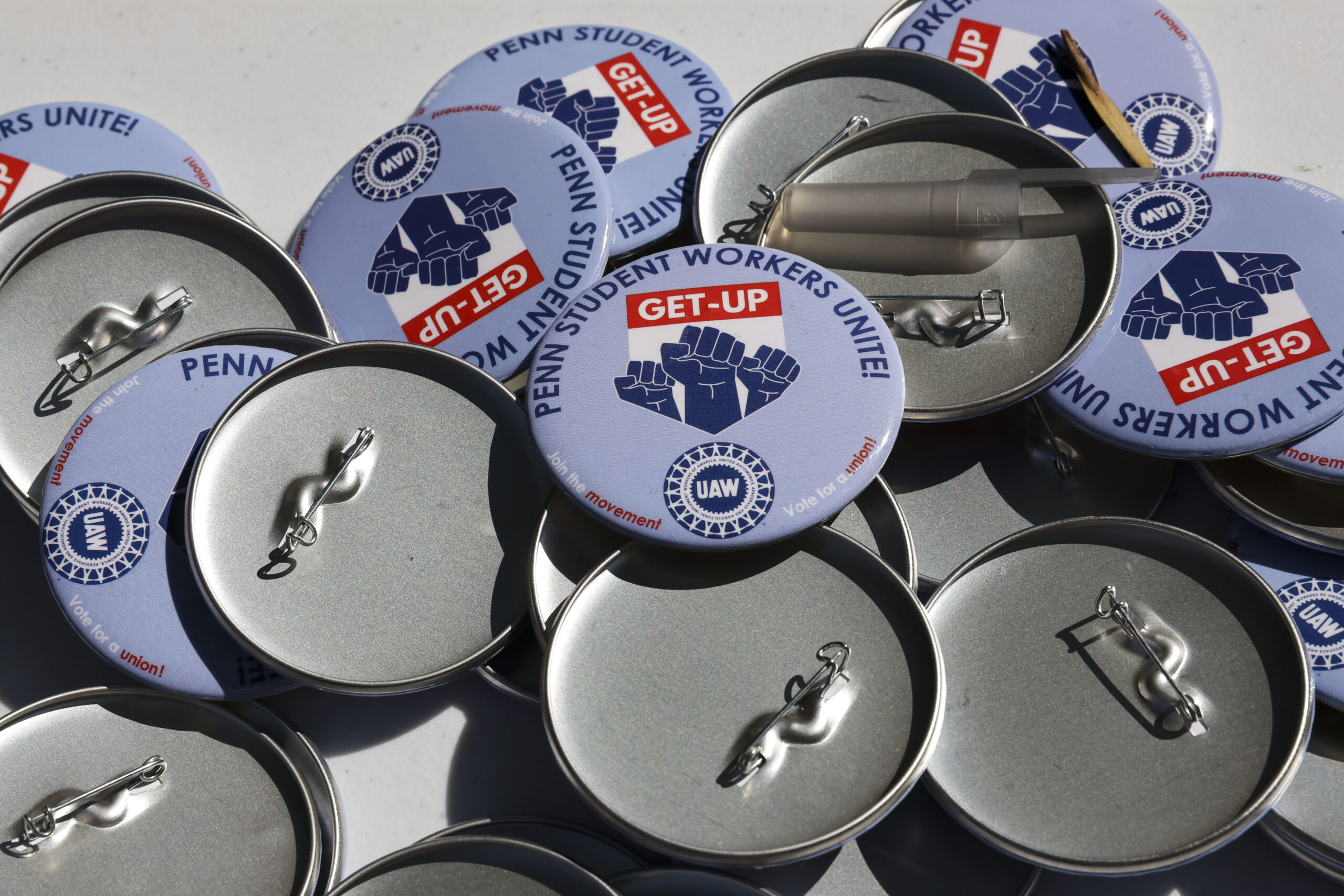
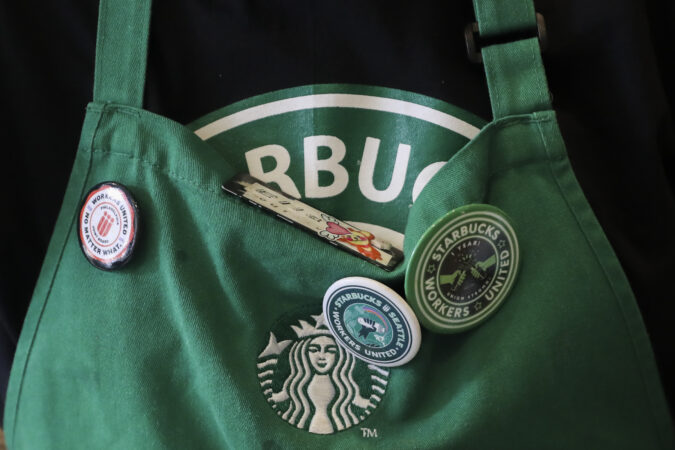
    Pins on a table during a GET-UP rally at the University of Pennsylvania in Philadelphia, Pa., on Wednesday, Oct. 4, 2023.
  • Jersey’s historic diners keep closing. This legislation aims to keep more alive.

    Jersey’s historic diners keep closing. This legislation aims to keep more alive.

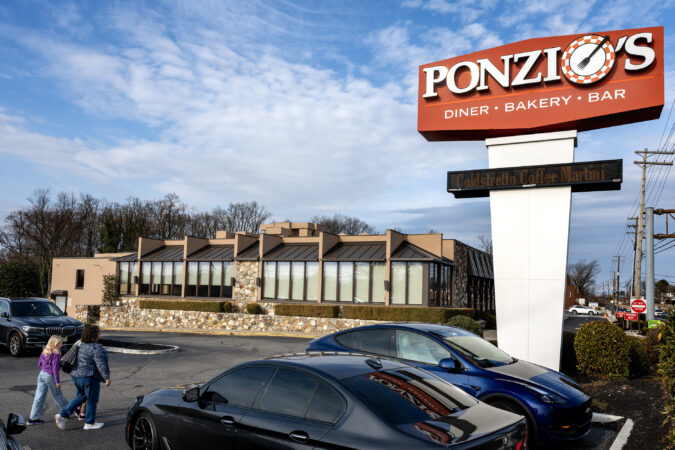
    There may be new hope for diners in New Jersey.

    In recent years, a string of the state’s iconic diners have shuttered their doors. New state legislation aims to keep the lights on at those still in business.

    The bill, which was introduced in the New Jersey Senate in January, would provide some diners and other historic restaurants with tax benefits.

    “Diners, and specifically historic diners, are a cornerstone of our great state, having served residents and visitors for many decades. They are part of our culture and our history, and we have a duty to help them thrive,” State Sen. Paul Moriarty of Gloucester County, a sponsor of the bill, said in a statement Thursday.

    The legislation, which would establish a registry of historic diners and restaurants, would give the businesses a tax credit of up to $25,000. Only diners and family-owned restaurants operating for at least 25 years will qualify.

    The bill has been referred to the Senate Budget and Appropriations Committee.

    “It has been heartbreaking to see so many of these well-known establishments close or dramatically cut their hours,” Moriarity said.

    Where have diners closed in New Jersey?

    The origin of the modern diner can be traced back to a horse-drawn lunch wagon in 19th-century Rhode Island and the model has evolved since then. New Jersey has been coined the “diner capital” of the U.S. but has seen closures in recent years due to increased operating expenses, the challenge of finding employees, and the impact of the pandemic.

    The Cherry Hill Diner closed in 2023 after 55 years in business and following the co-owner’s unsuccessful search for a buyer. South Jersey’s Gateway Diner in Gloucester County closed that same year amid construction of the Westville Route 47 Bridge and the state’s acquisition of the site. The Red Lion Diner in Burlington County also sold, making way for a Wawa.

    In January 2024, the Star View Diner in Camden County closed. Last year, the Collingswood Diner shut its doors in August, to be replaced by a marijuana dispensary.

    The trend extended in Philadelphia where the Midtown III closed in 2020. Last year, the Mayfair Diner in Northeast Philadelphia was listed for sale.

  • Eddie Bauer operator files for bankruptcy and is liquidating stores

    Eddie Bauer operator files for bankruptcy and is liquidating stores

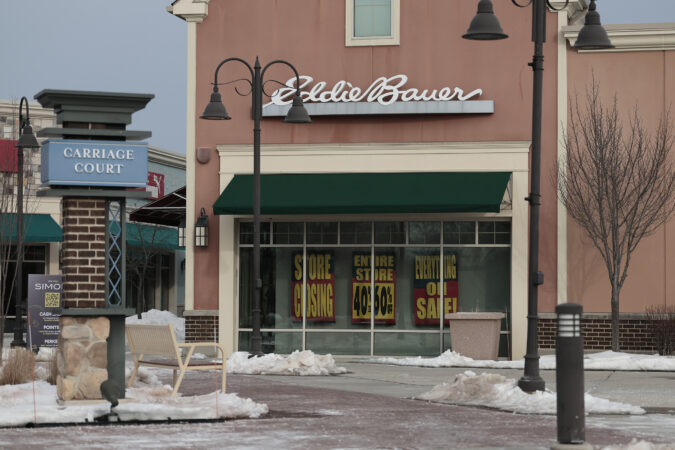
    Over 60 years ago, the first American to climb Mount Everest sported an Eddie Bauer coat. Now the company behind the outdoor apparel finds itself conducting liquidation sales.

    The operator of Eddie Bauer filed for Chapter 11 bankruptcy in the U.S. Bankruptcy Court for the District of New Jersey on Monday and is winding down stores as it seeks a buyer.

    Eddie Bauer is laying off some 58 employees in New Jersey at locations in Burlington, Gloucester, Middlesex, and Monmouth Counties, according to a layoff notice filed with the state.

    “In an effort to rightsize the company’s store footprint and close underperforming stores, the company will be closing a number of retail locations in N.J.,” reads the notice.

    In Pennsylvania, a spokesperson for the state’s Department of Labor and Industry said they had not received a layoff notice for Eddie Bauer stores as of Tuesday morning.

    Before filing for bankruptcy, the company chose not to renew leases for 49 stores that had leases ending Jan. 31. Those locations have since closed, bankruptcy documents indicate.

    The company is liquidating the remaining 175 stores as it seeks out a buyer.

    In the Philadelphia area, Eddie Bauer stores are located at the Gloucester Premium Outlets in Camden County, at the Philadelphia Premium Outlets in Montgomery County, as well as in Concordville in Delaware County.

    As of Tuesday, the Fashion District location in Center City appeared to be closed, according to the Eddie Bauer website.

    What led to the bankruptcy?

    Eddie Bauer stores have been operated by Catalyst Brands, which was formed in January 2025 in a merger that brought together brands including Aéropostale, Brooks Brothers, and JCPenney.

    The CEO of Catalyst Brands, Marc Rosen, said in a news release Monday that the Eddie Bauer operator had been in a “challenged situation,” even before the new parent company was formed last year. The company was dealing with declining sales and supply chain challenges amid other issues, he said.

    “Over the past year, these challenges have been exacerbated by various headwinds, including increased costs of doing business due to inflation, ongoing tariff uncertainty, and other factors,” Rosen said. “While the leadership team at Catalyst was able to make significant strides in the brand, including rapid improvements in product development and marketing, those changes could not be implemented fast enough to fully address the challenges created over several years.”

    Other retailers have also faced headwinds recently. The parent company of Saks Fifth Avenue and Neiman Marcus filed for bankruptcy in January, and shopping mall mainstay Claire’s, did so in August.

    Eddie Bauer stores in the Philadelphia area

    Pennsylvania:

    • Fashion District, 901 Market St., Philadelphia
    • Shoppes at Brinton Lake, 961 Baltimore Pike, Glen Mills
    • Montgomery Mall, 290 Montgomery Mall, North Wales
    • Philadelphia Premium Outlets, 18 Lightcap Rd., Pottstown
    • Tanger Outlets Lancaster, 1140 Stanley K Tanger Blvd., Lancaster

    New Jersey

    • Gloucester Premium Outlets, 100 Premium Outlets Drive, Blackwood
    • Jersey Shore Premium Outlets, 1 Premium Outlets Blvd., Tinton Falls
  • Former federal workers are taking up local government jobs

    Former federal workers are taking up local government jobs

    Some federal workers aren’t leaving public service altogether. They’re landing jobs in local government.

    A job-seeking platform managed by national nonprofit Work for America is helping some workers find those new roles. The service is relatively new but predates President Donald Trump’s efforts to shrink the federal workforce in 2025.

    Some 350 workers with federal job experience in Pennsylvania and 169 in New Jersey have used the platform, called Civic Match, since it was founded in November 2024.

    Nearly 900 state and local government roles in Pennsylvania have been posted on the platform since its start and 42 in New Jersey.

    And, according to new data, 187 former federal workers across the U.S. have used the site and landed jobs in state or local government.

    While that’s a small fraction of the total federal workers who have left their jobs in the last year amid the Trump administration’s shake-up of the workforce, the new data shed light on where workers are landing after leaving government positions.

    The federal government cut 271,000 jobs from January through November last year. That included workers who were laid off, left of their own accord, or took a government incentive to resign.

    In October, just after Trump’s deferred resignation program took effect, Pennsylvania and New Jersey lost roughly 6,000 federal jobs.

    There really isn’t a centralized place where someone looking for a state or other local government job can go, said Caitlin Lewis, executive director at Work for America. The platform is open only to job seekers who have federal work experience or who lost their jobs because of federal funding cuts, but Lewis hopes to open it up to others in the future.

    Who are these federal workers?

    Austin Holland was working in the U.S. Department of Housing and Urban Development last year, when federal workers were instructed to begin working in the office full-time. He had been working remotely from Lancaster much of the time and commuting to Washington, a few days per pay period. Relocating to D.C. wasn’t feasible for him.

    “I really enjoyed my federal job, and I had imagined that it was kind of something I was going to do for my entire career,” he said. “I was struggling with losing that and trying to figure out ‘Where is my career going from here?’”

    Holland estimates that he joined the Civic Match platform in early 2025. Through a virtual job fair, he made a connection that ultimately led to a job at the Pennsylvania Housing Finance Agency. He took a pay cut but was able to stay in Lancaster — and in public service.

    Before leaving his job at the Environmental Protection Agency, Andrew Kreider uploaded his resume to Civic Match and attended some of the platform’s webinars.

    “It was refreshing and validating to have such high-quality hiring officials participating,” Kreider said. “I think it helped remind those of us who maybe were a little bit disillusioned — or were feeling traumatized by what we had just been through — that there were places where we could continue to serve where we wouldn’t be subject to what we were going through at the federal level.”

    Kreider, who lives in Chester County, also used LinkedIn to look for jobs and searched government websites. He ultimately landed a communications director job with Chester County, which he found on the county’s job listing board.

    He’s been in the new job for roughly two months and says some days are “completely overwhelming.”

    Andrew Kreider in Philadelphia in April 2025.

    “County governments do a lot of work with not as many resources as federal agencies tend to have,” he said. “I’m working as a communication director for an organization three times the size of the one I came from, but I’m making significantly less money and sort of being responsible for communications related to far more things.”

    He’s taken a pay cut but said he loves the new job.

    “It’s been, for me, an affirmation of how many good people there are who just want to help,” Kreider said. “I’m surrounded by people who come into work every day to serve their neighbors and their communities.”

    On a recent Thursday afternoon in February, Civic Match had seven jobs posted in Philadelphia. Available positions with the city included a chief epidemiologist, a director of tax policy, and a director of adult education.

    The majority of the 187 platform users who have found jobs — 63% — are workers with at least eight years of public sector experience, according to new data from Work for America. Roughly 40% found jobs in human resources or other operations-related roles.

    One-third of those hired have relocated for their new jobs out of state, with 22% reporting a move of over 100 miles from their previous position.

    Their federal experience came from a range of departments, including the Departments of Health and Human Services, Housing and Urban Development, and Transportation, as well as USAID, the General Services Administration, and the Environmental Protection Agency.

    The aim of Work for America is to curb staffing shortages in local governments and help speed up their hiring process, Lewis said.

    “Unlike the private sector, government does not really think about its employer brand and marketing itself as a potential employer,” she said. “Individual local governments don’t have the same amount of resourcing to actually think about expressing an employee value proposition and really marketing to folks who could be great fits for roles that they have open.”

  • American Airlines announces a new European route out of PHL

    American Airlines announces a new European route out of PHL

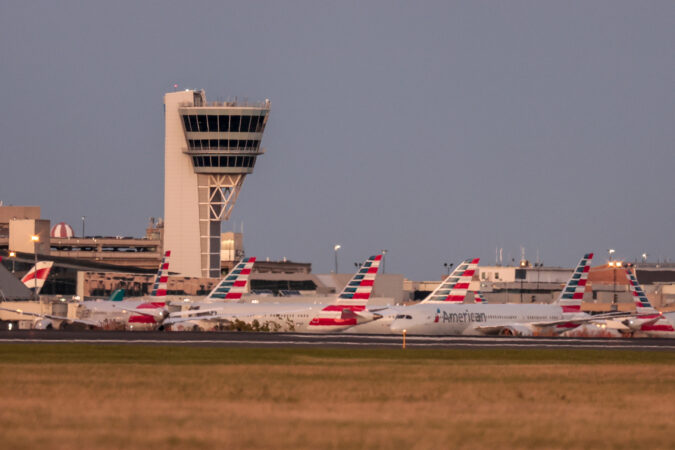
    American Airlines is planning a new route to Porto, Portugal, from Philadelphia.

    The route is expected to become available in summer 2027, pending government approval, the airline noted in a news release Thursday.

    The flight will be offered on a new aircraft — the Airbus A321XLR — that American just began operating in December. According to PHL chief commercial officer Kate Sullivan, having that aircraft is key to the new route availability. The aircraft will feature “Flagship Suite” seats, which were recently introduced on some PHL flights.

    “Not only is seeing a summer 2027 route announced so early exceptional, the A321XLR will enable American to serve markets like Porto that have strong demand but may not support daily flights from wide-body aircraft,” Sullivan said. “Porto is just the beginning of what this aircraft will unlock for our region’s residents and visitors.”

    This will be the first time that Porto is offered as a direct route out of PHL, airport spokesperson Heather Redfern confirmed Friday. Sullivan said the addition is “outstanding news for PHL.”

    “Porto is exactly the type of new market the Airbus A321XLR enables us to serve,” Brian Znotins, a senior vice president at the airline, said this week at a conference.

    American has recently added several other direct flights from PHL to Europe. In 2024, the airline launched routes connecting Philadelphia to Copenhagen, Denmark; Nice, France; and Naples, Italy.

    The airline also launched a bus service in 2022 to shuttle passengers from airports in the region to PHL to take a flight. And it opened new lounges at PHL last year, featuring two bars, private phone rooms, and showers.

    American was among the top 10 largest employers in Philadelphia in 2025 and is the largest airline by passenger volume operating out of PHL. In 2024, the airline carried nearly 20 million passengers through the airport.

  • PHL CEO steps down to lead another airport across the country

    PHL CEO steps down to lead another airport across the country

    Philadelphia International Airport CEO Atif Saeed is stepping down, just as Philadelphia prepares for an expected influx of tourists this year.

    Saeed has led the city’s Department of Aviation, which also includes the Northeast Philadelphia Airport, since 2022, and plans to step down Feb. 27. He is heading west to be president and CEO of the San Diego County Regional Airport Authority.

    “Under his direction, our airports emerged stronger from the pandemic, advanced critical modernization efforts, and positioned Philadelphia to welcome the world in 2026 and beyond,” Mayor Cherelle L. Parker said in a statement Thursday.

    “We are grateful for his contributions and wish him continued success in this next chapter,” Parker said.

    The city plans to hire a new CEO following a national search. Tracy Borda, PHL’s chief financial officer, will be interim CEO.

    Saeed’s departure comes as Philadelphia expects to be inundated with visitors this year for the United States’ 250th anniversary, the MLB All-Star Game, and the FIFA World Cup games.

    “I will always look back at my time at PHL and PNE fondly,” Saeed said in a statement Thursday. “I am confident that our airports are ready to welcome the world for the events of 2026 and beyond.”

    Saeed came to PHL from the Metropolitan Airport Commission of Minnesota, where he was chief financial officer. The airport was still working to return to pre-pandemic-level travel, and it was continuing to cope with a growing number of people experiencing homelessness and seeking refuge at the airport.

    “From the start, by addressing the unhoused situation at PHL with a caring, multiagency approach, this team was committed to ensuring that through strategic investments and thoughtful planning, PHL and PNE are in a position of strength to continue to enhance airport operations for an even brighter future,” Saeed said Thursday.

    In 2022, Philadelphians voted to create a stand-alone aviation department within city government, which before that had operated under the Department of Commerce.

    During Saeed’s time at PHL, the airport has been updating its master plan, which identified the need for additional gates. The airport has also been positioning itself to capture more cargo activity and has been rolling out a renovation of bathroom facilities.

    Still, PHL continued to rank last in a national survey on traveler satisfaction among similarly sized airports. The airport is over 80 years old and its aging infrastructure has held it back, Saeed has said. In 2025, addressing the last-place result again, Saeed noted: “Admittedly in some places, we look our age.”

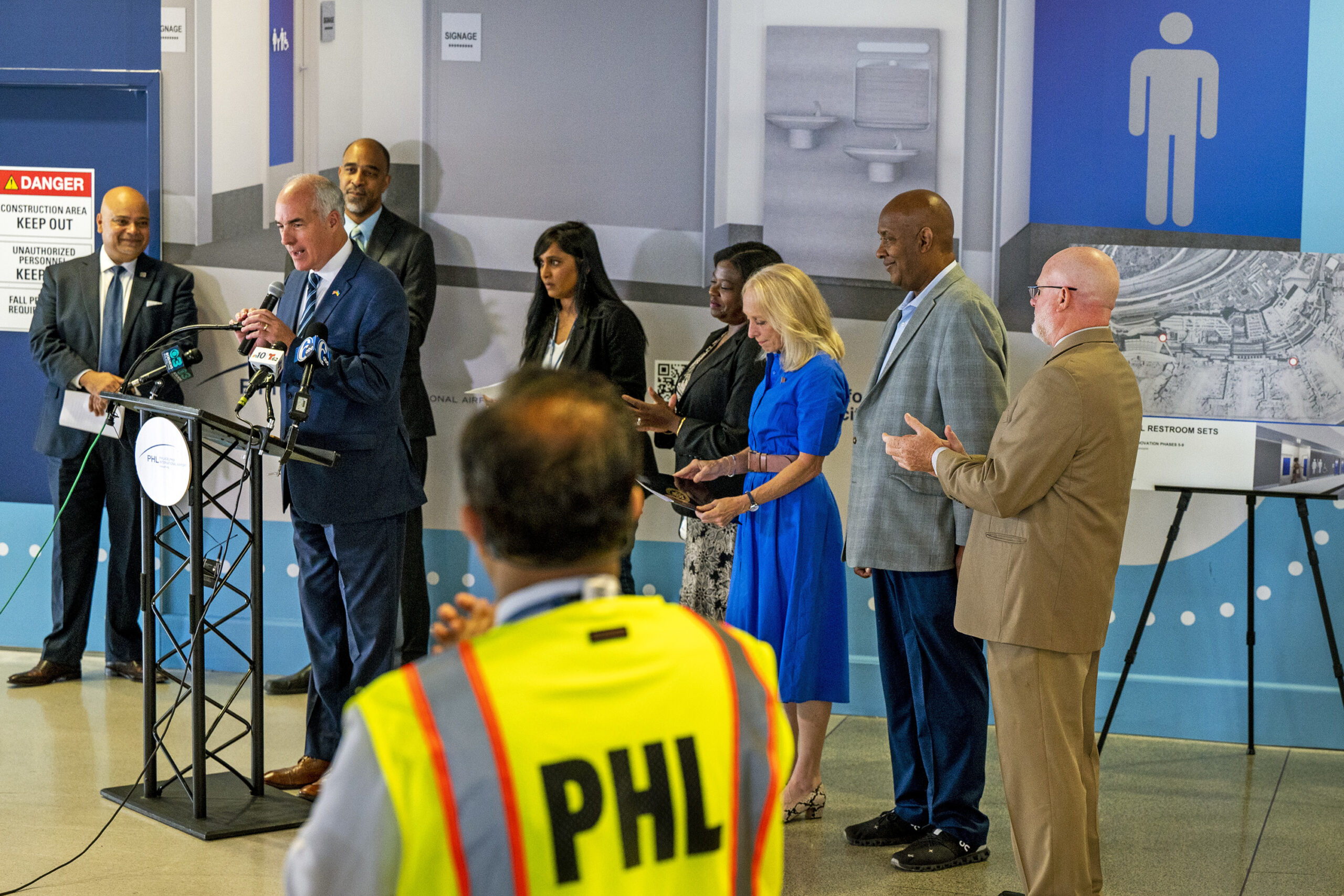
    U.S. Sen. Bob Casey spoke during ceremonies to celebrate the continued restroom renovation program at the Philadelphia International Airport in 2023.
  • Burlington plans to open another South Philadelphia location with new store format

    Burlington plans to open another South Philadelphia location with new store format

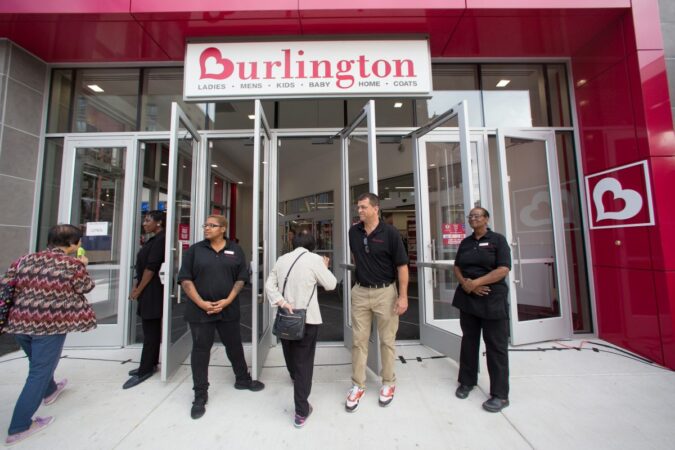
    A new Burlington Stores location is coming to South Philadelphia.

    The New Jersey-based discount retailer on Monday announced plans to open a store this spring in a shopping center on South 24th Street, with discount retailers Five Below and Ross Dress for Less nearby.

    Between 65 and 75 people are expected to be employed there, according to the Philadelphia Business Journal.

    Burlington got its start in 1972, opening its first store on Route 130 in Burlington Township under the name Burlington Coat Factory. Since then, it has grown to over 1,000 locations and has shed “coat factory” from its name, reflecting the larger product line it carries including apparel, shoes, and home decor.

    The Fortune 500 company reported $10.6 billion in net sales in 2024.

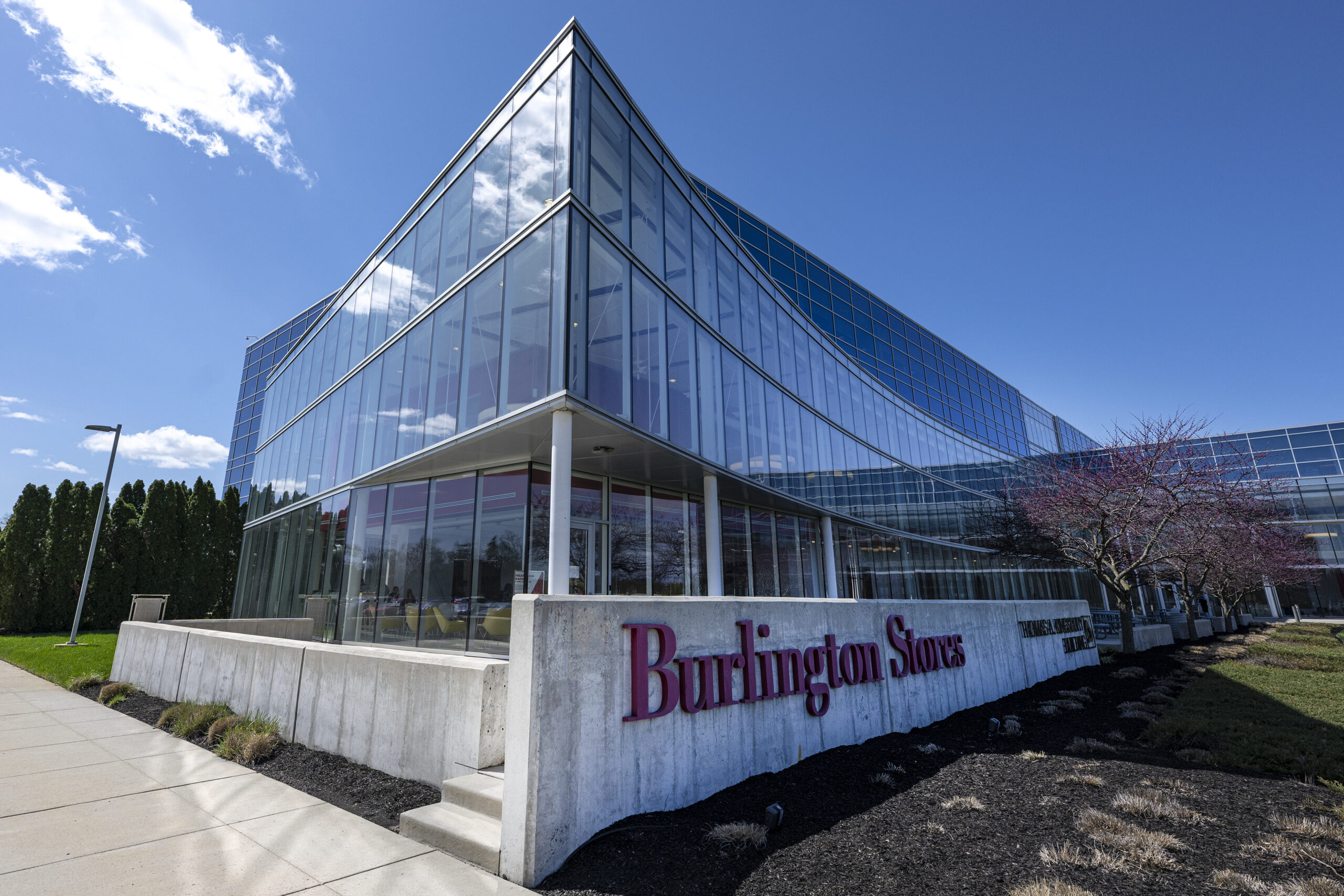
    Burlington headquarters is shown last year in
    Burlington City.

    Burlington started implementing a smaller store model in 2017. About a decade ago its stores were roughly three times larger than the 20,000-square-foot new ones.

    New stores feature a “refreshed format, including wider, more organized aisles and bold signage,” according to a company news release this week. Many existing stores have been remodeled to fit this format, and all sites are expected to have transitioned by the end of the year.

    Burlington has been expanding in recent years. In 2023, Burlington opened its 1,000th store, and that same year, the discount retailer took over Bed Bath & Beyond locations after that company declared bankruptcy. In 2024, Burlington reported opening 100 stores.

    The discount retailer has over 40 stores in Pennsylvania, including seven stores in Philadelphia and several more in the surrounding counties. Another South Philly Burlington is located at Whitman Plaza on Oregon Avenue, roughly two miles from where the new site will open.

  • Schuylkill Yards Starbucks is the latest to unionize in Philadelphia

    Schuylkill Yards Starbucks is the latest to unionize in Philadelphia

    Another Starbucks has unionized in Philadelphia, after a vote at the Schuylkill Yards location last week.

    “I see a need for improvements and am optimistic that this win will make great change,” shift supervisor Asia Wright-Wilson said in a union statement. “When problems are not well addressed through the traditional Starbucks channels the greatest strength lies in the collective action of our coworkers.”

    The Schuylkill Yards location has 18 union-eligible workers. All participated in the election, with 10 voting to join, according to the union.

    The first group of Starbucks workers to unionize did so in 2021 at a Buffalo, N.Y., store. Workers across the country have since joined the Starbucks Workers United union, which has been negotiating a first contract.

    “We respect our partners’ right to choose, through a fair and democratic process, to be represented by a union or not to be represented by a union,” said Starbucks spokesperson, Jaci Anderson, via email on Monday. “Any agreement needs to reflect the reality that Starbucks already offers the best job in retail.”

    Anderson said Starbucks’ hourly employees’ pay and benefits equate to over $30 an hour on average.

    Starbucks has several dozen stores in Philadelphia and more in the surrounding counties. Several city and suburb locations are unionized, including nearby West Philadelphia locations at Penn Medicine, 39th and Walnut Streets, and 34th and Walnut Streets.

    The union has reached multiple tentative agreements as they negotiate a contract, but pay has been a sticking point. Workers also want more staffing, and resolution to hundreds of unfair labor practice charges against Starbucks.

    Workers launched an open-ended nationwide strike on Nov. 13, including stores in Philadelphia. Not long before that, Starbucks announced it would close hundreds of underperforming stores, including six in Philadelphia.

    Sara Kelly, Starbucks’ chief partner officer, said in December, citing information from the union, that employees from 166 of the 215 strike locations wanted to return to work.

    A union spokesperson acknowledged on Tuesday that while some striking workers have returned to their jobs, more than 1,000 remain on strike.

    “The nationwide unfair labor practice strike that began in November is still ongoing and has become the longest in company history,” said Michelle Eisen, a Workers United spokesperson and 15-year Starbucks barista.

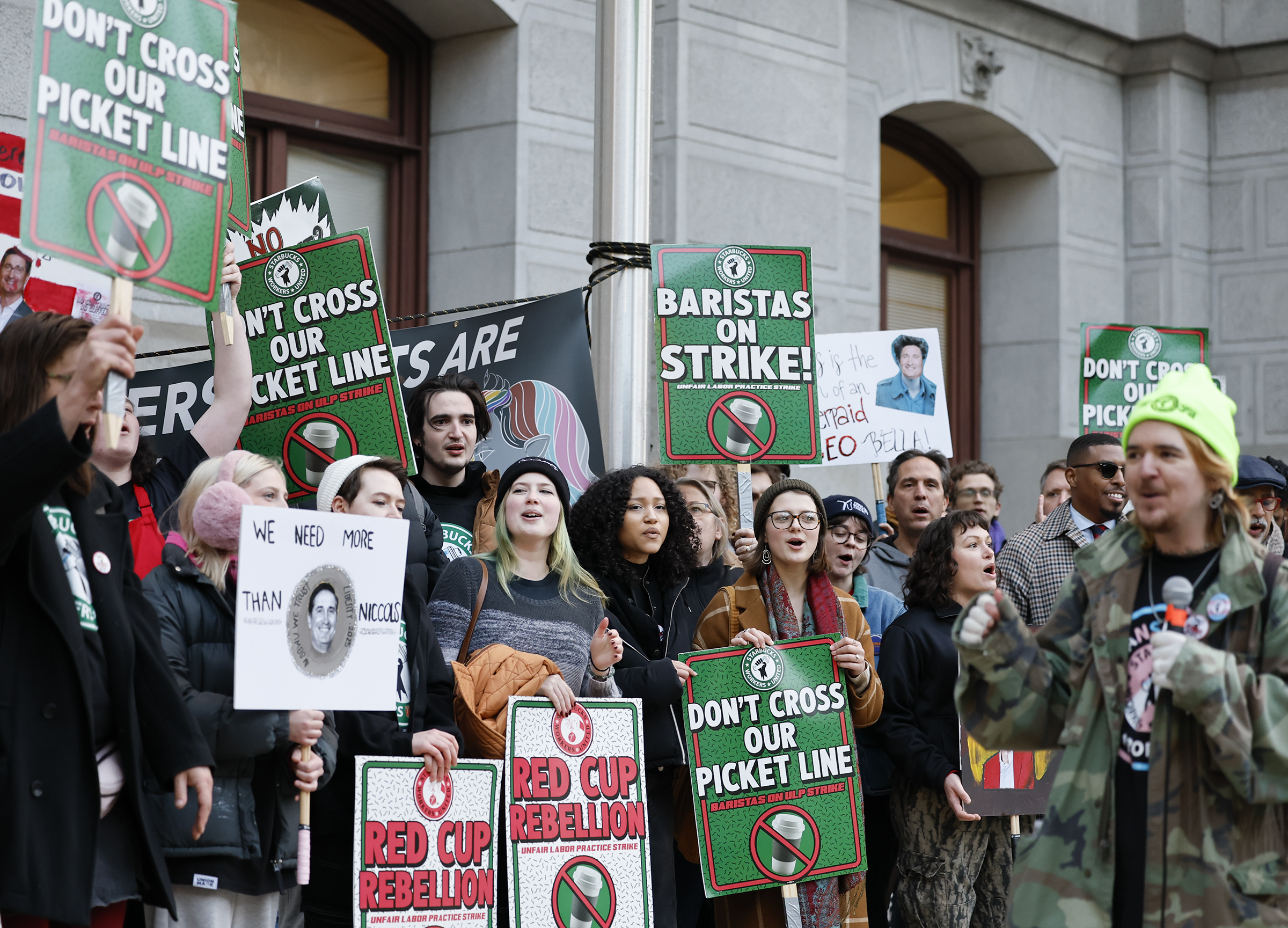
    Starbucks Workers United members cheer during a rally at City Hall on Thursday, Nov. 13, 2025.
  • Immigrants are a ‘main driver’ of the Philadelphia economy, local leaders say

    Immigrants are a ‘main driver’ of the Philadelphia economy, local leaders say

    Foreign nationals are facing increasing challenges to working and studying in the U.S., but their contributions to the Philadelphia economy are critical, local business leaders say, painting a grim picture of Philadelphia’s future with fewer of them.

    In Philadelphia, “immigrants are not a side factor when it comes to our economy. They are a main driver,” Alain Joinville, from the city’s Office of Immigrant Affairs, said at a panel discussion, hosted last week by the Economy League of Greater Philadelphia, in partnership with immigration-reform organization FWD.us.

    The foreign-born population has supported Philadelphia’s workforce growth in recent years. Between 2010 and 2022, the immigrant workforce grew by 50% from 105,600 to 158,300, according to the Pew Charitable Trusts. In 2022, the foreign-born population represented 15.7% of the total Philadelphia population.

    But over the past year, President Donald Trump’s administration has pushed to carry out the largest deportation effort in the country’s history, and put forward a plan to charge employers $100,000 to secure H-1B visas for their employees. ICE agents have detained immigrants across the region.

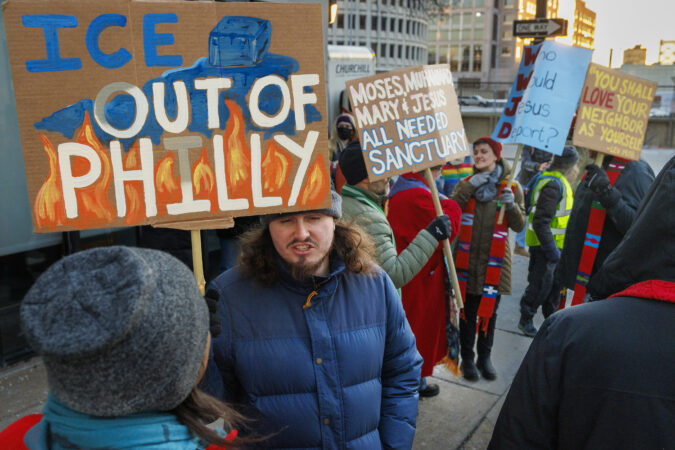
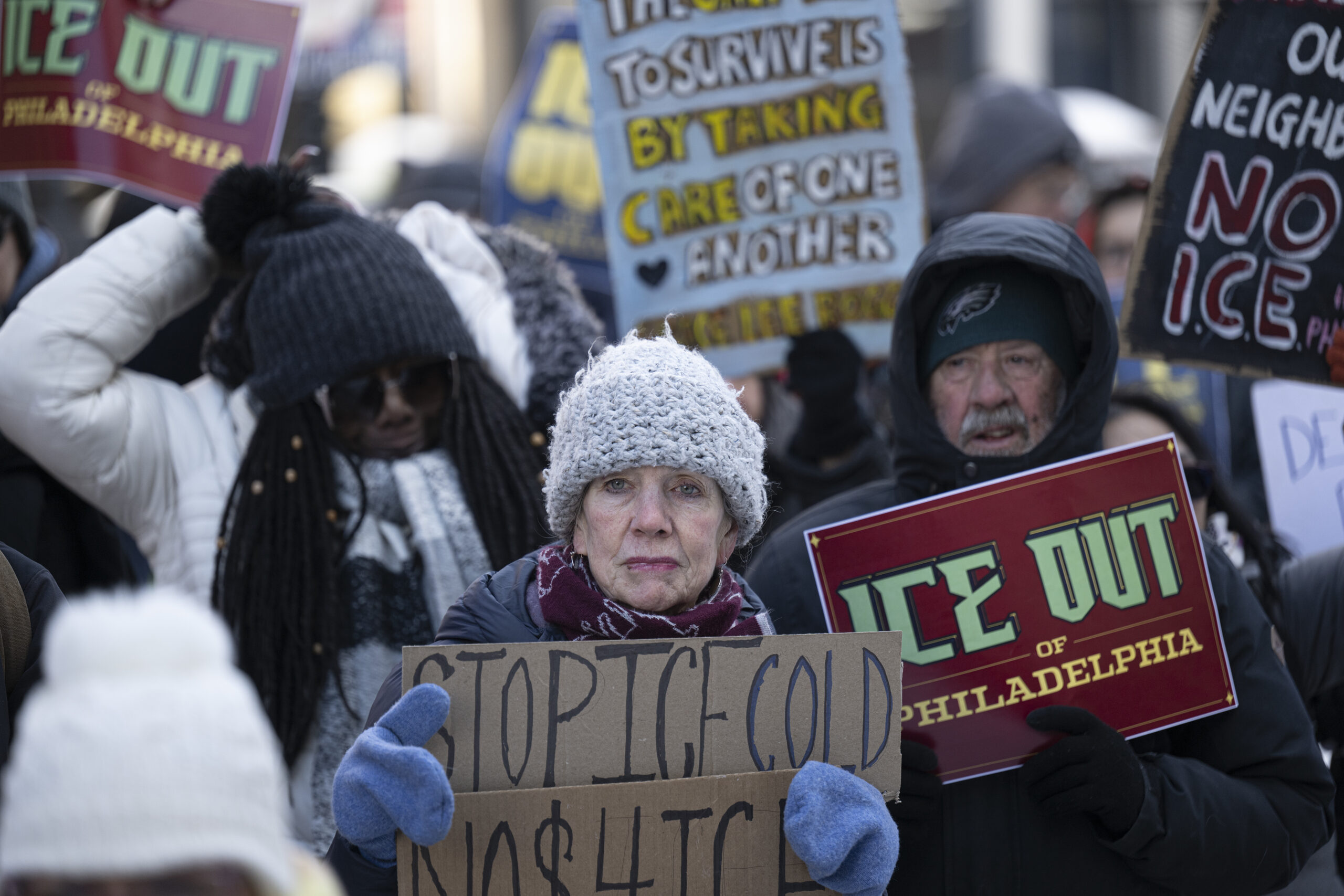
    Anti-ICE activists demonstrate outside U.S. Sen. John Fetterman’s Philadelphia office on Jan. 27, 2026, calling for an end to federal immigration enforcement policies.

    “If we have policies that are disrupting families, detaining people, sending people back, that’s a huge part of our economy that impacts manufacturing, transportation of all the goods and services that we manufacture,” said Elizabeth Jones, of immigrant-support nonprofit the Welcoming Center. “The ripple effect is scary in terms of how it’s going to impact the economy.”

    Potential to lose the research edge

    While the U.S is a global leader in research universities, it could be losing that grip, said Amy Gadsden, from the University of Pennsylvania’s Global Initiatives. Having the best research universities in the world requires the best talent — namely international students that also become faculty, she noted.

    Penn has roughly 9,000 international students and an additional 2,000 faculty, postdoc students, and others who “drive a lot of economic activity, both for Penn and for the city of Philadelphia — for the country, for that matter,” she said.

    International student enrollments are down across the country, and students are being cautious about where they apply.

    “There is not a guidance counselor around the world who is advising their student not to hedge their application to the United States with an application to another country,” she said.

    A view over Walnut Street on the University of Pennsylvania campus, with the Philadelphia skyline at left rear.

    Penn, Philadelphia’s largest employer, depends on international students, said Gadsden. “When we think about what is going on with visa policy in the United States, what we see is a decrease in international students, a decrease in international faculty, a decrease in research output, that will ultimately lead to a decrease in our position as a leading research university in the world,” she said.

    A challenge for employers

    Jennifer Rodriguez, president and CEO of the Greater Philadelphia Hispanic Chamber of Commerce, highlighted the challenge employers can face under the new fee for H-1B visas.

    “Immigrants and the foreign-born population in general is one that is critical for the economic health of the city of Philadelphia and the region,” she said.

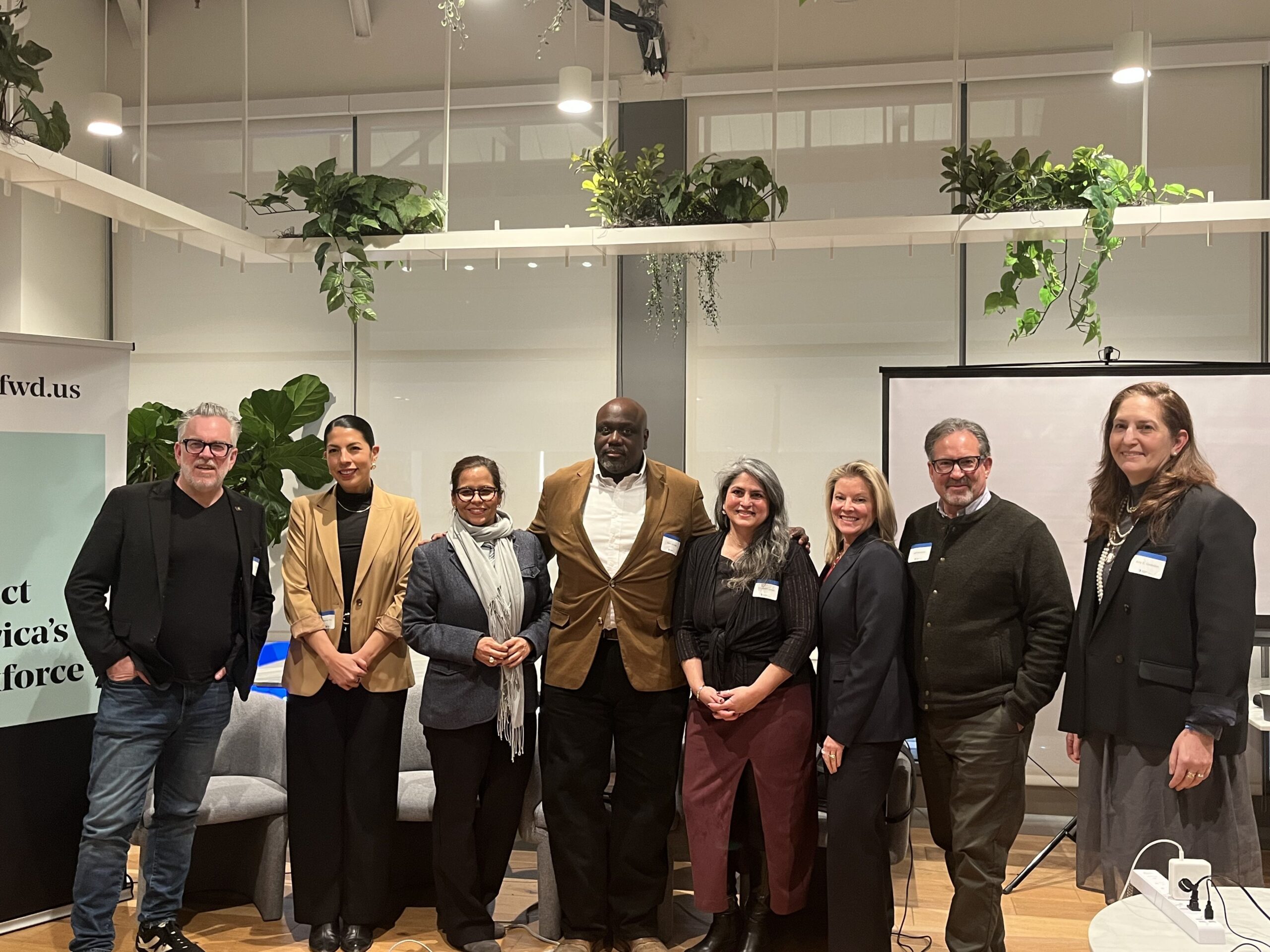
    The Economy League of Greater Philadelphia held a panel discussion in collaboration with FWD.us. From left are Ben Fileccia, Pennsylvania Restaurant & Lodging Association; Maria Praeli, FWD.us; Jennifer Rodriguez, Greater Philadelphia Hispanic Chamber of Commerce; Alain Joinville, Philadelphia’s Office of Immigrant Affairs; Elizabeth Jones, the Welcoming Center; Tracy Brala, University City Science Center; Jeff Hornstein, the Economy League of Greater Philadelphia; Amy Gadsden, University of Pennsylvania.

    Rodriguez described the additional $100,000, which is on top of other expected visa processing costs, as exorbitant. While some large businesses might have resources to handle it, she said, middle-market companies will be more challenged.

    “Philadelphia is desperate to get more of those businesses to establish here, and now you’re making it that much harder,” said Rodriguez. “We are really curtailing the ability of these businesses to innovate, to hire, to really be the contributors to the economy that we want them to be.”

    Immigrants in Philadelphia are of prime working age, noted Joinville, from the city’s Office of Immigrant Affairs.

    “Without immigrants, we have a smaller workforce to drive and support our businesses locally,” he said, adding that immigrants start small businesses at a high rate in Philadelphia.

    “As a child of immigrants, focusing on the economy can be a little tricky for me, because we’re not just data or money or economy,” said Joinville. “Yes, immigrants have an economic impact, but they are cultural leaders, civic leaders, and, yeah, just good people.”

  • URBN’s Reclectic is moving from Philly to the suburbs

    URBN’s Reclectic is moving from Philly to the suburbs

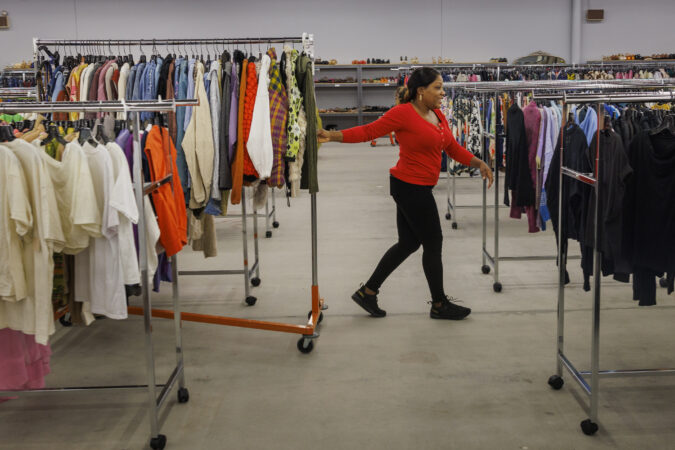
    Reclectic, URBN’s discount store, is moving from one Philly-area mall to another.

    The 40,000-square-foot site which opened in 2023 at the Franklin Mall (still widely known to locals by former name Franklin Mills) will relocate to a larger space in Willow Grove Park Mall next month, into the first floor of the former Sears store.

    The move comes as Reclectic’s Franklin Mall lease nears its end and as the store has seen an “overwhelming increase in demand,” said Kevin Dorfmeyer, executive director of strategy, corporate development and Reclectic at URBN.

    Reclectic sells items typically 50% to 60% off the ticket price and includes new, slightly damaged inventory, or items that have cycled through URBN’s clothing rental service, Nuuly. The store sells shoes, clothing, home furnishings, and accessories.

    The Franklin Mall location will close on Feb. 21, and the new site at Willow Grove Park Mall will open on Feb. 27.

    The Reclectic store at the Franklin Mall opened in 2023.

    The company is also looking to expand locations this year, said Dorfmeyer, who described the Franklin Mall store as “extremely successful.”

    To date, URBN has opened Reclectic locations in North Carolina, Illinois, Texas, New York, and Arizona.

    “We’re actively working on expansion into new metro regions across the U.S.,” Dorfmeyer said. “It’s too early to tell now where we’re headed, but, [we’re] looking to expand further.”

    Shoppers are traveling upwards of 30 to 60 miles to visit Reclectic stores, Dorfmeyer said.

    “Our customer loves the thrill of the hunt,” he said. “They’re coming to us to discover new brands, to experiment and play and, quite honestly, just to uncover the possibility with a new type of inventory that we offer in Reclectic.”

    URBN, which was founded in Philadelphia, is the parent company of Anthropologie, Free People, and Urban Outfitters. The business launched Nuuly, a clothing rental subscription, in 2019.

    An assortment of colorful couches and other furniture for sale at Reclectic in the Franklin Mall in August 2023.