Peco is expanding its real estate footprint in the Philadelphia region.
The gas and electric utility company purchased a property at 100 Chesterfield Parkway in Malvern for $5.95 million in January, according to Chester County property records. The Philadelphia Business Journal first reported the purchase.
Peco’s Malvern acquisition “is part of a comprehensive, multi-year strategy to support the recent expansion and future growth of our operations teams,” Peco spokesperson Matthew Rankin said Thursday.
Administrative staff and “other support teams,” will work out of the new office, Rankin said, but did not say how many.
The property is near Peco operations facilities, Rankin said.
Peco’s expansion comes as the company brought in $814 million in net income in 2025, up 48% from the previous year. Exelon, the utility’s parent company, has said the increase was in part due to “favorable weather” and higher distribution rates.
The company proposed a rate hike again this year, but quickly withdrew the proposal after backlash. Peco had said it needed to increase prices for upgrades, to meet demand, including to prepare for data centers, and increase grid reliability. The company also cited extreme weather conditions, which can damage infrastructure.
Peco and its worker union, IBEW local 614 reached a tentative agreement on a new union contract this week, ending the company’s first worker strike in its history, which lasted three days.
Peco and its worker union reached a tentative agreement on a new contractlate Monday, ending the first strike in the company’s history on its third day.
Roughly 1,500 unionized linemen, field workers, call center staff, and other Peco employees have been without a contract for more than three months, since their most recent five-year agreement expired on March 31. They walked off the job on the Fourth of July.
The union characterized the five-year agreement as a “historic contract victory” in an announcement late Monday, noting that it included cash balance pension plans, full retirement medical coverage, and “significant wage increases” for all members.
“We said from day one that our members’ top priorities were restoring pensions and retirement medical coverage for all members, and we won that and more,” Larry Anastasi, president of IBEW Local 614, said in a statement.
Wage increases for field workers are 4% annually for the first four years and 4.5% in the fifth year, according to the union, and call center workers are to get 3% raises annually throughout the five-year contract.
Peco announced the agreement Monday night in a company statement.
“We value our long-standing relationship with IBEW Local 614 and appreciate the efforts of both bargaining teams in reaching this agreement,” Peco’s statement said. “The proposed contract recognizes the contributions of our employees while supporting our responsibility to deliver reliable, affordable service across southeastern Pennsylvania.”
With the agreement in place, Peco and the union said, the work stoppage will end while union members vote on ratifying the contract.A union spokesperson said members would return to work Wednesday and a date to vote on the contract has not yet been decided.
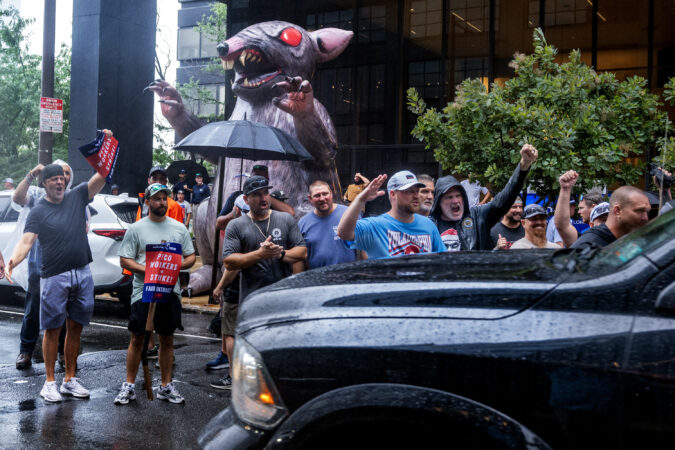
Peco and the union had held daily bargaining sessions since last Wednesday to reach an agreement. Over the weekend and into Monday, workers picketed outside Peco’s headquarters in Center City.
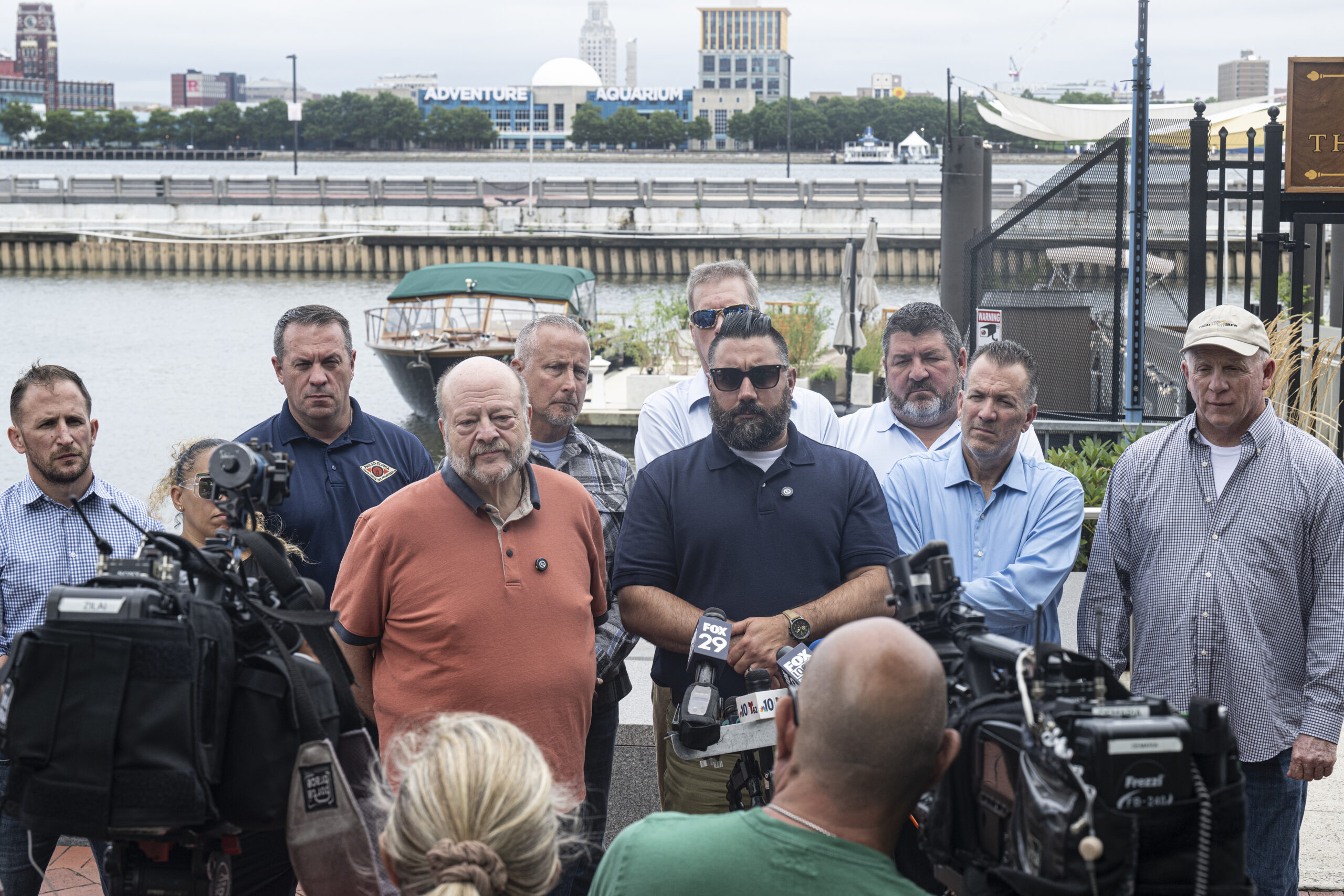
Larry Anastasi, president and business manager of IBEW Local 614, and Stuart Davidson, general counsel for the union, speak with the media Monday amid contract negotiations and day three of the worker strike.
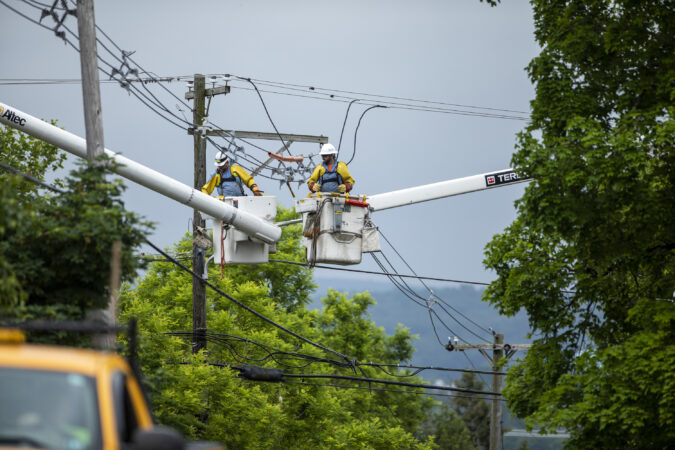
Meanwhile, Peco has been contending with outages following thunderstorms in recent days. The company had a contingency plan in place, which included workers from outside the region.
Over 57,000 customers were without power on the night of July Fourth at the height of the outages, Peco said, but within less than 24 hours, that number was reduced to less than 6,000. As of Monday afternoon, the company reported roughly 4,400 outages on its webpage, and the number was just over 100 a day later.
The tentative deal marks a pivotal moment in what have been challenging negotiations between the union, IBEW Local 614, and Peco. Bargaining turned ugly in April, as each side accused the other of using unfair tactics.
In addition to raises and better healthcare benefits, the union wanted its contract to include a uniform retirement plan for all members. Currently, roughly 600 of the 1,500 union workers do not have pensions, the union has said, and pension benefits vary for the other 900 or so.
Utility companies started moving away from providing pensions to new hires in the 1990s, according to William Dwyer, a professor at the Rutgers University School of Management and Labor Relations, who once worked at PSE&G in New Jersey. That left 401(k) as the typical retirement benefit. At Peco, that happened later — the company stopped putting new hires into its pension plan in 2021, according to the union.
The tentative agreement includes a requirement that call center workers get 24-hour notice of mandatory overtime, as well as better upgrade pay for union members who complete tasks outside their typical job description, according to the union.
In Southeastern Pennsylvania, Peco provides electricity to 1.7 million customers and natural gas to 553,000.
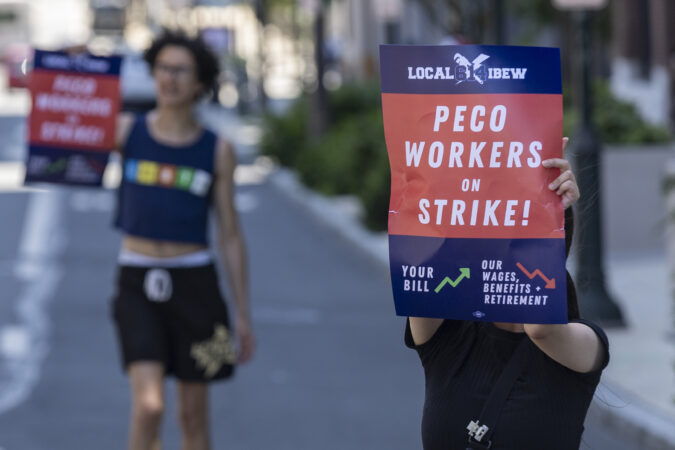
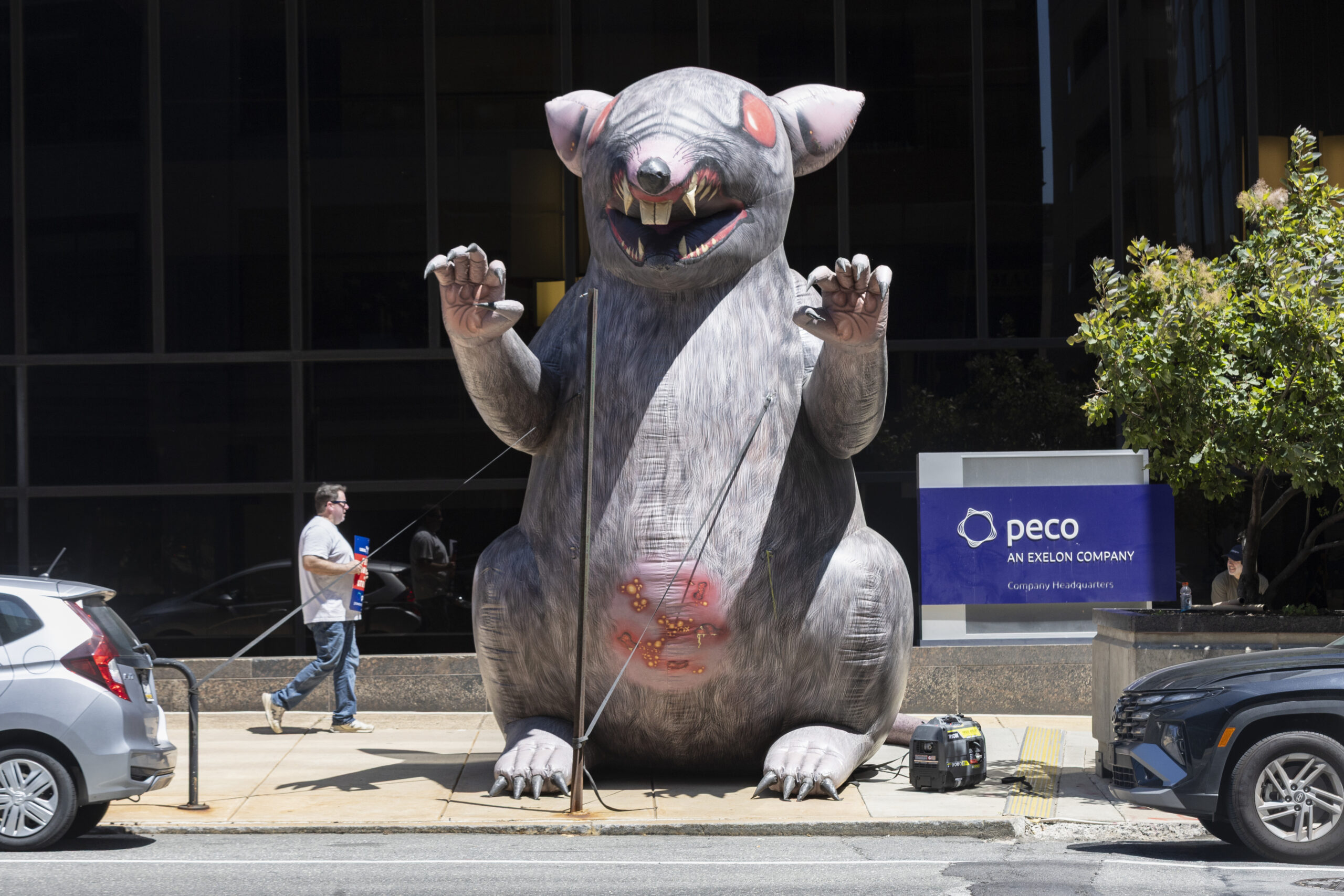
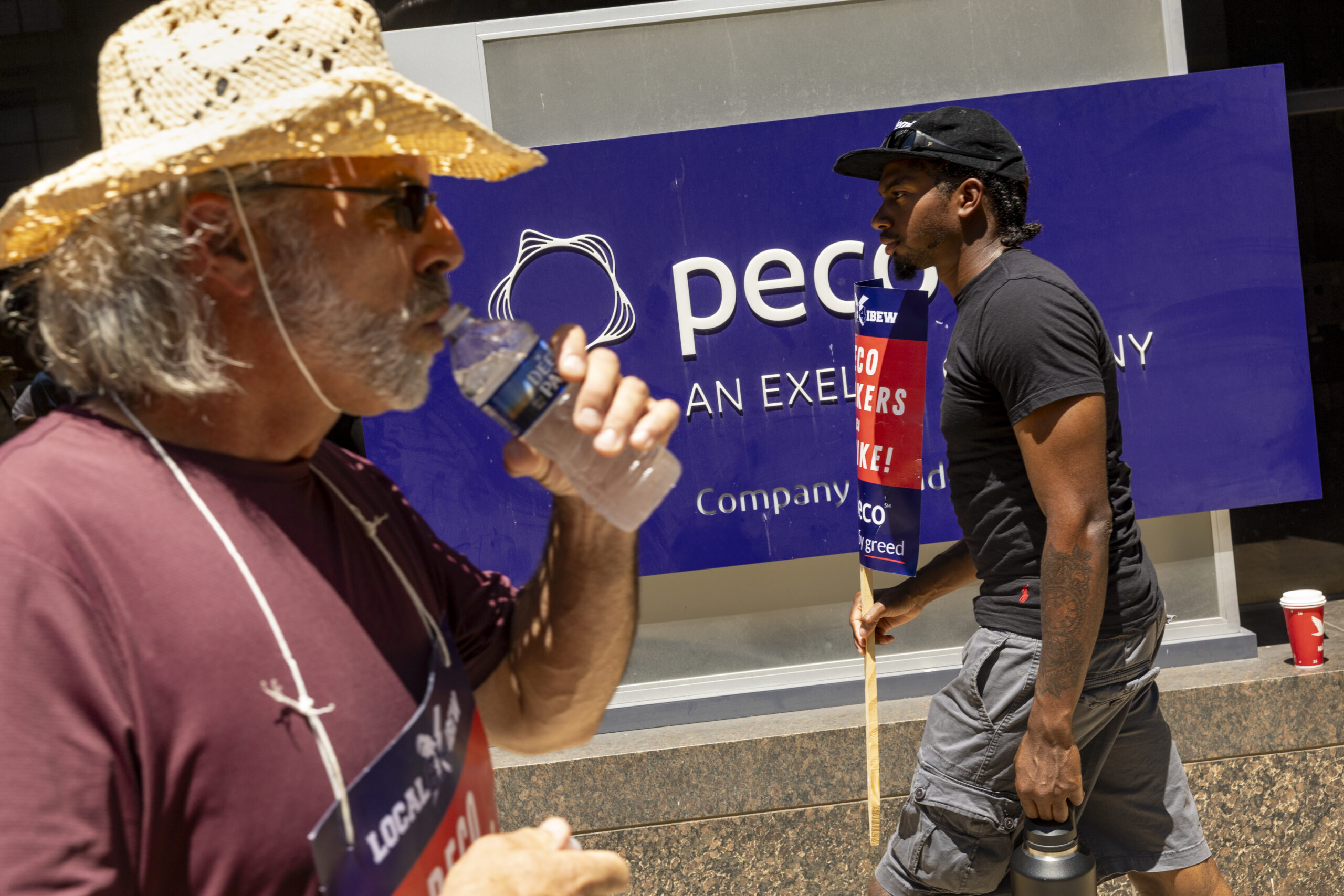
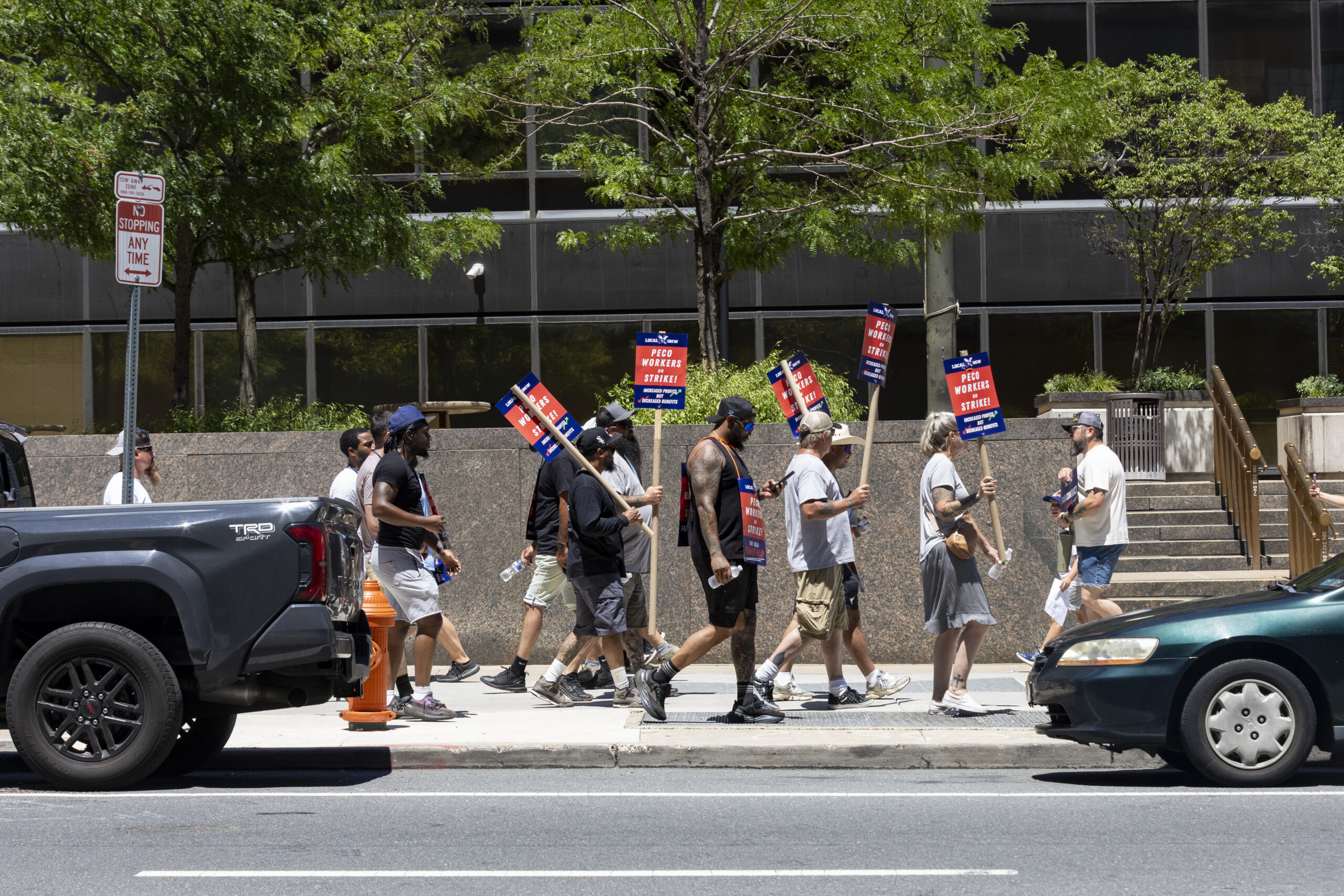
Linemen, call center workers, and other Peco employees went on strike Saturday. The roughly 1,500 unionized workers, part of IBEW Local 614, officially walked off the job just after midnight, becoming the first employees to strike in Peco’s history.
The work stoppage marks an escalation in what have been challenging negotiations between the union and Peco. The IBEW contract expired March 31, and both sides have accused the other of using unfair tactics.
Joseph Vassallo, 43, was among a dozen Peco workers picketing in the sun outside Peco’s Market Street building on Saturday. He expressed frustration that things had to come to this. The union business agent has worked for almost two decades as a Peco power line worker.
“I have been working 16-hour shifts almost every day before this,” Vassallo said. “The amount of time, effort, wear and tear on your body is a lot, and this is what they think our value is?”
Peco has a contingency plan in place, and customers shouldn’t expect delays or interruptions in service, Nicole LeVine, the company’s chief operating officer, has said.
“Our employees are the backbone of our business, and we recognize the talents and value they bring to the company,” Peco said in a statement after the strike announcement. ”We are bargaining in good faith and provided a competitive offer that is fair for employees and customers. Unfortunately, the contract between Peco and IBEW Local 614 expired on March 31, and the union has elected to strike.
“We are committed to engaging in good-faith negotiations to reach an agreement that is fair to our employees, while supporting the long-term needs of our customers and the communities we serve. We encourage continued dialogue and hope the union will work with us to reach a mutually beneficial agreement.”
Negotiations continued amid the strike Saturday, but Peco and the union failed to come to an agreement before wrapping up at 9 p.m., IBEW Local 614 said in a statement. Bargaining was slated to resume at 10 a.m. Sunday, and pickets would continue throughout the region, the union said.
In addition to raises and better healthcare benefits, the union wants its contract to include a uniform retirement plan for all members. Some 600 workers who were hired in recent years haven’t had a pension, while other groups have pension plans with varying terms.
Peco said that it had offered a nearly 20% wage increase over five years, as well as improvements to retirement and medical benefits.
In Southeastern Pennsylvania, Peco provides electricity to 1.7 million customers and natural gas to 553,000.
IBEW Local 614 said in a news release Friday that the union local representing Peco contractors and a half dozen locals representing workers for other regional utilities had directed their members not to cross the picket line.
Members of the LBEW Local 614 go on strike outside of the Peco headquarters on Saturday in Philadelphia.
Union president Larry Anastasi announced the strike just before midnight Friday outside the Hilton Hotel at Penn’s Landing, where negotiations had been taking place earlier in the day. With a large group of union members behind him, Anastasi was asked by a reporter whether workers were supportive of the strike.
“Hey, boys, they want to know if you’re ready to strike,” the union president said, letting the group answer.
“Yeah!” they responded in uproarious unison.
“We wish we had better news,” said Stuart Davidson, the union’s attorney.
Members of the LBEW Local 614 go on strike outside Peco headquarters Saturday in Philadelphia.
What a strike means for Peco and its employees
Peco has said its contingency plan includes some workers who are familiar with the company’s specific system and others coming in from outside the region. The company has said customers should not expect delays or interruptions in service.
But utility companies sometimes encounter challenges when they bring in temporary staff from outside the region, says William Dwyer, associate teaching professor at Rutgers University School of Management and Labor Relations.
If they don’t know the area well, it takes them longer to get around, noted Dwyer, who previously worked in labor and employment relations at PSE&G in New Jersey.
Temporary workers “may not be familiar with Peco’s particular distribution network, the way that the system is designed, so there could be delays in operating based on safety concerns around that,” Dwyer said. “There’s a lot of efficiency that’s lost when you’re not dealing with your regular workforce doing the work.”
But if Peco’s contingency plan works efficiently, he says “that takes away a lot of the union’s leverage at the table.”
“They might end up accepting what they walked away from on the day of the strike,” he said.
Utility companies started moving away from providing pensions to new hires in the 1990s, Dwyer said, leaving a 401(k) as the typical retirement benefit. At Peco that happened later — the company stopped putting new hires into its pension plan in 2021, according to the union.
Peco and IBEW Local 614 now find themselves in a “high stakes” situation, says Dwyer.
There are downsides to a strike on both sides, he says. There’s the possible “loss of efficiency” at the company, and the “after effects of a strike or a lockout could take decades to get over in terms of damage to morale and the spirit of the workforce.”
Staff writer Michelle Myers contributed to this article.
Members of the LBEW Local 614 go on strike outside of Peco headquarters Saturday in Philadelphia.
It’s their first time back at the table since June 19 and since the union announced plans to strike on the Fourth of July if a contract had not been reached by then. They’ve now scheduled back-to-back bargaining sessions Wednesday, Thursday, and Friday, as time runs out.
Meanwhile, the Philadelphia region is under an extreme heat warning, with possible thunderstorms on Saturday. Many of the union’s members work to repair outages, such as those that can happen during extreme weather.
“The temperature and the sustained heat generally causes a lot of issues, and the thunderstorms as well,” said IBEW Local 614 president Larry Anastasi, adding that Peco needs “the trained workforce that they have to take care of it, and they’re not going to have that on July 4.”
Weather conditions are not a factor in the bargaining process, Peco spokesperson Candice Womer said, and the company “continuously monitors weather conditions and prepares to respond to impacts on the electric system as part of normal operations.”
The union, which represents roughly 1,500 field workers, call center staff, and other Peco employees, is seeking better wages and healthcare benefits, as well as a uniform retirement plan for all members. Their most recent five-year contract expired on March 31. Wages and benefits have become sticking points in negotiations.
This strike would be a first for Peco.
“We’ve exhausted every avenue to reach a deal,” Anastasi said in a statement last week. “If Peco won’t invest in the workers who keep the lights on, we’ve got no choice but to stand together and demand the respect we’ve earned.”
Womer said Tuesday morning that the company’s goal remains “reaching a fair and equitable agreement that supports our employees while maintaining affordability and reliability for customers.”
Peco has proposed a nearly 20% increase in wages over five years, as well as improvements to retirement and medical benefits, Womer said.
“We remain committed to bargaining in good faith and hope continued discussions will lead to a successful resolution,” said Womer.
If union workers do walk off the job, customers should not expect any delays or interruptions in service, Peco has said. “Our customers can be assured that we have comprehensive contingency plans in place to maintain safe and reliable service under any circumstance,” Womer said.
Gov. Josh Shapiro’s office has been in communication with the union and Peco, spokesperson Rosie Lapowsky said in a statement Wednesday.
“The Shapiro administration’s focus in these negotiations is a fair outcome for the hardworking women and men of Local 614 and safe, reliable energy infrastructure in Southeastern Pennsylvania over the holiday weekend and throughout the summer,” said Lapowsky.
Mayor Cherelle L. Parker urged Peco and IBEW Local 614, to work together to reach a deal on Wednesday.
In a letter addressed to Peco president and CEO Michael Innocenzo, and IBEW local 614 president Anastasi, Parker advised “both parties to remain fully engaged at the bargaining table day and night and to pursue every reasonable avenue toward a mutually acceptable agreement.”
She cautioned that “any disruption to PECO service and support would pose real risks to public health, safety, and economic activity,” adding that Philadelphia is welcoming visitors for the Fourth of July and in the midst of extreme weather.
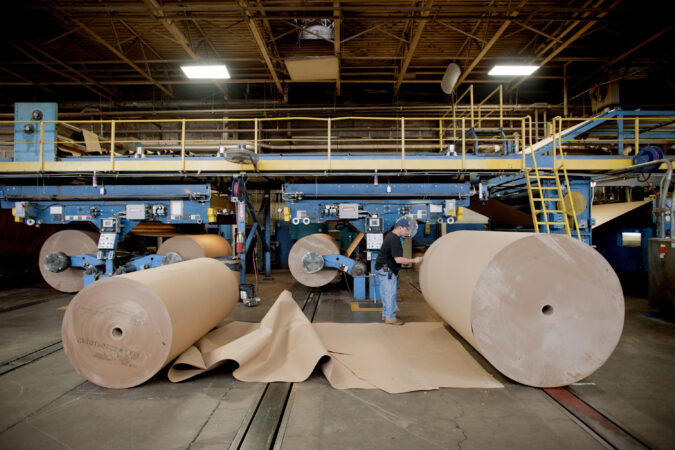
A Tennessee-based packaging company is closing its plant in Barrington, Camden County, laying off 126 employees amid the business’ larger restructuring plan.
Workers at International Paper’s Barrington facility, whoconvert containerboard into boxes, are expected to be laid off on Sept. 24. The site is expected to close at the end of August, company spokesperson Jessica Seidner said.
The closure follows “a strategic assessment” of the Barrington facility, and International Paper’s larger regional footprint, according to a layoff notice filed with the New Jersey Department of Labor and Workforce Development.
“Based on the results of that assessment, and in order to operate our packaging business effectively to support our customer needs now, and in the future, we made the difficult decision to cease operations at our Barrington location,” the notice reads.
International Paper, headquartered in Memphis, was incorporated in 1941. As of December, the company had 62,602 employees — nearly half of which are based in the United States — and roughly 190 packaging mills, as well as converting and packaging plants, and recycling facilities across the country.
The company has several locations in Pennsylvania and New Jersey, including in Kennett Square, Lancaster, Reading, Bellmawr, Thorofare, and Vineland, according to a recent U.S. Securities and Exchange Commission filing.
As part of its restructuring, the company announced this month the closure of four facilities, including the Barrington site, to “focus investments on the highest-value opportunities.” The company announced several more facility closures last year.
“These are difficult but necessary decisions that strengthen our network, focus investments where they create the greatest value and position International Paper to better serve customers and compete for the long term,” Tom Hamic, president for packaging solutions in North America, said in a statement.
In an April earnings call company leaders said the business had recently been facing financial pressure frominflation, the conflict in the Middle-East, and weather disruptions. The business brought in $23.63 billion in net sales last year.
International Paper announced in 2025 that it had acquired DS Smith, a U.K. packaging business, in a deal that was valued at $7.1 billion. Earlier this year, the company announced it would split into two separate businesses: one dedicated to the North American market and another for Europe, Africa, and the Middle East. The process is expected to be complete by the end of 2026 or early 2027, according to a U.S. Securities and Exchange Commission filing.
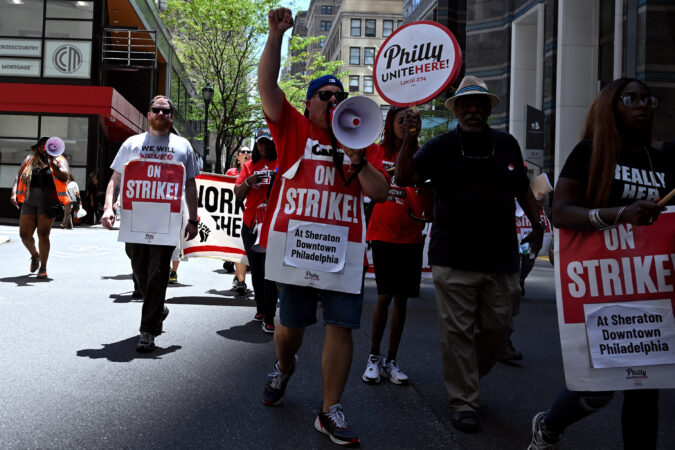
Center City hotel workers at the Sheraton Philadelphia Downtown have been on strike since June 21, but they could soon be back at work.
On Monday afternoon, Unite Here local 274, the union that represents the workers, announced that it had reached a tentative deal for a new contract for roughly 200 employees at the hotel, which includes raises and improvements to benefits.
Workers were expected to vote Monday on whether to ratify the new deal. If they do, they will be back at their jobs on Tuesday, the union said.
It’s the second time that this group of workers has gone out on strike in the last year as it negotiates for a new contract. Hotel employees of the Sheraton Philadelphia Downtown last walked off the job for four days in October.
“When we said we were fighting for $30 an hour at the beginning of this campaign, a lot of people told us we were asking for the impossible,” Shafeek Anderson, a hotel steward, said in a union statement Monday. “With this victory, we have shown the whole industry that nothing is impossible when the workers stick together.”
The Sheraton Philadelphia Downtown is managed by Aimbridge Hospitality and owned by CL Hotels. These businesses did not respond to a request for comment Monday afternoon.
Unite Here local 274 has been negotiating new contracts for room attendants, cooks, servers, bartenders, dishwashers, and banquet staff across several Philadelphia hotels for over a year.
Contracts expired in 2024, and new contracts have since been reached at Hampton Inn Philadelphia Center City-Convention Center, Sonesta Philadelphia Rittenhouse Square, the Sheraton Philadelphia University City Hotel, Hilton Philadelphia at Penn’s Landing, Wyndham Philadelphia Historic District, and Warwick Hotel Rittenhouse Square.
The standard set in these new union contracts includes raises to $30 an hour by 2028 for non-tipped employees and an increase in employer contributions to worker pensions. The new contracts also cap the number of rooms a worker can be tasked with cleaning to 15 per day.
The remaining hotel without a new contract is the Hilton Garden Inn Center City.
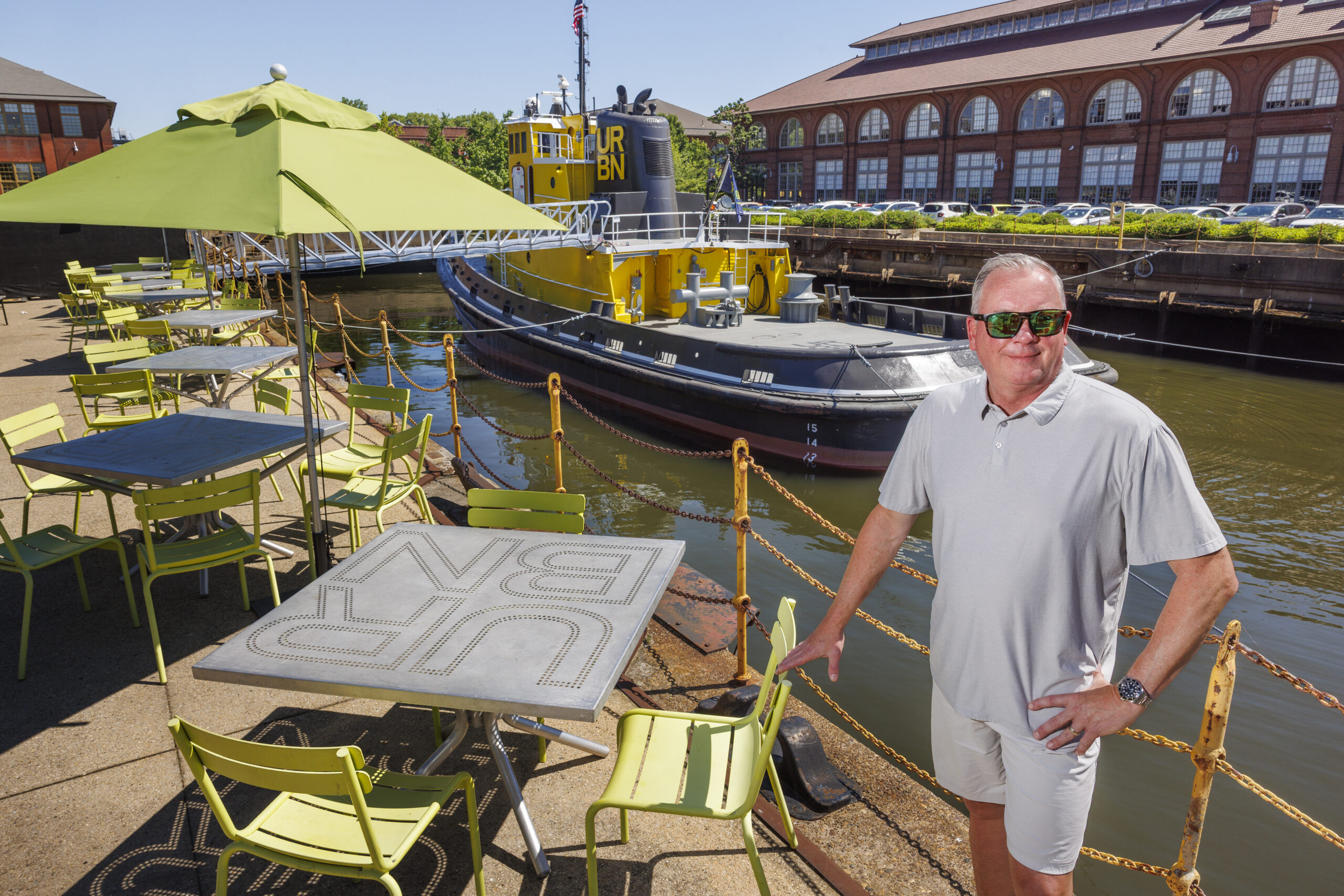
The Navy Yard got a new boat this month. It isn’t a military ship and won’t be setting sail.
The decommissioned 1977 tugboat, now painted in Urban’s signature yellow and marked by its logo, is now permanently stationed outside the company’s headquarters — as a sort of mascot, to company cofounder and CEO Dick Hayne.
The tugboat’s arrival coincides with a momentous anniversary for Urban: the company’s 20th year at the Navy Yard. Urban staff started relocating 500 employees there in 2004, and the headquarters was fully operational by 2006. Now it has 15 buildings and just over 2,500 employees.
And the company is continuing to grow.
Urban Outfitters chief development officer Dave Ziel stands with a retired tugboat the company acquired for display at its Navy Yard headquarters.
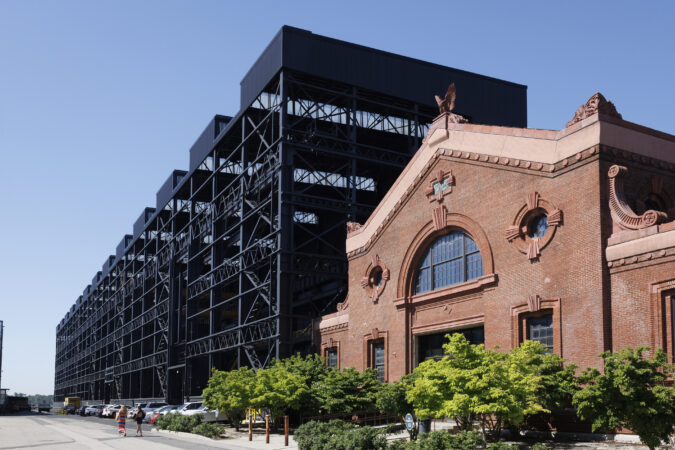
Urban’s newest addition at the Navy Yard is a 117,000-square-foot photo studio building, which opened in April.
Urban announced earlier this month that it plans to hire at least 450 workers at the Navy Yard and at least 600 at a new Bucks County facility, which is set to open by 2028. Gov. Josh Shapiro joined Hayne for the news conference, and lauded the business as a home-grown global company bringing jobs to Pennsylvania.
“We intend to stay here,” said CEO Hayne. “We have no thought of leaving.”
How Urban grew from Philly roots to global retailer
Urban was founded in 1970. The company’s roots are in West Philadelphia, where it opened its first store, a Free People. It now has almost 800 stores across the globe under the brand names Urban Outfitters, Free People, FP Movement, and Anthropologie.
Walking into an Urban store doesn’t feel like stepping into a Macy’s where there are racks of clothes and bright fluorescent lighting, said senior analyst Gerard Machado at RetailStat.
“It’s not like you’re running an errand to get something,” said Machado. “You might want to spend a little time looking at things. That’s a unique feature of Urban Outfitters.”
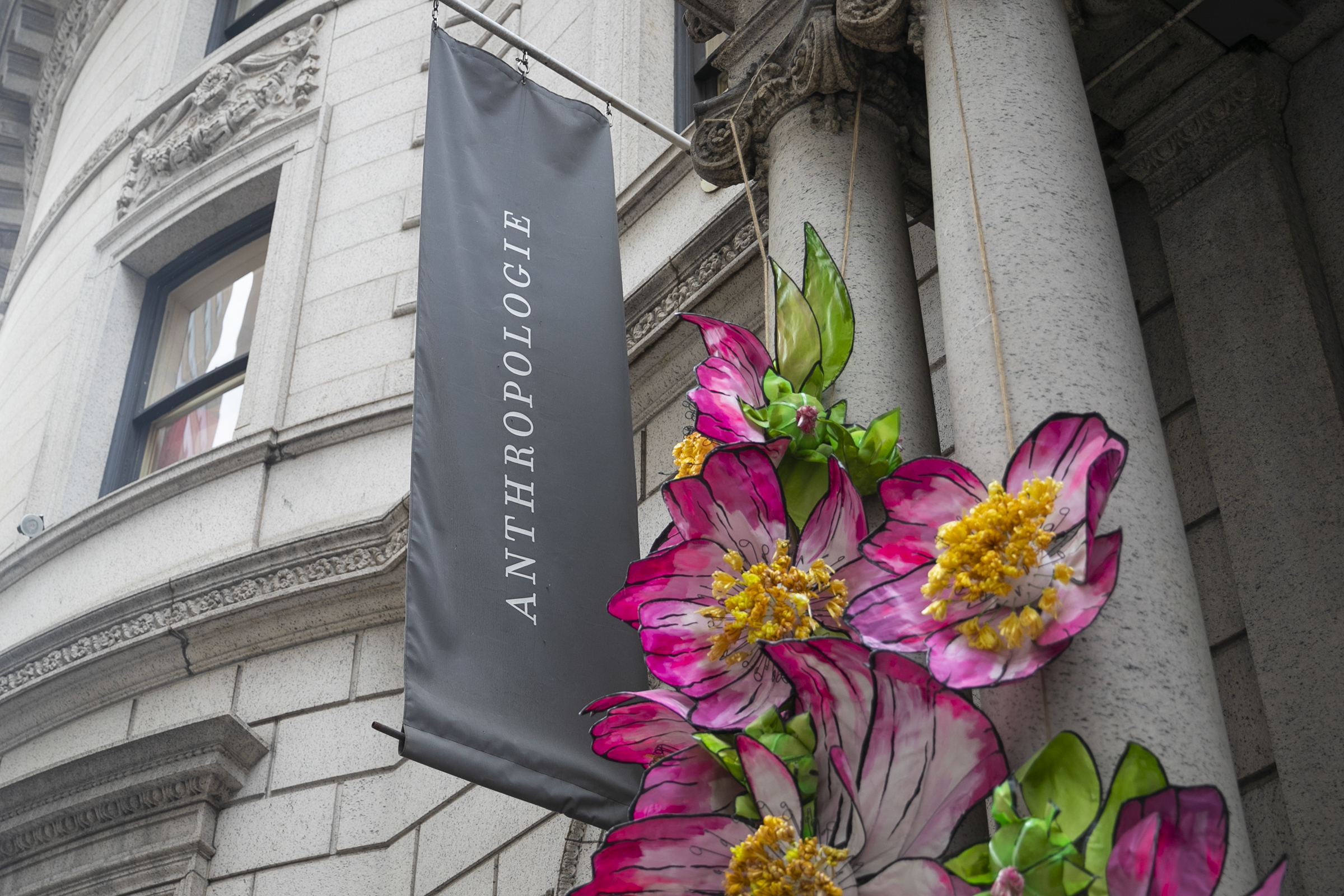
Similarly, customers who wander into Anthropologie find artfully arranged dinner plates and glassware amid scented candles — not just items stacked in rows on shelves.
Analysts say Urban is one of the more successful names in retail today, with strong sales numbers, loyal customers, and the ability to market to different audiences with its multiple brands. The company competes with the likes of J.Crew, Abercrombie & Fitch, Uniqlo, Ralph Lauren, Zara, and H&M.
The company grew profits by more than 15% in its most recent fiscal year, with nearly $465 million in net income in the year ending Jan. 31.
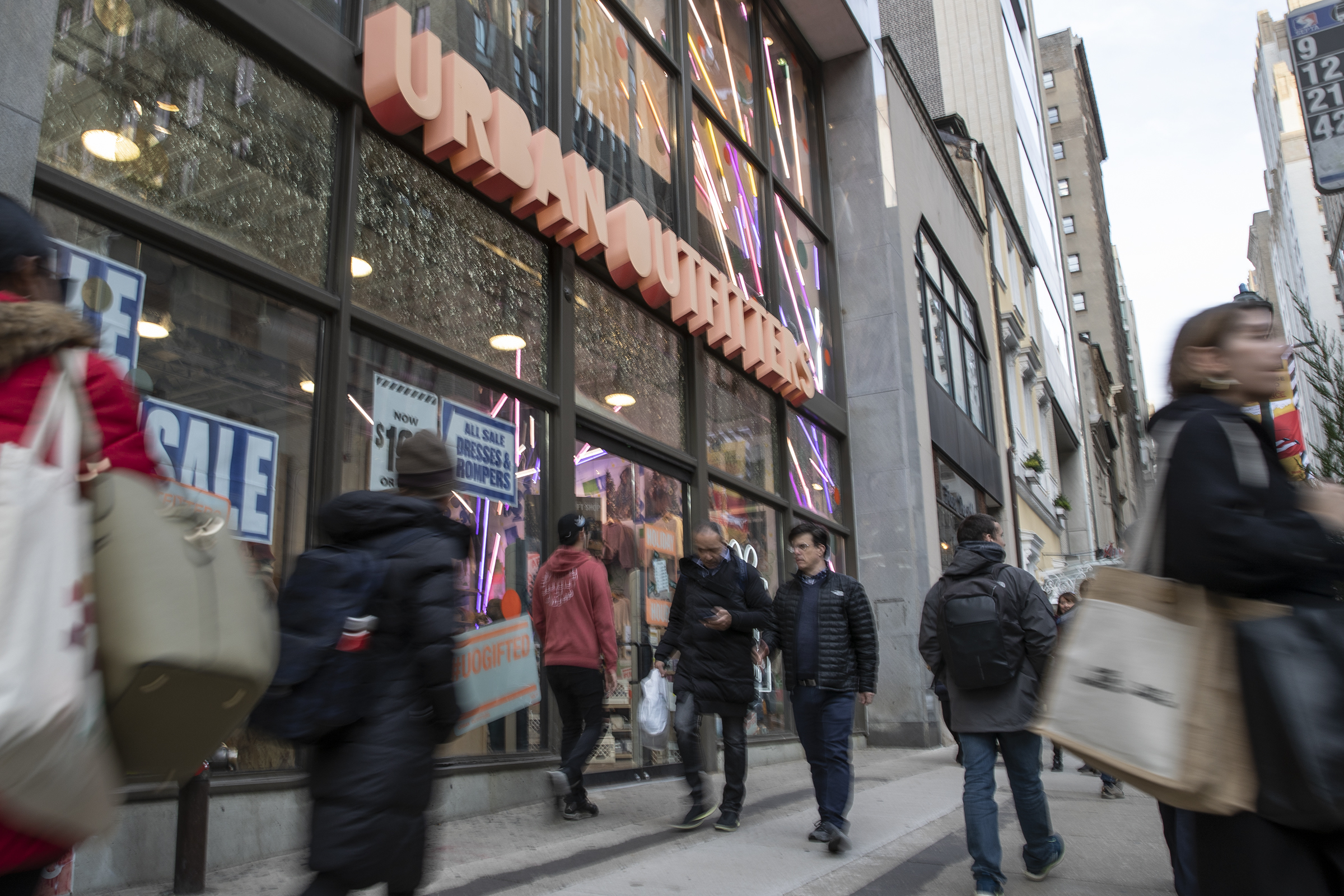
The Anthropologie store at 18th and Walnut Streets in Center City is shown in this 2020 file photo. People walk outside the Urban Outfitters store near 16th and Walnut Streets in Center City in November 2019.
One key feature of Urban is that it’s experimental and innovative, said Neil Saunders, a retail analyst and managing director at GlobalData. Nuuly, the company’s clothing rental platform, which launched in 2019, is one of the “very few players that’s really successful” in that industry, he said. For $98 a month, subscribers get six fashionable items delivered to their door, which they can wear for a month and then ship back.
But there have been financial hurdles, too.
The Urban Outfitters brand struggled with declining sales in recent years. Gen Z consumers migrated “heavily into ultra fast fashion,” said Machado, and the brand didn’t adapt quickly enough. As merchandise piled up in inventory, Urban cut prices, which consumers grew to expect.
To turn the brand around, the company set out to rebuild relationships with customers, bring on more items attractive to Gen Z, and engage with customers on platforms they were already on, like TikTok and YouTube, The Inquirer reported in 2023. The company hired a new president to helm the brand in 2024, and it returned to profitability last year.
(function(){function e(){window.addEventListener(`message`,function(e){if(e.data[`datawrapper-height`]!==void 0){var t=document.querySelectorAll(`iframe`);for(var n in e.data[`datawrapper-height`])for(var r=0,i;i=t[r];r++)if(i.contentWindow===e.source){var a=e.data[`datawrapper-height`][n]+`px`;i.style.height=a}}})}e()})();
Tariffs have also pushed the company to adapt in part by negotiating better terms with vendors, shipping items by sea instead of air, and slightly adjusting pricing.
There have been workforce challenges too. In 2020, when a racial reckoning erupted in the country and seeped into corporate offices following the killing of George Floyd, Urban saw criticism from within its own workplace. Reports emerged of employees allegedly racially profiling customers as potential shoplifters, and some employees said people of color faced challenges to advancing their careers at the company, or reporting discrimination.
“Since 2020, we have prioritized creating a culture of inclusion and belonging at our home office, in our stores, and at our facilities,” said Meaghan Condon, Urban’s director of communications and impact, in an emailed statement this month. She said that includes training for new hires and managers focused on inclusivity.
Another key ingredient in the company’s culture: the Hayne family.
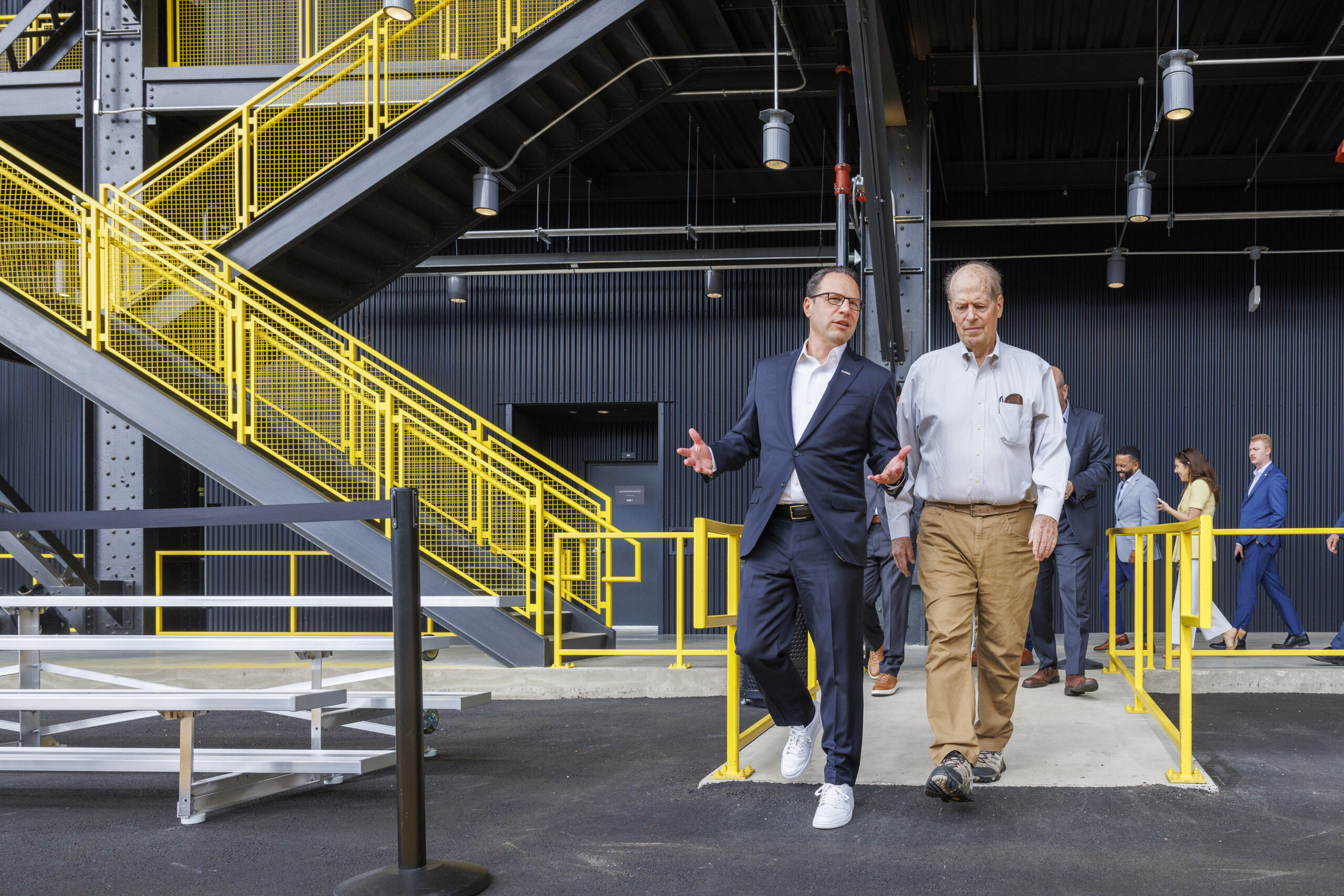
Pennsylvania Gov. Josh Shapiro (left) with Urban Outfitters CEO Dick Hayne at the company’s newest building, which houses photo studios. They held a press conference in June to announce Urban Outfitters’ plans to hire over 1,000 new employees.
Cofounder and CEO Dick Hayne’s son, Dave, is chief technology officer and president of Nuuly, and his nephew, Azeez Hayne, is chief administrative officer. His wife, Meg, is Urban’s co-president and chief creative officer.
Frank Conforti, chief operating officer and co-president at Urban, said the family ties are an asset and part of the culture.
Having a cofounder still at the helm has allowed Urban to focus on long-term strategy and take calculated risks, said Conforti, such as launching Nuuly. Investors weren’t all in on the idea to begin with.
Now Nuuly has over 450,000 active subscribers — more than doubling that number since 2023.
“We sort of don’t rest on what we did yesterday,” said Conforti. “It’s not about yesterday’s bestsellers.”
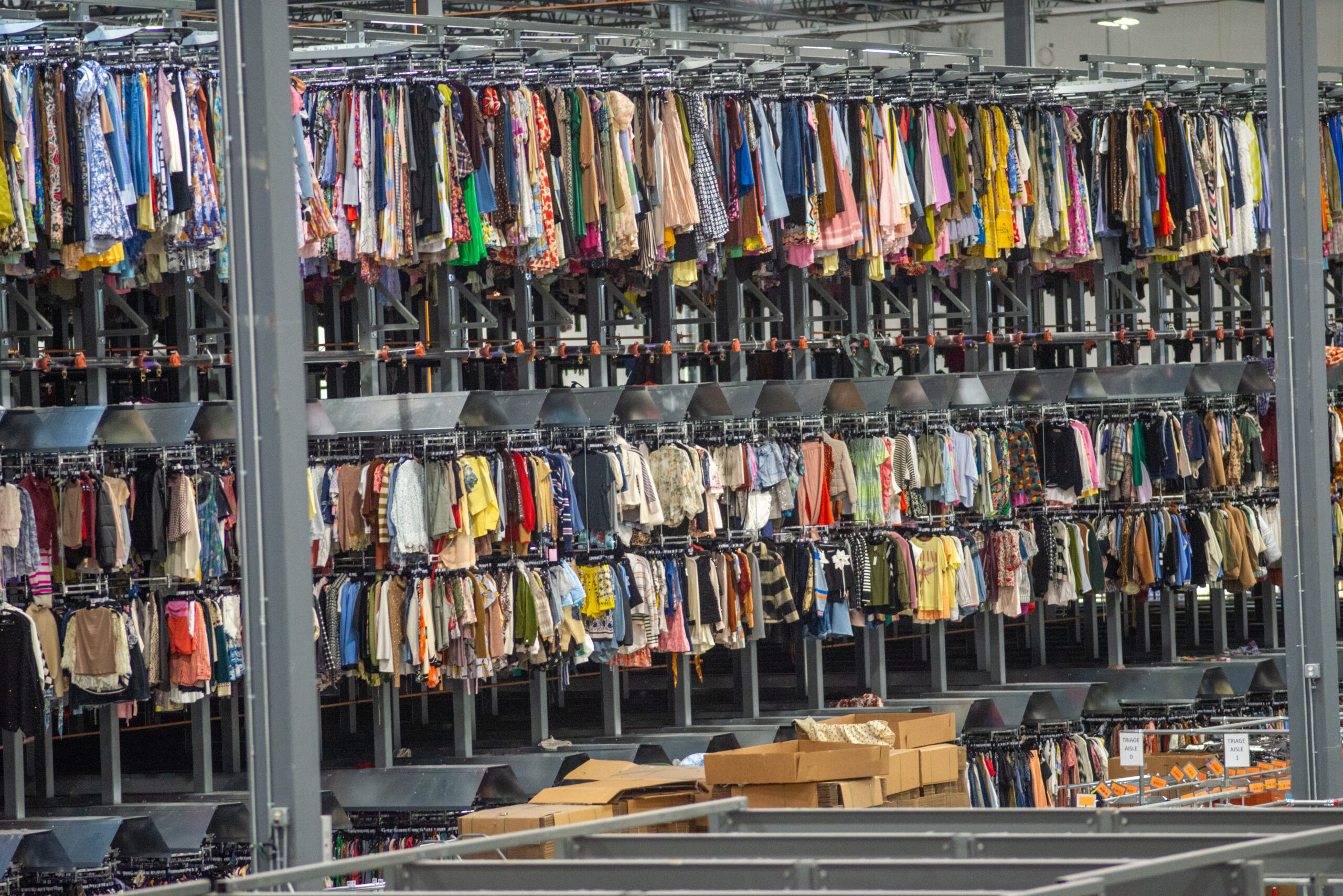
Racks of clothing inside the Nuuly warehouse in Levittown, Pa., last year. Nuuly is a clothing rental subscription service that offers a variety of styles, sizes, and brands.
A more efficient process
In Urban’s newest building at the Navy Yard, rows and rows of wheeled clothing racks are spread across several rooms. Industrial metal shelves are filled with sneakers, sandals, and handbags. Lamps and armchairs wait to be photographed for e-commerce.
The space was once used for building and housing ship components, noted Jennifer Calliagas, Urban’s North America director of planning, who led the new building’s development. Urban bought it from Rhoads Industries in 2016 for an undisclosed sum.
Urban spent about $40 million to fit the space for its needs, which included stripping the building down to its structure, said chief development officer Dave Ziel. Construction started last year, and Urban employees began working in the space by mid-April.
Inside the new building are adjoining rooms to seamlessly carry out the photography process: Clothing, shoes, and accessories are received in one room, then moved into the next room to be styled, and finally to the studio where they’re photographed. Staging areas are set up to portray bedrooms and bathrooms, functioning kitchens were built for cooking food to show in photos, and plants are on hand to finish off the staged living spaces.
The Inquirer was not permitted to photograph the studios because the merchandise had not yet been released publicly.
Not long ago, the company’s photo work was done in rented studios in New York City, Calliagas said, or scattered across the company headquarters.
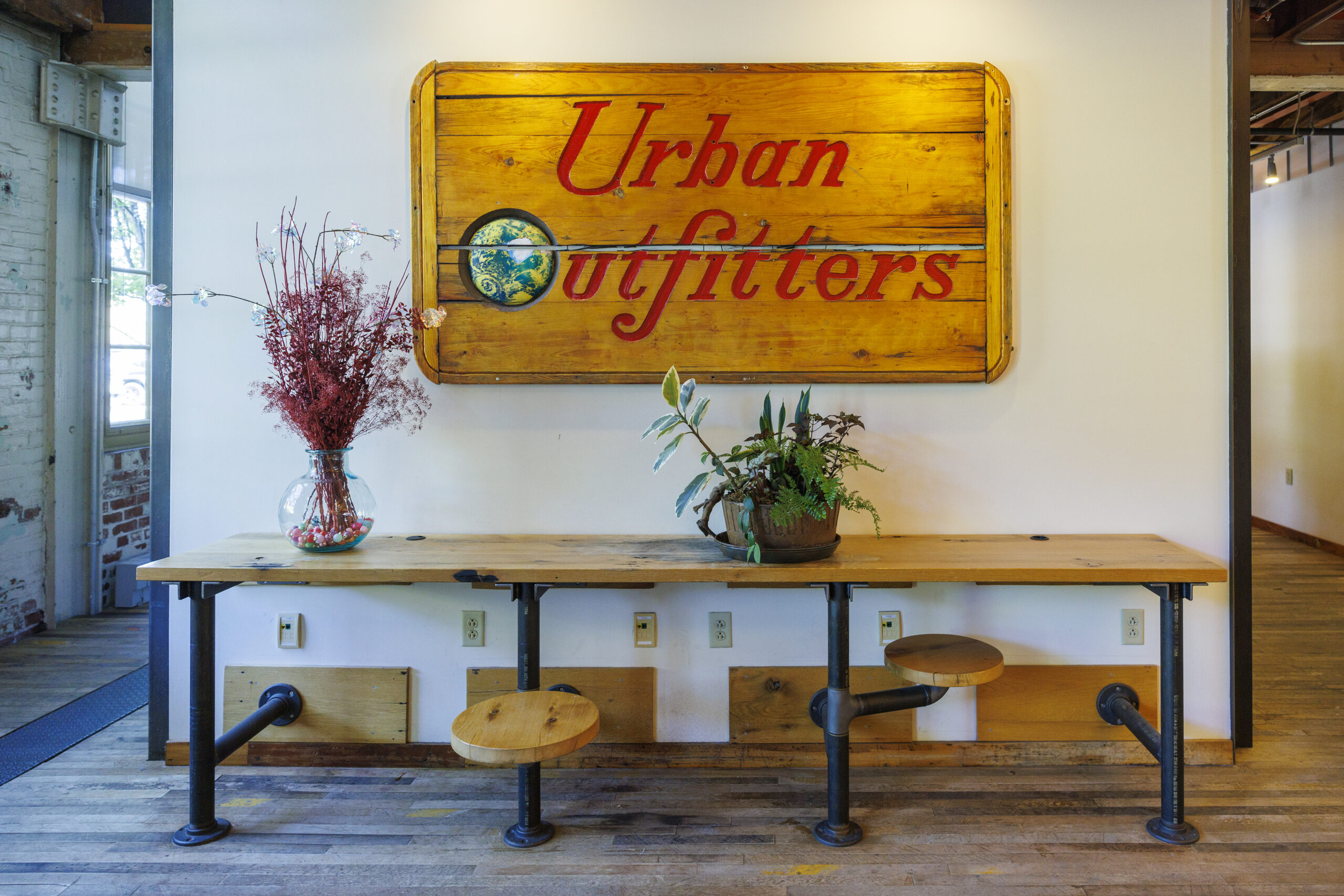
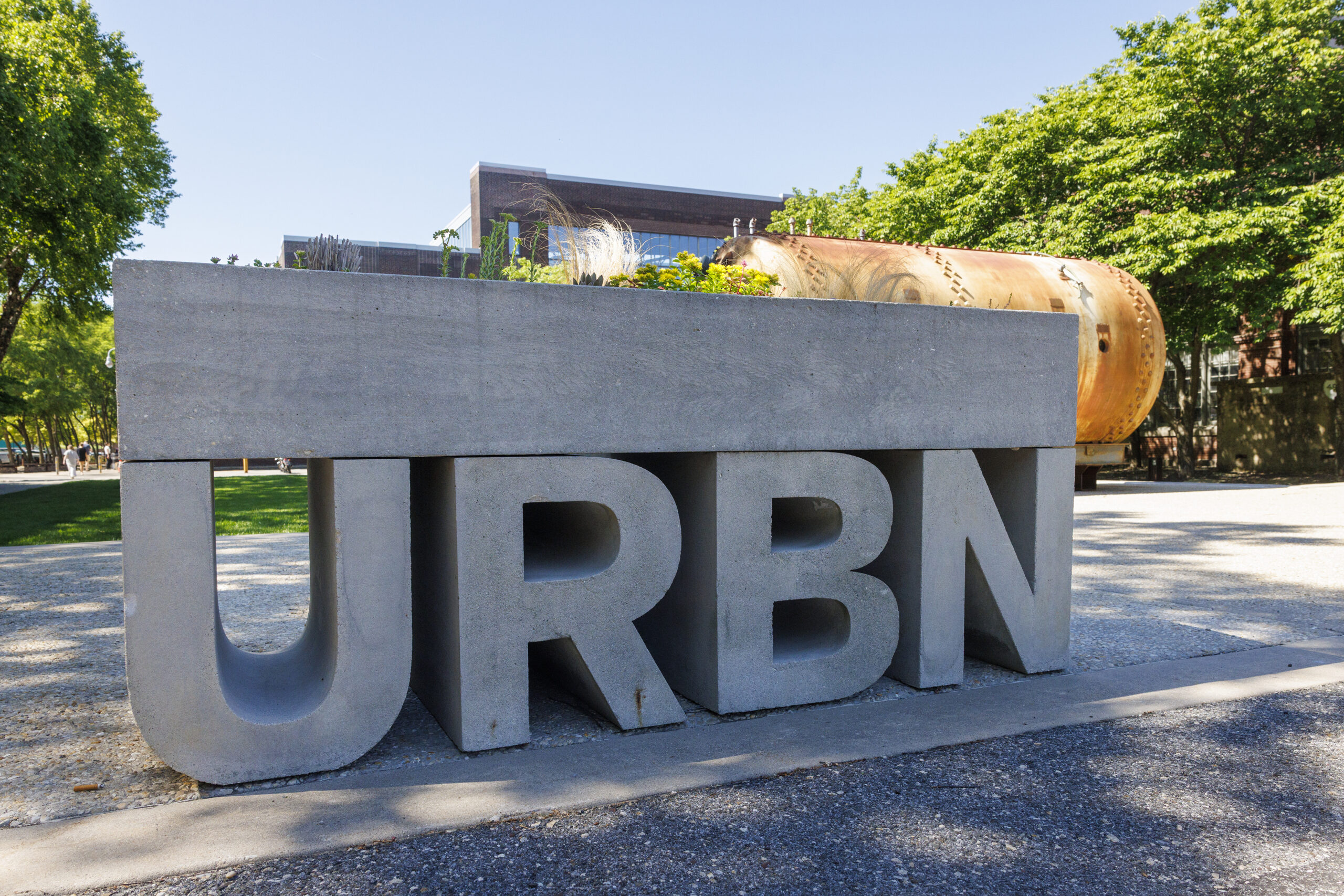
Vintage signage from the early days of Urban Outfitters, now displayed in the company’s Navy Yard headquarters.Massive outdoor signage marks Urban Outfitters’ presence at the Navy Yard.
“Anthropologie, for instance … would be receiving in one area and then going to another building for style-outs, and then sometimes going back into another building for shooting,” Calliagas said. “It was a really inefficient process.”
At the Navy Yard, the company’s brands are housed in separate buildings, in part because they each “speak to their customer” in a different way, said Oona McCullough, executive director of investor relations. She called this kind of separation “states’ rights.”
Consolidating the photo work under one roof has freed up space in other buildings, said Ziel, which is helpful for the continued growth of brands.
“The brands are still growing pretty aggressively,” said Calliagas.
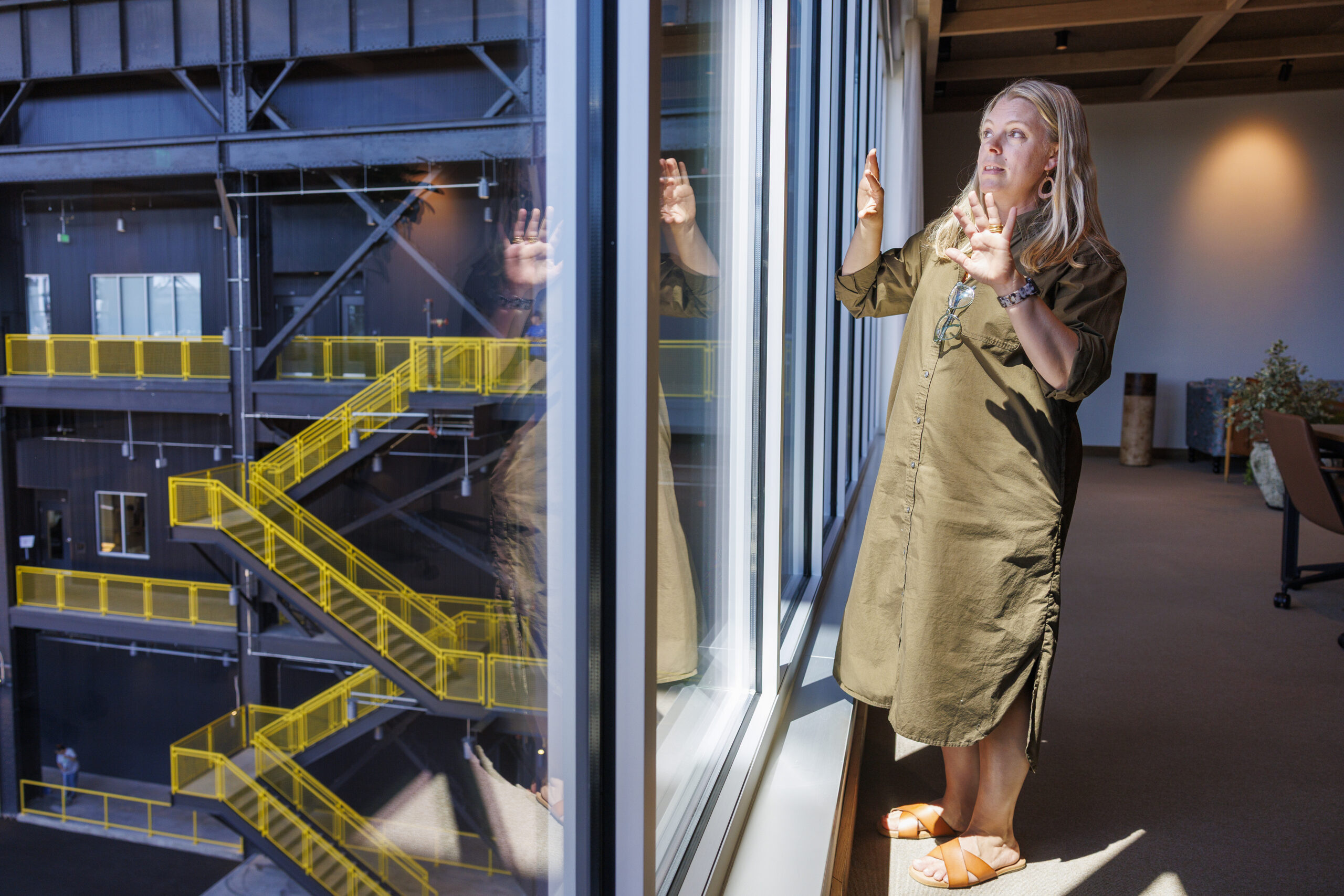
Jennifer Calliagas, director of planning for North America, discusses how the company will use its photo studios at its newest building in the Navy Yard.
A campus with more possibilities
Conforti refers to the headquarters as a “campus,” with a “youthful” and “very collegiate” atmosphere. When bankers or investors visit the headquarters, “we tell them to dress down casual,” he said. “They drop their tie.”
In keeping with standards set long ago by Google and other Silicon Valley tech companies, the campus is full of amenities. The newer ones include pickleball courts, a basketball court, and a walking track. And there’s plenty of green space for employees to walk their dogs, which are welcome in the workplace.
Most people work in the office at least three days a week, said Conforti.
“We’re not the most red-tape, bureaucratic company,” he said. “There’s just nothing like being here on campus getting things done. There’s an efficiency to it — and there’s a community.”
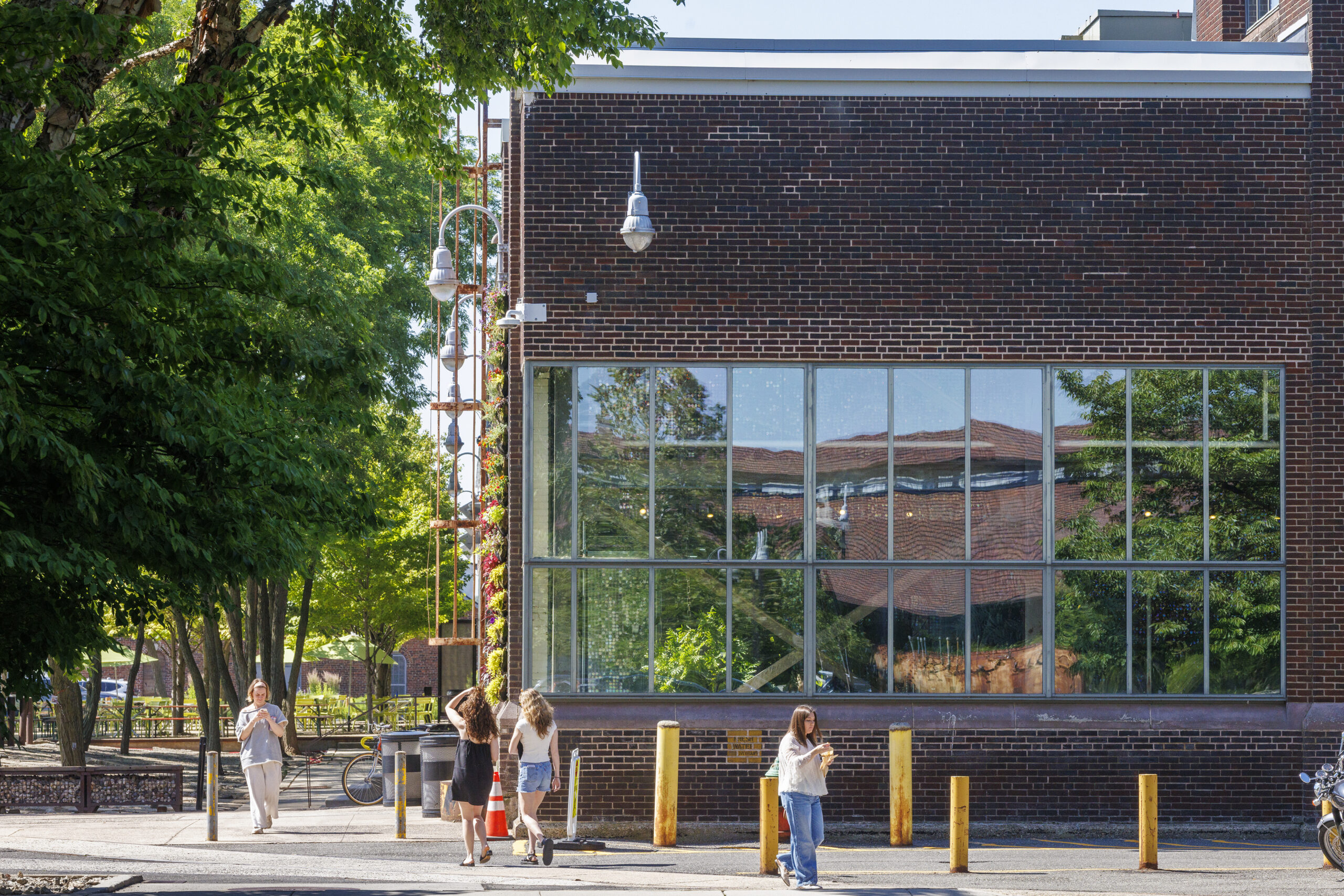
People walk to and from the building that houses Urban Outfitters’ cafeteria, which is open to employees and the public.
On a recent Monday, Urban’s cafeteria was just about to start serving warm lunches, and a few dozen people waited in line, while others roamed the large building with its decorative pools. Some wore U.S. Navy uniforms — the cafeteria is open to the public. Options included pizza, Teriyaki beef rice bowls, and grab-and-go items like ice cream bars and boxed sushi.
CEO Hayne stopped in for a bag of chips and a wrap, seemingly unnoticed.
At the June news conference, he recalled his first impression of the Navy Yard over 20 years ago: “I drove down Broad Street, came in Kitty Hawk [Avenue], looked at all these beautiful old brick buildings from the turn of the 20th century, and I said ‘sold!’”
Then & Now: Building 18 in 1917 and in 2024. Built in 1908 and used as a machine shop, it is now part of the URBN campus. Building 16 in the background was also used as a machine shop and is now a another example of an adaptive reuse project. #discovertheyard#navyyardhistorypic.twitter.com/VutWsQwrUc
This article was originally published May 29, and has been updated with recent information about bargaining and IBEW Local 614’s strike plans. This is a developing story, and it will continue to be updated.
Peco workers plan to strike on the Fourth of July, after three months of working under an expired contract.
Union members include employees who help restore electric service during outages, such as those sometimes caused by intense summer storms.
The company and the union have been bargaining since January, and they have reached some agreements, but wages and benefits have become sticking points.
Bargaining turned ugly in April, as both sides filed unfair labor practice charges with the National Labor Relations Board. Peco has suggested using a federal mediator.
The most recent bargaining session was on June 19. Peco and Local 614 plan to bargain next on July 1.
They voted at the end of May to authorize a strike if their union called for it, with over 1,000 participating in the vote.
Have Peco workers gone on strike in the past?
No. This would be the first work stoppage in the company’s history. Since unionizing, this group has never before seen their contract expire without a new one in place.
Peco workers voted to join the union in 2004 and ratified their first contract in 2007.
Who are the union members and what do they do?
IBEW Local 614 represents roughly 1,500 Peco employees, including call center employees and field workers who maintain electric and gas infrastructure.
Some members work long hours during outages to help restore electricity to customers. Linemen, who repair and maintain power lines, are some of the union’s highest paid workers, and made on average over $243,500 last year in wages, including overtime.
Workers want higher wages and a uniform retirement plan for all members. Some 600 workers who were hired in recent years don’t have a pension, while other groups have pension plans with varying terms.
Peco has offered a 20% wage increase over five years, as well as “enhanced retirement and medical benefits,” according to company officials, who said their proposals “support our employees while maintaining affordability for customers.”
What does a Peco strike mean for my electricity? What if there’s an outage?
Peco has a strike contingency plan in place, chief operating officer Nicole LeVine has said. Customers shouldn’t expect delays or interruptions in service, she said.
“If there’s severe weather, we’ll be able to restore any service issues,” LeVine has said.
The company would call in substitutes for the striking workers, LeVine said this week, some of whom are “familiar with our specific system,” while others “are coming in from outside of the region.” She declined to say how many workers are part of the contingency plan.
“We’re an emergency response company,” LeVine said. “We’ve been working on contingency planning in the event of a strike, and we were well prepared to execute our plan if needed.”
How many customers does Peco service?
In Southeastern Pennsylvania, Peco provides electricity to 1.7 million customers and natural gas to 553,000.
Peco workers plan towalk off the jobon the Fourth of Julyif they don’t have a contract by then, their union announced Thursday.
IBEW Local 614, whichrepresents roughly 1,500 Peco employees including gas and electric field workers and call center staff, has been negotiating for a new contract for months. They include employees who work to restore electricity during power outages.
The workers voted at the end of May to authorize a strike if their union called for it, with over 1,000 participating in the vote.It would be the first worker strikein the company’s history.
“We’ve exhausted every avenue to reach a deal,” IBEW Local 614 president Larry Anastasi said in a statement Tuesday. “If Peco won’t invest in the workers who keep the lights on, we’ve got no choice but to stand together and demand the respect we’ve earned.”
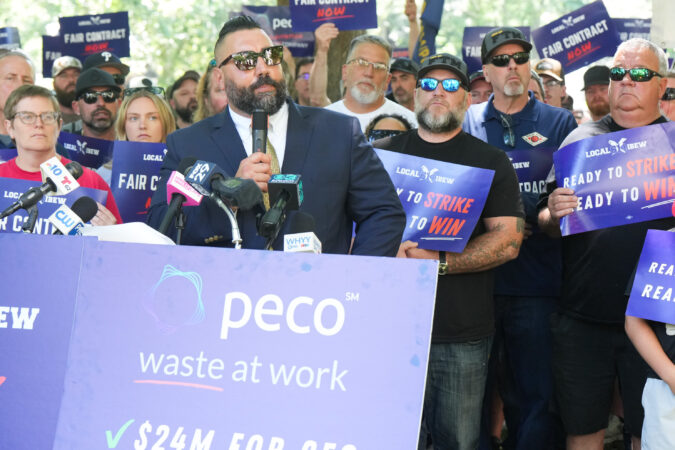
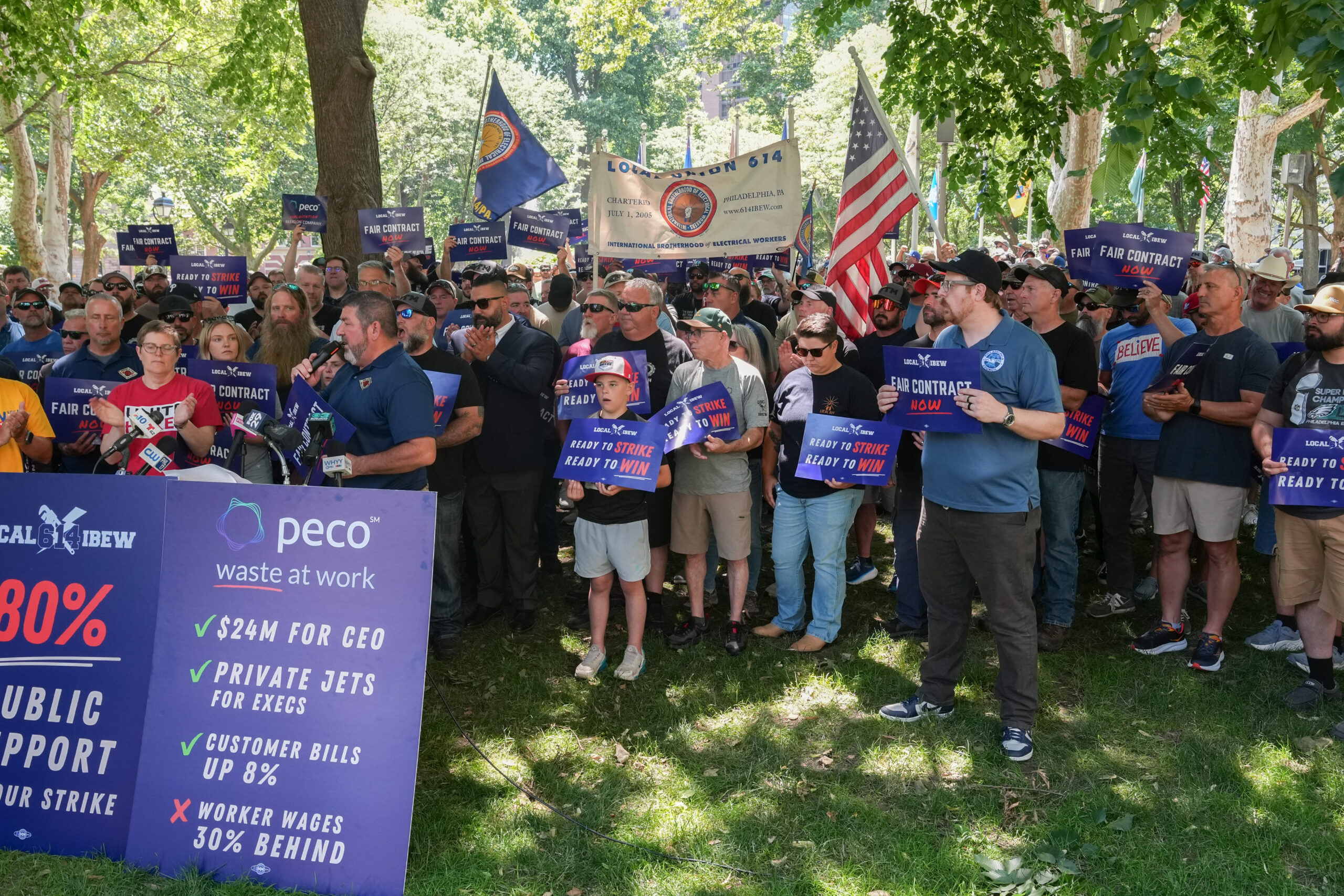
Under its most recent contract, the union is required to provide Peco with at least seven days’ notice before going out on strike. A large crowd, including leaders of other area unions, gathered at Washington Square Park on Thursday morning for the union’s strike date announcement.
Peco spokesperson Candice Womer said in a statement Thursday morning ahead of the strike date announcement that the company is committed to negotiating in good faith for an agreement that “is fair to our employees, while supporting the long-term needs of our customers and the communities we serve.”
“We have presented a strong, market-competitive compensation and benefits package,” Womer said.
Customers should not expect delays or interruptions in service, said Nicole LeVine, Peco’s chief operating officer.
“We’re an emergency response company,” LeVine said. “We’ve been working on contingency planning in the event of a strike, and we were well prepared to execute our plan if needed.”
LeVine said some workers who would be called on during a strikeare “familiar with our specific system,” and others “are coming in from outside of the region.” She declined to say how many workers are part of the contingency plan.
Jim McGill, a union representative with local 614 (holding microphone), speaks to workers and union representatives who gathered in Washington Square Park on Thursday.
The union workers’ most recent five-year contract expired March 31, and negotiations, which started in January, have led to some tentative agreements, Peco has said. But sticking points have emerged around wages and benefits, the union says.
The most recent bargaining session was June 19, and the next one is scheduled for July 2, LeVine said. She noted that the company would like to conduct that session sooner.
Peco has suggested using a federal mediator to reach an agreement, LeVine said. “If we get a mediator in here, he can help making sure both parties are participating in negotiations, and we can reach a good deal,” she said.
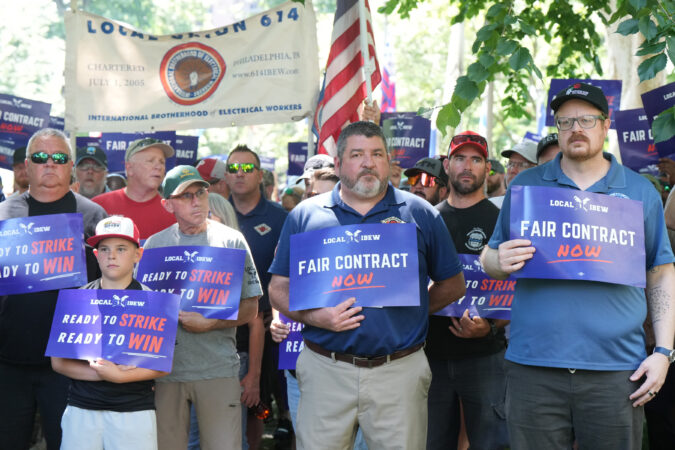
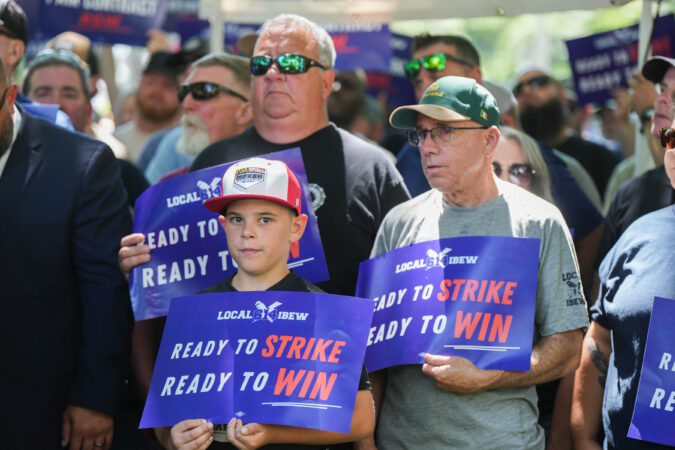
Hundreds of Peco workers and supporters met in Washington Square Park on Thursday, a little after 11 a.m., some holding signs that read “Ready to strike. Ready to win.”
When Anastasi, the local president, announced that workers would go out on strike at 12:01 a.m. on the Fourth of July, the crowd behind him erupted in cheers. Anastasi said the union had not made the decision lightly.
“We didn’t want to do this,” Stephen Giorgio, a Peco employee for nearly three years, said after the news conference. But, he added, the union has been negotiating for months, and “enough’s enough.”
Giorgio, who works in the western suburbs, is part of a Peco team that gets called upon when a customer’s power is out.
“We’re out there day and night, weekends, holidays,” he said. “My wife forgets what I look like sometimes.”
His line of work is dangerous, he says, and can include climbing a 60-foot pole in the rain — but he wouldn’t trade it for another job.
“I love this job,” Giorgio said. “I can never see myself doing anything else. Took me 10 years to get here, and now I’m here, and I don’t ever plan on looking back.”
The World Cup has arrived in Philadelphia and out of town visitors are flocking to the games, and learning about Rocky’s curse.
But how much of the money they’re spending will actually stay in Philadelphia?
The World Cup games were originally expected to generate a $770 million economic impact in the Philadelphia region, Axios reported in 2024. But just $30 million to $90 million is likely to stay in the region and benefit the local economy, according to estimates in a new report by the Economy League of Greater Philadelphia.
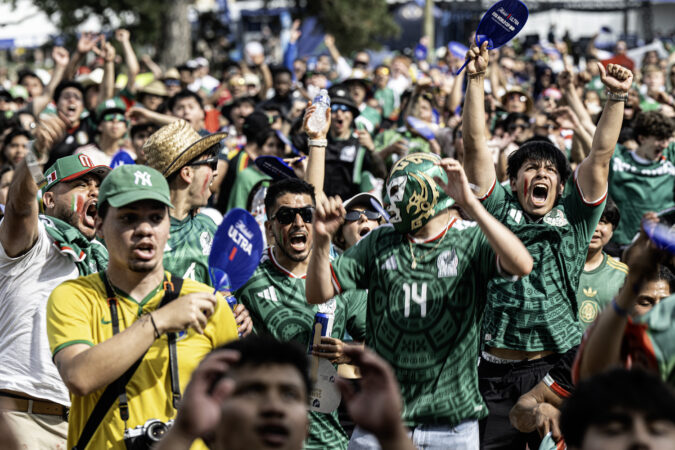
Thousands have visited the Lemon Hill FIFA Fan Festival since it kicked off on June 11, and used SEPTA after the first Philly-hosted match earlier this month. Philadelphia International Airport also estimated a bump in travel through the airport around the June 19 game between Brazil and Haiti.
But not all spending is equal.
U.S. cities are spending hundreds of millions of dollars to host World Cup matches, but are limited in how much revenue they can amass from the events, according to a ProPublica analysis of host city contracts, including Philadelphia’s.
Some of the money coming into the city during the World Cup would have been spent in Philadelphia anyway, but perhaps differently, the Economy League report indicates.
While the city is gaining World Cup visitors, it may be losing out on regular business travelers and others that would have come toPhiladelphia if not for the World Cup, the report said. Meanwhile, some who are spending money to enjoy the tournament in Philadelphia are residents, who would be spending money in the city anyway. And some fan spending is flowing directly to FIFA and other platforms, rather than to the city’s economy.
The report highlights three areas seeing most of that spending: The stadium district, Center City hotels and restaurants, and the Fan Festival at Lemon Hill.
“The commercial corridors beyond this core, which make up most of the city, are unlikely to see much benefit without deliberate effort, because visitor spending follows the path of least friction — toward where people sleep, arrive, or already intend to go,” the report says.
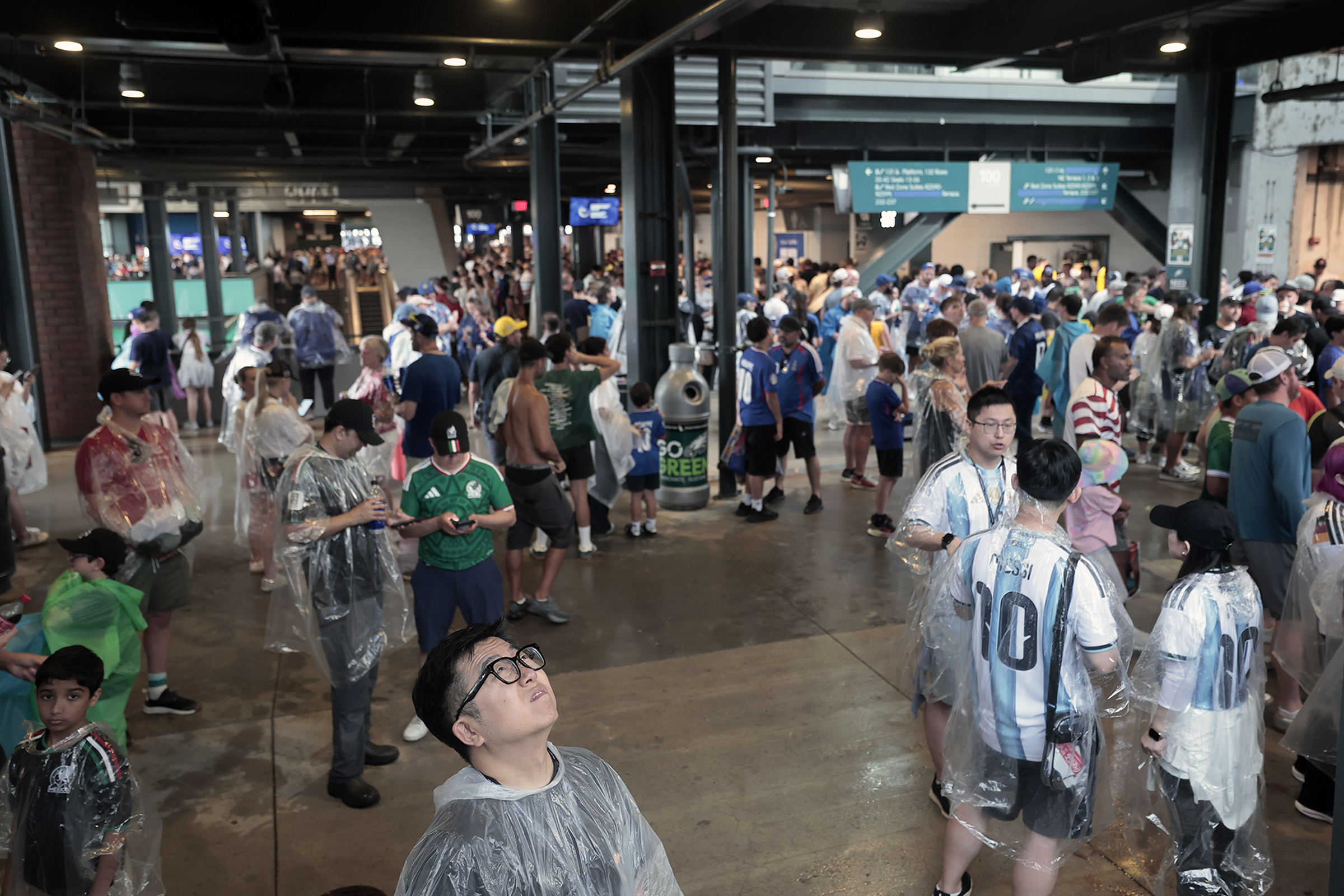
A man looks to the skies during the rain delay of the France vs. Iraq 2026 FIFA World Cup Group 1 soccer match at Philadelphia Stadium on Monday.
In the stadium district, where customers have bought tickets to attend games, they’re spending on merchandise and concessions — but few of those dollars trickle down to local independent businesses.
In Center City, hotels and restaurants are benefiting most, but it’s not as though they wouldn’t be getting business without the games, the report notes.
Some local food trucks and independent vendorscan make money at the FIFA Fan Festival at Lemon Hill. But because the venue is gated, surrounding businesses only profit if visitors leave the festival site.
And locals are paying the price of hosting the World Cup in other ways.
Residents who live around the Fan Festival at Lemon Hill are unable to catch a Lyft or Uber from homebecause of festival restrictions, and parking in the area requires applying for a special permit. The Philadelphia Parking Authority dolled out thousands of tickets in the first few days of the festival.
Still, the report outlines, much can be gained locally through the World Cup. Lemon Hill is set to receive $4 million in improvements, and some other benefits are harder to quantify.
“Philadelphia has shown it can move large crowds and stage a global event capably, and the reputational and civic returns, while hard to value, are real,” the report outlines.