New flights will take off soon from Atlantic City International Airport.
Breeze Airways, an airline launched in 2021, is adding two direct flights from Atlantic City to Charleston, S.C., and Raleigh-Durham, N.C. A flight with a stopover is also being added to Tampa, Fla.
“Atlantic City is not only a great destination for travelers but also a gateway to many other metro areas,” David Neeleman, founder and CEO of Breeze Airways, said in a statement Wednesday. “We know Atlantic City will be a welcome addition to our guests in Charleston, Raleigh, and Tampa, and we look forward to introducing our new guests in Atlantic City to Breeze.”
Breeze, which is focused on underserved markets, will start flying to the new destinations this spring. The Charleston route will begin May 6 and operate on Wednesdays and Saturdays. Raleigh-Durham and Tampa routes will begin June 11 and be offered on Thursdays and Sundays.
Travelers can book their flights at the Breeze Airways website. The airline ranks its ticket tiers from a “No Flex Fare” to “Nice” to “Nicer” to “Nicest” depending on flexibility to change or cancel travel, as well as bags included in the fare, legroom, and other features. A roundtrip ticket to Charleston from June 17 to June 20 costs $118 with no changes and no carry-on bag as of Jan. 29.
“For an airport of our size, expanding service in a way that directly benefits our passengers is especially meaningful, and this announcement reflects our continued focus on delivering a simple, accessible, and customer-friendly travel experience,” Stephen Dougherty, executive director of the South Jersey Transportation Authority, said in a statement.
Breeze has over 170routes including seasonal and year-round flights. The airline’s founder, Neeleman, is also the founder of JetBlue. Breeze reported its first full quarter of operating profit in 2024, the Wall Street Journal reported last year.
Atlantic City’s airport is also serviced by Spirit Airlines, American Airlines, and Allegiant.
American launched a program in 2022 to shuttle passengers on a bus from the Atlantic City airport to Philadelphia International Airport to catch flights. Spirit has seen a decrease in scheduled flights from Atlantic Cityin recent years and announced in 2024 that it would close its crew base there but continue servicing the airport. Allegiant started offering flights out of Atlantic City last year.
Job hunters beware: Some of the hard-earned skills listed on your resume are going unnoticed by potential employers.
Workers’ profiles on job posting websites often feature general abilities, like leadership, communication, teamwork, and problem-solving, a recent report from the Wharton School says. But they’re not highlighting the “specialized, execution-oriented skills,” employers are seeking. That’s created a “skills mismatch economy.”
“People are not representing their skills in a way that’s necessarily resonating with the skills that employers want,” said Eric Bradlow, the vice dean of artificial intelligence and analytics at the Wharton School, who co-authored the report.
Meanwhile, AI has been speeding the shift from a “role-based labor market to a skills-based economy,” the report outlines, making it all the more poignant to know what skills employers actually want.
Bradlow says generative AI has been “a positively destructive bomb on roles and titles,” by making workers able to carry out tasks that they didn’t know how to do in the past. So “having a specific job title is becoming less relevant.”
The Wharton School worked in partnership with Accenture, a professional services firm, to analyze millions of job postings and worker profiles for the report. The study useddata from Lightcast, a labor market data provider, andthe U.S. Bureau of Labor Statistics. Bradlow spoke with The Inquirer about their findings.
This conversation has been edited for length and clarity.
What are some skills included on resumes that don’t make much difference to employers, because everyone seems to have them?
Do we think it’s important to communicate? Well, yeah, of course, it is. Do we think it’s important to have leadership skills and manage teams well? Yeah, of course. Last time I checked, those were really important parts of the job — but everybody puts that down.
We’re not saying in the report that those skills aren’t important. What we’re saying is there’s an over supply of people stating those skills, as opposed to companies saying these skills are what’s going to get you the job.
Companies are realizing that depth of skill is what’s going to be really important.
Do people lack the specialized skills employers are looking for? Or are they just failing to highlight them on their resumes?
That’s something, trust me, I wish I could answer.
If we had people’s transcript data, or if we knew what courses someone had taken, then we could try to get an understanding of what skills people actually have.
I think two things are going to happen, based on this Wharton-Accenture Skills Index gap report. Number one is, you will see a migration where people [will say,] “I need to acquire those skills, if I don’t have them, if I want a job.” Second, you’ll see [organizations] — whether it’s an academic institution or a for-profit institution — saying, “Wait a second, here, we need more people with this skill. We’ll create a certification program.”
You found that some skills are actually tied to higher-paying jobs. Was that surprising?
I’m not sure I had hypotheses about which skills would be paid higher or lower.
I think maybe the part that surprised me a little bit was that there wasn’t massive swings and variation like “if you have this skill, your salary doubles.” That’s not what we found in the data.
What advice would you give someone crafting their resume?
One is talk about the specific skills you have. Every resume I read says “I’m an effective communicator, experienced leader.” That’s fine, but that’s not what’s going to stick out and become differentiated, because everyone’s going to say that. To the degree that you have specific expertise and depth or skills, those are the kinds of things to put on the resume.
The second thing I would say is that … we should be in the skills acquisition business, be a lifelong learner. Skills will always be valued. Jobs in a particular workflow can go away. People with skills will be hired.
Take, for instance, a customer-support agent in a customer-satisfaction group. If you’re someone with exceptional problem-solving skills, you’re hearing your customer, and you’re able to tie it to some remedy; that skill is not going to go away even if the job you’re currently in happens to go away.
What skills are needed more or needed less because of the adoption of AI recently?
I don’t view it as AI replacing humans. I view AI as that decision-support tool you should use for every decision.
If I were an employer today, I wouldn’t even consider hiring someone that didn’t recognize the power of artificial intelligence as a decision-support aid. I don’t know what business decision — pricing decision, product launch decision, product design decision, possibly even hiring decision — [for which] I wouldn’t use artificial intelligence as a decision-support tool.
I would also say, equally, I’m very concerned about the agentic use of AI — in some sense totally handing over high-stakes decisions.
From where you stand, is AI coming for people’s jobs, as we often hear, or is it coming for their skills? What’s the difference?
Go through the history of mankind.
The train engine came. So you mean we don’t need as many horses? Electricity came. You mean we don’t need as much coal? Green energy came, and so now we don’t need as much nuclear fusion?
Doesn’t technology always come and translate one set of jobs to another set of jobs? It’s not AI is coming for your job. What companies are realizing about AI is there are certain roles and functions that AI can do extraordinarily well, with high accuracy, and in some cases better than humans can do. These tend to be functions, by the way, that many humans don’t like doing anyway.
I don’t see AI coming for your job any more so than any set of technology. This is an extraordinarily disruptive technology, but we’ve lived through periods of extraordinarily disruptive technology.
Can you make $100,000 a year in the Philadelphia area without a four-year college degree?
Yes. But it’s not common.
“There is no magic wand to get to a six-figure salary,” said Cynthia Figueroa, who leads workforce development nonprofit JEVS Human Services. “There’s a lot of steps that have to happen along the way.”
Companies including IBM, Delta, and Google have dropped degree requirements in recent years. Locally, Pennsylvania Gov. Josh Shapiro slashed college degree requirements for most state jobs in 2023, and Mayor Cherelle L. Parker has advanced an effort to do the same for some city jobs. Meanwhile, more are pursuing vocational training, the Wall Street Journal reported, as some in Gen Z turn to the trades amid the rising cost of college.
But who actually makes $100,000 or more in the Philadelphia area without a four-year degree and what does that path look like? The Inquirer took a look at the data.
Cynthia Figueroa poses for a portrait in Philadelphia in 2019. She is the CEO and president of JEVS Human Services.
What industries pay $100,000-plus without a bachelor’s degree?
Among the Philadelphia metro area’s 3.97 million workers, the vast majority who make a six-figure salary have at least a bachelor’s degree, according to Census data compiled by IPUMS USA at the University of Minnesota. The metropolitan area includes 11 counties in Pennsylvania, New Jersey, Delaware, and Maryland.
Roughly 159,000 people made $100,000 or more without a four-year college degree in 2024, the data indicates. (That includes people with an associate’s degree.)
window.addEventListener(“message”,function(a){if(void 0!==a.data[“datawrapper-height”]){var e=document.querySelectorAll(“iframe”);for(var t in a.data[“datawrapper-height”])for(var r,i=0;r=e[i];i++)if(r.contentWindow===a.source){var d=a.data[“datawrapper-height”][t]+”px”;r.style.height=d}}});
“There is potential” for high earning without college, but it’s not typical, said Sean Vereen, president and CEO of career-focused education nonprofit Heights Philadelphia.
“We know that not everybody wants to go to college, but particularly the way the economy in this region is constructed, that college degree still is very useful,” said Vereen.
But the majority of the workforce in the Philadelphia metro area lacks a bachelor’s degree. Only about 7% of them reach the high-earning $100,000-plus bracket.
It’s more common in jobs where salaries overall tend to be higher, such as management, business, and finance. About 51,000 Philly-area people in those jobs with less than a bachelor’s degree earned $100,000 or more in 2024.
window.addEventListener(“message”,function(a){if(void 0!==a.data[“datawrapper-height”]){var e=document.querySelectorAll(“iframe”);for(var t in a.data[“datawrapper-height”])for(var r,i=0;r=e[i];i++)if(r.contentWindow===a.source){var d=a.data[“datawrapper-height”][t]+”px”;r.style.height=d}}});
What industries are adding more $100,000 jobs?
Still, more opportunities for people without a four-year degree could be on the horizon.
Shipbuilding is having a resurgence in Philadelphia’s Navy Yard, and more electricians, carpenters, and welders will be needed, said Figueroa.
Among Philadelphia construction workers, including carpenters and welders, more than 11,000 do not have a bachelor’s degree and make at least $100,000 annually.
Hanwha plans to expand its shipbuilding operations in Philadelphia and will need to hire. That includes positions requiring considerable math skills, said Figueroa, of JEVS. The organization is currently figuring out how to get job-training graduates into opportunities.
Philadelphia Works, the city’s workforce development board, is working closely with Hanwha, CEO and president H. Patrick Clancy said.
“Our goal is to do more of the pre-apprenticeship,” Clancy said. “They have a lot of people interested in applying for their roles, but not all of them are passing the math and reading [requirements].”
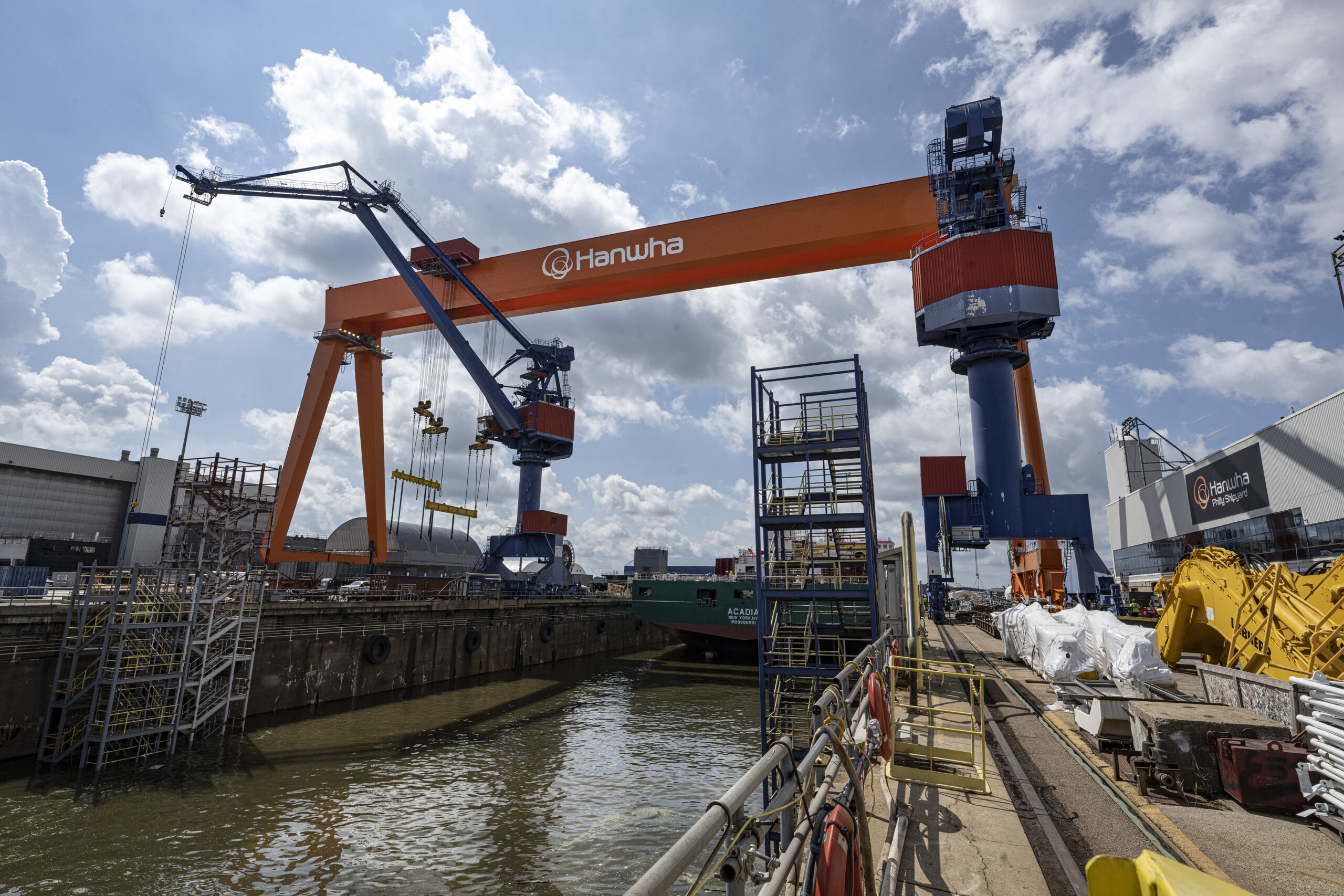
The newly repainted Goliath Crane is shown July 16, 2025, at the Hanwha Philly Shipyard in Philadelphia.
Last year, a Brookings Institution report highlighted enterprise digital solutions (business software), specialized manufacturing (like producing parts for medical devices or industrial electronics), and biomedical commercialization (life sciences businesses) as areas where Philadelphia residents should be able to find good jobs. Many jobs in those sectors don’t require a college degree.
“We need to be focused on creating the right kinds of jobs,” said Chellie Cameron, CEO and president of the Chamber of Commerce for Greater Philadelphia, which is now focusing on the areas Brookings identified.
The right kinds of jobs, Cameron said, are not minimum-wage positions. They “start at a place where people can earn a family-sustaining wage and have access to pathways for promotion and making more money over the course of their career.”
Paths and training for high-earning jobs
Orleans Technical College in Northeast Philadelphia, run by JEVS, trains people for building trades and healthcare professions. It had 379 students last year. Tuition ranges from roughly $13,000 to $25,000, but most students get financial assistance and typically leave with $6,000 or less in debt.
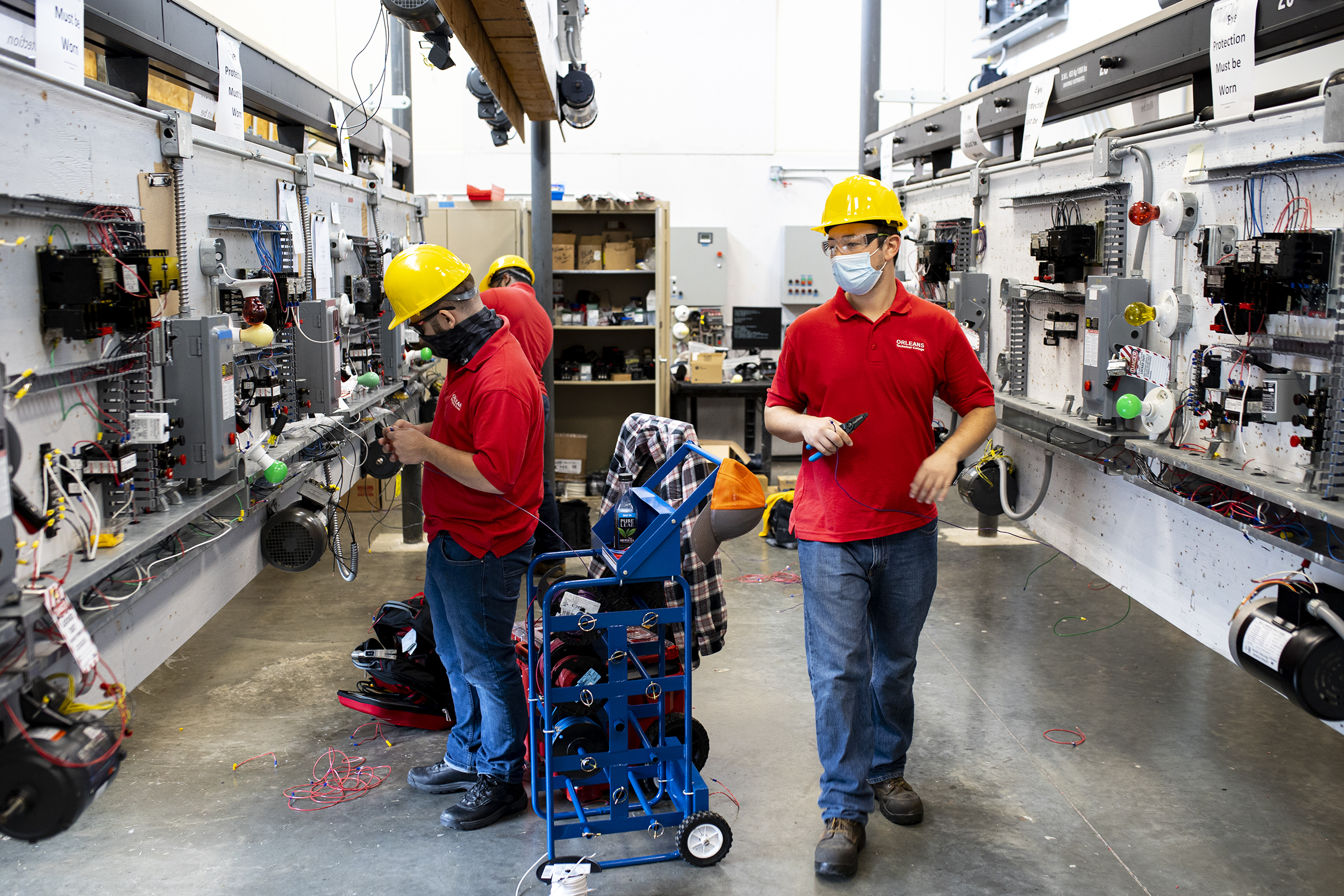
Residential and commercial electrician Dan Finke, 25, of Abington, (right), is learning about motor controls with fellow classmates at Orleans Technical College, in Northeast Philadelphia on a Friday in September 2020.
“There’s still very much the physical application of running wire, bending metal,” said Figueroa, and many medical tasks seem to be AI-proof for now. “At the end of the day, you need somebody who is taking the blood pressure next to the bed, and who is drawing the blood.”
Construction management and HVAC students can expect starting salaries around $75,000 and $60,000 respectively. Those who work overtime can make even more, Figueroa noted, and pay also increases over the course of a career.
That’s not a six-figure salary on Day One, she acknowledged. But college graduates can make a similar amount in their first job, and “they have this enormous debt” from their schooling.
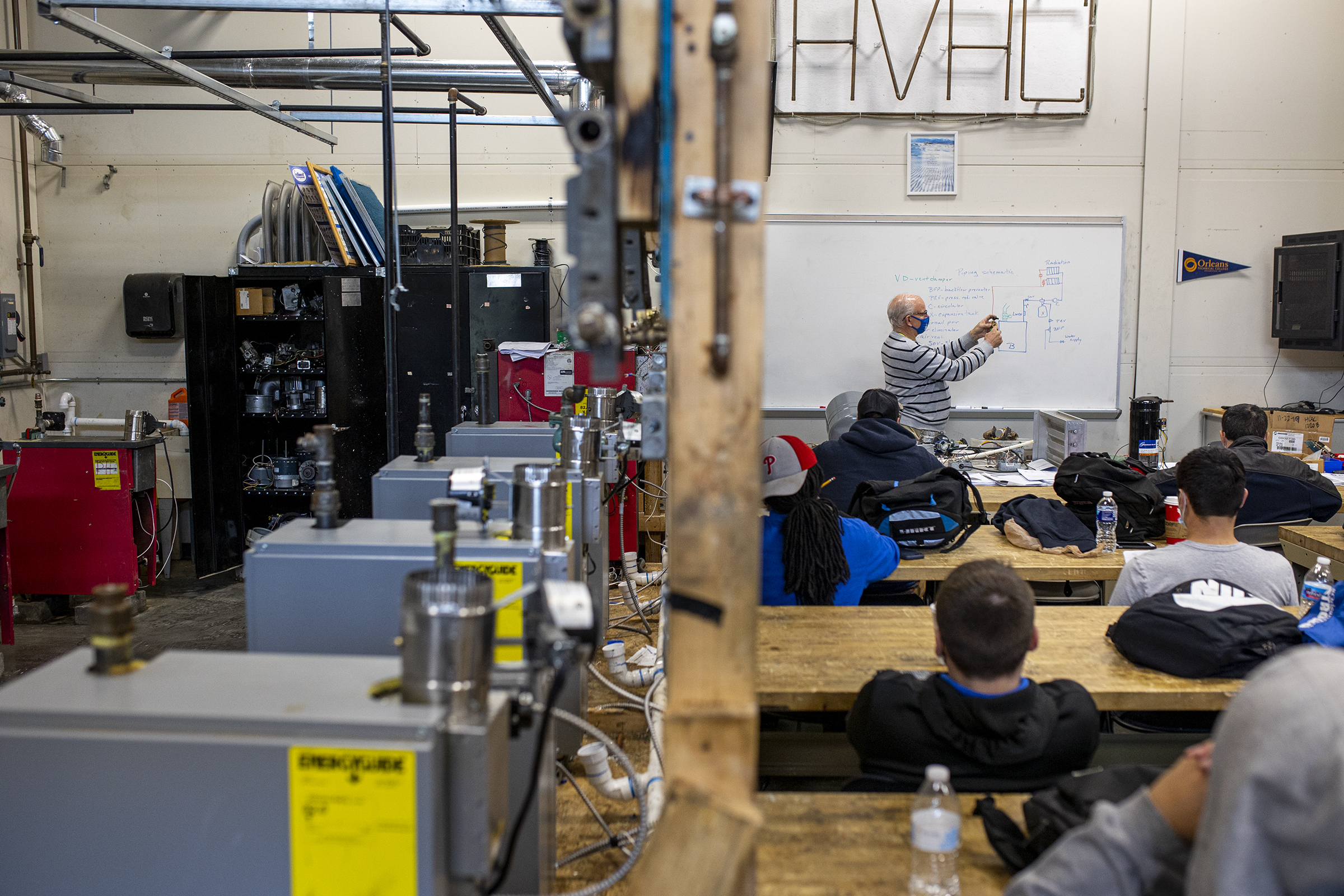
Lou Abruzzese, HVAC Instructor, is teaching his class about hydronics at Orleans Technical College, in Northeast Philadelphia on Friday, Sept. 25, 2020.
Orleans also offers healthcare training for clinical medical assistants and practical nursing. Starting salaries for those jobs are generally around $44,000 and $64,000 respectively.
“Going from an hourly wage — at like a Target, McDonald’s, Walgreens, what have you — to salaried, hopefully with benefits, is a huge first step,” Figueroa said.
Connecting people to employment also means addressing barriers like lacking a driver’s license, needing childcare, financial literacy, or housing support, says Clancy. Pursuing training might mean going without paid work for weeks or months, which can be a challenge. Philadelphia Works has some funds available to pay people during their training.
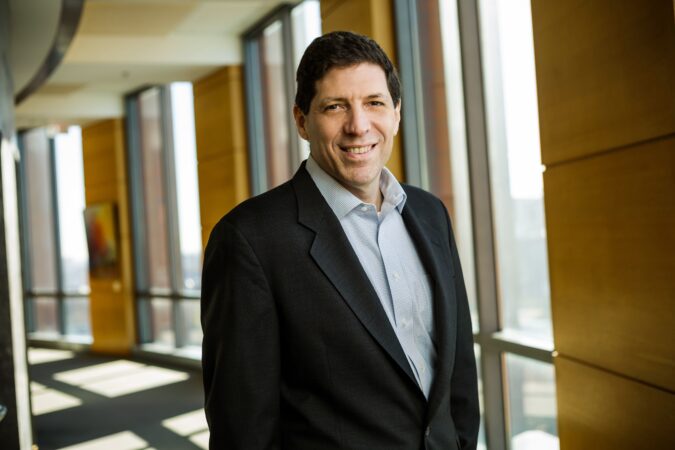
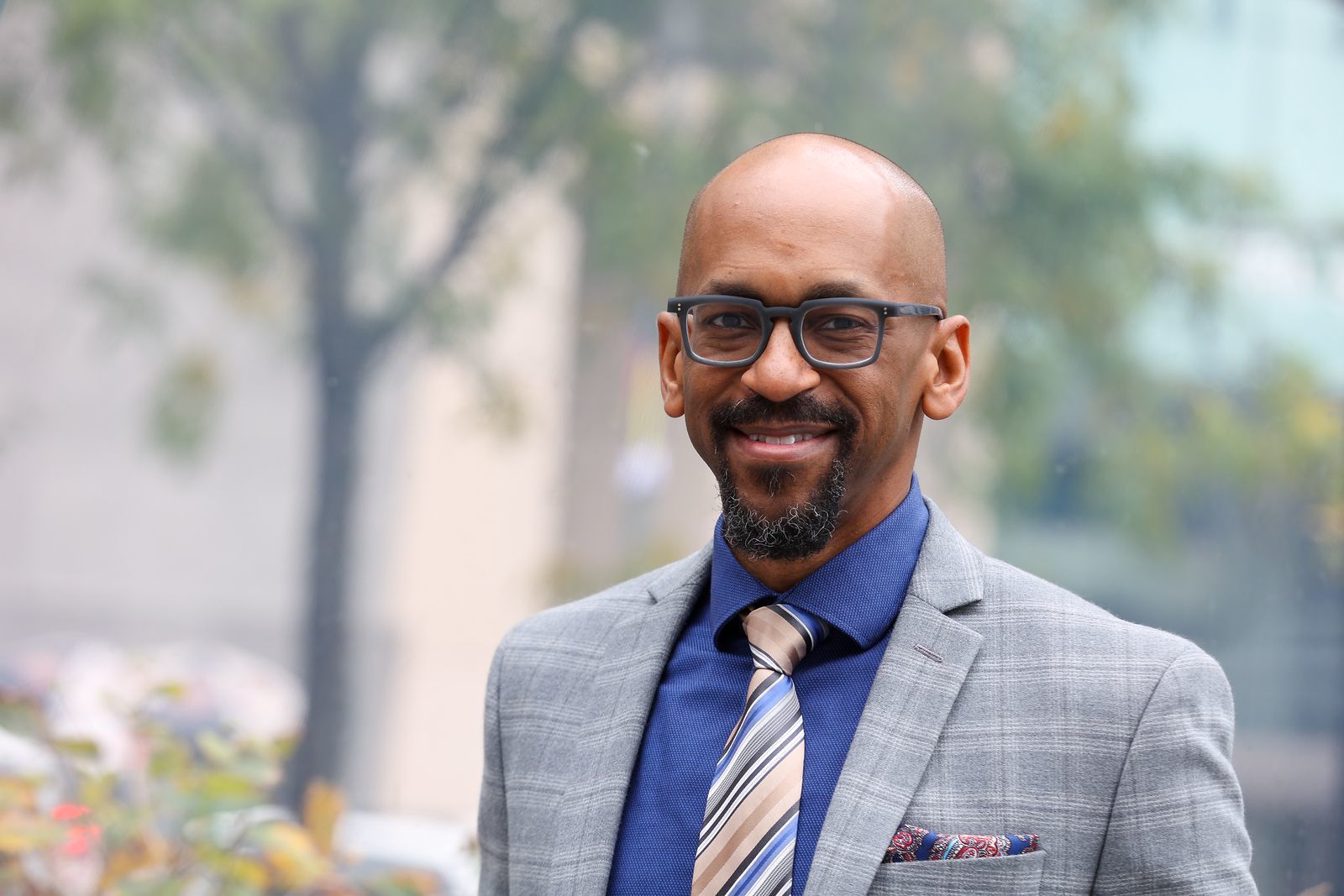
Sean Vereen is the president and CEO of Heights Philadelphia.
Young adults need to be aware of opportunities, too, said Vereen. For instance, he said, sterilization technician is a good job within a hospital, but young people may not know it’s a path available to them without going to college.
And sometimes young people need to catch up before training for jobs in the trades, Vereen says. “We’ve heard things like, ‘The kid coming from the school district doesn’t have strong enough math skills to take the test for the building trades,’” he said.
“You need basic academic skills that are about math and reading and reading comprehension,” he said. “We don’t get away from giving kids basic knowledge.”
AI has already replaced some workers at Philly-area firms, a new report says. But the bulk of the AI-related job loss is yet to come, the Federal Reserve Bank of Philadelphia CEO and president Anna Paulson said.
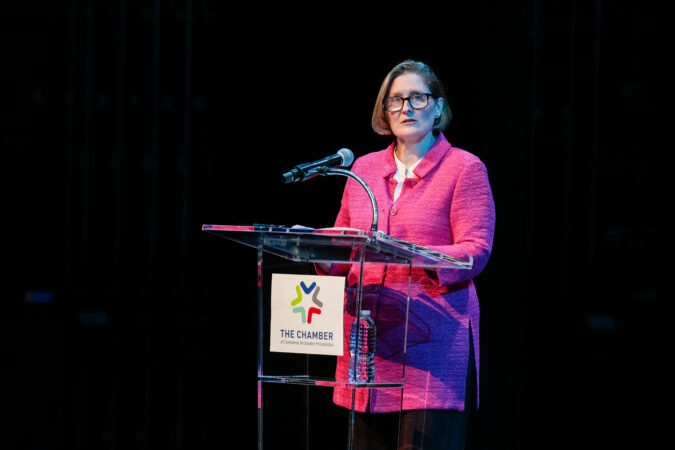
Paulson, speaking Wednesday at the Chamber of Commerce for Greater Philadelphia’s State of the Economy event, said AI could further reduce demand for workers in the years ahead.
Also Wednesday, the Fed released its annual report, which surveyed 54 Chamber businesses on the past year and what lies ahead. They found that the biggest concern area businesses faced in 2025 were uncertainty about regulations and government policies, and that nearly 39% of respondents expected better business conditions overall in this coming year.
Amid a slow labor market, a central topic of Wednesday’s event was jobs.
Job growth slowed, but healthcare helped Philadelphia
Last year, the majority of private-sector jobs created were in healthcare and social assistance, Paulson noted. Philadelphia has a larger-than-average share of workers in this sector, which means the region has “been somewhat insulated from the national slowdown in job creation,” she said.
But in other sectors, AI and immigration trends have contributed to a hiring slowdown.
“On the supply side, the sharp drop in immigration has slowed the growth of labor supply,” said Paulson. “On the demand side, firms — both nationally and here in Philadelphia — tell us that uncertainty is holding back hiring as they consider a range of factors: trade policy and the potential for artificial intelligence to transform the need for workers.”
AI is just starting to replace jobs, and isn’t creating many
AI has been widely adopted by companies in the region, the Chamber’s survey found. Nearly 76% of respondents said they used AI for their work.
That’s changing what kinds of human work firms need.
Among those surveyed, 9.5% said generative AI had decreased the need for workers at their firm, while 23.8% said it changed the kinds of workers they needed but not the number.
Only 4.8% reported needing more workers because of generative AI.
The AI boom has brought plans for more data center development in the region. But those kinds of facilities don’t require a lot of workers, says Paulson.
“Going forward, we can see a period of strong growth where relatively few jobs are created as AI becomes fully embedded,” she said.
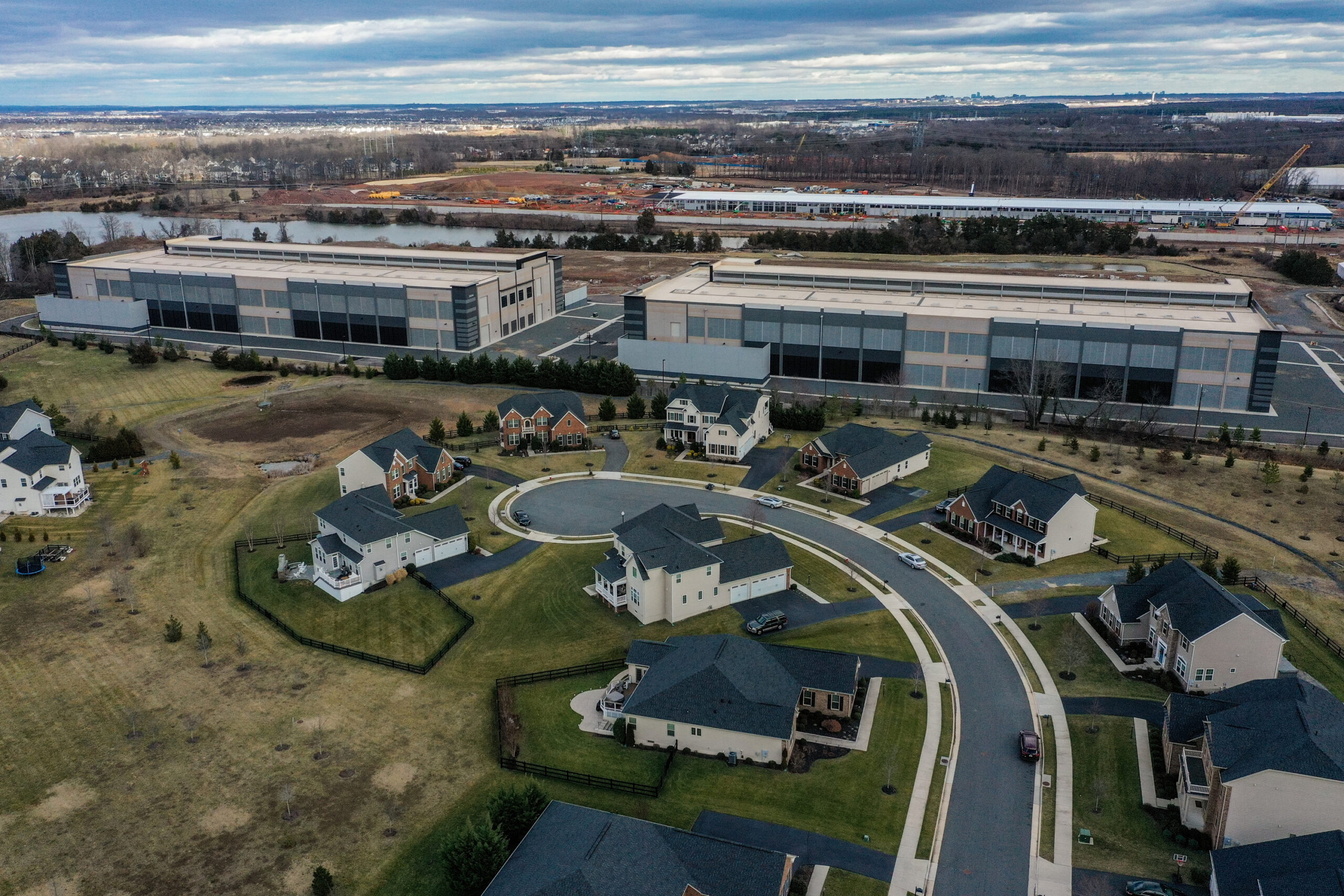
Amazon data centers loom over houses at the edge of the Loudoun Meadows neighborhood in Aldie, Va., in 2023.
Some Philadelphians are spending money cautiously
As uncertainty slows hiring on the business side, it seems to be influencing consumer trends as well.
Paulson noted that low-income households are struggling due to high prices and worries around job security.
Individuals with discretionary income are being careful of how they spend their money, noted Paulson. “A retailer who is active in the Philadelphia area told us they are seeing a lot of headwinds for the consumer, especially for lower-income individuals,” she said.
While people in Philadelphia continue to eat at restaurants, “contacts tell us that less expensive options on the menu are becoming more popular,” she said. Upscale restaurants are an exception, she noted, adding that “high-income households, bolstered by a strong stock market, appear to be driving elevated consumption growth.”
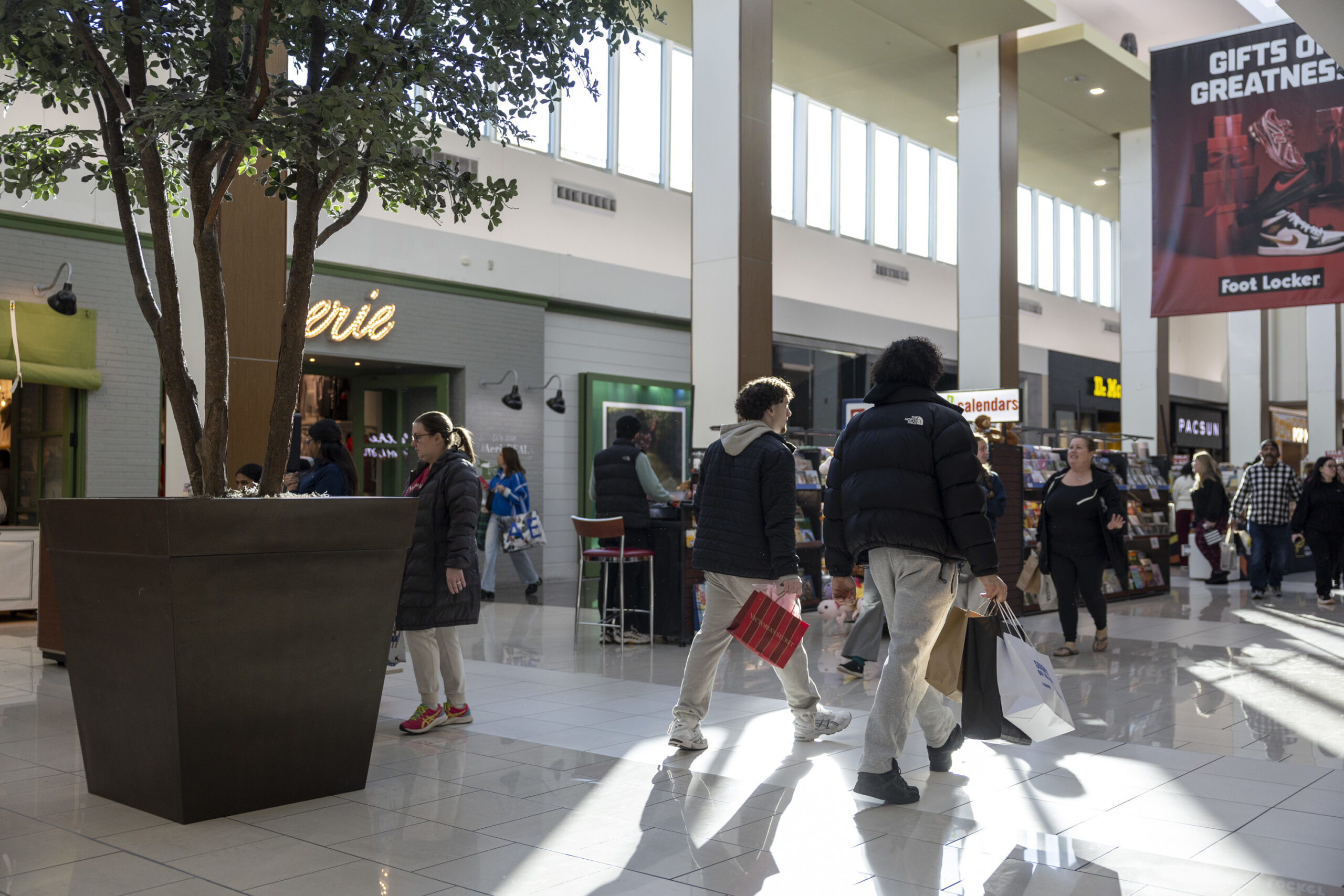
People shop on Black Friday at Cherry Hill Mall on Nov. 28, 2025. Philadelphia Fed CEO Paulson said people are being more careful with their discretionary income amid economic uncertainty.
Some employers want better applicants. Working people want better jobs.
When they are hiring, companies are often challenged to find the right candidates. About 30% of employers surveyed struggled to hire last year because they lacked applicants, or lacked qualified applicants, the Chamber’s report said.
Comcast executive Bret Perkins, who leads the company’s external and government affairs, noted at Wednesday’s event that the Philadelphia area is “just not creating enough opportunity jobs,” that lend workers upward mobility. He pointed to Philadelphia ranking 50th among 50 metro areas for upward economic mobility recently.
The Philadelphia Fed recently partnered on a survey of Philadelphians in the city’s lower-income zip codes, in which roughly one-third said “a better-paying job is the single thing that would be most helpful to them,” said Paulson.
But getting that job is a challenge, Paulson said. Health, caretaking responsibilities, and reliable transportation are among the barriers these Philadelphians are facing, the survey found.
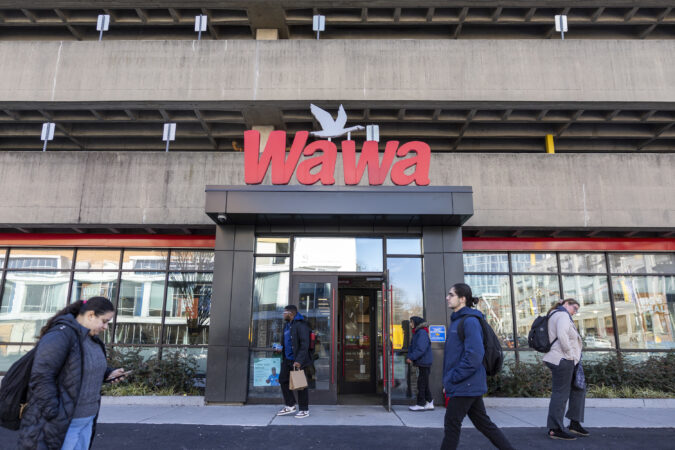
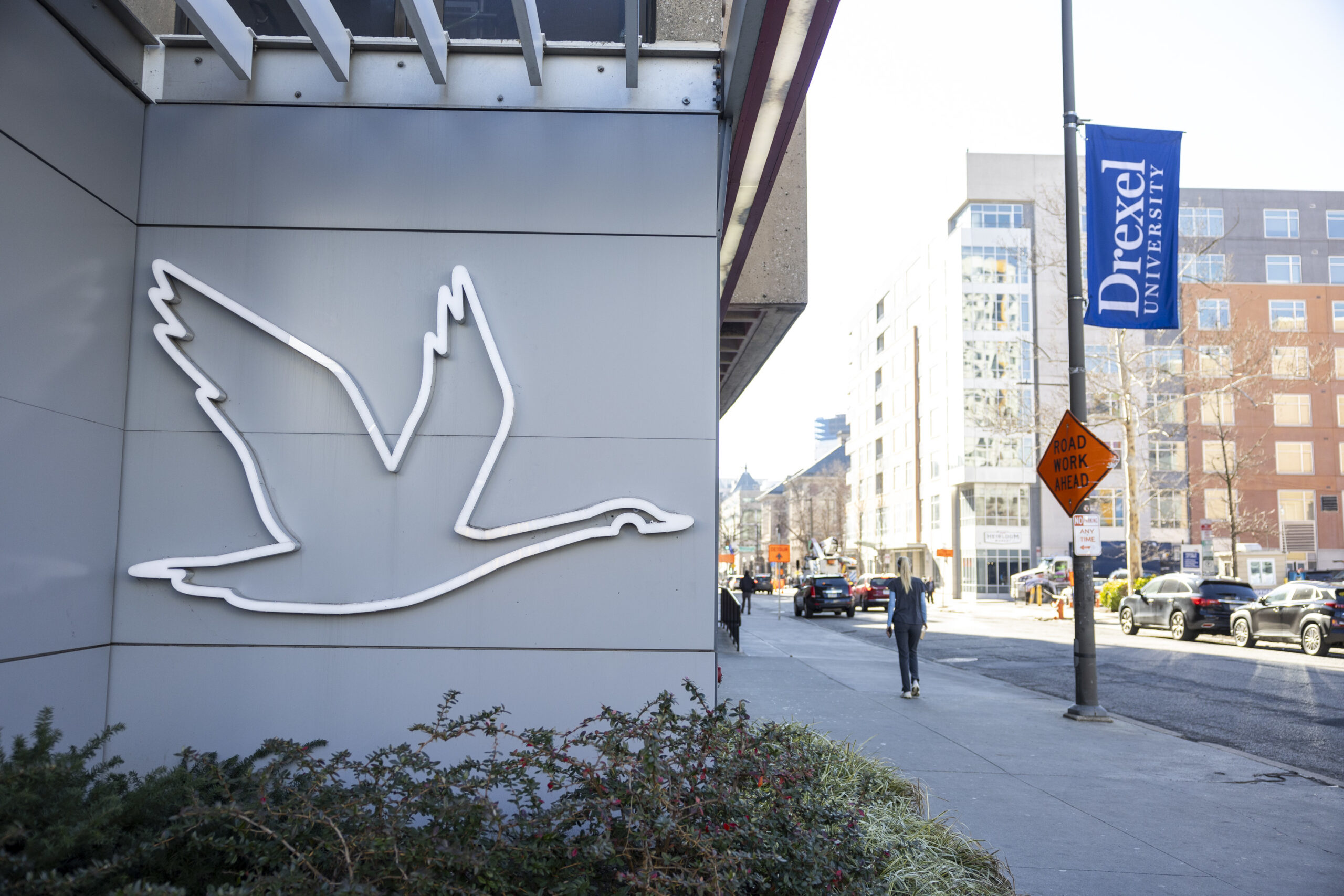
Wawa is closing a store on Drexel University’s campus, nearly three years after remodeling to a digital-order-only concept with no products on shelves.
The 3300 Market St. location, which has been open since 2018, is set to close Jan. 21.
It was remodeled in 2023 to test the new store format, which required customers to order all items on a touch screen, with no shelves of product to browse. The pilot was not a success, leading to the store’s planned closure, said a company statement shared by Wawa spokesperson Lori Bruce Tuesday.
Prior to the pandemic, this store saw more food-service than any other Wawa, CEO Chris Gheysens previously told the Philadelphia Business Journal.
“Over the years, we have made several attempts to address business and operational challenges at this location,” said the company statement shared by Bruce, which did not provide details about those challenges.
That effort “includes partnering with property owner, Drexel University, in an attempt to address some of these issues, and most recently making investments in our store design to test a fully digital format. Unfortunately, this test did not adequately improve performance or deliver an enhanced customer experience, which ultimately led to the decision to close the store‚” Wawa’s statement said.
Wawa had informed Drexel about its plans to close the location, university spokesperson Niki Gianakaris confirmed Tuesday in a statement from the university. Drexel did not respond to a question about what will occupy the space going forward.
Employees will be offered positions at other nearby Wawas. Nearby stores include those at 36th and Chestnut Streets, and 38th and Spruce Streets.
The Wawa at the corner of 34th and Market Streets near Drexel University will close this month.
Wawa has closed a number of stores in the city in recent years.
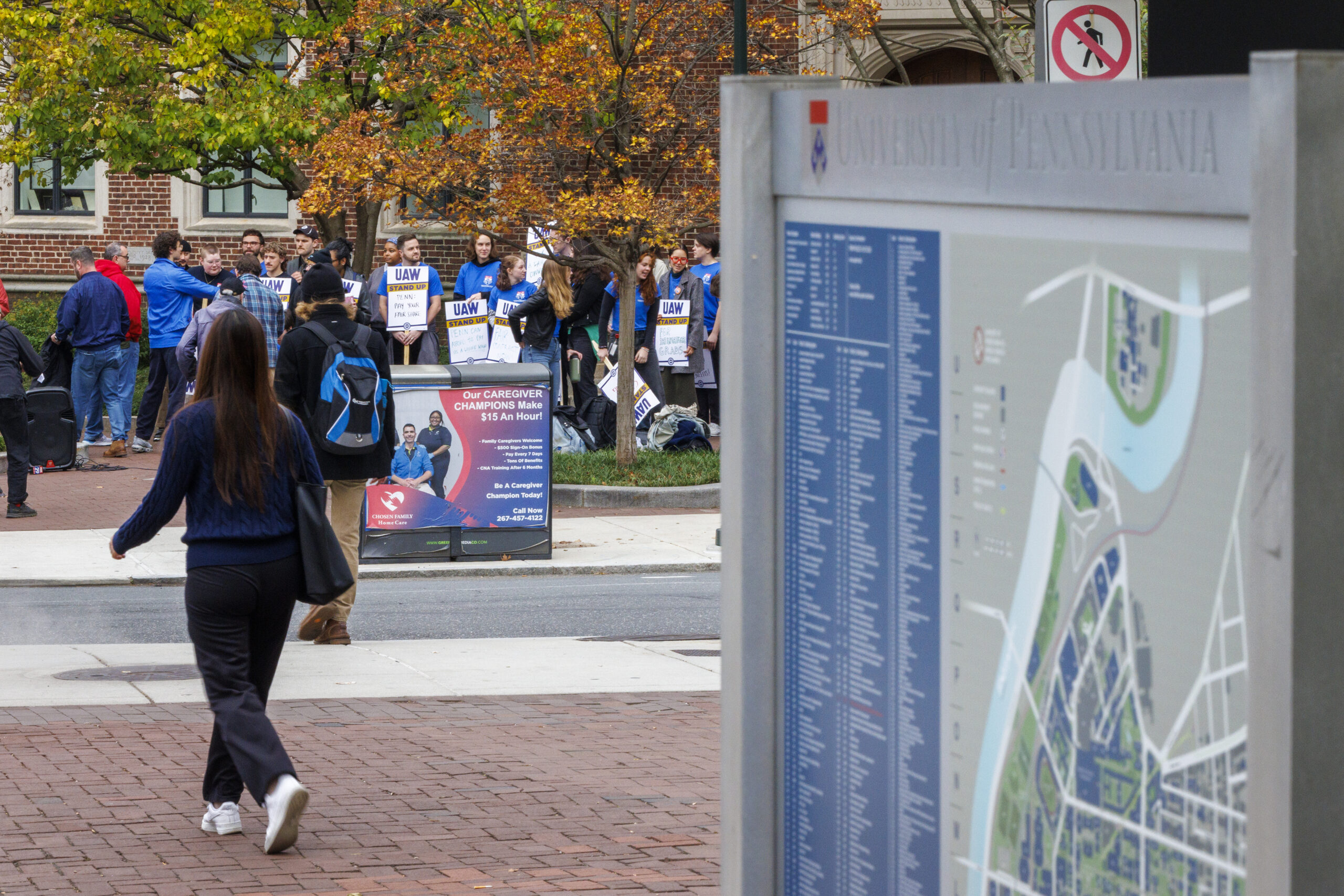
The union that represents about 3,400 University of Pennsylvania graduate student workers says they will go on strike Feb. 17 if they do not reach a contract deal with the university by then.
“We love our jobs, but Penn’s administration is leaving us no choice but to move forward with a strike,” said Nicolai Apenes, a Ph.D. candidate and research assistant in immunology, in a statement shared by the union Tuesday. “We are ready to stand up and demand that our rights are respected.”
Penn’s graduate student workers voted to unionize in 2024. The union has been negotiating with the university since October 2024 for a first contract, and some tentative agreements have been reached on a number of issues.
Sticking points in bargaininginclude wages, healthcare coverage, and more support for international student workers.
In November the teaching and research assistants voted to authorize a strike if called for by the union, which is known as Graduate Employees Together-University of Pennsylvania (GET-UP) and is part of the United Auto Workers (UAW).
A spokesperson for the University of Pennsylvania said in a statement Tuesday that Penn has engaged in good faith negotiations with the union, and has reached 23 tentative agreements through 39 bargaining sessions with additional sessions planned.
“We believe that a fair contract for the Union and Penn can be achieved without a work stoppage, but we are prepared in the event that the Union membership strikes,” said the Penn spokesperson. “Efforts are underway to ensure teaching and research continuity, and the expectation is that classes and other academic activities will continue in the event of a strike.”
“While we hope that Penn comes to the table and negotiates a fair contract for these essential workers, we know that these workers are a powerful force that Penn cannot break,” said Daniel Bauder, Philadelphia AFL-CIO president, in a statement Tuesday. “We are proud to stand with them and the broader Coalition of Workers at Penn as they fight the biggest employer in the region and bring union power to the University of Pennsylvania.”
The region has also seen a couple other university strikes in recent years. In 2023 graduate workers at Temple University walked off the job for 42 days amid contract negotiations, and in a separate action at Rutgers University, educators, researchers, and clinicians went on strike for a week.
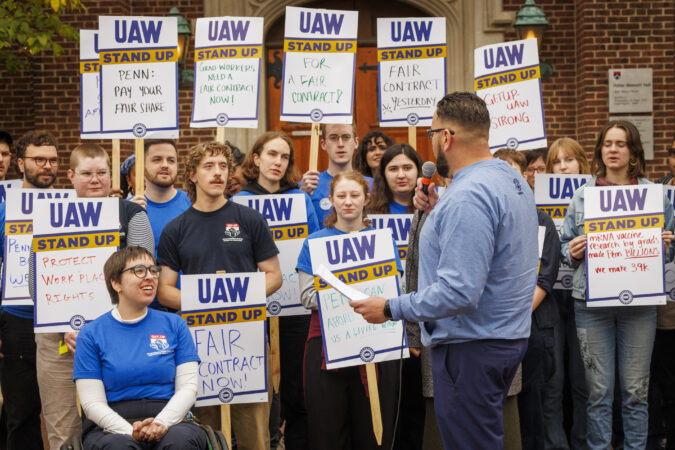
University of Pennsylvania graduate students hold a press conference and rally calling for a strike vote against the university at the corner of South 34th and Walnut Street, Monday, Nov. 3, 2025.
American Airlines, the largest carrier out of Philadelphia International Airport, is bringing free Wi-Fi to its fleet for members of its rewards program. The service is sponsored by AT&T and launches this month, the airline announced Tuesday.
“Free high-speed Wi-Fi isn’t just a perk; it’s essential for today’s travelers,” said Heather Garboden, American’s chief customer officer. “Once rollout is completed, every AAdvantage member can stay connected, stream, and share almost anywhere their journey takes them for free.”
American is not the first PHL airline to tout free onboard Wi-Fi for travelers with reward memberships. Southwest Airlines started doing so last year through a partnership with T-Mobile, and Delta announced a similar offering in 2023. United offersWi-Fi to rewards members on some planes, provided by Elon Musk’s Starlink, and announced in October that it plans to install the service on several more aircrafts.
American Airlines estimates that by early spring, free Wi-Fi will be available on “nearly every” one of its flights.
Travelers need an AAdvantage account, which is free to join, to access the free Wi-Fi. The membership also allows customers to earn points and miles toward flights. Onboard, travelers must log in at aainflight.com and select the “Free Wi-Fi” option.
Previously, all passengers using Wi-Fi had to pay for a pass or subscription. Non-AAdvantage members can still do so, said company spokesperson Bri Harper.
Philadelphia International Airport is a hub for American Airlines, PHL’s largest airline by passenger volume, which carried nearly 20 million passengers through the airport in 2024. That’s more than five times the second largest carrier, Frontier.
The Eastern Atlantic States Regional Council of Carpenters plans to relocate its headquarters and two local training centers to the Philadelphia Navy Yard.
“We’re extremely excited about the prospects and what this facility is going to transform into over the next few years,” William Sproule, executive secretary-treasurer for the Carpenters, said on Tuesday. “It’s really only the beginning of the story, and we’re going to be doing a lot of neat things down there.”
The council had outgrown its Spring Garden Street facility, Sproule said, and started seeking a new property 2½ years ago. Philadelphia buildings continue to have vacancies as a result of the pandemic, he said, and the current state of the real estate industry represented an opportunity.
The council purchased the Navy Yard building for $52.5 million, said Sproule, and the deal closed on Dec. 19. The building at 5 Crescent Dr. previously sold for $130.5 million in 2018.
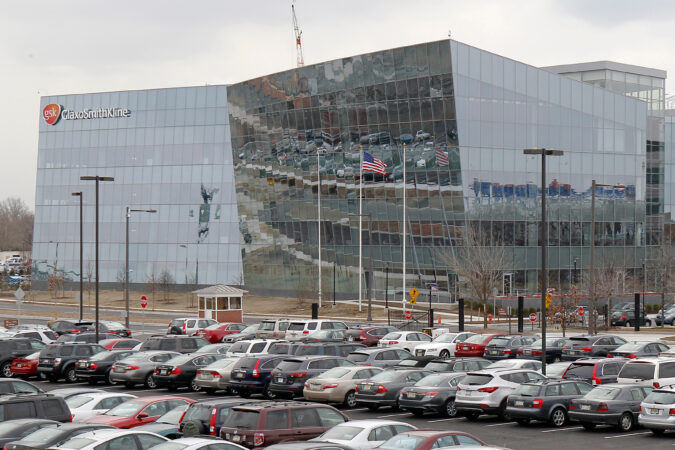
The pharmaceutical company moved its operations to the Navy Yard from Center City in 2013.
Although GSK was a remote-friendly company since before the COVID-19 pandemic, the building remained well used until 2020.
Then, in 2022, GSK moved its operations out of the then-lightly used Navy Yard office to a 50,000-square-foot office in University City’s FMC Tower. In an unusual move the company continued to pay rent at the former location, and did not seek to sublease the space.
That left the building at 5 Crescent Dr. in a tricky position: it is difficult to get new financing on a vacant building, even if rent is still being paid, because it is clear that when the lease is up the tenant will not renew. As a result, the building owner, Korea Investment Management Co., ran into financial problems on the property which went into foreclosure.
Special servicer Rialto Capital Management has been handling the day-to-day care of the building in recent years. Neither Rialto nor GSK immediately replied to requests for comment.
Office space in the Navy Yard is in high demand, with no official vacancy thanks to GSK’s continued rental of their former space. According to the official website, it hosts over 16,500 workers from 150 companies.
Carpenters union’s plans for the Navy Yard
Plans for the Navy Yard site include constructing a training facility adjacent to the purchased building that would eventually replace the council’s Northeast Philly and New Castle training centers, said Sproule. He estimated that it could cost $30 million to build out “on the low end,” and take at least 24 months to complete.
The move to the Navy Yard will also improve accessibility for some, said Sproule. When apprentices who live in the city are first starting out, they might not have access to a car, he said, adding that the new site is conveniently located near the NRG SEPTA stop.
“I think it’s going to be extremely convenient for members doing journeyman upgrade classes that live within the city limits as well as apprentices that live within the city limits that may not drive as much as folks that live out in the suburbs,” he said.
Sproule said employees of the union could be working out of the Navy Yard site as soon as the end of April, with initially up to 125 people based out of the building’s fourth floor.
The council has also already identified some potential tenants to lease out parts of the Navy Yard building.
Sproule said the council is considering selling the Spring Garden facility, or getting it “zoned for a mid-rise, multifamily structure.”
“We may try to build something similar to what’s across the street, or we may sell it to an interested party. We haven’t made those decisions yet,” he said. “I guess it’s just going to be a matter of what’s more practical and feasible.”
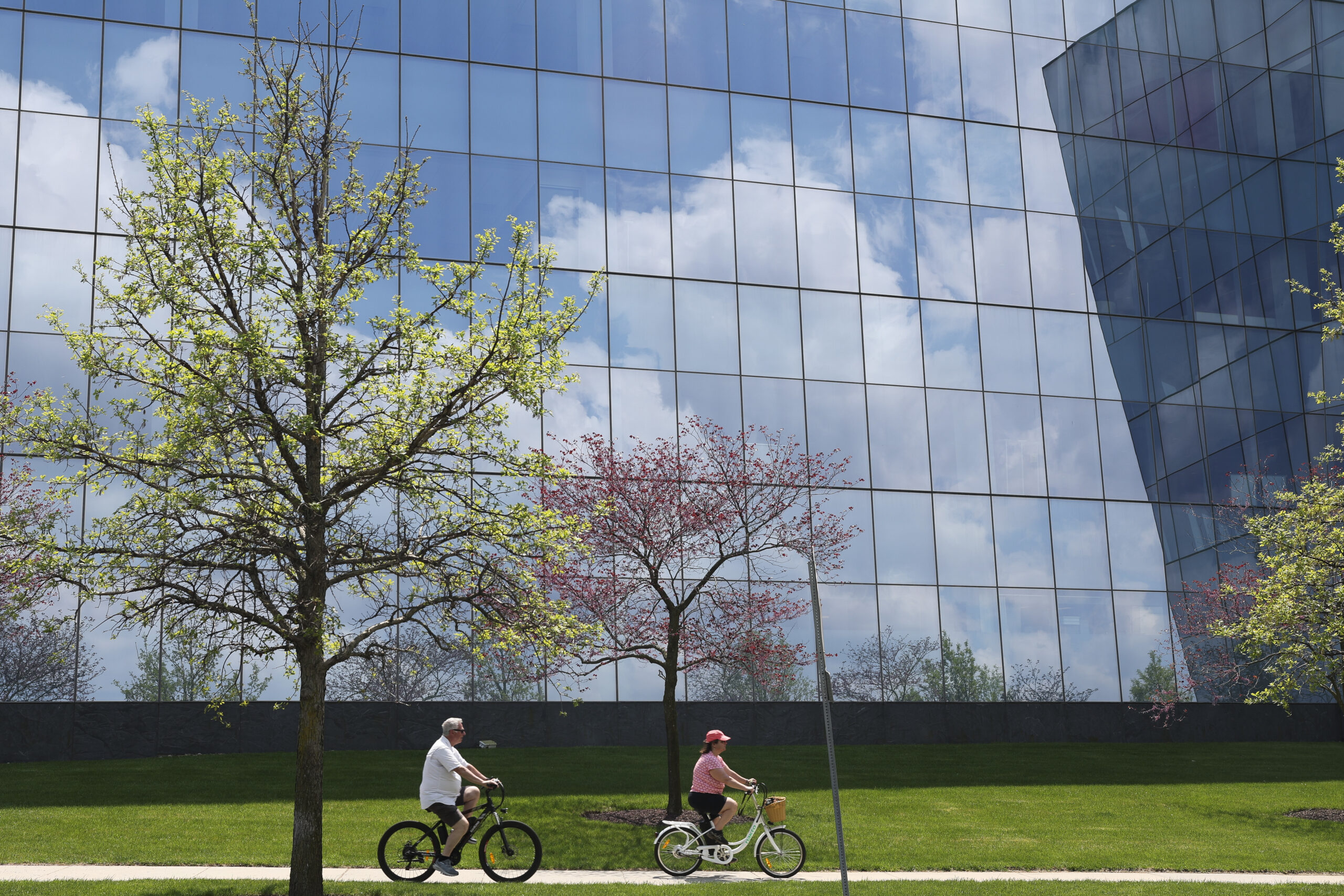
Cyclists ride past 5 Crescent Dr. at the Navy Yard in Philadelphia, Pa., on Monday, April 29, 2024.
Sproule said the purchase of the Navy Yard site seemed from the start like “a really good deal.” Then when he learned from an article in the Philadelphia Business Journal that the building at one time had sold for roughly $130 million, he said, “knowing that somebody actually invested that kind of capital for that building back then — which wasn’t that long ago, when you think about it — makes me really feel good about our endeavors that we’re about to embark on.”
“Aside from our pension funds and all the investments that we do on that end to make sure that they are strong and secure for generations to come, we do have general fund assets that our Regional Council uses for operational purposes. We just hit a spot in time where we had an opportunity to possibly look at an investment of this size and magnitude, and it was just a matter of being at the right time, at the right place,” he said.
Navy Yard neighbors
The Carpenters are not the first building trades union to move to the Navy Yard from Spring Garden.
In 2023, International Brotherhood of Electrical Workers Local 98 announced that it would be relocating its headquarters from 1719 Spring Garden St. The union purchased two properties for $18.5 million.
“We’re excited to be their neighbors,” said Sproule.
The Regional Council of Carpenters and Local 98 are among the most powerful building trades unions in Philadelphia, and they have strong membership bases in South Jersey and South Philadelphia, making the Navy Yard location at the edge of the city ideal for many members.
The spacious property at the Navy Yard also allows room for training facilities, which could be difficult to co-locate with a headquarters office in other parts of the city.
On the other side of Philadelphia is another concentration of building trades infrastructure in the Far Northeast. Near the Bucks County line, this hub provides similar advantages for union locals that include the Steamfitters, Ironworkers, and Bricklayers.
Giant is changing how it handles online orders as customers demand fast grocery delivery.
The supermarket chain, which got its start in 1923 in Carlisle, Cumberland County, is closing five e-commerce fulfillment centers in Pennsylvania as it transitions to a new business model.
“We’ve learned over the past few years that there isn’t a one-size-fits-all approach to our e-commerce business, particularly our fulfillment model,” said company spokesperson Ashley Flower. “With customers expecting faster delivery, we need to ensure we are operating as efficiently as possible to meet their ever-changing needs.”
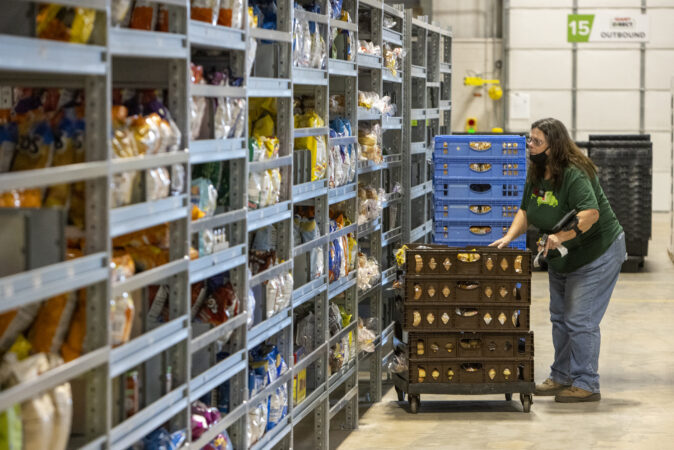
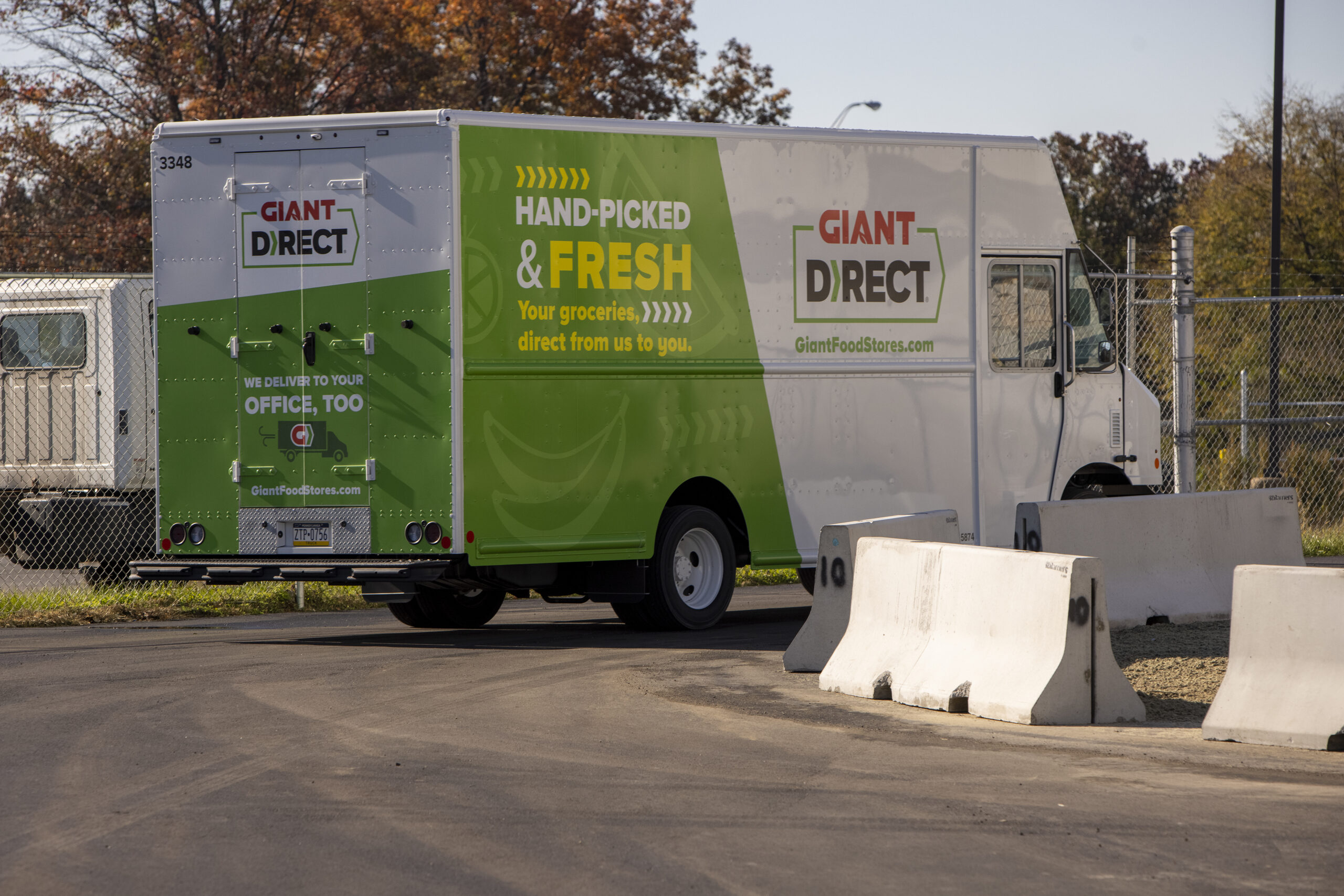
Under the new model, Giant employees will select the items for customers’ orders at Giant stores, instead of fulfillment centers, and the groceries will then be delivered by Instacart or DoorDash instead of GIANT Direct drivers.
The company will transition to the new model by the end of April and customers can continue to place their orders through the Giant app, said Flower.
The new model is intended to allow faster delivery, more product variety, and one-hour delivery windows, said Flower.
Customers will also be able to make changes to their orders closer to the scheduled delivery time.
Trucks leave the Giant Company e-commerce fulfillment center in Eastwick in November 2021, when the center had just opened. Going forward under the new delivery model, grocery orders will be delivered by a third-party company instead.
During the pandemic, more consumers turned to online shopping for their groceries. Today, consumers in the Philadelphia area are able to shop from several supermarkets through the Instacart and DoorDash digital platforms, including ShopRite, Aldi, and Sprouts. Customers have been able to shop for Giant groceries with third-party providers prior to the announced e-commerce model change.
Giant will close its five area fulfillment centers, Flower said. They are at: 3501 Island Ave. in Philadelphia, 315 N. York Rd. in Willow Grove, 216 E. Fairmont St. in Coopersburg, 86 Glocker Way in Pottstown, and 235 N. Reservoir St. in Lancaster.
Some fulfillment centers share their address with a supermarket site but are not accessible to shoppers at those locations. At those sites, the fulfillment center will close, but there will be no change to store operations, said Flower.
The e-commerce facilities employ 493 workers, who will be offered “equivalent jobs within our stores, with the same pay and benefits.” But drivers who take on a new position at a store will no longer receive tips, noted Flower.
When Giant’s 124,000-square-foot Southwest Philadelphia fulfillment center opened in 2021, it allowed the company to expand online order delivery to South Jersey. That was part of a $114 million expansion.
Meanwhile, Giant has been expanding its store footprint with a new South Philly location opening in 2024, and a Jenkintown supermarket in 2025.
“E-commerce remains an important segment of our business strategy and key to our future omnichannel growth,” said Flower. “We remain committed to providing an outstanding experience to our customers by offering speedy delivery, more delivery windows, broad product assortment, and value.”
Philadelphia is often referred to as an “eds and meds” economy — the region’s colleges, universities, and health systems employ hundreds of thousands.
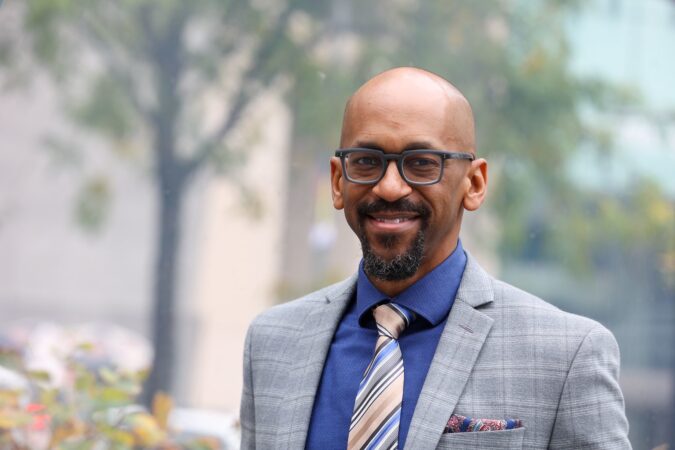
But Sean Vereen, president and CEO of Heights Philadelphia,doesn’t want the city to just be defined by those employers. The nonprofit he leads helps connect young people with education and career opportunities.
“I often say Philly should be a city for working-class people. We have a lot of working-class sensibilities, but we don’t have an economy that works for working-class people,” said Vereen. “We are going to have to be much more dedicated across all kinds of sectors to really try to create that kind of city and region.”
The Inquirer spoke with Vereen about recent unemployment data released by the Bureau of Labor Statistics, and the opportunities available to young adults. He says companies should have a vested interest in employing and training these entry-level workers — it’s a savvy business decision.
“Companies are not doing this out of charity. They’re doing it because they need a better workforce, and they cannot just be dependent on people who have done everything right, or have had access to all the opportunities,” said Vereen.
The following conversation has been edited for length and clarity.
U.S. unemployment is at the highest level since 2021. What does that mean for workers and those looking for work in Philadelphia and across the country?
Entry-level work is getting harder for people to find and have. Whether it’s [because of] tariffs or it is economic trends with hiring in general, it’s clear that the labor market is weakening. I think that’s particularly true for families of color, particularly Black folks seeking employment.
Then, I think the other piece is that the cost of living increases. There’s a ton of pressure for people through their employment to be able to maintain lifestyles. As much as [the Philadelphia area] is a great place to live, economically we’re not producing enough jobs that can sustain people in a working-class, middle-class lifestyle.
I recently wrote about how college graduates are facing one of the toughest job markets in recent years. What can young people expect when they’re entering the workforce? How can they prepare?
When you’re looking at the employment rates of people without a college degree, or even without a high school degree, the employment rates are much worse. So … it’s still the best bet that you’re going to have to get access to employment, particularly in this region because we are very much an “eds and meds”-driven economy in the five counties. We have to diversify and build up what the economic opportunities are here, but that’s also a reality that young people are facing.
Particularly first-generation-to-college students, they need networks and support systems, because they don’t have the connections that other folks from higher-income groups may have. We’re never gonna get people who have experience unless we give young people an opportunity and a chance. Employers have to be more dedicated to that entry-level work and paying fair and decent wages for that.
Scene from Rowan University’s College of Education graduation ceremony at Rowan University in Glassboro.
Tell me a bit about underemployment. Have we seen a change in how many people are employed part-time who would like to have more work?
It is clear that the cost of living has increased significantly over the last four or five years since the pandemic, and people are doing a lot of different things to try to supplement what their income is.
Everybody has got some kind of side hustle. Now, the question I would have is: Does it add up to actually real economic prosperity?
Are there many people who are in jobs that don’t match the amount of education they have? What can be done about that?
I think that is happening, one, because [there are] just more college graduates, period.
We need institutions and universities more dedicated to giving opportunities to low-income and first-generation students. We don’t have this connection between education and employment as much as we need to.
We’re really trying to push [for] kids to go to institutions that have the support and ability for kids to be able to graduate. We think Temple [University] is one of those places.
Some people … in their economic status [have] built-in networks that allow them to be connected to industries and professions. They may know somebody who’s already an investment banker … or does government work. For everybody else who does not have those connections, we need to have stronger networks. We need to have more people in career fields who are willing to mentor and engage people who are not their cousin, or their sibling, or a family member, but people who are different from them, but will benefit the industry, and the field, and all of us.
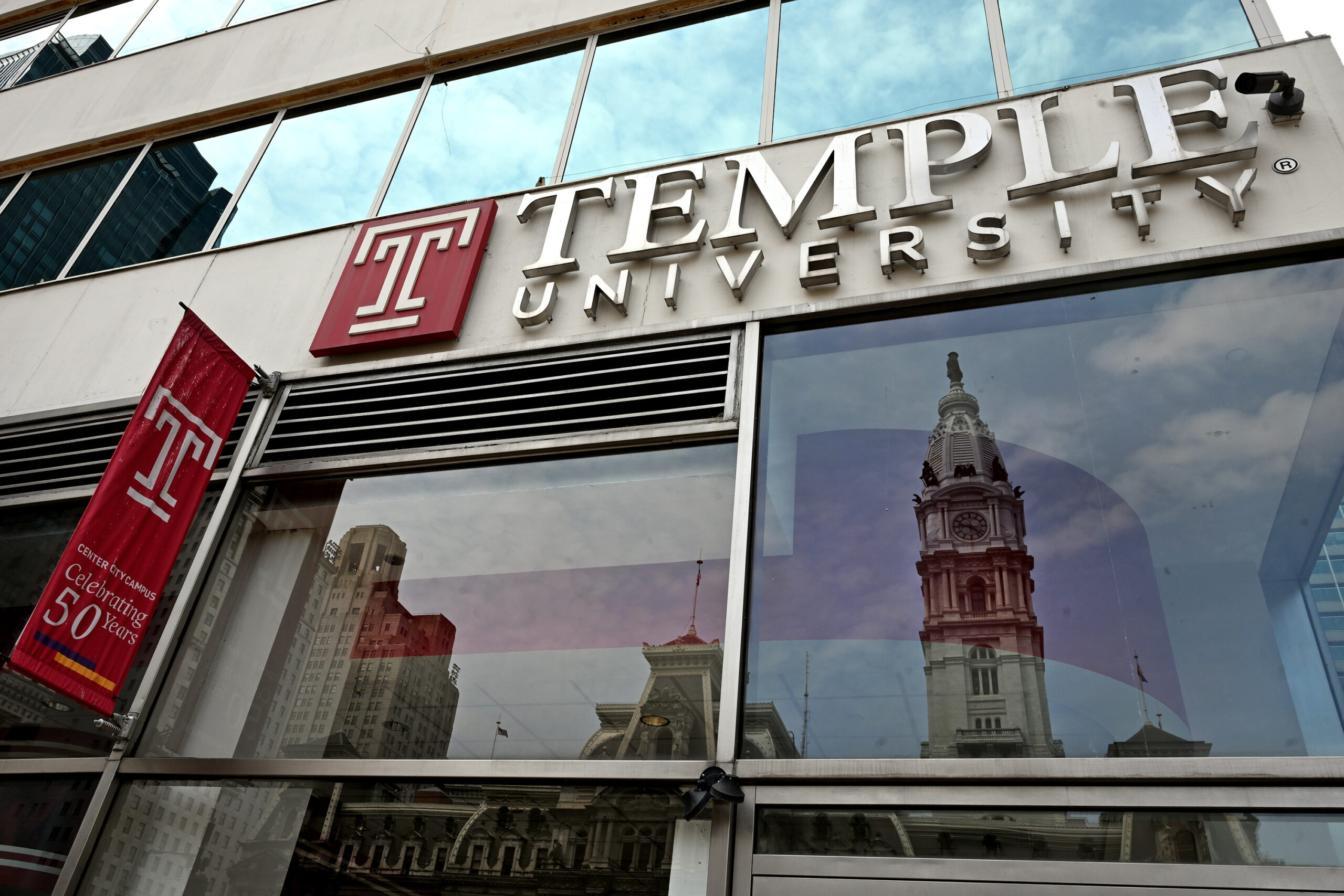
City Hall is reflected in glass of Temple University Center City Campus at 1515 Market St. on Jun. 5, 2025.
It’s the canary in the coal mine. What we saw during the pandemic, and coming out of the pandemic, was enormous amounts of opportunity for low-income, lower-wage workers … and now that’s wearing out. Then we think about the cutbacks in government work, cutbacks that are happening across many industries, that often Black folks are the folks who are first to be hitting those headwinds.
We still need to create long-term careers. We need to be thinking in this system. Even after the end of diversity, equity, and inclusion, we need to be creating opportunities in communities where that has not been the case. That’s both really thinking about lowering the cost of education … [and] making a stronger connection to what happens to you at the end of your educational journey.
We’re trying to press universities to be thinking harder about what happens to kids once they graduate. We’re trying to press the School District of Philadelphia to be thinking more about what happens, not just to get a kid to graduation, but have we connected them to an opportunity?
We cannot just be a place of “eds and meds” and Comcast. There has to be more economic opportunity for more people.
Public art “For Philadelphia” (top) by Jenny Holzer and “Exploded Paradigm” (left) by Conrad Shawcross and the Universal Sphere (rear) in the second-floor lobby of the Comcast Technology Center, Monday, March 17, 2025.
How should workforce development programs help people in Philadelphia secure good jobs? What kind of industries, skills, or training should they be focused on right now?
Whether you’re going to be a welder, or whether you’re going to be an electrician, or whether you’re going to work in a hospital, your reading and math skills still matter.
The other piece is just understanding what a field is. A med technician, they make, actually, good living wages. It is a job that you can do without a college degree, happening in many of the hospitals and research labs around the region. Kids don’t know about those things. No one is waking up in the morning and being like, “I want to be a med technician, [or a] sterilization technician.”
We have to do a better job of actually, at scale, introducing young people to fields and what opportunities are [available]. When they think about medicine, it’s not just about being a nurse or a doctor. There are thousands of jobs and opportunities there.
We have a ton of jobs that are going unfilled while we have employment going up, for example, in some of the hospitals. We’ve got to be better about trying to get people connected to opportunities. And that is possible to do. We just haven’t really looked at it, I think, in the right way.