Author: Brooke Schultz

  • Who is Chris Kearney? This Downingtown teacher tested his knowledge on ‘Jeopardy!’

    Who is Chris Kearney? This Downingtown teacher tested his knowledge on ‘Jeopardy!’

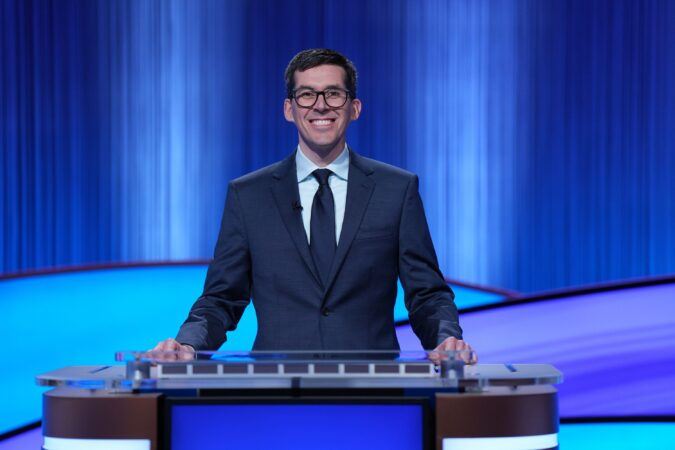
    On TV, you may not have been able to see the thrill that went through Chris Kearney when Jeopardy! host Ken Jennings read the clue, “Mrs. Proudie is the domineering wife of a bishop in this Victorian’s The Last Chronicle of Barset and Barchester Towers.”

    But five years ago, as he studied up for the possibility of ending up on the long-running game show, Kearney decided to search friends’ names to see if they had a famous counterpart. His freshman roommate happened to be a Trollope — though pronounced slightly differently — which brought Kearney to Victorian author Anthony Trollope. He penned a flashcard on the novelist to add to his ever-growing studying hobby.

    Kearney rung in first.

    “Who is Trollope?” he said, pronouncing it à la his roommate’s name.

    That flashcard scored him $2,000 in the “Recurring Characters” category last week, as the Downingtown High School West teacher competed against two others on Jeopardy! Kearney ultimately placed second, behind then three-day champion James Denison (Denison’s reign ended after his fourth win).

    “After the game’s over, Ken Jennings does a postgame chat session with the contestants for about five minutes, and he asked me about getting that clue, because that was a tougher clue,” Kearney recalled. “I just told him … it’s my freshman college roommate’s last name. I just wanted to make sure I knew that. So he got a chuckle out of that.”

    Kearney’s appearance on Jeopardy! last Wednesday was the culmination of a lifelong dream for the social studies teacher.

    Kearney, 48, grew up watching Jeopardy!, regularly tuning in when he was in middle school and all through high school. But about eight years ago, he decided he was going to try his hand at getting on the show.

    To appear on Jeopardy!, first you must take an “anytime test” — a 50-question exam that you can take at any time on the show’s website. If you pass the test — rumor has it, you have to get 35 out of the 50 questions correct — then you may move on to another 50-question test that is proctored online live.

    Should you pass that exam, then you could move on to a mock game and interview over Zoom. After that hurdle, you join a pool of candidates who could, at any time in the next two years, get a call inviting you to be on the show. If those two years lapse without a call, you return to the start.

    Kearney completed the anytime test almost every year. He ascended to the candidate pool in 2021, but never got the call. In 2023, he tried his hand again, but never heard back. The next year, he took the entry exam again, and did hear back. In January, he was invited to the show.

    “It was a dream come true, something that I had been just working on for a long time,” he said. “A feeling of relief too — that, ‘All right, finally.’ So: A lot of emotions, but ones I had to kind of keep quiet.”

    Preparing for if he ever got that call became something of a hobby — or perhaps a part-time job, he said. He was constantly reviewing, studying, and learning new things. There’s a strategy to playing the game, which he became familiar with, and there’s major topics and categories that are typically featured. He built up a base knowledge in those areas, and then tried to get more and more specific. Hence, Trollope.

    But it was a natural fit for someone who always liked school, and who just likes learning about things.

    It helped expose Kearney to new topics, too. He didn’t know much about art and historic art movements, but he began to look at various paintings and sculptures. He hadn’t listened to much classical music, but he became familiar with major composers, listening to their famous pieces. It gave him a new perspective on things.

    “I think it just kind of helps me appreciate the world around me a little better,” he said.

    Kearney arrived on set in California within about two months of getting the call (he had to lie to his colleagues that he was sick; they have since forgiven him). He was surprised that he wasn’t too nervous. Instead, he felt like he had accomplished his goal — that this was exactly where he wanted to be. He bonded immediately with his fellow contestants, and found it to be a welcoming environment, where people treated it like the special event that it was.

    “I was cognizant of the fact that many people want to be there and haven’t been there yet, and so I just appreciated every moment I was there,” he said.

    And though he knew the experience of the game would be different from playing from the comfort of the couch, he realized how hard it was to prepare for what it feels like to be on stage.

    The first part of the game he was just trying to acclimate to the pace and choosing when to ring in. There was a lot to consider — and to consider quickly. Still, it was “kind of a good stress,” he said.

    Friends and family celebrated with a watch party in Downingtown. Surrounded by screens of the show, he watched the people around him root for him. He played the episode for his students the day after, pausing to tell them what was going through his mind at certain points of the game.

    Of course, Kearney hadn’t been able to share the results before the show aired. As he watched people around him getting excited, he told his wife he felt bad that they were going to see him lose.

    “But they didn’t care. They were just so happy to be a part of it, to celebrate and cheer me on,” he said.

    This suburban content is produced with support from the Leslie Miller and Richard Worley Foundation and The Lenfest Institute for Journalism. Editorial content is created independently of the project donors. Gifts to support The Inquirer’s high-impact journalism can be made at inquirer.com/donate. A list of Lenfest Institute donors can be found at lenfestinstitute.org/supporters.
  • Chester County has more than 9,000 EVs. Now it wants to build more public electric vehicle charging stations

    Chester County has more than 9,000 EVs. Now it wants to build more public electric vehicle charging stations

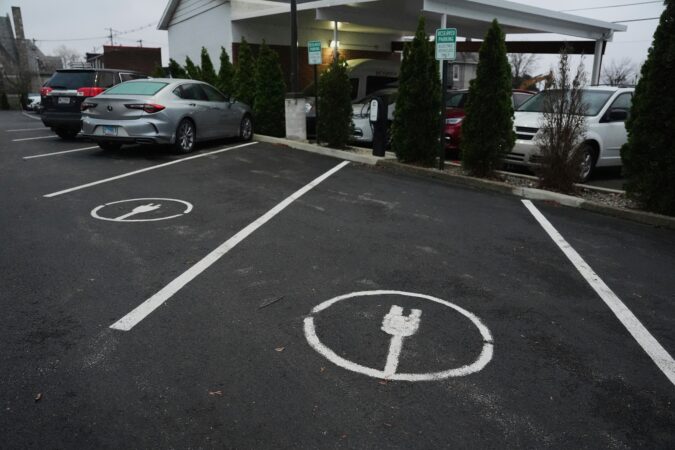
    Chester County, home to one of the largest numbers of electric vehicles in the state, hopes to grow its footprint of public charging stations.

    Through the federally funded National Electric Vehicle Infrastructure program, administered through the Pennsylvania Department of Transportation, the county is looking to build up its community-based public EV charging stations for people who have or want an electric vehicle but do not have a charging station installed at home.

    Funding from the program flows directly to municipalities or other applicants for EV chargers. PennDot expects to fund more than 100 projects through the grant.

    It builds on an initial federally funded project under the same program, which sought to place charging stations every 50 miles along the major travel corridors to address long drives across the state. Through that program, Chester County projects received $3.2 million.

    Chester County’s proposal would increase the number of public chargers speckled around the county, from workplaces to businesses, giving drivers a place to charge their cars as part of their day-to-day routines.

    Chester County, which has both densely packed development and rolling agricultural pockets, saw its rates of EV ownership double between 2022 and 2024, with more than 9,000 EVs registered in the county in the state’s most recent data. The county is behind only Montgomery in overall EV registrations in the southeastern part of the state.

    “Things are pretty spread out, and with the infrastructure that we have in place right now, other modes of transportation that are carbon-free or less carbon intensive than single-occupancy vehicles are not as viable here as they are in other places that are more dense,” said Rachael Griffith, sustainability director for the Chester County Planning Commission. “If we’re looking at a lower carbon future for our transportation network, EVs are really a great option for that here in our land-use setting. Building out the network of EV chargers is really the way that we incentivize that.”

    EVs are expensive, but Chester County has the highest median income in the state, so it makes sense it would see the higher ownership rates, Griffith said.

    Under former President Joe Biden’s administration, there had been a broader push nationally for electric projects. But that shifted with President Donald Trump’s return to office, as the president slashed electric goals. Experts in clean transportation anticipated seeing more projects focused on propane and natural gas in response.

    Despite the policy shifts, “it’s very clear that the future of transportation is electric,” Griffith said.

    “The more that we can do to plan for that future, I think the better prepared we will be in the long term,” she said.

    The county’s planning commission is reaching out to municipalities and chambers of commerce to drive applications for the program, Griffith said. Applications are open until Aug. 21; any business registered in Pennsylvania is eligible for funds.

    This suburban content is produced with support from the Leslie Miller and Richard Worley Foundation and The Lenfest Institute for Journalism. Editorial content is created independently of the project donors. Gifts to support The Inquirer’s high-impact journalism can be made at inquirer.com/donate. A list of Lenfest Institute donors can be found at lenfestinstitute.org/supporters.
  • Ingredients in a product that leaked into a Chester County stream are toxic to aquatic life, officials say

    Ingredients in a product that leaked into a Chester County stream are toxic to aquatic life, officials say

    The individual ingredients that make up the final product of a “milky white” substance that leaked into a Chester County creek last week are toxic to aquatic life, killing fish, eels, and worms, the Pennsylvania Department of Environmental Protection said.

    But county health officials said the materials released into the creek are not known to have acute or chronic human health risks. The department still advised people and pets to avoid “affected areas of Goose Creek to reduce impacts on the ongoing cleanup efforts.”

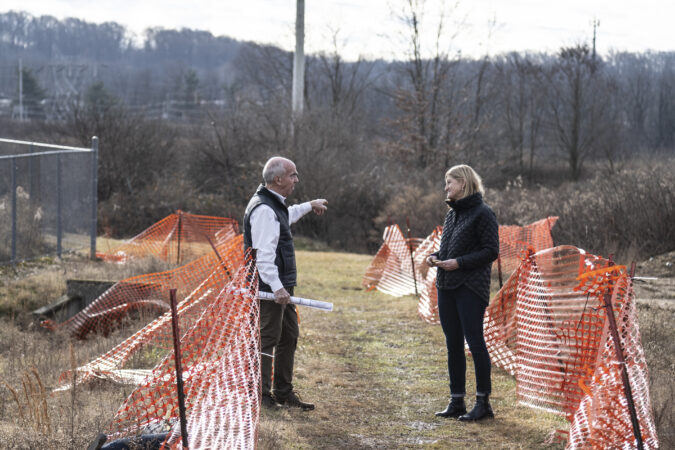
    The leak, which was discovered after several people called West Chester officials about “noticeable pollution” in Goose Creek, was plugged last Saturday. It stemmed from Atmos Technologies, at 216 Garfield Ave. in West Goshen Township, near Henderson High School. It is unclear how long the outfall pipe had been leaking before people reported it.

    Atmos Technologies told the state agency chlorinated water was released to a containment area, mixing with a manufactured product known as “Long Duration Foam AC-645,” forming a foaming agent, DEP officials said last week. The county’s health department said 4,000 gallons of the mixture was released.

    Since its discovery, DEP staff have visited Goose Creek, most recently on Wednesday, and observed cleanup efforts at Atmos and along Goose Creek. The creek was clear Wednesday, with some foam accumulation present on debris, said Robyn Briggs, a spokesperson for DEP. The outfall pipe remained plugged, she said.

    People had reported a fish kill — the mass death of fish due to pollution or environmental stress — but as of Thursday, no dead fish had been seen at the end of DEP’s tracing area.

    West Goshen and West Chester officials said last week that Atmos Technologies could face fines for the leak. The company said in a statement last week that the chemical is nontoxic and used in environmental cleanups.

    “The material breaks down naturally and is not expected to have any long-term impact on local wildlife or the ecosystem,” the company wrote.

    This suburban content is produced with support from the Leslie Miller and Richard Worley Foundation and The Lenfest Institute for Journalism. Editorial content is created independently of the project donors. Gifts to support The Inquirer’s high-impact journalism can be made at inquirer.com/donate. A list of Lenfest Institute donors can be found at lenfestinstitute.org/supporters.
  • Chester County’s former CEO says an ‘administrative decision’ to allow access to sports betting sites led to his sudden exit from the job

    Chester County’s former CEO says an ‘administrative decision’ to allow access to sports betting sites led to his sudden exit from the job

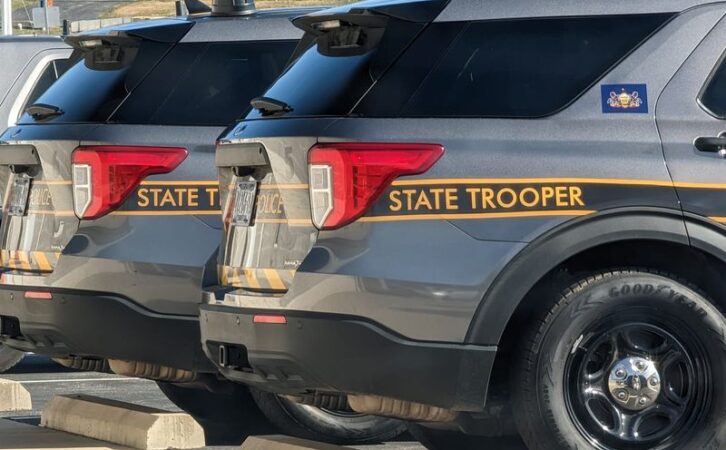
    Chester County’s former chief executive officer said his departure this week stemmed from an “administrative decision” he made more than a year ago, which allowed county staff to access online sports betting and fantasy sports websites.

    David Byerman, who was the county’s top administrative official for just over a year until his departure Monday, said in a phone call Thursday that Commissioner Josh Maxwell informed him that he had overstepped when he approved an employee’s request to allow access to fantasy sports and regulated online gaming sites on the county Wi-Fi. Byerman acknowledged that he made the decision after being told website access issues were previously under the commissioners’ purview.

    Byerman argued that by creating a new CEO role — moving away from the traditional county structure of a county administrator and two deputies — the county increased his responsibilities and authority, and this “was likely a situation where I felt I had the authority to make that decision,” he said. Though Byerman said he did not recall the email exchange with the employee, he said he had no reason to doubt it happened.

    “Did I occasionally update my fantasy baseball team and put bets on the Sixers and Eagles using the county’s Wi-Fi? Yes, that is true, but it’s also true that I regularly ate lunch at my desk. It’s also true that I regularly worked verifiably 60-hour-plus weeks in this job,” Byerman said. “And I believe I represent the county professionally and persuasively with external constituencies. I take the role extremely seriously. I take my work extremely seriously.”

    A spokesperson for the county on Thursday declined to respond to Byerman’s comments. In a weekly community newsletter, the county’s commissioners publicly acknowledged Byerman’s departure.

    “Mr. Byerman, whose lifetime career of public service includes impactful roles across the country, is a hard-working executive who focused on improving innovation and communication in county government,” they wrote. “We wish him well in his future endeavors.”

    Byerman said he had a “profound appreciation” for the commissioners and the county staff.

    Byerman was appointed to the role in 2024, as the commissioners restructured their administrative leadership structure. He was the first to take the title of “CEO” in the county, which came with increased responsibilities, including terminating employees, something previously left to the commissioners, he said.

    In his role, Byerman oversaw the county’s 2,600 employees and a roughly $730 million annual budget.

    He moved to the county from Kentucky, where he had served as the director of the state’s legislative research commission. He had previously worked as secretary of the Nevada Senate. But the county CEO job was a return to Pennsylvania for Byerman, who was the chairman of the Chester County Democratic Committee in the 1990s (a fact he said he disclosed to the commissioners during his interview, as his role was nonpartisan).

    Earlier this week, the commissioners announced to county staff that they had appointed a new county administrator, former deputy county administrator Erik Walschburger, to fill Byerman’s role. They rounded out the rest of a three-person leadership team by adding Chester County Prison warden Howard Holland as an acting deputy county administrator for operations to work alongside Megan Moser, whom the county hired last year.

    During his tenure, Byerman said, he improved internal communications and addressed policy concerns, including the establishment of a research partnership with Temple University to focus on housing within the county and the creation of a working group on immigration enforcement. The county has also spent months responding to a series of election errors, the most significant of which forced more than 12,000 voters to cast provisional ballots in the November election. Residents have said it rattled their trust.

    Byerman said he had previously been given “very good” and “excellent” performance reviews from the commissioners, and found it “surprising and disappointing that they opted to move directly to remove me because of this infraction.” He said it was the only reason he was given.

    “I think it’s especially important for public servants to demonstrate professionalism, accountability, and respect for the people we serve, and I always work to hit that standard,” he said. “I want the taxpayers who paid my salary to know that I worked my tail off for them, and I’m incredibly proud of the work that we did.”

    This suburban content is produced with support from the Leslie Miller and Richard Worley Foundation and The Lenfest Institute for Journalism. Editorial content is created independently of the project donors. Gifts to support The Inquirer’s high-impact journalism can be made at inquirer.com/donate. A list of Lenfest Institute donors can be found at lenfestinstitute.org/supporters.
  • Chester County man arrested for allegedly assaulting child in Walmart

    Chester County man arrested for allegedly assaulting child in Walmart

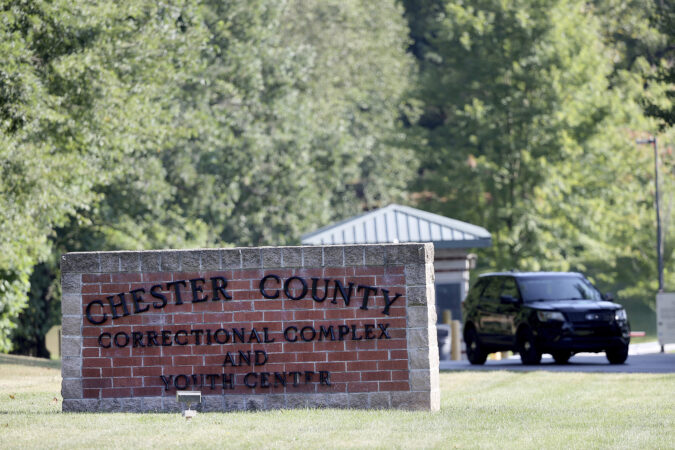
    A Chester County man has been charged with unlawful contact with a child at a Walmart store in West Sadsbury Township, police said this week.

    Joseph Gerard Bouffard, a 26-year-old Glenmoore resident, was charged this week with a felony for sexual contact with a minor, along with three lesser charges. The incident occurred in January, police said.

    A Pennsylvania State Police trooper wrote in a complaint that around 11 a.m. on Jan. 24, a mother called to report that a stranger had inappropriately touched her 11-year-old daughter in the Walmart.

    An attorney representing Bouffard did not immediately return a message seeking comment.

    The child told police that the man had touched her while she was in the beverage aisle of the store, grabbing a drink her mother had asked her to get. The child said that she had noticed Bouffard earlier when he smiled at her in another aisle. After he touched her, she immediately ran to her mother. Bouffard left immediately after, police said.

    Security footage showed that Bouffard allegedly passed the victim several times in the store, looking at her repeatedly and walking close to her, police wrote in the complaint. The footage also showed Bouffard touching the child, police said.

    Bouffard had left the store before police arrived, and officers identified him using law enforcement resources and surveillance. Last week, police interviewed Bouffard, who matched the description the girl gave as well as the security footage. When asked by police if he intentionally touched the girl, Bouffard “nodded in the affirmative and agreed,” according to the affidavit.

    Bouffard was arraigned on Wednesday, and was released on $25,000 unsecured bail ahead of a preliminary hearing scheduled for March 16.

    This suburban content is produced with support from the Leslie Miller and Richard Worley Foundation and The Lenfest Institute for Journalism. Editorial content is created independently of the project donors. Gifts to support The Inquirer’s high-impact journalism can be made at inquirer.com/donate. A list of Lenfest Institute donors can be found at lenfestinstitute.org/supporters.
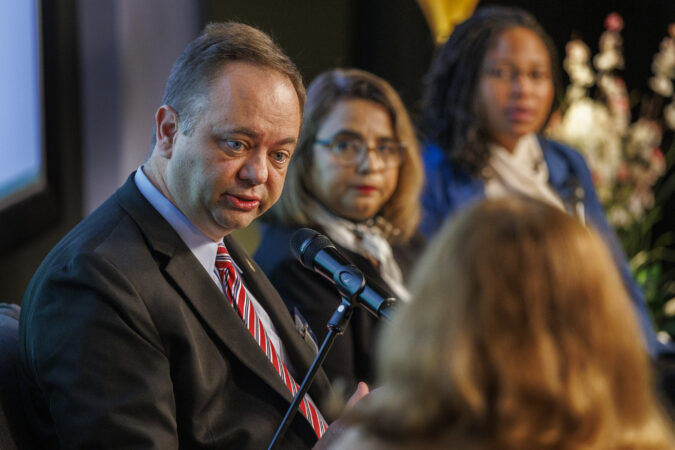
  • Chester County’s prison warden will move to county government as commissioners restructure administrative team

    Chester County’s prison warden will move to county government as commissioners restructure administrative team

    Chester County’s prison warden will round out a new leadership team after the county’s top official left his job earlier this week.

    Howard Holland, who has served as prison warden for the county since April 2024 and was its acting warden for eight months before that, has been appointed as acting deputy county administrator for operations and will complete a team of three newly named top county officials, the county announced this week.

    “I have always advocated for improved government processes, and I’ve been particularly pleased by the changes Mr. Holland has undertaken at the prison,” County Commissioner Eric Roe said in a statement. “I’m happy to have him join our leadership team, and I look forward to his continued contributions as a manager and leader at the County level.”

    The administrative team oversees 2,600 staff members and a roughly $730 million annual budget. Members are appointed by the county’s three elected commissioners.

    The change comes just days after the county’s top official, David Byerman, left the job, and a new county administrator, Erik Walschburger, was named. Holland and deputy county administrator Megan Moser, whose role was renamed this week, will work under Walschburger.

    Walschburger most recently was the county’s deputy administrator, a role he had held since 2022 overseeing internal day-to-day operations. Moser, who joined the county in 2025, has been involved with the county’s response to multiple election errors in recent months.

    The county’s announcement on Wednesday made no mention of Byerman. A county spokesperson earlier this week declined to give a reason for his departure.

    As Chester County shifts its personnel, it is reverting back to job titles it had used previously, retiring its use of “chief executive officer,” “chief operations officer,” and “chief experience officer” — a change it made roughly a year ago — for the more traditional title of county administrator and two deputies.

    Holland comes to the job after a more than 30-year career in law enforcement, working as a police officer, a special county detective, and an adviser to the county’s prison board. He was the chief of police for seven years in Downingtown.

    His most recent job came with an electric start: The day he became acting prison warden, convicted murderer Danilo Cavalcante escaped the prison, resulting in a two-week search. Since that incident, Holland made changes to limit the risk of escape, and promised to add additional security measures to the facility.

    With Holland’s move to county government, the Chester County Prison Board of Inspectors has appointed Brian Sheller as acting warden, county officials said. Sheller has been deputy warden since 2024, and served as the Parkesburg chief of police for more than 30 years.

    This suburban content is produced with support from the Leslie Miller and Richard Worley Foundation and The Lenfest Institute for Journalism. Editorial content is created independently of the project donors. Gifts to support The Inquirer’s high-impact journalism can be made at inquirer.com/donate. A list of Lenfest Institute donors can be found at lenfestinstitute.org/supporters.
  • A ‘milky white’ substance was leaking into a Chester County creek, and a business could face fines

    A ‘milky white’ substance was leaking into a Chester County creek, and a business could face fines

    A business that operates an industrial site in West Goshen Township that leaked hazardous discharge into a nearby creek could face fines, municipal officials said this week.

    Several people spotted a “milky white” substance in Goose Creek, near Nields Street in West Chester, on Saturday. The borough received reports of it around 12:20 p.m., according to a news release from the borough on Monday.

    The “illicit discharge” stemmed from a pipe at Atmos Technologies, at 216 Garfield Ave. in West Goshen Township, near Henderson High School. The leak was plugged within roughly an hour after reports were initially made, officials said.

    It is not known how long the pipe had been leaking before residents reported it.

    The Pennsylvania Department of Environmental Protection is investigating the spill to find out how much of it spread into the creek and what remediation efforts are needed to protect the public, officials said.

    Atmos Technologies told DEP that chlorinated water was released to a containment area, Robyn Briggs, a DEP spokesperson, said in an email Tuesday. It mixed with a manufactured product known as “Long Duration Foam AC-645,” forming a foaming agent.

    DEP alerted Aqua Pennsylvania, a public water provider that serves portions of Chester County. It continues to monitor the downstream flow, but said in a post online that residents’ drinking water was not affected.

    People had reported fish kills — mass deaths of fish, usually prompted by environmental stress or pollution — and “noticeable pollution” of the creek over the weekend, but Briggs said no further fish kills had been reported since and the creek appeared clear, with some foaming, on Sunday and Monday.

    Officials advised people and their pets to stay out of the creek, a West Goshen Township news release said Monday.

    This suburban content is produced with support from the Leslie Miller and Richard Worley Foundation and The Lenfest Institute for Journalism. Editorial content is created independently of the project donors. Gifts to support The Inquirer’s high-impact journalism can be made at inquirer.com/donate. A list of Lenfest Institute donors can be found at lenfestinstitute.org/supporters.
  • Chester County’s CEO is off the job after about a year, as the county appoints new leadership

    Chester County’s CEO is off the job after about a year, as the county appoints new leadership

    Chester County has appointed a new top administrator after the county’s chief executive officer left his position Monday, officials said.

    David Byerman, who served as the county’s CEO for just over a year, left Monday. Erik Walschburger was immediately appointed to replace him, and will be overseeing the county’s staff and budget under the title of “county administrator” rather than CEO, a spokesperson said.

    Staff were informed of the changes Monday afternoon in an email from the county’s commissioners. The message, which announced Walschburger’s appointment, didn’t mention Byerman. His staff page was removed by Monday afternoon.

    The county did not give a reason for Byerman’s departure. He did not answer a phone call seeking comment.

    Walschburger comes into the role having served as deputy county administrator since 2022, with more than 15 years of experience in the county. As deputy, he oversaw the internal day-to-day operations. Prior to joining the county’s administrative side, he worked in the district attorney’s office, prosecuting criminal cases, managing diversionary programs, writing grants, and defending convictions on appeal.

    The email from the commissioners also said Megan Moser, the county’s chief experience officer, will continue in her role under a new title — the “deputy county administrator.” Moser joined the county last year, and has been involved with the response to multiple election errors in recent months.

    The county is searching for an acting deputy county administrator for operations to replace Walschburger, the email said.

    Byerman was appointed as CEO in November 2024, after years serving as the director of Kentucky’s legislative research commission and as the secretary of the state Senate in Nevada. As county CEO, Byerman oversaw the county’s more than 2,600 employees and managed the annual budget of roughly $730 million.

    “We look forward to working with the entire leadership team — and all of you — to establish and sustain a culture of collaboration and mutual support as we continue to provide the highest quality services to the residents of Chester County,” the commissioners said in their email to staff.

    The staff changes come as the county has made repeated missteps in recent elections, the most significant forcing more than 12,000 voters to cast provisional ballots in the November election. Residents told the commissioners last month that it had rattled their trust in county operations.

    This suburban content is produced with support from the Leslie Miller and Richard Worley Foundation and The Lenfest Institute for Journalism. Editorial content is created independently of the project donors. Gifts to support The Inquirer’s high-impact journalism can be made at inquirer.com/donate. A list of Lenfest Institute donors can be found at lenfestinstitute.org/supporters.
  • Chesco pet sitters are watching more than dogs and cats — chickens, goats, and sheep need care, too

    Chesco pet sitters are watching more than dogs and cats — chickens, goats, and sheep need care, too

    When Nora Murphy Kramp walked away from her veterinary assistant career to pet sit full time, she didn’t expect that years later, a large chunk of her clientele would be chickens.

    And goats. And pigs. Oh, my.

    “It’s more common than not,” said Murphy Kramp, founder of Chester County Canines, based near Malvern. “Basically, if it’s, ‘Hey, come take care of my dogs,’ if they happen to have a nice backyard, a year later, it’s like, ‘Oh, hey, come take care of my dogs. We have six chickens now — them, too.’”

    There was a boom of people getting pets during the height of the COVID-19 pandemic. Aside from more traditional pets, that uptick also included chickens, pet sitters say. And an even bigger push occurred last year: As the cost of eggs inflated, people figured they would do it themselves.

    But for some of her clients, chickens are just the start: Some have added goats and sheep to their little homesteads, too.

    Chester County is a ripe place for it, merging its strong agricultural past and the growing number of residents.

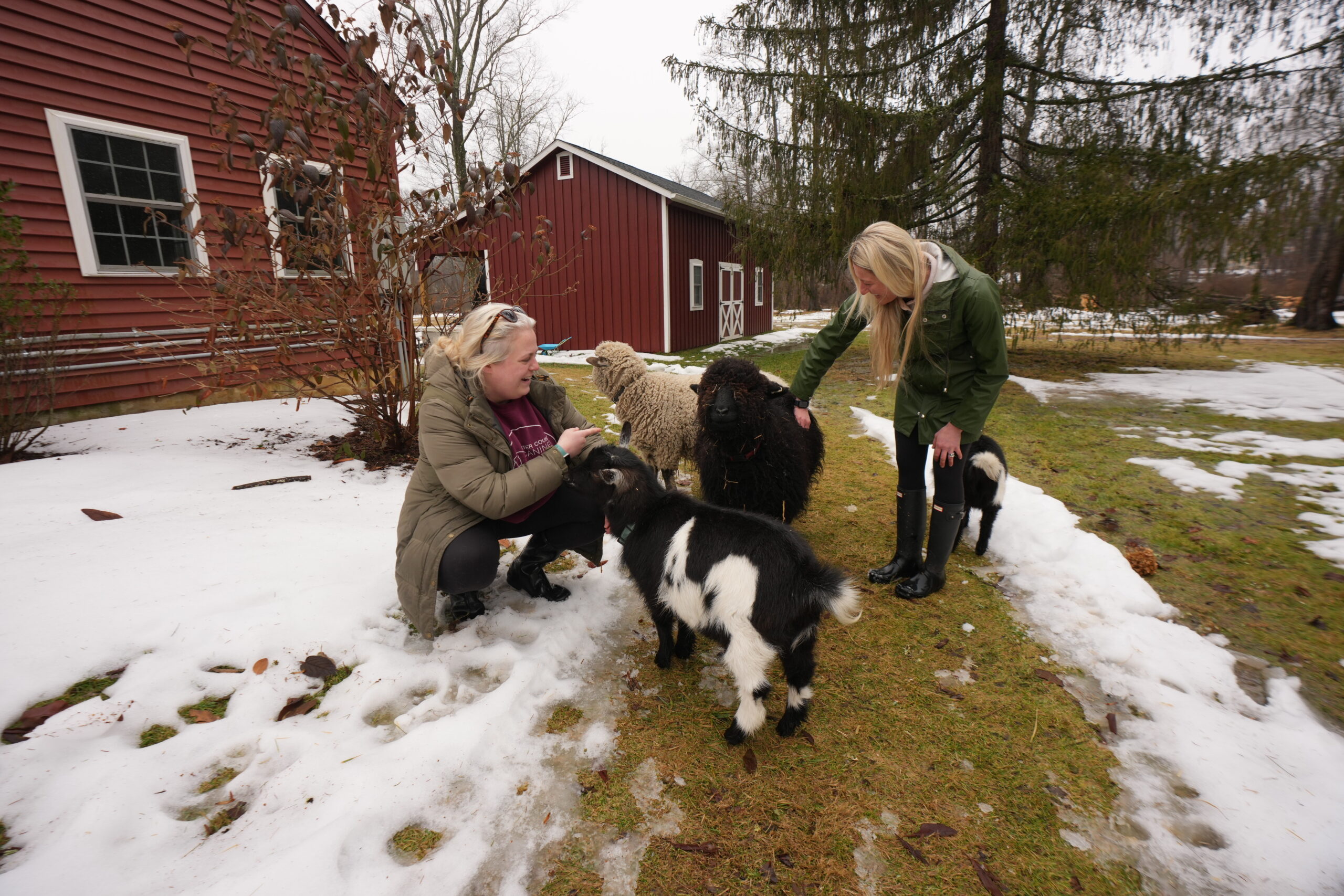
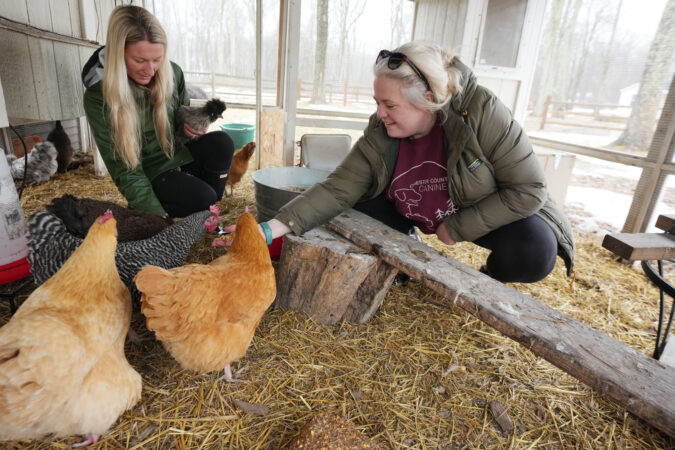
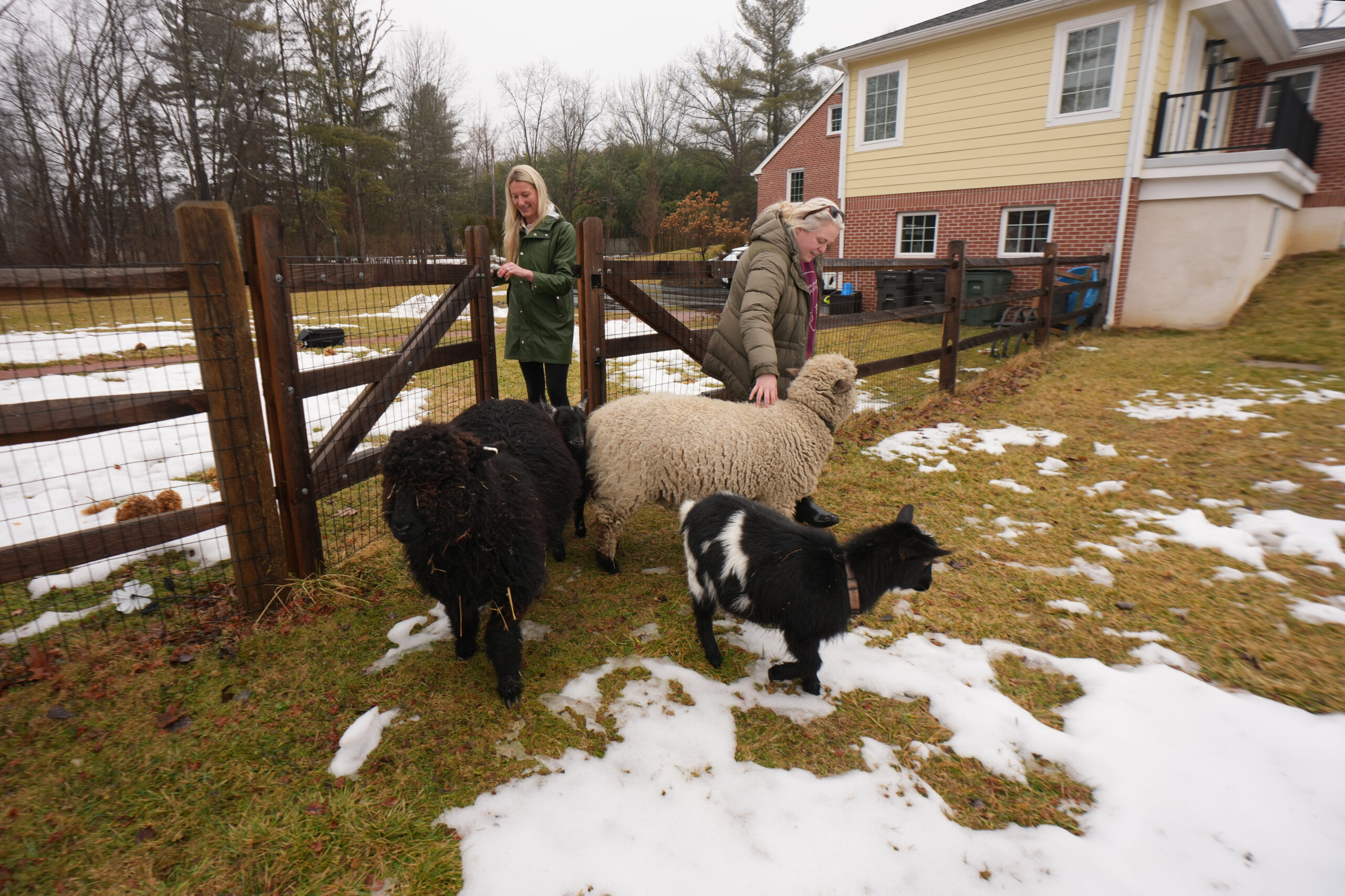
    Julie Gunderson, left, and her pet sitter Nora Murphy Kramp, right, at Gunderson’s house with her farm animals, in Chester County, Pa., Feb. 20, 2026.

    Over time, development has increased along with population — the county is one of the fastest-growing in the state — bringing all the amenities one could ask for. But with many municipalities having ordinances friendly to homesteading, allowing residents to farm animals with enough acreage, or chickens if the coop can be far enough from the house, more and more people have been embracing the so-called country life. (Murphy Kramp had to enter a “chicken lottery” to secure her own chickens last spring, due to the surge in popularity. A study last year found that there are more than 85 million backyard chickens nationwide, rivaling the population of cats and dogs.)

    When people leave Philadelphia, with its tightly packed rowhouses or apartments, getting chickens can be one of the first things they do, observed Shiena Powelson, the owner of I Sit, They Stay, a pet-sitting business based in Chester County near Pottstown.

    “There’s a lot of open spaces out this way, where there’s purposely no building going on, so it allows people to have these animals without being on top of the neighbor,” Powelson said. “On my road, I have these young families that have the chicken coops, but then there’s also a 15-acre horse farm four houses down from me. It’s a nice mix.”

    Powelson, who grew up in an animal-loving family that ran a pet store in Pottstown, started her career as an educator at the Philadelphia Zoo. On the side, she fostered her pet-sitting business, and moved to it full time about 15 years ago. From the jump, she has had an interesting assortment of pets to care for: reptiles and exotic birds. She used to sit for full-on farms, mucking horse stalls or caring for sheep, but now she is finding more of a hybrid: people who live in residential communities but have chickens, ducks, and even pot-bellied pigs.

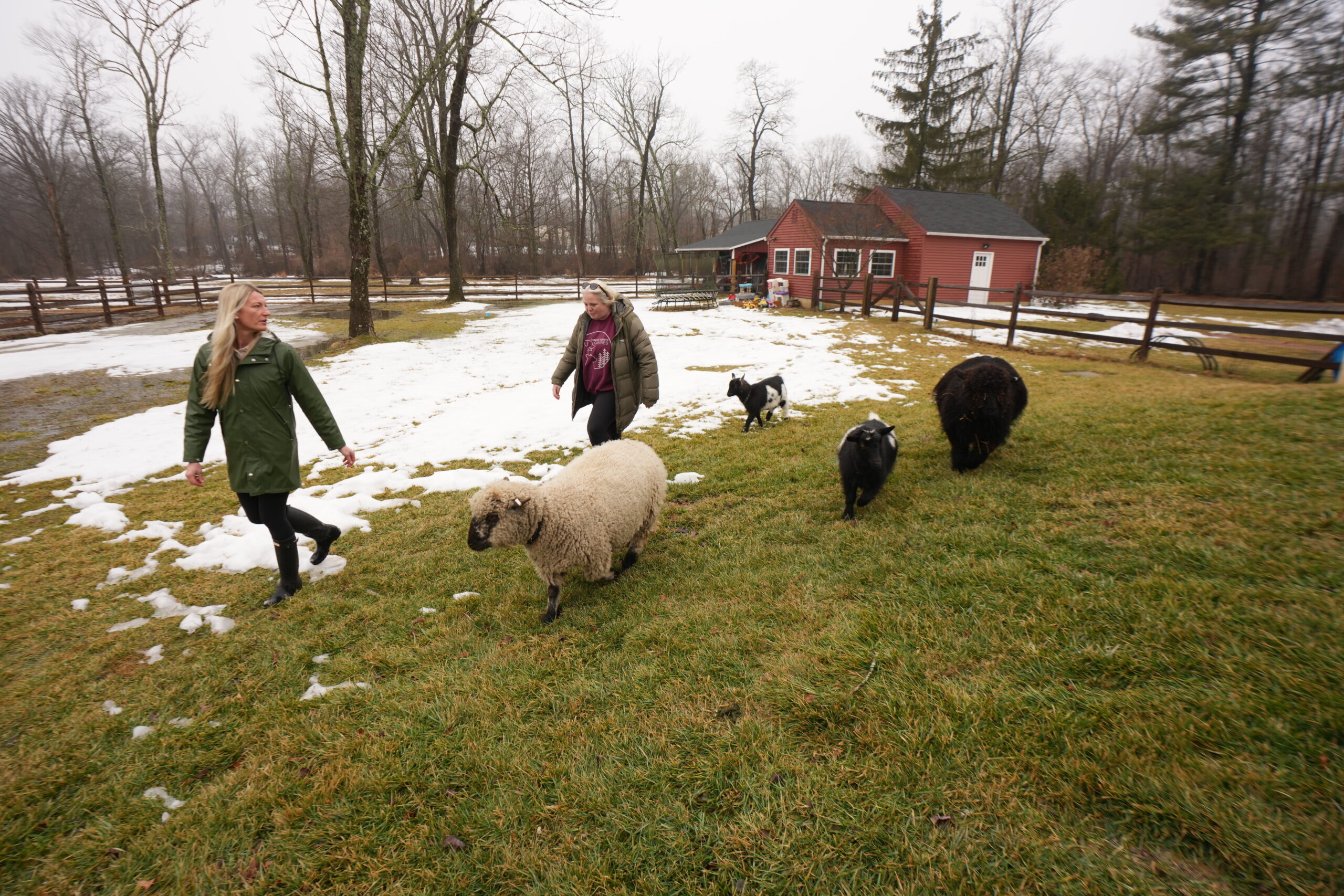
    Julie Gunderson, left, and her pet sitter Nora Murphy Kramp, right, at Gunderson’s house with her farm animals in Chester County.

    “When you pull in this development, you would never expect there would be two pot-bellied pigs living in the development,” she said.

    Chickens, she has found, tend to be a familial thing, where parents teach their kids where the food comes from and how to care for the animals.

    John Marshall, one of Powelson’s clients, grew up in Montgomery County and had a friend whose family had chickens. He thought it was awesome. With his own land, he decided to get his own. Now, the 54-year-old has had chickens on his couple of acres in the Pottstown area for about 30 years.

    “It’s amazing, because it’s like having a dog. People just fall in love,” Marshall said. “They just become your little buddies. A lot of people think they’re real hard to take care of, but they’re not, if you set the coop up right.”

    Caring for farm animals requires a different part of Powelson’s brain — digging back into her zoo background. Does she have her boots for muddy coops? Does she have her heavy jacket to work outside when it’s 10 degrees?

    Nora Murphy Kramp, left, and her client Julie Gunderson, right, at Gunderson’s house with her farm animals, in Chester County, Pa, Feb. 20, 2026.

    “It feels very different when I’m going to let someone’s dog out and can just hang out with them,” she said. “It’s a nice variety.”

    With chickens and other farm critters, there are stalls to clean and muck. Murphy Kramp gets there at the crack of dawn to feed the animals.

    During one hot summer, she told a client, Julie Gunderson, that she probably needed a fan for the chicken coop. From vacation, Gunderson ordered one, and Murphy Kramp assembled it and set it up. It gave Gunderson peace of mind, knowing someone was that hands-on with her chickens while she was away.

    “I had talked to a lot of people along the way who have slightly bigger operations — still backyard farms — but they would tell me, ‘Oh, you’ll never get away together, someone’s always going to have to stay home to take care of the animals,’” Gunderson said. “I just feel very fortunate to have found Nora. I really trust her.”

    Gunderson, 38, didn’t grow up on a farm, or with pets other than dogs. But she had an early appreciation of farm animals, spending time at the barn with her grandfather in Rhode Island. She decided to give chickens a try during the COVID-19 pandemic, after she went from working full time to staying at home with her first child to everything shutting down in rapid succession.

    With five acres of land, and a county friendly to backyard farms like hers, it felt seamless to add two goats and two sheep a few years later.

    It has been a way for her to learn a new skill, and to do something with her family, she said.

    “It was kind of just like, how do I kind of get something new that educates me and teaches me something similar to how I felt when I was working, where I feel like I’m growing in some way,” she said.

    With her three kids, all under age 6, they gather eggs and clean up the goat and sheep barn.

    “If people are on the fence, I say do it,” she said. “There are plenty of pet sitters to help you when you need to get away.”

  • When too many people showed up, East Whiteland’s planning commission postponed a data center meeting

    When too many people showed up, East Whiteland’s planning commission postponed a data center meeting

    So many people packed into an East Whiteland Planning Commission meeting Wednesday in response to a data center project that the crowd exceeded capacity and forced township officials to reschedule the discussion.

    The meeting will be tentatively rescheduled for March 9 at a larger venue, township officials said.

    It was the second time this week that a strong public presence changed the course for local officials weighing data center projects. In North Coventry, the township supervisors took a vote Monday saying they would deny a data center project that had not yet been formally submitted after more than a hundred people packed into the meeting to object to it.

    In East Whiteland, the planning commission is weighing an amended application seeking to expand a previously approved data center project that sits on the border of the township and neighboring West Whiteland.

    The new plan would increase the size of the two data center buildings by roughly 61% from what was previously approved, to exceed 1.6 million square feet.

    The developers, Sentinel Data Centers and Green Fig Land LLC, said the changes would also update the project to modern technology, saying the approved 2024 plan was outdated. Those changes would include removing two microwave towers, antenna yards, and ground-mounted cooling towers. It would also redesign cooling equipment to use waterless chillers.

    Lou Colagreco, the attorney for the developer, told the board Wednesday construction would commence within the next couple of weeks, with groundwork underway, under the previously approved project. He urged the commission to recommend the amended plan to the township’s board of supervisors.

    “We think that a yes vote … approves, at the end of the day, a better plan,” Colagreco said.

    After some musical chairs — with the attendees scooting their chairs up to make more standing room at the back — the discussion came to a halt roughly a half hour into the meeting.

    “I hate to be the bearer of bad news,” planning commission chairwoman Deborah Abel said after a brief pause, “but we’ve just been told by the fire marshal that we cannot continue this meeting with this amount of people in the room.”

    Attendees exceeded the room’s capacity of 98, with an additional 30 people in the lobby. Township officials sought to whittle the numbers down, saying people could watch the livestream at home, or stand in the lobby.

    But residents chafed at the request, calling on the board to reschedule the meeting instead.

    It represents a growing trend of residents packing into municipal meetings in Chester County to decry data center projects. More than 100 residents showed up at the North Coventry meeting Monday, speaking for more than an hour against a project that had not formally been submitted to the township. It surprised the developer, who decided to scrap it. In East Vincent, after months of public participation, the planning commission recommended that the township’s board of supervisors reject a proposal for the historic Pennhurst site.

    The opposition from residents clashes with Democratic Gov. Josh Shapiro, who has sought to draw more of this development to Pennsylvania. And while about 38% of Pennsylvanians said in a December survey they support data centers being built in the state, they were less likely to support data centers in their own backyards.

    “Thanks, everyone, for coming out,” Abel told residents as she ended the meeting. “Sorry for the waste of time.”