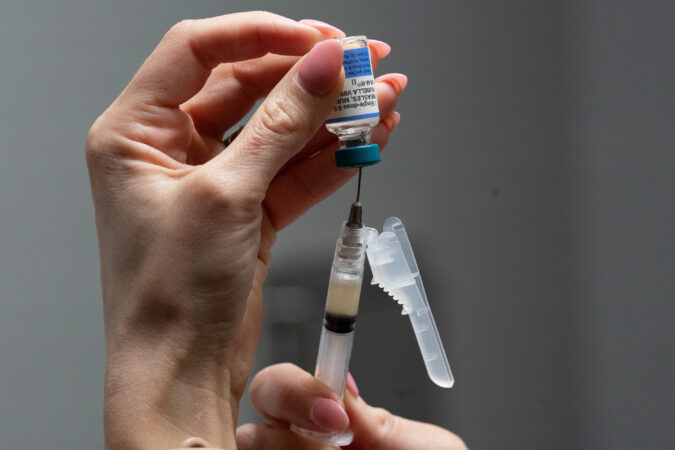
Chester County health officials confirmed two measles cases in residents this week as the highly contagious disease continues to spread in Southeastern and Central Pennsylvania.
The county has now seen four cases since late June, in addition to one case recorded this winter.
The newly reported cases bring Pennsylvania’s tally to 101 measles cases this year, more than six times the cases confirmed in 2025.
An ongoing outbreak centered in Lancaster County, where 52 residents have been sickened since April, is the state’s worst in three decades.
It’s unclear whether the cases in Chester County are connected to the Lancaster outbreak, said Nancy Sullivan, the supervisor of the disease investigation and surveillance program at the county health department.
The latest cases show the virus “is circulating in the community, particularly the western part of Chester County,” Sullivan said.
(function() {
var l2 = function() {
new pym.Parent(‘HE_MEASLES7.html’,
‘https://media.inquirer.com/storage/inquirer/projects/innovation/arcgis_iframe/HE_MEASLES7.html’);
};
if (typeof(pym) === ‘undefined’) {
var h = document.getElementsByTagName(‘head’)[0],
s = document.createElement(‘script’);
s.type = ‘text/javascript’;
s.src = ‘https://pym.nprapps.org/pym.v1.min.js’;
s.onload = l2;
h.appendChild(s);
} else {
l2();
}
})();
Health department staff in Chester County, which borders Lancaster County, have sought to contain the outbreak by conducting contact tracing for months.
But it can be tricky to link patients through their contacts to other confirmed cases.
“It’s difficult for some individuals to establish who they’ve been in contact with. Sometimes they’re unsure,” Sullivan said.
All of the patients infected in Chester County were either unvaccinated or could not prove that they were immune to the virus, which can infect up to 90% of unvaccinated people exposed to it.
Several patients this summer have been hospitalized for serious electrolyte abnormalities and liver and kidney dysfunction, physicians in Lancaster and Dauphin Counties have reported.
Sullivan said that no Chester County residents have required hospitalization so far. All had tested positive for measles after they sought treatment at local healthcare facilities, she said.
Symptoms of measles include a fever, a cough, and a runny nose — similar to other respiratory diseases — that often emerge before patients develop a telltale rash.
But the disease has no specific treatments and can cause serious complications.
County officials had begun preparing for a potential measles outbreak about two years ago, Sullivan said, developing a new software system that made it easier for health workers to track cases and analyze data on an outbreak.
The county is also increasing outreach to residents about the importance of vaccination.
“We’re continuing to push the message of vaccination, checking immunity, speaking to your provider about your potential risk to developing measles, making sure people know where they can get vaccinated,” Sullivan said.
Countywide, 94.5% of kindergarteners were vaccinated against measles in the 2024-2025 school year, the last for which data is available. That’s just below the 95% threshold that scientists consider necessary to prevent the spread of the virus.
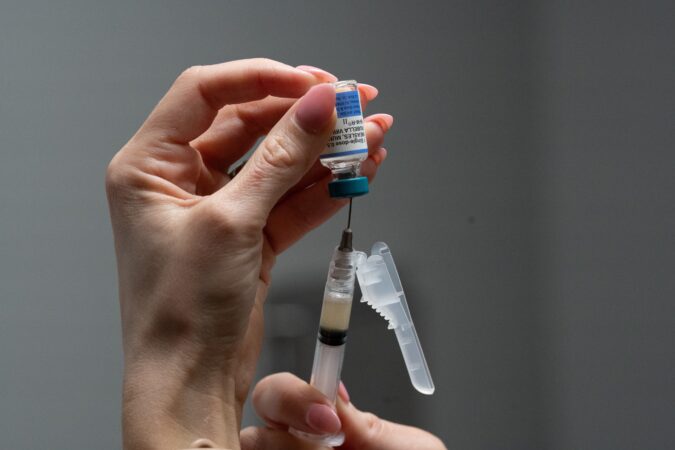
The county and state health departments have started recommending that providers offer measles, mumps, and rubella vaccinations to infants at 6 months old.
Typically, children receive an MMR dose at around 1 year old and before entering kindergarten. Under the new recommendation, a “dose zero” is given at 6 months and provides additional protection before children receive two more doses of the vaccine.
Health officials in Philadelphia, to the east of Chester County, are also recommending the “dose zero” for infants whose parents plan travel to Chester County or any of the other seven counties with measles cases.
State and local health officials are tracking dozens of cases of an illness caused by an intestinal parasite with symptoms including “explosive” bowel movements.
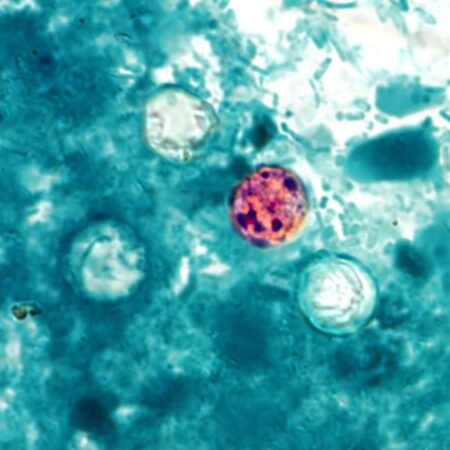
Cyclosporiasis, caused by the parasite Cyclospora caytanensis, spreads through contaminated food and water.
Pennsylvania had recorded 28 cases this year as of last week, including 14 in Southeastern Pennsylvania. The state identified 40 cases in 2025.
People sometimes contract cyclosporiasis when traveling in tropical or subtropical regions of the world where Cyclospora is endemic, but outbreaks also occur in the United States.
Cases of cyclosporiasis can occur any time of year but tend to rise in the spring and summer months.
Nationwide, the Centers for Disease Control and Prevention’s website says ithas tracked 145 cases in 17 states between May 1 and June 16, including between 1 and 10 people sickened in both Pennsylvania and New Jersey during that time. All those cases were acquired in the United States.
The agency is also tracking an additional 45 cases reported in people who contracted the parasite while traveling outside the country.
Nationwide, 23 people have been hospitalized for cyclosporiasis since May 1.
The CDC warned that the true number of cyclosporiasis cases is likely higher, as some people recover without seeing a doctor or getting tested.
It is not typically life-threatening, state health officials said, but can last more than a month if not treated.
The CDC said it is working with state and local health departments around the country to learn how cyclosporiasis cases have spread, but there is no evidence that the 145 cases reported since May are linked.
“Investigations to identify potential clusters and potential sources of illness are ongoing,” the agency said.
Pennsylvanians experiencing symptoms of cyclosporiasis should call their doctors, state health officials said.
Unlike most states, Pennsylvania health providers are not required to report cyclosporiasis cases to health authorities, but the state health department still collects reports on confirmed cases and notifies federal health officials weekly.
On a small Lancaster County farm last month, five of the eight King siblings sprawled on the living room floor, sucking on ice pops and listening to calming music, trying not to scratch their itchy skin.
The next county over, in Hershey, children were lying in hospital beds as their immune systems battled an infection damaging their organs.
Pennsylvania is now seeing its worst measles outbreak in 30 years, centered around rural counties just west of the Philadelphia metro area. Lancaster County has emerged as a particular hot spot, with 51 of the 89 total measles cases reported this year in the state.
Anti-vaccination sentiment is prevalent in Lancaster County, where vaccination rates among kindergarteners are some of the lowest in the state. Known for its agricultural bounty and the Amish and Mennonite communities that dot its rural landscapes, Lancaster is also home to the state’s eighth-largest city with an economy heavily supported by tourism and entertainment.
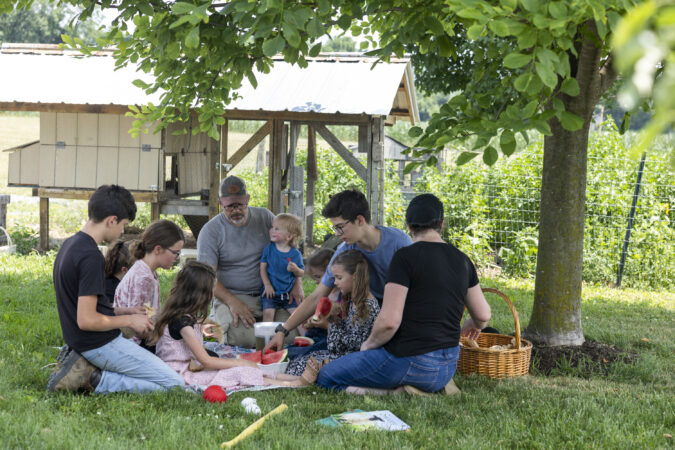
In Lancaster, doctors say many are flocking to local clinics and pop-up vaccination events as cases rise. But others, like the King family, remain resolute in their decision not to vaccinate, instead preparing to ride out what they hope will be an inconvenient summer interruption that builds character and family bonding.
The family isolated in their home for weeks in June while all eight unvaccinated children, who range in age from a 1 to 15, recovered from measles. Their 14-year-old son experienced the most severe symptoms, and went to the emergency department when coughing and nausea rendered him unable to keep down water or medicine.
“Measles isn’t fun, seeing your kids sick isn’t fun,” said Gina King, 41, who lives outside New Holland. But, she added, “I know this is going to be added to the King family core memories.”
The 89 cases Pennsylvania has recorded so far this year exceed by more than five times the cases recorded in 2025. Doctors say the official tally may be an undercount, with many cases going unreported.
An Inquirer analysis found both the metropolis and state increasingly have become vulnerable to a major outbreak.In the 2024-2025 school year, kindergarten vaccination rates in 50 of Pennsylvania’s 67 counties were below the 95% vaccination rate scientists consider necessary to keep the virus from spreading. And even in counties with vaccination rates near so-called “herd immunity,” school-level vaccine data show that susceptible communities pockmark the region.
The majority of measles cases resolve in weeks with mild-to-moderate flulike symptoms, but the disease can take life-altering and even deadly turns, especially for young children.
Doctors and nurses who spoke to The Inquirer could not comment on the King family’s experience because they did not treat them.
But they cautioned that they have seen the harm measles can do to a child’s body: neurological damage, respiratory infections, and pneumonia, which can lead to death.
“Each one of those cases where a child suffers something really devastating — it only takes seeing one for it to really be something that hits home very hard,” said Evan Shirey, a pediatric infectious disease physician who has treated several children with measles at Penn State Health Golisano Children’s Hospital this year.
On the front lines of measles
As a medical student, Shirey never expected he would treat a measles case himself. By 2000, vaccination rates across the United States were so high that the disease was declared eliminated.
“I read the textbooks like they were history books,” Shirey said.
But as vaccination rates decreased, he and other providers began preparing in the last couple of years. He feared inevitably seeing cases like the several adults and children treated at Penn State hospitals this year.
He declined to share details on the cases, saying hospitalization numbers are low enough that doing so would risk compromising patients’ privacy.
Shirey said he’s also fielding “constant” phone calls from pediatricians all over the state as they prepare for — or deal with — emerging measles cases.
Intensive protection measures implemented at Penn State hospitals in Dauphin County, for example, include testing patients with respiratory symptoms, or who were potentially exposed to measles, and isolating them while they wait for test results.
The virus is so contagious, it can infect nine in 10 people who haven’t been vaccinated.
“Airborne diseases are a whole other world,” said Nancy Himmelberger, a critical care registered nurse at Golisano Children’s Hospital and the vice president of its nurses’ union, which is affiliated with SEIU.
Shirey tries to explain to parents why vaccination is the best defense against measles. “I do encounter a lot of parents who truly want the best for their child, and they’re afraid because of what they see on TV or social media.”
The Centers for Disease Control and Prevention recommends children receive two doses of the measles, mumps, rubella (MMR) vaccine at 1 year of age and before starting kindergarten, typically around age 5.
The vaccine is among those required for students to attend school, though Pennsylvania’s lax rules allow families to opt out for medical, religious, or philosophical reasons.
In response to rising cases, Pennsylvania earlier this year updated its guidelines to recommend babies be given their first dose as early as 6 months.
Once someone is infected with measles, Shirey stresses, no treatments are available that specifically target the virus.
Vitamin A may be given to children who have been hospitalized with severe measles symptoms, but it is not a cure and cannot prevent the disease. Excessive amounts of vitamin A can be dangerous.
“For measles, it is supportive care and trying to manage the complications that occur,” Shirey said.
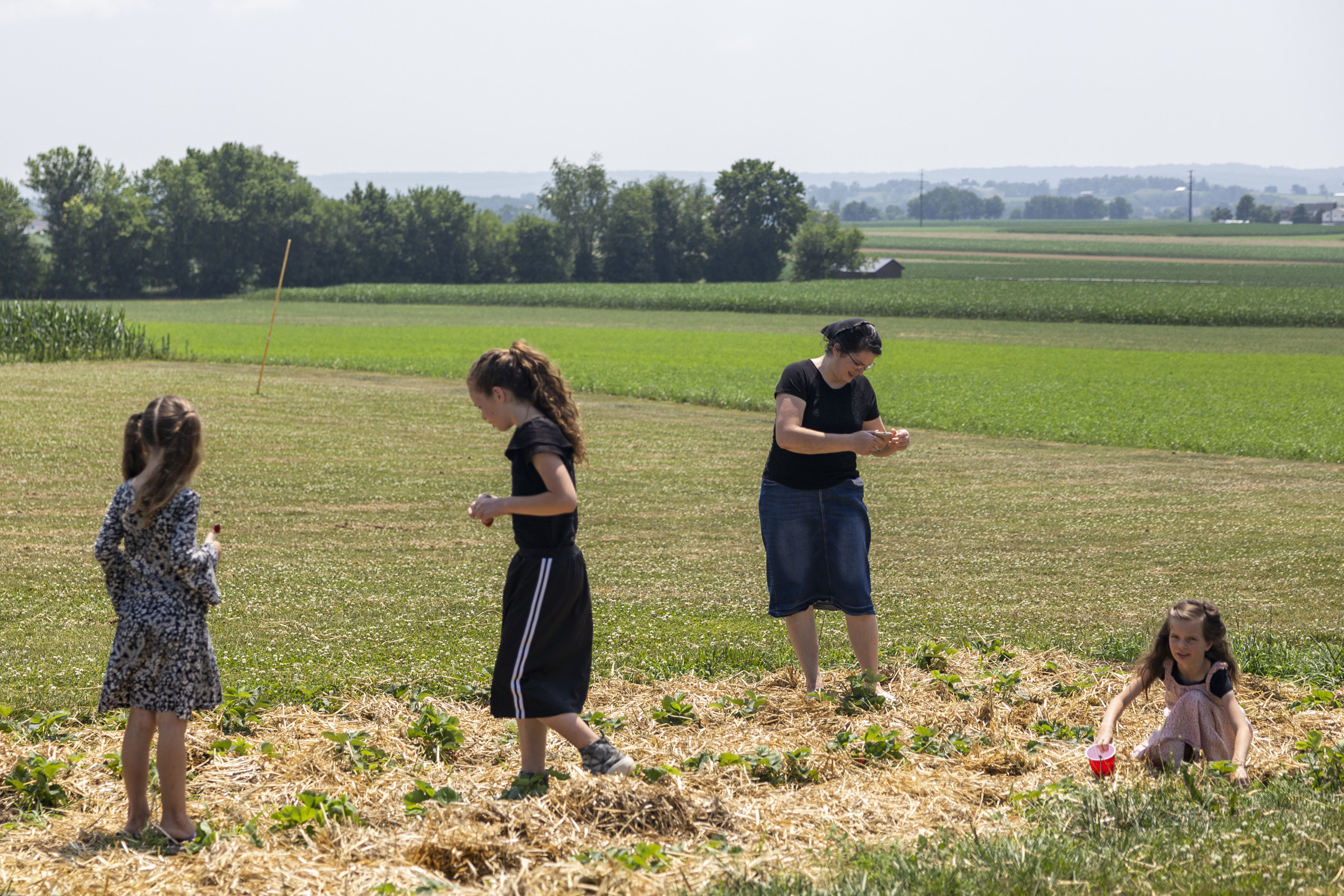
Gina King and her daughters pick strawberries at their home in Lancaster County.
Trying to change vaccine perspectives
When King and her husband, Shawn, began their family 15 years ago, they thought carefully about each vaccine recommended for their babies. They read package labels and looked up ingredients. For each shot, they considered whether they were more comfortable with the risk of side effects from the vaccine, or the risk of illness from skipping it.
When their pediatrician recommended a hepatitis shot before traveling to India, the Kings decided the risk of the disease was greater than any potential side effects.
But when it came to the measles, mumps, rubella (MMR) vaccine, they were uncomfortable that the rubella portion of the vaccine was developed using cells of an aborted fetus.
Vaccines themselves do not contain fetal material. And most major religions promote vaccination, even if they oppose abortion, reasoning that parents have a moral duty to protect their children and the health of the public.
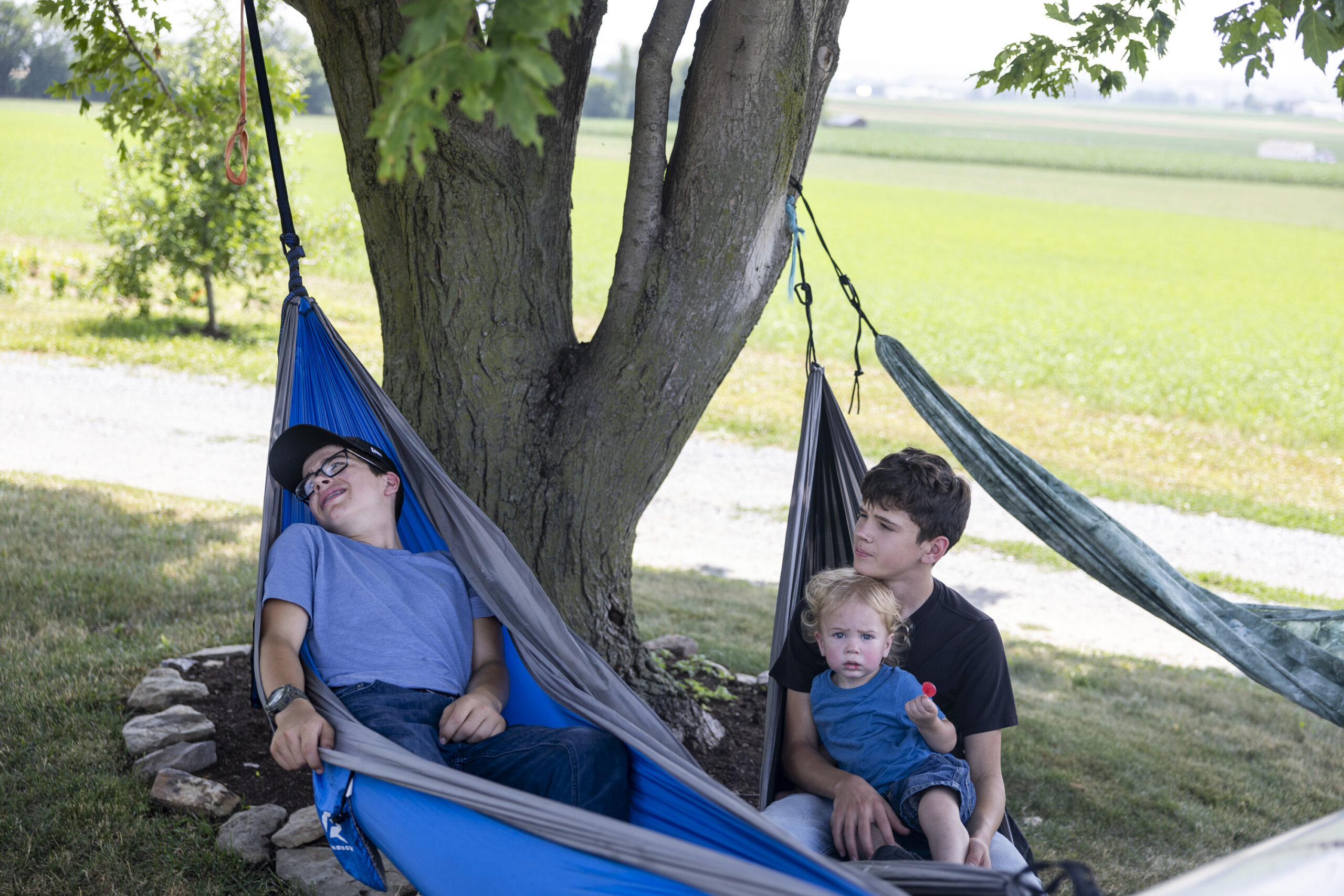
Gina and Shawn King’s sons relax in hammocks after being cooped up inside with measles for several days.
Measles at home
The Kings weren’t aware their children had been exposed to measles, but knew cases were spreading locally. When their two oldest sons, aged 14 and 15, began showing symptoms, they locked down their home.
They appreciated how people can be contagious before and after they experience symptoms. They have relatives with cancer and Down syndrome, conditions that could put them at risk of severe illness if they contracted measles.
“If you made the choice to not vaccinate, you knew there was a risk of getting sick,” King wrote in a tip sheet she created to share with other families. “We should care about others enough to be willing to make some sacrifices to protect vulnerable people.”
Grandparents offered to help care for the children, but the Kings declined for fear of getting anyone else sick.
Instead, friends and family left treats for the kids on the front porch, picked up grocery orders, and checked in through video chat.
Days four, five, and six, were the thorniest, King said. She draped chilled washcloths over the foreheads of her usually independent teens, brought them tea, and read books to them.
She spent at least one night sitting beside the bed of her 14-year-old son, whose coughing and nausea were so bad he couldn’t eat or drink, and she worried he’d become dehydrated.
“I just wanted to be there and keep an eye on him,” she said.
A few days after the boys started feeling well enough to go outside, the five girls, who range in age from 4 to 12, were sick. The baby experiencedthe most mild symptoms among the siblings.
King, who is vaccinated, also got sick, though her husband, who is not vaccinated, has yet to develop symptoms. Vaccinated people, in rare instances, can contract measles, and infection is more likely in an outbreak.
After being inside all day, it became part of the family’s routine to tuck the kids into the back of their family ATV with blankets and more ice pops, and ride around their property to say goodnight to the sheep, cows, horses, and fruit trees.
(function() {
var l2 = function() {
new pym.Parent(‘HE_MEASLES6.html’,
‘https://media.inquirer.com/storage/inquirer/projects/innovation/arcgis_iframe/HE_MEASLES6.html’);
};
if (typeof(pym) === ‘undefined’) {
var h = document.getElementsByTagName(‘head’)[0],
s = document.createElement(‘script’);
s.type = ‘text/javascript’;
s.src = ‘https://pym.nprapps.org/pym.v1.min.js’;
s.onload = l2;
h.appendChild(s);
} else {
l2();
}
})();
Community support
Elsewhere in Lancaster, church communities and friend groups are encouraging people who are sick to stay home, as well asthose who are unvaccinated with a higher risk of severe illness.
Claudia Beiler, a Lancaster mother of five and a Christian wellness influencer,said she has dropped off vitamins, coffee, and dinner for friends and others in her community who were quarantining at home.
Beiler has posted frequently to her more than 110,000 Instagram followers about her decision not to vaccinate her children. She has also offered tips about how to weather measles cases at home.
Like the Kings, she says families who don’t vaccinate must avoid spreading the virus to vulnerable people.
“There’s a seriousness I’m proud of,” she said. “It feels like a lot of care and kindness.”
At Penn Medicine Lancaster General Hospital, physician JeffreyMartin is heartened when he hears that residents have decided to isolate themselves when diagnosed with the virus. He sees it as a measure of the community spirit inherent to Lancaster County.
But isolating once symptoms emerge isn’t enough to protect the community, since the virus can spread days before the first sneeze or cough. The disease’s signature rash typically does not appear for several days.
“‘I can accept the risk’ doesn’t play well with infectious disease,” he said. “Creating space for people to think about that on another level is really important.”
Amid the latest outbreak, Martin said, clinics run by the state health department and Penn Medicine have seen high attendance, with unvaccinated patients choosing to get the shot.
Martin and his colleagues don’t ask many questions about why: “We’re just thankful that people are showing up,” he said.
Two Chester County residents have been diagnosed with measles, local health officials said on Tuesday, the first cases reported in the Philadelphia region this summer.
Pennsylvania has identified 88 measles cases so far this year, the highest case count in three decades and more than five times the cases reported in 2025.
Chester is now the seventh Pennsylvania county with confirmed measles cases since April.
Jeanne Franklin, the county’s public health director, said it was too early to tell whether the two adults’ cases were linked to a growing measles outbreak centered in Lancaster County, which borders Chester.
Health workers in Chester County have conducted contact tracing regularly for months, speaking to about 100 people since the beginning of the year who had come into contact with someone with measles.
“The process is working,” Franklin said. She added that the county is preparing to identify more cases as they continue contact tracing.
The two Chester County residents with measles had initially sought care in Lancaster County, she said, and county officials were still working to determine their vaccination status.
Earlier in June, Delaware County health officials announced they had detected measles in wastewater samples, meaning a person with measles — either a resident or a person passing through the county — had used a bathroom connected to the county’s public water supply.
Since late April, officials have recorded 43 cases in Lancaster County, 20 in Lebanon County, six in Northumberland County, two each in Berks, Chester, and Dauphin Counties, and one in York County. (A winter outbreak saw 12 cases among Chester, Montgomery, and Lancaster Counties.)
Franklin said her department is increasing public communications about the measles risk, and encouraging local health providers to vaccinate infants with a “dose zero” of the measles, mumps, and rubella shot.
Typically, children receive an MMR dose at around 1 year old and before entering kindergarten. A “dose zero” is given at six months and provides additional protection before children receive two more doses of the vaccine.
State officials last week also recommended that physicians in affected areas provide early measles vaccinations to infants and young children.
Chester County officials are also working with the state to analyze school-level vaccination data to pinpoint at-risk communities, Franklin said.
Overall, 94.5% of Chester County kindergarteners were vaccinated against measles in the 2024-2025 school year, the last for which data is available. That’s just below the 95% threshold required to prevent the spread of the virus.
(function() {
var l2 = function() {
new pym.Parent(‘HE_MEASLES4.html’,
‘https://media.inquirer.com/storage/inquirer/projects/innovation/arcgis_iframe/HE_MEASLES4.html’);
};
if (typeof(pym) === ‘undefined’) {
var h = document.getElementsByTagName(‘head’)[0],
s = document.createElement(‘script’);
s.type = ‘text/javascript’;
s.src = ‘https://pym.nprapps.org/pym.v1.min.js’;
s.onload = l2;
h.appendChild(s);
} else {
l2();
}
})();
Spread may be wider than cases reported
Some providers in Lancaster County have said that they fear measles is spreading more widely than state officials have been able to track, either because patients don’t realize the importance of informing health officials about their condition or are avoiding providers.
Chester County also is contending with uncertainty. Franklin said that some residents who have had contact with infected patients have told health workers that they’d rather not get tested for measles.
“They say, ‘I don’t want to be tested. Let this run the course,’” she said.
Contact tracers stress that they’re not judging that decision, she said. But the department emphasizes that they need residents to work with contact tracers, so other potentially exposed families can make informed decisions about their health.
Franklin urged Chester County residents to check their vaccination records to ensure they are protected against measles, which can infect up to 90% of unvaccinated people exposed to the disease.
If they can’t find their records, a primary care physician can order a test to determine whether they’re immune.
Residents should also look out for symptoms of measles, including a fever, a cough, and a runny nose — similar to other respiratory diseases — that often emerge before patients develop a telltale rash.
Several people sickened this summer have experienced severe illness and required hospitalization for serious electrolyte abnormalities and liver and kidney dysfunction, according to physicians in Lancaster County.
“If you previously decided not to get a vaccine, this is the time to reconsider, based on what’s going on,” Franklin said. “The window to get a vaccine once you’ve been exposed is very small.”
Nearly 1,200 nurses at Jefferson Einstein Philadelphia Hospital this week ratified a contract that includes raises and additional staffing at the Logan hospital.
The nurses, part of the Pennsylvania Association of Staff Nurses and Allied Professionals union, reached a contract agreement with Jefferson Health officials after authorizing union officials to call a strike last week.
Jefferson officials said in a statement that the three-year contract “reflects a thoughtful and collaborative approach, balancing the financial realities facing healthcare organizations today with our ongoing commitment to invest in the communities we serve.”
Nurses had called for assurances that the hospital will not close departments; the health system announced plans earlier this year to close several pediatric outpatient clinics that are staffed by non-union nurses.
As part of the new contract, union officials said in a news release, the hospital will add staff to behavioral health units. And a committee of nurses and nursing directors must agree with any plans to reduce staffing levels in any hospital department.
The union negotiated wage increases of 10% to 14% over the course of the three-year contract. In addition, nurses who work weekends will also see higher pay rates to retain staffing levels on weekends.
The hospital also agreed to continue contributing to nurses’ pensions, and cannot “negatively impact” sick and vacation time. The union said Jefferson employees will also save money on health insurance costs thanks to changes to pediatric-care coverage.
“We’re trying to make Jefferson Einstein a more desirable place to work by enhancing our benefits,” said Jyll Kurczewski, a registered nurse in Einstein’s emergency department and the Einstein union’s co-president, in a statement.
“There are many healthcare networks in the area where RNs can choose to work. We want them to want to be at Einstein and to stay at Einstein.”
A Jefferson spokesperson said that wages and benefits in the contract are “consistent with Jefferson’s compensation philosophy and include the support we provide to all the dedicated professionals who deliver exceptional patient care every day.”
Unionized ChristianaCare doctors — members of the first healthcare union in Delaware — ratified their first contract with the Wilmington-based health system this week.
The contract covers three years and includes provisions to establish “formal structures for physician input on issues affecting clinical practice and patient care,” the union said in a statement.
The contract also establishes a procedure for physicians to file grievances if they feel the contract has been violated, and forms labor management committees to address workplace safety concerns, union officials said.
“This is a major step forward in ensuring physicians have a meaningful voice at ChristianaCare,” Nisha Gandhi, an advanced heart failure cardiologist at the health system, said in a statement.
A ChristianaCare spokesperson said the contract also included provisions against striking and “a mutual commitment to collaboration, stability and long-term partnership.”
ChristianaCare has medical locations in Delaware, Southeastern Pennsylvania, and Maryland.
Attending physicians at ChristianaCare voted to unionize in 2024, citing increased workloads with little support for added administrative tasks. They were the first group of attending doctors to unionize in the Philadelphia area.
Since the 1980s, doctors have shifted from owning their own practices to opting for employment at hospitals and health systems. Just a quarter of physicians were self-employed in 2022, and unionization among physicians is growing.
Last year, hundreds of medical residents across several Philadelphia hospitals also voted to unionize, but unions of attending physicians, who have completed their medical training, are rarer.
Pennsylvania health officialshave now detected measles cases in York and Northumberland Counties as cases in Lancaster County, the center of an ongoing outbreak, continued to rise.
And the state health department is now recommending early measles vaccinations for infants beginning at 6 months in affected areas in an effort to protect them against the spread of the highly contagious disease, which is particularly risky for young children. The same precautions should be taken by families with infants traveling to these areas.
Six Pennsylvania counties have now seen measles cases since an outbreak was first confirmed in Lebanon County in April. In all, the state has reported 81 measles cases across eight counties in 2026, more than five times the cases reported in 2025.
(function() {
var l2 = function() {
new pym.Parent(‘HE_MEASLES.html’,
‘https://media.inquirer.com/storage/inquirer/projects/innovation/arcgis_iframe/HE_MEASLES.html’);
};
if (typeof(pym) === ‘undefined’) {
var h = document.getElementsByTagName(‘head’)[0],
s = document.createElement(‘script’);
s.type = ‘text/javascript’;
s.src = ‘https://pym.nprapps.org/pym.v1.min.js’;
s.onload = l2;
h.appendChild(s);
} else {
l2();
}
})();
State health officials said it was too early to tell how the latest cases in York and Northumberland Counties are connected to others in the region, but that contact tracing investigations are continuing. All cases were among people who had not received at least two doses of the measles, mumps, and rubella (MMR) or whose vaccination status was unclear.
As of Wednesday, six cases had been confirmed in Northumberland County, to the north of Dauphin County, and one case had been detected in York County, along Lancaster’s western border.
Lebanon County has reported 20 cases and Dauphin and Berks Counties have reported two cases each.
Lancaster County has seen 38 cases of measles since late April, with health officials confirming seven cases in the last two weeks. The area was at the center of a prior measles outbreak in January, when state health officials confirmed eight cases in Lancaster County and an additional four between Chester and Montgomery Counties.
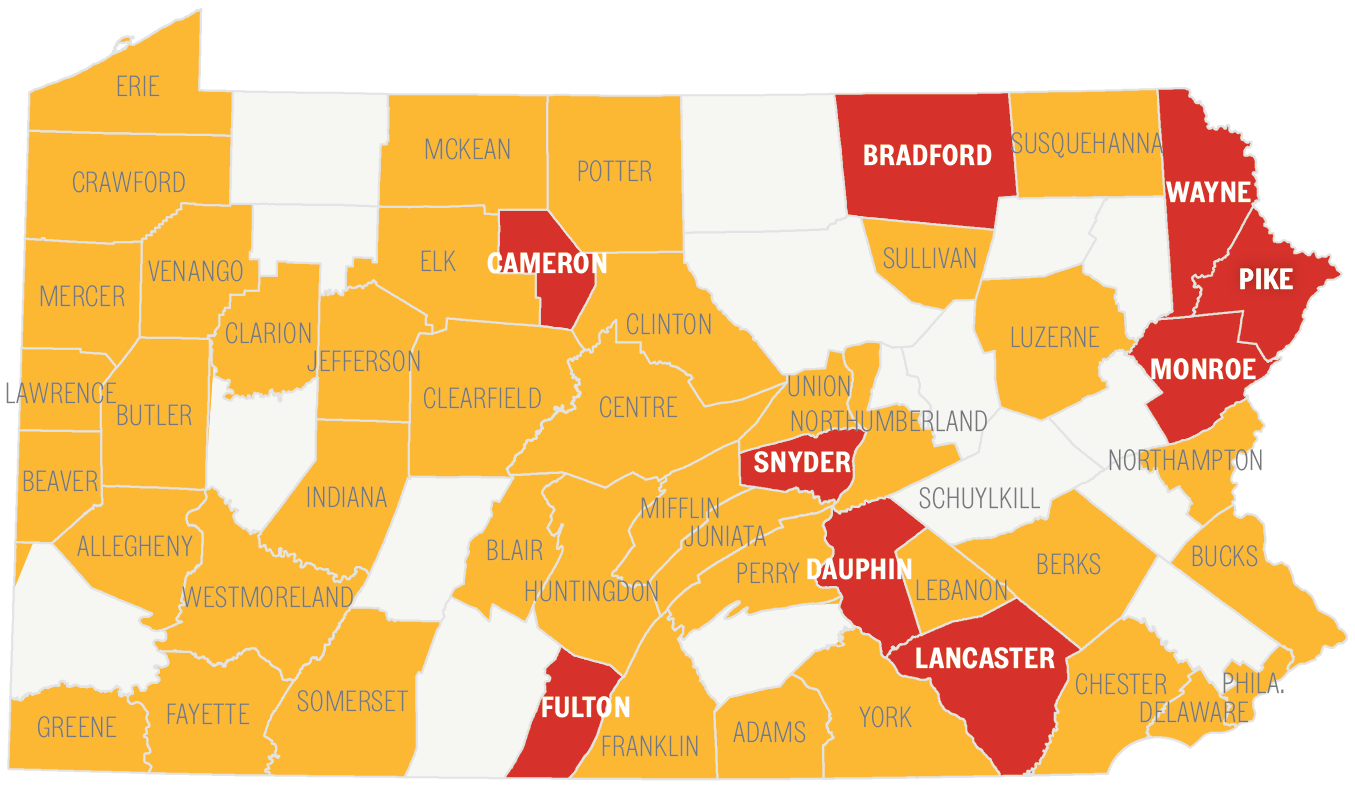
Vaccination rates among kindergarteners have decreased across Pennsylvania in recent years, and some counties affected in the current outbreak have particularly low rates, including Lancaster, where about 88.5% of kindergarten students are vaccinated. Health experts say that 95% of a community must be vaccinated to prevent the spread of the disease.
A map showing vaccination rates in kindergarteners for the 2024-2025 school year. Counties in yellow have vaccination rates between 95% and 90%. Counties in red have vaccination rates below 90%. To halt the spread of measles, at least 95% of a community must be vaccinated against the disease.
Health officials have been conducting contact tracing to detect as many cases as possible. In the current outbreak, they have twice warned Lancaster residents that they could have been exposed to measles.
Shoppers and employees at a local Kohl’s were potentially exposed to the virus over four days after a staffer tested positive in late May, LancasterOnline reported. And a person with measles visited the Lancaster County Courthouse on June 3.
But doctors in Lancaster County say they fear some measles cases are going unreported, either because patients don’t understand the importance of tracking measles cases or because they fear repercussions.
No cases have been confirmed in the Philadelphia region during this outbreak. But Delaware County health officials said last week that they had detected measles in two wastewater samples, indicating that someone with measles had used a bathroom connected to the county’s public water supply. It was unclear if that person lived in the county or was passing through.
Measles can infect nine in 10 unvaccinated people who are exposed to it, and can linger in the air for up to two hours and incubate in patients for three weeks. The disease typically presents with a fever and a rash but can cause brain inflammation and pneumonia in serious cases.
Typically, children receive the first of two MMR vaccines at 1 year old, then a second between 4 and 6 years old.
But children as young as 6 months can receive an additional “dose zero” to protect them from the disease amid an outbreak. In its alert, the state health department said parents should vaccinate infants between 6 and 11 months with the “dose zero” if they live in affected areas or if they’re planning to travel there.
Those children should then receive additional MMR doses at 12 to 15 months and 4 to 6 years.
This “dose zero” is less effective than doses given at 1 year old, officials cautioned. But it’s 58% effective against measles when given at 6 to 8 months, and 83% effective when administered at 9 to 11 months.
“Early MMR vaccination is safe and provides modest protection when measles is spreading,” officials wrote in the alert.
Children older than 12 months who haven’t been vaccinated should get an MMR dose immediately, and a second 28 days later, health officials said. Unvaccinated adults, or those without evidence of immunity, should also get two MMR doses.
And anyone who has received one dose of the MMR vaccine in the past should get a second at least 28 days after their first, officials said.
Usually, children who received a first dose at around 12 months wait to get their second dose until they’re 4 to 6 years old. But in an outbreak situation, those children should get their second doses early — at least 28 days after their first shot.
Adults born before 1957 are typically considered immune, but healthcare workers in that age group who don’t have lab evidence of immunity or prior infection should consider getting vaccinated, state officials said.
Adults who received an inactivated measles vaccine between 1963 and 1967 are considered unvaccinated during an outbreak, and should also get two doses of the current MMR vaccine.
Pregnant people, people with severely weakened immune systems, and people who have a history of experiencing severe allergic reactions, like anaphylaxis, to a vaccine ingredient or to a previous dose of MMR cannot receive the vaccine.
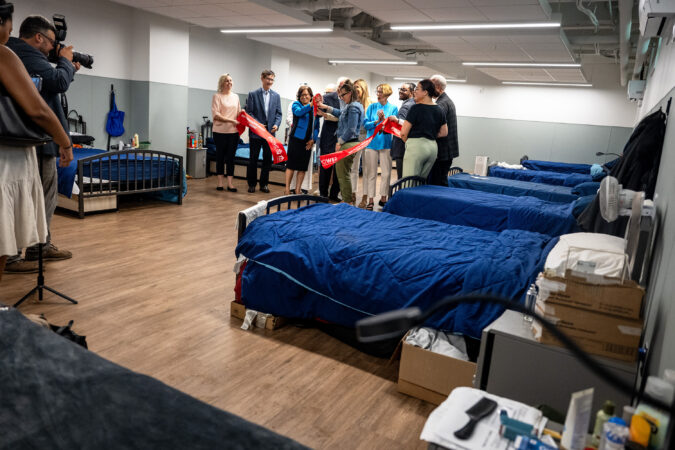
Project HOME is adding 20 beds to a Hunting Park shelter to house hospital patients who have nowhere to go once they’re discharged.
The new center, Hawthorne House Respite, expands the respite beds available at the housing nonprofit’s Sacred Heart Recovery Residence on Old York Road.
Renovations to the building, a former nursing home for cancer patients run by Dominican nuns, added 20 beds in dormitory-style housing — 10 for men, 10 for women — and cost $3.4 million. Funds came in part from $2.3 million raised at the behest of Jon Bon Jovi, a longtime Project HOME collaborator, at the organization’s 35th anniversary gala in 2024.
“We can’t stress enough how much housing is healthcare, and that respite beds at every level is so important as part of the ecosystem,” said Donna Bullock, Project HOME’s CEO, after a ribbon-cutting ceremony for the new beds Wednesday.
“People need different levels of care for healing, different levels of housing for stability.”
Sacred Heart, which also offers longer-term housing for people in recovery, already had 10 respite beds for residents.
Now, providers can refer more patients directly from the hospital to Sacred Heart. The program is part of the Project HOME Collaborative, a partnership to address homelessness and substance use recovery with Jefferson Health, Penn Medicine, Temple Health, and Prevention Point.
Project HOME officials say respite beds are in high demand and short supply across Philadelphia. Another respite program run by the Public Health Management Corporation in northwest Philadelphia offers 40 beds for patients with higher-level medical needs.
“It’s not enough,” Bullock said.
Gaps in the healthcare, shelter, and addiction treatment systems often make it difficult for homeless patients to heal after a hospital stay.
Inpatient addiction rehabs and shelters often do not have the capacity to care for patients with ongoing medical needs, while hospitals cannot sustain long-term care for patients who have recovered enough to be discharged.
“We know that recovery doesn’t stop when we discharge you and send you out into the community. Too often, individuals who are homeless face impossible challenges after they are discharged,” said Steve Carson, Temple Health’s senior vice president of population health.
Patients placed in respite beds say such programs are crucial to their recovery and continued stability. Amber Moon arrived at Sacred Heart two years ago after she developed endocarditis from injection drug use, resulting in two heart surgeries.
After months in the hospital, she was well enough to leave — but still needed support to heal. At Sacred Heart, staff arranged rides to doctors’ appointments and helped her navigate new medication regimens. Moon relished the opportunity to continue her recovery outside of a hospital room, surrounded by other residents who’d survived similar experiences.
“I was happy that I was around other people — not just the girls that I was staying with, but staff that understood what I was going through,” she said. “They treat you with humanity, like a regular person.”
Now a certified recovery specialist who helps other people with addiction navigate treatment, Moon is set to move into her own apartment soon.
“I‘m very grateful to have met all the people I’ve met, and been through what I’ve been through, because now I’m able to help others who think that there’s no chance,” she said. “There always is.”
Nurses at Virtua Mount Holly Hospital have voted in favor of a new contract ensuring raises and safety enhancements under a deal reached with employers at the South Jersey hospital after their union threatened to strike last week.
Under the contract approved Friday, the hospital will enforce minimum staffing ratios to ensure a certain number of nurses are caring for a given patient at all times, and hire new staff in some areas.
Nurses will receive pay raises at an average of 16.5% through June 2028.
The three-yearcontract also includes provisions for new safety measures at the hospital, including panic buttons and wearable devices for staff, and increased visitor screening for weapons, the union said. The hospital will also implement a visitor ID system. Protocols will be improved to notify nurses when they have been exposed to an infectious disease.
“HPAE nurses are not willing to tolerate the status quo anymore so we are proud that we have won strong language to ensure nurses can care for their patients the way they were trained,” HPAE president Debbie White said in a statement.
The contract ratification comes after Mount Holly nurses, a local chapter of the Health Professionals and Allied Employees union, voted earlier this month to strike on June 16 if they could not come to an agreement with Virtua officials.
Both sides had been negotiating for two months, including in a 21-hour session the night before the strike vote. More than 700 unionized nurses work at the Burlington County hospital.
Staffing levels, a concern raised by nursing unions across the country, were a particular sticking point in bargaining. Many nurses say that the number of nurses assigned to care for a given patient is a safety issue.
Nurses last week said the strike vote — in which 92% of nurses threatened to walk off the job — helped the union reached a tentative contract agreement with Virtua.
In a statement Monday, Chrisie Scott, senior vice president and chief marketing officer, said the three-year contract “will enable Virtua Mount Holly to continue delivering safe, high-quality care for our patients, while providing wage increases, enhanced safety measures, and updated staffing levels for our nurses.”
“We look forward to moving ahead together,” she said.
More than three years ago, Philadelphia officials decided to direct part of a multimillion-dollar settlement with opioid drug makers toward fixing harm done in Kensington. They developed projects to repair homes and help small businesses in the neighborhood long at the center of the city’s overdose crisis.
After the money was spent, the state trust overseeing the settlement said it was not an appropriate use of the funds. Philadelphia appealed, and the dispute landed before a panel of three Commonwealth Court judges on Tuesday.
The panel also heard appeals from three other counties, including Chester County, which appealed the trust’s rejection of its plan to spend settlement money on a prosecutor in its drug treatment court.
The hearing was the latest step in a yearslong debate over how Philadelphia and other counties chose to spend opioid settlement money. The Pennsylvania Opioid Trust was created to oversee their spending decisions for more than $2 billion insettlement funds from lawsuits against opioid painkiller manufacturers and distributors accused of fueling a deadly addiction crisis.
“Apparently, the procedure you’ve adopted is, ‘If we like it, we’ll say yes, and if we don’t, we’ll say no,’” said President Judge Emerita Bonnie Brigance Leadbetter. “How can we review that?”
Jayson Wolfgang, a lawyer representing the trust, said the group’s members joked at times that “we were building the plane as we were flying it.”
He noted that the trust has approved hundreds of programs, and that many counties have accepted the trust’s decision to reject some spending priorities.
Counties do not have to return money already spent, but the trust can reduce or withhold future opioid settlement payments if it determines that a county is spending funds outside the settlement’s purview.
Philadelphia’s appeal centered on portions of the $7.5 million “Kensington Project,” a package of community improvement plans that included a home repair program, supports for small businesses, and park and school improvements.
In 2024, the trust ruled it was not an appropriate use of the funds.
The city appealed, and the trust partially reversed the decision, approving park and school improvements but continuing to reject spending on the home repair program and small business supports.
Ryan Smith, a lawyer representing Philadelphia, said the city did not receive detailed communications about why its spending was being rejected during the trust’s review process.
The city appealed to the Commonwealth Court in December to approve funding for the remaining projects, arguing that the trust’s idea of permissible spending was too narrow and that research shows efforts to improve blighted lots and abandoned buildings decrease fatal overdoses.
Lawyers for the trust countered thatthe city failed to convince the trust that its plans fall under the parameters of a document from the opioid settlement lawsuits that outlines how counties can spend the money, including on overdose prevention strategies — referred to in court as “Exhibit E.”
Lawyers for other counties also argued that the trust had erred in rejecting their spending.
In Somerset County, on the western side of the state, it rejected spending on an outdoor program for young people aimed at improving mental health. County officials argued that the program was permitted funding under Exhibit E’s provisions for youth-focused prevention programs.
But a lawyer for the county said that six of seven members of a trust committee that rejected the spending “had no background in drug or alcohol anything.” The seventh was the only member who voted to fund the program, she said.