Category: Business

Business news and market updates

  • TikTok signs deal to sell U.S. unit to American investors, including Oracle, Silver Lake

    TikTok signs deal to sell U.S. unit to American investors, including Oracle, Silver Lake

    SAN FRANCISCO — TikTok has signed agreements with three major investors — Oracle, Silver Lake, and MGX — to form a new TikTok U.S. joint venture, ensuring the popular social video platform can continue operating in the United States.

    The deal is expected to close on Jan. 22, according to an internal memo seen by the Associated Press. In the communication, CEO Shou Zi Chew confirmed to employees that ByteDance and TikTok signed the binding agreements with the consortium.

    “I want to take this opportunity to thank you for your continued dedication and tireless work. Your efforts keep us operating at the highest level and will ensure that TikTok continues to grow and thrive in the U.S. and around the world,” Chew wrote in the memo to employees. “With these agreements in place, our focus must stay where it’s always been — firmly on delivering for our users, creators, businesses and the global TikTok community.”

    Half of the new TikTok U.S. joint venture will be owned by a group of investors — among them Oracle, Silver Lake, and the Emirati investment firm MGX, who will each hold a 15% share. 19.9% of the new app will be held by ByteDance itself, and another 30.1% will be held by affiliates of existing ByteDance investors, according to the memo. The memo did not say who the other investors are and both TikTok and the White House declined to comment.

    The U.S. venture will have a new, seven-member majority-American board of directors, the memo said. It will also be subject to terms that “protect Americans’ data and U.S. national security.”

    U.S. user data will be stored locally in a system run by Oracle.

    TikTok’s algorithm — the secret sauce that powers its addictive video feed — will be retrained on U.S. user data to “ensure the content feed is free from outside manipulation,” the memo said. The U.S. venture will also oversee content moderation and policies within the country.

    American officials have previously warned that ByteDance’s algorithm is vulnerable to manipulation by Chinese authorities, who can use it to shape content on the platform in a way that’s difficult to detect.

    The algorithm has been a central issue in the security debate over TikTok. China previously maintained the algorithm must remain under Chinese control by law. But the U.S. regulation passed with bipartisan support said any divestment of TikTok must mean the platform cuts ties — specifically the algorithm — with ByteDance.

    The deal marks the end of years of uncertainty about the fate of the popular video-sharing platform in the United States. After wide bipartisan majorities in Congress passed — and President Joe Biden signed — a law that would ban TikTok in the U.S. if it did not find a new owner in the place of China’s ByteDance, the platform was set to go dark on the law’s January 2025 deadline. For a several hours, it did. But on his first day in office, President Donald Trump signed an executive order to keep it running while his administration tries to reach an agreement for the sale of the company.

    Three more executive orders followed, as Trump, without a clear legal basis, continued to extend the deadline for a TikTok deal. The second was in April, when White House officials believed they were nearing a deal to spin off TikTok into a new company with U.S. ownership that fell apart after China backed out following Trump’s tariff announcement. The third came in June, then another in September, which Trump said would allow TikTok to continue operating in the United States in a way that meets national security concerns.

    TikTok has more than 170 million users in the U.S. About 43% of U.S. adults under the age of 30 say they regularly get news from TikTok, higher than any other social media app including YouTube, Facebook and Instagram, according to a Pew Research Center report published this fall.
  • SEPTA’s board approves 2-year contract with transit agency’s largest union

    SEPTA’s board approves 2-year contract with transit agency’s largest union

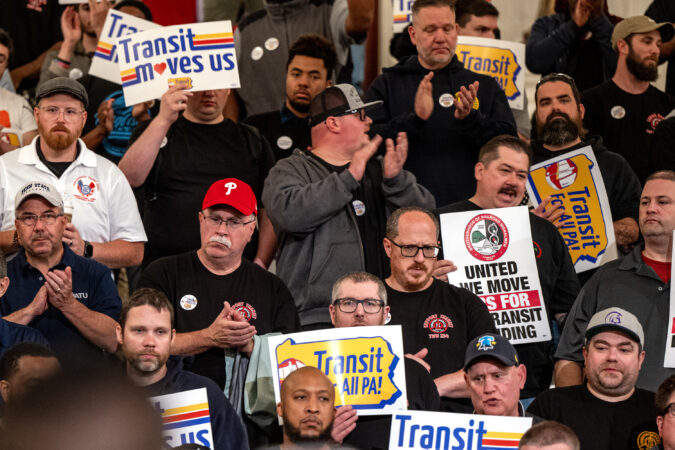
    SEPTA’s board on Thursday approved a new contract with the transit agency’s largest union, Transport Workers Union Local 234, and a second smaller union representing vehicle operators in the suburbs of Philadelphia.

    Members of TWU Local 234 voted Wednesday night to approve a two-year contract that will deliver a 3.5% pay raise, bolster the union’s pension funds, and expand health benefits for new employees.

    SMART Local 1594, which represents approximately 350 operators, reached a deal with the transit agency earlier this month.

    “These contracts are fair to our hardworking frontline employees and fiscally responsible to our riders and the taxpayers who fund SEPTA,” said SEPTA General Manager Scott A. Sauer.

    For TWU Local 234, the two-year contract disrupts a pattern of three consecutive one-year contracts. TWU president Will Vera said that with the FIFA World Cup, MLB All-Star Game, and America’s 250th birthday coming to Philadelphia in 2026, both parties agreed to a two-year contract so as not to interrupt service during these global events.

    The union represents 5,000 operators, mechanics, cashiers, maintenance people, and custodians who work on SEPTA’s buses, subways, and trolleys. Before this latest deal, TWU members were working without a contract since Nov. 7, and members voted unanimously on Nov. 16 to authorize leaders to call a strike if contract negotiations didn’t go as planned.

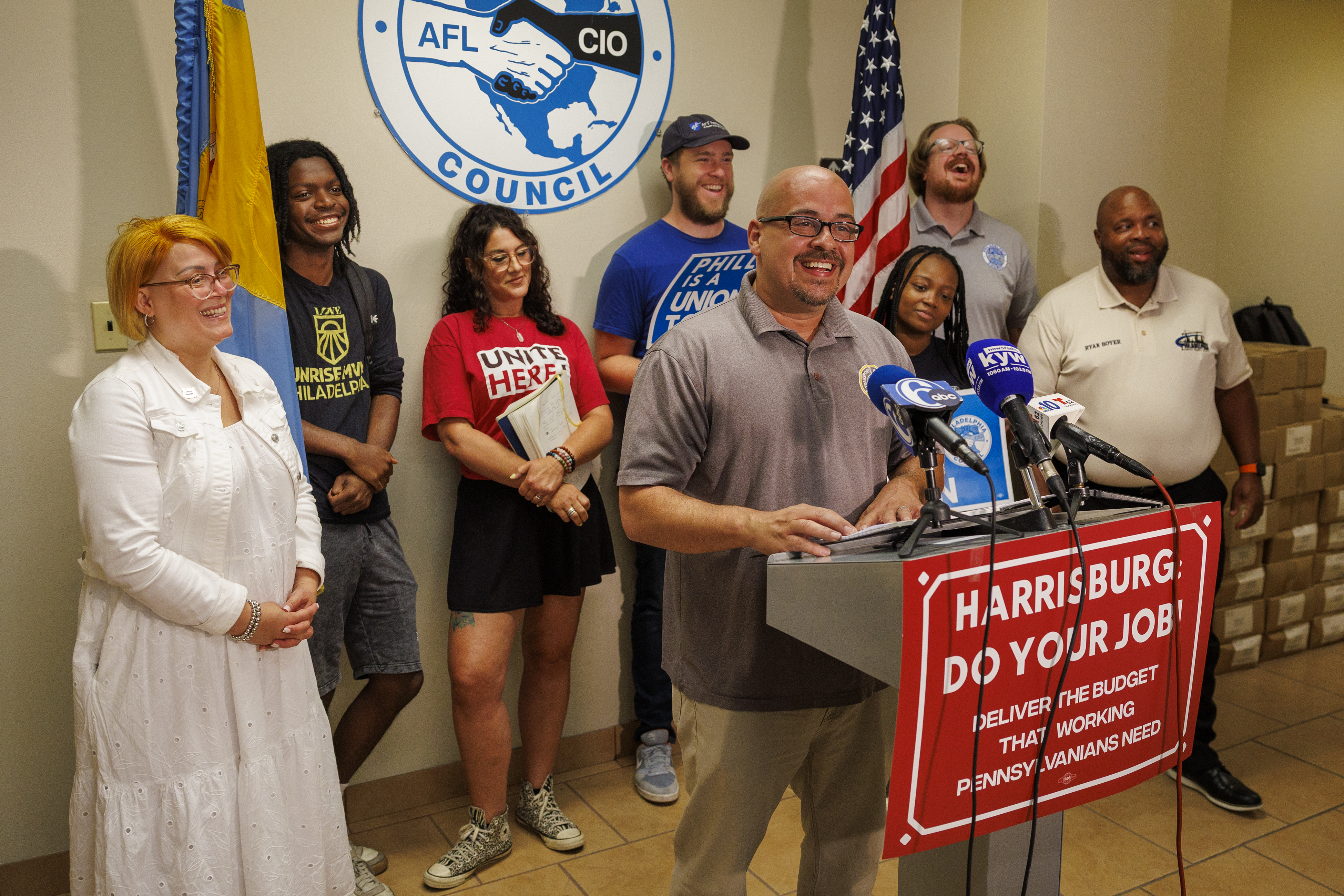
    Will Vera, vice president TWU Local 234, urged lawmakers in Harrisburg to deliver a budget during a speech in July at the AFL-CIO headquarters in Philadelphia.

    However, Vera said that this contract is a major win, especially for attracting new hires. Before this, new employees could not begin receiving dental and vision care until they completed 15 months on the job. The new contract shrinks that time down to 90 days.

    “I really got tired of explaining to the new hires for 15 months that they just have to clean their teeth,” Vera said. “I wanted this to be a retention contract, to not only keep people here, but to make this an attractive place to come work for SEPTA.”

    Philly’s transit unions don’t hesitate to strike if needs aren’t met. SEPTA unions have struck 12 times since 1975, earning SEPTA the title of one of the most strike-prone agencies in the country. Its last strike was a six-day effort in 2016 that ended one day before the presidential election.

    The negotiations come on the heels of SEPTA’s worst financial period in its history, the agency said. SEPTA isn’t alone, though. Transit agencies throughout the country are in funding crises as inflation rises, federal funding shrinks, and state subsidies fail to increase each year.

    Sauer, SEPTA’s general manager, added: “I am grateful to Governor [Josh] Shapiro and his team for their efforts to help us resolve differences and reach an agreement. Securing two-year contracts provides important stability as we approach the major events coming to Philadelphia in 2026.”

  • Trump signed an order to reclassify marijuana as a less-dangerous drug. It’s not full legalization.

    Trump signed an order to reclassify marijuana as a less-dangerous drug. It’s not full legalization.

    President Donald Trump announced he would advise federal agencies to reschedule marijuana from a Schedule I controlled substance to Schedule III, easing federal restrictions on the plant.

    Trump announced the executive order Thursday in the Oval Office, alongside Health and Human Services Secretary Robert F. Kennedy Jr. and a line of medical workers in white coats and scrubs. The president does not have the direct authority to reschedule marijuana but can request his federal agencies to do so.

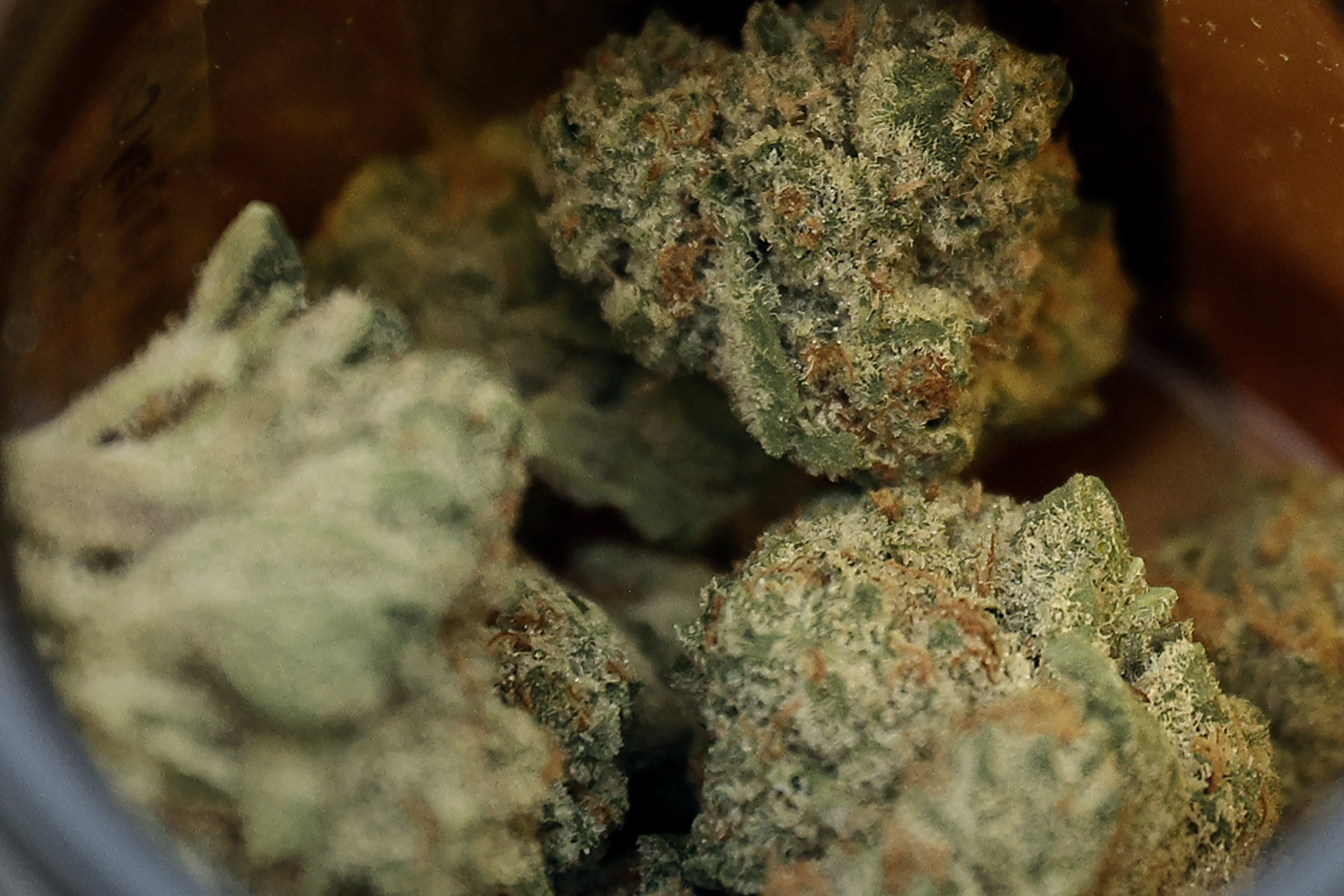
    Jeff Hodgson smokes a pre-roll at his home in Cape May, NJ on Thursday, May 2, 2024. Hodgson mostly uses medical marijuana to help him sleep.

    Marijuana has been a Schedule I controlled substance since the 1970 Controlled Substances Act, meaning the federal government considers marijuana to have no accepted medical use, with a high risk of abuse. Schedule I drugs, such as heroin, cocaine, and LSD, are illegal and strictly regulated, making medical research on these drugs, including cannabis, nearly impossible.

    A reclassification would be the most significant reform on marijuana in more than half a century, opening the doors for medical research. But it would not be full legalization, said Adam Smith, executive director of the Marijuana Policy Project. It could also pave the way to federal intervention in the state-run medical and recreational marijuana industries, something stakeholders fear.

    “There is a possibility that in moving cannabis to Schedule III, instead of opening up access, what it will do is incentivize federal agencies to clamp down control on the availability of cannabis,” Smith said. “Treating it as other Schedule III substances, which virtually all require prescriptions, is not how this works in medical cannabis and could really create chaos and a lot of economic pain in the industry.”

    Frank Burkhauser of Woodbury displays the legal marijuana purchase that he just made at Cannabist in Deptford, N.J. on April 21, 2022. Burkhauser said he has been working for the legalization of marijuana since the early 90’s.

    Smith said stakeholders are unsure what this might mean for the wider industry but remain optimistic, as rescheduling of marijuana has been a priority for decades.

    Former President Joe Biden’s administration had moved to reschedule marijuana as a Schedule III drug; however, those plans stalled in bureaucratic limbo.

    This executive order has plenty of positives, said Joshua Horn, a Philadelphia cannabis lawyer at Fox Rothschild. Loosening restrictions could clear the way for the IRS to allow cannabis businesses to deduct business expenses (which they currently cannot do). Additionally, more traditional banking options might become available to entrepreneurs.

    “It could also rectify the criminal injustice that has been ongoing since the passage of the Controlled Substances Act, where people of color have been disproportionately impacted by the ‘war on drugs,’” Horn said. “In the end, rescheduling should reinvigorate these businesses out of their current tax and financial struggles.”

    This federal rescheduling of marijuana would come on the heels of Congress’ banning all intoxicating hemp products, which are derived from cannabis plants. While this may seem like a policy flip-flop, Smith said, these are two different issues at hand.

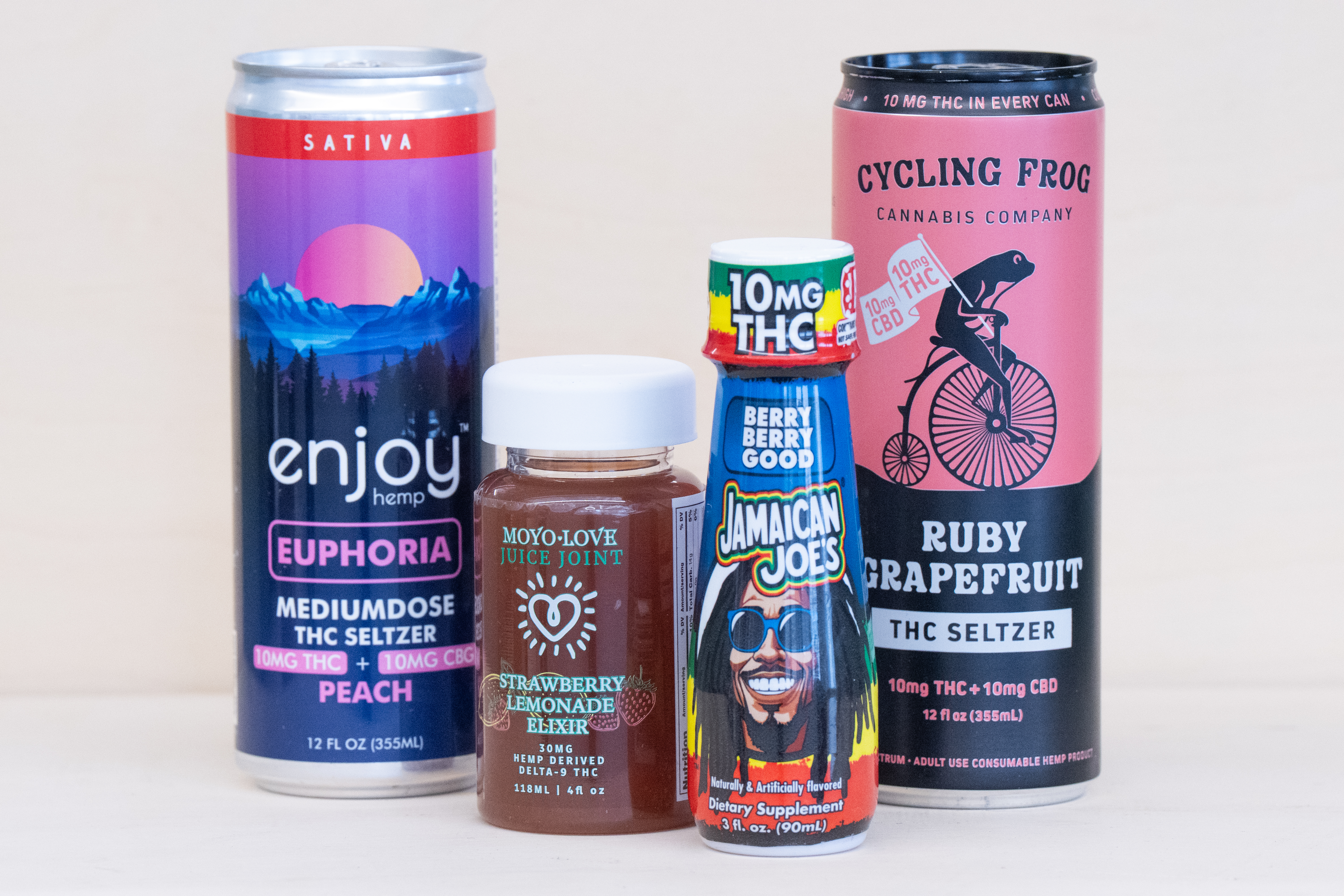
    Hemp products photographed at the Philadelphia Inquirer, November 21, 2025.

    “The hemp ban is the result of the fact that the market was chaotic and, in many cases, unsafe. Without regulation, that market was rife with pesticides, heavy metals, and products that should not be on shelves,” Smith said.

    But he contends there is a movement to push back against wider marijuana legalization. “There’s always pushback when there’s big change,” Smith said. “But also because of the instability created when we have state-regulated markets operating in a federally illegal area.”

    Industry folks are hoping this move better aligns the federal government and state markets, opens the doors to research, and provides better clarity to states that are hesitant to legalize marijuana, Smith said.

    In this July 19, 2019, file photo, Pierce Prozy examines a Yolo! brand vape oil cartridge marketed as a CBD product at Flora Research Laboratories in Grants Pass, Ore.

    Reducing restrictions on commercially available cannabis is “a key missing ingredient toward making clinical breakthroughs,” said Stephen Lankenau, director of Drexel University’s Medical Cannabis Research Center.

    “A key issue is that any reclassification efforts need to reduce restrictions for university-based researchers to have access to cannabis-derived THC — commercially available products in particular — for clinical studies, whether laboratory or human subjects,” Lankenau said.

    Researchers now are only able to examine hemp-derived nonpsychoactive cannabinoids like CBD or CBC. However, Lankenau said, it is unclear whether Trump’s proposal would give them the green light.

  • European cargo ships are rerouting to Philadelphia as Baltimore struggles to replace Key Bridge

    European cargo ships are rerouting to Philadelphia as Baltimore struggles to replace Key Bridge

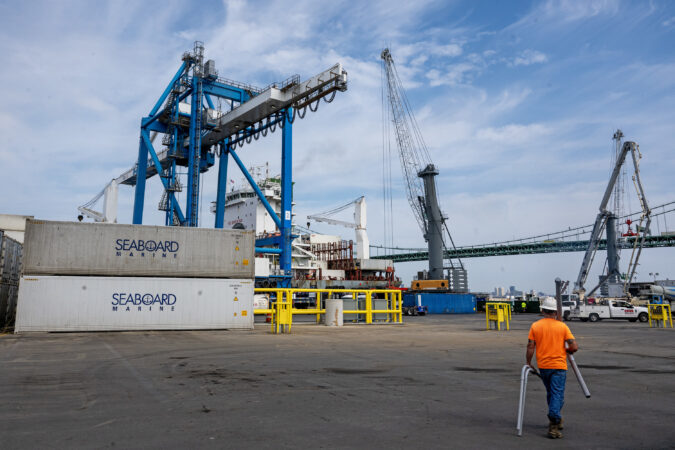
    Two top trans-Atlantic shippers are moving their cargoes to Philadelphia-area terminals, boosting longshore and trucking jobs, and ending Baltimore port calls as work drags on replacing the Key Bridge, whose collapse 21 months ago crippled ship traffic to that city’s harbor.

    A.P. Moller-Maersk, based in Denmark, and German-based Hapag-Lloyd AG, which each rank among the top five global container companies and operate hundreds of ships carrying millions of trailers, have switched a major route for their Gemini joint venture to the PhilaPort’s Packer Avenue Marine Terminal, effective Jan. 4, Philadelphia-based Holt Logistics told customers in a note Wednesday.

    “Rising tide lifts all boats, and that includes the waterfront labor, plus all the other ancillary support folks that run freight, handle it, and store it,” said Leo Holt, whose family operates Holt Logistics. “It’s a big win for Philadelphia, and a harbinger of good things to come.”

    Holt, based in Gloucester City, is expanding its container operations in the Port of Philadelphia on land acquired by state port agency PhilaPort in South Philly. That includes a new cold-storage warehouse. Plans are still in the works for 152 acres bought with state funds for more container and automotive storage.

    Philadelphia’s port handles wine, meat, furniture, car parts, drugs, and many other container goods. The region also exports drugs, steel, and machine and vehicle parts. Singaporean-owned Penn Terminals in Delaware County and the Port of Wilmington, Del., also handle containers.

    Philadelphia recorded the equivalent of 841,000 20-foot trailer equivalents (TEUs) through area ports last year and expects to report more for 2025, even before the new service and additional lines to Australia and New Zealand start next year. The agency’s goal is to boost that to more than 2 million a year with the planned expansion, said spokesperson Sean Mahoney.

    Philadelphia-area container shipping has nearly doubled since Jeff Theobold took over as PhilaPort executive director in 2016, while overall U.S. container volume has risen about 30%. Theobold plans to retire in June, two months after PhilaPort’s new cruise ship terminal is scheduled to open in Delaware County near Philadelphia International Airport. The agency is searching for a successor.

    Philadelphia “will replace Baltimore” on a major trans-Atlantic route used by Hapag-Lloyd and Maersk, according to a report in Freightwaves, which noted Baltimore container traffic fell from 1.3 million 20-foot-trailer equivalents in 2023 to around 700,000 last year, even before the switch. Each ship on the route carries 5,000 to 6,500 TEUs.

    The new route also moves container ships between Newark, N.J., terminals that handle New York cargoes; Norfolk, Va.; St. John in Canada; the British port of Southampton; the Netherlands’ giant Rotterdam port at the mouth of the Rhine; and the German ports of Wilhelmshaven and Hamburg.

    That adds Germany to the list of countries with direct service to Philadelphia, Mahoney said. There’s no guarantee that all the Baltimore cargoes will shift to Philadelphia.

    Philadelphia also expects more ships from Australia and New Zealand ports as two lines that service those countries via the Panama Canal have recently added Philadelphia as their Northern U.S. port, Mahoney said. Already those countries and other South Pacific ports make up close to one-quarter of the Philadelphia area’s container cargoes, making it the leading East Coast port for shipments from that region. PhilaPort expects the lines will attract cargoes now shipped to Baltimore, New York, or Norfolk.

    Newark is the largest port complex in the Northeast. Philadelphia competes with Baltimore and southern ports for container and automotive cargoes.

    Philadelphia has the fastest arrival-to-departure time of any North American port, reducing shipping costs, according to a recent report by a World Bank subsidiary. Holt attributes that to cooperation between unions including International Longshoreman’s Association, and Teamsters locals, port agencies, and owners such as PhilaPort, and his own organization.

    Next year Holt plans to add two more tall cranes to the small forest of ship unloading equipment it maintains in South Philly and Gloucester City.

  • U.S. consumer prices slowed unexpectedly in November but are still up 2.7% from last year

    U.S. consumer prices slowed unexpectedly in November but are still up 2.7% from last year

    WASHINGTON — U.S. inflation slowed unexpectedly last month, the government said in a report that was delayed and likely distorted by the government shutdown.

    The Labor Department reported Thursday that its consumer price index rose 2.7% in November from a year earlier. Yet, year-over-year inflation remains well above the Federal Reserve’s 2% target, and Americans are complaining loudly about the high cost of living.

    The report was delayed eight days by the federal government’s 43-day shutdown, which also prevented the Labor Department from compiling overall numbers for consumer prices and core inflation in October. Thursday’ report gave investors, businesses and policymakers their first look at CPI since the September numbers were released on Oct. 24.

    Consumers prices had risen 3% in September from a year earlier, and forecasters had expected the November CPI to match that year-over-year increase.

    Energy prices, driven up by sharply higher fuel oil prices, rose 4.2% in November. Excluding volatile food and energy prices, so-called core inflation rose 2.6%, compared with a 3% year-over-year gain in September and the lowest since March 2021.

    U.S. inflation is still stubbornly high, partly because of President Donald Trump’s decision to impose double-digit taxes on imports from almost every country on earth along with targeted tariffs on specific products like steel, aluminum and autos.

    The president’s tariffs have so far proved less inflationary than economists feared. But they do put upward pressure on prices and complicate matters at the Fed, which is trying to decide whether to keep cutting its benchmark interest rate to support a sputtering job market or whether to hold off until inflationary pressures ease. The central bank last week decided to reduce the rate for the third time this year, but Fed officials signaled that they expect just one cut in 2026.

    Kay Haigh, global co-head of fixed income and liquidity solutions at Goldman Sachs Asset Management, warned that the November numbers were “noisy … The canceling of the October report makes month-on-month comparisons impossible, for example, while the truncated information-gathering process given the shutdown could have caused systematic biases in the data.

    “The Fed will instead focus on the December CPI released in mid-January, just two weeks before its next meeting, as a more accurate bellwether for inflation.’’

    Trump delivered a politically charged speech Wednesday carried live in prime time on network television, seeking to pin the blame for economic challenges on Democrats.

    The speech was a rehash of his recent messaging that has so far been unable to calm public anxiety about the cost of groceries, housing, utilities and other basic goods. Trump has promised an economic boom, yet inflation has stayed elevated and the job market has weakened sharply in the wake of his import taxes.

  • ChristianaCare and Virtua Health have ended merger talks

    ChristianaCare and Virtua Health have ended merger talks

    ChristianaCare and Virtua Health have ended merger negotiations that would have created a healthcare system with more than $6 billion in annual revenue and business in four states, the two nonprofits announced Thursday.

    The nonprofits, the largest in South Jersey and the largest in Delaware, had disclosed a preliminary agreement to join forces in July. ChristianaCare and Virtua did not share specific reasons for dropping the idea.

    They issued identical statements: “After thoughtful evaluation, both organizations have determined that they can best fulfill their missions to serve their communities by continuing to operate independently.”

    It wasn’t obvious to industry insiders what advantages combining the two systems would have brought other than more revenue and the potential for some relatively small savings from greater scale.

    Both systems are financially solid. Virtua has a AA- credit rating from Standard & Poor’s. The S&P rating for ChristianaCare is two notches higher, at AA+.

    They have been expanding on their own.

    Virtua acquired Lourdes Health System in New Jersey in 2019, and is now spending hundreds of millions to renovate two of its hospitals.

    ChristianaCare explored an acquisition of Crozer Health in 2022, but decided not to go through with the deal. It won a May bankruptcy auction with a $50.3 million bid to assume Crozer leases at five outpatient locations in Delaware County. It has since opened 15 medical practices at those locations.

    ChristianaCare previously acquired the shuttered Jennersville Hospital in Chester County and turned it into a micro-hospital. It plans two more micro-hospitals for Delaware County.

    The five-hospital Virtua system had $3.24 billion in revenue last year. ChristianaCare, with three full-scale hospitals, had $3.3 billion in revenue in the year that ended June 30, 2025.

  • Happy Bear Coffee, with Carlino’s bites, coming to Philly’s Navy Yard

    Happy Bear Coffee, with Carlino’s bites, coming to Philly’s Navy Yard

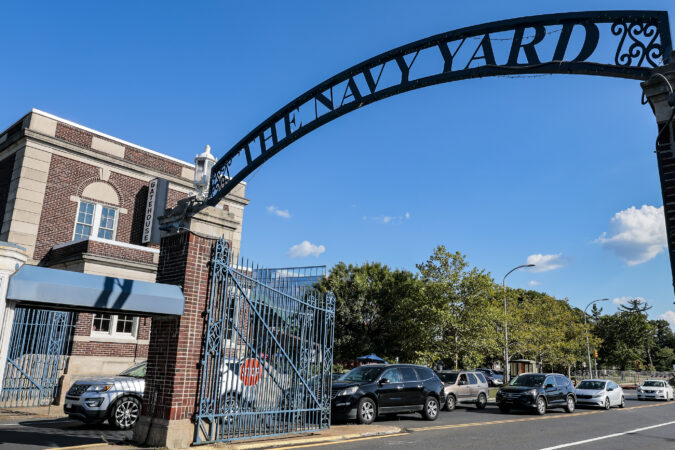
    The Navy Yard is getting a coffee shop and wine bar as part of its redevelopment.

    Happy Bear Coffee Company is set to open its first physical location at the former military base early next year, the homegrown roasters and Navy Yard developers Ensemble/Mosaic announced this week.

    Executives at Happy Bear, which has sold coffee online for the past two years, said they recently signed a lease for a 3,000-square-foot space on the ground floor of 1201 Normandy Place, a mixed-use lab building optimized for life-science tenants, including those who do gene and cell therapy research and development.

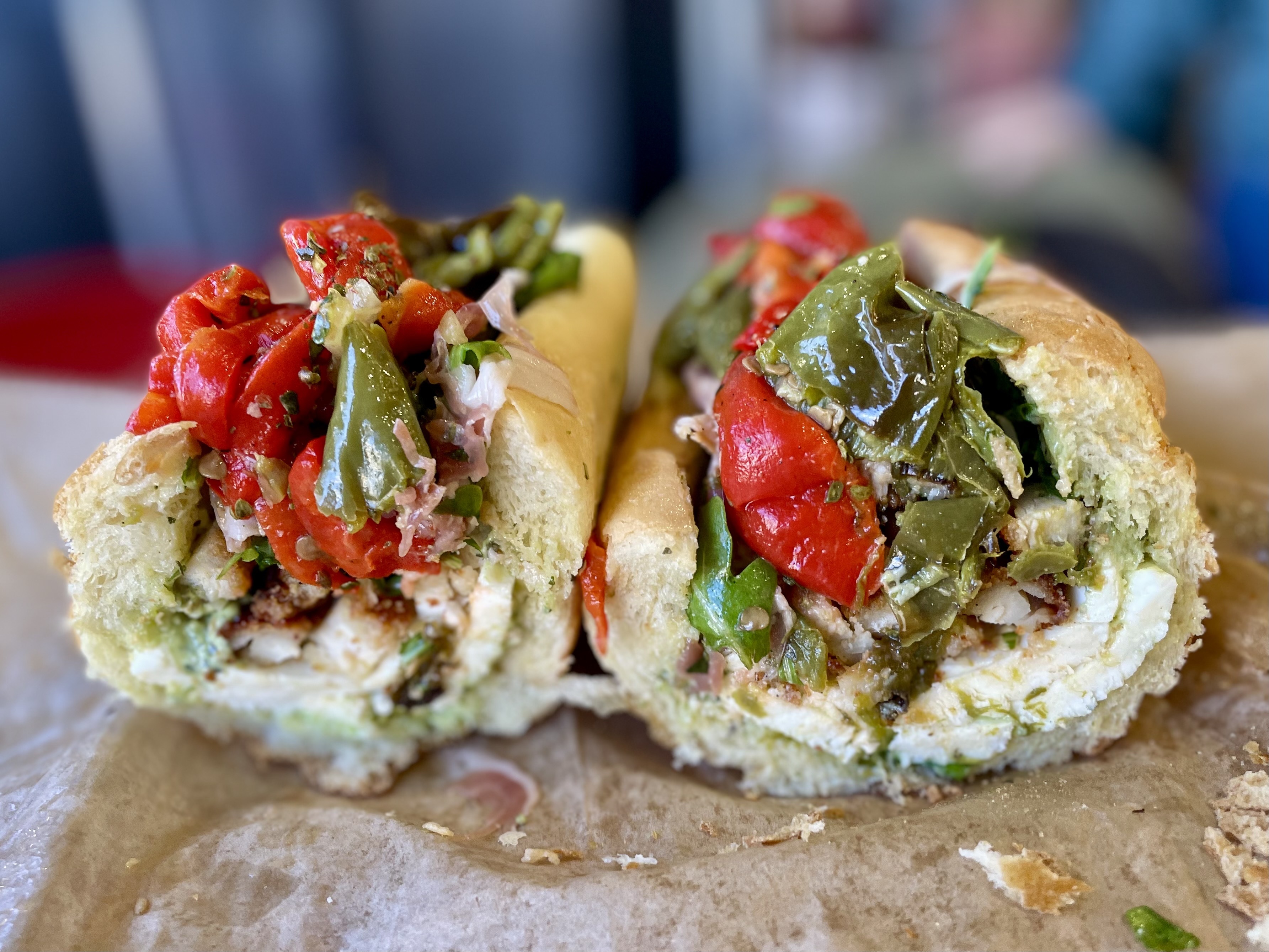
    The Happy Bear cafe is set to serve coffee, wine, and grab-and-go food, including sandwiches, breakfast items, soups, salads, flatbreads, and tomato pie made in partnership with Carlino’s, the Ardmore-based specialty-food purveyor.

    A Saquon hoagie special at Carlino’s Market in Ardmore. The specialty-food purveyor’s food will be available at the the Happy Bear Coffee Company’s first physical store at the Navy Yard.

    The cafe will have indoor and outdoor seating overlooking the five-acre Central Green Park, and provide “a versatile setting for morning coffee, a quick lunch, or an evening glass of wine,” according to the news release.

    “We wanted to create a place that feels like a daily ritual and a small retreat all in one,” Happy Bear cofounder Dan Kredensor said in a statement.

    “With Carlino’s expertise as one of our culinary partners, we’re building a cafe that brings together wonderful specialty coffee, great flavors, and a welcoming atmosphere, right in the heart of the Navy Yard’s most exciting new district.”

    An artist’s rendering shows an aerial view of the proposed development plan for the Navy Yard.

    Ensemble Real Estate Investments, of California, and Philly’s Mosaic Development Partners were selected in 2020 to lead an estimated $2.5 billion redevelopment of 109 acres of the former base.

    Construction of 1201 Normandy was part of Ensemble/Mosaic’s first phase of redevelopment, which was estimated to cost $400 million.

    “Happy Bear represents the type of dynamic, community-focused retail that will define the Navy Yard as it enters its next phase of growth,” said Nelson Way, vice president of leasing and development for Ensemble.

    Happy Bear was founded by longtime friends Kredensor and Frank Orman, who bonded by exploring Philly’s coffee shops during their college years.

    The pair’s first cafe will be near a 12-acre section of the Navy Yard that’s being called the Historic Core District, combining historic buildings with new construction.

    An artist’s rendering of PIDC’s vision for the Navy Yard Historic District Core district, which would combine historic buildings and new construction.

    In the same area, developers have built more than 600 apartments in a mixed-use community called AVE Navy Yard, which is expected to open next year.

    The Philadelphia Industrial Development Corporation (PIDC), an independent nonprofit, manages the Navy Yard on the city’s behalf. It has owned the 1,200-acre site since the U.S. Defense Department decommissioned it as a military base in 2000.

    The Navy Yard is home to 150 companies that employ 16,000 people, according to its online directory. Its tenants include Urban Outfitters, which is headquartered at the site, and Jefferson Health.

    The property also has a Courtyard Marriott, several daytime food options, and a full-service restaurant called the Gatehouse.

    Navy Yard stakeholders want the campus to eventually have nearly 4,000 new apartments; 235,000 square feet of retail; and more than 4.2 million square-feet of office, research and development, and manufacturing space, according to its 2022 redevelopment plan. Developers also want to bring another hotel to the site.

  • Here is our Jersey Shore off-season report card, town by town

    Here is our Jersey Shore off-season report card, town by town

    The Shore this time of year is truly a lovely, if sometimes desolate, place. But the desolation is the point: Emptied of its chaotic summer bustle, the simple natural beauties take center stage.

    But yet. There are still plenty of humans here, and they are doing things, some good, some dubious, and so we will take note. Here is our first-ever winter solstice Shore Town Report Card.

    As to the grading system, let’s just say, it was tough to give any town less than a B- when that winter light turns the sunset sky over the ocean a thousand shades of pink, and snow turns a magical place even more magical. Even Atlantic City, in spite of its burgeoning mayoral and other problems, is worth an off-season visit.

    Atlantic City

    The paradoxical Shore town has had a doozy of a year, with its newly reelected Mayor Marty Small Sr. on trial for allegedly physically abusing his daughter, charges he denied during the trial, and for which a jury on Thursday acquitted him. Meanwhile, three casinos were green-lit in New York City, New Jersey is contemplating how to tighten its control over Atlantic City, Peanut World caught fire, and ICE was making car stops in city neighborhoods.

    The city’s holiday parade featured the red-clad Mayor Marty Small on a special Mayor’s Office float, with his wife, schools Superintendent La’Quetta Small, festively clad in a fluffy red coat, beside him. She is also charged with child abuse.

    When will Atlantic City, arguably the last affordable Shore destination along the entire Northeast coast, finally break out of its slump? I explain in this story. A+ for holiday traditions like the elaborately decorated and festive iconic spots, from the Irish Pub to the Knife & Fork Inn; for its new skate and dog parks; and its casino giveaways. But, behind the salt air tinsel, A.C. is juggling some C+ drama.

    Ventnor

    You’re never more aware that your town tilts toward summer than when it rebuilds its boardwalk during the winter. A big chunk of the boardwalk (from Surrey to Cambridge) has been closed since November for a complete reconstruction and will remain closed until at least May. A similar chunk up to the A.C. border will be rebuilt after next summer. Hence the odd sight of lots of people on Atlantic Avenue detoured from the beloved wooden pathway. In better news, some of Ventnor’s favorite places have stayed open into the dead of winter. On a recent weekend, I trudged in the snow over to my friends at Remedee Coffee for a specialty hot cocoa (delish) and was surprised to find the place … full of people. Everyone in town had had the same idea, apparently, and with no boardwalk, it’s not even out of the way. B

    Brigantine

    The city declared a state of emergency for its badly eroded beaches. B+

    Margate

    Margate’s business administrator launched a personal investigation of the city’s CFO and was making public accusations against one of its commissioners. A former mayor wants him fired. What even is going on over there? C+

    Ocean City

    The identity crisis continues. The town did a complete turnaround earlier this month with respect to the former Wonderland Pier site, voting to ask the planning board whether the site is in need of rehabilitation as requested by developer Eustace Mita, who wants to build a luxury hotel. Meanwhile, its mayor declared bankruptcy and got sued by his stepmother. The iconic McDonald’s in town abruptly closed. Still, Playland’s Castaway Cove is offering its half-price ticket sale now through New Year’s Day. B-

    Sea Isle City

    The city canceled its holiday parade, which made people a wee bit annoyed. But dollars are being spent, most recently on a new community center and with the adoption of a five-year, $50-million capital budget targeting flood control, road work, beach projects, emergency vehicles, and sewer upgrades. . B+

    A winter Sea Isle City with just a dusting of snow. Dec. 16, 2025.

    Avalon

    The sleepy offseason town, which came in for some summer criticism for its off-the-charts exclusivity, gets an A+ from me for its sensible and family-friendly 5:30 p.m. New Year’s Eve fireworks plan.

    Stone Harbor

    The city adopted a 3% occupancy tax on hotels, motels, and short-term rentals. Mayor Tim Carney said in an e-mailed statement: “This local tourism tax will generate revenue for the Borough while helping us avoid any increase to homeowner property taxes in 2026.”

    However, on behalf of short-term visitors from Philly, though, and amid criticism over the quality of the Garden Club’s urn-based Christmas decorations, I’ll have to score the town a B-.

    The Wildwoods

    Wildwood and Wildwood Crest cut loose North Wildwood on their beach replenishment sharing agreement. Meanwhile, North Wildwood signed a 10-year agreement to police West Wildwood. Wildwood proper recently approved 24 new homes for its gateway area.

    It’s one island divided into the have-sands and the have-not sands. This winter could exacerbate both ends of the spectrum. B-

    Long Beach Island

    The city was battling mail delivery issues, but otherwise, the peace and quiet and lack of crowds seemed to be settling well over locals, who boasted of martini towers at the Hotel LBI and $10 lunch specials at Joy & Salt Cafe (also available, $45 short ribs). Whoever it is that lives there this time of year must know something. A-

    Cape May

    The city is lovely this time of year. Victorian homes! Christmas decorations! There’s a winter wonderland at Congress Hall, candlelight house tours, and oh those sunsets at Cape May Point. A

  • What’s open and closed on Christmas Day in the Philly area: Grocery stores, liquor stores, trash pickup, and more

    What’s open and closed on Christmas Day in the Philly area: Grocery stores, liquor stores, trash pickup, and more

    Christmas Day is Thursday this year, and with it comes a wave of closures across the Philadelphia region. If you’re planning last-minute errands or outings, knowing what’s open, and what’s not, will save you time and frustration.

    Trash and recycling collection will be impacted, with pickups running one day behind schedule all week.

    From city services and grocery stores to pharmacies and big-box retailers, here’s your guide to navigating holiday hours in Philadelphia.

    City government offices

    ❌ City of Philadelphia government offices will be closed Dec. 25.

    Free Library of Philadelphia

    ❌ The Free Library will be closed Dec. 25.

    Food sites

    ✅ / ❌ Holidays may impact hours of operation. Visit phila.gov/food to view specific site schedules and call ahead before visiting.

    Trash collection

    ❌ No trash and recycling collections on Christmas Day. Collections will be picked up one day behind the regular schedule all week. To find your trash and recycling collection day, go to phila.gov.

    Grocery stores

    Acme Markets

    ❌ Acme will be closed Christmas Day.

    Aldi

    ❌ Aldi will be closed Christmas Day.

    Giant Food Stores

    ❌ Closed Christmas Day.

    Reading Terminal Market

    ❌ Closed Christmas Day.

    South Philly Food Co-op

    ✅ Open from 10 a.m.-5 p.m. on Christmas Day.

    Sprouts Farmers Market

    ❌ Closed Christmas Day.

    Trader Joe’s

    ❌ Closed Christmas Day.

    Whole Foods

    ❌ Closed Christmas Day.

    Wegmans

    ❌ Closed Christmas Day.

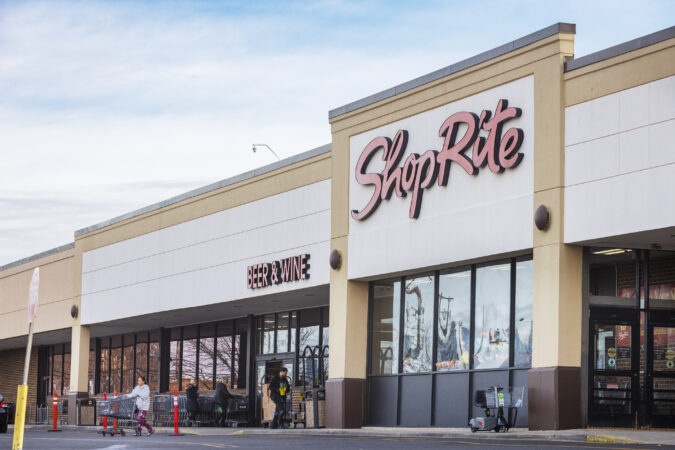
    ShopRite

    ❌ Closed Christmas Day.

    Liquor stores

    Fine Wine & Good Spirits

    ❌ Closed Christmas Day.

    Mail and packages

    U.S. Postal Service

    ❌ On Christmas Day, local post offices will be closed and there will be no regular mail delivery.

    UPS, FedEx, and DHL

    UPS, FedEx, and DHL will be closed Christmas Day. There will be no delivery or pickup services either, except for critical services.

    Banks

    ❌ Most, if not all, banks including TD Bank, Bank of America, Wells Fargo, Chase Bank, and PNC Bank will be closed on Christmas Day.

    Pharmacies

    CVS

    ✅ CVS locations will operate on modified business hours for Christmas Day with most open from 8 a.m. to 9 p.m. Call ahead to your local store before visiting or view hours at cvs.com/store-locator/landing.

    Walgreens

    ✅ Walgreens locations will be open but hours have not been announced — check your local store at walgreens.com/storelocator.

    Shopping malls

    The Shops at Liberty Place, the Fashion District, Franklin Mall, King of Prussia Mall, and Cherry Hill Mall will be closed Dec. 25.

    Big-box retailers

    You won’t be able to shop at these big-box or specialty retailers on Christmas:

    Target

    ❌ Target will be closed Dec. 25.

    Walmart

    ❌ Walmart will be closed Dec. 25.

    Home Depot

    ❌ Home Depot will be closed Dec. 25.

    Lowe’s

    ❌ Lowe’s will be closed Dec. 25.

    Costco

    ❌ Costco will be closed Dec. 25.

    IKEA

    ❌ IKEA will be closed Dec. 25.

    Dollar Tree

    ❌ Dollar Tree will be closed Dec. 25.

    Family Dollar

    ❌ Family Dollar will be closed Dec. 25.

    Sam’s Club

    ❌ Sam’s Club will be closed Dec. 25.

  • 2026 Volkswagen ID.4: Large and in charge?

    2026 Volkswagen ID.4: Large and in charge?

    2026 Volkswagen ID.4 AWD Pro S: Bigger is better?

    Price: It starts at $54,095 for this higher-end model tested.

    Conventional wisdom: Car and Driver likes the ID.4’s “good price, good range, good space.” They complained that the “infotainment system is still wonky, base model lacking in range, it’s not the GTI of EVs.”

    Marketer’s pitch: “The future of driving is here. And it’s electric.”

    Reality: The driving experience can be awkward, but there may be another big reason to avoid ID.4.

    Catching up: So we’ve already tested a bargain-priced Chevrolet Equinox, and a Hyundai Ioniq 5 that’s a fairly nice price match for the ID.4.

    What’s new: After upgrades in performance for 2024, the ID.4 only gets an adapter for Tesla Superchargers for the 2026 model year.

    Competition: In addition to the above models, there are the Ford Mustang Mach-E, Honda Prologue, Kia EV6, Mini Countryman EV, Subaru Solterra, and Tesla Model Y.

    Up to speed: Like most EVs, the ID.4 makes quick work of getting on the move. I could pull in front of cars I would never consider when driving most gasoline-engine vehicles, and passing could be a real treat.

    The 335 horses available in the all-wheel-drive version tested get the EV SUV to 60 in a quick 4.8 seconds, according to Car and Driver.

    Rear-drive models offer 282 horses and a 0-60 time of 7.3 seconds.

    Back down again: The ID.4 has a one-pedal feature, which allows for driving without using the brake much at all. Unfortunately, it required so much foot pressure to get moving that it made me nervous in parking lots, worried I would overcompensate and smash into something. Without that feature on, pulling out is easier, but when it’s time to slow down, the brakes are exposed as the indifferent bastards that they are.

    Shifty: The twisty stalk gear selector in last week’s Hyundai Ioniq 5 impresses, but a similar setup in the ID.4 irked me. The type on the ID.4 is subtle and easy to misunderstand; Hyundai makes it obvious what to do with theirs.

    On the road: Drive mode control is tucked away in the touchscreen, but it’s easy to get to and to follow. Sport mode did tighten up the steering and boost the acceleration but the suspension became so firm I felt like I was driving a brick, and the ID.4 hit potholes with a thud.

    Because the ID.4 is larger, the drive experience had a Jeep feel without any of the retro touches or quirky handling that add a sense of fun. Even the ID.Buzz minivan is a better drive.

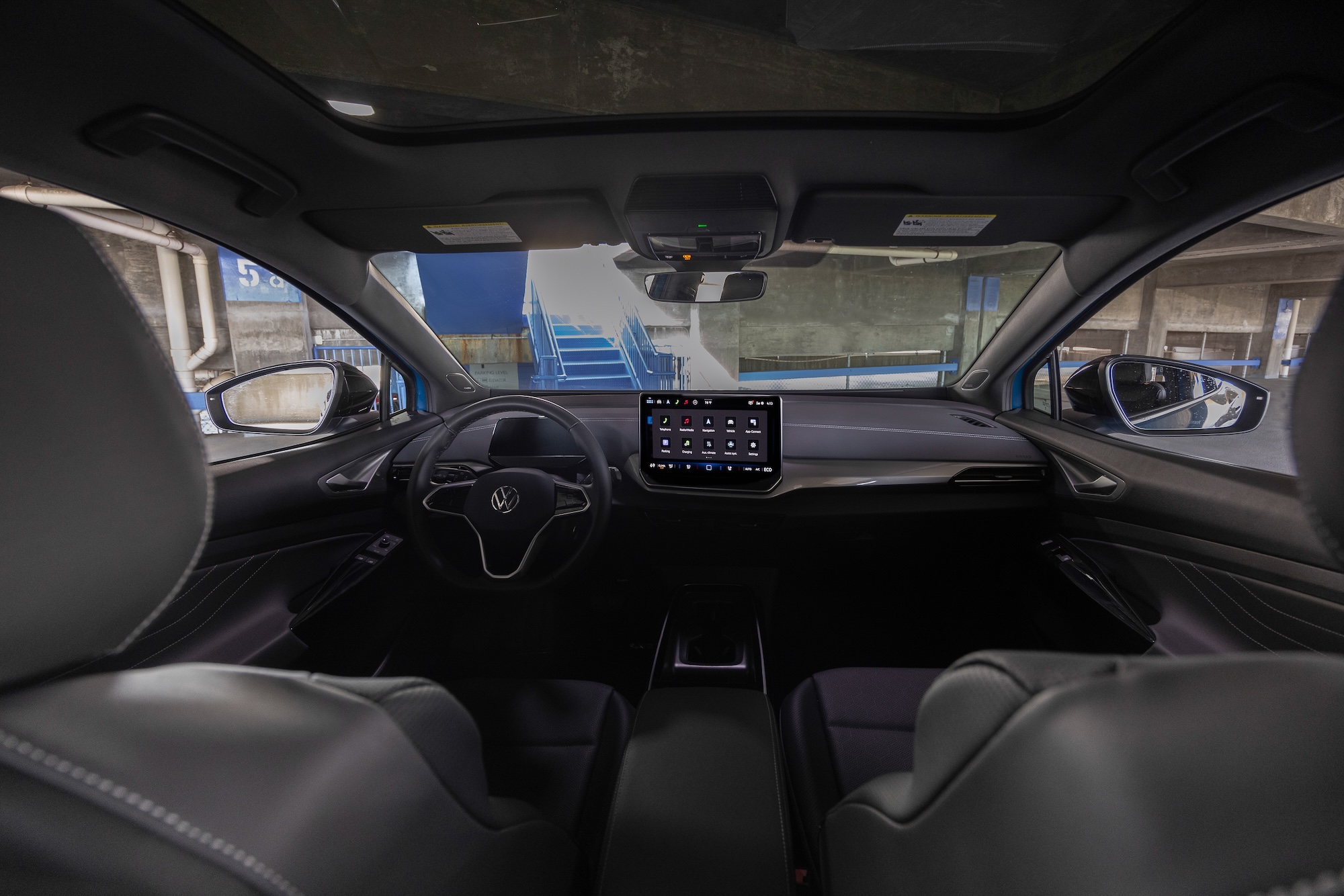
    The 2026 Volkswagen ID.4 interior is definitely a hip place to be in all black, but function and comfort are lacking.

    Driver’s Seat: The speedometer and gauges also disappoint. The diminutive through-the-steering-wheel display can be difficult to inform at a glance. The long-ago Chevrolet Spark and Sonic sported a similar motorcycle-esque unit, but those were easy to read.

    Seat comfort is also lacking; the Driver’s Seat is almost rock hard without wings or bolsters to hold you in place.

    Later that day I became even more annoyed when the seat lumbar support seemed to be knuckling my kidneys. Try as I might I couldn’t release the pressure. Soon I realized that the massage feature somehow activated itself and proceeded to give me the saddest massage I have gotten in a long time.

    Friends and stuff: The rear seat offers plenty of legroom and foot room. Headroom is not bad but I expected more from this tall vehicle.

    The rear seat seems angled a little far back for me and matches the front for comfort, or lack thereof.

    Cargo space is 30.2 cubic feet behind the rear seat and 64.2 with the seat folded, the giant among the three EVs tested, and similar to a Volkswagen Tiguan.

    In and out: It’s only a tiny step up into the ID.4.

    Play some tunes: The giant 12.9-inch touchscreen offers quick access to most of the usual functions, and the home screen features big, clear icons for all the choices.

    The touchscreen’s stand-up iPad-like configuration provides a nice way to hold your hand in place while selecting functions, and that makes operation easier.

    I neglected to note the sound from the Harman Kardon stereo system. It’s scored an A- in other VW SUVs and an A+ in the EV ID.Buzz minivan. I’d lean toward the lower score; Mr. Driver’s Seat would have been typing furiously about the sound if it were an A+.

    Keeping warm and cool: The ID.4 continues with the tiny touchslider thingies to adjust the temperature, and also activate the HVAC screen controls. These were the most cumbersome part of the screen, not quite user-friendly for adjustment on the fly.

    The required buttons for front and rear defroster are on the left with the light control. It works in the sense that we’re supposed to use the lights when the wipers are on, but not in the sense of being away from the touchscreen where the rest of the HVAC controls are.

    The big touchscreen means the center vents have been pushed disappointingly far down on the dashboard. It made cooling down difficult after one humid post-YMCA adventure, and the ambient temperature may have only been about 70 degrees.

    Fuel economy: The range advertised in the vehicle was about 260 miles, but it seemed to exceed that more than a few times.

    Where it’s built: Chattanooga, Tenn.

    How it’s built: The ID.4 gets a 2 out of 5 reliability rating from Consumer Reports.

    I don’t usually delve into recalls too deeply — the Sturgis family Kia Soul has been recalled nearly half a dozen times, but has never shown any of the potential problems so it’s just another inconvenience.

    But Do Not Drive orders have been issued for the ID.4 for the second time, this time for wheels that could fall off — the first was for potential fire hazards in 2023. And I’ve collected anecdotal information on ID.4 troubles.

    In the end: Hyundai has proven themselves over and over again in the EV world, and the Chevrolet might be worth a look. But I’d leave the ID.4 alone.