Category: Education

  • When it comes to school closures, the process matters

    When it comes to school closures, the process matters

    The school closures and consolidations proposal for Philadelphia schools that was announced in January was not surprising. The district, like many districts across the country, has signaled that it is grappling with declining enrollment, underutilized buildings, and tight budgets. The issue is so pervasive that the consulting firm Bellwether published a full report about it last fall called “Systems Under Strain: Warning Signs Pointing Toward a Rise in School Closures,” warning that many districts would soon face similar decisions.

    The process isn’t surprising, either. Seattle similarly wrestled with a school closures plan before it got so complicated that the city simply dropped the issue after intense community backlash, concerns over student well-being, and the realization that there wasn’t a clear plan for how much the closures would chip away at the roughly $100 million budget deficit.

    The situation in both Philadelphia and Seattle has many similarities to Chicago’s school closures in 2013. Chicago Public Schools closed 47 elementary schools — the largest national mass closures up to that point.

    My colleagues and I at the University of Chicago Consortium on School Research studied that process, releasing reports on families’ priorities and choices in finding new schools, and on staff and students’ experiences, including academic outcomes. The findings from our research offer important lessons and considerations for district leaders and community members in Philadelphia today.
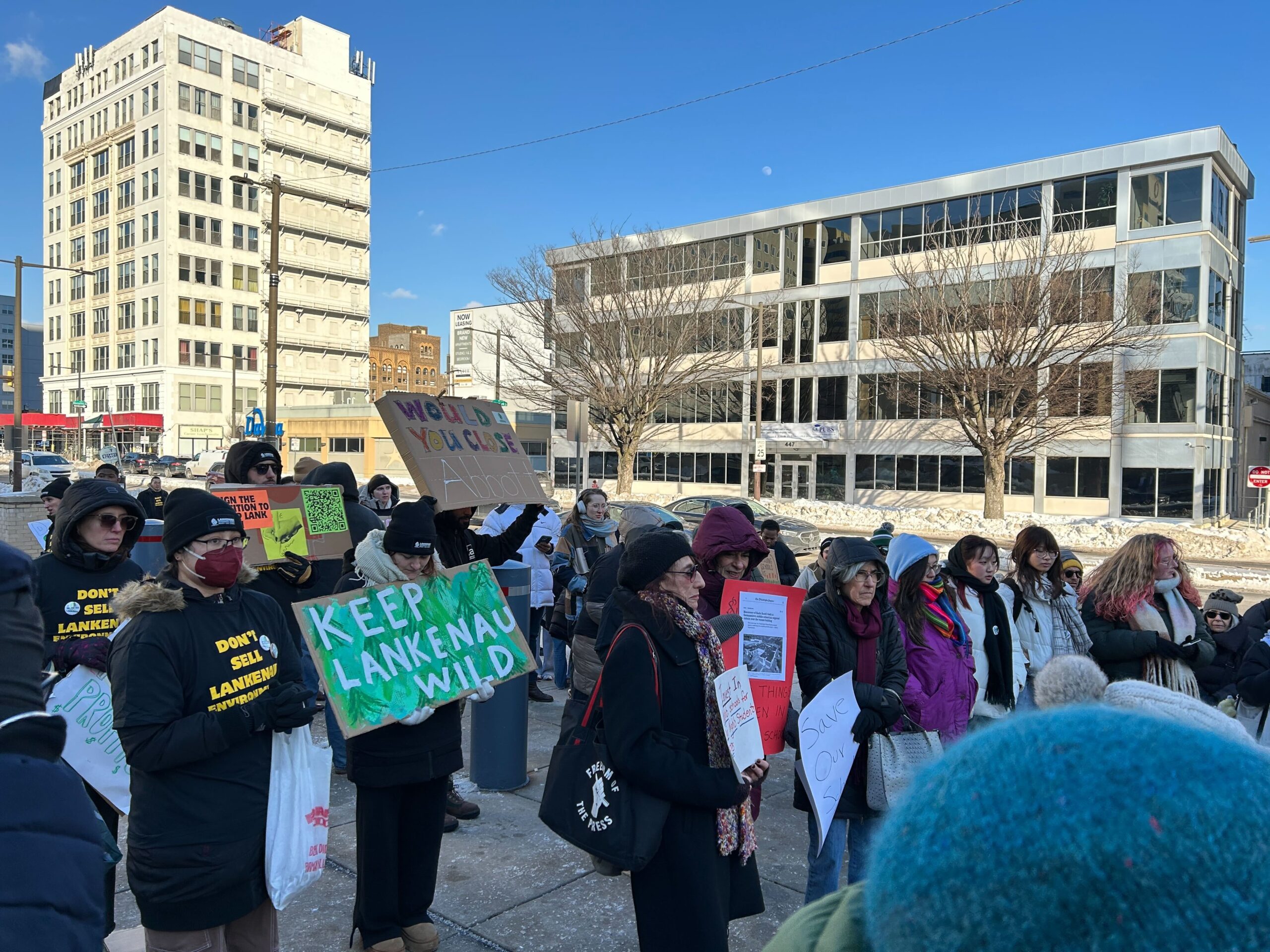
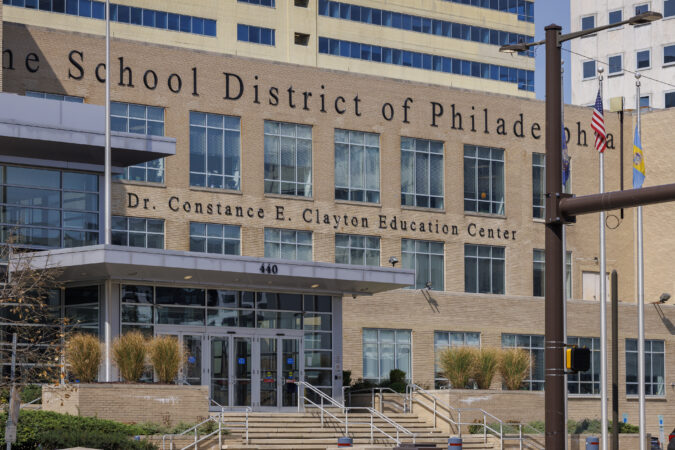
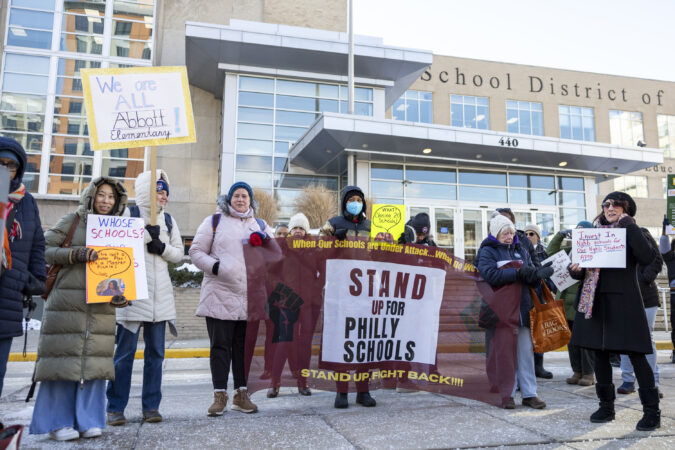
    Demonstrators rallied against school closures outside the School District of Philadelphia headquarters in Center City on Jan. 29.

    First, school is a very personal space and choice for students and families. Families assess the quality of a school in many different ways, from class size to specific course offerings to the availability of specific extracurriculars.

    A school’s reputation, sometimes going back multiple generations, is often a factor. And both safety and accessibility — proximity and available transportation — are always paramount. Closing a school isn’t just an administrative change; it is a profound disruption of community and family life.

    Second, logistics matter enormously and proved more difficult than expected in Chicago. The management of closing some schools and merging into others was a massive pain point in Chicago’s school closures.

    Some teachers could not find their personally purchased furniture, technology, and classroom supplies. Critical details were overlooked, which caused significant challenges for staff and students. Closures require thorough and transparent operational planning.

    But last and most importantly, it is critical to consider the effect of school closures on the people who experience them. In our interviews with both students and staff, we repeatedly heard that they wished their grief and loss had been acknowledged, validated, and addressed.

    When we looked at the data, we found that test scores dropped for students whose schools closed — and the drops started the year potential closures were announced, reflecting the effects of uncertainty and upheaval. Test scores also dropped for students whose schools were “receiving schools,” enrolling many of the affected students.

    Our University of Chicago colleague, professor Eve L. Ewing, wrote in her commentary in our report that “we must ask how and why we continue to close schools in a manner that causes ‘large disruptions without clear benefits for students.’”

    The way this plays out in Philadelphia matters, as young people, families, and educators are already emphasizing. In Chicago, school staff wished for more communication, more transparency, more training on merging school communities, longer-term transitional funding, and more emotional support for adults, whose feelings were still raw three years later when we interviewed them.

    Students wished school actions provided better facilities, from building and green space to sufficient toilet paper and warm water. And they wished they had more counselors and social workers, and general emotional support from all school staff, who were, themselves, grieving. Simple yet powerful reminders of what makes schools feel like places of care, connection, and community.

    In 2023, our fantastic Chicago education reporters covered the 10-year anniversary of Chicago’s massive school closures in Chalkbeat Chicago and in a WBEZ/Chicago Sun-Times collaboration. The students, families, neighbors, and staff shared similar messages in those stories as they had in our research: being told one thing and experiencing another; seeing the process as “hurtful” and without any benefit to young people or the community; wishing they could see the district and the city investing in schools, housing, and community resources where they live.

    Regardless of what final decisions are made, a difficult path lies ahead for school communities across Philadelphia. Chicago’s experience tells us that any district considering school closures needs to plan meticulously, communicate frequently and transparently, and keep the experiences of students, families, and school staff at the center of the process.

    Marisa de la Torre is managing director and senior research associate at the University of Chicago Consortium on School Research, part of the Kersten Institute for Urban Education within the Crown Family School of Social Work, Policy, and Practice.
  • Tony Watlington and Cherelle Parker: Philadelphia’s future is built in our schools

    Tony Watlington and Cherelle Parker: Philadelphia’s future is built in our schools

    Philadelphia is a city of neighborhoods, and at the heart of every neighborhood is a school. Schools are where our children learn, where families gather, and where communities take shape. When our schools thrive, Philadelphia thrives.

    That is why the Philadelphia School District’s recently announced Facilities Master Plan is so important — not just for students and educators, but for the future of our entire city.

    This plan is about more than bricks and mortar. It is about opportunity. It is about ensuring every child, in every zip code, has access to high-quality academic programs, safe and modern learning environments, and the extracurricular experiences that help young people discover their talents and chart their paths forward.

    For too long, inequities in school facilities have mirrored broader inequities across our city. Some students learn in buildings that limit what they can access — advanced coursework, arts and music programs, athletics, career and technical education, and modern technology — while others have more opportunities simply because of where they live. That is not acceptable, and it is not sustainable.

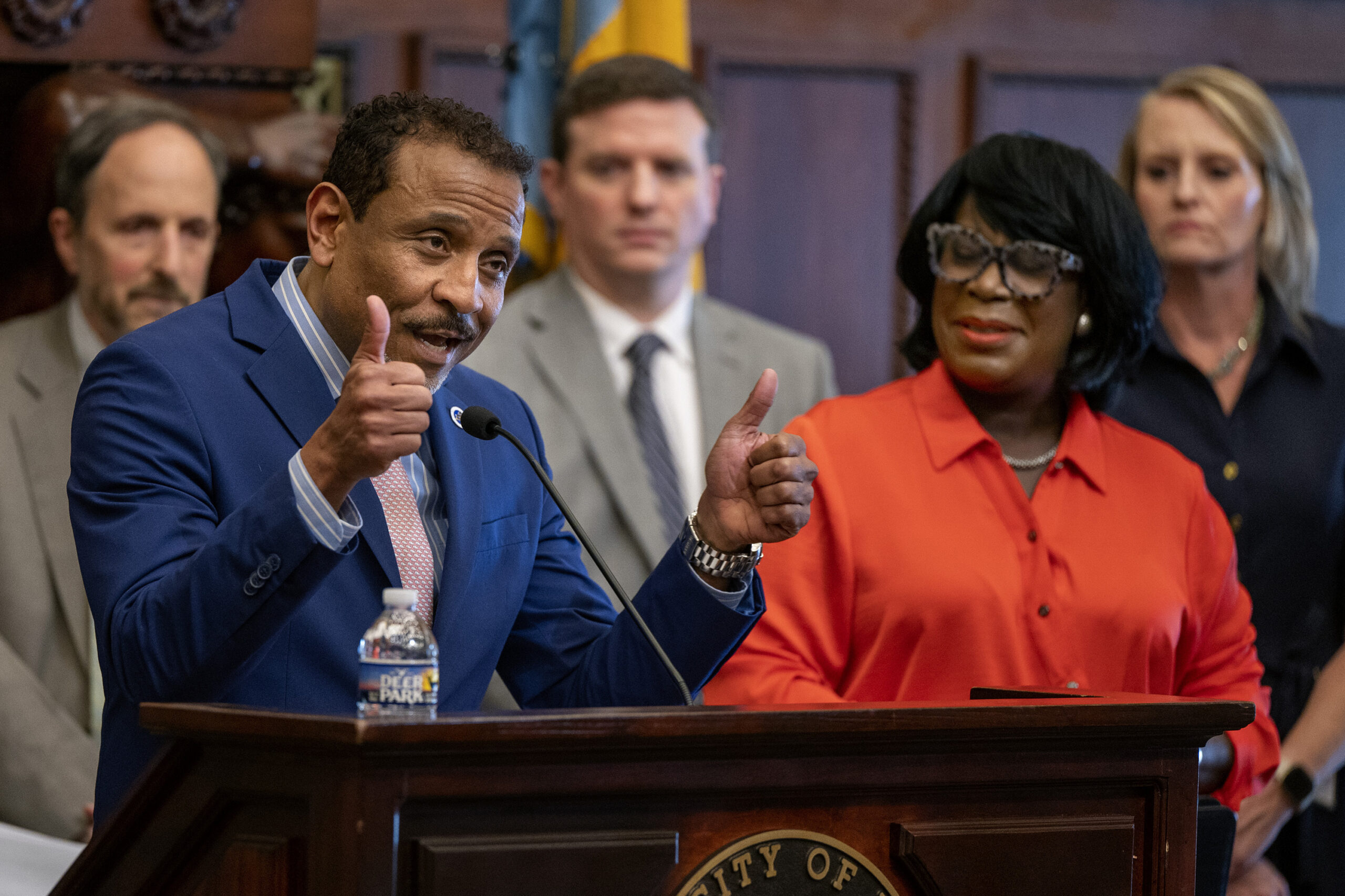
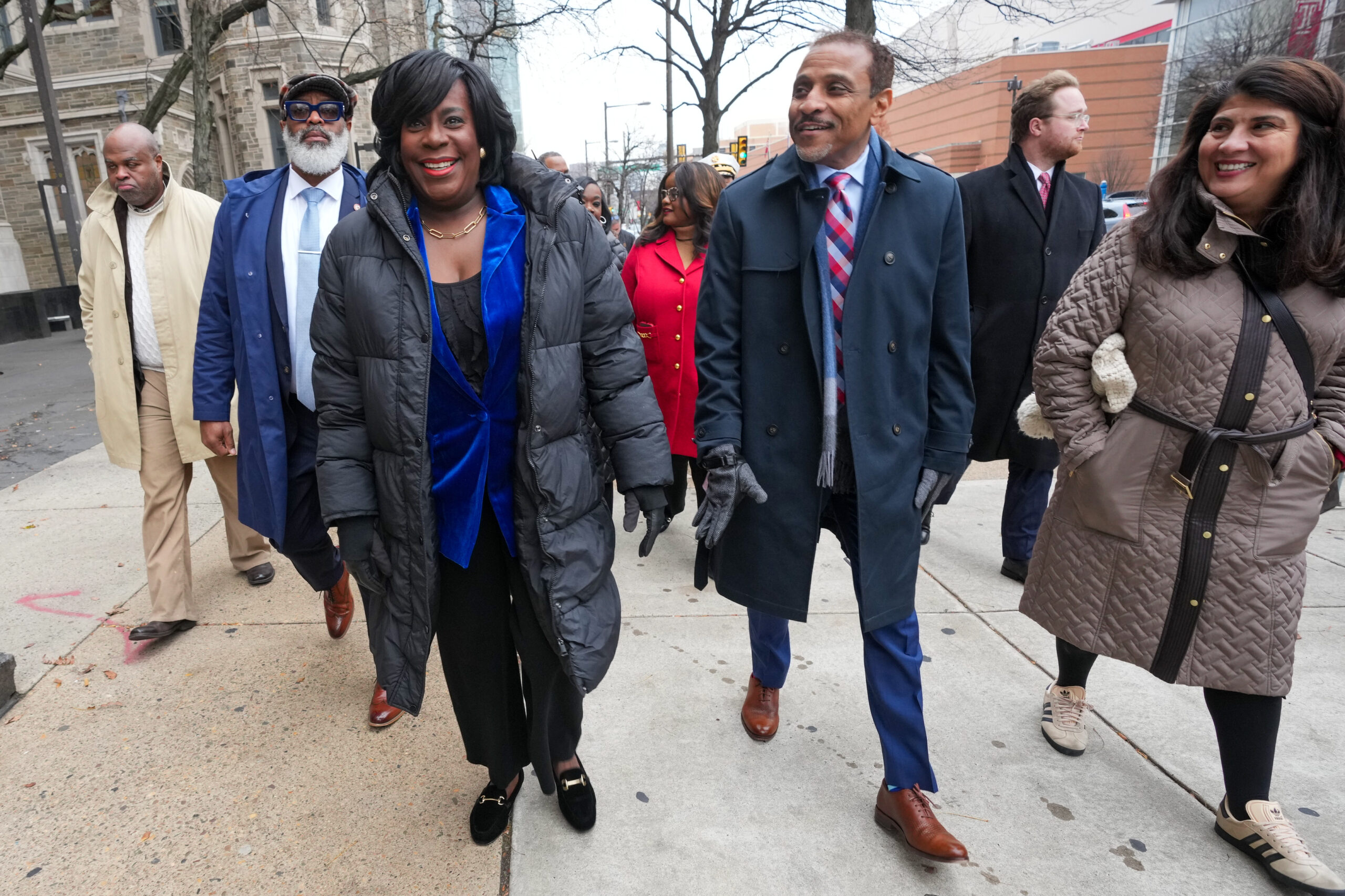
    Mayor Cherelle L. Parker and Superintendent Tony B. Watlington Sr. on Temple University’s campus in December 2024. Inequities in school facilities are unacceptable, the pair write.

    The Facilities Master Plan directly confronts these challenges. It takes a thoughtful, data-driven approach to aligning school buildings with student needs, enrollment trends, and program quality. The goal is clear: to expand access to strong academic offerings and enriching extracurricular programs across neighborhoods, while making smarter use of resources and improving learning conditions citywide.

    Ninety percent of impacted students will be reassigned to schools with comparable or better academic outcomes, and 100% of impacted students will be reassigned to schools with comparable or better academic outcomes and/or comparable or better building conditions.

    When students have access to well-equipped schools with robust programs, outcomes improve. Graduation rates rise. Attendance improves. Students are better prepared for college, careers, and civic life. These are not abstract benefits — they translate into a stronger workforce, safer neighborhoods, and a more vibrant local economy.

    The impact extends well beyond the classroom. Modernized and rightsized school facilities can anchor neighborhood revitalization. They attract families, support local businesses, and create hubs for community use — from recreation and arts to adult education and workforce training. Investments in schools are investments in communities.

    This plan also reflects a commitment to partnership and transparency. It is grounded in community engagement and recognizes that schools do not exist in isolation. The city of Philadelphia and the school district are working together to ensure that planning decisions consider housing, transportation, economic development, and public safety — because when we coordinate our efforts, everyone benefits.

    One of us, Mayor Parker, has made clear that creating a safer, cleaner, and greener city with access to economic opportunity for all is critically important to the success of our young people. Strong schools are foundational to that vision.

    The other one of us, Superintendent Watlington, has, over the past three years, led a series of sweeping improvements in the district: student attendance, teacher attendance, graduation rates, and test scores in grades four through eight have all increased. During the same period, dropout rates have decreased by more than half.

    The Facilities Master Plan brings these priorities together in a way that will drive even stronger and faster progress in an ambitious and responsible manner.

    Change is never easy, and conversations about school facilities can be deeply personal. Families care about their schools because schools are part of their identity.

    That is why continued engagement and listening will remain central as the plan moves forward. The school district and the city are committed to working with students, families, educators, and community members every step of the way.

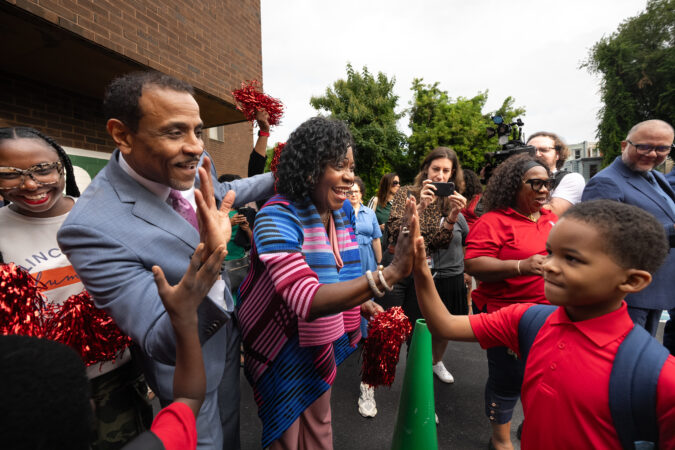
    Superintendent Tony B. Watlington Sr. joins Mayor Cherelle L. Parker at a City Hall news conference in August 2024.

    What unites us is a shared belief that Philadelphia’s children deserve the best we can offer — and that the city’s future depends on how well we prepare them today.

    This Facilities Master Plan is a long-term investment in equity, excellence, and opportunity. It is a commitment to making sure that no matter what zip code a child grows up in in Philadelphia, they have access to high-quality education and enriching experiences that open doors and expand horizons.

    By building better schools, we are building a stronger Philadelphia — for this generation and the next.

    Tony B. Watlington Sr. is the superintendent of the Philadelphia School District. Cherelle L. Parker is the 100th mayor of Philadelphia.

  • School closures would gut specialized magnet programs for students

    School closures would gut specialized magnet programs for students

    Philadelphia has been here before.

    In the early 2010s, school closures were presented as unavoidable and data-driven. Families were promised efficiency and reinvestment. What many communities experienced instead was lasting harm that never fully healed. That history matters now as the Philadelphia School District advances a new Facilities Master Plan that again relies on closures as a primary tool.

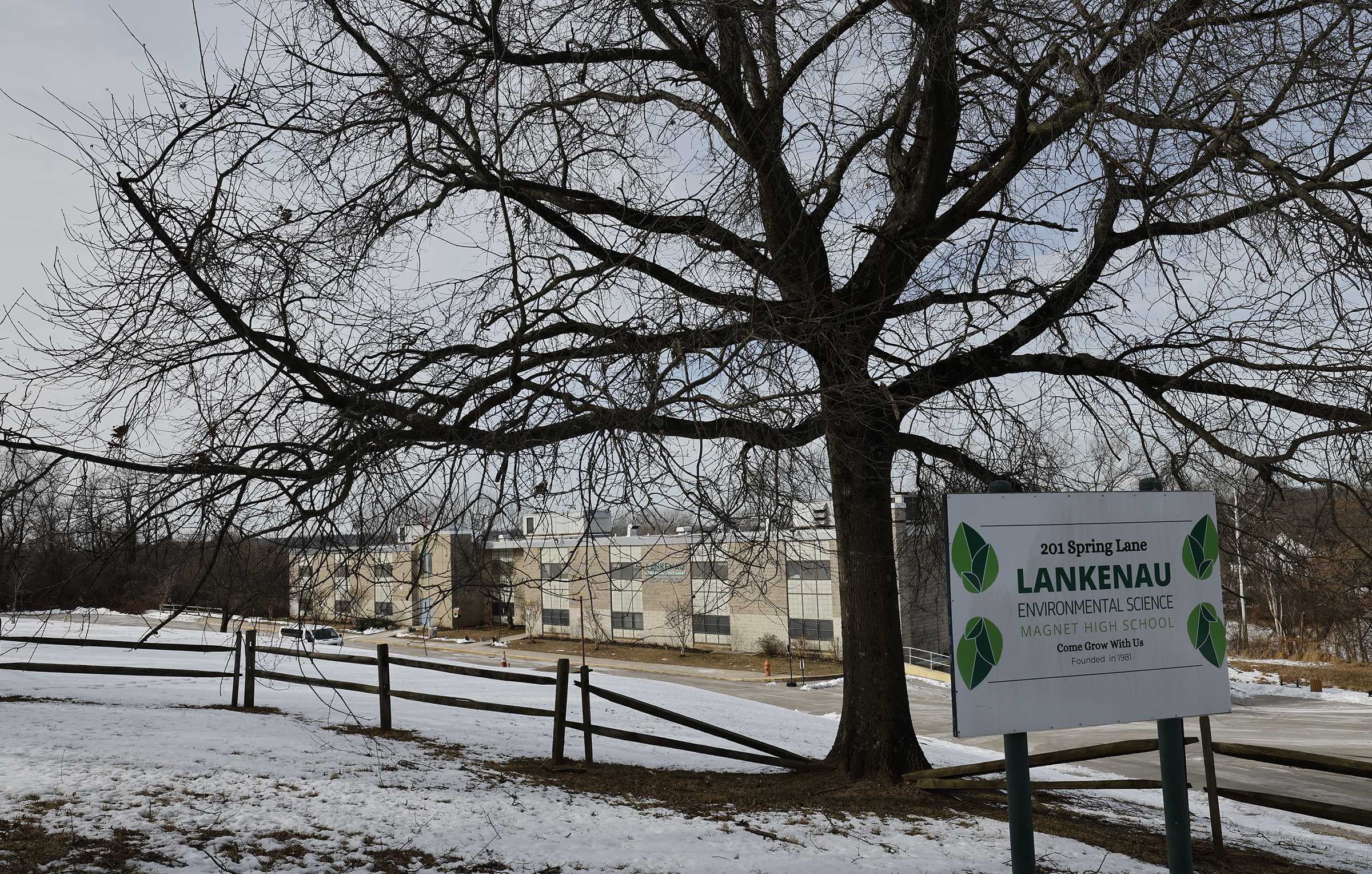
    This time, the risk extends beyond neighborhood schools to specialized magnet programs with a clear public purpose. Lankenau Environmental Science Magnet High School is among those proposed for closure, with its program folded into Roxborough High School as an honors track. Framing this move as a merger understates what would be lost.

    Lankenau offers a cohesive educational experience built around environmental science. That focus shapes classroom instruction and extracurricular programming, as well as long-standing partnerships outside the school. Students graduate with sustained exposure to climate science and its connections to public health, food systems, and urban sustainability. These experiences reinforce one another and help explain the school’s strong graduation outcomes and high college attendance rates.

    The timing of this proposal is difficult to ignore. Climate change is already shaping life in Philadelphia. Rising temperatures and flooding are becoming routine realities for many neighborhoods. Poor air quality continues to affect how residents live, work, and learn. Environmental inequities remain concentrated in Black and low-income communities. Preparing students to confront these conditions requires immersion over time, not sporadic exposure.

    The district argues that consolidating magnet programs into neighborhood high schools will expand access and strengthen those schools as community anchors. That logic assumes program quality can be preserved through reorganization alone. Experience suggests otherwise.

    A mission-driven school culture depends on sustained focus and institutional priority. Once reduced to a single track, that culture becomes fragile. Through Lankenau, students are participating in an Environmental Rights Amendment curriculum led by the Pennsylvania Bipartisan Climate Initiative, one rooted in civic engagement as much as environmental literacy. That depth of engagement would be hard to replicate in other schools without a dedicated institutional focus on this work.

    Environmental education is especially vulnerable to this kind of dilution. Partnerships with universities and community organizations take years to build. Internship pipelines depend on consistent coordination. Hands-on programs require both space and continuity. When these elements are separated, the whole weakens.

    The Board of Education has recommended closing or merging as many as 20 schools, including Lankenau in Roxborough.

    Equity concerns also deserve closer attention. Lankenau serves students from across North and Northwest Philadelphia who rely on district-provided transportation. For many families, this school represents access to a learning environment aligned with their interests and ambitions. Closing it narrows those options rather than expanding them.

    The Facilities Master Plan emphasizes data analysis, community engagement, and fiscal responsibility. Those factors matter. But they do not capture everything. Some schools provide value that cannot be reduced to enrollment figures or building utilization rates. When a public school consistently prepares students to engage with one of the defining challenges of this century, dismantling it should not be taken lightly.

    Climate literacy is not optional. It shapes workforce readiness and civic decision-making. Philadelphia should be strengthening pathways that cultivate this knowledge early and deeply. Offering environmental science only as an honors option signals a retreat from that responsibility.

    This proposal is not final. The Board of Education still has time to reconsider. Protecting schools like Lankenau would not undermine the broader goals of modernization or equity. It would reinforce them and affirm that preparing young people for a changing world requires more than consolidation.

    Concerned residents should sign up to attend an upcoming community engagement session on Feb. 3 and 4 to show support for our specialized magnet schools.

    Ashlei Tracy is a nonprofit leader with a background in environmental policy and biology. Her work centers around increasing civic engagement, policy literacy, and care for our shared planet.

  • The Philly School District’s admissions policy could be viewed as unconstitutional and discriminatory, federal judges rule

    The Philly School District’s admissions policy could be viewed as unconstitutional and discriminatory, federal judges rule

    A federal appeals court revived a lawsuit challenging the legality of Philadelphia School District’s special-admissions process Monday, ruling the policy could be seen as “blatantly unconstitutional” and ”race-based.”

    The U.S. Court of Appeals for the Third Circuit sent the case filed by three Philadelphia parents — which a federal judge tossed in 2024 — back to a lower court.

    The ruling could have long-term implications for the admission process for citywide magnet and special-admissions schools, which has been controversial since its inception.

    While it will have no immediate impact on the school district’s process, the ruling means the case could now proceed to trial.

    The district changed the way it admits students to criteria-based schools in 2021, moving from a system where principals had discretion over who got into the district’s 37 special-admissions schools to a centralized, computer-based lottery for any student who met academic criteria.

    For the city’s five top magnets, all students who met the standards and lived in certain underrepresented zip codes gained automatic admission.

    Officials at the time said they were changing the policy as they “made a commitment to being an antiracist organization” after an “equity lens review” of admissions practices.

    The demographics of some selective public schools do not match the city’s demographics. Masterman, for instance, has much higher concentrations of white and Asian students than the district does as a whole.

    Although the school district has defended its policy change, a panel of federal judges on Monday ruled that it could be viewed as discriminatory.

    “School District officials made public and private statements — both before and after the enactment of the Admissions Policy — that could support a finding that the Policy was intended to alter (and did alter) the racial makeup of the schools,” Judge Thomas Michael Hardiman wrote for the three-member panel.

    “So a reasonable fact finder could conclude that the School District acted with a discriminatory purpose,” the panel wrote. The panel included Hardiman, a George W. Bush appointee; Cheryl Ann Krause, a Barack Obama appointee; and Arianna Julia Freeman, a Joe Biden appointee.

    A district spokesperson said Monday that the school system does not comment on ongoing litigation.

    The legal team representing parents Sherice Sargent, Fallon Girini, and Michele Sheridan — including lawyers from America First, an organization formed by Stephen Miller, a top aide to President Donald Trump called the action “a major victory.”

    “School officials don’t get to rig admissions systems to satisfy ideological goals,” said Gene Hamilton, America First Legal’s president, and a former Trump deputy counsel. “This ruling affirms a basic constitutional principle: government cannot discriminate by race, whether openly or by proxy. AFL will continue fighting to secure accountability and restore equal protection.”

    What did the initial lawsuit argue?

    Sargent, Girini, and Sheridan sued in 2022 to end the policy, to stop the district from using “racially discriminatory criteria” for magnet school admissions, and to award damages to those who might have been damaged by the “gerrymandered lottery” policy.

    A federal judge ruled in favor of the school district in 2024 without a trial, writing that “no fair-minded jury could find that the changes to the admissions process were implemented with racially discriminatory intent or purpose.”

    The district has defended its position, saying it was geography, not race, that gave certain students preferential admission to magnets like Masterman, Central, the Academy at Palumbo, and George Washington Carver High School of Engineering and Science.

    Five admissions cycles have happened since the overhaul.

    Adjustments have been made since the initial rollout — including dropping a controversial, computer-graded essay, adding ranked choice, adding sibling preference, and giving automatic admission to students who attend middle schools with attached high schools and meet academic standards — but the underpinnings remain, as does the preference for qualified students from underrepresented zip codes at selected schools.

    Sargent’s daughter, who is Black, qualified academically for the George Washington Carver High School of Engineering and Science; Girini’s son, who is white, qualified for Academy at Palumbo; Sheridan’s child, who is biracial, met standards for Palumbo. All were denied admission to their top-choice schools, though they gained admission to other district magnets.

    As a result of the shift to the lottery — and changes to admissions criteria — admissions offers to Black and Hispanic students increased significantly at most of the highest-profile schools, and offers to white and Asian students decreased at most.

    What did Monday’s ruling say about the admissions policy?

    District lawyers have said the admissions overhaul “was race-neutral and motivated by legitimate goals, such as increasing objectivity and improving access for qualified students from underrepresented geographic areas.”

    But the appeals panel found that the federal judge who dismissed the case “did not adequately consider the evidence of why the School District implemented the Policy in the first place, including the School District’s stated goals, the historical context behind the ‘equity’ aims, and statements made by School District officials.”

    Before the admissions changes took effect, then-Superintendent William R. Hite Jr. issued an anti-racism declaration in 2020 following the killing of George Floyd by Minneapolis police and the resulting racial justice movement.

    Hite said it was “imperative that we take a laser focus on acknowledging and dismantling systems of racial inequity. For us, this goes deeper and far beyond focusing on individual acts of prejudice and discrimination, but refers to uprooting policies, deconstructing processes, and eradicating practices that create systems of privilege and power for one racial group over another.”

    The school board also included in its Goals and Guardrails, guiding principles by which it judges district progress, a guardrail asking the district to increase the percentage of qualified Black or Hispanic students who qualify for criteria-based schools.

    “These statements and actions, taken together in context, could support a finding that the School District adopted the Admissions Policy to achieve racial proportionality,” the appeals panel wrote.

    What comes next?

    Monday’s ruling has no impact on the existing admissions process, which is already underway for the 2026-27 school year.

    And it is not yet clear what will come of the case after it returns to a lower federal court, but it could potentially now proceed to trial.

  • One Philly school went virtual Monday because of the cold, and four others dismissed early due to broken heaters

    One Philly school went virtual Monday because of the cold, and four others dismissed early due to broken heaters

    It was so cold Monday at Farrell Elementary, a Philadelphia public school in Northeast Philadelphia, that middle schoolers — a group seemingly constitutionally averse to bundling up — were wearing coats indoors.

    That was just one example of trouble for the Philadelphia School District amid the prolonged frigid spell bearing down on the region, with a number of schools plagued by burst pipes, broken heaters, and other issues.

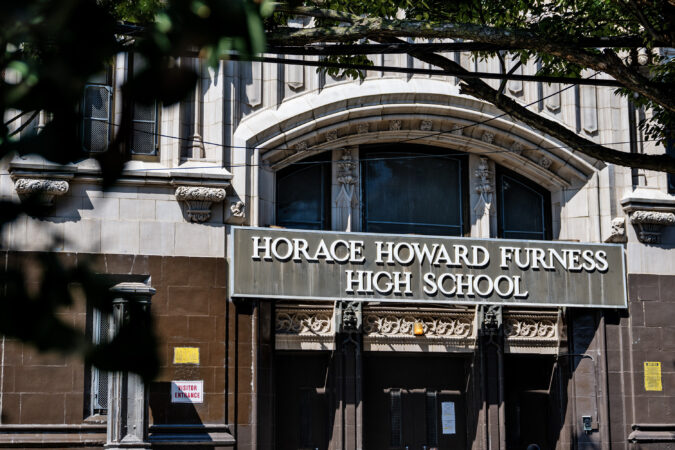
    Furness High, in South Philadelphia, moved to virtual instruction Monday “due to ongoing heating challenges.”

    “The safety and comfort of our staff remains our top priority,” wrote Teresa Fleming, the district’s chief operating officer. “Moving to virtual instruction for the day allows necessary work to continue while allowing minimal disruption to learning.”

    Though Farrell’s heat was on the fritz for the third school day in a row, the district did not pivot to virtual learning there. Instead, it was one of four schools that dismissed early due to heating issues. For much of the day until classes ended, Farrell students and staff were forced to either bundle up or find space to relocate in more-adequately heated spots in the overcrowded school, according to staffers who asked not be named because they are not authorized to speak to the media.

    Six Farrell classes camped out in the auditorium, including one class of 38 eighth graders. But the auditorium had to do double duty because the unplowed state of the yard where students typically play meant that students who’d typically be in the yard before or after eating lunch had to be in the auditorium also, Farrell employees said.

    Meaningful learning was “absolutely not” going on in the auditorium, one staffer said. “It’s almost impossible.” Students were instructed to complete work on Google Classroom, and teachers were balancing crowd control and working with students individually.

    In other cases, teachers and students just stayed in cold rooms, bundled up. Small-group instruction had to happen in hallways because of the population overflow; the hallways were also freezing.

    “It’s just ridiculous,” said the Farrell staffer, of the school conditions.

    They and others were frustrated that though district officials knew Farrell was plagued by heating issues, students and staff were required to be in the building, especially while other schools were permitted to go virtual.

    District students had a snow day last Monday, learned virtually on Tuesday and Wednesday, then went back for in-person instruction on Thursday, though conditions were tough in many schools. In some places, heating issues have resolved.

    “The safety and well-being of our students and staff remain our highest priorities,” district spokesperson Monique Braxton said. “Due to sustained frigid temperatures following the recent snowstorm, combined with the age of some School District of Philadelphia facilities, several schools are experiencing heating-related challenges.”

    In addition to Farrell, Greenberg Elementary, another school in the Northeast, dismissed early because of heating issues, Braxton said. So did the U School and Parkway Center City Middle College, two district high schools.

    District workers and independent contractors are “actively addressing both ongoing and newly identified facilities issues to ensure that all students can safely return to a full day of in-person instruction as soon as possible,” Braxton said.

    At Farrell, one teacher brought in their own heater to try to keep warm, a staffer said, and one teacher known for wearing shorts every day finally broke down and wore pants.

    And then there were the middle schoolers.

    “Even the older ones have on coats,” the staffer said. “It’s so cold that they wore coats.”

    Younger students, the staffer said, are more curious.

    “They say, ‘Why is it so cold in my classroom?’“ said the Farrell staffer.

    By lunchtime, word started to spread that both Farrell and Greenberg were dismissing early, staff there said.

    But that late call came with its own set of headaches — while some parents would be able to react to the news quickly and pick up their children early, others may be stuck at work and unable to get to school at dismissal.

    Arthur Steinberg, Philadelphia Federation of Teachers president, remained frustrated and angry by the district’s call. Steinberg said last week that the district’s return to buildings was “dangerous” given conditions in some places.

    “They shouldn’t have brought people in if they knew the buildings were going to be this cold,” Steinberg said.

    As to why one school was permitted to be virtual while others were brought in with inadequate heat, Steinberg was stumped.

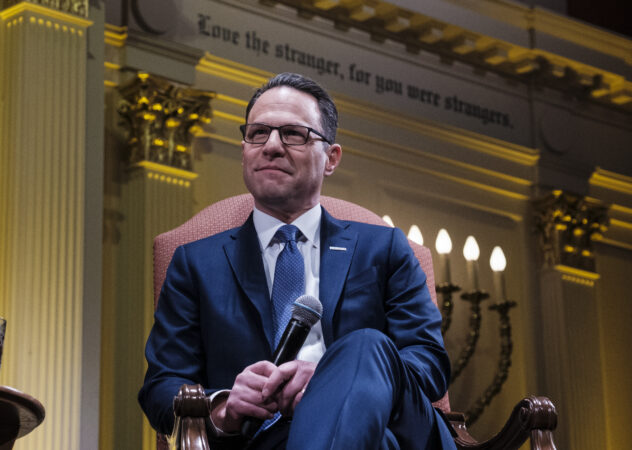
  • Gov. Josh Shapiro wants to ban cell phones from Pa. schools

    Gov. Josh Shapiro wants to ban cell phones from Pa. schools

    Gov. Josh Shapiro is backing a proposal to ban cell phones from Pennsylvania classrooms, joining a growing chorus of parents, teachers, and officials seeking to curb school disruptions and detach kids from addictive devices.

    “It’s time for us to get distractions out of the classroom and create a healthier environment in our schools,” Shapiro said in a post on X on Thursday.

    He called on Pennsylvania lawmakers to pass a bill that would require schools to ban the use of cell phones during the school day, “from the time they start class until the time they leave for home.”

    The endorsement from the Democratic governor — who could promote the issue during his budget address Tuesday — comes as school cell phone bans have increasingly become the norm: 31 states have restrictions of some kind on phones, including 23 states with “bell-to-bell” bans barring the use of phones the entire school day, according to Education Week.

    In New Jersey, former Gov. Phil Murphy signed a law last month requiring a bell-to-bell ban to take effect next school year.

    Pennsylvania currently lets schools set their own cell phone policies — and districts have taken a patchwork of approaches. Pennsylvania in 2024 implemented a pilot program allowing schools to access funding for lockable pouches that students could place their phones in during the day, but few districts took the state up on the money.

    Some schools have banned cell phones during classes, including by asking students to place their phones in hanging shoe organizers on the backs of classroom doors.

    Advocates for entirely phone-free school days say such measures aren’t sufficient. Phones are still buzzing, and if class ends early, “kids are constantly looking at it,” said Kristen Beddard, a parent from the Pittsburgh suburb of Sewickley and leader in the PA Unplugged coalition seeking to curb children’s reliance on phones and screens, in and out of school.

    Barring phones only during class time is “not enough to truly break the dopamine feedback loop these kids are exposed to, and inundated with constantly,” Beddard said.

    Since PA Unplugged began advocating for a bell-to-bell ban a year ago, “the landscape has changed so much,” including more states moving to restrict phones, Beddard said.

    In Pennsylvania, the state’s largest teachers’ union came out in favor of a ban, and legislation that would require school districts to adopt bell-to-bell cell phone policies was unanimously approved in December by the Senate Education Committee. The bill would grant exceptions for students with special needs.

    The Pennsylvania State Education Association “supports legislation like Senate Bill 1014 that would establish a consistent, statewide expectation that public schools will restrict the possession and prohibit use of mobile devices for all students during the school day,” said spokesperson Chris Lilienthal.

    He said that on a typical day, teenagers get 237 app notifications on their phones.

    “Think about how disruptive those notifications are during the course of the school day when students should be focused on learning,” Lilienthal said.

    In a divided Harrisburg, the proposal has bipartisan support. Beddard called banning cell phones in schools “maybe one of the few bipartisan issues left.”

    In the Philadelphia area, groups of parents have mobilized against cell phone use, circulating pledges such as a commitment to not give children phones before eighth grade. Delco Unplugged, an offshoot of PA Unplugged, has advocated for cell phone bans in school districts and encourages parents to not give children access to phones before high school.

    There has been opposition to strict bans, including from school leaders who think kids need to learn how to live with technology, rather than avoid it. Some administrators have also questioned the logistics, and some parents say they want their children to have phones in the case of emergencies, like a school shooting.

    Advocates like Beddard say kids are safer during emergencies if they pay attention to the adults in their school, rather than their phones. They also argue that the logistics aren’t so daunting and that there are many ways to enact a ban besides lockable pouches.

    Some schools require kids to put their phones in a locker or simply keep them in their backpacks, Beddard said, noting that the legislation advancing in Harrisburg would allow districts to decide how to enact a ban.

    Schools that have implemented bans “describe the experience as transformational,” going beyond academic improvements to better socializing among kids, Beddard said. “Awkward conversations in the lunchroom make you a better human being,” she said.

    At this point, “Pennsylvania isn’t a pioneer on the issue,” Beddard said. “We need to get with the program.”

  • Some classrooms in a storied Philly high school saw ‘untenable’ below-40 temperatures Friday

    Some classrooms in a storied Philly high school saw ‘untenable’ below-40 temperatures Friday

    No teaching happened inside some Central High classrooms Friday: temperatures were just too low.

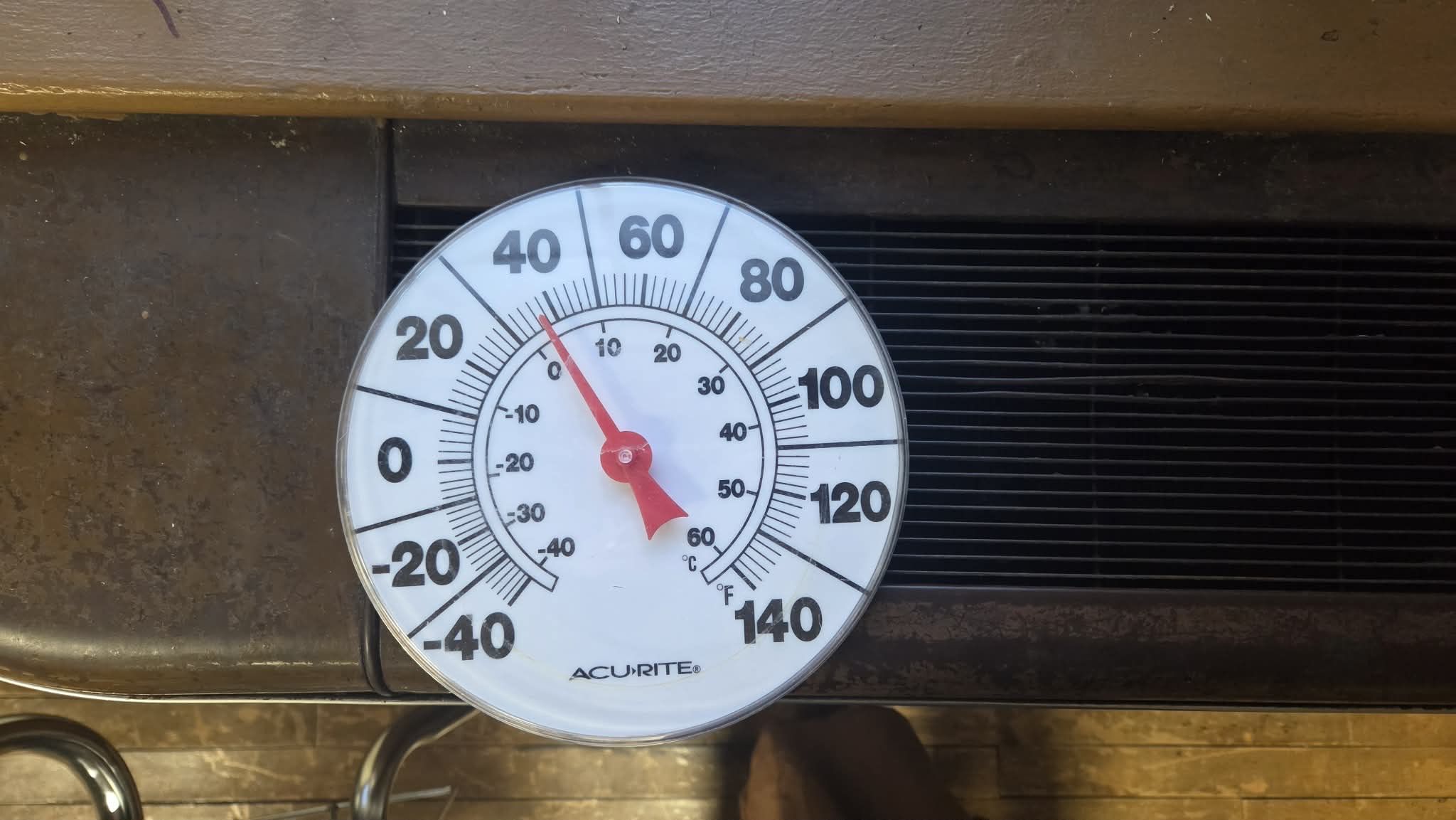
    Inside Kristen Peeples’ room, a thermometer read below 40 degrees. Multiple classrooms inside the storied Philadelphia magnet were so cold that classes had to relocate for safety, staff there said.

    Normally, Peeples relishes engaging classroom instruction and discussion. On Friday, it was all about survival; conditions were “untenable,” she said. While some rooms were comfortable, many were freezing. Some were overly hot.

    Classes that were supposed to be in rooms too cold for occupancy just moved around the school — which enrolls over 2,300.

    “One class, I shared an empty space with another teacher,” said Peeples, who “couldn’t teach given the volume of people in the room, but at least we were able to be somewhere warm. Another period, we sat in the library while students worked independently, but again, not tenable for direct instruction.”

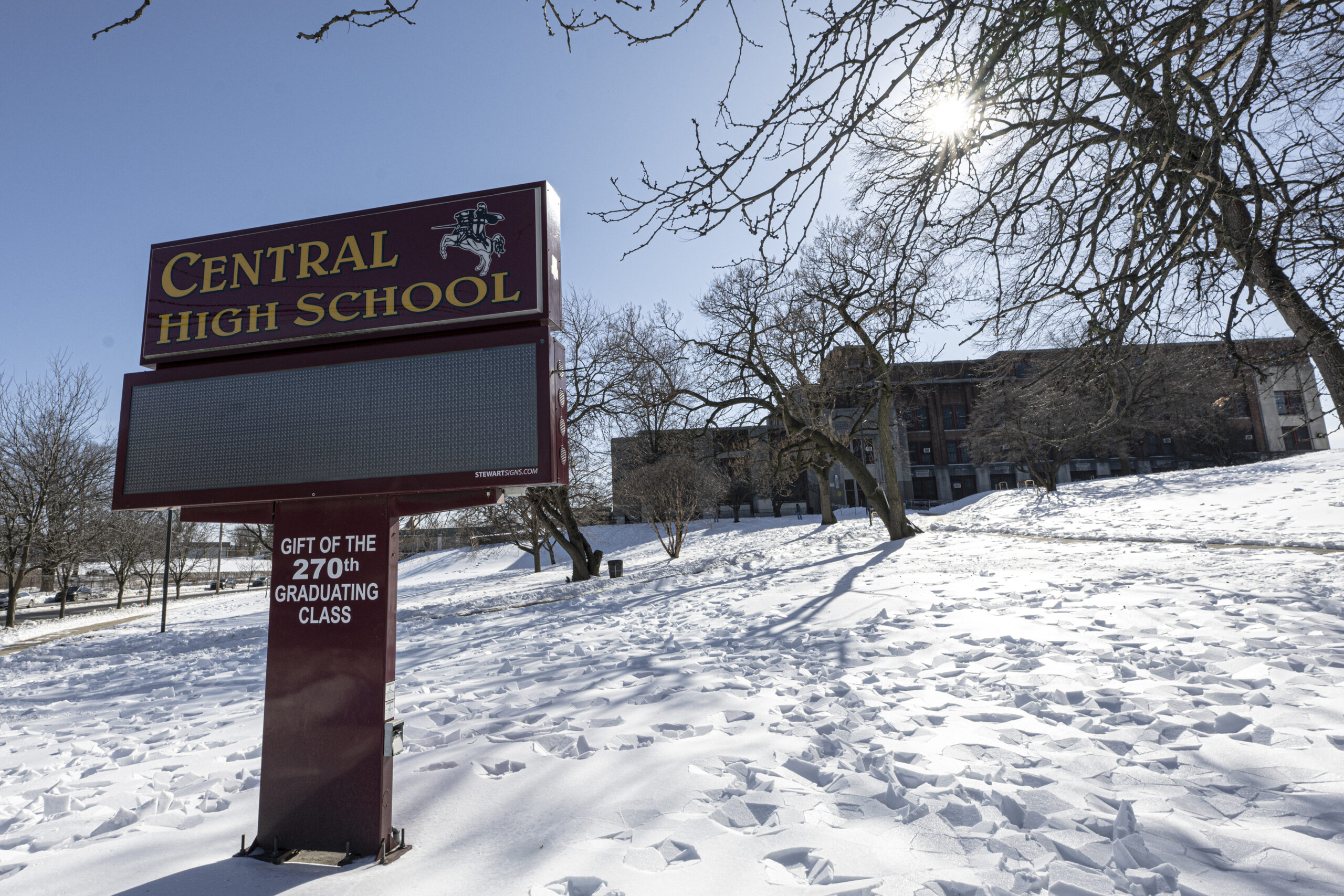
    Central High School is shown in the freezing temperature on Friday, January 30, 2026.

    With bitter cold still bearing down on the region, some Philadelphia schools continued to cope with difficult conditions for the second day in a row on Friday — old heating systems struggling to keep up with subfreezing temperatures, giant piles of snow surrounding schools that made getting in and out difficult for students and staff.

    All Philadelphia School District schools and offices were closed Monday for a full snow day; Tuesday and Wednesday were virtual learning days as city plows cleared streets.. Superintendent Tony B. Watlington Sr. has said that safety was his first priority in making the decision whether in-person instruction could resume, and made the call to do so Thursday.

    But staff at some schools said they thought that was the wrong decision, given conditions in some district buildings Thursday and Friday.

    In North Philadelphia’s Taylor Elementary, for instance, two burst pipes rendered five classrooms unusable, according to a staffer who asked to remain anonymous because they were not authorized to speak to a reporter.

    Classes had to be combined to account for the out-of-commission rooms. And some rooms were chilly, in the 50s.

    “This heating system is just very old and struggling,” said the staffer.

    Taylor officials asked the district to pivot to virtual instruction Friday, but their request was denied.

    Arthur Steinberg, Philadelphia Federation of Teachers president, said the district’s decision to reopen all schools was “reckless, and a contradiction of their claim of exercising ‘an abundance of caution’ when making such decisions. Forcing students, families, and staff to navigate still-treacherous commutes after a historic snowfall and freezing temperatures was careless.”

    Monique Braxton, a district spokesperson, said safety remains paramount and that district and city officials worked round-the-clock to ready buildings as best as they could.

    “Across the district, teams are responding in real time to heating concerns, snow and ice conditions, and other weather-related issues as they arise,” Braxton said in a statement. “When conditions do not meet district standards, we work closely with school leaders to take appropriate action and communicate directly with our families.

    We will continue to closely monitor building conditions throughout this bitter cold period and make adjustments as needed as, while temperatures remain below freezing.”

    At Central High, several classrooms were so cold they were unusable. This was the reading inside a classroom on Friday.

    Shivering, and slipping

    On Thursday, Penrose Elementary, in Southwest Philadelphia had heating problems some entrances were/ tough to access because of unplowed snow, and a ramp that students with disabilities use to get into the school was blocked. Burst pipes at Vare-Washington Elementary, in South Philadelphia, made six classrooms, the cafeteria, the gym and the entire basement unusable Thursday.

    Those schools were in much better shape Friday. But children and adults were still shivering, and slipping, at other schools.

    By the end of the short school day — the district had long planned half days for Thursday and Friday, with parent conferences scheduled — the temperature in Peeples’ classroom at Central had dropped even lower.

    Teachers and students were in a tough spot, Peeples said, but administrators and building engineers were also put in “an impossible situation” through no fault of their own. They have been working diligently to move students and teachers to warm learning spaces, Peeples said, plowing, shoveling, salting sidewalks and parking lots, and tending to fussy heating systems.

    At Taylor in North Philadelphia, staff were told by the district that three of the five unusable classrooms will be fixed and ready for learning on Monday — hopefully.

    Watlington recently proposed a facilities plan that would close 20 district schools and modernize 159 over the next 10 years, but the list of schools to receive upgrades has not been divulged.

    The $2.8 billion plan also banks on $1.8 billion from the state and philanthropic sources, money that is far from assured.

  • These elementary school cheerleaders will make Philly public school history: ‘It’s going to leave me starstruck’

    These elementary school cheerleaders will make Philly public school history: ‘It’s going to leave me starstruck’

    If you would’ve told Solange Mota two years ago that her cheerleading squad would go on to make history on the national level … she would believe it.

    “Honestly, we knew we were going two years ago,” said Mota, 29. “We kept saying, ‘We’re going to Disney; we’re going to Disney.’ I think the biggest obstacle about it was financials. It takes a lot of money to get them there because you have to go to camp. After camp, you have to make it to regionals.

    “It’s kind of their way of filtering out teams before you get to nationals, and that was our biggest problem. We know the girls can do it. But how are we going to make this happen?”

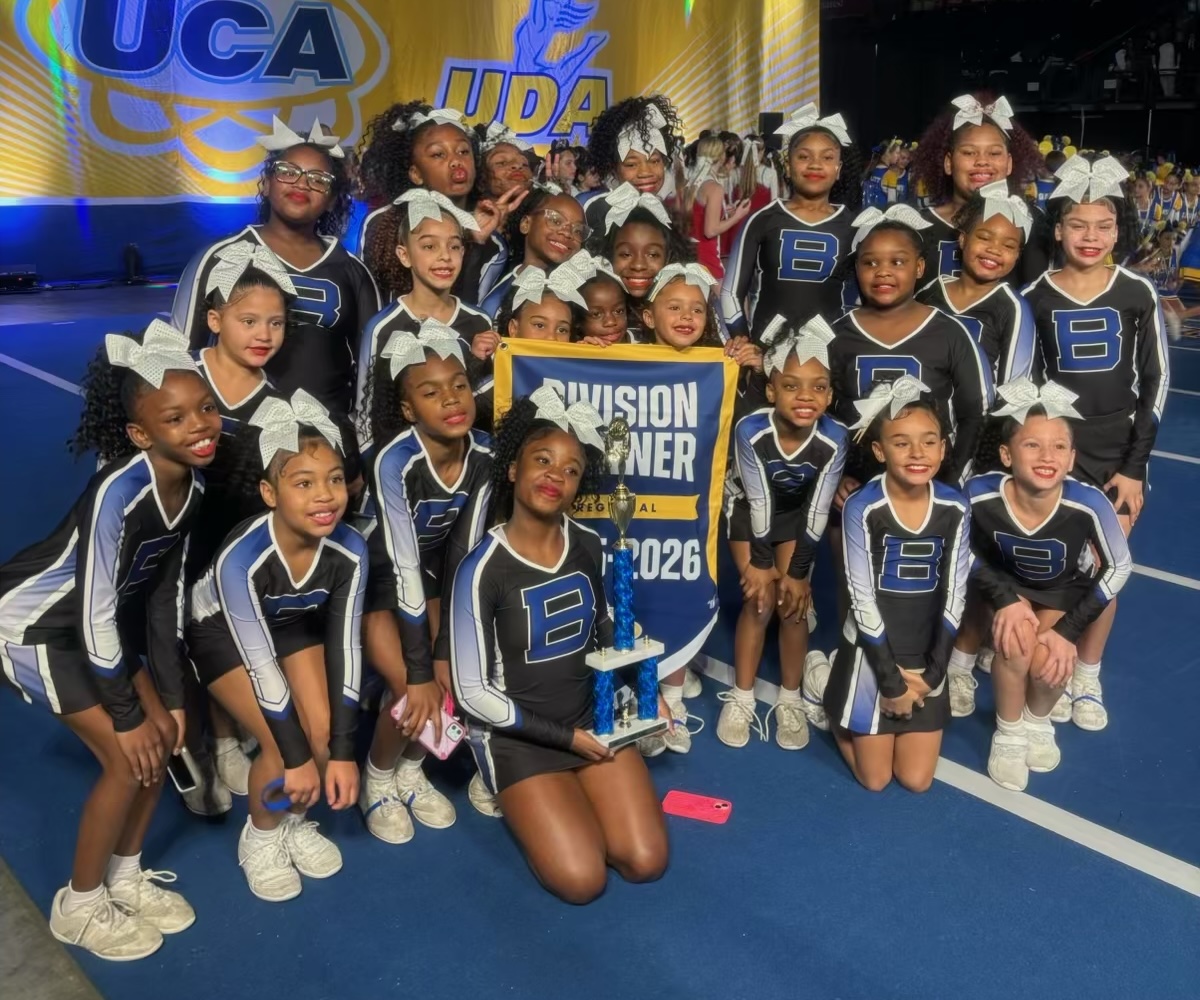
    Now, thanks to a whole lot of resilience — and a $30,000 grant from Mastery Schools — Mastery Charter School at Smedley, which serves predominantly Black and Latino students, will be the first inner-city public school to compete at the Universal Cheerleaders Association nationals in Orlando, it says. (A Philadelphia public high school, George Washington High School, competed in the 2023 NCA finals in Dallas, finishing 10th and starring in a documentary about their journey.)

    “There’s privilege in that,” Mota said. “But there’s also a weight. When you’re the first of anything and when you have a privilege to do something, there’s always a sense of responsibility.

    “You’re seeing that it’s Catholic schools, it’s private schools, but the demographic is all the same. So, the biggest thing that we talk about with the girls is that we’re going out there, not only as an all-Black and brown team, but also as the first Philadelphia inner-city elementary school. I think the girls feel a sense of pride in that.”

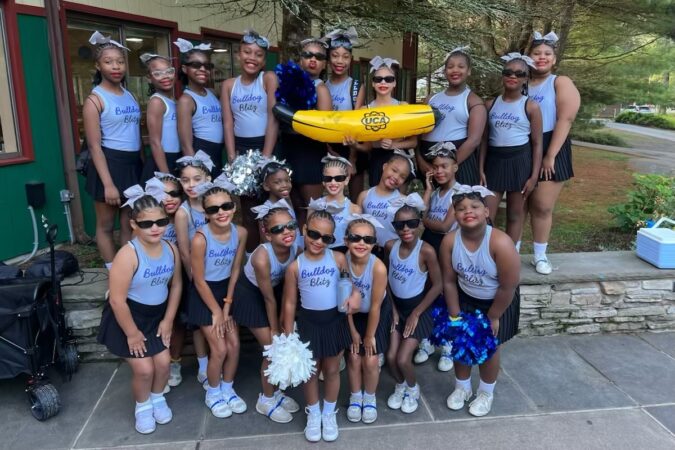
    The team, known as Bulldog Blitz, will compete in the junior high intermediate division of UCA’s National School Spirit Championship.

    Mota, a former competitive cheerleader and first grade teacher at Mastery Smedley, started the squad with Ana Rosario, 29, in 2021. It started as an after-school program, but a year later, it became an official competitive cheerleading team consisting of 22 girls ranging from first to sixth grade.

    The school educates 737 kindergarten through sixth grade students in the city’s Frankford section.

    Some of the girls on the team have been with the program throughout its five years, including 11-year-old Malayah Bell. In her final year with the team, she’ll finally be competing on the national stage.

    “Since it started, I never really thought that it was going to be something big,” Bell said. “I thought it was just going to be an after-school program where we just had fun. Until I noticed that the cheer team can really do big things.”

    The age gap between some of the girls could be seen as a challenge. However, Mota says it works perfectly with their big sister, little sister program — pairing a sixth grader with a first grader as a mentor.

    “People are like, ‘How does a first grader get along with a sixth grader?’ Mota said. “But I’m like, ‘If you see it, it just works out.’ Our sixth graders are so loving and kind to our babies.”

    That sisterhood has deepened through their practices. They typically train Tuesdays through Saturdays from 3:15 to 4:45 p.m. However, that schedule changed as they prepared for nationals, and their practice hours were extended to 6 p.m.

    With a busy schedule ahead of them, the team took a 19-hour bus to Florida on Tuesday and arrived on Wednesday morning. Bell said they had one activity to help them pass the time: rapping.

    “Honestly, I thought it was going to be a very long drive,” Bell said. “But it just felt really quick with us just playing and then going to sleep. It was fun. I liked the whole experience with my team just being with them for basically a day. We did a lot of rapping.”

    Once they arrived, they had a day of fun with their families at the Disney parks before training for the next two days.

    “It’s so heartwarming,” Rosario said. “As a former cheerleader, I’ve come as a spectator with my cousins that competed. But I’ve never got the chance to compete. So, just watching them live out a dream and be a part of this opportunity just makes me super emotional.”

    The Smedley team first had to advance out of the regional competition before clinching its spot in nationals.

    Mastery Smedley will take the stage on Saturday for the first round of nationals. If they score high enough, they’ll make it into the finals on Sunday. Although winning is one of the goals entering the competition, Mota is focused on only one thing.

    “My biggest thing is just watching them come out on that stage,” Mota said. “You know, watching their smiles. Like, this is everything that they worked for. So just watching it all piece together, this is why we’ve done everything that we have done. Watching the girls, seeing our school name and it saying Mastery Charter Smedley Elementary, Philadelphia, Pa. That’s a first. It’s going to leave me starstruck.”

    However, Bell has her eye set on something else.

    “I’m looking forward to the white jackets when we win,” Bell said.

  • Philly’s school board heard pleas to halt school closings and reconsider Watlington’s facilities plan

    Philly’s school board heard pleas to halt school closings and reconsider Watlington’s facilities plan

    Meeting for the first time since Superintendent Tony B. Watlington presented his sweeping facilities plan, Philadelphia’s school board heard an outpouring of angst Thursday night from community members upset over 20 proposed school closures.

    “Closing schools ruins families and neighborhoods, especially Black, brown, immigrant and working-class communities,” said Caren Bennicoff, a veteran teacher at Ludlow Elementary in North Philadelphia, one of the schools targeted for closure. “A facilities dashboard can’t measure what a school means to children.”

    Watlington said the plan represented a “once in a lifetime, significant opportunity” for the city to modernize schools.

    Prior to the meeting, more than 50 people gathered in the bitter cold outside Philadelphia School District headquarters, waving signs and shouting into bullhorns to show their displeasure with Watlington’s proposal.

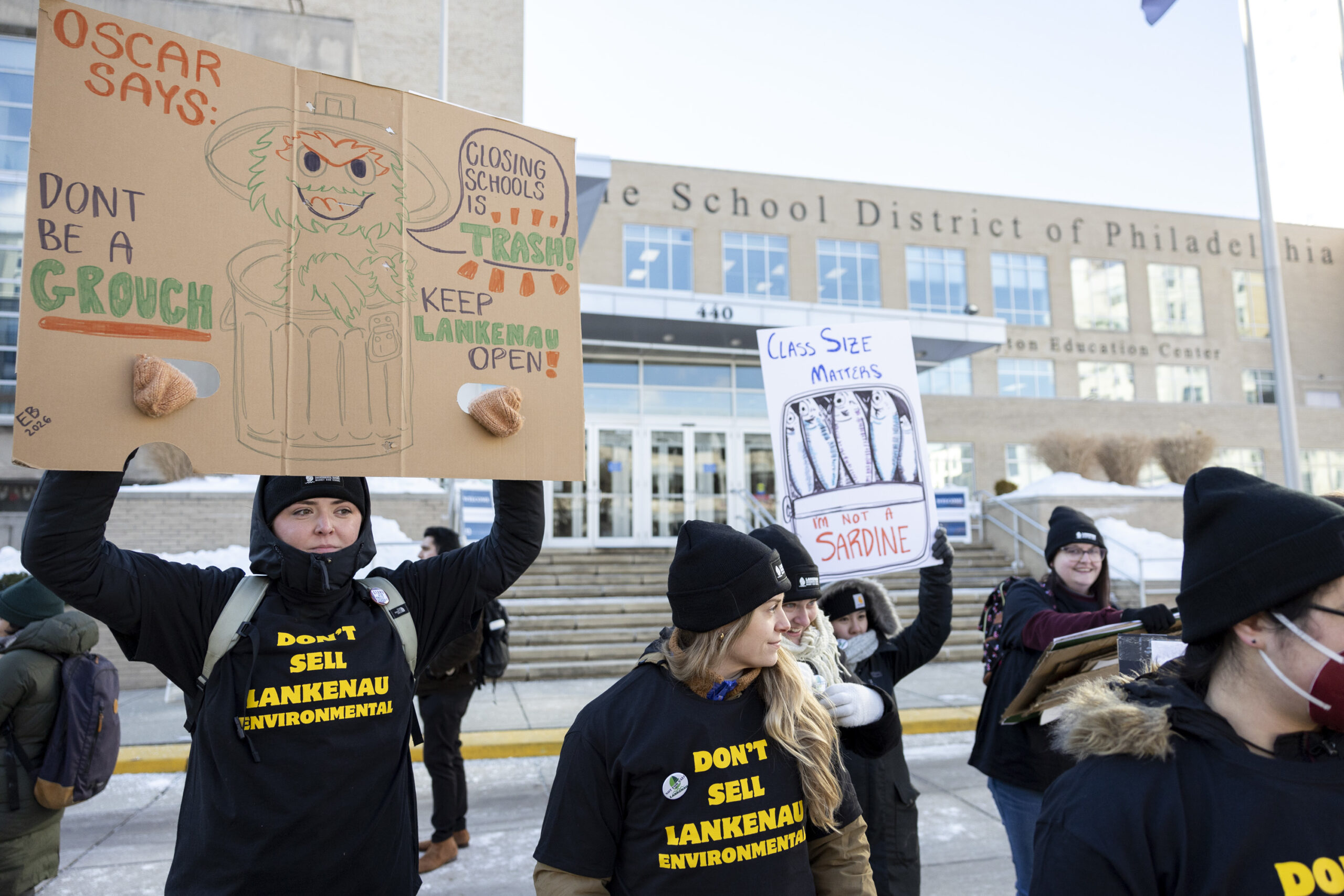
    Emily Brouder, 23, of West Philadelphia, Penn student and intern at Lankenau High School, holds a sign that says “Closing Schools Is Trash.”

    Some of the demonstrators warned that removing children from their neighborhood schools would be traumatizing to already vulnerable kids.

    “These schools are another home for these families,” said Margarita Davis-Boyer, president of the Lankenau High School Home & School Association. She said schools are a place where kids can get a meal, see a friendly face, and feel safe, especially when home may not offer the same reprieve.

    “It’s just an injustice,” she said. Lankenau, the city’s environmental magnet school, would close under the plan, becoming an honors program inside Roxborough High School.

    A strong Lankenau contingent packed both the rally and the board meeting, which happened immediately afterward.

    LeeShaun Lucas, a Lankenau senior, is upset the school might close.

    “To me, closing Lankenau doesn’t make sense,” Lucas said.

    Lankenau’s campus is unique in the city — set against a wildlife preserve and a farm, a stream, and a forest.

    Lucas has studied how to make the Schuylkill healthier by studying mussels, he said. He’s taking a dual enrollment GIS class — the only such high school in the city to offer such an opportunity, school officials believe.

    That exposure has shaped Lucas, he said.

    “I truly believe that voting to close Lankenau Environmental would be a mistake,” Lucas said. “Please vote to save Lank so that others may benefit from the type of learning that is only possible at Lankenau Environmental.”

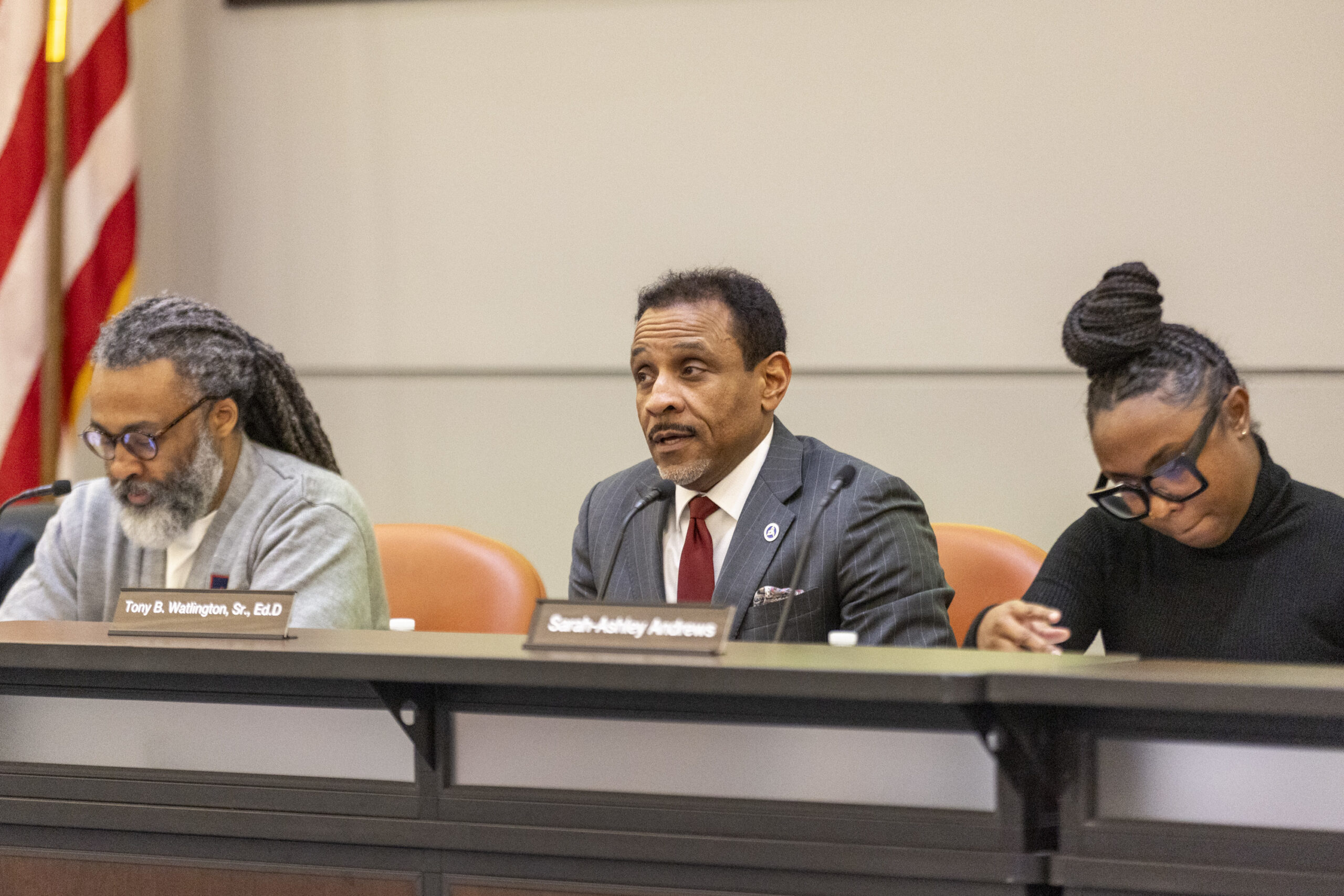
    Superintendent Tony B. Watlington (center), Board President Reginald L. Streater, and Board member Sarah-Ashley Andrews at the School board meeting Jan. 29.

    Disparate impact

    Ryan Pfleger, an education researcher, said if underutilization and facility condition truly shaped Watlington’s recommendation, the burden of closure would fall roughly evenly across racial groups.

    But that’s not the case with Watlington’s plan.

    “Black students are overrepresented, roughly 1.6 times more likely to be enrolled in schools slated for closure,” Pfleger said. “Fifteen of 20 schools proposed for closure are majority Black. White students are underrepresented, about four times less exposed than expected. The schools slated for closure are also disproportionately low income.”

    Pfleger’s conclusions match an Inquirer analysis of the closure data.

    The plan, Pfleger concluded, “does not rectify educational injustice.”

    Conwell shows up

    A strong contingent of Conwell supporters also told the board they were unhappy with the plan to close their school, a magnet middle school in Kensington.

    Conwell has just over 100 students in a building that can hold 500. But Erica Green, the school’s principal, said it’s worth saving.

    “Conwell for many years has been the cornerstone in the Kensington community, a place where students flourish, where leaders are born; alumni included leaders in government, education, law, media, public safety, and professional sports: Living proof that diamonds truly are in our backyard,” Green said. “Times have changed, but excellence at Conwell has remained the same.”

    Conwell is celebrating its 100th anniversary and has been the recipient of public and private donations to advance its building conditions and program offerings.

    “Do not let the almighty dollar drive a choice to remove a beautifully designated historic school and beautifully gifted young people,” an impassioned Green said. “The essence, prestige and impact of Conwell Magnet Middle School cannot be duplicated.”

    Priscilla Rodriguez, whose two sons attended Conwell, worries about the implications for families that rely on it for stability.

    “When a school closes, families don’t just adjust. They struggle,” Rodriguez said. Conwell families “are already dealing with a lot. You won’t make it any better by closing Conwell.”

    An incomplete plan?

    Katy Egan came to the board with a long list of questions, none of which were addressed in Watlington’s plan: Which schools will be modernized? When? How? How will displaced students get to their new schools? What’s happening to students with special education plans forced to leave their schools? How do you plan to keep kids safe while merging schools?

    Egan, a member of Stand Up for Philly Schools, called the blueprint “a 25% plan.”

    But, she said, “we deserve more than 25%, and our students deserve everything.”

    Community members can weigh in on the plan in the coming weeks at meetings around the city, and Watlington is scheduled to formally present it to the board on Feb. 26.

    No vote will happen in February though, said board president Reginald Streater, who declined to weigh in on the merits of the plan until it’s handed over to the board.

    In other board news

    In other board matters, Watlington said he would soon ask to eliminate half days from the district’s calendar entirely.

    The news came as he detailed a slip in year-over-year student attendance: in December, 54% of students attended school 90% of the time, compared to 66% in December 2024. That’s the largest drop in Watlington’s superintendency, he said.

    He attributed the challenges to a two-hour delay for snow, light attendance prior to winter break — and light attendance during a half day called for professional development.

    Watlington said at next month’s board meeting, he’ll propose amending the 2026-27 schedule to remove half days entirely.

    “Half days in the calendar do not serve us well,” he said.

    The board also installed three new student board representatives.

    The non-voting members are: Brianni Carter, from the Philadelphia High School for Girls; Ramisha Karim, from Northeast High; and Semira Reyes, from the Philadelphia High School for Creative and Performing Arts.

  • Montgomery County family awarded $7.8M  verdict in Bloomsburg U hazing death

    Montgomery County family awarded $7.8M verdict in Bloomsburg U hazing death

    A Luzerne County jury on Wednesday awarded a $7.8 million verdict to the family of Justin King, a Montgomery County resident and Bloomsburg University student who died in a 2019 fall after a night of drinking at a fraternity rush party.

    The fraternity, Kappa Sigma, and dozens of individual defendants previously reached confidential settlements with King’s mother, Carol King, who brought the complaint in 2021, said the family’s lawyers Helen Lawless, Benjamin Present, and Mark Fuchs of the Kline & Specter law firm.

    But the sorority, Alpha Sigma Tau, whose members’ house was used for the event, chose to go to court, and now it faces paying $3.5 million, including delay damages, the lawyers said.

    “I’m pretty happy about the verdict from the standpoint of its holding the national organization responsible for the actions of what happened,” said Carol King, of Gilbertsville in Montgomery County. “There is no bringing him back, and I will always have a hole in my heart for him. But this gets me closer to doing what I wanted to do, which is find some sort of justice for Justin.”

    The sorority in a statement said it was disappointed that it was held partially liable for King’s death.

    “We fundamentally disagree with this outcome and believe it both wrongly holds innocent parties responsible for circumstances beyond their control and establishes a deeply concerning precedent that violates settled Pennsylvania law,” Jordan Feldhaus, CEO of the sorority, said in a statement.

    The sorority is considering its legal options, Feldhaus said.

    King filed the lawsuit against the fraternity, sorority, and 36 of their members, alleging that they plied her son, then an 18-year-old freshman at Bloomsburg — now part of Commonwealth University — with liquor as part of an initiation process.

    He was given liquor, including a mixture with vodka known as “jungle juice” or “blackout water,” participated in a “crate race” — a game involving large amounts of alcohol consumption over little time — and later fell down a 75-foot embankment, where he was found the next morning, according to the wrongful-death lawsuit. King had a .22 blood alcohol content, which is nearly three times the legal limit, his lawyers said.

    Bloomsburg was not sued.

    “They took action in this case, unlike the national sorority office,” said Lawless, one of King’s lawyers.

    Bloomsburg permanently revoked the fraternity’s recognition, and the chapter was later expelled from the campus. The sorority was suspended for four years.

    Police had not filed charges in the case, and Columbia County Coroner Jeremy Reese had ruled King’s death accidental.

    The verdict assigned 35% of the fault for the death to the sorority, 35% to the fraternity, 24% to King, and 1% each to six fraternity members, King’s lawyers said.

    That means the sorority would be responsible for $2.73 million, but the delayed damages raise that to more than $3.5 million, King’s lawyers said.

    “The jury’s award makes clear that national Greek organizations cannot turn a blind eye to rampant drinking and policy violations on college campuses,” King’s lawyers said. “It speaks volumes that the six individual fraternity members each received only 1% of the causal fault. The jury understood where the culture at Bloomsburg came from, and they understood this case was about corporate responsibility.”

    Carol King said she understood the jury’s decision to assign some of the fault to her son.

    “He was drinking,” she said.

    King had been at Bloomsburg only three weeks before attending the Sept. 13, 2019, party. He had been recruited to join the fraternity through a flier distributed in freshman dorms.

    The lawsuit contended that the defendants violated the anti-hazing law enacted after the 2017 death of Tim Piazza, a Pennsylvania State University student who died after attending a booze-fueled fraternity party where he fell down stairs.

    The sorority, according to King’s lawyers, was found liable for negligence as well as for violating the Anti-Hazing Statute.

    Since her son’s death, Carol King, a retired corporate human resources director, said she has been speaking out about hazing to raise awareness and pursuing the legal action in her son’s case.

    “It was never about the money,” she said. “It was about them taking responsibility,”