The countdown to 2026 is on, and there’s no shortage of ways to celebrate the end of one year and the start of another. From New Year’s Eve dinner specials to adults-only celebrations and family-friendly gatherings, here’s how to ring in the new year in and around Lower Merion.
New Year’s Eve Events for Adults
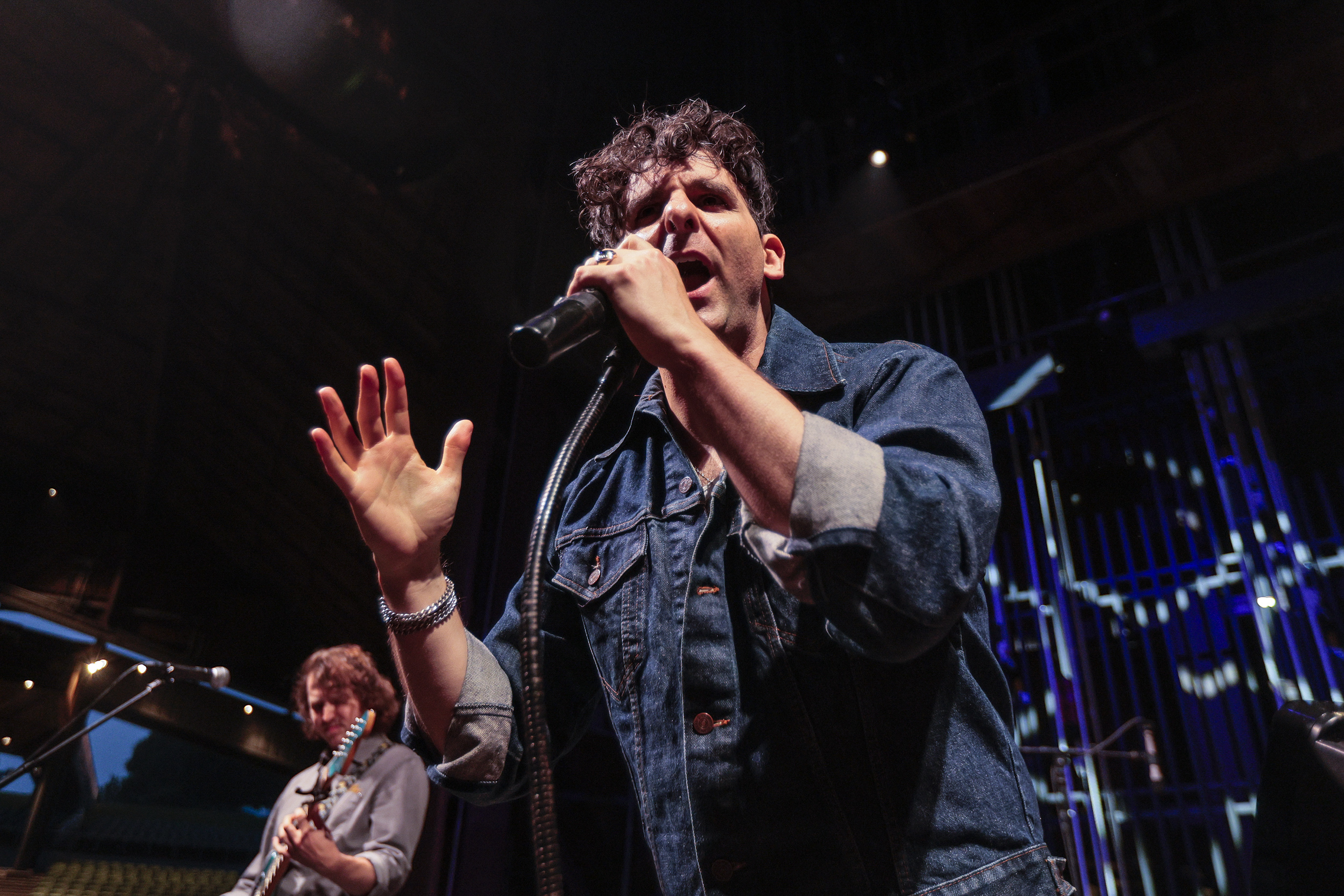
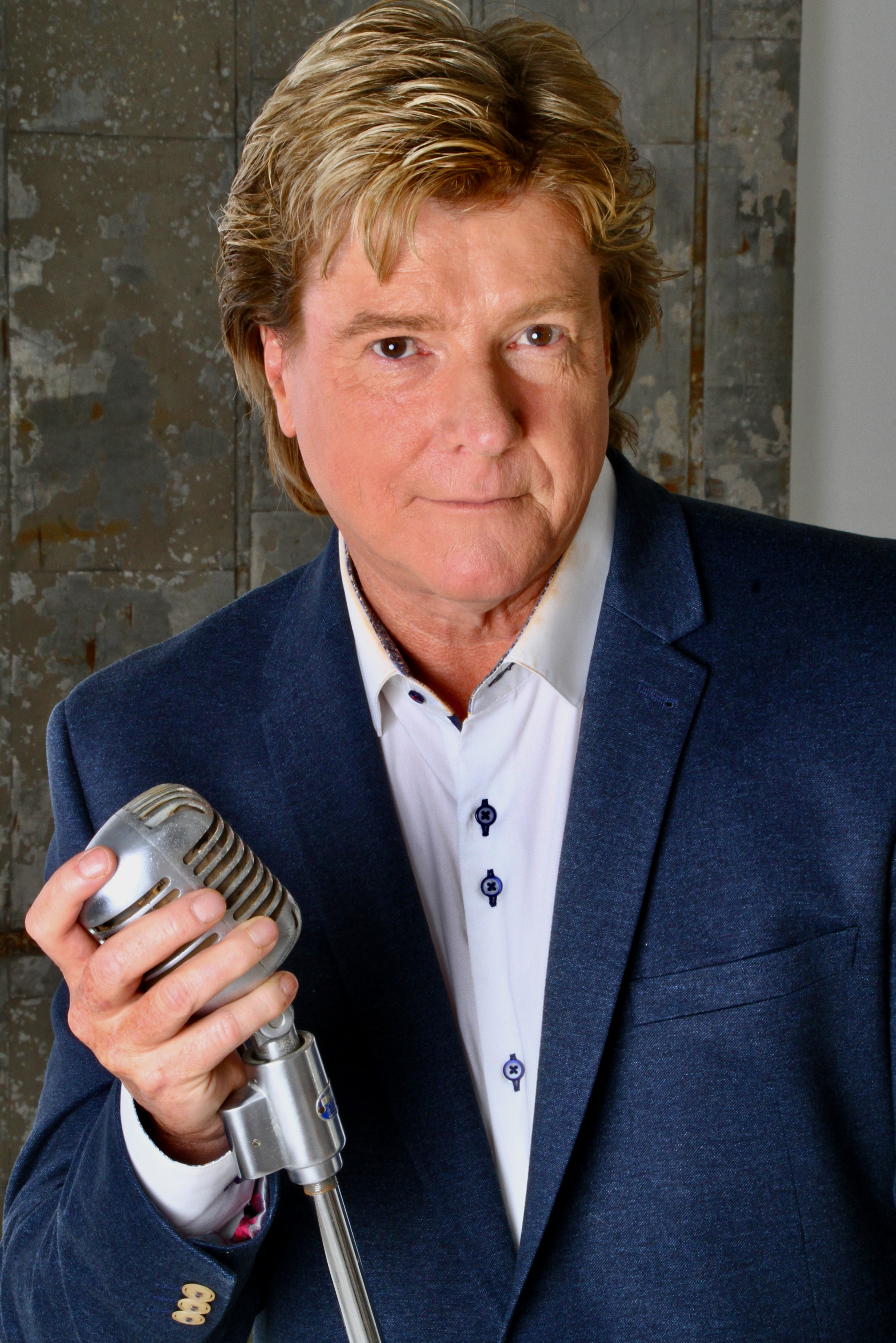
Low Cut Connie is headlining two nights at Ardmore Music Hall.
The local band is performing for two nights, including on New Year’s Eve. There are open bar and dinner options for both.
⏰ Tuesday, Dec. 30, 7:30 p.m. and Wednesday, Dec. 31, 8 p.m. 💵 $56.93, plus $112.82 to add on an open bar and food service 📍Ardmore Music Hall, 23 E. Lancaster Ave., Ardmore
Alex and the Kaleidoscope, an interactive band geared toward kids ages 4 to 8, will perform at Ardmore Music Hall. There will also be arts and crafts, brunch, and a countdown to noon.
⏰ Wednesday, Dec. 31, 11 a.m. 💵 $29.50 📍Ardmore Music Hall, 23 E. Lancaster Ave., Ardmore
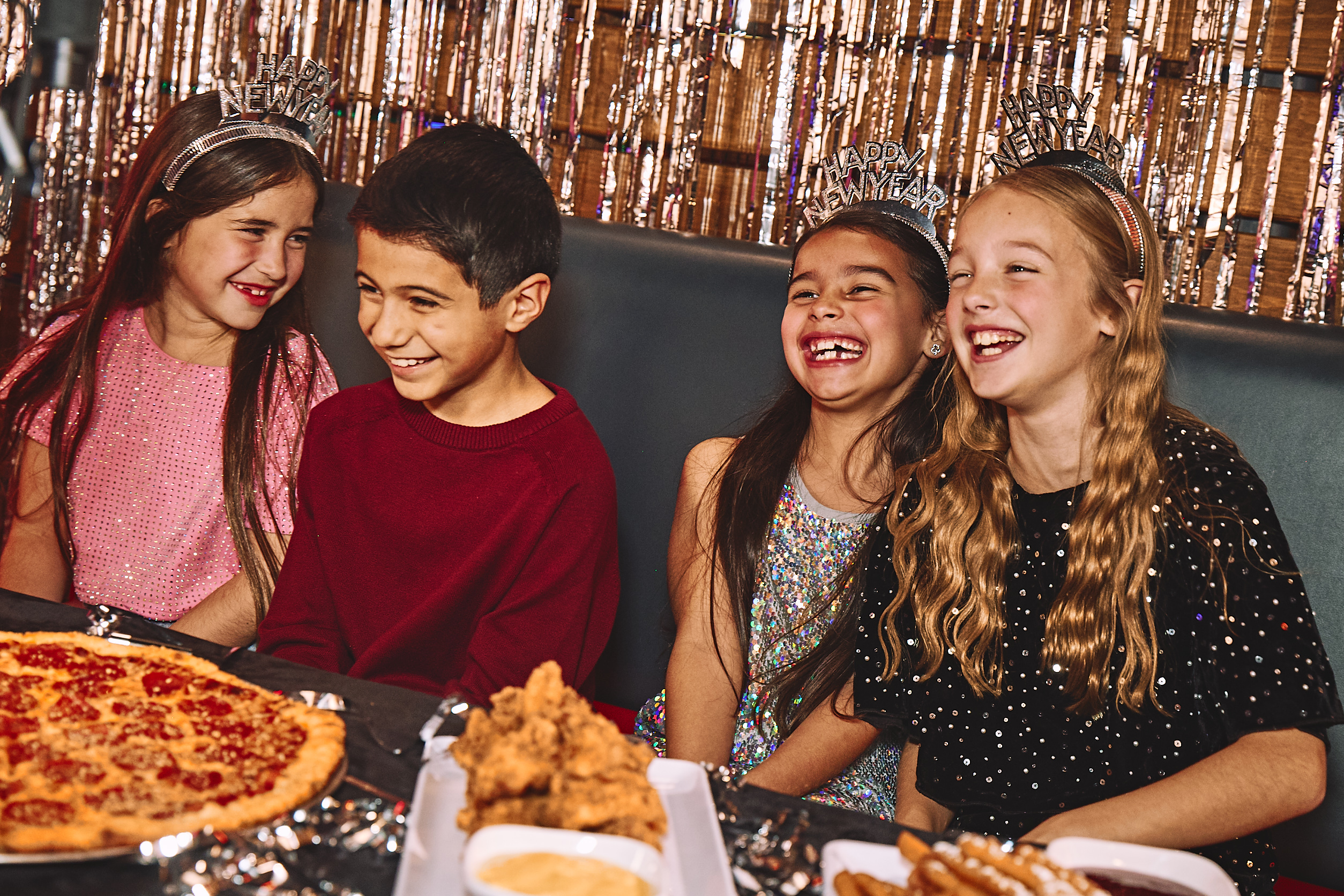
Enjoy a buffet, cookies, hot chocolate, and a sparkling cider or champagne toast at this family-friendly afternoon event, where there will also be a DJ. Kids can decorate cookies and color their own New Year’s Eve hat and glasses, too.
⏰ Wednesday, Dec. 31, noon-2 p.m. 💵 $18 for kids, $39 for adults 📍Lola’s Garden, 51 Saint Georges Rd., Ardmore
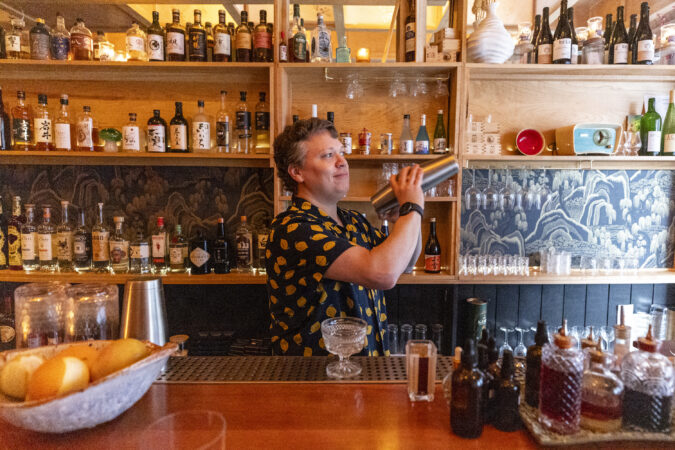
Ardmore cocktail bar Izzy’s is offering a seven-course meal featuring items like lobster, wagyu beef, and caviar for $165. Add a beverage pairing for another $60. Ripplewood will offer its regular menu alongside specials, and both will have champagne toasts at midnight.
⏰ Wednesday, Dec. 31, 4 p.m.-midnight 💵 Prices vary📍 Izzy’s, 35 E. Lancaster Ave., Ardmore, and Ripplewood Whiskey & Craft, 29 E. Lancaster Ave., Ardmore
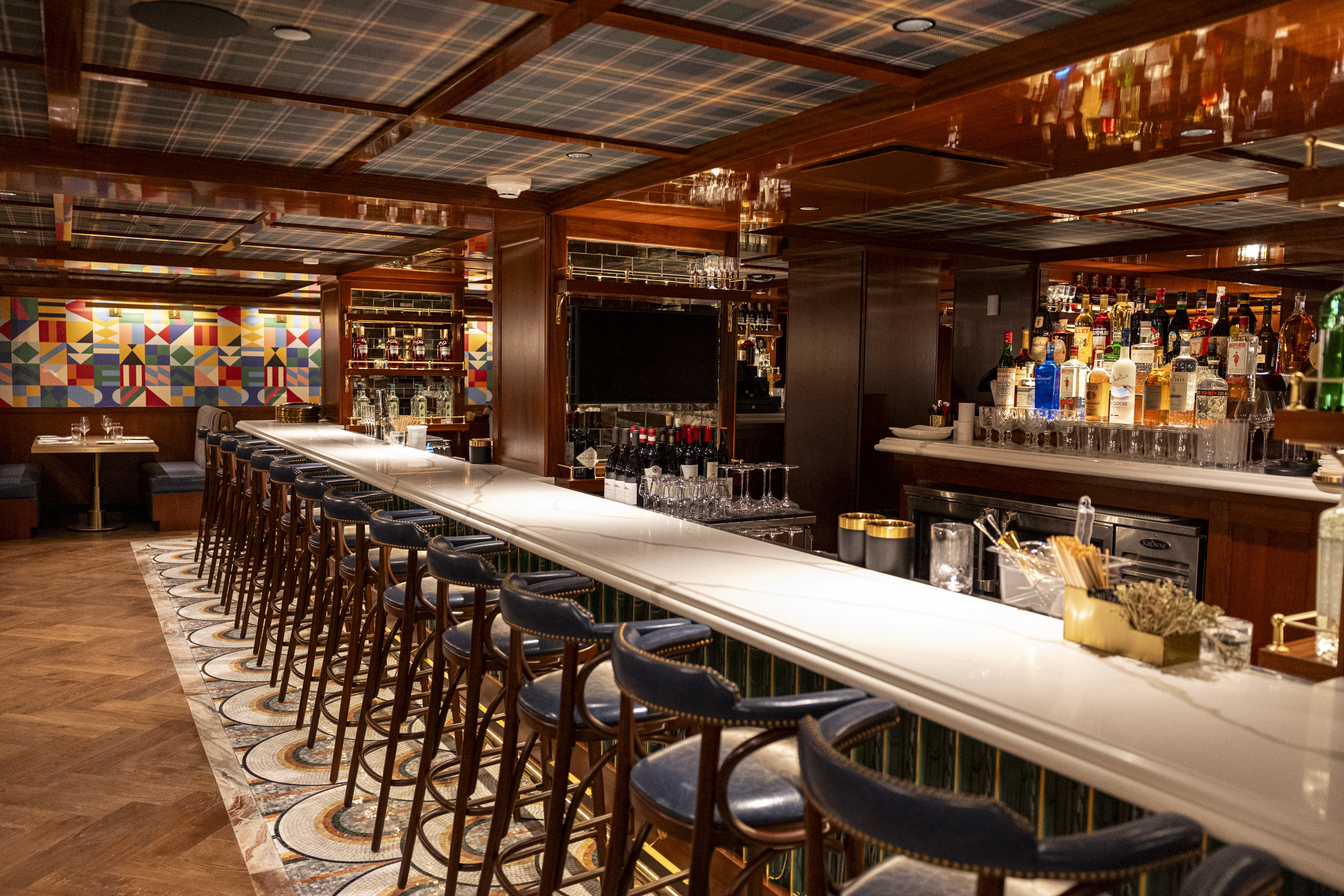
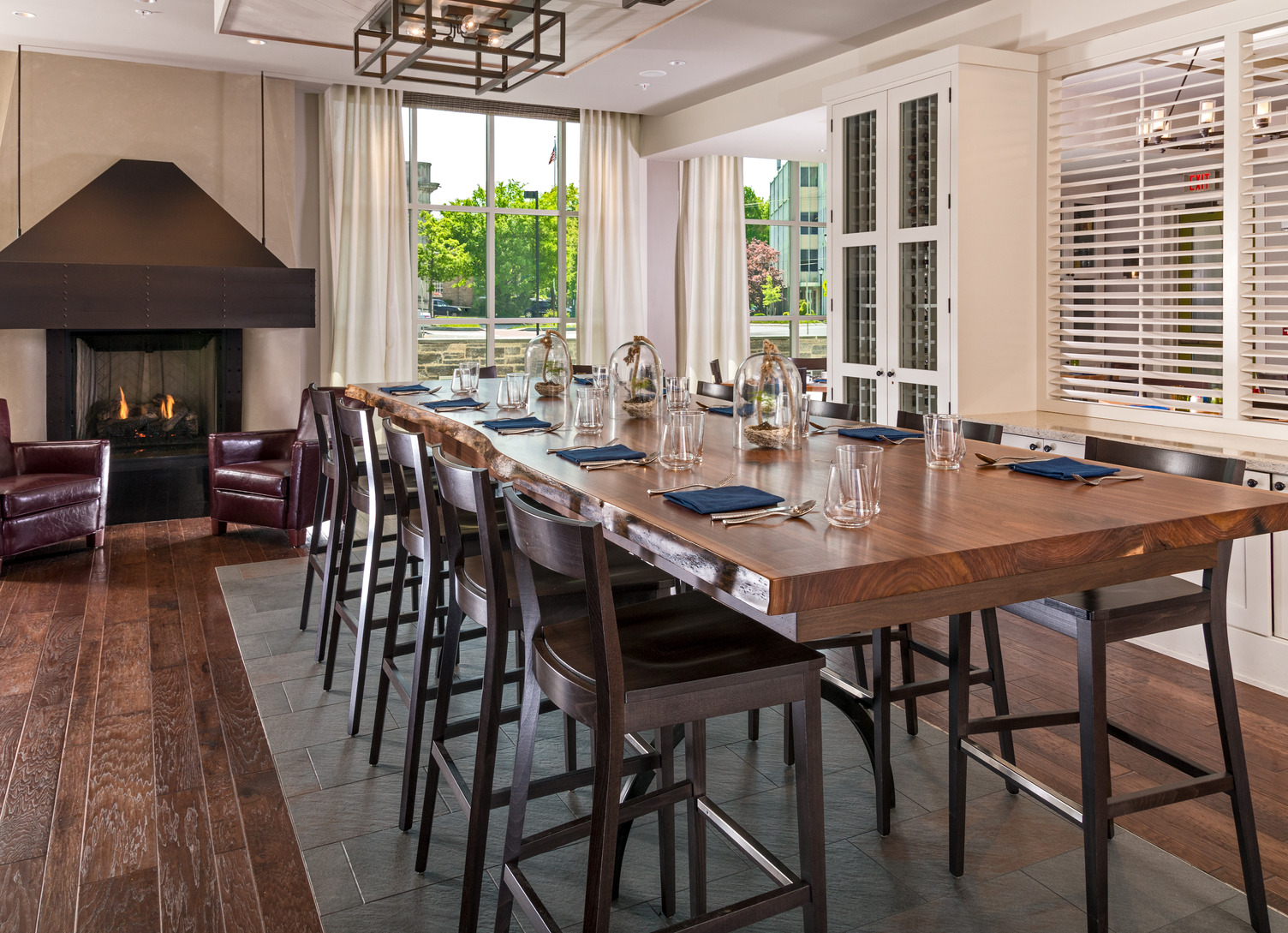
One of the dining areas at Triple Crown features a bar.
The Main Line newcomer is offering two ways to dine New Year’s Eve. For $125, there will be a buffet in the Secretariat room, including charcuterie, salads, a carving station, sides, and a dessert table from 5 to 10 p.m. The Greg Farnese Trio will perform throughout the night. Or for à la carte options, the main dining room will be open, also from 5 to 10 p.m.
⏰ Wednesday, Dec. 31, 5-10 p.m. 💵 Prices vary📍 Triple Crown, 593 E. Lancaster Ave., St. Davids
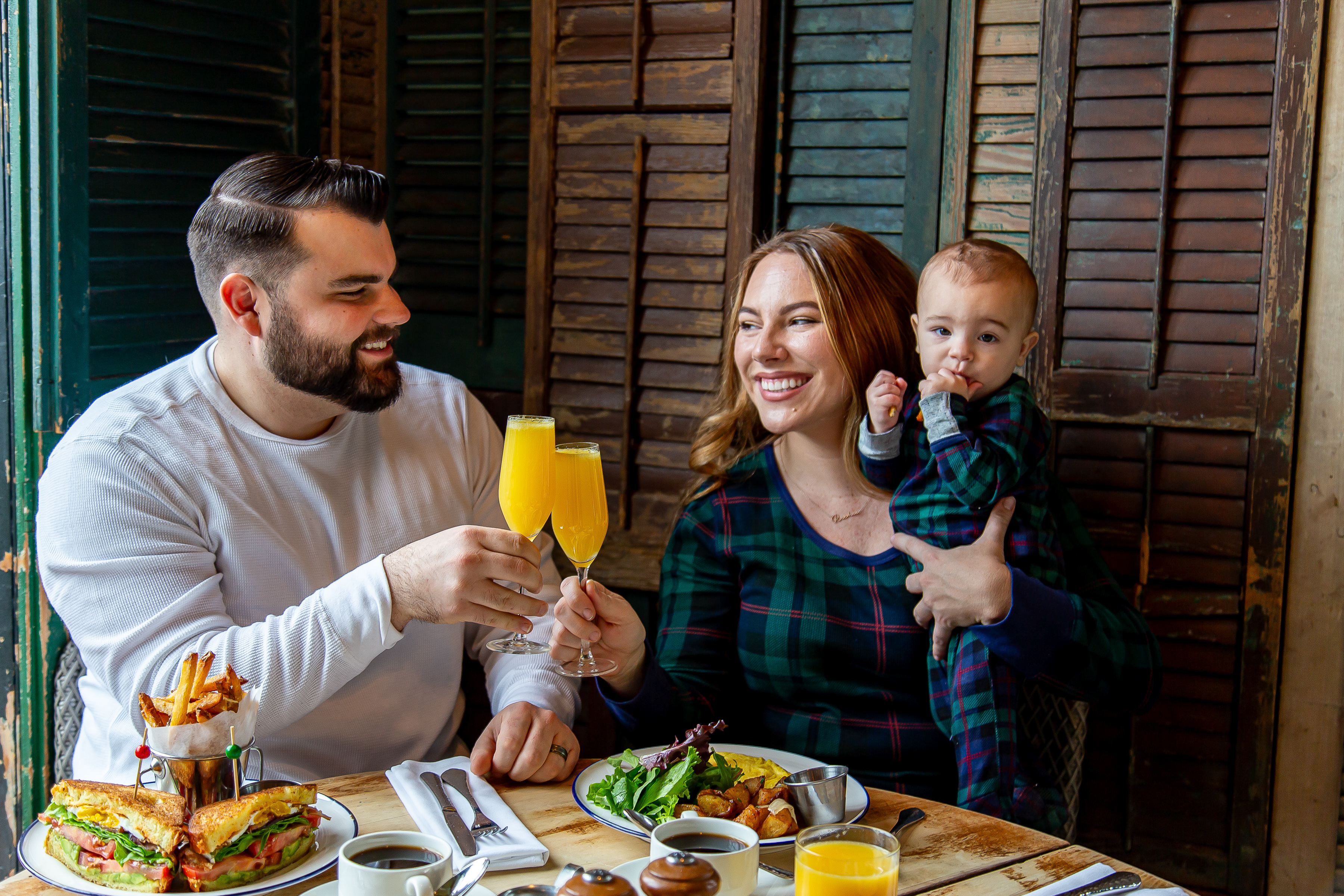
White Dog Cafe is hosting a New Year’s Day “pajama brunch,” where attendees are encouraged to where their PJs.
On New Year’s Day, White Dog Cafe is again hosting its Pajama Brunch, which encourages attendees to wear their PJs to the restaurant, where an à la carte menu will be available. Reservations are encouraged.
This suburban content is produced with support from the Leslie Miller and Richard Worley Foundation and The Lenfest Institute for Journalism. Editorial content is created independently of the project donors. Gifts to support The Inquirer’s high-impact journalism can be made at inquirer.com/donate. A list of Lenfest Institute donors can be found at lenfestinstitute.org/supporters.
Even after selling more than $2 billion worth of sports and pop culture memorabilia, and adding celebrities like Drake, Kim Kardashian, and Shane Gillis to his client list, South Jersey’s Ken Goldin hasn’t lost the thrill of the chase.
During a visit to Japan last summer, Goldin made sure to post on social media that he wanted to meet nearby collectors and appraise their items.
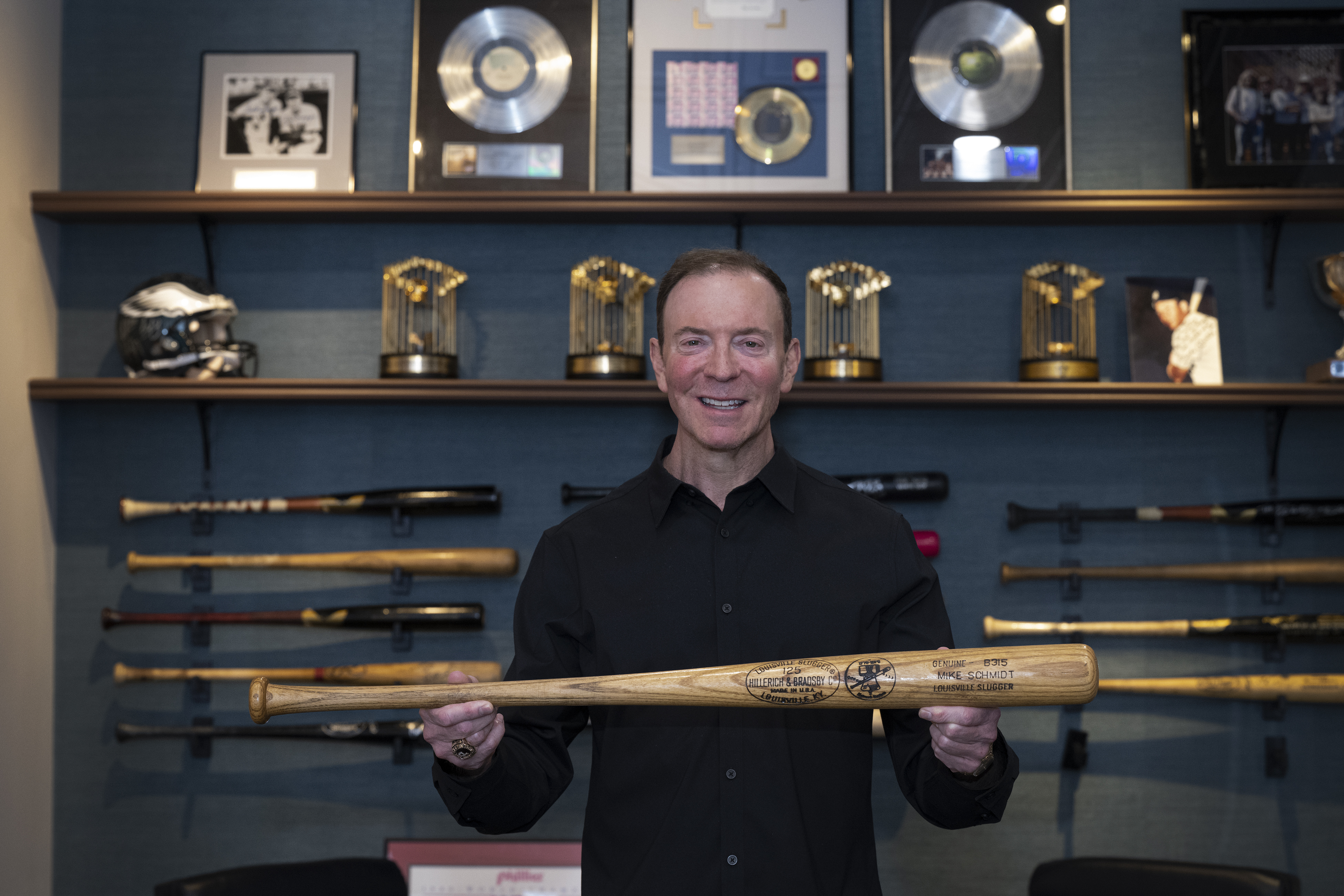
Goldin’s years of collecting are evident in his office. The walls are lined with framed photos, encased music records, World Series trophies, and other prized collectibles, like signed baseball bats from Phillies legend Mike Schmidt and Reebok sneakers worn by Shaquille O’Neal.
The owner of Goldin Auctions in Runnemede said the things he has collected are invaluable heirlooms. Yes, they are rare, but they are also artifacts that carry the glory of pivotal moments in sports history, especially ones he witnessed himself.
Ken Goldin holds a 1976 Phillies bat used by Mike Schmidt, on Thursday, Dec. 11, 2025. Goldin, the star of Netflix’s “King of Collectibles,” the South Jersey-based collector and high-profile dealer has several new finds sure to excite Philadelphia sports fans.
Every time Goldin, 60, looks at the signed 1980s Phillies team poster in his office, he’s reminded of the World Series games he attended with his parents, sitting in the 500 level at Veterans Stadium.
The Phillies were playing the Kansas City Royals, and the teenage Goldin watched relief pitcher Tug McGraw tap his chest on the mound, a sign of his fiery competitiveness.
It’s those memories, not the money, that keep Goldin in the auction game, he said. They’re also the reason Netflix built a reality show around his collection and his business of selling high-value memorabilia.
“Every collectible I sell is a moment, it’s a piece of history,” he said. “And to me, if you love what you do, you will never work a day in your life. What drives me is that I really enjoy what I do.”
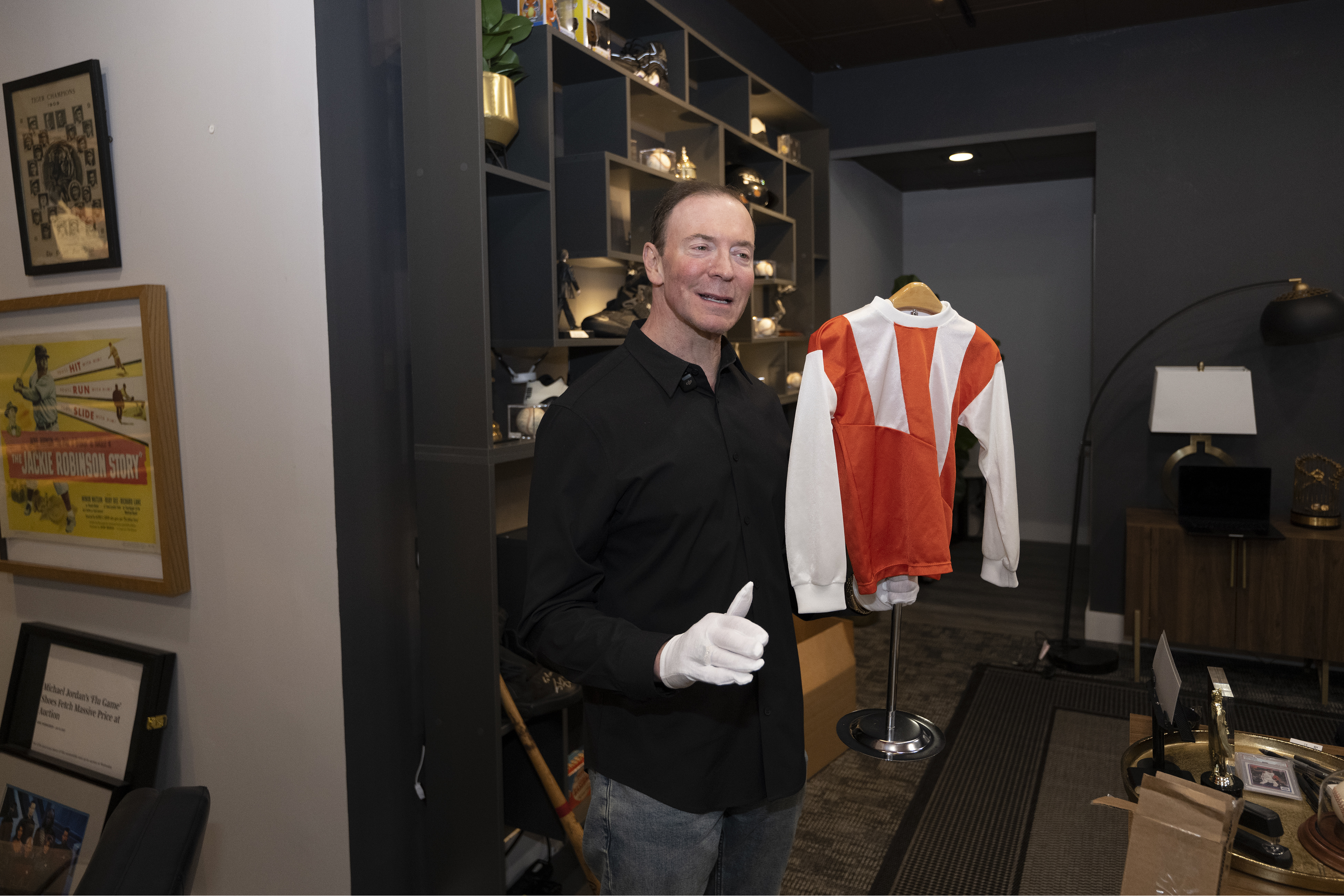
Ken Goldin shows a childhood soccer jersey that belonged to Lionel Messi, on Thursday, Dec. 11, 2025, at his office. Goldin, the star of Netflix’s “King of Collectibles,” the South Jersey based collector and high-profile dealer has several new finds sure to excite Philadelphia sports fans.
Among the season’s biggest surprises is a soccer jersey worn, or verifiably used, by Lionel Messi as a child. The story of how it landed in his hands, he said, is almost too good for TV.
“I’m not allowed to say any more than that, except that the provenance is unbelievable and the story behind it is remarkable,” he said in an interview prior to Tuesday’s premiere.
For Philly sports fans like himself, Goldin said there will be several Kobe Bryant and Allen Iverson items making an appearance on the six-episode season.
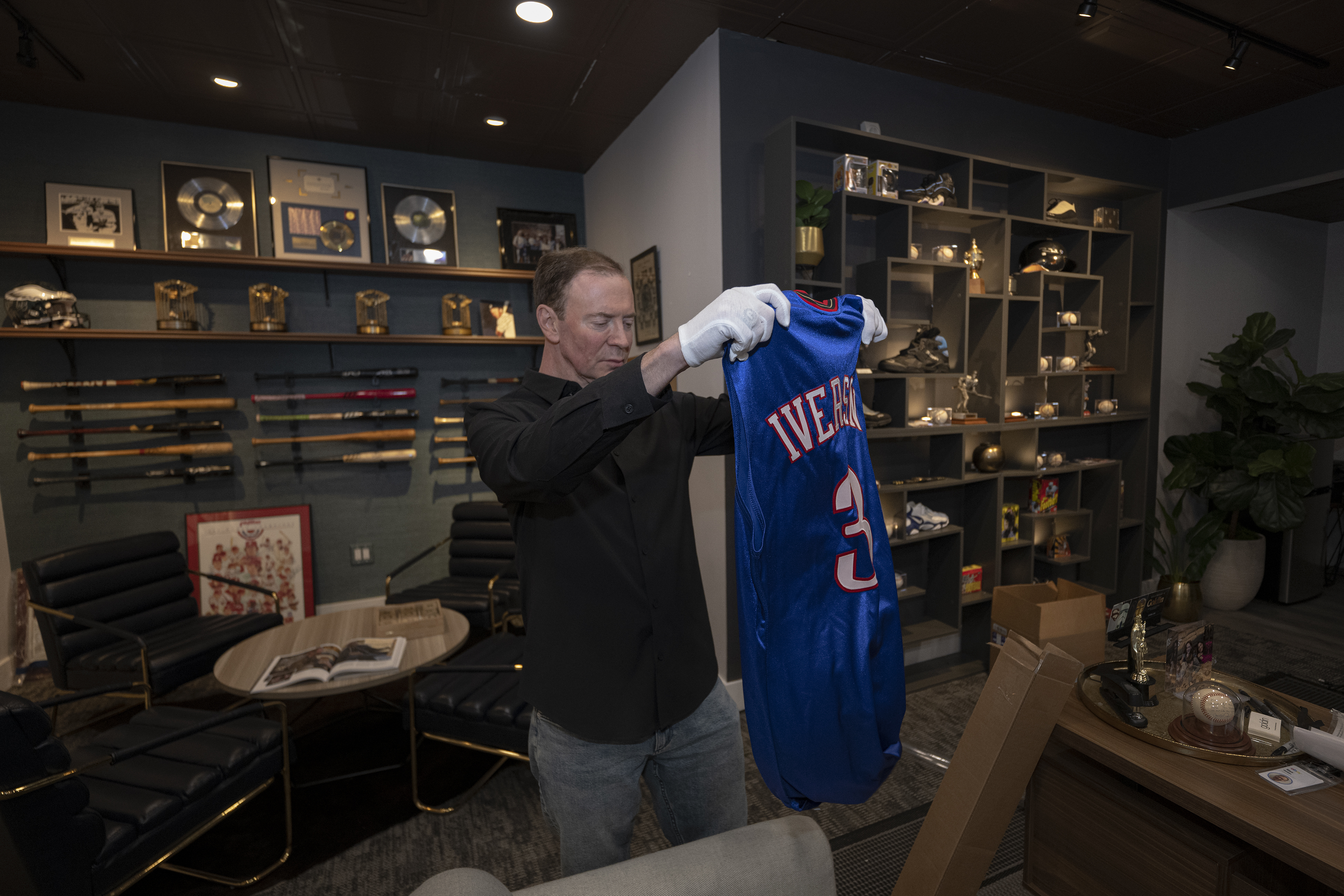
Ken Goldin unpacks a 2006 signed Allan Iverson jersey on Thursday, Dec. 11, 2025 at his office in Runnemede. Goldin, the star of Netflix’s “King of Collectibles,” the South Jersey based collector and high-profile dealer has several new finds sure to excite Philadelphia sports fans.
Some will be things Goldin acquired on his travels to Tokyo, where he met the “single-best Iverson collection in the world.”
Among the people who responded to his social media post was this Iverson fan who had a signed 2006 alternate blue jersey of the Hall of Fame player. It features a classic “Sixers” wordmark with white letters, and red and black trim. It was photo-matched and could be forensically linked to Iverson.
“When I saw it, I was like, ‘Whoa,’” Goldin said.
When it comes to Philly sports, certain athletes and figures transcend international lines, and Iverson is one of them, Goldin said.
“AI is one of those players who connects with everyone, whether they’re 14 years old or in their 50s,” he said. “I’ve lived and breathed Philly sports my whole life, so I know.”
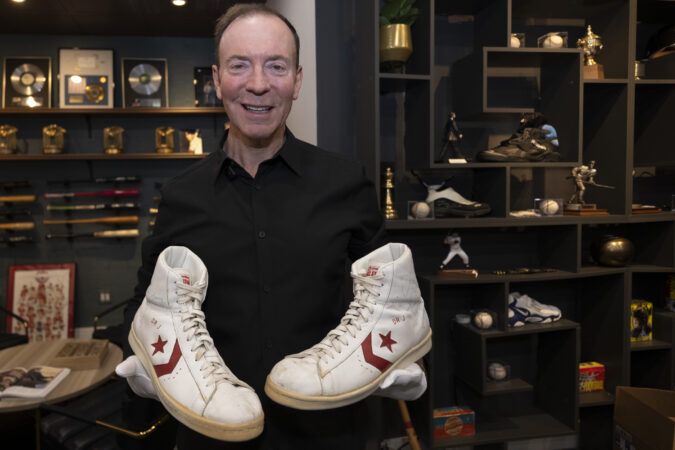
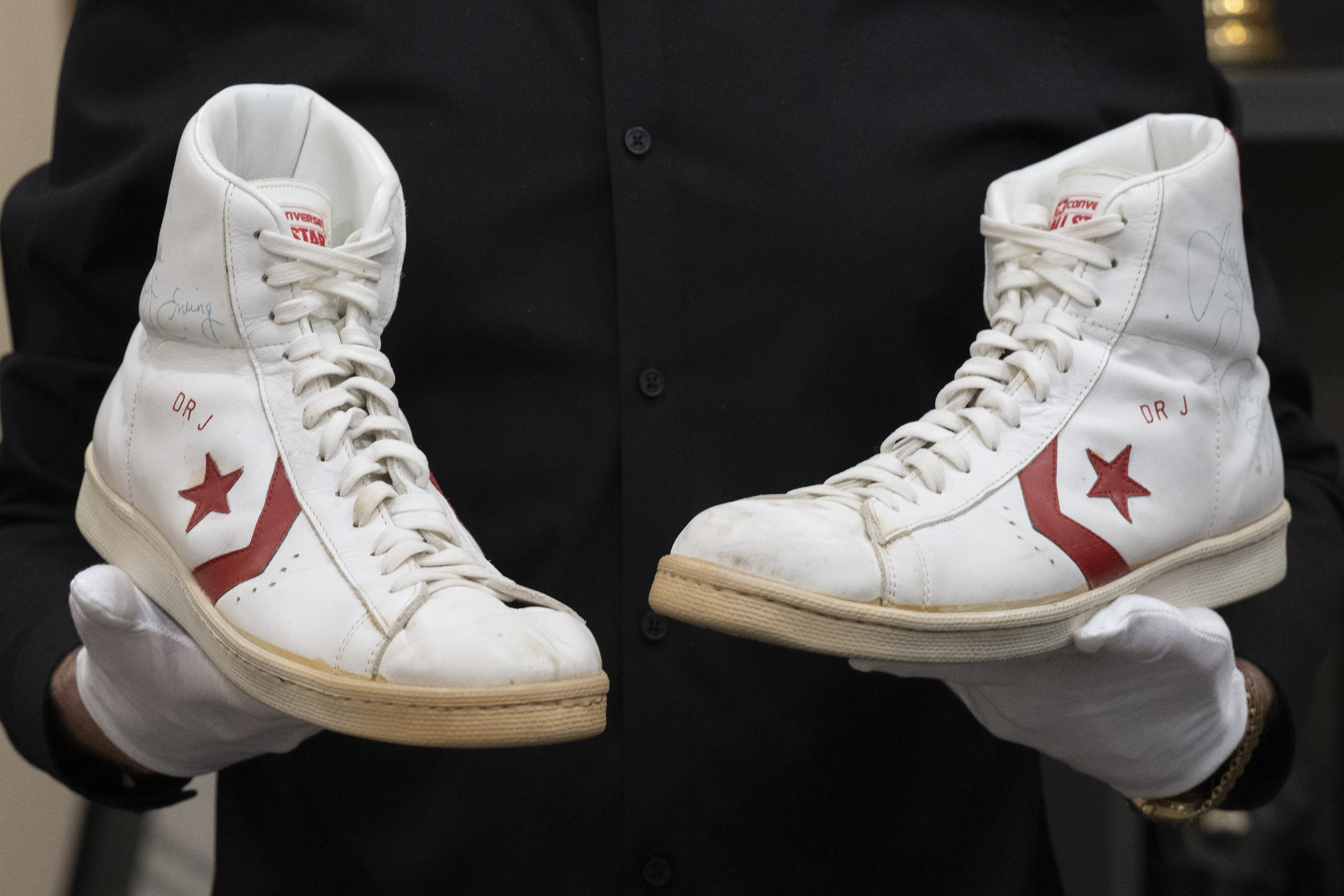
Ken Goldin holds a pair of Converse basketball sneakers on Thursday, Dec. 11, 2025, that belonged to 76ers star Julius “Dr. J” Erving and were worn during a game against the Boston Celtics in the 1980s. Goldin, the star of Netflix’s “King of Collectibles,” the South Jersey based collector and high-profile dealer has several new finds sure to excite Philadelphia sports fans.
On a recent Thursday afternoon, Goldin dug into his personal collection to reveal the sneakers of another legendary Philly sports icon: Julius “Dr. J” Erving.
The Converse All-Stars, worn by the revolutionary ABA and NBA star, feature his signature on both shoes. The sneakers are photo-matched to an early 1980s game that Erving’s Sixers played against Larry Bird’s Boston Celtics.
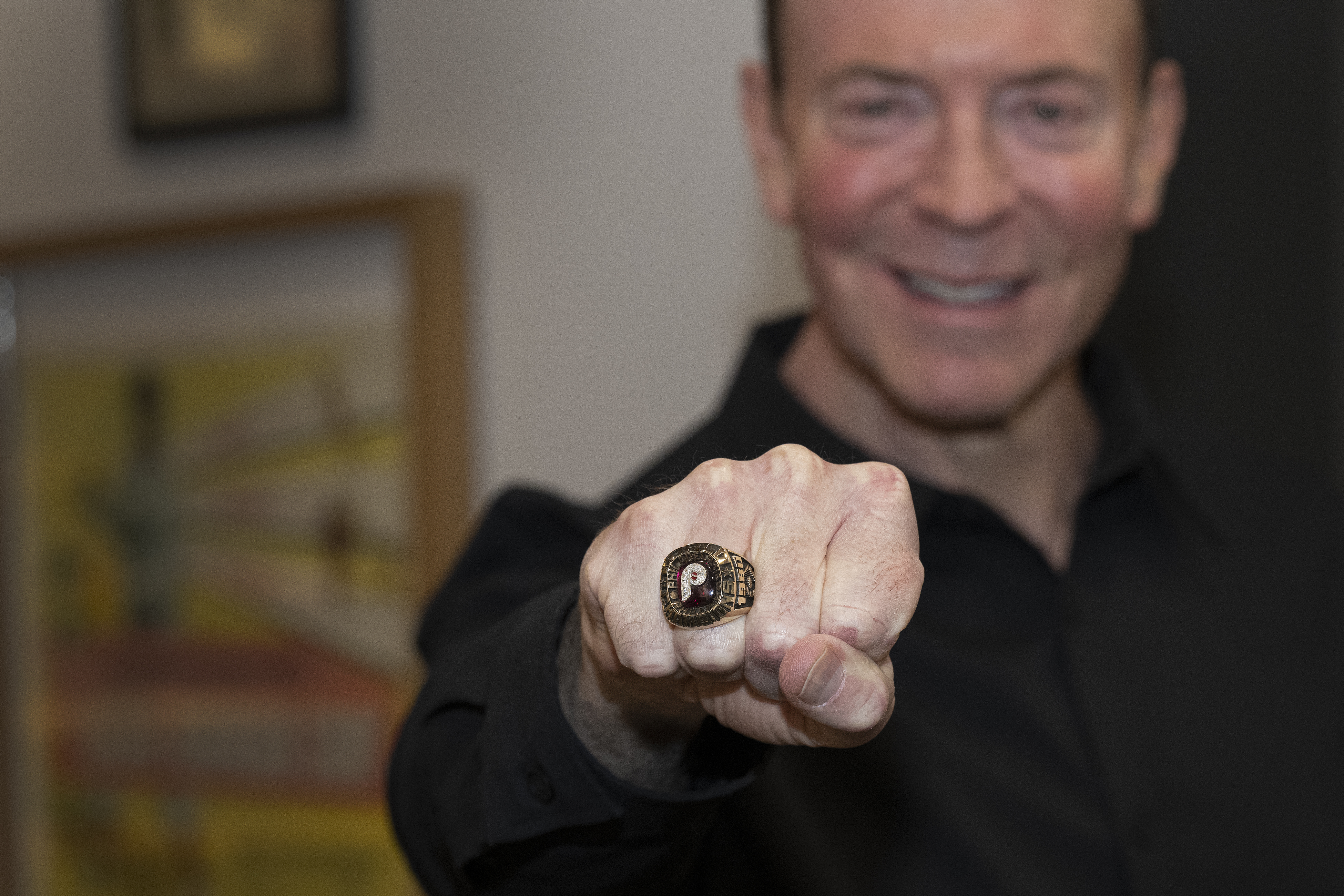
No stranger to TV-level theatrics, Goldin wore former Phillies center fielder and famed broadcaster Richie Ashburn’s 1980s World Championship ring that afternoon.
“I wear it almost never. It is set in a vault. But for this [interview], I said, ‘I’m going to put the ring on,’” Goldin said.
Ken Goldin shows his 1980 Richie Ashburn bicentennial ring on Thursday, Dec. 11, 2025. Goldin, the star of Netflix’s “King of Collectibles,” the South Jersey based collector and high-profile dealer has several new finds sure to excite Philadelphia sports fans.
But sports memorabilia won’t be the only thing Goldin is dealing with this season.
To further hone in on the Philly nature of the show’s new season, Goldin promised a Rocky-related find but wouldn’t share details. The show will also showcase high-priced items like Paul McCartney’s guitar, paintings by Bob Ross, and even the alleged mummified hand of Cleopatra.
Goldin said there will also be guest appearances from Logan Paul, Steve Aoki, and Giannis Antetokounmpo and his three brothers.
He knows Sixers fans aren’t the most welcoming to Eastern Conference contenders, but Goldin makes an exception for Antetokounmpo. “I know it’s Philly, but you have to love the guy,” he said of the Milwaukee player, before signing off with something of a prophecy.
“Who knows, maybe we can get him next year.”
The new season of “King of Collectibles” is streaming on Netflix.
As Philadelphia’s largest visual arts institution heads into the new year, it does so shaken by disorder and strife — reeling under a drama as extraordinary in substance as the public nature with which it is playing out.
In a recent court filing from Suda’s legal team, the ousted director was described as a “visionary leader” recruited to “save a struggling museum.” Her efforts, the filing reads, “collided with a small, corrupt Board faction determined to preserve the status quo.”
Daniel H. Weiss, director and CEO of the Philadelphia Art Museum
All this comes after three years of organizational turbulence that has left staff angry and bewildered.
“There’s a lot of nervousness about what’s to come now,” said one longtime staffer. “It’s been so chaotic for so long. Nobody feels steady. We’re supposed to be just chugging along like business as usual, but nothing feels stable.”
Though Weiss started at the museum this month, he will also maintain his position as an art history professor at Johns Hopkins University though May 2026.
Among the challenges facing Weiss: depressed attendance, an operating deficit, low staff morale, deferred maintenance on existing buildings, and questions about how to prioritize stalled expansion plans.
This account is based on interviews with former and current staffers, both union and nonunion, ranging from curatorial affairs to finance and operations. All of them spoke on condition they not be named.
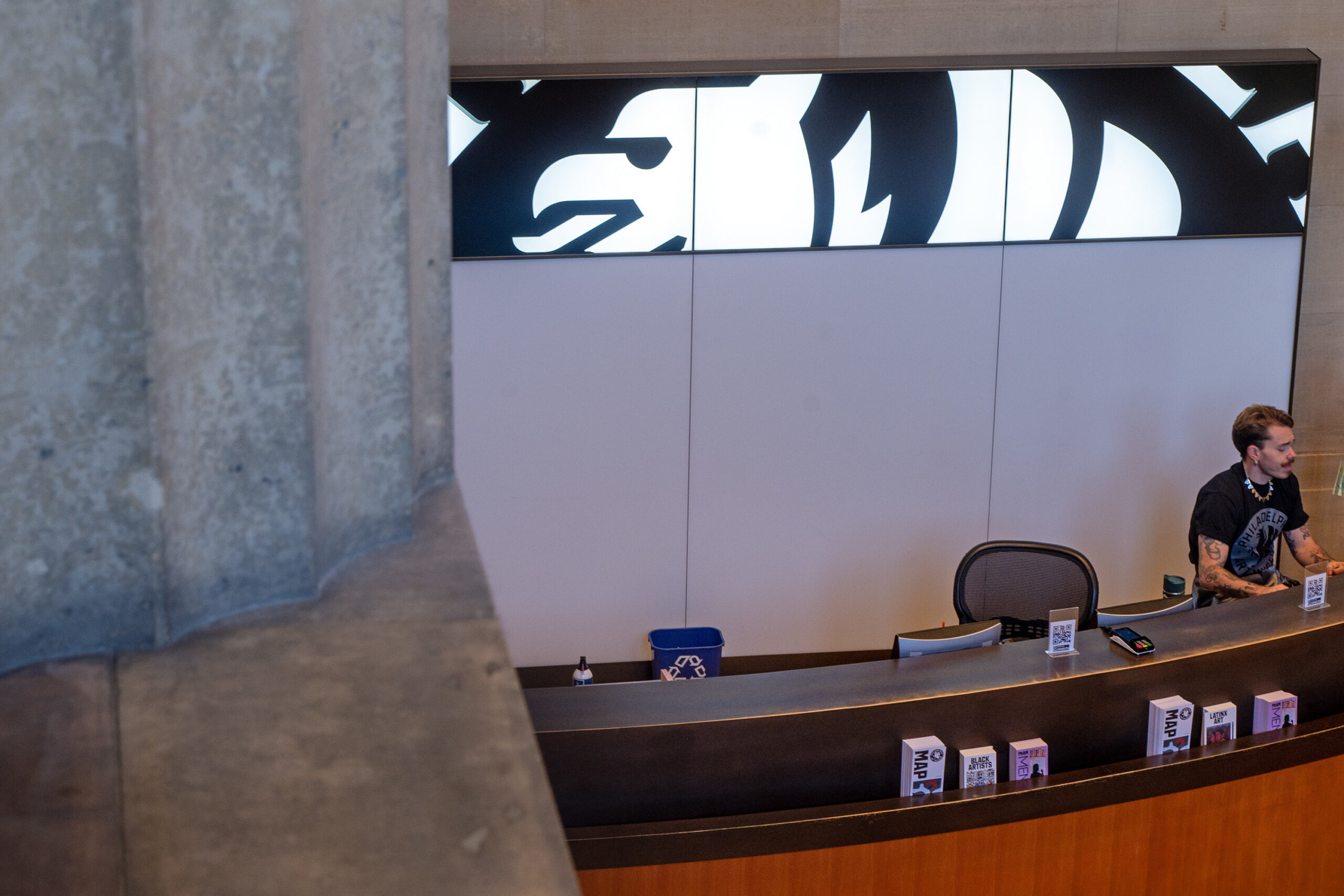
Visitors services staff member Tiago Segundo works the admissions counter at the west entrance of the Philadelphia Art Museum, Oct. 6, 2025.
Staff shortage
Weiss will have to contend with a shortage of staff — which has dropped from 500 in 2019 to 375 today — following years of significant employee turnover.
During Suda’s tenure, at least 60 employees — many from the senior executive team — were fired, laid off, or pressured to leave across departments. These include human resources, curatorial, digital content, communications, facilities, conservation, the library, visitor services, and more, according to museum insiders.
Suddenly gone in the fall of 2024 without explanation to the staff was Carlos Basualdo, earlier promoted by Suda to deputy director and the museum’s first-ever chief curator; he was highly respected and held several important relationships with collectors and top international artists like Jasper Johns and Bruce Nauman.
Basualdo was named director of the Nasher Sculpture Center in Dallas in April.
Curator Kathryn B. Hiesinger, who had been with the museum for 53 years, had talked to Suda in the summer of 2023 about her desire to retire at some point, and discussed ideas about winding down her tenure.
“She said it all sounded very reasonable,” said Hiesinger, 82, in a recent interview.
Several months later, Hiesinger said her computer stopped working and she was called into Suda’s office. A woman Hiesinger didn’t know — who turned out to be from human resources — and Suda handed her a sheath of papers, which she was asked to sign.
“I didn’t realize I was being fired,” Hiesinger said. “I was actually quite shocked by the whole way it was handled. It was so unnecessary. All she needed to do was say, ‘I think it’s time for you to retire; let’s see how we can make it work.’ But it was just like that — shut down the computer, call me into the office, and sign the papers, and that was it.”
A few weeks later, Suda called Hiesinger to apologize after museum leaders intervened. She was given the title of senior curator emeritus of European decorative arts and was told she would be allowed to complete her pending projects for the museum.
Hiesinger has had no official contact with the museum since.
Among others whostopped working at the museum during Suda’s tenure, several were made to sign nondisclosure agreements and could not speak to the media.
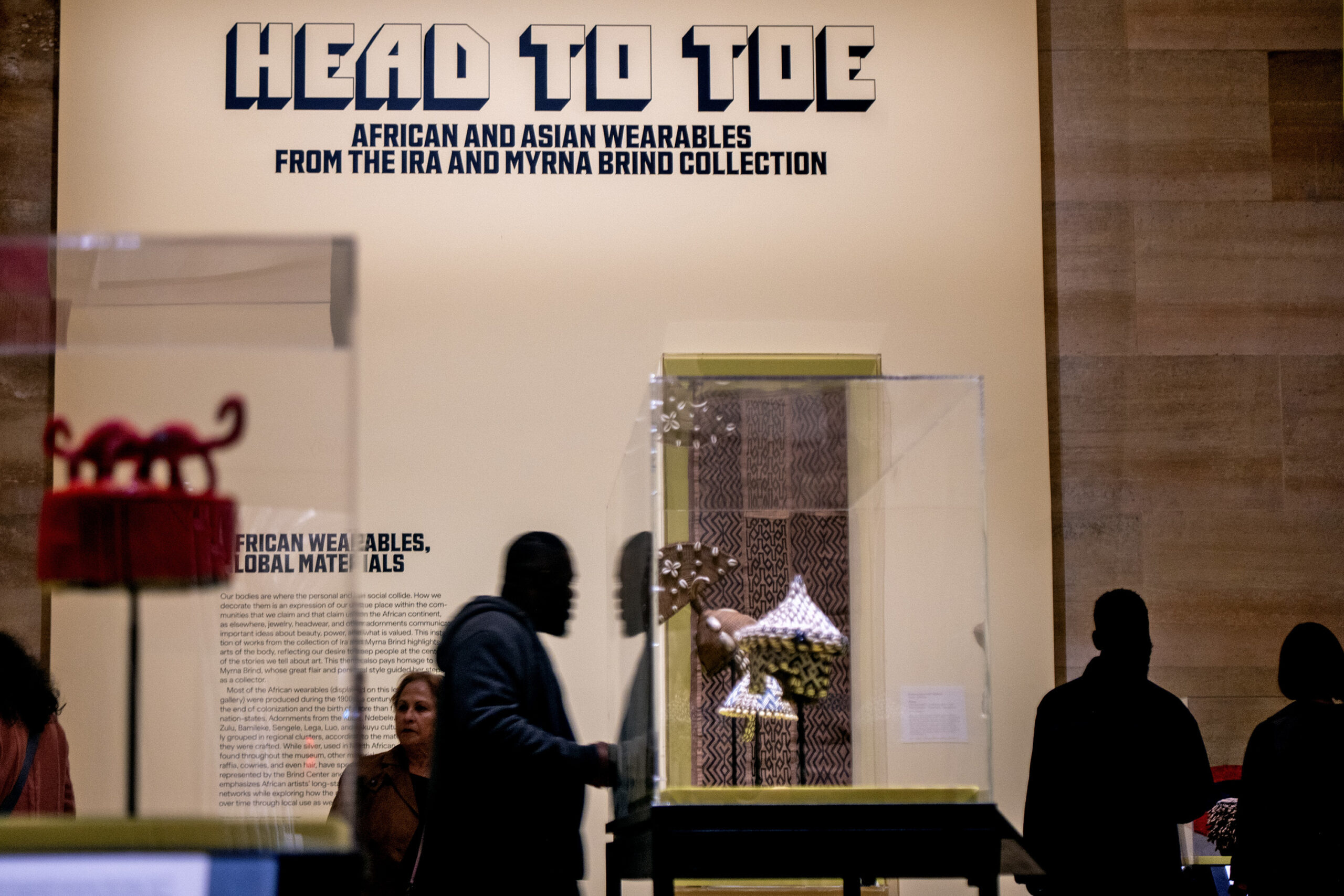
At the museum’s “Head to Toe: African and Asian Wearables” display, Oct. 6, 2025
A declining reputation
For staffers who have remained, there is a sense of internal disorganization.
“We’ve had three reorganizations within three years, and we were only given an org chart [and] an understanding of it in the last couple months,” said a longtime staffer.
Ultimately, the staffers The Inquirer interviewed believe the reputation of the museum has diminished over the years. Colleagues in the larger museum world, another staffer said, “look at me sideways, because this place has gotten such a bad rap … we’ve become a joke.”
Low morale has been a longstanding issue.
In her lawsuit, Suda detailed two instances of board members allegedly “yelling and berating staff.”
At one event, an unnamed board member “verbally assaulted a Museum employee,” the suit said, leading to a formal complaint. The board member later apologized to the staffer.
The second incident reportedly happened in the winter of 2024 when the museum hosted two simultaneous events for major donor Bank of America and a group invited by Philadelphia City Council President Kenyatta Johnson.
According to the lawsuit, board member Melissa Heller was allegedly “berating staff, cursing, and shouting that the team was unprepared.” Suda alleged that a Bank of America representative “witnessed this awful altercation” and called her to discuss it. Board chair Ellen T. Caplan spoke to Heller about it and “declared the matter closed.”
Suda’s lawsuit also recounted an incident when former board chair Leslie Anne Miller allegedly screamed and cursed at Suda.
Miller declined to comment and Heller did not respond to The Inquirer’s request for comment.
Several employees said Suda regularly engaged in similar behavior herself.
Sasha Suda, former director of the Philadelphia Art Museum, at the museum on Jan. 30, 2024.
“Sasha has done the same thing, [being] verbally abusive to staff, yelling at them, telling them that nobody likes them and people don’t want to work with them,” said the longtime staffer who spoke to the museum’s recent reorganizations.
The staffer worried about the museum’s diminishing reputation also claimed that the programming team became less autonomous and more risk-averse under Suda.
Managers, the staffer said, use threats of dismissal and public humiliation, leading curators and others to feel that their jobs depend solely on the success or failure of an exhibit. Staff members are wary of Suda’s executives continuing this culture of insecurity.
“People are afraid to do their work. Curators are afraid to put on exhibitions. They’re afraid to spend money,” the staffer said. “I feel like my work has ground to a near halt. I do a fraction of what I used to do, just in a very dysfunctional way now.”
The museum now puts on fewer of its own shows,a departure from previous administrations. Some of the biggest exhibits in recent years, like “The Time Is Always Now” and “Dreamworld: Surrealism at 100,” have been touring shows organized elsewhere and adapted for the museum.
A forthcoming programmatic highlight is the show “A Nation of Artists.” Featuring art from the family collection of Phillies managing partner John Middleton, the show is scheduled to run at the museum April 12, 2026, to July 5, 2027. It was conceived before Suda’s time at the museum.
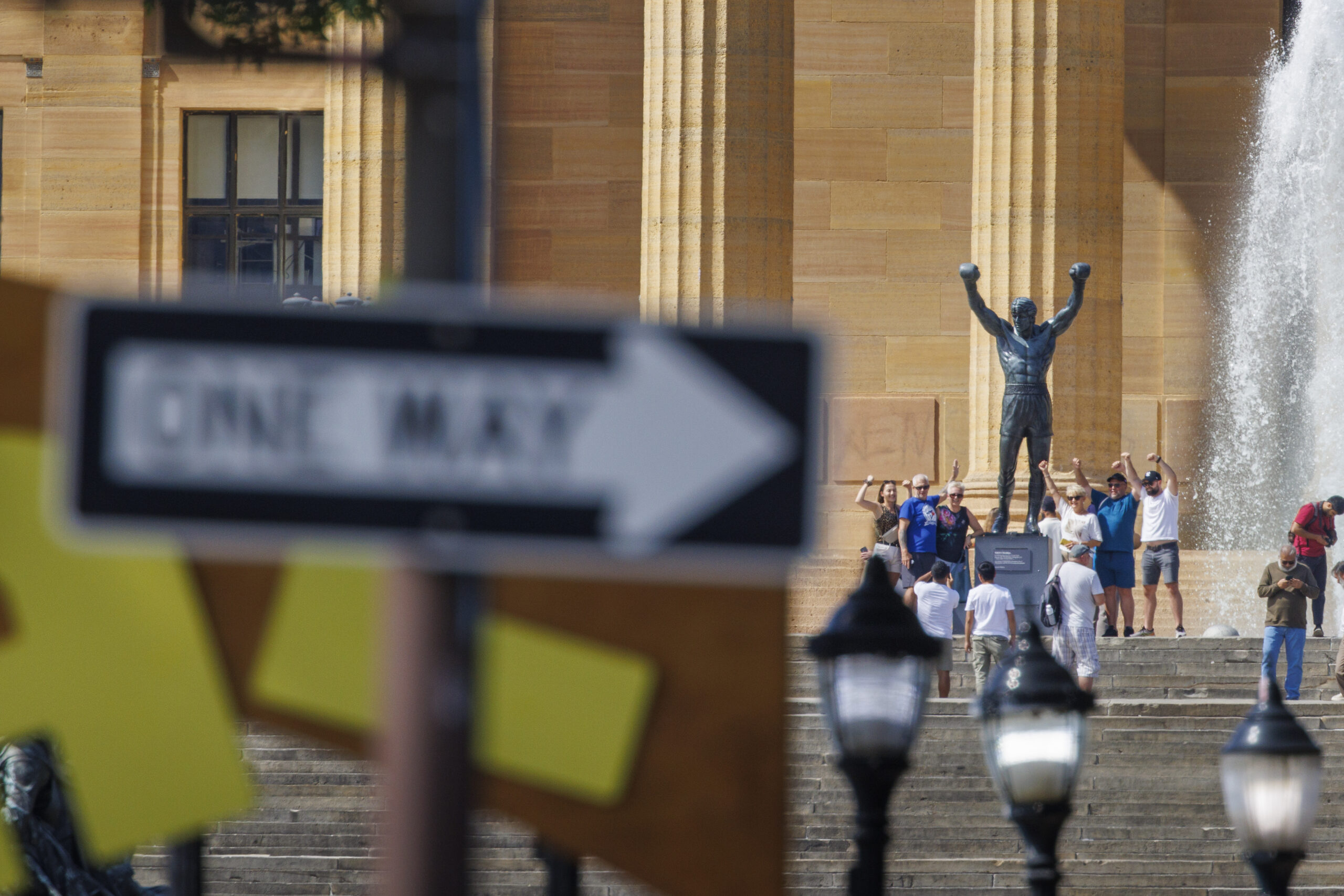
Tourists pose with “Rocky” statue on the steps of the Philadelphia Art Museum, Thursday, September 11, 2025.
Ongoing financial struggles
Over the last several years, the nearly 150-year-old museum has operated with a persistent deficit.
In 2025, that number was forecast as around $2 million on a budget of $62 million. The fiscal year ending June 30, 2023, was the museum’s last period with no deficit. Suda began her tenure as director and CEO in September 2022.
Attendance has not rebounded to pre-pandemic levels. As of Nov. 30, the museum was still falling short of its goal for the fiscal year, clocking 266,282 visitors against a to-date goal of 306,750. Its total goal for the fiscal year — which goes through June 30 — is 731,000. (All of these numbers include not just visitors, but also school groups and people attending special events.)
And even that goal is a considerable downgrade from previous ambitions. A decade ago, the museum in its strategic plan stated the goal of increasing attendance to a million visitors per year within five years.
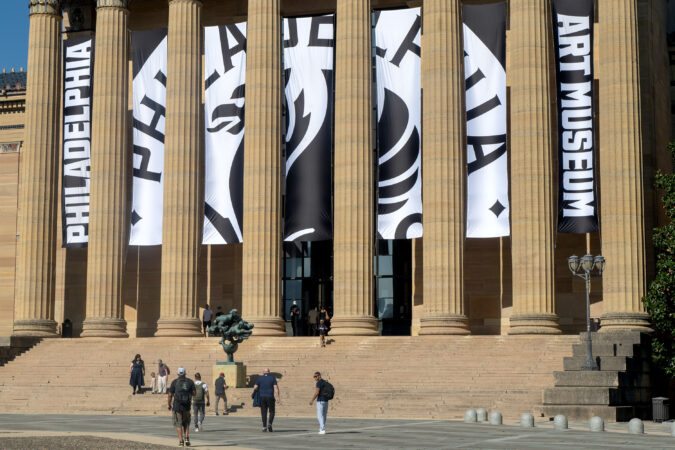
The museum’s widely panned rebrand and name change in October has proven divisive externally and internally. The campaign unveiled a new logo and changed the name of the institution from Philadelphia Museum of Art to Philadelphia Art Museum. Its cost totaled more than $1 million, according to two sources familiar with the details who spoke on the condition of not being named. Leaders hoped the rebrand would drive up attendance and cut down current operating deficits; the impact remains to be seen.
Suda’s lawsuit, staff worry, could worsen the financial outlook.
“We’re already broke as an institution. We could have a messy lawsuit that really takes a lot of funding away,” said the longtime staffer.
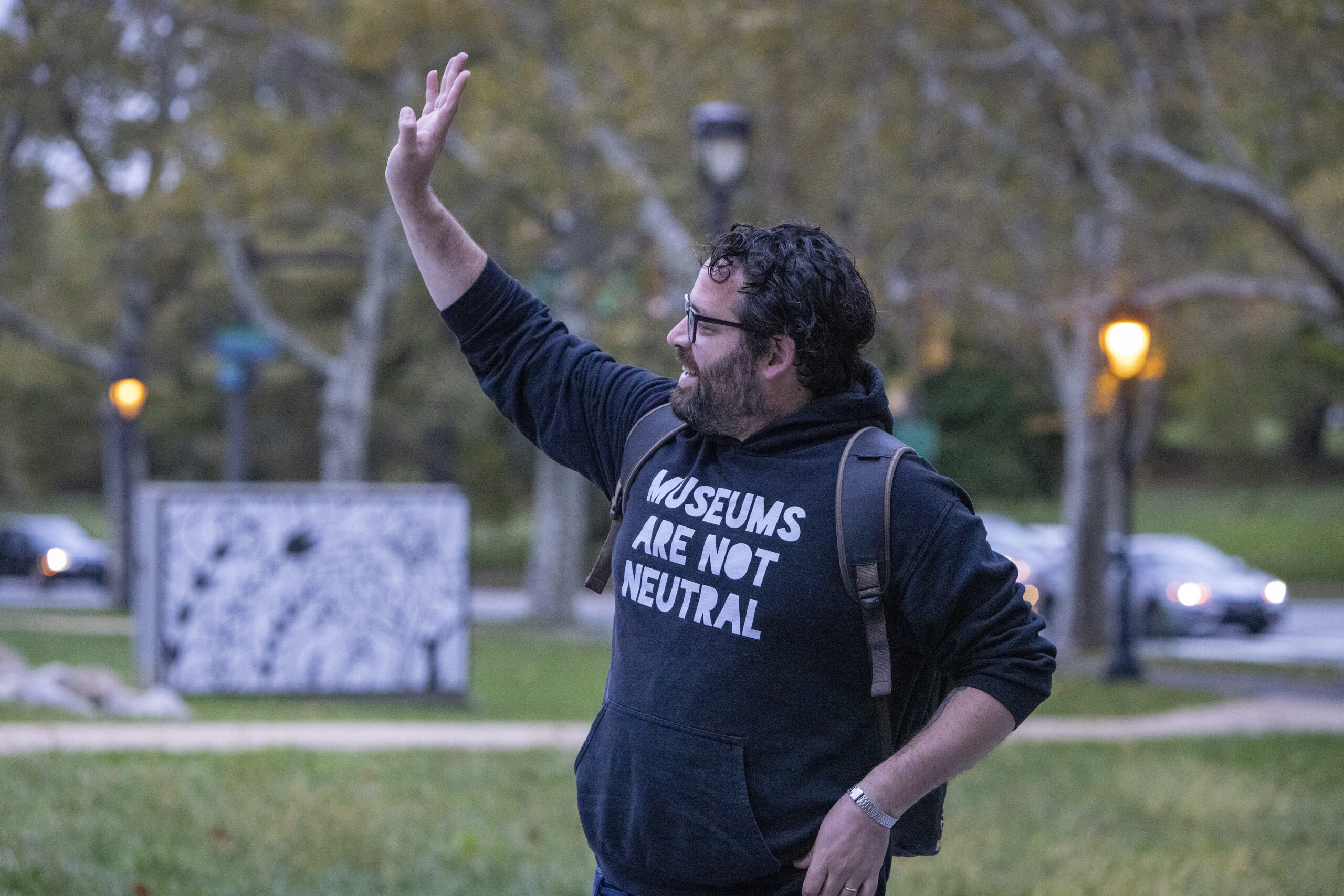
Adam Rizzo, former president of the Art Museum union, an affiliate of AFSCME DC47, waving to a honking supporter on the morning museum employees returned to work after a strike in 2022.
A new contract ratified in July 2025 ensured 3% annual pay raises and increased parental leave from four weeks to eight. But a number of grievances remain unresolved. The PMA Union, part of AFSCME Local 397, which represents Philadelphia culture workers, did not comment for this story.
After their boss was fired earlier this year, a staffer said, they were expected to take on extra responsibilities, with the promise of an hourly wage increase. Eight months later, the employee has not received that compensation and has been working with the union to address the problem.
“What they would rather do is have me go to the union, grieve it, and get the lawyers involved, and that way they can drag it out for another like six to eight months and not have to pay me,” the staffer said. “But they would still have to pay me all the back pay. It’s just them dragging their feet and penalizing people. To be honest, if they get me the higher end of [the raise], it’s only 90 cents extra.”
A museum spokesperson could not respond to this claim, deeming it “a personnel matter.”
Several other staffers have had similar experiences. Under the new leadership, they hope to have these disputes resolved amicably without the need of a grievance process.
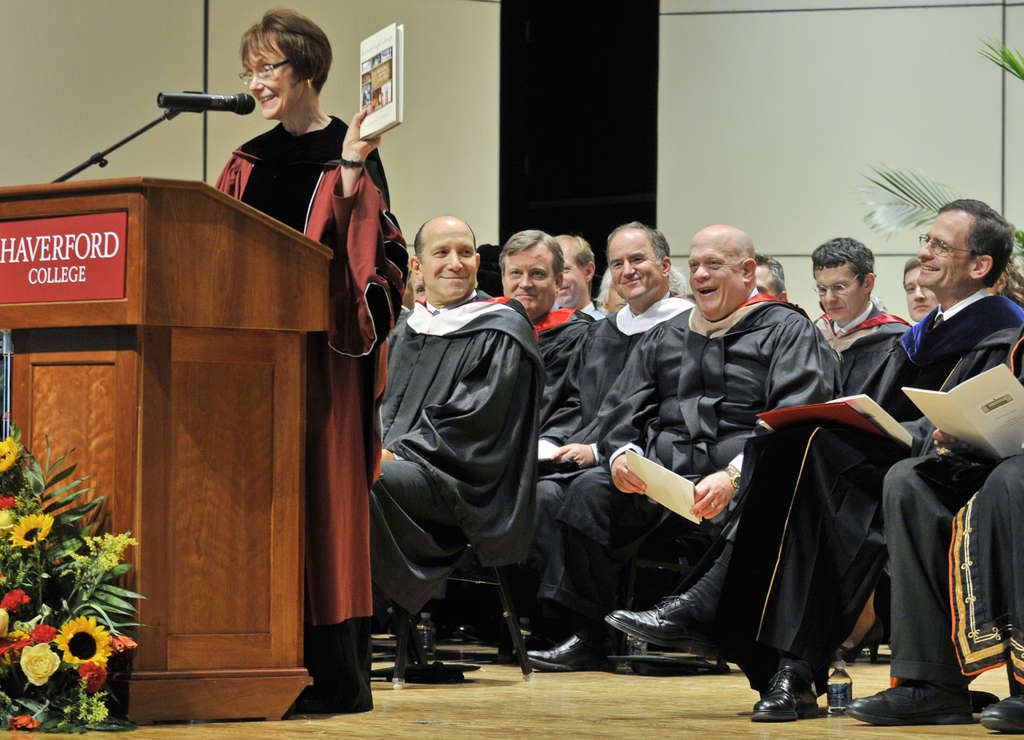
A 2013 photo of then-Swarthmore College president Rebecca Chopp showing off a copy of “Remaking College” at the inauguration of president Daniel H. Weiss at Haverford College, who is now director and CEO of the Philadelphia Art Museum.
What comes next
Weiss declined to be interviewed about specifics of his tasks and priorities, but the museum released a general statement:
“Daniel Weiss was appointed for his extensive leadership experience at major educational and cultural institutions. He began his tenure only weeks ago, and he is focused on learning the nuances of the museum’s ongoing operations regarding its programming, education initiatives, fundraising, and strategic planning. Mr. Weiss is currently working with senior staff to review key priorities and will address updates in the new year.”
Amid the leadership crisis and transition, staff has been kept mostly in the dark with little communication. The staffer seeking a raise shared that during the interim they received invitations for hot chocolate and parfait socials from human resources.
“It’s what the senior management do. That’s their usual MO, like, ‘Oh, well, have a cupcake,’” they said. “They treat us all like children, or like we’re all dumb. It’s pretty insulting.”
Weiss officially began his tenure on Dec. 1 but held an all-staff meeting before Thanksgiving. One staffer who attended said Weiss “said all the right things” so they are feeling “cautiously optimistic.”
“Everything he’s doing, he’s doing with such integrity. It’s heartwarming,” said a member of the curatorial affairs division.
But, they cautioned, “he’s going to lose people’s optimism if he doesn’t make any moves soon.”
The countdown to 2026 is on, and there’s no shortage of ways to celebrate the end of one year and the start of another. From New Year’s Eve dinner specials to adults-only celebrations and family-friendly gatherings, here’s how to ring in the new year in and around Media.
New Year’s Eve Events for Adults
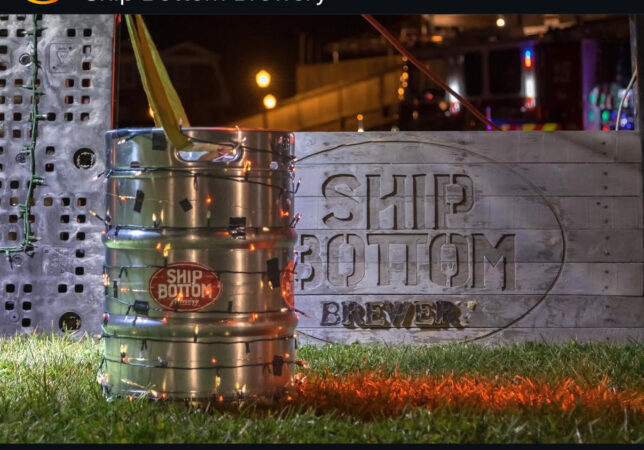
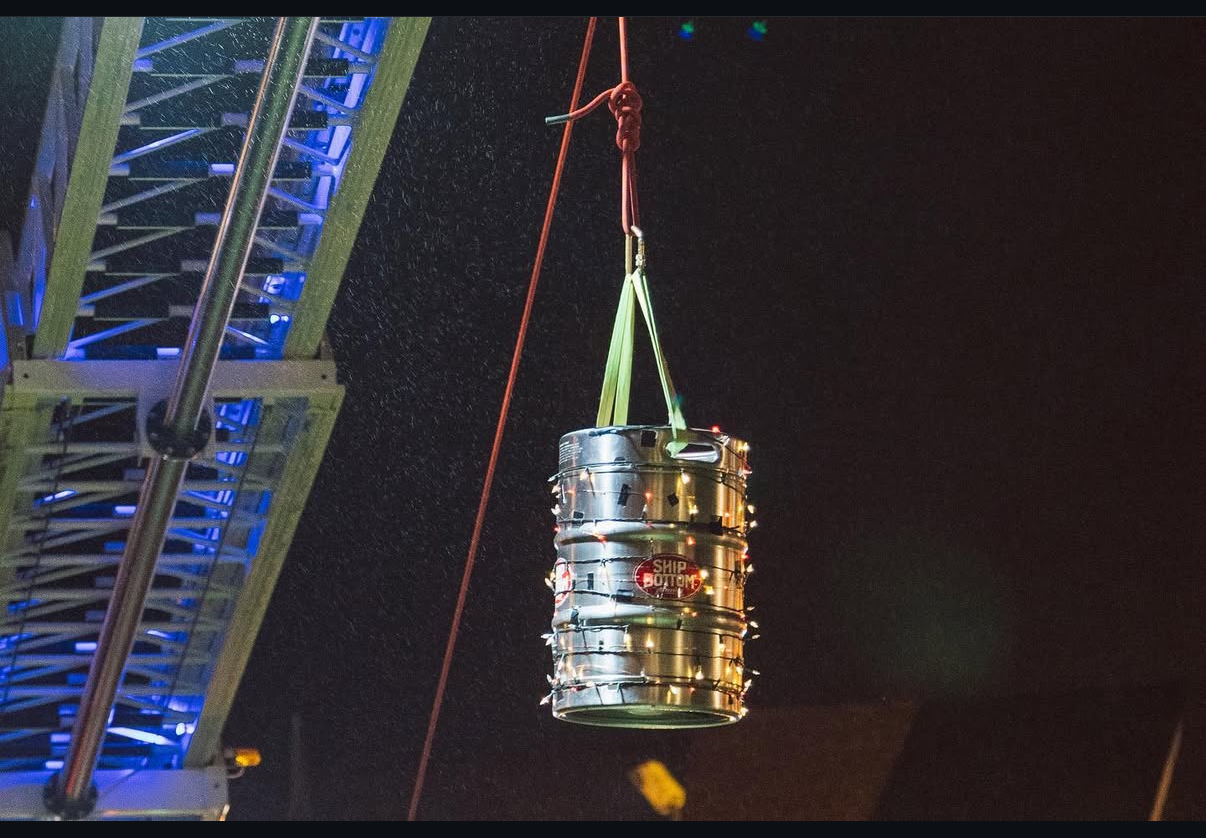
Ship Bottom Brewery will host a “keg drop” to usher in the new year.
Now in its third year, the Swarthmore location of the brewery will usher in the new year with a keg drop. Festivities kick off around 3 p.m. and there will be live music from 5:30 to 8:30 p.m., followed by a DJ from 9 p.m. until midnight, as well as food trucks.
⏰ Wednesday, Dec. 31, 3 p.m.-midnight 💵 Pay as you go 📍Ship Bottom Brewery, 5 Park Ave., Swarthmore
Ring in the new year by listening to local Grateful Dead tribute band Jawn of the Dead perform at Shere-E-Punjab. Tickets are for the standing-room-only show. Separate reservations are needed for dinner.
⏰ Wednesday, Dec. 31, 8 p.m.-12:30 a.m. 💵 $40 📍Shere-E-Punjab, 210 W. State St., Media
Springfield Country Club is hosting its annual New Year’s Eve bash.
There will be à la carte dining throughout the night, and starting at 9:30 p.m., DJ Josh Jamz will be spinning tunes. Families are welcome, but children must be accompanied by an adult 21 or older.
⏰ Wednesday, Dec. 31, 9:30 p.m.-12:30 a.m. 💵 Pay as you go 📍State Street Pub, 37 E. State St., Media
Families with preschool and elementary age kids can listen to music and a story, craft a disco ball, and count down to noon at this event. Registration is required.
⏰ Wednesday, Dec. 31, 11:15 a.m.-12:15 p.m. 💵 Free 📍Media-Upper Providence Free Library, 1 E. Front St., Media
Helen Kate Furness Free Library will ring in the new year by showcasing several traditions from around the world, including making a Japanese craft and eating a snack that’s meant to bring luck for the year ahead. Registration is required.
⏰ Wednesday, Dec. 31, noon-1 p.m. 💵 Free 📍Helen Kate Furness Free Library, 100 N. Providence Rd., Wallingford
Watch the ball drop from over 100 feet above Spasso Italian Grill in the borough as 2025 turns to 2026. There will be a DJ performing near Jackson and State Streets, as well.
⏰ Wednesday, Dec. 31, 11:30 p.m.-12:30 a.m. 💵 Free 📍Spasso Italian Grill, 1 W. State St., Media
The restaurant at the Inn at Swarthmore will serve a special prix fixe menu for New Year’s Eve that gives comfort food a spice-forward twist. The three-course menu includes starter options like roasted cauliflower soup, cider-braised pork belly, fennel-crusted yellowfin tuna, and truffle mushroom arancini. Entrée options include filet mignon, sea bass, stuffed pork loin, and winter squash gnocchi. The meal will be capped with a poached pear tart or gingerbread truffles. Dinner will be served from 4 to 9 p.m., and the bar will be open until midnight.
⏰ Wednesday, Dec. 31, 4-9 p.m. 💵 $75 📍Inn at Swarthmore, 12 S. Chester Rd., Swarthmore
The Wallingford BYOB is offering a five-course meal for New Year’s Eve that includes a first course soup; a salad, tuna tartare, or foie gras second course; scallops for the third course; entrées like pork belly, Scottish salmon, and filet and shrimp; and a dessert of hazelnut chocolate mousse. A half-dozen oysters are also available to add to the meal for $21.
On New Year’s Day, White Dog Cafe is again hosting its Pajama Brunch, which encourages attendees to wear their PJs to the restaurant, where an à la carte menu will be available. Reservations are encouraged.
This suburban content is produced with support from the Leslie Miller and Richard Worley Foundation and The Lenfest Institute for Journalism. Editorial content is created independently of the project donors. Gifts to support The Inquirer’s high-impact journalism can be made at inquirer.com/donate. A list of Lenfest Institute donors can be found at lenfestinstitute.org/supporters.
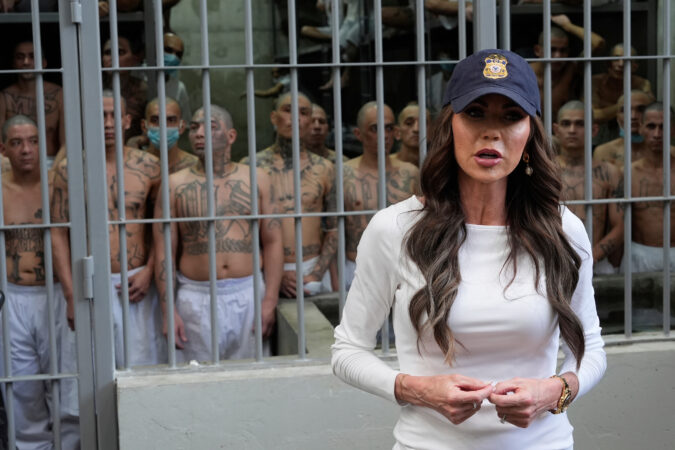
An internal CBS News battle over a “60 Minutes” story critical of the Trump administration has exploded publicly, with a correspondent charging it was kept off the air for political reasons and news chief Bari Weiss saying Monday the story did not “advance the ball.”
Two hours before airtime Sunday, CBS announced that the story where correspondent Sharyn Alfonsi spoke to deportees who had been sent to El Salvador’s notorious CECOT prison, would not be a part of the show. Weiss, the Free Press founder named CBS News editor-in-chief in October, said it was her decision.
The dispute puts one of journalism’s most respected brands — and a frequent target of President Donald Trump — back in the spotlight and amplifies questions about whether Weiss’ appointment was a signal that CBS News was headed in a more Trump-friendly direction.
Alfonsi, in an email sent to fellow “60 Minutes” correspondents said the story was factually correct and had been cleared by CBS lawyers and its standards division. But the Trump administration had refused to comment for the story, and Weiss wanted a greater effort made to get their point of view.
“In my view, pulling it now after every rigorous internal check has been met is not an editorial decision, it is a political one,” Alfonsi wrote in the email. She did not immediately respond to requests for comment from The Associated Press.
Alfonsi said in the email that interviews were sought with or questions directed to — sometimes both — the White House, State Department and Department of Homeland Security.
“Government silence is a statement, not a VETO,” Alfonsi wrote. “Their refusal to be interviewed is a tactical maneuver designed to kill the story. If the administration’s refusal to participate becomes a valid reason to spike a story, we have effectively handed them a ‘kill switch’ for any reporting they find inconvenient.”
“Spike” is a journalist’s term for killing a story. But Weiss, in a statement, said that she looked forward to airing Alfonsi’s piece “when it’s ready.”
Speaking Monday at the daily CBS News internal editorial call, Weiss was clearly angered by Alfonsi’s memo. A transcript of Weiss’ message was provided by CBS News.
“The only newsroom I’m interested in running is one in which we are able to have contentious disagreements about the thorniest editorial matters with respect and, crucially, where we assume the best intent of our colleagues,” Weiss said. “Anything else is completely unacceptable.”
She said that while Alfonsi’s story presented powerful testimony about torture at the CECOT prison, The New York Times and other outlets had already done similar work. “To run a story on this subject two months later, we need to do more,” she said. “And this is ‘60 Minutes.’ We need to be able to get the principals on the record and on camera.”
It wasn’t clear whether Weiss’ involvement in seeking administration comment was sought. She reportedly helped the newscast arrange interviews with Jared Kushner and Steve Witkoff this past fall to discuss Trump’s Middle East peace efforts. Trump himself was interviewed by Norah O’Donnell on a “60 Minutes” telecast that aired on Nov. 2.
Trump has been sharply critical of “60 Minutes.” He refused to grant the show an interview prior to last fall’s election, then sued the network over how it handled an interview with election opponent Kamala Harris. CBS’ parent Paramount Global agreed to settle the lawsuit by paying Trump $16 million this past summer. More recently, Trump angrily reacted to correspondent Lesley Stahl’s interview with Trump former ally turned critic Marjorie Taylor Greene.
“60 Minutes” was notably tough on Trump during the first months of his second term, particularly in stories done by correspondent Scott Pelley. In accepting an award from USC Annenberg earlier this month for his journalism, Pelley noted that the stories were aired last spring “with an absolute minimum of interference.”
Pelley said that people at “60 Minutes” were concerned about what new ownership installed at Paramount this summer would mean for the broadcast. “It’s early yet, but what I can tell you is we are doing the same kinds of stories with the same kind of rigor, and we have experienced no corporate interference of any kind,” Pelley said then, according to deadline.com.
The countdown to 2026 is on, and there’s no shortage of ways to celebrate the end of one year and the start of another. From New Year’s Eve dinner specials to adults-only celebrations and family-friendly gatherings, here are some waysto ring in the new year in and around Cherry Hill.
New Year’s Eve Events for Adults
Andy Cooney is performing for two nights in Cherry Hill.
The New York performer, known for his Irish musical renditions, will bring his band to the DoubleTree by Hilton Cherry Hill for two nights ahead of the new year. Packages with overnight accommodations are available and include dinner, a champagne toast, and breakfast.
⏰ Tuesday, Dec. 30, and Wednesday, Dec. 31, times vary 💵 $185-$282 📍2349 Marlton Pike West, Cherry Hill
This year, Vera will transform into a winter wonderland, complete with twinkling lights and snowflakes to ring in the new year. There will be a photo booth, ice sculptures, and a champagne toast at midnight.
The salon and spa geared toward kids is hosting a morning glam event, where kids can get their hair, makeup, or nails done. There will also be crafts, games, and dancing, followed by a balloon drop at noon.
Hot Wheelz is throwing several themed parties on New Year’s Eve, starting with its Bluey Year’s Eve Celebration. Taking place from 10 a.m. to noon, it includes a meet-and-greet with the character, ICEEs, and a scavenger hunt. At 12:30 p.m., Before Bedtime with Mickey and Minnie gets underway, featuring the popular Disney characters. Attendees are encouraged to wear their pajamas. At 4 p.m., New Year’s Eve Glow 2026 Countdown begins, complete with pizza, neon lights, and glow necklaces. And at 7:30 p.m., the final party of the night kicks off. Skate Into 2026 Skate Party includes pizza, a DJ, and attendees are encouraged to wear festive threads.
Bowling alley Lucky Strike is offering three ways to celebrate the end of 2025 and the start of 2026. Packages include two hours of daytime bowling, a two-hour “Sunset Bash” in the evening, or a four-hour “Ball Drop Premium” package, with options for food and a champagne or cider toast.
Hop aboard this historic vessel for views of the annual fireworks display. There are two shows: one at 6 p.m. geared toward families with little ones, and the midnight fireworks.
⏰ Wednesday, Dec. 31, 4 p.m. and 10 p.m. 💵 $10-$125 📍100 Clinton St., Camden
Try your luck at casino-style games, listen to live music from Neo Kyma, plus tunes from DJ Makis, and hit the dance floor at this family-friendly party that’s open to the community.
The à la carte menu for New Year’s Eve includes starters like prawns, burrata, potato croquette, and oysters, while entrées include Dover sole, herb-crusted lamb, lobster risotto, and filet mignon.
⏰ Wednesday, Dec. 31, last seating at 8 p.m. 💵 Prices vary 📍300 E. Evesham Rd., Cherry Hill
The Italian restaurant has a special menu for New Year’s Eve that includes jumbo lump crab cakes, penne vodka, chicken, veal, or eggplant parmigiana, a rib eye steak, and Asiago gnocchi. The children’s menu has a cheese pizza, chicken fingers, penne with butter, ravioli, and chicken parmigiana.
⏰ Wednesday, Dec. 31, last seating at 8:15 p.m. 💵 Prices vary 📍1491 Brace Rd., Cherry Hill
The Old World Italian eatery is serving a three-course prix fixe dinner on New Year’s Eve of a starter, entrée, and dessert for $95 per person, plus tax and gratuity. Diners can also choose to order à la carte. Entrées include Chilean sea bass, filet mignon, and seafood risotto. Signature drinks, wines, and bottles of bubbly will also be available.
⏰ Wednesday, Dec. 31, open until 9:30 p.m. 💵 Prices vary 📍211 Berlin Rd., Cherry Hill
The Mediterranean restaurant will have a prix fixe menu and a DJ to ring in 2026.
⏰ Wednesday, Dec. 31, open until 1 a.m. 💵 Prices vary 📍 2000 Route 38 #1160, Cherry Hill
This suburban content is produced with support from the Leslie Miller and Richard Worley Foundation and The Lenfest Institute for Journalism. Editorial content is created independently of the project donors. Gifts to support The Inquirer’s high-impact journalism can be made at inquirer.com/donate. A list of Lenfest Institute donors can be found at lenfestinstitute.org/supporters.
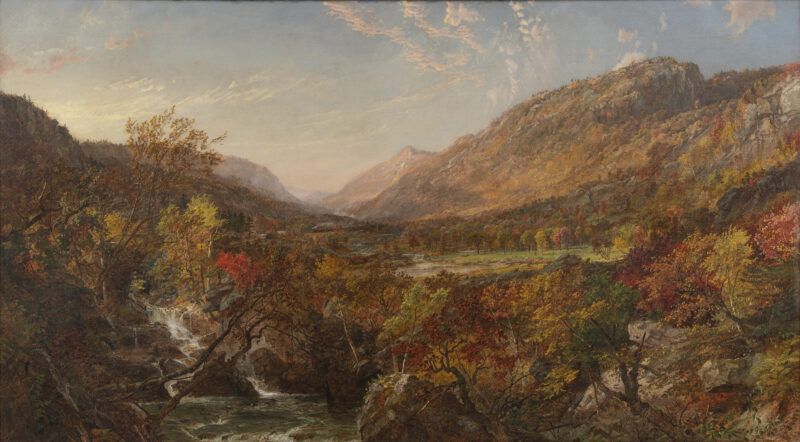
Back in September 1873, the New York Herald announced that the Hudson River School painter Jasper Francis Cropsey had a new painting. Autumn in the Ramapo Valley, Erie Railway, which would be open to public viewing for “only a day or two longer” at the Wall Street office of Charles Day, the article said.
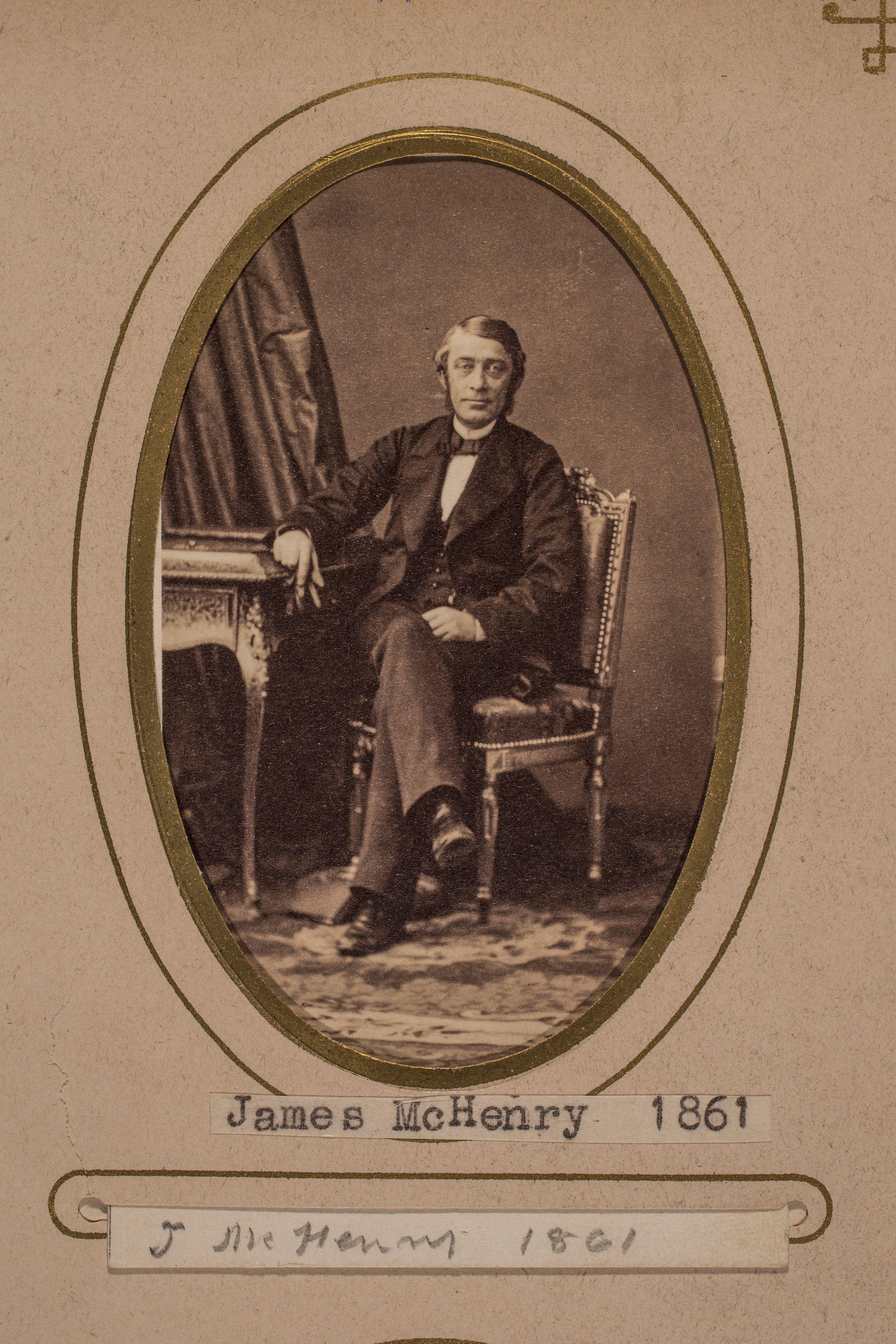
The painting was commissioned by investor James McHenry, who, with Day, was director of Erie Railway. McHenry, who had been a director of the Atlantic and Great Western Railway before that, had his eye set on the Erie Railway, which was founded in 1832.
In 1872, in what is best described as a corporate coup, McHenry ousted the railroad magnate Jay Gould and took full control over Erie Railway. In celebration, he commissioned the Cropsey painting, which, after those few days on Wall Street, made its way to McHenry’s home in London and remained in private collections, away from the public eye since.
Until now.
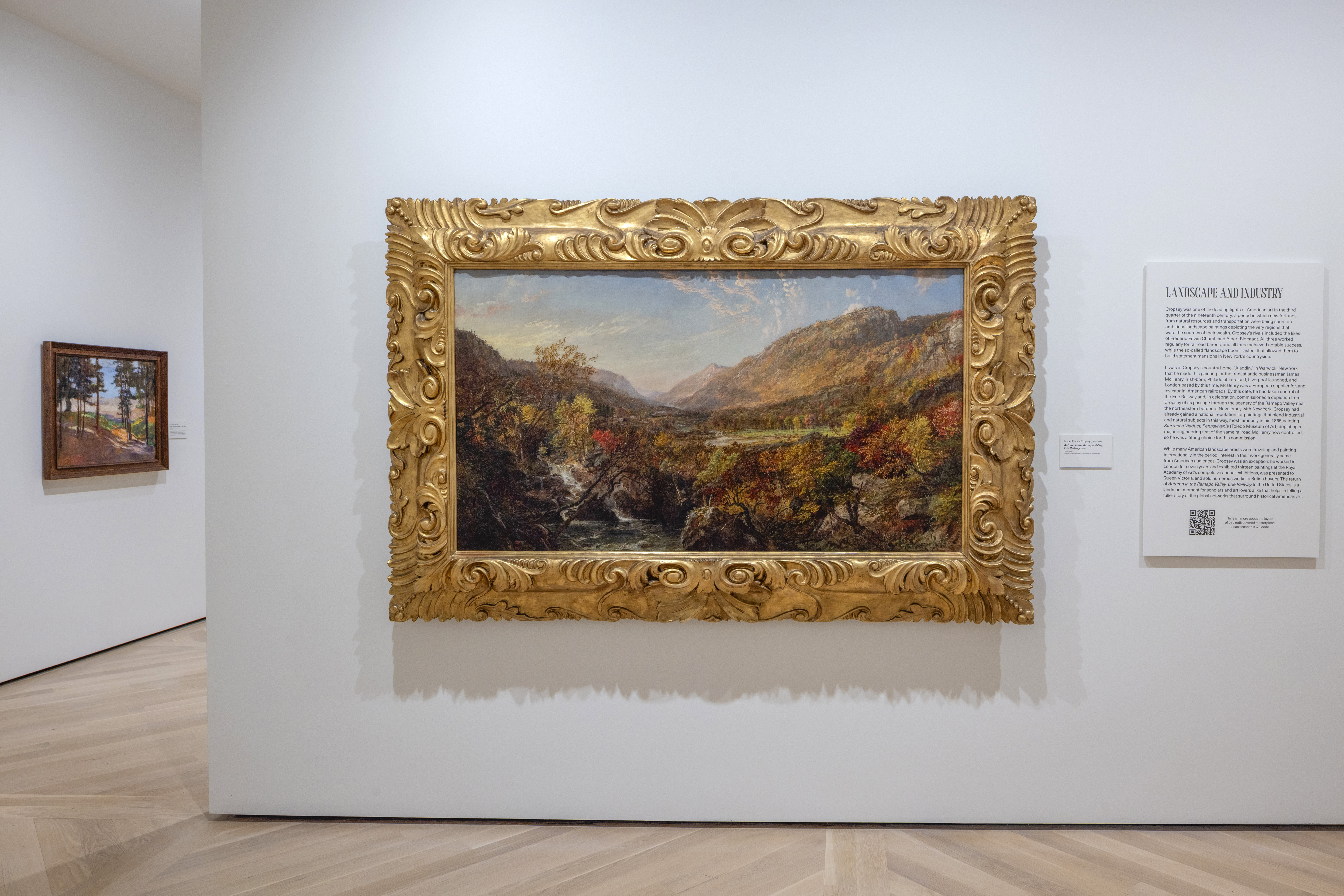
In 2024, philanthropists J. Jeffrey and Ann Marie Fox, who live in Bucks County, bought the painting and brought it back to the United States. It is on view at the Brandywine Museum of Art, some 150 miles away from the original setting of the painting, where flatlands west of the Hudson River meet steep hills near the town of Sloatsburg, N.Y.
Here, it can be seen by an American audience for the first time in 152 years.
The Foxes and American art
J. Jeffrey Fox has built a successful career in finance and education and his wife, Ann Marie, has worked with several nonprofits, often focusing on children with special needs. Together, in 2024, they made a $20 million gift to endow the J. Jeffrey and Ann Marie Fox Graduate School at Pennsylvania State University.
The couple, said Jeffrey Fox, have always been interested in American history.
“We used to collect art as souvenirs. We would go to estate sales and garage sales and sometimes buy a piece of art,” he said. “It wasn’t a collection that was of any significance. So once we got a little bit more money, we wanted to buy one painting that’ll be the centerpiece for the rest of our collection.”
They bought Frederick Childe Hassam’s The Cove, Isles of Shoals (1901) at an auction in 2015.
The discerning eye in the couple has always been Ann Marie’s. She spent 15 years volunteering at the Walters Art Museum in Baltimore, and when the couple lived in Annapolis, Md., she took classes under Matt Herban, a retired professor of art from Ohio State University.
After that first Hassam, the couple wanted a Cropsey. But not just any Cropsey.
“We went to the National Gallery and they had a fabulous Cropsey [Autumn — On the Hudson River (1860)]. It just took our breath away. And we were like, ‘Wow, how could we ever get something that good.’ That’s why it took us this long,” said Ann Marie.
“We were very picky. Every artist has great days, and every artist has OK days. We wanted Cropsey on a great day,” her husband said.
Finding Cropsey on a great day
Last year, the Foxes’ art adviser came to know from a friend in Europe that Autumn in the Ramapo Valley was coming up for auction in London in September. Believing that the painting was best sold to an American buyer, this friend approached the adviser before the painting went under the hammer.
The Foxes had 48 hours to make a decision to buy, never having seen the painting, aided only by a high-quality photograph and a condition report.
Cropsey’s catalog raisonné, put together by the Newington Cropsey Foundation in Hastings-on-Hudson, N.Y., says the painting left the country in September 1873. Documents said the painting has been in an undisclosed buyer’s family since the 1950s.
James McHenry’s carte-de-visite,
1861.
McHenry died in 1891 and “we don’t really know what happened from 1891 to the mid-’50s, but we do know that it never left England,” Jeffrey said. “And we don’t think it was ever shown in England. There are no records that we were able to find.”
Ann Marie said yes, and the couple wrote up a letter of intent.
“We were a bit concerned,” said Jeffrey. Another Cropsey — Richmond Hill in summer of 1862, also owned by McHenry — that came up in an auction in 2013 was deemed a “national treasure” by the U.K. and was not allowed to leave the country.
The clearance for Autumn in Ramapo to leave England took a little over three months.
“The English let that out of England because it was an American artist, and an American scene,” Jeffrey said.
The couple bought the painting in January 2025. Once the artwork arrived in the United States, a restorer found it to be in exceptional condition, exactly as advertised. In March, the conservator finished assessing the painting, and the Foxes traveled to New York to see it in real life.
“It just displayed so much grandeur. I thought it was wonderful,” Anne Marie said. “The autumn colors … just stunning. And the size of it is amazing. The first thing I said when I saw it was, ‘It can’t come to my house. It’s going to tear down my wall.”
Including the frame, the artwork measures 4.75 feet by 7.16 feet.
“Our house isn’t that big, we probably couldn’t get through the door,” Jeffrey said.
The couple couldn’t ship it to their foundation office, either. “We needed a museum that would be willing to show it and buy into the story, because it’s a phenomenal story,” Jeffrey said.
The “Cropsey, Wyeth, and the American Landscape Tradition” exhibition runs through May 31 at the Brandywine Museum of Art.
The painting and the painter
It’s easy to miss the “Erie Railway” part in Autumn in the Ramapo Valley, Erie Railway. Cropsey paints an idyllic fall scene with the Ramapo Valley bathed in yellow, red, and, orange foliage. Bits of green peep out, the sky is clear and a light blue, a waterfall flows gently on the left, the Ramapo River sits still.
The smoke-billowing train chugs through the valley in the distance, but in the center of the painting. Black rails of the railway bridge run parallel to the river and disappear into the leaves.
The setting of the painting falls between what is New York’s Orange and Rockland County, on the western side of the Hudson River, and north of Suffern.
“This painting … really helps in telling a fuller story of the history of American art, and particularly, this brief moment, in the third quarter of the 19th century, when huge sums were being spent on huge paintings,” said William L. Coleman, curator at the Wyeth Foundation and director of the Andrew & Betsy Wyeth Study Center.
“This is part of a larger story with artists like Frederic Church, Albert Bierstadt, and Thomas Moran.”
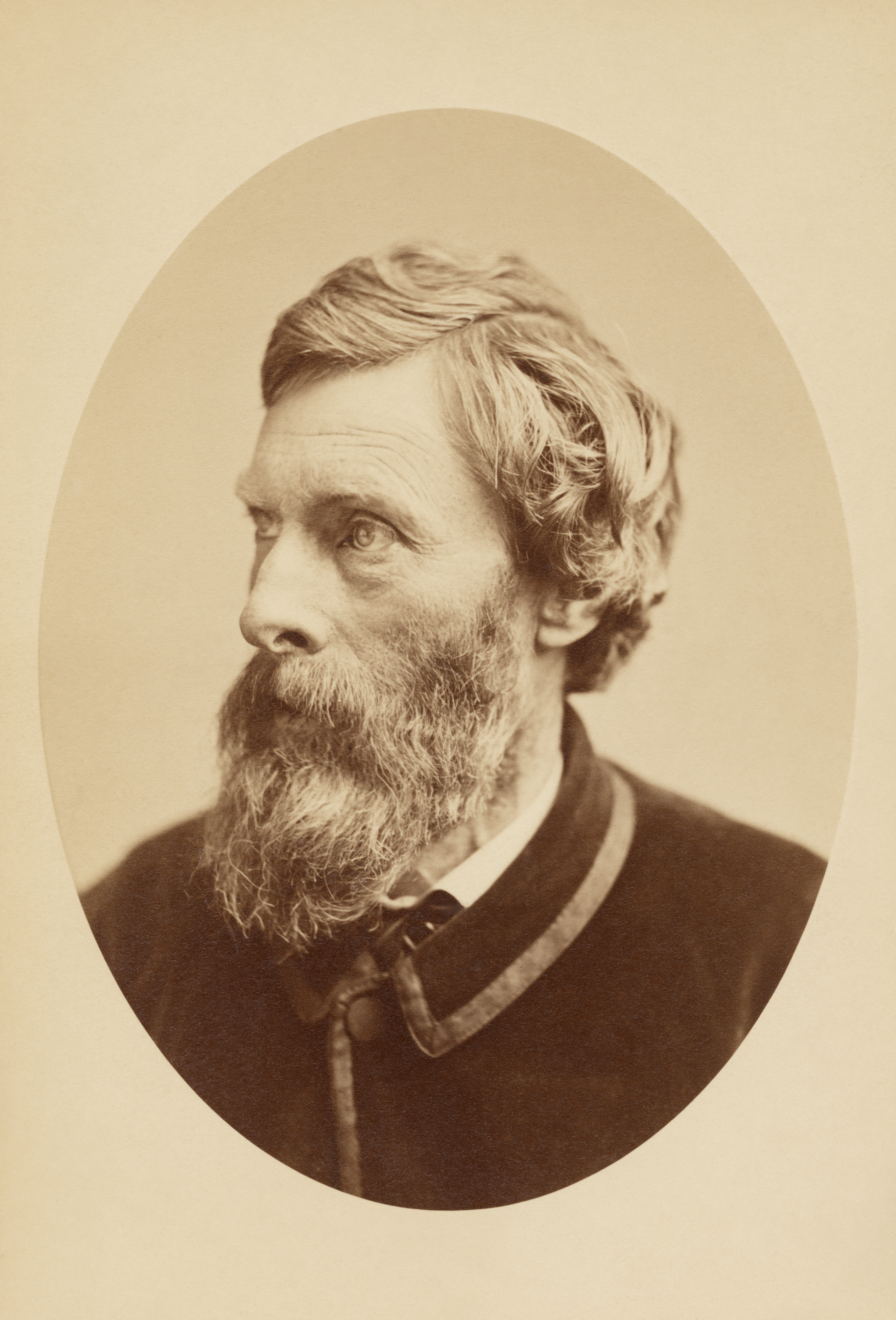
Jasper Francis Cropsey by Napoleon Sarony, circa 1870.
Cropsey, an architect who had designed several railway stations himself, was part of a line of artists who “engaged with the new fortunes being made from the transportation industry, making images of new railroads traveling through the landscapes,” Coleman said.
The artists enjoyed generous patronage and lived well. Cropsey lived in a mansion he built, called Aladdin, less than 10 miles away from the site of the painting. Here he built himself a studio that doubled as a gallery and art marketplace.
The Philadelphia story
Cropsey’s patron James McHenry was born in Ireland in 1817 and was raised in Philadelphia. He moved back to England, living primarily in London, where he made a fortune raising money and investing it in developing railways in America.
His sister remained in Philadelphia until her death.
Jeffrey Fox calls McHenry “notorious,” adding that he often worked against other equally infamous “robber barons” like Cornelius Vanderbilt and Gould.
“He paid $25,000 on a Bierstadt painting in 1865, so he was quite an art collector himself,” Jeffrey said. McHenry, who already owned Richmond Hill in Summerof 1862, perhaps had gotten acquainted with Cropsey when the artist visited England in 1856.
Cropsey had already made a name for himself painting Starrucca Viaduct, Pennsylvania (1865) —where, too, a distant train almost merges into the green slopes of the mountain behind it — when McHenry wanted an artist to commemorate his pushing Gould out of the Erie Railroad directorship in 1873.
“He had already gotten a national reputation for painting part of this exact railroad, and so James McHenry went to the railroad guy,” said Coleman, “and commissioned Autumn in Ramapo.”
Artists like Bierstadt and Sanford Robinson Gifford were also working on similar railroad commissions at the time.
“Most of their stock and trade are images that make use of the aesthetic value of the sublime, the power of the natural world against the small scale of human existence. So they give us that feeling of awe, of wonder,” Coleman said.
Landscape paintings, he said, “tell stories about belonging, about ownership, about your place in a wider society. … And they often risk being underestimated. These are pleasant, old pictures that we see on calendars and postage stamps, but they have a lot to tell us about how we became the nation we are today.”
The model train at Brandywine Museum’s holiday showcase in 2018.
An irrelevant cost
At Brandywine, Cropsey’s train speaks to the museum’s beloved holiday train display, posing questions of tradition and modernity as the nation enters its 250th year.
It will stay at the museum through May and then travel to the Dixon Museum in Memphis, Tenn. Then it heads to the Seed Art Museum in Louisville, Ky.;, Rockwell Museum in Corning, N.Y,; University of Georgia Museum of Art in Athens, Ga.; and the Newington Cropsey Foundation.
The Foxes wanted this piece of American history to be witnessed by Americans.
What they paid for it, Jeffrey Fox said, is irrelevant.
“If you put a value to it, that’s what you’re going to talk about, as opposed to the painting,” he said. “We’re a foundation and at the end of the day, we’re not going to sell it. So it doesn’t matter what we paid.”
“Cropsey, Wyeth, and the American Landscape Tradition,” continues through May 31 at the Brandywine Museum of Art, U.S. Route 1 at Hoffmans Mill Road in Chadds Ford, Chester County. Information: brandywine.org or 610-388-2700.
This article has been updated with the correct year of James McHenry gaining control of the Erie Railway. It was 1872.
Like much on the mind of the general public, climate change is now in the voices of Opera Philadelphia in The Seasons, an ambitious opera/dance expansion of Vivaldi’s The Four Seasons warning of a time when seasons cease to exist.
Sounds like a virtuous West Coast “granola opera”? Not quite. But the Friday opening at Kimmel Center’s Perelman Theater wasn’t as effective as it wanted to be.
The piece’s secondary purpose as a showcase for Vivaldi’s music actually became primary, going beyond the composer’s popular four-violin concertos, collectively known as The Four Seasons, and exploring some great, rarely heard arias from his many operas.
And luckily so.
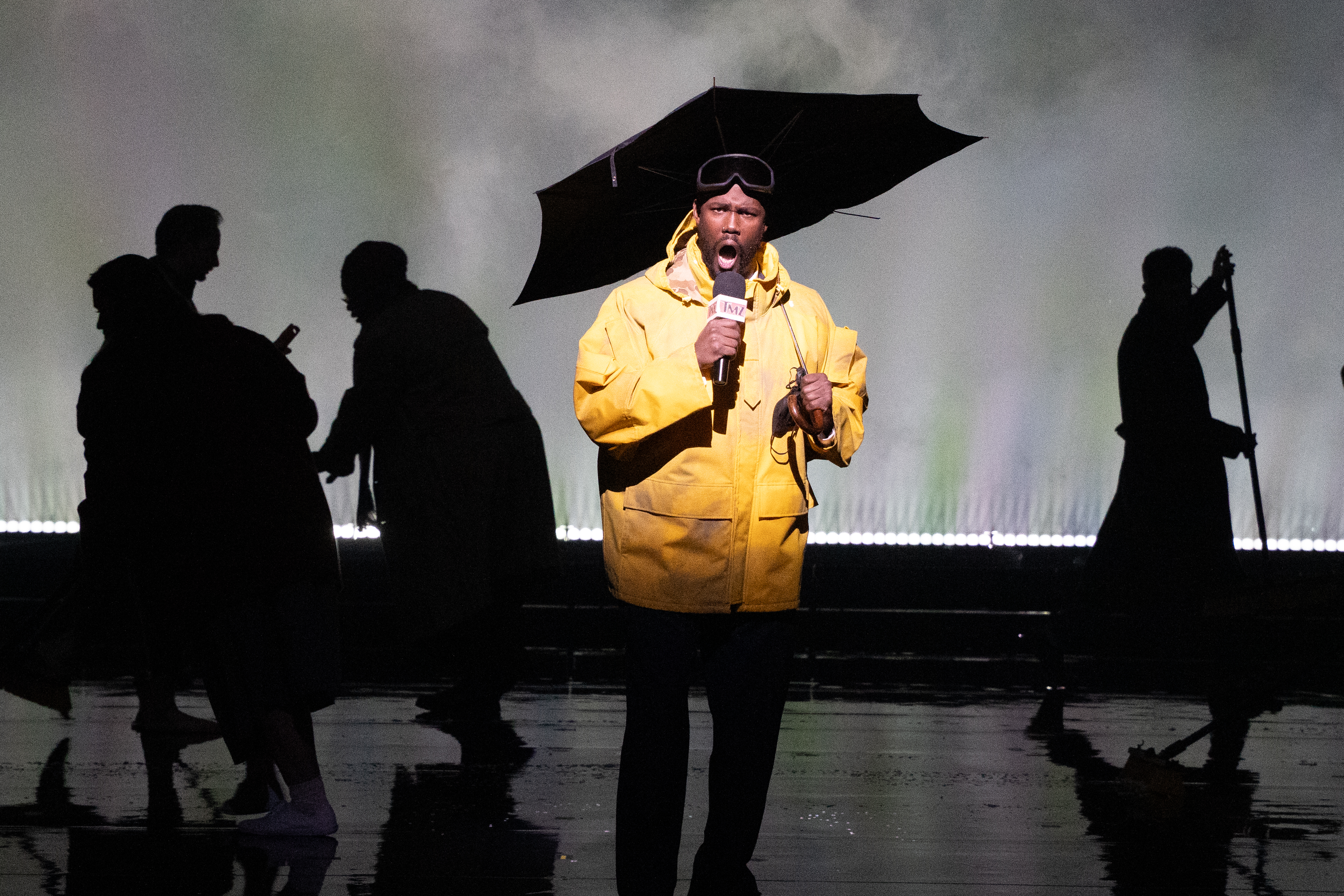
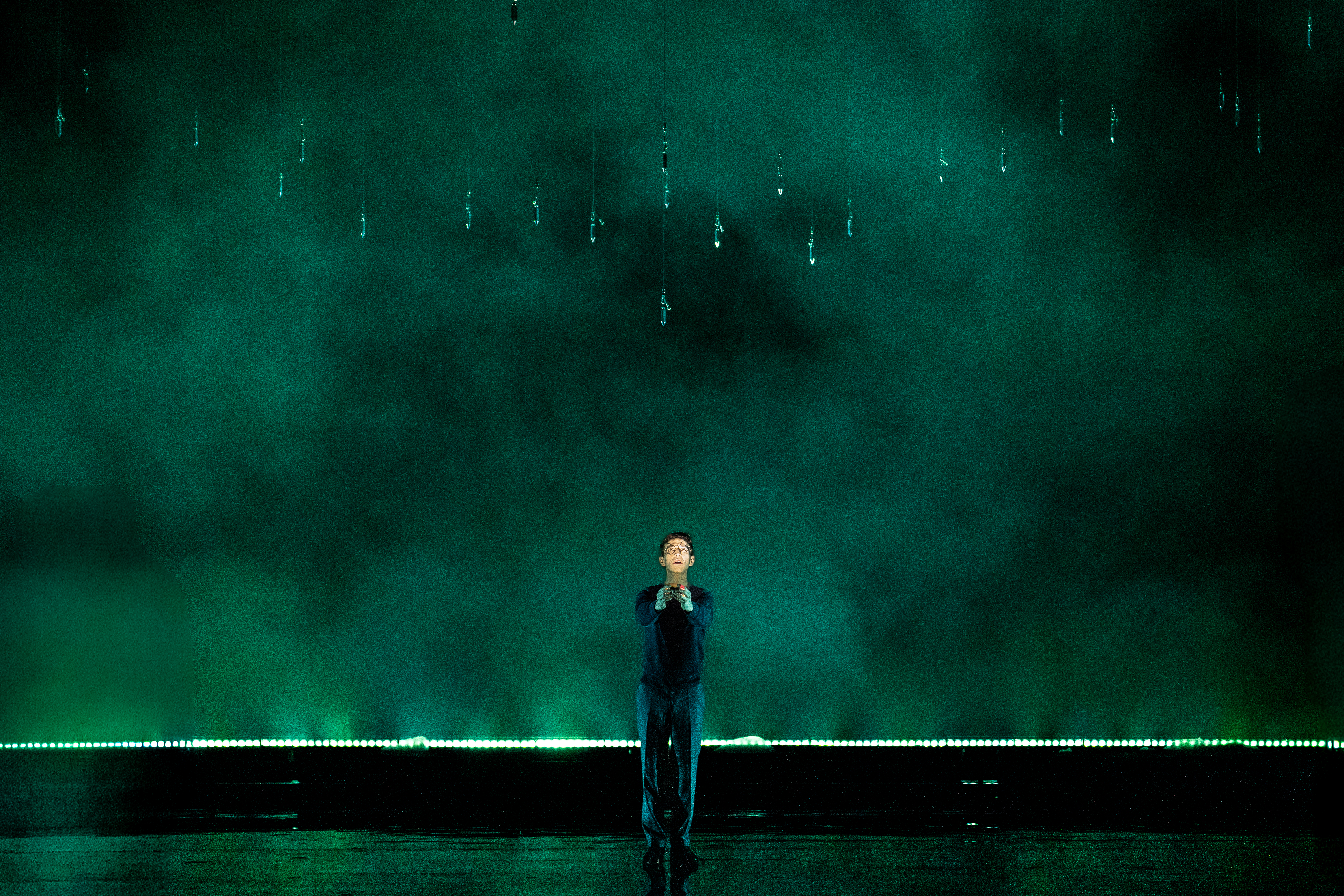
Bass John Mburu delivers the forecast as the Cosmic Weatherman in “The Seasons,” where the seasons are completely out of order.
Vivaldi’s innately agitated rhythms convey the urgency of climate change in a much more visceral manner than the often on-the-nose libretto by playwright Sarah Ruhl.
That’s a surprising reversal of artistic priorities considering that her 2003 play Eurydice is one of the best works of its decade (especially as seen several years ago, across the street at the Wilma Theater).
Vivaldi wrote 50 or so operas in the capitals of 18th-century Europe, and the pieces from them, employed by The Seasons, were often dark-night-of-the-soul arias that reveal depths not apparent in the composer’s short-breathed concertos.
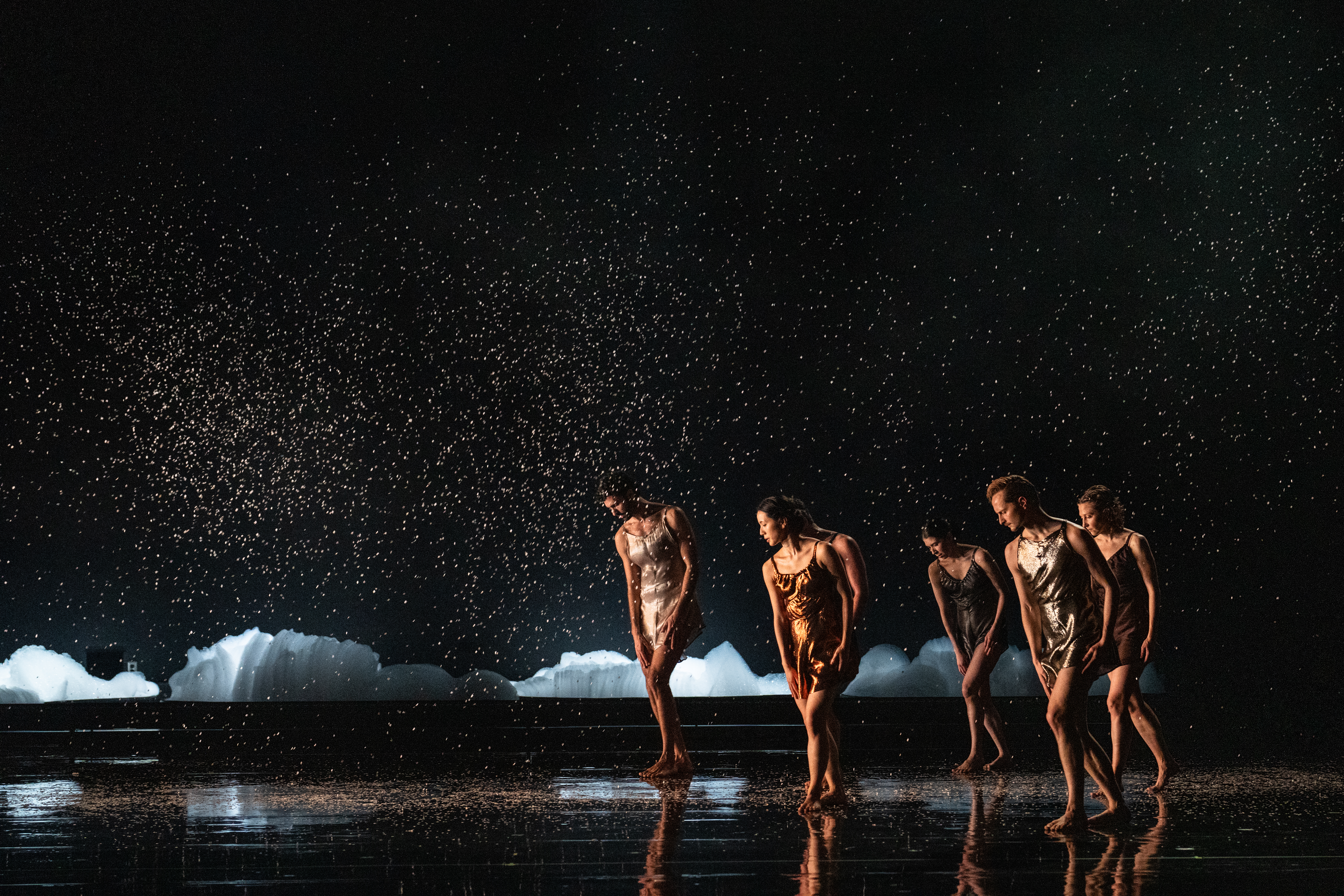
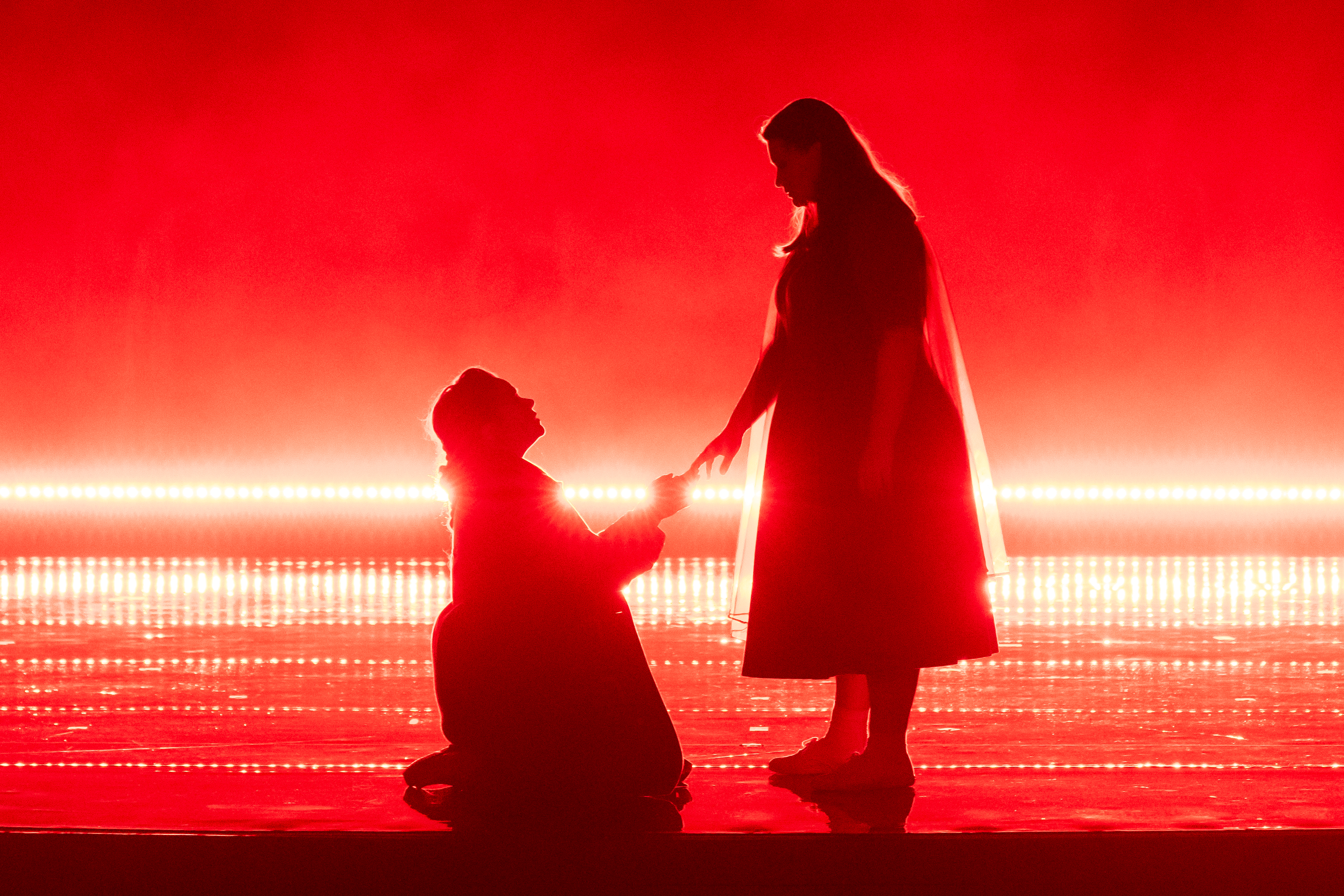
Dancers Marc Crousillat, Stephanie Terasaki, Brian Lawson, Taylor LaBruzzo, Anson Zwingleberg, and Maggie Cloud in the Philadelphia premiere of “The Seasons,” directed by Zack Winokur and choreographed by Pam Tanowitz
These operas have been major discoveries over the last few decades in Europe, and Opera Philadelphia’s presentation constitutes a significant addition to the local operatic culture.
Fitting arias into a new plot was fairly common in 18th-century opera, though The Seasons, conceptualized by Ruhl and Opera Philadelphia chief Anthony Roth Costanzo, is best taken in by those who have missed climate-change news of fish frying in warm ocean water and frozen iguanas falling out of unseasonably cold Florida trees.
The Seasons has somebody resembling a TV weatherman (bass John Mburu) appearing periodically, lecturing the audience to not ignore or forget the dire planetwide shifts in weather (as if we could!).
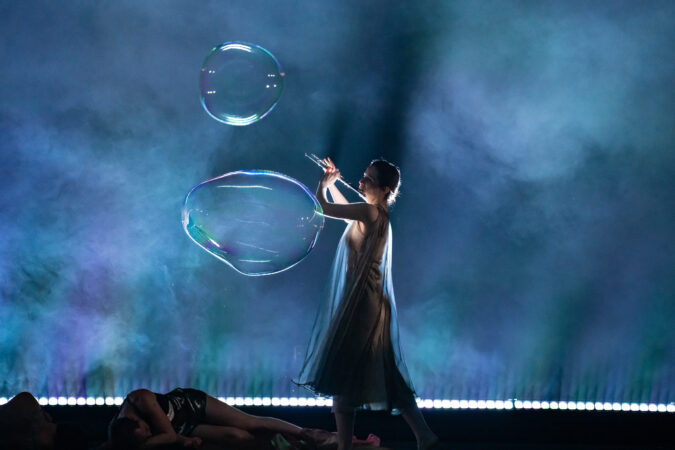
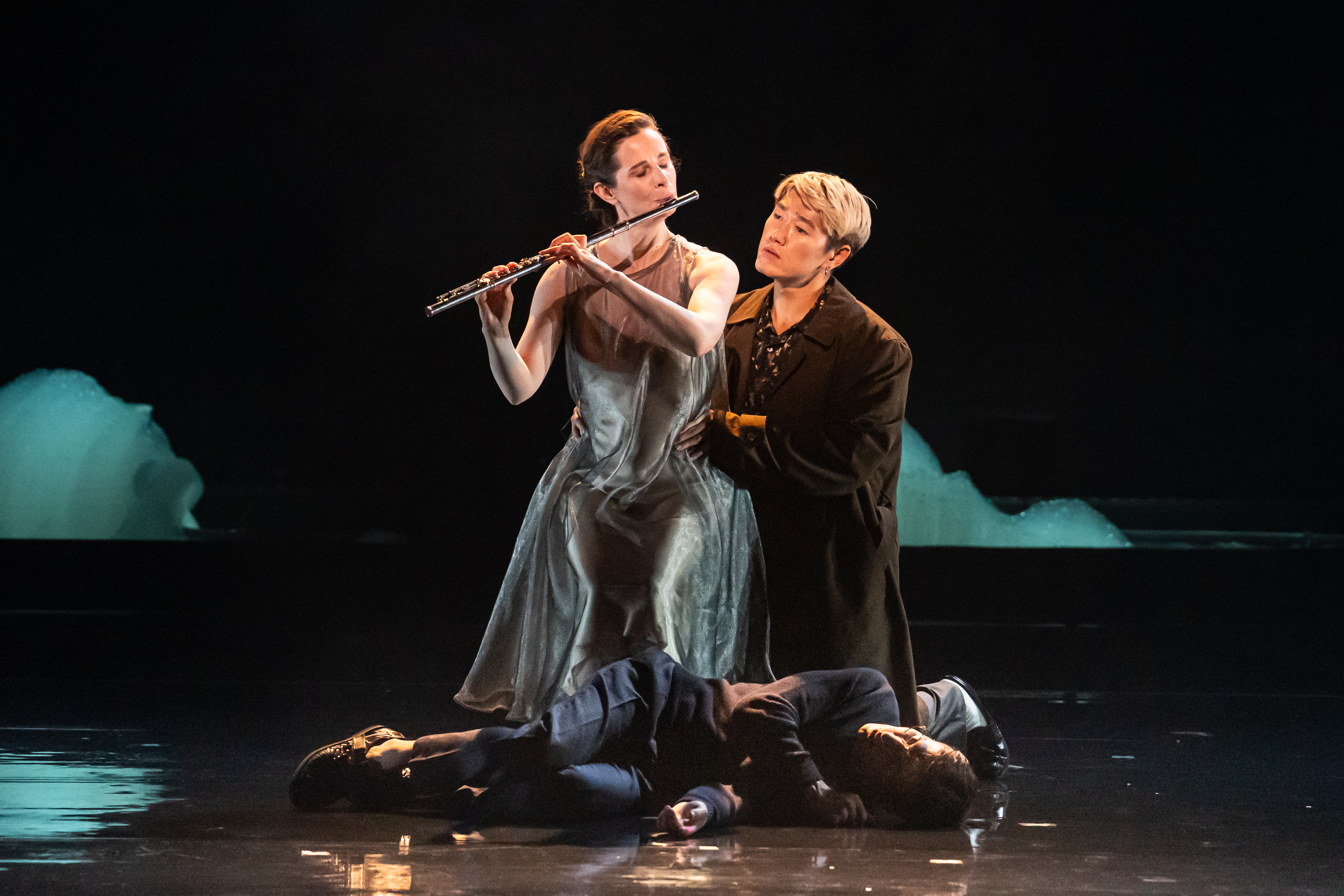
Flute Soloist Emi Ferguson with Kangmin Justin Kim and Anthony Roth Costanzo in the Philadelphia premiere of “The Seasons.”
Other characters are sociological touchstones: A poet, a painter, an actress-turned-farmer, a performance artist, and a choreographer (none with specific names) share the stage, some having troubled same-sex romances — though the purpose of their artistic affiliations had little consequence.
Vivaldi’s Four Seasons was often used as dance interludes in choreography by Pam Tanowitz. Under the overall direction of Zack Winokur, various screens and lighting effect conspired to convey stars, wildfire, and aurora borealis — as characters become climate refugees and, presumably, move north.
It’s not a spoiler to say that the opera ends with a hope-inspiring children’s chorus (Commonwealth Youth Choir and Philadelphia Youth Choral Ensemble) that has an unexpectedly visceral impact. It’s a reminder that their generation is tasked with cleaning up the ecological mess made by their elders.
Abigail Raiford (The Farmer) and Megan Moore (The Choreographer) during a fire.
Amid isolated strong points, The Seasons also showed signs of quick assemblage.
Besides having English lyrics that could certainty be improved with more revision time, the different elements didn’t always flow together comfortably.
The Act I choreography that had the six dancers gracefully balletic from the waist up but appropriately earthy from the waist down tended to slip into and out of obscurity in Act II.
One has to respect the effort put into the production, but the singers’ performances (in arias from Tito Manlio, Giustino, and many others) saved the day — supported by excellent orchestra playing. Conductor Corrado Rovaris instilled a proper baroque style and manner that unlocked the music’s considerable value.
All of the singers had fairly adept coloratura abilities that are necessary with baroque-period opera, including Mburu, who used the vocal passage work in a suitably reckless fashion conveying his character’s distress.
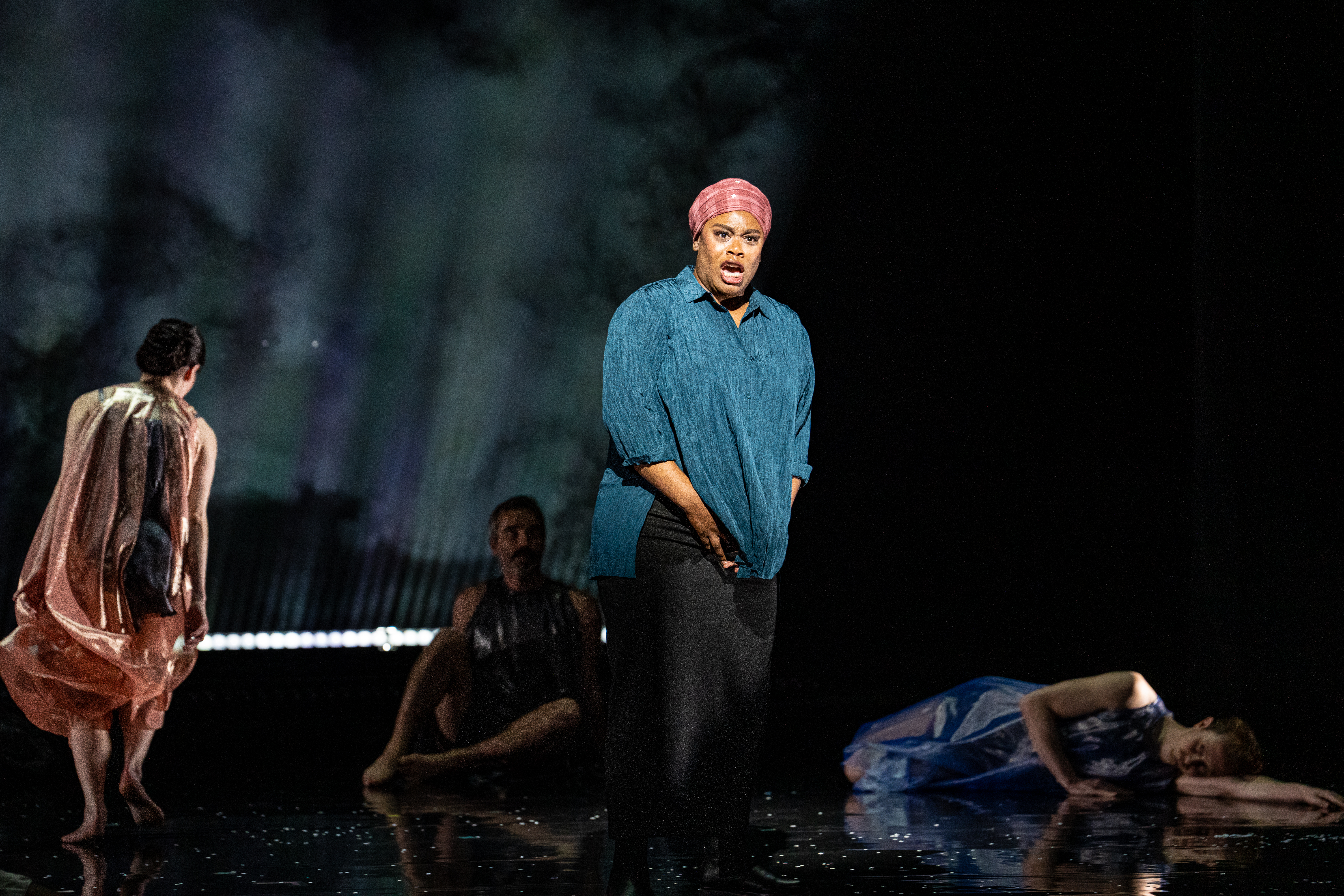
Soprano Whitney Morrison, the Performance Artist, sings about how she used to be an activist upon arriving at an artist retreat in “The Seasons.”
Kangmin Justin Kim (the Painter), Whitney Morrison (the Performance Artist), Abigail Raiford (the Farmer), and Megan Moore (the Choreographer) all had star-turn moments, some gathering momentum in Act II, others audibly tiring as the opera went on.
Costanzo couldn’t help being a dominant presence, not just because he’s a key figure in the opera’s conception (as well as Opera Philadelphia as a whole) but because he is such an accomplished actor and singer.
Countertenor Anthony Roth Costanzo is the Poet in “The Seasons,” based on Vivaldi’s music and a new libretto by playwright Sarah Ruhl.
At times, he actually made the lesser moments in the character dialogue work. He still has one of the most natural and pleasing countertenor voices currently before the public, plus a fine legato line and telling use of words. It’s great to have him at the helm of Opera Philadelphia, but it’s greater just to hear him.
Repeat performances of “The Seasons” are Dec. 20, 8 p.m., and Dec. 21, 2 p.m., at Perelman Theater, 300 S Broad St. The shows are currently sold out. operaphila.org
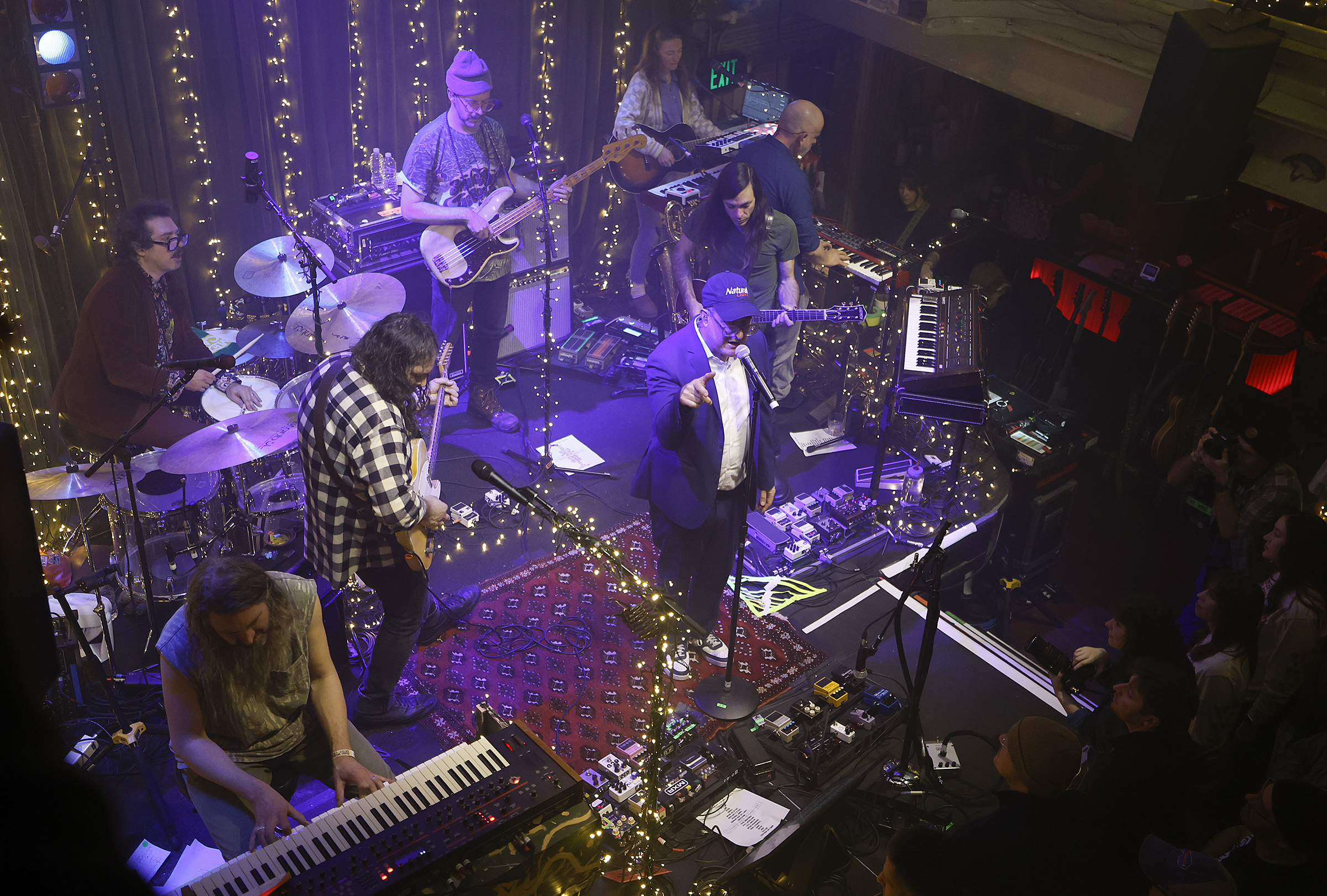
During the second night of the War on Drugs’ three-show “A Drugcember to Remember” run at Johnny Brenda’s on Friday, there were two kinds of special guests.
The first was deeply satisfying, really cool, and not entirely unexpected.
It was Craig Finn, the front man for the Hold Steady, whose superb new album, Always Been, was produced by Drugs leader Adam Granduciel.
Finn does have a track record of showing up at Drugcembers past, so the second guest was a tad more surprising.
It was a genuine “Holy [cow]! What just happened?” moment that gobsmacked a crowd that was already pinching itself — it’s not every day you are lucky enough to see Philadelphia’s most acclaimed rock band in peak form in a 250-capacity room, many times smaller than the capacious spaces they play in around the world.
It was Joe Walsh. Yes, that Joe Walsh, the James Gang founder, solo artist, and guitarist for the Eagles — the band, not the football team.
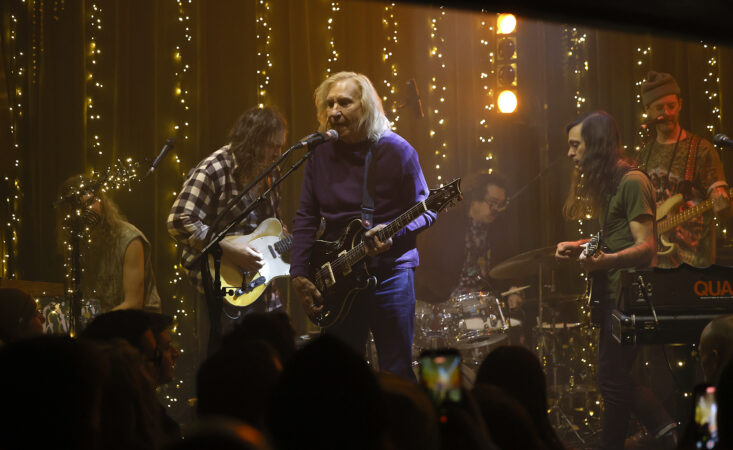
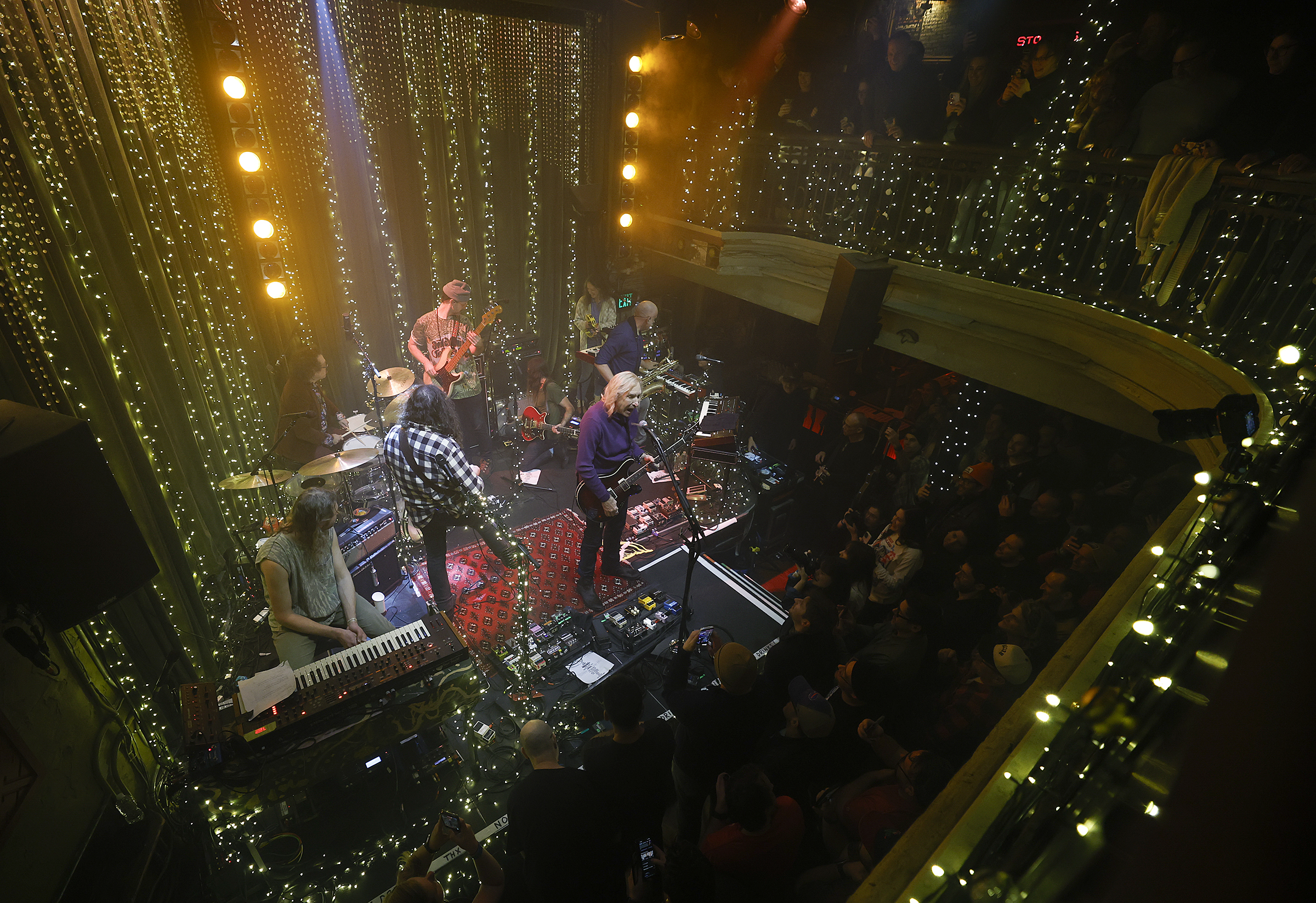
Special guest Joe Walsh performs with War on Drugs during the “A Drugcember To Remember” show at Johnny Brenda’s in Fishtown on Friday, December 19, 2025.
But the night would have qualified as an unforgettable Drugcember to Remember even without the out-of-the-blue rock star appearance.
The show’s earlier highlights included a roaring cover of Tom Petty’s “Love is a Long Road” and a goose bump-inducing 17-minute motorik version of “Harmonia’s Dream,” from the band’s 2021 album I Don’t Live Here Anymore, that spotlighted keyboard player Robbie Bennett.
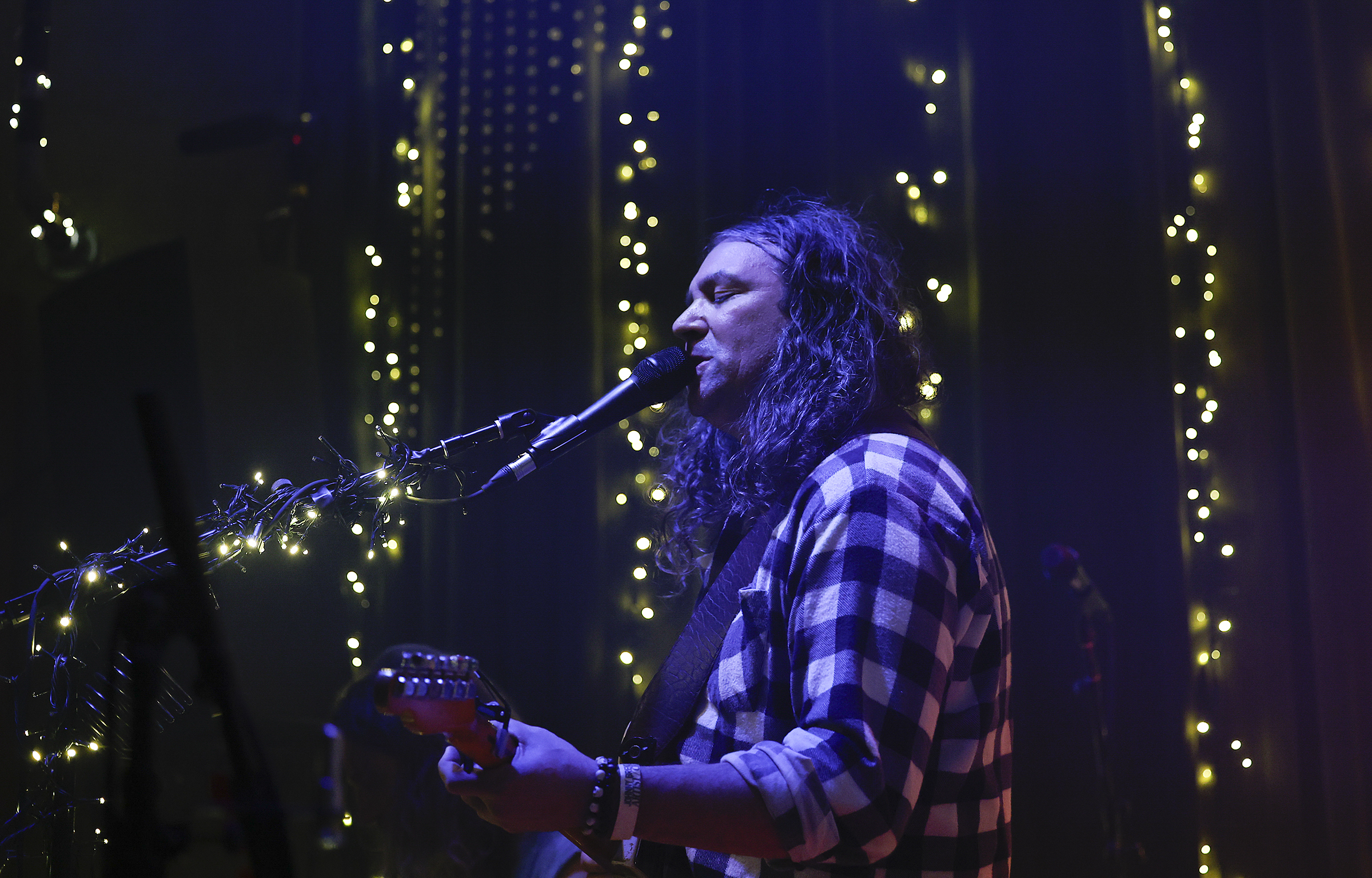
War on Drugs frontman Adam Granduciel performs during the groups “A Drugcember To Remember” show at Johnny Brenda’s in Fishtown on Friday, December 19, 2025.
It leveled up to a higher plane with the arrival of Walsh, the 78-year-old powerhouse slide guitar player who seemed thrilled to be playing with a decades younger vise-tight group of simpatico musicians.
The Walsh-Drugs mini-set kicked off with “Rocky Mountain Way,” the extra-crunchy 1973 hit that turned Walsh into a solo star. He was joined by an arsenal of guitarists onstage including Granduciel, Anthony LaMarca, and, at times, newest band member Eliza Hardy Jones, who also played percussion and sang backup throughout the evening.
On “Rocky Mountain Way,” which has gotten new life in the last year as a TikTok phenomenon, Walsh employed a talk box, using a tube in his mouth to manipulate and distort the sound of his guitar in ways that still sound futuristic 50 years later.
It also meshed perfectly with the audio geek aesthetic of Granduciel, who is an expert at layering guitar and keyboard sounds to transporting effect.
Before the band leaped into that song, though, Granduciel and Walsh explained to the nonplussed crowd how the seemingly unlikely collaboration came to be. How did Walsh wind up onstage at the Fishtown club that has been the Drugs’ spiritual home since they played there on the venue’s opening weekend in 2006?
Here’s the story: In 2023, the band played Walsh’s VetsAid concert for military veterans in Los Angeles.
“We became friends, we stayed in touch,” Granduciel said. “And he wanted to come to Drugcember, he wanted to see all you guys. He wanted to breathe the air that we’re breathing.”
During the Drugs’ set at VetsAid, Walsh said, “I was walking around backstage and I listened to ’em. And I never heard them live. They make nice records. But, boy, this thought: I couldn’t help it. ‘Damn! I’d sure like to play in a band like that.’ Be careful what you … wish for!”
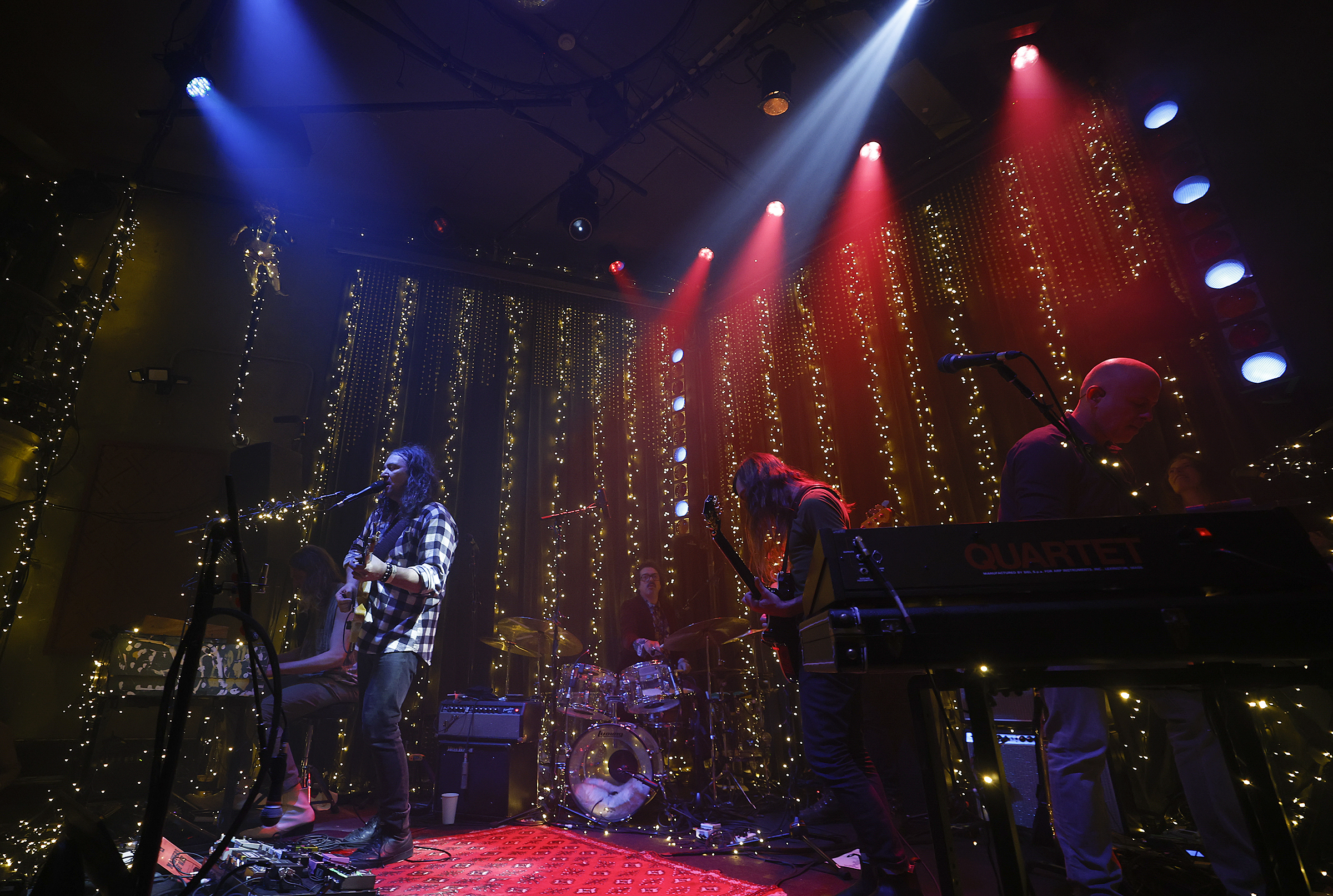
The War on Drugs perform during the group’s second of three sold-out “A Drugcember To Remember” performances at Johnny Brenda’s in Fishtown on Friday, December 19, 2025. “A Drugcember To Remember,” a series of holiday shows directly benefit The Fund for the School District of Philadelphia, a nonprofit that raises and coordinates investments into the Philadelphia public schools.
“Rocky Mountain Way” was followed by “In the City,” Walsh’s song written for the 1979 action movie The Warriors that he also recorded with the Eagles. His craggy and Jones’ dulcet vocals made for a captivating blend, while the rhythm section of bassist Dave Hartley and drummer Charlie Hall powered the song forward.
As exciting as it was to hear the Drugs back up Walsh on his own hits, it was more compelling still to watch him engage with the band on the closing number of the night, “Under the Pressure,” from 2014’s Lost in the Dream.
That song is combustible under normal conditions, but it moved from a simmer to a boil in a flash with Walsh added to the mix. He and Granduciel were hunched over their guitars on the lip of the stage, illuminated by the strings of holiday lights on the mic stands and on the balcony railings above them in the intimate club.
It was like a one-of-a-kind Fishtown version of what Keith Richards and Ronnie Wood of the Rolling Stones call their “guitar weave,” and it was a kick to watch Walsh so enthusiastically just want to be one of the boys in the band.
As mentioned, pre-Walsh, the show was terrific on its own terms. And a special shout out goes to Jon Natchez, the Drugs’ multi-instrumentalist, who played keyboards and baritone sax.
Special guest Craig Finn performs during “A Drugcember To Remember” show with War on Drugs at Johnny Brenda’s in Fishtown on Friday, December 19, 2025.
The latter instrument’s honking added extra force to typically meticulously arranged songs like the Phil Collins-evoking “I Don’t Wanna Wait,” a highlight of the band’s opening set, which was followed by a 15-minute intermission.
In introducing Natchez, Granduciel mocked his Boston sports fandom. “He wouldn’t be caught dead in an Eagles jacket,” the bandleader said. “I’m out of Boston, too” — Granduciel grew up in Dover, Mass. — “but I bleed green.”
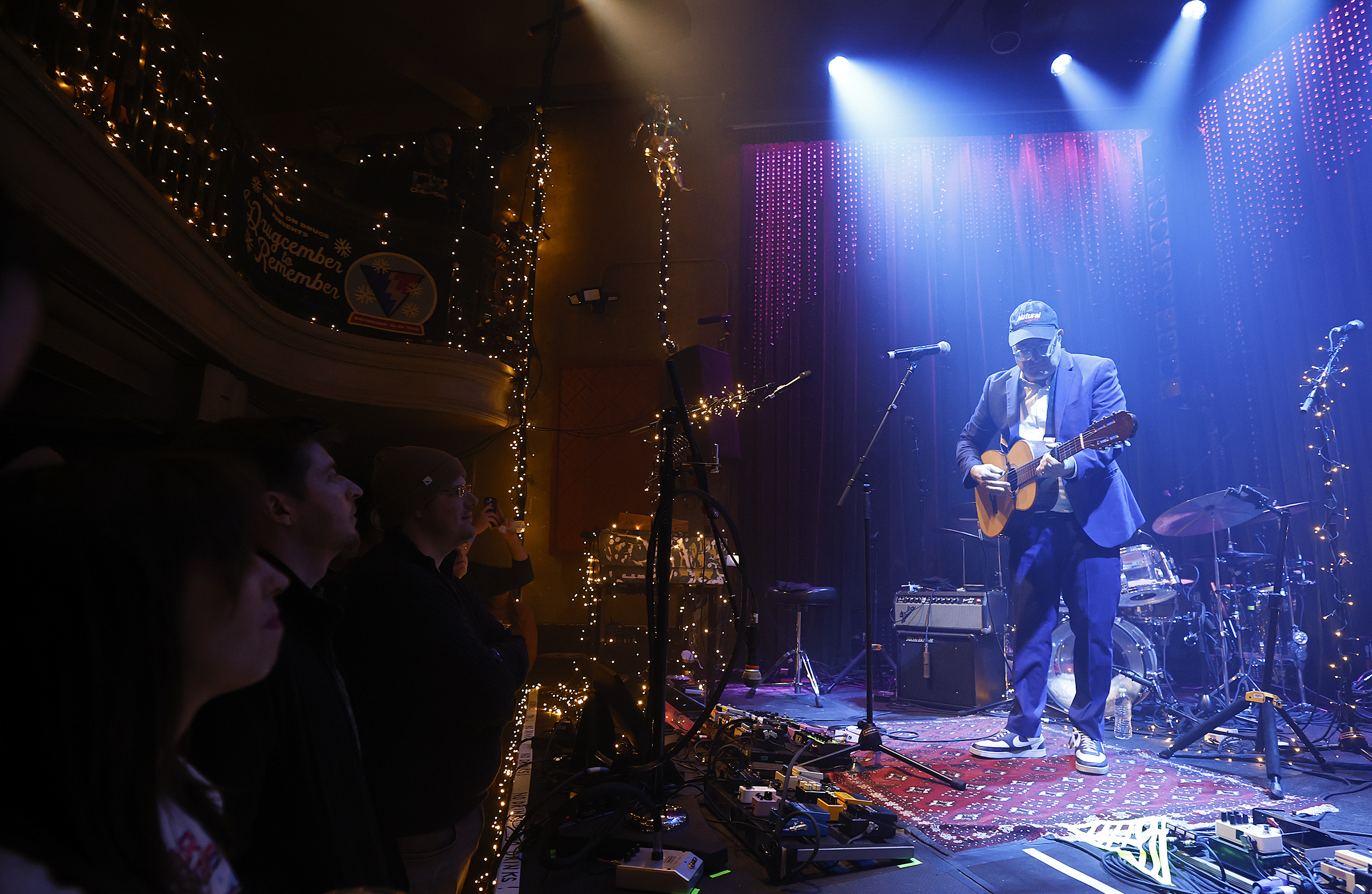
The evening began three hours before it ended with Finn walking onstage with an acoustic guitar and wearing a Natural Light ball cap. He warmed up an attentive crowd with songs and stories, mostly from Always Been, his superb song cycle that’s partly set outside Philadelphia and mostly at the Delaware shore.
Special guest Craig Finn performs with War on Drugs during the “A Drugcember To Remember” show at Johnny Brenda’s in Fishtown on Friday, December 19, 2025.
Finn was followed on stage by seven members of the Drugs, who reached back to open with “Arms Like Boulders,” from the band’s 2008 debut Wagonwheel Blues.
“Pain,” from 2017’s Grammy-winning A Deeper Understanding, outlined the idea of the unending quest that’s an animating concept in Granduciel’s lyrics. “I want to find what can’t be found,” he sang. And later, in “Strangest Thing,” also from Deeper, he sang about still not finding resolution: “I’m just living in the space between the beauty and the pain.”
Seven songs in, the Drugs brought Finn back out for a three-song interlude that closed the first set.
Two of those were from Always Been, including the engrossing “Bethany,” which took off into the stratosphere with a Granduciel solo midway through. Then it lingered with an image in the closing line: “But the sunset looks like blood from the window of the bus, somewhere between Harrisburg and Bethany.”
The third song in the Drugs-Finn collab on Friday was “Sweetheart Like You,” featuring Finn and Granduciel trading vocals on Bob Dylan’s philosophical barroom come-on.
That was a treat, with Finn being very much himself, gesticulating his way through his verses while Granduciel slipped into his best sneering Dylan voice. It was an exquisite combo, and just one of many indelible moments in an evening that for all concerned will surely be the Drugcember they remember.
The final sold-out night of “A Drugcember to Remember” was scheduled for Saturday night at Johnny Brenda’s. No special guests have been announced.
Every Philly-adjacent viral saga eventually ends the same way: not with a plot twist, but with probation.
The Delco Pooper (a title no one asked for but Delaware County fully delivered) finally reached the unglamorous end of her moment in the internet sun this week. Instead of a trial, Christina Solometo entered a first-time offender program that includes probation, community service, anger management, and a strict “no posting about this” rule that feels tailor-made for someone who briefly became a meme.
If she completes it all, her record could be wiped clean. Which feels… both reasonable and deeply unceremonious, given how loudly this story echoed across the internet.
Here’s the thing: This was never really a crime story. It was a spectacle. A perfect storm of road rage, cell phone video, Delco energy, and a news cycle that will absolutely stop to rubberneck if given the chance. The moment went viral because it was shocking and absurd, not because anyone was asking for a legal reckoning.
And now, like most viral Philly chaos, it fizzles out in a courtroom with no cameras and a lot less laughter.
The C grade isn’t about whether the punishment fits the offense. It’s about the strange disconnect between how massive this story became and how ordinary its ending is. Two years of probation and some mandated self-reflection doesn’t feel dramatic. But maybe that’s the point. Real life isn’t a meme, and viral notoriety doesn’t translate to anything meaningful once the internet moves on.
Philadelphia Eagles quarterback Jalen Hurts (1) scores a touchdown against the New York Giants during the third quarter of an NFL football game, Sunday, Dec. 11, 2022, in East Rutherford, N.J. (AP Photo/John Minchillo)
Taking back a Jalen Hurts touchdown ball: D
If a quarterback hands you a touchdown ball, that’s not a loan. That’s a gift. And if the allegations in this lawsuit are even mostly true, what followed was one of the most aggressively uncool things the NFL industrial complex could’ve done to a fan.
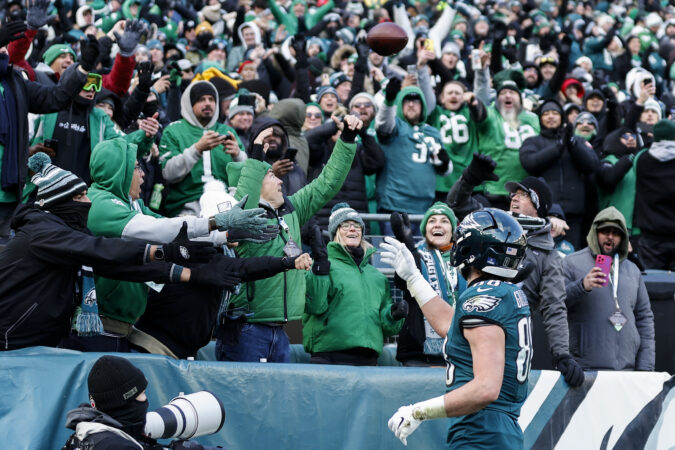
Jalen Hurts scored, made history, and chose a guy in an Eagles jersey to share the moment with. That should’ve been the end. Instead, according to the suit, it turned into security, state police, and multiple officials allegedly insisting the fan return the ball, including being told he’d be “breaking the law” if he didn’t.
Yes, historic game balls matter. Yes, teams want them back. But there is a time-honored, normal-person solution here: You ask nicely, you offer a jersey or autographs, everyone leaves happy. What you don’t do is allegedly escalate a good-vibes moment into a stadium-security fever dream.
If this played out the way it’s described, the failure wasn’t policy. It was vibes. You can’t spend all week saying fans are the heart of the game and then, on Sunday, treat one like he stole the Declaration of Independence.
That said — and this is where Philly clears its throat — declaring you’re no longer an Eagles fan over it is… a lot. We’ve survived the Vet, Santa, and several entire seasons of Chip Kelly. Eagles fandom is not something you simply return at the gate like a confiscated football.
So yes: If the ball was forcibly taken back, that’s deeply uncool and deserves a D. But also: Buddy, you still bleed green. You just had a very bad day at MetLife.
Every winter, Philadelphia relearns the same brutal lesson: The stoop is not a safe place, especially in December. This week’s Philly Reddit reminder came courtesy of a transplant who made it almost a full year without incident, a rare and beautiful run, only to have a Christmas package stolen. Not electronics. Not sneakers. Homemade cookies from an aunt. The kind of theft that doesn’t just steal stuff, but steals joy.
The comments quickly turned into a familiar group therapy session: delivery drivers who won’t ring the bell, packages sitting untouched until they’re suddenly gone, neighbors debating whether knocking on strangers’ doors makes you a Good Samaritan or a suspect on Ring footage. One person suggested fake poop packages. Another admitted they stopped ordering anything between Thanksgiving and New Year’s. Several people basically said, “Welcome. This is Philly.”
The unofficial Philly solution, as always, is community. Grab your neighbor’s packages. Knock if you see a box sitting too long. Use lockers if you can. Put up a sign that says “PLEASE RING THE BELL” and hope for the best.
The two most-beloved Pennsylvania convenience store chains are just .3 miles apart – with a CVS in between – Thursday, Sept. 19, 2024, as the first Wawa in Central Pennsylvania – solid Sheetz territory – had its grand opening in the Dauphin County borough of Middletown.
Wawa absolutely cooking Sheetz: A+
Wawa once again reminded Pennsylvania who the main character is. The Delco-born convenience store giant is still the state’s largest private company. And while Sheetz’s revenue took a 20% tumble, Wawa kept cruising, widening the gap like a hoagie wrapper slowly unpeeling in victory.
Sure, Wawa’s revenue dipped slightly on paper. In reality? The lights were on, the coffee was hot, and no one has ever stress-cried in a Wawa parking lot at 2 a.m. wishing they were at Sheetz instead. That’s brand power you can’t spreadsheet.
Sheetz hired more people. Wawa hired none of our doubts. It’s expanding, it’s everywhere, and it continues to dominate the only metric that truly matters in this region: where people go when they’re tired, hungry, and emotionally fragile.
The Christmas Village mystery package hut: A
Only in Philadelphia would one of the longest lines at the Christmas Village be for a booth selling completely unknown items in heavily taped boxes. No cocoa, no ornaments, no guarantees. Just curiosity, chaos, and the real possibility you’re paying $25 for either a diamond bracelet or a deadbolt.
Hundreds of people a day are voluntarily handing over cash for packages nobody ordered, nobody claimed, and nobody is allowed to peek inside. It’s reckless. It’s hopeful. It’s the purest form of “eh, sure” spending this city has ever embraced.
Watching grown adults aggressively shake mystery mail like they’re working airport security is peak Philly behavior. So is opening it immediately, accepting your fate, and announcing it’s “actually perfect” no matter what comes out. Lacy lingerie? Seasonal. Random hardware? Useful. Animal pregnancy tests? That’s a story you’ll be telling for years.
This hut works because it removes all the pressure of gift-giving. You didn’t pick a bad present — the box did. And now it’s everyone’s problem.
Some cities do traditional Christmas markets. Philly sells you a taped-up question mark and says, “Good luck.”
FILE – Chicago Cubs closing pitcher Brad Keller celebrates after the Cubs defeating the Pittsburgh Pirates in a baseball game, Aug. 16, 2025, in Chicago. (AP Photo/Paul Beaty, File)
Phillies landing Brad Keller: A-
Credit where it’s due: The Phillies actually identified a problem and spent real money fixing it. That alone deserves applause.
Brad Keller isn’t a flashy closer signing or a back-page splash, but he’s exactly what this bullpen has been screaming for: a legit, high-leverage righty who doesn’t make everyone start bargaining with the universe in the seventh inning. A 2.07 ERA, a fastball that suddenly touches 97, and proof he can handle pressure without combusting? We’ll take it.
This is also a refreshing break from the Phillies’ recent bullpen habit of “maybe this guy will be fine” optimism. Keller isn’t a flier. He’s a bet. And at two years, $22 million, it’s a smart one. Not cheap, not reckless, just intentional. That’s new.
Is there risk? Of course. Relievers are famously fragile creatures. But after last postseason’s bullpen roulette wheel, it’s hard to argue this team didn’t need another arm they can trust when the game tightens and the stadium starts vibrating.
The best part: This move signals awareness. Dave Dombrowski didn’t pretend last year’s formula was good enough. He didn’t wait for July. He didn’t say “internal options” and hope everyone forgot October.
No parade yet. But for once, the Phillies didn’t ignore the fire and buy another rug.
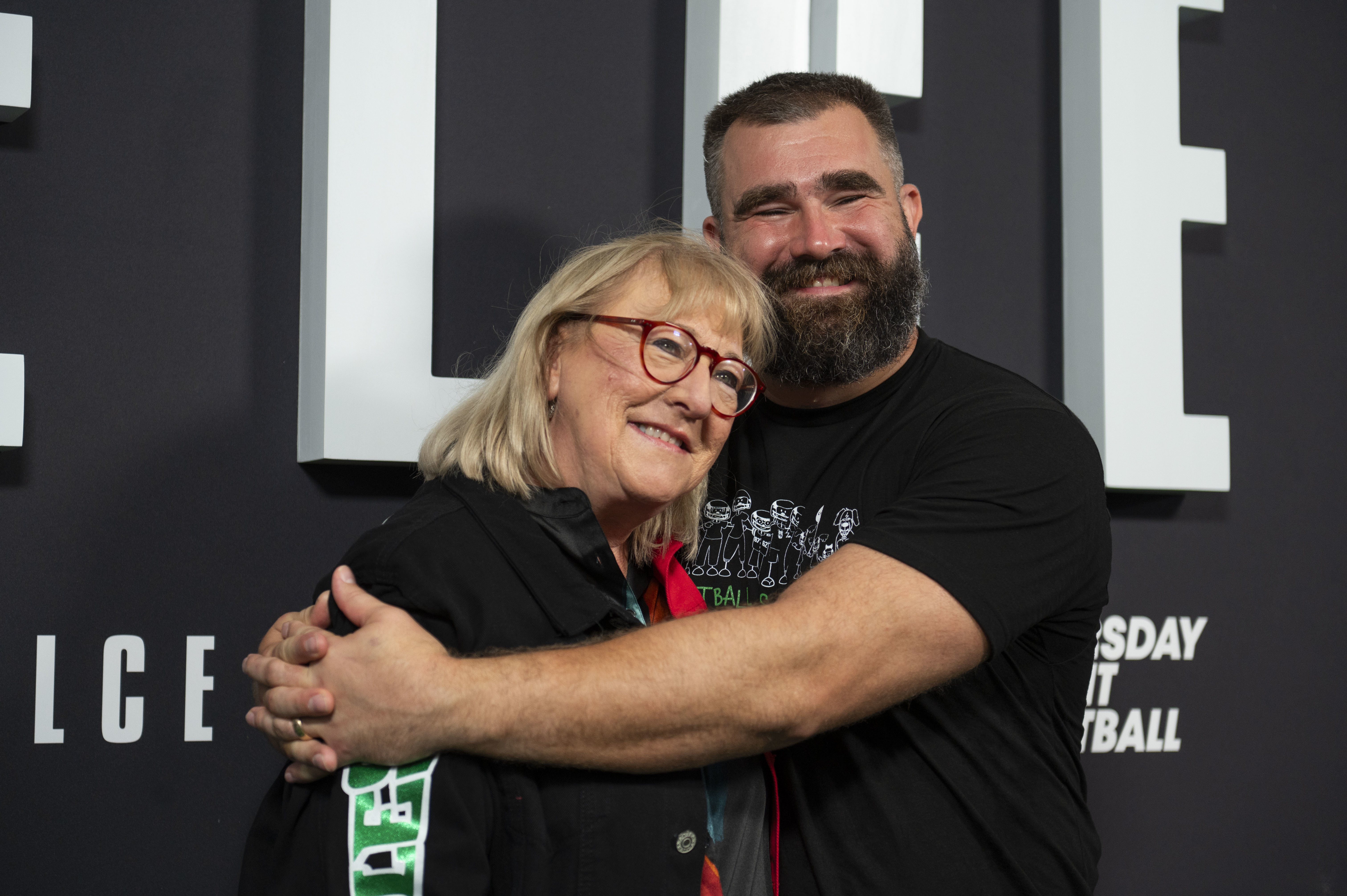
Donna Kelce and Jason Kelce pose for a photo at the premier of Jason Kelce’s documentary at Suzanne Roberts Theater in Philadelphia on Friday, Sept. 9, 2023. The film, “Kelce,” is a feature-length documentary featuring Jason Kelce and the Eagles’ 2022-23 season.
Donna Kelce on ‘The Traitors’: A (Philly claims her, sorry not sorry)
Donna Kelce entering a Scottish castle to scheme, lie, and possibly backstab for $250,000 feels less like reality TV casting and more like destiny. Yes, she technically gave birth to two NFL stars in different cities. But let’s be clear: Jason Kelce played his entire Hall of Fame career here, wore a Mummers parade costume, screamed about underdogs, and permanently imprinted his mom onto the city’s cultural fabric. Donna Kelce is Philly now.
Watching her plot alongside Johnny Weir (a Coatesville native, also claimed) is just icing on the Tastykake. While the rest of the cast is stacked with reality-show professionals who’ve been training for deception their whole lives, Donna’s superpower is subtler: calm mom energy and the ability to disappoint you with one look. That’s lethal in a game like this.
Also, the idea of Donna Kelce quietly maneuvering through a castle while reality stars spiral feels extremely on brand. She has raised elite athletes, survived Super Bowl media weeks, and somehow stayed likable through all of it. A few traitors don’t stand a chance.
If she wins, we’re counting it as a hometown victory. If she betrays someone? Even better.