Category: Food

  • Craig LaBan visited Tokyo’s shrine to Philly culture. Does its cheesesteak pass muster?

    Craig LaBan visited Tokyo’s shrine to Philly culture. Does its cheesesteak pass muster?

    TOKYO — I’ve never gone out of my way to eat a cheesesteak far outside of Philadelphia. For one thing, I can devour a great one anytime I want when I’m home. I’d rather experience the flavors of different cultures when I travel. The cheesesteak is also one of those iconic foods that almost inevitably tastes wrong outside its home regions: The farther away you roam from its birthplace, the more chance that a false detail — the wrong roll, ingredient combo, precooked shortcut, or even menu description (the sandwich is not called a “Philly”) — is likely to result in something as soulless as a Subway replica.

    Of course, I needed to travel all the way to Japan to be proven wrong. At Nihonbashi Philly, a restaurant in one of Tokyo’s business districts, a “Go Birds!” sign glowing kelly green out front is just a tease of the Brotherly Love vibes being conjured inside. There, I found Tomomi Chujo in a Penn sweatshirt hand-shaping dough for rolls in her tiny basement prep kitchen, coating them in sesame seeds, and proofing them to be baked fresh for our sandwiches to come.
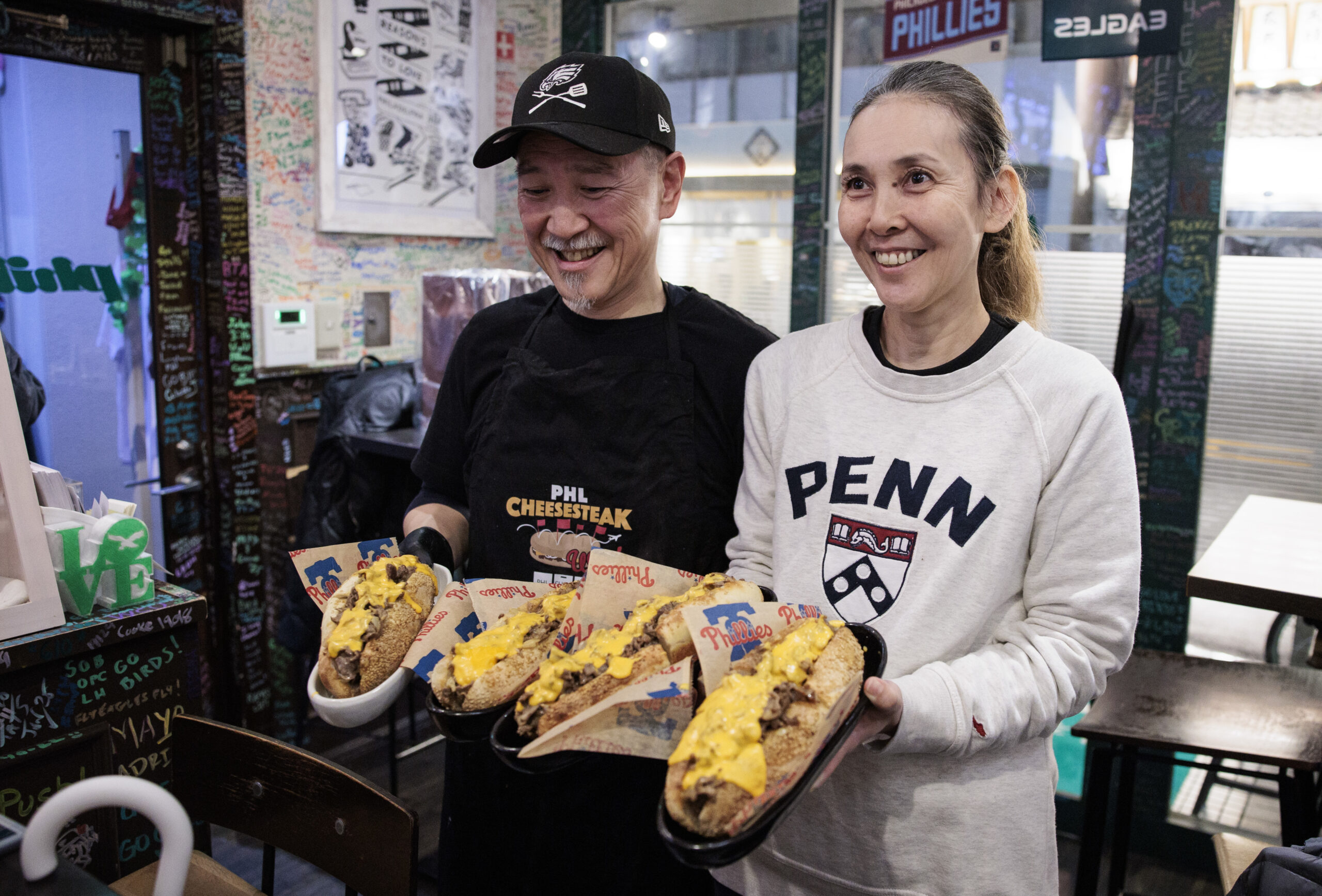
    Kosuke Chujo and his wife, Tomomi, with cheesesteaks at Nihonbashi Philly in Tokyo, Japan.

    Tomomi and her husband, chef Kosuke Chujo, are pretty much international Philly celebrities by now. Their efforts to create a faithful cheesesteak on the other side of the globe were brought to the world’s attention by Philly expat social media in 2023 and profiled a year later in The Inquirer by my colleague Jenn Ladd. They drew more than 1,000 hungry Philadelphians who lined up in hopes of tasting their cheesesteaks at a Kensington-Fishtown pop-up at Liberty Kitchen in May, when they were also honored by Philadelphia City Council for their efforts to rep Philadelphia abroad.

    Considering I’m reluctant to wait in long lines for a cheesesteak even at Angelo’s, it’s no surprise I didn’t attend the Chujos’ Fishtown pop-up. But, like so many Philadelphians I know who’ve recently made the cheesesteak pilgrimage while visiting Japan, I was not going to waste a good trip to Tokyo without finally checking out Nihonbashi Philly. We waited until the final night of our trip. After nine days of consuming my weight in sushi, ramen, 7-Eleven onigiri, katsu, and yakitori skewers, I was ready for a little taste of home before actually boarding a plane back.
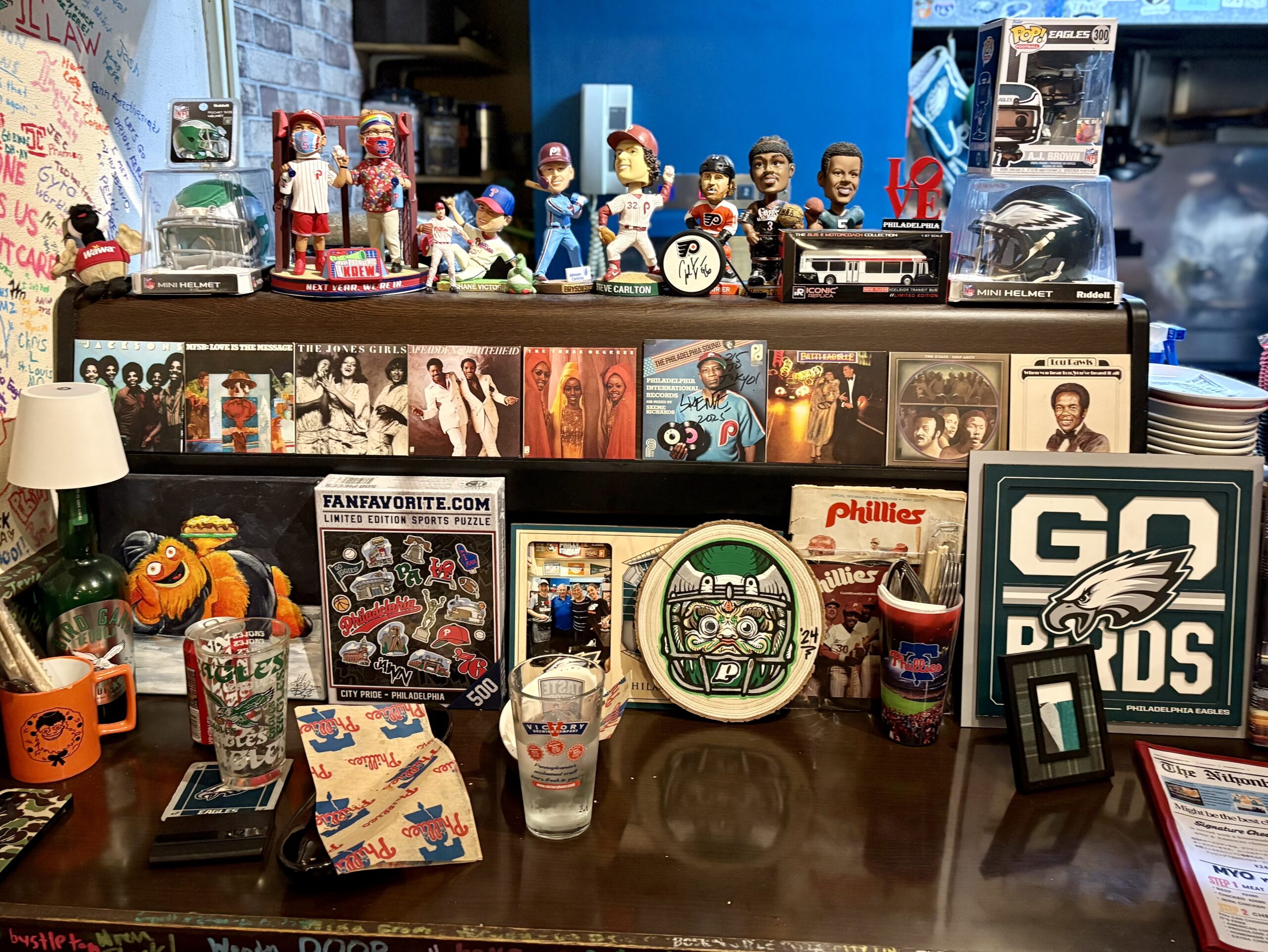
    A collection of Philadelphia soul music, bobbleheads, and Philly-themed paraphernalia grows every time an expat visits the Chujos’ restaurant.
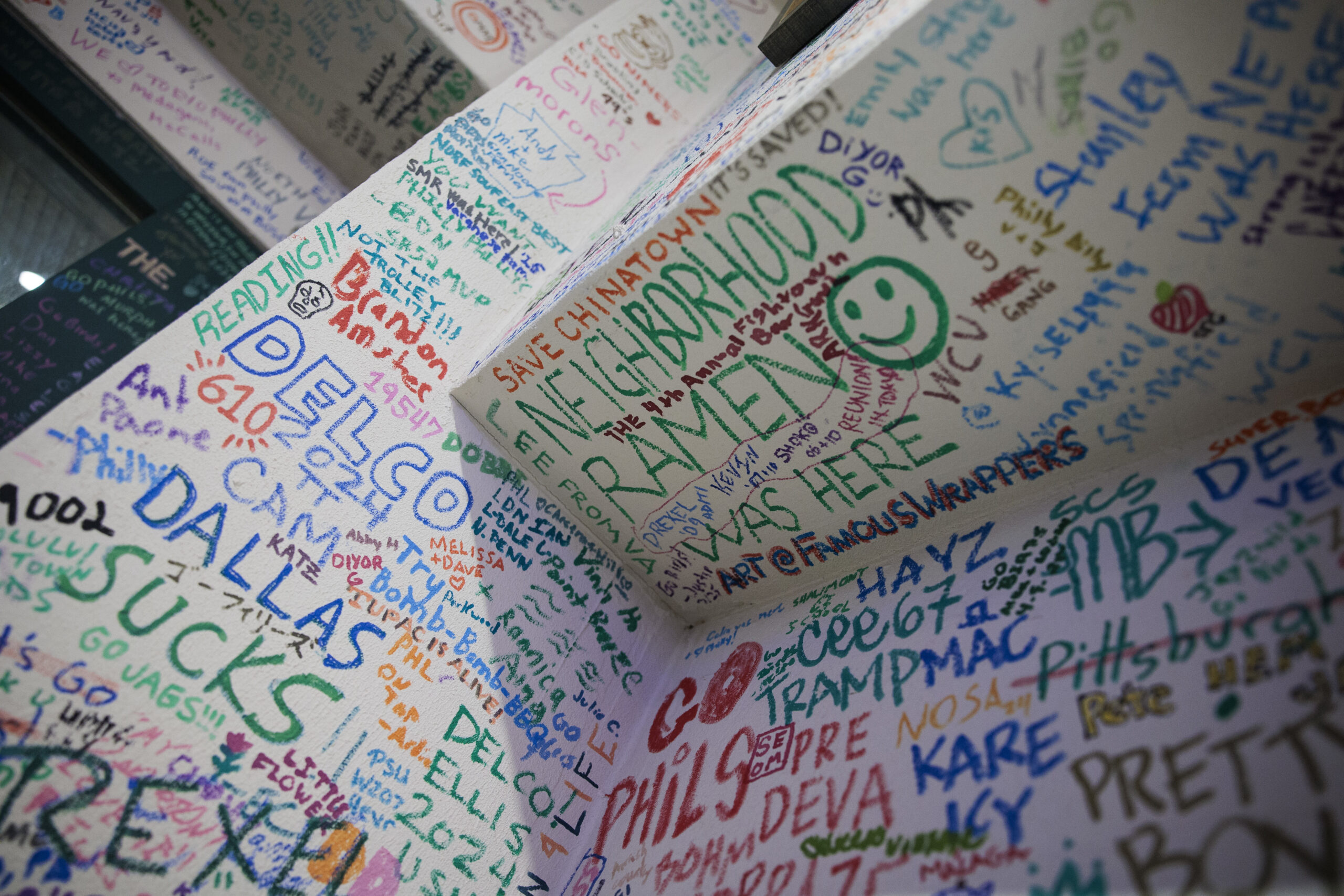
    Handwritten messages decorate the walls at Nihonbashi Philly.

    Inside the Chujos’ snug two-story restaurant and bar, I found a space bursting with so much Philly-themed memorabilia, it was almost like passing through the Portal in LOVE Park (at least before it was removed due to vandalism). There are empty Bird Gang whiskey bottles that have been converted into lamps, Kosuke’s extensive CD collection of favorite Philly singers (hello, Patti LaBelle), copious Wawa swag, Gritty art, SEPTA shot glasses, customer-scrawled walls etched with “Dallas Sucks” flair, and a bobblehead shrine of Philly sports figures that’s been transported here from the Elkins Park childhood bedroom of now-Tokyo-based sports journalist Dan Orlowitz, one of the Chujos’ earliest local cheerleaders: “That’s authentic Philly dust!” he says, nudging Donovan McNabb’s spring-loaded noggin into an enthusiastic wobble. “I don’t even have to go home anymore.”

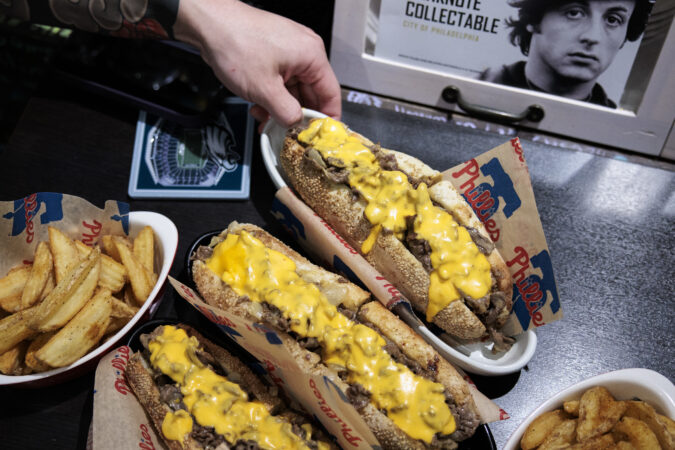
    Orlowitz, in fact, was mostly talking about the food. And I was impressed with Kosuke’s work at the griddle, as he rough-chopped good American rib eye and onions without overcooking them, using chopsticks to taste for proper seasoning, melting in cheese, and then scooping it all into Tomomi’s roll for a juicy sandwich that was hearty enough to share. It was a satisfying cheesesteak, even if the cheese was not quite right — slices of American cheese that lacked the creamy flow and piquant savor of the now-standard Cooper Sharp, currently unavailable in Japan. (The Chujos also make their own version of whiz, but, considering I’ve always been a whiz hater, the finishing yellow drizzle on our sandwiches didn’t help. Next time, I’ll go for provolone.)
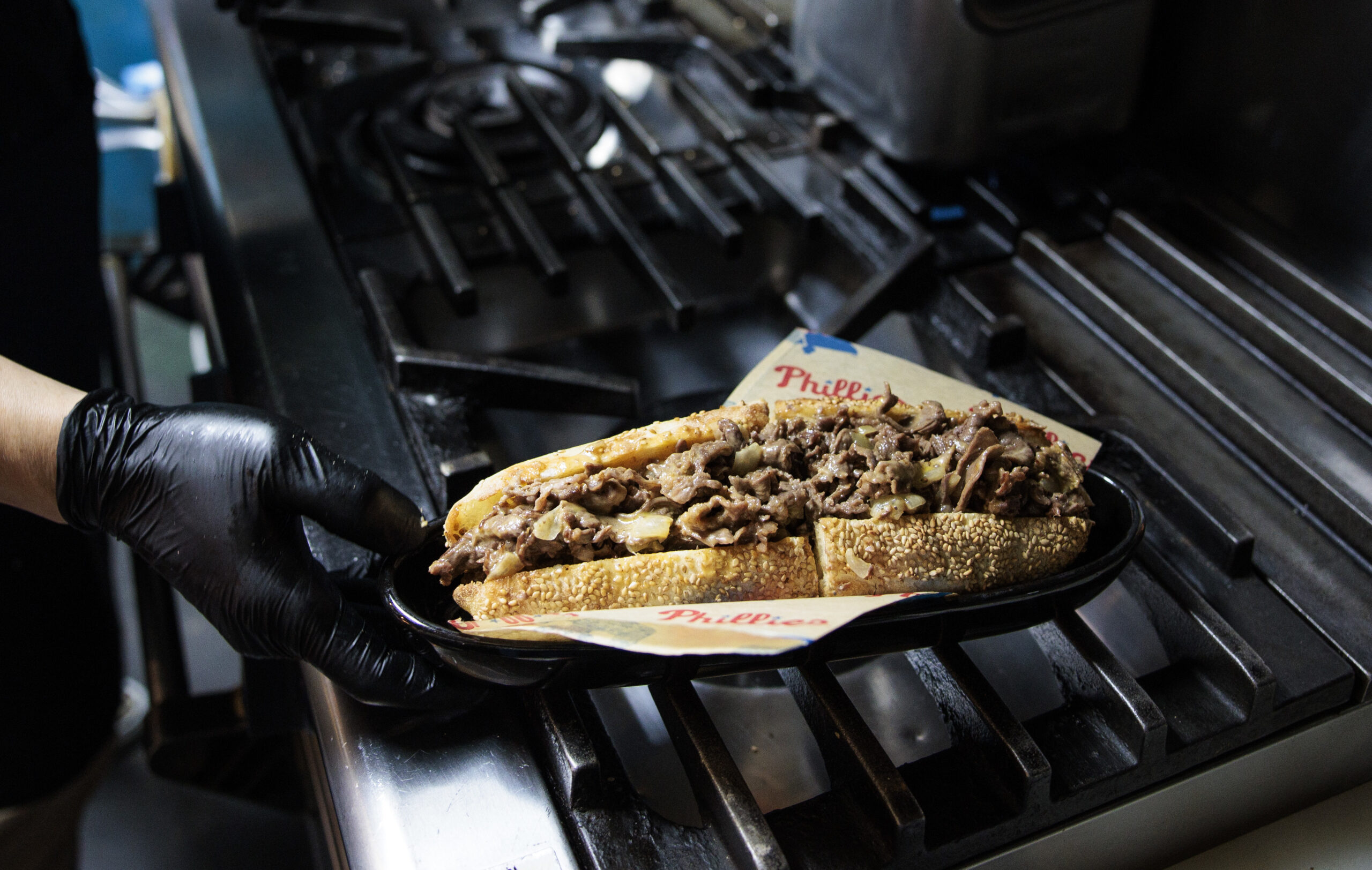
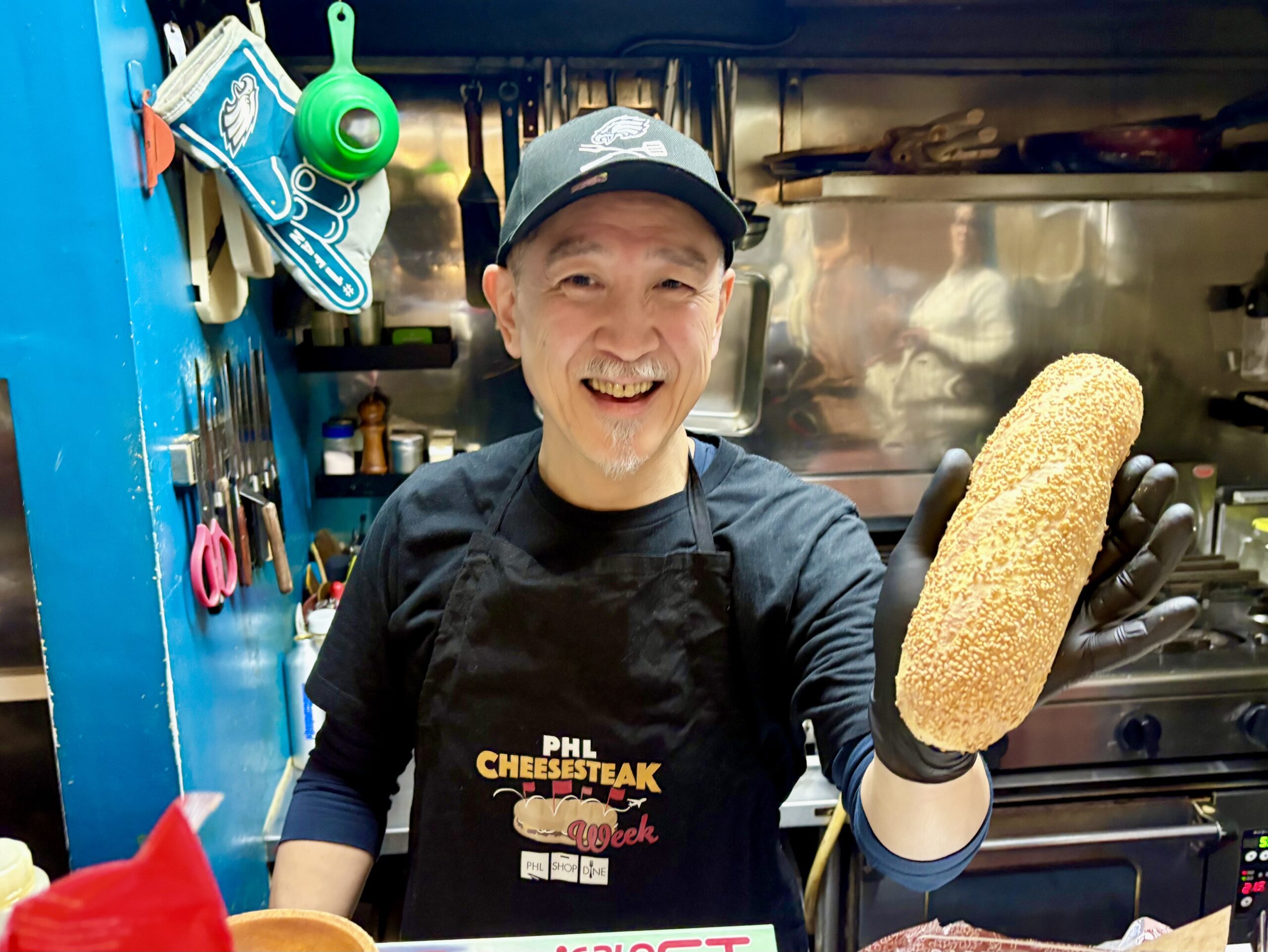
    Kosuke Chujo makes a cheesesteak at Nihonbashi Philly on Sunday, Nov. 9, 2025 in Tokyo, Japan.
    Kosuke Chujo holds a seeded roll baked fresh by his wife and partner, Tomomi Chujo, before preparing a cheesesteak at their restaurant.

    Tomomi’s fresh rolls are the outstanding X factor. The Chujos have been vacationing in Philadelphia since 2021, and in between reconnaissance visits to at least 100 different cheesesteak places, she has studied the art of the long roll at old-school Sarcone’s Bakery as well as modern outfits such as Lost Bread Co. and Ursa Bakery.

    The bread here is softer than typically crusty Philly rolls because more finely ground Japanese flour (ideal for tender shokupan milk bread) doesn’t have as much gluten as its American counterpart. Tomomi compensates for the texture by fully encrusting her rolls in Japanese sesame, which has rounder and more flavorful seeds that add their own distinctive, toasty crunch. It’s so noticeable, in fact, one friend said the sesame conjured for him unexpected tahini backnotes.
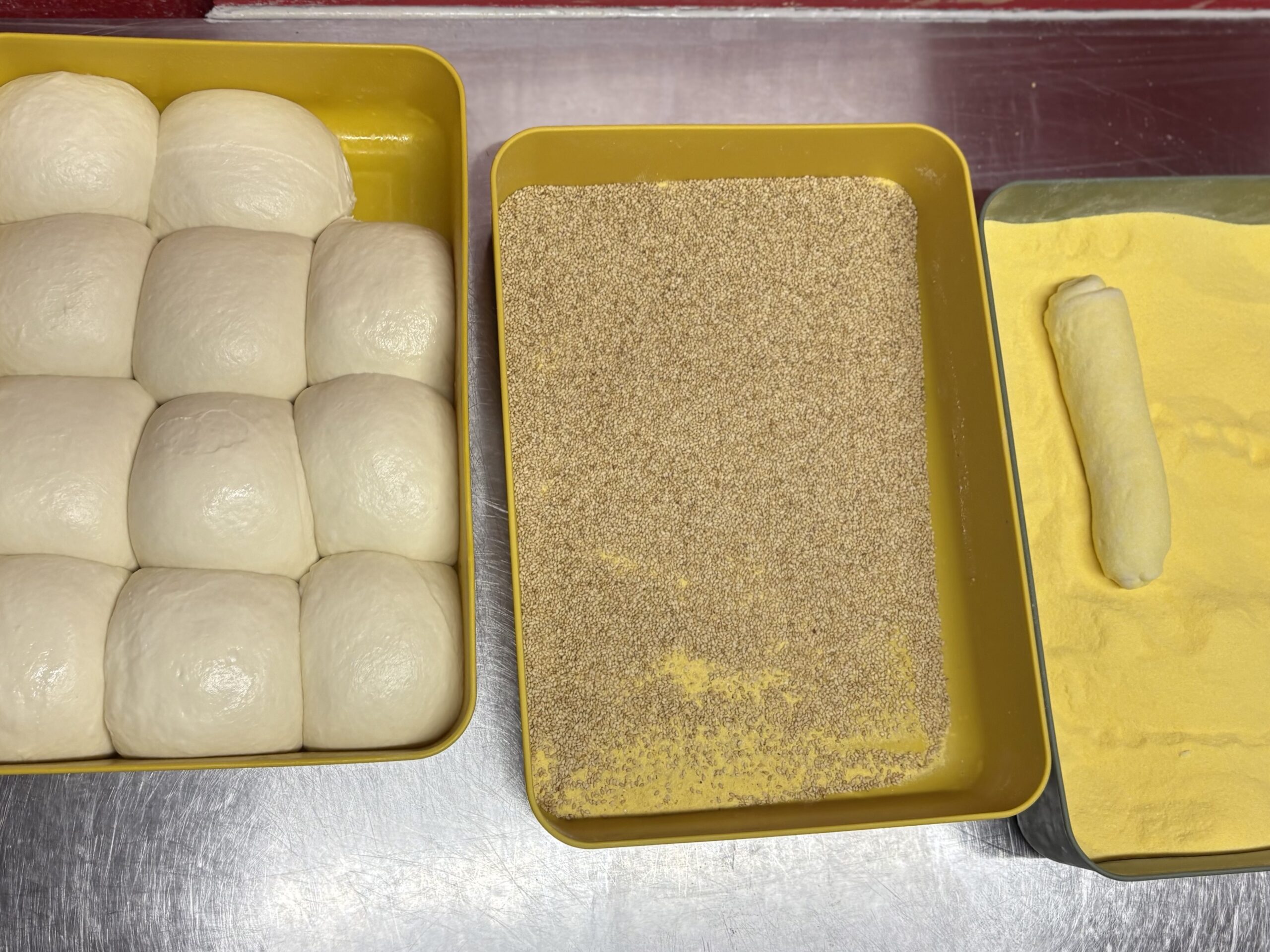
    Fresh rolls are prepped for cheesesteaks in the basement of the restaurant called Philly in the Nihonbashi district of Tokyo. Once shaped by hand, their bottoms are dusted in corn meal before they get encrusted in sesame seeds and then baked.
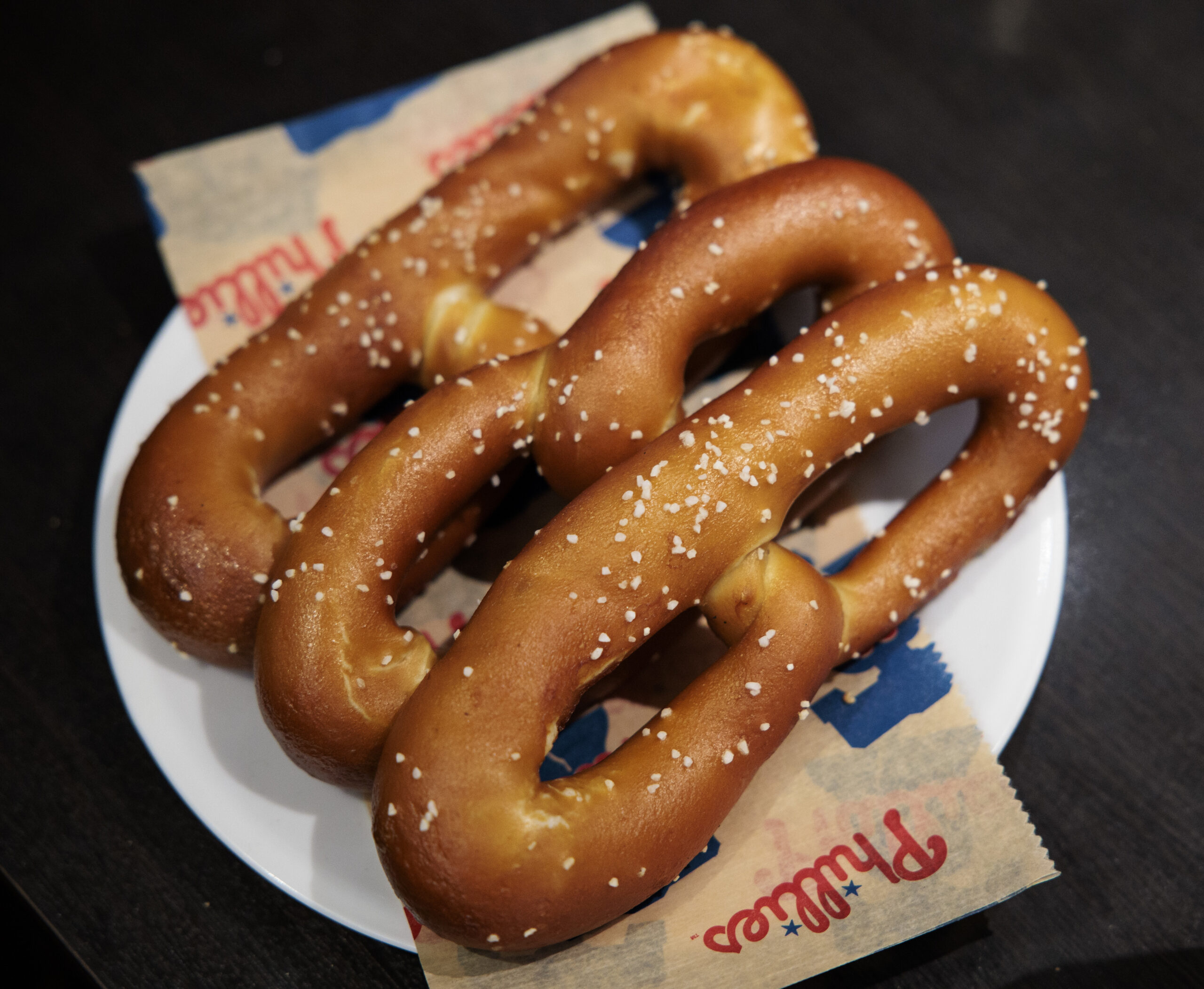
    Tomomi Chujo’s fresh-from-the-oven salt-speckled soft pretzels.

    Cheesesteak obsessives (myself included) will dwell on such minutiae, but I consider such natural variations part of the sandwich’s essential evolution as a living tradition, both in its many thrilling international interpretations among Philadelphia’s immigrant communities, and in the recent boom of house-baked rolls that distinguish some of Philly’s next-gen best.

    So much artisanal craft goes into what the Chujos make that, with better cheese, their version would easily land among the upper tier in Philadelphia itself. (Tomomi’s soft pretzels — fresh from the oven and salt-speckled — meanwhile, are already elite.)

    But what makes a visit to Tokyo’s Philly so special is not really even the cheesesteaks. (Though the sandwich has seen a recent boost in interest among Japanese customers since Shohei Ohtani praised it during the Dodgers-Phillies playoff series.) It is the Chujos’ genuine embrace of Philadelphia’s culture and people, from the music to the Eagles watch parties they regularly host, culminating in full-throated “E-A-G-L-E-S Eagles!” victory chants outside that occasionally startle their quiet-loving Tokyo neighbors.
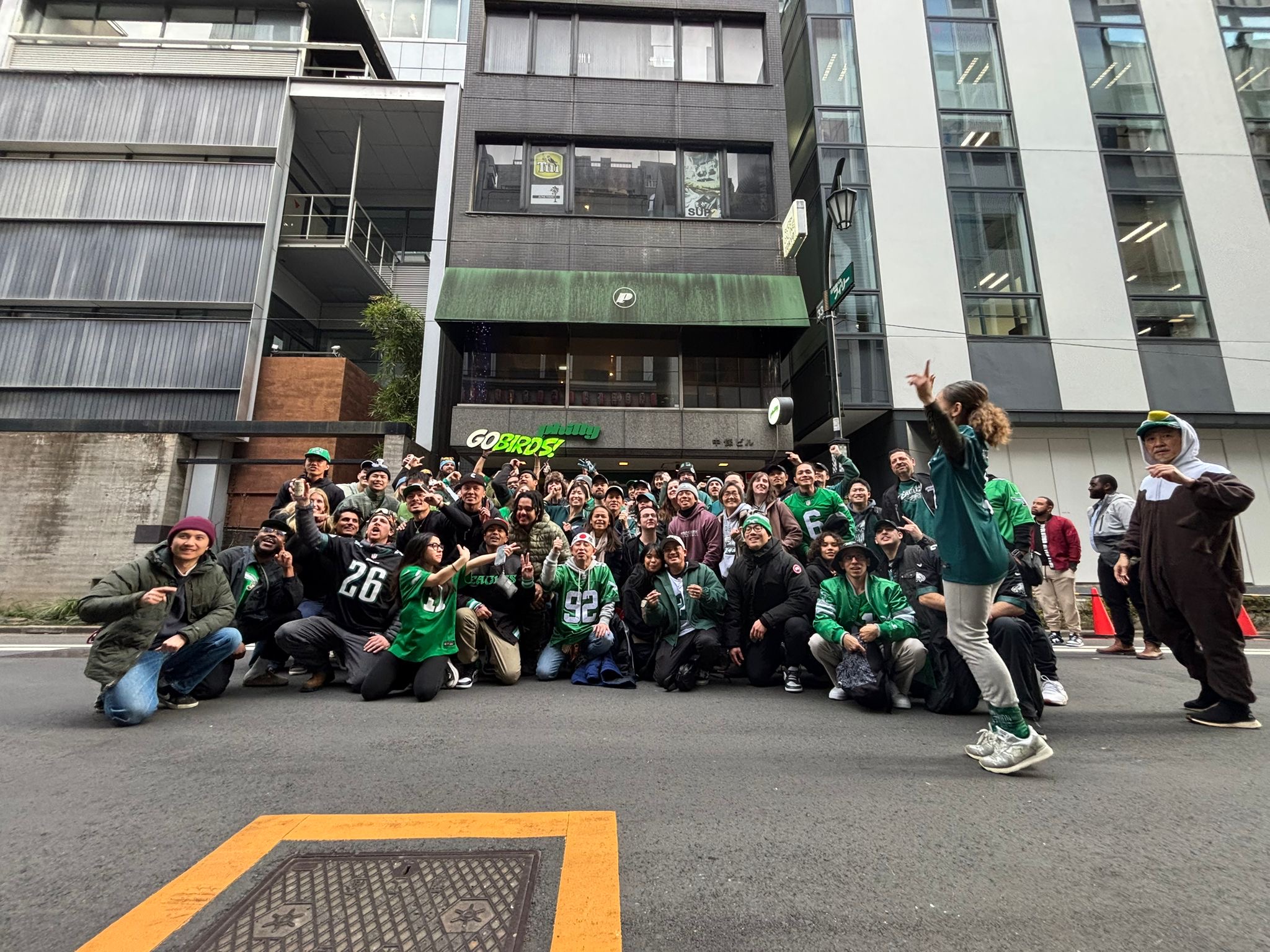
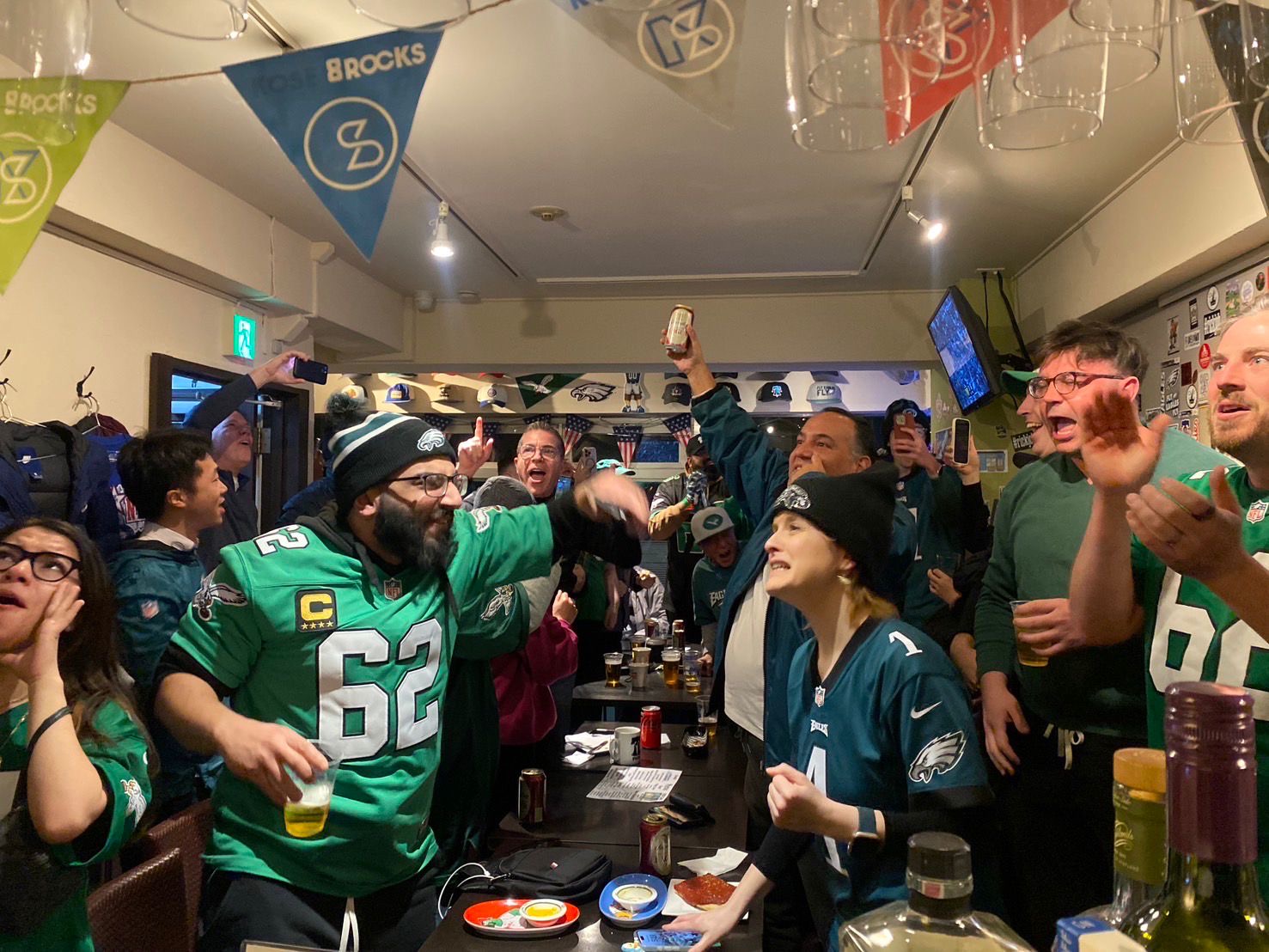
    Eagles fans outside Nihonbashi Philly, in Tokyo, during a recent Eagles game.
    The Chujos regularly host Eagles watch parties at the restaurant.

    “We want to be part of the community,” says Tomomi. The Chujos are planning another Philly visit this summer during America’s Semiquincentennial to celebrate their 15th anniversary with wedding photos on the Rocky Steps and in front of City Hall.

    For the proud residents of a city with a long tradition of embracing scorn from the wider world — a city whose unofficial anthem is “No one likes us and we don’t care!” — it is touching to see ourselves reflected with so much love and effort in a sandwich created by friends abroad who regard us with nothing but admiration.

    This wasn’t merely the rarity of a good cheesesteak far afield, it was a cheesesteak of affirmation: When someone likes us enough to cook our birthright sandwich properly, we actually do care! Deeply.

    “The bread on that cheesesteak and those pretzels were so good,” agreed chef Jesse Ito of Royal Sushi & Izakaya, who also came along to Nihonbashi for the meal. “But just to see another culture pay so much respect to something so Philly, if you love where you come from, you almost have to go.”
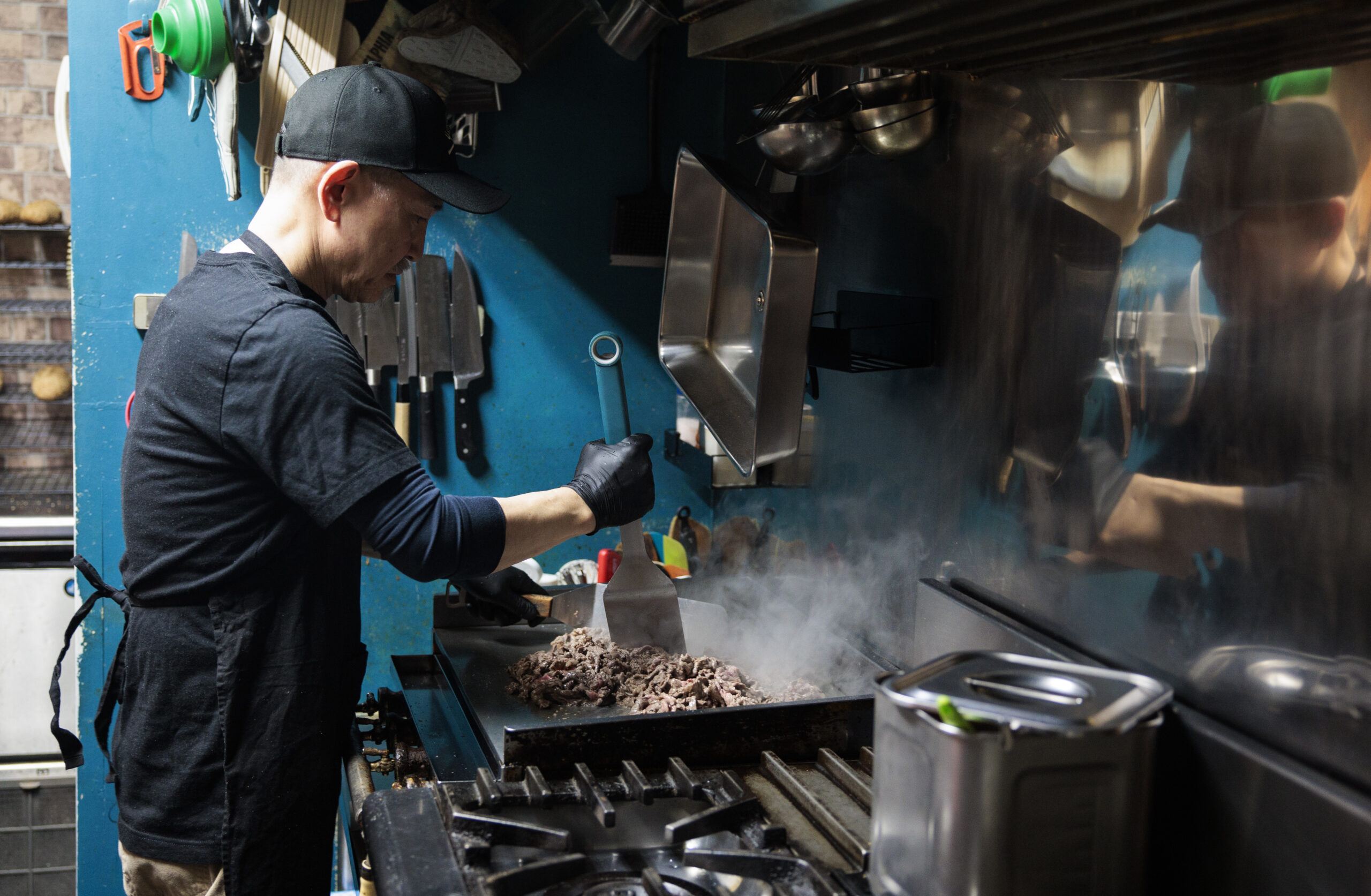
    Kosuke Chujo makes a cheesesteak.
  • The best things we ate this week

    The best things we ate this week

    Lagman noodles at Uyghur Noodle King

    I’ve been following the lagman trail for some time now, savoring these chewy, hand-pulled Central Asian noodles from the Uzbek soup bowls of Northeast Philadelphia. Try them at Uzbekistan Restaurant, or in chef Temir Satybaldiev’s stir-fried tribute to his Kyrgyzstani grandmother on the Slavic fusion menu at Ginger. Now, another version of lagman noodles — traditional to the Uyghur ethnic minority in Western China — has landed in University City with Uyghur Noodle King.

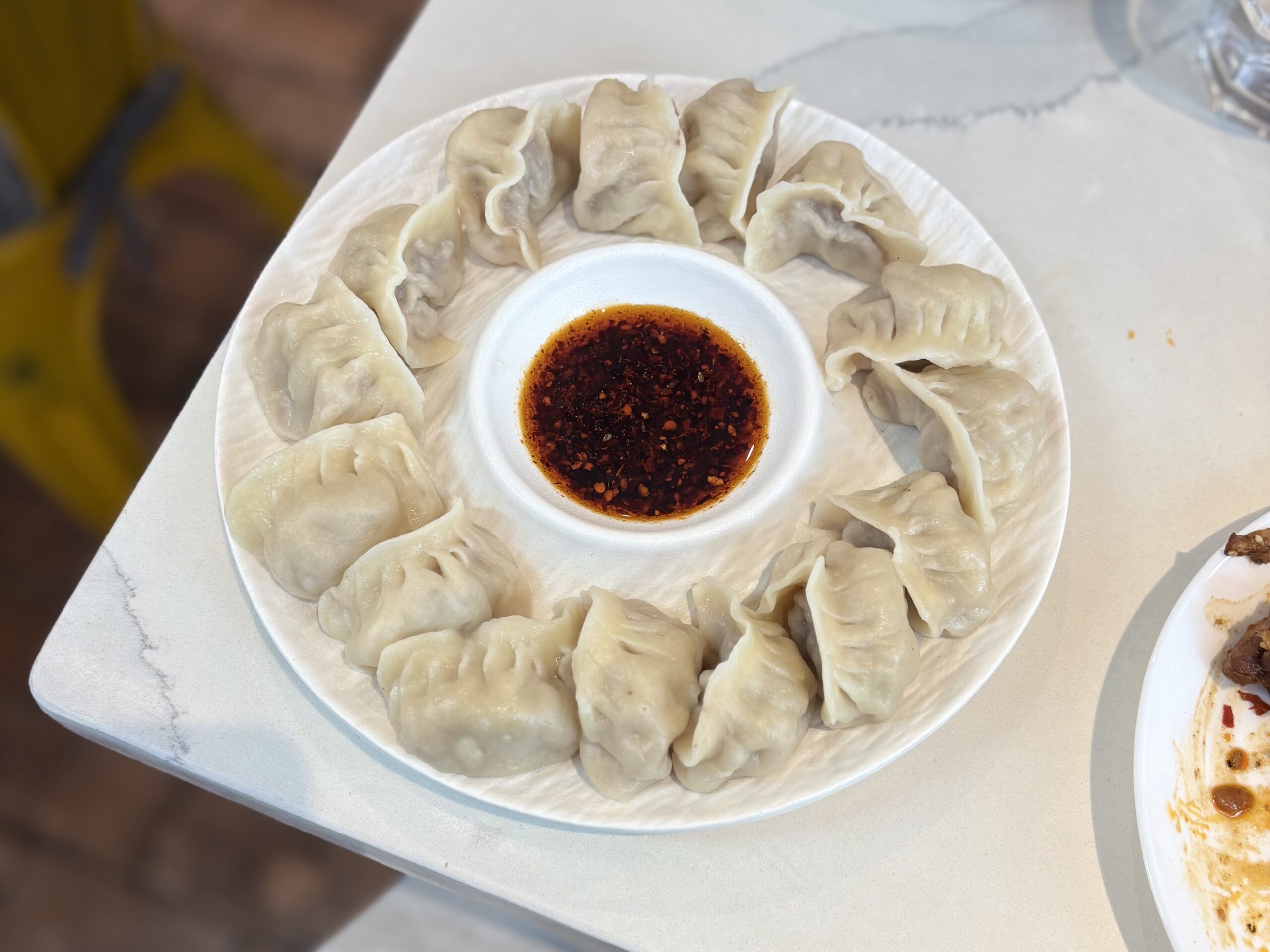
    Located in an airy glass box of a space next to Paris Baguette near 38th and Chestnut, this is the first restaurant for co-owners Husenjan “Yush” Damolla and Abdurahman Tawakul. Damolla came to Drexel to study finance 13 years ago and ultimately stayed, working in real estate before finally turning this November to his passion for the food of his hometown, Kashgar, China. The all-halal recipes come from Damolla’s cousin, Mirkamil Rozi, who has a restaurant in Australia and has been training the duo remotely through Zoom sessions between their kitchens. So far, it’s paid off nicely with a tight but tasty menu of flaky samsa turnovers, fragrant kebabs, “big plate chicken” stews laced with numbing Szechuan peppercorn spice, and excellent handmade dumplings stuffed with lamb.

    Handmade dumplings stuffed with halal lamb are a highlight at Uyghur Noodle King in University City.

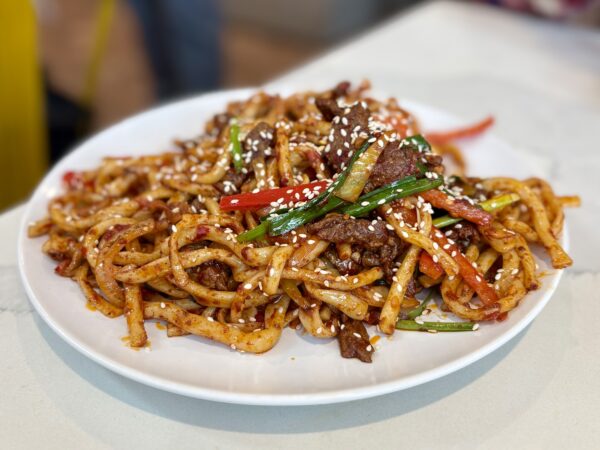
    The lagman, though, are the main event, with twine-like noodles that have the kind of elastic snap that can only be achieved through hand-pulling — a vigorous game of cat’s cradle that transforms a single lump of dough into a fistful of 30 or so longer strands. The final dish tosses those noodles into a hot wok with morsels of bell pepper, ginger, chives, and a dried pepper paste that combines with vinegar and soy to create a zesty glaze that glows with tang and spice. Damolla concedes they’re still working on consistency, but relies daily on his cousin’s best advice: “Just follow your heart and imagine you’re cooking for the people back home.” Uyghur Noodle King, 3816 Chestnut St., 347-507-8788, instagram.com/uyghur_noodle_king

    — Craig LaBan

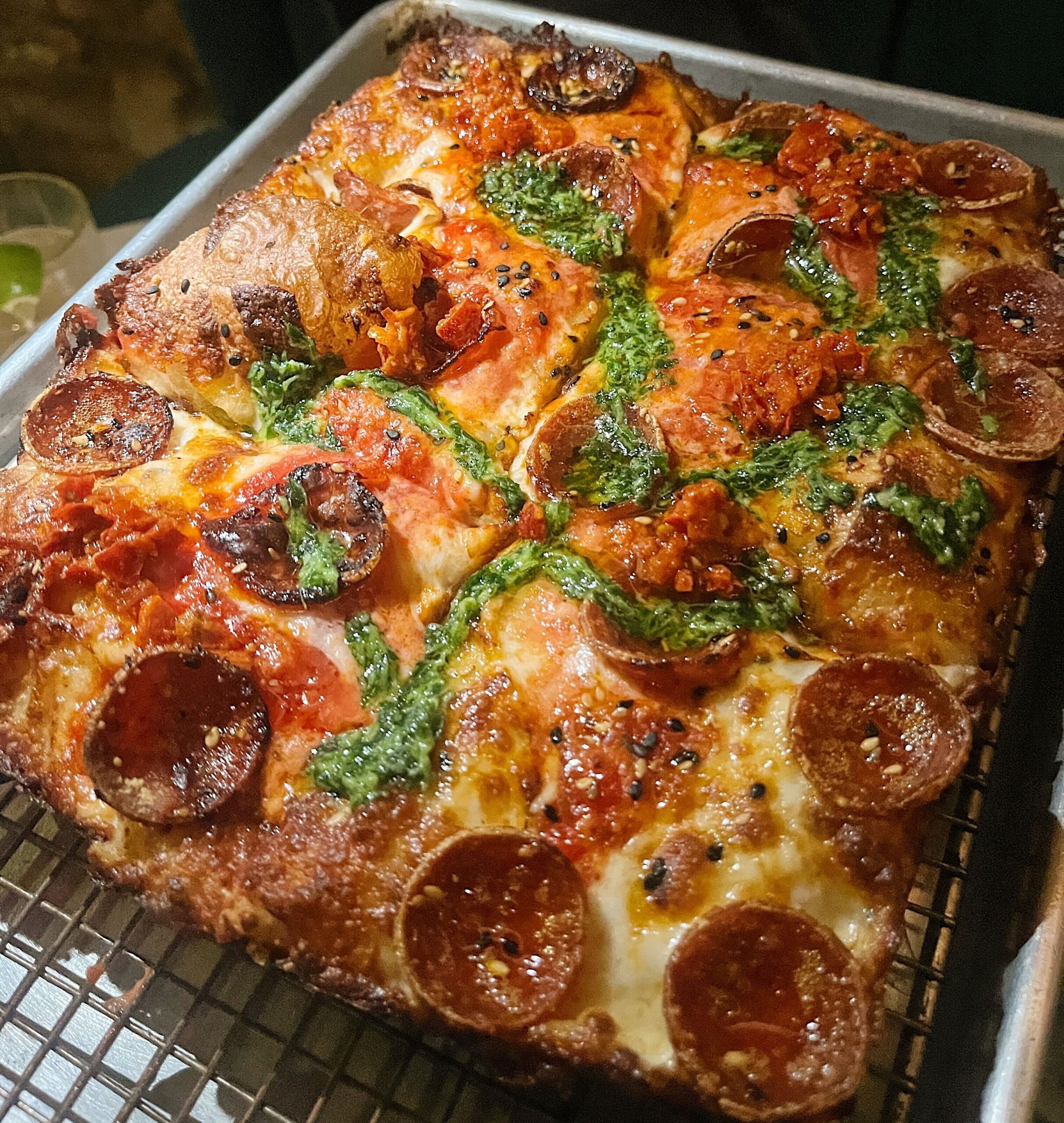
    The MVP (VIP style) pizza from Emmy Squared in Queen Village.

    The MVP (VIP style) from Emmy Squared

    As an ex-New Yorker, it’s my birthright to hate Detroit-style pizza. At its worst, it’s just soggy-yet-burnt bread that lacks the je ne sais quois of a good tomato slice. But at Emmy Squared — Detroit pizza by way of two New York City hot shots who can’t stop opening satellite locations — the square pies rank among the best non-traditional pizza in the city.

    Emmy Squared’s MVP pie is composed of ingredients that border on sacrilegious: a Wisconsin cheese blend, a mix of vodka and red sauce swirled with parsley pesto, and a sesame seed crust with an almost focaccia-style crumb. A VIP version is topped with Calabrian chilies and pepperoni slices so crispy the edges fold up to form tiny cups. The result is a flavor combo that hits all the right notes: a little bit of tang, a touch of spice, and an herbaceous finish from the pesto. Good pizza, after all, really is just excellent bread slathered with sauce and cheese. So if the elements are all there, who cares if the form is a little off? 632 S. 5th St., 267-551-3669, emmysquaredpizza.com

    — Beatrice Forman

    Caramel toast at Meetinghouse

    How transformative can a piece of bread be? Turns out, very. Especially if you’re able to keep it perfectly crunchy (almost funnel-cakelike), douse it in a bath of decadent caramel, then top it off with a perfect dollop of vanilla ice cream.

    I give you Meetinghouse’s caramel toast, an item on the Kensington restaurant‘s menu I would have never thought to order had it not been highly recommended to me by a friend (or two, actually). I’ll truly be dreaming of it for some time to come. Well, that, and Meetinghouse’s green salad — it could double as a wedding centerpiece — and a crab dip that would make any Marylander proud. Meetinghouse, 2331 E. Cumberland St., meetinghousebeer.com

    — Patricia Madej

  • How to have a perfect Philly day, according to Di Bruno Bros.’ Emilio Mignucci

    How to have a perfect Philly day, according to Di Bruno Bros.’ Emilio Mignucci

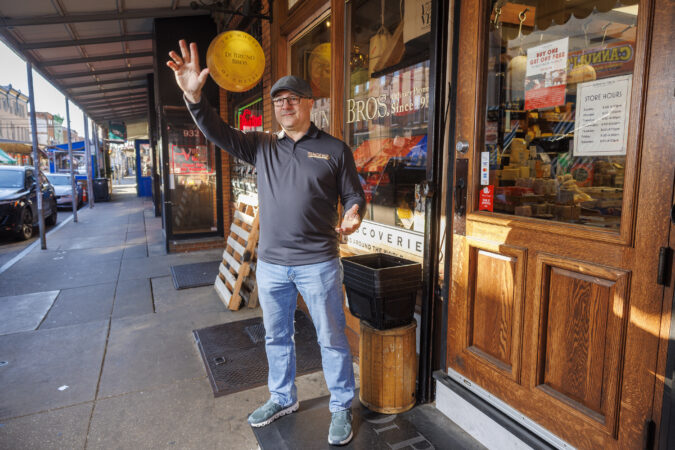
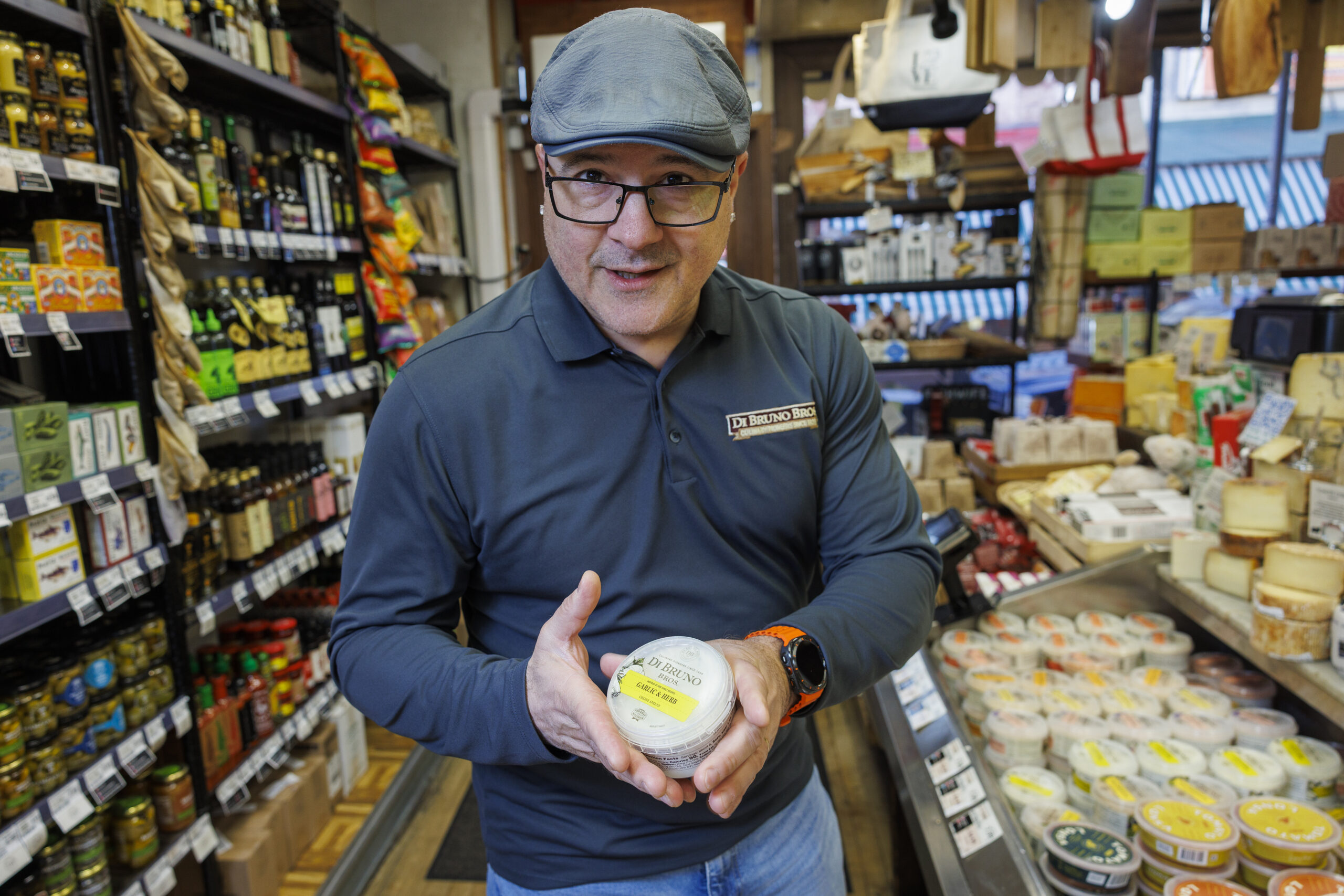
    Emilio Mignucci’s name is synonymous with cheese in Philly. The third-generation Di Bruno Bros. owner-turned-vice president of the brand, now owned by Wakefern, lives in Center City but his heart is still in the Italian Market. The legendary importer and cheese connoisseur is also a sometime cheese tour guide, taking cheese-obsessed guests on culinary adventures in Europe with Cheese Journeys. But he’s just as passionate a guide in his hometown. Here are his favorite places to grab a bite on a perfect Friday in Philly.

    Emilio Mignucci with a cheese spread he enjoys eating.

    4:20 a.m.

    My father trained me to get up this early from when I was very young. When I was a kid I used to work the produce stands in the Italian Market and we would start setting up at 4:30 or 5 a.m. I’ve always had that routine.

    4:30 a.m.

    Nowadays I head to the gym when I wake up. I get in a workout until about 5 or 6 a.m. and then do a five to 10 minute meditation, then practice my Italian on Duolingo, which I’ve been doing for a six-year streak.

    6 a.m.

    I split my week between Wakefern headquarters in Edison, N.J., and Philly. But I work from home on Mondays and Fridays, so for coffee I’ll walk over to La Jefa.

    7 a.m.

    I get a cappuccino with whole milk at La Jefa and a concha. They’re always filled with lavender or something cool. I also like their corn husk coffee, but if I’m getting that I skip the concha. And I love their pastrami lengua sandwich on days they do brunch, but I don’t normally eat breakfast.

    7:30 a.m.

    I walk to Di Brunos in Rittenhouse where I have an office. We just came out of the best season for cheese, which is fall into winter. I’ll taste cheeses with the team behind the counter, like Jasper Hill Farms’ Winnimere and Pleasant Ridge Reserve. They’re stinky and so darn good. I love Alpine-style cheeses.

    Emilio Mignucci, DiBruno describes his perfect day, Friday, Jan. 16, 2025. Emilo grandson of the founders of DiBruno take a whiff of cheese.

    Noon

    I eat lunch around noon. If I stay in the store, I grab one of our seasonal salads, though I’m attracted to the pizzas. But the best lunch in Philly is John’s Roast Pork. There’s nothing better. I crave it. I dream about it. It’s the most succulent pork sandwich. The pork is cooked in its own juices and when you go up to the counter to order, it’s taken out of that hot pork broth. Then there’s sharp provolone and I love the bitter spinach and a single long hot pepper. I know everyone talks about cheesesteaks in this town and they’re great, but for me the best sandwich is the roast pork.

    1 p.m.

    I go back to work, finish up emails and meetings about product innovation and figuring out cures for the tariffs and increases in pricing because we import so much stuff.

    3 p.m.

    If people are visiting me, I love taking them to the Italian Market. It’s the oldest open air market in the country and it shows what Philly is all about. [Even though the immigrants have changed] it’s still a mix of really good hardworking people. When my aunts and uncles came over from Italy, they worked their tails off there. So I’ll stop for an espresso at Anthony’s for something traditional and Italian, chicory-flavored, and bitter. Then I’ll pick up stuff for my wife like fresh lettuces. She likes the sweeter ones like Bibb and romaine. I like the more bitter ones like arugula. I’ll also grab mushrooms, peppers, and onions. My wife always makes me roasted peppers.

    5 p.m.

    I try to sneak into Fiorella when they first open, but I also love Blue Corn. If it’s Fiorella, I try to go with three other people so we can get the whole menu and all the pastas. The pasta for me is second to none. It’s spectacularly delicate, very well made, and not overly filling. Then I have to get something sweet. Isgro’s was open late over the holidays and I have to get their ricotta cookies. A dozen of those is what my wife will get me instead of a birthday cake.

    8 p.m.

    There are so many good bars in Philly but a.bar is my corner bar. My wife and I go two or three times a week. I like Negronis or I’ll get a Vesper. Nothing is more perfect than a Vesper.

    9:30 p.m.

    Two cocktails and then it’s time for bed.

  • Philadelphians sweep grocery store shelves to stock up ahead of the snowstorm

    Philadelphians sweep grocery store shelves to stock up ahead of the snowstorm

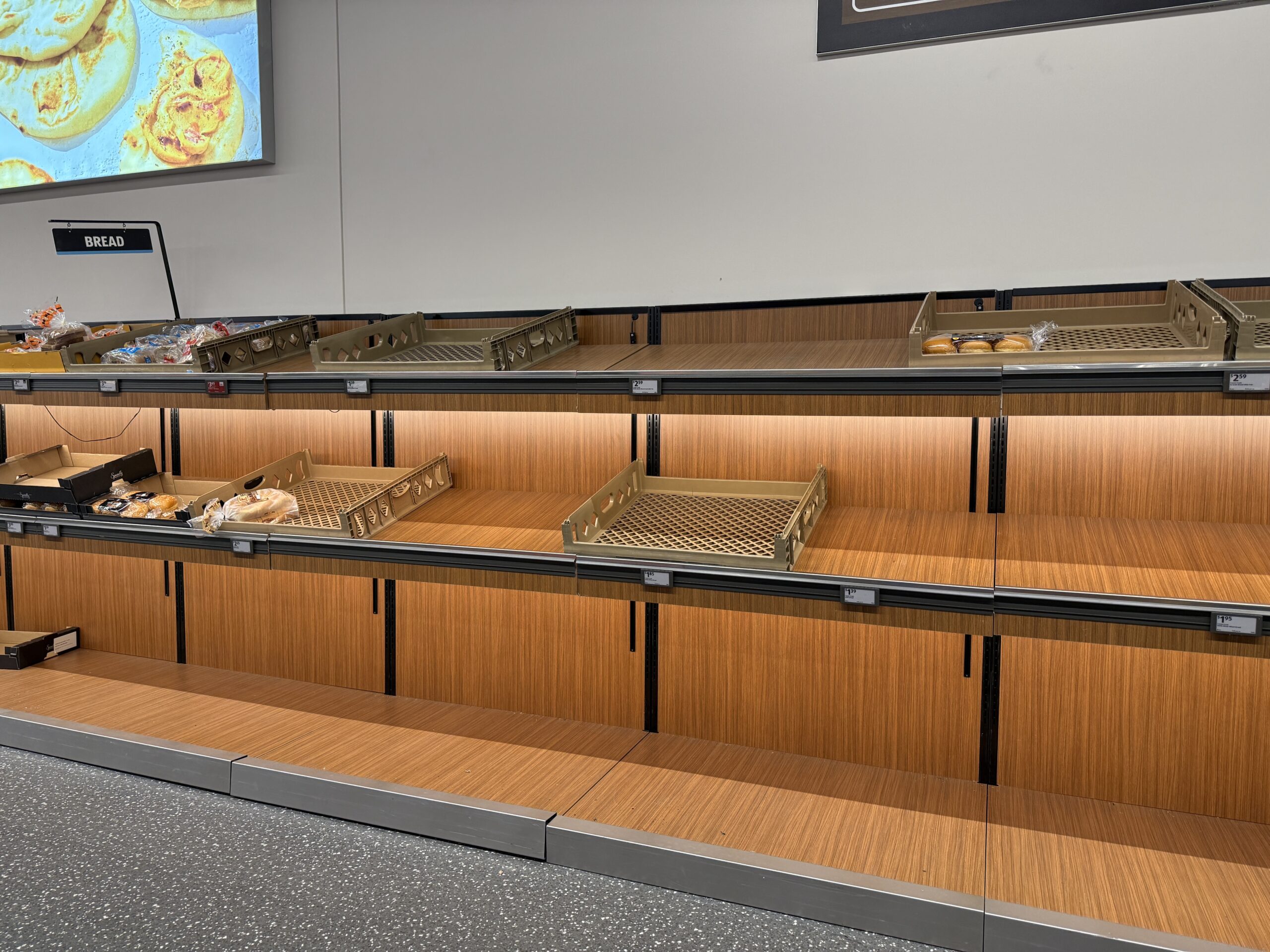
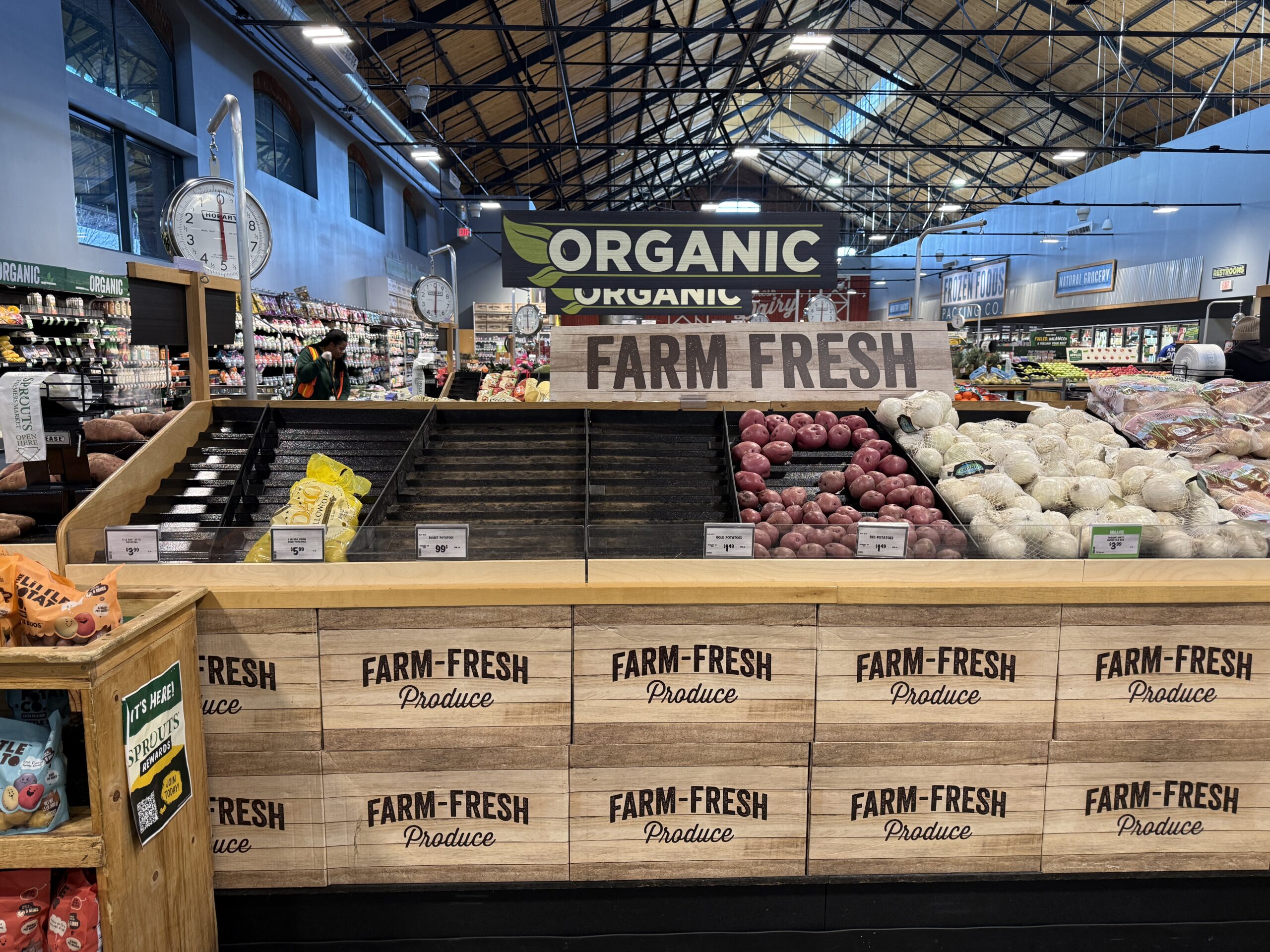
    At Aldi on Washington Ave. on Thursday, the bread section contained but a few crumbs. The vegetables and bagged lettuces were almost non-existent. At Sprouts on Broad Street on the same day, the fresh produce section has also been decimated. There were also no potatoes. “Did people come in and wipe out your potatoes?” I asked my cashier. “Yes. And you’re the third person to have just asked me that,” he said.

    Perhaps even at home, this is the year of the baked potato.

    Today and yesterday, I traversed the city on foot, from the Inquirer’s offices on Independence Mall to Point Breeze to peer into people’s baskets in grocery stores and inspect the stores’ shelves. I found that Philadelphians in these neighborhoods are clearly carb-loading, as there was nary a potato or loaf to be found, and that they were hitting the produce sections harder than any others. But unlike preparing for other disasters, it doesn’t seem like we’re in this for the long haul. And every store I checked had robustly stocked canned food aisles.

    The bread section at Aldi on Washington Ave. on Thursday, January 22.

    “When we see storms forecasted like this weekend, we see baking ingredients and items to make soups such as leeks and onions go quickly,” said Vincent Finazzo, 39, the owner of Riverswards Produce, with locations in Kensington and Old City. “Whole chickens and roasts get bought up, and we see big lifts on ice cream as well. And of course bread, milk, and eggs go quickly.”

    The small Heirloom Market at the Gray’s Ferry Triangle on Thursday was well-stocked with produce, but there were none of their usually-abundant rotisserie chickens.

    As I waited in line to purchase sour cream from South Square Market, the customers to either side of me had baskets filled with bread, sausage, bananas, and lettuce. The man in front of me bought the last bag of sidewalk salt and the line behind me emitted a collective groan. “We’ll have more tomorrow,” said the cashier, consoling everyone.

    The potato section at Sprouts on Thursday, January 22.

    “On the wholesale side, we’re basically getting hit hard with all the essential stuff, you know, like the staples, the lettuce, tomato, and onions, for the weekend,” said Marcello Giordano, 52, of Giordano’s Garden Groceries, which supplies both Stephen Starr restaurants like Parc and Borromini to individual households. “People are just stocking up for the weekend. I actually got a deal on some rock salt, and we put it on the website. I got 2000 pounds of salt and I’m almost sold out already,” said Giordano.

    His household customers, to whom he also delivers, have been stocking up on eggs, milk, and butter in particular. “And we’re going to be delivering Monday,” he assured me. “I’m bringing in eight ATVs from our farm in Hammonton on tractor trailers so that we can make deliveries in the city.”

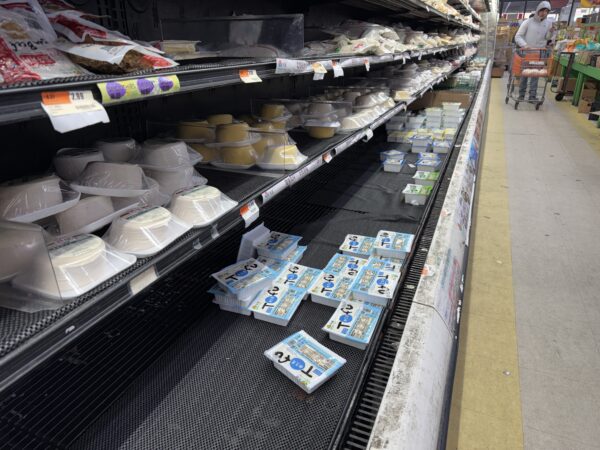
    The fresh tofu section today at Hung Vuong on Washington Ave. was also unusually empty, save for some economy-sized packs of firm tofu. But there’s lots of fresh produce, and people of all ethnicities are buying everything from bok choy to durian. Peering into people’s baskets, I spot lots of beef bones for stew, fresh meat and fish, cabbage, and just a few pantry items. Seems like everyone is making soup.

    “Instead of buying too much, I’m making everyone eat what we have in the freezer,” said Rachel Street, 42, whose household is filled with hungry teenagers. “But I’m still getting meat for the men, rice, beans, coffee, milk and eggs – if the power fails we can leave them outside.” Her grocery list also included vegetables for homemade soup, hot chocolate and baking supplies – “We’re planning on making lots of treats.” And of course, breakfast supplies. “Sleeping in means making big continental breakfasts,” said Street.

    I caught Roland Bui, 40, whose blended Mexican-Vietnamese family also includes kids who will be off from school, right before a run to H Mart. His grocery list included: rice, sour cream, chicken thighs, ready-made Korean stews, frozen dumplings, hot pot ingredients like noodles, fishballs, cabbage, wood ear mushrooms and hot pot broth base, and garnishes for pho. “I always have broth in the freezer.”

    Anna Kereszi, 36 posted on her Facebook wall that she was “so excited” and asked, “What’s on everyone’s snow day menus? I’m thinking beef stew and chicken pot pie, and also chicken cutlets because why not?” Her posts received dozens of responses, some of which indicated that she had inspired others to also run out for ingredients to make beef stew, chicken pot pie, and chicken cutlets.

    If your neighborhood restaurant closes due to the weather, consider purchasing a gift card from them to help them recover from a day or two of loss sales – such can be detrimental for small businesses.

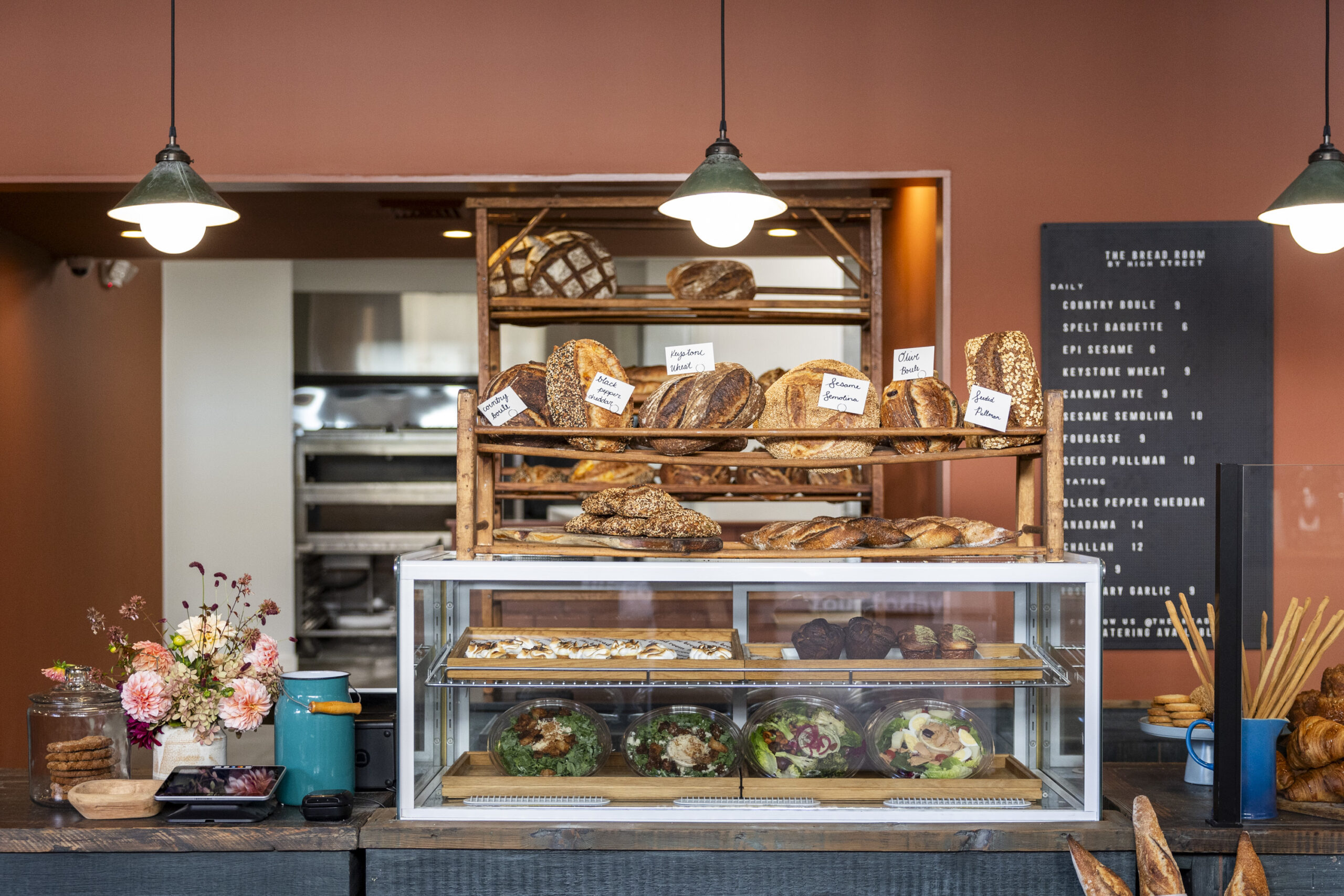
    Remember that essentials can also be purchased at restaurants. On Thursday, the Bread Room’s display case was teeming with artisanal loaves and unlike grocery stores, no apparent shortages.

    The display of various baked goods at the Bread Room in Philadelphia, Pa., on Wednesday, October 1, 2025.

    Some restaurants are even running snow day specials, like Paffuto, which posted, “Pre-orders are OPEN until this Saturday 11am, for our snow day panzerotti boxes!
$50 for a box of 4 panzerotti (Plain, Pepperoni, Egg & Cheese, and Bacon Egg & Cheese) + 2 muffins (Chocolate Chip & Crumb) 🤤 Pickup between 2pm-5pm on Saturday. Includes reheat instructions so you can enjoy at home on Sunday.”

    If you’re ordering delivery from any restaurant or local business, remember to tip your delivery person extra – especially if they dash through the snow and arrive at your house on a re-purposed ATV.

  • This 28-year-old is about to open his third restaurant in the Philly suburbs

    This 28-year-old is about to open his third restaurant in the Philly suburbs

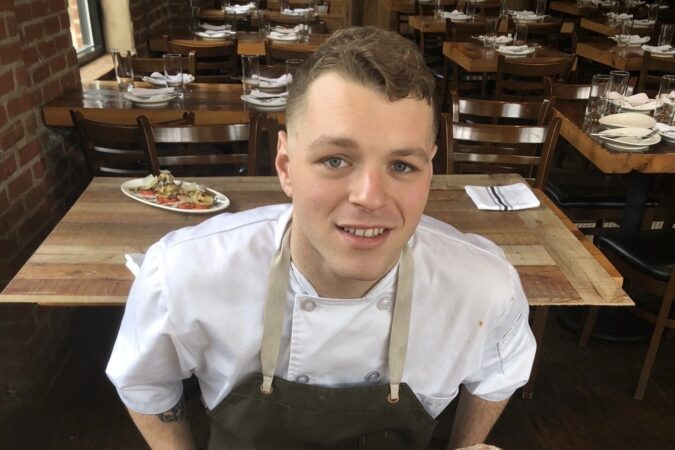
    Main Line restaurateur Alessandro “Alex” Fiorello — who is slowly growing a suburban Italian portfolio, with a Wayne osteria and West Chester pizzeria — is preparing to open a new, bar-forward concept at Bryn Mawr Village, 915 Lancaster Ave.

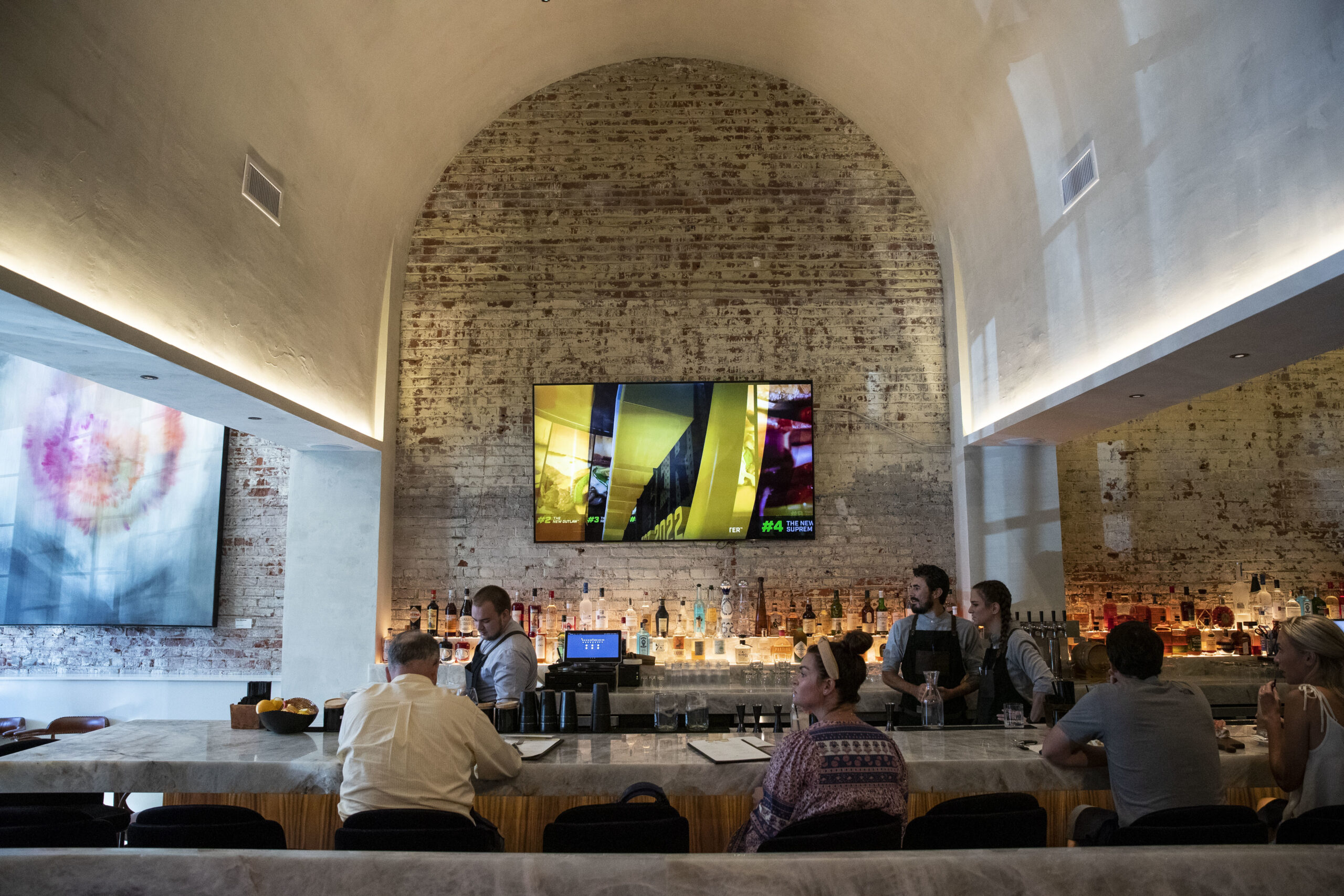
    The Bryn Mawr space, which opened in 2022 as the short-lived Marc Vetri-operated Fiore Rosso, most recently was Il Fiore. It closed last month.

    The bar at Fiore Rosso in Bryn Mawr, which was operating most recently as Il Fiore. It closed at the end of 2025.

    The new project will sit at the top of Fiorello’s three-tier restaurant lineup. His Wayne restaurant, Alessandro’s Wood Fired Italian, opened in 2020 as an upscale-casual neighborhood osteria with a strong takeout business and a busy dining room. Alessandro’s Pizzeria, which the self-taught chef opened in April, is positioned as a casual lunch and slice shop serving pizza, cheesesteaks, and salads.

    Fiorello grew up in the restaurant business. His father ran Fiorella’s Café in West Chester, while his mother’s family operated pizza shops in New York. Raised in Brooklyn, Fiorello worked in kitchens from a young age before returning to Chester County as a teenager.

    Fiorello said Enoteca Alessandro’s or Alessandro’s Enoteca were in the running for the name of the new Bryn Mawr spot.

    Fiorello, who said he is backed by investors, plans to maintain the restaurant’s industrial look, adding that the restaurant’s solid infrastructure would allow for a relatively fast turnaround.

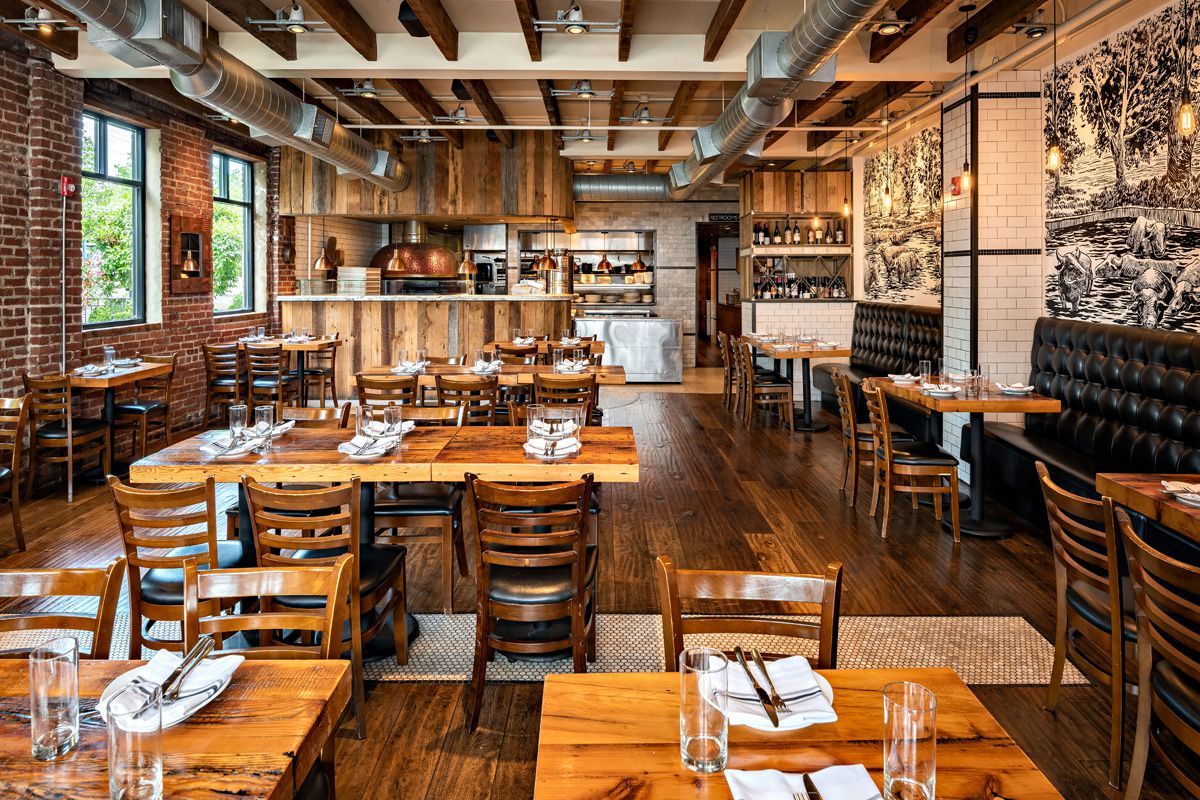
    Dining room at Alessandro’s Wood Fired Italian, 133 N. Wayne Ave. in Wayne.

    “This new place will be a step up from Wayne,” Fiorello said. “Still approachable but more bar-focused, with a great bar scene.”

    The menu will remain Italian at its core, built around house-made pasta, wood-fired pizzas, and a wood-fired grill, with several signature dishes from Alessandro’s Wood Fired Italian carrying over. The new kitchen will also feature dry-aged proteins, using on-site aging refrigerators inherited with the space, and may incorporate subtle Japanese influences, including a small number of sushi-style items.

  • Philly bar legend ‘Fergie’ Carey is taking over Mac’s Tavern in Old City

    Philly bar legend ‘Fergie’ Carey is taking over Mac’s Tavern in Old City

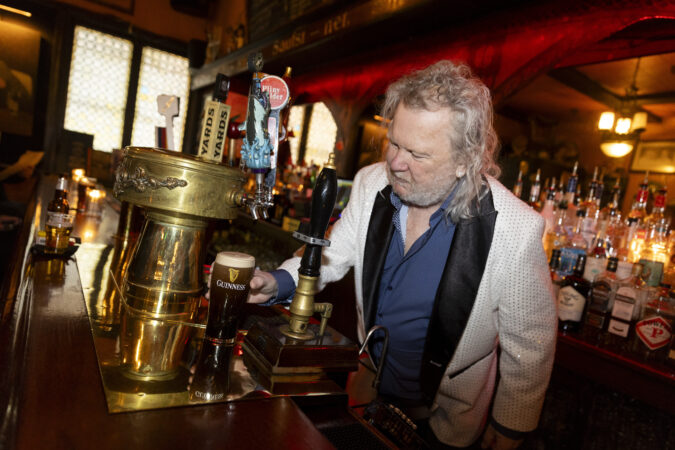
    Fergus Carey, arguably Philadelphia’s best-known barman, is expanding his empire.

    Carey and business partner Jim McNamara, who own the popular Fergie’s Pub in Washington Square West, the Jim in South Philadelphia, and the Goat Rittenhouse, are taking over the shuttered Mac’s Tavern at 226 Market St. in Old City.

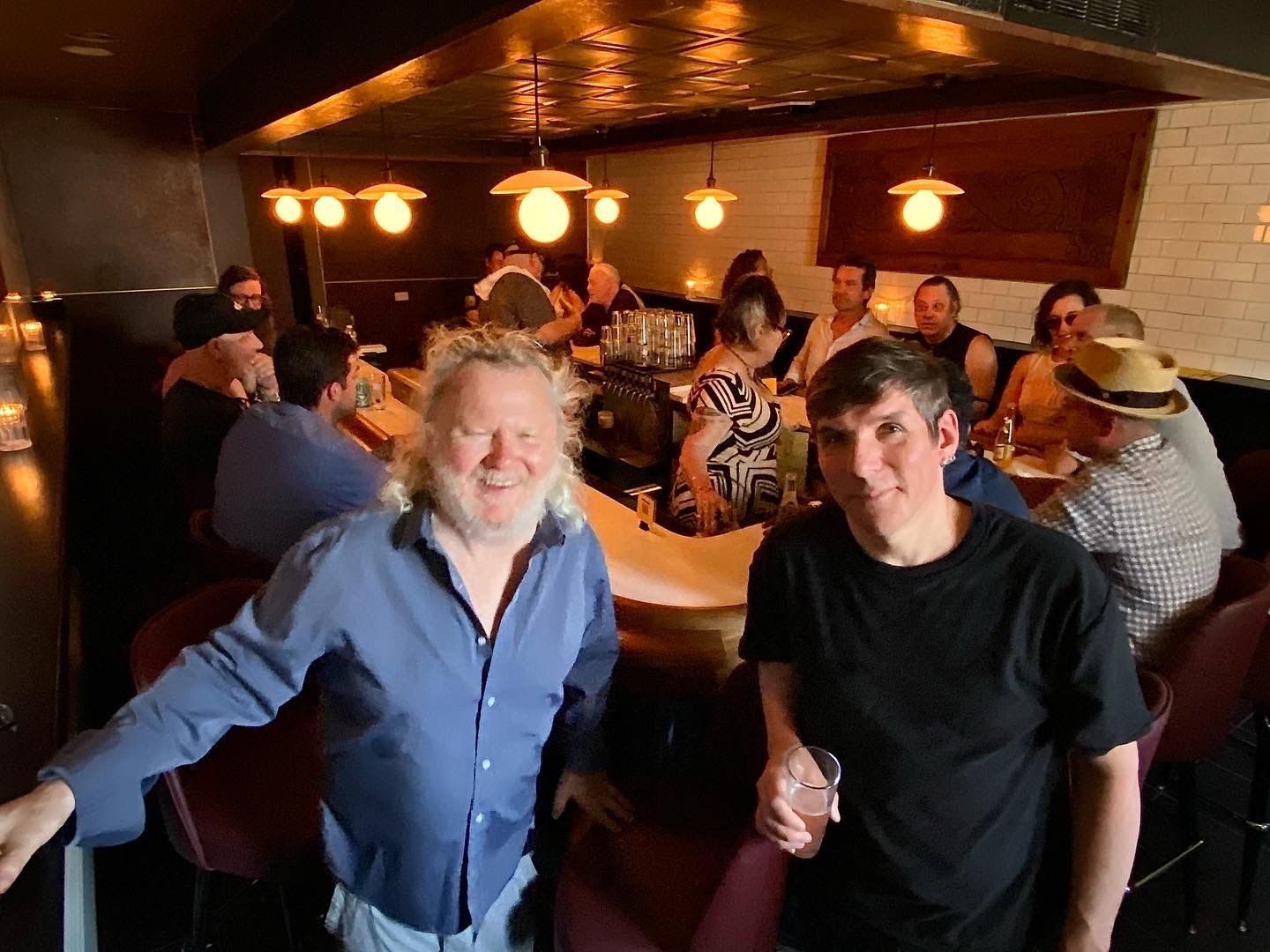
    Fergus Carey (left) and Jim McNamara, longtime business partners, at the Jim in 2022.

    Mac’s — whose ownership roster included the South Philadelphia-raised actor Rob Mac (the former Rob McElhenney) and his wife, Kaitlin Olson, of TV’s It’s Always Sunny in Philadelphia fame — closed last summer after 15 years.

    Carey said the name was not final, but the concept will be a Celtic pub with Irish-Scottish food — “our usual stuff.” Opening is penciled in for the spring. He described the work ahead of them as “more of a cleanup and opening up than a full renovation.” They want to open at noon weekdays but earlier on the weekends for European sporting events.

    Carey has spent three decades shaping the city’s bar culture. Known to generations of Philadelphians simply as Fergie, his trademarks are his Irish accent, an encyclopedic memory for names, and a knack for turning strangers into regulars.

    Born in Dublin and raised on the city’s north side, Carey left for the United States in 1987 at age 24, armed with a background in hospitality and fast-food management, including a stint running a fast-food shop called Burgerland. His first U.S. stop was Houston, but he left after a few weeks because, he said, he hated it. He likes to tell the story that he arrived in Philadelphia on a Saturday night and started a job at the Cherry Hill Mall food court at 9 the next morning.

    He landed behind the bar at McGlinchey’s on 15th Street, quickly earning a reputation as a natural host.

    In 1994, Carey and business partner Wajih Abed opened Fergie’s Pub at the old Hoffman House on Sansom Street in Washington Square West, at a time when Center City nightlife was thin and new bar openings were rare. The pub’s easygoing, come-as-you-are atmosphere helped spark a revival of the neighborhood’s drinking scene.

    Abed died of cancer in 2017.

    Carey went on to play a role in launching some of the city’s most influential beer destinations, including Monk’s Café, the Belgian Café, and Grace Tavern — each helping introduce Philadelphia to Belgian ales and European café culture long before craft beer became mainstream. He also ran Nodding Head Brewery and the Fairview.

  • One-dimensional wines are boring, but complex ones are pricey. This riesling manages to be neither.

    One-dimensional wines are boring, but complex ones are pricey. This riesling manages to be neither.

    One of the characteristics associated with prestige wines is known in the trade as “complexity.” While the term can sound pretentious to the average drinker, it captures a fundamental truth about what people find desirable in an alcoholic beverage. In much the same way that a plot with no twists makes for a boring film, a one-dimensional wine with no complexity makes for a boring drink. One-dimensional wines are those that have one main sensory thrust with no balancing component, as with wines that are sticky sweet with no balancing acidity or red wines that are bitter and tannic without balancing fruitiness.

    This sweet-tart wine from Oregon has enough layers of complexity to outperform many of its peers flavor-wise. It also acquires that complexity in an interesting way.

    There are two main paths a winemaker can take in creating a wine that has complexity. One is to grow your grapes in a truly special vineyard where the precise combination of terrain, microclimate, and soil composition known as terroir produces fruit whose flavors contain some internal contradictions once fermented into wine. This is a laborious and expensive proposition where the goal is to produce wines that are not simply light or heavy, sweet or dry, fruity or oaky, but instead manage to contain multitudes.

    The other way to achieve multidimensional results is through skillful fruit selection and blending, which is the secret behind this affordable wine’s harmonious complexity. It may be made with 100% riesling, but its vintners aimed for as much diversity in that fruit as possible. The wine’s vineyard sources span the full stretch of Oregon’s coastal valleys, from the Willamette Valley in the north to the Rogue Valley in the south, including a mix of both younger and older vines. Within those vineyards, fruit is picked in different batches at different times to capture both the electric zing of underripe grapes and the liqueur-like opulence of late-harvest fruit to flesh out and complexify those of standard ripeness. Once blended, the wine offers both richness and refreshment in equal measure. Succulent dessertlike flavors of lemon curd and muskmelon sorbet are balanced with drier components — bracing hints of fresh lime, mint tea, and just a thread of stony minerality.

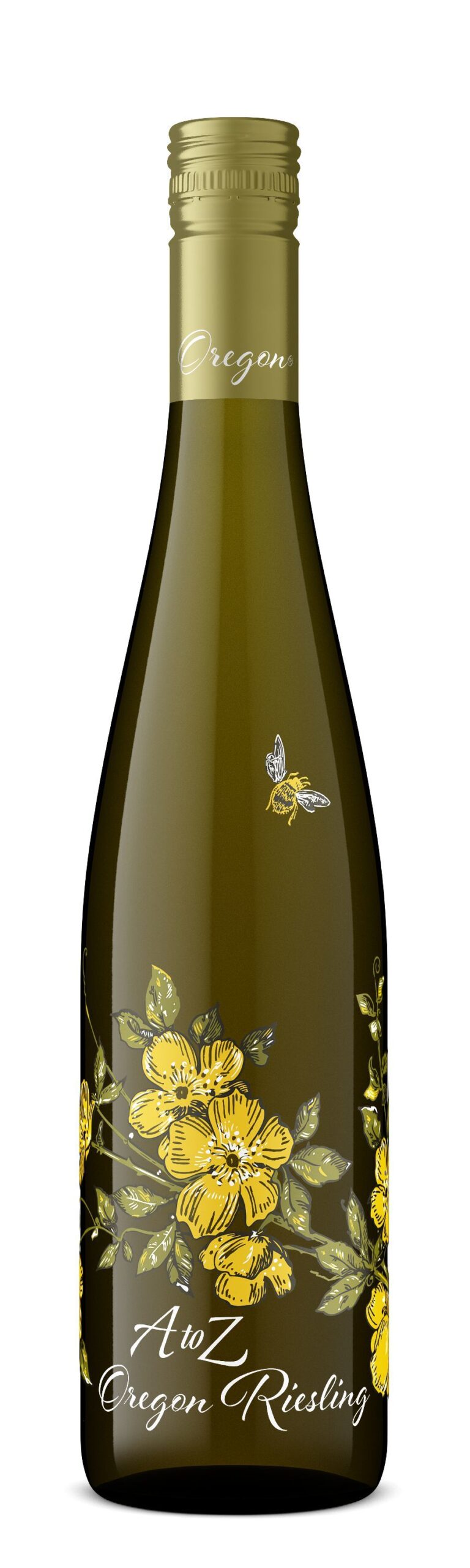
    A to Z Riesling

    A to Z Riesling

    Oregon, 12% ABV

    PLCB Item #87013 — on sale for $16.99 through Feb. 1 (regularly $19.99)

    Also available at: Total Wine & More in Claymont, Del. ($14.99; totalwine.com), Moorestown Super Buy Rite in Moorestown ($15.39; moorestownbuyrite.com), WineWorks in Marlton ($15.98; wineworksonline.com)

  • The Philly area nabs 13 James Beard Award semifinalists for 2026

    The Philly area nabs 13 James Beard Award semifinalists for 2026

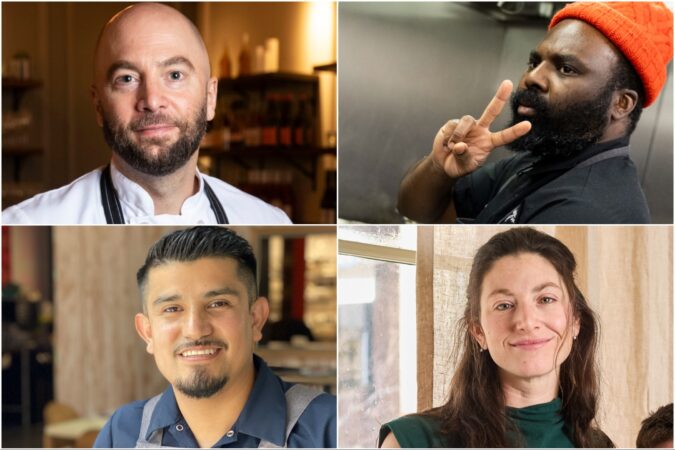
    This year’s list of James Beard Award semifinalists from the Philadelphia area reads like a who’s who of the local dining scene, with a few surprises mixed in. (A deli guy — Radin’s Russ Cowan — is a James Beard semifinalist? That ain’t chopped liver!)

    The list of semifinalists will be culled, and finalists will be announced March 31. Winners will be announced at a gala June 15 at the Lyric Opera of Chicago.

    Outstanding Restaurateur

    Greg Vernick of Vernick Food & Drink, Vernick Fish, Vernick Coffee Bar, and the soon-to-open Emilia was the Beard’s Best Chef, Mid-Atlantic in 2017; Vernick Food & Drink is also recommended by Michelin.

    Outstanding Restaurant

    Kalaya, whose chef/owner Chutatip “Nok” Suntaranon won the Beard’s Best Chef, Mid-Atlantic in 2023; the restaurant is also recommended by Michelin.

    Emerging Chef

    Frankie Ramirez of Amá in Kensington.

    Best New Restaurant

    Emmett in Kensington, which was recently named to Esquire’s list of best new restaurants and is on 2025’s The 76.

    Outstanding Pastry Chef or Baker

    Justine MacNeil of Fiore in Kensington.

    Outstanding Bar

    Lovers Bar at Friday Saturday Sunday in Center City; the restaurant was awarded a Michelin star in November and was one of Inquirer critic Craig LaBan’s top restaurants for 2025 and is included on The 76.

    Best New Bar

    Almanac, atop Ogawa in Old City.

    Best Chef: Mid-Atlantic

    Russ Cowan, Radin’s Delicatessen in Cherry Hill; the restaurant is on The 76.

    Ian Graye, Pietramala, whose restaurant is Michelin recommended and was awarded a Michelin Green Star; it also is on Inquirer critic Craig LaBan’s top-10 list.

    Jesse Ito, Royal Sushi & Izakaya, whose restaurant has a Michelin Bib Gourmand and is among LaBan’s top 10. This is his ninth time as a semifinalist.

    Randy Rucker, Little Water, whose restaurant is recommended by Michelin and was among LaBan’s top restaurants for 2025. (His other restaurant, River Twice, is on The 76.)

    Amanda Shulman, Her Place Supper Club, whose restaurant has a Michelin star and is on The 76 and has a spot on LaBan’s top 10.

    Omar Tate and Cybille St. Aude-Tate, Honeysuckle, whose restaurant is recommended by Michelin and is included in The Inquirer’s 76.

    Farther afield

    Chef Dwain Kalup of La Fia in Wilmington, Nathan Flaim of Lancaster’s Luca, and David Viana of Judy & Harry’s in Asbury Park, N.J., are also semifinalists for Best Chef Mid-Atlantic.

  • What to order at restaurant week | Let’s Eat

    What to order at restaurant week | Let’s Eat

    So many restaurants are on board for Center City District Restaurant Week. I went through the menus to share some favorites.

    🔔 Keep an eye on Inquirer.com today, as the James Beard Foundation announces its list of semifinalists.

    Also in this edition:

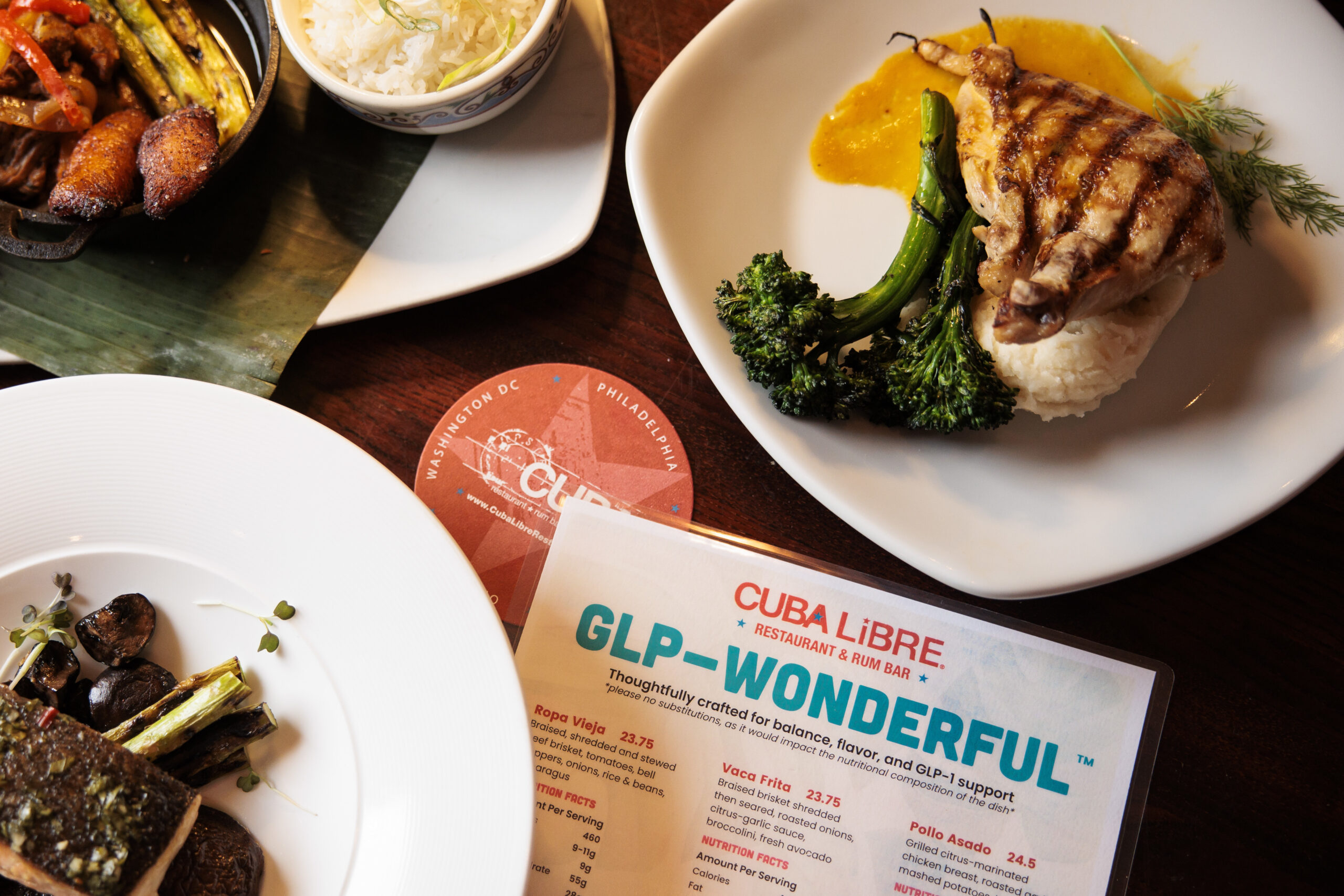
    • A GLP-1 world: Restaurants cope with shrinking appetites.
    • Fine dining: Everyone is eating very well at this senior life center.
    • Restaurant shakeup: Scarpetta is on the way out and the Ruxton steakhouse is moving in. And a young chef will take over in the interim.

    Mike Klein

    If someone forwarded you this email, sign up for free here.

    Our top dishes for restaurant week

    After scouring 120 menus offered for the 2026 edition of Center City District Restaurant Week, I will share some great values, old favorites, and even a few novel dishes that go beyond the same old. Read on for 26 dishes that caught my eye.

    🍽️ Here’s everything you need to know about restaurant week.

    😋 Media is brimming with happy-hour specials.

    🤤 Ambler has its own restaurant week right now.

    Changing appetites

    Restaurants are rethinking their menus amid a rise in the use of appetite-suppressing GLP-1 medications and a drop in alcohol consumption. These trends are on display at Philly-area bars and restaurants, and Erin McCarthy spoke to owners trying to keep up.

    Fine food at a senior community?!

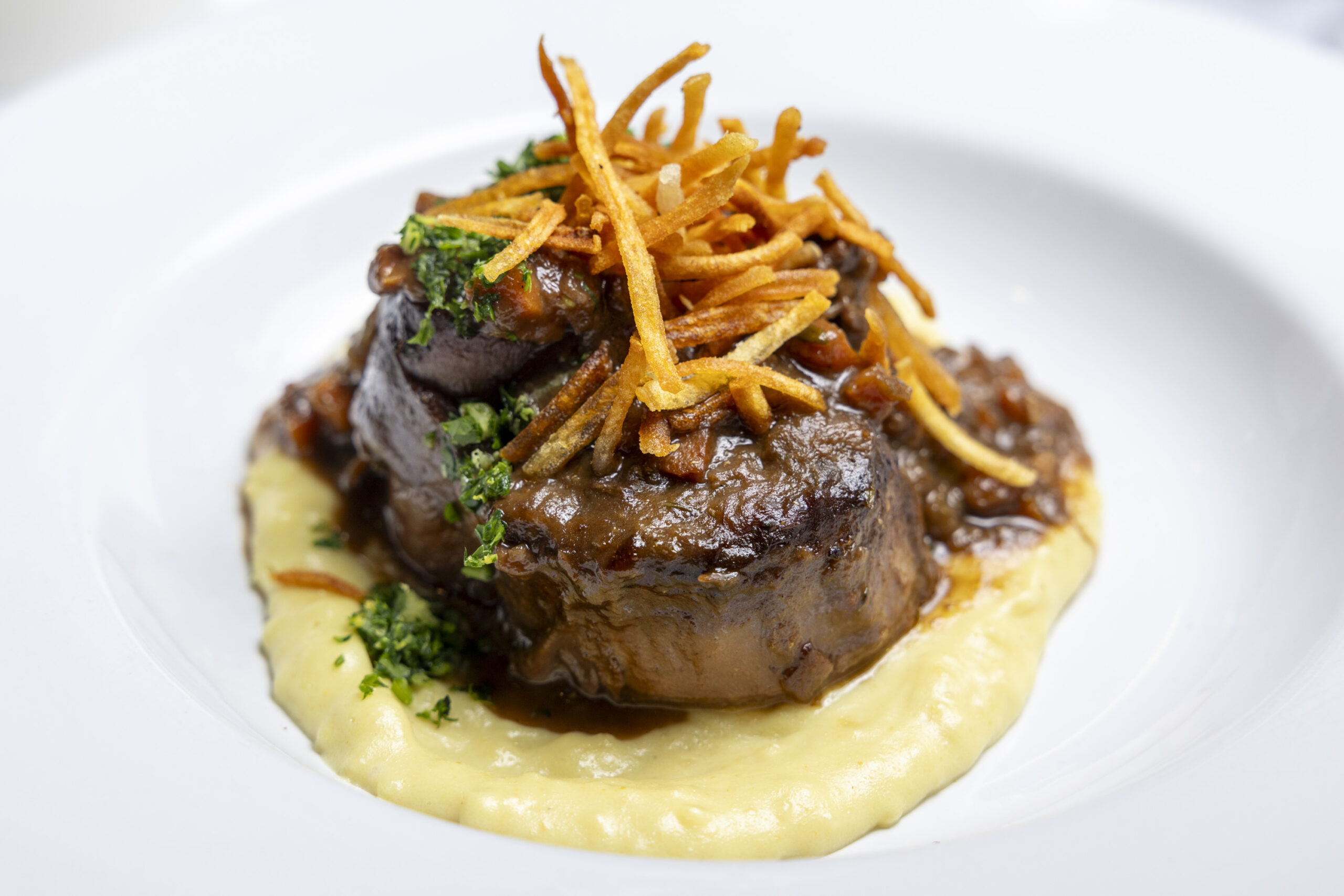
    “If I closed my eyes, I could very well think I was dining at Le Virtù,” writes Kiki Aranita, who was, in fact, tucking into osso buco with goat cheese polenta, gremolata, and crispy potatoes at a senior-living community on the Main Line. Just try cracking the reservation book.

    The best things we ate last week

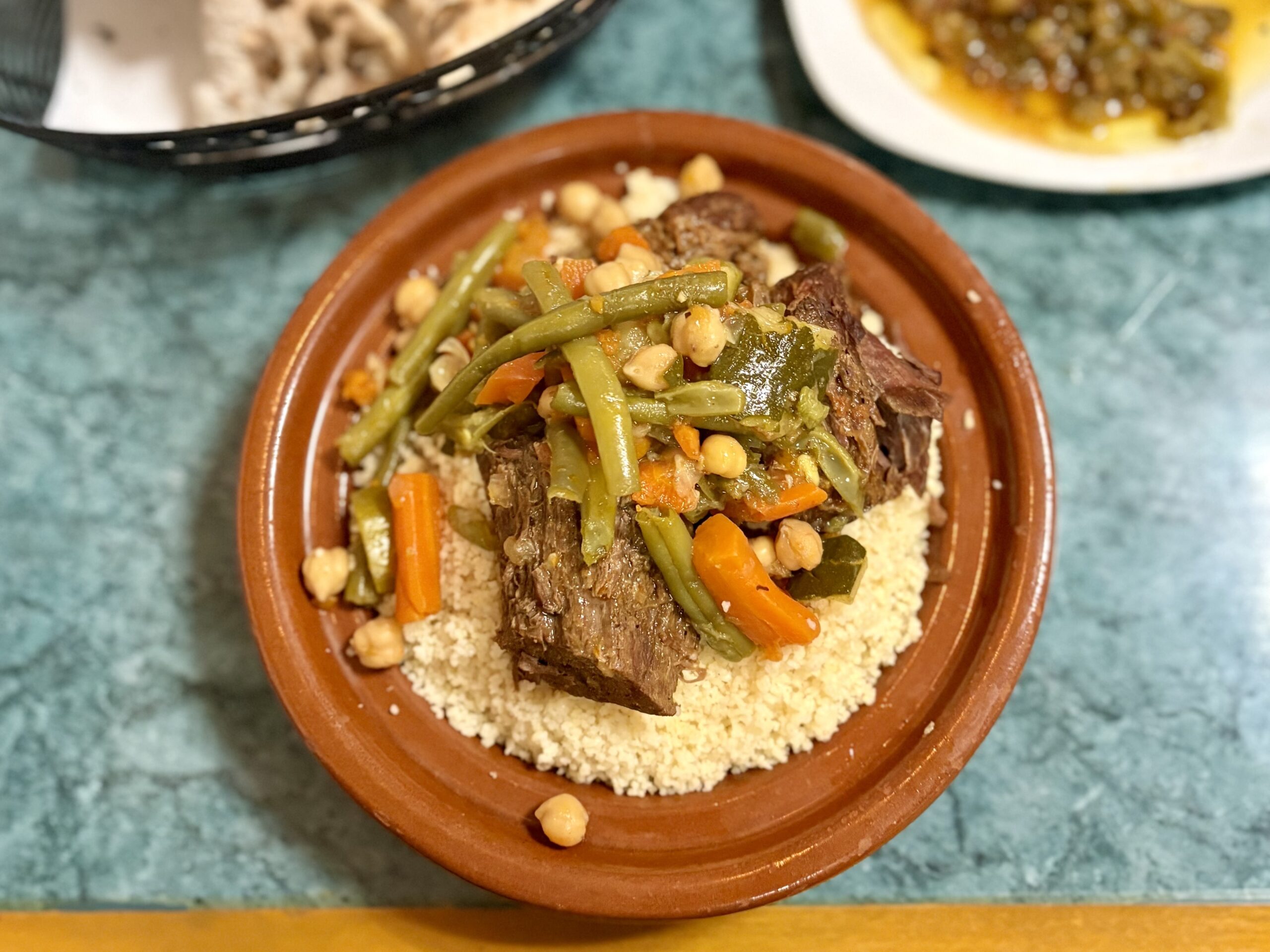
    This Algerian-style beef couscous at Algerino’s in South Philadelphia impressed Craig LaBan. Also on our plates last week: lomo saltado from Kiko’s in Collingswood and a beef rendang hoagie from Sego, a street cart in Center City.

    Scoops

    Scarpetta is on its way out of the Rittenhouse after nearly a decade. The new occupant will be the Ruxton, a posh steakhouse from Baltimore’s Atlas Restaurant Group, owners of Center City’s Loch Bar. The Ruxton is not due till 2027. From February through July, chef RJ Smith of the hot Ocho Supper Club will be in residency at the space. Read on for the details.

    Harlem Shake, the cult-favorite New York burger-and-shake concept, is looking at December for its opening at 1330 Walnut St. Restaurateur Jelena Pasic says she founded Harlem Shake in 2013 to honor disappearing community landmarks such as Lenox Lounge and M&J Diner, bringing on chef/food writer J. Kenji López-Alt to develop the menu of pasture-raised beef burgers, organic milkshakes, fries, and sodas. She says the space will be a full build-out, including a mezzanine, but that it will not include a bar — unlike previous occupants such as Level Up and Toasted Walnut. Pasic told me she would rather target clubgoers and downtown diners looking for a high-quality late bite. This will be a franchise location, operated by Shakawat Hossain.

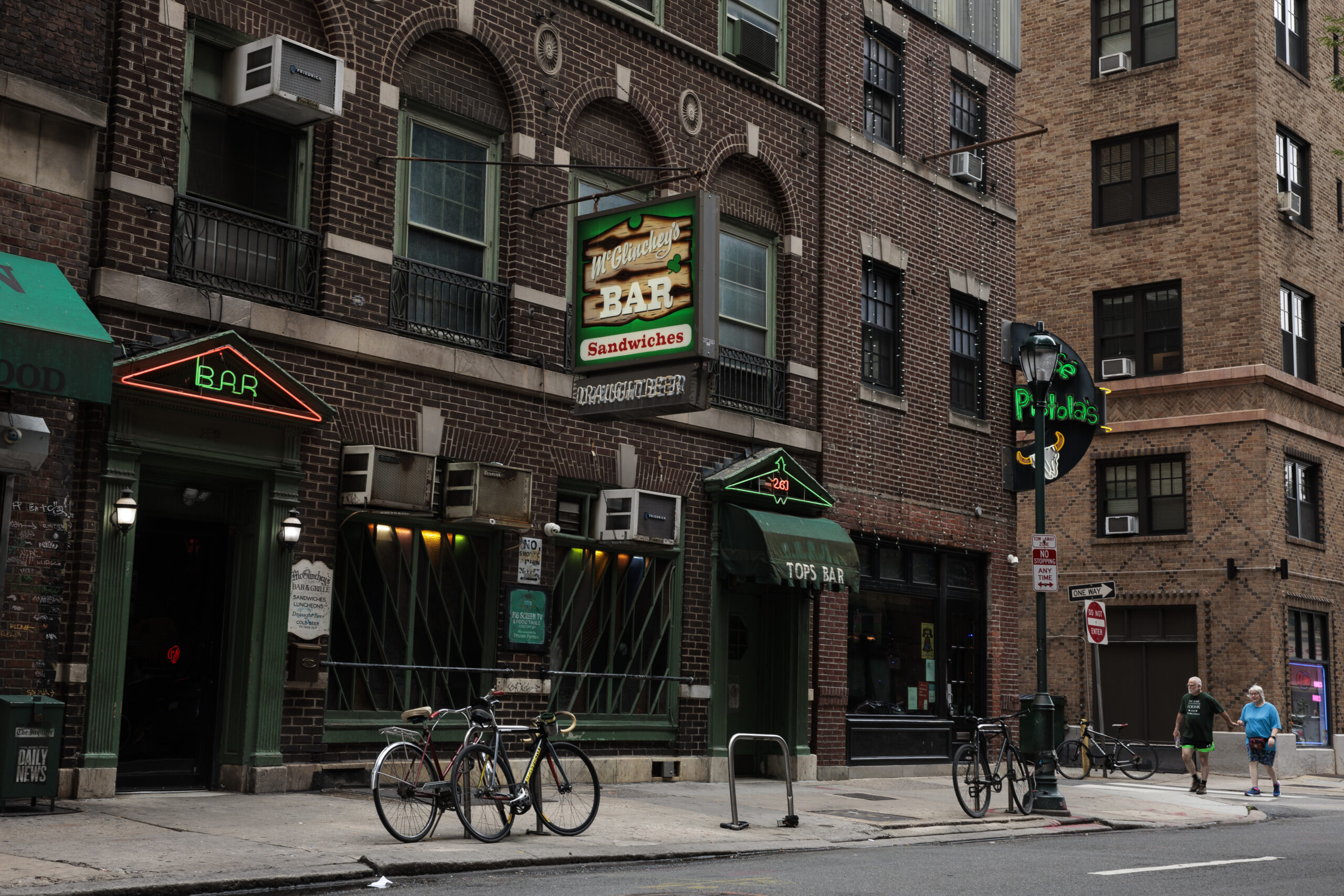
    Somebody might scrape together $2.45 million and buy the bar that was McGlinchey’s, which closed over the summer. The building at 259 S. 15th St. just hit the market officially.

    Love City Brewing is making a move to Manayunk for a second location, as Jenn Ladd reports among other brews news.

    Restaurant report

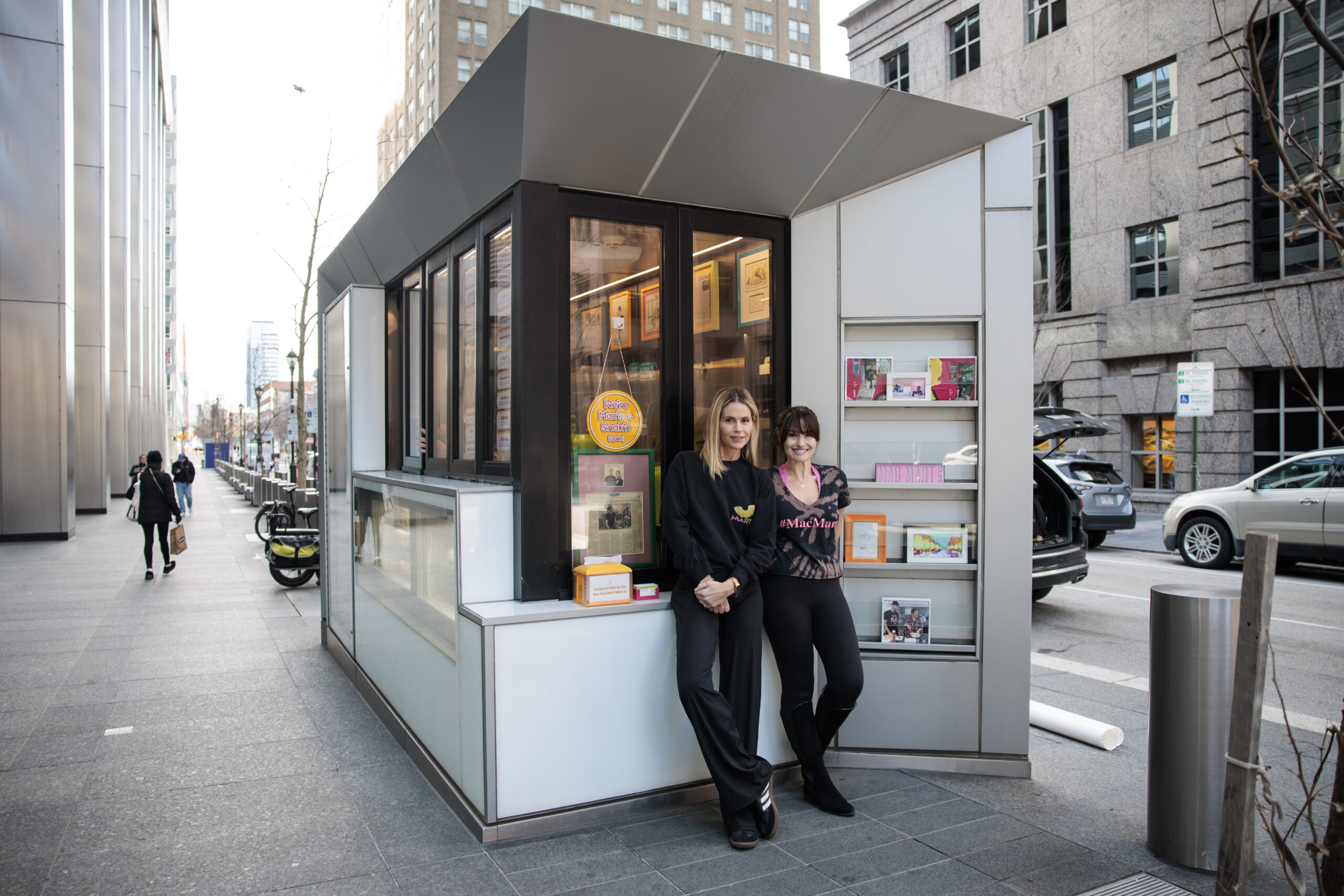
    Mac Mart, the mac-and-cheese specialist, closed up shop in Rittenhouse Square. Sisters Marti Lieberman and Pam Lorden have turned up three blocks away in a kiosk, where they offer not only bowls but a broader food mission.

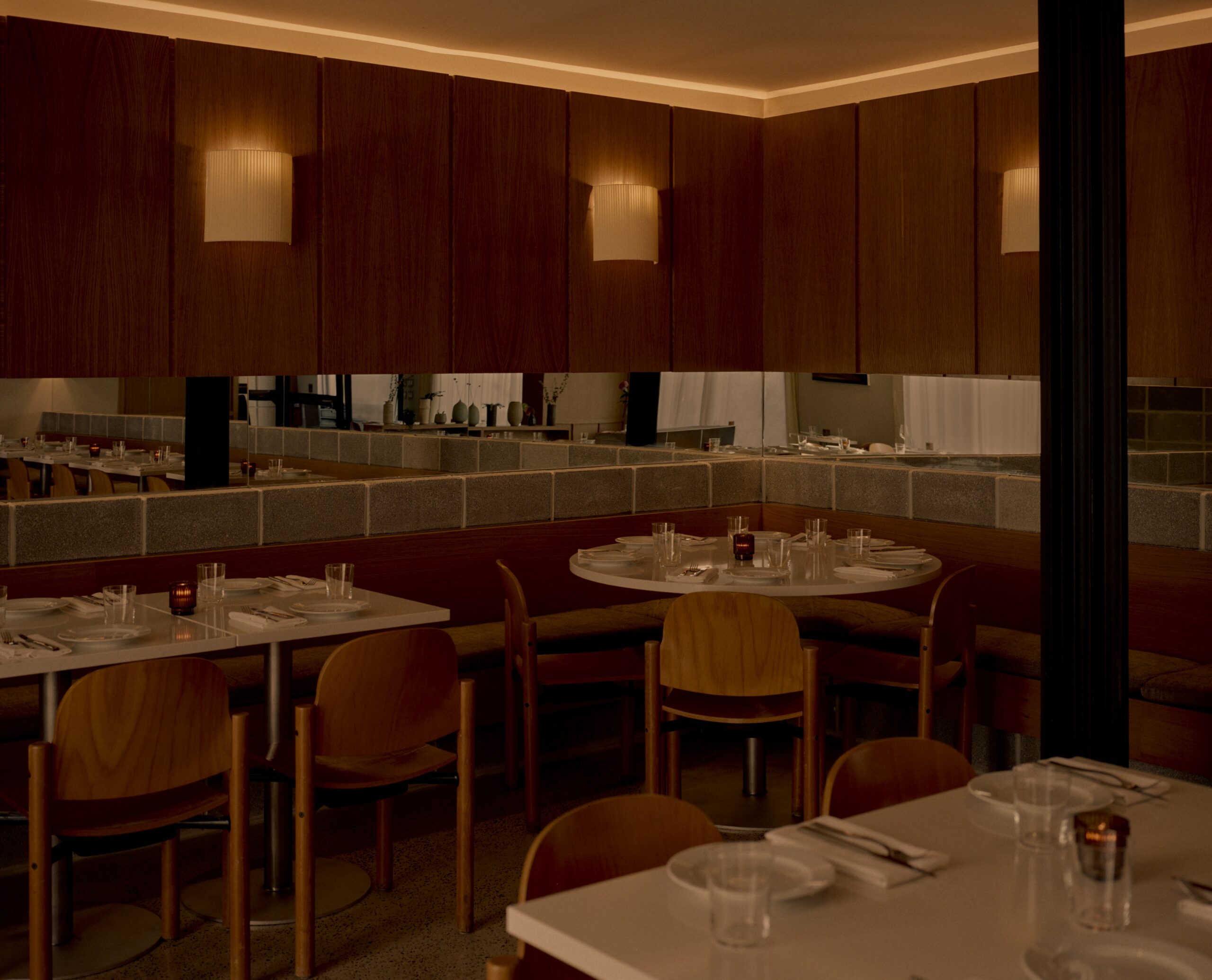
    The reservation book for Greg Vernick’s new Italian restaurant Emilia just opened, in advance of its opening Monday in Frankford-Kensington. Longtime Vernick chef Meredith Medoway will run the show. Here’s the backstory.

    An entrepreneur wanted to bring fresh doughnuts, soft serve, and coffee to his hometown. It’s called Happy Place Homemade.

    Briefly noted

    Sontuosa, chef Ernesto Guzman’s fusion BYOB in Bryn Mawr, has closed after nine years. He didn’t return a message seeking comment.

    The Rook on 4th, a sandwich shop in Olde Kensington, has closed after a year and a half. Management, which has locations in Manayunk and Wildwood as well as a catering arm, calls it “a step forward” on social media.

    Pops Trattoria in Audubon, N.J., closed Sunday, in advance of a move to a still-undisclosed location.

    Frank P. Olivieri, who ran Pat’s King of Steaks for decades and was the son and uncle of its founders, died Sunday. Here’s the obit.

    The two locations of Bomba ¡Tacos + Tequila! will show off their new look with open houses from noon to 4 p.m. Saturday at 2930 S. Eagle Rd. in Newtown and on Feb. 15 at the Grove (30 Liberty Blvd.) in Malvern. Expect comp tastings of new dishes, tequilas, and cocktails (ages 21+, of course).

    Cantina la Martina is collaborating with the Lighthouse to host its fourth annual La Tamalada, a family-friendly festival, from 11 a.m.-4 p.m. Feb. 1 at 101 E. Erie Ave. Lineup includes tamales ($6 each), music, drinks, and activities including games, artisan vendors, hayrides, barrel rides, and a petting zoo. Some vendors are cash only, and parking is $10.

    Nominations for the Tasties, the restaurant awards handed out by the Delicious City podcast, are closed. So now we wait for the gala, at Live Casino on Feb. 1, where winners in nine categories will be unveiled. New this year is the Future Tastemaker Award, a hospitality scholarship recognizing rising stars under age 30 with $1,000 grants. The evening promises lots of food and drink; tickets are still available.

    ❓Pop quiz

    The internet seems obsessed with what new fast-food restaurant in the city?

    A) McDonald’s at 16th and Chestnut

    B) Taco Bell at 39th and Chestnut

    C) Raising Cane’s at 39th and Walnut

    D) Arby’s on Franklin Mills Boulevard

    Find out if you know the answer.

    Ask Mike anything

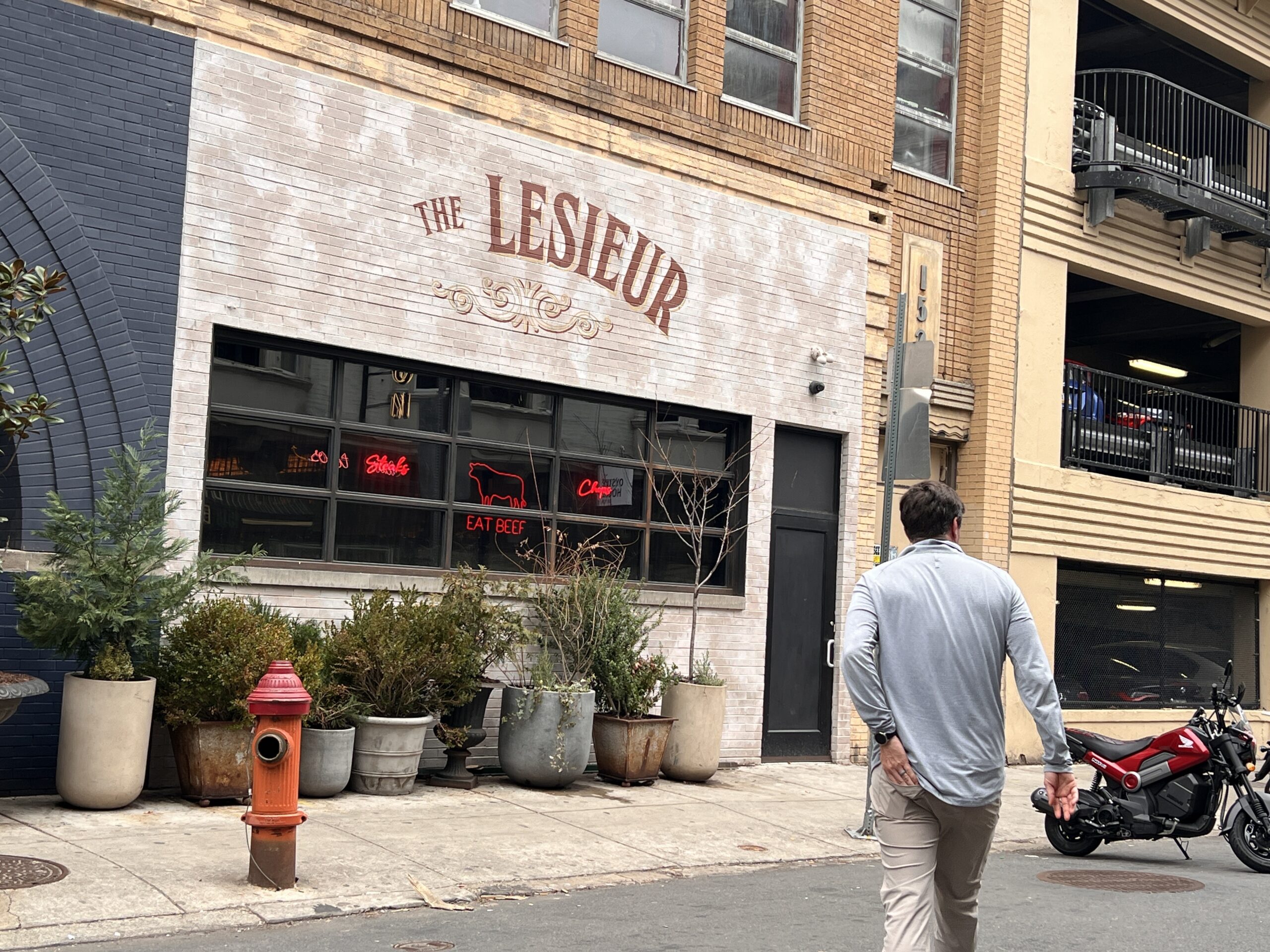
    Bar Lesieur on Sansom Street is now “the Lesieur.” What’s that about? — Steve H.

    A rep for the Schulson Collective calls it “merely a name change to equally emphasize the overall dining experience — food and drink.“ The restaurant opened in November 2023 as a French bar above Schulson’s subterranean Italian spot Giuseppe & Sons, but it is now billed as a French steakhouse.

    📮 Have a question about food in Philly? Email your questions to me at mklein@inquirer.com for a chance to be featured in my newsletter.

    By submitting your written, visual, and/or audio contributions, you agree to The Inquirer’s Terms of Use, including the grant of rights in Section 10.

  • 26 dishes we really love on Center City District Restaurant Week menus

    26 dishes we really love on Center City District Restaurant Week menus

    Restaurant week menus are generally built for speed and scale. In other words, they’re quick to put together and easily reproducible, designed to accommodate an influx of bargain-seeking guests.

    I combed through 120 menus offered during the current Center City District Restaurant Week for truly special dishes. These 26 picks — including some from The Inquirer’s vaunted 76 restaurants — spotlight bigger-ticket proteins, slow braises, and labor-heavy pastas that rarely make prix-fixe lineups, as well as some Philly classics.

    For the 2026 restaurant week, running through Jan. 31, some restaurants will offer $20 two-course lunches in addition to three-course dinners priced at $45 or $60.

    All are offered for dinner unless otherwise noted. Not all restaurants serve the special menus every day. Menus were checked Jan. 19.

    Amada ($45): Lamb albondigas (meatballs, with manchego, sherry, and foie gras cream) is a highlight of the second course of the tasting menu.

    Ambrosia ($45): Squid ink spaghettini with calamari, crabmeat, Calabrian chili, and tomato is a stunning main on this Fitler Square BYOB’s dinner menu.

    Bar Bombón ($20 lunch): Hearts of palm “fish” tacos, a creative, high-effort vegan main.

    Barbuzzo ($45): Grilled branzino with celery root fregola, Sicilian tomato-almond pesto, and salmoriglio — one of the six main plates offered.

    Bellini ($45): Veal saltimbocca — cutlets wrapped in prosciutto, then typically pan-fried with sage — is not common on restaurant week menus.

    Bleu Sushi ($45): Start with soft-shell sliders, segue into Japanese bottarga spaghetti (dried mullet roe caviar sautéed with garlic, spaghetti, and furikake), then end with fried ice cream.

    Bodega Bar ($45): Roast rack of lamb, offered with asparagus or rice, is a restaurant-week find.

    Bolo ($45): Seafood asopao — a stew with mahi-mahi, shrimp, scallops, and calamari — is a Puerto Rican treasure.

    Bridget Foy’s ($45): Don’t think twice about ordering Bridget’s seafood pasta, topped with mussels, crab, and shrimp.

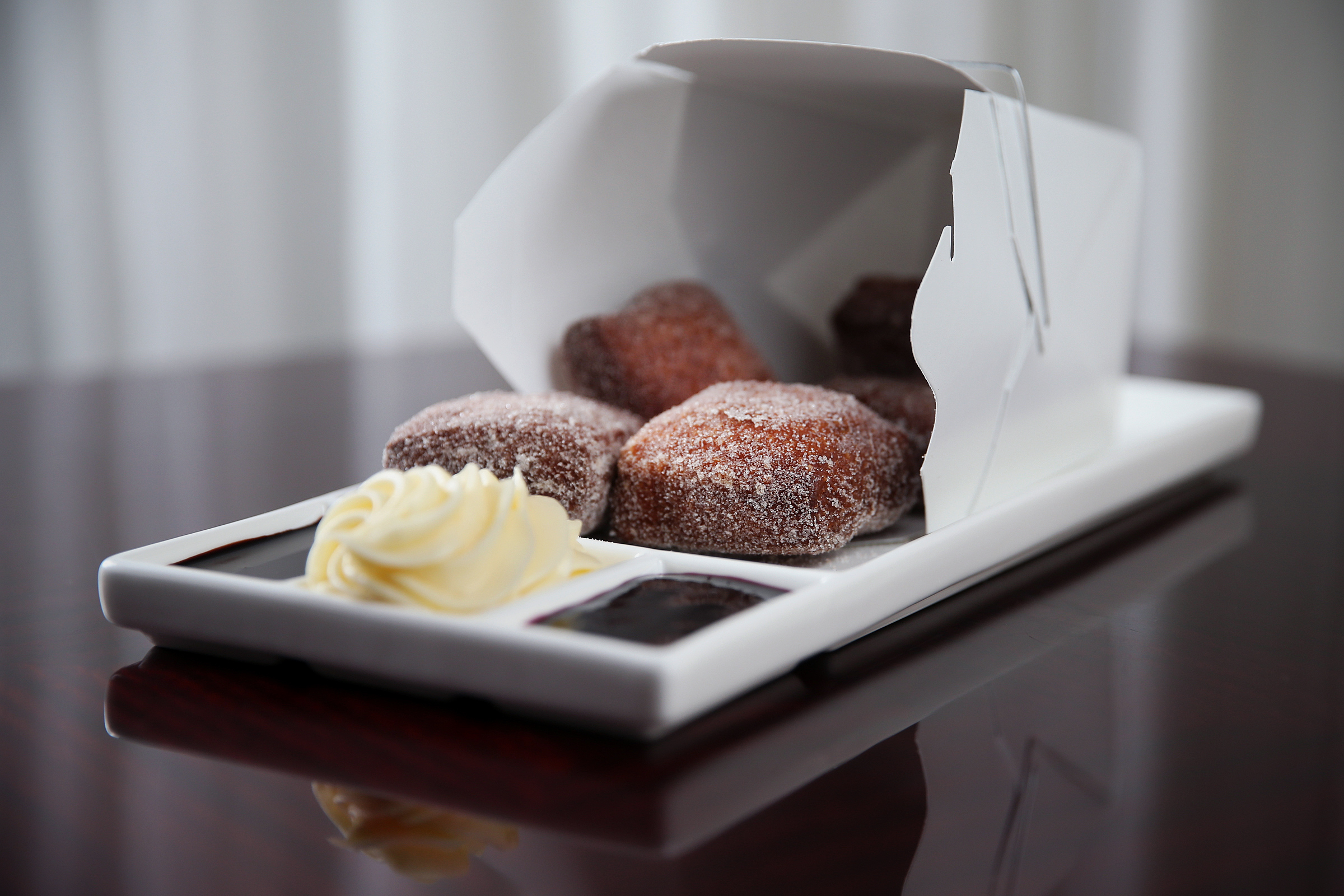
    The “dip sum” doughnuts at Buddakan.

    Buddakan ($45): For old times’ sake, there’s the miso black cod and the signature “dip sum” doughnuts.

    Château Rouge ($45): The grilled fish offering is lagdo, a thick white-fleshed fish from Cameroon. Tip: Start with suya wings.

    Del Frisco’s Double Eagle ($60): The crab cakes with Cajun lobster cream sauce alone usually sell for $56.

    Estia ($60): Go for the arni paidakia (marinated lamb chops, served with roasted potatoes and tzatziki).

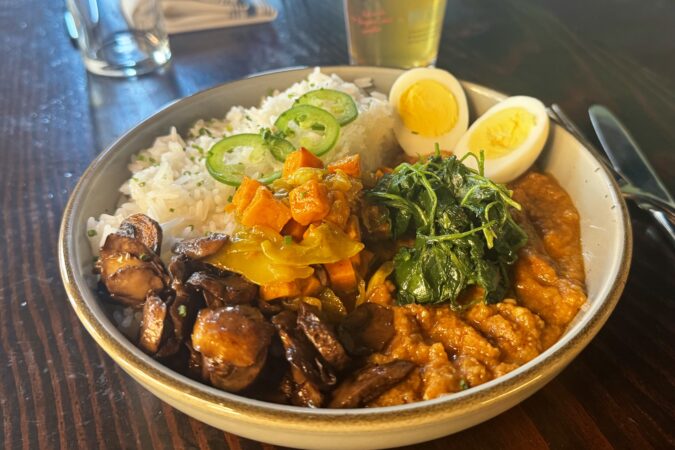
    Fringe Bar ($45): Chef Kenny Bush’s West Philly shiro wat — the Ethiopian-spiced stew of ground chickpeas, mushrooms, sweet potatoes, and greens — comes served over rice.

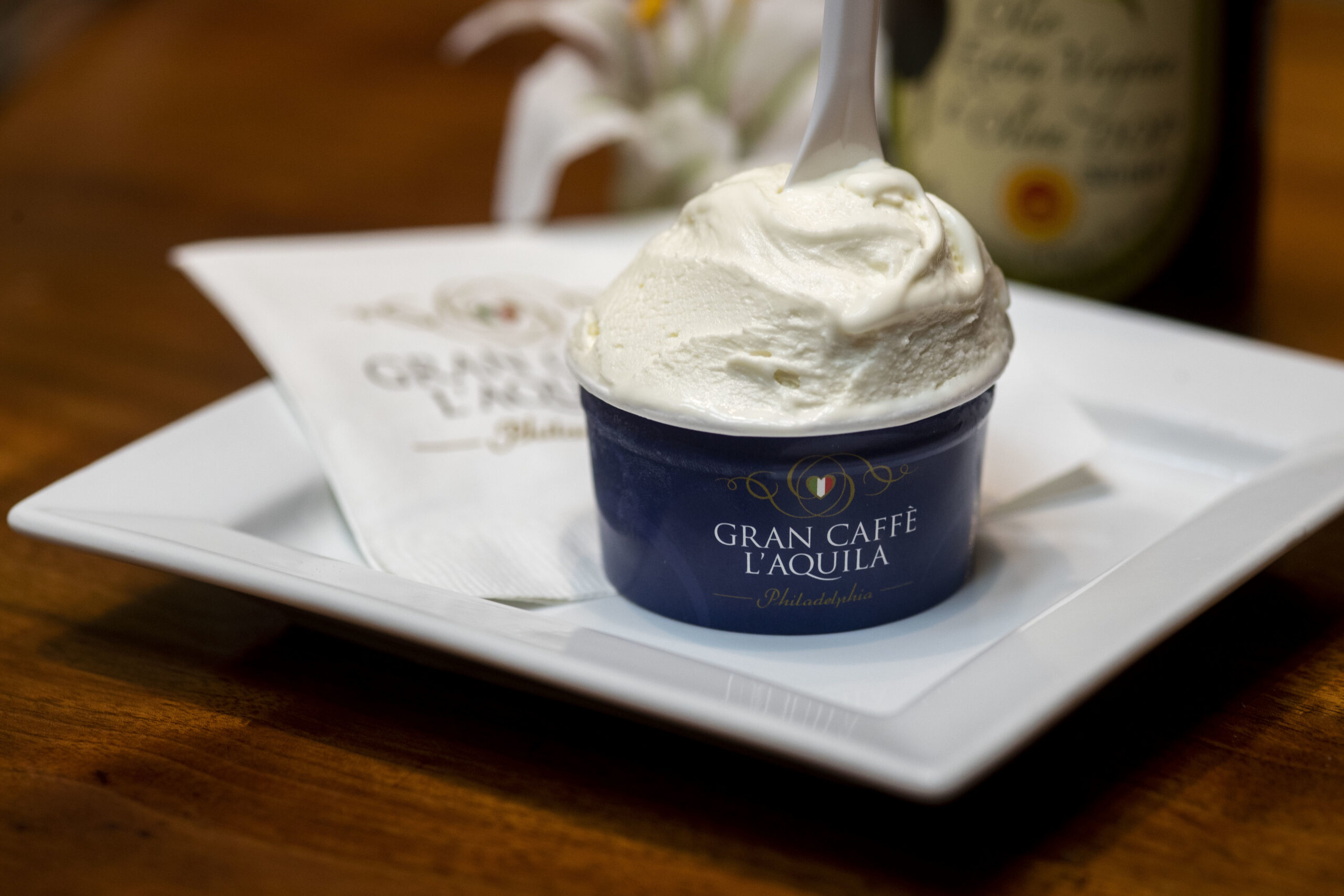
    Gran Caffe L’Aquila is known for its gelato.

    Gran Caffè L’Aquila ($20 lunch): The Roman-themed menu includes a tasting of two signature Pecorino Romano cheeses as a starter; among mains is a slow-cooked coda alla vaccinara (oxtail stew). The dinner special ($45) includes the signature gelato.

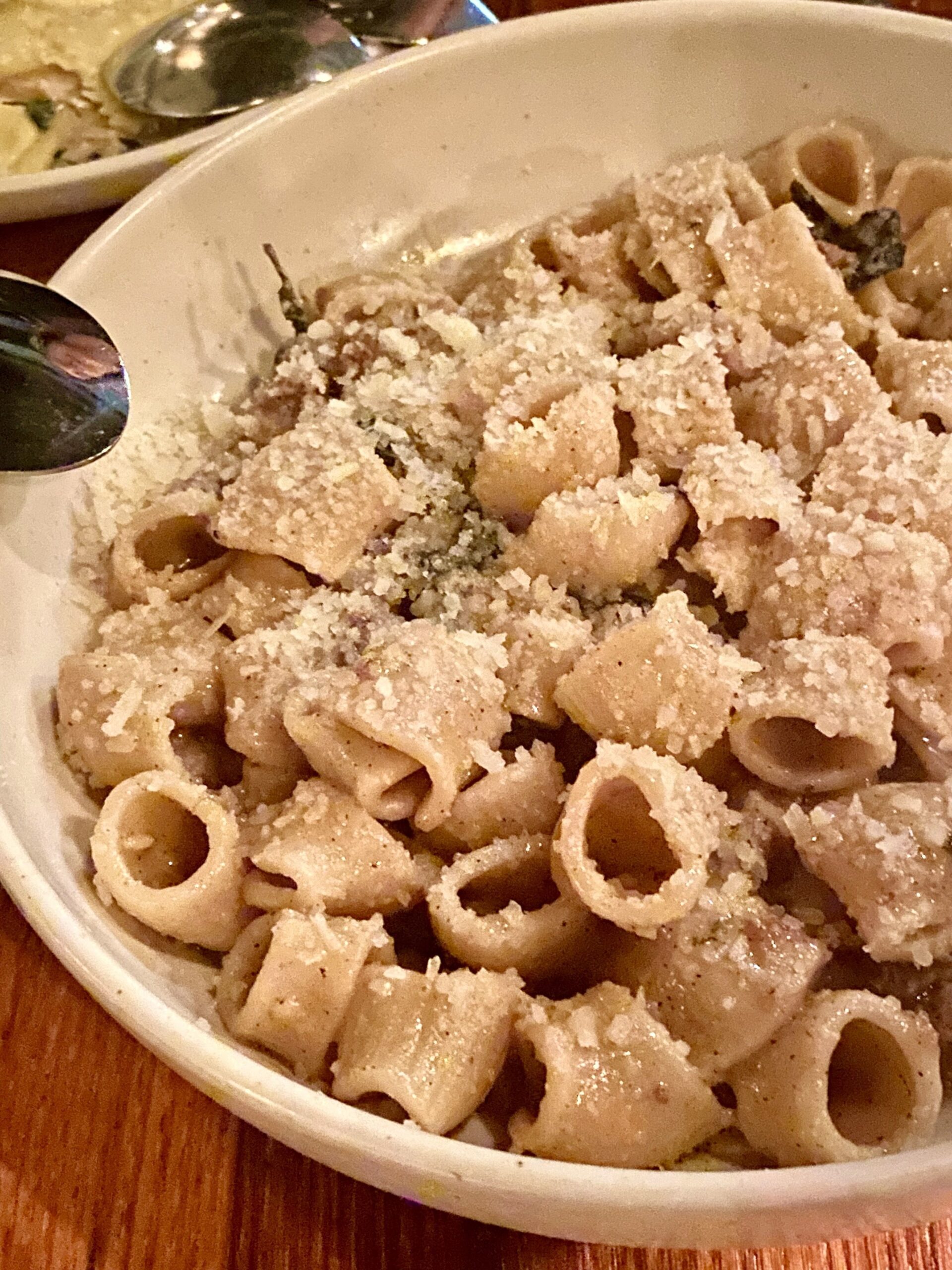
    High Street ($60): House-made spaccatelle on the second course includes royal trumpet mushrooms, black truffle butter, and egg. It’s vegetarian but can be made gluten-free or vegan.

    La Nonna ($45): Pork osso buco — fork-tender braised pork in a rich tomato-ey sauce — is seldom found on restaurant week menus.

    Chicken liver rigatoni at Osteria, 640 N. Broad St.

    Osteria ($45): Don’t skip that old-time favorite: chicken liver rigatoni.

    PJ Clarke’s ($45): Where can you get a lobster roll and Parmesan- and garlic-broiled oysters for 45 bucks?

    P&K double cheeseburger at Pub & Kitchen, 1946 Lombard St.

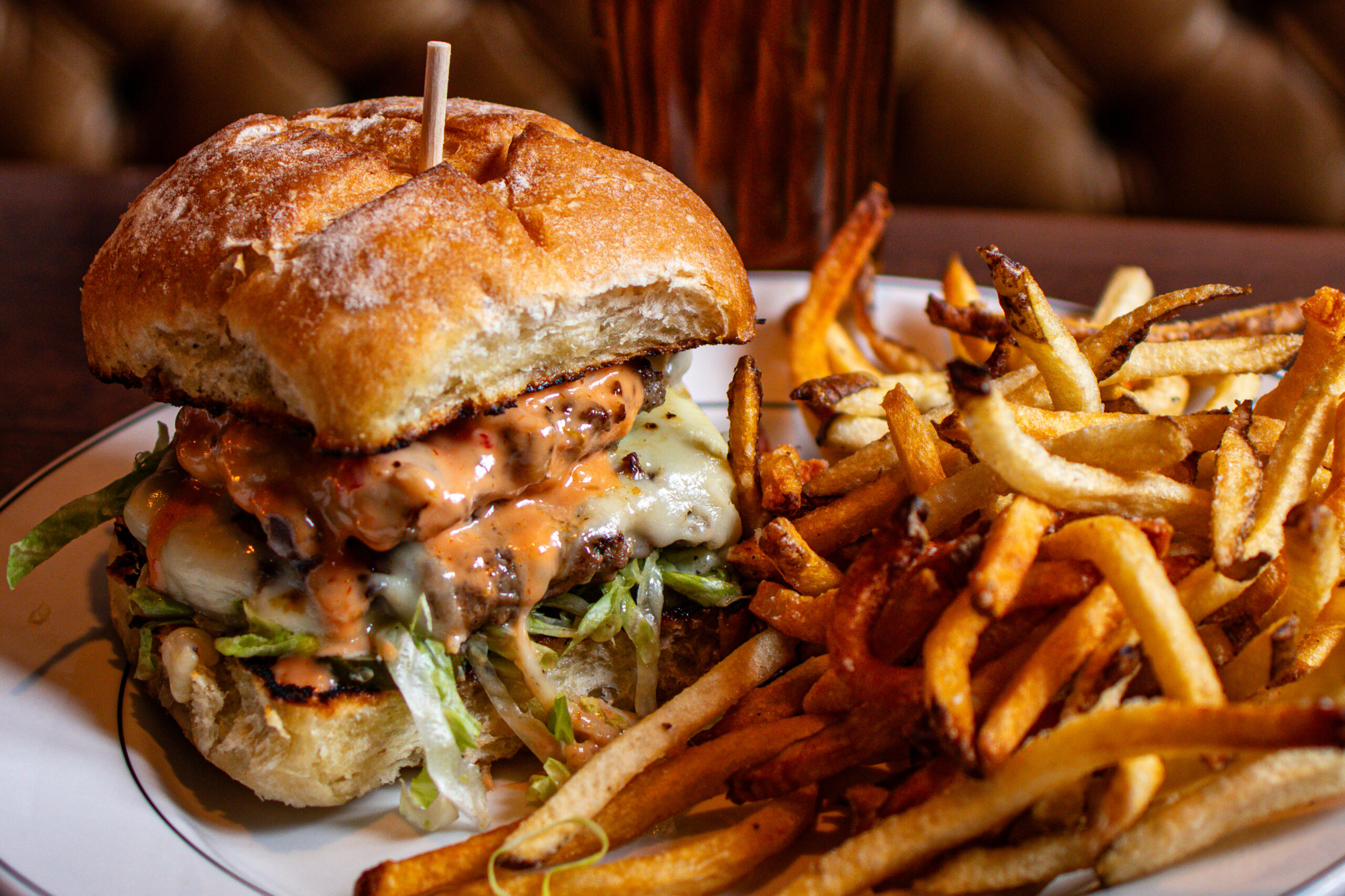
    Pub & Kitchen ($45): Start with chili and try one of Philly’s top double cheeseburgers; wrap with an apple hand pie.

    Restaurant Aleksandar ($60): Balkan menu touches include tenderloin tartare mekik and ratatouille with roasted adjar.

    Rex at the Royal ($45): Duck confit gumbo with Andouille sausage, okra, and Carolina Gold rice is a clear winner.

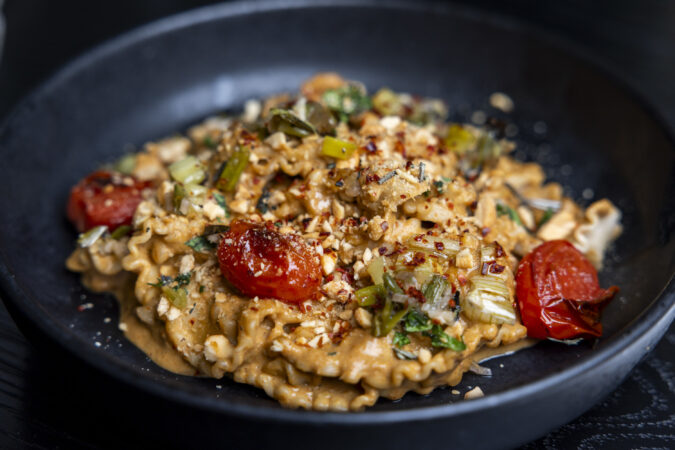
    Rhythm & Spirits ($45): The comforting harissa cashew mafaldine is not only intriguing but also vegan. Start with zucchini fritters.

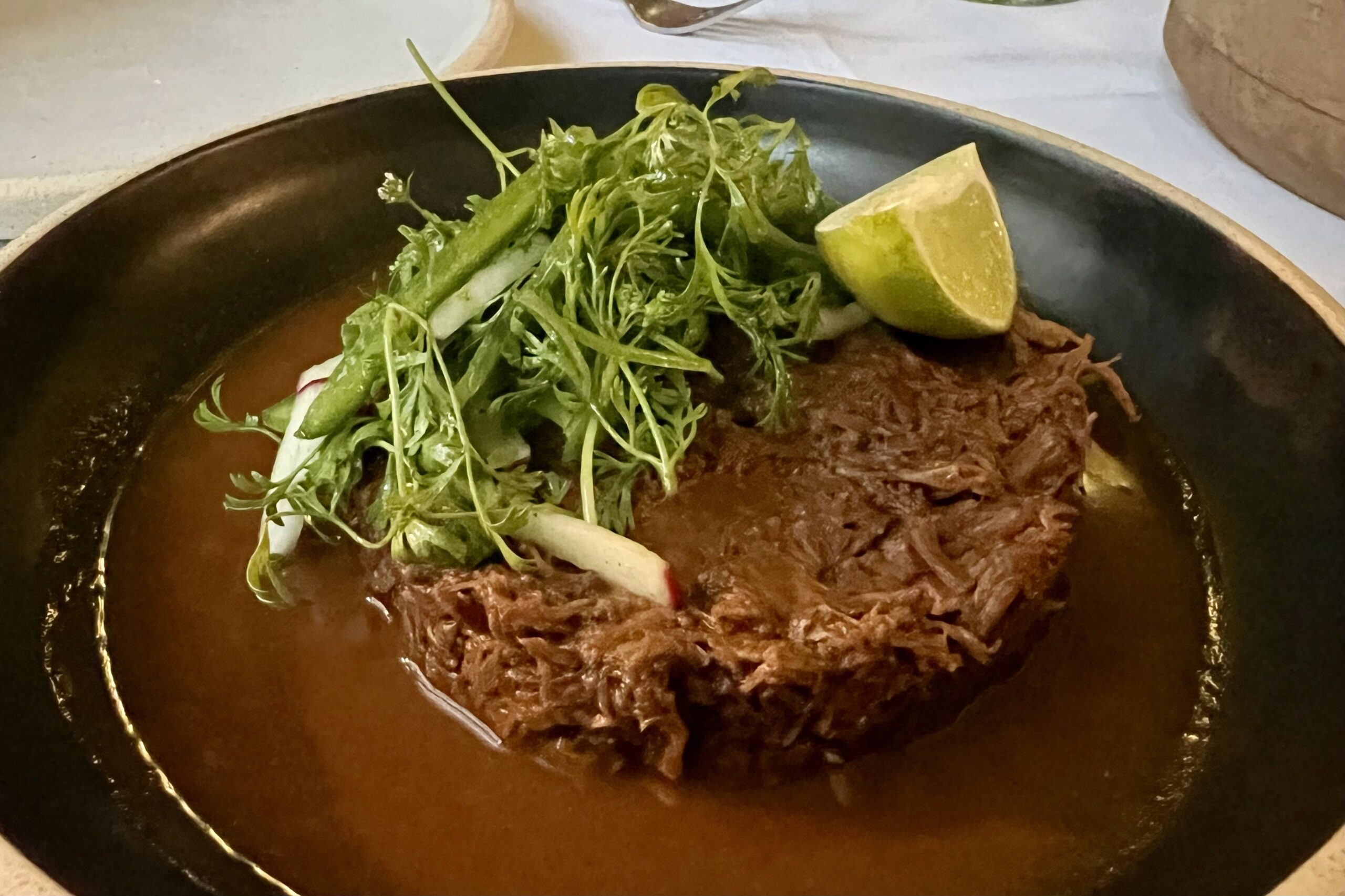
    Barbacoa tapatia at Tequilas, 1602 Locust St.

    Tequilas ($45): Barbacoa tapatia is a fine-dining treatment of a rustic dish.

    Vita ($60): Bring a friend or two to share the pasta course — a choice of rigatoni alla vodka, bottoni, or tagliatelle ragu Bolognese.

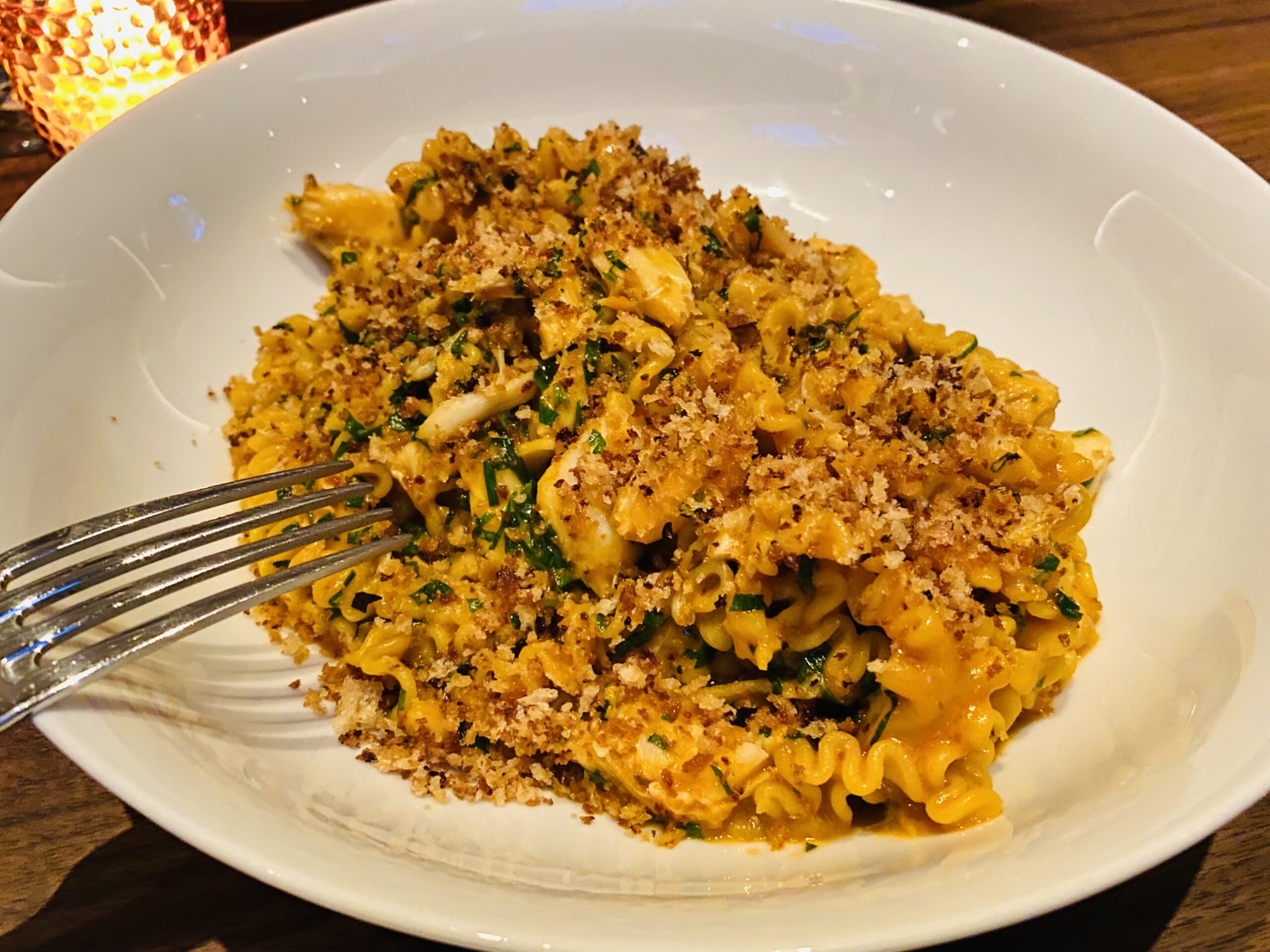
    Wilder ($45): Mafaldine alla vodka with jumbo lump crab and breadcrumbs can’t disappoint.

    Mafaldine alla vodka with jumbo lump crab, chili, basil, and bread crumbs at Wilder.