Category: Health

  • Bayada Home Health Care has appointed Bryony Winn as next CEO

    Bayada Home Health Care has appointed Bryony Winn as next CEO

    Bayada Home Health Care, a Moorestown nonprofit that is one of the nation’s largest providers of home health and related services, appointed Bryony Winn as its next CEO, Bayada announced Thursday.

    When she takes over March 2, Winn will be the first outside CEO of the organization that was founded in 1975 by entrepreneur J. Mark Baiada. He turned the company into a nonprofit in 2019.

    Winn will succeed the founder’s son, David, who has been CEO for eight years.

    Until this month, Winn was president of Caralon, a unit of health insurer Elevance that provides assorted services, including prior authorizations, to other health plans. Before that, she worked at Blue Cross Blue Shield of North Carolina and as a consultant at McKinsey & Co.

    “Leading an organization like Bayada is the opportunity of a lifetime,” Winn said. “It’s a special organization that makes a real, tangible impact on people and health worldwide. I can’t wait to get started.”

    Until Winn arrives, David Baiada will remain CEO, and then will join the organization’s board of directors and act as an adviser to Winn.

    Bayada had roughly $2 billion in annual revenue last year, the organization said. In addition to traditional home healthcare, Bayada offers private-duty nursing and hospice care.

    In June, Bayada laid off about 10% of the staff in its Pennsauken offices, where back-office and other services are provided for the entire company. Bayada employs more than 30,000 people.

  • Bryn Mawr birth center Lifecycle Wellness to close in early 2026

    Bryn Mawr birth center Lifecycle Wellness to close in early 2026

    Lifecycle Wellness, a birth center in Bryn Mawr that offered an alternative to hospital delivery for Philadelphia-area parents, is shutting down operations amid growing financial pressure, the nonprofit announced Thursday.

    The nonprofit, which provides “homelike” births for low-risk pregnancies at its birth center and at Bryn Mawr Hospital, will stop delivering babies on Feb. 15. Patients who are due on Feb. 1 or later will need to transition to a different provider.

    In an open letter posted on its website Thursday, Lifecycle leaders said the organization was strained by rising operations and medical malpractice costs that outpaced insurance reimbursement rates — industrywide challenges that have plagued small and large health organizations alike.

    “From the beginning, Lifecycle Wellness has been dedicated to providing evidence-based, family-centered care that empowers clients to make informed choices and experience birth in a supportive, homelike environment,” Jessi Schwarz, executive and clinical director, and Lauren Harrington, board president, wrote. But, they added, “growing challenges have made it increasingly difficult for small, independent, and non-profit maternal health providers to exist.”

    Lifecycle reported a profit of $135,303 last year, down from $221,578 in 2023, according to its most recent tax filings.

    The organization provided prenatal and birthing services to about 600 patients a year, according to its 2024 tax filings. It employed 73 people that year.

    But in their letter announcing the closure, Schwarz and Harrington said that “shifts in public health and rising rates of medical complications have reduced the number of families eligible for this model of care.”

    Medical malpractice strain

    The number of malpractice cases rose in Philadelphia after a 2023 rule change allowed patients to sue outside the county in which they received medical treatment.

    Medical malpractice lawsuits are common in obstetrics, and Philadelphia’s court is known for verdicts with high awards.

    In 2023, a Philadelphia jury awarded a record-setting $180 million to the family of a child who was born with severe brain injuries at the Hospital of the University of Pennsylvania.

    The Birth Center is currently facing seven lawsuits in Philadelphia.

    The industry’s financial headwinds can be harder for independent, specialized healthcare organizations to face.

    Last year, Rothman Orthopaedic Institute ended a decades-long run as the official team physicians for the Philadelphia Eagles, citing the risk of medical malpractice liability. A year earlier, a Philadelphia jury awarded $43.5 million to former Eagles safety Chris Maragos, who sued Rothman over the treatment he received for a career-ending knee injury.

    Birth resources outside Philadelphia

    Lifecycle said it would continue to work with families who are expected to give birth by the end of January.

    The organization will work with families due after Feb. 1 to identify a new provider and transition their care.

    Lifecycle plans to continue offering limited prenatal, postnatal, and gynecological care through the end of March. The organization will also phase out its mental health and lactation services in February and March.

    “Access to respectful, equitable, community-based care is shrinking for many, particularly for marginalized communities who need it most,” Schwarz said in a statement to The Inquirer. “Our situation reflects a broader reality that the health, safety, and well-being of pregnant people and families is not prioritized within our current payment structures.”

    They did not offer specifics about where existing patients may be able to transfer their care.

    Birth centers are designed as alternatives to hospitals, offering a more natural, “homelike” setting. They have limited pain medications, and patients are typically not connected to fetal monitoring devices, allowing them to move more freely.

    This type of care is only an option for low-risk pregnancies, as birth centers are not licensed to perform c-section operations, and will need to transfer patients to a hospital if there is a serious complication during birth.

    “I felt very much in the arms of a beloved community of people who were really on your side,” said Monica Moran, who delivered her children with the support of Lifecycle midwives in 2007 and 2009.

    Moran, who lives in Havertown, has continued to go to Lifecycle for routine gynecological services and isn’t sure where she will go instead.

    She said she worries for families who were counting on Lifecycle’s providers for a nonhospital delivery.

    Nearby hospitals with labor and delivery services include Bryn Mawr Hospital and Lankenau Medical Center, both of which are owned by Main Line Health.

    The system is “well-positioned and prepared to manage increased patient volume while maintaining our high standards of care,” a spokesperson said in a statement.

    It has already seen an influx of patients since Crozer Health closed earlier this year. Crozer delivered 960 babies in 2024, according to health department records.

  • A New Jersey organ donation nonprofit is accused of ordering an organ recovery to go forward after a patient ‘reanimated’

    A New Jersey organ donation nonprofit is accused of ordering an organ recovery to go forward after a patient ‘reanimated’

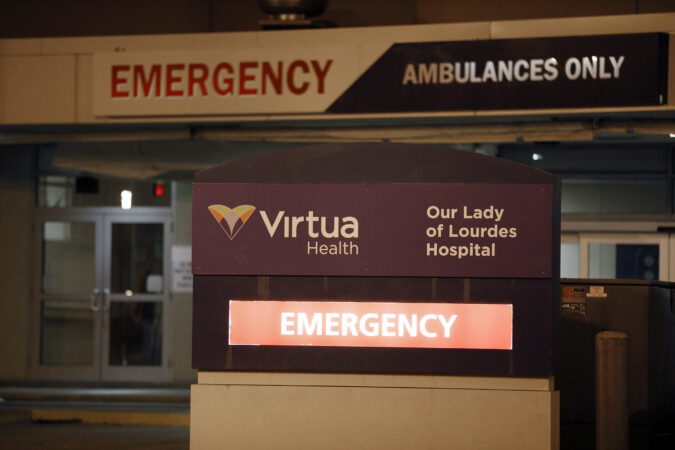
    The president of a major New Jersey organ donation nonprofit told a subordinate at a Camden hospital to continue procuring organs from a patient thought to be dead — after that person “reanimated” during the organ recovery process, federal lawmakers alleged in a letter made public Wednesday.

    Instead, hospital staff at Virtua Our Lady of Lourdes Hospital intervened to stop the procedure, members of the House Committee on Ways and Means said in the letter, dated Nov. 19.

    The committee, which has been investigating malpractice among organ donation nonprofits, said it was probing allegations that the New Jersey Organ and Tissue Sharing Network, or NJ Sharing Network, engaged in a number of questionable practices.

    The letter said whistleblowers accused the organization of disposing of organs meant for research, pressuring families to donate organs from patients who had revoked their organ donor status, and skipping over patients on a waiting list for donated organs.

    The committee said that, in some cases, NJ Sharing Network could be violating federal law.

    NJ Sharing Network and Virtua Health did not immediately return requests for comment Thursday.

    The House’s probe into NJ Sharing Network’s practices comes after years of scrutiny for the nation’s organ donation system and amid investigations into several other organ donation organizations by the committee. The Washington Post reported that as early as 2022, Senate investigators found 70 people had died after organ donation organizations failed to screen donated organs for cancer and other diseases.

    This year, the federal Department of Health and Human Services said it had found evidence that an organ donation organization in Kentucky, West Virginia, and Ohio had initiated organ procurement procedures on at least 28 patients who might not have been dead. The organ donations ultimately did not continue.

    In September, the Post reported, a former NJ Sharing Network staffer named Patrek Chase filed a lawsuit against the nonprofit and two other organ donation organizations, alleging that they had collected organs that weren’t appropriate for transplants in order to pull in more Medicaid reimbursements.

    Organ donation organizations are under intense pressure to find healthy organs for a growing population of people who need them, said Arthur Caplan, a bioethics professor at New York University who previously worked at the University of Pennsylvania.

    “A lot of these pressures may lead to some bad behavior,” he said.

    He advised Congress as it set up the nation’s organ donation system in the 1980s, but said certain aspects of the system need to be examined now. For one, it may be too big — fewer organ procurement organizations might result in a more efficient system with better-trained staff, he said.

    Some organizations do not obtain enough organs to serve patients in need, he said.

    “It’s been tolerated for a while, and it needs to be explained,” he said. “And for the ones that are doing well, what are they doing well? Are any of them pushing too hard? We want to protect grieving families and make sure people who want to be donors have their wishes honored.”

    Still, he said, Congress’ scrutiny of malpractice in the industry comes alongside a reluctance to spend more money to improve the system.

    “There are also congressional inquiries saying, ‘Why aren’t you getting more organs? And we’re not giving you any more money for training or anything else,’” he said. “The pressure is coming in both directions.”

    Given the need for organs, he said, he was concerned that news of malpractice could turn people away from donating organs.

    “We need more organ donors. It sounds bananas, in context,” he said. But, he said, if more people donated their organs — and the donation system undergoes necessary reforms — pressures to procure organs might ease.

    Allegations of malpractice

    The House committee wrote in its letter to NJ Sharing Network that the organ procurement case at Our Lady of Lourdes took place in summer 2025, about two weeks before the committee informed the organization it was investigating allegations of malpractice there.

    The patient was on “life-sustaining” therapy, the committee wrote, and NJ Sharing Network asked the person’s family for consent to remove the organs for donation. Though pronounced dead before the “organ recovery process” began, the patient “reanimated” during the process, the committee wrote.

    The committee did not specify at what point the person reanimated, what signs of life were exhibited, or whether the patient was injured during the process.

    The NJ Sharing Network administrator on call contacted the nonprofit’s president, Carolyn Welsh, and asked what to do, the committee wrote.

    The committee said it had “obtained information” that Welsh told her staff to go ahead with the organ recovery process. Hospital staff, however, stepped in and stopped the process, the committee said — though, afterward, Welsh’s staff kept pressuring hospital staff to continue.

    Whistleblowers also told the House panel that emails linked to the donation case were deleted and that the donor’s record may have been tampered with, the committee wrote.

    Caplan said it was difficult to comment on the case without more information on the patient or the person’s condition.

    Patients who are candidates for organ donation are seriously ill or injured, and “reanimation” does not necessarily mean that a person instantly regained consciousness, he said. It could mean that a person’s heart regained some electrical activity and pumped for several more hours, he said.

    It is crucial for doctors to be properly trained on when and how to declare a patient dead, Caplan said, and sometimes making that call can be difficult. Conditions like a drug overdose or a drowning in very cold water can make it difficult to gauge brain death or heart stoppage.

    Allocating organs

    Citing public records from federal health agencies, the committee said that, about a quarter of the time, NJ Sharing Network allocated organs for transplant “out of sequence” — skipping over people on waiting lists for organ transplants, and doing so more often than some peer organizations.

    Sometimes, allocating organs out of sequence is necessary, the committee wrote, such as when an organ is reaching the maximum amount of time that it can be preserved outside a person’s body and must be implanted as soon as possible. But a staffer at the New Jersey organization allegedly sent organs to “friends in the industry” at a list of “aggressive centers,” the committee wrote.

    It was unclear what was meant by “aggressive centers.”

    The committee said that it had received information that skirting typical allocation procedures for just one case meant that “several individuals” waiting for organs had died, several had been removed from the organ wait list because their medical conditions worsened, and more than 100 people who were skipped over are still on the list.

    The committee said that it was also concerned NJ Sharing Network had kept information from the panel after an earlier request for documents. The committee asked for more documents and communications from the organization and requested interviews with more than two dozen staff.

  • Is my husband a narcissist? He’s self-centered and lacks empathy. | Expert Opinion

    Is my husband a narcissist? He’s self-centered and lacks empathy. | Expert Opinion

    Q: I’ve been married for only two years, and I’m already wondering if I made a bad decision. When we were dating, my husband was incredibly charming and thoughtful, and in many ways, much more sensitive and dialed in than most of the men I had dated. And since my track record hasn’t been great, I dated him for at least a year before getting engaged so I had time to really get to know him. Or so I thought, because the warm and charming man he once was started going away almost as soon as our wedding was over. And far from being the considerate person who charmed me, he’s incredibly self-centered, moody and angry most of the time. When the topic is on him, it’s all good; but as soon as I want to talk about what’s going on in my life, he gets bored, annoyed, or downright mean. Did I marry a narcissist?

    A: It’s not uncommon for people to wonder whether a partner’s self-centeredness, emotional volatility, or lack of empathy points to narcissism. The term gets thrown around so often that it can lose meaning — but for those who live with a truly narcissistic partner, the experience is anything but trivial.

    Recent research shows that while full narcissistic personality disorder (NPD) is relatively rare, its impact on intimate relationships can be profound. People with NPD share a cluster of traits centered on grandiosity (believing they’re superior or above the rules), entitlement, and impaired empathy, expressed through an exaggerated need for admiration, a fragile and easily threatened sense of self, and a tendency to exploit or dismiss others’ needs. They often oscillate between inflated self-importance and deep insecurity, react poorly to criticism, and rely on defenses such as blame-shifting, minimization, or rage to protect a vulnerable self-image.

    Studies of couples in which one partner has elevated narcissistic traits or NPD have found patterns of low empathy, high conflict, and poor responsiveness to a partner’s needs, often driven by the narcissistic partner’s fragile self-esteem and heightened sensitivity to criticism.

    This means that the distress you feel is not imagined — NPD reliably predicts greater marital dissatisfaction, more emotional volatility, and higher rates of separation.

    Researchers today also distinguish between grandiose and vulnerable narcissism. Grandiose narcissists tend to be dominant, entitled, and attention seeking. They’re also more likely to be difficult in romantic relationships, less empathic, and more prone to infidelity.

    Vulnerable narcissists, on the other hand, tend more toward hypersensitivity and fears of being shamed. Like grandiose narcissists, vulnerable narcissists crave validation, but withdraw or attack when criticized. Both forms undermine romantic relationships, but in different ways: one through arrogance, the other through insecurity.

    However, whether he is narcissistic doesn’t necessarily mean that you should leave him. Research suggests that narcissistic traits can soften over time, particularly when life experiences challenge the person’s grandiosity.

    Therapy can also help partners by getting them to focus less on “fixing” the narcissist and more on clarifying boundaries, recognizing manipulation, and reclaiming one’s own sense of reality.

    Psychotherapy can also help if he is motivated, but genuine change requires confronting shame, entitlement, and fear of dependency — tasks many with NPD tend to resist.

    It may not be just narcissism

    In addition to narcissism, there are other potential diagnoses and dynamics that could be operating. Perhaps your husband is depressed. Research shows that men often externalize depression through irritability, defensiveness, or emotional shutdown rather than sadness. This occurs in part because of cultural expectations that discourage vulnerability in men. What can look like indifference or hostility may, in some cases, be a form of masked distress — an effort to manage feelings that are too threatening to acknowledge directly.

    On the other hand, he may have issues with drugs or alcohol, which can also lead to moodiness, self-centered behavior and, in the case of stimulants, grandiosity.

    Perhaps he has intense fears of losing you and that causes him to defend against how weak or vulnerable it makes him feel. Instead, he diminishes your value so you’re not as important in his heart or mind.

    None of these make him easy to live with, but they all suggest a different response from you or a different treatment strategy if he or you were to enter therapy.

    The pull of the familiar

    Since you said that your track record with choosing men isn’t great, it may be useful to do some reflection or therapy around why you’re drawn to certain types. Sometimes we have blind spots in who we’re attracted to because they have much in common with parental figures who made us feel unloved or unseen. Familiarity can be a serious attractor because of the kind of predictability it seems to offer.

    In addition, someone who appears to “have it all” may promise to heal all the broken or wounded places inside us and blind us to the reality that they’re a little too good to be true.

    We don’t fall for people at random — we choose those who make us feel like ourselves. The trouble is, if our self-view isn’t great, we’re vulnerable to choosing partners, even friends, who bruise us in familiar ways. Psychologists call this self-verification: the drive to confirm what we already believe about ourselves, however irrational or negative that self-image.

    Whatever the diagnosis, you’ll need additional support to navigate what you’re facing. A good couples therapist can be particularly helpful because they can assess what’s driving his behavior and identify whether referrals to other therapists or agencies are warranted.

    Meanwhile, regardless of the diagnosis, your needs for empathy, care, and reflection are just as important as his. If he does carry the diagnosis of NPD, the following principles can help:

    1. Stop arguing with reality. People with NPD often distort facts to preserve their self-image. Trying to prove your version of events can leave you frustrated and drained. Instead of debating every detail, focus on what’s true for you: your boundaries, feelings, and choices.

    2. Set limits early and consistently. Boundaries aren’t punishments; they’re forms of self-respect. If he’s responding to you with hostility, try saying the following: “I won’t be talked to in that way. If you have something you’d like to tell me, I’m happy to listen, but I won’t tolerate being criticized or demeaned by you or anyone else.” If you find yourself close to the edge of divorce, tell him before it’s too late. His self-centeredness may blind him to the possibility of losing you. You can say, “If this doesn’t change, I’m not sure I can stay married to you.” Narcissistic partners may test limits repeatedly, so consistency matters more than explanation. Calm, brief, and predictable responses are more effective than emotional appeals.

    3. Don’t take the bait. Narcissistic partners often escalate conflict to reassert dominance or control. When you stay centered and refuse to match their reactivity, you deprive the dynamic of its usual fuel. This isn’t submission — it’s strategy. Use the technique of “gray rocking.” If he begins provoking you with criticism or baiting you into an argument, try responding in a neutral, minimally reactive way, such as: “I understand that you’re upset.” No counteraccusations, defending, or emotional escalation. You keep your tone flat and your answers brief, and you avoid being pulled into the cycle. The goal isn’t to be cold; it’s to not reward the behavior with the intensity or engagement it’s designed to elicit, which often helps de-escalate the interaction.

    4. Protect your self-esteem. Over time, living with a narcissistic partner can make you question your value. Remind yourself that their inability to empathize isn’t proof that you’re unworthy — it’s evidence of their disorder. Surround yourself with people who mirror your strengths and kindness, not your partner’s distortions.

    5. Plan for safety — emotional and physical. If manipulation turns to threats, intimidation, or physical aggression, take it seriously. Reach out to trusted friends, a therapist, or a domestic violence hotline. Protecting yourself isn’t betrayal; it’s survival.

    You didn’t cause your husband’s behavior, nor can you cure it — but you can respond with clarity and care. Whether the problem is narcissism, depression, or something else, healthy relationships require mutual accountability, empathy, and respect. If he’s willing to work on those qualities, change is possible. If not, your task isn’t to fix him — it’s to protect your own stability and make choices that restore safety and dignity. Sometimes the healthiest outcome is renewed and deepened understanding; other times, it’s learning to let go without bitterness. Either way, your safety and sanity are nonnegotiable.

    Joshua Coleman, PhD, is a clinical psychologist in the Bay Area, keynote speaker and senior fellow with the Council on Contemporary Families. His newest book is “Rules of Estrangement: Why Adult Children Cut Ties and How to Heal the Conflict.” His Substack is Family Troubles.

  • ‘They don’t return home’: Cities across U.S. fail to curb traffic deaths

    ‘They don’t return home’: Cities across U.S. fail to curb traffic deaths

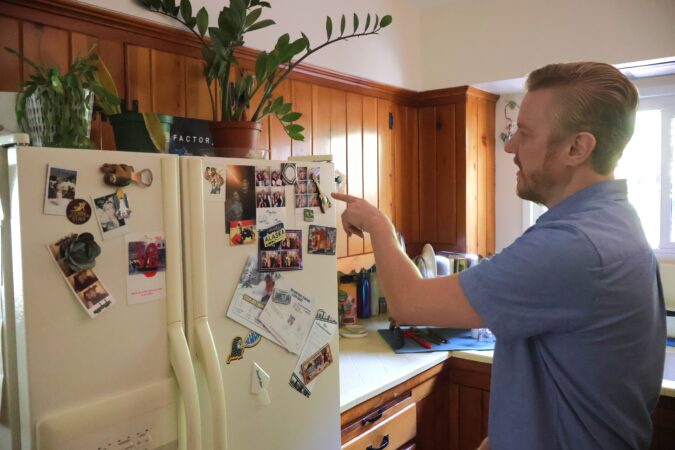
    Kris Edwards waited at home with friends for his wife, Erika “Tilly” Edwards, to go out to dinner, but she never made it back to the house they had purchased only four days earlier. Around 9 p.m. on June 29, a hit-and-run driver killed Tilly as she walked to her car after a fundraiser performance in Hollywood.

    “I’ve just got to figure out how to keep living. And the hard part with that is not knowing why,” Edwards said of his wife’s death.

    Despite local, state, and federal safety campaigns, such as the global Vision Zero initiative to eliminate traffic fatalities, such deaths are up 20% in the U.S. from a decade ago, from 32,744 in 2014 to an estimated 39,345 in 2024, according to data from the Department of Transportation’s National Highway Traffic Safety Administration. Although traffic deaths have declined since peaking at 43,230 in 2021, the number of deaths remains higher than a decade ago.

    Since the COVID-19 pandemic, the Pew Research Center found, Americans’ driving habits have worsened across multiple measures, from reckless driving to drunken driving, which road safety advocates call a public health failure. They say technology could dramatically reduce traffic deaths, but proposals often run up against industry resistance, and the Trump administration is focusing on driverless cars to both innovate and improve public safety.

    “Every day, 20 people go out for a walk, and they don’t return home,” said Adam Snider, a spokesperson for the Governors Highway Safety Association, which represents state road safety offices.

    American roads have become more dangerous than violent crimes in some cities: Los Angeles, San Francisco, and Houston are among the major cities that now report more traffic fatalities than homicides. In 2024, the Los Angeles Police Department reported an estimated 268 homicides and 302 traffic deaths, the second consecutive year that the number of people killed in collisions exceeded the number of homicide victims, according to Crosstown LA, a nonprofit community news outlet.

    San Francisco reported more than 40 traffic deaths and 35 homicides in 2024. In Houston, approximately 345 people died in crashes and 322 from homicide.

    Philadelphia had 134 traffic deaths last year, 59 of which involved pedestrians hit by vehicles.

    “Simply put, the United States is in the middle of a road safety emergency,” David Harkey, president of the Insurance Institute for Highway Safety, testified during a House Energy and Commerce subcommittee hearing this summer. Out of 29 high-income countries, America ranks at the bottom in road safety, Harkey said. “This spike is not — I repeat, is not — a global trend. The U.S. is an outlier.”

    In January 2017, then-Mayor Eric Garcetti joined 13 other L.A. city leaders in pledging to implement the Vision Zero action plan and eliminate traffic deaths in the city by 2025.

    Instead, deaths have increased.

    An audit released in April that was commissioned by the city’s administrative officer found that the level of enthusiasm for the program at City Hall has diminished and that it suffered because of “the pandemic, conflicts of personality, lack of total buy-in for implementation, disagreements over how the program should be administered, and scaling issues.” The report also cited competing interests among city departments and inconsistent investment in the city’s most dangerous traffic corridors.

    Mayor Karen Bass’ office did not immediately respond to requests for comment.

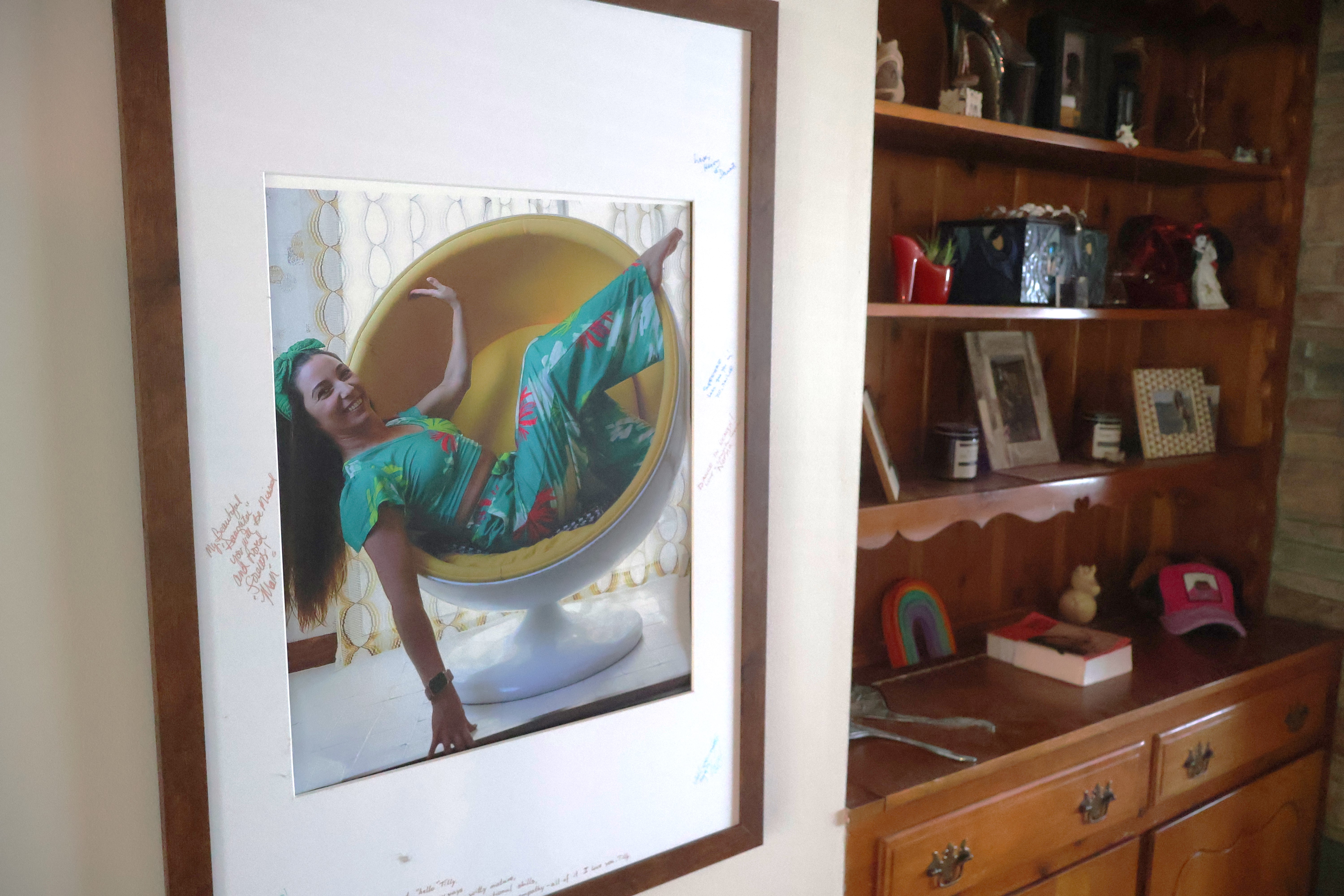
    A hit-and-run driver killed Erika “Tilly” Edwards as she walked to her car after a fundraiser performance in Los Angeles’ Hollywood neighborhood in June 2025. Despite safety campaigns, U.S. traffic deaths are up 20% from a decade ago, according to the Department of Transportation. (Chaseedaw Giles/KFF Health News)

    Last year, California state Sen. Scott Wiener proposed a bill that would have required new cars sold in the state to include “intelligent speed assistance,” software that could prevent vehicles from exceeding the speed limit by more than 10 mph. But the bill was watered down following pushback from the auto industry and opposition from some legislators who called it government overreach. It was ultimately vetoed by Democratic Gov. Gavin Newsom, who said a state mandate would disrupt ongoing federal safety assessments.

    Meanwhile, the Alliance for Automotive Innovation, an influential automotive lobby, this year sued the federal government over an automatic emergency braking rule adopted during the Biden administration. The lawsuit is pending in federal court while the Department of Transportation completes a review. Even before Donald Trump was sworn in for his second term, the alliance appealed to the president-elect in a letter to support consumer choice.

    Under Trump, Transportation Secretary Sean Duffy is prioritizing the development of autonomous vehicles by proposing sweeping regulatory changes to test and deploy driverless cars. “Federal Motor Vehicle Safety Standards were written for vehicles with human drivers and need to be updated for autonomous vehicles,” NHTSA Chief Counsel Peter Simshauser said in September in announcing the modernization effort, which includes repealing some safety rules. “Removing these requirements will reduce costs and enhance safety.”

    Some Democratic lawmakers, however, have criticized the administration’s repeal of safety rules as misguided since new rules can be implemented without undoing existing safeguards. NHTSA officials did not respond to requests for comment about Democrats’ concerns.

    Advocates worry that without continued adoption of road safety regulations for conventional vehicles, factors such as excessive speed and human error will continue to drive fatalities despite the push for driverless cars.

    “We need to continue to have strong collaboration from the federal, state, local sectors, public sector, private sector, the everyday public,” Snider, of the Governors Highway Safety Association, said. “We need everyday drivers to get involved.”

    It took nearly a month for police to track down the driver of a Mercedes-Benz G-Wagen allegedly involved in Tilly’s death. Authorities have charged Davontay Robins with vehicular manslaughter with gross negligence, felony hit-and-run driving, and driving with a suspended license due to a previous DUI. He has pleaded not guilty to all charges and is out on bail.

    Kris Edwards now tends to the couple’s backyard garden by himself. Since his wife’s death, he has experienced sleep deprivation, fatigue, and trouble eating, and he relies on a cane to walk. His doctors attribute his ailments to the brain’s response to grief.

    “I’m not alone,” he said. “But I am lonely, in this big, empty house without my partner.”

    Edwards hopes for justice for his wife, though he said he’s unsure if prosecutors will get a conviction. He wants her death to mean something: safer streets, slower driving, and for pedestrians to be cautious when getting in and out of cars parked on busy streets.

    “I want my wife’s death to be a warning to others who get too comfortable and let their guard down even for a moment,” he said. “That moment is all it takes.”

  • Jefferson Abington closes behavioral health unit to accommodate emergency department overflow

    Jefferson Abington closes behavioral health unit to accommodate emergency department overflow

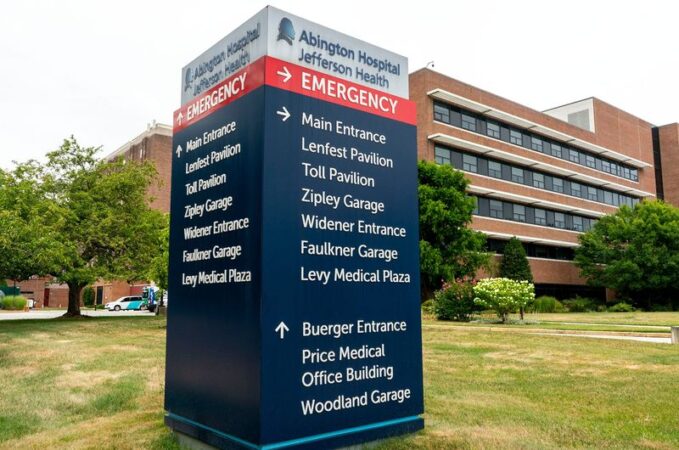
    Jefferson Abington Hospital has closed its inpatient behavioral health unit and will use the 23 beds to accommodate extra patients in its emergency department, the health system said this week.

    Abington will continue to provide crisis services to stabilize patients who are experiencing a mental health emergency when they arrive at the hospital, and will provide psychiatric evaluations needed to transfer them to specialized facilities. The hospital will also continue to provide outpatient behavioral health services.

    The shift “will better serve our emergency department patients both with and without behavioral health needs,” Jefferson Health said in a statement.

    A spokesperson confirmed the change on Tuesday but declined to say when the hospital had transitioned the 23 behavioral health beds into an emergency department “surge unit” or whether any staff members were laid off.

    Jefferson Health announced in October that it had laid off between 600 and 700 of its 65,000 employees. The system reported an operating loss of $104 million in the first quarter of fiscal 2026, which ended in September, driven largely by its struggling insurance business.

    The spokesperson also declined to say whether the hospital had plans to reopen the psychiatric unit in the future, or whether the change was part of ongoing restructuring across the sprawling 32-hospital system. Jefferson leaders have said they plan to streamline services across the Jefferson network, which has grown significantly through acquisitions since 2015.

    The hospital’s inpatient psychiatric unit treated 350 patients in 2024, according to the most recent data from the Pennsylvania Department of Health.

    Patients experiencing severe mental and behavioral health emergencies often need to be admitted to a specialized psychiatric hospital. General hospitals like Abington are critical entry points, helping to stabilize these patients and providing psychiatric evaluations, said Carla Sofronski, executive director of the PA Harm Reduction Network, a nonprofit organization that advocates for people with mental and behavioral health needs.

    Patients must be evaluated by a psychiatrist or psychologist before being transferred to a specialized facility.

    Sofronski said she worries that being in the emergency department could become even more stressful and scary for patients in a mental health crisis if they do not have dedicated rooms to decompress.

    “It’s a very busy emergency department — what does that experience look like for people who are suffering?” she said.

    Last year, an Abington security guard was accused by the Pennsylvania Department of Health of using excessive force against a patient being treated in the hospital’s psychiatric unit. Video footage of the hallway encounter obtained by The Inquirer showed the guard bringing the patient — who was naked beneath a hospital-bed blanket wrapped around her body — to the floor after she ignored his orders to stop walking. Jefferson has said the guard followed protocol.

    Jefferson declined to say where it planned to transfer patients.

    Other options nearby for patients in need of these services include Holy Redeemer Hospital’s 24 inpatient psychiatric beds, according to health department data from 2024, the most recent year available.

    Elsewhere in the Jefferson network, Jefferson Einstein Philadelphia has 37 inpatient psychiatric beds and the system’s flagship hospital has 16.

  • Treating chronic pain faces obstacles in light of the opioid epidemic

    Treating chronic pain faces obstacles in light of the opioid epidemic

    A woman in her mid-50s was my fifth patient on a long day treating people with severe chronic pain, all with similar stories. An automobile accident 25 years before left her with severe lower back and neck pain.

    At the time of her accident, she was a mother with three small children. Her primary care physician had been treating her for all this time with a relatively high and stable dose of opioid pain medications.

    Prescription painkillers were viewed differently when she first began taking these potent medications. It was a common and legitimate medical practice to offer higher doses of opioid medications — so long as the patients required them for pain relief, didn’t abuse them, and didn’t have any concerning side effects.

    These medications had given this patient significant relief and had allowed her to raise her children and live a relatively normal life.

    With her primary care physician now retiring, she was looking for a doctor willing to allow her to continue her medications, and even slowly taper them under supervision. But she couldn’t find a provider, not even one specializing in pain management, willing to take her on as a new patient.

    Eventually, she found her way to me through a referral. I specialize in carefully treating patients with severe pain with the medications that they require to relieve their suffering.

    I had heard nearly identical stories from the four patients that I had already treated that morning, all suffering from severe chronic pain. They had previously sought relief through surgery or nerve blocks and procedures like spinal cord stimulators, but they still were suffering from unrelenting pain.

    My medical opinion was that the only option available to them at this stage was opioid medication. They had ended up in my clinic, however, because the pain specialists they had been seeing were not willing to increase their doses, even under close supervision.

    Twenty-five million Americans suffer from high impact chronic pain — defined as daily pain that negatively affects their quality of life and ability to work. In the 1990s and early 2000s, improper prescribing of opioids by inadequately trained healthcare providers — along with immoral actions and misleading information from some pharmaceutical and medication-supply companies — led to the “opioid crisis.”

    Many unwitting patients became addicted to these substances and suffered great harm.

    Today, however, I am seeing a new crisis among patients who truly suffer from debilitating, life-limiting, and sometimes life-destroying pain. They cannot get the care they need.

    Chronic pain patients are maligned, misjudged, disrespected, and often treated in a punitive way. The overwhelming majority of patients with chronic pain, who are treated appropriately by highly skilled and empathetic physicians, use these medications to help ameliorate severe pain, not because they are looking to get high or satisfy an addiction.

    When treated with expertise, they obtain great benefit, and many can resume something of a normal life.

    The woman and the four patients whom I had already treated that morning each benefited from higher levels of medication. Each tolerated them without adverse effects, and none abused, diverted, or misused the medications. What had led to our medical system being unwilling to give them the treatment they needed?

    Concern about regulatory oversight and potential civil and criminal legal issues have prompted many physicians, including pain specialists, to stop prescribing opioid pain medications. (I cannot explain this contradiction — how can a pain physician not prescribe effective pain medications?)

    Many pharmacists also tell me that they are reluctant to dispense these medications, even if the patient has an appropriate prescription from a qualified physician. The pharmacists say that they are under scrutiny by the Drug Enforcement Administration and that their suppliers can be threatened with disciplinary actions if they fill even completely proper prescriptions above their quota.

    It’s not unusual for my patients to tell me that they had to call 25 to 50 pharmacies before they found one to fill their prescriptions.

    In Pennsylvania, the recent closure of Rite Aid pharmacies has exacerbated the problem. Patients who had been getting their pain medications from Rite Aid are now searching for alternatives. But most of the remaining pharmacies have reached their quotas of controlled medications such as opioids with established patients and are not able to serve new patients.

    In some particularly egregious situations, pharmacies have had their entire supply of controlled substances suspended for seemingly minor issues.

    I am a pain specialist, caring for many patients with severe pain. Most of my patients have exhausted or failed other potential therapeutic options. Over 90% of my patients who use opioid medications as their last available option get significant pain relief and have improved quality of life.

    Yet due to the current situation, I now have many patients who are struggling to obtain these valuable medications, with many also having to deal with symptoms of withdrawal.

    Many of my patients often wonder to me why they are punished because of others’ misdeeds and say that they have done nothing wrong and have simply been unfortunate to have suffered injuries and illness, that it’s not fair and is cruel.

    It’s time that we begin to correct this travesty. We can treat these patients with expertise. The “opioid crisis” will not worsen by proper and dignified treatment of patients with chronic pain. They certainly deserve our care and their prescribed, helpful medications.

    Ira Cantor, M.D., is an internal medicine physician specializing in pain management at Steiner Medical & Therapeutic Center in Phoenixville.

  • Eli Lilly & Co. is opening a Lilly Gateway Labs biotech incubator in Philadelphia

    Eli Lilly & Co. is opening a Lilly Gateway Labs biotech incubator in Philadelphia

    Philadelphia is the newest destination for Lilly Gateway Labs, an incubator for early-stage biotech companies backed by pharmaceutical giant Eli Lilly & Co., the company announced Wednesday.

    The Center City incubator will be Lilly’s fifth in the United States. Biotech hotbeds Boston, South San Francisco, and San Diego already have them. (South San Francisco has two.) Companies at those locations have raised more than $3 billion from investors since the program started in 2019, Lilly said.

    Lilly’s Philadelphia operation will occupy 44,000 square feet on the first two levels of 2300 Market St. in Center City.

    Lilly expects to house six to eight companies there, aiming to welcome the first startups to the site in the first quarter of next year, said Julie Gilmore, global head of Lilly Gateway Labs. She did not identify prospects.

    Typically, Gateway Labs residents are at the stage of raising their first significant round of capital from investors, called Series A, and are two or three years from clinical testing, she said.

    The arrival of high-profile Lilly, which has seen resounding success with its GLP-1 drugs for diabetes and weight loss, could turn out to be a shot in the arm for a local biotech scene. Philadelphia has a growing biotech sector but has lagged places like Boston, despite the presence of world-class scientists at local research universities. Their work has fueled groundbreaking discoveries in cell and gene therapy, as well as vaccines.

    But Lilly is interested in supporting ideas that go beyond the city’s cell and gene therapy strengths, said Gilmore. Gateway labs is part of Lilly’s Catalyze360 Portfolio Management unit, which provides broad support to fledgling biotech firms, including venture capital.

    “What we like is to go after innovative science. Who are the companies trying to solve really hard problems?” Gilmore said. “And we do know that Philadelphia has had a ton of success in gene therapy and CAR-T and I hope we can find some great companies in that space, but we’re going to be open to other types of innovative science as well.”

    Expanding Philly’s life sciences footprint

    Indianapolis-based Lilly already has a small presence in Philadelphia with Avid Radiopharmaceuticals Inc., a company it acquired in 2010. Avid still operates in University City. Lilly’s chief scientific officer, Daniel Skovronsky, founded Avid in 2004 after receiving a doctorate in neuroscience and a medical degree from the University of Pennsylvania.

    Lilly is interviewing people to lead Philadelphia’s Gateway Labs location. They like to hire people who are familiar with the local universities and venture funds for those jobs, but that’s not all that matters. “We’re also looking for somebody who’s got deep drug development expertise,” Gilmore said.

    Lilly’s incubator adds to the life sciences activity at 23rd and Market Streets.

    Breakthrough Properties, a Los-Angeles-based joint venture of Tishman Speyer and Bellco Capital, announced plans for the eight-story, 225,000 square-foot building in 2022. Last week, Legend Biotech, which is headquartered in Somerset, N.J., celebrated the opening of a new cell therapy research center on the building’s third floor.

    Lilly Gateway Labs companies agree to stay for at least two years, and they can apply for up to another two years, Gilmore said.

    “The goal is, a company moves in and they can just worry about their science, worry about their team, and moving their mission forward, and we try to take care of everything else,” she said.

  • Why brittle bones aren’t just a woman’s problem

    Why brittle bones aren’t just a woman’s problem

    Ronald Klein was biking around his neighborhood in North Wales in 2006 and tried to jump a curb. “But I was going too slow — I didn’t have enough momentum,” he recalled.

    As the bike toppled, he thrust out his left arm to break the fall. It didn’t seem like a serious accident, yet “I couldn’t get up,” he said.

    At the emergency room, X-rays showed that he had fractured both his hip, which required surgical repair, and his shoulder. Klein, a dentist, went back to work in three weeks, using a cane. After about six months and plenty of physical therapy, he felt fine.

    But he wondered about the damage the fall had caused. “A 52-year-old is not supposed to break a hip and a shoulder,” he said. At a follow-up visit with his orthopedist, “I said, ‘Maybe I should have a bone density scan.’”

    As Klein suspected, the test showed he had developed osteoporosis, a progressive condition, increasing sharply with age, that thins and weakens bones and can lead to serious fractures. Klein immediately began a drug regimen and, now 70, remains on one.

    Osteoporosis occurs so much more commonly in women, for whom medical guidelines recommend universal screening after age 65, that a man who was not a healthcare professional might not have thought about getting a scan. The orthopedist didn’t raise the prospect.

    But about 1 in 5 men over age 50 will suffer an osteoporotic fracture in their remaining years, and among older adults, about a quarter of hip fractures occur in men.

    When they do, “men have worse outcomes,” said Cathleen Colón-Emeric, a geriatrician at the Durham VA Health Care System and Duke University and the lead author of a recent study of osteoporosis treatment in male veterans.

    “Men don’t do as well in recovery as women,” she said, with higher rates of death (25% to 30% within a year), disability, and institutionalization. “A 50-year-old man is more likely to die from the complications of a major osteoporotic fracture than from prostate cancer,” she said.

    (What’s “major”? Fractures of the wrist, hip, femur, humerus, pelvis or vertebra.)

    In her study of 3,000 veterans ages 65 to 85, conducted at Veterans Affairs health centers in North Carolina and Virginia, only 2% of those assigned to the control group had undergone bone-density screening.

    “Shockingly low,” said Douglas Bauer, a clinical epidemiologist and osteoporosis researcher at the University of California-San Francisco, who published an accompanying commentary in JAMA Internal Medicine. “Abysmal. And that’s at the VA, where it’s paid for by the government.”

    But establishing a bone health service — overseen by a nurse who entered orders, sent frequent appointment reminders, and explained results — led to dramatic changes in the intervention group, who had at least one risk factor for the condition.

    Forty-nine percent of them said yes to a scan. Half of those tested had osteoporosis or a forerunner condition, osteopenia. Where appropriate, most of them began medications to preserve or rebuild their bones.

    “We were pleasantly surprised that so many agreed to be screened and were willing to initiate treatment,” Colón-Emeric said.

    After 18 months, bone density had increased modestly for those in the intervention group, who were more likely to stick to their drug regimens than osteoporosis patients of either sex in real-world conditions.

    The study didn’t continue long enough to determine whether bone density increased further or fractures declined, but the researchers plan a secondary analysis to track that.

    The results revive a longtime question: Given how life-altering, even deadly, such fractures can be, and the availability of effective drugs to slow or reverse bone loss, should older men be screened for osteoporosis, as women are? If so, which men and when?

    Such issues mattered less when life spans were shorter, Bauer explained. Men have bigger and thicker bones and tend to develop osteoporosis five to 10 years later than women do. “Until recently, those men died of heart disease and smoking” before osteoporosis could harm them, he said.

    “Now, men routinely live into their 70s and 80s, so they have fractures,” he added. By then, they have also accumulated other chronic conditions that impair their ability to recover.

    With osteoporosis testing and treatment, “a man could see a clear-cut improvement in mortality and, more importantly, his quality of life,” Bauer said.

    Both patients and many doctors still tend to regard osteoporosis as a women’s disease, however. “There’s a bit of a Superman idea,” said Eric Orwoll, an endocrinologist and osteoporosis researcher at Oregon Health & Science University.

    “Men would like to believe they’re indestructible, so a fracture doesn’t have the implication that it should,” he added.

    One patient, for example, for years resisted entreaties from his wife, a nurse, to “see someone” about his visibly rounded upper back.

    Bob Grossman, 74, a retired public school teacher in Portland, blamed poor posture instead and told himself to straighten up. “I thought, ‘It can’t be osteoporosis — I’m a guy,’” he said. But it was.

    Another obstacle to screening: “Clinical practice guidelines are all over the place,” Colón-Emeric said.

    Professional associations like the Endocrine Society and the American Society for Bone and Mineral Research recommend that men 50 and older who have a risk factor, and all men over 70, should seek screening.

    But the American College of Physicians and the U.S. Preventive Services Task Force have deemed the evidence for screening of men “insufficient.” Clinical trials have found that osteoporosis drugs increase bone density in men, as in women, but most male studies have been too small or lacked enough follow-up to show whether fractures also declined.

    The task force’s position means that Medicare and many private insurers generally won’t cover screening for men who haven’t had a fracture, though they will cover care for men diagnosed with osteoporosis.

    “Things have been stalled for decades,” Orwoll said.

    So it may fall to older men themselves to ask their doctors about a DXA (pronounced DECKS-ah) scan, widely available at $100 to $300 out-of-pocket. Otherwise, because osteoporosis is typically asymptomatic, men (and women, who are also undertested and undertreated) don’t know their bones have deteriorated until one breaks.

    “If you had a fracture after age 50, you should have a bone scan — that’s one of the key indicators,” Orwoll advised.

    Other risk factors: falls, a family history of hip fractures, and a fairly long list of other health conditions including rheumatoid arthritis, hyperthyroidism, and Parkinson’s disease. Smoking and excessive alcohol use increase the odds of osteoporosis as well.

    “A number of medications also do a number on your bone density,” Colón-Emeric added, notably steroids and prostate cancer drugs.

    When a scan reveals osteoporosis, depending on its severity, doctors may prescribe oral medications like Fosamax or Actonel, intravenous formulations like Reclast, daily self-injections of Forteo or Tymlos, or twice-annual injections of Prolia.

    Lifestyle changes like exercising, taking calcium and vitamin D supplements, stopping smoking, and drinking only moderately will help but aren’t sufficient to stop or reverse bone loss, Colón-Emeric said.

    Although guidelines don’t universally recommend it, at least not yet, she would like to see all men age 70 and up be screened, because the odds of disability after hip fractures are so high — two-thirds of older people will not regain their prior mobility, she noted — and the medications that treat it are effective and often inexpensive.

    But informing patients and healthcare professionals that osteoporosis threatens men, too, has progressed “at a snail’s pace,” Orwoll said.

    Klein remembers attending a seminar to instruct patients like him in using the drug Forteo. “I was the only male there,” he said.

    KFF Health News is a national newsroom that produces in-depth journalism about health issues and is one of the core operating programs at KFF — the independent source for health policy research, polling, and journalism. The New Old Age is produced through a partnership with The New York Times.

  • Philadelphia’s Center for Advocacy for the Rights and Interests of Elders is closing next week after nearly 50 years

    Philadelphia’s nonprofit Center for Advocacy for the Rights and Interests of Elders, known as CARIE, is closing next Wednesday after nearly 50 years, the organization’s board announced Tuesday in an email to supporters.

    Few details were available on what led to the decision to close abruptly the day before Thanksgiving. CARIE’s new executive director, Brian Gralnick, did not reply to an email or voicemail asking for more information.

    Board chair Joan Davitt, an associate professor and geriatric scholar at the University of Maryland School of Social Work who lives in the Philadelphia area, also did not respond to requests for comment.

    The organization lists 26 employees on its website. Its most recent audited financial statements show that it had $2.9 million in revenue and a $177,307 operating loss in the year that ended June 30, 2024.

    An unaudited financial report for the seven months that ended in January warned that CARIE “was facing financial risks, including the potential default on its line of credit.” At the end of January, CARIE only had enough cash to pay its bills for two weeks, the report obtained by The Inquirer said.

    This year, CARIE lost two of its largest contracts, effective next year. Those contracts were to provide long-term care ombudsman services for the elderly in most of Philadelphia and in Montgomery County. An ombudsman’s job is to provide independent advocacy for residents of long-term care facilities and to help resolve complaints about care and living conditions.

    In Philadelphia, CARIE had provided the service since 1981, four years after its founding. Philadelphia Corporation for Aging, which manages the contracts, is still finalizing the selection of the new providers.

    CARIE started providing ombudsman services in Montgomery County in 2022, but the county’s Office of Aging Services is taking the service back in-house on Feb. 1.

    CARIE has lacked stability in senior leadership since the retirement of Diane Menio in March 2023. Menio had been executive director for 34 years.

    Menio’s successor, Whitney Lingle, lasted just 19 months. She was followed by an internal acting executive director for a year. Gralnick took over in September.