Category: Health

  • How delays and bankruptcy let a nursing home chain avoid paying settlements for injuries and deaths

    How delays and bankruptcy let a nursing home chain avoid paying settlements for injuries and deaths

    Nancy Hunt arrived at an emergency room from a Genesis HealthCare nursing home in Pennsylvania in such dreadful shape, including maggots infesting her gangrened foot, that the hospital called an elder abuse hotline and then the police, her son alleged in a lawsuit.

    Hunt died five days later. Her death certificate said the foot injury was a “significant” factor. Genesis denied wrongdoing but agreed to pay $3.5 million in a settlement Hunt’s son signed in August 2024.

    Yet Genesis hasn’t paid most of that debt, court records show. It may never have to.

    Once the nation’s largest nursing home chain, Genesis says it was spending $8 million a month defending and settling lawsuits over resident injuries and deaths in recent years. But the company is now poised to wipe the liability slate clean by seeking refuge in the most protective corner of the legal system for the nursing home industry: bankruptcy court.

    The Genesis case, one of 11 large senior care bankruptcies this year, illustrates how healthcare companies can dodge public and financial accountability for alleged negligence through delays, confidentiality clauses, and bankruptcy maneuvers, a KFF Health News investigation found.

    When it filed for bankruptcy in Dallas in July, Genesis estimated its total liability for nearly a thousand settled and pending lawsuits at $259 million. A KFF Health News review of the terms of 155 settlement agreements and corporate financial statements shows Genesis officials knew insolvency was possible yet included provisions in its settlement agreements allowing it to defer payment, often for a year or more.

    As a result, the company headquartered in Kennett Square paid nothing in 85 cases and only a portion in the other 70, according to civil court records and bankruptcy claims made available through people with access to them. It still owes $41 million of the $58 million it had agreed to pay in those cases, the records show.

    Nellie Betancourt, shown in a photo with her husband, Gabe, had planned a trip to Las Vegas before she fractured her hip at a Genesis HealthCare rehabilitation center — an injury the medical examiner’s report said led to her death. “When she went into that place, I said, ‘Well, she’s going to be taken care of for a few more days and I’ll take her home,’” Gabe says. (Adria Malcolm for KFF Health News)

    “It just feels like they killed my mom and got away with it,” said Vanessa Betancourt, whose mother, Nellie Betancourt, a retired nurse, fractured her hip at a Genesis home in Albuquerque, N.M. — an injury the medical examiner’s report said led to her death. Genesis agreed to a $650,000 settlement with Betancourt’s family in April under the condition it would not need to pay the first of seven installments for another year, according to the settlement document.

    Genesis denied wrongdoing in all lawsuits and settlements. In a written statement, the company did not answer questions about individual personal injury cases. The statement said Genesis remained “focused on delivering high-quality, compassionate care to our patients and residents without disruption” during bankruptcy.

    One lawsuit Genesis settled for nearly $1 million alleged nursing home managers ignored repeated warnings about a male resident’s behavior before he sexually assaulted a female Alzheimer’s patient, according to court records. In a case the company resolved for $500,000, a Genesis nursing home was accused of delaying the hospitalization of a resident who had vomited brown mucus. He died of a bowel obstruction. Genesis has paid nothing for either settlement, according to bankruptcy claims.

    Creditors, including families of the deceased, are expected to salvage a fraction of what they were promised, if anything. On Dec. 10, the company’s owners were scheduled to seek approval by the U.S. Bankruptcy Court for the Northern District of Texas to sell its nursing homes and other assets to its largest investor, a private equity firm. In court papers, lawyers for residents and other creditors say the complex plan will prevent them from pursuing Genesis’ new ownership and other companies they blame for the company’s collapse.

    John Anthony, a bankruptcy attorney representing 340 personal injury claims against Genesis, said, “They never had any intention to honor these deals.”

    Low ratings and fines

    During years of financial turmoil, Genesis has frequently struggled to provide top-notch care, federal records show. Using its five-star system, the Centers for Medicare & Medicaid Services rated 58% of homes affiliated with Genesis as below average or much below average. CMS has fined Genesis homes $10 million for violating federal health standards over the past three years.

    In 2022, Connecticut health regulators shuttered a Genesis home after two deaths and multiple violations. The company closed another Connecticut nursing home this year after residents twice were evacuated over safety concerns.

    In its Chapter 11 filing, Genesis said it cared for about 15,000 residents in 165 nursing homes and 10 assisted living facilities in 18 states. They are centered in Pennsylvania, West Virginia, New Mexico, New Hampshire, New Jersey, Maine, Alabama, Maryland, and North Carolina, according to the bankruptcy filing.

    The company said it owed $709 million in secured debt to lenders and the IRS. Under bankruptcy rules, those debts, backed by Genesis collateral, take precedence over the $1.6 billion in unsecured debt Genesis said it owes. Unsecured creditors include a pension fund; contractors that provided health services and equipment; Pennsylvania, New Mexico, and West Virginia for unpaid provider taxes; and former residents and their families who sued.

    Dangers in memory care

    Sandia Ridge Center, a Genesis home in Albuquerque, was repeatedly faulted by health regulators for not preventing sexual misbehavior in its memory care unit. In November 2021, CMS cited the home for lacking enough nurses to prevent sexual abuse among residents. An inspection report the following August identified more inappropriate sexual contact. Police were called to investigate sexual assault allegations in February and March of 2023, police reports show; neither resulted in criminal charges.

    Then in April 2023, a 61-year-old male resident with alcohol-related dementia sexually assaulted a female resident with Alzheimer’s in the dining room, according to a police report and an inspection report. When the resident screamed for him to stop and that he was hurting her, he responded “shut up bitch I know you like this,” according to a lawsuit brought on behalf of the woman, identified in court papers as R.S.

    Sandia Ridge management had been aware of the male resident’s behavioral issues for months, according to employee depositions in the case. Police had investigated a prior sexual assault allegation against him the previous year without bringing charges. In one deposition, a former activities assistant testified he hit her and twice pushed her into a bathroom while announcing, “I want to have sex with you.” When she reported him to a senior Genesis manager, she said in the deposition, the manager put his finger over his lips and said, “Shhh.”

    The activities worker testified that R.S. used to happily sing along with Elvis Presley songs. After the assault, the worker said, R.S. “don’t sing anymore.”

    Inspectors cited the home for failing to protect R.S. The same report said the home didn’t provide a therapist for another female resident who was being sexually harassed. Medicare fined Sandia Ridge Center $91,247. Genesis denied liability but settled R.S.’ lawsuit for $925,000 in May, according to the bankruptcy claim.

    “We just felt we have to hold them accountable,” R.S.’ daughter said in an interview, speaking on the condition that she and her mother not be identified, because of the nature of the assault. “Maybe I’m wrong, maybe I’m naive, but the only way to do that is to sue someone, right?”

    Genesis has not paid any of the settlement, according to the family’s claim filing.

    Growth and debt

    Genesis’ downfall can be traced to 2007, when affiliates of two private equity firms acquired the company in a $1.5 billion leveraged buyout, taking on substantial debt, according to its bankruptcy filing. Private equity also has been involved in other healthcare bankruptcies, including those of the HCR ManorCare nursing home chain, the prison healthcare contractor Corizon Health, and two for-profit hospital systems, Steward Health Care and Prospect Medical Holdings.

    In 2011, Genesis raised $2.4 billion by transferring substantially all its nursing home buildings and other real estate to Welltower, a publicly traded real estate investment trust, according to Genesis’ bankruptcy filing. Genesis then rented the buildings back from Welltower, which made leasing costs a significant expense.

    Genesis went on a nationwide buying spree. At its peak in 2016, it had grown to more than 500 nursing homes. In a court declaration, Louis Robichaux IV, a consultant overseeing Genesis’ bankruptcy restructuring, wrote that as the company expanded, it became harder to manage and “mired in corporate inefficiencies.” Robichaux wrote that Genesis’ financial woes were exacerbated by rapidly increasing labor costs and lawsuits, including some predating the COVID pandemic.

    Starting in 2021, Genesis avoided bankruptcy after receiving $100 million in loans from a private equity firm founded by Joel Landau, the owner of a Brooklyn-based nursing home chain, according to Robichaux’s filing.

    But Genesis continued to teeter on the edge of insolvency. In audited financial statements for 2022 and 2023 submitted to a California oversight agency, management and auditors said rent and debt obligations raised “substantial doubt about the company’s ability to continue as a going concern.”

    In a court filing, a committee appointed by the U.S. Trustee’s Office to represent the unsecured creditors in the bankruptcy accused Landau and Welltower of orchestrating a covert plan that allowed Welltower to keep getting its rents while Landau could run the company and “siphon value to himself.” The committee alleged their efforts forced the company into insolvency while “staffing levels and patient care declined precipitously.” Landau and Welltower did not respond to requests for comment.

    Drawn-out lawsuits

    Erin Pearson sued Genesis over the death of her father, James Sanderson, a retired mining company executive who died in 2018 after spending less than a month at Bear Canyon Rehabilitation Center in Albuquerque. In the memory care unit, Sanderson fell repeatedly, suffered medication errors made by nursing home staff, and developed a bowel obstruction and sepsis, according to the lawsuit, filed in 2019. Pearson’s lawyers said he was not hospitalized until eight days after nurses noticed he was vomiting brown mucus.

    After the judge rejected Genesis’ request to force Pearson into arbitration, Genesis appealed. It took 2½ years before an appeals court affirmed the original decision to let the case go forward in court, records show.

    This past May, more than five years after suing, Pearson reached a $500,000 settlement, with the first payment required by November, according to a copy of the agreement. Nothing was paid, according to the bankruptcy claim.

    “It was so drawn out and for so long,” Pearson said in an interview, calling Genesis’ bankruptcy “despicable.”

    Payouts postponed

    Jennifer Foote, an Albuquerque attorney who represents clients in multiple lawsuits against Genesis, including Pearson’s, said the company frequently filed appeals. “They did not usually win them on these issues,” she said, “and our sense was that they were doing it as a delay tactic.”

    Genesis started using installment payments around 2018, said Dusti Harvey, Foote’s law partner. “The payments wouldn’t start for several months out,” Harvey said. Foote said Genesis’ lawyers often wanted to time the payments to start the month the trial in the case was scheduled to occur.

    Families had to wait even when comparatively small amounts of money were involved, settlement agreements show. Genesis’ settlement agreements also included a confidentiality clause prohibiting discussion of the incidents.

    Genesis agreed to pay $42,000 in a November 2024 settlement, but the first payment was not due until nine months later. It was not paid, according to the bankruptcy claim.

    A $250,000 settlement signed in October 2023 did not start paying out until the following September. When Genesis declared bankruptcy — 21 months after the case was resolved — it still owed $100,000, according to the family’s claim.

    ‘We never found out the truth’

    Settling cases allowed Genesis to avoid the expense and publicity of a trial, at which details of how its nursing homes functioned might have been revealed. In October 2020, Margarett Johnson, a retired school bus driver, fell out of her wheelchair at a Genesis nursing home in Waldorf, Md., fracturing her jawbone, nose, and neck, according to a lawsuit brought by her family. Johnson was sent to a trauma center and placed on a ventilator. She died three months later, at age 76, from ventilator-associated pneumonia, the lawsuit said.

    “It looked like she was hit by a truck,” Angelina Harley, one of her daughters, said in an interview. “I knew my mom was not going to come home. I knew the Lord was not going to punish her more.”

    The company denied negligence and blamed the accident on Johnson’s jacket getting tangled in the wheel of her wheelchair, according to the lawsuit. Harley and her sister Angela Swann were dubious.

    “We never found out the truth,” Harley said. “They wanted to settle out of court.”

    The company denied liability but agreed to a $950,000 settlement in October 2024. It never paid the final $112,500 installment, according to a letter Johnson’s five children sent to the bankruptcy judge.

    “If you settle out of court, you know doggone well you did something wrong,” Harley said.

    Maddening judges

    By summer 2025, judges in some civil cases had run out of patience.

    Alma Brown, a retired daycare manager and accordion teacher living in a Genesis nursing home in Clovis, N.M., suffered falls, infections, bedsores, and other neglect that hastened her death in 2023, according to her estate’s lawsuit. In Santa Fe District Court, Judge Kathleen McGarry Ellenwood castigated Genesis after it failed to pay $2 million of the $3 million settlement to Brown’s estate or explain the delay.

    Genesis “obviously benefited by not having to go to trial,” McGarry Ellenwood said in one hearing, according to a court transcript. “They assure me that they’re not trying to renege on their contract, but it certainly seems like they haven’t lived up to what the bargain was.”

    Genesis declared bankruptcy the day McGarry Ellenwood announced she would impose more than $100,000 in fines, plus $10,000 more each day until the settlement was paid.

    In Pennsylvania, Greg Hunt petitioned a judge to punish Genesis after it stopped payments of the $3.5 million settlement after the death of his mother, Nancy, the resident with the gangrenous foot. She had spent eight months in 2019 at Brandywine Hall, a Genesis facility in West Chester that was later sold and renamed.

    In a filing with the Common Pleas Court of Montgomery County, Genesis admitted it was in arrears but asked the judge for more time, citing “unforeseen and exigent financial challenges.” Genesis said care for patients at its nursing homes would suffer if it had to pay immediately.

    Unswayed, Judge Richard Haaz in June ordered Genesis to pay up, along with punitive interest. But the bankruptcy court stayed that order. Genesis still owes $1.4 million of the $2 million it was supposed to pay, according to Hunt’s claim. (The rest of the $3.5 million settlement is supposed to be paid by an insurer in January 2026.) Ian Norris, Hunt’s lawyer, declined to comment, citing confidentiality provisions in the settlement.

    Court records indicate Genesis lawyers never disclosed in either case that it was preparing to declare bankruptcy.

    ‘Bankruptcy as a tool’

    In the first nine months of 2025, 10 other senior living companies with liabilities over $10 million entered Chapter 11 bankruptcy, according to Gibbins Advisors, a consulting firm.

    Hamid Rafatjoo, a bankruptcy lawyer representing nursing homes who is not involved in the Genesis bankruptcy case, said filings may increase as the industry has become costlier to run and class action lawsuits have become a fixture.

    “Nursing homes get sued all the time for everything,” Rafatjoo said. “A lot of operators wait too long to use bankruptcy as a tool.”

    On Dec. 1, Genesis announced the results of its auction, saying it had elected to sell its assets to a private equity firm controlled by Landau. In a court filing, Anthony, the attorney for the personal injury claimants, alleged the auction was stacked in Landau’s favor despite an “objectively better and higher competing bid” from another private equity investor that would have provided more money to creditors. Genesis said in its statement that Landau’s group had increased its bid during the auction.

    Sen. Elizabeth Warren (D-Mass.) and two other senators last month asked the U.S. Trustee’s Office to intervene in the case, out of concern that “individuals who already own or control Genesis are trying to sell it to themselves, wiping away legal and other creditor debts in the process.” Lawyers representing those in charge of the auction did not respond to a request for comment.

    Families of former Genesis residents said they fear the capacity to purge lawsuits through bankruptcy emboldens nursing homeowners who provide deficient care.

    “They can file bankruptcy again,” said Gabe Betancourt, whose wife, Nellie, died after her stay at Uptown Rehabilitation Center in Albuquerque. “And we’re the ones that will pay for it, with our memories, our lives.”

    KFF Health News is a national newsroom that produces in-depth journalism about health issues and is one of the core operating programs at KFF — the independent source for health policy research, polling, and journalism.


  • Only N.J. residents can end their lives through the state’s aid-in-dying law, appeals court rules

    Only N.J. residents can end their lives through the state’s aid-in-dying law, appeals court rules

    New Jersey is among the 10 states that allow physicians to assist terminally ill patients in ending their own lives, under certain conditions. But those patients must be New Jersey residents, a federal appeals court ruled.

    The U.S. Court of Appeals for the Third Circuit said last week that New Jersey’s limit of the aid-in-dying law to state residents is constitutional, keeping on the books a significant hurdle for people from neighboring states — including Pennsylvania and Delaware — where the practice is not permitted.

    “In our federal system, states are free to experiment with policies as grave as letting doctors assist suicide. Other states are free to keep it a crime,” U.S. Circuit Judge Stephanos Bibas wrote in the opinion. “This novel option does not appear to be a fundamental privilege, let alone a fundamental right, that states must accord visitors.”

    Jess Pezley, a staff attorney at the legal arm of Compassion and Choices, a nonprofit advocacy organization that brought the lawsuit challenging the residency requirement, said aid in dying “remains a critically important option for all terminally ill people who wish to receive healthcare in the state of New Jersey.”

    The “ruling means that terminally ill patients who do not live in an authorized jurisdiction will continue to have to travel” to states like Oregon and Vermont that permit the practice for nonresidents, Pezley said in a statement.

    Aid in dying is a controversial concept. While some argue the law creates a pathway for empowerment over end of life, others worry that it can lead to coercion and expansion beyond the terminally ill in a country that has a dark history in how it treats people with disabilities.

    The residency requirement is meant to protect physicians from liability in states where assisting in suicide is a criminal offense, proponents of the restriction argue, and to prevent medical tourism in states with the option.

    The law does not specify how long a person must live in New Jersey but sets other qualifying requirements: A patient must have a New Jersey driver’s license, be registered to vote in the state, have filed income taxes as a New Jersey resident in the last year, or have another official government record that confirms residency.

    New Jersey enacted a medical aid-in-dying law in 2019. Last year, 122 people ended their lives through the program in the Garden State, according to New Jersey’s chief medical examiner. Nearly 70% of the patients had cancer and their average age was 72.

    The law allows adults who are residents of New Jersey and are expected to die within six months to obtain a prescription for a lethal drug cocktail. They must be able to make their own decisions and administer the medication by themselves.

    The ruling is the latest development in a lawsuit filed in August 2023 by a Camden County physician, Paul Bryman, who assists terminally ill patients in ending their lives on their own terms. He challenged the residency requirement, saying the law prohibits him from treating all patients equally because of where they live.

    Bryman’s suit originally included another New Jersey physician, Deborah Pasik, and two cancer patients, Judith Govatos of Delaware and Andy Sealy of South Philadelphia. Pasik has since retired, and Govatos, 81, and Sealy, 44, died before the court made its ruling.

    The lawsuit argued the prohibition “discriminates” against patients like Govatos and Sealy by not allowing them to receive “specific medical care after crossing State lines into New Jersey, even though they would otherwise qualify for this care.”

    New Jersey officials asked a federal district judge to dismiss the case, arguing that no court has recognized aid in dying as a constitutional right. The state further said that the residency requirement was among the “safeguards” in a policy that has “extraordinarily high stakes.”

    The judge tossed out the lawsuit in 2024.

    “And the residence requirement makes sense: While medical aid in dying is permitted in New Jersey, it is indistinguishable from the criminal act of assisted suicide in neighboring states,” District Judge Renee Marie Bumb wrote in her opinion. “By limiting the pool of eligible patients to State residents, the requirement is rationally related to the legitimate objective of protecting from out-of-state liability providers and advocates who assist terminally ill patients in seeking medical aid in dying.”

    Compassion and Choices appealed the ruling to the Third Circuit, where the plea met a similar fate.

    “The Constitution leaves moral questions like these to the states,” Bibas wrote. “New Jersey has answered them carefully.”

  • Medical Mysteries: For years she was told it was stress. Then a brain scan revealed the real cause.

    Medical Mysteries: For years she was told it was stress. Then a brain scan revealed the real cause.

    In the spring of her senior year at college, Annie Sedoric woke up with jaw pain. It was March 2020, and there was a lot to worry about at the start of the COVID pandemic, so she tried to ignore the pain, even as it grew worse.

    “My jaw kept popping and popping and popping,” said Sedoric, who was 22 at the time. “The pain was getting more intense, less bearable, to the point that I had to do something.”

    A visit to the dentist ended with a referral to an oral surgeon, who concluded that Sedoric had developed a TMJ disorder from grinding her teeth due to stress. Fixing the problem required a procedure under anesthesia to manipulate her jaw back into position, doctors told her. The recovery extended over several weeks, she said, and during that time opening her mouth was difficult.

    “I remember shoving soft food between the cracks of my teeth,” Sedoric added.

    But the “fix” didn’t last. The pain persisted and her jaw popped out of place again, later requiring a second procedure by the oral surgeon. In the meantime, Sedoric stopped getting her period.

    “It was concerning for me,” Sedoric said. “I’d always been regular, never on birth control.”

    Her gynecologist suggested Sedoric’s running and workouts — and stress – were the culprits. But that didn’t make sense: Sedoric had been a three-varsity-sport athlete in high school and continued working out with her college sports teams, so she hadn’t been exercising any more than usual. The doctor ordered a blood test, which showed slightly low estrogen levels. She was prescribed progestin, a form of the hormone progesterone, for a week to reset her menstrual cycle. When that failed, the doctor said it might take some time and to “come back in a few months.”

    But a few months later, still without her period, Sedoric began experiencing severe hip pain.

    Odd, disparate symptoms continued to accrue, including pelvic floor pain, for which she received a series of nerve-blocker injections through her vagina, and leg pain, which required physical therapy. And the jaw pain never stopped. A new oral surgeon suggested “breaking my jaw and putting it back in place,” she said.

    Then, after moving from her parents’ home in New Hampshire to an apartment in Lower Manhattan, Sedoric noticed subtle changes in her body: Her face seemed to be broadening, her lips got puffier, and her fingers swelled to the point that the cherished gold ring belonging to her grandmother that she always wore snapped. “My body was deforming before my eyes,” she said. She attributed the shifts to routine aging, living in New York City, drinking with friends, and the ongoing stress of the pandemic.

    After two years, several misdiagnoses and some painful treatments that didn’t help, Sedoric was about to give up on solving her health problems. Then, in desperation, she decided to seek help at a private medical clinic, which, for a hefty fee, conducted an exhaustive battery of tests. What emerged from those tests eventually put her on the path to figuring out that she had a rare, life-altering condition that would undermine her sense of self in profound ways.

    “I lived in pain and was gaslit for years,” Sedoric said. “But the experience gave me a different perspective, like, you almost died but now you get to live.”

    Desperate for answers

    In 2021, during a Christmas holiday in New Hampshire, Sedoric said her best friend’s father, an orthopedic surgeon, recommended a privately run clinic in Colorado that conducts comprehensive testing and full physical workups for people with difficult-to-diagnose conditions. The catch: a price tag that would ultimately top $21,000 — no insurance accepted. Sedoric’s parents agreed to pay, and in February 2022, she flew to the Resilience Code headquarters in Englewood, Colo., for four days of testing.

    She met with neurosurgeon Chad J. Prusmack, the company’s founder and CEO, for about 90 minutes to review her medical history. Then she spent the following days undergoing tests. She had an MRI of her brain and a biomarker panel looking at thousands of conditions. Blood work tested her for a variety of potential problems, including viral and gut conditions, as well as inflammatory, immune, and hormone imbalances.

    “When you get a whole bunch of labs, it tells a story of the patient,” Prusmack said. “It doesn’t take a snapshot and leave out some of the important details.”

    Before the results came in, she said, Prusmack told her he predicted she had Lyme disease, and then prescribed several medications to treat her symptoms. None of the pain medicines worked, she said.

    “Except for the ketamine: For 30 minutes I was in no pain but I couldn’t function, so it wasn’t really a long-term solution.”

    One month later, on a Zoom call with Prusmack, she got the news: It wasn’t Lyme disease. It was, most likely, a condition related to the substantially elevated level of IGF-1, a marker for growth hormone, picked up on a test Sedoric had not previously been given. The upper limit of IGF-1 for a person Sedoric’s age is about 200, Prusmack said, but hers was 523, which suggested an endocrine-related problem.

    In addition, the MRI showed a tumor on Sedoric’s pituitary gland, a pea-size structure that sits at the base of the brain and is often called the “master gland” because it releases hormones responsible for many critical functions, including growth, metabolism, sex and reproduction, and the body’s response to stress.

    The news stunned her. She said it was a relief to pinpoint the problem, but “not in my wildest dreams did I think I had a brain tumor, and I had no idea how bad it was.” Sedoric texted her roommates, and together they ran through the streets of the Lower East Side, screaming and crying.

    The next day, she started interviewing surgeons.

    Sedoric secured an appointment with Tim Smith, a neurosurgeon at Brigham and Women’s Hospital in Boston.

    Smith said a follow-up MRI showed that Sedoric’s tumor was a 1.4-cm “macroadenoma.” Doctors also finally gave her an official diagnosis that explained her years of frustration and pain. She had acromegaly, a rare condition that, in adults, causes certain bones, organs, and other soft tissue in the face, jaw, hands, and feet to grow far beyond what is typical. In children, whose growth plates have not yet closed, the condition can cause excessive height and is known as “gigantism.” Among the most famous people with gigantism was André the Giant.

    Smith said Sedoric did not appear with many of the telltale signs of acromegaly, which afflicts about 30 to as many as 120 people out of a million, according to various analyses that show prevalence to be higher than previously thought. She didn’t have an obviously prominent jaw, for example, or a massively larger shoe size. Still, her arthritislike joint pain was unusual for a fit, young adult, he said.

    “At her age, and with her athleticism, this [collection of symptoms] was just very strange,” Smith said.

    She did display some classic symptoms, he said, including swelling in her face and hands and what’s known as frontal bossing, a prominent or bulging forehead.

    This happens, Smith said, because the excessive growth hormone secreted by the pituitary causes overgrowth of cartilage, bone, and a form of connective tissue called synovium, which first makes the joints look bigger and then causes them to stop working normally.

    On April 26, Smith successfully removed Sedoric’s tumor. About an hour after the operation, however, Sedoric said she got out of bed to use the bathroom and suddenly felt nauseated and off-balance. The next thing she remembers is waking up covered in vomit with about a dozen medical professionals staring at her.

    She had apparently thrown up and breathed it in through her nose, causing the vomit to travel up through the surgical cavity. Soon, she was in the intensive care unit with a high fever and throwing up blood; a spinal tap confirmed she had bacterial meningitis. Bacteria from her gut had infected her brain and spinal fluid; doctors performed a second surgery to clear out the infected area.

    Sedoric returned home after two weeks.

    Living with uncertainty

    It hasn’t been an easy recovery. She has less jaw pain, and the swelling and puffiness in her body transitioned back to normal. But she’s developed headaches, still has pain in her legs and suffers lingering trauma from the surgery complications.

    And her future remains uncertain. An analysis of Sedoric’s tumor found she has a more aggressive form of the disease; there’s a 20-40% risk of a recurrence within 10 years, Smith said, and a lifetime risk “close to 100%.”

    Sedoric sees endocrinologist Nidhi Agrawal, the director of pituitary disease at the Holman Division of Endocrinology, Diabetes and Metabolism at NYU Langone Health, every six months to closely monitor her symptoms.

    Agrawal says in certain ways, Sedoric is lucky. While some of the bone growth she experienced is irreversible, much of the soft tissue expansion has resolved because her acromegaly was diagnosed just a couple of years after symptoms began. The typical diagnostic delay for acromegaly is generally about five to six years, Agrawal said, which is an improvement from a few years ago, when the delay was closer to 15 years.

    “These are patients who have been just hopping around seeing different practitioners and just not getting the diagnosis,” she said.

    Agrawal said she now tries to educate medical students, dentist groups, and other specialists to let them know that if patients come in complaining of unexplained pain in disparate body parts, it could be acromegaly.

    Sedoric, now 28, has tried to integrate her illness into daily life. She remains active — she ran the New York and Chicago marathons recently, and plans on completing the Boston Marathon in April — and enjoys her job as a sustainability consultant. Currently she’s not taking medication for her condition.

    From the outside, her life looks fairly typical.

    “I hang with friends, run marathons, look pretty normal,” she said. “But it’s hard when you have an invisible disease with no cure that comes with constant pain and could deform your body at any time.”

    She is learning to live with uncertainty.

    “The most difficult thing is trusting myself,” Sedoric said. “Like having to look in the mirror and decide if I have a swollen face because I didn’t get enough sleep or if I have a tumor. It’s trusting when to take it seriously and when to let go.”

    Just before this story was published, Sedoric learned that the tumor is growing back. She is working with her endocrinologist on a treatment plan that could include surgery, life-long medication, or radiation.

    Rachel Zimmerman is a journalist and writer based in Cambridge, Mass. Her book, “Us, After: A Memoir of Love and Suicide,” was published in 2024.

  • Baby KJ’s gene-editing treatment lands him on Nature’s top 10 list

    Baby KJ’s gene-editing treatment lands him on Nature’s top 10 list

    A Philadelphia-area infant named Baby KJ made international headlines after doctors at Children’s Hospital of Philadelphia and Penn Medicine successfully treated his rare, life-threatening liver condition with a gene-editing drug earlier this year.

    Now back home with his family in Drexel Hill after more than 300 days in the hospital, KJ Muldoon has been named one of 10 people who helped shape medicine in 2025 by Nature, a British scientific journal.

    Nature’s 10 is rounded out by career scientists and public health champions, including a neurologist treating brain disorders, an entomologist unearthing new details about mosquito-borne illnesses, and a data researcher who drew attention to troubling patterns in research retractions. The publication honored Baby KJ as a “trailblazing baby.”

    KJ was born with a rare disorder that prevented his liver from processing protein. He was at risk of dangerous levels of ammonia, a byproduct of protein, building up in his bloodstream, traveling to his brain, and causing irreparable damage. The condition, called severe carbamoyl phosphate synthetase 1 (CPS1) deficiency, is deadly in more than half of cases.

    With few treatment options and limited time, KJ’s doctors proposed a novel treatment using experimental gene-editing technology: They would analyze KJ’s genetic profile to find the genetic mutation that prevented his body from producing a key enzyme that breaks down protein. Then they would infuse a medication laced with bits of genetic code to find the misspelling and fix it, dramatically improving his chances of recovery.

    Within six months, researchers at CHOP and Penn had developed a customized drug specifically for KJ using CRISPR, the buzzy shorthand for a scientific tool that works like a find-and-replace command. It is named after a stretch of genetic code utilized — clustered regularly interspaced short palindromic repeats.

    KJ received three doses of the medication, and in June, he returned home after 307 days in the hospital. He will need ongoing care, but doctors say the treatment has dramatically improved his liver function.

    “This is the future of medicine, a step toward using gene-editing for diseases for which there are few treatments,” Kiran Musunuru, director of the Penn Cardiovascular Institute’s Genetic and Epigenetic Origins of Disease Program and one of the lead doctors on KJ’s case, said during a call with reporters in May.

    Baby KJ’s treatment was a first-of-its-kind drug customized to a unique genetic mutation. It will never be used for another patient, but Philadelphia researchers believe the CRISPR framework could be used to customize drugs for other patients.

    Musunuru and Rebecca Ahrens-Nicklas, the director of CHOP’s Gene Therapy for Inherited Metabolic Disorders Frontier Program, are developing a new clinical trial to test the CRISPR framework for treating customized gene therapies for urea cycle disorders related to any one of seven genes.

    The mechanism will remain the same, but the injection each patient receives will be customized to target their unique genetic mutation.

    They are hopeful that their work will make bespoke treatments available to more people with rare diseases, Ahrens-Nicklas told Nature.

    “Everyone saw the possibility and thought, ‘Why isn’t this available for my child?’”

  • Wistar scientists pinpoint a new approach to ovarian cancer treatment

    Wistar scientists pinpoint a new approach to ovarian cancer treatment

    Wistar Institute scientist Maureen Murphy wants to solve a decades-long mystery: Why is ovarian cancer often resistant to hormone therapy?

    In a recently published study, she shared a new theory as to why treatments designed to block or remove hormones, known as hormone therapy, often fail in ovarian cancer — and a potential approach to make them more effective. Such therapies have cut the risk of death from certain breast cancers by a third and reduced the odds of a recurrence by half.

    She pinpointed a problem facing hormone therapy — the vast majority of ovarian cancer cases have mutations in a key protein called p53.

    Her study, published last month in the medical journal Genes and Development, suggests that mutations in p53, a protein that normally works to stop tumors from growing, drive resistance to hormone therapy and that their effects could be reversed.

    Ovarian cancer is notoriously deadly. The most common form of ovarian cancer, high-grade serous ovarian cancer, has an 80% relapse rate after initial treatment and a five-year survival rate of 34%. It’s also highly resistant to immunotherapy.

    “There are very few drugs that treat it,” Murphy said.

    Her p53 mutation discovery led to her identifying a drug currently in clinical trials that’s promising in a small number of cases. Murphy wants doctors to start testing the combination of the drug and hormone therapy in ovarian cancer.

    If the approach makes it into a clinical trial, it would still take years to evaluate the safety and efficacy of the combination. Most treatments tested in clinical trials do not become standard practice.

    “For ovarian cancer, the treatment hasn’t changed much in the last 20 years, and so we really do need new treatments,” Murphy said.

    How does hormone therapy work?

    Hormones are like the body’s mail service.

    These chemicals carry messages to cells throughout the body, controlling mood, growth, reproduction, and development.

    Tumors can co-opt hormones for their own purposes using proteins called receptors, which act like mailboxes to receive the messages.

    Breast cancers, for example, often have estrogen receptors so that they can receive more of a hormone called estrogen. Similar to how bodybuilders use steroids to build muscle, tumors use estrogen to grow and divide.

    “Breast and ovarian tumors love estrogen. They grow on it,” Murphy said.

    Hormone therapy works by either blocking the receptors from receiving the hormones, or reducing the amount of hormones in the body altogether.

    One of the first hormone therapy drugs for cancer, tamoxifen, was approved in the U.S. in 1977 to target the estrogen receptor in metastatic breast cancer.

    In this study, Murphy looked at fulvestrant and elacestrant, two anti-estrogen drugs approved for breast cancer.

    More than 70% of cases of the most common type of ovarian cancer express estrogen receptors, making them theoretically a good target for hormone therapy, if the p53 problem can be fixed.

    Solving the mystery

    In her first professor job at Temple’s Fox Chase Cancer Center in 1998, Murphy chose to study the tumor suppressor protein p53, with a focus on genetic variants in women of African and Ashkenazi Jewish descent that put them at risk of cancer.

    Decades later, Murphy expanded her focus at Wistar to look at hundreds of genetic variants of the protein found in the general population, in an effort to predict people’s risk of cancer.

    Murphy started to wonder whether mutant p53 controlled the function of the estrogen receptor, and how it might affect the response of tumor cells to hormone therapy.

    That led her team to look at ovarian cancer because of its high prevalence of p53 mutations. They used cell lines and a lab model to mimic stage 3 and 4 tumors.

    The researchers found that when mutant p53 was bound to the estrogen receptor in these models, it inhibited part of the estrogen receptor’s activity, driving resistance to hormone therapy.

    By simply removing the mutant protein, tumors “responded great” to the hormone therapy, Murphy said.

    A lab at the Wistar Institute in Philadelphia.

    Hope for hormone therapy?

    While it’s easy to take away p53 in the lab, it’s not as easy in a patient.

    There is, however, a promising drug currently being tested in clinical trials. Called rezatapopt, it can convert mutant p53 into a normal-functioning version of the protein.

    It works for one particular mutation, Y220C, found in roughly 4% of ovarian cancers.

    Murphy’s team found administering rezatapopt alongside hormone therapy led to 75% shrinkage of ovarian tumor models, versus 50% shrinkage when the hormone therapy was given alone.

    This finding lined up with rezatapopt’s early data from clinical trials.

    “For reasons we didn’t understand, women with ovarian cancer were responding best to this drug,” Murphy said.

    Nineteen out of 44 women treated with rezatapopt alone saw their tumors shrink, with one even having a complete response, according to recent interim results from a phase 2 trial.

    Murphy hopes this paper will prompt clinical trials to test rezatapopt in combination with anti-estrogen therapy.

    However, since rezatapopt only targets one p53 mutation, this approach is limited to a small subset of patients. Murphy hopes that more drugs can be developed that fix other mutant forms of p53 seen in ovarian cancer.

    Murphy’s findings make sense conceptually and present a “promising avenue for future clinical trials,” said Tian-Li Wang, the head of the Molecular Genetics Laboratory of Female Reproductive Cancer at Johns Hopkins University, who was not involved in the Wistar study.

    A caveat is that the study looked at a limited number of cell lines, she said.

    She thinks the results should be confirmed in cases of ovarian cancer that have other types of p53 mutations to see if it could be applied more broadly.

    “[I’m] really interested to see if the approach can benefit patients,” Wang said.

  • Honesdale’s massive Himalayan Institute is no longer so secret after more than 50 years of yoga and meditation

    Honesdale’s massive Himalayan Institute is no longer so secret after more than 50 years of yoga and meditation

    The silence in the Himalayan Institute’s shrine redefines silence, quiet enough to hear your heartbeat, to pick up a whisper from across the room, and, perhaps most importantly, to feel every breath, in and out, while you meditate.

    The institute, founded in 1972, moved into the massive, former seminary on 400 hilly, forested acres in Honesdale, Wayne County, in 1977, a time when yoga was still a niche practice. For more than 50 years, the institute has been offering yoga training, spirituality, meditation, and holistic health practices, along with getaways and retreats.

    “It’s for anyone, for any creed, religion, sex, or gender,” said Greg Capitolo, a California native who became the institute’s president after attending retreats there. “There’s really no religious affiliation at all.”

    As yoga exploded in popularity and modern meditation apps abound, the Himalayan Institute has seen growing interest worldwide. It hasn’t hurt that downtown Honesdale has seen its own popularity grow over the last decade as Philadelphia and New York City residents look for properties and business opportunities outside of traditional urban escapes, like upstate New York.

    “I like to sat this is the best-kept secret in Wayne County,” Capitolo said. “I hope we become less of a secret to the people here. ”

    The Inquirer went to Honesdale during a frigid weekend last December and confirmed it: even in single-digit temps, the town’s gift shops, bakeries, buzz-worthy restaurants, art galleries, and book stores were alive with tourists and locals up and down Main Street.

    Afterward, several readers mention the Himalayan Institute as a “must-visit.”

    The Himalayan Institute, In Honesdale, Pa.

    On a Monday in late November, the main, dormlike building was abuzz with “residents” who were doing volunteer work in the kitchen for access to classes, yoga training, and other programs the institute offers. Capitolo said the institute can house up to 80 residents, who commit to staying for a year as part of the $800 per month “Residential Service Program.”

    Meals are vegetarian, and on this afternoon, lunch was beet subzi and kimchari. The Himalayan Institute follows Ayurvedic principles, which discuss balance and digestion, among other things.

    “The Ayurvedic system says you should eat your biggest meal around lunchtime, when the sun’s at its highest, point, because your digestion will be optimally ready to break down food,” Capitolo said.

    There’s also a gift shop and a trail network at the Institute, along with a popular Wellness Center that offers several types of massage, including hot stone. One of the Wellness Center’s most popular offerings is an Ayurvedic therapy known as Shirodhara Treatment, which includes “streaming warm oil onto the forehead to clear and calm the mind.”

    The Himalayan Institute, In Honesdale, Pa.

    The simplest structure and offering at the Himalayan Institute may be the Sri Vidya Shrine, a simple, domed building that sits behind the former seminary on the campus. The shrine is the twin of the Sri Vidya Shrine at the Himalayan Institute’s Khajuraho campus in central India, and its meditation hall is not so simple: that unique silence was part of the design.

    The shrine’s meditation hall is referred to as the mandapa, literally “the canopy for seekers to gather.”

    Capitolo sat silently in the hall for several minutes, hands folded, focusing on his breath. He, too, was a seeker, leaving a lucrative job in Silicon Valley to head east to Honesdale, before it was hip.

    “I was happy and seemingly had everything I needed,” he said outside the shrine. “But something was missing. This place satisfied what was missing.”

    The Himalayan Institute, In Honesdale, Pa.
  • Philly doctors decry hepatitis B vaccine decision by CDC advisory committee

    Philly doctors decry hepatitis B vaccine decision by CDC advisory committee

    In Philadelphia, the city where the hepatitis B vaccine was discovered, experts sharply criticized a decision on Friday by the nation’s leading vaccine advisory panel to end a longstanding recommendation that all infants be immunized at birth against the serious liver disease.

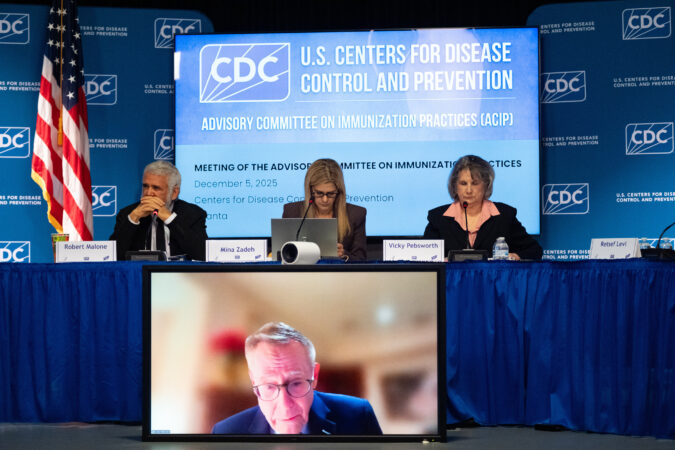
    The Advisory Committee on Immunization Practices, a committee that makes recommendations to the Centers for Disease Control and Prevention on the vaccines that Americans should receive, voted 8-3 to change its guidance on when and to whom the hepatitis B vaccine should be administered.

    National medical professional societies have opposed changes to the administration of a vaccine proven to be safe and effective, crediting it with all but eliminating the spread of the virus in young children.

    The hepatitis B vaccine revisions underscored growing concern that the federal government’s vaccine guidance is no longer credible under President Donald Trump’s administration.

    “Cases will go up,” said Sarah Long, an infectious disease pediatrician and a professor of pediatrics at Drexel University’s College of Medicine.

    She called the vote “outrageous,” saying it’s much safer to ensure every child gets protection as soon as possible from a virus that can have lifelong effects, causing in some people cirrhosis and liver cancer.

    “Why wouldn’t you want to apply a cancer-preventing vaccine to every potential susceptible child?” Long said.

    Long is herself a former member of the committee of independent experts. Her term ended in July 2024, about a year before Health and Human Services Secretary Robert F. Kennedy Jr. fired all of ACIP’s 17 members and reappointed handpicked members that included some who, like Kennedy, have advocated against vaccines.

    At meetings on Thursday and Friday, the committee reviewed a recommendation in place since 1991: that, shortly after birth, infants receive the first in a series of hepatitis B vaccinations.

    ACIP will now recommend that infants receive a hepatitis B shot at birth only if their mother was not tested or tests positive for hepatitis B.

    Parents can still decide with their doctors to give a dose at birth if the baby’s mother tests negative.

    The committee recommended delaying the shot, recommending that babies should get their first hepatitis dose at “no earlier” than two months if they do not receive a birth dose.

    Parents who test negative for the virus should discuss “vaccine benefits, vaccine risks, and infection risks” with their doctors to decide “when or if their child will begin the hepatitis B vaccine series,” HHS officials wrote in a statement.

    Some committee members said most babies are not at high risk for infection and questioned whether there’s adequate research to support the shots for infants, The Associated Press reported. But two others said there was no evidence that birth doses harm babies. The CDC’s own website cites decades of studies showing few risks from the vaccine.

    ‘Why wait until two months?’

    The decision makes little sense, said Paul Offit, a nationally renowned vaccine expert and physician who leads Children’s Hospital of Philadelphia’s Vaccine Education Center and has often clashed with Kennedy.

    “I don’t think this RFK Jr.-appointed anti-vaccine group calling itself the ACIP understands critical aspects of this virus,” he said. “This vaccine is as safe at two months as it is at birth. Why wait until two months?”

    It’s dangerous to wait to vaccinate babies against hepatitis B because the virus is highly contagious and can spread from a mother to a child at birth, and through actions as seemingly innocuous as sharing a toothbrush, a washcloth, or a razor.

    Pennsylvania has seen a 95% reduction in acute hepatitis B cases since the birth dose was implemented, health officials said in a news release earlier this week, calling transmission to newborns, infants, and toddlers “nearly eliminated.”

    Across the state, no mothers have passed the disease to their children at birth since 2019, and no cases have been detected in children under 4 since 2007.

    State health officials had urged the committee to keep the birth dose recommendation.

    Secretary of Health and Human Services Robert F. Kennedy Jr. at a November meeting of the Western Governors’ Association in Scottsdale, Ariz.

    Public perceptions of the vaccine

    Most Americans support hepatitis B vaccinations for newborns, a recent study from the University of Pennsylvania’s Annenberg Public Policy Center found.

    The center surveyed 1,637 Americans last month, noting that the CDC recommended that all children be vaccinated for hepatitis B at birth, and three-fourths of respondents said they were very likely or somewhat likely to recommend the vaccine for a newborn in their household.

    Though a majority of survey respondents across political parties said they were likely to recommend the vaccine, Republicans were least likely to recommend it.

    About 40% of respondents correctly answered a question about the disease the hepatitis B vaccine prevents. One-third said they were not sure what disease it prevents.

    Next steps

    ACIP’s recommendations must be adopted by the CDC director. The White House fired former CDC director Susan Monarez this summer, in part because she had refused to unquestioningly sign off on ACIP recommendations.

    In her place, the acting director, Jim O’Neill, will decide whether to adopt the new recommendations.

    Pennsylvania and New Jersey are among the states that have moved this year to ensure residents can continue to access vaccines amid the reconstituted panel’s earlier controversial changes to the vaccine schedule.

    In Pennsylvania, Gov. Josh Shapiro signed an executive order in October aimed at protecting access to vaccines. One of its directives asks the state Department of Insurance to require that insurance companies cover vaccines recommended by leading national medical associations, including the American Academy of Pediatrics, which continues to recommend hepatitis B vaccines at birth.

    In a statement after Friday’s vote, Pennsylvania’s Secretary of Human Services, Val Arkoosh, urged doctors and parents to follow AAP recommendations when vaccinating infants.

    And the state’s insurance commissioner, Michael Humphreys, said that insurers in the state will continue to cover the vaccine for newborns, “full stop.” He added insurers have already committed to covering birth doses through at least 2026, and that the department expects insurers to continue their coverage beyond that date.

    In a post on X, the social media platform formerly known as Twitter, Shapiro criticized Friday’s decision as “threatening access to safe, effective Hepatitis B vaccines for newborns, putting them at risk of getting a serious infection with lifelong consequences.”

    In New Jersey, insurance companies are expected to continue to cover all immunizations recommended by the state health department, which includes birth doses of the hepatitis B vaccine, the state Department of Banking and Insurance said in a statement after the committee’s vote.

    The department’s commissioner, Justin Zimmerman, said the federal government is “taking actions that threaten the health of residents.”

    CHOP’s Offit said he believed most doctors will continue to recommend the birth dose.

    “Doctors will know this is a bad idea and will do what they’re always doing — recommend the birth dose,” he said.

    But he and Drexel’s Long are among the experts increasingly concerned about the confusion ACIP’s decision could sow.

    And the decision from one of the nation’s highest-profile public health authorities could push more people to forgo the vaccine, Offit said.

    “I think people will feel empowered to say, ‘I don’t want this vaccine because ACIP said I don’t have to get it,” he said.

  • For every person who enrolls in ACA coverage through Pennie, two drop their plans

    For every person who enrolls in ACA coverage through Pennie, two drop their plans

    For every person who signed up for Obamacare health insurance in Pennsylvania last month, two others dropped their plans in anticipation of skyrocketing costs.

    The average cost of a health plan through Pennsylvania’s Affordable Care Act marketplace, Pennie, is expected to double, on average, with some people paying several times more in 2026, if Congress allows a key financial incentive program to expire at the end of this year.

    Pennie leaders say sticker shock for 2026 is undermining a program they credit for driving historically low uninsured rates.

    Nearly 31,000 people canceled their Pennie health plan in November, the first month of open enrollment, which runs through the end of January. About 16,000 people signed up.

    Pennie administrators previously estimated that roughly 150,000 of the nearly 500,000 people who bought plans in 2025 will drop out because they find their options for 2026 unaffordable.

    Some level of turnover is normal, as people move out of state, find new jobs, or become eligible for other government programs, such as Medicare or Medicaid. But the sharp rise in plan cancellations — more than the marketplace saw in all of 2025 — shows that cost remains a driving factor in health decisions.

    “People want health coverage, and when it can fit in their budget, they buy it,” said Devon Trolley, Pennie’s executive director.

    A partisan divide over the so-called enhanced premium tax credits was at the center of this fall’s longest-ever federal government shutdown. The subsidies have helped offset the cost of Obamacare premiums, ensuring no one spends more than 8.5% of income on health insurance through Democrats’ signature health coverage reforms implemented under President Barack Obama.

    The federal budget ultimately approved by the current Republican-controlled Congress did not include an extension of the tax credits, and it is unclear whether Democrats or Republicans will be able to secure enough votes for the fixes they have proposed.

    U.S. Rep. Brian Fitzpatrick, a Bucks County Republican, is proposing legislation that would extend the tax credits for two years, with some restrictions.

    The subsidies have been particularly beneficial to working individuals and families who earn too much to qualify for other, income-based Obamacare tax credits, but who cannot afford to pay full price and do not have access to insurance through an employer. Income-based tax credits for people who earn below 400% of the federal poverty rate are part of the original ACA law and will not expire.

    The add-on tax credits have been approved annually by Congress since 2021, and the vast majority of people who buy coverage through Pennie qualify for at least some amount of financial assistance.

    Pennie will work to update rates as quickly as possible if Congress renews the tax credits before the end of the year.

    In the meantime, marketplace leaders are urging people to consider all the plan options — which range from high-deductible plans with low premiums to plans with steep monthly costs but fewer out-of-pocket expenses — before canceling their coverage entirely.

    Plan costs and expected increases vary, depending on age, income, and geography, which is why it is important for people to review their options, Trolley said.

    Philadelphia’s Pennsylvania suburbs are expected to see costs increase an average of 40% to 70%, while costs are rising an average of 400% or more in rural communities in the middle of the state.

    Increased outreach amid tax credit confusion

    State-based marketplaces and their partners have ramped up marketing and outreach in an effort to make sure people are aware of the cost increases.

    Pennsylvania Health Access Network has doubled the amount of text messages, phone calls, and emails it is sending past clients. Messages remind people of the deadline to enroll and urge them to review their plan online — even if they intend to keep it.

    The nonprofit has seen an increase in people reaching out early for information, compared with past enrollment seasons, as well as more people waiting to make a final decision about coverage, said Antoinette Kraus, the organization’s executive director.

    “We’re seeing fewer people say, ‘All right, sign me up today,’” Kraus said. “They’re taking time to figure out how this fits in the budget.”

    New Jersey announced it was expanding outreach efforts for its marketplace, Get Covered New Jersey, with more than three dozen enrollment events at shopping malls and grocery stores across the state.

    New Jersey has not released enrollment data for 2026.

    Justin Zimmerman, commissioner of New Jersey’s Department of Banking and Insurance, urged people not to put off buying a plan, despite uncertainty about tax credits. In New Jersey, people must sign up by Dec. 31 for coverage to take effect Jan. 1.

    “It is especially important for consumers to shop and compare plans to find the best options for them,” Zimmerman said in a statement announcing outreach plans.

    Fitting health insurance into the budget

    People who are used to their plan automatically renewing at the end of the year may be particularly surprised by the new prices when insurers begin sending January premium bills by mid-December.

    Pennsylvania’s deadline for insurance that begins in January is Dec. 15, but people have until the end of January to make any changes to their coverage.

    That means people who are automatically reenrolled in their existing plan still have time to change it, if they realize after getting their first bill that they cannot afford it and want to look for a less expensive option.

    And people who canceled their coverage earlier in the enrollment period can still sign up if they change their mind.

    As of Feb. 1, when the enrollment period ends, people can still cancel their plan, but they will not be able to pick a new one until the coming fall.

    The marketplace’s enrollment specialists work with people to price out all their options. But Pennie’s executive director fears that without an extension of the add-on tax credits, many will not find an option they can afford.

    “We are doing the best we can to provide people with the best information,” Trolley said. “But ultimately, we cannot fill the hole of federal funding.”

  • U.S. vaccine advisers say not all babies need a hepatitis B shot at birth

    U.S. vaccine advisers say not all babies need a hepatitis B shot at birth

    NEW YORK — A federal vaccine advisory committee voted on Friday to end the longstanding recommendation that all U.S. babies get the hepatitis B vaccine on the day they’re born.

    A loud chorus of medical and public health leaders decried the actions of the panel, whose current members were all appointed by U.S. Health Secretary Robert F. Kennedy Jr. — a leading anti-vaccine activist before this year becoming the nation’s top health official.

    “This is the group that can’t shoot straight,” said William Schaffner, a Vanderbilt University vaccine expert who for decades has been involved with ACIP and its work groups.

    Several medical societies and state health departments said they would continue to recommend them. While people may have to check their policies, the trade group AHIP, formerly known as America’s Health Insurance Plans, said its members still will cover the birth dose of the hepatitis B vaccine.

    For decades, the government has advised that all babies be vaccinated against the liver infection right after birth. The shots are widely considered to be a public health success for preventing thousands of illnesses.

    But Kennedy’s Advisory Committee on Immunization Practices decided to recommend the birth dose only for babies whose mothers test positive, and in cases where the mom wasn’t tested.

    For other babies, it will be up to the parents and their doctors to decide if a birth dose is appropriate. The committee voted 8-3 to suggest that when a family elects to wait, then the vaccination series should begin when the child is 2 months old.

    The acting director of the Centers for Disease Control and Prevention, Jim O’Neill, is expected to decide later whether to accept the committee’s recommendation.

    The decision marks a return to a health strategy abandoned more than three decades ago

    Asked why the newly appointed committee moved quickly to reexamine the recommendation, committee member Vicky Pebsworth on Thursday cited “pressure from stakeholder groups,” without naming them.

    Committee members said the risk of infection for most babies is very low and that earlier research that found the shots were safe for infants was inadequate.

    They also worried that in many cases, doctors and nurses don’t have full conversations with parents about the pros and cons of the birth-dose vaccination.

    The committee members voiced interest in hearing the input from public health and medical professionals, but chose to ignore the experts’ repeated pleas to leave the recommendations alone.

    The committee gives advice to the director of the Centers for Disease Control and Prevention on how approved vaccines should be used. CDC directors almost always adopted the committee’s recommendations, which were widely heeded by doctors and guide vaccination programs. But the agency currently has no director, leaving acting director O’Neill to decide.

    In June, Kennedy fired the entire 17-member panel earlier this year and replaced it with a group that includes several anti-vaccine voices.

    Hepatitis B and delaying birth doses

    Hepatitis B is a serious liver infection that, for most people, lasts less than six months. But for some, especially infants and children, it can become a long-lasting problem that can lead to liver failure, liver cancer and scarring called cirrhosis.

    In adults, the virus is spread through sex or through sharing needles during injection drug use. But it can also be passed from an infected mother to a baby.

    In 1991, the committee recommended an initial dose of hepatitis B vaccine at birth. Experts say quick immunization is crucial to prevent infection from taking root. And, indeed, cases in children have plummeted.

    Still, several members of Kennedy’s committee voiced discomfort with vaccinating all newborns. They argued that past safety studies of the vaccine in newborns were limited and it’s possible that larger, long-term studies could uncover a problem with the birth dose.

    But two members said they saw no documented evidence of harm from the birth doses and suggested concern was based on speculation.

    Three panel members asked about the scientific basis for saying that the first dose could be delayed for two months for many babies.

    “This is unconscionable,” said committee member Joseph Hibbeln, who repeatedly voiced opposition to the proposal during the sometimes-heated two-day meeting.

    The committee’s chair, Kirk Milhoan, said two months was chosen as a point where infants had matured beyond the neonatal stage. Hibbeln countered that there was no data presented that two months is an appropriate cut-off.

    Cody Meissner, a professor of pediatrics at the Geisel School of Medicine at Dartmouth, also questioned a second proposal — which passed 6-4 — that said parents consider talking to pediatricians about blood tests meant to measure whether hep B shots have created protective antibodies.

    Such testing is not standard pediatric practice after vaccination. Proponents said it could be a new way to see if fewer shots are adequate.

    A CDC hepatitis expert, Adam Langer, said results could vary from child to child and would be an erratic way to assess if fewer doses work. He also noted there’s no good evidence that three shots pose harm to kids.

    Meissner attacked the proposal, saying the language “is kind of making things up.”

    Health experts say this could ‘make America sicker’

    Health experts have noted Kennedy’s hand-picked committee is focused on the pros and cons of shots for the individual getting vaccinated, and has turned away from seeing vaccinations as a way to stop the spread of preventable diseases among the public.

    The second proposal “is right at the center of this paradox,” said committee member Robert Malone.

    Some observers criticized the meeting, noting recent changes in how they are conducted. CDC scientists no longer present vaccine safety and effectiveness data to the committee. Instead, people who have been prominent voices in anti-vaccine circles were given those slots.

    The committee “is no longer a legitimate scientific body,” said Elizabeth Jacobs, a member of Defend Public Health, an advocacy group of researchers and others that has opposed Trump administration health policies. She described the meeting this week as “an epidemiological crime scene.”

    Republican Sen. Bill Cassidy, a liver doctor who chairs the Senate health committee, called the committee’s vote on the hepatitis B vaccine “a mistake.”

    “This makes America sicker,” he said, in a post on social media.

    The committee heard a 90-minute presentation from Aaron Siri, a lawyer who has worked with Kennedy on vaccine litigation. He ended by saying that he believes there should no ACIP vaccine recommendations at all.

    In a lengthy response, Meissner said, “What you have said is a terrible, terrible distortion of all the facts.” He ended by saying Siri should not have been invited.

    The meeting’s organizers said they invited Siri as well a few vaccine researchers — who have been vocal defenders of immunizations — to discuss the vaccine schedule. They named two: Peter Hotez, who said he declined, and Paul Offit, who said he didn’t remember being asked but would have declined anyway. Offit is a nationally renowned vaccine expert and physician who leads Children’s Hospital of Philadelphia’s Vaccine Education Center.

    Hotez, of the Texas Children’s Hospital in Houston, declined to present before the group “because ACIP appears to have shifted its mission away from science and evidence-based medicine,” he said in an email to the Associated Press.

  • A heart surgeon saved his life as a teen. Now they perform surgeries together.

    A heart surgeon saved his life as a teen. Now they perform surgeries together.

    The first time Mesfin Yana Dollar assisted with an open-heart surgery, his patient was a teenage girl from Ethiopia. She was scared and crying.

    He went to her bedside at Emory University Hospital in Atlanta and spoke to her in Amharic, explaining he would be running the machine that would function as her heart and lungs during the surgery.

    “I had the same surgery, and things are going to be just fine,” he told her, adding that as a teen he also had rheumatic fever that became rheumatic heart disease.

    The girl told him, “You must be an angel.”

    Years later, he still sees himself in every patient.

    “I was on that same operating table,” Mesfin said.

    Mesfin was born in a small village in Ethiopia in 1985. There was no electricity or running water, but he said he didn’t want for anything. He was surrounded by family and he was happy — until he got sick when he was around 10 or 11 years old.

    At first, he felt like he couldn’t run as fast and he became short of breath easily. Then he couldn’t walk to school anymore, and his cough kept him awake at night. His parents tried tribal medicine and taking him to doctors in nearby cities. He still didn’t know what was wrong — but he didn’t want to feel like a burden to his family. One day, he got a ride to the capital, Addis Ababa, and walked into Mother Teresa’s Missionaries of Charity. That’s where he met American doctor Rick Hodes.

    “I saw this young, short White man with a stethoscope hanging around his neck,” Mesfin said of Hodes, who lives in Ethiopia and helps patients with rheumatic heart disease and spine problems. “He was joking with the kids and joking with the patients.”

    Hodes, Mesfin learned, is known for saving thousands of lives in Ethiopia, often finding creative ways to fund treatment for the poorest and sickest patients. Hodes has adopted children so he could put them on his health insurance and send them to the United States for spinal surgeries.

    Leaving home for surgery

    Hodes listened to Mesfin’s heart and lungs, then ordered a battery of tests before telling Mesfin that he had a serious heart condition. He would need surgery.

    There was no open-heart surgery in Ethiopia at the time, so Hodes started working on finding a place for Mesfin to get surgery in the U.S.

    “He showed up out of nowhere, diagnosed me, and now he’s looking into surgery,” Mesfin recalled. He credits Hodes with saving his life.

    Mesfin flew to Atlanta when he was about 15 to get the surgery, which was funded in part by the nonprofit Children’s Cross Connection International. Jim Kauten, a cardiothoracic surgeon at Piedmont Heart Institute, repaired Mesfin’s mitral valve to improve his heart function. The surgery went well, and Mesfin returned to a host family nearby in Atlanta to recover.

    His host happened to be a dentist, and he recommended Mesfin have his wisdom teeth pulled before returning to Ethiopia. He recovered from his surgery, had his teeth pulled and returned to Addis Ababa, where he stayed with Hodes so the doctor could continue to monitor his recovery.

    Then the site of Mesfin’s wisdom teeth became infected. He developed endocarditis, a life-threatening condition. Hodes treated him in his living room with drugs, but Mesfin was getting sicker.

    “I told Dr. Rick, you know what, you did everything possible,” Mesfin recalled saying. “This is the will of God, and if I die, there’s no problem now.”

    Hodes said he would not let Mesfin die. He sent him back to Atlanta for emergency surgery. An ambulance met him at the airport.

    Instead of a valve repair, the doctors replaced his valve with a mechanical one that would last longer. But this meant Mesfin would need blood thinners and monitoring for life — so he couldn’t go back to his home in rural Ethiopia, where care wasn’t readily available.

    Mesfin’s cardiologist, Allen Dollar, decided to take Mesfin into his home — and the teen joined the Dollars’ growing family in Atlanta, which includes biological and adopted children. Mesfin eventually took the family’s name.

    “It kind of reminded me of home because I have 11 brothers and two sisters,” Mesfin said. “This is as large a family as I had back in Ethiopia.”

    ‘A second life’

    As a teenager at school in Atlanta, Mesfin studied hard to improve his English and quickly caught up to his peers.

    “I was blessed with a second life,” he said.

    Cardiovascular disease is a leading cause of death in young adults in Ethiopia, and rheumatic heart disease, Allen Dollar said, is a top reason. Rheumatic fever can develop when strep throat, or sometimes scarlet fever, isn’t properly treated.

    “Until recently, there literally were no heart surgeons for 100 million people,” Allen said.

    The hospital where he worked, Piedmont Heart Institute, started bringing more kids over for surgeries.

    Allen said that Mesfin quickly adapted to the rhythms of American life.

    “Mesfin was the most studious of any of our kids,” Allen said. “I never saw a kid study so much in my life.”

    Mesfin knew he wanted to work in healthcare. He went to Georgia State University and studied to be a respiratory therapist. That’s where he met his wife, Iyerusalem. They have two sons. Mesfin worked in Atlanta for a couple of years before moving his young family to Texas. He trained to be a cardiac perfusionist at the Texas Heart Institute and eventually got a job at the Mayo Clinic in Minnesota, where his wife now works, too, as a cardiac sonographer.

    At the Mayo Clinic, Mesfin, 40, runs the heart-lung machine for patients during some of the most complex open-heart surgeries in the world.

    He and the surgeon who saved his life return to Ethiopia to do surgeries there through the nonprofit Heart Attack Ethiopia.

    On the first surgery mission trip a couple of years ago, Mesfin surprised Kauten by showing up.

    “That was especially nice in my mind,” Kauten said. “For him to be able to pay back to his community services that he received in the United States, and he was able to pay it back in Ethiopia.”

    Kauten said that in addition to being a skilled perfusionist, Mesfin acts as an interpreter for the Ethiopian and American healthcare workers, and helps the team with a sense of cohesion. He also spends hours with students training to be perfusionists, like him, to help them learn.

    As much as Mesfin loved his new life, he missed his biological family. He eventually helped bring his parents and several of his siblings to the U.S.

    Allen said he is proud of his adoptive son’s professional success — but also of the person he has become.

    “He has retained this spirit of gratitude,” he said. “He has never lost sight of what his life could have been and all the people along the way.”

    “I’m always grateful,” Mesfin said. “I’m grateful for my family, for just being in the United States. It’s a resurrection for me. You know, I was once lost, dead, and I was resurrected and I’m living a new life.”