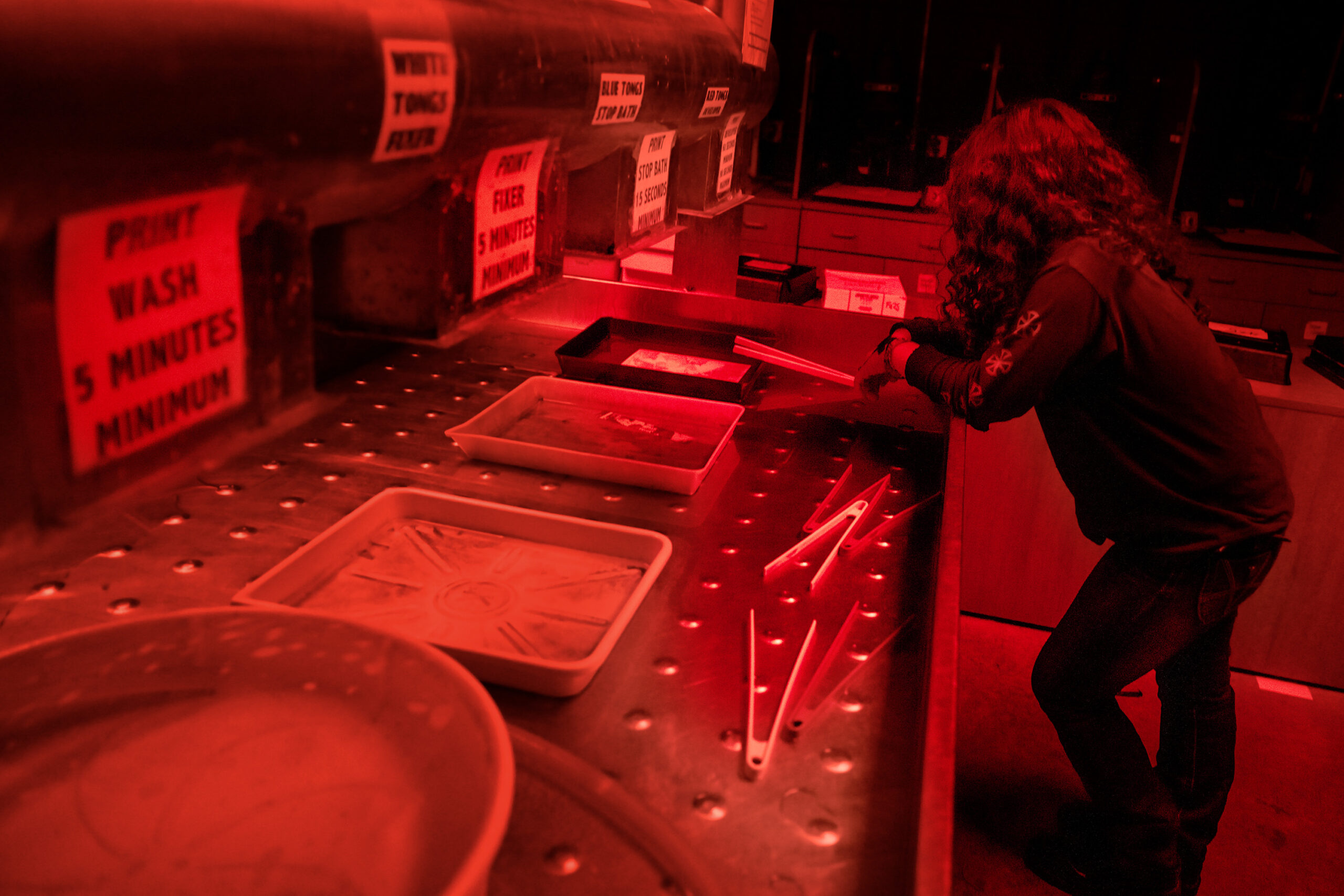
I stepped into a real live, working — smells and all — black and white darkroom this week, for the first time in decades.
I watched Charlotte Astor, a junior at Cherry Hill High School East, develop her B&W photographs in the school’s darkroom.
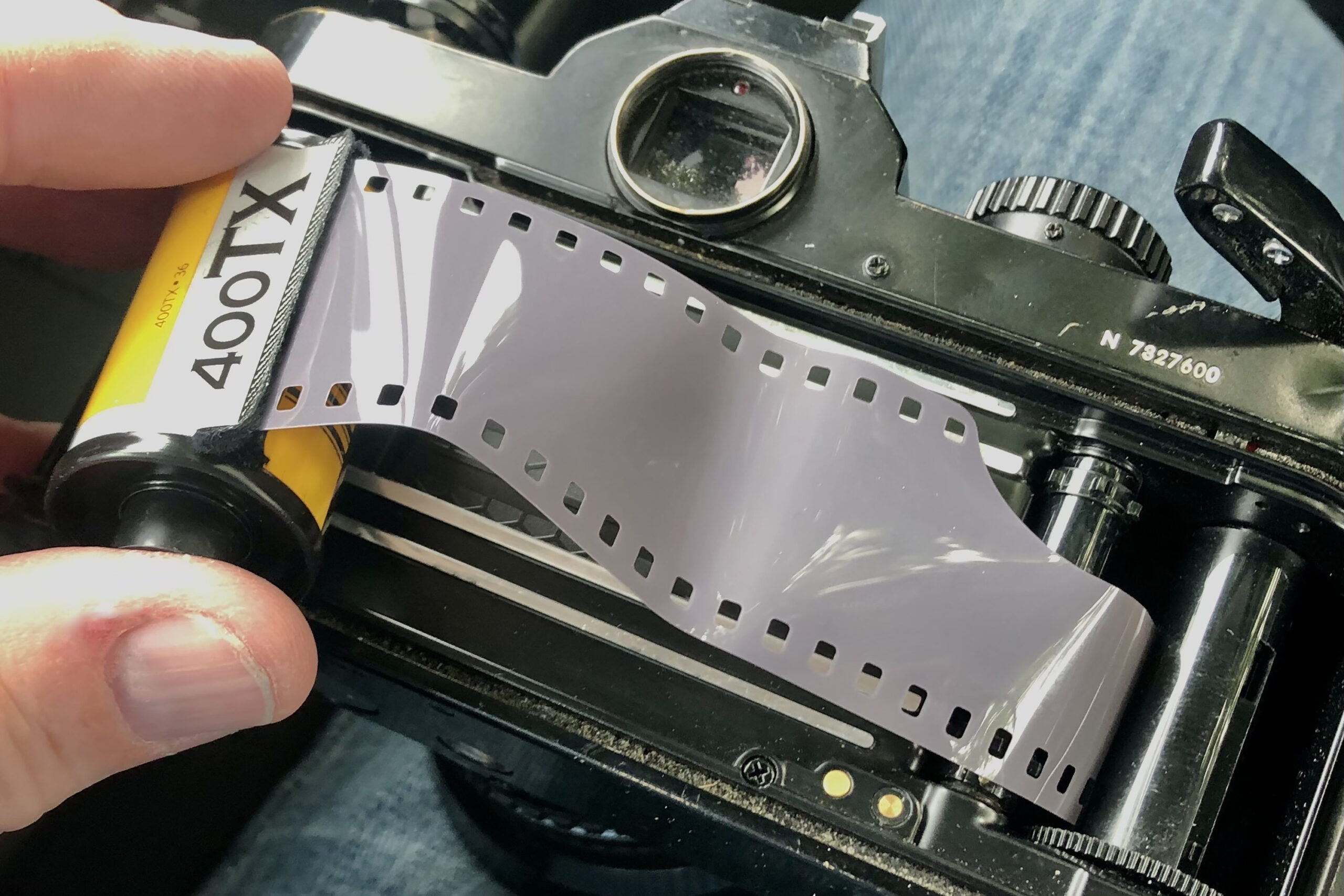
For a few years after The Inquirer went digital I kept the small enlarger and other personal equipment that I’d used in my crude basement darkroom from when I was starting out. I had little use for it after I got my first staff job with bigger and better facilities. It all stayed boxed up, through multiple moves, long after I’d stopped exposing any film — even for family photos.
I finally gave it all away when young people first started using analog formats like typewriters, vinyl records, “dumb phones,” and film cameras as a move away from digital overload. (A few years ago our photo staff did a group project where we each took a turn with the same 35 mm mechanical camera using just one roll of black-and-white film.)
Like many digital natives who grew up with smartphones and the internet and are now “detoxing,” Astor has totally embraced B&W 35 mm, photographing at hardcore shows around the area for a zine she self-publishes, “Through Our Eyes.”
“So often,” she says of the music scene, “you’ll see these people taking a million photos a second, and to me it’s just waste. When I shoot film, I only have 36 shots before I gotta risk reloading in the middle of the pit, so every shot I have to make count. It keeps me in that moment, with this kind of clarity. When you get the shot, even though you can’t see it, you just know that you got that moment perfect. That moment means everything to me. I wouldn’t trade it for the world, and digital will never come close.”
Photo by Charlotte Astor, from a show by “I Promised the World” at the First Unitarian Church in Philadelphia Nov. 22, 2025. Taken with a Nikon FE and Tmax 3200 film.
But that’s not why I was taking her picture. Our story, published next week, is about Astor’s four year search for a demo tape — yes, an analog cassette — from her mother’s teenage band.
I enjoyed talking with her about photography, and I couldn’t stop thinking about what digital photography has brought us.
Film demanded patience and technical precision. Digital offered instant feedback and greater flexibility in lighting conditions.
Photojournalists delivered images faster, adapted to the demands of online media and met tighter and more frequent deadlines.
The transition hasn’t changed the way I see, and interpret. I still emphasize composition, context, or complexity. However, I have adapted and adjusted. I see the value in making the kinds of thumbnails that online platforms prioritize to generate algorithmic attention.
Between photographing for stories on assignment I still wander whatever neighborhood I am in looking for “standalones.”
But I am also always on the lookout for “stock” photos that can be used as thumbnails with future stories. Think images of police tape or flashing lights, city street scenes, and skylines, educational, civic, and medical institutions.
Made while riding in a parking garage elevator, this photo had been been published with over a dozen stories in the past year.
After an assignment at the Philadelphia Art Museum, I loitered outside.
Ahead of Sunday’s wildcard playoff game against the San Francisco 49ers, the museum put up giant cutouts of four Eagles players on its iconic front steps. The cutouts first appeared in 2014 (before the Birds’ wild-card loss to the New Orleans Saints) and again a few times over the years, including before both Super Bowl wins in 2018 and last year.
The newspaper already has lots of photos from the steps, including many of that movie prop, but I knew the city’s Art Commission is voting next week to see if it stays, or not.
That famous movie prop seen out-of-focus – and captured – between changing f-stops for different depths-of-field. Did you know (spoiler alert, there is math involved) that an f-stop is the numerical value of the ratio of the focal length of the lens to the diameter of its aperture.
If it stays, the “original” version of the statue from 1982’s Rocky III that now sits at street level would be moved inside the museum for an exhibit this summer, then go back outside and installed at the top of the steps “permanently.” And the “second casting” statue there now “temporarily” would be returned to Sylvester Stallone.
It was that really nice, warm sprint-like day we had on Wednesday, following those bitterly cold first days of 2026, so I didn’t mind being outside making “stock” photos.
And THAT’S when I spotted a real moment — the kind photographers live for — of the family taking selfies on the steps, and how I ended up making the photo at the very top of this column.
Since 1998 a black-and-white photo has appeared every Monday in staff photographer Tom Gralish’s “Scene Through the Lens” photo column in the print editions of The Inquirer’s local news section. Here are the most recent, in color:
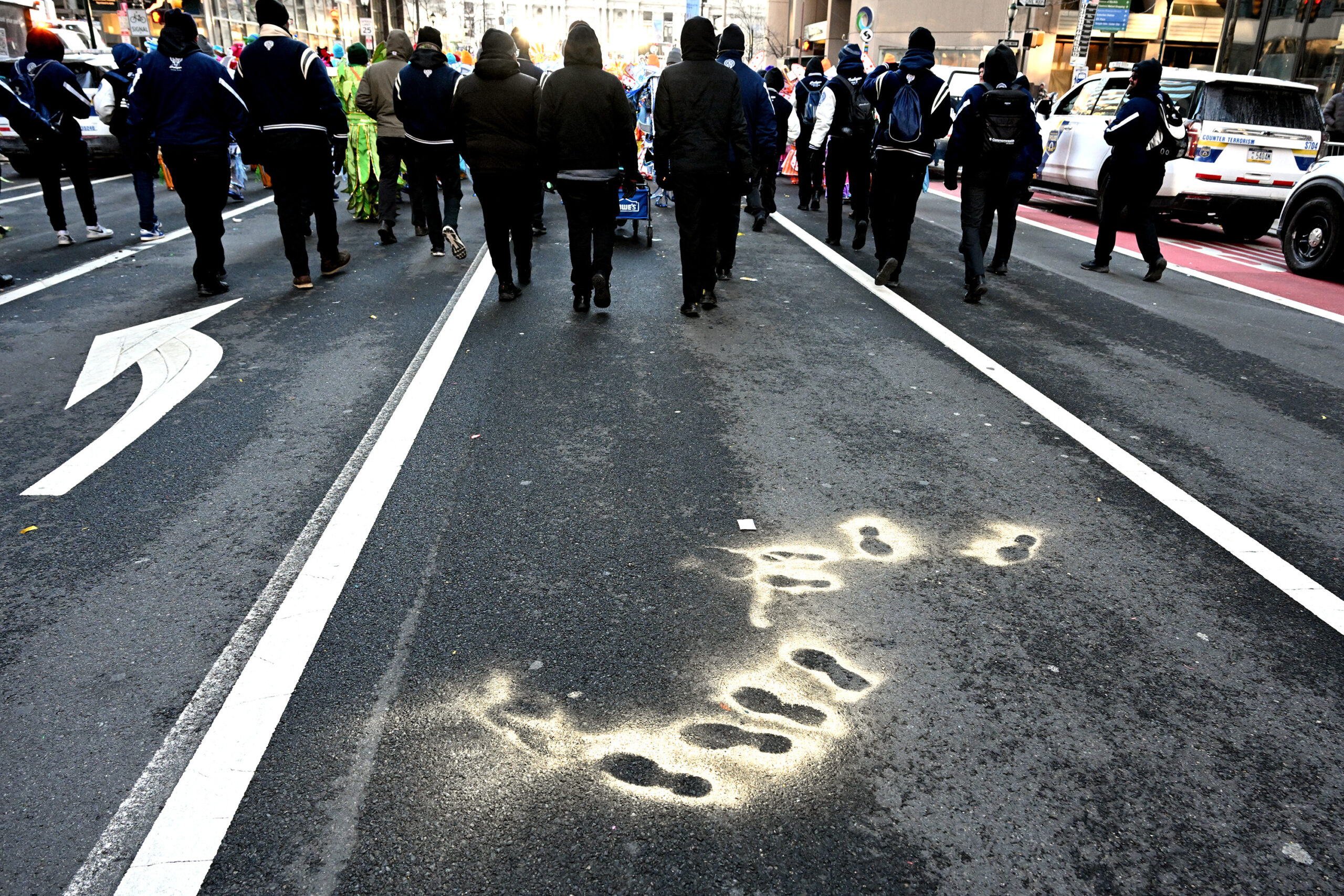
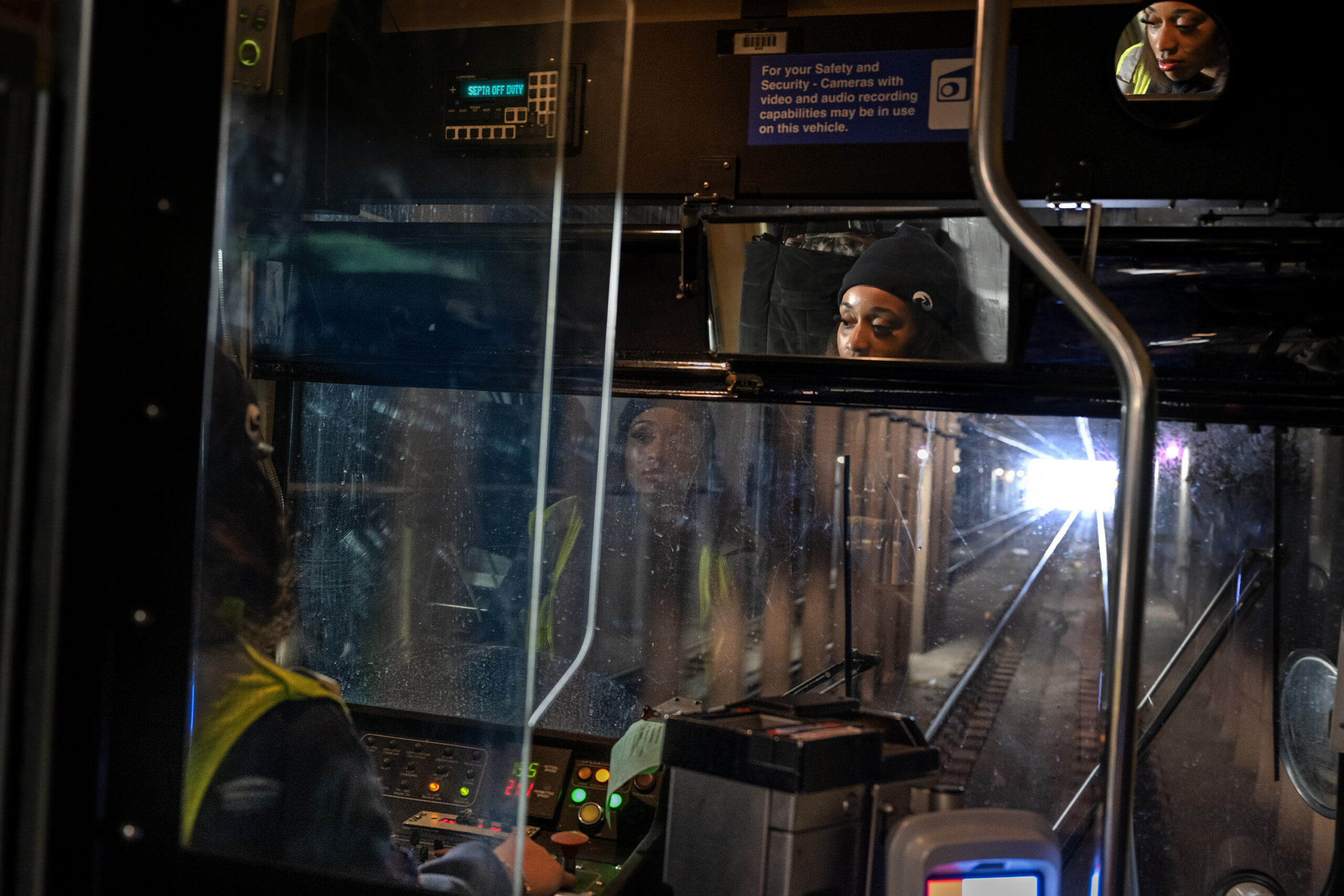
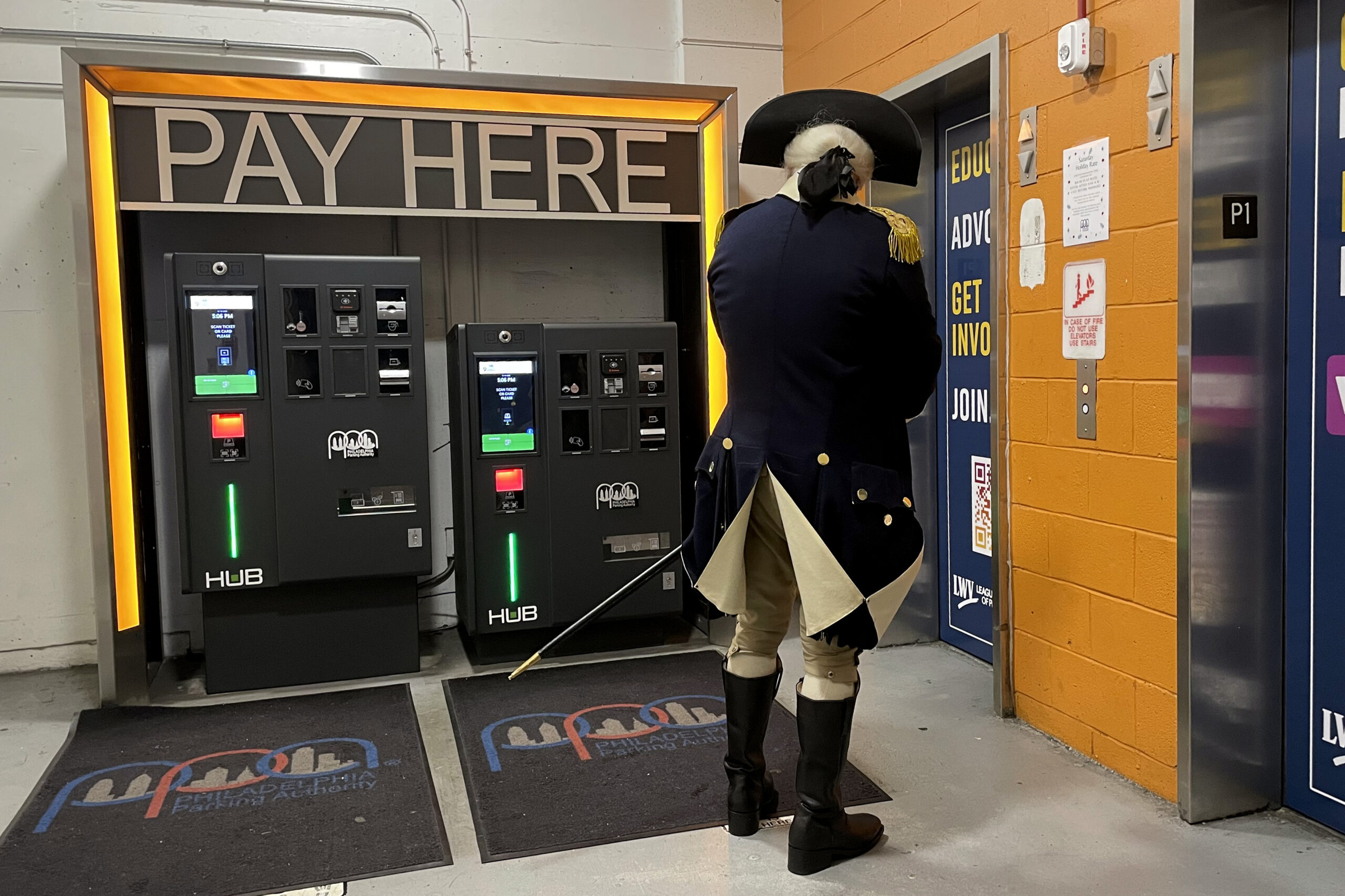
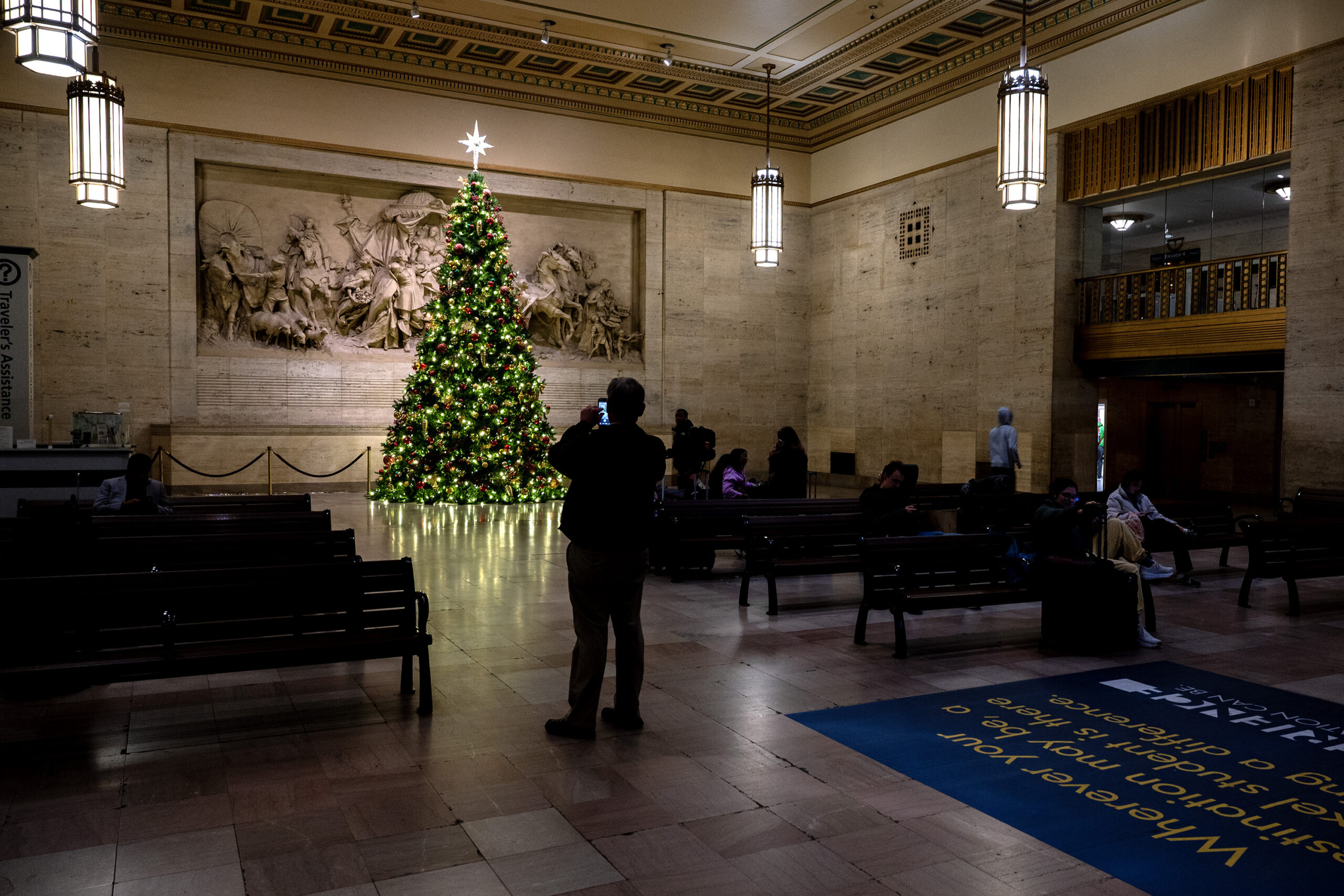
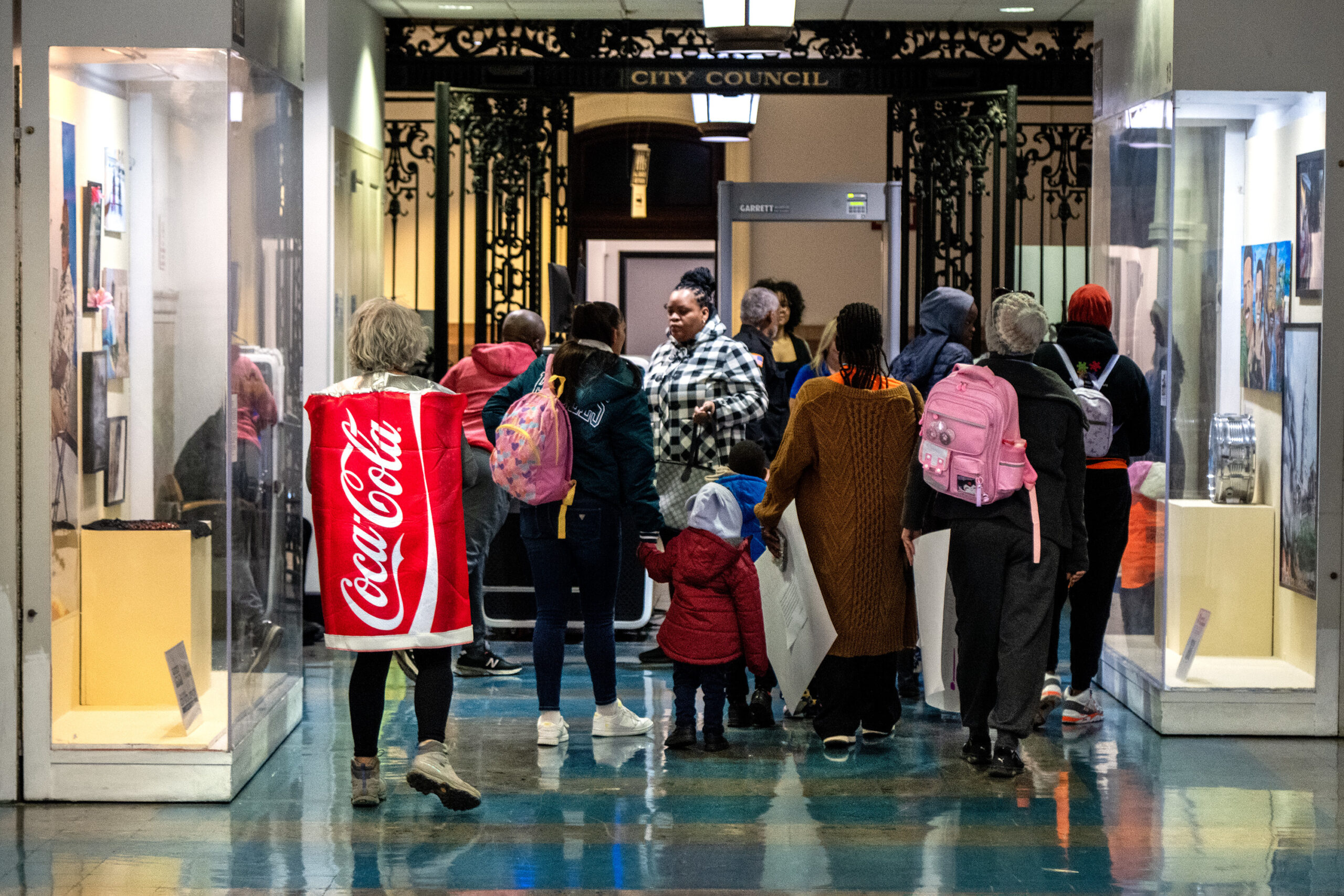
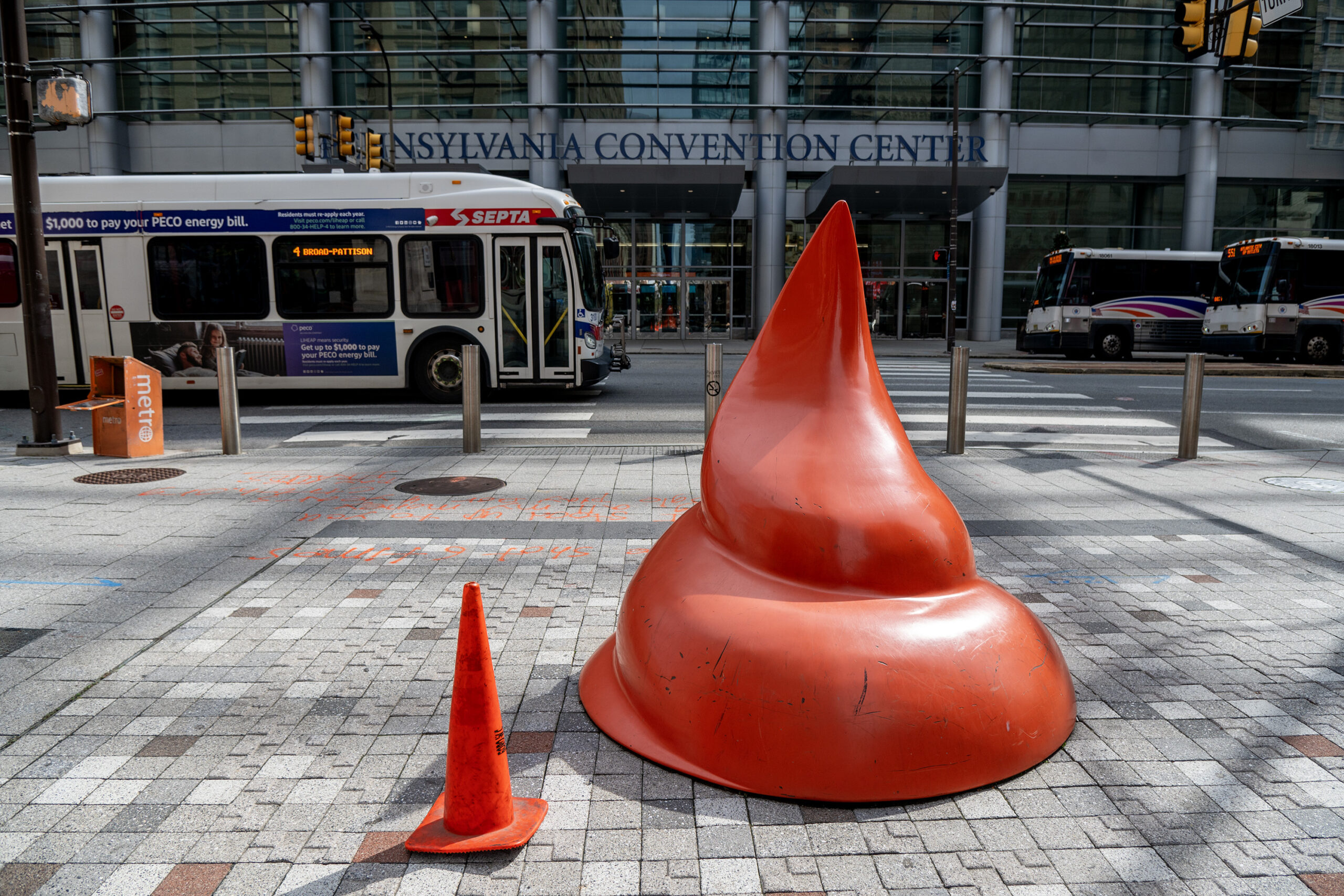
January 5, 2026: Parade marshals trail behind the musicians of the Greater Kensington String Band heading to their #9 position start in the Mummers Parade. Spray paint by comic wenches earlier in the day left “Oh, Dem Golden Slippers” shadows on the pavement of Market Street. This year marked the 125th anniversary of Philly’s iconic New Year’s Day celebration.Dec. 29, 2025: Canada geese at sunrise in Evans Pond in Haddonfield, during the week of the Winter Solstice for the Northern Hemisphere. December 22, 2025: SEPTA trolley operator Victoria Daniels approaches the end of the Center City Tunnel, heading toward the 40th Street trolley portal after a tour to update the news media on overhead wire repairs in the closed tunnel due to unexpected issues from new slider parts.December 15, 2025: A historical interpreter waits at the parking garage elevators headed not to a December crossing of the Delaware River, but an event at the National Constitution Center. General George Washington was on his way to an unveiling of the U.S. Mint’s new 2026 coins for the Semiquincentennial, December 8, 2025: The Benjamin Franklin Bridge and pedestrians on the Delaware River Trail are reflected in mirrored spheres of the “Weaver’s Knot: Sheet Bend” public artwork on Columbus Boulevard. The site-specific stainless steel piece located between the Cherry Street and Race Street Piers was commissioned by the City’s Public Art Office and the Delaware River Waterfront Corporation and created and installed in 2022 by the design and fabrication group Ball-Nogues Studio. The name recalls a history that dominated the region for hundreds of years. “Weaver’s knot” derives from use in textile mills and the “Sheet bend” or “sheet knot” was used on sailing vessels for bending ropes to sails. November 29, 2025: t’s ginkgo time in our region again when the distinctive fan-shaped leaves turn yellow and then, on one day, lose all their leaves at the same time laying a carpet on city streets and sidewalks. A squirrel leaps over leaves in the 18th Century Garden in Independence National Historical Park Nov. 25, 2025. The ginkgo (Ginkgo biloba) is considered a living fossil as it’s the only surviving species of a group of trees that existed before dinosaurs. Genetically, it has remained unchanged over the past 200 million years. William Hamilton, owner the Woodlands in SW Phila (no relation to Alexander Hamilton) brought the first ginkgo trees to North America in 1785.November 24, 2025: The old waiting room at 30th Street Station that most people only pass through on their way to the restrooms has been spiffed up with benches – and a Christmas tree. It was placed there this year in front of the 30-foot frieze, “The Spirit of Transportation” while the lobby of Amtrak’s $550 million station restoration is underway. The 1895 relief sculpture by Karl Bitter was originally hung in the Broad Street Station by City Hall, but was moved in 1933. It depicts travel from ancient to modern and even futuristic times. November 17, 2025: Students on a field trip from the Christian Academy in Brookhaven, Delaware County, pose for a group photo in front of the Liberty Bell in Independence National Historical Park on Thursday. The trip was planned weeks earlier, before they knew it would be on the day park buildings were reopening after the government shutdown ended. “We got so lucky,” a teacher said. Then corrected herself. “It’s because we prayed for it.” November 8, 2025: Multitasking during the Festival de Día de Muertos – Day of the Dead – in South Philadelphia.November 1, 2025: Marcy Boroff is at City Hall dressed as a Coke can, along with preschoolers and their caregivers, in support of former Mayor Jim Kenney’s 2017 tax on sweetened beverages. City Council is considering repealing the tax, which funds the city’s pre-K programs. October 25, 2025: Austin Gabauer, paint and production assistant at the Johnson Atelier, in Hamilton Twp, N.J. as the finished “O” letter awaits the return to Philadelphia. The “Y” part of the OY/YO sculpture is inside the painting booth. The well-known sculpture outside the Weitzman National Museum of American Jewish History was removed in May while construction continues on Market Street and has been undergoing refurbishment at the Atelier at the Grounds for Sculpture outside of Trenton.October 20, 2025:The yellow shipping container next to City Hall attracted a line of over 300 people that stretched around a corner of Dilworth Park. Bystanders wondered as they watched devotees reaching the front take their selfies inside a retro Philly diner-esque booth tableau. Followers on social media had been invited to “Climb on to immerse yourself in the worlds of Pleasing Fragrance, Big Lip, and exclusive treasures,” including a spin of the “Freebie Wheel,” for products of the unisex lifestyle brand Pleasing, created by former One Direction singer Harry Styles.October 11, 2025: Can you find the Phillie Phanatic, as he leaves a “Rally for Red October Bus Tour” stop in downtown Westmont, N.J. just before the start of the NLDS? There’s always next year and he’ll be back. The 2026 Spring Training schedule has yet to be announced by Major League Baseball, but Phillies pitchers and catchers generally first report to Clearwater, Florida in mid-February.October 6. 2025: Fluorescent orange safety cone, 28 in, Poly Ethylene. Right: Paint Torch (detail) Claes Oldenburg, 2011, Steel, Fiberglass Reinforced Plastic, Gelcoat and Polyurethane. (Gob of paint, 6 ft. Main sculpture, 51 ft.). Lenfest Plaza at the Pennsylvania Academy of the Fine Arts on North Broad Street, across from the Convention Center.
The waves rocked a dead 30-foot juvenile humpback whale that lay belly-up near Delaware’s Bethany Beach Friday as marine rescue workers prepared for the open-air postmortem examination that would take place on the sand.
The whale was first seen “floating at sea,” two miles off the Indian River Inlet earlier in the week, according to the Marine Education, Research & Rehabilitation Institute, also known as MERR. It finally beached Thursday.
As Suzanne Thurman, executive director of MERR, waited for heavy machinery Friday morning, she guessed the whale might weigh about 20,000 pounds, posing a serious challenge for the people investigating the mammal’s cause of death.
The weight, the constant movement at the behest of the ocean, and the slippery feel of the oil in the whale’s blubber made cutting it open for a necropsy — the examination to determine cause of death — inherently risky, said Thurman. The heavy machinery would have to stabilize the whale on land so the scientists could do their work.
“It can’t be towed,” Thurman said. “There are no other effective ways to move the whale.”
Unlike other animal necropsies, the whale’s postmortem examination would have to take place on the open beach, she said.
“A necropsy is very important because we can’t always tell what happened to the whale simply by looking at it,” she said, adding even if a whale is injured, scientists have to check for signs of human impact and if there was an underlying disease that led to its death.
Finding the cause of death for whale fatalities is crucial for conservationists. Though whale populations have largely rebounded since their peak hunting days, they face more trafficked waterways and a changing climate, which put them at risk all the same.
Whenever there’s a significant die-off of any marine population that “demands immediate response,” the U.S. National Oceanic and Atmospheric Administration gets involved, declaring what’s called an unusual mortality event. This allows scientists to investigate the deaths and study the remaining population in real time.
There are three active unusual mortality events, all involving whales in the Atlantic — the Atlantic minke whale, the North Atlantic right whale, and the Atlantic humpback whale.
How the Delaware fatality factors into the larger picture of whale population health remains to be seen.
The speed at which MERR staff can finish the necropsy depends on environmental factors and equipment availability from the state.
After MERR is done with the necropsy, Thurman said the whale will be buried in the beach because it’s too heavy to move anywhere else and it will become an important source of nutrients.
The Delaware whale is the second such mammal death in the region this week.
A 25- to 30-foot fin whale was discovered on the bow of a ship Sunday night at a marine terminal in Gloucester City, N.J., though the necropsy process has been much slower.
The Marine Mammal Stranding Center took the lead in the New Jersey investigation, limiting public comments to its social media posts. By Wednesday, the Stranding Center said it had a necropsy plan in place for the 12- to 13-ton whale, but staff couldn’t move forward with it until they had a suitable burial location secured.
NOAA’s law enforcement arm, which is tasked with enforcing about 40 different marine laws, has opened an investigation into the whale death despite the incomplete necropsy. A spokesperson could not expand on what drove the decision, citing the pending investigation.
Stranding Center data, dating back to 2002, shows that whale strandings peaked in New Jersey in 2023, with a total of 14 cases. The following year saw a drop in strandings with a total of nine cases reported. Last year, strandings in New Jersey dropped to four.
A New Jersey school resource officer has been charged with misconduct and child endangerment after an altercation with a juvenile in 2024, Gloucester County prosecutors said.
Charles P. Rudolph, 51, of Franklinville, was indicted on second-degree official misconduct and second-degree endangering, abusing, or neglecting a child on Wednesday, according to the Gloucester County Prosecutor’s Office.
Both counts carry a maximum sentence of 10 years in state prison.
Prosecutors say that while employed as a school resource officer, on behalf of the Gloucester County Sheriff’s Office, Rudolph “forcefully pushed” a juvenile’s neck, face, and chest onto a table while the juvenile was handcuffed during an incident that occurred on Dec. 19, 2024.
Officials did not release moreinformation on the incident that led to the altercation between Rudolph and the juvenile, any identifying details about the child,or the school where Rudolph worked.
The Gloucester County Sheriff’s Office declined to comment on the case.
Rudolph’s lawyer could not be reached for comment.
A court appearance is preliminarily scheduled for Feb. 5, according to prosecutors.
Gov. Phil Murphy signed a law Thursday banning cell phones in New Jersey public schools from “bell to bell”in an effortto help students focus on learning.
During a bill-signing event at Ramsey High School in Bergen County, Murphy said the law would promote improved academic performance and student mental health.
“By getting rid of needless distractions, we are fundamentally changing our schools’ learning environments and encouraging our children to be more attentive and engaged during the school day,” Murphy said. “This is a sensible policy that will make a world of difference for our children.”
Murphy, who said he refrains from bringing his phone into meetings, borrowed a phone to use as a propfor the news conference because his was locked in his car.
“That will be locked up until I’m no longer governor,” said Murphy, who leaves office Jan. 20.
The bill was heavily endorsed by principals and teachers, who said valuable instruction time is lost when they have to direct students to put away the devices during class.
Experts say cell phones have become a growing distraction and hinder learning. Students have been using their phones to text friends and even towatch movies during class. The devices have also been used for cyberbullying.
Bans will not go into place in schools around the state, however, until next school year.The law requires the state Department of Education to develop guidelines for districts to draft polices restricting the use of cell phones and devices by students in classrooms and during the school day.
Local school boards that operate more than 600 districts across the state must then adopt a new policy. The law takes effect for the 2026-2027 school year.
Many districts in South Jersey, including Cherry Hill, Deptford, Moorestown, Washington Township, and Woodbury, already restrict cell phone use in classrooms, but the policies have not been consistently enforced and punishments vary. Some require students to store their phones in lockers all day, while others allow phones during lunch and breaks.
Some districts only require students to keep their phones turned off, while others provide locations for the devices to be stored during the school day.
Under the bell-to-bell approach of the new state law, students will not be permitted toaccess their phones for the entire school day.
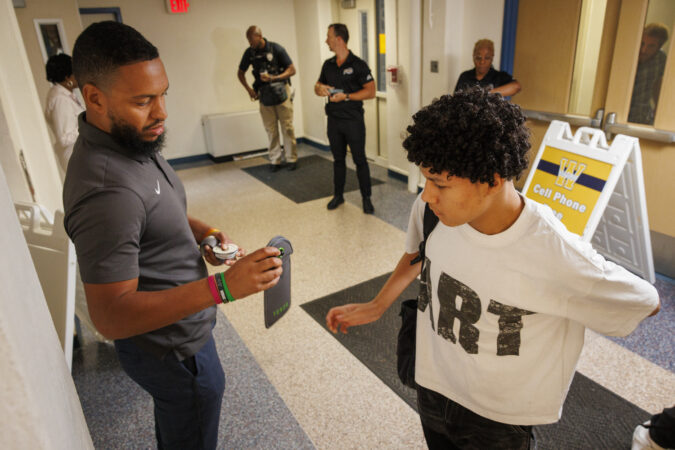
Lianah Carruolo, a seventh-grade student at Woodbury Junior-Senior High School, unlocks her cell phone pouch in September 2024.
Woodbury Superintendent Andrew Bell said a cell-phone-free campus policy at Woodbury Senior High School has drastically changed the culture. There are fewer disciplinary issues and students interact more with classmates and teachers, he said.
“Students are noticeably happier, engaged and present in their classrooms, and connected to one another,”said Dwayne Dobbins Jr., acting co-principal of Woodbury Junior-Senior High School.
What happens next?
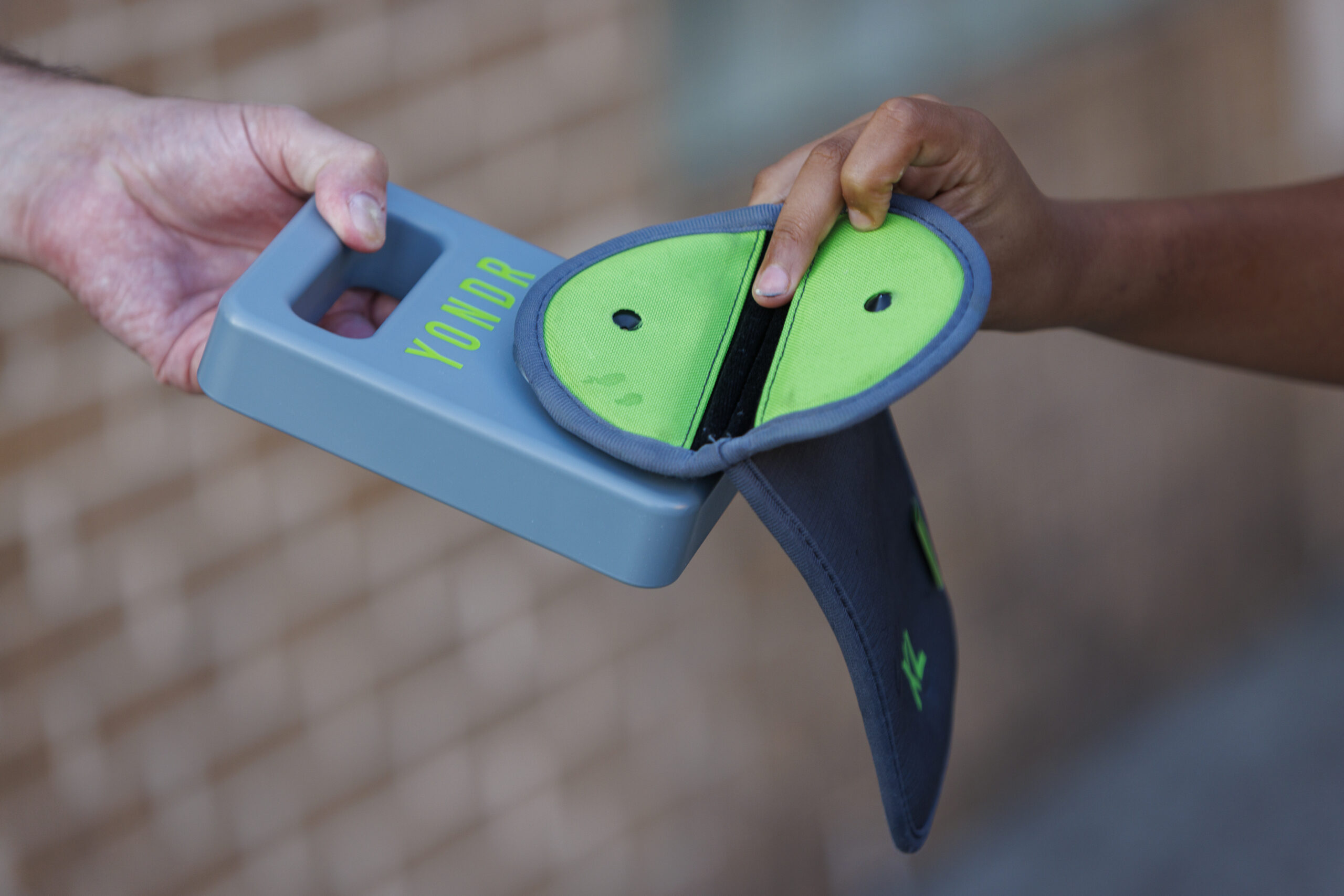
Districts must adopt policies restricting cell phones during the entire school day. That may require students to lock up the devices when they arrive or secure them in locked pouches.
In South Jersey, 12 districts in Burlington, Camden, and Gloucester Counties received grants. The grant amounts varied depending on the size of each district.
window.addEventListener(“message”,function(a){if(void 0!==a.data[“datawrapper-height”]){var e=document.querySelectorAll(“iframe”);for(var t in a.data[“datawrapper-height”])for(var r,i=0;r=e[i];i++)if(r.contentWindow===a.source){var d=a.data[“datawrapper-height”][t]+”px”;r.style.height=d}}});
Gloucester City Superintendent Sean Gorman said his district used a $10,823 grant to install cabinets in classrooms where students in grades 7-12 must lock up their devices when they arrive for homeroom. Younger students are instructed to leave the devices at home, he said.
“We know it’s right for kids,” Gorman said. “If you let them bury their head in their phone for a good portion of the day they will.”
Other districts, like Woodbury, have opted to use locked pouch systems to store students’ phones. They retrieve their phones at the end of the day.
Some parents have expressed concern that they will not be able to reach their children, especially in the event of an emergency. School officials say parents will still be able to contact their children through the main office.
There have also been arguments by opponents that states are overreacting with the cell phone bans and that the legislation is unlikely to have the intended impact.
But groups have parents have also mobilized to speak out against cell phone use, circulating pledges to wait until eighth grade or high school to purchase phones for their children.
Are there exceptions to the ban?
Districts will have some flexibility to allow exceptions. For example, some students use their phones for medical conditions such as glucose testing.
Exceptions may also be made for students with individual education plans or IEPs and use devices such as tablets and ear buds as part of their curriculum.
Before the law signed Thursday, some districts allowed students to retrieve their phones during breaks, in the hallways between classes or during lunch. The law no longer permits that.
Will students be penalized?
It will be left to districts to decide how policy violations should be handled. Some districts with policies already have opted for a progressive discipline approach.
Gorman said Gloucester City has had 60 violations at its high school since the new policy took effect in September, down from 130 the previous year. The school has 731 students.
First-time offenders are given a two-day, in-school suspension and their phone is confiscated, Gorman said. A second offense gets a four-day, in-school suspension; three-time offenders are given a three-day, out-of-school suspension and remanded to an alternative program, he said.
Gorman said students have largely accepted the policy. The school has had fewer disciplinary problems and conflicts typically escalated through text messages have decreased, he said.
“We barely had any repeat offenders,” Gorman said.
The number of federal government employees in the Philadelphia region plunged in October, according to new employment data that appear to reflect the departure of thousands who opted into President Donald Trump’s resignation program.
Trump’s cuts to the federal workforce over his first year in office became clearer Wednesday with the release of new employment data from the U.S. Bureau of Labor Statistics (BLS). Across Pennsylvania and New Jersey, thousands of federal jobs were cut from September to October.
It was the first time the government’s deferred resignation program has been reflected in local employment data. First offered in January 2025, this program allowed federal employees to resign from their jobs while continuing to receive pay. For many, the program ended Sept. 30. While it may have been months since they had completed duties related to their federal jobs, the end of the deferred resignation period is when they officially stopped being employed by the government for purposes of employment data.
window.addEventListener(“message”,function(a){if(void 0!==a.data[“datawrapper-height”]){var e=document.querySelectorAll(“iframe”);for(var t in a.data[“datawrapper-height”])for(var r,i=0;r=e[i];i++)if(r.contentWindow===a.source){var d=a.data[“datawrapper-height”][t]+”px”;r.style.height=d}}});
“The federal workforce is …in communities like Philadelphia, and we are part of the economy,” said Philip Glover, a union leader with AFGE District 3, which represents federal workers in Pennsylvania and Delaware. The recent local job loss will have ripple effects, he said. It “affects stores, transit, it affects tax bases, all of those things are affected,” he said.
Federal agencies in the Philadelphia metro area — a region that includes Camden and Wilmington — shed about 2,900 jobs in October, down 5.3% from September. It was the steepest month-over-month decline since July 2010 and the fourth biggest since at least 1990.
Pennsylvania lost overall about 4,800 federal jobs in October, a 4.8% drop and the largest month-over-month decrease since October 2020.
New Jersey lost about 1,200 federal jobs in October.
In nearly five years, employment overall has grown 12.6% in the Philadelphia metro area, but regional gains in federal employment have now been completely wiped out by job losses in the past year.
window.addEventListener(“message”,function(a){if(void 0!==a.data[“datawrapper-height”]){var e=document.querySelectorAll(“iframe”);for(var t in a.data[“datawrapper-height”])for(var r,i=0;r=e[i];i++)if(r.contentWindow===a.source){var d=a.data[“datawrapper-height”][t]+”px”;r.style.height=d}}});
The handful of larger prior declines in federal employment for Pennsylvania and Philadelphia came during the recessions of the early 1990s and 2000s, the Great Recession and its aftermath, or the COVID-19 pandemic — periods during which economic activity slowed and the federal government experienced a decline in tax revenue.
The deferred resignation would have been reflected in a November release, but it was delayed because of the federal government shutdown, which stretched through early November.
The federal employment figures include all full- and part-time civilian employees, including those of the Postal Service. But it does not include armed forces and intelligence agencies such as the CIA and NSA.
Why federal workers resigned
Paul Kenney spent almost 30 years at the National Park Service in Philadelphia — more than two decades in the Northeast Regional Office on Market Street in river protection and six years at Independence National Historical Park.
All that came to a halt in March 2025. Kenney decided the Trump administration’s efforts to significantly reduce the federal workforce was too much. He felt demoralized and also concerned that a bill in Congress at the time would impact his pension.
The 59-year-old decided to retire three years early, despite wanting to stay in the workforce. He had just scored some highly coveted grants for restoration efforts in the parks. He remains involved with his union, AFGE Local 2058, as a vice president.
By the end of May, five people from Kenney’s 11-person team at the Northeast Regional Office left; almost all had opted to take an early retirement.
“The pressure really was all DOGE,” Kenney said, referring to the Department of Government Efficiency Trump launched soon after taking office. It was a “grim” experience for those in the federal workforce, he added.
Beyond layoffs earlier in 2025, the Trump administration sent termination notices during the government shutdown that started on Oct. 1. Those firings were ordered to be reversed under the deal to end the shutdown.
Where are federal workers employed?
In Pennsylvania, federal employment represented about 1.52% of all jobs as of November, down from around 1.69% for the same month in 2024, according to the new data.
In New Jersey, federal workers represented about 1.05% of jobs overall as of November, down from around 1.13% in November 2024.
The most recent BLS data are not broken down by agency or department, but data from March 2025 from Pennsylvania’s Department of Labor and Industry indicate that in Southeastern Pennsylvania, the largest employers of federal workers are the U.S. Postal Service, the Department of Defense, and the Department of the Treasury.
window.addEventListener(“message”,function(a){if(void 0!==a.data[“datawrapper-height”]){var e=document.querySelectorAll(“iframe”);for(var t in a.data[“datawrapper-height”])for(var r,i=0;r=e[i];i++)if(r.contentWindow===a.source){var d=a.data[“datawrapper-height”][t]+”px”;r.style.height=d}}});
Nationally, the federal government shed about 162,000 jobs in October, down 5.6% from September and 8.7% from the previous October. The government lost a further 6,000 jobs in November.
There were about 2.74 million federal employees nationwide as of November, compared with about 3.02 million at the start of 2025. The country experienced a loss of 271,000 federal jobs from January through November.
That’s not far off the 300,000 federal jobs that the Trump administration had said would be cut by the end of 2025. Data for the remainder of the year will be available later this month.
“What it’s doing is putting a strain on the remainder of the workforce to continue operations,” said Glover. “That increases stress levels, it doesn’t increase efficiency.”
And with that in mind, Glover said, additional federal workers may be thinking about quitting. “I think people are making decisions now whether they’re gonna stay if that happens again.”
OCEAN CITY, N.J. — Once again, the football was yanked away from would-be Ocean City boardwalk hotel developer Eustace Mita just as he was about to kick it.
Ocean City’s planning board unexpectedly deadlocked Wednesday night on a request to declare the old Wonderland Pier site “in need of rehabilitation,” dealing a significant setback to Mita’s plan to build a luxury hotel on the boardwalk property.
The vote is the second time Ocean City has thwarted Mita’s attempts to move his project forward (though, in loop-the-loop fashion, an earlier no vote by City Council was later reversed.)
Mita, who has proposed turning the property into Icona in Wonderland, called Wednesday’s vote an “incredibly serious roadblock.” He said he indeed felt a bit like Charlie Brown to the city government’s Lucy, and revived thoughts of selling the property.
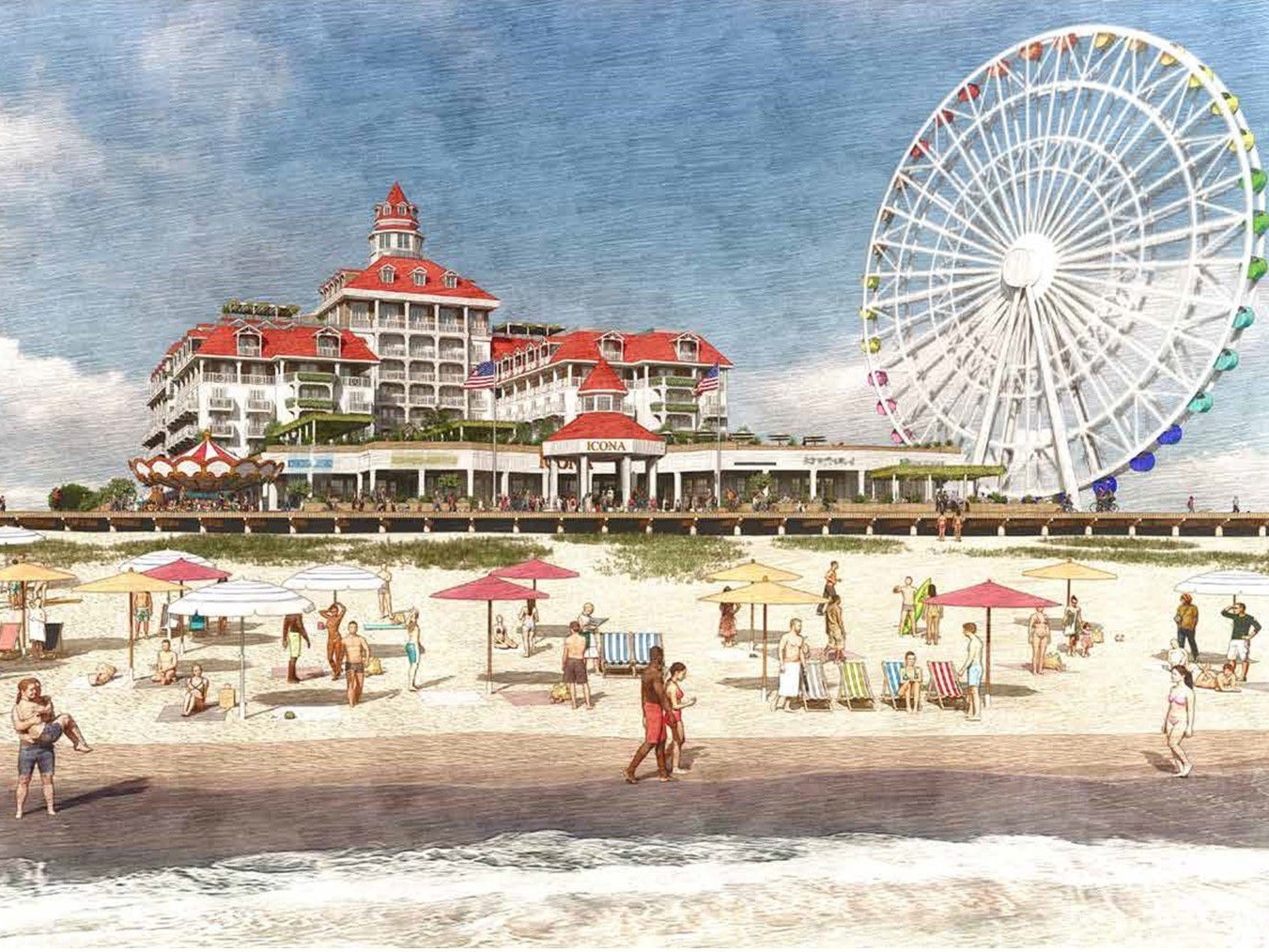
A rendering of the proposed new Icona in Wonderland Resort, to be built on the site of the old Wonderland Pier. The proposal for a 252-room resort includes saving the iconic Ferris wheel and carousel.
The board was split 4-4 with half the members agreeing that the property was significantly deteriorated and underutilized, two legal criteria needed for the designation.
But half the board, including chair John Loeper, said they did not believe the criteria had been met, and noted some businesses were open last summer at the front of the property.
The matter still will go back to City Council for a final vote on the designation, but Mita said if Council waits too long, he will unload the property.
The “in need of rehabilitation” designation has been long sought by Mita, who wants to build a $150 million luxury hotel at 600 Boardwalk.
The designation would allow site-specific zoning changes and possible tax breaks. The site is currently zoned for amusements.
After the meeting, Mita said he was shocked by the failure of the board to recommend the designation. “It’s been deteriorated for decades before I bought it,” he said. “I’m very very disappointed. This is the poster child for rehabilitation. ”
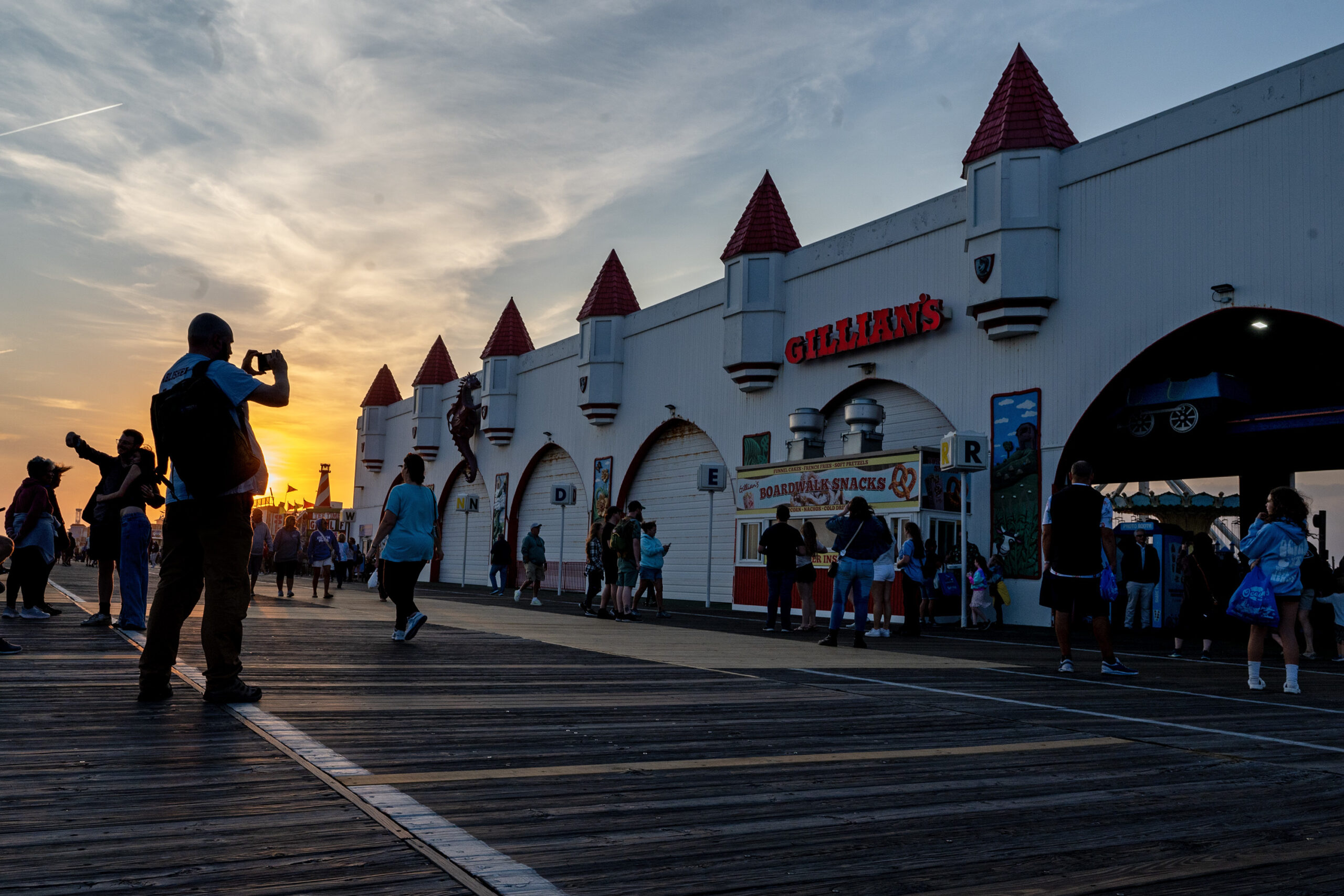
Gillian’s Wonderland Pier closed in October 2024, ending nearly a century of amusement ride ownership by the Gillian family in Ocean City. Mayor Jay Gillian had sold the property to Mita and leased it back from him, but said he could not make the enterprise profitable.
Gillian recently declared Chapter 11 personal bankruptcy, listing nearly $6 million in debt.
Wednesday’s vote brought about 150 people out to another iconic boardwalk structure, the Music Pier, on a pleasantly warm January evening.
About three dozen members of the public spoke, including Mita himself, who said the city would benefit “tenfold” from his development plans. The speakers were evenly divided in their views.
A visit from Will Morey
Will Morey came up from Wildwood to lay bare what many in Ocean City did not want to hear — reviving Wonderland Pier as an amusement park would be next to impossible.
“Starting from the ground up, it is not financially feasible,” Morey, the CEO of Morey’s Piers, told the city’s planning board. “It’s a very challenging lift.”
The board could not agree that the property met the legal criteria for the designation: that it was significantly deteriorated and showed a pattern of vacancy and underutilization.
“It’s an enormous piece of property that’s literally falling apart on the oceanfront,” said board member Dean Adams.
But Loeper, the chair, called the abandonment “self-inflicted” and said he would need more proof of the deterioration.
Engineering and other studies put the cost of repairing the carousel, Ferris wheel, and log flume at $6.5 million, and the cost of fixing the site’s concrete foundation and pilings at $3.9 million.
The matter will still go back to Ocean City’s City Council, which is also awaiting a report from a boardwalk subcommittee.
Eustace Mita arriving at the Ocean City Music Pier for a city planning board meeting on Wednesday. He was seeking a recommendation that the old Wonderland Pier site he owns be declared “in need of rehabilitation,” which he described as “Step 2” in his plan to build a luxury hotel.
‘The boardwalk is not thriving.’
Opponents asked board members to deny the “in need of rehabilitation” designation. They scoffed when Jody Arena, a construction expert who testified about the property’s deteriorated state, acknowledged that Mita was a partner in his firm, Caritas Construction.
They surmised that similar photos of deterioration could be taken of the Music Pier, where the meeting was held. One resident, Jim Tweed, said the designation would threaten “decades of restraint.”
Business owners, including the owners of Manco’s, George’s Candies, Cousin’s Restaurant, Barefoot Trading, and Ocean City Bikes, asked the board to approve the designation to avoid further closures of businesses. They described a devastating impact from the closure of Wonderland Pier.
Boardwalk property owner Mark Raab said three of his tenants had decided to close their shops. “People don’t know what’s been going on,” he told the board. “The boardwalk is not thriving. It’s going down piece by piece.”
“We are a city based on tourism,” said Cousin’s Restaurant owner Bill McGinnity. “We’d appreciate a vote of ‘yes’ tonight so that we can move forward quickly,”
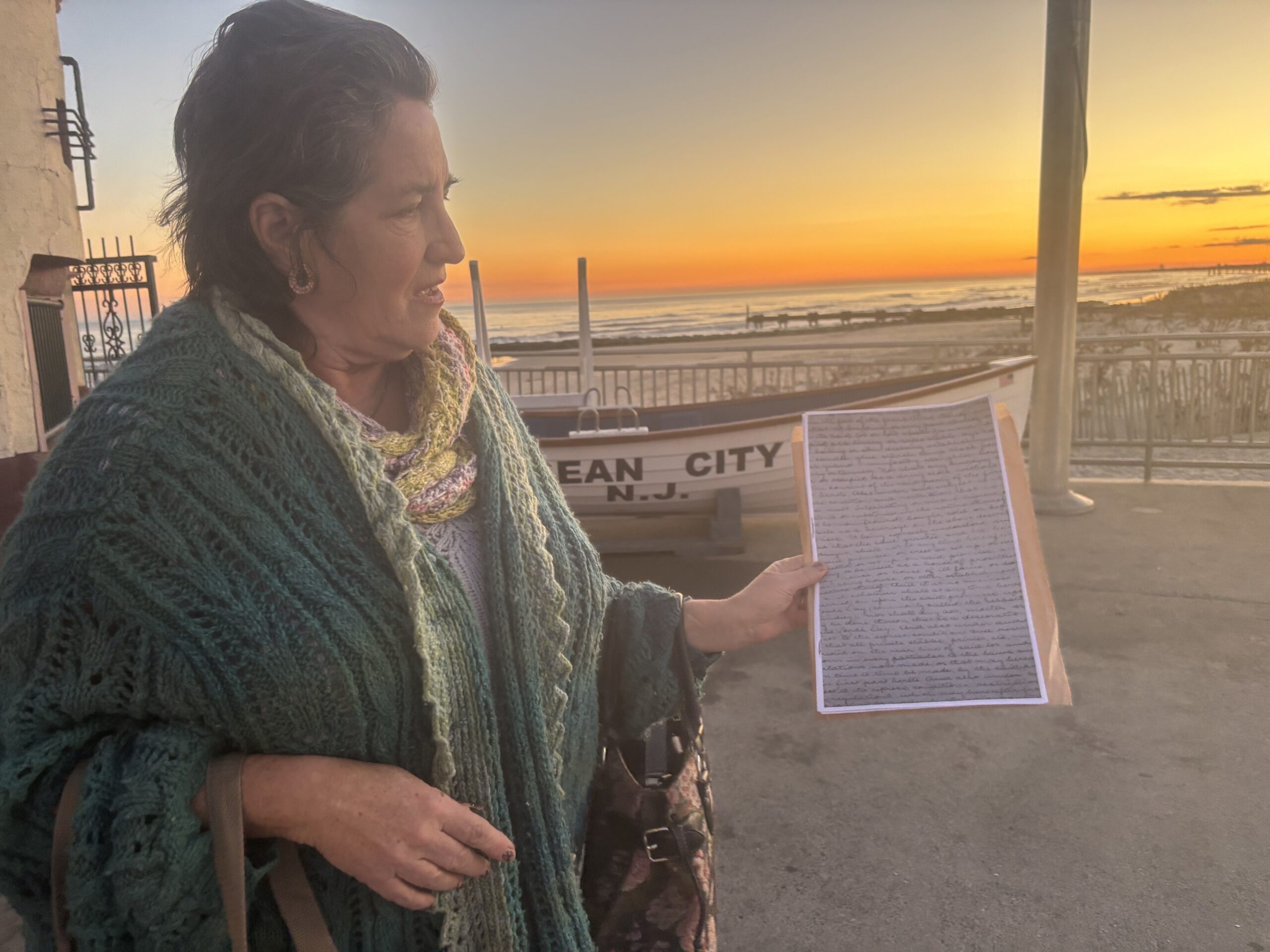
Others resisted any fast-tracking of development. Donna Saber, owner of Here Comes the Bride shop, brought along a copy of the original 1881 deed that she said sought to preserve its original intent as a place for child amusements.
“It was deeded as an amusement park,” she said.
Donna Saber, owner of Here Comes the Bride bridal shop in Ocean City, holds a copy of the original 1881 deed to the property that was the Wonderland Pier. She’s opposed to a plan to build a luxury hotel.
Marie Hayes, a full-time resident for 22 years, worried the designation would set a “dangerous precedent,” that would result in the town resembling Ocean City, Md., with high-rises along its oceanfront.
The planning board was given reports submitted by Mita back in August, when council stunned some, especially Mita, by voting not to ask the board to study the site’s future. Mita immediately said he would sell the property.
John Loeper, chair of Ocean City’s planning board, on stage at the Ocean City Music Pier. The planning board was set to vote on whether to recommend that the old Wonderland Pier site be declared in need of rehabilitation, a designation that could lead to a luxury hotel on the site.
Sean Barnes, the city councilman liaison to the planning board, questioned Wednesday whether the rides should even be considered part of the property.
“Amusement rides are not structures,” said Helen Struckmann, a resident who has opposed the hotel idea and vowed to save Wonderland Pier. She said the historic carousel was in better shape than the reports stated. “They don’t justify the need for rehabilitation designation for the property. Different amusement rides have been swapped out.”
She and others questioned why Mita had not addressed deterioration of the property since purchasing it in 2021. Mita is “now requesting a benefit from his purposeful underutilization of the property,” said resident Bob Duffy.
But Mita said he’d waived rent on the property so that Jay Gillian could try to make a go of the amusement pier. He said he’d put in $500,000 last summer to open the front portion of the property as an arcade, coffee and pizza shop, and bike shop.
Engineer Matt Mowrer told the planning board the property was “heavily deteriorated,” with “concrete spalling” — chunks of concrete breaking off from the foundation. He said corrosion from salt air would get only worse.
Board planner Randall Scheule told the board Wednesday he believed the structural deterioration of the property itself and the underutilization of the property met the standards. There was some debate as to whether the rides themselves should be included in any analysis.
The board looked at whether the site met the legal criteria needed for the designation, which will allow City Council to rezone the site for a hotel and grant tax abatements.
Will Morey, president and CEO of Wildwood’s Morey’s Piers, testifies in Ocean City at a planning board meeting to determine the future of the old Wonderland Pier.
The board did not discuss Mita’s specific hotel plans, which have included the carousel and Ferris wheel and some kiddie rides.
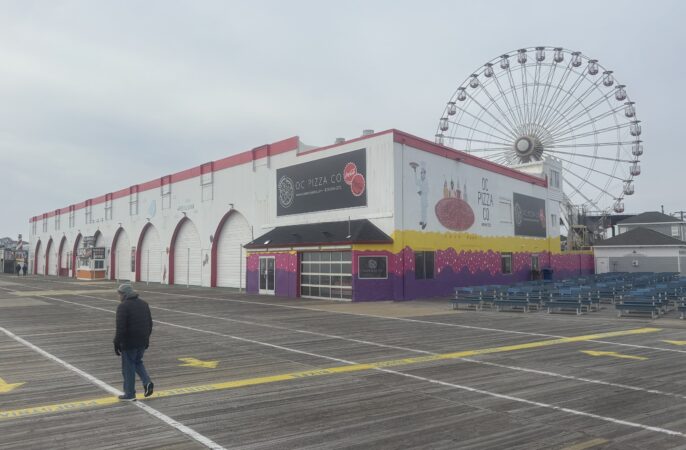
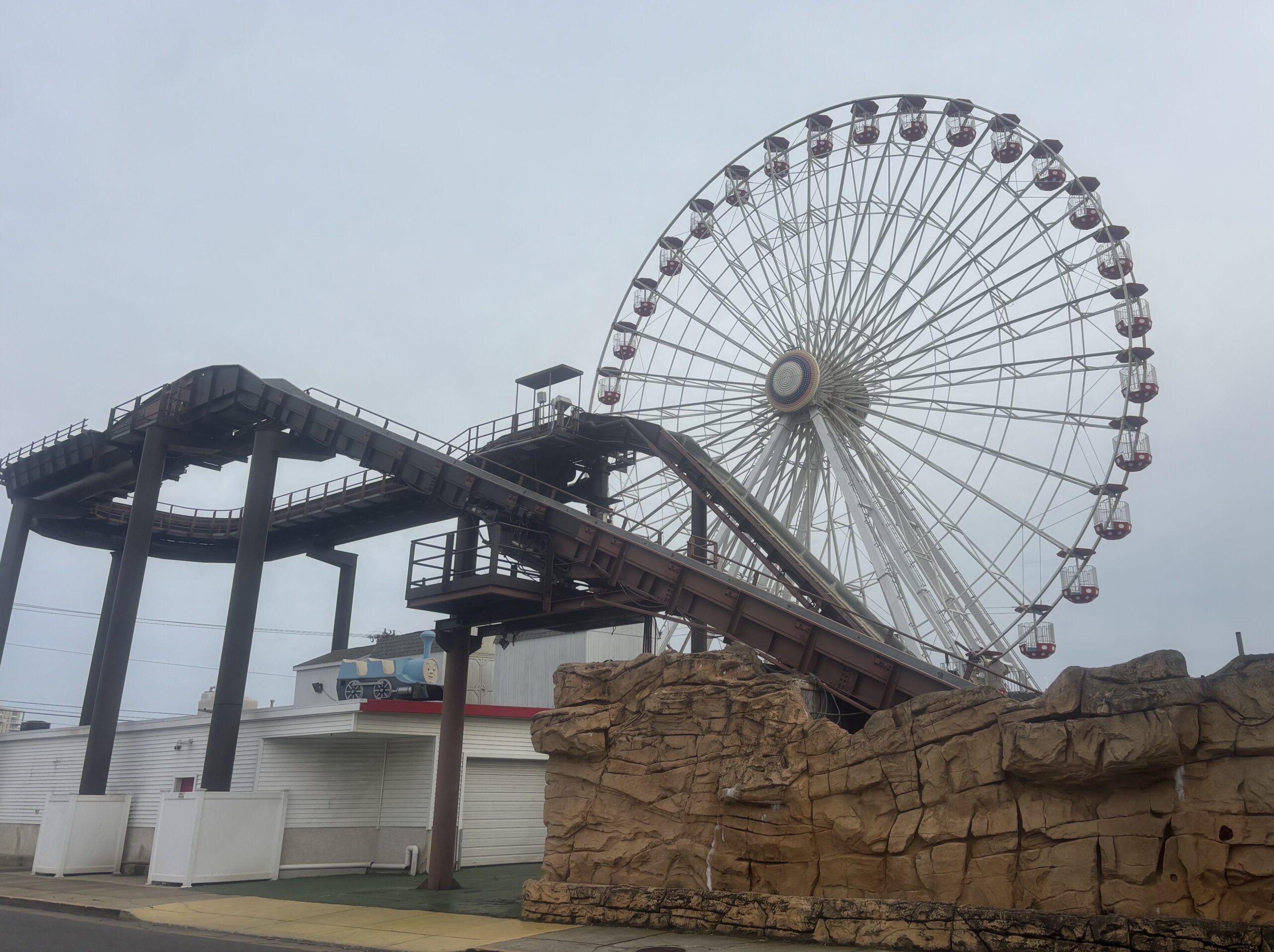
The old Wonderland Pier site on the boardwalk in Ocean City, N.J., as seen from Wayne Avenue on Jan. 6. The beloved amusement pier shut down in October 2024. A developer wants to build a luxury hotel. A report put the cost of repairing the Ferris wheel, carousel, and log flume at as much as $6.5 million.Five minutes before the 6 p.m. scheduled closing all but one of the gates are shut on the Boardwalk, on the final day for the beloved Wonderland Pier in Ocean City Sunday, Oct. 13, 2024.
Last summer, four businesses operated on the site: Ocean City Pizza Company, Dead End Bakehouse, Wonderland Pier Arcade, and OC Bikes and Rentals. Mita entertained several offers to sell, including one from the Norcross brothers, who envisioned residential development.
Planner Tiffany Morrissey told the planning board that showed the property was underutilized.
The property is assessed at $15.8 million, which translates to an estimated market value of about $29 million.
Saving the site as an amusement park has been the focus of much despair among community members and others with generations of memories at Wonderland Pier.
But the reports lay out the deterioration of the pier’s marquee attractions.
The report states that the carousel, which dates to the 1920s, would require as much as $1.5 million in repairs, including a new electrical system and repair or replacement of the telescopes, the poles that support the horses.
The Ferris wheel is also in need of substantial repair, costing as much as $2.5 million, including replacing or repairing the lights, and rebuilding the spokes and “spreader bars,” which connect the spokes and form the arc.
The Log Flume Ride, built in 1992, would need substantial repairs estimated at between $2.5 and $4 million, including rebuilding the upper troughs.
No company has stepped forward with a plan to keep the site solely an amusement park.
Robinson, a Rutgers University professor and snow expert, said he was aware at the time of the 122-inch total measured at High Point in North Jersey during the eventful winter of 1995-96.
The findings, released Tuesday, were published in a 60-page memorandum authored by Chris Stachelski, an official with the National Weather Service’s Eastern Regional Headquarters.
The report included several pages of images and discussion of the 1995-96 winter during which Philadelphia experienced its biggest snow in its 140-year period of record.
As state climatologist, Robinson said he long had intended to vet the 122-inch figure.
He said he was well familiar with the observer who was measuring all that snow and that he is “someone who is meticulous.”
Robinson said one might ask why he didn’t seek to verify the record sooner.
“I didn’t. It was too far on the back burner for far too long.”
Robinson said the impetus was a national effort a few years back to assemble snowfall records for every state, and that prompted him to look again at the High Point record.
He said the weather service ultimately took the lead in the investigation, and after a meeting with Stachelski, the committee decided 10 feet of snow truly fell upon High Point that winter.
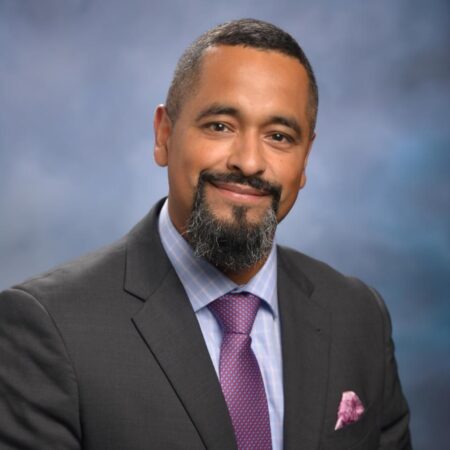
A veteran Vineland educator has been named the state-appointed superintendent to oversee the Camden school system, state Education Commissioner Kevin Dehmer announced Wednesday.
Alfonso Q. Llano Jr. was selected after a national search that began in June. He will begin heading the troubled South Jersey school system starting March 1.
He will be the first Hispanic superintendent to lead the district. Demographics in Camden have shifted in recent years, and 56% of its traditional public school students are now Hispanic, 42% are Black, and 1.2% are white.
Dehmer made the long-awaited announcement at the monthly state Board of Education meeting in Trenton. The board unanimously approved the appointment.
“I’m honored for the opportunity to serve the Camden City School District,” Llano said. “Together, we’re going to work through transparency and tough times. We’re going to achieve great things.”
Llano will receive an annual salary of $260,000 under a three-year contract.
In Vineland, he was the highest-paid superintendent in Cumberland County with an annual base salary of $206,000.
Carstarphen and other officials praised Llano’s appointment in a statement released Wednesday. The mayor lauded the state “for identifying someone who will bring meaningful change for Camden’s students.”
“I am confident he will be an excellent leader who prepares our students for the future and always puts our students’ academic interest first,” Carstarphen said.
N’Namdee Nelson, president of the Camden City Advisory School Board, said: “We want to ensure that every child in the school district has access to a great school.”
Others, like former longtime school board member Jose E. Delgado, wished Llano well but were less optimistic. He said the selection of a Hispanic superintendent was “long overdue.”
“He’s stepping into a very dysfunctional environment that will require a wide array of fiscal, administrative, and educational skills,” Delgado said.
The changing educational landscape in Camden poses the biggest challenge. Thousands of students have left the city’s traditional public schools for Renaissance and charter schools, which are publicly funded but privately run and now lead the district’s enrollment.
Camden is the only district in New Jersey with three school types. Charters enroll 3,236 students, and Renaissance schools have 6,664 students.
Last spring, McCombs cited the declining enrollment in part for a $91 million budget deficit. She cut more than 100 positions and laid off teachers and support staff in a massive restructuring.
Camden Education Association president Pamela Clark, who represents more than 1,000 teachers and support staff, said she hopes to meet with Llano soon to discuss concerns about possible layoffs and school closures.
“I will continue to advocate fiercely to protect my members’ jobs and school closures, and I hope the new superintendent brings fairness, transparency, and unity to our city,” she said.
During a meeting in June, the Vineland board was bitterly divided over whether to renew his contract. The board must give six months’ notice if it plans to terminate a superintendent. The motion to not renew it failed, and it was unclear what direction the board would pursue.
In Vineland,Llano oversaw a diverse district of more than 10,200 students enrolled in 16 schools. About 63% of the students are Hispanic, 14% are Black, and 18% are white. About 17.4% of its students are multilingual learners.
Vineland has some of the same issues as Camden schools — low test scores and chronic absenteeism. The majority of the students in the sprawling 68-square-mile community are economically disadvantaged.
Llano also spent 10 years in the Trenton school system, most recently as the interim schools chief for nearly a year prior to moving to Vineland. He previously was the district’s chief academic officer for six months. He also was an assistant superintendent and principal in Trenton.
According to his LinkedIn profile, Llano also had stints in the Readington Township and Howell Township school districts in a career spanning 27 years.
He is pursuing a doctoral degree in education at Seton Hall University. He holds master’s degrees from New Jersey City University and Kean University, and a bachelor’s degree from Rowan University.
Interim State-appointed Camden school Superintendent Davida Coe-Brockington.
Coe-Brockington said Llano’s reputation precedes him and that she was looking forward to working with him to “focus on the progress we’ve made in the district and focus on creating better outcomes for the students and families of Camden City.”
It was unclear Wednesday whether Coe-Brockington would remain in the central office when Llano takes over or return to Creative Arts High School, where she has been principal since it opened in 1999.
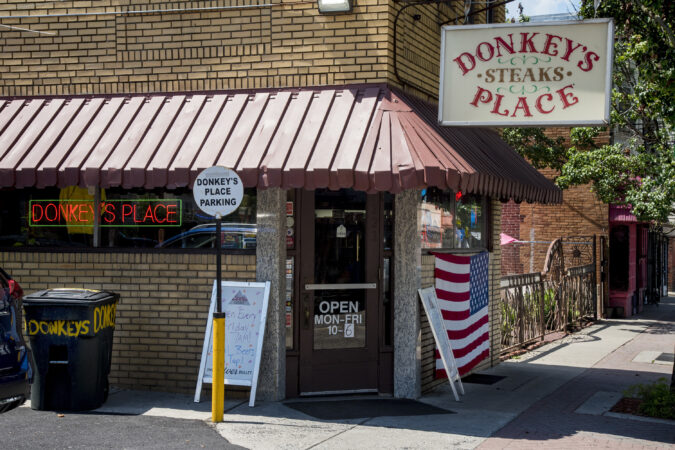
Rob Lucas Jr. is not exactly sentimental about the 27-inch walrus penis bone that for decades has adorned the bar he inherited from his father.
But on Dec. 29, a patron was captured on video stealing the Donkey’s Place oddity, Lucas said, and it’s not something he takes lightly.
He wants his walrus penis bone back on his bar stat.
“I do have a credit card, but I can’t get the information from my credit card company unless I file a police report and that would mean going down to the police station and spending hours,” he said Wednesday. “We’d rather just get it back.”
The provenance of the bone is unknown to Lucas, third-generation owner, who grew up in the local cheesesteak spot and bar.
His grandfather, Leon “Donkey” Lucas, a heavyweight boxing contender in the 1928 Summer Olympics, opened the bar more than 80 years ago.
Donkey’s got a major boost in 2015 when Anthony Bourdain featured it in an episode of his travel food show Parts Unknown. Bourdain said “the best cheesesteak in the area might well come from New Jersey,” referring to the Donkey’s Place staple served on a seeded Kaiser roll.
Donkey’s ambience has not changed much since Bourdain’s visit. It has the feel of a bar where everyone knows your name, cozy and packed to the gills with random decor, from beer memorabilia, boxing gloves, a megalodon tooth, and of course, the walrus penis bone, also known as a walrus baculum, for the citizen scientists.
Lucas grew up with the megalodon tooth and walrus bone but never learned what they actually were until he took the bar over from his father about a decade ago and endeavored to take stock of what he had on his hands.
Since then, the bone has been a great conversation piece — patrons guess what it is and pose for photos with it — and just another part of the local cheesesteak spot’s charm.
It’s why the waitress working a Dec. 29 shift didn’t think anything of the three men’s interest in the bone. Lucas said they spent a few hours at the bar while the waitress juggled patrons and the grill that’s within sight of where the patrons were sitting.
“They weren’t wasted or anything, but they had some sandwiches, bought some merchandise, and then walked out with the walrus bone,” he said.
But after paying their tab, Lucas said security footage shows one of the men wrapped the bone in a large pashmina-like scarf and walked out.
Little is known about the men. Lucas said they told the waitress they’d come to the area for HiJinx Fest, the two-day dubstep, electronic music festival, held at the Pennsylvania Convention Center across the river. Lucas said the man who took the bone claimed he was a traveling tattoo artist, originally from Cleveland.
By Wednesday, Donkey’s Bar had posted a public plea on its TikTok account, asking for help in finding the bone, sharing screenshots of the trio walking out of the restaurant, bone in scarf.
The local response has been swift so far and one of downright indignation. Lucas said some tattoo friends have circulated the story and NJ Advance Media published an article about the search. Lucas imagines internet sleuths will do their own digging, though he does not want to get anyone in trouble.
“They could mail it back if they want,” he said of the trio. No questions asked.
John Langdon, 79, formerly of Philadelphia, innovative award-winning graphic designer, painter, writer, and longtime adjunct professor of typography at Drexel University, died Thursday, Jan. 1, of complications from a heart attack at French Hospital Medical Center in San Luis Obispo, Calif.
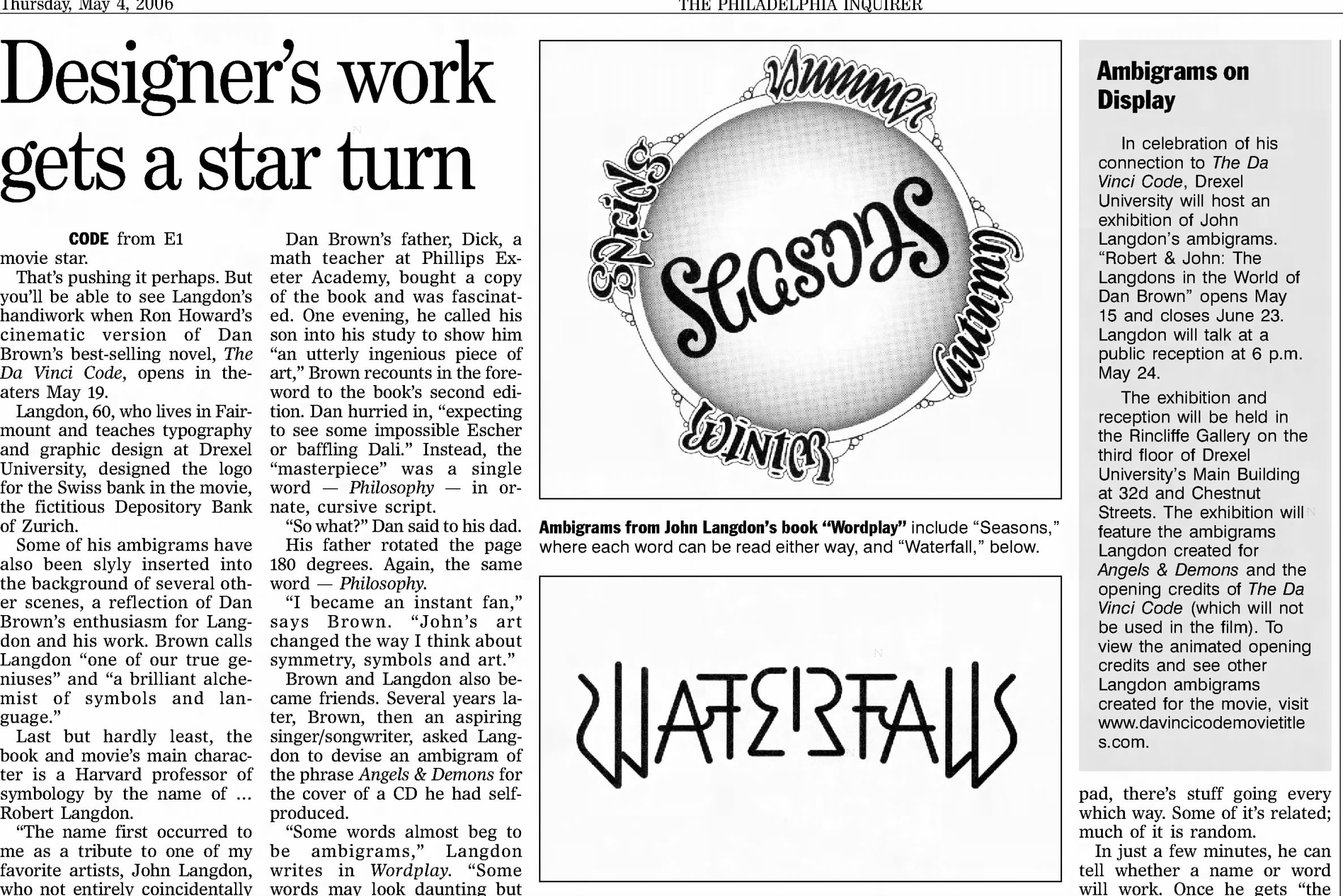
Mr. Langdon was a lifelong artist and wordsmith. He originated ambigrams in the early 1970s and created distinctive logos for corporate clients, artists, musicians, and others. Ambigrams are words or designs that retain meaning when viewed from different perspectives, and his work influenced countless other designers and typographers who followed.
“They also present familiar concepts in an unfamiliar way,” he told The Inquirer in 1992, “and thus stimulate the reader’s imagination.”
On his website, johnlangdon.net, Mr. Langdon described his work as “making abstract concepts visual, almost always through the design of words, letters, and symbols.” He called it “words as art” and said: “I specialize in the visual presentation of words.”
His designs were featured in more than a dozen solo shows in galleries and museums in Pennsylvania, New Jersey, New York, Connecticut, Maryland, and Delaware, and in more than 50 group exhibitions around the country and Europe. He created six ambigrams for author Dan Brown’s best-selling book, Angels & Demons, and Brown named his fictional protagonist, Harvard symbologist Robert Langdon, after John Langdon.
“John’s art changed the way I think about symmetry, symbols, and art,” Brown told The Inquirer in 2006.
Mr. Langdon’s own book about ambigrams, Wordplay, was first published in 1992 and updated in 2005. He also wrote the forwards of other books and articles for journals and newsletters. He said he had a “particular interest in word origins” in an interview on his website.
He was featured several times in The Inquirer and wrote an op-ed piece in 2014 about the Philadelphia Museum of Art’s new logo. He opened the article with: “Please, beloved Philadelphia Museum of Art, before you print one piece of stationery or a single promotional flier, reconsider your new logo.”
Mr. Langdon’s work was featured in The Inquirer in 2006.
In 1996, he began painting what he called his “visual-verbal meditations and manipulations” on canvas. “My paintings still involve symmetry and illusion, a bit of philosophy, and a few puns thrown in for good measure,” he said on his website.
He cocreated the Flexion typeface and won a 2007 award from the New York-based Type Directors Club. He spoke often about design at colleges and high schools, and to professional societies. He gave a TEDx talk about font and the future of typeface at Drexel.
Douglas Hofstadter, a professor at Indiana University who coined the term ambigram in 1984, told The Inquirer in 2006 that Mr. Langdon had a “very strong sense of legibility but also a marvelous sense of esthetics, flow, and elegance.”
Born in Wynnewood and reared in Narberth, Mr. Langdon graduated from Episcopal Academy in 1964 and earned a bachelor’s degree in English at Dickinson College in Carlisle, Pa. He worked in the photo-lettering department of a type house and for a design studio in Philadelphia after college, and began freelancing as a logo designer, type specialist, and lettering artist in 1977.
He taught typography and logo design classes at Moore College of Art and Design from 1985 to 1988 and at Drexel from 1988 to his retirement in 2015. In an online tribute, one student said he was “one of my favorite teachers of all time.”
He was interested in Taoism and inspired by artists Salvador Dalí and M.C. Escher, and authors Edgar Allan Poe and Ogden Nash. “In the early ’70s, I tried to do with words what Dali and Escher did with images,” he said in a 2006 interview posted on Newswise.com.
John Wilbur Langdon was born April 19, 1946. He played high school and college soccer and drew caricatures of classmates for the Episcopal yearbook.
After college, he took painting and drawing classes at the Pennsylvania Academy of the Fine Arts and the old Philadelphia College of Art. He married Lynn Ochsenreiter, and they had a daughter, Jessica. They divorced later.
Mr. Langdon enjoyed vacation road trips and told stories of hitchhiking around the country in the 1960s. He followed the Phillies, was interested in genealogy, and traced his family back to the Founding Fathers.
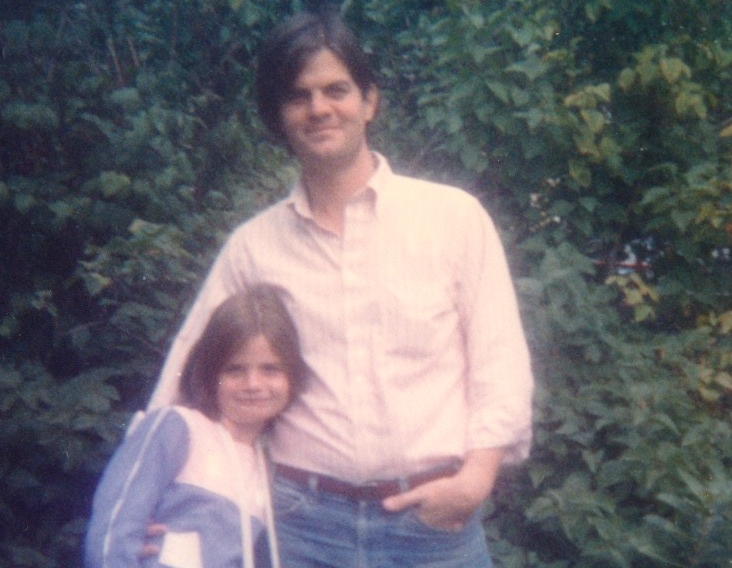
Mr. Langdon stands with his daughter, Jessica.
He lived in Darby, Woodbury, Wenonah, and Philadelphia before moving to California in 2016. “He was jovial, social, and amusing,” his daughter said. “People said he was clever, and everyone liked him.”
He told The Inquirer in 2006: “It may seem counterintuitive, but the more ambiguity you invite into your life, the more things make sense and become understandable.”