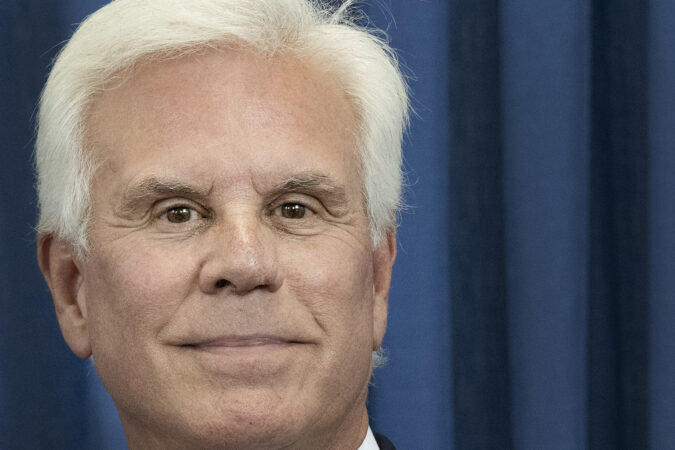
New Jersey prosecutors are dropping racketeering charges against Democratic power broker George E. Norcross III, ending a high-profile case that law enforcement officials had framed as a reckoning on the state’s culture of corruption.
Acting Attorney General Jennifer Davenport, an appointee of Democratic Gov. Mikie Sherrill, will not appeal a January appellate court ruling that upheld a judge’s decision to dismiss charges against Norcross and five codefendants, the attorney general’s office said Tuesday.
Davenport could have asked the state Supreme Court to review the Appellate Division’s decision, but prosecutors concluded that their resources “would be best spent on other matters,” Sharon Lauchaire, a spokesperson for the New Jersey Attorney General’s Office, said in a statement.
A three-judge panel said in a Jan. 30 decision that several of the racketeering conspiracy and extortion charges were time-barred under the statute of limitations. Other counts failed to state a crime, were untimely, or both, the panel said.
Norcross, 69, is a former longtime member of the Democratic National Committee, founder of insurance brokerage Conner Strong & Buckelew, and chair of Cooper University Health Care. He was accused of using threats of economic and reputational harm — and his purported control of Camden’s government — to obtain valuable property on Camden’s waterfront from a developer and a nonprofit.
His spokesperson on Tuesday portrayed the case against Norcross — announced in June 2024 by then-Attorney General Matthew J. Platkin — as a politicized abuse of the law similar to the Trump Justice Department’s targeting of perceived enemies.
“We always knew that Matt Platkin brought this case for reasons other than its legal merits — and now multiple judges and Platkin’s successor as AG agree the allegations simply weren’t true,” Norcross spokesperson Dan Fee said in a statement.
“The question now is whether Platkin’s supporters who cheered him on will take a serious look at what he did and whether other authorities will do the same,” he said. “We will certainly be making the case that he and anyone else who used lawfare against George should be held to account, no differently than Pam Bondi and her DOJ should.”
Platkin, who was appointed to the post by Democratic Gov. Phil Murphy, has denied pursuing the case for political reasons. He noted on Tuesday that the case “was presented to a grand jury by career prosecutors over several months.”
“Out of respect for the men and women who do brave work holding corruption to account, I won’t comment further — other than to say I remain proud to have supported their efforts at a time when trust in government is at an all-time low and I will never apologize for believing that everyone should be held to the same standards, no matter how powerful they may be,” Platkin said in a statement.
Notwithstanding the decision to drop charges, Lauchaire said the attorney general’s office “remains committed to prioritizing public corruption prosecutions in this time of deepening mistrust in government.”
“Wrongdoing by public officials undermines faith in our institutions, and the public rightfully demands and deserves that officials perform their duties with integrity and in accordance with the law,” she said. “We will never shy away from holding public officials accountable when they betray the public’s trust and behave unlawfully.”
The prosecution faced an earlier setback last February, when a Superior Court judge found that the charges were not timely and said that even if the allegations in the indictment were proven true, they amounted to hard bargaining in real estate deals and did not cross the line into unlawful threats.
Prosecutors appealed that ruling, arguing that the judge should review evidence presented to the grand jury before deciding whether the indictment was valid.
The appeals court affirmed the trial judge’s order, though the panel focused on the statute of limitations violations and largely sidestepped the question of whether the threats underpinning the indictment met the legal requirements for alleging conspiracy to commit extortion.
In addition to Norcross, prosecutors are dropping charges against his brother Philip Norcross, CEO of the law firm Parker McCay; attorney William Tambussi; former Camden Mayor Dana L. Redd; Sidney R. Brown, CEO of logistics firm NFI; and John J. O’Donnell, an executive at residential developer the Michaels Organization.
“We are pleased and gratified that this misguided, baseless prosecution has been finally laid to rest,” said Kevin H. Marino, a lawyer for Philip Norcross.
Henry Klingeman, an attorney for Redd, said his client “is relieved that this unjust and unnecessary ordeal is over.” The former mayor has “continued her unswerving commitment to bettering Camden,” Klingeman said.
Brown said he was “innocent of these baseless charges” and added that Tuesday’s decision showed “justice was carried out based on the facts.”
“Since its inception, this case was unfounded and attacked those of us who believed in the future of a thriving Camden,” the NFI CEO said in a statement.
Tambussi’s lawyers, Jeff Chiesa and Lee Vartan, said their client “engaged in the routine practice of law.” They said Platkin’s attempted prosecution “did damage to the profession” and “was rightly rejected by both courts.”
The federal official in charge of the U.S. Army Corps of Engineers visited Ocean City and other Jersey Shore communities Friday, along with U.S. Rep. Jeff Van Drew, pledging that beach replenishment help is on its way.
Adam Telle, assistant secretary of the Army for civil works, came to New Jersey for a tour hosted by Van Drew. The Army Corps manages beach projects and puts up the majority of money. States and municipalities contribute the rest.
“There’s emergency funding that’s available,” Telle said from Fifth Street on Ocean City’s boardwalk, adding that some beaches would see repairs by summer.
Telle said the money does not hinge on legislation and has President Donald Trump’s support.
The Army Corps will evaluate which beaches are in the most severe condition, he said, including Ocean City, which is among the top of the list. Telle and Van Drew did not cite a specific amount of money but indicated millions could be available.
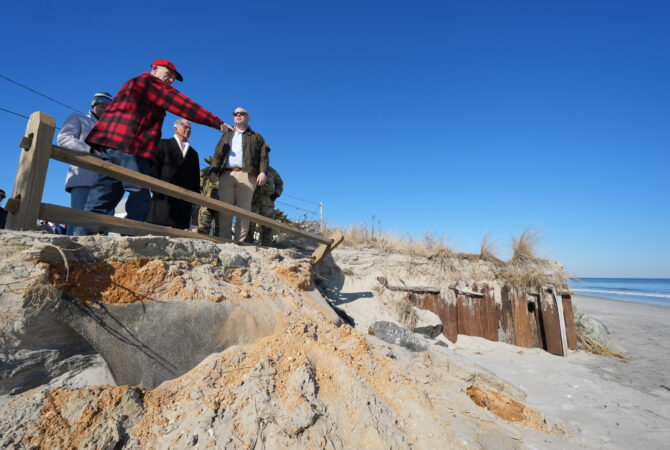
Telle, Van Drew, and other officials visited Strathmere, Avalon, and North Wildwood, which have all been heavily impacted by storm erosion over the last year. The short-term goal this year would be to take spoils from Army Corps projects and spread that on beaches.
They said they plan to draw on a mix of funding, including money still remaining from Hurricane Sandy in 2012, other supplemental funds, and earmarks — language in appropriations bills to direct federal funds to state and local projects.
Van Drew, a Republican, represents multiple Shore towns on the southern tip of New Jersey.
Friday’s tour came on the heels of zero dollars earmarked for beach replenishment in 2025 — the first time that had happened since 1996. Up to $200 million annually has typically been awarded for beach erosion control projects.
Van Drew also introduced a bill last week to establish a new source of continuous beach replenishment money through the Coastal Trust Fund Act.
The bill would pay for ongoing coastal storm risk management by the Army Corps. U.S. Rep. Laura Gillen, a Democrat from New York, is a cosponsor.
According to Van Drew, the legislation would use revenue from offshore energy leases to fund $1 billion a year into Army Corps of Engineers coastal storm management projects.
He said his bill, if approved, would create a permanent source of funding so that it would not depend on yearly appropriations from Congress.
“We need to get a permanent system in place so we aren’t riding this roller coaster,” Van Drew said.
However, he acknowledged that getting any bill approved in Congress right now is difficult.
“It’s going to be a labor of love,” Van Drew said, adding that he is gathering “support from all around the country.”
There is no date for a vote on the bill.
U.S. Rep. Jeff Van Drew (center), Assistant Secretary of the Army for Civil Works Adam Telle (right) and Upper Township Mayor Curtis Corson Jr. discuss shore erosion and beach replenishment in Strathmere.
A measure has been introduced by U.S. Rep. Chuck Fleischmann, a Republican from Tennessee, for $23 million to fund coastal replenishment projects this year. That would be supplemented by a Senate bill introduced by U.S. Sen. John Kennedy, a Republican from Louisiana, that would allocate $62.2 million. However, neither bill is scheduled for a vote.
In 2025, multiple New Jersey Shore towns found themselves in a crisis over erosion as Congress and Trump pushed for a huge reduction in the federal budget.
No money was made available for crucial beach nourishment projects. The lack of funding became a political issue in New Jersey, which depends heavily on its beaches for tourism revenue.
For decades, beach projects have been a staple of coastal management in the United States. In 2025, projects were paused in New Jersey, Maryland, and Delaware.
Projects set for Cape May, Stone Harbor, Avalon, Sea Isle, Strathmere, Ocean City, and Long Beach Islandwerestalled because of the lack of funding. Georgia and Florida also were affected.
In October, Ocean City declared a local emergency over the severe erosion exacerbated by storms like Hurricane Erin and a potent nor’easter in October. The city was left grappling with sand cliffs upward of five feet high after the storms scoured its beaches.
Mayor Jay Gillian and others pushed for urgent state and federal intervention, citing the difficulty of managing large-scale beach replenishments and dune restoration with city resources alone.
Gillian said Friday at the tour stop in Ocean City that he welcomed any help from the Army Corps and Van Drew.
“They’re working for a solution,” Gillian said of Telle and Van Drew. “The permanent funding, that’s huge because it stops the games, and it stops the politics.”
Van Drew represents the largely conservative 2nd District, which spans mostly rural and Shore communities in South Jersey, including all of Atlantic, Cape May, Cumberland, and Salem Counties, plus parts of Gloucester and Ocean Counties. He remains optimistic for funding.
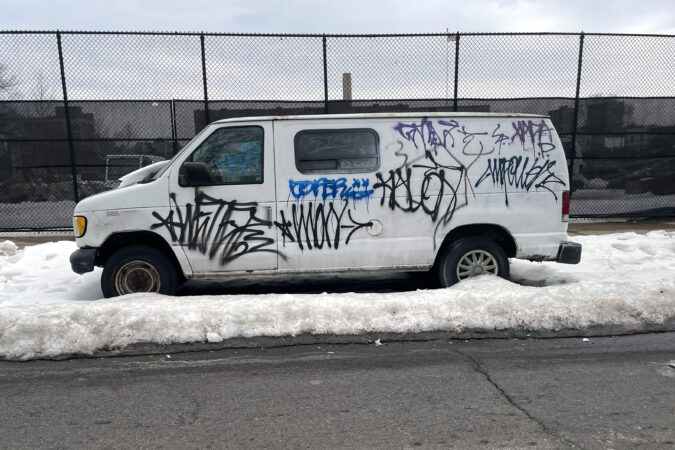
I don’t know why this scene caught my eye. I have seen graffiti-tagged walls on roll-down metal storefronts and yes, even panel trucks and vans before.
And in the past few weeks since our biggest snowfall in a decade — followed by a brutal freeze that locked in all the plowed piles — I have certainly seen enough streets lined with snowed-in vehicles. Maybe it was the combination of the two.
I was stopped because the dirty snowpack on street shoulders reduced traffic lanes and created gridlock. But while I waited through not one or two, but three traffic light cycles, I had the time to look, pick up my phone, roll down my window and take a picture.
Not the kind of image I usually look for.
Then that got me thinking, “What kinds of pictures do I like? What came first, the snow or the graffiti?” (I was at that light a long time.)
I clearly like photographing people. That’s why I got into journalism.
Highlights editor Judy Burke, last month at the editorial offices of America’s most beloved and respected educational magazines for kids.
When doing portraits on assignments I have always tried to get people comfortable with being themselves. I have always had a hard time “directing” them. It is especially difficult when the story I’m trying to illustrate is not about them, but about where they work, or what they are doing.
Trying avoid posing subjects by saying “just do whatever you’d be doing if I — and a reporter, and the public relations person(s) — wasn’t here,” doesn’t help. And just makes it awkward for all of us.
Employee Alex Costa (right) assists Alessandra Bruno as she tries out purses with husband Luke Baur and their 20 month-old daughter Rosalina at the Coach store at the Cherry Hill Mall on Monday.
Walking into a room where everyone is ready and waiting to be photographed — but unsure of what the photographer will do — is also hard for them. If possible I get them to interact with each other, even if it’s just sharing what they had for breakfast. In public spaces I will often enlist customers or passersby, asking if I can photographed over their shoulders. Then wait — and hope — for a genuine moment. Like in the mall retail shop, a customer interaction is much better than five salespeople standing among the merchandise looking at the camera.
That is also why I most enjoy assignments where I am just there, observing an event trying to capture something that will make readers click on a link or pause to read a story. And I keep myself enthused while doing it. Like the many public appearances of our mayor.
Mayor Cherelle L. Parker has the whole room of business leaders standing with her and her “One Philly” chant as she finishers her keynote address at the Chamber of Commerce for Greater Philadelphia’s Annual Mayoral Luncheon Wednesday.
That goes for ordinary people too, not just politicians or executives or sports or entertainment celebrities. And what is more normal and everyday than stopping at your regular convenience store?
I also photographed Wawa’s excursion into Sheetz land in 2024. For decades, it was assumed there were unspoken boundaries in Pennsylvania between Wawa in the East and Sheetz in the West. But representatives of both chains deny they are rivals and as my colleague Stephanie Farr points out, they have worked together to support various nonprofits.
Next stop for me (soon, I hope) a photographic road trip to the nearest Buc-ees.
Since 1998 a black-and-white photo has appeared every Monday in staff photographer Tom Gralish’s “Scene Through the Lens” photo column in the print editions of The Inquirer’s local news section. Here are the most recent, in color:
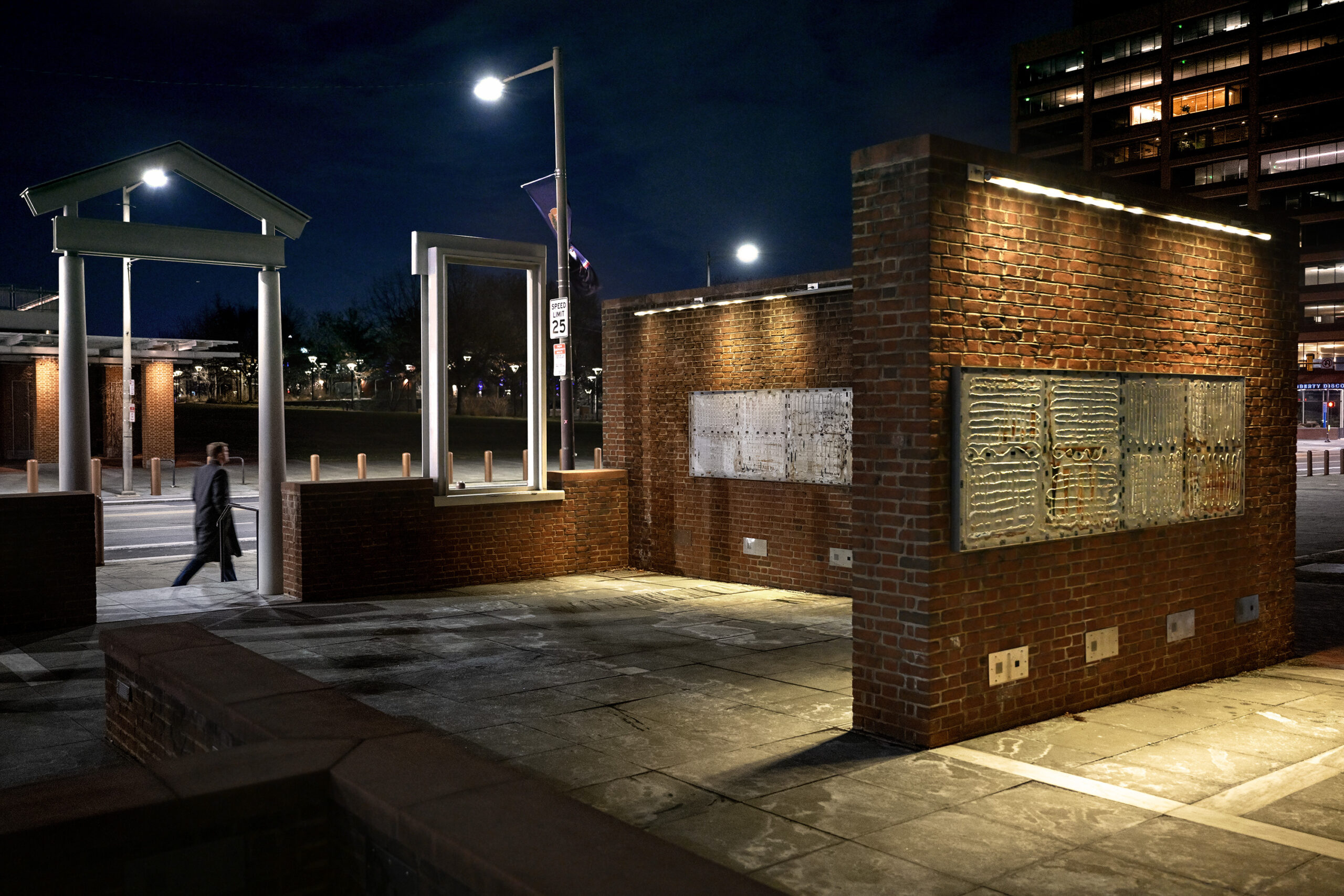
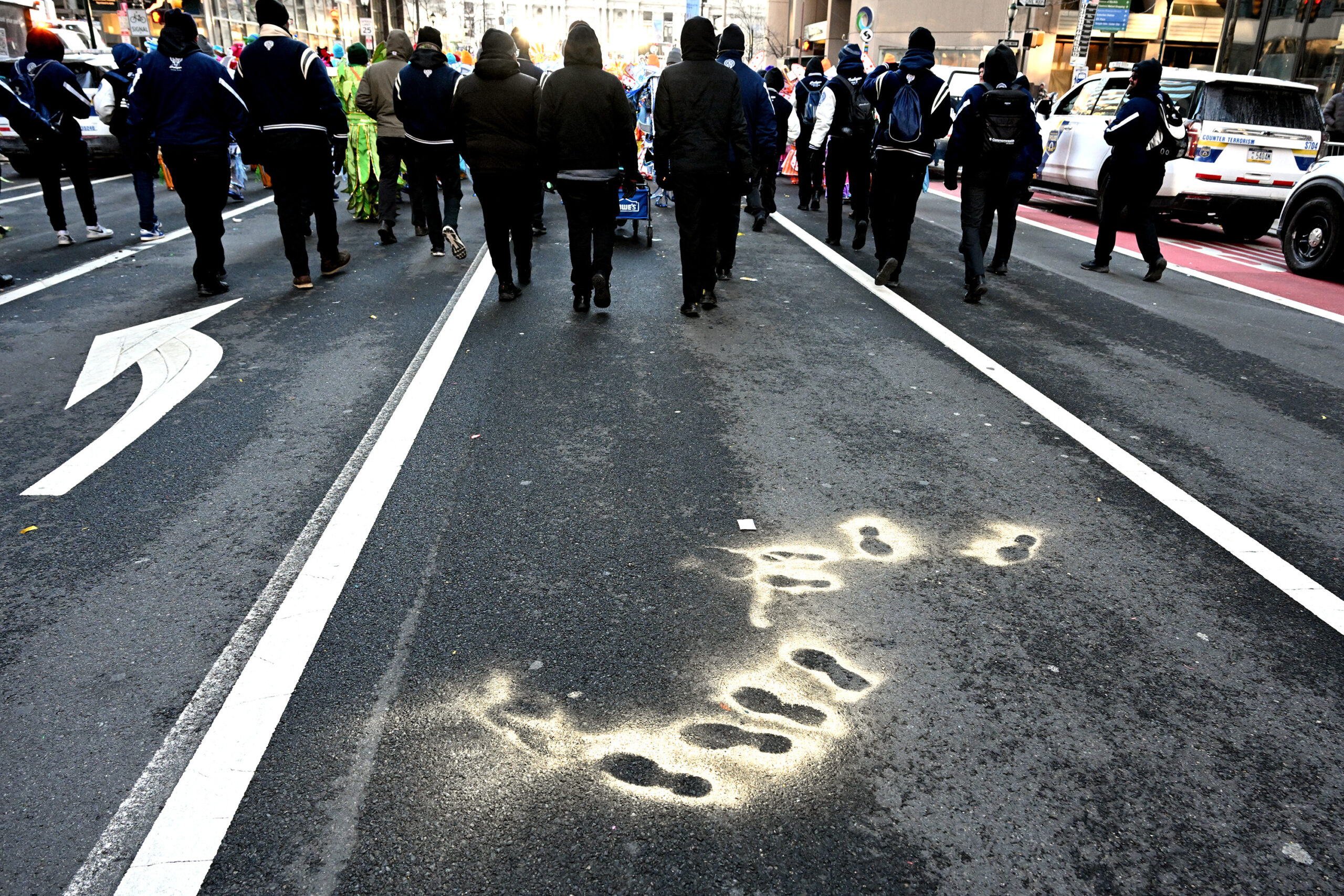
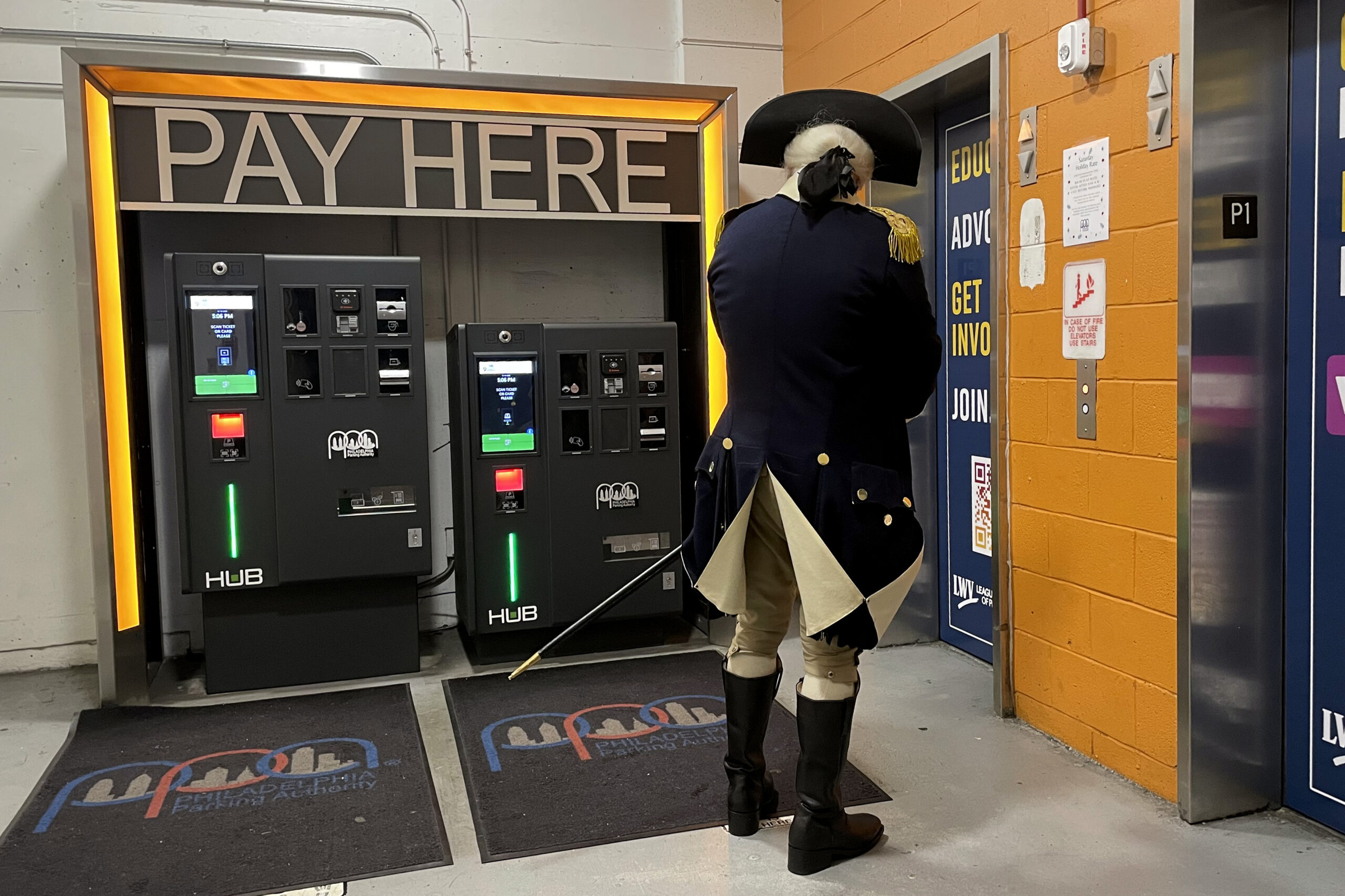
February 9, 2026: Walking through a corrugated metal culvert called the “Duck Tunnel,” a pedestrian navigates the passageway under the SEPTA tracks on the Swarthmore College campus. February 2, 2026: A light-as-air Elmo balloon rolls along a sidewalk in Haddonfield, propelled by the wind as Sunday’s heavy snow starts to turn to ice and sleet. January 26, 2026: The President’s House in Independence National Historical Park hours Jan, 22, after all historical exhibits were removed following President Trump’s Executive Order last March that the content at national parks that “inappropriately disparage” the U.S. be reviewed. The site, a reconstructed “ghost” structure titled “Freedom and Slavery in the Making of a New Nation” (2010), serves as a memorial to the nine people George Washington enslaved there during the founding of America.January 19, 2026: A low-in-the-sky winter sun is behind the triangular pediment of the “front door” of the open-air President’s House installation in Independence National Historical Park. The reconstructed “ghost” structure with partial walls and windows of the Georgian home known in the 18th century as 190 High St. is officially titled, “Freedom and Slavery in the Making of a New Nation” (2010). It is designed to give visitors a sense of the house where the first two presidents of the United States, George Washington and John Adams, served their terms of office. The commemorative site designed by Emanuel Kelly, with Kelly/Maiello Architects, pays homage to nine enslaved people of African descent who were part of the Washington household with videos scripted by Lorene Cary and directed by Louis Massiah. Deepika Iyer holds her niece Ira Samudra aloft in a Rockyesque pose, while her parents photograph their 8 month-old daughter, in front of the famous movie prop at the top of the steps at the Philadelphia Art Museum. Iyer lives in Philadelphia and is hosting a visit by her mother Vijayalakshmi Ramachandran (partially hidden); brother Gautham Ramachandran; and her sister-in-law Janani Gautham who all live in Bangalore, India.January 5, 2026: Parade marshals trail behind the musicians of the Greater Kensington String Band heading to their #9 position start in the Mummers Parade. Spray paint by comic wenches earlier in the day left “Oh, Dem Golden Slippers” shadows on the pavement of Market Street. This year marked the 125th anniversary of Philly’s iconic New Year’s Day celebration.Dec. 29, 2025: Canada geese at sunrise in Evans Pond in Haddonfield, during the week of the Winter Solstice for the Northern Hemisphere. December 22, 2025: SEPTA trolley operator Victoria Daniels approaches the end of the Center City Tunnel, heading toward the 40th Street trolley portal after a tour to update the news media on overhead wire repairs in the closed tunnel due to unexpected issues from new slider parts.December 15, 2025: A historical interpreter waits at the parking garage elevators headed not to a December crossing of the Delaware River, but an event at the National Constitution Center. General George Washington was on his way to an unveiling of the U.S. Mint’s new 2026 coins for the Semiquincentennial, December 8, 2025: The Benjamin Franklin Bridge and pedestrians on the Delaware River Trail are reflected in mirrored spheres of the “Weaver’s Knot: Sheet Bend” public artwork on Columbus Boulevard. The site-specific stainless steel piece located between the Cherry Street and Race Street Piers was commissioned by the City’s Public Art Office and the Delaware River Waterfront Corporation and created and installed in 2022 by the design and fabrication group Ball-Nogues Studio. The name recalls a history that dominated the region for hundreds of years. “Weaver’s knot” derives from use in textile mills and the “Sheet bend” or “sheet knot” was used on sailing vessels for bending ropes to sails. November 29, 2025: t’s ginkgo time in our region again when the distinctive fan-shaped leaves turn yellow and then, on one day, lose all their leaves at the same time laying a carpet on city streets and sidewalks. A squirrel leaps over leaves in the 18th Century Garden in Independence National Historical Park Nov. 25, 2025. The ginkgo (Ginkgo biloba) is considered a living fossil as it’s the only surviving species of a group of trees that existed before dinosaurs. Genetically, it has remained unchanged over the past 200 million years. William Hamilton, owner the Woodlands in SW Phila (no relation to Alexander Hamilton) brought the first ginkgo trees to North America in 1785.November 24, 2025: The old waiting room at 30th Street Station that most people only pass through on their way to the restrooms has been spiffed up with benches – and a Christmas tree. It was placed there this year in front of the 30-foot frieze, “The Spirit of Transportation” while the lobby of Amtrak’s $550 million station restoration is underway. The 1895 relief sculpture by Karl Bitter was originally hung in the Broad Street Station by City Hall, but was moved in 1933. It depicts travel from ancient to modern and even futuristic times. November 17, 2025: Students on a field trip from the Christian Academy in Brookhaven, Delaware County, pose for a group photo in front of the Liberty Bell in Independence National Historical Park on Thursday. The trip was planned weeks earlier, before they knew it would be on the day park buildings were reopening after the government shutdown ended. “We got so lucky,” a teacher said. Then corrected herself. “It’s because we prayed for it.”
The Lindenwold School District reported Thursday that fourth- and fifth-grade students waiting at a bus stop ran away in a panic when a U.S. Customs and Immigration Enforcement operation occurred nearby.
The incident happened in the morning as the students were waiting to take a bus to school from the Woodland Village Apartments, the district said in a statement.
Superintendent Kristin O’Neil said about 44 students were waiting at the bus when unmarked vehicles arrived at the complex. Officers in tactical gear and wearing masks fanned out, she said.
(function() {
var l2 = function() {
new pym.Parent(‘lindenwold’,
‘https://media.inquirer.com/storage/inquirer/projects/innovation/arcgis_iframe/lindenwold.html’);
};
if (typeof(pym) === ‘undefined’) {
var h = document.getElementsByTagName(‘head’)[0],
s = document.createElement(‘script’);
s.type = ‘text/javascript’;
s.src = ‘https://pym.nprapps.org/pym.v1.min.js’;
s.onload = l2;
h.appendChild(s);
} else {
l2();
}
})();
“The presence of multiple enforcement vehicles caused significant fear and confusion, and several students ran from the bus stop. Our bus driver acted quickly and responsibly, circling back multiple times to ensure as many children as possible were safely transported to school,” the district said, also thanking the bus driver.
A Ring video from the apartment complex provided to some news outlets shows the children running with some shouting: “ICE! ICE!”
“Upon arrival to school, many children were understandably upset and emotional,” the district said.
“All students currently in school are safe,” the district said. “ICE Agents are NOT at the Lindenwold School District.”
O’Neil said the students attend the district’s school No. 5. About 20 students didn’t show up Thursday, she said. The district will work with families of students who will be marked absent, she said.
“To us, these are our children,” O’Neil said.
About 60% of the district’s 3,100 students are Hispanic, according to its latest school performance report. O’Neil said it is not unusual for parents to keep their children home when there are reports of ICE activity in the area.
A district leader reached out to county and state representatives to alert them about the incident and to advocate for protocols that prioritize the safety of children during any future ICE operations, the district said.
“Our students deserve to feel safe while waiting for their school bus and while attending school each day,” the district said.
A spokesperson for ICE could not be reached for comment Thursday night.
U.S. Rep. Donald Norcross, (D., NJ), who represents the district, was among several dozen people who showed up Friday at an “ICE Out of Lindenwold” protest at Lindenwold Borough Hall. The protest was announced before the bus stop incident.
“Schoolchildren are not criminals, and enforcement actions must reflect that,” Norcross said in a statement. “… Our community will not be terrorized, and we will keep fighting to protect our neighborhoods.”
Lindenwold, located about 16 miles southeast of Philadelphia, has been among several communities in Camden County that have been subject to ICE operations.
County Commissioner Director Louis Cappelli Jr. said in a statement Thursday night that “the absolute chaos sowed by this ICE operation in Lindenwold this morning was appalling.”
Cappelli added that “we are short on facts and details about the intentions of ICE,” however at some point ICE called 911 to request local police assistance.
“That said, the impact and fear that struck the children of our county was painful to watch, and I can’t imagine the anxiety and trauma that came from this incident,” Cappelli said.
He added, “As a community, segments of our population are being terrorized and scared to leave their homes. This is no way for any of us to live.”
County Commissioner Jonathan Young said in a statement: “As a former Lindenwold resident, I’m disgusted to watch the videos of children running in absolute terror along a busy county thoroughfare.”
Young said that “no one wants criminals in their community,” but added that, “under Trump, ICE has been inhumane in how it conducts its operations. We’ve seen that firsthand throughout other cities in the country, and now it’s happening here.”
A cannonball was found buried in a Cherry Hill home’s backyard Friday morning, prompting street closures and evacuations.
The Cherry Hill Police Department responded to the 200 block of Woodstock Drive South just before noon, after residents found a very old cannonball buried in their yard, said Capt. Sheldon Bryant.
The Camden County Sheriff’s Department Bomb Unit was called in to handle the situation. The police temporarily evacuated neighboring homes and closed down surrounding streets.
Cannonballs have been discovered in New Jersey yards before.
In June 2015, an old cannonball mysteriously appeared in Madison in North Jersey, and was turned over to the U.S. Army, according to NBC New York.
A month later, a couple found what turned out to be an active cannonball while landscaping their backyard in Lower Township in Cape May County. It was later detonated in an unpopulated area, 6abc reported.
As for the Cherry Hill cannonball, it was unknown where the cannonball came from, how old it was, exactly how it was discovered, or how long it had been in the yard. The bomb unit took the cannonball for proper disposal, and the area was cleared in less than an hour, Bryant said. Streets were open soon afterward.
“We treat every situation like this with care and caution to ensure the safety of our residents,” Bryant said. “We are thankful for the swift response of the Camden County Sheriff’s Department Bomb Unit and for the cooperation of the neighborhood while we worked to resolve this safely.”
Mejia will compete with Joe Hathaway, the former Randolph mayor who ran unopposed in the Republican primary, in an April special election. While Hathaway is far from supporting Mejia’s call for an end to ICE, he has also voiced support for making changes to the agency.
The encounter that has brought their views into focus happened Tuesday in Morris County. The incident, in whichan ICE agent fired a gun in Roxbury, is under investigation by the New Jersey Attorney General’s Office. The attorney general’s office said no one was injured.
The U.S. Department of Homeland Security, which oversees ICE, said the officer shot at an undocumented immigrant’s tires in self-defense during a targeted effort to detain him.
“This is a public safety issue,” Mejia said in an interview. “Abolishing ICE, to me, is the only reasonable step forward, because it is clear that ICE’s and DHS’s recruitment practices are clearly failing the American people. Their oversight and training is clearly failing the American people, and they have zero accountability.”
In Roxbury, a township of about 20,000 people, roughly 40 miles from New York City, local residents recently protested a proposed ICE facility, which Democratic politicians and the all-Republican town council alike oppose.
The township, which contains mostly Republican and unaffiliated voters, falls right outside of Sherrill’s former district, which includes other parts of the same county and has become fairly reliably blue.
Mejia said Tuesday’s confrontation raises concerns about guns going off in residential neighborhoods or near schools, and that it shows the “recklessness” of the Department of Homeland Security. She said she’s been in conversation with local Democratic officials who question DHS’s accountof the incident.
Hathaway disagrees with Mejia’s views on ICE, but he also stopped short of defending DHS when asked about Tuesday’s incident. He said in an interview that he needs more information to comment.
“I think it’s generally not a good thing when politicians try to stick our nose in and stoke the flames and politicize these kinds of things before we know the facts,” he said. “I certainly don’t want to do that in this case.”
A New York Times and Siena University poll published in late January found that a “sizable majority” of voters believe ICE “has gone too far,” while roughly half support Trump’s deportations and handling of the southern border.
DHS said the undocumented person driving the car in Roxburyhad a criminal history of drug trafficking charges, drug possession, and driving under the influence, and that a judge issued an order of removal for him in 2021. The federal agency said he “rammed into a law enforcement vehicle and weaponized his vehicle in an attempt to run an officer over” while trying to “evade arrest.”
“Following his training, the officer defensively used his firearm and shot out the tires of the vehicle to stop the threat,” an unnamed DHS spokesperson said. “Thankfully, no one was injured.” The driver was arrested and taken into ICE custody, DHS said.
The attorney general’s office requested that any witnesses share video footage of the incident. The request came right before Sherrill’s administration launched an online portal for New Jerseyans to submit videos of ICE, which she initially announced on Comedy Central’s The Daily Show. Video footage shared by bystanders contradicted the Trump administration’s account of two recent deadly shootings by federal agents in Minnesota.
Mejia argued during her campaign that ICE cannot be reformed and should be replaced with something else, such as a more efficient system of processing asylum or citizenship applications.
“I’m not calling for open borders,” she said Wednesday. “I’m not calling for the eradication of a system. I’m actually calling for the cease and desist of the violence of the occupation of American cities, of the overreach from this administration, and the erosion of constitutional protections.”
She said she believes Congress, in the short term, should stop funding ICE, reallocate funds for the agency that came as Trump’s One Big Beautiful Bill Act slashed funding for social services, stop surveilling and collecting data from Americans, and end qualified immunity for agents.
Senate Democrats blocked a funding bill for DHS Thursday amid unsuccessful negotiations with the White House to make changes to immigration enforcement operations following the shootings in Minneapolis.
Hathaway said he is “willing, absolutely, to come to the table to reform” how ICE operates, but that he also wants to see changes to sanctuary policies.
Sherrill’s administration has not provided more information about the Roxbury incident, citing an ongoing investigation.
“We recognize that matters of this nature raise concerns within our communities… it is my duty to protect the safety of residents of this state and uphold the Constitution. I will do everything in my power to fulfill this responsibility,” Acting Attorney General Jennifer Davenport said.
On Wednesday, Sherrill signed an executive order prohibiting ICE from operating on state-owned private property unless there’s a judicial warrant and launched a “know your rights” guide for residents interacting with immigration agents.
Mejia, who grew up in Elizabeth and lives in Glen Ridge in Essex County, said that as an Afro-Latina, she feels less safe during Trump’s immigration crackdown and that she takes precautions like carrying her passport or being careful where she speaks Spanish.
“It happening close to home is, of course, troubling, but this is an escalation that we have been seeing for years,” said Mejia.
Each night, Louis-Hunter Kean spiked a fever as high as 104.5. He would sweat through bedsheets and shiver uncontrollably. By morning, his fever wouldease but his body stillached; even his jaw hurt.
He had been sick like this for months. Doctors near his South Jersey home couldn’t figure out why a previously healthy 34-year-old was suffering high fevers plus a swollen liver and spleen. In early 2023, they referred Kean to Penn Medicine.
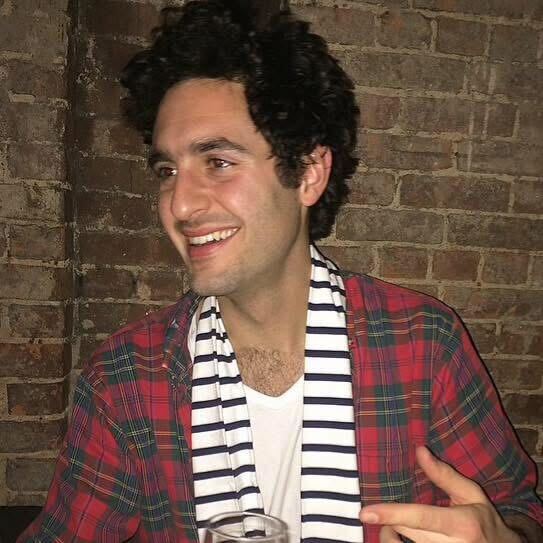
Louis-Hunter Kean visiting a winery in the Tuscany region of Italy in September 2021. He first spiked a mysterious and persistent fever about a year later in August 2022.
“These doctors are very sharp, and there are a lot of teams working on it,” Kean texted a friend after being admitted to the Hospital of the University of Pennsylvania (HUP) in West Philadelphia.
Was it an infection? An autoimmune disease? A blood cancer? Over the next six months, at least 34 HUP doctors — rheumatologists, hematologist-oncologists, gastroenterologists, infectious disease and internal medicine specialists — searched for an answer.
Kean was hospitalized at HUP five times during a six-month period in 2023. His electronic medical chart grew to thousands of pages.
Along the way, doctors missed critical clues, such as failing to obtain Kean’s complete travel history. They recommended a pair of key tests, but didn’t follow up to make sure they got done, medical records provided to The Inquirer by his family show.
Doctors involved in Kean’s care, including at Penn, prescribed treatments that made him sicker, said four infectious disease experts not involved in his care during interviews with a reporter, who shared details about his treatment. Penn doctors continued to do so even as his condition worsened.
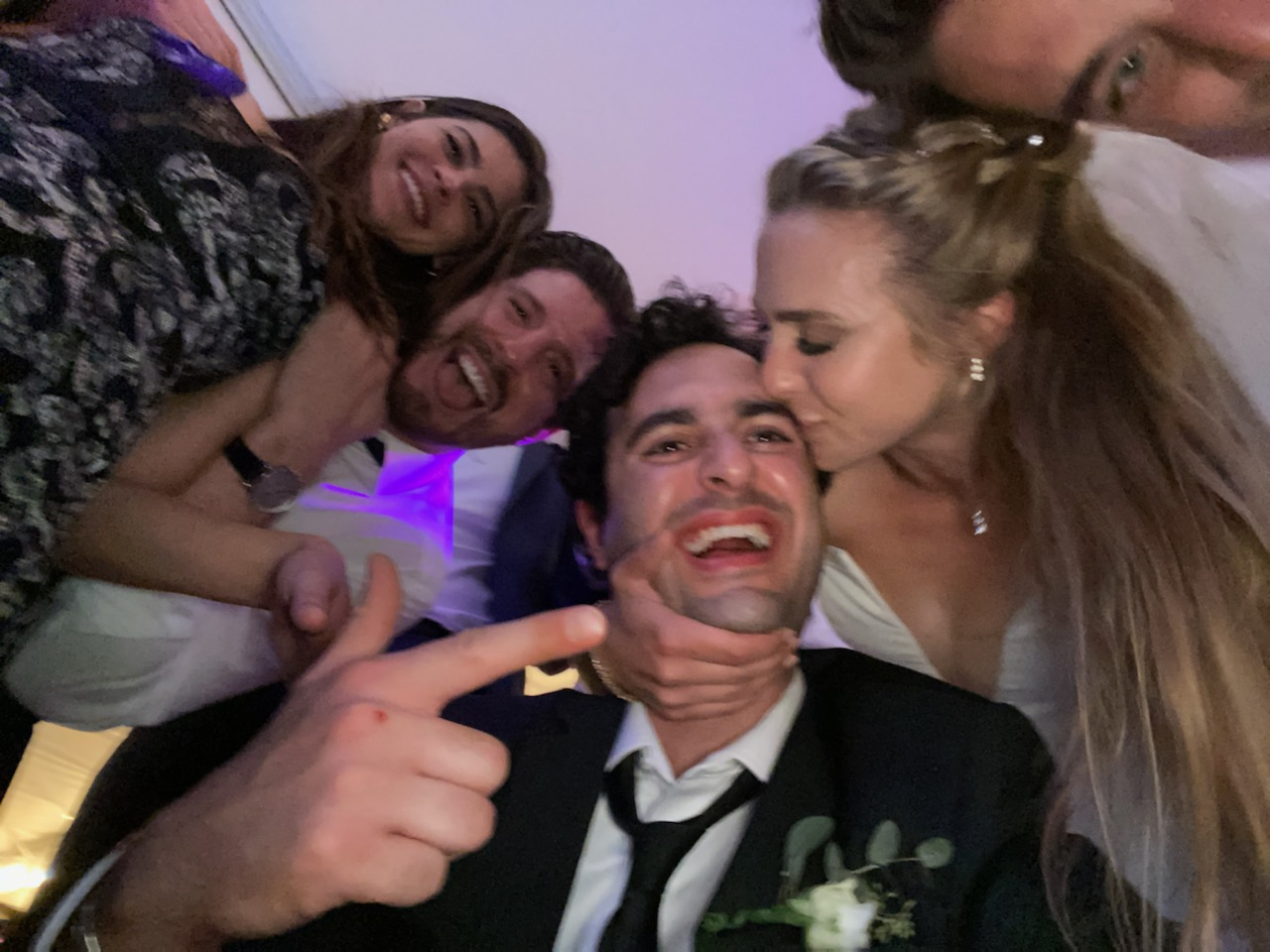
Louis-Hunter Kean receives a kiss from bride Ashley Greyson at the October 2021 wedding of his close friend, Joshua Green. Green and Kean graduated from Haddonfield High School in 2007.
“No one was paying attention to what the doctor before them did or said,” Kean’s mother, Lois Kean, said.
“They did not put all the pieces together,” she said. “It was helter-skelter.”
Kean’s family is now suing Penn’s health system for medical malpractice in Common Pleas Court in Philadelphia. The complaint identifies nearly three dozen Penn doctors, accusing them of misdiagnoses and harmful treatments. These physicians are not individually named as defendants.
In court filings, Penn says its doctors did not act recklessly or with disregard for Kean’s well-being, and his case is not indicative of any systemic failures within its flagship hospital. A Penn spokesperson declined further comment on behalf of both the hospital and the individual doctors involved in Kean’s care, citing the pending lawsuit.
The puzzle of Kean’s diagnosis finally came together in November 2023 after a Penn doctor, early in his career, sought help from the National Institutes of Health (NIH).
An NIH doctor recommended a test that identified the cause: a parasite prevalent in countries bordering the Mediterranean Sea. Kean likely got infected while vacationing in Italy, four parasitic disease experts told The Inquirer.
The infection, which is treatable when caught early, is so rare in the U.S. that most doctors here have never seen a case, the experts said.
By the time Penn doctors figured it out, Kean’s organs were failing.
Louis-Hunter Kean and his then-girlfriend Zara Gaudioso at a friend’s wedding in Tuscany in September 2021. Kean and Gaudioso got engaged in early 2023. Gaudioso was smitten by Kean’s good looks and sense of humor.While vacationing in Italy in September 2021, Louis-Hunter Kean and his friends hiked in the foothills of the Apennine Mountains and visited Gran Sasso and Monti della Laga National Park.
A missed clue
When a patient has an ongoing and unexplained fever, an infectious disease doctor will routinely start by takinga thorough travel history to screen for possible illnesses picked up abroad.
A medical student took Kean’s travel history during his initial workup at HUP in June 2023. An infectious disease specialist reviewed the student’s notes and added a Cooper University Hospital doctor’s earlier notes into Kean’s electronic medical chart at Penn.
Those records show Kean had traveled to Turks and Caicos with his fiancée in May 2022. The next month, he took a work trip out West, including to California, where he visited farms, but didn’t interact with livestock.
This was not unusual for Kean, who worked with fruits and vegetables imported from around the world at his family’s produce distribution center on Essington Avenue in Southwest Philadelphia.
Kean’s fiancée, Zara Gaudioso, said she repeatedly told doctors about another trip: In September 2021, about a year before his fevers began, they traveled to Italy for a friend’s wedding in Tuscany.
The couple hiked remote foothills, danced all night in a courtyard, dined by candlelight surrounded by a sunflower farm, and slept in rustic villas with the windows flung open.
“We told everybody,” Gaudioso said. “A lot of Americans go to Italy — it’s not like a third-world country, so I could see how it could just go in one ear and out the other.”
But notes in Kean’s medical record from the Penn infectious disease specialist don’t mention Italy. Neither do the ones the specialist copied over from Kean’s infectious disease doctor at Cooper.
Kean “does not have known risk factors” for exposure to pathogens, the Penn specialist concluded, except possibly from farm animals or bird and bat droppings.
Still, the specialist listed various diseases that cause unexplained fever: Tick-borne diseases. Fungal infections. Tuberculosis. Bacteria from drinking unpasteurized milk.
The possible culprits included a parasitic disease, called visceral leishmaniasis, transmitted by a bite from an infected sandfly. It can lie dormant for a lifetime — or, in rare cases, activate long after exposure, so it’s important for doctors to take extensive past travel histories, parasitic experts say.
The parasite is widely circulating in Southern European countries, including Spain, Greece, Portugal, and Italy.
“Mostly, people living there are the ones who get it. But it’s just a lottery sandwich, and there’s no reason that travelers can’t get it,” said Michael Libman, a top parasitic disease expert and former director of a tropical medicine center at McGill University in Canada.
But few cases become severe. Hospitals in Italy reported only 2,509 cases of active infection between 2011 and 2016, affecting fewer than one in 100,000 people. Infections requiring hospital care in Italy began to decline after 2012, according a 2023 European study by the Public Library of Science (PLOS) journal Neglected Tropical Diseases.
Caught early, visceral leishmaniasis is treatable. Without treatment, more than 90% of patients will die.
In addition to fever, other telltale symptoms are swelling of the liver and spleen and low blood cell counts. Kean had all of those.
A missed test
The infectious disease specialist requested a test to examine tissue biopsied from Kean’s liver, which was damaged and enlarged. Lab results showed that immune cells there had formed unusual clusters — another sign that his body might be fighting off an infection.
In her notes, the specialist identified “visceral leish” as a possible diagnosis, which repeated — via copy and paste — seven times in his medical record. Her request to “please send biopsy for broad-range PCR” repeated five times.
That is a diagnostic (polymerase chain reaction) test that looks for the genetic fingerprint of a range of pathogens.
The test comes in different versions: One looks broadly for bacteria. The other is for fungi. The broad fungal test candetect leishmania, even though it’s not a fungus. However, it’s not always sensitive enough to identify the parasite and can produce a false negative, experts said.
The specialist’s chart note doesn’t specify which type she wanted done.
It’s not clear if anyone asked. The test wasn’t done.
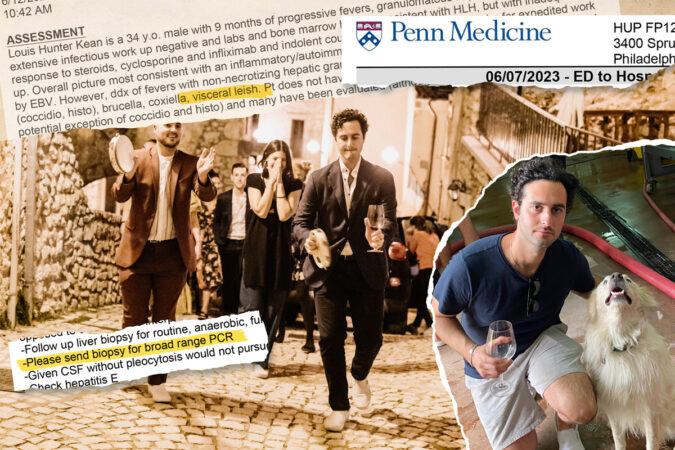
Louis-Hunter Kean (right, with wine glass and tambourine) leads a wedding procession through the small stone village of Santo Stefano di Sessanio in Italy’s Abruzzo region in September 2021.
She did not order a low-cost rapid blood test that screens specifically for leishmaniasis by detecting antibodies made by the immune system after fighting it. She also didn’t order a leishmania-PCR, which is highly targeted to detect the exact species of the parasite.
Nor did the medical record show that the specialist followed up on the results of the broader test she requested, even though she saw Kean on nine of the 13 days of his first hospitalization at HUP in June 2023.
Penn has a policy that a lead doctor on the patient’s case is responsible for making sure that recommended tests get done. The specialist was called in as a consultant on Kean’s case. During that June hospitalization alone, his medical chart grew to 997 pages.
Patient safety experts have warned for years that electronic medical record systems — designed for billing and not for care — can become so unwieldy that doctors miss important details, especially with multiple specialists involved, or repeat initial errors.
A seemingly innocuous step in charting — copying and pasting previous entries and layering on new ones— can add to the danger, patient safety experts say.
That’s how the specialist’s mention of “visceral leish” and her test recommendation got repeated in Kean’s chart.
Marcus Schabacker, president of ECRI, a nonprofit patient-safety organization based in Plymouth Meeting, said “copy and paste” in electronic medical records puts patients at risk of harm.
“The reality is if you are reading something over and over again, which seems to be the same, you’re just not reading it anymore. You say, ‘Oh, yeah, I read that, let’s go on,’” said Schabacker, speaking generally about electronic medical record systems and not specifically about Kean’s case.
Louis-Hunter Kean plays guitar in his younger years. He loved music and shared eclectic playlists with his friends.
When treatments harm
Penn doctors believed Kean had a rare,life-threatening disorder, known as hemophagocytic lymphohistiocytosis (HLH), in which the immune system attacks the body. Instead of fighting infections, defective immune cells start to destroy healthy blood cells.
In most adults, the constellation of symptoms diagnosed as HLH gets triggered when an underlying disease sends the body’s immune system into overdrive. Triggers include a blood cancer like lymphoma, an autoimmune disease like lupus, or an infection.
Penn doctors across three specialties — hematology-oncology, rheumatology, and infectious disease — were searching for the cause within their specialties.
“His picture is extremely puzzling,” one doctor wrote in Kean’s chart. “We are awaiting liver biopsy results. I remain concerned about a possible infectious cause.”
As HUP doctors awaited test results, they treated Kean’s HLH symptoms with high doses of steroids and immunosuppressants to calm his immune system and reduce inflammation.
The treatments, however, made Kean highly vulnerable to further infection.And defenseless against another possible trigger of HLH: visceral leishmaniasis.
At the time, a Penn rheumatologist involved in Kean’s care before his first hospitalization warned about steroids “causing harm” to Kean if it turned out he had an infection. He wrote, “please ensure all studies requested by” infectious disease are done, medical records show.
Steroid treatments would allow the parasites to proliferate unchecked, experts said.
“It’s unfortunately exactly the wrong treatment for parasitic disease,” said Libman, the leishmania disease expert at McGill University.
As Kean grew sicker, he was readmitted to HUP for a third time in September 2023. He texted a friend: “I’m on more medications than I’ve ever been on and my condition is worse than it’s ever been.”
A sampling of Louis-Hunter Kean’s electronic medical records, which ballooned to thousands of pages over five HUP hospitalizations within six months in 2023.
Handoffs between doctors
No single doctor seemed to be in charge of Kean’s care, his family said. And the number of specialists involved worried them.
“Everyone just kept being like, ‘We don’t know. Go see this specialist. Go see that specialist,’” Kean’s sister, Priscilla Zinsky, said.
By fall 2023, rheumatologists hadn’t found a trigger of Kean’s symptoms within their specialty. They turned to doctors specializing in blood cancer.
During the handoff, three doctors noted that they didn’t see the results of the test requested by the infectious disease specialist back in June. They still thought it was possible that Kean had an infection, records show.
“An additional consideration to rule out infectious cause would be blood-based Karius testing (though this would be fraught with false positives),” wrote that doctor, who was still training as a hematologist-oncologist.
A supervising physician reviewed the Sept. 8, 2023, note and signed off on it. The medical records don’t show any follow-up with infectious disease doctors, and the test wasn’t done at the time.
In the coming days, blood cancer specialists struggled to find a link between Kean’s symptoms and an underlying disease.
They thought he might have a rare form of leukemia, but tests weren’t definitive, Kean texted friends.
Untreated HLH symptoms can lead to rapid organ failure, so doctors often start patients on treatment while trying to figure out the underlying cause, said Gaurav Goyal, a leading national expert on HLH, noting that it can take days to get test results.
“You have to walk and chew the gum. You have to calm the inflammation so the patient doesn’t die immediately, and at the same time, try to figure out what’s causing it by sending tests and biopsies,” said Goyal, a hematologist-oncologist at the University of Alabama at Birmingham.
Medical records show that Penn doctors feared Kean was at “significant risk” of “irreversible organ failure.”
They suggested a more aggressive treatment: a type of chemotherapy used to treat HLH that would destroy Kean’s malfunctioning immune cells.
In his medical record, a doctor noted that beginning treatment without a clear diagnosis was “not ideal,” but doctors thought it was his best option.
Four parasitic disease experts told The Inquirer that chemotherapy, along with steroids and immunosuppressants, can be fatal to patients with visceral leishmaniasis.
“If that goes on long enough, then they kill the patient because the parasite goes out of control,” Libman said, explaining that ramping up the HLH treatments weakens the immune system. “The parasite has a holiday.”
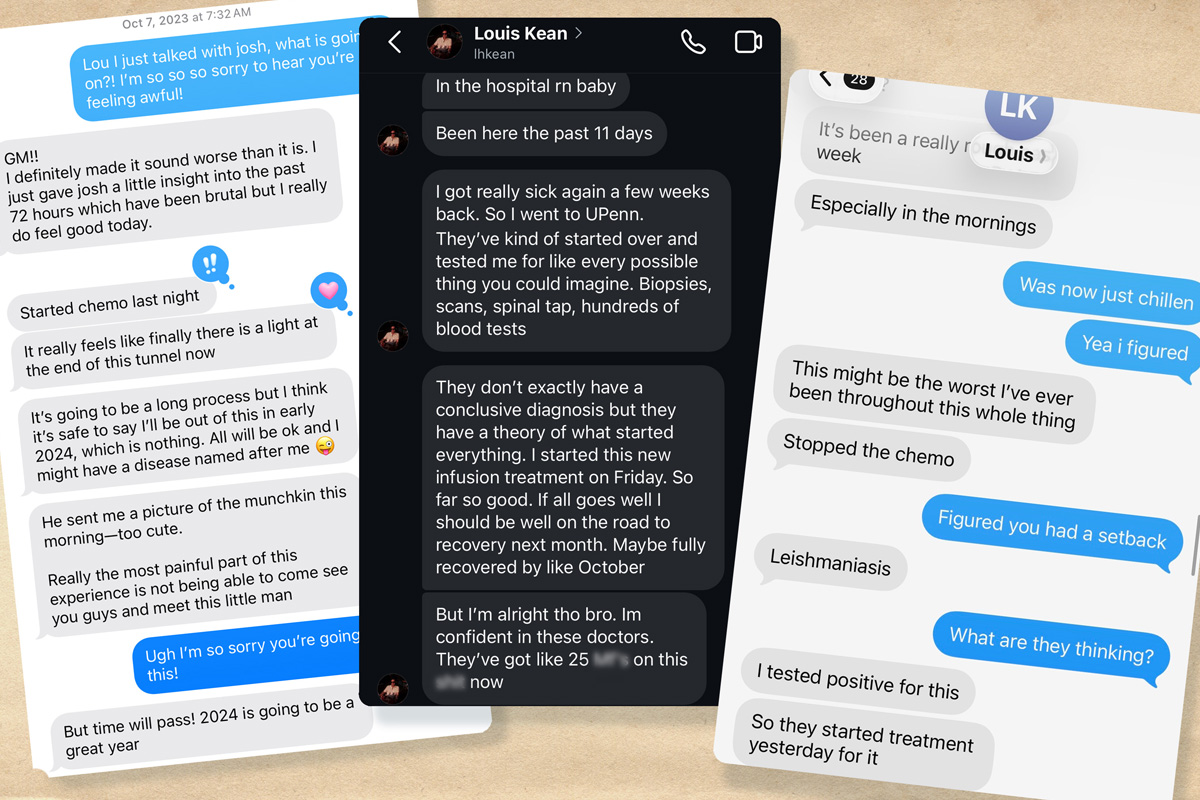
A sample of text messages from Louis-Hunter Kean to friends during separate HUP hospitalizations over a six-month period in 2023.
Chemo as last resort
Kean banked his sperm, because chemo infusions can cause infertility. He told friends he trusted his Penn team and hoped to make a full recovery.
“Started chemo last night. It really feels like finally there is a light at the end of the tunnel,” he texted a friend on Oct. 7, 2023.
“I’m gonna get to marry my best friend, and I think I’m going to be able to have children,” Kean wrote in another text to a different friend.
Kean spent nearly all of October at HUP getting chemo infusions. He rated his pain as a nine out of 10. His joints throbbed. He couldn’t get out of bed. He started blacking out.
Doctors added a full dose of steroids on top of the IV chemo infusion. By the end of the month, Kean told a friend he feared he was dying.
A year had passed since Kean first spiked a fever. He no longer could see himself returning to his former life — one filled with daily exercise, helping run his family’s produce store, nights out with friends at concerts and bars, and vacations overseas.
Lethargic and weak, he could barely feed himself. His sister tried to spoon-feed him yogurt in his hospital bed.
He started texting reflections on his life to friends and family, saying his illness had given him a “polished lens” through which he could see clearly. He wrote that their love felt “like a physical thing, like it’s a weighted blanket.”
“I’ve lived an extremely privileged life. I don’t think it’s possible for me to feel bad for myself,” he said in a text. “And I don’t want anyone else to either.”
Louis-Hunter Kean enjoying dinner out with his sister, Jessica Kean, in Manhattan in 2014. Friends and family described him as a “foodie” and health food advocate prior to the onset of his illness in August 2022.
Puzzle solved
One doctor involved in Kean’s care had seen him at Penn’s rheumatology clinic in early June 2023, just before his first HUP hospitalization. The doctor, a rheumatology fellow,urged him to go to HUP’s emergency department, so he could be admitted for a medical workup.
The fellowremained closely involved in Kean’s care, medical records show. Also in his 30s, this doctor shared Kean’s interests in music, fashion, and the city’s restaurant scene, according to Kean’s family.
“They had a rapport,” Kean’s father, Ted Kean, said. “Louis thought a lot of him, and he seemed to think a lot of my son.”
By early November 2023, the rheumatology fellow was extremely concerned, medical records show.
The chemo infusions weren’t helping. Kean still was running a fever of 103. The fellow wrote in his chart that he was worried Kean needed a bone-marrow transplant to replace his failing immune system.
And doctors still didn’t know the root of his symptoms.
The fellowcontacted the NIH, medical notes show.
An NIH doctor recommended a test to check for rare pathogens, including parasites that cause visceral leishmaniasis,according to family members present when the testing was discussed.
The NIH-recommended Karius test was the same one suggested two months earlier by the Penn hematologist-oncologist in training, but with no follow-up.
File of sign on front of Hospital of the University of Pennsylvania (HUP) taken on Tuesday, March 19, 2024.
On Nov. 16, the fellow got the results. He went to Kean’s bedside.
After five HUP hospitalizations over six months, a single test had revealed the cause of his illness: visceral leishmaniasis.
Kean cried with relief and hugged the fellow, joined by his mother and sister.
“‘You saved my life,’” Kean’s sister, Jessica Kean, recalled her brother telling the doctor. “‘Finally, we know what this is, and we can treat it.’”
Kean’s medical chart was updated to note that he traveled to “Italy in the past,” also noting he had visited Nicaragua and Mexico. A HUP infectious disease doctor consulted with the Centers for Disease Control and Prevention on antiparasitic medications.
Meanwhile, Kean’s nose wouldn’t stop bleeding. He felt light-headed and dizzy, with high fever. Even on morphine for his pain, his joints ached.
“I’ve been struggling, buddy,” he texted a friend on Nov. 20. “This might be the worst I’ve ever been.”
By Nov. 22, he stopped responding to text messages. He began hallucinating and babbling incoherently, family members recalled. “Things went downhill very, very quickly, like shockingly quickly,” his sister, Priscilla Zinsky, said.
When she returned on Thanksgiving morning, he was convulsing, thrashing his head and arms. “It was horrifying to see,” Zinsky said.
Her brother had suffered brain bleeds that caused a stroke. His organs were failing. He had a fungal infection with black mold growing throughout his right lung, medical records show.
Kean was put on life support, with a doctor noting the still-preliminary diagnosis: “Very medically ill with leishmaniasis.”
“Prognosis is poor,” read the note in his Nov. 29, 2023, medical records.
A few hours later, Kean’s family took him off life support. He died that day.
“All of his organs were destroyed,” said Kean’s mother, Lois Kean. “Even if he had lived, he had zero quality of life.”
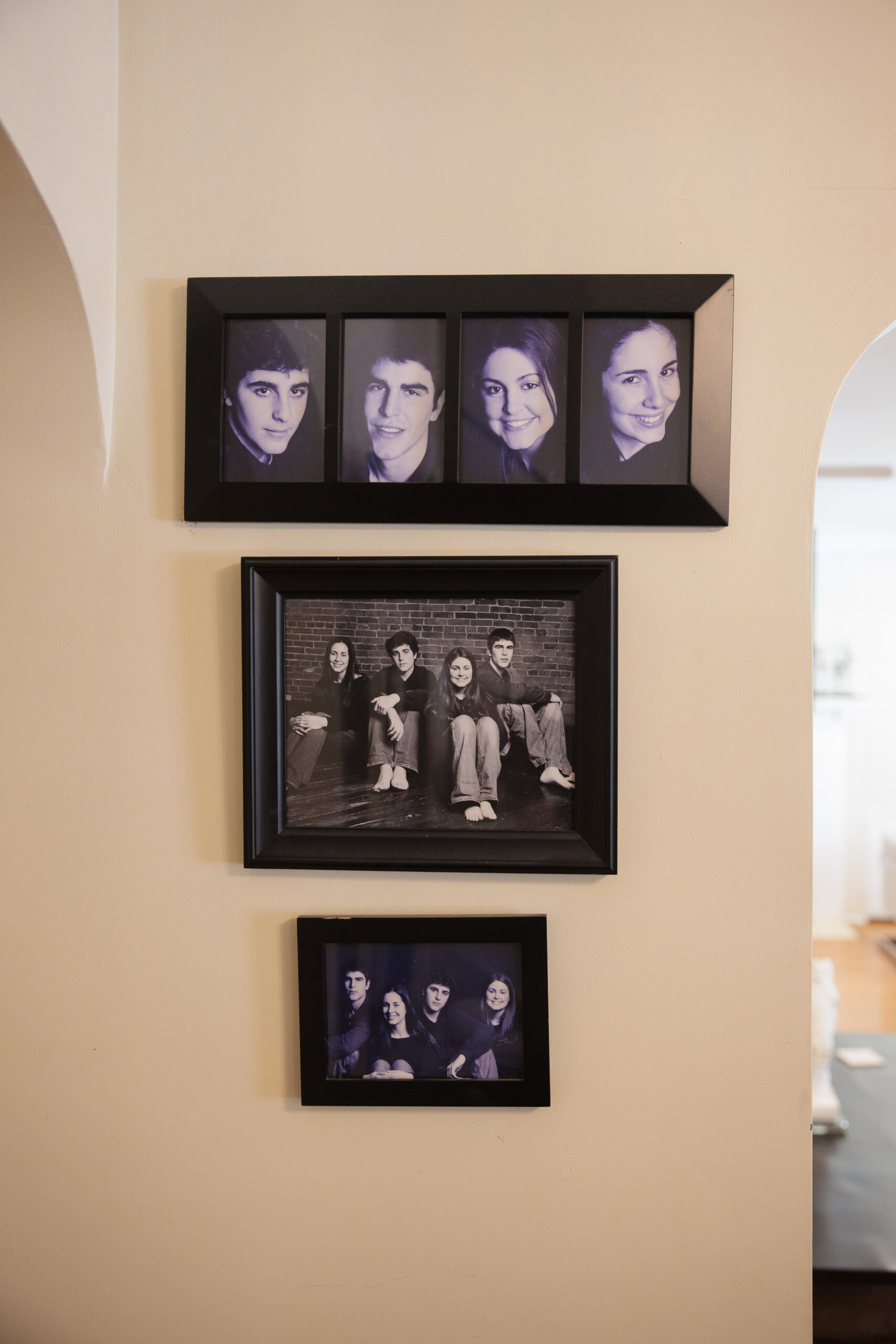
Portraits of Lois and Ted Kean’s four children decorate a wall at their home in Haddonfield. Their son, Louis-Hunter, died after contracting visceral leishmaniasis, a parasitic infection he likely picked up in Italy. When caught early, it’s treatable with medication. It’s deadly without treatment.
It’s not clear why the parasites began to attack Kean a year after his return from Italy. Healthy people rarely develop severe disease from exposure to the deadly form of the parasite circulating outside the U.S., experts said.
Most people infected by a sandfly “are probably harboring small amounts of the parasite” in their organs, according to Naomi E. Aronson, a leishmania expert and director of infectious diseases at the Uniformed Services University of the Health Sciences in Bethesda, Md.
“Most of the time, you don’t have any problem from it,” Aronson said.
Children under age 5, seniors, and people who are malnourished or immunodeficient are most susceptible to visceral leishmaniasis. Aronson said she worries about people who might harbor the parasite without problems for years, and then become immunocompromised.
Libman, the parasitic expert from McGill, said he’s seen six to 10 patients die from visceral leishmaniasis because doctors unfamiliar with the disease mistakenly increased immunosuppressants to treat HLH during his 40 years specializing in parasite disease.
“That’s a classic error,” he said.
Kean’s case “should be a real clarion call” for infectious disease specialists and other doctors in the U.S., said Joshua A. Lieberman, an infectious disease pathologist and clinical microbiologist who pioneered the leishmania-PCR test at the Washington state lab.
“If you’re worried about an unexplained [fever], you have to take a travel history that goes back pretty far and think about Southern Europe, Iraq, Afghanistan, India, and maybe even Brazil,” Lieberman said.
In the wake of Kean’s death, his family was told that Penn doctors held a meeting to analyze his case so they could learn from it.
An infectious disease doctor called Zinsky, Kean’s sister, to let her know about the postmortem review and shared that doctors discussed that Kean had likely picked up the parasite in Tuscany.
“Why didn’t you guys have this meeting,” she asked, ”while he was alive?”
Editor’s note: This story has been updated to clarify that ECRI President Marcus Schabacker was not speaking specifically on Kean’s case.
The Cherry Hill School District has decided against redrawing its elementary school maps to redistribute students and ease overcrowding.
Instead, the school board will consider adding additions to the two schools with the highest anticipated growth— Clara Barton Elementary and Rosa International Middle School — and continuing to monitor enrollment at four other elementary schools.
The decision was announced Tuesday night when the district presented a highly anticipated report on rebalancing school enrollment. The South Jersey school system had been considering adjustingthe boundaries assigned to each of its 12 elementary schools to handle an anticipated increase in students — a move that sparked opposition from some parents.
The recommendation is “a huge win,” said Bruck Lascio, whose children attend Barton. “We’ll take their proposal.”
“The administration is not recommending boundary adjustments at this time,” said George Guy, director of elementary education.
Guy said both schools now potentially slated for expansion are expected to have a severe shortage of seats by the 2028-29 school year. Clara Barton would be 69 seats short, and Rosa Middle 51 seats, he said.
The additions, if approved by the school board, would be ready for the start of the 2028-29 school year, Guy said.
The report also recommends that the district monitor enrollment trends at Horace Mann Elementary, which is also expected to have more students than seats. And it calls for another demographic study in 2026-27 to assess needsat all schools.
Guy left open the possibility that Mann could also get an addition to ease overcrowding. The district also plans to monitor enrollment at Joyce Kilmer, Richard Stockton, and Woodcrest Elementary Schools.
Why was rebalancing under consideration?
A demographic study conducted in 2024 showed that five of Cherry Hill’s 12 elementary schools are expected to have a total shortage of 337 seats in the 2028-29 school year, and prompted the school board to look into rebalancing.
Cherry Hill began the rebalancing project with a possibility of changing the boundaries for students at five of its 12 elementary schools. Some elementary schools are nearing capacity, and a few have surplus seats.
In developing a recommendation, Guy had to consider parameters set by the board. It was also important to considertransportation and avoid having students spend longer periods of time on buses.
Board president GinaWinters said the board basically had two choices: shift students where there were available seats or add more capacity to keep students in their neighborhood schools.
Rosa International Middle School in Cherry Hill.
Changing the boundaries would have affected 534 children in the district, which enrolls about 11,000 students, Guy said. Clara Barton and James Johnson Elementary Schools would have faced the biggest impact, he said.
The sprawling 24.5-mile community of nearly 75,000 is divided into elementary school zones. Most students are assigned to a neighborhood school within two miles of where they live.
The district also dismissed possible relocation of some special education programs to ease overcrowding because that would further stress students and staff, Guy said.
Guy said creating new English as a second language (ESL) programs at more schools was also considered, but that option was rejected because it would not have adequately addressed the overcrowding.
According to Guy, the costs would not affect the property tax rate. Winters said there could be additional budget costs in the future to hire additional teachers and administrators.
How did parents react to the proposal?
Parents who had lobbied heavily against having their children moved because they like the convenience of neighborhood elementary schools welcomed the recommendations.
“We love our school,” said Katie Daw, whose children attend Clara Barton in the township’s Erlton section. “This is the best-case scenario.”
Marie Blaker said she had braced for bad news Tuesday. She is part of a Clara Barton group that has organized other parents.
“We didn’t think it was going to go like this,” Blaker said. “I’m thrilled they listened to us.”
What’s next?
The nine-member board did not vote on the recommendations Tuesday night. Winters said the board appeared to support the recommendation.
Winters said public hearings would be held at Barton and Rosa. A final plan is expected by the summer, at which point the board will vote on the proposal.
Guy has said officials are not yet examining future enrollment needs at the remaining middle schools and high schools.
“The reality is that we will be faced with very difficult decisions,” board member Renee Cherfane said.
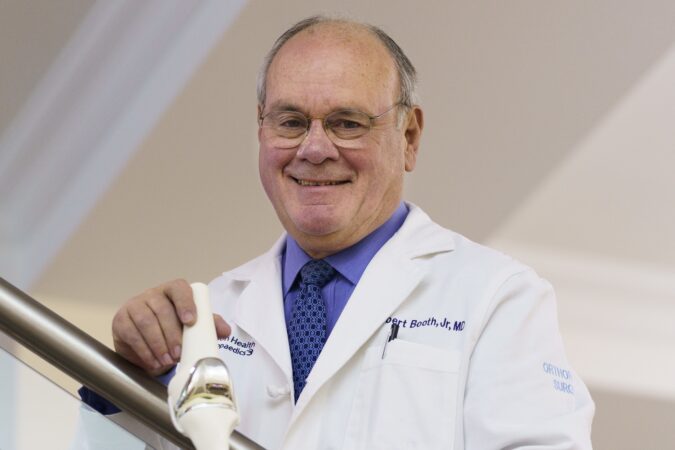
Robert E. Booth Jr., 80, of Gladwyne, renowned pioneering knee surgeon, former head of the Department of Physical Medicine and Rehabilitation at Pennsylvania Hospital, celebrated antiquarian, professor, researcher, writer, lecturer, athlete, mentor, and volunteer, died Thursday, Jan. 15, of complications from cancer at his home.
Born in Philadelphia and reared in Haddonfield, Dr. Booth was a top honors student at Haddonfield Memorial High School, Princeton University, and what is now the Perelman School of Medicine at the University of Pennsylvania. He was good at seeing things differently and went on to design new artificial knee joint implants and improved surgical instruments, serve as chief of orthopedics at Pennsylvania Hospital, and mentor celebrated surgical staffs at Jefferson Health, Aria Health, and Penn Medicine.
He joined with two other prominent doctors to cofound the 3B orthopedic private practice in the late 1990s and, over 50 years until recently, performed more than 50,000 knee replacements, more than anyone, according to several sources. Last March 26, he did five knee replacements on his 80th birthday.
In a tribute, fellow physician Alex Vaccaro, president of Rothman Orthopaedic Institute, said: “He restored mobility to thousands, pairing unmatched technical mastery with a compassion that patients never forgot.”
In a 1989 story about his career, Dr. Booth told The Inquirer: “It’s so much fun and so gratifying and so rewarding to see what it means to these people. You don’t see that in the operating room. You see that in the follow-ups. That’s the fun of being a surgeon.”
Dr. Booth was also praised for his organization and collaboration in the operating room. “His OR was a clinic in team work and efficiency,” a former colleague said on LinkedIn.
He told Medical Economics magazine in 2015: “I love fixing things. I like the mechanics and the positivity of something assembled and fixed.”
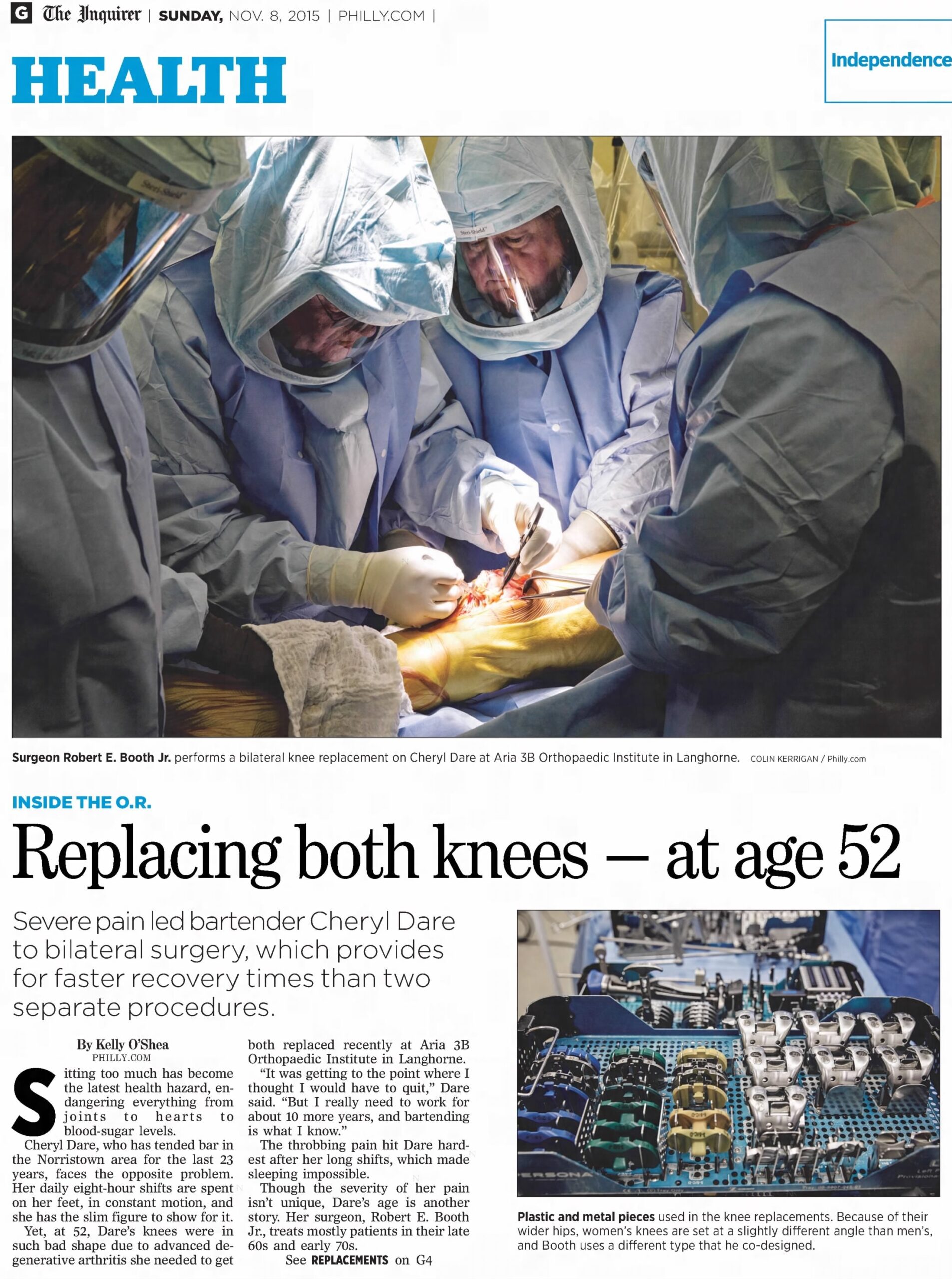
This article about Dr. Booth’s practice was published in The Inquirer in 2015.
His procedural innovations reduced infection rates and increased success rates. They were scrutinized in case studies by Harvard University and others, and replicated by colleagues around the world. Some of the instruments he redesigned, such as the Booth retractor, bear his name.
He was president of the Illinois-based Knee Society in the early 2000s and earned its 2026 lifetime achievement award. In an Instagram post, colleagues there called him “one of the most influential leaders in the history of knee arthroplasty.”
He was a professor of orthopedics at Penn’s school of medicine, Thomas Jefferson University Hospital, and the old Allegheny University of Health Sciences. He loved language and studied poetry on a scholarship in England after Princeton and before medical school at Penn. He told his family that his greatest professional satisfaction was using both his “manual and linguistic skills.”
He was onetime president of the International Spine Study Group and volunteered with the nonprofit Operation Walk Denver to provide free surgical care for severe arthritis patients in Panama, Guatemala, Honduras, Nicaragua, and elsewhere. Colleagues at Operation Walk Denver noted his “remarkable spirit, profound expertise, and unwavering commitment” in a Facebook tribute.
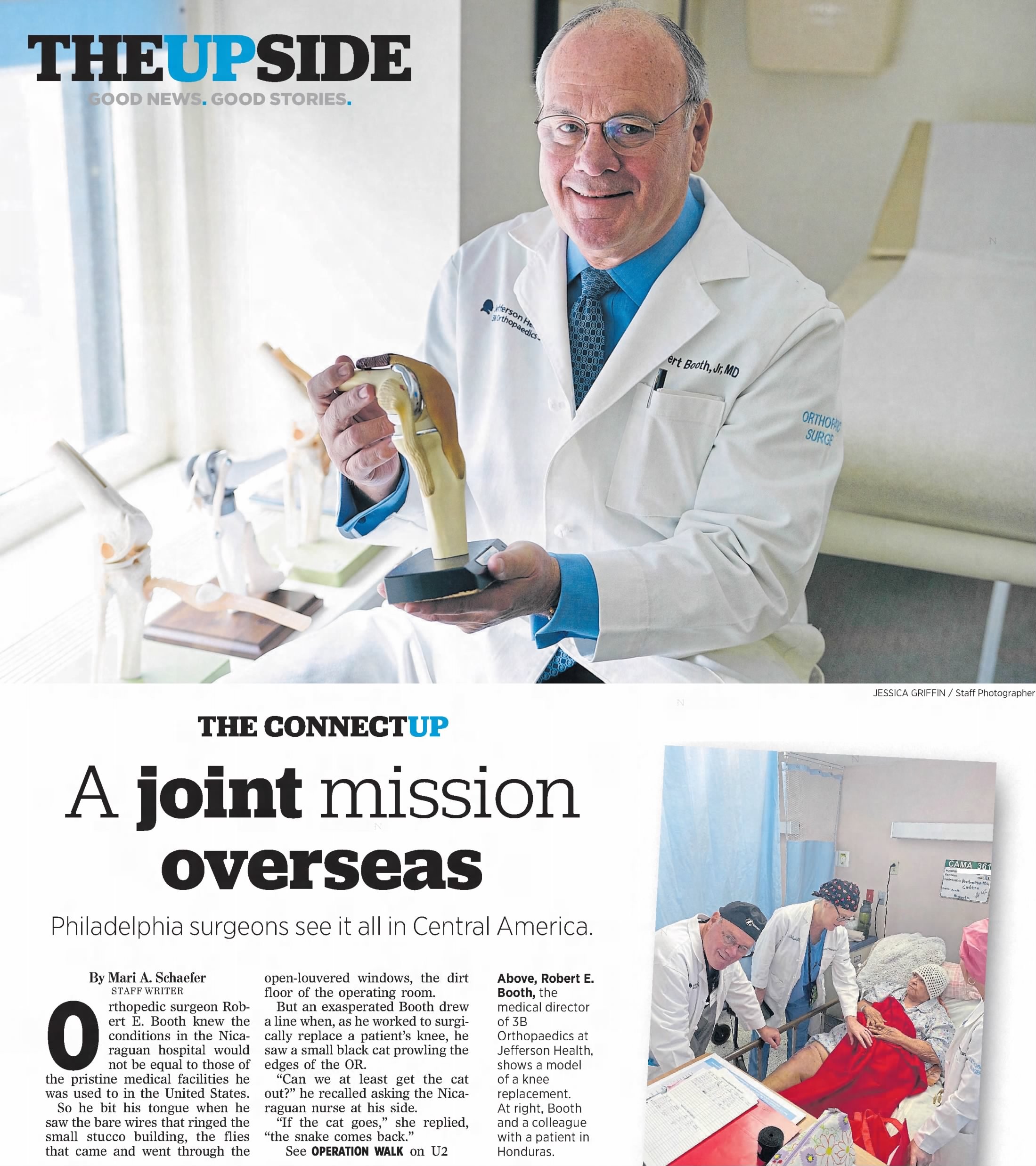
This story about Dr. Booth’s charitable work abroad appeared in The Inquirer in 2020.
At home, Dr. Booth and his wife, Kathy, amassed an extensive collection of Shaker and Pennsylvania German folk art. They curated five notable exhibitions at the Philadelphia Antiques Show and were recognized as exceptional collectors in 2011 by the Philadelphia Society for the Preservation of Landmarks.
He lectured widely about art and antiques, and wrote articles for Magazine Antiques and other publications. He was president of the American Folk Art Society and active at the Philadelphia Museum of Art, the Metropolitan Museum of Art in New York, and the Canterbury Shaker Village in New Hampshire.
“He was larger than life for sure,” said his daughter, Courtney.
Robert Emrey Booth Jr. was born March 26, 1945, in Philadelphia. He was the salutatorian of his senior class and ran track and field at Haddonfield High School.
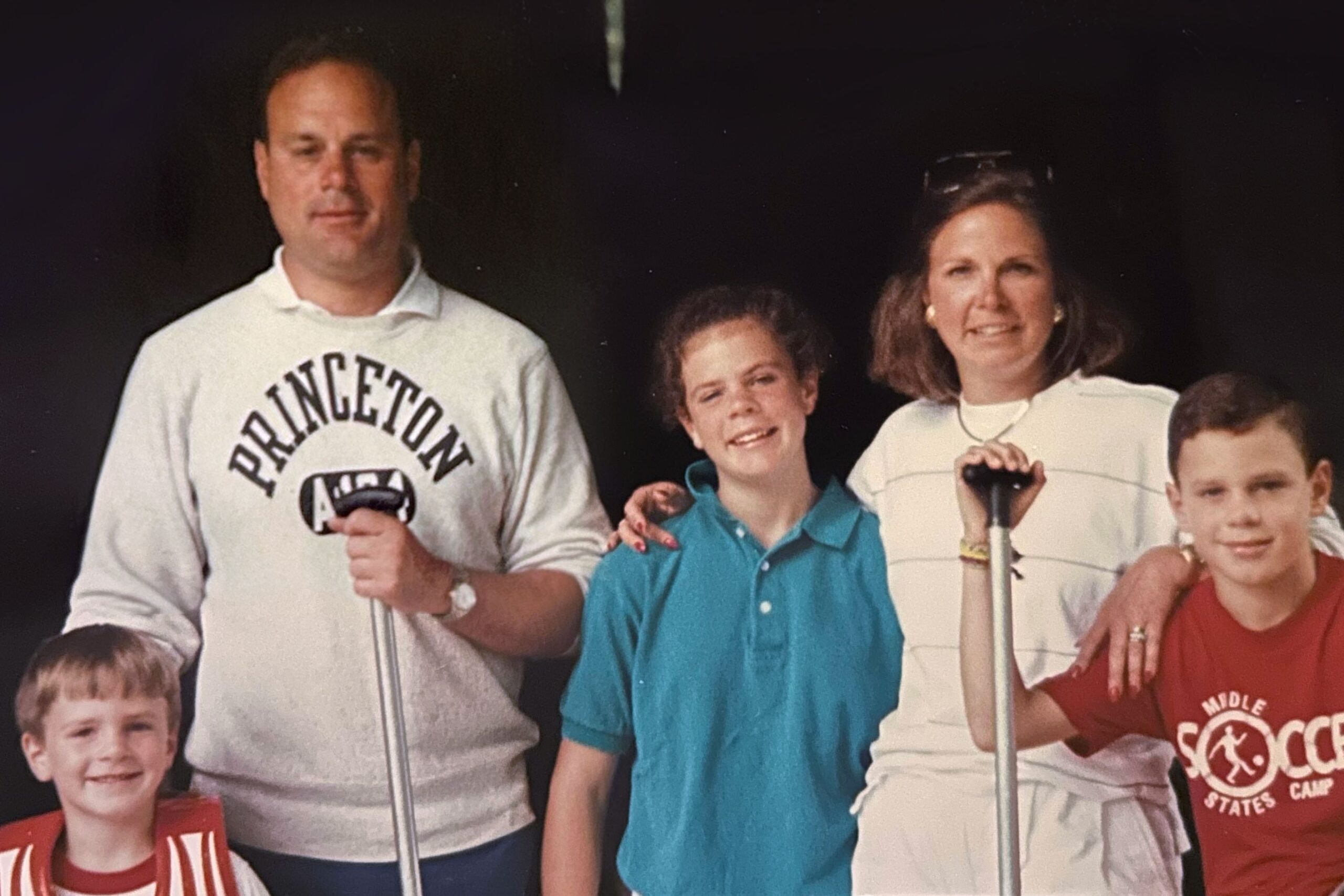
Dr. Booth enjoyed time with his family.
He earned a bachelor’s degree in English at Princeton in 1967, won a letter on the swimming and diving team, and played on the school’s Ivy League championship lacrosse team as a senior. He wrote his senior thesis about poet William Butler Yeats and returned to Philadelphia from England at the suggestion of his father, a prominent radiologist, to become a doctor. He graduated from Penn’s medical school in 1972.
“I always liked the intellectual side of medicine,” he told Medical Economics. “And once I got to see the clinical side, I was pretty well hooked.”
He met Kathy Plummer at a wedding, and they married in 1972 and had a daughter, Courtney, and sons Robert and Thomas. They lived in Society Hill, Haddonfield, and Gladwyne.
Dr. Booth liked to ski and play golf. He was an avid reader and enjoyed time with his family on Lake Kezar in Lovell, Maine.
“He was quite the person, quite the partner, and quite the husband,” his wife said, “and I’m so proud of what we built together.”
Dr. Booth and his wife, Kathy, married in 1972.
In addition to his wife and children, Dr. Booth is survived by six grandchildren and other relatives.
A private celebration of his life is to be held later.
Donations in his name may be made to Operation Walk Denver, 950 E. Harvard Ave., Suite 230, Denver, Colo. 80210.
A West grad’s latest project explores the religious-like experience of Eagles fandom. We take a peek. Also this week, we’re following the latest on the Kibitz Room closure, plus the former Lone Star Steakhouse is one step closer to being demolished.
A photo of Eagles fans tailgating from Mike Cordisco’s “Sermon on the Lot.”
The Eagles aren’t the reigning Super Bowl champs anymore, but a newphoto project by a Cherry Hill native explores a question about our fandom: Is it akin to religious fervor?
Photographer Mike Cordisco set out to document Eagles fans and their tailgates, going beyond the stereotypical rowdy image and leaning into the religious-like experience of “sacred Sundays.” He’s compiled them into a 98-page book called Sermon on the Lot, which showcases photos of fans outside the Linc between 2018 and 2025.
“On Sundays, you go to Mass,” Cordisco said. “But in Philly, you go to the parking lot and tailgate an Eagles game.”
Some of Cordisco’s work is on display at Unique Photo in Center City through mid-March.
Reminder for residents: The extended deadline to pay the first half of this year’s township tax bills is next Wednesday.
A Cherry Hill man is mourning the death of his father, who died in a fire at their Main Street home on Jan. 31. In the aftermath, Hazem Abdalla, 27, wants people to remember his father, Eid, for his life, not his death. Eid was born in Egypt, where he started a construction company before moving to New Jersey for his sons to get a better education. Eid, who was 69, had previously worked as a taxi driver and a chef at the former Cherry Hill Diner. A crowdfunding campaign has raised more than $40,000 for funeral and rebuilding costs. The cause of the fire, which also damaged a neighbor’s house, is still under investigation. (NJ Pen and Fox 29)
After being empty for nearly 20 years, the former Lone Star Steakhouse building on Route 38 is closer to being demolished. A court recently ruled that the derelict building qualified as abandoned and that an uncontested foreclosure could move forward. The roughly 5,700-square-foot building has been vacant since 2007. (Courier Post)
Skechers is gearing up for a mid-spring opening at Garden State Pavilions, a company spokesperson confirmed. The shoe and apparel retailer will open between Five Below and Staples, taking over 8,500 square feet.
The Cherry Hill Fire Department is hosting a child safety seat event on Friday from 9 a.m. to noon at the Deer Park Station.
🏫 Schools Briefing
About 500 East students walked out of school Friday morning as part of a student-organized ICE protest that lasted about one hour. “We need to make sure that ICE understands that we’re watching, we’re listening, and we’re not going to stop fighting back until they leave the innocent people in our communities alone,” one of the organizers said. (Eastside)
A settlement agreement has been reached between Cherry Hill Public Schools and the Zionist Organization of America, which filed a complaint in June 2024 on behalf of an East student. In the complaint, the Zionist Organization alleged that the school district retaliated against the Jewish student, who reported alleged antisemitic harassment. Under the settlement, the student’s disciplinary record is being expunged. (Philadelphia Jewish Exponent)
Reminder for families: Monday is a makeup day for one of last month’s snow closures. There’s no school for students on Tuesday for the Lunar New Year, but teachers will report for an in-service day. See the district’s full calendar here.
🍽️ On our Plate
Two weeks after The Kibitz Room abruptly closed, former owner Brandon Parish said he is working to reopen the beloved deli “under a new entity.” An attorney for the deli, now owned by Brandon’s mom Sandy Parish, filed for Chapter 7 bankruptcy protection on Friday.
Fast-casual takeout eatery Rice & Spud Station opened last week at 404 Marlton Pike East in Saw Mill Village. The Halal eatery serves loaded baked potatoes, rice bowls, and desserts.
In case you missed it, Bahama Breeze’s parent company last week announced the upcoming closure of all the remaining tropical restaurant’s outposts by early April, including at the Cherry Hill Mall.
Cherry Hill real estate developer Shamikh Kazmi is looking to expand his Yum Grills brand to 200 locations, largely in the Philadelphia area, with around 15 slated to open in the next few months. The expansion of the new fast-food eatery that serves smash burgers, cheesesteaks, and loaded french fries is expected to cost $60 million. It’s unclear if any locations will be in town. (Philadelphia Business Journal)
🏺 Galentine’s Pottery Class: Try your hand at ceramics at this intro class, which also includes sparkling cider, for anyone 13 and older. ⏰ Friday, Feb. 13, 6 p.m. 💵 $125 📍Hugs Ceramics
💃 Valentine’s Social Dance: If dancing is more your style, this event kicks off with a group class before segueing into a social dance with a DJ and light snacks. ⏰ Friday, Feb. 13, 7-10 p.m. 💵 $20 📍Storm BDC
❤️ Valen-Wine Celebration: Yogi Berra Lodge No. 3015 is hosting a Valentine’s-themed event complete with dinner, dessert, and wine. ⏰ Friday, Feb. 13, 7-11 p.m. 💵 $45 📍American Legion Post #372
🫖 Tea Party Fundraiser: Monday is the deadline to register for this library fundraiser, which includes afternoon tea, a Jane Austen movie, and a fascinator make-and-take. ⏰ Sunday, March 1, 1-4 p.m. 💵 $35 📍Cherry Hill Public Library
The home’s two-story family room has a hot tub, wet bar, and ample windows.
Located in the Ridings of Fox Run, this four-bedroom home has had just one owner since it was built in 1978. Among its most unique features is a two-story family room with an eight-seat hot tub and a wet bar. A second-floor library looks onto the airy space. There’s also a dining room, a family room with a fireplace, and an eat-in kitchen with granite countertops on the first floor. Upstairs, the primary suite has skylights, a gas fireplace, and a jacuzzi. Outside, the wooded property has a deck and a koi pond.
By submitting your written, visual, and/or audio contributions, you agree to The Inquirer’s Terms of Use, including the grant of rights in Section 10.
This suburban content is produced with support from the Leslie Miller and Richard Worley Foundation and The Lenfest Institute for Journalism. Editorial content is created independently of the project donors. Gifts to support The Inquirer’s high-impact journalism can be made at inquirer.com/donate. A list of Lenfest Institute donors can be found at lenfestinstitute.org/supporters.