Category: News

Latest breaking news and updates

  • What climate change means for Greenland’s traditional Inuit lifestyle and the world

    What climate change means for Greenland’s traditional Inuit lifestyle and the world

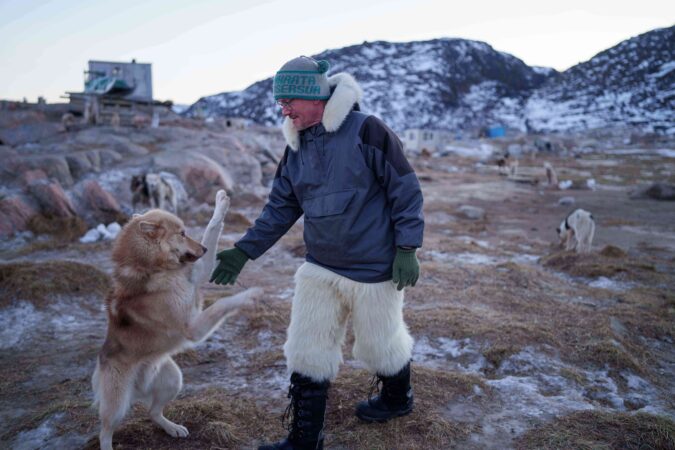
    ILULISSAT, Greenland — When he was growing up in a village in northern Greenland, Jørgen Kristensen’s closest friends were his stepfather’s sled dogs. Most of his classmates were dark-haired Inuit; he was different. When he was bullied at school for his fair hair — an inheritance from the mainland Danish father he never knew — the dogs came to him.

    He first went out to fish on the ice with them alone when he was 9 years old. They nurtured the beginning of a lifelong love affair and Kristensen’s career as a five-time Greenlandic dog sled champion.

    “I was just a small child. But many years later, I started thinking about why I love dogs so much,” Kristensen, 62, told the Associated Press.

    “The dogs were a great support,” he said. “They lifted me up when I was sad.”

    For more than 1,000 years, dogs have pulled sleds across the Arctic for Inuit seal hunters and fishermen. But this winter, in the town of Ilulissat, around 186 miles north of the Arctic Circle, that’s not possible.

    Instead of gliding over snow and ice, Kristensen’s sled bounces over earth and rock. Gesturing to the hills, he said it’s the first time he can remember when there has been no snow — or ice in the bay — in January.

    The rising temperatures in Ilulissat are causing the permafrost to melt, buildings to sink, and pipes to crack but they also have consequences that ripple across the rest of the world.

    The nearby Sermeq Kujalleq glacier is one of the fastest-moving and most active on the planet, sending more icebergs into the sea than any other glacier outside Antarctica, according to the United Nations cultural organization UNESCO. As the climate has warmed, the glacier has retreated and carved off chunks of ice faster than ever before — significantly contributing to sea levels that are rising from Europe to the Pacific Islands, according to NASA.
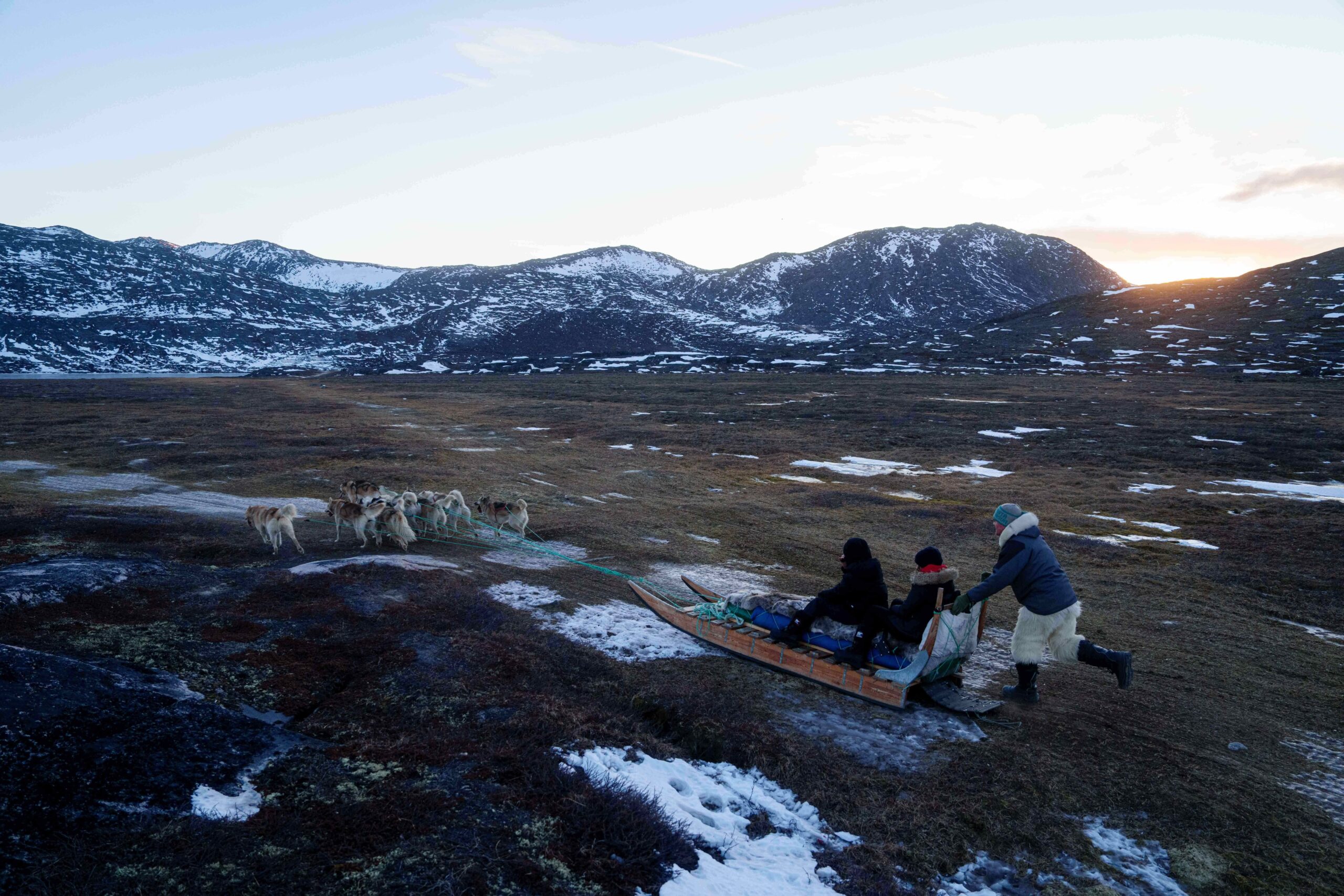
    Jørgen Kristensen rides with his sled dogs in Ilulissat, Greenland, on Jan. 27.

    The melting ice could reveal untapped deposits of critical minerals. Many Greenlanders believe that’s why President Donald Trump turned their island into a geopolitical hot spot with his demands to own it and previous suggestions that the U.S. could take it by force.

    In the 1980s, winter temperatures in Ilulissat regularly hovered around -13 Fahrenheit in winter, Kristensen said.

    But nowadays, he said, there are many days when the temperature is above freezing — sometimes it can be as warm as 50 degrees.

    Kristensen said he now has to collect snow for the dogs to drink during a journey because there isn’t any along the route.

    Although Greenlanders have always adapted — and could make dog sleds with wheels in future — the loss of the ice is affecting them deeply, said Kristensen, who now runs his own company showing tourists his Arctic homeland.

    “If we lose the dog sledding, we have large parts of our culture that we’re losing. That scares me,” he told AP, pressing his lips together and becoming tearful.
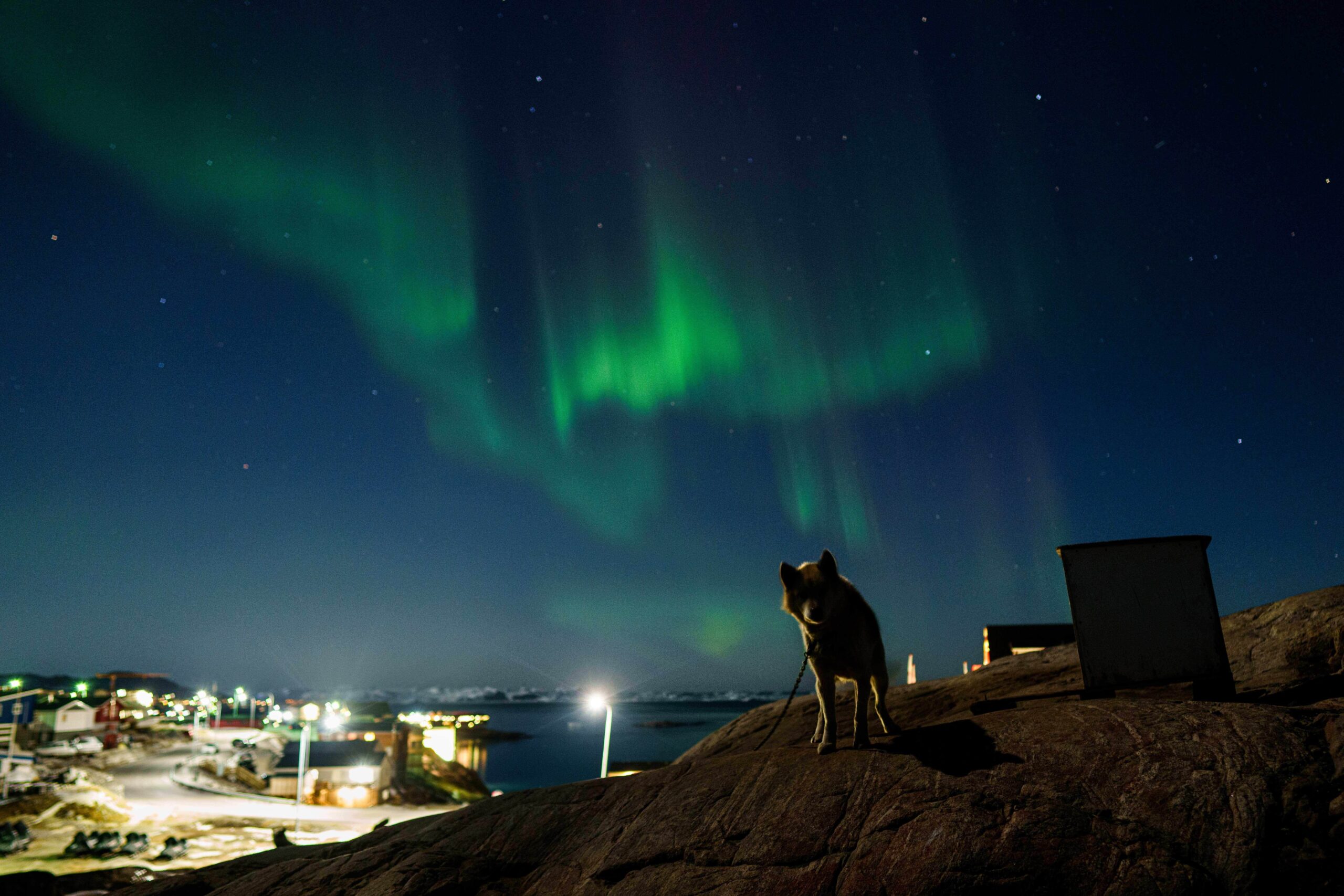
    A sled dog stands as the northern lights shine over Ilulissat, Greenland, on Jan. 28.

    The sea ice is disappearing

    In winter, hunters should be able to take their dogs far out on the sea ice, Kristensen told AP. The ice sheets act like “big bridges,” connecting Greenlanders to hunting grounds but also to other Inuit communities across the Arctic in Canada, the United States, and Russia.

    “When the sea ice used to come, we felt completely open along the entire coast and we could decide where to go,” Kristensen said.

    This January, there was no ice at all.

    Driving a dog sled on ice is like being “completely without boundaries — like on the world’s longest and widest highway,” he said. Not having that is “a very great loss.”

    Several years ago, Greenland’s government had to provide financial support to many families in the far north of the island after the sea ice did not freeze hard enough for hunting, said Sara Olsvig, chair of the Inuit Circumpolar Council, which represents Inuit people from across Arctic nations.

    The warming weather also makes life more dangerous for fishermen who have swapped their dog sleds for boats, because there is more rain instead of snow, said Morgan Angaju Josefsen Røjkjær, Kristensen’s business partner.

    When snow falls and is compressed, air is trapped between the flakes, giving the ice its brilliant white color. But when rain freezes, the ice that forms contains little air and looks more like glass.

    A fisherman can see the white ice and try to avoid it, but the ice formed from rain takes on the color of the sea — and that’s dangerous because “it can sink you or throw you off your boat,” said Røjkjær.

    Climate change, Olsvig said, “is affecting us deeply,” and is amplified in the Arctic, which is “warming three to four times faster than the global average.”

    Greenlandic sled dogs stand in Ilulissat, Greenland, on Jan. 27.

    The glaciers are melting

    Over the course of his lifetime, the Sermeq Kujalleq glacier has retreated by about 25 miles, said Karl Sandgreen, 46, the head of Ilulissat’s Icefjord Center, which is dedicated to documenting the glacier and its icebergs.

    Looking out of the window at hills which would normally be covered with snow, Sandgreen described mountain rock revealed by melting ice and a previously ice-covered valley inside the fjord where “there’s nothing now.”

    Pollution is also speeding up the ice melt, Sandgreen said, describing how Sermeq Kujalleq is melting from the top down, unlike glaciers in Antarctica which largely melt from the bottom up as sea temperatures rise.

    This is exacerbated by two things: black carbon, or soot spewed from ship engines, and debris from volcanic eruptions. They blanket the snow and ice with dark material and reduce reflection of sunlight, instead absorbing more heat and speeding up melting. Black carbon has increased in recent decades with more ship traffic in the Arctic, and nearby Iceland has periodic volcanic eruptions.

    Many Greenlanders told AP they believe the melting ice is the reason Trump — a leader who has called climate change “the greatest con job ever” — wants to own the island.

    “His agenda is to get the minerals,” Sandgreen said.

    Since Trump returned to office, fewer climate scientists from the U.S. have visited Ilulissat, Sandgreen said. The U.S president needs to “listen to the scientists,” who are documenting the impact of global warming, he said.

    Jørgen Kristensen gets on a boat by an iceberg at Disko Bay near Ilulissat, Greenland, on Jan. 29.

    Teaching children about climate change

    Kristensen said he tries to explain the consequences of global warming to the tourists who he takes out on dog sled rides or on visits to the icebergs. He said he tells them how Greenland’s glaciers are as important as the Amazon rainforest in Brazil.

    International summits, such as the United Nations climate talks in November in the Amazon gateway city of Belem, play a role, but it’s just as important to “teach children all over the world” about the importance of ice and oceans, alongside subjects like math, Kristensen said

    “If we don’t start with the children, we can’t really do anything to help nature. We can only destroy it,” Kristensen said.


  • Trump administration appeals judge’s ruling over President’s House slavery exhibits

    Trump administration appeals judge’s ruling over President’s House slavery exhibits

    The Trump administration has appealed a federal judge’s order requiring that the National Park Service restore all the slavery-related exhibits it abruptly removed last month from the President’s House Site in Center City.

    The U.S. attorneys representing the federal government argued previously that the White House has full discretion over the exhibits in national parks, an argument U.S. District Judge Cynthia M. Rufe called “dangerous” and “horrifying” during last month’s hearing.

    The notice of appeal to the U.S. Court of Appeals for the Third Circuit at this stage does not require a brief arguing what the government says the judge got wrong when she issued the injunction. But the Department of the Interior and the National Park Service said in a statement Tuesday that the agencies “disagree” with the injunction.

    “The National Park Service routinely updates exhibits across the park system to ensure historical accuracy and completeness,” the statement said. “If not for this unnecessary judicial intervention, updated interpretive materials providing a fuller account of the history of slavery at Independence Hall would have been installed in the coming days.”

    Neither agency responded to a request for more information on the plan for alternative panels. The White House did not respond to a request for comment.

    Rufe on Monday granted Philadelphia’s request for an injunction requiring the full restoration of exhibits removed from the President’s House on Jan. 22. She further enjoined the federal government from making any changes to the site without the agreement of the city.

    The panels that tell the stories of the nine enslaved African people who lived in President George Washington’s house must be displayed again swiftly, the judge said in her 40-page opinion.

    The order directs the agencies to comply “immediately” and “forthwith” but does not include a specific deadline.

    “Each person who visits the President’s House and does not learn of the realities of founding-era slavery receives a false account of this country’s history,” wrote Rufe, who was appointed by former President George W. Bush.

    In addition to the appeal, the federal government will need to ask for a stay on the order or risk not complying with Rufe’s injunction.

    But though the panels have not been restored, the ruling marked a victory for Mayor Cherelle L. Parker’s administration and the advocates who pushed to create the exhibit.

    Parker addressed the injunction in a video Tuesday celebrating the ruling as a “huge win for the people of this city and our country.”

    “This summer Philadelphia will lead a litany of Semiquincentennial celebrations in honor of America’s 250th birthday, and please know that we will do so with a great deal of pride,” Parker said. “A pride that comes from acknowledging all of our history, and all of our truth, no matter how painful it may be.”

    Philadelphia’s lawsuit was the first in the nation challenging the removal of exhibits from national parks in accordance with President Donald Trump’s March 2025 executive order, which instructed the Interior Department to remove any content or displays that “inappropriately disparage Americans past or living.”

    The federal government violated a 2006 cooperative agreement between the National Park Service and the city when it dismantled the exhibits without notice in what amounted to an unlawful “arbitrary and capricious” act, Philadelphia’s lawsuit said. Rufe found that the agreement is still binding.

    As the city’s litigation proceeds following the injunction, it is not the only effort to address changes to historic exhibits on federal parks.

    A lawsuit filed Tuesday by park conservation advocacy groups in Massachusetts federal court says that removals of the type that took place in Philadelphia violate “Congress’s clear instructions.”

    The National Parks Conservation Association’s lawsuit notes that in addition to the slavery signs removed from the President’s House, the Trump administration removed signs about climate change from Maine’s Acadia National Park and a creative exhibit about the women’s role in the history of Muir Woods National Park, among other examples.

    The suit asks a federal judge to order the Interior Department and National Park Service to “cease all unlawful efforts to remove up-to-date and accurate historical or scientific information from the national parks, and order that interpretive materials that have been removed pursuant to the unlawful Order be restored.”

  • Shooter killed ex-wife and a son in Rhode Island ice rink attack, police say

    Shooter killed ex-wife and a son in Rhode Island ice rink attack, police say

    PAWTUCKET, R.I. — The person who opened fire Monday during a youth hockey game at a Rhode Island ice rink was specifically targeting family members, killing an ex-wife and son as many fans dived for cover while a handful rushed the shooter to stop the attack, authorities said.

    Pawtucket Chief of Police Tina Goncalves said the shooter’s ex-wife Rhonda Dorgan and adult son Aidan Dorgan were killed and three others were injured: Rhonda Dorgan’s parents, Linda and Gerald Dorgan, and a family friend Thomas Geruso, all of whom remained in critical condition Tuesday afternoon, Goncalves said

    Police identified the shooter as 56-year-old Robert Dorgan, who died from an apparent self-inflicted gunshot wound. Dorgan also went by the names Roberta Esposito and Roberta Dorgano, authorities said.

    Goncalves said there was “no indication” there would be violence at the ice rink in Pawtucket on Monday afternoon, adding that Dorgan had been to many hockey games to watch family members play before without incident.

    Gender identity apparently was a contributing factor to Dorgan’s wife filing for divorce in 2020 after nearly 30 years of marriage.

    Court filings show Rhonda Dorgan initially wrote “gender reassignment surgery, narcissistic + personality disorder traits” as reasons for filing but crossed that out and wrote “irreconcilable differences which have caused the irremediable breakdown of the marriage.”

    Court documents show that two shared the same last name even prior to getting married. Authorities have not provided additional details about the same name.

    Under the name Roberta Dorgano, Dorgan posted on X that Rhonda Dorgan “hates the person who stole her husband” while posting about the couple’s marital troubles in 2018. A year later Dorgan wrote on social media: “Transwoman, 6 kids: wife – not thrilled,” and encouraged people to not let being transgender stop them from creating a family.

    A day before the shooting, Dorgan responded on X to anti-transgender posts by actor Kevin Sorbo and Infowars conspiracy theorist Alex Jones by saying that constant criticism of transgender people is “why we Go BERSERK.”

    Brutal attack ended when fans rushed to stop shooter

    Goncalves on Tuesday credited several “good Samaritans” who intervened and quickly stopped the attack

    At least three bystanders were able to contain Dorgan in the middle of the stands as the crowd fled and ran around them, but said Dorgan was still able to reach for a second firearm and died of a self-inflicted gunshot, Goncalves said.

    The hockey game was livestreamed by LiveBarn, a streaming platform for youth sporting events, whose videos have been shared on social media showing players on the ice as popping sounds are heard. Chaos quickly unfolds as players on benches dive for cover, those on the ice frantically skate toward exits and fans flee their seats.

    LiveBarn’s social media account has been issuing warnings to those who shared the video that they do not have permission to do so.

    Michael Steven, who recorded video after the shooting, recalled crying parents trying to locate their children outside the arena and young people being taken out on stretchers.

    “It happens far too often in our nation,” Steven told reporters.

    Members of the community held a vigil at Slatersville Congregational Church in North Smithfield in the evening Tuesday.

    “It’s absolutely mind-boggling that this could happen to people we know and love and support through everything,” said Amy Goulet, whose son is a hockey player in the community.

    Shooter known for bad temper, coworker says

    Dorgan was an employee of General Dynamics Bath Iron Works, a ship building facility in Bath, Maine, that contracts with the U.S. Navy, David Hench, a spokesperson for the shipyard, said Tuesday. Coworkers said Dorgan often used the first name Roberta at work.

    A colleague, Destiny Mackenzie, recalled that Dorgan used the women’s bathroom and said the two of them would often talk about family. Mackenzie said Dorgan’s ex-wife never came up in conversation but a hockey-playing son was a frequent topic.

    “What was supposed to be some seniors’ only chance at playoff games is now ruined,” she wrote in a message to The Associated Press. “Images that these kids and family’s now have to live with. That’s who I send my condolences to is those families.”

    Mackenzie said Dorgan had a bad temper that sometimes led to screaming matches with colleagues.

    Another coworker said Dorgan appeared to be split on the issue of transgender acceptance, one second being proud of transitioning and the next, embarrassed. That coworker, who spoke on condition of anonymity for fear of workplace reprisals, said they knew Dorgan owned guns but was unsure how many.

    Dorgan briefly served in the Marine Corps, enlisting on April 26, 1988, according to military records provided by the service. Less than three months later, on July 13, Dorgan was separated from the service with the lowest military rank.

    Maj. Jacoby Getty, a Marine Corps spokesman, told The Associated Press that the rapid discharge indicated Dorgan’s character “was incongruent with Marine Corps’ expectations and standards.”

    Getty declined to provide more detail.

    Monday’s shooting came nearly two months after the state was rocked by a shooting at Brown University that killed two students and wounded nine others, as well as left a Massachusetts Institute of Technology professor dead. Authorities later found Claudio Neves Valente, 48, dead from a self-inflicted gunshot wound at a New Hampshire storage facility.

    “Our state is grieving again,” Rhode Island Gov. Dan McKee said in a statement. “As governor, a parent, and a former coach, my heart breaks for the victims, families, students, and everyone impacted by the devastating shooting at Lynch Arena in Pawtucket.”

  • Iran says it temporarily closed the Strait of Hormuz as it held more indirect talks with the U.S.

    Iran says it temporarily closed the Strait of Hormuz as it held more indirect talks with the U.S.

    GENEVA, Switzerland — Iran announced the temporary closure of the Strait of Hormuz on Tuesday for live fire drills in a rare show of force as its negotiators held another round of indirect talks with the United States over the Islamic Republic’s disputed nuclear program.

    It was the first time Iran has announced the closure of the key international waterway, through which 20% of the world’s oil passes, since the U.S. began threatening Iran and rushing military assets to the region. It was not immediately clear if the strait had been closed, but such a rare and perhaps unprecedented move could further escalate tensions that threaten to ignite another war in the Middle East.

    As the talks began, Iran’s state media announced that Iranian forces had fired live missiles toward the strait and would close it for several hours for “safety and maritime concerns.”

    Supreme Leader Ayatollah Ali Khamenei meanwhile warned that “the strongest army in the world might sometimes receive such a slap that it cannot get back on its feet.”

    Iranian diplomat sees ‘new window’ in talks

    Iran’s foreign minister later adopted a different tone, expressing optimism about the talks and saying “a new window has opened” for reaching an agreement.

    “We are hopeful that negotiations will lead to a sustainable and negotiated solution which can serve the interests of relevant parties and the broader region,” Abbas Araghchi told a U.N. disarmament conference after leading the Iranian delegation at the talks held in Geneva.

    He added that Iran “remains fully prepared to defend itself against any threat or act of aggression,” and that the consequences of any attack on Iran would not be confined to its borders.

    He made no specific mention of the military drills or the closure of the Strait of Hormuz.

    President Donald Trump, who scrapped an earlier nuclear agreement with Iran during his first term, has repeatedly threatened to use force to compel Iran to agree to constrain its nuclear program. Iran has said it would respond with an attack of its own. Trump has also threatened Iran over the killing of protesters.

    Vance says talks went well ‘in some ways’

    Trump’s envoys, Steve Witkoff and Jared Kushner, led the U.S. delegation at the latest indirect talks, held inside the residence of the Omani envoy to Geneva. Oman, a longtime regional mediator, had hosted an earlier round on Feb. 6.

    There was progress in the talks but many details remained to be discussed, according to a U.S. official who was not authorized to comment publicly and spoke on condition of anonymity. The Iranian delegation said they would present more detailed proposals in the next two weeks to narrow gaps, the official said.

    “In some ways, it went well,” Vice President JD Vance said in an interview with Fox News Channel after he spoke with Witkoff and Kushner. “But in other ways, it was very clear that the president has set some red lines that the Iranians are not yet willing to actually acknowledge and work through.”

    The U.S. also hosted talks between envoys from Russia and Ukraine in Geneva on Tuesday and Wednesday, days ahead of the fourth anniversary of the all-out Russian invasion of its neighbor.

    Araghchi, who led the Iranian side, also said he met with Director-General Rafael Grossi of the International Atomic Energy Agency on Monday in Geneva. The Iranian minister said they discussed the agency’s role in helping to achieve an agreement.

    A live fire drill

    Iran said its Revolutionary Guard started a drill early Monday in the Strait of Hormuz, the Persian Gulf, and the Gulf of Oman, which are crucial international shipping routes. It was the second time in recent weeks that Iran has held a live fire drill in the Strait of Hormuz.

    Iran often carries out military drills in the strait that can impede maritime traffic, but the announced closure went a step further. Danny Citrinowicz, an Iran expert at Israel’s Institute for National Security Studies, said Iran last closed the strait during the war with Iraq in the 1980s, when it mined the waterway.

    He said the latest announcement was a clear message to the international community that any strike on Iran would have global impact.

    Khamenei meanwhile stepped up his warnings to the U.S. over its buildup of military forces in the region.

    “Of course a warship is a dangerous apparatus, but more dangerous than the warship is the weapon that can sink the warship,” Khamenei said, according to Iranian state TV.

    He also warned the U.S. that “forcing the result of talks in advance is a wrong and foolish job.”

    U.S. increases military presence

    Last week, Trump said the USS Gerald R. Ford, the world’s largest aircraft carrier, was being sent to the Mideast. It will join the USS Abraham Lincoln and its accompanying guided-missile destroyers, which have been in the region for three weeks.

    U.S. forces shot down an Iranian drone that approached the Lincoln on the same day last week that Iran tried to stop a U.S.-flagged ship in the Strait of Hormuz.

    Gulf Arab nations have warned any attack could spiral into another regional conflict in a Mideast still reeling from the Israel-Hamas war.

    The Trump administration is seeking a deal to limit Iran’s nuclear program and ensure it does not develop nuclear weapons. Iran says it is not pursuing weapons and has so far resisted demands that it halt uranium enrichment on its soil or hand over its stockpile of highly enriched uranium.

    The U.S. and Iran were in the middle of months of meetings when Israel’s launch of a 12-day war against Iran back in June halted the talks. The U.S. bombed Iranian nuclear sites during that war, likely destroying many of the centrifuges that spun uranium to near weapons-grade purity. Israel’s attacks decimated Iran’s air defenses and targeted its ballistic missile arsenal as well.

    Before the June war, Iran had been enriching uranium up to 60% purity, a short, technical step away from weapons-grade levels.

  • CBS kills Stephen Colbert’s interview with a Democratic candidate. So why was Josh Shapiro allowed on the show?

    CBS kills Stephen Colbert’s interview with a Democratic candidate. So why was Josh Shapiro allowed on the show?

    A defiant Stephen Colbert blasted CBS on Monday for killing an interview with a Texas Democrat, blaming arcane rules being enforced by the Trump administration.

    “He was supposed to be here, but we were told in no uncertain terms by our network’s lawyers, who called us directly, that we could not have him on the broadcast,” Colbert said of State Rep. James Talarico, who is running in the Democratic primary for a U.S. Senate seat in Texas.

    CBS issued a statement claiming they didn’t prohibit him from running an interview.

    The Late Show was not prohibited by CBS from broadcasting the interview with Rep. James Talarico,” the statement read. “The show was provided legal guidance that the broadcast could trigger the FCC equal-time rule for two other candidates, including Rep. Jasmine Crockett, and presented options for how the equal time for other candidates could be fulfilled. The Late Show decided to present the interview through its YouTube channel with on-air promotion on the broadcast rather than potentially providing the equal-time options.”

    The decision comes down to something known as the equal-time rule, a federal requirement put into law in 1934 that requires broadcast stations like CBS to provide comparable airtime to political opponents during an election. Cable networks like Fox News and Comedy Central, home to The Daily Show, are not bound to those rules, allowing them to be as partisan as they choose.

    News programs on broadcast TV (such as Meet the Press and Face the Nation) are exempt from the rule, and the Federal Communications Commission has not enforced it on late-night shows since 2006, when it ruled then-California gubernatorial candidate Arnold Schwarzenegger’s appearance on The Tonight Show with Jay Leno qualified as a “bona fide news interview.”

    But that is changing under the Trump administration. FCC chairman Brendan Carr, who pressured affiliates to take ABC late-night host Jimmy Kimmel off the air in September, issued a notice to broadcasters last month stating that late-night and daytime TV talk shows may no longer be exempt from the rule, claiming some were “motivated by partisan purposes.”

    The move was criticized by FCC commissioner Anna Gomez, a Democrat appointed by former President Joe Biden, who called it “an escalation in this FCC’s ongoing campaign to censor and control speech.”

    Colbert said CBS prohibited the interview with Talarico from airing Monday night. Instead, it was posted in its entirety on Colbert’s YouTube channel.

    “At this point, [Carr has] just released a letter that says he’s thinking about doing away with the exemption for broadcast for late night. He hasn’t done away with it yet,” Colbert said. “But my network is unilaterally enforcing it as if he had.”

    Talarico told Colbert that Trump and Republicans ran against cancel culture during the last election, but now the current administration is “trying to control what we watch, what we say, what we read.”

    “And this is the most dangerous kind of cancel culture, the kind that comes from the top,” Talarico said. “Corporate media executives are selling out the First Amendment to curry favor with corrupt politicians.”

    Bill Carter, who covered late-night television for decades at the New York Times and currently writes for the website LateNighter, called CBS’s capitulation “shameful,” especially since the FCC has not moved yet to enforce the rule.

    “Trump’s intention is to mute free speech of his critics, and he’s found the rule in the FCC and decided he can do this,” Carter said. “And he’s got the broadcasters cowed a bit.”

    “Let’s just call this what it is: Donald Trump’s administration wants to silence anyone who says anything bad about Trump on TV, because all Trump does is watch TV,” Colbert added.

    How was Josh Shapiro able to appear on Colbert’s show?

    Governor Josh Shapiro announced his re-election campaign weeks before appearing on Colbert’s show last month.

    Despite the FCC’s threat to crack down on networks, Pennsylvania Gov. Josh Shapiro was able to appear on The Late Show last month, using his time to bash Trump’ immigration crackdown in Minneapolis as “pure evil” and Vice President JD Vance as a “sycophant” and a “suck-up.”

    So why didn’t CBS ban Colbert from airing Shapiro’s interview?

    The FCC’s equal-time rule applies strictly to a “legally qualified candidate for any public office.” Despite announcing his reelection campaign in Philadelphia on Jan. 8, Shapiro did not become an official candidate until Tuesday, when the state’s official filing period opened. It runs through March 10.

    Shapiro was able to appear not only on Colbert’s show, but also on ABC’s daytime talk show The View, which has also found itself a target of the FCC under Carr.

    “I think it’s worthwhile to have the FCC look into whether The View, and some of these other programs that you have, still qualify as bona fide news programs and therefore are exempt from the equal opportunity regime that Congress has put in place,” Carr said in a September interview with conservative CNN commentator Scott Jennings.

    It’s also why U.S. Sen. Jon Ossoff’s forthcoming interview with Colbert is still slated to air on the network Wednesday. While Ossoff (D., Ga.) has announced he is running for reelection in Georgia, the window for candidates to officially file paperwork for their primaries does not open until March 2.

    Neither CBS nor Ossoff’s campaign has commented on the interview.

    The equal-time rule also applies to radio broadcasts, where conservative talk shows are among the most dominant formats and regularly feature Republican candidates for office during election years. Then-candidate Trump did multiple interviews on 1210 WPHT in Philadelphia during the 2024 election.

    Carr has said he does not plan to enforce a stricter equal-time rule on radio stations the way he has for television networks, claiming in a news conference last month there wasn’t a similar bona fide news exemption “being misconstrued on the radio side.”

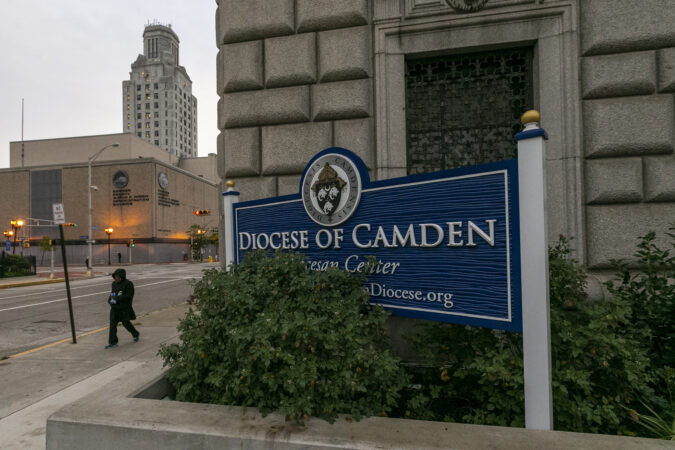
  • The Diocese of Camden said it will help pay $180 million to resolve clergy sex-abuse claims

    The Diocese of Camden said it will help pay $180 million to resolve clergy sex-abuse claims

    The Diocese of Camden has agreed to help pay $180 million to more than 300 people who said they were sexually abused by clergy members, the diocese and lawyers for the survivors announced Tuesday.

    If the arrangement is approved by a federal judge, it would represent one of the largest sex-abuse settlements involving the Roman Catholic Church in United States history.

    The diocese had previously agreed to pay $87.5 million to people who sued over clergy sex abuse in South Jersey. But the arrangement announced Tuesday is considered a supplement to that settlement, officials said, and would include contributions from other church affiliates and insurance companies that had not yet agreed to resolve their roles in some complaints.

    The plan is subject to approval by the U.S. Bankruptcy Court, Camden Bishop Joseph A. Williams said. If that happens, the money will be made available to resolve all claims of abuse.

    Williams called the potential resolution “long overdue,” adding: “To each one of those survivors, I would like to say: Thank you for your courage in coming forward. Without your bravery and persistence, this new day would not have dawned. I am profoundly sorry for what you have suffered.”

    Greg Gianforcaro, one of the lawyers for the plaintiffs, said: “After decades of being ignored and dismissed, survivors of sexual abuse in the Diocese of Camden have finally reached a measure of accountability. Their persistence in standing up to those who harmed them made this moment possible.”

    The development is the latest chapter in a long-running scandal that has had significant ramifications for the diocese, which serves nearly half a million Catholics in Atlantic, Camden, Cape May, Cumberland, Gloucester, and Salem Counties.

    In 2020, it filed for bankruptcy protection after a new state law expanding the statute of limitation on sex-abuse claims led to dozens of lawsuits against the church. Some of the accusations dated back decades.

    Over the next several years, advocates accused the diocese of seeking to dodge accountability for its past misdeeds. And just last year, survivors said they were outraged that the diocese had been secretly opposing the state attorney general’s attempt to empanel a grand jury to investigate decades of clergy abuse statewide.

    Williams — who took over last spring as Camden’s bishop — ultimately reversed course on that issue, saying he wanted the diocese to work with prosecutors to help ensure a comprehensive and constructive investigation.

    The bankruptcy case, meanwhile, had been mired in litigation since 2024, when the U.S. Bankruptcy Court approved a reorganization plan proposed by the diocese and a settlement committee that included its intent to pay survivors $87.5 million. But that total did not include money from insurance companies and other parties to certain lawsuits, who continued to hold out and litigate their roles in the matter.

    Tuesday’s agreement, if approved, would end that ongoing stalemate, officials said. Trusha Goffe, one of the victims’ attorneys, said that there is no time frame by which the court must approve the deal but that, if approved, it would represent “the final step in a long and hard-fought legal battle.”

    “This achievement belongs to the survivors, whose courage in endlessly standing up for truth and accountability is nothing short of triumphant,” Goffe said.

    Williams, meanwhile, said he was “profoundly sorry” for what the victims had endured throughout the years, calling clergy abuse a “grave sin and a devastating betrayal of the trust you placed in the church that you loved.”

    “I cannot remove the scars you carry nor restore the innocence you lost,” he said, “but on behalf of my predecessors and the faithful of Camden, I can say clearly and without reservation: We believe you, we are sorry, and we are committed to walking a different path going forward with you, God willing, at our side.”

  • ‘He loved Philadelphia, and Philadelphia loved him’: Jesse Jackson in Philadelphia through the years

    ‘He loved Philadelphia, and Philadelphia loved him’: Jesse Jackson in Philadelphia through the years

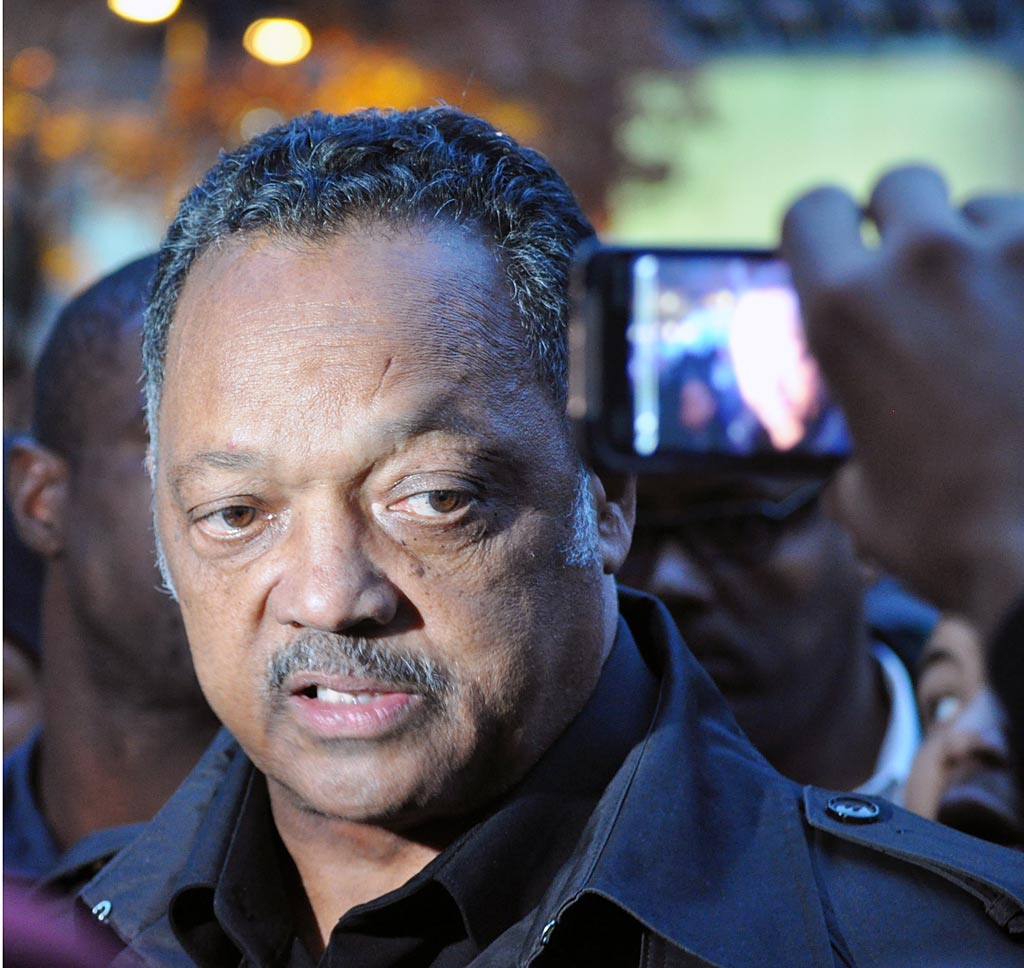
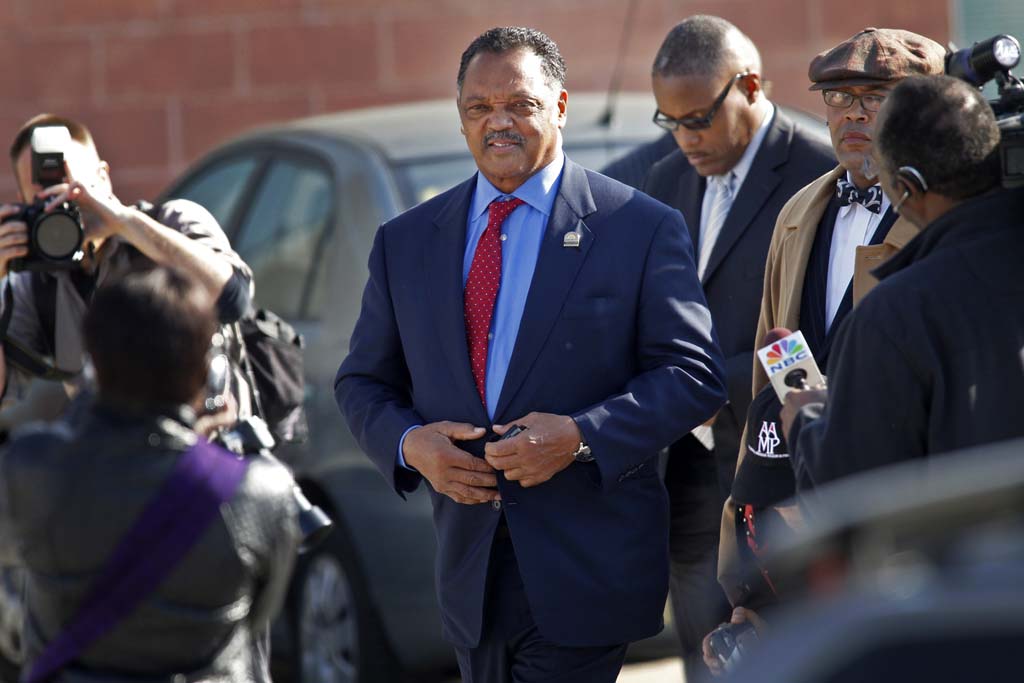
    The Rev. Jesse L. Jackson, a civil rights icon and a regular presence in Philadelphia who energized Black voters both locally and nationally for more than five decades, died Tuesday at his home in Chicago following a prolonged battle with a rare neurological disorder. He was 84.

    “Jesse Jackson will be remembered in Philadelphia as a civil rights hero, and a leader in terms of independent Black politics nationwide,” said former Councilmember W. Wilson Goode Jr., the son of Philly’s first Black mayor, W. Wilson Goode Sr. “He loved Philadelphia, and Philadelphia loved him.”

    A native of Greenville, S.C., Rev. Jackson initially rose to prominence in the mid-1960s, when he joined the 1965 voting rights march that the Rev. Dr. Martin Luther King Jr. led from Selma to Montgomery, Ala. In the years following King’s assassination in 1968, Rev. Jackson largely came to be considered his successor.

    Rev. Jackson would go on to become a prominent Black political and cultural leader in his own right, with his lengthy time in the public eye including presidential runs in 1984 and 1988. His visits to Philadelphia date back to the 1970s, and run the gamut from time in town supporting his own presidential campaigns — though neither of which were successful in the ‘80s — to appearances at the Democratic National Convention in 2016.

    The Rev. Jesse Jackson, founder and president of the Rainbow/PUSH Coalition, acknowledges the cheers of delegates as he walks to the podium to deliver remarks on the third night of the Democratic National Convention in Philadelphia on July 27, 2016.
    Hillary Clinton supporters and the Rev. Jesse Jackson (right) on the fourth day of the Democratic National Convention at the Wells Fargo Center on July 28, 2016.
    The Rev. Jesse Jackson visits Baltimore’s turbulent intersection of West North Avenue and Pennsylvania Avenue on April 28, 2015.

    Across that time, Rev. Jackson served as a sort of rallying figure for Black Philadelphians at large, who largely supported his candidacy during his presidential runs, despite him failing to secure the Democratic nomination statewide. Still, his impact for Black voters both in Philadelphia and nationally remains everlasting.

    “That was the Rosetta stone to everything Jackson was trying to achieve,” said former Daily News scribe Gene Seymour, nephew of legendary People Paper columnist Chuck Stone. “We aren’t to be ignored or dismissed or cast aside — we matter.”

    In that sense, Goode Jr. said, Rev. Jackson will remain a political icon who inspired the nationalization of Black political empowerment.

    “Jesse Jackson is also a cultural icon in terms of telling people to be proud of being Black, and telling themselves, ‘I am somebody,’” Goode Jr. said, referencing Rev. Jackson’s famed refrain. “That is something that was indelible in the soul of Black people across the nation and world, and in Philadelphia here as well.”

    The Rev. Jesse Jackson visits the turbulent intersection of West North Avenue and Pennsylvania Avenue in Baltimore on April 28, 2015.
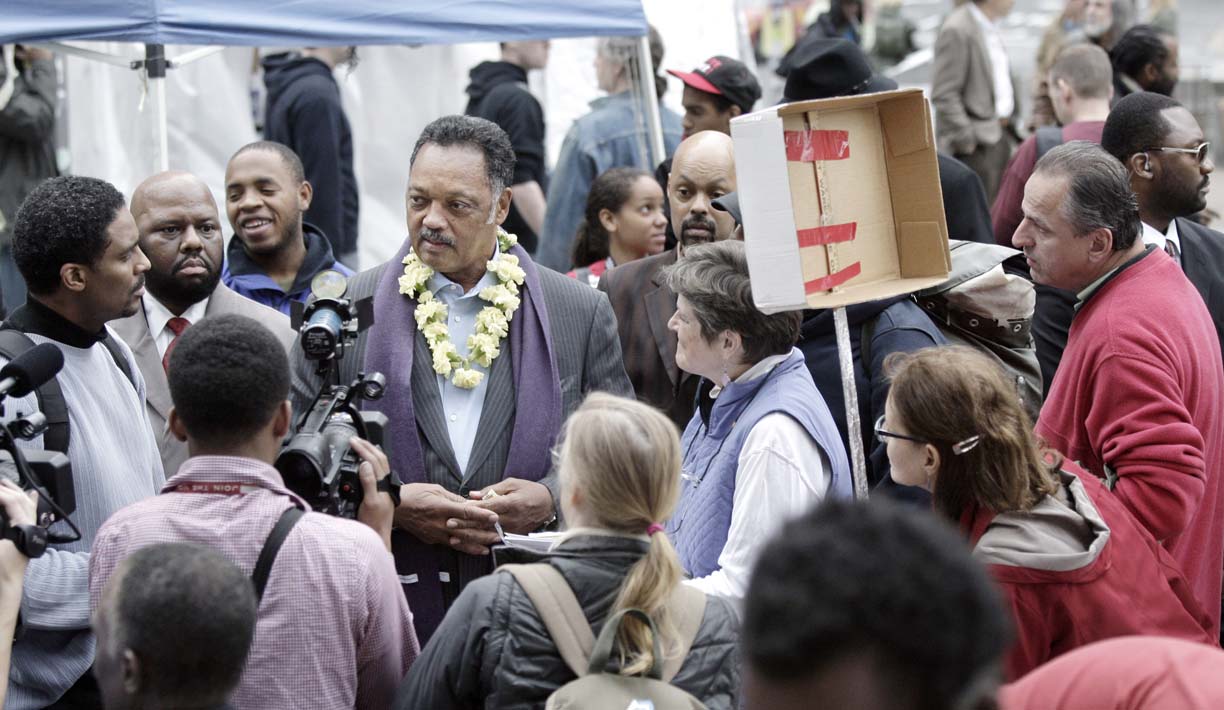
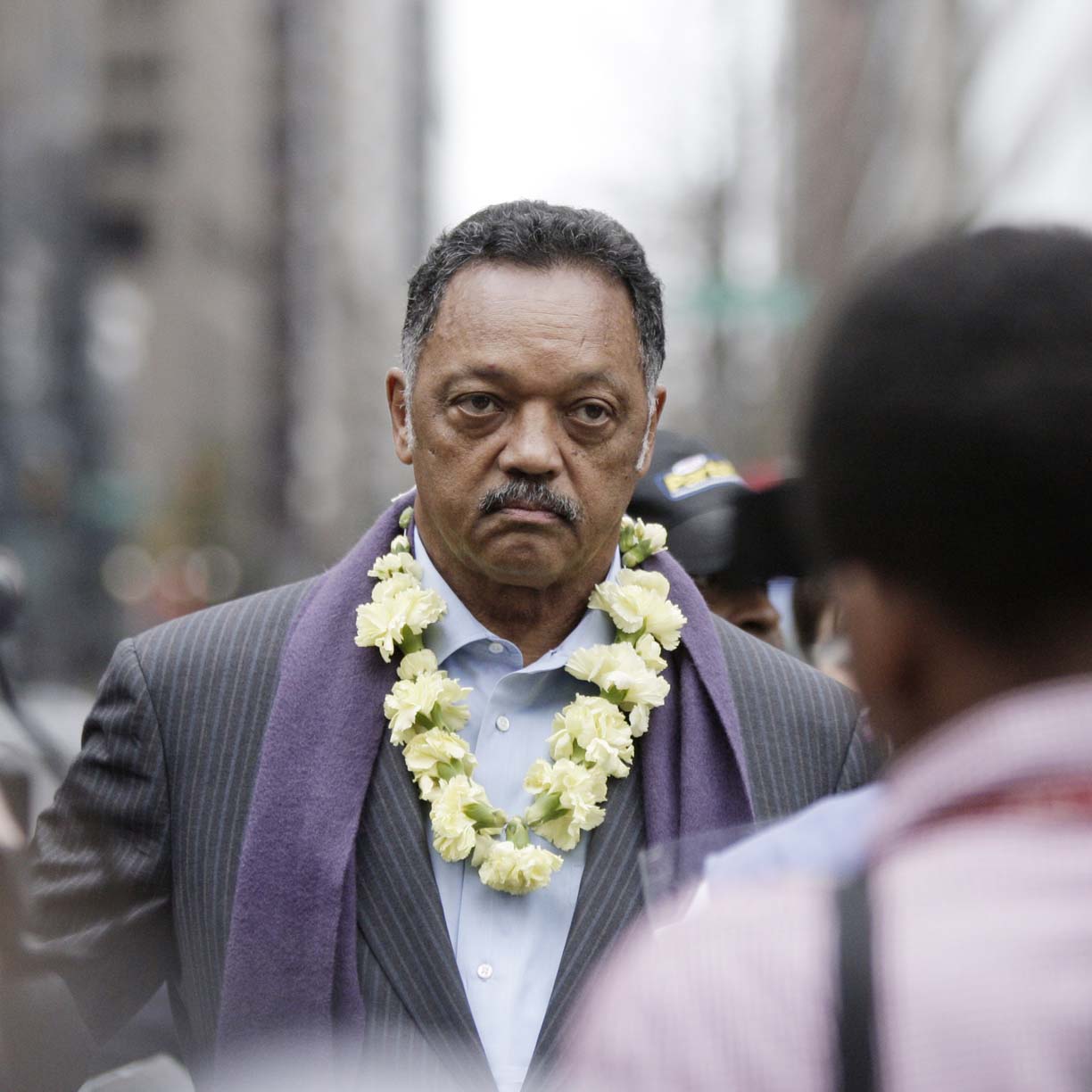
    The Rev. Jesse Jackson visited Occupy Philadelphia protesters on Nov. 13, 2011. He told them to “never surrender.”
    The Rev Jesse Jackson at Joe Frazier’s funeral at Enon Tabernacle Baptist Church on Cheltenham Avenue in Philadelphia on Nov. 14, 2011.
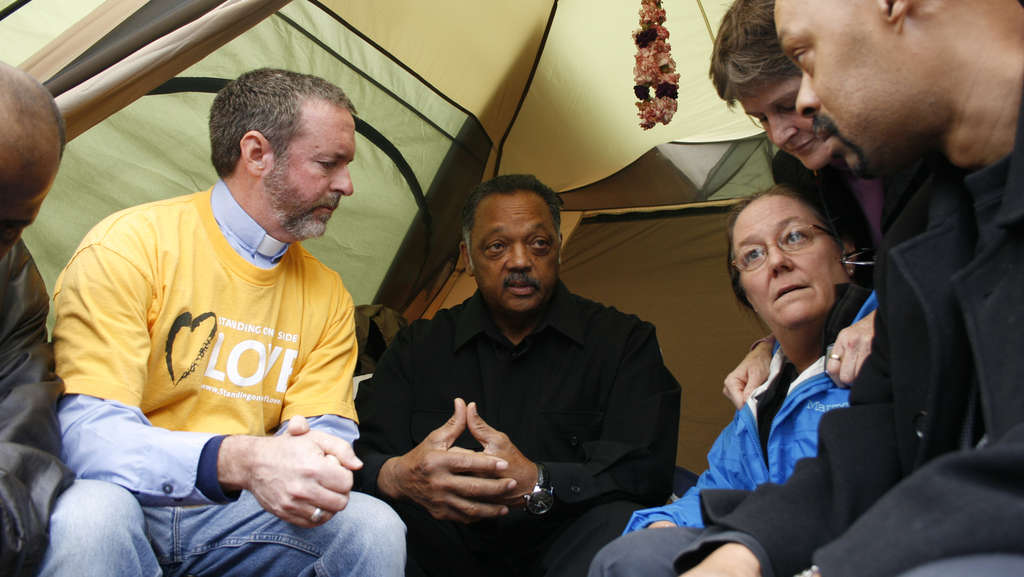
    The Rev. Jesse Jackson (center) visits the Interfaith tent, donated by Quakers, to talk to the Rev. Peter Friedrich (left) and (from right) Phillip Hall, Hollister Knowlton, and Joyce Moore in 2011.

    Though Philadelphia’s Black community generally was supportive of and receptive to Rev. Jackson’s messaging historically, Seymour said, he maintained something of a complicated relationship with the city’s prominent politicians. Wilson Goode Sr., for example, officially supported Walter Mondale and Michael Dukakis for president in the 1980s. At least in 1988, Seymour said, Rev. Jackson likely had “the people’s hearts,” despite lacking the official nomination.

    Wilson Goode Sr. was not immediately available for comment.

    “His presidential campaigns in 1984 and 1988 reshaped American politics,” said the Rev. Gregory Edwards, of the Philly-based POWER Interfaith, in a statement. “Those campaigns widened the political imagination of this country and helped cultivate a generation of Black elected leaders.”

    Rev. Jackson’s relationship with Goode Sr. was somewhat complicated following the 1985 MOVE bombing, which brought the civil rights leader to tour the ruins of the 6200 block of Osage Avenue in its aftermath. Rev. Jackson urged a congressional investigation into the incident, which he called “excessive force,” but avoided criticizing Goode directly in subsequent meetings. Goode, meanwhile, said that the city would cooperate with any groups investigating the incident, The Inquirer reported at the time.

    “He was not happy with what happened in ‘85 with MOVE,” Seymour said.

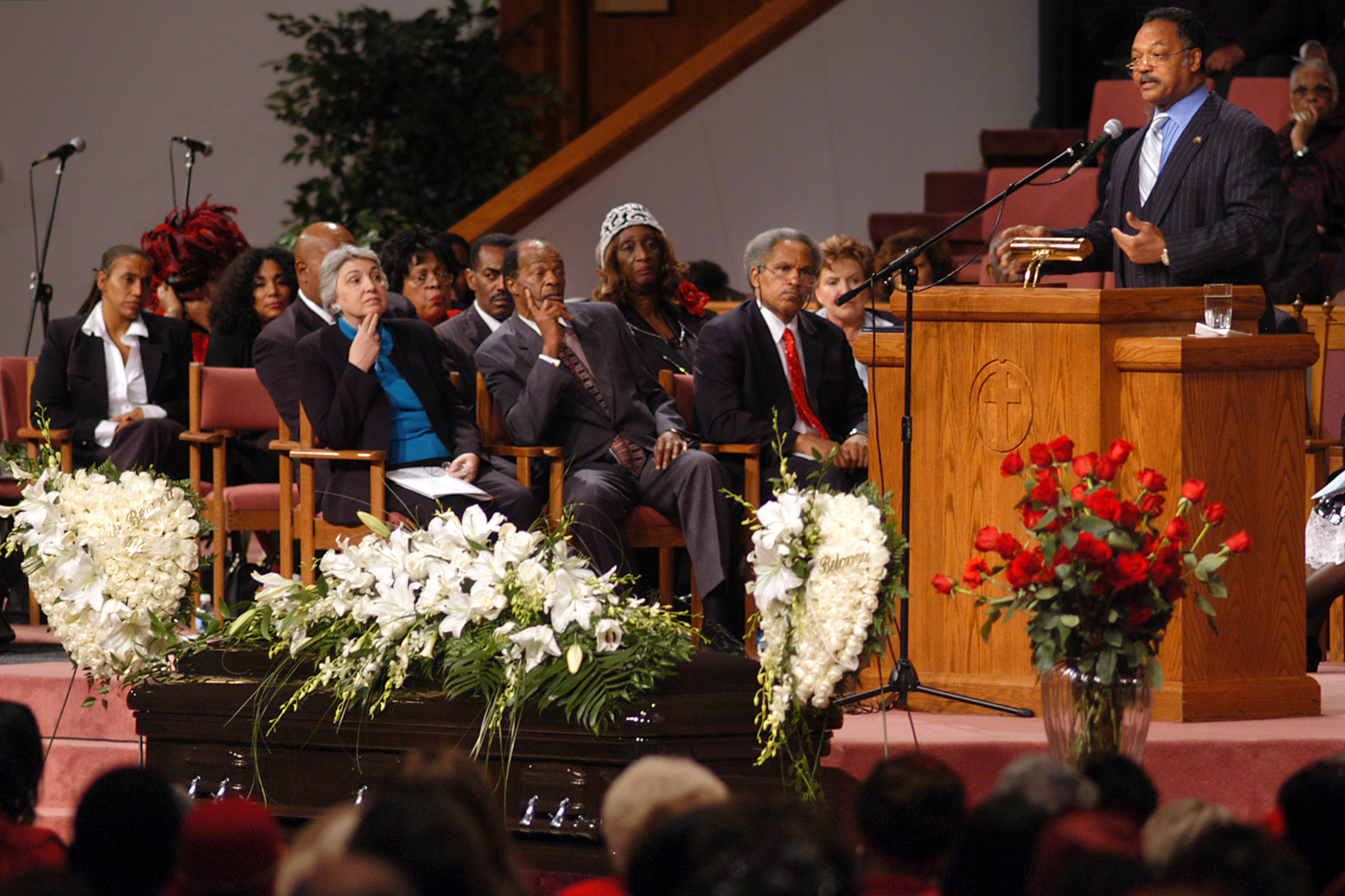
    The Rev. Jesse L. Jackson speaks during during funeral services for civil rights activist C. Delores Tucker at Deliverance Evangelistic Church on Oct. 21, 2005. Seated in front row behind him, left to right are Eleanor Smeal, president of the Feminist Majority Foundation; Marion Barry, former mayor of Washington, and Philadelphia Mayor John Street.
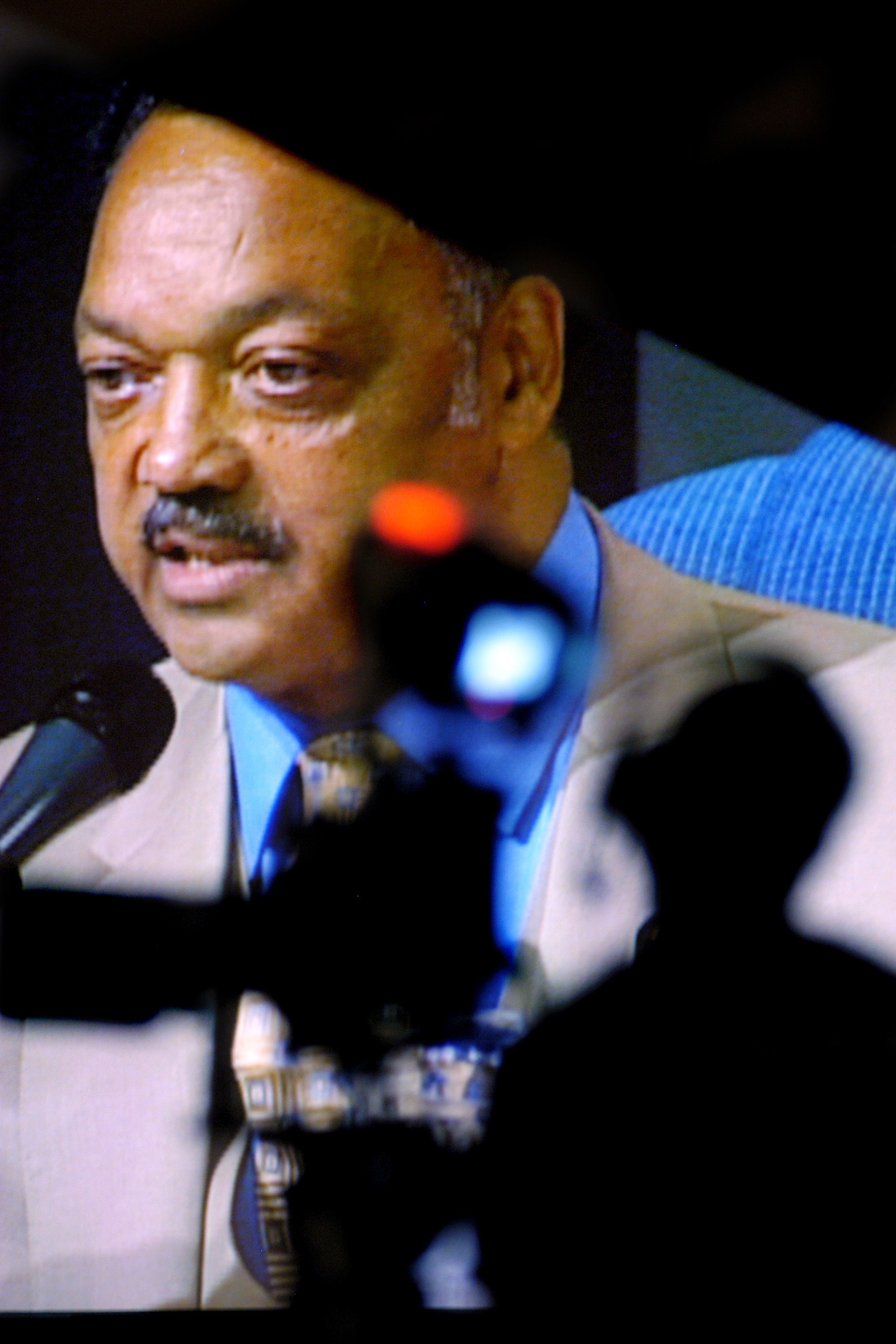
    Rev. Jackson is projected live on a large screen monitor (camera operator in foreground) as he participates in a panel discussion laying out a legal and political strategy for fulfilling Brown v. the Board of Education, at the annual NAACP meeting on July. 14, 2004 at the Convention Center.
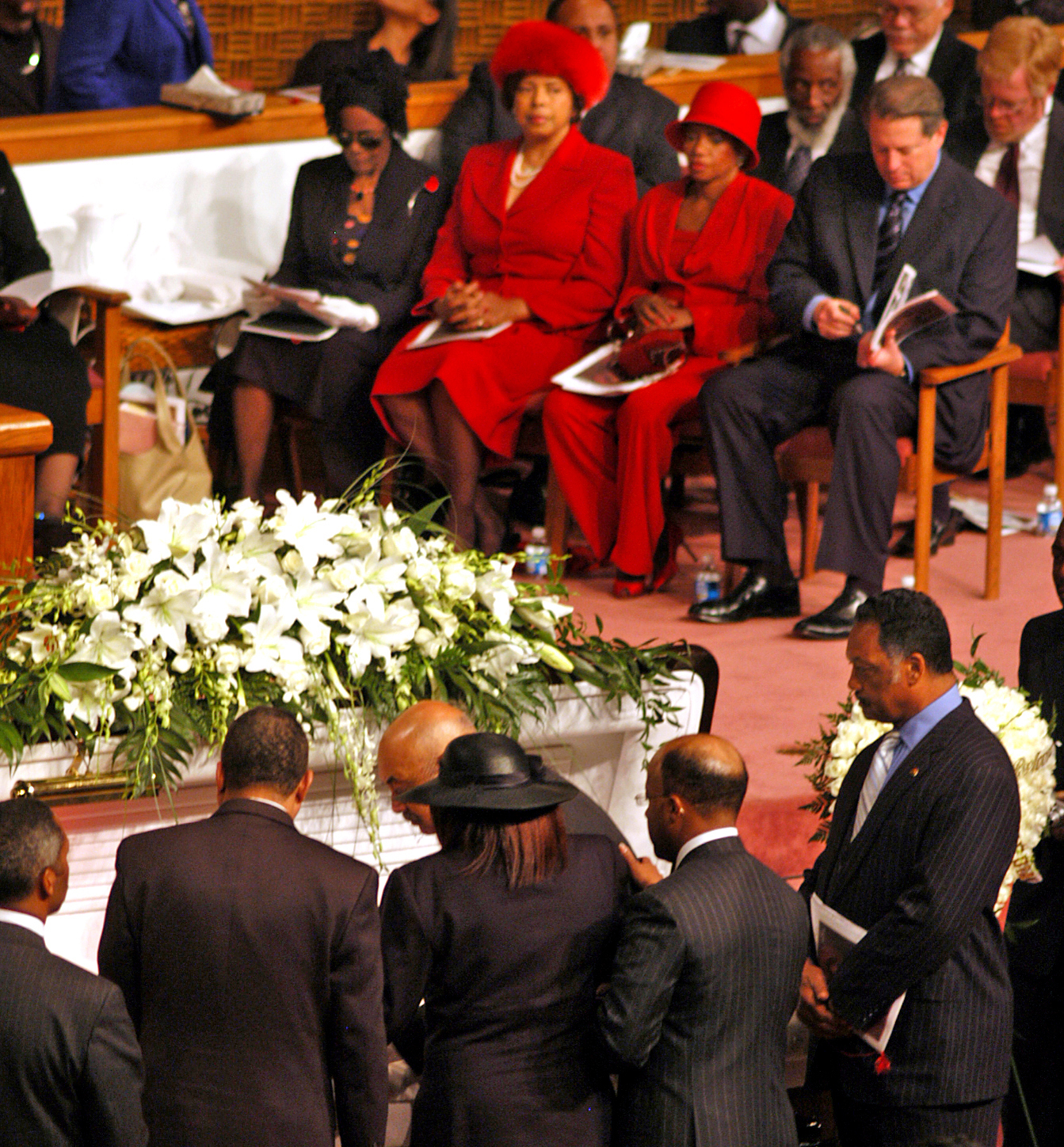
    Her family stands by as husband (partially hidden) William T. Tucker covers the body of civil rights activist C. Delores Tucker in her casket at the beginning of funeral service at Deliverance Evangelistic Church on Oct. 21, 2005. At right is the Rev. Jesse L. Jackson, founder and president of the Rainbow Coalition/PUSH, who later delivered the eulogy. Seated in rear at right is former Vice President Al Gore.
    AIDS quilt panels flank the podium as the Rev. Jesse Jackson speaks at an African American AIDS conference at the Wyndham Franklin Plaza Hotel on Feb. 28, 2005.

    Still, Rev. Jackson often served as a defender of Philadelphia’s famed Black figures. In 2011, for example, Rev. Jackson spoke at the funeral of legendary world heavyweight boxing champion Joe Frazier, who had long competed with the fictional Rocky Balboa for recognition. As Jackson put it at the time, Frazier was the “real champion,” not the “Italian Stallion.”

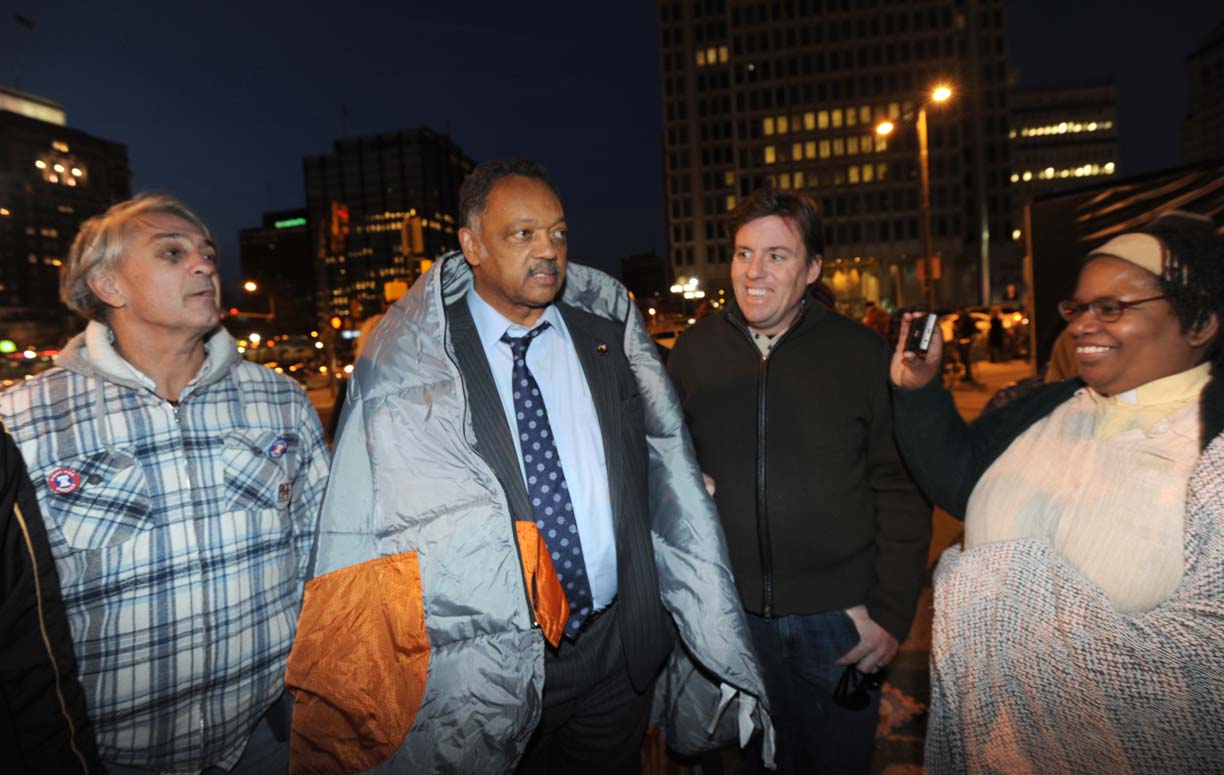
    The Rev. Jesse Jackson, who has a sleeping bag draped around his shoulders, is talking and praying with Occupy Philadelphia demonstrators: Brad Wilson (from left); the Rev. Bill Golderer, pastor of Broad Street Ministry; and Donna Jones, pastor of the Cookman Baptist Initiative.

    “If you were of importance as a Black person in America during the time [Jackson] was in the public eye,” Seymour said, “he was there to speak on your behalf.”

    Goode Jr.’s most prominent memory of Rev. Jackson, meanwhile, dates back to the mid-1980s, when he was a student at the University of Pennsylvania. At the time, he said, Rev. Jackson attended a National Black Student Union conference following an invitation from its organizers, Goode Jr. included. It was, Goode Jr. said, an inspiration.

    “It meant a lot to us,” Goode Jr. said. “Not just Black leaders at Penn, but across the nation, who were gathered there.”

    Striking Red Cross worker Lenny Lerro takes a picture of himself with the Rev. Jesse Jackson as they walk the picket line in 2011 on Spring Garden Street in Philadelphia.
    Rev. Jesse Jackson visits with folks at Occupy Philadelphia, just outside City Hall on Nov. 20, 2011.
    The Rev. Jesse Jackson visits with folks at Occupy Philadelphia, just outside City Hall on Nov. 20, 2011.
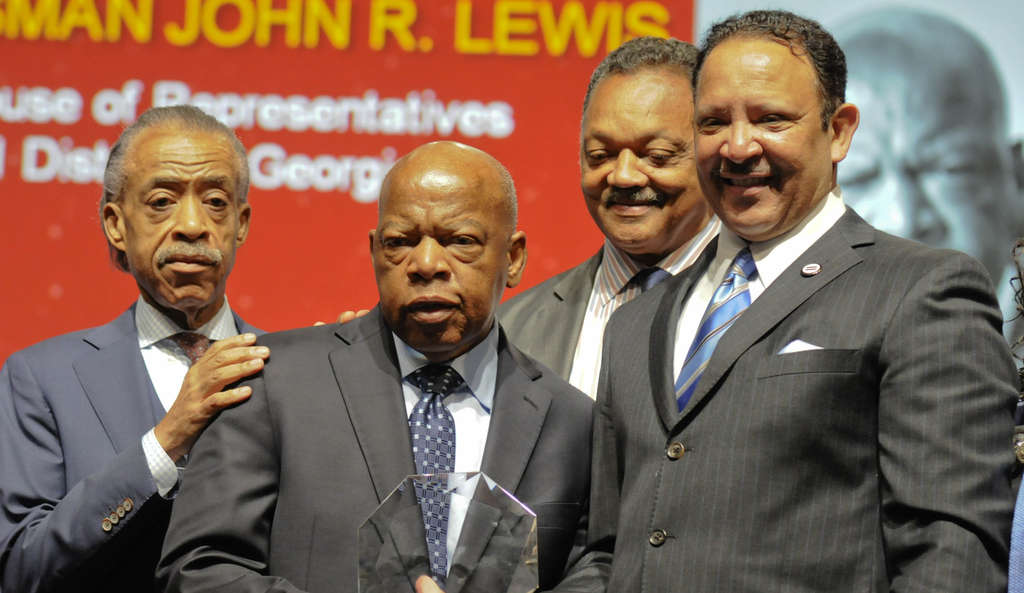
    U.S. Rep. John Lewis (second from left) is presented with the Civil Rights Champion Award in 2013 by (from left) the Rev. Al Sharpton, the Rev. Jesse Jackson, and Marc Morial, president of the Urban League.
  • Ramadan arrives in Gaza under shaky ceasefire deal, but the festive spirit eludes many Palestinians

    Ramadan arrives in Gaza under shaky ceasefire deal, but the festive spirit eludes many Palestinians

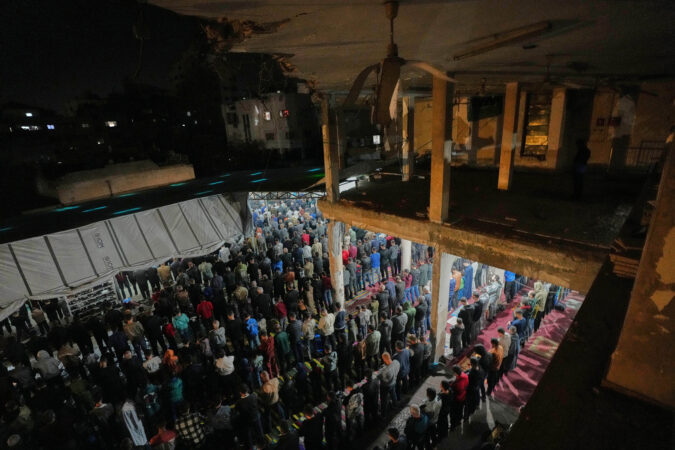
    GAZA CITY, Gaza Strip — Palestinians in Gaza are preparing to welcome the Muslim holy month of Ramadan under a fragile ceasefire deal, but many say the challenges of their daily lives and the losses of the Israel-Hamas war are dampening the typically festive spirit.

    “There is no joy after we lost our family and loved ones,” said Gaza City resident Fedaa Ayyad. “Even if we try to cope with the situation, we can’t truly feel it in our hearts. … I am one of those who cannot feel the atmosphere of Ramadan.”

    In Gaza, the first day of the holy month is Wednesday. During Ramadan, observant Muslims fast daily from dawn to sunset. In normal circumstances, the month often brings families and friends together to break their fast in joyous gatherings. For Muslims, it’s a time for increased worship, religious reflection, and charity.

    Circumstances in Gaza are far from normal. Israel’s military offensive has killed more than 72,000 Palestinians, according to Gaza’s Health Ministry, and caused widespread destruction and displaced most of the territory’s residents. Israel launched the offensive after Hamas-led militants killed some 1,200 people, mostly civilians, and took another 251 hostage in their attack on Oct. 7, 2023.

    As Gaza residents visited markets this week, some lamented that economic woes cast a pall on the month.

    “There is no cash among the people. There is no work. It’s true that it is Ramadan, but Ramadan requires money,” said Gaza City resident Waleed Zaqzouq. He said merchants should consider people’s financial hardships.

    Before the war, “people lived a dignified life,” he said. “The situation has completely changed in the war, meaning people have been devastated and worn down.”

    The Oct. 10 U.S.-brokered ceasefire deal attempted to halt more than two years of war between Israel and Hamas. While the heaviest fighting has subsided, there has been almost daily Israeli fire in Gaza.

    Israeli forces have carried out repeated airstrikes and frequently fire on Palestinians near military-held zones, killing more than 600 Palestinians, according to Gaza health officials. The ministry, which is part of the Hamas-led government, maintains detailed casualty records that are seen as generally reliable by U.N. agencies and independent experts. But it does not distinguish between civilians and militants.

    Militants have carried out shooting attacks on Israeli troops, and Israel says its strikes are in response to that and other violations. Four Israeli soldiers have been killed.

    Gaza’s winter has highlighted the grim conditions of the displaced residents and the many needs of the enclave and its people. Severe cold has caused child deaths in Gaza, and torrential rain has flooded displacement camps and collapsed already badly damaged buildings.

    “There is much that has changed from this Ramadan to Ramadan before the war,” said Raed Koheel, who lives in Gaza City. “In the past, the atmosphere was more delightful. The streets were lit up with decorations. All streets had decorations. Our children were happy.”

    Still, amid the hardships, some in the Gaza Strip have worked to bring a taste of Ramadan’s festivities.

    Surrounded by ruins and crumbled buildings in Khan Younis, calligrapher and artist Hani Dahman dipped his brush in paint and wrote “Welcome, Ramadan” in Arabic as children watched.

    “We are here in Khan Younis camp, trying to bring happiness to the hearts of children, women, men and entire families,” Dahman said. “We are … sending a message to the world that we are people who seek life.”

    Strands of Ramadan decorations were hung among the ruins. Mohammed Taniri watched the decorations take shape.

    “When they provide such beautiful, simple decorations, it brings joy to the children,” he said. “Despite all the hardships, they are trying to create a beautiful atmosphere.”

  • Philly bars open past 2 a.m.? A new push for late-night bars amid FIFA World Cup

    Philly bars open past 2 a.m.? A new push for late-night bars amid FIFA World Cup

    A new push to let Philadelphia bars stay open past 2 a.m. is being mounted by local trade groups and bars as the largest global sporting event arrives in the city in June.

    The Pennsylvania Restaurant and Lodging Association, which represents restaurants, bars, and other hospitality businesses, wants state lawmakers to create a temporary permit that allows Philadelphia bars to serve alcohol until 4 a.m. during the 2026 FIFA World Cup, which will come to Philadelphia and 15 other cities in North America from June 11 to July 19.

    “When we’re trying to attract tourists from all over the world to a destination in the United States to enjoy the World Cup, we want to make sure that Philadelphia is offering at least the same amenities as the other host cities,” said Ben Fileccia, senior vice president for strategy for the restaurant and lodging association.

    Many of the most popular U.S. host cities allow bars to serve alcohol past 2 a.m., including New York, Miami, and Kansas City. Other popular international destinations, such as Mexico City and Toronto, also allow it.

    Philadelphia officials did not immediately return a request for comment.

    Any changes to bar closing times would have to come from new legislation, as the Pennsylvania Liquor Control Board does not have the authority to change the liquor code to allow bars to sell alcohol after 2 a.m., said PLCB spokesperson Shawn Kelly.

    The crowd cheers and celebrates USA’s first goal against the Netherlands in the World Cup at Brauhaus Schmitz bar in Philadelphia, Pa., on Saturday Dec. 3, 2022.

    Philly’s chance to prove 4 a.m. closing times work

    Fileccia said this permit would allow bars to take advantage of the estimated 500,000 soccer fans expected to stay in Philadelphia for the six matches being played at Lincoln Financial Field.

    Zek Leeper, co-owner of Founding Fathers sports bar in Southwest Center City, does not see this just as a way to earn more revenue with a surge of tourists coming to Philadelphia.

    “This is our chance to prove that 4 a.m. nightlife can work in Philadelphia. Setting up a temporary license also allows the city and state to pull it back, depending on how it goes,” Leeper said. “With the amount of tourists this year, when is this opportunity going to come up again to justify giving this a try?”

    It doesn’t hurt that an estimated 1.5 million people, including the half million soccer fans, are expected to stay overnight in Philadelphia this summer as the city also hosts America’s 250th celebration and the MLB All-Star Game.

    Leeper and other local bar owners feel confident that the crowds will show up for late-night matches. “We host soccer games from leagues around the world, and those fans are committed. They have consistently shown up whenever the game is on,” Leeper said.

    Steve Maehl (left) of Oconomowoc, Wisconsin laughs as Philly Seagulls President John Fitzpatrick and Dan Peck of Brighton, England (right) look on during the supporter meetup, to kickoff the summer series weekend, at Fadó Irish Pub in Phila., Pa. on Thursday, July 20, 2023.

    Philadelphia soccer fans are already known to work deals with local bars to open as early as 7 a.m. Leeper said upward of 50 people will pack into the bar at sunrise to watch games. While there are no games being played in Philadelphia past 9 p.m. during the World Cup, at least eight of the group stage matches in June will be broadcast on the East Coast starting at midnight or 11 p.m.

    With a 90-minute match, plus halftime and added time, there could be a handful of cases where bartenders have to face down a packed crowd of fans and ask them to leave before the final whistle, Leeper said.

    There’s also the element of international tourists coming from cities that do not have a 2 a.m. cutoff, such as London and Tokyo, leading some visitors to find ways to late-night party outside of licensed establishments, Fileccia said.

    Philly bars were allowed to close later during the 2016 DNC

    Lawmakers allowed bars to stay open until 4 a.m. during the 2016 Democratic National Convention in Philadelphia. Bars and restaurants with contracts or association with the convention could apply for $5,000 special-event permits to serve alcohol past 2 a.m.

    Fileccia said the details for a similar permit in 2026 are not available yet, as the effort is just underway. But he and others at PRLA want to bring the Philadelphia Police Department, the Philadelphia Department of Commerce, and other stakeholders to the table to find out the best resolution, he said.

    Fans react to the Eagles play the Chiefs in the NFL Super Bowl LIX, in a bar near Frankford and Cottman Aves., Saturday, Feb. 8, 2025, in Philadelphia.

    Will there be enough interest in late-night partying?

    With millions of tourists in Philadelphia this year for the international and national events, there will be increased foot traffic throughout the city, but will there be a late-night crowd to meet the moment?

    That is the question Chuck Moran, executive director of the Pennsylvania Licensed Beverages and Taverns Association, is asking despite his support for temporarily keeping bars open later.

    “The one thing that I’ve been hearing across the state is that ever since COVID, the late-night crowds have left,” Moran said. “There could also be issues with finding staff who want to work till 4 a.m. in a bar.”

    Moran said he would rally behind the cause but would look to other measures to maximize revenue for local restaurants and bars, such as allowing liquor-license holders to operate a “satellite location,” letting them serve liquor at a second establishment under their original license. That would open the door to partnerships with restaurants without liquor licenses, Moran said. State Rep. Pat Gallagher, a Philadelphia Democrat, introduced a bill to do just that last June.

    No legislation on keeping Philly bars open later has been introduced yet, but Fileccia hopes to get the ball rolling with lawmakers in the coming months before the first match in Philly on June 14. Even with the window closing on getting new rules passed, Kelly said the PLCB turned around special-event permits in less than two weeks before the start of the 2016 DNC.

  • Ann B. Levine, expert recruiter and longtime dean of admissions at Franklin Learning Center, has died at 75

    Ann B. Levine, expert recruiter and longtime dean of admissions at Franklin Learning Center, has died at 75

    Ann B. Levine, 75, of Philadelphia, expert recruiter, longtime dean of admissions at Franklin Learning Center, business teacher, popular radio host, and community activist, died Saturday, Jan. 31, of age-associated decline at Thomas Jefferson University Hospital.

    Bubbly, charismatic, and skillful at engaging with young people about their interests and goals, Ms. Levine worked as dean of admissions at Franklin Learning Center in Philadelphia from 1980 to her retirement in 2010. For 30 years, she recruited thousands of high-performing junior high school students to admission-only Franklin Learning Center, pored over more than 1,000 yearly applications, and helped choose the final 250 for admission.

    Every year, she toured the city’s junior high schools, cutting-edge slideshow in tow, and spoke to students and families about the curriculum, activities, staff, and student body at Franklin Learning Center. She interviewed the teenage applicants personally, routinely showed interest in their lives as well as their grades, and made countless lifelong friends.

    “You could tell she had their attention when she talked because they asked questions,” said her husband, Bob Bosco. “She was enthusiastic and thorough. She could connect. She found her niche.”

    Ms. Levine (center) “was always a friendly, smiling face,” a friend said in a tribute.

    Friends described Ms. Levine in online tributes as “happy and joyful,” a “sweet girl,” and “so fun to be with.” One friend said she “shared her views openly and freely.” Another said: “She was always a friendly, smiling face.”

    She also founded and was the first director of Franklin Learning Center’s celebrated mock trial team. She persuaded several prominent attorneys and lawyers to mentor her students after school and on weekends, and several of her pupils went on to their own impressive legal careers.

    In 2005, her eight-member mock trial team was one of 12, out of 270 overall, to advance to the Pennsylvania Bar Association statewide mock trial championships at the Dauphin County Courthouse in Harrisburg. Before becoming dean of admissions, she taught business and business law at Franklin Learning Center.

    After she retired, Ms. Levine joined her husband as a fill-in radio host for a decade. They played oldies on WVLT-FM in Vineland, WRDV-FM in Hatboro, and other stations. Her natural charm, love of music, and ability to entertain made her a hit with listeners.

    Ms. Levine married Bob Bosco in 1981.

    “First it was the Bob and Ann Show,” Bosco said. ”Then it was the Ann and Bob Show. Then it was Ann and what’s his name.”

    Ann Barbara Levine was born April 12, 1950, in Trenton. She worked on the yearbook, graduated from Trenton High School, and earned a bachelor’s degree in business at Drexel University and a master’s degree at the old Marywood business school.

    She was taking tennis lessons at the Young Men’s Hebrew Association center in Philadelphia in 1975 when she met Bob Bosco. He was playing basketball.

    They married in 1981, lived in Center City, and traveled together on memorable cruises and visits to Europe, Cuba, and Florida. Ms. Levine was an avid reader. She followed current events and enjoyed The Real Housewives TV shows.

    Ms. Levine “really influenced the lives of a lot of young women,” her husband said.

    For years, she was active with neighborhood groups in Southwest Center City. “She knew everybody,” her husband said. “She really influenced the lives of a lot of young women. She worked with the best of the best.”

    In a tribute, a friend since childhood said: “Though we lived far apart, she was always special to me.”

    In addition to her husband, Ms. Levine is survived by other relatives. A brother died earlier.

    Services were held earlier.

    Donations in her name may be made to the Philadelphia Museum of Art, 2600 Benjamin Franklin Parkway, Philadelphia, Pa. 19130; and the Weitzman National Museum of American Jewish History, 101 S. Independence Mall East, Philadelphia, Pa. 19106.