Category: Pennsylvania News

  • PennDot plans changes to U.S. 30 interchanges in Chester County

    PennDot plans changes to U.S. 30 interchanges in Chester County

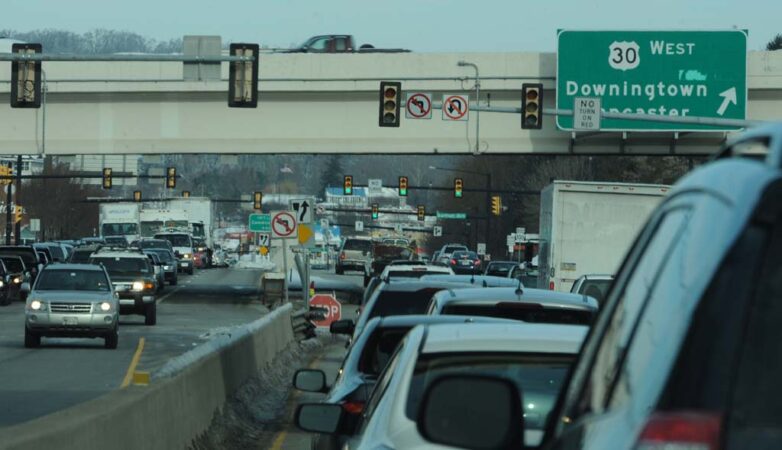
    Changes are coming to several interchanges in Chester County that could affect commuters in roughly a decade, under projects aimed at improving a 7.5-mile stretch of U.S. Route 30.

    Pennsylvania’s Department of Transportation is nearing the end of the conceptual design period for proposed changes to interchanges affecting Caln, East Brandywine, Easttown, West Brandywine, Uwchlan, and Downingtown in a project that seeks to reduce traffic congestion and collisions.

    PennDot presented the alternatives for the eastern section of the bypass during an online session last week. An in-person poster session is scheduled for Tuesday evening at Pope John Paul II Regional Catholic Elementary School in West Brandywine. But breaking ground remains years out: Construction is expected to start in spring 2034, costing roughly $874 million. The federal government is slated to pick up the bulk of the cost, with the state taking a sliver, officials said last week.

    “The purpose is to provide a safe and efficient transportation system by improving safety, reducing future congestion, accommodating planned growth, and improving deficiencies,” said Bruce Masi, consultant project manager with GFT, an engineering consulting firm.

    The eastern section of the Coatesville-Downingtown bypass corridor runs from just west of the Reeceville Road interchange, east to the Quarry Road interchange, where it becomes the Exton Bypass, heading toward U.S. Route 202.

    Changes to U.S. 30

    Under the plan, PennDot would widen the road by up to 35 feet. It would also introduce flexible-use lanes on the left sides to function as needed during high traffic volume.

    A regional transportation center, based in King of Prussia, would monitor the flexible lane through cameras along the route. The flexible lane would likely be used eastbound during the morning commutes, and westbound in the evenings. But it could also be used to facilitate traffic flow after crashes or incidents, Masi said.

    Heading west, the flexible lane would begin around the Quarry Road interchange and taper back to a median as you approach State Route 82. Heading east, it would return to a median around the Exton Bypass.

    Changes to access points

    When it comes to actually getting on U.S. 30, changes are coming at different junction points: Reeceville Road, Pennsylvania Routes 340, 322, and 133, and Norwood Road.

    Masi presented a slew of options for Norwood Road and Route 113’s interchange, which PennDot is accepting public comment on.

    One alternative would leave the existing location for westbound and eastbound on- and off-ramps, updated to meet current standards. It would also create two new “movements” that do not currently exist: Drivers headed west would exit onto a bridge that crosses over U.S. 30, and then tie back in with State Route 113; another ramp would run drivers eastbound. This model has the fewest predicted crashes, and wiggle room for cars to weave, but would potentially have a higher environmental impact.

    “What that does is creates a full interchange — all movements at 113, but in this alternative, we retain the Norwood Road ramps as well,” Masi said.

    Other alternatives would remove the existing ramps at Norwood Road for the public, and traffic using those ramps would redistribute through the region, Masi said.

    Removing the ramps on Norwood Road would also go against the wishes of the public, emergency services, and the municipalities. PennDot was looking to mitigate those effects, Masi said.

    In another alternative, Norwood House Road would be relocated north of an existing apartment complex, into the side of a hill.

    The last alternative would tweak the configuration of Norwood House Road to use it as a direct connection between Norwood Road and State Route 113.

    While PennDot awaits public review and input on Norwood Road, its selected alternatives would affect several other interchanges.

    Near Caln, at Reeceville Road, PennDot would replace the current structure and add traffic lights for westbound and eastbound drivers on Reeceville Road.

    Fisherville Road would be relocated north, to sit between the CVS and Wawa, but a remnant of the road would connect to the existing properties.

    On State Route 340 between Caln and Downingtown, PennDot would scale up the current interchange for longer ramps, and add a single-lane roundabout to eliminate the traffic signal at the U.S. 30 westbound intersection.

    West Bondsville Road would be moved north to maintain access to residences.

    Continuing east, State Route 322 around Downingtown would create a new traffic flow with traffic lights at either end of the interchange, to prevent left-turning cars from crossing paths with approaching vehicles. The change would affect drivers stopping for coffee or gas at the Royal Farms or heading to PennDot’s park-and-ride, however. It would become a right-turn-in and right-turn-out only traffic flow.

    Lloyd Avenue would also be relocated.

    What comes next

    Electronic comments are being taken through Feb. 6. Paper comment forms are available at Tuesday’s open house.

    Property impacts are not yet known, officials said. If a property is needed for the project, PennDot will reach out.

    Once PennDot closes out its conceptual design, it will start preliminary engineering and environmental evaluation. The public will be able to weigh in again between that period and the final design period, before the plans go out for construction bids.

    This suburban content is produced with support from the Leslie Miller and Richard Worley Foundation and The Lenfest Institute for Journalism. Editorial content is created independently of the project donors. Gifts to support The Inquirer’s high-impact journalism can be made at inquirer.com/donate. A list of Lenfest Institute donors can be found at lenfestinstitute.org/supporters.

  • Daniel Segal, longtime Philadelphia attorney and community activist, has died at 79

    Daniel Segal, longtime Philadelphia attorney and community activist, has died at 79

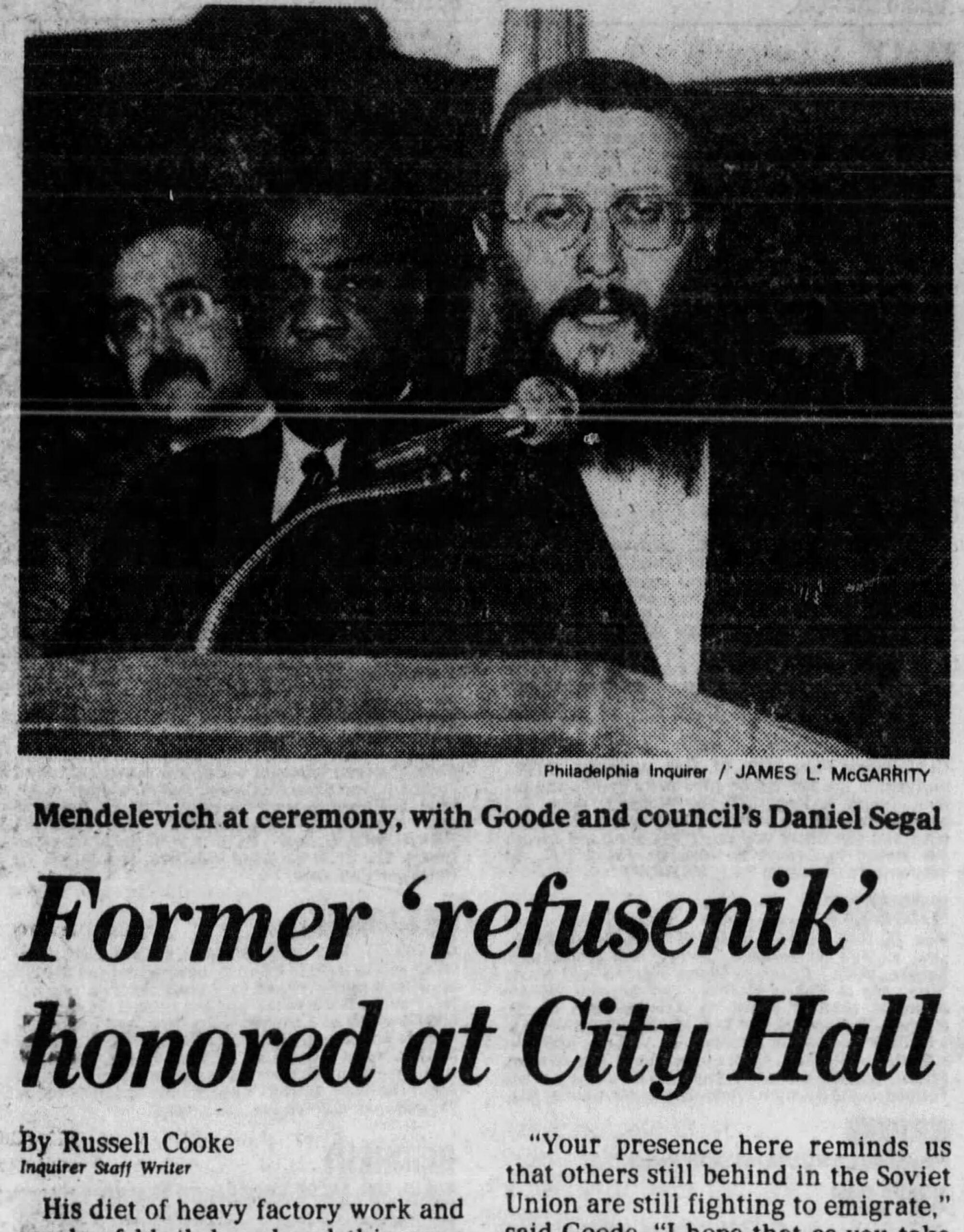
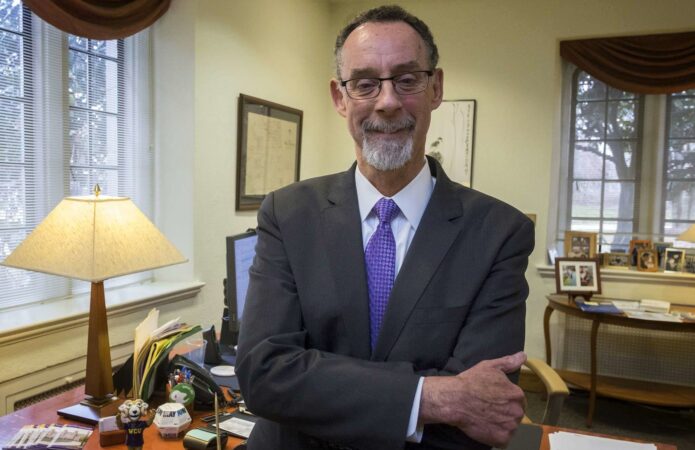
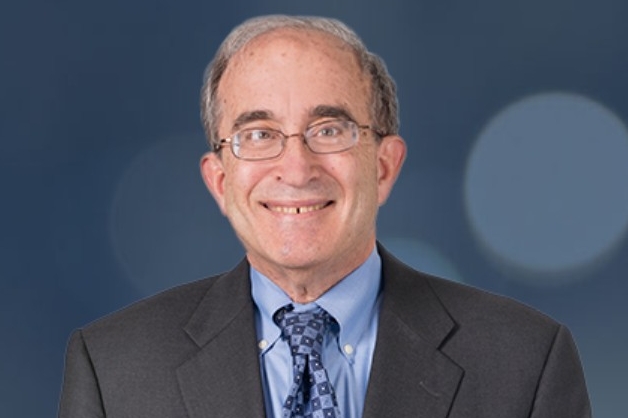
    Daniel Segal, 79, of Philadelphia, cofounder and shareholder of the Hangley Aronchick Segal Pudlin & Schiller law firm, adjunct law professor at the University of Pennsylvania, former cochair of the Philadelphia Soviet Jewry Council, onetime board president at the Juvenile Law Center, mentor, and “mischievous mensch,” died Thursday, Jan. 8, of stomach cancer at his home.

    Born and reared in Washington, Mr. Segal moved to Philadelphia in 1976 to teach at what is now Penn Carey Law School. He went into private law practice in 1979, became cochair of a litigation department in 1993, and joined with colleagues in 1994 to establish Hangley Aronchick Segal & Pudlin.

    For more than 40 years, until his recent retirement, Mr. Segal handled all kinds of cases for all kinds of clients, including The Inquirer. He was an expert in juvenile law, defamation, the First Amendment, professional ethics, education, civil rights, and other legal issues.

    He was president of the board at the Juvenile Law Center and worked pro bono for years, beginning in 2009, to help represent more than 2,400 juvenile victims and win millions of dollars in settlements in what is known as the Luzerne County “kids-for-cash” case. In that case, two judges were convicted of taking kickbacks for illegally sending juveniles to two private for-profit detention facilities.

    “This is one of the worst judicial scandals in history,” Mr. Segal told The Inquirer in 2009. “The people you’re stepping on are the true, true little guys.”

    Mr. Segal was honored in 2010 by the Philadelphia Bar Foundation.

    Among his other notable cases are a 1985 workplace racial discrimination dispute, a 1990 libel case against The Inquirer, and a 2000 trial about the city taxing outdoor advertisers. “Dan Segal was a living testament to professional excellence,” said Mark Aronchick, his law partner and longtime friend.

    Law partner and friend John Summers said: “He was a great teacher and mentor.” Marsha Levick, cofounder of the Juvenile Law Center, said: “He was a brilliant, steady partner who made us smarter and kept us laughing.”

    Mr. Segal clerked for Chief Judge David Bazelon in the U.S. Court of Appeals for the District of Columbia Circuit in 1974 and for Supreme Court Associate Justice Thurgood Marshall in 1975. He was active with the Philadelphia Bar Association, Philadelphia Common Pleas Court, and the Penn Law School American Inn of Court.

    He wrote articles for legal journals and letters to the editor of The Inquirer and Daily News. He spoke at panels and conferences, earned honors from legal organizations and trade publications, and was named the Thomas A. O’Boyle adjunct professor of law at Penn in 1992.

    This story and photo features Mr. Segal (left) and appeared in The Inquirer in 1984.

    The son of a rabbi, Mr. Segal was cochair of the Soviet Jewry Council in the 1980s, and he organized rallies and marches for social justice and human rights. He traveled to Israel often and to the old Soviet Union several times to secretly support Jews not permitted by government officials to immigrate to Israel.

    “We are persuaded that the Soviet Jews are pawns in the Soviet-American relationship,” he told The Inquirer in 1985.

    He served as president of the board of directors at what is now Jack M. Barrack Hebrew Academy and held leadership roles with the Jewish Community Relations Council, the New Israel Fund, Mazon: A Jewish Response to Hunger, and other organizations.

    Colleagues at the New Israel Fund praised his “characteristic kindness” and “gentle and sparkling humor” in an online tribute. They said: “He was everyone’s favorite board member.”

    Mr. Segal and his wife, Sheila, married in 1968.

    Mr. Segal enjoyed pranks and funny jokes, even at work, and neighbors called him Silly Dan. His son Josh said: “His warmth, humor, and humility meant that he could connect with just about anyone.” A friend said he was a “mischievous mensch.”

    He earned his law degree in 1973 and was executive editor of the Law Review at Harvard University Law School. He earned a bachelor’s degree in politics and economics at Yale University in 1968 and a master’s degree in international relations from the London School of Economics in 1969.

    He taught elementary school for a year in Washington and spent another year in Europe before moving to Philadelphia. “He taught us just how important it is to stand up for what is right,” his son Eli said, “and to do so not only with conviction but with humility and kindness, and without a thought of getting personal credit.”

    Daniel Segal was born July 4, 1946. He started dating Sheila Feinstein in ninth grade, and they married after college in 1968. They had sons Josh and Eli, and lived in Center City and Lower Merion before moving to Fairmount in 2018.

    Mr. Segal’s sons said: “Our dad showed us that relationships are the heart of a life well-lived by nurturing lifelong friendships.”

    Mr. Segal loved chocolate and ice cream. He recovered from a traumatic brain injury 20 years ago, and he and his wife traveled to Iceland, Peru, Vietnam, Europe, Japan, and elsewhere.

    He doted on his family and friends, and he and his wife rented vacation places every summer to bring his sons and their families together. “Neither of us were surprised that our dad always made our kids feel so loved,” his son Eli said. “Because that was just how he made us feel.”

    In addition to his wife and sons, Mr. Segal is survived by six grandchildren, a sister, a brother, and other relatives.

    Services were held Sunday, Jan. 11.

    Donations in his name may be made to the New Israel Fund, 1320 19th St. N.W., Suite 1400, Washington, D.C. 20036; and Mazon: A Jewish Response to Hunger, Box 6095, Albert Lea, Minn. 56007.

    Mr. Segal’s sons said: “He was always there for us and made clear that he always would be for as long as he could.”
  • In ‘Steel Magnolias’ in Chesco, some of the cast has worked together for 50-plus years

    In ‘Steel Magnolias’ in Chesco, some of the cast has worked together for 50-plus years

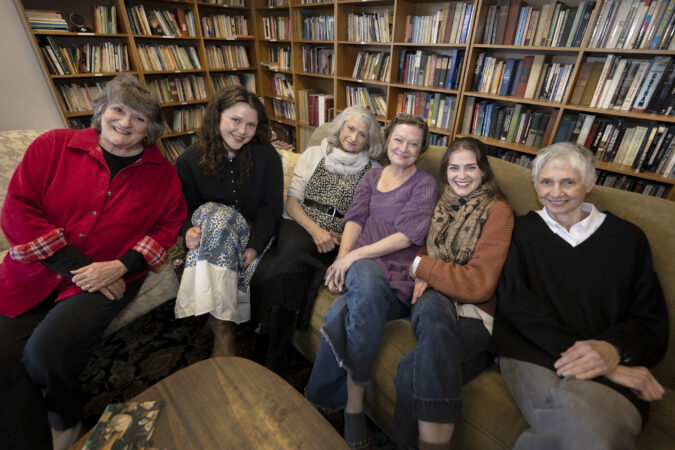
    In a small fictional town in Louisiana, the six women centered in Steel Magnolias have forged a community among — and an ever-deepening relationship with — each other. In a real town in southeastern Pennsylvania, a group of women who have worked together for decades are bringing those characters and those deep bonds to life at People’s Light in Malvern.

    “You don’t have to worry about if that familiarity is there,” said Janis Dardaris, who portrays Clairee, the widow of the town mayor. “You just sit on the stage and it’s there. There’s no working at it. I sometimes wonder, what would it be like doing this play with completely different people that I didn’t know?”

    As the women portray lifelong friendships, they have been able to find that depth and heart because of their own close connections. They’ve known each other for decades through their work in the arts — up to 50 years, in some cases, with some combination of them overlapping in at least a dozen shows in recent years.

    Talking together in a room at the theater days before the Sunday opening, they occasionally finished each other’s sentences, extrapolating thoughts for each other.

    Abigail Adams, the production’s director who has directed the women in several other performances, has a sense of how each of them works — how much time it takes for them to process, when to ask for something in their performance and when to hold back.

    Claire Inie-Richards, who plays young nurse and newlywed Shelby, and Susan McKey, who plays her mother, M’Lynn, have portrayed a mother-daughter duo three times over 20 years.

    Though with each role they learn each other anew, “There’s no substitute for time,” Inie-Richards said.

    Marcia Saunders (left) and Brynn Gauthier are part of an all-women ensemble performing “Steel Magnolias.”

    Brynn Gauthier, who makes her People’s Light debut in her portrayal of Annelle, is the new addition to a group of women whose history stretches back decades.

    At first she thought it might be intimidating to work with people who have known each other and worked together for so long, but it felt like she got to be part of the journey of the cast getting to know each other in a new way through this show.

    That familiarity is not without its challenges, though. Marcia Saunders sometimes feels “Marcia” surface in place of “crusty” Ouiser.

    “That’s been challenging because of my relationship with these people and this institution, which is like a home to me,” she said.

    Told as a series of moments in the women’s life within the safe confines of Truvy’s in-home hair salon, the play opens with Truvy and newcomer Annelle preparing Shelby for her wedding. Shelby and mother M’Lynn discuss wedding preparations, while local grouch Ouiser gripes about their property line.

    Clairee arrives, windswept, from a dedication ceremony honoring her late mayor husband. Annelle, originally reluctant to give any information at all about herself, breaks down, admitting to the women that her husband has disappeared — with her money, her car, and her jewelry. She finds immediate support.

    It’s just the start of how the relationships evolve and deepen in Robert Harling’s play, set in a southern town in the 1980s.

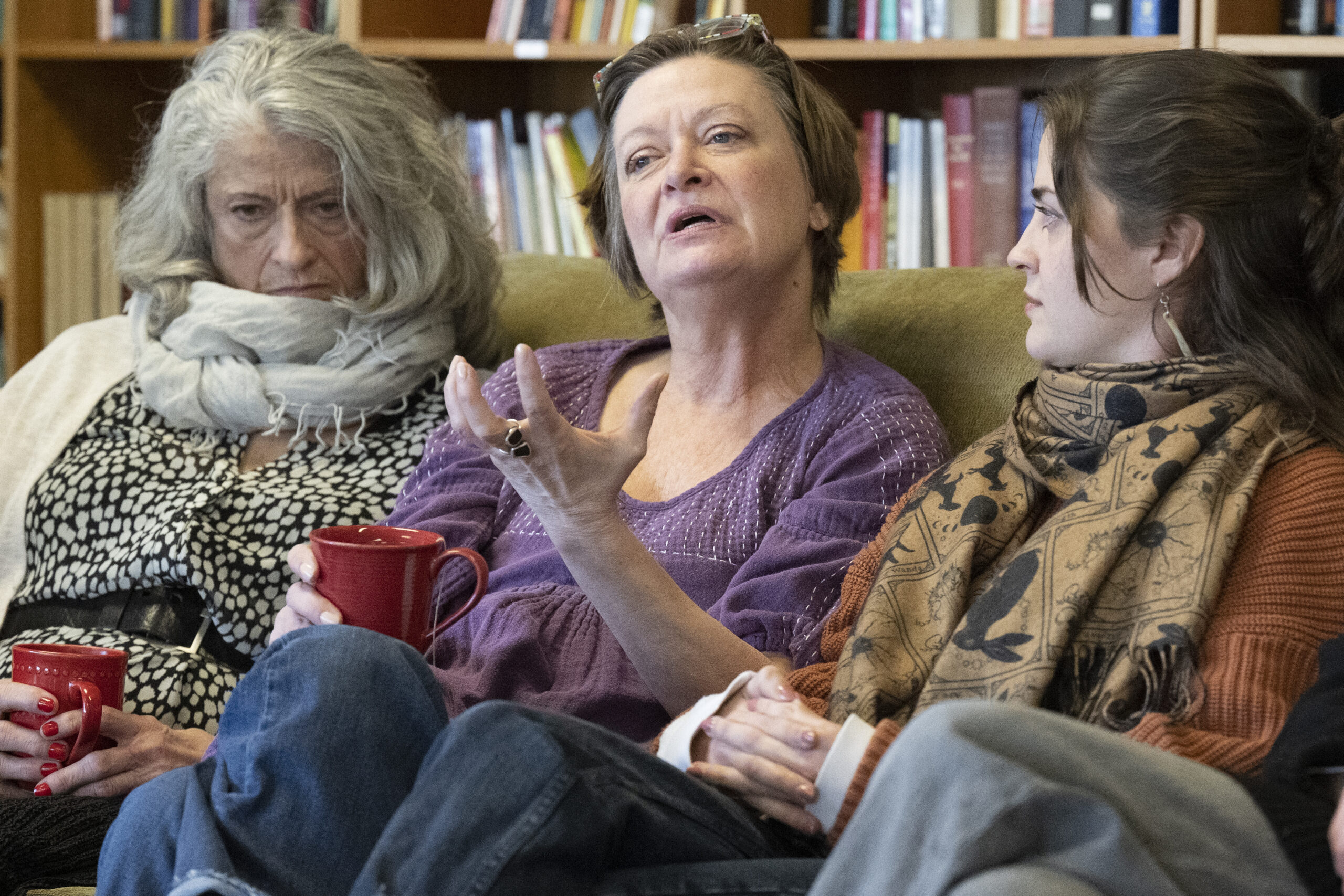
    From left, Janis Dardaris, Susan McKey, and Claire Inie-Richards, members of an all-women ensemble performing “Steel Magnolias,” speak about working together for decades — some for more than 50 years — during an interview at People’s Light in Malvern.

    Even though the viewer slowly learns more about the women’s external lives and pressures — confronting joys and tragedies — the play never leaves the salon.

    “I love how this play – it’s about these women. It’s about this place. It’s about us. And I just think that makes for such a strong story, and I think more poignant than the movie,”McKey said.

    Gauthier observed that there’s something inherent to women’s friendships in how they can discern when to tiptoe and when to confront in their care for each other.

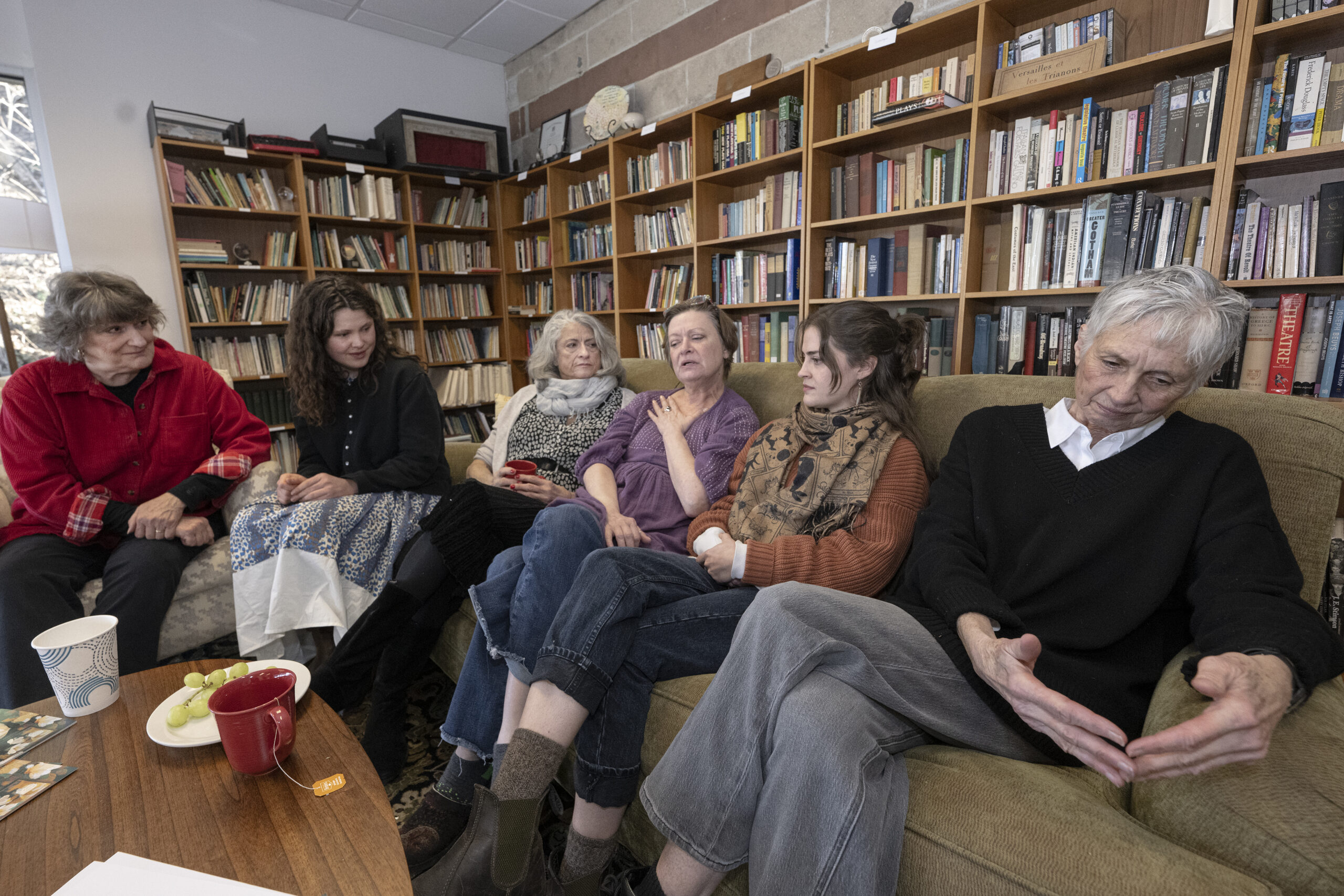
    Marcia Saunders (from left), Brynn Gauthier, Janis Dardaris, Susan McKey, Claire Inie-Richards, and Abigail Adams speak of their performing “Steel Magnolias” at People’s Light in Malvern.

    “Truvy’s place is the place where they can be fully themselves, and they really can’t be fully themselves in their domestic arrangements, not in the same way,” Adams said. “They can’t be as outrageous, and they can’t be as vulnerable.”

    It’s the vulnerability, that unyielding support for each other despite personal differences, that the women think today’s audiences will connect with. Though the story — popularized by a film adaptation released in 1989 starring Julia Roberts, Sally Fields, and Dolly Parton — is often thought about as a sentimental tearjerker, it’s injected with lightness, Gauthier said. .

    “It’s kind of like the best episode of like Friends or a TV show you really love, where you just are spending time with these people,” she said.

    “There’s always going to be intrigue and interest and drama, but there’s an element of just sitting with these people that you really enjoy and getting to experience them really fully,” Gauthier said. “It’s really nice to just have these characters that are so easy to fall in love with.”

    “Steel Magnolias” continues through Feb. 15 at People’s Light, 39 Conestoga Rd. in Malvern. Information: peopleslight.org or 610-644-3500.

  • It may feel like zero in Philly this week, and the ‘wind chill’ has Pennsylvania roots

    It may feel like zero in Philly this week, and the ‘wind chill’ has Pennsylvania roots

    The region evidently is about to migrate from the refrigerator to the freezer this week, with wind-chill levels possibly approaching zero as temperatures fall to the teens and a brisk west wind adds sting.

    “Wind chill” has been a staple of National Weather Service forecasts and media weather reports since 1973.

    (Commercial services, such as AccuWeather Inc., now have their own variants.)

    At different times it has been a subject of contention, confusion, derision, and revision; its popularity, however, endures.

    In terms of alerting the public to potential health hazards, “I think it’s useful,” said Michael DeAngelis, vice chair of emergency medicine at Temple University’s Lewis Katz School of Medicine.

    Said Harvey V. Lankford, a retired physician and writer who has done a deeper dive into wind chill than most humans: “It’s a yardstick.

    “The public loves it.”

    But where do those numbers come from, and do they tell us how we really feel?

    The birth of ‘wind chill’

    Gentoo penguins walk at Neko Harbour in Antarctica, Saturday, Nov. 22, 2025. (AP Photo/Mark Baker)

    Wind chill is a measure of heat loss from the body from the combination of temperature and wind.

    What we know about its effects has a lot to do with former Eagle Scout Paul Siple, the pride of Erie’s Central High School.

    He pursued his quest while accompanying Admiral Richard Byrd on his legendary expeditions to that icy forbidden planet known as Antarctica, where the wind stings “like a knife drawn across the face,” as one of his associates put it. At age 19, Siple had won a highly publicized national competition to join Byrd.

    Siple minted the term wind chill in his 565-page unpublished doctoral dissertation, a copy of which Lankford obtained from Clark University, in Worcester, Mass.

    On a later expedition, Siple, assisted by geologist Charles Passel, conducted experiments measuring how long it took to freeze a container of water under a variety of temperature and wind conditions. Winds obviously accelerated the freezing process.

    Using that data they estimated heat loss from human skin, publishing their findings in a landmark 1945 paper.

    But Lankford said Siple got remarkable results in his more primitive earlier research, which included estimating frostbite thresholds, using a relatively simple formula involving wind speeds and temperatures.

    Siple’s work would become the basis for the wind chill factor that the weather service massaged and began sharing publicly in 1973.

    Frostbite and the wind chill revision

    The wind chill calculations underwent a significant revision a quarter century ago.

    U.S. and Canadian scientists during the 1990s used human subjects to upgrade the index, including establishing new frostbite thresholds.

    Twelve subjects, with sensors inside their cheeks and their faces bare, were subjected to temperatures ranging from 32 to 58 below at three different wind speeds.

    They were monitored for signs of “frostnip,” which precedes frostbite by about a minute.

    For the record, the researchers found that with wind chills of 40 below, frostnip occurs within 15 minutes.

    The weather service said the revised index profited from “advances in science, technology and computer modeling.”

    Yet Siple obviously had been on to something decades earlier, Lankford said.

    In a paper published in 2021 in the journal Wilderness and Environmental Medicine, Lankford and coauthor Leslie R. Fox wrote that some of the modern findings on frostbite thresholds were remarkably similar to what appeared in Siple’s dissertation.

    Lankford said they were not surprised by the similarities: “We were stunned.”

    Staying safe in the cold

    Aside from frostnip and frostbite potential, exposure to frigid temperatures and strong winds poses a variety of other health hazards, DeAngelis said.

    Those conditions can seriously exacerbate certain lung problems.

    For the healthy, he recommends proceeding with caution while exercising. Sweating in the cold — it does happen, just ask runners and hikers — can increase the risk of hypothermia.

    Plus, your brain, heart, kidneys, and other internal organs will be diverting blood flow from muscles and extremities, and that could slow recovery from exertion.

    Or you could just put off that run or bike workout until Thursday, when it may go up to 40 degrees.

  • In his new book, Gov. Josh Shapiro recalls an ‘offensive’ vetting process to be Kamala Harris’ running mate

    In his new book, Gov. Josh Shapiro recalls an ‘offensive’ vetting process to be Kamala Harris’ running mate

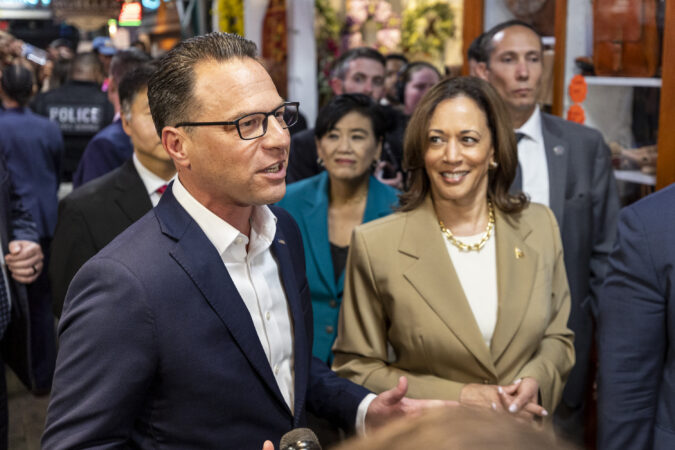
    Pennsylvania Gov. Josh Shapiro questioned whether he was being unfairly scrutinized as the only Jewish person being considered as a finalist to be Vice President Kamala Harris’ running mate — and briefly entertained his own run for the presidency — according to a copy of his upcoming book obtained by The Inquirer.

    In his memoir, Where We Keep the Light, set to debut on Jan. 27, Shapiro wrote that he underwent significant questioning by Harris’ vetting team ahead of the 2024 presidential election about his views on Israel, and his actions supporting the end of pro-Palestinian protests at the University of Pennsylvania — leading him to wonder whether the other contenders for the post had faced the same interrogation.

    Shapiro, a popular Democratic governor long rumored to have future presidential ambitions, even briefly entertained a run shortly after then-President Joe Biden unexpectedly dropped out of the race in July 2024, according to his book. The Abington Township resident is now seen as a top contender for the 2028 Democratic nomination as he seeks reelection in Pennsylvania this year.

    But before Shapiro ended up in the veepstakes for Harris’ running mate, he wrote in his book that there was a moment right after Biden dropped out of the race where he considered whether he should run for president.

    “Well, now what?” Shapiro wrote. “Maybe there would be a process the party would engage in to replace him? Did I want to be part of that?”

    He called his wife, Lori, who at the time was out of the country with their two younger kids. “I don’t think we are ready to do this,” Shapiro recalled his wife saying from a Walmart in Vancouver. “It’s not the right time for our family. And it’s not on our terms.”

    After that call, Shapiro wrote that he quickly decided he didn’t want to run and would back Harris, as Biden also endorsed her for the top of the ticket.

    Once the field cleared for Harris, Shapiro recalled seeing his face on TV as her potential running mate, before he was asked by her campaign manager to be formally vetted.

    In the days that followed, Shapiro contended with increasing national scrutiny as he emerged as a front-runner. Some pro-Palestinian protesters began calling Shapiro “Genocide Josh” online, he wrote. And top Democrats questioned whether a Jewish running mate would deter voters from supporting Harris, as Shapiro had been outspoken against some pro-Palestinian campus protests that year.

    What was unknown: Whether those same questions — and some even more extreme — were circulating within Harris’ camp, Shapiro wrote in his most detailed retelling of his experience vying for the vice presidency to date.

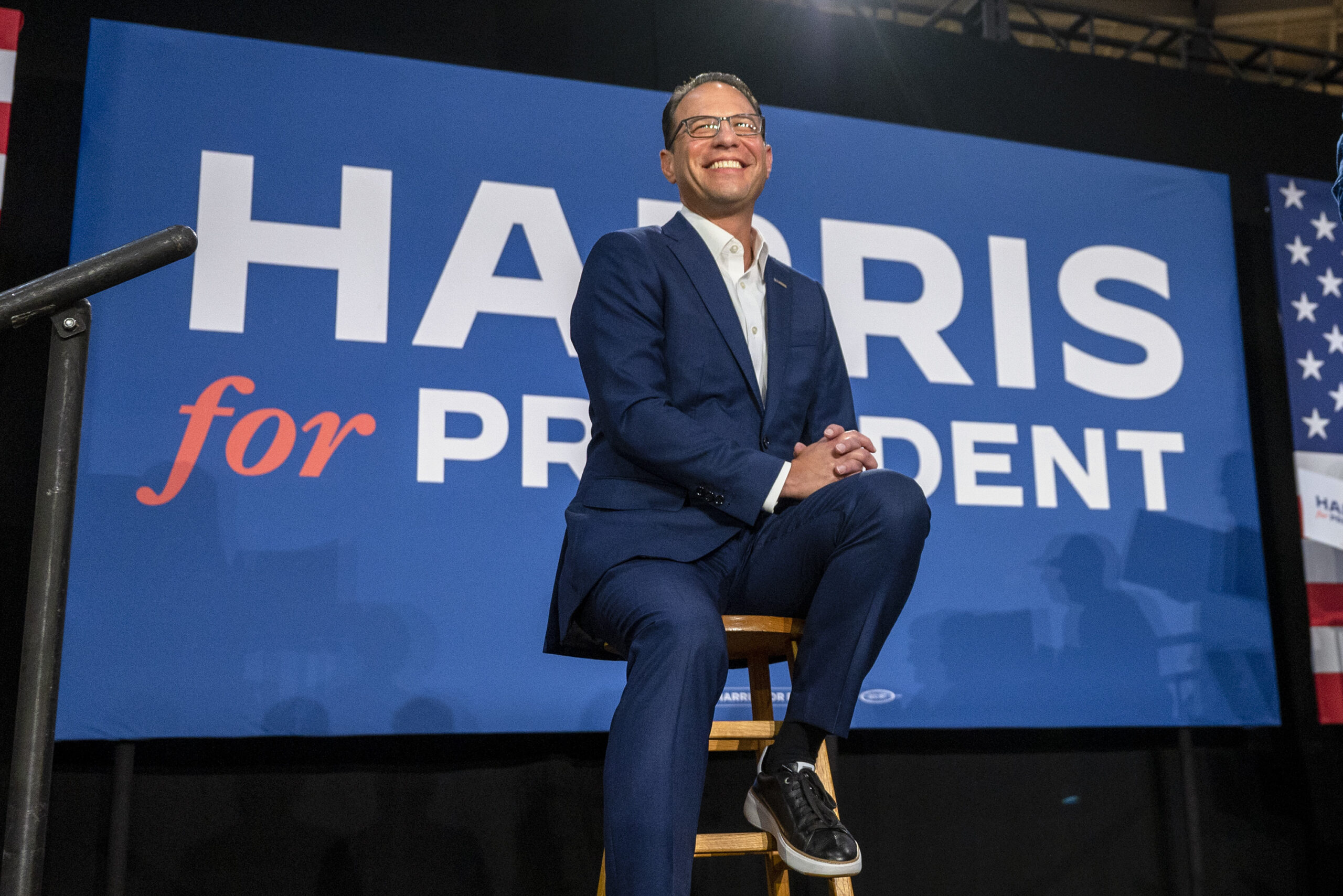
    Gov. Josh Shapiro at a rally for Vice President Kamala Harris at Wissahickon High School in Ambler on July 29, 2024.

    Just before he went to meet with Harris at the vice president’s residence in the summer of 2024, Shapiro received a call from Dana Remus, former White House counsel for Biden who was coleading the vetting process for Harris.

    “Have you ever been an agent of the Israeli government?” Remus asked, according to Shapiro’s memoir.

    “Had I been a double agent for Israel? Was she kidding?” Shapiro wrote in his 257-page book. “I told her how offensive the question was.”

    According to the memoir, Remus then asked if Shapiro had ever communicated with an undercover Israeli agent, which he shot back: “If they were undercover… how the hell would I know?”

    “Remus was just doing her job. I get it. But the fact that she asked, or was told to ask that question by someone else, said a lot about some of the people around the VP,” Shapiro wrote.

    In high school, Shapiro completed a program in Israel that included service projects on a farm, and at a fishery in a kibbutz, as well as at an Israeli army base, which he once described in his college student newspaper as “a past volunteer in the Israeli army.”

    Harris’ office could not be reached for comment Sunday evening. Remus also could not immediately be reached for comment Sunday.

    Shapiro, more broadly, recalled getting the feeling from Harris’ vetting team that she should pick Shapiro — a popular Democratic governor in a critical swing state — but that they had reservations about whether Shapiro’s views would mesh with Harris’.

    In one vetting session with U.S. Sen. Catherine Cortez Masto (D., Nev.), former Labor Secretary Marty Walsh, former associate Attorney General Tony West, and former senior Biden adviser Cedric Richmond, Shapiro wrote that he had been questioned “a lot” about Israel, including why he had been outspoken against the protests at Penn.

    “I wondered whether these questions were being posed to just me — the only Jewish guy in the running — or if everyone who had not held a federal office was being grilled about Israel in the same way,” he wrote. (Illinois Gov. JB Pritzker, who is Jewish, was also vetted to be Harris’ running mate. Harris’ husband, Doug Emhoff, is also Jewish.)

    In his book, Shapiro recalled the whirlwind two weeks as an awe-inspiring window into an opportunity — but ultimately it was one he knew he didn’t want.

    When Shapiro finally sat down with Harris in the dining room at the Naval Observatory, he said it became clear that she had a different vision for the vice presidency than what he wanted. He would work primarily with her staff and couldn’t say whether he would have access to her. In her own experience as vice president, she saw the job as mostly to make sure that you aren’t making any problems for the president, he wrote.

    Shapiro noted his own relationship with his No. 2, Lt. Gov. Austin Davis. The role in itself has few powers, but Shapiro views Davis as a governing partner and is one of few people who can walk into his office unannounced at any time, he wrote. He wanted the same relationship with Harris, he said, noting that he knew he would not be the decision-maker.

    “If we had door A and door B as options, and she was for door A and I was for door B, I just wanted to makes sure that I could make the case for door B,” Shapiro wrote.

    But Harris was “crystal clear” that that wasn’t the kind of president-vice president dynamic she envisioned, he said.

    In her own book released last year, 107 Days, Harris recalled the meeting differently. There, she wrote that Shapiro had “peppered” her with questions and “mused that he would want to be in the room for every decision.” His ambitions, she said, didn’t align with her view that a vice president should be a No. 2 and not a “copresident.”

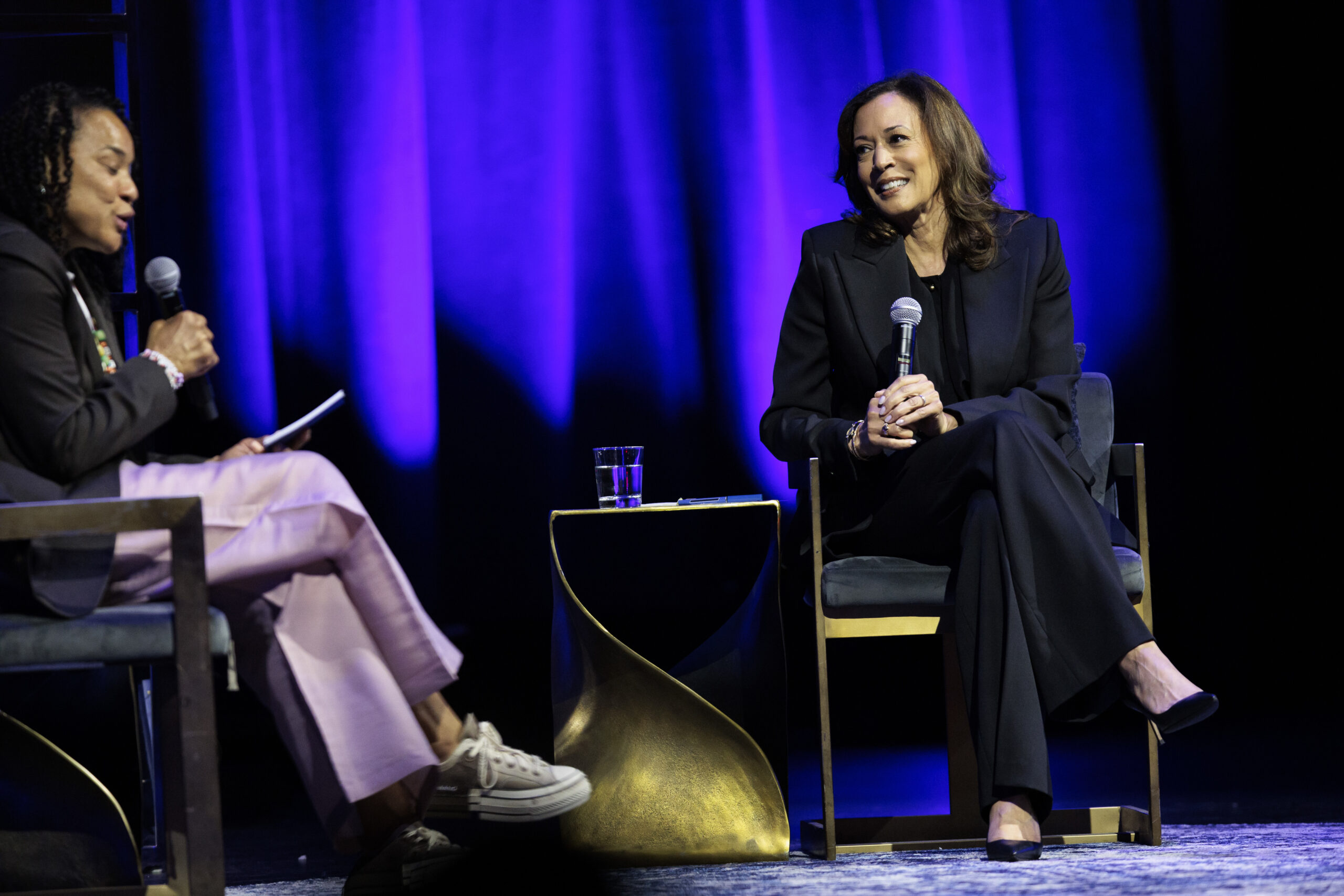
    Former Vice President Kamala Harris speaks with Dawn Staley (left), while promoting her new book “107 Days,” at the Met on Sept. 25 in Philadelphia. The event was held in partnership with Uncle Bobbie’s Coffee & Books.

    As Shapiro tells it, the friction with Harris’ team didn’t stop there.

    Shortly after meeting with Harris, Shapiro in his book recalled another unpleasant conversation with Remus, in which he wrote that she said she “could sense that I didn’t want to do this.”

    According to the book, Remus said it would be hard for Shapiro to move to Washington, it would be a strain financially for his family who “didn’t have a lot of money” by D.C. standards, and that Lori would need to get a whole new wardrobe and pay people to do her hair and makeup.

    It was then that he decided to leave the apartment where he had been asked to wait until Harris could come and talk to him again, he recalled.

    “These comments were unkind to me. They were nasty to Lori,” Shapiro wrote. “I hold no grudge against Remus, who I know was doing the job she had to do, but I needed to leave.”

    Shapiro went home, he said, and went over the day’s events with Lori at the edge of their bed.

    “On one hand, I was still tugged by the prestige of it all. It’s an honor. It’s a big title. But that’s never been enough for me,” he wrote. Still, he struggled with what it would mean to withdraw, concerned about not playing his part in a high-stakes election and letting his supporters down. Ultimately, he decided that it was not his race to win or lose, he wrote.

    “People were going to cast their votes for her, or they weren’t,” he added.

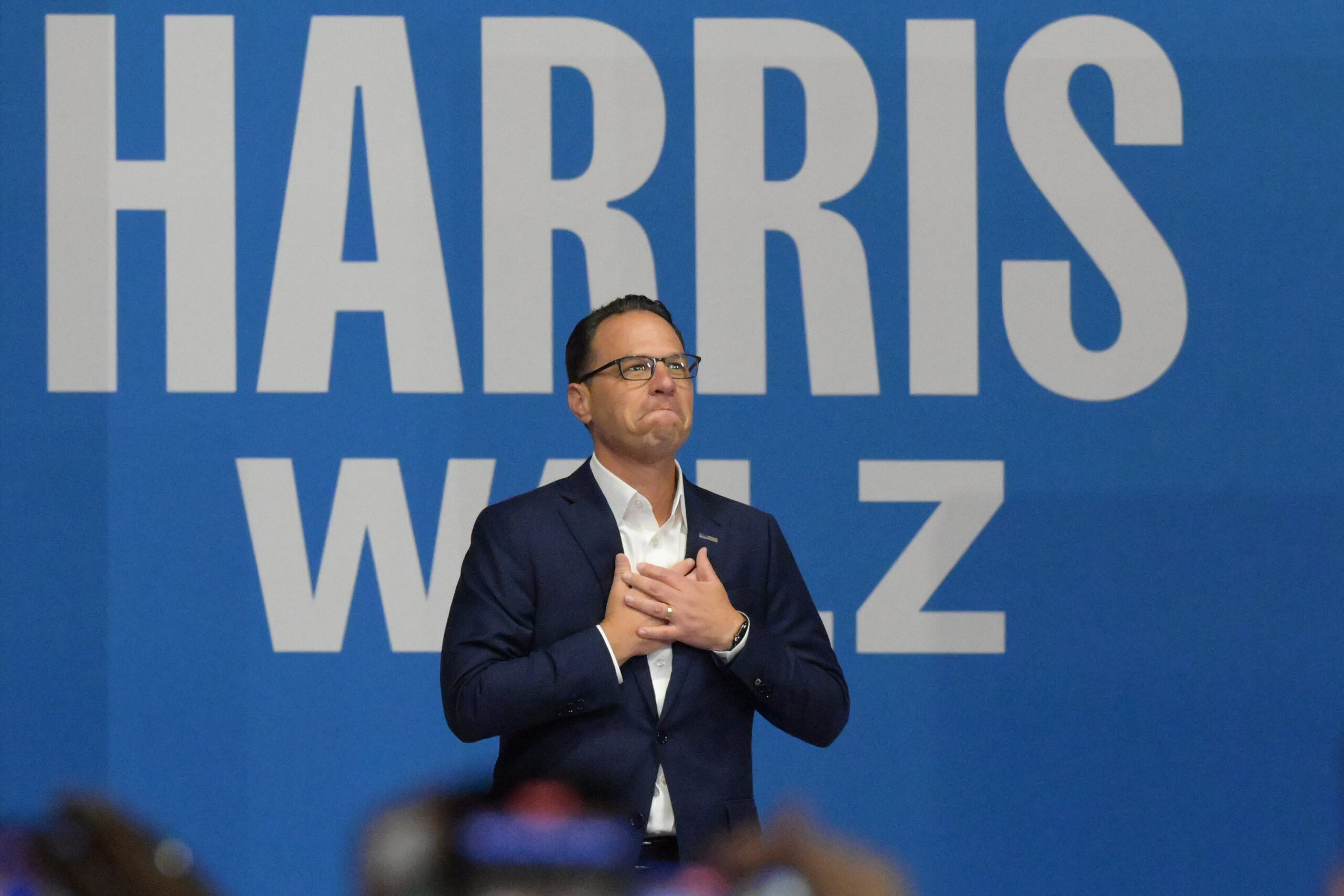
    Vice President Kamala Harris, Democratic nominee for president, and her running mate Minnesota Gov. Tim Walz, address a rally to kick off their campaign at the Liacouras Center in Philadelphia, Pa., on Tuesday, August 6, 2024.

    He decided that day he did not want the job, and toyed with the idea about publicly releasing a statement withdrawing himself from the running. He said he also tried to tell Harris he did not think it would be a good fit, but wasn’t able to reach her.

    Shortly thereafter, Harris announced that she had chosen Minnesota Gov. Tim Walz to be her running mate in an ultimately unsuccessful campaign against President Donald Trump. The two would debut their presidential ticket at a rally at the Liacouras Center in North Philadelphia. Shapiro wrote that he didn’t want to go.

    “I was wrung out. I just wanted to be home with my family, to take a walk with Lori, and just be,” he wrote.

    Gov. Josh Shapiro takes the stage ahead of Vice President Kamala Harris and Gov. Tim Walz at a rally in Philadelphia’s Liacouras Center on August 6, 2024.

    But when it was time for him to take the stage ahead of Walz and Harris, he was long-applauded by his home city and gave a speech “from my heart” about how he took pride in his faith and his support for Walz and Harris.

    Shapiro’s memoir will be released Jan. 27 and is a reflection on his decades as an elected official, including as Pennsylvania attorney general, as well as the firebombing of his home last year. He will tout the book in Philadelphia on Saturday at 3 p.m. at Parkway Central Library. He will also discuss the book at upcoming book tour stops in New York and Washington.

  • Pa. public universities didn’t get a state funding increase this year, and they’re preparing for a tough enrollment outlook

    Pa. public universities didn’t get a state funding increase this year, and they’re preparing for a tough enrollment outlook

    The universities in the Pennsylvania State System of Higher Education were flat-funded this year for the first time since 2021-22.

    That funding, approved in the state budget deal lawmakers reached in November after a monthslong standoff, follows three years of state funding increases. In 2022-23, the system got a historic 15.7% increase.

    PASSHE includes the 10 state-owned public universities. (State-related universities, including Pennsylvania State and Temple, are funded separately.)

    Cheyney University, which is part of the system, got a special $5 million earmark “to develop and implement an enhanced transfer and workforce development initiative in partnership with a community college.” Cheyney, a historically Black college in Delaware and Chester Counties, and Community College of Philadelphia recently announced a partnership that will allow students to transfer seamlessly from CCP to Cheyney and earn bachelor’s degrees while remaining on CCP’s Philadelphia campus.

    The state system had asked the state for a 6.5% increase in its general appropriation, which currently stands at $625 million. That would have brought in an additional $40 million for the 10-university system, said Christopher Fiorentino, chancellor of the system.

    But he said the system has been preparing for the possibility of a funding freeze and had increased tuition this year for the first time in seven years, raising an additional $25 million.

    “We knew it was going to be difficult, given the revenue situation in the commonwealth,” he said. “We weren’t blindsided by this.”

    He said he was grateful for the system’s appropriation.

    “That’s a huge amount of money,” he said. “… It is a significant commitment to public higher education, and we really appreciate that support.”

    The system has requested a 5% state funding increase for 2026-27, which would allow universities to freeze tuition again, Fiorentino said.

    But Kenneth M. Mash, president of the Association of Pennsylvania State College and University Faculties, the faculty union, said that would not be enough if tuition is to be frozen. And he has concerns about the freeze in state funding this year.

    “Too often, we go in there and act as if this is what we need to maintain the status quo, but the status quo is not good,” he said, citing technology and program needs. “We don’t have the support for students that we should have. We need to start paying attention to the quality of education and make sure it doesn’t suffer.”

    The system has been in a state of readjustment as it has lost about a third of its enrollment since 2010, including merging six of its universities into two entities. The system’s universities are: Cheyney, Commonwealth, East Stroudsburg, Indiana, Kutztown, Millersville, Penn West, Shippensburg, Slippery Rock, and West Chester.

    Planning for a drop in enrollment

    Another enrollment cliff is expected to begin this year as the population of high school graduates begins to drop.

    “The demographics right now going forward are unfavorable, so we have to continue to be prepared for the fact that even if we maintain our market share, we’re going to see declines in enrollment,” Fiorentino said.

    The system is attempting to recruit in new markets and bring back to college those who have some credits but no degree, he said. Older students may want more weekend, night, and online courses, and that is something the system is reviewing, too, he said.

    The system also is contemplating partnering with area doctoral institutions, such as Temple, to bring in doctoral students to teach at the system’s universities. That would save money on faculty hiring, while cultivating new potential talent for the system, he said.

    And the system is reevaluating its programs, he said. Ninety-five percent of students are graduating from half the programs the system offers, he said. Some of the larger enrollments are in business, education, health, and engineering, he said.

    But only 5% of students are enrolled in the other half of the system’s programs.

    “We have to take a look at that,” he said. “How do we redeploy the money that we currently are receiving to make sure that we’re supporting the programs that are critical to the success of the commonwealth?”

    Mash, the union president, said that bringing in doctoral students would create a viable stream of quality candidates, and that, under the contract, the system is permitted to employ a certain number of adjuncts. But he is concerned about eliminating programs with lower enrollments.

    “We should be providing as broad of a spectrum of opportunity for students as we can,” he said.

    Fiorentino said he was pleased to see Cheyney get the additional funding. The school, which has struggled with enrollment, saw an increase of 234 students — nearly 38% this year, the highest percentage increase of any school in the system. Cheyney enrolls 851 students this year, its highest enrollment since 2014.

    The new effort will allow Philadelphia students to get a Cheyney degree without having to travel to the rural campus, he said.

    “A lot of their market is Philadelphia,” Fiorentino said of Cheyney, “and for a lot of the Philadelphia students, transportation has become more and more difficult.”

    Temple and Penn State were flat-funded again this year. Temple said in a statement that it was grateful to see the budget pass.

    “We also continue to be deeply grateful for the ongoing financial support that the university receives to reduce tuition costs for Pennsylvania residents,” the school said.

  • Muthoni Nduthu, killed in Bristol nursing home blast, remembered as a dutiful nurse and faithful mother

    Muthoni Nduthu, killed in Bristol nursing home blast, remembered as a dutiful nurse and faithful mother

    A chorus of nurses called Muthoni Nduthu to service one last time Saturday at her funeral.

    “Nurse Muthoni, please report to duty,” the nurses repeatedly cried out, each time punctuated by a chime from a triangle. “You faithfully served your profession with dignity, compassion, and integrity. … Your fellow nurses will take over from here.”

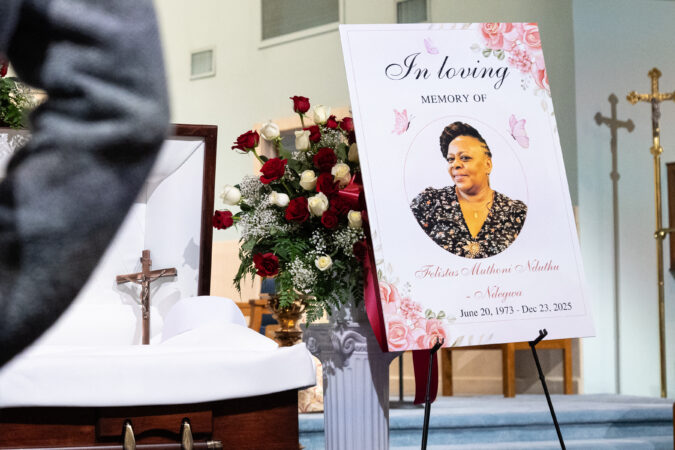
    Nduthu — who was killed when an explosion just before Christmas razed the Bristol Health & Rehab Center in Lower Bucks County — was laid to rest Saturday, memorialized by family, friends from the tight-knit Kenyan community in the area, and a 50-person nurse honor guard as an exemplary healthcare professional, a doting and spirited mother, and a pillar of her community.

    “She was our anchor, our prayer warrior, and our safe place,” the oldest of her three sons, Clinton Ndegwa, wrote in a tribute read by a relative. “Though her absence leaves a space that cannot be filled, her love remains rooted in us. We carry her faith, her strength and her lessons forward.”

    During the funeral service at St. Ephrem Catholic Church in Bensalem, where Nduthu, 52, was a longtime member, she was remembered for her warmth and natural humor; her perseverance as an immigrant who went back to school for nursing while working full-time; her quiet, but constant, sacrifices for her family; and her cooking.

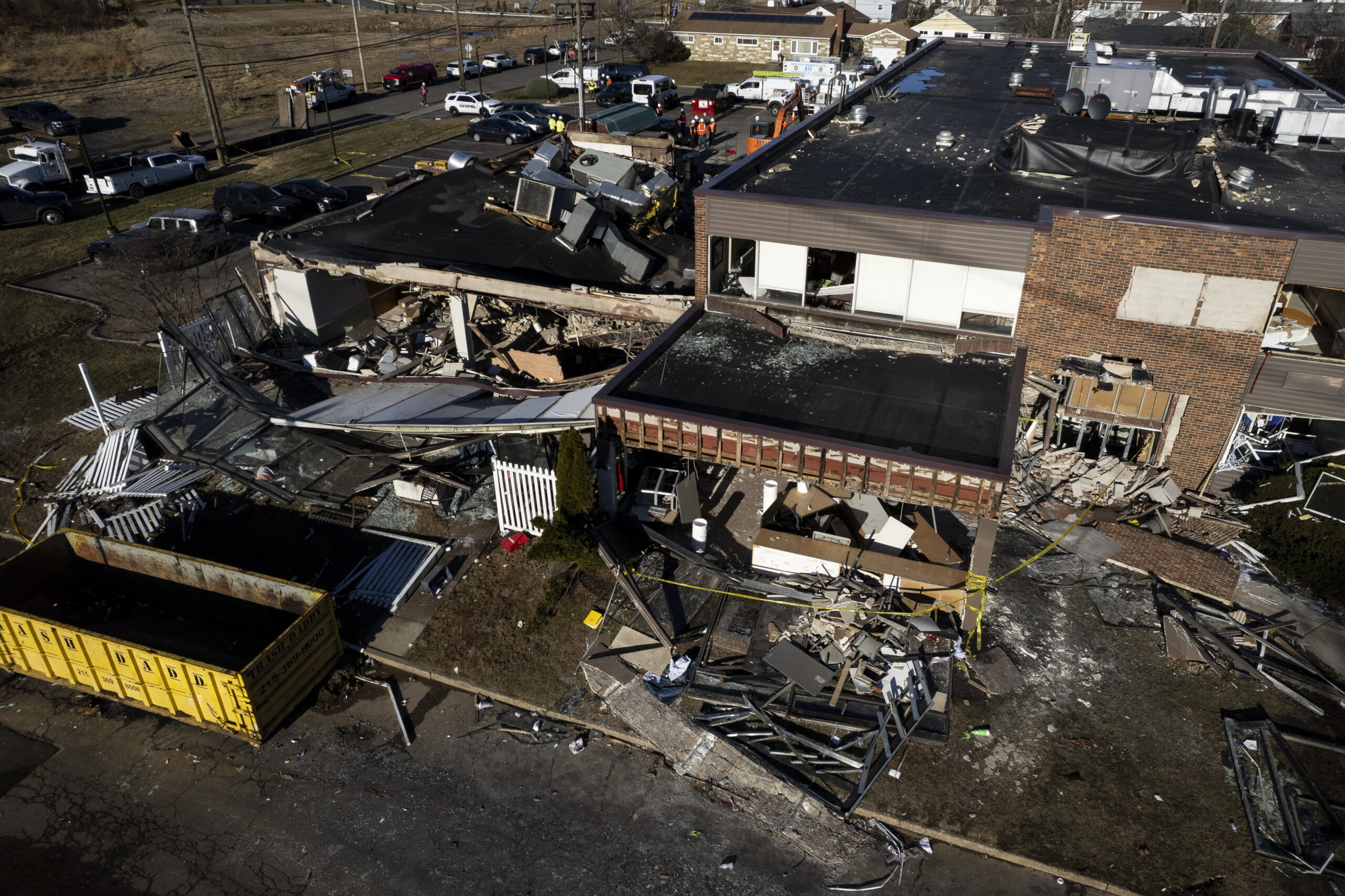
    The night before her Dec. 23 shift at the Bristol facility, formerly known as Silver Lake Healthcare Center, Nduthu prepared spiced chicken for her husband and sons to share on Christmas. The next day, she was working when a blast flattened a section of the nursing home just after 2 p.m., trapping dozens, hurling debris, and rocking nearby homes. Resident Ann Reddy was also killed, and about 20 others were injured. Earlier this month, another resident, identified as Patricia Mero, succumbed to injuries.

    Investigators work the scene at Bristol Health & Rehab Center on Wednesday, Dec. 24, 2025, in Bristol Township, Pa.

    Peco crews had responded to reports of gas odor hours before the explosion, and residents of the 174-bed nursing home told The Inquirer they had smelled gas in the days leading up to the disaster.

    The nursing home; its operator, Saber Healthcare Group; Peco; and others are facing lawsuits from survivors and their loved ones who say the explosion was the result of negligence. NBC10 reported that Nduthu’s husband, David Ndegwa, has also filed a lawsuit.

    The National Transportation Safety Board and a spokesperson for Saber said Friday that the investigation into what caused the explosion is ongoing.

    Nduthu and her family emigrated from Kenya to the Philadelphia area more than two decades ago, David Ndegwa wrote in a tribute. Once stateside, Nduthu pursued a nursing degree, “guided by her compassion and desire to serve others,” her eulogy read. She believed deeply in the power of education and hard work, her sons said.

    She “touched many lives through her kindness, generosity, and genuine care for others,” David Ndegwa wrote. “Her legacy lives on in our sons, in the friendships she nurtured, and in the strong foundation of family she built.”

  • Snow is expected during the weekend in Philly, but how much is up in the air

    Snow is expected during the weekend in Philly, but how much is up in the air

    Some snow is possible in the Philly region during the holiday weekend, but about the only thing certain is that schools will be closed until Tuesday.

    Snow — not a whole lot of it — is expected Saturday morning, and possibly again during the day Sunday.

    “Definitely something,” said Ray Martin, a lead meteorologist at the National Weather Service Office in Mount Holly, “maybe not a lot of something.”

    In short, he added, expect a “100% chance of forecast uncertainty.”

    How much for Philly?

    (function () {window.addEventListener(‘message’, function (e) { var message = e.data; var els = document.querySelectorAll(‘iframe[src*=”‘ + message.id + ‘”]’); els.forEach(function(el) { el.style.height = message.height + ‘px’; }); }, false); })();

    Some snow is expected in the early morning hours of Saturday, said Dan Pydynowski, senior meteorologist with AccuWeather Inc., and “sidewalks and streets could be slick for a time” in the Philly region.

    However, temperatures in the afternoon are expected to approach 40 degrees and that should melt any snow. If the precipitation lingers, it likely would turn to rain.

    That snow would be associated with a system from the west, and more significant amounts are expected well north and west of Philly.

    On Sunday when it will be colder, the source would be a coastal storm that has been befuddling computer models the last three days. On Wednesday, the U.S. model was seeing a significant snowstorm for the I-95 corridor. On Thursday, it said never mind and fell in line with other guidance that kept the storm offshore.

    On Friday, models were bringing the storm closer to the coast, but the model consensus was that it would be more of threat at the Shore and perhaps throw back a paltry amount to the immediate Philly region.

    “On the other hand, a slight shift … in the track could bring 1-2 inches into the urban corridor,” the weather service said in its afternoon discussion.

    Said Martin, “It’s always tricky with these offshore lows. It’s also possible that both systems pass us and we get basically nothing.”

    Far more certain is a rather big chill

    A Philadelphia firefighter spreads salt to control icing at a fire scene on Friday.

    That the region was about to experience its coldest weather of the season to date was all but certain.

    High temperatures on Monday, Martin Luther King Jr. Day, probably won’t get out of the 30s, and no higher than the mid 20s Tuesday and Wednesday, forecasters say.

    Overnight lows are due to tumble into the teens, with wind chills approaching zero early Wednesday.

    No more precipitation is forecast at least through Thursday, but with odds favoring continued below-normal temperatures through Jan. 29 and above-normal precipitation, it should be a robust period for virtual snow threats, if not actual snow.

    “Even if nothing really happens this weekend,” said Martin, “there’s always next weekend.”

    Pydynowski said that “some signs” point to a snowfall “late next week or next weekend.”

    But one uncertainty at a time.

  • Chester County draws in business, but people struggle to afford to live there, an analysis finds

    Chester County draws in business, but people struggle to afford to live there, an analysis finds

    Standing in front of Chester County business and corporate leaders, financial expert Patti Brennan asked them to rank how they were feeling about the economy.

    “If you’re feeling a little worried, you’re uneasy, welcome to America, you’re not alone. This is the way Americans are generally feeling right now; the consumer sentiment is low,” she told them. She pointed to the instability that dominated the country last year: tariffs, the longest government shutdown in history, international unrest.

    There are signs of stress: people are not paying their bills on time, delaying payments on car loans, credit card bills, and student loans.

    But it’s not all bad news. Brennan and financial expert Dianne P. Manges, senior investment adviser with Truist Foundations & Endowments Practice, advised the business community not to act based on chaos.

    The analysis was part of the Chester County Economic Development Council’s 22nd annual economic outlook, which offers assessments of the local, national, and global economic landscape.

    Here are some of the takeaways from the conversation.

    Tax refunds will be a big driver

    An expected $517 billion nationally will come to consumers through tax refunds this year — a 44% increase from last year, Manges said. It’s a bigger boost than the second round of stimulus checks issued in December 2020, she said.

    “Two things to remember about all of us here as consumers: No. 1, we are about 68% of the economy,” in terms of gross domestic product, she said. “And No. 2, we’re Americans. When we have extra money in our wallets, we spend it.”

    It’s important to be mindful of whether those positive themes are applicable to everyone, she said, noting that people with lower incomes are struggling. A majority of people making a lower income will still benefit from those tax return refunds, she said.

    “People will be feeling warm and fuzzy when they get those tax returns,” Brennan said.

    Pennsylvania has had job growth — with one particular sector leading

    Pennsylvania is the only state in the Northeast showing expansion, said Michael Grigalonis, president of the economic development council. Nationally, the commonwealth was second behind Texas in job growth in the year between November 2024 and November 2025, with roughly 97,000 jobs created during that period.

    Half of the jobs were created in one industry: healthcare, Grigalonis said. “We’re one of the oldest states; we have one of the most aging populations,” he said.

    Broadly, Manges and Brennan said that companies aren’t hiring, but they aren’t firing large-scale, either.

    In Chester County, the unemployment rate is below the federal level, Brennan said.

    Even with one of the highest GDPs in the state, affordability is an issue in the county

    Chester County is a place people want to live, work, and raise families. But it’s tough to afford it.

    Chester County has the fourth-largest GDP in the commonwealth, Grigalonis said. (It rang in at $57.3 billion in 2023, behind Philadelphia, Allegheny, and Montgomery Counties) and it boasts the highest median income in the state, with 43% of households in the county earning more than $150,000 annually, Brennan said.

    But even with that, housing is an issue — both cost and availability, she said. The average cost of a home in Chester County is $500,000, above the state average of roughly $300,000.

    “It is not affordable, and we all know that,” Brennan said. “It’s a challenge for so many people. … Inventory is increasing, but it’s really limited overall.”

    Chester County saw the second-highest population growth

    The county saw the some of highest population growth in the state between 2020 and 2024.

    “This population growth comes with its own set of challenges, but I will take these challenges to many of our colleagues throughout the commonwealth, [who] are struggling to get people to move into their communities, to provide a talented workforce that can help companies grow,” Grigalonis said.

    Still, more people are living outside of Chester County and commuting in, Brennan said — mostly because they can’t afford to live within the county boundaries.

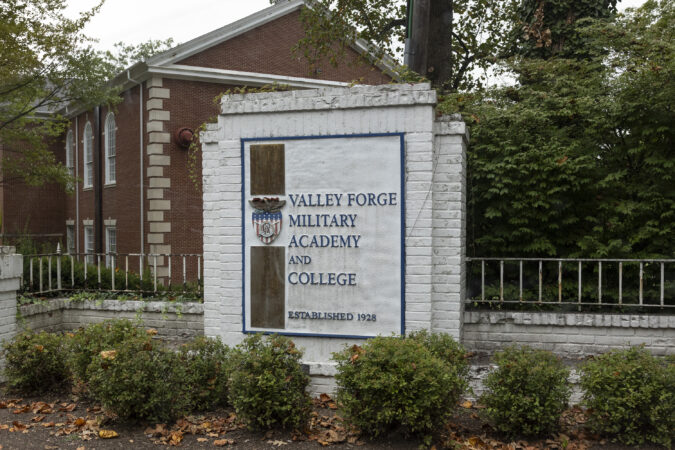
  • A charter seeking to open on Valley Forge Military Academy’s campus has withdrawn its application

    A charter seeking to open on Valley Forge Military Academy’s campus has withdrawn its application

    A group seeking to open a charter school on the Valley Forge Military Academy campus has withdrawn its application, citing a move by Radnor Township to take some of the land by eminent domain.

    The board of the proposed Valley Forge Public Service Academy says it plans to resubmit its application to the Radnor school board once the township’s plan to take 14 acres by eminent domain “has been clarified sufficiently to ensure the welfare and safety” of potential students and staff.

    The Radnor Township Board of Commissioners voted last week to authorize the township’s solicitor to acquire the land from the military academy, which is set to close in May amid financial turmoil and abuse allegations.

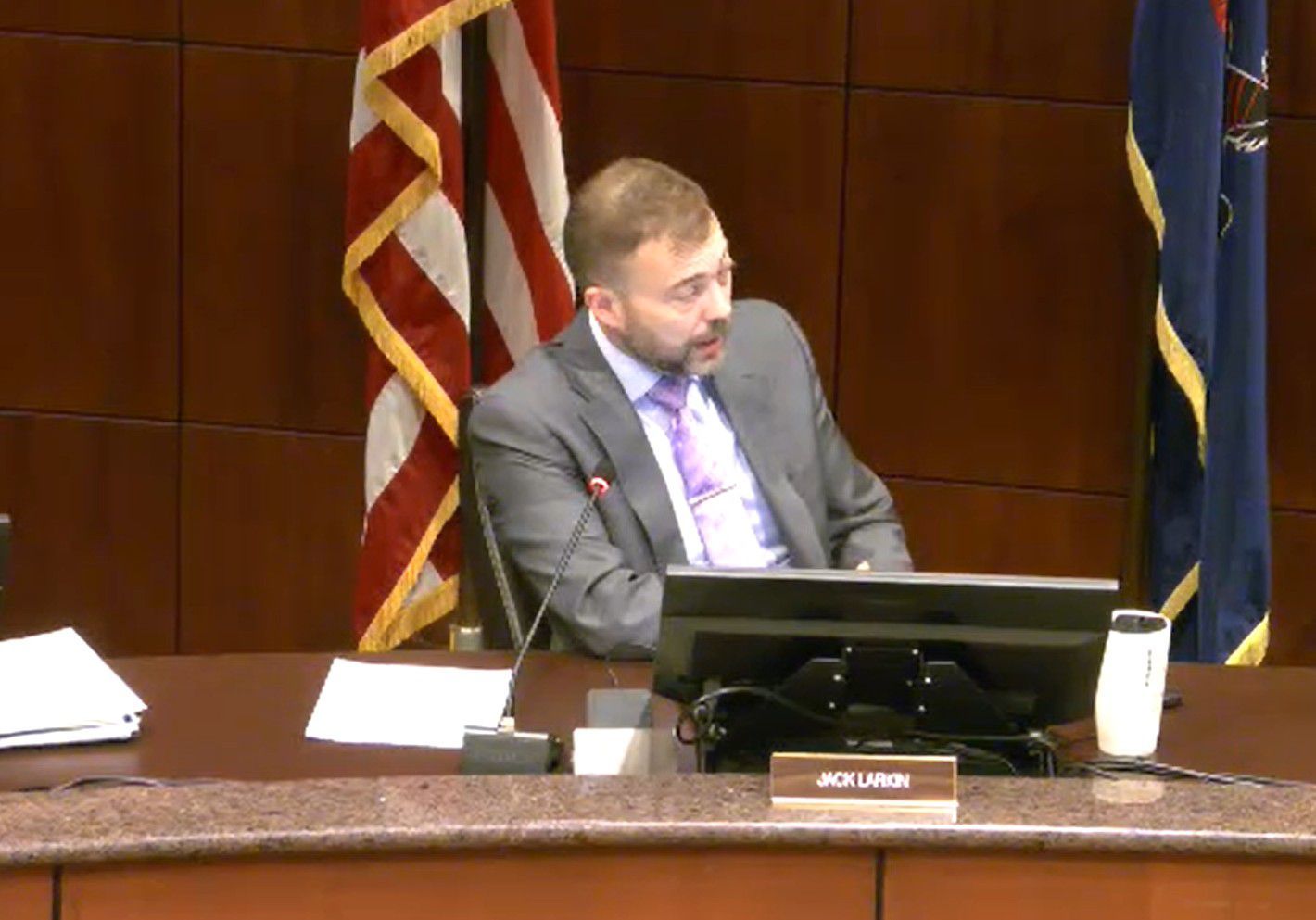
    Township officials say they want to prevent more development around North Wayne. At a meeting last week, Radnor Commissioner Jack Larkin said the township had reached out to military academy officials to negotiate a deal, but had not heard back.

    Alan Wohlstetter, a charter school consultant who is backing the proposed Valley Forge charter, said the move to use eminent domain was “clearly not something we could have anticipated.”

    “Clarification is now needed on a number of items in order for us to proceed with our application,” Wohlstetter said in a statement Thursday.

    Plans for the charter — which was proposed to open this fall and enroll up to 150 students — had been in the works since last year, even before the military academy announced its closure. The once-storied academy, which has struggled with declining enrollment, mounting costs, and a series of abuse scandals, had discussed renting its campus to the proposed new charter.

    It was the latest plan for a charter school — a school that is publicly funded but privately managed — to rent facilities from the military academy.

    The Radnor school board — which like other Pennsylvania school boards has the power to approve or deny applications for new charters seeking to open in their districts — has rejected two previous charter proposals at the military academy campus.

    The board held its first hearing on the latest proposal in December and a second hearing had been scheduled for this month.

    The academy spans about 70 acres. In December, Eastern University entered an agreement to buy 33 acres of the property.

    In pursuing eminent domain, Radnor officials say they are considering taking 14 acres to build a replacement for the township’s recreation center, along with a park.

    A video still of Radnor Commissioner Jack Larkin speaking at a Jan. 5 township meeting regarding the possible taking of 14 acres of Valley Forge Military Academy through eminent domain.

    While Larkin said he did not believe the plan would conflict with the proposed charter school, Wohlstetter said the charter’s backers needed clarity on which acres would be affected, and how the plan would impact traffic and parking.

    The uncertainty impairs the charter’s ability to pre-enroll students, Wohlstetter said — adding that the charter wants to be “good partners to the Radnor community.”

    Wohlstetter said the charter would resubmit its application to the school board “at a future date.” The proposed charter would enroll students in grades six to 12, with a focus on preparing them for careers in public service fields like law enforcement, firefighting and EMS.