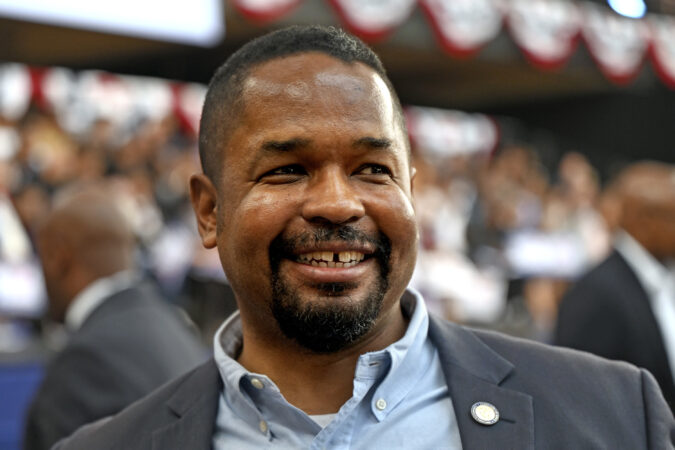
Philadelphia’s Democratic Party has endorsed State Sen. Sharif Street for the city’s open congressional seat.
The endorsement Monday came as no surprise, given Street’s insider connections. He previously chaired the Pennsylvania Democratic Party and is close to party leaders in the city. And Bob Brady, who chairs the Democratic City Committee, said last fall that he expected his fellow ward leaders to vote to endorse Street.
But it nonetheless strengthens Street’s status as the favorite in the race among the local Democratic establishment. Street, the son of former Mayor John F. Street, was endorsed by the politically powerful unions in the Philadelphia Building & Construction Trades Council last year.
“I am deeply honored to have received the overwhelming support of the grassroots leaders who power our party,” Street, who represents a North Philadelphia district in the state Senate, said in a statement. “This endorsement is more than just a vote of confidence — it is a demonstration that we are building a broad-based coalition.”
Street has also emerged as the front-runner in the financial race. Recently disclosed campaign reports showed he raised $348,000 from donors in the last quarter of 2025, the largest haul among the candidates.
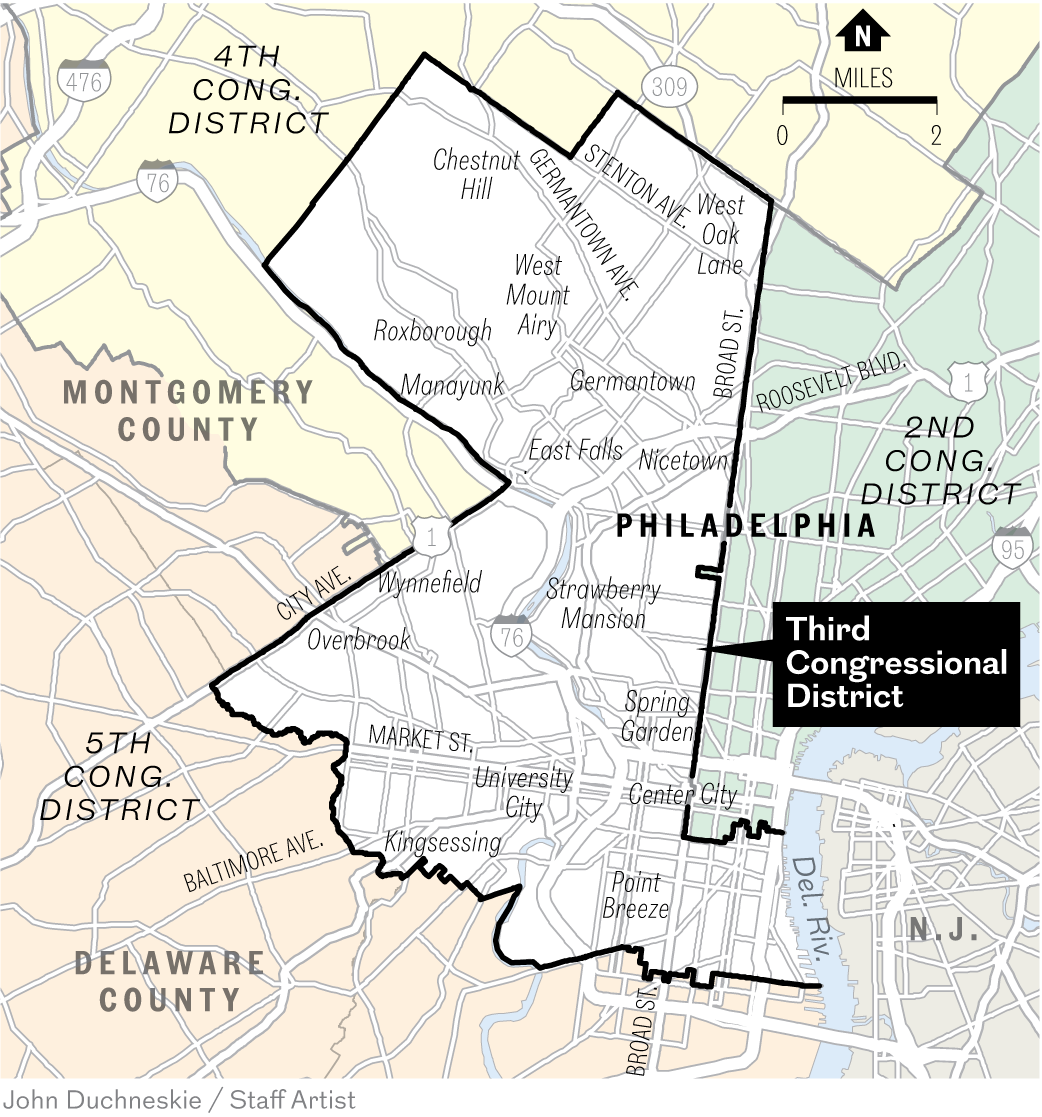
The 3rd Congressional District is, by some measures, the most heavily Democratic district in the U.S. House, and includes West and Northwest Philadelphia and parts of Center City, Southwest, South, and North Philadelphia.
The winner of the Democratic primary in May is all but guaranteed victory in November. Democrats hold a 7-to-1 voter registration edge over Republicans in Philadelphia.
Map of Pennsylvania’s Third Congressional District.
Earning the party nod may help Street stand out in a crowded field and will bolster his ground game for campaigning, activating the party’s hundreds of committeepeople to get out the vote for him.
But it doesn’t guarantee victory. Insurgent candidates have defied the party’s dominance several times in recent city elections, and the district includes several progressive pockets that could open the door for a candidate who can coalesce the left against Street.
The endorsement followed a vote by the Democratic ward leaders in the district. A candidate must receive at least 50% of the vote to win the party endorsement.
If no candidate reaches that mark, each ward prints its own sample ballots with its preferred candidates, which often happens in open contests like this year’s primary.
The party’s endorsement of Street means all ward leaders are now encouraged to include him in the literature distributed to voters before and on election day. Some wards, however, choose to print their own slates anyway.
The party did not immediately disclose the final vote tally at the endorsement meeting.
Northwest Philadelphia’s 50th Ward, which is led by Mayor Cherelle L. Parker, has not yet made an endorsement in the race, said Aren Platt, executive director of the mayor’s campaign, People for Parker.
Top candidates in the race, including Street, were scheduled to face off at a candidates forum hosted by the Center City Residents Association on Monday night.
A Western Pennsylvania man stole nearly $250,000 from the Montgomery County-based Pennsylvania Occupational Therapy Association, prosecutors said Monday, and spent the money on a trip to Disney World, country club membership fees, an Outer Banks vacation rental, and other personal expenses.
Michael Fantuzzo, 40, was charged with several counts of theft for the crimes, which prosecutors said took place between 2021 and 2024 while Fantuzzo, of Westmoreland County, served as treasurer for the nonprofit trade organization.
In all, prosecutors said, Fantuzzo spent $246,708 of the association’s funds, effectively reducing its savings account to zero.
Fantuzzo admitted to investigators that he used the association’s funds for personal expenses, though he initially told them he had spent $90,000 of the group’s funds and did so by accident.
A further investigation into Fantuzzo’s spending found that the sum was much larger.
Prosecutors say Fantuzzo spent more than $100,000 from the association’s bank account to pay off debt on a handful of credit cards opened in his name.
And Fantuzzo charged more than $128,000 to the association’s credit card, including $10,513 to install a hot tub at his home; $7,247 for a vacation home rental in Duck, N.C.; $5,460 for his local and county taxes; $4,124 for membership to the Hillcrest Country Club; $2,040 for a limousine service; and $2,019 for the trip to Disney World.
Members of the Pennsylvania Occupational Therapy Association, based in Plymouth Meeting at the time of the theft, realized something was wrong when newly elected board members learned the organization they inherited was experiencing “severe financial distress,” police said. They reported the suspicious payments to authorities in November.
The association advocates for occupational therapists and provides career development and networking opportunities, among other services, according to its website.
Investigators say they linked the spending back to Fantuzzo in a variety of ways.
Some payments, such as the Disney World tickets, included Fantuzzo and his family members’ names on the charges. Meanwhile, the PayPal payments went to an account bearing the name of Fantuzzo’s wife. And investigators tracked Fantuzzo’s name back to invoices and rental agreements for other purchases.
Fantuzzo turned himself in to Montgomery County authorities on Feb. 6. He was released from custody and is expected to appear in court for a preliminary hearing on Feb. 17.
A Philadelphia man was charged with murder after fatally shooting his girlfriend in Levittown this weekend, shortly after she told police he had sexually assaulted her, authorities said.
Yujun Ren, 32, turned himself in to police inMiddletown Township Sunday and told them he had been trying to scare the woman, Yuan Yuan Lu, when the firearm he carried accidentally discharged, killing her.
Investigators believe otherwise, according to the affidavit of probable cause for Ren’s arrest.
In addition to murder, prosecutors charged Ren with stalking and a gun crime. He is being held without bail.
Bristol Township police discovered Lu’s body shortly after noon Sundayin the driver’s seat of a white Hyundai in a residential neighborhood, according to the affidavit.
Lu had been shot in the head. Police found that the driver’s side window had been struck by gunfire, and they recovered an expended shell casing from a small caliber handgun.
In Ren’s interview with investigators, he told them that Lu had said “hurtful things and took their cats and dogs,” the affidavit said, leading him to pull the handgun in an attempt to scare her.
A day earlier, Lu had told Philadelphia police that Ren had sexually assaulted her at his home on South Orianna Streetin Pennsport.
The assault, which Lu said happened around 1 p.m. Saturday, led her to end the relationship and pack her things to leave while Ren was at work, according to the affidavit. Lu told police she was afraid of Ren and said “he had a firearm he carried everywhere,” the document said.
Ren legally owned a Mossberg MC20 9mm pistol, investigators found.
The day Ren turned himself in, a woman who told police that she was Ren’s aunt turned that firearm over to Middletown Township authorities, according to the affidavit.
Bucks County District Attorney Joe Khan said in a statement that the killing was a “sobering reminder of the lethal nature of domestic violence.”
“Our investigation revealed a chilling course of conduct,” said Khan, adding that investigators recovered evidence showing Ren stalked Lu in the early morning hours before shooting her.
Ren is set to appear in district court Tuesday for a preliminary hearing.
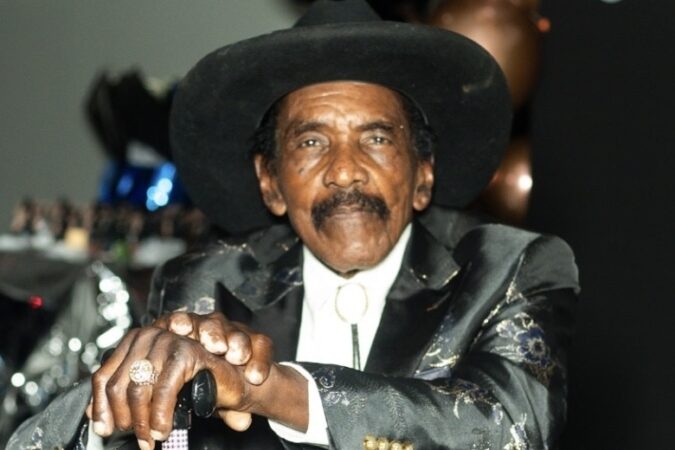
Ernest P. Richards, 85, of Philadelphia, lifelong urban cowboy, musician, singer, building contractor, mentor, veteran, and volunteer, died Monday, Jan. 12, of cancer at the Philadelphia VA Medical Center.
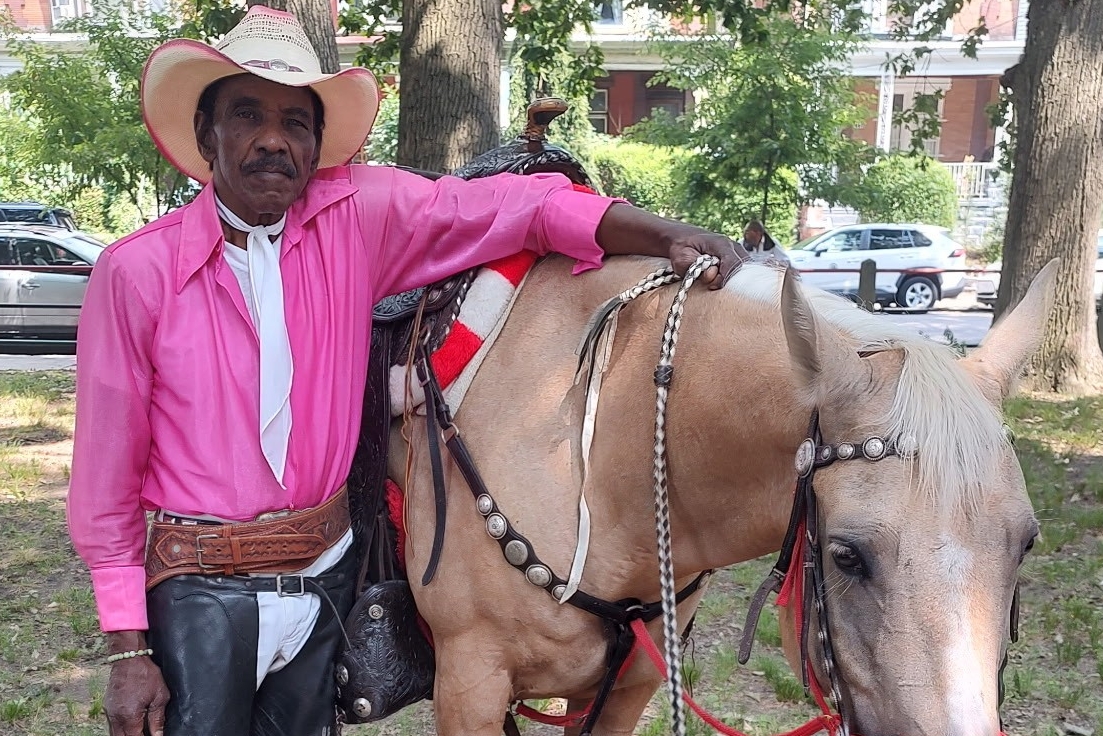
Mr. Richards fell in love with horses when he was a youth in South Philadelphia and went on to own four of his own: Lucky, Jaheel, Pretty Girl, and Dancer. He became an expert in horsemanship and grooming, and dressed daily in cowboy hats, bolo ties, and western boots. He shined his collection of saddles as brightly as any car in the neighborhood.
“He loved animals, period,” said his wife, Sheila, “and horses are strong. He liked that.”
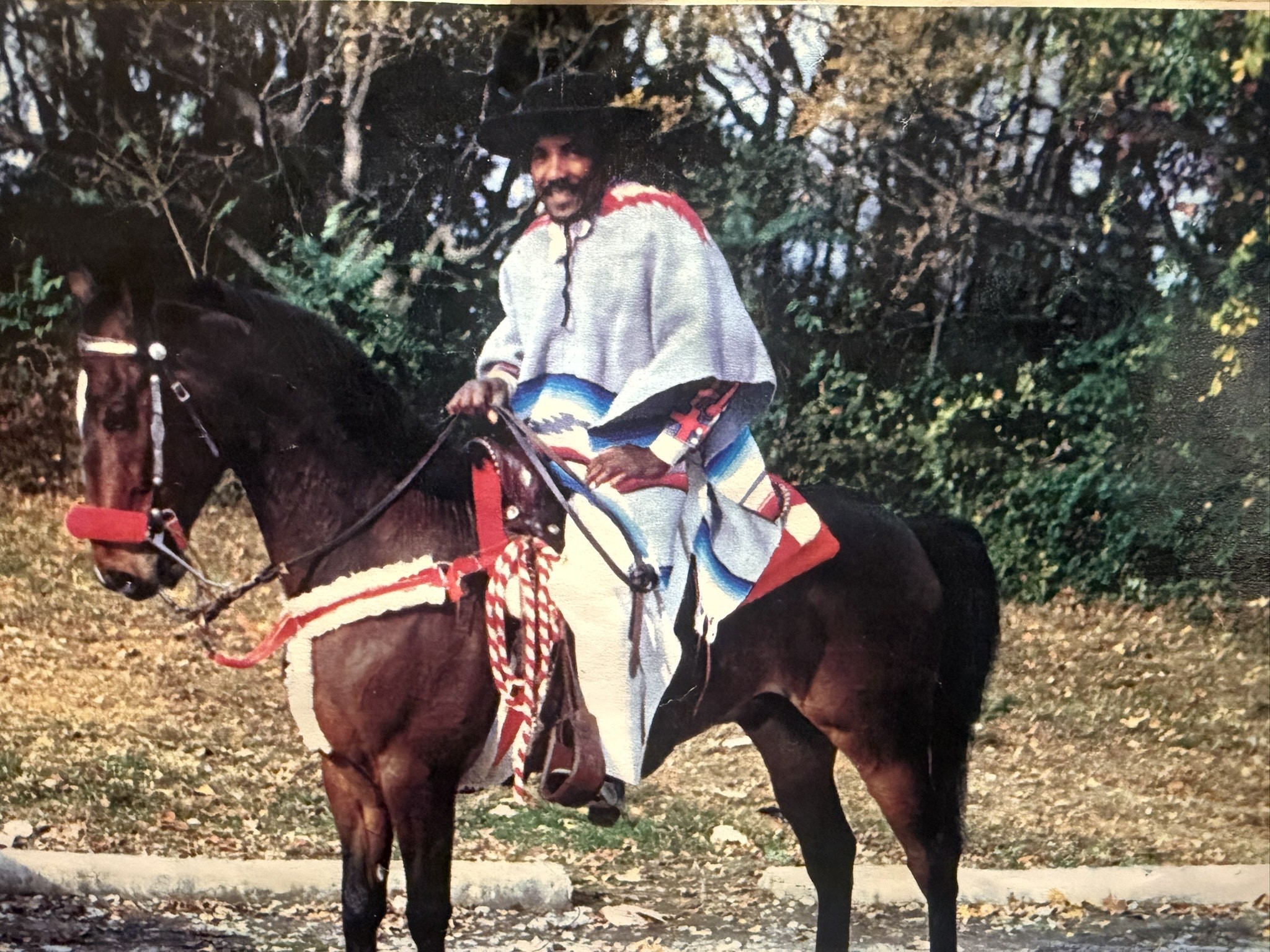
Over the years, Mr. Richards adorned his mounts in colors that matched his eye-catching outfits and rode in parades, on local trails, and elsewhere around the city and South Jersey. He started out supervising 25-cent pony rides at a farm in South Philadelphia as a teenager and later stabled his horses most often at a farm near the Cowtown Farmers Market in Pilesgrove Township, Salem County.
Mr. Richards was known for his distinctive western attire.
He became such a good rider, and his horses were so expressive, his family said, that he often led other concrete cowboys in holiday parades on Broad and 52nd Streets. “He was the star of the show,” said his daughter Passion. “My dad was sharp.”
Mr. Richards enjoyed watching John Wayne westerns and the TV show Bonanza, and he took his family on a memorable trip to a rodeo in Maryland. He taught his children, grandchildren, and anyone else who was interested how to safely ride and care for horses.
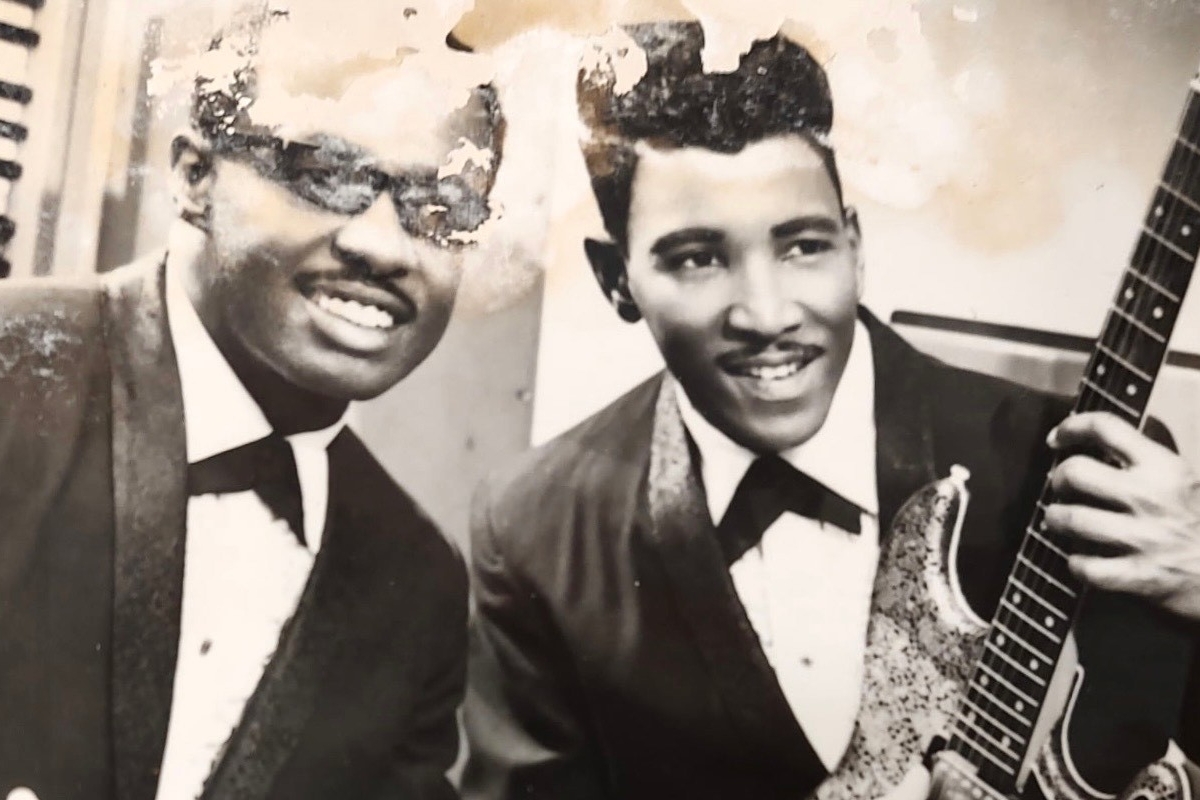
Out of the saddle, Mr. Richards was a gifted singer and guitar player. He formed a band, Fire and Rain, after he returned to Philadelphia from two years in the Army, and they played at the Apollo Theater in New York and at clubs all over Philadelphia for decades.
He specialized in love songs and covered many made popular by Teddy Pendergrass and Harold Melvin and the Blue Notes. “He was a romantic,” his wife said.
Mr. Richards (right) was an accomplished singer and guitar player.
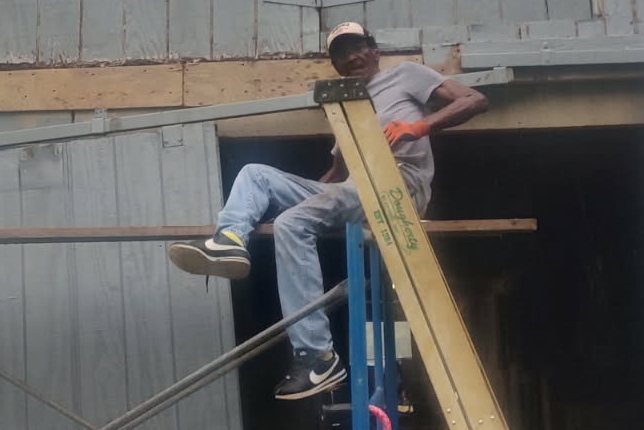
He also had an eye for design and beauty, and a knack for construction. He built decks, repaired roofs, refurbished basements, and raised other buildings, sometimes from the ground up.
He constructed a barn and stalls for the horse farm he frequented in Salem County, and mentored young men in West Philadelphia who wanted to learn the construction skills he had picked up from his mentors and while in the Army.
“He loved to beautify things,” his wife said. “He was a beautiful person.”
Ernest Patrick Richards was born Feb. 25, 1940, in Philadelphia. He graduated from Edward Bok Technical High School in 1958 and spent two years in the Army.
Mr. Richards often dressed his horse to match his oufit when they rode in parades.
He met singer Sheila Sampson when she auditioned to sing with Fire and Rain, and they married in 1985 and had daughters Passion, Keshia, Tammy, and Sparkle. He also had daughters Jackie G., Jackie J., and Crystal. Jackie G. and Crystal died earlier.
Mr. Richards played basketball for years and whiled away many evenings strumming his guitar and singing songs around the house. He adored his family, they said, and attended the Church of Christian Compassion. “He was inspirational about his love of God,” his wife said. “He was all about family and faith.”
He had a hearty laugh, his daughters said, and tolerated no nonsense, his wife said. He helped anybody who needed anything at any time, they all said.
He valued independence and knew how to fix cars and home appliances. A friend said online that he had “a heart of gold” and was “an earth angel.” His nephew and nieces said he kept them “laughing and on our toes, teaching us great life lessons and how to repair anything.”
Mr. Richards was an expert builder.
Mr. Richards liked flashy western wear, and his wife nicknamed him Richie Rich because he dressed so snazzy. “He was never judgmental,” said his granddaughter Najzhay. “He was always offering help. He was truly my favorite person and the best cowboy.”
“He was funny,” said his daughter Passion. “He could light up a room. His presence demanded respect. He was the center of our everything.”
His daughter Sparkle said: “He was a great teacher and our best friend.”
On his 85th birthday last year, Mr. Richards told his family: “All my blessings are right here in this room. I’m so grateful, eternally grateful.”
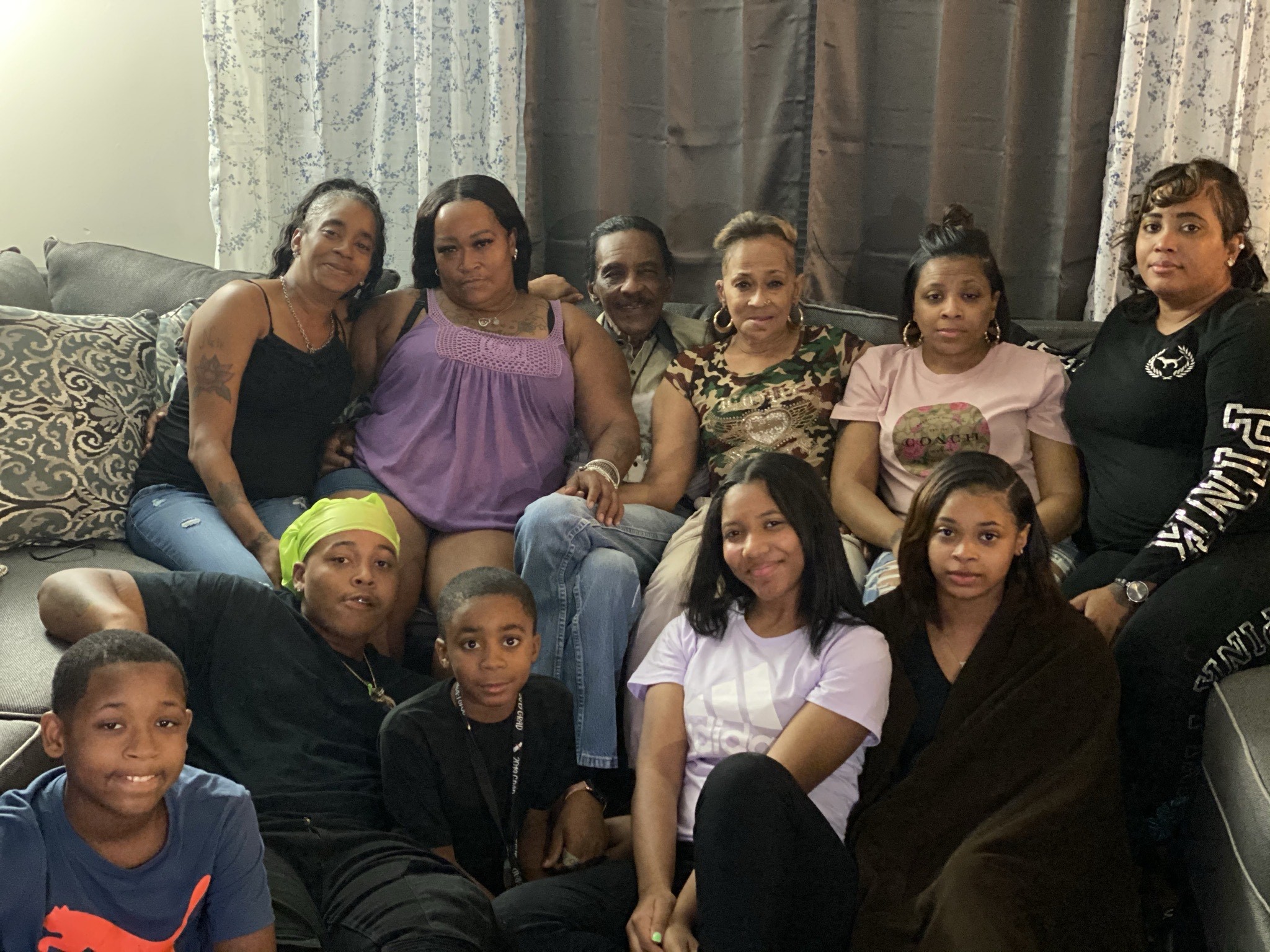
Mr. Richards (rear, third from left) enjoyed time with his family.
In addition to his wife, daughters, and granddaughter, Mr. Richards is survived by five other grandchildren, two great-grandsons, and other relatives. A brother and a sister died earlier.
A celebration of his life was held Thursday, Jan. 22.
Some federal workers aren’t leaving public service altogether. They’re landing jobs in local government.
A job-seeking platform managed by national nonprofit Work for America is helping some workers find those new roles. The service is relatively new but predates President Donald Trump’s efforts to shrink the federal workforce in 2025.
Some 350 workers with federal job experience in Pennsylvania and 169 in New Jersey have used the platform, called Civic Match, since it was founded in November 2024.
Nearly 900 state and local government roles in Pennsylvania have been posted on the platform since its start and 42 in New Jersey.
And, according to new data, 187 former federal workers across the U.S. have used the site and landed jobs in state or local government.
While that’s a small fraction of the total federal workers who have left their jobs in the last year amid the Trump administration’s shake-up of the workforce, the new data shed light on where workers are landing after leaving government positions.
In October, just after Trump’s deferred resignation program took effect, Pennsylvania and New Jersey lost roughly 6,000 federal jobs.
There really isn’t a centralized place where someone looking for a state or other local government job can go, said Caitlin Lewis, executive director at Work for America. The platform is open only to job seekers who have federal work experience or who lost their jobs because of federal funding cuts, but Lewis hopes to open it up to others in the future.
Who are these federal workers?
Austin Holland was working in the U.S. Department of Housing and Urban Development last year, when federal workers were instructed to begin working in the office full-time. He had been working remotely from Lancaster much of the time and commuting to Washington, a few days per pay period. Relocating to D.C. wasn’t feasible for him.
“I really enjoyed my federal job, and I had imagined that it was kind of something I was going to do for my entire career,” he said. “I was struggling with losing that and trying to figure out ‘Where is my career going from here?’”
Holland estimates that he joined the Civic Match platform in early 2025. Through a virtual job fair, he made a connection that ultimately led to a job at the Pennsylvania Housing Finance Agency. He took a pay cut but was able to stay in Lancaster — and in public service.
Before leaving his job at the Environmental Protection Agency, Andrew Kreider uploaded his resume to Civic Match and attended some of the platform’s webinars.
“It was refreshing and validating to have such high-quality hiring officials participating,” Kreider said. “I think it helped remind those of us who maybe were a little bit disillusioned — or were feeling traumatized by what we had just been through — that there were places where we could continue to serve where we wouldn’t be subject to what we were going through at the federal level.”
Kreider, who lives in Chester County, also used LinkedIn to look for jobs and searched government websites. He ultimately landed a communications director job with Chester County, which he found on the county’s job listing board.
He’s been in the new job for roughly two months and says some days are “completely overwhelming.”
Andrew Kreider in Philadelphia in April 2025.
“County governments do a lot of work with not as many resources as federal agencies tend to have,” he said. “I’m working as a communication director for an organization three times the size of the one I came from, but I’m making significantly less money and sort of being responsible for communications related to far more things.”
He’s taken a pay cut but said he loves the new job.
“It’s been, for me, an affirmation of how many good people there are who just want to help,” Kreider said. “I’m surrounded by people who come into work every day to serve their neighbors and their communities.”
On a recent Thursday afternoon in February, Civic Match had seven jobs posted in Philadelphia. Available positions with the city included a chief epidemiologist, a director of tax policy, and a director of adult education.
The majority of the 187 platform users who have found jobs — 63% — are workers with at least eight years of public sector experience, according to new data from Work for America. Roughly 40% found jobs in human resources or other operations-related roles.
One-third of those hired have relocated for their new jobs out of state, with 22% reporting a move of over 100 miles from their previous position.
Their federal experience came from a range of departments, including the Departments of Health and Human Services, Housing and Urban Development, and Transportation, as well as USAID, the General Services Administration, and the Environmental Protection Agency.
The aim of Work for America is to curb staffing shortages in local governments and help speed up their hiring process, Lewis said.
“Unlike the private sector, government does not really think about its employer brand and marketing itself as a potential employer,” she said. “Individual local governments don’t have the same amount of resourcing to actually think about expressing an employee value proposition and really marketing to folks who could be great fits for roles that they have open.”
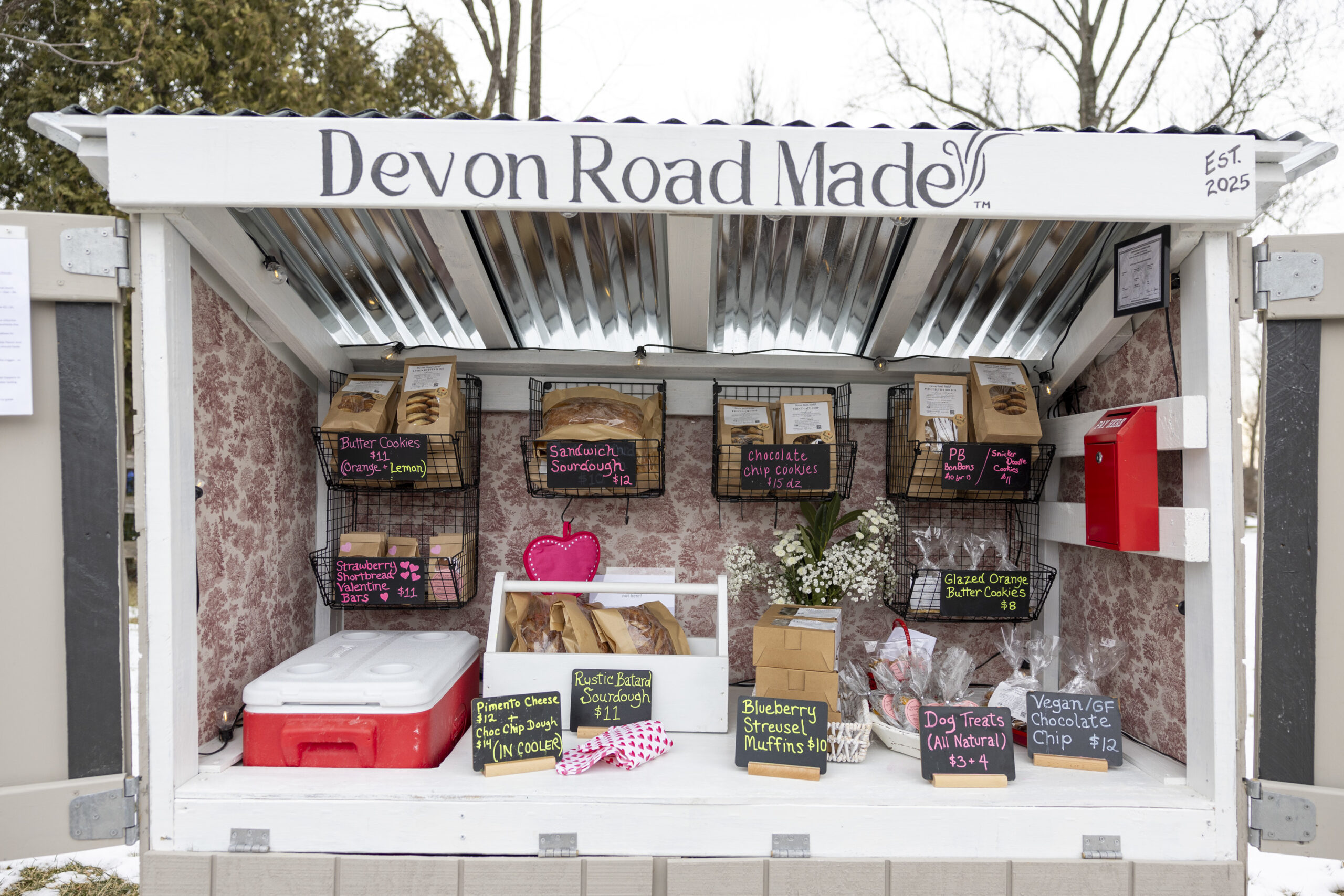
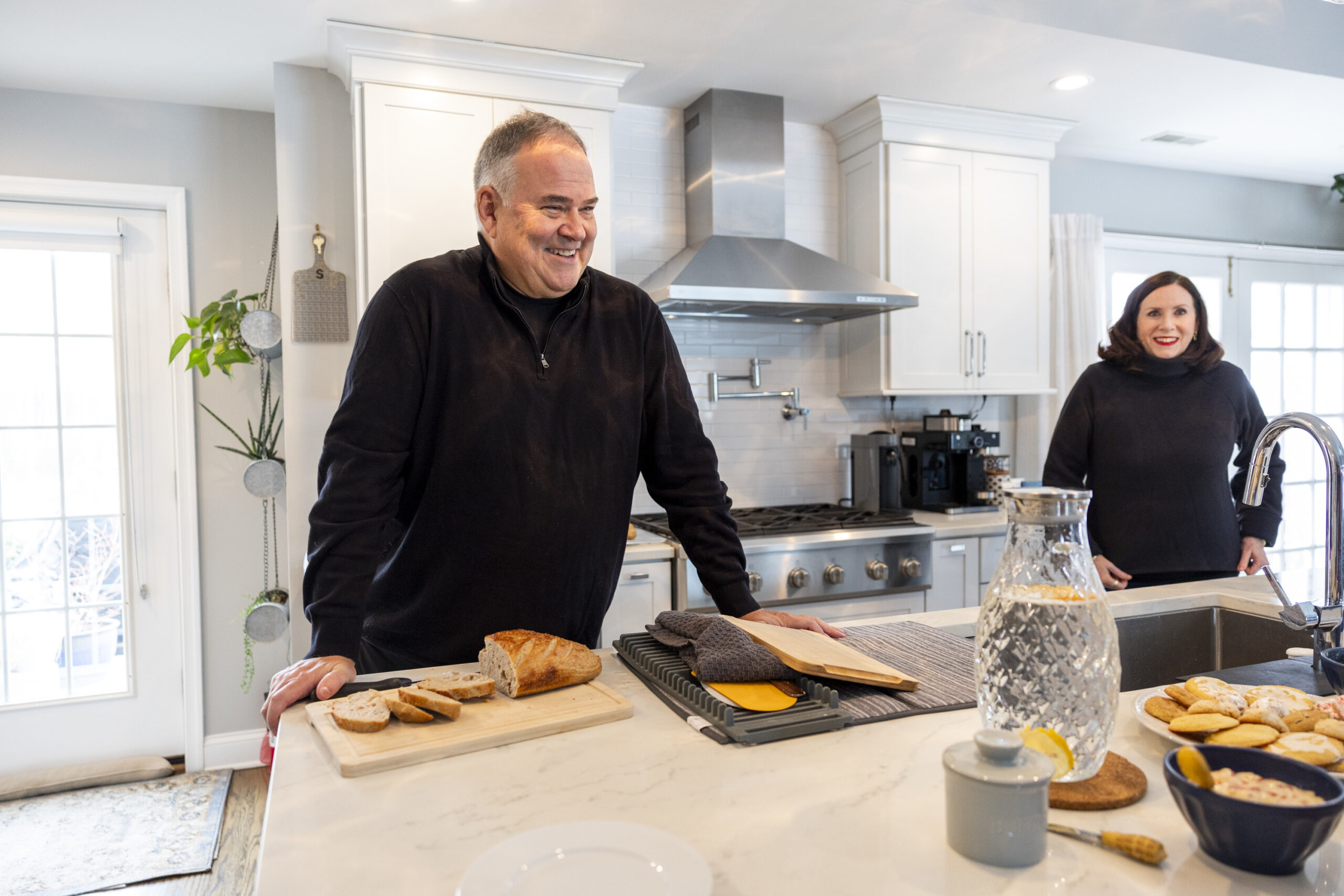
When Jacqueline Spain’s now-grown kids were having a bad day, she would sit them down at the kitchen island and bake them something. Now, she has opened up that kitchen island to her community with her roadside home bakery, Devon Road Made.
“Food is love, love is food,” Spain said, standing in her kitchen recently, bread in the oven and cookies on the counter. “I like to put a lot of heart and soul into it. I feel if you’re going to put good energy into that, people are going to feel that. They’re going to taste it; they’re going to like it.”
Devon Road Made is one of the newer additions to a trend of microbakeries that are cropping up in Chester County, some with roadside carts and stands dotting residential roads in Paoli, Downingtown, West Chester, and elsewhere.
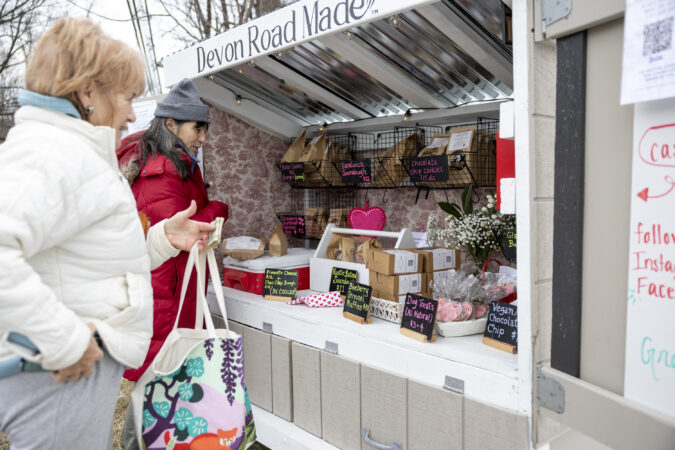
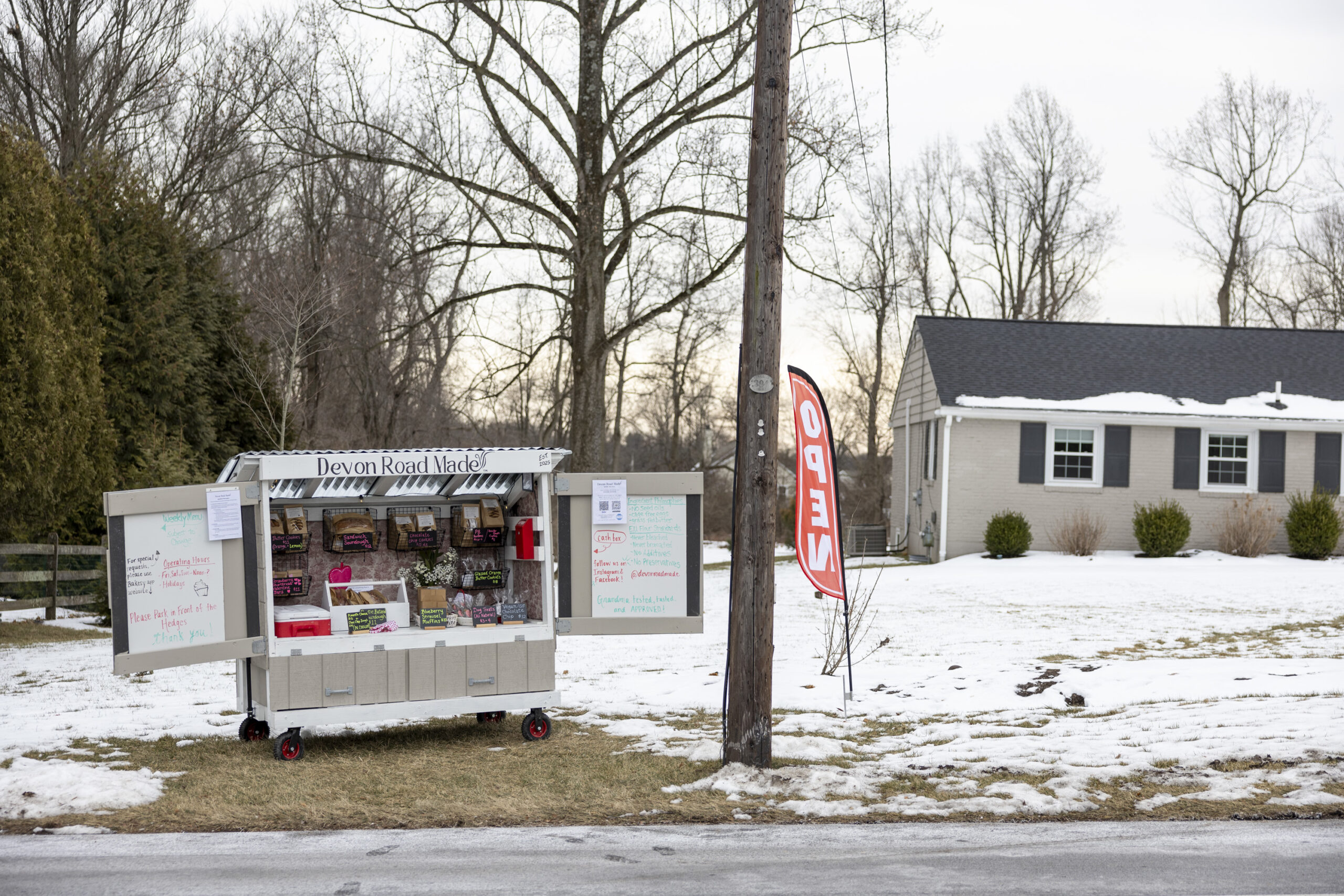
The Devon Road Made bakery cart outside the home of David and Jacqueline Spain for folks passing by to buy some home baked goods in Willistown, Pa., on Friday, Jan. 23, 2026.
Statewide, interest in selling home-baked goods has been growing. Pennsylvania had 361 licensed home bakeries in 2023. That nearly doubled, to 663, in 2025, according to the state agriculture department, which oversees the inspections and licensing of food businesses that operate out of home, rather than commercial, kitchens. There has been a general bakery boom, too, in Philly.
Chester County appears to be a growing incubator of such little bakeries: It had 28 licensed home bakeries in 2025, compared with 16 in 2023, the department said.
Before issuing a license, the department inspects the baker’s food production site.Bakers must verify they have zoning approval to have a business on their property, submit ingredient labels, restrict pets or not have them, and have an approved water supply. It costs $35 to register.
In the few weeks since, Spain, 59, and her husband, David, 60, rolled their bakery cart to the foot of their yard at 60 Devon Rd. in Willistown, the community has indeed seemed to like it. Jacqueline Spain’s cookies and David Spain’s sourdough loaves continually sell out. People knock on their door to ask if things will be restocked. One woman sat at the Spains’ kitchen island, sampling freshly baked cookies, while awaiting her pickup order.
“Everything we make, she has been making for years,” David Spain said. “That’s kind of part of our DNA. It’s got to taste really good — something that we would only serve our friends and family.”
David Spain, of Willistown, Pa., and his wife Jacqueline Spain, chat with Inquirer Reporter Brooke Schultz about their Devon Road Made bakery cart at their home on Friday, Jan. 23, 2026.
And Chester County seems like a place perfectly ripe for these little bakeries to thrive, several home bakers said: It’s not a wholly rural community, nor is it totally Main Line. There is an affluent clientele (Chester is the wealthiest county by median income in the state) with an interest in homemade, quality ingredients.
But they do face some headwinds: A number of municipalities restrict such carts through zoning codes, even if the bakers are licensed to sell.
Alexa Geiser, 28, of Lulu’s Bread & Bakery in West Chester, opened her home bakery in October, originally selling her sourdough first come, first served from her porch. But then the borough told her she was not permitted to sell from her residential porch, and she moved entirely online to sell her bread and the occasional chocolate chip cookie batch.
Though it’s a bummer — she said it was nice to talk with people stopping by for a peaceful hour on Fridays — she felt supported by the community, who offered their businesses for her to host her pickups.
“I think people really value homemade goods that people put a lot of effort into, and good quality ingredients,” she said. “I use all organic flours and filtered water and good salt in my bread, which is something I personally value. It’s what I want to give to my customers as well.”
The Devon Road Made bakery cart outside the home of David and Jacqueline Spain for folks passing by to buy some home baked goods in Willistown, Pa., on Friday, Jan. 23, 2026.
But the stands are a niche the bakers feel they are filling.
“I noticed around here, at least where I live specifically, there aren’t really that many,” said Maddy Dutko, of Maddy Makes. “I’ve seen a couple that sell honey or some that sell flowers, but I haven’t really seen any that sell baked goods. I was like, why not? It’s a way for me to connect with people around here. Maybe bring them something that they didn’t know was necessarily in their community.”
Dutko’s stand, at 623 Sanatoga Rd. in East Coventry Township, is open on the weekends from spring to fall. Dutko sells bread loaves, coffee cakes, cinnamon buns, cookies, and dry mixes for pancakes or cornbread. She tries to keep things fresh and interesting, but also consistent for loyal customers. Dutko, 29, also sells orders online and at markets.
The physical presence has led to customers hiring her to bake for kids’ birthdays, or people approaching her at markets to tell her they always stop by for a treat when they end their walk on a nearby trail.
The Devon Road Made bakery cart outside the home of David and Jacqueline Spain for folks passing by to buy some home baked goods in Willistown, Pa., on Friday, Jan. 23, 2026.
There’s something to be said for products baked with love in someone’s home, Jacqueline Spain said.
On a recent Friday afternoon in Willistown, the Spains stocked the baskets of their cart with baggies of cookies, breads, and dog treats — a customer request that their daughter, a veterinary nurse, fulfilled. A red open flag commenced their weekend hours of “noon-?” People pulled up onto the lawn to shop.
Noam Chomsky, the Philadelphia-born and educated intellectual, told Jeffrey Epstein to “ignore” negative media attention as the disgraced financier was being accused of abusing women and girls, emails recently released by the U.S. Department of Justice show.
“Noam. I d love your advice on how I handle my putrid press. its is spiraling out of control,” Epstein wrote in an email dated Feb. 23, 2019. Epstein then asked Chomsky if he should “defend myself” or “try to ignore.”
In a response purportedly from Chomsky, the famed linguistics professor advised Epstein “the best way to proceed is to ignore it” and “not to react unless directly questioned.” Chomsky drew parallels to his own experience with “hysterical accusations of all sorts,” writing, “I pay no attention, unless I’m approached for a comment on a specific matter.”
“What the vultures dearly want is a public response, which then provides a public opening for an onslaught of venomous attacks, many from just publicity seekers or cranks of all sorts,” the email said. “That’s particularly true now with the hysteria that has developed about abuse of women, which has reached the point that even questioning a charge is a crime worse than murder.”
Chomsky’s wife and spokesperson, Valeria Chomsky, did not immediately respond to an email from The Inquirer seeking comment.
In a statement posted on social media, Valeria Chomsky said the couple was “careless in not thoroughly researching [Epstein’s] background,” calling it a “grave mistake.” She apologized for the couple’s “lapse in judgement.” Noam Chomsky, who is 97, suffered a massive stroke in 2023 and is unable to speak, according to the statement.
On behalf of Valeria & Noam Chomsky I am sharing this letter of Valéria Chomsky.
She writes with total transparency about Noam's stroke, the specific context of their interactions with Jeffrey Epstein, and the deep regret they both carry regarding that “lapse in judgment.”… pic.twitter.com/qdg22p0Y0M
The statement said the couple did not know the extent of the allegations against Epstein until his 2019 arrest, and cautioned that the men’s emails should be “read in context.”
“Epstein created a manipulative narrative about his case, which Noam, in good faith, believed in,” the statement read. “It is now clear that it was all orchestrated, having as, at least, one of Epstein’s intentions to try to have someone like Noam help repair Epstein’s reputation by association.”
Noam Chomsky has appeared in other batches of the Epstein files. In her statement, Valeria Chomsky — whose name and emails were also among the more than three million documents released — said her husband and Epstein were introduced in 2015. When asked in 2023 about his relationship with Epstein by the Wall Street Journal, Noam Chomsky replied, “First response is that it is none of your business. Or anyone’s. Second is that I knew him and we met occasionally.”
Noam Chomsky was born in Philadelphia’s East Oak Lane neighborhood, attended Central High School, and earned his undergraduate and graduate degrees from the University of Pennsylvania. Considered the founder of modern linguistics and one of the most cited scholars, he is celebrated for his research and influential political activism.
U.S. Sen. John Fetterman (D., Pa.) is calling on the Department of Homeland Security to hit the brakes on its plan to develop two Immigration and Customs Enforcement detention centers in Pennsylvania, saying they would have a negative impact on local communities.
“While I have been clear in my support for the enforcement of federal immigration law, this decision will do significant damage to these local tax bases, set back decades-long efforts to boost economic development, and place undue burdens on limited existing infrastructure in these communities,” Fetterman wrote in a letter addressed to DHS Secretary Kristi Noem and posted online Saturday.
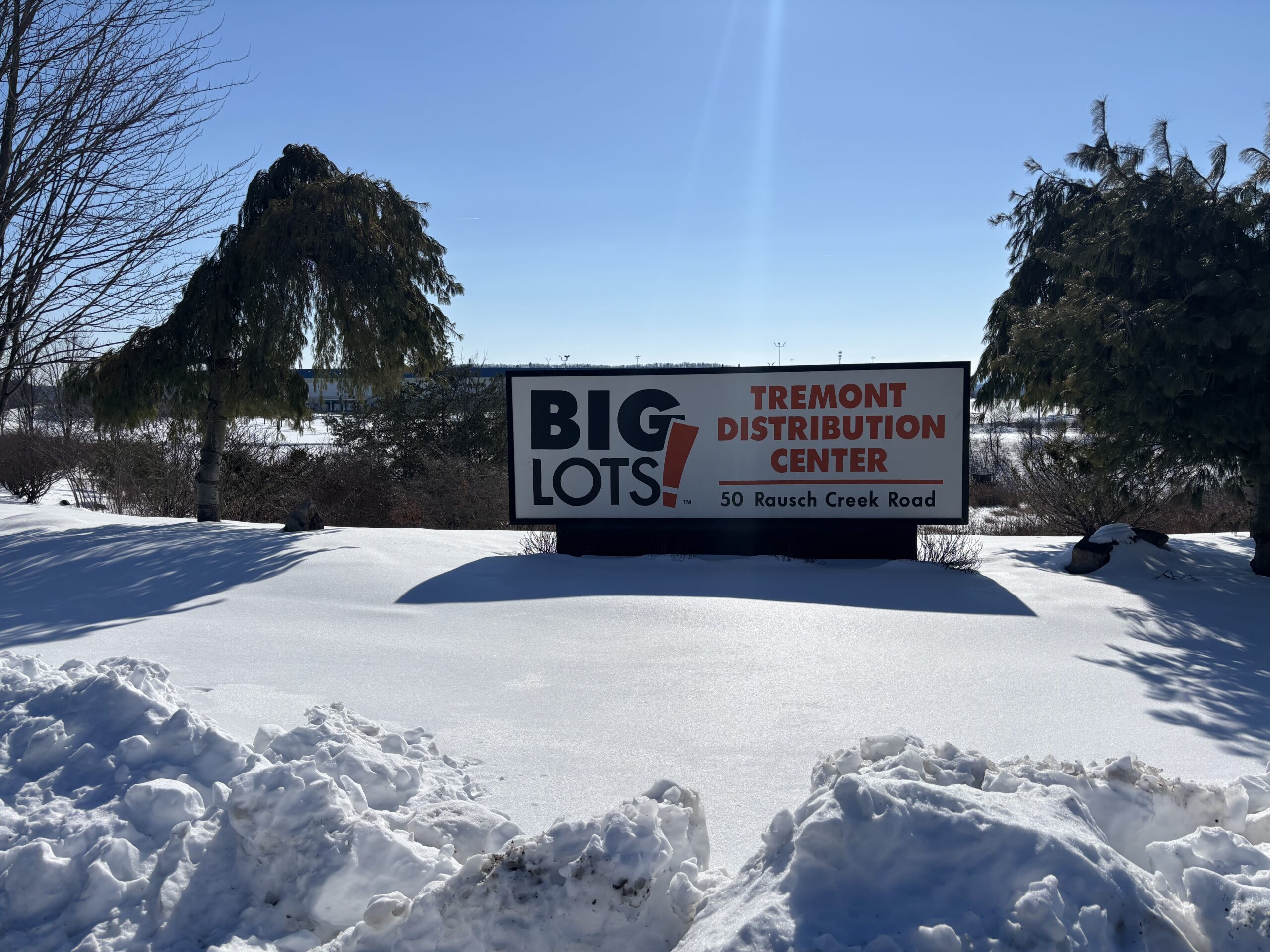
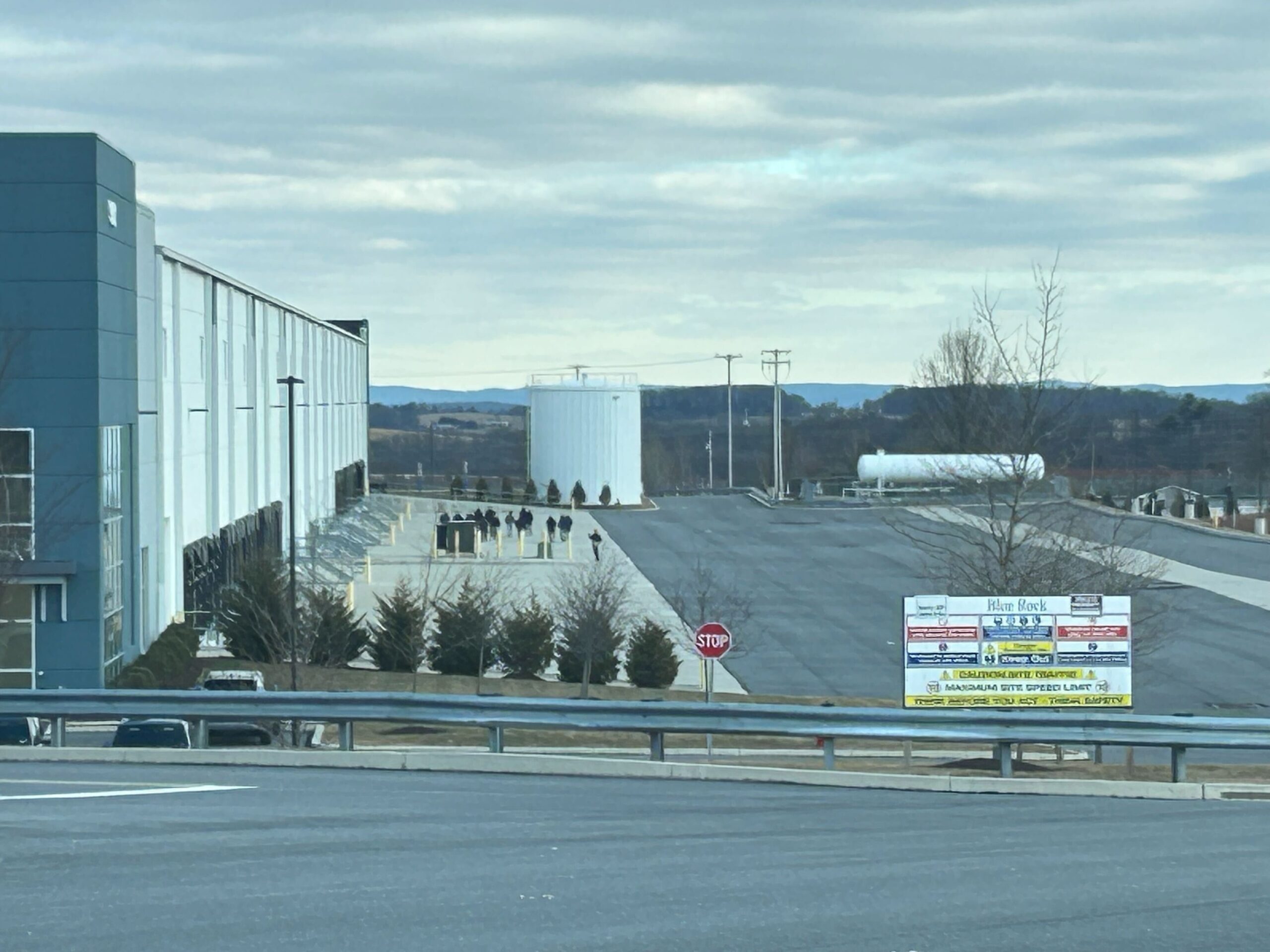
A 1.3-million-square-foot former Big Lots warehouse in Tremont, Pa., has been bought by U.S. Immigration and Customs Enforcement for $119 million. The agency plans to detain up to 7,500 immigrants there.
The Tremont Township detention center would house as many as 7,500 people, Fetterman noted, while the Upper Bern Township one would be capable of detaining 1,500 people.
Upper Bern Township has 1,606 residents, according to the U.S. Census Bureau, and is about 30 minutes northwest of Reading. The facility is near an Amazon warehouse and the Mountain Springs Camping Resort.
Tremont Township — where the much larger detention center is set to be built — has just 283 residents and is next to the 1,670-resident Tremont Borough. Tremont is in a rural area northeast of Harrisburg, near the Appalachian Trail, state game lands, and Fort Indiantown Gap, an Army National Guard training center.
In his letter, Fetterman said local and state officials did not have a chance to weigh in on how these massive facilities would affect everything from sewer systems and the electrical grid to hospitals and emergency medical services.
“Both townships do not currently have the capacity to meet the demands of these detention centers, with Tremont Township officials specifically stating the proposed 7,500-bed detention facility would quadruple the existing burden on their public infrastructure system,” Fetterman said.
A warehouse in Upper Bern Township, Berks County, Pa., was purchased by ICE and the Trump administration.
The letter maintains Fetterman’s stance as someone who supports ICE operations in general while criticizing the federal government’s recent handling of them. After federal agents shot and killed two U.S. citizens in Minneapolis last month, Fetterman called on the Trump administration to fire Noem. A few days later, Fetterman said he supports ICE agents wearing face masks.
Fetterman was among 23 Senate Democrats to cross the aisle last month to vote for a compromise bill funding the federal government through September, while granting just two weeks of funding for DHS.
Fetterman said the Pennsylvania facilities would result in a tax loss of $1.6 million to the communities. He asked DHS to agree to several conditions before proceeding further with the sites.
He requested an “impact assessment,” details on the criteria used to select these facilities, an agreement that federal funds be used to upgrade them, and “a commitment to a period of public engagement and dialogue with these communities.”
“Due to these significant concerns, it is my fear that DHS and ICE did not perform any due diligence, spending more than $200 million in tax dollars for warehouses that cannot be adequately converted and further eroding trust between Pennsylvanians and the Federal government,” Fetterman wrote.
The Department of Homeland Security and Immigration and Customs Enforcement did not immediately respond to a request for comment.
This story has been updated to correct the location of one of the proposed detention centers to Upper Bern Township.
This story first appeared in PA Local, a weekly newsletter by Spotlight PA taking a fresh, positive look at the incredible people, beautiful places, and delicious food of Pennsylvania. Sign up for free here.
If you’ve got coins in your pocket, purse, or wallet, you’re likely carrying around Pennsylvania-created art.
The U.S. Mint produces coins in four cities: Denver, Philadelphia, San Francisco, and West Point, N.Y. But the Philly location — located just a few blocks north of Independence Hall — is the Mint’s hub for engraving, and employs a team of medallic artists who sculpt all the new designs for circulating coins, congressional medals, and collectible pieces.
Yes, sculpt. The images in coins are three-dimensional and extremely detailed despite being only slightly raised.
“There’s a great challenge in making something in relief like this,” said Phebe Hemphill, a medallic artist who has worked at the Mint since 2006. “It’s kind of a weird, fascinating challenge to fit everything into that very, very low space we’re allowed to sculpt.”
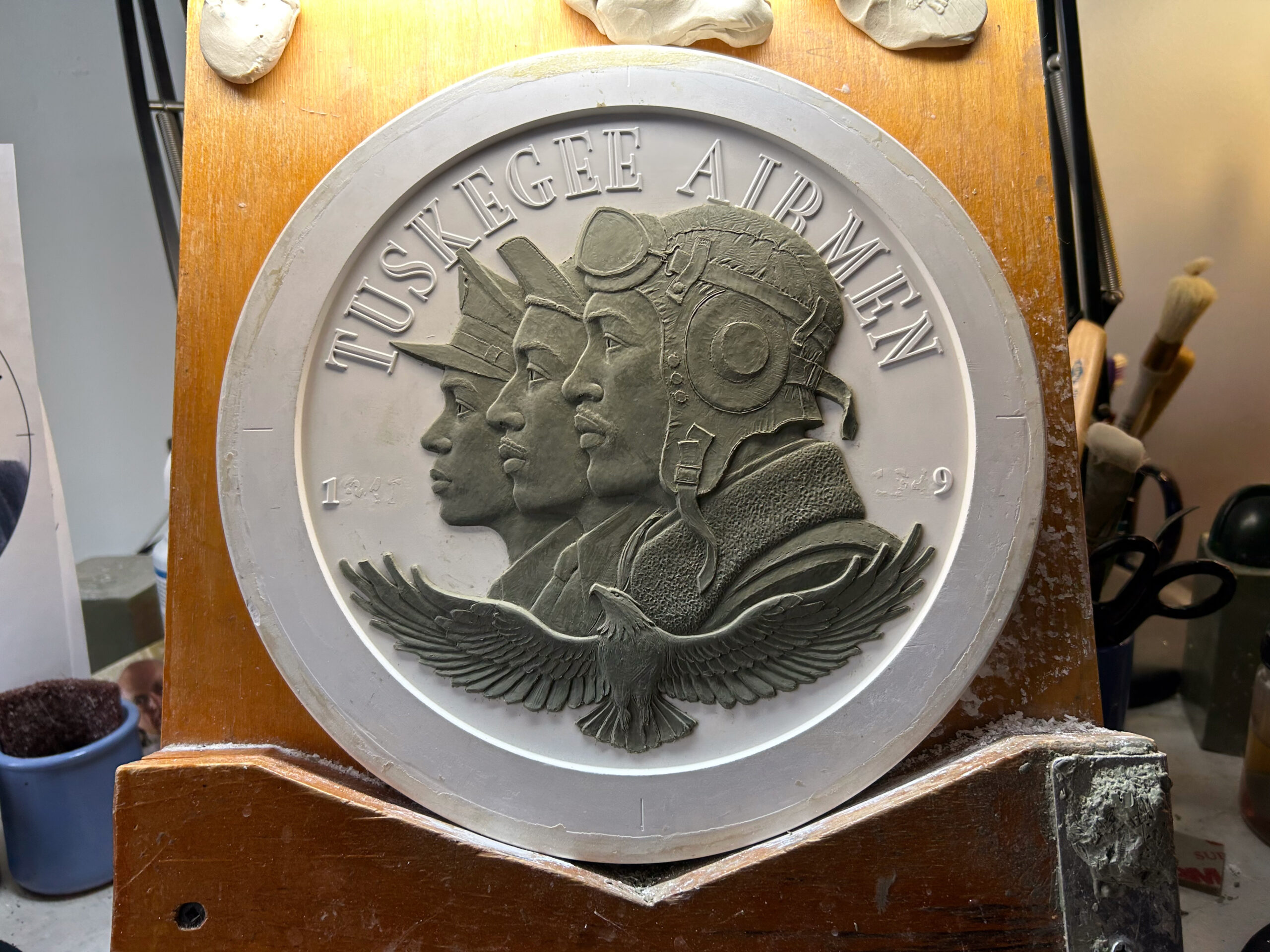
Hemphill, a Pennsylvania Academy of the Fine Arts alumnus originally from West Chester, got some early experience working at the Franklin Mint, a private Delaware County-based company that produces coins and other collectibles. Her design and sculpting credits over her two decades at the U.S. Mint number in the dozens, from a Congressional Gold Medal presented to Tuskegee Airmen to a quarter depicting the Cuban American singer Celia Cruz.
The coin-sculpting process requires many “small technical nuances” to create “the illusion of depth,” said Eric David Custer, another medallic artist at the Mint. While medals allow for a bit more “freedom” because they are larger, he said, coins like quarters are trickier. The sculpted image ends up being about as thick as “two or three human hairs” stacked on top of one another.
Custer, who grew up in Independence Township in Western Pennsylvania, did some of his early engraving work at Wendell August Forge, a Pennsylvania-based artisan metalware company. An alumnus of the Art Institute of Pittsburgh with a degree in industrial design, he joined the Mint in 2008 as a product designer and became a medallic artist in 2021.
Custer and Hemphill are part of a small team of medallic artists who span a range of backgrounds and skill sets. One previously designed dinnerware and pottery, while another founded a community sculpture studio.
“Everyone that’s arrived here has come from different avenues in art, sculpture, and manufacturing,” Custer said.
Since the first U.S. Mint was established in Philadelphia in 1792, the city has been the country’s center for coin engraving, according to spokesperson Tim Grant. The Mint’s headquarters moved to Washington in the 1870s, but its engraving operation remained in Philly.
Some notable names in sculpture, such as Augustus Saint-Gaudens, have designed coins for the Mint over the years — a history that is not lost on the artists who work there now.
“A perk of this job and to have this position is that you know that the greats went before you here,” Hemphill said.
How coins are made
The making of new coins and medals generally starts in Congress, which passes laws to authorize their creation.
The Mint then outlines design standards, and taps staff artists and its pool of over two dozen freelancers from around the country to submit line drawings for consideration. The designs go through a robust revision and review process before one gets final approval from the U.S. treasury secretary.
From there, the in-house medallic artists take the selected line art drawing and sculpt it into three dimensions, which can involve adding more detail than what is in the sketch.
“The sculptor has to make some decisions,” Hemphill said. “They can’t just solely take a design and, you know, make it look good as a coin. You have to enhance certain things.”
The completed artwork is then machine-engraved onto steel hubs, which are used to stamp dies that get used to strike coins. And once they enter circulation, the coins make their way to our pockets, jars, and couch crevices.
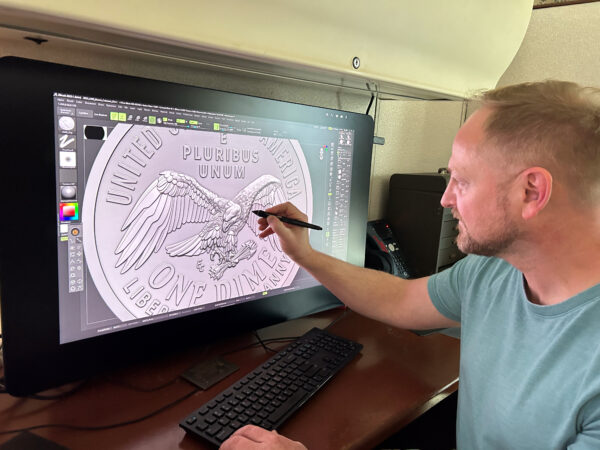
Some medallic artists prefer to sculpt the designs by hand with clay or plaster on rounds that are about 8 or 9 inches in diameter, while others use software, Hemphill explained. She prefers to work by hand initially, then scan her work to make finishing touches digitally.
The traditional approach “really allows the sculptor to gauge the depth properly using your own binocular vision,” Hemphill said, while digital tools make some “cool tricks” possible that “you wouldn’t even imagine you could do in traditional.”
A clay and plaster sculpture in relief of the Tuskegee Airmen by U.S. Mint medallic artist Phebe Hemphill for a Congressional Gold Medal.
Regardless of the methods used, the artistic process involves lots of constraints and “hard limits,” Hemphill said.
First, designs have to comply with the legislation that authorized them, which outlines required elements like the type of people or symbols the coins must depict, as well as phrases to include.
In some cases, stakeholders named in the law that authorized a coin — which can mean governors, museums, or organizations relevant to the design — have to be consulted.
Time is a factor, too. After a design is approved, things can move pretty quickly to meet production schedules, with artists getting around 16 business days to translate a line drawing into a sculpture, according to Hemphill and Custer.
And then there are medium-specific musts: Artists have to create designs that fit coins and medals. For example, certain angles don’t work well in coin art, Custer said, and nickels, dimes, and quarters each have specific font size requirements.
Production design staff also have to provide feedback to artists to make sure an image will be “strikable” and won’t result in manufacturing errors or inconsistencies, Custer explained.
“Designing and sculpting — they’re both problem-solving processes as much as they are art,” he said.
Sculpting stories
A medallic artist’s job ultimately boils down to finding a way to translate iconic moments or people in history into pocket-size art.
In Philadelphia, one of the country’s oldest and most storied cities, that history can be pretty accessible. When working on a new series of coins meant to honor the nation’s 250th birthday, for instance, Custer drew on resources that are practically in the Mint’s backyard.
Custer’s design for the tails side of the coin — which features an eagle with one empty claw and one claw holding 13 arrows — won out in the selection process.
The image takes inspiration from the Great Seal of the United States, and represents the colonists before and during the American Revolution, Custer explained. While he included the arrows from the seal, he left out the olive branch to symbolize the fact that the colonies had not yet reached peace — but left the claw open to demonstrate that they were waiting for it.
Hemphill also used the neighborhood to her advantage while working on the series. She sculpted the back of the “U.S. Constitution Quarter,” a design by Donna Weaver that features an image of Independence Hall.
When translating a line drawing of a building to a three-dimensional coin, sculptors benefit from having additional visual context, like a photograph, to get the details right, Hemphill said. In this case, though, she didn’t need a photo.
“I had a nice little walk down the street to really get a good gauge of how to do that one.”
The frigid temperatures, the blocks of ice clogging the Delaware and Schuylkill Rivers, and the mounds of snow piled high in driveways and parking lots across the Philadelphia region are not likely to change much Sunday and Monday, Zack Cooper said Saturday afternoon.
Cooper, a meteorologist at the National Weather Service in Mount Holly, said to expect a high of just 18 degrees on Sunday, a significant drop from Saturday’s high of 28. For Monday’s return to work for many, the weather service predicts a high of 36.
“It’s been a long time since we’ve seen this type of prolonged stretch of cold weather,” Cooper said. “It’s been about 10 years.”
The good news, he said, is that the temperature should peak for the week at near 41 on Wednesday. More good news, he said, is that the daytime highs are expected to reach above freezing for the rest of the week, 36 on Tuesday, Thursday, and Friday, and 38 on Saturday. But the nighttime lows should still dip below the freezing point of 32 degrees.
In that case, Cooper said, some of the ice will melt during the warmer daytime hours but not enough to cause widespread flash flooding near rivers, lakes, and streams. A slow warmup, with warmer days and colder nights, is always best, he said.
It’s been a rough February so far for Philadelphia area residents. Daily average temperatures have been below freezing every day since Jan. 23, and the region went nine days, from Jan. 24 to Feb. 2, without reaching 32 degrees at all.
Last week, a barge heading north got stopped in the ice on the Delaware River, ferry service was halted in the Delaware Bay due to ice, and the Coast Guard had to deploy a 175-foot-long cutter to smash up ice floes in the Delaware all the way up to Trenton.
Cooper said the recent nine-day stretch of temperatures below freezing is likely among the top 10 longest local cold snaps on record. The last period of such frigidity, he said, was an eight-day stretch in 2015.
As for the wind chills, Saturday night could reach minus 13 degrees. Sunday could go to minus 12, and Monday could be minus 3. High wind warnings are expected to be lifted on Sunday. No snow is expected next week.
So what should folks do until Wednesday? Hang in there, Cooper said. “We take weather as it comes,” he said. “It’s ever-changing, and you have to adapt and adjust.”
And if it does reach 41 on Wednesday, Cooper said, “It will feel nice.”