Think you know your news? There’s only one way to find out. Welcome back to our weekly News Quiz — a quick way to see if your reading habits are sinking in and to put your local news knowledge to the test.
Question 1 of 10
A series of train fires has prompted SEPTA to inspect its trains. The majority of its fleet is made up of this model train:
CorrectIncorrect. XX% of other readers got this question right.
SEPTA is now rushing to inspect 225 Silverliner IVs and provide its findings on the root cause of the problem by the end of the month. The trains, which are outdated in design and decades of use, haven’t been replaced because of a lack of funding. Now they’re catching fire more often.
Question 2 of 10
East Passyunk’s Singing Fountain has been decorated by the local knitting collective for Halloween. With her new costume, what is the mermaid sculpture dressed as?
CorrectIncorrect. XX% of other readers got this question right.
The mermaid at the top of the fixture now wears a black and orange witch’s hat and matching cape. The surrounding cherubs also have crocheted outfits of their own: One is a monarch butterfly, another is a bat, and the third is a fairy. Philadelphia Drunken Knitwits is the group behind the new look.
Subscribe to The Philadelphia Inquirer
Our reporting is directly supported by reader subscriptions. If you want more journalism like this story, please subscribe today.
A new dog park opens in Manayunk soon, following the closure of Bark Social last year. What is it called?
CorrectIncorrect. XX% of other readers got this question right.
Fetch Park, an Atlanta-based company where dogs run leash-free and their humans drink concern-free, has announced it will open on Nov. 6 at the site of the former Bark Social next to the United Artists movie theater at 3720 Main St. It’s the first location for the chain outside its home base in Georgia.
Question 4 of 10
Stateside Brands, the local vodka distiller responsible for Surfside hard iced teas and lemonades, is suing Anheuser-Busch InBev. Stateside alleges that Anheuser-Busch’s own canned hard teas look “strikingly similar” to Surfside's. What is the competing beverage called?
CorrectIncorrect. XX% of other readers got this question right.
The suit centers on the packaging of Surfside and Skimmers, which debuted in April. Both cans use the same central design elements, the lawsuit alleges, which could dupe consumers into believing that Skimmers is associated with Stateside. Stateside is seeking a permanent injunction that would force Anheuser-Busch to change Skimmers’ packaging. It is also suing for unspecified damages, including “any and all profits” that Anheuser-Busch has earned from selling cans of Skimmers.
Question 5 of 10
At Vare Rec Center, a team of young gymnasts in South Philly trains on heart and hustle, competing against private clubs with deeper pockets. Now, they’re crowdfunding to raise money for this item for competition:
CorrectIncorrect. XX% of other readers got this question right.
Vare Gymnastics aimed to raise at least $6,000 through a GoFundMe for new jackets and gym bags for this year’s competition season. Following a report by The Inquirer, they secured nearly $50,000 in donations.
story continues after advertisement
Question 6 of 10
ESPN is bringing back Funday Football during the Eagles’ Week 14 game against the Los Angeles Chargers on Monday Night Football, where all the players will be transformed into popular characters in an alternate broadcast designed for kids. Which movie/show will this edition be based on?
CorrectIncorrect. XX% of other readers got this question right.
This time around, the kids' broadcast will be based on Monsters, Inc. films starring Mike, Sulley, and the rest of the Pixar film crew.
Question 7 of 10
The most popular cat name in Philadelphia is tied with 54 cats each registered under the names Shadow and:
CorrectIncorrect. XX% of other readers got this question right.
Indeed, 54 cats are named Luna and 54 more are named Shadow across Philadelphia, according to public data. It makes those two names tied for the most popular in the city. The next most popular name is Simba, with 38 cats holding that name.
Question 8 of 10
Pennsylvania ranks among the worst states for jobs according to a new report by WalletHub that placed it in the No. 44 slot of all 50 states. Which state did even worse?
CorrectIncorrect. XX% of other readers got this question right.
North Carolina, Oregon, Alaska, Kentucky, Louisiana, and West Virginia are the only states that received worse marks than Pennsylvania. The report considered employee protections such as state-mandated paid sick leave, equal pay, and protections for pregnant or breastfeeding people.
Question 9 of 10
K-9 Ron, a 3-year-old dog who was once scheduled to be euthanized, was officially sworn in Tuesday as a detection dog for the Delran Township Police Department. What breed is Ron?
CorrectIncorrect. XX% of other readers got this question right.
Ron, predominantly black-haired with a streak of white down the center of his face and across his chest, is a pit bull. He was found abandoned in an apartment in Minneapolis with two other dogs in 2023. A shelter gave the trio Harry Potter-themed names — Ron, Harry, and Hermione.
Question 10 of 10
Rachel Millner, a Bucks County psychologist and advocate for fat liberation, has launched a campaign to become the first plus-sized cycling instructor for this company:
CorrectIncorrect. XX% of other readers got this question right.
Seems like you’ve been skimming more than reading there, buddy. There’s always next week.
You’ve read some articles (or made some educated guesses) but we wouldn’t come to you first for our local news recaps. Better luck next week!
Do you work here? You’re a local news stan with the latest updates on Philly happenings. Your friends definitely ask you for summaries on what’s going on and it shows.
Philadelphia discharges 12.7 billion gallons of raw, diluted sewage into the Delaware River’s watershed each year, with Camden County adding to the mix, according to a new report.
That’s a problem, say the report’s authors at the nonprofit advocacy groupPennEnvironment. Philadelphia and Camden border the river, and significant recreational potential is blocked forpart of the year because of pollution from both, the authors say.
A waterway can remain unsafe for recreation for up to 72 hours after an overflow. That suggests local waterways could be unsafe for recreation up to 195 days per year, or more than half the year.
Five decades after the Clean Water Act mandated that waterways be made safe for swimming and fishing, combined sewer overflows (CSOs) continue to pollute during wet weather when untreated sewage and runoff surge into nearby creeks and rivers, creating the potential to sicken recreational users.
David Masur, executive director of PennEnvironment, said the group included Camden County in its most recent report“to get a more holistic view.”PennEnvironment’s first report on CSOs in 2023focused only on Philly.
The pollution “affects the waterway, the environment, and public health,” Masur said. “The river is the border between the two states, and people on both sides use it a lot.”
PennEnvironment acknowledges that both Philly and Camden County have programs to reduce overflows and is calling on federal officials for increased funding to put proper infrastructure into place.
Philadelphia Council member Jamie Gauthier (center) spoke Monday about PennEnvironment’s report on pollution from combined sewer overflows. To her left is Margaret Meigs, president, Friends of the Schuylkill Navy. And to her right is Tim Dillingham, senior adviser, American Littoral Society, and Hanna Felber, clean water associate at PennEnvironment Research & Policy Center.
Frequent overflows, high volume in Philly
Roughly 60% of Philadelphia is served by a combined sewer system, which has 164 outfalls — really large metal or concrete openings — that discharge pollution into waterways. A CSO system uses a single pipe to collect and transport sewage from homes and businessesas well as stormwater runoff from streets and sidewalks.
During dry weather, the system can handle the volume before safely releasing it back into the rivers. But during heavy rainfall, thesystem discharges untreated, though highly diluted, sewage mixed with stormwater directly into waterways.
Despite the Philadelphia Water Department’s ongoing Green City, Clean Waters project — a 25-year plan focusing on green infrastructure to reduce overflows — the frequency and volume remain alarmingly high, the report states.
Overall, CSOs dumped an average of 12.7 billion gallons of raw sewage mixed with polluted stormwater per year into local waterways from 2016 to 2024, the authors of the report stated. They included an online map to show the location of the outfalls and annual overflow.
Half the sewage came from just 10 CSOs.
window.addEventListener(“message”,function(a){if(void 0!==a.data[“datawrapper-height”]){var e=document.querySelectorAll(“iframe”);for(var t in a.data[“datawrapper-height”])for(var r,i=0;r=e[i];i++)if(r.contentWindow===a.source){var d=a.data[“datawrapper-height”][t]+”px”;r.style.height=d}}});
Still, the numbers are a slight improvement over the 15 billion gallons a year released into local rivers, as PennEnvironment reported in 2023.
Philadelphia gets its drinking water from the rivers, but the CSOs are downstream of the city’s treatment plants on the Delaware and the Schuylkill.
The reportused publicly available data to show that five of six waterways in Philly produced at least one overflow 65 times or more per year on average between 2016 and 2024. Those were the Delaware River, the Schuylkill, and Cobbs, Frankford and Tacony Creeks.
In better news: The average volume of overflow per inch of precipitation declined by about 16% from previous periods, but progress is slow and threatened by increased rainfall and rising sea levels due to climate change, the authors say.
PWD could not be reached for comment.
window.addEventListener(“message”,function(a){if(void 0!==a.data[“datawrapper-height”]){var e=document.querySelectorAll(“iframe”);for(var t in a.data[“datawrapper-height”])for(var r,i=0;r=e[i];i++)if(r.contentWindow===a.source){var d=a.data[“datawrapper-height”][t]+”px”;r.style.height=d}}});
Camden County
The report also found persistent overflows in Camden County. The cities of Camden and Gloucester, along with the Camden County Municipal Utilities Authority (CCMUA), operate combined sewer systems that frequently overflow into the Delaware River and its tributaries, including the Cooper River and Newton Creek.
The report found that systemson the Camden County side of the river overflowed into local waterways an averageof 76 days per year from 2016 to 2024.
window.addEventListener(“message”,function(a){if(void 0!==a.data[“datawrapper-height”]){var e=document.querySelectorAll(“iframe”);for(var t in a.data[“datawrapper-height”])for(var r,i=0;r=e[i];i++)if(r.contentWindow===a.source){var d=a.data[“datawrapper-height”][t]+”px”;r.style.height=d}}});
The highest-frequency outfall for the Cooper River released sewage for an average of 118 days annually during that period.
The Delaware River received sewage overflows for an average of 94 days annually from its highest-frequency outfall.
The authors said gaps in data leave them unable to show the total volume of diluted sewage releasedfrom Camden. But they said that the amount of “solids/floatables” collected at each outfall is an indicator a waterway is polluted.
Dan Keashen, a spokesperson for Camden County, said officials have been making strides.
He said that crews recently cleaned 30 miles of pipe and that a $26 million project is underway to physically separate the combined sewer service area of Pennsauken that flows into Camden. Officials are also studying how to better achieve compliance for the largest outfall in the system, a project estimated to cost $40 million to $150 million when complete.
What can be done?
The report concludes that current plans by Philadelphia and Camden County are insufficient to achieve the goal of a clean Delaware River watershed.
The report was written by John Rumpler, clean water director for Environment America, PennEnvironment’s parent organization, and Elizabeth Ridlington, associate director of the Frontier Group, a nonprofit research group that is part of the Public Interest Network, an environmental advocacy organization.
The authors call for officials to accelerate action to end all sewer overflows, set a hard deadline, and find new ways to pay for necessary infrastructure upgrades.
Philadelphia CouncilmemberJamie Gauthier, chair of the committee on the environment, called overflows “a public health crisis” and urged PWD’s new commissioner, Benjamin Jewell, to act. She said elected officials in Harrisburg and Washington also need to step up.
PWD is separately under pressure by a new Environmental Protection Agency regulation that seeks to improve the amount of dissolved oxygen in the Delaware by ordering a large-scale reduction of ammonia at the city’s three water pollution control plants. PWD estimates that the price for compliance is $3.6 billion and would cost households an additional $265 annually on their water bills.
The authors of the PennEnvironment report concede the CSO task is daunting. But they say Portland and Boston faced similar situations, invested in infrastructure, and managed to make CSO overflows infrequent. Washington, D.C., they said, is on track to reduce sewage overflows by 96% in 2030.
Hanna Felber, a PennEnvironment advocate, said that PWD needs to use creative funding, such as floating longer-term bonds to finance projects, and that its engineers need to find more creative solutions, such as installing larger stormwater tunnels that flow separately from sewage.
“Unfortunately, our new report on sewage pollution in Philadelphia shows that on far too many days each year, the Philadelphia Water Department’s pipes and sewer systems dump huge volumes of raw sewage into our beautiful waters, harming our environment and depriving the public of a safe place to fish, boat, and float,” Felber said.
New Jersey’s beaches, still recovering from major sand losses from an offshore hurricane and a nor’easter, evidently are in for another assault this week as October is about to make a dramatic exit.
Gale-force gusts off the ocean could develop as early as Tuesday afternoon at the Shore, said Eric Hoeflich, a meteorologist at the National Weather Service office in Mount Holly, with brisk onshore winds persisting “maybe into Friday.”
A potent storm is forecast to affect the entire region Wednesday night into Thursday, with heavy rains in the immediate Philadelphia area, where drought conditions have been intensifying.
Also on Thursday, what is likely to become catastrophic Hurricane Melissa will be passing offshore, churning up the waves crashing on East Coast beaches.
“The coast once again is going to take a pretty good battering,” said Dave Dombek, senior meteorologist with AccuWeather Inc.
On the plus side, Hoeflich said, for the Shore, this week’s storm “doesn’t look as bad” as the beach-erasing nor’easter earlier this month. The path should be more inland, and the lunar influence on the tides would be less. Only minor flooding is expected, he said, subject to change.
However, not only would the track mean region-wide heavy rain, but it would also increase the potential for severe thunderstorms Thursday. A front is due to chase the rains Friday, but it may generate gusts to 50 mph, the weather service says. Power outages are possible both days.
The timetable for the winds and the storm in the Philly region
The National Weather Service has posted a gale warning for Tuesday into Wednesday morning for the waters along the immediate coast for winds from the east that could gust past 50 mph.
That would be more the result of high pressure to the north of the region. Winds circulate clockwise around centers of highs; thus, areas to the south of the center experience winds from the east.
The breezes will be getting a second wind as a storm develops in the Southeast and tracks north. Meanwhile, a weakened Hurricane Melissa will be churning the ocean as it passes well off the U.S. coast on Thursday.
A strong storm system will move across the region later this week. Here is a summary of expected impacts. pic.twitter.com/OvhoVAaS11
Rain for the last 30 days has been about a third of normal in the city and the neighboring Pennsylvania counties.
South Jersey has fared only slightly better, but precipitation is well less than half of normal.
What is the forecast for the trick-or-treaters?
It is all but certain that Friday will be a dry day, with temperatures in the low and mid-50s. Wind gusts are forecast to die down sometime after 5 p.m., but hold onto those brooms, just in case.
The transit agency has until Oct. 31 to complete the inspections, which were recommended after the National Transportation Safety Board released a report investigating five fires that occurred on the Silverliner IVs this year.
As of Oct. 9, SEPTA said that crews can handle about six Silverliner IV cars a day, with a goal of ramping up inspections to handle 12 cars a day with five-person crews per car.
Although SEPTA is rotating cars in and out of service for the inspections — instead of yanking all 225 from service at once — riders have experienced significant delays and some trains have been outright canceled. Without a full fleet, SEPTA says it is unable to respond as easily to typical delay-causing events, such as power outages and bad weather.
Riders should check the SEPTA app for real-time updates on how trains are running.
As the deadline approaches and delays persist, The Inquirer is tracking SEPTA’s inspection progress.
Mon., Oct. 27, 2025
95 inspections complete
Days until deadline: 4
Fri., Oct. 24, 2025
88 inspections complete
Days until deadline: 7
Wed., Oct. 22, 2025
78 inspections complete
Days until deadline: 9
Mon., Oct. 20, 2025
66 inspections complete
Days until deadline: 11
Fri., Oct. 17, 2025
58 inspections complete
Days until deadline: 14
story continues after advertisement
Wed., Oct. 15, 2025
46 inspections complete
Days until deadline: 16
Thurs., Oct. 9, 2025
12 inspections completed
Days until deadline: 22
Mon., Oct. 6, 2025
Inspections begin
Cars began undergoing inspections in SEPTA’s four regional maintenance facilities.
Greg Buzby, manager of Regional Rail vehicle engineering, shows some of the work being done for the safety inspections at the SEPTA Overbrook Maintenance Facility.Tyger Williams / Staff Photographer
“We’re looking for any signs of overheating or damage to any of the circuits, physical damage, making sure the bolted connections are tight,” said Greg Buzby, manager of Regional Rail engineering. “There’s also electrical testing that we have to do to make sure the insulation has its integrity.”
Inspections remaining: 225
Days until deadline: 25
Wed., Oct. 1, 2025
NTSB releases report
Noting that the Silverliner IV cars’ “outdated design … represents an immediate and unacceptable safety risk,” the National Transportation Safety Board urged SEPTA to sideline all the Silverliner cars immediately and to retrofit or replace them as soon as possible. The Silverliner IVs went into service between 1974 and 1976, with technology that was designed even before that time.
The NTSB’s findings are advisory.
More than 300 passengers were safely evacuated after a SEPTA Regional Rail train caught fire in February in Delaware County.Charles Fox / Staff Photographer
The Federal Railroad Administration, which regulates freight and passenger railroads, ordered SEPTA to undertake the inspections, concluding “that SEPTA’s maintenance and operation of its passenger rail equipment requires additional oversight and corrective action.”
Inspections remaining: 225
Days until deadline: 30
story continues after advertisement
Talk to our transportation team.
Do you have questions about what’s happening on Regional Rail? Ask here or share how your rides on Regional Rail have been impacted in October.
Staff Contributors
Reporting: Thomas Fitzgerald and Erica Palan
Graphics: John Duchneskie
Editing: Lizzy McLellan Ravitch
Digital Editing: Erica Palan
Subscribe to The Philadelphia Inquirer
Our reporting is directly supported by reader subscriptions. If you want more journalism like this story, please subscribe today
The frogs are all over social media, playing and prancing in front of the ICE building in Portland, Ore. The demonstrators in big, green inflatable costumes have grown from local oddity tosymbol of the resistance, undermining President Donald Trump’s claim that “war ravaged” Portland is under siege by “domestic terrorists.”
Protests that started with a single amphibian have in recent weeks expanded into full ponds, particularly after a viral video showed officers pepper-spraying a demonstrator through the air-intake of his costume. The frog corps there has been joined by a shark, giraffe, chicken, and raccoon, and during the recent nationwide “No Kings” marches expanded its web-toed footprint to places including Philadelphia.
Demonstrators gather for a ’No Kings’ rally in Philadelphia on Saturday, Oct. 18, 2025.
Why has the frog become so popular?
People following the news on the internet and TV see the paramilitary might of helmeted ICE agents arrayed against … frogs. And unicorns. And other dancing creatures.
For demonstrators, it’s a way to make the other side look ridiculous by embracing ridiculousness ― a staple of effective political street theater, said Temple University professor Ralph Young, an expert on protest and dissent.
“Trump saying Portland is occupied by terrorists, it’s so over the top,” Young said. “How do you respond? I guess you put on a frog outfit.”
What has made Portland a center of immigration protest?
Demonstrators oppose Trump’s effort to deport millions of people. And Portland has long been a target of the president, who last weekagain falsely claimed that the city was “burning down.”
He wants to deploy National Guard troops in response to the protests outside the city’s Immigration and Customs Enforcement facility. An appeals court last week reversed an earlier ruling and said that deployment could proceed.
Wearing animal costumes “dismantles their narrative a little bit,” chicken-suited protester Jack Dickinson told Willamette Week. “[Homeland Security Secretary] Kristi Noem is up on the balcony staring over the ‘Antifa Army’ and it’s, like, eight journalists and five protesters and one of them is in a chicken suit.”
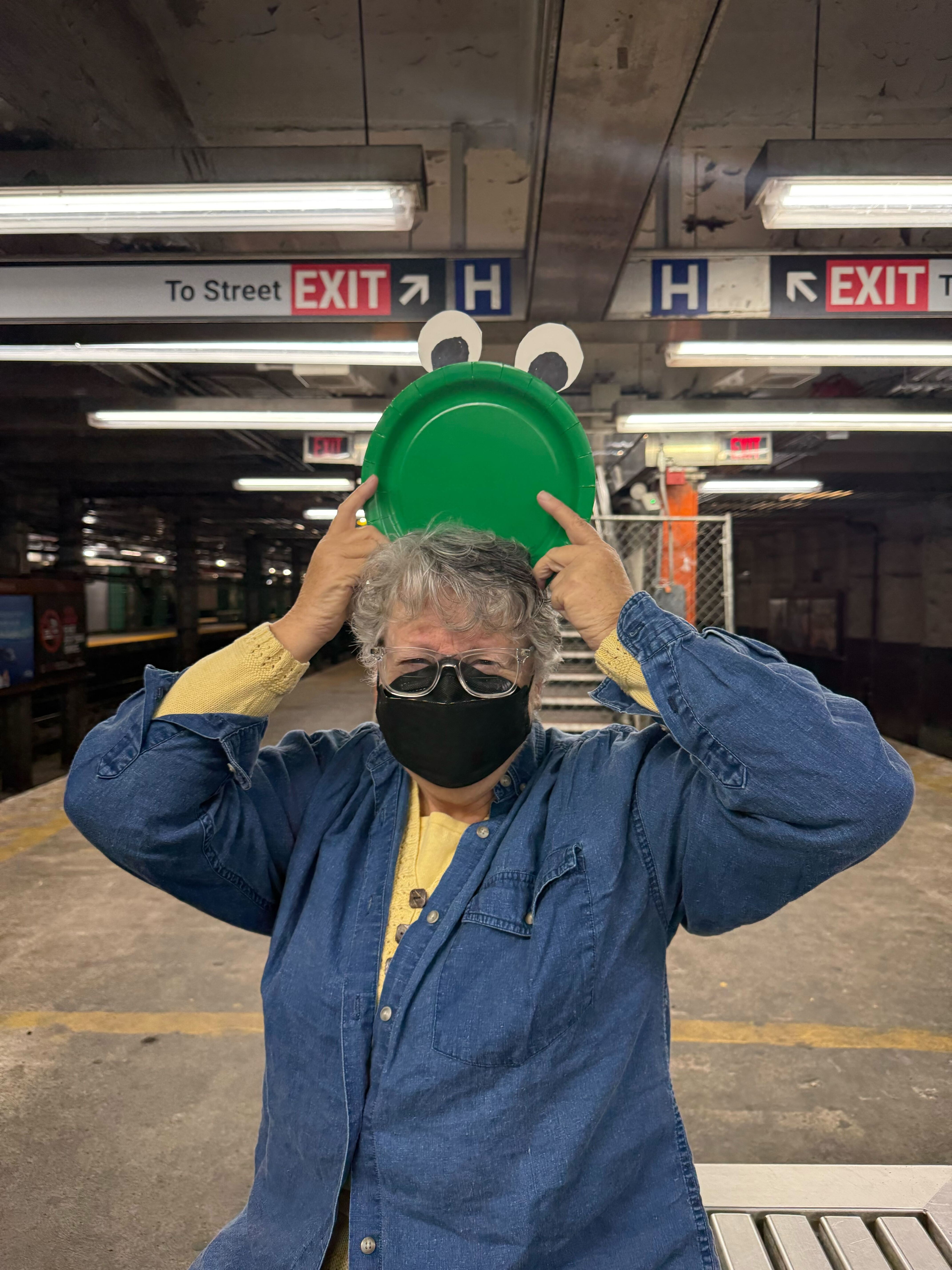
Laura Murphy, 74, wears a handmade tiara inspired by a Portland, Oregon, protester’s frog costume, on her way to the No Kings protest on Oct. 18 in Philadelphia.
Where did the idea for the frogs come from?
The frogs, Temple’s Young said, come out of a court jester tradition. In ancient times, jesters could speak to the king in ways that might get someone else beheaded. They offered what others might be unwilling to say ― the truth, cloaked in humor.
Since that time there have been many other instances of truth-in-comedy protests.
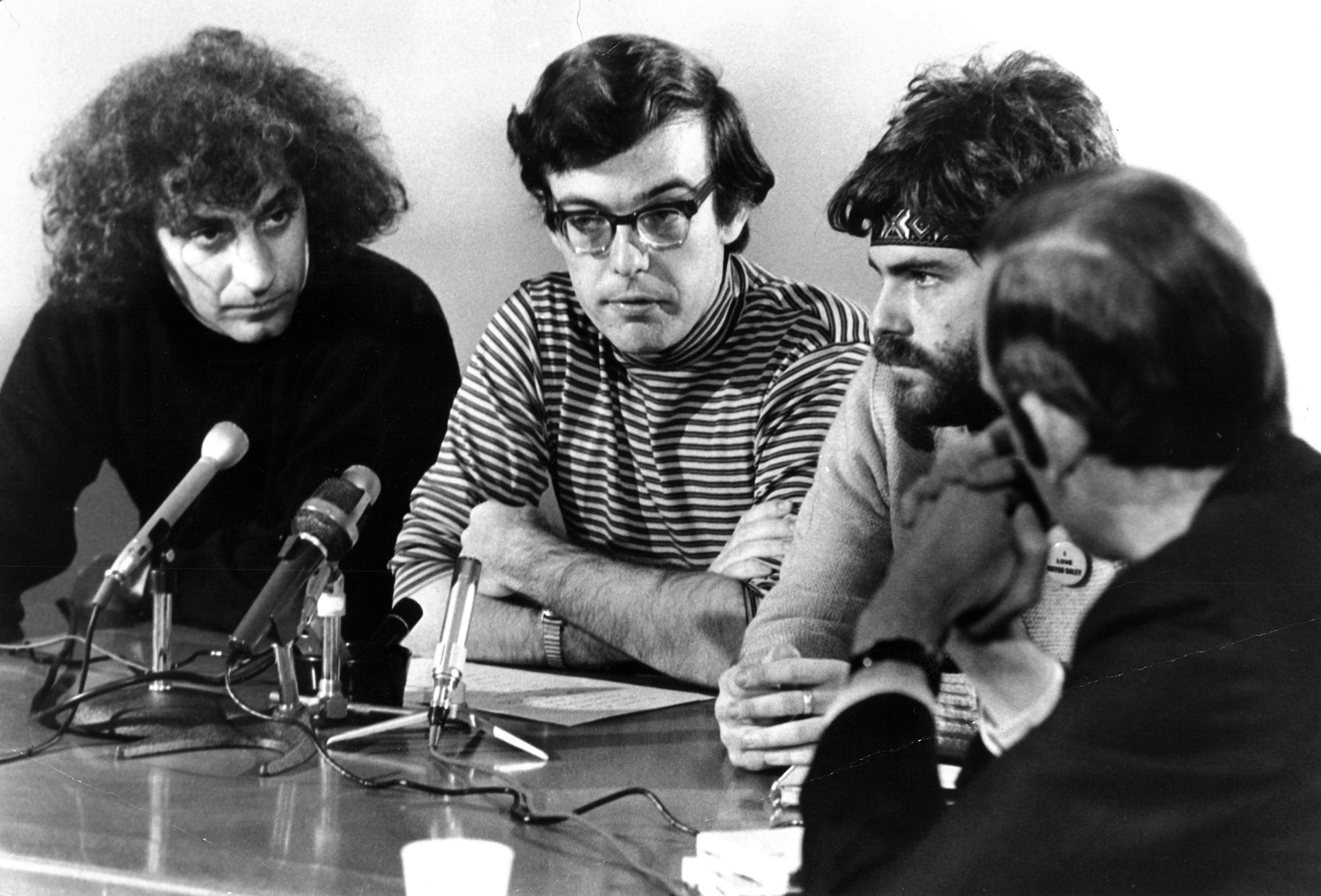
At the 1968 Democratic National Convention, the Youth International Party, the Yippies, nominated a 145-pound pig for president. Pigasus, sarcastically named for the winged horse Pegasus, served to protest the political establishment and the sorry choice many voters felt they faced in choosing between Richard Nixon and Hubert Humphrey. The pig’s campaign slogan: “If we can’t have him in the White House, we can have him for breakfast.”
Here on trial as part of the Chicago Seven, Abbie Hoffman (left) and Jerry Rubin (right), with beard and headband, helped nominate a pig for president. In center in striped shirt is defendant Rennie Davis. They’re picture here on Oct. 23, 1969, at the Federal Building in Chicago.
The same year, the New York Radical Women attracted huge news coverage at the Miss America pageant when they dumped bras, makeup, and girdles into a “Freedom Trash Can” set up on the Atlantic City Boardwalk. The demonstrators were labeled “bra-burners,” though organizers insisted no bras were actually burned.
Have frogs been spotted in Philadelphia?
Yes, including at the recent “No Kings” protest that drew thousands onto city streets. One person carried a sign endorsing “Amphifa,” or “Amphibians Against Fascism.”
Frogs are appearing on posters and T-shirts in a variety of poses: Raising the U.S. flag at Iwo Jima, with the help of a chicken and a unicorn. And as the subject of the famous Barack Obama campaign portrait, this one captioned not “HOPE” but “HOP.”
So far the ICE field office in Philadelphia has not been the target of sustained protests, though the exterior of the building is now guarded by heavy concrete blocks. The group No ICE Philly plans to hold an all-day, Halloween Eve demonstration on Thursday, complete with costumes, live music, art, and free food.
A demonstrator wearing a frog costume stands outside a U.S. Immigration and Customs Enforcement facility on Tuesday, Oct. 7, 2025, in Portland, Ore. (AP Photo/Ethan Swope)
Is it true the frogs are meant as a biblical reference?
The family of Kada Scott honored her life Sunday morning by releasing balloons on the steps of the Philadelphia Art Museum.
Organizers described the event as a vigil to honor the life and memory of Scott, the 23-year-old Mount Airy woman who police say was murdered earlier this month. Police found Scott’s body Oct. 18 after a two-week search, buried in the woods behind the vacant Ada H.H. Lewis Middle School.
Scott family members who attended Sunday’s vigil included her mother, Kim Matthews, who held a sign saying “RIP Kada” with her daughter’s photo on it, and her father, Kevin Scott.
Kim Matthews (center right), mother of Kada Scott, holds a sign featuring her daughter while releasing balloons before a Domestic Violence Awareness walk at the Philadelphia Art Museum on Sunday, Oct. 26, 2025.
The event was held immediately before a walk to increase awareness of domestic violence.
Philadelphia native and reality TV actress Sundy Carter, who authored a book on her own experiences with domestic violence, said she and other walk organizers were already planning an event when Scott was found dead.
“When the unfortunate situation happened with Kada, we knew that this was so much bigger than us,” Carter said.
Police have said they are still determining the relationship between Scott and her accused killer, Keon King. But Carter emphasized that violence can occur even when people know each other but are not in a relationship.
Carter said the event offered a chance for Scott’s family and friends to share their stories with others.
“We just loved on each other, encouraged one another, and we turned today into something so powerful and positive,” Carter said.
Walk participants carried that feeling forward, she said.
“There were so many other domestic violence foundations and support groups that were out there and just there to give resources and everybody was just very much hands-on,” Carter said. “I think this is what the city needed.”
Participants meet at the Philadelphia Art Museum before starting the Domestic Violence Awareness walk on Sunday, Oct. 26, 2025.
Carter said organizers plan to hold similar walks at least once a year.
King has been charged with murder, illegal gun possession, abuse of a corpse, robbery, and additional crimes. He was denied bail and will appear in court Nov. 3 for the first of three preliminary hearings.
Just before they were set to make their derby debut, Jake Poeske and Jack Gentry suffered a crushing blow: Their package of bird costumes was stolen.
Last-minute Big Bird Halloween onesies would have to suffice.
The duo had welded, papier-mâchéd, and crafted their way to the start line of the 17th Kensington Kinetic Sculpture Derby, a uniquely Philadelphian tradition where absurd human-powered contraptions — no motors, no nothing, just people — travel a three-mile course with obstacles, and then face the final boss, a mud pit.
The derby was the centerpiece of Saturday’s all-day arts festival on Frankford Avenue, celebrating the East Kensington and Fishtown corridors’ creative, kitschy flair and pride, said Marc Collazzo, executive director of the Fishtown Kensington Area Business Improvement District, which puts on the event.
“There’s unfortunately a lot of negative views of what this neighborhood is,” he said, “and it doesn’t give enough highlight or spotlight on the people that are here — the people that really have invested their time, talent, and treasure to live, shop, and work here.”
Collazzo added: “We have people coming from all over the region to really see the good that Kensington is.”
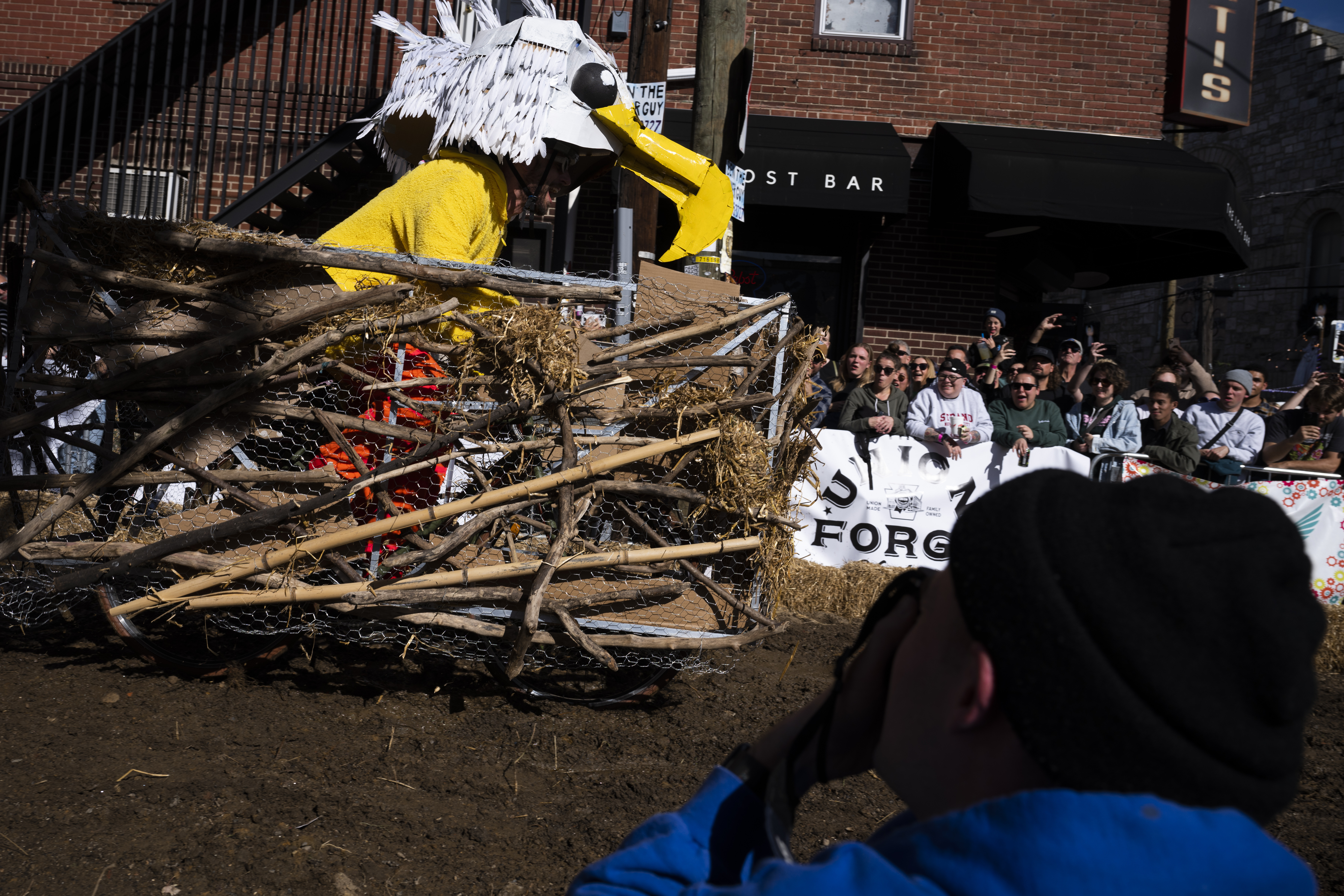
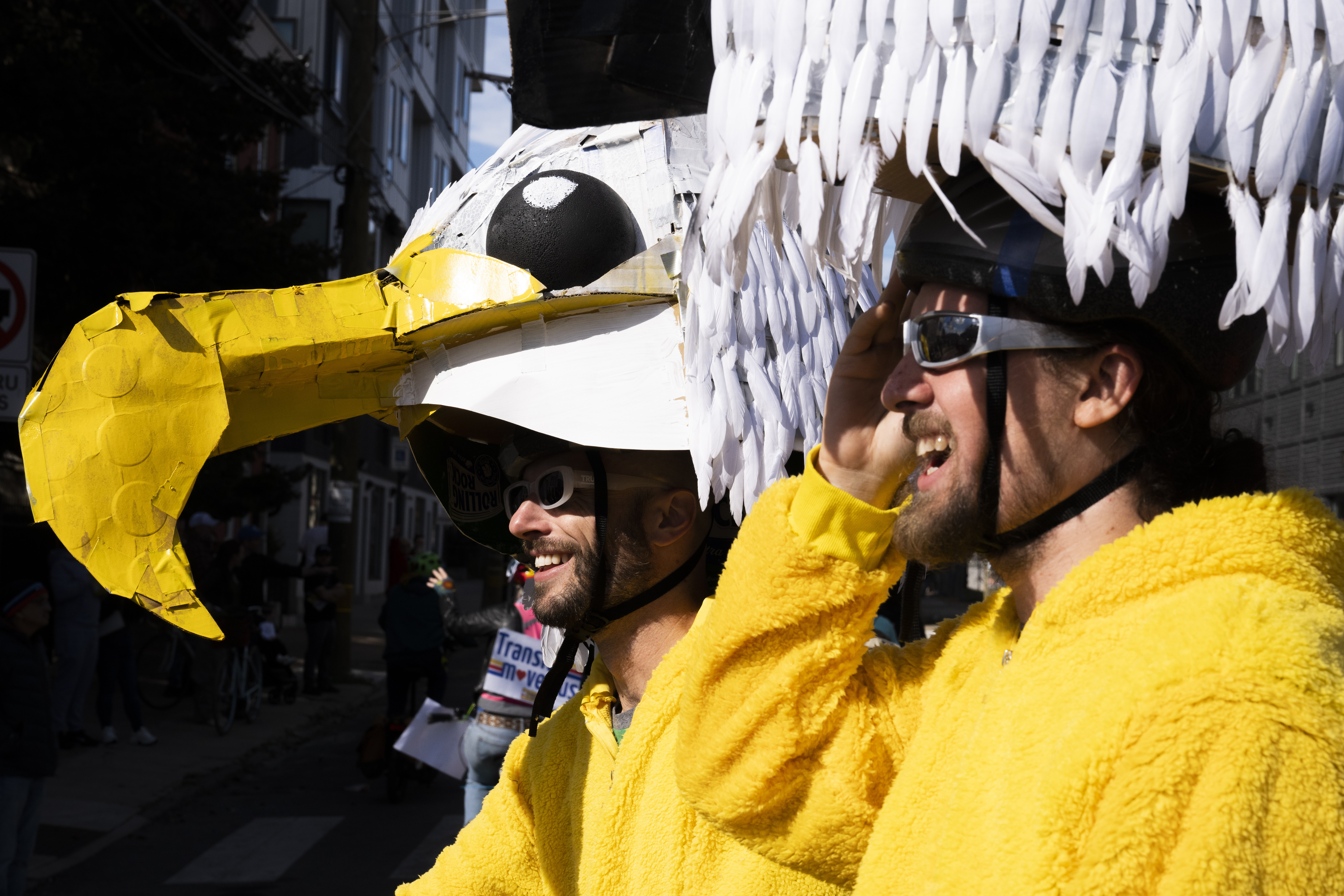
Poeske and Gentry’s entry, “The Early Bird Doesn’t Catch the Worm,” was a punny nod to the Philadelphia Eagles. Poeske welded two bikes side-by-side, built a steel frame wrapped in chicken wire and stuffed it with twigs and hay, creating a bird’s nest. Gentry donned a handmade cockatoo head, while Poeske was an eagle.
Two worms rode alongside. Francis Poeske fashioned pink pantyhose stuffed with towels and shirts to his helmet and repurposed a pink velour The Cheetah Girls outfit for his grub couture.
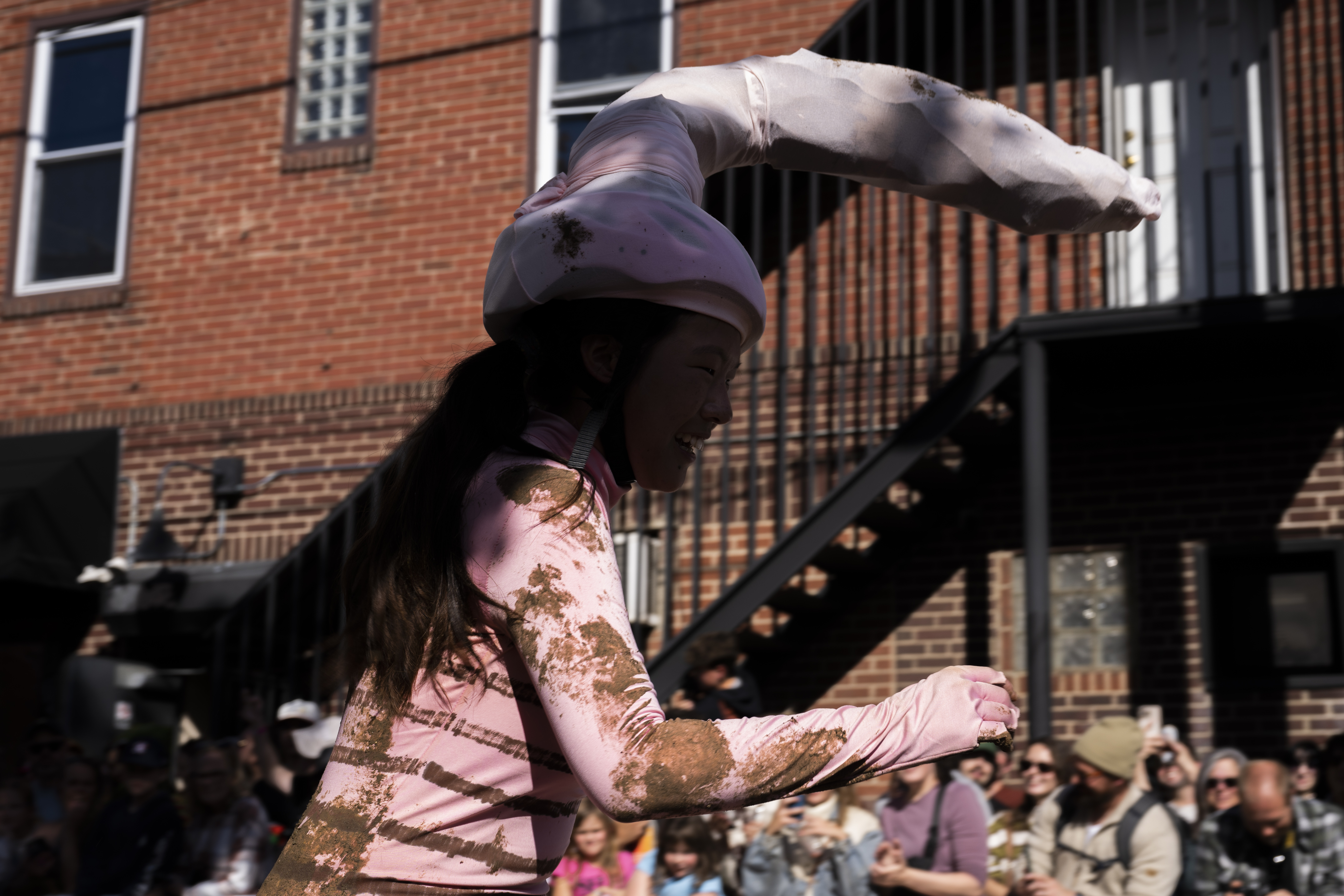
Jake Poeske and Jack Gentry navigate through a mud pit obstacle at the 17th annual Kensington Derby on Saturday, Oct. 25, 2025, in Philadelphia.Jake Poeske and Jack Gentry depart for the 17th annual Kensington Derby on Saturday, Oct. 25, 2025, in Philadelphia.
But before the derby kicked off, a rivalry was already brewing: Travis Schattle, a kinetic artist, also channeled the Birds for his rig, an eagle sculpture whose wings moved in tandem with his bike.
“We don’t have worms — you can quote me on that,” he said.
Schattle, who’s competed in the derby twice before, was in pursuit of glory this year: Make it through the mud pit in style. (Schattle originally envisioned Jason Kelce as the rider, and said he even reached out to the Kelce brothers’ beer company for a sponsorship to no avail.)
“We just want to make it to the mud pit,” Gentry said.
“What happens in the mud pit? We will see,” said Poeske.
Building a slurry, sloppy mud pit on a main drag requires roughly three tons of soil and lots of water, said George Mathes this year’s pitmaster and owner of neighborhood business Thunderbird Salvage. The mud is a staple of the derby, and the pit’s consistency received harsh scrutiny from spectators.
“The mud needs more water,” one woman heckled. Eventually, the crowd demanded, “Hose it down! Hose it down!”
Still, the mud pit claimed a few victims. Prophetically, a SEPTA train got stuck. The shark from Jaws — or “Jaw(n)s,” as it was aptly named — and his tuba accompanist sank. A Newsies-esque barkeeper who attempted to make cocktails along the route was ejected from his carriage, then dove and flopped into the mud.
A derby rider wipes out in a mud pit at the 17th annual Kensington Derby on Saturday, Oct. 25, 2025, in Philadelphia.
By Schattle’s turn, the crowd was amped, and the air smelled of Philadelphia Brewing Co. beer, incense, and brisket. Schattle’s eagle elicited many chants of “Go Birds” and “E-A-G-L-E-S” from festivalgoers, as he soared across the mud pit.
Travis Schattle, 33, rides his Eagles-themed vehicle through a mud pit at the 17th annual Kensington Derby on Saturday, Oct. 25, 2025, in Philadelphia.
Glory achieved.
“We flew to victory,” Schattle said postgame. “We got people flapping their wings.”
While roller-blading worm Kangeun Seo wiped out, Poeske and Gentry successfully flew their coop over the pit.
“I accomplished what I wanted to do: I made it through the end and we made it through the mud,” Gentry said.
Kanguen Seo, 29, is covered in mud after crashing through a mud pit at the 17th annual Kensington Derby on Saturday, Oct. 25, 2025, in Philadelphia.
A panel of lab-coat-and-goggle-wearing judges scored the participants’ pit performances based on design, durability, and dynamism. Schattle ultimately ended up taking home third place. Poeske and Gentry got second — one point short of the champions, The UnderTowed barkeepers, who earned a perfect score.
Accepting their trophy, one barkeeper dangled a cigarette from his lips and held up a Pabst Blue Ribbon.
And any jocular rivalry between the dueling birds seemed quashed.
“There can always be more birds in the city,” Gentry said.
Benita Valente, 91, a revered lyric soprano whose voice thrilled listeners with its purity and seeming effortlessness, died Friday night at home in Philadelphia, said her son, Pete Checchia. In a remarkable four-decade career, she appeared on the opera stage, in chamber music, and with orchestras.
In the intimate genre of lieder — especially songs by Schubert and Brahms — she was considered one of America’s great recitalists.
Even during an era of towering, individualistic voices, Ms. Valente stood out as something special. With pinpoint-precise technique, she deployed no vocal cheats or affectations. Her recognizable sound and honest approach were adored by aficionados.
“She is as gifted a singer as we have today, worldwide,” wrote John Rockwell in the New York Times in 1983.
Her voice had a natural quality, said pianist Richard Goode, who recalled that it was Ms. Valente who introduced him to the lieder repertoire. “There was an extraordinary distinctive sweetness of the timbre. Very clear pitch. Very focused,” said Goode, who recorded with her. ”And a kind of natural charm that came through in everything that she sang.”
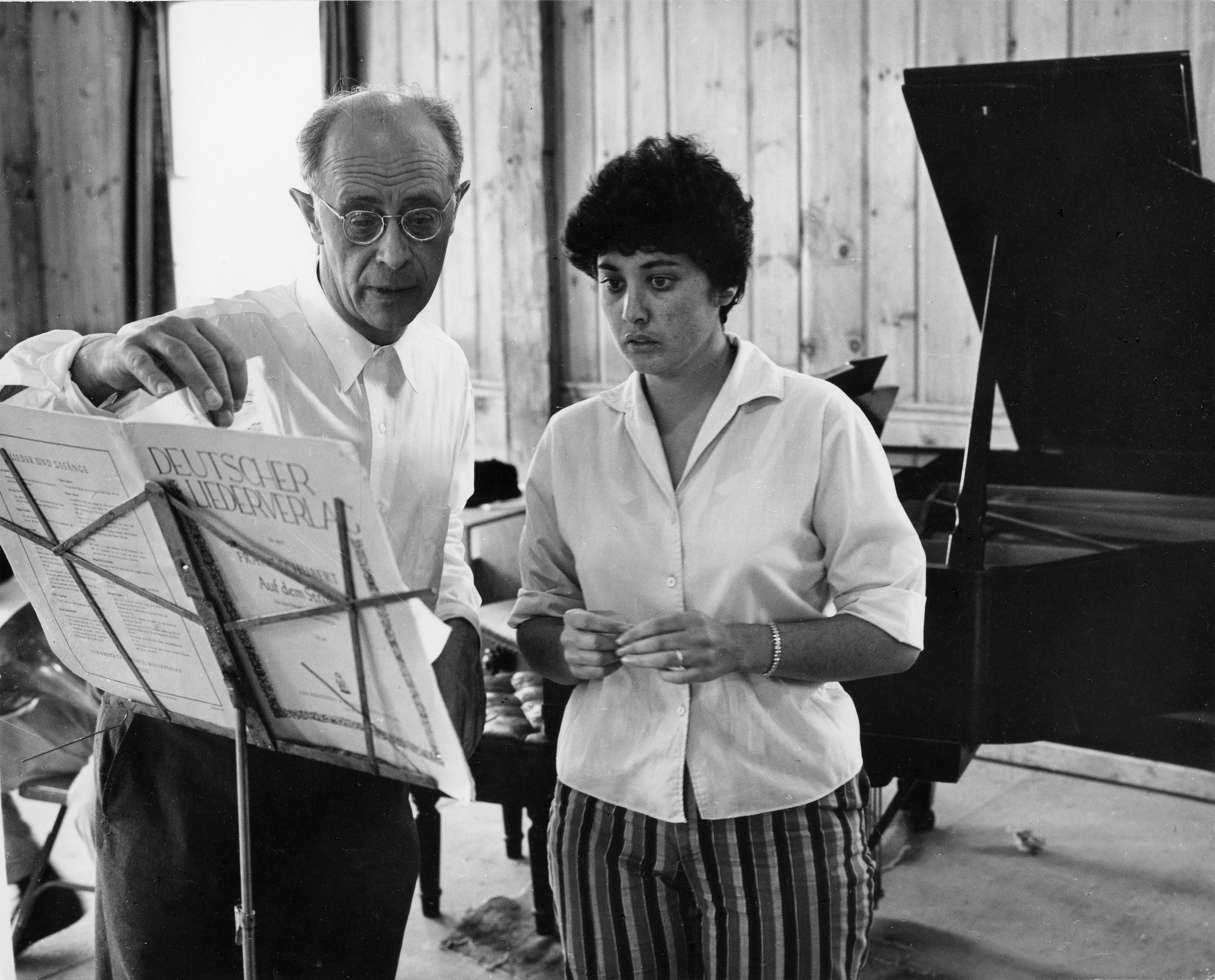
Pianist Rudolf Serkin with soprano Benita Valente at Marlboro Music, 1960s.
A longtime resident of Rittenhouse Square, Ms. Valente sang in the opera houses of San Francisco, Santa Fe, N.M., Germany, and Italy, and the Teatro Colón in Buenos Aires. She appeared with the Metropolitan Opera more than 70 times between 1960 and 1992 — as Pamina in Die Zauberflöte, Almirena in Handel’s Rinaldo, Gilda in Rigoletto, Susanna in Le Nozze di Figaro, and others.
With the Juilliard String Quartet, she gave the world premiere of Ginastera’s String Quartet No. 3 in 1974, and was the voice for the Juilliard’s recording of Schoenberg’s String Quartet No. 2 in a collection that won a 1978 Grammy Award.
In 1999, she became the first vocalist to win Chamber Music America’s Richard J. Bogomolny National Service Award.
Critics pronounced her voice “incomparable” and “almost miraculously lovely.”
She had something more: “that special projection of personality that distinguishes the great artist,” the Times wrote.
The artist had her beginnings as a self-described shy tomboy growing up on her uncle’s farm in California’s San Joaquin Valley. Ms. Valente was born Oct. 19, 1934, in Delano, Calif., the daughter of an Italian father and a Swiss mother. A high school teacher noticed her gifts and recommended her to Lotte Lehmann, and as a teenager she traveled from home to Santa Barbara to study with the celebrated soprano and Lehmann’s brother, vocal coach Fritz Lehmann.
“She didn’t know what to do with me,” Ms. Valente told The Inquirer. “I’d sing something she thought was very touching, and then there were lapses where I was as green as all get-out. She finally said, ‘I have contacts in Hollywood, I could get you to a screen test. I think you’d do very well.’ But I wanted to go into opera.”
Benita Valente with her husband, Anthony P. Checchia, at the Marlboro Music Festival.
It was Fritz Lehmann who suggested that she audition for the Curtis Institute of Music with Mozart, and she got in. Ms. Valente attended Curtis from 1955 to 1960, where her primary teacher was French baritone Martial Singher, and later studied with Wagnerian soprano/mezzo-soprano Margaret Harshaw. She was still a student when she won a Philadelphia Orchestra student competition that brought a 1958 debut with the orchestra.
The next year she married Anthony P. Checchia, a bassoonist she met at the Marlboro Music Festival who would go on to lead both Marlboro and the Philadelphia Chamber Music Society. They became one of classical music’s power couples, and had a special understanding because of their modest backgrounds — he from Tacony, she from a farm — said their son. “I remember my dad pulling over on Lombard Street once when she was on the radio. He was more nervous than she was,” Pete Checchia said. Anthony Checchia died in 2024.
Ms. Valente became a regular soloist with the Philadelphia Orchestra, appearing with the ensemble 60 times — in core repertoire of Mozart and Beethoven, but also in contemporary works. She gave the world premiere in 1981 of David del Tredici’s All in the Golden Afternoon from Child Alice, Part II, with Eugene Ormandy conducting the Philadelphians.
The work was in an ecstatic, neo-romantic musical language, thickly orchestrated with amplified soprano. Ms. Valente’s performance was “an essay in vocal purity,” wrote Inquirer music critic Daniel Webster.
For the Academy of Music 130th Anniversary Concert in 1987, she sang an evening of Puccini arias with the Philadelphia Orchestra led by legendary conductor Klaus Tennstedt. ‘’O mio babbino caro” from Gianni Schicchi seemed an ideal choice, Webster wrote, “in which her sun-filled voice illuminated the joyous text.”
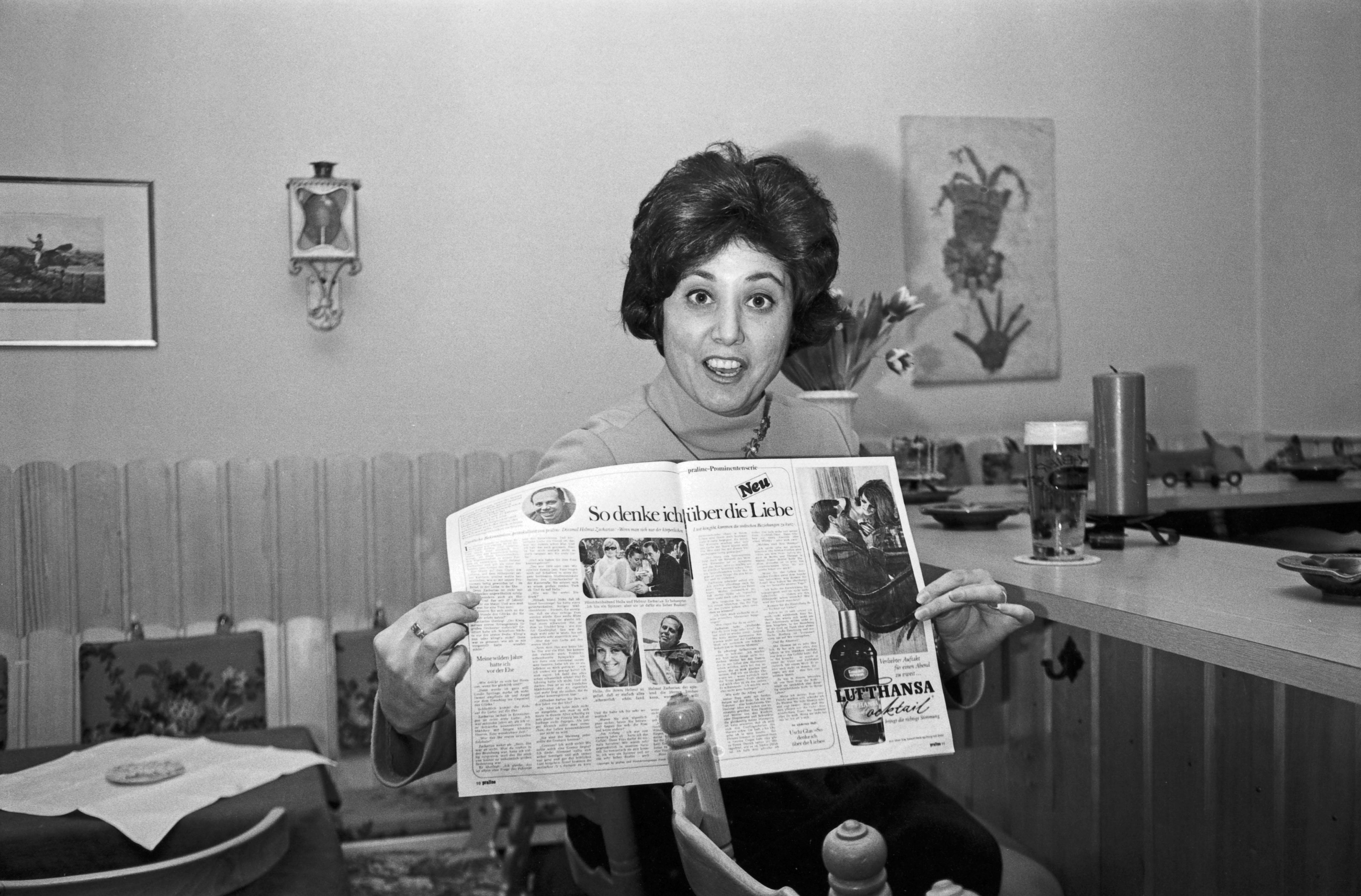
American soprano singer Benita Valente, Germany, 1970s.
Ms. Valente was soloist the previous season for one of the orchestra’s most notorious programs. She was Mélisande in a concert version of Debussy’s Pelléas et Mélisande at which an unusual number of listeners, apparently unimpressed with one of Western civilization’s great achievements, walked out. One man in the Academy of Music’s second row stretched out a newspaper and was asked to leave, she recalled.
“It has too much mystery, that Pelléas,” Ms. Valente told The Inquirer years later, pointing out that the audience seemed similarly disenchanted with the work at a Metropolitan Opera performance she attended.
Ms. Valente was never a household name, which often confounded critics. Some put it down to her lack of diva-ness. But it was perhaps more the fact that Ms. Valente was never a careerist. She was known to turn down prestigious opportunities — like a chance to sing Berg’s Altenberglieder with the Boston Symphony Orchestra — when she felt the part was not right for her voice.
She retired from singing in 2000 and was awarded an honorary degree from Curtis in 2001.
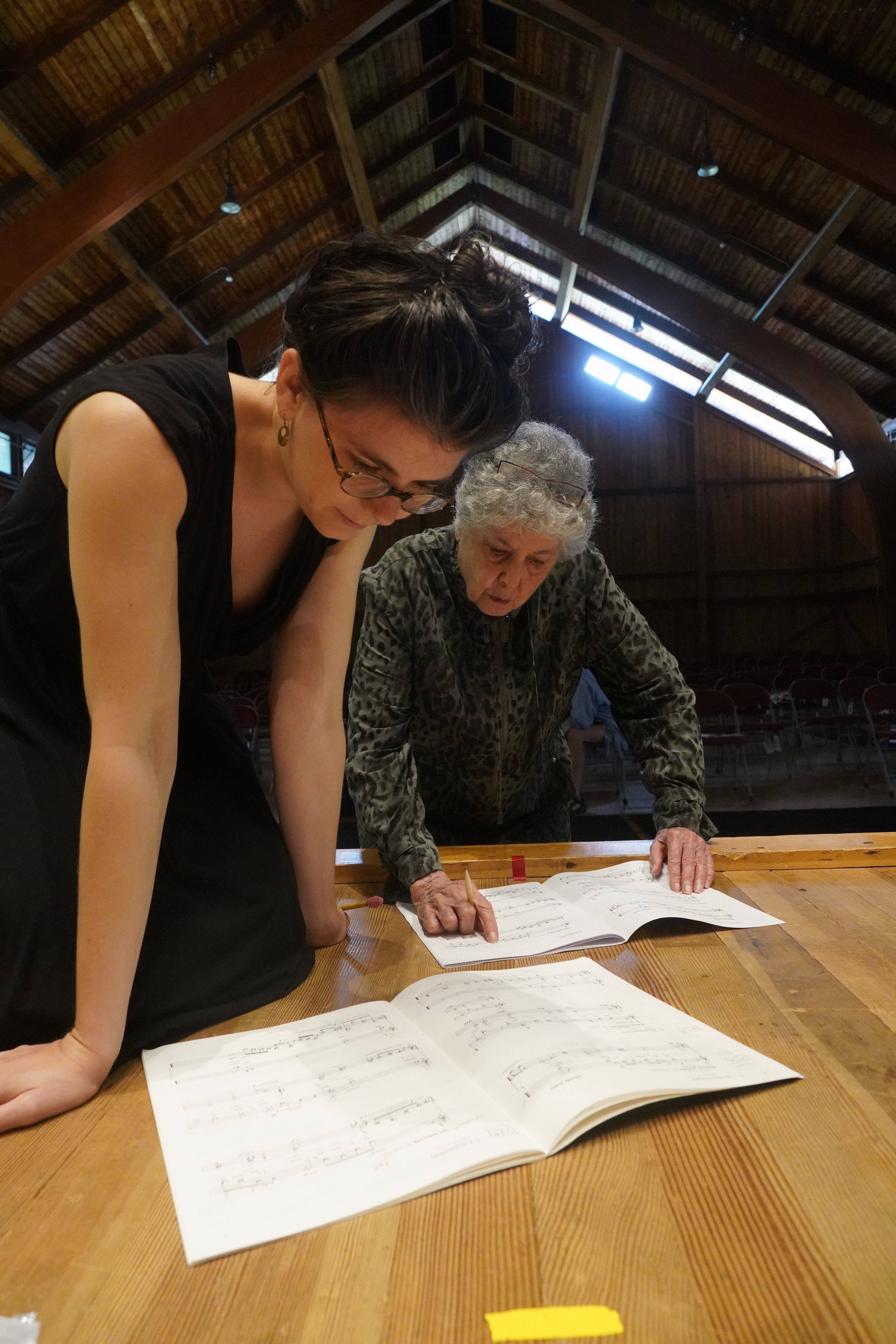
Benita Valente with soprano Lucy Fitz Gibbon in 2021.
Ms. Valente taught and mentored young singers.
“She was so meticulous about connecting the vowels and would listen in between the notes to how you got from one note to the next,” said soprano Sarah Shafer, who studied with Ms. Valente at Marlboro and in Philadelphia. “That trained my ear and my voice to pay attention to those things and brought me to a different level of detail.”
Her knowledge of the repertoire was vast, said pianist Lydia Brown, with whom Ms. Valente worked in vocal coachings at Marlboro and the Met. “Every rehearsal she came to was a piece she had sung many times, or she commissioned it or premiered it. There were so few pieces that Benita didn’t have active performing knowledge of.”
In recordings she is particularly renowned for a collection of Handel and Mozart duets with soprano Tatiana Troyanos; Haydn’s The Seven Last Words of Christ with the Juilliard String Quartet; and two discs in Bridge Records’ “Great Singers of the 20th Century” series, including a classic recording of Schubert’s “The Shepherd on the Rock” with pianist Rudolf Serkin and clarinetist Harold Wright.
“She was in the old-school style of singing, where the singer is just a vessel for the music. Not selfish, not about herself, she was just delivering the music in as clear and undistorted a way as possible,” said Shafer, who learned “The Shepherd on the Rock” from Ms. Valente and has made it a calling card of her own.
”The result is this sparkly, silver jewel of her voice that you hear in these recordings. There’s just no singing like it now.”
In addition to her son, the Philadelphia photographer Pete Checchia, Ms. Valente is survived by her “daughter by choice,” Eliza Batlle, Checchia said. A memorial concert is planned for a later date.
There were Irish step-dancing vampires and opera-singing vampires. Vampires who claim to hunt billionaires and vampires who moonlight as emergency medical technicians. And, in at least one instance, a vampire who doubled as a heavyweight champ.
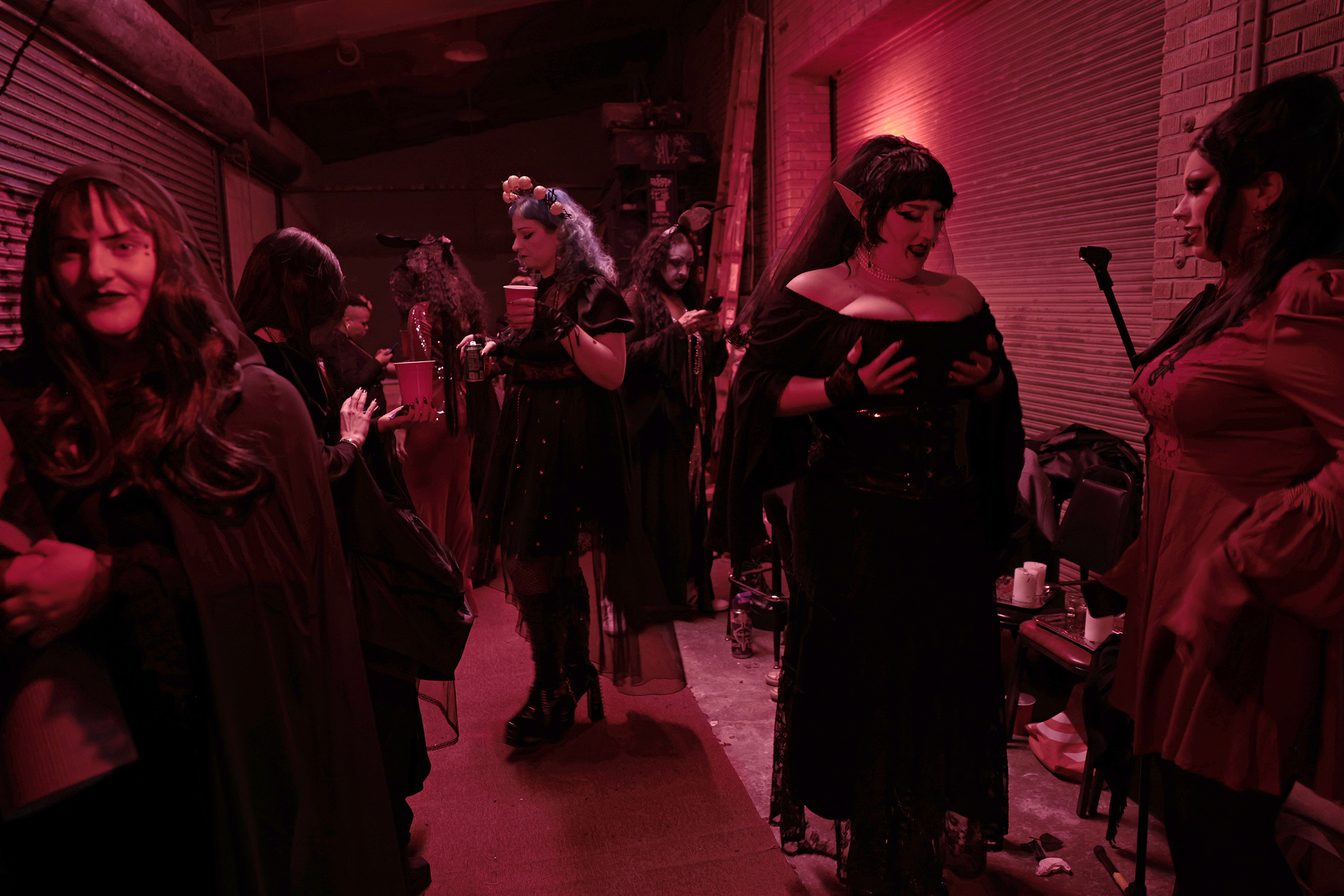
Such was the lineup of the first-ever Miss American Vampire Philadelphia pageant, where 13 wannabe bloodsuckers donned their best vampiric drag to compete inside heavy metal bar Doom Friday night. Contestants were thirsty to show that vampires contain multitudes (and, perhaps, for a little bit of blood).
Back then, MGM hosted the regional beauty competition to promote the movie House of Dark Shadows, with finalists going on to compete in Los Angeles for title of Miss American Vampire and a guest-starring role on the long-running vampire soap opera Dark Shadows. Native American activist Sacheen Littlefeather won the crown, though she never redeemed her prize.
The stakes of Doom’s pageant were far lower than a TV appearance and eternal life, though just as competitive. Contestants were judged by a panel of full-time goths and burlesque performers on their creativity and vampiric presence as they competed in the standard pageant categories: A costume parade, an interview, and a dark art — or talent with a touch of the occult.
The crowd reacts as Ezra Markel’s vampire persona “Isolde the Saturnine” eats the human heart she concocted during the talent portion of the Miss American Vampire Pageant at heavy metal bar Doom in Philadelphia on Friday, Oct. 24, 2025.
Prizes included $100 cash, a new set of fangs, and comic books donated from Atomic City Comics. Skull and mixed metal artist Sue Moerder prepared a Bob Mackie-inspired gothic crown, with feathers and pearls sprouting from an arrangement of ornate obsidian gems.
“Vampires represent the alternative, the occult, the bat-brained, the gothic … [people] on the outskirts of civilization,” Delgado told The Inquirer. “We just wanted to show that this bar is a safe cave for vampires to commune.”
Both floors at 421 N. 7th St. were packed as contestants flitted across the makeshift stage in costumes that highlighted the full expanse of vampire-dom. There were homages to both the German and Transylvanian versions of Dracula in peasant blouses and bejeweled collars, as well as more contemporary interpretations, with floor-length evening gowns, corseted waistlines, and lots of red lips.
Lilith Lobotomy — a blue-haired vamp whose bio alleged she bakes cakes and stalks billionaires — was an immediate favorite, earning thunderous applause when she turned away from the audience to drop her floor length duster. Emblazoned in sparkling blood red font on the back of her black dress was the phrase “Eat the rich.”
Logan Laudenslager performs as “Lilith Lobotomy” during the talent portion of the Miss American Vampire pageant held at Doom. She performed a rendition of “Phantom of the Opera.”
Madame Lobotomy would go on to win the coveted title of Miss Off Putting — Delgado’s spin on Miss Congeniality — after belting out the song “The Phantom of the Opera” while twirling a lit candelabra.
She was still no match for Norah Morse, who took home the Miss American Vampire Philadelphia crown after shocking the judges with her interview. When asked how she prepared for the competition, Morse scoffed.
“I don’t know what you mean,” she said in a thick Transylvanian accent. “I’m a vampire and I showed up.”
Contestants get ready backstage to performing during the Miss American Vampire Pageant at heavy metal bar Doom.
Judge and burlesque performer Caress Deville said Morse represented the commitment she was looking for. “I was gagged,” Deville said. “That’s exactly how you would answer if you were a real vampire.”
During her crowning, Morse’s human mother rushed to the front of the crowd to take photos. Even vampires, it seems, yearn for mom’s approval.
In the world of us mortals, Morse goes by Alex Decker, a 29-year-old from Bellmawr who has been drawn to vampires since she was a child. Decker lives with contamination OCD, she said, and envies the freedom of the undead.
“Life would be a lot easier if I was a vampire who could just drink blood all the time,” Decker said. “I have been weird and creepy and insane my entire life.”
Jenna Painter, of Willow Grove, performed as a naughty ‘Count Orlok” during the Miss American Vampire Pageant at heavy metal bar Doom, throwing off a trench coat to reveal a leotard and garters.
Competing to be America’s next top vampire
For some contestants, Miss American Vampire Philadelphia was an opportunity to transform their mortal selves into bolder and braver versions that were battle-tested from centuries of living.
When Doom announced the pageant on Instagram in early October, the post received more than 4,500 likes, Delgado said, and hundreds of shares. More than 50 hopefuls sent in applications via a Google form that asked for their vampiric backstory and talent, forcing Holden and Delgado to spend hours deliberating.
Delgado was unsurprised that the pageant took off. They were, however, shocked by the lack of trolling.
“I didn’t know how serious everyone who applied was at first,” Delgado said. “It’s supposed to be campy.”
On Friday, the beauty competition toed the line between a drag show and an actual Miss America preliminary. The judges pressed contestants on tough questions, such as how they choose their victims, and if it’s ethical to let them live post blood-sucking.
For Mira Castigin, of Camden, the most important quality to look for in a vampire is fun.
“What’s the point in being immortal if you let life pass you by?” she told the crowd.
Castigin’s vampiric persona is Elmira, a bewitching goth girl who shares Castigin’s day job as an EMT in hopes of atoning for her sins. The competition was an excuse for Castigin to air out some special pieces from her vintage clothing collection, including a petticoat and a pair of London Underground shoes.
Mira Castigin’s vamprie persona “Elmira” is applauded after performing during the Miss American Vampire Pageant at heavy metal bar Doom. For her talent, Castigin sang opera.
“I think it’s always fun to do your makeup and get dressed up no matter what day it is,“ Castigin, 25, of Camden, said. ”And this is like a more thought-out version of that.”
Castigin opened the talent portion by singing an operatic aria, setting up the audience for a night of bewitching tricks. One vampire played the violin, while another danced an Irish jig to a Type O Negative song. Cassius King — a silent movie star turned vampire — wowed the audience by performing feats of strength, at one point picking up his assistant and turning him upside down.
Rachel Rushmore — aka “Vampire Rachel” of Philadelphia — waits backstage during the Miss American Vampire Pageant at heavy metal bar Doom.
Rachel Rushmore, 34, of Fishtown, had a simpler talent, using sleight of hand to summon a tiny bat. Rushmore said she felt called to compete after 15 friends — including several who don’t even live in Philly — sent her Doom’s Instagram post.
Onstage, Rushmore transformed from mortal Rachel to Vampire Rachel, a temptress and philanthropist who had been around since “the age of powdered wigs and Ben Franklin.” Vampire Rachel wears maroon floor-length gowns and bedazzles her face with gems borrowed from Marie Antoinette. The real-life version works in children’s book publishing and had never performed in front of a crowd before.
“I called myself Vampire Rachel because it’s hard for me to be somebody who I’m not,” Rushmore said. “Tonight I’m Rachel, but more.”
We’ll show you a photo taken in the Philly-area, you drop a pin where you think it was taken. Closer to the location results in a better score. This week’s theme is all about Halloween. Good luck!
Round #4Published Oct 25, 2025
Question 1
Where can you find this raven?
Loading…
.st0 {
fill: #222;
}
ClickTap on map to guess the location in the photo
ClickTap again to change your guess and hit submit when you're happy
You will be scored at the end. The closer to the location the better the score
Tom Gralish / Staff Photographer
Pretty good/Not bad/Way off! Your guess was from the location. Here's also where a random selection of Inquirer readers guessed.
This is the Edgar Allan Pоe National Historic Site. Known for the horrifying and mystifying works, Poe lived in Philadelphia from 1838 to 1844. Here he wrote some of his most well-known stories, including the “Fall of the House of Usher” and “The Mask of the Red Death.”
Quiz continues after ad
Question 2
Where can you find Benjamin Franklin’s grave?
Loading…
.st0 {
fill: #222;
}
Monica Herndon / Staff Photographer
Pretty good/Not bad/Way off! Your guess was from the location. Here's also where a random selection of Inquirer readers guessed.
There are some lingering rumors about the ghost of Benjamin Franklin wandering around in Old City. Whether you believe the tales or not, you can find his final resting place at the Christ Church Burial Ground. The graveyard first opened in 1719 and is open to the public.
Quiz continues after ad
Question 3
Where was this old photo taken?
Loading…
.st0 {
fill: #222;
}
The Library of Congress
Pretty good/Not bad/Way off! Your guess was from the location. Here's also where a random selection of Inquirer readers guessed.
This is the lobby of the Bellevue Hotel on South Broad Street in the mid-20th century. According to some tour guides, Bellevue Hotel’s “haunted” reputation started with a Legionnaires’ disease outbreak in the 1970s and still attracts horror lovers.
Your Score
ARank
Amazing work. Consider yourself an expert in Philly's spooky lore!
BRank
Good stuff. You've almost mastered the art of being scarily smart.
CRank
C is a passing grade, but maybe take a ghost tour next time.
DRank
D isn’t great. Did a spooky spirit guess for you?
FRank
We don’t want to say you failed, but you didn’t not fail.