Category: Opinion

  • No, ICE isn’t ‘retreating.’ It’s loading up to invade your town.

    No, ICE isn’t ‘retreating.’ It’s loading up to invade your town.

    It was understandable and probably justified when a surge of roughly 3,000 masked and gun-toting federal agents into Greater Minneapolis was described in martial terms, as a kind of modern-day Battle of Stalingrad fought in a snowbound U.S. prairie metropolis.

    Watching the icy slips of the clumsy U.S. Immigration and Customs Enforcement (ICE) officers, and the remarkable pushback from whistle-blowing neighbors braving subzero cold, the writer Margaret Killjoy quoted a friend: “ICE made a classic Nazi mistake: they invaded a winter people in winter.” So when border czar Tom Homan stood at a Minneapolis podium last week and declared an end to “Operation Metro Surge,” many in the media raced to cast the move as a major pullback.

    The Occupying Army Retreats,” proclaimed the American Prospect, in a tone that was echoed across numerous outlets. “The announcement of ICE’s withdrawal from Minnesota, like that of the British from Boston 250 years ago, marks a victory for people power.”

    But the smell of victory didn’t travel the nearly 1,200 miles east to the South Jersey suburb of Lindenwold, where on the very same morning Homan announced the end of the Minnesota surge, residents were shocked by an ICE raid that targeted a bus stop for an elementary school in a district that is 60% Latino.

    A Ring video from the Woodland Village Apartments, where about 44 kids were waiting for the bus, captured the alarming scene as fourth and fifth graders — some screaming “ICE! ICE!” — ran away from the masked agents in tactical gear who’d pulled up in unmarked vehicles. School officials believe no child was apprehended, although there were conflicting reports on whether any adult was arrested. But the suburban community, some 15 miles southeast of Philadelphia, was shaken to its core.

    In a video recorded during an emergency “Ice Out” demonstration in town, a bearded white man with a large American flag slung over his shoulder tried to give voice to the community’s anguish.

    “I never protested before in my entire life but …,” he said, choking back tears. “I watched fourth- and fifth-grade kids run away from our own government. I never want to see that again.”

    Unfortunately, America is all but certain to see this again. While Homan’s public proclamation of a drawdown in Minnesota seemed a small concession to crumbling political support for ICE, what happened in Lindenwold was a window into a dystopian near-future of more immigration raids — not fewer. This would allow an undeterred authoritarian Donald Trump regime to fill a $38 billion gulag archipelago of coast-to-coast warehouses with newly handcuffed human beings.

    Even Homan said as much last Thursday, if you listened closely. “And let me be clear, mass deportations will continue, and we’re not rolling back,” he said. “President Trump promised mass deportations, and that’s exactly what the American people are going to get.”

    Let’s also be clear. What happened in Minneapolis since the start of the year really was a landmark victory for democracy, and the notion that everyday Americans can defend their neighbors. At the cost of two lives, the great personal risks taken by Minnesota’s ICE resisters ended in both an unforgettable moral triumph and some real tangible gains.

    The actions taken by ICE watchers — who blew their alert whistles, recorded the government’s maneuvers on their phones, or volunteered food and rides to help immigrants stay safe indoors — prevented the arrests of scores and maybe hundreds of law-abiding neighbors. The courage of their resistance drove a huge shift in public opinion against the immigration raids, forcing rare concessions from the Trump regime. This heroism probably did cause ICE to scale back its Minnesota operations sooner than planned, and even pressured the U.S. Department of Justice to investigate two agents whose version of a shooting didn’t fit reality.

    But Trump’s mass deportation drive — with an inexorable inertia created when Congress threw a whopping $170 billion toward this effort last year — refuses to obey the normal laws of political gravity.

    U.S. Border Patrol officers walk along a street in Minneapolis last month.

    For starters, the U.S. Department of Homeland Security has lied repeatedly to the American people, which means there’s no way of truly knowing to what extent the Minnesota surge has even ended. The day after Homan’s announcement, a St. Paul-based journalist noted 100 reports of ICE activity, still more than any other state.

    But even more importantly, a flurry of reports last week about a massive ICE expansion for the rest of the year with many more agents in the field, more offices to support them, and more detention camps to hold thousands of new arrestees showed that what happened on the streets of Minneapolis was not the beginning of the end.

    It is, perhaps, the end of the beginning.

    The fact that ICE is ending its surge in Minneapolis — similar to what happened in 2025 in Los Angeles, Chicago, Charlotte, N.C., and New Orleans, albeit on a smaller scale — seems less significant than the fact that the agency has, under Trump, more than doubled the number of field agents from 10,000 to 22,000, with many just hitting the streets.

    Indeed, the drive to recruit new agents isn’t letting up. A Times of London reporter described the push as “a breakneck operation” as he watched officers from U.S. Customs and Border Protection — which also had its biggest hiring year in a decade — work the crowd with promises of a $50,000 bonus at a sold-out professional bull-riding event in Salt Lake City.

    Can we really celebrate a “retreat” from Minneapolis when WIRED reported last week that ICE is also rushing to close leases on as many as 150 new offices — an average of three in every single state — to house its growing roster of agents and the attorneys and other back-office staffers needed to process the thousands of new arrestees?

    Barricades block a drive outside a warehouse as federal officials tour the facility to consider repurposing it as an ICE detention facility on Jan. 15.

    For example, multiple outlets confirmed last week that Homeland Security just inked a lease for high-end office space in the Westlakes Office Park in Berwyn, in Philadelphia’s Main Line suburbs, reportedly to house ICE attorneys and related personnel. A planned office in Philadelphia’s Chinatown, at 801 Arch St., is also listed by WIRED.

    Indeed, the regime’s glum vision for the future of mass detention in America is laid bare by news that DHS is currently spending $38 billion from last year’s legislative windfall to buy as many as 23 massive warehouses that critics see as concentration camps on U.S. soil.

    Experts say the logistics of converting these rectangular behemoths — like the 1.3 million-square-foot warehouse in Schuylkill County, Pa., that used to distribute cheap consumer goods for Big Lots that DHS claims can house up to 7,500 detained immigrants — into even remotely humane facilities is daunting, if not impossible. Yet, DHS is plowing ahead with stunning speed, clearly expecting a pending spike in arrests.

    In rural Social Circle, Ga., ICE is claiming it will convert a one million-square-foot warehouse into a detention site for as many as 10,000 people — double the town’s population — as soon as two months from now. Project Salt Box, which is tracking the rapid gulag expansion, says DHS is using a legal maneuver to fast-track bidding to allow large private firms like the Geo Group to run these detention centers.

    Neither Trump’s plunging approval rating, nor the rapidly rising level of ICE resistance from everyday citizens like that flag-waver in Lindenwold, nor the Democratic demands for major reforms that have caused a DHS shutdown (with, ironically, no impact on ICE or Border Patrol) has put a dent in this unyielding drive toward rank inhumanity.

    A newly bloated ICE wants to create a Minneapolis in every state, even as more and more Americans are willing to take considerable risks to stop them. What we are witnessing just over one year into the Trump regime is less a retreat and more an escalating game of chicken — with the forces of democracy and fascism headed for a dangerous collision.

    If you’re part of the growing American majority who is disgusted with what ICE is doing in our streets, now is the time to get your whistle, attend a training session on what to do when the secret police arrive at your kid’s bus stop, attend a protest like the next “No Kings” event on March 28, and join the movement to protect your neighbors.

    In the spirit of John Paul Jones and the revolutionary American founders, we have not yet begun to fight.
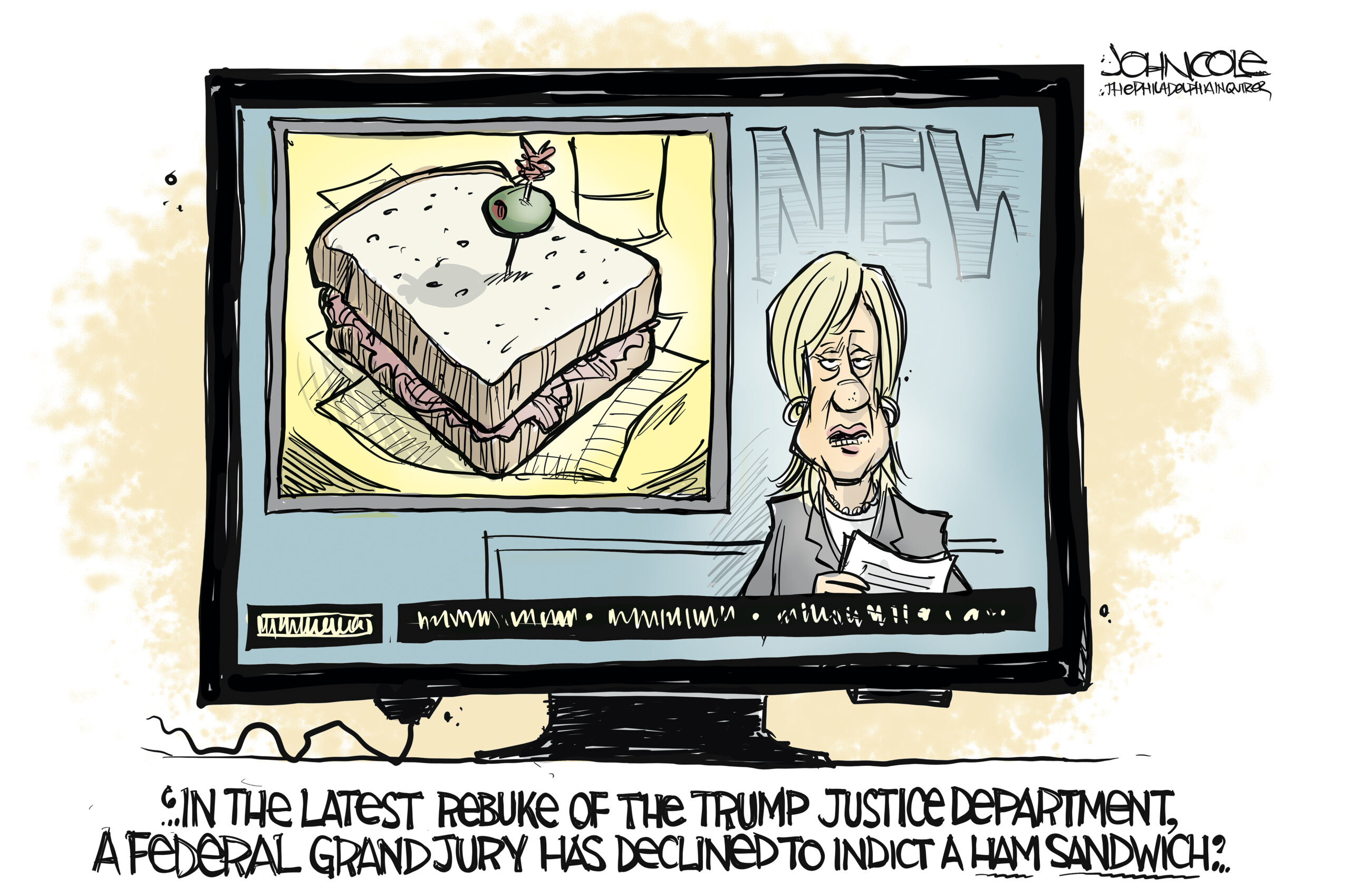
  • Out to lunch | Editorial Cartoon

    John Cole spent 18 years as editorial cartoonist for The (Scranton) Times-Tribune, and now draws for various statesnewsroom.com sites.

  • Letters to the Editor | Feb. 15, 2026

    Letters to the Editor | Feb. 15, 2026

    Seditious behavior?

    Donald Trump has accused six Democratic officials of sedition for saying U.S. service members should refuse to obey illegal orders. He ordered his prosecutors to pursue criminal charges against them, but the grand jury to which Trump’s officials presented the claim thankfully refused to return an indictment. All of this begs the obvious question that no one has posed to Trump: Does he believe members of the U.S. military should carry out orders that are patently illegal? There are legal safeguards in place to protect members of the military who refuse to carry out such orders. How does Trump circumvent them? The Nuremberg trials established as a matter of international law that “I was just following orders” is not a legally valid defense. Why is no one holding Trump’s feet to this fire?

    Ben Zuckerman, Philadelphia

    Lead with love

    The Bible, Torah, Quran, and other sacred texts all call us to care for our neighbor, yet this founding tenet of our various and mutual faiths has been twisted throughout our history as humans. You, as I, may have once considered that America could be different. Though we have gone terribly astray within our 250 years from the intentions of our Creator, we have also struggled to become a people more worthy of our aspirations. Yet, within this one year, we witness a vicious tearing asunder of the justice and fellowship we have striven to achieve.

    This is the very moment we must rededicate ourselves to one another. To seek the truths of our lives, knowing we are all connected. That we need one another. Let us shine the light of our lives in all the dark places we have allowed to grow within and around us. Taking our courage in new and daring directions, not least of which is the voting booth.

    Marilyn Frazier, Ambler

    The apprentice

    Our company has made a terrible error. We have given a uniquely powerful position to an employee who has proven to be untrustworthy, even dangerous. He has intentionally ignored or altered fundamental policies of our organization. He actively avoids accountability and changes the rules to his benefit. His words and actions sow division among us and soil our reputation here and abroad. He has shared proprietary information with our competitors. He expresses bigotry against people of color, women, and minority groups. His reports are replete with lies and exaggerations to the point where he cannot be trusted. He has enriched himself, his family, friends, and business associates at our expense. Many of us tolerated his behavior, thinking he could change, but ignoring it has only emboldened him and weakened us. To placate him is to destroy the 250-year-old organization we have worked so hard to build and sustain. Our situation has become intolerable. It is time to fire him, now, before it is too late.

    Carol A. Stein, Dresher

    Join the conversation: Send letters to letters@inquirer.com. Limit length to 150 words and include home address and day and evening phone number. Letters run in The Inquirer six days a week on the editorial pages and online.

  • Daniel Hilferty: We know Philadelphia can shine on the FIFA World Cup stage. Let’s show it.

    Daniel Hilferty: We know Philadelphia can shine on the FIFA World Cup stage. Let’s show it.

    Last June, I was in my office at the Xfinity Mobile Arena when I saw sparks flying on Pattison Avenue. That’s not a metaphor. I saw literal sparks, plumes of red and black smoke, and heard a steady beat of drums. Thousands of people were marching toward Lincoln Financial Field, chanting, with all the gusto in the world, to a soccer match.

    It was 10:30 a.m.

    As a lifelong Philadelphian, I know our love of sports. I’ve witnessed my fair share of tailgates, and in the last three years, I’ve seen that devotion, up close and personal, in my role as governor of the Philadelphia Flyers. But as I stared out my office window and watched this parade of passion, I was struck by the extraordinary power and potential of the FIFA World Cup ’26 in Philadelphia this summer.

    Since 2000, we have experienced some of the largest and most significant events ever to take place in our city, from the papal visit in 2015 to the Democratic National Convention the following year, to the 2017 NFL Draft. I’ve had the privilege of helping to lead many of these civic efforts and, no doubt, 2026 promises to be a game changer with America’s 250th anniversary, PGA Championship, ArtPhilly, and Major League Baseball’s All-Star Week.

    Wydad AC fans cheer during the FIFA Club World Cup match in June against Manchester City FC at Lincoln Financial Field.

    But what I learned last summer, as Moroccan fans flooded the stadium complex, was that soccer is the world’s love language. It unites sports, culture, and national pride. Fans live and breathe every minute from opening kick through stoppage time. There is no arriving late to a match, and there is no movement from one’s seat during it.

    I’m frequently asked, “Are we ready for 2026?” The answer is yes, because Philadelphia hosts major international events so well. But what I’m not sure we are ready for is what a spectacular celebration the FIFA World Cup is.

    I’m not sure we understand just how important this sport — and this tournament — is to the world. And I’m not sure we realize there is no host city more ready to embrace the fans who will come for this party than Philadelphia.

    That’s what makes this so exciting for 2026 — and so important beyond this year.

    FIFA chose Philadelphia to host six of the tournament’s 104 matches here, including a Round of 16 match on July 4. We have been asked to play host to soccer fans from around the globe, especially those who will root for Brazil, the Ivory Coast, Croatia, Curaçao, Ecuador, Haiti, France, Ghana, and a few yet-to-be-determined national teams.

    It’s crucial we recognize that among the many reasons Philadelphia was selected by FIFA was our authentic passion for sports and our unabashed pride for this place we call home.

    The match pennant is held by Stefan Lainer of FC Salzburg as he walks out prior to a FIFA Club World Cup match in June against Real Madrid CF at Lincoln Financial Field.

    We know Philadelphia can shine on the world stage. We know that hundreds of thousands of visitors will walk our streets, dine in our restaurants, and experience our neighborhoods. The global media will spotlight our skyline and highlight our stories. Investment will flow into tourism and community development. But to unlock the economic, cultural, and civic potential of the FIFA World Cup, and of 2026, we need one important thing.

    We need you to be here. We need every Philadelphian to help us welcome the world.

    So, how can you do that?

    Come to the FIFA Fan Festival at Lemon Hill, which will be free to enter during the tournament. And don’t just come once!

    Adopt a rooting interest among the teams coming here, in addition to our U.S. men’s national team.

    When visitors ask where to eat (and they will!), give them your best hidden neighborhood gem.

    Paulinho of Palmeiras scores his team’s first goal past John of Botafogo during a FIFA Club World Cup at Lincoln Financial Field in June.

    If someone asks what they absolutely must do or see when here, tell them your favorite experience, whether it’s in arts and culture, history, culinary, or even shopping.

    And when you’re asked to take a picture at the top of the “Rocky Steps,” happily do it!

    What makes Philadelphia special is its people. It’s why we won our bid in 2022, and it’s why this year has the potential to be a launchpad for Philadelphia as a global destination. This summer, the eyes of the world will be on us, and we want them to see the best of who we are: welcoming, inclusive, fun, proud, and united.

    But to show that, we need you to be here. We need you to be part of the action. And we need you to help us make history together.

    Daniel J. Hilferty is the chairman and CEO of Comcast Spectacor and governor of the Philadelphia Flyers. He has served as cochair of Philadelphia Soccer 2026 since 2021, alongside Michelle Singer.

  • The cost of climate change is measured in people, not dollars. Save the endangerment finding.

    The cost of climate change is measured in people, not dollars. Save the endangerment finding.

    While countries around the world strive to protect their citizens from climate change, the U.S. government is attacking its citizens through climate regulations. Repealing the Environmental Protection Agency’s 2009 “endangerment finding” hits Americans where it hurts: their health.

    This all started last year, when the Trump administration convened a group of five “climate contrarians” who have profited from their fringe views denying climate change and called it a “Climate Working Group.” The group quickly threw together a report full of cherry-picked data and other bad science. It was soon disbanded in the face of widespread scientific criticism, but the damage was done. The EPA — or a gutted version of it — used this sham Climate Working Group’s conclusions to propose a repeal of the 2009 endangerment finding, the foundation of our ability to regulate the polluting emissions that cause climate change and endanger human health.

    Instead, it wants environmental regulation to be based solely on costs to businesses — effectively valuing human health at $0 in its scientific models.

    This battle of reports and regulations might seem abstract, but it threatens real people. In the nearly two decades since the endangerment finding was issued, the impacts of climate change on health have only become clearer. Air pollution and extreme weather cause hundreds of thousands of premature deaths in the U.S. every year, impacting everyone from newborns to working-age people to older adults — and it’s only getting worse.

    Doctors understand this reality beyond the science. Pretending health has no economic value passes the cost of climate change and air pollution onto people who are sick.

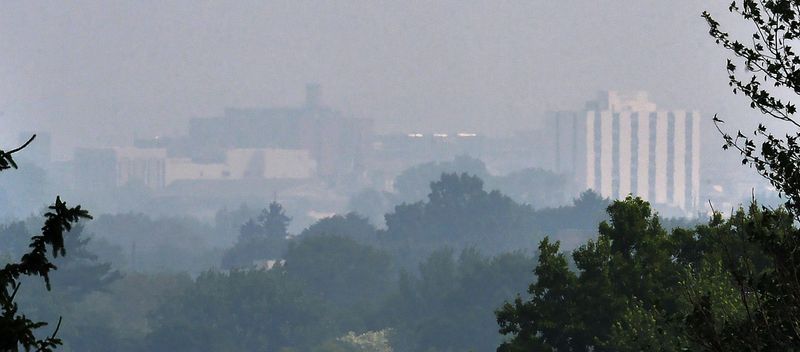
    In this 2023 file photo, buildings in downtown Erie, normally visible from West Grandview Boulevard, are shrouded in a smoky haze caused by smoke from Canadian wildfires.

    These are our patients — the truck driver in Cleveland having an asthma attack because of smoke from the Canadian wildfires, the gig worker who wiped out on her e-bike in a torrential storm, the day laborer who gets kidney failure working day after day in extreme heat — and they are sacrificing their health to pay their rent and feed their families. It’s no surprise that 120 leading patient care organizations (including Doctors for America) signed a letter urging the EPA to save the endangerment finding.

    None of this seems to matter to the Trump administration.

    A geyser of runoff rain water spouts from the sidewalk along 12th Street outside Reading Terminal Market as storms with damaging winds and significant flash flooding, as well as localized rainfall in amounts as high as seven inches, impacted the Philadelphia region last July.

    The EPA officially repealed the endangerment finding Thursday. As doctors, we can’t believe we’re having this conversation again. The evidence is clear: Climate change is making us sicker and sicker, but we can limit that harm with better policy and regulations. This government is trading our health for the interests of big business.

    We’re tired and angry, but we’re also scared. We’re doctors, but we’re also people.

    We’ve been the new mom afraid to bring her newborn home from the NICU under skies turned orange by wildfire smoke. We’ve sat in our driveways during a flash flood warning, wondering if it’s worth risking our safety to get to work on time. We stay up at night worrying about an America where a livable environment is a luxury.

    The America we want puts its citizens over politics. It cares more about people than dollars. Repeal of the endangerment finding has made that America a pipe dream. Only real science, a government that protects its people, and strong climate regulations can get us there.

    Madhury “Didi” Ray is a public health physician, a Drexel Med alum, and a Copello Fellow in Health Advocacy with Doctors for America. Olivia Rizzo is a pulmonologist from northeast Ohio and the cochair of the Public Health Taskforce for Doctors for America.

  • Harrisburg just can’t quit the sketchy tax revenue from skill games

    Harrisburg just can’t quit the sketchy tax revenue from skill games

    When Josh Shapiro first ran for state attorney general in 2016, I asked him during a meeting with The Inquirer Editorial Board what he thought about the spread of legalized gambling in Pennsylvania.

    He gave a thoughtful and passionate response detailing the reasons why he hated gambling and thought it was bad public policy. It was music to my ears, which is why I still remember it nearly 10 years later.

    So it is sad to see now-Gov. Shapiro roll out another state budget that proposes taxing skill games. For two decades, lawmakers in Harrisburg have turned to new ways to boost gambling tax revenues.

    Funding the government with billions of dollars in gambling losses from individuals is beyond scuzzy. And of all the exploitative and predatory forms of gambling that exist, skill games are among the scuzziest.

    Shapiro said as much years ago, but Harrisburg is hooked on gambling. It is a problem Shapiro inherited, but now he’s helping to fuel more gambling. Last year, Shapiro signed a bill designed to grow the lottery, and an agreement that allowed online poker players in Pennsylvania to compete with those in other states.

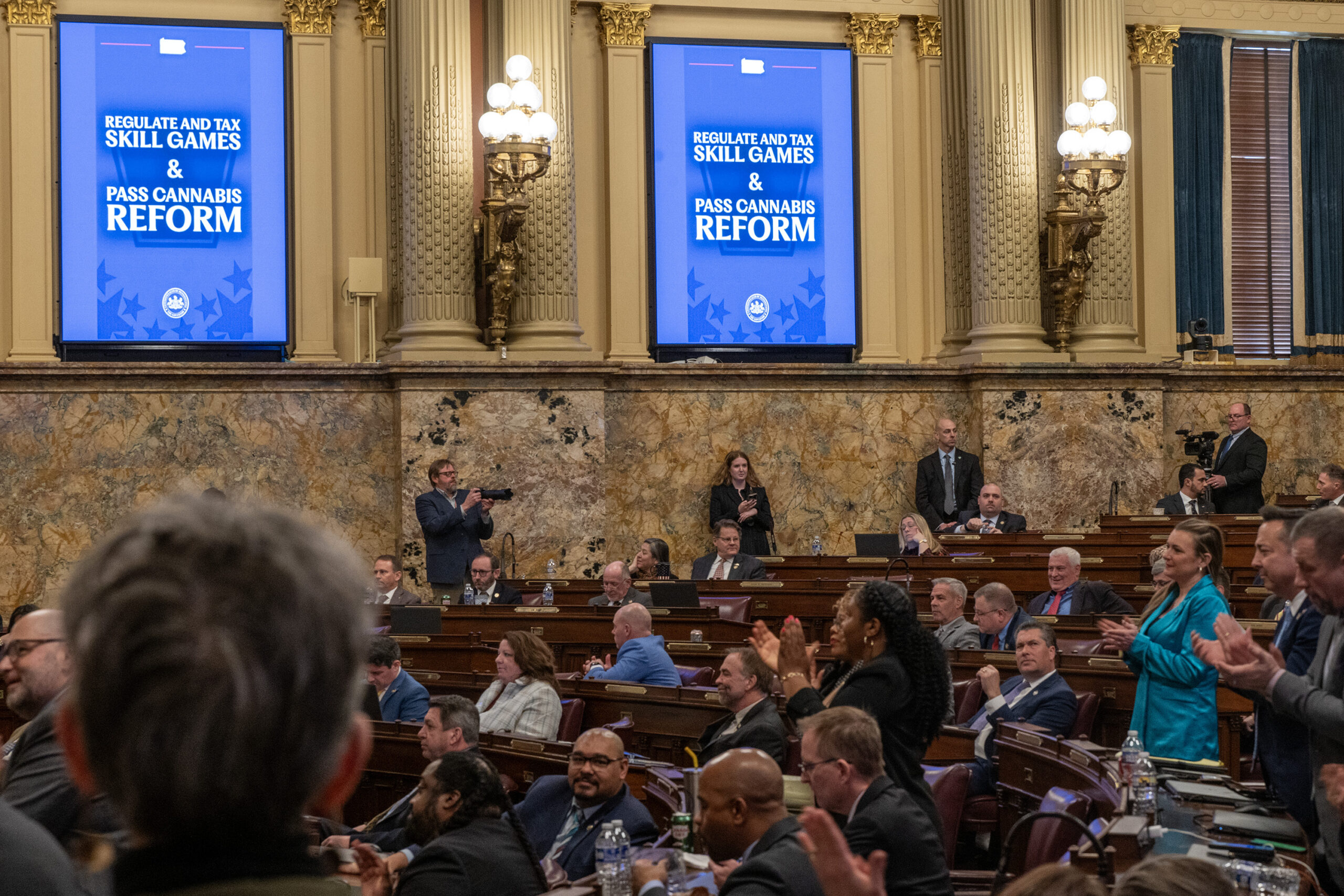
    Screen shows skill games and cannabis regulation and reform as Gov. Josh Shapiro makes his annual budget proposal in the state House chamber in Harrisburg Tuesday, Feb. 3, 2026.

    Here is why the gambling monster keeps growing: Gambling interests are among the biggest donors in Harrisburg and hold huge sway over lawmakers. Meanwhile, lawmakers reluctant to raise taxes find it easier to bleed more gamblers.

    The latest golden goose is skill games.

    Despite the name, there is not a lot of skill involved. The games are similar to slot machines, but only worse because of how they disproportionately target poor and working-class communities.

    Like slots, skill games can be addictive. The Pennsylvania Council on Compulsive Gambling has received more than 400 calls about skill games since 2021, including from many already enrolled in casino self-exclusion programs, according to Josh Ercole, the gambling council’s executive director.

    Skill games operate in a gray area. They are not taxed or regulated, but they have proliferated to nearly every corner of the state.

    Unregulated gaming devices known as “skill games” in a gas station connivence store in Philadelphia in August.

    There are more than 70,000 skill game machines in Pennsylvania. They can be found in bars, restaurants, gas stations, truck stops, VFW halls, and even at the end of a food aisle in a convenience store. By comparison, Pennsylvania has about 25,000 slot machines in 17 casinos.

    The tax rate on slot machine revenues is 54%. Shapiro proposed a 52% tax on skill game revenues, while Senate Republican leaders backed a plan to tax skill games at 35% of gross revenue.

    It is mind-boggling that Harrisburg is trying to tax and regulate skill games after allowing them to spread across the state. If lawmakers cared about protecting vulnerable communities, a better policy would be to ban skill games. That is what Kentucky did in 2023.

    But Harrisburg has long turned a blind eye to the unsavory aspects of gambling.

    Some of the initial slots licenses were awarded to politically connected operators who had never run casinos, including one man who had pleaded guilty to fraud and was later charged with lying about ties to mob figures. The charges were dropped.

    Meanwhile, skill games have been allowed to operate in the shadows, even as they attract crime that has led to killings and a recent police shooting. Philadelphia City Council banned skill games in 2024, but the court lifted the measure while it is on appeal.

    Pace-O-Matic, the leading developer of skill games, spends millions of dollars lobbying lawmakers in Harrisburg. The company’s former compliance director, who was also an ex-state police corporal, recently pleaded guilty to accepting hundreds of thousands of dollars in kickbacks in return for quashing complaints about illegal gaming machines.

    Despite the sleaze and legal trouble, Harrisburg remains addicted to gambling. Since 2004, the state has legalized more and more gambling, starting with slot machines, then adding table games in 2010, and online gambling, sports betting, and mini casinos in 2017.

    Pennsylvania rakes in more tax revenue from gambling than any other state in the country. In the last fiscal year, Harrisburg collected a record $6.4 billion from gambling.

    The state celebrates the record tax haul as if it were a public good. The sad reality is that people lost billions of dollars. State lawmakers helped make their constituents poorer.

    Casinos add little value to the local economy. In fact, they subtract dollars that could be spent on other goods and services.

    Las Vegas, at least, attracts tourists who spend money on other things. Most of the gambling losses in Pennsylvania come from locals. Few tourists plan getaways to the casino in Chester or King of Prussia.

    But here is the worst part: The business model for all forms of gambling largely depends on addiction. Casual players are not the target audience.

    Casinos actively try to lure customers back with incentives, from free meals to free play certificates. Slot machines, which generate the majority of profits for casinos, are designed to addict users, research professor Natasha Dow Schull found.

    A study in Massachusetts found 90% of casino revenues came from problem and at-risk gamblers. The industry argues addiction rates are low, but that is for the general population, not the customer base.

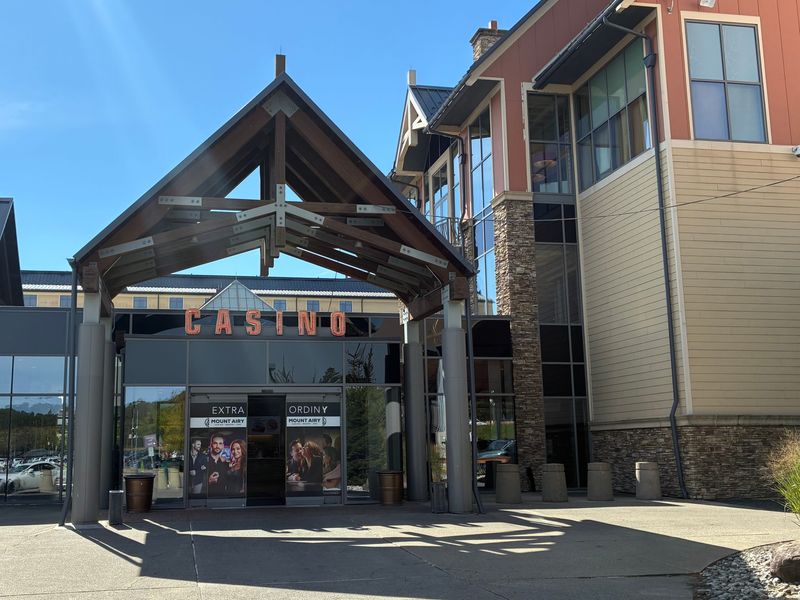
    An entrance at Mount Airy Casino Resort in Mount Pocono, Pa. One study found that 90% of casino revenues came from problem and at-risk gamblers.

    Years ago, an executive at the Parx Casino in Bensalem boasted that many of its customers visited more than 200 times a year — or five times a week.

    That is quaint compared with online gambling. Smartphones allow people to bet 24/7. Gambling sites are engineered with sophisticated and predatory techniques, including frequent notifications, designed to keep users betting.

    This has resulted in a surge of addicted gamblers, including many young people. The rise in sports betting has led to efforts to fix games, which has tarnished the integrity of sports.

    The Philadelphia region is the No. 1 market for online gambling companies, topping Las Vegas and New York. Since 2021, the number of calls about online gambling problems has increased 180% in Pennsylvania and 160% in New Jersey.

    Harrisburg lawmakers are too busy counting the tax revenues and campaign contributions to consider the lives destroyed by legalized gambling.

    Tragic stories abound.

    An executive who helped run a large Black fraternity headquartered in Philadelphia pleaded guilty in 2022 to charges after embezzling nearly $3 million to fuel his gambling addiction.

    That same year, a bookkeeper at the Delaware River Waterfront Corp. was sentenced to more than four years in prison for stealing more than $2.6 million to pay for her gambling addiction and trips.

    A former judge in Chester County pleaded guilty in 2021 to stealing thousands of dollars in campaign funds to fuel a “six-figure” gambling habit at area casinos.

    An attorney at a major Philadelphia firm who had a gambling problem was convicted in 2019 of stealing $100,000 from an 88-year-old client. A priest in Delaware County was sentenced to eight months in prison in 2018 after stealing $500,000 from a fund to care for aging priests that was used to cover gambling losses and pay for trips.

    Most stories don’t make the police blotter, as thousands of other gamblers struggle in silence. Studies show that gambling problems lead to increased bankruptcies, suicide, and divorce.

    The state Gaming Control Board website has a special section dedicated to the hundreds of people a year who leave their kids locked in cars or hotel rooms while they gamble for hours at a time. That is not entertainment; that is a problem.

    Has anyone in Harrisburg ever wondered if the tax dollars are worth the harm?

    Obviously, each person is responsible for their actions. But state lawmakers take an oath to protect the citizenry. Yet, they enabled the proliferation of gambling that has ruined many lives.

    The same goes for the online sites and casinos that actively market to keep people gambling.

    Just listing a toll-free number for people to call to get help is as disingenuous as the latest effort to tax predatory skill games.

  • As nonprofits face growing pains, the city must be careful with taxpayer money | Editorial

    As nonprofits face growing pains, the city must be careful with taxpayer money | Editorial

    Amid the surge in murders and shootings that plagued Philadelphia following the pandemic, City Hall directed millions of dollars to dozens of nonprofits to try to stem the violence.

    But an Inquirer investigation in 2023 found the city’s $22 million anti-violence program devolved into a politicized process that steered funding to nascent nonprofits that were unprepared to manage the funds. A city controller’s report the following year backed the reporting.

    Now, along comes another Inquirer investigation, this time detailing the rapid rise and financial struggles of a nonprofit that received millions in taxpayer funds from the same program.

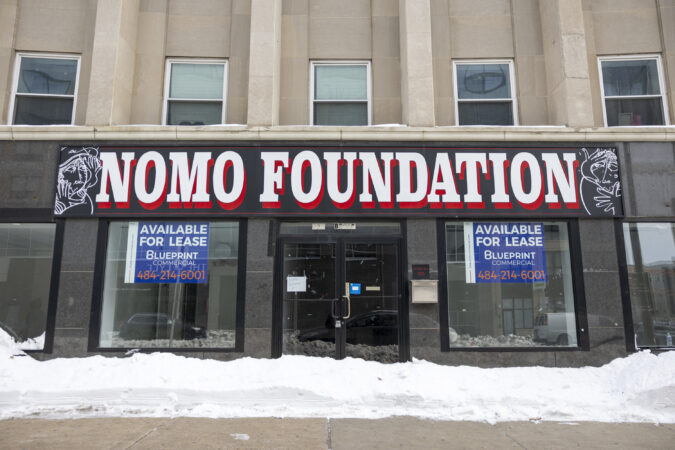
    Soon after the nonprofit New Options More Opportunities, known as NOMO, received a $1 million grant to combat gun violence in 2021, city grant managers raised red flags about the lack of financial records and controls, the recent investigation by Inquirer reporters Ryan W. Briggs and Samantha Melamed found.

    The story detailed a number of issues surrounding NOMO, including multiple eviction filings, an IRS tax lien, and five lawsuits regarding unpaid rent. But even as problems mounted, money from city, state, and federal sources continued to flow.

    In a lengthy statement to the Editorial Board, Rickey Duncan, NOMO’s executive director, denied any wrongdoing. He said that NOMO “faced difficulties” several years ago, but they have been addressed. He stressed that all the funds received by his organization had been properly spent.

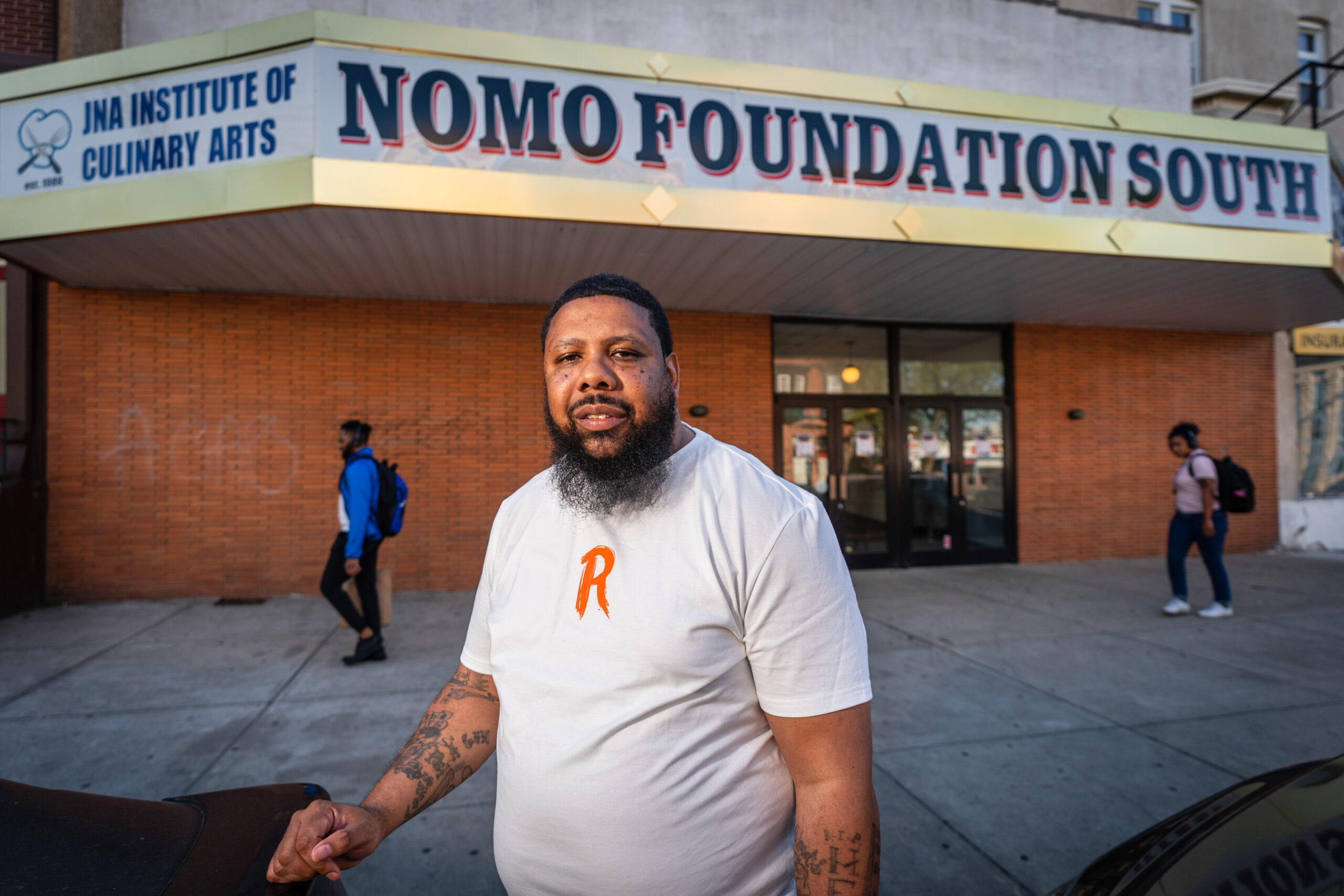
    Rickey Duncan, the CEO and executive director of the nonprofit New Options More Opportunities, or NOMO, on South Broad Street, in 2023.

    Since 2020, NOMO has received roughly $6 million in city, state, and federal funds. Duncan’s salary has increased from $48,000 to $145,000. His profile grew, as well: In November 2023, Mayor-elect Cherelle L. Parker named Duncan, a former volunteer at NOMO before he began leading the group, to her transition team.

    According to The Inquirer investigation, NOMO was one of only two organizations in 2021 to get the maximum grant of $1 million, which was roughly triple its operating budget. The report found that a nonprofit the city contracted to manage the grant program raised immediate concerns that NOMO provided no balance sheet or audited financial statement.

    Over the years, NOMO expanded its gun violence prevention efforts to include youth after-school programs and a short-lived affordable housing initiative.

    At one point, NOMO leased an apartment complex near Drexel University’s campus at a cost of more than $500,000 a year. But it appears no one questioned how the housing plan fit with the organization’s core anti-violence mission, according to The Inquirer report.

    In fact, the city tried to give NOMO more money. Last year, the city wanted to award NOMO a $700,000 contract for homelessness prevention, but the organization couldn’t meet the conditions, so the funds were not disbursed.

    In January 2025, the city drew the line when Duncan tried to get reimbursed $9,000 for season tickets to the Sixers. He said the tickets were “an innovative tool for workforce development.”

    But a grant program manager responded: “Season tickets to the Sixers are not an acceptable programmatic expense.”

    From left, Rickey Duncan, Dawan Williams, and Rasheed Jones discuss a T-shirt design during a workshop on how to create clothing designs hosted at the NOMO Foundation in October 2021.

    The entire saga may underscore the need for stronger vetting and oversight of fledgling organizations that are well-intended but lack the practical experience to manage a program entrusted with hundreds of thousands of taxpayer dollars.

    Adam Geer, Philadelphia’s chief public safety director, stressed in an interview with the Editorial Board that the Parker administration has implemented stronger oversight and support systems that did not exist when the initial anti-violence grants began.

    He said those safeguards helped flag problems and put a stop to some of the spending that concerned city officials. Geer conceded there were “growing pains” when the anti-violence program launched, but he argued that nonprofits like NOMO played a key role in the steep drop in shootings in Philadelphia.

    Duncan defended his organization’s anti-violence track record.

    “There’s a reason why the city has continued to support the work NOMO is doing,” he wrote. “We are having a real, positive impact on people’s lives.”

    Indeed, gun violence prevention programs can work — but the organizations charged with putting them in place must have the proper screening, support, and oversight.

  • Letters to the Editor | Feb. 13, 2026

    Letters to the Editor | Feb. 13, 2026

    Resilience is key

    Is it fair that our attorney general is a Donald Trump sycophant who refuses to take action on the revelations of the Jeffrey Epstein files? No. But am I the first person in your life to tell you the world isn’t fair? The question is, what can we do about it?

    I see a lot of anger and frustration that the powers that be aren’t doing enough in response to the Epstein files, especially compared to the resignations and firings going on in other parts of the world, and that’s right; they aren’t. But it is literally our job as citizens in a representative democracy to hold our elected representatives’ feet to the fire until they do what we want them to do. If Pam Bondi isn’t doing what she needs to do, and Congress isn’t doing what we’re telling them to do, then we must not be telling Congress what to do hard enough.

    How will we know when we’re pushing hard enough? When we see these Epstein monsters in handcuffs doing the perp walk. Until then, keep up the pressure on Congress to issue their own subpoenas and conduct their own investigations of the multiple credible leads and tips in the file. Call. Write. Put a sign in your front yard. Talk to your friends and ask them to do those things.

    The survivors deserve it. We deserve it. But we’re going to have to fight to get it.

    Linda Falcao, Baltimore

    . . .

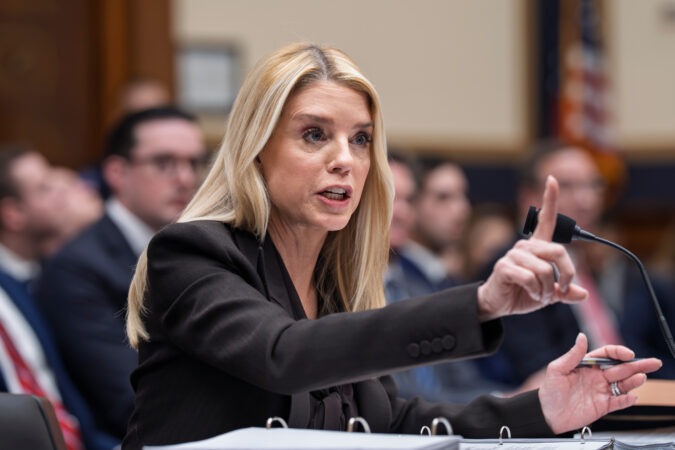
    Donald Trump’s chosen attorney general filibustered, dodged, and prevaricated her way during the disgracefully run and much-anticipated House Judiciary Committee hearing (chaired by Republican Rep. Jim Jordan of Ohio) on Wednesday. I challenge anyone to recall any other attorney general who conducted themselves in such an ugly manner. Americans were subjected to an incompetent, irrelevant, and disingenuous performance by a sworn witness in Congress. Jordan did nothing (naturally) to rein in Bondi, who serially refused to answer direct questions but invoked her fealty to Donald Trump ad nauseam. Bondi was 100% political, hyper-emotional, and insulting to nearly every interrogator who was a Democrat. What I took away from Bondi’s performance was that she really doesn’t know much and was unprepared — and unwilling — to testify honestly. Bondi is a bush league lawyer — trying desperately to survive in Washington — who has turned her agency into the Department of Injustice.

    David Kahn, Boca Raton, Fla.

    National debt

    It is hard to get a handle on the Trump administration’s America First agenda because the president is constantly deflecting concerns about any specific policy by bad-mouthing the previous administration or by suggesting new outrageous proposals to mask any real problems. At the beginning of his first year, he unleashed the Department of Government Efficiency to cut waste in the budget by eliminating thousands of jobs that Elon Musk considered unnecessary in order to help pare down government spending. Early on, the president also began to impose tariffs with the promise that these vehicles would provide America with unimaginable wealth. What happened? After one year in office, Donald Trump’s policies have increased the national debt by about $2 trillion. At this pace, he will have increased the national debt by at least $8 trillion at the end of his term. It seems his economic policies are not producing the desired results. Perhaps he and his Republican colleagues should rethink what is best for the average American. And the average American should rethink who is best serving his or her interests.

    Anthony Munafo, Warminster

    Join the conversation: Send letters to letters@inquirer.com. Limit length to 150 words and include home address and day and evening phone number. Letters run in The Inquirer six days a week on the editorial pages and online.

  • Change is hard for SEPTA and Philadelphia schools | Shackamaxon

    Change is hard for SEPTA and Philadelphia schools | Shackamaxon

    This week, the Philadelphia School District and SEPTA find it hard to change, the cost of free rides, and City Council finds it hard to listen to public comments.

    Schools and SEPTA in the same boat

    The debate over the school district’s facilities plan is giving me déjà vu. That’s because the city has already had this conversation. It was just that last time, it was about SEPTA’s proposed Bus Revolution.

    Like the facilities plan, Bus Revolution was designed to generate improvements within state-imposed fiscal constraints. By eliminating some bus routes and redrawing others to reduce delays, SEPTA aimed to provide more rides to more riders without hiring more operators or buying more buses. The new system — which is scheduled to debut later this year — promises faster and more frequent service.

    Where both plans struggle is on the political end. After all, opponents have a relatively straightforward story to tell: “Don’t eliminate our bus stop” and “Don’t close our school” are arguments that require little explanation. The benefits, on the other hand, sometimes require a multipage document, and neither institution has done a good job of communicating its goals at public meetings.

    That doesn’t change the fact that the proposed changes are for the better.

    For transit riders, more frequency is life-changing. For schools, shrinking the amount of physical space that needs to be maintained will facilitate investments and upgrades elsewhere. The two beleaguered organizations should compare notes on how best to eliminate their empty seats without provoking public uproar.

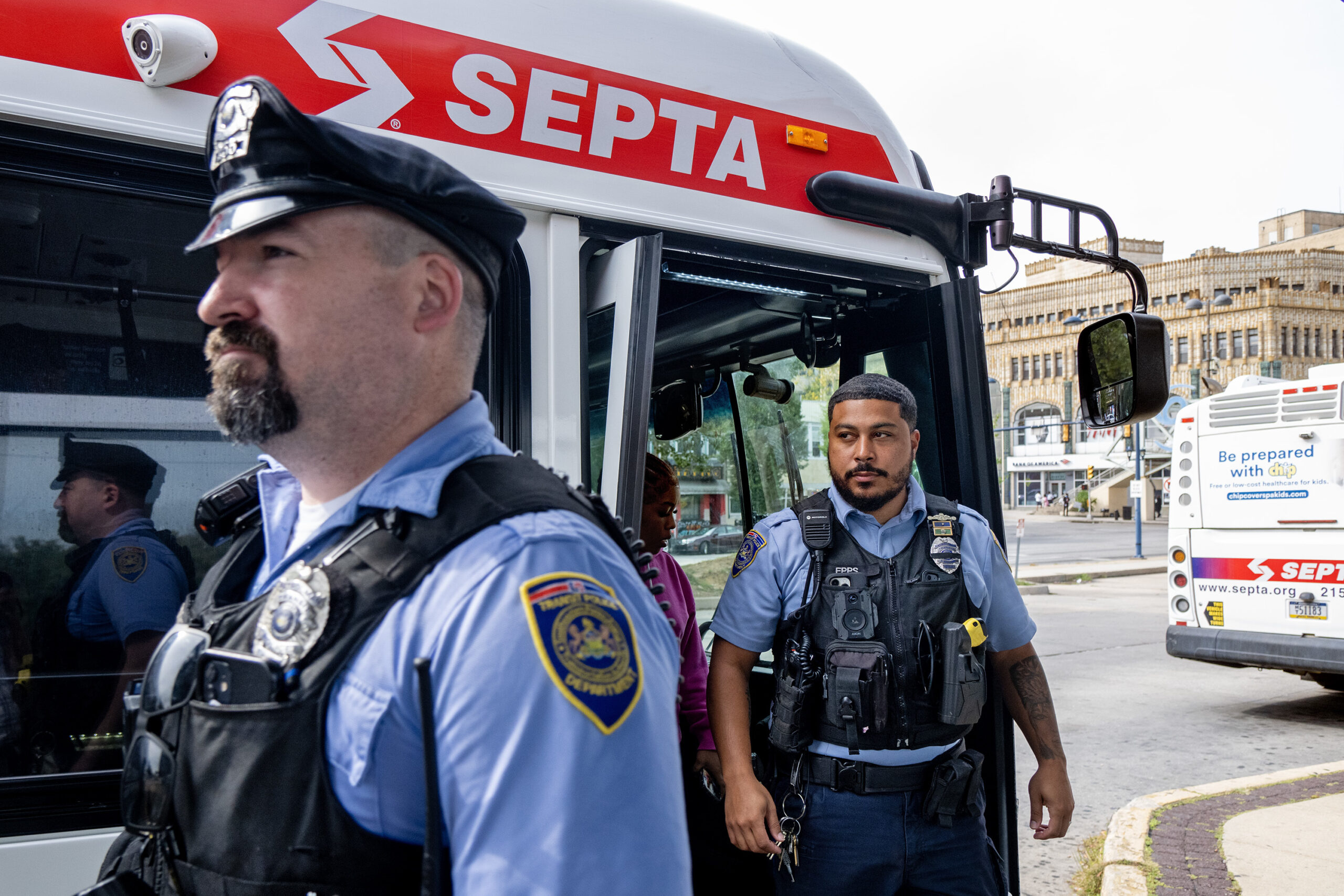
    SEPTA Transit Police patrol officers Brendan Dougherty (left) and Nicholas Epps (right) with the Fare Evasion Unit leave a bus at the 69th Street Transportation Center in September.

    No free rides

    New fare evasion-resistant gates are slowly going up across the SEPTA Metro system, with the Frankford Transportation Center the newest recipient of the upgrades. As is the case when SEPTA tries anything new, this has generated some consternation from riders. Specifically, people have wondered why SEPTA is spending on new fare gates given its well-noted fiscal woes. Given how much is spent just trying to collect the fare, why not just make transit free? After all, New York’s new mayor, Zohran Mamdani, wants to make the buses in his city fareless.

    While that all sounds exciting, it isn’t a good idea. Especially not here.

    The most obvious reason is that SEPTA simply can’t afford to give up the hundreds of millions of dollars it generates in fare revenue each year. In fact, SEPTA is already operating with a deficit, forcing a raid on its (already underfunded) capital budget. Going fare-free would put the future of the system entirely in the hands of Harrisburg politicos, who have demonstrated repeatedly they can’t be trusted to adequately fund the system.

    Plus, as New York’s Metropolitan Transportation Authority CEO Janno Lieber has said, transit is already affordable. A monthly bus pass is almost 90% cheaper than the average cost of car ownership. The biggest reasons people don’t ride are speed, frequency, and the behavior of other passengers, not fares.

    This isn’t just a question of money; it is also about rider and employee quality of life.

    After a surge in fare enforcement and a return to stiffer penalties, crime on the system is down to historic levels. This isn’t the first time that’s happened. While not every fare evader is a troublemaker, nearly everyone who does cause trouble starts by skipping the fare. The new fare gates led to a doubling of revenue at the 69th Street Transportation Center, but a reduction in aggressive behavior is just as valuable.

    In the Bay Area, the BART system has shown another benefit: reduced time spent on what it calls corrective maintenance. After installing new, evasion-resistant fare gates, the agency saw a 961-hour reduction in these issues over six months. That’s a serious drop in time spent cleaning up graffiti, fixing broken screens, and uh, picking up large messes. At many stations, the need was almost completely eliminated. As a regular transit rider, that sounds like it is worth a lot more than $3.

    Don’t just take my word for it. Iconic Philadelphia journalist Dan McQuade — who left us far too soonlooked into it, as well. McQuade wanted to believe in the idea, only to find that “free transit is not the sunshine-and-rainbows image I had in my head.”

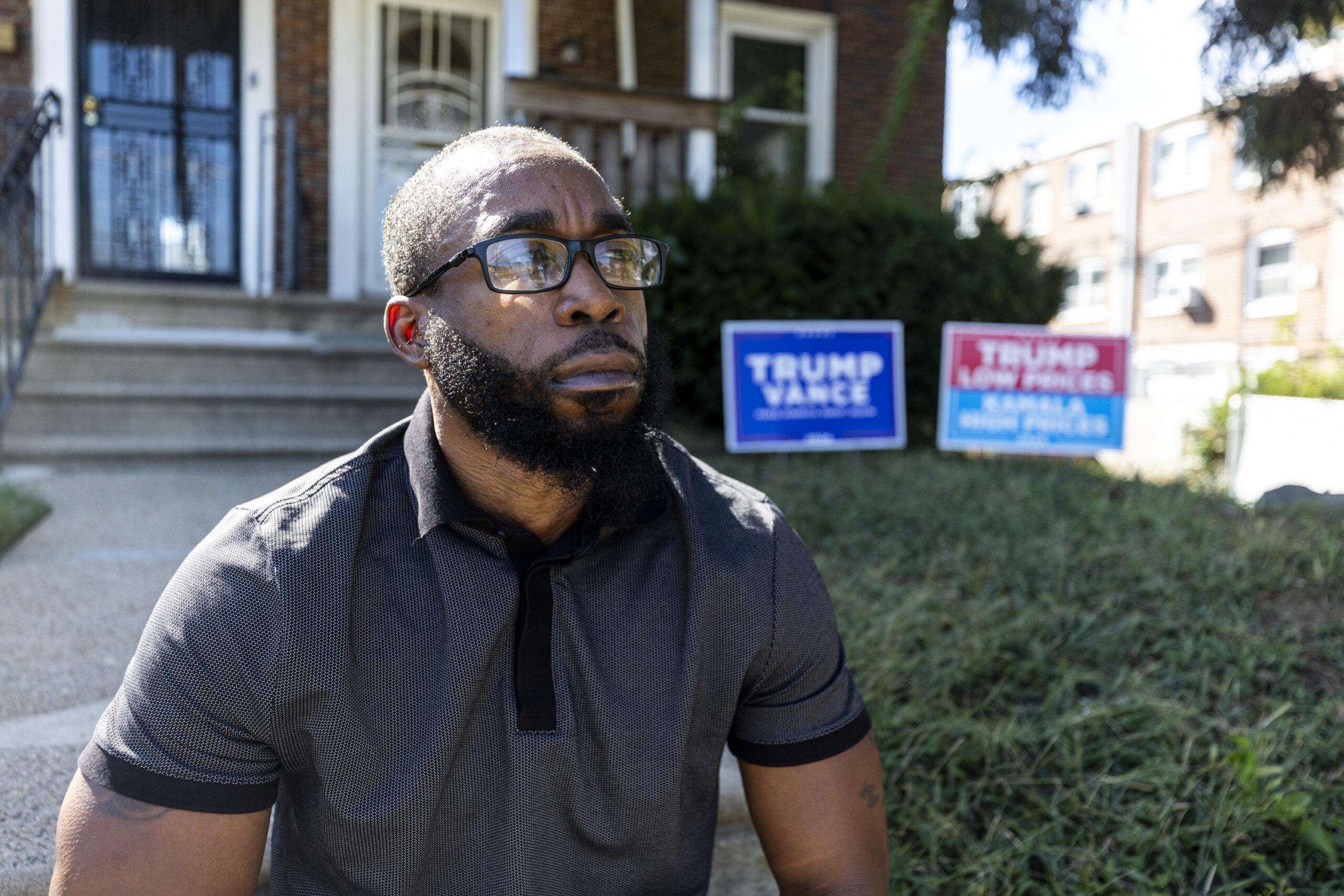
    John McAuley, a Republican of Northwest Philadelphia, poses for a portrait outside his home in 2024.

    Public revolt

    One of the more entertaining parts of covering City Council is watching the public comment portion of its meetings. Council has attracted a growing chorus of regular speakers, many of whom have things to say that clearly frustrate the members. More recently, the Council’s peanut gallery has been joined by John McAuley, an activist with the Black MAGA group Flip Philly Red.

    Council President Kenyatta Johnson, who is usually a deft hand while leading proceedings, found himself going viral on social media after contentious exchanges with McAuley and longtime speaker Lynn Landes. Johnson sought to keep McAuley on a germane topic and criticized Landes for using the word alien.

    In general, Johnson and his colleagues are better off letting people speak and not reacting to what they have to say. Intervening ensured more people would see their speeches than would have otherwise.

  • The lying is out of control. People need to go to prison.

    The lying is out of control. People need to go to prison.

    Even by the pitifully low standards of the fact-free government of the United States, this one was a whopper.

    Last month, agents from U.S. Immigration and Customs Enforcement (ICE) showed up at a Minneapolis hospital emergency room with a 31-year-old Mexican immigrant named Alberto Castañeda Mondragón who’d suffered severe head injuries.

    The ICE agents told the ER nurses, according to the Associated Press, that Mondragón “purposefully ran headfirst into a brick wall.” But doctors could immediately see that the official version made zero sense, since their patient had multiple head injuries on the front, back, and side — not consistent with a fall or a collision.

    Under oath, the feds suddenly switched to passive voice, as an ICE deportation officer said only in a sworn statement that Mondragón “had a head injury that required emergency medical treatment.” A judge ruled the arrest was unlawful — Mondragón had come to the U.S. legally and overstayed his visa — and ordered the man freed. Mondragón, who survived his eight skull fractures and brain bleeds and is suing the government, weeks later told an AP reporter his story of what really happened.

    “They started beating me right away when they arrested me,” he recounted, describing how immigration agents pulled him from a friend’s car at a St. Paul, Minn., shopping center on Jan. 8, then slammed him to the ground, handcuffed him, punched him, and whacked him with a steel baton. Mondragón said he was beaten again at a federal detention center, where his pleas for mercy were met by laughter and more blows.

    “There was never a wall,” he said.

    Alberto Castañeda Mondragón, who says in a lawsuit that he sustained eight skull fractures when he was beaten by ICE agents, poses for a portrait earlier this month in St. Paul, Minn.

    Mondragón’s narrative would be outrageous if it were an isolated incident, but this is simply one of the most egregious examples of falsehoods by an American secret police regime that has been caught in high-profile lies again and again. The best-known cases are the Minneapolis killings of Renee Good — where officials up to the president falsely claimed an agent was struck by a car and rushed to a hospital — and Alex Pretti, who was accused of brandishing a gun at federal agents, a lie that was instantly demolished when videos emerged.

    And these are just three of the many instances where a U.S. Department of Homeland Security (DHS) agent or top official has offered a version of events — often backed up by sworn testimony — that soon fell apart.

    On Wednesday, another woman DHS had described as “a domestic terrorist” — Mirimar Martinez, the Chicago Montessori schoolteacher who was shot five times after a vehicle collision with ICE agents — presented powerful evidence of government lies as she pursues legal action against DHS and the agent who shot her, Charles Exum.

    Marimar Martinez (center) is greeted by her family after being released from the Metropolitan Correctional Center in October, after being shot by immigration agents and charged with assaulting federal officers in an incident in Chicago’s Brighton Park.

    Martinez, whose federal charges stemming from the encounter were later dropped, and her lawyer said that a federal diagram of the crash scene presented in court showed three other vehicles that do not exist, that the shots did not come through the front windshield as claimed by Exum, and that another claim — that Martinez had “rammed” Exum’s vehicle — was also false. Said her lawyer, Christopher Parente, “This is a time where you just cannot trust the words of our federal officials.”

    Ya think?

    Let’s not pretend to be so naive as to act as if official deceit began on the June 2015 day that Donald Trump descended on that Trump Tower escalator. It was the late 1960s — the era of Lyndon B. Johnson’s Vietnam “credibility gap” — when the investigative journalist I.F. Stone famously wrote, “All governments lie.” I became an opinion journalist because of my disgust over George W. Bush’s lies that drove the Iraq War.

    That said, the outrageous, Soviet-caliber falsehoods of the Trump regime feel much worse. These are not “plausible denial” fairy tales to push an unpopular policy or cover up some dirty deeds, like Watergate, but a vast empire of Big Lies — easily disprovable, about everything from election results to economic statistics — with a much more ambitious goal of undermining the very notion of objective reality.

    This fish stinks from the head. That Trump was elected a second time after the Washington Post (remember them?) chronicled some 30,573 false or misleading claims during his first four years was essentially America’s drive-through order of a Double Whopper.

    The nation seems to have all but given up on challenging Trump’s absurd claims that he won Minnesota three times (although he actually lost three times), or his fact-free insistence that his tariff policies have sparked $18 trillion in new investments, just to name two instances. But America’s liar-in-chief has also offered fresh inspiration to his underlings.

    One would be hard-pressed to find a more blatant case of highest-level lying than the matter of Commerce Secretary Howard Lutnick and his friendship with Jeffrey Epstein, the deceased financier and sex trafficker. When the Trump regime’s cover-up of its massive Epstein files became a big story last summer, Lutnick, a former Wall Street CEO who lived next door to Epstein in Manhattan, told a podcast that he’d briefly visited Epstein’s home in 2005, and was revulsed at the sight of a massage table. He insisted that he then decided, “I will never be in the room with that disgusting person ever again.”

    This was an epic lie.

    We now know — thanks to the congressionally mandated (but still incomplete) release of the Epstein files — that Lutnick and his family and entourage stopped for lunch at Epstein’s Caribbean island in 2012, and that this was one of many contacts — about meeting for drinks, or philanthropic contributions — the two men had almost up until Epstein’s arrest and jail cell death in 2019.

    There’s no evidence Lutnick committed any crime — beyond telling a massive and now discredited lie to the American people he purportedly serves. In Europe, heads are rolling for far less, but Lutnick has “the full confidence” of the president. That fact, bobbing above a vast MAGA sea of lies, should make us ask some hard questions as a nation.

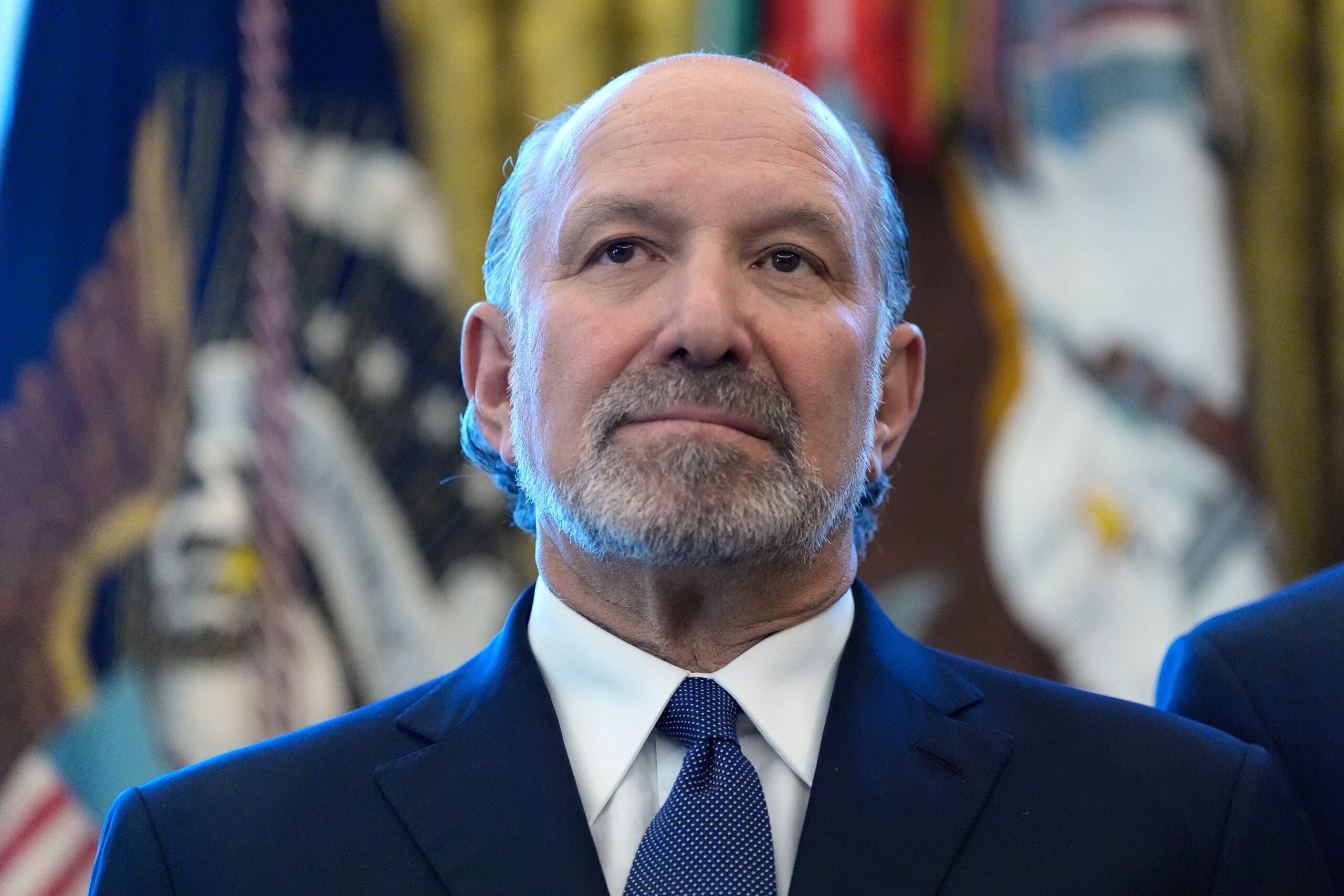
    Commerce Secretary Howard Lutnick listens during an event with President Donald Trump in the Oval Office in February.

    The current consensus — honored mainly in the breach — that lying is wrong, or bad, does not go nearly far enough. Perhaps it muddies the water that the U.S. Supreme Court has ruled it is First Amendment-protected free speech when private citizens utter things that aren’t true. But official deceit is a different category.

    “The government’s lies can be devastating,” a leading scholar — University of Colorado law professor Helen Norton — wrote in a powerful 2015 article, arguing that official government dishonesty is fundamentally unconstitutional. Norton noted that false testimony and evidence in criminal cases — what we’ve seen frequently in the immigration terror campaign — is a violation of the Constitution’s due process clause, while invented allegations that aim to silence critics are offenses against constitutionally protected free speech.

    It’s a felony to lie in federal court cases, or when testifying under oath before Congress, or in other types of governmental proceedings. And the federal statute of limitations for perjury is five years — plenty of time for a liberated U.S. Department of Justice to pursue these many cases if democratic forces can win back the White House in 2028.

    But we should also recognize that top officials who tell deliberate lies are abusing their power in ways that, as Norton rightly argues, are grossly unconstitutional. When Noem lies to the American people about Good and how she was killed by ICE, she should resign or be impeached. When Lutnick looks into a camera and offers complete fiction about his friendship with the world’s most notorious sex trafficker, he, too, should quit immediately, or face impeachment.

    Norton, in her prescient article from 11 years ago, notes that beyond the specific wrongs against individuals — such as Mondragón, Martinez, Good, and Pretti — that occur when the government lies, there is a much broader problem: the loss of public trust.

    Indeed, the steep decline of public faith not only in government but in other civic institutions began with those official lies about Vietnam and Watergate, and the flawed probes into the John F. Kennedy assassination. It was those and other countless moments of scatheless lying by those in power that created the rubble Trump marched over in 2016.

    We won’t get anything resembling democracy until we clear that widespread debris, and that means sending a bunch of these liars to prison, because they are the real criminals. America desperately needs truth and consequences.