Category: Opinion

  • With roots stretching back 170 years, the Jewish Family and Children’s Service strives ‘to make the world a better place’ | Philly Gives

    With roots stretching back 170 years, the Jewish Family and Children’s Service strives ‘to make the world a better place’ | Philly Gives

    By the time more than 700 people had found coats at the Jewish Family and Children’s Service of Greater Philadelphia’s annual coat drive last month, JFCS volunteer manager Brianna Torres should have been exhausted.

    Instead, she was exhilarated.

    “Honestly, this is one of our most favorite days of the year,” she said, taking a break from shepherding the 60 volunteers helping hundreds of folks choose free winter jackets and coats for themselves and their children at Congregation Rodeph Shalom.

    Sometimes the line stretched around the historic synagogue on North Broad Street.

    “It’s all hands on deck,” Torres said, with a smile. “We feel good — giving and receiving.”

    JFCS’s roots date to 1855, when philanthropist and Jewish educator Rebecca Gratz founded the Jewish Foster Home, and to 1869, when United Hebrew Charities was organized.

    These days, JFCS’s client base has grown beyond the Jewish population it once primarily served. It offers a multitude of services, including help with basic needs, mental health and wellness, support for Holocaust survivors, older adults and their families, help for children and families, and for people living with disabilities, as well as an LGBTQ initiative.

    “We’re an organization that is very focused on the equal value of every human being,” said Robin Brandies, JFCS’s new president and chief executive.

    When the giveaway ended, 900 of those human beings had chosen 1,200 coats out of 1,600 donated.

    “It is our responsibility to make the world a better place,” Torres said. “Our main forefront is dignity.”

    That’s why, she explained, the coat drive, while massive, didn’t resemble a rummage sale. “We’re trying to create a boutique type of atmosphere.”
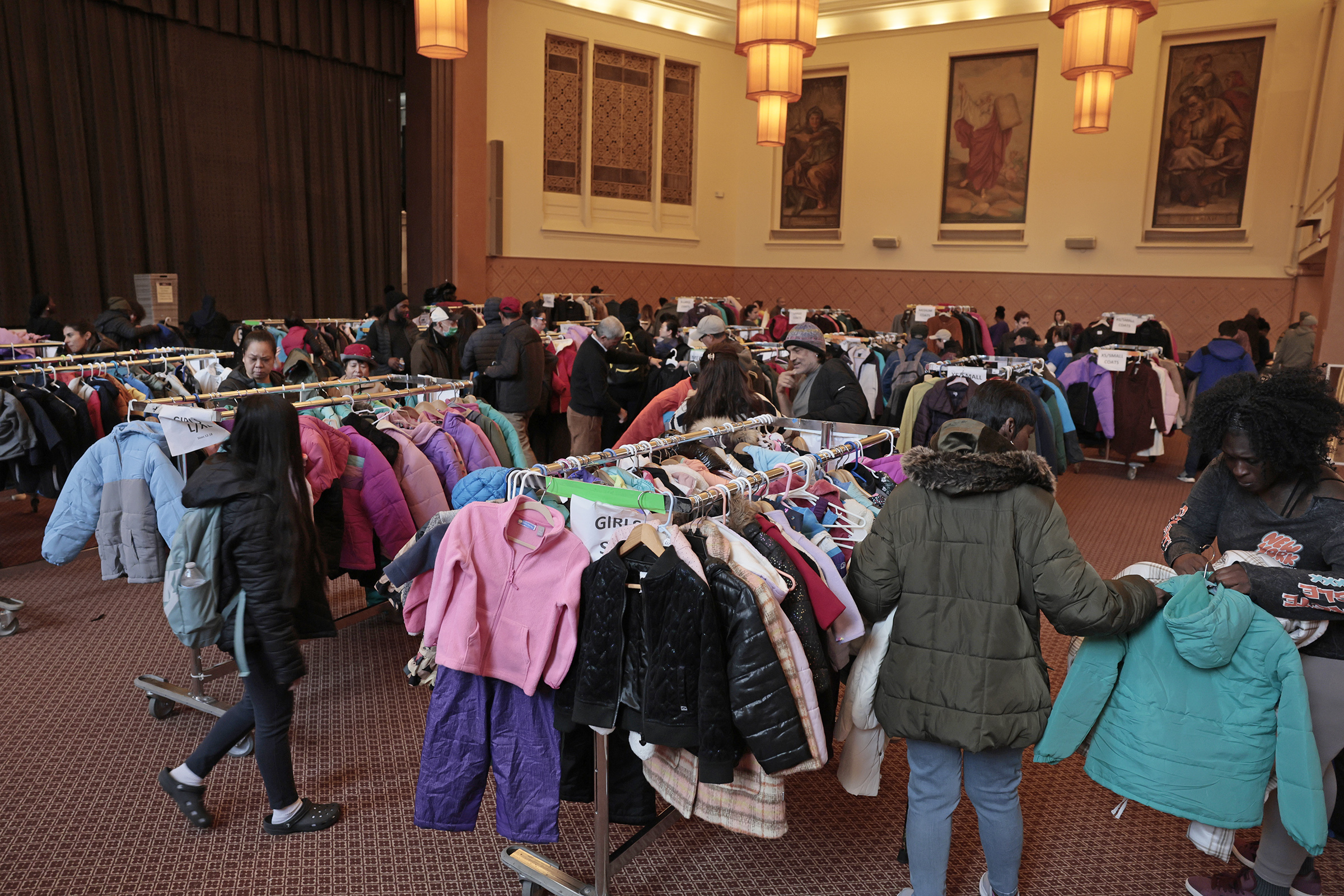
    People look for coats during the winter coat drive at Rodeph Shalom synagogue last month.

    Volunteers hung coats neatly on racks by size, not piled in heaps. While many people were served, only 35 at a time were allowed in to “shop” in the synagogue’s huge community room. They could look at and try on coats at leisure without jostling for room.

    Volunteers helped them choose their coats while other friendly volunteers packed their coats into bags along with flyers describing more of JFCS’s services.

    Leftover coats wind up in JFCS’s mobile pop-up, “Our Closet in Your Neighborhood.” The agency brings a truck loaded with all kinds of clothing, from shoes to coats, and sets up mini boutiques in synagogues, churches, and community centers around the region. Fresh produce is also often available.

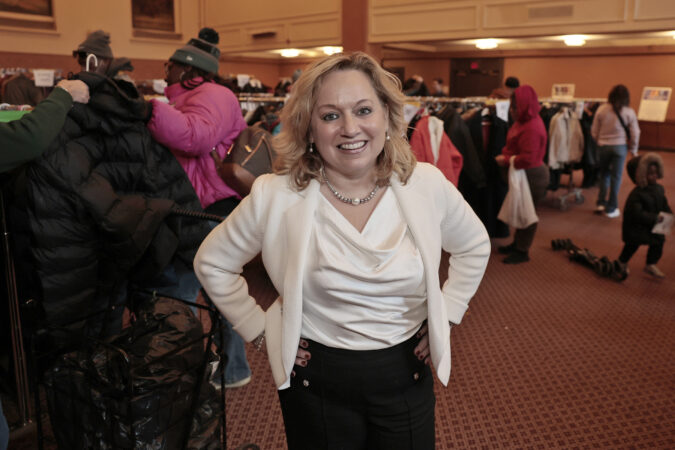
    Last month’s coat drive was Brandies’ first as JFCS’s new president and chief executive. She replaces JFCS’s longtime executive Paula Goldstein, who retired Sept. 1 after more than 40 years of service.

    “I’m blown away,” Brandies said. She walked into the synagogue’s community room and almost immediately ended up helping little King James, 3, get zipped into his new jacket.

    His mother, Jessel Huggins, of Strawberry Mansion, brought five of her 13 children to the coat drive.

    As they waited to choose, three of the boys, Shar, 6, Boaz, 7, and Prince Jedidiah, 8, said they hoped for winter jackets themed with Sonic the Hedgehog characters — Sonic and Tails, the fox.

    Sadly, they weren’t available, but at least Boaz and Prince Jedidiah got blue coats — the same color as the hedgehog. Shar landed a gray camouflage one. Their older sister, Shaly, 13, managed to snag her dream coat, a jacket with fur around the hood.

    “This is my first time coming,” Huggins said. “Buying coats for 13 kids is a lot.”

    LaToya Adams, of West Philly, stood in line, hoping she’d find a coat for herself, her daughter, 20, and her son, 7. “We can’t afford coats with food stamps being cut off — and right at Thanksgiving.”

    People wait in line to get into the winter coat drive at Rodeph Shalom synagogue last month.

    “The money I do make has to go to the bills,” she said. “I’m just trying to find a good-paying job. It’s a burden. It feels like you have a weight on your shoulders and you can’t get out of it. We’re trying to survive, and them giving a coat today helps.”

    Brandies came to JFCS after serving as the leader of Abramson Senior Care. The two organizations joined on Oct. 1 to provide more seamless care for older adults and their families in a program now known as Abramson Senior Care of JFCS.

    Abramson had offered more health-based care with JFCS, providing other types of services to seniors, including help with housing and food. “A family can make one phone call” on a 24-hour hotline to access services, Brandies said.

    Sometimes there are emergencies, like a person calling late at night after noticing an elderly neighbor had tried to cook herself a meal and ended up having a minor fire. Usually, though, Brandies said, the calls are from people seeking advice on how to care for an aging relative.

    Brandies, who had earlier careers in law and fundraising, said she became a fierce advocate for older adults in the 10 years she spent at Abramson.

    “People don’t like to think about aging,” she said. “It’s possibly the most universal and least sexy of causes. It’s not as sexy in fundraising circles as donating” to programs for children.

    “Everybody ages and needs help at some point,” she said. “But we’re not educated [as a society] as to the best way to be there.

    “As the percentage of the population that’s aging increases, we have fewer people going into senior care professions,” and there are fewer resources available to help the elderly. Many are aging alone, with no families nearby to help.

    “Seniors don’t want to be infantilized,” she said. “They want to continue to live their lives with as much dignity as possible.”

    This article is part of a series about Philly Gives — a community fund to support nonprofits through end-of-year giving. To learn more about Philly Gives, including how to donate, visit phillygives.org.

    For more information about Philly Gives, including how to donate, visit phillygives.org.

    Jewish Family and Children’s Service of Greater Philadelphia

    Mission: Jewish Family and Children’s Service (JFCS) of Greater Philadelphia strengthens families and individuals across generations and cultures to achieve stability, independence, and community.

    People served: Over 30,000 annually

    Annual spending: $14,899,000 for 2024-2025

    Point of pride: The recent merger of JFCS and Abramson Senior Care (now Abramson Senior Care of JFCS) expands access to comprehensive social and healthcare services for older adults and their caregivers across Greater Philadelphia.

    You can help: We invite individuals, families, groups, corporations, and more to contribute their time and skills to a variety of community-based volunteer opportunities.

    Support: phillygives.org

    What your JFCS donation can do

    • $25 buys a warm winter coat for a child.
    • $50 purchases a grocery store gift card for a family.
    • $100 pays the heating bill for an individual with a disability.
    • $360 subsidizes the cost of therapy for an individual experiencing a mental health crisis.
    • $500 covers medical bills for an older adult.
    • $1,000 helps a family of four pay their rent.
    • $2,500 installs a chair lift in the home of a Holocaust survivor.
  • Letters to the Editor | Dec. 14, 2025

    Letters to the Editor | Dec. 14, 2025

    Divisive language

    Mayor Cherelle L. Parker spent last weekend arguing that amendments to her H.O.M.E. initiative are “trying to pit the ‘have-nots’ against those who have just a little bit.” But what is divisive about making sure those who are the least well off are prioritized? According to the National Low-Income Housing Coalition and National Alliance to End Homelessness, extremely low-income households (households making 30% of the region’s annual median income or less) are facing the brunt of the housing crisis. City Council’s amendments propose reallocating 90% of the funding for certain programs to residents making 60% of the annual median income or less, as opposed to going to residents who make up to 100% of the annual median income. So her argument that this is a “subtraction” carries no weight. What is being subtracted? Moreover, if she really wanted to address the housing crisis, why would she not allocate assistance to those who, according to experts, need it the most? The amendments simply call for a reallocation of funds to those who need it the most. Nothing about that should be divisive; it is simply good policy, but Mayor Parker’s language about it certainly is. Mayor Parker is dividing Philadelphians, not progressives in City Council.

    Jeff Wasch, Philadelphia

    $100K visas

    There’s no question that many American-born medical professionals would rather work in urban areas where they and their families can enjoy the amenities that large cities offer and their children can choose from a wide range of schools to attend. For years, foreign-born medical professionals have been filling positions in undesirable locales across rural America. President Donald Trump just levied a $100,000 H-1B visa application fee on foreign-born medical professionals, among others. If Nephrology Associates of the Carolinas closes because it cannot hire enough doctors, its dialysis patients will need to travel one hour each way to Charlotte, N.C., three times a week. I wonder if these dialysis patients in a city where residents overwhelmingly voted for President Trump now regret their 2024 vote.

    Paul L. Newman, Merion Station

    Balance of powers

    According to analysts, the oral arguments heard recently by the U.S. Supreme Court in Trump v. Slaughter give clear indication that the majority intends to gut/overturn the governing precedent (the Humphrey’s Executor v. United States decision) that restrains executive authority over independent agency heads. This will solidify the “unitary executive.” The reins will be removed, and Donald Trump will consider there to be no remaining limits. He will remove any Fed governor, Securities and Exchange Commission commissioner, or, for that matter, even common civil servants as he sees fit, without repercussions. Historians should note Dec. 8, 2025, as the date that marks the end of our system of government as we have till this point understood it. Justice Samuel Alito acknowledged as much in a sarcastically phrased question. The salient question for America’s future is whether his sarcasm was because he does not believe there will be harm, even given the breadth of this decision, or was the sarcasm because he simply doesn’t care? Political ideology currently seems to trump considerations of justice or tradition. The court clearly seemed to indicate it is going to eliminate the balance of powers insofar as it restrains the executive. I suppose it is somewhat understandable that the Founding Fathers did not explicitly spell everything out in detail. There seemed to be some presumption that honor and gentlemanly decorum would prevent outcomes such as we see today. And as quaint and naive as that may have been even then, how could the intervening generations have been so naive as not to have foreseen this downside potential, and responded appropriately with more explicit legislative restrictions? Even in my lifetime, since Kent State, Richard Nixon, and Iran-Contra, how could we have continued forward with such naivete, having never explicitly delineated the constitutional limits of executive power? How could we have been so stupid?

    W.B. Yeats certainly saw this coming: “Things fall apart; the centre cannot hold … The best lack all conviction, while the worst are full of passionate intensity.”

    Michael Cahill, Phoenixville

    Grand old flag

    So the city’s Department of Public Property “aims to replace each flag twice a year,” and “shift crews perform a weekly check”? I must be driving the wrong Parkway. The flags I’m seeing look like they were the originals hung during the Bicentennial in 1976. Some look like they fail to reflect decades-old regime changes. The folks at public property need to check their maps, adjust their GPS systems, and reverse their binoculars. Some of the Parkway flags are looking mighty sad.

    Mike Egan, Plymouth Meeting

    Join the conversation: Send letters to letters@inquirer.com. Limit length to 150 words and include home address and day and evening phone number. Letters run in The Inquirer six days a week on the editorial pages and online.

  • The way we treat older adults transitioning to long-term care is ‘garbage’

    The way we treat older adults transitioning to long-term care is ‘garbage’

    I am not new to end-of-life care — as a nurse and someone who has worked in healthcare for most of my life, I have helped numerous friends, family, patients, and clients at the end of their lives.

    Yet, the transition to long-term care for older adults is vastly different. Over the past few weeks, I have witnessed the demoralizing treatment of this firsthand as family members close to me have tried to manage their loved one’s urgent hospitalization and the fallout afterward; it was a wake-up call.

    My 80-year-old relative was diagnosed with metastatic cancer seven years ago. During the pandemic, they had emergency surgery as their cancer spread to their spine and caused partial paralysis in their legs. The surgery was successful, and for a long time, medication kept the cancer contained. But last month, the paralysis began again, and they were back in the hospital requiring another urgent spinal surgery.

    At first, their acute care was phenomenal. Then, as they became physiologically stable, and it became clear they couldn’t go home but would need long-term care, everything changed.

    When it comes to the transition into long-term care, families have no control over some things, yet are expected to control the minutest details of others, writes Marion Leary.

    I watched as my family members, over the course of two weeks, grew increasingly overwhelmed, exasperated, and exhausted. They began to look as though they themselves were going to require hospitalization. The amount of information being thrown at them, in no coordinated way, was utterly overwhelming. In contrast, the lack of information being shared with them was similarly overwhelming and stupefying.

    Though my family members were at their loved one’s bedside more than eight hours a day while in the hospital, and repeatedly asked the medical team to discuss any plans with them, their loved one’s healthcare proxy, the team continued to only relay pertinent information to the patient who was in excruciating pain, on pain meds, is hard-of-hearing, and was recovering from spine surgery and anesthesia .

    Not surprisingly, the information rarely made it back to my family members. Not once during the week postsurgery, as they were trying to plan for the looming hospital discharge and the associated next steps, did that happen.

    At no time did anyone from the surgical or oncology team discuss follow-up plans with my family members. This sparked a cascade of misinformation and omissions that became the foundation for the steep learning curve that is rehabilitation and long-term care in our healthcare industry.

    Due to the progression of the cancer on the spine and the ensuing paralysis, my family’s loved one needed to go to acute rehab from the hospital, but what acute rehabs were available, where they were located, how long one can stay and then where they go afterward, how it would be decided, and how it would be paid for was a mystery for my family to decipher.

    Their loved one would need to start radiation therapy once the surgical wound healed, but how they would be transported from the acute rehab to the medical center and when that would begin was also, apparently, for the family to figure out. At one point, my family member asked the social worker how transportation to the radiation appointment would work; the social worker shrugged their shoulders and told them to try an Uber.

    An Uber, for a medically fragile, at the time stretcher-bound, individual. It would be funny if it were not contemptible.

    Almost all of us who grow old will need some long-term care — and yet, based on our experience and the experiences of so many others, there is no system in place, writes Marion Leary.

    As my family member’s loved one became more stable and progressed in their rehabilitation, their follow-up medical care became the next problem to be solved.

    Oncology appointments were scheduled while at acute rehab; luckily, they could be done virtually. To our surprise, though, the acute rehab personnel would take no responsibility in assisting their patient in attending these medically necessary appointments. They refused to help turn on the iPad or log in to the medical portal for the appointment. Once again, it was the family’s responsibility to figure out how this would happen.

    Ultimately, my family member had to physically go to the acute rehab to turn on the device and log their loved one into the portal. Dealing with an ill and injured loved one is hard enough while juggling your own life responsibilities, but requiring family members to drive 40 minutes (each way) in the middle of a weekday to an acute rehab facility with licensed medical providers — to assist the facility’s own patient with their necessary medical appointments because the facility’s licensed medical providers refuse — is yet another unnecessary and callous hurdle to make families jump.

    In situations such as I have described, families have no control over some things, yet are expected to control the minutest details of others. Make it make sense.

    I am not naive to the plethora of troubles that come with being sick, injured, low-income/low-resources, or elderly in this country.

    I ran a nonprofit organization years ago that helped people pay for medical expenses. I worked with clients who were not only trying to keep their loved ones alive but were also trying to manage and pay for their care. I repeatedly witnessed how our healthcare industry put up every possible roadblock and hurdle; how loved ones became increasingly despondent.

    In the U.S., there are over 61 million older adults, those aged 65 or older — this is 18% of the population. This number is expected to grow to 22% of the population by 2040. That will be close to one-quarter of the U.S. population. Yet, there is no coordinated system in place to help older adults and their families transition to long-term care and navigate the inevitable healthcare challenges they will face — let alone face them with grace and dignity.

    The “not my problem” “hot potato” approach our healthcare industry has taken is criminal.

    With nowhere else to turn to help my loved ones, I reached out to a colleague who specializes in palliative care. They provided helpful resources and echoed what seems to be the sentiment of many providers: “Our ‘system,’ it’s garbage.”

    Many patients and families who have gone through this experience know this to be true. Yet, we continue to perpetuate, accept, or be resigned to a system that treats older adults and their families, as my colleague accurately stated, like garbage.

    Which is mind-boggling, as most of us, if we are lucky (or unlucky, given the circumstances), will grow old. Most of us have relatives who will grow old. Almost all of us who grow old will need some long-term care — and yet, based on our experience and the experiences of so many others, there is no system in place.

    None of the resources we eventually found came from any healthcare provider or social worker in either the hospital or the acute rehab.

    None.

    Only after using ChatGPT and reaching out to colleagues were we able to start putting the pieces together. ChatGPT recommended our local county aging corporation, which provided helpful resources for transportation and the Pennsylvania Elder Law hotline.

    Through this whole process, we have remarked — and felt genuinely nauseated over — what other older adults who need long-term care do if they don’t have family support or financial resources. We are still at a loss.

    But I am not about to shrug my shoulders or be resigned. I am not willing to place the burden back on the sick and aging, nor their families. I implore my healthcare colleagues to acknowledge the faults in the system, accept the burden of care, and do better.

    Marion Leary is a nurse, public health advocate, and activist.

  • The ‘resign-to-run’ rule is a rare case where Philly provides a national model for good government. Why change it?

    The ‘resign-to-run’ rule is a rare case where Philly provides a national model for good government. Why change it?

    Here we go again.

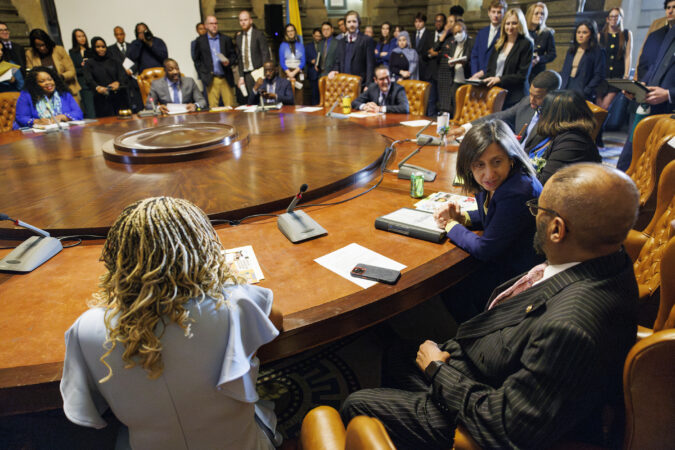
    A proposal in City Council aims to amend the so-called resign-to-run rule that requires elected city officials to give up their seats if they want to run for another office.

    Philadelphia voters have already rejected a similar plan twice, once in 2007 and again in 2014. A third attempt stalled out in Council in 2020.

    Councilmember Isaiah Thomas, who proposed eliminating the rule last year, is back with a modified measure that would allow city officeholders to keep their seats while running for a state or federal office. They would still have to resign to run for another city office, such as mayor.

    Sorry, councilman, but there’s no such thing as being a little bit pregnant. Many of the same good government reasons that require resigning to run for another office still hold.

    Namely, running for office is a full-time job. The fundraising, campaign stops, debates, and town halls that take place during the day, nights, and weekends leave little time for officials to do the six-figure day job they were elected to do.

    Depending on the office, running for a statewide or federal seat could also require additional travel across the state that would further distract from serving the constituents the official was elected to represent.

    There would also be the temptation to use taxpayer-funded city resources — including the car, office, and staff — to help with the campaign. That is in addition to the taxpayer-funded salary and benefits elected city officials would collect while campaigning for a higher office.

    Lastly, the elected official could also leverage their position against other candidates to benefit themselves or donors.

    City Councilmember Isaiah Thomas said he would like to see the “resign-to-run” rule eliminated, but for now he was trying to strike a compromise.

    The arguments for allowing an elected official to remain in office while campaigning for another job just don’t hold up.

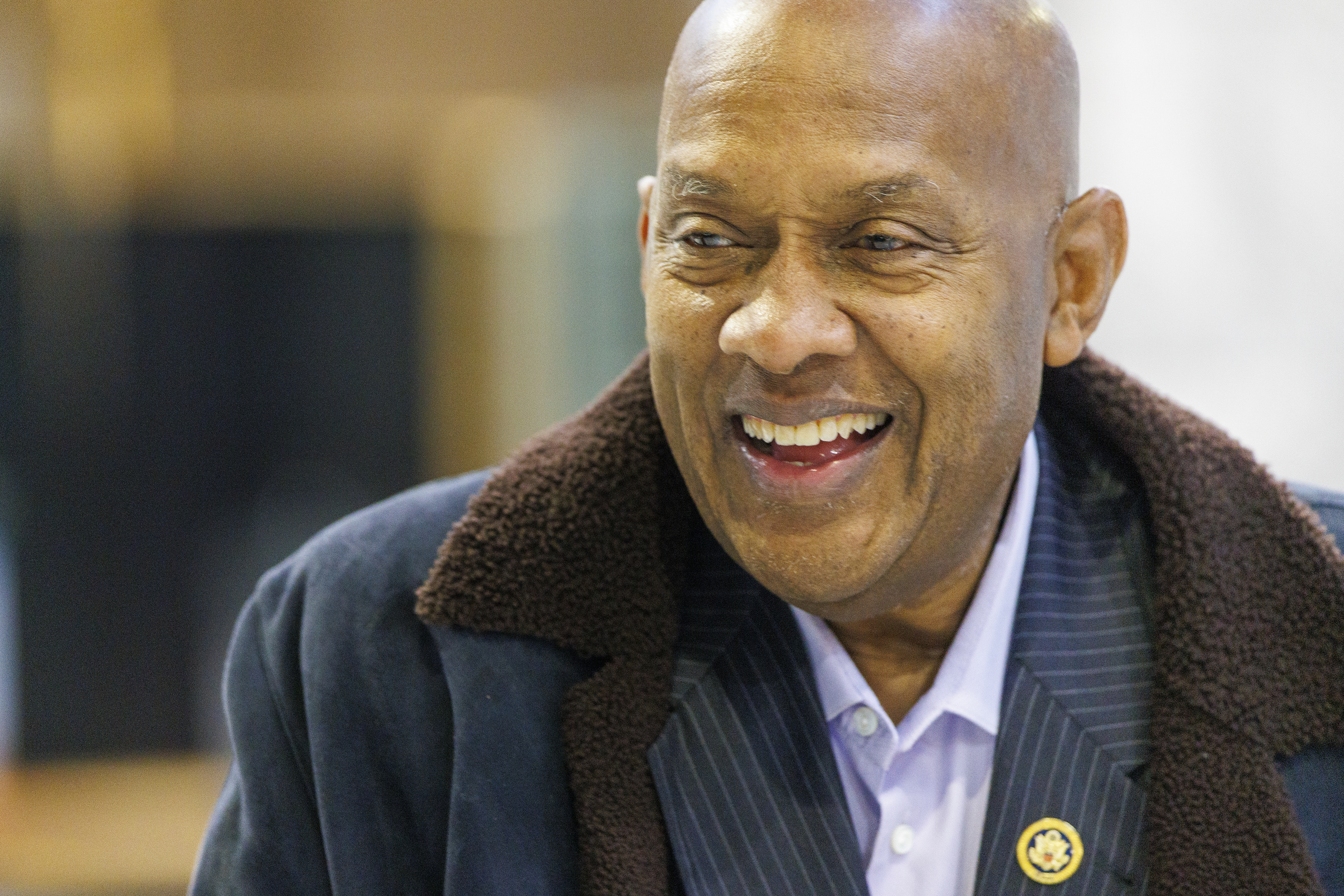
    The main argument is that it will allow more competition. For example, Thomas said some of his Council colleagues may have entered the race to replace retiring U.S. Rep. Dwight Evans — a five-term Democrat from the 3rd District — if they did not have to resign.

    But even under the current rule, there is no lack of competition for Evans’ seat. Eleven people have already announced their candidacy, and the primary is not until May 19.

    The diverse field already has a number of excellent candidates, including several who have never run for office before. Voters will have plenty of good options.

    Thomas argued voters would benefit if the field included Council members. “There could be even more great candidates,” he said in an interview.

    Thomas said city officials faced an uneven playing field, since state and federal elected officials do not have to resign to run for another office. That is true.

    Three of the congressional candidates hold state elected office. But the better reform is to require state and federal elected officials to resign to run for another office.

    As the saying goes, two wrongs don’t make a right.

    Voters are already fed up with professional politicians. It is even more annoying when an official gets reelected and months later launches a bid for another office.

    Even with the current rule, there is no lack of competition for retiring U.S. Rep. Dwight Evans’ seat, Paul Davies writes. Eleven candidates so far are vying to succeed the five-term Democrat from the 3rd District.

    That scenario may soon play out with Gov. Josh Shapiro. He faces reelection in November, and many assume he will run for president in 2028. That means if Shapiro is reelected governor, he could spend much of the first half of his second term campaigning in Iowa, New Hampshire, and beyond.

    After then-New Jersey Gov. Chris Christie launched his first bid for president, he would go on to spend 262 full or partial days out of the state in 2015. He traveled with a security detail that included New Jersey state troopers driving black SUVs with the state’s license plates, costing taxpayers more than $600,000.

    Likewise, when then-U.S. Sen. Marco Rubio (R., Fla.) ran for president in the same election cycle, he missed 50% of the votes in the Senate.

    Thomas conceded it would be difficult to balance city duties while running for an office that would require campaigning across the state. But he said city officials running for a congressional seat in Philadelphia while holding office would “not miss a beat.”

    That may be true since Council doesn’t meet in the summer. But that’s an argument for making Council a part-time job, especially since they can, and some do, hold second jobs.

    Philadelphia’s resign-to-run rule was added to the Home Rule Charter in 1951. At the time, the Committee of Seventy, a nonpartisan organization established in 1904 to combat corruption, strongly supported the rule.

    After then-New Jersey Gov. Chris Christie launched his first bid for president, he would go on to spend 262 full or partial days out of the state in 2015, Paul Davies writes.

    Any measure that prevents corruption still seems like a good idea. But surprisingly, the good-government group’s position has “evolved,” Lauren Cristella, the head of the Committee of Seventy, said in a statement.

    The organization “reluctantly” supported the repeal of the rule in 2014, citing the need for more competition.

    But Philadelphia voters rejected the effort. Just as they did in 2007.

    This time, the Committee of Seventy said it would only support ending the resign-to-run rule if it was part of a broader reform package that includes term limits and “stronger safeguards for ethical, transparent government.”

    The Committee of Seventy said the proposed change in its current form only serves the “political interests, but not the public interest.”

    Rest assured, if the resign-to-run rule were modified to allow city officials to run for state and federal office, it would just be a matter of time before Council tried to repeal it altogether.

    Even Thomas said he would like to see the rule eliminated, but for now, he was trying to strike a compromise.

    Philadelphia has long been criticized as being “corrupt and contented.” But reforms like resign-to-run and the city’s strict campaign finance regulations passed a decade ago are models of good government.

    Indeed, only a couple of cities and states have a resign-to-run rule. Philadelphia should champion its position as a good-government leader.

    Harrisburg — which has no such measure and some of the worst campaign finance rules — would benefit from following the city’s lead.

    The country needs more good government, not less.

  • Trump is unredeemable. What about his enablers? | Editorial

    Trump is unredeemable. What about his enablers? | Editorial

    By now, it is beyond obvious that Donald Trump is unredeemable.

    Trump assumed the Oval Office in 2016 as the most inexperienced, untruthful, and unstable president in modern history, if not ever. He has only grown worse.

    This past year, Trump has been a one-man wrecking ball, attacking norms, institutions, public health, higher education, the rule of law, and the Constitution. Never before has a president led such a relentless assault on the United States and its allies, while cozying up to dictators.

    Trump has literally waged war at home and abroad, sending federal troops into cities, deporting thousands of immigrants without due process, and murdering alleged drug runners without providing any evidence.

    The list of corrupt and egregious abuses of power is long and growing by the day.

    But perhaps more shameful than Trump is how so many who know better have enabled him — including many top officials in Pennsylvania.

    The list includes U.S. Sens. Dave McCormick and John Fetterman, as well as U.S. Rep. Brian Fitzpatrick, Pennsylvania Attorney General Dave Sunday, and dozens of GOP representatives in Harrisburg and Washington.

    Each one has played a distinctive role in putting Trump above their constitutional oath. Many other Republican officials across the country, along with the conservatives on the U.S. Supreme Court and right-wing media, have enabled and emboldened Trump’s worst instincts. The collective cowardice has damaged the United States and forever stained each individual’s place in history.

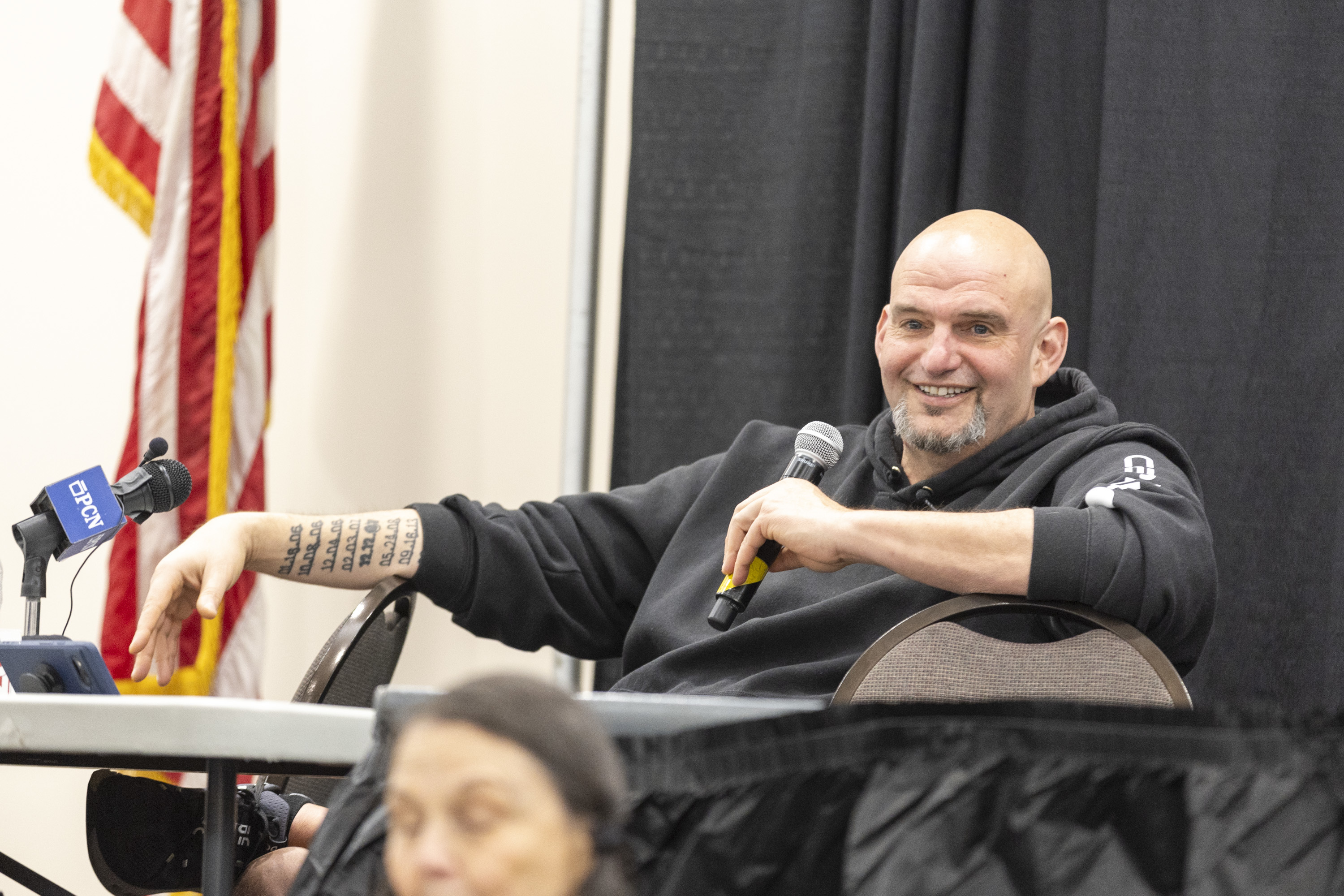
    U.S. Sen. John Fetterman speaks at the Penn Ag Democrats Luncheon at the Pennsylvania Farm Show in Harrisburg in January.

    Fetterman was the only Democratic senator who voted to confirm Attorney General Pam Bondi, an election denier who represented Trump during his first impeachment.

    Bondi is not an independent law enforcement official. She worked to undermine legal proceedings and elections before becoming attorney general.

    Bondi promoted conspiracy theories during Trump’s impeachment trial, traveled to New York to criticize the judge and prosecutor overseeing Trump’s criminal trial, and came to Pennsylvania to spread false claims about the 2020 election.

    Yet, Fetterman still voted for Bondi.

    Since getting confirmed, she has overseen the dismantling of the U.S. Department of Justice. Under Bondi, prosecutors have defied court orders, attacked judges, dropped criminal cases against Trump allies, targeted the president’s perceived enemies, and bungled the Jeffrey Epstein files.

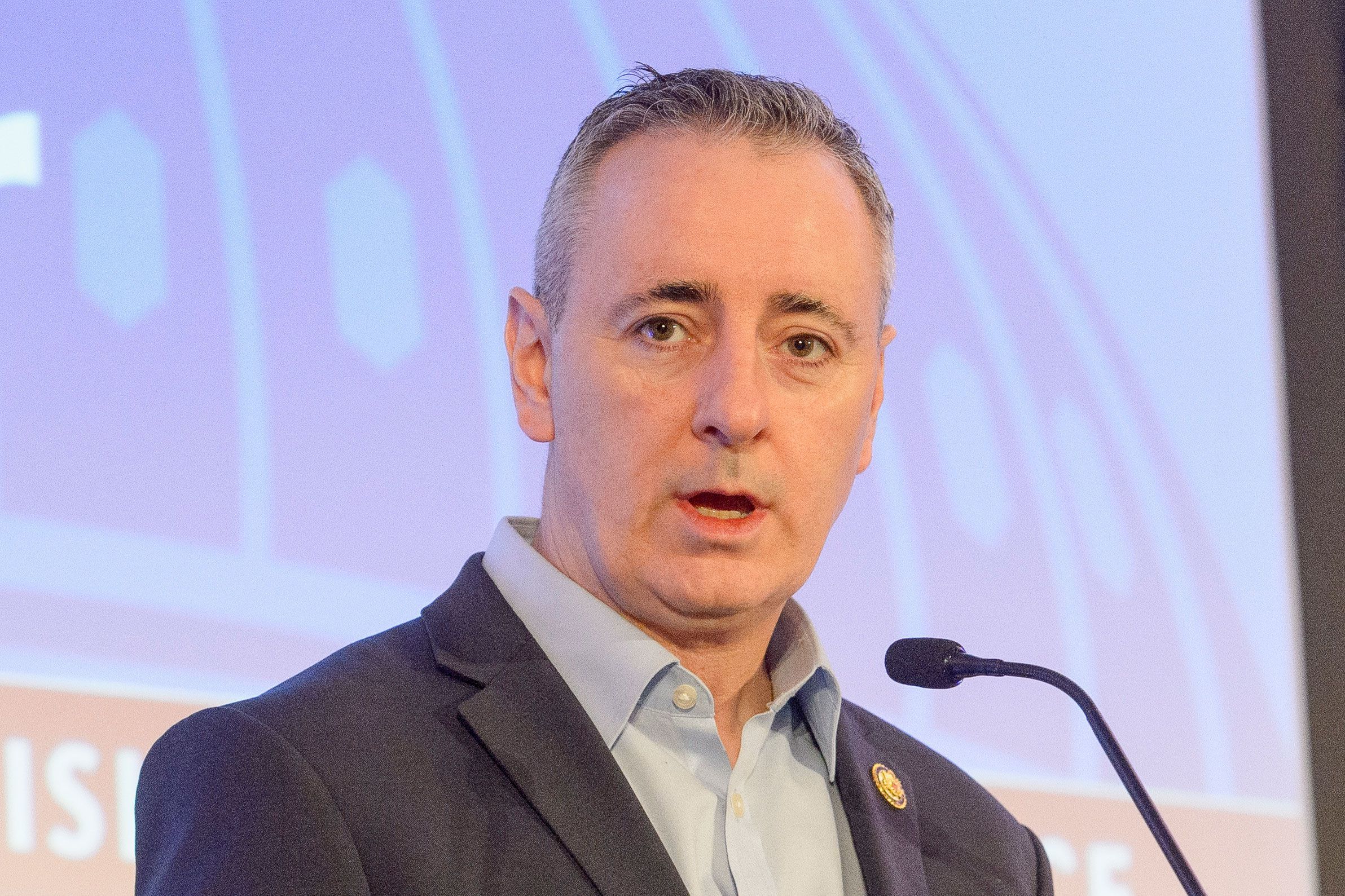
    U.S. Rep. Brian Fitzpatrick (R., Pa.) speaks during the opening session of the National Treasury Employees Union Legislative Conference in Washington in March.

    Fitzpatrick, a Republican who represents Bucks County, initially voted in favor of Trump’s so-called Big Beautiful Bill that gave tax cuts to the super wealthy, added $3.4 trillion to the deficit, and cut nearly $1 trillion in Medicaid and food stamps spending.

    He later voted against the final version — after it was clear it would pass without his support. Fitzpatrick is now scrambling to keep health insurance premiums under the Affordable Care Act, also known as Obamacare, from soaring. But his initial vote set the current course.

    Fitzpatrick, who is up for reelection in November, represents a swing district. He tries to appear bipartisan, but votes with Trump on most major issues. He voted against impeaching him and rarely criticizes the president’s abuses of power or corruption.

    The rest of the Pennsylvania Republican delegation in Congress has also largely remained unanimous in its support for Trump and his extremism. Dozens of federal and state officials in Pennsylvania, including U.S. Rep. Scott Perry (R., York) and State Sen. Doug Mastriano (R., Franklin), shamed themselves and the country by working with Trump to overturn the 2020 election. Efforts that led to a violent insurrection.

    Still, they continue to support Trump’s wayward ways.

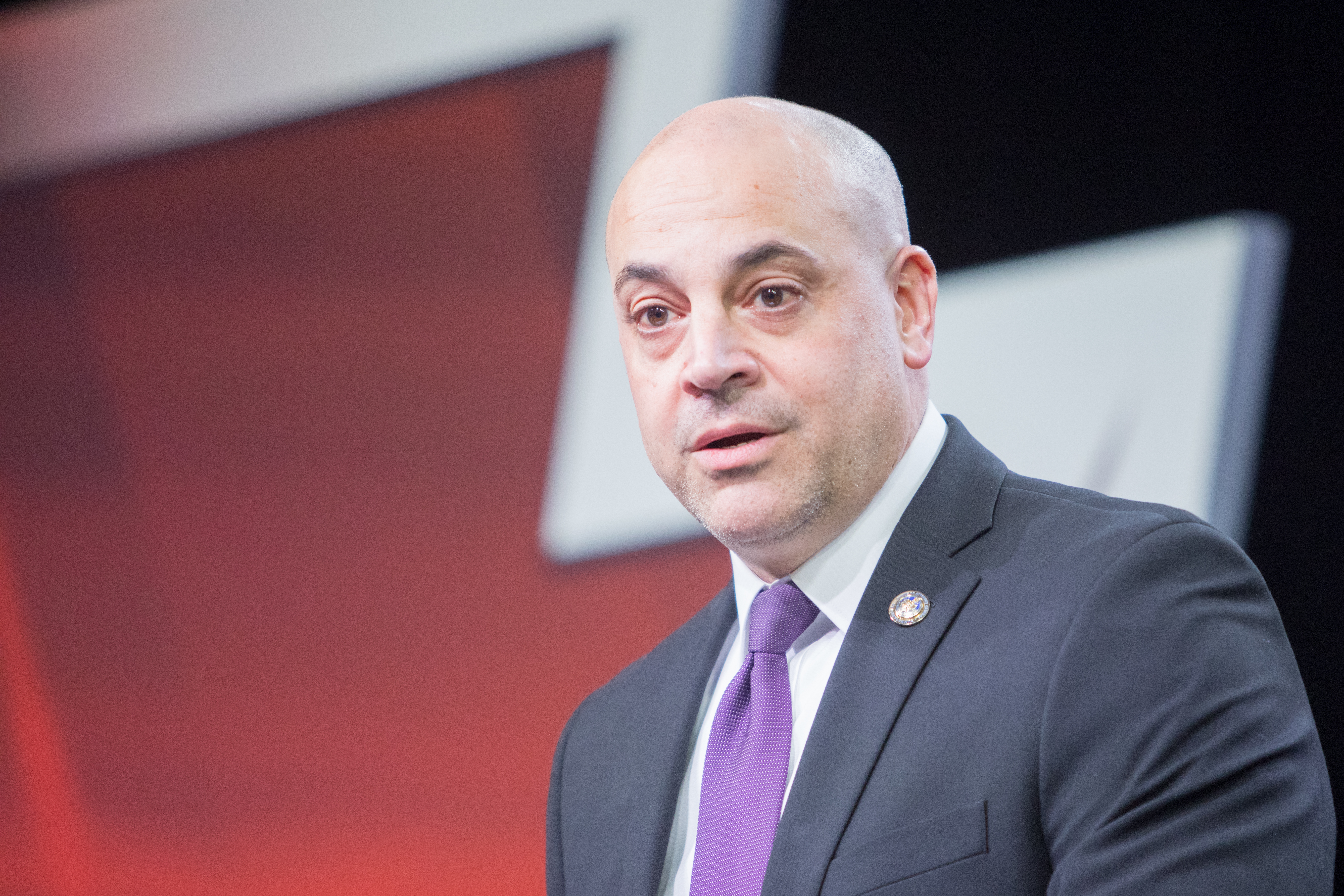
    Pennsylvania Attorney General Dave Sunday addresses the annual Pennsylvania Leadership Conference in Camp Hill, Pa., in April.

    Sunday, the top law enforcement official in Pennsylvania, has been largely missing in action since getting elected 13 months ago. He has failed to stand up to the Trump administration when its actions harm Pennsylvanians.

    Instead, Sunday has deferred to Gov. Josh Shapiro to lead legal fights after Trump cut funds for education, public safety, farm aid, and SNAP benefits. Shapiro has filed or joined more than a dozen lawsuits against the Trump administration, while Sunday — a Republican who served two terms as the district attorney in York County — has laid low.

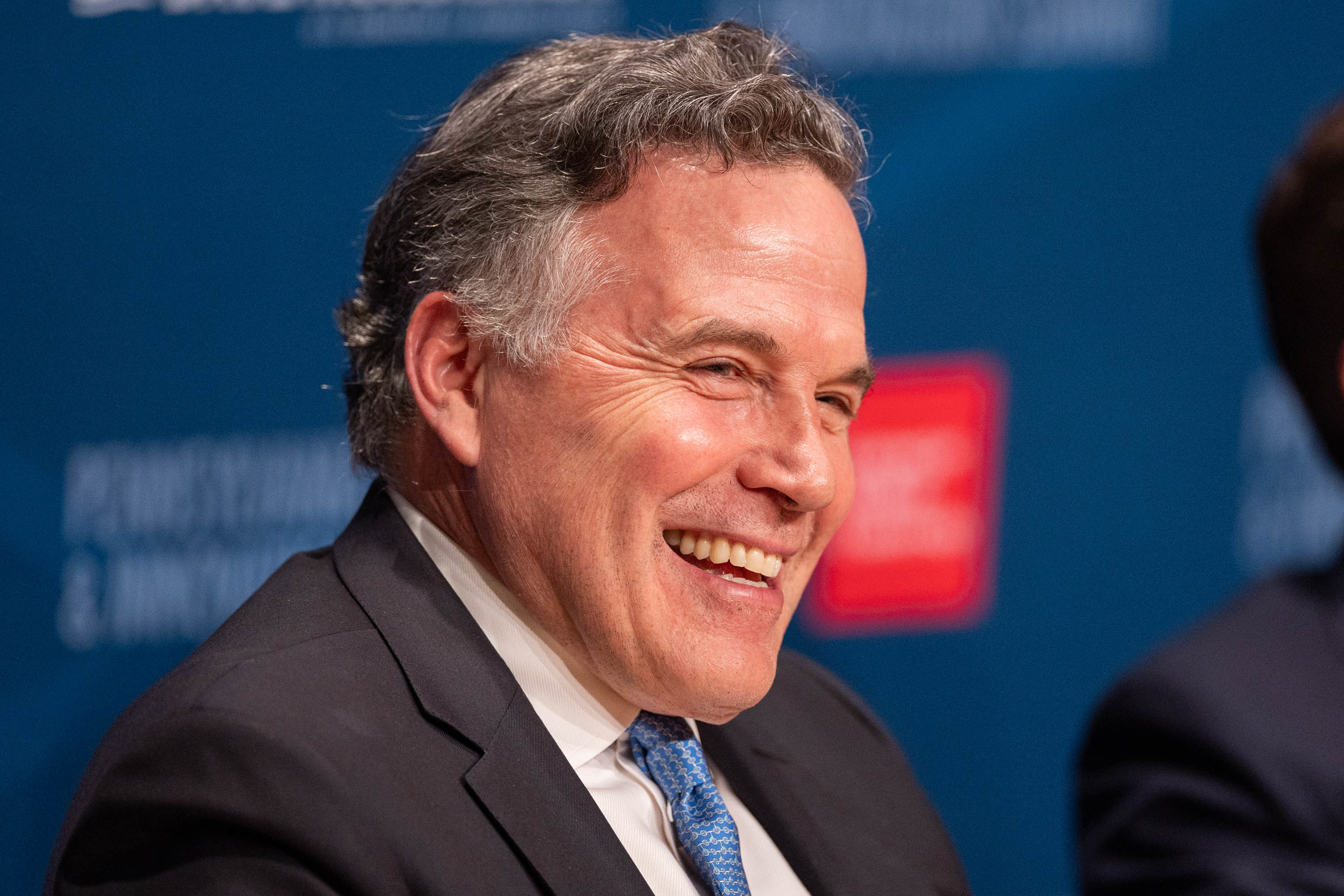
    U.S. Sen. Dave McCormick during a panel discussion at the Pennsylvania Energy and Innovation Summit at Carnegie Mellon University in Pittsburgh in July.

    Just weeks after taking his Senate office, McCormick cast a key vote to confirm Pete Hegseth as the defense secretary. McCormick, a graduate of the U.S. Military Academy, backed Hegseth despite knowing the Fox & Friends Weekend cohost was utterly unqualified to keep America safe.

    Hegseth went from whining about the “woke military” on TV to overseeing a Defense Department with nearly three million military and civilian employees and a budget of $850 billion.

    Hegseth’s only military experience was time spent in the National Guard, where he was flagged as an “insider threat” because of tattoos linked to white supremacists.

    He was an incompetent manager who was forced to step down from two tiny nonprofits because of financial mismanagement, sexual impropriety, and personal misconduct. Others said Hegseth routinely passed out from excessive drinking, including while on the job at Fox News.

    All of that was known to McCormick and the 49 other Republican senators who voted to approve Hegseth despite their duty to ensure cabinet nominees are qualified.

    Hegseth quickly demonstrated he is unfit for the job. Just weeks after getting confirmed, he used an unsecure messaging app to text classified war plans to a group that mistakenly included a journalist.

    In the wrong hands, the war plans — which included information about weapons packages, targets, and timing — could have endangered the lives of troops. If other military officers shared similar classified information, they could have been court-martialed.

    Hegseth’s purging of career military leaders is also making America weaker, as he places loyalty to Trump above competency, distinguished service, and merit.

    Hegseth has overseen the bombing of alleged drug boats that violate international law and amount to extrajudicial killings. The legal rationale is dubious at best and may constitute war crimes.

    At the very least, the deadly strikes are immoral and violate the Uniform Code of Military Justice.

    McCormick did not respond to requests to comment on whether he regrets supporting Hegseth. During McCormick’s Senate campaign, he talked up the West Point motto of “duty, honor, country.”

    Like so many other so-called leaders, those ideals have taken a back seat to serving Trump.

    One day, Trump will be gone — but his enablers will have to answer for the damage they helped to wreak.

  • Shapiro strikes a deal, Council micromanages, and Parker gets a H.O.M.E. debate for the holidays | Shackamaxon

    Shapiro strikes a deal, Council micromanages, and Parker gets a H.O.M.E. debate for the holidays | Shackamaxon

    This week’s Shackamaxon is about the mayor’s housing plan, micromanaging tables and chairs, and Gov. Josh Shapiro’s abilities as a dealmaker.

    Not yet H.O.M.E.

    Initially, Mayor Cherelle L. Parker’s $2 billion proposal to build or restore 30,000 homes seemed like a point of consensus between the administration and City Council. Yet, Parker’s attempt to expand the income limits, particularly for the Basic Systems Repair and Adaptive Modifications programs, has proved to be a sticking point, and the war of words is escalating.

    The mayor has been campaigning for her plan across the city, including at places of worship. She’s cast Council as unwilling to help those who have “paid up and prayed up.” A majority of Council members took issue with that description, insisting all they want to do is ensure the neediest residents have first dibs on the resources.

    Frankly, the temperature in this debate has gotten much too high. Under either side’s plan, income levels will be expanded, and most of the benefit will go to people making less than 60% of area median income.

    Instead of fighting Council over income levels, Parker should have pushed them to allow for more market-rate construction in areas that aren’t in and around Center City. Ironically, the city’s chief housing officer, Angela Brooks, published an article for the National League of Cities that makes the case to do exactly that, citing a Moody’s report that shows that much of the city is undersupplied when it comes to housing and calling for a market-smart response.

    Yet, much of Parker’s Housing Opportunities Made Easy plan is geared toward demand-side support that may help individual households, but won’t reduce the rapid appreciation in housing costs for the hundreds of thousands of families across all income levels who will never apply for or receive any of these benefits.

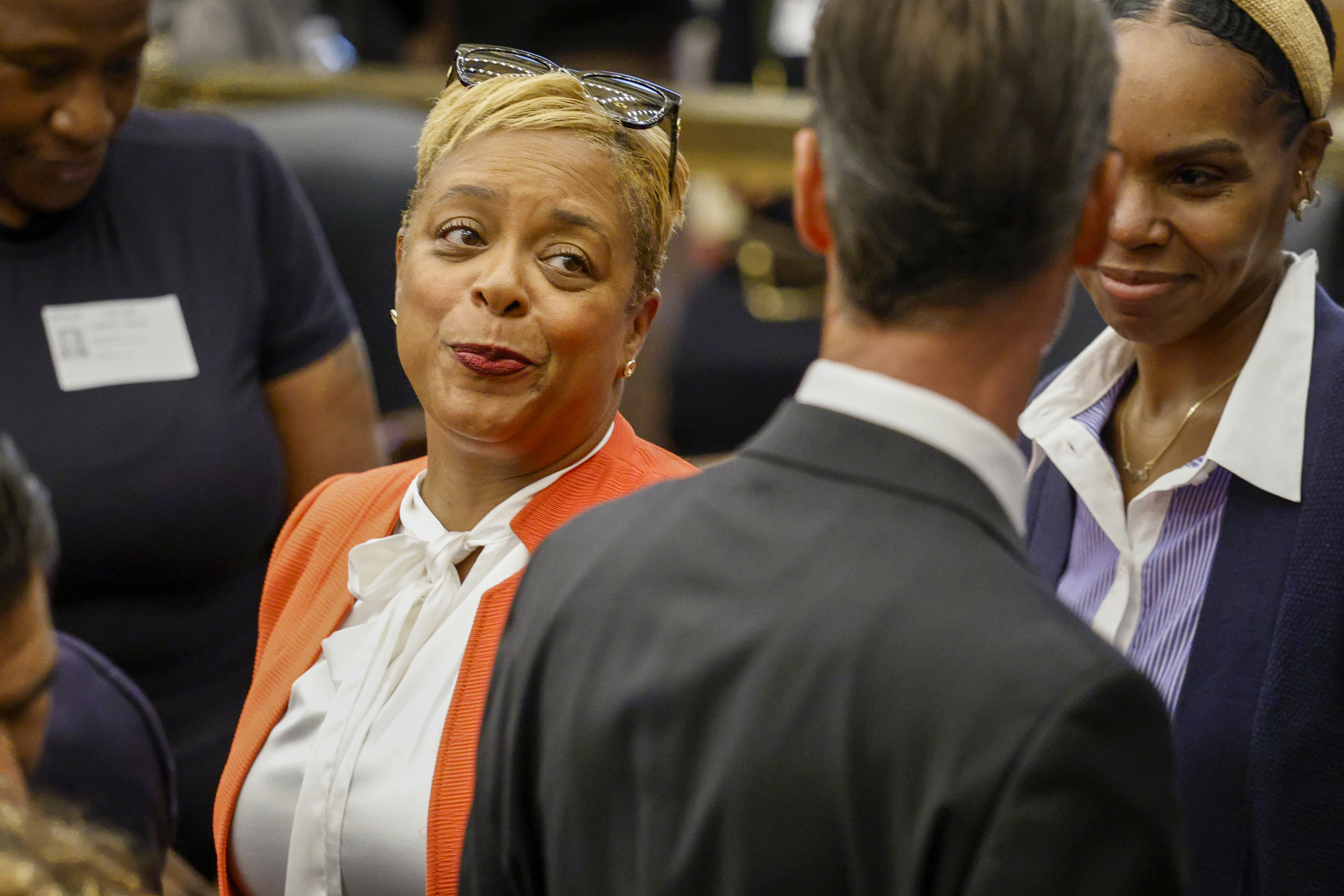
    Cindy Bass during the first day of Council’s fall session in September.

    Wait outside

    Shackamaxon readers are familiar with Philadelphia’s tradition of councilmanic prerogative, which gives district Council members total discretion over land use and transportation questions within their districts. Typically, this means big civic questions like what to do with a closed middle school, how to renovate an aging library, or whether to proceed with an ambitious street redesign.

    It also means that district members have control over even the most minor of concerns — like whether a restaurant can place tables and chairs outside.

    In most of Philadelphia, you actually need a city ordinance to do this. That’s right. A restaurant or cafe owner can’t just notice it is a nice day and decide to set up outdoor dining. There isn’t even a simple permit system. Installation requires Council approval, which means getting your district Council member’s sign-off. That can be easier said than done.

    After the pandemic demonstrated that expanded outdoor dining can be done without causing an uprising, City Council created a few (what I call) micromanagement-free zones for restaurants, where the process is simplified. (To her credit, 3rd District Councilmember Jamie Gauthier included her entire district.)

    Even then, they must secure a $1 million insurance policy, pay a $227 annual licensing fee, and hire an architect. Yes, an architect must be involved just to put out a few tables and chairs. At Thursday’s City Council hearing, one restaurant owner claimed the process was more difficult than getting his food safety certification. For restaurants outside the designated zones, Council authorization is still required. This puts them at a competitive disadvantage against restaurants that already have the benefits of being located inside a zone.

    At-Large City Councilmember Rue Landau, whose brother, Rich, owns Vedge, has come to the aid of these forgotten eateries. She proposed and passed a bill to expand the “by-right” areas, freeing more businesses from Council’s micromanagement. While the bill should help more restaurants navigate the process, they still face the prospect of waiting months or years for city approval, in a process many entrepreneurs say seems designed to trip them up rather than bring them into compliance.

    Even with the limited assistance on offer, the effort still attracted the ire of 8th District Councilmember Cindy Bass. Bass, one of Council’s most prolific practitioners of prerogative, viewed the bill as an imposition on her right to dictate how things should be done. Even though Landau carved out Bass’ entire district from the legislation, Bass still felt the need to beat up on the proposal at a committee hearing.

    Saudia Shuler (left), dressed as “Saudi Claus,” helps Averie Love, 11, pick out a new bicycle during a 2017 Christmas toy giveaway in front of Shuler’s restaurant in North Philadelphia.

    Favors for fraudsters

    Bass isn’t against all restaurant owners, however. This week, she pushed through a resolution honorarily renaming the intersection of Broad and Pike Streets for Saudia Shuler.

    The North Philly mom and owner of Saudia Shuler’s Country Cookin’ rose to prominence as the “camel prom mom” in 2017 after hosting an extravagant Dubai-themed send-off for her son. The event included three different luxury cars, three different luxury outfits, and three different dates, alongside a camel and sand.

    Shuler told journalists at the time that it all cost just over $25,000. She also held an extravagant toy giveaway later that year, handing out 100 bicycles and 800 presents to local kids.

    Unfortunately, Shuler’s story did not end there. The next year, she was indicted for Social Security fraud. In 2019, she pleaded guilty, admitting to taking nearly $40,000. That means much of her generosity was coming at the expense of taxpayers and Social Security beneficiaries. Somehow, this episode went unmentioned by every member of Council, and her honors were passed unanimously.

    Gov. Josh Shapiro speaks at SEPTA’s Frazer Shop and Rail Yard in Malvern in November.

    Gov. Dealmaker

    After a four-month-long impasse over the state budget, some may have questioned Gov. Shapiro’s credentials as a dealmaker. Yet, this weekend, the ambitious Abingtonian demonstrated his mediation skills, helping to broker a deal between SEPTA and its largest labor group, the Transport Workers Union Local 234.

    The agreement averts a strike that could have started on Monday (or even last Friday, according to a few operators who told me they thought action was imminent that day).

    This is now the third time the governor has come to SEPTA’s rescue, although this time he managed to pass up getting behind a podium at a news conference. For riders hoping to avoid service interruptions, these interventions have been welcome. Still, I can’t help wondering why the Transport Workers Union had an easier time making a deal with Shapiro instead of with Scott Sauer, the first general manager to start his career as a rank-and-file operator.

  • Letters to the Editor | Dec. 12, 2025

    Letters to the Editor | Dec. 12, 2025

    Equitable education

    Sen. David McCormick is right that many students struggle in low-performing public schools. He is wrong that school choice is the cure. He wants Pennsylvania to opt into a tax credit scheme for wealthy donors to assist not just “those who can afford it” to go to private school. He wants you to think this will fix the problem of struggling public school students. It can’t. It’s not only affordability that allows some parents to pay for private school tuition. It is access to information, time to complete application processes, access to a reliable car, and time to drive the child to school every day. It’s not simply affordability.

    What school choice does is take one or two students out of many classrooms in a school, city, or township, those with parents with information, time, and a working car, and remove them from their public school community. The public school network loses a few children from each local school, but not enough to close classrooms or reduce staff. The loss of active families and funding, which follows slowly, bleeds schools of support and leaves the budget short for operations, maintenance, and improvements. The problem compounds because private schools and charter schools do not serve all students with special needs, as public schools must.

    Opting in to McCormick’s tax credit for wealthy donors will short public schools and worsen the problems for all students. No more schemes to “fix” schools while making problems worse. Instead of incentivizing wealthy donors to subsidize some students’ private school tuition, incentivize donors to give to public schools to benefit all children. Fix our public schools now by providing all the resources our children deserve.

    Ann Burruss, Newark, Del.

    . . .

    When U.S. Sen. Dave McCormick published his recent op-ed attempting to rebrand Donald Trump’s unpopularOne Big Bad Bill” and advocating for school vouchers and tax credits, he painted a bleak picture of Pennsylvania’s public schools and offered privatization as the cure. As a lifelong advocate for our children, I cannot let his Wall Street talking points go unchallenged — because the health of our commonwealth is at stake.

    Sen. McCormick, a hedge fund executive turned politician, claims his plan would give every family “school choice.” But let’s be clear: His proposal isn’t about empowering working Pennsylvanians. It’s about siphoning public dollars away from our neighborhood schools and funneling them into private institutions — many unaccountable to taxpayers and selective about whom they serve. This is the same playbook we’ve seen from billionaires and wealthy conservative donors who routinely privatize public goods for profit, leaving real Pennsylvanians to foot the bill.

    Sen. McCormick’s plan would drain hundreds of millions from public education annually. In 2024-2025 alone, Pennsylvania’s tax credit programs diverted over $525 million in potential state support away from public schools—money that could have repaired buildings, reduced class sizes, and hired more counselors. That’s not fiscal responsibility — that’s fiscal sabotage.

    Sen. McCormick and his allies love to talk about “waste, fraud, and abuse” in government — until it’s their donors cashing in. Voucher schemes across the country have led to exactly the kind of corruption and inflated spending they claim to oppose. States like Florida and Ohio have seen voucher programs riddled with scandals and declining student performance.

    Sen. McCormick’s allegiance is clear: He stands with the donor class and private interests who profit from dismantling public education. The real choice isn’t between “failing schools” and privatization. It’s between investing in the public good or selling it off to the highest bidder. Let’s choose to strengthen the health of our public schools — because the health of our children, our communities, and our democracy depends on it.

    Maria Collett, Pennsylvania state senator, 12th Senatorial District

    . . .

    A free-market system is grounded in the idea that consumers making informed choices spur competition, which, in turn, leads to improved goods and services. Dave McCormick, however, turns that idea on its head by telling us in his recent op-ed that “School choice offers accountability through competition.” He explains his position by writing that “It lets parents choose what’s best for their children.” But how do parents choose a school for their child without any information on how students perform at that school?

    Public school performance data is readily available for various school districts, as well as the Pennsylvania Department of Education. If Sen. McCormick believes school choice is such a great idea, then he should be advocating for private schools making their data available to the public, too, rather than trying to make us believe competition will somehow make schools more accountable.

    Coleman Poses, Philadelphia

    . . .

    Sen. Dave McCormick’s recent op-ed is little more than a self-promotional puff piece with a glaring omission. What McCormick does not mention is the Educational Improvement Tax Credit Program. It is basically a huge handout from Pennsylvania’s taxpayers to rich private schools. Wealthy individuals form limited liability corporations, and then get a significant tax break on up to $750,000 per year that they donate to a private school.

    The EITC program has been a windfall for schools with wealthy parents. Take the Episcopal Academy in Newtown Square, one of Pennsylvania’s richest and most prestigious private schools. Every year, several million dollars are donated through EITC. This is an educational institution in which the head of school got $961,451 in total compensation in 2024, according to ProPublica.

    The Working Families Tax Cut Act that McCormick praises is just one more shot at undermining the quality of our public schools. The more money they take away, the worse schools perform, and the more Republicans blame schools and teachers for that failure. In truth, it is the Republican Party that is responsible for the deterioration of our public school system.

    Alex Pearson, Merion Station

    . . .

    Pennsylvania Sen. David McCormick did a fine job of showing his bona fides as a blind follower of the Trump regime.

    His first mistake is being on the wrong side of history and constituent well-being in his mindless pursuit of Donald Trump’s favor.

    His second is using Florida as an example of success with “busting the education monopoly.” I’ve now lived in Florida for 25 years, and watched as a Republican-dominated state legislature added ever more money to school choice vouchers.

    Yet, Florida, too, has an abysmal rate of 12th graders who could not succeed on basic math and reading exams. Plus, charters and other private schools that receive vouchers are not held to the same high standards as public schools for teacher accreditation, testing, and core curriculum. They’re also permitted to cherry-pick their students instead of accepting everyone. Many have closed because of either poor performance or poor financial management while using tax dollars.

    I’ve seen it firsthand: Pennsylvania shouldn’t let vouchers make a mess of its public schools the way Florida has.

    Terri Benincasa, Palm Harbor, Fla.

    . . .

    The term school choice is a euphemism for taking funds away from those who need it and giving it to those who don’t. Public education in the wealthy suburbs and private schools is doing just fine. It’s public schools in the cities that are failing. They’re failing due to a critical lack of financial resources, low tax bases, and the relentless cycle of poverty that our country is unable/unwilling to resolve.

    I am a product of private, Catholic schools where my faith was taught every day. I don’t think taxpayer dollars (which are what school vouchers are) should support this type of school. If certain groups wish to provide education based upon their specific beliefs or principles, they must fund it for themselves. Taxpayers include Jews, Muslims, atheists, all faiths. Why should their dollars go to Catholic schools?

    I live in a city and have no children, yet I am willing to have my tax dollars support urban public schools. All kids need the basic skills to support themselves in meaningful, productive jobs, which is important, especially to Republicans.

    Let’s all say no to school vouchers.

    Patricia Clarke, Pittsburgh

    Join the conversation: Send letters to letters@inquirer.com. Limit length to 150 words and include home address and day and evening phone number. Letters run in The Inquirer six days a week on the editorial pages and online.

  • L&I is underfunded and overworked. It’s also integral to Mayor Parker’s affordable housing plan. | Editorial

    L&I is underfunded and overworked. It’s also integral to Mayor Parker’s affordable housing plan. | Editorial

    Philadelphia Mayor Cherelle L. Parker is traveling around the city to tout her $2 billion plan to invest in 30,000 new or renovated homes. Yet, one of the key city departments for ensuring her plan is enacted safely is facing questions about transparency and efficiency.

    If Parker’s affordable housing initiative is to succeed, it needs clear answers and greater efficacy from the Department of Licenses and Inspections.

    In many ways, L&I performs one of the most quintessential duties of local government: regulating local businesses and inspecting property. Despite the essential nature of their work, the department has not always met the standards Philadelphians deserve. For decades, it was known for corruption, with rogue inspectors accused of accepting bribes.

    In 2013, these issues metastasized into a catastrophe. A building being improperly demolished on Market Street collapsed onto the Salvation Army store next door, killing six people. An inspector took his own life, blaming his own actions for the disaster, even as city officials strongly defended his integrity.

    Mayor Jim Kenney appointed David Perri to lead L&I in 2015 with a mandate to effect transformational change, root out corruption, and embrace new ways of doing things. One of the changes Perri made was to the system of tracking vacant and abandoned properties. In the past, inspectors would verify vacancy by doing a “windshield survey.” This meant driving by homes to look for physical signs of abandonment. The method was inefficient, and the counts were almost certainly inaccurate.

    The department partnered with the city’s Office of Innovation and Technology to create a new way of tracking vacancies. They used data from the Water Department, Peco, and other city sources that strongly indicate abandonment.

    This information was not only used by the city, but also by groups like Clean and Green Philly, which aims to reduce gun violence by cleaning up empty lots. According to a study led by University of Pennsylvania physician Eugenia South, keeping these lots from becoming sources of blight, trash, and disorder helps reduce shootings.

    Then, without warning, the database disappeared.

    According to Nissim Liebovits, the founder of Clean and Green Philly, it was down for 16 months before being restored. Even before its disappearance, it had significantly fewer properties listed than expected.

    While the data is available again on the city’s Open Data portal, residents still deserve to know what happened. City officials have yet to provide an adequate explanation for the disparity or the gap in publication.

    Beyond the missing data sets, L&I also struggles with understaffing and political pressure, particularly from members of City Council. Despite many quality inspectors joining the department in the years following the 2013 collapse, outside pressures often led them to leave city government. Union leaders called it a mass exodus.

    The workers themselves said they were often told to ignore violations by bigger developers and contractors, while also being urged to come down harshly on smaller entities.

    The U.S. attorney who oversaw the investigation into the Market Street collapse said the remaining inspectors are overworked and have too many buildings to handle. Meanwhile, Council members regularly divert departmental resources away from the backlog and toward their pet issues. They also seek to put their finger on the scales to help or hinder projects.

    A city controller report from earlier this year cited insufficient enforcement of the city’s building regulations, with construction crews across the city operating without licenses or work permits. Meanwhile, some contractors with suspended licenses and records of shoddy work have resumed doing business simply by changing their names.

    Philadelphia cannot afford further backsliding at L&I, particularly when the city has committed to increasing the rate of construction. Mayor Parker and City Council President Kenyatta Johnson must work together to provide adequate staffing, restore full transparency, and insulate inspectors from the kind of political pressures that routinely interrupt regular business and contribute to the backlog of unfinished work.

    The ability to call up an inspector and get immediate results may be politically beneficial for the city’s elected leaders and a few lucky constituents, but the “squeaky wheel” approach must end if the department is ever going to systematically address ongoing concerns.

    Parker says she wants Philadelphia to be America’s “cleanest, greenest, and safest city, with economic opportunity for all.” Her One Philly dream can only be achieved if residents feel they can trust L&I to work for all.

  • Why a ceasefire is not enough: A call to block the bombs

    Why a ceasefire is not enough: A call to block the bombs

    This Hanukkah, while Jews around the world prepare to light the menorah and bring light into the darkest days of winter, our celebration of hope and resilience remains in the shadow of Israel’s ongoing genocide of Palestinians in Gaza. And, nearly two months into a U.S.-brokered ceasefire, I am still protesting.

    Hanukkah, which in Hebrew means dedication, tells the story of Jewish peoples’ resistance to an oppressive empire, and of a miracle that kept candles aflame for eight days and eight nights when there was only enough oil for one.

    It is a story that resonates to this day, and it is in the spirit of hope, light, and miracles that I find myself rededicating to the struggle for Palestinian liberation.

    The U.S.-brokered ceasefire went into effect on Oct. 10. Since then, Israel has continued near-daily attacks, killing at least 345 Palestinians and wounding another 889. While the agreement required Israel to lift its blockade on aid reaching Gaza, Israel continues to interfere with the free flow of humanitarian aid. Less than 25% of aid deliveries have made it to Gazans, who face increasingly dire circumstances.

    Palestinians grab sacks of flour from a moving truck carrying World Food Programme (WFP) aid as it drives through Deir al-Balah in central Gaza, in November.

    While the United States and Israel insist the ceasefire holds and deny the well-documented violations of the ceasefire agreement, I find it difficult to describe the current conditions as anything other than a slower-paced extension of the genocide.

    The need for our solidarity is no less urgent or crucial than it was last year or the year before.

    What’s more, Israel’s genocidal campaign against Palestinians isn’t confined to Gaza. Tens of thousands of Palestinians have been forcibly expelled from the illegally occupied West Bank, actions that human rights groups have classified as war crimes. It is worth noting that the primary targets of this ethnic cleansing are the refugee camps set up in the 1950s to house Palestinians who were forcibly driven from their homes when the state of Israel was founded.

    I have been in the movement for Palestinian liberation for decades through my work on the Rabbinic Council for Jewish Voice for Peace, the largest progressive Jewish anti-Zionist organization in the world. More recently, I joined over 400 other rabbis organizing as Rabbis for Ceasefire.

    Because of my organizing, I know history didn’t start on Oct. 7, 2023. Palestinians have faced expulsion from their lands, destruction of their homes and civil infrastructure, and deadly violence since 1948. They enjoy fewer rights than their Jewish counterparts, lacking freedom of movement and access to land, jobs, and public services.

    Many falsely proclaim that this system of violent occupation and the ongoing genocide are necessary for Jewish safety. The truth is that this is a desecration of Jewish values and an affront to our long tradition of resisting empire and seeking justice.

    I reject the claim that Jewish safety relies on the subjugation of Palestinians, and am inspired by the growing anti-Zionist movement among American Jews. Just as the Hanukkah lights our ancestors lit were not extinguished, our struggle for Palestinian liberation burns brightly.

    It doesn’t take a miracle, but it does require courage, rededication to fundamental human rights, and, for many, the willingness to shift positions and take accountability for the role of the United States in bankrolling and providing diplomatic cover for Israel’s genocide of Palestinians in Gaza.

    One opportunity I implore our elected officials to take is to sign on to the Block the Bombs legislation, which prohibits the president from selling, transferring, or exporting certain defense articles or services to Israel, except in specified circumstances. I was heartened to see Rep. Dwight Evans recently sign onto the bill, joining 59 other legislators, including three from Pennsylvania.

    Hanukkah celebrates an important miracle in the Jewish faith, the rededication of the Second Temple in Jerusalem.

    This Hanukkah, I call on all of us to shine a light on Gaza and rededicate ourselves to Palestinian liberation. Only by keeping the flame of our solidarity alive can we hope to one day say, as in our Hanukkah story, “a great miracle happened there.”

    Rabbi Linda Holtzman teaches at the Reconstructionist Rabbinical College. She is the organizer of Tikkun Olam Chavurah, a group that pursues social and political justice work together as a Jewish community.

  • Letters to the Editor | Dec. 11, 2025

    Letters to the Editor | Dec. 11, 2025

    Well-meaning policy

    If you walk into any nursing home in the southeastern corner of the commonwealth, you’ll find a highly choreographed system of long-term care (LTC) pharmacies humming along that help keep older Pennsylvanians safe and are the backbone of patient care.

    But this system is just months away from a potential collapse. Unless the Trump administration or Congress takes action now, on Jan. 1, a new policy will devastate LTC pharmacies that serve senior living facilities and nursing homes.

    Passed during the Biden administration, the Inflation Reduction Act allowed the federal government to negotiate with drug companies to determine “maximum fair prices” on certain expensive brand-name drugs for Medicare Part D beneficiaries — a policy designed to help seniors afford medications.

    But there’s a problem: The law is about to bankrupt the very pharmacies these seniors depend on to stay alive.

    By setting “maximum fair prices” on certain brand-name drugs, the policy significantly reduces the reimbursement rates LTC pharmacies receive.

    This price change will have rippling effects on all facilities that depend on the services of LTC pharmacies, including the 200,000 Medicare Part D beneficiaries over age 65 who have long-term care needs.

    The Trump administration can act via an executive order to keep LTC pharmacies operational by delaying or modifying the new drug pricing until a sustainable payment model is identified.

    Simultaneously, Congress must pass the bipartisan Preserving Patient Access to Long-Term Care Pharmacies Act (HR 5031). This legislation would establish a temporary $30 supply fee for each prescription filled under the new negotiated prices — a modest investment that would keep pharmacies solvent through 2027.

    We can’t afford to look the other way — our seniors deserve a system that supports them, not one that collapses under the weight of well-meaning policy.

    Rob Frankil, executive director, Philadelphia Association of Retail Druggists

    Risks vs. benefits

    The loss of a child is always a profound tragedy, and any parent would take extraordinary measures to avoid that possible outcome. Potentially saving their child, though, would not justify the certain death of thousands of other children as a result of their actions, which is what would happen without the timely availability of vaccines. The risk-vs.-benefit consideration is the foundation of effective public health decisions. The Food and Drug Administration even has a reporting system for adverse effects after a vaccine comes on the market to ensure the blessings of getting a jab far outweigh the harms.

    If every vaccine were evaluated solely on the occurrence of any adverse event, it would be regulated out of existence, and the death rate for the diseases the vaccines were meant to address would be catastrophic. While every death is devastating, the 10 deaths Vinay Prasad of the FDA has attributed to COVID-19 vaccinations would not statistically justify impeding the timely development of new vaccines. It is puzzling that President Donald Trump would allow a reversal of his greatest achievement: the timely development of vaccines.

    Jo-Ann Maguire, Norristown

    Join the conversation: Send letters to letters@inquirer.com. Limit length to 150 words and include home address and day and evening phone number. Letters run in The Inquirer six days a week on the editorial pages and online.