Category: Politics

Political news and coverage

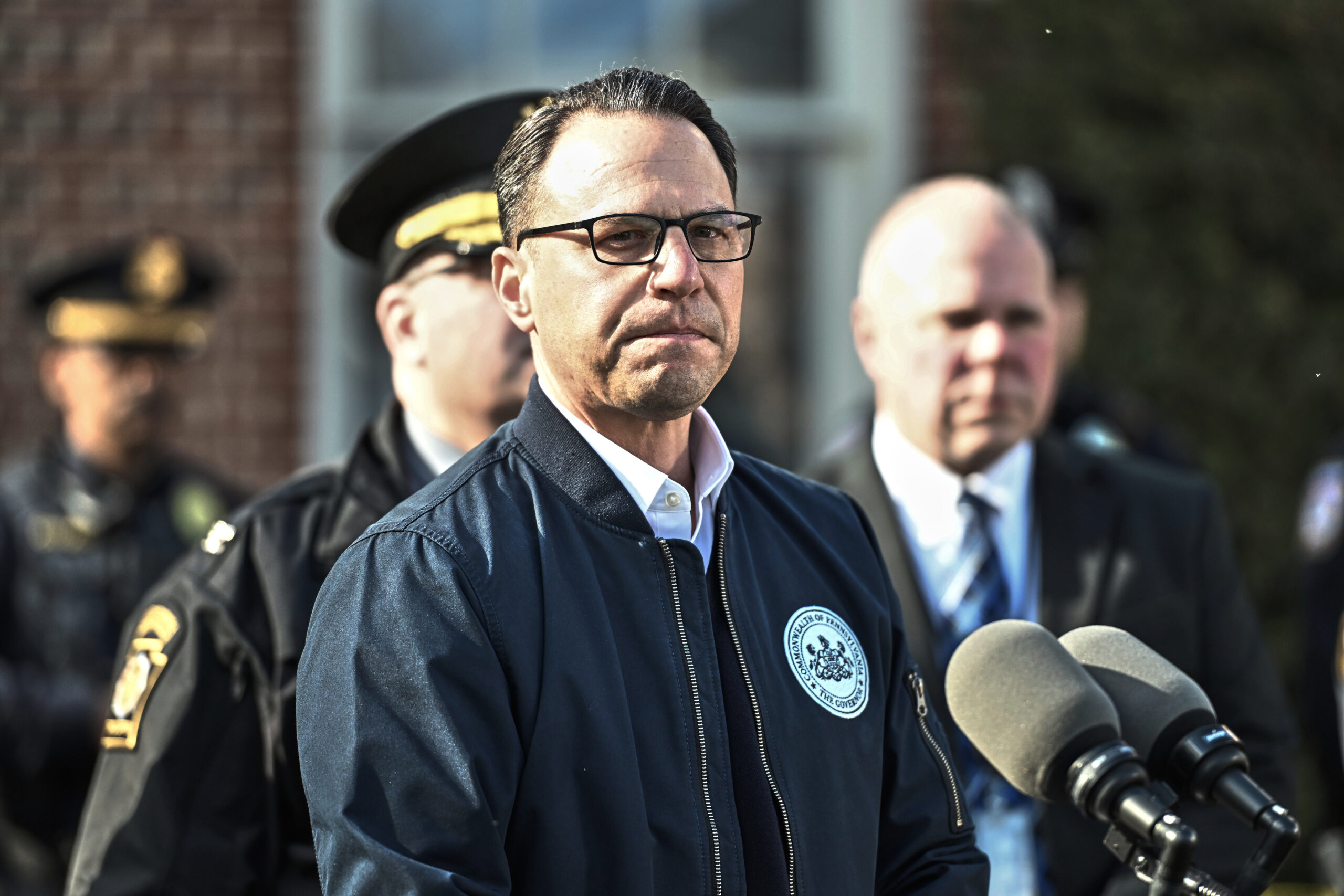
  • Gov. Shapiro can’t be sued by his Abington neighbors over a property dispute, judge rules. But Josh Shapiro, a homeowner, can.

    Gov. Shapiro can’t be sued by his Abington neighbors over a property dispute, judge rules. But Josh Shapiro, a homeowner, can.

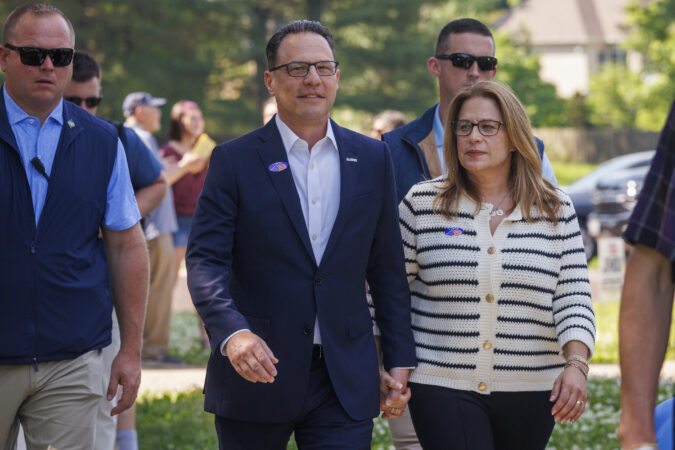
    A federal judge had some good news this week for Josh Shapiro, governor of Pennsylvania, but not so much for Josh Shapiro, resident of Montgomery County.

    Shapiro, as governor, cannot be sued in his official capacity in a dispute over a strip of yard between his and his Abington Township neighbors’ adjoining properties, U.S. District Judge Harvey Bartle III ruled Tuesday.

    But Shapiro and his wife, Lori, will still have to face their neighbors in federal court as homeowners, Bartle also determined.

    The conflict came into public view in February, when Jeremy and Simone Mock, whose backyard abuts the Shapiros’ lawn in a tree-lined neighborhood near Pennsylvania State University’s Abington campus, sued Shapiro — both as governor and in his individual capacity — and George Bivens, acting Pennsylvania State Police commissioner. The lawsuit alleged the officials were illegally occupying part of the Mocks’ yard to build an eight-foot security fence last summer in what they claimed was an “outrageous abuse of power” that violated their constitutional rights. Bartle dismissed those claims in his ruling Tuesday, in what Shapiro’s administration called a major win.

    But while Shapiro and Bivens are immune from the federal lawsuit as state officials, Shapiro as an individual and his wife are not, Bartle’s opinion said.

    “We are pleased that the court has dismissed the claims against the office of the governor and the Pennsylvania State Police, and recognize that the allegations against these officials are without merit,” said Rosie Lapowsky, a spokesperson for Shapiro. “The Shapiros are confident that the facts will ultimately show that the Mocks’ remaining claims are meritless and politically motivated and will fail.”

    The dispute in federal court over the 2,900-square-foot strip of land disrupted the otherwise sleepy suburban neighborhood and led to a separate lawsuit in Montgomery County Court filed by the Shapiros, in their personal capacities, against the Mock family. Shapiro’s office has called the Mocks’ legal effort a political stunt, in addition to other efforts by Republican officials to scrutinize the safety measures state police say are needed to keep Shapiro and his family safe.

    The dueling lawsuits came in the wake of the attempted murder of Shapiro in April 2025 at the state-owned governor’s residence in Harrisburg, when a man firebombed the mansion on the first night of Passover while the governor and his extended family slept inside.

    The attack prompted more than $33 million in security upgrades to the state-owned governor’s residence, in addition to $1 million in upgrades and landscaping to Shapiro’s personal home in Abington Township, where he and his family live part-time.

    Shapiro’s safety remains a priority for state police, as one of the nation’s most prominent Jewish elected officials. A Delaware County man was arrested Wednesday for threatening to burn down the governor’s residence, state police said.

    But the Mocks’ attorney, Wally Zimolong, said the lawsuit at hand is about property rights and due process, and called Bartle’s ruling a “strong decision.”

    “Make no mistake about it,” Zimolong said, “a federal court has said that the sitting governor of Pennsylvania can be held liable for damages over constitutional violations.”

    The Delaware County lawyer who has represented high-profile Republican officials and candidates, including President Donald Trump, said it is “nonsense” to call the litigation political. Zimolong added that he hopes the Shapiros reconsider and attempt to resolve the case amicably.

    The conflict’s origins

    The dispute between the Shapiros and Mocks began last summer when, as part of a plan to build a security fence at the Abington house, a surveyor learned that a sliver of yard that the Shapiros had used for over two decades was actually on property belonging to the Mocks.

    After the Mocks rejected the Shapiros’ offer to buy the land, court fillings said, Pennsylvania’s first couple invoked a state law that allows a person to gain ownership of a property they have actively used for at least 21 years. The Shapiros have lived in their Montgomery County home for 23 years.

    “What followed was an outrageous abuse of power by the sitting Governor of Pennsylvania and its former Attorney General,” the Mocks’ February lawsuit said.

    (function() { var l = function() { new pym.Parent( ‘shapiroyard__graphic’, ‘https://media.inquirer.com/storage/inquirer/ai2html/shapiroyard/index.html’); }; if(typeof(pym) === ‘undefined’) { var h = document.getElementsByTagName(‘head’)[0], s = document.createElement(‘script’); s.type = ‘text/javascript’; s.src = ‘https://pym.nprapps.org/pym.v1.min.js’; s.onload = l; h.appendChild(s); } else { l(); } })();

    A security fence was purchased but never installed, SpotlightPA reported. Instead, contractors hired by the state began planting arborvitae-type trees and other plants on the Mocks’ property. State police also flew drones over the Mocks’ property, threatened to remove healthy trees, and chased away contractors, the Mocks alleged in the suit.

    The complaint also accused Shapiro of directing state police to patrol the property, and instructing the Mocks to leave the “security zone.”

    The Shapiros’ countersuit in Montgomery County asks a judge to find that they are the “legal and equitable owners” of the area in dispute, having tended to the land that borders their front yard for 23 years. That suit is pending and a judge is expected to rule on preliminary objections filed by Zimolong.

    Separately, the Shapiros and state attorneys filed motions asking Bartle to dismiss the federal complaint against them.

    This week, the judge partially obliged, finding the state officials to be immune from the lawsuit while allowing the case against the Shapiros to proceed.

    The judge also refused to freeze the federal case while the lawsuit in Montgomery County plays out, determining that the two cases are different enough to proceed.

    “The claims here extend far beyond a disagreement between neighbors over the metes and boundaries of their properties,” Bartle wrote.

  • EMR will reopen Camden facility after recent fire, following judge’s ruling

    EMR will reopen Camden facility after recent fire, following judge’s ruling

    The EMR scrap metal recycling plant will reopen after Camden suspended its operations following a late May fire, the latest in a string of fires in recent years.

    The decision fell to Camden Superior Court Judge Stephen J. Polansky on Wednesday after the Camden City Council voted unanimously on Tuesday against a settlement that would have allowed EMR to reopen under certain safety precautions. EMR had sued Camden for suspending its junkyard license last month for the facility, where Camden officials say there have been more than a dozen fires in the last six years.

    Shortly after the hearing, New Jersey Gov. Mikie Sherrill’s office announced that she signed a bill into law aimed at increasing safety in the scrap metal industry led by Assembly member Bill Moen, a Camden County Democrat. He introduced the bill after a four-alarm fire in February 2025 at EMR.

    The court fight to open EMR

    The judge said EMR can open its doors only if it follows a list of safety precautions. The company’s legal team told The Inquirer that it had already fulfilled those requirements and is ready to open as soon as the judge submits his order.

    “We intend to open and operate in accordance with the judge’s order, which directly incorporates the recommendations of EMR’s third-party fire expert,” Joe Balzano, CEO of EMR USA, told The Inquirer after the hearing Wednesday. “EMR is the only scrap metal recycling facility in the state of New Jersey that has a facility-wide fire suppression system installed and operating.”

    Among the required precautions are a 24-7 fire watch, fire suppression system testing, and procedures for scanning material coming into the facility and responding to fires.

    In court, EMR’s legal team argued that the city did not have the authority to suspend its license without proper hearing or notice, and that the company has undergone irreparable harm as a result. It has lost millions of dollars, endured tainted industry relationships, and, as of Wednesday morning, sent more than 300 layoff notices, said Kathleen Campbell, a lawyer for EMR.

    The fire took place on May 29, at which point EMR voluntarily shut down its operations. The city issued an immediate suspension notice days later, on June 4. A big question in the courtroom was whether there was enough of an emergency at that point that the city could circumvent its normal due process.

    “The city can regulate,” Campbell said in court. “What it can’t do is continue an emergency shutdown when there is no basis for it. The fire is over. The testing that this court authorized is complete.”

    She argued that the city is more worried about a “desire to keep EMR closed” than an actual immediate danger.

    William Tambussi, the city’s lawyer, argued that the possibility of another fire was enough to present an emergency.

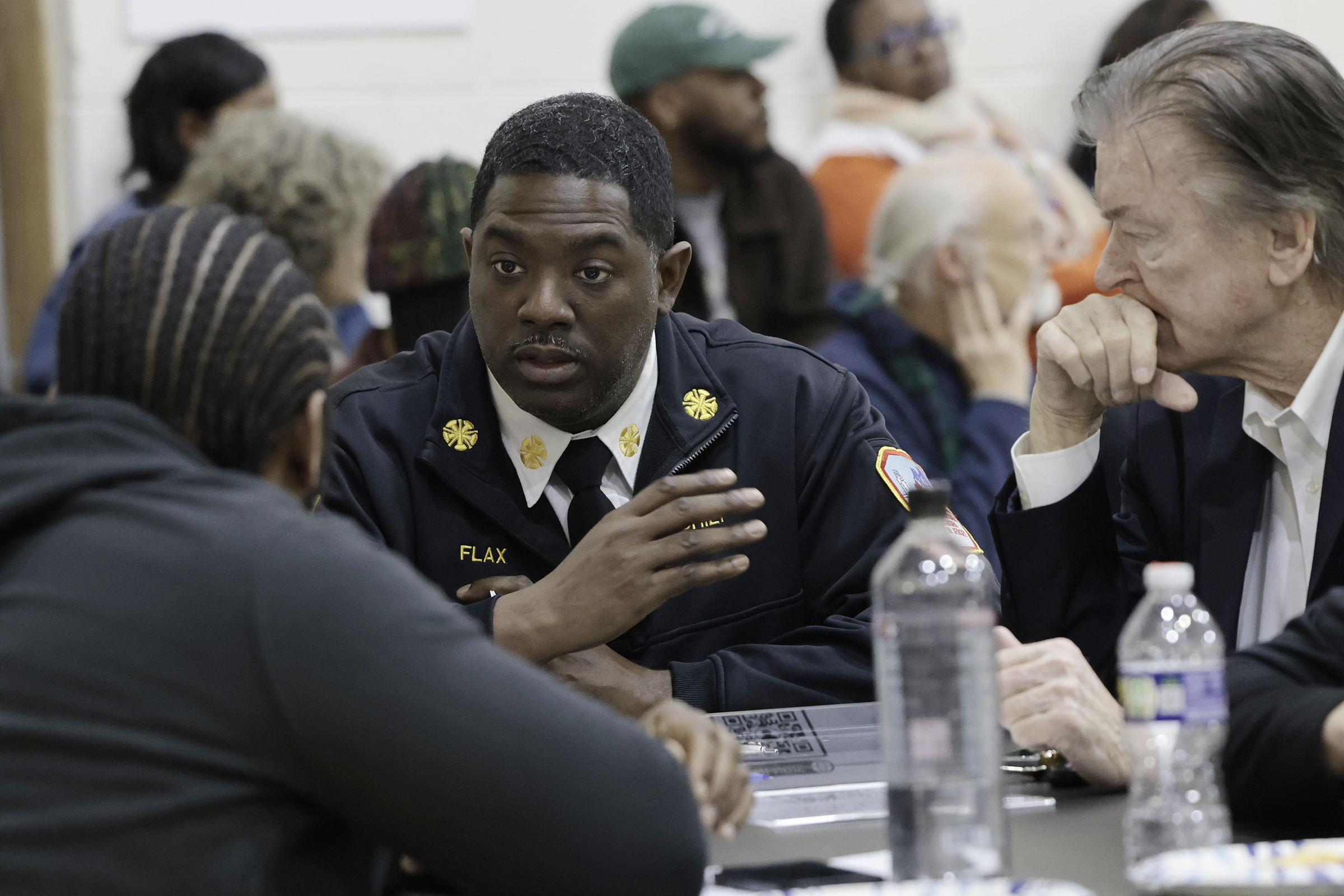
    Camden Fire Chief Jesse Flax talks with people during a community meeting for residents, affected by a 2025 fire at EMR, at MJD Fieldhouse Gym on Broadway in Camden on Sunday, February 23, 2025.

    “The city is required and has the right to protect its citizens from the harms that come,” he said in court.

    Tambussi said after the hearing that the judge’s decision is still a win for the city because the safety precautions EMR has to follow overlap with what the city wants from the company.

    “The judge found that the city rushed the process, which the city doesn’t apologize for,” he said in an interview.

    Camden and EMR will meet again in court in August, where they will assess whether EMR has complied. The city can also attempt to shut down EMR through a full hearing process if it finds that the company has violated its terms of opening. The city cannot, however, just shut the company down.

    A new law stemming from a Camden County legislator’s fight against EMR

    The law Sherrill signed on Wednesday, which goes into effect in a year, will require heat detection equipment, publicly accessible fire safety plans developed with local fire officials, and compliance with certain fire prevention standards. It also requires fire suppression systems that can be remotely operated and limits the height allowed for piles of material.

    The legislation is part of a four-bill package Moen has been pushing for in Trenton, but is the only one to make it to the governor’s desk before the summer recess.

    “We were met at every step of the way with opposition from a well-funded industry,” Moen said in an interview Wednesday.

    Balzano, the CEO of EMR USA, said in an interview Wednesday that he believes his Camden site is mostly in line with what the new law requires. But he said the height limit would be “very detrimental to the industry and probably to the environment,” arguing that it is too broad and applies to scrap metal that is not prone to fires. He said that could have “unintended consequences” by having scrap metal spread out across more space.

    “I fully support the premise of it,” said Balzano, who has pointed to lithium-ion batteries as a source of scrap metal fires.

    Moen emphasized that while the issue of scrap metal fires has become particularly important in Camden, it is not restricted to the city’s borders. Scrap metal sites in Vineland and Newark, for example, have also seen fires in recent years.

    “This will be the first step in hopefully many of the state bringing greater transparency, accountability, and an expected level of responsibility for these scrap facilities,” Moen said.

  • Delco man arrested after antisemitic tirade and threats against Gov. Josh Shapiro, state police say

    Delco man arrested after antisemitic tirade and threats against Gov. Josh Shapiro, state police say

    A Delaware County man was charged Wednesday after allegedly making threats against Gov. Josh Shapiro during a visit to a state representative’s office, including a threat to “burn down … [Shapiro’s] mansion with him in it,” Pennsylvania State Police said.

    Police said the threats occurred when Richard John Franklin, 65, of Brookhaven, visited State Rep. Leanne Krueger’s legislative office in Brookhaven alongside his brother on Tuesday to dispute and request help with an unanticipated and unpaid tax bill totaling $19, according to the criminal complaint. When a staffer tried to assist Franklin in completing a form to waive the taxes, Franklin “became irate and crumbled up the paper,” police said.

    Franklin then began making threats the staffer believed were “threatening, harassing, and antisemitic in nature,” according to the complaint, including: “I guess I’ll pay that Jew. That Jew needs the money more than me” and “I’d like to burn down his [expletive] mansion with him in it.” Police said Franklin repeatedly referred to Shapiro as a “‘Jew’ multiple times in a negative manner.”

    State law enforcement officers charged Franklin with felony levels of terroristic threats and ethnic intimidation, in addition to lower-level charges of harassment and disorderly conduct.

    Shapiro, a Democrat who is among the most prominent Jewish officials in the country, has faced multiple threats of violence since becoming Pennsylvania’s top executive. In April 2025, a man broke into the state-owned governor’s mansion on the first night of Passover with a hammer and set several firebombs inside while Shapiro and his family were sleeping in a different part of the residence. The man, Cody Balmer, later pleaded guilty to attempted murder and was sentenced to 25 to 50 years in prison.

    Pennsylvania Gov. Josh Shapiro pauses during a news conference at the governor’s official residence discussing the alleged arson that forced him, his family and guests to flee in the middle of the night on the Jewish holiday of Passover, Sunday, Apr. 13, 2025, in Harrisburg, Pa.

    Early Wednesday, investigators from the state police political violence threat unit visited Franklin at his Brookhaven home, where he provided conflicting accounts of what occurred at Krueger’s office before ultimately admitting to “calling the Governor a ‘Jew’ in a negative manner” and added that his “brother told him he should not have made the statement,” according to the criminal complaint. Franklin denied making any threats toward Shapiro, but admitted to referring to the previous arson attempt at the governor’s residence during the outburst, police said.

    State police said they arrested Franklin without incident.

    Franklin’s brother, who witnessed the events at Krueger’s office, disputed the state police account and said his brother never threatened the governor.

    Leroy Franklin, 72, of Chester, said his brother visited the state representative’s office seeking information about a tax bill he had received, despite paying his state taxes through an accountant this year.

    After the brothers spoke to a staffer who did not have answers for them, Richard Franklin became upset and raised his voice, Leroy Franklin said.

    In a phone interview Wednesday, Leroy Franklin recalled his younger brother saying something to the effect of: “I’ve been on disability for 15 years, but I guess the state needs my money more than I do.”

    The two were together at Krueger’s office the entire time, Leroy Franklin said, adding that he did not hear his brother use an antisemitic slur. He also disputed that his brother threatened arson.

    “Anybody who said he did is lying,” Leroy Franklin said.

    Around 2 a.m. Wednesday, Leroy Franklin said, he received a call from his younger brother. Richard Franklin told him that police were at his apartment and he was not sure where they were going to take him, Leroy Franklin recounted.

    When the two spoke on the phone again later that morning, Leroy Franklin said, he learned police were taking his brother to jail.

    “I don’t know what the heck anyone is talking about,” Leroy Franklin said Wednesday. “This is a bit extreme, to put it mildly.”

    Richard Franklin was being held at the Delaware County prison with bail set at $100,000, according to court records. A preliminary hearing is scheduled for July 16, according to court documents. A lawyer for Franklin was not listed on court records.

    Franklin is a registered Democrat, Pennsylvania voting records show. He has no prior convictions in Pennsylvania.

    Shapiro’s office referred requests for comment about the incident to state police.

    In a statement Wednesday, State Police Sgt. Logan Brouse said the agency “takes threats against the lives of public officials seriously,” noting the state police political violence threat unit was created “to address the growing amount of ideologically motivated violence against elected officials.”

    The unit was created in May, after a Lebanon County man allegedly posted a “hit list” to social media targeting 20 state Democratic lawmakers. Adam Berryhill, 42, was arrested on May 6, after he was connected to an X account that posted a potential plan to attack the legislators. Some of the lawmakers named on the list said they had not been alerted to the threats against them, prompting state police leaders to update their communication protocols and create the investigations unit.

    Krueger (D., Delaware) referred a request for comment to a spokesperson for House Democrats.

    Nicole Reigelman, a spokesperson for House Speaker Joanna McClinton (D., Philadelphia), said in a statement that threats of political violence are becoming commonplace, “and every incident must be treated with the seriousness it deserves.”

    “Healthy democracies depend on robust debate and respectful disagreement — not threats, intimidation, or violence,“ Reigelman added. ”Political violence has no place in our communities, and Pennsylvanians must unite in condemning it whenever and wherever it occurs.”

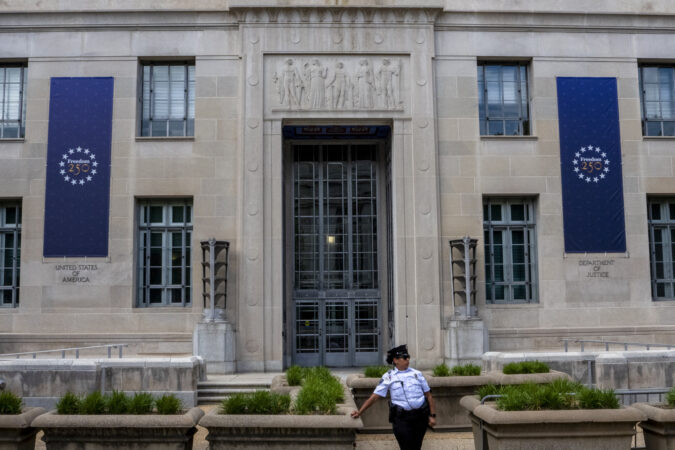
  • Trump’s DOJ said Pa. election officials could be criminally charged if they let noncitizens vote

    Trump’s DOJ said Pa. election officials could be criminally charged if they let noncitizens vote

    The Justice Department sent a letter this week threatening criminal charges against Pennsylvania’s top election officials if they allow votes by noncitizens to be counted in forthcoming elections — a largely nonexistent phenomenon that is already prohibited by law.

    The letter, addressed to Pennsylvania Secretary of State Al Schmidt and obtained by The Inquirer, was part of a nationwide effort by the Justice Department to say it is cracking down on what President Donald Trump has inaccurately described as a variety of problems with how ballots are cast and counted across the country. Similar letters were sent to election officials in all 50 states this week, the Justice Department said in a statement.

    An agency spokesperson said the letters were “asking for voluntary compliance in a timely manner with [officials’] obligations under federal law to ensure only citizens vote in federal elections.”

    The outreach came after Trump’s administration, during his second term, took other steps to target states’ election practices or voter rolls.

    A spokesperson for the Pennsylvania Department of State said in a statement that the state “is in compliance with federal and state election law.”

    “We will continue our nonpartisan work to ensure elections in the commonwealth remain free, fair, safe, and secure,” said Geoff Morrow, the department’s deputy communications director.

    Last month, a federal judge in Pittsburgh dismissed a Justice Department lawsuit that sought to obtain Pennsylvania’s entire unredacted voter database. Federal judges have rejected similar efforts by the Trump administration in at least 10 other states, although the Justice Department recently filed an appeal of the decision in Pennsylvania.

    The FBI, meanwhile, is reportedly assisting with a sweeping investigation into alleged irregularities in the 2020 election in Fulton County, Ga. — a key jurisdiction that contributed to Trump’s loss in that year’s presidential contest.

    Trump has repeatedly refused to acknowledge his defeat to Joe Biden that year, and he has long fueled evidence-free conspiracy theories about widespread and brazen fraud in elections, particularly in jurisdictions that tend to vote for his opponents. Experts generally agree that although voter fraud does happen, it has not historically occurred at rates that would tip the scales in high-profile contests.

    The effort also comes as Trump has been again pressuring congressional Republicans to pass the so-called SAVE America Act, a controversial bill that could require voters to provide proof of citizenship when registering or to show approved forms of identification when voting. Prior efforts to pass the bill into law have failed amid bipartisan resistance.

    As for the subject of the Justice Department’s most recent letter — which was signed by Assistant Attorney General Harmeet K. Dhillon — noncitizens are already barred from voting in federal and state elections under a law passed by Congress 30 years ago.

    Studies in a variety of states since then have found some instances of noncitizens being registered to vote or voting, but almost no evidence that the issue is widespread or common. In Utah, for example, officials said earlier this year that they had reviewed records of the state’s more than 2 million voters and found one person who was confirmed as a noncitizen.

    And in 2024, the director of U.S. Citizenship and Immigration Services wrote in a letter to Ohio’s secretary of state that “it is extremely uncommon for noncitizens to vote in Federal elections,” and that many of those who do are identified by authorities and prosecuted.

    Dhillon, in her letter, acknowledged that noncitizen voting is already illegal. But she nonetheless listed several provisions under which election officials could be criminally charged if it occurred.

    And she said Schmidt should reply within five days to describe “how the state of Pennsylvania intends to ensure it is complying with these federal laws,” a deadline the Pennsylvania Department of State said it intends to meet.

    Schmidt, a Republican who was chosen by Democratic Gov. Josh Shapiro to serve as the state’s top election official, has been at the forefront of addressing noncitizen voting dating back to his time as a Philadelphia city commissioner.

    In 2017, when he worked for the city, Schmidt discovered that the Pennsylvania Department of Transportation’s so-called motor voter system, which allows eligible citizens to register to vote when they get or renew a driver’s license, had a glitch dating back to the 1990s and was allowing legal residents who were noncitizens to register to vote, too.

    Schmidt found that the glitch had allowed at least 168 noncitizens in Philadelphia to register to vote. And he found that an additional 52 noncitizens in the city had registered by other means.

    Collectively, that group of people cast a total of more than 225 ballots in Philadelphia during the years they were registered, Schmidt’s office reported at the time. Schmidt said it was critical to rectify the issue, and all of the improper registrations were canceled. PennDot fixed the glitch in 2017.

    Still, the largest number of votes cast by noncitizens in the city during the affected time period occurred in the 2008 general election, when 47 such people submitted ballots — representing about .0065% of the city’s vote tally that year.

    “One thing that became very clear through that research and all evidence suggests that noncitizens voting in elections in the United States occurs very rarely,” Schmidt told Votebeat earlier this year. “It doesn’t mean that it’s not important. Like I said before, every vote is precious, and we want to make sure that we do everything we can to safeguard and strengthen election integrity. But there’s no evidence to suggest that it happens in any widespread way whatsoever.”

    Lauren Cristella, president of the Committee of Seventy, a Philadelphia-based nonprofit that advocates for good governance, said the Justice Department’s letter “represents another attempt to undermine faith in our elections without presenting any evidence or even allegations of wrongdoing.”

    The country’s elections have routinely been shown to have been conducted freely and fairly, Cristella said. And in Pennsylvania, she said, Schmidt has been “the person who’s been leading the charge to clean up our voter rolls.”

    State Auditor General Tim DeFoor, a Republican, found in an audit released earlier this year that the reforms made to the motor voter system after Schmidt’s exposures of PennDot’s systemic failures had been largely successful.

    The Justice Department’s effort to threaten election officials not only clouds that reality, Cristella said, but it “completely lacks integrity and is part of the distrust that is leading to the erosion of our democracy.”

  • Graham Platner, isolated, defies Maine Democrats as they try to hatch a plan

    Graham Platner, isolated, defies Maine Democrats as they try to hatch a plan

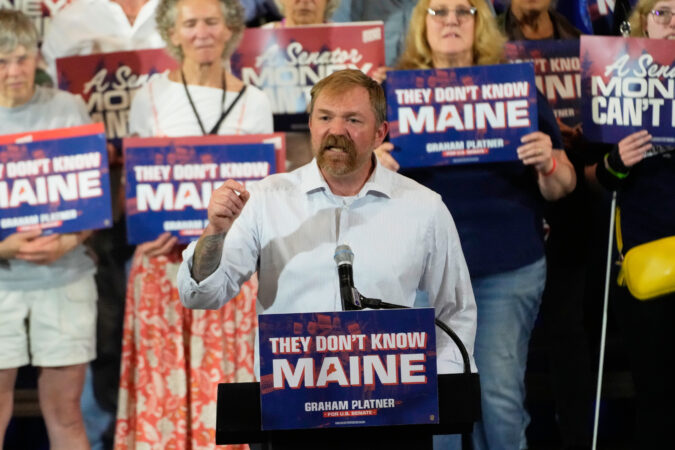
    Increasingly isolated from the Democratic Party, Graham Platner is holed up at his home in rural Maine, navigating the likely end of his once-surging campaign for the U.S. Senate, as establishment fury over his prolonged exit grows louder.

    Platner’s campaign team held a call Wednesday afternoon in which campaign leadership sounded resigned to the idea that the Democrat’s bid could be ending soon, said a Democrat close to Platner. Campaign staff were told that Platner would speak about the future of his run Wednesday night.

    He could drop out of the race soon, probably by prerecorded video, said a second person close to Platner’s team who, like others in this article, spoke on the condition of anonymity to avoid alienating fellow Democrats in what has become an increasingly tense situation.

    One of Platner’s key advisers, Morris Katz, flew up to Maine from New York on Tuesday to discuss his withdrawal, said the person. But Platner, whose political support has evaporated since he was accused of sexual assault on Monday, has struggled with the decision, people close to him said, and has said he would like input on the replacement process, leaving the timing of any announcement unclear.

    “It is him who is wanting to hold on,” the first Democrat said. “He is having to come to terms that his dream is dead. The show is over, this is done.”

    Until Platner pulls the plug, however, the Democratic Party is at an impasse, unable to fully refocus on its uphill battle to defeat five-term Republican Sen. Susan Collins. The race is critical to Democrats’ longshot bid to retake the Senate, where the party must flip four seats held by Republicans to win back control in November.

    That frustration is now spilling into the public.

    On Tuesday night, the Maine Democratic Party released a confrontational video reiterating its call for Platner to drop out so it could select a replacement candidate. If Platner withdraws by Monday, the party has until July 27 to submit a new nominee – though it remains unclear how that decision would be made.

    “Unfortunately, Graham Platner’s team has repeatedly reached out to us in an attempt to put their thumb on the scale of what this process looks like,” Devon Murphy-Anderson, executive director of the Maine Democratic Party, said in the video. “We have repeatedly reiterated to Graham Platner’s team that they have no role in determining our next Democratic nominee for the U.S. Senate.”

    That posture incensed Platner’s more dedicated supporters, some of whom have felt aggrieved by how quickly Democrats turned on him after the sexual assault accusation and who argue that any replacement candidate must be aligned with the populist politics that fueled his rise.

    Party officials are sensitive to the fact that, despite Platner’s downfall, they need to keep the political movement that emerged around him intact in order to win.

    “It is important that someone carry forward the movement that has been built here of everyday working-class people who are fed up with a system in Washington that is so broken,” Maine House Speaker Ryan Fecteau said in an interview. “There are a number of people in Maine politics who share the same views as Graham Platner, who have the same message as Graham Platner, who can carry this work forward.”

    A spokesperson for Platner denied that “the campaign tried to ‘put its finger on the scale’” of the replacement process. But Platner is seeking to influence it as he navigates his exit – and his decision not to drop out immediately has divided many within his campaign.

    Platner’s attempt to continue a campaign detonated by his own alleged behavior has not only exasperated some Maine Democrats but also dumbfounded them.

    “People who have made their political careers decrying a rigged political system are now trying to rig the political system,” quipped a Democratic operative who works in Maine.

    National Democrats, led by the Democratic Senatorial Campaign Committee, have said that they will not spend money in Maine if Platner remains the nominee.

    But their role in selecting his successor is minimal, beyond supporting the Maine Democratic Party’s currently unknown plans for selecting a replacement should Platner drop out. There is belief within the committee that any nominee, at this point, will be stronger than a scandal-plagued Platner, said one person familiar with the committee’s thinking.

    Since he launched his campaign last summer, Platner’s political rise and his outsider message have invigorated Maine Democrats, who have long failed to find a candidate who can defeat Collins, despite the state’s Democratic lean.

    Many voters were willing to overlook earlier controversies that plagued the charismatic 41-year-old oyster farmer and military veteran, including old social media posts where Platner downplayed sexual assault and made other inflammatory comments; a tattoo resembling a Nazi symbol that he had covered up; sexually explicit text messages sent to other women after he married; and accusations of violent behavior by ex-girlfriends.

    Then on Monday, a woman who used to date Platner said he entered her home intoxicated one night in late 2021 and forced himself on her as she told him to stop.

    On Tuesday, a second ex-girlfriend told The Washington Post that Platner repeatedly removed protection without her consent when they were having sex. The campaign called the claim “categorically false and politically motivated.”

    Unlike some politicians engulfed by scandal, Platner retains a core of close advisers who have stuck by him since Monday, allowing him to hold out against calls for his withdrawal.

    In April, when then-Rep. Eric Swalwell (D-California) was accused of sexual assault by a former staffer amid a run for governor, top campaign staff immediately quit and his campaign imploded within days. Platner, by contrast, continues to operate with the inner circle of his campaign from his home in the small coastal town of Sullivan.

    The scene was quiet there Wednesday morning. Several cars were parked in Platner’s driveway near a pile of chopped wood and a boat covered in a green tarp. A few reporters were across the narrow road.

    As the public awaits word from Platner about his plans, longtime friends say this has been a difficult moment, with one even suggesting that Platner could continue to fight.

    “Everybody says they are pulling their support. Is that truly what they are going to do? Are they just going to let Susan Collins win?” the friend said. “That seems highly unlikely to me because we need Maine to flip the Senate.”

    That is not a universal view, however. Some people who have backed Platner for months, even through his many scandals, are too disgusted with him to continue their relationship.

    “At this point, he knows I know he’s lied to me directly too many times,” said a top Maine Democrat who has been close to Platner. “I don’t think he has the shame to speak directly to me.”

    Joanna Slater in Sullivan, Maine, contributed to this article.

  • Kentucky Gov. Andy Beshear asks Sen. Mitch McConnell to give a public update on his condition

    Kentucky Gov. Andy Beshear asks Sen. Mitch McConnell to give a public update on his condition

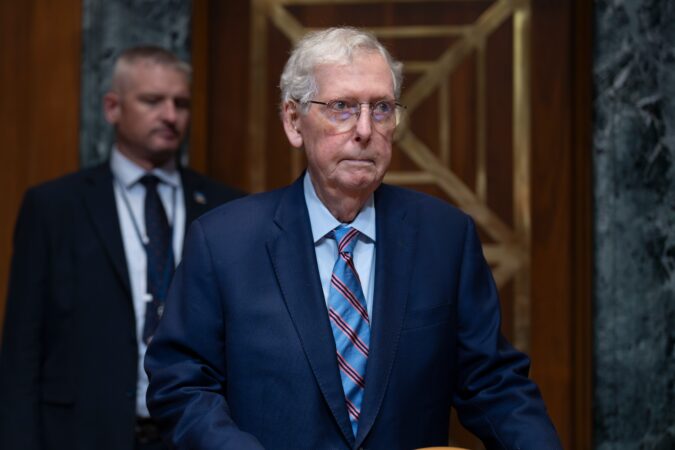
    Kentucky Gov. Andy Beshear is directly asking Sen. Mitch McConnell, the state’s most powerful figure in Congress, to disclose more about his condition after three weeks of silence from the 84-year-old since he was hospitalized in Washington.

    The letter released Wednesday from Beshear, a Democrat who is considered a potential presidential candidate in 2028, to the former Senate Republican leader says, “Kentuckians have grown increasingly concerned about the current state of your health and well-being, and ability to hold office.”

    McConnell, whose physical condition has visibly declined in recent years, was hospitalized June 14. He has not released a public statement, photos, or videos since. Aides have disclosed nothing specific about his condition, other than to say last week that McConnell “continues to improve, and is working closely with his staff on Kentucky and Senate matters while the Senate is out of session.”

    That lack of detail has fueled rampant speculation about his prognosis and whether he will return to the Senate when it reconvenes next week. The firestorm was enough that Republican Senate leaders on Tuesday made public statements saying they had talked to McConnell and that he was alert and discussing current events.

    McConnell is retiring at the end of his term in January, and the campaign to elect his successor already is underway. Kentucky’s Senate succession law, which Republican legislators have twice changed during Beshear’s tenure, does not give the governor a role in picking a temporary successor should McConnell’s seat become vacant before his term ends.

    Under the latest change in 2024, if the seat becomes vacant before Aug. 3, there would be a special election to pick a replacement, perhaps held concurrently with the general election in November. The special election winner could take office nearly immediately. The general election winner would be sworn in as part of the new Congress in January.

    If the seat were vacated after Aug. 3, there would be no time under the law for a special election and the seat would remain vacant until January.

    Beshear ended the letter by wishing McConnell “a safe and speedy recovery.”

  • Justice Department threatens top election officials over noncitizen voting

    Justice Department threatens top election officials over noncitizen voting

    The Justice Department sent letters to all 50 states and the District of Columbia on Tuesday threatening criminal prosecution of top election officials if ballots cast by noncitizens were counted in upcoming elections.

    The letters arrived in the midst of an ongoing campaign by President Donald Trump and his allies to tighten election rules to prevent a problem that doesn’t exist: widespread noncitizen voting in American elections.

    The effort has, however, continued to sow doubt and distrust in the electoral process, most notably among the president’s base of supporters. And his proposals could have the effect of making it more difficult for eligible voters to cast their ballots — an outcome that many voting-right activists say is the president’s real goal.

    The letters sent Tuesday came from Harmeet Dhillon, who runs the Justice Department’s civil rights division. They are largely identical, according to multiple copies obtained by The New York Times. The seven-page letters detail a host of federal election laws that prohibit noncitizens from voting in elections — laws that have been clear for decades.

    “Any election officer, including the chief election officer of the state, who knowingly retains noncitizens on the state’s” voter list “or facilitates noncitizens in receiving and casting ballots could be subject to criminal liability,” Dhillon wrote.

    The letters asked the election officials to respond to the Justice Department “within five days” with details on how their states intended to comply “with these federal laws both at the state and local level and how the Department can assist in those efforts.” It is unclear what would happen if a state does not respond in five days, as the letters are not subpoenas requiring a response.

    Lt. Gov. Deidre Henderson, the top election official in Utah and a Republican, expressed frustration with the Justice Department’s tenor and tactics.

    “Got another love letter this morning from the DOJ sprinkled throughout with threats of criminal prosecution,” Henderson wrote on social media. “I’m sure I’m not the only chief election officer of a state who is being targeted for following state and federal laws by resisting DOJ’s demands for private voter data that have thus far been ruled illegal by at least a dozen courts. This is truly bizarre behavior by the federal agency that is supposed to be protecting civil rights.”

    Adrian Fontes, the Democratic secretary of state in Arizona, criticized the efforts by the Justice Department as politically motivated.

    “It is insulting to insinuate that the good people at our county recorders’ offices across the state are not doing their jobs correctly,” Fontes said. “Arizona election officials have always worked to ensure that only eligible citizens are registered to vote, and we will continue following Arizona law — not directions that come from political rhetoric or intimidation.”

    Justice Department officials have said their purpose in seeking voter roll data is to ensure compliance with federal law requiring states to maintain accurate voting rolls. Some voting-rights advocates have speculated that the department’s specific aim is to look for evidence of noncitizen voting or use voter roll data to challenge future election results.

    Kiersten Pels, a spokesperson for the Justice Department, confirmed that letters were sent to officials in all 50 states and the District of Columbia, seeking “voluntary compliance in a timely manner with their obligations under federal law to ensure only citizens vote in federal elections.”

    David Becker, a former voting rights lawyer for the Justice Department who now runs the Center for Election Innovation and Research, a nonpartisan group that works to build confidence in elections, said that the letters from Dhillon look like a performative display by the Justice Department to show it is working aggressively on one of the president’s priorities despite little success.

    “This is what panic and desperation looks like,” Becker said. “They’ve had 18 months to find evidence of a crime that was never committed, and found nothing. And now they fall back on crude and transparent bullying tactics. They sent these letter to several, perhaps all states, with no specific evidence of a crime.”

    He added that “the election officials I’ve spoken with aren’t intimidated, and are seeing these empty threats for what they are.”

    The Justice Department also sent letters to three cities in Michigan — Detroit, Lansing and East Lansing — stating that federal election monitors from the department would be going to the areas for the upcoming primary election. The department’s stated reasons were observations from the 2024 election, citing a lack of provisional ballots in at least one polling location and voting machines that were not operational in multiple polling locations.

    Michigan election officials roundly rejected both the claims from the Justice Department and the reasons for sending monitors. Janice M. Winfrey, the city clerk in Detroit, wrote in response Tuesday that the Justice Department had made “false assertions that form a baseless conclusion that then becomes the pretext for additional monitoring of Detroit elections.”

    Winfrey added that “according to our records, there were no representatives from the Department of Justice, and if so, they did not comply with regulations requiring them to identify themselves and sign in with supervisory staff at the polling place.”

    For years, Trump has claimed without evidence that noncitizens voting in American elections have benefited Democrats. After the 2016 election, which he won, he claimed that as many as 3 million ballots in California had been cast by noncitizens.

    Since returning to office, Trump has led a relentless effort to prove his claims using the levers of the federal government.

    None of those investigations has provided any evidence of widespread noncitizen voting. An initial review in January of nearly 50 million voter registration records by the Department of Homeland Security referred roughly 0.02% of the names processed for further investigation.

    This article originally appeared in The New York Times.

  • Poverty in New Jersey is three times higher than the federal measure, experts say

    Poverty in New Jersey is three times higher than the federal measure, experts say

    Dana Brown-Toure, 52, says her life is in a place “somewhere between drowning and surviving.”

    A former health aide living on disability benefits, Brown-Toure contends with diabetes that threatens to blind her, while rising bills continue to overwhelm her. Brown-Toure shares an arduous existence with her two children, ages 8 and 21, in the house they rent in Camden, made harder by her former husband’s recent stroke, which hampers his ability to contribute money.

    Still, despite their troubles, the family takes in enough money to place Brown-Toure just above the official federal poverty level.

    That the U.S. government does not consider her to be living in poverty is hard for Brown-Toure to believe. “Life’s a struggle,” she said Monday. “I would say this feels below the poverty line.”

    So would the Poverty Research Institute (PRI) of Legal Services of New Jersey, a statewide legal aid nonprofit that has released a new report asserting that the actual rate of poverty in the state is about triple what the U.S. government calculates.

    That means, the report says, the official number of residents living in poverty in New Jersey in 2024 — the latest statistics available — was close to 3 million, rather than the federal figure of 859,000. Brown-Toure did not want her exact income to be disclosed, but the federal poverty level for a family of three such as hers in 2024 was just over $25,000.

    A person living below the official poverty level can more readily qualify for various assistance programs, such as SNAP (Supplemental Nutrition Assistance Program), Medicaid, Head Start, and school meals. The problem, experts say, is that even people with incomes that are twice the poverty rate need help, according to the Center on Budget and Policy Priorities.

    The government “severely understates poverty for high-cost states like New Jersey,” PRI director Shivi Prasad said.

    New Jersey’s cost of living ranks third-highest among states, behind California and Hawaii, according to the U.S. Bureau of Economic Analysis in the Department of Commerce. It also has the highest real estate property taxes in the United States, according to the Tax Foundation, a nonprofit that analyzes tax policy. The average annual tax bill in the state exceeds $10,000, compared with a national average of around $3,119, the foundation said.

    As the issue of affordability continues to plague Americans, thrusting many deeper into poverty, it’s becoming clear that the government‘s methods to measure deprivation are inadequate, PRI explains.

    The report, released in June and titled “2024 Poverty Data at a Glance: How the Federal Measurement Falls Short for New Jersey,” says that “the hard reality is that poverty remains deeply entrenched with millions left behind — a paradox for a state considered among the wealthiest in the nation.”

    The PRI measures what it calls True Poverty Level, described as the minimum income working families need to afford basic necessities without any public or private support, without making tradeoffs such as eating less to make rent payments.

    The basic flaw of the official federal poverty level, according to the PRI and other experts, is that it is a simplistic standard based on computations from 1964.

    “It’s a super-inadequate measure, like the federal minimum wage of $7.25 an hour,” said Laura Napolitano, a sociologist at Rutgers University-Camden. “We’re looking at a dated calculation that’s been unchanged for years.”

    Back in the mid-1960s, poverty thresholds were derived by taking the U.S. Department of Agriculture’s calculation for the minimum cost of food, then multiplying it by three to account for other family expenses. The thinking was that food was one-third of a family’s budget. Each year, the poverty level is updated to keep up with inflation, but the equation has remained the same for more than 60 years.

    Importantly, Prasad said in an interview, as the decades have gone by, the federal poverty level has not accounted for the actual costs of housing, childcare, food, transportation, healthcare, and other aspects of everyday life. And the federal poverty level does not allow for geographic differences in cost across the nation. For example, the average monthly rent for a two-bedroom apartment in Manhattan ($5,746) is vastly higher than it is in Omaha ($1,441), according to Apartments.com.

    “We look at all these realistic costs to see how much a family really needs to make it,” Prasad said. “We want to see how much you’d need to survive on your own, without help from the government or from family.”

    To determine how much basic survival costs in New Jersey, Prasad noted that an average monthly rent in the state is around $1,800 for a two-bedroom apartment. That would make a year’s rent more than $21,000.

    Now look at childcare, Prasad said, where the maximum monthly rate that can be charged for a toddler is $1,417, according to the New Jersey Department of Human Services, which comes to around $17,000 a year.

    With rent and childcare adding up to almost $40,000 annually, even if you are making $50,000 — almost twice the federal poverty rate for a family of three — “you really don’t have enough to survive,” Prasad said.

    And that says nothing about skyrocketing food costs, she added. The Food Bank of South Jersey reported that over the last four years in Burlington, Camden, Gloucester, and Salem Counties, the number of meals distributed to compensate for increasing food expenses grew by 34%.

    “More of our neighbors are turning to us amid an affordability crisis that’s hitting a high-cost state like New Jersey harder than poverty measures may show,” Jane Asselta, the food bank’s president and chief executive officer, said in a statement.

    For a more detailed analysis of the area the food bank serves, Prasad focused on South Jersey data for The Inquirer. In Burlington County in 2024, the true poverty rate was 27.2%, Prasad said. Similarly, Camden County’s true poverty rate was 38%, while Gloucester County’s sat at 29%. All rates as calculated by the PRI were more than three times the federal poverty levels for the counties in 2024, figures show.

    Ultimately, Brown-Toure said, no matter how the government classifies poverty, the one constant she endures is that life’s hardships are wearing her down.

    “I’m feeling depressed,” she said. “I miss working and my weekly paycheck. And the dream I once had to own a house is all gone.

    “There’s a lot of struggle right now, a lot trauma. It’s hard. And the hardship never stops.”

  • Property values in Kensington went up more than any other Philly neighborhood this year

    Property values in Kensington went up more than any other Philly neighborhood this year

    The biggest jump in Philadelphia’s property assessments this year occurred in Kensington, a measure that means many homeowners in the long-struggling neighborhood are likely to see higher taxes amid a concerted effort by the city to clean up the area.

    That is according to an Inquirer analysis of recently released property assessments of single-family homes, which found that, citywide, there was a 3% median change in valuations from the 2025 tax year, the last time there was a mass reassessment.

    That increase is far more modest than the widespread jump in valuations that homeowners saw two years ago, which captured multiple years of real estate growth and the volatile post-pandemic market.

    What remains the same: who will be most affected.

    The Inquirer’s analysis of this year’s property assessment data shows that low-income neighborhoods near gentrifying areas saw the sharpest jumps in valuations compared with the rest of the city.

    The four areas that saw the largest percentage increases in median assessments — Kensington, Mantua, Grays Ferry, and Kingsessing — all border more gentrified neighborhoods like Fishtown, University City, and Point Breeze. The results of the analysis are a further sign that market pressures in higher-income areas are pushing into pockets of the city that have long been primarily home to Black and brown working-class residents.

    Of the eight neighborhoods that saw the largest increases between the 2025 and 2027 tax years, five have median annual household incomes around $40,000 or less, according to an analysis of U.S. Census data. The federal poverty level is $33,000 for a family of four.

    (function(){function e(){window.addEventListener(`message`,function(e){if(e.data[`datawrapper-height`]!==void 0){var t=document.querySelectorAll(`iframe`);for(var n in e.data[`datawrapper-height`])for(var r=0,i;i=t[r];r++)if(i.contentWindow===e.source){var a=e.data[`datawrapper-height`][n]+`px`;i.style.height=a}}})}e()})();

    In a statement, officials with Mayor Cherelle L. Parker’s administration noted that many homeowners in those five neighborhoods are benefiting from a popular city tax break. The city said that the median 2027 value in those five neighborhoods is $123,600, so for many homeowners in those areas, the median taxable assessed value is just $23,600.

    That is because of the homestead exemption, a tax break for homeowners who live in their house as their primary residence that exempts the first $100,000 in home value from property taxes. Homeowners must sign up to be included in the free program.

    At least 60% of homeowners in those neighborhoods have signed up for property tax relief programs, according to the city.

    James Aros Jr., the chief assessor of the Philadelphia Office of Property Assessment, and Revenue Commissioner Kathleen McColgan said enrollment rates in property tax relief, including the homestead exemption and multiple tax freeze programs, are “encouraging.”

    They said the city will “build on this progress through extensive targeted outreach, community partnerships, and efforts to make enrollment as simple and accessible as possible.”

    The current property tax rate is 1.3998% of assessed value, which has not changed for nearly a decade. The revenue is split between the city and the Philadelphia School District.

    Rising home values in Kensington

    Citywide, the steepest increase in valuations was in Kensington, where the median property value jumped 15.3%, from $115,700 in the 2025 tax year to $133,400 now. That median increase would translate to a roughly $250 annual property tax hike.

    That comes after Parker’s administration in 2024 launched a multipronged effort to address the long-entrenched open-air drug market in Kensington, which is the epicenter of the city’s opioid crisis and a site of sprawling homelessness.

    While the administration has increased law enforcement’s staffing in the neighborhood and scaled up programs for people who are in addiction, Kensington has also for years seen creeping gentrification from Fishtown to its southeast.

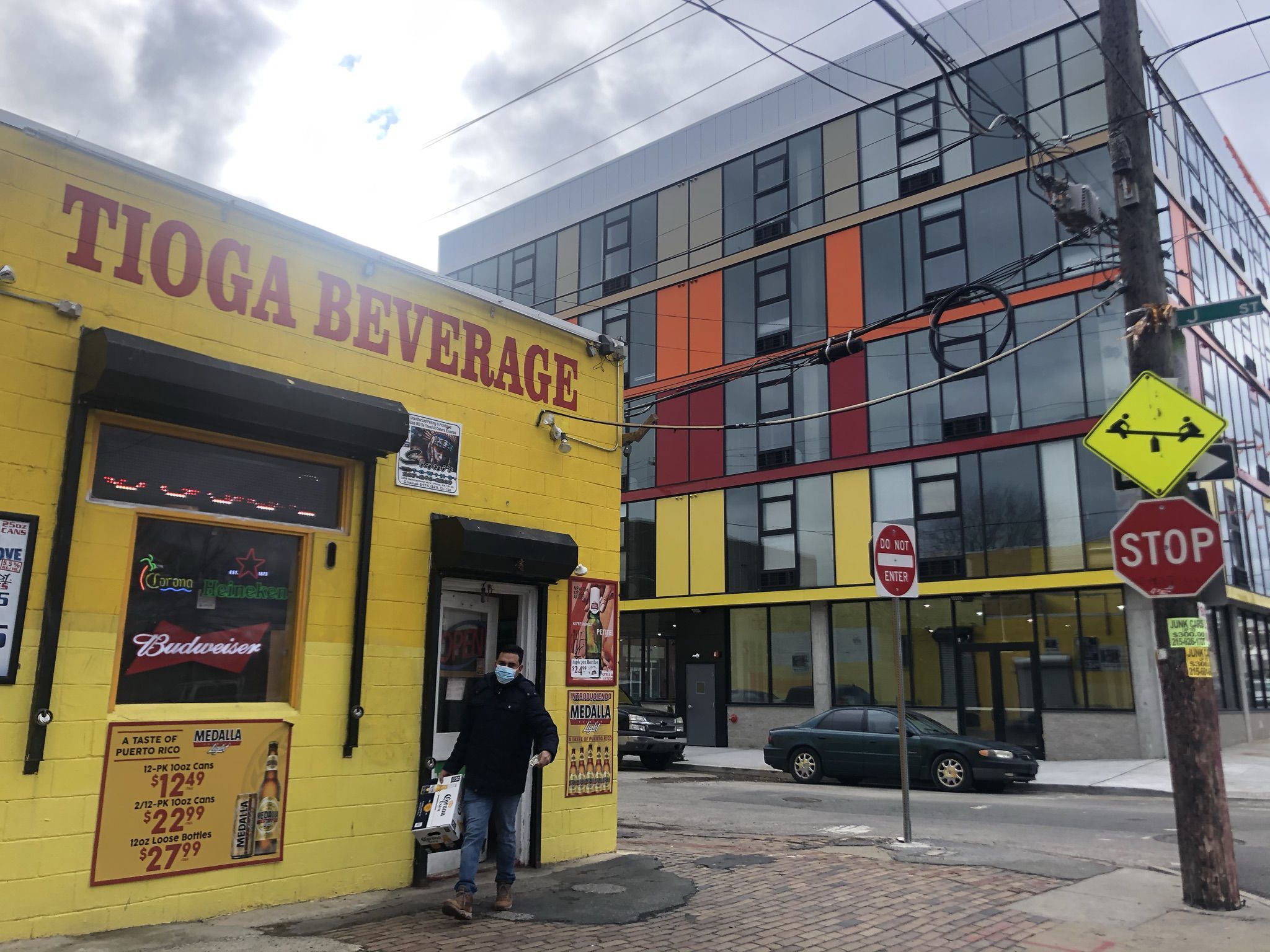
    In this 2021 file photo, a glass building at J and Tioga sits near a beer store in Kensington.

    Some neighborhood leaders have watched with anxiety as luxury housing developers and out-of-town investors gobbled up properties in the neighborhood, fearing that poorer residents and middle-class homebuyers may be priced out.

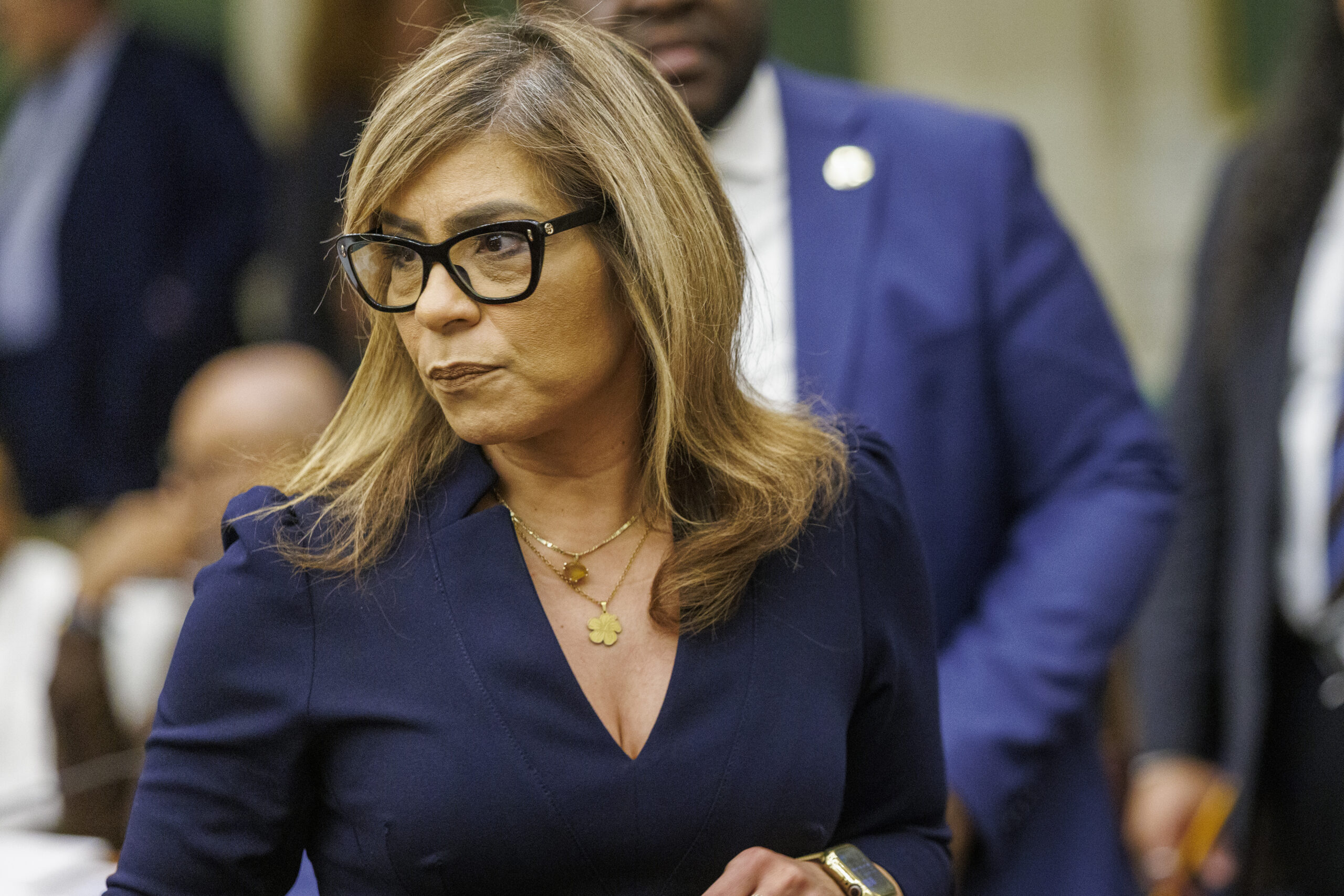
    City Councilmember Quetcy Lozada, a Democrat who represents the 7th Council District, which includes parts of Kensington, said she knew speculators from outside the area would want to make it “the next gentrified neighborhood” once the city changed its strategy to more aggressively clean up trash and improve public safety.

    But Lozada said there are not enough programs specific to Kensington aimed at preventing displacement as a result of rising property values, especially as the city is investing millions of dollars a year to improve the neighborhood. She said her office is exploring additional tax relief measures.

    “I’m going to do whatever I have to do to make sure that residents who have lived in that community can stay there, can raise their families there,” Lozada said. “We have witnessed what has happened on the southern end of the district, where there has been rapid gentrification.”

    In this March file photo, City Councilmember Quetcy Lozada stands in Council chambers during Mayor Cherelle L. Parker’s budget address.

    Lozada also said rising property values in Kensington are part of why she has been “so careful with projects presented to me” and has prioritized what she sees as equitable development in the neighborhood — at times to the chagrin of developers who think she has been too restrictive.

    “I’m all about people making a return,” she said, “but you can’t continue to do it on the backs of poor people.”

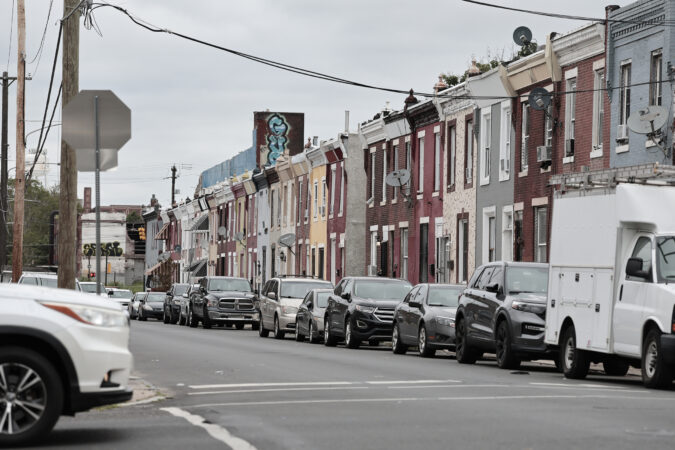
    The 3100 block of Arbor Street in Philadelphia on Tuesday, July 7, 2026.

    Continuing change in pockets of West Philly

    There were also significant property value increases in parts of West Philadelphia.

    The median increase in Mantua, the neighborhood north of University City, was the second highest in the city, at 15%, according to The Inquirer’s analysis. The median increase was 12% in Kingsessing, the neighborhood south of University City that in 2025 saw the largest jump of any neighborhood in Philadelphia.

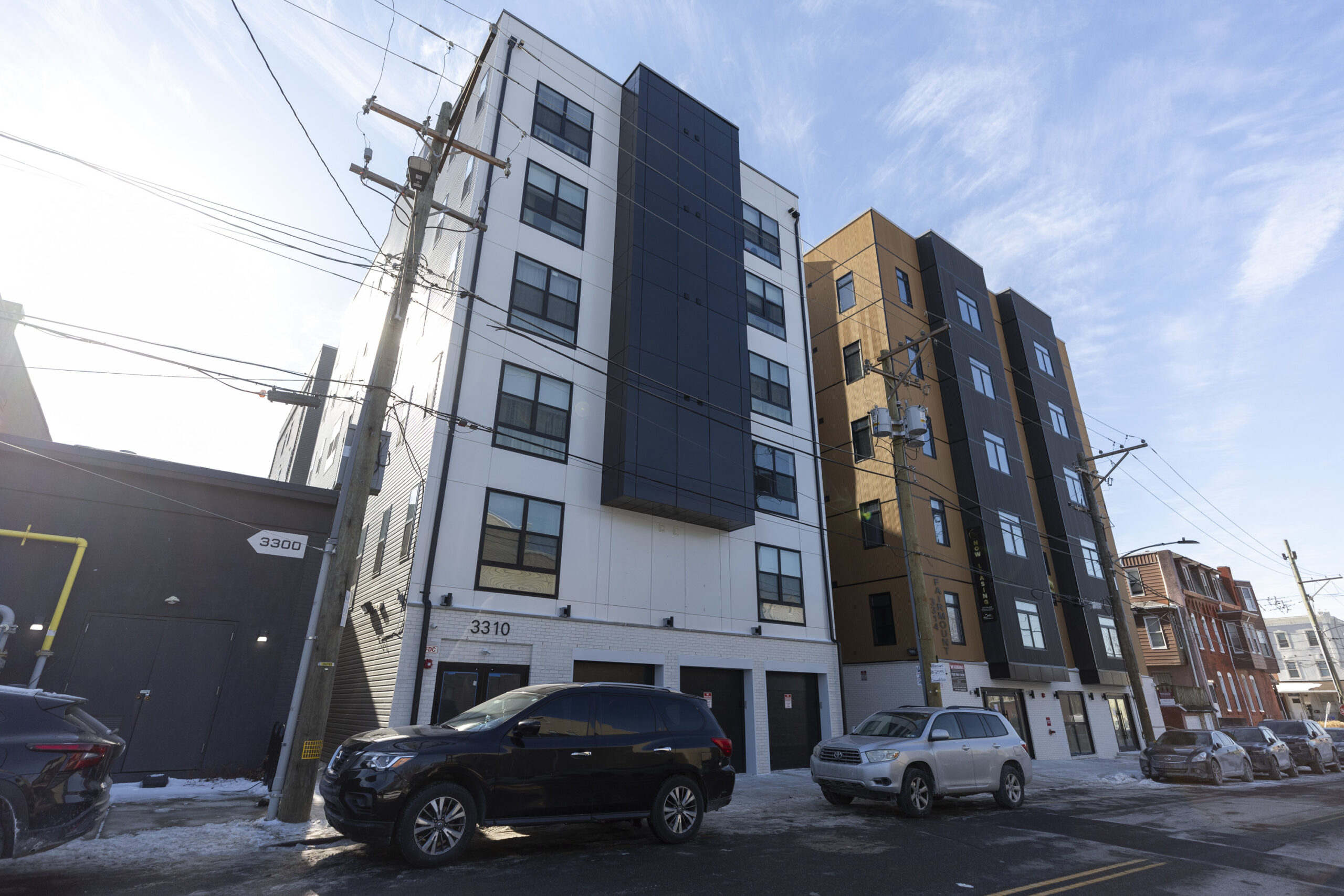
    Newly developed buildings along Fairmount Avenue in the neighborhood of Mantua in Philadelphia, Pa., on Thursday, Jan. 23, 2025.

    Councilmember Jamie Gauthier, a Democrat who represents West Philadelphia and has made preventing displacement a key initiative, said that there has long been racial bias in the city’s property assessments and that the city must “get serious” about protecting low-income homeowners by revamping its system.

    “There has to be a higher level of urgency in making sure that the city doesn’t have a hand in pushing out all of these homeowners that make Philadelphia what it is,” Gauthier said. “It’s unconscionable for us to destabilize our neighborhoods and the longtime homeowners who live there because we didn’t take enough care to make sure that our process was fair and equitable.”

    For too long, she said, city officials have said they intended to examine the property assessment practices and identify improvements. In 2024, Parker convened a task force to study the process.

    Aros told Council in April that the task force’s report was “being finalized.” He said OPA would look to implement recommendations from the report, including conducting more regular reassessments and improving property-level data such as property condition.

    The city is also planning to hire an outside consultant to examine its mass appraisal practices, according to city records. The analyst will be responsible for drafting a report by the end of this year.

    Deputy creative director John Duchneskie contributed to this article.

  • Mayor Parker’s office declined to say if the city will be refunded for Christina Aguilera’s canceled July 4th concert set

    Mayor Parker’s office declined to say if the city will be refunded for Christina Aguilera’s canceled July 4th concert set

    Mayor Cherelle L. Parker’s office on Tuesday declined to say whether the city will save money after pop star Christina Aguilera, who was scheduled to headline the city’s free July Fourth concert, ended up not taking the stage Saturday due to the weather delays that pushed much of the concert and the subsequent fireworks display into the early morning hours of Sunday.

    Parker spokesperson Joe Grace said the city had “no comment as yet” on whether the city would be refunded in light of the change in plans triggered by Saturday’s severe thunderstorms.

    Aguilera was the only artist who ended up skipping their set, and Grace emphasized Parker’s role in ensuring the rest of the performers returned to the Benjamin Franklin Parkway to restart the show around midnight after it was suspended about 9 p.m.

    “We’re focused on the performers who did return and put on a tremendous show once the storms subsided,” Grace said in a statement, noting that the Roots, Kathy Sledge, State Property, Meek Mill, Will Smith, and DJ Jazzy Jeff all performed after the concert restarted. “In the evening, those artists came back, at the request of [concert producer] ESM and Mayor Parker — and put on a great concert. … All the evening artists credited the mayor with bringing them back to perform.”

    The decision to restart the concert pushed the fireworks display to about 2:30 a.m. Sunday.

    “After the storms passed, there were a lot of people who could have called it a night,” Parker said in a statement Tuesday. “Instead, we made one more call. The Roots and the other artists, including Will Smith returned. Thousands of people returned. Our city employees never stopped working. Our first responders stayed at their posts. Together, we finished what we started. That’s who Philadelphia is.”

    Smith, in an Instagram post on Monday, said he returned to the Parkway to perform in the Independence Day concert after midnight after receiving a personal call from Parker.

    Will Smith and DJ Jazzy Jeff (left) perform at One Philly: Unity Concert for America on the Benjamin Franklin Parkway Sunday, July 5, 2026, in Philadelphia.

    Parker’s administration this year agreed to pay $15.5 million to ESM Productions, a for-profit Philadelphia-based company known for putting on major events on the Parkway, to organize the show. The city paid ESM at least $10 million prior to July Fourth, but it is unclear if any money was paid out to performers in advance of the show.

    The annual concert was previously managed by the nonprofit Welcome America, a public-private partnership organized by the city in the 1990s, and cost taxpayers far less.

    The last July Fourth concert cost Welcome America about $3 million to produce, according to a person with knowledge of the event who was not permitted to discuss details about its costs. Welcome America’s entire budget for 2024 — its salaries and office expenses, a concert that featured Kesha and Ne-Yo, and several smaller events it organizes — totaled about $6.6 million, about $5.3 million of which came from government grants, according to the group’s most recent federal nonprofit disclosure.

    It is unclear how much Aguilera was supposed to be paid for her performance this year.

    ESM’s original $10 million contract with the city, which was obtained by The Inquirer, included a nearly $3.4 million budget for “talent.”

    The contract between the city administration and ESM did not include a breakdown on how much each artist would be paid, and it did not include details related to artists’ pay in the event of canceled performances.

    The city also signed a $5.5 million contract amendment with ESM that did not include budget details.

    ESM Productions declined to comment.

    Fireworks fill the sky at the One Philly: Unity Concert for America on the Benjamin Franklin Parkway on Sunday, July 5, 2026 in Philadelphia.

    United Talent Agency, which represents Aguilera, did not return a request for comment. The pop star on Sunday posted videos from her rehearsals prior to the show on social media.

    “Philly, we had such a special 4th of July show planned for you!! 😭😫☔️🌧️,” Aguilera wrote on Instagram. “We poured so much heart and soul into this one, but safety always comes first—and sadly, the storm meant we couldn’t give you the show we worked so hard to bring to life 💔 Thank you to everyone who came out, and to my team for all the hard work that went into building this show… I hope to be back to Philly soon! xxxx.”

    The city’s payments to ESM are only part of the taxpayer costs for putting on the annual concert. The city also increases hours for city workers such as sanitation workers and police officers to put on the event.

    Grace on Tuesday declined to share the total cost of the concert, and reiterated Parker’s previous promise to lay out all expenses related to it at a future date.

    “As we’ve said previously, we will account for all expenses associated with the concert, along with producing an analysis of economic benefits accruing to the city, and release a report at a later time,” he said. “We want the report to be comprehensive.”