Category: Pennsylvania Politics

  • Chips, a Christmas tree, and the Liberty Bell: Here’s what’s inside Pennsylvania’s new showcase at the Great American State Fair

    Chips, a Christmas tree, and the Liberty Bell: Here’s what’s inside Pennsylvania’s new showcase at the Great American State Fair

    WASHINGTON — A replica Liberty Bell, a Knoebels amusement park bench, hundreds of bags of potato chips, and dozens of sweating tourists packed into Pennsylvania’s location at President Donald Trump’s Great American State Fair on Tuesday — a stark turnaround from when the signature 250th anniversary event opened in Washington last week without a Keystone State presence.

    Pennsylvania was one of the few Democratic-led states that — describing the two-week fair as too partisan — had either decided not to participate or failed to find another host to showcase local history and memorabilia.

    The interest, Gov. Josh Shapiro said at the time, was just not there.

    But after a weekend-long sprint initiated by U.S. Sens. Dave McCormick (R., Pa.) and John Fetterman (D., Pa.) to dredge up that interest, Pennsylvania’s pavilion opened Tuesday with nearly every inch of the space filled.

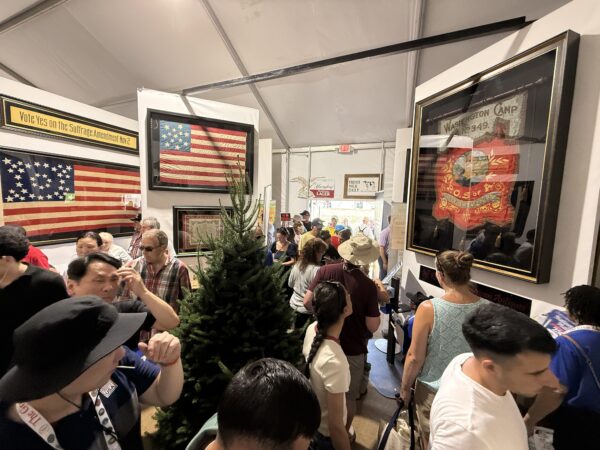
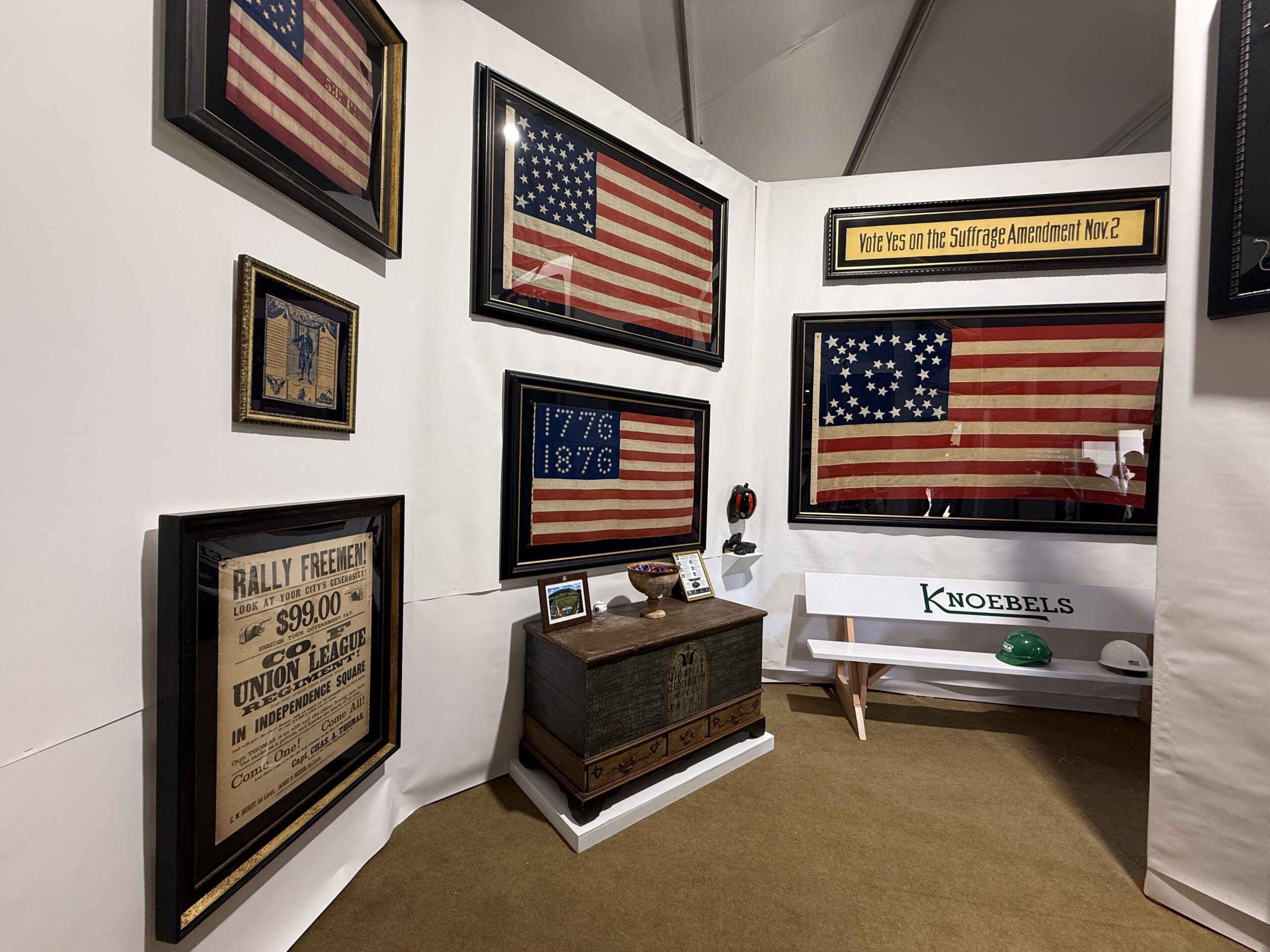
    The walls were covered by antique flags and signs lent by York County’s Jeff R. Bridgman Antiques. Children stood in line for a U.S. Steel penny-press machine, grabbed bags of Middleswarth chips made in Snyder County, and Crayola crayons from Easton. (Additional chip donations from Utz and Martin’s will be arriving soon.)

    Tourists collected pamphlets about Gettysburg and the Pennsylvania Farm Bureau. They took pictures of anthracite coal and a drill bit used for fracking, both of which were on loan from U.S. Rep. Dan Meuser (R., Luzerne).
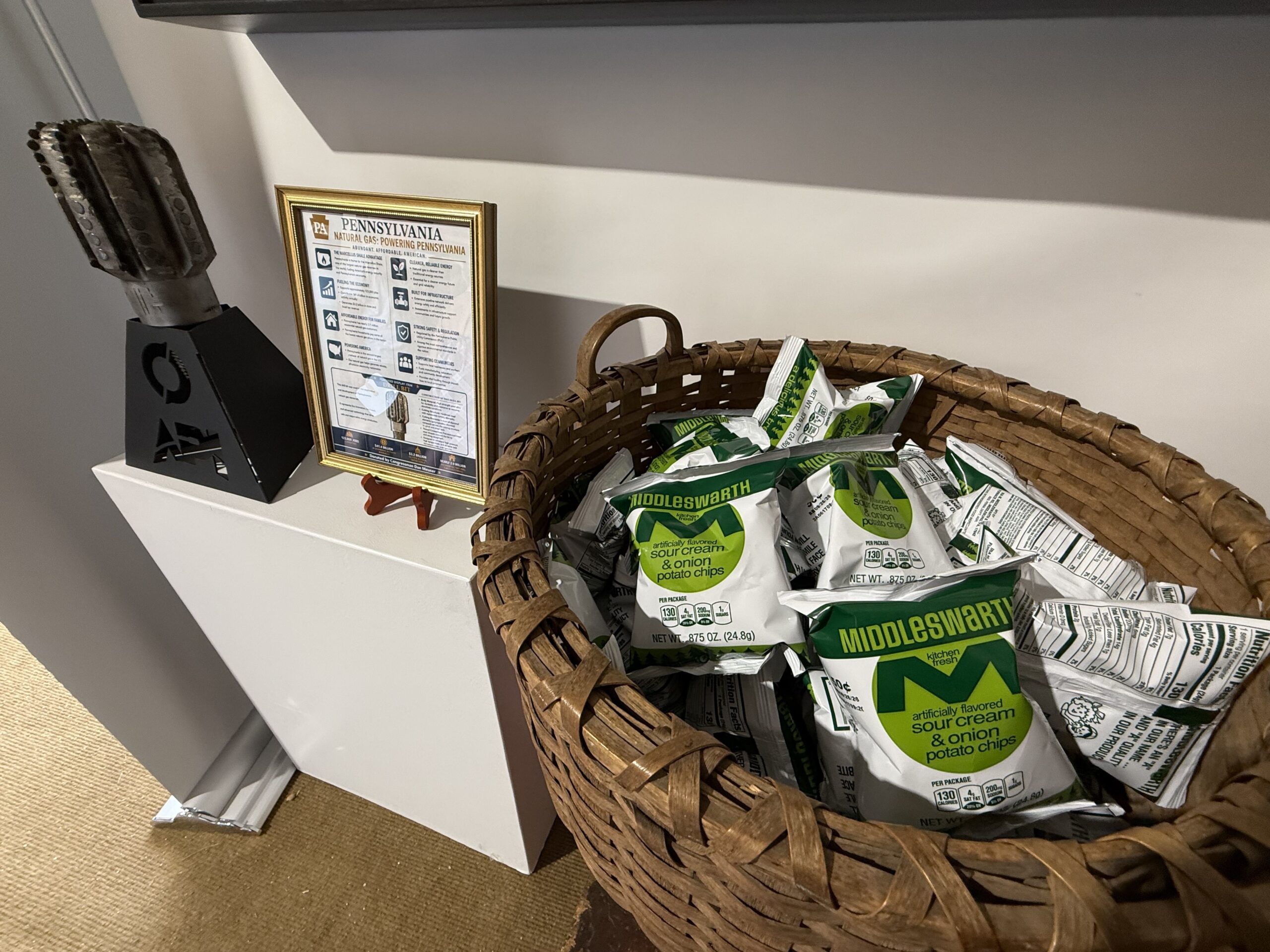
    Pennsylvania’s pavilion showcases a natural gas drill bit and Middleswarth chips at the Great American State Fair on June 30, 2026, in Washington, D.C.

    “I always look for an opportunity to highlight our industry,” Beth Ann Bossio, a Christmas tree farmer from Fayette County, said after driving three and a half hours to drop off a tree to display in the center of the space.

    Pennsylvania is one of the largest producers of Christmas trees, and Bossio said it was important to her that both the state and its farmers were represented at the fair.
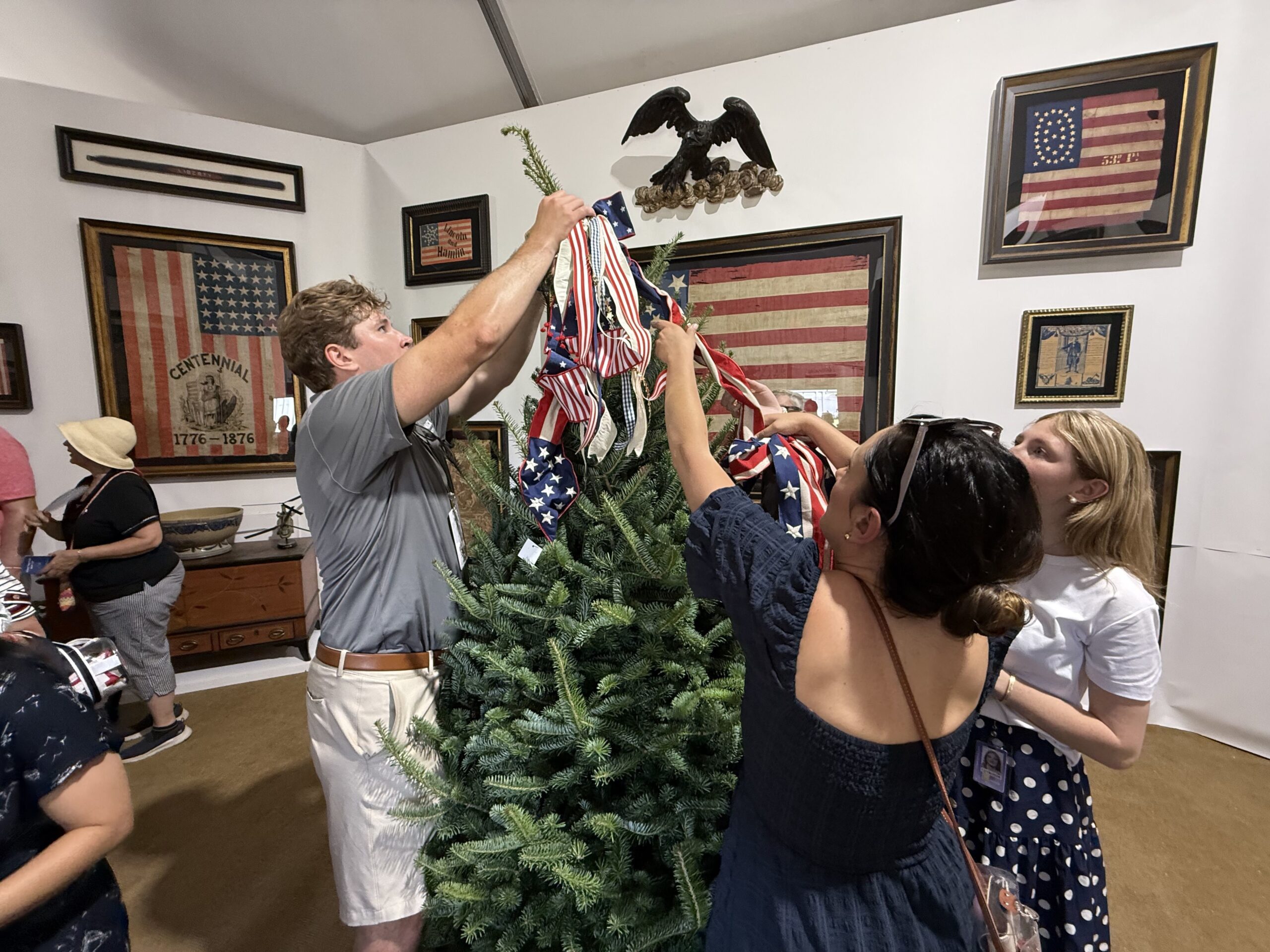
    Beth Ann Bossio (front center), a Christmas tree farmer from Fayette County, helps staff from U.S. Sen. Dave McCormick’s office set up a tree she brought for Pennsylvania’s pavilion at the Great American State Fair on June 30, 2026, in Washington, D.C.

    “That was my vision to come here, to make sure that Pa. is being reflected of what we are, and what we represent,” she said before tying an American flag-themed bow on the tree. “Farmers are very proud of that. We’re patriotic. We take pride in our land and how we steward it.”

    The packed room on the National Mall came together in a rush in recent days, after Shapiro joined Democratic governors from other states in declining to use state resources to create and staff a pavilion, which his office said would have run a tab of “hundreds of thousands of taxpayer dollars.”

    He also said his administration’s search for another Pennsylvania host came up short. No companies or other kinds of groups were interested, he said, even as businesses and local governments stepped up to fill the spaces in other states.

    While Shapiro last week blamed the lack of interest on the president’s polarizing impact on the 250th celebrations, he said in an interview Tuesday with The Inquirer that it “was never a political exercise. This was an exercise in practicality.”

    Shapiro said Pennsylvania’s pavilion would have cost the state $700,000, all of which was money he saw better spent on the major events happening in Pennsylvania this year, including the NFL Draft, PGA Championship, MLB All-Star Game, the ongoing World Cup games, and a number of events across the state for the nation’s 250th birthday.

    “My focus is on spending the taxpayer dollars here,” he said.

    His administration spent two or three weeks reaching out to businesses and to the Pennsylvania Chamber asking them if they wanted to participate. None of them did, Shapiro said.

    “They obviously had a change of heart at the last minute. That’s fine,” Shapiro said about the revived Pennsylvania pavilion.

    Organizing the booth in Shapiro’s place were the state’s two senators, a bipartisan duo who have often worked together.

    McCormick and Fetterman withheld any direct criticisms of Shapiro while talking about their effort, though Fetterman has clashed with the governor in the past and has also repeatedly broken Democratic ranks to support Republican-led efforts.

    McCormick said he understood Shapiro’s desire not to spend taxpayer money, but when he found out there would be nothing to represent the state that is “the center of America’s history,” he sprang into action.

    The freshman Republican said he and Fetterman spoke Saturday morning and quickly made calls to the Pennsylvania Chamber of Business and Industry, the Pennsylvania Farm Bureau, and individual businesses to donate time and resources.

    “It’s just inconceivable that we wouldn’t have a booth that would represent all that Pennsylvania had to offer,” said McCormick, whose staff greeted guests at the pavilion all day Tuesday.

    Fetterman, who has said Pennsylvania’s role as a purple state means he should consistently work across the aisle, said he was proud to work with McCormick on the effort.

    “America’s turning 250 years old,” Fetterman said alongside McCormick during an appearance in Philadelphia on Monday. “Can’t we all just celebrate that and not just find new ways to fight about the politics and the dynamic right now?”

    McCormick’s office listed 23 companies or groups that signed up to help, though only a few corporate sponsors were front and center in the space.

    Two large signs showcase the Marcellus Shale Coalition, a natural gas advocacy group that has a significant lobbying presence in Harrisburg. And U.S. Steel, the Pittsburgh-based company that benefited from a Trump-approved takeover by a Japanese-owned company last year, offered the penny press and colorful wristbands reading “forging the future.” Hats and signage commemorating Yuengling and Mack Trucks were lent from the Pennsylvania Manufacturers’ Association.
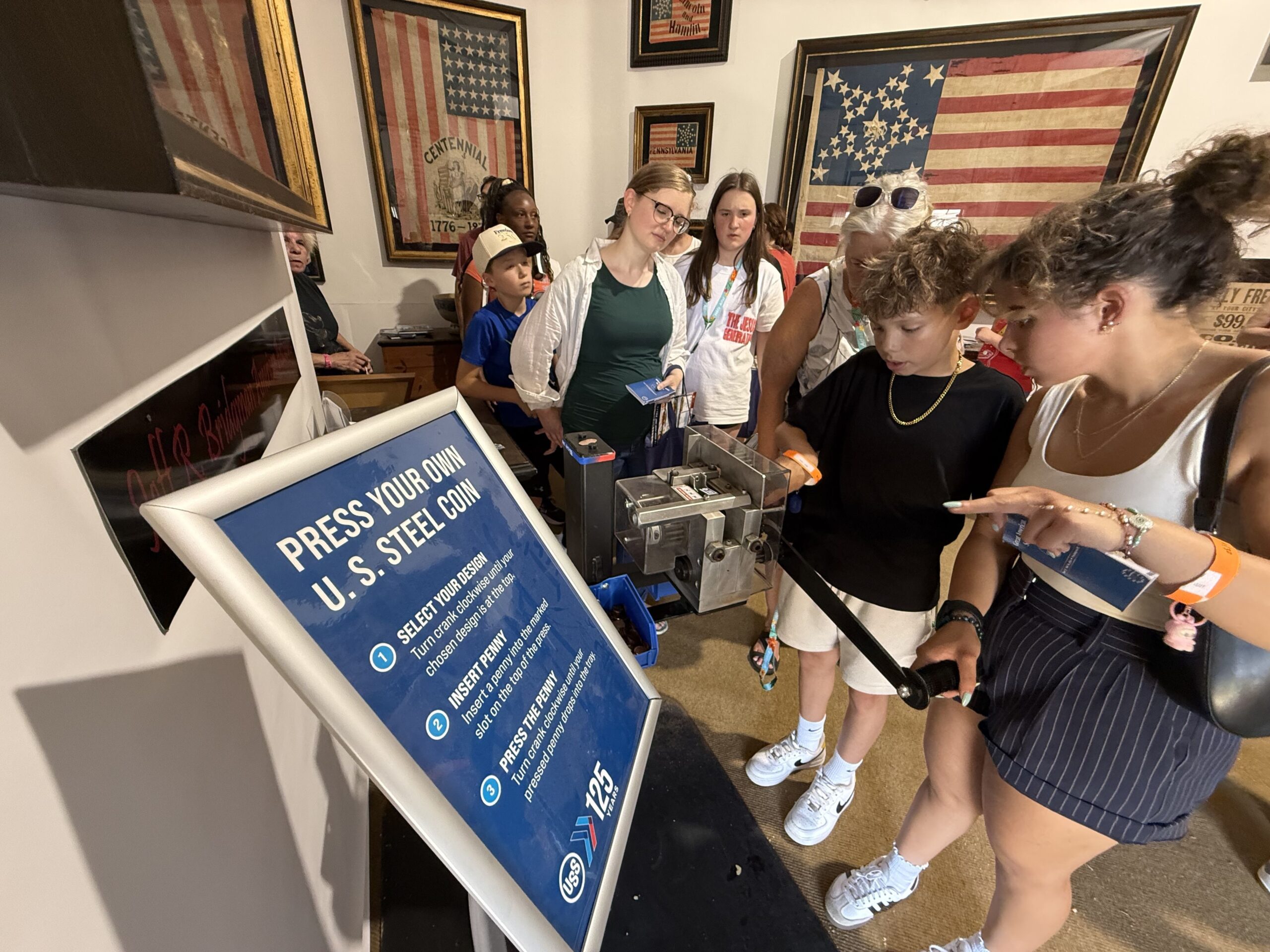
    Tourists use a U.S. Steel penny-press machine on display at Pennsylvania’s pavilion at the Great American State Fair on June 30, 2026, in Washington, D.C.
    Pennsylvania’s pavilion showcases state history and memorabilia at the Great American State Fair on June 30, 2026, in Washington, D.C.

    Some organizations have acknowledged earlier conversations with Shapiro’s office to participate that didn’t go anywhere.

    A report from The New Republic that Pennsylvania would not be participating in the affair “caught us off guard because that was not our experience at all, nor was it what we had communicated to the [the governor’s] office,” said Jon Anzur, the senior vice president of public affairs for the Pennsylvania Chamber of Business and Industry. “It’s unfortunate that it occurred that way.”

    He said the governor’s office approached the chamber less than two weeks out from the start of the fair to help get companies involved.

    “It just seems odd that we were approached at the eleventh hour and now it sounds like the governor’s office is trying to point fingers when there was ample time to get ducks in a row,” he said.

    The Hershey Co. is among the Pennsylvania-based companies that declined to participate.

    “We were asked by Gov. Shapiro’s office in mid June and then again over the weekend by Sen. McCormick’s office,” said Todd Scott, a spokesperson for the chocolate business.

    Both were told that the size of the ask and the limited amount of time to make it happen was not possible.

    “We were asked so late in the game that logistically we couldn’t make that happen. We just cannot provide on a moment’s notice that amount of product that they would have been asking for,” he said.

    But the summer weather was also a factor.

    “There’s no refrigeration on the mall, and with extreme heat, chocolate doesn’t do well in 100-degree temperatures,” he said. “We always want to make sure that people have the best experience with our products that they can.”

    But another candy company, Asher’s Chocolate Co. in Souderton, decided to join.

    “Asher’s was asked to participate by the Chamber of Commerce [Monday] and agreed to donate prepackaged bite-size pieces of fudge, which were on hand,” said David Neff, who represents Asher’s. “Asher’s is deeply committed to America and celebrating America’s 250.”

    Bob Asher, a longtime influential GOP leader in Southeastern Pennsylvania from Montgomery County, was previously involved with the company but he has no remaining financial interests, Neff said. Asher donated thousands of dollars to Treasurer Stacy Garrity, Shapiro’s Republican opponent for governor, and is her honorary campaign chair.

    Other Philadelphia-area companies are also financially supporting Trump’s effort.

    SAP, the German business-software giant whose U.S. headquarters and 2,000 staff are in Newtown Square, Delaware County, donated $5.6 million to Trump’s Freedom 250 initiative.

    “SAP is committed to the communities where our customers, employees, and partners live and work. SAP’s support of America’s 250th anniversary celebrations reflects our long‑standing commitment to supporting innovation, economic strength, and workforce development,“ SAP spokesperson Bridget Carroll said in a statement.

    SAP software is used by the U.S. military and its NATO allies to track troop deployments, military supply chains, and equipment maintenance.

    The military aircraft producer Lockheed Martin, which has engineering centers in King of Prussia and in Moorestown, N.J., is the top donor to Trump’s initiative, giving nearly $20 million.

    This story has been updated to clarify Bob Asher’s role in Asher’s Chocolate Co.

    Staff writer Joseph N. DiStefano contributed to this article.

    This story was updated to clarify that Bob Asher is no longer involved in Asher’s Chocolate Co.
  • John Fetterman says he will open Trump Accounts for his kids, urges others to do the same during rare Philadelphia appearance

    John Fetterman says he will open Trump Accounts for his kids, urges others to do the same during rare Philadelphia appearance

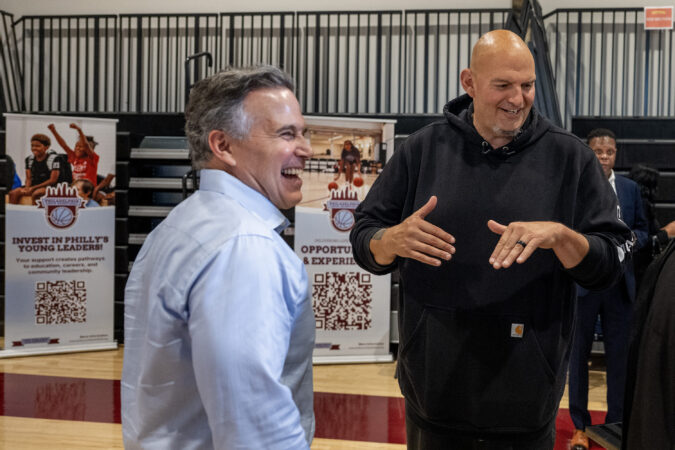
    In a rare public appearance in Philadelphia, Democratic U.S. Sen. John Fetterman joined Republican U.S. Sen. Dave McCormick at a youth basketball camp in Nicetown on Monday to promote Trump Accounts, the new federally backed savings accounts for kids that became law with the president’s signature One Big Beautiful Bill Act.

    Fetterman — who did not vote for the GOP-led initiative last year but has more frequently supported President Donald Trump’s policies since then — said he was urging families in deeply Democratic Philadelphia to look past Trump’s name on the program.

    “Do not fall into that political trap,” Fetterman said. “This isn’t some radical thing. … Do this for your child.”

    The accounts, which launch on July 4, are available to children under 18 — with children born between Jan. 1, 2025 and Dec. 31, 2028 receiving $1,000 in seed money.

    All accounts will also receive $250 because of a $6.25 billion donation from tech CEO Michael Dell and wife Susan Dell. Families, businesses, and nonprofits can add up to $5,000 annually. A portion of the funds may be accessed when the child turns 18, with the rest transferred into an IRA retirement account.

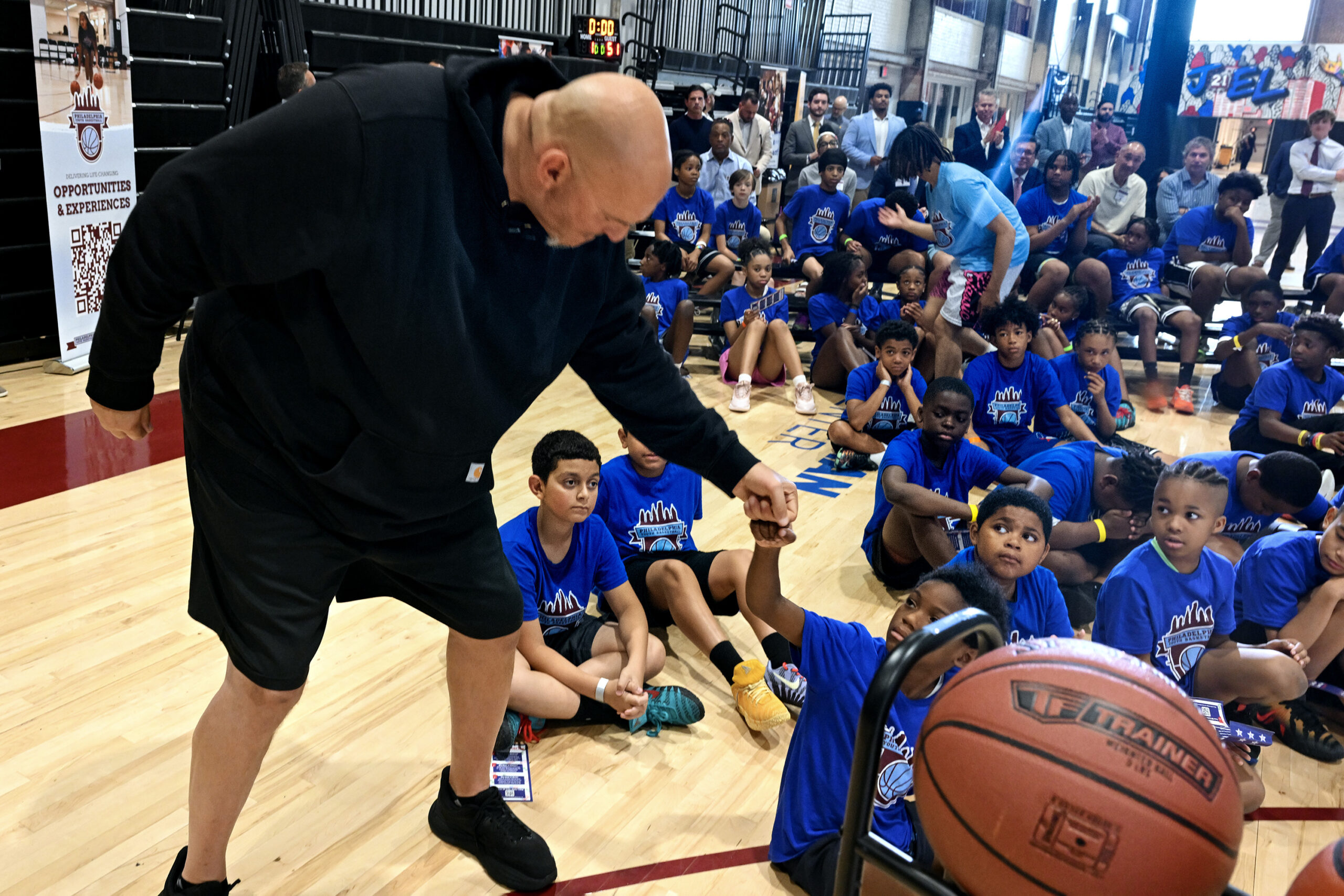
    “Who is excited about getting $200? Put your hands up,” McCormick asked more than 100 kids gathered on one of the indoor courts at Philadelphia Youth Basketball’s summer camp, at the Alan Horwitz “Sixth Man” Center in Nicetown.

    Both McCormick and Fetterman appealed directly to the children during speeches between basketball camp drills.

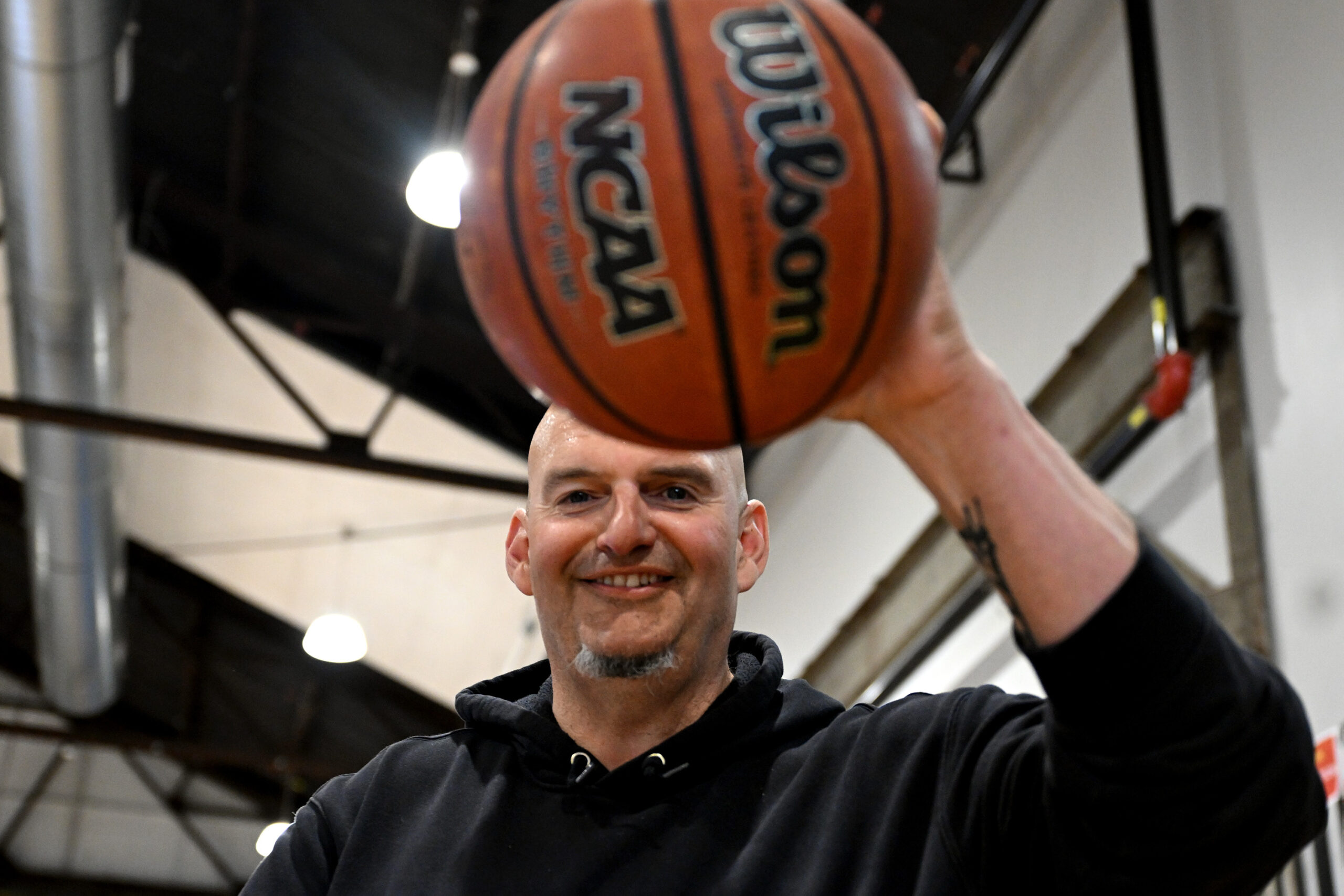
    Despite being 6-foot-8 and palming a basketball as he posed for pictures, Fetterman said his basketball skills weren’t “worth much.” But he told the kids that he was there because he wanted them all to be millionaires someday. And the Trump accounts — which he said he and his wife, Gisele, would open for all three of their children — were a step in that direction.

    U.S. Senator John Fetterman palms a basketball Monday, June 29, 2026 as he appears with fellow Pennsylvania Sen. Dave McCormick to promote the savings accounts for kids that were a signature piece of President Trump’s Big Beautiful Bill.

    “I am begging your parents to get involved in this,” Fetterman said. “It’s about all of your futures.”

    In a joint interview after the event, the senators described the initiative as a groundbreaking effort to build long-term wealth for individuals who don’t typically have access to it.

    “This is one of many things that we need to do to think about how we address a fundamental problem — which is, we have a growing concentration of wealth in our country,” said McCormick, a former investment firm CEO and millionaire many times over.

    “He was talking almost like a Democrat … a concentration of wealth,” Fetterman quipped, prompting McCormick to laugh.

    The accounts were established as part of Trump’s most significant legislation of his second term, which narrowly passed Congress last year.

    Fetterman, at the time, joined other Democrats by calling the bill a “disaster” for its cuts to Medicaid spending and other programs like the Supplemental Nutrition Assistance Program, or SNAP.

    After voting against the law — or voting “hell no,” as he said at the time — Fetterman has broken with his party to support Trump and Republicans in a number of high-profile moments, and in ways that have deeply frustrated Democratic voters. His appearances at public events in Philadelphia and around Pennsylvania have been extremely rare, and many political observers question whether he will seek re-election in 2028.

    At the same time, Fetterman has developed a close working relationship with McCormick, a Republican elected in 2024. The pair frequently partner on issues in Washington and stress the need for bipartisanship, particularly in a purple state like Pennsylvania.

    “He and I are in this together,” McCormick, who has stopped in Philadelphia frequently, including for meals with Democratic Mayor Cherelle L. Parker, told the crowd Monday.

    Philadelphia Youth Basketball CEO Kenny Holdsman said he had worked with both senators and credited a conversation he had with Fetterman for helping push the organization to keep its doors open for longer hours as safe haven for the 2,400 young people in its programs.

    Holdsman said the Trump Accounts would “really help young people and their families in a big way” — from the financial security that comes with a compounding investment account, to the educational and financial literacy aspect that will come with kids having access to their savings.

    Invest America founder Brad Gerstner, who had pushed for the idea behind Trump Accounts for years and now leads the nonprofit that manages the initiative, showed the children a screenshot of the app that will display the contents of each account.

    “We want kids across the country, when they’re in middle school, to be able to open up this on their phone, so it’s not some abstract notion that I have money. This is the way the teachers in public schools are going to be able to teach them about ownership, compounding, financial literacy, et cetera,” Gerstner said. “It’s hard to teach kids about money when they don’t have any money.”

    Bipartisan groups have said the Trump Accounts do not have the same kind of tax-advantaged structure as other investment accounts, such as 529 plans that are specifically used for education. Cato Institute, a conservative think tank, has also criticized the $1,000 contributions for children born in the years around the program’s founding and called the overall plan “a government welfare program rather than a tax-neutral investment vehicle.”

    Fetterman said he supported 529s but the Trump Accounts were a “much more versatile vehicle” for investing in children’s futures. McCormick said the program’s ability to accept philanthropic donations made it particularly appealing as other individuals and corporations can buoy the accounts on top of families’ investments. Both also stressed convenience.

    “You’re going to share in the prosperity of America,” McCormick said. “It’s easy. You don’t have to overthink it.”

    Sen. Fetterman pauses to fist bump a youngster on his way to the more than 100 children attending a summer basketball day camp at the Alan Horwitz “Sixth Man” Center.
  • Partisanship, divisive Trump presidency hang over 250th celebrations in Philadelphia and Washington

    Partisanship, divisive Trump presidency hang over 250th celebrations in Philadelphia and Washington

    WASHINGTON — Fifty years ago this week, President Gerald Ford’s helicopter arrived at Valley Forge in a dense fog.

    After a speech to 15,000 people, he designated the Revolutionary War landmark as a national park before heading to Philadelphia, where an estimated crowd of 1 million gathered outside Independence Hall. Ford spoke soberly, recounting the story of a nation that, on its 200th birthday, should find confidence in its ability to both celebrate its founding ideals and ask “hard questions” in the pursuit of something better.

    “The American adventure,” Ford said on July 4, 1976, “is a continuing process.”

    Philadelphia’s 250th anniversary celebrations this week are set to feature no appearances from the president. No reflections on self-improvement from the commander-in-chief at the birthplace of American democracy, no luncheons with the Philadelphia mayor near City Hall, as Ford also did after his speech.

    President Donald Trump has said he will instead use the occasion to throw “the most spectacular TRUMP RALLY” on the National Mall — one of several ways the president’s critics have said he has injected partisanship and self-serving events into what should be a unifying moment.

    Trump’s stamp on “America 250” has been clear.

    A UFC fight on the White House lawn branded as “Freedom 250” overlapped with the president’s 80th birthday and featured adulations directed at him. The Great American State Fair, which some Democratic-led states declined to participate in, opened last week with a campaign-style speech in which the president railed against DEI and transgender athletes. It also featured the U.S. Marine Band playing the Village People’s “Y.M.C.A.,” a Trump campaign rally staple. Transportation Secretary Sean Duffy, using an offensive term that combines liberal with a slur for people with intellectual disabilities, said the band was better than the “libtards” who canceled their performances because of concerns over Trump’s partisan behavior.

    “This is really, more than anything else, an opportunity to attempt to bring us all together as Americans. That’s what past celebrations have done,” said U.S. Rep. Brendan Boyle, a Democrat whose district includes Independence Hall. “It’s just so tragic that for this anniversary, the president we have is Donald Trump, someone who is completely not capable of doing any sort of national unity-type event.”

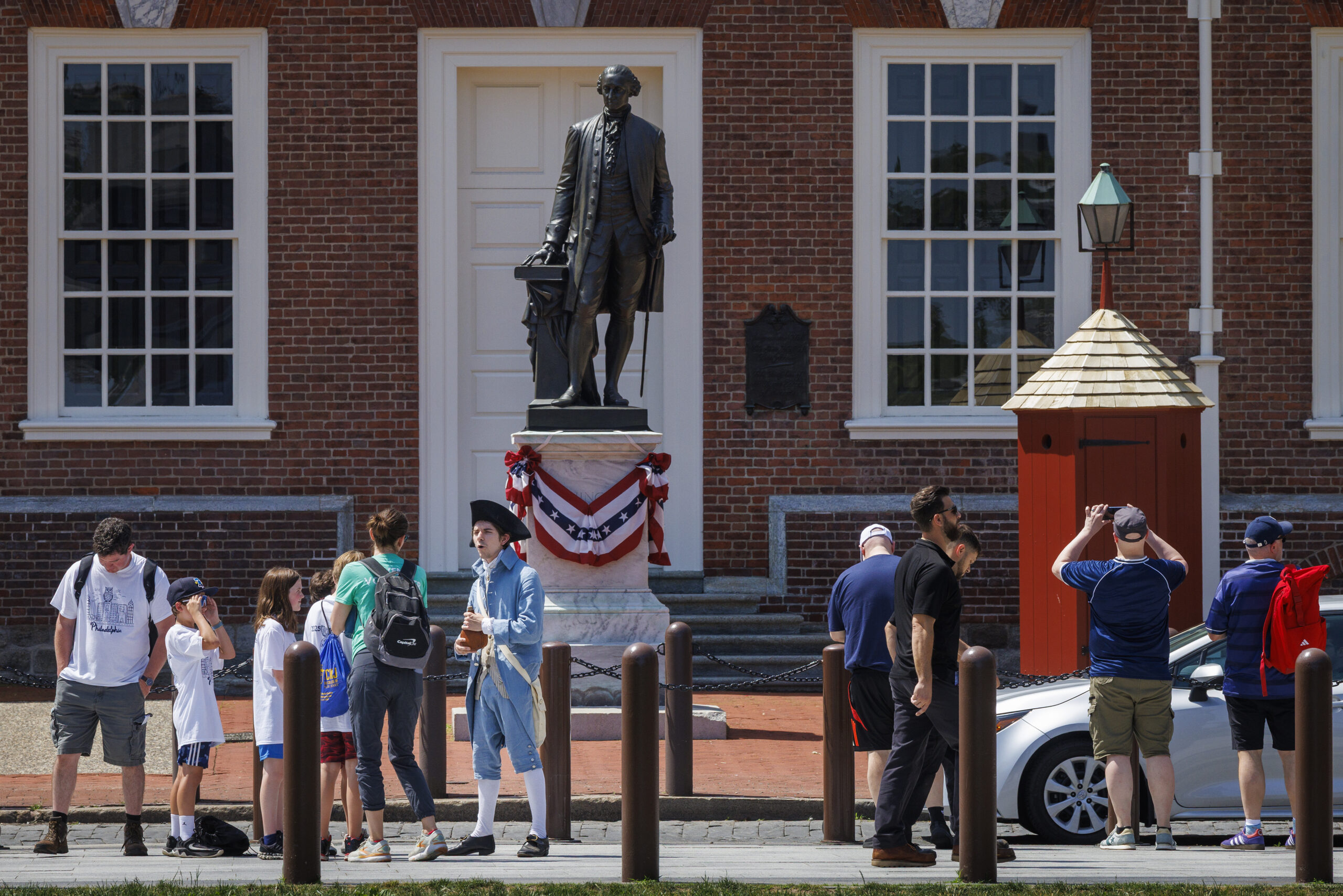
    Historic Interpreter, Lane Norris, as Alexander Hamilton, speaks with tourists outside Independence Hall in Philadelphia.

    Boyle worked for years to arrange a ceremonial gathering of Congress at Independence Hall for the 250th, which is set for Thursday. Though not officially a joint session outside of Washington — which has only occurred two other times since the capital relocated from Philadelphia — the event will mark the moment on July 2, 1776, when the Second Continental Congress voted to adopt a resolution for independence.

    The commemorative moment “just gives me chills to think about it,” said U.S. Rep. Mary Gay Scanlon, a Delaware County Democrat who represents part of Philadelphia and plans to attend Thursday. Scanlon said she was hopeful the event will be bipartisan at a time when the president’s divisiveness was “taking an edge off the celebratory aspect” of the 250th.

    Both Scanlon and Boyle described the president’s lack of plans to mark the moment in Philadelphia as disappointing. The White House did not respond to questions for this article, including whether it made any attempts to plan an event with the president in the city.

    “I always just kind of assumed that the president of the United States would, at some point in the days leading up to the Fourth of July or even on Fourth of July itself, be in Philadelphia,” Boyle said. “But obviously this president has different priorities.”

    Injecting polarization into apolitical events

    Matthew Levendusky, a University of Pennsylvania political science professor who has studied how July Fourth celebrations affect sentiments about national identity and polarization, said previous presidents participated in “patriotic, but not political,” events like concerts, fireworks, and parades.

    Trump has taken a distinctly different path since his first term, Levendusky said, noting the military parade in 2019 and a speech at Mount Rushmore in 2020 when, after the murder of George Floyd in Minneapolis, he used the moment to criticize the removal of monuments that symbolized racial oppression.

    The 250th events are an example of how Trump, a “conflict entrepreneur,” makes such events more political at a time when American society has already become more partisan, Levendusky said.

    “There’s more debate over the meaning of American identity than there was a decade or 15 years ago — in part because there’s been more polarization,” said Levendusky, the director of Penn’s Institutions of Democracy at the Annenberg Public Policy Center. “But he’s also done things that inject polarization into that process.”

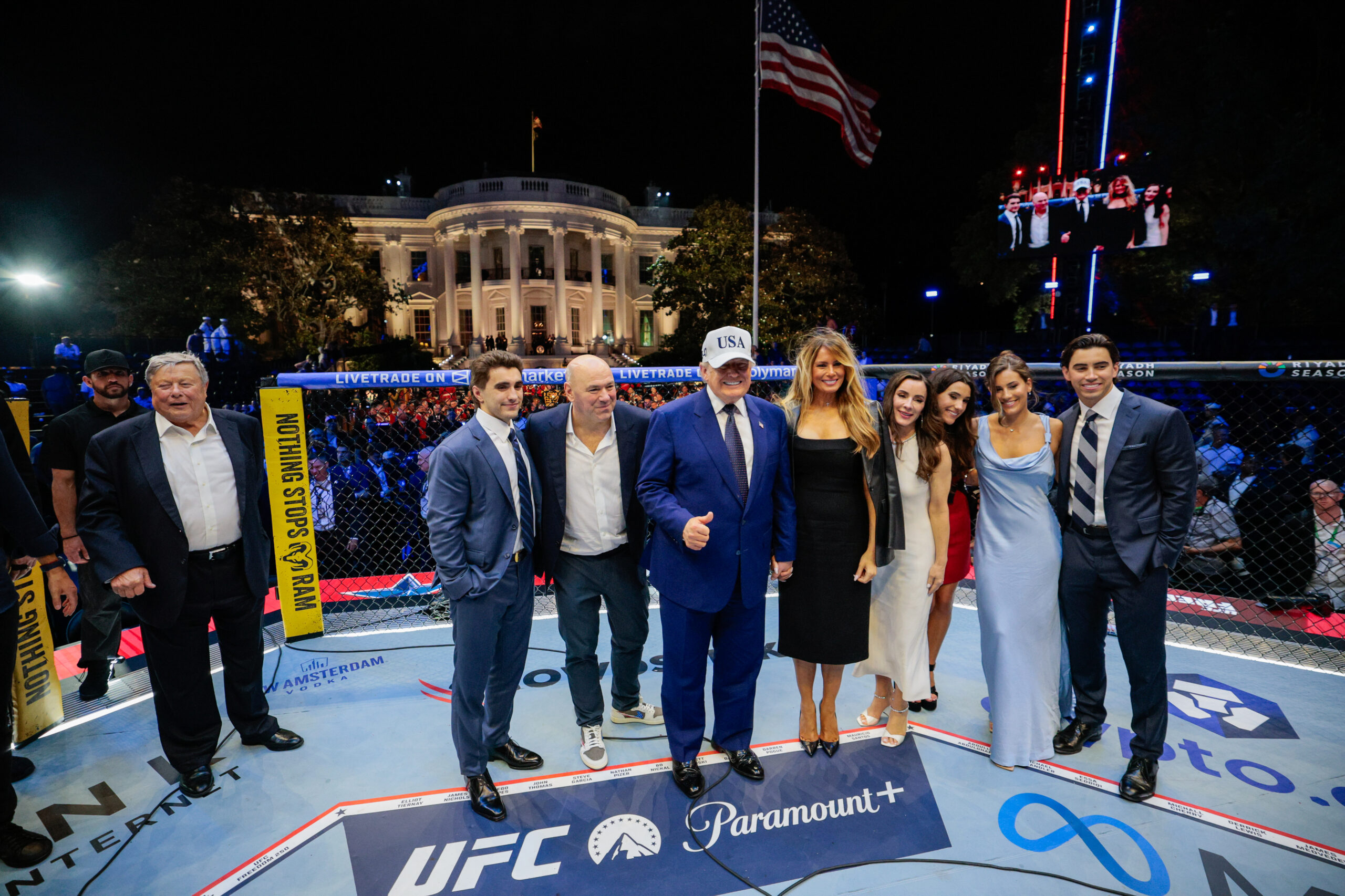
    President Donald Trump, first lady Melania Trump, UFC president and CEO Dana White, and other guests pose inside the octagon after UFC Freedom 250 on the South Lawn of the White House, Monday, June 15, 2026, in Washington. (Evan Vucci/Pool Photo via AP)

    Those actions appear to have affected how voters feel about America’s democracy 250 years in — at least among Philadelphia’s largely Democratic electorate.

    According to a new Suffolk University/Philadelphia Inquirer poll that surveyed 500 city residents, 70% of Philadelphians believe Trump’s presidency has made them feel less confident in the country’s democracy. The answers were strongly correlated to political party, with more Republicans than Democrats saying that Trump’s presidency made them feel more confident in democracy or that it made no difference.

    Tourists flocking to the city have reflected those ideological divides but also a bipartisan desire to set politics aside for a historic milestone.

    “We’re all Americans, I don’t care who the president is,” said Greg Sage, 55, a Republican from Michigan who voted for Trump and toured the city’s historic sites this month. “I try not to politicize it, you know? But I believe we’ve been around 250 years. Maybe we’ll make another 250.”

    Phyllis Ahnberg, 68, a Democrat from California, said that it was “empowering” to visit Philadelphia’s sites and that she would not let one person or administration change how she celebrated a moment for unity. Still, it was hard to ignore Trump’s impact during a recent trip to Washington.

    “We were up at [the] Washington Monument, and we were looking, and it was disgusting to see the White House and this, like, fight thing,” Ahnberg said, referencing the towering structure built to host the UFC fight on June 14. “And to see the East Wing torn down … I mean, it was disgusting. Nobody hired this man to do that.”

    U.S. Sen. Dave McCormick, Pennsylvania’s highest-ranking Republican and a close Trump ally, attended the fight and posted on social media that it was an “incredible evening” that honored “the strength, resilience and spirit of the American people.” His office did not grant a request for an interview for this article.

    Pennsylvania’s empty booth at the Great American State Fair on Thursday in Washington. On Saturday, Sens. David McCormick (R., Pa.) and John Fetterman (D., Pa.) announced that they had secured private-industry sponsors for the booth at no cost to taxpayers.

    A debate over past and future America

    Other Republicans on Capitol Hill have defended Trump’s role in the anniversary while using the moment to say they believe left-leaning Democrats are the primary threat to America’s democracy.

    “We are in a fight right now to save the republic, and every American needs to take this seriously. You need to wake up,” an animated House Speaker Mike Johnson (R., La.) said at a news conference last week after three insurgent candidates backed by New York Mayor Zohran Mamdani, a democratic socialist, won competitive congressional primaries.

    “Are we going to maintain our status as a constitutional republic on our 250th anniversary?” Johnson continued. “Or are we going to make a new choice and go down some road toward a communist utopia?”

    Chris Rabb, who won Philadelphia’s competitive primary in May to succeed retiring U.S. Rep. Dwight Evans (D., Philadelphia) next year, endorsed two of the candidates Johnson criticized and is likely to join them in the most progressive bloc in Congress next year.

    A democratic socialist and state legislator, Rabb has been adamant about what he sees as a need for “radical” change. After speaking at an event titled “The Next American Revolution: Breaking Oligarchy and Making a New Democracy” in Washington last week, he said in an interview that Trump’s presidency has in some ways been a “valuable distraction.”

    Instead of celebrating the anniversary in traditional — or what Rabb called “milquetoast” — ways, Trump is creating an opportunity for more critical, nuanced discussions about American identity and history, he said.

    It is a particularly meaningful opportunity for him personally. A longtime family genealogist, Rabb has spoken often about his heritage as the descendant of both a signer of the Declaration of Independence — the slave-owning Philip Livingston — and Black abolitionists.

    “I am an embodiment of the hypocrisy and the complexity of choices and systems that have never really been addressed … [and] that are very similar to what we had 250 years ago,” Rabb said. “Unless and until we have a real public, ongoing, and substantive conversation, it will be more of the same.”

    Staff writer Andrea Padilla contributed to this article.

  • How the Philly suburbs are celebrating the 250th, from a Revolutionary War trail map to a critter from a Montco zoo

    How the Philly suburbs are celebrating the 250th, from a Revolutionary War trail map to a critter from a Montco zoo

    From George Washington crossing the Delaware and the Continental Army lodging at Valley Forge to the so-called real Penn’s Landing and the Battle of Brandywine, the Philadelphia suburbs played a crucial role in the early development of the United States.

    And though Philadelphia — the birthplace of American democracy — has taken center stage for this year’s Semiquincenntenial celebrations, Bucks, Montgomery, Delaware, and Chester Counties have spent years preparing for 2026 and have curated an extensive list of activities for residents and visitors alike who are looking to honor the United States’ 250th birthday outside the city.

    Here is what the Philly suburbs have in store for the 250th:

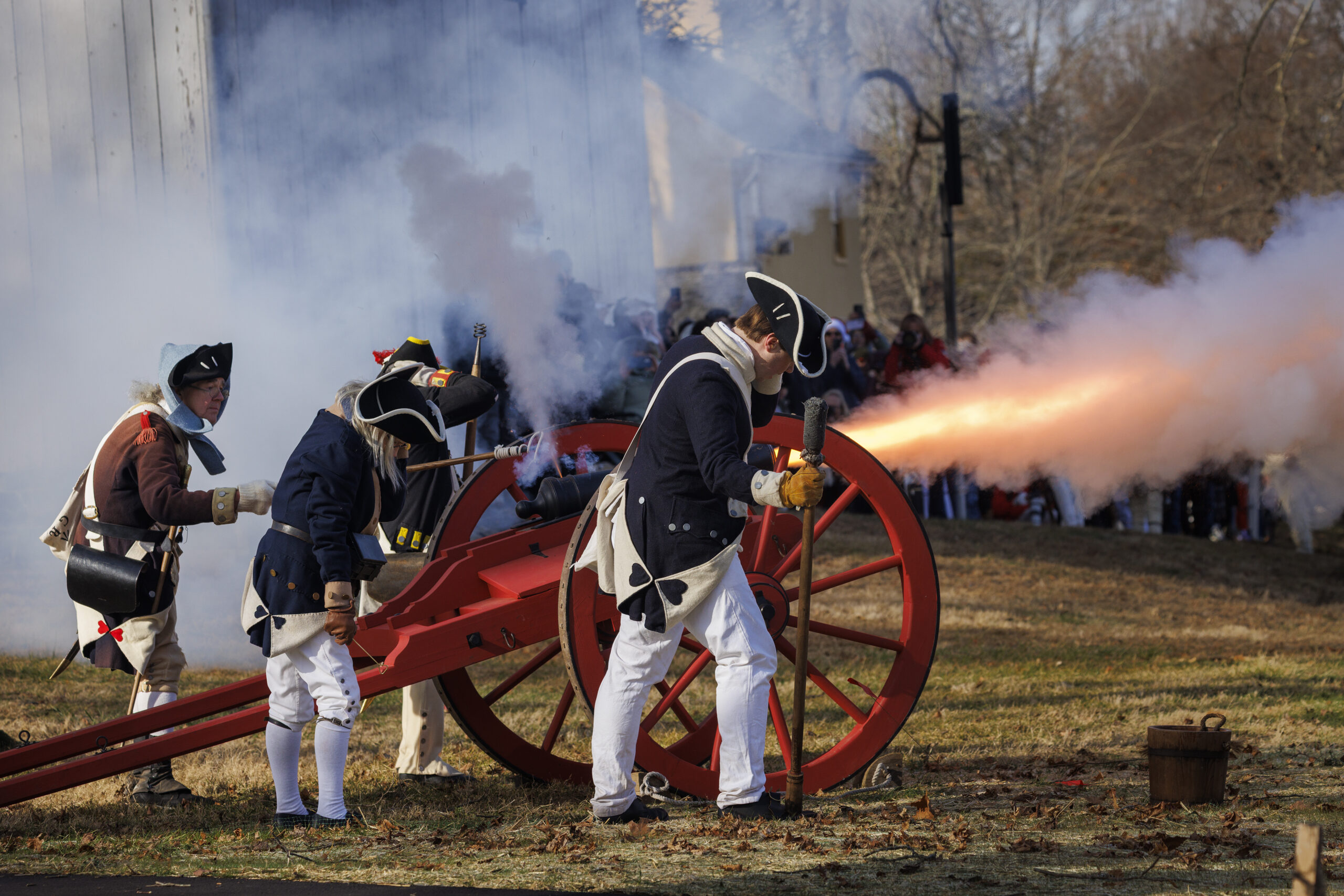
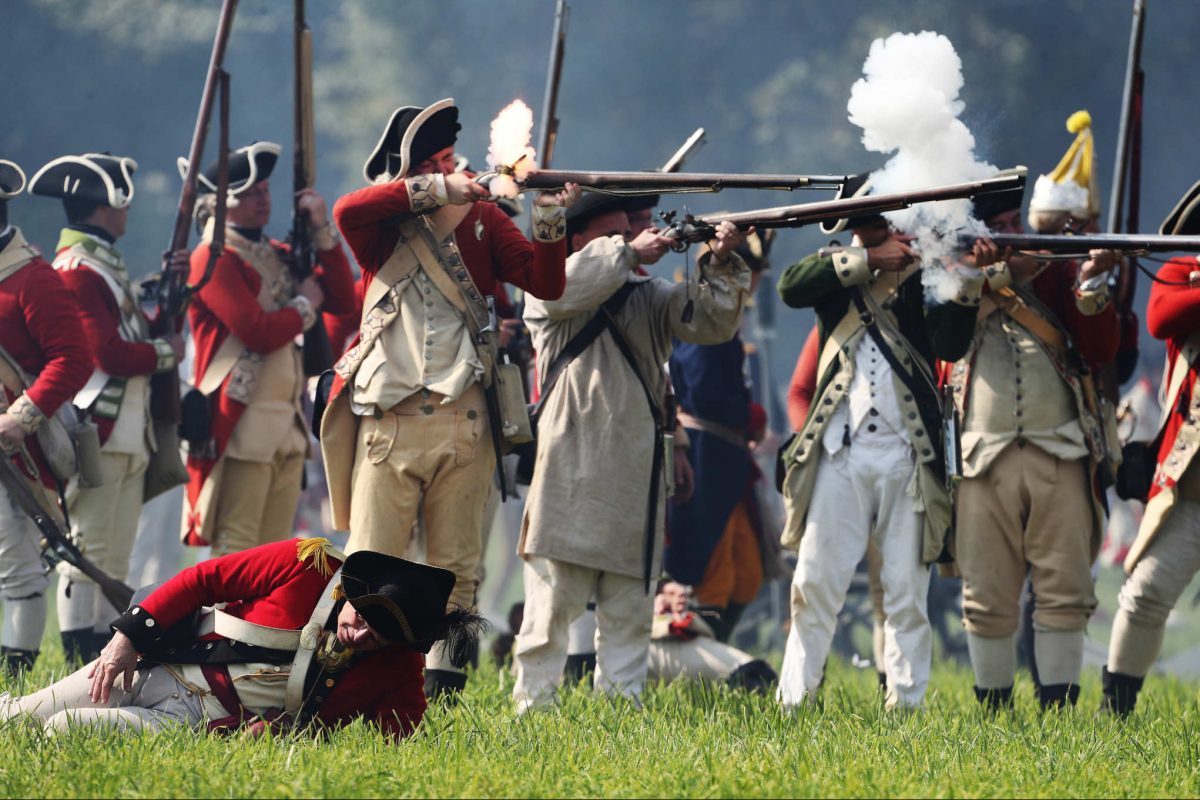
    Reenactors fire off a Galloper gun during a reenactment of George Washington’s river crossing, Washington Crossing Historic Park, Washington Crossing, Pa., Thursday, December 25, 2025.

    Bucks County’s history-packed celebrations

    For Bucks County — established by William Penn in 1682 — 2026 is set to be chock-full of celebratory events tied to the founding of the U.S.

    Bucks’ commission in charge of planning 250th celebrations has partnered with numerous nonprofits to promote their events on a shared calendar on a dedicated county America 250 website.

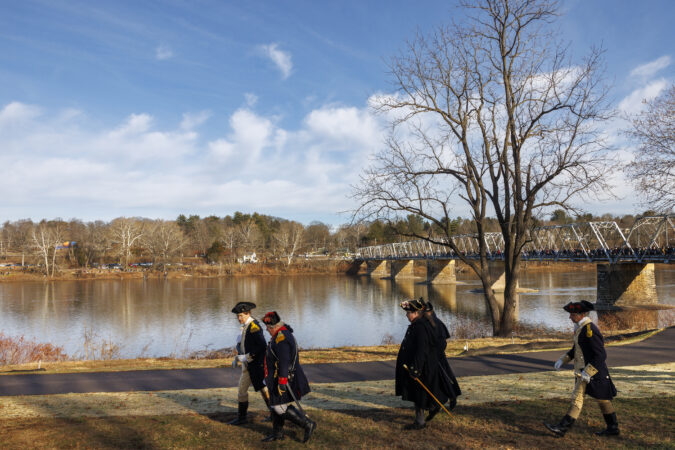
    Forthcoming activities include art exhibitions, a Doylestown bash featuring big-band music and the reading of the Declaration of Independence, tours of a Revolution-era exhibit at the Mercer Museum, and fireworks at Washington Crossing Historic Park on July Fourth. Not to mention the annual reenactment of Washington crossing the Delaware River on Christmas Day.

    The group also worked with the Bucks County Planning Commission and the Bucks County Herald to release a Revolutionary War trail map that takes participants throughout the county to visit historical sites.

    Bucks gave $7,500 to the 250th commission in July 2024 in support of the celebrations, a county spokesperson said. Other financial support has come from sponsors, including several companies that have dished out at least $10,000 apiece.

    Bucks County Commissioner Bob Harvie, who chairs the county’s 250th commission, said these events underscore the pride that communities have in their rich history.

    “It’s also a chance for us to think back, I think, and remind ourselves about the foundation of this country, and the values that united us, because especially now we’re seeing a lot of attempts, unfortunately, within our country to divide us,” said Harvie, a Democrat who is running for U.S. Congress.

    It is difficult to predict how this year’s 250th celebrations will affect the county’s tourism numbers, but Bucks typically hosts about 8 million visitors a year, Harvie said.

    “We’ve been pitching ourselves sort of — no pun intended — for people who are coming here for the World Cup,” Harvie said. “We’re right between Philadelphia and New York, where you happen to have a place that’s sort of a central hub.”

    The Valley Creek Trail at Valley Forge National Historical Park in Valley Forge, Pa., on Tuesday, Feb. 20, 2024.

    A ‘birthday bash’ and celebrating Valley Forge

    Montgomery County’s 250th commission has curated months of events to commemorate the Semiquincentennial, but a free “birthday bash” on Monday at the county courthouse will kick off the height of the July Fourth celebrations.

    Attendees can graze food trucks, take pictures, and meet an animal from the Elmwood Park Zoo.

    Other programs this year include fireworks and live readings of the Declaration of Independence over July Fourth weekend, exhibits to commemorate the 50th anniversary of Valley Forge becoming a national park, and a gathering (with food and drink, of course) at a Skippack farmstead to honor Washington and his troops’ encampment in the town in 1777.

    The 250th events have been planned by the county and local municipalities, said Jamila Winder, chair of the county commissioners, as an “opportunity to create meaningful, inclusive celebrations” and cultivate “civic pride.”

    Montgomery County typically gets about 8 million visitors a year and are projecting an additional 1 million to the region for the 250th, said Winder, a Democrat.

    To help fund this year’s festivities, the county started a grant program through which municipalities can apply to receive up to $500 to support their 250th events between now and Dec. 1.

    The county has allotted a $35,000 budget for 250th celebrations, including the grant program, which 22 of 62 municipalities are a part of, a spokesperson said.

    “It’s an opportunity for visitors to see how Montgomery County played a unique role in America’s founding, including our deep ties to Valley Forge in the Revolutionary area,” Winder said. “You know, people always think about Philadelphia, right? Philadelphia is a big piece of this story, but Montgomery County plays a huge role in that.”

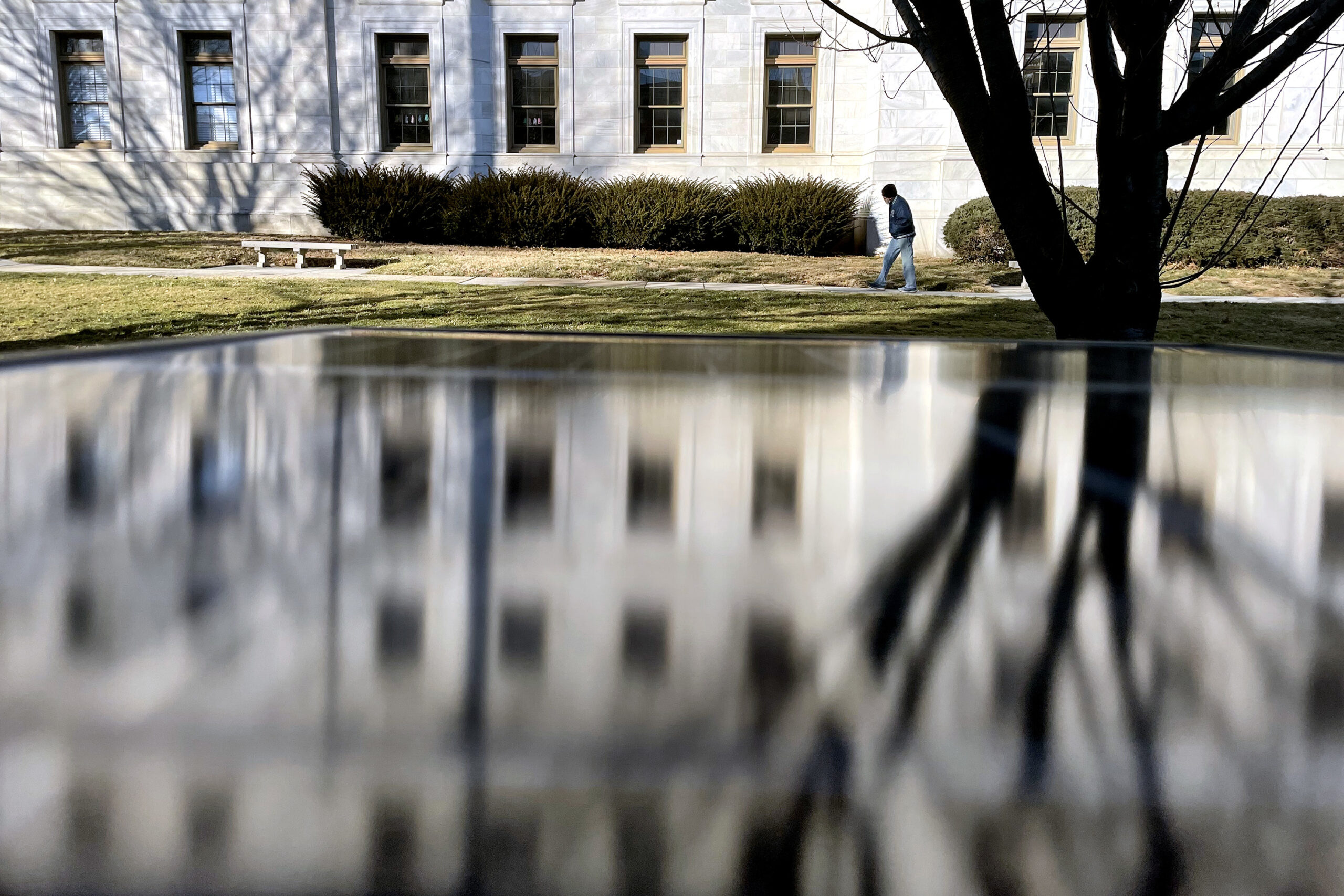
    The Delaware County Courthouse in Media is reflected in a solar panel atop one of the borough’s on-street parking kiosks along Front Street.

    Delco is ‘pretty lit’ about its 250th celebrations

    “If you thought Delaware County residents were proud of being Delco before America 250 — you’re just, like, next-leveling it now.”

    That’s what Delaware County Council member Elaine Paul Schaefer said about Delco’s excitement leading up to the 250th, making sure to set the record straight that William Penn’s storied first steps in the New World hundreds of years ago were actually in Chester, not at Penn’s Landing in Philadelphia.

    The county — through its America250PADelco commission — is promoting over 100 county, town, or nonprofit events through November, from art exhibits, concerts, and fireworks to “dining under the stars” in Media, a late-summer drone show, and a reading of the Declaration of Independence on the county courthouse steps.

    “Delco is pretty lit about this,” said Schaefer, a Democrat.

    The county’s 250th commission has disbursed more than $650,000 in grants for various initiatives. That grant money comes from a mix of funds from the American Rescue Plan Act and from different county agencies.

    Delco also has numerous sponsors, according to the county’s 250th website.

    Schaefer said she hopes the events encourage residents to harness a connection to their communities, particularly through the county’s 250th volunteer program.

    “You can do something small, do something big. … It’s a really great way to get people involved and connected, and I think that kind of volunteerism and increasing connection to the community will carry on after this big celebration,” Schaefer said.

    About 800 Battle of Brandywine reenactors in Chester County.

    For Chester County, the party will last through next year

    Chester County joins Bucks and Philadelphia as one of the three original counties of Pennsylvania, created in 1682.

    And the events planned for this year (and next year, as it honors various Revolutionary War-era battles, including the Battle of Brandywine) are key to celebrating the county’s role in the founding of the United States.

    Residents and visitors have a wide array of activities to choose from outlined on the commission’s website, including driving tours of historical sites and Declaration of Independence readings. On the evening of July Fourth, the Chester County Concert Band will be playing patriotic music as a precursor to the fireworks show.

    As opposed to hosting tons of large-scale events, Chesco is more focused on local events that can foster community building, said David Blackburn, heritage preservation coordinator at the Chester County Planning Commission. The commission is working with the county’s 250th commission to carry out plans.

    “We’re really oriented to supporting the communities of the county to share their stories,” Blackburn said.

    The county has invested over $170,000 in educational materials and programming related to the 250th, in addition to a more than $330,000 grant from the state, a spokesperson said.

    But once the clock strikes midnight on New Year’s Eve, the celebrations won’t end for Chester County, said Matthew J. Edmond, executive director of the planning commission.

    In 1777, many significant Revolutionary War battles took place in the collar counties, and Chester is planning to pour a lot of resources into commemorating those historical events next year.

    “We are actively talking with our commission board about ways to celebrate, ways to fundraise for it, and ways that we can make maybe 2027 to be even better than celebrations in 2026,” Edmond said.

  • Three years ago, the school choice debate shut down Harrisburg. Now Democrats are ready to engage.

    Three years ago, the school choice debate shut down Harrisburg. Now Democrats are ready to engage.

    HARRISBURG — Three years after a bitter budget standoff over allowing state funding to be used for private school tuition, top Democrats in Harrisburg are ready to engage on school choice.

    Legislative action and comments from a top House Democrat this week expressing openness to a federal school-choice program marked a notable change from 2023, when a fight over school vouchers put Democratic lawmakers at odds with both Republicans and Gov. Josh Shapiro, a member of their own party.

    The shift comes as Shapiro, who has embraced school choice and is a likely 2028 presidential contender, faces a deadline to opt in to President Donald Trump’s new federal tax credit program.

    House Majority Leader Matt Bradford (D., Montgomery) said this week that some of the uses of Trump’s tax credits, which are opposed by the country’s largest teachers unions, are “intriguing.” And he noted he is proud of some money the state now pours into one of the tax credits to fund private-school scholarships for low-income families in low-achieving districts. Those comments from Bradford, a top leader in Harrisburg, suggested a public softening on an issue that was previously a non-starter for his party — and signaled the school-choice debate may once again factor into state budget negotiations.

    “For our members of our caucus who want to see alternatives for the poorest kids in the poorest schools, we’re being responsive to the needs of those constituents,” he said in an interview, referencing growing support for school choice among some House Democrats, particularly those from Philadelphia.

    State Rep. Matt Bradford (D., Montgomery County) during a press conference at the Capitol in Harrisburg Feb. 3, 2026.

    The school-choice movement, a largely Republican-backed effort to allow public dollars to go to private schools, faces strong opposition from education advocates who say such programs can take money from public schools.

    And that debate is sure to continue. Bradford said more oversight — and an overall reform of the current tax credits — is needed to make sure the state tax dollars are actually reaching poor students.

    Earlier this week, House Democrats fast-tracked an overhaul to the state’s current $680 million school-choice tax-credit programs to require additional reporting from private schools in order to secure funding. The legislation is likely to face opposition in the GOP-led Senate, where Republicans on Thursday advanced a $25 million increase to the programs ahead of a June 30 deadline to pass a state budget.

    Senate Republicans called the tax credits a “priority for empowering parents,” while the Archdiocese of Philadelphia said the House bill would be “devastating” to local Catholic schools and lead to fewer scholarships for students.

    A spokesperson for Shapiro said his office is reviewing the House bill, and declined to comment on whether his position on school choice has changed. Shapiro, who has sent his own children to private school in Montgomery County, has previously said he supports school choice, including school vouchers.

    Shapiro has until the end of the year to decide whether to opt in to the federal program. But the signal of openness from Bradford, who is close with the governor, offers potential insight into his path forward.

    That program, enacted last year under Trump’s “One Big Beautiful Bill Act,” would offer federal tax credits to donors for giving to organizations that grant private school scholarships. Many GOP-led states have already signed on, while some Democratic governors have declined to participate.

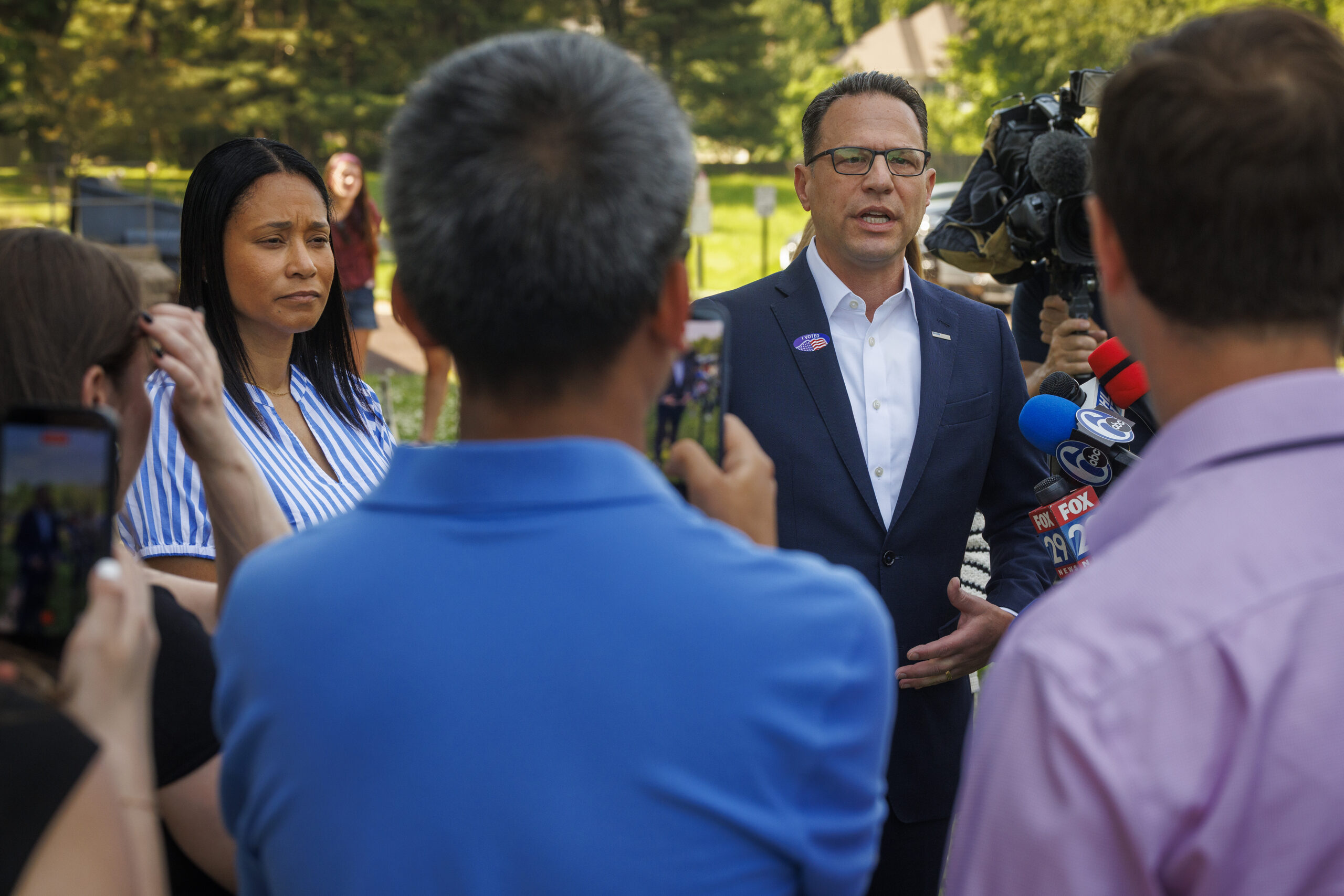
    Pennsylvania Governor Josh Shapiro taking questions from media on election day, Tuesday, May 19, 2026. He voted today at Rydal Elementary (West) 1231 Meetinghouse Road Rydal, PA. At left is Jamila H. Winder, Chair, Montgomery County Commissioners.

    Shapiro will also likely face questions about school choice on the campaign trail.

    He is running for reelection in November against Republican Treasurer Stacy Garrity. Garrity’s platform focuses, in part, on expanding school-choice options in Pennsylvania and she has the support of Commonwealth Partners, a political action committee largely funded by Pennsylvania’s richest man, Jeff Yass, which has poured money into supporting school choice.

    The issue will also likely surface a national stage if Shapiro enters the 2028 Democratic presidential primary race. His support for vouchers drew criticism from fellow Democrats in 2024, when he was a potential vice presidential nominee.

    Debate over state tax credits

    Pennsylvania does not have a direct school voucher program. Instead, the state sets aside $680 million each year for tax credits that allow businesses and individuals to write off charitable giving that supports private school scholarships.

    House Democratic support for those credits has quietly grown in recent years. In a June 2025 letter recently obtained by The Inquirer, 10 House Democrats, including five from Philadelphia and the head of the Pennsylvania Legislative Black Caucus, asked their leadership to expand a portion of the tax credits for students in the lowest-achieving school districts — revealing more Democratic support for the programs than was previously known.

    Public education advocates who oppose voucher programs say the state is funneling money to private schools with little accountability.

    “It’s just a pot of money that a bunch of people get, and nobody really knows where it goes or what happens to it,” said Susan Spicka, executive director of Education Voters PA.

    New requirements approved by the state legislature last year are set to take effect in November and will require scholarship organizations to report the dollar amount of each award, the recipient’s district of residence, and where they attend private school.

    The bill advanced by the House in a 105-97 vote this week would also require organizations to report each scholarship recipient’s income level — reducing the current limit to $144,000 for a family of four — and the amount of remaining tuition charged to a student. Advocates, including Spicka, called that information key to gauging whether scholarships are going to families who otherwise could afford private school.

    Bradford said he’s proud of the $110 million earmarked in existing state tax credits to provide additional money to kids attending schools where a majority of students are getting scholarships. House Democrats say their newest proposal would steer more money toward those students.

    But the proposed legislation — which would also reduce the tax credit donors could claim for some contributions, and require scholarship organizations to set 2% of funding aside for state oversight of the programs — drew swift backlash from private school advocates.

    Philadelphia Archbishop Nelson J. Pérez is “deeply concerned that this legislation would have a devastating impact,” said spokesperson Ken Gavin. “The clear intent is to lead to the dilution or elimination of the programs, which are vital.”

    Schools affiliated with the Philadelphia archdiocese educate nearly 44,000 students across 117 schools in the region, according to its website.

    Bradford, who is Catholic, said the Archdiocese’s response “missed the mark,” arguing that this legislative effort is trying to achieve a similar goal of serving students from poor families who attend the roughest schools.

    “I’m proud of my own Catholic faith. I love when my Catholic Church stands for those communities,” Bradford added. “No one should ever fear transparency, especially when you’re talking about three-quarters of a billion dollars of state tax dollars.”

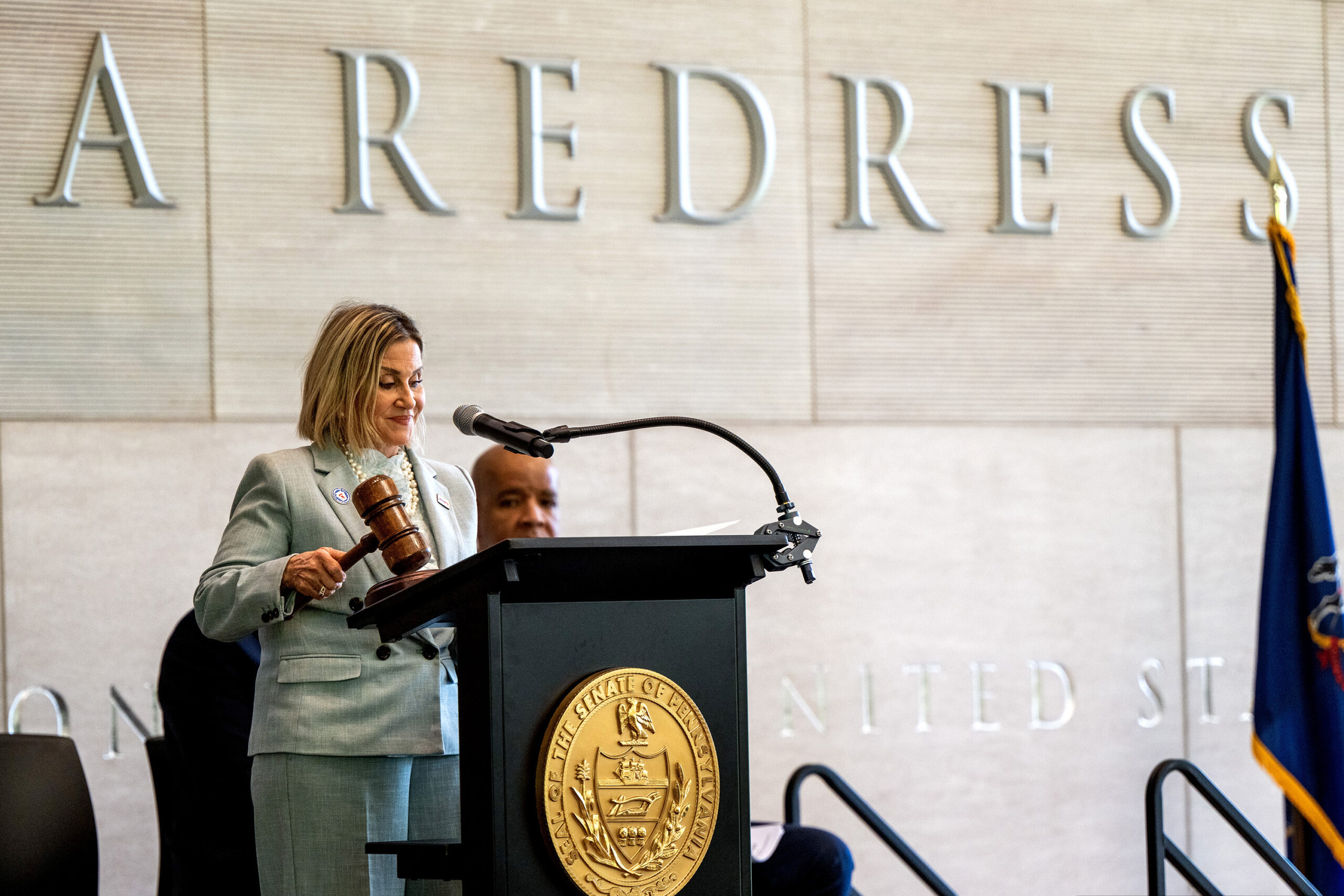
    President Pro Tempore Kim Ward gavels the opening as the Pennsylvania Senate hosts a ceremonial meeting at the National Constitution Center Tuesday, May 5, 2026.

    Meanwhile, Senate Republicans on Thursday amended another House bill to increase the state’s current tax credit programs to $705 million.

    President Pro Tempore Kim Ward (R., Westmoreland), a staunch supporter of school vouchers, said in a statement that Bradford‘s attention to school choice is disingenuous, criticizing the House Democrats’ bill as “overly burdensome auditing requirements disguised as ‘transparency.’”

    The 2023 budget breakdown, where Shapiro ultimately vetoed the school voucher program he‘d helped draft with Senate Republicans because it couldn’t pass the Democratic-controlled House, continues to tarnish his relationships with top GOP leaders, including Ward. He and Ward have hardly spoken since.

    “While Senate Republicans have consistently advanced legislation to provide scholarships to disadvantaged students, the track record for Gov. Josh Shapiro and House Democrats has been nothing more than a case of whiplash as their words and actions rarely align,” Ward said. “To me, it seems like the support for school choice by the House Democrat Leadership is more of a façade as they continue to cater to political special interests.”

    Ward has also called for changes to Pennsylvania’s new public school funding system, which includes an adequacy formula that directs more money to the state’s poorest school districts, including Philadelphia.

    Bradford, in response, said he is open to conversation about accountability and transparency, but that debate needs to include private schools benefiting from taxpayer dollars.

    “We shouldn’t carve out any portion of our K-to-12 education,” Bradford added. “That conversation needs to be uniform.”

    A choice for states on Trump’s tax credits

    Shapiro has previously said he would wait for more details before making a decision on whether to participate in the new federal tax credit program. The U.S. Department of the Treasury earlier this month released additional details, including that it will allow individuals to receive up to $1,700 in credits for making donations to private school scholarships that can cover tuition, tutoring, and more. In Philadelphia, families making $368,100 annually, or 300% of the county’s gross median income, would be eligible to receive the scholarship.

    School-choice advocates say Pennsylvania taxpayers will be able to claim the credit regardless of whether Shapiro opts in. But in order for Pennsylvania schools and students to benefit, the governor needs to join.

    Shapiro’s press secretary Rosie Lapowsky said the governor appreciates the guidance, but continues to await information on “how this will affect use of our existing tax credits, how states will be expected to administer the program, and how eligibility will be determined.”

    Twenty-eight states have opted in to the program, most of which are led by Republicans. And Democrats are facing pressure to stay out of the program.

    In a letter sent to Democratic governors this week, American Federation of Teachers President Randi Weingarten and National Education Association President Becky Pringle called the program “a Trojan horse carrying near-universal K-12 private school vouchers into every state that participates.”

    So far, Democratic governors elsewhere have taken differing approaches to the program. New York Gov. Kathy Hochul has said her state will participate but is waiting for final guidance before officially signing on. Other governors like Minnesota Gov. Tim Walz and Oregon Gov. Tina Kotek have announced that their states will not participate. Democratic governors in Arizona and Wisconsin have vetoed legislative efforts to force their states to opt in, while governors’ similar vetoes in North Carolina and Kentucky were overridden by legislators.

    Bradford said it’s “an abomination” that funding for Trump’s program came from Republicans making other cuts to the federal budget, and emphasized that state Democrats remain committed to increasing public education funding.

    “Here in Pennsylvania,” he said, “we are a humble 102 [Democrats] in the Pennsylvania House and we are nimble and pragmatic.”

  • McCormick and Fetterman are stepping in to fill Pennsylvania’s empty booth at Trump’s Great American State Fair

    McCormick and Fetterman are stepping in to fill Pennsylvania’s empty booth at Trump’s Great American State Fair

    In the latest twist over Pennsylvania’s participation in President Donald Trump’s Great American State Fair, U.S. Sens. Dave McCormick and John Fetterman announced Saturday that the state where America was founded will be represented after all.

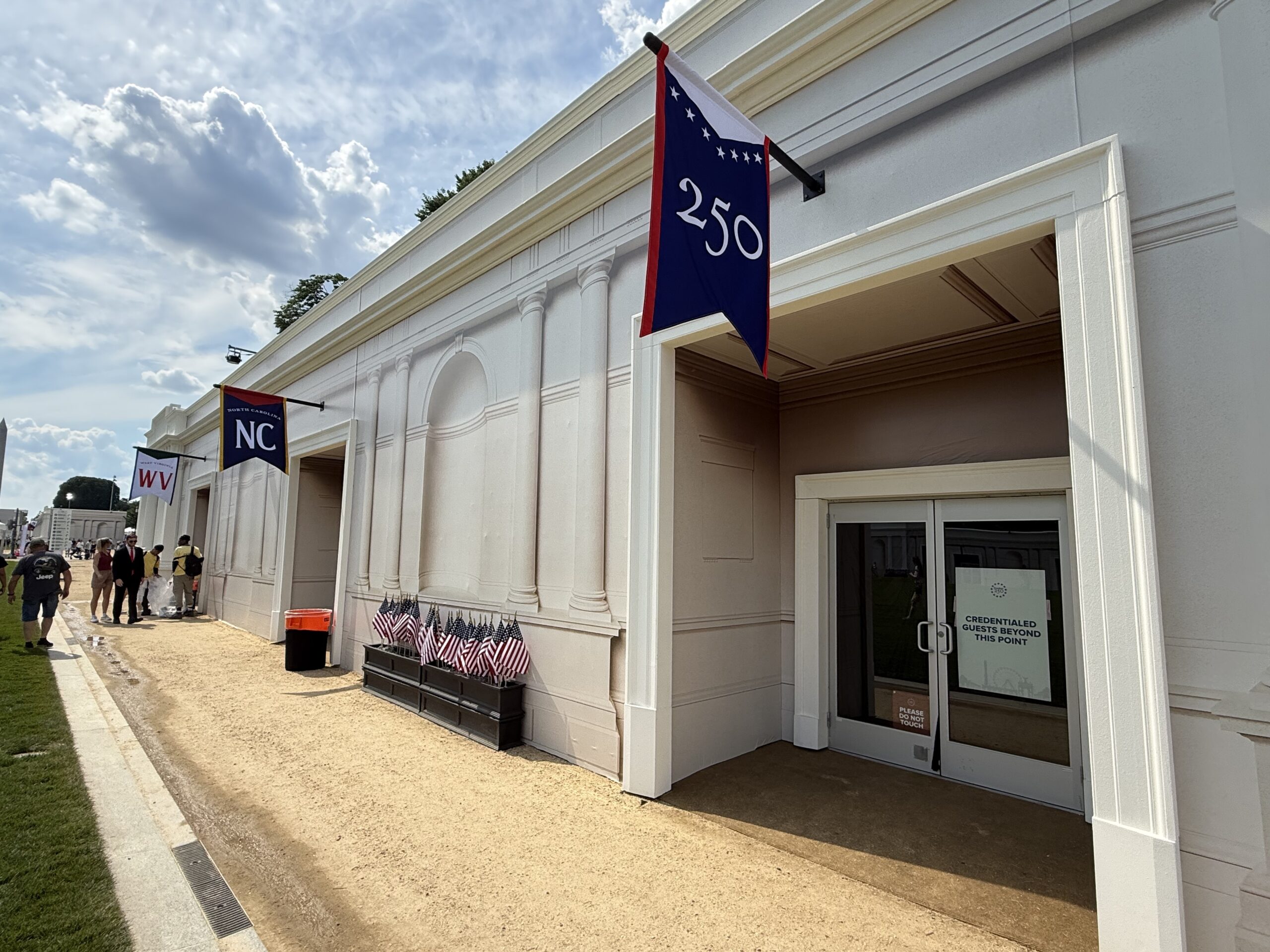
    Pennsylvania Gov. Josh Shapiro initially signaled the intention for the state to participate in Trump’s 16-day fair on the National Mall. But this week, he said state officials could not find a Pennsylvania business to sponsor the state’s booth.

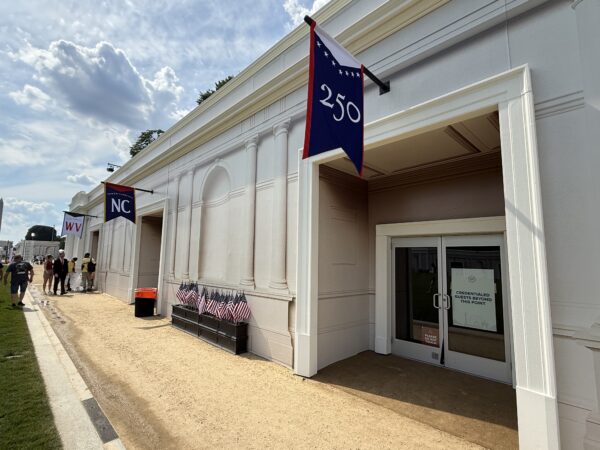
    On the fair’s opening day, Pennsylvania had no official presence, and the booth reserved for the commonwealth remained empty, except for a flag that read “250” in Pennsylvania’s space.

    After that news, McCormick (R., Pa.) and Fetterman (D., Pa.) said in a joint news release Saturday that they secured private-industry sponsors for the booth at no cost to taxpayers. Sponsors include the Pennsylvania Chamber of Business and Industry, the Pennsylvania Farm Bureau, and other organizations.

    “Pennsylvania is where America’s story began, and there was no way we were going to let the Commonwealth go unrepresented during our Nation’s 250th birthday celebration,” McCormick said in the release.

    “Celebrating America’s 250th birthday and Pennsylvania’s special role in our country is important and bipartisan,” Fetterman said. “We discovered our commonwealth wasn’t participating in the Great American State Fair on the National Mall, and we should be.”

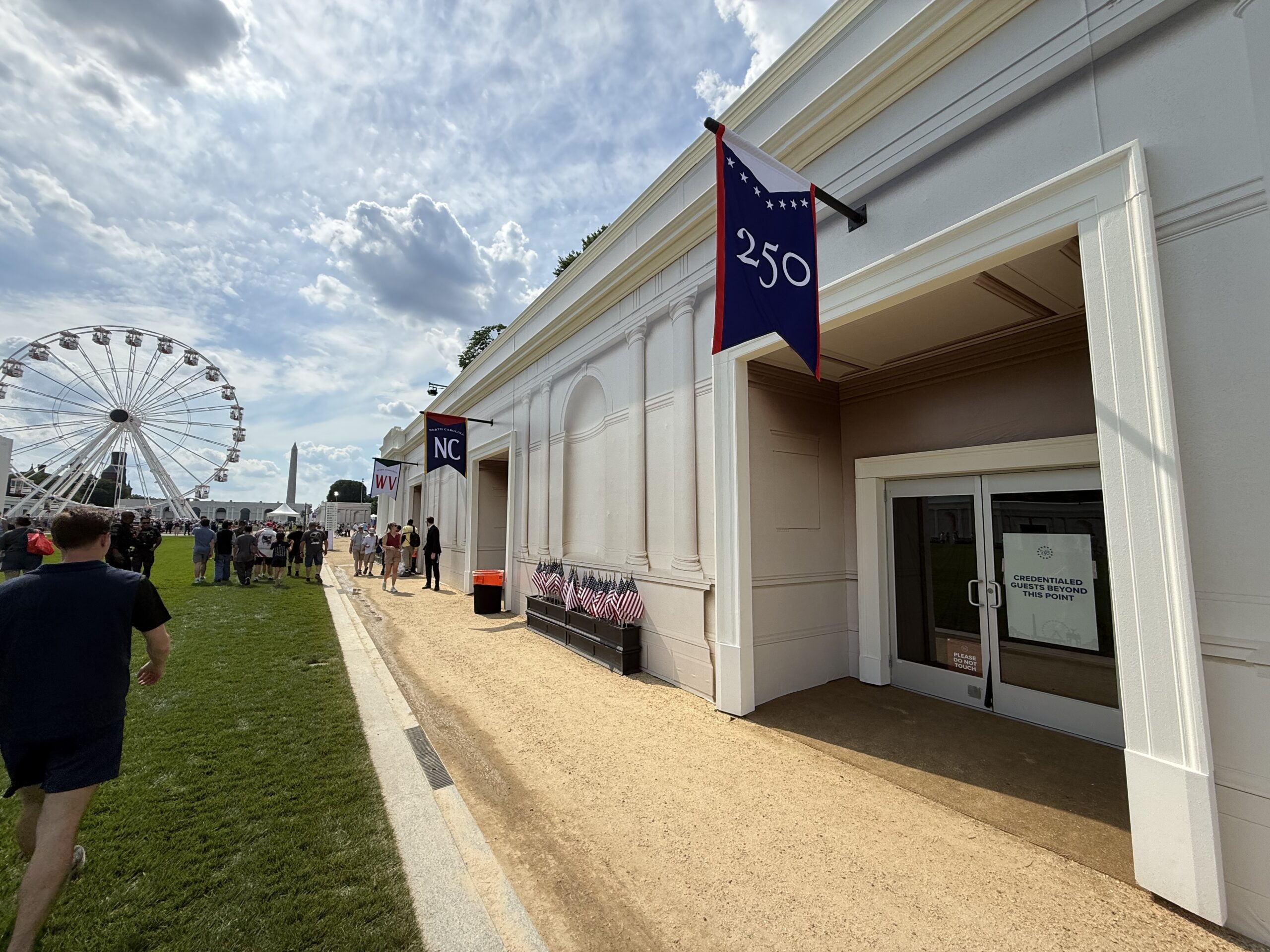
    A ferris wheel is on the National Mall as part of the Great American State Fair, one of the celebratory events organized by the Trump administration commemorating the 250th anniversary of the United States in Washington, D.C., June 25, 2026. At the kickoff to the Great American State Fair, exhibits celebrating the nation were on display. So were conservative themes. (Alex Kent/The New York Times)

    Shapiro told the New Republic earlier this week that when his administration approached major Pennsylvania companies to participate, “none were interested.”

    “It reflects this sad state of affairs that we find ourselves in — that the president has politicized this to a degree that businesses don’t want to participate,” he told the New Republic.

    However, sources who worked on the sponsor search confirmed for The Inquirer that at least two major Pennsylvania companies agreed to provide products and other donations to give away at Pennsylvania’s fair booth but were unable to initially do so due to short notice. The sources asked The Inquirer to not name them because they were not authorized to speak on the search.

    In a statement Saturday after the senators announced their plans, a Shapiro spokesperson said the administration was “unwilling to spend hundreds of thousands of taxpayer dollars to fund the Great American State Fair amid the historic slate of events across Pennsylvania in 2026.”

    Before McCormick and Fetterman’s intervention, Shapiro administration officials were told that Freedom250, the organization planning the fair, would be “handling the booth” in the absence of formal state participation, said Rosie Lapowsky, Shapiro’s press secretary.

    Pennsylvania’s Department of Agriculture also sent state literature that began appearing in the booth on Saturday, according to Freedom250.

    The Great American State Fair Thursday, June 25, 2026, in Washington, D.C. This pavilion would have belonged to Pennsylvania if the state had participated in President Donald Trump’s 250th anniversary event on the National Mall.

    But Pennsylvania’s search for business sponsors was brief, according to a source close to the search.

    The Pennsylvania Chamber of Business and Industry, which was charged with finding sponsors, said Shapiro’s office called the organization less than two weeks before the fair began. Other states, the chamber said, had been working on their displays since January.

    “The Governor’s team asked us for assistance with business outreach for the Great American State Fair just two weeks before the event. While there was interest, the short time frame made it difficult for many businesses to fully commit,” said Jon Anzur, the chamber’s senior vice president of public affairs. “We are now reengaging those and other companies as we partner with Sens. McCormick and Fetterman.”

    In the absence of official Pennsylvania representatives and sponsors, McCormick and Fetterman were suddenly on Saturday able to secure private groups to staff the booth and help coordinate sponsors for the remainder of the fair.

    According to a source briefed on the conversation, Shapiro and McCormick spoke Saturday about the senators’ plans to fill the booth, and Shapiro offered to send additional state literature. The Inquirer is not naming the source because they were not authorized to speak on the conversation.

    Crayola is among the sponsors that will send along crayons, markers, and coloring books for a coloring station, which should be operational as early as Sunday. Other sponsors have signed on as well, though they were not immediately identified and their contributions were not disclosed.

    Pennsylvania is among a list of at least 10 states, some Democratic-led, that have officially dropped out of the Great American State Fair, including Connecticut, Illinois, Maine, Massachusetts, North Carolina, Oregon, Rhode Island, Vermont, and Washington.

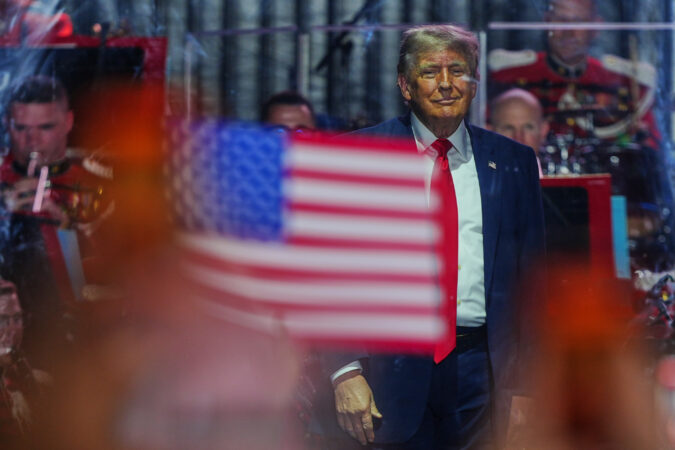
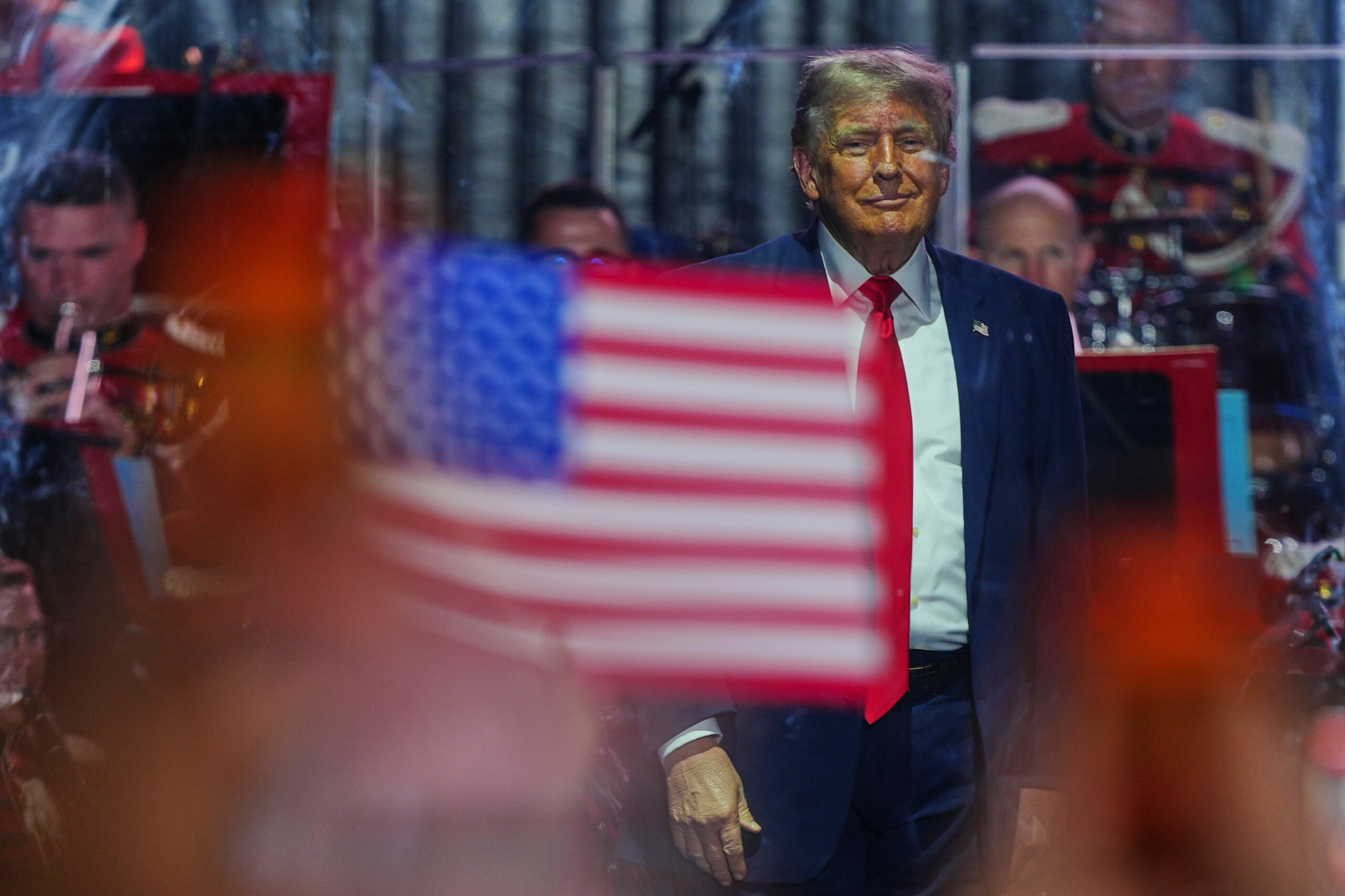
    President Donald Trump stands on stage after speaking at the opening of the Great American State Fair on the National Mall, Wednesday, June 24, 2026, in Washington. (AP Photo/Julia Demaree Nikhinson)

    During the fair’s opening days, nearly every other state was represented, with most sending government staff or tourism officials to host educational or interactive exhibits.

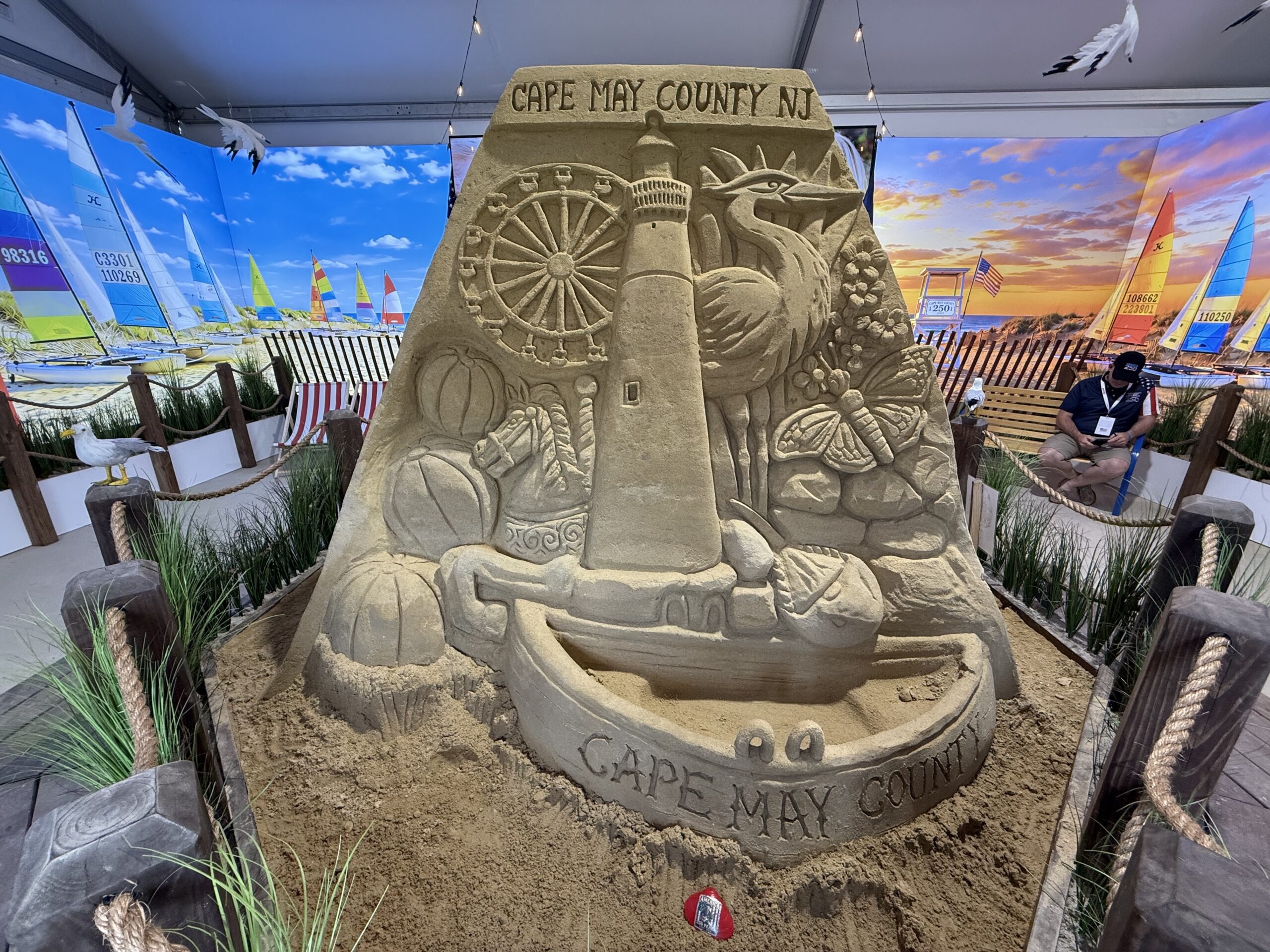
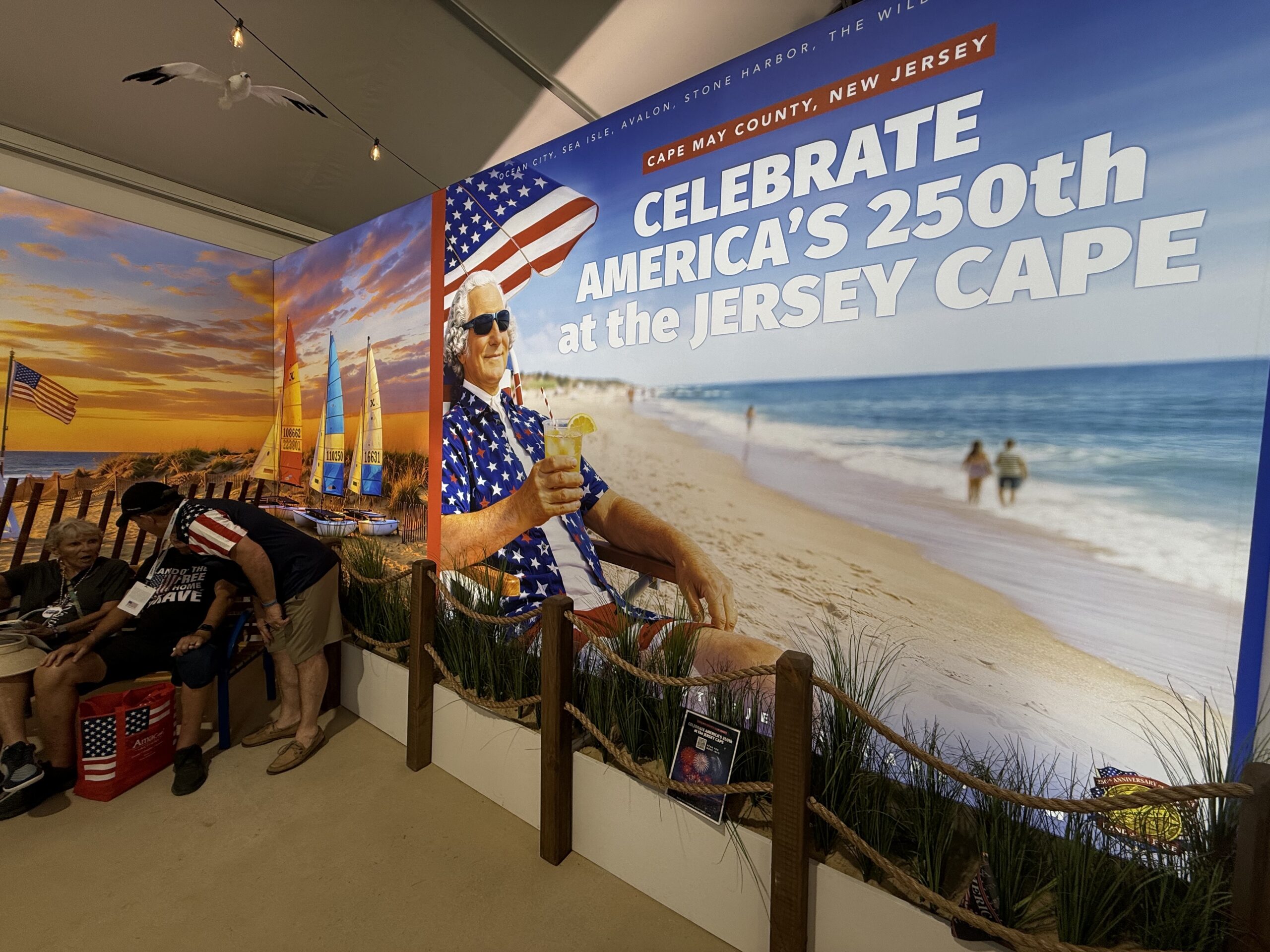
    New Jersey also officially declined to participate, but Cape May County, a Republican stronghold, stepped in to represent the state. Its exhibit features an 8-ton sand sculpture created by a Wildwood artist over the course of more than four days.

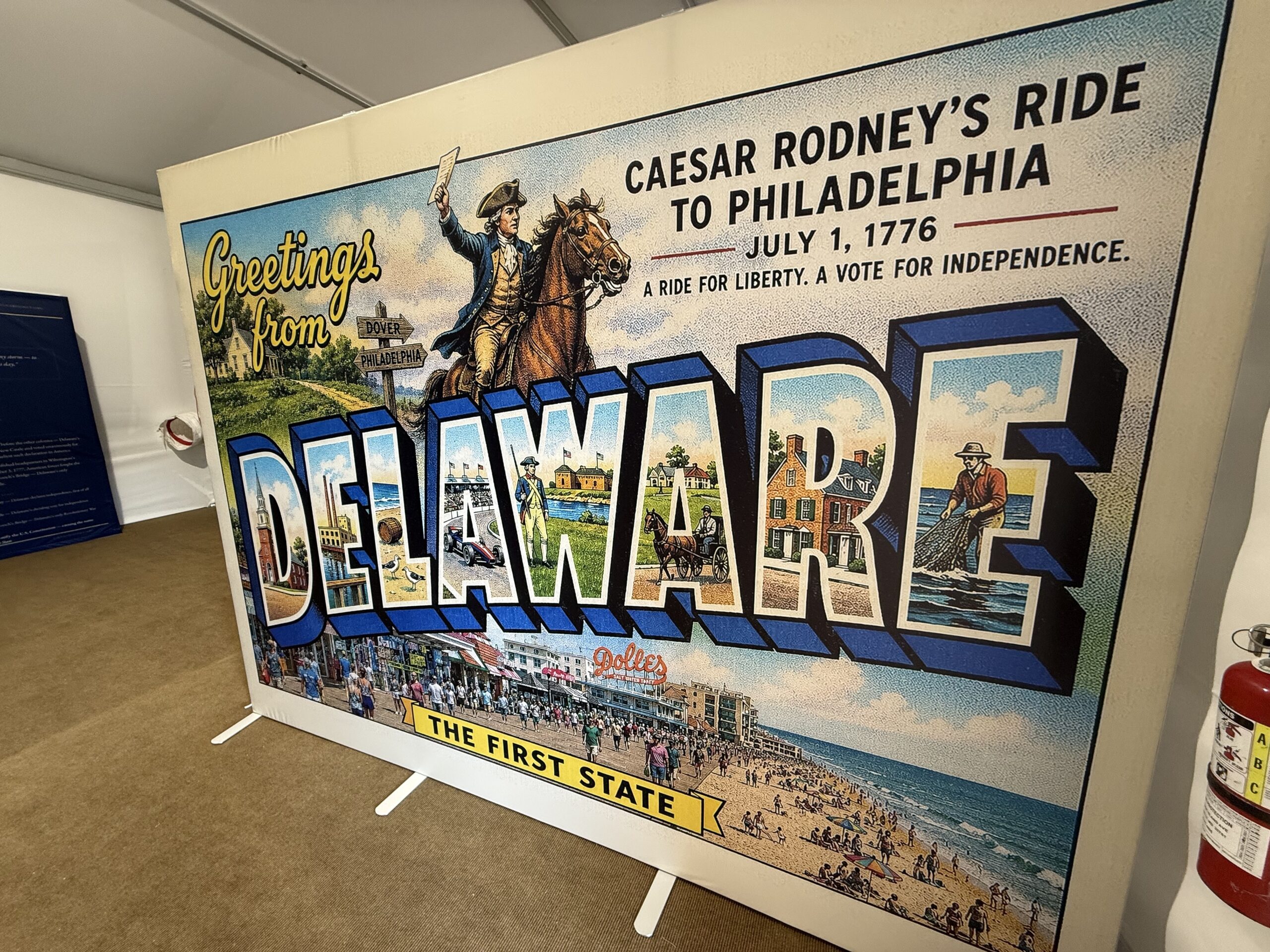
    Delaware highlighted Founding Father Caesar Rodney’s ride to cast the decisive vote for independence in Philadelphia.

    Sam Janesch and Andrea Padilla contributed to this article.

  • Josh Shapiro says progressives’ wins in New York show voters ‘are channeling that pain into purpose’

    Josh Shapiro says progressives’ wins in New York show voters ‘are channeling that pain into purpose’

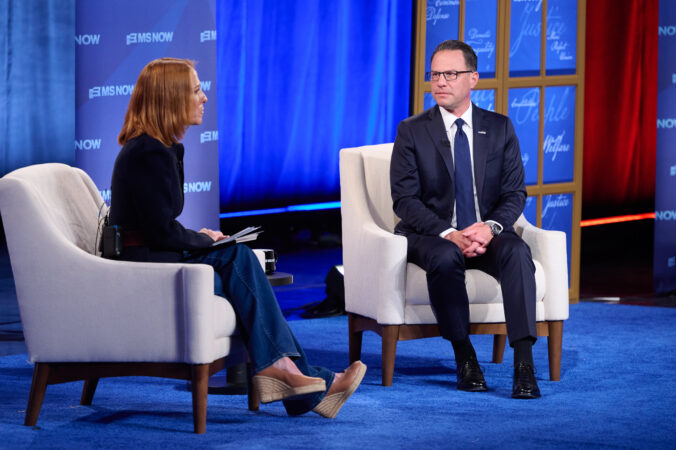
    The Democratic Party should be a big tent and welcoming to a diversity of voices, Gov. Josh Shapiro told MS NOW’s Jen Psaki in a live event in Philadelphia on Thursday.

    Following Tuesday’s primary races in New York that saw the elections of more progressive and socialist candidates, Shapiro said the results there and around the country show that voters are eager for change.

    “I appreciate the passion that we are seeing from voters all across this country,” Shapiro said during the event at the Academy of Music, part of MS NOW’s celebration of America’s 250th birthday.

    People are feeling the strain and opting to support more progressive candidates, Shapiro said, because of rising health insurance costs, struggles to purchase a house, and the feeling that their rights are being stripped away.

    “They are channeling that pain into purpose, they’re channeling that into showing up at the ballot box, they’re channeling that into showing enthusiasm,” he said. “That is a good thing.”

    But he stopped short of explicitly endorsing more left-leaning ideologies. In a separate interview with CNN on Thursday, Shapiro added that the successful candidates must now deliver results.

    “I get that there are some candidates out there that just say a lot words and attract a lot of attention but what we need to do as a party is drill down on how we take those words turn them into actions and make people’s lives better,” he said.

    In Philadelphia, voters elected Chris Rabb, the democratic socialist who has challenged the city’s political establishment, in May’s Democratic primary for Pennsylvania’s 3rd Congressional District. Shapiro did not get directly involved in Rabb’s district, despite making endorsements in other races.

    He also dodged direct criticism of Sen. John Fetterman, a fellow Pennsylvania Democrat who has become increasingly unpopular among the party’s voters, after Psaki posed some of the senator’s recent comments to Shapiro.

    Fetterman referred to the New York congressional candidates, endorsed by Mayor Zohran Mamdani, as “the dirtbag left” and “outrageous” on Fox News. (The phrase “dirtbag left” comes from the leftist podcast Chapo Trap House and refers to a strand of democratic socialism that counters the political right by mimicking its dark humor, among other tactics.)

    Shapiro said “John should answer for himself.”

    In both Philadelphia and New York, the victorious progressive candidates during their campaigns heavily criticized Israel’s war in Gaza and the United States’ role in supporting its material.

    Psaki did not ask Shapiro, who supports Israel but has been critical of Prime Minister Benjamin Netanyahu, about the issue during the event. And he did not refer to it when talking about the New York results.

    To show voters that Democrats hear their pain, the party needs to get “real stuff done to make people’s lives better,” he said.

    Sandra Dungee Glenn, who attended the event Thursday, said Shapiro could have been even more forceful against Fetterman, who is viewed unfavorably by 43% of Philadelphia residents, according to a recent poll.

    “Don’t even mention that name,” said Glenn, who lives in West Philadelphia, referring to Fetterman. “He’s a big disappointment.”

    In addition to his own reelection campaign in November, Shapiro is focused on getting Democrats elected in four competitive congressional seats and flipping the Pennsylvania state Senate, which has been under Republican control for three decades.

    Should the chamber flip, Shapiro said his immediate priority would be raising the state’s minimum wage and codifying the right to access abortion — blaming Republicans for standing in his way.

    But Shapiro, a first-term Democrat, is also looking ahead, past 2026 and Donald Trump’s presidency, as he builds a national profile and becomes a likely contender for the presidency in 2028.

    He said Congress should pass a 28th Amendment to the U.S. Constitution that guards against corruption and gerrymandering, and railed against the 2024 U.S. Supreme Court decision that gave presidents absolute immunity from criminal prosecution for actions taken within their constitutional authority, following Trump’s efforts to overturn the 2020 election.

    Shapiro said he is also open to adding more justices to the Supreme Court, which has been set at nine justices since 1869.

    “I think we’ve got to have everything on the table. We’ve got to be bold,” he said.

    Expansion has been pushed by progressives as a way to reform the court and end its conservative majority.

    Leslie Berger, 69, who attended MS NOW’s event Thursday said she supports adding more justices to the court.

    “These norms we have aren’t etched in stone,” she said. “We need to change this justice system and more justices would be a great start.”

    Democrats, Shapiro said, need to be aggressive and elevate candidates who will drive down costs, increase access to healthcare, repair the country’s standing in the world and rein in artificial intelligence.

    “We’ve got to understand that our sole mission right now is winning in these midterms and providing a check against Donald Trump at the state and the federal level,” he said. “Then as we go forward, I think we have to understand that rebuilding a federal government like it was before Donald Trump showed up cannot be the answer to the Democratic Party.”

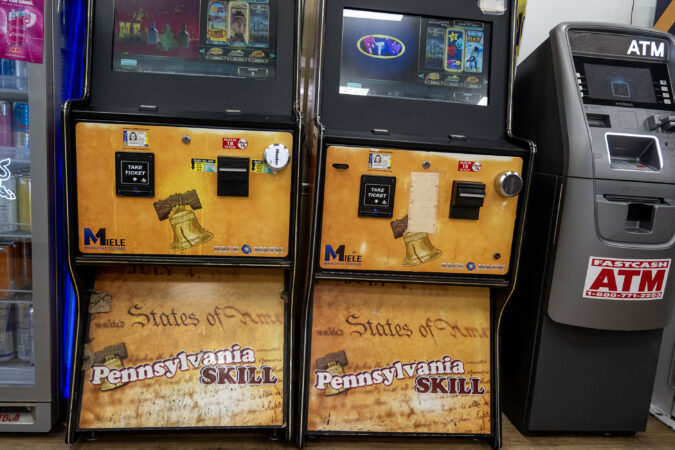
  • Corner stores say ‘skill games’ are an essential part of their business. A court ruling threatens that.

    Corner stores say ‘skill games’ are an essential part of their business. A court ruling threatens that.

    Amid rising inflation and business costs, many Philadelphia corner stores, bars, laundromats, and smoke shops have turned to skill games, the slot machine look-alikes, to help keep their slim margins afloat.

    The machines, which shop owners say also encourage their customers to linger in stores and make additional purchases, are particularly profitable because they are not taxed or regulated like slot machines — and they have been operating without state oversight in a legal gray area for more than a decade. But a recent state Supreme Court ruling may force that to change.

    Last week, Pennsylvania’s highest court handed down a decision deeming skill games the same as slot machines. That means the skill game terminals proliferating around the state will soon be illegal if not operated and taxed at 52%, and housed in a highly regulated casino or truck stop with a license to carry slot machines. Those terms will take effect in less than four months unless the state legislature intervenes.

    Owners and clerks at several corner stores throughout Philadelphia that offer the games say they do not contribute a lot of revenue to their establishments directly, but they foster more of a lounge atmosphere in the shops that leads patrons to stay longer and purchase more snacks, drinks, lottery tickets, and other goods. Many of the business owners said they are willing to stomach a tax on skill games, but additional regulations would make them rethink keeping the machines.

    José Pérez, who runs a corner store on Opal Street in South Philadelphia, said his store runs on incremental profits. And, he said, when people play the skill game machines and start feeling lucky, they often are inclined to make other purchases there.

    “This business is about getting a little bit of money from every product, and the machines are a tiny source of income that adds up to that,” he said in Spanish between transactions at the store’s register. “While people play, they buy other stuff in the store. And if they win, they buy lottery tickets. Because when someone has one vice, they probably have two.”

    Tax proposals from Harrisburg

    Lawmakers in Harrisburg have for years failed to reach an agreement on how to tax and regulate the so-called skill games

    The issue has proved to be tricky in Pennsylvania’s split legislature, where Democrats narrowly control the House and Republicans control the Senate. The skill games industry leader, Georgia-based Pace-O-Matic, long maintained a friendly relationship with the Senate GOP, and the Republican lawmakers appeared willing to support policies that benefited them. But last year, the goodwill began to sour after the company backed political campaigns against incumbent Republican state lawmakers who did not support its requested low tax rate on the machines.

    State Rep. Danilo Burgos (D., Philadelphia) and State Sen. Anthony H. Williams (D., Philadelphia) have introduced a bipartisan bill in their chambers to impose a $500-per-month fee on each skill game machine operated in Pennsylvania, with a 50,000-machine cap across the state. There are currently an estimated 70,000 skill game machines in Pennsylvania, according to the state attorney general’s office.

    Skill games can be seen through the door of a mini mart on Kensington Avenue in the Kensington section of Philadelphia on Wednesday, July 30, 2025.

    The proposed legislation would split revenues among transit and infrastructure, local governments, and state police for enforcing the cap and fee. The bills also prohibit small businesses whose “primary source of net revenue” is from skill games, in an effort to prevent mini casinos in stop-and-go corner stores around the city. Burgos estimates the regulations would bring in $300 million in new revenue to the state in their first year.

    The bill includes additional protections for Philadelphia, where City Council voted in 2024 to ban the machines. The ban never went into effect, after a lawsuit was filed seeking to block it. In the legislation before the General Assembly, Philadelphia has specific carve-outs that would allow city officials to block stop-and-go businesses or “chronic nuisance” businesses from getting a license to carry the games.

    Surrounded by hundreds of skill games supporters at a news conference Wednesday on the Capitol steps in Harrisburg, Williams said rank-and-file lawmakers would hold up passing the state budget, due June 30, if there is not a deal to protect small businesses from losing their skill games altogether.

    “In this time when everybody talks about affordability, I can’t afford a 52% tax,” Williams said.

    The fee-per-machine option offered in the Democratic-sponsored bills is backed by Pace-O-Matic, which has spent millions of dollars on political campaigns and lobbying in the state, in addition to millions more spent by other parts of Pennsylvania’s booming gambling industry.

    Meanwhile, a separate proposal backed by the Senate GOP and penned last year would set the tax at 35% on gross terminal revenue, in addition to annual license fees. A small portion of those fees would go toward the state’s resources for problem gambling.

    Gov. Josh Shapiro, a first-term Democrat, has proposed taxing the machines at the same rate as slot machines — a hefty 52% levy on each machine’s net revenue — in his last two budget proposals. As the machines have continued to proliferate around the state, Shapiro’s office estimated the newly regulated industry could bring in nearly $800 million in revenue in its first year.

    Uncertain future with uncertain revenue

    Philly store owners were divided on whether it would be worth keeping the machines if they needed to pay a lofty tax on either housing the devices or the profits they made on them.

    Andrew Karki, who operates a laundromat near Pérez‘s store in South Philadelphia, said the machines occupy the customers while they wait for their laundry to finish and, as at Pérez‘s store, lead to purchases of candy and soda from the small bodega he runs inside the laundromat.

    He estimated the machines make up 15% to 20% of his monthly revenue, and he said he would likely be willing to take on a tax on the games, even a rather large one, to keep them around.

    “It’s hard, but we got to pay it. We got to pay it,” Karki said.

    For others, like Diego Reyes, who runs a secondhand shop on Kensington Avenue with about a dozen skill machines inside, taxing the small businesses for the machines does not seem fair. The terminals are often owned by small amusement companies, and are largely operated by Pace-O-Matic. The business owners get a cut from the machine’s revenue for allowing the terminal in their building.

    “They should tax the owner,” Reyes said in Spanish, wearing a Phillies cap and T-shirt with a size-medium sticker still stuck on the back, as three people played the machines.

    Pérez agreed that any tax should be on skill games companies and not on the businesses that carry them.

    It is frustrating to think another tax may be coming down the line, he said, when small-business owners already pay so many of them and see little return on the investment in the community.

    “Look outside, that pothole has been there for six months. We have no safety,” Pérez said. “What do you want me to pay more taxes for if you are not doing anything to better the conditions with it?”

    Staff writer Isabel Maney contributed to this article.

  • No sign of Pennsylvania at Trump’s 250th fair as state fails to find companies to participate

    No sign of Pennsylvania at Trump’s 250th fair as state fails to find companies to participate

    WASHINGTON — Pennsylvania is not participating in President Donald Trump’s Great American State Fair, which kicked off Wednesday, after state leaders failed to find a company willing to represent it at one of the hallmark 250th anniversary events in Washington that some say have become overly partisan.

    Pennsylvania’s state government, like those in some other Democratic-led states, had already chosen to not sponsor a booth at the 16-day fair. Gov. Josh Shapiro’s office had still been trying to connect Freedom 250, the nonprofit behind the fair, with organizations and companies that could represent the state, according to federal and state sources familiar with the planning.

    “Unfortunately, due to the high cost to taxpayers and not being able to secure PA businesses to sponsor the booth, Pennsylvania will not be a participant in the Great American State Fair,” the Pennsylvania Department of Economic and Community Development said in a statement.

    The fair, being held at the National Mall to celebrate the nation’s 250th anniversary, was originally planned to feature a pavilion dedicated to each state and territory.

    But as tourists visited Thursday on the fair’s first full day, there were no signs of the commonwealth where American democracy was born 250 years ago.

    Almost every other state was showcased — with most sending state or local government staff and tourism boards to host educational or interactive exhibits.

    Cape May County, a Republican stronghold that is representing New Jersey after the state government declined to participate, featured an 8-ton sand sculpture that a sculptor from Wildwood took 4½ days to create.

    An 8-ton sand sculpture promotes Cape May at New Jersey’s pavilion at the Great American State Fair, in Washington, D.C. The pavilion was sponsored by Cape May County, a Republican stronghold that chose to represent New Jersey after the state government declined to participate.

    Maryland’s state tourism department handed out information about its vacation hot spots. Staff in the Lone Star State’s pavilion greeted tourists with a cheerful “Welcome to Texas” and offered an interactive space flight exhibit, a replica of the Alamo, and an Austin City Limits music display.

    Delaware highlighted Founding Father Caesar Rodney’s ride to cast the decisive vote for independence in Philadelphia.

    Delaware’s pavilion at The Great American State Fair highlights Caesar Rodney’s ride to cast the deciding vote for independence.

    Pennsylvania joined seven other Democratic-led states — Connecticut, Illinois, Maine, Massachusetts, North Carolina, Oregon, and Washington — in declining to participate.

    Some of those states had flags outside the pavilions where they would have been located. A few chairs and a sign with the state’s name were also inside.

    But in the booth where, according to an interactive map, Pennsylvania’s location was supposed to be, a flag reading just “250″ was outside and the room was blocked off for the fair’s staff.

    As recently as this month, Pennsylvania was still seeking companies to represent it, but Rosie Lapowsky, Shapiro’s spokesperson, confirmed Thursday that the state had given up that effort.

    “None were interested,” Shapiro said to the New Republic in a story that first reported Pennsylvania’s lack of participation. “It reflects this sad state of affairs that we find ourselves in — that the president has politicized this to a degree that businesses don’t want to participate.”

    Trump’s presence has increasingly hung over events tied to the 250th anniversary in the nation’s capital, with the president planning to hold a political rally on the Fourth of July as part of the long-planned fireworks celebrations. It has made the decision to participate by entertainers and states alike more politically fraught.

    “Freedom 250 is a nonpartisan organization, full stop — and our track record of collaboration across red, blue, and purple states speaks for itself,” Freedom 250 spokesperson Rachel Reisner said in a statement earlier this month. She did not respond to a request for comment Thursday about Pennsylvania’s lack of involvement or Shapiro’s comments.

    Cape May represents New Jersey at the Great American State Fair Thursday, June 25, 2026, in Washington, D.C.

    In New Jersey’s pavilion, visitors were met with not just the sand sculpture but also a new three-minute video highlighting Cape May County and a giant image of George Washington lounging at the beach with a cold drink.

    County administrator Kevin Lare said it took a significant amount of work — and at least $150,000 from the county’s tourism budget — to pull it all together in recent weeks. It is worth it, he said, to highlight the county in the hopes of bolstering its largest economic engine — tourism.

    “It’s a once-in-a-250-year event,” Lare said. “It’s not something the county will do every year at this level. It’s a celebration of our country, and our board of commissioners still believe we live in the greatest nation in the world. They’re happy to be a part of it.”

    Staff writer Gillian McGoldrick contributed to this article.

  • A new bipartisan housing law was on track to bring Pennsylvania’s home-repair program nationwide. Then Trump refused to sign the bill.

    A new bipartisan housing law was on track to bring Pennsylvania’s home-repair program nationwide. Then Trump refused to sign the bill.

    WASHINGTON — A Pennsylvania program that assists homeowners and small landlords by financing repairs was on track Wednesday to expand nationwide, after Congress this week passed a bill that both Republicans and Democrats are celebrating as the first major federal housing law in decades.

    Tucked into the 374-page omnibus legislation is a pilot version of a federally backed Whole-Home Repairs program — an idea that was originally sponsored by State Sen. Nikil Saval (D., Philadelphia) and passed in Pennsylvania in 2022.

    The program offers grants or loans to address safety, habitability, and efficiency concerns.

    But despite wide bipartisan support for the program and dozens of other housing reforms in the larger bill, final approval was derailed on Wednesday when President Donald Trump canceled the bill-signing ceremony in an attempt to force Congress to first pass more restrictive voter-ID laws.

    Democrats and some Republicans quickly rebuked the president, who still made a rare appearance on Capitol Hill to meet with Senate Republicans. The intraparty meeting turned contentious, according to multiple reports, while Democrats noted they had enough votes to overturn Trump’s veto if he holds out long enough.

    “It’s a mess,” said U.S. Sen. Andy Kim (D., N.J.). “Finally, we’re doing something that the American people want. We got bipartisanship. We worked on it forever. … Then he just parachutes in and just blows it all up here at the end.”

    The 21st Century ROAD to Housing Act aims to incentivize housing construction, restrict large institutional investors from buying single-family homes, improve financial literacy, and more.

    More than a year in the making, it includes a separate stand-alone Whole-Home Repairs Act that U.S. Sen. John Fetterman (D., Pa.) had introduced in each of the last two sessions of Congress. Fetterman’s bill merged last year into the larger bill while keeping many of the same provisions as the Pennsylvania-level program.

    Households that earn less than 80% of the area median income are eligible for grants, while small landlords with affordable units can access loans, including forgivable loans.

    Funded with more than $120 million in COVID-era federal stimulus money, the program has been limited amid high demand, with as many as 18,000 homes on the waiting list.

    Saval said he expects the national version to also reflect that level of “immense demand” — particularly as the program starts small and as homeowners across the country face higher costs to maintain their residences.

    “This is a huge issue. There are some 200,000 homes in Pennsylvania alone that have moderate to severe deficiencies,” Saval said. “Everyone is dealing with rising energy costs. Everyone’s dealing with the cost of materials and labor and the inability to pay for all that.”

    Addressing those kinds of affordability concerns, which have become a top-of-mind political issue during this year’s high-stakes midterm elections, is a rare bipartisan effort to emerge from the U.S. Capitol.

    Philadelphia-area lawmakers on both sides of the aisle had spent months advocating for the bill.

    U.S. Sens. Dave McCormick (R., Pa.) and Lisa Blunt Rochester (D., Del.) — members of the Senate committee that advanced the legislation — both celebrated the final passage by talking about its impacts on affordability and “cutting red tape.” Kim called it a “historic” move to bring costs down.

    “This package comes at a critical moment,” Blunt Rochester said in a statement, noting a nationwide housing shortage of as many as 7 million units. Five bills she separately sponsored — to accelerate building, increase investment in community development projects, develop zoning and land-use policies, and more — were featured in the final law.

    The Whole-Home Repairs provision of the legislation was not a guarantee as negotiations developed over the last year. House Republicans were generally skeptical of creating a new government program, and specifically critical of the policy’s tenant protections, according to a source familiar with the negotiations. But their counterparts in the Senate, and Democrats in both chambers, helped keep it in the larger bill.

    Fetterman said in a statement that Whole-Home Repairs “ensures families can stay in their homes” and that passing it had been a priority since he entered the Senate in 2023.

    “I’ve consistently maintained that our housing crisis needs real solutions that help address the problems at the center,” Fetterman said.

    Saval, who said he made multiple trips to Capitol Hill to work with sponsors and lobby for Whole-Home Repairs, said he was “thrilled” by the inclusion of a program that he and the coalition of advocates who helped push the idea had always envisioned as a model that could be replicated.

    He said he expects the pilot program to prove successful in “a few states” where it is able to launch. Unlike previous version of the federal bill that would have allocated $30 million to the pilot, there is no specific funding number for Whole-Home Repairs in the 21st Century ROAD to Housing Act.

    The legislation calls for the secretary of the U.S. Department of Housing and Urban Development to identify between two and 10 “implementing organizations” every year during the pilot, which is set to run through October 2031. The organizations will be local or state governments that administer the programs.

    Saval said that no matter how much funding is allocated, it “will undoubtedly fall short of the need,” but that its effectiveness will spur further investment.

    “It repays itself,” Saval said. “It repays itself in stabilized communities. It repays itself in stabilized property values, in people remaining in their homes rather than in unsafe or unhealthy homes, or rather than abandoning them.”

    Staff writer Jake Blumgart contributed to this article.