As temperatures rise across the Philadelphia area, local communities are finding ways to beat the heat.
To keep people cool en masse during citywide heat emergencies, the city turns to go-to resources it already has: libraries, recreation centers, senior centers, and public pools. Some of these spaces become official cooling centers when a heat emergency is declared.
The city is more likely to declare an emergency in May and June than in July and August because people are more acclimated to the heat in the hotter months. Early in the season, the city will declare an emergency if the temperature is expected to reach 101 degrees or higher for two consecutive days, or 98 degrees or higher for three consecutive days. Later in the season, a heat emergency is triggered if the forecast predicts 106 degrees or higher for two consecutive days, or 103 degrees or higher for three consecutive days.
Philadelphia provides a map showing residents where they can find relief from rising temperatures, and the following locations are available across the region to keep individuals safe from the heat:
Libraries
Philadelphia libraries offer a place to cool off. The following locations serve as cooling centers during heat emergencies, but other locations can be found here.
- Fumo Family Library: 📍2437 S. Broad St., 📞 215-685-1758, ⌚ Open until 7 p.m. during heat emergencies
- Joseph E. Coleman Regional Library: 📍 68 W. Chelten Ave., 📞 215-685-2150, ⌚ Open until 7 p.m. during heat emergencies
- Lillian Marrero Library: 📍 601 W. Lehigh Ave., 📞 215-685-9794, ⌚ Open until 7 p.m. during heat emergencies
- Logan Library: 📍1333 Wagner Ave., 📞 215-685-9156, ⌚ Open until 7 p.m. during heat emergencies
- Oak Lane Library: 📍 6614 N. 12th St., 📞 215-685-2848, ⌚ Open until 7 p.m. during heat emergencies
- Lovett Memorial Library: 📍6945 Germantown Ave., 📞 215-685-2095, ⌚ Open until 7 p.m. during heat emergencies
- Northeast Regional Library: 📍2228 Cottman Ave., 📞 215-685-0522 (closed until June 28), ⌚ Open until 7 p.m. during heat emergencies
- Widener Library:📍2808 W. Lehigh Ave., 📞 215-685-9799, ⌚ Open until 7 p.m. during heat emergencies
- Cecil. B Moore Library: 📍2320 Cecil B. Moore Ave., 📞 215-685-2766, ⌚ Open until 7 p.m. during heat emergencies
- Romanita G. de Rodriguez Library: 📍600 W. Girard Ave., 📞 215-686-1768, ⌚ Open until 7 p.m. during heat emergencies
- Lucien E. Blackwell Regional Library: 📍125 S. 52nd St., 📞 215-685-7431, ⌚ Open until 7 p.m. during heat emergencies
- Haverford Library: 📍5543 Haverford Ave., 📞 215-685-1964, ⌚ Open until 7 p.m. during heat emergencies
- Walnut Street West Library: 📍201 S. 40th St., 📞 215-685-7671, ⌚ Open until 7 p.m. during heat emergencies
- Charles Santore Library: 📍932 S. Seventh St., 📞 215-686-1766, ⌚ Open until 7 p.m. during heat emergencies
Recreation centers
Philadelphia’s over 150 recreation centers are open daily for youth programming, summer camps, pools, playgrounds, and more. The following locations are official cooling centers:
- East Passyunk Recreation Center: 📍1025 Mifflin St., 📞 215-685-0008, ⌚ 11 a.m. to 7 p.m.
- Barry Recreation Center: 📍1800 Johnston St., 📞 215-685-1886, ⌚ 11 a.m. to 7 p.m.
- Smith Recreation Center: 📍2100 S. 26th St., 📞 215-685-1898, ⌚ 11 a.m. to 7 p.m.
- Christy Recreation Center: 📍738 S. 55th St. 📞 215-685-1997, ⌚ 11 a.m. to 7 p.m.
- Sayre Recreation Center: 📍5835 Spruce St., 📞 215-685-1993, ⌚ 11 a.m. to 7 p.m.
- West Mill Creek Recreation Center: 📍5100 Parrish St., 📞 215-685-0186, ⌚ 11 a.m. to 7 p.m.
- 8th & Diamond Playground: 📍800 Diamond St., 📞 215-685-2761, ⌚ 11 a.m. to 7 p.m.
- Penrose Memorial Playground: 📍1101 W. Susquehanna Ave., 📞 215-685-2711, ⌚ 11 a.m. to 7 p.m.
- Dendy Recreation Center: 📍1555 N. 10th St., 📞 215-685-2763, ⌚ 11 a.m. to 7 p.m.
- MLK Recreation Center: 📍2101 Cecil B. Moore Ave., 📞 215-685-2733, ⌚ 11 a.m. to 7 p.m.
- Mander Playground: 📍2140 N. 33rd St., 📞 215-685-3894, ⌚ 11 a.m. to 7 p.m.
- Nelson Recreation Center: 📍2500 N. Third St., 📞 215-685-9890, ⌚ 11 a.m. to 7 p.m.
- Waterloo Playground: 📍2501 N. Howard St., 📞 215-685-9891, ⌚ 11 a.m. to 7 p.m.
- Scanlon Playground: 📍1099 E. Venango St., 📞 215-685-9893, ⌚ 11 a.m. to 7 p.m.
- Pleasant Playground: 📍6757 Chew Ave., 📞 N/A, ⌚ 11 a.m. to 7 p.m.
- Lonnie Young Recreation Center: 📍1100 E. Chelten Ave., 📞 215-685-2236, ⌚ 11 a.m. to 7 p.m.
- Stenton Park Recreation Center: 📍4600 N. 16th St., 📞 215-685-9147, ⌚ 11 a.m. to 7 p.m.
- McCreesh Playground Recreation Center: 📍6744 Regent St., 📞 215-685-2696, ⌚ 11 a.m. to 7 p.m.
Senior centers
Philadelphia’s 28 senior centers are open daily from 8 a.m. to 4 p.m. The following locations are designated cooling centers:
- Northeast Older Adult Center: 📍8101 Bustleton Ave., 📞 215-685-0576, ⌚ 8 a.m. to 4 p.m. (M-F)
- Martin Luther King Older Adult Center: 📍2100 Cecil B. Moore Ave., 📞 215-685-2715, ⌚ 8 a.m. to 4 p.m. (M-F)
- South Philadelphia Older Adult Center: 📍1430 East Passyunk Ave., 📞 215-685-1697, ⌚ 8 a.m. to 4 p.m. (M-F)
- Juniata Park Older Adult Center: 📍1251 E. Sedgley Ave., 📞 215-685-1491, ⌚ 8 a.m. to 4 p.m. (M-F)
- West Oak Lane Senior Center: 📍7210-18 Ogontz Ave., 📞 215-685-3515, ⌚ 8 a.m. to 4 p.m. (M-F)
Philadelphia public pools and spraygrounds
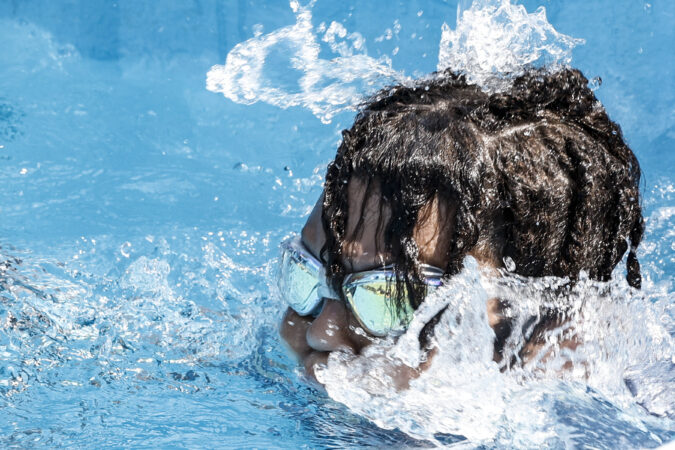
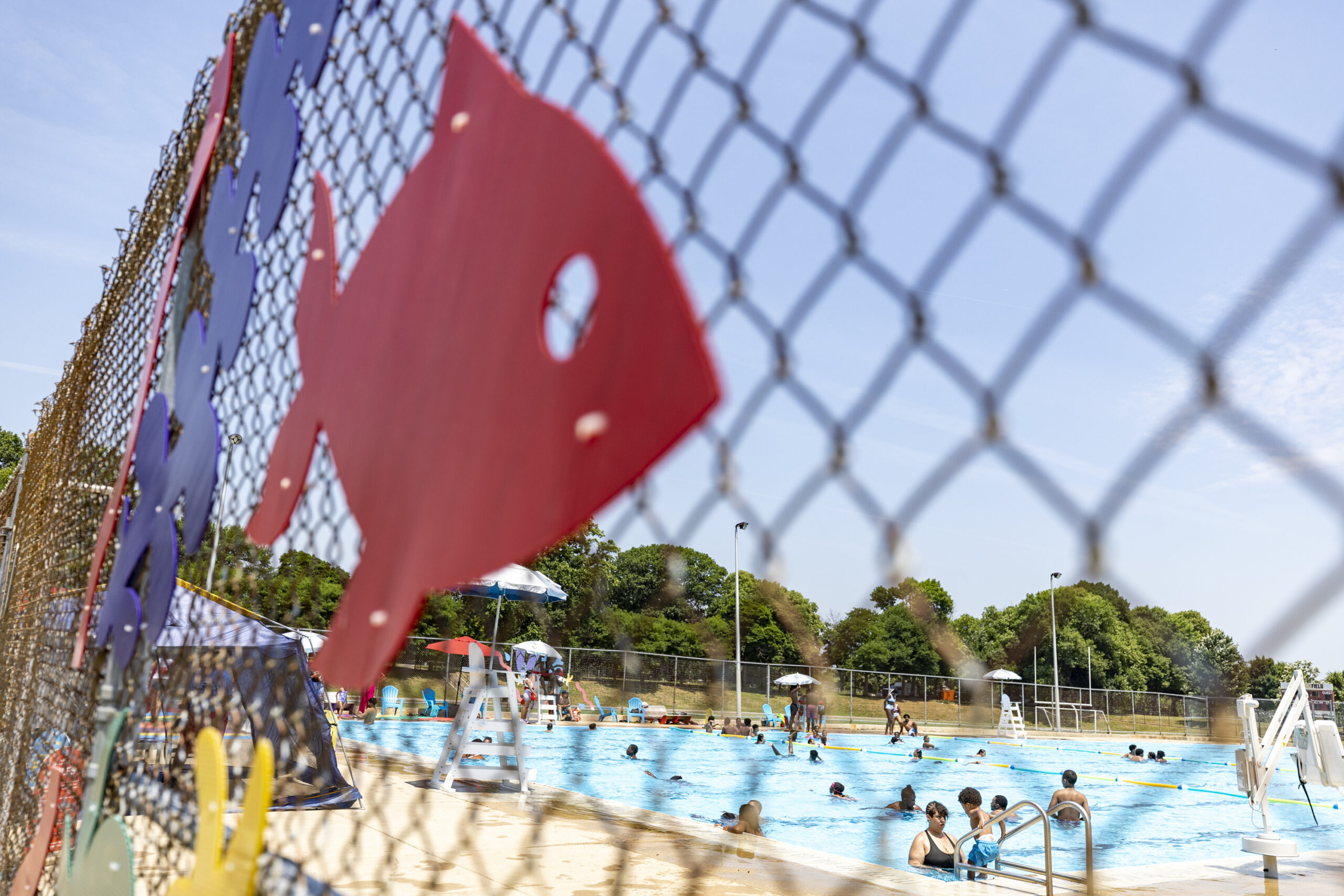
To cool off for free this summer, visit one of the more than 100 public pools or spraygrounds throughout the city. Spraygrounds in more than 90 locations started operating Memorial Day Weekend, while the city’s pools have begun opening on a rolling basis.
To find your closest sprayground, see this map or call 311.