Category: Washington Post

  • ‘The White Lotus’ sparked online interest in risky anxiety pills, study says

    ‘The White Lotus’ sparked online interest in risky anxiety pills, study says

    The latest season of “The White Lotus” delivered big ratings for HBO — and fueled a surge of Google searches for a risky antianxiety prescription drug featured on the show, according to research published this month.

    The paper, published in JAMA Health Forum, highlights Hollywood’s outsize cultural influence and the common use of benzodiazepines, a class of anxiety-relieving medications that can cause physical dependence and agonizing withdrawal symptoms.

    The third season of the show, which depicts well-heeled guests at a luxury resort in Thailand, includes a storyline of a mother hooked on lorazepam pills and her husband who starts to steal and take them as he faces financial ruin and criminal charges.

    Researchers from the University of California at San Diego found that Google searches for lorazepam and two benzodiazepines with different names remained stable for years before the release of the show’s third season in February. Searches for lorazepam skyrocketed for the next 12 weeks, nearly 99% higher than expected — representing 1.6 million additional searches. During that time, searches for similar drugs, alprazolam and clonazepam, remained at expected levels, the study showed.

    Many of the queries asked how to get lorazepam, although that doesn’t mean viewers bought them, said Kevin Yang, the study’s lead author and a psychiatrist specializing in addiction at the UC-San Diego School of Medicine. “But it’s at least a good indicator of public interest in that medication,” he said.

    Yang got the idea for the study on his couch while watching “The White Lotus” with his now-wife. “It almost felt as if it was being glorified,” Yang said.

    A long history

    Benzodiazepines — which include drugs such as Xanax and Valium — are commonly prescribed for anxiety, bouts of panic, and insomnia.

    The sedative drugs are highly effective but should not be used longer than two to four weeks because of the risk of dependence, said Alexis Ritvo, assistant professor of psychiatry at the University of Colorado School of Medicine and a member of the nonprofit Alliance for Benzodiazepine Best Practices.

    “Very rarely are people adequately educated about that before they’re given a prescription for these meds,” Ritvo said.

    The medical community has long known about the dangers of prolonged use of benzodiazepines, or benzos, as they are often called.

    In 2020, the Food and Drug Administration issued stronger warnings for benzodiazepines, detailing the risk of abuse, addiction, and withdrawal symptoms. The updated boxed warning came amid rising concerns about benzodiazepine abuse, with the agency estimating half of prescriptions were for longer than two months.

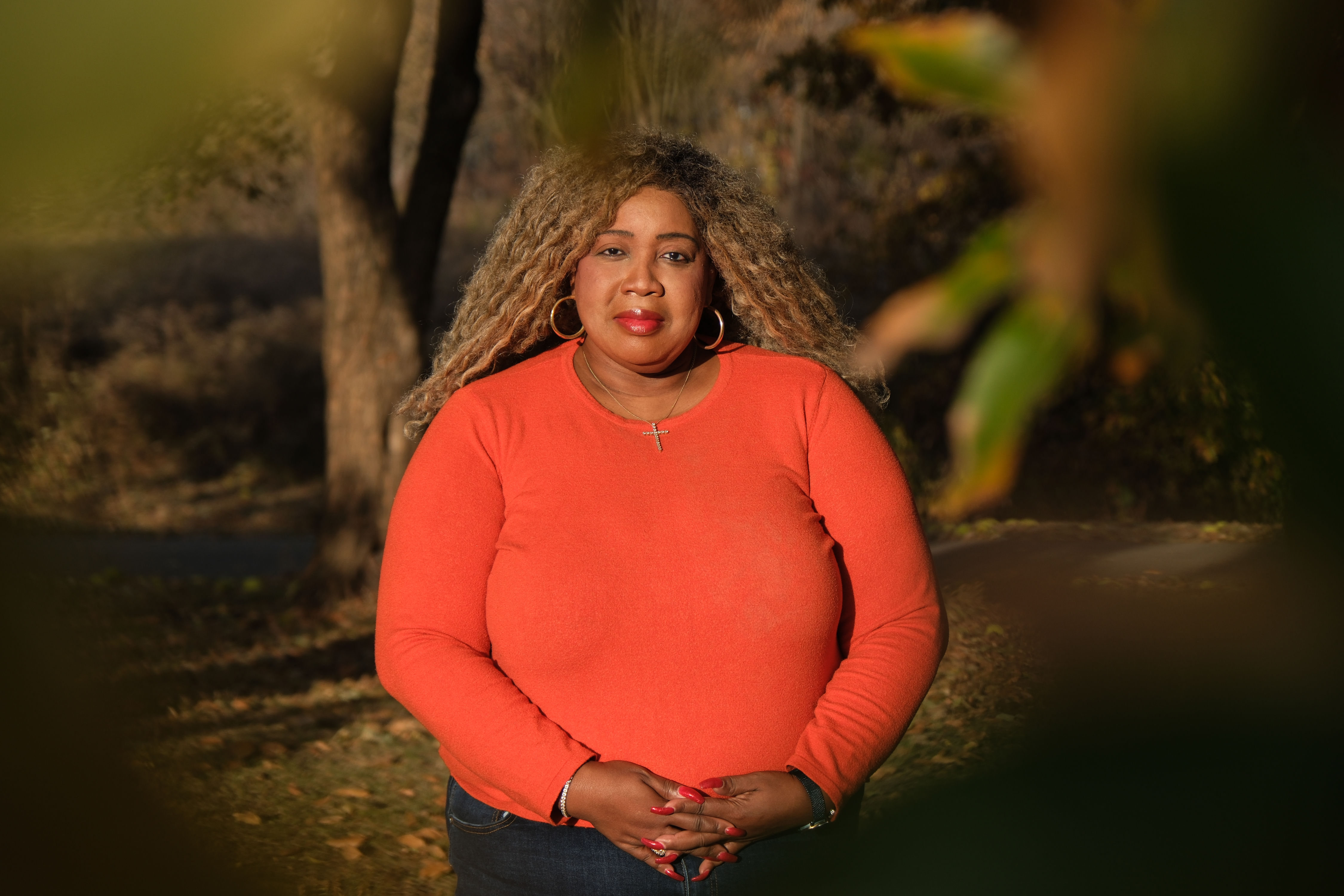
    Stopping the drugs abruptly after prolonged use can worsen anxiety and insomnia, leading some patients to start again on higher doses. Withdrawals can last months or even years. Nicole Lamberson, a physician assistant who began taking prescription Xanax for anxiety in her early 20s, spent eight years battling withdrawal symptoms. During that time, she became gaunt and bedridden, afflicted by bedsores.

    “I was crippled with panic, anxiety, terror, racing thoughts, suicidality. I was fully dissociated,” said Lamberson, medical director of the Benzodiazepine Information Coalition, a nonprofit aimed at raising awareness about the dangers of the medications.

    Patients have access to other pharmaceutical anxiety medication, including SSRIs and buspirone. Earlier this year, the American Society of Addiction Medicine published new guidelines for reducing doses for patients who have been regularly taking benzodiazepines.

    Long-term benzodiazepine use poses other risks such as memory loss, difficulty concentrating, and brain fog — particularly dangerous for elderly patients susceptible to falls.

    Benzodiazepines can also amplify the effects of other prescription drugs or alcohol. “If you have an opioid problem or alcohol problem, adding benzos to the equation is like pouring gasoline onto a fire,” said Wayne Kepner, a Stanford University addiction researcher involved in the “White Lotus” study.

    (Victoria, the mother taking lorazepam in “The White Lotus,” slurs at dinner while drinking wine.)

    Researchers have also noted cases of “designer” benzos — which are not approved for medical use but can be purchased online — creeping into the illicit drug supply, an added wrinkle to the nation’s drug crisis. Sometimes known as “benzo dope,” the mix of opioids such as fentanyl and benzodiazepines slows breathing and heart rate and lowers blood pressure, increasing the possibility of an overdose.

    Cultural imprint

    Benzodiazepines have long made appearances in popular culture, reflecting their common use as a prescription and recreational drug.

    Books, TV shows, and movies have depicted or hinted at housewives grappling with suburban malaise by taking Valium. The hard-partying stockbroker in “The Wolf of Wall Street” mentions taking Xanax to “take the edge off.” Hip-hop artists rap about them, and not always to glorify — Future’s “XanaX Damage” is about the drug’s harms.

    “We have a culture of, ‘You work hard, keep going, you shouldn’t feel pain, you shouldn’t feel distress,’” said Ritvo, the addiction psychiatrist. “If you feel anxious, if you feel overwhelmed, then you should do something to take that feeling away.”

    An HBO spokesperson did not return a request for comment.

    The visibility of benzodiazepines on “The White Lotus” could serve as a learning moment, the study researchers said.

    In the paper, they noted the surge in Google searches showed “a level of engagement that few public health interventions achieve in such a short time frame.”

    Yang and Kepner, in an interview, suggested that such shows could include disclaimers on benzodiazepine misuse or steer viewers to help lines or websites, as is often done when media touches on suicide, child abuse, or gambling. “There needs to be some discussion on guardrails,” Kepner said.

    On “The White Lotus” (spoilers ahead), Victoria Ratliff appears to be spared excruciating withdrawal as her husband, Timothy, raids her lorazepam supply and descends into a detached, drugged haze. He considers killing himself and his family but eventually runs out of the drug and finds peace.


  • TSA to charge $18 fee for travelers without proper ID

    TSA to charge $18 fee for travelers without proper ID

    A new program from the Transportation Security Administration will charge travelers $18 to pass through airport security if they are not carrying valid identification, such as Real ID or a passport.

    According to the agency, the fee will cover the cost of a “modernized alternative identity verification program” that relies on biometrics instead of documents or interviews.

    A Federal Register notice posted Thursday explained the new initiative. Travelers who arrive at the airport without correct identification can choose to use the automated biometric kiosk. The $18 fee, which will “address the government-incurred costs,” is nonrefundable and valid for 10 days. Even with payment, entry into the secured area is not guaranteed, the register noted.

    The memo did not mention a timeline for the installation and deployment of the kiosks, which airports will participate in the program, or how people will submit their payment. According to the notice, TSA will open registration for the identity-verification program before it begins collecting fees.

    “This notice serves as a next step in the process in REAL ID compliance, which was signed into law more than 20 years ago and finally implemented by Secretary Noem as of May 2025,” the TSA said in a statement. “Additional guidance will be announced in the coming days.”

    The majority of travelers are ID-compliant — around 94%, according to the TSA. However, Caleb Harmon-Marshall, a former TSA officer and founder of the travel newsletter Gate Access, said people are still showing up at security unprepared.

    “Travelers arriving at TSA checkpoints without proper ID is very common,” Harmon-Marshall said. “It’s so common that now the government can capitalize off of it.”

    Gary Leff, founder of the travel blog View From the Wing, said a few hundred people a day are subjected to alternative screening because they lack proper ID.

    “When you don’t have ID, they don’t send you away,” Leff said. “There’s a process where they get commercially available information about you and have you verify your identity with questions like what addresses have you had in the past, where have you worked, and what car have you owned.”

    Leff said the biometric kiosk will replace this more time-consuming method, an advantage echoed by the TSA.

    “The current alternative identity verification process is time and resource intensive, limiting the number of individuals for whom TSA can provide the service,” the Federal Register post said.

    The TSA noted that the $18 fee falls under a congressional directive that allows the agency to “impose a fee for any registered traveler program undertaken by the Department of Homeland Security.” The amount cannot “exceed the aggregate costs associated with the program.”

    According the Federal Register memo, the fee will cover such expenses as information technology infrastructure and services; software development; identity verification and validation; mobile computing; data infrastructure, integration, security and compliance; program management; and customer service and administrative expenses.

    The TSA said it will publish the fees on its website and may “update” the program’s amount and availability in the Federal Register.

  • The job market is heating up — for jobs that people usually don’t want

    The job market is heating up — for jobs that people usually don’t want

    Jobseekers can’t be choosy in today’s stalling U.S. labor market. Even when the job is flagging traffic for 12 hours in the Atlanta sun.

    Two years ago, the chief executive officer of AQC Traffic Control fielded around 10 applications a week for long shifts directing motorists to stop or slow down near construction sites, braving both the summer heat and the winter cold. Today, Marcus Rush is seeing up to 80.

    “When my office phone rings, my ears perk up because I wonder if it’s a new customer,” Rush said. “Now, every time I hear a phone ring, it’s someone calling in to check on a job application. That never used to happen.”

    From substitute teachers to prison guards, staffing agencies and employers are reporting a pickup in applicants for roles often shunned for their low pay, inconsistent hours, or unpleasant conditions. Even the messy work at materials recovery facilities, where people still sort recyclables partly by hand, is fetching more takers.

    With fewer businesses hiring, nearly half of employed Americans in a recent Harris Poll conducted for Bloomberg News said it would take them four months or more to find a job of similar quality if they lost their jobs today. That offers employers who have traditionally struggled to fill roles the upper hand, especially for those still reeling from rampant vacancies and a 27% gain in wages since the onset of the pandemic.

    “In 2022, it was darn near impossible to find workers,” said Rick Hermanns, CEO at staffing firm HireQuest Inc., which recruits for recycling centers among other industries. Today, “that really isn’t the case.”

    The job-hopping days of the COVID-19 era, dubbed the Great Resignation, have given way to the “low hire, low fire” economy. However, a recent rash of layoff announcements suggest companies have lost their fear of firing.

    While overall the jobless rate remained fairly low at 4.3% in August — the latest data available as of mid-November — those out of work are lingering in unemployment for longer. Almost 26% of unemployed workers that month had been out of work for more than half a year, one of the highest shares in a decade, according to data from the Bureau of Labor Statistics.

    After getting laid off last fall, Danielle Norwood, a radio veteran, is now working toward getting her substitute teacher certification.

    Danielle Norwood is among them. The 53-year-old radio veteran spent the last three years of her career hosting a show in Topeka, Kan., until the station let her go last fall. After a brief stint as an Uber driver and countless unanswered job applications, she’s now working toward getting her substitute teacher certification. She’s leery of the horror stories, having recently read about a sub who got “kicked in the gut,” but the pay’s OK at $140 to $200 a day and she’s excited to make a difference.

    “Kids don’t have the boundaries,” Norwood said. “But I think I can handle it. And financially, this is the only way I can see forward.”

    In fact, firms that help school districts fill substitute teacher spots report more applicants per role lately. After a sharp drop in available subs during the pandemic, the pool eventually rebounded to around pre-COVID levels, according to a 2024 blog post by education staffing firm Edustaff. However, shortages persisted because many of the remaining subs cut back on accepting assignments and were turned off by low pay and only sporadic work, Edustaff said. Substitute teachers make about $18.50 an hour, according to the latest median wage data from the BLS.

    Today, the Kansas City area’s Morgan Hunter staffing firm, which has a substitute teaching unit, has seen “our best year for hiring since COVID,” education program director Angela Hunt said in an email. The weak economy is one of a few reasons for the pickup, she said. Staffing giant Kelly Services Inc., which fills almost 6 million substitute teaching assignments a year, has also seen more applications this year, although they attribute it to professionals wanting to try education after tiring of other fields.

    Likewise, firms with jobs that sometimes go begging in stronger job markets are seeing some of the best recruiting in years.

    Waste Management Inc. and some of its competitors have reported better employee retention in recent earnings calls, with the Houston-based firm boasting on a call last month that turnover among garbage truck driver and technician roles “is at an all-time company low.” To be sure, recent automation of certain tasks has allowed it to keep some hard-to-fill jobs vacant.

    And at materials recovery facilities — which sort homeowners’ blue-box recyclables, often using day laborers — interest from jobseekers is also higher. In HireQuest’s division that includes waste management and recycling facilities, the number of job applications per opening is up as much as 50% from a couple years ago. That’s a result of more applicants overall, as well as a reduction in open positions, a spokesperson said.

    “We can fill those roles, where three years ago we would’ve been hard-pressed if a waste company called us and said, ‘We need 30 people,’” HireQuest’s Hermanns said.

    In the notoriously high-turnover corrections industry, one large operator, the Georgia Department of Corrections, reports receiving more than a thousand applications in each of the past three months for all roles, including correctional officers. That’s up more than 40% from a year ago. A spokesperson for the agency attributed the interest to more advertising and job fairs.

    And the U.S. military, which can be a tough sell because of the risk of danger and separation from family, is hitting its recruiting targets again, said Beth Asch, a senior principal economist who specializes in defense manpower at the think tank RAND. In 2022, the Army missed its goal by 25%, but now it and other branches report reaching their marks ahead of schedule.

    “A consistent finding is when the economy gets a little worse, when the unemployment rate rises, you get an increase in enlistments in the military,” Asch said, adding that recent pay raises probably also played a role.

    Nowadays, Rush is able to command employees with traffic flagging experience, whereas a couple years ago he hired almost everyone who passed a drug test and a flagging certification. Among them is Ieshia Jones, 36, a 15-year flagging veteran who joined Rush’s firm six weeks ago.

    Ieshia Jones, a 15-year flagging veteran who joined Rush’s firm recently. She enjoys her job. “I love it, honestly.”

    “A lot of people just can’t stand being outside in the cold or heat,” Jones said. “I love it, honestly. It makes me feel like I’m a part of something.”

    Rush graduated from Stanford University with an MBA in 2020, purchasing AQC Traffic Control a year later. He’s only able to hire 15% of the workers who apply for flagging jobs these days, and chuckled when told he’s almost as selective as Stanford is in selecting first-year students.

    “I never expected we would be in the position we’re in now,” Rush said.

  • The surprising new use for GLP-1s: Alcohol and drug addiction

    The surprising new use for GLP-1s: Alcohol and drug addiction

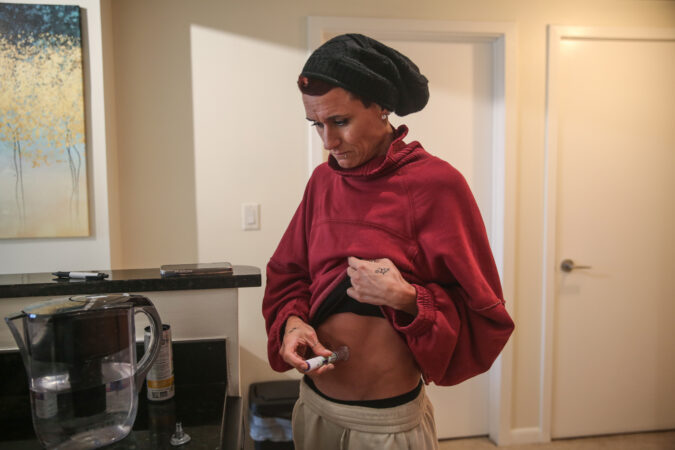
    When Susan Akin first started injecting a coveted weight-loss drug early this year, the chaos in her brain quieted. The relentless cravings subsided — only they’d never been for food.

    The medication instead dulled her urges for the cocaine and alcohol that caused her to plow her car into a tree, spiral into psychosis, and wind up admitted to a high-end addiction treatment center in Delray Beach, Fla.

    Doctors at Caron Treatment Centers tried a novel approach for the slender 41-year-old by prescribing her Zepbound, part of a blockbuster class of obesity and diabetes medications known as GLP-1s. Federal regulators have not approved the drugs for behavioral health, but doctors are already prescribing them off-label, encouraged by studies suggesting that they could reshape addiction treatment.

    Scientists caution that the research remains nascent. Health insurers do not cover the pricey drugs for that purpose. Addiction specialists say the medications might not be a cure but may work as a tool to quell addictive behaviors.

    For Akin, the weekly shot helps her endure a world full of triggers. She can visit a gas station without wanting to buy beer or see sugar without dialing a cocaine dealer. The cravings linger but are muted, she said.

    “I know when I’m due for my shot because I get a little antsy or irritable, or just kind of off,” Akin said. “But it has changed my life.”

    Emerging science

    As GLP-1 drugs for weight loss generate billions for pharmaceutical companies, researchers are exploring their potential for other purposes. Clinical trials have already shown that semaglutide, the active ingredient in Ozempic and Wegovy, can reduce the risk of heart attacks and treat liver disease.

    These drugs appear to reduce cravings for food because they mimic a natural hormone that boosts insulin production, curbs appetite, and slows stomach emptying to create a feeling of fullness. Tirzepatide, the active ingredient in Zepbound, imitates a related hormone that enhances insulin release and amplifies appetite suppression.

    The mechanism of how GLP-1s could also curb alcohol and drug cravings is not entirely understood. The medication may block release of dopamine, the chemical associated with reinforcing pleasurable activities, said Kyle Simmons, a professor of pharmacology and physiology at Oklahoma State University. The medications appear to be “turning down the gain on the reward circuitry in the brain,” Simmons said, possibly explaining why they have a broad effect on behavior.

    The potential has ushered in a wave of research that includes whether the drugs help veterans with moderate to severe drinking problems, diabetic patients who smoke, and people addicted to opioids, among others.

    Federally backed studies of patient records released since early 2024 have shown GLP-1 use in some patients who are diabetic or obese is associated with lower risks of alcohol abuse, cannabis use disorder, and opioid overdoses.

    Associations alone do not prove that the weight-loss drugs are causing those changes, but small early clinical trials have shown promise. In one study published in February in JAMA Psychiatry, researchers found that problem drinkers who received a weekly semaglutide injection drank less and had fewer cravings for alcohol and cigarettes compared with those given a placebo.

    Researchers at the National Institute on Drug Abuse and Simmons are running separate but similar double-blind clinical trials to measure whether the drugs curb alcohol cravings in patients with drinking problems. Researchers are charting brain activity to see how participants respond when exposed to alcohol cues and using virtual-reality headsets to measure how they respond to images of food. In the NIDA study, scientists have built a mock bar to observe how patients react to being near alcohol.

    A spokeswoman for Eli Lilly, which manufactures Zepbound, said the company is considering clinical trials to assess the drug as a treatment for substance use disorders, including for alcohol and tobacco. Novo Nordisk, the maker of Wegovy and Ozempic, declined to say whether it would study the drugs’ effectiveness for addiction.

    Medical treatments lacking

    The use of GLP-1s for unapproved purposes is surging, including micro-dosing to promote longevity and wellness, despite little evidence supporting these lower doses. Researchers also caution that long-term use of the drugs — which can cause unpleasant stomach side effects — remain understudied.

    Still, if GLP-1s prove effective at curbing cravings of different substances — and include behavioral addictions such as gambling and shopping — it “really opens up a whole new sort of therapeutic avenue that’s not been available before,” said Joji Suzuki, an addiction researcher at Brigham and Women’s Hospital in Boston.

    An estimated 48 million Americans had a substance use disorder last year, according to federal researchers. More than 80,000 died of drug overdoses last year while more than 47,000 died from alcohol complications, according to federal estimates.

    There are no approved medications to reduce cravings for other substances including cannabis, cocaine, or methamphetamine. For opioid addiction, medications such as buprenorphine or methadone are considered effective at staving off withdrawal and cravings, but carry stigma.

    While the FDA has approved three drugs to reduce alcohol consumption, only 2 to 4% with alcohol-use disorder get any medication treatment, said Lisa Clemans-Cope, a researcher at the Urban Institute, a nonpartisan economic and social policy research group.

    An affordability problem

    Early research and anecdotal evidence proved enough for Steven Klein, a physician who specializes in addiction at Caron, to begin prescribing GLP-1s to his patients.

    For Klein, the project is more than a professional curiosity: He is a recovering alcoholic who has long struggled with his weight. Three years ago, while in recovery and working as a pediatrician, Klein was prescribed the anti-diabetes drug Mounjaro for weight loss. He found the drug calmed his mind. “The voice that was talking to me about food was very similar to the voice that used to talk to me on drugs and alcohol,” Klein said.

    Moved by his experience, Klein switched to addiction care and joined Caron, a high-end rehab center with facilities near Reading and in Atlanta, Washington, and Delray Beach.

    He spearheads a pilot program that has prescribed GLP-1s to more than 130 patients in Pennsylvania and South Florida, most diagnosed with alcohol-use disorder and some who took stimulants.

    Klein has also partnered with Open Doors, a nonprofit in Rhode Island that helps formerly incarcerated women reenter society, to begin offering GLP-1s through its recovery program.

    “We see how hard it is for people to maintain their recovery long-term after they leave the support of our housing,” Open Doors Co-Executive Director Nick Horton said. “But with this medicine, I’m hopeful.”

    Regina Roberts, a 41-year-old alcoholic in recovery, is living at an Open Doors facility after stints in rehab and a family court program after she lost custody of her teenage son. She has been sober since 2023 with the help of 12-step programs, therapy, and life-skills classes. But she faced frequent reminders of her past: walking past a liquor store, smelling alcohol on someone’s breath, cigarette smoke wafting in the air. When Open Doors told her about the promise of GLP-1s several months ago, she agreed.

    “I figured, why not try it?” Roberts said. “I’ll take anything to help me stay on my road to sobriety.”

    With her cravings dialed back, Roberts hopes to reunite with her teenage son and move out of Open Doors in a few months. But she’s unsure whether she can keep taking the medication; she can’t afford to pay out of pocket and Medicaid might not cover it.

    At Caron’s Wernersville location, staff reduce costs by receiving semaglutides from compounding pharmacies, which can legally produce cheaper versions of name-brand mediations.

    In the Delray Beach facility, most patients receive Zepbound through their insurance by “piggybacking” under FDA-approved uses, or by paying out of pocket with manufacturer discounts, said medical director Mohammad Sarhan. Those costs add to the price of rehab programs that can cost up to $100,000.

    Akin, the Caron patient who is approaching one year sober, said she relies on her inheritance to pay nearly $1,000 every month for prefilled Zepbound shots. Akin could receive a modest discount in the coming months now that Eli Lilly, along with Novo Nordisk, announced they could lower direct-to-consumer prices as part of a deal struck with the Trump administration.

    She considers Zepbound an essential drug like insulin.

    “It’s not a cure. We have to do the work,” Akin said. “But it helps. It slows things down enough to the point where you don’t feel like you have to jump off a bridge or put your head in a cocaine plant to survive.”

  • Is my husband a narcissist? He’s self-centered and lacks empathy. | Expert Opinion

    Is my husband a narcissist? He’s self-centered and lacks empathy. | Expert Opinion

    Q: I’ve been married for only two years, and I’m already wondering if I made a bad decision. When we were dating, my husband was incredibly charming and thoughtful, and in many ways, much more sensitive and dialed in than most of the men I had dated. And since my track record hasn’t been great, I dated him for at least a year before getting engaged so I had time to really get to know him. Or so I thought, because the warm and charming man he once was started going away almost as soon as our wedding was over. And far from being the considerate person who charmed me, he’s incredibly self-centered, moody and angry most of the time. When the topic is on him, it’s all good; but as soon as I want to talk about what’s going on in my life, he gets bored, annoyed, or downright mean. Did I marry a narcissist?

    A: It’s not uncommon for people to wonder whether a partner’s self-centeredness, emotional volatility, or lack of empathy points to narcissism. The term gets thrown around so often that it can lose meaning — but for those who live with a truly narcissistic partner, the experience is anything but trivial.

    Recent research shows that while full narcissistic personality disorder (NPD) is relatively rare, its impact on intimate relationships can be profound. People with NPD share a cluster of traits centered on grandiosity (believing they’re superior or above the rules), entitlement, and impaired empathy, expressed through an exaggerated need for admiration, a fragile and easily threatened sense of self, and a tendency to exploit or dismiss others’ needs. They often oscillate between inflated self-importance and deep insecurity, react poorly to criticism, and rely on defenses such as blame-shifting, minimization, or rage to protect a vulnerable self-image.

    Studies of couples in which one partner has elevated narcissistic traits or NPD have found patterns of low empathy, high conflict, and poor responsiveness to a partner’s needs, often driven by the narcissistic partner’s fragile self-esteem and heightened sensitivity to criticism.

    This means that the distress you feel is not imagined — NPD reliably predicts greater marital dissatisfaction, more emotional volatility, and higher rates of separation.

    Researchers today also distinguish between grandiose and vulnerable narcissism. Grandiose narcissists tend to be dominant, entitled, and attention seeking. They’re also more likely to be difficult in romantic relationships, less empathic, and more prone to infidelity.

    Vulnerable narcissists, on the other hand, tend more toward hypersensitivity and fears of being shamed. Like grandiose narcissists, vulnerable narcissists crave validation, but withdraw or attack when criticized. Both forms undermine romantic relationships, but in different ways: one through arrogance, the other through insecurity.

    However, whether he is narcissistic doesn’t necessarily mean that you should leave him. Research suggests that narcissistic traits can soften over time, particularly when life experiences challenge the person’s grandiosity.

    Therapy can also help partners by getting them to focus less on “fixing” the narcissist and more on clarifying boundaries, recognizing manipulation, and reclaiming one’s own sense of reality.

    Psychotherapy can also help if he is motivated, but genuine change requires confronting shame, entitlement, and fear of dependency — tasks many with NPD tend to resist.

    It may not be just narcissism

    In addition to narcissism, there are other potential diagnoses and dynamics that could be operating. Perhaps your husband is depressed. Research shows that men often externalize depression through irritability, defensiveness, or emotional shutdown rather than sadness. This occurs in part because of cultural expectations that discourage vulnerability in men. What can look like indifference or hostility may, in some cases, be a form of masked distress — an effort to manage feelings that are too threatening to acknowledge directly.

    On the other hand, he may have issues with drugs or alcohol, which can also lead to moodiness, self-centered behavior and, in the case of stimulants, grandiosity.

    Perhaps he has intense fears of losing you and that causes him to defend against how weak or vulnerable it makes him feel. Instead, he diminishes your value so you’re not as important in his heart or mind.

    None of these make him easy to live with, but they all suggest a different response from you or a different treatment strategy if he or you were to enter therapy.

    The pull of the familiar

    Since you said that your track record with choosing men isn’t great, it may be useful to do some reflection or therapy around why you’re drawn to certain types. Sometimes we have blind spots in who we’re attracted to because they have much in common with parental figures who made us feel unloved or unseen. Familiarity can be a serious attractor because of the kind of predictability it seems to offer.

    In addition, someone who appears to “have it all” may promise to heal all the broken or wounded places inside us and blind us to the reality that they’re a little too good to be true.

    We don’t fall for people at random — we choose those who make us feel like ourselves. The trouble is, if our self-view isn’t great, we’re vulnerable to choosing partners, even friends, who bruise us in familiar ways. Psychologists call this self-verification: the drive to confirm what we already believe about ourselves, however irrational or negative that self-image.

    Whatever the diagnosis, you’ll need additional support to navigate what you’re facing. A good couples therapist can be particularly helpful because they can assess what’s driving his behavior and identify whether referrals to other therapists or agencies are warranted.

    Meanwhile, regardless of the diagnosis, your needs for empathy, care, and reflection are just as important as his. If he does carry the diagnosis of NPD, the following principles can help:

    1. Stop arguing with reality. People with NPD often distort facts to preserve their self-image. Trying to prove your version of events can leave you frustrated and drained. Instead of debating every detail, focus on what’s true for you: your boundaries, feelings, and choices.

    2. Set limits early and consistently. Boundaries aren’t punishments; they’re forms of self-respect. If he’s responding to you with hostility, try saying the following: “I won’t be talked to in that way. If you have something you’d like to tell me, I’m happy to listen, but I won’t tolerate being criticized or demeaned by you or anyone else.” If you find yourself close to the edge of divorce, tell him before it’s too late. His self-centeredness may blind him to the possibility of losing you. You can say, “If this doesn’t change, I’m not sure I can stay married to you.” Narcissistic partners may test limits repeatedly, so consistency matters more than explanation. Calm, brief, and predictable responses are more effective than emotional appeals.

    3. Don’t take the bait. Narcissistic partners often escalate conflict to reassert dominance or control. When you stay centered and refuse to match their reactivity, you deprive the dynamic of its usual fuel. This isn’t submission — it’s strategy. Use the technique of “gray rocking.” If he begins provoking you with criticism or baiting you into an argument, try responding in a neutral, minimally reactive way, such as: “I understand that you’re upset.” No counteraccusations, defending, or emotional escalation. You keep your tone flat and your answers brief, and you avoid being pulled into the cycle. The goal isn’t to be cold; it’s to not reward the behavior with the intensity or engagement it’s designed to elicit, which often helps de-escalate the interaction.

    4. Protect your self-esteem. Over time, living with a narcissistic partner can make you question your value. Remind yourself that their inability to empathize isn’t proof that you’re unworthy — it’s evidence of their disorder. Surround yourself with people who mirror your strengths and kindness, not your partner’s distortions.

    5. Plan for safety — emotional and physical. If manipulation turns to threats, intimidation, or physical aggression, take it seriously. Reach out to trusted friends, a therapist, or a domestic violence hotline. Protecting yourself isn’t betrayal; it’s survival.

    You didn’t cause your husband’s behavior, nor can you cure it — but you can respond with clarity and care. Whether the problem is narcissism, depression, or something else, healthy relationships require mutual accountability, empathy, and respect. If he’s willing to work on those qualities, change is possible. If not, your task isn’t to fix him — it’s to protect your own stability and make choices that restore safety and dignity. Sometimes the healthiest outcome is renewed and deepened understanding; other times, it’s learning to let go without bitterness. Either way, your safety and sanity are nonnegotiable.

    Joshua Coleman, PhD, is a clinical psychologist in the Bay Area, keynote speaker and senior fellow with the Council on Contemporary Families. His newest book is “Rules of Estrangement: Why Adult Children Cut Ties and How to Heal the Conflict.” His Substack is Family Troubles.

  • The cost of Thanksgiving dinner dropped this year, agriculture group says

    The cost of Thanksgiving dinner dropped this year, agriculture group says

    Here’s one thing to be grateful for this holiday season: A typical Thanksgiving dinner is more affordable this year than last, according to the American Farm Bureau Federation.

    The average cost of a Thanksgiving feast for 10 people — including turkey, stuffing, sweet potatoes, rolls, peas, cranberries, a veggie tray, and pumpkin pie with whipped cream — will cost $55.18, or $5.52 per person, the group found.

    That number varies by region. The Thanksgiving grocery haul was cheapest in the South, at $50.01, and most expensive in the West, at $61.75.

    This is the third year in a row the price has declined after reaching a historic high of $64.05 in 2022.

    The farm group, which has tracked Thanksgiving meal prices for 40 years, compiled data from grocery stores in all 50 states and Puerto Rico. It did not take into account promotional coupons or deals found online or in-store.

    The star of Thanksgiving — the turkey, of course — helped bring down the overall cost of dinner this year. The average price of a 16-pound frozen bird decreased by 16 percent from last year to $21.50, or $1.34 per pound. The report said that its volunteers tracked prices during the first week of November but noted that grocery stores have been featuring Thanksgiving deals to draw in customers and are likely to lower prices further ahead of the holiday.

    “Farmers are still working to rebuild turkey flocks that were devastated by avian influenza, but overall demand has also fallen,” Faith Parum, an economist at the American Farm Bureau Federation, said in a statement. “The combination will help ensure turkey will remain an affordable option for families celebrating Thanksgiving.”

    Low wheat prices helped bring down the cost of items requiring flour, such as dinner rolls, stuffing mix and frozen pie crusts. But the cost of vegetables shot up, the farm group found. A a one-pound veggie tray of carrots and celery increased more than 60 percent, while sweet potatoes increased by 37 percent. The AFB attributed those increases to hurricane damage in North Carolina, the country’s largest producer of sweet potatoes, and possible supply-chain disruptions, such as from weather or labor shortages.

    The Thanksgiving holiday comes right after more than 41 million people were left without food stamps this month because of the government shutdown. Many Americans are reporting higher grocery prices, while also feeling the financial pinch from increases in electricity bills and housing costs.

  • The Trump administration will announce the dismantling of multiple parts of the Education Department

    The Trump administration will announce the dismantling of multiple parts of the Education Department

    The Education Department plans to announce Tuesday that it will move multiple parts of the agency to other federal departments, an unprecedented and unilateral effort to dismantle an agency created by Congress to ensure all Americans have equal access to educational opportunity and better coordinate federal programs.

    The move was described by three people informed of the plan ahead of the announcement. Two of these people said six offices within the department would be shifted elsewhere; the third person said it was at least two.

    President Donald Trump signed an executive order in March seeking to close the department and asked Education Secretary Linda McMahon to work with Congress to do so. The agency, which was created in 1979, has long been derided by conservatives as unnecessary and ineffective. But Congress has not acted on or seriously considered Trump’s request.

    McMahon has acknowledged that only Congress can eliminate the department but vowed to do everything in her power to dismantle it from within.

    Asked for comment, an Education Department spokeswoman suggested some information provided to The Post about the plan was inaccurate, but did not offer specifics.

    Supporters of the department say that the agency is effective in coordinating multiple aspects of education in one place and keeping priorities important to students, parents and schools high on the federal agenda.

    Offices that could be moved out of the agency include the Office for Civil Rights, which investigates allegations of discrimination on the basis of race, sex and disability; the Office of Special Education and Rehabilitative Services, which administers the $15 billion Individuals with Disabilities Act program; and the Indian Education program; the Office of Elementary and Secondary Education, which administers K-12 grant programs; and the Office of Postsecondary Education.

    Federal law directs that these programs be housed in the Education Department. The Trump administration is employing a work-around, the people briefed on the matter said, whereby other government agencies would run the Education programs under a contract with the Education Department. The people spoke on the condition of anonymity because they were not authorized to discuss the changes.

    The Trump administration laid the groundwork for this change earlier this year when it signed an agreement to move career, technical and adult education grants out of the Education Department to the Labor Department. Under the arrangement, Education retains oversight and leadership while managing the programs alongside Labor, a way of sidestepping the federal statute.

    “We believe that other department functions would benefit from similar collaborations,” McMahon wrote in an op-ed essay published Monday in USA Today.

    More broadly, McMahon has argued that the recently ended government shutdown showed how unnecessary her agency is.

    “Students kept going to class. Teachers continued to get paid. There were no disruptions in sports seasons or bus routes,” she wrote. “The shutdown proved an argument that conservatives have been making for 45 years: The U.S. Department of Education is mostly a pass-through for funds that are best managed by the states.”

  • At 89, she’s a top nutrition expert. Here’s what she eats in a day.

    At 89, she’s a top nutrition expert. Here’s what she eats in a day.

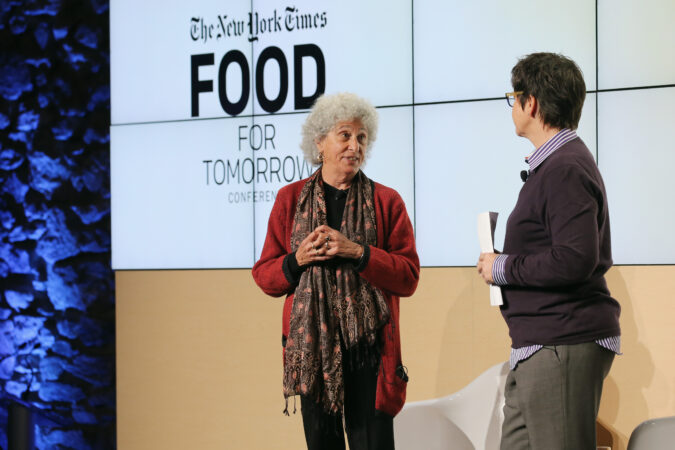
    For more than three decades, Marion Nestle has been telling people what to eat.

    In the late 1980s, she edited the first Surgeon General’s Report on Nutrition and Health, then went on to cowrite the federal government’s Dietary Guidelines for Americans and cofound New York University’s influential food studies program.

    Nestle, now an emerita professor at NYU, says her time in government opened her eyes to the multi-billion-dollar food industry’s enormous influence over Congress. By the early 2000s, she became a critic of the food industry and an advocate for major food reforms, which she made the case for in best-selling books.

    In 2002, Nestle published Food Politics, an exposé that argued that the food industry is at the root of many of the country’s nutritional problems. The industry rakes in ever-growing profits by churning out highly processed foods laden with additives, Nestle wrote, and then aggressively markets those foods to children and adults while lobbying against regulations and trying to co-opt nutrition experts.

    Over the years, Nestle’s blunt nutrition advice, sharp criticism of food companies, and frequent media appearances made her one of the most recognizable names in nutrition. In 2006, she published one of her most popular books, What to Eat, which showed consumers how to navigate supermarkets and improve their health by deciphering food labels.

    At age 89, Nestle, who lives in New York City and Ithaca, is still going strong. In November, she published her latest book: What to Eat Now: The Indispensable Guide to Good Food, How to Find It, and Why It Matters.

    We wanted to know how Nestle’s knowledge of nutrition and the food industry affects her daily food decisions. So we caught up with her to find out what she eats in a typical day, which foods she loves and avoids, which “junk foods” she can’t resist, and whether she takes supplements or has advice on how to navigate grocery stores. This interview has been edited for length and clarity.

    Q: What’s your general approach to food?

    A: I follow Michael Pollan’s famous mantra: Eat food, not too much, mostly plants. And I define food as being unprocessed or as minimally processed as possible. Not ultra-processed. I really think that takes care of it. That doesn’t mean I’m perfect. I’m an omnivore. I eat everything. I just don’t eat very much in part because metabolism drops with age, and I don’t have much metabolism left.

    I eat pretty healthy, but I don’t obsess about it. If I have a bad day of eating, I don’t worry about it. By this time, it’s pretty clear I’m not going to die prematurely. Obviously, what I’m eating is working for me because I’m 89 and I’m still here.

    Q: What do you eat for breakfast?

    A: I start with coffee between 8 and 9 a.m. I’ll have a couple cups of weak coffee with milk, no sugar. And then I’m at work. That’s when I do my writing. I don’t get hungry until about 10:30 or 11 a.m. That’s when I’ll usually have oatmeal or unsweetened Post Shredded Wheat cereal. It basically has one ingredient: wheat. I like the texture of Shredded Wheat and the way that it tastes. I add a little brown sugar, not much. I use a lot less sugar than what’s in presweetened cereals. And then I’ll add blueberries or whatever fruit is in season. That combination to me is really appealing.

    I’ve never believed any of the research on breakfast being the most important meal of the day. Most of that was sponsored by cereal companies.

    Q: What about lunch?

    A: My lunches are totally irregular. Sometimes I’ll have a salad for lunch. Or if I’m having lunch with someone then I’ll eat whatever is in the restaurant. If I’m at home in New York City, I’ll harvest whatever is growing on my terrace. The peaches, cherries, raspberries, and blueberries that I was growing are long gone. But I’ve still got some lettuce and tomatoes, so I’m going to go out and pick those. I might cut up some cheese or have it with peanuts. And I might have some bread with that.

    Q: What about dinner?

    A: It depends. I just don’t eat that much. But I do really like salads. I can have salads twice a day. If I’m at home, I might have an egg. I might have crackers and cheese with that. I kind of like making meals based on what I have available. So, it depends on what I bought, what’s in the house, or what’s on the terrace. That’s my favorite way of cooking. We have a garden in Ithaca, there’s a garden on my terrace, and there’s a farmers market not very far from here.

    I also go to a lot of neighborhood restaurants. I’m going to Mark Bittman’s restaurant this week — the kitchen that he started in the East Village where people pay according to their income. I’ll eat whatever they’re serving. One restaurant that I like a lot is il Buco Alimentari & Vineria. I love going there. They have a particular salad that I adore. It’s always so crisp, and they have wonderful pasta dishes.

    Q: What are some foods that you love?

    A: Fortunately, I like a lot of very simple foods. I like vegetables. I like eggs. I like cheese. I do eat some ultra-processed foods. But not a lot of them. I don’t like ultra-processed foods that have a long list of ingredients. Most of those don’t taste good to me. I do really like vegetables. I like the crunch, the flavors, and the colors. That makes it easy to eat healthy.

    But I recognize that I’m privileged. I weigh basically what I weighed when I was in high school. I don’t have a weight problem. And I have an enormous amount of sympathy for people who do. I consider myself extremely fortunate. Is it genetics? I have no idea. My father died of a heart attack at the age of 47. He was an obese three-pack-a-day smoker. It’s hard to know where genetics fits into this.

    Q: Do you have any favorite treats or desserts?

    A: Ice cream. When I’m at home in New York City, I try to find ginger ice cream, which I like very much. It’s hard to find. But when I find it, I buy it. And then my partner and I make homemade vanilla ice cream in Ithaca. It’s only three or four ingredients. It’s ruined other ice creams for me because a lot of commercial ice creams have all these emulsifiers in them that keep the ice cream sticking together. Real ice cream completely falls apart if it’s left at room temperature and not eaten right away. It separates and liquefies. But I like that. I think it tastes better and has a better texture than the commercial ice creams that have emulsifiers. I like ice cream without the emulsifiers.

    Q: What about snacks?

    A: I like corn chips. Not too salty. Some corn chips are ultra-processed, although most are not. The ones I like are Wegmans. They only have a few ingredients — just corn, oil, and salt basically. I also like candy, particularly See’s Candies. The one See’s candy store in New York is just a couple blocks away from me. I normally get the peanut brittle. Sometimes the lollipops. I can have these things in the house and not feel like I have to eat all of them all at once. Not everyone can do that.

    Q: Can you tell us about your new book?

    A: It’s called What to Eat Now. It’s the updated edition of What to Eat, which was published 20 years ago. It’s a completely rewritten book. I thought it was going to be a six-month project, and it ended up taking me four years because so much has changed in grocery stores. There’s been a huge turnover in products. For example, “functional waters” that contain vitamins, minerals, cannabis, supplements, and other things have replaced Coca-Cola and plain water. Plant milks are new. The only plant milk that existed 20 years ago was soy milk. Now there are tons of others. Plant-based meats did not exist 20 years ago — at least not in the way that they do now.

    Q: What is one takeaway from the book?

    A: It’s not a book about personal diets. It’s a book about how to think about food issues. I think what to eat now boils down to eat food, not too much, mostly plants.

    Q: Do you take any supplements?

    A: I don’t take supplements because I eat a healthy diet. I don’t think I need them. But two out of three Americans take supplements. They make people feel better — and it’s hard to argue with that. Life is tough. If all it takes is a supplement to make you feel better, then I’m not going to argue with that. I used to be much more upset about supplements. But now it’s clear to me that they make people feel better. Whether that’s because they’re doing something or because they’re a placebo, it’s hard to know.

    But I don’t trust what’s in them. There’s so much evidence that what the label says isn’t what’s actually in them. Many studies have found that a remarkable percentage of supplements do not actually contain what’s listed on their labels. I don’t want to put something in my body if I don’t know what’s in it. And there are things in supplements that are not supposed to be there — that’s what so many studies have found. It’s not true of all supplements. But it’s very hard to know which ones are OK and which ones are not. So I don’t take any of them.

    Q: Do you have any advice for our readers?

    A: Eating healthfully in today’s society is very difficult because you’re fighting an entire food industry on your own— and that industry is trying to sell you the most profitable, least healthy foods available. But one thing you can do is read food labels. There’s a lot of information on them. If you’re looking at a packaged food and you can’t recognize the ingredients, or if you can’t purchase the ingredients at a supermarket, then it’s ultra-processed. There are certain ingredients that are indicators of ultra-processed foods. That would be color additives, flavor additives, and emulsifiers such as mono and diglycerides, polysorbates and carrageenan, and texturizers such as agar. I always read food labels. If something has a lot of artificial additives and ingredients that I don’t recognize, then I’m not going to eat it.

  • Ford taps Amazon to let shoppers buy its used cars online

    Ford taps Amazon to let shoppers buy its used cars online

    Ford Motor Co. has struck a deal with Amazon.com Inc. to sell certified used cars through its e-commerce website, becoming the second major automaker to reach customers through the massive online retailer.

    Ford joins Hyundai Motor Co. on the Amazon Autos portal, which allows car buyers to browse, finance, and purchase a used car by clicking on the familiar “add to cart” icon. Hyundai began selling new cars through the platform late last year, but Ford is only offering its “Blue Advantage” certified used cars on the site, the second-largest U.S. automaker said Monday in a statement.

    Car buyers will take delivery of their vehicles through Ford dealers participating in the program. So far, Ford dealers in Los Angeles, Seattle, and Dallas have signed up, but Ford plans to roll out the program nationally in the coming months. The automaker said about 200 of its 2,800 dealers nationwide have expressed interest in selling on Amazon.

    Ford’s move comes as consumers are looking for simpler and faster ways to buy cars and are increasingly patronizing online car sellers such as Carvana Co. and CarMax Inc.

    It also comes at a time when average new car prices have topped a record $50,000 and more mainstream buyers are turning to used car lots to find something they can afford. The average price of a three-year-old used car was $31,067 in the third quarter, the highest in three years, according to automotive researcher Edmunds.com.

    Some auto manufacturers have attempted to emulate Tesla Inc.’s online sales model that bypasses traditional dealers, but Ford is working with its independent retailers to sell on Amazon.

    “Everyone has an Amazon account,” Wendy Lane, senior manager of Ford’s Blue Advantage unit, said in an interview. “Knowing that it is a trusted source for consumers and having our vehicles listed there, we’re really excited to see how it works and how well consumers adopt it.”

    Ford’s goal is to drive traffic to its dealers used-car lots so that car buyers stay in “Ford’s ecosystem” for service and future purchases, Lane said.

    The company will take what it learns from selling certified used cars on Amazon to see if it eventually wants to add new cars to the online retailer’s automotive storefront.

    The used vehicles will be sold at a set price, with no haggling. They will have received multipoint inspections, and Ford will offer limited warranties of up to one year or 12,000 miles. The Amazon search tool enables buyers to see a vehicle’s service history and condition reports.

    “By working with exceptional Ford dealers who share our commitment to customer service, we’re creating a car buying experience that combines trusted vehicle certification with the convenience Amazon is known for,” Fan Jin, global leader of Amazon Autos, said in a statement.

  • For a vegetarian borshch with oomph, bust out the tangy sauerkraut

    For a vegetarian borshch with oomph, bust out the tangy sauerkraut

    One of the most nourishing things about food is the human connection it forges. Food brings us together at the table and beyond, linking us to family history and the larger community.

    The new cookbook Russ & Daughters: 100 Years of Appetizing by Niki Russ Federman and Josh Russ Tupper, written with Joshua David Stein, reflects the deep, multilayered way food unites us and tells our story.

    The authors’ great-grandfather opened his appetizing store in New York City in 1914, and they are the fourth generation to carry on his legacy. The current location of the store, on the Lower East Side of Manhattan, is the last remaining appetizing store in an area that once had dozens like it. These shops, born of Eastern European tradition and often run by Ashkenazi Jews, specialized in ready-to-eat kosher or kosher-style specialties that could fill out a meat-free spread, such as smoked and cured fish, pickles, salads, soups, and more. (They are not to be confused with delis, as the family behind Russ & Daughters notes on its site.)

    I feel a communal bond with these foods, too — my grandfather grew up in that neighborhood, and these dishes were central to the culinary culture he passed down to us.

    The book, which is packed with both traditional recipes and the authors’ more modern takes on the classics, is also full of personal stories and rich historical accounts of the “nearly lost world of appetizing itself,” they write.

    This hot borshch recipe reflects the soup’s history and tradition, with a new-to-me twist. It delivers the key elements you’d expect from a hot red borshch — beets, cabbage, carrot, and onion simmered in an herb-rich broth, fragrant with dill and topped with a cool dollop of sour cream.

    But in this version, the sweetness of the beets is balanced with tangy sauerkraut, which adds a delightfully funky flavor and toothsome texture to the bowl. A squeeze of lemon juice brightens the vegetarian soup further, for a comforting, crimson bowl of goodness that brings plenty of vitamins, minerals, and fiber to the table, along with the essential nutrients of connection and history.

    Vegetarian borshch with sauerkraut

    Tangy sauerkraut, a squeeze of lemon, and a cool dollop of sour cream balance the sweetness of the beets in this hot vegetarian borshch. Packed with hearty root vegetables and cabbage, and flavored with fresh dill, it tastes like ultimate comfort food. The soup’s depth of flavor comes from the sauerkraut and a few hours of simmering, making it a terrific weekend project and make-ahead dish for busy weeknights.

    6 servings

    Active time: 50 minutes. Total time: 4 hours.

    Storage note: Refrigerate for up to 4 days.

    Ingredients

    2 to 3 large red beets (1 pound total), trimmed and scrubbed

    2 tablespoons olive oil

    1 medium yellow onion (8 ounces), diced

    1/4 teaspoon plus 1/8 teaspoon salt, divided, plus more as needed

    1 medium carrot, peeled and diced

    1 small white turnip (8 ounces), diced

    1/4 large head green cabbage, thinly sliced (about 4 cups)

    8 cups low-sodium vegetable broth, divided

    1 1/2 cups sauerkraut, drained (brine reserved)

    5 sprigs fresh thyme, tied with butcher’s twine

    1 tablespoon fresh lemon juice (from 1/2 lemon)

    Freshly ground black pepper

    1/3 cup coarsely chopped fresh dill

    1/2 cup sour cream

    Directions

    Position a rack in the middle of the oven and preheat to 400 degrees. Wrap each beet individually in foil and set on a small sheet pan. Roast for 1 hour 10 minutes to 1 1/2 hours, or until the beets become fork-tender. (The roasting time will depend on the size of the beets.) Let cool for 15 minutes, then remove and discard the skins and dice the beets.

    In a large (5-quart) pot over medium-high heat, heat the oil until shimmering. Add the onion and 1/8 teaspoon of the salt, and cook, stirring occasionally, until softened and starting to brown, 5 to 7 minutes. Add the carrot and turnip, and cook, stirring occasionally, until slightly softened and the turnip is starting to brown, 5 to 7 minutes more. (Reduce the heat to medium, if the vegetables are browning too quickly.) Stir in the cabbage and the remaining 1/4 teaspoon of salt, and cook, stirring frequently, until it softens 3 to 5 minutes. Add 7 cups of the broth, the sauerkraut, and thyme, and bring to a boil.

    Meanwhile, in a blender, combine 1/2 cup of the diced beets and the remaining 1 cup of broth, and puree until smooth. Add the puree to the pot and bring the borshch to a boil. Reduce the heat to the lowest setting and very gently simmer, uncovered, until the liquid has reduced a little (by about 1 cup), the vegetables are tender and the flavors meld, about 2 hours. Discard the thyme sprigs, add the remaining diced beets, and remove from the heat.

    Stir in the lemon juice, then season to taste with pepper, some of the reserved sauerkraut juice and, if desired, more salt. Ladle the borshch into bowls, garnish each with a scant 1 tablespoon of the dill and a generous 1 tablespoon of the sour cream, and serve.

    Substitutions: Yellow onion >> white onion. Instead of roasting beets >> use 1 pound precooked beets (not canned). Fresh thyme >> 1 teaspoon dried thyme.

    Nutritional information per serving (1 2/3 cups borshch, plus generous 1 tablespoon sour cream) | 177 Calories: 25g Carbohydrates, 9mg Cholesterol, 8g Fat, 8g Fiber, 4g Protein, 2g Saturated Fat, 767mg Sodium, 11g Sugar

    This analysis is an estimate based on available ingredients and this preparation. It should not substitute for a dietitian’s or nutritionist’s advice.

    Adapted from “Russ & Daughters: 100 Years of Appetizing” by Niki Russ Federman and Josh Russ Tupper with Joshua David Stein (Flatiron Books, 2025).