Tag: Center City

  • Carl W. Schneider, longtime celebrated attorney and former SEC adviser, has died at 93

    Carl W. Schneider, longtime celebrated attorney and former SEC adviser, has died at 93

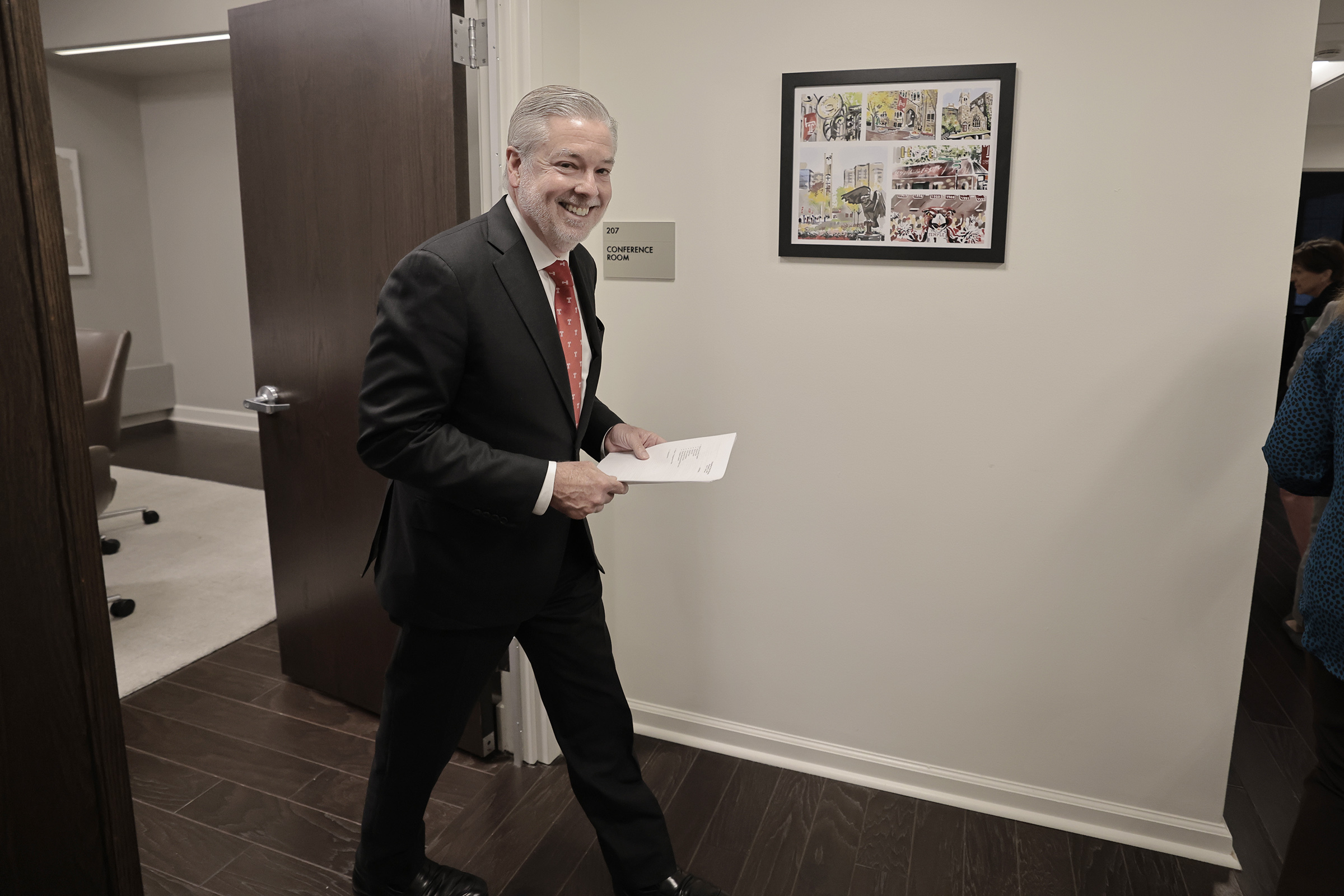
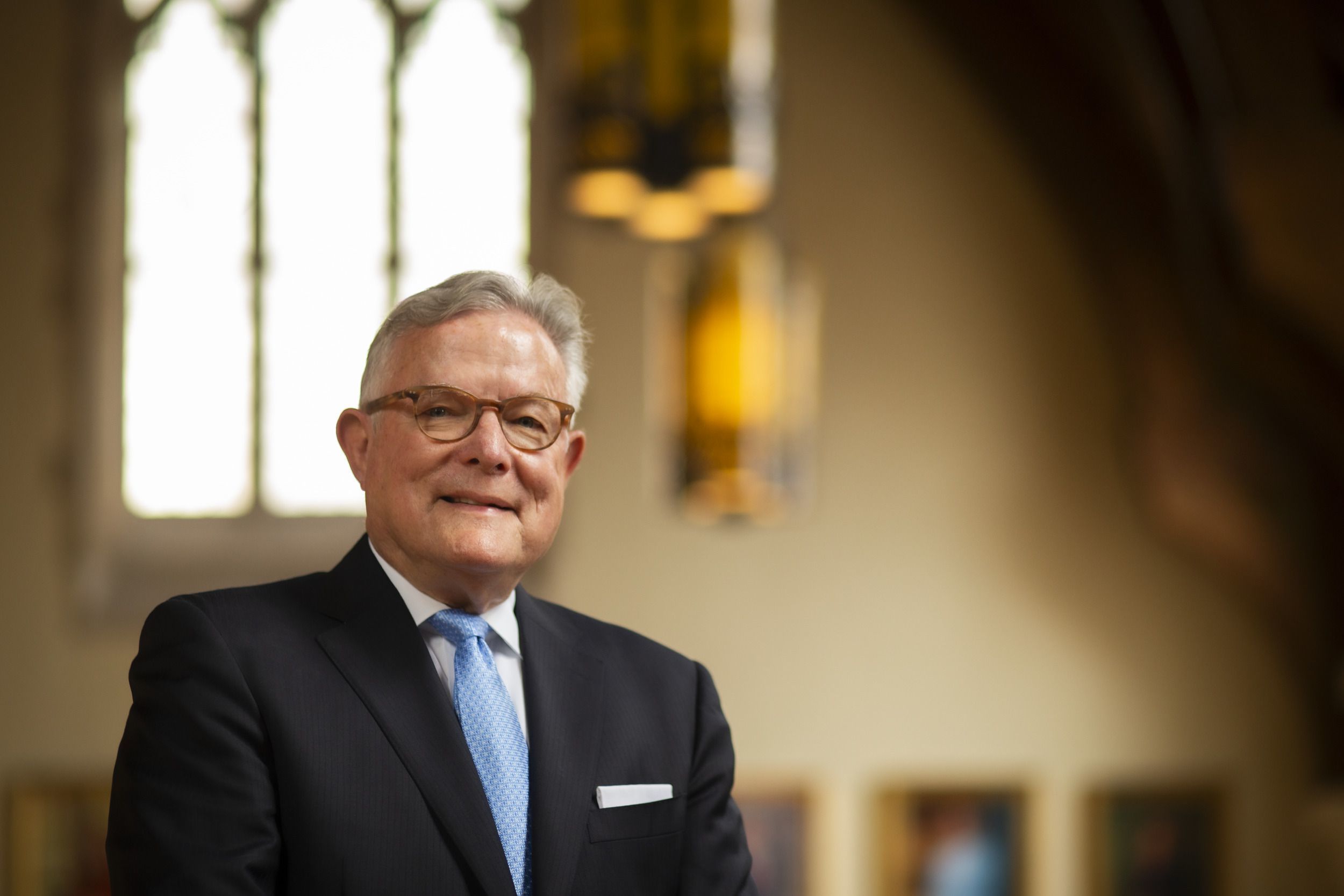
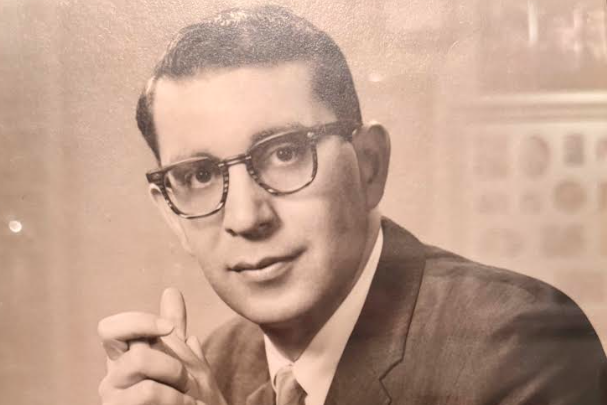
    Carl W. Schneider, 93, of Philadelphia, retired longtime attorney at the old Wolf, Block, Schorr, & Solis-Cohen law firm, former special adviser to the Securities and Exchange Commission, visiting associate professor at what is now the University of Pennsylvania Carey Law School, writer, poet, mentor, and volunteer, died Thursday, Dec. 18, of pneumonia at Pennsylvania Hospital.

    Mr. Schneider was an expert on corporate, business, and securities law, and he spent 42 years, from 1958 to his retirement in 2000, at Wolf, Block, Schorr, & Solis-Cohen in Philadelphia. He was adept at handling initial public offerings and analyzing stock exchange machinations, and he became partner in 1965 and chaired the corporate department for years.

    Although he did not plan to specialize in securities law after graduating from Penn’s law school in 1956, Mr. Schneider told the American Bar Association in 1999: “I found this type of work to be challenging, gratifying, stimulating, and educational.”

    He spent most of 1964 on leave from the law firm as a special adviser to the Securities and Exchange Commission’s Division of Corporation Finance in Washington. His recommendations to SEC officials regarding its public-offering process, disclosure system, civil liability rules, and arbitration procedure, many of which were ahead of their time, eventually led to modernization and reforms in the administration of federal securities laws. “I was cast in the role of the constructive critic,” he said in 1999.

    He chaired committees for the Philadelphia and American Bar Associations and was active in leadership roles with the American Law Institute and other groups. He clerked for Supreme Court Justice Harold H. Burton and Judge Herbert F. Goodrich of the U.S. Court of Appeals for the Third Circuit for two years after graduating from law school.

    He also taught classes as a visiting associate professor at Penn’s law school and lectured extensively elsewhere on the continuing legal education circuit. “I am aware of two personality traits that have shaped my career,” he said in 1999, “a need to fix things and a love of teaching.”

    He spent the 1978-79 school year as head of Penn’s Center for Study of Financial Institutions and said in 1999 that he would have taught full time had he not enjoyed his legal work so much. “I was a practitioner,” he said, “and I tried to give my classes useful training to do what most practitioners do.”

    Mr. Schneider wrote, cowrote, and edited dozens of scholarly articles, books, and pamphlets, including the celebrated Pennsylvania Corporate Practice and Forms manual in 1997. He also penned poetry, and used this stanza to open a chapter about boilerplate clauses in the Pennsylvania Corporate Practice and Forms manual:
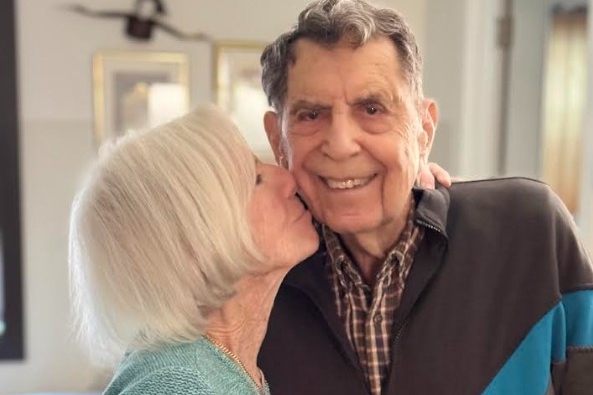
    Mr. Schneider and his wife, Mary Ellen, were inseparable for 68 years.

    “The ending stuff gets little thought/Like notice, gender, choice of laws/If badly done you may get caught/With a provision full of flaws.”

    He volunteered with what is now Jewish Family Service, the Jewish Federation of Greater Philadelphia, Abramson Senior Care, and Congregation Rodeph Shalom. He mentored countless other lawyers and students, and agreed in 1972 to a request by The Inquirer’s Teen-Age Action Line to be interviewed in his office for a high school student’s research project.

    “He was often described as brilliant, humble, a dry wit, and a great listener,” his family said in a tribute. “He gave everyone he spoke to the same time, attention, and respect.”

    He was quoted often in The Inquirer and lectured about legal matters at conferences and panels. He earned several service and achievement awards and said in 1999: “I suppose I am one of those compulsives who cannot see something in the world important to him that is broken without feeling the need to repair it.”
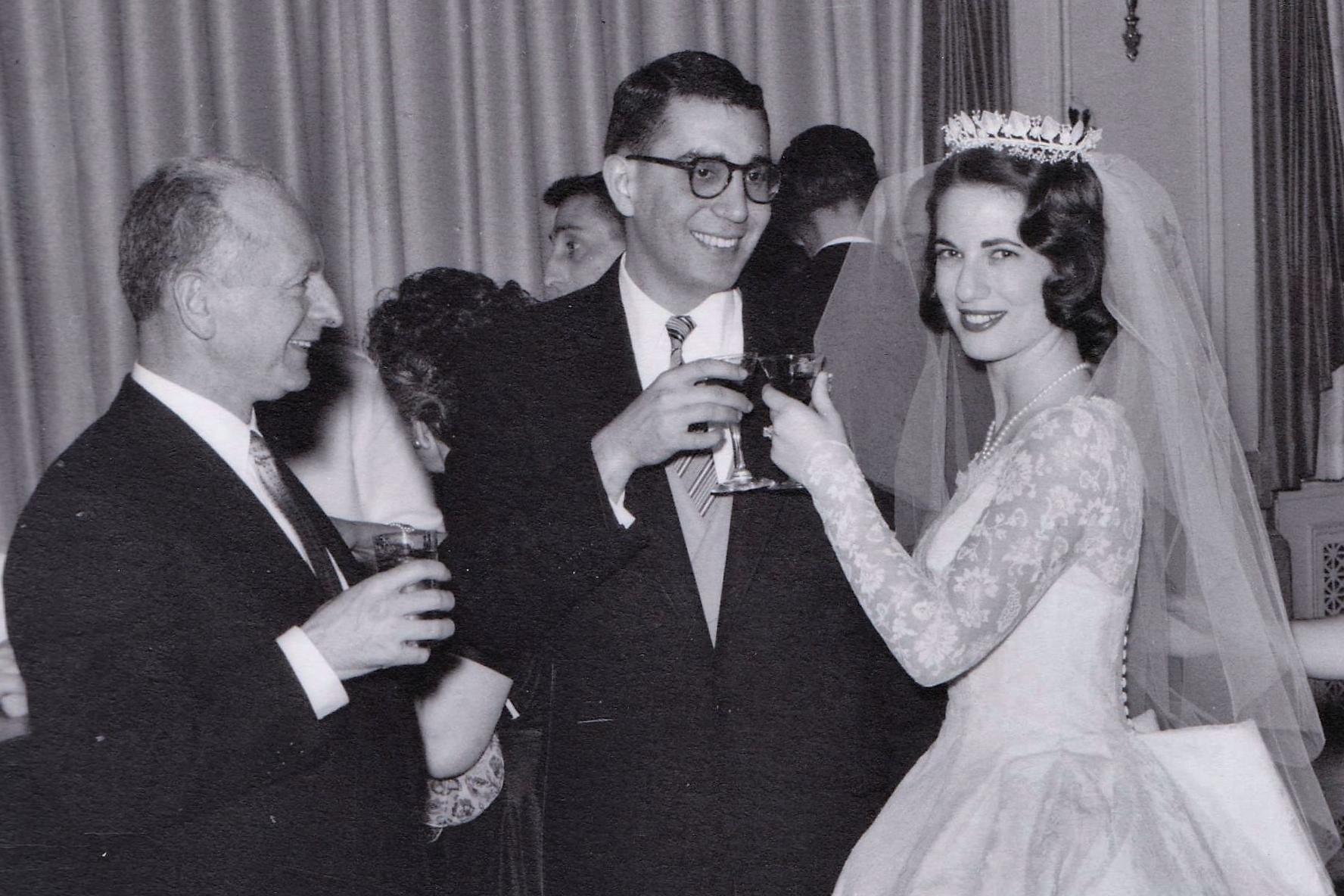
    Mr. Schneider and his wife, Mary Ellen, married in 1957.

    Carl William Schneider was born April 27, 1932, in the Wynnefield section of Philadelphia. His family later moved to Elkins Park, Montgomery County, and he graduated from Cheltenham High School in 1949.

    He knew he wanted to be a lawyer, like his father and grandfather, when he was young and said in a 2014 video interview at Penn that school was his favorite place. He earned a bachelor’s degree at Cornell University in 1953 and served on the law review at Penn.

    He met Mary Ellen Baylinson through a mutual friend, and they married in 1957. They had sons Eric, Mark, and Adam and a daughter, Cara, and lived for years in Elkins Park. He and his wife moved to Center City in 2005.

    Mr. Schneider enjoyed reading, bird-watching, photography, swimming, tennis, and springtime strolls through Rittenhouse Square. His favorite song was “The Gambler” by Kenny Rogers.
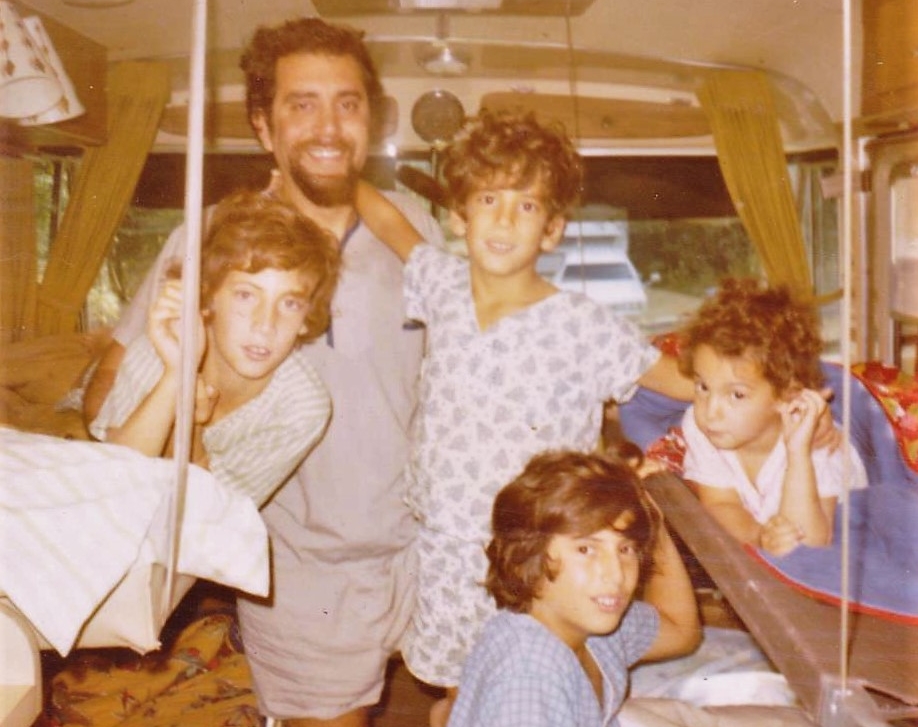
    Mr. Schneider drove his family across the country in a motorhome he nicknamed Herman.

    He collected old-fashioned scales, spent quality time with family and friends on Long Beach Island, N.J., and drove cross-country on a family road trip in a motorhome he nicknamed Herman. He ran unsuccessfully for commissioner in Melrose Park in the 1960s.

    He made sure to be home every night for dinner and drew smiley faces inside the capital C when he signed his name. “He never judged, never overreacted,” his daughter said.

    His son Adam said: “He was a gentle man but forthright and direct.” His son Mark said: “He had a moral code on how to live a life and never deviated from it.”

    His son Eric said: “He left the world a better place.”
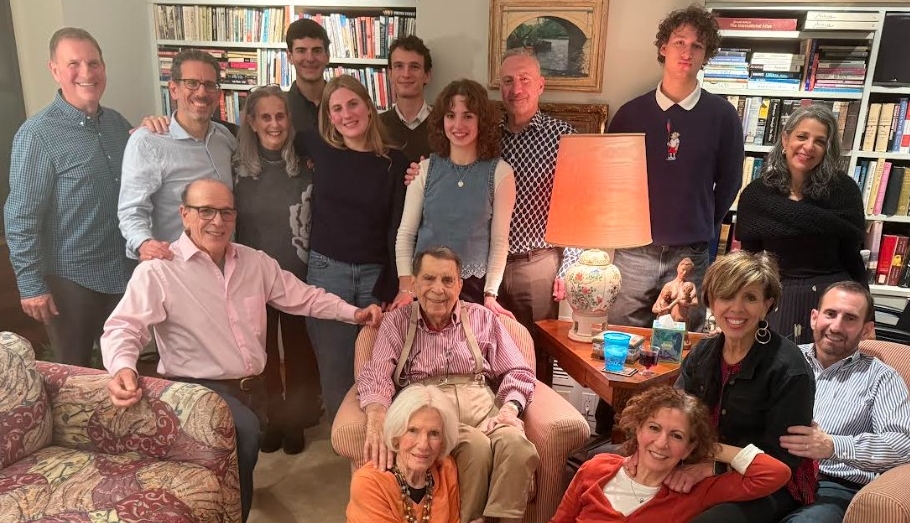
    Mr. Schneider (center) and his family spent many Thanksgivings together.

    In addition to his wife and children, Mr. Schneider is survived by three grandchildren; a sister, Julie; and other relatives.

    Services were held Monday, Dec. 22.

    Donations in his name may be made to Congregation Rodeph Shalom, 615 N. Broad St., Philadelphia, Pa. 19123.
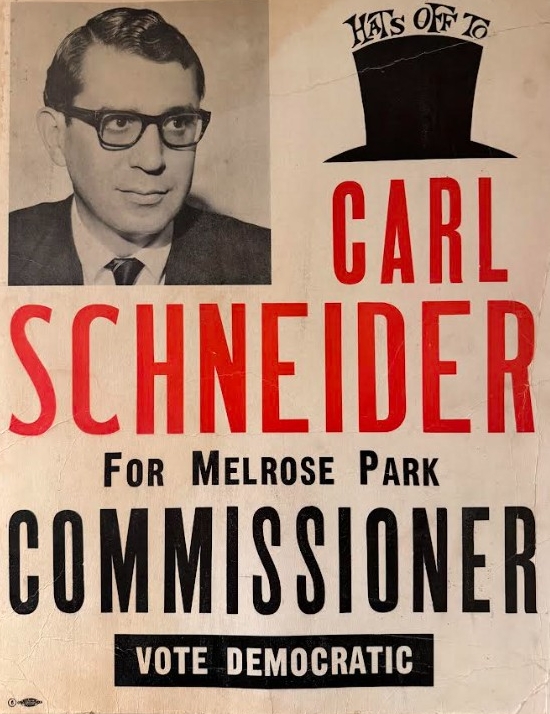
    Mr. Schneider was interested in civic and community issues as well as legal affairs.
  • Jefferson Health plans to boost capacity at the Abington Hospital emergency department

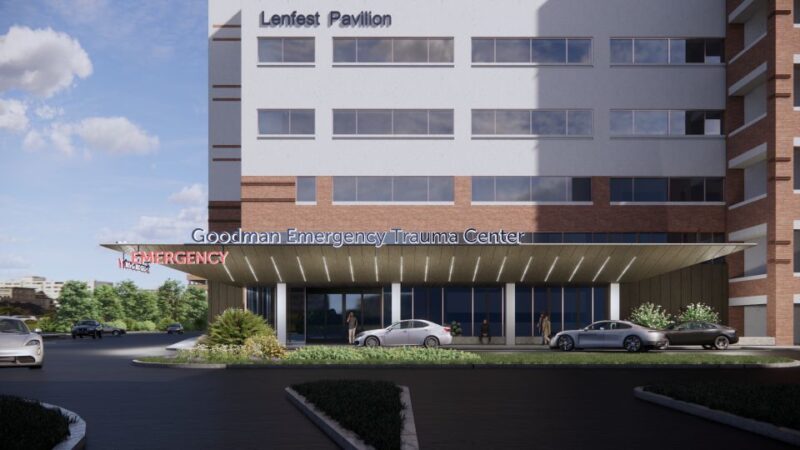
    Jefferson Health plans to boost capacity at the Abington Hospital emergency department

    Jefferson Health is boosting emergency department capacity at Abington Hospital to enable it to receive 100,000 visits annually, up from 80,000 now, the nonprofit health system said Tuesday.

    The department, which is also a Level II trauma center, will be named the Goodman Emergency Trauma Center in honor of an unspecified donation from Montgomery County residents Bruce and Judi Goodman. Bruce Goodman is a commercial real estate developer and a longtime Abington board member, Jefferson said.

    Jefferson, which acquired Abington in 2015, described the Goodman gift as the cornerstone of a $30 million ongoing fundraising campaign for the hospital’s emergency department.

    The project will reconfigure more than 24,000 square feet of existing clinical space and reallocate 10,000 additional square feet from a courtyard and a gift shop to the ED to expand capacity from 80 to 116 treatment spaces, Jefferson said.

    In November, Jefferson said it had closed Abington’s inpatient behavioral health unit to accommodate extra patients in its emergency department.

    Also last year, Jefferson announced $19 million in upgrades to the emergency department at Thomas Jefferson University Hospital in Center City. The system also added a 20-bed observation unit in the ED at Jefferson Einstein Philadelphia.

  • House of the week: A historic five-bedroom house in Media for $785,000

    House of the week: A historic five-bedroom house in Media for $785,000

    Kai Lu and Edward Mendez had expected to spend many years in the spacious Media home, enjoying the easy access to Center City by SEPTA Regional Rail, the good schools for their two-year-old son and the second on the way, and its aura of history.

    But in the words of Lu, who is in data analytics for a major communications company, “life intervened.”

    Mendez landed his dream job as a data analyst for the Miami Marlins baseball team, and the couple are headed to Florida after two years in the house.

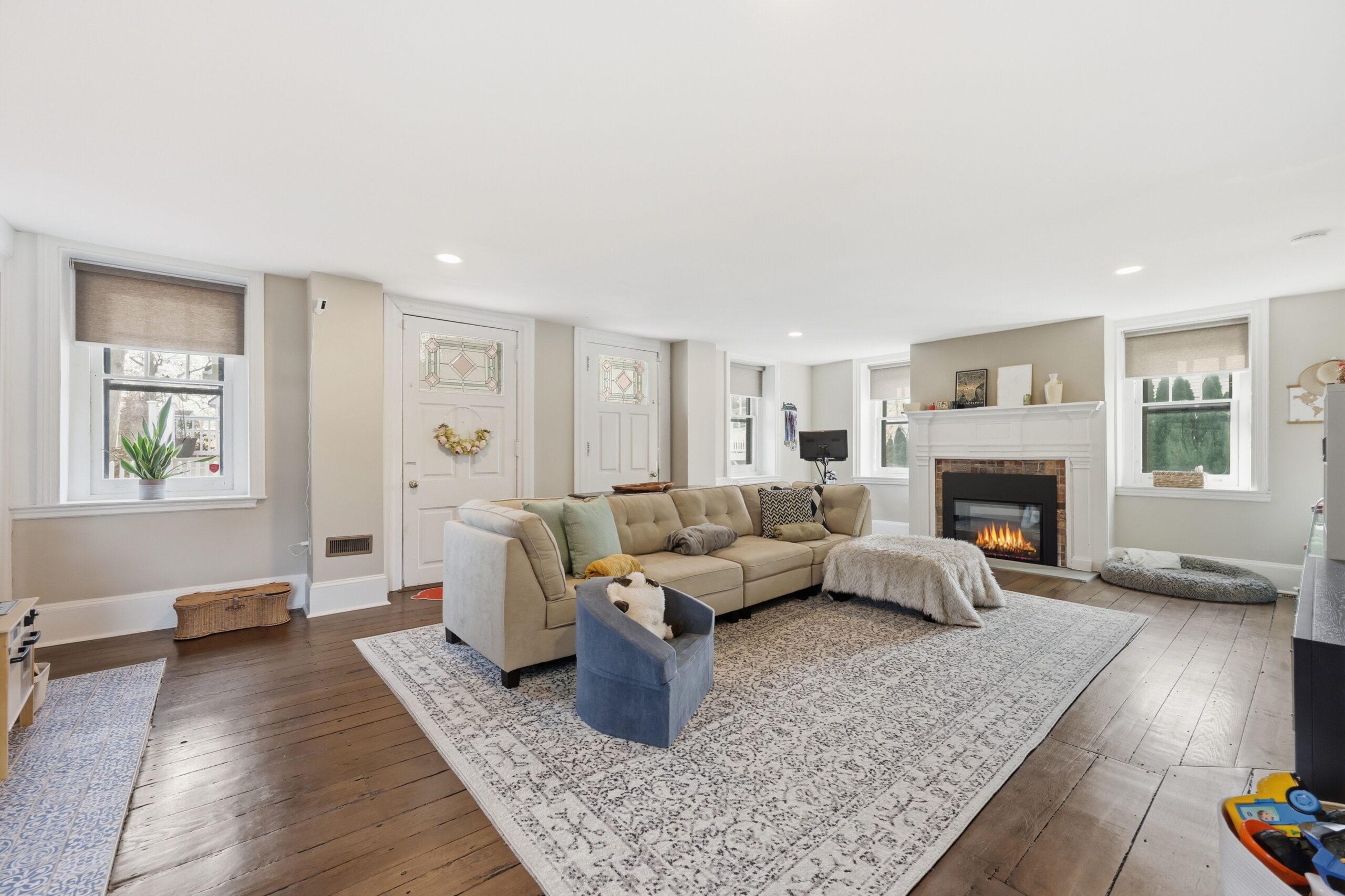
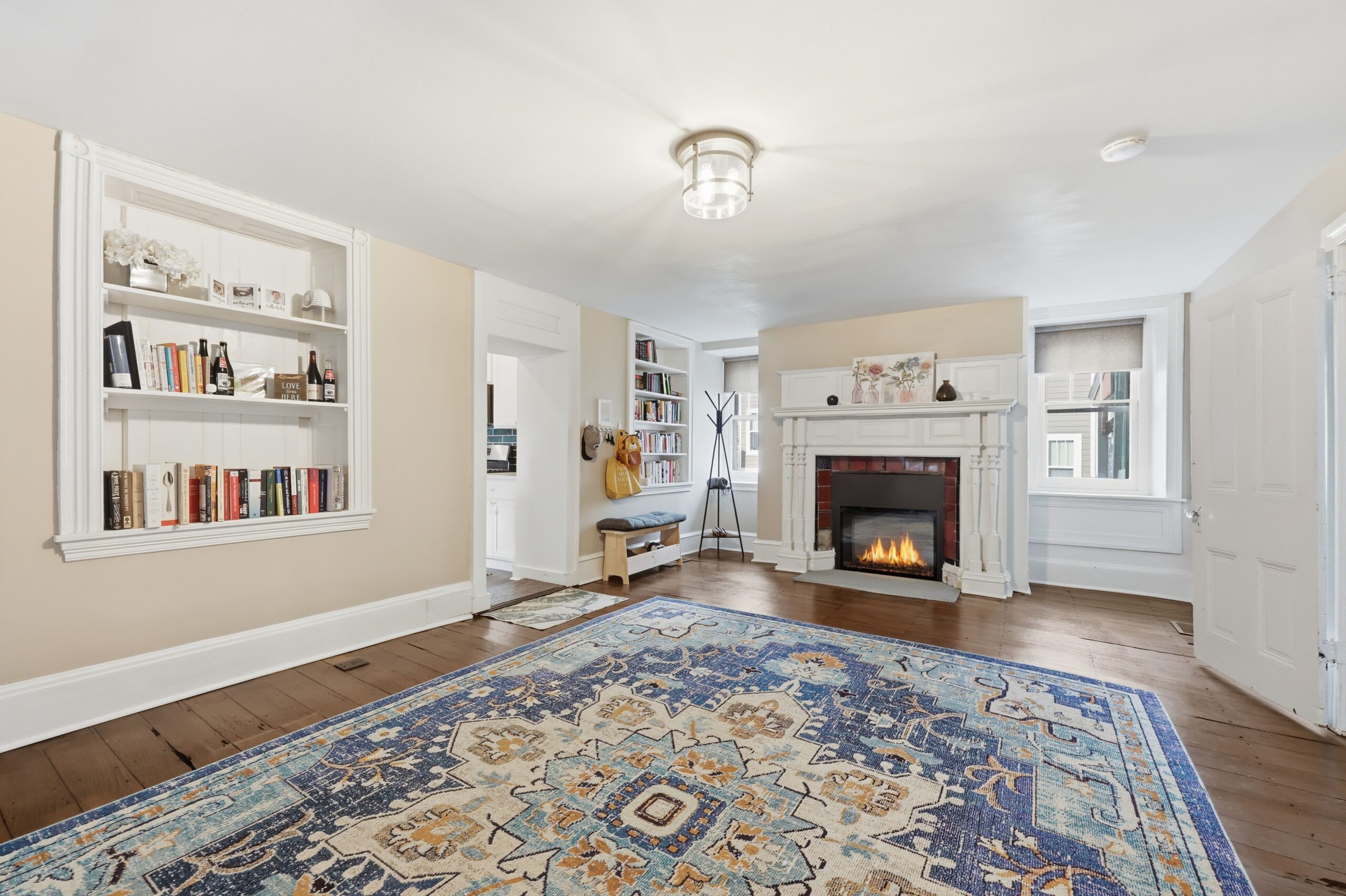
    The living room. The home has four working fireplaces.

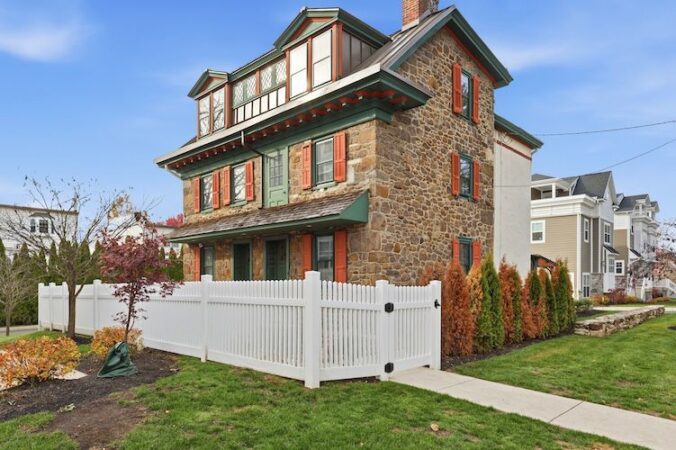
    The five-bedroom, 4½-bathroom home was once the general store of Providence Village, and Lu says she doesn’t know when the changeover came.

    The earliest part of the house dates to the 18th century, with some 19th-century additions.

    The 4,334-square-foot house has three floors of living space plus an unfinished basement, and four working fireplaces powered by electric inserts.

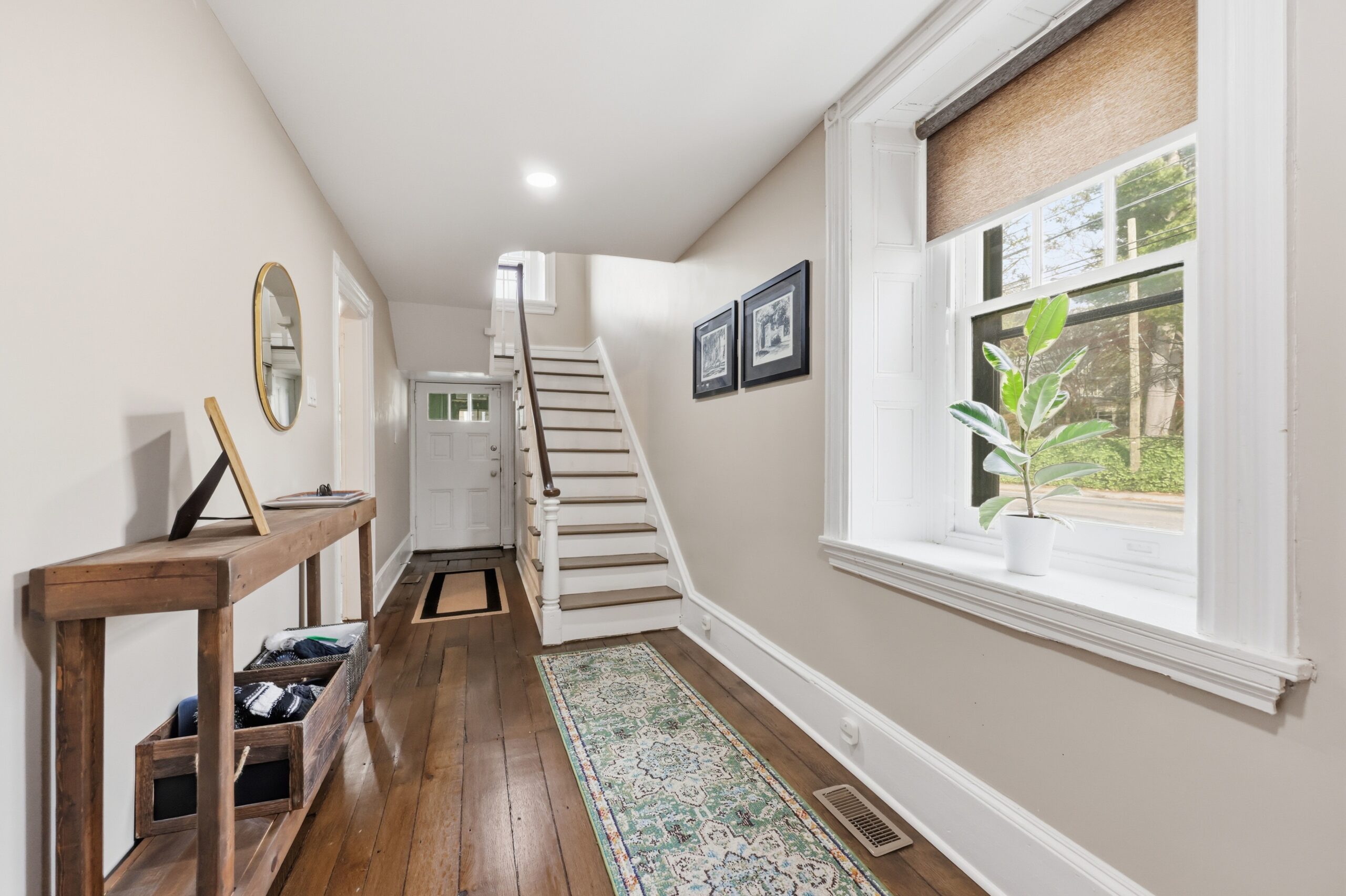
    Front hall

    The home has its original hardwood floors and a two-zone thermostat system with central air and forced heat.

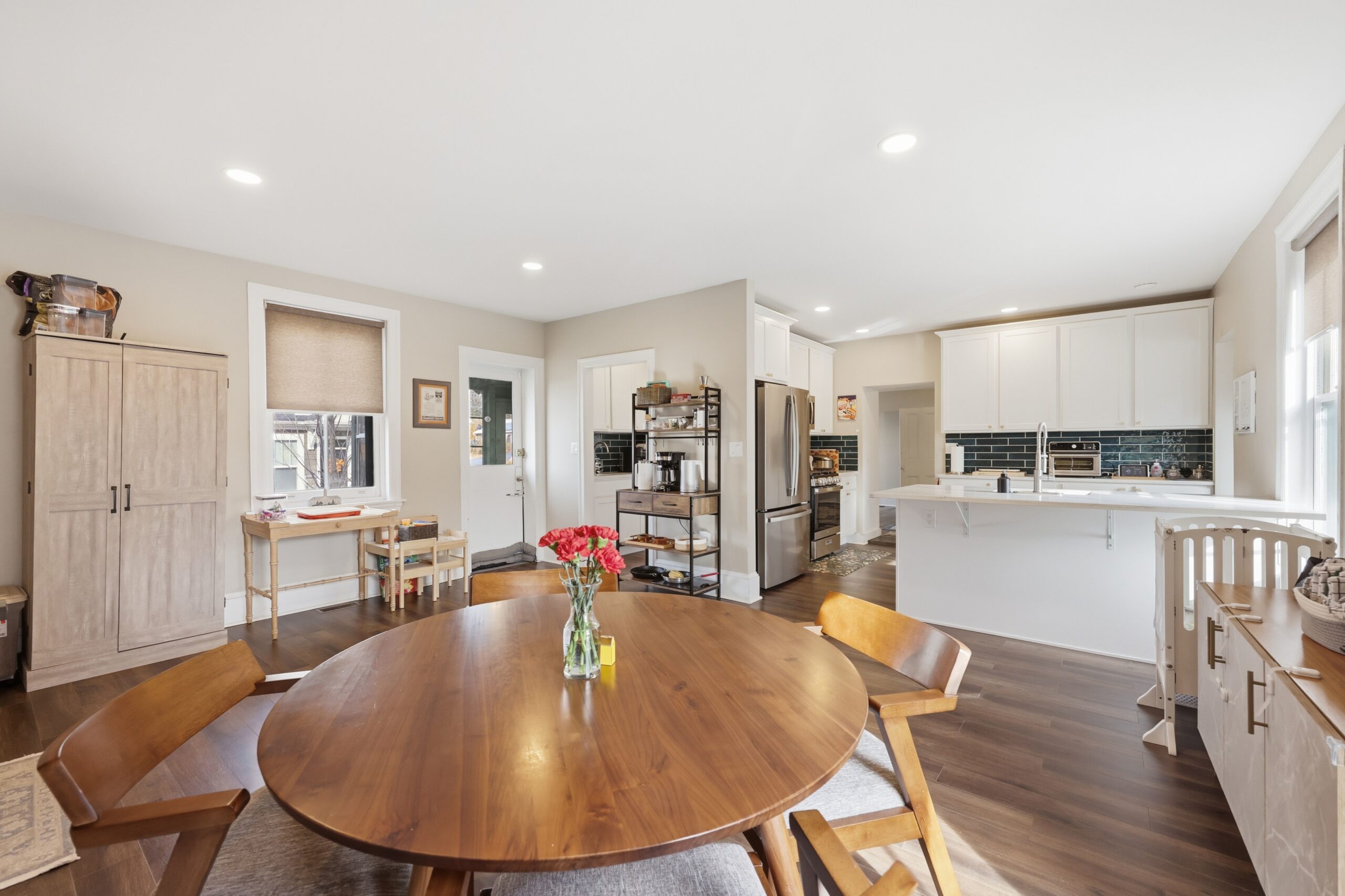
    The newly renovated kitchen has quartz countertops, stainless steel appliances, gas cooking, a separate coffee bar and pantry area, and an adjacent sunroom.

    The formal dining room has built-in shelves and a fireplace.

    The kitchen, which includes a dining area.

    The primary bedroom and another bedroom are on the second floor, along with a laundry room.

    The third floor has three additional bedrooms — one of which serves as an office — two full bathrooms, and a full-sized cedar closet.

    The formal dining room has built-in shelves.

    Updates by the current owners include partial roof replacement, resurfacing and staining the hardwood floors, new flooring in the kitchen, exterior stone repointing, custom window treatments, and a new sewer line.

    The house is in the Rose Tree Media School District.

    It is listed by Amanda Terranova and Adam Baldwin of Compass Realty for $785,000.

  • Self-funding physicians, candidates trying to keep up, and a frontrunner: Inside the money race for a Philly congressional seat

    Self-funding physicians, candidates trying to keep up, and a frontrunner: Inside the money race for a Philly congressional seat

    State Sen. Sharif Street maintained his financial advantage. Physicians Ala Stanford and David Oxman have turned to self-funding their campaigns. And State Reps. Chris Rabb and Morgan Cephas are low on cash — but one might be getting help soon.

    The crowded Democratic primary for Pennsylvania’s 3rd Congressional District is beginning to come into focus after the candidates this weekend filed new campaign finance reports. The filings cover the last three months of 2025, providing insights into the candidates’ resources as the campaign heats up.

    window.addEventListener(“message”,function(a){if(void 0!==a.data[“datawrapper-height”]){var e=document.querySelectorAll(“iframe”);for(var t in a.data[“datawrapper-height”])for(var r,i=0;r=e[i];i++)if(r.contentWindow===a.source){var d=a.data[“datawrapper-height”][t]+”px”;r.style.height=d}}});

    Fundraising will not be the only factor that determines the outcome of the May primary election, which will ultimately be decided by voters. But the 3rd District candidates need money to pay staff and buy advertisements to spread their message, and the beginning of an election year is often a pivotal time for campaigns to prove their viability.

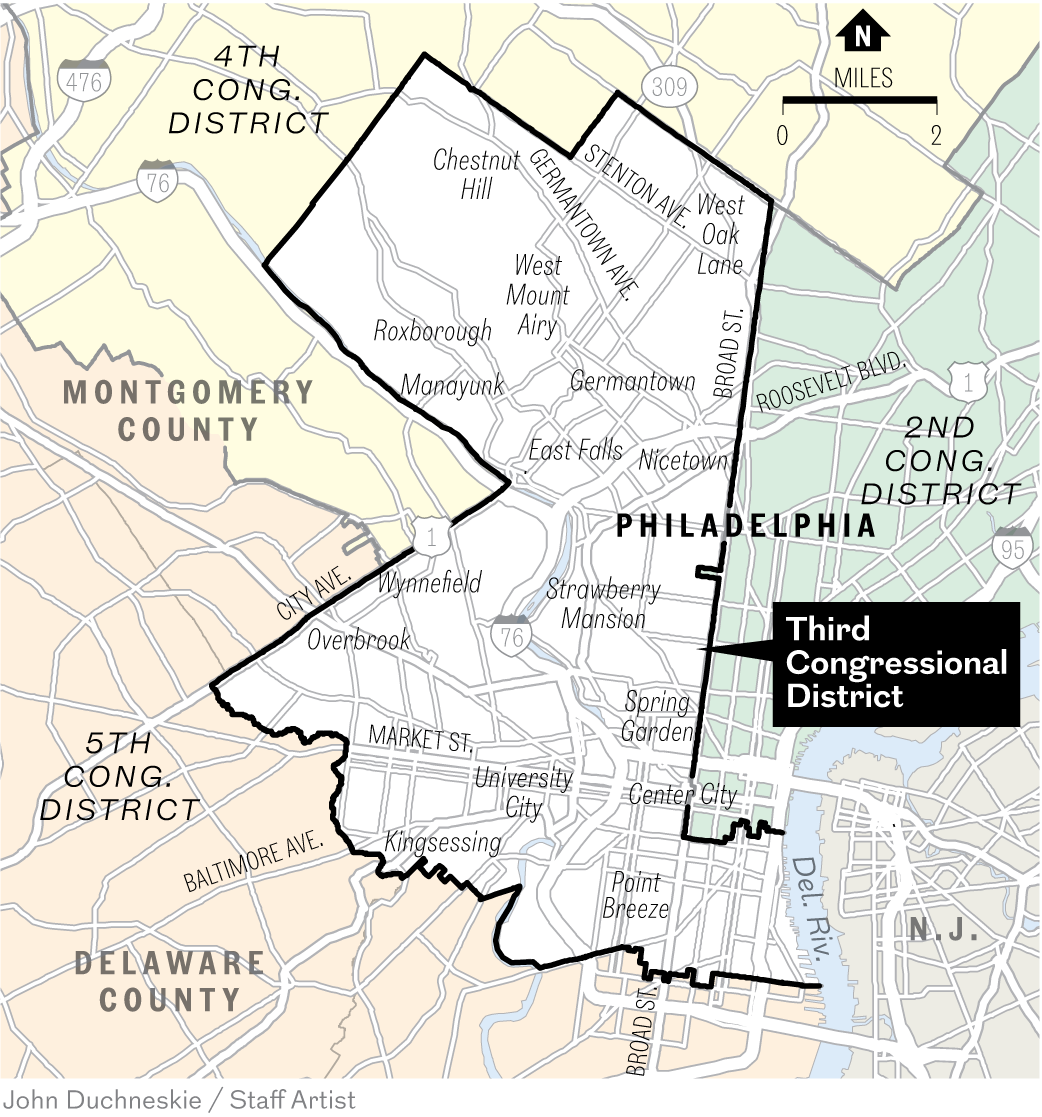
    Map of Pennsylvania’s 3rd Congressional District.

    After U.S. Rep. Dwight Evans (D., Philadelphia) last year announced he would not seek reelection to the nation’s bluest district, more than a dozen candidates tossed their hats in the ring. It’s likely some will not stay in the race long enough to appear on the May 19 primary ballot.

    The 3rd District includes all of Northwest and West Philadelphia, as well as parts of Center City and North, South, and Southwest Philadelphia.

    Sharif Street continues to rake in cash

    Street, a former chair of the Pennsylvania Democratic Party and the son of former Mayor John F. Street, continues to use his connections to his advantage when it comes to fundraising.

    Street led the field by raising about $347,000 from Oct. 1 to Dec. 31 of last year, according to his report. His campaign spent $193,000 during that period, and he had $527,000 in cash on hand at the start of 2026.

    window.addEventListener(“message”,function(a){if(void 0!==a.data[“datawrapper-height”]){var e=document.querySelectorAll(“iframe”);for(var t in a.data[“datawrapper-height”])for(var r,i=0;r=e[i];i++)if(r.contentWindow===a.source){var d=a.data[“datawrapper-height”][t]+”px”;r.style.height=d}}});

    Campaign manager Josh Uretsky said Street’s fundraising totals “demonstrate that our strong track record of progressive leadership — from lowering health care costs to leading the fight to legalize recreational cannabis and reform our justice system — is resonating in every corner of the district.”

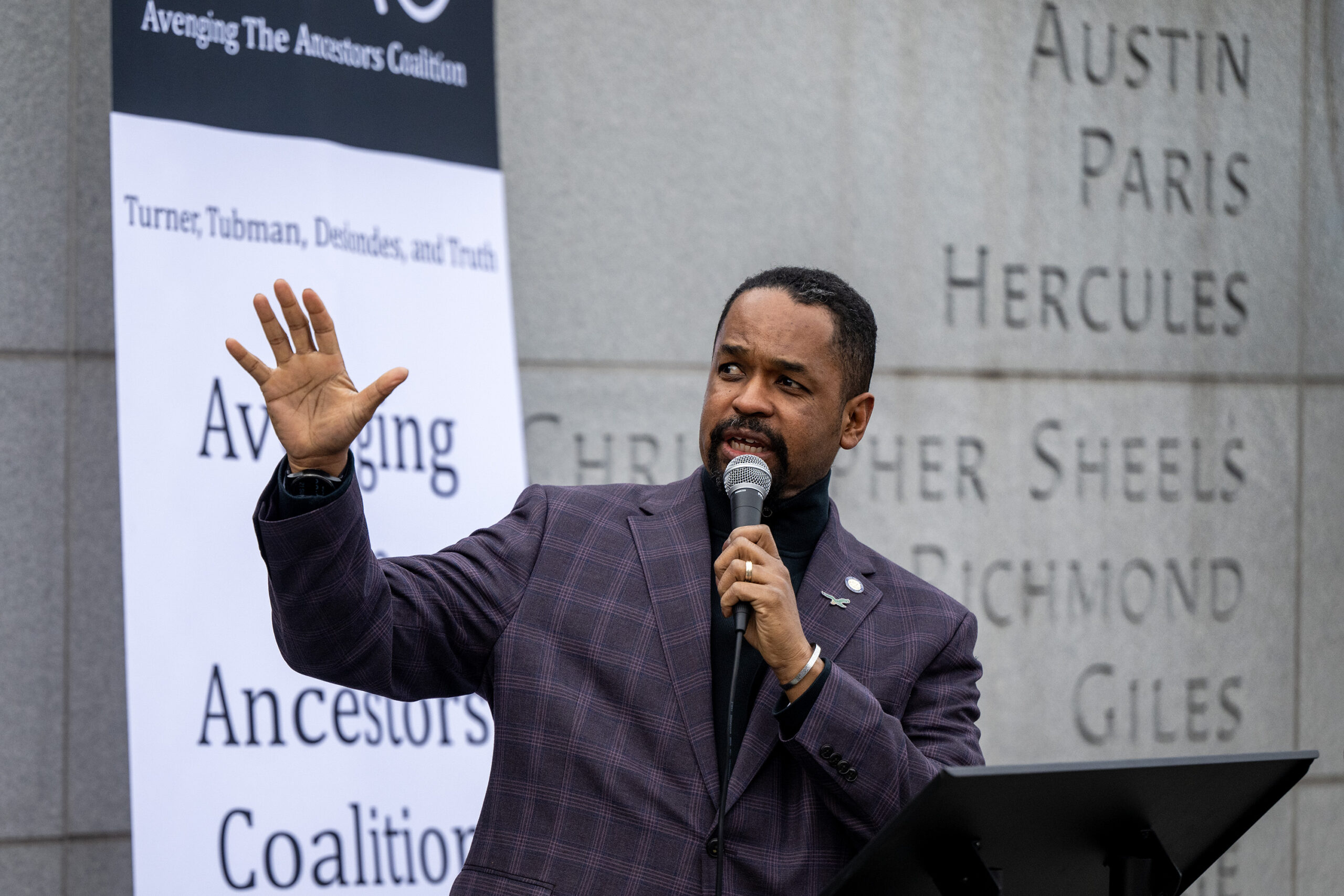
    State Sen. Sharif Street speaks in front ofthe engraved names of nine enslaved people who lived and worked at President George Washington’s home, as the 15th anniversary of the President’s House exhibit in Independence National Historical Park is celebrated Sunday, Dec. 21, 2025.

    Street has benefited from contributions from the deep-pocketed building trades unions, which endorsed him last fall. In the past, those unions have also funded outside spending committees, or super PACs, to support their preferred candidates, and it’s likely they’ll do the same for Street this spring.

    Street collected more than $40,000 from labor groups in the most recent reporting period.

    First-time candidates Ala Stanford and David Oxman turn to self-funding

    Last month, it appeared that Stanford, a pediatric surgeon, was raking in cash when her campaign released a statement saying she had raised more than $467,000, a significant haul for a first-time candidate. The campaign said at the time that her fundraising prowess “solidifies [her] leading role” in the race.

    But it turns out that more than half of the money the campaign brought in came from Stanford herself. The new report showed that Stanford lent her campaign $250,000 on Dec. 31, the last day of the reporting period, bringing her total cash on hand to about $392,000 at the end of the year.

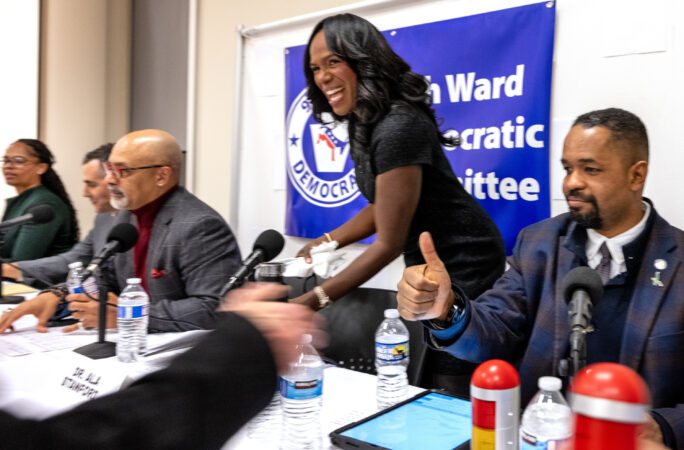
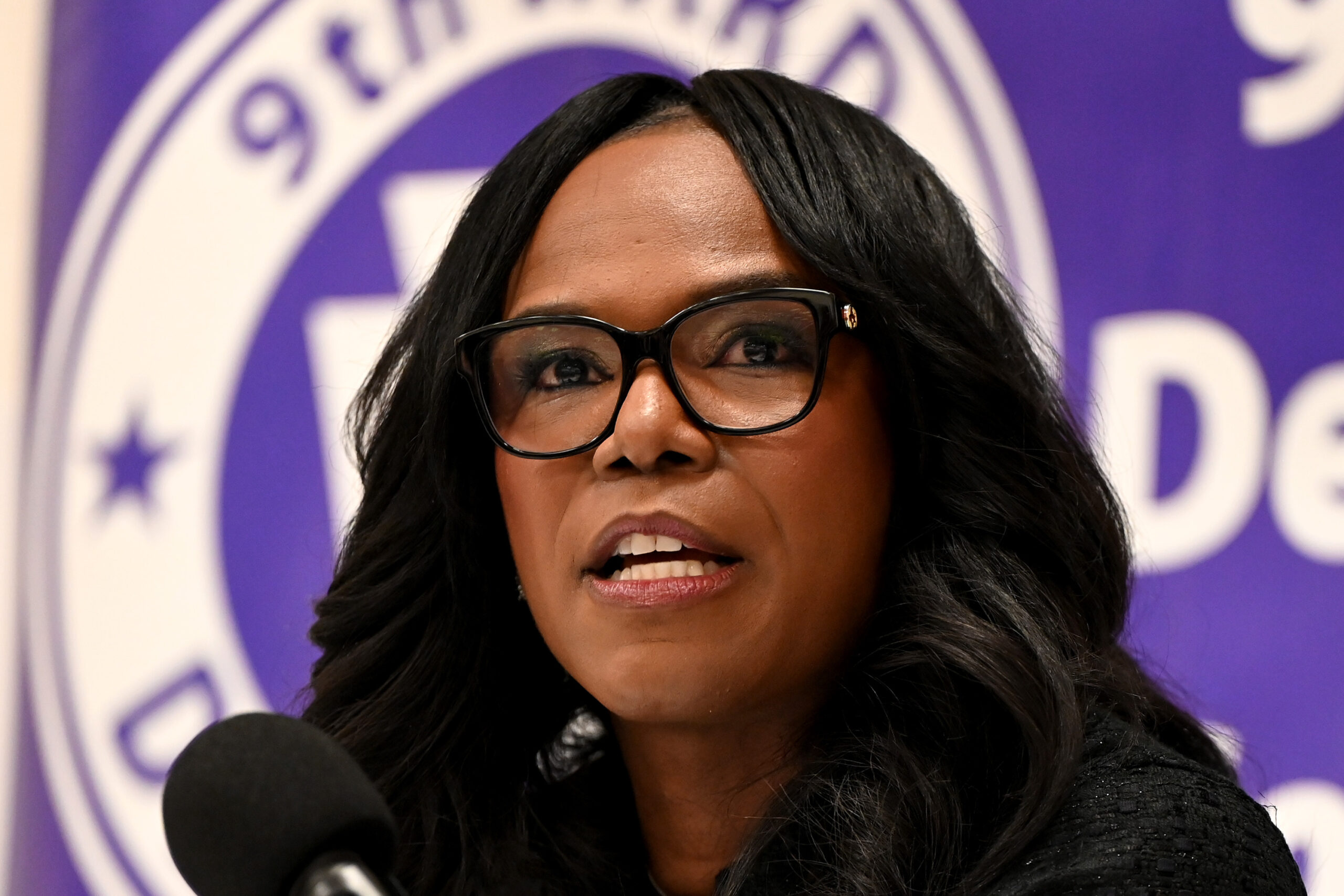
    Physician Ala Stanford at a forum hosted by the 9th Ward Democratic Committee Dec. 4, 2025.

    In a statement Monday, Stanford emphasized her humble upbringing in North Philadelphia public housing, saying she “never imagined being in this position, but this city has given me so much.”

    Her campaign noted that she also invested her own money in her nonprofit organization, the Black Doctors Consortium, to bolster the city’s COVID-19 testing and vaccination programs during the height of the pandemic.

    “I’ve stood up and led during a crisis before — and spent my own money to do it — so I’m going do whatever it takes to fight for our city,” Stanford said. “I’m incredibly grateful that in just the first few months of our campaign, that commitment has been matched with amazing grassroots financial support, too, and we’re just getting started.”

    Stanford is not the only doctor self-funding their congressional campaign. Oxman, another political outsider and physician, brought in just over $107,000 between October and December — including $75,000 that he lent to his own campaign.

    Oxman, an intensive-care physician and professor at Thomas Jefferson University, has lent his campaign $175,000. At the end of the year, he had $357,000 in the bank.

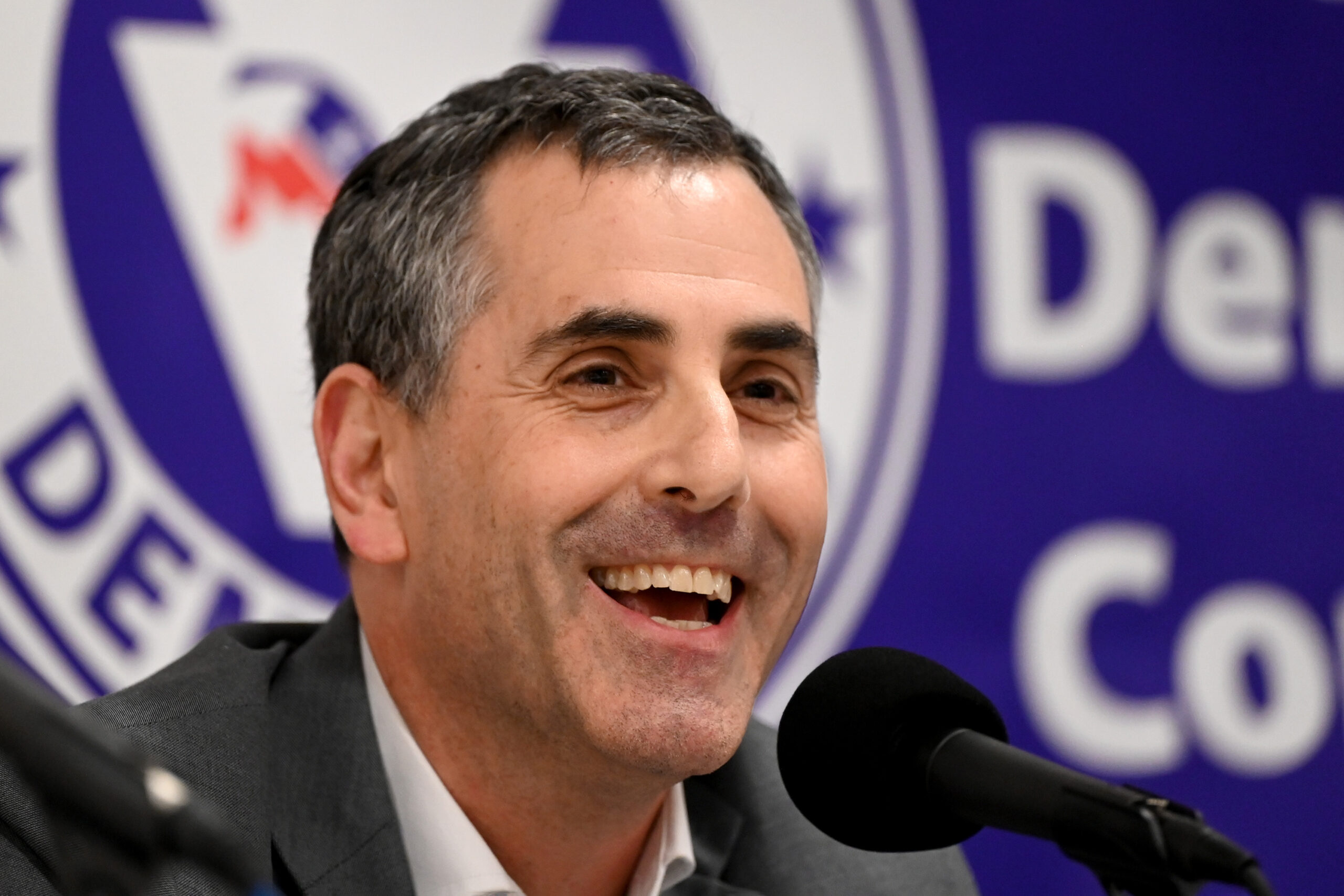
    Physician David Oxman at a forum hosted by the 9th Ward Democratic Committee Dec. 4, 2025.

    In a press release Sunday, Oxman emphasized that he was not accepting corporate PAC donations.

    “You cannot fight for the health of the people of the 3rd district while you are taking money from nursing home companies and health insurance PACs,” Oxman said. “The corporatization of medicine is just a piece of a larger corporatization of American life that is hollowing out our economy as well as our democracy.”

    Chris Rabb and Morgan Cephas enter 2026 low on cash

    Both Cephas and Rabb raised less money in the fourth quarter of 2025 than in the opening months of their campaigns, and they both closed the year with roughly $100,000 in cash on hand.

    Cephas raised about $85,000 in the last three months of 2025. She collected $156,000 in the previous quarter, despite joining the race in September shortly before the filing deadline.

    Cephas, who represents a West Philadelphia district and chairs the city’s delegation to the Pennsylvania House, entered the year with about $109,000 in cash on hand.

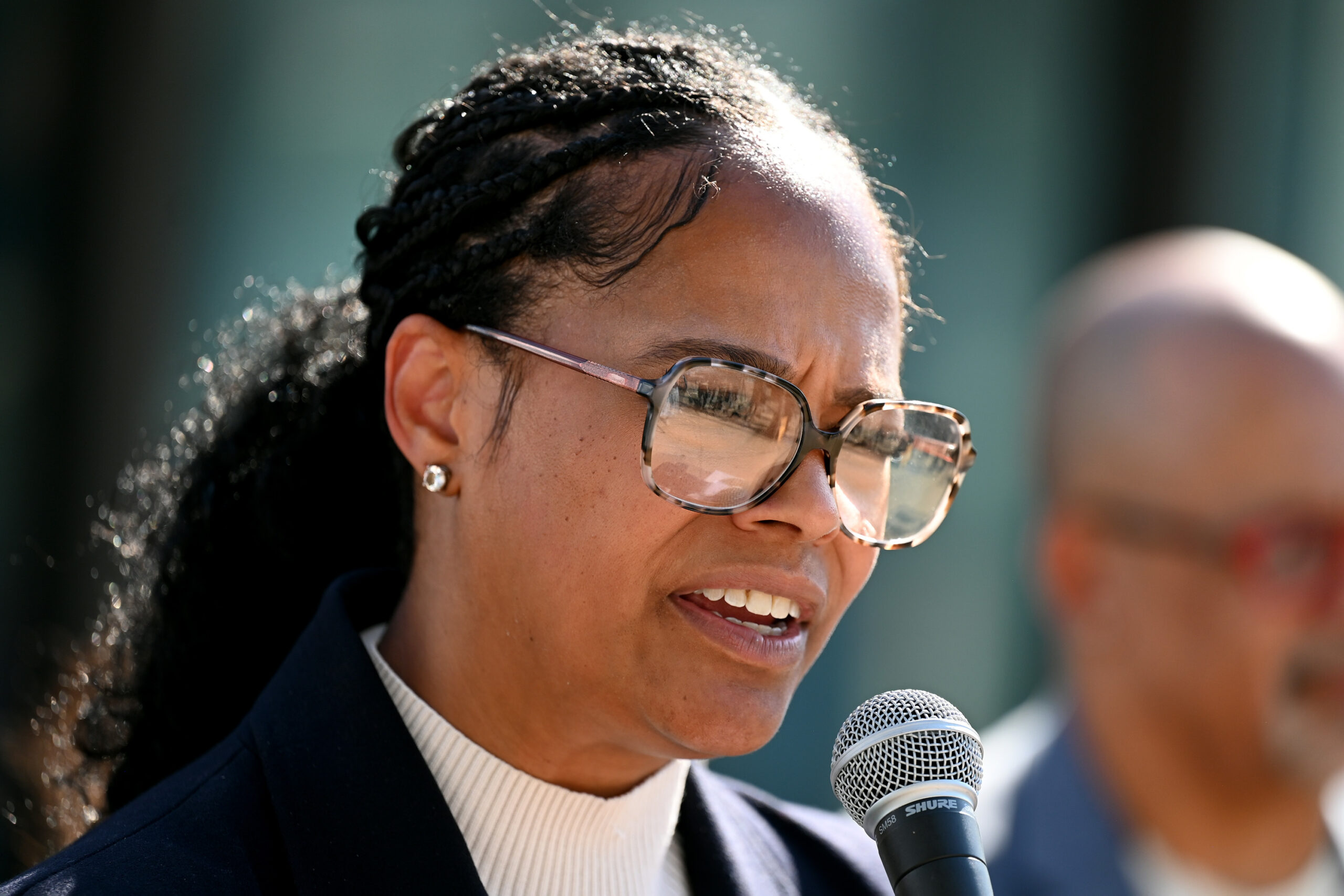
    State Rep. Morgan Cephas at a news conference Sept. 3, 2025.

    “The residents of the 3rd Congressional District are more concerned with the skyrocketing cost of living, fewer health care options, and making sure their communities are safe than who raised the most money,” Cephas campaign manager Salvatore Colleluori said. “Rep. Cephas has only one priority in this race, the residents of Philadelphia’s 3rd Congressional District.”

    Similarly, Rabb, a progressive who represents part of Northwest Philly, took in $127,000 in the latest reporting period despite previously raising $257,000. He had $99,000 in the bank on Jan. 1.

    “I’m incredibly proud of the thousands of people in Philly and across the country fueled by a movement so much bigger than electoral politics,” Rabb said. “Our momentum is undeniable. We always knew we wouldn’t outraise the corporate-backed and self-funded campaigns — and we don’t need to.”

    Pablo McConnie-Saad, a 39-year-old South Philly resident who worked in Biden’s administration, entered the race to represent Pennsylvania’s 3rd Congressional District.

    Meanwhile, Pablo Iván McConnie-Saad — a Bella Vista resident who worked in Delaware politics before serving in the Treasury Department under former President Joe Biden — brought in a fundraising haul similar to the sitting state representatives last quarter despite his campaign largely flying under the radar.

    McConnie-Saad collected $119,000 in contributions last quarter, and he had $69,000 on hand at the start of the year.

    In a statement, campaign field director Matt Cárdenas said McConnie-Saad offered voters a “different choice.”

    “This campaign is entirely people-powered,” he said. “No corporate PAC money, no AIPAC, just everyday people investing in a different kind of politics. We’re proud of what we’ve built so far. Politicians have failed us, and Washington won’t change unless we challenge it.”

    Rabb may get outside help from progressive groups

    Despite his weak fundraising totals, there may be good news around the corner for Rabb, a progressive who is starting to see left-leaning political groups coalesce around his candidacy.

    The Democratic Socialists of America’s Philadelphia chapter recently endorsed him, as did two liberal wards in South Philadelphia. And Reclaim Philadelphia leaders are recommending that its members back Rabb in the progressive group’s internal endorsement process.

    The Working Families Party of Pennsylvania, which often funds super PACs to back left-leaning candidates, has not yet weighed in.

    Candidates (from left) State Reps. Morgan Cephas, and Chris Rabb; and physician David Oxman appear at a forum hosted by the 9th Ward Democratic Committee in Mt. Airy Thursday, Dec. 4, 2025.

    “We’re still going through an active endorsement process, but we’re confident that we will land on a progressive who will fight for working people, not billionaire donors, big corporations, or special interests,” said Nick Gavio, a spokesperson for the party.

    Additionally, the Justice Democrats, a national group founded by operatives from Bernie Sanders’ presidential campaign, may also get involved. In the past, the PAC has backed candidates with similar platforms to Rabb’s.

    Justice Democrats “will likely come to a decision with news to share in the very near future in support of a candidate we can be confident will represent the values of the everyday people in this district,” spokesperson Usamah Andrabi said.

    Data reporter Joe Yerardi contributed to this article.

  • How Black History Month endures

    How Black History Month endures

    I am not a huge fan of comic books and superheroes, but I appreciate the storytelling. In comics, the origin story is just as important as the hero saving the day. The same is true for Black History Month, which originated as Negro History Week.

    Negro History Week was created by Carter G. Woodson, the child of two formerly enslaved parents. According to Harvard historian Jarvis R. Givens, Woodson was taught by his two uncles, John and James Riddle, his mother Anne Riddle’s brothers, who had also been enslaved. Both had been educated in a Freedmen School toward the end of Reconstruction, and they became Woodson’s first teachers.

    “As a student, [Woodson] witnessed the shared vulnerability of Black people through the story of his teachers and family,” writes Givens. “These first encounters taught Woodson more than just reading, writing, and arithmetic. He also inherited a political orientation to schooling informed by the lived history of the teachers standing before him … Here, Woodson encountered the project of Black education.”

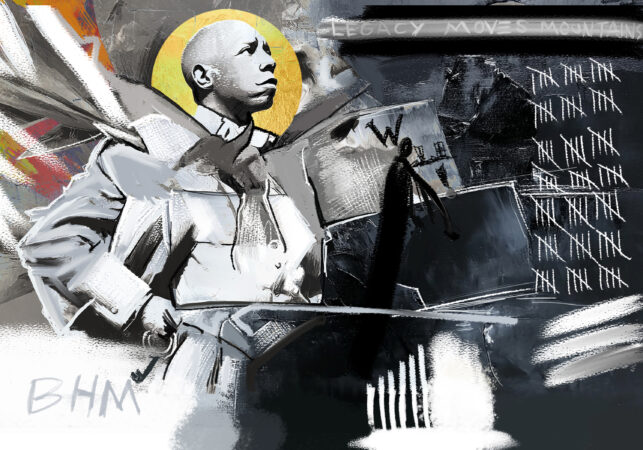
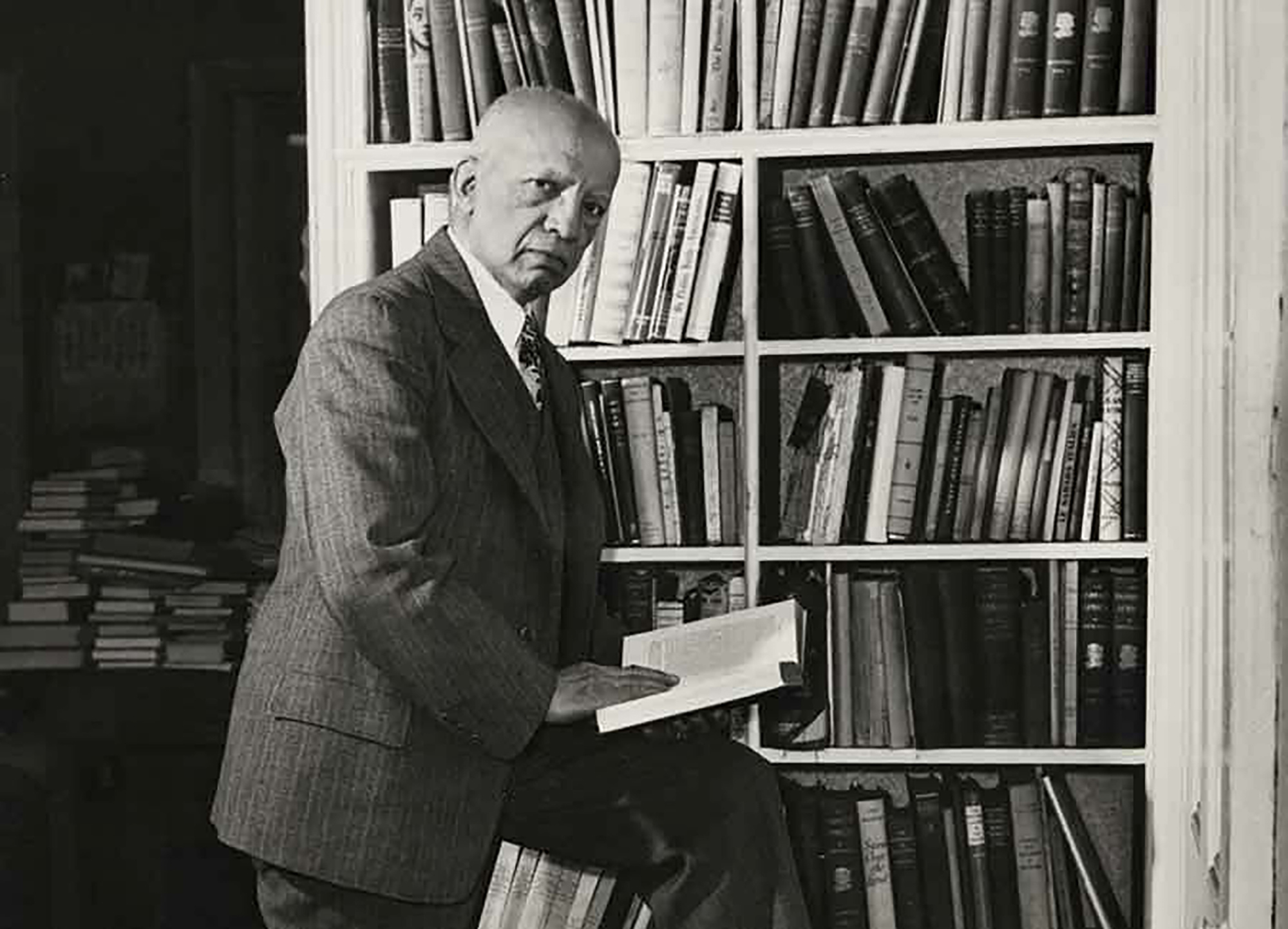
    The historian and author Carter G. Woodson is widely regarded as the father of what has become Black History Month. Much of the observance’s origin can be traced to Philadelphia, writes Rann Miller.

    That project, which continues to this day, was the equipping of Black people with the practical knowledge to do a thing, and the historical memory to understand why they do it. This was the basis with which Woodson founded the Association for the Study of Negro Life and History (ASNLH) in 1915 and created Negro History Week in 1926, as a time for Black people to not only learn about Black history, but to take the time to reflect on it.

    In Woodson’s words: “It is evident from the numerous calls for orators during Negro History Week that schools and their administrators do not take the study of the Negro seriously enough to use Negro History Week as a short period for demonstrating what the students have learned in their study of the Negro during the whole school year.”

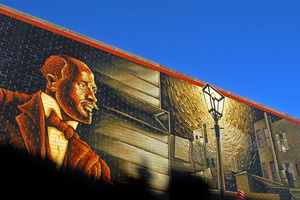
    A mural honoring W.E.B. Du Bois on a firehouse at Sixth and South Streets in Philadelphia. He was an early advocate of Black history events.

    The first Negro History Week took place from Feb. 7 to 13, 1926. The Philadelphia Tribune, in an article published Feb. 6, 1926, said: “It is essential to the future growth of the Negro race that we become acquainted with our past … We have passed the point in our advancement where we can afford to disregard our history.” That sentiment remains true today.

    In April 1928, the Germantown YMCA hosted an event called Negro Achievement Week for the Germantown community, featuring such prominent African Americans as Alain Locke, W.E.B. Du Bois, and James Weldon Johnson. The week’s events received little media attention but were robust, including a mass community meeting, a music night, an art night, and a history lecture, held in both Germantown and Center City, according to David Young, director of the Historical Society of Montgomery County.

    The events were aimed at educating white people, as well, with Du Bois’ pointedly noting that “he reminded the whites too often of their injustice to the Negro.”

    Planning for Negro Achievement Week in Philadelphia began in 1923 at the “Black Branch” of the Germantown YMCA, known as the “Colored Y,” under the guidance of Olivia Yancey Taylor and Eva del Vakia Bowles.

    Members of the Colored Y formed an interracial committee to plan the week’s activities, including a variety of African American heritage events.

    The first Negro Achievement Week, which became Negro History Week, happened in 1925, influenced by a partnership between Woodson and members of the Black fraternity Omega Psi Phi, who created Negro History and Literature Week, first celebrated in April of 1921.

    “Celebrations took the form of public programs in churches, schools, and events partnering with literary societies,” according to Givens. “Given the success of the program, a committee was established in 1923 to outline a strategic plan: to develop plans for fostering the study of Negro History in the schools and colleges of the country.”

    The week subsequently became a shared project between Woodson and Black schoolteachers.

    While Negro Achievement Week in Philadelphia didn’t take place after 1928, Negro History Week continued nationwide because Black people understood that they were past “the point in our advancement where we can afford to disregard our history.”

    Although President Gerald Ford officially expanded Negro History Week to become Black History Month in 1976, Black communities had already done so on their own, believing one week was not sufficient to contain their history.

    Philadelphia stands proudly in that tradition — from the Colored Y to educator Nellie Bright. Thanks to Carter G. Woodson and countless Black educators, their vision endures a century later.

    Rann Miller is an educator and freelance writer based in southern New Jersey. His “Urban Education Mixtape” blog supports urban educators and parents of children attending urban schools. urbanedmixtape.com @RealRannMiller

  • How to have a Perfect Philly Day, according to Provenance chef Nicholas Bazik

    How to have a Perfect Philly Day, according to Provenance chef Nicholas Bazik

    What’s changed for chef Nicholas Bazik in the weeks since his Society Hill restaurant, Provenance, earned a coveted star from the Michelin Guide?

    Everything.

    And nothing.

    “There’s this strange duality to it,” says Bazik. “It’s like a complete life-changing event. … But at the same time, the day-to-day is exactly the same. It’s just a little more amplified and there’s more things to do.”

    Bazik’s Provenance was one of three local restaurants to be awarded a Michelin star in November, and already, the accolade has brought lots of things: National acclaim, a rush on reservations, and a plaque (yet to be delivered) that will be displayed inside the restaurant, which opened in 2024.

    Then there’s the pressure that comes with earning the culinary world’s highest honor.

    “The restaurant industry in and of itself is unique, because at every step, every milestone that you get, it just means that there’s more work to do — and more pressure,” Bazik says. “Having a Michelin star means that everyone coming through the door is seeing you as that thing, so there’s no time to let [up].”

    The one exception might be Sundays, when the restaurant is closed and Bazik can finally take a breath. It’s a day that, for him, revolves almost entirely around family — though food, not surprisingly, also plays a supporting role.

    This interview has been lightly edited for clarity.

    7:30 a.m.

    I normally wake up around 7:30, which is around the time my 4-year-old son wakes up.

    In my previous job, prior to me going on paternity leave, the owner gave me a gift certificate to a coffee company, saying, “You should get yourself an espresso machine because you’re going to need it.” That was one of the best, most thoughtful gifts I’ve received from an employer. It’s a Jura espresso/coffee machine, and I use that everyday.

    Then we’re going to Sulimay’s. It’s as close to a perfect diner as it gets. The food is great, the service is great, the space is unique to Philadelphia. Any breakfast spot, I always get the same thing which is two eggs over easy, bacon, hash browns, and rye toast.

    10 a.m.

    I’ll spend some time at the farmers market at Headhouse Square, which is largely how I like to shape my menus and figure out exactly what’s seasonal, what’s on offer, what’s relevant, what’s good. My family’s with me, and I’ll do shopping there for the restaurant and I’ll also do some shopping for home.

    My son and my wife will go to Three Bears Park, which is around the corner from us, and I’ll go meet up with them there, and we’ll play and then go back home for a light lunch with some of the things that we got at the market.

    1 p.m.

    After lunch, we’ll go to Adventure Aquarium in Camden. My son is just obsessed with everything aquatic. He has an encyclopedic knowledge of sharks and fish and whales. We love going there — it doesn’t matter if we’re looking at the same fish every single time, he loves it. So we’ll go there for an hour, and make our next move, which is somewhere outdoors.

    2-4 p.m.

    Ideally, we’d make two stops. We’d go to Lemon Hill, which is where my wife and I got married, and then go to Wissahickon Park — so essentially try to spend the whole afternoon in a green space.

    To be able to travel from Center City and 15 minutes later be in a green, open space with trees and wildlife, it’s incredible.

    5 p.m.

    Because our son is 4 now, he has the full capability of selecting what he wants to eat for dinner, so we leave it up to him. And we essentially go to one of two places: Kim’s Restaurant in North Philly, which is the oldest charcoal grilled Korean barbecue spot. The other one is Mr. Joe’s restaurant, which is my son’s name for Picnic in Fishtown.

    For our purposes, Picnic is the perfect restaurant. It has chicken, french fries (my son’s favorite food group), oysters, and green salad. We get the same thing every single time, and we go enough that we should have a designated table.

    6 p.m.

    It’s time to go home and start the bedtime routine. We do shampoo time, and it’s the only time that my son watches any sort of TV. We’ll watch 20 or 30 minutes of something — normally a deep-sea documentary or a solar system documentary.

    Then from 9-10 p.m., my wife and I get to talk about what’s happening that week — what’s happening with him at school, what events are coming up that week, giving her a proper heads up on what’s happening at work, because everything happens so fast that it’s sometimes hard to keep up.

    And ideally, it’s in bed by 10 p.m., and then it’s start the week the next day.

  • One year of inspections at Thomas Jefferson University Hospital: November 2024 – October 2025

    One year of inspections at Thomas Jefferson University Hospital: November 2024 – October 2025

    Thomas Jefferson University Hospital was cited by the Pennsylvania Department of Health in the last year for failing to keep a patient from setting fire in their hospital bed, turning away a person who came to the emergency department, and neglecting to monitor a patient’s vital signs.

    The incidents were among nearly three dozen times health department inspectors visited Jefferson Health’s flagship hospital in Center City to investigate potential safety violations between November 2024 and October 2025.

    Here’s a look at the publicly available details:

    • Dec. 3, 2024: Inspectors visited for a monitoring survey and found the hospital was in compliance.
    • Dec. 3: Inspectors followed up on a citation from August 2024 and found the hospital was in compliance. The hospital had been cited for failing to properly document details from cardiac monitoring for a patient with septic shock.
    • Jan. 24, 2025: The hospital was cited with immediate jeopardy, one of the state’s most serious warnings and a sign of potentially life-threatening safety problems, after a patient suffered first- and second-degree burns in their room. Inspectors found that the patient had attempted to light a cigarette while receiving treatment that involved supplemental oxygen, which can cause materials near it to catch fire. Inspectors found that Jefferson staff had failed to check the patient for smoking paraphernalia and educate them about no-smoking rules, as required by hospital protocol. The hospital posted more “No Smoking” signs, retrained staff, and updated its policies requiring smoking screening for all patients.
    • Jan. 30: Inspectors came to investigate a complaint but found the hospital was in compliance. Complaint details are not made public when inspectors determine it was unfounded.
    • Feb. 3: Inspectors came to investigate a complaint but found the hospital was in compliance.
    • Feb. 6: Inspectors came to investigate a complaint but found the hospital was in compliance.
    • Feb. 11: Inspectors came to investigate four complaints but found the hospital was in compliance.
    • Feb. 11: The Joint Commission, a nonprofit hospital accreditation agency, renewed the hospital’s accreditation, effective November 2024, for 36 months.
    • Feb. 12: Inspectors came to investigate a complaint but found the hospital was in compliance.
    • Feb. 14: Inspectors came to investigate two complaints but found the hospital was in compliance.
    • March 11: The hospital was cited for violating rules that require emergency departments to evaluate all patients who arrive seeking care. Inspectors found that a person walked into the emergency department saying they needed to use the restroom, and was asked to leave because the hospital does not have a public restroom. The patient said they were having an emergency and planned to check into the emergency department, but were still told to leave. Inspectors found that the dismissal violated Jefferson’s emergency department policies designed to comply with the federal Emergency Medical Treatment and Labor Act (EMTALA) — anti-patient dumping laws that require hospitals to evaluate and stabilize any patient who seeks emergency treatment. Administrators retrained staff on EMTALA protocol and updated their system for recording security incidents to better document when a provider is called by security to assess a patient who has a non-medical request, such as needing to use the restroom.
    • April 15: Inspectors followed up on the immediate jeopardy citation from January and found the hospital was in compliance.
    • April 29: Inspectors came to investigate a complaint but found the hospital was in compliance.
    • May 5: The hospital was cited for failing to follow protocol designed to prevent patient falls. In December 2024, an 80-year-old patient with impaired vision was admitted to the emergency department and given a drug known to cause patients to need to urinate more often. Inspectors found that the patient was initially evaluated to have a low risk of falling, but was not re-evaluated after being prescribed the medication that could increase how often they needed to get up to use the bathroom and their risk of falling. In response to the complaint, which was reported in December 2024 and finalized in May 2025, hospital administrators retrained staff on fall risk protocols and said they would monitor patient charts.
    • May 28: Inspectors came to investigate a complaint but found the hospital was in compliance.
    • May 30: Inspectors came to investigate a complaint but found the hospital was in compliance.
    • Aug. 14: Inspectors came to investigate a complaint but found the hospital was in compliance.
    • Aug. 19: Inspectors came to investigate a complaint but found the hospital was in compliance.
    • Aug. 19: The hospital was cited for failing to properly monitor a patient’s vital signs. Inspectors found that a provider had ordered continuous pulse oximeter monitoring for a patient, and instructions to report when the blood oxygen levels dropped below 90%. A staff member assigned to the patient could not find a pulse oximeter machine for the patient and told inspectors that they reported the issue to another provider, “but she never got back to me.” Hospital administrators acquired more pulse oximeters, retrained staff on medical supplies protocol, and said they would monitor patient hand-offs between nursing shifts.
    • Oct. 3: Inspectors came to investigate a complaint but found the hospital was in compliance.
  • The first public Girl Scout cookie sale took place at the intersection of Broad and Arch Streets

    The first public Girl Scout cookie sale took place at the intersection of Broad and Arch Streets

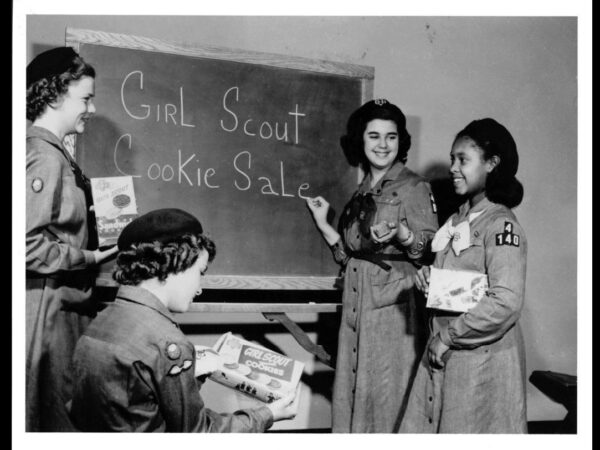
    The Girl Scouts, founded in Savannah, Ga., in 1912 by philanthropist Juliette Gordon Low, held its first bake sale in 1917 to raise money for troop activities.

    The booming direct cookie sales business, however, was born in Philadelphia on Nov. 12, 1932, at the Philadelphia Gas Co., then located at the intersection of Broad and Arch Streets.

    That inaugural public Girl Scout cookie sale will be remembered Saturday at Center City’s PECO building, part of the Philadelphia Historic District’s weekly celebration of America’s 250th birthday. The historic district pays homage to events that happened in Philadelphia before anywhere else in America — and often the world — with a weekly day party called a Firstival.

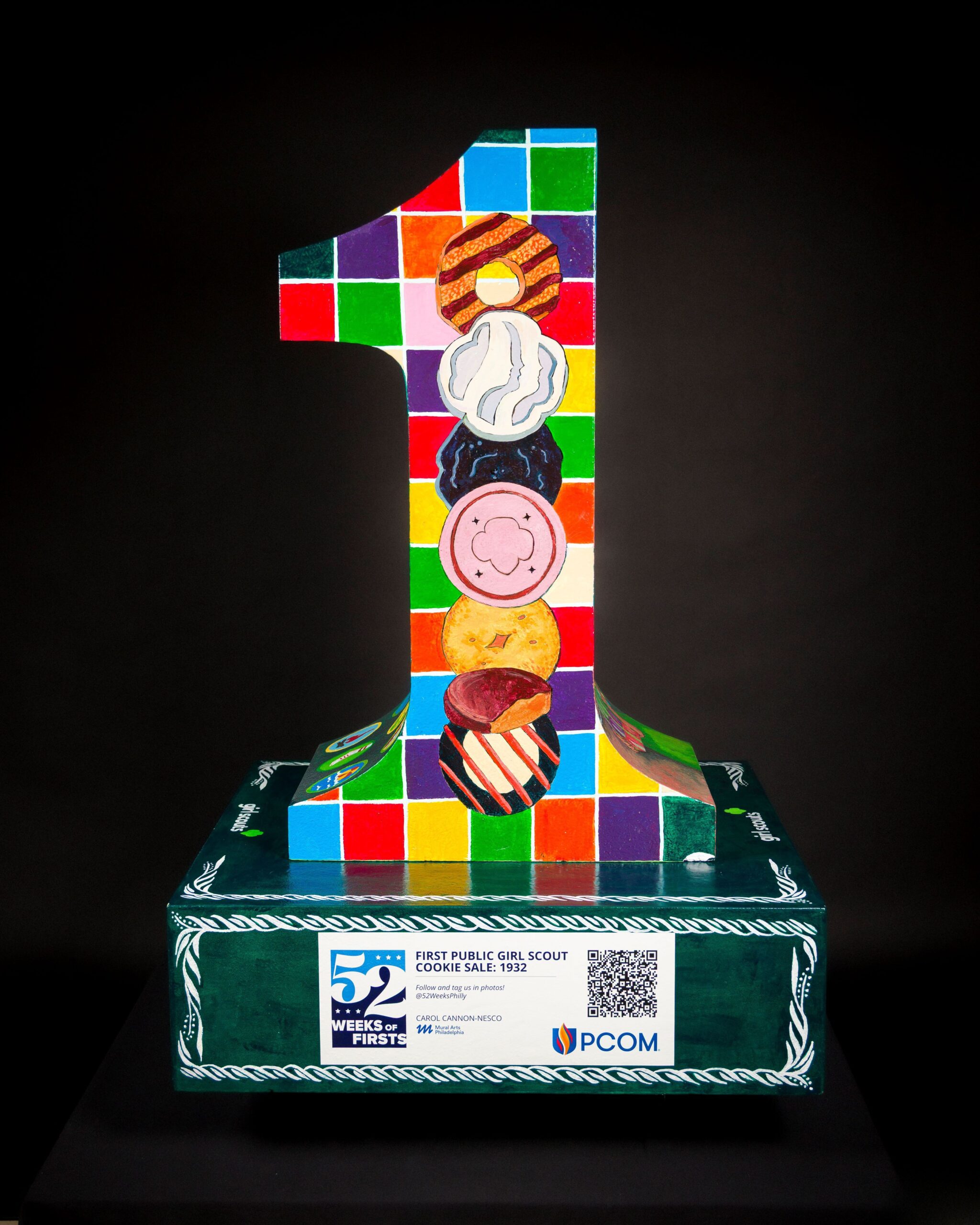
    Artist Carol Cannon-Nesco, a top Girl Scout cookie seller as a child, celebrates the legacy of the Girl Scouts with pictures of the individual cookies.

    “It was the first time the Girl Scouts sold their cookies to people outside of their immediate community,” said Amanda Harrity, director of product programs for the Girl Scouts of Eastern Pennsylvania.

    In 1932, a Philadelphia Girl Scout told her parents that her troop needed a place to bake cookies in order to raise money for nurseries, Depression-era organizations that cared for children of working parents. The little girl’s parents, who worked at the Philadelphia Gas Co., got permission for the Scouts to bake cookies on the shiny new gas ranges in the gas company’s street-level windows.

    On the afternoon of Nov. 12, the Girl Scouts baked batch upon batch of their shamrock-shaped signature shortbread cookie, the Trefoil. The sweet, buttery aroma wafted through Center City streets and passersby asked if they could buy the cookies, hot out of the test kitchen’s ovens.

    The Girl Scouts agreed.

    Trefoils (shortbread) and peanut butter sandwiches, also known as Do-si-dos. (Dreamstime/TNS)

    “I don’t remember how many cookies we baked that day,” then 80-year-old Girl Scout Midge Mason told The Inquirer in 2001 when the state erected a historic marker at Broad and Arch, marking the sale. “I do know we baked a lot of cookies.”

    The next year, the Girl Scouts were back at the Philadelphia Gas Company to raise the money needed to pay off the mortgage of its facility at Camp Indian Run in Glenmoore, Chester County. (That facility closed in the early 2000s.)

    In 1934, the Philadelphia Girl Scouts hired Keebler — now Little Brownie Bakers — to bake Trefoils, selling them at 23 cents a box, making them the first Girl Scouts to sell commercially baked cookies.

    Two years later, Girl Scouts all around the country began using commercial bakeries to bake cookies for their yearly fundraiser.

    Today, more than 200 million boxes of cookies are sold in America at an average price of $6 a box; 3.5 million of those boxes are sold in Eastern Pennsylvania, Harrity said.

    Girl Scout cookies are baked in two bakeries in the country: ABC Bakers in North Sioux City, S.D., and Little Brownie Bakers in Louisville, Ky. There are 12 varieties of cookies including this year’s newest Exploremores, inspired by Rocky Road ice cream.

    Exploremores are the new flavor of Girl Scout cookie for the 2026 sales campaign.

    Seventy-five cents of every dollar from Girl Scout cookie sales are reinvested back into girl scouting, Harrity explained. In Eastern Pennsylvania, that includes maintaining 1,500 acres of property and underwriting Scouts’ camp experiences.

    This week’s Firstival is Saturday, Jan. 31, 11 a.m. — 1 p.m., at the PECO Building at 2300 Market Street. The Inquirer will highlight a “first” from Philadelphia Historic District’s 52 Weeks of Firsts program every week.

  • Philly’s unplowed snow has slowed SEPTA and frustrated residents and businesses

    Philly’s unplowed snow has slowed SEPTA and frustrated residents and businesses

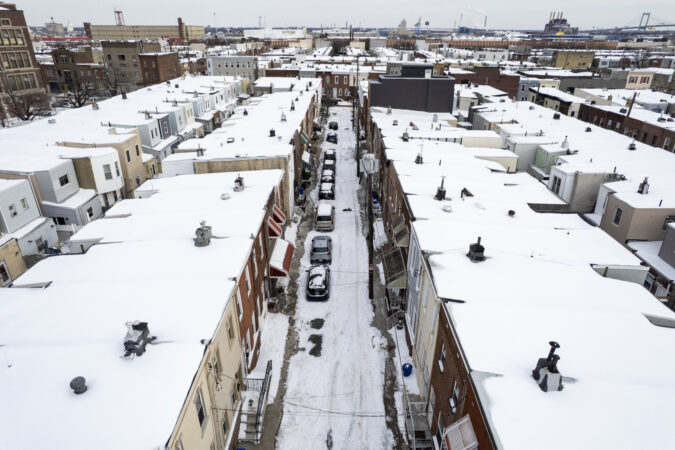
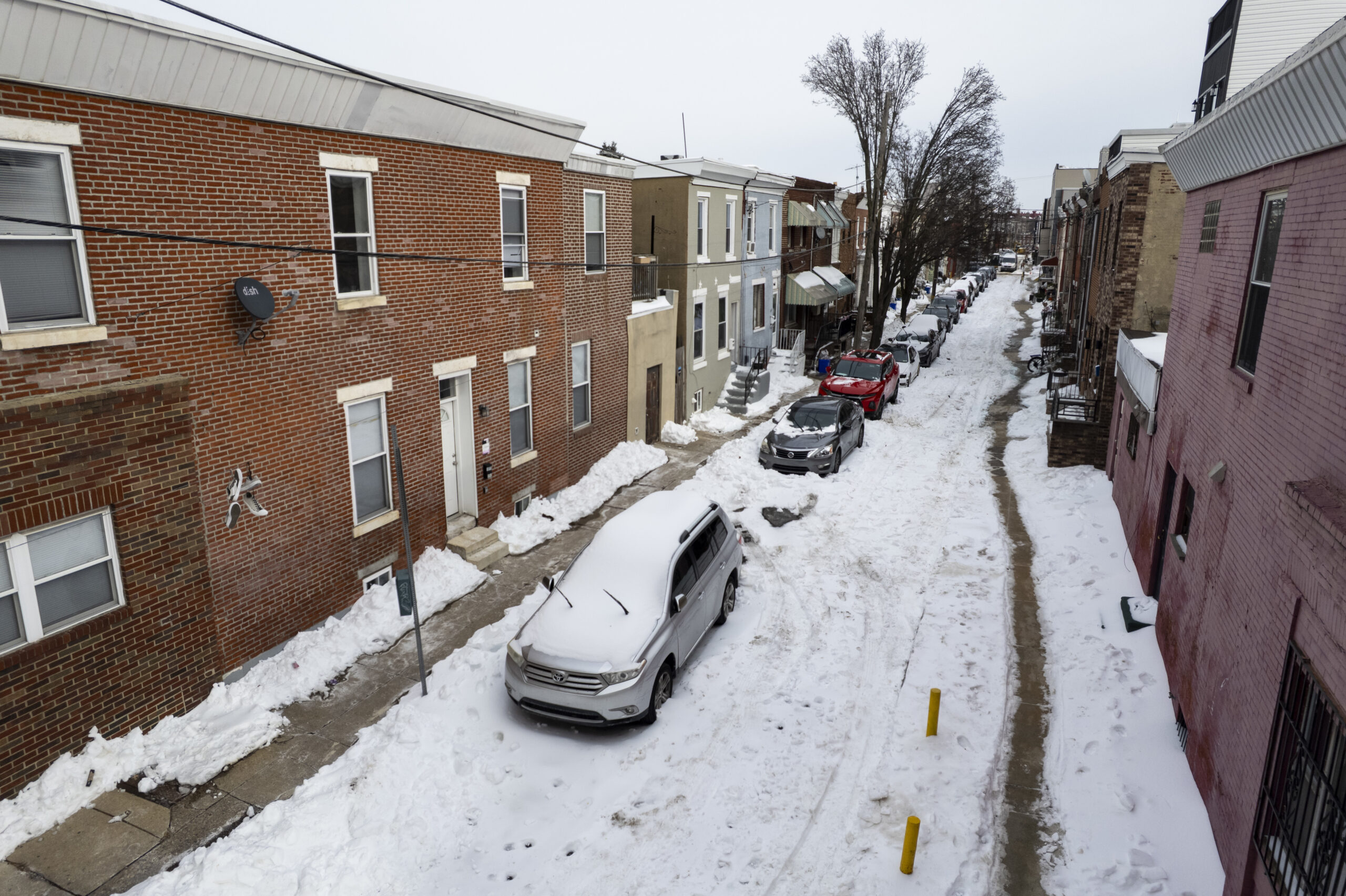
    With more than 60 hours since the last bit of snow descended upon Philadelphia, the widespread complaints about the conditions of secondary and tertiary streets have reached a fever pitch.

    The Philadelphia Streets Department has tried to quell the public’s concerns with daily videos of excavators diligently filling dumpsters with snow. Yet evidence of icy streets and snow banks blocking lanes dominate social media, with city data showing the street conditions vary block by block.

    Between 3 p.m. Tuesday and 3 p.m. Wednesday, the city’s GPS data show, about 30% of city streets had been visited by plows. Some areas, like Center City and South Philadelphia west of Broad Street, saw most numbered streets and cross streets hit by plows during that time. Meanwhile, South Philly and Center City neighborhoods east of Broad Street saw little to no reported activity.

    The same was true for large swaths of North and West Philadelphia. And neighborhoods like Overbrook, Wynnefield, and Nicetown, which have seen the fewest reported visits from city plow trucks since the storm began, saw only a handful of streets plowed between Tuesday and Wednesday afternoon, according to city data.

    On the neighborhood line of Grays Ferry and Devil’s Pocket, Dani Hildebrand was one resident who felt forgotten as the streets around him were plowed and garbage picked up. Hildebrand’s block was supposed to have trash collection come through Tuesday with the one-day delay announced by the city. But on Wednesday, bags of garbage lined his block.

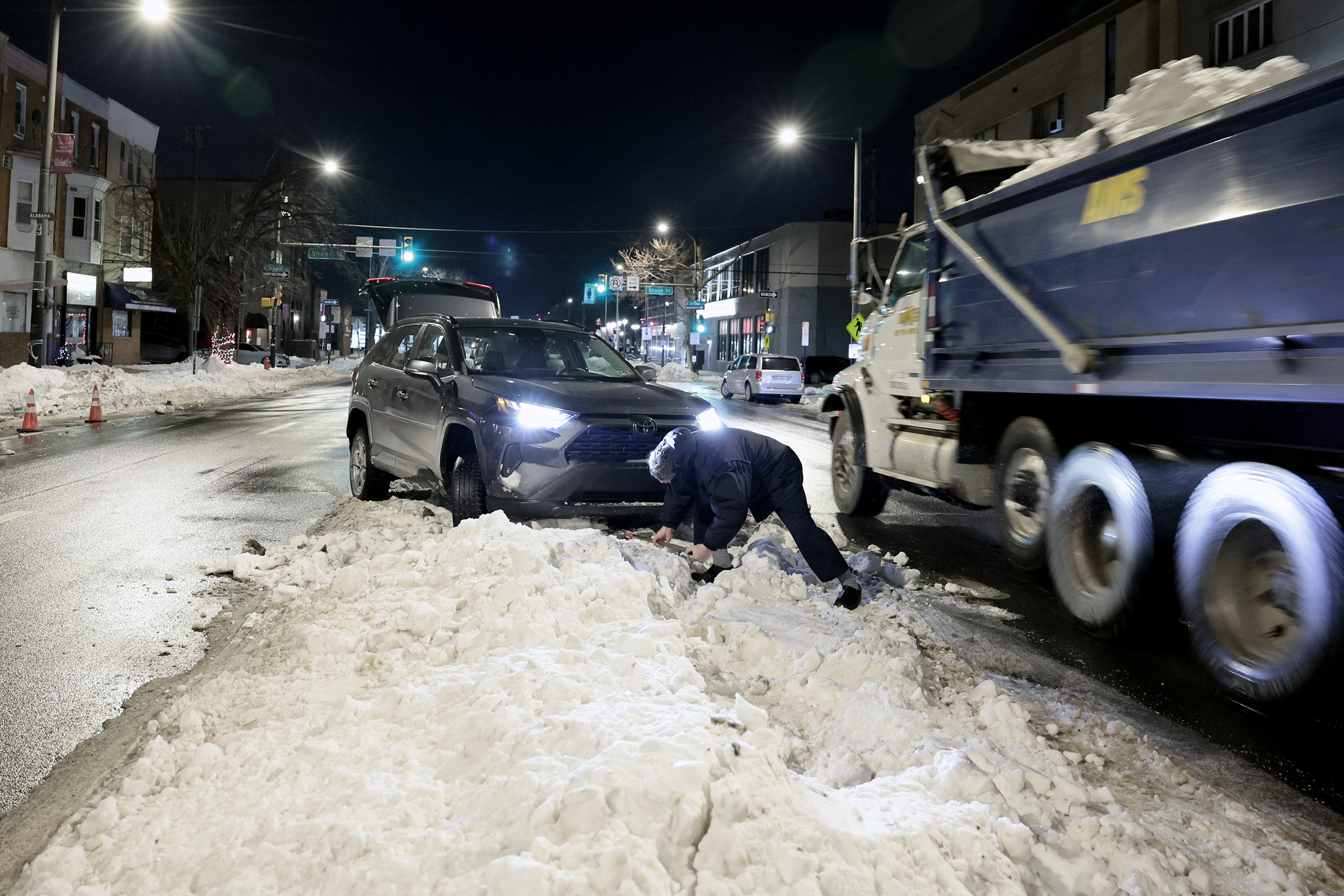
    An unidentified man shovels snow from underneath his car after it became hung up when he was trying to park in the middle of South Broad Street in Philadelphia in the early morning hours of Wednesday, Jan. 28, 2026. Dump trucks filled with snow from the city’s snow removal operations were zooming by as he worked to get his car free.

    The 41-year-old father of three said his school-age children yearn to leave the house, even if for an errand, but it’s not in the cards.

    “Between piles of snow, trash, and dog pee and poop, it’s not ideal,” he said. “We’ve been stuck in since Sunday, and while I’m close to a market, it’s not safe to walk there with my three kids and I can’t get my car out.”

    The city, for its part, has said the snow clearing would take as long as it needs to and the work would continue until all roads are dug out. Residents should expect trash-collection delays as crews navigate the snow and ice. At the same time, officials have consistently asked for patience, noting that the frigid temperatures were not aiding snow-removal efforts.

    They have pointed to the 14 teams with more than 200 vehicles and excavators that are trying to move the snow and ice into storage facilities using dumpsters. Future Track trainees with the Philadelphia Streets Department have also taken up shovels to help clear crosswalks in the city.

    But, the city notes, this is time-consuming work.

    Wanted: Private plowers

    Chris DiPiazza, owner of the Passyunk Square bakery Mighty Bread, could not afford to wait for city plows and paid for a private service to clear his street Tuesday afternoon.

    After the storm, the bakery was unable to make or receive deliveries because the city had not plowed Gerritt Street, the narrow road it’s on. Adding to frustrations, DiPiazza said, snowplows that had come through the adjacent 12th and 13th Streets had left giant snow piles on both ends of the block.

    The 700 block of Hoffman is still covered in snow on Wednesday, Jan. 28, 2026 in South Philadelphia.

    A 311 operator said it could take upward of three days for plowing to occur, DiPiazza said.

    That news was especially frustrating when residents are expected to do their part by shoveling sidewalks in front of their homes within six hours of snowfall stopping, but the city is not fulfilling its own end of that promise, DiPiazza said.

    “The city’s responsibility is to make the streets safe for people to drive, and they didn’t do that,” he said.

    SEPTA vs. ice

    For SEPTA’s size and reach, the organization is not so different from the average Philadelphian living without a plowed street.

    The snow-covered roads were especially difficult for bus routes through secondary and tertiary streets after the storm, SEPTA spokesperson John Golden said.

    “Those streets are hard to navigate on a good day,” he said.

    The lagging plow service made SEPTA pause service for many bus routes.

    “Some of our buses just aren’t able to navigate the streets because of lack of plowing,” Golden said.

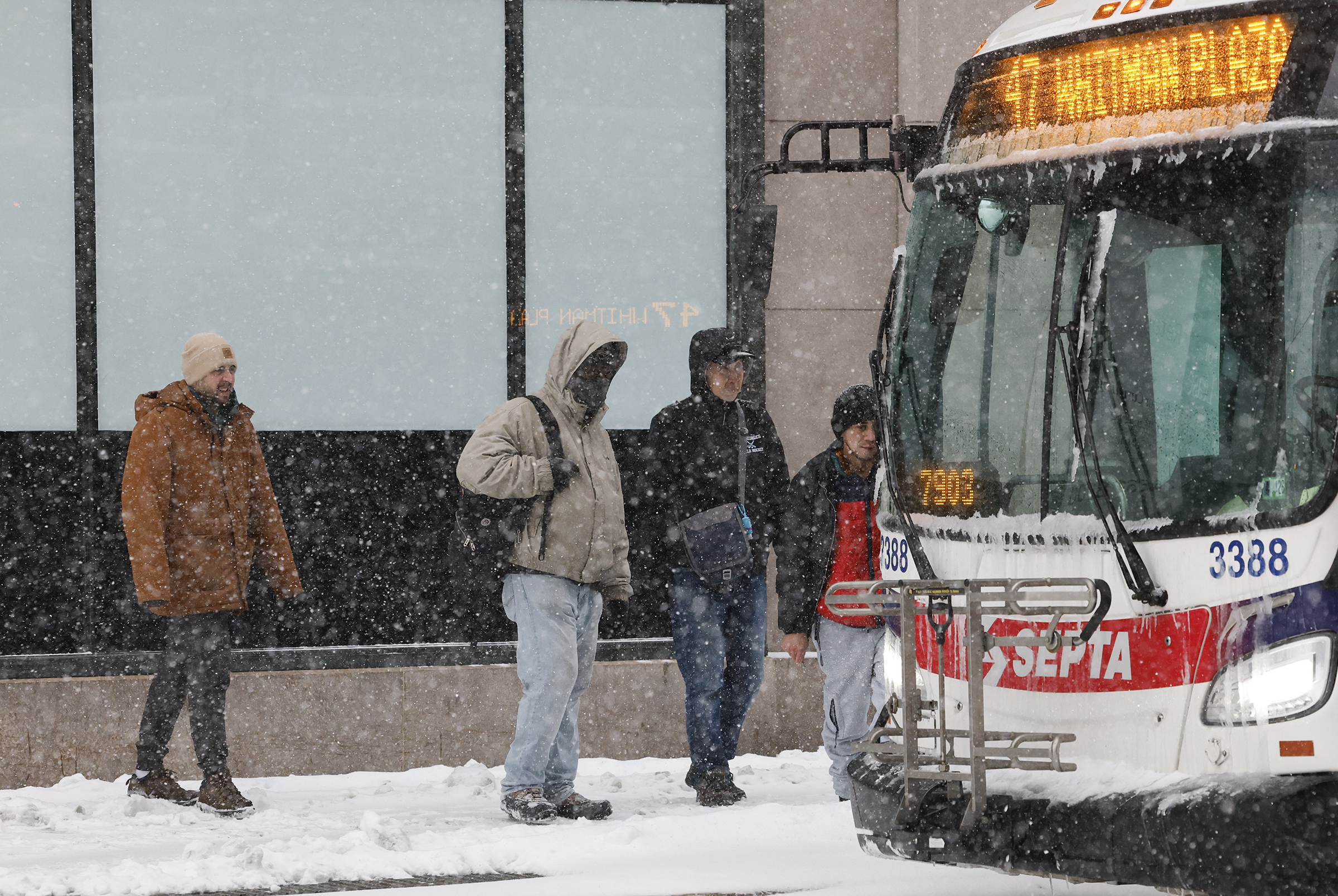
    SEPTA riders board the 47 bus at 8th and Market Streets with the snow falling on Sunday, January 25, 2026.

    But service had returned to all but a handful of routes by Wednesday afternoon. The weekend storm was not particularly onerous for SEPTA compared with other large storms in years past, Golden said, but he noted the frigid temperatures in the days following have made things difficult. Ice is not melting as quickly as it usually does, leaving the roads treacherous.

    Golden said that while SEPTA officials have been in frequent contact with the streets department about problem spots, they don’t have any special recourse besides waiting for the city to clear the streets.

    How does 2026 compare with 2016?

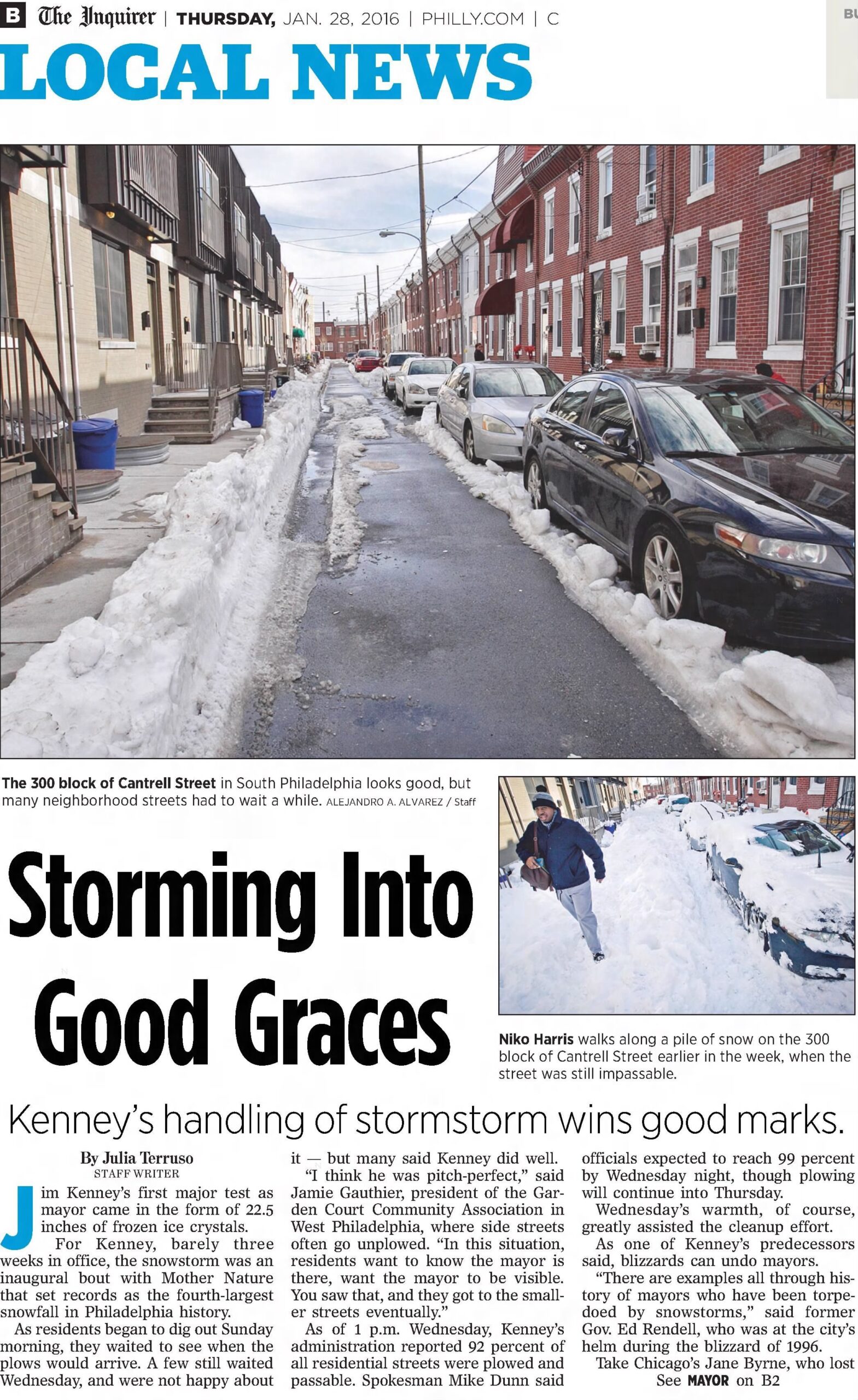
    When the city was smacked with 22.5 inches of snow in January 2016, it was the fourth-largest snowfall in Philly history, and newly sworn-in Mayor Jim Kenney’s first major test in office.

    At the time, many side street residents issued the same complaints heard with this most recent storm — they were the last to be dug out, and entire blocks were locked in.

    But by the fourth day of storm cleanup, a Kenney spokesperson claimed 92% of all residential streets “were plowed and passable” and the administration was taking in kudos for what many — though not all — said was a job well done.

    The front page of The Philadelphia Inquirer’s B section in January 2016, following a major snowstorm that was similar to the January 2026 storm. The article reported some complaints of snow plow delays, but residents were largely complimentary of then new Mayor Jim Kenney’s handling of the storm.

    Though 9.3 inches fell this time around, city officials have said the conditions were very different. The temperature drop has been the largest hurdle so far, providing no help in melting the ice. The city still urges patience and says teams are working nonstop.

    For parents whose children took part in virtual learning Wednesday and residents who were sick of parking wars and icy crosswalks with another potential snowfall on the way, patience was almost gone.

    Residents in North and West Philly shared frustrations on social media of parking shortages because mounds of ice left people nowhere to go; some were even parking at an angle in parallel spots, to the chagrin of others. Bus stops were piles of dirty, frozen ice, and crosswalks remained icy.

    For Hildebrand, it was all very discouraging.

    “A plan could have been made and implemented, since the city knew about this a week before it happened, but it truly seems like bare minimum effort,” he said.

  • Temple has released its plan for the next decade. See what the North Philadelphia university has in mind.

    Temple has released its plan for the next decade. See what the North Philadelphia university has in mind.

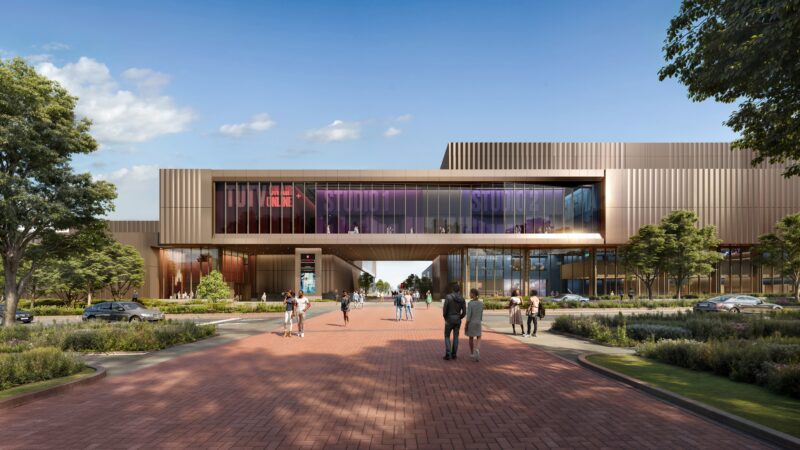
    Temple University on Wednesday released its plans for the school’s future, including a new 1,000-bed residence hall, STEM complex, quad with green space, and more attractive and defined entrances to its North Philadelphia main campus.

    That’s just part of the 10-year strategic plan, which will take the more than 33,000-student university through its 150th anniversary in 2034 and includes supports for students and learning, a campus development plan, and a new vision for Broad Street both near and beyond its campus.

    It emphasizes the student academic experience, with plans to elevate its honors program to an honors college, implement systems to identify and help students who are at risk of failing early on, increase online offerings to accommodate non-traditional students, and require career development and experiential learning for all students.

    And the 20-year campus development plan, which is part of the strategic plan, also reiterates President John Fry’s desire to create an “innovation corridor” stretching from the recently acquired Terra Hall at Broad and Walnut Streets in Center City to Temple’s health campus, a little more than a mile north of main campus on Broad Street.

    Temple is in the quiet phase of a $1.5 billion capital campaign — its largest to date — to raise money for faculty support and student financial aid, but also for initiatives outlined in the plan.

    “What we’re trying to do is build on the momentum we think we have right now as already one of the most consequential urban research universities that wants to go to the next level,” said Temple President John Fry.

    “What we’re trying to do is build on the momentum we think we have right now as already one of the most consequential urban research universities that wants to go to the next level,” Fry said in an interview before trustees approved the plan Wednesday. “This is a very ambitious plan that I think honestly will be a very big lift for us. But I think it’s achievable.”

    Interim Provost David Boardman, who led the strategic planning effort, emphasized that the top priority is student success and new buildings and development are meant to support that.

    “That, more than anything, is the heart of what we do,” Boardman said. “This is about providing meaningful research … It’s about us becoming the most important academic institution and partner in this community and really partnering for the future of Philadelphia and the region and the Commonwealth.”

    David Boardman, Temple University’s interim provost

    The planning effort, which included input from more than 2,000 Temple faculty, staff, students, and community members, started as an update of the 2022 plan that Fry initiated after becoming president in November 2024. But Temple officials realized a new plan was needed, Fry said.

    More greenery for campus and Broad Street

    Fry envisions more green space for recreation and events and for making North Broad Street more aesthetically pleasing.

    “It is a really harsh streetscape,” Fry said. “It’s really not inviting. Traffic is moving very quickly. …That street needs to be calmed down, and the best way … is to create medians, plants — both sides of Broad Street — making it a much more civilized area than it is now.”

    The effort, he said, is modeled after the recently announced $150 million streetscape plan to make the Avenue of the Arts in Center City greener. Temple also is involved with that through its ownership of Terra Hall, which will become Temple’s Center City campus, he said.

    “But we can’t do that without other public and private partnerships,” he said. “It’s beyond the institution’s capacity to fund that.”

    To start, Temple will fund “significant greening” around the entrance to the under-construction Caroline Kimmel Pavilion for Arts and Communication, he said. More green work is planned at Burk Mansion at Broad and Oxford, which Temple owns, as development occurs there, he said.

    With a large green lawn and courtyards, a quad is planned for the campus center, surrounded by Paley Hall, Tyler School of Art, the Charles Library, and the biology life sciences building.

    Temple in December purchased the former McDonald’s site at 1201-1219 N. Broad St., by Girard Avenue, which is adjacent to the Temple Sports Complex. Fry envisions using that property to create a major campus gateway.

    “Right now, you don’t really know when you come onto the Temple campus,” he said. “We would like Broad and Girard to announce you’re starting to enter Temple’s campus district.”

    More on-campus student housing

    Temple wants more on-campus residential space to improve the student experience and safety, Fry said.

    “We think we’re at a minimum several thousand beds short of where we need to be,” he said. “A stronger residential experience really does make for a much more fulfilling undergraduate experience. The more kids living on campus, the more dense campus is, I think the better we’re going to do on safety.”

    The plan calls for beginning to build a 1,000-bed residence hall along Broad Street on the former Peabody Hall site, south of Johnson and Hardwick Halls, in 2027. That would increase the current 5,000-bed capacity on the main campus by 20%. When that opens, Temple would upgrade Johnson and Hardwick, which have another 1,000 beds, he said.

    The Annenberg Hall/Tomlinson Theater building, which will relocate to the new arts and communication building in 2027, could also be converted into more residential space if needed, Fry said.

    An emphasis on STEM

    Temple intends to upgrade facilities for science, technology, engineering and math.

    “We just don’t have the research space, the wet lab space in particular, to accommodate the work that our faculty are doing,” Fry said.

    Several buildings, including the biological life sciences facility, will be renovated, and the school plans a new STEM building, perhaps behind the engineering building, or the conversion of an existing facility, Fry said. The decision on whether to build new will come within six months, he said.

    Temple needs to close some current science facilities to gain more space, he said.

    The Beury building, next to the Bell Tower and across from the new Barnett College of Public Health, will begin to be demolished this summer, he said.

    “Think of that as sort of the first down payment on this quad,” he said.

    That would be the first step toward developing an innovation district, Fry said. While not on the scale of University City’s, it would be “a very good attempt to begin to build that capacity in North Philadelphia,” he said.

    Terra Hall will nurture an arts hub, and both would contribute to creating an innovation corridor, he said.

    The plan also calls for a new ambulatory care center to better serve North Philadelphia. Fry said those plans are in very early stages.

    “A lot of outpatient care is occurring within the hospital right now,” Fry said. “It’s not great for patients… It also puts a real strain on our capacity to serve people who need inpatient services.”

    A new academic home for star students

    Temple aspires to make its honors program into an honors college, like Pennsylvania State University’s popular Schreyer Honors College, though with different parameters.

    Boardman said that effort would require major fundraising. Currently, the program exists within the college of liberal arts and enrolls more than 2,200 students.

    Elevating it to a college would require more programming, study-abroad and research stipends, experiential learning opportunities, and an option for those enrolled to live together in a residential community.

    Temple’s college would consider more than grade-point averages and SATs for admission, Boardman said. Various talents and leadership potential would be considered, with interdisciplinary studies and public service infused, he said.

    Staff writer Peter Dobrin contributed to this article.