Tag: Center City

  • Danny’s Guitar Shop, a destination for Main Line musicians, has closed after 17 years

    Danny’s Guitar Shop, a destination for Main Line musicians, has closed after 17 years

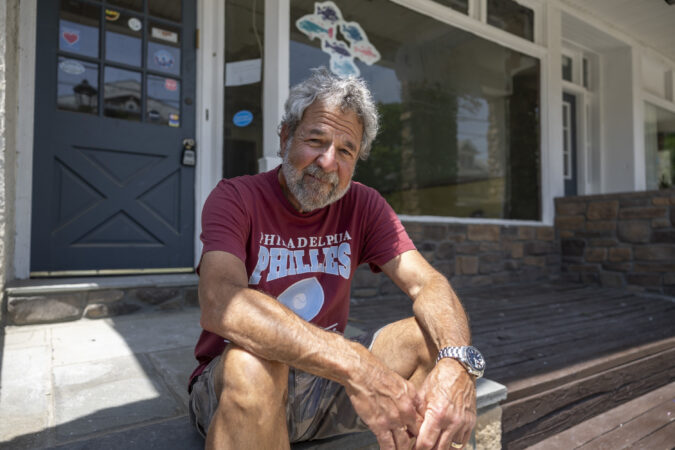
    Danny’s Guitar Shop, an independent guitar store and lesson center run by musician Dan Gold, closed its doors after 17 years in downtown Narberth.

    Over nearly two decades, Gold forged connections along the Main Line, sold guitars to celebrities, brought outdoor music to Narberth’s streets, and, briefly, starred in a TV show that drew on his talents as a self-proclaimed “kibitzer.”

    Gold, 72, said retirement was already on his mind when his landlord raised the rent beyond what Gold could pay. Danny’s officially closed at the end of May. As Gold prepares for the next chapter, which will be filled with swimming, traveling, and playing bass in Broken Arrow, his Neil Young cover band, he said his time in Narberth was “just perfect.”
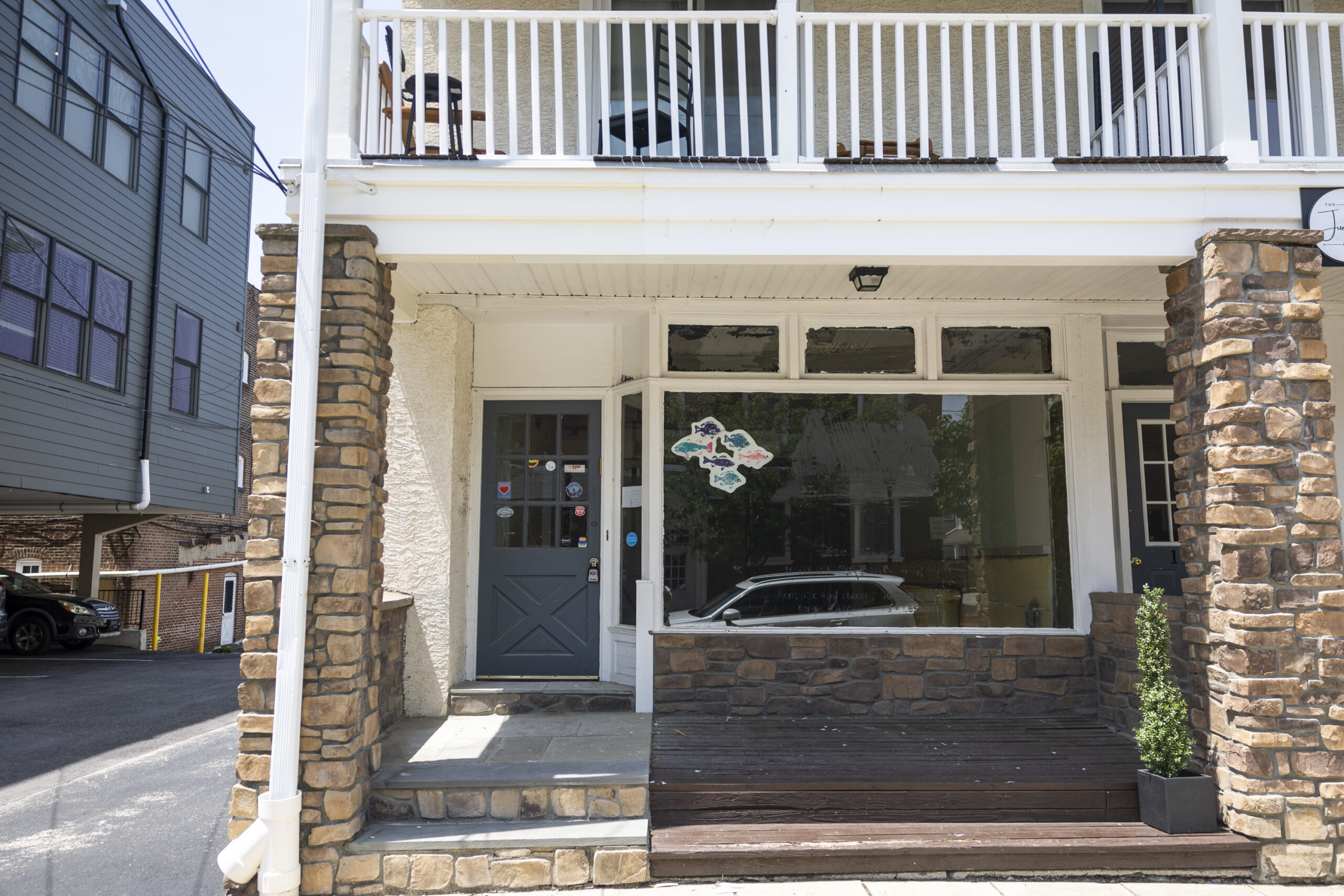
    The former storefront of Danny’s Guitar Shop in Narberth.

    Gold opened Danny’s Guitar Shop in June 2009, right as the country had begun to dig itself out of the Great Recession. Guitar store Medley Music of Bryn Mawr had closed the year prior, and Center City’s 8th Street Music had moved across the bridge to New Jersey, leaving a vacuum for guitar lovers in Philly’s western suburbs.

    Gold, a Newtown Square resident, grew up in Havertown and graduated from Haverford High School and Temple University. He started his career as a schoolteacher before taking a gig as a district sales manager for Fender Guitars, traveling across the region, from rural Pennsylvania to North Jersey, selling instruments and accoutrements.

    Though it was risky to open a brick-and-mortar store at the heels of the financial crisis, Gold was bullish on the prospect. His mentors told him that as long as he ran guitar lessons, he’d be able to pay the rent. Gold had always loved Narberth’s “very distinct, charming personality” and was smitten with the Forrest Avenue storefront right away, with its ample natural light and welcoming front porch.

    When Danny’s opened in 2009, the Main Line Times described it as having promptly “established itself as that rare kind of clubhouse — the kind where everybody’s allowed in.”

    Over the years, the storefront’s shaded porch became the site of dozens of guitar recitals and summer evening jam sessions. Narberth residents gathered outside of Danny’s to talk about the news and the neighborhood gossip, and Gold always had treats for local dogs. Gold helped bring live music to Narberth during First Fridays and the annual July Fourth celebration. Ahead of a recital last fall, Gold posted on Facebook: “Students playin’ on the porch this Sunday 3:00! Bring a chair and come hang out!”

    “Danny is loved around here and for good reason,” said Ed Ridgway, president of the Narberth Business Association, who took guitar lessons at Danny’s.

    Ridgway described Danny’s as resembling an “old-timey barbershop.” If you asked Ridgway to make a list of 10 things that define Narberth’s downtown, he said Danny‘s would be on the list.

    “He was just such a good presence in Narberth,” said Tracy Tumolo, owner of Narberth art and gift shop Sweet Mabel Store.

    “This place,” Gold said. “It just fit me like a glove.”
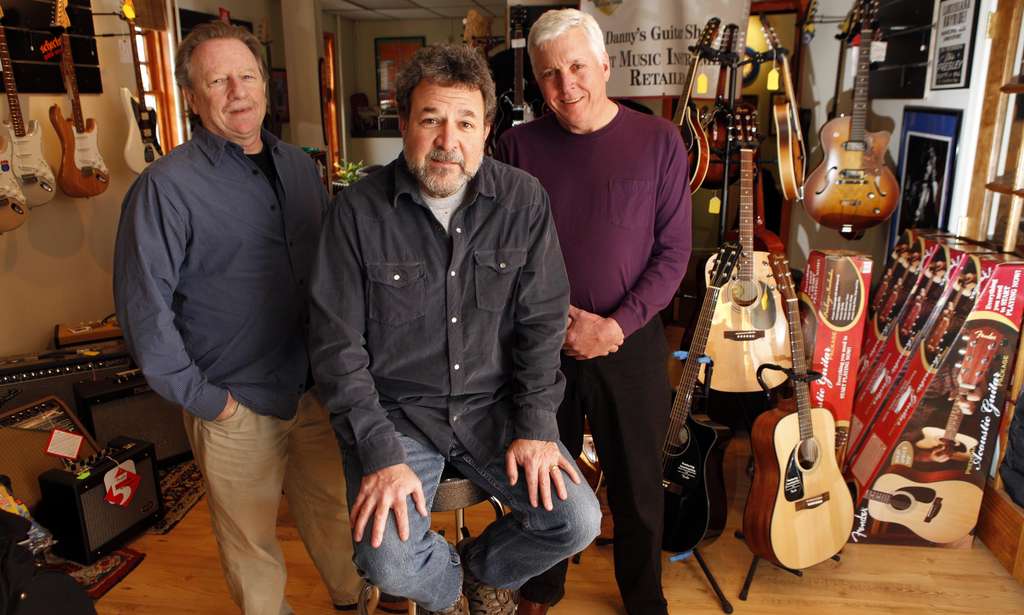
    Danny Gold (center) pictured at Danny’s Guitar Shop in Narberth in 2018 with partners Larry Freedman (left) and Ron Stanford.

    Every once in a while, a star or two would stop into Danny’s Guitar Shop while visiting the area or prepping for a show at Ardmore Music Hall. The Eagles’ Timothy B. Schmit bought a few guitars and gave Gold backstage passes when the band played Atlantic City. Wilco’s John Stirratt stopped by, as did Dweezil Zappa, Frank Zappa’s son. Tumolo said Gold always encouraged them to shop at Narberth’s other businesses.

    In 2014, Gold starred in a 13-episode series on WHYY-TV’s YArts cable channel, which aimed “to do for guitars what Anthony Bourdain has done” for international cuisine or ”Mike Rowe for the art of cleaning septic tanks,” according to an Inquirer story from the time. In the series, Gold explored the origins of Klezmer music, interviewed the scholar who wrote the definitive book on the history of the accordion, and spent quality time with electric guitar giant Paul Reed Smith.

    Lessons were the biggest part of Gold’s business model at Danny’s, as his mentors predicted. He did a large consignment and secondhand business, as well, as he was mostly selling to first-time and beginner players.

    “The lessons made me a destination store. It’s never like I carried away wheelbarrows full of money, but we were able to make a modest living and enjoy doing what we were doing,” Gold said.

    Like many brick-and-mortar merchants, Gold said it became more difficult over time to keep up with the ubiquitous online marketplace. Consumers can now buy any model of guitar, in any color, at any time. Music stores across the country have shuttered in recent years, pointing to online shopping as a factor in their decline.

    On one hand, Gold feels somewhat liberated from the day-to-day responsibilities of running his namesake storefront. On the other hand, there’s a lot he’ll miss — the people, the borough, watching the neighborhood kids grow up.

    At the end of the day, Gold said, “It’s been a great run.”

    This suburban content is produced with support from the Leslie Miller and Richard Worley Foundation and The Lenfest Institute for Journalism. Editorial content is created independently of the project donors. Gifts to support The Inquirer’s high-impact journalism can be made at inquirer.com/donate. A list of Lenfest Institute donors can be found at lenfestinstitute.org/supporters.
  • The water ice martini is the quintessential Philly summer cocktail

    The water ice martini is the quintessential Philly summer cocktail

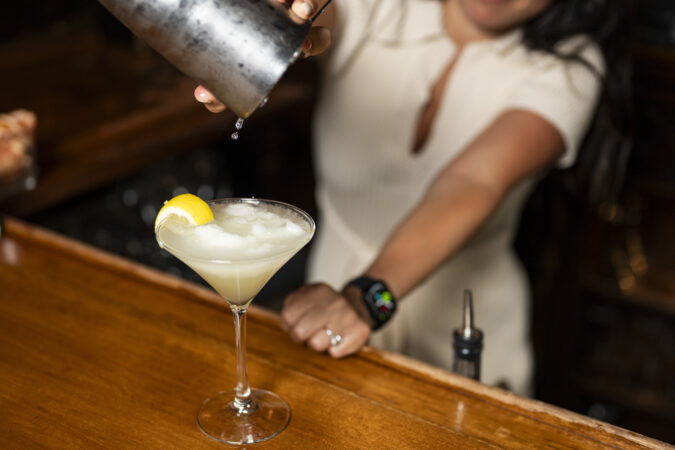
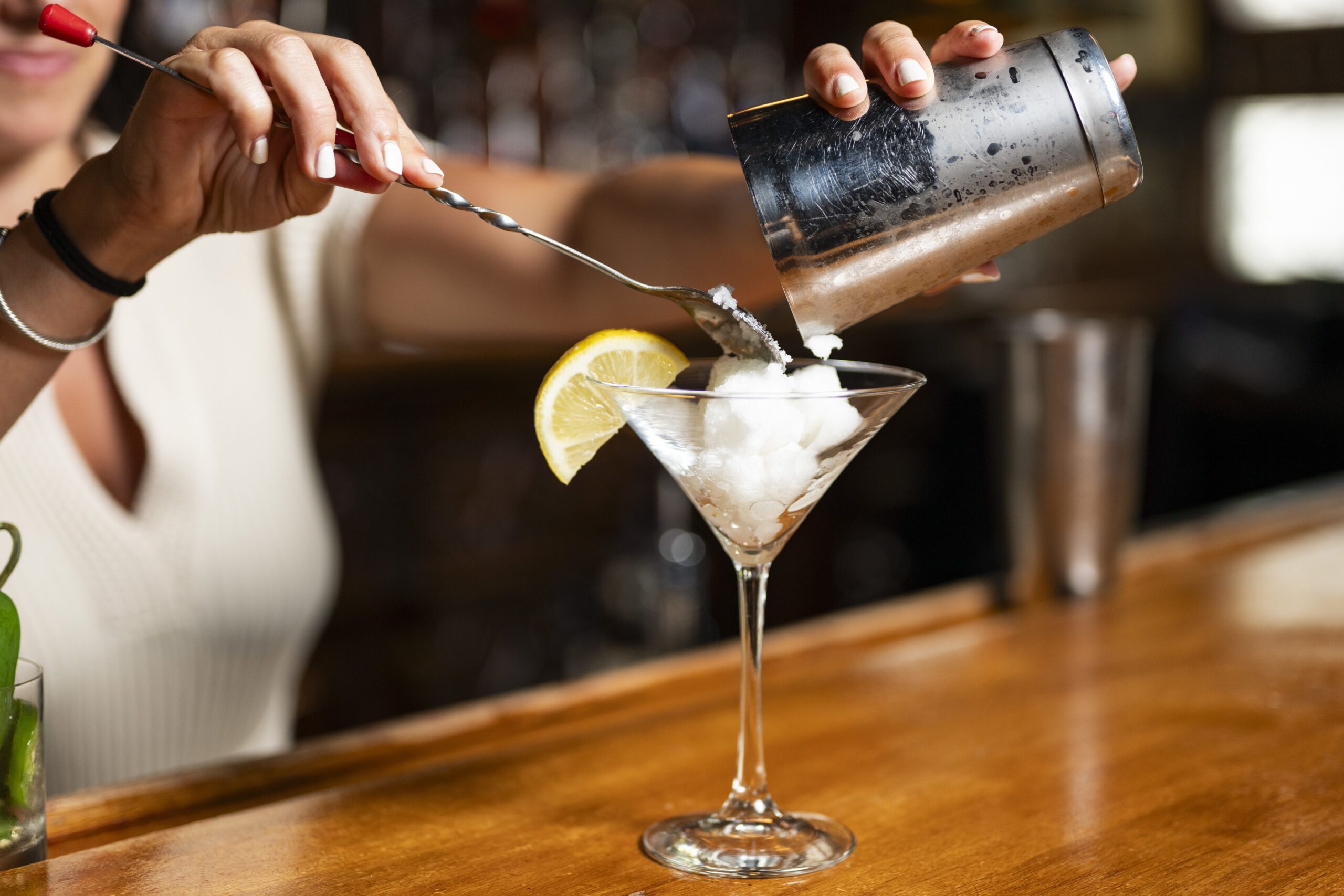
    If you were to distill the energy of a South Philly summer into a cocktail, it might look like water ice shaken with vodka in a martini glass, garnished with a pretzel stick. It would taste like the syrupy-sweet melted ice left in the cup and be crushable enough to knock back on a hot afternoon.

    That’s the water ice martini, a cocktail invented in the early 2000s at one of the neighborhood’s most famous red sauce joints. The drink was a hidden gem for decades, but has found new life this summer as copycats and riffs emerge at bars around Philly and down the Shore that are looking to stand out in a sea of Hugo spritzes, espresso ‘tinis, and soft serve margaritas.

    “Anyone that’s grown up in South Philadelphia grew up on water ice with pretzel sticks and pumpkin seeds. Its been a thing in my family for three generations,” said Vera Masi, the sales manager at Popi’s Restaurant in Packer Park, where the cocktail recently went viral. “Pairing that with a martini is a guaranteed hit.”

    The first water ice martini on record was poured in 2002 at Saloon by Anthony Cardullo, the third-generation John’s Water Ice owner who was then just a bartender. Called the Iceberg, the drink involves adding a scoop of John’s lemon water ice to a shaker with limoncello and Ketel One Citreon vodka. It then gets poured over a second scoop of lemon water ice in a glass.

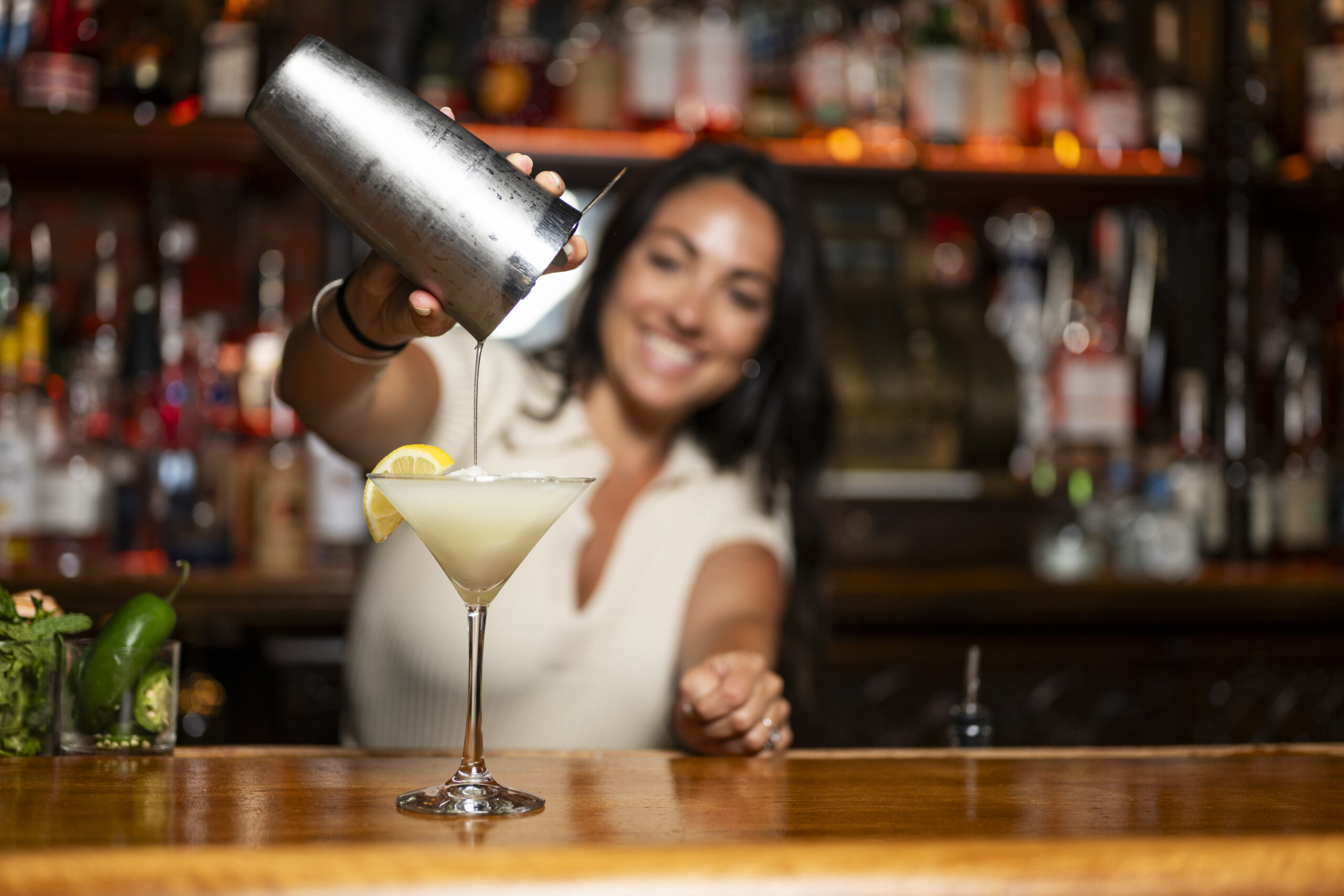
    Gigi Bello, bar manager at Saloon, makes an Iceberg martini using lemon water from John’s. The cocktail has remained a bestseller since they started serving it in 2002.

    It’s the restaurant’s most enduring cocktail hit, according to manager Frankie Santore. Saloon sells at least 150 Icebergs per week in the summer, he said, making it their bestseller. To keep up, Cardullo has to drop off gallons of fresh made water ice each week.

    Other versions have cycled through Saloon — a pineapple ice painkiller and a melon ice midori sour, to name a few — but the Iceberg is the only one that has lasted, most recently inspiring a dupe that uses Cardullo’s recipe at the Ventnor Social in New Jersey. The restaurant has “never for a second” thought to use anything other than John’s water ice for its cocktails.

    “It’s all fresh fruit,” Santore said. “Anthony’s squeezing the lemons himself.”

    Gigi Bello, bar manager at Saloon, pours an Iceberg martini.

    Popi’s started serving their own versions of the water ice martini last summer after getting the idea from Rowhome Magazine editors Dorette Jackson and Dawn Rhodes. The 33-year-old Italian restaurant sources its water ice from Pop’s for two reasons, owner Gina Rucci said: It’s down the street, and “our names went together.”

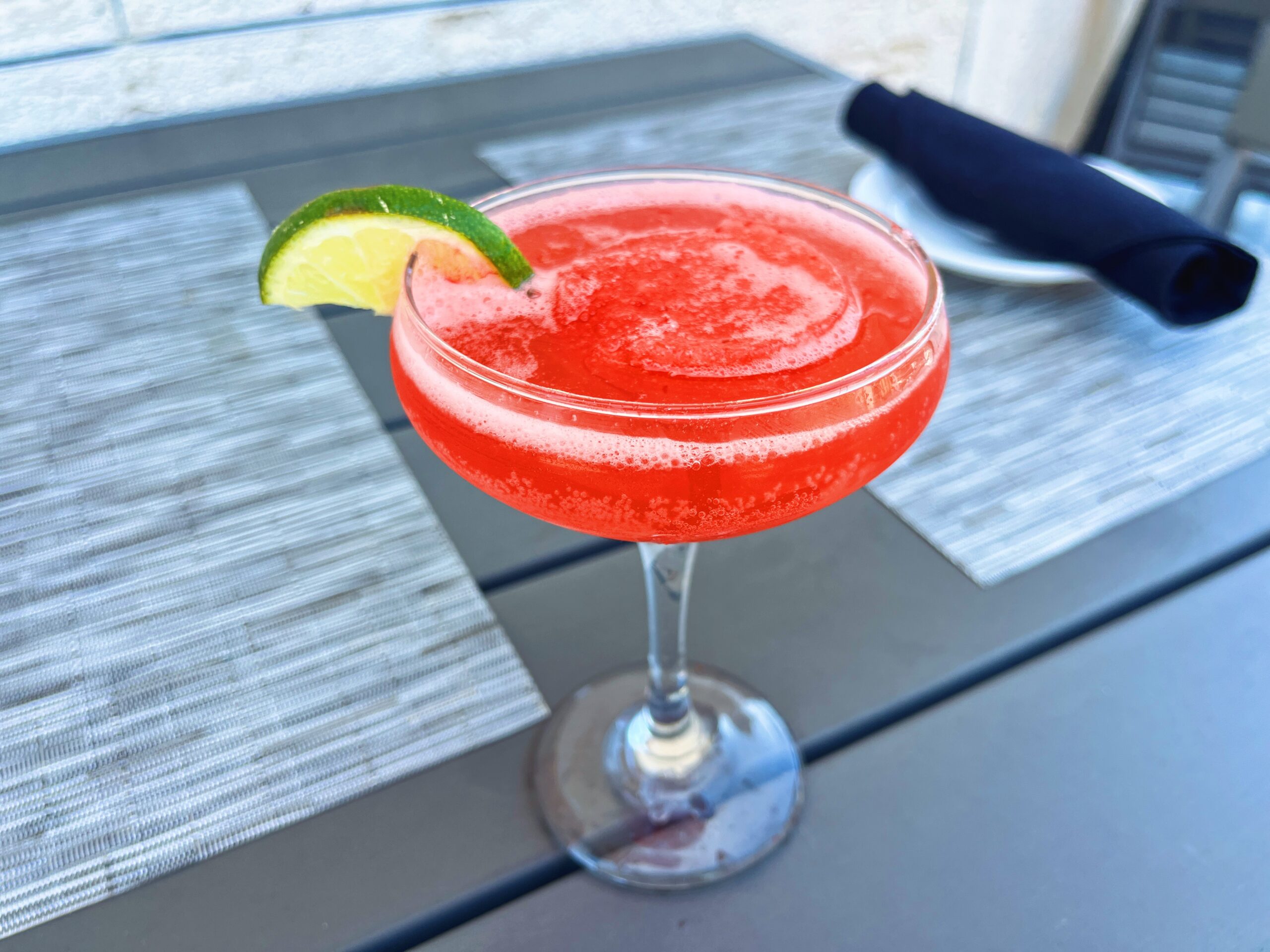
    Popi’s has its own version of a lemon ice martini (aptly called the Limoncellotini), but its other offerings pull from the colors of the rainbow, like a neon orange mango water ice martini called the Gritty and a vibrant red strawberry water ice daiquiri. The restaurant used to sell about 20 a day last summer, said bar manager Laura Kreschollek. Now, they’re averaging 50.

    “People were coming in just for these,” said Masi. “We kept running out of water ice and were sneaking out to Pop’s in the middle of the day.”

    A strawberry daiquiri made with Pop’s Homemade Italian Ice at Popi’s Restaurant, 3120 S. 20th St.

    Naturally, the evolution would continue with spiked gelati. Philly could get its first in the early fall, when James Beard Award-winning South Jersey bartender Danny Childs aims to open his bar Field Day in Northern Liberties.

    Childs told The Inquirer he plans to serve the treat year round using his signature Slow Drinks approach. While the vanilla soft serve will come from 1-900-ICE-CREAM, Childs said, the boozy water ice will be made from scratch with local and foraged produce that change with the season. He’s envisioning a lineup of cherry, blueberry, and pawpaw (a fruit native to the Mid-Atlantic that tastes like a mango) to start.

    The cocktail-dessert hybrid was driven by a mix of nostalgia and peer pressure. Childs wanted a nod to his childhood in Delaware County, where he grew up using a soft pretzel as a spoon to scoop up water ice. He also wanted to one-up the alcohol-infused ice creams already on the market.

    “I was like, ‘Someone is going to do spiked gelati before us,’” Childs said. ”We have to hurry.”

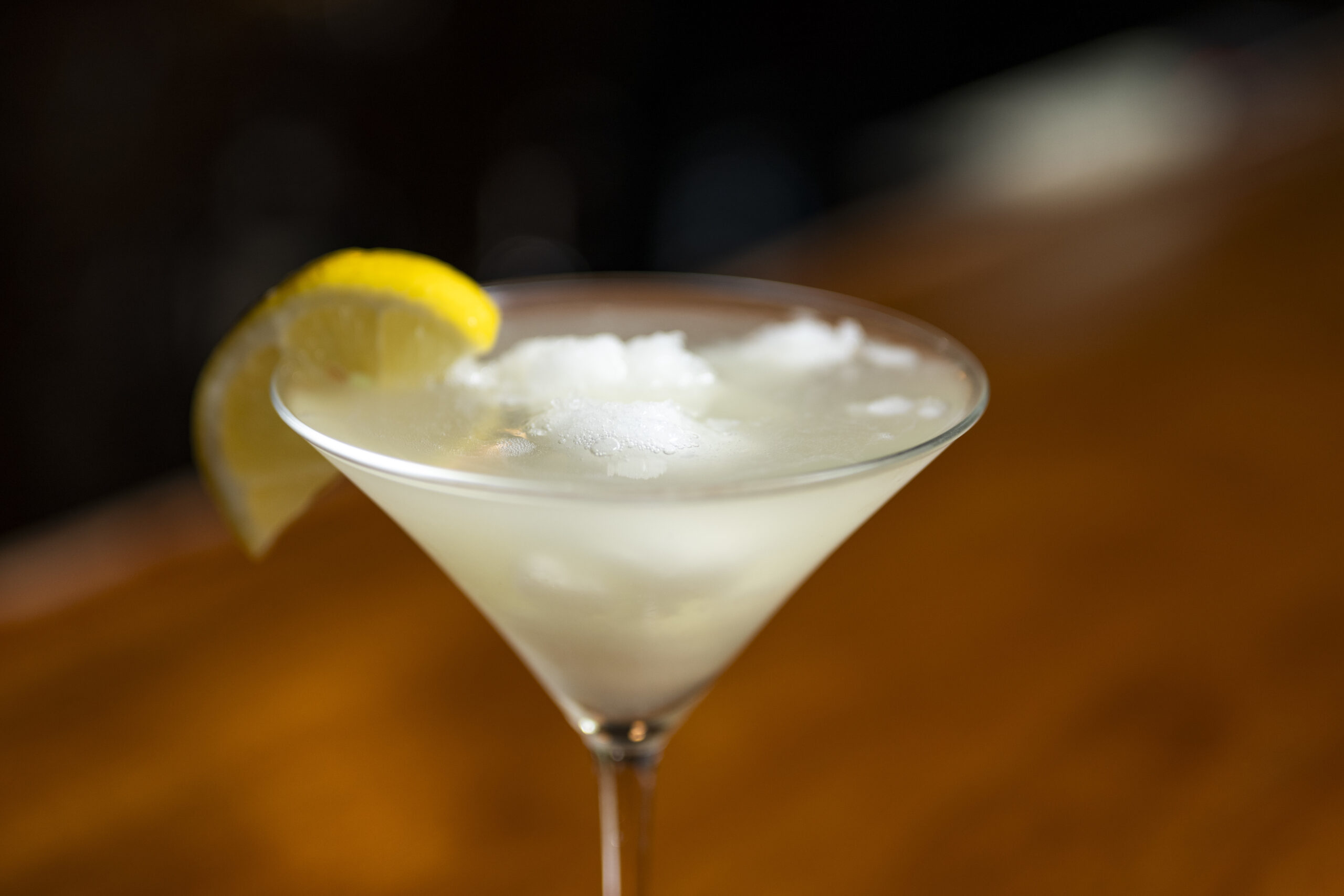
    The Iceberg martini from Saloon, which was created by current John’s Water Ice owner Anthony Cardullo.

    Here are four places where you can find boozy water ice in all its forms, from vodka-infused scoops to martinis.

    Where to find boozy water ice in Philly

    Saloon

    This classic Italian joint in Bella Vista has been serving its signature $18 Iceberg martini since 2002, when current John’s Water Ice owner Anthony Cardullo invented it while working at the restaurant’s bar. It does indeed look like icebergs disintegrating into the Arctic as it melts, but the drink goes down easy — sweet, icy, and citrusy without tasting artificial. Also be on the lookout for Cardullo’s nightly water ice cocktail specials.

    📍750 S. Seventh St. 📞 215-627-1811, 🌐 saloonrestaurant.net

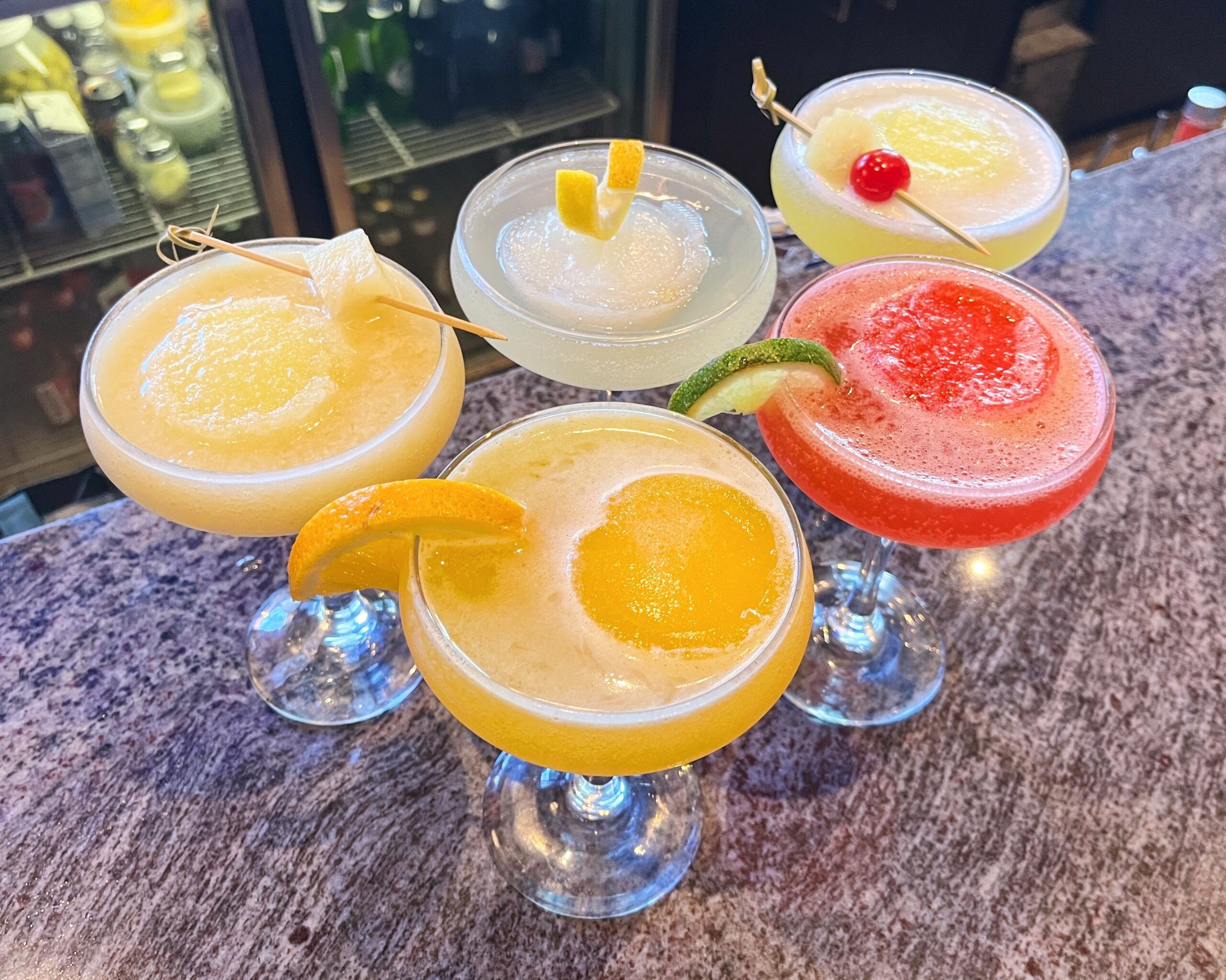
    A lineup of water ice martinis made with Pop’s homemade Italian ice at Popi’s Restaurant. Clockwise from left: The Pineapple Pizzaz, Limoncellotini, piña colada, strawberry daiquiri, and the Gritty.

    Popi’s Restaurant

    At Popi’s, the pours are heavy and the water ice is extra sweet. This 33-year-old Italian restaurant near the sports complex in Packer Park gained a new reputation in 2025 when it started serving brightly colored cocktails sweetened with Pop’s homemade Italian ice. Normally $16 and $20 during the World Cup, the cocktails run the gamut from the Gritty (a vodka martini with orange juice and mango water ice) and Pineapple Pizzaz (a pineapple vodka martini with pineapple water ice) to a strawberry daiquiri with a disk of — you guessed it — strawberry water ice floating in the middle. If you’re not susceptible to a sugar rush, it’s easy to have several in one sitting.

    📍3120 S. 20th St. 📞 215-755-7180 🌐 popisrestaurant.com

    Triangle Tavern

    Best known for its excellent vegan wings and cheesesteaks, Triangle Tavern also serves scratch-made boozy water ice year round. Flavors rotate seasonally and range from mango and pomegranate in the summer to pumpkin spice in the fall and crisp peppermint in the winter. Spun in a slushie machine with a handle of vodka, the $12 cocktails are served in a pint glass garnished with a hard pretzel rod for an extra dose of South Philly flair.

    📍1338 S. 10th St. 📞 215-800-1992 🌐 triangletavernphilly.com

    The Philly Phreeze sundae at Tipsy Scoop in Rittenhouse Square, which is comprised of vodka-infused cherry water ice topped with gummy candies.

    Tipsy Scoop

    This New York City-based ice cream chain has been infusing ice cream and sorbet with alcohol since 2013. After opening its first Philly outpost inside the Rittenhouse Square BOTLD location, the brand added a cherry water ice spiked with vodka to its menu. Our suggestion: Order the $14 sundae version — which comes topped with chewy cherry and pineapple gummies in a novelty cup — and consider springing for the chilled vodka shooter. It’s entirely too much in the best way possible, and the water ice is delightful despite being made by a New Yorker. Red enough to stain your tongue, it tastes like a handful of maraschino cherries.

    📍119 S. 18th St. 📞 917-388-2862 🌐tipsyscoop.com/pages/philadelphia

  • The ‘flying saucer’ building at LOVE Park will host a beer garden and then a restaurant

    The ‘flying saucer’ building at LOVE Park will host a beer garden and then a restaurant

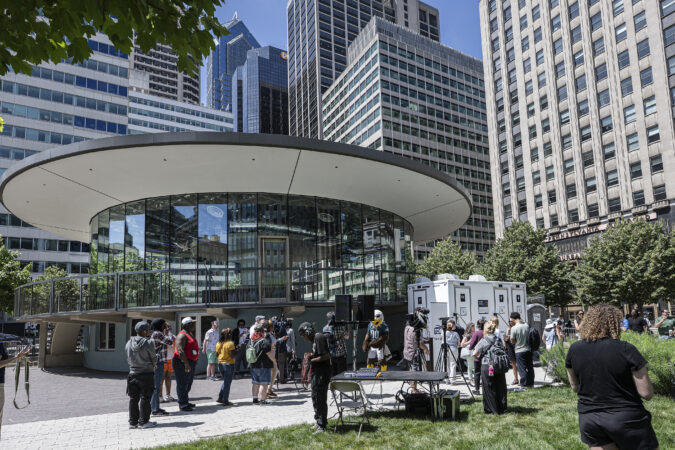
    More than six decades after it landed in LOVE Park, Philadelphia’s long-shuttered “flying saucer” building is preparing for its next mission. The first step begins Saturday — not inside the circular glass pavilion itself, but with a new outdoor beer garden surrounding it.

    Broad Street Beer Garden at LOVE Park is the opening phase of a food-and-drink operation led by Broad Street Brewing, the Bucks County brewery selected by the Philadelphia Department of Parks & Recreation as its operator after years of fits and starts.

    Saturday’s debut, on the final FIFA World Cup game in Philadelphia and amid the hoopla surrounding America250 festivities, will feature a beer garden with a limited food menu. Two Philadelphia companies, Rival Bros. Coffee and High Street Hospitality Group, will be involved as well. High Street, which operates Fork, a.kitchen, and the Bread Room, will assume a larger culinary role when the restored pavilion itself reopens in early 2027 as a year-round cafe, restaurant, and coffee bar. Its name has not yet been announced.

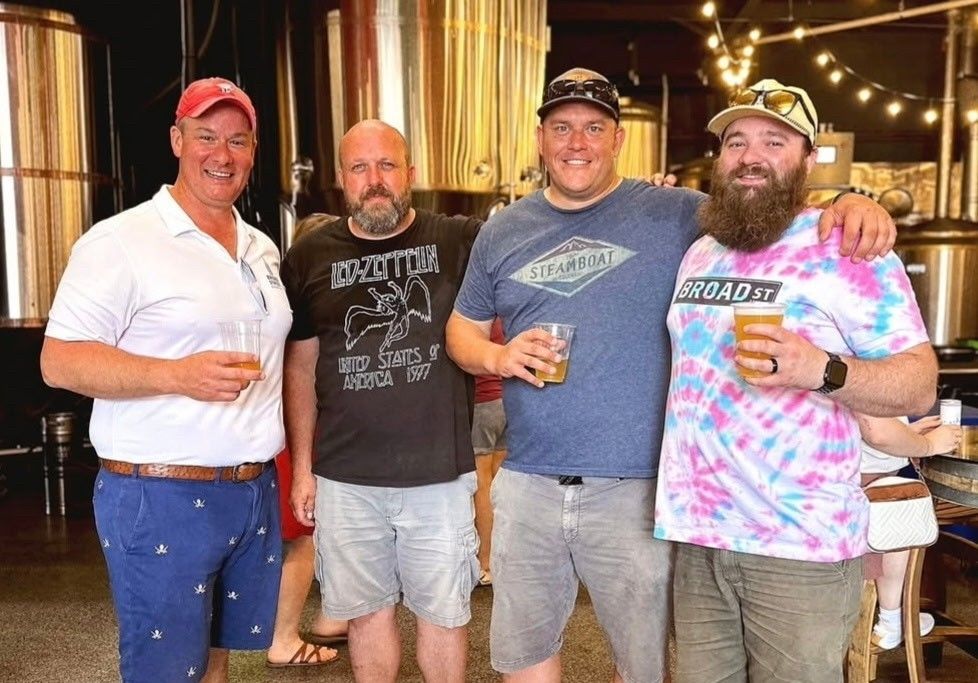
    Broad Street Brewing’s partners (from left) Ed Webber, Tim Lohse, and Brandon Wellington with brewer Andrew Balmer.

    For the Parks & Recreation Department, the concession is about more than filling the building at 16th Street and JFK Boulevard. Revenue from the operation will be reinvested in LOVE Park and the Benjamin Franklin Parkway, helping fund programming, maintenance, and improvements.

    “This has been a long time coming,” said Katie Burns Kays, the department’s director of business and event development. “Our goal wasn’t just to find somebody to fill the space. We wanted a strong partner who would bring the kind of energy and story we want to be telling at LOVE Park, for both residents and visitors.”

    Kays said officials hope the arrangement becomes “a sustainable funding model for our public spaces.”

    Broad Street Brewing, which opened three years ago in Bristol, emerged from a field of applicants that included Four Corners Management, operator of Parks on Tap; Triple Bottom Brewing Co.; Tica’s Taco; Bower Penn, which operates Bower Cafe locations; and Little Susie’s Coffee & Pie, according to city documents.

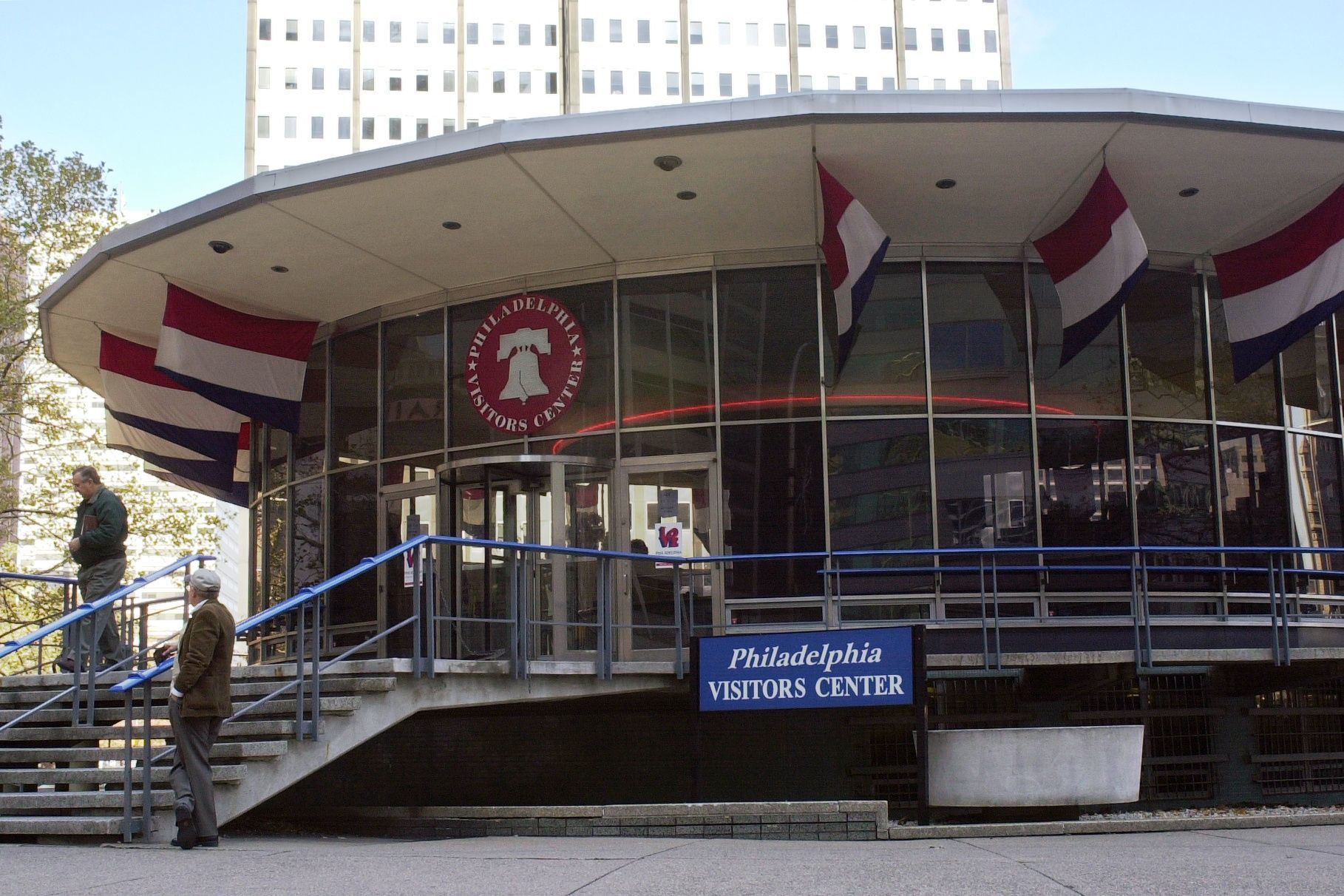
    The center in November 2001, just before the Independence Visitor Center opened at Sixth and Market Street.

    Kays said the city used what it calls a “best value” procurement process, weighing community engagement, operational experience, partnerships, and programming alongside revenue. Financial terms were not disclosed. The department’s standard concessions run for one year with up to four renewals, and Parks & Recreation plans to seek City Council approval this fall for a longer-term agreement to support the investment, Kays said.

    “It’s exciting to feature three local businesses rather than a national chain,” Kays said. “We really want visitors to experience Philadelphia through Philadelphia businesses.”

    For Broad Street co-owner Brandon Wellington, the project is also something of a homecoming. When Wellington lived at Broad and Race Streets, he first began brewing beer before setting the hobby aside for more than a decade. During the pandemic, he and longtime friends Ed Webber and Tim Lohse left their previous careers to launch Broad Street. Although the brewery established its production facility and taproom there, Wellington said the long-term goal was always to return to Philadelphia. He reached out to High Street partner Ellen Yin — whom he knew through his commercial kitchen-ventilation business — about partnering.

    The opening phase will occupy the terrace surrounding the pavilion and about a third of the adjacent lawn, with about 250 seats divided among cafe tables, picnic tables, and Adirondack chairs. Wellington said the goal was to create a gathering place for commuters, office workers, tourists, and park visitors while bringing regular live music and community programming to LOVE Park. The initial beverage program will feature at least eight Broad Street beers on draft.

    Broad Street Brewing expects to operate the outdoor beer garden through late October, serving beer alongside grab-and-go items such as smash burgers and maintaining a presence during Christmas Village as the permanent indoor build-out continues.

    Once the historic pavilion can be outfitted with a commercial kitchen, the partners expect to open a year-round operation with about 100 indoor seats. High Street will oversee the food program, while Rival Bros. anchors the cafe. Wellington said they also envision rotating guest chefs and an automated tap wall pouring Broad Street beers alongside selections from breweries across Philadelphia. The indoor operation is expected to debut around March 2027.

    “I just don’t want people to think this is simply a beer garden,” Wellington said. “While it’s being quarterbacked by a brewery, this will be Center City’s ultimate open-air hub — an oasis where local commuters, corporate professionals, and tourists can relax and connect.”

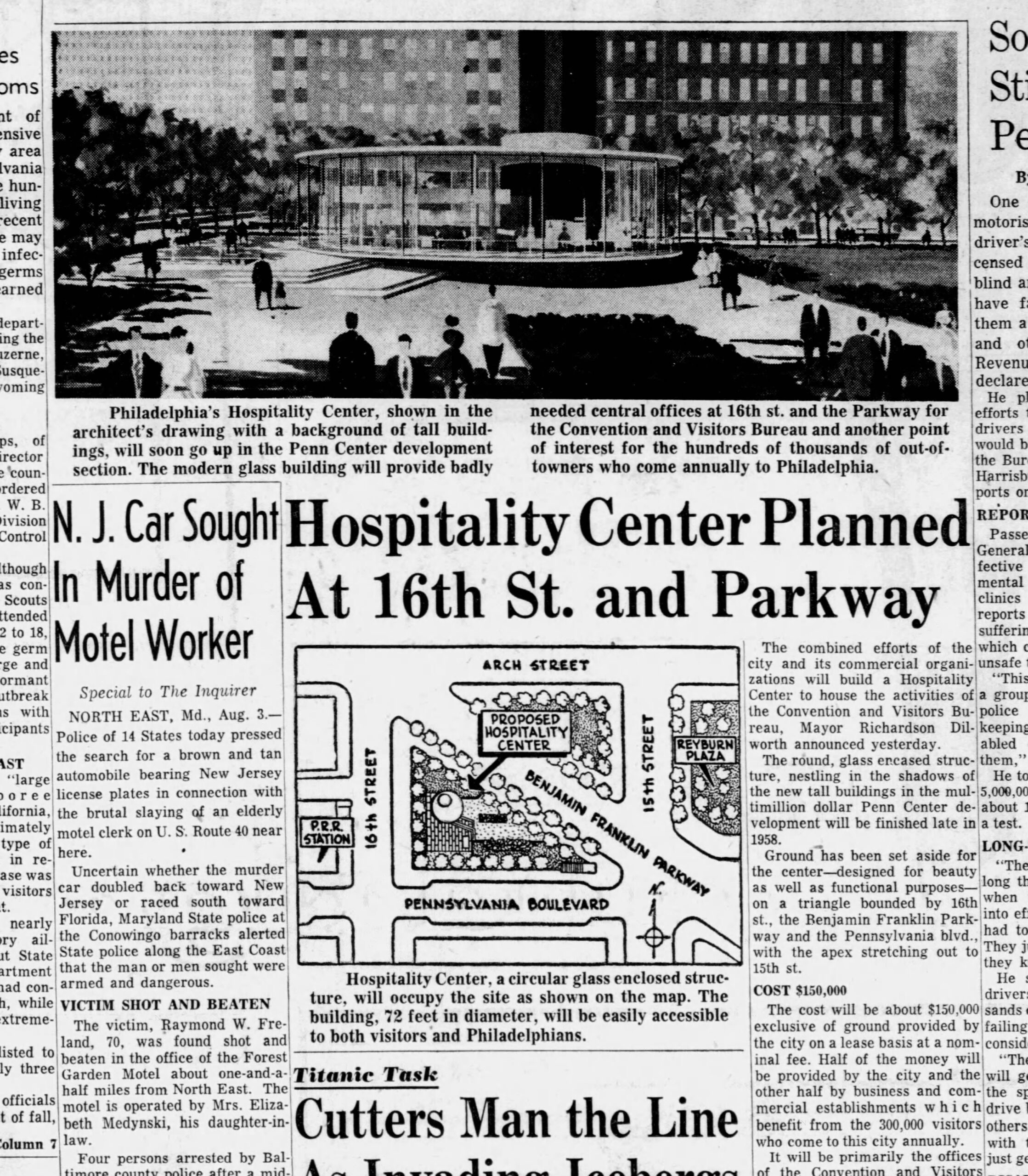
    On Aug. 4, 1957, The Inquirer reported the plan for what become the flying saucer-like building. In those days, Ben Franklin Parkway extended through what is now JFK Plaza to City Hall.

    Long before it became known as Philadelphia’s “flying saucer,” the pavilion was conceived in the late 1950s as the Philadelphia Hospitality Center at what was then the corner of 16th Street and Pennsylvania Boulevard. News accounts placed the price tag at $150,000, exclusive of the land provided by the city.

    Designed by Roy F. Larson of Harbeson, Hough, Livingston & Larson, the circular building opened in 1960 as a visitor information center for an era when families increasingly arrived by automobile. Its broad cantilevered roof and nearly continuous glass walls embodied the optimism of the Space Age and Philadelphia’s postwar redevelopment under city planner Edmund Bacon.

    The pavilion predates both Robert Indiana’s LOVE sculpture and the boulevard that now borders it. When it opened, the roadway, which bisected the plaza, was called Pennsylvania Boulevard. Following President John F. Kennedy’s assassination in 1963, it was renamed John F. Kennedy Boulevard, giving the plaza the name by which it is now universally known.

    Renamed the Fairmount Park Welcome Center shortly after opening, the building later served as park offices, a cafe, a concession stand, and exhibition space. After the Independence Visitor Center opened at Sixth and Market Streets in 2001, however, it gradually lost its original purpose and sat vacant for years.

    Its future appeared uncertain during LOVE Park’s 2016-18 reconstruction. Although some questioned whether the aging structure should be demolished, preservation advocates successfully argued that it was among Philadelphia’s finest surviving examples of midcentury modern civic architecture. The city instead invested about $5.6 million to restore the pavilion, replacing its roof, mechanical systems, and custom-curved glass while preserving its distinctive appearance. It was added to the Philadelphia Register of Historic Places in 2025.

    The rehabilitation did not immediately produce a tenant. In 2019, restaurateurs Marcie Turney and Valerie Safran planned a restaurant called Loveluck before withdrawing during the pandemic, and a subsequent request for proposals drew no bids.

    Last year, the city broadened its search, seeking a cafe, taproom, or other community-oriented food-and-beverage concept instead of a traditional restaurant. More than 50 prospective operators responded.

    Kays said the city deliberately slowed the process to avoid repeating earlier missteps.

    “The city has tried this before, and the business was not set up for success,” she said. “We wanted to be much more intentional this time.”

  • The Olney man being investigated for his connections to missing women will be held in federal custody

    The Olney man being investigated for his connections to missing women will be held in federal custody

    The Olney man at the center of a sprawling investigation into the disappearance of at least two women in recent years was taken into federal custody Tuesday and will be detained until trial.

    Eugene Albert Horsch, 44, was arraigned Tuesday on a federal firearms charge — a case that relates to his alleged actions on June 19, when a U.S. Park Police officer near Independence Hall reported seeing a black BMW parked in a restricted zone and next to a fire hydrant.

    The officer reported hearing a woman in the vehicle express fear of being injured and then seeing pairs of scissors in the front seat area. A search of the vehicle, in part based on Horsch’s actions, led to the discovery of a switchblade and a glass pipe in Horsch’s pants and two firearms under the car’s front seat.

    Horsch — who was not allowed to possess guns because of felony convictions — had been charged for that same conduct last week by the Philadelphia District Attorney’s Office and he was being held in a city jail on $500,000 bail. City prosecutors also charged him with having cocaine, heroin, and marijuana in his car.

    But the federal gun charge — and the decision by U.S. Magistrate Judge Pamela A. Carlos to detain him until trial — effectively ensures that Horsch will not be able to post bail or secure his release as his case proceeds. And that will give authorities time to continue investigating him in connection with questions potentially far more serious than illegally possessing guns.

    In the days after Horsch was arrested with the firearms in Center City, investigators who searched his decrepit rowhouse in Olney found another gun and materials to grow marijuana.

    But more concerning, they also discovered a variety of more unusual materials — including barrels of chemicals in the basement, urns holding the cremated remains of at least one of his relatives, documents tied to at least two women who have been missing for years, and a handwritten letter that described hurting people and mentioned the serial killer Ted Bundy.

    Officials have said police have not discovered any human remains in the house. But investigators did find a significant amount of blood inside, sources told The Inquirer this week, although it was not clear whether it was human blood. And authorities have been testing a variety of materials they’ve recovered from the house, such as the chemicals in vats stored in his basement.

    The probe is also seeking to learn more about potential connections between Horsch and at least two missing women with ties to his home.

    One is Blair Tonzelli, who might have worked there as a home health aide and who was reported missing in Kensington in 2023. Some of Tonzelli’s friends told police after she disappeared that they worried that something bad had happened to her and that they had told police that Horsch was a “sociopath,” according to police documents obtained by The Inquirer.

    In addition, when Horsch was arrested in Center City earlier this month, a woman who was with him falsely identified herself as Tonzelli and later told police that she did so because Horsch had given her a fake identification with Tonzelli’s name.

    The other missing woman is Amy McHale, the ex-wife of Horsch’s father, who was last heard from at the Olney property in 2016. Horsch’s father, Raymond “R.C.” Horsch — now deceased — was an erotic photographer and drug manufacturer who had published several works of fiction, including one described as an “autobiographical memoir of a caring, empathetic serial killer.”

    Eugene Horsch, during his brief appearance in federal court Tuesday, said little beyond responding to routine legal questions. He will likely be held at Philadelphia’s Federal Detention Center as his case proceeds toward trial.

    His attorney, Jerome Brown, said afterward that he didn’t believe Horsch had harmed any of the women at the center of the investigation.

    “As far as I know, I’d be shocked if [police] found any harm related to those missing persons at that location,” Brown said.

  • Police find ‘significant amount’ of blood inside Olney house linked to investigation of missing women, sources say

    Police find ‘significant amount’ of blood inside Olney house linked to investigation of missing women, sources say

    Philadelphia police found a “significant amount” of blood inside the decrepit Olney house linked to the investigation of at least two missing women, multiple law enforcement sources said.

    The sources, who spoke on the condition of anonymity to discuss an ongoing investigation, said forensic testing has not yet determined whose blood it is or whether it’s even human — a process that could take several weeks to complete. But, the sources said, police are prepared to excavate the front and backyards of the West Chew Avenue home in the coming weeks in search of potential human remains.

    Deputy Police Commissioner Frank Vanore declined to confirm or comment on the discovery Monday afternoon, citing the ongoing investigation. Vanore said Friday that police had not recovered any human remains from the home and were awaiting testing of the tubs of chemicals and other materials found in the basement.

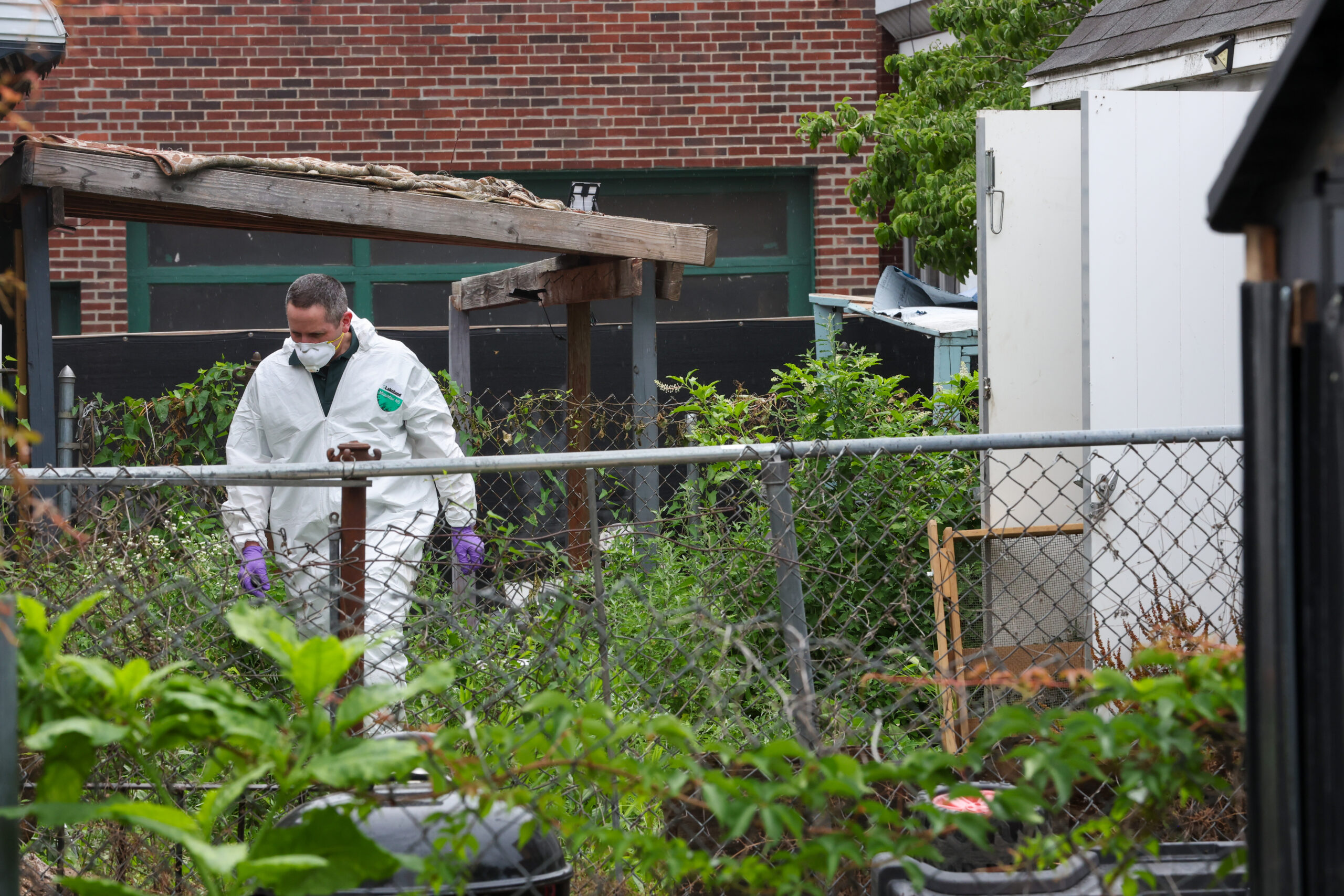
    Forensic investigators search the backyard of 417 W. Chew Ave. on June 27.

    The finding marks the latest development in an unusual saga that began after the arrest of Eugene Albert Horsch, 44, the owner of the Olney home now being searched by law enforcement for a second week in connection with the disappearance of at least two women who have been missing for years.

    Horsch was arrested June 19 after U.S. Park Police saw him parked in his black BMW near Sixth and Market Streets, acting suspiciously. When a ranger approached the car, police said, he heard a woman in the back seat say, “You’re going to hurt me” and saw drug paraphernalia.

    Police searched the car and reported recovering two guns with obliterated serial numbers, as well as cocaine, fentanyl, and marijuana, a cattle prod, switchblade knives, handcuffs, and a fake U.S. Drug Enforcement badge featuring Horsch’s photo.

    The woman with Horsch falsely identified herself to the officers as Blair Tonzelli, a 38-year-old woman who had been reported missing in Kensington in 2023, police said.

    The woman, 39, later told investigators that she gave Tonzelli’s name because she had open warrants for her arrest in ongoing drug cases and that Horsch had made her fake identification cards in that name and said she could use it if she was ever stopped and questioned by police, sources said.

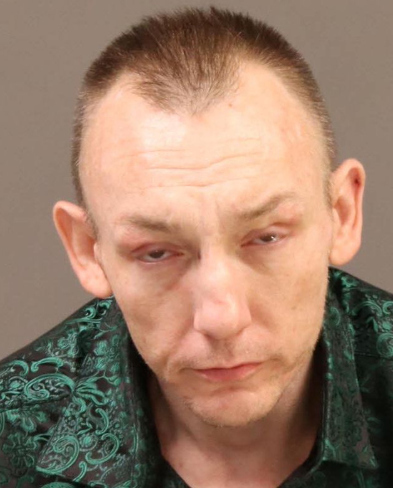
    Eugene Albert Horsch, 44, was arrested June 19 for illegal gun possession and drug crimes.

    The woman said she did not know Tonzelli or even that she was missing — but the way Horsch spoke about her and other women made her feel like something bad had happened to her, the sources said.

    Philadelphia homicide detectives then began reviewing that missing woman’s case, and, alongside federal law enforcement, searched Horsch’s home at 417 W. Chew Ave. last week.

    That search produced a trove of bizarre discoveries: a basement with drums filled with chemicals, bottles of unknown substances, Tonzelli’s bank card, the death certificate of another woman, and what appeared to be urns holding at least one of Horsch’s relatives’ cremated remains.

    Investigators also found another handgun, materials used to grow marijuana, and a 55-gallon drum with connections to waterlines leading into a hole in the ground.

    Federal investigators also discovered a multipage, unsigned, handwritten letter that appeared to describe hurting people and referenced the serial killer Ted Bundy, according to the affidavit of probable cause to search the home that was obtained by The Inquirer.

    Eugene Horsch lived at 417 W. Chew Ave. with his father until he died last year.

    Law enforcement sources said police were working to determine whether the writings were part of a novel or screenplay. Horsch’s late father, Raymond “R.C.” Horsch was a known drug manufacturer and erotic filmmaker who had published several works of fiction with violent, masochistic themes, including one described as an “autobiographical memoir of a caring, empathetic serial killer.”

    The probe into the younger Horsch took another twist when investigators learned that Raymond Horsch’s ex-wife Amy McHale was last seen at the Olney property in 2016 and has not since be located. A lawyer for Eugene Horsch and his father said the two men had nothing to do with McHale’s disappearance and said she struggled with substance abuse and mental illness.

    Horsch has been charged with illegal gun possession and drug crimes by Philadelphia authorities.

    He is also facing a federal gun possession charge, court records show. The U.S. Attorney’s Office filed a complaint against Horsch on Friday, charging him with possession of a firearm by a felon and centering their allegations on the guns that park rangers found in his car during an encounter in Center City earlier this month.

    Horsch has not yet been arraigned in that matter, and he remained in a city jail, held on $500,000 bail as of Monday afternoon. But the case could give federal prosecutors an opportunity to argue to a judge that he remain in federal custody until trial.

    This is a developing story and will be updated.

    Staff writers Jesse Bunch, Max Marin, Barbara Laker, and Chris Palmer contributed to this article.

  • See what $405,000 can buy you in the Fairmount, Drexel Hill, and Camden County housing markets | The Price Point

    See what $405,000 can buy you in the Fairmount, Drexel Hill, and Camden County housing markets | The Price Point

    The Price Point compares homes listed for similar sale prices across the region to help readers set expectations about house hunting.

    According to recent Zillow data, homes with “character” — visual distinction and a sense of history — are all the rage.

    As the birthplace of the nation, the Philadelphia region has its fair share of drool-worthy older homes of all shapes, sizes, and price tags.

    In May, the median sale price for homes in the Philadelphia metropolitan area was $405,000.

    So, here are three pre-World War II homes in the Philadelphia region that about $405,000 can buy — all with ample “character.”

    A Fairmount condo with a private patio

    This second-floor condo boasts a desirable location, according to its listing agent, Jeniffer Benner with Home Sweet Home PHL.

    It’s situated on a tree-lined street in the heart of the Art Museum neighborhood, with easy walkability to Center City, the Schuylkill River Trail, and Roberto Clemente Park just a block away.

    Benner said a main draw is the property’s private rear patio, which is “tough to find in condo spaces.”

    Built in 1920 with a major remodel in 2014, the home’s living room boasts modern features and touches of the past with its traditional red brick exterior. It has nine-foot ceilings, custom shutters, hardwood floors, recessed lighting, and crown molding. The built-in entertainment center has been a favorite of prospective buyers.

    “A lot of people think that’s a really nice feature, rather than having a blank box like some of the newer construction condos,” Benner said. “They like that character.”

    There are two bedrooms and two bathrooms, with the primary suite including two closets, one a walk-in.

    Benner said the condo fee is minimal — $223 per month — because it only covers exterior maintenance and insurance for the townhouse’s three units. Compared to city condo fees that can reach upward of $1,000 a month, the cost is “very affordable.”

    The property was listed for sale in March for $420,000. The listing price has since come down to $410,000.

    A Tudor-style home in Drexel Hill

    This Tudor-style home in Drexel Hill has an old-fashioned feel, as most of the neighborhood’s homes were built between 1925 and 1934, said listing agent Jason Cox with Long & Foster Real Estate.

    “This is a throwback, and that’s one of the reasons people love it,” said Cox.

    Two columns frame the property’s double-entry doors, which Cox said is an imprint of historical Drexel Hill homes. The kitchen’s mullioned glass-front cabinets and the bathroom’s checkered-tile accents further the home’s traditional aesthetic.

    The front yard is shaded by a willow tree, and the backyard is spacious enough for a garden, play set, pool, or all of the above.

    The three-story home has one full bathroom and five bedrooms — rare for its listing price. There are three larger bedrooms on the second floor, in addition to a smaller room that could double as an office, and a finished attic with skylights on the third floor.

    The living room has a traditional brick fireplace, and the dining room features access to a deck that is a prime location for outdoor grilling. Recently repainted and carpeted, the home is move-in ready.

    Cox, who lives a block away from the property, “can’t say enough about the neighborhood.” Ideal for families, the home is walking distance from the local elementary and middle schools, and is a five-minute drive from Upper Darby High School. In the neighborhood, some families have stayed for two or three generations.

    The property was listed for sale in May for $400,000.

    A complete renovation in Magnolia, Camden County

    Sitting on more than a half-acre, this home’s standout feature is its expansive backyard. About three years ago, the homeowners installed a patio and a gazebo with a mounted TV, transforming the empty space.

    “It makes the outside feel like the inside, and it can be screened in,” said listing agent Aaron Wallace with KW Main Street. “It’s the best thing about this property.”

    The four-bedroom, two-bath property was built in 1911 but underwent a major renovation in 2020. The contractor did everything “soup to nuts,” Wallace said, including the roof, windows, both bathrooms, and kitchen. “They left no stone unturned with this renovation.”

    The bright and airy ground floor includes the mudroom, living room, dining room, kitchen, and full bathroom. Going up a level, there are three bedrooms and the second full bathroom. On the third floor, there’s a generously-sized carpeted room that can be utilized as a bedroom, office, or an alternative living space.

    Another highlight is the living room’s fireplace, which is framed by a wooden chevron accent wall and serves as a focal point in the house.

    Magnolia’s pre-K-8 school is within walking distance from the home, and there is a baseball field behind the house that hosts local games. Wallace said the homeowners enjoy watching games from their gazebo.

    “It has a great small-town feel, and the big city is not too far away,” said Wallace.

    The property was listed for sale in June for $400,000.

  • Olney house raid uncovers curious letter, drugs, chemicals, fake DEA badges — and possible links to two missing women

    Olney house raid uncovers curious letter, drugs, chemicals, fake DEA badges — and possible links to two missing women

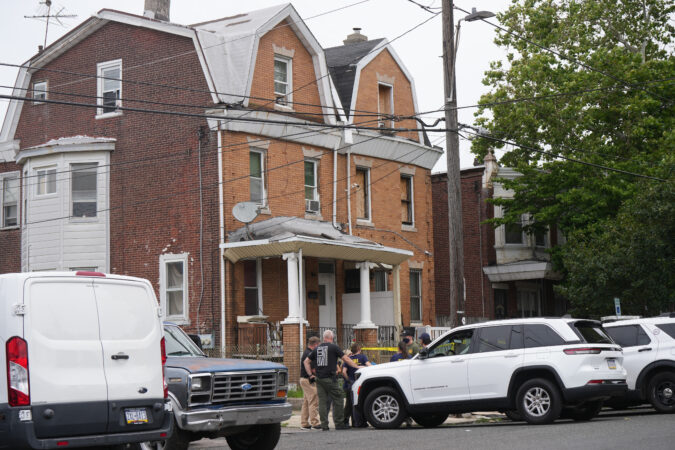
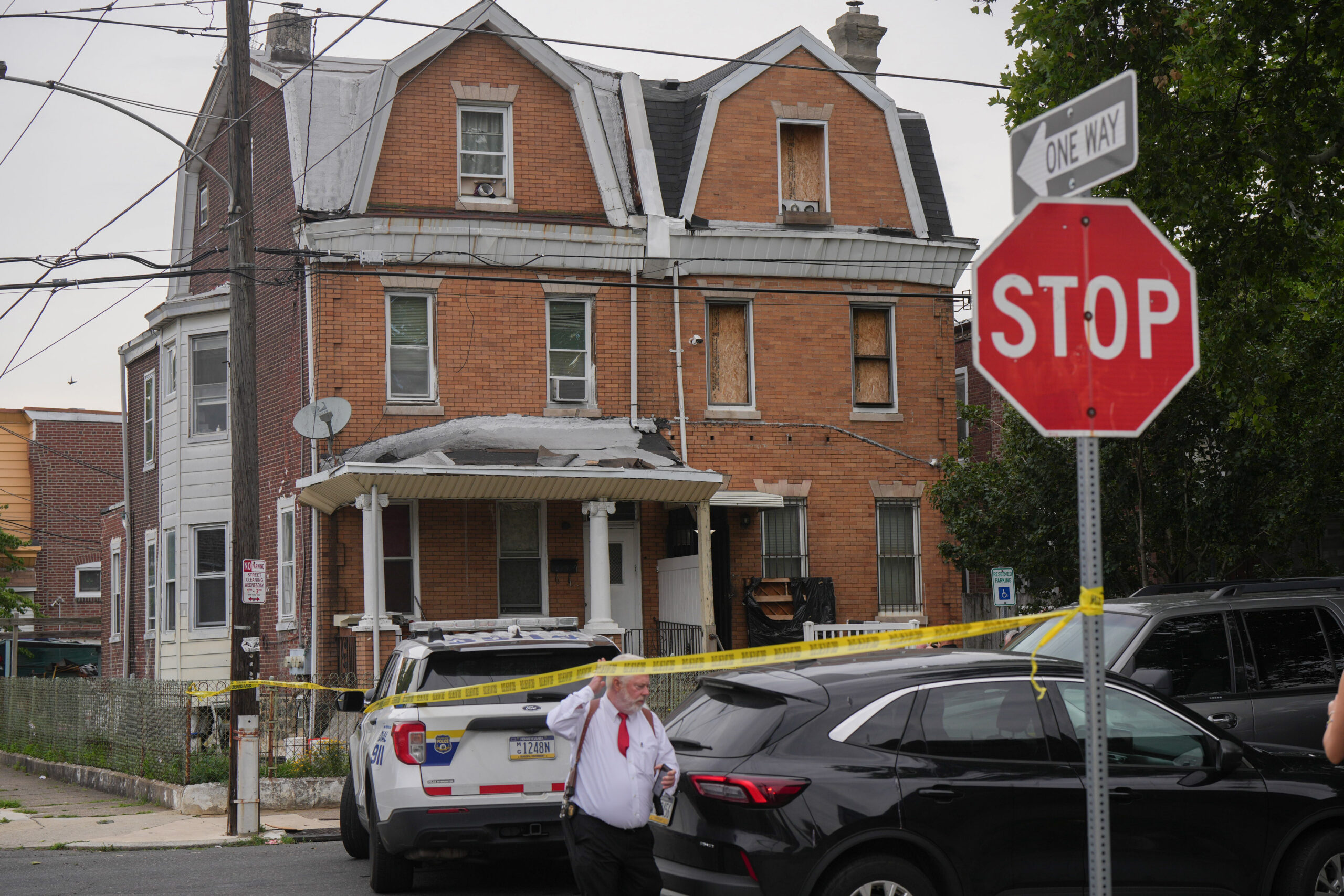
    During a weeklong search of a crumbling Olney twin, federal agents and Philadelphia police found guns and drugs, tubs of chemicals, a curious unsigned letter, and fake law enforcement badges as they were investigating the homeowner’s connection to at least two women who have been missing for years.

    The unusual investigation began under similarly bizarre circumstances: U.S. Park Police encountered Eugene Albert Horsch, 44, acting suspiciously in his black BMW parked near Sixth and Market Streets on the morning of June 19, Deputy Police Commissioner Frank Vanore said.

    As the ranger approached the car, Vanore said, he heard a woman in the backseat say, “You’re going to hurt me.” The woman then falsely identified herself to the officers using the name of a 38-year-old woman who had been reported missing in Kensington in February 2023, said the sources, who spoke on the condition of anonymity to discuss an ongoing investigation.

    The woman, 39, later told investigators that she’d given the alias because she had open warrants for her arrest in ongoing drug cases, and that Horsch had previously made her fake identification cards in that name, telling her she could use it if she was ever stopped and questioned by police, the sources said.

    And later, the sources said, she told officials that she did not know that missing woman — but feared something bad may have happened to her.

    Eugene Albert Horsch, 44, of Philadelphia.

    When police searched Horsch’s car outside Independence Hall, they recovered two firearms with obliterated serial numbers, as well as cocaine, fentanyl, and marijuana, according to an affidavit of probable cause for his arrest. What’s more, a source said, the car also contained a collapsible baton, a cattle prod, switchblade knives, and a fake U.S. Drug Enforcement badge with Horsch’s photograph under the name “Eugene Frederick Steiner.”

    Horsch was taken into custody and charged with illegal gun possession and drug crimes. He’s currently being held on $500,000 bail at Curran-Fromhold Correctional Facility.

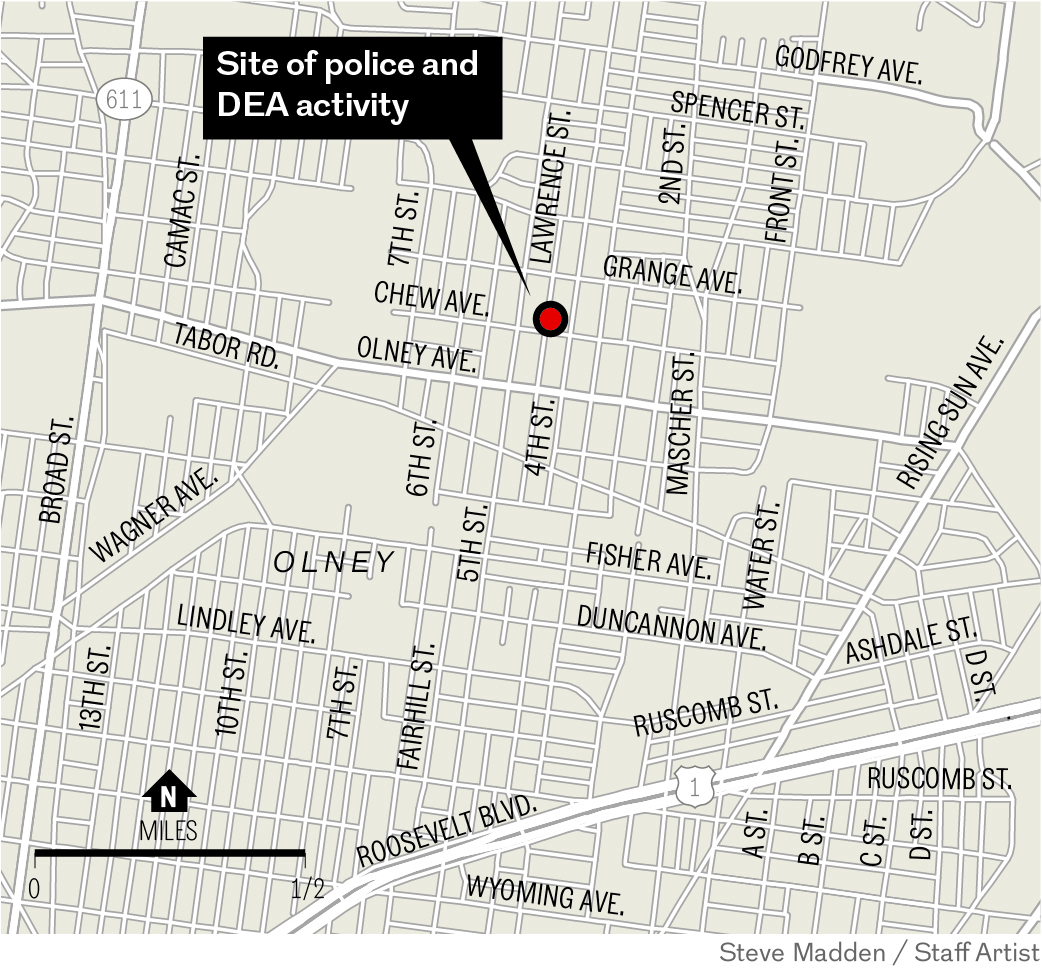
    Officials with federal drug enforcement began searching Horsch’s home on the 400 block of West Chew Avenue alongside Philadelphia police on June 19.

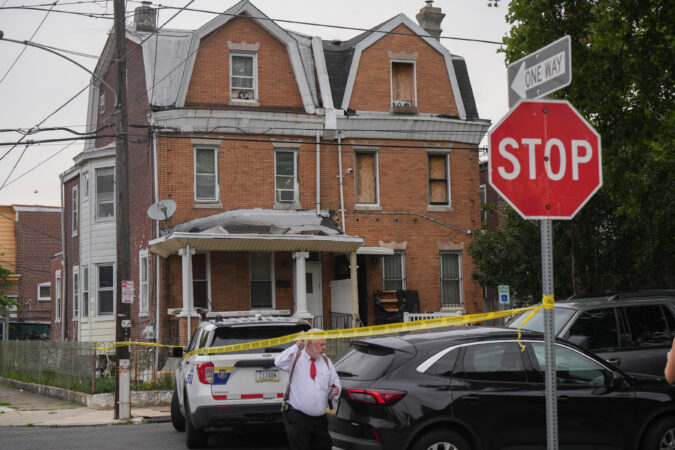
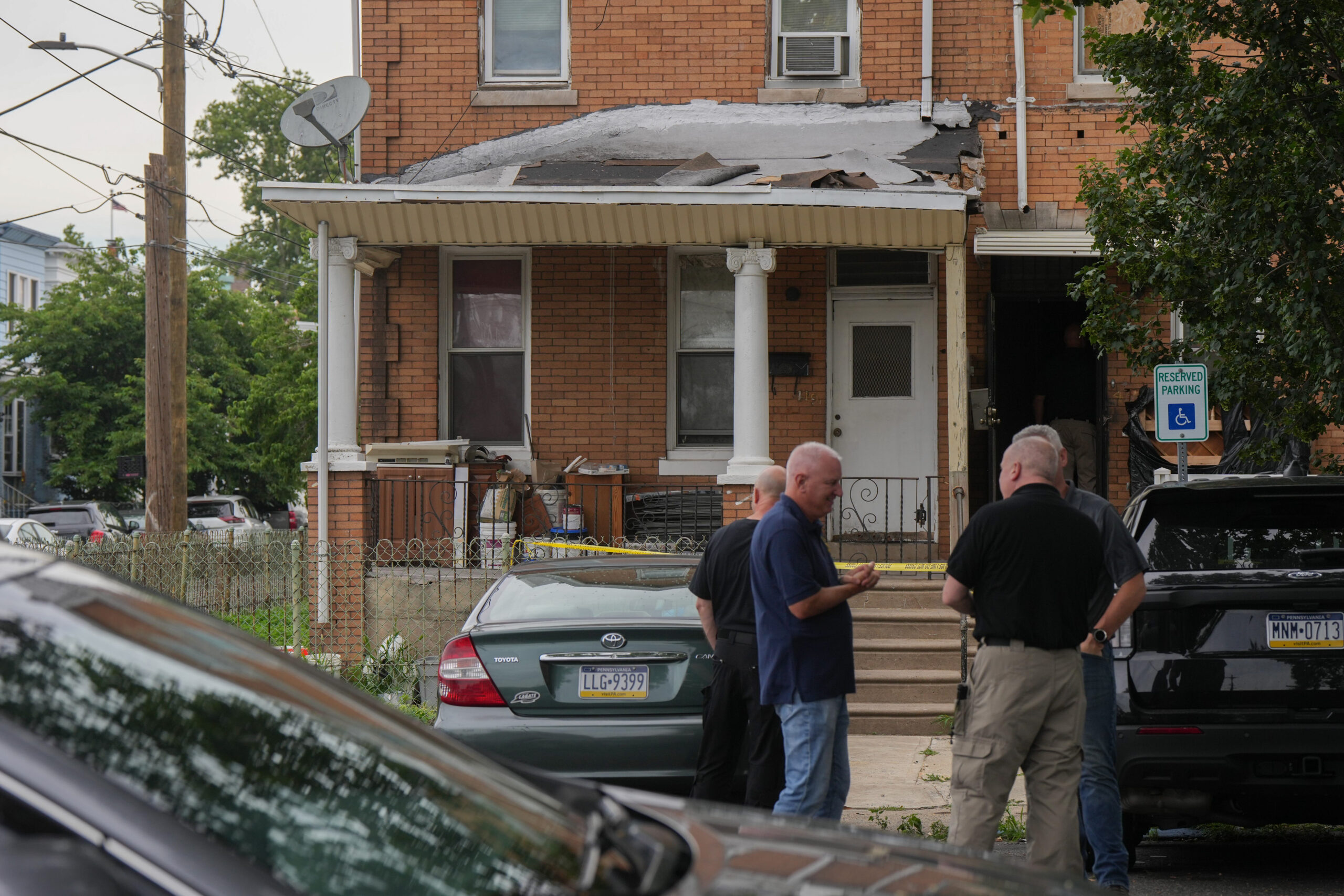
    The house at the 400 block of W. Chew Avenue in Olney being investigated.

    Vanore, in a news conference Friday, said the conditions of the boarded-up twin and materials recovered inside of it — including hidden compartments, drums filled with chemicals, and what appeared to be urns holding at least one of Horsch’s relatives’ cremated remains — only deepened the mysteries of the case.

    And investigators soon found themselves confronting a second concerning thread: Horsch’s late father, R.C. Horsch, a convicted drug manufacturer and erotic filmmaker, had an ex-wife who was last seen at the Olney property in 2016 and has never been found.

    Horsch’s attorney, Jerome Brown, said he did not have details about the ongoing police investigation.

    Brown said R.C Horsch, who died in 2025, had been questioned in the June 2016 disappearance of his ex-wife Amy McHale, of South Philadelphia. She suffered from mental health and substance abuse issues, he said.

    “This is much ado about nothing,” Brown said of the missing persons investigation. “They’re barking up the wrong tree.”

    Inside Horsch’s home, investigators found another handgun, chemicals and bottles of liquid that forensics investigators in white hazmat suits were still working to identify on Friday, Vanore said. There was also a 55-gallon drum with connections to waterlines leading into a hole in the ground, he said, and materials to grow marijuana upstairs.

    Federal investigators also found a multipage and unsigned handwritten letter that described references to hurting unspecified people, and references to the serial killer Ted Bundy, according to an affidavit of probable cause to search the home that was obtained by The Inquirer.

    “Acting on emotion is where problems occur. What I don’t think I told you was that the first time it was planned ahead of time. The threat was made before you know who came over and I already had a 2ft zip tie in my pocket and a drum set up,” the letter said, according to the affidavit.

    According to the warrant, it went on: “I had been ready and waiting and I damn sure showed no hesitation. And it was fun.”

    Law enforcement sources said investigators were working to verify the authenticity of the letter, who wrote it, and whether it was meant to serve as a portion of a novel or screenplay. Horsch’s father published several works of fiction with masochistic themes, including one described as an “autobiographical memoir of a caring, empathetic serial killer.”

    Police also found bank cards in the name of the woman who went missing in 2023, and also recovered what appeared to be a death certificate for another woman who died last year, the document stated.

    Vanore said no human remains were found inside the home.

    Forensic experts from the FBI are now analyzing the liquids and materials recovered in the home, he said.

    Vanore said it wasn’t clear whether the chemicals were intended for a drug manufacturing operation or another purpose.

    “We just don’t know what he’s doing, if he’s producing something, if he’s making something, if he’s irrigating something, we don’t know,” Vanore said. “I’m not a chemist, but from what I’ve been told … they could have been explosives.“

    And, he said, it was too early to say whether the evidence would speak to any of the missing person cases tied to the property. He declined to identify the woman who had been reported missing in 2023 and did not answer questions related to the ongoing investigation into McHale’s disappearance.

    “We’re certainly going to look into the activities that went on at that house,” he said.

    Investigators on W. Chew Avenue.

    News reports of the search of the Horsch home reopened wounds for McHale’s family. Gloria McHale said her daughter struggled with mental health issues and a drug addiction, and was married to R.C. Horsch for several years before disappearing June 14, 2016.

    In an interview Friday, she said when police questioned R.C. Horsch at the time of her daughter’s disappearance, he said he last saw McHale drinking vodka before he went to bed, and that when he woke up, she was gone.

    “I knew that wasn’t right,” McHale’s mother said. “She wouldn’t disappear. She had a daughter and grandkids. Her daughter was about to get married.”

    Prior to his arrest last week, Eugene Horsch had a criminal history that included at least 10 other arrests for drug possession, dealing, assaults and drunk driving. He was sentenced to four to eight years in prison after police discovered $1.9 million worth of cannabis inside the Chew Avenue home in 2013, court records show.

    He was arrested again in May 2025 for possession of marijuana and amphetamines and handed three years’ probation.

    Then, in March, he was charged with aggravated assault after police said he stabbed a man in the stomach at Eighth and Market Streets. Prosecutors withdrew the charges in May after a witness failed to appear in court, court records show.

    Since his release from jail, he appeared to be living back at his rundown home on Chew Avenue, a property that city inspectors cited as vacant and unsafe in recent years and that neighbors described as an increasingly off-putting presence on the block.

    On Friday morning, anxiety swirled along the typically quiet residential neighborhood, about a mile from the Montgomery County border.

    A security camera mounted on Horsch’s home between the boarded-up windows on the upper floors looked out over an overgrown yard where at least a dozen local and federal agents collected and tested evidence into the late afternoon.

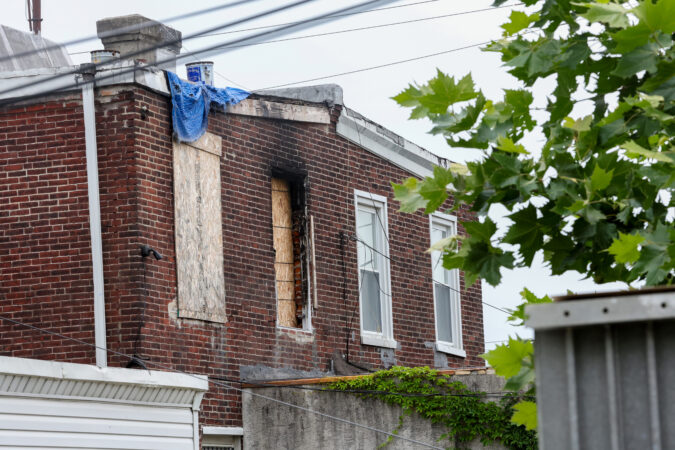
    Sid Brunson, a construction worker who lives nearby and occasionally cut the grass in front of Horsch’s house, said Horsch often had women who appeared to use drugs at his property. A fire broke out on the upper floors of the property several months ago, he said, which led to plywood covering the windows.

    He described his neighbor as a “quiet” and “real jittery” man who kept to himself.

    “He always had a nice shirt on like he was going to the office,” Brunson said, “but he never gave you enough time to talk because he was always rushing.”

    Staff Writers Ryan W. Briggs, Samantha Melamed, Brett Sholtis, Michelle Myers, Isabel Maney, Andrea Padilla, and Jesse Bunch contributed to this article.

  • Rachel Maddow recalls her ‘formative’ time in Philly and the city’s most overlooked hero ahead of MS NOW event

    Rachel Maddow recalls her ‘formative’ time in Philly and the city’s most overlooked hero ahead of MS NOW event

    Rachel Maddow’s brief turn as a Philadelphian began with her bicycle being stolen on the first day of a new job.

    “I got to work at 9 a.m. and I got out for lunch before noon, because I didn’t have anything to do,” Maddow said. “My bike was already gone.”

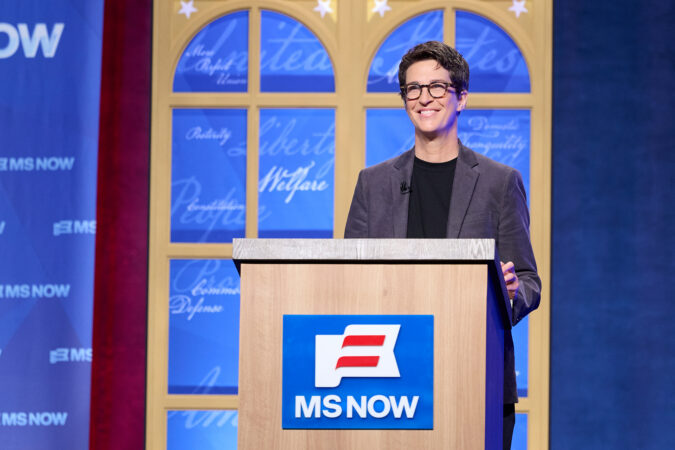
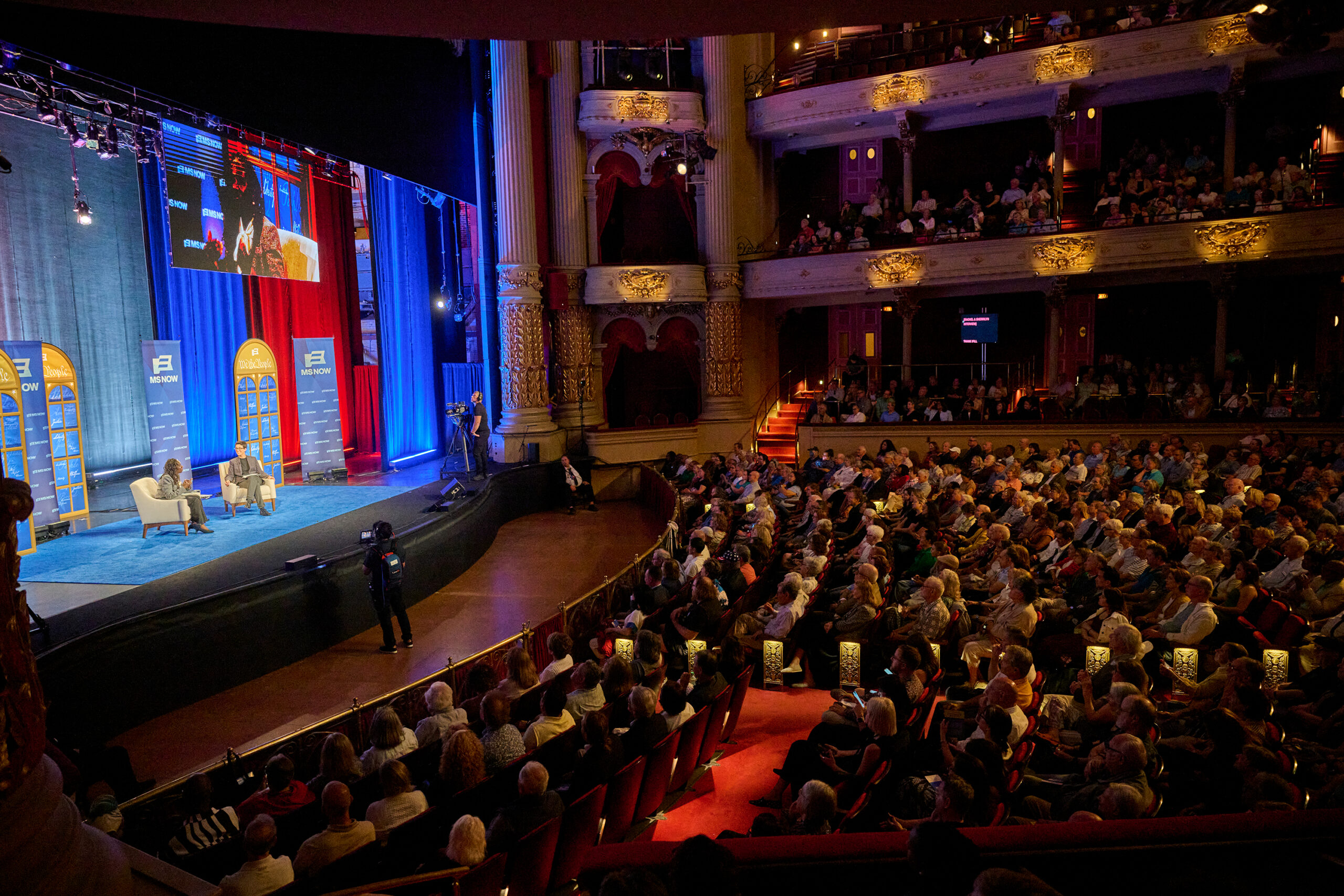
    MS NOW’s top star was in Center City on Thursday night to interview constitutional legal expert Sherrilyn Ifill live in front of nearly 2,000 people at the Academy of Music.

    But prior to the event, she reminisced about her brief time in Philly in the early 1990s, shortly after she came out as gay during her freshman year of college at Stanford University.

    “It didn’t go well at home, so it was a bit of a scramble in terms of like paying for college, figuring out what I was going to do, where I was going to live,” Maddow said. “And I got an internship at a think tank at Penn.”

    Maddow lived in West Philadelphia and basically ate nothing but Ethiopian food for a few months, though she can’t remember the name of the street: “It was in the 40s and it was one of the tree-named streets.”

    In college she was an AIDS activist and focused on healthcare policy, so landing at the University of Pennsylvania’s Leonard Davis Institute of Health Economics seemed liked an ideal fit.

    Maddow said her job was to answer the phone. But the internship didn’t last long.

    “I was not an additive,” Maddow said. “I don’t think I was an asset to the organization.”

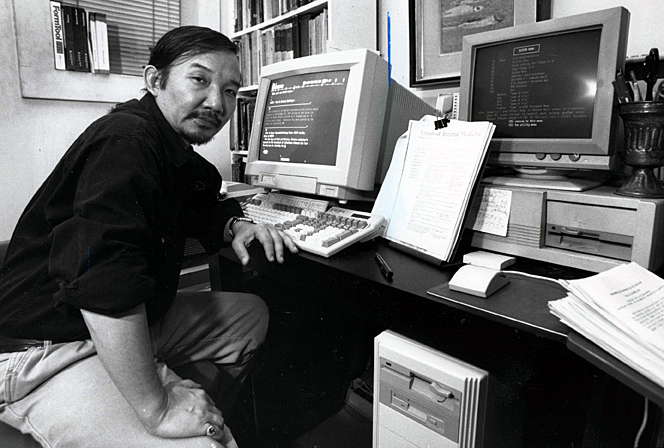
    Kiyoshi Kuromiya seen here in 1992, was a gay civil rights activist who helped establish ACT UP Philly.

    Maddow’s activism began when she was still in high school, when she began working at a hospice for people who were dying during the AIDS epidemic.

    Still, those few months living in Philadelphia influenced Maddow’s developing political voice. She idolized ACT UP Philly, an activist organization fighting for people with HIV/AIDS, and thinks that gay civil rights activist Kiyoshi Kuromiya is the city’s most overlooked hero for the work he did helping connect people with hard-to-find information about the virus and treatment.

    “He saved millions of lives,” Maddow said. “The city needs to build a statue for Kiyoshi Kuromiya.”

    Maddow has returned to Philly a number of times over the years, and every time she does, it makes her feel like she’s 19 again. Things have changed — seeing Indego bicycles to rent on street corners after hers was stolen is pretty jarring — but though her time living here was brief, she didn’t hesitate saying, “Philly was really formative for me.”

    “The thing I loved about Philly at the time, and that I kind of fell in love with, even before I really knew what to do with it, was the really sparky, edgy, impolite activist spirit,” Maddow said. “I think I’m just a middle-class polite kid who doesn’t like to offend anybody, and Philly kind of shook me out of that a little bit, and made me aspire to edgier things.”

    More live events and a new app coming from MS NOW

    Nearly 2,000 people attended Thursday night’s event at the Academy of Music.

    A strong Philly current ran through MS NOW’s event Thursday night, which highlighted the messy history of the American experiment leading up to the country’s 250th anniversary next week.

    MS NOW president Rebecca Kutler, who oversaw the event, is a Philly native who grew up in Center City and later Montgomery County. Host Ali Velshi lives in Bryn Mawr and commutes to New York every day to host The 11th Hour, which he recently took over as part of a lineup change.

    Former White House press secretary for then-President Joe Biden and current MS NOW host Jen Psaki was also part of Thursday event, where she interviewed Pennsylvania Gov. Josh Shapiro, who was raised in Upper Dublin Township in Montgomery County. Psaki doesn’t have any connection to the area other than friends who live here — and

    “My mother’s best friend of 70 years lives here,” Psaki said.

    Thursday’s event was part of a larger strategy of engagement at the network after breaking away from NBC and becoming part of Versant, hence the name change from MSNBC to MS NOW. Ratings are up, but the cord-cutting trend is undeniable, so MS NOW is attempting to secure a digital future while it remains a popular TV destination.

    The network has now hosted three large fan events since 2024 and another is planned for Sept. 26 ahead of the midterm elections, though further details have not been announced. Attendees in Philly on Thursday night received a free, one-year subscription to MS NOW’s membership product that is set to launch soon. It will act as a streaming platform and online community for the network’s progressive fans and provide access to its biggest stars.

    “We’re always looking for ways to connect with our MS NOW community, to meet more viewers where they are, and to engage them in new ways,” said Lauren Peikoff, the network’s executive producer of live events.

    Cecil Parker, a Philadelphia musician, said the state of affairs in Washington compelled him to attend Thursday’s event.

    “Urgency. That’s the all-encompassing word,” Parker said, who often tunes into MS NOW to get their take on the news. “They have their opinions, but it’s based on the facts. So I dig that.”

    Some audience members traveled from as far as Arizona and California to have a chance to hear Maddow and her MS NOW colleagues in person.

    Tony Clyburn and his wife, Lisa, drove more than 10 hours from West Columbia, S.C., to take part. A radio host back home, Clyburn said it was inspiring being in a room with people from different walks of life who want what’s best for their neighbors and their country.

    “These gatherings are good because they’re as close to a town hall as we can get,” Clyburn said.

  • City officials plan to revamp Market Street from Sixth Street to City Hall

    City officials plan to revamp Market Street from Sixth Street to City Hall

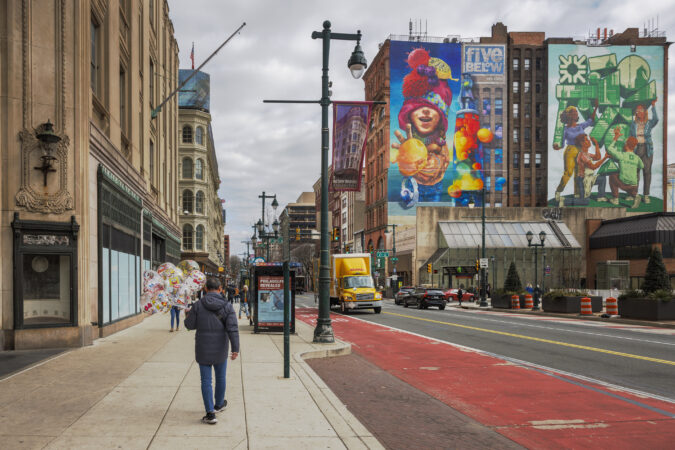
    Philadelphia officials are planning a major renovation of Market Street’s sidewalks, landscaping, and streetscapes, from Sixth Street toward City Hall.

    The announcement of a $2.5 million federal grant to begin the planning and design comes on the heels of the recently completed renovation of the thoroughfare in Old City from Second to Sixth streets. That effort took 18 months of construction and $16 million.

    The stretch to City Hall poses more logistical problems and could prove a heavier lift because of its dense use.

    The planned revamp is part of Mayor Cherelle L. Parker’s pledge to revitalize the Market East corridor.

    Most recently, the row of storefronts on the 900 block of Market owned by Comcast and Harris Blitzer Sports & Entertainment have begun hosting small pop-up businesses for the summer, as the city celebrates the 250th anniversary of the Declaration of Independence.

    The Department of Planning and Development is overseeing the revitalization, and the public-private Market East Corridor Advisory Group is helping to craft a vision.

    The new $2.5 million grant from the U.S. Department of Transportation, which the city will match, is limited to planning the streetscape along Market Street between 6th and Juniper Streets.

    Construction is years away, said Kelley Yemen, Philadelphia’s director of the Office of Multimodal Planning. Her office is gathering information to evaluate everything from traffic patterns to potential road diets and bike lanes.

    “Everything’s on the table at this point,” Yemen said.

    Safety remains a primary driver, she said, given that the section of Market Street is situated on the city’s “high-injury network.”

    However, she said redesigning the corridor poses unique logistical challenges compared with the recent improvements in Old City.

    Market East serves as a major commercial hub with heavy transit use, requiring planners to balance the needs of transit riders, pedestrians, and cyclists.

    Additionally, the shallow depth of the underground subway system may constrain surface-level landscaping.

    Yemen explained that any trees or plantings must account for the height of the subway ceiling, potentially leading to elevated planters rather than vegetation that’s rooted in the ground.

    The city is working with the consulting firm WSP and a team of subconsultants to develop design options.

    Yemen anticipates the design will take two to three years, as the city also has to navigate federal environmental reviews.

    Though the planning phase is now paid for, the city does not yet have money to fund construction and will likely look to federal or state grants for help in the future.

    Public involvement will be a key next step, she said.

    The planning commission is expected to launch a broader public engagement push this July to gather community input on the larger Market East revival.

  • Ember & Ash closed indefinitely after major fire

    Ember & Ash closed indefinitely after major fire

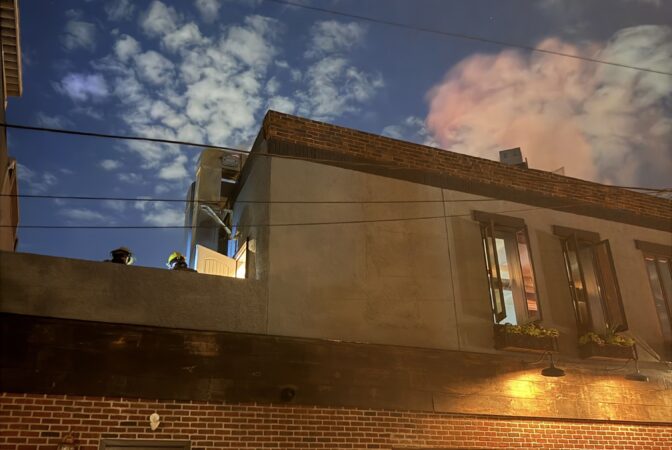
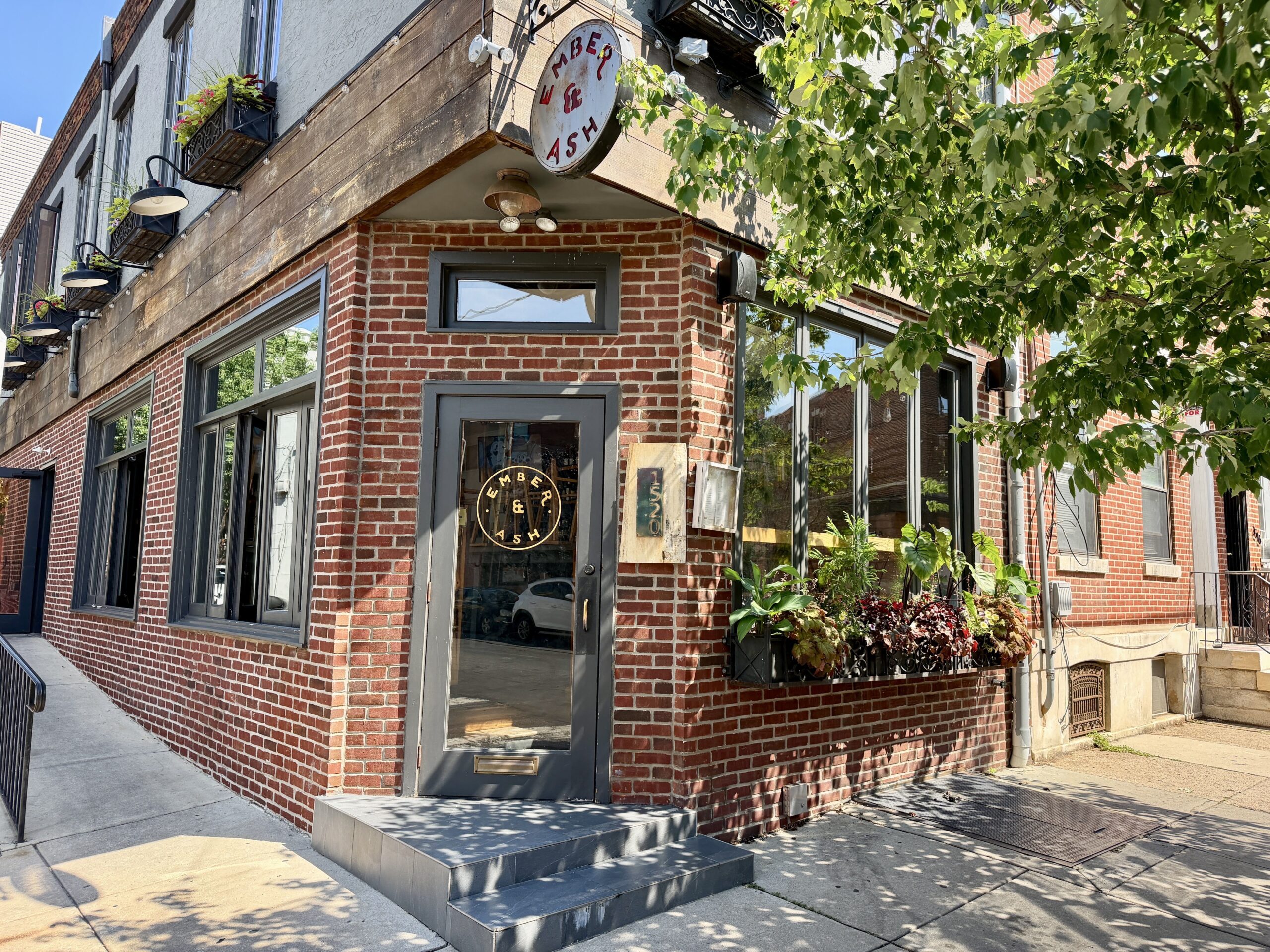
    Ember & Ash restaurant on East Passyunk Avenue in South Philadelphia is closed indefinitely after a late-night fire Wednesday sent flames to the roof through its ventilation system, its owners said.

    No injuries were reported. Owner Lulu Calhoun said she, her husband and chef-partner Scott Calhoun, and another chef, John Forkin, were leaving for the evening through the kitchen door about 10:20 p.m. when they heard a loud sound from above.

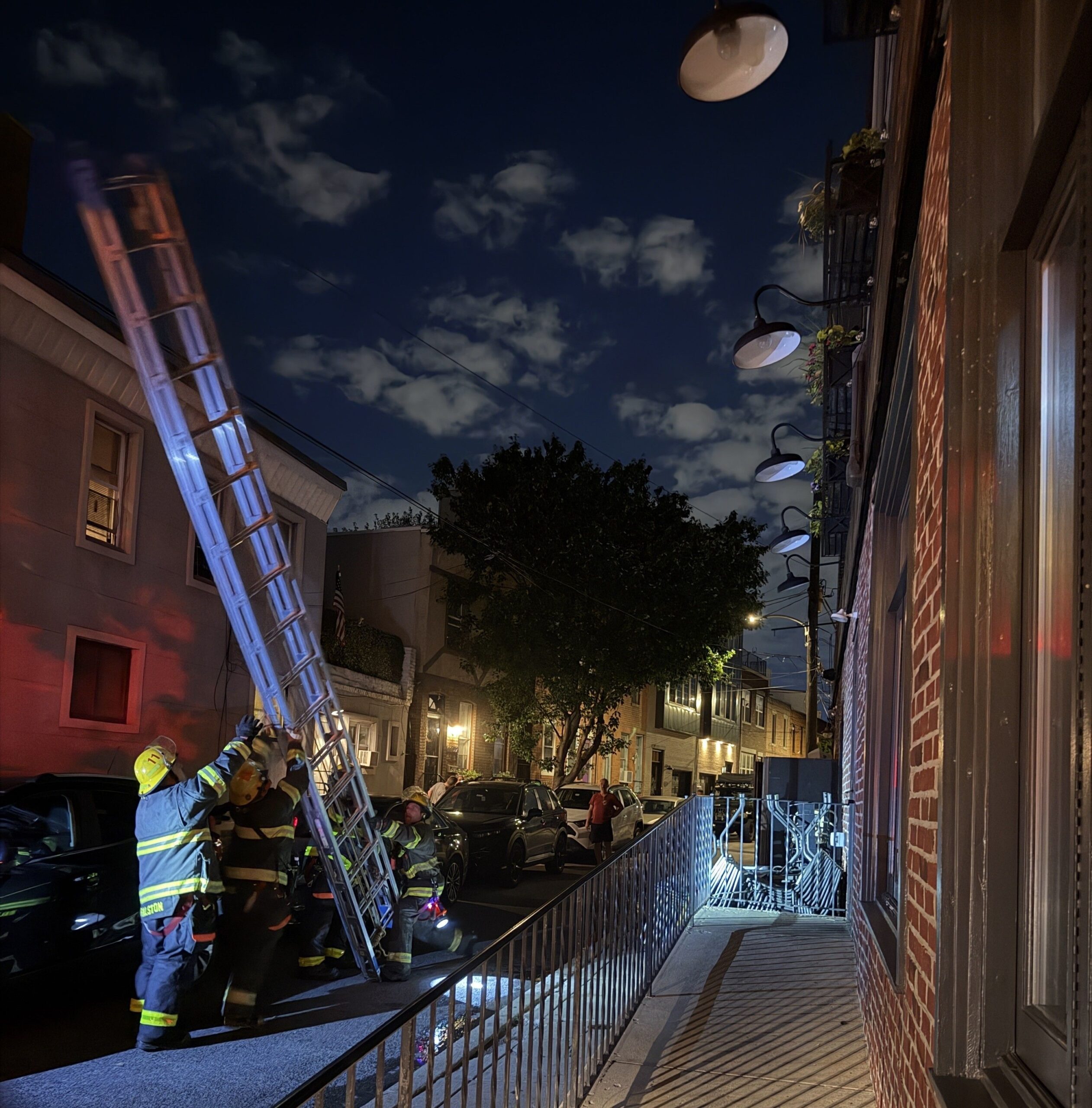
    Firefighters positioning a ladder outside of Ember & Ash, 1520 E. Passyunk Ave., on June 24, 2026.

    “We didn’t know what it was,” she said. “We thought maybe like a helicopter or a jet.”

    Scott Calhoun looked up to see fire on the roof. He grabbed fire extinguishers and ran upstairs to try to put it out, she said.

    The couple called 911, and firefighters arrived almost immediately. Ember & Ash is about two blocks from Ladder 11 at 12th and Reed Streets, a fire company that was restored in 2024 after having been shuttered for 15 years. “We’re just so grateful, because it could have been a much, much worse situation,” Lulu Calhoun said.

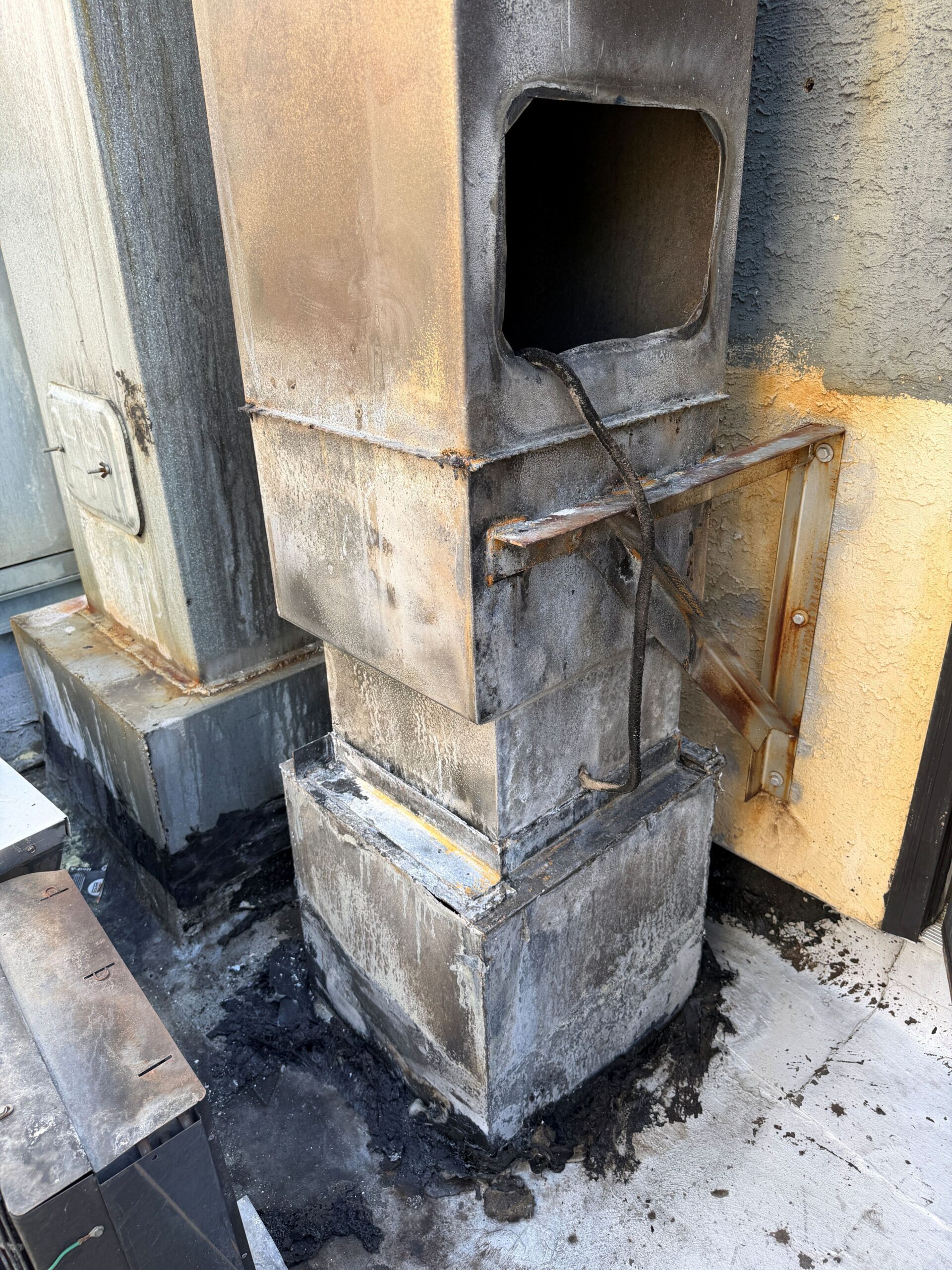
    A charred portion of the ventilation system at Ember & Ash, 1520 E. Passyunk Ave., as seen June 25, 2026.

    Thursday morning, the full extent of the destruction was still being assessed, but she said the restaurant was facing professional cleanup for water throughout the building and repairs to the hood and roof. Fire damage was not apparent from the Passyunk Avenue sidewalk. The Philadelphia Fire Department said the fire was under control in about an hour and 20 minutes but had no information on its cause.

    The restaurant, home of one of The Inquirer’s favorite burgers, employs about 16 people, Calhoun said, adding that supporting them is now their most urgent concern.

    “That’s the part that’s the most heartbreaking,” she said. “It’s not only our livelihoods, but our entire team.”

    She said the timeline for repairs was not yet known, adding that the duct work had been professionally cleaned recently as part of maintenance.

    Ember & Ash, 1520 E. Passyunk Ave., on June 25, 2026.

    The hearth at Ember & Ash, a live-fire restaurant built around a custom wood-burning grill made by Grills by Demant, has been the center of the kitchen since the restaurant’s opening in late 2020.

    Fires that travel through ventilation systems can sideline a restaurant for months because damage is not always immediately visible and insurance claims can drag on. Kampar in Bella Vista has been closed since a February 2025 fire and has not announced a reopening date. Black Sheep in Rittenhouse has been closed since a May 18 fire. Tequilas in Center City was shuttered for about two years after a 2023 fire, though owners spent some of that time creating a second restaurant, La Jefa, in its rear dining room.

    Calhoun said Ember & Ash was contacting customers with bookings along with parties that had reserved private events in July and August.