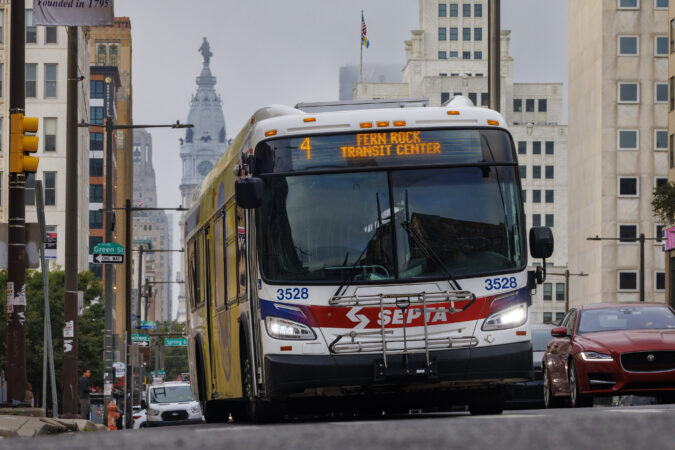
Tag: Delaware County

  • SEPTA’s terrible, horrible, no good, very bad year

    SEPTA’s terrible, horrible, no good, very bad year

    Scott Sauer would like nothing better than to make SEPTA an afterthought.

    He doesn’t mean that the Philadelphia region’s mass transit agency should be neglected, but rather that it will come to do its job so seamlessly that its nearly 800,000 daily customers can rely on the service without worrying about breakdowns, delays and disruptions.

    Given the cascading crises that hit SEPTA in 2025, many people wondered if the place was hexed.

    “I hope not, because I don’t know how to get the curse off me,” Sauer said in a recent interview. “But listen, truth be told, there were days when I scratched my head and thought, ‘Oh, my goodness, what is going on?’”

    It was the year that a long-forecast fiscal cliff arrived in the form of a $213 million structural deficit in SEPTA’s operating budget. And it was a year of politics that failed to secure new money and a stable funding source for increased state mass transit subsidies. As usual.

    Service was slashed, but then a Philadelphia court, ruling in a consumer activists’ lawsuit, ordered the cuts reversed. Later, federal regulators cracked down on simmering safety issues. SEPTA had to inspect and fix all 223 of its 50-year-old Silverliner IV railcars after five Regional Rail train fires. The trolley tunnel was shut down and remains so.

    “We just couldn’t seem to get more than a day or two of relief before something else was causing a headache,” said Sauer.
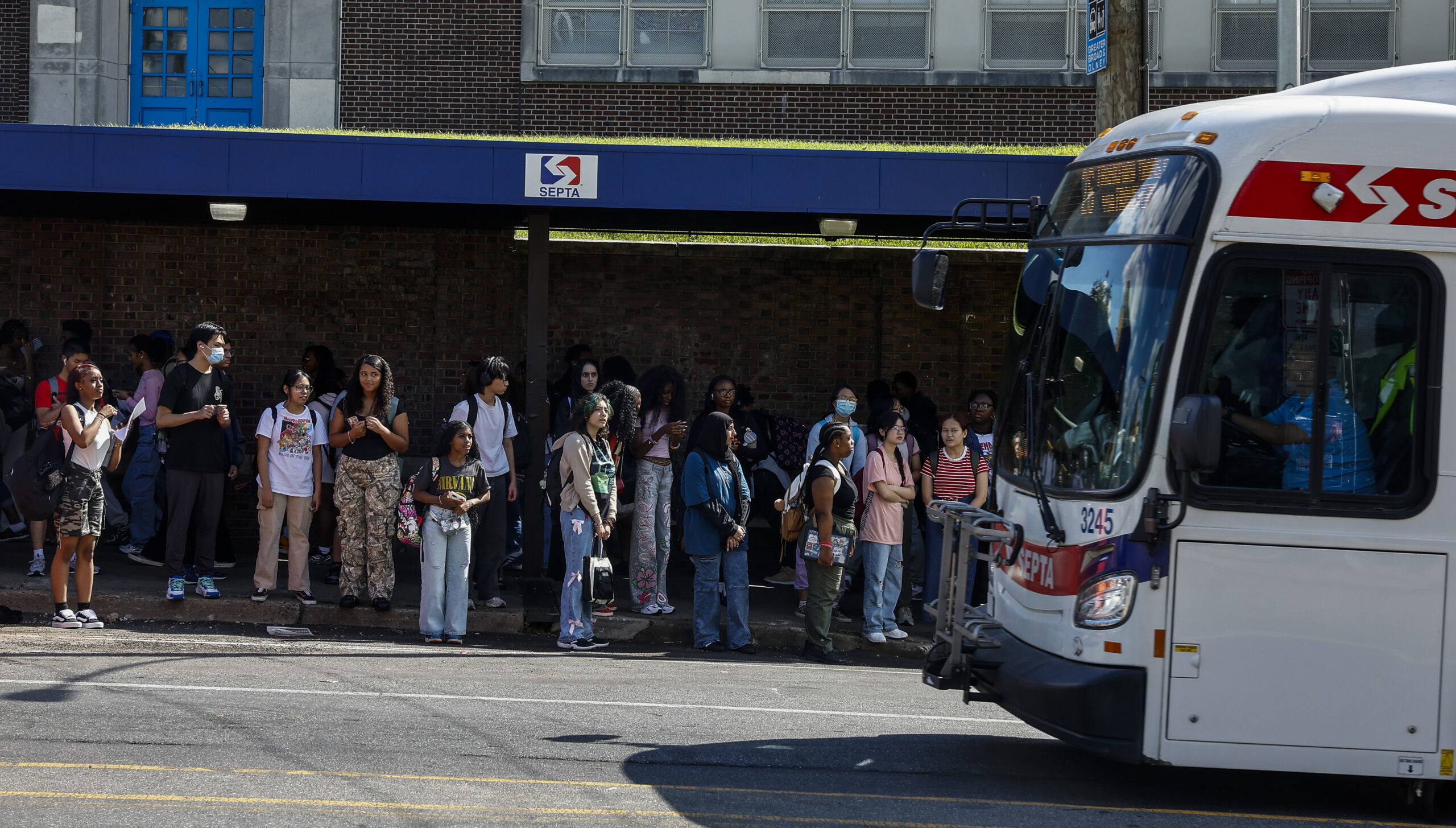
    A bus passes the stop near Girls High at Broad and Olney Streets on Monday, Aug. 25, 2025. Thirty two SEPTA bus routes were cut and 16 were shortened, forced by massive budget deficits.

    Back to basics in 2026

    In the end, help from above and a new labor contract bought SEPTA at least two years to recover from its annus horribilis and stabilize operations.

    When the Pennsylvania legislature couldn’t get a transit funding deal done, Gov. Josh Shapiro shifted $394 million in state-allocated funds for infrastructure projects to use for operations — the third temporary solution in as many years. The administration also later sent $220 million in emergency money in November for the Regional Rail fleet and the trolley tunnel.

    And, early in December, SEPTA reached agreement on a new, two-year contract with its largest bargaining unit, Transport Workers Union Local 234.
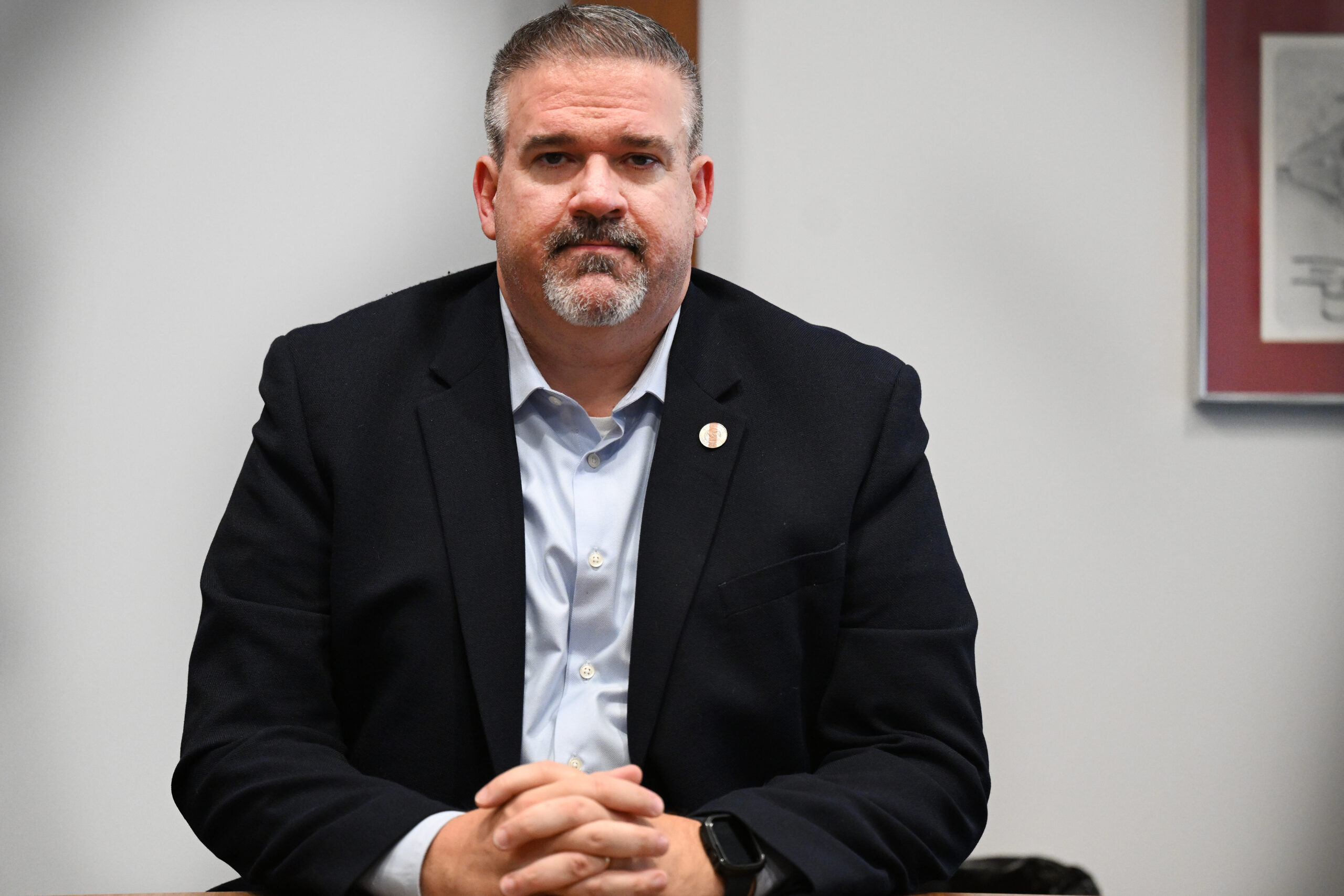
    Scott Sauer, general manager of SEPTA, admits that 2025 was an extremely challenging year.

    Sauer compared SEPTA’s position to football refs. When they are doing their jobs right, fans don’t have to think about them when watching the game. And when things are going well on the transit system, it becomes part of the background.

    “Let’s make sure we do the basics, and we do them really well, because at the end of the day, people want SEPTA to move them from one place to the other, right?” he said.

    The test of the focus on fundamentals comes soon, with millions of visitors expected in the region for the 250th anniversary of the Declaration of Independence, World Cup soccer, and other big events.

    2025’s cascading crises

    In December 2024, Sauer became interim general manager of SEPTA, replacing former CEO Leslie S. Richards. He was new in the top job, but not a rookie.

    Sauer, 54, began his career as a trolley operator more than 30 years ago. He had no political experience, though, and would quickly be thrown headfirst into those murky waters to swim with sharks.

    Storm clouds were already rolling in. Weeks before Sauer took the reins, Shapiro had flexed $153 million in state highway funds for SEPTA operations after a broader deal failed amid Senate GOP opposition.

    It’s a legal move, but often controversial, and Shapiro’s opponents were furious.

    Richards and her leadership team had been warning of a looming fiscal “doomsday scenario” for months. Officials were drafting a budget with service cuts and fare increases.

    On Feb. 6, a Wilmington-bound Regional Rail train caught fire as it was leaving Crum Lynne Station in Delaware County. It was worrisome, but at the time, nobody knew it would get worse.
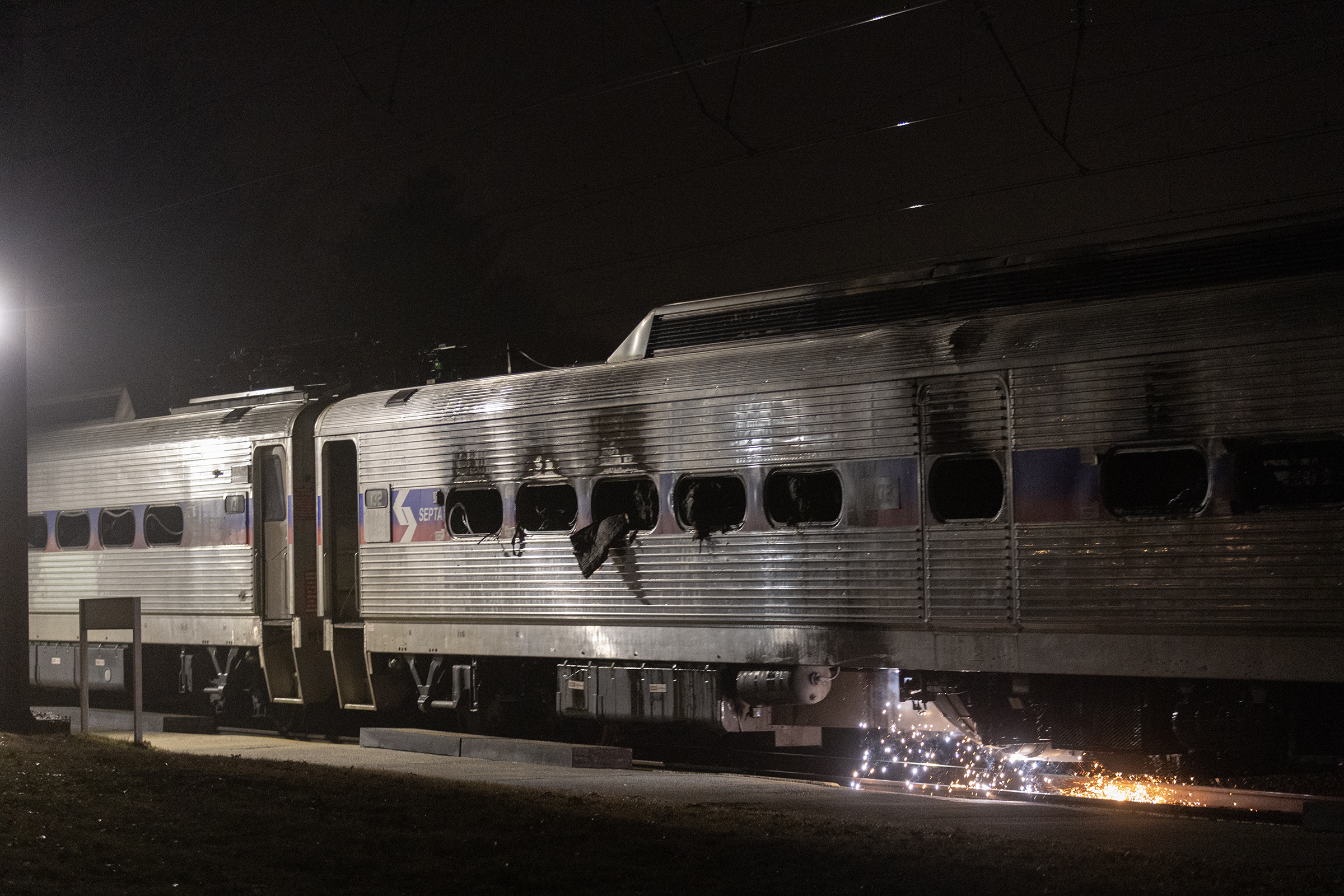
    More than 300 passengers were safely evacuated after a SEPTA Regional Rail train caught fire near Crum Lynne Station in February.

    SEPTA successfully moved more than 400,000 people to the parade celebrating the Eagles’ Super Bowl LVII championship on Valentine’s Day, a high point. “We pulled off the parade near flawlessly,” Sauer said. With the flexed money, “It was exciting at first.”

    Then the state budget cycle started up again.

    Familiar battle lines were drawn. Senate Republicans, in the majority in the chamber, opposed Shapiro’s proposal to generate $1.5 billion for transit operations over five years by increasing its share of state sales tax income.

    They preferred a new source of income for the state’s transit aid and said SEPTA was mismanaged, citing high-profile crimes, rampant fare evasion, and lax enforcement.

    On a mid-August night, the Senate GOP came up with a proposal that would take money from the Public Transportation Trust Fund, a source for transit capital projects, and split it evenly between transit operations subsidies and rural state highway repairs.

    Senate Majority Leader Joe Pittman, a Republican from Indiana County, was a key player in budget negotiations, which ultimately did not yield additional funding for mass transit.

    “It was kind of quiet … and then we got alerted that a proposal was coming within minutes. And so everybody was scrambling to try to read through it,” Sauer said.

    In a quick news conference with Shapiro, Sauer opposed the idea of taking capital dollars for transit operations, as did the governor. Then he spoke with Senate Republicans and told reporters it could be worth considering, but he had questions. And by the end of the night, he walked that back and opposed the measure.

    “I guess if there was a lesson to be learned for me in August, it was I should have taken some [more] time reading through that proposal,” he said.

    There was not much time to reflect on what happened, though, because the hits kept on coming as the federal government ordered SEPTA to inspect all 223 Regional Rail cars.

    SEPTA’s Regional Rail fleet is the oldest operating commuter fleet in the country, and the fires highlighted the difficulty of keeping them maintained while needing to stretch limited capital funds to address multiple problems.

    The Market-Frankford El cars, though younger than the Silverliner IVs, have been beat up and unreliable. SEPTA is moving forward with replacing them, as well as the Kawasaki trolleys that are more than 40 years old.

    SEPTA had ordered new Regional Rail coaches from a Chinese-government-related manufacturer, but canceled the contract after the first few models, built during the pandemic, showed flaws. Now the agency is advertising for bids on a new fleet of Regional Rail workhorses — but it has to make them sturdier to last for at least seven more years before new cars would be on the way.

    Officials plan to use $220 million received from the state on that effort.

    Some of the money, about $48 million, is slated to help fix the trolley-tunnel issue. SEPTA is contending with glitches in the connection between the overhead catenary wires and the pole that conducts electricity to the vehicle.

    What SEPTA got done

    SEPTA has made some progress on some of its persistent issues, officials say, though the accomplishments understandably have been largely overlooked amid the urgent, existential crises of 2025.

    For instance, serious crimes on the SEPTA system dropped 10% through Sept. 30 compared to the same period in 2024, according to Transit Police metrics.

    And there had already been a sharp improvement. Serious crimes in 2024 dropped 33% compared to 2023 — from 1,063 to 711, year over year.
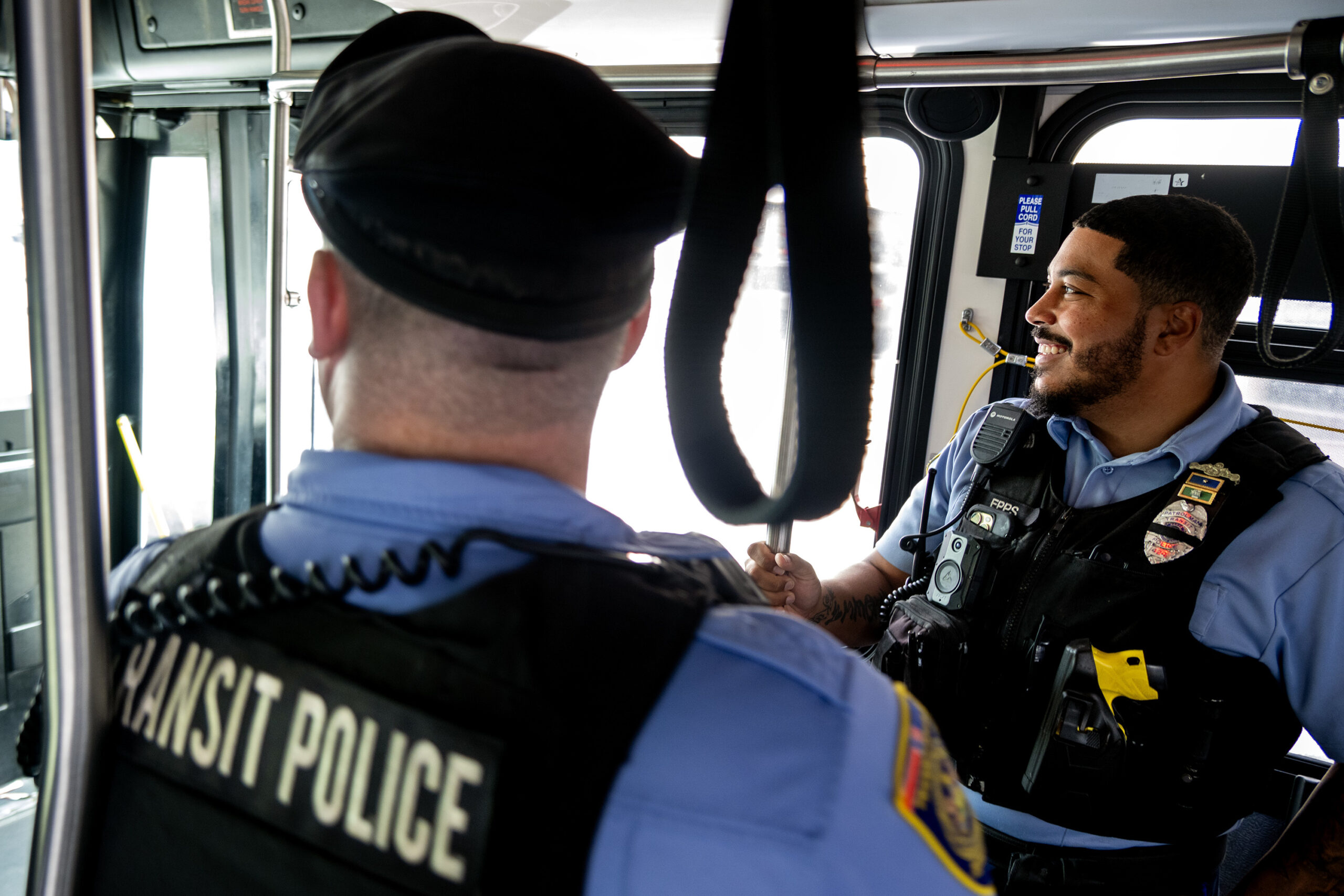
    SEPTA transit police police patrol officers Brendan Dougherty (left) and Nicholas Epps (right) with the Fare Evasion Unit ride the 21 bus.

    “If you think back to where we were in 2021 and 2022, the perception was bad things were happening on SEPTA, and you should steer clear of them,” Sauer said.

    The Transit Police have been hiring new officers, including a recently graduated academy class of nine, and has about 250 officers.

    SEPTA also installed 42 full-length gates designed to thwart fare evasion on seven platforms in five stations during 2025, spokesperson Andrew Busch said. Another 48 gates are coming in the first quarter of the year.

    Police are also issuing citations with an enhanced penalty of up to $300 for fare evasion.

    Prepare for déjà vu

    And yet, in 2027, it will be time to start the old SEPTA-funding dance once again, as transit agency advocates and supportive lawmakers work at getting a stable state funding stream for transit operations.

    State Democrats have said the transit issue could help them take control of the Senate from Republicans — a longtime goal but one that is difficult to achieve. One wild card is whether President Donald Trump’s slumping popularity will cause GOP congressional candidates to get swamped in the 2026 midterms, and whether that will translate into voters’ local senators.

    It likely would have to be a huge wave, and it’s a closely divided state.

    By 2027, Shapiro is expected to be running for president (if he is reelected next year), and it’s anyone’s guess how that could affect budget politics.

    “Not everybody wants to see us. I didn’t make a lot of friends,” Sauer joked after the TWU settlement.

    “We have more advocacy to do,” he said.

  • ‘She was amazing’: Woman allegedly stabbed to death by mother in Upper Darby remembered by loved ones

    ‘She was amazing’: Woman allegedly stabbed to death by mother in Upper Darby remembered by loved ones

    When Nicole Lauria met Daniele Grovola more than a decade ago, it was clear that the little girl from Upper Darby would one day become a star employee at her karaoke company.

    “She was amazing,” said Lauria, the owner of Lucky Music Productions. “A lot of people use the phrase, ‘She lit up a room.’ But she really did.”

    Tragedy struck the Grovola family days before Christmas.

    Daniele Grovola, 23, was found with fatal stab wounds in her family home in Secane the morning of Dec. 23.

    Police arrested the young woman’s mother, Diane Grovola, 57, whom they have accused of stabbing her daughter to death in the home. Her husband, John, Daniele Grovola’s father, discovered the horrific scene as he arrived home from an overnight shift at the airport, authorities said.

    Friends of Daniele Grovola are shocked by a crime they are struggling to understand.

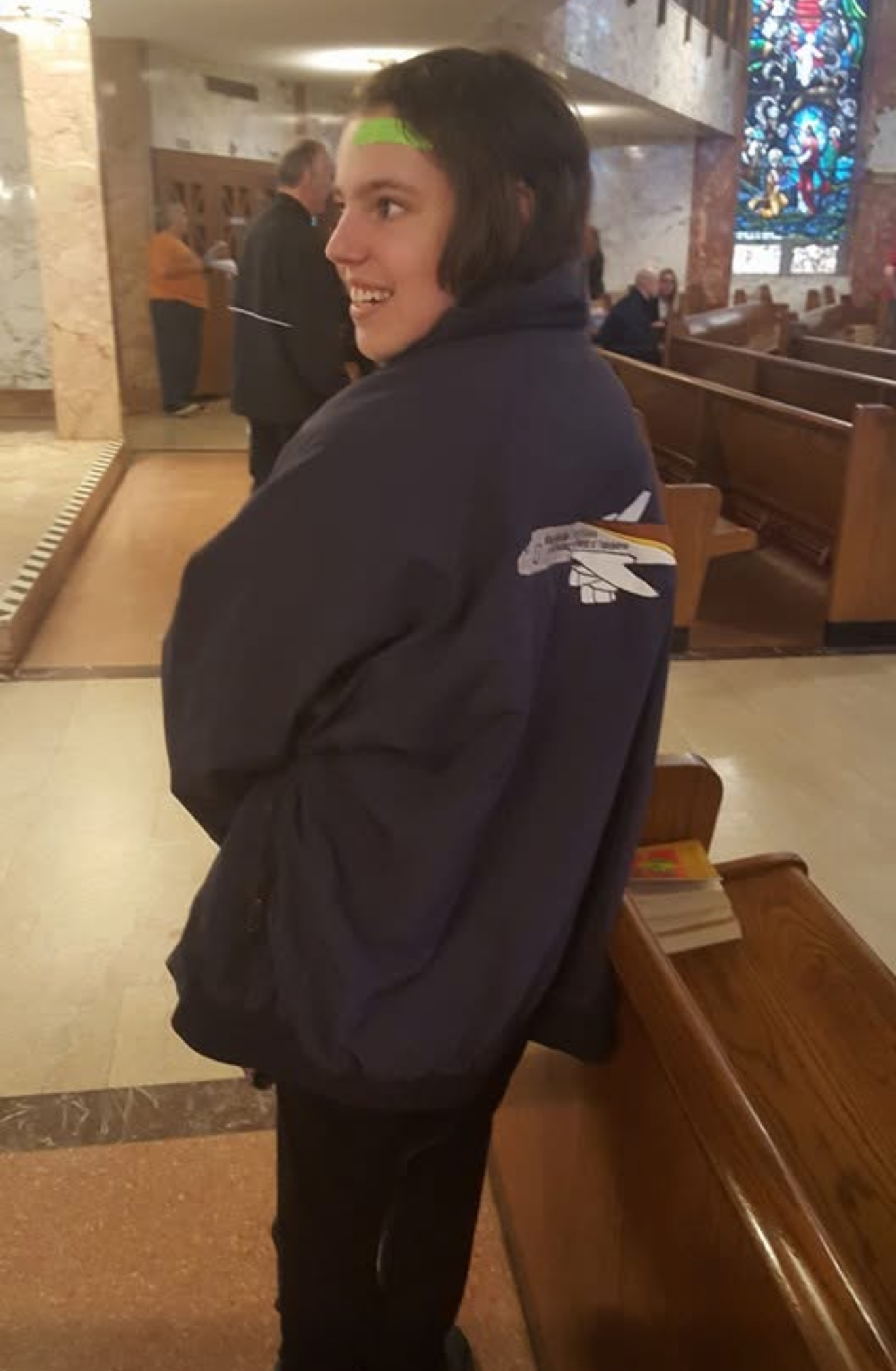
    Photo of Daniele Grovola.

    In the week since Grovola’s death, they have launched a fundraiser to support her father and cover the young woman’s funeral costs. The money will also go toward veterinary bills for the family’s dog, Ezra, which police suspect Grovola’s mother also stabbed that morning.

    And loved ones are sharing memories of Daniele Grovola, who brought joy and warmth to those she encountered.

    Lauria met John Grovola around 15 years ago, when he made the leap from singing karaoke to joining Lucky Music as an equipment manager and DJ. The company hosts events at venues throughout Delaware County and Philadelphia.

    Grovola soon began to bring around his daughter, who took a fast interest in her father’s work.

    The father and daughter were “immensely close,” Lauria said. Following in her father’s footsteps, Daniele Grovola eventually joined Lucky Music herself, managing the company’s DJ equipment.

    She was training to become a bar trivia host before she died.

    Her radiant personality shone on the job, according to Lauria, including at a karaoke party the company hosted in 2024 for children who had disabilities and were on the autism spectrum.

    “[Daniele] was just amazing at encouraging them to sing, helping them to feel positive about themselves,” Lauria said. “She was just a warm person.”

    Hailey Geller, 23, said she and Grovola had been best friends since the third grade. The girls went on to attend Upper Darby High School together.

    “She was never a bother,” Geller said. “She was really good to me, and I was good to her.”

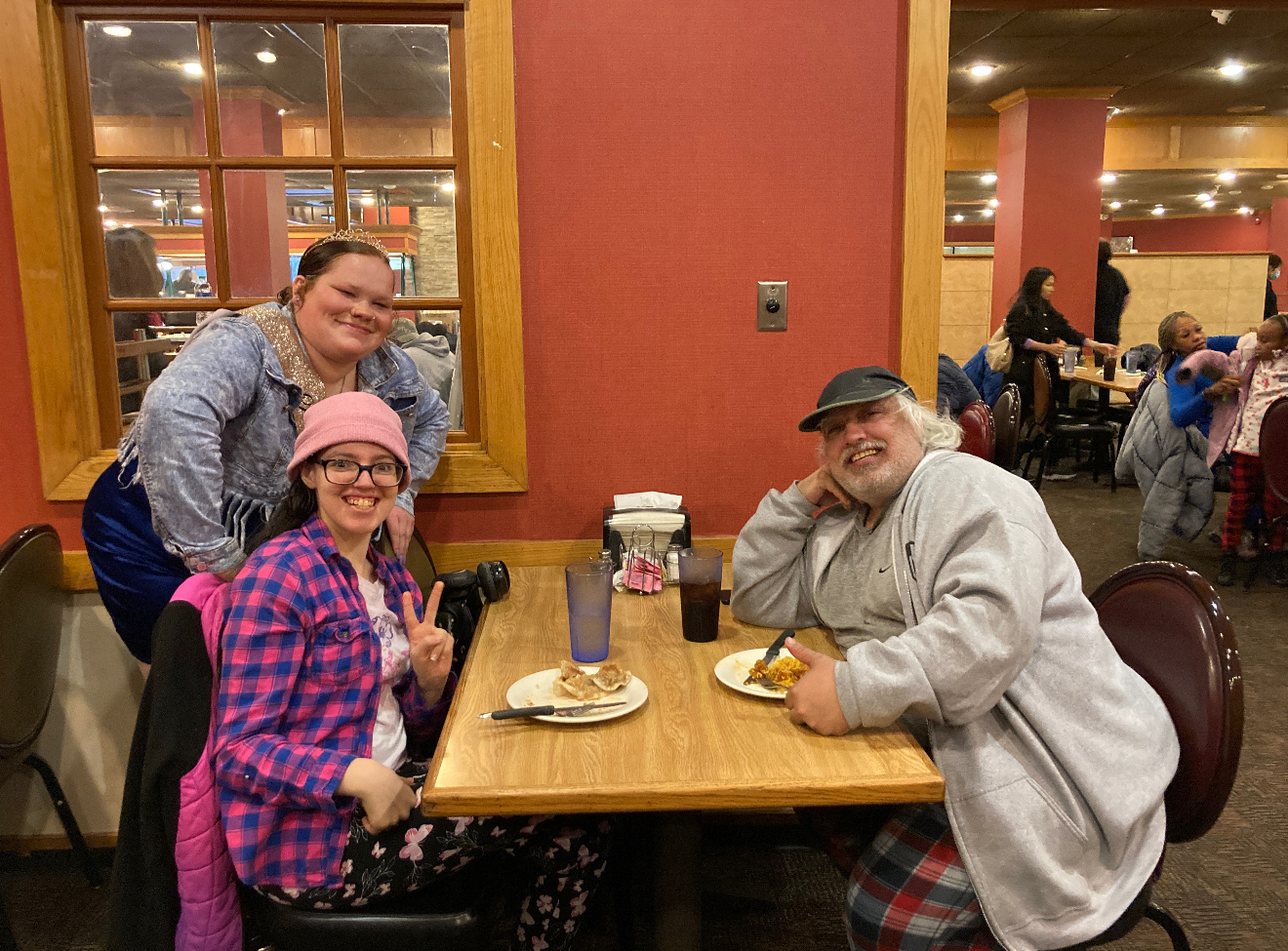
    Hailey Geller with Daniele Grovola and her father, John.

    Grovola had her quirks, Geller said, amusing friends with her obsession with Sharpies. The girls would spend afternoons at the mall, where Grovola would hunt for multicolored markers to use in her artwork.

    She was an avid fan of anime shows, Geller added, and, as a music lover, adored her headphones.

    Geller said Grovola was always there to confide in. In recent months, however, some of Grovola’s comments about her home life had concerned her.

    Grovola told Geller that her mother had been “in and out” of local crisis centers. And Grovola described her mother as having “mental issues,” Geller said, once disclosing she had locked herself in the basement to avoid her.

    Still, Geller believes Grovola did not share the complete story of possible tensions with her mother. Police have yet to identify a motive in the killing and continue to investigate.

    Friends like Lauria said those who knew the Grovola family did not suspect such a crime was possible.

    “It makes no sense,” Lauria said. “[Daniele] was a great daughter to her mother … loved her mother very much. This just came out of nowhere.”

  • Former Rep. Dick Schulze, who represented the Philly burbs in Congress for 18 years, has died at 96

    Former Rep. Dick Schulze, who represented the Philly burbs in Congress for 18 years, has died at 96

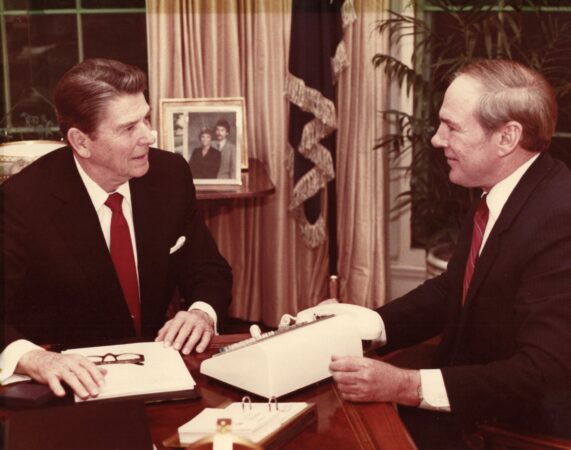
    Former U.S. Rep. Richard “Dick” Schulze, a Republican who represented the Philadelphia suburbs from 1975 until 1993, died last week at the age of 96.

    Mr. Schulze, who served in the Pennsylvania General Assembly before running for Congress, died of heart failure in his home in the Washington, D.C., area on Dec. 23, according to a news release from his wife, Nancy Shulze, and former chief of staff Rob Hartwell.

    During his first term in the U.S. House, Mr. Schulze led the charge to make Valley Forge, seven miles from his home at the time, a national historical park. President Gerald Ford signed the legislation Mr. Shulze authored into law on July 4, 1976, the nation’s bicentennial.

    By the time he retired from the House in 1993, Mr. Schulze was a member of the powerful House Ways and Means Committee. He spent his whole congressional career in the political minority, retiring shortly before Republicans retook the chamber in 1994 for the first time since the mid-50s.

    “He knew what he believed and he stood for what he believed but he was not, he was not partisan,” Nancy Schulze said in an interview with The Inquirer Tuesday.

    Mr. Schulze’s former employees described him as tough but fair, demanding a lot of his staff but offering them the space to achieve it.

    “You really had to be at the top of your game,” said Tim Haake, a former attorney in Mr. Schulze’s congressional office who had reconnected with him in recent years. “Overall he was a very nice man, very polite, very cordial.”

    Mr. Schulze, Hartwell said, “probably taught me more in my life than anybody.”

    Hartwell remembered his former boss as a man willing to work across the aisle in a way that is less common in today’s politics. Mr. Schulze founded the Congressional Sportsman Caucus and served on the National Fish and Wildlife Board among other posts focused on wildlife.

    Hartwell recalled that Mr. Schulze played a key role in securing the 1983 release of Romanian Orthodox priest Gheorghe Calciu-Dumitreasa who had been held as a political prisoner in the country, representing President George H.W. Bush in negotiations with the country’s communist leaders.

    Serving in the minority throughout his career, Hartwell said, Mr. Schulze was willing to make deals and work for the benefit of his district, which included portions of Montgomery, Delaware, and Chester Counties.

    “He was a man of his word and he was a man who wanted to accomplish things for his district and his constituents,” Hartwell said. “Unlike today he would reach across the aisle to get those things done.”

    Mr. Schulze unsuccessfully proposed a constitutional amendment imposing term limits of 18 years for members of the House of Representatives. Although the proposal did not advance, Mr. Schulze himself chose not to seek reelection in 1992 after serving 18 years in office. He went on to work as a lobbyist for a conservative firm.

    “He did not cling to his role as a congressman and he did not go to occupy a seat,” Nancy Schulze said.

    Nancy Schulze and Dick Schulze were married following the 1990 death of his first wife, Nancy Lockwood Schulze, after a battle with cancer, and the death of her first husband, Montana Secretary of State Jim Waltermire.

    In addition to his wife, Mr. Schulze is survived by four children, seven grandchildren, and five great-grandchildren.

    Nancy Schulze remembered her husband as a gentleman, an Eagle Scout who lived by the scouting oath and was dedicated to loving and serving his country, state, district and family.

    “He was a man of dignity,” she said.

    Services to honor Mr. Schulze are scheduled for Saturday Jan. 10 at 2 p.m. at the Great Valley Presbyterian Church in Malvern.

  • Delaware County woman accused of stabbing daughter to death days before Christmas charged with first-degree murder

    Delaware County woman accused of stabbing daughter to death days before Christmas charged with first-degree murder

    A Delaware County woman was charged with first-degree murder for allegedly stabbing her 23-year-old daughter to death in their Upper Darby Township home two days before Christmas, authorities say.

    Police found Diane Grovola, 57, naked, covered in blood, and suffering self-inflicted stab wounds when they responded to a 911 call at the family residence that morning, according to the affidavit of probable cause in her arrest.

    Grovola’s daughter was in an upstairs bedroom with knife wounds to her face, chest, legs, and back. Her eyes were open but she was unresponsive, the affidavit says. She was pronounced dead shortly after.

    “Sorry, I should have stabbed myself first,” Grovola told officers as they placed her in wrist restraints, according to the affidavit.

    Grovola’s husband, the young woman’s father, was first to discover the distressing scene.

    The man arrived at the home on South Bishop Avenue in the Secane section around 6:30 a.m. after returning from a shift at Philadelphia International Airport, the affidavit says. He had stopped at McDonald’s to get breakfast for his family.

    Once inside, the man was greeted by the family dog, which had suffered knife wounds to its abdomen and “got blood on his clothing,” according to the affidavit.

    He found his wife seated on the living room sofa with a knife in her hand.

    “I stabbed our daughter,” she told him, according to the affidavit.

    As her husband dialed 911, Diane Grovola told him she did not want to live anymore and began to stab herself in the chest, according to the affidavit.

    The operator told the man to flee the residence.

    During that time, Grovola stripped naked and began breaking items in the kitchen until police arrived. They eventually recovered a large stainless-steel knife that appeared to have blood on it, the affidavit says.

    In addition to first-degree murder, prosecutors charged Grovola with third-degree murder, possessing an instrument of a crime, and aggravated cruelty to an animal.

    She is being held in the George W. Hill Correctional Facility and was denied bail, court records show.

    Her arraignment is scheduled for Jan. 6 at 9 a.m.

  • The 10 weirdest stories from the Philly area in 2025

    The 10 weirdest stories from the Philly area in 2025

    Way back in 2022, when Philadelphians gathered on an abandoned pier to watch a man eat a rotisserie chicken, folks on social media began to wonder: “Is Philadelphia a real place?”

    This year, that question became a declarative sentence.

    “Philadelphia is not a real place.”

    Sure, that perception has a lot to do with an unbelievable event that actually happened in the suburbs (Delco never fails to carry its weight), but Philly also saw its fair share of the bizarre this year, too.

    As we prepare for what may be one of the most important (and hopefully weirdest!) years in modern Philadelphia history, let’s take some time to look back on the peculiar stories from across the region that punctuated 2025.

    Five uh-oh

    Kevon Darden was sworn in as a part-time police officer for Collingdale Borough on Jan. 12 and hit the ground running, landing his first arrest just four days later.

    The only problem? It was his own.

    Pennsylvania State Police charged Darden with terroristic threats and related offenses for an alleged road rage incident in 2023 in which he’s accused of pointing a gun at a driver on the Blue Route in Ridley Township. At the time of the alleged incident Darden was employed as an officer at Cheyney University.

    A Pennsylvania State Police vehicle. The agency provided two clean background checks for a Collingdale police officer this year, only to arrest him four days after he started the job.

    Here’s the thing — it was state police who provided not one but two clean background checks on Darden to Collingdale officials before he was hired. An agency spokesperson told The Inquirer troopers had to wait on forensic evidence tests and approval from the District Attorney’s Office before filing charges.

    Darden subsequently resigned and is scheduled for trial next year in Delaware County Court.

    For the Birds

    The Eagles’ second Super Bowl win provided a wellspring of wacky — and sometimes dicey — moments on and off the field early this year.

    Mayor Cherelle L. Parker started the championship run off strong by going viral for misspelling the most popular chant in the city as “E-L-G-S-E-S” during a news conference. Her mistake made the rounds on late night talk shows and was plastered onto T-shirts, beer coozies, and even a license plate. If you think the National Spelling Bee is brutal, you’ve never met Eagles fans.

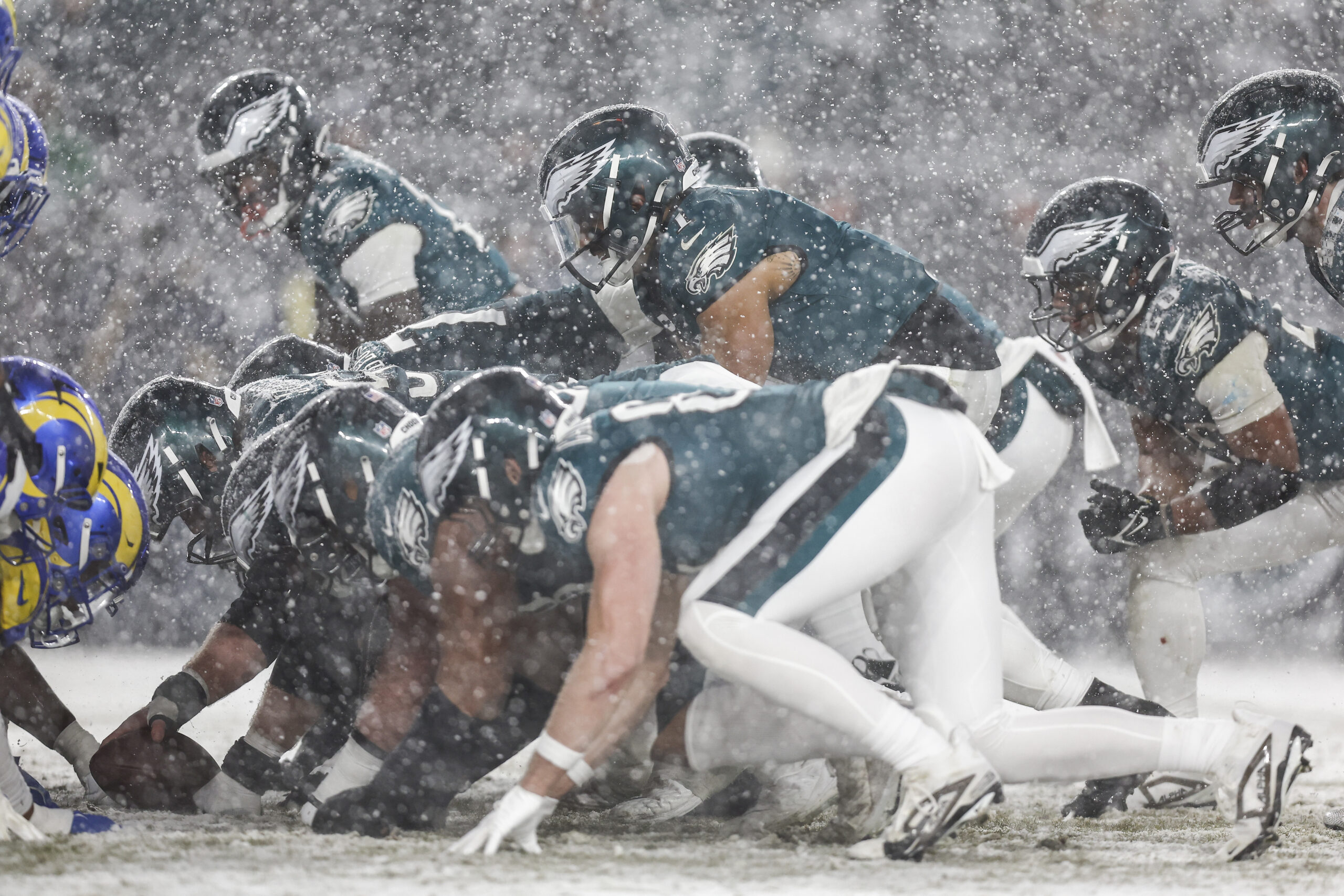
    Philadelphia Eagles quarterback Jalen Hurts at the line of scrimmage during the fourth quarter of the NFC divisional playoff at Lincoln Financial Field on Jan. 19. The Philadelphia Eagles defeated the Los Angeles Rams 28 to 22.

    Then there was the snowy NFC divisional playoff game against the Los Angeles Rams at Lincoln Financial Field; continued drama around the Tush Push (which resulted in Dude Wipes becoming an official sponsor of the team); and Cooper DeJean’s pick-six, a gift to himself and us on his 22nd birthday that helped the Birds trounce the Kansas City Chiefs 40-22 in Super Bowl LIX.

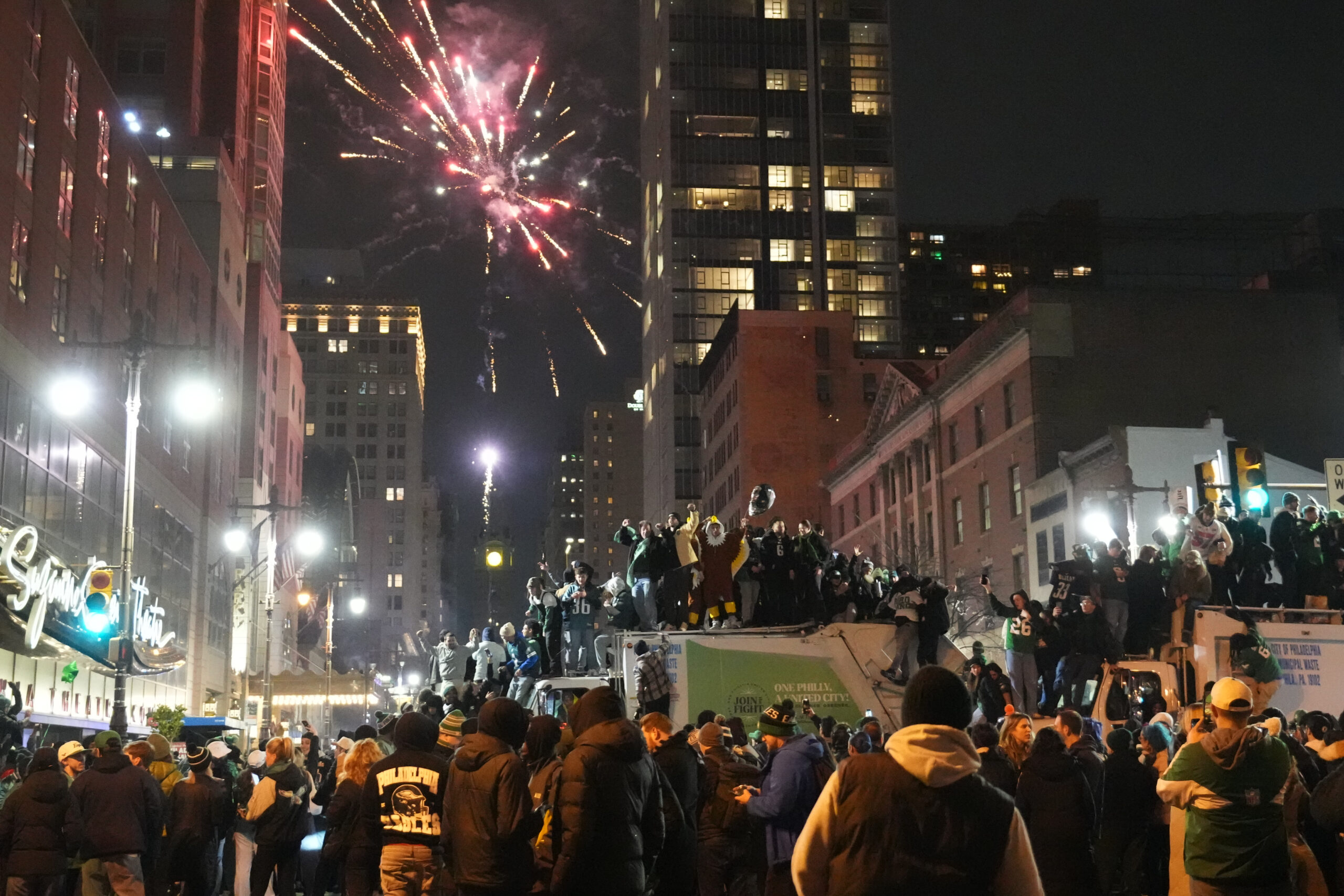
    As soon as the Eagles won with Jalen Hurts as MVP, Philadelphians let loose, flooding the streets like a drunken green tsunami. Fans scaled poles and tore them down; danced on bus shelters, medic units, and trash trucks; partied with Big Foot, Ben Franklin, and Philly Elmo; and set a bonfire in the middle of Market Street.

    Eagles fans party on trash trucks in the streets of Center City after the Birds win in Super Bowl LIX against the Chiefs on Feb. 9.

    Finally, there was the parade, a Valentine’s Day love letter to the Eagles from Philadelphia. Among the more memorable moments was when Birds general manager Howie Roseman was hit in the head with a can of beer thrown from the crowd. He took his battle scar in pride, proclaiming from the steps of the Philadelphia Art Museum: “I bleed for this city.”

    As we say around here, love Hurts.

    Throngs of Birds fans lined the Benjamin Franklin Parkway for the Eagles Super Bowl Parade on Feb. 14.

    A $40 million goodbye

    As far as inanimate objects go, few have experienced more drama in recent Philly history than the SS United States, the 73-year-old, 990-foot luxury liner that was docked for nearly three decades on the Delaware River waterfront.

    Supporters spent more than $40 million on rent, insurance, and other measures to keep the ship in Philly with the hopes of returning it to service or at least turning it into a venue. But a rent dispute with the owners of the pier finally led a judge to order the SS United States Conservancy, which owned the vessel, to seek an alternate solution.

    Workers on the Walt Whitman Bridge watch from above as the SS United States is pulled by tug boats on the Delaware River.

    And so in February, with the help of five tugboats, the ship was hauled out of Philly to prepare it to become the world’s largest artificial reef off the coast of Okaloosa County, Fla.

    If the United States has to end somewhere, Florida feels like an apt place.

    The ‘Delco Pooper’

    While the Eagles’ Tush Push was deemed legal by NFL owners this year, a Delaware County motorist found that another kind of tush push most definitely is not after she was arrested for rage pooping on the hood of a car during a roadway dispute in April.

    Captured on video by a teen who witnessed the rear-ending, the incident quickly went viral and put a stain on Delco that won’t be wiped away anytime soon.

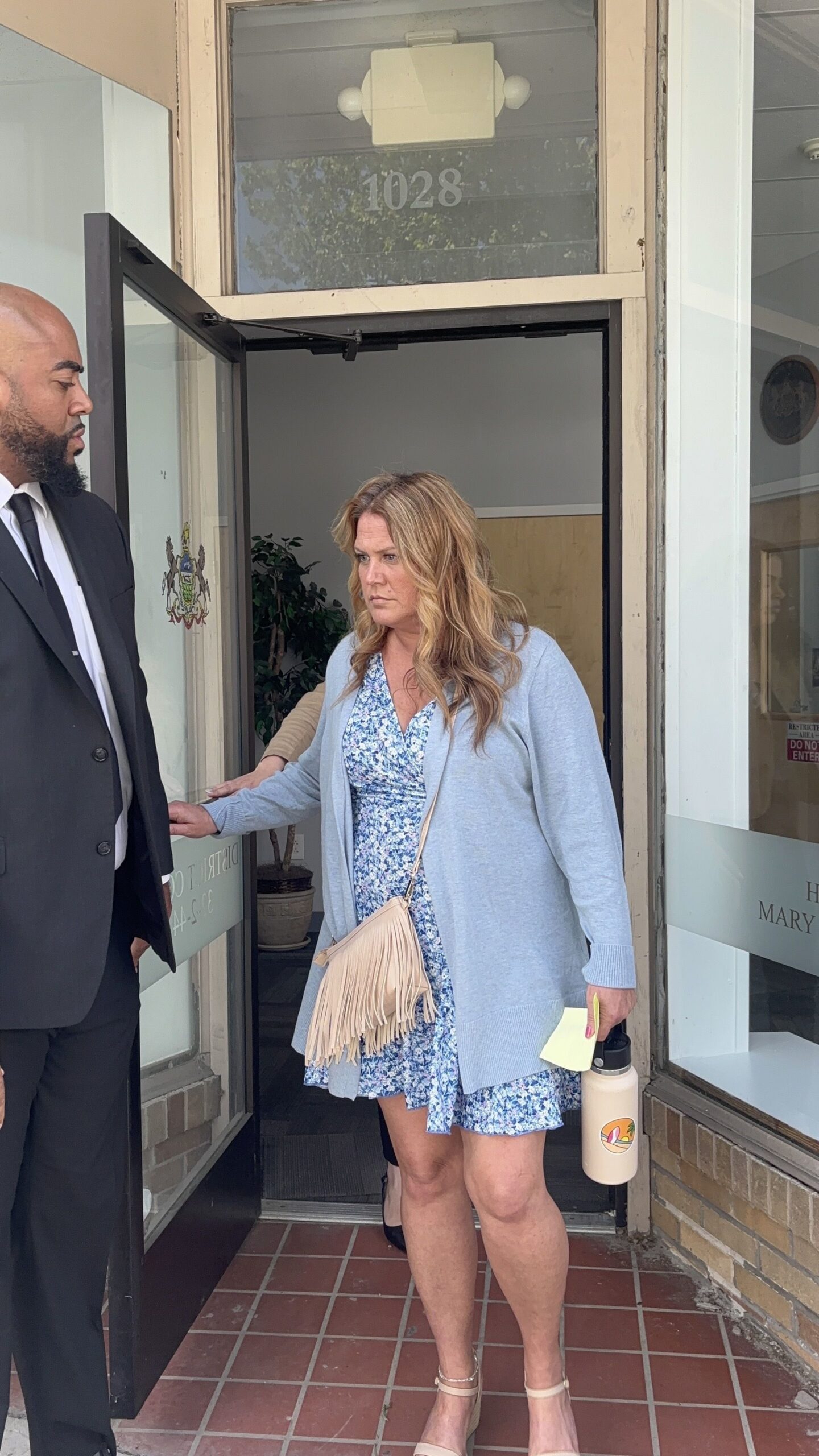
    Christina Solometo, who was dubbed the “Delco Pooper” on social media, told Prospect Park Police she got into a dispute with another driver, whom she believed began following her. Solometo claimed when she got out of her car the other driver insulted her and so she decided to dump her frustrations on their hood.

    A private security guard holds the door open for alleged “Delco Pooper” Christina Solometo following her preliminary hearing Monday at Prospect Park District Court.

    “Solometo said, ‘I wanted to punch her in the face, but I pooped on her car instead and went home,’” according to the affidavit.

    I’ve written a lot of stories about Delco in my time, but this may be the most absurd.

    Solometo, 44, of Ridley Park, entered into a rehabilitation program for first-time offenders on Dec. 16.

    Hopefully, she won’t be clogging up the court system anymore.

    The Delco pope

    Delco is large, it contains multitudes, and never was that more clear than when two weeks after the Delco Pooper case broke, a Delco pope was elected.

    OK, so Pope Leo XIV is technically a native of Chicago, but he attended undergrad at Villanova University — which, yes, technically straddles Delco and Montgomery County — but Delco’s had a tough year so I’m gonna give it this one.

    This video screen grab shows Pope Leo XIV wearing a Villanova University hat gifted to him during a meeting with an Italian heritage group.

    Born Robert Prevost, Pope Leo is the first U.S. pope in history and also a citizen of Peru. He earned his bachelor’s degree in mathematics from Villanova in 1977 and an honorary doctor of humanities from the university in 2014.

    The odds that anyone with Delco ties would become pope are astronomical and folks celebrated appropriately by betting on his papacy, boasting about personal connections, and wondering what his Wawa order was.

    Whiskey business

    Center City Sips, the Wednesday Center City happy hour program, long ago earned a reputation as a rite of passage for 20-somethings who are still figuring out how to limit their intake and want to do so in business casual attire.

    Things seemed to calm down after the pandemic, but then Philadelphians took Sips to another level and a whole new place this year — the streets.

    @its.morganalexis #philly #sips ♬ Almost forgot that this was the whole point – Take my Hand Instrumental – AntonioVivald

    Videos showed hundreds of people partying in the streets of Midtown Village on Wednesday nights this summer. Granted, the parties look far more calm than when sports fans take over Philly after a big win, but the nearby bar owners who participate in the Sips program said their places sat empty as people brought their own alcohol to drink.

    Jason Evenchik, who owns Time, Vintage, Garage, and other bars, told The Inquirer that “No one is inside, and it’s mayhem outside.”

    “Instead, he claimed, people are selling alcohol out of their cars and bringing coolers to make their own cocktails. At one point on June 11, Evenchik said, a Tesla blocked a crosswalk while a man made piña coladas with a pair of blenders hooked up to the car,” my colleague Beatrice Forman wrote.

    In no way am I condoning this behavior, but those two sentences above may be my among favorite this year. Who thinks to bring a blender — with a car hookup — to make piña coladas at an unauthorized Center City street party on a Wednesday night?

    Philly.

    Getting trashed

    Philadelphians experienced a major city workers strike this summer when Mayor Cherelle L. Parker and AFSCME District Council 33 couldn’t agree on a new contract for the union’s nearly 9,000 members.

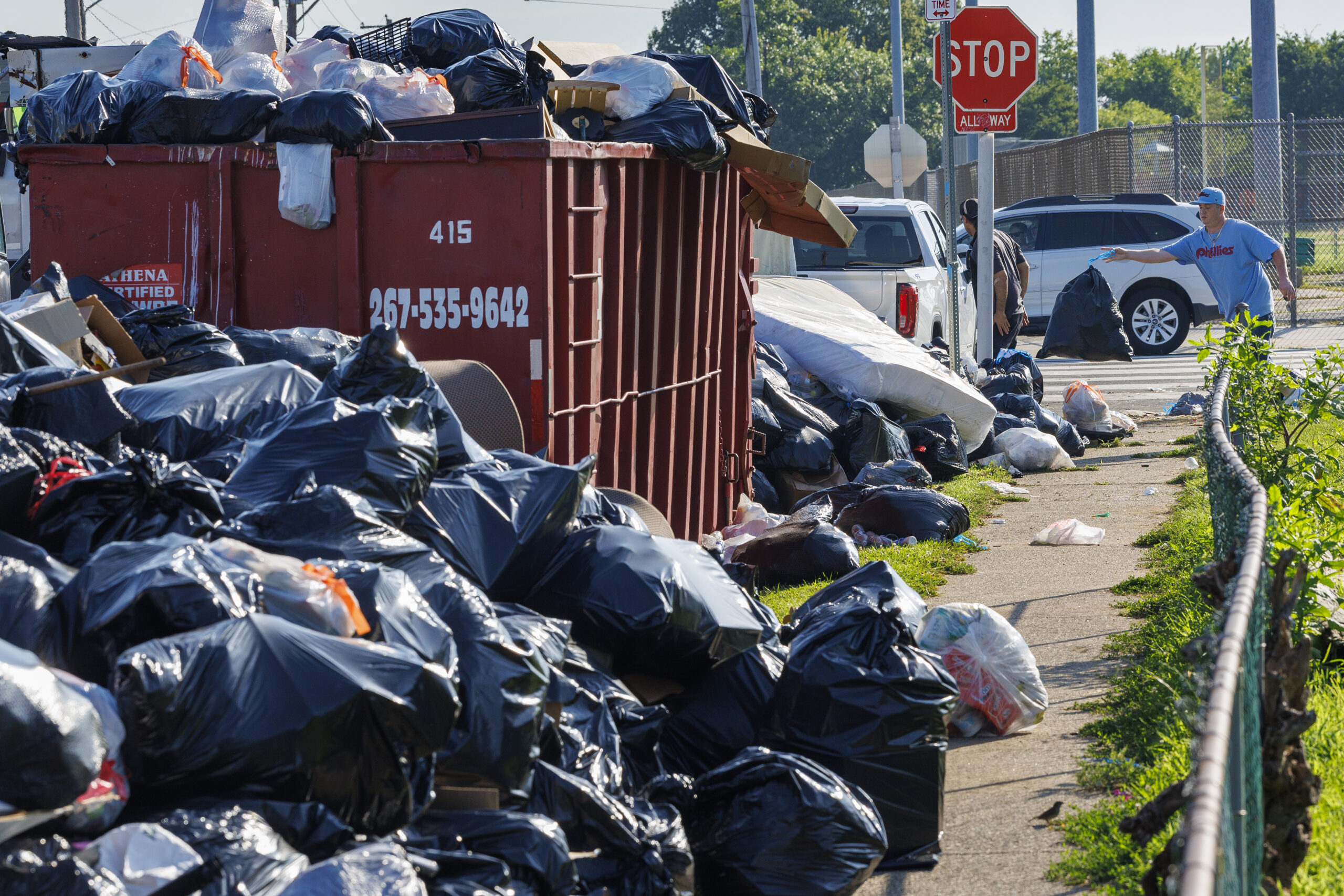
    Residents with trash arrive at garbage dump site at Caldera Road and Red Lion Road in northeast Philadelphia during the AFSCME District Council 33 workers strike in July.

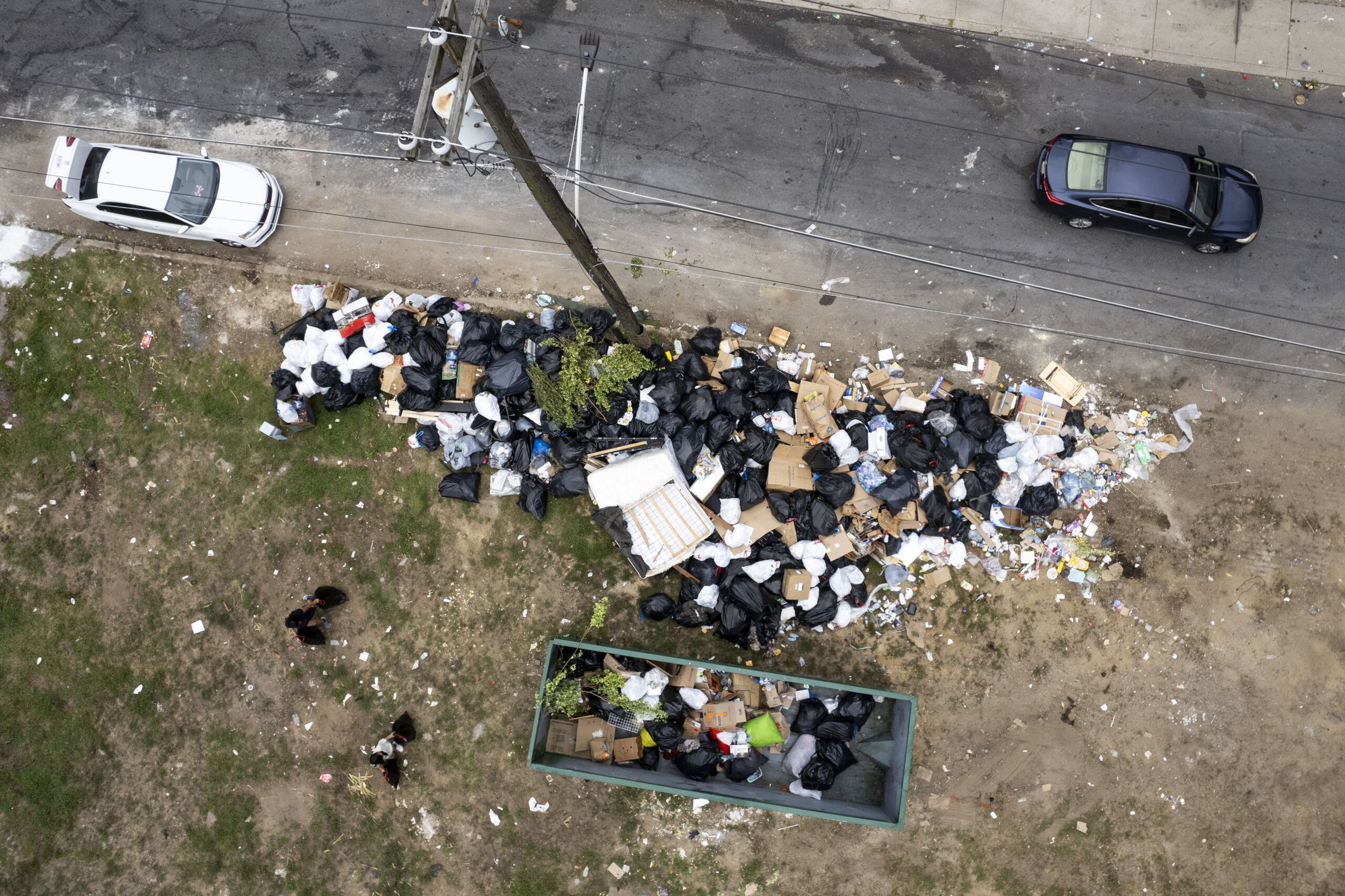
    As a result, things got weird. Dead bodies piled up at the Medical Examiner’s Office; a striking union member was arrested for allegedly slashing the tires of a PGW vehicle; and for eight days in the July heat, garbage heaped up all across Philadelphia. The city set up temporary trash drop-off sites, which often overflowed into what were nicknamed “Parker piles,” but that also set off a firestorm about whether using the sites constituted crossing a picket line.

    Wawa Welcome America July Fourth concert headliners LL Cool J and Jazmine Sullivan even pulled out of the show in support of striking workers, resulting in a fantastic “Labor Loves Cool J” meme.

    This is my favorite strike meme so far

    [image or embed]

    — Stephanie Farr (@farfarraway.bsky.social) July 7, 2025 at 9:40 AM

    It was all like something out of It’s Always Sunny in Philadelphia. In fact, the gang predicted a trash strike in the 2012 episode “The Gang Recycles Their Trash.”

    The real strike lasted eight days before a contract was reached. In true Philly form, AFSCME District Council 33 president Greg Boulware told The Inquirer “nobody’s happy.”

    A large pile of trash collects at a city drop-off site during the AFSCME workers strike this summer.

    97-year-old gives birth to 16 kids

    A local nonagenarian couple became national shellebrities this year for welcoming seven babies in April and nine more in August, proving that age ain’t nothing but a number, as long as you’re a tortoise.

    Western Santa Cruz Galapagos tortoise Mommy, and male Abrazzo, left, are shown on Wednesday, April 23, 2025, at the Philadelphia Zoo in Philadelphia, Pa. The hatchlings’ parents, female Mommy and male Abrazzo, are the Zoo’s two oldest animals, each estimated to be around 100 years old.

    Mommy and Abrazzo, Western Santa Cruz Galapagos tortoises who reside at the Philadelphia Zoo, made history with their two clutches, becoming the first pair of the critically endangered species in the zoo’s 150-year history to hatch eggs and the first to do so in any accredited zoo since 2019.

    Mommy is also the oldest known first-time Galapagos tortoise mom in the world, so it’s safe to say she doesn’t have any time or patience for shenanigans. She’s got 16 heroes in a half shell to raise.

    Western Santa Cruz Galapagos tortoise egg hatchling.

    Phillies Karen

    Taking candy from a baby is one thing — babies don’t need candy anyway — but taking a baseball from a kid at a Phillies game is a deed so foul and off base it’s almost unimaginable.

    And yet, that’s exactly what happened at a Phillies-Marlins game in September, when a home run from Harrison Bader landed in the stands and a dad ran from his seat to grab it and give it to his son. A woman who was sitting near where the ball landed marched over to the dad, berated him, and demanded the ball be given her. Taken aback, the father reached into his son’s baseball glove and turned the ball over.

    The entire scene was caught on camera and the woman, with her Kate Gosselin-esque hairdo, was immediately dubbed “Phillies Karen” by flabbergasted fans.

    While the act technically happened at the Marlins stadium in Miami, Fla., it captured the minds and memes of Philadelphians so much that it deserves inclusion on this list. Phillies Karen has made her way onto T-shirts and coffee mugs, inspired skits at a Savannah Bananas game and the MLB Awards, and she even became a popular Halloween costume.

    To this day, “Phillies Karen” remains unidentified, so it’s a safe bet she lives in Florida, where she’ll have better luck with alligators than with people here.

    Institutional intrigue

    Drama at area institutions this year had Philadelphians sipping tea like we were moms on Christmas morning, and sometimes, left us shaking our fists in the air like we were dads putting up tangled lights.

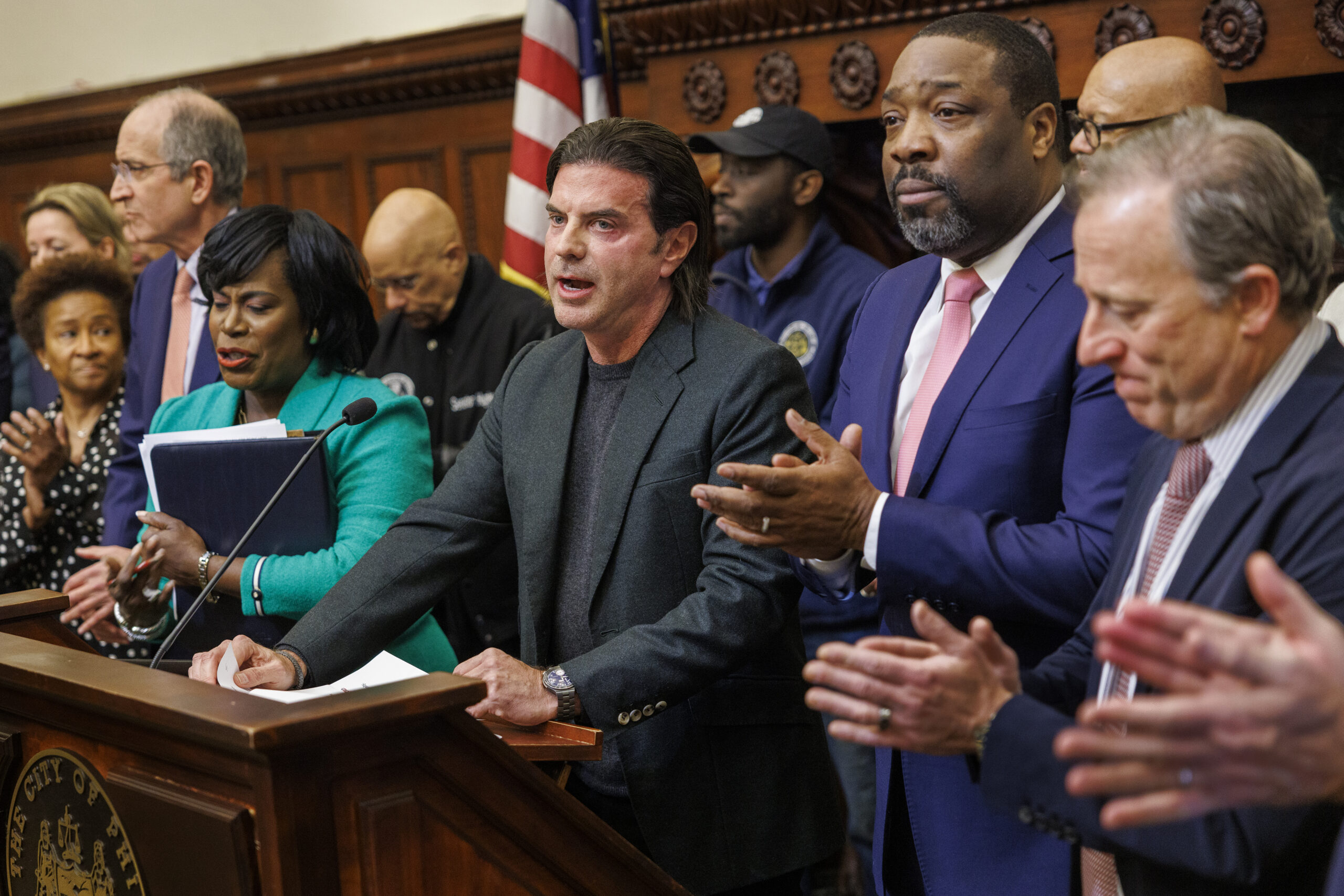
    David Adelman with the Philadelphia 76ers makes a statement at a press conference in the Mayor’s Reception Room in January regarding the Sixers changing directions on the controversial Center City arena. At left is mayor Parker, at right City Council President Kenyatta Johnson and Josh Harris, Sixers owner.

    It started early in January, when the billionaire owners of the Sixers surprised the entire city by announcing the team would stay at the South Philly sports complex instead of building their own arena on Market East. The decision came after two years of seemingly using the city, its politicians, and its people as pawns in their game.

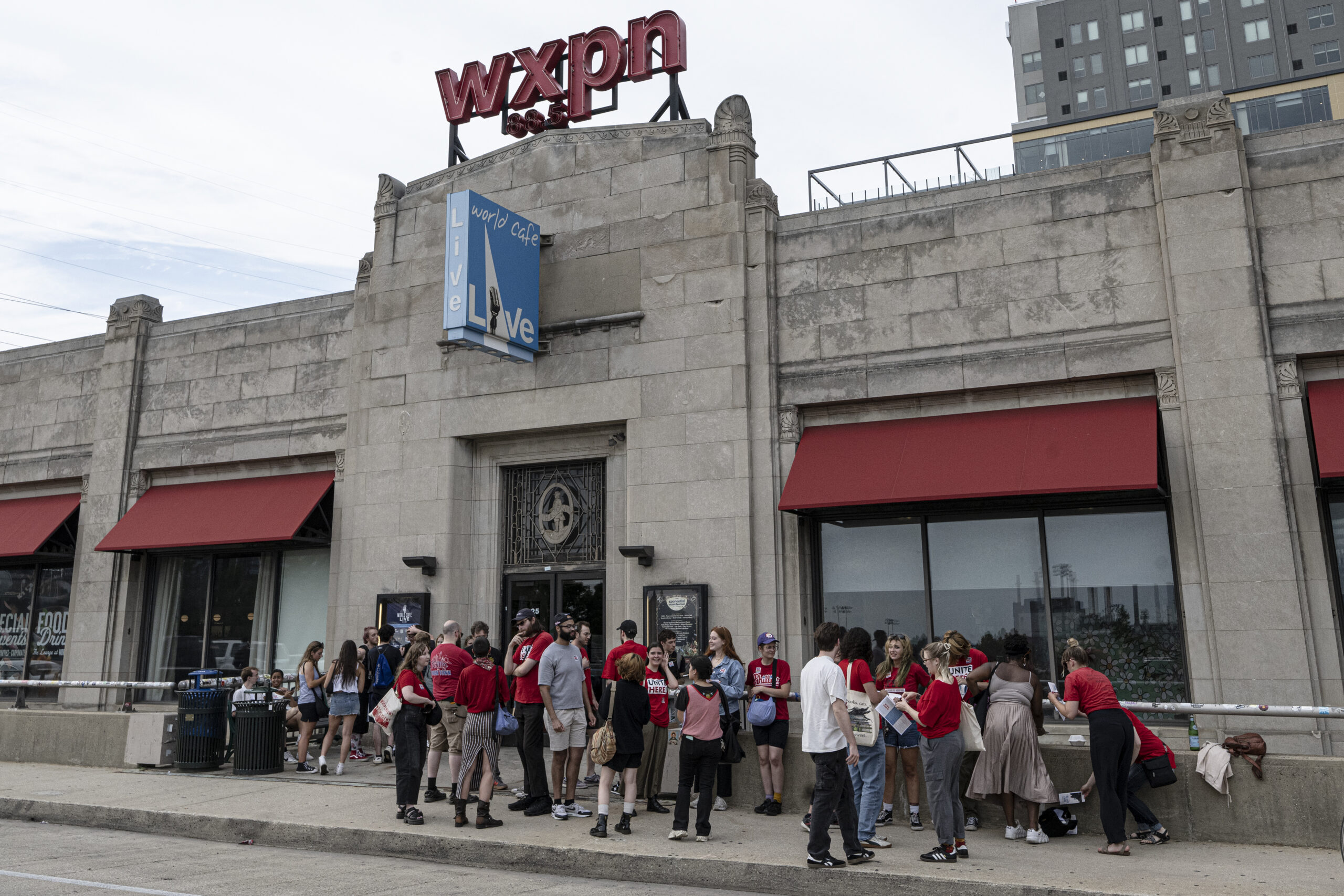
    Workers gathered outside World Cafe Live before a Town Hall meeting with management in July.

    In June, workers staged a walkout at World Cafe Live due to what they claimed was “an unacceptable level of hostility and mismanagement” from its new owners, including its then-CEO, Joseph Callahan. Callahan — who said the owners inherited $6 million in debt and that he wanted to use virtual reality to bolster its revenue — responded by firing some of the workers and threatening legal action. Today, the future of World Cafe Live remains unclear. Callahan stepped down as CEO in September (but remains chairman of the board), the venue’s liquor license expired, and its landlord, the University of Pennsylvania, wants to evict its tenant, with a trial scheduled for January.

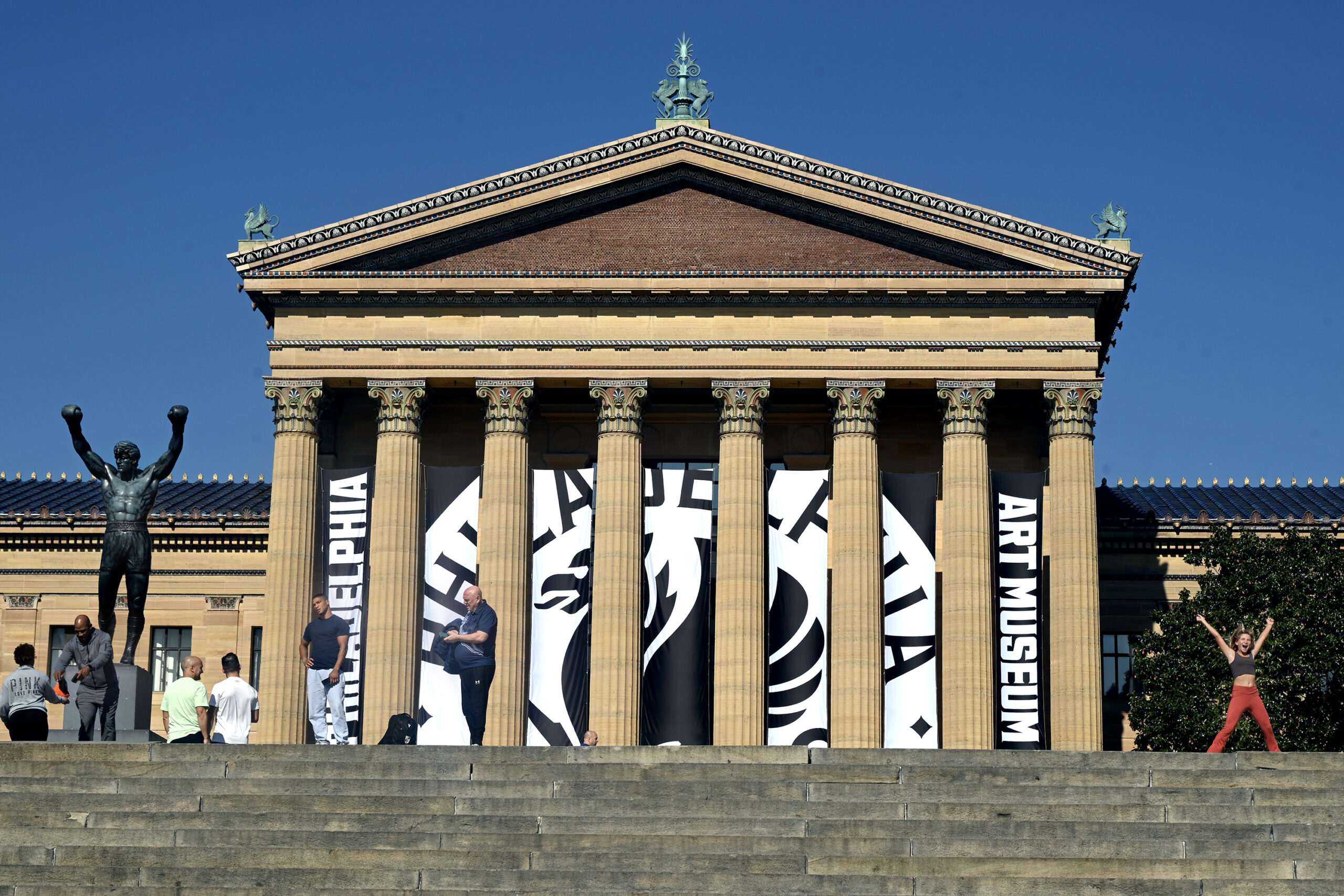
    Signage at the east entrance to the Philadelphia Art Museum reflects the rebrand of the institution, which was formerly known as the Philadelphia Museum of Art.

    Finally, late this year at the Philadelphia Art Museum, things got more surreal than a Salvador Dalí painting, starting with an institutional rebrand that surprised some board members, didn’t land well with the public, and resulted in a lot of PhART jokes. In November, museum CEO Sasha Suda was fired following an investigation by an outside law firm that focused, in part, on increases to her salary, a source told The Inquirer. Suda’s lawyer called it a “a sham investigation” and Suda quickly sued her former employer, claiming that “her efforts to modernize the museum clashed with a small, corrupt, and unethical faction of the board intent on preserving the status quo.”

    Nobody knows where all of this will go, but it’s likely to have more drama than a Caravaggio.

  • Residents could be given bottled water after a ‘significant’ amount of gasoline leaked at Delco tank farm

    Residents could be given bottled water after a ‘significant’ amount of gasoline leaked at Delco tank farm

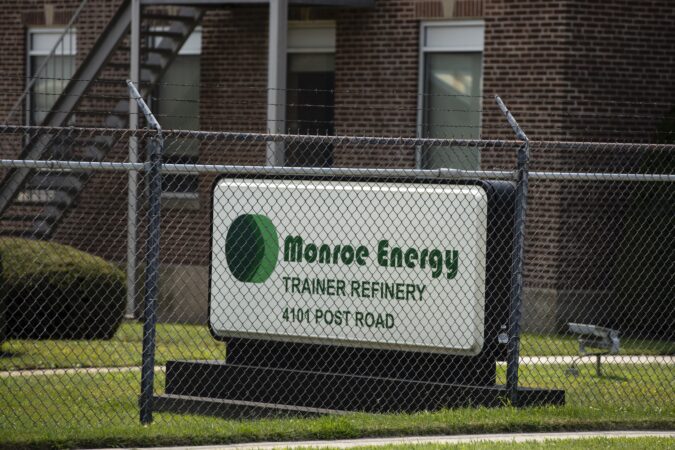
    Hundreds of thousands of gallons of gasoline leaked over a period of months at a Monroe Energy petroleum tank farm in Aston, Delaware County, according to company and state officials.

    The leak was first identified in August, and it was traced in December to a one-quarter-inch hole in the bottom of a tank. It totaled about 9,000 barrels, or 378,000 gallons, at the Chelsea Pipeline Station and Tank Farm.

    The facility contains 12 aboveground tanks and is operated by MIPC LLC, a subsidiary of Monroe Energy. It is about five miles north of the company’s Delaware River refinery, which is in Trainer, Delaware County.

    The Pennsylvania Department of Environmental Protection (DEP) said Tuesday it has ordered that some nearby homes with wells within 1,000 feet of the facility’s western border be provided bottled water if requested. And it ordered that the company “begin an interim cleanup plan and thorough investigation.”

    MIPC said in a statement that it had notified local, state, and federal authorities. It said that on Dec. 13 crews determined that the source of the spill was traced to one tank.

    It further said that an EPA-approved lab it had contracted tested residential wells, “and all results have shown no petroleum related compounds.”

    MIPC said that the tanks are routinely inspected and that the company is conducting daily testing of monitoring wells along its fence line and inspecting local waterways.

    “No further releases have been found,” the statement said.

    “We sincerely apologize for any concern that this may be causing our neighbors,” the statement continued. “MIPC is committed to ensuring that the entire affected area is remediated and returned to its original condition.”

    Adam Gattuso, a Monroe Energy spokesperson, said the leak is “considered one cumulative event, over the course of several months.”

    He said that if people are within 1,000 feet of the facility’s western border and have a potable groundwater well and would like bottled water delivered to their home, the company would do so within 24 hours. He said the company will soon mail letters to those residents.

    DEP Secretary Jessica Shirley said in a statement Tuesday that “swift action by the company is necessary to fully investigate the extent of damage and address the community’s needs.”

    According to the DEP order, the first report of an issue came over the summer at the facility, where a series of aboveground tanks are part of a pipeline network.

    The company notified county officials on Aug. 19 of hydrocarbons found in a storm sewer at the facility. It said no leaks were found, but there was “sheening” on the water.

    MIPC did not know the source of the gasoline on the water and said it would continue investigating.

    On Sept. 3, the company notified officials it “had discovered water with petroleum odors discharging from a concrete drainage pipe” leaking unleaded gasoline at a rate of five gallons per minute.

    The DEP ordered MIPC to treat and discharge the contaminated water.

    The agency said the company’s investigations from September through November found no signs of additional leaking.

    The DEP had not heard from MIPC regarding any leaks until Dec. 5, when the company reported to the U.S. Environmental Protection Agency’s National Response Center “that the amount of gasoline released may be significant and was impacting soil and groundwater.”

    It notified officials that the source of the leak had been found in the tank.

    As a result, the DEP has ordered MIPC, in addition to supplying bottled water, to identify residents with private wells within 1,000 feet of the facility that spans Bethel, Upper Chichester, and Aston Townships.

    And it ordered the company to sample private wells for petroleum, submit a plan to detect potential vapors near homes, schedule environmental investigations, submit a remedial plan, and communicate with officials and the public.

    As of yet, the DEP has not cited any violations or issued any fines.

    Editor’s Note: This story has been updated to include additional information about water bottle availability for residents.

  • PHA and Navy Yard security guards sue contractor over unpaid hours and overtime

    PHA and Navy Yard security guards sue contractor over unpaid hours and overtime

    Armed and unarmed guards who weren’t paid for some of their hours patrolling Philadelphia public housing developments and other buildings have filed class-action complaints against their former employer, Sovereign Security LLC, owner Richard D. Cottom, and manager Maurice Dupree.

    The guards are seeking back pay for unpaid work, sick and vacation days, overtime violations, damages under state law, and the return of uniform deposits.

    The guards, led by plaintiff Shirell Williams, say Sovereign violated the state Minimum Wage Act and Wage Payment Collection Law and breached employment contracts over four years, starting in late 2021. Williams worked for Sovereign at PHA and at the city-owned Philadelphia Gas Works, the Navy Yard business center, the Philadelphia Department of Human Services, and the former Delaware County Memorial Hospital.

    Through their attorney, Center City labor lawyer Josh Dubinsky, the guards seek unpaid wages, damages, interest, and attorneys’ fees stemming from “systemic wage abuse” while working at Sovereign. They seek certification as a class including more than 100 current and former Sovereign staff.

    Cottom, a former Drexel University security executive who founded Sovereign in 2004, and other Sovereign officials didn’t return calls seeking comment.

    The lawsuit also named a Sovereign manager, Maurice Dupree, as codefendant. Guards have described Dupree as their off-site supervisor, who managed assignments, hired and fired, and scheduled their work, and who they turned to for help when paychecks were late or bounced.

    Pennsylvania’s wage and hour law requires companies to set regular paydays and meet them. Sovereign’s contract with PHA required it to comply with city rules and applicable laws.

    PHA renewed Sovereign’s contract last spring even after The Inquirer reported on late and bounced Sovereign paychecks.

    The housing authority canceled Sovereign’s contract on July 9, giving owner Cottom two days to stop work and file final reports.

    The official cancellation letter stated only that PHA and its property management unit had determined “that it is in the best interest” of the agencies to terminate Sovereign.

    Correspondence collected under an Inquirer Right to Know request also shows PHA had warned Cottom that “it has come to the attention” of PHA that Sovereign “may be delinquent in paying its employees in a timely manner,” that late payment was “a breach of the contract,” and that it is “imperative” to ensure guards are paid and show up.

    That letter was dated Jan. 27, 12 days after The Inquirer first reported on the late payments.

    Sovereign had held the largest of at least three outside security guard contracts at PHA, which also has its own police department and a staff security force. PHA has paid Sovereign more than $7 million since 2021.

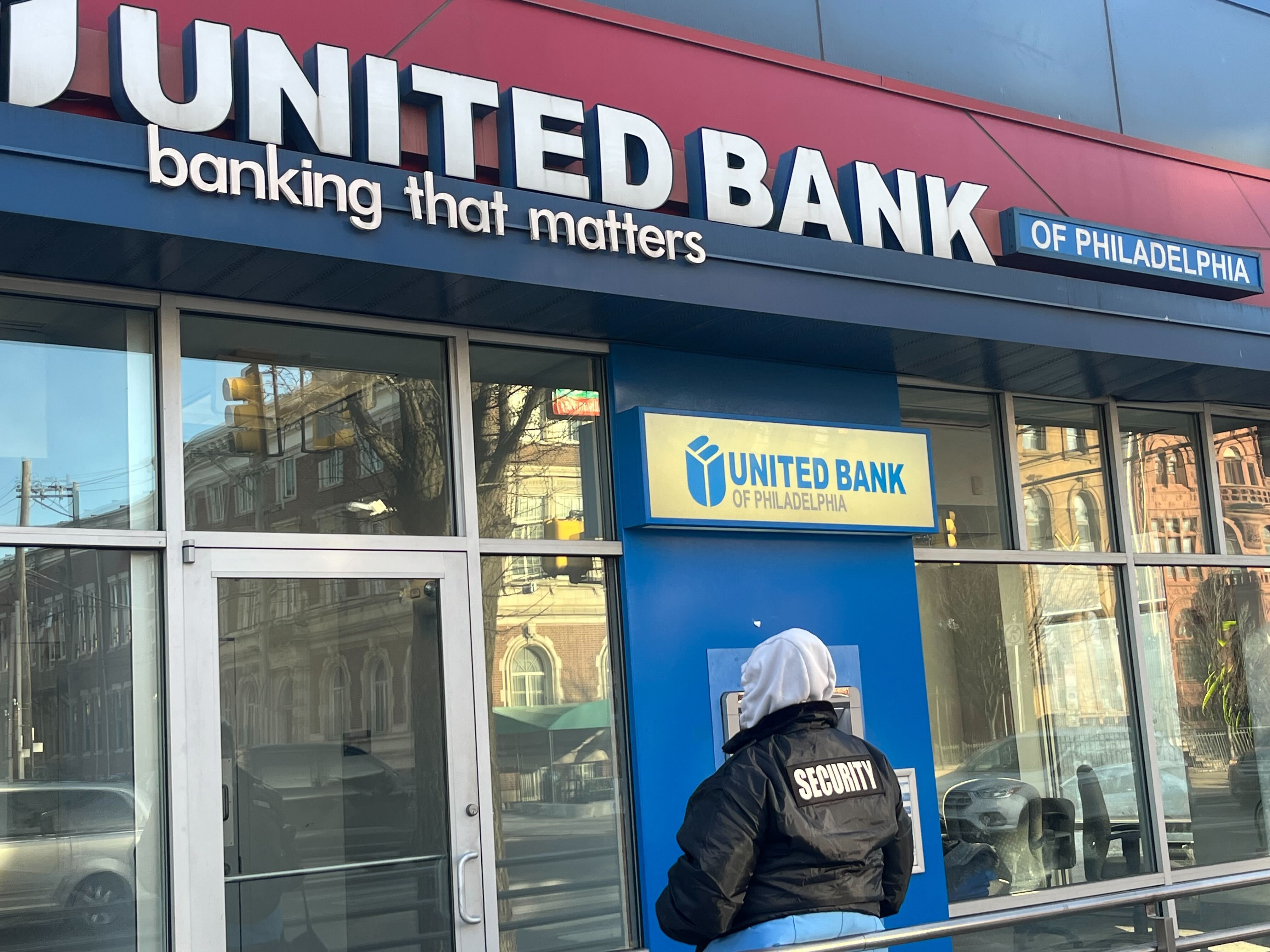
    Tahazha Woodard, a guard at a jointly operated PHA and School District site in North Philadelphia, was the first in a stream of Sovereign Security LLC employees who tried to cash delayed Sovereign paychecks on Jan. 10. United was one of the few Philadelphia institutions willing to cash Sovereign checks at that time, after incidents when the company left its accounts underfunded and paychecks bounced, according to guards.

    PGW ended its agreement with Sovereign in 2023. As of last summer, Sovereign no longer worked at the Navy Yard either.

    The guards in the suit say a trial would show whether Sovereign had a “pattern or practice” of shorting their pay, failing to pay overtime, and not refunding uniform deposits. Other issues are whether Sovereign violated state wage laws and failed to keep required time and pay records, and the damages they are owed.

    Williams, the lead plaintiff, was paid $14.40 an hour when she started in 2022.

    Besides back pay, the suit also seeks to collect $500 or 25% of wages due for each violation, plus attorneys’ fees, under provisions of state law.

  • Catholic Charities helps those in need both surmount life’s hardships and celebrate its many little joys | Philly Gives

    Catholic Charities helps those in need both surmount life’s hardships and celebrate its many little joys | Philly Gives

    Heather Huot, the top executive at Catholic Charities, named her only daughter after Lidia, a homeless, mentally ill, and often cranky elderly woman she met as a young social worker at Women of Hope Vine, a transitional housing facility run by the organization Huot now leads.

    As “mean spirited” as Lidia was, Huot said, Lidia still celebrated forsythia.

    When their bright yellow blossoms heralded winter’s end, Lidia would drag Huot outside to marvel. “Despite all the hardships,” Huot said, “there are things to be celebrated.”

    Which brings us to the Christmas holiday season.

    Even if it were possible, which it’s not, to overlook all the troubles in our world, with wars and starvation, or even to overlook all the troubles in our nation, there would still be the troubles of the season — too much work, too much loneliness, too many struggles.

    Where’s the forsythia?

    Two weeks ago, it was outside the Archdiocesan Pastoral Center in the form of a living Nativity scene, complete with a wee baby goat named Lady, an artificial-snow machine, an actual camel, and an elementary school choir in their Catholic school uniforms singing “Joy To the World.”

    Yes, “Joy To The World,” because 500 children, some of whom live in tough circumstances, got a chance to celebrate Christmas and with it, maybe, the hope that the holiday brings. It was the 70th annual Archbishop’s Benefit for Children, a Catholic Charities of Philadelphia event funded by a grant from the Riley Family Foundation. No expense was spared.

    Heather Huot, the chief of Catholic Charities Philadelphia, pets a calf during a living Christmas scene in front of the Archdiocesan Pastoral Center in Center City Philadelphia.

    More than 60 volunteers from area high schools lunched on pizza and cookies before heading across the street to a lavishly decorated ballroom in the Sheraton Philadelphia Downtown. Balloons, banners, party favors, huge plates of cookies, a container of ice cream cups, and a bucket of all different flavors of milk awaited at each table. Kids and chaperones crowded the dance floor, only to make way for an appearance by Santa, who high-fived his way around the ballroom. At the party’s end, the volunteers sprang into action distributing bags of toys — all beautifully wrapped.

    In a way, the party is a metaphor for Catholic Charities as a whole. Both the party and the organization are big and multifaceted with lots of moving parts, involving all types of people, not only Catholics.

    Each year, Catholic Charities spends about $158 million to run about 40 different programs in four main categories — care for seniors; support for at-risk children, youth, and families; food and shelter; and its biggest category, many-pronged assistance for people with intellectual and developmental disabilities and their families.

    As an overview, there’s housing for at-risk youth in Bensalem. In Philadelphia, people may be familiar with St. John’s Hospice on Race Street, which provides food, showers, shelter, and case management to men. There are several smaller transitional housing shelters for women in the city.

    Social workers funded by Catholic Charities assist students at six Catholic high schools across the region. Other social workers handle case management under contract with the City of Philadelphia. A program teaches teenagers involved in the juvenile justice system about conflict resolution. Family navigators step in to assist families with issues ranging from employment to parenting support. There are adoption and foster-care services.

    For the elderly, Catholic Charities supports senior centers and works to help seniors stay independent through case management.

    Archbishop Nelson Pérez poses with students during a holiday party.

    Just over half of Catholic Charities’ annual budget is allocated to supporting people with intellectual or developmental disabilities. A major focus is housing for adults. For example, at the Divine Providence Village in Springfield, Delaware County, 72 women live in six cottages on a 22-acre campus with a pool, greenhouse, and picnic pavilion.

    In addition, there is employment support, a day program, field trips, a family-living program, and respite care to help families overwhelmed by caregiving responsibilities.

    Nearly 80% of Catholic Charities’ funding comes from government sources, which, these days, requires Huot to focus her prayers. “I ask God to help me get through this and to give me the strength and the people around me to get through this,” she said. “At the same time, we have to recognize that God provides in ways you don’t expect.

    “We’ve been blessed with generous benefactors who have stepped in,” she said. “The Philadelphia community is incredibly generous. We get a bad rap as the people who throw snowballs at Santa Claus, but Philadelphians will give you the shirt off their backs. They are passionate about caring for one another.”

    The generosity moved Lakisha Brown to tears as she shepherded her two children and a third to the party earlier this month. Brown, 44, lives in a three-bedroom subsidized housing apartment at Catholic Charities’ Visitation Homes in Kensington.

    “This is the best I ever lived,” she said. But, she said, just outside her door “is a constant reminder of where I came from and where I never want to go.”

    Brown’s father died when she was in elementary school and her mother struggled with alcohol addiction. Brown left home when she was 16 under the protection of a man who started their relationship with gifts and ended it with beatings.

    “He left me in a coma,” she said.

    Brown had her own struggles with addiction. She spent many nights without a roof over her head. If lucky, she could sleep in safety in an abandoned car on a quiet block. One night, she went to a party in a hotel. When she woke up, her clothes were off. Whatever happened wasn’t consensual.

    Soon after, she learned she was pregnant and, knowing that, she vowed to give her baby a clean birth. She found a drug program and a place to live. Slowly, through housing and support from Catholic Charities, she rebuilt her life.

    Erika Hollender holds up her grandchild so Layani, 3, can touch Percy the camel.

    “They help us with budgeting, with money management,” said Brown, who relies on disability, welfare, and food benefits while trying to cope with her own mental health issues. “When we get some money, we want to spend it on the children. We were parenting out of guilt and shame.”

    Those are the big things, but what Brown wants people to understand is that the level of care is deep, personal, and specific. It’s being able to ask a staff person for a roll of toilet paper and trash bags — basics that are sometimes unaffordable when money must be allocated to food and shelter.

    “A mom’s job is never done,” she said, explaining why people should donate to Catholic Charities. “It is needed for mothers who come from nothing. It is needed.”

    For more information about Philly Gives, including how to donate, visit phillygives.org.

    About Catholic Charities of Philadelphia

    People served: 294,000 annually (in the 2023-24 fiscal year)

    Annual spending: $158.6 million across four pillars of mercy and charity

    Point of pride: Catholic Charities of Philadelphia is the heart of the church’s mission in action, serving all people regardless of background. With decades of experience, nearly 40 comprehensive programs, and deep community partnerships, Catholic Charities turns compassion into action, and action into lasting and impactful change.

    You can help: By serving meals, volunteering at a food pantry or shelter, hosting a food or clothing drive, and sharing your gifts and passions with seniors.

    Support: phillygives.org

    What your Catholic Charities donation can do

    • $25 provides five nutritious lunches for children through the School Lunch Program.
    • $50 provides three hot lunches at St. John’s Hospice for individuals experiencing food insecurity.
    • $100 provides an instructor and supplies for an art or recreation class for 50 to 100 seniors at a senior community center.
    • $275 provides one week of groceries for a family of four.
    • $325 provides a mother with formula, diapers, and wipes for a month.
    • $550 provides emergency shelter and meals for a week for someone experiencing homelessness.
  • Temple University Hospital is being investigated by CMS over its care of a homeless patient who died

    Temple University Hospital is being investigated by CMS over its care of a homeless patient who died

    A patient with no home to return to was pushed in a wheelchair to the curb outside Temple University Hospital. Staffers left him sitting on a bench, even though he was considered at a high risk of falling.

    An hour later, a security officer found the man had fallen and was lying on the ground.

    He was shaking when the guard brought him back into the hospital, but didn’t respond to a nurse’s questions. So hospital staff again sent him away — this time leaving him alone in a wheelchair outside the emergency department.

    He was found there five hours later, slumped over, unresponsive, and without a pulse. He died the following week.

    Temple’s treatment of the patient during the Oct. 3 incident prompted state and federal investigations. In a report released earlier this month, the Pennsylvania Department of Health cited Temple for violating state rules that require hospitals to provide emergency care.

    Experts say the hospital’s actions amounted to “patient dumping,” a practice prohibited under a federal law that requires hospital emergency departments to medically screen and stabilize all patients.

    The Centers for Medicare and Medicaid Services (CMS), which oversees hospital safety nationally, confirmed it is also investigating, but has not released details.

    Hospitals that violate the Emergency Medical Treatment and Labor Act, known as EMTALA, risk hefty fines or losing their Medicare license, though such penalties are rare.

    Temple acknowledged that its own protocols were not followed. Health system officials told state investigators the patient should not have been removed from the hospital without being evaluated and cleared by medical staff.

    “The safety of our patients, visitors and staff is Temple’s highest priority,” the hospital said in a statement to The Inquirer. “We believe that everyone deserves high quality care.”

    The hospital declined to say whether any of the staff members involved were disciplined or fired.

    But such incidents are rarely the fault of one individual, legal experts and homelessness advocates said. Rather, they are a sign of systemic problems, such as understaffing that can leave staff overwhelmed, and bias among medical providers that can put vulnerable patients at risk of being dismissed.

    “If you work in an environment where safety is prized and honored and enforced from the top down, everyone feels that’s their mission,” said Eric Weitz, a medical negligence lawyer in Philadelphia. “If that’s not a priority being set by leadership, then it’s no surprise the culture doesn’t reinforce it.”

    Hospital administrators said the triage nurse who turned away the patient should have sought help, if the patient wasn’t responding to questions. The nurse said she was overwhelmed and working without sufficient support in one of the region’s busiest trauma hospitals.

    “I was busy and alone,” she told state inspectors.

    The incident violated Temple’s emergency department protocol, staff told Pennsylvania Department of Health inspectors.

    Pa. Department of Health investigates Temple

    To piece together what went wrong, Pennsylvania Department of Health inspectors watched security camera footage, interviewed staff members, and reviewed internal hospital reports. Their timeline shows a series of mistakes.

    At about 3:15 p.m., an employee brought the patient in a wheelchair to a bench near the curb outside the hospital, and left him there on the mild October day with highs near 70 degrees.

    He was being discharged to “the community” because he was experiencing homelessness, according to the inspection report. (The state report does not say whether staff attempted to place him at a skilled nursing facility, rehabilitation center or homeless shelter.)

    The man sat alone on the bench for an hour before standing unsteadily, taking a few steps, and ultimately falling to the ground.

    He managed to get back up, leaning against a tree for support, only to fall again. He was on the ground for 10 minutes before a security guard found him.

    The guard brought the man back into the emergency department in a wheelchair about two hours after he had been released.

    Back inside the hospital, the man followed orders to raise his arms for a security check at the door. Then he waited in line to be seen by the triage nurse responsible for checking in patients at the emergency department.

    When he reached the front of the line, he did not respond to the nurse’s questions. “He was not answering any questions, just shaking,” according to a Temple incident report reviewed by inspectors. Staff said the patient was “not cooperating” and should be sent to the back of the line.

    After two minutes with the nurse, a security guard moved his wheelchair to a corner of the emergency department near the entrance.

    The man was once again wheeled outside the hospital a few minutes later and left alone.

    He was found by medical staff around 9:30 p.m., slumped over in his wheelchair.

    Staff began CPR, rushing him back inside for trauma care.

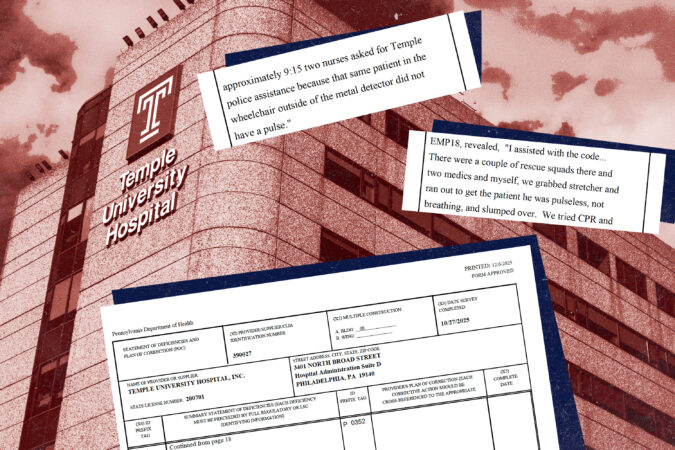
    Pennsylvania Department of Health’s inspection report details how a patient in Temple’s emergency department was rolled away in a wheelchair without being evaluated.

    The inspection report does not identify the patient’s name, age, or provide details on the medical condition for which he had been hospitalized. It also does not say what happened after he was found unresponsive. He died five days later, on Oct. 8.

    Temple responds

    Medical screening of every patient who comes to the emergency department is “explicitly required” under Temple’s EMTALA policies, according to the hospital’s response to the state findings.

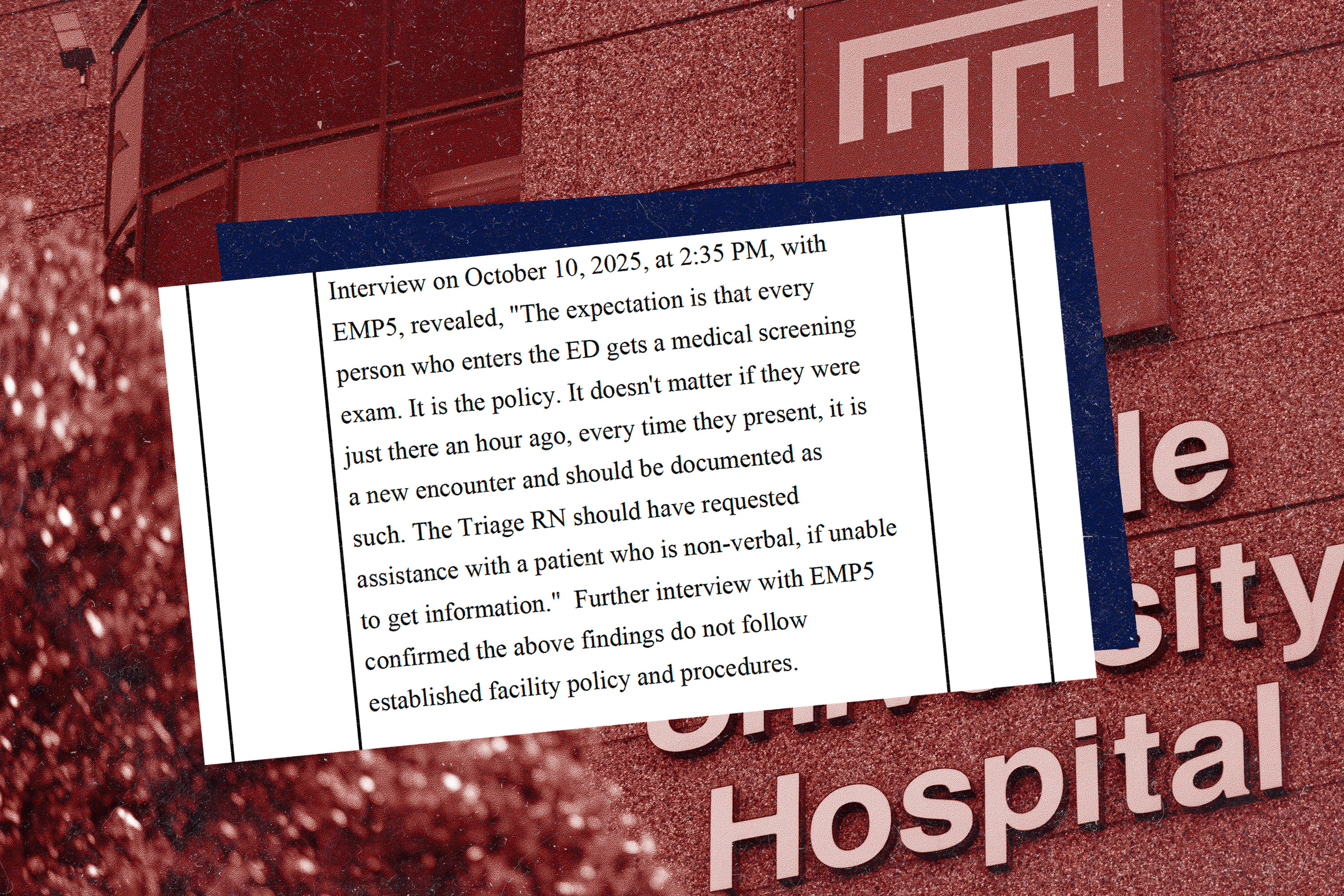
    “It doesn’t matter if they were just there an hour ago, every time they present, it is a new encounter and should be documented as such,” a Temple staffer said in an interview with inspectors.

    The hospital told the state it would retrain staff on EMTALA rules, making clear that security officers cannot remove patients from the emergency department unless they have been evaluated and cleared for release by a medical professional.

    A week after the incident, hospital staff were instructed to keep a log of patients who are removed from the emergency department and the name of the provider who approved their release. (Temple police may still remove patients from the emergency department if they are threatening the safety of other patients or staff.)

    The hospital also said that it would order mobility evaluations for patients who are being discharged “to the community” if they had a high risk of falling, with a doctor’s sign-off required.

    Temple treats some of Philadelphia’s most vulnerable patients in an emergency room that sees more than 150,000 visits a year, including high numbers of gunshot victims and people experiencing opioid withdrawal. It operates a Level I trauma center in a North Philadelphia community where 87% of patients are covered by publicly funded Medicare or Medicaid.

    The emergency department is so busy that about 8% of patients choose to leave before being seen, according to CMS data, compared to about 2% of patients at hospitals nationally and across Pennsylvania.

    The triage nurse on duty Oct. 3 is not identified in the inspection report.

    The Temple chapter of Pennsylvania Association of Staff Nurses and Allied Professionals, which represents 1,600 nurses and 1,000 other medical professionals on Temple campuses, declined to comment.

    Legal experts raise questions

    Two healthcare lawyers who reviewed the state’s inspection report said the entire episode is troubling.

    “It sounds like they violated every part of EMTALA,” said Sara Rosenbaum, professor emerita of health law policy at George Washington University.

    The law does not require specific treatment, but mandates that hospitals evaluate everyone who walks in the door seeking care, and prohibits them from sending them away or transferring them until they are medically stable.

    “They failed to screen him, threw an unstable person back on the street, and didn’t arrange a medically appropriate transfer,” she said.

    What’s more, the hospital could be sued for malpractice over how it initially discharged the patient.

    The incident appears to be “a classic EMTALA violation,” said Weitz, the Philadelphia lawyer who serves on Pennsylvania’s Patient Safety Authority, an independent state agency that monitors hospital errors.

    The health department’s description of what happened is “almost eerily the exact fact pattern the law was passed to prevent,” he said.
    Healthcare challenges for patients experiencing homelessness

    People who are experiencing homelessness often receive subpar treatment when they seek medical care, research shows.

    One study that analyzed thousands of California patient records found that those who were described in their medical records as “homeless” were more likely than patients who have a permanent legal address to be discharged from the emergency department, rather than being admitted for care.

    In the Philadelphia region, caring for this population is increasingly challenging. The number of available shelter beds has declined in recent years, while the number of people who are considered unhoused has risen, according to Philadelphia’s Office of Homeless Services.

    Stephanie Sena, CEO of Breaking Bread Community Shelter in Delaware County, said the colder months also see more people experiencing homelessness coming to hospitals to get off the street.

    “If they say they’re sick, they might get a bed and be able to survive the night,” Sena said.

    The pattern can make doctors and nurses less likely to believe patients when they report real medical needs. Especially when staff are overwhelmed in busy hospitals, patients experiencing homelessness may be at greater risk of getting denied or discharged when they need help, she said.

    Sena said she was disappointed to hear about the Temple incident.

    “It is tragic,” she said, “but also not at all surprising, unfortunately.”

  • 13 ways to celebrate the new year in and around Media

    13 ways to celebrate the new year in and around Media

    The countdown to 2026 is on, and there’s no shortage of ways to celebrate the end of one year and the start of another. From New Year’s Eve dinner specials to adults-only celebrations and family-friendly gatherings, here’s how to ring in the new year in and around Media.

    New Year’s Eve Events for Adults

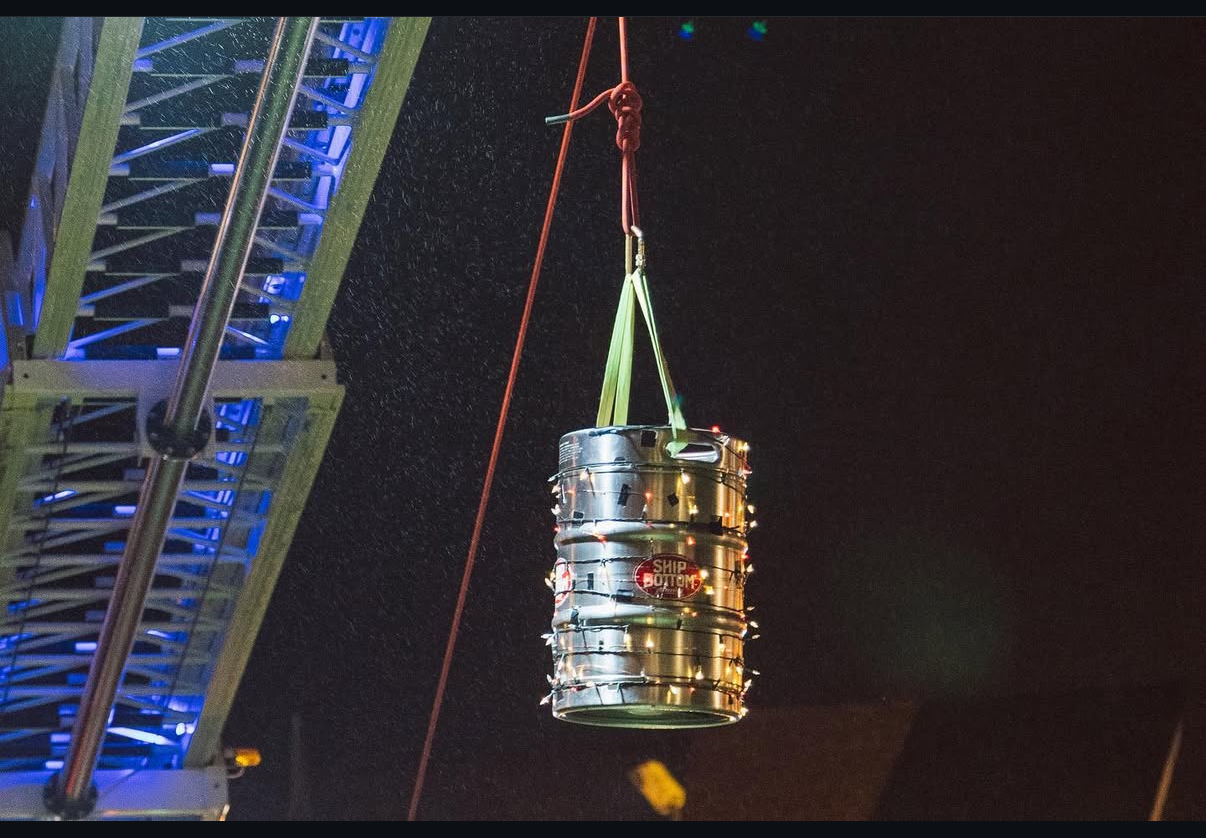
    Ship Bottom Brewery will host a “keg drop” to usher in the new year.
    Ship Bottom Brewery’s Keg Drop

    Now in its third year, the Swarthmore location of the brewery will usher in the new year with a keg drop. Festivities kick off around 3 p.m. and there will be live music from 5:30 to 8:30 p.m., followed by a DJ from 9 p.m. until midnight, as well as food trucks.

    ⏰ Wednesday, Dec. 31, 3 p.m.-midnight 💵 Pay as you go 📍Ship Bottom Brewery, 5 Park Ave., Swarthmore

    New Year’s Eve with Jawn of the Dead

    Ring in the new year by listening to local Grateful Dead tribute band Jawn of the Dead perform at Shere-E-Punjab. Tickets are for the standing-room-only show. Separate reservations are needed for dinner.

    ⏰ Wednesday, Dec. 31, 8 p.m.-12:30 a.m. 💵 $40 📍Shere-E-Punjab, 210 W. State St., Media

    Springfield Country Club is hosting its annual New Year’s Eve bash.
    Ring in 2026 at Springfield Country Club

    Springfield Country Club’s 21-and-over celebration includes a dinner buffet, dancing, music, an open bar, and a champagne toast.

    ⏰ Wednesday, Dec. 31, 8 p.m.-12:30 a.m. 💵 $129.89 📍Springfield Country Club, 400 W. Sproul Rd., Springfield

    State Street Pub’s New Year’s Eve Party

    There will be à la carte dining throughout the night, and starting at 9:30 p.m., DJ Josh Jamz will be spinning tunes. Families are welcome, but children must be accompanied by an adult 21 or older.

    ⏰ Wednesday, Dec. 31, 9:30 p.m.-12:30 a.m. 💵 Pay as you go 📍State Street Pub, 37 E. State St., Media

    Family-Friendly New Year’s Events

    Countdown to Noon at the Rocky Run YMCA

    This event includes crafts, games, music, and a countdown to noon, complete with a ball drop. There will also be hot chocolate available for purchase.

    ⏰ Wednesday, Dec. 31, 11 a.m.-noon. 💵 Free 📍Rocky Run YMCA, 1299 W. Baltimore Pike, Media

    Swarthmore Public Library’s Noon Year’s Eve

    There will be games, activities, and a countdown to noon at this drop-in event for young kids who can’t make it to midnight.

    ⏰ Wednesday, Dec. 31, 11 a.m.-1 p.m. 💵 Free 📍Swarthmore Public Library, 121 Park Ave., Swarthmore

    Media-Upper Providence Free Library’s Noon Year’s Eve

    Families with preschool and elementary age kids can listen to music and a story, craft a disco ball, and count down to noon at this event. Registration is required.

    ⏰ Wednesday, Dec. 31, 11:15 a.m.-12:15 p.m. 💵 Free 📍Media-Upper Providence Free Library, 1 E. Front St., Media

    Global Noon Year’s Eve Celebration

    Helen Kate Furness Free Library will ring in the new year by showcasing several traditions from around the world, including making a Japanese craft and eating a snack that’s meant to bring luck for the year ahead. Registration is required.

    ⏰ Wednesday, Dec. 31, noon-1 p.m. 💵 Free 📍Helen Kate Furness Free Library, 100 N. Providence Rd., Wallingford

    Media’s New Year’s Eve Ball Drop

    Watch the ball drop from over 100 feet above Spasso Italian Grill in the borough as 2025 turns to 2026. There will be a DJ performing near Jackson and State Streets, as well.

    ⏰ Wednesday, Dec. 31, 11:30 p.m.-12:30 a.m. 💵 Free 📍Spasso Italian Grill, 1 W. State St., Media

    New Year’s Day 5K Race

    Kick off the year with a brisk 5K race through Swarthmore. There will also be a free race for kids ages 2 to 13 and their families.

    ⏰ Thursday, Jan. 1, 10:30 a.m. 💵 $40-$45 📍Swarthmore College Field House, 500 Fieldhouse Lane, Swarthmore

    New Year’s Eve and New Year’s Day Dining

    Broad Table Tavern is offering a prix fixe menu for New Year’s Eve.
    Broad Table Tavern

    The restaurant at the Inn at Swarthmore will serve a special prix fixe menu for New Year’s Eve that gives comfort food a spice-forward twist. The three-course menu includes starter options like roasted cauliflower soup, cider-braised pork belly, fennel-crusted yellowfin tuna, and truffle mushroom arancini. Entrée options include filet mignon, sea bass, stuffed pork loin, and winter squash gnocchi. The meal will be capped with a poached pear tart or gingerbread truffles. Dinner will be served from 4 to 9 p.m., and the bar will be open until midnight.

    ⏰ Wednesday, Dec. 31, 4-9 p.m. 💵 $75 📍Inn at Swarthmore, 12 S. Chester Rd., Swarthmore

    Fond

    The Wallingford BYOB is offering a five-course meal for New Year’s Eve that includes a first course soup; a salad, tuna tartare, or foie gras second course; scallops for the third course; entrées like pork belly, Scottish salmon, and filet and shrimp; and a dessert of hazelnut chocolate mousse. A half-dozen oysters are also available to add to the meal for $21.

    ⏰ Wednesday, Dec. 31, 4:30-9 p.m. 💵 $135 📍Fond, 21 N. Providence Rd., Wallingford

    White Dog Cafe is hosting a New Year’s Day “pajama brunch,” where attendees are encouraged to where their PJs.
    Pajama Brunch at White Dog Cafe

    On New Year’s Day, White Dog Cafe is again hosting its Pajama Brunch, which encourages attendees to wear their PJs to the restaurant, where an à la carte menu will be available. Reservations are encouraged.

    ⏰ Thursday, Jan. 1, 9 a.m.-3 p.m. 💵 Prices vary 📍White Dog Cafe, 981 Baltimore Pike, Glen Mills

    This suburban content is produced with support from the Leslie Miller and Richard Worley Foundation and The Lenfest Institute for Journalism. Editorial content is created independently of the project donors. Gifts to support The Inquirer’s high-impact journalism can be made at inquirer.com/donate. A list of Lenfest Institute donors can be found at lenfestinstitute.org/supporters.