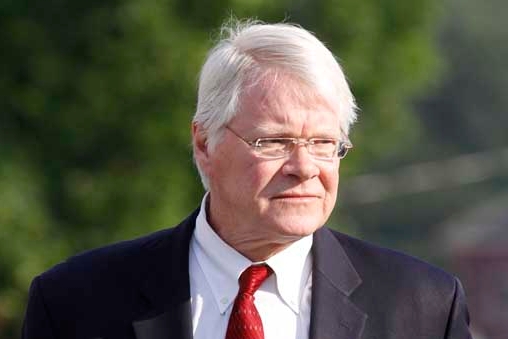
Joseph E. McGettigan III, 76, of Media, longtime trial lawyer and legal consultant, former Philadelphia assistant district attorney, former Pennsylvania chief deputy attorney general, former Delaware County first assistant district attorney, former assistant U.S. attorney in Philadelphia, former Philadelphia first assistant district attorney, and former Pennsylvania senior deputy attorney general, died Thursday, Dec. 31, of lung inflammation at Lankenau Medical Center.
Born in West Philadelphia and a graduate of Temple University, Mr. McGettigan was a legal expert in sexual assault and murder cases. He litigated in hundreds of trials over more than three decades as a prosecutor for city, county, state, and federal governments, and won notable convictions in the murder case against multimillionaire philanthropist John E. du Pont in 1997 and the child sexual abuse case against then-Pennsylvania State University assistant football coach Jerry Sandusky in 2012.
He was, then-Delaware County District Attorney Patrick L. Meehan said in 1998, like “a fascinating character in a crime novel.”
He worked for four Philadelphia district attorneys over two stints in City Hall and spent a year in Iraq in 2008 and 2009 as a U.S. government resident legal adviser working to reestablish a criminal justice system after the fall of Saddam Hussein. For most of the last decade, he worked for the Philadelphia law firm of McAndrews Mehalick Connolly Hulse & Ryan P. C. “He was a wonderful guy, a faithful citizen, and an incredible lawyer,” Dennis McAndrews, founder of the firm, said in an online tribute.
The grandson of a Philadelphia police officer and son of a lawyer, Mr. McGettigan prosecuted one of the first sex-abuse cases involving a priest from the Archdiocese of Philadelphia in 1985 and oversaw a state Senate absentee-ballot scam case in 1993. “I’m not shocked by much of human depravity,” he said in a 2018 video interview with lifelong friend Dom Irrera. “I’ve seen a fair amount of it.”
In an online tribute, Judge Jack Stollsteimer of Delaware County Court called Mr. McGettigan a “legendary prosecutor, a larger-than-life personality, and an avenging hero to crime victims across our Commonwealth.” He was a favorite of the City Hall crowd, and colleagues called him “a true public servant,” “a great guy with a wonderful heart,” and “an extraordinary presence in the courtroom.”
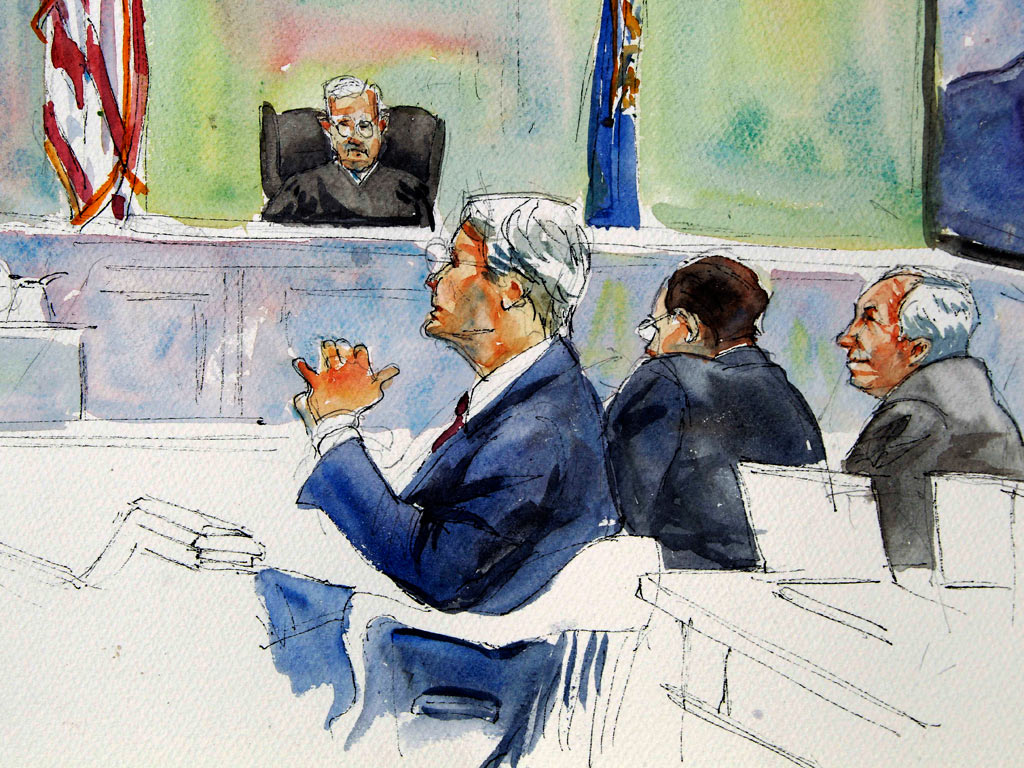
Mr. McGettigan (foreground) is shown in this courtroom sketch during the Jerry Sandusky trial in 2012.
Even those with whom he clashed praised Mr. McGettigan. Thomas A. Bergstrom, the Philadelphia lawyer who represented du Pont, said in 2011: “He’s a formidable adversary … very principled. If Joe doesn’t agree with you, he’ll let you know. If he’s going to hit you, it will be a punch in the nose, not a stab in the back.”
Witty and naturally engaging, Mr. McGettigan interrupted his legal career after the du Pont case to work briefly in Hollywood as a legal content adviser for the short-lived TV series Philly.The show starredKim Delaney as a tough defense attorney in Philadelphia, and Mr. McGettigan played a police detective, not a prosecutor, in a courtroom scene in one episode in 2002.
He also worked briefly as a consultant and manager for a private security company in Virginia, was a legal analyst for TV talk shows, and mentored other lawyers. He graduated summa cum laude with a bachelor’s degree in English literature from Temple and earned his law degree at the University of San Diego School of Law in 1982.
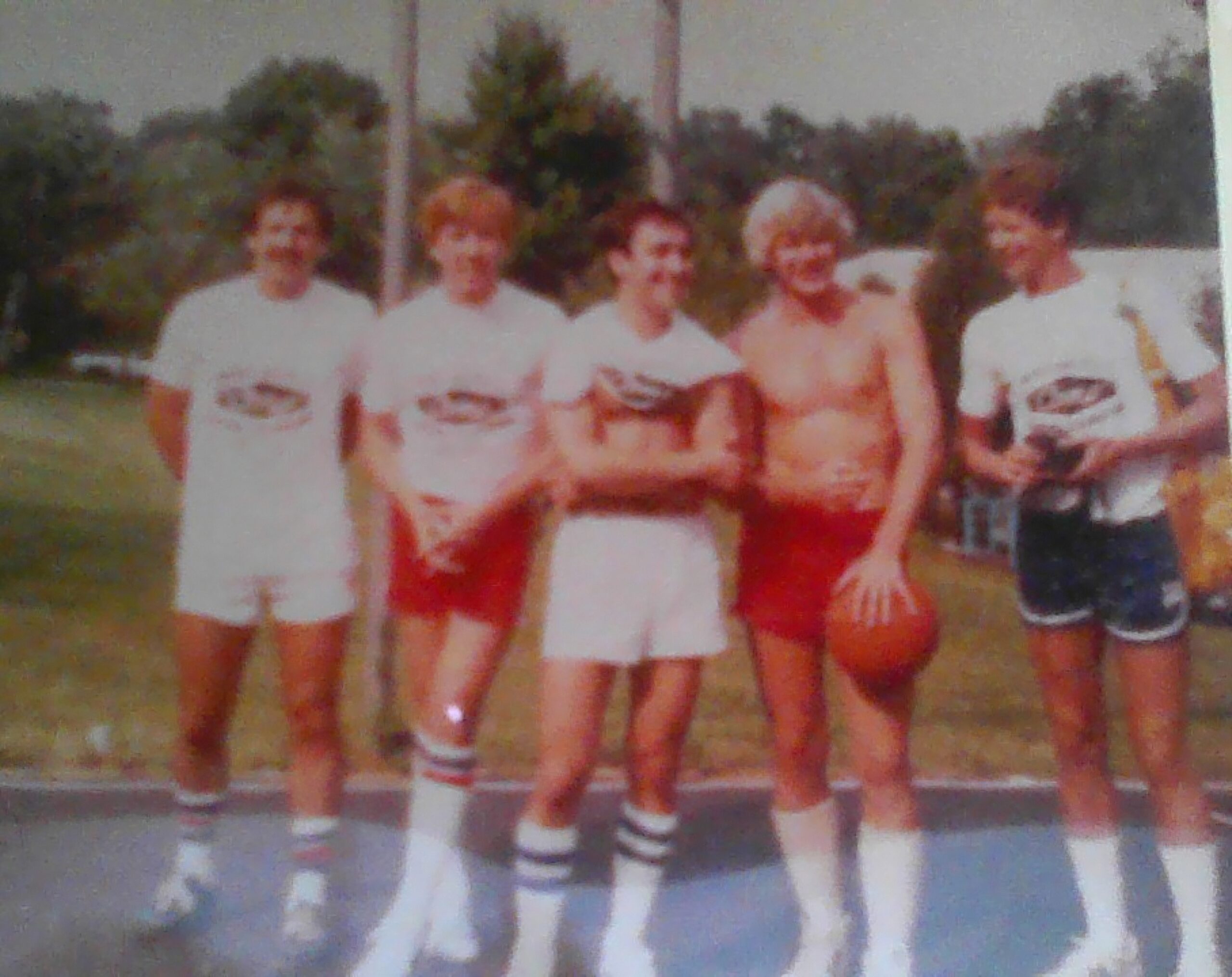
Mr. McGettigan played basketball in high school, on Philly playgrounds, and later whenever he could. Longtime college basketball coach and lifelong friend Fran O’Hanlon called him “a great friend who would do anything for you.”
His sister Mary said: “He was complex. He appeared often to be a hard-nose tough guy. But there was a soft side to him. He wanted to help people who were vulnerable.” His sister Patty said: “He left the world a better place.”
Joseph Edward McGettigan III was born March 5, 1949. An altar boy at church, he grew up with six sisters and a brother, and he instigated many dinner-table debates with his siblings and parents about all kinds of subjects.
“He kept us on our toes,” his sister Mary said. “He had a strong sense of justice, of doing the right thing.”
Mr. McGettigan (second from right) liked nothing better than playing hoops with friends.
He married Gay Warren, and they lived in Media and Naples, Fla. “Gay was Joe’s rock,” his sister Mary said. “He was devoted to her, and she to him.”
Mr. McGettigan loved music, reading, and writing, and told Irrera in 2018 that his favorite authors were William Shakespeare and Joseph Conrad. He was fun and funny, his siblings said, a raconteur with a large personality.
“Joe was an outlier in a family of bookish nerds,” his sister Jeanne said. “We followed his youthful adventures with great amusement and his later accomplishments with pride and respect. His generosity changed lives for the better.”
Mr. McGettigan spent a year in Iraq helping local officials revive their justice system.
One time, when they were young, his brother Michael tried to lie about losing Mr. McGettigan’s football. So Mr. McGettigan grilled him about the details and eventually extracted a confession.
“I gave it all up,” Michael McGettigan said, “the first of many malefactors to find relief in telling the whole truth and nothing but to Joseph E. McGettigan III.”
In addition to his wife and siblings, Mr. McGettigan is survived by his mother, Ruth, and other relatives. A sister died earlier.
Mr. McGettigan (front right) always seemed to be surrounded by friends.
Visitation with the family is to be from 10 to 10:45 a.m. Saturday, March 7, at St. Francis de Sales Church, 4625 Springfield Ave., Philadelphia, Pa. 19143. A Funeral Mass is to follow at 11 a.m.
Donations in his name may be made to the Tunnel to Towers Foundation, 2361 Hylan Blvd., Staten Island, N.Y. 10306.
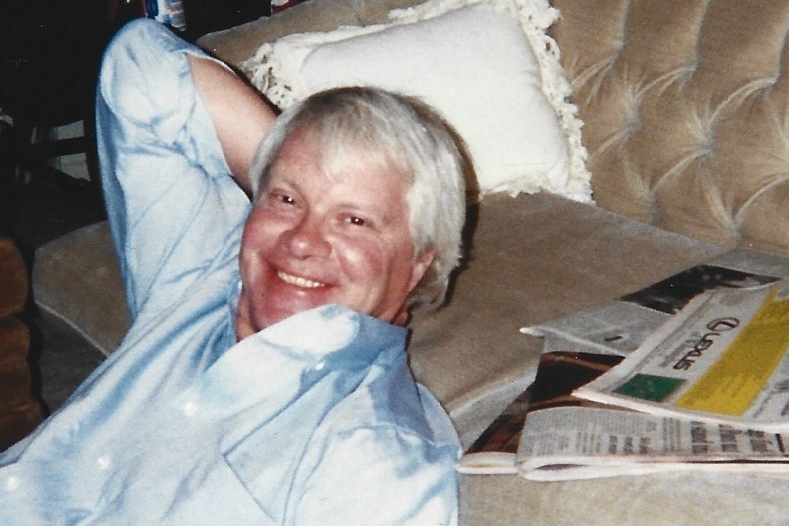
“Everyone wanted to be Joe’s friend,” a colleague said in a tribute.
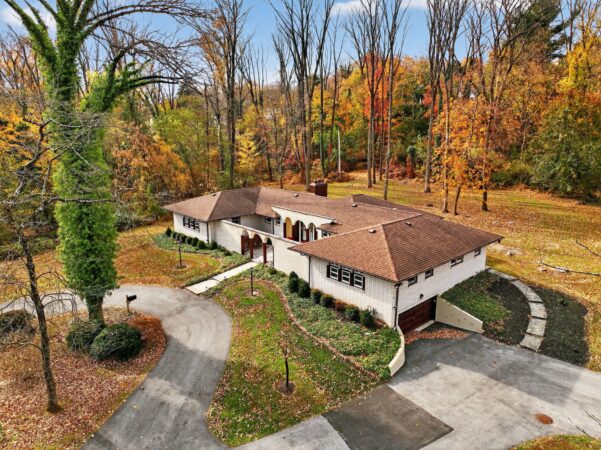
Donna Wise doesn’t know if this was on the builder’s mind in 1970, but he designed a house that combined sociability and privacy.
The four-bedroom, 2½-bathroom ranch house in Wallingford has the kitchen, living room, dining room, basement, and two-car garage on one side of the house and the living quarters on the other side.
That way, Wise said, guests “can ask to use the bathroom without passing through your bedroom. And the grounds are beautiful.”
The living room.
The builder’s other houses nearby were all Colonials, she said. Her parents, Mary and Robert Wise, bought the Spanish-style house 42 years ago. After her father died in 1995 and her mother in 2006, she and her sister, Cheryl Wise, remained there.
Now the sisters, who grew up in Folcroft, Delaware County, are moving to a nearby condo.
The kitchen has stainless steel appliances.
The approach to the 3,064-square-foot house is on a circular driveway.
Donna said the construction is so symmetrical that if one looks through a window, they can see through the whole house.
The kitchen has stainless steel appliances, and the office could be converted to a fifth bedroom.
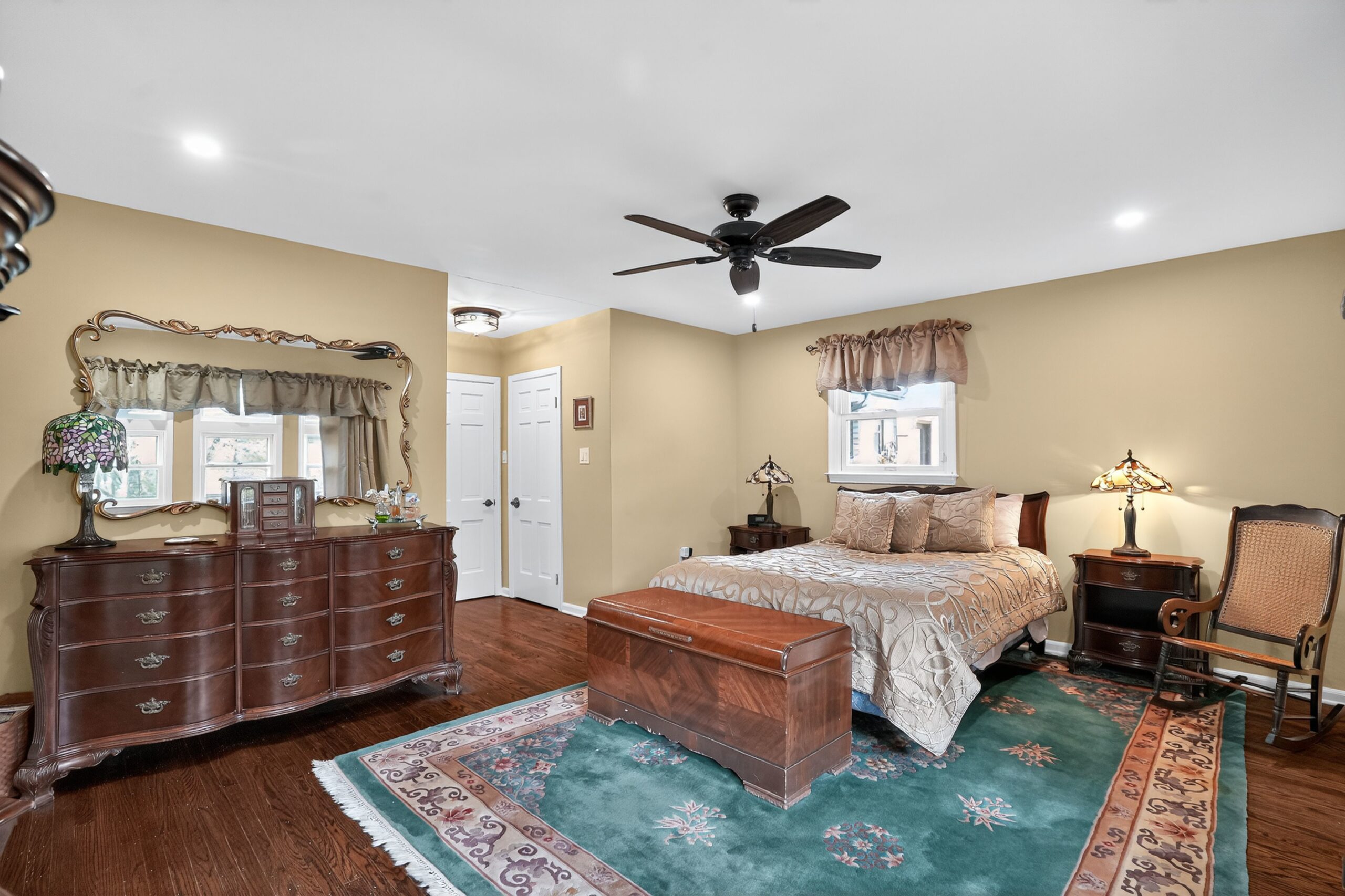
The primary bedroom.
The family opened up the layout, knocking down a wall separating the kitchen and the dining room. The basement is unfinished.
The house is near the Commodore Barry Bridge, which provides easy access to the Jersey Shore. It is also close to the Swarthmore SEPTA Regional Rail station. It is also convenient to Tyler Memorial Arboretum and several parks.
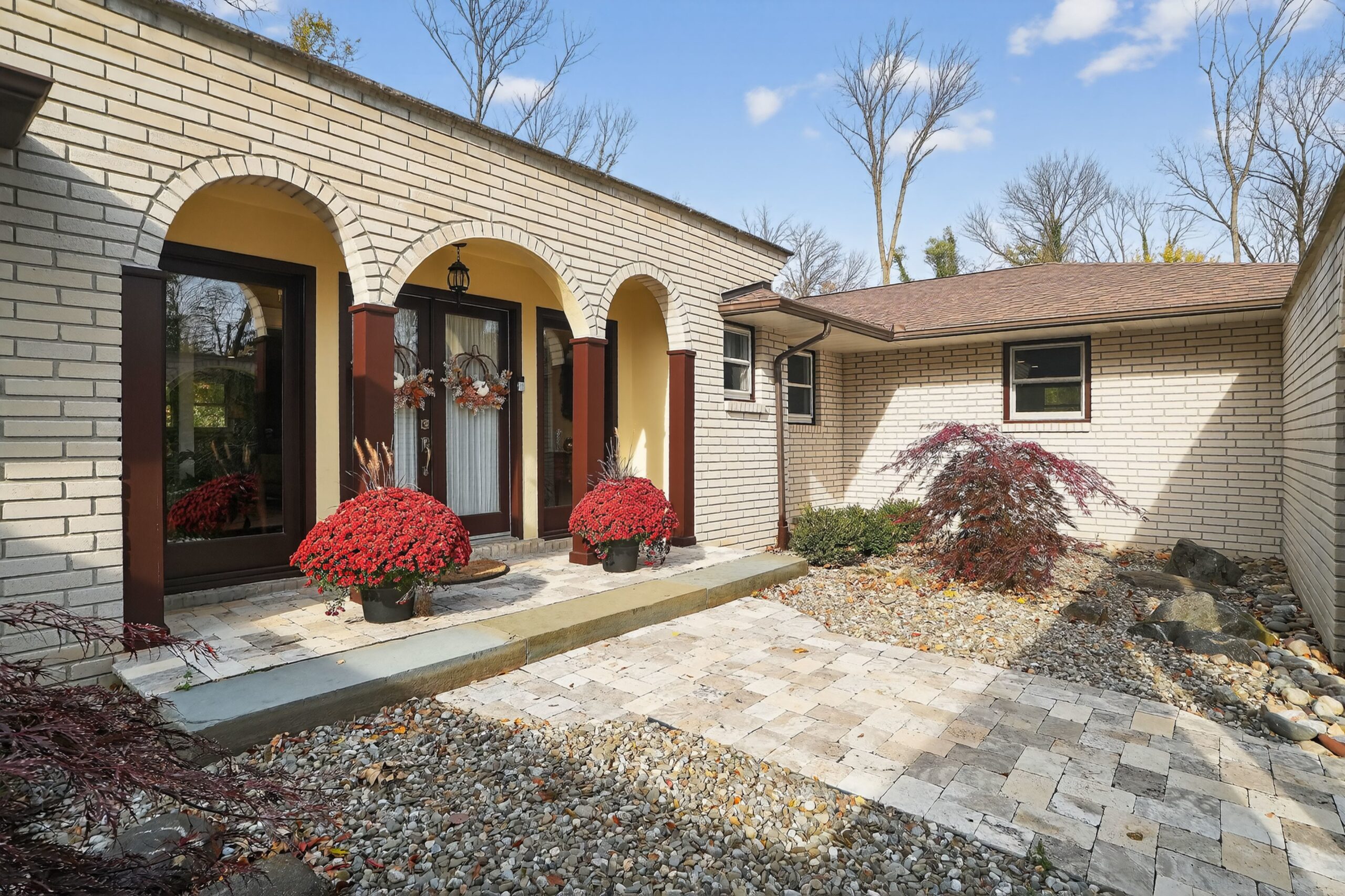
The front entrance to the house.
The house is in the Wallingford-Swarthmore School District.
It is listed by Lindsay Wise of Coldwell Banker Realty for $699,000.
Six of eight nonprofit health systems in Southeastern Pennsylvania and northern Delaware posted improved financial results for the six months that ended Dec. 31 compared to the year before. Still,half of them had operating losses, according to financial data reported last month to bond investors.
Jefferson Health and Temple University Health System reported results that were worse than the same period last year.
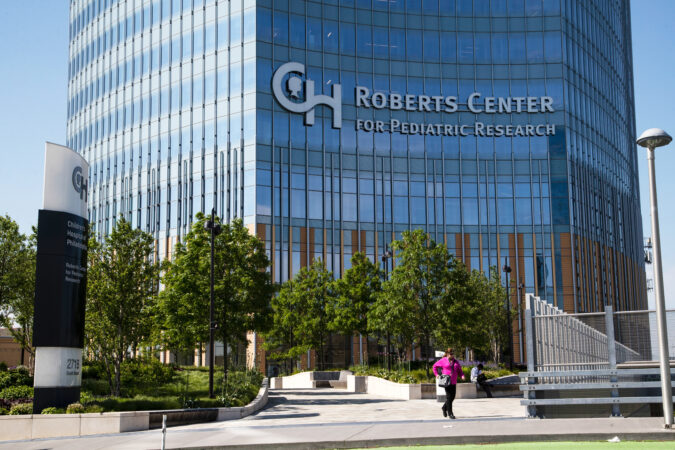
Children’s Hospital of Philadelphia remained the region’s most profitable health system, with a 6.2% operating margin, up from 5.2% the year before. CHOP posted $2.7 billion in total revenue in the last six months of 2025, up from $2.4 billion the year before.
Nonprofit health systems in South Jersey, such as Cooper, Inspira, and Virtua, do not report comparable financial results until they file their annual audited financials statements in the spring.
Here’s a summary:
Jefferson Health: Jefferson had an operating loss of $201 million in the six months that ended Dec. 31, compared to a $55 million loss the year before. The $201 million loss included a $64.7 million restructuring charge related to severance for 600 to 700 people laid off in October and other changes designed to improve efficiency in the 32-hospital system that stretches from South Jersey to Scranton, Jefferson said.
University of Pennsylvania Health System: Penn had an operating profit of $189 million in the first six months of fiscal 2026, up from $117 million in the same period a year ago. Operating income increased, even after Penn put $43 million into reserves for medical malpractice claims. Two years ago, Penn had recorded charges totaling $90 million for the same purpose.
ChristianaCare: ChristianaCare, Delaware’s largest health system, posted a $37 million operating gain, up from $33 million in the first six months of fiscal 2025. The health system’s revenue rose 9% to $1.75 billion, helped in part by its expansion into Pennsylvania. ChristianaCare took over five of Crozer Health’s freestanding outpatient locations in Delaware County.
Temple University Health System: Temple had a $50.5 million operating loss in the six months that ended Dec. 31. In the same period the year before, Temple reported a $13.5 million operating gain. The nonprofit attributed some of the losses to costs related to the opening of Temple Women & Families Hospital in September.
Main Line Health: Main Line had an $8.7 million operating profit in the six months that ended Dec. 31. Main Line’s swing from an $8.9 million loss in the same period of 2024 benefited from a change in accounting for depreciation that reduced expenses. Without that change, Main Line would have had another loss.
Redeemer Health: Redeemer reported an operating loss of $14.7 million, compared to a loss of $19.5 million the year before. The improvement happened even though the health system in Philadelphia’s northern suburbs increased revenue by just 1.2%, to $227 million.
Elizabeth Killough remembers the beginning of Media’s Fair Trade history as follows: She was sitting at her desk at UnTours, an unconventional Media-based travel company, next to her boss and UnTours founder Hal Taussig.
Taussig, sitting in his beloved rickety desk chair, began to share a vision with Killough: What if his hometown of Media could become a hub for Fair Trade, a global trading system that prioritizes quality products and fair wages for farmers in the developing world? What if Media’s shops and restaurants could stock products made and sold with equity and respect?
“I couldn’t even begin to imagine what that would be [like],” Killough remembers.
To humor Taussig, she googled “Fair Trade towns” (the internet was remarkably slow in the mid-2000s, so it took a few minutes to populate the results, she said). An email for Bruce Crowther, the father of Fair Trade in Garstang, England, popped up. Killough sent him a note. Despite the fact that it was 10 p.m. in England, Crowther wrote right back. He wanted to help make Taussig’s dream a reality.
In the months that followed, Taussig and Killough would help spearhead an effort to make Media the first Fair Trade town in the United States, a push that took the cooperation of local business owners, civic leaders, and borough council members. As Media marks 20 years of its Fair Trade Town status, Fair Trade products, and Taussig’s formidable footprint, can be found all over the Delaware County community.
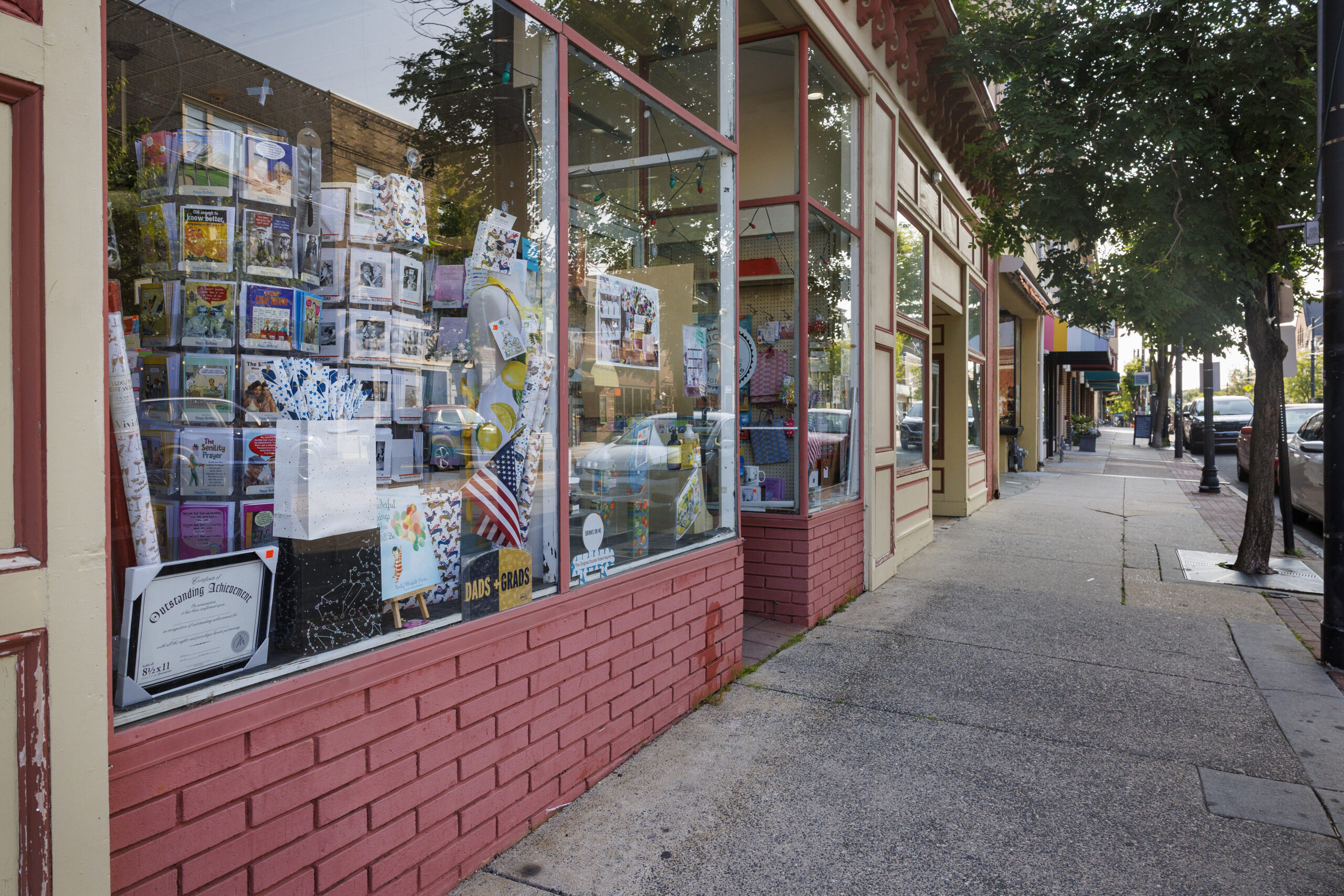
State Street, near Olive Street, on Wednesday, June 4, 2025, in Media, Pa. Businesses that sell Fair Trade products dot Media’s main commercial artery, a sign of the enduring legacy of Hal Taussig and Media’s Fair Trade advocates.
What is Fair Trade?
Fair Trade is a global trading arrangement under which farmers are paid higher wages in exchange for assurances that they will use eco-friendly practices, ensure safe working conditions, and invest in their communities. The trading practice seeks to uplift producers in the developing world, where environmental exploitation and forced labor can be common in the agriculture business. Common Fair Trade products include coffee, chocolate, and bananas.
Fair Trade guarantees farmers can charge minimum prices for goods, acting as a safety net against market instability. Some Fair Trade suppliers receive a “premium fund,” or an additional sum of money put aside to invest in education, healthcare, infrastructure, or business improvement products in their communities. In exchange for economic security, Fair Trade producers must provide workers with reasonable work hours, safe working conditions, and maternity leave, and are barred from using child and forced labor.
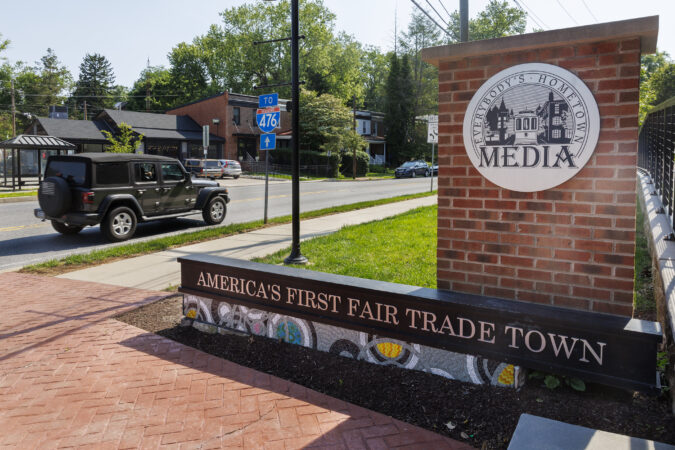
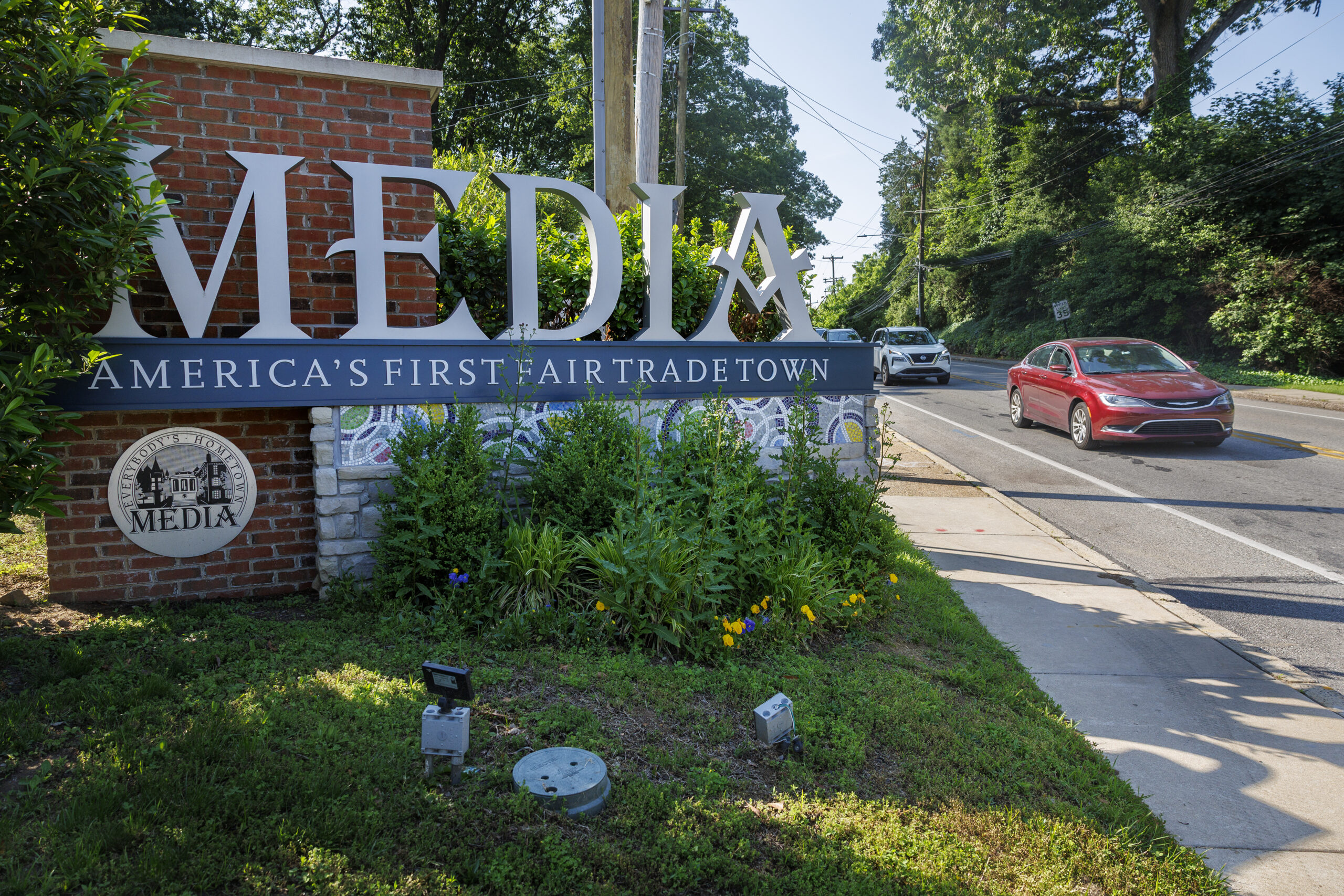
Killough’s email to Crowther set off a monthslong campaign to make Media the United States’s first Fair Trade Town, a moniker now proudly displayed on “Welcome to Media” signs on the borough’s outskirts.
Taussig had been thinking about sustainability in the global economy for decadesbefore Media’s formal designation. In 1992, Taussig and his wife, Norma, founded UnTours, an unconventional “slow travel company” that helped people connect to faraway lands through community engagement and sustainable tourism practices. Friends described Taussig as unique and empathetic. He was famously averse to making a profit, sharing UnTours’ returns with customers, staff, and, later, the UnTours Foundation, which invests in sustainable business ventures.
Taussig, who died in 2016, was “a really sweet man that cared about the world a lot,” said Ira Josephs, the executive director of the Media Fair Trade Committee.
Taussig and Killough began meeting with a group of stakeholders who shared the goal of bringing Fair Trade to Media. At the time, there was no organization overseeing Fair Trade communities in the U.S., so the Media group decided to “self-declare” under the criteria used by Garstang, the first Fair Trade Town in the world. They needed to persuade a certain number of Media retailers to sell Fair Trade-certified items and ask local schools and businessesto use Fair Trade goods. The guidelines also required Media to establish a Fair Trade committee; have an elected body pass a resolution supporting Fair Trade; and promote media coverage and education around Fair Trade.
A number of stores in Media already carried Fair Trade products, and many of its churches and Quaker meetinghouses used Fair Trade coffee and sugar. The working group made a website and brought on board Monica Simpson, a borough council member who helped convince the governing body to pass a Fair Trade resolution. The borough council saw it as a way for “this local community to make an international connection,” Killough said.
Once all of the criteria were met, “we just self-declared that we were the first Fair Trade town,” Josephs said.
At the time, New York City and Los Angeles were working on their own Fair Trade proposals. Yet Media, a 5,000-resident borough in the heart of Delco, beat them to the punch.
“It was rebellious,” Josephs said.
On July 12, 2006, Media held a public ceremony unveiling its status as a Fair Trade town.
Many of Media’s businesses got on board.
When Tara and Brent Endicott, the owners of downtown Media’s Burlap & Bean, first got into the coffee business, they knew they wanted “to feel like we were making a difference,” Tara Endicott said.
All of the coffee sold at Burlap & Bean is Fair Trade-certified and organic, a decision the Endicotts made in 2006 when they opened their first location in nearby Newtown Square,inspired in part by Media’s Fair Trade push.
Though their coffee-industry friends told them they were crazy for stocking only Fair Trade products, which are more expensive and harder to source, the Fair Trade beans won over the coffee purveyors and their Media-area customers.
Signage that reads, America’s First Free Trade Town, Media, PA., Wednesday, June 4, 2025. This sign is at N. Providence Road where it crosses N. Monroe Street.
Fair Trade in Media, two decades later
Fair Trade lives on in the stores, restaurants, and coffee shops that dot Media’s bustling downtown.
All of the international products at Earth & State, a pottery and craft shop, are from Fair Trade groups. Bittersweet Kitchen, a pizza and brunch spot, serves Fair Trade hot chocolate and coffee. Mom-and-daughter-owned yarn shop Homesewn sells yarn from Fair Trade Federation members and other companies that follow Fair Trade principles. Even Trader Joe’s, located in Media’s old armory building, stocks Fair Trade coffee.
On Valentine’s Day, the Media Fair Trade Committee hosted its annual Fair Trade chocolate tasting. The committee also hosts an annual juggling contest with Fair Trade soccer balls at Dining Under the Stars.
Fair Trade’s future is not entirely certain.
Fair Trade groups have come under scrutiny in recent years for corporatizing a once mission-driven practice. It has been hard at times to get businesses to splurge on Fair Trade goods, first during the 2008 recession and then again during the pandemic, Killough said. As rents rise in Media, there is a “constant turnover of store owners and restaurateurs,” Killough added, making it an ongoing effort to keep Fair Trade practices alive.
“It’s going to continue to require a lot of work, a lot of commitment, and a lot of education,” she said.
Last year was “the worst year financially that we’ve ever had,” Tara Endicott of Burlap & Bean said. Despite having the highest customer counts in Burlap & Bean’s history, high coffee prices and tariffs left the Endicotts taking home meager profits at the end of the day. They have thought about opening up their business to non-Fair Trade coffee but have not yet, relying on the hope that economic conditions will improve.
Ultimately, Brent Endicott said, he and his wife are proud to be in Media and to be serving Fair Trade beans.
“We’re thrilled to be able to do our part to help Media stay a certified Fair Trade town,” he said.
This suburban content is produced with support from the Leslie Miller and Richard Worley Foundation and The Lenfest Institute for Journalism. Editorial content is created independently of the project donors. Gifts to support The Inquirer’s high-impact journalism can be made at inquirer.com/donate. A list of Lenfest Institute donors can be found at lenfestinstitute.org/supporters.
Noel Mayo, 88, formerly of Philadelphia, widely recognized as the first Black owner of an American industrial design firm, first Black American college chair of an industrial design department, first Black industrial design graduate of Philadelphia College of Art, award-winning super mentor, and champion of professional diversity, equity, and inclusion, died Thursday, Jan. 29, of a probable heart attack at an assisted living center in Delaware County.
Rejected for an industrial design job after college because he was Black, Professor Mayo went on to found Noel Mayo Associates Inc.in Philadelphia in 1964. He spent 11 years in the late 1970s and ’80s as a professor and first Black chair of the industrial design department at what became the now-defunct University of the Arts, and 27 years, from 1989 to 2016, as a governor-appointed eminent scholar in art and design technology at Ohio State University.
“Dr. Mayo leaves behind a transformative legacy,” former colleagues at Ohio State said in a tribute,“whose impact shaped generations of students, elevated the field of design, and advanced diversity and inclusion across the profession.”
As the trailblazing owner and president of Noel Mayo Associates for decades, he and his staff designed all kinds of products, interiors, exteriors, graphics, mobile exhibits, and signage systems for companies and private clients around the world. He worked with NASA, IBM, Black & Decker, Philadelphia International Airport, museums, government agencies, and public institutions.
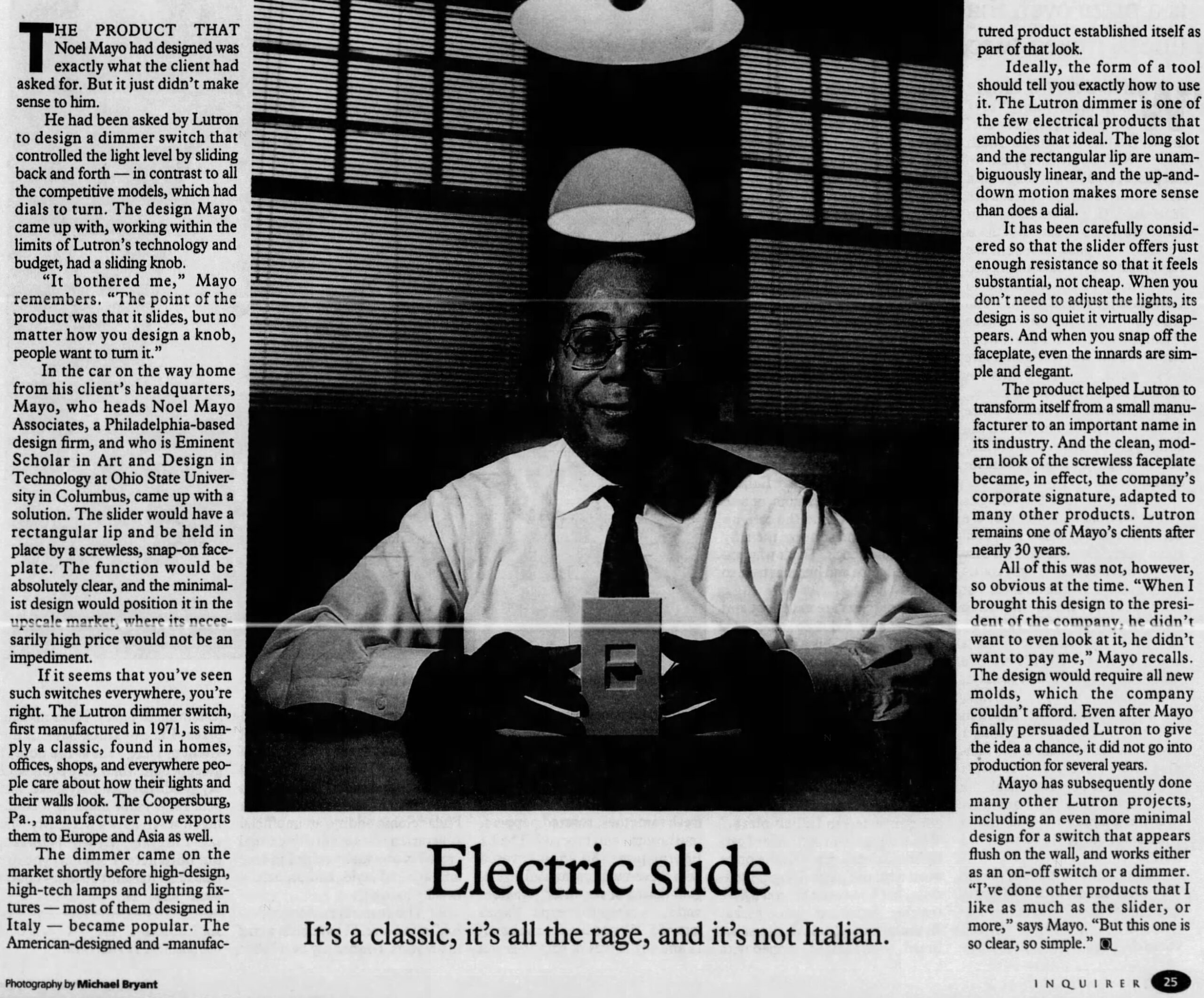
He collaborated with Lutron Electronics for 45 years and is named on hundreds of its design and utility patents. In 1984, he remodeled the mayor’s City Hall office after Wilson Goode replaced Bill Green. In 1988, he advised officials at the old Spectrum on the placement of a Julius Erving statue in South Philadelphia.
He designed computer-driven telephones in the 1980s that could dial 96 phone numbers automatically and leave messages. “I realize how pressured this is,” he told the Daily News for a 1984 story about design and technology’s effect on modern life. “But people want it.”
Professor Mayo was featured in a 1977 story by Inquirer design critic Ellen Kaye, and she praised the “visual fluidity” he created in a refurbished Bala Cynwyd high-rise condo. She wrote about his work again in 1978, and he said design “revolves around problem-solving from a logical point of view.”
In a 1995 story, Inquirer design critic Thomas Hine noted his commercial success with early light-dimmer switches and said it “helped Lutron to transform itself from a small manufacturer to an important name in its industry.” In a recent video interview, Professor Mayo said: “I see the problems as kind of opportunities that other people didn’t see. … So I look for opportunities for innovation.”
Professor Mayo was featured in The Inquirer in 1995.
As chair at Philadelphia College of Art and its successor, University of the Arts, he grew the industrial design department from the school’s ninth largest to its third largest. In online tributes, former students called him “a true icon” and “a doorway into a world of possibility, dignity, and community.”
He told The Inquirer in 1978: “Something looks good when it looks rational. That is how I work myself, and that is what I try to teach my students.”
At Ohio State, Professor Mayo taught product, interior, and graphic design courses, and researched accelerated learning processes using music, color, relaxation techniques, interactive computers, and video. Former colleagues there praised “his blend of rigor, generosity, calmness, and mentorship” in a tribute.
Professor Mayo worked hard to recruit Black and other minority designers and students to his company and college courses. He created mentoring programs and developed an extensive network of minority business contacts.
He was one-time president of the Philadelphia Economic Council and the Greater Philadelphia Community Development Corp. He wrote articles for many publications and served on boards at University of the Arts, the Society for Environmental Graphic Design, and other groups.
He was a fellow of the Interior Design Council of Philadelphia, a juror for art and design competitions, and a member of the Philadelphia Art Commission. Asked to advise young designers in the recent video interview, he said: “Try to be as innovative as you can. … Ask questions. … Being open is critical.”
Noel Mayo was born Dec. 30, 1937, in Orange, N.J. He attended a boarding school in Chester County and earned a bachelor’s degree in design in 1960 at what became Philadelphia College of Art and then University of the Arts.
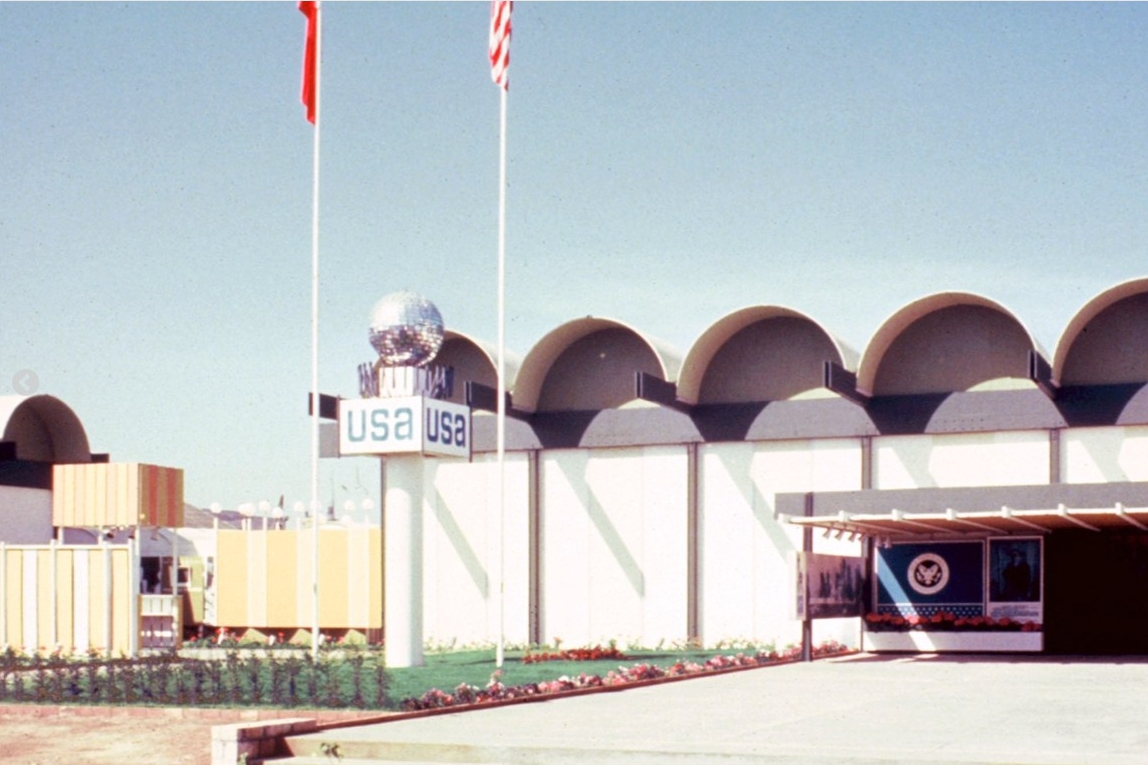
Professor Mayo designed this exterior.
He married, divorced, and later married Leslie Butler.
Professor Mayo enjoyed roller skating, was good at darts, and earned an honorary doctorate from Massachusetts College of Art and Design.
“He was easygoing with a great sense of humor,” said Virginia Gehshan, a design colleague and longtime friend. “He was really an amazing genius. He was ahead of his time.”
In addition to his wife, Professor Mayo is survived by other relatives.
A celebration of his life is to be held later.
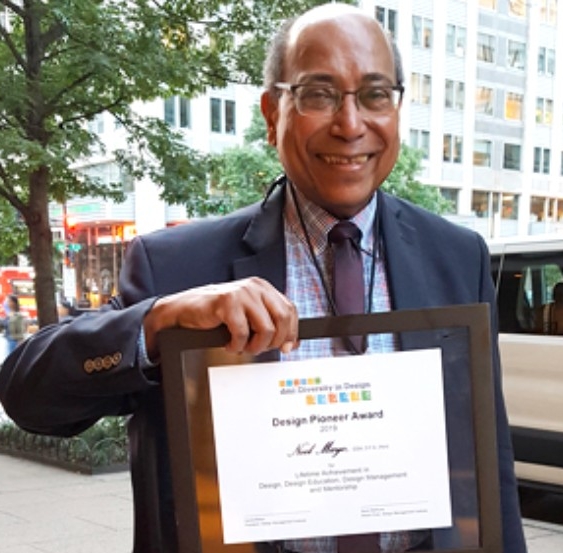
Professor Mayo received the Design Pioneer Award in 2019.
An employee of Radnor Middle School was arrested Thursday morning and charged with sexually assaulting a child in Texas, authorities say.
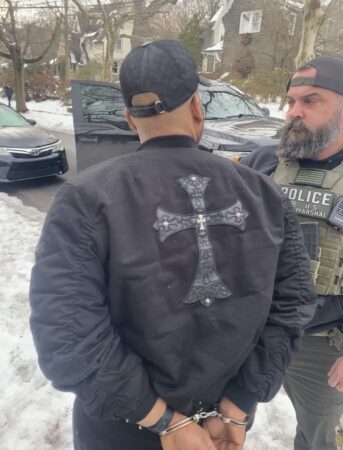
Michael Robinson, 43, was taken into custody by U.S. marshals and Radnor police a block from the Wayne middle school around 7:30 a.m., according to a spokesperson for the marshals service.
Robinson is a paraprofessional at Radnor Middle School, law enforcement officials said. He was wanted by Texas authorities in connection with the assault, which officials said occurred in 2024 after Robinson met the victim online.
A spokesperson for the Radnor Township School District said that it is cooperating with law enforcement and that it has not received information indicating that Robinson behaved inappropriately with Radnor students.
“Parents of the limited number of children to whom the employee was assigned were contacted by the administration immediately,” the spokesperson said, adding that Robinson has been placed on leave amid the investigation into his behavior.
Law enforcement officials said Robinson traveled to Tyler, Texas, to meet the victim, whom he assaulted over the course of a weekend.
He was indicted by prosecutors in Smith County, Texas, in December and charged with aggravated sexual assault of a child under 15 years old.
Robinson is being held at the George W. Hill Correctional Facility in Delaware County, awaiting extradition to Texas.
South Philly’s Mark Abadi has had a way with word games since he was old enough to pick up a Scrabble board.
By 10, he would complete large-print mini games and crossword puzzles, and started playing Scrabble against his parents.
He became what he calls a “word nerd,” obsessing over newly-learned words and trying out new strategies in hotly-contested Scrabble battles at home.
“I could never compete with my parents,” he joked. His parents always matched his competitive spirit.
Eventually, he lost interest in the game until, at 15, he found his childhood Scrabble board and began playing again. Only this time, he had spent days studying the Scrabble dictionary, which made him better equipped to out-point his parents.
“I looked through the [dictionary] pages, and was like, ‘Oh my God, that’s a word? You can play ‘A‘ā’ because it’s a kind of lava? What?’”
Mark Abadi is one of several nationally-ranked Scrabble players in the country. He recently struck gold on the CW game show based on the iconic board game.
Abadi, a copy editor at Business Insider, found immediate inspiration reading the 2001 Word Freak by Stefan Fatsis, a journalist who explored the underground Scrabble community and became an expert-level player. Soon, he’d follow Fatsis’ footsteps and become a nationally-ranked Scrabble player.
For nearly two decades, Abadi, 35, has competed in tournaments throughout the country. He’s won regional matches and scored top five finishes in world-class competitions, including the North American Scrabble Championship.
The Montgomery County native has continued to sharpen his skills by rubbing shoulders with other world-class players, many of who (like Abadi) are members of the Delco Scrabble Club.
“I casually hop on SEPTA and then I’m face-to-face with the best Scrabble players in the country. It’s kind of intimidating,” he said.
‘We’re waiting for you’
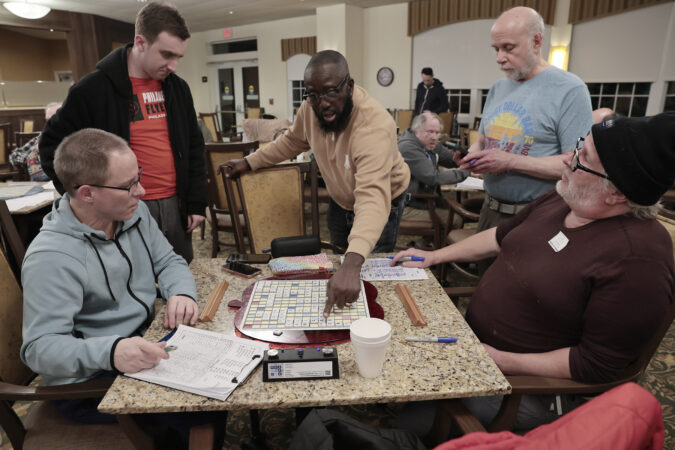
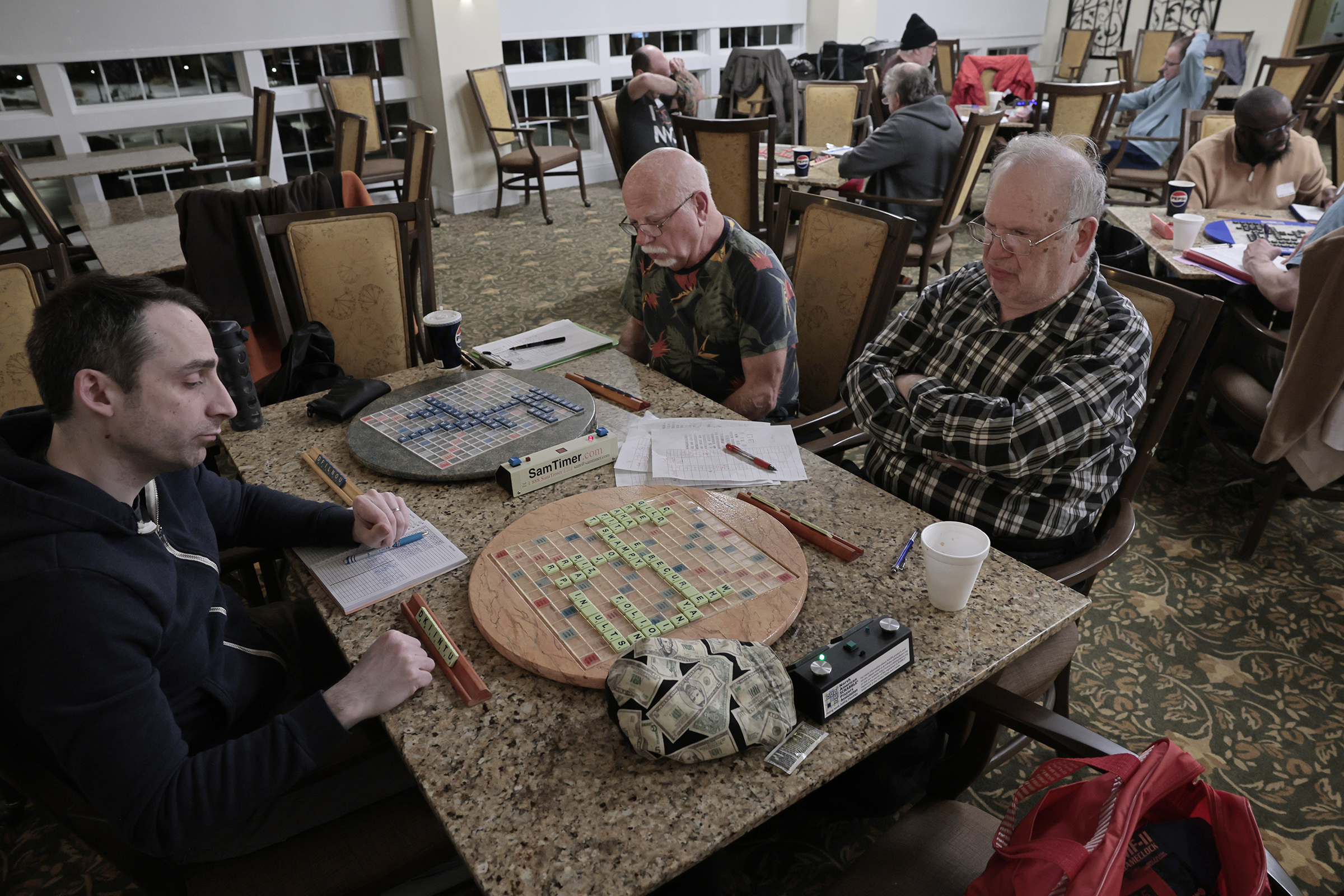
The Riddle Village dining room was pin-drop quiet on a recent evening, save for the occasional shaking of Scrabble tiles. The Delco Scrabble Club had gathered at the assisted living facility, where one of their oldest members lives, for their weekly meeting.
When The Inquirer got there, the members were halfway through their first of five 50-minute games.
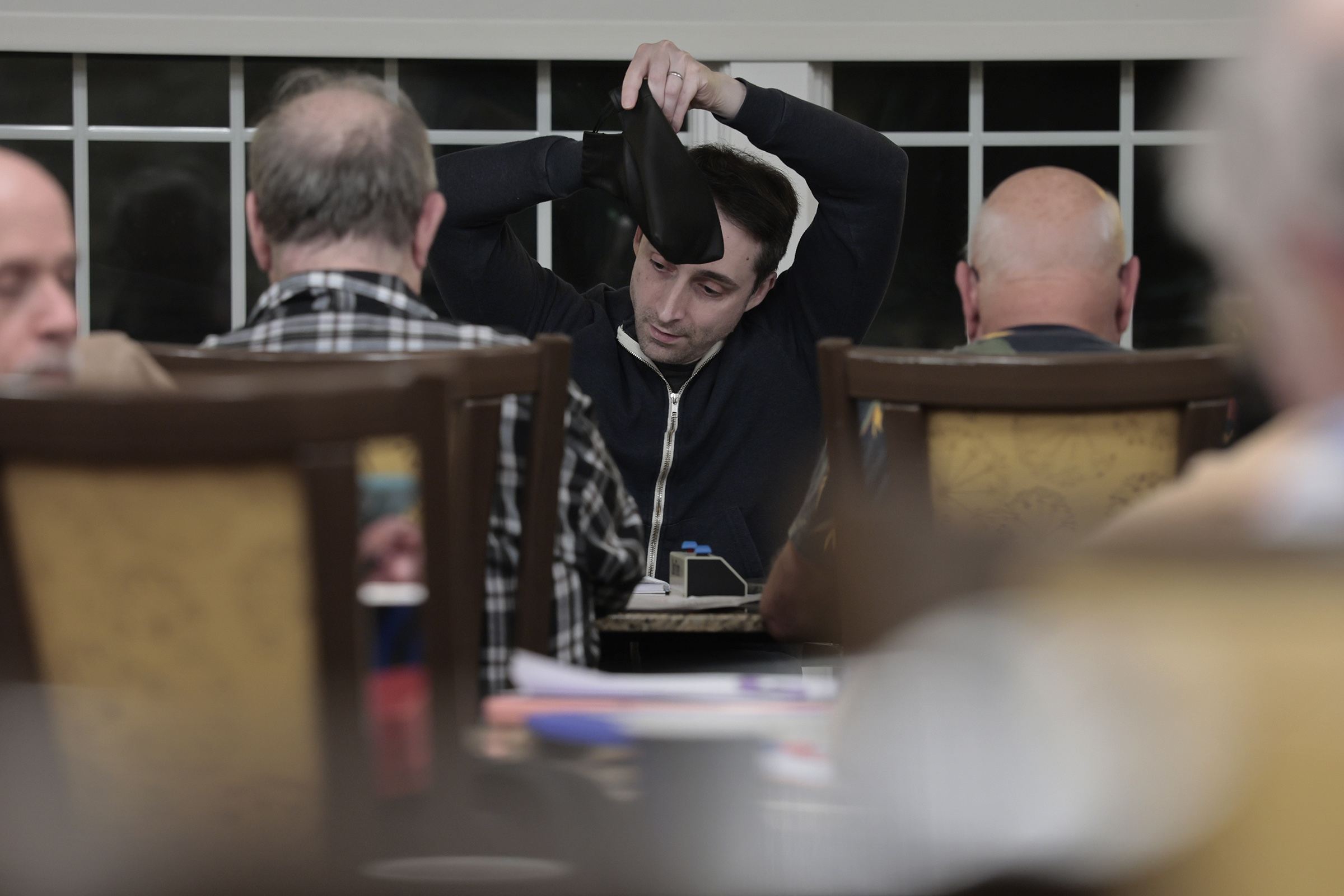
Will Anderson, a 41-year-old national Scrabble champion, reached into the black drawstring bag suspended above his head and plucked a plastic tile. “We do this as a courtesy to our opponents,” he said, glancing at the bag. “So you aren’t doing any shenanigans when you’re drawing.”
Will Anderson picks his tiles from the bag while playing Scrabble during a Scrabble group meetup at Riddle Village in Media on Thursday, Feb. 12, 2026.
Unlike Abadi, Anderson did not grow up playing Scrabble. He started as an adult, partly to break a World of Warcraft addiction. That was in 2009.
Since then, he’s won multiple tournaments and become an online Scrabble celebrity of sorts. After building an audience on Twitch, he turned to YouTube, where he currently has 70,000 subscribers and regularly posts “Scrabble History” videos detailing legendary games and players.
“It’s more growth than I ever could have imagined,” Anderson said. His online following even led to his day job as a content producer at Scopely, the mobile gaming company behind the Scrabble app.
In Riddle Village, Anderson was playing two games at once because the group had an odd number of players. “We call it good Will and evil Will,” said Samuel Moch, a top-10 player in Pennsylvania, also a club member. “And that’s appropriate because I’m playing good Will and I’m beating him.”
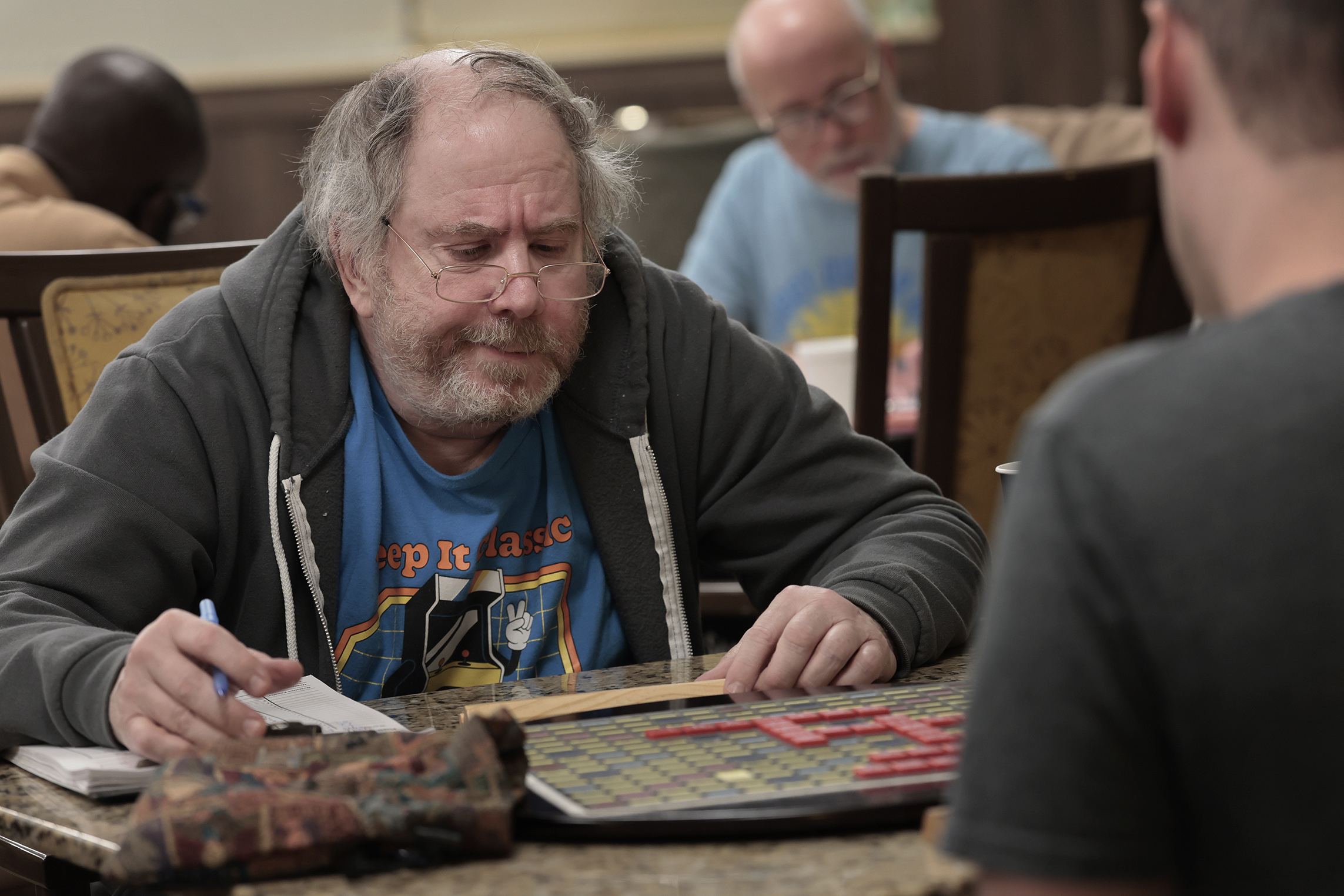
Meanwhile, “Evil Will” was facing Jeff Jacobson, a retired tuxedo salesman and another top player in the state, and winning.
Jeff Jacobson of Philadelphia (left) ponders his next move while playing Scrabble with Samuel Moch of Philadelphia (right) during a Scrabble group meetup at Riddle Village in Media on Thursday, Feb. 12, 2026.
Anderson, who lives in Aston, said part of the reason Philadelphia is home to so many strong Scrabble players may simply be its size.
“You have a higher chance of these unusual hobbies in urban areas,” he said. Or perhaps, he added, the city’s competitive sports culture spills over into word games. “There could be something to that.”
The competitive scene also benefits from the fact that Scrabble is a universally known game. Almost everyone learns it at home, as did several members of the Delco Scrabble Club.
They grew up playing with friends and relatives, got so good that nobody around them could beat them, and began looking for tougher opponents.
“If you’re that person in your family,” Anderson said, “we’re waiting for you with open arms.”
Will Anderson (left) plays Joe Petree (middle) and Marty Fialkow (right) during a Scrabble group meetup at Riddle Village in Media on Thursday, Feb. 12, 2026.
At the Delco Scrabble Club, it quickly becomes clear that Scrabble has more in common with chess than it does with word games.
“As a tournament player, you realize how deep and how beautiful the strategy of Scrabble is,” Anderson explained. “And in your pursuit of playing better and better, you leave the word game part of it behind and embrace it as a strategy game.”
Often, players don’t even know the definitions of the words they play.
Evan Chester, the fifth-best player in Pennsylvania and one of the top 50 players in the country, doesn’t know the definition of unaus, the word he had put down in the Riddle Village game. He knows it because he memorized the dictionary.
“But it’s a very useful and playable word,” said the 22-year-old.
“It’s a two-toed sloth,” said fellow club member Brendan McClanahan. Other club members, like de facto leader Ed Roth, who has been hosting the club at his house regularly for six years, nodded in agreement.
“Yup, two-toed sloth,” he said, as he laid down the word decrial.
A completed Scrabble game board during a Scrabble group meetup at Riddle Village in Media on Thursday, Feb. 12, 2026.
Delco to TV
The Delco Scrabble Club is drawing the attention of national TV audiences. Abadi and Anderson are competing on CW’s Scrabble game show, hosted by comedian and former late-night show host Craig Ferguson.
Last summer, Abadi submitted an application to audition for the game show. And after meeting with the casting director, he was invited to compete in London for the show’s $10,000 prize.
Abadi scored a win last week and will advance to future episodes of the show.
“I put my fist up and clapped and everything,” he said. “I was way more peppy than I am in real life, to be honest.”
Anderson, who applied to audition after a show producer reached out to him on YouTube, won’t appear until the tail-end of the season in August. He was equally enthusiastic during his run.
“I kicked up the hooting and hollering far beyond my norm,” he said. And while he was nervous in the lead-up to the game, “when it came to actually playing Scrabble,” he said, “the muscle memory kicked in, and it just became fun again.”
A group of Mark Abadi’s friends, family, and Scrabble club members celebrate his win on the CW game show, “Scrabble.”
Anderson and Abadi signed NDAs preventing them from discussing their performance, but both said winning wasn’t their main goal. Abadi wanted to “have fun” and represent the Philly and Scrabble communities well, which he thinks he did. Anderson just hopes his appearance on the show is entertaining for viewers.
Through the show, Abadi is hopeful more people are drawn to the iconic board game. It’s not just a “vocabulary contest,” or a “game made for grandparents,” he said, adding there’s “something for everyone to appreciate about it.”
Main Line Health had an $8.7 million operating profit in the six months that ended Dec. 31, the nonprofit health system reported to bond investors Wednesday.
Main Line’s swing from an $8.9 million loss in the same period of 2024 benefited from a change in accounting for depreciation that reduced expenses. Without that change, Main Line would have had another loss.
“We have been pleased with our continued improvement in fiscal performance year over year, which has been strong outside of the change in depreciation,” Main Line’s chief financial officer, Leigh Ehrlich, said in a statement.
Here are more details on Main Line’s results:
Revenue: Main Line reported $1.35 billion in patient revenue in the first six months of fiscal 2026, up 10.5% from $1.22 billion a year ago. Strong gains in hospital discharges, emergency department visits, and same-day surgeries contributed to the increase. Main Line’s Riddle Hospital near Media has seen a 36% increase in patients following the closure of Crozer Health’s hospitals last spring, contributing to revenue growth, Ehrlich said.
Expenses: Last year, Main Line changed how it accounts for investments in facilities and equipment, significantly reducing depreciation and amortization expenses. In the first two quarters of fiscal 2026, Main Line’s depreciation and amortization expense was $68.8 million, down from $84.5 million the year before. Excluding those expenses from both years, Main Line’s operating profit margin fell slightly, to 5.5% from 5.9%.
Notable: Main Line provides more detail than most systems on its patients’ health insurers. After just two years in Southeastern Pennsylvania, Pittsburgh insurance giant Highmark accounted for 12.5% for the business at Main Line Health. That is just 2 percentage points less than Aetna, which as been in the market for decades.
When a messy land dispute between Gov. Josh Shapiro and his backyard neighbor poured into public view via federal court filings earlier this month, it jolted his sleepy Montgomery County neighborhood.
The picturesque suburban community tucked behind Penn State Abington is usually quiet and boring, current and former neighbors said, just the way they like it. It’s a great place to raise their kids, and where Shapiro’s four children have grown up. Among the biggest points of contention is when one neighbor fails to say hello to another. Many houses in the neighborhood sit a quarter-mile away from the main road, behind winding, tree-lined driveways. Some of the homes have been purchased in recent years for upward of $1 million. In many ways, the neighbors said, it’s the perfect picture of the suburban American dream.
But this month, the neighborhood also became the battleground for dueling lawsuits between Shapiro and his neighbors, Jeremy and SimoneMock, bringing tension to atranquil community.
What’s more: Shapiro’s office alleges the lawsuit against him is a political hit job to hurt him as he runs for reelection, citing the Mock family’s communications with the top Republican in the state Senate and his frequent sparring partner, President Pro Tempore Kim Ward. The family’s attorney in the lawsuit is also a local lawyer known to represent Republican causes, and whose former clients include the political campaigns of President Donald Trump and U.S. Sen. Dave McCormick.
The Mocks, meanwhile, argue in their lawsuit — filed in the U.S. District Court for the Eastern District of Pennsylvania — that Shapiro has used his powerful position as governor to infringe on their constitutional rights and take their land.
The disputed land — a 2,900-square-foot strip between Shapiro and his neighbor’s lawn — had not been an issue between them until security updates were proposed to Shapiro’s home after a Harrisburg man firebombed the state-owned governor’s residence last April while Shapiro and his family slept inside, both the Shapiros and Mocks said in court filings. The man, Cody Balmer, later pleaded guilty to attempted murder and related crimes for the attack, and was sentenced to 25 to 50 years in prison.
Afterward, state police proposed security upgrades to Shapiro’s personal residence and the state-owned governor’s mansion in Harrisburg, suggesting the installation of an eight-foot fence along the perimeter of Shapiro’s personal property, along with tree trimming, a new security system, and other landscaping efforts expected to cost more than $1 million, Spotlight PA reported. The proposed taxpayer-funded improvements to the Montgomery County home — criticized by the Republican-controlled state Senate — came in addition to the more than $32 million in repairs and security upgrades made to the governor’s mansion in Harrisburg, which included the replacement of an existing security fence there.
(function() { var l = function() { new pym.Parent( ‘shapiroyard__graphic’, ‘https://media.inquirer.com/storage/inquirer/ai2html/shapiroyard/index.html’); }; if(typeof(pym) === ‘undefined’) { var h = document.getElementsByTagName(‘head’)[0], s = document.createElement(‘script’); s.type = ‘text/javascript’; s.src = ‘https://pym.nprapps.org/pym.v1.min.js’; s.onload = l; h.appendChild(s); } else { l(); } })();
The Shapiros allege in a countersuit that they believed the disputed piece of lawn was theirs, and that they had maintained it for 22 years. When a land surveyor hired by the state to help with the security upgrade projects found that the Shapiros did not own the disputed part of the land, the Shapiros approached the Mocks in July to purchase or lease it.
Ultimately, the talks fell apart, as the neighbors blamed one another for being unwilling to make a deal.
Any resolution is now likely to be decided in court.
The Mocks in their lawsuit — represented by Delaware County attorney Wally Zimolong, who describes himself on his website as the “‘go-to’ lawyer in Pennsylvania for conservative causes and candidates” — accused Shapiro in his official capacity as governor of an “outrageous abuse of power” by illegally occupying a part of their yard that they pay taxes on. The Shapiro family quickly filed a countersuit in the Montgomery County Court of Common Pleas, arguing they have control of the land through adverse possession, a legal mechanism through which a person can gain ownership of a property they’ve actively used for at least 21 years.
The Mocks have asked a federal judge to find that Shapiro, as governor, violated their constitutional rights; as well as prohibit state officials from trespassing on their property moving forward; and to award them damages. Private attorneys representing Shapiro have asked the Common Pleas Court to find they are the owners of the disputed part of the yard and refund attorney fees.
‘Everybody got along’
Shapiro and his wife, Lori, have lived in the same home in the neighborhood for 22 years, purchasing the four bed, three-and-a-half bath property in June 2003 for $465,000 as the young couple wanted to move back to the Philadelphia suburbs after spending several years working as staffers on Capitol Hill. Shapiro ran for state House the following year and represented the area until 2011, in what was the beginning of his decades-long political career that has helped flip Montgomery County, the state’s third-most populous county, from red to blue.
Several current and former neighbors in the Philadelphia suburb raced to defend the Shapiros as great neighbors, adding they don’t mind the additional state police presence as his star rises as a top Democrat and after the governor and his family were victims of political violence. Others said they’ve had a good relationship with the Mocks so far.
“We had nothing but pleasant experiences with Josh. I have nothing that I can say negative in any way, shape, or form,” said Eileen Simon, who used to live next door to Shapiro until 2020. Simon lived in the neighborhood for 48 years. She hasn’t spoken to the Shapiro family in a few years, but recalled that her grandchildren would often play on the Shapiro’s backyard swing set.
“We were all neighbors together, and everybody got along,” Simon added. “I’m devastated that this has happened.”
Cathy Keim, who moved out of the neighborhood seven years ago and shared a boundary line with the Shapiros for some of the nearly 40 years she lived there, also recalled a neighborhood where everyone got along. Keim said she believes the current dispute is petty, and added thatwhen Shapiro first built his swing set behind her pool fence, he mistakenly put it on her property. When the Keims alerted him to it, Shapiro quickly moved it back onto his own backyard, she said.
“That area, it looked like it should be theirs because of the pool fence,” she said. “I had to tell them, ‘that’s our property,’ and they very quickly moved it.”
Stephanie Berrong, whose backyard also abuts the Shapiro’s property, said in a text message that after the arson attack, the Shapiros asked if they could remove a tree on her property to build the security fence. Berrong and her husband agreed, and said the Shapiros were “respectful of our time and our property” throughout the tree-removal process. She did not comment on the Mocks.
“We just felt it was the right thing to do, considering someone tried to burn down the governor’s mansion with them, and their kids, inside,” Berrong added.
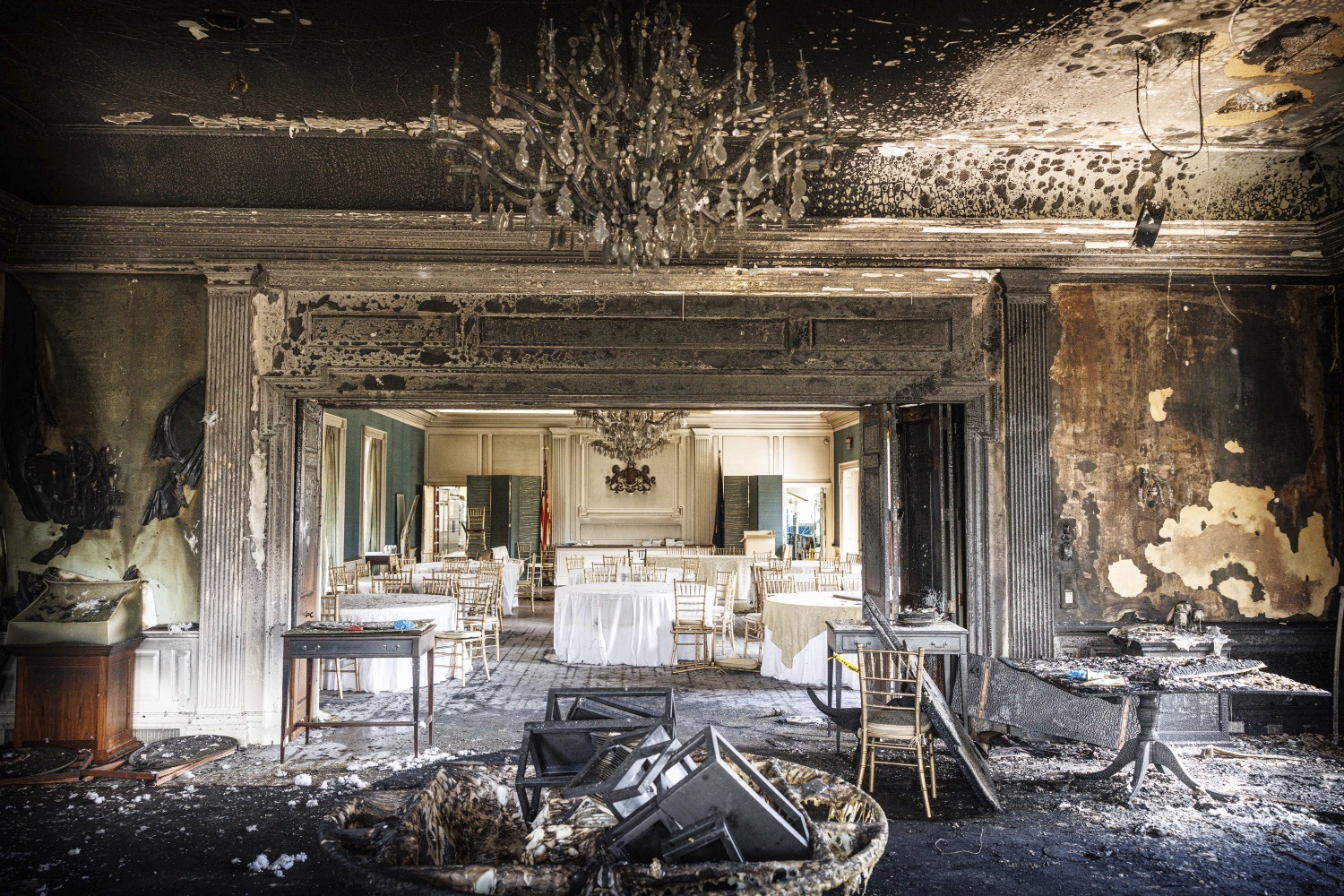
This image provided by Commonwealth Media Services shows damage after a fire at the Pennsylvania governor’s mansion while Democratic Gov. Josh Shapiro and his family slept inside on April 13, 2025, in Harrisburg.
State police never built the security fence that started the land feud, instead opting to surround Shapiro’s home with updated landscaping. That escalated the conflict with the Mocks. In their lawsuit, the Mocks allege that despite ongoing negotiations over the strip of land, the Shapiros began planting arborvitae-type trees and other plants on the Mocks’ property, flying drones over it, and threatening to remove healthy trees. The lawsuit also accuses state police of “chasing away” contractors who came to work in the Mocks’ yard.
The Shapiros, meanwhile, argue in court filings that the Mocks’ alleged harassment is causing them irreparable harm and further threatening their safety. According to a source briefed on the conflict, the Mocks at one point posted a series of signs on the land and a tree that read “Hippity hoppity, stay off my property,” and “This is my property,” among other efforts to antagonize the Shapiros.
John Ginsberg grew up in the home now owned by the Mocks during the 1970s and ‘80s, and said he never thought of their property as stretching into the land now owned by the Shapiro family.
“It just wasn’t an area that was used,” said Ginsberg, who now works as an attorney in Washington. “It wasn’t maintained, and it was brambly.”
Another man, who requested anonymity to speak freely about his neighbors, said he lived next to the Shapiros for more than 21 years, and has for decades shared the upkeep on a portion of the property highlighted in the lawsuit with Shapiro, taking turns clearing and replanting the area.
“I don’t think either of us thought twice about that little strip of land,” he said.
The Shapiros have been great neighbors, he said, and the Mocks have been “good neighbors to us,” describing them as a “nice young family.”
Political allegations
Shapiro has faced ongoing scrutiny from the state Senate for implementing the $1 million in security upgrades to his personal home, in addition to $32 million in repairs and security upgrades to the governor’s mansion following the arson attack. All of the upgrades were implemented without legislative approval due to their urgent nature.
A Senate committee in December took the unprecedented step to subpoena Shapiro over the security upgrades to his personal home, arguing that his administration had not been transparent in previous inquiries about how state taxpayer dollars were being used to upgrade security at Shapiro’s personal home.
Ward, the top official in the state Senate, has been critical of the state spending on security upgrades, saying that taxpayer dollars should not be funding security upgrades to Shapiro’s private residence.
Shapiro’s office is quick to note that Ward has been in contact with the neighbors taking the governor to court — saying that helps show the land dispute lawsuit is politically motivated.
Ward, of Westmoreland County, told ABC27 earlier this month that she had had contact with the Mock family on two occasions. A person close to Ward said that the senator is an acquaintance of the Mocks, but that the family had already obtained legal counsel by the time Ward reached out to them, and that the lawmaker did not encourage Shapiro’s neighbors to take any legal action against him.
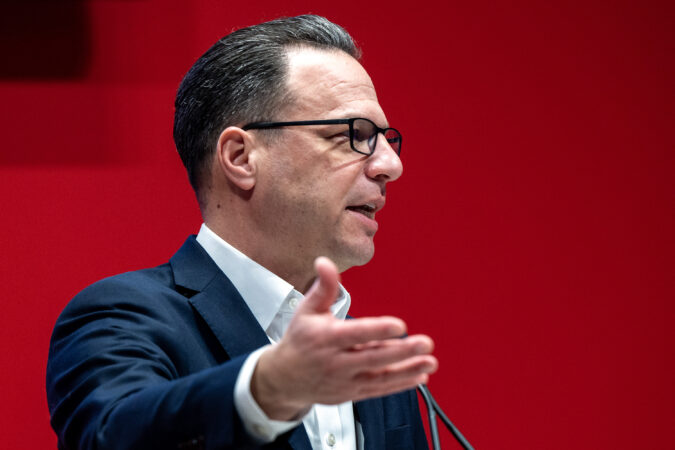
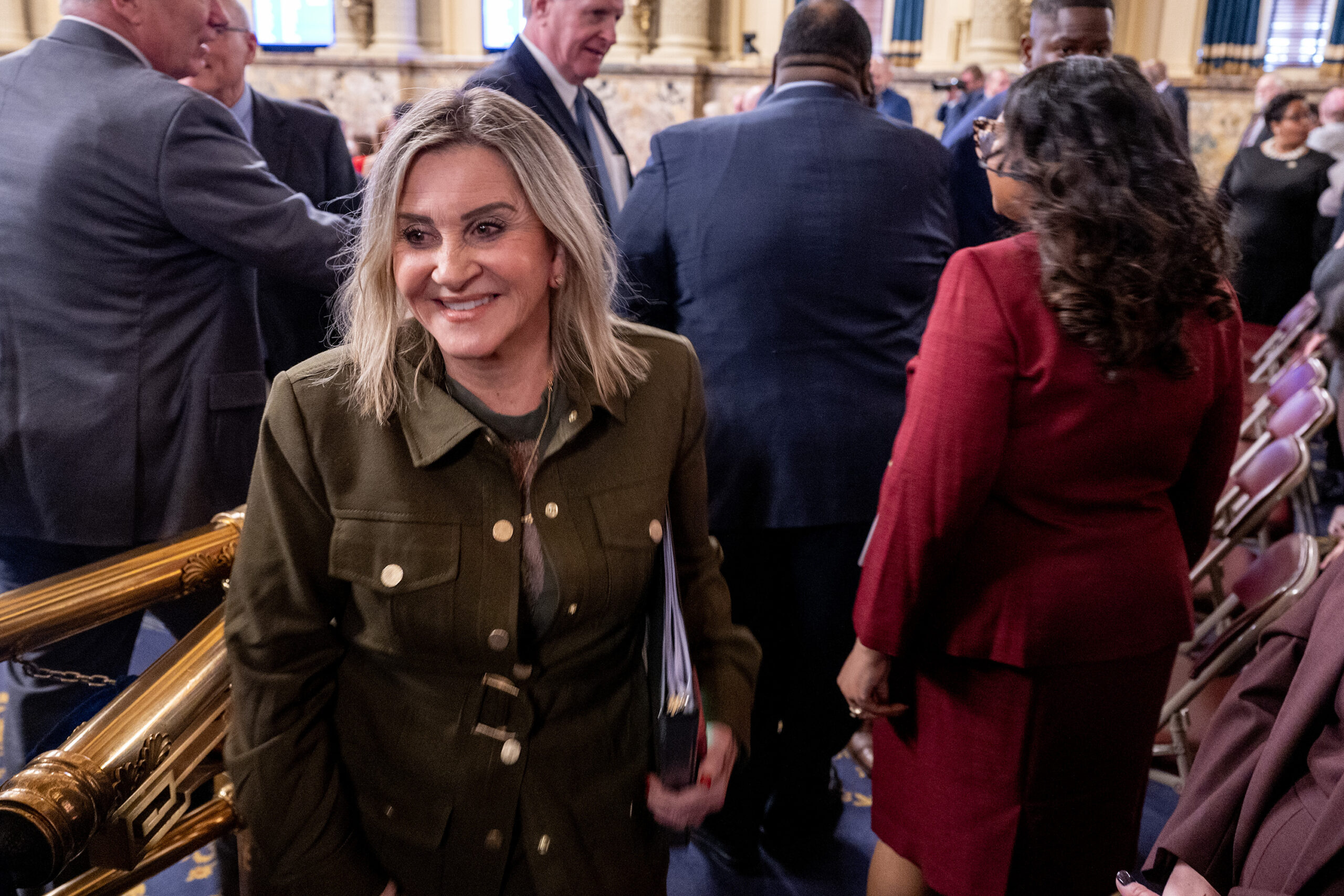
Senate President Pro Tempore Kim Ward leaves the House chamber Feb. 3 following Gov. Josh Shapiro annual budget proposal in Harrisburg.
Jeremy Mock has owned a small coffee business in Ward’s legislative district in western Pennsylvania since 2022, according to public business filings. He and his wife moved to the Abington Township neighborhood in 2017, and have had no issues with the Shapiros until the fence feud, according to both parties’ lawsuits.
“This dispute over a small piece of the Shapiros’ backyard has been turned into a shameless political stunt by their neighbors and members of the Republican State Senate, who are now harassing and exploiting the Shapiros,” said Rosie Lapowsky, a spokesperson for Shapiro, without directly naming Ward.
Zimolong, the Mocks’ attorney, said the fact that the couple was willing to work with the Shapiros to find a solution dispels any claim that their suit is politically motivated. The Mocks could have said “no” from the outset when the Shapiros approached them, he argued, but instead participated in negotiations.
“At base, this is a straightforward defense of the property rights of two innocent owners, who were living peacefully next to the Shapiros for over nine years,” Zimolong added in a statement.
“Even today, the Mocks remain open to resolving the dispute,” Zimolong said.
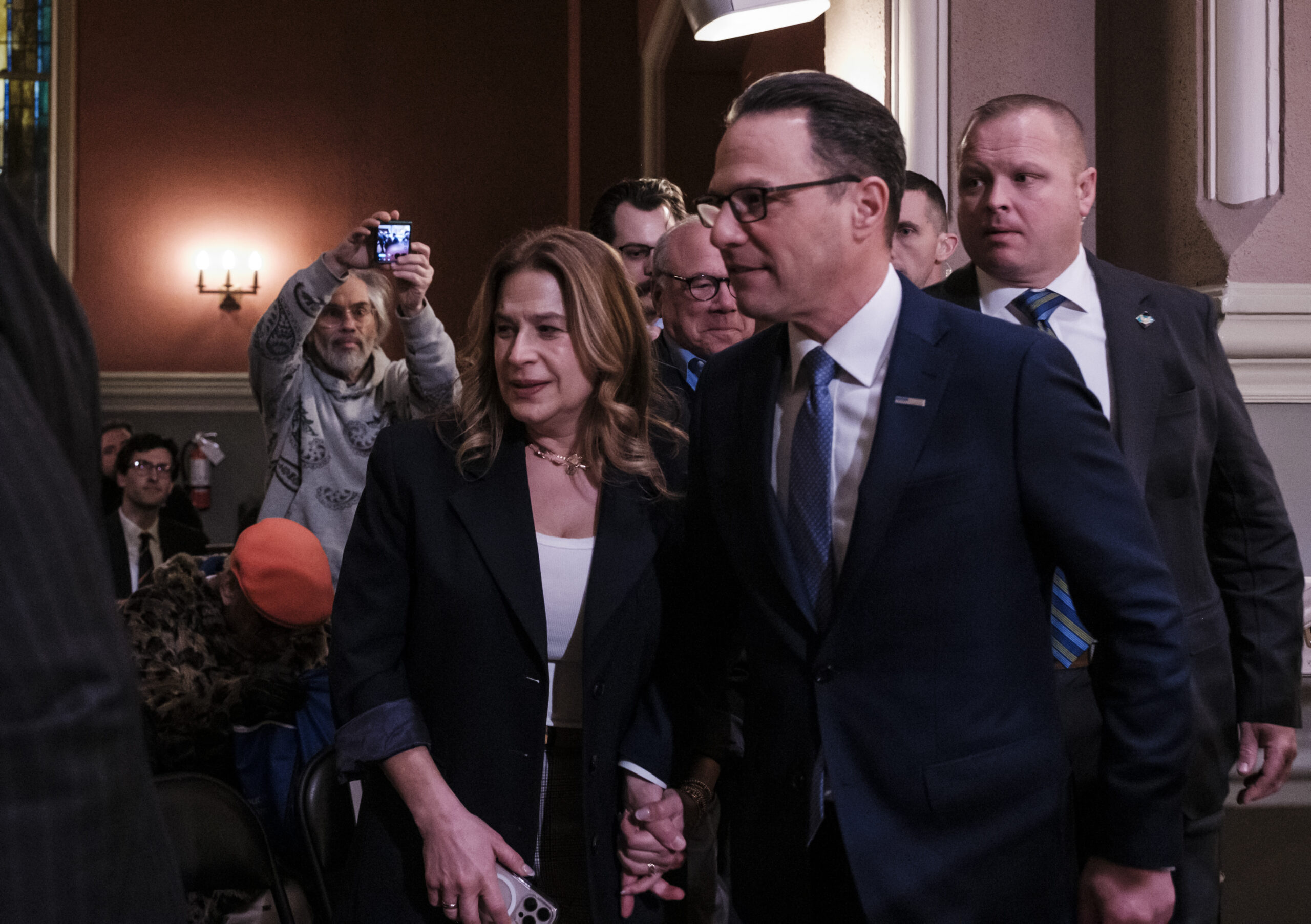
Gov. Josh Shapiro and his wife, Lori Shapiro, depart a talk for his new memoir “Where We Keep the Light” on Jan. 29 in Washington, D.C
Zimolong says he has never discussed the lawsuit with Ward or coordinated with her staff over the issue, “and I have no intention of doing so.”
He saidhe is one of few attorneys in southeastern Pennsylvania who is “not afraid to hold a powerful governor accountable” and does not have work before the state that would present an ethical conflict.
Erica Clayton Wright, a spokesperson for Ward, noted that taxpayer funds have now been used to pay for security upgrades to Shapiro’s personal residence and the property of his neighbors, and argued that it’s “not the first time Gov. Shapiro’s team has been put in the awkward position of pointing fingers to distract from Gov. Shapiro’s questionable methods of operation.”
“It is important not to lose sight of the need to ensure the governor and his family are safe while also safeguarding the processes in place to manage taxpayer funds,” Clayton Wright said.
“Absolutely no one but Gov. Shapiro himself is responsible for trying to take his neighbor’s property via squatter rights, which has resulted in federal and state lawsuits,” she said.
Staff writer Abraham Gutman contributed to this article.
School districts around the region made varying calls for how they’re handling classes Tuesday as the region continues to dig out from the massive snowstorm that dumped more than a foot of snow in many places — with some closed altogether, others fully open, and others open, but delayed.
The Philadelphia School District opted for another day of virtual instruction.
Superintendent Tony B. Watlington Sr. has said the nation’s eighth-largest school system favors in-personinstruction, but places student and staff safety as its highest priority.
In Upper Darby, Delaware County, Superintendent Dan McGarry made the call to bring students in on time.
“The district transportation team and facilities team have been working hard all day to clear snow from our facilities for in-person instruction,” McGarry wrote in a message to families and staff. “We have been in communication with the township as well, and I want to thank them for their hard work getting roads clear for school tomorrow.”
Districts including Council Rock and Pennridge, both in Bucks County, called two hour delays.
In Montgomery County, Cheltenham and Lower Merion schools both announced a two-hour delay.
“Buses are expected to arrive at bus stops two hours after their normal pickup times; however, please be patient as snow and ice on some streets may cause additional delays,” Lower Merion spokesperson Amy Buckman said in a message to families Monday evening.
Cherry Hill and Moorestown, in Camden County, will also hold classes with a two-hour delay.
Renewed debate over virtual instruction in New Jersey
And while some Pennsylvania districts pivot to virtual instruction when significant snow falls, that’s not possible in New Jersey, where state law prevents it.
A handful of New Jersey districts opted for total closures. Lenape Regional, Evesham, and Medford schools, all in Burlington County, cancelled classes altogether.
Winslow schools in Camden County will remain closed Tuesday for a second consecutive day, said interim Superintendent Mark Pease. The district was shut down for three days during the last storm.
Pease said the district would use two days from its spring in April to make up the missed days. The break will be cut to three days, he said.
“If we get another storm, we will be extending the school year,” Pease said. “Let’s hope this is it for the winter.”
The snow storm renewed calls among some New Jersey educators to the state to allow virtual and hybrid instruction to avoid closing schools due to inclement weather.
In a social media post, Camden Education Association President Pam Clark said she was asking Gov. Mikie Shirrell to revisit the virtual option for traditional public schools. She used the hashtag “not fair.”
New Jersey allowed virtual and hybrid instruction when the pandemic shut down schools.
However, state law now strictly limits remote learning, according to the state Department of Education. Districts must meet a state requirement of 180 days.
School districts may seek approval for virtual learning for school closures lasting more than three consecutive days because of a declared state of emergency or a declared public health emergency.
There has been pushback against virtual learning because of concerns about learning loss suffered during the pandemic. There also are concerns that some schools don’t have enough Chromebooks or devices for students to log on.
Timothy Purnell, executive director of the New Jersey School Boards Association, said districts should have the flexibility to pivot when circumstances warrant such as a snow day.
Districts have invested in technology and training to successfully implement virtual instruction, he said.
“Limiting virtual instruction days exclusively to public health emergencies is yesterday’s logic,“ Purnell said in a statement.