Tag: Immigration

  • ICE, housing, and ‘resign to run’: What’s on Philadelphia City Council’s 2026 agenda

    ICE, housing, and ‘resign to run’: What’s on Philadelphia City Council’s 2026 agenda

    Philadelphia City Council’s first meeting of 2026 on Thursday comes as tensions rise over President Donald Trump’s immigration crackdown and as Mayor Cherelle L. Parker continues to sidestep that conversation while focusing on advancing her signature housing initiative.

    During the first half of the year, city lawmakers are expected to have a hand both in shaping the city’s response to Trump and in advancing Parker’s Housing Opportunities Made Easy, or H.O.M.E., initiative.

    They will also tackle the city’s waste-disposal practices, a long-standing law requiring Council members to resign before campaigning for higher office, and the city budget.

    Meanwhile, events largely outside Council’s control, including potential school closings and Philly’s role in the nation’s 250th birthday, are also expected to prompt responses from lawmakers.

    Here’s what you need to know about Council’s 2026 agenda.

    ‘Stop Trashing Our Air’ bill up for vote

    The first meeting of a new Council session rarely features high-profile votes, but this year could be different.

    Council on Thursday is expected to take up a bill by Councilmember Jamie Gauthier that would ban Philadelphia from incinerating its trash.

    Currently, the city government sends about a third of the trash it collects to the Reworld trash incinerator in Chester, with the rest going to landfills. Those waste-disposal contracts expire June 30, and Gauthier is hoping to take incineration off the table when new deals are reached.
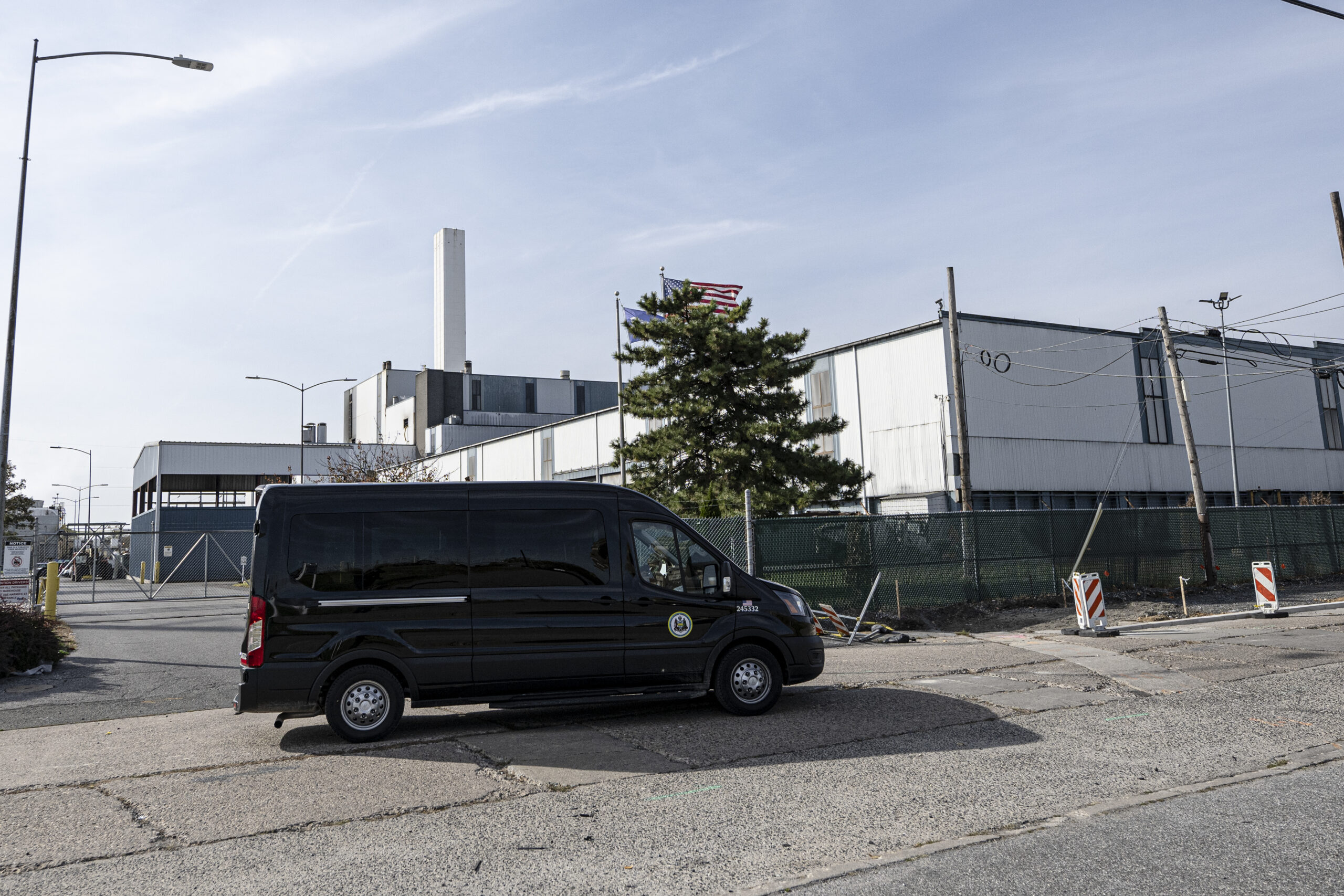
    The Reworld incinerator in Chester, Pa., on Friday, Nov. 7, 2025.

    “Burning Philadelphia’s trash is making Chester, Philadelphia, and other communities around our region sick,” Gauthier has said, pointing to elevated rates of asthma and other ailments and a legacy of “environmental racism” in Chester. The low-income and majority-Black city downriver from Philly has been home to numerous heavy industrial facilities.

    Reworld has said its waste-to-energy facility, which produces some electricity from burning trash, is a “more sustainable alternative to landfilling.”

    At a hearing last year, Parker administration officials said the city is including language in its request for proposals for the next contracts that will allow the city to consider environmental impacts. But they asked lawmakers not to vote for a blanket ban on incineration to allow the city to study the issue further.

    Parker waiting for Council to reapprove $800 million in bonds for her H.O.M.E. plan

    The biggest agenda item left hanging last month when lawmakers adjourned for the winter break was a bill to authorize the Parker administration to issue $800 million in city bonds to fund her H.O.M.E. initiative.

    Parker had hoped to sell the bonds last fall, and Council in June initially authorized the administration to take out new debt. But lawmakers made significant changes to the initiative’s first-year budget, especially by lowering income thresholds for some programs funded by the H.O.M.E. bonds to prioritize the lowest-income residents.
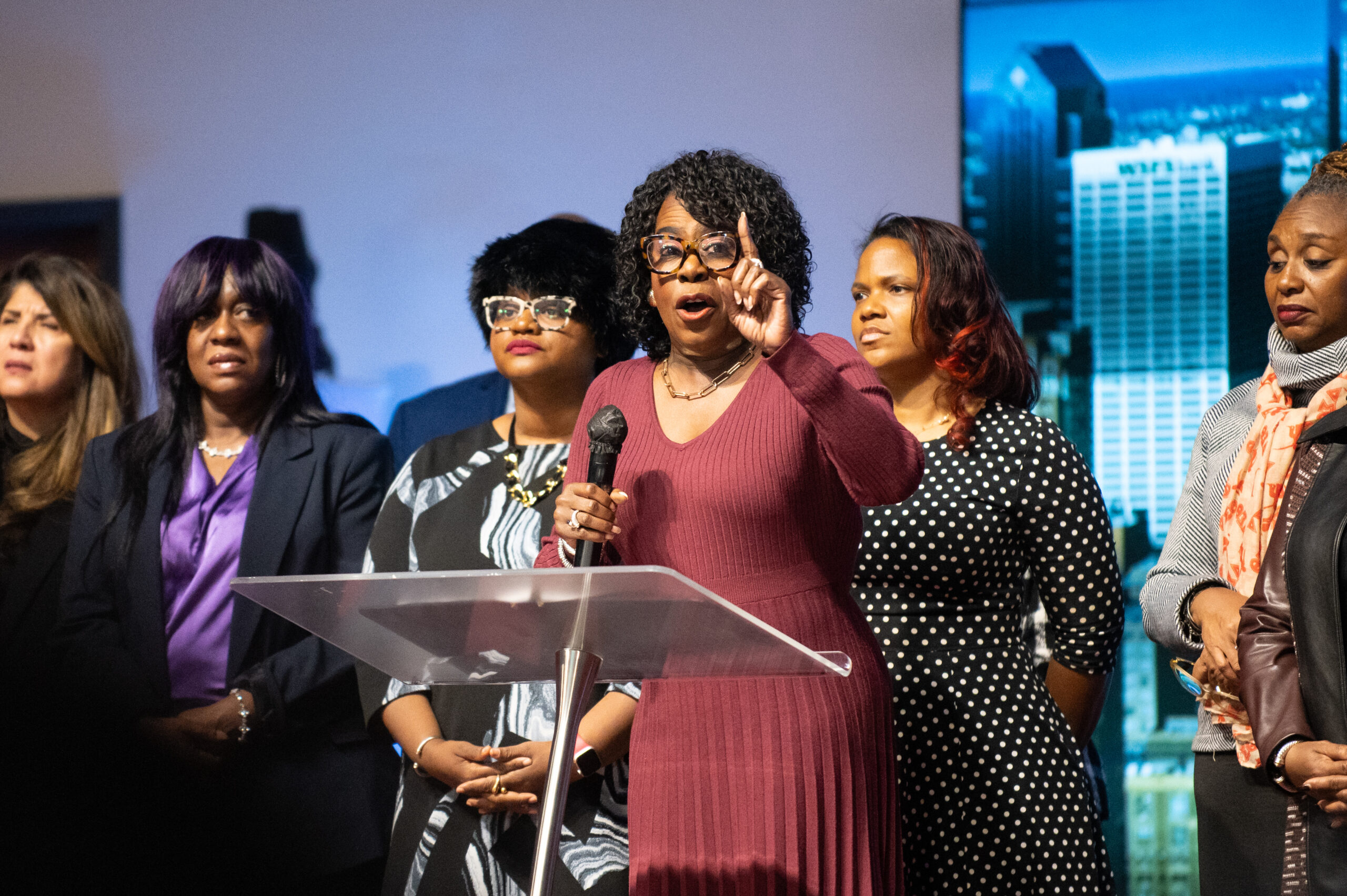
    Mayor Cherelle L. Parker speaks to the crowd at The Church of Christian Compassion in the Cobbs Creek neighborhood of West Philadelphia on Sunday, Dec. 7, 2025. Parker visited 10 churches in Philadelphia on Sunday to share details about her H.O.M.E. housing plan.

    That move, which Parker opposed and which sparked Council’s most significant clash with her administration to date, required a redo of the bond authorization. Lawmakers ran out of time to approve a new version of the measure in December, but Council President Kenyatta Johnson said it could come up for a final vote Thursday.

    “Council members have always been supportive of the H.O.M.E. initiative,” Johnson said. “H.O.M.E. advances City Council’s goals to expand access to affordable homeownership for Philadelphians … and to ensure that city housing investments deliver long-term benefits for families and neighborhoods alike.”

    Council aims to limit ‘resign to run’ … again

    Council is also expected to vote this spring on legislation that would change Philadelphia’s 74-year-old “resign to run” law and allow city officeholders to keep their jobs while campaigning for other offices.

    Currently, Council members and other city employees are required to quit their jobs to run for higher office. Lawmakers have tried several times over the last 20 years to repeal the law, but they have been unsuccessful. Changing the rule requires amending the city’s Home Rule Charter, which a majority of voters would have to approve through a ballot question.
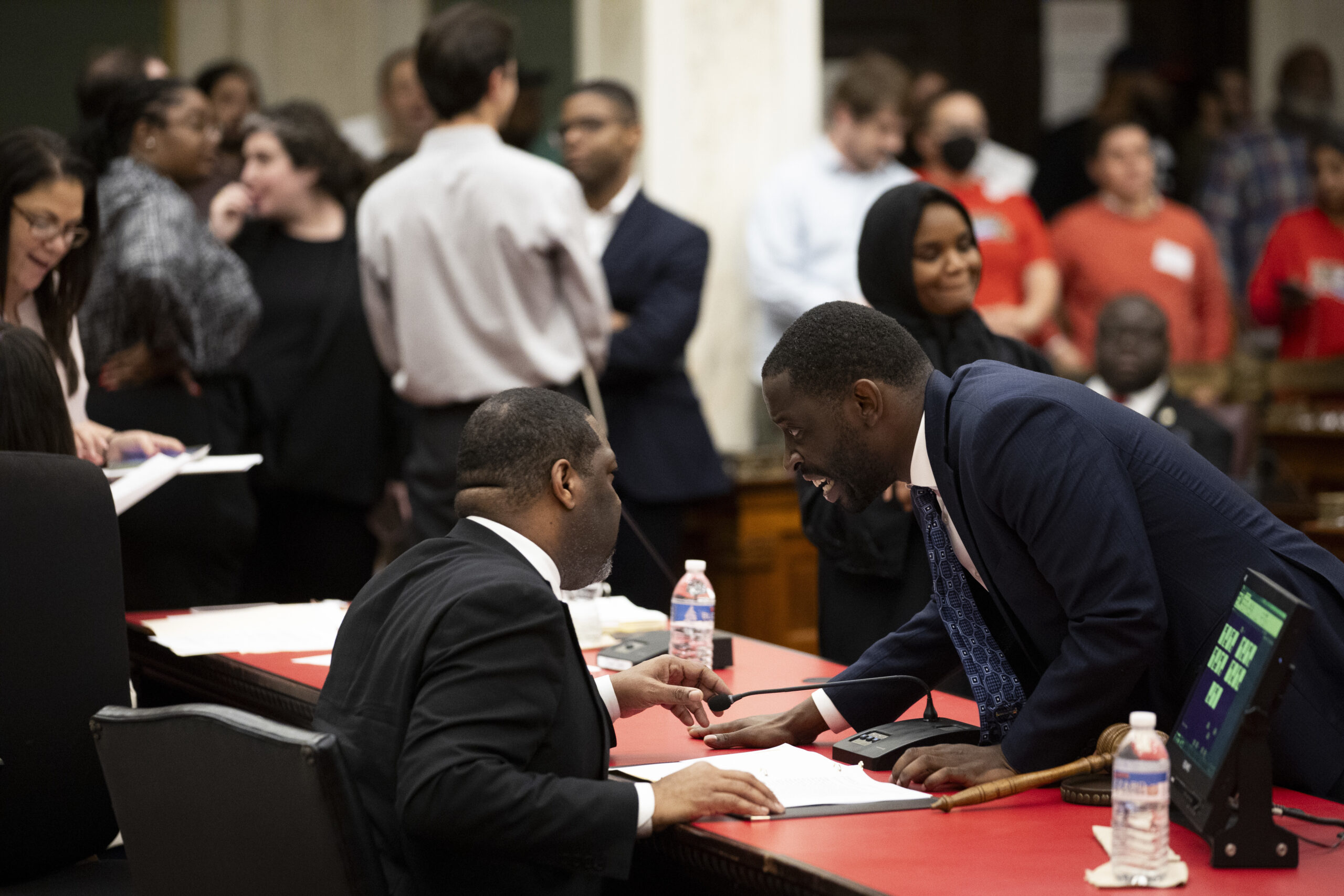
    Council President Kenyatta Johnson talks with Councilmember Isaiah Thomas at City Hall on Wednesday, Dec. 11, 2024 in Philadelphia.

    The latest attempt, spearheaded by Councilmember Isaiah Thomas, would not entirely repeal the resign-to-run law, but instead would narrow it to allow elected officials to keep their seats only if they are seeking state or federal office, such as in Congress or the state General Assembly. Council members who want to run for mayor would still have to resign.

    Thomas, a Democrat who represents the city at-large and is rumored to have ambitions of running for higher office, plans to make minor amendments to the legislation this spring, a spokesperson said, before calling it up for a final vote. The goal, Thomas has said, is to pass the legislation in time for a question to appear on the May primary election ballot.

    Incoming clash over immigration?

    Parker has spent the last year avoiding direct confrontation with the Trump administration, a strategy that supporters say has helped keep Philadelphia out of the president’s crosshairs.

    The mayor, however, cannot control what other local elected officials say about national politics, and Trump’s immigration crackdown appears to be stirring stronger local reaction heading into his second year in office.

    After an Immigration and Customs Enforcement agent fatally shot Renee Good in Minneapolis this month, Sheriff Rochelle Bilal went viral for saying federal agents “will not be able to hide” in Philly. (Bilal, however, does not control the Philadelphia Police Department, which is under Parker’s purview.)

    Meanwhile, progressive Councilmembers Rue Landau and Kendra Brooks this year are expected to introduce legislation aimed at constricting ICE operations in Philadelphia.
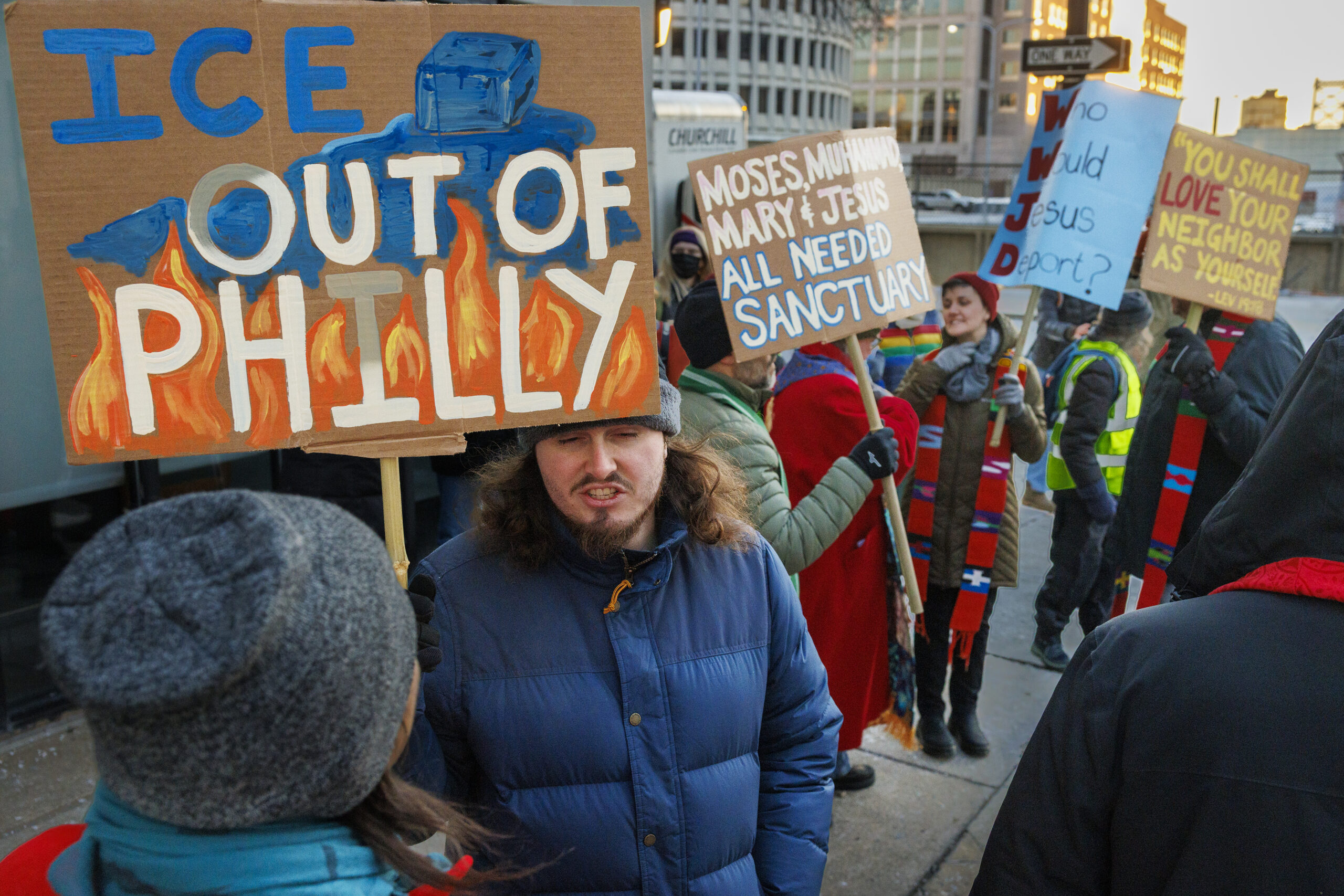
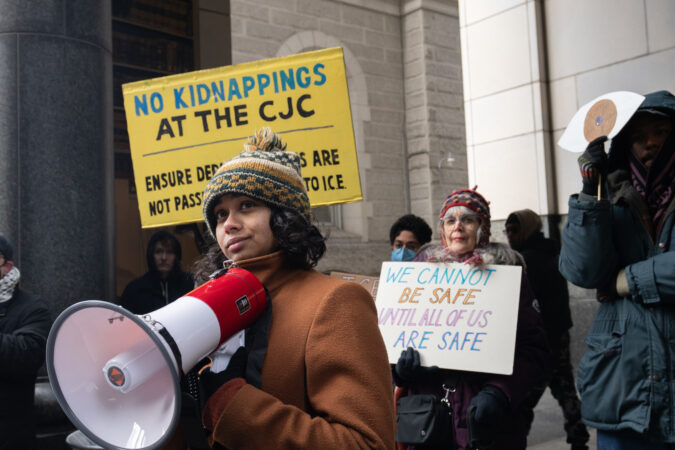
    Demonstrators from No ICE Philly gathered to protests outside the U.S. Immigration and Customs Enforcement, office at 8th and Cherry Street, Philadelphia, Tuesday, Jan. 20, 2026.

    It is not yet clear what the lawmakers will propose. But Brooks, who has called on Parker to take a firmer stand against Trump, recently criticized the Philadelphia courts for allowing agents to seize suspects leaving the Criminal Justice Center. She said officials who in her view have failed to stand up to ICE are engaged in “complicity disguised as strategic silence,” and she vowed to force those who “cooperate with ICE in any way” to testify in Council.

    “Cities across the country are stepping up and looking at every available option they have to get ICE out,” Brooks said at a news conference earlier this month. “In the coming days, you will hear about what my office is doing about city policy. These demands must be met or face the consequences in Council.”

    Landau added Philly cannot allow “some masked, unnamed hooligans from out of town [to] come in here and attack Philadelphians.”

    “We are saying, ‘ICE out of Philadelphia,’” she said.

    Parker has said her administration has made no changes to the city’s immigrant-friendly policies, but she continues to be tight-lipped about the issue.

    The Pennsylvania Office of Open Records last week ruled in favor of an Inquirer appeal seeking to force Parker’s administration to disclose a September letter it sent the U.S. Department of Justice regarding local policies related to immigration.

    The administration still has not released the document. It has three more weeks to respond or appeal the decision in court.

    South Philly arena proposal still in the works

    After the 76ers abandoned their plan to build a new arena in Center City a year ago, the team announced it would partner with Comcast Spectacor, which owns the Flyers, to build a new home for both teams in the South Philadelphia stadium complex.

    The teams announced last fall they have selected an architect for the new arena, which is scheduled to replace the Spectacor-owned Xfinity Mobile Arena, formerly the Wells Fargo Center, in 2031.

    If the teams are still planning to open the new arena on their previously announced timeline, legislation to green-light the project could surface as soon as this spring. But so far, there has been no sign of movement on that front.

    “There is currently no timeline for introducing legislation to build a new Sixers arena in South Philadelphia,” said Johnson, whose 2nd District includes the stadium complex. “At the appropriate time, my legislative team and I will actively collaborate with Mayor Cherelle L. Parker’s administration on drafting any legislation related to the Sixers arena before it is introduced in City Council.”

    School closings and 2026 celebrations also on the horizon

    In addition to its legislative agenda, Council this year will likely be drawn into discussions over school closings and the high-profile gatherings expected to bring international attention to Philly this summer.

    The Philadelphia School District is soon expected to release its much-anticipated facilities plan, including which school buildings are proposed for closure, consolidation, or disposition. The always-controversial process is sure to generate buzz in Council.

    “We will do our due diligence on the District’s Facilities Plan,” Johnson said in a statement.

    Additionally, the city is preparing for the nation’s Semiquincentennial, FIFA World Cup games, and the MLB All-Star Game. While the administration is largely responsible for managing those events, some Council members have said ensuring the city is prepared for them is a major priority.

    Johnson said his agenda includes “making sure Philadelphia has a very successful celebration of America’s 250th Birthday that results in short and long-term benefits for Philadelphia.”

    Staff writers Jake Blumgart, Jeff Gammage, and Kristen A. Graham contributed to this article.

  • Disabled Delaware immigrant ordered back to Ecuador at climactic hearing on Tuesday

    Disabled Delaware immigrant ordered back to Ecuador at climactic hearing on Tuesday

    A disabled Ecuadorian immigrant who was arrested and detained by ICE after he flagged down an officer in September was ordered back to his homeland on Tuesday.

    Victor Acurio Suarez, who is 52 but childlike and unable to live on his own, was issued an order of voluntary departure by Immigration Judge Dennis Ryan.

    That is not the same as an order of deportation, but for migrants in detention it has the same practical effect. If Acurio Suarez were to refuse to leave voluntarily, the order would convert to a deportation order, which carries consequences including fines and a bar on reentry.

    “It’s not good news,” his attorney, Kaley Miller-Schaeffer, said shortly after the video hearing concluded.

    She plans to quickly appeal to the Board of Immigration Appeals, which can review decisions by immigration judges. It is uncertain if an appeal would be successful.

    The judge denied her client’s request for asylum, which can be granted to migrants who could face persecution in their home countries because of their race, religion, nationality, politics, or membership in a particular social group. Acurio Suarez was beaten by gangs who preyed upon his disabilities, his attorney said.

    Miller-Schaeffer said she was not able to speak with her client after the ruling. His brother, Lenin Acurio Suarez, was still processing the decision, she said.

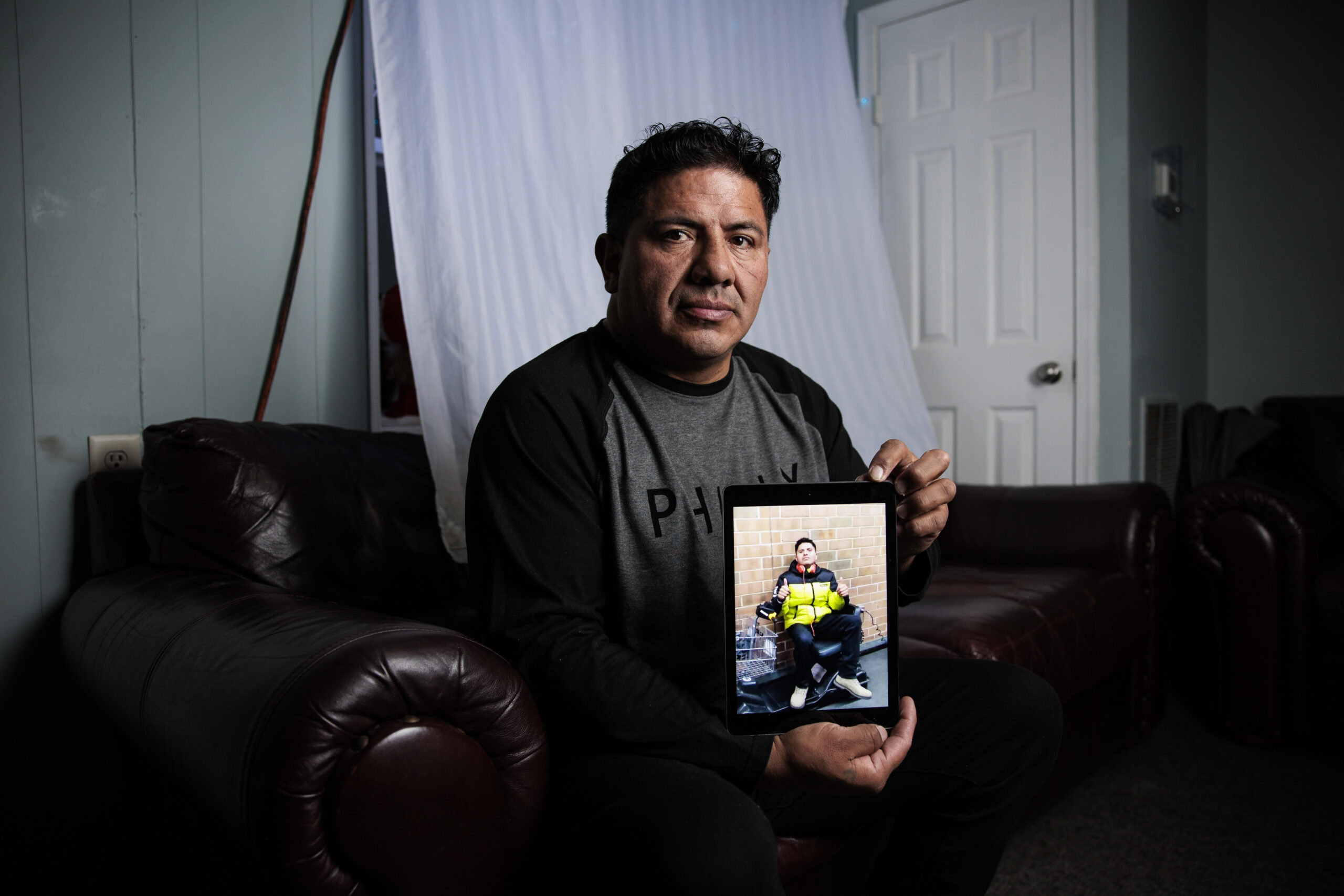
    Lenin Acurio Suarez holds a photograph of his brother, Victor, at his home on Wednesday, Dec. 10, 2025 in Seaford. Victor was arrested by ICE in Seaford, De.

    Victor Acurio Suarez’s case drew support from Delaware Gov. Matt Meyer, who wrote to the judge that it would be “cruel” and “egregious” to deliver the Seaford resident to gang violence. Meyer also advocated for Acurio Suarez in social media posts, calling his arrest and detention “deeply disturbing” and arguing that with no criminal history, not even a traffic violation, Acurio Suarez “poses no threat to public safety.”

    The governor’s office did not immediately reply to a request for comment on Tuesday.

    Acurio Suarez has long been cared for by his brother, Lenin Acurio Suarez, who said in an interview last month that Victor Acurio Suarez did not realize he was in immigration custody when he was taken to the Moshannon Valley Processing Center in Pennsylvania. He thought he was on vacation, provided with three free meals a day and allowed to buy snacks and kick a soccer ball.

    He was arrested on Sept. 22 in a Lowe’s parking lot near the brothers’ home in Seaford when he tried to flag down a U.S. Immigration and Customs Enforcement agent, apparently thinking the officer could help him find work.

    In the past, someone with Acurio Suarez’s profile might have been allowed to live at home as the case moved forward in immigration court. That has changed as President Donald Trump has pressed his mass-deportation agenda, and mandatory detention policies have swelled the number of people in custody.

    His case, Miller-Schaeffer said earlier, is a prime example of how Trump administration policy shifts have encouraged ICE to detain even the most vulnerable and to treat potential discretionary relief as irrelevant in a bid to boost deportations. Her Sept. 30 request to have Acurio Suarez released to the care of his brother while his immigration case went forward was denied.

    A medical assessment submitted for his asylum application said Acurio Suarez has autism and aphasia, a language disorder that affects his ability to produce or understand speech.

    David W. Baron, the doctor who did the assessment, said Acurio Suarez cannot safely live on his own. He requires supervision to perform daily hygiene activities or cook and has a hard time communicating his needs to others, a condition made worse by being in an unfamiliar setting while in detention, where he does not have access to the support needed for his neurocognitive disabilities.

    At an earlier court hearing, Miller-Schaeffer said, she watched as Acurio Suarez struggled to answer basic questions. He told the judge he didn’t know if he had an attorney or know what an attorney does.

    His ability to testify was so limited, she said, that the judge allowed his brother to take the stand to explain his sibling’s experience and situation.

    Acurio Suarez can recall big events in his life, she said. He remembers being beaten by gangs, but he couldn’t tell you exactly when that occurred.

    He worked at odd jobs in Ecuador before coming to this country.

    Records show that on Aug. 2, 2021, the brothers were stopped by the U.S. Border Patrol as they tried to enter the United States near Eagle Pass, Texas.

    Lenin Acurio Suarez was issued a notice to appear in court and released, and his immigration case was later dismissed.

    Victor Acurio Suarez was ordered deported and subsequently returned to Ecuador on Sept. 24. Three days later, for reasons that are unclear, the deportation order was found to have been issued incorrectly, and Acurio Suarez was brought back by authorities to the U.S.

    In October 2021, he was granted temporary permission to stay in the country. He had filed his asylum case by the time that permission expired a year later.

    Last year, according to an ICE report, on Sept. 22 an ICE team was conducting operations in Seaford, a southern Delaware city of 9,000 where 13% of the population is foreign-born.

    The ICE officer wrote that he was looking for a place to park in the Lowe’s lot when a man in paint-stained clothing, Acurio Suarez, approached him. Acurio Suarez waved his hand, signaling the officer to come to him, according to the ICE report.

    The officer kept going, then stopped his car and watched Acurio Suarez from another lot. Acurio Suarez tried to hail other cars, and could be seen talking to people who were loading lumber onto a trailer in the parking lot, he said.

    It looked as if Acurio Suarez was trying to find daily work, which is why he tried to get the ICE officer to stop his vehicle, the report said.

    It is common for undocumented immigrants seeking a day’s pay to wait in the parking lots of big home-improvement stores like Lowe’s and Home Depot, hoping to connect with building contractors who need laborers.

    Lenin Acurio Suarez said his brother cannot hold a full-time job, and is able only to handle small tasks, provided someone is beside him giving directions.

    A second ICE officer arrived, and both parked their cars near where Acurio Suarez had left his lunch box. Acurio Suarez walked back toward the officers, and one of the agents approached and questioned him.

    Acurio Suarez told the agents he had no identification or immigration documents and was placed in handcuffs.

  • Philly demonstrators block ICE garage at agency’s Center City headquarters

    Philly demonstrators block ICE garage at agency’s Center City headquarters

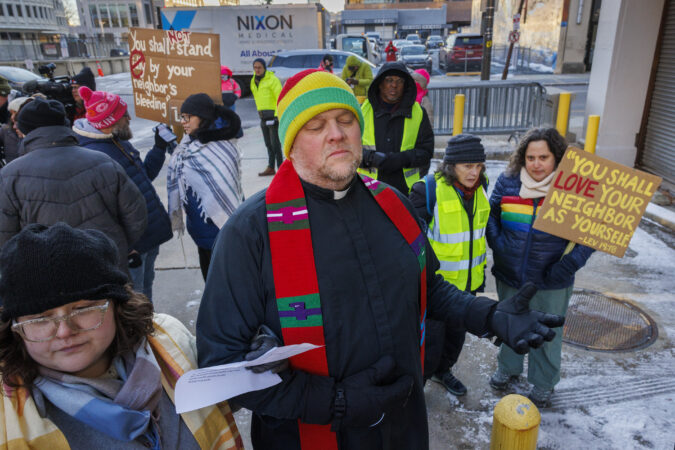
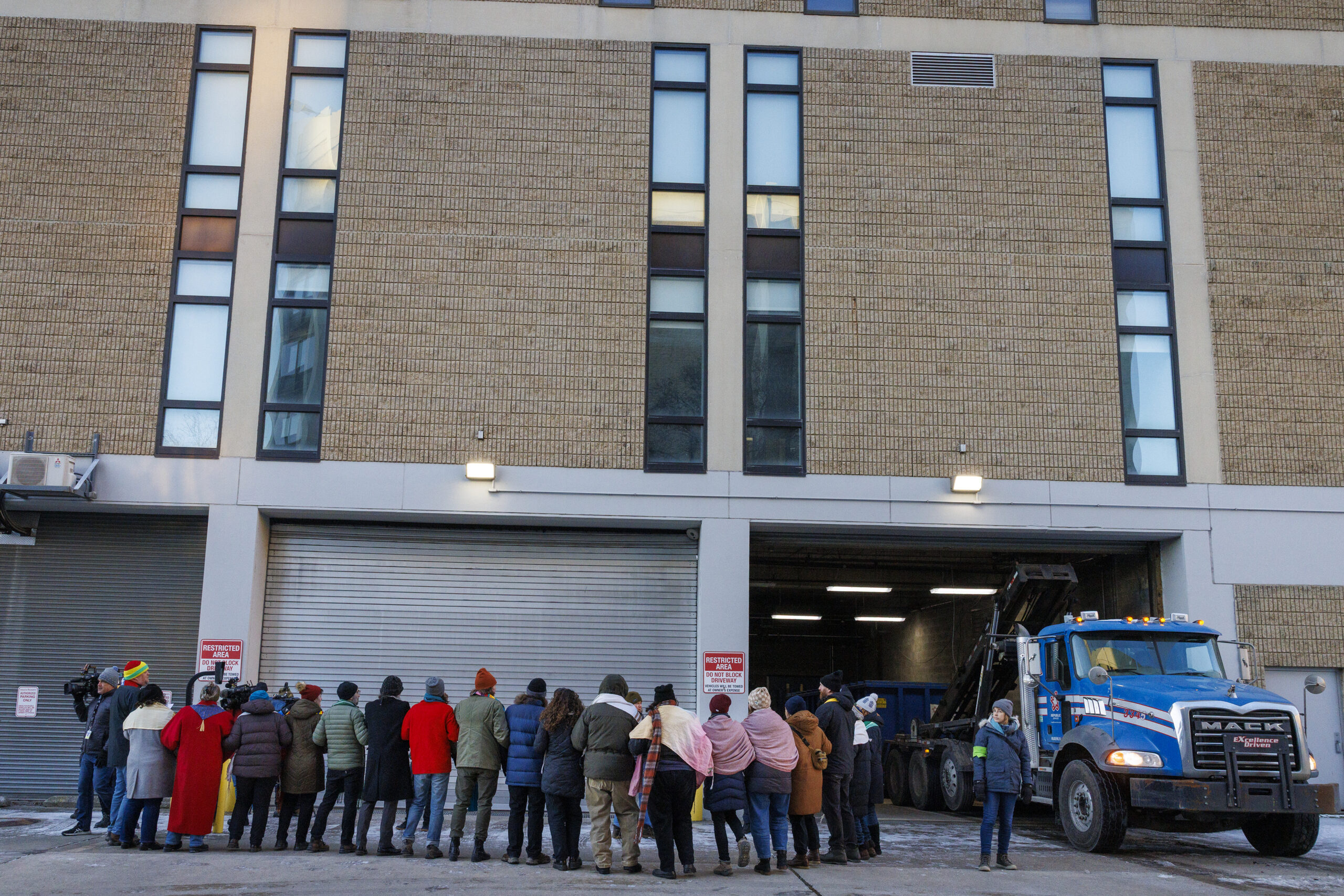
    About 30 demonstrators blocked the garage doors at the Philadelphia ICE office Tuesday morning, saying they intended to stop agency vehicles from going to “terrorize” local residents.

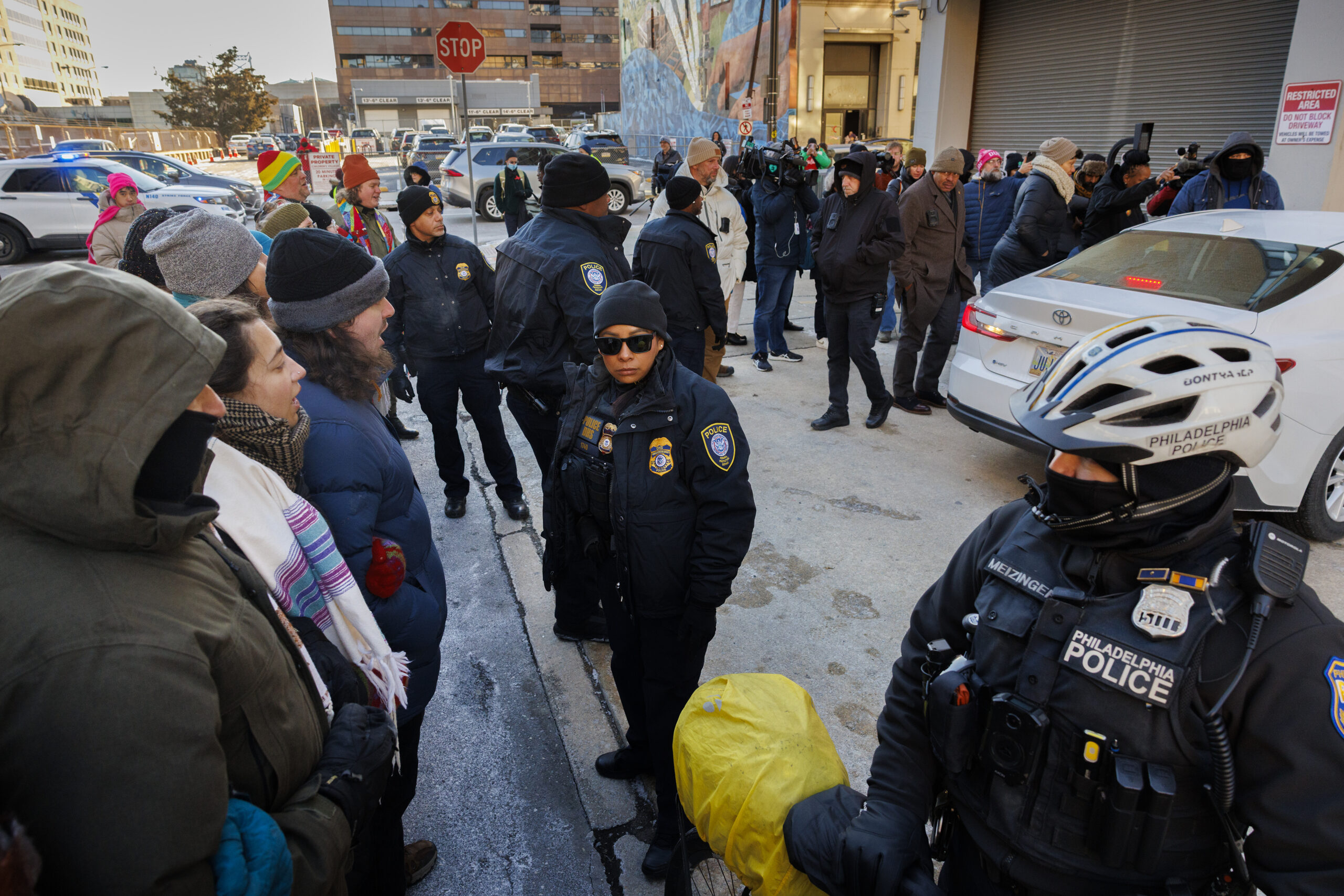
    Only one car attempted to leave, and Philadelphia police moved demonstrators aside so it could depart.

    No one was arrested.

    Organizers with No ICE Philly had pledged to block the garage until they were forcibly removed or arrested, but halted the protest after about two hours. They said that they had accomplished their goal, and that the bitterly cold weather was too harsh on demonstrators who are older or who have medical conditions.

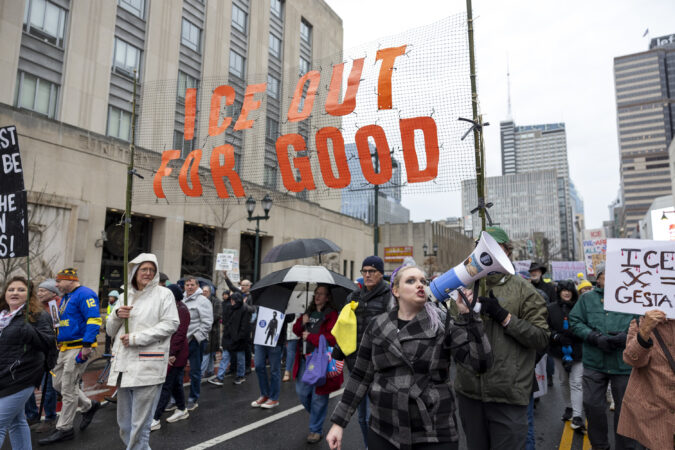
    Demonstrators with No ICE Philly block the garage at U.S. Immigration and Customs Enforcement at 8th and Cherry Street, Philadelphia, Tuesday, Jan. 20, 2026.

    The temperature was about 15 degrees when the protest began shortly before 8 a.m.

    “All of us here have proven in our song and our prayer that we can slow down the machine of authoritarianism, of fascism, that we can delay the operations that will detain and kidnap and destroy our neighbors, our families, our community,” said the Rev. Jay Bergen, a leader of No ICE Philly and pastor of the Germantown Mennonite Church.

    The protest was the latest in a string of anti-ICE demonstrations and vigils in the Philadelphia region; another was planned in Norristown on Tuesday evening. In October, a No ICE Philly protest outside the agency headquarters erupted into physical confrontations with police, with several people knocked to the ground and four arrested.

    Immigration and Customs Enforcement officials did not reply to a request for comment Tuesday.

    The clergy-led protest was boosted by City Councilmember Nicolas O’Rourke, who is a pastor of the Living Water United Church of Christ in Oxford Circle.

    O’Rourke said that it was natural for him to join fellow clergy, that Tuesday’s action was part of a long tradition of faith leaders being at the forefront of the “struggle against oppression,” as led by the Rev. Dr. Martin Luther King Jr. and others.

    Philadelphia Police and Department of Homeland Security officers block demonstrators from No ICE Philly as they attempt to block vehicles from leaving the garage at U.S. Immigration and Customs Enforcement at 8th and Cherry Street, Philadelphia, Tuesday, Jan. 20, 2026.

    “We are a day after King’s day, and it’s important that we don’t just wax eloquent about the nice things that King said or the image that he’s been painted of now,” he said, “but we continue in that tradition of resisting the oppression as he saw it, we’re doing in our own time.”

    The group locked arms and sang, offering prayers and songs of peace and affirmation.

    The Rev. Hannah Capaldi, minister at the Unitarian Society of Germantown, noted that all around her were clergy of different faiths wearing collars, tallits, and stoles.

    “We’re saying, listen, we have some level of moral authority in this city, and we’re trying to tell you where to look and what to pay attention to,” she said.

    The Rev. Jonny Rashid, a protest organizer, outside of U.S. Immigration and Customs Enforcement at 8th and Cherry Street, Philadelphia, Tuesday, Jan. 20, 2026.

    Capaldi hoped to plant “seeds of resistance” in the broader public, encouraging people to get involved.

    “We need more people every day willing to do this,” she said, “to stand between the vehicles and the work that they’re doing to kidnap our neighbors.”

  • We’d be so much better off if Kamala Harris had been elected president

    We’d be so much better off if Kamala Harris had been elected president

    My late father was a high school teacher and basketball coach who learned a lot about the world around him during his 81 years. I’ll never forget how, when he’d hear me grousing about what could have been, he would always give me a look and sternly warn, “Don’t look back.”

    I’ve come to appreciate how wise his words were, but let’s face it, sometimes we don’t need wisdom — we need relief.

    Barely a few weeks into Year Two of Donald Trump’s second term, I can’t help but shake my head when I think about how much better off America (and the world) would be if Kamala Harris had won the presidency.

    She wasn’t a perfect candidate. Far from it. But once in the White House, I have no doubt she would have led the country with dignity and integrity, values currently in short supply inside the Oval Office.

    Under President Harris, the U.S. would not have invaded Venezuela and kidnapped its president, threatened to annex Greenland “the hard way,” or alienated our Canadian neighbors into boycotting American products and selling their Florida vacation homes. Rather than flirting with blowing up NATO, we would be working with our European allies to pressure Russia into ending its war with Ukraine.

    Instead of bringing back American imperialism — something nobody voted for — Harris would be focused on improving the lives of everyday Americans.

    She would be implementing policies such as allowing Medicare to better cover the cost of home care, and working with Congress to extend insurance subsidies to help keep healthcare affordable for millions of people. Meanwhile, the inflation that bedeviled her predecessor would continue to ease, untroubled by haphazard tariffs that are no less than a tax on every U.S. family.

    Elon Musk’s Department of Government Efficiency would be a ketamine-fueled figment of the tech billionaire’s imagination instead of the cause of almost 750,000 deaths — most of them children — due to the dismantling of the U.S. Agency for International Development. At home, the roughly 300,000 federal workers who left or lost their jobs because of DOGE would be serving the public, instead of leaving gaps in crucial agencies such as Social Security, the U.S. Department of Veterans Affairs, and the Federal Aviation Administration.

    You know who wouldn’t have a job under a Harris administration? The thousands of U.S. Immigration and Customs Enforcement agents who will be hired, to the tune of $30 billion, over the next few years. ICE would be targeting criminals in the country illegally, not inflicting a reign of terror on the American people. Renee Nicole Good, a 37-year-old mother of three and U.S. citizen, would still be alive instead of gunned down by an ICE agent in Minneapolis.

    FBI agents across the country would be focused on solving and preventing crimes, instead of thousands being reassigned to immigration enforcement. National Guard members would be with their families, not picking up trash in Washington, D.C., or standing around Portland, Ore., waiting for something to happen.

    Kamala Harris during an interview while shopping at Penzeys Spices on Market Street in September.

    Harris, a former California attorney general, would have kept the long-standing tradition of an independent U.S. Department of Justice, instead of turning it into the president’s law firm and using it to go after political enemies. She would have assembled a cabinet stocked with competent and experienced members, one likely as diverse as America. People like Kash Patel and Pete Hegseth would be far away from power, hawking “vaccine reversal” pills and defending war criminals on Fox News, respectively.

    Where would Trump himself be under a Harris presidency? In the same mess of trouble he had gotten himself into.

    Special counsel Jack Smith would be zealously pursuing the case against Trump for illegally retaining classified documents and plotting to overturn the 2020 election. Charges that Smith has said he could prove beyond a reasonable doubt.

    The once and forever former president would not be $3 billion richer thanks to shady crypto deals and other business ventures he has undertaken since returning to Washington. Neither would he be absentmindedly staring out where the East Wing of the White House once stood and imagining his sprawling ballroom, plastering his name on the Kennedy Center, nor costing taxpayers millions to outfit the $400 million luxury jetliner Qatar gave him.

    If anything, he might have found himself with new indictments if he had tried to steal the 2024 election, and the MAGA crowd staged another Jan. 6, 2021-style revolt in protest of a Harris victory. No doubt Harris’ attorney general would have learned a lesson from the previous administration and would not drag his feet, as former Attorney General Merrick Garland did in holding Trump accountable.

    Eventually, though, I’m convinced things would have settled down, and American politics would have gone back to being boring again — like they used to be. Fox News commentators would shift back to their old ways of complaining about Harris’ laugh and occasional lapses into word salad.

    As things calmed down, so, too, would the excitement surrounding her historic win as the realities of governance asserted themselves.

    Signing a bill to restore abortion rights nationwide would have been high on Harris’ agenda, reviving the issue that long fueled a part of the electorate. The culture war over GOP-manufactured concerns about men taking over women’s sports would rage on, never mind that trans people make up only about 1% of the population. So would the debate over the merits of diversity, equity, and inclusion efforts.

    On immigration, Harris would be caught between her party’s activist base and trying to limit people from seeking asylum at the southern border. It’s one thing for Harris to have issued her famous edict telling immigrants, “Don’t come,” and a whole other thing to take substantive steps to stem the flow of people desperate to enter the U.S.

    With Trump out of office, America would continue to be a bulwark for democracy, but the threats of authoritarianism, antisemitism, and racism would not go away. Neither would the voter malaise and congressional dysfunction that have given rise to people like Trump and his supporters. But Harris would fight the good fight for everyday Americans.

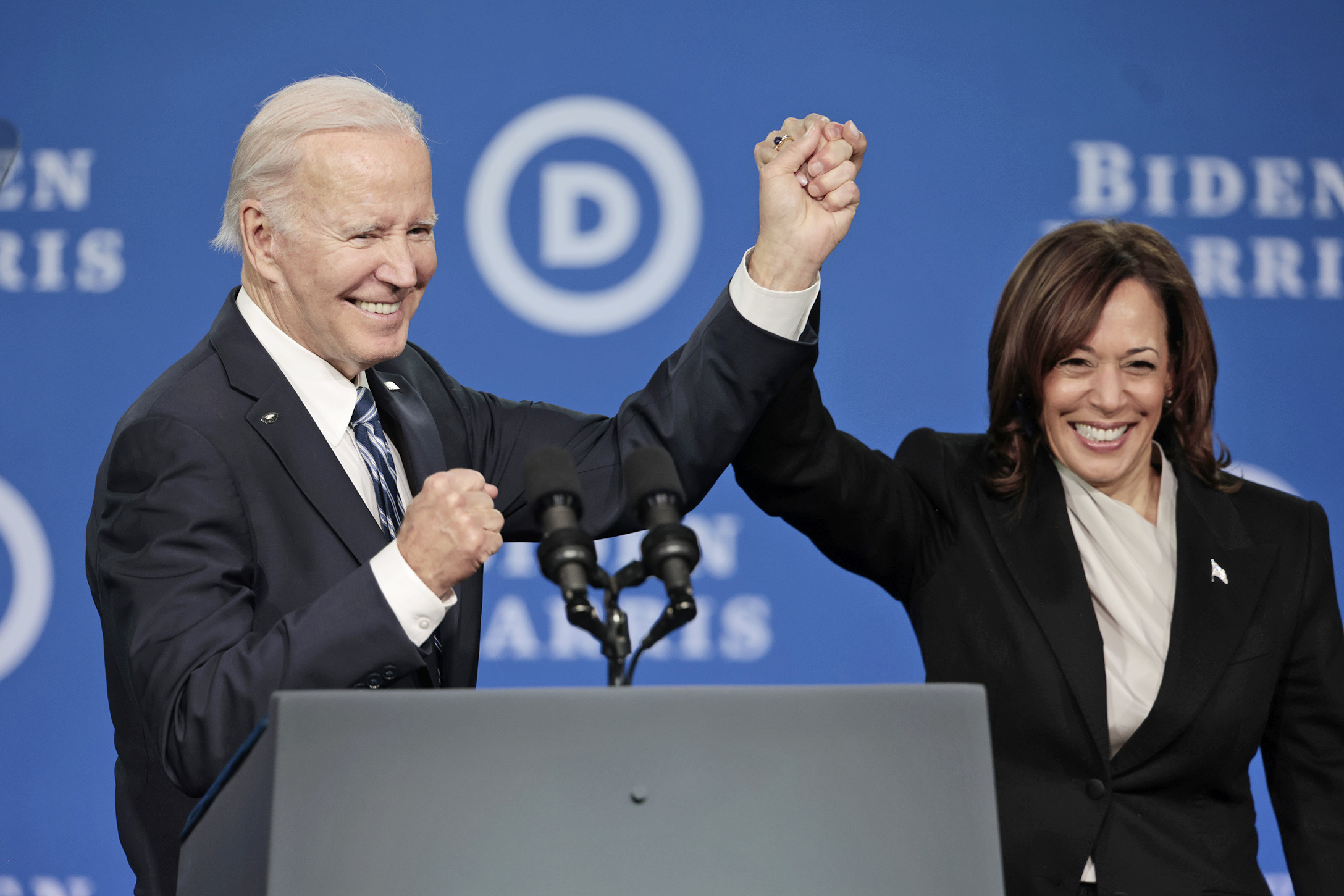
    President Joe Biden and Vice President Kamala Harris wave to the audience after addressing the DNC Winter Meeting at the Sheraton Downtown in Philadelphia in 2023.

    For a few days last month, I’d allowed myself to feel a tad bit optimistic, sensing that America had turned a corner. Maybe it was the eggnog, but the upcoming midterm elections had me feeling a little hopeful. So did the public opinion and court decisions pushing back against Trump’s excess and overreach. And Congress showing a spine and demanding accountability in releasing the Jeffrey Epstein files. If ever there were a year Rep. Jasmine Crockett could win a U.S. Senate race in Texas, 2026 felt like it could be it.

    But then, Trump dropped bombs on an Islamic group in Nigeria on Christmas Day and followed that up by sending troops into Venezuela. Now, he’s staking claims to that country’s oil reserves while looking around to see which nation he can storm next. Will it be Mexico? Colombia? Iran? Greenland? I don’t think even he knows.

    Trump isn’t bound by conventional mores or the Constitution. He’s not restrained by Congress or the U.S. Supreme Court. As he told the New York Times recently, the only thing that can stop him is his own mind. His “own morality,” which is downright scary considering his track record.

    And yet, even as I am knocked down by the reality we’re facing. I can’t help but stand up. My dad was right to warn about not looking back, but in imagining the leadership of someone who is more than worthy of the office of the presidency, I like to think I’m looking forward.

    And maybe I am.

  • Trump’s assault on free and fair elections continues | Editorial

    Trump’s assault on free and fair elections continues | Editorial

    There are many things Donald Trump could regret about the aftermath of the 2020 election.

    Perhaps it could be his nonstop lying about voter fraud, or how he was recorded asking Georgia election officials to “find” him the votes he needed. Maybe he has remorse about inciting the mob that attacked the U.S. Capitol, violence that led to seven deaths and more than 100 injured law enforcement officers.

    But no. What the president “regrets,” as he told the New York Times recently, is not ordering the National Guard to confiscate voting machines in swing states he lost.

    If the idea of military reservists marching into Philadelphia polling places and walking out with the pesky will of the people seems far-fetched — just another of Trump’s rambling musings — then consider that he and his enablers are already laying the groundwork to undermine future elections.

    With the midterms less than a year away, local and state officials must remain steadfast in their defense of free and fair elections, and voters must demand that their rights are protected.

    The administration’s assault on the franchise began in March, when Trump issued an executive order seeking to exert control over election law that the Constitution does not grant the president, including demanding states avoid counting mail ballots postmarked by Election Day but received after.

    The courts have so far stopped the order from taking effect, but it is worth noting that a new U.S. Postal Service rule changes when a piece of mail is postmarked — no longer when it is dropped off, but when it is processed. That means procrastinating voters in states where a ballot counts if mailed by Election Day can no longer take for granted their vote will be tallied.

    Rioters try to break through a police barrier at the U.S. Capitol on Jan. 6, 2021.

    Trump has claimed he will target mail-in ballots and voting machines as part of his effort to “help bring HONESTY to the 2026 Midterm Elections.” He has also threatened election officials who oversaw the 2020 election with prosecution while pardoning the Jan. 6, 2021, rioters who sought to interfere with the certification of Joe Biden’s electoral victory.

    Meanwhile, starting in May, the U.S. Department of Justice demanded that states turn over their complete voter registration lists. Many states have declined to comply, including Pennsylvania, and are being sued by the government. This is sensitive data that includes Social Security numbers, dates of birth, and home addresses.

    Along with privacy concerns, there are fears that the Trump administration may seek to cast doubt on voter eligibility and pressure states to purge people from voting rolls. Already, there are examples of people being falsely identified as noncitizens by federal databases.

    It is sadly not much of a leap to imagine Trump claiming widespread voting by noncitizens requires U.S. Immigration and Customs Enforcement agents be stationed at polling places. Of course, noncitizens can’t vote, but one does not need to be an immigrant to be intimidated by gun-toting masked forces who have shown they will fire first and expect no questions later.

    The president has also successfully lobbied some Republican-controlled states to remake congressional maps to favor the GOP, regardless of their potential illegality. In Texas, the U.S. Supreme Court allowed 2025 redistricting maps to be used for the upcoming election, even as a legal challenge moves forward over racial gerrymandering. The high court’s conservative members are also likely to strike a blow against the Voting Rights Act this term, further emboldening voter suppression efforts.

    The administration’s unprecedented machinations have fortunately run into the wisdom of the founders, who charged the states with running elections, not the federal government. The same decentralization that sometimes frustrates widespread election reform and the implementation of best practices also limits a wholesale takeover.

    State election officials — Republicans and Democrats — have shown they take their charge seriously and are honor-bound to do their duty. Still, as Trump continues to consolidate power in the executive and stoke fears of widespread fraud, ensuring free and fair elections will require keeping the federal government from overstepping its authority.

  • Americans take their heroes where they can get them, but they should look past Philly’s sheriff | Shackamaxon

    Americans take their heroes where they can get them, but they should look past Philly’s sheriff | Shackamaxon

    This week’s column talks about heroes with feet of clay, SEPTA’s starts and stops, and America’s 250th birthday celebrations.

    No one’s hero

    Philadelphia Sheriff Rochelle Bilal is having her 15 minutes of fame this week, with her comments at a news conference alongside District Attorney Larry Krasner spreading across social media. After the killing of Renee Good by U.S. Immigration and Customs Enforcement agent Jonathan Ross in Minneapolis, Krasner stated that he would hold federal officers accountable for any violation of the law. Bilal warned that the feds “don’t want that smoke” and called ICE “fake wannabe law enforcement.” She even scored an interview with CNN’s Erin Burnett.

    That’s all well and good, but there’s one big problem with Bilal’s position: The sheriff ultimately has no ability to protect Philadelphians from ICE.

    Despite her title and natty uniform, it is Police Commissioner Kevin J. Bethel who serves as the city’s top law enforcement official, not Bilal. This is a good thing because the sheriff’s track record is disastrous.

    Despite running for the office in 2019 as a reformer, Bilal began her tenure by firing Brett Mandel, her chief financial officer, just five weeks into his tenure. Mandel had flagged her use of what he described as a slush fund. A longtime good government advocate, Mandel objected to using city funds to pay for things like parking tickets and six-figure media consulting contracts.

    Things haven’t improved in the years since. Bilal was publicly criticized by the city’s judges for her failure to protect courtrooms, turning over foreclosure sales to an online operator with little notice, covering up the theft of a department-issued vehicle, one of her deputies was caught selling guns illegally, and her office wasted nearly $10,000 on a new mascot no one asked for. The list goes on, yet city officials have mostly steered clear of criticizing the sheriff for her missteps.

    While Bilal was basking in the media spotlight of talking tough against ICE, Bethel was not amused. Given Mayor Cherelle L. Parker’s clear strategy to avoid poking the orange bear, Bilal’s comments forced the commissioner to make clear in a statement that it is the Philadelphia Police Department that runs law enforcement in the city, not the sheriff.

    If people are looking for a genuine local hero in the national crisis over immigration enforcement, why not opt for Keisha Hudson instead? Hudson, who leads the local Defenders Association, has put together a new unit specializing in immigration cases. An immigrant from Jamaica herself, Hudson has both the right job and the right life experience to help residents who have been mistreated by ICE.

    Bilal, on the other hand, can’t even keep ICE from turning the courts she’s responsible for into a hunting ground for the feds.

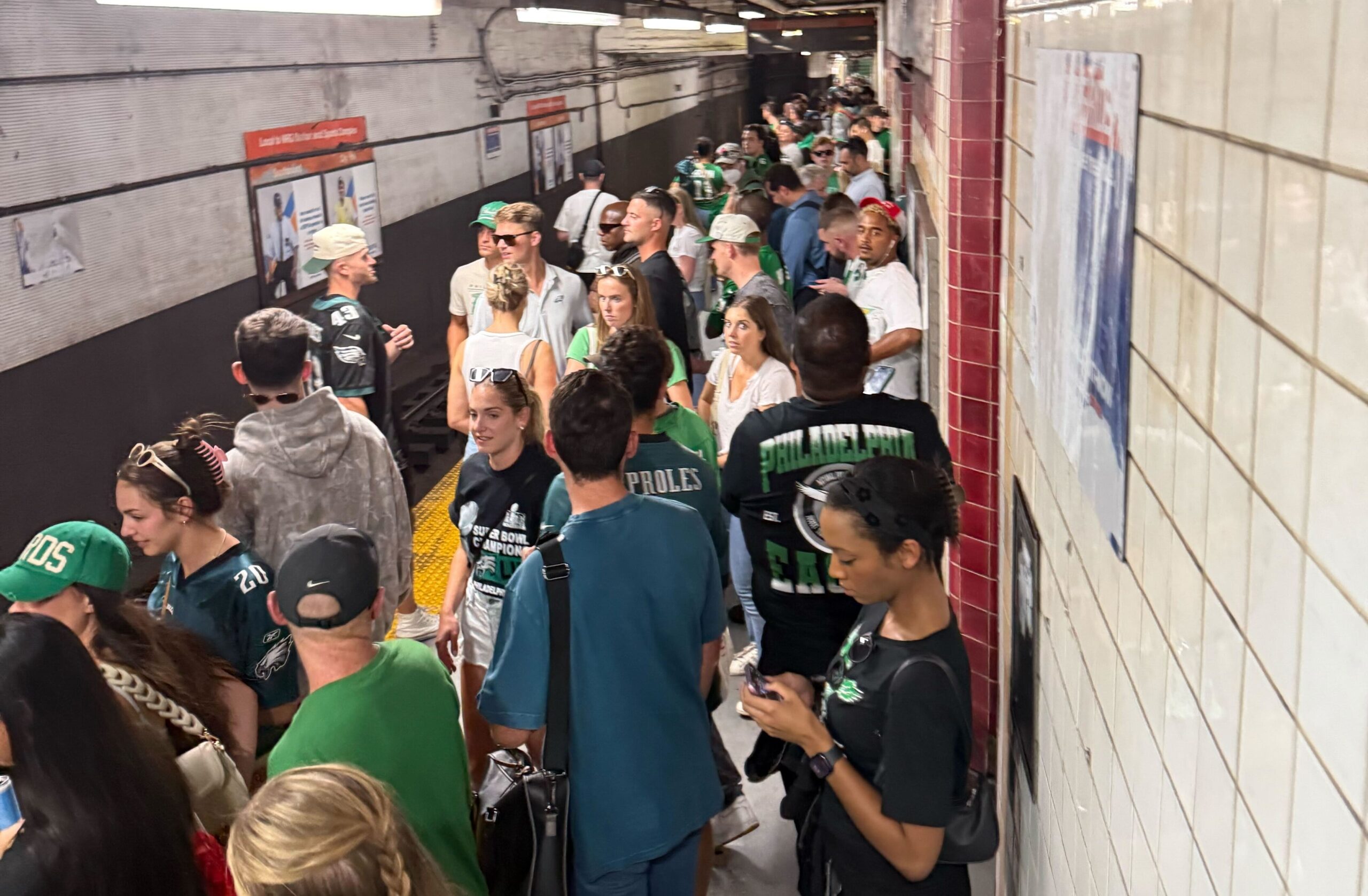
    Eagles fans wait for a Broad Street Line train at City Hall station.

    The wheels on the bus

    During the yearslong debate over transit funding in Pennsylvania, one consistent drumbeat is that SEPTA needed to become more efficient if it wanted to get more support.

    Of course, SEPTA already does more with less when compared with other major agencies, with cost-per-ride lower than in Boston and Washington, D.C. Additionally, trying to save money can sometimes cost agencies in the long run, or at the very least cost scarce political capital.

    In fact, most of the current crises SEPTA faces are the result of trying to save money or insufficient political will. For example, better capitalized agencies would have replaced the Regional Rail fleet a decade or so ago. Meanwhile, the weekslong closure of the trolley tunnel happened because the agency tried using a new part — in the hope that it would be replaced less frequently and cost less.

    Perhaps the Broad Street Line felt left out of the chaos because operations there have become a new pain point for riders. The 1980s Kawasaki trains are well-built. They are also nearly 45 years old. When I first started at The Inquirer five years ago, then-SEPTA General Manager Leslie Richards told me she hoped to avoid replacing the trains until the 2040s. Recent issues on that line make me question that timeline.

    For weeks, the trains have struggled with mechanical issues. Riders have reported jam-packed trains that have been forced to skip stops, line adjustments, and other delays. According to a spokesperson, door faults and general vehicle malfunctions have contributed to the problems.

    It all came to a head at the end of Sunday’s Eagles game.

    After a door issue disabled a train near Snyder Station, already dejected fans were forced to wait until 9 p.m. to catch a ride home. SEPTA is spending $5 million to upgrade the traction motors, which should help. What’s really needed, however, are new trains.

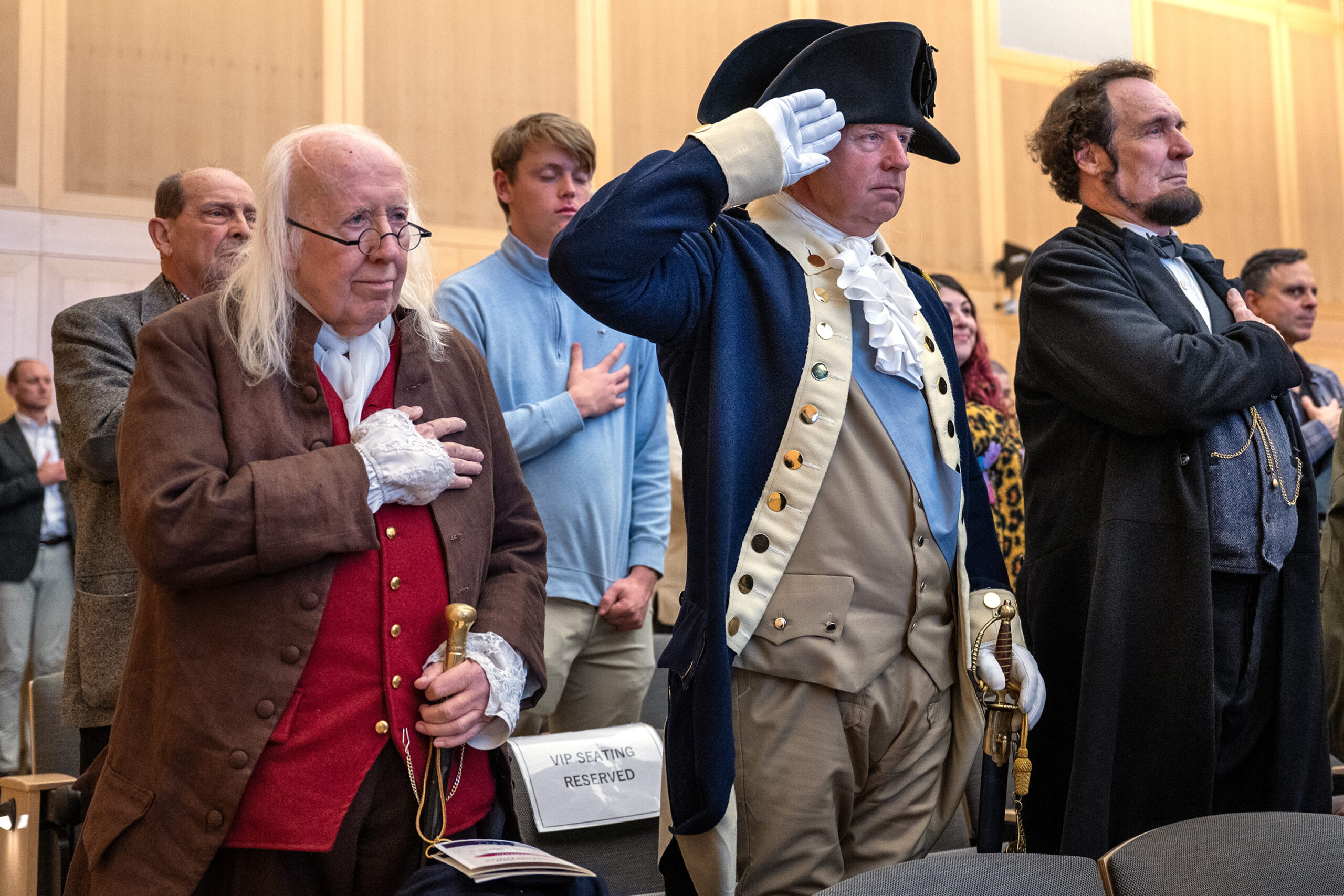
    Historical interpreters (from left) Benjamin Franklin, Gen. George Washington, and President Abraham Lincoln stand with other audience members for the Presentation of the Colors, as the U.S. Mint unveils new coins for the Semiquincentennial at the National Constitution Center in Philadelphia in December.

    Let’s get this party started

    The United States is celebrating a big one this year. America’s big 250th birthday party is here … can you tell?

    I can’t. While big events like the World Cup are planned for later this year, there is currently little to indicate that 2026 is any different from 2025. The patriotic bunting that sprouted all over Philadelphia during the Civil War and the Centennial has yet to appear.

    Still, help is on the way. City and state officials announced an $11.5 million initiative to remove graffiti, plant flowers, and otherwise beautify the city.

    At that price, we should probably do it every year.

  • Judicial district says decisions on ICE presence at Philly courthouse are the sheriff’s ‘sole responsibility’

    Judicial district says decisions on ICE presence at Philly courthouse are the sheriff’s ‘sole responsibility’

    The judicial district that oversees the Philadelphia court system says that the authority for managing ICE’s controversial presence at the Criminal Justice Center rests on Sheriff Rochelle Bilal and that decisions around that are her “sole responsibility.”

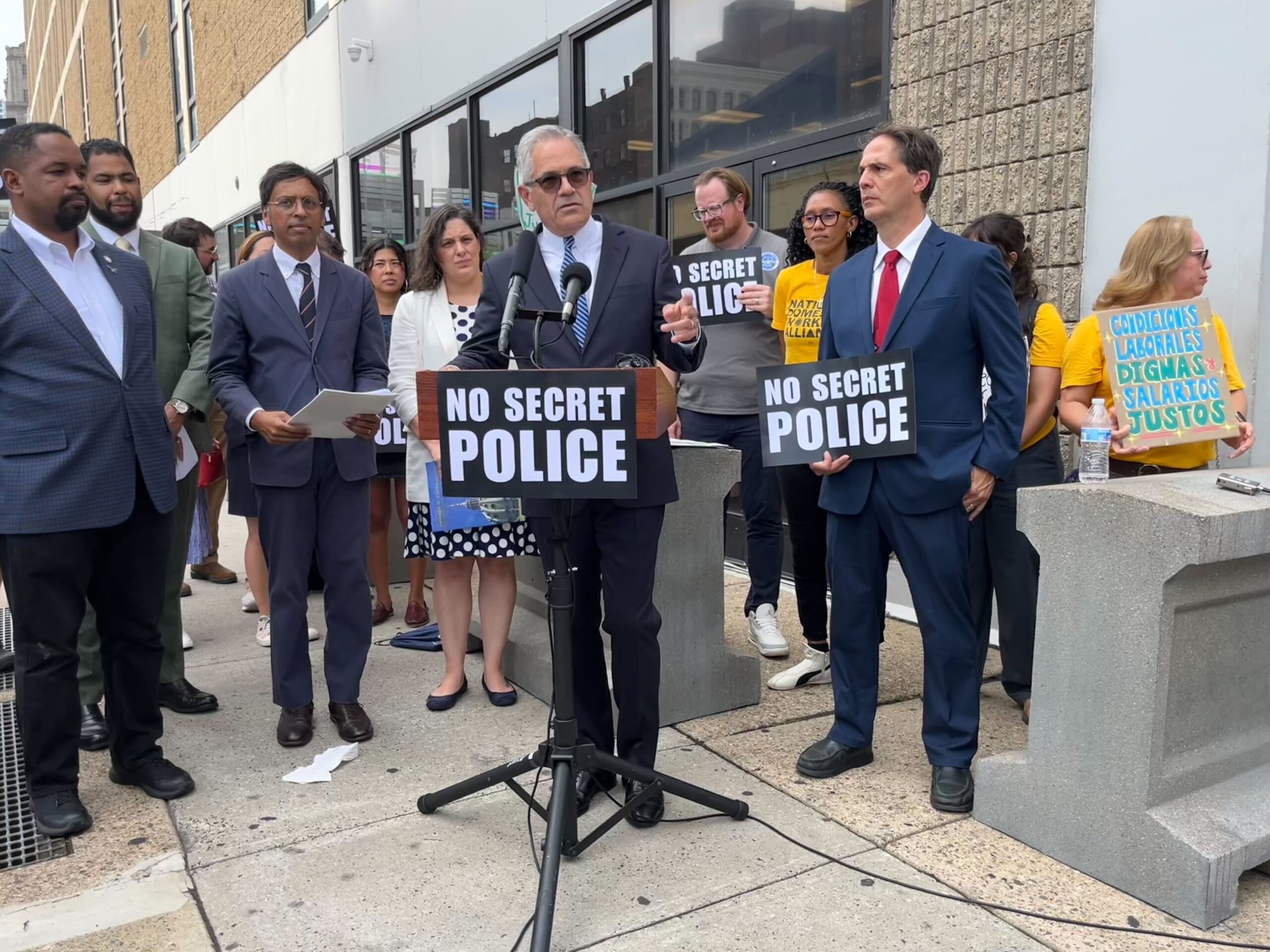
    That follows a Wednesday morning news conference where the sheriff joined local elected and community leaders who suggested that court officials or legislators needed to address the ongoing turmoil around courthouse immigration arrests. They called for meetings with court leaders to discuss how to set guardrails on ICE activity.

    The First Judicial District responded with a statement late Wednesday:

    “The First Judicial District is always willing to discuss matters of mutual concern with our justice partners, but managing security in court buildings ― which includes managing ICE’s presence ― is the sole responsibility of the sheriff. These decisions are the sheriff’s to make.”

    The Philadelphia Sheriff’s Office responded Thursday that it was “ready to execute all lawful judicial orders.”

    “To be clear,” its statement said, “security inside court facilities is the responsibility of the Sheriff’s Office. … Areas outside of court facilities are public spaces, where individuals retain their First Amendment rights, including the right to assemble and protest. Those areas are not under the operational control of the Sheriff’s Office.”

    The sheriff’s office added that it is committed to maintaining order and safety while upholding the rights of all who enter, and that it remains open to dialogue to ensure “clarity, coordination, and public safety.”

    The sheriff has said her office does not cooperate with ICE, does not assist in ICE operations, and does not share information with the agency. She has not directly addressed whether she believes she has authority to bar ICE agents from the property.

    Her supporters have defended the sheriff by insisting that she does not have that power, that she could only carry out orders issued by a judge or legislature.

    Meanwhile, the presence of ICE in and around the Criminal Justice Center has provoked demonstrations and controversy, with activists charging that the sheriff has allowed ICE to turn the property into a “hunting ground” for immigrants.

    U.S. Immigration and Customs Enforcement officials did not reply to a request for comment on Thursday.

    The group No ICE Philly has castigated the sheriff, saying that by not barring ICE — as judges and lawmakers in some other jurisdictions have done — she has helped enable the arrest of 114 immigrants who were trailed from the courthouse and arrested on the sidewalk.

    That group and others say ICE agents have been allowed to essentially hang out at the Center City courthouse, waiting in the lobby or scouring the hallways, then making arrests outside.

    Many people who go to the courthouse are not criminal defendants ― they are witnesses, victims, family members, and others in diversionary programs. But they have been targeted and arrested by ICE, immigration attorneys and government officials say, causing witnesses and victims to stay away from court and damaging the administration of justice in Philadelphia.

    Aniqa Raihan, a No ICE Philly organizer who has helped lead courthouse protests, said she was not encouraged by the First Judicial District’s statement.

    “We already know that Sheriff Bilal is not doing all she can to protect people at the courthouse,” she said Thursday. “However, the First Judicial District is not powerless. The court can make its own policy, like the court in Chicago did, barring civil arrests on and around the courthouse. … What we’re seeing is a lot of blame-shifting and finger-pointing from our leaders at a time when we desperately need teamwork.”

    The issue around ICE access is complicated by the fact that courthouses are public buildings, generally open to everyone. And sidewalks outside the buildings are generally considered public property.

    Last week the sheriff garnered national headlines ― and condemnation ― for calling ICE “fake, wannabe law enforcement” and for sending a blunt warning to agency officers.

    “If any [ICE agents] want to come in this city and commit a crime, you will not be able to hide,” Bilal said in viral remarks. “You don’t want this smoke, ’cause we will bring it to you. … The criminal in the White House would not be able to keep you from going to jail.”

    On Wednesday, at the news conference at the Salt and Light Church in Southwest Philadelphia, Bilal said her office follows the law and would obey judicial orders and legislative statutes around courthouse security.

    District Attorney Larry Krasner ― whose office led the event, and who reiterated his pledge to prosecute ICE agents who commit crimes ― said victims and witnesses are not showing up for cases due to fear of ICE.

    About half a dozen elected officials and community leaders gathered, with some calling for ICE to get out of Philadelphia.

    They asked for the court system to establish rules and protections for immigrants seeking to attend proceedings at the Criminal Justice Center, and for state court administrators to meet with the district attorney, the sheriff, the chief public defender, City Council members, and others.

    Krasner said Thursday that his office and the other parties “look forward to meeting with the leadership of the courts to discuss lawfully regulating ICE activity in and around the Criminal Justice Center. We will be corresponding with the courts to schedule monthly meetings immediately.”

    At the same time, “we will continue to do all we can to prioritize safety and justice for victims, witnesses, and families who are navigating the criminal justice system,” he said. “Unlawful and unnecessary ICE activity in and around the CJC is deeply traumatizing to those who are already navigating pain and unfortunate circumstances.”

  • Is ICE still in Philly? As Bucks ends its alliance, here’s how local officials are (or aren’t) working with federal agents.

    Is ICE still in Philly? As Bucks ends its alliance, here’s how local officials are (or aren’t) working with federal agents.

    Top officials across the Philadelphia region are taking a stand against partnerships with ICE.

    On Wednesday, newly inaugurated Bucks County Sheriff Danny Ceisler terminated a 287(g) agreement with ICE initiated by his Republican predecessor that enabled deputies to act as immigration enforcement officers. Haverford Township also passed a resolution barring participation in a 287(g) agreement.

    And in Philadelphia, elected officials in the so-called sanctuary city have been continuously pushing back against ICE’s presence, with some on Wednesday calling for federal immigration agents to get out of the city.

    These developments come as protests escalate against President Donald Trump’s deployment of U.S. Immigration and Customs Enforcement agents to U.S. cities, after an agent shot and killed Renee Nicole Good in Minneapolis last week. Good, a poet and mother of three, was in her SUV when the agent fired into the vehicle.

    Also on Wednesday, Trump said on his social media platform, Truth Social, that federal funding would be cut from any states that have sanctuary cities. These jurisdictions, which limit local law enforcement cooperation with ICE, have been increasingly targeted by the president’s administration.

    As local leaders continue to grapple with the ever-changing and escalating Trump immigration policy, here’s what to know about how local governments are interacting with federal immigration authorities:

    Philadelphia

    Is ICE still in Philadelphia?

    Yes, ICE is still active in Philadelphia, but Trump has not sent troops or a large swaths of federal immigration agents as he has to other major, Democratic-led cities across the U.S.

    Everyone has a theory as to why that might be: Could Trump be avoiding the largest city in the most important swing state? Has Mayor Cherelle L. Parker’s decision to refrain from publicly criticizing Trump played a role?

    Is Philadelphia still a sanctuary city?

    Yes, but city officials have formally started calling Philadelphia a “welcoming city,” as sanctuary has become an increasingly toxic word because of Trump’s intention to target cities with that label.

    But regardless of the name, a 2016 executive order signed by former Mayor Jim Kenney on ICE cooperation remains in place under Parker’s administration. The directive orders city authorities to not comply with ICE-issued detainer requests to hold people in custody unless there is a judicial warrant.

    Philadelphia District Attorney Larry Krasner speaks at a news conference outside the Philadelphia Field Office for Immigration Customs Enforcement in Center City in August.

    What are local leaders saying about ICE?

    District Attorney Larry Krasner, a progressive in his third term, and members of Philadelphia City Council have been among the most routinely outspoken opponents of ICE deployments. But comments by Sheriff Rochelle Bilal went viral last week when she called ICE “fake, wannabe law enforcement.”

    Bucks County

    The sheriff terminated a 287(g) agreement with ICE — what does that mean?

    Essentially, it means that sheriff deputies are no longer allowed to act as immigration authorities.

    Last April, Ceisler’s predecessor, Fred Harran, a Trump-aligned Republican, signed on to the partnership with ICE, stirring up controversy in the swing county. Ceisler, a Democrat who defeated Harran in November, made terminating the agreement a focal point of his campaign.

    No one in Bucks had been detained under the 287(g) agreement, Ceisler said.

    On Wednesday, Ceisler signed another order that prohibits deputies from asking crime victims, witnesses, and court observers their immigration status.

    Does Bucks County still work with ICE?

    Yes. Bucks County is not a sanctuary county and, in the words of Ceisler, “will never be.”

    The Bucks County Department of Corrections will continue to share information with law enforcement agencies, including ICE. The federal agency will also continue to have access to county jails and Bucks will honor judicial warrants from immigration enforcement.

    Bucks County Sheriff Danny Ceisler announces the termination of the county’s partnership with ICE, an agreement formally known as 287(g), during a press conference at the Bucks County Justice Center in Doylestown, Pa., on Wednesday, Jan. 14, 2026.

    “It’s sporadic, it’s reports,” Ceisler said of ICE’s presence in Bucks.

    “I can’t get ICE out of Bucks County,” he added. “I have no authority over them. All I can do is prevent 16 deputies from participating in a program that enables them to perform immigrant enforcement in the community.”

    Bucks County was the only county in the Philadelphia region that did not appear on an initial list published by the Trump administration of sanctuary jurisdictions that could have federal funding at risk. That list was later deleted. The most recent list, published by the administration in August, also does not feature Bucks.

    Haverford Township

    Will Haverford Township participate in a 287(g) agreement?

    On Monday evening, township commissioners in the Delaware County suburb approved a resolution that said Haverford police officers and resources would not be used to give local law enforcement immigration authority. Other municipalities in the county, like Radnor, have also passed resolutions limiting cooperation with ICE.

    While the police department has not requested to enter an alliance with ICE, township commissioners passed the resolution as a preventive measure.

    Montgomery County

    What is Montgomery County’s policy on immigration?

    Montgomery County’s Democratic commissioners have not passed a formal ordinance or a resolution labeling Montco a sanctuary or welcoming county, citing limits to their power, concerns about creating a false sense of security, and a preference for internal policy changes.

    In early 2025, county officials approved a policy that limits communication between county employees and ICE officials and said they would not answer prison detainer requests without warrants.

    Montgomery County activists hold a news conference about ICE incidents in the county last month.

    What do Montco residents think about it?

    County residents have urged individual municipalities within the county to limit collaboration with ICE, especially as the county has become a hot spot for immigration enforcement. Norristown, a heavily Latino community, has specifically become a target for ICE.

    “ICE has created a crisis in our neighborhoods, and we cannot afford silence, mixed signals, or leadership that only reacts once harm has already happened,” Stephanie Vincent, a resident and leader of Montco Community Watch, said last month during a news conference at a West Norriton church.

    As of early December, local organizers estimated that only six out of 62 municipalities had enacted policies, though they consider some to be lackluster.

    Staff writer Katie Bernard contributed to this article.

  • From Spotify to Avelo, economic pressure is melting ICE — but we can do more

    From Spotify to Avelo, economic pressure is melting ICE — but we can do more

    When the Rev. Jack Perkins Davidson and other parishioners in his socially active Spring Glen Church in Connecticut learned last year that budget carrier Avelo Airlines — with a major hub at nearby Tweed New Haven Airport — was also operating U.S. government deportation flights, the pastor kept thinking about one thing.

    What would the Rev. Dr. Martin Luther King Jr. do?

    Davidson said King’s 1955 Montgomery bus boycott against segregation — the iconic protest that launched the civil rights movement of the mid-20th century — was an inspiration as he and a coalition of activists pressured Avelo to stop aiding U.S. Immigration and Customs Enforcement and its mass deportation campaign.

    “I often think about how the Montgomery bus boycott was a very local action, but it became national news,“ Davidson told me by phone recently. ”Sometimes when I feel so overwhelmed by the state of the world, I take hope in that example — that acting in the local level is a way to create national impact.”

    Davidson and his congregation’s allies, like Connecticut Students for a Dream and the New Haven Immigrant Coalition, spent nine months pressuring Avelo to drop ICE — staging noisy protests, but also doing what the minister called “the unglamorous work” of gathering petition signatures and attending airport board meetings. Last summer, New Haven’s mayor signed their petition as the city banned official travel on Avelo.

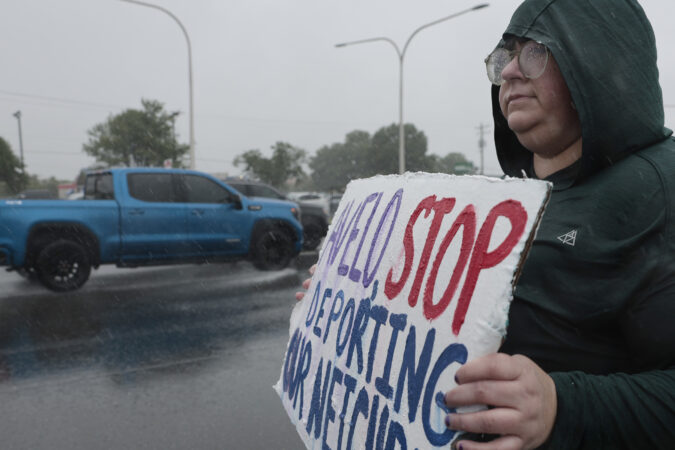
    The Connecticut crusaders were joined by activists at other Avelo hubs, including Wilmington. It’s impossible to know exactly how much boycotting air travelers hurts the bottom line of the private, Texas-based corporation, but earlier this month, Avelo made a U-turn. A spokesperson said the airline would halt working with ICE, which “ultimately did not deliver enough consistent and predictable revenue to overcome its operational complexity and costs.”

    Avelo’s exit from the ugly business of flying often handcuffed and shackled migrants out of the United States was a huge win for the growing movement against the Trump regime’s mass deportation raids — but it was not an isolated incident.

    In recent days, the leading music streamer Spotify announced it was no longer running recruitment ads for new ICE agents. The spots urged would-be applicants to “fulfill your mission to protect America,” but sparked outrage among listeners opposed to the agency’s masked goons and its violent raids that have roiled cities from New Orleans to Minneapolis.

    As with Avelo, Spotify’s ties to ICE — the U.S. Department of Homeland Security paid the Swedish-based streamer $74,000, according to Rolling Stone — sparked a nationwide campaign for a boycott that was led by Indivisible, a leading organizer of the massive “No Kings” protests.

    Thousands canceled their paid subscriptions, and some artists pulled their music from Spotify to protest both the ICE ads and the company’s ties to a defense contractor.

    These economic wins come amid a deadly and chaotic start to 2026 that has battered America’s already damaged national psyche. The stunning Jan. 7 Minneapolis murder of Renee Nicole Good, a 37-year-old poet and mother of three, by an ICE agent has only upped the anxiety and the stakes.

    Tuesday night, the shooting of a Venezuelan refugee by federal agents in north Minneapolis triggered a chaotic night of protest that has Donald Trump now threatening to invoke the Insurrection Act and send in troops, escalating a constitutional crisis.

    Although the immigration raids are exactly what Trump promised the nation before his narrow 2024 election victory, Good’s murder and daily viral videos of federal agents smashing windows or flash-banging peaceful citizens have turned a majority of Americans against ICE and everything it stands for.

    A new Quinnipiac Poll released this week showed that 57% of Americans now disapprove of the way ICE and other federal agencies are enforcing immigration laws, with 53% saying Good’s killing was not justified. A separate Economist/YouGov survey found respondents favoring the abolition of ICE by a 46%-43% majority — a first for that political hot-button question.

    So, as you can imagine, in a healthy functioning democracy like the United States, the opposition party Democrats are forming a united front in working to abolish ICE, including the withholding of money in the latest budget battle on Capitol Hill, right?

    Right?

    Um, not exactly. To be sure, Good’s murder and the appalling scenes in Minnesota have triggered a more radical response from some Democrats, including more than 50 members, so far, who’ve signed on for the impeachment of DHS Secretary Kristi Noem. But many in Congress are insisting ICE can somehow be reformed — including an utterly bizarre proposal to put scannable QR codes on immigration agents so the public can identify them. It’s an echo of the tepid reform ideas that failed to stop police brutality after George Floyd’s 2020 murder.

    “Clearly, significant reform needs to take place as it relates to the manner in which ICE is conducting itself,” House Minority Leader Hakeem Jeffries of New York told MS Now on Tuesday night — minutes before agents in Minneapolis reportedly shot a flash-bang grenade into a moving car and injured six children, including a baby.

    You don’t significantly reform the brand of fascism that we can all see on the icy streets of the Twin Cities. You fight it like the existential crisis for American democracy that it is. Millions of everyday Americans are both feeling that urgency and dismayed that the institutions they thought would oppose autocracy — Congress, the media, the U.S. Supreme Court — aren’t standing with them.

    No wonder people are fighting with the only real ammunition they have under late-stage capitalism: their dollars.

    Nearly one year into the second coming of Trump, many of the major victories by citizens resisting his regime have come through the fingertips of everyday folks clicking on a “cancel” button.

    The best-known example came last summer when Disney-owned ABC briefly suspended late-night host Jimmy Kimmel in a flap over some (fairly tame) comments he made after the assassination of right-wing activist Charlie Kirk. The network raced to put Kimmel back on the air after the cancellation rates for two lucrative Disney-owned streaming services, Disney+ and Hulu, doubled. And Disney recently extended the contract of Trump’s least-favorite comic by another year.

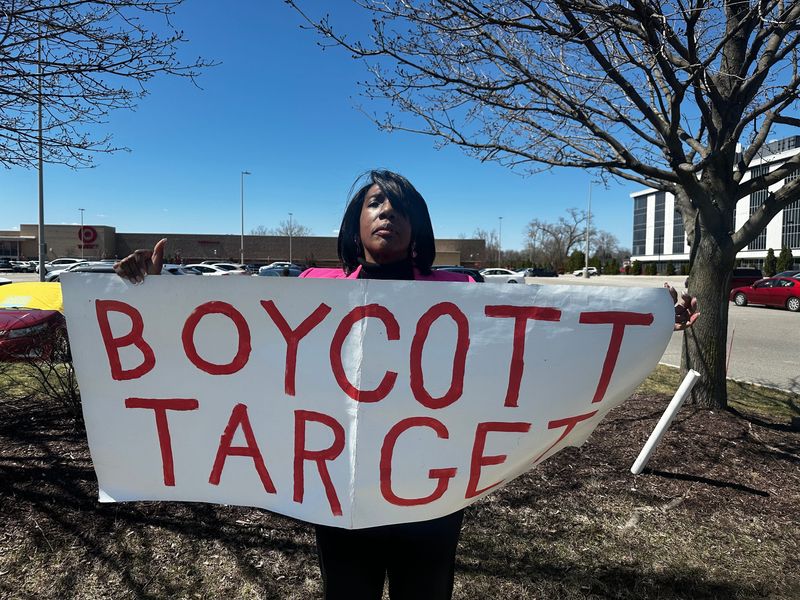
    Other economic pressure campaigns have badly damaged U.S. brands without getting results … yet. The best example is the giant retailer Target, whose decision to end its diversity initiatives after Trump’s inauguration sparked calls for a boycott by prominent Black activists and some labor unions. Since then, foot traffic at Target stores has dropped (while increasing at more “woke” rival Costco), and the stock price of the Minnesota-based company has plunged by 33%.

    This hasn’t yet inspired Target’s management to fully restore its diversity initiatives, and it more recently has angered some activists by insisting it has no power to stop ICE agents from using its parking lots and even entering its stores to make arrests. None of this should deter the public from keeping the pressure on Target.

    Allison Folmar of West Bloomfield joined the protesters who advocated for a boycott against Target in April.

    The weeks of Minnesota mayhem have focused attention on a new corporate bête noire: Hilton Worldwide Holdings. Two of the hotel chain’s properties in Greater Minneapolis have been the scene of noisy, all-night protests after reports that out-of-town ICE agents are staying there. And Hilton further infuriated activists and sparked calls for a boycott by delisting a third Minneapolis hotel after an employee said ICE was not welcome.

    I will not stay at any Hilton hotel as long as the company thinks it’s OK to host masked thugs who are snatching laborers off the street and shooting or tear-gassing anyone who objects to that, and I hope you would consider doing the same.

    As New Haven’s Davidson rightly said, using economic pressure to end injustice takes time and hard work that isn’t always glamorous or made for the cable-TV cameras. Some 71 years ago in Montgomery, Ala., the King-led bus boycott took 381 days and a lot of sacrifice from unsung heroes like Claudette Colvin, who died this week at age 86, and working-class Black people who walked or carpooled to their jobs until claiming victory.

    The bottom line has not changed since MLK’s time. The color that matters most to corporate America is the color of money. The pursuit of profit is why cowardly law firms or TV networks like CBS are aiding American dictatorship instead of fighting it. But it’s also what makes them reverse course when they realize that hate is actually bad for business in a consumer society.

    Boycotts aren’t the only solution, but in a world where feckless institutions have given up, they have become an essential tool. Spend your dollars with any company that still believes in a decent, diverse America, and put the collaborators out of business. Consider it an early birthday present for Dr. King.

  • Haverford Township bars police from cooperating with ICE in noncriminal immigration enforcement

    Haverford Township bars police from cooperating with ICE in noncriminal immigration enforcement

    Haverford Township officials voted this week to bar the township’s police department from cooperating with U.S. Immigration and Customs Enforcement in the agency’s civil deportation efforts.

    Township commissioners overwhelmingly approved the resolution, which says Haverford police officers and resources will not be made available for ICE’s 287(g) program. The nationwide initiative allows local police departments to perform certain federal immigration duties, should they choose to enter an agreement with the agency.

    The Monday evening vote came after a weekend of anti-ICE protests in cities across the country spurred by the fatal shooting of 37-year-old Renee Good by an immigration agent during an enforcement operation in Minneapolis.

    On Wednesday, Bucks County’s sheriff ended the department’s own 287(g) agreement with ICE, saying the “public safety costs” of the partnership vastly outweighed the benefits.

    “The last thing I want to see happen is that our relationship with our police department be hurt by the reckless and criminal activity of ICE,” Haverford Commissioner Larry Holmes said before the vote. “We have the power to prevent that.”

    Local law enforcement agencies that enter a 287(g) agreement with ICE are offered a variety of responsibilities and trainings, such as access to federal immigration databases, the ability to question detainees about their immigration status, and authority to issue detainers and initiate removal proceedings.

    The program is voluntary and partnerships are initiated by local departments themselves, though some Republican-led states are urging agencies to enter them. The Department of Homeland Security recently touted that it has more than 1,000 such partnerships nationwide, as the Trump administration continues to make a sweeping deportation effort the focus of its domestic policy.

    Critics such as the American Civil Liberties Union say the program turns local departments into an “ICE force multiplier” and that the agreements, which require officers to shift from local to federal duties, are a drain on time and resources.

    Haverford Township’s police department has not made any request to initiate such an agreement with ICE, according to commissioners, who called the resolution a preemptive measure. While ICE has ramped up enforcement in Philadelphia and in surrounding communities like Norristown, there have not been sizable operations in Delaware County.

    Judy Trombetta, the president of the township’s board of commissioners, said the resolution was about protecting the civil liberties of those living in Haverford, as well as the township’s public safety.

    In Trombetta’s view, a 287(g) agreement could mean those without legal immigration status could be deterred from reporting crimes to Haverford police or showing up to court hearings, while leaving officers confused about their own responsibilities.

    And as a township, she said, it is “not our role” to act as federal immigration agents.

    “It’s our job as a township to keep people safe, [to] uphold the Constitution,” Trombetta said.

    Commissioners voted 7-2 to approve the resolution.

    The motion still requires Haverford police to cooperate with federal immigration agencies in criminal investigations. But because many cases involving those living in the country illegally are civil offenses, much of ICE’s activities are exempt.

    Commissioner Kevin McCloskey, voicing his support for the resolution, said the week after Good’s killing had been “incredibly taxing on the American people,” and in his view, it was important to adopt the resolution even if ICE wasn’t active in the community.

    But for Commissioner Brian Godek, one of the lone holdout votes, that reality made the resolution nothing more than “political theater.”

    Tensions over Good’s killing were on full display during the meeting, as both the resolution’s supporters and detractors filled the seats of Haverford’s municipal services building.

    “I do not want my tax dollars or Haverford’s resources to be used to support a poorly trained, unprofessional, and cruel secret police force that is our current federal U.S. Immigration and Customs Enforcement agency,” said resident Deborah Derrickson Kossmann.

    Brian Vance, a resident and a lawyer who opposed the resolution, said he was approaching the matter like an attorney. He questioned whether noncompliance with a federal department would open up the possibility of lawsuits, or the federal government withholding funds for the township.

    “It’s legal, it’s proper, whether we agree with it or not,” Vance said of ICE’s authority.

    After the vote, McCloskey, the commissioner, made a plea for unity to those divided over the issue.

    That included residents who said the resolution’s supporters had gotten caught up in the “emotion” of the Minneapolis shooting.

    “I just ask that you take a step back,” McCloskey said. “On some level, we should all be able to appreciate that none of us wanted to see a 37-year-old mother in a car get shot.”