Tag: Main Line

  • Villanova one of several colleges hit with threats nationwide, as university declares ‘all clear’

    Villanova one of several colleges hit with threats nationwide, as university declares ‘all clear’

    Villanova University was one of several colleges nationwide that saw its operations disrupted Thursday by a series of hoax threats.

    The Main Line Catholic university with 6,700 undergraduates closed the campus early Thursday morning, advised students on campus to stay in their residence halls, and warned others to stay off campus while authorities investigated. The move followed an undisclosed threat about one of its academic buildings.

    By 2 p.m., the private university gave the all-clear and said while in-person classes would remain canceled, students could leave their residences and get into some buildings, including the library, main dining halls, the health center, and the Connelly Center.

    “It is safe to be out on campus,” the university said in an alert.

    The campus will resume normal operations Friday, the school said.

    For Villanova, it was the third time in less than a year that threats had upended the school.

    In August, the university went into lockdown during an orientation session after reports of an “active shooter” on campus.

    Officials later learned that it was what the university president called a “cruel hoax.” But that was not before panic spread throughout the region, with students and faculty fleeing the school in tears and Pennsylvania’s top officials, including Gov. Josh Shapiro, weighing in. And days later, Villanova experienced a second hoax threat.

    Villanova’s threats were part of a swatting pattern nationwide. In September, the Associated Press reported that about 50 college campuses had been hit with hoax calls nationwide in recent weeks. The U.S. Department of Education put out tips on how to recognize fake calls, including questions to ask callers to determine if there are inconsistencies.

    Locally, colleges including Temple, Drexel, and Villanova said in September they had taken steps in response to the spate of swatting incidents nationwide, including upgrading training on how to handle them.

    On Thursday, another wave of calls appears to have occurred. New York University received threats against two school buildings, the school announced around the same time as Villanova. One threat included mention of bombing an NYU building. NYU did not go on lockdown.

    The threats, according to Gay City News, included anti-LGBTQ+ rhetoric.

    Alcorn State University, a historically Black college in Mississippi; Dallas Baptist University; and Wiley University in Texas, which is also an HBCU, got threats as well, according to news reports. The message to Wiley was sent from outside the United States, according to KTAL news.

    The FBI’s Philadelphia Field Office said in a statement that it was aware of the threats made to universities on Thursday.

    “We continue to stay in close coordination with our law enforcement partners,” an FBI spokesperson said. “As always, the FBI encourages members of the public to remain vigilant and immediately report anything they consider suspicious to law enforcement.”

    Villanova said the FBI was investigating, alongside state and local law enforcement. There were no reports of activity posing a danger to the campus.

    In its 2 p.m. update, the schools said that classes that are fully online could continue on Thursday and that graduate courses meeting in the evening could be “offered remotely at the discretion of the professor.”

    Intramurals scheduled for Thursday evening, the school said, also would be held.

    University spokesperson Jonathan Gust declined to say which Villanova building was targeted or describe the nature of the threat, given the investigation is ongoing.

    “In an abundance of caution, the university made the decision to close,” he said earlier Thursday.

    Additional police will remain on campus, the school noted.
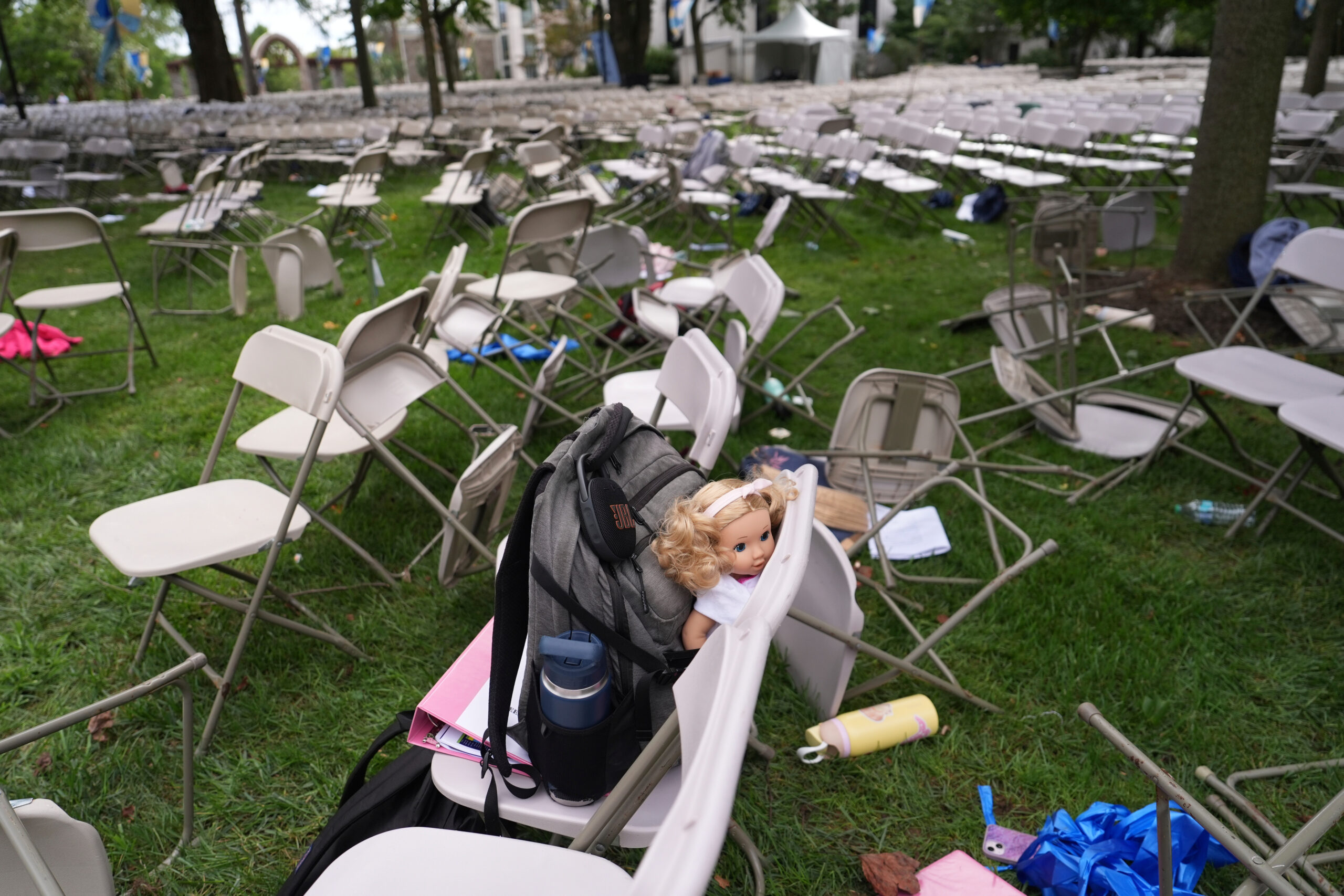
    A backpack sits around toppled chairs at the Villanova University campus where an active shooter was reported Thursday, Aug. 21, 2025, in Villanova, Pa.

    Villanova students and staff on Thursday were trying to cope with another disruption to their campus life.

    At First Watch restaurant just off campus, freshman finance major Nolan Sabel said he woke up to a university alert on his phone, warning him of “an unknown threat of violence.”

    Sabel said he was disappointed to learn that an academic building had been targeted — for the third time in a year.

    “It’s kind of crazy,” Sabel said. “You hear that Villanova is really safe. It doesn’t feel that way.”

    Now, he and his lacrosse teammates are wondering whether a scrimmage set for Thursday afternoon would be canceled.

    The university told the students they were “on lockdown,” Sabel said. But that didn’t stop them from walking just off campus to get breakfast.

    “We needed food,” he said. “We have a game today.”

    Villanova senior James Haupt said he learned of the threat and class cancellation about 7:30 a.m. He lives off campus and had not yet headed to the school for his morning class.

    “After the last incident, it’s hard to take it completely seriously when we know that was a hoax,” said Haupt, 21, a communications major from Long Island. “But it’s still a little scary knowing this can happen at any point.”

    He said he was glad that the school canceled classes.

    “It’s a great gesture by the school,” he said. “I’d rather not have to go into class and be worried.”

    Haupt had one class scheduled for Thursday and an intramural basketball game in the evening.

    While students seemed to be taking the incident in stride, parents were expressing concerns on private Villanova Facebook pages, said one staff member who was not authorized to speak to the media and asked not to be named.

    “Terrible sign of the times we live in,” one parent wrote, according to the staff member. “Thinking of everyone. These poor kids and us parents having to deal with this. Hope it’s nothing and all are safe and whoever is behind this is brought to justice.”
  • This 28-year-old is about to open his third restaurant in the Philly suburbs

    This 28-year-old is about to open his third restaurant in the Philly suburbs

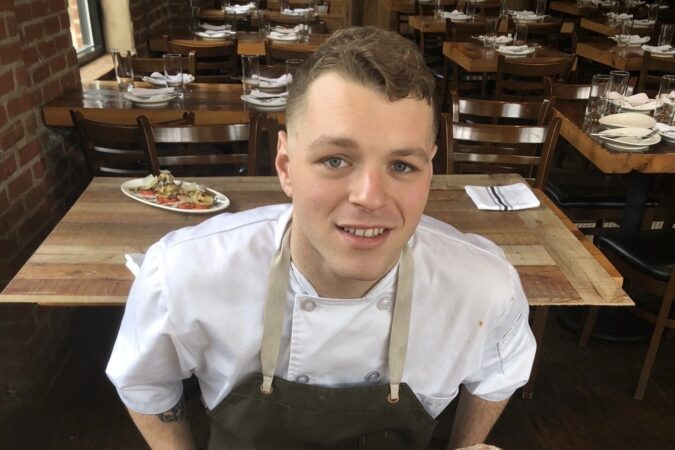
    Main Line restaurateur Alessandro “Alex” Fiorello — who is slowly growing a suburban Italian portfolio, with a Wayne osteria and West Chester pizzeria — is preparing to open a new, bar-forward concept at Bryn Mawr Village, 915 Lancaster Ave.

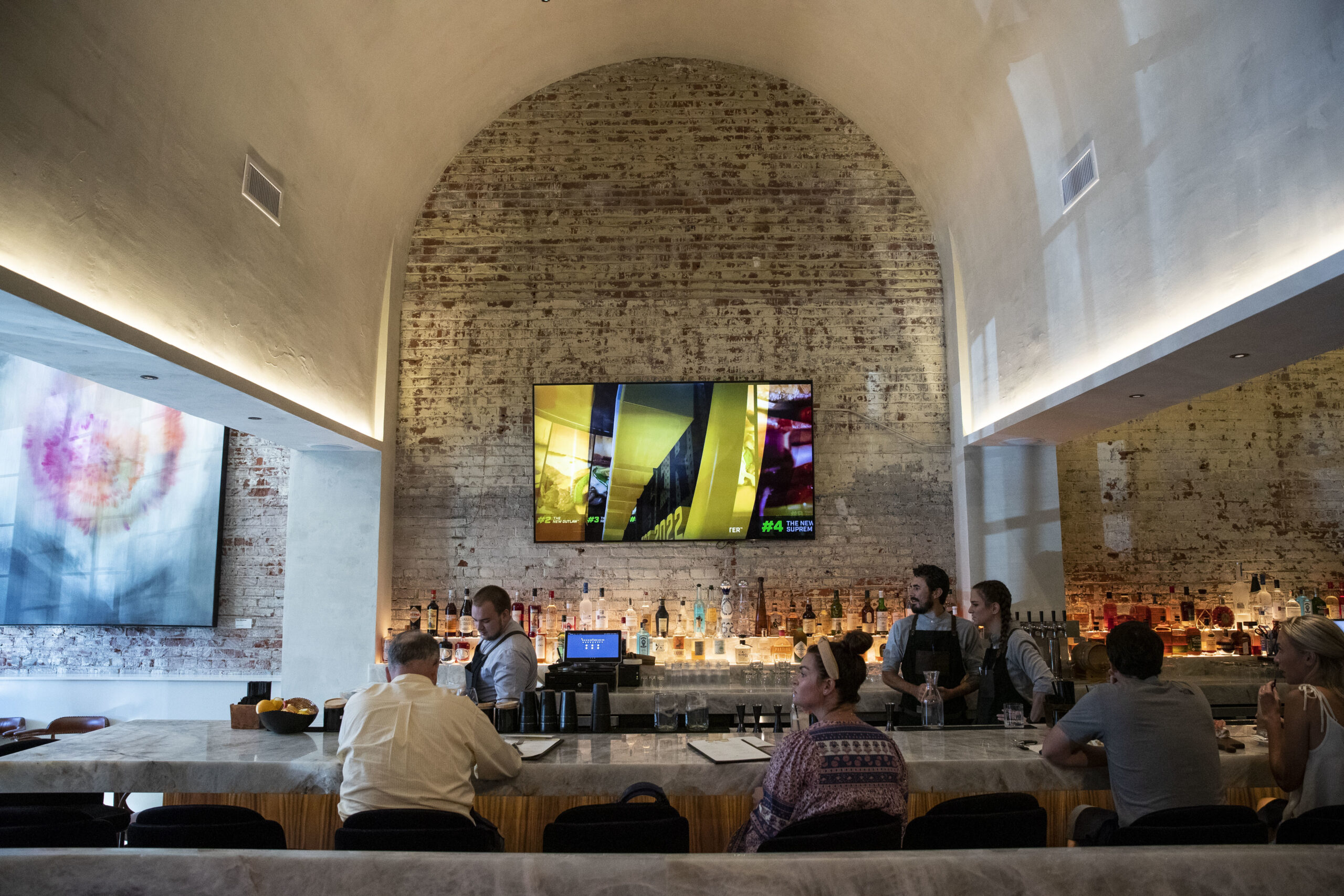
    The Bryn Mawr space, which opened in 2022 as the short-lived Marc Vetri-operated Fiore Rosso, most recently was Il Fiore. It closed last month.

    The bar at Fiore Rosso in Bryn Mawr, which was operating most recently as Il Fiore. It closed at the end of 2025.

    The new project will sit at the top of Fiorello’s three-tier restaurant lineup. His Wayne restaurant, Alessandro’s Wood Fired Italian, opened in 2020 as an upscale-casual neighborhood osteria with a strong takeout business and a busy dining room. Alessandro’s Pizzeria, which the self-taught chef opened in April, is positioned as a casual lunch and slice shop serving pizza, cheesesteaks, and salads.

    Fiorello grew up in the restaurant business. His father ran Fiorella’s Café in West Chester, while his mother’s family operated pizza shops in New York. Raised in Brooklyn, Fiorello worked in kitchens from a young age before returning to Chester County as a teenager.

    Fiorello said Enoteca Alessandro’s or Alessandro’s Enoteca were in the running for the name of the new Bryn Mawr spot.

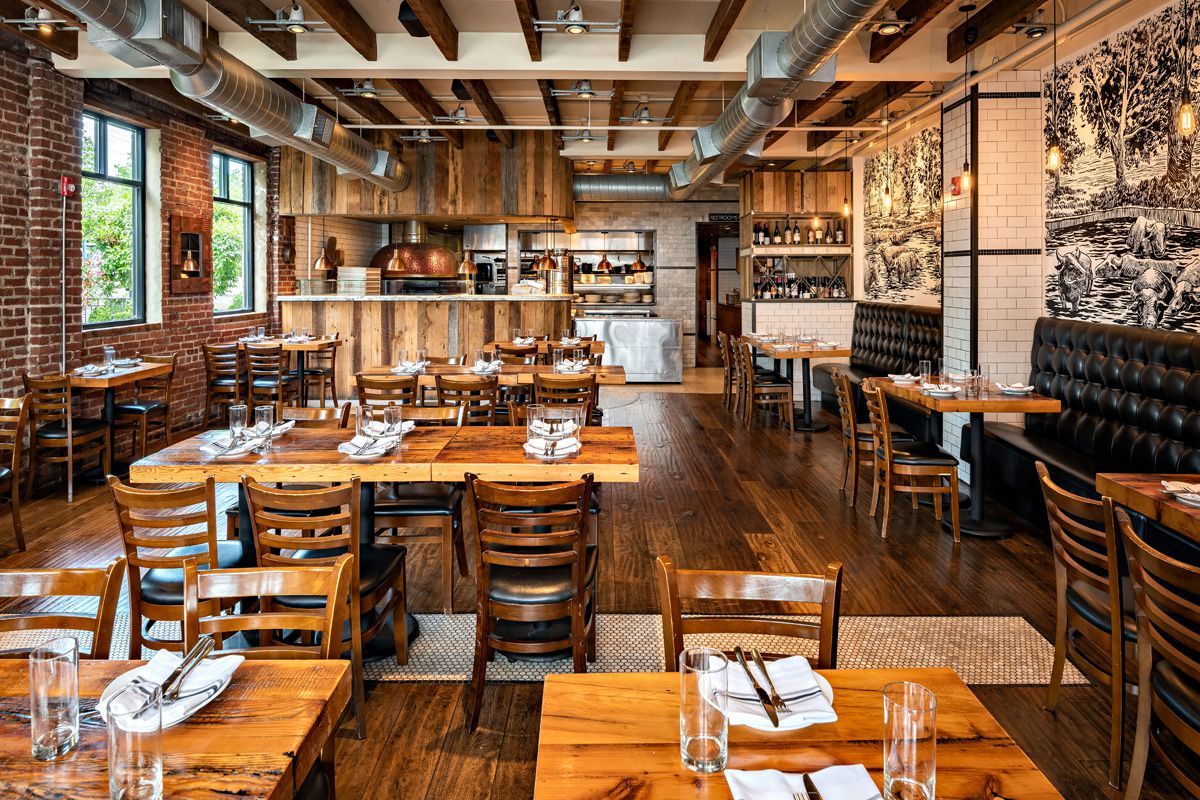
    Fiorello, who said he is backed by investors, plans to maintain the restaurant’s industrial look, adding that the restaurant’s solid infrastructure would allow for a relatively fast turnaround.

    Dining room at Alessandro’s Wood Fired Italian, 133 N. Wayne Ave. in Wayne.

    “This new place will be a step up from Wayne,” Fiorello said. “Still approachable but more bar-focused, with a great bar scene.”

    The menu will remain Italian at its core, built around house-made pasta, wood-fired pizzas, and a wood-fired grill, with several signature dishes from Alessandro’s Wood Fired Italian carrying over. The new kitchen will also feature dry-aged proteins, using on-site aging refrigerators inherited with the space, and may incorporate subtle Japanese influences, including a small number of sushi-style items.

  • Get to know Narberth’s new mayor | Inquirer Lower Merion

    Get to know Narberth’s new mayor | Inquirer Lower Merion

    Hi, Lower Merion! 👋

    Dana Edwards may be a fairly new Narberth transplant, but the recently sworn-in mayor has a clear vision for the borough. Also this week, we look back at how Kobe Bryant spurred a high school basketball rivalry, Villanova University is now paying some of its athletes, plus the surprising spot that one Inquirer reporter says serves the best meal she’s eaten on the Main Line. We’re also gearing up for a (potentially big) snowstorm this weekend. Follow along here for the latest forecast.

    If someone forwarded you this email, sign up for free here.

    Narberth’s new mayor has a clear vision for the borough

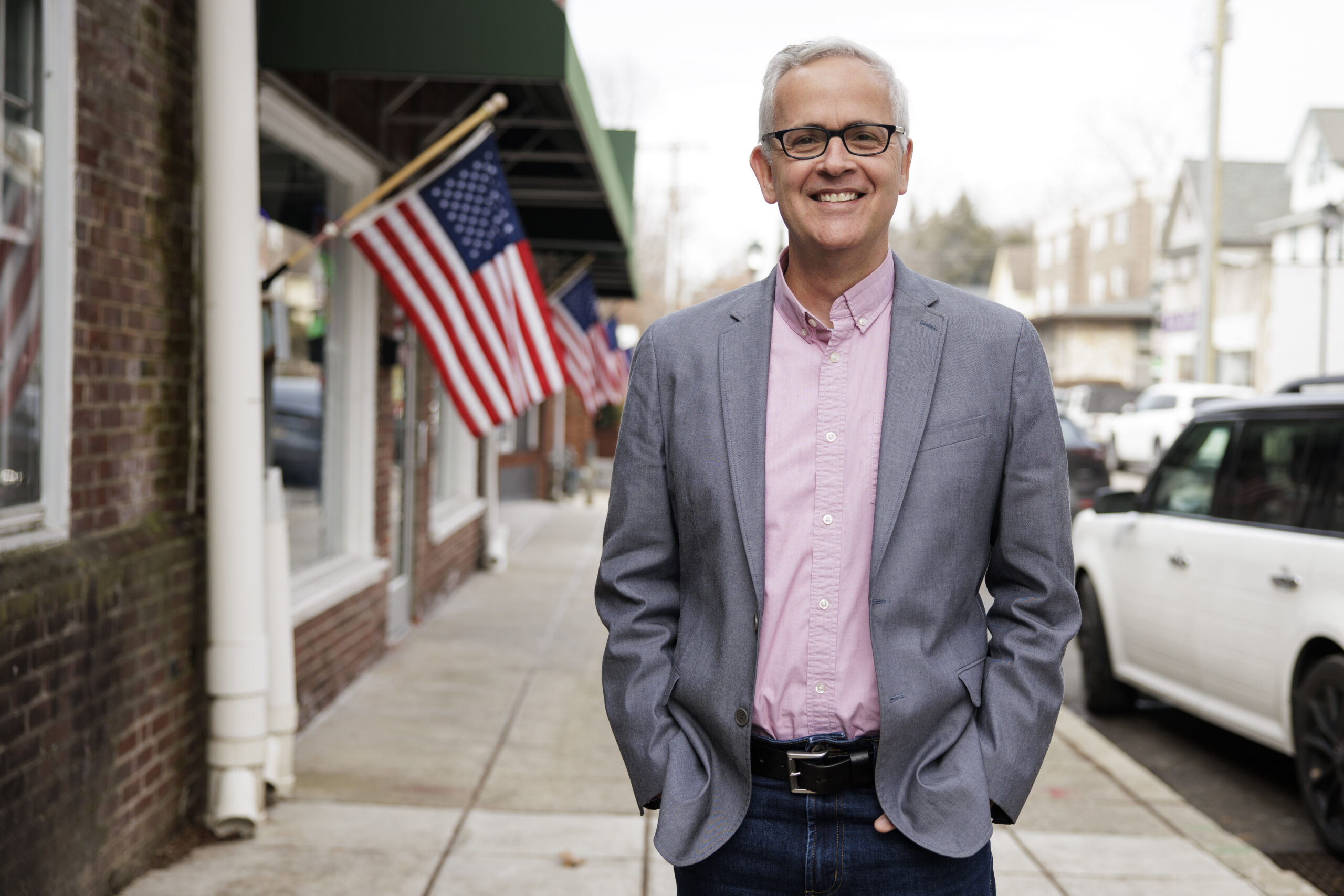
    Dana Edwards was sworn in as mayor of Narberth earlier this month.

    Narberth’s new mayor may have only lived in the 4,500-person borough for five years, but he’s already got a vision for it.

    Dana Edwards, 53, was sworn into office earlier this month after securing the backing of Narberth’s Democratic committee and running unopposed in both the primary and general elections.

    Now the Puerto Rico native who’s lived in several other parts of the U.S. before settling in Narberth is focused on sustainable growth while maintaining the borough’s “hometown feel,” The Inquirer’s Denali Sagner reports.

    Read more about Edwards’ background and some of his goals for his term.

    How Kobe Bryant spurred a decades-long high school basketball rivalry

    Lower Merion, Chester, Kobe Bryant
    When the late Kobe Bryant came to Lower Merion, he helped shape a rivalry with Chester that endured.

    Decades may have passed, but a longtime rivalry between two high school basketball teams, begun in part by legend Kobe Bryant, still lives on today.

    When Bryant joined the Lower Merion Aces his freshman year, the school wasn’t a basketball powerhouse. But as the program improved, it soon built a rivalry with the much-more-stacked Chester High School, so much so that their matchups would often sell out venues.

    The Inquirer’s Alex Coffey delves into the rivalry’s roots and how Bryant played a role.

    💡 Community News

    • Saks Fifth Avenue’s parent company filed for Chapter 11 bankruptcy last week, leaving some questions about the future of its stores. For the time being, the Saks on City Avenue in Bala Cynwyd will remain open while the company restructures. Here’s what we know so far.
    • Women’s apparel and accessories store Francesca’s, which has a location at Suburban Square in Ardmore, is reportedly closing its remaining stores after years of financial turmoil. Francesca’s filed for Chapter 11 bankruptcy protection in late 2020. (Fox Business)
    • Villanova University is among a handful of Pennsylvania colleges that are now paying some of its athletes directly. The move comes after a federal class-action lawsuit last year regarding student athlete compensation. Villanova said it will primarily pay athletes on its basketball teams.
    • Coulter Place, an apartment community at Suburban Square, is now open. The 131-unit, five-story building has a fitness center, clubroom, game room, pool, coworking spaces, and pet-care spaces with rents ranging from about $3,030 to $7,035 per month.
    • A handful of Philadelphia Police Department employees live in and around Lower Merion, according to a new Inquirer analysis. An increasing number of Philadelphia police employees — about a third of full-time staff — live outside the city, with four who reside in Bala Cynwyd, three in Bryn Mawr, and two each in Ardmore, Narberth, Villanova, and Wynnewood. See a map of where employees live here.
    • Bala Cynwyd resident Jenny Sved has been named the new executive director of Teach PA, the statewide affiliate of Jewish education advocacy organization Teach Coalition, which represents Jack M. Barrack Hebrew Academy and Perelman Jewish Day School.
    • A new pet boutique, Mila’s Pup Tienda, is coming to Ardmore, taking over the space at 18 E. Lancaster Ave.
    • 6abc recently caught up with Carolyn Vachani, the owner of Plant 4 Good in Ardmore. When the former nurse was ready to retire, she decided to open the shop at 100 Cricket Ave. to help connect others to plants and gardening. See the segment here.
    • Wynnewood’s English Village recently marked a milestone, turning 100 last year, and a century later still remains a coveted, if under-the-radar spot for homebuyers. The village sits between Cherry Lane and Wister Road and spans 29 Tudor-style homes. (Main Line Today)

    🏫 Schools Briefing

    • The district is hosting its third strategic plan community input meeting on Wednesday from 6:30 to 8:30 p.m. at the Lower Merion High School cafeteria. There, members of the community can share their thoughts on the district’s strategic plan for 2026 to 2031.
    • Tonight is Welsh Valley’s winter choral concert. The school board will meet from 7 to 9 p.m. on Monday, and there will be tours of Harriton High for eighth grade students and their families on Wednesday, which is also course selection night. See the district’s full calendar here.
    • Lower Merion High School’s wrestling team recently took home third place overall in the Central League Championship Tournament, held at Harriton High School. It was the team’s best overall performance. Senior Sam Soeffing also took home first place in his competition.

    🍽️ On our Plate

    • With a more than 700-person waitlist, a Gladwyne restaurant is surprisingly tough to get into, but it’s the best meal The Inquirer’s Kiki Aranita has eaten on the Main Line. Why’s it so difficult to score a table? Partly because Carlton Commons is in senior-living community Waverly Heights and requires residency. For those with friends or relatives there, it’s worth tagging along for the osso buco, butternut squash risotto, rigatoni alla vodka, or the signature tomato aspic.
    • Bikini Burger, a new eatery at 44 Rittenhouse Place in Ardmore, is hosting a ribbon cutting today at 11:30 a.m. to mark its official opening. Its menu includes burgers, milkshakes, and fries.
    • Looking for a non-alcoholic cocktail? Char & Stave in Ardmore has a barrel-aged “Old Fashioned,” which Philadelphia Magazine says is among the best alcohol-free sips on area menus currently, noting its barrel-aged espresso base gives it “a bourbon-like, oaky smoothness.”

    🎳 Things to Do

    🎶 The Music of Beyoncé and More for Kids: This kid-friendly show will feature music from the iconic artist. ⏰ Sunday, Jan. 25, 11:45 a.m. 💵 $20.44 📍 Ardmore Music Hall

    🎥 The Awful Truth: Catch a screening of this Cary Grant and Irene Dunne screwball comedy. ⏰ Wednesday, Jan. 28, 7:15 p.m. 💵 $11.75-$16.25 📍 Bryn Mawr Film Institute

    🏡 On the Market

    A four-bedroom Wynnewood stone Colonial

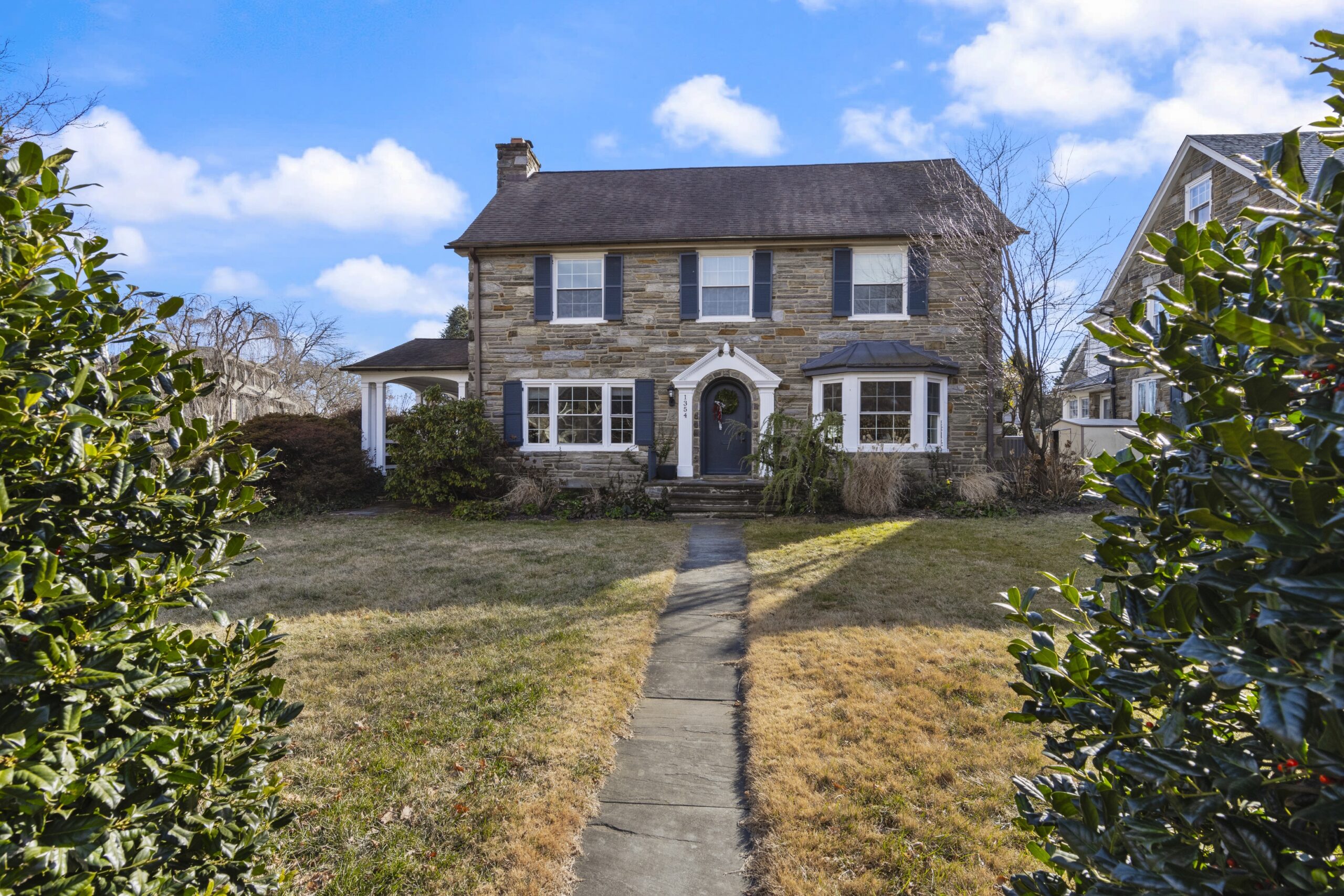
    The stone Colonial was built in 1925 and spans over 4,000 square feet.

    Built in 1925, this spacious Wynnewood stone Colonial has a classic exterior and a contemporary updated interior. The home’s first floor features a living room with a fireplace, and a dining room that opens onto the kitchen, which has a waterfall peninsula with a breakfast bar. There are four bedrooms and three full bathrooms on the second floor, and a “bonus room” on the third floor. The home also has a finished basement with a half bathroom.

    See more photos of the home here.

    Price: $1.25M | Size: 4,173 SF | Acreage: 0.18

    🗞️ What other Lower Merion residents are reading this week:

    By submitting your written, visual, and/or audio contributions, you agree to The Inquirer’s Terms of Use, including the grant of rights in Section 10.

    This suburban content is produced with support from the Leslie Miller and Richard Worley Foundation and The Lenfest Institute for Journalism. Editorial content is created independently of the project donors. Gifts to support The Inquirer’s high-impact journalism can be made at inquirer.com/donate. A list of Lenfest Institute donors can be found at lenfestinstitute.org/supporters.

  • Riddle Hospital receives $4M in state funding to expand healthcare access in Delaware County

    Riddle Hospital receives $4M in state funding to expand healthcare access in Delaware County

    Two Delaware County hospitals are getting $6 million in additional funding to help them address a sharp increase in patients after Crozer Health, the county’s largest hospital and busiest emergency department, closed last year.

    About $5 million of the funding had previously been allocated to Crozer Health under a program that supports hospitals that care for a high portion of low-income patients with Medicaid. About $3 million of that money was redistributed to Riddle Hospital in Media; Mercy Fitzgerald Hospital in Darby $2 million. Local lawmakers secured an additional $1 million for Riddle.

    “They really have stepped up to fill a big void, and we want to make sure they have the resources they need,” said Rep. Lisa Borowski, a Delaware County Democrat.

    The additional funding will allow Riddle, part of the nonprofit Main Line Health system, to hire more staff, said Ed Jimenez, Main Line Health’s CEO.

    When there aren’t enough nurses or other clinicians to cover the hospital’s needs, Riddle has had to turn to staffing agencies, which charge three to four times the rate Main Line pays staff providers, he said.

    Main Line executives and local lawmakers marked the funding announcement at Riddle Wednesday with a check presentation ceremony and roundtable discussion about ongoing regional healthcare challenges.

    Rep. Gina Curry, a Delaware County Democrat, urged hospital executives to continue trying to connect with patients who may be without doctors after Crozer was closed by its bankrupt for-profit owner, Prospect Medical Holdings, based in California.

    Crozer-Chester Medical Center in Upland and its sister hospital, Taylor Hospital in Ridley Park, served a disproportionately low-income population in Chester and other densely populated communities outside Philadelphia with high rates of chronic health problems, such as asthma and heart disease.

    “You’re working very hard inside here to try to help, but how are you including the community to let them know that Main Line Health is wrapping around them,” Curry said.

  • Dana Edwards fell in love with Narberth 5 years ago. Now, he’s the mayor.

    Dana Edwards fell in love with Narberth 5 years ago. Now, he’s the mayor.

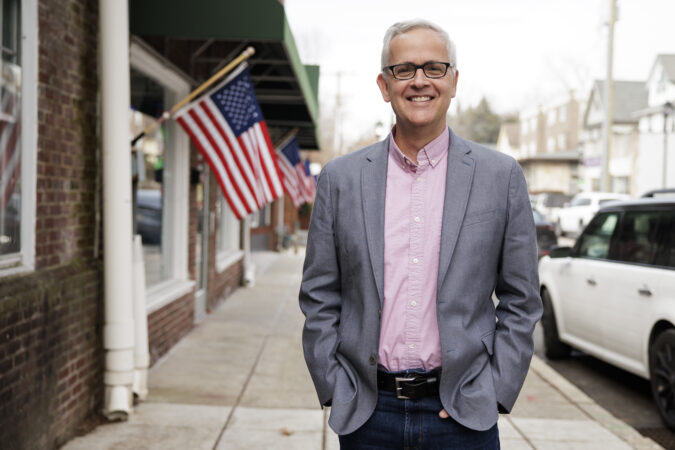
    As he stands outside the Narberth Bookshop on a frigid January afternoon, it’s clear Dana Edwards has a vision.

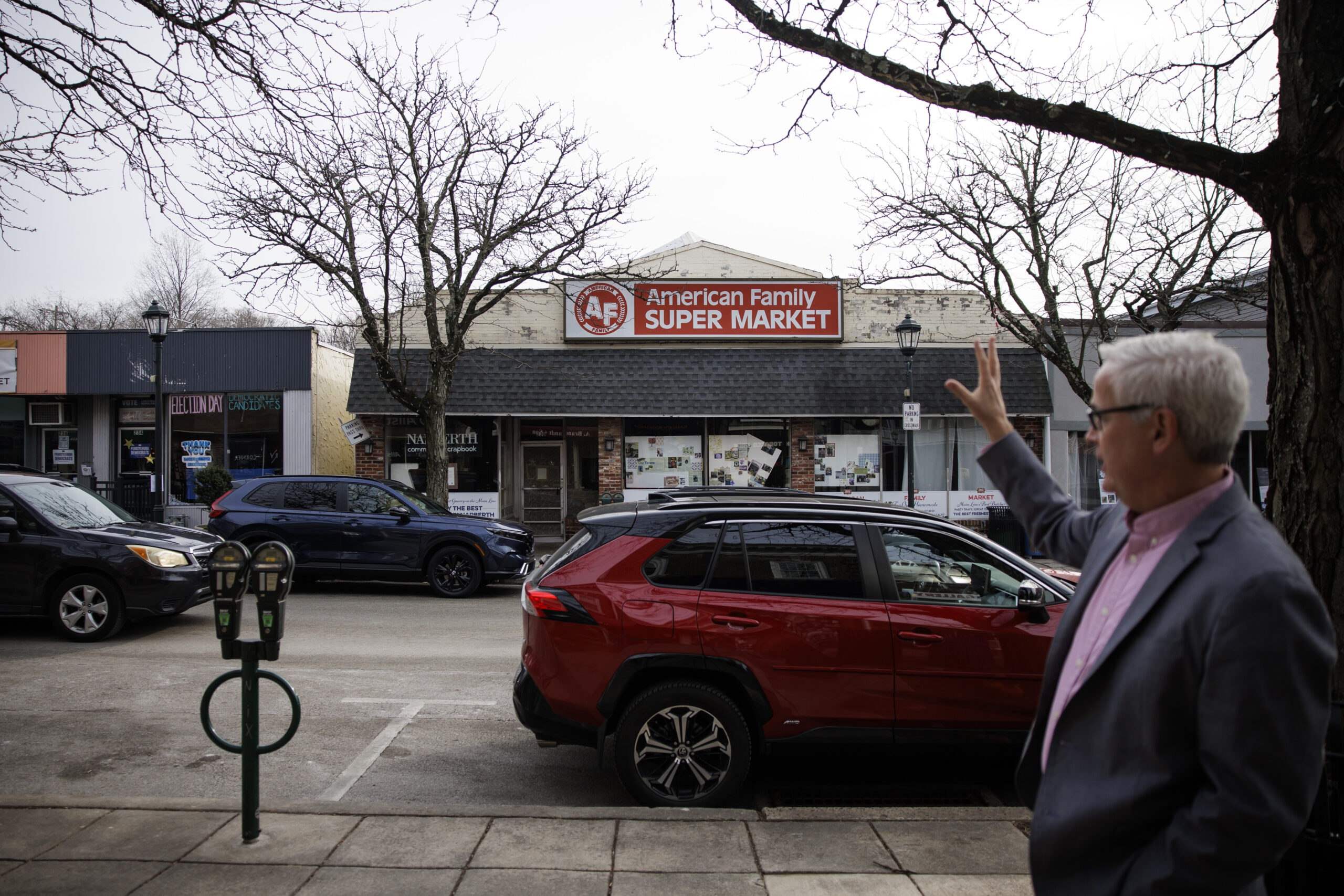
    Imagine, he says, as he sweeps his hands toward the borough’s downtown corridor, getting off the train and stopping into a small grocery for a bite to eat before heading home on foot. Maybe you buy a gift, or an ice cream cone, or a bottle of wine.

    Like anywhere, Narberth “could use a little bit of revitalization here and there,” Edwards said. But you can “see the potential.”

    Edwards, 53, was sworn in as Narberth’s mayor earlier this month. The longtime financial technology officer moved there from Pittsburgh five years ago with his wife, Miranda. They have a 2-year-old son, and Edwards has two older children, 19 and 22, from his first marriage. Edwards had never run for office before, but after falling in love with the borough (and being encouraged by neighbors), he stepped into the public eye last year. He won the local Democratic Party’s endorsement, then ran unopposed in the primary and general election. This month, Edwards replaced Andrea Deutsch, who had served as Narberth’s mayor since 2017.

    As the 0.5-square-mile, 4,500-person borough faces infrastructure challenges and debates over development, Edwards says he is ready to steer Narberth in the right direction through communication, thoughtful growth, and a social media presence he calls “purposely cringey and fun.”

    Narberth Mayor Dana Edwards talks about the empty storefronts on Haverford Avenue on Tuesday, Jan. 6, 2026 in Narberth, Pa.

    From San Juan to Narberth, with stops in between

    Edwards grew up in San Juan, Puerto Rico. There, Edwards says, he saw power outages, infrastructure issues, and food shortages. It was a formative experience that taught him about the collective — what it means to come together in the face of persistent challenges.

    He earned a degree in chemistry in 1994 from the College of Charleston in South Carolina. Though the goal was to become a doctor, Edwards was drawn to technology. He went back to school, and in 1997 earned a degree in computer science, also from the College of Charleston. Edwards has a master’s in business administration from Queens University of Charlotte in North Carolina.

    Edwards has spent three decades in the world of information technology, working mostly for major banks. He was the chief technology officer of the Mitsubishi UFJ Financial Group, then for PNC Bank. He is now the group chief technology officer for Simply Business, a London-based online insurance broker. He has lived in Puerto Rico, South Carolina, Los Angeles, Pittsburgh, and now Narberth. He has over 18,000 followers on LinkedIn.

    By his own admission, Edwards’ civic background is “a little bit light.” He has given to various causes over the years, and said he was involved in the ACLU in the early 2000s. He helped organize Narberth’s first Pride in the Park event in 2022 and said he has joined the Main Line NAACP chapter.

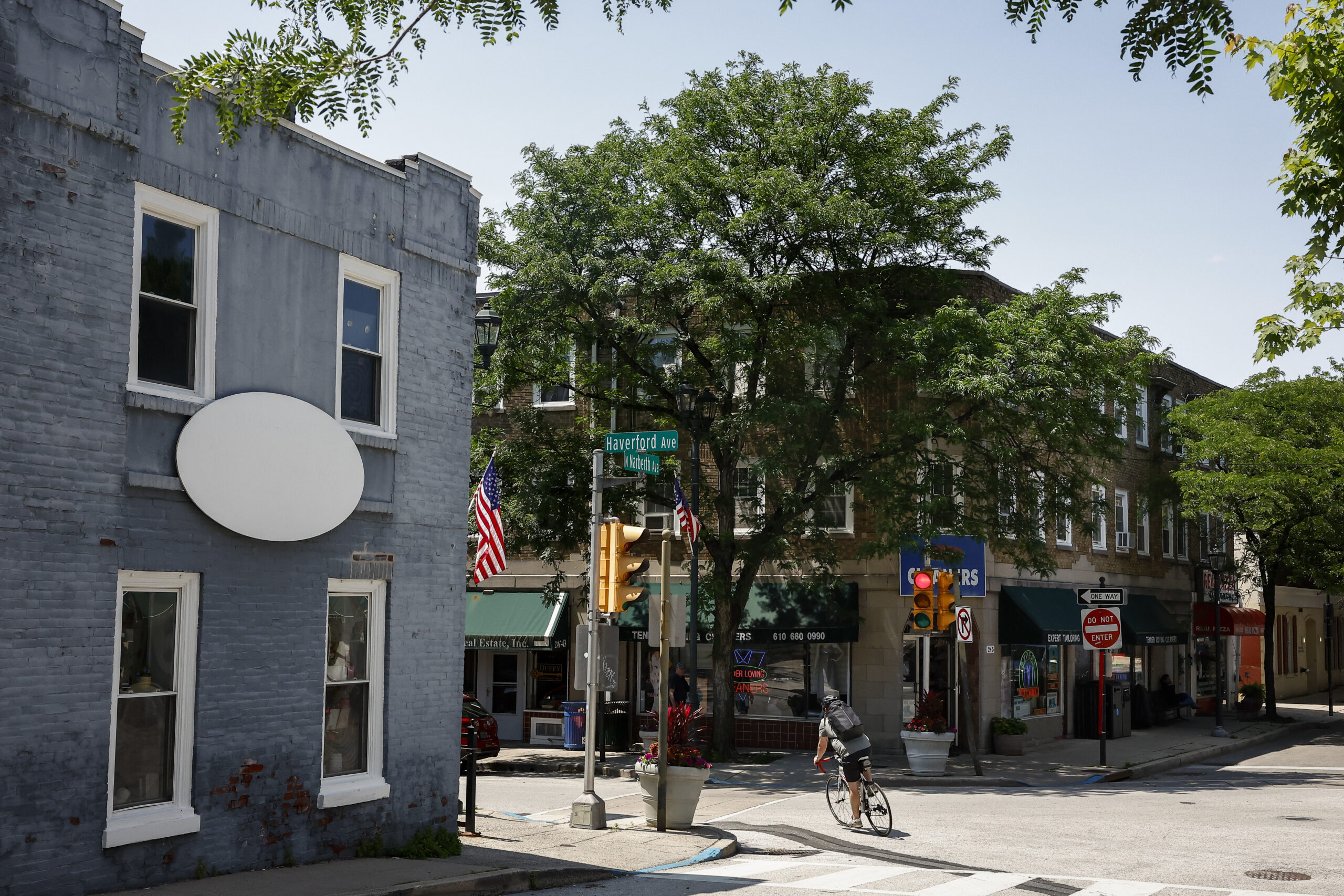
    The corner of Haverford and North Narberth Avenues on Monday, June 2, 2025 in downtown Narberth, Pa.

    Polarization happening ‘in our little town’

    Edwards started thinking about running for office “when the national scene changed dramatically.”

    He described beginning to sense a deep polarization both between and within America’s political parties.

    “I felt like I saw it happening locally. I saw it happening in our little town,” he said.

    As the mayoral race approached, neighbors began telling Edwards he had the right “thing” to run. He could build a strategic plan, lead an organization, and understand financials. At a candidate forum last year, Edwards said he originally planned to run for mayor in 2029, but decided to move his campaign up to 2025.

    Edwards earned the backing of Narberth’s Democratic committee people last April, beating out attorney Rebecca Starr in a heated endorsement process.

    During a March 2025 meeting, local Democrats squabbled over whether or not to endorse a candidate, citing “animosity” in the race (candidates are discouraged from running as Democrats if they do not receive the endorsement of the local committee). The committee ultimately voted to make an endorsement, which went to Edwards.

    After the meeting, Starr withdrew from the race, citing “vitriol” in the campaign.

    “I think [in] any good race, at some point, you have to have more than one candidate. Because otherwise, people are just getting selected, not elected,” Edwards said, referencing the endorsement process. “I do think that she would be a great candidate also, and I hope she runs again.”

    Edwards believes the community has largely moved on from any division that colored the primary. Really, he added, it’s more important to get people talking about the issues the mayor can solve — streets, garbage pickup, infrastructure.

    “I’m just really focused on Narberth,” he said.

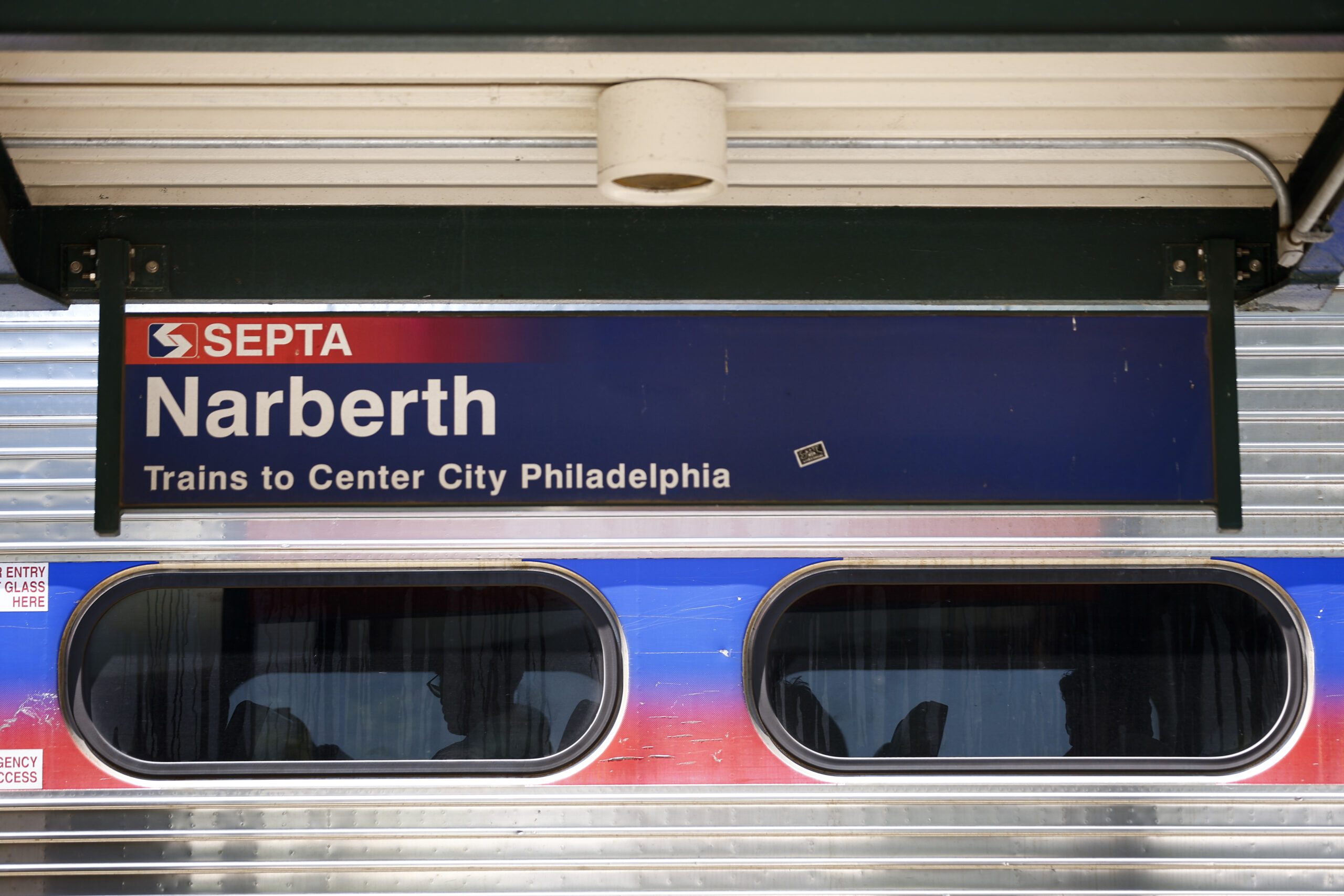
    The SEPTA train station on the Paoli/Thorndale Line on Monday, June 2, 2025 in Narberth, Pa.

    Building a ‘community-oriented’ future

    Edwards says he is committed to sustainable growth in a borough whose residents have diverse, and sometimes competing, visions for its future.

    There are two extremes, Edwards says. On one end, the borough could leave everything as it is. The buildings might fall apart, but they would be the same buildings that everyone knows and loves. On the other end, there is rapid growth, like bringing a Walmart Supercenter to Haverford Avenue.

    “It’s that thing in the middle that we’re looking for,” he said — a “hometown feel” with “community-oriented” businesses.

    Edwards is eager to get the 230 Haverford Ave. development across the finish line. The long-awaited project plans to bring 25 new apartment units and ground-floor retail to Narberth’s commercial core. The project, helmed by local real estate developer Tim Rubin, has been in the works for over five years, but faced pandemic-era setbacks that have left a number of vacant storefronts downtown.

    The mayor is also focused on the Narberth Avenue Bridge, a century-old span and main artery that has been closed for several years due to safety concerns and subsequent construction. Road-Con, the contractor updating the bridge, anticipates it will be completed by summer 2029.

    Edwards plans to write a regular newsletter, hold town halls, and host coffee chats. He hopes to put together an unofficial advisory group to bring together people, and opinions, from across the small borough.

    Edwards believes “the DNA of Narberth is alive and kicking,” from the Dickens Festival to the Narberth Outsiders baseball team. To keep it alive, though, the borough needs to bring business in and remind people why they love to live, shop, and work in Narberth.

    “It’s all about relationships and commerce,” he said. “[That] is going to be what brings us together.”

    This suburban content is produced with support from the Leslie Miller and Richard Worley Foundation and The Lenfest Institute for Journalism. Editorial content is created independently of the project donors. Gifts to support The Inquirer’s high-impact journalism can be made at inquirer.com/donate. A list of Lenfest Institute donors can be found at lenfestinstitute.org/supporters.

  • A homegrown and scrappy beauty boom is taking shape right here in Philadelphia

    A homegrown and scrappy beauty boom is taking shape right here in Philadelphia

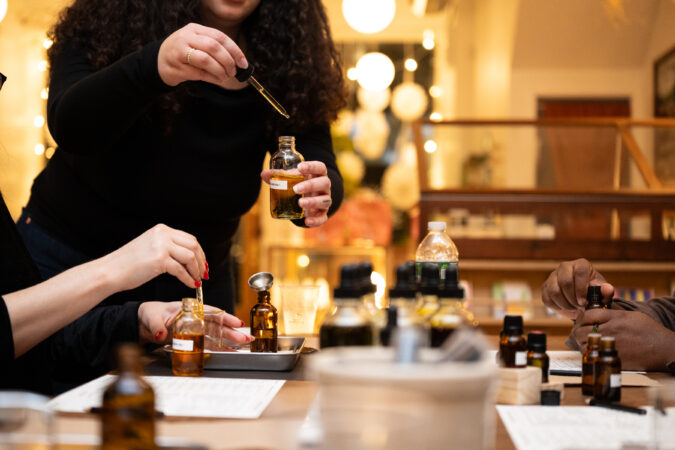
    On a recent wintry evening at Queen Village’s Moon and Arrow, a group of 10 women poured essential oils into beakers, mixing them with carrier oils.

    They’d gathered for a workshop led by Tasha Gear, founder of local brand Linear Beauty, who instructed as they created a formula for body oils.

    The 10 women took a whiff of each other’s potions, commented on their notes, and took in the smells.

    Here was a perfect picture of Philadelphia’s beauty scene, which is having a moment — not the glossy, influencer-backed boom of coastal cities, but something scrappier, smarter, and deeply local.

    Across the city, indie founders are hand-batching serums, mixing skincare in one-kilogram beakers, and designing products meant to withstand SEPTA, summer humidity, and long work shifts.

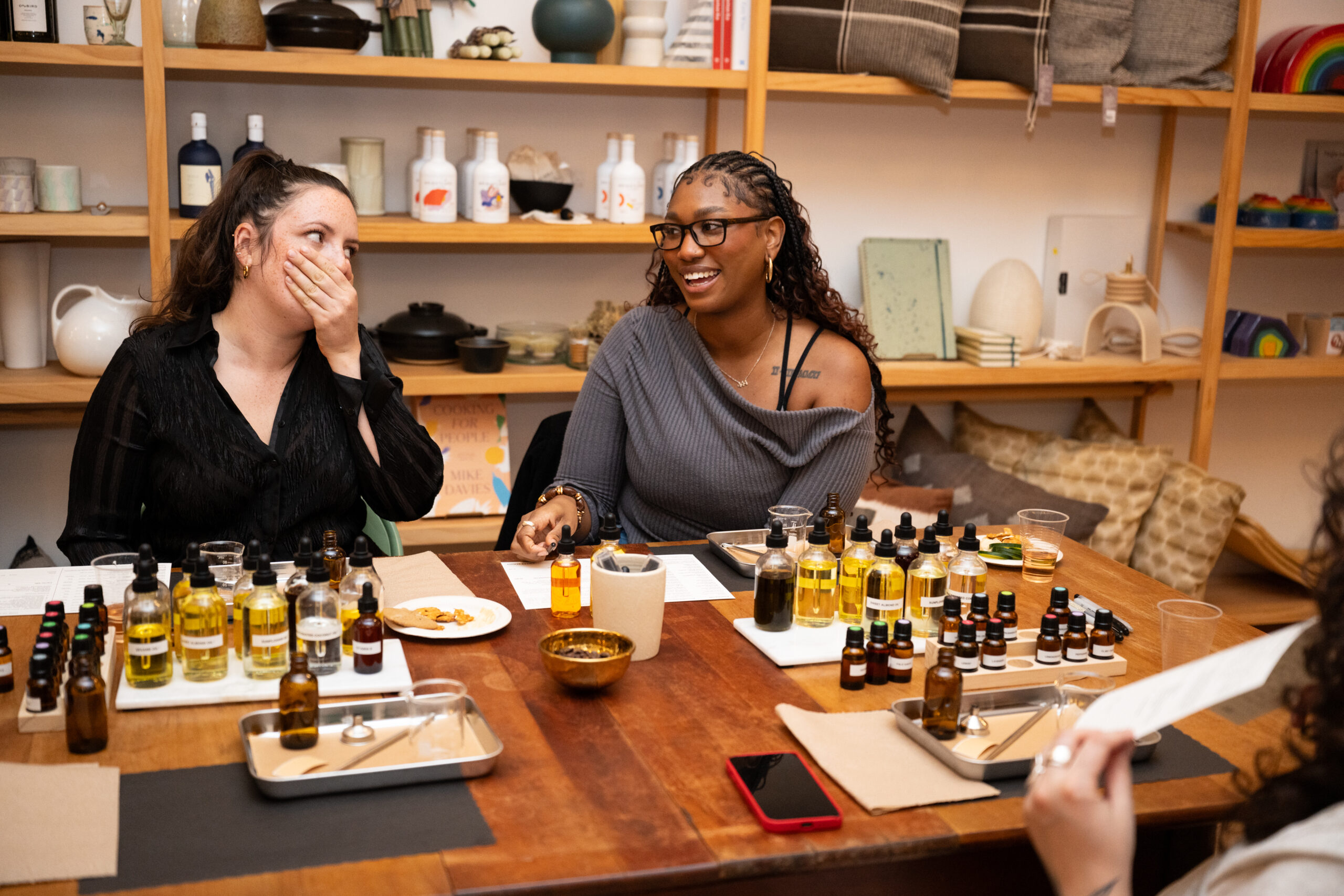
    Leila McGurk (left) laughs with Leah Antonia at a DIY body oil workshop organized by local skincare brand Linear Beauty at Moon and Arrow, a boutique in Queen Village on Thursday, Dec. 4, 2025.

    They are united by a commitment to science, transparency, and community,

    At the center of this shift is Indie Shelf in Grays Ferry and Malvern, where cosmetic scientist Sabeen Zia helps customers navigate an often confusing clean-beauty landscape.

    “Clean beauty goes beyond ingredient lists,” the Main Line resident said. “It’s how a product is developed, packaged, and the values behind it.” Zia doesn’t draw up fear-based “toxic ingredient” lists. Instead, she relies on science-backed safety standards and direct conversations with product founders.

    “People come in because they want to support small businesses, but they stay because they’re stunned by the changes in their skin,” she said.

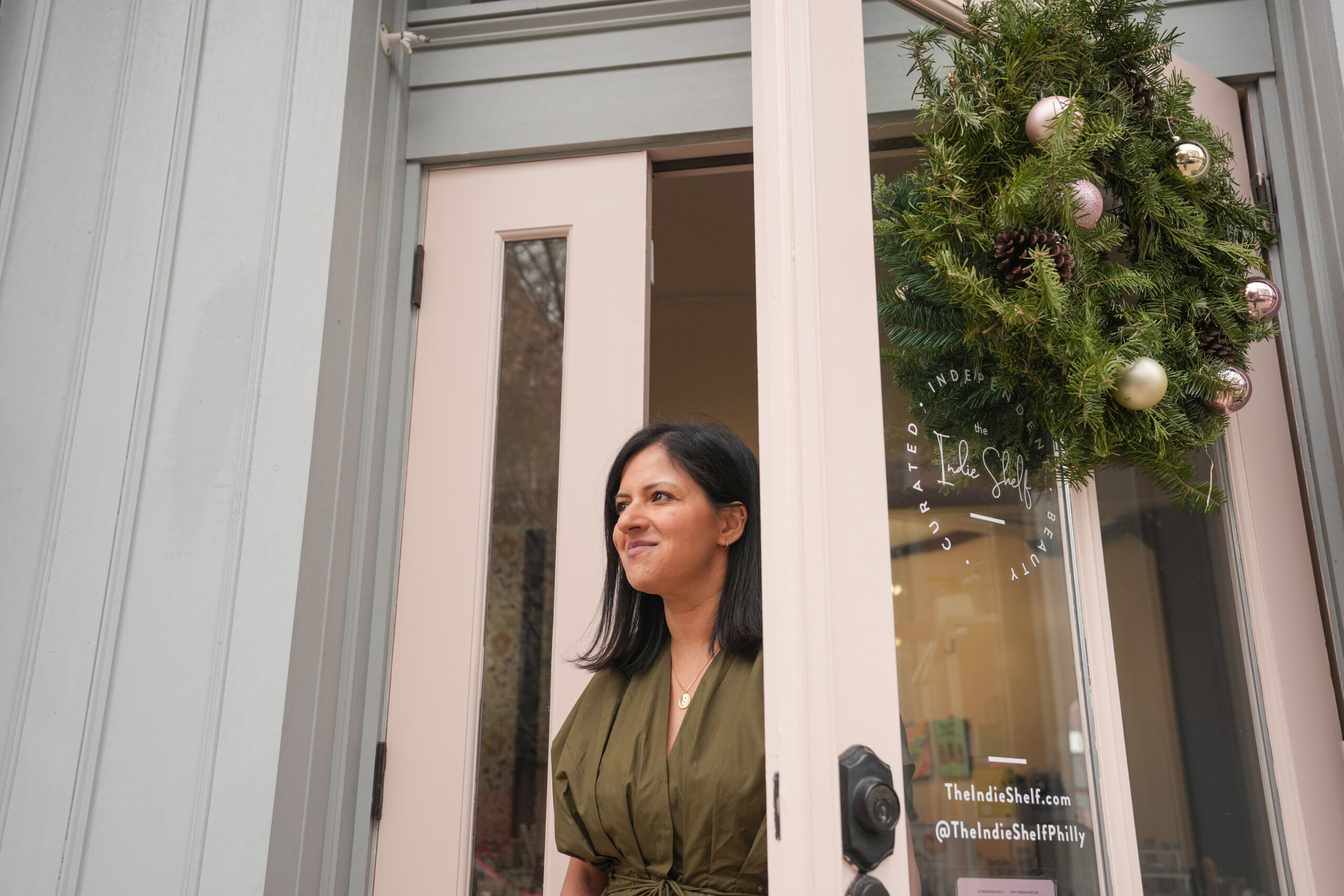
    Sabeen Zia runs Indie Shelf, which stocks a bunch of indie beauty brands. She also runs a brand called Muskaan that she sells at the store, in Philadelphia, December 11, 2025.

    Before opening the shop in 2019, Zia ran her own makeup line, Muskaan Beauty, which was cruelty-free, vegan, gluten-free, and halal. It struggled to get visibility — a challenge she realized many indie founders shared. “Philly didn’t have many clean beauty shops at the time,” she said. “It felt like a real gap in the market.”

    A gap that Indie Shelf aims to fill.

    Other local founders, too, swear by that community-first ethos.

    A former professor of English at Stockton University, Adeline Koh of Sabbatical Beauty, hand-batches high-concentration, K-beauty–inspired products, often using ingredients from neighborhood businesses, like Câphe Roasters and Baba’s Brew.

    “I wanted formulas that actually deliver what they promise,” she said. “Philly has so much pride in Philly-owned businesses. That made me feel this would be a really good market to build in. People here show up for their community.” She’s based in the Bok building.

    As for what feels uniquely “Philly” in Sabbatical Beauty’s identity, she doesn’t hesitate when asked.

    “We’re unapologetic about who we are, and that shows up in our emphasis on diversity: skin tones, body sizes, age. We want to expand what beauty means, not narrow it.”

    Sabeen Zia runs Indie Shelf, which stocks a bunch of indie beauty brands. She also runs a brand called Muskaan that she sells at the store, in Philadelphia, December 11, 2025.

    The brand is sold at local shops and spas.

    Sabbatical Beauty also pours back into the city’s maker ecosystem — donating masks and sanitizer during COVID, hosting holiday toy drives, running small-business markets, and partnering with the Equitable Skincare Project to fund donation facials for the trans community.

    It’s a similar story with brow artist Tara Giorgio.

    When the Lancaster native grew frustrated by the discontinuation of her favored brow beauty products, she created Brow Gang — her line of high-pigment brow mousse and powders that are, as she says, made “for real life.”

    Her products are sold in her two salons — in West Chester and Northern Liberties — and online.

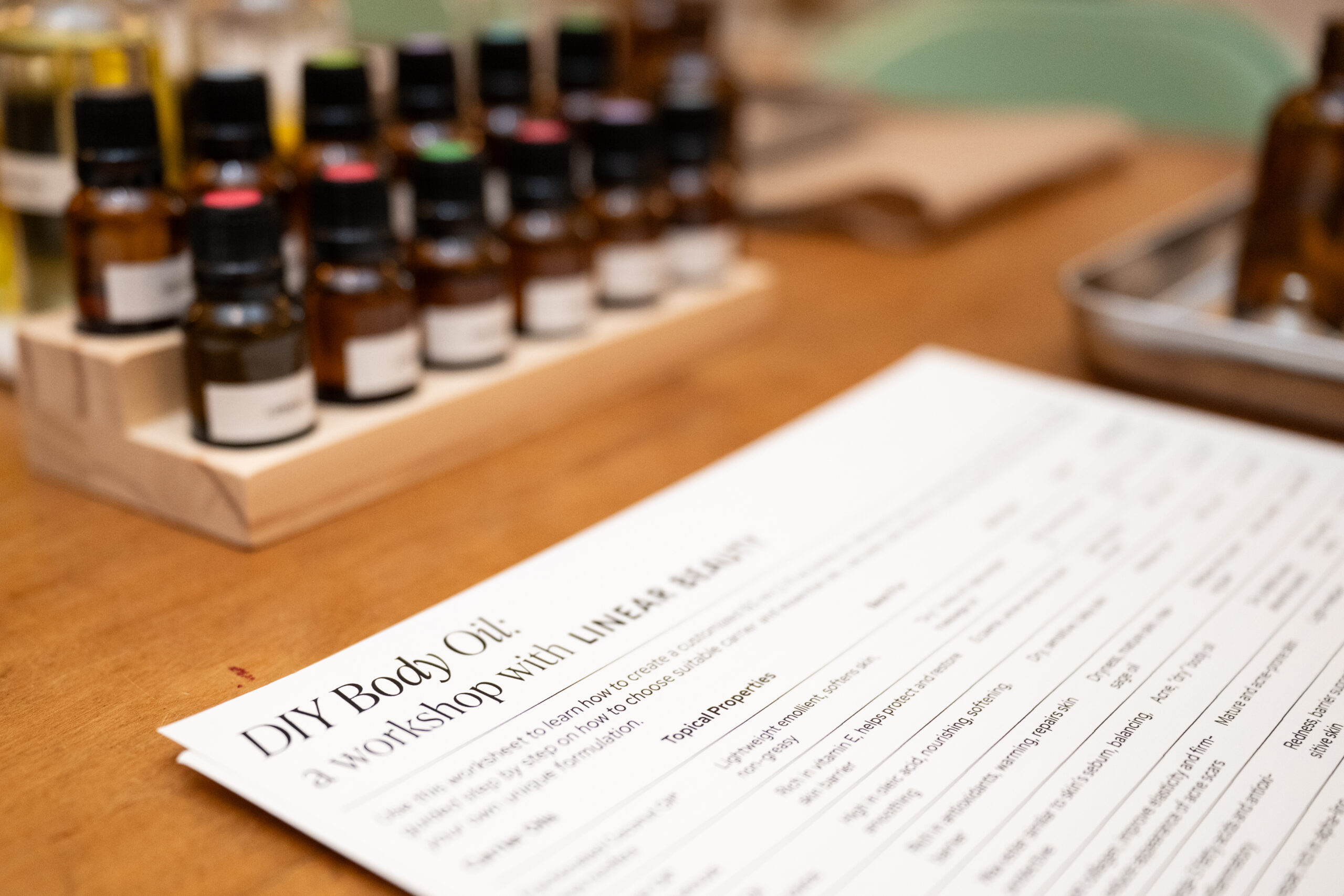
    Essential oils and an instruction sheet are pictured before Linear Beauty’s DIY body oil workshop at Moon and Arrow, a boutique in the Queen Village section of Philadelphia, on Thursday, Dec. 4, 2025. Linear Beauty is an independent Philadelphia-based botanical skincare brand founded by Tasha Gear.

    Philly’s beauty customers, she said, are unique because this city is “a true melting pot — all cultures, all backgrounds, all brow textures, all lifestyles. We don’t like fluff in Philly and we want things that work and are priced reasonably.”

    People here are busy and “they want products that make their lives easier — fast routines, long-lasting wear, and formulas that hold up through humidity, work shifts, SEPTA, the gym, real everyday life.”

    Cosmetic chemist Tina D. Williams feels “there’s still a real lack of handmade, natural skincare” in the local market to feed that need.

    Her Center City-based DVINITI Skincare crafts small-batch, food-grade blends of natural oils like argan, jojoba, and almond, which are designed for customization. Her philosophy, too, is rooted in the city: “The first ingredient in every DVINITI product is love — and this City of Brotherly Love is the perfect home for a brand built on self-care.”

    Williams, who grew up in the Olney area and graduated from the Philadelphia High School for Girls, is all too familiar with the city’s cold winters and hot summers. “I grew up here, so I understand the kind of skincare [Philly] people need,” she said. She also sees the city’s scientific backbone as a natural fit for a chemistry-driven brand. “Philly is a tech hub and a leader in research and development. DVINITI is positioned well to scale and grow with the local resources here to support our clients’ needs.”

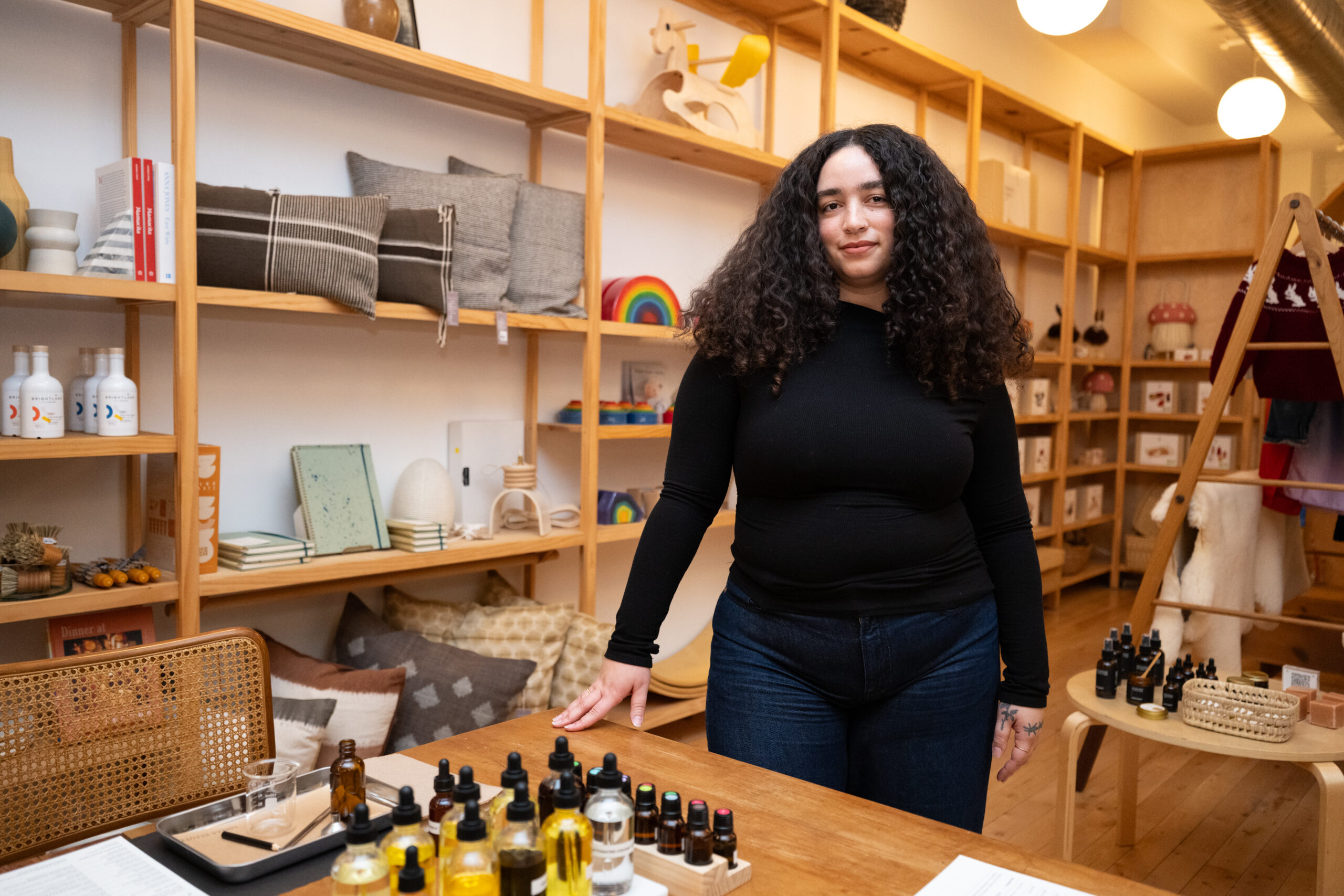
    Linear Beauty founder Tasha Gear poses for a portrait at a DIY body oil workshop hosted by the beauty brand at Moon and Arrow, a boutique in the Queen Village section of Philadelphia, on Thursday, Dec. 4, 2025.

    Another brand shaping the city’s beauty identity is Haiama Beauty, a Black woman–owned haircare line built in Philadelphia “because I love this city wholeheartedly,” said founder Allison Shimamoto.

    Haiama’s Grow & Strengthen Elixir takes four months to make and uses premium, organic argan oil — not because it’s the most profitable, but because it’s the right way to make it.

    Small-batch production allows the brand to source intentionally from BIPOC, LGBTQIA+, and women-owned suppliers and to design products that work across all curl patterns— from the Leona red-light scalp stimulator to the multipurpose Everything Cream.

    What resonates with her Philly consumers, Shimamoto said, is connection. “People here want to know who’s behind the brand.”

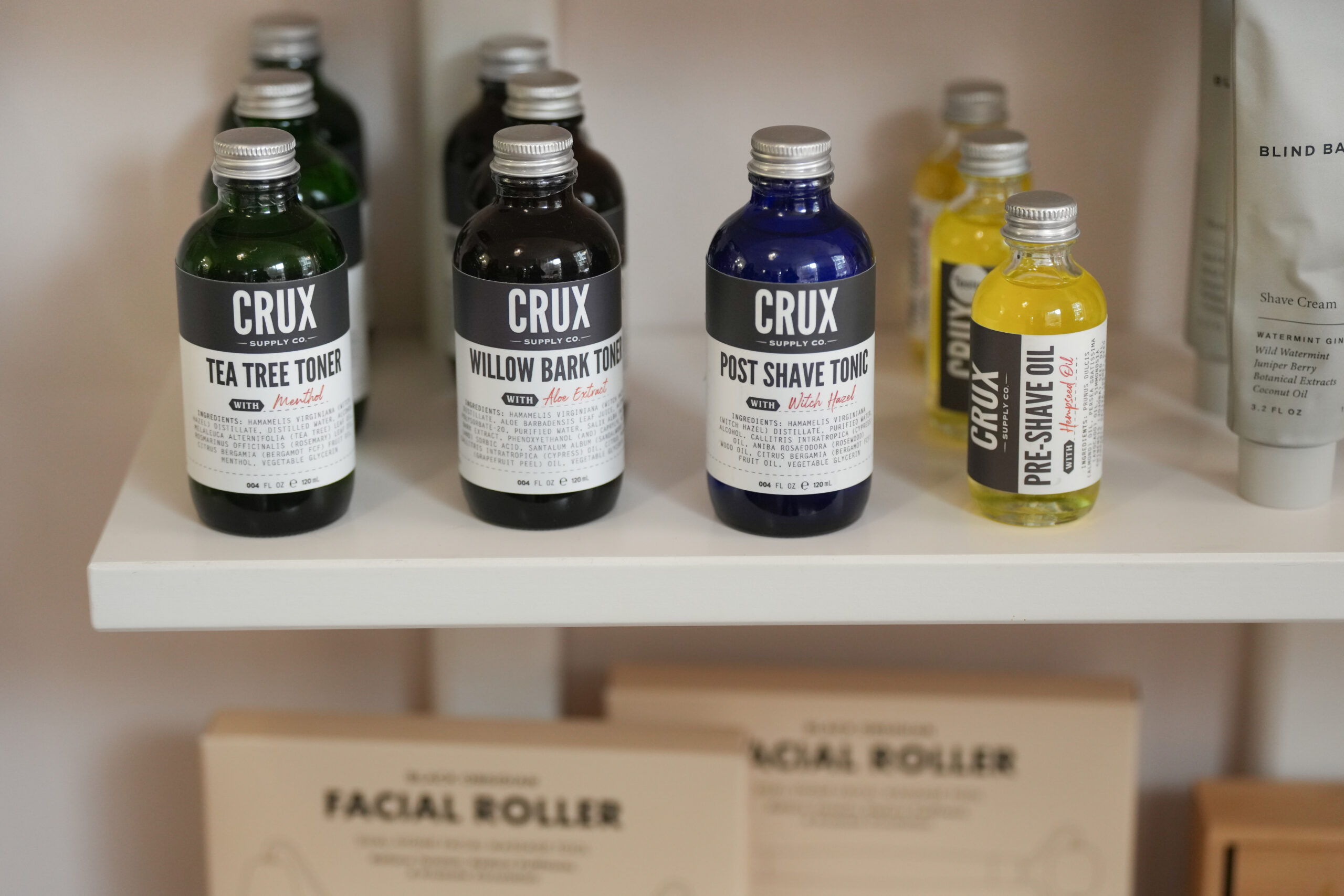
    Linear Beauty products are pictured at a DIY Body Oil Workshop hosted by the brand at Moon and Arrow, a boutique in the Queen Village section of Philadelphia.

    Markets like Made@Bok and Art Star have helped Haiama meet customers face-to-face, build community, and grow within the city’s tight-knit maker ecosystem.

    Philadelphia’s indie founders agree that the city’s beauty identity is defined by three traits: creative, authentic, community driven.

    “The passion for high-quality products and supporting small business truly sets Philly brands apart,” said Zia. Even small details — easy drop-offs, quick restocks, face-to-face conversations with founder-formulators — become part of the city’s distinctive customer experience.

    Local customers meet founders in person, pick up their products, return for refills, and show up at pop-ups and farmers markets.

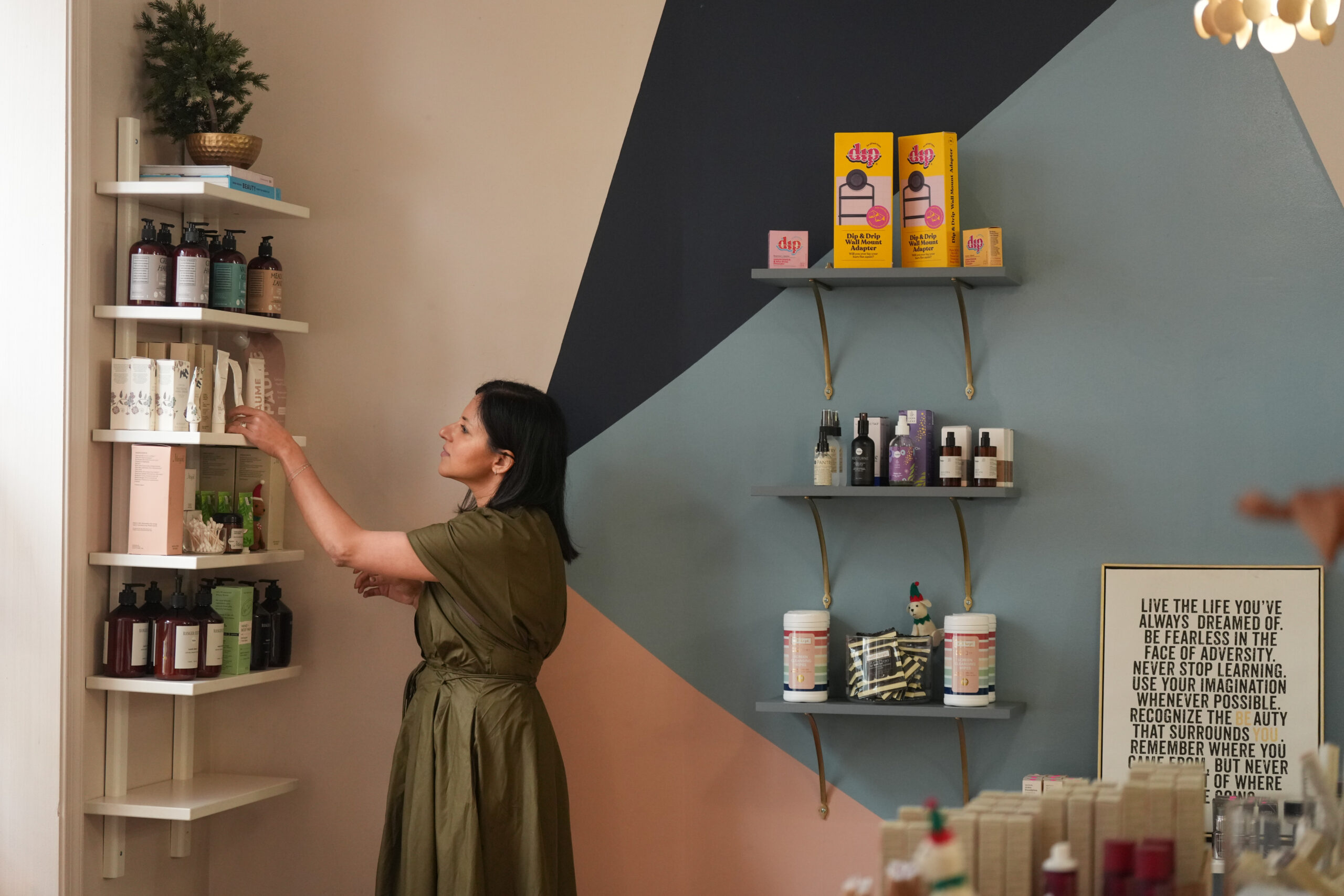
    Products at Indie Shelf, which stocks a bunch of indie beauty brands.

    Despite challenges like tariffs, supply-chain delays, and seasonal slowdowns, Zia remains hopeful. Her dream? “For Philly to be known as the city for indie beauty — a place where founders can scale without losing their authenticity.”

    Gear, who moved to Philadelphia in 2019 after spending a decade working in New York City’s Package Free Shop, agrees.

    “Philly is a pretty no-B.S. city,” she said. “That shows up in everything I make.”

  • Smaller portions, fewer second drinks: How restaurateurs are adapting to changing consumer trends

    Smaller portions, fewer second drinks: How restaurateurs are adapting to changing consumer trends

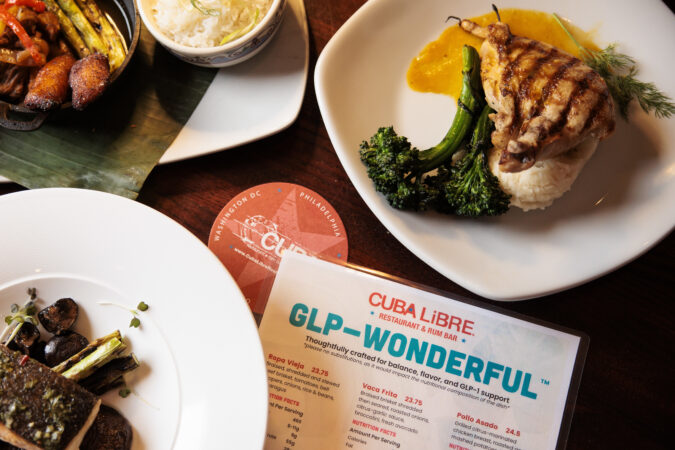
    In October, Cuba Libre became one of the country’s first full-service restaurants to unveil a GLP-1 menu, available at the request of diners on the increasingly popular weight-loss medications.

    Next month, the Old City establishment will also roll out a “lighter portions, lighter prices” section of its regular menu.

    This is all to keep up with the evolving preferences of Philly-area diners, said Barry Gutin, cofounder of Cuba Libre.

    “We said, ‘We should put something on the menu for all sorts of people watching their diet and their money,’” said Gutin, whose staff has noticed GLP-1 users and nonusers alike requesting these options more over the past year. This trend has also been seen at Cuba Libre restaurants in Atlantic City, Washington, and Orlando, as well as at its Paladar Latin Kitchen and Bomba Tacos locations in the Philadelphia suburbs.

    For customers, an added perk is that they pay less for these smaller-portioned menu items, Gutin added. He said diners have become more focused on value amid broader financial uncertainty.

    “The economy dictates that we have a diversity in pricing that meets more people’s needs,” Gutin said. “You think about the way people look at menus online. They’re scanning through prices as well.”

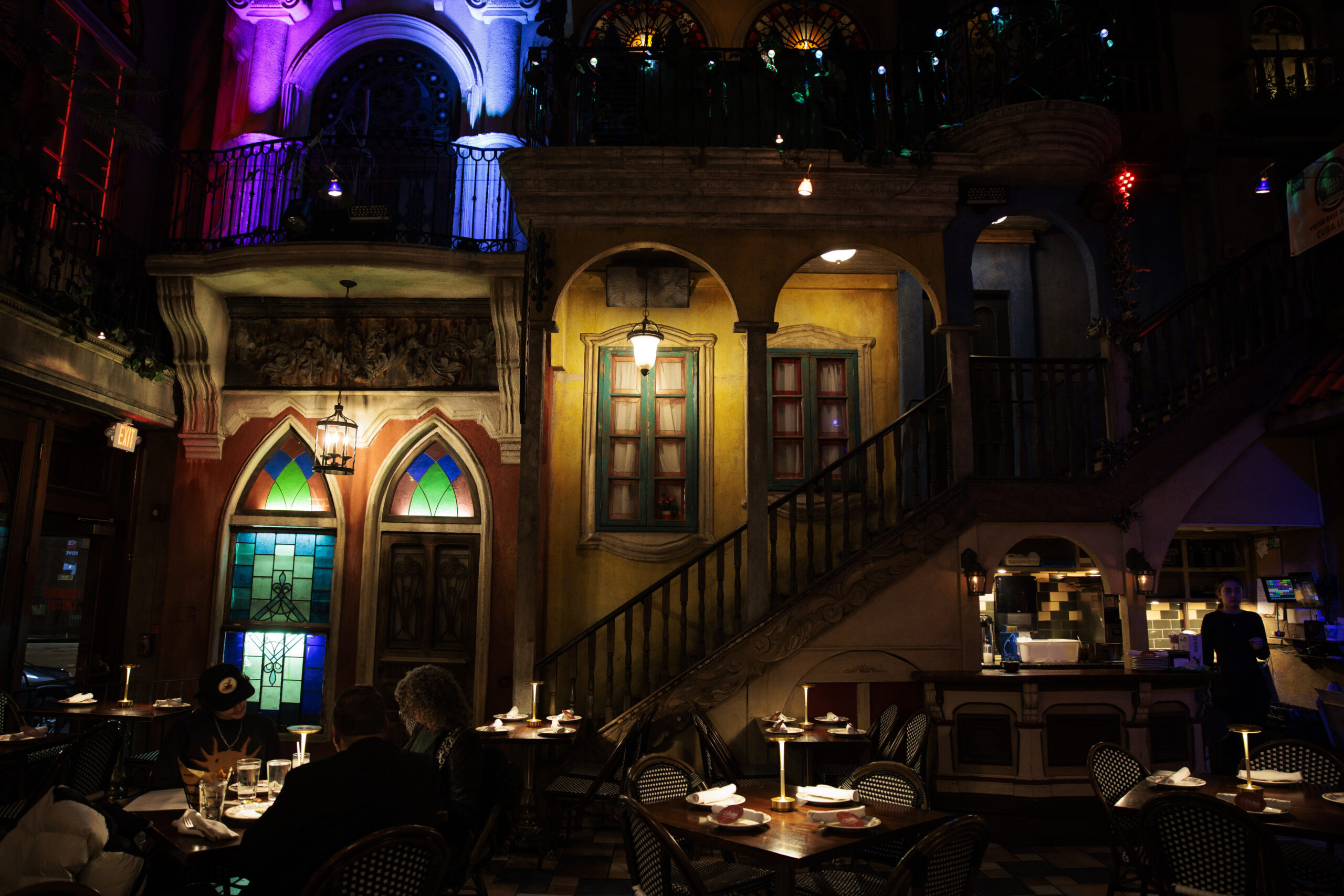
    The dining room at Cuba Libre in Philadelphia. A cofounder says staff has noticed GLP-1 users and nonusers alike requesting smaller-portioned, less expensive options more over the past year.

    In August, more than a third of U.S. diners said they were dining out less frequently than they did a year ago, according to a survey from YouGov. Of the less-frequent diners, 69% said they were eating out less in part because of the perceived cost of restaurant meals, the survey found.

    Lower-income consumers were most likely to have cut back on dining out, according to the survey, while middle- and higher-income folks hadn’t changed their habits substantially.

    This jibes with what executives at the Federal Reserve Bank of Philadelphia are hearing, too.

    “Even individuals with discretionary income to spend are being careful,” Anna Paulson, president of the Federal Reserve Bank of Philadelphia, said Wednesday. “For example, although people are still eating out in Philadelphia, contacts tell us that less expensive options on the menu are becoming more popular.”

    “The only exception to this trend is at more upscale restaurants,” Paulson added. “High-income households, bolstered by a strong stock market, appear to be driving elevated consumption growth.”

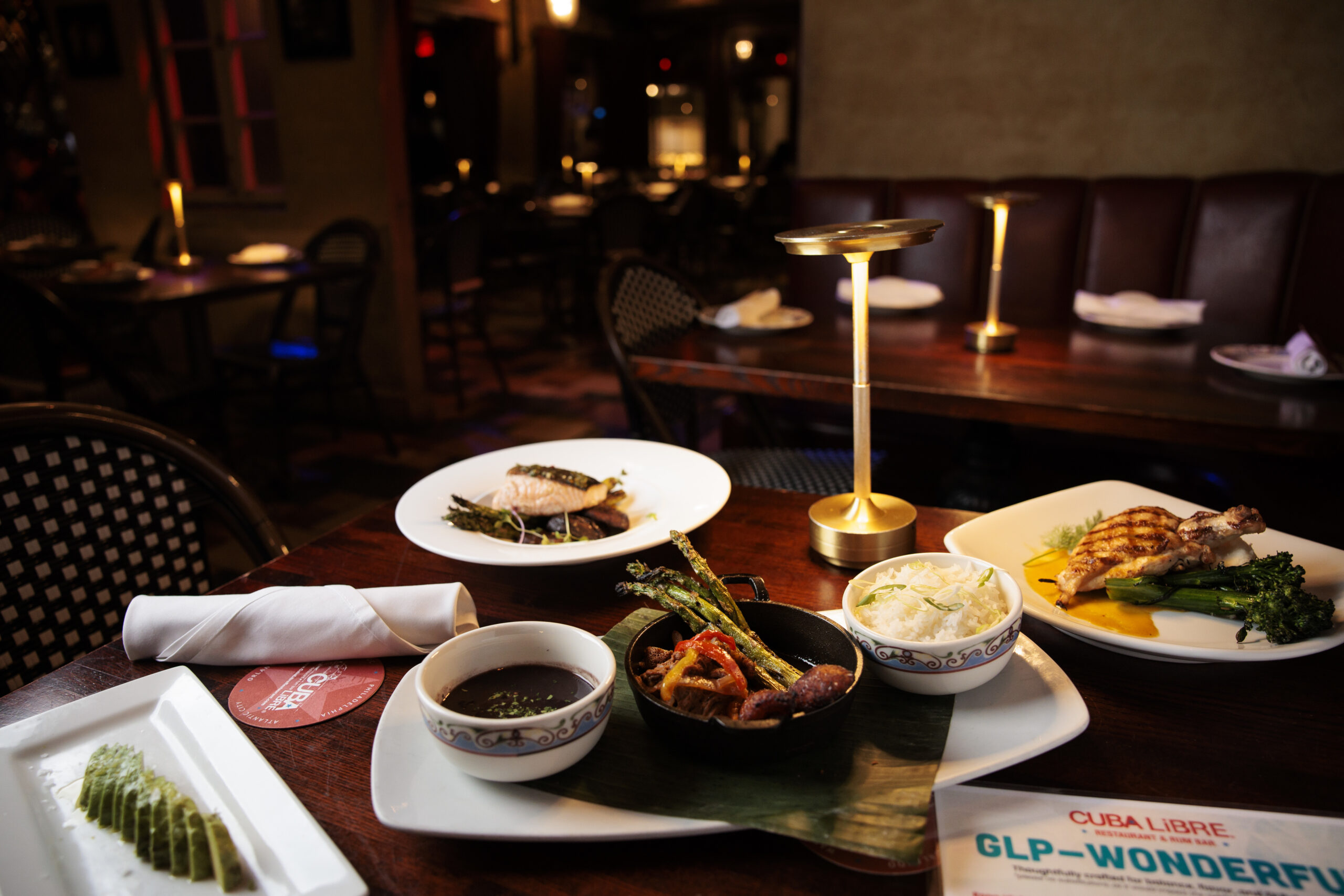
    The Ropa Vieja meal from the GLP-Wonderful menu at Cuba Libre as shown on Jan. 14.

    At the same time, restaurants nationwide are rethinking their menus amid a rise in the use of GLP-1 medications like Ozempic and Wegovy, which suppress appetite. In recent weeks, Olive Garden, Shake Shack, and Chipotle are among chains that have rolled out special menus with higher-protein, smaller-portioned meals. Smoothie King launched a GLP-1 Support Menu in October 2024.

    As of November, about 1 in 8 U.S. adults were taking a GLP-1, according to a survey from the nonprofit Kaiser Family Foundation. GLP-1s can be used for weight loss and to treat chronic conditions such as diabetes.

    At the bar, consumer habits have also changed.

    Alcohol use among adults has plummeted, with just 54% of respondents saying they drink in a July Gallup survey. That’s the lowest percentage in at least 90 years. It likely drops even lower this month as some people abstain from alcohol as part of the Dry January trend.

    Philly-area diners are spending ‘differently’

    All of these trends are on display at Philly-area bars and restaurants. And owners are trying to keep up.

    “We’re definitely at a time of dramatic shift in people’s preferences and tastes,” said Avram Hornik, owner of FCM Hospitality, which runs about a dozen venues in the region. They include Morgan’s Pier, Harper’s Garden, Craft Hall, and Concourse Dance Bar, as well as seasonal cocktail and beer gardens such as the traveling Parks on Tap.

    “I don’t think people are spending less or going out less,” Hornik said, “but I just think they are doing it differently.”

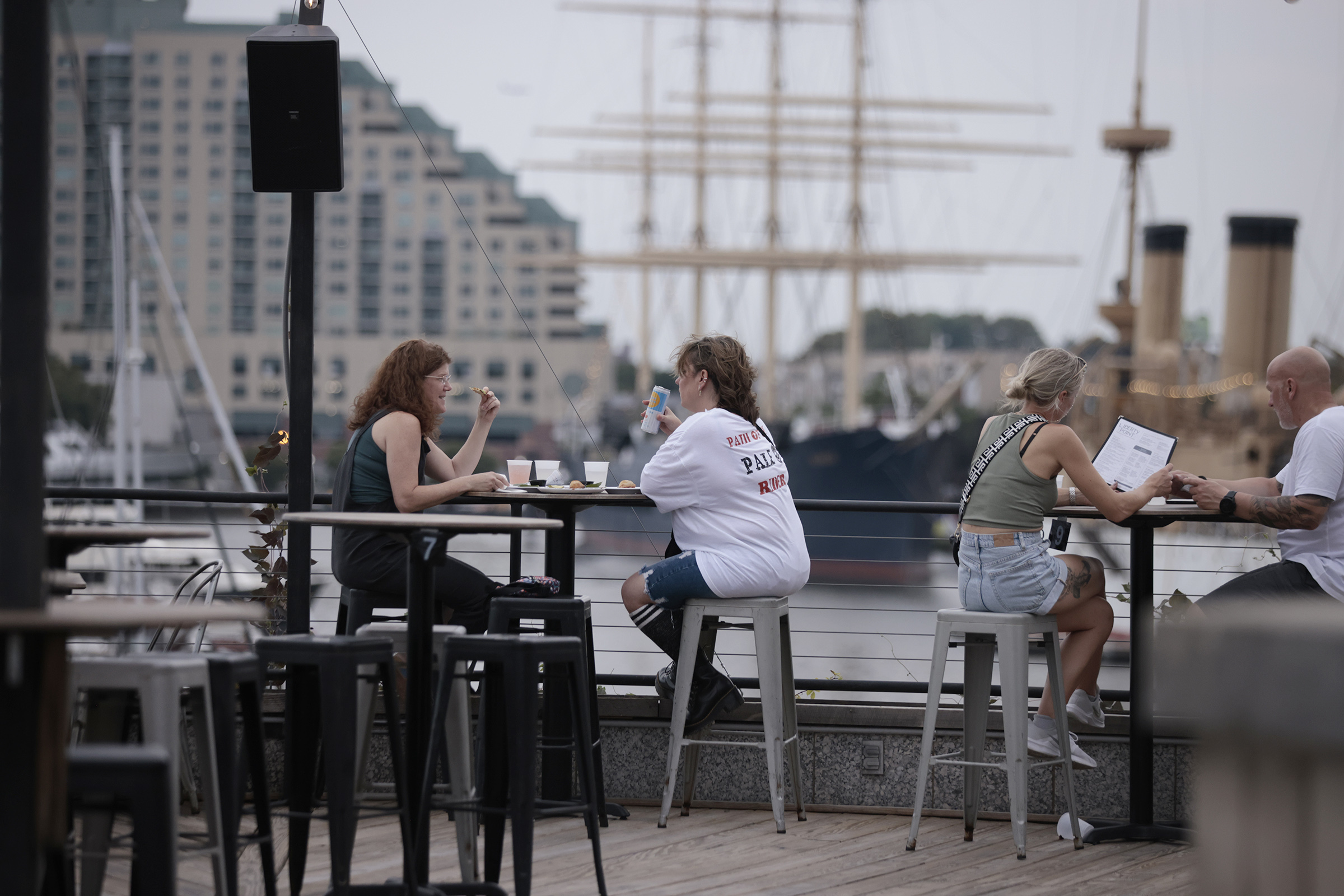
    Customers dine at Liberty Point, one of Avram Hornik’s restaurants, in 2023.

    At Hornik’s restaurants, overall sales have been consistent year over year, he said. Some customers are looking for smaller portions, he said, and late-night business has dropped precipitously. But group dining and special events have made up for losses in other areas, he said.

    When customers decide an outing is worthwhile, Hornik said, they generally aren’t sparing expenses.

    People are “looking for more of an experience when they go out to eat,” Hornik said. “It’s really about value: Am I getting a good value for the money that I’m spending?”

    To retain customers, Hornik said his restaurants are leaning into weekly specials, such as $1 tacos at Rosy’s, and happy-hour deals.

    At Cuba Libre, Gutin said he sees the GLP-1 menu, as well as the forthcoming lighter-portions menu, as a way to make his restaurants as appealing as possible for all diners.

    At each location, only about a dozen people request the GLP-1 menu each week, he said. But if a group is considering dining at Cuba Libre and one person is on a GLP-1, the special menu could make or break their decision. He said it could keep the GLP-1 user from exercising their “veto vote,” sending the entire group to dine elsewhere.

    Dining trends differ by location

    In the Philadelphia suburbs, restaurateurs said dining trends vary depending on location and type of restaurant.

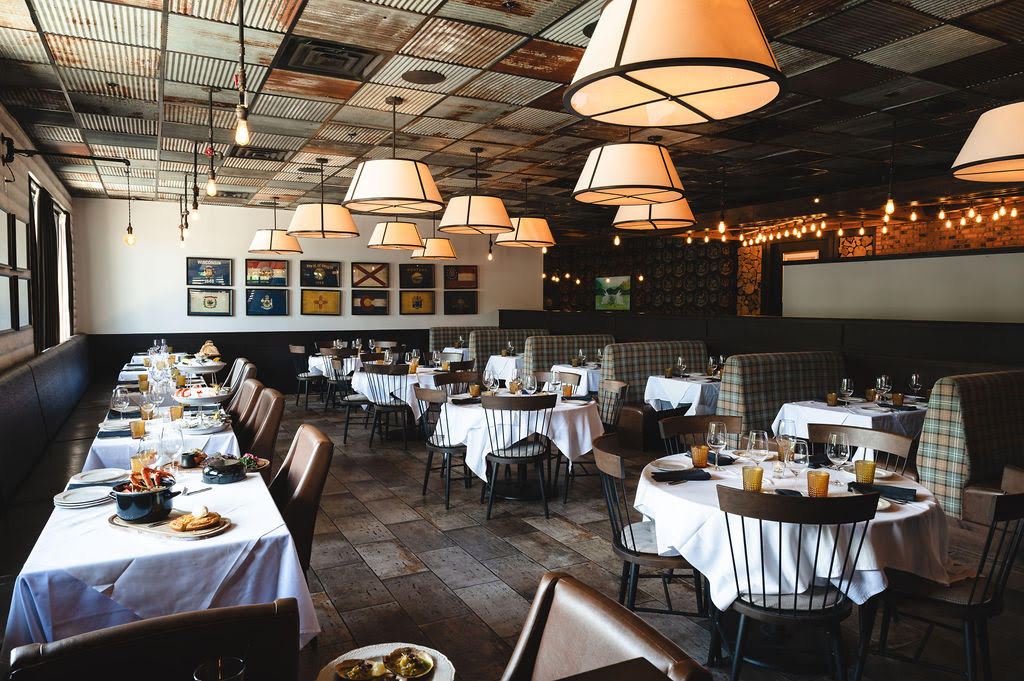
    The dining room at Joey Chops, the Malvern steakhouse that Stove & Co. restaurants co-owner Joe Monnich said has been least impacted financially by changing consumer habits.

    Joe Monnich, co-owner of Stove & Co. restaurant group, said food sales are up at his higher-end restaurants, including Joey Chops steakhouse in Malvern. But farther from the Main Line, in more “blue-collar” Lansdale, he said, Stove & Tap’s business is less steady of late.

    There, “I feel more economic up and downs,” Monnich said. He felt similarly about his Al Pastor restaurant in Havertown, which is now closed after a local buyer came in last month and offered Monnich cash on the spot for the building.

    At his more casual concepts all over the region, people are spending less on average, he said, and about the same at the higher-end spots. Recently, he added, staff have noticed diners being more mindful of how much they’re consuming.

    “People aren’t getting that second drink,” Monnich said. “People aren’t getting dessert. People aren’t getting that appetizer.”

    Changing drinking habits have hurt alcohol sales, too, Monnich said. In recent years, many customers have turned away from local microbrews and gravitated toward canned cocktails and “macro beers” like Michelob Ultra and Miller Lite.

    “Three years ago I barely sold Michelob Ultra and right now it’s one of my top sellers,” Monnich said. As are canned cocktails. “Surfsides are expensive, and I don’t make a lot of money off them.”

    Stove & Co. executives have talked about creating special menus catering to these evolving consumer preferences, Monnich said, but he gets anxious about making portions smaller. So for now, he too is leaning into happy-hour deals and other value-focused items.

    “I try not to be too focused on trends because trends come and go,” Monnich said. “I do see the current trend, these weight-loss drugs, I don’t see that going anywhere … [and] people are going to be drinking less-octane alcohol.”

    Staff writer Ariana Perez-Castells contributed to this article.

  • Fewer Pennsylvania nursing homes closed last year than in 2024

    Six Pennsylvania nursing homes closed last year, down from 10 in 2024, according to data provided to The Inquirer by the Pennsylvania Department of Health.

    None of last year’s closures were in the Philadelphia area. The most recent closure in Southeastern Pennsylvania was at Main Line Health’s Riddle Hospital, which shuttered its very small, 23-bed facility in early 2023. That year, five nursing homes closed statewide.

    window.addEventListener(“message”,function(a){if(void 0!==a.data[“datawrapper-height”]){var e=document.querySelectorAll(“iframe”);for(var t in a.data[“datawrapper-height”])for(var r,i=0;r=e[i];i++)if(r.contentWindow===a.source){var d=a.data[“datawrapper-height”][t]+”px”;r.style.height=d}}});

    But this year is starting with the loss of a Philadelphia facility. Monumental Post-Acute Care at Woodside, formerly called Bala Nursing & Rehabilitation Center, notified state official last month that the 180-bed facility will close next month.

    Officials there could not be reached for comment about why nursing home is closing after 37 years. More than 90% of the facility’s patients had Medicaid insurance for low-income people.

    Monumental is among the larger nursing homes to close recently. About half of the nursing homes that closed during the last three years had 50 or fewer beds. The statewide average is 127 beds.

    Smaller facilities have a harder time covering their costs.

    The county hardest hit by nursing home closures was Allegheny, which is home to Pittsburgh. Four nursing homes closed there. The counties that are home to Scranton and Wilkes-Barre each lost two facilities.

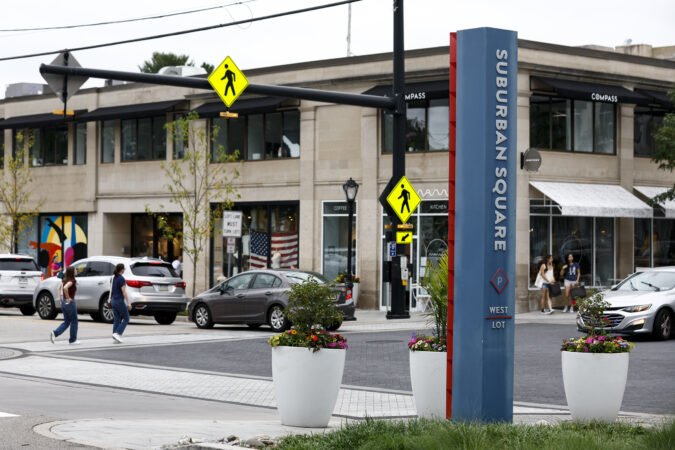
  • Suburban Square now has apartments

    Suburban Square now has apartments

    Apartments have come to Suburban Square.

    This week, owner Kimco Realty and developer Bozzuto Development announced the opening of Coulter Place, the first apartment community in the Ardmore shopping destination.

    The five-story, mixed-use development includes 131 apartments with one to three bedrooms and about 20,000 square feet of ground-floor retail space. Amenities for residents include a fitness center, clubroom, game room, pool, coworking spaces, and pet-care spaces. It has two courtyards and garage parking with electric-vehicle charging stations.

    The promise of apartment residents helped attract new retailers to Suburban Square, including New Balance, Sugared + Bronzed, and the apparel brand Rhone on the ground floor of the apartment building.

    The complex is one of a few projects planned in recent years that have added or will add hundreds of apartments near Lancaster Avenue in Ardmore. One Ardmore, a 110-unit apartment complex, opened in 2019 after a yearslong campaign by residents to stop it. The long-awaited Piazza development is expected to add 270 apartments and almost 30,000 square feet of retail space when it opens in a couple of years.

    This rendering shows the outdoor pool at Coulter Place.

    Conor Flynn, CEO of Kimco Realty, said in a statement that Suburban Square is an “iconic, walkable destination” and that the addition of apartments creates “a more vibrant, connected experience for residents, retailers, and visitors alike.”

    “Coulter Place represents the next chapter in Suburban Square’s evolution and a clear example of how we’re unlocking long-term value through thoughtful mixed-use development,” Flynn said.

    The apartments are across from Trader Joe’s and the Ardmore Farmers Market and within walking distance to the Ardmore station for SEPTA and Amtrak trains.

    Apartments available for lease at Coulter Place range from one-bedroom, one-bathroom units for about $3,030 per month to a three-bedroom, two-bathroom unit for $7,035 per month.

    Philadelphia-based JKRP Architects designed the apartment building.

    Suburban Square was developed in 1928 and now has about 80 shops, restaurants, fitness spaces, and more. Businesses include Apple, SoulCycle, Warby Parker, Van Leeuwen Ice Cream, CAVA, and Di Bruno Bros.

    This rendering shows one of the courtyards for residents of Coulter Place.
  • This retirement-community meal was the best I’ve eaten on the Main Line

    This retirement-community meal was the best I’ve eaten on the Main Line

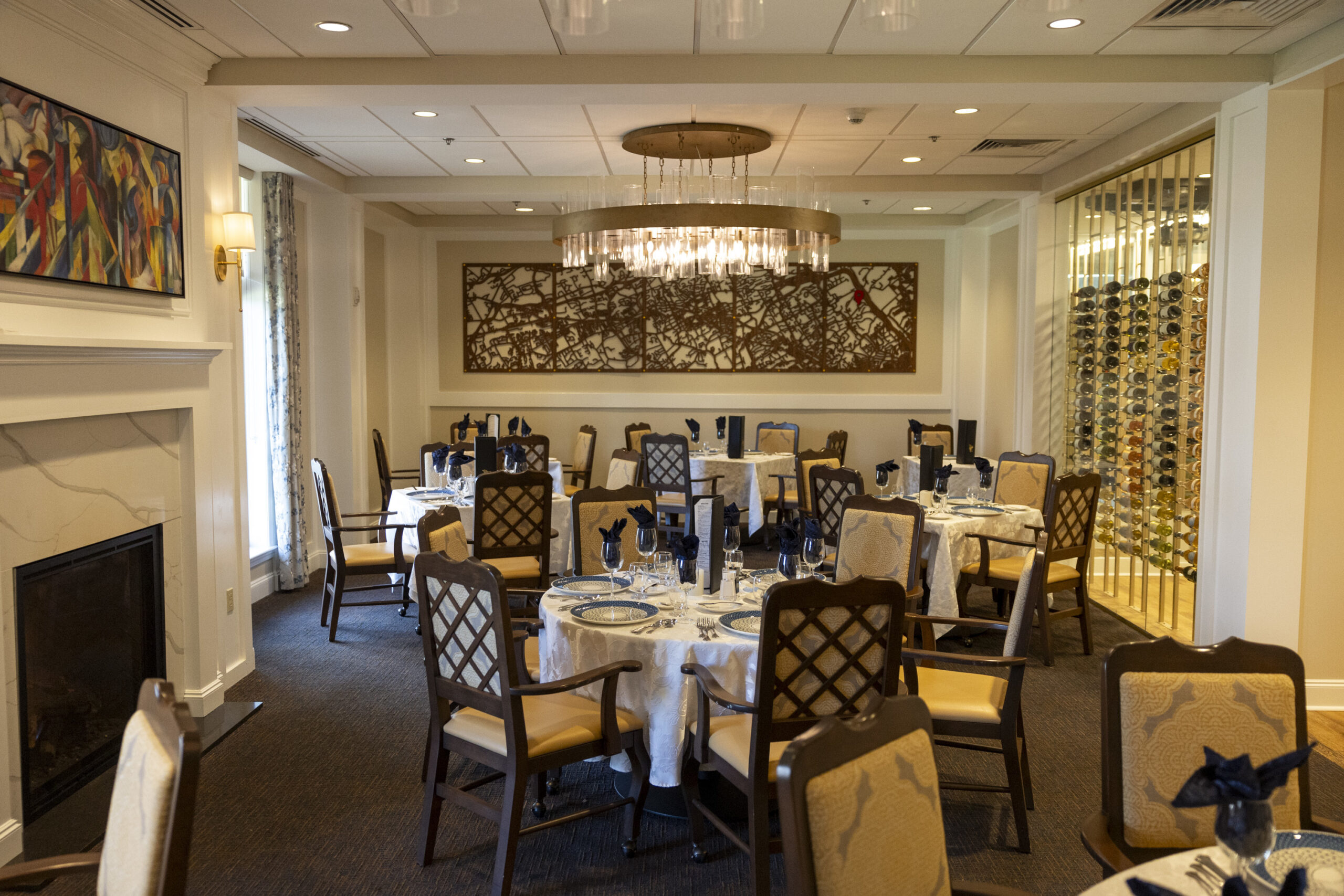
    The intimate dining room is hushed but for the clinking of glasses and silverware clattering on gleaming plates. There are only 32 seats. The polished wooden chairs are plushly upholstered. The paintings and a stylized metalwork map that adorn the room are tasteful. A glass wine room, lit golden from within, casts soft light on the silver damask-swathed tables, as do the Napa winery-esque modern chandeliers.

    This is Carlton Commons, the heart of senior-living, life-planning community Waverly Heights in Gladwyne.

    The mansion in which this dining room is housed was once the elegant Main Line estate of a railway baron. Now, it has the air of a very quiet cruise ship, complete with a dress code: dresses for women, dinner jackets for men.

    Dining room at the Waverly Heights in Gladwyne, Pa., on Tuesday, Dec. 30, 2025.

    This is a restaurant that has a waiting list that’s ostensibly 710 people, about as long as Royal Sushi’s notorious Resy waitlist. But it‘s arguably far more difficult to get into. You need to be 62 years of age to be a resident (who can bring guests of any age), and the cost of admission for a one-bedroom dwelling requires a $336,000 minimum down payment. (Deluxe apartments start at over a million dollars — not a surprise for wealthy Gladwyne.)

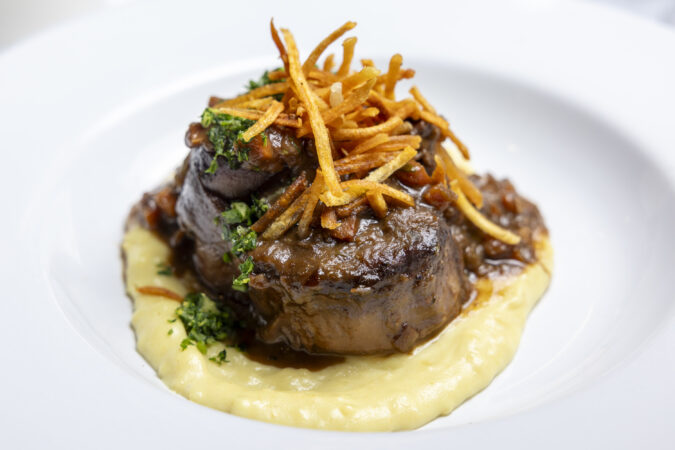
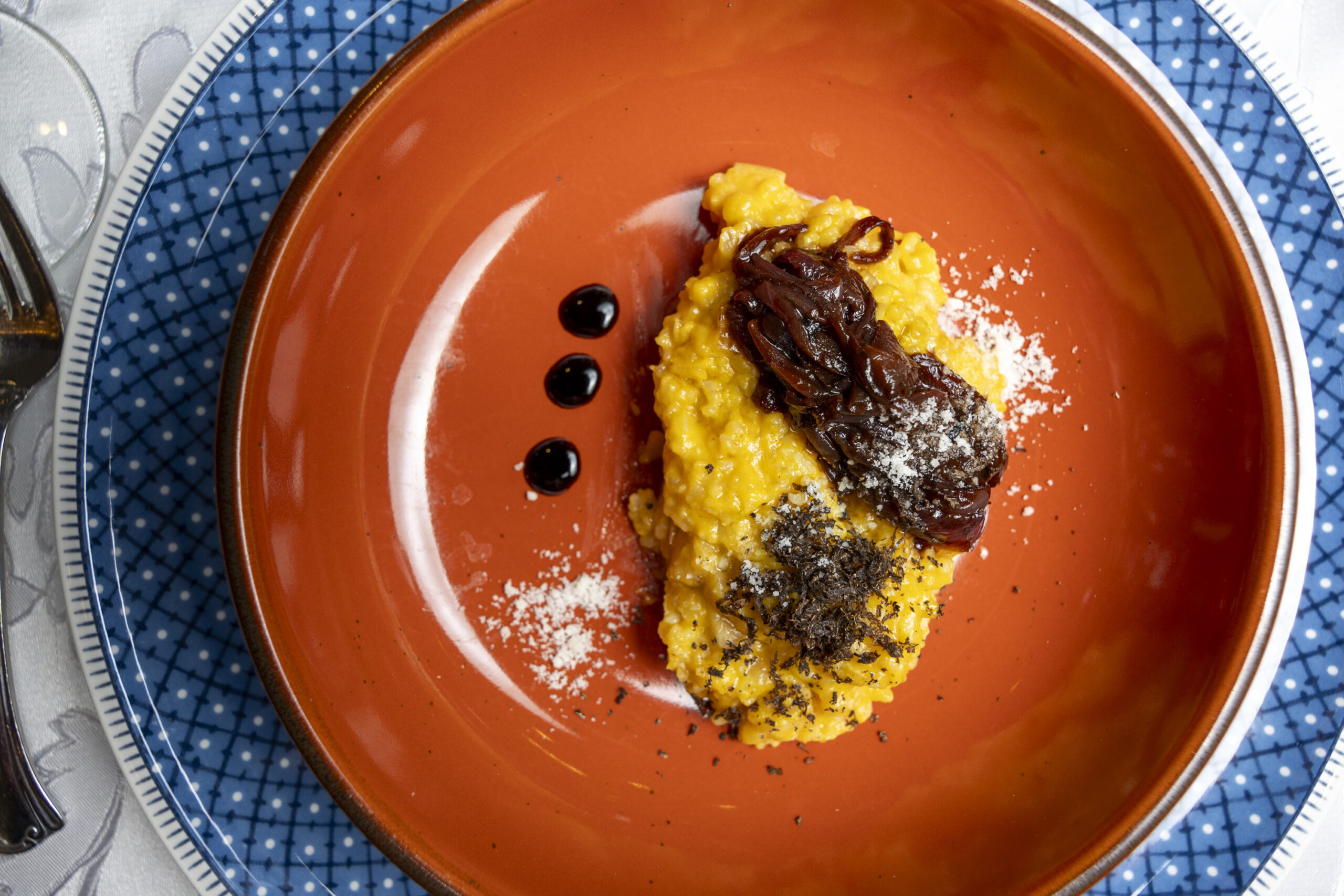
    An osso buco collapses into a tangle of tender fibers at the prod of a fork, melting into the slightly tangy goat cheese polenta puddled beneath. Crunchy fried potato slivers add pleasing texture to each bite. A butternut squash risotto is just as satisfying, a master class in texture, with creamy squash trapped in distinct grains of arborio, beset with balsamic-scented curls of slow-cooked sweet onion.

    If I closed my eyes, I could very well think I was dining at Le Virtù.

    Chicken cutlet with rigatoni and vodka sauce at Waverly Heights.

    There’s a perfectly al dente rigatoni alla vodka upon which a crisp chicken cutlet is nestled, then topped with an oozing cloud of burrata. (It’s almost identical to the thoroughly satisfying one I just had at Center City’s Wine Dive.)

    The specialty of the house is a curiously delicious tomato aspic, served with a tiny slice of cucumber and a dollop of Hellman’s mayo. No staff member was able to explain its origins, as it predated all of them. “It was always here,” said Waverly Heights’ white-toqued executive chef Michael F. Tiernan, 47. “And it is a fan favorite.”

    Tomato aspic with mayo and cucumber.

    When Tiernan interviewed for the position in 2017, he was expressly told to not touch the tomato aspic. He could change the shape — the kitchen’s cookie-cutter collection forms it into hearts, circles, and triangles — but he was not permitted to riff on the recipe, which consists of unflavored gelatin, tomato juice, vegetable juice, celery, onion, and olives. “It’s a very traditional, Old World-style recipe,” said CEO Tom Garvin.

    Tiernan has worked at Waverly Heights for eight years, with a cumulative 18 years under his belt cooking at continuing-care facilities. In addition to managing Carlton Commons and changing its menu every three months, he cooks for a packed calendar of special events. On one of my visits, he was preparing for New Year’s Eve with poached lobster and filet mignon for a dinner that would be a prelude to dancing. The only major difference between a New Year’s party at Waverly Heights and a typical one: Their ball drops at 9 p.m. “We celebrate like we’re in Australia,” Garvin quipped.

    Executive Chef Michael Tiernan at Waverly Heights in Gladwyne, Pa.

    I dined at Carlton Commons twice, once as a guest of a friend’s parents who are residents and again after I contacted the life-plan community (the preferred term over retirement community, as I was informed by Garvin), who indulged my request for an interview with no small amount of incredulousness. But I loved my first meal there.

    And I was deeply curious. A bookshelf in the community’s library is stacked with books written by residents, including volumes on psychology, cardiovascular disorders, and politics. Carlton Commons’ regular diners had careers as physicians, ambassadors, and scientists. How does one cook for residents like those of Waverly Heights?

    Well, first, by changing the menu every 90 days, and then by packing it with global influences, frequently rendered into Italian-rooted comfort foods. And hosting lots of themed parties and events.

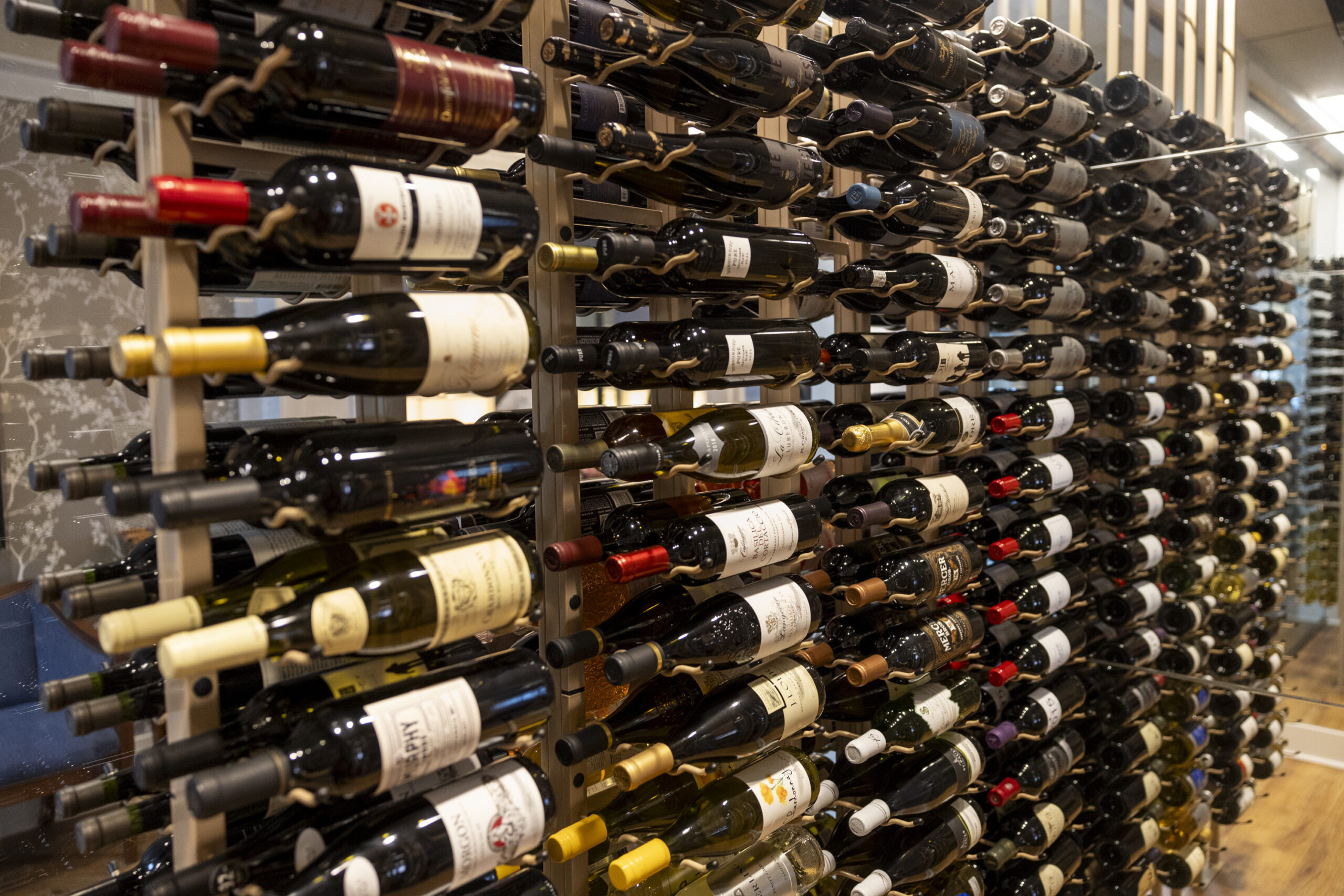
    Wine cellar displayed near the entrance of the dining room at the Waverly Heights in Gladwyne, Pa., on Tuesday, Dec. 30, 2025.

    The back of house is, by necessity, an institutional operation. Carlton Commons and Waverly Heights’ other dining rooms and cafes are executed in partnership with Unidine, the life-plan community’s version of Aramark, though Carlton Commons’ chef has significant creative control over the menus. The pasta that winds up on my plate tastes far less institutional at many places I’ve eaten, including the 100-layer lasagna at Borromini in Rittenhouse.

    The prices for me, a single guest, are shockingly low. It’s $37.50 plus tax for a full meal, including an appetizer, soup or salad, entree, and dessert. No tipping is permitted. I am unable to pay more than $5.75 for a glass of chardonnay, and a nip of Maker’s Mark costs $4.75. (There’s no sommelier on staff, but there is a wine committee consisting of opinionated residents.)

    My first dinner there had some slight hiccups. One of my dining companions ordered a steak “still pink inside” that arrived well done, but it was swiftly replaced by an appropriately cooked one. Another dining companion was startled to discover that her iced tea was presweetened, which took more than a few minutes to rectify.

    The butternut squash risotto at Waverly Heights in Gladwyne, Pa., on Tuesday, Dec. 30, 2025.

    My edamame dumplings swam in a too heavy-handed pour of bracingly salty soy sauce that would have worked better as a dipping sauce, but the dumplings themselves were delightful crispy golden pockets of gently mashed soybeans. My miso sea bass was pristinely roasted, flaking apart into succulent morsels with a gentle nudge.

    Overall, the food is comforting, gently refined, and on trend in every which way, even to the surprise of Waverly Heights’ staff (down to the baked potatoes, available as a side every night). And the very early reservations — Carlton Commons seats diners between 5:30 and 7:15 p.m., and everyone is asleep by last call — reflect recent data that indicate diners are eating out earlier than ever. And I assure you, many of those residents listen to vinyl records, just like in Philly’s listening bars.

    Dining at Carlton Commons reminded me that sometimes, the best meals aren’t found in the places you’d expect.