Philadelphia’s trolley tunnel has been closed for two months, but SEPTA now is saying that it has completed most necessary repairs and could reopen the connection between Center City and West Philadelphia soon.
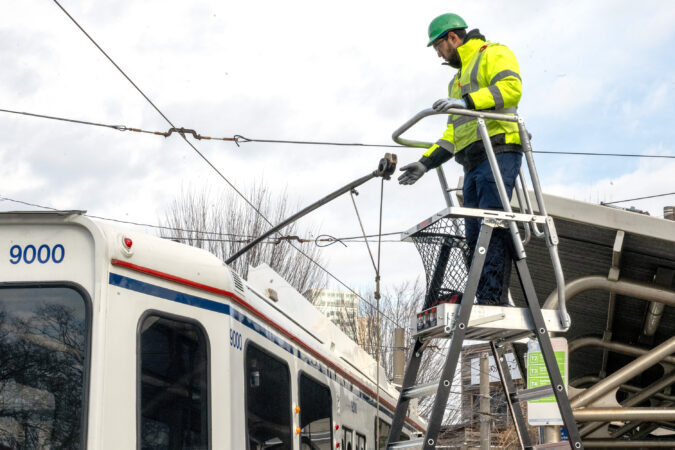
Crews currently are running trolleys through the tunnel to test fixes for damaged overhead wires and other equipment and to decide when it is safe for normal service to resume.
“We’re pretty close,” SEPTA spokesperson Andrew Busch said Tuesday.
About 60,000 riders traveled daily through the tunnel between 13th Street and its West Philadelphia portal at 40th Street before SEPTA closed it in early November.
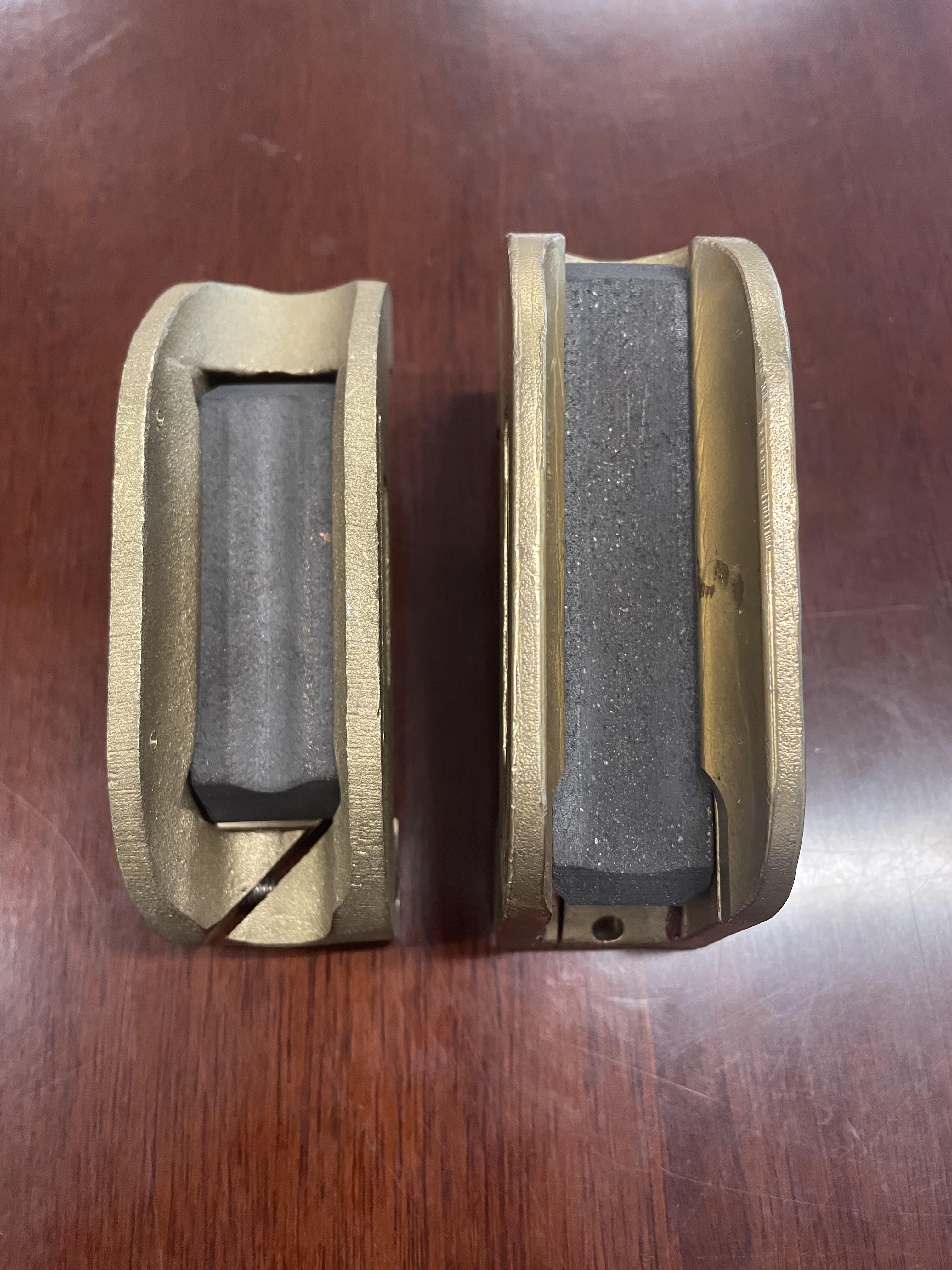
At issue is a U-shaped brass part called a slider that carries carbon, which acts as a lubricant on the copper wires above the tracks that carry the electricity that powers the trolleys.
There were two major incidents when trolleys were stranded in the tunnels. On Oct. 14, 150 passengers were evacuated from one vehicle and 300 were evacuated from a stalled trolley on Oct. 21.
The Federal Transit Administration on Oct. 31 ordered SEPTA to inspect the overhead catenary system along all its trolley routes.
SEPTA has had to replace about 5,000 feet of damaged wire and make other repairs. It also switched back to 3-inch sliders.
On Nov. 7, SEPTA shut down the tunnel to deal with the issue, which had cropped up again, then reopened it on the morning of Nov. 13, thinking it was solved. But it discovered further damage to the catenary system and the tunnel was closed at the end of the day.
Other potential reopening dates were announced but postponed.
This story has been updated to correct the amount of wire replaced in the tunnel.
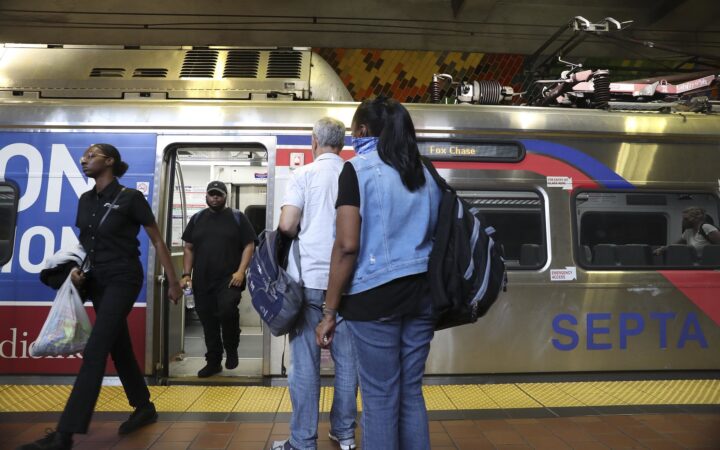
On weekdays from 9 a.m. until 2:30 p.m., buses will serve Fox Chase, Ryers, Cheltenham, Lawndale, and Olney stations. Trains will run to and from Center City between Wayne Junction Station and 30th Street Station.
Passengers headed inbound should plan on an additional 30 to 35 minutes of travel time.
An outbound trip toward Fox Chase Station will take an extra 35 to 40 minutes during the midday hours, SEPTA advises. The connecting shuttle bus is scheduled to depart Wayne Junction Station five minutes after a train arrives.
Scott Sauer would like nothing better than to make SEPTA an afterthought.
He doesn’t mean that the Philadelphia region’s mass transit agency should be neglected, but rather that it will come to do its job so seamlessly that its nearly 800,000 daily customers can rely on the service without worrying about breakdowns, delays and disruptions.
Given the cascading crises that hit SEPTA in 2025, many people wondered if the place was hexed.
“I hope not, because I don’t know how to get the curse off me,” Sauer said in a recent interview. “But listen, truth be told, there were days when I scratched my head and thought, ‘Oh, my goodness, what is going on?’”
“We just couldn’t seem to get more than a day or two of relief before something else was causing a headache,” said Sauer.
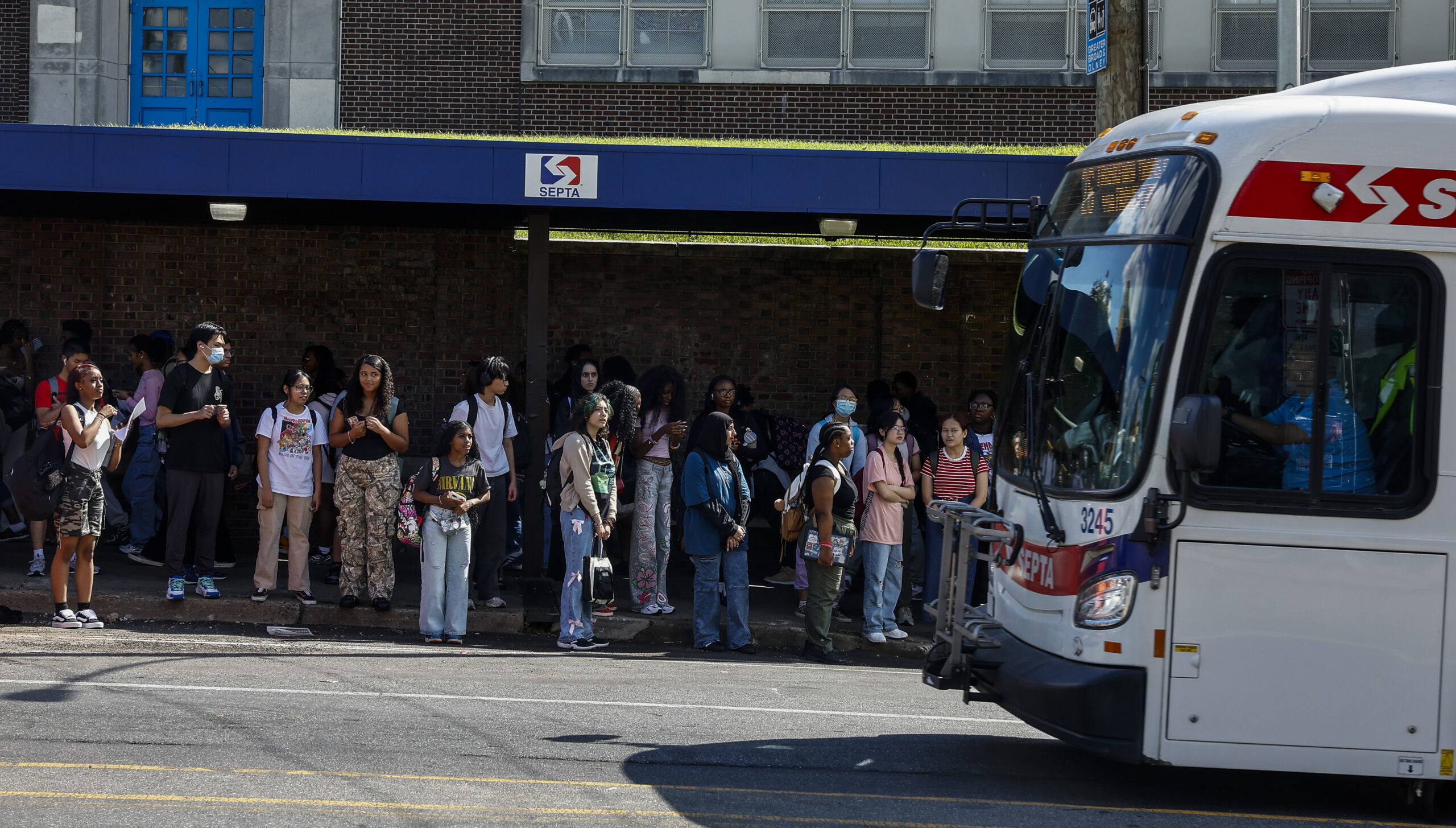
A bus passes the stop near Girls High at Broad and Olney Streets on Monday, Aug. 25, 2025. Thirty two SEPTA bus routes were cut and 16 were shortened, forced by massive budget deficits.
Back to basics in 2026
In the end, help from above and a new labor contract bought SEPTA at least two years to recover from its annus horribilis and stabilize operations.
When the Pennsylvania legislature couldn’t get a transit funding deal done, Gov. Josh Shapiro shifted $394 million in state-allocated funds for infrastructure projects to use for operations — the third temporary solution in as many years. The administration also later sent $220 million in emergency money in November for the Regional Rail fleet and the trolley tunnel.
And, early in December, SEPTA reached agreement on a new, two-year contract with its largest bargaining unit, Transport Workers Union Local 234.
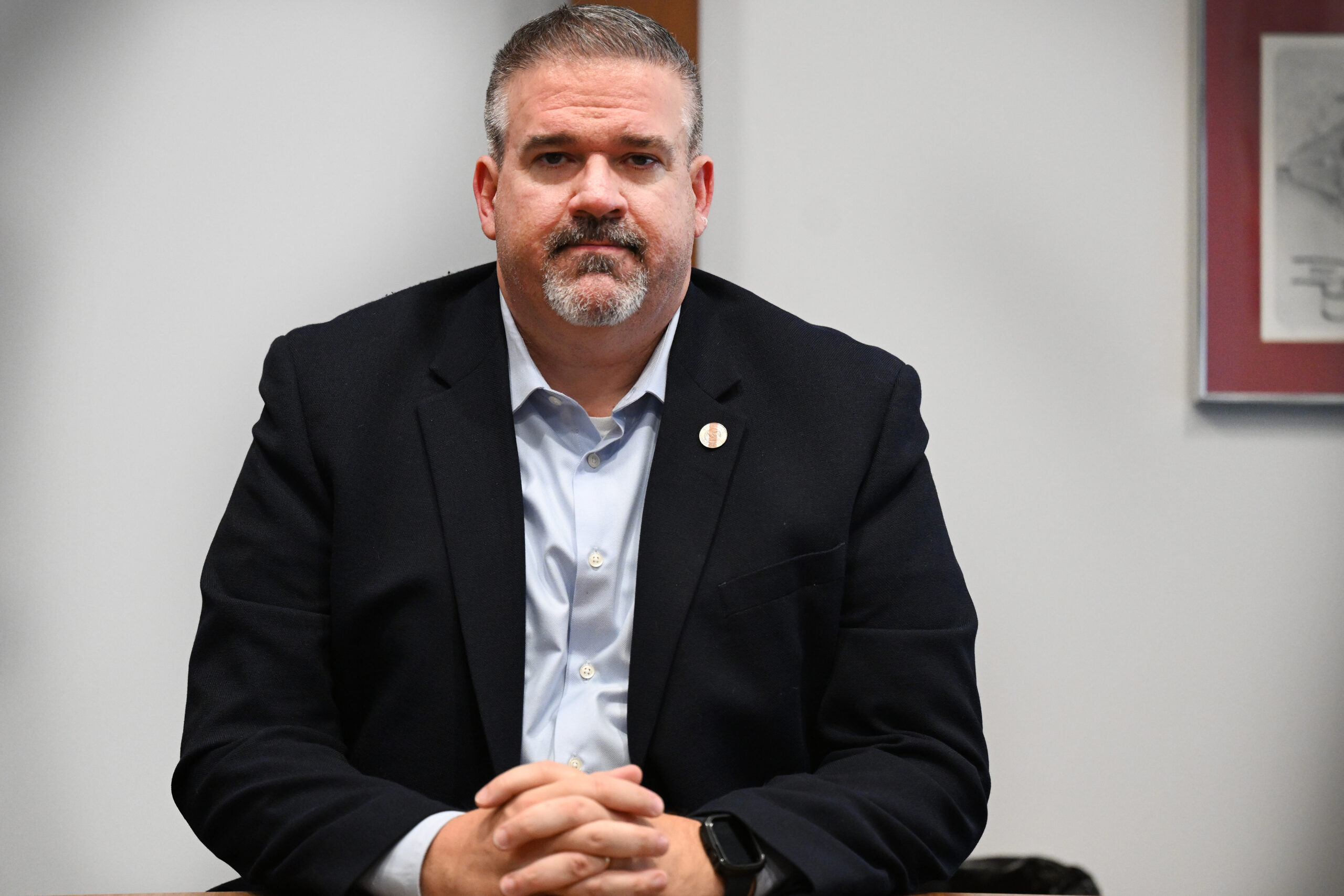
Scott Sauer, general manager of SEPTA, admits that 2025 was an extremely challenging year.
Sauer compared SEPTA’s position to football refs. When they are doing their jobs right, fans don’t have to think about them when watching the game. And when things are going well on the transit system, it becomes part of the background.
“Let’s make sure we do the basics, and we do them really well, because at the end of the day, people want SEPTA to move them from one place to the other, right?” he said.
The test of the focus on fundamentals comes soon, with millions of visitors expected in the region for the 250th anniversary of the Declaration of Independence, World Cup soccer, and other big events.
Sauer, 54, began his career as a trolley operator more than 30 years ago. He had no political experience, though, and would quickly be thrown headfirst into those murky waters to swim with sharks.
Storm clouds were already rolling in. Weeks before Sauer took the reins, Shapiro had flexed $153 million in state highway funds for SEPTA operations after a broader deal failed amid Senate GOP opposition.
It’s a legal move, but often controversial, and Shapiro’s opponents were furious.
Richards and her leadership team had been warning of a looming fiscal “doomsday scenario” for months. Officials were drafting a budget with service cuts and fare increases.
On Feb. 6, a Wilmington-bound Regional Rail train caught fire as it was leaving Crum Lynne Station in Delaware County. It was worrisome, but at the time, nobody knew it would get worse.
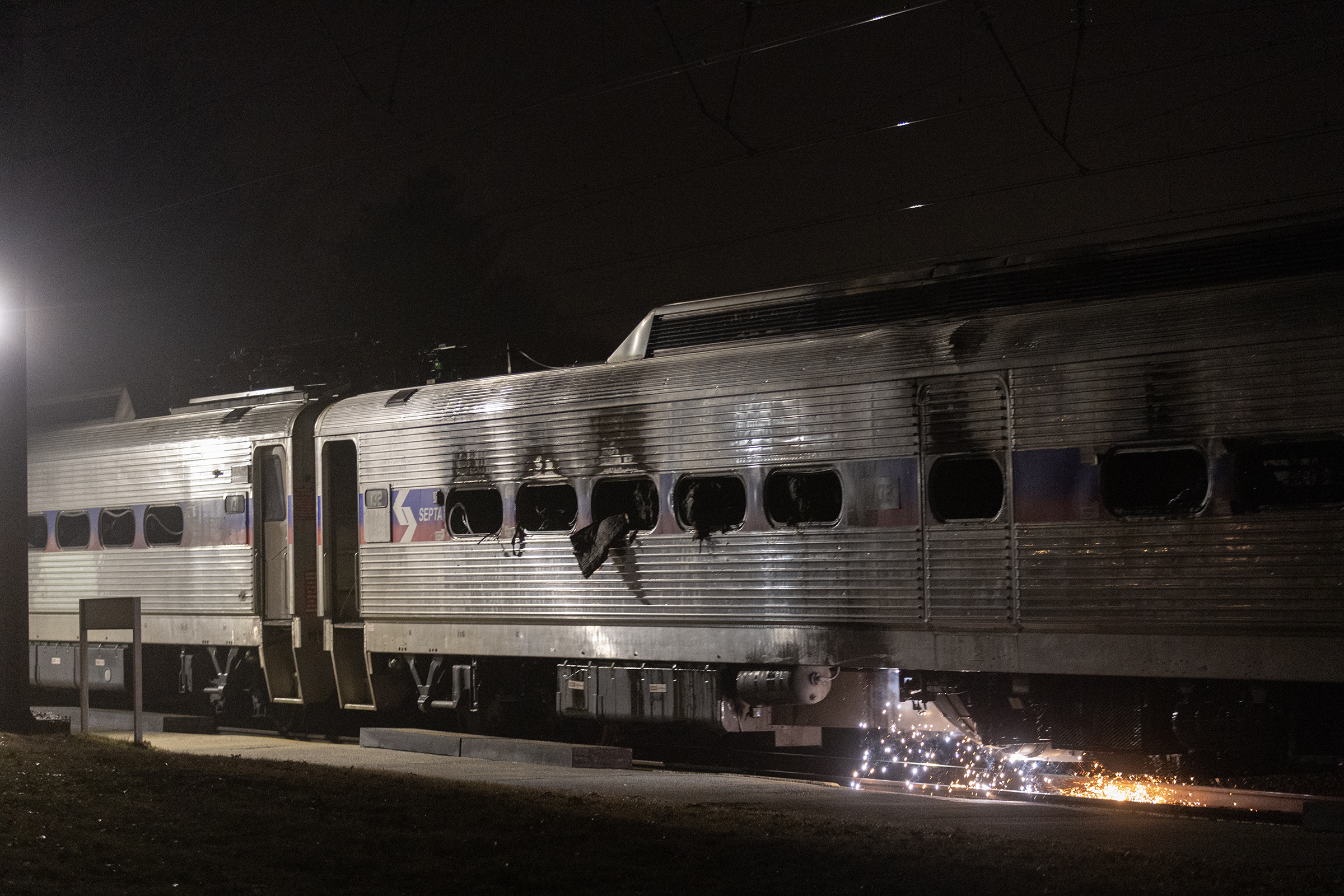
More than 300 passengers were safely evacuated after a SEPTA Regional Rail train caught fire near Crum Lynne Station in February.
Familiar battle lines were drawn. Senate Republicans, in the majority in the chamber, opposed Shapiro’s proposal to generate $1.5 billion for transit operations over five years by increasing its share of state sales tax income.
They preferred a new source of income for the state’s transit aid and said SEPTA was mismanaged, citing high-profile crimes, rampant fare evasion, and lax enforcement.
On a mid-August night, the Senate GOP came up with a proposal that would take money from the Public Transportation Trust Fund, a source for transit capital projects, and split it evenly between transit operations subsidies and rural state highway repairs.
Senate Majority Leader Joe Pittman, a Republican from Indiana County, was a key player in budget negotiations, which ultimately did not yield additional funding for mass transit.
“It was kind of quiet … and then we got alerted that a proposal was coming within minutes. And so everybody was scrambling to try to read through it,” Sauer said.
In a quick news conference with Shapiro, Sauer opposed the idea of taking capital dollars for transit operations, as did the governor. Then he spoke with Senate Republicans and told reporters it could be worth considering, but he had questions. And by the end of the night, he walked that back and opposed the measure.
“I guess if there was a lesson to be learned for me in August, it was I should have taken some [more] time reading through that proposal,” he said.
There was not much time to reflect on what happened, though, because the hits kept on comingas the federal government ordered SEPTA to inspect all 223 Regional Rail cars.
SEPTA’s Regional Rail fleet is the oldest operating commuter fleet in the country, and the fires highlighted the difficulty of keeping them maintained while needing to stretch limited capital funds to address multiple problems.
The Market-Frankford El cars, though younger than the Silverliner IVs, have been beat up and unreliable. SEPTA is moving forward with replacing them, as well as the Kawasaki trolleys that are more than 40 years old.
SEPTA had ordered new Regional Rail coaches from a Chinese-government-related manufacturer, but canceled the contract after the first few models, built during the pandemic, showed flaws. Now the agency is advertising for bids on a new fleet of Regional Rail workhorses — but it has to make them sturdier to last for at least seven more years before new cars would be on the way.
Officials plan to use $220 million received from the state on that effort.
Some of the money, about $48 million, is slated to help fix the trolley-tunnel issue. SEPTA is contending with glitches in the connection between the overhead catenary wires and the pole that conducts electricity to the vehicle.
What SEPTA got done
SEPTA has made some progress on some of its persistent issues, officials say, though the accomplishments understandably have been largely overlooked amid the urgent, existential crises of 2025.
For instance, serious crimes on the SEPTA system dropped 10% through Sept. 30 compared to the same period in 2024, according to Transit Police metrics.
And there had already been a sharp improvement. Serious crimes in 2024 dropped 33% compared to 2023 — from 1,063 to 711, year over year.
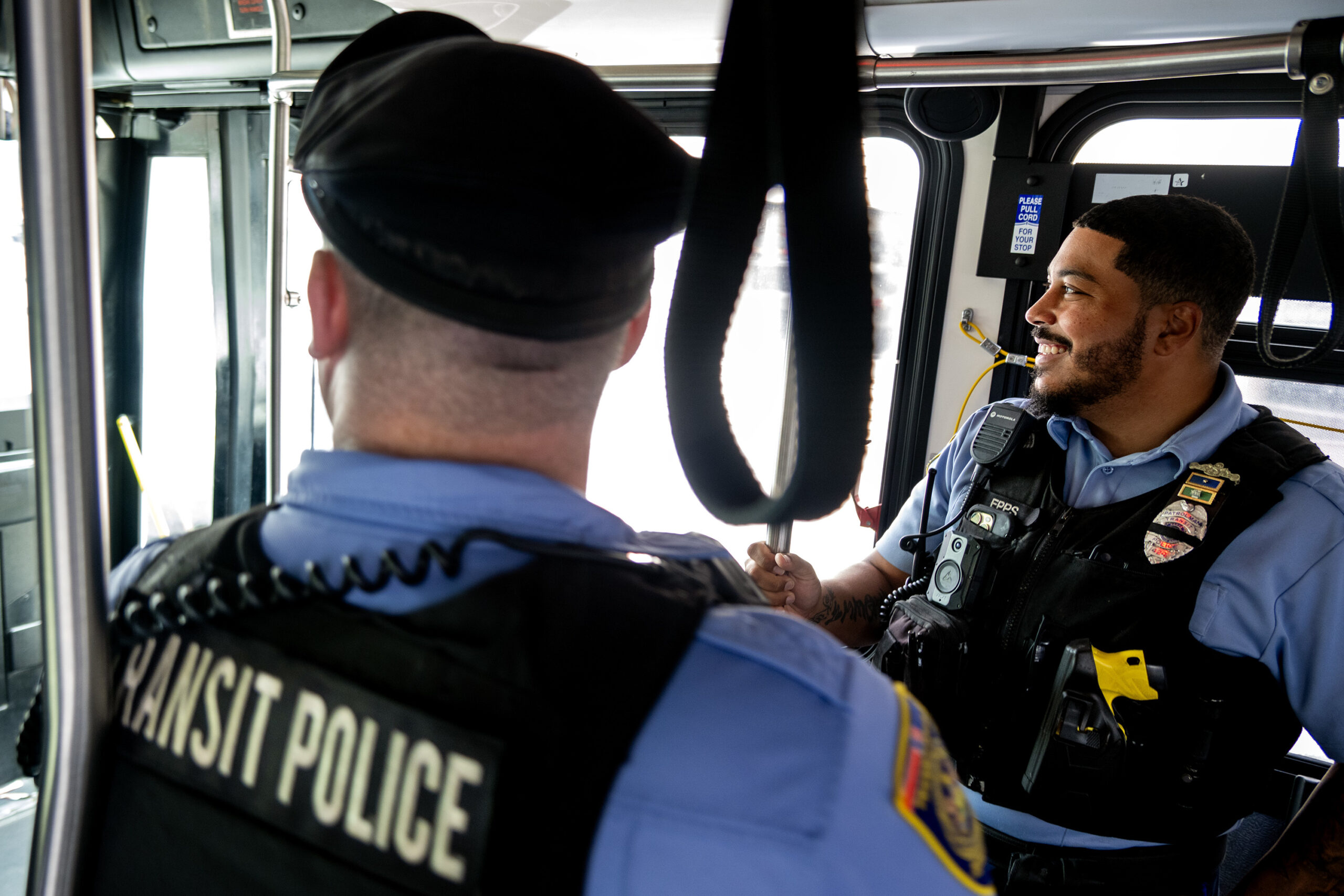
SEPTA transit police police patrol officers Brendan Dougherty (left) and Nicholas Epps (right) with the Fare Evasion Unit ride the 21 bus.
“If you think back to where we were in 2021 and 2022, the perception was bad things were happening on SEPTA, and you should steer clear of them,” Sauer said.
The Transit Police have been hiring new officers, including a recently graduated academy class of nine, and has about 250 officers.
SEPTA also installed 42 full-length gates designed to thwart fare evasion on seven platforms in five stations during 2025, spokesperson Andrew Busch said.Another 48 gates are coming in the first quarter of the year.
Police are also issuing citations with an enhanced penalty of up to $300 for fare evasion.
Prepare for déjà vu
Andyet, in 2027, it will be time to start the old SEPTA-funding dance once again, as transit agency advocates and supportive lawmakers work at getting a stable state funding stream for transit operations.
State Democrats have said the transit issue could help them take control of the Senate from Republicans — a longtime goal but one that is difficult to achieve. One wild card is whether President Donald Trump’s slumping popularity will cause GOP congressional candidates to get swamped in the 2026 midterms, and whether that will translate into voters’ local senators.
It likely would have to be a huge wave, and it’s a closely divided state.
By 2027, Shapiro is expected to be running for president (if he is reelected next year), and it’s anyone’s guess how that could affect budget politics.
“Not everybody wants to see us. I didn’t make a lot of friends,” Sauer joked after the TWU settlement.
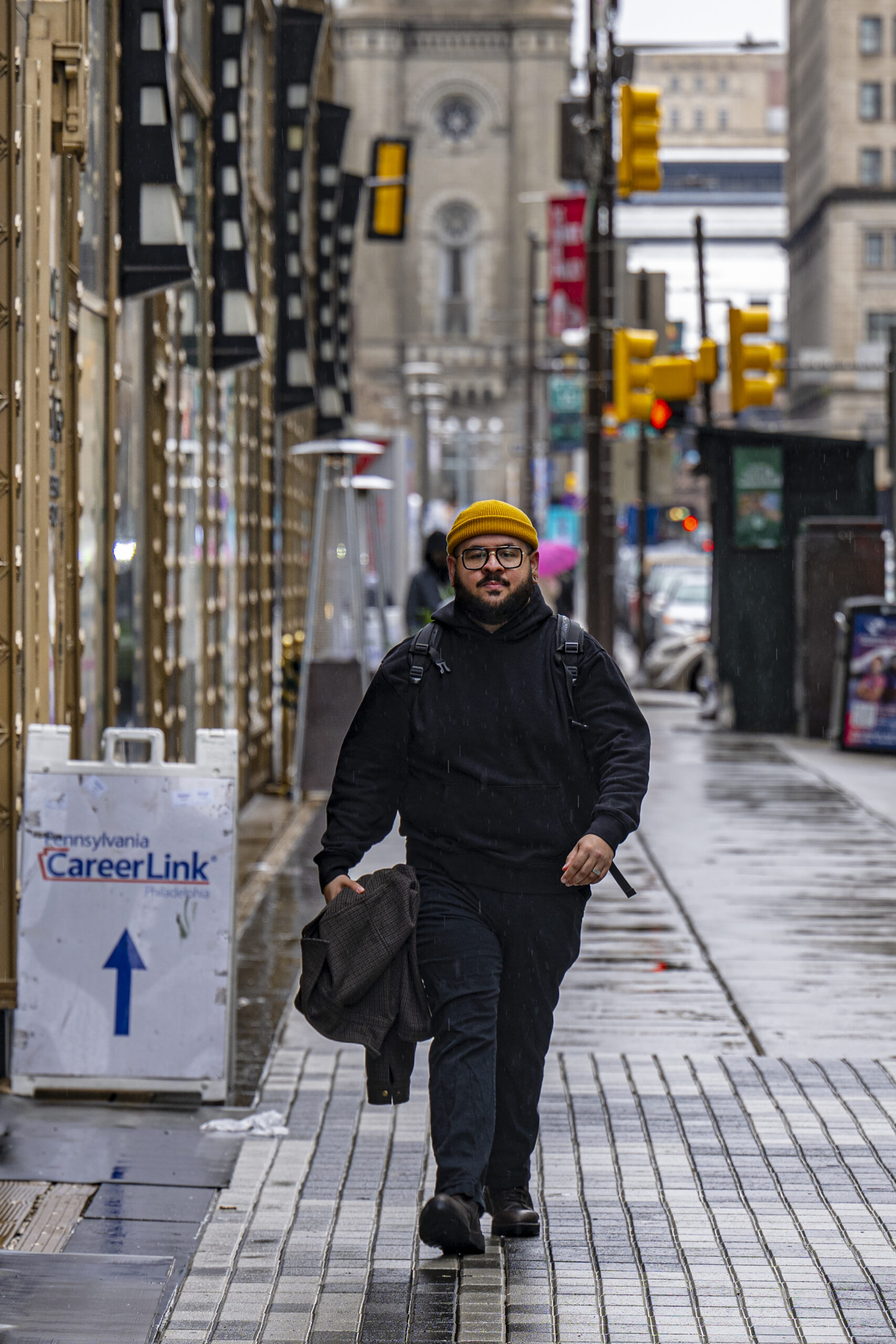
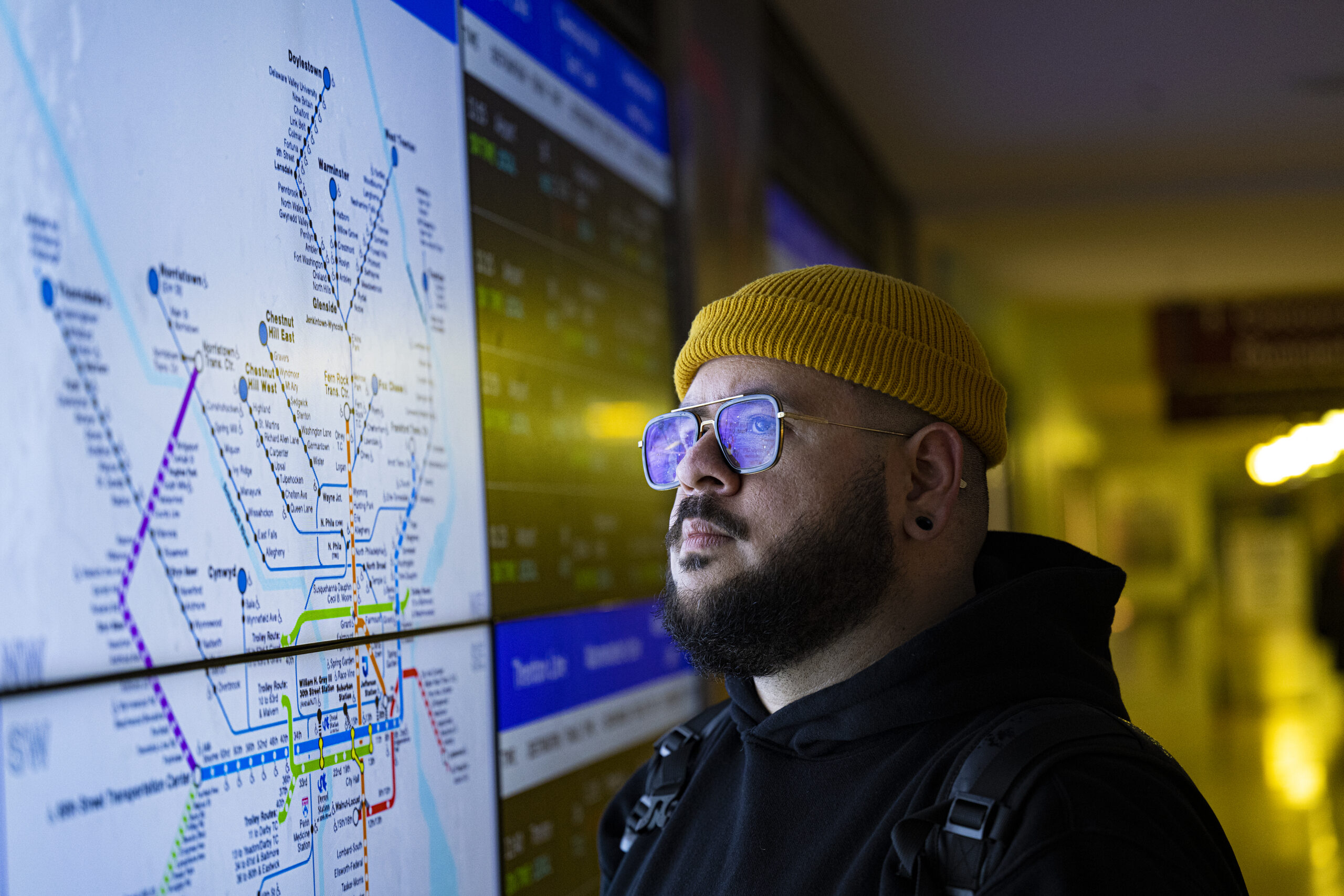
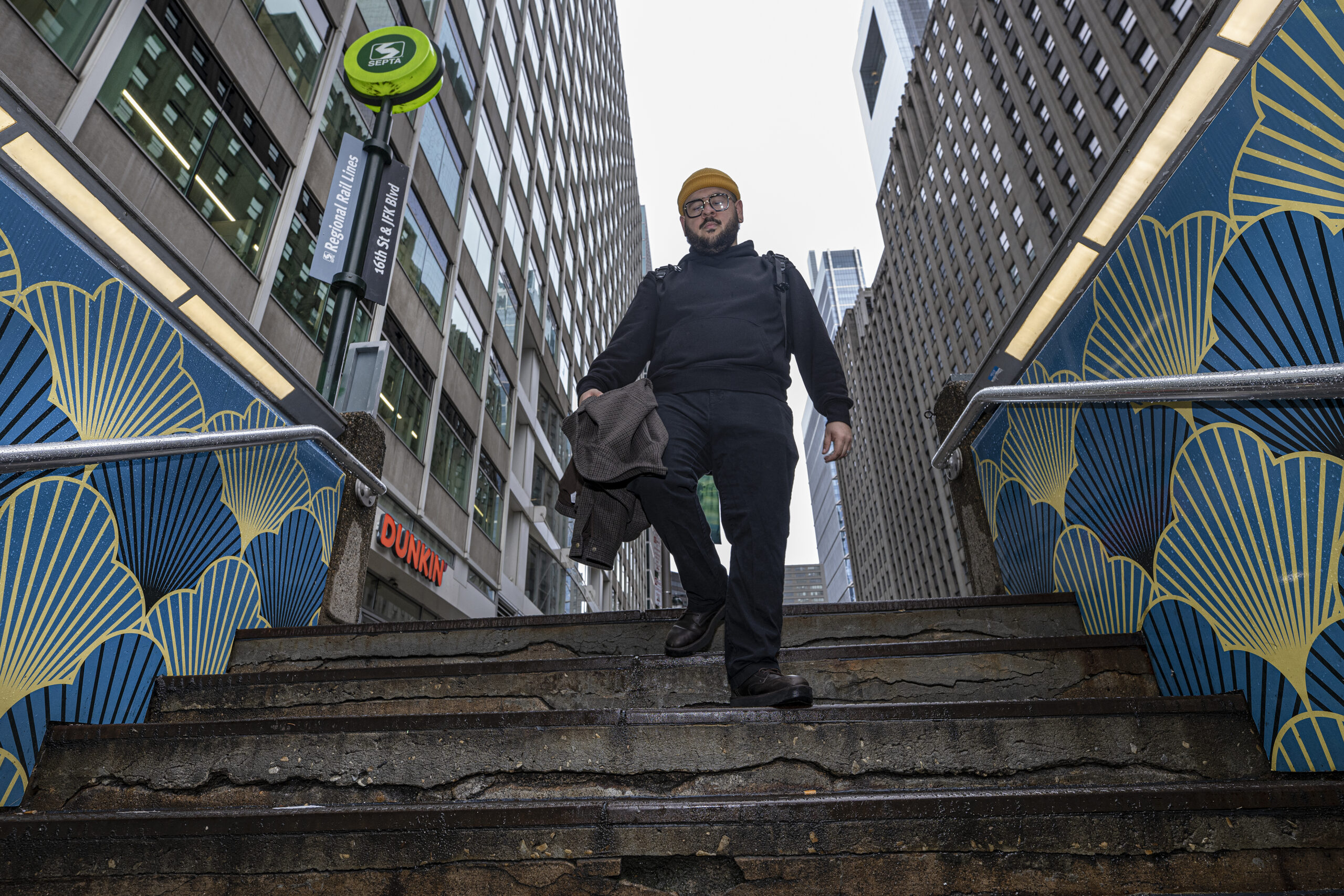
Philadelphia’s congested highways or crowded SEPTA platforms don’t get in the way of Daniel Rodriguez’s commute to work.
That’s because the Philadelphia-based urban designer’s commute between his firm’s two offices consists of two flights, two trains, and a bus between two states each week.
Rodriguez, who lives with his wife in their Jewelers’ Row apartment, ping pongs between his home (and his Center City office) in Philadelphia and his office in midtown Atlanta, twice a week.
Rather than moving to Georgia or embracing a simpler, work-life balance, Rodriguez prefers an 800-mile trek to work that doesn’t have him dealing with Philly rush hour traffic and the restrictions car owners face.
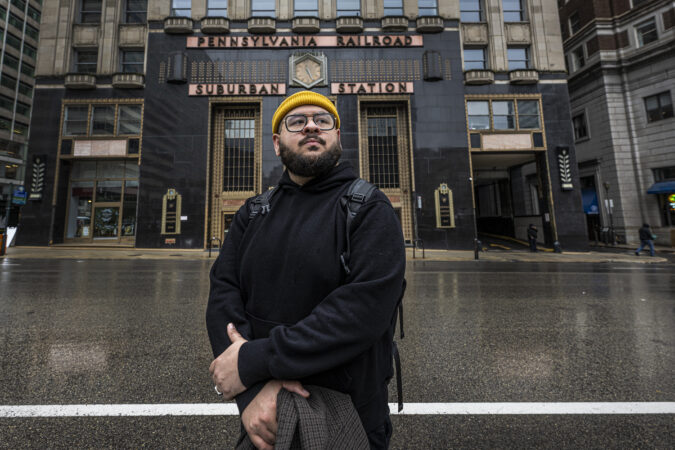
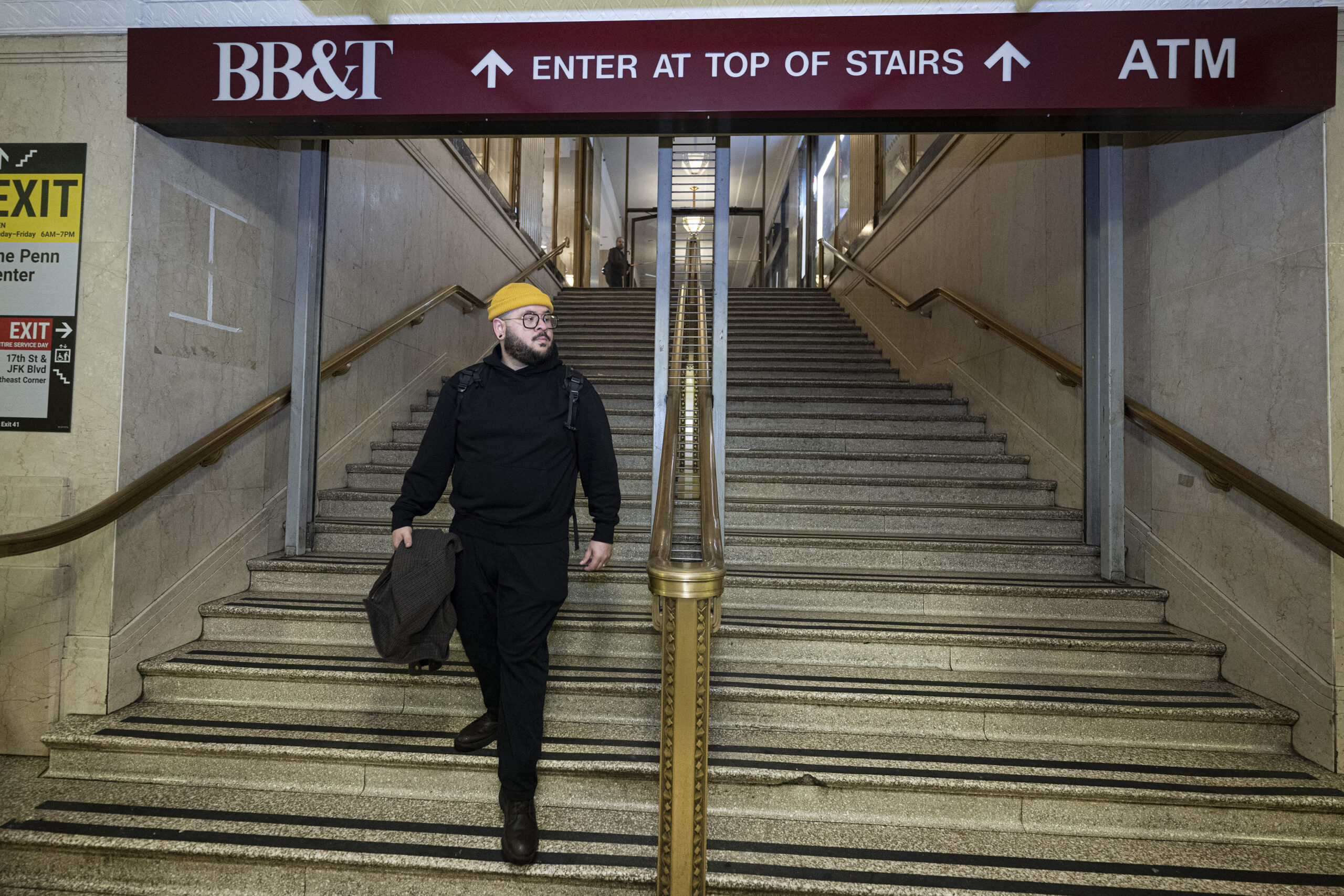
Daniel Rodriguez travels to the Philadelphia’s Suburban Station on Friday, Dec. 19, 2025. Rodriguez uses the station to commute between Philadelphia and metro Atlanta, taking a train from Center City to Philadelphia International Airport before boarding flights to and from his company’s Atlanta office.
“I want to live a life that’s intentionally, anti-whatever everybody else is doing,” Rodriguez said. “I feel like there are problems in society, and this is one of them that just trickles and affects so many things in our personal and professional lives. It’s not anti-car. It’s really about getting away from the dependency and focusing on building systems that help people move. That’s my whole philosophy.”
Rodriguez, who grew up in Bayamon, Puerto Rico, said it’s a lifestyle driven by the independence and movement he felt was missing in his youth.
The geographical barriers of the island often led to feelings of physical and mental entrapment as a child.
“Where I come from, I’ve never seen people so hungry to have something in life, with no ability to achieve it,” he said. “And I’m willing to do extreme things to do that.”
In May, the 34-year-old began posting videos of his travels to and from Philadelphia and Atlanta. His TikTok and Instagram posts have drawn millions of viewers, with hundreds of users questioning how Rodriguez balances his workload and travels.
His schedule varies each week, but he usually flies into Atlanta on Sunday nights and returns to Philadelphia on Tuesday nights. Sometimes, he will fly out on Monday mornings and return on Wednesday mornings. He also does same-day round trips a couple of times a month.
The planning for his trips to Atlanta begins the night before. Rodriguez packs his bags and puts toothpaste on his toothbrush before going to bed.
Daniel Rodriguez travels through Philadelphia’s Suburban Station on Friday, Dec. 19, 2025. Rodriguez uses the station to commute between Philadelphia and metro Atlanta, taking a train from Center City to Philadelphia International Airport before boarding flights to and from his company’s Atlanta office.
He wakes up at 4 a.m., grabs his belongings and walks to Suburban Station. Here, he boards the train to the Philadelphia International Airport and lands in Terminal F for his flight to Atlanta. He does have to factor in the regular delays.
“Terminal F is like the dingleberry of Philadelphia. It’s the last one at the airport, and really far,” he joked.
After the 90-minute flight to Atlanta, he walks over to the Metropolitan Atlanta Rapid Transit Authority platform for a 30-minute train ride to his company office in midtown Atlanta.
He’s not completely “anti-car,” he insists. He often rents a Zipcar for small errands and to explore Atlanta restaurants, art galleries, and sites that feed his architectural interests.
“I’m more along the lines of, ‘I don’t want to be dependent on a car,’” he said. “I don’t want to put my money toward that. I’d rather put that into something else, and suffer the consequences.”
Once his work day is finished, he either uses ride-share or takes a one-and-a-half-hour bus ride to a friend’s apartment in Decatur, arriving around 9 p.m. And before he rests his head for the night, Rodriguez begins his routine all over again for his return to Philly the following morning.
Rodriguez said his travel costs come out to about $180 each week, with the most significant barrier being the time and energy he spends to balance out his travels.
Daniel Rodriguez travels through Philadelphia’s Suburban Station on Friday, Dec. 19, 2025, in Philadelphia. Rodriguez uses the station to commute between Philadelphia and metro Atlanta, taking a train from Center City to Philadelphia International Airport before boarding flights to and from his company’s Atlanta office.
“It’s not unachievable,” Rodriguez said. “I feel like the pain point for a lot of people is the time. People don’t want to spend the time.”
Rodriguez didn’t always live like this. His super commute began after years of uncertainty. He moved to Philly in 2022 and between 2023 and 2025, Rodriguez was laid off twice and incurred thousands in debt.
“I wasn’t even paycheck to paycheck anymore. I was living in the negative,” he said.
After another eight months of job hunting, he was at a crossroads. With limited jobs in his industry in Philly, he applied for roles in other cities.
He applied to an urban design firm in Atlanta, and the week his unemployment ran out, he landed his current role in May 2025. While the company has an office in Center City, the Atlanta location was the only one hiring in his specific field.
Rodriguez consults on transportation, green space, urban design, and master planning in Atlanta and other cities along the East Coast.
While the demands of the commute were challenging at first, Rodriguez believes he has made a decision that works for him. “I have my wife here, and I don’t want to uproot her,” he said.
Since he started making videos of his commute, his world has “completely flipped,” Rodriguez said.
He’s landed brand deals with travel-based companies and has spoken in various cities across the country about how fellow millennials can traverse the country without the burden of a vehicle.
Daniel Rodriguez travels through Philadelphia’s Suburban Station on Friday, Dec. 19, 2025, in Philadelphia. Rodriguez uses the station to commute between Philadelphia and metro Atlanta, taking a train from Center City to Philadelphia International Airport before boarding flights to and from his company’s Atlanta office.
Rodriguez plans to become a content creator full-time to encourage viewers across YouTube, Instagram, TikTok, and other platforms to avoid the pitfalls of car ownership.
His ambitions haven’t gone unchecked. Environmentalists who watch his videos often point to the carbon footprint he leaves behind, despite his aversion to car ownership.
Rodriguez admits his lifestyle could be viewed as contradictory. His modes of travel contribute to gas emissions, but he contends he’s not the sole source of the issue, simply a product of a system already in place.
“I did not pass the laws that allow oil barons to drive or force corporations to fuel jets that release stored carbon,” he said. “I am a participant in society, and there is no fully ethical way to exist within it.”
While he understands people’s precaution and confusion, Rodriguez is confident his weekly commute and lifestyle will work as well for others as they do for him.
“I love to create. I love to build. And I don’t want to do anything where you’re just staying still,” he said.
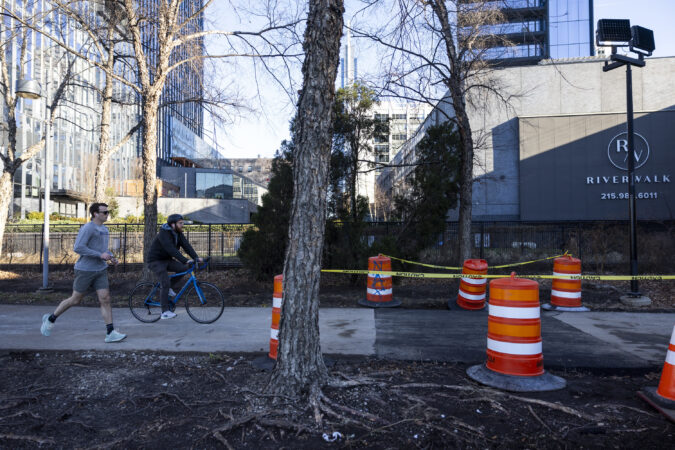
A segment of the Schuylkill River Trail that has beenclosed since October because of a sinkhole has been repaired, and reopened just in time for Christmas Eve.
Joe Syrnick, executive director of the nonprofit Schuylkill River Development Corp. (SRDC), said Wednesday afternoon that repairs finished earlier in the day.
But, he said Wednesday, the weather cooperated enough this week that a crew was able to complete the work over a few days, “as a holiday present for our trail users.”
This week, the hole was filled and paved. It reopened about 1:30 p.m. Wednesday after the paving had cooled.
“It’s open and people are already using it,” Syrnick said. “People are happy.”
Some cleanup is still needed around that area, he noted, and fencing needs to be removed. That should be finished by Friday or Monday, Syrnick said.
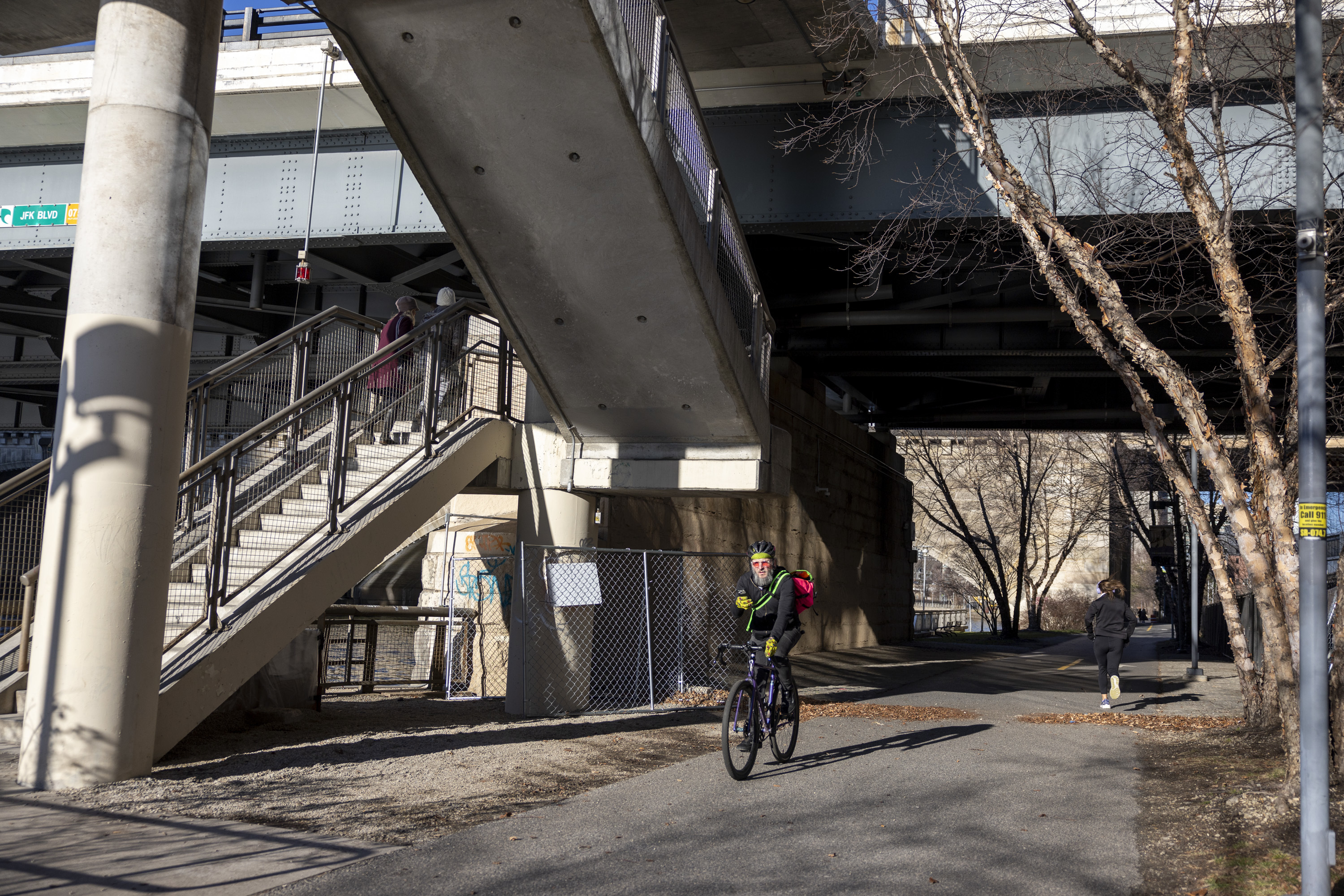
The Schuylkill River Trail is now open between JFK Boulevard and Race Street in Philadelphia, Pa., on Wednesday, Dec. 24, 2025.
The sinkhole occurred between Race Street and JFK Boulevard, just north of the SEPTA Bridge, after it formed beneath the asphalt. The trail runs along Schuylkill Banks, a portion of the Schuylkill River Trail.
The SRDC works with the city to revitalize the Schuylkill corridor from the Fairmount Dam to the Delaware River, the eight-mile stretch known as Schuylkill Banks.
The sinkhole repair presented a problem that stemmed from a steel bulkhead that was built for the trail in 1995. The bulkhead helped extend land farther into the river and create more parkland.
But gaps developed in a seal between the bulkhead and concrete sewer infrastructure. Those gaps allowed soil to seep away with the tide, eventually washing away enough to create a sizable hole.
Syrnick said the SRDC and the Philadelphia Streets, Parks and Rec, and Water Departments worked together to come up with a solution.
So workers had to seal the gaps.
The weather was clear enough this week that crews were able to pour concrete to fill part of the hole and backfill it before paving it Wednesday.
The Price Point compares homes listed for similar sale prices across the region to help readers set expectations about house hunting.
Looking for a new home for the new year? You’ve got options if you have the region’s typical homebuying budget.
Across the Philadelphia metropolitan area, homes sold for a median of $390,000 last month, according to the multiple listing service Bright MLS. That typical sale price is up more than 3% from last year.
Here’s what a home shopper could get with a budget like this in three different neighborhoods in the region.
Lower Merion condo in star location
Wolverton & Co., a Montgomery County-based real estate company, sells and manages a lot of condos in the area of West Montgomery Avenue in the Haverford section of Lower Merion Township.
“I call that stretch the golden mile of Haverford as it relates to condominiums,” said Will Wolverton, owner and broker of record at Wolverton & Co. “It’s a very desirable area.”
There are restaurants and national and local stores, including at the nearby Haverford Square and Suburban Square shopping centers. Condo residents can walk to SEPTA’s Haverford station to catch Regional Rail trains. The Merion Cricket Club offers sports facilities and hosts dinners and galas.
One condo currently for sale in the area is a two-bedroom, two-bathroom unit at Haverford Hunt Club, a building with 16 units on four floors. Condos there include both one-bedroom and two-bedroom units.
The building is about 45 years old but has been “thoughtfully updated” in both looks and critical infrastructure, such as the elevator and the roof, Wolverton said.
The condo for sale gets a lot of natural light, he said. And it’s on the top floor, so buyers won’t have upstairs neighbors. It also has a private balcony and a reserved space in the property’s parking lot.
The last several serious buyers have been most interested in the neighborhood, Wolverton said.
“It’s a very good property,” he said, “and a great location.”
This home in the Mayfair neighborhood of Northeast Philadelphia stands out in a few ways, said listing agent Xiao Zhen Zhao, who works throughout this section of the city, as well as Fishtown and Northern Liberties.
The open kitchen is “very unique” for the area and includes bar seating, said Zhao, an agent with Legacy Landmark Realty.
The primary bedroom has a private bathroom, which isn’t common in older homes in Northeast Philadelphia, she said. A lot of houses have only one full bathroom, she said. One of the bathrooms features a skylight and pink tiles on the walls.
And the home is “a bigger twin,” she said. It spans 1,868 square feet.
The home has a backyard and a walk-out finished basement, which has a half bathroom. It also has a garage and driveway.
The twin is in an area of the city where houses are more affordable and parking is easy. It’s within walking distance of schools. It’s minutes from stores and restaurants along Cottman Avenue, and it’s right off Pennypack Park.
Potential buyers have liked the layout of the home and also the look of it, Zhao said.
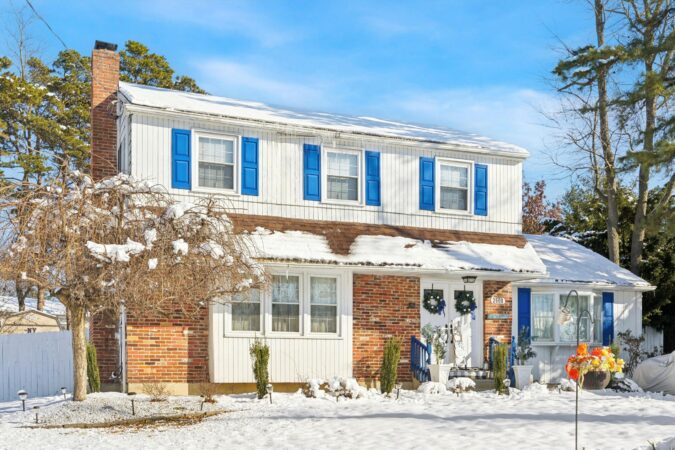
Potential buyers touring this Colonial in Camden County have fallen for its charm, said real estate agent Evangeline Gambardella. “Because it is a very charming space.”
The living room features a brick fireplace and a large window that lets in natural light and frames views of the front yard.
The layout is more open than in a traditional Colonial, especially in this area of Gloucester Township, said Gambardella, a real estate agent with the Mike McCann Team, which is an affiliate of Keller Williams.
The owners have recently updated the property. The home has new landscaping, a roof that is about 4 years old, a new fence, and a new heating, cooling, and ventilation system.
“It presents a really lovely value for its price point,” she said.
The home’s kitchen includes an island with seating. And a door in the formal dining room opens to the deck, which has a retractable awning.
Home shoppers who have visited the property like its spacious backyard and its location. It is minutes from the Gloucester Premium Outlets and the Deptford Mall, has easy access to major highways, and is close to parks and restaurants.
The home’s unfinished basement also is a “huge selling point for a lot of people” who want to decide what to do with the space, Gambardella said.
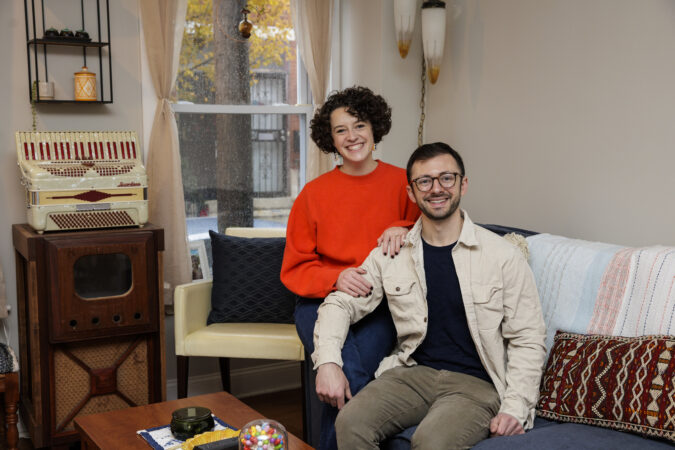
The buyers: Casie Girvin, 30, performer and voice teacher; Steve Crino, 32, musician
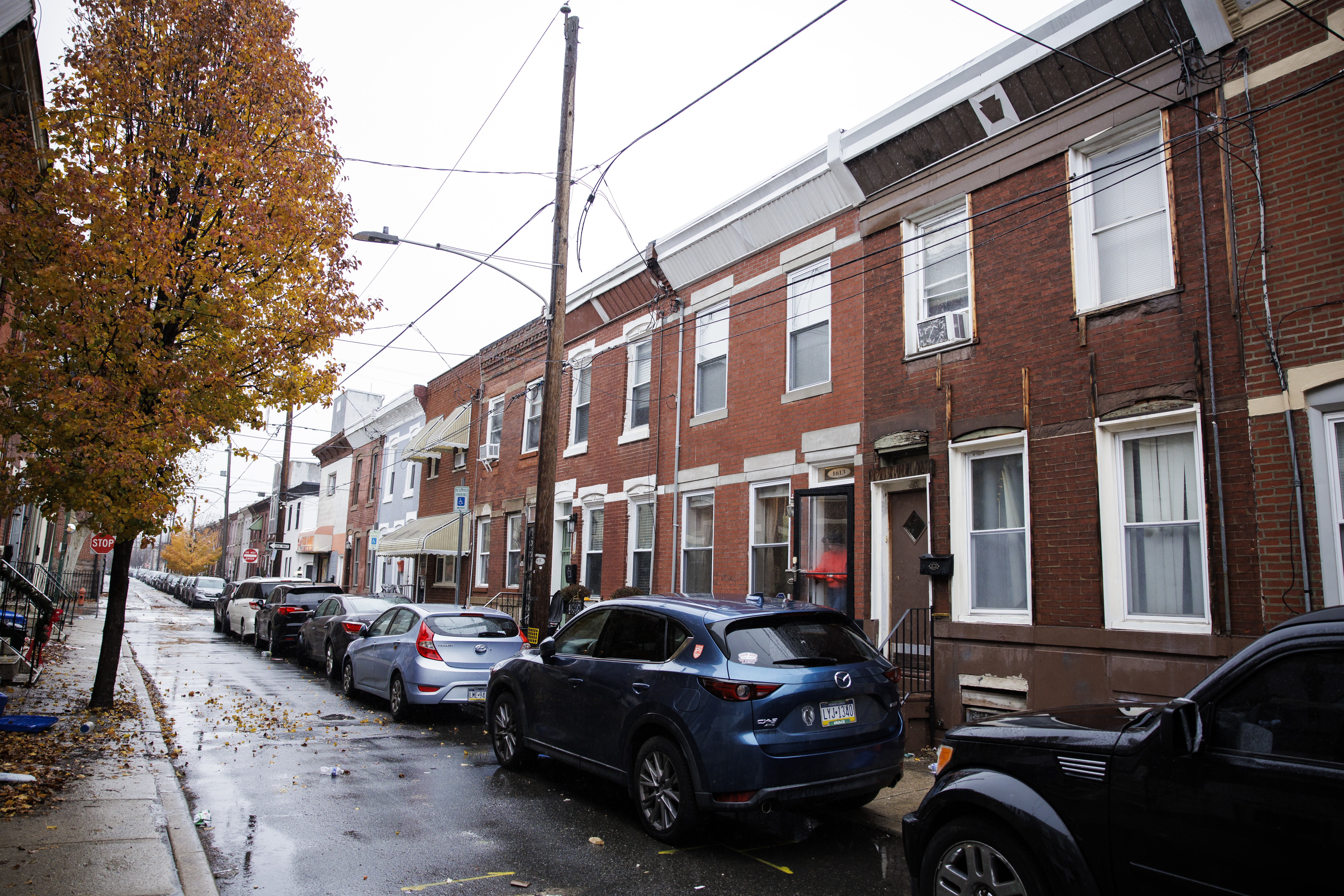
The house: A 984-square-foot rowhouse in Point Breeze with three bedrooms and one bath, built in 1923.
The price: Listed and purchased for $305,000
The agent: Benjamin Camp, Elfant Wissahickon
The ask: For Casey Girvin and Steve Crino, the home-buying journey began long before they opened Zillow. “We always knew that we wanted to be homeowners,” said Girvin. “It’s something we were saving for a long time.”
Both musicians, they spent years learning what did and did not work for their lifestyles. They started in a one-bedroom, which didn’t work because their practice sessions often overlapped, creating a cacophony of noise. Eventually, they moved into a bi-level apartment where they had room to work.
That experience shaped their home-buying wish list. That meant they needed at least three bedrooms — one for sleeping and two for music studios — and a layout that let two musicians practice without driving each other mad. “We needed it to be either like a bi-level space, or we needed a buffer room between the two of us,” Girvin said.
They also wanted a backyard. “We learned during COVID that having an outdoor space was really important to us,” she added. So was being close to the Broad Street SEPTA line. Fixer-uppers were a nonstarter.
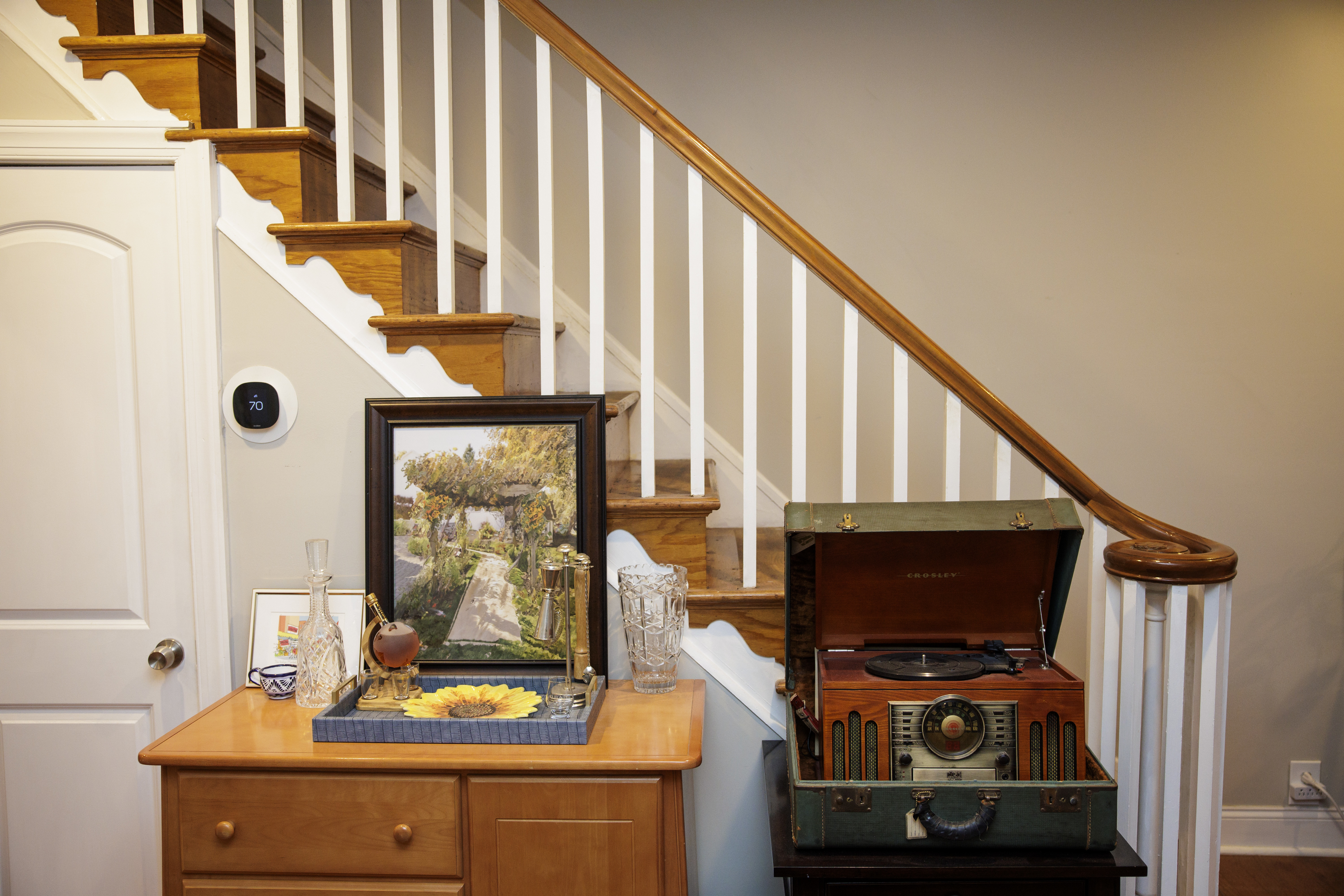
Upon entering the house, the couple immediately fell in love with the staircase, especially its architectural detailing.
The search: The couple intentionally waited until winter to search, hoping for lower prices. They saw 21 houses in Point Breeze and liked a lot of what they saw, but tried to be ruthless when it came to making an offer. “That was a very informative part of the process, Crino said, “because when you’re contemplating actually putting an offer down, your preferences emerge.”
They ended up making only one other offer on a house they nicknamed “the Grandma house” because of its funky carpeting and wallpaper. The seller verbally accepted it but eventually pulled it from the market.
“Ultimately, we’re happy with what happened,” said Girvin.
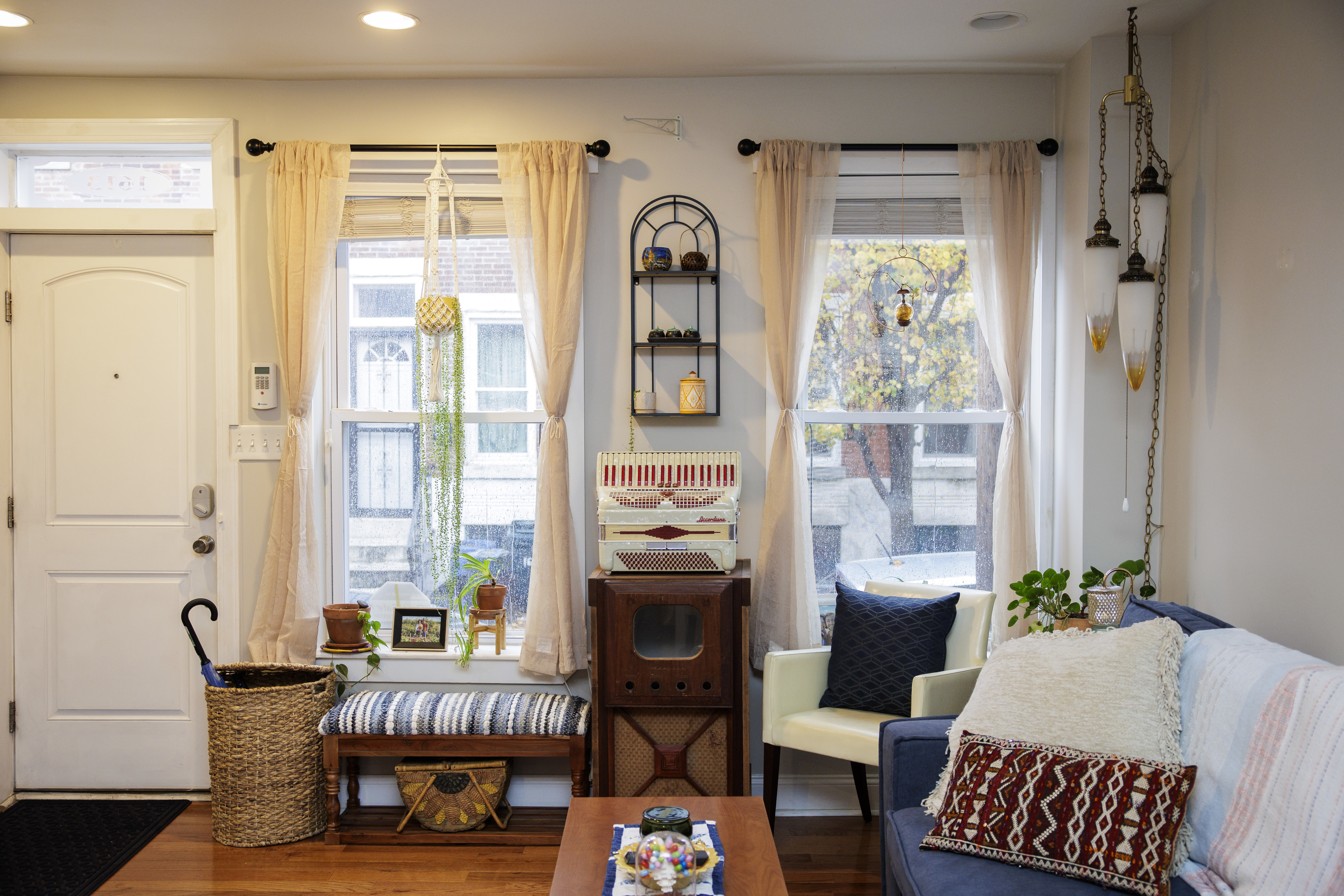
Girvin and Crino love all the natural light pouring through the living room windows.
The appeal: Girvin had a good feeling about the house when she saw it online. “I was like, ‘Wow, that looks exactly like where we want to be, at a price point that was quite exciting,’” she said. Even better, it had central air, beautiful hardwood floors, and matched the couple’s aesthetic. But the couple panicked when they saw an open house the next day. They called their agent and secured a same-day viewing.
Inside, the house aligned almost perfectly with what they had been searching for. What they weren’t expecting, though, were interesting artistic details, like the sunflower etched into the banister and the mural in the backyard. They loved the staircase, the amount of natural light pouring through the living room windows, and the view from their bedroom window of a church they admired. “The house is on a nice, little, cute side street,” Cirsi said. And crucially: “It’s so close to the subway.”
The second floorsealed the deal. The layout was perfect: a bathroom between the two smaller bedrooms. A built-in sound buffer for their future studios. “Most Philly rowhomes, you go up the stairs, it’s like a bathroom right at the top, and then the three bedrooms in a row,” Girvin explained. “But this one has bedroom, bathroom, bedroom, bedroom. That was ultimately one of the main reasons we bought the house.”
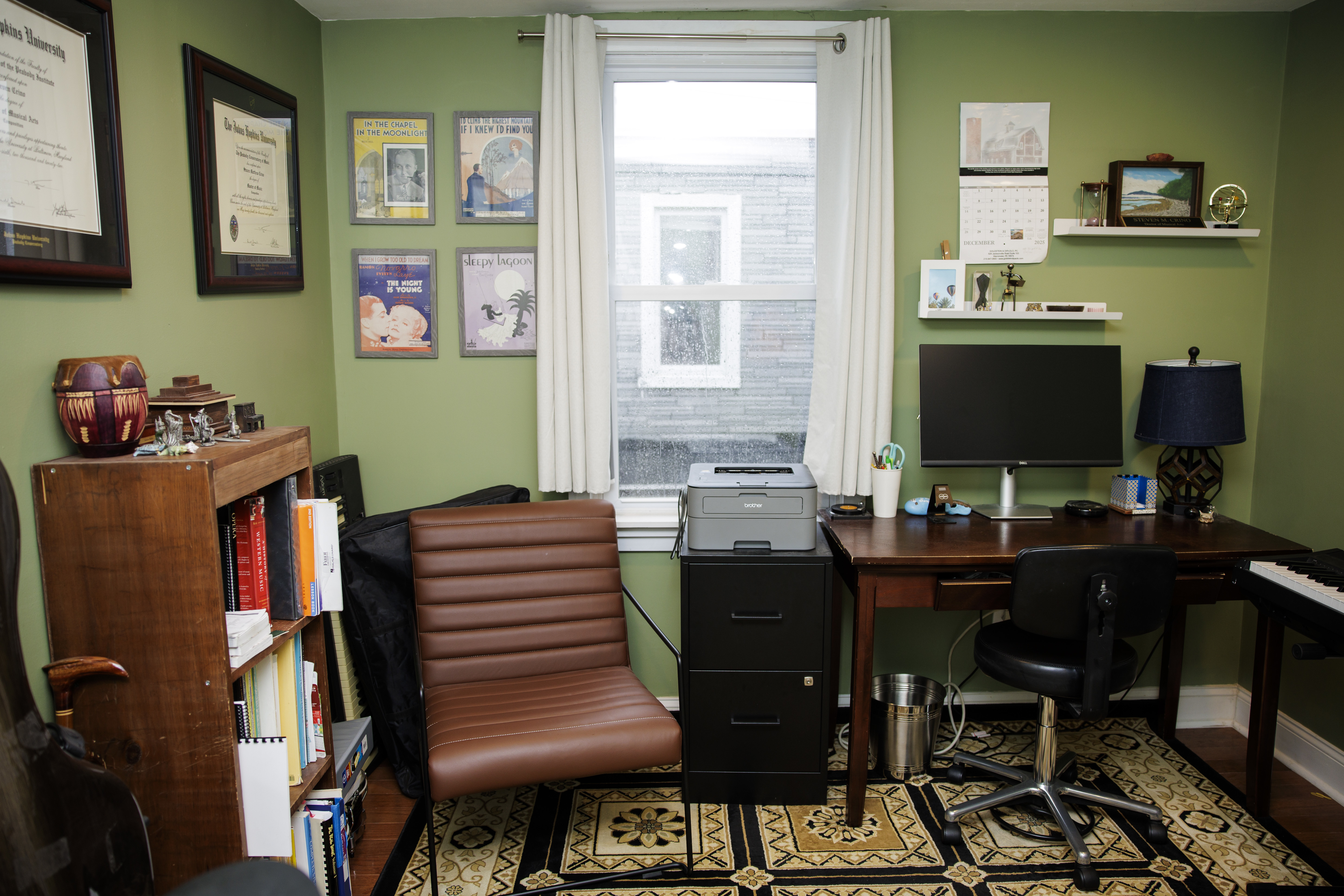
Crino’s studio is separated from Girvin’s by a bathroom, allowing the couple to practice music at the same time without disrupting each other.
The deal: The couple made an offer that evening. They offered the listing price — $305,000. “We felt that the house was worth what it was asking,” Girvin said. The sellers accepted right away.
The inspection revealed two issues. First, the oven needed to be replaced. The sellers issued the couple a credit to buy a new one.
The bigger issue was the HVAC system. The breaker tripped during the inspection. “We watched it go boop,” Crino said. The fix required electrical work, and they insisted it be completed and certified before closing. “That was the right decision because it definitely was pricier than they thought it was going to be,” Crino said.
The money: Girvin and Crino had been saving for almost a decade. Every month, they set aside a portion of their earnings in a separate account. They also had money saved for a wedding that they decided to put toward their house instead. “At one point we thought about having a really big wedding,” Girvin said, “but we decided to do the whole micro wedding, DIY backyard thing.”
The small side street the couple lives on was no sweat for their movers, Old City Moving Co.
Between their life savings and the wedding savings, plus generous gifts from wedding guests, Girvin and Crino had “$80,000-ish” to spend. They put 20% down, which was $61,000, and spent the rest on closing costs, which were $27,000. “That was the $80K right there,” Girvin said. Their mortgage is a little less than $1,800, which is exactly what they had been paying in rent.
The move: The couple moved in mid-March, one month after they closed. “Moving was relatively painless,” Girvin said. “We hired Old City Moving Co., and they were really great.” They navigated getting a giant moving truck down a tiny side street like pros, backing in so that they could get out more easily.
Any reservations? None worth mentioning. The only thing they’d add is a second bathroom — another half bath someday, maybe in the basement. But that feels like a future luxury, not a present problem. “Most days we’re like, I love this house,” Girvin said.
Girvin and Crino purchased a new oven with help from a seller’s credit.
Life after close: Their first major purchase was a new oven. “When people come to the house, I’m like, ‘You know, we bought that oven,’” Crino said, laughing. Decorating has been slow and thoughtful. The most sentimental change is the three-teardrop lamp from Steve’s grandmother, now hanging from their ceiling — something they never would have installed in a rental. The backyard is next.
SEPTA’s board on Thursday approved a new contract with the transit agency’s largest union, Transport Workers Union Local 234, and a second smaller union representing vehicle operators in the suburbs of Philadelphia.
Members of TWU Local 234 voted Wednesday night to approve a two-year contract that will deliver a 3.5% pay raise, bolster the union’s pension funds, and expand health benefits for new employees.
SMART Local 1594, which represents approximately 350 operators, reached a deal with the transit agency earlier this month.
“These contracts are fair to our hardworking frontline employees and fiscally responsible to our riders and the taxpayers who fund SEPTA,” said SEPTA General Manager Scott A. Sauer.
For TWU Local 234, the two-year contract disrupts a pattern of three consecutive one-year contracts. TWU president Will Vera said that with the FIFA World Cup, MLB All-Star Game, and America’s 250th birthday coming to Philadelphia in 2026, both parties agreed to a two-year contract so as not to interrupt service during these global events.
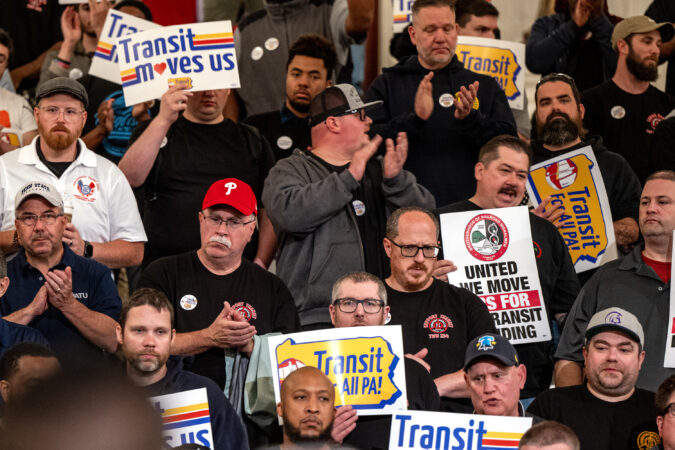
The union represents 5,000 operators, mechanics, cashiers, maintenance people, and custodians who work on SEPTA’s buses, subways, and trolleys. Before this latest deal, TWU members were working without a contract since Nov. 7, and members voted unanimously on Nov. 16 to authorize leaders to call a strike if contract negotiations didn’t go as planned.
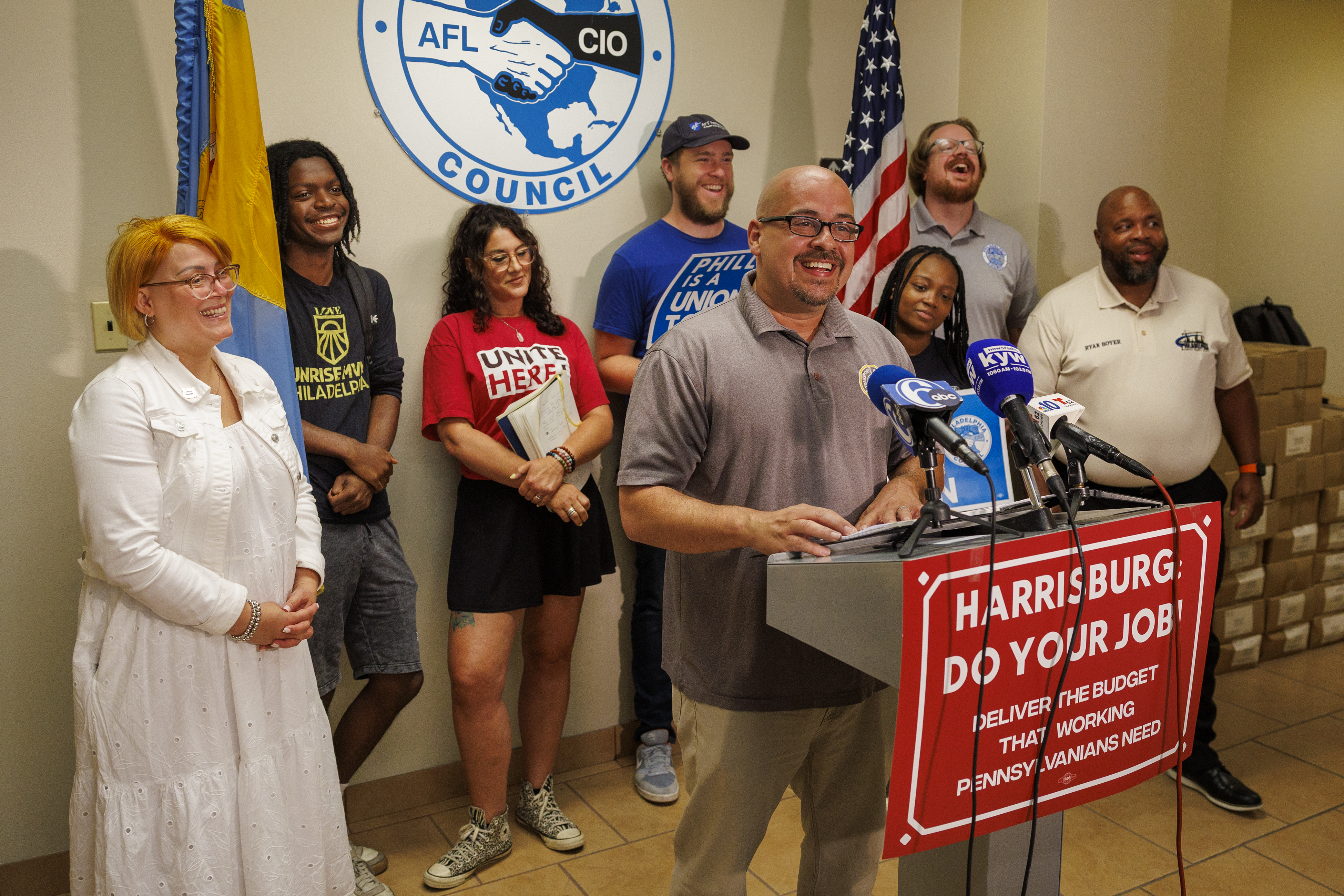
Will Vera, vice president TWU Local 234, urged lawmakers in Harrisburg to deliver a budget during a speech in July at the AFL-CIO headquarters in Philadelphia.
However, Vera said that this contract is a major win, especially for attracting new hires. Before this, new employees could not begin receiving dental and vision care until they completed 15 months on the job. The new contract shrinks that time down to 90 days.
“I really got tired of explaining to the new hires for 15 months that they just have to clean their teeth,” Vera said. “I wanted this to be a retention contract, to not only keep people here, but to make this an attractive place to come work for SEPTA.”
Philly’s transit unions don’t hesitate to strike if needs aren’t met. SEPTA unions have struck 12 times since 1975, earning SEPTA the title of one of the most strike-prone agencies in the country. Its last strike was a six-day effort in 2016 that ended one day before the presidential election.
The negotiations come on the heels of SEPTA’s worst financial period in its history, the agency said. SEPTA isn’t alone, though. Transit agencies throughout the country are in funding crises as inflation rises, federal funding shrinks, and state subsidies fail to increase each year.
Sauer, SEPTA’s general manager, added: “I am grateful to Governor [Josh] Shapiro and his team for their efforts to help us resolve differences and reach an agreement. Securing two-year contracts provides important stability as we approach the major events coming to Philadelphia in 2026.”
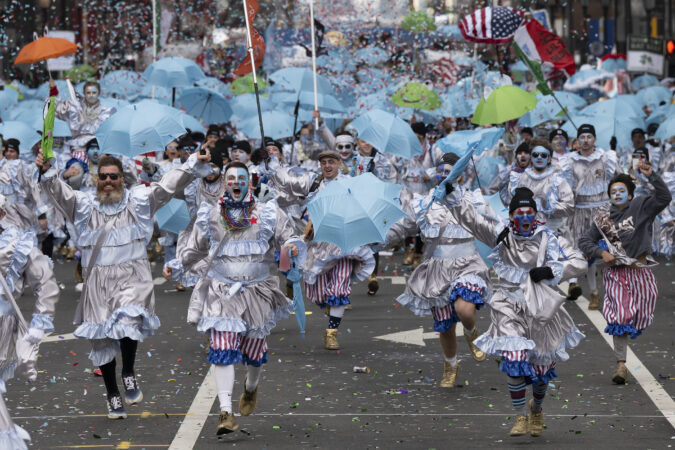
This year marks the 125th anniversary of the Philadelphia Mummers Parade, that colorful, boisterous procession that has come to define New Year’s Day in the city.
The festivities kick off at 9 a.m. on Thursday, Jan. 1, as more than 10,000 performers take to the streets for a daylong celebration USA Today readers recently hailed as the nation’s best holiday parade.
From parking to road closures to how to go about watching, here’s everything you need to know ahead of time.
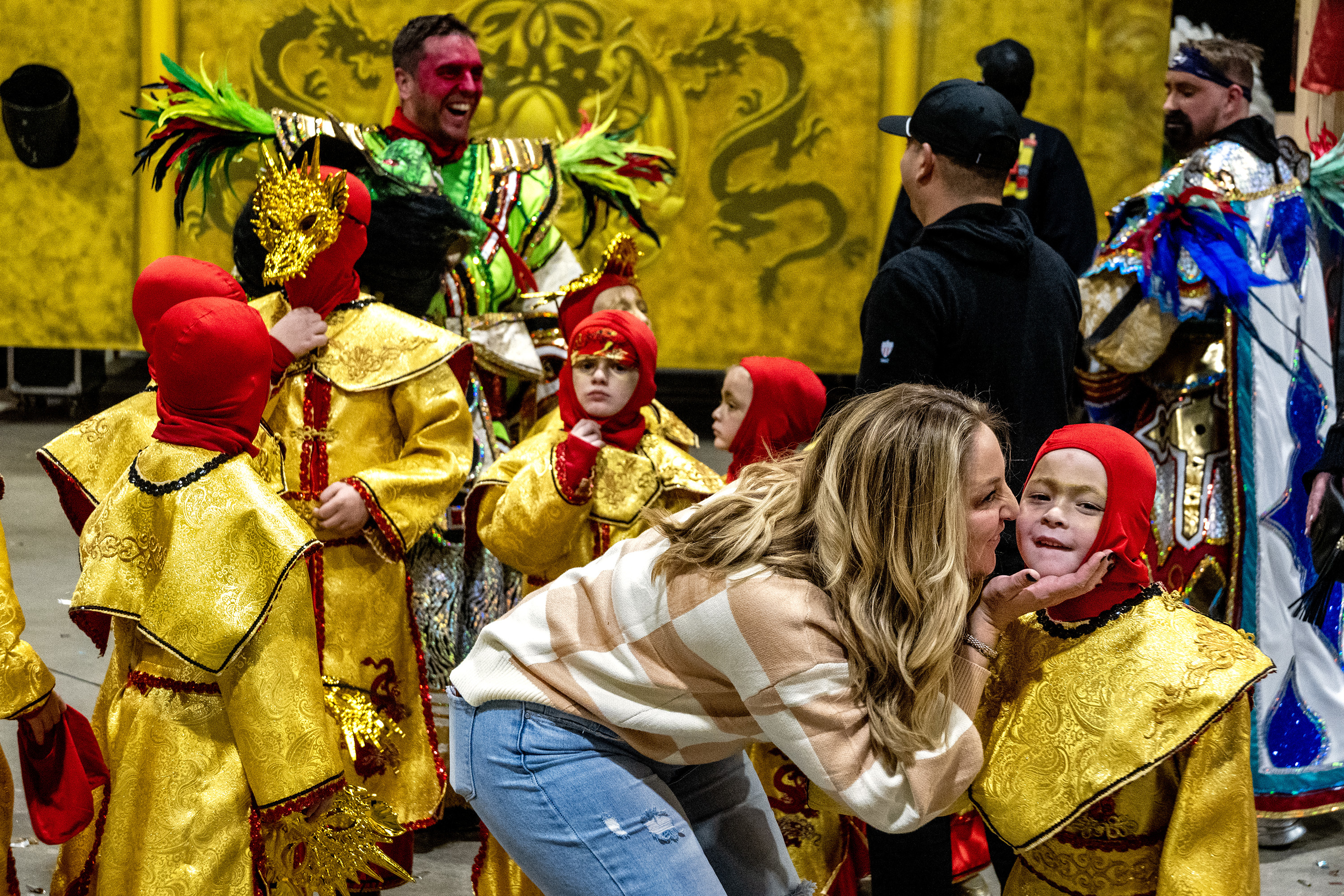
Kasey McCullough kisses her son Finn, 5, after his appearance with Bill McIntyre’s Shooting Stars during their performance in the Fancy Brigade Finale at the Convention Center Wednesday, Jan. 1, 2025, part of the Philadelphia Mummers New Year’s Day parade. Their theme is “Legends of the Secret Scrolls.” Finn’s dad, Jim McCullough also performed, his 40th year with the Mummers. They are from Washington Twp.Washington Township, N.J.
Mummers Parade route
The mile-and-a-half route begins at City Hall, before heading south down Broad Street to Washington Avenue in South Philadelphia.
How to watch the 2026 Mummers Parade
Watch the Mummers Parade in person
The parade is free to attend. Those hoping for a more intimate experience, however, have a few options:
Reserved bleacher seats located near the judging stand just west of City Hall are available for $25 at visitphilly.com.
Additionally, tickets to the Fancy Brigade Finale — held at 11:30 a.m. and 5 p.m. inside the Convention Center — range from $28 to $43. Tickets are available at visitphilly.com or during business hours at the Independence Visitor Center.
Watch the Mummers Parade from home
The parade will be broadcast from 9 a.m. to 5 p.m. on:
Cable/Satellite: On Channel 2 (MeTV2) or Channel 69 (WFMZ). Available on Comcast, Fios, DirecTV, Dish Network, Service Electric, Astound, and Blue Ridge Cable.
Mobile: On the WFMZ+ Streaming app, available through your Apple or Android devices.
Members of the Saints wench brigade step to the judges’ stand during the 124th Mummers Parade on Wednesday, Jan. 1, 2025.
What is the Mummers Parade?
In short, it’s the longest continuously running folk parade in the country. Some 10,000 elaborately dressed performers take part in the celebration each year, part of dozens of groups spread across several divisions.
Fancies: Painted faces and elaboratecostumes.
Comics: Satirical comedy skits aimed at public figures, institutions, and current events.
Wench Brigades: Known for traditional Mummers costumes, including dresses, bloomers, and bonnets.
Fancy Brigades: Theatrical performances. (The Fancy Brigade Finale takes place on New Year’s Day with a pair of ticketed performances at the Convention Center at 11:30 a.m. and 5 p.m.)
String Bands: Marching musicians playing an assortment of string and reed instruments.
Mummers Parade performers
Fancy Division
Golden Sunrise
Wench Brigade Division
Froggy Carr
Pirates
Americans
Cara Liom
MGK
O’Malley
Oregon
Saints
Riverfront
Bryson
Comic Division
Mother Club: Landi Comics NYA
Philadelphia Pranking Authority
Mayfair Mummers
Barrels Brigade
The Jacks
Mother Club: Rich Porco’s Murray Comic Club
Holy Rollers NYB
Vaudevillains NYB
Trama NYB
Wild Rovers NYB
Mollywoppers NYB
Merry Makers NYB
Misfits NYB
Fitzwater NYB
Funny Bonez NYB
Top Hat NYB
Fiasco NYB
Golden Slipper NYB
B. Love Strutters
Madhatters NYB
Tankie’s Angels NYB
The Leftovers NYB
Finnegan NYB
Mother Club: Goodtimers NYA
SouthSide Shooters NYA
Jokers Wild NYB
Hog Island NYA
Pinelands Mummers NYB
Happy Tappers NYB
Two Street Stompers NYB
Gormley NYB
Jesters NYB
Lobster Club NYB
South Philly Strutters NYB
Jolly Jolly Comics NYB
String Band Division
Duffy String Band
Durning String Band
Quaker City String Band
Fralinger String Band
Uptown String Band
Avalon String Band
South Philadelphia String Band
Aqua String Band
Greater Kensington String Band
Woodland String Band
Polish American String Band
Ferko String Band
Hegeman String Band
Jersey String Band
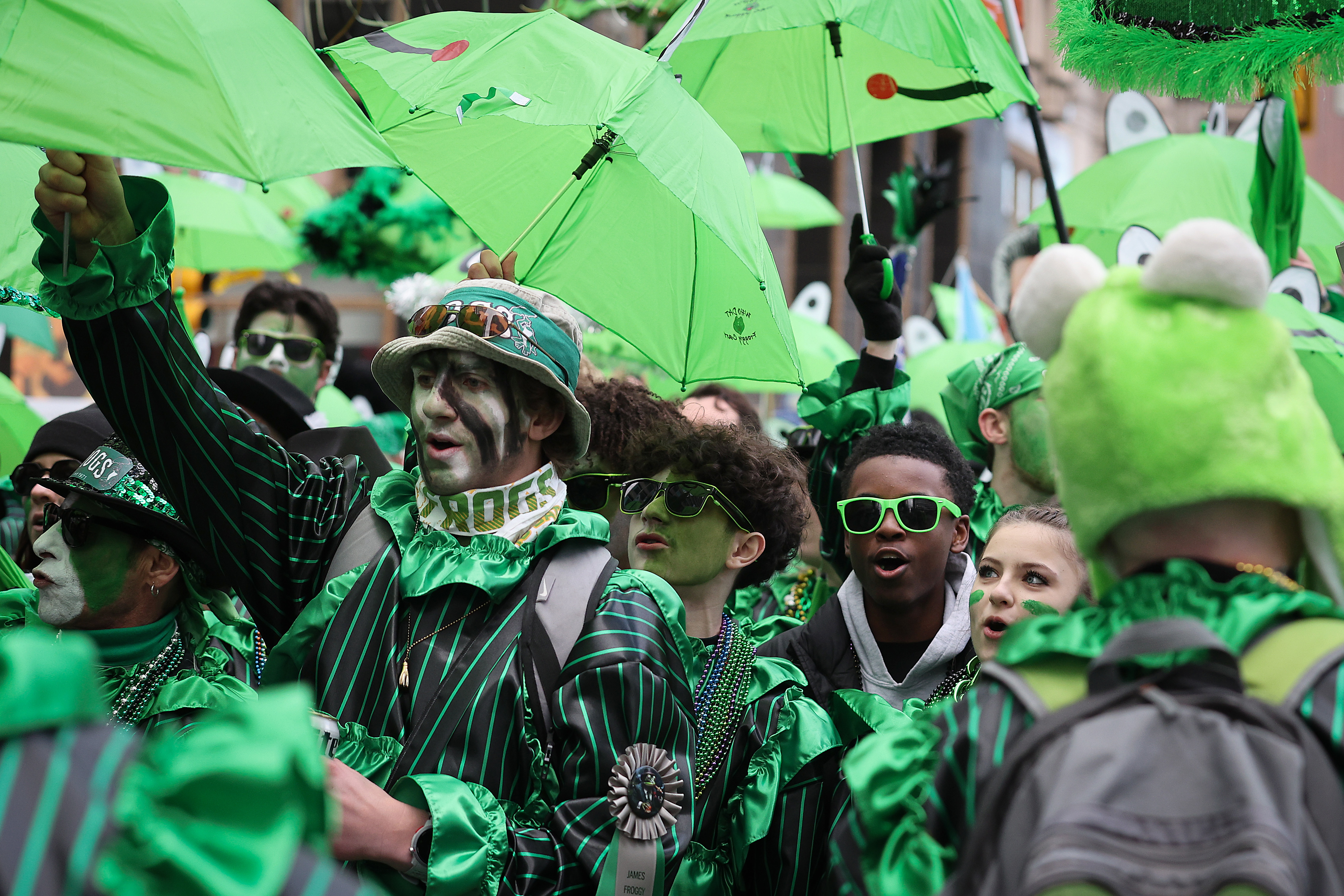
Members of Froggy Carr chant as they strut to Market Street during the 124th Philadelphia Mummers Parade on Wednesday, Jan. 1, 2025.
Mummers Parade-day hacks
Navigating the heavily attended event can require a bit of planning, with entire Reddit threads devoted to parade-day tips — including the best places to park and how to access elusive public restrooms throughout the day.
A few things to keep in mind: The parade is accessible through SEPTA Regional Rail, bus, subway, and trolley lines. And though parking is free because of the holiday, it’s expected to be scarce.
While the heart of the action takes place near City Hall and Dilworth Park, performance areas will also be located along the parade route — at Broad Street at Sansom, Pine, and Carpenter Streets.
Starting at 11 a.m., meanwhile, parade attendees can gather at the staging area for the string bands to watch the performers prepare. (The staging areas are located at Market Street between 17th and 21st Streets and JFK Boulevard between 17th and 20th Streets.)
Also good to remember? Dress warm, bring a lawn chair (they’re permitted), and pace yourself — it has the potential to be a very long day.
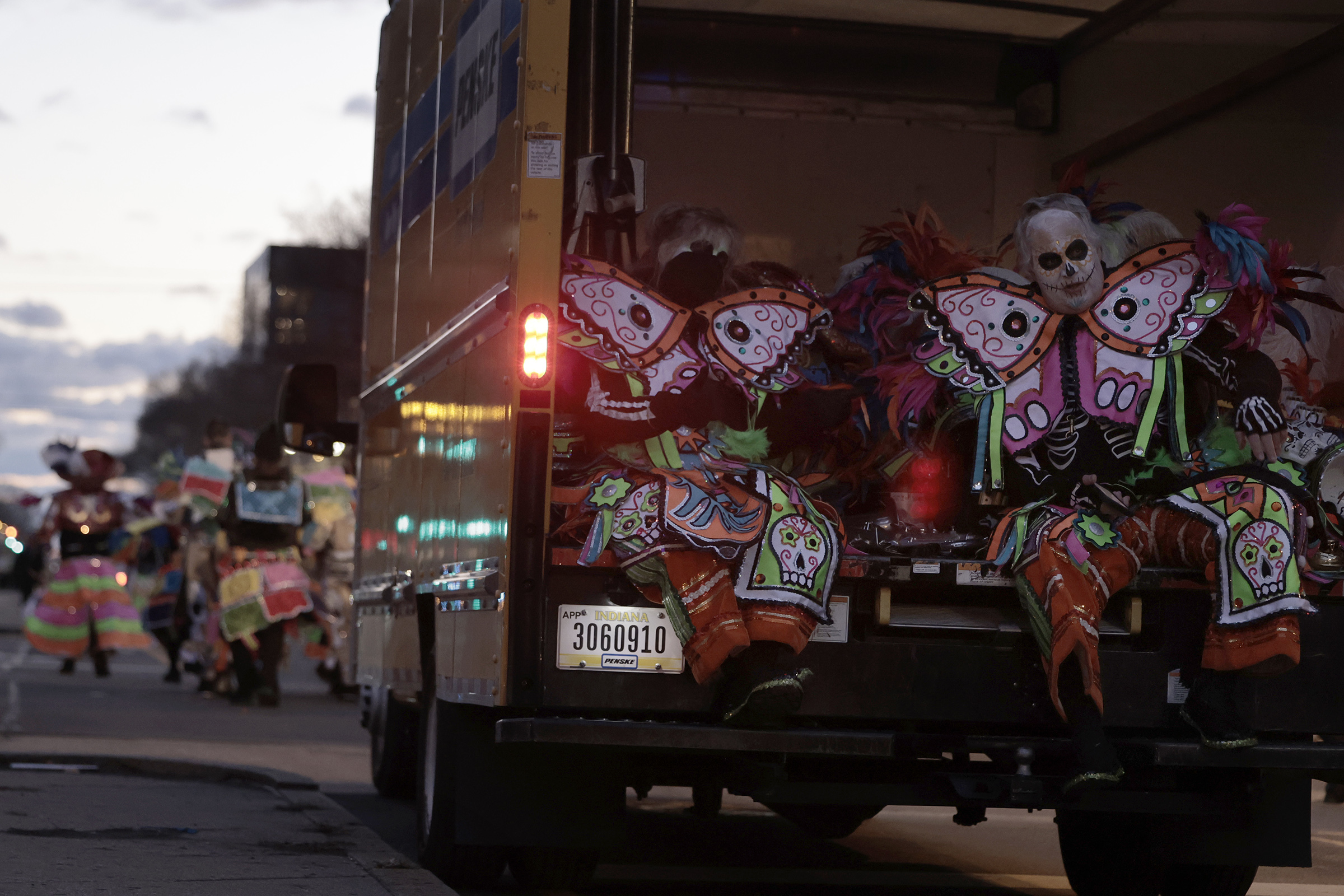
Ferko String Band tenor sax players Renee Duffy of Deptford (left) and Tom Garrity of Berlin take a break from the parade as they ride in the bands truck on South Broad Street during the Mummers Parade in Philadelphia on New Year’s Day, Wednesday, Jan. 1, 2025.
Mummers Parade road closures and parking restrictions
Friday, Dec. 26, 2025
No parking from 6 p.m. on Dec. 26 through 6 p.m. on Jan. 2, on the east curb lane of 15th Street from JFK Boulevard to South Penn Square.
Saturday, Dec. 27, 2025
No parking from 6 p.m. on Dec. 27 through 7 a.m. on Jan. 2, on the west side of 15th Street from Arch Street to Ranstead Street. Street and sidewalk vendors will also not be permitted to park in this area.
Monday, Dec. 29, 2025
15th Street will be closed to southbound traffic at JFK Boulevard. Closure begins at 8 a.m. on Dec. 29 and runs through 7 a.m. Jan. 2.
Market Street eastbound will be closed to traffic at 16th Street from 8 a.m. on Dec. 29 through 7 a.m. on Jan. 2.
Tuesday, Dec. 30, 2025
No parking on the following streets from 4 a.m. on Dec. 30 through 6 p.m. on Jan. 1:
Market Street from 15th Street to 21st Street (both sides)
JFK Boulevard from Juniper Street to 20th Street (both sides)
15th Street will be closed to southbound traffic at JFK Boulevard. Closure begins at 7 a.m. on Dec. 30 and runs through 7 a.m. Jan. 2.
Wednesday, Dec. 31, 2025
Market Street will be closed to vehicle traffic from 15th Street to 21st Street from 10 a.m. to 3 p.m. on Dec. 31. Market Street will reopen at 3 p.m. and traffic will be permitted to travel eastbound on Market Street to 15th Street and continue southbound on 15th Street.
Thursday, Jan. 1, 2026
The following streets will be closed to vehicle traffic beginning at 3 a.m. on Jan. 1 through the parade’s conclusion:
15th Street from Arch Street to Chestnut Street
Market Street from 15th Street to 21st Street
These streets will be closed to vehicle traffic beginning at 6 a.m. on Jan. 1 through the conclusion of the parade:
Benjamin Franklin Parkway from 16th Street to 20th Street
North Broad Street from Cherry Street to JFK Boulevard
16th Street from Chestnut Street to Race Street
17th Street from Benjamin Franklin Parkway to Ludlow Street
18th Street from Ludlow Street to Race Street
19th Street from Benjamin Franklin Parkway to Chestnut Street
1500 block of Ranstead Street
1300 block of Carpenter Street
1000 block of South 13th Street
Chestnut Street from 15th Street to 18th Street (north side)
Cherry Street from 15th Street to 17th Street
Arch Street from 15th Street to 17th Street
Washington Avenue from 12th Street to 18th Street
Broad Street will be closed to vehicle traffic from South Penn Square to Washington Avenue on Thursday, Jan. 1, beginning at 7 a.m. through the conclusion of the parade.
Vehicle traffic will not be permitted to cross Broad Street during the parade.
Additional Parking Restrictions
No parking from 2 a.m. to 6 p.m. on Thursday, Jan. 1 (on both sides of street unless otherwise noted):
Broad Street from Cherry Street to Ellsworth Street
Juniper Street from JFK Boulevard to East Penn Square
South/East Penn Square from 15th Street to Juniper Street
Benjamin Franklin Parkway from 16th Street to 20th Street
Logan Circle (north side)
16th Street from Chestnut Street to Race Street
17th Street from Benjamin Franklin Parkway to Ludlow Street
18th Street from Ludlow Street to Race Street
19th Street from Benjamin Franklin Parkway to Chestnut Street
1500 block of Ranstead Street
1300 block of Carpenter Street
1000 block of South 13th Street
Chestnut Street from 15th Street to 18th Street (north side)
Cherry Street from 15th Street to 17th Street
Arch Street from 15th Street to 17th Street
Washington Avenue from 12th Street to 18th Street
SEPTA detours
SEPTA hasn’t updated their schedule for the parade yet, but bus detours, alerts, and information can be found on SEPTA’s website.
Inspired by traditions brought to Philly by Swedish, Finnish, Irish, German, English, and African immigrants, the annual event has grown to feature thousands of costumed performers competing in a colorful, unique, and family-friendly daylong affair.
Despite past funding issues and occasional controversy, the Mummers Parade today stands as one of the city’s quintessential events, celebrated by locals and embraced by Philly royalty; former Eagle Jason Kelce memorably donned a traditional Mummers outfit for the team’s Super Bowl parade in 2018, and actor Kevin Bacon, along with brother Michael, has helped fundraise for the event.
There will be no Christmas miracle for trolley riders.
The Center City trolley tunnel will remain closed at least through the end of December, SEPTA said Wednesday. Officials did not offer a precise reopening date but were hopeful service would resume in January.
The tunnel has been closed since the beginning of November for repairs to its overhead catenary wire system. In October, damage caused two separate incidents in which trolleys were stopped and hundreds of riders were evacuated inside the tunnel.
“We want to make sure that we don’t reopen before we feel that the risk has been reduced as low as possible that we could have another event in the tunnel,” said Kate O’Connor, SEPTA’s assistant general manager of engineering, maintenance, and construction.
Issues began earlier this fall after SEPTA changed the size of the brass sliders that hold chunks of carbon that rub off and coat the wires carrying electricity to the trolleys. The carbon coating helps the trolleys move smoothly.
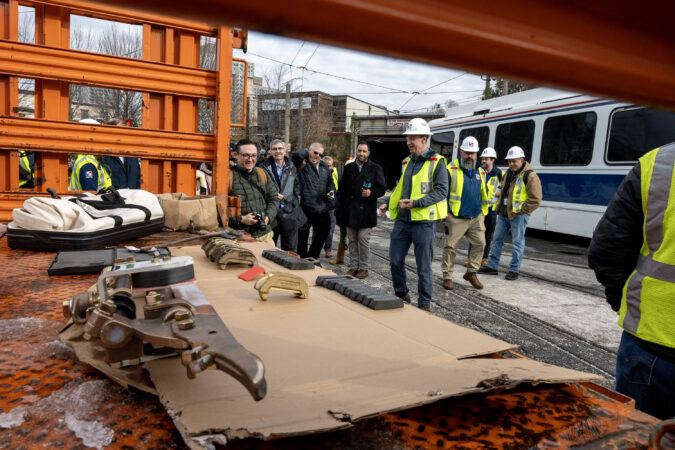
A 3-inch slider, left, and a 4-inch slider, which coats electric powered wires with carbon to reduce friction. When they fail, trolleys are stranded.
The switch from 3-inch to 4-inch sliders was meant to prolong their lifespan and lower maintenance costs, but it proved to do the opposite. Inside the tunnel, where there are more curves on the tracks and more equipment holding the wire to the ceiling, the new sliders and carbon burned through more quickly.
SEPTA had tested the 4-inch sliders before the change was made, but observed no issues,O’Connor said. The tests proved to be too limited, she said, and did not adequately measure how the sliders would work across an entire fleet.
SEPTA changed back to the 3-inch slider, but because the overhead wires were now damaged, the once-reliable sliders began to wear out more quickly, too.
“We could hear the rubbing on the brass” after less than a day, said Jason Tarlecki, SEPTA’s deputy chief engineer of power.
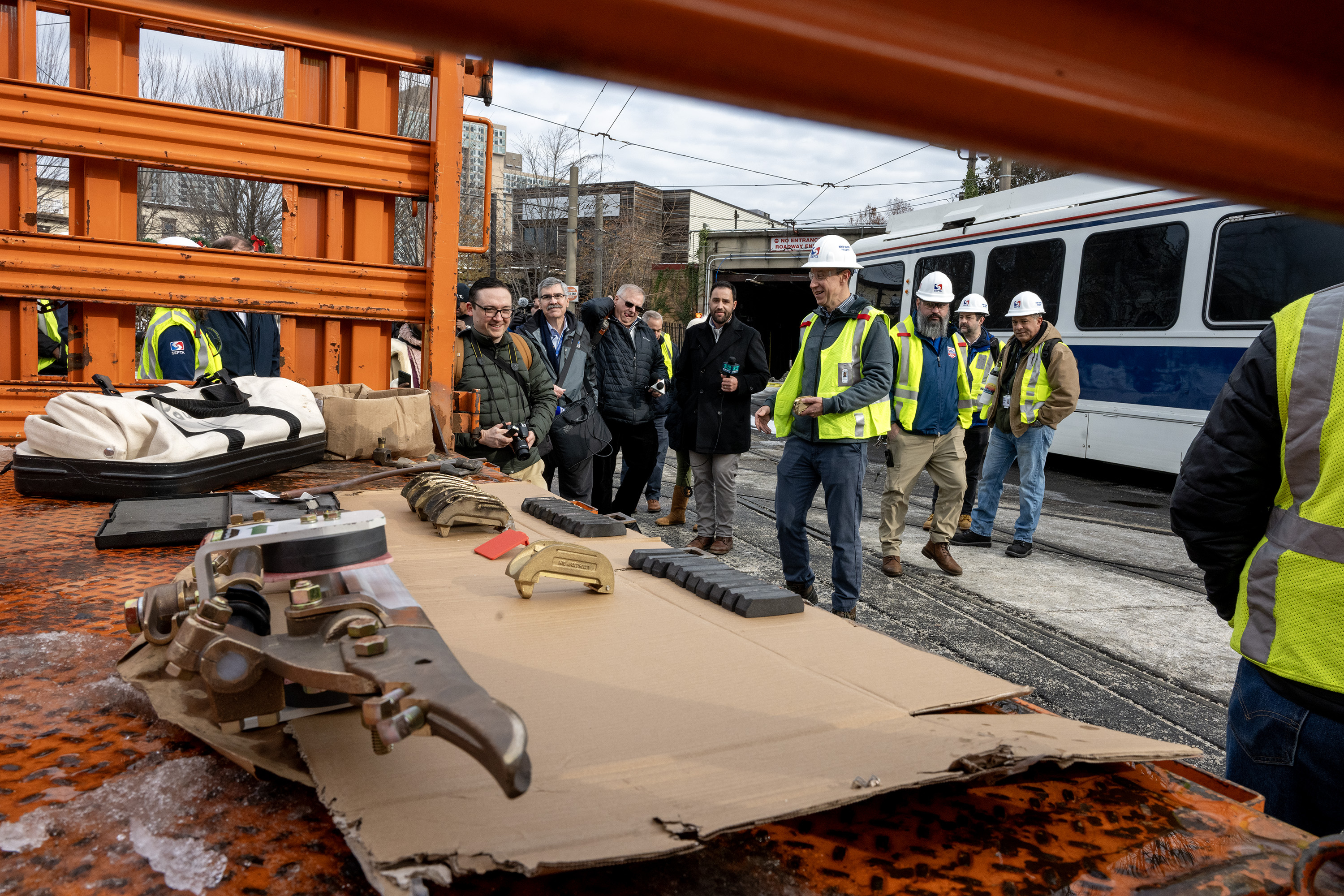
Trolley slider parts are on display as Jason Tarlecki, acting SEPTA chief engineer of power, talks with the news media at the 40th Street trolley portal (rear) Wednesday, Dec. 17, 2025.
SEPTA determined it needed to replace the tunnel’s roughly five miles of overhead copper wiring, Tarlecki said, after the excess wear left it “shattered and raw” in sections.
Those repairs have taken longer than originally projected. According to SEPTA officials, supply-chain issues stemming from the pandemic have created longer wait times for new parts. New wiring needs to build up a carbon coating over time, and SEPTA has been running trolleys along the system during the closure for the patina to develop. And the transit authority has been conducting tests, like experimenting with reduced-speed zones and readjusted wire tension, to ensure that the issue does not arise again.
On Thursday morning, City Councilmember Jamie Gauthier and State Rep. Rick Krajewski (D., Philadelphia) plan to lead a canvass pushing for SEPTA and the city to help riders during the closure of the tunnel.
“I know how challenging and frustrating it’s been for the tens of thousands of West and Southwest Philadelphians who rely on the trolley to get to school, work, and other essentials. [Market-Frankford Line] riders dealing with crush crowds and drivers stuck in trolley diversion gridlock are suffering too. … Only a sustainable investment from our state government can solve the root cause of this problem: SEPTA’s aging infrastructure,” Gauthier said in a statement.
Even once the tunnel does reopen and service returns, the slider saga might not be over. O’Connor said that it was possible SEPTA would close the tunnel again occasionally, possibly for a weekend, as it continues to replace sections of the wiring.
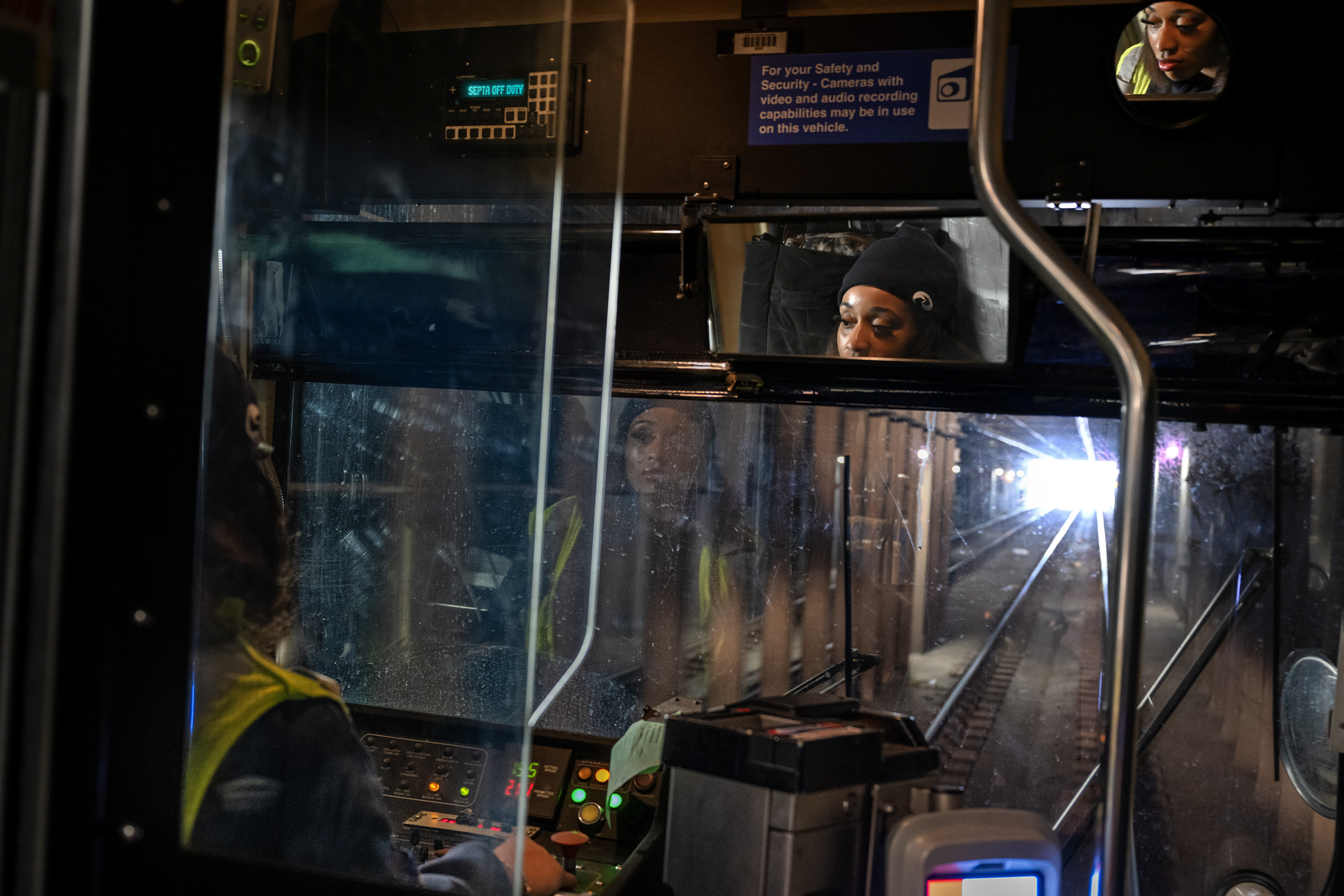
SEPTA trolley operator Victoria Daniels approaches the end of the tunnel, heading toward the 40th Street Trolley Portal Wednesday, Dec. 17, 2025, after a tour to update the news media on overhead wire repairs in the closed tunnel due to unexpected issues from new slider parts.