For the first time in more than half a century, Philadelphia has recorded fewer than 225 homicides in a single year.
In 2025,222people were killed — the fewest since 1966, when there were a fraction of as many guns in circulation and 178 homicides.
It is a milestone worth commemorating — and mourning: Violence has fallen to its lowest level in decades, yet 222 deathsin a single city is still considered progress.
window.addEventListener(“message”,function(a){if(void 0!==a.data[“datawrapper-height”]){var e=document.querySelectorAll(“iframe”);for(var t in a.data[“datawrapper-height”])for(var r,i=0;r=e[i];i++)if(r.contentWindow===a.source){var d=a.data[“datawrapper-height”][t]+”px”;r.style.height=d}}});
The drop mirrors a national reduction in violence and follows years of sustained declines after Philadelphia’s annual homicide totals peaked during the pandemic, and it reflects a mix of likely contributing factors: Tech-savvy police are solving more shootings, violence prevention programs have expanded, and the city has emerged from pandemic instability.
No single policy or investment explains it, and officials caution that the gains are fragile.
“The numbers don’t mean that the work is done,” said Adam Geer, the city’s director of public safety. “But it’s a sign that what we’re doing is working.”
The impact is tangible: fewer children losing parents, fewer mothers burying sons, fewer cycles of retaliation.
“We are saving a life every day,” District Attorney Larry Krasner said.
Still, the violence hit some. Victims ranged from a 2-year-old girl allegedly beaten to death by her mother’s boyfriend to a 93-year-old grandfather robbed and stabbed in his home. They included Ethan Parker, 12, fatally shot by a friend playing with a gun, and Said Butler, 18, killed just days before starting his first job.
Police say street-level shootings and retaliatory violence fell sharply, in part because some gang conflicts have burned out after key players were arrested or killed. Killings this year more often stemmed from long-standing drivers — arguments, drugs, and domestic violence — and were concentrated in neighborhoods that have borne the brunt of the crisis.
“These same communities are still traumatized,” said Police Commissioner Kevin Bethel. “One gunshot is a lot. We can’t sit or act like we don’t see that.”
window.addEventListener(“message”,function(a){if(void 0!==a.data[“datawrapper-height”]){var e=document.querySelectorAll(“iframe”);for(var t in a.data[“datawrapper-height”])for(var r,i=0;r=e[i];i++)if(r.contentWindow===a.source){var d=a.data[“datawrapper-height”][t]+”px”;r.style.height=d}}});
The number of domestic-related killings nearly doubled this year compared with last, making up about 20% of homicides, Geer said. The disappearance and killing of Kada Scott, a 23-year-old woman from Mount Airy, was among them, and led to a citywide outcry and renewed scrutiny of how authorities handle violence against women.
And mass shootings on back-to-back holiday weekends — 11 people shot in Lemon Hill on Memorial Day, and 21 shot in a pair of incidents in South Philadelphia over July Fourth — left residents reeling.
<iframe title="Philadelphians’ Perceptions of Safety at Night" aria-label="Line chart" id="datawrapper-chart-GRrTN" src="https://datawrapper.dwcdn.net/GRrTN/1/" scrolling="no" frameborder="0" style="width: 0; min-width: 100% !important; border: none;" height="556" data-external="1"></iframe><script type="text/javascript">window.addEventListener("message",function(a){if(void 0!==a.data["datawrapper-height"]){var e=document.querySelectorAll("iframe");for(var t in a.data["datawrapper-height"])for(var r,i=0;r=e[i];i++)if(r.contentWindow===a.source){var d=a.data["datawrapper-height"][t]+"px";r.style.height=d}}});</script>
The progress comes even as the police department remains 20% below its budgeted staffing levels, with about 1,200 fewer officers on the force than 10 years ago.
The city’s jail population has reached its lowest level in recent history. It dipped below 3,700 in April for the first time in at least a decade, and remains so today.
And arrests citywide, particularly for drug crimes, have cratered and remain far below pre-pandemic levels, mirroring a nationwide trend.
Experts say the moment demands persistence.
“We can’t look at this decline and turn our attention to other problems that we have to solve. We have to keep investing and keep pushing to get this number even lower, because it could be even lower,” said Jason Gravel, an assistant professor of criminal justice at Temple University.
‘Unheard of’ clearance rates
After shootings exploded during the pandemic, and Philadelphia recorded 562 homicides in 2021 — the most in its history — violence began to decline, slowly at first.
But then, from 2023 to 2024, killings fell by 35% — the largest year-over-year reduction among U.S. cities with the highest homicide rates, according to an analysis by Pew.
The decline continued into 2025.
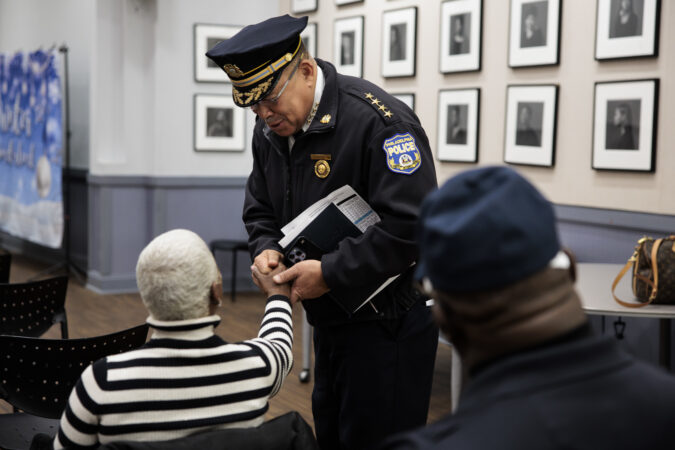
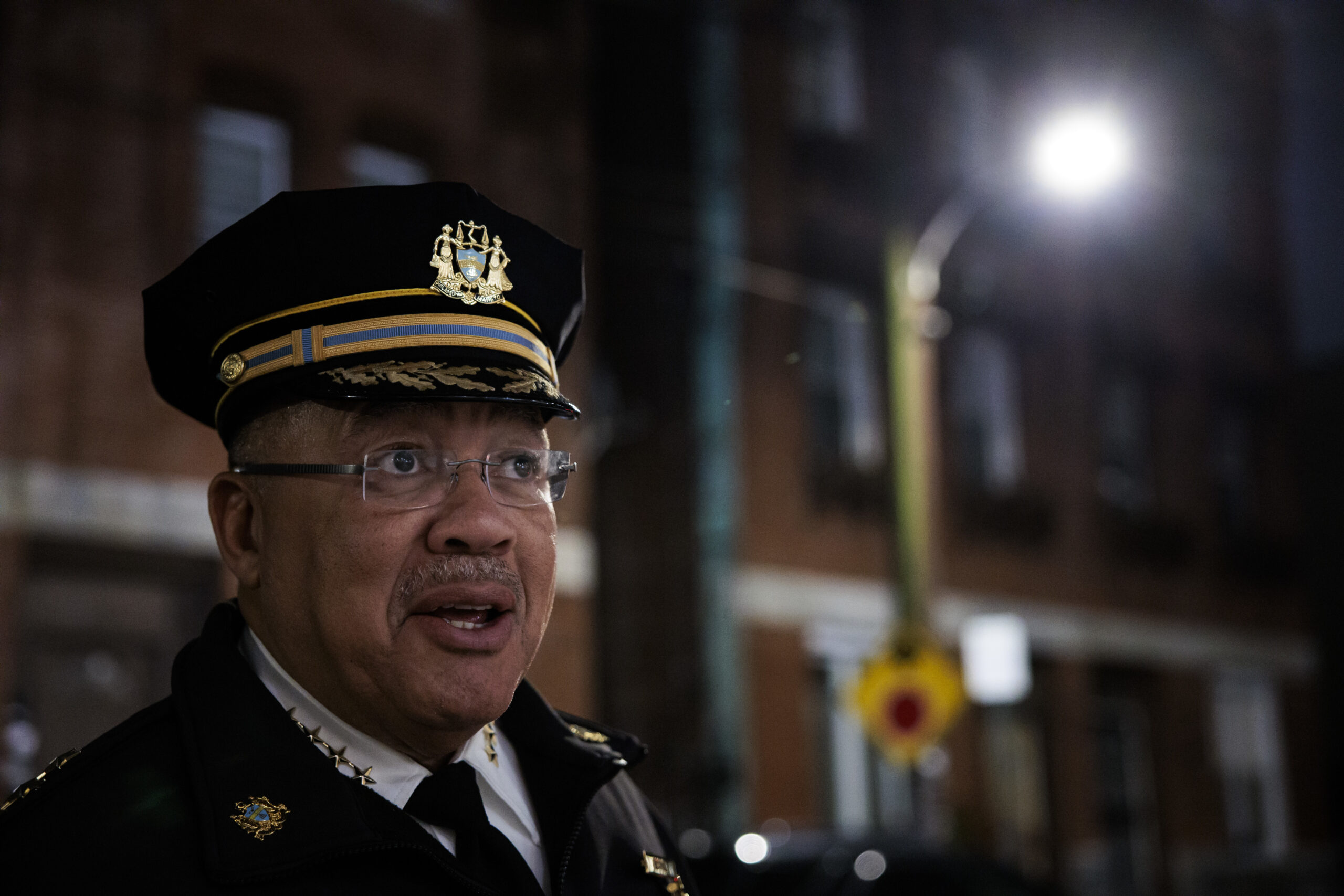
Police Commissioner Kevin Bethel arrives at a North Philadelphia community meeting on Dec. 2.
Bethel has pointed to a host of potential reasons for the decline: the reopening of society post-pandemic — kids returned to school and adults reconnected with jobs, courts, and probation officers — as well as police resources focused in hot spot crime areas and improved coordination among city leaders.
Most notably, he said, detectives are making more arrests in nonfatal shootings and homicides. Experts say that arresting shooters is a key violence-prevention strategy — it prevents that shooter from committing more violence or from ending up as a victim of retaliation, sends a message of accountability and deterrence, and improves the relationship between police and the community.
The homicide clearance rate this year ended at 81.98%, the highest since 1984, and the clearance of nonfatal shootings reached 39.9%.
“That’s unheard of,” said Geer, the public safety director. “The small amount of people who are committing these really heinous, violent crimes in our neighborhood[s] are being taken off the street.”
window.addEventListener(“message”,function(a){if(void 0!==a.data[“datawrapper-height”]){var e=document.querySelectorAll(“iframe”);for(var t in a.data[“datawrapper-height”])for(var r,i=0;r=e[i];i++)if(r.contentWindow===a.source){var d=a.data[“datawrapper-height”][t]+”px”;r.style.height=d}}});
Still, more than 800 killings from between 2020 and 2023 remain without an arrest, according to an Inquirer analysis.
That has had a significant impact on the police department’s relationship with the community over the years, something Bethel has sought to repair since he was appointed commissioner in 2024.
In 2025, he created an Office of the Victim Advocate, hired a 20-person team to communicate with and support victims, and hosted 35 meetings with residents of the most challenged neighborhoods.
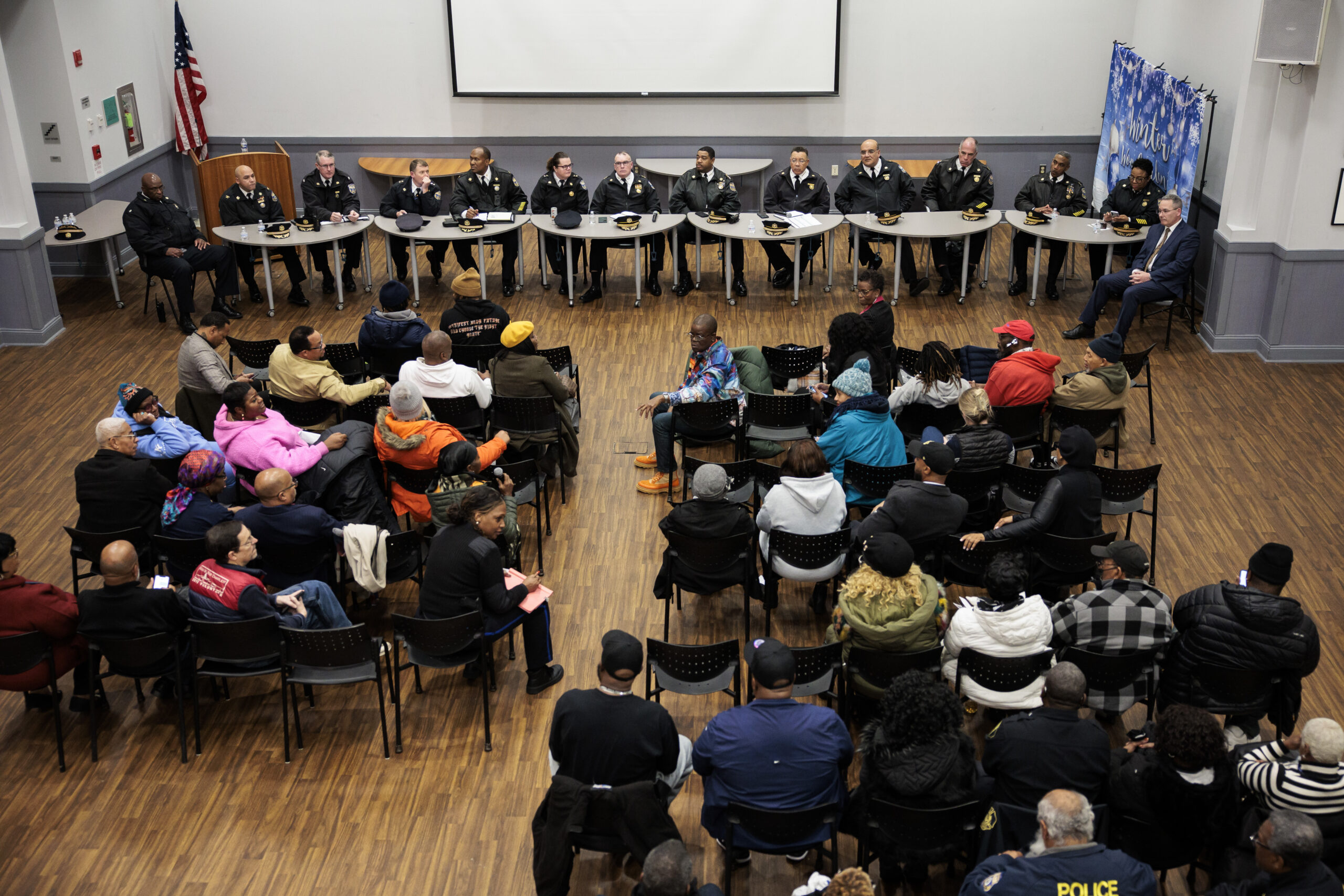
A few dozen community members gathered with top police brass in North Philadelphia on Dec. 2.
Yet Bethel has grappled with the challenge of convincing residents that the city is safer today than four years ago, while questioning whether today’s gains can outweigh years of devastation.
That challenge was on display on a recent cold December night, as Bethel gathered with a few dozen residents inside a North Philadelphia church and asked what they wanted him to know.
Person after person stood and told him what gun violence had taken from them in recent years.
My son. My brother. My nephew.
Both of my sons.
Investing in violence prevention
The city’s network of violence prevention strategies has expanded greatly since 2020, when the city began issuing tens of millions of dollars in grants to grassroots organizations.
Early on, the city faced criticism that its rollout of the funds was chaotic, with little oversight or infrastructure to track impact. Today, Geer said, the city has stronger fiscal oversight, better organizational support, and a data-driven approach that targets neighborhoods experiencing the most violence.
In 2024,Community Justice, a national coalition that researches violence-intervention strategies, said that Philadelphia had the most expansive violence-prevention infrastructure of the 10 largest U.S. cities. When evaluating 100 cities, it ranked Philadelphia as having the third-best public-health-centered approach to preventing violence, falling behind Washington and Baltimore.
Geer said the work will continue through 2026. Starting in January, the city will have a pool of about $500,000 to help cover the funeral expenses for families affected by violence.
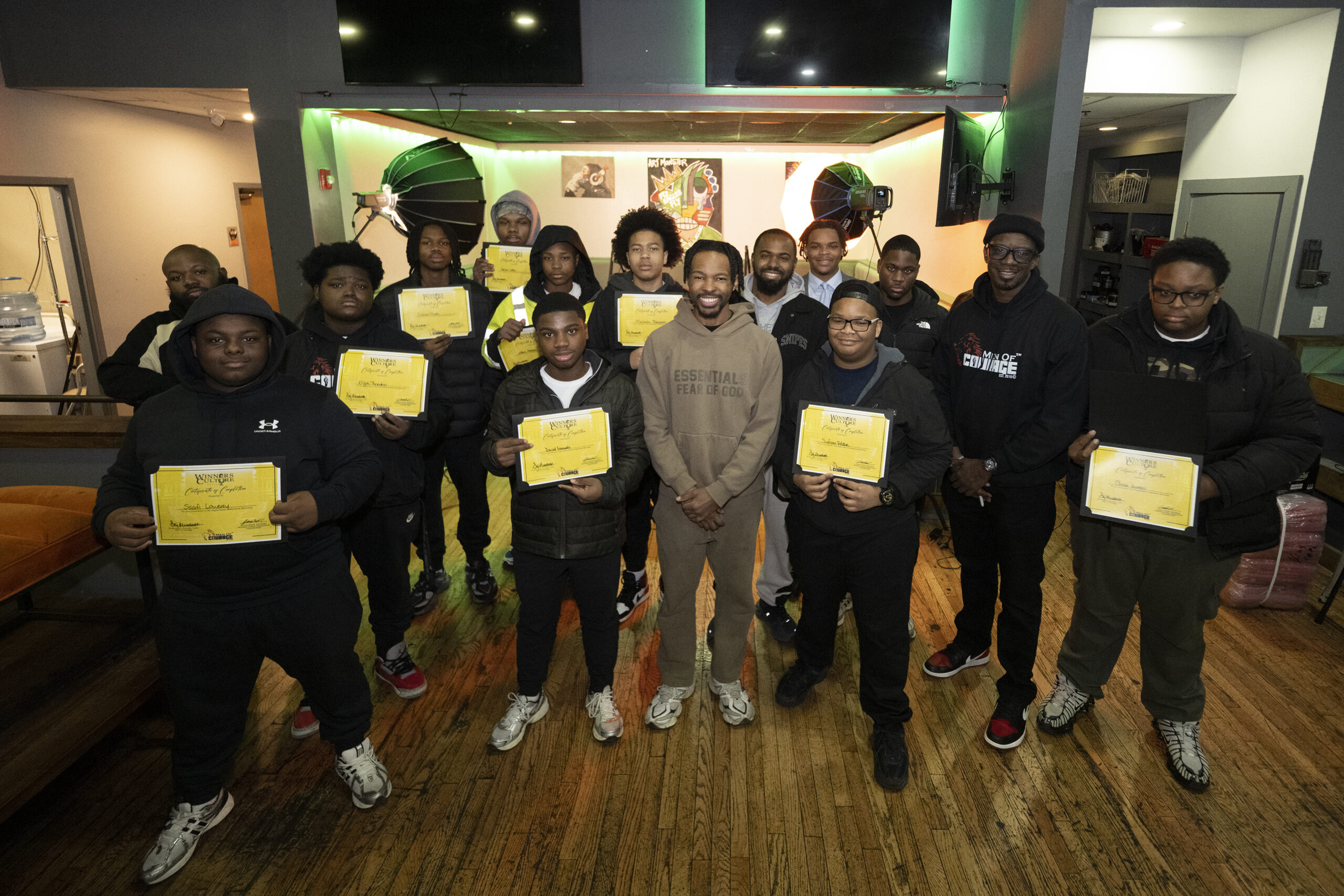
Members of Men of Courage pose with the certificates of accomplishment after completing a 16-week program on multi-media work and podcasting, one of multiple programs the community organization uses to help Black teens build their confidence.
One of those organizations that has benefited from the city’s funding is Men of Courage, a Germantown-based group that mentors young Black men ages 12 to 18 and focuses on building their confidence, resilience, and emotional intelligence.
“We want them to know that one decision can affect your entire life,” said founder Taj Murdock. “Their environment already tells them they’ll be nothing. … We have to shift their mindsets.”
Arguments are a leading cause of shootings, and teaching teens how to de-escalate conflicts and think through long-term consequences can prevent them from turning disputes violent, he said.
Isaiah Clark-White, second to left, and David Samuel, middle, pose for a photo with other members of Men of Courage before recording a podcast.
Isaiah Clark-White, 16, a sophomore at Hill Freedman World Academy in East Mount Airy, said that in his three years working with Men of Courage, he has grown more confident and has improved his public speaking.
And David Samuel, 15, of Logan, said he has learned how to better control his emotions and identify those of the people around him. Both said they feel safer today than three years ago, but remain vigilant of their surroundings.
Samuel said his dad watches the news every day and talks about the overnight crimes and shootings.
“He’s always telling me,” he said, “‘David, I don’t want this to happen to you.’”
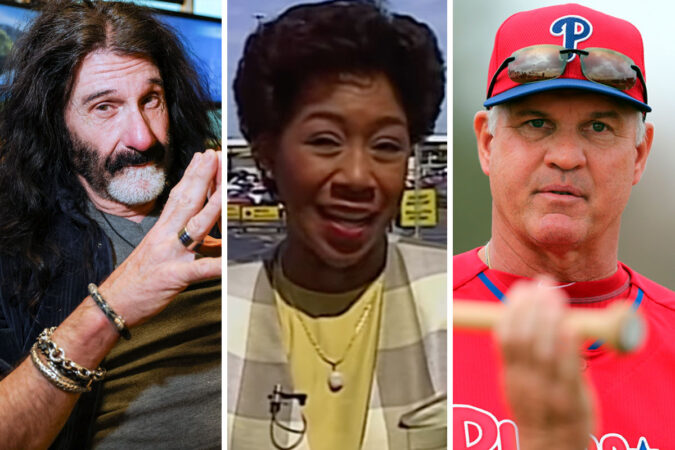
In 2025, Philadelphians said goodbye to a beloved group of broadcasters, radio personalities, sports heroes, and public servants who left their mark on a city they all loved.
Some were Philly natives, including former Eagles general manager Jim Murray. Others, including beloved WMMR host Pierre Robert, were transplants who made Philly their adopted home. But all left their mark on the city and across the region.
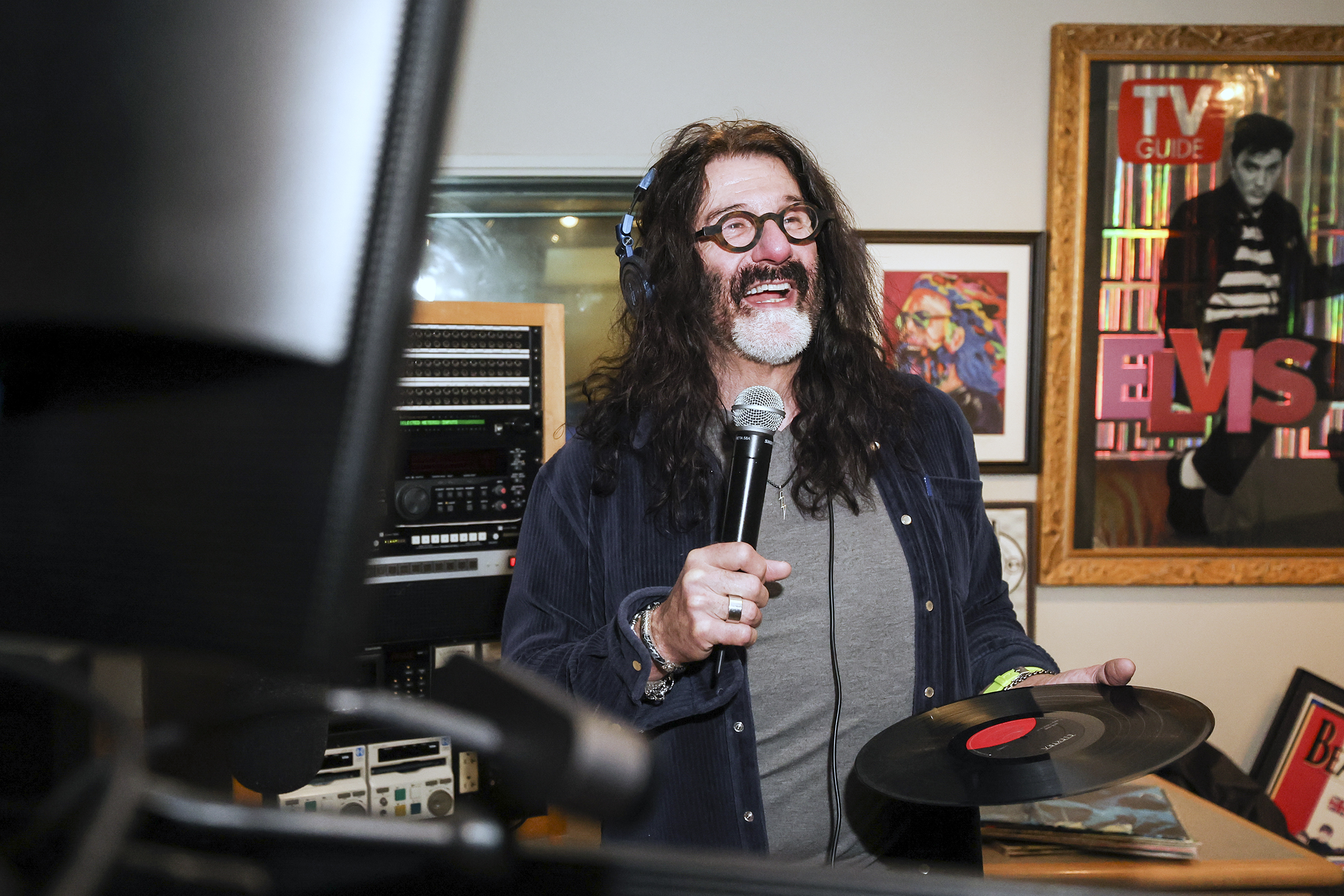
Pierre Robert
Former WMMR host Pierre Robert, seen in his studio in 2024.
A native of Northern California, Mr. Robert joined WMMR as an on-air host in 1981. He arrived in the city after his previous station, San Francisco’s KSAN, switched to an “urban cowboy” format, prompting him to make the cross-country drive to Philadelphia in a Volkswagen van.
At WMMR, Mr. Robert initially hosted on the weekends, but quickly moved to the midday slot — a position he held for more than four decades up until his death.
— Nick Vadala, Dan DeLuca
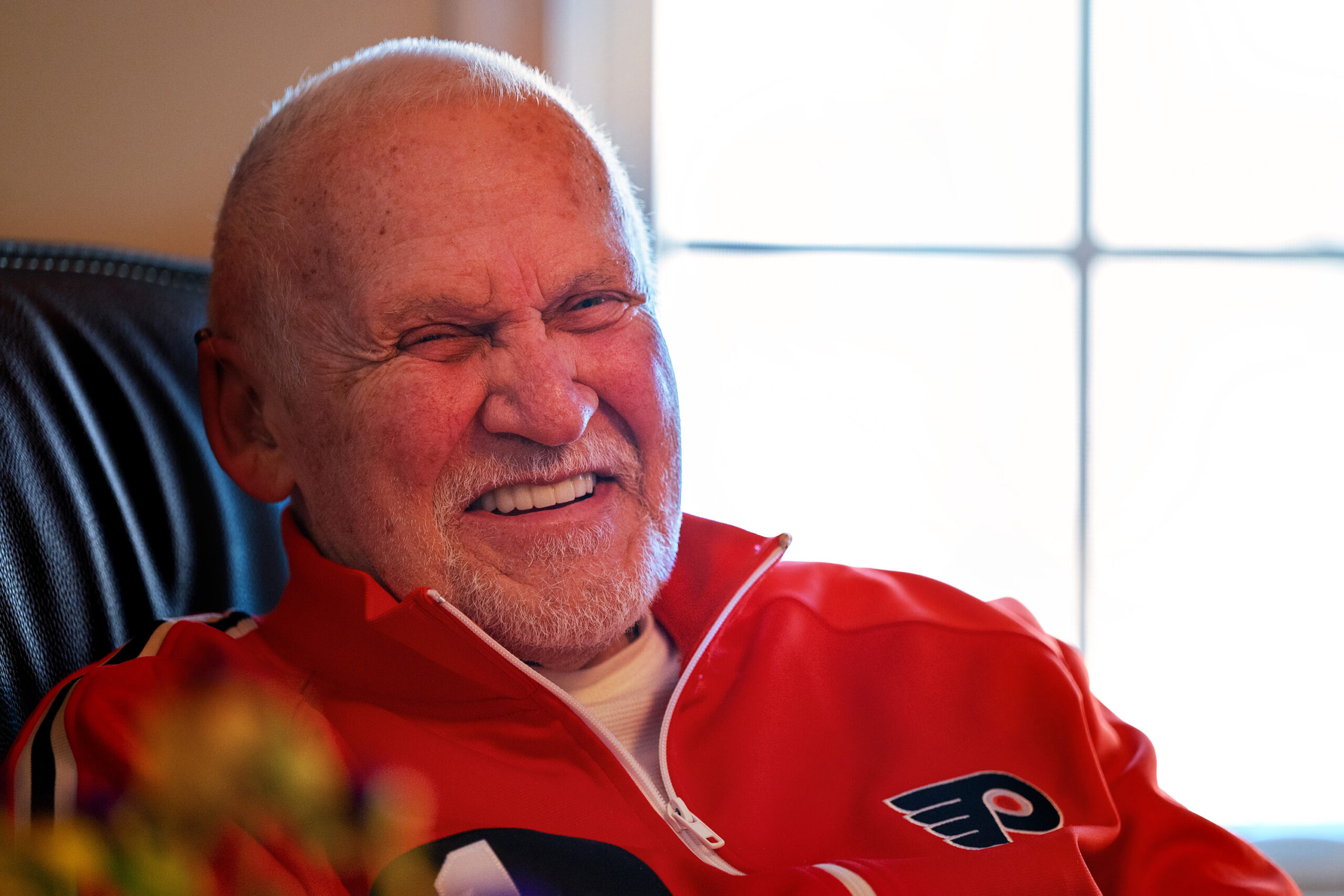
Bernie Parent
Former Flyers goaltender Bernie Parent, seen at his home in 2024.
Bernie Parent, the stone-wall Flyers goalie for the consecutive Stanley Cup championship teams for the Broad Street Bullies in the 1970s, died in September. He was 80.
A Hall of Famer, Mr. Parent clinched both championships with shutouts in the final game as he blanked the Boston Bruins, 1-0, in 1974 and the Buffalo Sabres, 2-0, in 1975. Mr. Parent played 10 of his 13 NHL seasons with the Flyers and also spent a season in the World Hockey League with the Philadelphia Blazers. He retired in 1979 at 34 years old after suffering an eye injury during a game against the New York Rangers.
He grew up in Montreal and spoke French as his first language before becoming a cultlike figure at the Spectrum as cars throughout the region had “Only the Lord Saves More Than Bernie Parent” bumper stickers.
— Matt Breen
David Lynch
David Lynch, seen here at the Governors Awards in Los Angeles in 2019.
David Lynch, the visionary director behind such movies as Blue Velvet and The Elephant Man and the twisted TV show Twin Peaks, died in January of complications from emphysema. He was 78.
Mr. Lynch was born in Missoula, Mont., but ended up in Philadelphia to enroll at the Pennsylvania Academy of the Fine Arts in 1965 at age 19. It was here he developed an interest in filmmaking as a way to see his paintings move.
He created his first short films in Philadelphia, which he described both as “a filthy city” and “his greatest influence” as an artist. Ultimately, he moved to Los Angeles to make his first feature film, Eraserhead, though he called the film “my Philadelphia Story.”
— Rob Tornoe
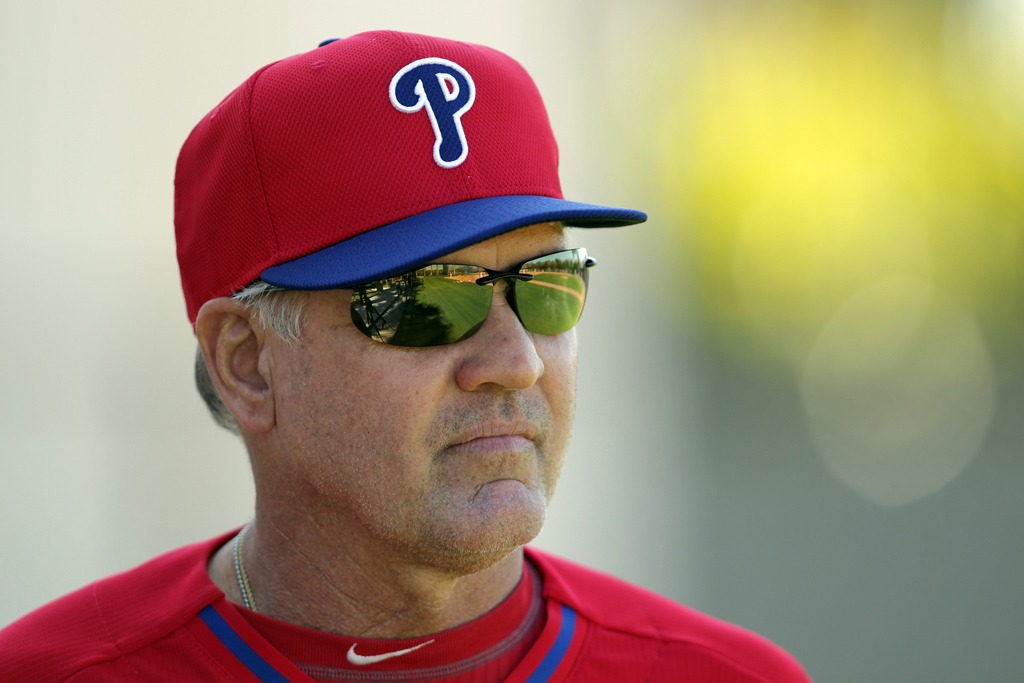
Ryne Sandberg
Former Phillies manager Ryne Sandberg, seen here at spring training in 2018.
Ryne Sandberg, the Hall of Fame second baseman who started his career with the Phillies but was traded shortly after to the Chicago Cubs in one of the city’s most regrettable trades, died in July of complications from cancer. He was 65.
Mr. Sandberg played 15 seasons in Chicago and became an icon for the Cubs, simply known as “Ryno,” after being traded there in January 1982.
He was a 10-time All-Star, won nine Gold Glove awards, and was the National League’s MVP in 1984. Mr. Sandberg was inducted into the Baseball Hall of Fame in 2005 and returned to the Phillies in 2011 as a minor-league manager and, later, the big-league manager.
— Matt Breen
Bob Uecker
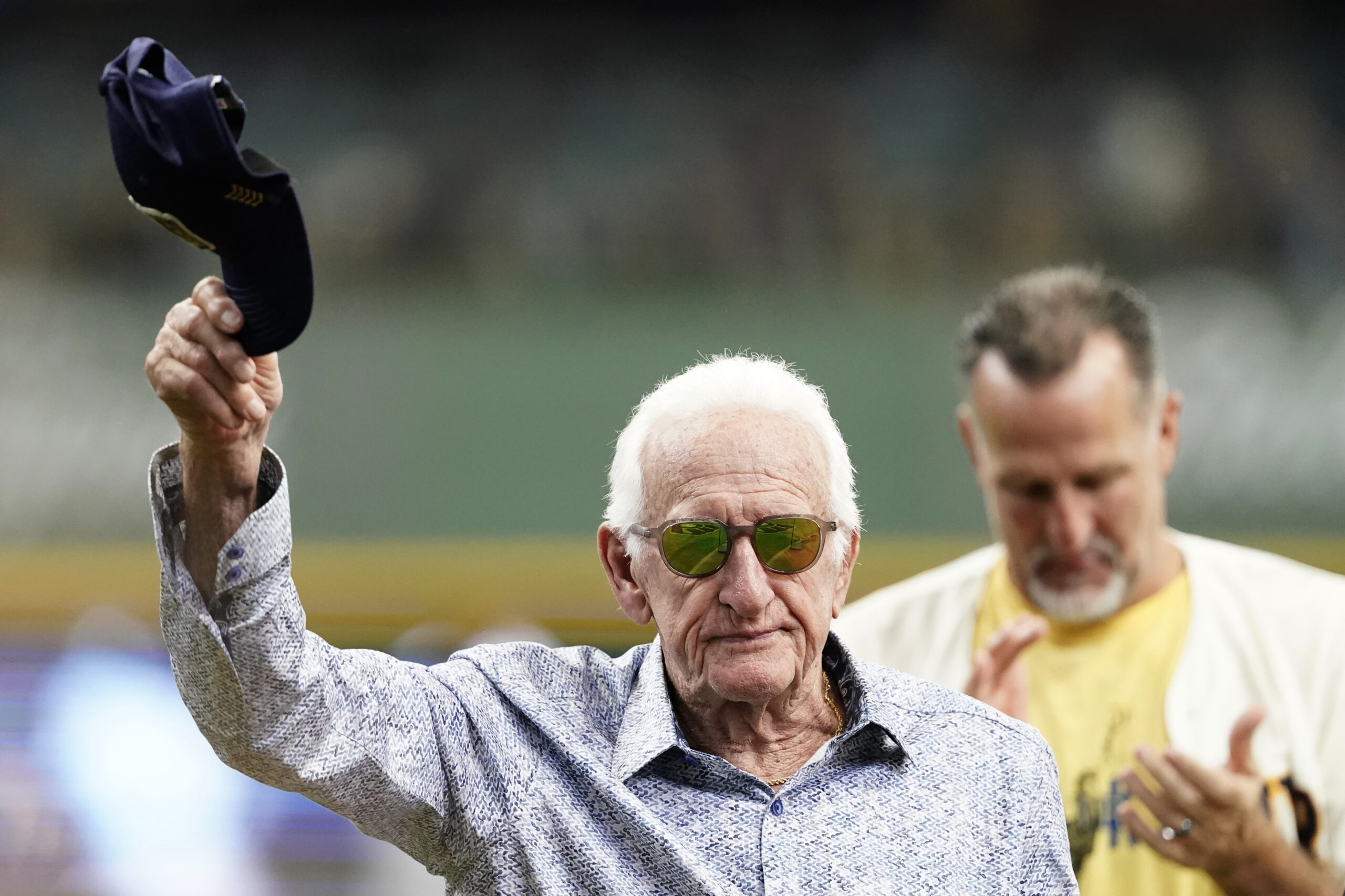
Bob Uecker, seen here before a Brewers game in 2024.
Bob Uecker, a former Phillies catcher who later became a Hall of Fame broadcaster for the Milwaukee Brewers and was dubbed “Mr. Baseball” by Johnny Carson for his acting roles in several movies and TV shows, died in January. He was 90.
Mr. Uecker spent just six seasons in the major league, two with the Phillies, but the talent that would make him a Hall of Fame broadcaster — wit, self-deprecation, and the timing of a stand-up comic — were evident.
His first broadcasting gig was in Atlanta, and he started calling Milwaukee Brewers games in 1971. Before that, he called Phillies games: Mr. Uecker used to sit in the bullpen at Connie Mack Stadium and deliver play-by-play commentary into a beer cup.
— Matt Breen and Rob Tornoe
Harry Donahue
Harry Donahue, seen here at Temple University in 2020.
Harry Donahue, 77, a longtime KYW Newsradio anchor and the play-by-play voice of Temple University men’s basketball and football for decades, died in October after a fight with cancer.
His was a voice that generations of people in Philadelphia and beyond grew up with in the mornings as they listened for announcements about snow days and, later, for a wide array of sports.
— Robert Moran
Alan Rubenstein
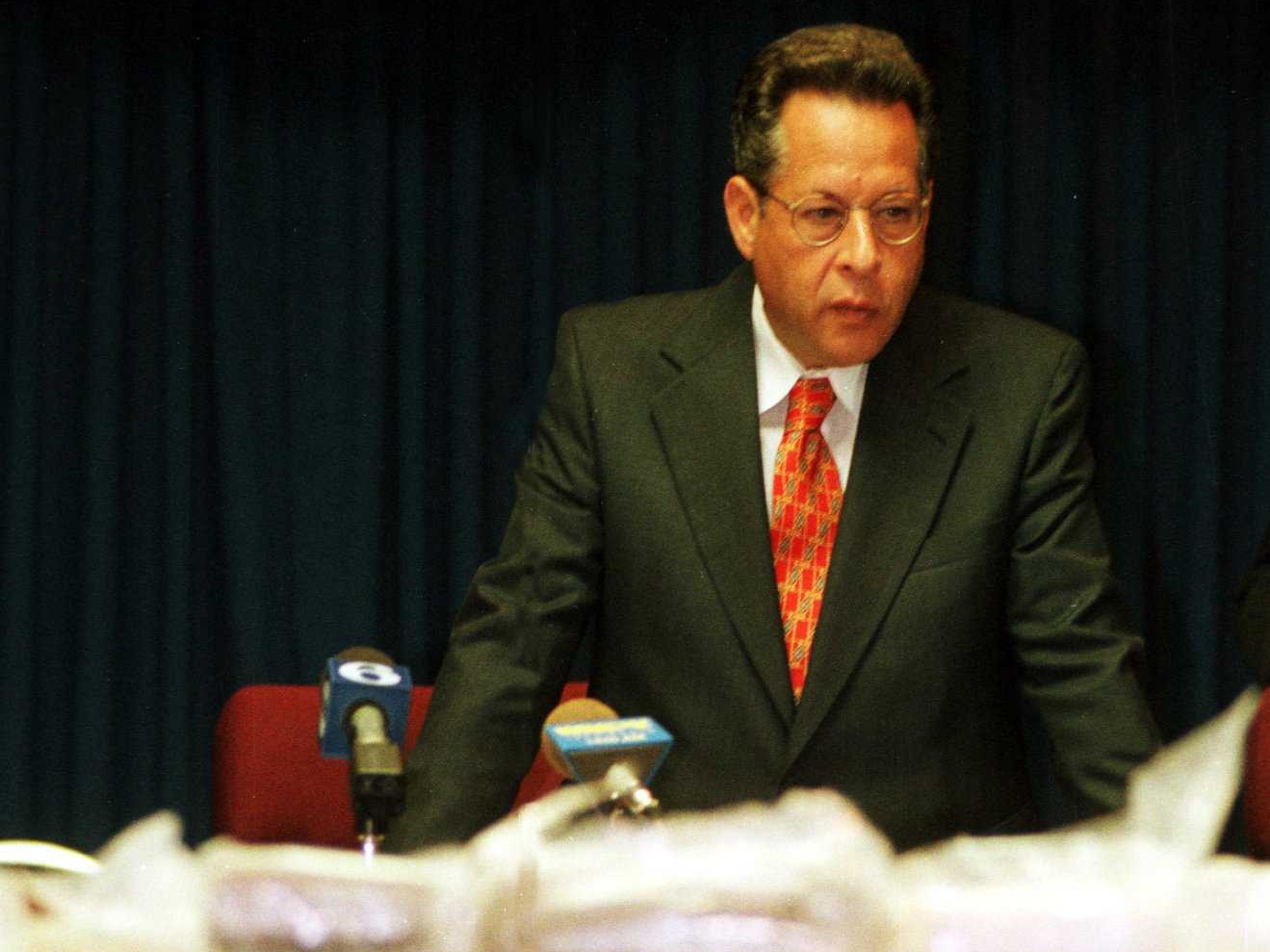
Judge Rubenstein, then Bucks County district attorney, talks to the media about a drug case in 1998.
Alan M. Rubenstein, a retired senior judge on Bucks County Common Pleas Court and the longest-serving district attorney in Bucks County history, died in August of complications from several ailments at his home in Holland, Bucks County. He was 79.
For 50 years, from his hiring as an assistant district attorney in 1972 to his retirement as senior judge a few years ago, Judge Rubenstein represented Bucks County residents at countless crime scenes and news conferences, in courtrooms, and on committees. He served 14 years, from 1986 to 1999, as district attorney in Bucks County, longer than any DA before him, and then 23 years as a judge and senior judge on Bucks County Court.
“His impact on Bucks County will be felt for generations,” outgoing Bucks County District Attorney Jennifer Schorn said in a tribute. U.S. Rep. Brian Fitzpatrick (R., Pa.) said on Facebook: “Alan Rubenstein has never been just a name. It has stood as a symbol of justice, strength, and integrity.”
— Gary Miles
Orien Reid Nix
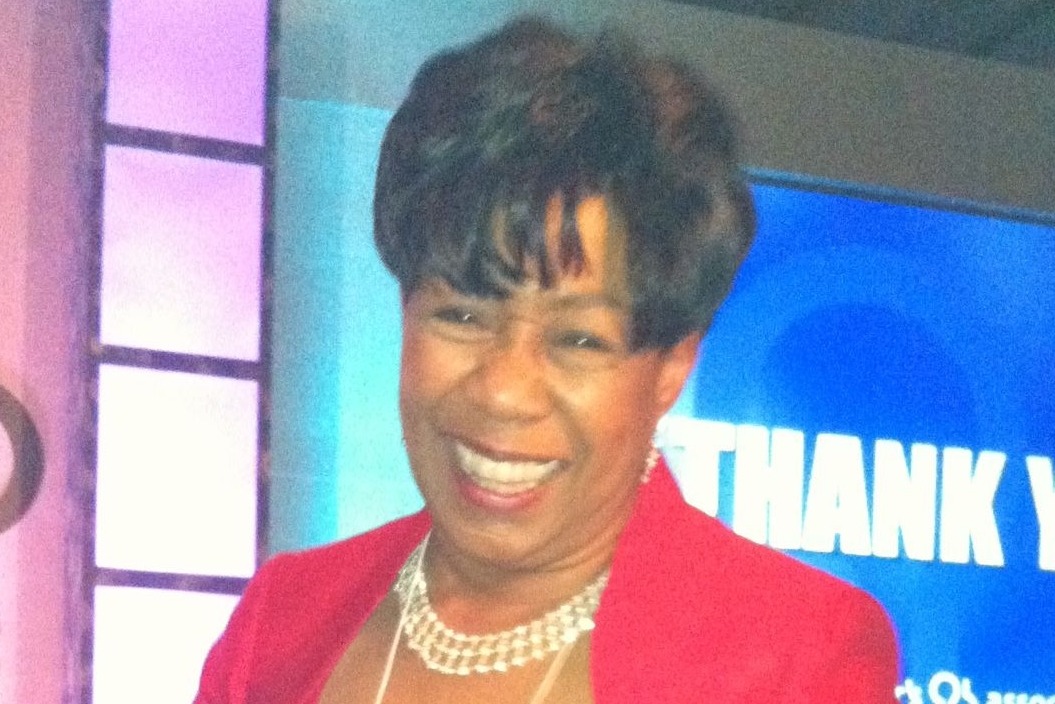
Orien Reid Nix, seen here being inducted into the Broadcast Pioneers of Philadelphia Hall of Fame in 2018
Orien Reid Nix, 79, of King of Prussia, retired Hall of Fame reporter for KYW-TV and WCAU-TV in Philadelphia, owner of Consumer Connection media consulting company, the first Black and female chair of the international board of the Alzheimer’s Association, former social worker, mentor, and volunteer, died in June of complications from Alzheimer’s disease.
Charismatic, telegenic, empathetic, and driven by a lifelong desire to serve, Mrs. Reid Nix worked as a consumer service and investigative TV reporter for Channels 3 and 10 in Philadelphia for 26 years, from 1973 to her retirement in 1998. She anchored consumer service segments, including the popular Market Basket Report, that affected viewers’ lives and aired investigations on healthcare issues, price gouging, fraud, and food safety concerns.
— Gary Miles
Dave Frankel
Dave Frankel in an undated publicity photo.
Dave Frankel, 67, a popular TV weatherman on WPVI (now 6abc) who later became a lawyer, died in February after a long battle with a neurodegenerative disease.
Mr. Frankel grew up in Monmouth County, N.J., graduated in 1979 from Dartmouth College, and was planning to attend Dickinson School of Law to become a lawyer like his father. But an internship at a local TV station in Vermont turned into a news anchor job and a broadcast career that lasted until the early 2000s.
— Robert Moran
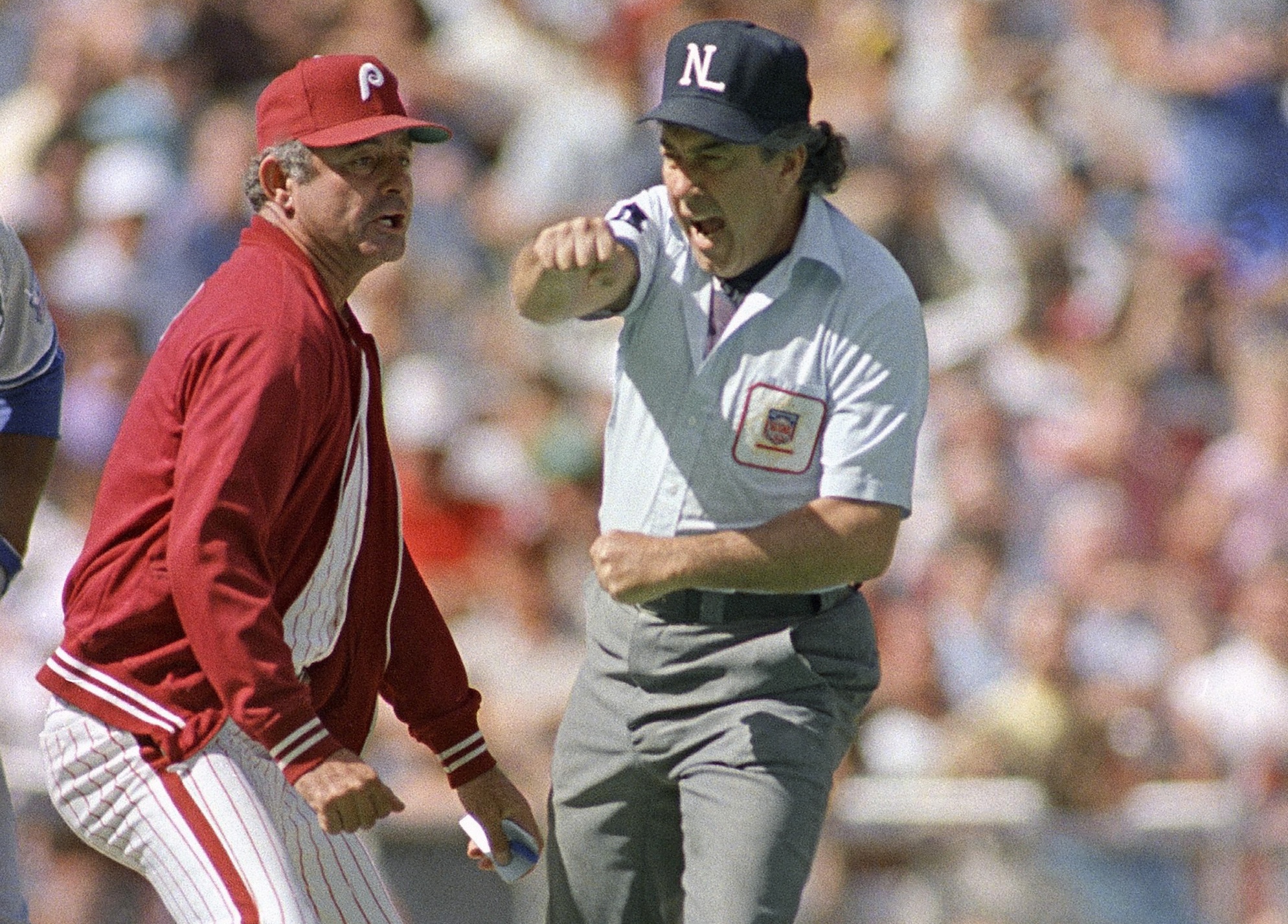
Lee Elia
Former Phillies manager Lee Elia, seen here being ejected from a game in 1987.
Lee Elia, the Philadelphia native who managed the Phillies after coaching third base for the 1980 World Series champions and once famously ranted against the fans who sat in the bleachers of Wrigley Field, died in July. He was 87.
Mr. Elia’s baseball career spanned more than 50 seasons. He managed his hometown Phillies in 1987 and 1988 after managing the Chicago Cubs in 1982 and 1983.
After his playing career was cut shot by a knee injury, Mr. Elia joined Dallas Green’s Phillies staff before the 1980 season and was coaching third base when Manny Trillo delivered a crucial triple in the clinching game of the National League Championship Series. Mr. Elia was so excited that he bit Trillo’s arm after he slid.
— Matt Breen
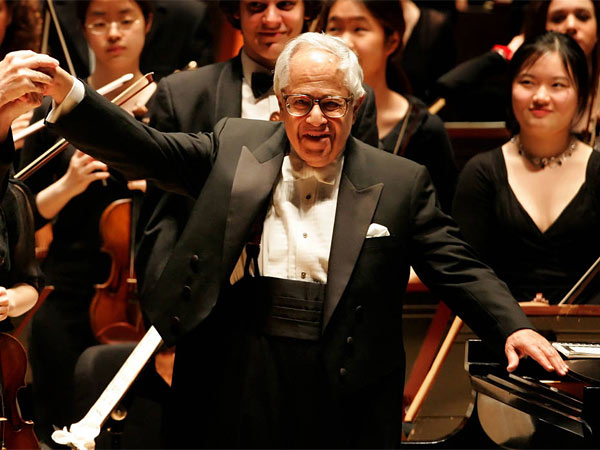
Gary Graffman
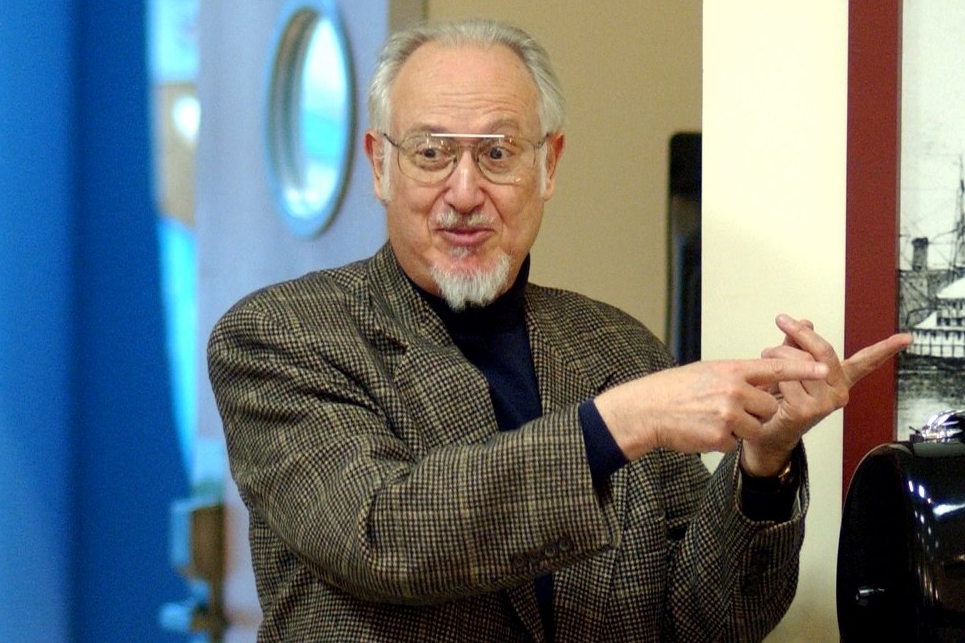
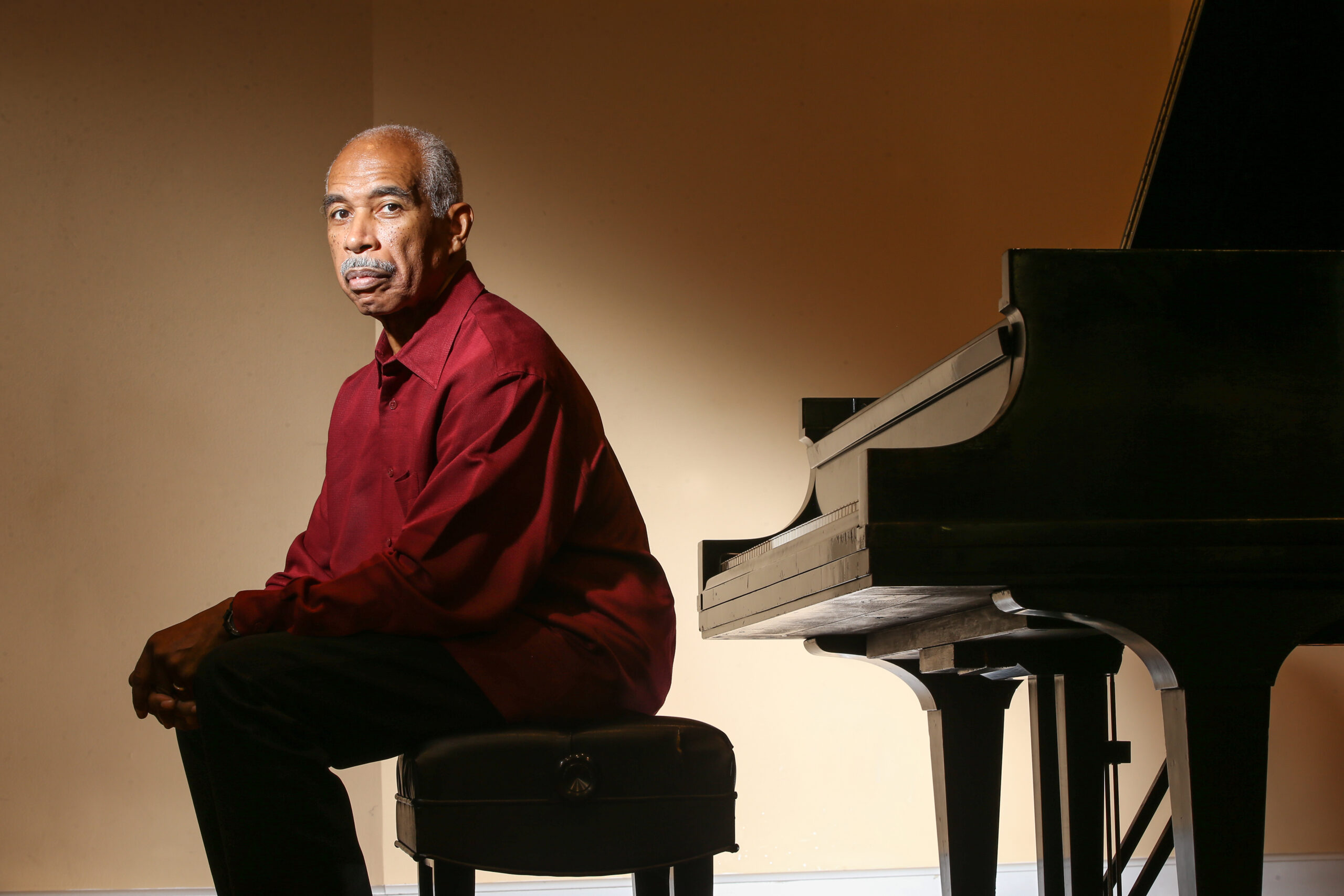
Gary Graffman, seen here playing at the Curtis Institute of Music Orchestra Concert at Verizon Hall in 2006.
Gary Graffman, a celebrated concert pianist and the former president of the Curtis Institute of Music, died in December in New York. He was 97.
The New York City-born pianist arrived at Curtis at age 7. He graduated at age 17 and played roughly 100 concerts a year between the ages of 20 and 50 before retiring from touring due to a compromised right hand. Diagnosed with focal dystonia (a neurological disorder), he went on to premiere works for the left hand by Jennifer Higdon and William Bolcom.
Mr. Graffman returned to Curtis as a teacher in 1980, became director in 1986, and was named the president of the conservatory in 1995, with a teaching studio encompassing nearly 50 students, including Yuja Wang and Lang Lang among others. He performed on numerous occasions with the Philadelphia Orchestra from 1947 to 2003.
— David Patrick Stearns
Len Stevens
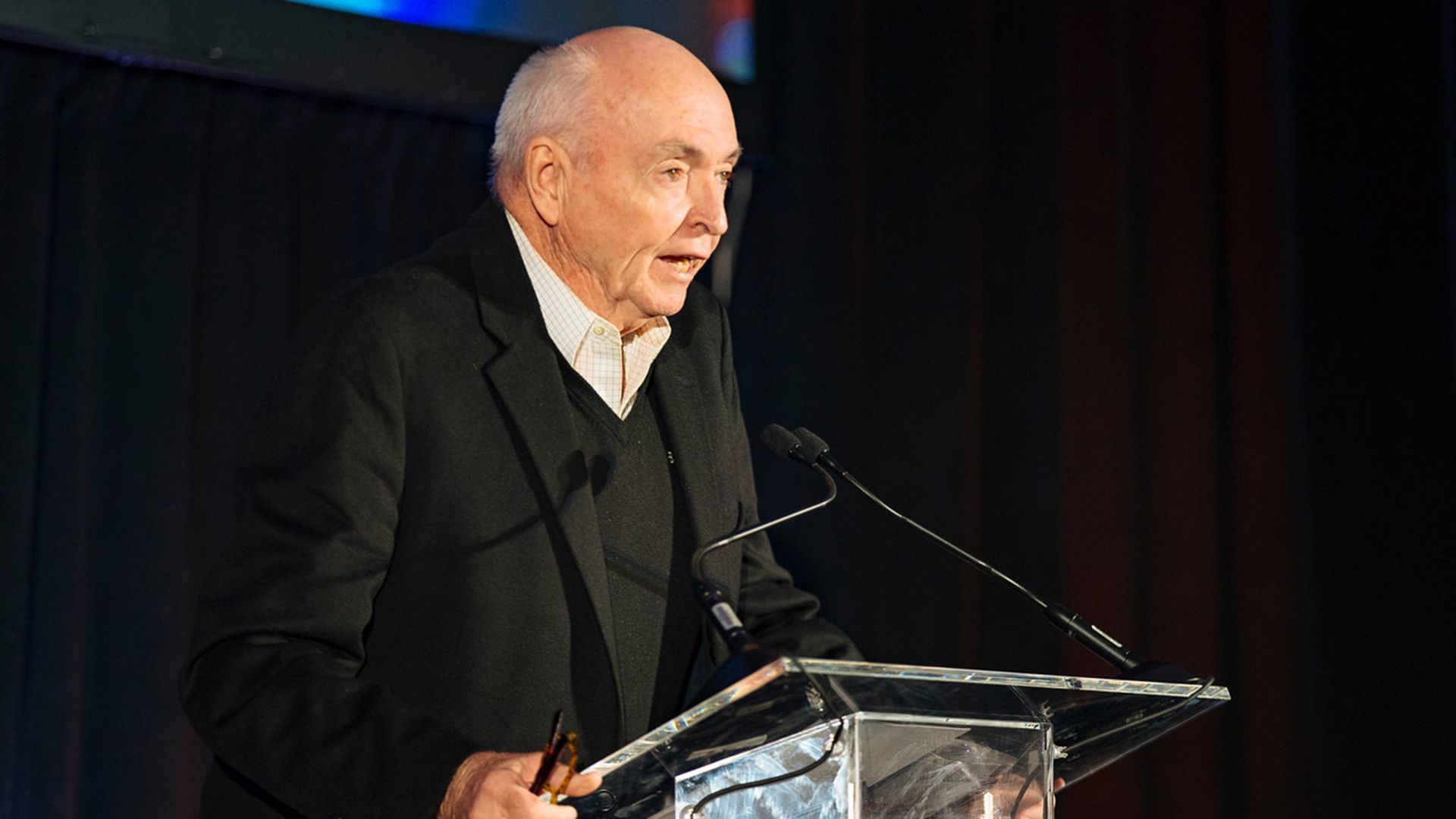
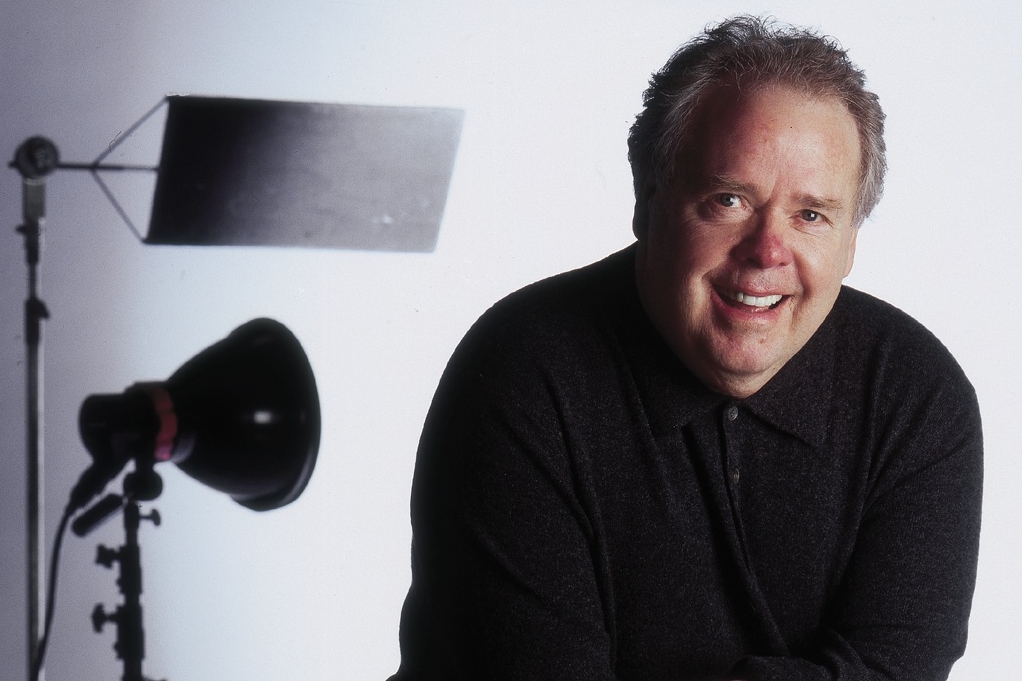
Len Stevens was the co-founder of WPHL-TV Channel 17.
Len Stevens, the cofounder of WPHL-TV (Channel 17) and a member of the Broadcast Pioneers of Philadelphia Hall of Fame, died in September of kidney failure. He was 94.
Born in Philadelphia, Mr. Stevens was a natural entrepreneur. He won an audition to be a TV announcer with Dick Clark on WFIL-TV in the 1950s, persuaded The Tonight Show and NBC to air Alpo dog food ads in the 1960s, co-owned and managed the popular Library singles club on City Avenue in the 1970s and ’80s, and later turned the nascent sale of “vertical real estate” on towers and rooftops into big business.
He and partner Aaron Katz established the Philadelphia Broadcasting Co. in 1964 and launched WPHL-TV on Sept. 17, 1965. At first, their ultrahigh frequency station, known now as PHL17, challenged the dominant very high frequency networks on a shoestring budget. But, thanks largely to Mr. Stevens’ advertising contacts and programming ideas, Channel 17 went on to air Phillies, 76ers, and Big Five college basketball games, the popular Wee Willie Webber Colorful Cartoon Club, Ultraman, and other memorable shows in the late 1960s and early ’70s.
— Gary Miles
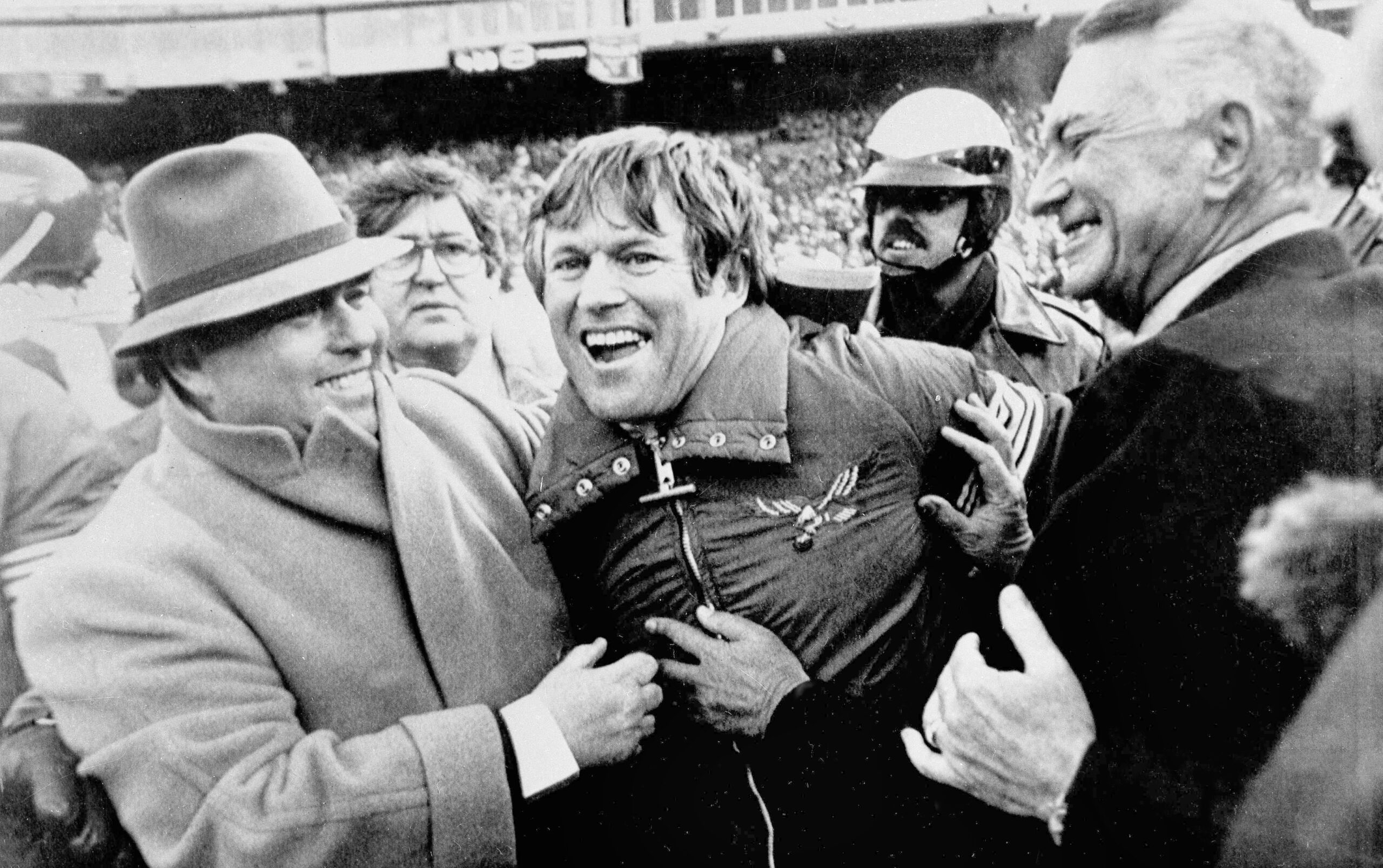
Jim Murray
Former Eagles general manager Jim Murray (left), seen here with Dick Vermeil and owner Leonard Tose following the 1980 NFC championship game in January 1981.
Jim Murray, the former Eagles general manager who hired Dick Vermeil and helped the franchise return to prominence while also opening the first Ronald McDonald House, died in August at home in Bryn Mawr surrounded by his family. He was 87.
Mr. Murray grew up in a rowhouse on Brooklyn Street in West Philadelphia and watched the Eagles at Franklin Field. The Eagles hired him in 1969 as a publicist, and Leonard Tose, then the Eagles’ owner, named him the general manager in 1974. Mr. Murray was just 36 years old and the decision was ridiculed.
But Mr. Murray — who was known for his wit and generosity — made a series of moves to bring the Eagles back to relevance, including hiring Vermeil and acquiring players like Bill Bergey and Ron Jaworski. The Eagles made the playoffs in 1978 and reached their first Super Bowl in January 1981. The Eagles, with Murray as the GM, were finally back.
— Matt Breen
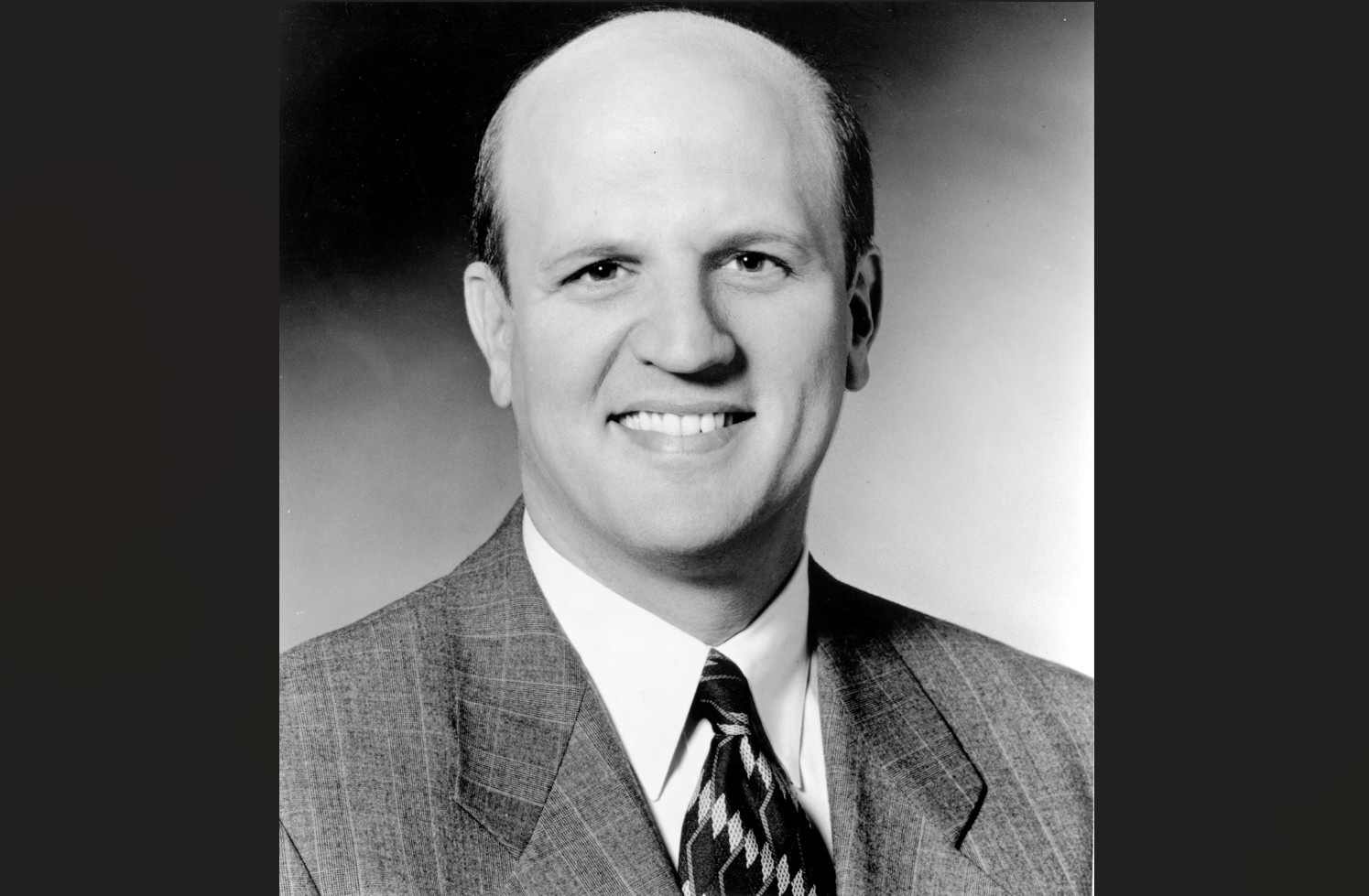
Michael Days
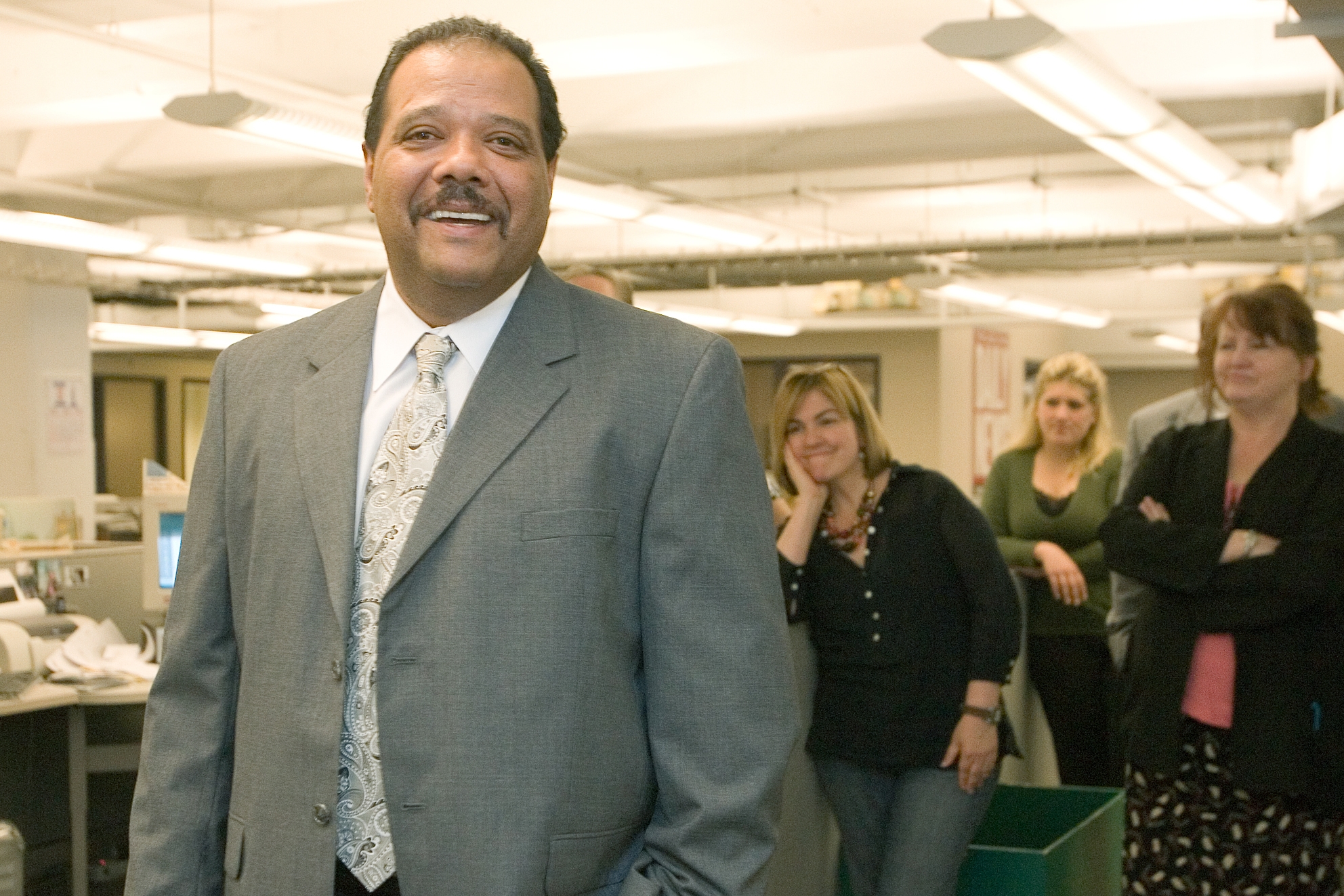
Philadelphia Daily News Editor Michael Days celebrates with the newsroom after word of the Pulitzer win.
Michael Days, a pillar of Philadelphia journalism who championed young Black journalists and led the Daily News during its 2010 Pulitzer Prize win for investigative reporting, died in October after falling ill. He was 72.
A graduate of Roman Catholic High School in Philadelphia, Mr. Days worked at the Wall Street Journal and other newspapers before joining the Daily News as a reporter in 1986, where he ultimately became editor in 2005, the first Black person to lead the paper in its 90-year history. In 2011, Mr. Days was named managing editor of The Inquirer, where he held several management roles until he retired in October 2020.
As editor of the Daily News, Mr. Days played an essential role in the decisions that would lead to its 2010 Pulitzer Prize, including whether to move forward with a story about a Philadelphia Police Department narcotics officer that a company lawyer said stood a good chance of getting them sued.
“He said, ‘I trust my reporters, I believe in my reporters, and we’re running with it,’” recounted Inquirer senior health reporter Wendy Ruderman, who reported the piece with colleague Barbara Laker. That story revealed a deep dysfunction within the police department, Ruderman said, and led to the newspaper’s 2010 Pulitzer Prize win.
— Brett Sholtis
Tom McCarthy
Tom McCarthy, seen here in 2002.
Tom McCarthy, an award-winning theater, film, and TV actor, longtime president of the local chapter of the Screen Actors Guild, former theater company board member, mentor, and veteran, died in May of complications from Parkinson’s disease at his home in Sea Isle City. He was 88.
The Overbrook native quit his job as a bartender in 1965, sharpened his acting skills for a decade at Hedgerow Theatre Company in Rose Valley and other local venues, and, at 42, went on to earn memorable roles in major movies and TV shows.
In the 1980s, he played a police officer with John Travolta in the movie Blow Out and a gardener with Andrew McCarthy in Mannequin. In 1998, he was a witness with Denzel Washington in Fallen. In 2011, he was a small-town mayor with Lea Thompson in Mayor Cupcake. Over the course of his career, Mr. McCarthy acted with Zsa Zsa Gabor, Harrison Ford, Kristin Scott Thomas, Cloris Leachman, Robert Redford, Donald Sutherland, John Goodman, and other big stars.
— Gary Miles
Carol Saline
Carol Saline, seen here at her Philadelphia home in 2021.
Carol Saline, a longtime senior writer at Philadelphia Magazine, the best-selling author of Sisters, Mothers & Daughters, and Best Friends, and a prolific broadcaster, died in August of acute myeloid leukemia. She was 86.
On TV, she hosted a cooking show and a talk show, was a panelist on a local public affairs program, and guested on the Oprah Winfrey Show, Inside Edition, Good Morning America, and other national shows. On radio, she hosted the Carol Saline Show on WDVT-AM.
In June, she wrote to The Inquirer, saying: “I am contacting you because I am entering hospice care and will likely die in the next few weeks. … I wanted you to know me, not only my accomplishments but who I am as a person.
“I want to go out,” she ended her email, “with a glass of Champagne in one hand, a balloon in the other, singing (off key) ‘Whoopee! It’s been a great ride!’”
— Gary Miles
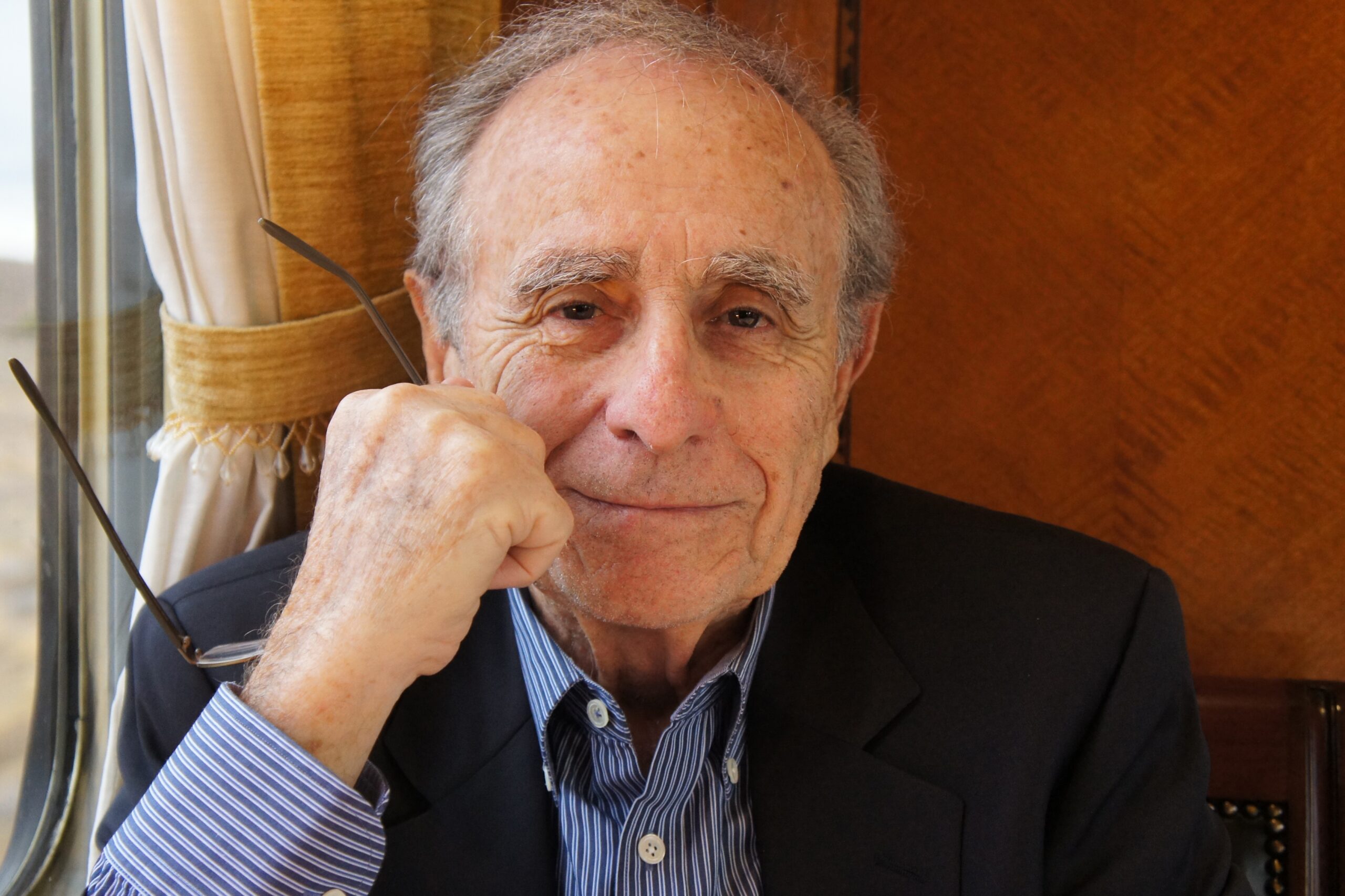
Richard Wernick
Richard Wernick, seen here before a concert at the 2002 Festival of Philadelphia Composers.
Richard Wernick, a Pulitzer Prize-winning composer, acclaimed conductor, and retired Irving Fine Professor of Music at the University of Pennsylvania, died in April 25 of age-associated decline at his Haverford home. He was 91.
Professor Wernick was prolific and celebrated as a composer. He wrote hundreds of scores over six decades and appeared on more than a dozen records, and his Visions of Terror and Wonder for a mezzo-soprano and orchestra won the 1977 Pulitzer Prize for music. In 1991, his String Quartet No. 4 made him the first two-time winner of the Kennedy Center’s Friedheim Award for new American music.
“Wernick’s orchestral music has power and brilliance, an emphasis on register, space, and scale,” Lesley Valdes, former Inquirer classical music critic, said in 1990.
— Gary Miles
Dorie Lenz
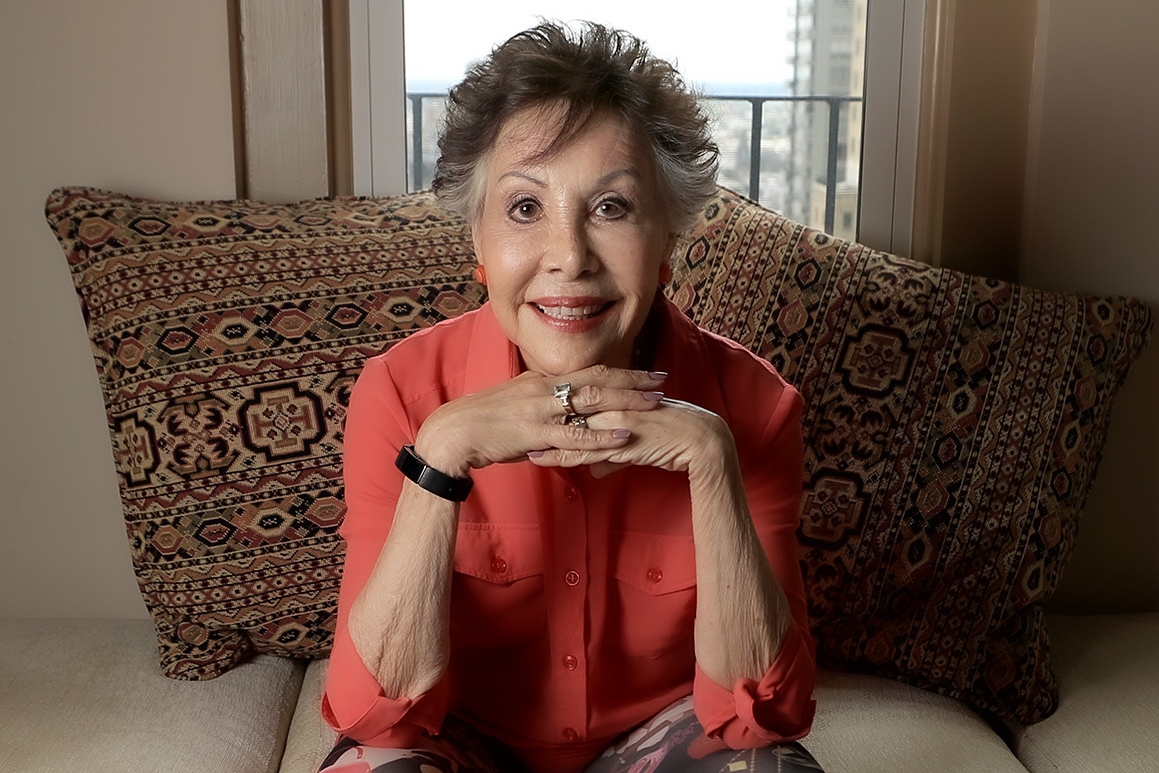
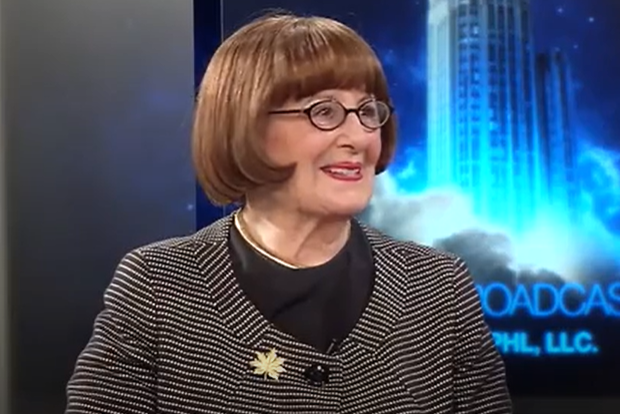
Dorie Lenz, seen here on Channel 17 in 2015.
Dorie Lenz, a pioneering TV broadcaster and the longtime director of public affairs for WPHL-TV (Channel 17), died in January of age-associated ailments at her home in New York. She was 101.
A Philadelphia native, Ms. Lenz broke into TV as a 10-year-old in a local children’s show and spent 30 years, from 1970 to 2000, as director of public affairs and a program host at Channel 17, now PHL17. She specialized in detailed public service campaigns on hot-button social issues and earned two Emmys in 1988 for her program Caring for the Frail Elderly.
Ms. Lenz interviewed newsmakers of all kinds on the public affairs programs Delaware Valley Forum, New Jersey Forum, and Community Close Up. Viewers and TV insiders hailed her as a champion and watchdog for the community. She also talked to Phillies players before games in the 1970s on her 10-minute Dorie Lenz Show.
— Gary Miles
Jay Sigel
Jay Sigel, seen here after winning the Georgia-Pacific Grand Champions title in 2006.
Jay Sigel, one of the winningest amateur golfers of all time and an eight-time PGA senior tour champion, died in April of complications from pancreatic cancer. He was 81.
For more than 40 years, from 1961, when he won the International Jaycee Junior Golf Tournament as an 18-year-old, to 2003, when he captured the Bayer Advantage Celebrity Pro-Am title at 60, the Berwyn native was one of the winningest amateur and senior golfers in the world. Mr. Sigel won consecutive U.S. Amateur titles in 1982 and ’83 and three U.S. Mid-Amateur championships between 1983 and ’87, and remains the only golfer to win the amateur and mid-amateur titles in the same year.
He won the Pennsylvania Amateur Championship 11 times, five straight from 1972 to ’76, and the Pennsylvania Open Championship for pros and amateurs four times. He also won the 1979 British Amateur Championship and, between 1975 and 1999, played for the U.S. team in a record nine Walker Cup tournaments against Britain and Ireland.
— Gary Miles
Mark Frisby
Mark Frisby, seen here in the former newsroom of the Daily News in 2007.
Mark Frisby, the former publisher of the Daily News and associate publisher of The Inquirer, died in September of takayasu arteritis, an inflammatory disease, at his home in Gloucester County. He was 64.
Mr. Frisby joined The Inquirer and Daily News in November 2006 as executive vice president of production, labor, and purchasing. He was recruited from the Courier-Post by then-publisher Brian Tierney, and he went on to serve as publisher of the Daily News from 2007 to 2016 and associate publisher for operations of The Inquirer and Daily News from 2014 to his retirement in 2016.
Mr. Frisby was one of the highest-ranking Black executives in the company’s history, and he told the Daily News in 2006 that “local ownership over here was the big attraction for me.” Michael Days, then the Daily News editor, said in 2007: “This cat is really the real deal.”
— Gary Miles
Leon Bates
Leon Bates, seen here at the Settlement Music School in Germantown in 2018.
Leon Bates, a concert pianist whose musical authority and far-reaching versatility took him to the world’s greatest concert halls, died in November after a seven-year decline from Parkinson’s disease. He was 76.
The career of Mr. Bates, a leading figure in the generation of Black pianists who followed the early-1960s breakthrough of Andre Watts, encompassed Ravel, Gershwin, and Bartok over 10 concerts with the Philadelphia Orchestra between 1970 and 2002. He played three recitals with Philadelphia Chamber Music Society and taught master classes at Temple University, where he also gave recitals at the Temple Performing Arts Center.
In his WRTI-FM radio show, titled Notes on Philadelphia, during the 1990s, Mr. Bates was what Charles Abramovic, chair of keyboard studies at Temple University, described as “beautifully articulate and a wonderful interviewer. The warmth of personality came out. He was such a natural with that.”
— David Patrick Stearns
Lacy McCrary
Lacy McCrary in an undated photo.
Lacy McCrary, a former Inquirer reporter who won a Pulitzer Prize at the Akron Beacon Journal, died in March of Alzheimer’s disease at his home in Colorado Springs, Colo. He was 91.
Mr. McCrary, a Morrisville, Bucks County native, won the 1971 Pulitzer Prize in local general or spot news reporting as part of the Beacon Journal’s coverage of the May 4, 1970, student protest killings at Kent State University.
He joined The Inquirer in 1973 and covered the courts, politics, and news of all sorts until his retirement in 2000. He notably wrote about unhealthy conditions and fire hazards in Pennsylvania and New Jersey boardinghouses in the late 1970s and early ’80s, and those reports earned public acclaim and resulted in new regulations to correct deadly oversights.
— Gary Miles
Roberta Fallon
Roberta Fallon, seen here in an undated photo.
Roberta Fallon, 76, cofounder, editor, and longtime executive director of the online Artblog and adjunct professor at St. Joseph’s University, died in December at Thomas Jefferson University Hospital of injuries she suffered after being hit by a car. She was 76.
Described by family and friends as empathetic, energetic, and creative, Ms. Fallon and fellow artist Libby Rosof cofounded Artblog in 2003. For nearly 22 years, until the blog became inactive in June, Ms. Fallon posted commentary, stories, interviews, reviews, videos, podcasts, and other content that chronicled the eclectic art world in Philadelphia.
— Gary Miles
Benita Valente
BENI26P Gerald S. Williams 10/18/00 2011 Pine st. Philadelphia-based soprano Benita Valente has sung all over the world. At age 65, she is making her Oct. 29 performance with the Mendelssohn Club at the Academy of Music her last. 1 of 3: Benita goes over some music at the piano in her upstairs music room.
Benita Valente, a revered lyric soprano whose voice thrilled listeners with its purity and seeming effortlessness, died in October at home in Philadelphia. She was 91.
In a remarkable four-decade career, Ms. Valente appeared on the opera stage, in chamber music, and with orchestras. In the intimate genre of lieder — especially songs by Schubert and Brahms — she was considered one of America’s great recitalists.
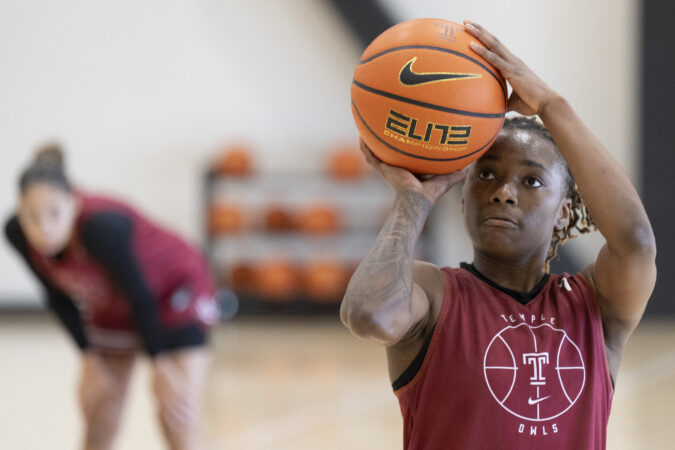
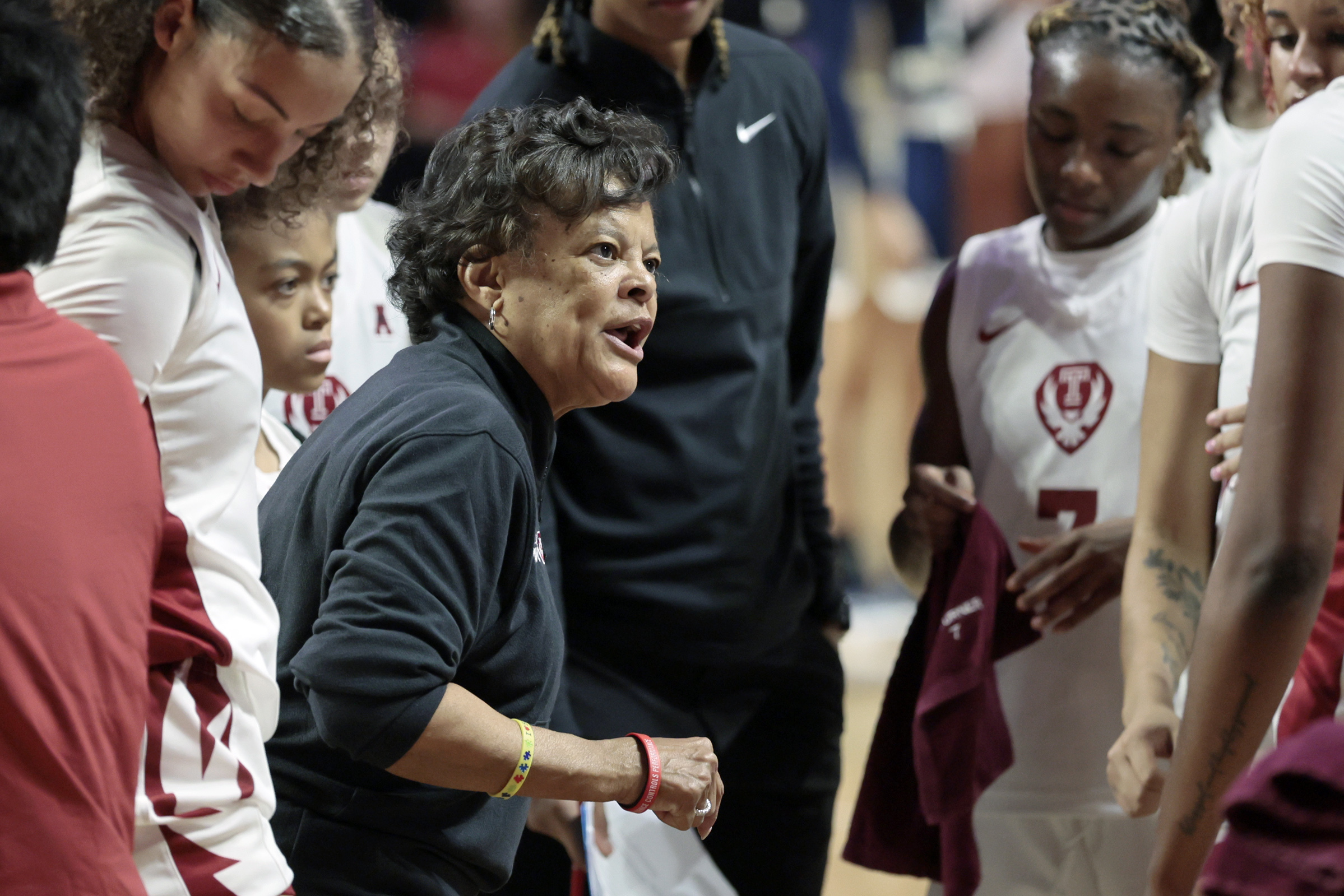
Temple coach Diane Richardson knew she wanted her team to be battle-tested for American Conference play and crafted the Owls’ nonconference schedule to reflect that.
Richardson lined up five teams coming off NCAA Tournament appearances. The Owls went 1-4 in those games, with their lone win coming at home against George Mason in the season opener on Nov. 3.
The difficult schedule leaves Temple with a 6-6 record that does not scream conference title contender. However, with a similarly difficult slate at this time last year, the Owls were 6-5 but went on to win 13 conference games and finished fourth in the American.
Now Richardson is hoping to see similar results. Temple has displayed more offensive firepower and improved rebounding numbers, but the key to success for the coach will be defense and starting games strong. The Owls’ quest for an American championship starts Saturday at home against the reigning regular-season champion, UTSA (2:30 p.m., ESPN+).
“I’m feeling pretty good,” Richardson said. “I know our last outing with Princeton kind of showed us that we have the resiliency that we’ll need. I just wish that we would start out like that. But I’m feeling pretty good. We’ve gotten the tough part behind us, and now we enter into the second season, which is the most important.”
Coach Diane Richardson’s Temple squad opens American Conference play on Saturday against the reigning regular-season champion, UTSA.
Showing resilience
Temple’s four losses against 2025 NCAA Tournament teams came by double digits, with its closest result an 87-77 loss at Princeton on Dec. 22. The Owls also showed flashes of fight and the ability to remain competitive in those games.
In their 72-57 loss to Atlantic 10 favorite Richmond on Nov. 18, the Owls were down double digits early in the second quarter but battled back and were within striking distance until the final five minutes. Temple trailed by as many as 26 points in the fourth quarter against Princeton but cut the deficit to nine in the final minute.
“Early on, we weren’t responding really well,” Richardson said. “… But I think as we got into the season, we started understanding that this is tough, and we have to be tougher. Coming toward the end of the nonconference season, I thought we played better, which is a plus for us going into conference play.”
Before the season, Richardson wanted her team to play faster, but during nonconference play, she felt the Owls were not assertive on offense to begin games or played out of control, which led to an increase in turnovers.
Temple also had to play its final four nonconference games without starting point guard Tristen Taylor, who suffered an ankle injury on the road trip to the Bahamas at the end of November. The Owls were 2-2 without her.
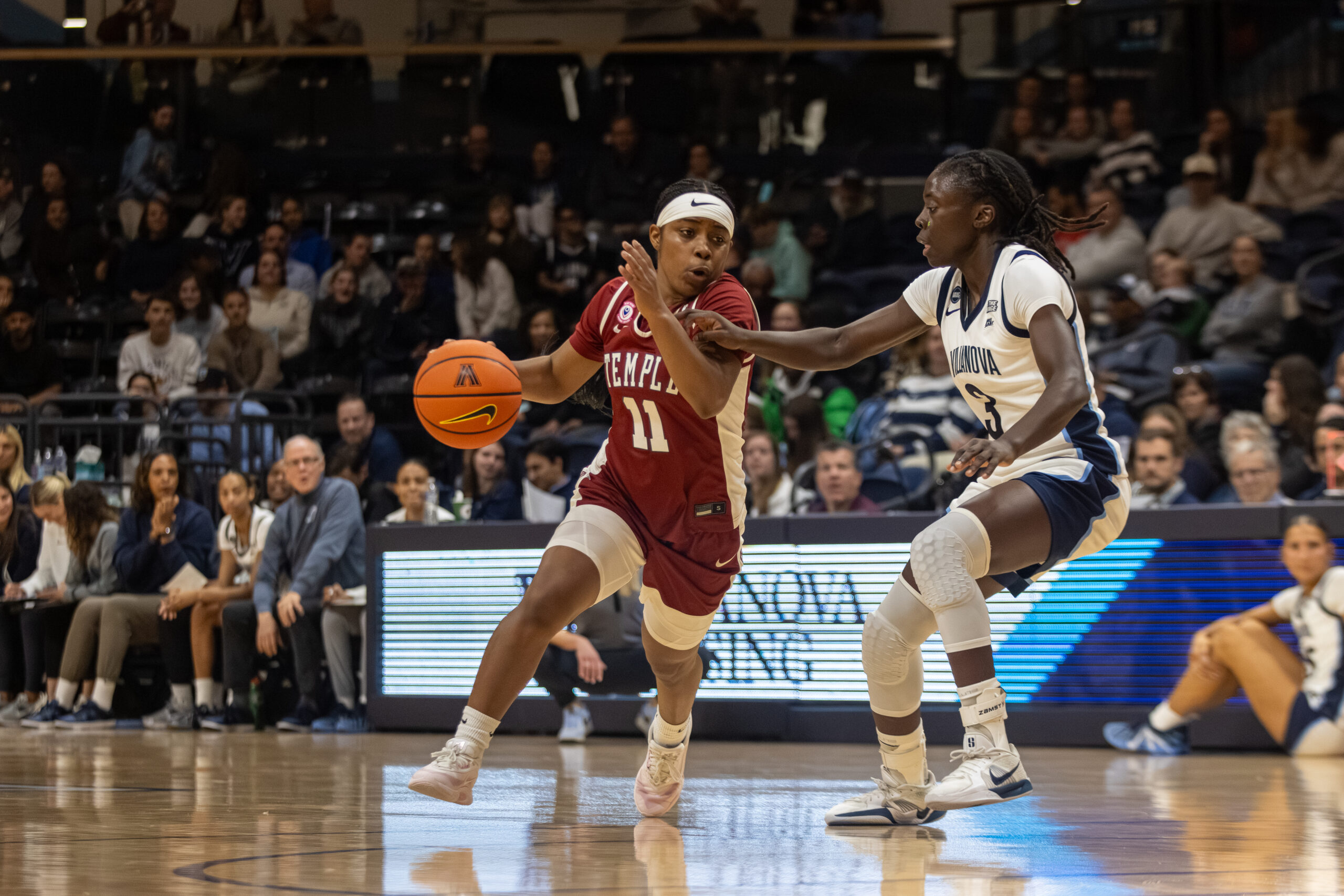
Taylor was the Owls’ second-leading scorer at the time of her injury, averaging 10.1 points and leading them in assists (4.6). She also was second in the American in assist-to-turnover ratio at 2.1. Without its main ballhandler, Temple looked out of sync at times, especially in its 59-52 loss to Drexel in the Big 5 Classic on Dec. 7.
The Owls leaned on guard Kaylah Turner, who ascended to one of the best players in the conference in Taylor’s absence.
She averaged 23 points in the four games Taylor missed, including a career-high 36 points against Princeton. Turner, who is averaging 17.8 points this season, took on point guard duties and struggled with turnovers, but she still offered a steady presence at the top of the offense. Richardson expects Taylor back within the first two games of conference play. She believes Taylor and Turner can form the best backcourt in the conference.
“In the scoring aspect, I do think I did well, but I feel like I could have done way better,” Turner said. “With playmaking and passing, that’s something I’m still working on. So I feel like I definitely could have improved that.”
Tristen Taylor was averaging 10.1 points and 4.6 assists at the time of her injury.
By the numbers
Richardson was keen on her team playing faster on offense and improving its rebounding in the offseason. Nonconference play has shown offensive improvement and major strides on the glass for the Owls.
Temple is averaging 70.1 points, a 3.4-point increase from its mark last year. Three players — Turner, Taylor and forward Jaleesa Molina — are averaging at least 10 points. Turner leads the American in scoring (17.8) and three-point percentage (.460) and is second in field-goal percentage (.450).
The most notable improvement for the Owls has been their rebounding. Last season, Temple averaged 38.8 rebounds and had a rebounding margin of 0.8. This season, the Owls are averaging 39.8 rebounds but holding opponents to 33.9. The Owls give up the second-fewest rebounds in the conference and are fourth in rebounding margin.
Molina and transfer forward Saniyah Craig have spearheaded the Owls’ efforts on the glass. Craig, who was the ninth-leading rebounder in the country last season while at Jacksonville, is averaging 8.9 rebounds, and Molina averages 8.4.
“We’ve got to be hungry, and we’ve got to get every rebound,” Richardson said. “We’ve concentrated on that this week as well. So that’s going to be something that hopefully we’re good at.”
Temple has struggled taking care of the ball. The Owls are averaging 19.6 turnovers, four more than last season, and have turned the ball over at least 20 times in five games, including their last three.
Richardson knows the turnover numbers have to come down, but she believes that the key to a conference banner being raised in the Liacouras Center will come on defense.
“You can miss shots, but you can always play defense,” Richardson said. “I think that oomph, that extra adrenaline turning people over defensively helps us offensively because it gives them more confidence. We want to compound our defense and make that our No. 1 thing.”
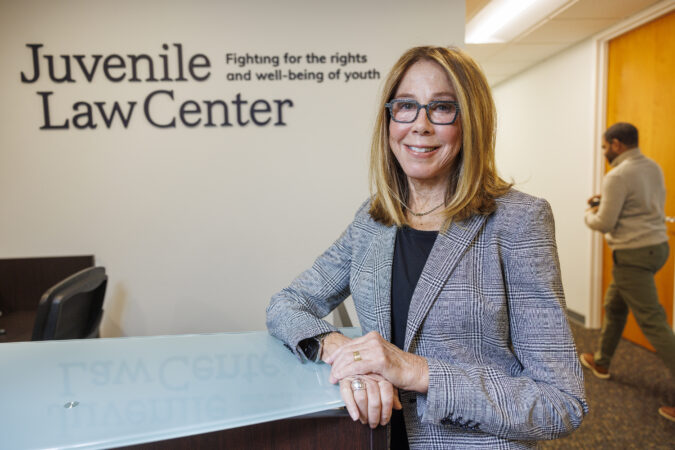
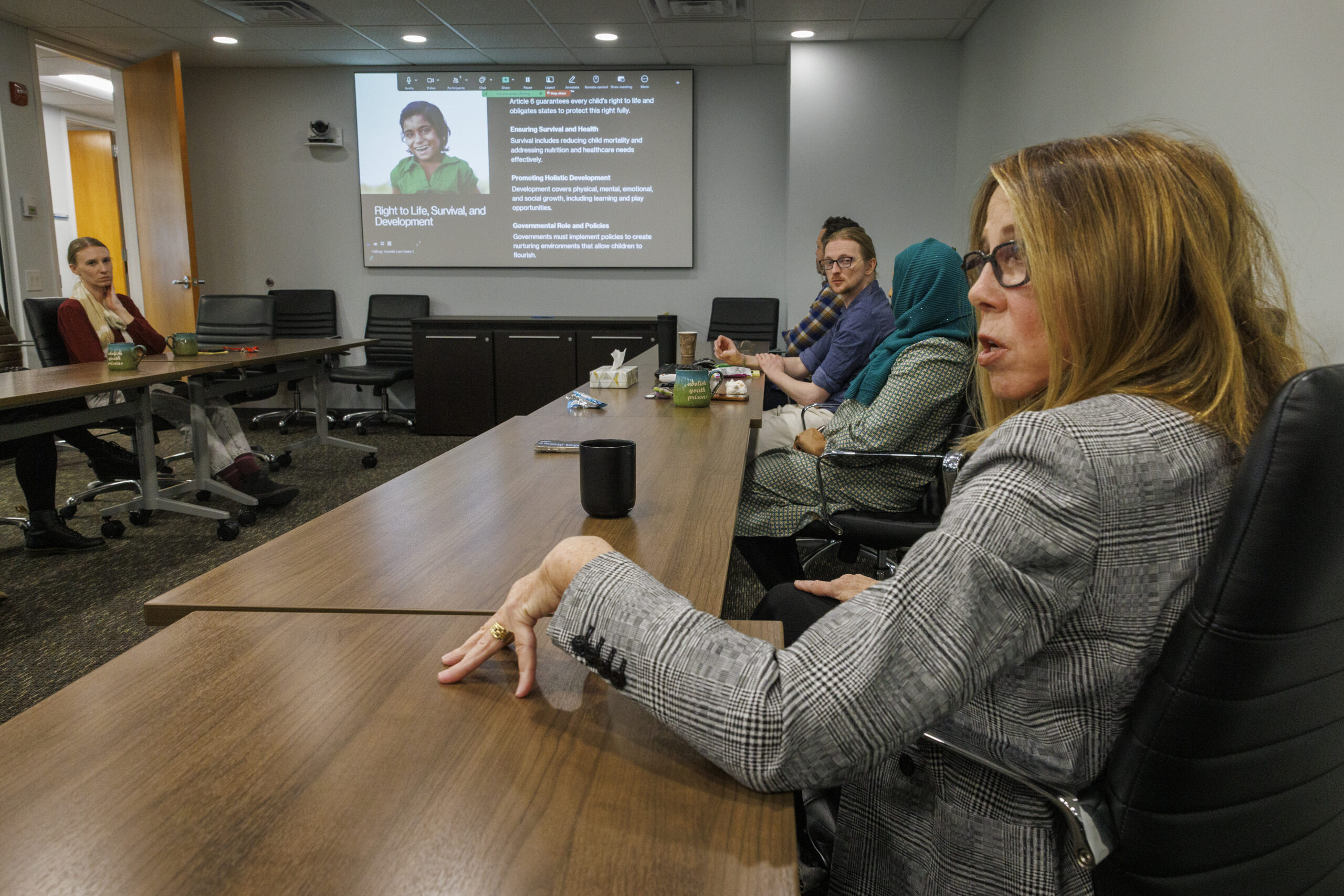
Marsha Levick took her seat at a conference table at the Juvenile Law Center on a recent Wednesday for what would be one of her last meetings. She walked colleagues through the basic principles of the United Nations Convention on the Rights of the Child, the 1989 treaty that laid out, in clear terms, what the world said it owed young people.
At the heart of the treaty is a simple idea: A child’s best interests come first — even when that child enters the justice system. It has been ratified by all but one of the U.N.’s member nations: the U.S. And in many of those 196other countries,Levick said, children younger than 14 cannot be prosecuted at all.
“Wait,” a staffer interjected. “Kids younger than 14 aren’t in the justice system?”
“I know,” Levick said. “It’s very different.”
Marsha Levick, chief legal officer and cofounder of the Juvenile Law Center, speaks with staff on Dec. 17.
For 50 years, Levick, 74, has been one of the most persistent and influential voices in the American juvenile justice system, a driving force in turning what was once a niche legal specialty into a national civil rights movement. Colleagues credit her with helping to rewrite how courts view children — persuading judges, including those on the U.S. Supreme Court, to treat youth not as miniature adults but as citizens with distinct constitutional protections and needs.
Levick will step down Wednesday from her position as chief legal officer of the Juvenile Law Center, the Philadelphia-based organization she helped build from a walk-in legal clinic in 1975 into a national leader in children’s rights.
Her departure coincides with the center’s 50th anniversary. At a celebration gala in May, the nonprofit honored Levick with a leadership award that recognized her body of work.
Levick’s career ranged from representing individual teenagers to steering landmark litigation that forced states to overhaul abusive practices. She helped lead the Juvenile Law Center’s response to the “kids for cash” scandal in Luzerne County. She coauthored briefs in a series of U.S. Supreme Court victories that throttled the harshest punishments for kids, including life in prison.
But Levick is also stepping down at what she calls a “dark moment” forcivil liberties in America — a time when rights once thought settled are being rolled back.
Levick was in law school in 1973 when the U.S. Supreme Court handed down Roe v. Wade, the landmark decision that recognized a constitutional right to abortion. In the years that followed, a constellation of rights — from marriage equality to access to contraception — also expanded.
Roe was overturned, however, in 2022. Since then, other decisions have also chipped away at affirmative action in colleges and LGBTQ+ protections.
“It’s hard to convey the shock that it imposes,” Levick said in a recent interview. “Now, 50 years later, you’re pushing the rock back up the hill.”
She made clear she was unsparing with herself, quick to point out what she perceived as shortcomings. “There were high moments for sure,” she said. “But I am not foolishly happy about that. I’m shocked that that’s all we could do. That’s as far as we got.”
Yet even as fresh battles loom, colleagues say the groundwork Levick has laid will guide the Juvenile Law Center’s mission and the broader fight for children’s rights for years to come.
Jessica Feierman, the center’s senior managing director, will step into Levick’s role. “It is a huge privilege and also an immense responsibility,” she said. “In this moment of attacks on civil rights and children’s rights, it’s even more vital that we build on the victories of the last 50 years.”
From Philadelphia to the U.S. Supreme Court
Raised in Philadelphia’s Fairmount neighborhood, Levick discovered early the charge of using her voice, first as a girl who demanded a recount in an elementary school election and won the presidency, and later as a teenager who inhaled The Feminine Mystique and the feminist writers who followed. She earned an undergraduate degree from the University of Pennsylvania and a law degree from what is now Temple University Beasley School of Law.
She cofounded the Juvenile Law Center in 1975 with three law school classmates: Bob Schwartz, a classical music aficionado and part-time semi-pro baseball umpire; Phil Margolis, a vegetarian and free spirit; and Judy Chomsky, a mother of two and passionate Vietnam War resister.
Seven years earlier, the U.S. Supreme Court had ruled that juveniles were entitled to due process. That decision cracked open an untapped field, Levick said, to buildwith her classmates a new kind of civil rights practice focused on children.
For the first year, they worked out of the Chestnut Street office of Chomsky’s husband, a cardiologist, carving out space in his waiting room and sidestepping an exam room on the days he saw patients.
In its earliest years, the center took on individual cases for children. One of Levick’s first clients was in Montgomery County, a teen girl who had participated in a protest at a nuclear plant and who was arrested and charged with trespassing, she said.
But the center struggled financially. The founding partners laid themselves off at one point, Levick said, so they could keep paying the few employees they had hired: a divorced mother who worked as a receptionist; their first lawyer, Anita DeFrantz, who was an Olympic rower; and a social worker.
In 1982, Levick quit the center to become the legal director of the national NOW Legal Defense and Education Fund, now Legal Momentum. By the time she left there six years later, she had become its executive director.
At the NOW Legal Defense and Education Fund, Levick said, she learned how to build national cases — coordinating multistate litigation and filing amicus briefs in federal courts. By the time she returned to the Juvenile Law Center in 1995, after a stint at a small Paoli firm, she had come to believe that individual wins, while necessary, would not be enough to create lasting change.
The center’s mission became more focused on appellate litigation and national advocacy, setting the stage for children’s rights to reach state supreme courts and, eventually, the U.S. Supreme Court.
Hundreds of juveniles resentenced, released
In 2005, in Roper v. Simmons, Levick cowrote in a brief that social science research on youth development should inform constitutional law. Children, she also wrote, have a greater capacity to change.
“We just pushed ourselves into the center of it,” Levick said. “We were like, ‘We’re here. We’re writing the amicus brief.’”
The high court overturned decades of precedent when it ruled in Roper that the Eighth Amendment forbids the death penalty for juveniles. Five years later, in Graham v. Florida, it barred life-without-parole sentences for juveniles in non-homicide cases, after reading another brief Levick coauthored.
In 2012, Levick helped persuade the court to end mandatory life-without-parole sentences for youths convicted of homicide in Miller v. Alabama. And in 2016, she served as cocounsel in Montgomery v. Louisiana, the case that made the Miller decision retroactive across the country.
Since then, hundreds of juveniles — including nearly 500 in Pennsylvania — have been resentenced or released from prison. One of them: Donnell Drinks, freed in 2018 after 27 years.
The first time Drinks met Levick, he hugged her. “I couldn’t believe how small she was, because of her presence, her legal prowess, has all been so enormous,” recalled Drinks, who works as a leadership and engagement coordinator at the Campaign for the Fair Sentencing of Youth.Levick is 5-foot-3.
Those cases brought Levick into courtrooms across the state, often alongside public defenders. One of them, Bradley S. Bridge, a retired Philadelphia public defender who worked with her on dozens of resentencings, called Levick a “zealous advocate” who “always saw the big picture.”
Her ability, he said, “to think toward the future, I think, was most glorious.”
Levick agreed that looking ahead had always been part of her work. “We always tried to look around the corner,” she said.
One of those moments came in 2008, when she and her colleagues began fielding troubling calls from Luzerne County — the first hints of what would become the “kids-for-cash” scandal.
Seeing more in the ‘kids-for-cash’ scandal
In 2007, Laurene Transue called the Juvenile Law Center. Her daughter, 14-year-old Hillary Transue, had been ordered to serve three months in a detention facility after she created a Myspace page mocking her school principal, she said at the time.
“We saw in that one phone call something that was clearly much bigger,” Levick said.
In fact, it was one of the most egregious judicial corruption cases in modern American history: Two Luzerne County judges had accepted kickbacks in exchange for sentencing thousands of juveniles — many for minor misbehavior — to extended stays in private detention centers.
“It was kind of like, if I may, what the f— in my mind,” Levick recalled.
Levick and the center petitioned the Pennsylvania Supreme Court, which ultimately threw out and expunged thousands of adjudications. They later helped families pursue civil damages, with the help of other firms. The judges, Mark Ciavarella and Michael Conahan, were convicted of federal crimes and sentenced to long prison terms; President Joe Biden commuted Conahan’s sentence in 2024.
Hillary Transue now serves on the Juvenile Law Center’s board.
Transue told The Inquirer that as a teenager she believed that “highly educated” adults in “positions of authority” were “mean, nasty people who were out to hurt you.” But Levick, she said, “brushed up against my perception of adults” and proved her wrong.
“I think she’s a goddamn superhero,” Transue said recently.
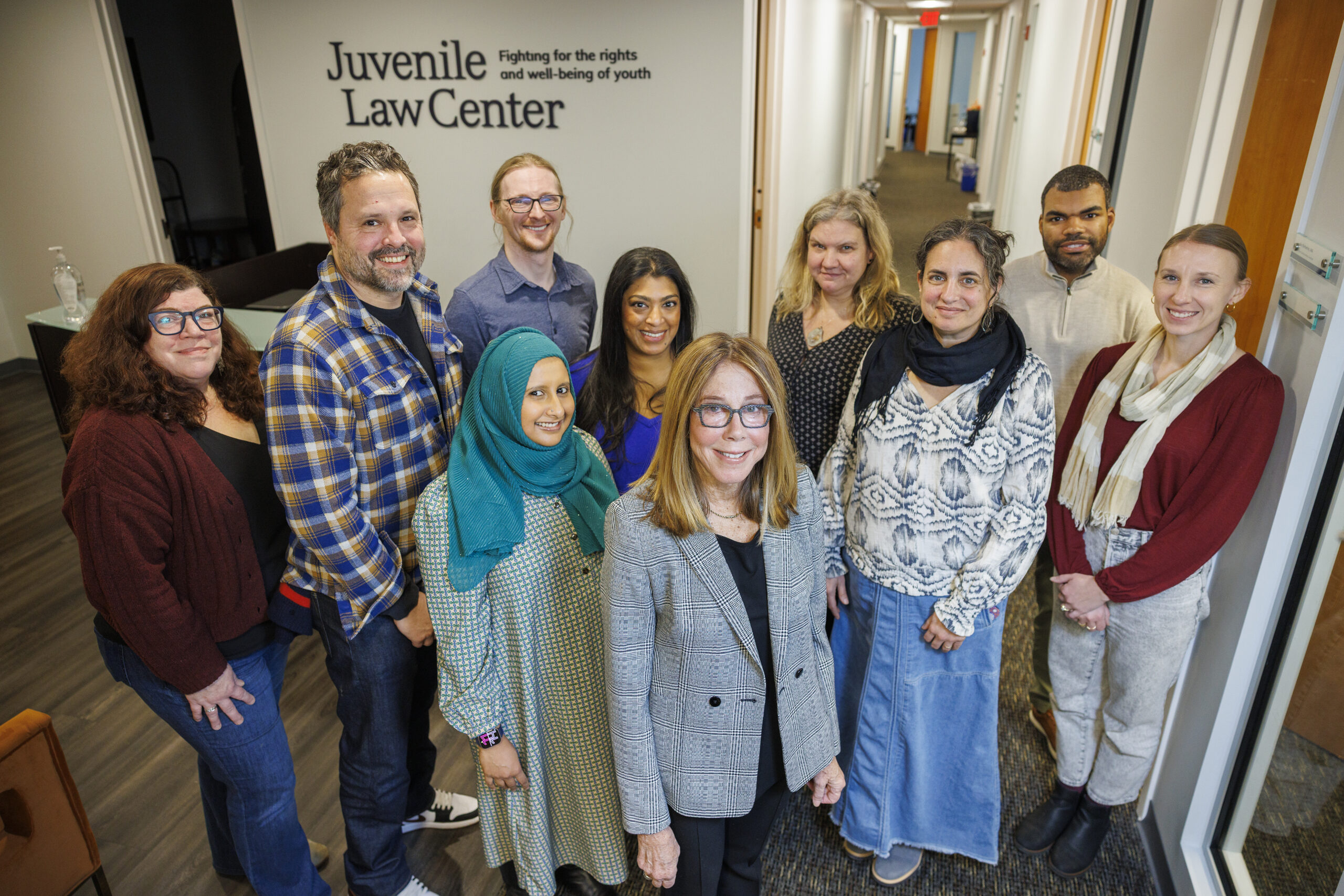
Marsha Levick (center) stands with staffers at the Juvenile Law Center earlier this month.
Among the successes, Levick still sees failures
Despite the victories, Levick is quick to cite the cases she lost. “I’ve had successes. I’ve also failed many times,” she said.
She still thinks about clients like Jamie Silvonek, sentenced to 35 years to life in prison after killing her mother, whose early release Levick has fought for but has not yet won, or a recent bid to expand parole access for people convicted as juveniles that fell flat in Florida.
Those losses have hardened her view of how deeply punishment is embedded in American law. “I feel like punishment is in our bones,” she said. “The way that we think about crime is that it is always followed by punishment.”
That instinct, she said, has left behind people who could have thrived outside prison — including juvenile lifers who will never be released. One of them is Silvonek, whom Levick described as brilliant and warm. “I want her to be able to share that warmth and joy with her family and with her community, who are all behind her,” Levick said.
“We lost what they had to give,” she added.
Levick isn’t done yet
Levick, who is married with two adult daughters, is not leaving the field. She will become the Phyllis Beck chair at Temple’s Beasley School of Law, a post once held by her cofounder Bob Schwartz, and will teach constitutional law to first-year students.
She feels newly urgent about the course. “I am outraged at the degree to which the law has been perverted by the current moment, and I think I still can say and do something about that,” she said. “I think that the things that motivate me include outrage.”
She expects much of the future progress in youth justice to come from state supreme courts rather than the U.S. Supreme Court — a shift she sees as pragmatic, not pessimistic. Washington State Supreme Court Justice Mary Yu, who has heard Levick argue successfully before her, called her a fearless litigator. “She’s an extraordinary appellate lawyer,” Yu, who is also retiring Wednesday, said in an interview.“It’s almost instinctual to her.”
And even now, Levick said, she has hope.
“We’re not going to abolish the juvenile justice system in America, but we could transform it radically,” Levick said. “I believe that. But it takes more than just lawyers to care. It takes more than the community to care. It takes people in positions of power to care. And that’s the hard part.”
Correction: An earlier version of this article misstated the name of a legal advocacy group at which Levick worked. She worked at NOW Legal Defense and Education Fund. The story also misstated the year Laurene Transue called the Juvenile Law Center; she called the law center in 2007.
A patient with no home to return to was pushed in a wheelchair to the curb outside Temple University Hospital. Staffers left him sitting on a bench, even though he was considered at a high risk of falling.
An hour later, a security officer found the man had fallen and was lying on the ground.
He was shaking when the guard brought him back into the hospital, but didn’t respond to a nurse’s questions. So hospital staff again sent him away — this time leaving him alone in a wheelchair outside the emergency department.
He was found there five hours later, slumped over, unresponsive, and without a pulse. He died the following week.
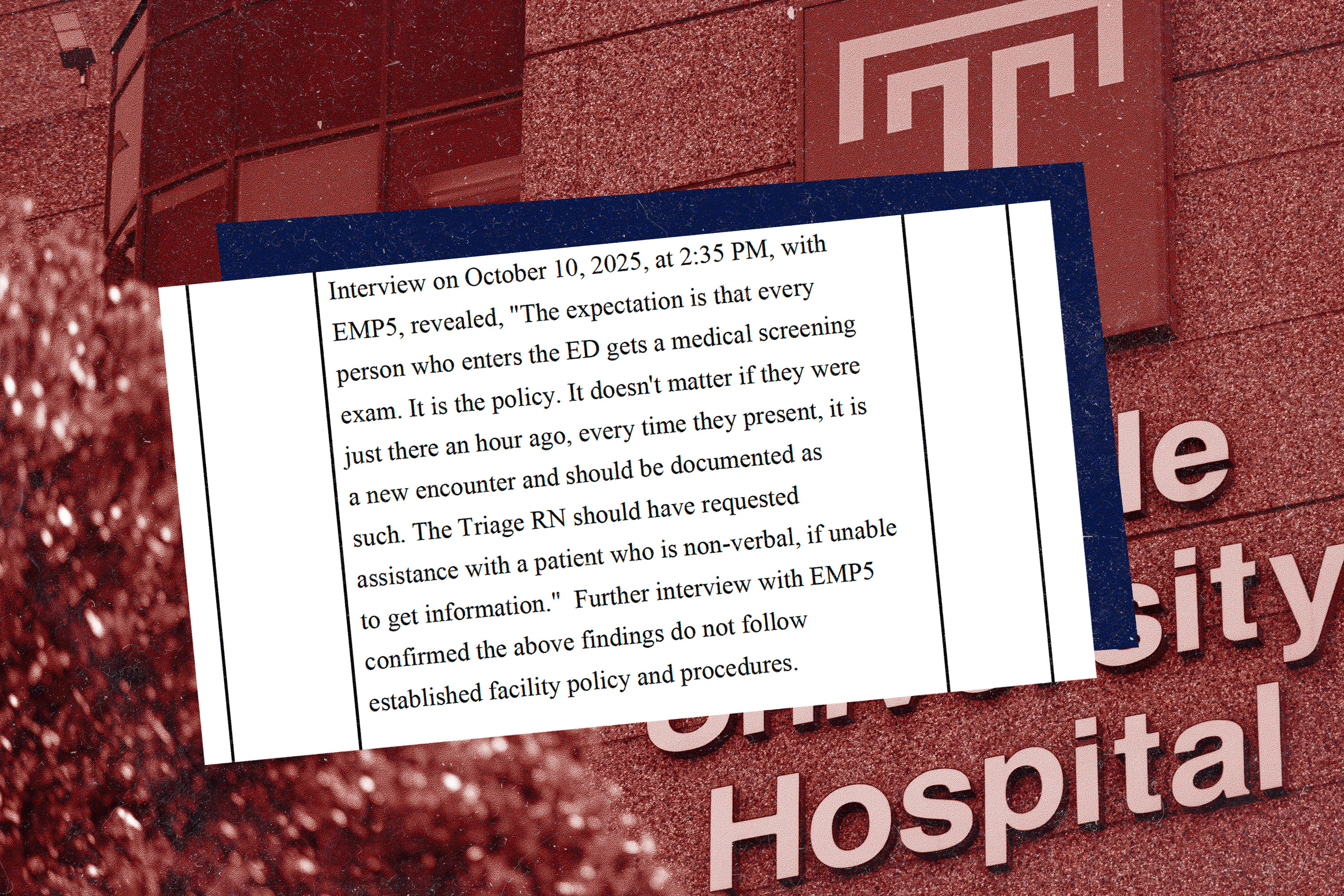
Temple’s treatment of the patient during the Oct. 3 incident prompted state and federal investigations. In a report released earlier this month, the Pennsylvania Department of Health cited Temple for violating state rules that require hospitals to provide emergency care.
Experts say the hospital’s actions amounted to “patient dumping,” a practice prohibited under a federal law that requires hospital emergency departments to medically screen and stabilize all patients.
The Centers for Medicare and Medicaid Services (CMS), which oversees hospital safety nationally, confirmed it is also investigating, but has not released details.
Hospitals that violate the Emergency Medical Treatment and Labor Act, known as EMTALA, risk hefty fines or losing their Medicare license, though such penalties are rare.
Temple acknowledged that its own protocols were not followed. Health system officials told state investigators the patient should not have been removed from the hospital without being evaluated and cleared by medical staff.
“The safety of our patients, visitors and staff is Temple’s highest priority,” the hospital said in a statement to The Inquirer. “We believe that everyone deserves high quality care.”
The hospital declined to say whether any of the staff members involved were disciplined or fired.
But such incidents are rarely the fault of one individual, legal experts and homelessness advocates said. Rather, they are a sign of systemic problems, such as understaffing that can leave staff overwhelmed, and bias among medical providers that can put vulnerable patients at risk of being dismissed.
“If you work in an environment where safety is prized and honored and enforced from the top down, everyone feels that’s their mission,” said Eric Weitz, a medical negligence lawyer in Philadelphia. “If that’s not a priority being set by leadership, then it’s no surprise the culture doesn’t reinforce it.”
Hospital administrators said the triage nurse who turned away the patient should have sought help, if the patient wasn’t responding to questions. The nurse said she was overwhelmed and working without sufficient support in one of the region’s busiest trauma hospitals.
“I was busy and alone,” she told state inspectors.
The incident violated Temple’s emergency department protocol, staff told Pennsylvania Department of Health inspectors.
Pa. Department of Health investigates Temple
To piece together what went wrong, Pennsylvania Department of Health inspectors watched security camera footage, interviewed staff members, and reviewed internal hospital reports. Their timeline shows a series of mistakes.
At about 3:15 p.m., an employee brought the patient in a wheelchair to a bench near the curb outside the hospital, and left him there on the mild October day with highs near 70 degrees.
He was being discharged to “the community” because he was experiencing homelessness, according to the inspection report. (The state report does not say whether staff attempted to place him at a skilled nursing facility, rehabilitation center or homeless shelter.)
The man sat alone on the bench for an hour before standing unsteadily, taking a few steps, and ultimately falling to the ground.
He managed to get back up, leaning against a tree for support, only to fall again. He was on the ground for 10 minutes before a security guard found him.
The guard brought the man back into the emergency department in a wheelchair about two hours after he had been released.
Back inside the hospital, the man followed orders to raise his arms for a security check at the door. Then he waited in line to be seen by the triage nurse responsible for checking in patients at the emergency department.
When he reached the front of the line, he did not respond to the nurse’s questions. “He was not answering any questions, just shaking,” according to a Temple incident report reviewed by inspectors. Staff said the patient was “not cooperating” and should be sent to the back of the line.
After two minutes with the nurse, a security guard moved his wheelchair to a corner of the emergency department near the entrance.
The man was once again wheeled outside the hospital a few minutes later and left alone.
He was found by medical staff around 9:30 p.m., slumped over in his wheelchair.
Staff began CPR, rushing him back inside for trauma care.
Pennsylvania Department of Health’s inspection report details how a patient in Temple’s emergency department was rolled away in a wheelchair without being evaluated.
The inspection report does not identify the patient’s name, age, or provide details on the medical condition for which he had been hospitalized. It also does not say what happened after he was found unresponsive. He died five days later, on Oct. 8.
Temple responds
Medical screening of every patient who comes to the emergency department is “explicitly required” under Temple’s EMTALA policies, according to the hospital’s response to the state findings.
“It doesn’t matter if they were just there an hour ago, every time they present, it is a new encounter and should be documented as such,” a Temple staffer said in an interview with inspectors.
The hospital told the state it would retrain staff on EMTALA rules, making clear that security officers cannot remove patients from the emergency department unless they have been evaluated and cleared for release by a medical professional.
A week after the incident, hospital staff were instructed to keep a log of patients who are removed from the emergency department and the name of the provider who approved their release. (Temple police may still remove patients from the emergency department if they are threatening the safety of other patients or staff.)
The hospital also said that it would order mobility evaluations for patients who are being discharged “to the community” if they had a high risk of falling, with a doctor’s sign-off required.
Temple treats some of Philadelphia’s most vulnerable patients in an emergency room that sees more than 150,000 visits a year, including high numbers of gunshot victims and people experiencing opioid withdrawal. It operates a Level I trauma center in a North Philadelphia community where 87% of patients are covered by publicly funded Medicare or Medicaid.
The emergency department is so busy that about 8% of patients choose to leave before being seen, according to CMS data, compared to about 2% of patients at hospitals nationally and across Pennsylvania.
The triage nurse on duty Oct. 3 is not identified in the inspection report.
Two healthcare lawyers who reviewed the state’s inspection report said the entire episode is troubling.
“It sounds like they violated every part of EMTALA,” said Sara Rosenbaum, professor emerita of health law policy at George Washington University.
The law does not require specific treatment, but mandates that hospitals evaluate everyone who walks in the door seeking care, and prohibits them from sending them away or transferring them until they are medically stable.
“They failed to screen him, threw an unstable person back on the street, and didn’t arrange a medically appropriate transfer,” she said.
What’s more, the hospital could be sued for malpractice over how it initially discharged the patient.
The incident appears to be “a classic EMTALA violation,” said Weitz, the Philadelphia lawyer who serves on Pennsylvania’s Patient Safety Authority, an independent state agency that monitors hospital errors.
The health department’s description of what happened is “almost eerily the exact fact pattern the law was passed to prevent,” he said.
Healthcare challenges for patients experiencing homelessness
People who are experiencing homelessness often receive subpar treatment when they seek medical care, research shows.
One study that analyzed thousands of California patient records found that those who were described in their medical records as “homeless” were more likely than patients who have a permanent legal address to be discharged from the emergency department, rather than being admitted for care.
In the Philadelphia region, caring for this population is increasingly challenging. The number of available shelter beds has declined in recent years, while the number of people who are considered unhoused has risen, according to Philadelphia’s Office of Homeless Services.
Stephanie Sena, CEO of Breaking Bread Community Shelter in Delaware County, said the colder months also see more people experiencing homelessness coming to hospitals to get off the street.
“If they say they’re sick, they might get a bed and be able to survive the night,” Sena said.
The pattern can make doctors and nurses less likely to believe patients when they report real medical needs. Especially when staff are overwhelmed in busy hospitals, patients experiencing homelessness may be at greater risk of getting denied or discharged when they need help, she said.
Sena said she was disappointed to hear about the Temple incident.
“It is tragic,” she said, “but also not at all surprising, unfortunately.”
A former Temple guard who worked on coaching staffs at two Philadelphia universities placed hundreds of bets on professional and collegiate games while he was a volunteer coach, the NCAA revealed.
Khalif Wyatt, who served as an assistant volunteer coach for the men’s basketball team at West Chester University from July 2022 to spring 2023, placed 498 bets on professional and collegiate games between July and November 2022, totaling $176,326, according to the report released Thursday.
None involved West Chester teams.
Wyatt, who worked as a director of player development at his alma mater Temple before moving to the Long Island Nets in the NBA’s G League in September, declined to comment.
As part of the NCAA’s penalty, Wyatt was suspended from 15% of the regular season during the first season of his employmentif hired by any other NCAA member. He would not be able to participate in coaching activities during that period.
What does the violation mean for West Chester?
The NCAA began its investigation in 2024, when it was investigating another men’s basketball team. During that inquiry, sportsbook operator FanDuel reported Wyatt’s gambling. West Chester did not provide sports betting education to Wyatt, a volunteer coach, until 2023, according to the report. The NCAA found the university also responsible for Wyatt’s gambling.
The university was fined $2,500 and is on NCAA probation until December 2026.
A spokesperson for West Chester said, “Though the infraction was committed by a former short-term volunteer,” the school complied with the NCAA’s sanctions. It has further strengthened its compliance education, the spokesperson said.
Temple did not respond to a message seeking comment.
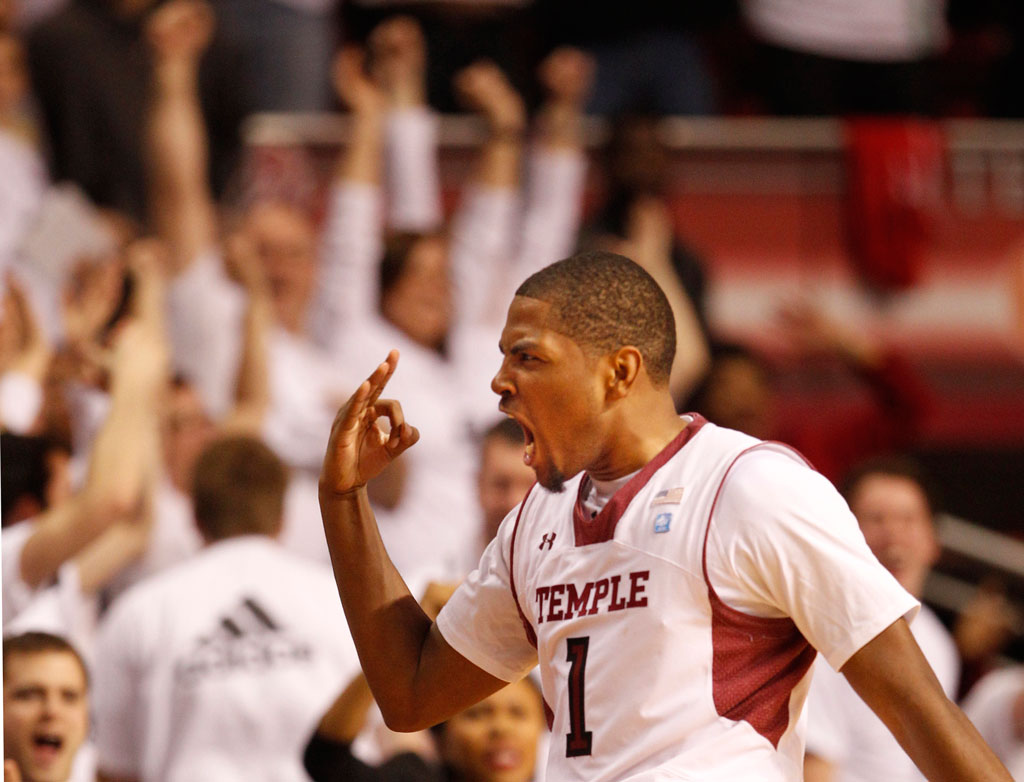
Khalif Wyatt was a standout player at Temple.
Who is Khalif Wyatt?
Wyatt, 34, grew up in Norristown and attended Norristown Area High School. He was a standout guard at Temple, where he helped the Owls earn two Atlantic 10 titles and NCAA Tournament appearances in four consecutive seasons.
He finishedhis career with 1,576 points, 295 assists, and 273 rebounds andwas named Atlantic 10 and Big 5 Player of the Year. He remains the program’s all-time leader for most 30-point games (seven) and is one of three Temple players to score more than 30 points in two NCAA Tournament games.
After his college career, Wyatt spent nearly a decade playing overseas in China (2013-14), Israel (2014-19), and the Philippines (2019-20).
Where has he coached?
Wyattwas named to Temple’s staff as its director of player development in July 2023, after previously having served as an assistant coach at West Chester.
Wyatt spent two seasons with the Owls before leaving for a job with the Brooklyn Nets’ G League team as a video coordinator this offseason.
Wyatt told The Inquirer in 2023 that he had hoped to be a Division I head coach or work in the NBA.
What is the NCAA gambling policy?
The NCAA bans student-athletes, coaches, and athletics staff members from participating in all sports betting activities, regardless of sport or division — includingprofessional sports.
In late November — after six college men’s basketball players had their eligibility revoked over allegations of sports betting — the NCAA rescinded a rule change that would have allowed student athletes to bet on professional sports.
Are there other local college betting incidents?
Former Temple guard Hysier Miller, who overlapped one year with Wyatt on the Owls’ staff, is permanently ineligible to compete in the NCAA after having placed dozens of bets, including some against his team, during the 2022-23 and 2023-24 seasons.
The Neumann Goretti graduate placed 42 parlay bets totaling $473 on Temple games, and three of those were against his team.
Former Temple special assistant coach Camren Wynter and former graduate assistant Jaylen Bond also violated NCAA rules by betting on professional and collegiate sports. Their bets did not involve Temple.
According to the NCAA, both coaches received one-year, show-cause orders, a penalty in which any new hiring school would have to appear before the NCAA Committee on Infractions to state why it shouldn’t face discipline for hiring the coach, and a suspension of 10% of regular-season contests during his first year of employment.
In late November, Temple president John Fry and athletic director Arthur Johnson wrote in a statement that the NCAA found no evidence of point shaving or wrongdoing by the university.
Pennsylvania’s fledgling State Board of Higher Education on Thursday rolled out itsfirst strategic plan, setting goals addressing affordability, increased degree attainment, the state’s workforce and economic development needs, and the fiscal health of colleges.
The board voted unanimously to post the 10-year plan for public comment.It will consider adoption in February.
“The plan will strengthen partnerships, break down silos, and enable effective reinvestment in the sector,” Cynthia Shapira, chair of the board, said in a statement introducing the plan.
It comes as the sector faces perhaps its greatest challenge in decades. Both private and public universities have been losing enrollment as the number of high school graduates falls — with another dip beginning next year and a 12% decline expected in Pennsylvania by 2037. Public trust in colleges has faltered, while concerns about cost and student debt have mounted.
They are also facing scrutiny from President Donald Trump’s administrationand a forecasted gap in workers who require a postsecondary credential in essential areas, such as healthcare, teaching, and advanced manufacturing.
The Pennsylvania State System of Higher Education, which oversees the state’s 10 universities, endorsed the plan’s emphasis on collaboration across private and public colleges and universities.
“Within our own system, we have learned that when universities work together, they can innovate, overcome challenges and better serve students and the Commonwealth,” the system said in a statement. Shapira is also the chair of PASSHE’s board.
The 21-member higher education board includes college presidents, administrators, legislators, and students.It was formed in 2024 by the governor and General Assembly to help public and private colleges work more cohesively and better serve students and the state’s workforce needs. The plan rollout follows public hearings that drew comments from more than 1,200 people, the board said.
The plan outlines the challenges facing the higher education sector including another coming decline in the high school population, financial constraints, and the lack of coordination among institutions. Student debt averages more than $40,000 per student in Pennsylvania, the plan notes.
“Multiple comparative state-level analyses … place Pennsylvania at or near the bottom in terms of affordability, attainment, and state investment per capita,” the report stated. “Adding to these challenges are a large and growing postsecondary workforce credential gap, and a range of closures and mergers that threaten to reduce access to postsecondary education.”
In the Philadelphia region, Cabrini University and the University of the Arts closed in 2024 and Rosemont College announced earlier this year that it would cease operations in 2028 and that Villanova University would purchase its campus. Salus University was merged into Drexel University. Six of Pennsylvania’s state universities were merged into two entities in 2022, and St. Joseph’s University absorbed the University of the Sciences the same year.
Other local colleges have struggled with enrollment declines and deficits. Temple University, for example, has gone from more than 40,000 students in 2017 to less than 30,000 this year.
What are the specific goals in the plan?
The new plan set six goals:
Increase postsecondary attainment.
Ensure affordable pathways to postsecondary credentials.
Support the economic development needs of the state.
Support the workforce development needs of the state.
Ensure accountability and efficient use of state funds.
Strengthen the fiscal health and stability of the higher education sector.
How will the board work toward those goals?
To meet the goals, the board proposes a “strategic communications plan” that touts the benefits of postsecondary education and how it impacts employment outcomes.
It also emphasizes expanding funding for dual credit programs and enrollment in those programs to streamline the path from high school to college and allow students to accumulate more credits before they graduate high school. In addition, the plan proposes studying how to improve retention rates and focusing on reenrolling adults who started college but didn’t finish; there are more than 1.1 million Pennsylvanians with some college experience.
Among its plans for addressing affordability are support of policies that “expand financial aid and forgive debt for in-demand, high-quality credentials,” take advantage of new federal Pell grants for workforce programs, and boost access to “open educational resources” to reduce the cost of course materials.
The report also discusses the intent to “maximize the impact of research universities,” recruit out-of-state students to broaden the talent pool, and increase access to paid work experiences for students.
To promote fiscal health, the plan recommends identifying and promoting best practices for fiscal efficiency and cost savings, and developing resources and an advisory group to help financially struggling colleges.
“If institutions decide to close or merge, tools and expertise to assist in this process will help maximize savings, retain access to critical academic programming, and mitigate negative effects on students and communities,” the plan states.
Another advisory group is recommended to help communities where colleges close maintain access to postsecondary education.
What comes next?
After the public comment period and the plan’s final adoption, the board intends to report annually on progress toward the goals and to consider revisions to the plan every five years.
Temple University plans to increase its patrol officer ranks by 58% over five years after a study assessing staffing levels showed the school was below the middle tier of a framework that rates law enforcement agencies.
The university currently has 77 sworn officers — 50 of them patrol officers — and president John Fry pledged to add 29 patrol officers, one detective, six sergeants, and one lieutenant. That would increase the overall number of sworn officers to 114.
Temple president John Fry said safety was his first priority. Now he plans to increase patrol officers by 58% over five years.
No target has been set for how many officers will be hired per year, but those discussions are underway, said Fry, who named public safety a top priority when he started in November 2024.
The university’s declaration comes amid a particularly difficult time for police hiring, with departments nationally — including the Philadelphia Police Department — continuing to face shortages. Temple has been working for several years to attract more officers, including increasing salaries and benefits, adding signing and retention bonuses and higher contributions to retirement accounts, and hiring an associate director to focus solely on hiring, recruitment, retention, and training. The department also moved to 12-hour shifts to give officers more days off.
Yet, the number of sworn officers has decreased from 81 in March 2024 to the current 77, despite additional hires being made, including four new officers from the Temple University Municipal Police Academy in October.
“We must, and we will, deploy ever more compelling and creative incentives to make Temple’s Department of Public Safety a destination employer for law enforcement in our region,” Fry said. “Our plan is to look closely at what we are doing in the areas of recruitment and retention over the next several months and see what improvements can be made.”
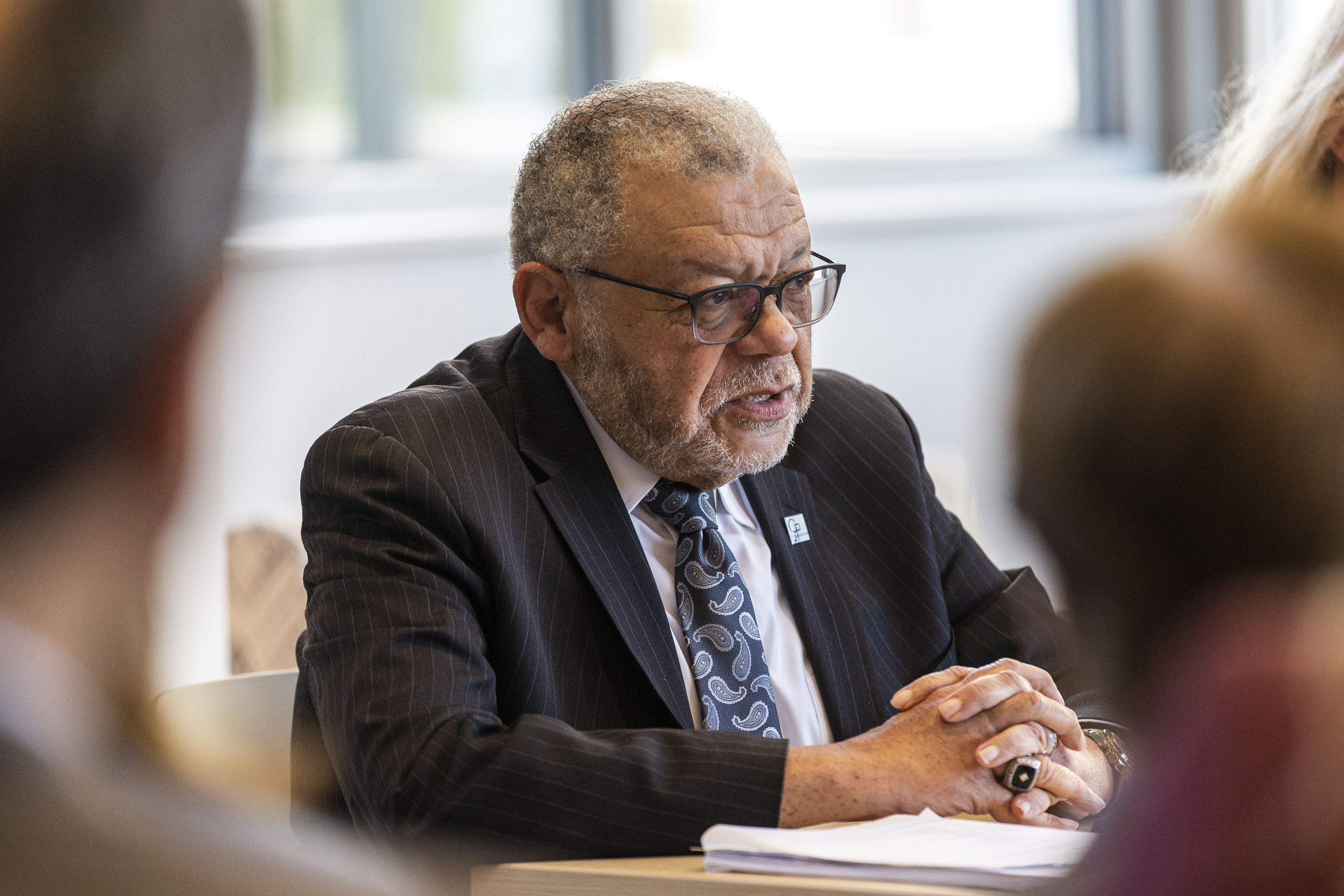
Temple plans to hire former Philadelphia Police Commissioner Charles H. Ramsey’s 21CP Solutions company to assist, including with how best to recruit and retain more officers, Fry said. The university had hired Ramsey to assess safety following the shooting death of student Samuel Collington in November 2021 and has implemented almost all of the 68 recommendations from his report released in April 2023.
The staffing study was one of the final recommendations that Temple had to complete.
Former Philadelphia Police Commissioner Charles Ramsey speaks at a press conference on the Temple safety audit his firm completed in April 2023.
New bike patrol officers
In addition, Philadelphia Police Commissioner Kevin Bethel has committed to providing six bike patrol officers and a sergeant assigned to Temple, beginning Jan. 5. That’s up from the current four officers and supervisor, who were not always the same personnel.
“The ability to have relationships and collaborations … will be better because it’ll be a consistent group,” said Jennifer Griffin, Temple’s vice president for public safety.
“The ability to have relationships and collaborations … will be better because it’ll be a consistent group,” Jennifer Griffin, vice president for public safety at Temple University, said about the city’s six bike patrol officers that will be dedicated to Temple.
Members of the Temple University Police Association, the officers union, have complained for years of inadequate staffing. In a social media postabout a year ago, the union said the department had lost more than 50 officers since 2022.
But Andrew Lanetti, president of the union, said he is pleased with the direction outlined by Fry.
“From our talks here in the past few days, I am happy with where we’re going in the future,“ he said. ”I believe this is going to be a very positive experience and it’s going to help our community a lot.”
University and union officials already have been discussing ways to recruit and retain more officers, and a more positive working relationship between the union and the university could help move the needle on hiring and retention.
“We’re going to work together and our goal is all the same,” Griffin said. “We want a safer Temple and a safer community.”
Budget woes
The move also comes as the university attempts to close a budget deficit, made worse this fall when the school missed enrollment projections for its main campus that translated to about $10 million in lost revenue.
“It will be a challenge,” Fry said of the new police officer hiring, “but it’s a priority, so we will meet that challenge.“
He said money for the new staffing will be built into the university’s five-year budget plan.
Temple last February hired safety and security consulting companies Healy+ and COSECURE, ancillary businesses of the Cozen O’Connor law firm, to conduct the staffing study. They used a tiered framework “to assess the capacity and effectiveness of law enforcement agencies,” Temple said. The university declined to release the full report, citing its proprietary information.
“Temple is positioned below the middle tier of the framework, meaning the department is presently staffed to meet the essential public safety and emergency response needs of our community,” Fry said. “However, additional personnel would allow the department to organize and coordinate its activities to focus on additional proactive and community engagement activities that would position it higher in the consultant’s framework.”
With the additional police officers that Temple plans to hire, the school would rise from just below the third of five tiers in the consultant’s rating system to the second tier, Fry said. The second tier, he said, connotes “higher levels of proactive enforcement, more presence, more mitigation strategies, and then more outreach, more community engagement.”
Public safety is extremely important as the university plans to release its strategic plan and campus development plan early next year and as Fry seeks to spur economic development along the Broad Street corridor, from Temple’s new Terra Hall location in Center City to the health campus in North Philadelphia.
“There’s going be a campus development plan, which clearly is going to put more activity on this campus, which means we’re going to have to support our police,” Fry said.
Potential investors, he said, are watching.
“When they’re about to commit significant investment, they want to know the area is safe,” he said.
‘Hold ourselves accountable’
Former Temple president Jason Wingard pledged to increase the police force by 50% the month that Collington was killed, and those numbers never materialized. In fact, the number of officers dropped.
Fry said what is different this time is that he has specified the exact numbers that will be added over a distinct time frame.
“This is not something we’re just sort of speculating about,” he said. “This is based on a professional study. … We’ll be able to hold ourselves accountable.”
The university already has made a host of changes that were recommended by Ramsey in the 2023 report. They include more foot patrols and security cameras and increased technology in the communications center.
The university in 2024 touted a decrease in aggravated assaults, robberies, and thefts in its patrol zone. Despite improvements, Temple has continued to face safety challenges in its North Philadelphia neighborhood, including large groups of juveniles that sometimes gather on or near campus — a challenge in other areas of the city, too.
And a student was shot and killed by another student near off-campus housing inFebruary.
Temple University will offer a voluntary retirement program for faculty, the school announced Wednesday.
The move comes as the university attempts to close a budget deficit that stood at $27 million earlier this year but that worsened when the school did not meet projected enrollment targets for its main campus — which president John Fry had said translated to $10 million less in revenue.
“It is important for us to explore strategies that will allow the university to make meaningful changes, as this is key to optimizing the budget and improving our financial results moving forward,” Fry and interim provost David Boardman said in a message to the campus community.
The university did not say how many faculty it hopes will take the offer, but those who are 62 years and older and have at least 10 continuous years of experience are eligible. They must be tenured, tenure-track, or appointed as non-tenure-track under a contract that expires after June 30.
Temple did not immediately provide the number of eligible faculty.
The move also will allow the university to hire new tenure-track faculty over time, Fry and Boardman said.
Fry said the university would fund the program with federal COVID-19 stimulus funds that came in a onetime tax credit reimbursement to businesses that kept employees during that period. Temple last offered faculty a voluntary retirement program in 2023.
Pennsylvania State University last year offered buyouts to its faculty and staff on its Commonwealth campuses as it made plans to close seven of those campuses. More than 380 employees — 21% of those eligible — took the buyout in June 2024.
Also on Wednesday, Temple announced it had tapped Rob Reddy, formerly the vice president for enrollment management at St. Louis University, to serve as interim vice provost for enrollment management. He will begin Jan. 1
Reddy replaces Jose Aviles, who left Temple last month for a new enrollment job at Rutgers University. He has three decades of experience in admissions, financial aid, and veterans’ relations, Boardman said in an announcement to the campus community.
“Rob comes to us with deep experience in the field and a reputation for taking on challenging assignments,” Boardman said.
He previously served as assistant vice chancellor of enrollment management and dean of student financial services at Northeastern University.
The university intends to launch a search for a new enrollment leader in the spring, Boardman said.
When the U.S. Department of Health and Human Services quietly altered the nameplate on Rachel Levine’s official portrait during the recent government shutdown — replacing her legal first name with the one assigned to her at birth — it might have seemed to some like an insignificant gesture.
But symbols matter. Names matter. And, as we are constantly reminded by the pioneering example of Levine — the first openly transgender person confirmed for a government role by the U.S. Senate — identity matters.
And the deliberate act of using a transgender or nonbinary person’s birth name (or a previous name) after they’ve chosen a new one — a demeaning practice known as “deadnaming” — is more than just an insult to one nationally recognized medical leader. It’s a signal about what our health system is becoming.
It tells every transgender clinician, trainee, staff member, and patient: Your identity is provisional here. Your legitimacy is negotiable. Your name can be taken from you. For a profession that depends on psychological safety, this is no small thing.
Imagine training as a transgender medical resident and watching the federal government manipulate the image of one of the country’s most illustrious physicians — someone who helped lead Pennsylvania through the opioid epidemic, someone who oversaw critical COVID-19 responses, and someone so accomplished that they hold the rank of admiral in the U.S. Public Health Service.
Then-Pennsylvania Secretary of Health Rachel Levine meets with the media at The Pennsylvania Emergency Management Agency headquarters in Harrisburg in May 2020.
Imagine treating transgender youth in a climate where federal agencies publicly invalidate the very concept of gender identity.
Imagine being a transgender patient, already vulnerable, and seeing your government insist that who you are is, at best, a clerical preference and, at worst, a threat to national security.
We sometimes tell ourselves that culture wars don’t reach the clinic. They do.
They show up when patients avoid care because they fear being misgendered or judged.
They show up when medical students stay closeted to avoid being targeted, derailing careers before they begin.
They show up when clinicians feel pressured to hide their families or their own identities in order to survive training environments already marked by burnout, moral injury, and hierarchy.
They show up in public health, where trust is essential — whether in vaccines, harm-reduction programs, or pandemic response. When government institutions themselves engage in targeted stigmatization, entire communities disengage.
And they show up in professional integrity. A health system that claims to uphold evidence yet endorses policies contradicted by every major medical association — including the treatment of gender dysphoria — erodes its credibility. When science is invoked only when politically convenient, clinicians feel the ground shift under their feet.
Levine showed grace by calling the deadnaming “petty.” In a sense, she’s right: The act is juvenile. But if the rest of us don’t call it out, we risk missing the larger threat.
Professional erasure begins with symbolic gestures — the removal of names, the reclassification of identities, the retelling of who someone “really” is. History is rife with examples of how stripping titles, credentials, or names precedes efforts to diminish authority and restrict participation.
A physician’s portrait is not just a piece of decor. It is a public acknowledgment of service, expertise, and contribution. Altering it is an attempt to rewrite not only identity but legacy.
If medicine is to retain its moral center, clinicians must resist the temptation to disengage. This is not “politics” in the partisan sense. It is professional ethics.
We can start by naming the harm clearly. Deadnaming is not a clerical correction; it is a form of psychological violence aimed at delegitimizing identity.
We must also educate our colleagues, many of whom underestimate the downstream effects of identity-based policies on patient trust, engagement, and health outcomes.
At the same time, we have an obligation to actively support trainees and colleagues — especially those who are transgender or gender-expansive — who may feel newly unsafe or exposed within training environments and workplaces.
Defending evidence-based care is essential: Transgender medicine is medicine. Period. And we must insist that federal agencies speak truthfully about science.
A selective invocation of “scientific reality” is not reality at all; it is ideology masquerading as evidence. Medicine is facing a pivotal question: Are we willing to let political ideology dictate whose identities are valid within our clinics, hospitals, and public health institutions?
Rachel Levine’s portrait matters because deleting her name is an invitation to delete others. It is an attempt to redefine professional legitimacy by biology rather than biography — by chromosomes rather than contributions.
Yet her life is proof that gender identity neither diminishes competence nor negates service.
When a government tries to rewrite that narrative, the medical profession must ask itself: If we do not stand up for the integrity of our colleagues, who will stand up for the integrity of our patients?
Arthur Lazarus is an adjunct professor of psychiatry at the Lewis Katz School of Medicine at Temple University.