Tag: topic-link-auto

  • Carl W. Schneider, longtime celebrated attorney and former SEC adviser, has died at 93

    Carl W. Schneider, longtime celebrated attorney and former SEC adviser, has died at 93

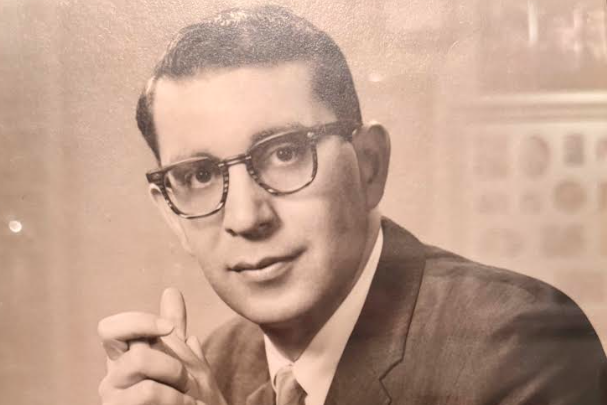
    Carl W. Schneider, 93, of Philadelphia, retired longtime attorney at the old Wolf, Block, Schorr, & Solis-Cohen law firm, former special adviser to the Securities and Exchange Commission, visiting associate professor at what is now the University of Pennsylvania Carey Law School, writer, poet, mentor, and volunteer, died Thursday, Dec. 18, of pneumonia at Pennsylvania Hospital.

    Mr. Schneider was an expert on corporate, business, and securities law, and he spent 42 years, from 1958 to his retirement in 2000, at Wolf, Block, Schorr, & Solis-Cohen in Philadelphia. He was adept at handling initial public offerings and analyzing stock exchange machinations, and he became partner in 1965 and chaired the corporate department for years.

    Although he did not plan to specialize in securities law after graduating from Penn’s law school in 1956, Mr. Schneider told the American Bar Association in 1999: “I found this type of work to be challenging, gratifying, stimulating, and educational.”

    He spent most of 1964 on leave from the law firm as a special adviser to the Securities and Exchange Commission’s Division of Corporation Finance in Washington. His recommendations to SEC officials regarding its public-offering process, disclosure system, civil liability rules, and arbitration procedure, many of which were ahead of their time, eventually led to modernization and reforms in the administration of federal securities laws. “I was cast in the role of the constructive critic,” he said in 1999.

    He chaired committees for the Philadelphia and American Bar Associations and was active in leadership roles with the American Law Institute and other groups. He clerked for Supreme Court Justice Harold H. Burton and Judge Herbert F. Goodrich of the U.S. Court of Appeals for the Third Circuit for two years after graduating from law school.

    He also taught classes as a visiting associate professor at Penn’s law school and lectured extensively elsewhere on the continuing legal education circuit. “I am aware of two personality traits that have shaped my career,” he said in 1999, “a need to fix things and a love of teaching.”

    He spent the 1978-79 school year as head of Penn’s Center for Study of Financial Institutions and said in 1999 that he would have taught full time had he not enjoyed his legal work so much. “I was a practitioner,” he said, “and I tried to give my classes useful training to do what most practitioners do.”

    Mr. Schneider wrote, cowrote, and edited dozens of scholarly articles, books, and pamphlets, including the celebrated Pennsylvania Corporate Practice and Forms manual in 1997. He also penned poetry, and used this stanza to open a chapter about boilerplate clauses in the Pennsylvania Corporate Practice and Forms manual:

    Mr. Schneider and his wife, Mary Ellen, were inseparable for 68 years.

    “The ending stuff gets little thought/Like notice, gender, choice of laws/If badly done you may get caught/With a provision full of flaws.”

    He volunteered with what is now Jewish Family Service, the Jewish Federation of Greater Philadelphia, Abramson Senior Care, and Congregation Rodeph Shalom. He mentored countless other lawyers and students, and agreed in 1972 to a request by The Inquirer’s Teen-Age Action Line to be interviewed in his office for a high school student’s research project.

    “He was often described as brilliant, humble, a dry wit, and a great listener,” his family said in a tribute. “He gave everyone he spoke to the same time, attention, and respect.”

    He was quoted often in The Inquirer and lectured about legal matters at conferences and panels. He earned several service and achievement awards and said in 1999: “I suppose I am one of those compulsives who cannot see something in the world important to him that is broken without feeling the need to repair it.”
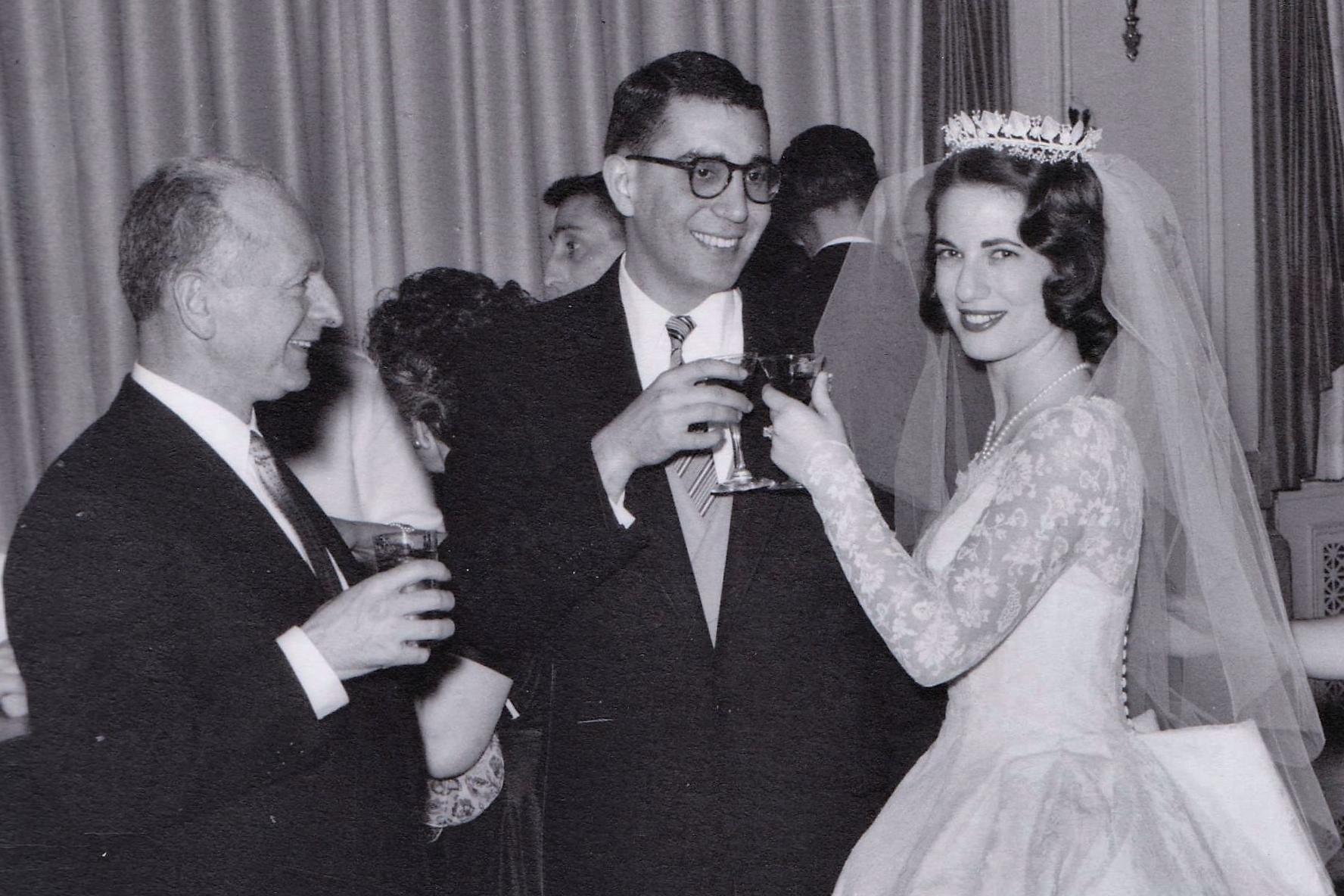
    Mr. Schneider and his wife, Mary Ellen, married in 1957.

    Carl William Schneider was born April 27, 1932, in the Wynnefield section of Philadelphia. His family later moved to Elkins Park, Montgomery County, and he graduated from Cheltenham High School in 1949.

    He knew he wanted to be a lawyer, like his father and grandfather, when he was young and said in a 2014 video interview at Penn that school was his favorite place. He earned a bachelor’s degree at Cornell University in 1953 and served on the law review at Penn.

    He met Mary Ellen Baylinson through a mutual friend, and they married in 1957. They had sons Eric, Mark, and Adam and a daughter, Cara, and lived for years in Elkins Park. He and his wife moved to Center City in 2005.

    Mr. Schneider enjoyed reading, bird-watching, photography, swimming, tennis, and springtime strolls through Rittenhouse Square. His favorite song was “The Gambler” by Kenny Rogers.

    Mr. Schneider drove his family across the country in a motorhome he nicknamed Herman.

    He collected old-fashioned scales, spent quality time with family and friends on Long Beach Island, N.J., and drove cross-country on a family road trip in a motorhome he nicknamed Herman. He ran unsuccessfully for commissioner in Melrose Park in the 1960s.

    He made sure to be home every night for dinner and drew smiley faces inside the capital C when he signed his name. “He never judged, never overreacted,” his daughter said.

    His son Adam said: “He was a gentle man but forthright and direct.” His son Mark said: “He had a moral code on how to live a life and never deviated from it.”

    His son Eric said: “He left the world a better place.”
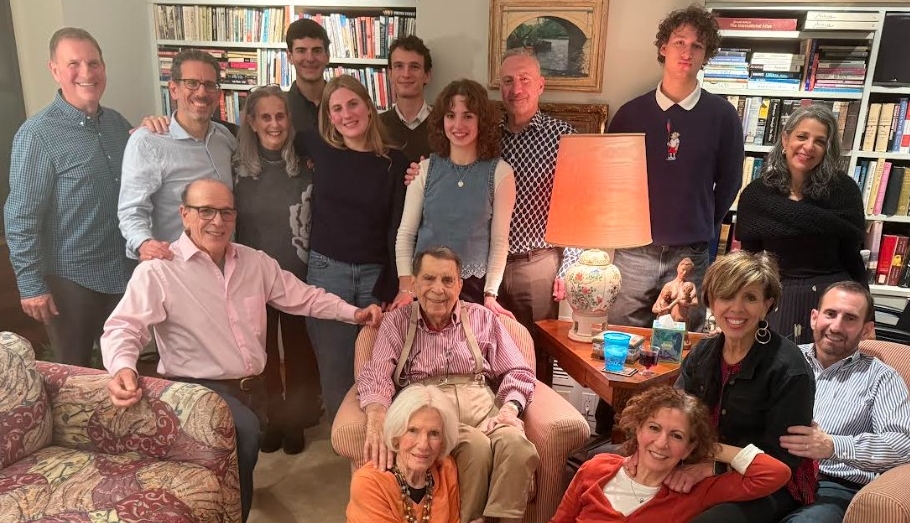
    Mr. Schneider (center) and his family spent many Thanksgivings together.

    In addition to his wife and children, Mr. Schneider is survived by three grandchildren; a sister, Julie; and other relatives.

    Services were held Monday, Dec. 22.

    Donations in his name may be made to Congregation Rodeph Shalom, 615 N. Broad St., Philadelphia, Pa. 19123.
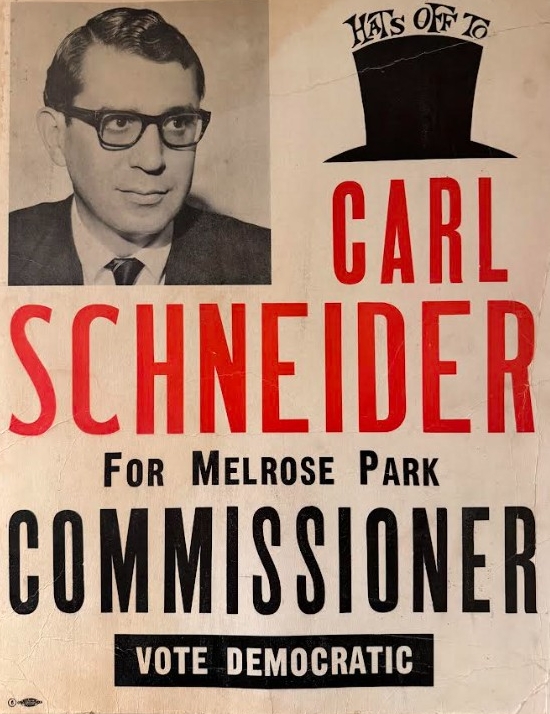

    Mr. Schneider was interested in civic and community issues as well as legal affairs.
  • Eagles fan and WWE star Nikki Bella responds to Cooper DeJean chants on Raw amid dating rumors

    Eagles fan and WWE star Nikki Bella responds to Cooper DeJean chants on Raw amid dating rumors

    Nikki Bella thought fans at Xfinity Mobile Arena on Monday night were booing her, but the Philly crowd was actually cheering “Coop” at the WWE Hall of Famer.

    Bella, who was in the ring for WWE’s Monday Night Raw, reportedly began casually dating Eagles cornerback Cooper DeJean in January, according to TMZ. Neither Bella, 42, nor DeJean, 22, has publicly confirmed they are dating, but Bella’s reaction to the crowd indicates there is some connection between the two.

    While the “Coop” cheer has become common at Lincoln Financial Field since the Eagles drafted DeJean out of Iowa in 2024, it caught Bella, an Eagles fan, off guard during Monday night’s show.

    “Is that for the Eagles not getting in the Super Bowl, or for us?” Bella quipped while in the ring with her twin sister and tag team partner, Brie Bella.

    Brie corrected her sister on what exactly the Philly crowd was shouting.

    “I actually think they were saying ‘Coop,’” Brie Bella said.

    “Oh,” Nikki Bella replied. “Can you blame a girl for having good taste? I mean, Pro Bowl, baby.”

    Rumors emerged that Bella, whose real name is Nikki Garcia, was dating DeJean in December after Bella posted a video of herself at the Linc wearing an Eagles baseball jersey with DeJean’s name on the back.

    Bella was also spotted at Eagles training camp in August when Raw made a previous stop in Philly, and posted multiple pictures with DeJean on social media. TMZ reported in January that DeJean and Bella had gone on dates but that Bella still considered herself to be single.

    “It was so magical just to see all the players, to meet everyone,” Bella said on her podcast, The Nikki and Brie Show, in an episode titled “Big Ring Energy” after her visit. “For them, they talked with us like we were family. Everyone wanted to know the story of why we were here.”

    Brie interjected, “Well, hopefully one day they are family” with a laugh, before Nikki quickly changed the subject.

    @adamglyn @Brie Garcia and @Nikki Garcia discuss their return at Royal Rumble and more!! #wwe #royalrumble ♬ original sound – Adam Glyn

    Bella divorced former Dancing With the Stars coach Artem Chigvintsev in 2024, shortly after Chigvintsev was arrested on suspicion of domestic violence in California. The Napa County District Attorney declined to charge Chigvintsev. Chigvintsev and Bella share joint custody of their son, Matteo.

    DeJean was named a first-team All-Pro and a Pro Bowler in 2025. He finished his second NFL season with two interceptions and 93 tackles.

    Bella stepped into the ring at Xfinity Mobile Arena to announce that she would join Brie to challenge for the WWE Women’s Tag Team Championship, which is held by Rhea Ripley and Iyo Sky.

    Nikki and Brie — with the latter coming out of retirement for Sunday’s Royal Rumble after a four-year absence — have not wrestled as a tag team since October 2018.

  • This South Philly restaurant has a killer soup cocktail

    This South Philly restaurant has a killer soup cocktail

    Cocktails in Philly have been getting ever more savory, taking inspiration from pickles, salad, even soup — the last being the most seasonally timed. Several local bars like El Techo and Jerry’s Bar have even been poking fun at cocktail’s “soup season,” posting videos of people consuming their margaritas and espresso martinis with spoons, blowing on the sips as they go.

    But there’s at least one soup cocktail taking the trend more seriously. Chef Thanh Nguyen’s signature pho cocktail at Gabriella’s Vietnam is a many-layered marvel. It’s not like drinking pho broth spiked with vodka. Instead, it’s warming and softly spicy — the heat hits the back of your throat and sinks into your chest — the beefiness only an umami-laden back note. It’s complex, mildly sweet, and more well-balanced than, say, a typical spicy margarita. A tiny squirt of Sriracha muddled with fresh culantro and ginger adds a soft orange hue.

    Chef Thanh Nguyen prepares drinks at Gabriella’s Vietnam in Philadelphia on Wednesday, Aug. 28, 2024.

    “Culantro is what gives you the true pho flavor,” said Nguyen. “In South Vietnam, we use culantro more for pho than basil, which they do here [in Philly]. And of course, we need Sriracha.”

    The cocktail is shaken up with fresh lime juice, simple syrup, and a mix of vodkas (one part pho-infused vodka, three parts plain vodka).

    The liquor license at Gabriella’s (a two-time pick for The 76 most essential restaurants in Philadelphia) is a satellite license associated with Five Saints Distilling — allowing the restaurant to serve any beer, wine, and liquor made in Pennsylvania — and so the Norristown distillery’s line of spirits forms the backbone of Gabriella’s bar program.

    Two bottles of beef infused vodka: the one on the left has been steeping with herbs for six weeks and the one on the right has beef only and has been steeping for three weeks.

    There’s actual beef steeped in the vodka that forms the base of Gabriella’s pho cocktail. Thin slices of brisket and eye of round, like the ones in a typical bowl of phở tái, are seared, then crammed into the bottles of vodka, to sit for three weeks, creating a lava-lamp effect as they release droplets of fat into the liquid. At the three-week mark, the vodka is strained multiple times through coffee filters. (Nguyen discards the beef that infuses the vodka with its meaty flavor. I tried a bite before it went in the bin, but that was all: If I had kept on eating, I risked inebriation by beef.)

    Next, toasted spices are added to the bottle: fresh ginger, star anise, coriander, fennel seed, cardamon, cloves, and cinnamon. “The exact same spices for when I made pho,” said Nguyen. The concoction steeps for another three weeks, “until it’s the color of Coke,” said Nguyen.

    Nguyen approaches mixing cocktails with the mind of a chef. This is most apparent in this cocktail, which is simultaneously an ode to the pho she served at her former restaurant, Melody’s Vietnam Grill in Ambler, and to the medicinal concoctions her now 94-year-old grandfather made her drink as a child and, later, as a postpartum mother.

    “He would make vodka — yes, homemade vodka — and put garlic, ginseng, or ginger in it. This was his medicine. He’s never taken any other medicine in his life,” said Nguyen. “After I had my daughter, he had me drink this liquor with ginger soaked in it.”

    Chef Thanh Nguyen posed for a portrait at her restaurant, Gabriella’s Vietnam on Thursday, Sept. 11, 2025 in Philadelphia.

    Pho-spiced cocktails are common in bars in Vietnam, made popular at upmarket places like the Michelin-starred Anan Saigon and the Anantara Hoi An (whose pho cocktail is heavily garnished with fresh cilantro and whole star anise). The cocktail is frequently credited to Hanoi bartender Pham Tien Tiep. But each of these versions take the inspiration of pho far less literally than Nguyen does.

    “I don’t want to limit myself to one thing,” Nguyen said, explaining her experimentation behind the bar. “I love cooking but I have more fun behind the bar sometimes.” And she wants there to be constant crossover between her kitchen and bar. The passion fruit that her beef carpaccio is marinated in goes into her margarita. The kumquats that appear seasonally in her salads are muddled into her Saigon smash cocktail and blended into margaritas.

    As for the future of her soup-based cocktails, Nguyen is working on developing a bún bò huế-infused vodka. “I’m still trying to get shrimp paste and lemongrass flavors to come through,” she said.

  • ‘Sun Ra: Do the Impossible’ is headed to ‘American Masters’ on PBS

    ‘Sun Ra: Do the Impossible’ is headed to ‘American Masters’ on PBS

    Sun Ra, the Afrofuturist bandleader and intergalactic visionary who based his Arkestra in Philadelphia for decades, is heading to PBS.

    Sun Ra: Do the Impossible, the Christine Turner-directed documentary that screened at last year’s Black Star Film Festival in Philadelphia, will air as part of PBS’ American Masters series during Black History Month.

    It will be shown locally on WHYY at 9 p.m. Feb. 20.

    Sun Ra, who was born Herman Poole Blount in Birmingham, Ala., founded Arkestra, now led by 101-year-old saxophone player Marshall Allen after Sun Ra’s death in 1993. He moved with the band to a house in Germantown in the late 1960s, where Allen still lives. The Morton Street house was originally owned by Allen’s father.

    Turner’s film includes how Blount, who was known as “Sonny,” experienced a “transmolecularization” in 1936 in which he claimed to have been teleported to Saturn and returned to Earth with a musical mission to bring peace and understanding to the world.

    Sun Ra’s music encompasses the history of jazz — from its New Orleans beginnings to out-there experimentation with electronic instruments, King Britt, Philadelphia DJ-producer-turned Blacktronika professor at the University of California San Diego, explains in the film.

    Other Philadelphians who offer analysis in the documentary include poet-musician-activist Moor Mother, and critic and WRTI-FM (90.1) editorial director Nate Chinen.

    The film’s title is inspired by a Sun Ra quote that Turner kept on her desk while she worked on the documentary. It read: “The possible has been tried and failed. Now it’s time to try the impossible.”

    The American Masters treatment arrives at a time when Sun Ra’s presence is larger than ever.

    Since 2023, the organization has released five Sun Ra tribute albums. Sun Ra’s oeuvre was central to the Metropolitan Museum of Art’s recent “Flight into Egypt: Black Artists and Ancient Egypt” exhibit, and his image is featured prominently at the Institute of Contemporary Art’s “Entryways: Xenobia Bailey” exhibit currently on view.

    Do the Impossible adds to the growing Sun Ra film library that includes the 1972 movie Space is the Place, and Philly filmmaker Robert Mugge’s 1980 Sun Ra: A Joyful Noise. Another doc, coproduced by Allen along with his son Ronnie Boyd titled Sun Ra: Door to the Cosmos, is in the works.

    Sun Ra Arkestra bandleader Marshall Allen with “Sun Ra: Do the Impossible” director Christine Turner at the Sun Ra house on Morton Street in Germantown. The documentary will be shown on PBS on Feb. 20.

    “As a culture, we’re just catching up with a lot of the ideas and the music that was so ahead of its time,” Turner said of her film’s subject in an interview with The Inquirer in July.

    “He’s become an icon of Afrofuturism, and I think that is resonating with people because we’re deeply in need of new ideas and radically imagining another kind of future. And I think people are really hungering for that.”

  • Joel Embiid not sweating All-Star Game snub: ‘I don’t need any validation from anybody’

    Joel Embiid not sweating All-Star Game snub: ‘I don’t need any validation from anybody’

    LOS ANGELES — Joel Embiid is content to spend his All-Star break on a family vacation after the 76ers’ standout center was not selected as an Eastern Conference reserve by the NBA’s coaches.

    “I don’t need any validation from anybody,” Embiid said following the Sixers’ victory over the Clippers on Monday night. “I’m happy where I’m at. I’m excited to be playing every night. If [the All-Star Game selection] didn’t happen, who cares? I get a week off to rest, anyway.”

    Embiid may need to keep those plans tentative, however. He still could be named an injury replacement for the game on Feb. 15, with Milwaukee Bucks star Giannis Antetokounmpo out with a calf strain that is expected to keep him sidelined for at least a month.

    Sixers coach Nick Nurse and Tyrese Maxey, who earlier was named an All-Star starter for the first time, acknowledged that they were surprised Embiid was not among those selected as a reserve. Embiid’s production has exploded in recent weeks, with the big man averaging 29.6 points on 52.2% shooting along with 7.9 rebounds and 4.4 assists in 18 games since Dec. 23. It has been an impressive progression in Embiid’s recovery from multiple knee surgeries.

    “He’s been super dominant,” Nurse said of Embiid before the game against the Clippers. “… I thought, just the general buzz or feel I was getting, was that he would make it.”

    Added Maxey: “It’s life. I understand it. He’s going to keep being Joel.”

    Embiid and the Sixers (28-21) had been doing some recent campaigning for his inclusion in the midseason showcase for the eighth time in his career. Following a Jan. 9 game at the Orlando Magic, Embiid said he believed he deserved the honor and added, “I think you guys [the media] should start putting the word out that Joel Embiid is back.” And when Maxey was asked at a news conference following a Jan. 22 victory over the Houston Rockets which teammate he would like to join him at All-Star Weekend, he said, “Process!” and tapped the microphone.

    “Sixers, put that out there!” Maxey said.

    Sixers guard Tyrese Maxey (right) campaigned for teammate Joel Embiid to join him in the All-Star Game.

    The Eastern Conference reserves are the Toronto Raptors’ Scottie Barnes, the Detroit Pistons’ Jalen Duren, the Atlanta Hawks’ Jalen Johnson, the Cleveland Cavaliers’ Donovan Mitchell, the Miami Heat’s Norman Powell, the Indiana Pacers’ Pascal Siakam, and the New York Knicks’ Karl-Anthony Towns. They join starters Maxey, Antetokounmpo, Detroit’s Cade Cunningham, New York’s Jalen Brunson, and the Boston Celtics’ Jaylen Brown.

    Rookie guard VJ Edgecombe also will represent the Sixers at All-Star Weekend as part of the Rising Stars competition.

    For now, Embiid will plan to enjoy his vacation and rest an “ankle thing” that he has been playing through in recent games. And the 2023 NBA MVP reiterated that “there’s only one thing missing” from his personal basketball accomplishments while glancing at his wedding ring, a clear reference to winning an NBA championship.

  • When it comes to school closures, the process matters

    When it comes to school closures, the process matters

    The school closures and consolidations proposal for Philadelphia schools that was announced in January was not surprising. The district, like many districts across the country, has signaled that it is grappling with declining enrollment, underutilized buildings, and tight budgets. The issue is so pervasive that the consulting firm Bellwether published a full report about it last fall called “Systems Under Strain: Warning Signs Pointing Toward a Rise in School Closures,” warning that many districts would soon face similar decisions.

    The process isn’t surprising, either. Seattle similarly wrestled with a school closures plan before it got so complicated that the city simply dropped the issue after intense community backlash, concerns over student well-being, and the realization that there wasn’t a clear plan for how much the closures would chip away at the roughly $100 million budget deficit.

    The situation in both Philadelphia and Seattle has many similarities to Chicago’s school closures in 2013. Chicago Public Schools closed 47 elementary schools — the largest national mass closures up to that point.

    My colleagues and I at the University of Chicago Consortium on School Research studied that process, releasing reports on families’ priorities and choices in finding new schools, and on staff and students’ experiences, including academic outcomes. The findings from our research offer important lessons and considerations for district leaders and community members in Philadelphia today.

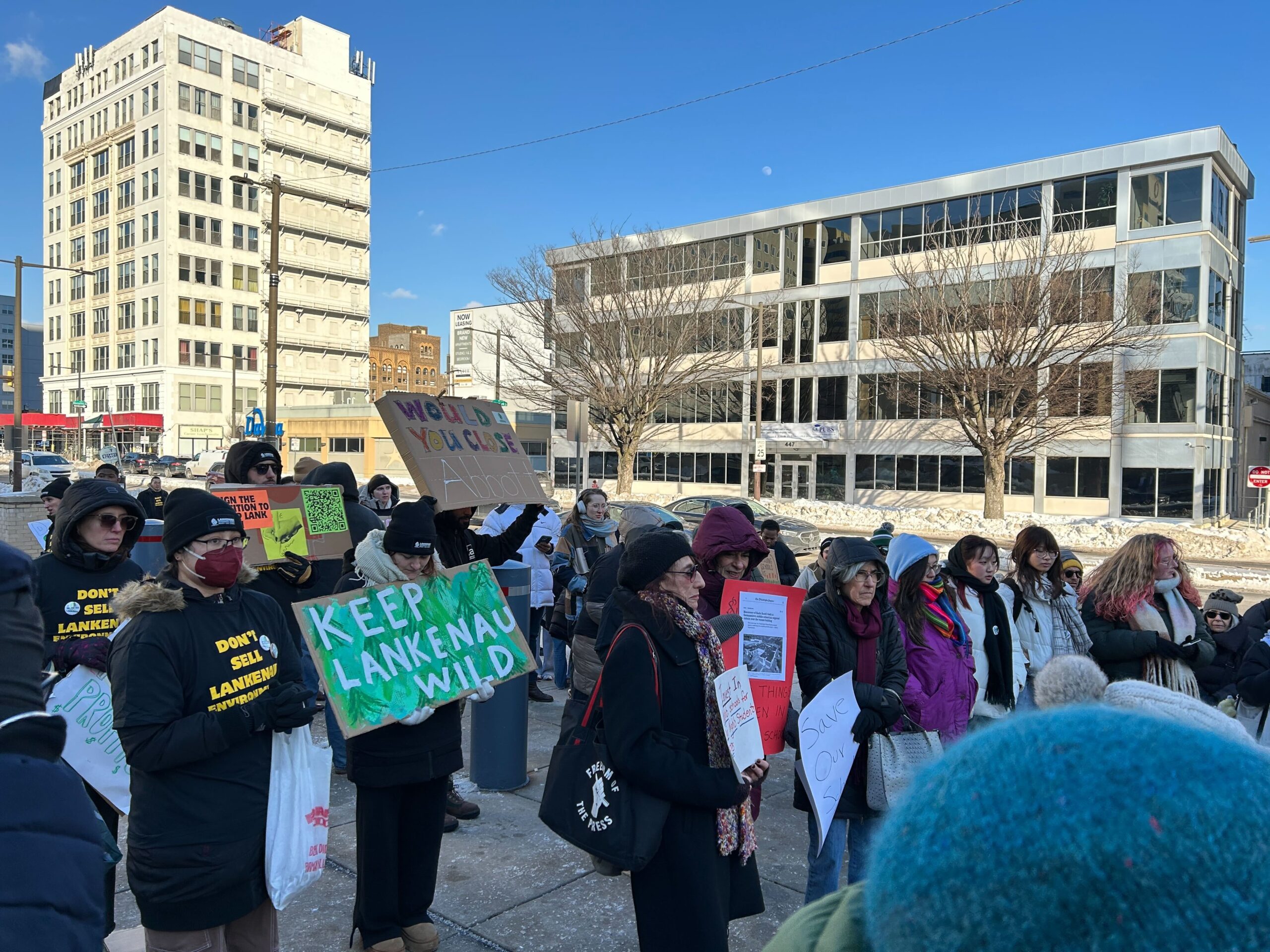
    Demonstrators rallied against school closures outside the School District of Philadelphia headquarters in Center City on Jan. 29.

    First, school is a very personal space and choice for students and families. Families assess the quality of a school in many different ways, from class size to specific course offerings to the availability of specific extracurriculars.

    A school’s reputation, sometimes going back multiple generations, is often a factor. And both safety and accessibility — proximity and available transportation — are always paramount. Closing a school isn’t just an administrative change; it is a profound disruption of community and family life.

    Second, logistics matter enormously and proved more difficult than expected in Chicago. The management of closing some schools and merging into others was a massive pain point in Chicago’s school closures.

    Some teachers could not find their personally purchased furniture, technology, and classroom supplies. Critical details were overlooked, which caused significant challenges for staff and students. Closures require thorough and transparent operational planning.

    But last and most importantly, it is critical to consider the effect of school closures on the people who experience them. In our interviews with both students and staff, we repeatedly heard that they wished their grief and loss had been acknowledged, validated, and addressed.

    When we looked at the data, we found that test scores dropped for students whose schools closed — and the drops started the year potential closures were announced, reflecting the effects of uncertainty and upheaval. Test scores also dropped for students whose schools were “receiving schools,” enrolling many of the affected students.

    Our University of Chicago colleague, professor Eve L. Ewing, wrote in her commentary in our report that “we must ask how and why we continue to close schools in a manner that causes ‘large disruptions without clear benefits for students.’”

    The way this plays out in Philadelphia matters, as young people, families, and educators are already emphasizing. In Chicago, school staff wished for more communication, more transparency, more training on merging school communities, longer-term transitional funding, and more emotional support for adults, whose feelings were still raw three years later when we interviewed them.

    Students wished school actions provided better facilities, from building and green space to sufficient toilet paper and warm water. And they wished they had more counselors and social workers, and general emotional support from all school staff, who were, themselves, grieving. Simple yet powerful reminders of what makes schools feel like places of care, connection, and community.

    In 2023, our fantastic Chicago education reporters covered the 10-year anniversary of Chicago’s massive school closures in Chalkbeat Chicago and in a WBEZ/Chicago Sun-Times collaboration. The students, families, neighbors, and staff shared similar messages in those stories as they had in our research: being told one thing and experiencing another; seeing the process as “hurtful” and without any benefit to young people or the community; wishing they could see the district and the city investing in schools, housing, and community resources where they live.

    Regardless of what final decisions are made, a difficult path lies ahead for school communities across Philadelphia. Chicago’s experience tells us that any district considering school closures needs to plan meticulously, communicate frequently and transparently, and keep the experiences of students, families, and school staff at the center of the process.

    Marisa de la Torre is managing director and senior research associate at the University of Chicago Consortium on School Research, part of the Kersten Institute for Urban Education within the Crown Family School of Social Work, Policy, and Practice.

  • Hats, gloves, and a hot dog launcher: Countdown to baseball begins as Phillies load spring training truck

    Hats, gloves, and a hot dog launcher: Countdown to baseball begins as Phillies load spring training truck

    It may not look like it outside, but spring was in the air Tuesday in South Philly.

    After a long morning of packing, members of the Phillies front office staff surrounded the first-base gate at Citizens Bank Park and waved their 2026 All-Star Game rally towels as the team truck pulled out and began its journey to spring training in Clearwater, Fla.

    The truck — decorated for this year’s All-Star Game, which is July 14 at Citizens Bank Park,— will travel 1,054 miles, passing through eight states before arriving at BayCare Ballpark. Spring training begins in just over a week, on Feb. 11, for pitchers and catchers; the full squad will report on Feb. 16.

    Throughout the Phillies’ six weeks in Florida, they’ll need to have all the necessities — from 600 pairs of pants to a single stroller and one very important hot dog launcher — and that’s where the Phillies staff comes in to help.

    “Today, we’re packing up the truck,” said Tim Schmidt, a clubhouse attendant for the Phillies. “It’s a pretty long process. I mean, there’s a lot of inventory that goes into it. We have to label everything, we have to put it in bins, and then there’s thousands of items. So, it’s not like it’s just a couple of Nike orders. It’s a lot. It’s time consuming.”

    For a job this big, the team has to get an early start. The packing process began two weeks after the end of the season and officially concluded on Tuesday morning. Workers from Old Dominion Freight Line and members of the Phillies staff began loading up the truck’s three 28-foot trailers at about 8 a.m. and didn’t wrap up until 11:40 a.m.

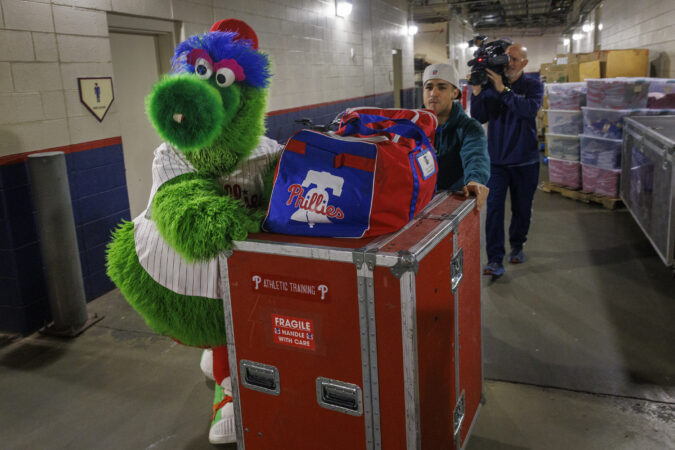
    Of course, they did have a little help from the Phanatic, who made some brief appearances — directing traffic and attempting to ride the forklift.

    Despite the distraction, workers packed plenty of essential items for any baseball team into the truck, including …

    • 5,000 paper cups
    • 2,400 baseballs
    • 2,000 short- and long-sleeved shirts
    • 1,200 bats
    • 900 pairs of socks
    • 600 pairs of pants
    • 600 batting practice hats
    • 350 pairs of shorts
    • 300 batting gloves
    • 250 batting practice tops
    • 200 fleeces
    • 200 light jackets
    • 200 pairs of assorted shoes
    • 140 batting helmets
    • 125 leather and elastic belts
    • 40 heavy jackets
    • 20 coolers
    • Several children’s bikes
    • and one stroller

    “I’ve been doing this for nine years,” Schmidt said. “My boss has been doing it for close to, I think, 40 years. So I’m sure there were a couple of hiccups along the way, but now we kind of have it down pat. We know what to do. We know what to bring. We know how much to bring.”

    Of course they couldn’t forget the most important item of all — the Phanatic’s high-powered hot dog launcher.

    “I’ve been asked a couple times today, ‘What’s the unique item?’” Schmidt said. “It’s the hot dog launcher. That’s the last thing to get loaded onto the truck. Once that’s loaded, everyone gets excited because you kind of know you’re done.”

    The Phillies will open their Grapefruit League schedule on Feb. 21 against the Toronto Blue Jays in Dunedin, Fla. Spring training ends March 23 with a game in Clearwater against the Tampa Bay Rays.

    Opening day for the Phillies is March 26 at home against the Texas Rangers.

  • Tony Watlington and Cherelle Parker: Philadelphia’s future is built in our schools

    Tony Watlington and Cherelle Parker: Philadelphia’s future is built in our schools

    Philadelphia is a city of neighborhoods, and at the heart of every neighborhood is a school. Schools are where our children learn, where families gather, and where communities take shape. When our schools thrive, Philadelphia thrives.

    That is why the Philadelphia School District’s recently announced Facilities Master Plan is so important — not just for students and educators, but for the future of our entire city.

    This plan is about more than bricks and mortar. It is about opportunity. It is about ensuring every child, in every zip code, has access to high-quality academic programs, safe and modern learning environments, and the extracurricular experiences that help young people discover their talents and chart their paths forward.

    For too long, inequities in school facilities have mirrored broader inequities across our city. Some students learn in buildings that limit what they can access — advanced coursework, arts and music programs, athletics, career and technical education, and modern technology — while others have more opportunities simply because of where they live. That is not acceptable, and it is not sustainable.

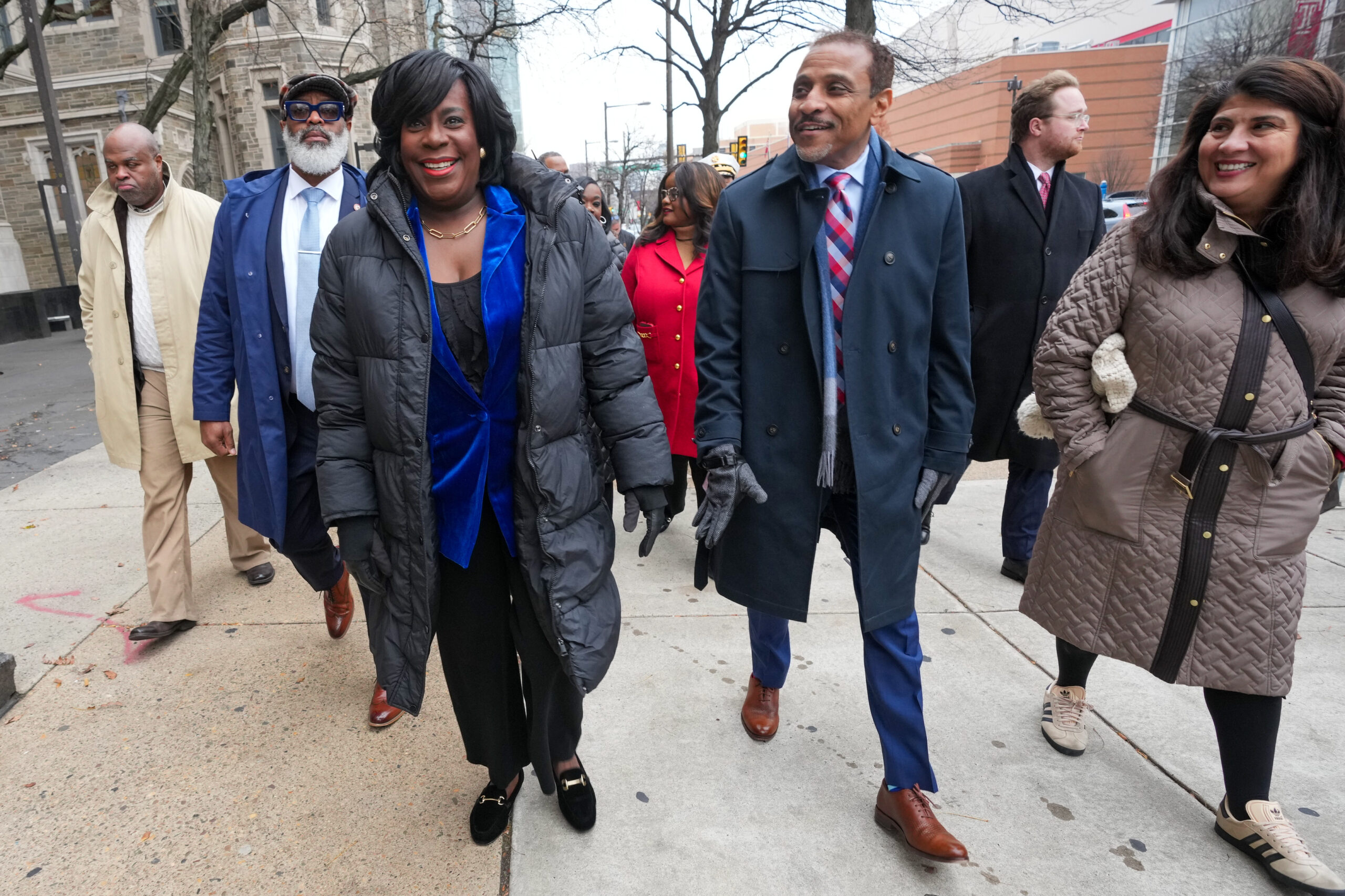
    Mayor Cherelle L. Parker and Superintendent Tony B. Watlington Sr. on Temple University’s campus in December 2024. Inequities in school facilities are unacceptable, the pair write.

    The Facilities Master Plan directly confronts these challenges. It takes a thoughtful, data-driven approach to aligning school buildings with student needs, enrollment trends, and program quality. The goal is clear: to expand access to strong academic offerings and enriching extracurricular programs across neighborhoods, while making smarter use of resources and improving learning conditions citywide.

    Ninety percent of impacted students will be reassigned to schools with comparable or better academic outcomes, and 100% of impacted students will be reassigned to schools with comparable or better academic outcomes and/or comparable or better building conditions.

    When students have access to well-equipped schools with robust programs, outcomes improve. Graduation rates rise. Attendance improves. Students are better prepared for college, careers, and civic life. These are not abstract benefits — they translate into a stronger workforce, safer neighborhoods, and a more vibrant local economy.

    The impact extends well beyond the classroom. Modernized and rightsized school facilities can anchor neighborhood revitalization. They attract families, support local businesses, and create hubs for community use — from recreation and arts to adult education and workforce training. Investments in schools are investments in communities.

    This plan also reflects a commitment to partnership and transparency. It is grounded in community engagement and recognizes that schools do not exist in isolation. The city of Philadelphia and the school district are working together to ensure that planning decisions consider housing, transportation, economic development, and public safety — because when we coordinate our efforts, everyone benefits.

    One of us, Mayor Parker, has made clear that creating a safer, cleaner, and greener city with access to economic opportunity for all is critically important to the success of our young people. Strong schools are foundational to that vision.

    The other one of us, Superintendent Watlington, has, over the past three years, led a series of sweeping improvements in the district: student attendance, teacher attendance, graduation rates, and test scores in grades four through eight have all increased. During the same period, dropout rates have decreased by more than half.

    The Facilities Master Plan brings these priorities together in a way that will drive even stronger and faster progress in an ambitious and responsible manner.

    Change is never easy, and conversations about school facilities can be deeply personal. Families care about their schools because schools are part of their identity.

    That is why continued engagement and listening will remain central as the plan moves forward. The school district and the city are committed to working with students, families, educators, and community members every step of the way.

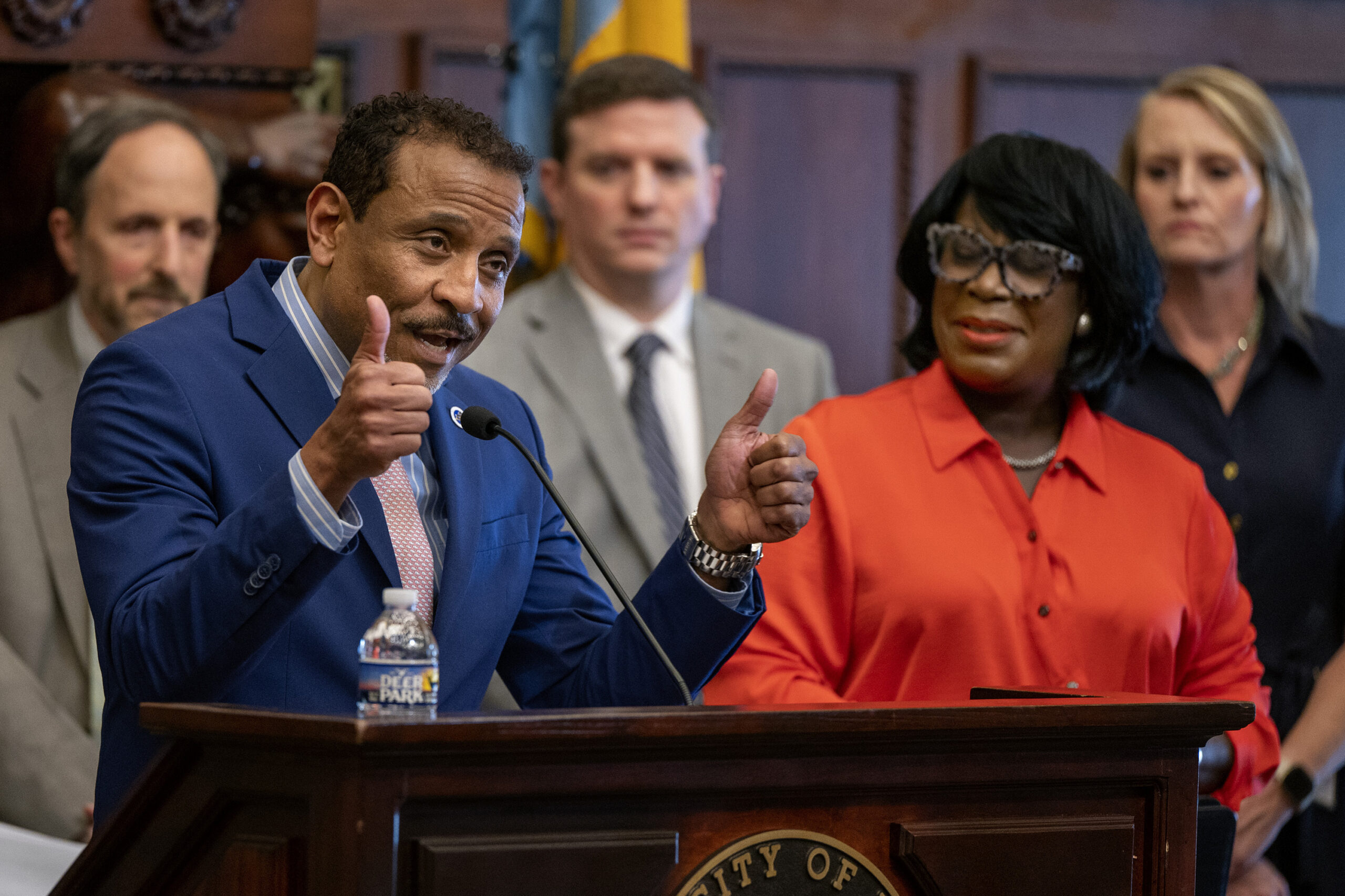
    Superintendent Tony B. Watlington Sr. joins Mayor Cherelle L. Parker at a City Hall news conference in August 2024.

    What unites us is a shared belief that Philadelphia’s children deserve the best we can offer — and that the city’s future depends on how well we prepare them today.

    This Facilities Master Plan is a long-term investment in equity, excellence, and opportunity. It is a commitment to making sure that no matter what zip code a child grows up in in Philadelphia, they have access to high-quality education and enriching experiences that open doors and expand horizons.

    By building better schools, we are building a stronger Philadelphia — for this generation and the next.

    Tony B. Watlington Sr. is the superintendent of the Philadelphia School District. Cherelle L. Parker is the 100th mayor of Philadelphia.

  • School closures would gut specialized magnet programs for students

    School closures would gut specialized magnet programs for students

    Philadelphia has been here before.

    In the early 2010s, school closures were presented as unavoidable and data-driven. Families were promised efficiency and reinvestment. What many communities experienced instead was lasting harm that never fully healed. That history matters now as the Philadelphia School District advances a new Facilities Master Plan that again relies on closures as a primary tool.

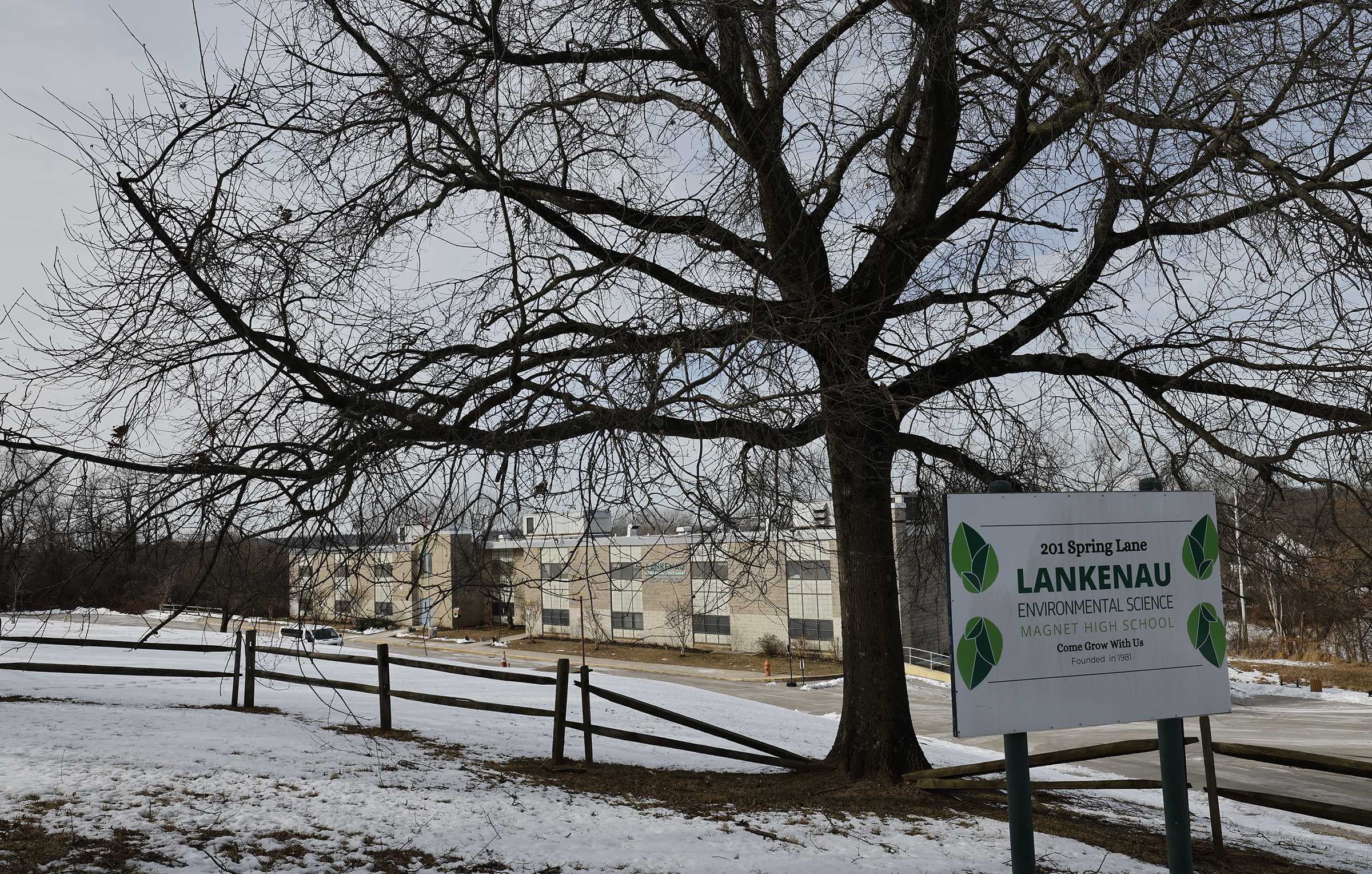
    This time, the risk extends beyond neighborhood schools to specialized magnet programs with a clear public purpose. Lankenau Environmental Science Magnet High School is among those proposed for closure, with its program folded into Roxborough High School as an honors track. Framing this move as a merger understates what would be lost.

    Lankenau offers a cohesive educational experience built around environmental science. That focus shapes classroom instruction and extracurricular programming, as well as long-standing partnerships outside the school. Students graduate with sustained exposure to climate science and its connections to public health, food systems, and urban sustainability. These experiences reinforce one another and help explain the school’s strong graduation outcomes and high college attendance rates.

    The timing of this proposal is difficult to ignore. Climate change is already shaping life in Philadelphia. Rising temperatures and flooding are becoming routine realities for many neighborhoods. Poor air quality continues to affect how residents live, work, and learn. Environmental inequities remain concentrated in Black and low-income communities. Preparing students to confront these conditions requires immersion over time, not sporadic exposure.

    The district argues that consolidating magnet programs into neighborhood high schools will expand access and strengthen those schools as community anchors. That logic assumes program quality can be preserved through reorganization alone. Experience suggests otherwise.

    A mission-driven school culture depends on sustained focus and institutional priority. Once reduced to a single track, that culture becomes fragile. Through Lankenau, students are participating in an Environmental Rights Amendment curriculum led by the Pennsylvania Bipartisan Climate Initiative, one rooted in civic engagement as much as environmental literacy. That depth of engagement would be hard to replicate in other schools without a dedicated institutional focus on this work.

    Environmental education is especially vulnerable to this kind of dilution. Partnerships with universities and community organizations take years to build. Internship pipelines depend on consistent coordination. Hands-on programs require both space and continuity. When these elements are separated, the whole weakens.

    The Board of Education has recommended closing or merging as many as 20 schools, including Lankenau in Roxborough.

    Equity concerns also deserve closer attention. Lankenau serves students from across North and Northwest Philadelphia who rely on district-provided transportation. For many families, this school represents access to a learning environment aligned with their interests and ambitions. Closing it narrows those options rather than expanding them.

    The Facilities Master Plan emphasizes data analysis, community engagement, and fiscal responsibility. Those factors matter. But they do not capture everything. Some schools provide value that cannot be reduced to enrollment figures or building utilization rates. When a public school consistently prepares students to engage with one of the defining challenges of this century, dismantling it should not be taken lightly.

    Climate literacy is not optional. It shapes workforce readiness and civic decision-making. Philadelphia should be strengthening pathways that cultivate this knowledge early and deeply. Offering environmental science only as an honors option signals a retreat from that responsibility.

    This proposal is not final. The Board of Education still has time to reconsider. Protecting schools like Lankenau would not undermine the broader goals of modernization or equity. It would reinforce them and affirm that preparing young people for a changing world requires more than consolidation.

    Concerned residents should sign up to attend an upcoming community engagement session on Feb. 3 and 4 to show support for our specialized magnet schools.

    Ashlei Tracy is a nonprofit leader with a background in environmental policy and biology. Her work centers around increasing civic engagement, policy literacy, and care for our shared planet.

  • ICE buys $87 million warehouse in Berks County as it plots expansion of immigration detention centers across the U.S.

    ICE buys $87 million warehouse in Berks County as it plots expansion of immigration detention centers across the U.S.

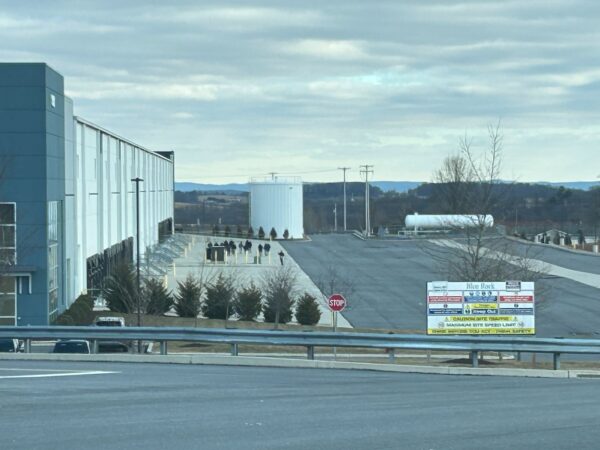
    UPPER BERN, Pa. — The Trump administration has quietly purchased a nearly 520,000-square-foot warehouse in Berks County as it plans to convert such facilities into immigration detention centers across the U.S.

    The warehouse, located at 3501 Mountain Rd. in Upper Bern Township, was sold to the U.S. government on behalf of the Department of Homeland Security and Immigration and Customs Enforcement for $87.4 million, deed records show. The purchase was recorded on Feb. 2.

    Spotlight PA visited the warehouse, which is located about a mile from I-78, on Jan. 15 and witnessed about two dozen individuals touring the exterior of the building. One man who arrived early to the site that day identified himself to a reporter as ICE.

    The property was most recently called the Hamburg Logistics Center, and before that was the site of the Mountain Springs Arena, a county landmark known for rodeos and demolition derbies. It neighbors an Amazon warehouse and the Mountain Springs Camping Resort.

    The building is one of at least 23 that ICE plans to convert into immigration detention facilities, Bloomberg reports. The Berks County warehouse could house up to 1,500 beds.

    ICE also finalized the purchase of a warehouse in nearby Tremont Township, in Schuylkill County, on Monday, according to a deed. The Tremont property is located less than 300 yards from a daycare center and has already faced fierce resident opposition.

    A spokesperson for ICE did not answer any questions about the Berks County warehouse purchase and instead lauded the agency’s targeting of “vicious criminals.”

    “Thanks to the One Big Beautiful Bill, ICE has new funding to expand detention space to keep these criminals off American streets before they are removed for good from our communities,” the spokesperson said.

    Upper Bern Township’s solicitor said in an emailed statement that community leaders learned about the sale on Monday. They declined to answer questions.

    “The township was not involved in this transfer and has not received any applications from either the prior or new owners regarding the future use of the property,” the statement reads. “The township has no further comment on this matter at this time.”

    State Sen. Chris Gebhard and State Rep. Jamie Barton, Republicans who represent the area, said they have reached out to federal contacts to gather more information on how the Department of Homeland Security plans to use the warehouse.

    “Our immediate concerns include the potential loss of property tax revenue for the host municipality, county, and school district, as well as security and perimeter considerations,” the lawmakers said in a joint statement. “We look forward to engaging directly with the appropriate federal officials to address these issues. Once additional information is available, we will provide an update.”

    The property is assessed at $22 million and currently pays $198,286 annually in county property taxes under the current tax rate of 9.013 mills. Combined with Hamburg Area School District and township taxes, the loss of tax revenue from the federal government’s purchase would be about $624,000.

    State Sen. Judy Schwank (D., Berks) declined to comment on the warehouse purchase on Monday. In an earlier interview with Spotlight PA, she called the then-potential sale “deeply concerning,” especially given the reports of mistreatment of people detained in ICE facilities. She released a statement about “ICE’s action in Minneapolis” on Jan. 27, shortly after federal agents killed Alex Pretti.

    “My concern is, knowing the track record of some of these other facilities located throughout the country, it’s not good,” she said. “I don’t necessarily want to see something like that being housed in our county.”

    The deed finalized on Monday shows the property was sold to ICE by an LLC connected to PCCP, a national commercial real estate equity firm. The firm purchased the warehouse in 2024 for $57.5 million, deed records show.

    Reached by phone Monday afternoon, PCCP partner Greg Eberhardt — who is the authorized signatory for 3501 Mountain Road Owner LLC on the latest deed — denied knowledge of the property and its sale, and refused to comment further.

    “I have no idea what you’re talking about,” Eberhardt said before hanging up on a Spotlight PA reporter. “I’m not making company comments.”

    Upper Bern Township is situated on the edge of Berks and Schuylkill Counties, with a population of roughly 1,600 people. The community is mostly white, with only 2.8% of residents identifying as another race, according to the 2020 Census.

    Bridget Cambria, an attorney with Aldea, a nonprofit that provides pro bono immigration legal services, said the detention center would have a “disruptive” and “chilling” impact on Berks County’s immigrant community.

    “If there are people that live freely and at peace knowing that they do the right thing, they can do their immigration process or stay with their family or figure out a way to legalize their status, they’re going to be more afraid to do that with a giant detention center in their backyard,” Cambria said.

    A 2022 study by the Detention Watch Center and the Immigrant Legal Resource Center found that immigrants were more likely to be arrested by ICE in counties with more detention bed space.

    This story was produced by the Berks County bureau of Spotlight PA, an independent, nonpartisan newsroom. Sign up for Good Day, Berks, a daily dose of essential local stories, at spotlightpa.org/newsletters/gooddayberks.

    BEFORE YOU GO … If you learned something from this article, pay it forward and contribute to Spotlight PA at spotlightpa.org/donate. Spotlight PA is funded by foundations and readers like you who are committed to accountability journalism that gets results.