Tag: topic-link-auto

  • Next up for the United States? Belgium. We predict which one heads to the quarterfinals of the World Cup

    Next up for the United States? Belgium. We predict which one heads to the quarterfinals of the World Cup

    The storylines behind this game are numerous, and on Sunday, the biggest got heaped on with the news that Folarin Balogun, America’s top striker, had his red-card suspension pardoned and is available for selection.

    When the U.S. men’s national team kicks off against Belgium on Monday, the group will look to get into the quarterfinal rounds for the first time since 2002. Standing in the way is a reinvigorated Belgian side, coming off a come-from-behind win against Senegal in the round of 32.

    Folarin Balogun is back for selection to Mauricio Pochettino’s 26-man U.S. roster after his red card suspension was overturned by FIFA.

    But standing firm is the return of Balogun, whose red card suspension was overturned on Sunday, with FIFA deciding to lift his one-game match ban to much shock and awe.

    Rumors continue to circulate about why FIFA lifted the ban, considering U.S. Soccer was unable to initially appeal it, but American fans will take the bonus of head coach Mauricio Pochettino having his full 26-man roster to choose from against a Belgian team entering undefeated in this World Cup.

    Still, Belgium’s winning ways haven’t always been the most spectacular, which gives many the idea that the U.S. has a very good chance of knocking off the Belgians, particularly on home soil, in front of what’s expected to be a raucous crowd in Seattle on Monday night (8 p.m., Fox29). It’s particularly why oddsmakers have the United States as a slight favorite, and why we gave this one some serious thought before offering our predictions.

    Jonathan Tannenwald

    Decisions have consequences, and not always the ones you want.

    Yes, the U.S. now has its top striker available to play in the biggest game in team history. But FIFA’s shocking decision to suspend Folarin Balogun’s suspension will have also given Belgium all the motivation it needs to finally play up to its talent.

    Belgium might be the most maddeningly inconsistent of all the major European national teams. The Red Devils are loaded with stars, as they showed off in routing the U.S. 5-2 in Atlanta in March; but they’re just as capable of the lifeless ties they played against Iran and Egypt in the group stage.

    I thought the 5-1 rout of New Zealand in the group stage would wake them up, but then they were awful against Senegal until that late rally. Rudi Garcia might not be a great manager, but any coach should be able to fire up a team in a situation like this.

    Until FIFA’s decision, much of the world was enjoying this U.S. team’s run. Now they’ll turn against the co-hosts, and not even the crowd in Seattle will be able to stop that. Nor will it be able to stop Belgium from knocking the Americans out of another World Cup.

    Prediction: Belgium 2, United States 1.

    Kerith Gabriel

    Having Folarin Balogun back is a huge plus for the United States, but let’s keep focus on Belgium here for a bit. For all the people who suggest that this Belgium team might not be as good as advertised, it’s undeniable that this team hasn’t lost in international play since the first leg of a UEFA Nations League match against Ukraine in March 2025.

    Against Senegal, despite being down 2-0 for much of the match, the Belgians came in waves with midfielder Youri Tielemans being the catalyst behind relentless runs that culminated in two goals, one of which was the game-winner in overtime. When the U.S. hosted Belgium in a tune-up match before the World Cup, it was the Americans who got tuned up behind a 5-2 defeat.

    Is there a belief that the final score will be that bad again? No way. But even with Balogun, given the results Belgium amassed, it’s hard to see the road continuing for the U.S. past Monday night.

    Prediction: Belgium 3, United States 1.

    Owen Hewitt

    The U.S. should like its chances against Belgium a lot better after FIFA put Folarin Balogun’s one-match red card suspension on hold Sunday afternoon, making the Americans’ top striker available for Monday’s round of 16 match.

    Without Balogun, who leads the U.S. with three goals in the tournament, the situation against the Belgians looked dire. With him in the lineup, the States could challenge a Belgian side ranked No. 9 in the FIFA rankings.

    Belgium’s Kevin De Bruyne is one part of a three-headed Belgian monster who knows this American group all too well.

    Still, it will matter which version of an inconsistent Belgian team shows up on Monday. The Belgians looked lifeless through 85 minutes of their round of 32 match against Senegal before producing two goals in the game’s final five minutes to force extra time, where they found a winner from the penalty spot.

    Romelu Lukaku, Thibaut Courtois, and Kevin De Bruyne know what it takes to beat the U.S. in the knockouts, having done so in the 2014 edition of the tournament. Belgium’s aging stars will be desperate to keep their final attempt at World Cup glory alive. Will they be able to do so against a confident U.S. team buoyed by the return of their star striker? It should be close.

    And for the first time in the history of the U.S. men at the World Cup, it might come down to penalties. If it gets there, I think the Belgians will have the advantage.

    Prediction: Belgium 1, United States 1 (Belgium wins, 4-2, on penalties)

  • David de Garavilla’s rise continues in adaptive golf with third straight trip to the USGA Adaptive Open

    David de Garavilla’s rise continues in adaptive golf with third straight trip to the USGA Adaptive Open

    David de Garavilla has always been a competitor.

    As a child, the Telford native played every sport he could — from soccer, to baseball, basketball, wrestling, and football.

    Even after a life-altering injury during his sophomore year at Downingtown West High School resulted in the amputation of his left leg below the knee, de Garavilla never questioned whether he would compete again.

    “Sports were always something that I had done, so I wanted to continue doing it,” said de Garavilla, 43. “I’m going to do it if I’m able, so I was going to try everything and figure out a way to make it work.”

    With his competitive nature pushing him through, de Garavilla will be teeing off today in the USGA’s U.S. Adaptive Open, which runs through Wednesday at Woodmont Country Club in Rockville, Md. It marks the third consecutive year he has qualified for the championship, and de Garavilla is among 96 players to earn a spot in this year’s field.

    The USGA received 250 entries for the 2026 Adaptive Open and hosted eight 18-hole qualifying events across the country.

    “It’s no easy feat qualifying for a USGA event,” said Matt Hensel, his friend and caddie. “It’s hard to do that once, but three times in a row just shows his passion and love for the game, and his motivation to win.”

    In 1998, de Garavilla was playing in a junior varsity football game for Downington West when he broke his left leg. Doctors tried to fix his leg, but three weeks later, after several complications, his leg was amputated below his knee. Immediately following his surgery, he was fitted for a prosthetic and endured months of strenuous rehab.

    Soon after, he was back competing. He padded his prosthetic and by the start of his junior year in 1999, he returned to the football field, playing offensive line on junior varsity and long snapper for the varsity team.

    After his injury his sophomore year, the Eastern Amputee Golf Association in Bethlehem, Pa., learned of his amputation and reached out to de Garavilla with information about adaptive golf opportunities. The EAGA’s main goal is to organize and host amputee golf events for physically impaired individuals and teach them about the sport. At the time, he had little interest because he had never played golf.

    It wasn’t until after wrestling at Johns Hopkins University that de Garavilla bought his first set of clubs, looking for another opportunity to compete.

    “Sports dried up after college, and I didn’t have anything to do competitively,” de Garavilla said. “At that point I was just working, but there was a nine-hole work golf league, so I went out and tried that.”

    David de Garavilla has developed into one of the area’s top adaptive golfers.

    Golf quickly became his primary competitive outlet, he said. He never had any formal lessons, so he taught himself by studying the game.

    “I watch a lot of golf, read about golf, watch videos about people talking about the mechanics of golf,” he said. “I’m a nerd in that sense.”

    Over the past 15 years, he has developed into one of the area’s top adaptive golfers. He won the second Golf Association of Philadelphia Adaptive Open at his home course, Indian Valley Country Club, in 2025, and competes often against able-bodied golfers.

    However, competing in an USGA event is the biggest honor, he said. The growth of adaptive sports de Garavilla has seen since his injury has been significant.

    “It’s really cool that these organizations are creating an event like this,” he said. “It isn’t a charity event to celebrate people with disabilities, it’s really run just like a real U.S. Open. You truly feel like you’re a part of a professional event as a participant.”

    Hensel met de Garavilla at Indian Valley Country Club when they started playing golf around the same time and has caddied for him at the Adaptive Open since 2024. Hensel, who works with people with intellectual disabilities daily, said he’s grateful to be de Garavilla’s caddie and be surrounded by hardworking athletes at a USGA event.

    “Adaptive athletes’ stories are really inspiring, but at the end of the day, they’re competitors and they’re good golfers, and I think that’s the real story behind it,” Hensel said. “They’re out there to win, and David is definitely like that. From my perspective, it’s just cool to see all the different types of folks out there competing and grinding, and it is definitely inspiring to see.”

  • The one reason you can’t completely rule out the Sixers for LeBron James

    The one reason you can’t completely rule out the Sixers for LeBron James

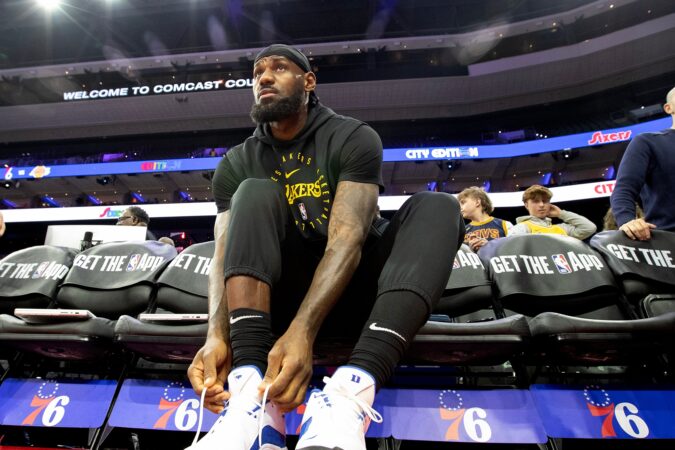
    Rich Paul said something the other day that is worth a little bit of reflection for anybody who rolls their eyes at the idea of LeBron James joining the Sixers.

    Paul, the NBA superagent who was essentially created by James and who also hosts a podcast alongside former ESPN personality Max Kellerman, claimed that the Knicks would have been James’ clear first choice had they not won an NBA title this season.

    “If the Knicks hadn’t have won, this wouldn’t even — there would be no board. He’d be going to the Knicks,” Paul said to Kellerman as he was breaking down James’ potential landing spots.

    The comment was both surprising in its bluntness and unsurprising in its conclusion. To anybody who had followed James’ career and psychologically profiled him from afar, it would have made perfect sense if he decided to go where he would be the biggest fish in the biggest pond and also have a chance to write a story that ended up near the top of the local history books.

    That probably sounds discouraging to anybody who had been holding out of picking Philadelphia from the list of 10-14 potential destinations Paul broke down for Kellerman. And let’s be clear, that’s probably the correct interpretation. Hey, we all love Philly. But it’s generally not a place for people who dream of places like New York, Los Angeles, and Miami.

    Except, there’s another way to interpret Paul’s comments, at least as it pertains to James’ psyche heading into his 24th season in the NBA. While it is impossible to overlook his clear affinity for the bright lights and big city, James also clearly cares deeply about his legacy and his place in the historical record. Neither the Clippers nor the Nets are on his list, after all. His desire for the Knicks would have been as much about the story as the setting. Not only would he have had a chance to become the first player to win four NBA titles with four different teams, he would have won each of them in a place where they meant something.

    Such motivation is perfectly reasonable. Inevitable, even. When a competitor spends two decades as the undisputed greatest player in his sport, he needs to find something else to compete against. For many of them, that something is history. James has accomplished more than almost all of the greatest of the greats, and thus needs to keep coming up with new historical challenges to overcome. Leading the Knicks to their first title in 50-plus years would have been the ultimate bucket list item. But Jalen Brunson did it first.

    The Sixers aren’t to Philly what the Knicks are to New York. As far as I know, Taylor Swift and Travis Kelce didn’t tour Xfinity Mobile Arena as a potential wedding venue. That being said, the Sixers do offer James a chance to do something novel. You can’t say that about many of his potential landing spots.

    What could James accomplish in Denver, Golden State or Boston? All have won championships within the last decade led by stars who’ve spent their entire careers with the organizations. Each has a significant edge over Philly if James’ goal is basketball nirvana. Playing alongside Steph Curry or Nikola Jokic or Jayson Tatum would be a hell of a lot of fun, and any of the three could arguably offer James a better chance at winning a title. But none of them offer him a chance to prove something one last time.

    In Miami and Cleveland, James has been there and done that. Miami would offer him a unique narrative symmetry along with a chance to play alongside Giannis Antetokounmpo. He went back to Cleveland and won a title with a totally different team from his first stint. Now, he can do the same in Miami. That’s almost as compelling as the prodigal son returning home to close out his career where his heart has always remained. The problem with both situations is the fit.

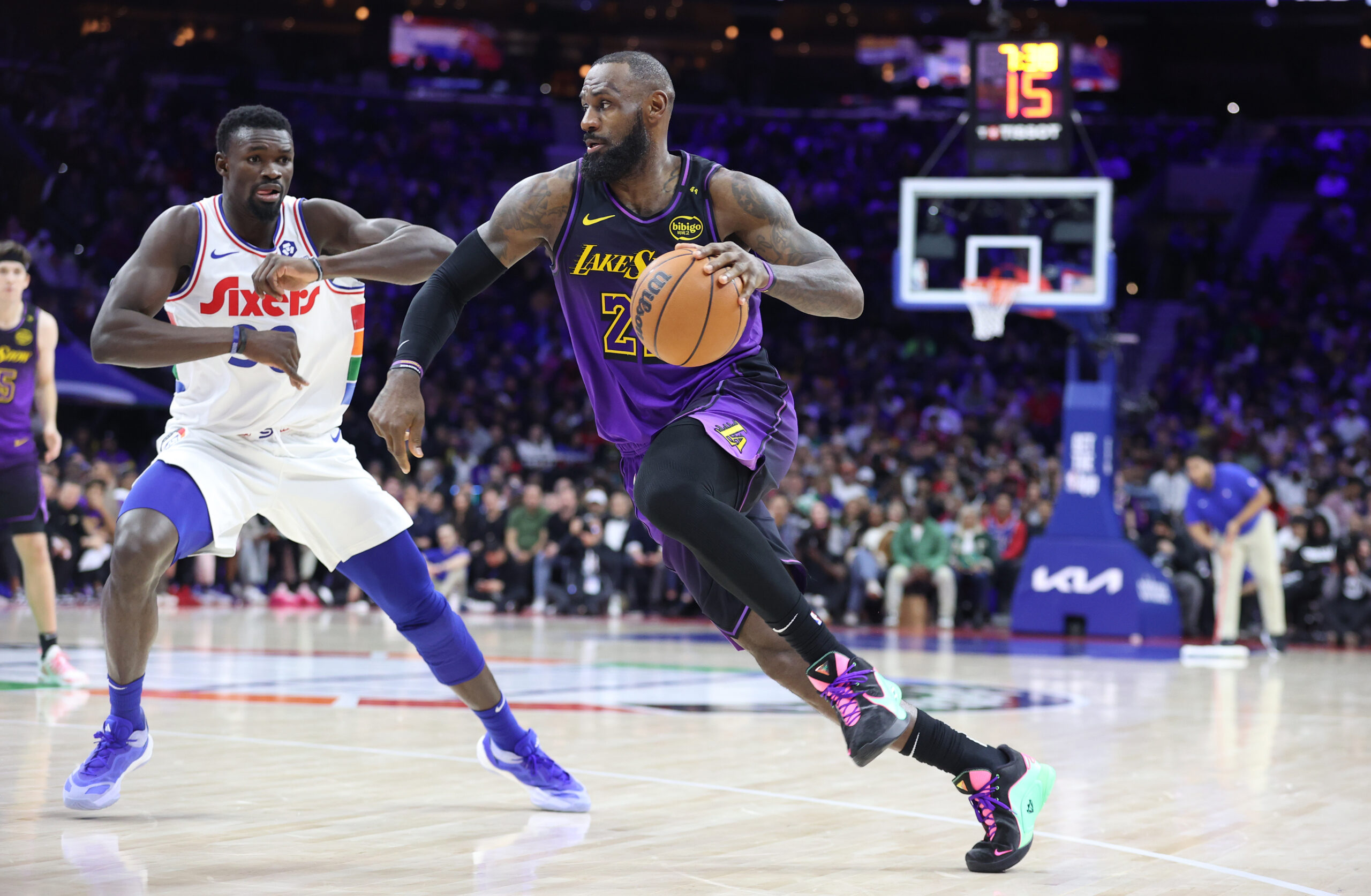
    Look, James would fit pretty much anywhere, even at 42 years old, which he’ll turn Dec. 30. He averaged 20.9 points, 7.2 assists, and 6.1 rebounds last season. His efficiency remains elite. He led his team to a first-round upset of the Rockets before getting swept by the Thunder. The question is whether he would enjoy playing basketball with James Harden in Cleveland.

    LeBron James averaged 20.9 points during the 2025-26 season.

    In Miami, the trio of LeBron, Giannis and Bam Adebayo might be too clunky to get it done given the Heat’s deficiencies in the backcourt and in overall depth. One can argue the Sixers with LeBron have a chance to be a much more enjoyable experience, and potentially much better team than Cleveland and Miami. Going home again comes with the risk of undoing some of the good feelings you carried with your initial departure. Does LeBron really want to risk ending his career in either city with disappointment?

    I’ll believe James is seriously considering joining the Sixers as soon as I see him shaking Mike Gansey’s hand in front of the cameras and fielding questions from reporters at the team’s practice facility in Camden. In the event he does not hold an introductory news conference this summer, I will believe he is joining the Sixers the moment I see him at training camp in a Sixers jersey. Even then, I might want to at least poke him with a finger to make sure my eyes do not deceive me.

    We’ve done this dance before, haven’t we? Once upon a time Ben Simmons was the Klutch Sports mentee and Joel Embiid was the rising superstar. It was only eight years ago that Josh Harris and Brett Brown climbed aboard the Starchaser Enterprise and flew out to California with the hope that they could sway James to sign with the Sixers. Somehow, they managed to express these hopes with a straight face. The result was little more than a needlessly expanded carbon footprint. The Sixers didn’t even get face time with James himself, and the four-time MVP wound up signing with the Lakers, as everybody had long expected.

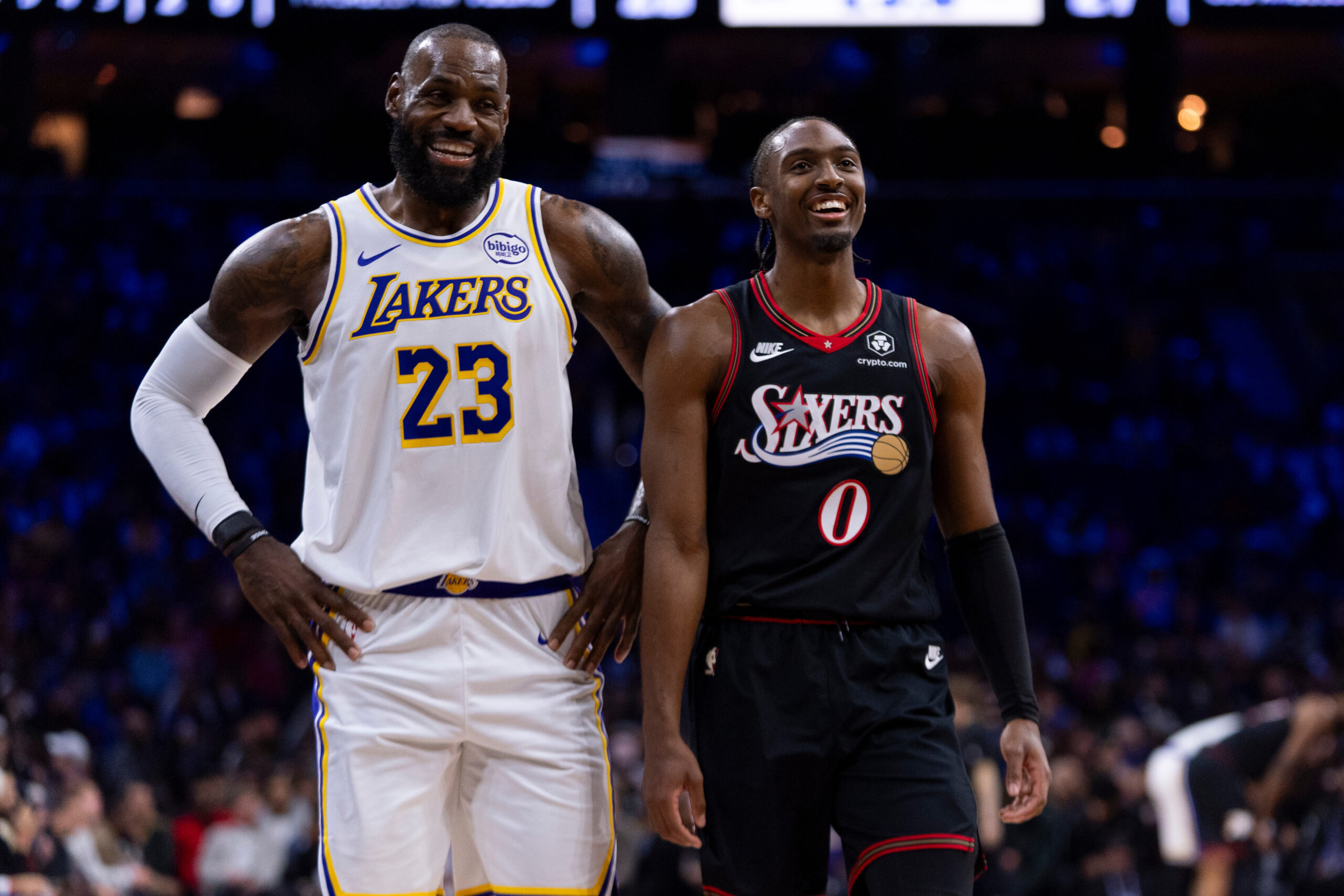
    LeBron James and Tyrese Maxey are both members of Klutch Sports.

    At this point, there is little reason to assume that things will play out any differently. The one commonality between all three of James’ free agencies is that they’ve all involved a level of protracted drama that, in hindsight, seemed at least partially contrived. In all three instances, James wound up in a place that looked like the most obvious option, at least in hindsight. The first time he left Cleveland, and went to a place where he could build his own superteam in America’s premier locale for the young, rich and famous. His return to Cleveland both rebuilt and burnished his standing as a hometown legend. The Lakers are the Lakers.

    No offense to James, and no offense to Gansey or Bob Myers or Tyrese Maxey or whoever else thinks their personal connection to the King is strong enough to convince him to spend what could be the last season or seasons of his career in a city that offers a tiny fraction of the prestige or narrative value of several of the other potential destinations he is allegedly considering after opting out of his Lakers contract.

    I’m not suggesting that anybody on the Sixers side is deluding themselves, and I’m not suggesting that James or Paul is feeding those delusions in bad faith. I’m sure Paul would be thrilled to see James team up with Maxey, another one of his clients at Klutch Sports. I’m sure James loves Maxey, who is impossible not to love, and it’s more than possible that he feels a genuine connection to Gansey, a fellow former Ohio schoolboy star who began climbing up the ranks of the Cavaliers front office around the same time James returned to Cleveland after his four seasons with the Heat. I’m far from sure that any of that will matter in the end.

    The Heat and Cavaliers make the most sense from an end-of-career narrative standpoint. The Warriors and Nuggets make the most sense from a pure basketball bliss standpoint. For James to choose the Sixers, he’d need sentiment, basketball bliss, a setting to take a backseat to his desire to put his singular imprint on a new city and a new organization, and to potentially leave both of those entities better off after he is gone than they were before he arrived.

    As long as the Sixers can offer him that, you can’t rule him out.

  • Photo Essay: The faces keeping Philadelphia’s history alive

    Photo Essay: The faces keeping Philadelphia’s history alive

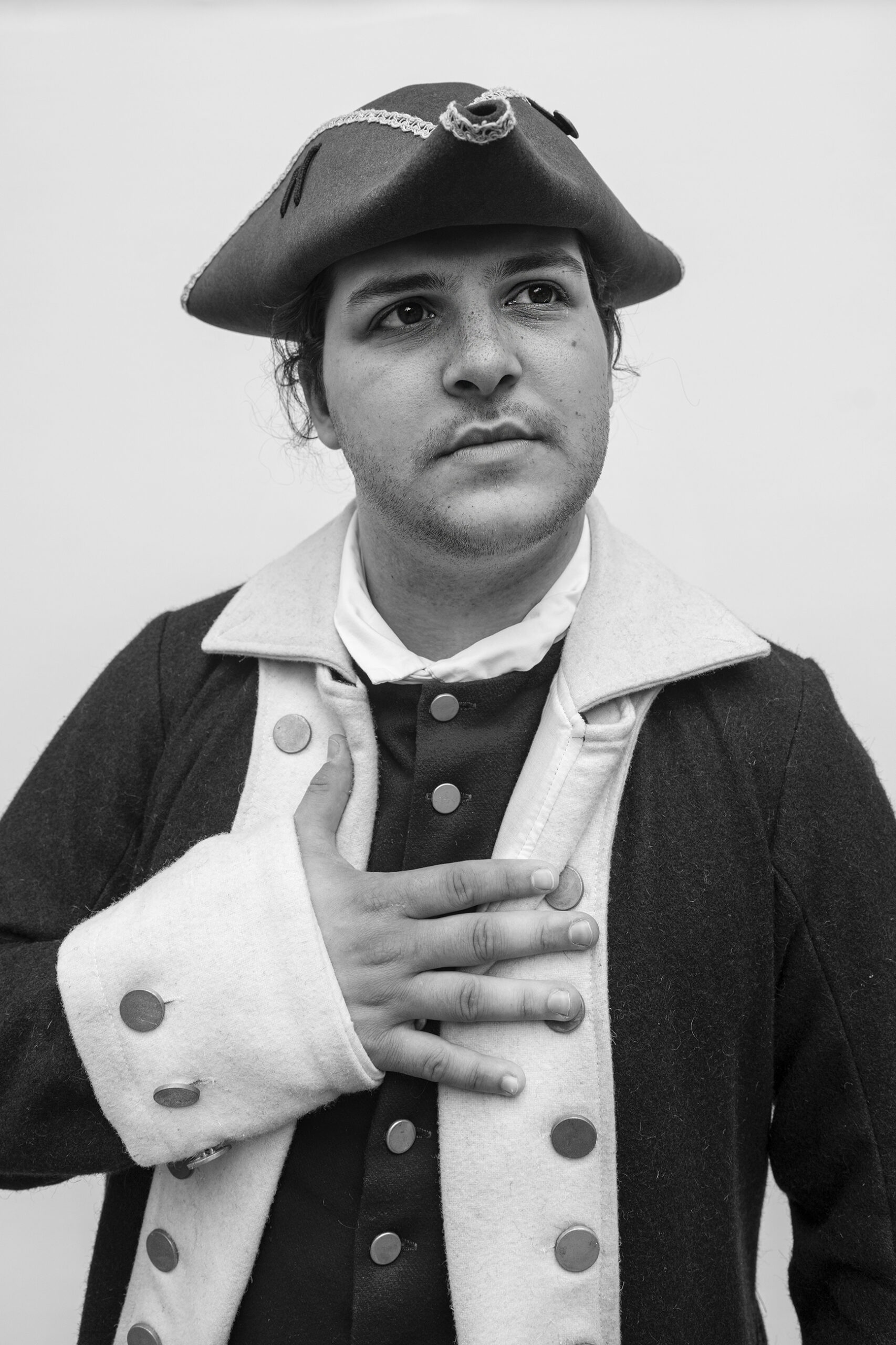
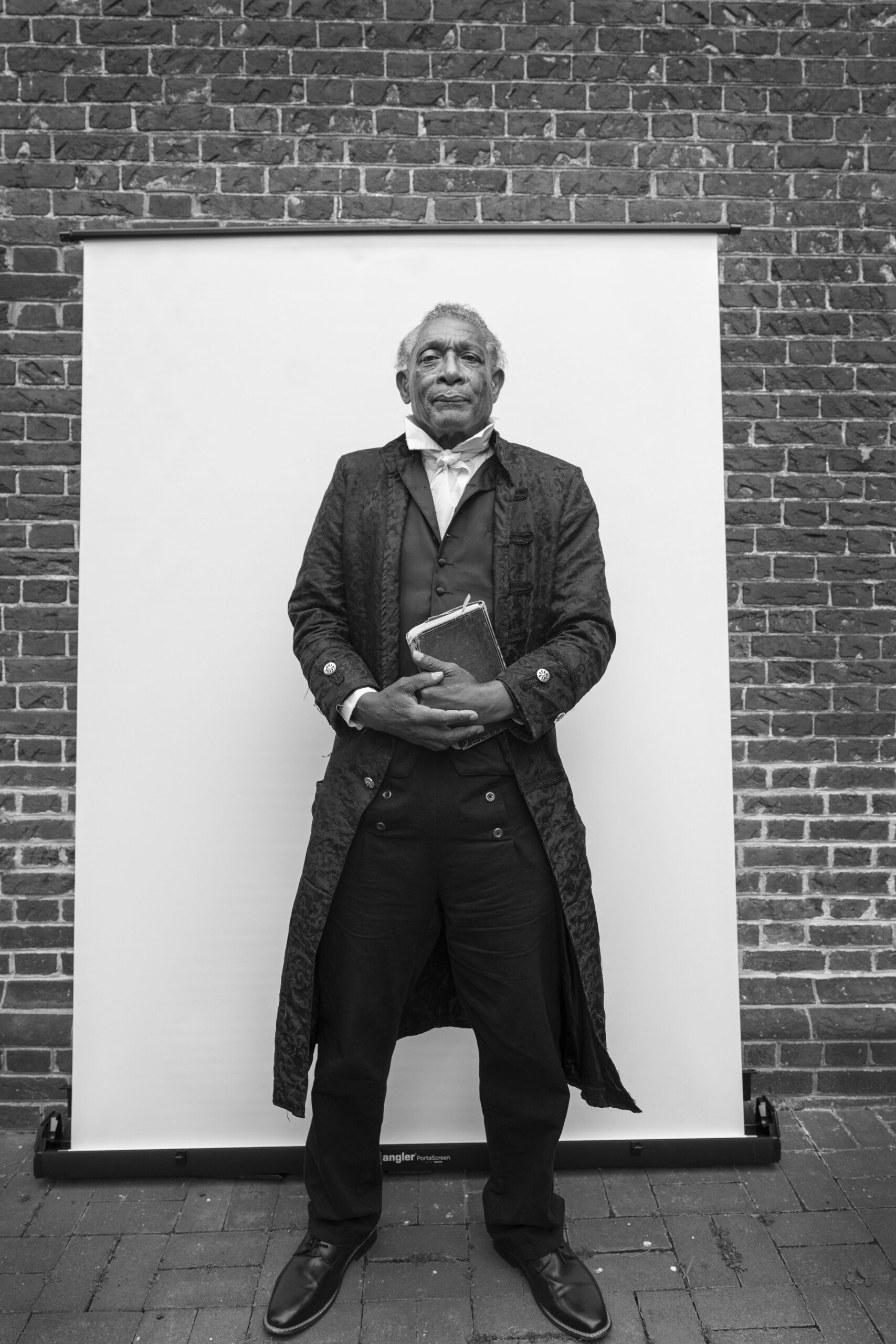
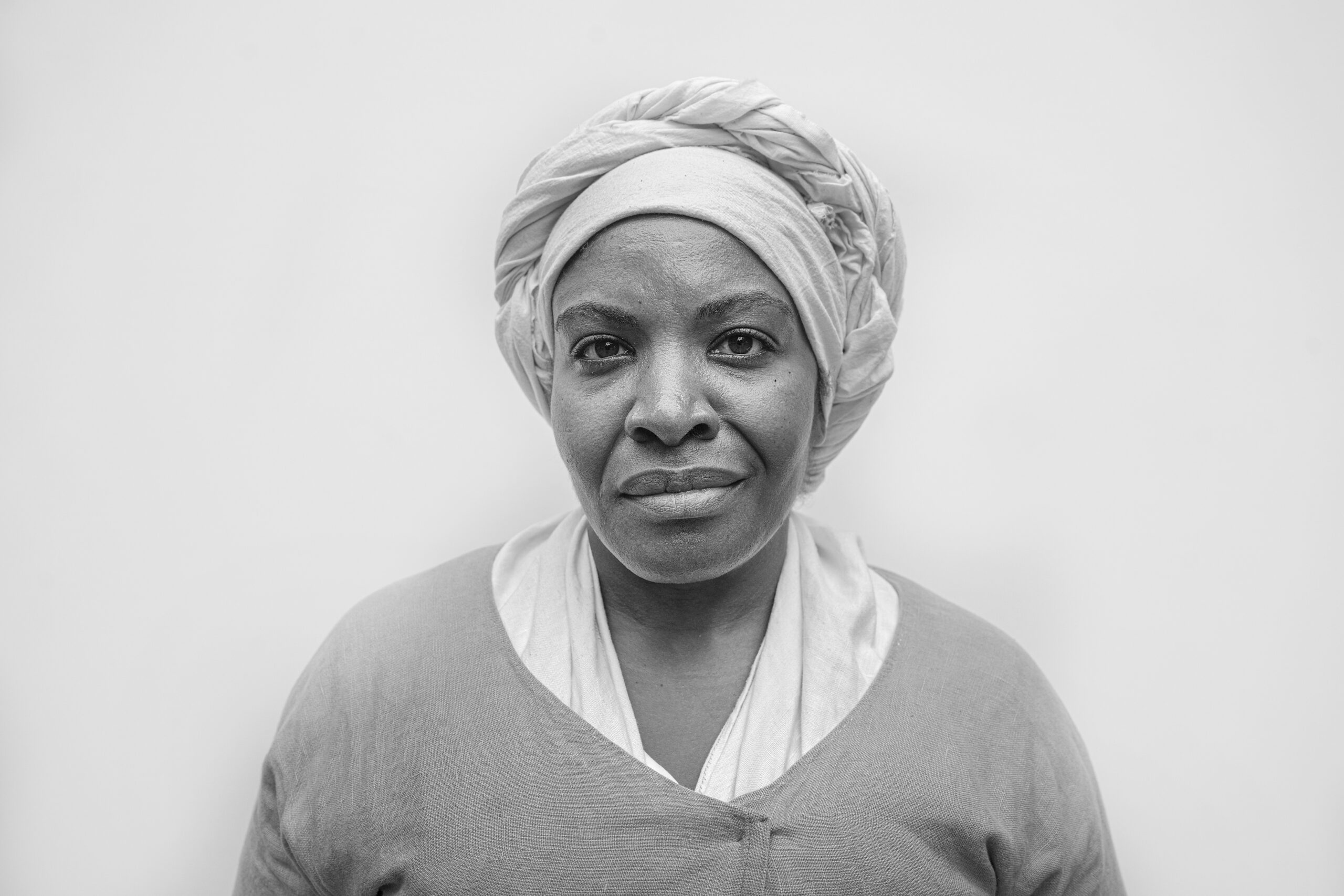
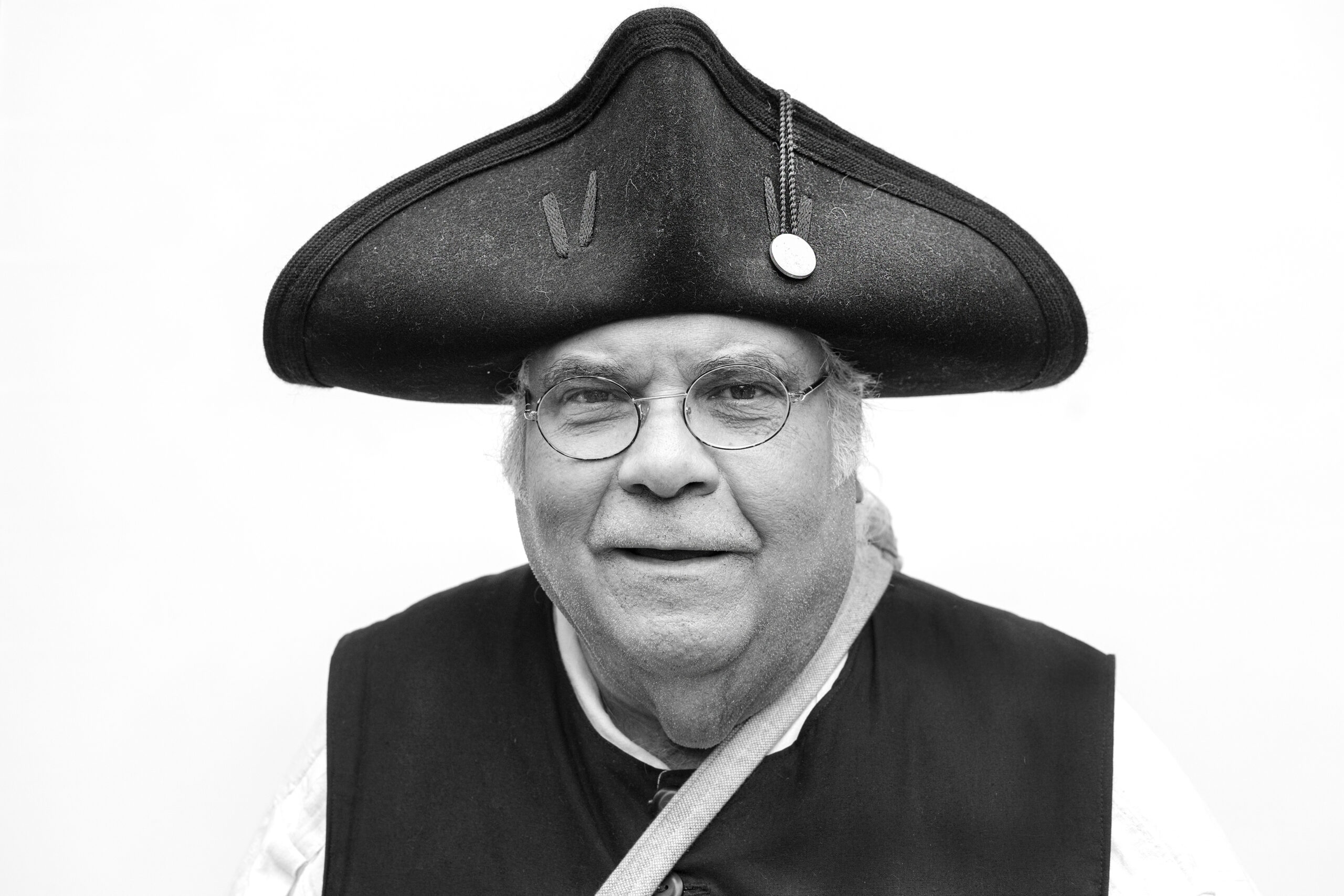
    As Philadelphia celebrates America’s 250th anniversary, I wanted to focus on the people who help keep the city’s history alive every day. These individuals, known as the History Makers of Historic Philadelphia Inc., bring Philadelphia’s founding story to life through their work and interactions with the public. Whether they are welcoming visitors at Independence Mall, sharing stories at the Betsy Ross House, or simply walking the streets of Philadelphia in period clothing, they create connections between the past and present. For many visitors, these encounters are their first personal experience with the city’s history. Through conversation, storytelling, and character portrayal, the History Makers make Philadelphia’s past feel real and accessible. Photographed against a plain white background, these portraits remove the historic settings and costumes from their usual context and place the focus on the individuals. This project is a recognition of the people whose passion, knowledge, and dedication help tell Philadelphia’s story as the city celebrates this historic milestone.

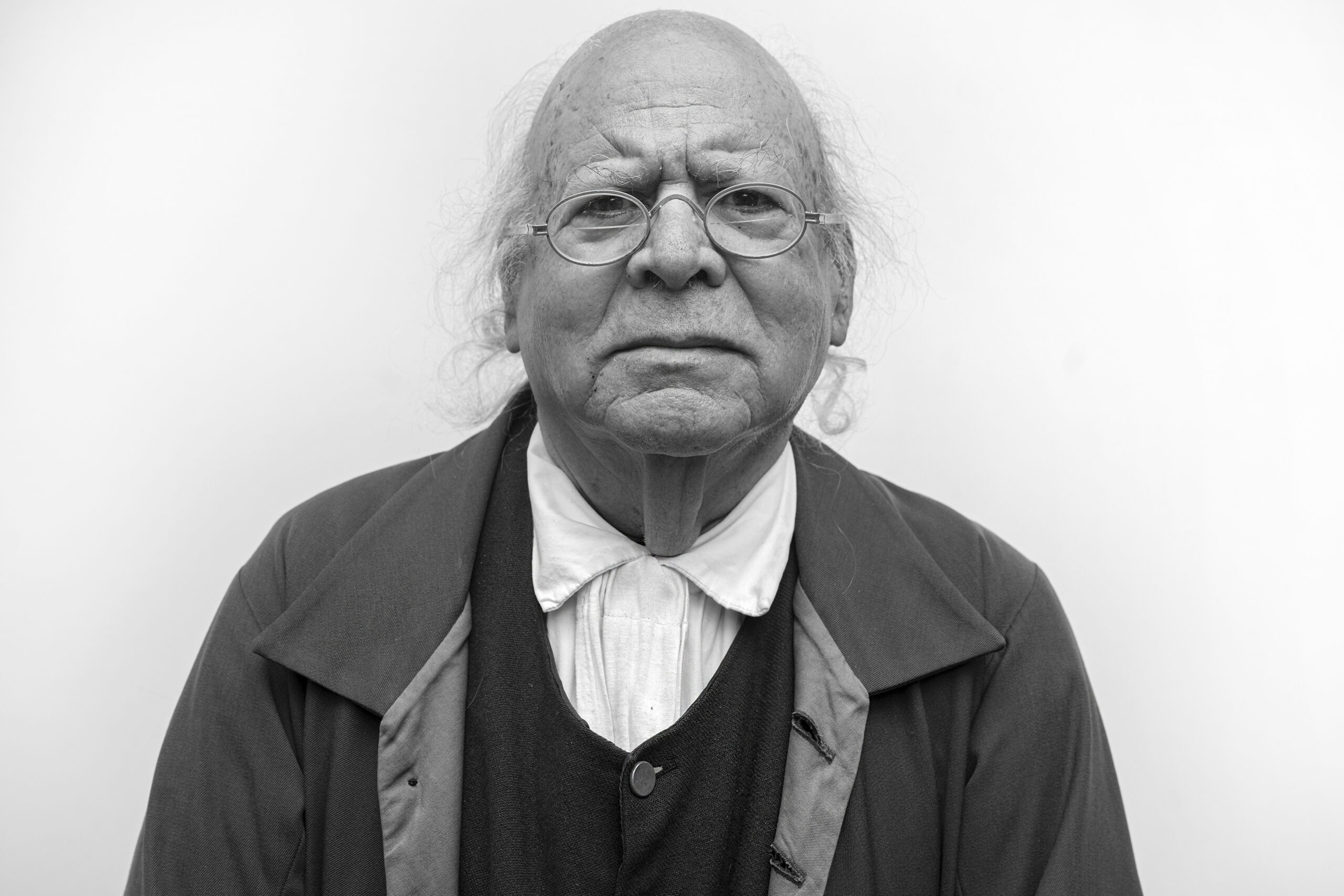
    Shecky Perlman as Benjamin Franklin. “The reasons I most like portraying Dr. Franklin are his wit and humor. I believe these qualities aided him greatly in accomplishing all that he did in his lifetime and, as one recent biographer said, made him ‘the first real American.’”
    Zoe Hollander as Mary Crathorne. A chocolate maker and business owner living in 18th century Philadelphia. Following the death of her husband, Mary became sole proprietor of the business and successfully managed operations on her own, while providing for her three young children. “I enjoy portraying Mary because she is an ambitious woman that when faced with tragedy, allowed herself time to mourn, evaluated her options, and then rolled up her sleeves and got to work.”
    Josh Gold as Joseph Plumb Martin. “I play Joseph Plumb Martin, who joined up with the Revolution at 15 and fought for the duration of the war. It’s an honor to tell this person’s story because it highlights the fact that our independence was won by everyday people who said ‘enough’ and that everyday, regular people can change the world when they choose.”
    Robert Branch as Bishop Richard Allen. “Founder of the first independent African Church denomination in the U.S., A.M.E., African Methodist Episcopal. I love interpreting this historical figure because he is a Founding Father of struggle to overcome slavery and racism in this nation.”
    Jackson Pavlik as Benjamin Franklin. “It’s a treat to play Franklin because he reminds me of the curiosity inherent to the American spirit. I also get to wear a fun wig!”
    Kaitlin Healy as Susanna Cooke. “A Philadelphia woman who came of age during the American Revolution. In 1793 her husband passed from the yellow fever epidemic, and she turned to renting her home and working as a laundress to make ends meet. While many were still reveling in our newly found independence, she was struggling with her own. She stands as a testament to every woman who has had the courage and resilience to keep going after everything falls apart.”
    Nell Fossa as Betsy Ross. “Betsy is credited with making the first flag, but more than that, she represents the multitude of contributions that working-class women made to the Revolution. This year, I especially love having the privilege of portraying such a strong woman.”
    David Scott Taylor as Gideon Olmsted. “As a privateer, in support of the fight for independence, the young Captain Gideon Olmsted mutinied and captured a British merchant vessel, the Active, off the coast of New Jersey. Before he could get to the privateering center on the coast of New Jersey, two ships from the Pennsylvania Navy intervened and the case ended up before the admiralty court in Philadelphia. This led to a 30-year ordeal which was finally resolved before the fledgling Untied States Supreme Court. This is a good character for me, partially, because he lived to ‘advanced’ age and I am not so young anymore. The story is also rich with historic significance and name-dropping of others involved, such as George Ross, Benedict Arnold, and David Rittenhouse.”
    Miriam Reid as Milcah Martha Moore. “One of those figures who wasn’t monumentally historically important in their day, but serves as an excellent tool for modern day research. Between her dedication to documenting prominent female poets of her time and her extensive family connections, playing Milcah gives me the opportunity to talk about a little bit of everything and inspire curiosity about topics people might never have thought could be interesting.”
    Miranda Thompson as Hannah Till. “Playing Hannah Till gives me the continued strength to persevere throughout the uncertainties of life. Mrs. Hannah believed in and achieved her freedom and I believe I can continue to have mine.”
    Coe Kummer as Jacob Hiltzheimer.
  • This chiller-than-happy-hour European drinking tradition is taking over Philly

    This chiller-than-happy-hour European drinking tradition is taking over Philly

    As the most popular dinner reservation times trend earlier and daycaps (aka late afternoon drinks) replace post-dinner cocktails, some Philadelphia bars and restaurants are forgoing happy hour for something with a chiller, convivial vibe: aperitivo.
    A longstanding European tradition, aperitivo — which means “to open” in Italian — refers to the late afternoon and early evening hours ripe for lighter-paced drinking and snacking. While other countries have their own words for it (“apéro” in France, “la hora del Vermut” in Spain), the menu always includes fortified wines, bittersweet cocktails and liqueurs, and small bites meant to stimulate appetites.

    The ritual is a natural fit for Philadelphia, the so-called “Frenchest city in America,” and its rise of Euro-American-inspired bars and restaurants. Operators are leaning into food-driven aperitivo hours to stretch out the day longer and cater to diners that are going home earlier and drinking less. Signature aperitivo drinks — classic negronis, savory vermouths, and bittersweet amaris — aren’t as heavy or fast-paced as half-priced beer and shot specials, and often come with sidecars of salty snacks, like cured meats, olives, and bread. Others, like an Aperol spritz or an Americano perfecto (a spaghett-style cocktail with beer, Vermouth, Campari, and an orange slice), tend to be lower in ABV.

    People are “drinking earlier, coming right from work, and getting a small spritz, a snack, and then going to dinner,” said Benjamin Kirk, the beverage director at Michelin-key Hotel Anna & Bel, which offers an aperitivo menu three days a week at its cocktail lounge, Caletta. “You don’t see people out as late as you normally would since the pandemic.”

    A cheeseburger and fries, the rigatoni all Amatriciana, and croquettes are all part of the aperitivo menu at Caletta in Fishtown.

    Aperitivo is also more casual, less hurried, and lower pressure than a sit-down dinner or an after-work date. Reservations aren’t required, and it’s not uncommon to see friends popping in and out for a drink or kids joining family at the table.

    “It’s a lot easier to roll into aperitivo with a stroller and get a glass of wine with kids while you are catching up with friends rather than going to a bar,” said Chris DiPiazza of the South Philly bakery Mighty Bread, which started offering aperitivo hour in August 2024.

    Apéro is also “a marathon, not a sprint,” said Chloé Grigri, whose bars Superfolie, the Good King Tavern, Le Caveau, and Supérette all offer some version of late afternoon drink and food deals year-round. For Grigri, the purpose is less about pushing discounts so customers can drink more than it is about finding ways to intertwine French culture with happy hour. In Bella Vista, for example, the Good King Tavern is expanding daily apéro deals from 3 to 6 p.m. during the World Cup games (and beyond) to include discounted charcuterie, tartines, and “Frenchie-Americana” drink specials like Suze and Mountain Dew highballs and whiskey and Kronenburg citywides. “It’s the sort of thing you’d stumble across in Paris today in my opinion, but better,” she said.
    The Americano? Americano!, a vermouth cocktail that’s available only during aperitivo at Caletta.

    Still, prices at aperitivo tend to hover at $8 to $16 — roughly between the cost of a beer or glass of wine — which can attract customers during slower weekday business hours, said Le Virtù general manager Chris O’Brien. In the restaurant on East Passyunk Avenue’s monthly wine club newsletter, O’Brien said that 2026 has been “our busiest year on record by a long shot” with an uptick in patio reservations, where its all-you-can-eat northern Italian aperitivo events take place.

    Similarly at Fishtown’s Caletta, Kirk said he’s seen a midweek bump with more guests requesting aperitivo hours even during offseason months. Grigri also noted the timing of the World Cup this summer has worked well for her businesses across the board. “Le Caveau had an immediate noticeable uptick,” in business, she said, alongside Good King Tavern and Supérette, where aperó has had a steadier and slower build. “It’s about getting people in right before our normal busy hours,” said Grigri.

    Here are eight places to sip, linger, and graze al fresco for aperitivo in Philly.

    Outdoor seating at Caletta, which offers an aperitivo menu from 4 to 7 p.m. Wednesdays through Fridays.

    Where to find aperitivo in Philly

    Caletta

    Caletta’s patio aperitivo (Wednesday through Friday from 4 to 7 p.m.) transports you from a quiet Fishtown block to the Mediterranean coastline. At this hotel bar, the cocktails include split-based, lower ABV drinks that use house-made liqueur blends and fortified wines, like the “Americano? Americano!,” which includes a mix of coffee liqueur, sweet vermouth, red bitters, orange, and olive. A bonus: Your first drink comes with a complimentary salty snack dish of mixed nuts, roasted peppers, or salami with house-made focaccia.

    📍1401 E. Susquehanna Ave., Philadelphia, Pa. 19125, 📞267-682-8253 🌐 calettafishtown.com

    A selection of complimentary aperitivo snacks alongside two cocktails at Sorellina, 699 N. Broad St.

    Sorellina

    At owner Joe Cicala’s casual pizzeria in the Divine Lorraine, aperitivo is baked into the regular menu. Every table gets a few olives and tuna-stuffed peppers to snack on while deciding what to order for dinner. Italian-style bitter cocktails, imported beers, and amari anchor the bar program,​ though Cicala has noticed more customers ordering nonalcoholic bitter sodas — perhaps influenced by summer Euro trips, he noted.

    📍699 N. Broad St., Philadelphia, Pa. 19123 📞 267-324-3586 🌐 sorellinapizza.com

    Banshee

    Banshee’s dedicated aperitivo section features Spanish-style small plates of croquettas and patatas bravas, among others, plus drink specials from 5 to 6 p.m. daily. The Mediterranean-inspired bar in Graduate Hospital folds cocktails from Spain (Kalimotxo), France (Kir), and Italy (the not-discounted-but-still-excellent Spring Americano with strawberry vermouth and rhubarb aperitivo) into one concise menu. Our recommendation: Order everything, including a side of the house-made sourdough.

    📍1600 South St., Philadelphia, Pa. 19146 📞 267-876-8346 🌐 bansheephl.com

    A spread of stuzzichini (bite-size appetizers from Northern Italy) at one of Le Virtú’s summertime aperitivo events.

    Le Virtù

    For a glimpse of more communal-style aperitivo, East Passyunk’s Le Virtù hosts one-off seasonal patio gatherings throughout the summer that draw from the culture of Abruzzo, Italy, where owner Francis Cratil-Cretarola is from. Programming — typically on a Wednesday, weekend afternoon, or early evening — is lightly curated with unlimited buffet-style stuzzichini (bite-sized northern Italian appetizers) for $35 and $14 wines by the glass in collaboration with a rotating mix of producers and importers. Follow @levirtuphila on Instagram for upcoming events.

    📍1927 Passyunk Ave., Philadelphia, Pa. 19148 📞 215-271-5626 🌐 levirtu.com

    BOTLD — Midtown

    This retail shop, tasting room, and cocktail bar adjacent to the Gayborhood lets you choose your aperitivo experience — order a drink and stay awhile or buy bottled-in-state products for at-home concoctions. Either way, you can’t go wrong with its “Slayborhood Spritz,” featuring Apologue persimmon liqueur, Kyro pink gin, prosecco, and club soda or a lemon herbaceous amaro with Fast Penny Spirits Americano Bianca.

    📍117 S. 13th St., Philadelphia, Pa. 19107 📞 445-776-7000 🌐 botld.com

    Light bites and negroni cocktails from Irwin’s aperitivo menu, which runs Wednesday through Friday from 5 to 7 p.m.

    Irwin’s

    Nothing beats a rooftop hang — especially with classic Sicilian drinks and snacks. Irwin’s, just across the hall from Bok Bar, hosts aperitivo hour inside and out on the roof every Wednesday through Friday from 5 to 7 p.m. during the summer. Everything on the menu is $13 or less: Negroni cocktails, charcuterie and formaggi, anchovies, tomato pie, and eggplant caponata (a chef Michael Ferreri family recipe for an antipasto vegetable stew).

    📍800 Mifflin St., Philadelphia, Pa. 19148 📞 215-693-6206 🌐 irwinsupstairs.com

    Mighty Bread Company

    This James Beard Award-nominated South Philly bakery is home to a family-friendly aperitivo. On weekdays year-round (except Tuesdays) from 4 to 6 p.m. you can enjoy Philly-Italian bites, cocktails, beer, and wine inside or in the courtyard. Snacks highlight bread in various forms: “Mighty Munch” with baguette chips, candied nuts, and seasoned pretzel chips; focaccia; and scallop toast with fermented aji chili butter. There are easy-sippers with Pennsylvania-made spirits, too, like Char & Stave coffee Amaro and soda, a ready-to-drink sparkling wine spritz, and Mighty Bread’s own Italian semolina pilsner, Amici Del Pane.

    📍1211 Gerritt St., Philadelphia, Pa. 19147 📞 215-607-3205 🌐 mightybreadco.com

    A snack board at Supérette, a restaurant, bottle shop, and wine bar on East Passyunk Avenue.

    Supérette

    Supérette captures that quintessential French-style apéro energy: Customers drift in and out the door, shopping for natural wine in the bottle shop or sipping highballs at the bar. The day-to-night vibes at Chloe Grigi’s épicerie and wine bar on East Passyunk Avenue invite spontaneous meetups fueled by olives, mini-chip-filled jambon-and-beurre sandwiches, and Frenchie disco fries (aka nachos with shredded cheese, local spam, cornichon relish, and crème fraîche). Better yet: Apéro is every weekday year-round from 3 to 6 p.m.

    📍1538 Passyunk Ave., Philadelphia, Pa. 19147 🌐 superettephl.com

  • Eagles newcomers ‘26: How soon can Eli Stowers make an impact at tight end?

    Eagles newcomers ‘26: How soon can Eli Stowers make an impact at tight end?

    With Eagles training camp drawing nearer, The Inquirer is taking a closer look at the more than three dozen new faces who are expected to report along with the rest of the team on July 28.

    Player: Eli Stowers

    Position: Tight end

    Age: 23

    Previous experience: Stowers, a second-round pick in this year’s draft, has been a tight end for only a few years. He entered college in 2021 as a quarterback, a top 20 recruit nationally at his position. But shoulder injuries forced him to find a new spot on the field. He was 6-foot-4, 215 pounds when he entered college; he’s now 240 pounds and scouts rave about his blend of size and speed. At Vanderbilt last season, Stowers, who won the 2025 William V. Campbell Trophy, otherwise known as the “Academic Heisman,” caught 62 passes for 769 yards and four touchdowns in 12 games.

    He was named the nation’s top tight end after leading all FBS tight ends in receiving yards per game (64.1). A year earlier, Stowers, a two-year starter at tight end, had 49 catches for 638 yards in 13 games with the Commodores.

    Path to a roster spot: Stowers’ spot on the team is secure. His role, however, is up in the air right now. It’s not worth overanalyzing organized team activities and mandatory minicamp workouts in May and June, but Stowers didn’t stand out during practices open to reporters.

    Nick Sirianni seems excited about the possibility of lining Stowers up in the slot and creating mismatches, but the tight end’s path to significant playing time in his rookie season includes becoming a better blocker. Dallas Goedert is the unquestioned No. 1 on the depth chart, and the Eagles brought in a blocking tight end, Johnny Mundt, to help fill in an area of weakness from last year. If Stowers proves to be an efficient route-runner who can get open and make plays, he’ll find himself on the field plenty.

    Fun fact: Stowers is a son of coaches. His father, Donald, played defensive back at New Mexico State and had a short professional football career before becoming a coach. His mother, Tina, played volleyball at Baylor and later became a coach. While recovering from shoulder surgery in 2021, Stowers learned how to play guitar.

    Eli Stowers has drawn comparisons to Travis Kelce.

    Quotable: “I’m going to throw a name out here and people may be [like], ‘Are you serious?’ I’m just speaking from a standpoint of his approach to the game, and when I watch him — Travis Kelce was a former quarterback,” former Eagles receiver Jordan Matthews, now a coach at Vanderbilt, said in April when asked for Stowers’ NFL comparison. “You can tell Travis Kelce runs routes like he understands the defensive structure.

    “He knows what the defense has given him, and so he knows how to find voids in zone. But then he’s also athletic enough to win vs. man.”

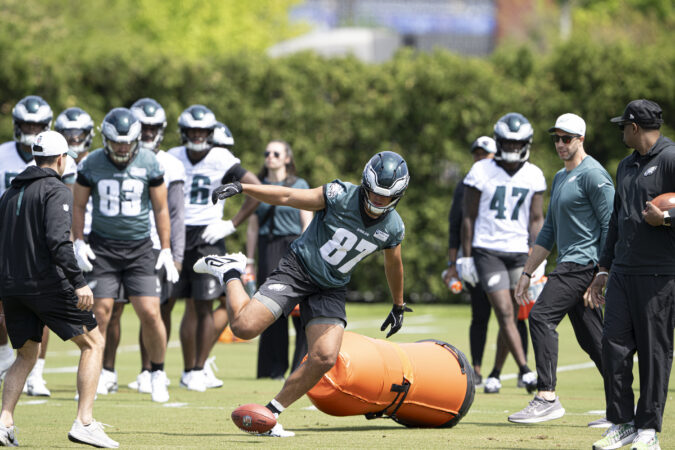
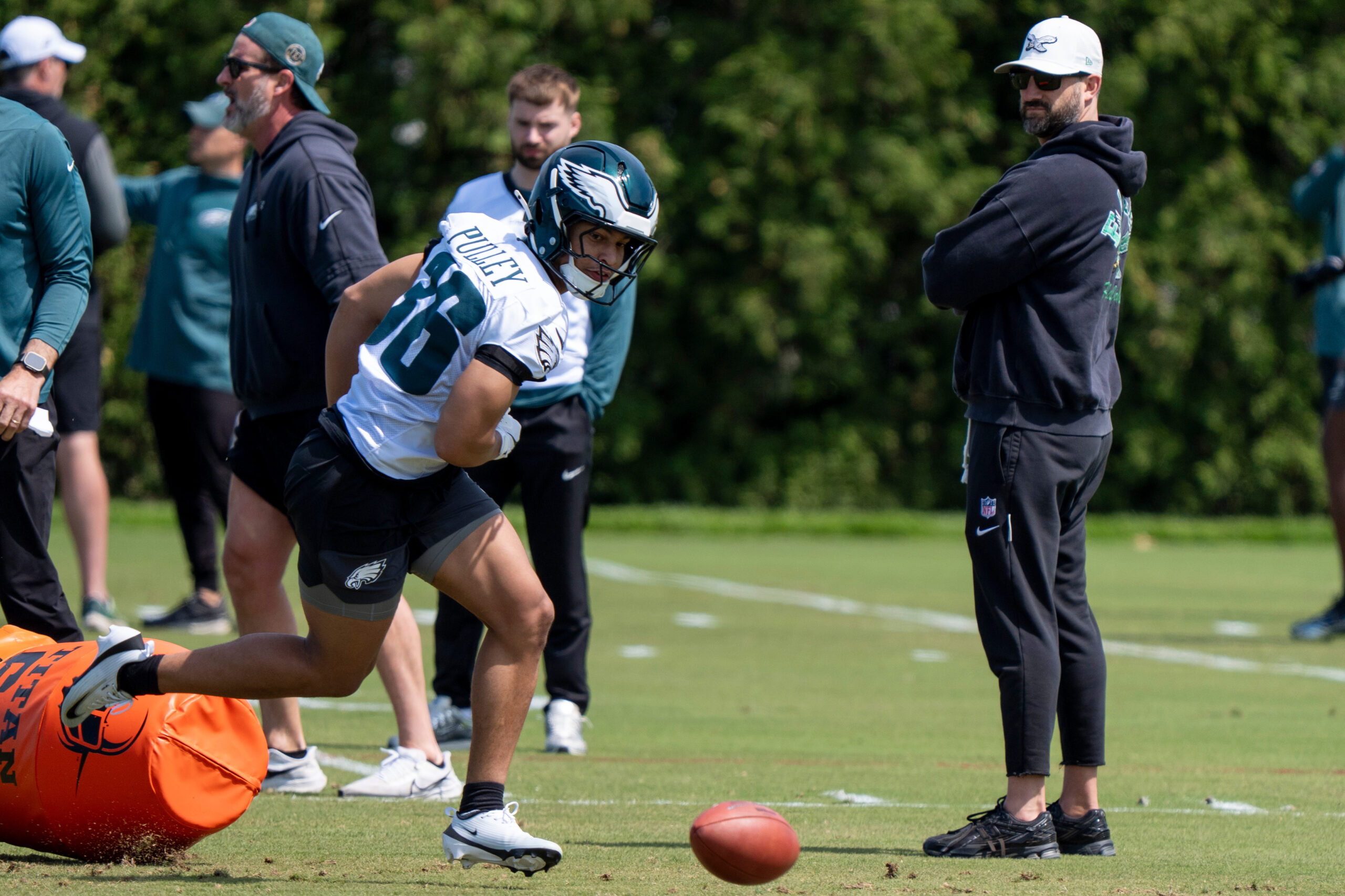
    Maximus Pulley (left) signed with the Eagles as a UDFA after three standout seasons at FCS school Wofford.

    Player: Maximus Pulley

    Position: Safety

    Age: 23

    Previous experience: Pulley’s rise has been remarkable. He had no scholarship offers out of high school, and Western Kentucky, where he began his college journey, didn’t even have a preferred walk-on spot for him. Pulley tried out for the team in the middle of the season in 2021 and joined the scout team. By the next year, he was a full-time special teamer. He hit the transfer portal after 2022 and landed at Wofford, a FCS program. He started every game with Wofford the next three seasons. Last year, Pulley led the team with five interceptions and returned two of them for touchdowns. He was a first-team All-American.

    At his pro day, Pulley ran a 4.45 40-yard dash and registered a vertical jump of 41½ inches.

    Path to a roster spot: Pulley is a long shot. The Eagles have at least some uncertainty at safety, but Pulley will be starting pretty low on the totem pole. Drew Mukuba is a lock to start, and the Eagles plan to use All-Pro nickel Cooper DeJean at safety in base. Right now, Marcus Epps is next in line to get on the field, with Michael Carter II also in the mix. The Eagles also used a seventh-round draft pick on a safety, Cole Wisniewski, and signed veteran special teams ace J.T. Gray. There’s room for an undrafted free agent like Pulley to make a push, but he’ll also be competing with fellow UDFA Kapena Gushiken — whom Vic Fangio has already name-dropped — for opportunities.

    Fun fact: Pulley, a sociology and anthropology major with a 3.64 GPA at Wofford, was named an academic All-American last season.

    Quotable: “Coming out high school, I wasn’t really good, but I was always the hardest worker,” Pulley said earlier this year on the Sam Acho podcast. “I feel like I’ve passed over so many people in the football world due to my work alone and my delusion. My mom loves the faith that I’ve always had, but the faith has come more recently. The delusion … I thought I was so much better than I was but I always trusted the work that I did.”

  • Breast cancer survivors from Whitemarsh Boat Club are rowing like ‘an athlete’

    Breast cancer survivors from Whitemarsh Boat Club are rowing like ‘an athlete’

    It was Valentine’s Day 2022 when Shannan McConnell found a rash near her neck that felt like a lump. Then, everything went awry. She was diagnosed with breast cancer and quickly began her treatment.

    There wasn’t much time to process what was happening to her, she says.

    “A lot of people say that when you’re going through the treatment, you’re just doing what you’re told and you just keep going,” said McConnell, age 46, from Media. “Then when you’re left alone, you’re like, someone has to tell me that really happened, it was so far out. … Will I ever be the same, will I ever be strong, will I ever have adventures?

    “We have 10 years of medication that changes your whole life, monthly injections, it’s ongoing. It kind of feels a little more daunting afterward.”

    McConnell is no longer in active treatment, and even though her doctors have told her, “you’re cancer free — you can put this behind you,” she can’t. Many cancer survivors can’t, she says. However, for the past three years, McConnell has found an outlet that has given her strength and community. It’s paddling in a boat with a group of women.

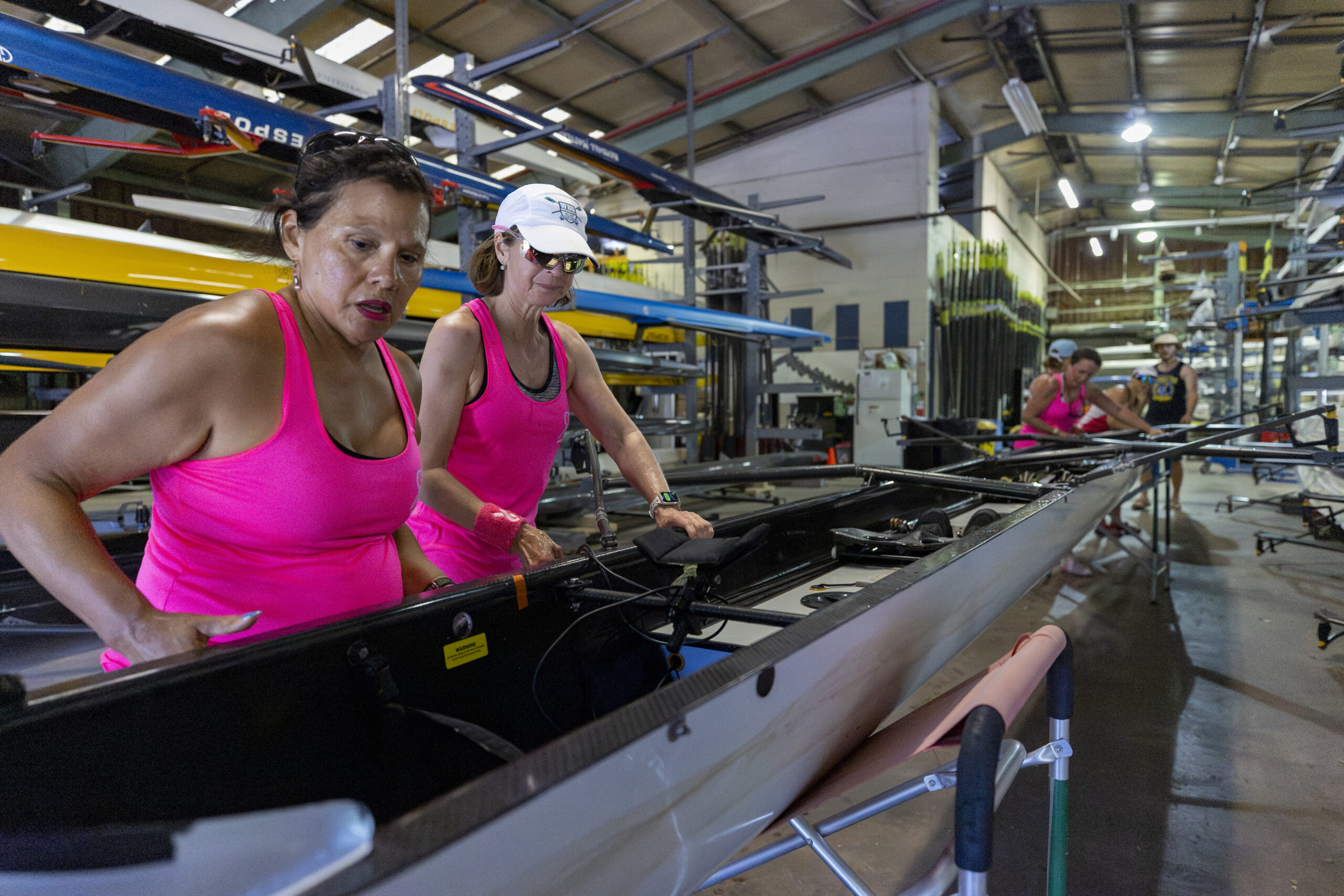
    WeCanRow-Philadelphia, a rowing program through Whitemarsh Boat Club for breast cancer survivors, came to Philly in 2018 and currently has 46 members.

    WeCanRow-Philadelphia is a rowing program through Whitemarsh Boat Club for breast cancer survivors. The Philly chapter is supported through the Survivor Rowing Network, which has more than 30 participating programs around the nation. It came to Philly in 2018 and currently has 46 members.

    “WeCanRow is everything about community, about mentoring, about encouraging, about connection, about hope,” said Susan Ryan, 61, of Eagleville. “It’s the on-water support group that isn’t.”

    While the program focuses on mental and physical healing for those treated for breast cancer, the participants are competitors, too. They’ve raced twice at the Head of the Charles Regatta in Boston and won both exhibition survivor events in 2024 and 2025.

    Now, they’re taking their oars across seas.

    From July 10 to 12, Whitemarsh Boat Club will have three boats compete at the Henley Masters Regatta in Henley-on-Thames, England. Members of WeCanRow-Philly will take part in an exhibition women’s coxed four. McConnell, Ryan, Jill Hunt, Bonnie Martin, and coxswain Marie Leonard will fill the exhibition boat.

    This will be the regatta’s first dedicated cancer survivor rowing event and marks a significant milestone as the first major event in the United Kingdom to welcome cancer survivor crews. It will run as a trial, with the hopes of becoming a permanent fixture.

    “When we meet these other survivors, there’s a connection,” said Martin, 61, of Lumberton, Burlington County. “It’s just great to have these connection points really all over the world, all over the country.

    “If someone would have told me six and a half years ago, when I was in treatment, that I’d be rowing like this, I would have never believed it. I feel like I’m an athlete, which I was never part of any organized sports before. It’s just been amazing.”

    WeCanRow-Philly is one of more than 30 participating programs around the nation through the Survivor Rowing Network.

    The two other boats are men’s and women’s quad. Both will race in the Master’s E class.

    The women’s quad is made up of all cancer survivors, featuring Emily Nelson, Karen Pinkstone, Kathy Reape, and Rebecca Choo Quan, while the men’s includes two cancer survivors from Whitemarsh, Jason Beck and Jim Nice.

    The program, which runs out of Hines Rowing Center in Conshohocken, runs from April till September, every Monday evening. Then in October, practices are held on Saturday mornings.

    Since finding out in May that they would be rowing at Henley, the crew bumped those practices to three times a week. Volunteer coach Matt Sidlowski, who’s a senior studying graphic design at West Chester, has been preparing the group for the upcoming regatta. He’s been involved with WeCanRow-Philly for the past three years.

    “They are so eager to row, so eager to get out there and spend their time working toward improvement,” Sidlowski said. “It makes it easy to show up. I have the power as a coach to give them access to a practice plan, training schedules, equipment, water time, feedback. … It really is motivating for me to see them achieve things they never thought they could.”

    Matt Sidlowski (left), a senior at West Chester, is a volunteer coach for WeCanRow-Philly.

    WeCanRow-Philly has brought together women from all over the area since Whitemarsh Boat Club is the only local boathouse offering cancer survivor rowing.

    Pinkstone, 56, travels about an hour from her home in Yardley to Montgomery County to row. But the drive is well worth it, she says.

    “It’s an entire evening,” she added. “You’re working all day and then you’re going to practice. My family is supportive because they see how happy this makes me and how important it is to me. … I’m a better teacher, a better mom, a better wife, a better person, because I’m taking care of myself, and this is a big part of it.”

    The group hopes to see more survivor rowing programs and events. To participate at such a prestigious regatta, though, is a start.

    Beyond the sisterhood, rowing is about working together to be in sync — even when the odds feel against you.

    “You can still pull hard in an unset boat, it doesn’t have to be perfect,” said Nelson, 56, of Villanova. “You can still put in 1,000 percent effort, even though the conditions are terrible, and I think about that a lot in the boat.

    “It’s not set, that’s not a reason to stop rowing, it’s not a reason to make excuses. Just go out there, do your best, no matter what’s going on. And that’s true on land, too.”

    WeCanRow-Philly has brought together women from all over the area since Whitemarsh Boat Club is the only local boathouse offering cancer survivor rowing.
  • Phillies radio calls give him ‘goose bumps.’ Then he shares those chills with everyone on social media.

    Phillies radio calls give him ‘goose bumps.’ Then he shares those chills with everyone on social media.

    The Phillies game wasn’t over yet last month but it was over as Nick Piccone kept the TV on mute like a distraction in the background. The Phils trailed the Nationals by two runs and were down to their last strike with the bases empty in the ninth on June 23. It was over.

    But Piccone — just like lots of diehards who accepted a loss but refused to stop watching — didn’t turn it off.

    “Just in case,” he said.

    And then it happened. The Phillies scored eight runs with two outs, delivering the most unlikely win of the season. It was time for Piccone to work. He’s built a following in recent seasons for being the guy who clips the radio calls of Philly sports highlights and posts them to social media.

    First, he had to listen to how Scott Franzke — the Phils’ radio voice on 94.1 WIP — described the action.

    “I got goose bumps when I listened to it,” said Piccone, who lives in Delaware County. “And I just knew Phillies fans are going to love this.”

    He posted a montage of Franzke’s pitch-perfect calls that night and then watched them go viral. Philadelphia loves its teams but the city has always had a deep relationship with the voices, putting Piccone at the intersection of fandom and the way we enjoy it.

    Brandon Marsh’s homer was thrilling, but how much better did Franzke’s narration make it feel?

    “You could tell that the fan kind of came out,” Piccone said. “Like, he didn’t think that was going to happen. He had the same reaction that we did, and he’s calling it. He reaches that second level for a regular season game when I’m sure he probably thought this was going to be a loss. You could hear the surprise in his voice.

    “If you’re listening live on the radio, you feel that instantly. And even if you’re watching the video, you’re like, ‘Oh my God.’ Having him feel what we feel and hear his voice match what we’re feeling inside, makes it so much better. It makes those moments so much better.”

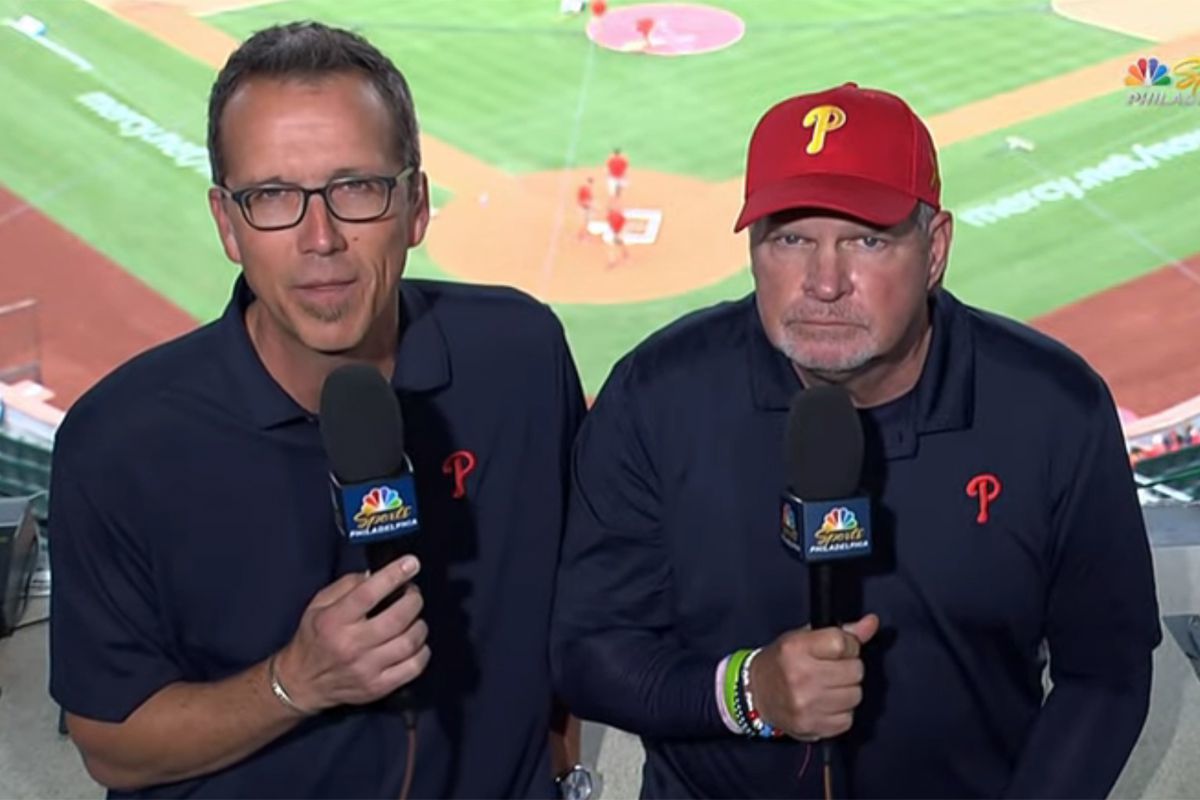
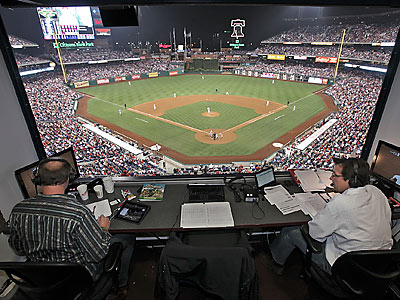
    Phillies radio play-by-play announcer Scott Franzke (left) with TV analyst John Kruk.

    Piccone does not get paid to post his videos, but he commits himself every game — “I watch every pitch,” he said — to tracking the calls of the big plays and sharing them on social media. He does the same thing for other teams. It’s how he enjoys the game.

    It takes about 10 minutes for Piccone to edit the clip on his computer and post it on social media.

    “People would message me from Europe or Asia and say, ‘I’m stationed here’ or ‘I moved here for work, and your videos make me feel like I’m home,’” Piccone said. “When I started doing it, I wasn’t even thinking about that stuff. So when people say that I was able to provide that, I was like, ‘Wow.’ That’s a huge reason why I continue to do it.”

    His hustle gives a radio broadcast a new life, allowing Franzke’s words to be heard again and again. Some people want to relive a moment they already enjoyed. Others want to feel closer to home.

    “It’s flattering, honestly,” Franzke said. “It’s humbling to know that it resonates enough with someone to know that they’re willing to go through that sort of trouble and effort to spread the word.”

    Brandon Marsh watches the ball after hitting a two-run home run against the Washington Nationals on June 23.

    From Dolly to Franzke

    Franzke was told when he first got into the business to have someone in mind to whom you are broadcasting.

    “For me, the general Delaware Valley listener is stuck in traffic on the Schuylkill,” Franzke said.

    His voice is the soundtrack of traffic jams, days at the beach, and backyard barbecues. Kids tune their radio to the Phils while they’re putting on their PJs, just like their grandparents used to sneak transistor radios under their pillows. They listen to Franzke on their porch at night and power walk around the neighborhood with his voice in their earbuds.

    Radio broadcasters Larry Andersen (left) and Scott Franzke (right) call a Phillies game in 2011.

    The Phillies broadcast their first game on the radio in 1936 with a former umpire named Dolly Stark calling the action. He was regarded as the National League’s top ump but quit after the 1935 season when the league balked at his request for a raise from his $9,000 salary.

    “A new sports thrill,” said the advertisement for the games that were broadcast on WIP 610. “Seeing the game through the umpire’s eyes! Hearing what he thinks about every play, while that play is being made! And it’s a thrill that will last all summer.”

    Stark called games for just one season before he returned to calling balls and strikes. But the game became the perfect radio sport. The pace is slow enough for the broadcaster to share a story and make you comfortable. Yet the action becomes exciting enough for them to build drama and make you feel something.

    The umpire was followed by greats who became voices of summer like By Saam, Bill Campbell, Harry Kalas, and Franzke. Richie Ashburn ordered pizzas, Chris Wheeler taught you something, and Larry Andersen admires the umpire. There’s just something about baseball on the radio. It works.

    “I think one of the reasons that baseball on the radio still works is because people can consume it passively,” Franzke said. “They’re driving, falling asleep in their beach chair, or doing yard work. They can do other things and be a part of it. A lot of people like the audio wallpaper, if you will. It’s there. It’s around them. They enjoy it passively and do other things in their life. We’re just along for the ride, I guess.”

    Piccone’s clips show that Franzke is more than just enjoying the ride. He’s driving the car. It wasn’t a silent clip of Marsh’s homer that went viral last week. It was the clip of Marsh’s homer with the announcer sounding just as stunned as you were that it happened.

    Franzke said it’s the moment that “generates the goose bumps,” since he’s just a guy. And it was the guy calling that moment last week that gave Piccone chills.

    “It doesn’t matter when it is during the season, September or April, the story of the game takes over,” Piccone said. “I think he tells that story perfectly in his calls. Offense, a great defensive play, a strikeout. That emotion comes through and you know it’s a big moment.”

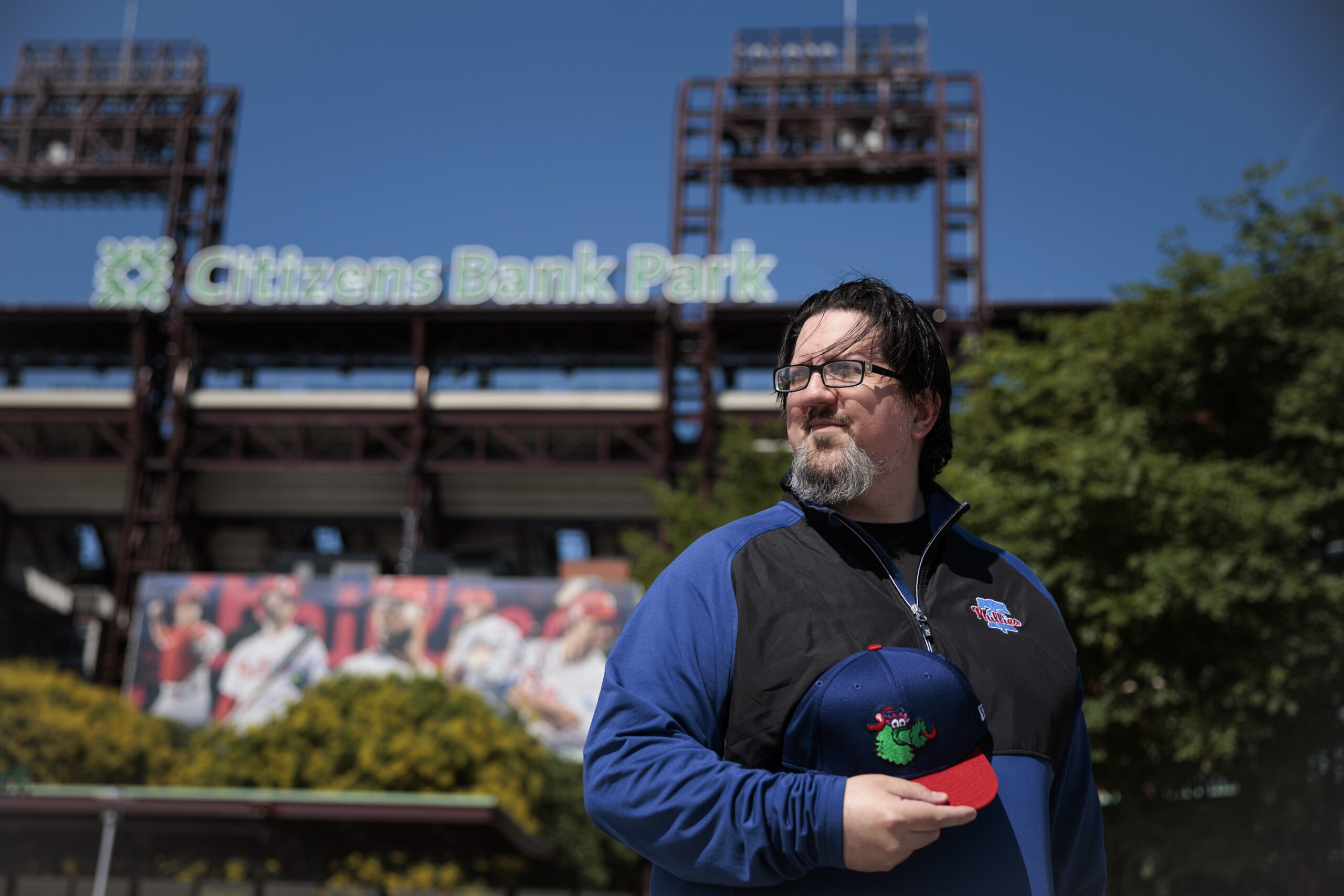
    Nick Piccone says he’s “kind of jealous” of people who grew up listening to baseball games on the radio. “I didn’t even think of consuming sports in that way when I was younger. I’m glad I’m able to do it now.”

    Being that guy

    Piccone grew up on the 1993 Phillies and started watching the other teams in 1999 as a freshman at Kingsway High School. He soon was a diehard: devastated when they lost and elated when they won.

    “I just consume it,” Piccone said last month. “Like, I’m mad the Phillies lost today.”

    But the guy who chops up the audio of every radio broadcast didn’t grow up listening to the radio. He just watched it on TV.

    “People who say they were brought up listening to sports on the radio, I’m kind of jealous of them,” Piccone, 40, said. “Because I didn’t even think of consuming sports in that way when I was younger. I’m glad I’m able to do it now.”

    “We just have amazing play-by-play guys. You think of the Phillies, you think of Franzke. You think of the Flyers, you think of Tim Saunders. You think of the Sixers, you think of Tom McGinnis. Eagles, Merrill Reese and Mike Quick. They’re synonymous with the teams.”

    Piccone planned to do what he does now — clip the radio call and match it to the TV feed — when the Eagles played the Patriots in Super Bowl LII. But his buddy’s Wi-Fi dropped that night, so Piccone closed his laptop and watched the game like a normal fan. And then the Eagles won, and he wished he had the clips.

    He made sure to have a stronger connection in 2022 when the Phillies went to the World Series. He clipped every call that October, and his social media following soared.

    He sends out Franzke’s call along with the team’s Spanish broadcasters and the opponent’s call. Piccone noticed that the TV calls are the ones usually shared by the teams or networks. The radio guys, he thought, weren’t getting their due.

    People soon started messaging him for specific calls or pointing out things he may have missed. He suddenly felt like he had a responsibility. He became that guy.

    “It’s fun being known for that,” said Piccone, who writes for Crossing Broad. “I like being that guy.”

    The Phillies season likely will end in October again, giving Piccone plenty of moments to share. The goose bumps, he said, usually are felt in the fall when the stakes are higher. But sometimes the broadcaster makes you feel it on a weeknight in June. And that’s why you leave the game on.

    “People will say, ‘I heard your call,’” said Franzke, who is not on X, formerly known as Twitter. “And there’s two places they heard it: WIP playing it back or on social media. It’s cool that Nick invests that kind of time. At the end of day, this promotes what we’re doing.”

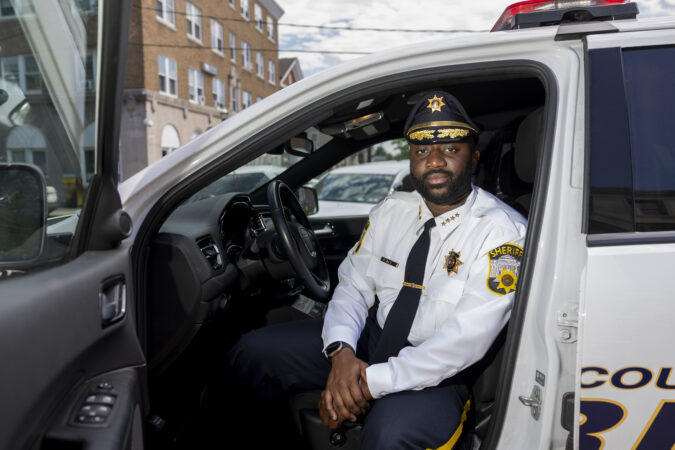
  • Sharon Hill police killed his cousin. Now he is Delaware County’s new reform-minded sheriff

    Sharon Hill police killed his cousin. Now he is Delaware County’s new reform-minded sheriff

    Siddiq Kamara remembers standing side by side with his aunt outside of the Delaware County courthouse and calling for changes in how police are trained after a stray bullet fired by Sharon Hill police officers killed his cousin Fanta Bility.

    Three years later, his office is inside that same building.

    Kamara, 30, became the youngest sheriff in Delaware County history when he cruised to victory in November with 63% of the vote. The son of Liberian immigrants, Kamara turned his family’s tragedy into a platform for improving the way community policing is carried out in his home county.

    “The people in Delaware County, I’m here to work with them, and my office is going to do that every single day,” he said.

    “This is the greatest country in the world. Being 30, being Muslim, being a first-generation immigrant and being the sheriff of one of the biggest counties in Pennsylvania, it’s unheard of. And I don’t take that lightly.”

    In his first six months in office, Kamara equipped all of his deputies with body cameras and beefed up recruiting efforts, including open fitness tests throughout the county, to help fill the 35 vacancies he inherited. He’s mandated de-escalation and regular firearms training for his deputies, in memory of his cousin.

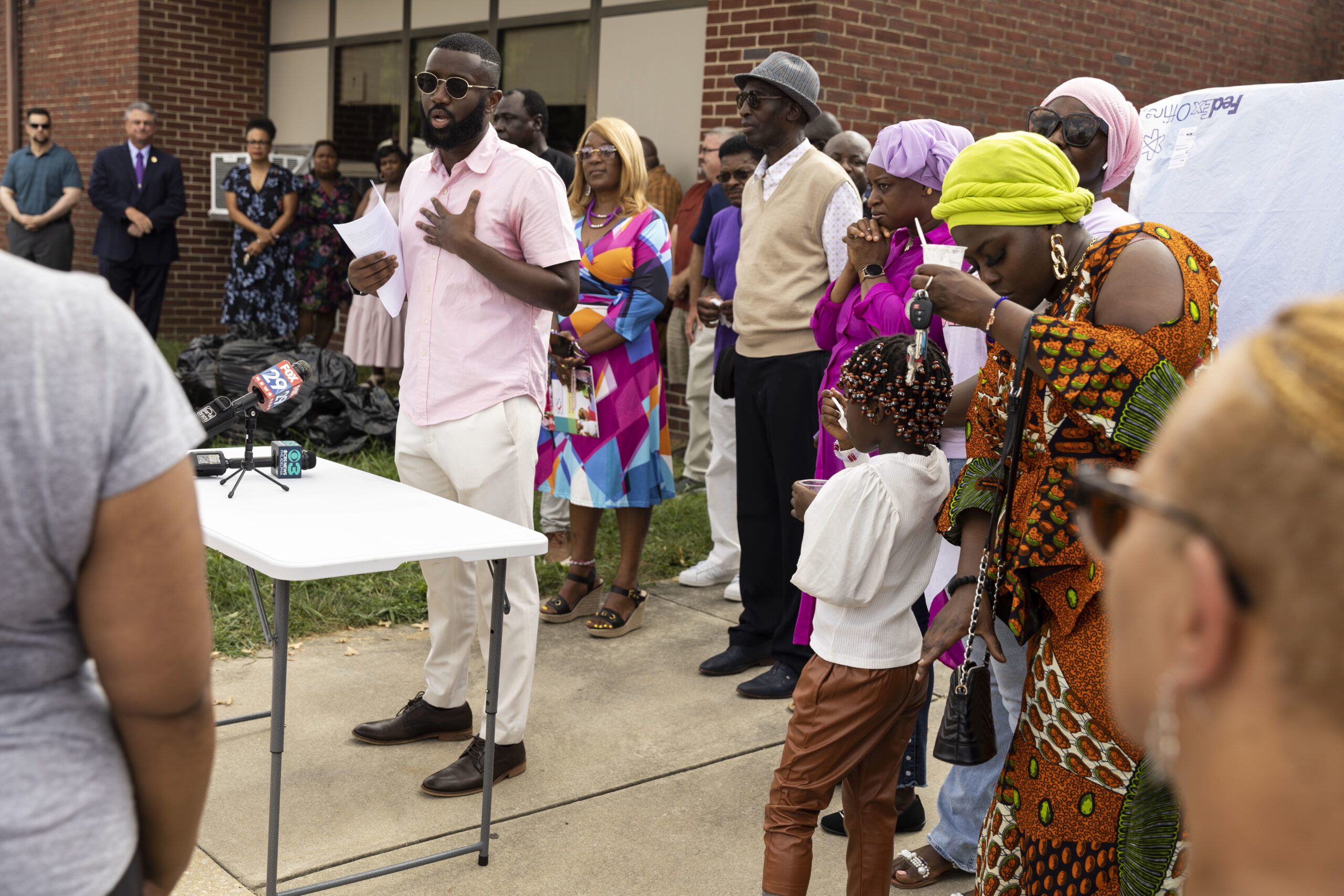
    Siddiq Kamara (left) stood by his aunt, Tenneh Kromah, in January 2025 as they renamed a park in Sharon Hill after his cousin Fanta Bility.

    Delaware County Council President Monica Taylor said Kamara is bringing a fresh perspective to a row office that often gets overlooked.

    “He doesn’t just talk. He does the work,” Taylor said. “That’s what makes him a great public servant. He’s bringing everyone to the table to make these improvements.”

    That’s notable for a county sheriff, given the role traditionally, doesn’t require officials to stray too far beyond the county courthouse. But Kamara wants to change that, making sure he and his deputies are a frequent presence in the towns they serve.

    That desire comes from Kamara’s own experience. After serving six years in the Army National Guard, Kamara became a police officer in Yeadon. He later took a job in the state Attorney General’s Office, working in various roles including narcotics and the personal protection detail for then-Attorney General Josh Shapiro.

    Kamara’s cultural background and linguistic skills — he speaks African dialects including Mandingo and Fula, as well as French — were called upon by federal investigators as they built their case against Laye Sekou Camara, a Liberian war criminal.

    He said he became a police officer because so many people in his community in Upper Darby, drawing on their experiences in their home countries, were distrustful of police.

    “We interact with the public every single day, and sometimes these individuals, we’re not getting them at their happiest time. It’s their most vulnerable time, and you have to use empathy,” he said. “So we’ve been sending some of our supervisors to trainings so they can understand the tools when they’re out there in the community and they can teach their fellow colleagues how to de-escalate situations.”

    But when Fanta Bility was gunned down in August 2021, Kamara’s professional ambitions changed. The 8-year-old was struck by a stray bullet after three Sharon Hill officers opened fire toward a crowd leaving a high school football game. They were aiming at a car they mistakenly believed was the source of a nearby shooting.

    Those officers were later fired and pleaded guilty to reckless endangerment. But Kamara knew something had to change.

    “If you understand what happened that day to my cousin, cops, unfortunately, we can’t make mistakes. It costs people’s lives,“ he said. ”And, that day, it cost my cousin’s life, so I wanted to make sure that in my capacity, as the sheriff, our officers are properly trained.”

    Siddiq Kamara speaks during a backpack giveaway at Sharon Hill Elementary School in August 2023 held in memory of Fanta Bility.

    State Sen. Anthony Hardy Williams, a Democrat who sponsored a bill nicknamed “Fanta’s Law” that would require all Delaware County police departments to be accredited and receive annual use-of-force training, has been a mentor and friend to Kamara for years.

    “Back then, he was annoying,” Williams joked. “But he learned from my team, and it grew from him just being unapologetically persistent and curious, to him understanding he has a real value.”

    From Kamara’s early days of volunteering at political events, it was clear to Williams that he was dedicated to public service. “Fanta’s Law,” Williams said, is their latest collaboration.

    “He’s here to improve things, not just here to say ‘I have a title and have a position,’” Williams said. “It’s clear he wants to find out how to use this position to improve the office and also improve the lives of people who don’t even know about the office.”

    Kamara, for his part, said he’s thankful for the opportunity to enact change in the county that raised him.

    “When you’re in an office, and I teach my deputies this all the time, is that we do the protection part, but we’ll forget sometimes about serving,” he said. “And serving goes a long way.”

  • Pa. residents stand to lose an average of $520 a month in Social Security benefits in six years unless Congress acts

    Pa. residents stand to lose an average of $520 a month in Social Security benefits in six years unless Congress acts

    For 30 years, Nettie King, 92, has relied on Social Security to survive.

    She and her former employers at the Oak Lane Diner near her home paid into Social Security through payroll taxes for years.

    While the storied institution closed in 2015, the Social Security benefit checks that King’s work generated have kept coming. “It’s been comfortable,” explained King, who said she was the diner’s first server of color in 1963.

    But now there’s a problem.

    King is among 68 million Americans facing possible reductions of 22% to their benefits by 2032 unless Congress acts, according to a new report by Social Security Administration (SSA) trustees released last month.

    Pennsylvania residents could lose an average of $520 each from their monthly Social Security checks, according to the Committee for a Responsible Federal Budget, a nonpartisan think tank. That would affect an estimated 255,000 Philadelphians receiving Social Security benefits, according to Olivia Mitchell, director of the Boettner Center on Pensions and Retirement Research at the Wharton School of the University of Pennsylvania.

    “Losing that much would be a disaster,” King said. “I pray the money doesn’t stop.”

    It won’t if Congress overcomes its partisan divide and creates a workable solution to make Social Security solvent, say advocates for the elderly — including AARP, whose senior vice president Bill Sweeney warned in a recent press call that “the longer they wait, the harder it gets.”

    Speaking for the Trump administration, Treasury Secretary Scott Bessent said in a statement, “We are working to preserve Social Security … and recognize that more work remains to secure benefits for future beneficiaries.”

    Someday soon

    Analysts have long predicted the Old Age and Survivors Insurance trust fund from which most retired Social Security claimants draw benefits could dissipate, said Temple University labor economist Samuel Solomon. But that was always regarded as a “someday” event.

    “Someday” may now be just six years away. “That’s a big deal,” Solomon said.

    The SSA wouldn’t stop paying benefits altogether, Mitchell said. Although the report predicts the fund’s reserves could be tapped out by 2032, “continuing payroll tax revenue [from people currently working] would cover about 78% of scheduled retirement benefits,” she added.

    At nearly $1.6 trillion annually, Social Security represents more than 20% of the U.S. budget and is the nation’s largest single expense, Solomon said.

    Various factors have combined recently to accelerate the fund’s potential depletion, according to the report submitted by SSA trustees, who include Bessent, as well as Health Secretary Robert F. Kennedy Jr.

    First, the fertility rate this year is going down faster than predicted: 1.75 children per woman vs. 1.9.

    Also, immigration is lower than estimated. That trend will continue as the government maintains restrictive immigration policies, experts say. It represents a potentially immense loss of revenue, according to Wharton research, which shows that “unauthorized immigrants” paid $24 billion in Social Security payroll taxes in 2024, despite being ineligible to collect any benefits.

    Both the slowed fertility and diminished immigration rates have lowered the anticipated number of workers and the payroll taxes they’d have contributed to Social Security, said Kathleen Romig, Social Security expert with the Center on Budget Priorities and Policies, a left-leaning research group.

    The final factor, the trustees report said, is that the One Big Beautiful Bill Act that decreased income tax rates has reduced revenue that would’ve flowed into the program.

    The SSA didn’t respond for requests to comment.

    The Social Security system had been strained long before the trustees report. The giant baby boomer generation has been retiring since around 2011, siphoning millions from the program, Solomon said.

    In 1950, when the first boomers were 4 years old, every 100 workers paid the Social Security benefits of 13 elderly people, Solomon said. Today, it’s 25 elderly people per 100 workers — “more responsibility on a single working person to support more retirees,” Solomon said.

    That worries Doris Kitt, 81, of Jenkintown, a Social Security benefits recipient who still works at a South Jersey pediatric dental practice.

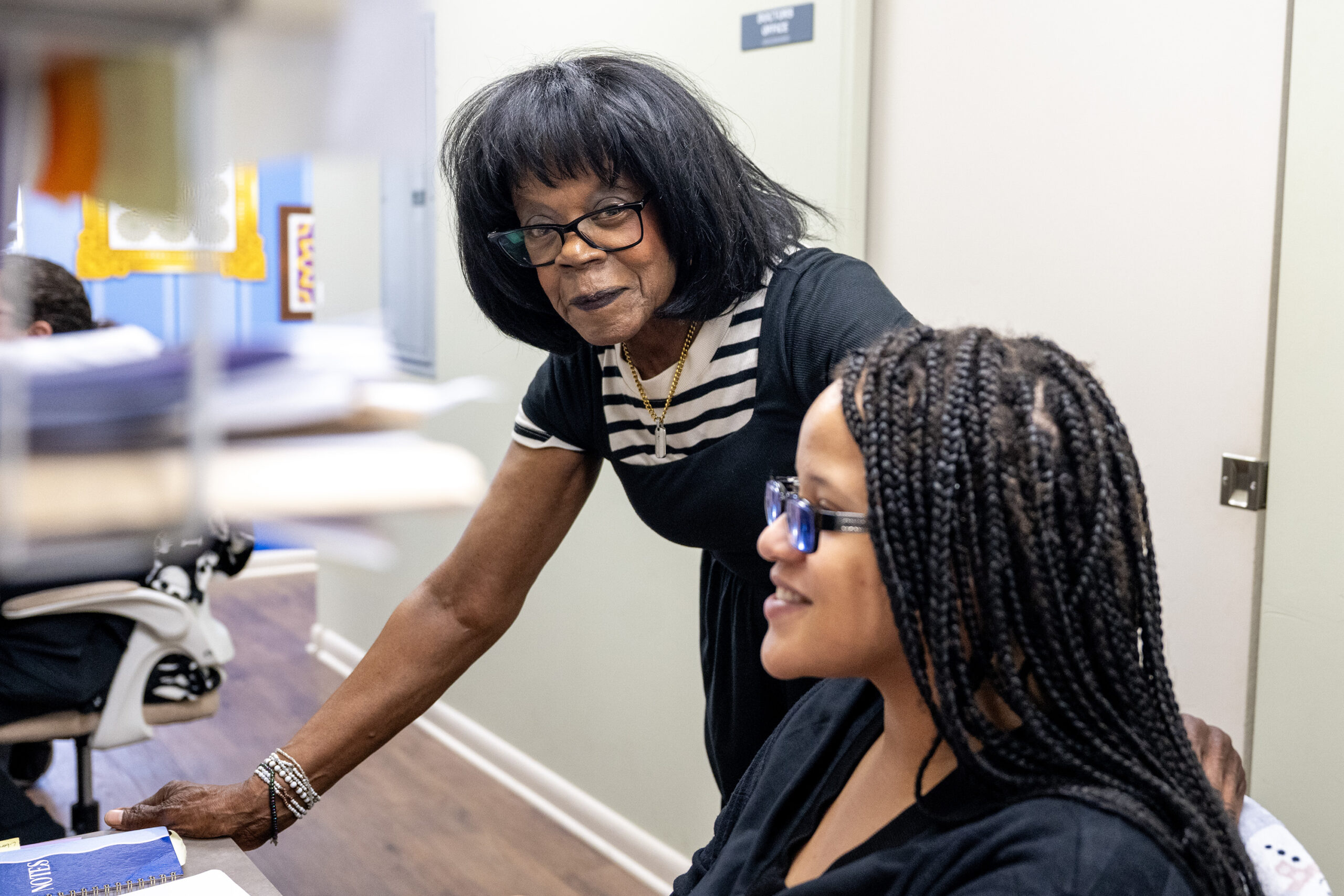
    Doris Kitt talks with coworker Asia Bagby. Kitt, who is 81, still works and also collects Social Security benefits.

    “Less Social Security when rent and food continue to cost more is a challenge,” Kitt said.

    ‘Give me what I’m due’

    Through the years, Republicans and Democrats have forwarded competing remedies for repairing Social Security.

    GOP suggestions include raising the retirement age to 70, and privatizing the system.

    Democrats call for raising payroll taxes and ending the payroll tax cap. (Currently, wages above $184,500 are not subject to Social Security taxes. Democrats would eliminate the cap so higher-income earners pay into the system on 100% of their earnings.)

    In a statement, U.S. Rep. Brendan Boyle, a Northeast Philadelphia Democrat running for reelection in November against Republican challenger Jessica Arriaga, said the trustees report makes it clear that “we must act to protect Social Security benefits for all generations.“

    He referenced a bill he introduced in May 2025 that would require Americans earning more than $400,000 to contribute a greater percentage of their wages to Social Security. It’s now before the House Ways and Means Committee.

    U.S. Rep. Lloyd Smucker, a Republican representing Lancaster County, also issued a statement, saying Social Security could be fixed by a “bipartisan fiscal commission” to “build consensus” and eliminate depletions of benefits. Smucker is being opposed by Democrat Nancy Mannion in his bid for reelection.

    “We must preserve the trust fund millions of Americans rely on and keep our promise to those who have been paying into the system their entire lives,” he said.

    That covenant must be honored, said Shirley Stringfield, 70, a retired city worker from Germantown.

    “I spent 55 years of my life paying into Social Security,” she said, “so I want them to give me my due. I expect to receive my benefits until I expire. I need every cent.”